





University of Duisburg-Essen (UDE) is a public research university headquartered in Duisburg and Essen across Germany’s Ruhr region in North Rhine-Westphalia. It ranks #301-350 in the Times Higher Education World University Rankings 2026 and features across engineering, medicine and computer science subject tables.
UDE enrolls 37,174 students including 20% internationals from more than 130 countries, delivering a broad catalogue of German and English-taught programmes across 11 faculties. Popular Indian student picks include Energy & Environment, Computer Science Engineering, Mechanical Engineering, Industrial Engineering and Chemistry, most offered as postgraduate tracks. Applicants can plan the full journey through the University of Duisburg-Essen programs catalogue.
- THE World Ranking: #301-350 (2026)
- Semester Contribution: EUR 312.4 (INR 34,989) per semester
- Intakes: Winter (October start) and Summer (April start)
- Student Body: 37,174 students, 20% international from 130+ countries
- Collegedunia Study Abroad Rank: #214 globally, #23 in Germany
Also Check: MS Universities in Germany
UDE charges no tuition under the North Rhine-Westphalia public university policy, replaced by a per-semester contribution that funds the student ticket and welfare services. Indian applicants require Academic Evaluation Centre (APS) certification, and the German student visa route permits an 18-month post-study stay for graduates. Cost of living in Duisburg and Essen sits below Munich or Berlin, keeping the total study budget attainable for Indian families.
Exchange rate used: 1 EUR = INR 112 as of August 2026
Admission Status: Closing Soon (Winter 2026/27 intake). Selected unrestricted programmes at University of Duisburg-Essen are accepting applications until 15 September 2026 for the Winter 2026/27 cycle. The next full application window opens 1 November 2026 for the Summer 2027 intake, closing 15 December 2026 for restricted courses and 31 January 2027 for unrestricted courses.
Table of Contents
- Popular Courses and UDE Fees 2027
- University of Duisburg-Essen Admission 2027
- University of Duisburg-Essen Admission Requirements for Indian Applicants 2027
- University of Duisburg-Essen Acceptance Rate 2027
- UDE Fees and Cost of Living for Indian Students 2027
- University of Duisburg-Essen Campus, Facilities and Student Life
- University of Duisburg-Essen Scholarships 2027
- University of Duisburg-Essen Rankings 2027
- University of Duisburg-Essen Placements and Career Outcomes 2027
- University of Duisburg-Essen vs Peer Universities
- University of Duisburg-Essen FAQs
Popular Courses and UDE Fees 2027
University of Duisburg-Essen is a tuition-free public university under the North Rhine-Westphalia policy: Indian students pay only the mandatory semester contribution of EUR 312.4 (INR 34,989) per semester (Winter 2026/27). Programmes cover bachelor’s (6 semesters), master’s (4 semesters) and doctoral tracks across 11 faculties. The contribution is revised each semester by the Studierendenwerk.
Popular UDE Postgraduate Courses and Fees 2027
Master’s tracks run for 4 semesters. Total semester contribution across the programme sits at EUR 1,249.6 (INR 1.4 lakh), with the amount confirmed each semester.
| Program | Language | Semester Contribution (EUR) | Semester Contribution (INR) | Entry Requirement |
|---|---|---|---|---|
| MSc Energy & Environment | English | EUR 312.4 per semester (Winter 2026/27) | INR 34,989 per semester | Bachelor’s in engineering/sciences with 55% or CGPA 5.5/10 (recommended); IELTS 6.5 |
| MSc Computer Science Engineering | English | EUR 312.4 per semester (Winter 2026/27) | INR 34,989 per semester | Bachelor’s in CS/IT with 60% or CGPA 6.0/10 (recommended); IELTS 6.5 |
| MSc Mechanical Engineering | German/English | EUR 312.4 per semester (Winter 2026/27) | INR 34,989 per semester | Bachelor’s in ME with 55% or CGPA 5.5/10 (recommended); German B2 for German track |
| MSc Industrial Engineering | German/English | EUR 312.4 per semester (Winter 2026/27) | INR 34,989 per semester | Bachelor’s in engineering/business with 55% or CGPA 5.5/10 (recommended); IELTS 6.5 |
| MSc Chemistry | English/German | EUR 312.4 per semester (Winter 2026/27) | INR 34,989 per semester | Bachelor’s in Chemistry with 55% or CGPA 5.5/10 (recommended); IELTS 6.0 |
| MSc Econometrics | English | EUR 312.4 per semester (Winter 2026/27) | INR 34,989 per semester | Bachelor’s in economics/statistics with 60% or CGPA 6.0/10 (recommended); IELTS 7.0 |
| MSc Automotive Engineering | English/German | EUR 312.4 per semester (Winter 2026/27) | INR 34,989 per semester | Bachelor’s in ME/automotive with 55% or CGPA 5.5/10 (recommended); IELTS 6.5 |
| MSc Water Science | English | EUR 312.4 per semester (Winter 2026/27) | INR 34,989 per semester | Bachelor’s in sciences with 55% or CGPA 5.5/10 (recommended); IELTS 6.5 |
| MA Development and Governance | English | EUR 312.4 per semester (Winter 2026/27) | INR 34,989 per semester | Bachelor’s in social sciences with 60% or CGPA 6.0/10 (recommended); TOEFL iBT 80 |
| MA Business Studies | German/English | EUR 312.4 per semester (Winter 2026/27) | INR 34,989 per semester | Bachelor’s in business/economics with 55% or CGPA 5.5/10 (recommended); German B2 or IELTS 6.5 |
Popular UDE Undergraduate Courses and Fees 2027
Bachelor’s programmes run for 6 semesters and are primarily German-taught, so Indian school leavers plan for a German language route in parallel with academic admission.
| Program | Language | Semester Contribution (EUR) | Semester Contribution (INR) | Entry Requirement |
|---|---|---|---|---|
| BSc Mechanical Engineering | German | EUR 312.4 per semester (Winter 2026/27) | INR 34,989 per semester | Class 12 with 70% to 85% (recommended); DSH-2 or TestDaF 4 |
| BSc Computer Science | German | EUR 312.4 per semester (Winter 2026/27) | INR 34,989 per semester | Class 12 with 70% to 85% (recommended); DSH-2 or TestDaF 4 |
| BSc Business Administration | German | EUR 312.4 per semester (Winter 2026/27) | INR 34,989 per semester | Class 12 with 70% to 85% (recommended); DSH-2 or TestDaF 4 |
| BSc Chemistry | German | EUR 312.4 per semester (Winter 2026/27) | INR 34,989 per semester | Class 12 with 70% to 85% (recommended); DSH-2 or TestDaF 4 |
| BA English Studies | English/German | EUR 312.4 per semester (Winter 2026/27) | INR 34,989 per semester | Class 12 with 70% to 85% (recommended); IELTS 6.5 or DSH-2 |
Insider note: Indian applicants overwhelmingly choose UDE’s English-taught engineering masters (Automotive, Computer Science, Energy) since they bypass the German C1 hurdle while still leveraging the low semester contribution.
Read More: University of Duisburg-Essen Fees and Programs Guide
University of Duisburg-Essen Admission 2027
University of Duisburg-Essen operates two annual intakes for Indian applicants: Winter (semester begins October) and Summer (semester begins April). Most English-taught masters accept applications through uni-assist.
| Milestone | Date | Notes for Indian Applicants |
|---|---|---|
| Winter 2026/27 unrestricted courses | Closing 15 September 2026 | Limited English-taught masters still accepting; verify at the official uni-assist portal |
| Summer 2027 restricted courses | 1 November 2026 to 15 December 2026 | Selected masters and NC-limited bachelor’s tracks |
| Summer 2027 unrestricted courses | 1 November 2026 to 31 January 2027 | Most open-admission masters and DSH-2 bachelor tracks |
| APS verification lead time | Start 6 to 8 weeks before deadline | Mandatory for all Indian degree holders before uni-assist submission |
| Summer 2027 semester start | April 2027 | Orientation typically held in the first week |
Planning note: Restricted (NC) programmes at UDE close six weeks earlier than unrestricted ones, so Indian applicants targeting Econometrics or Development and Governance must have APS ready by early November for the Summer 2027 cycle.
Read More: University of Duisburg-Essen Admissions Guide for Indian Students
University of Duisburg-Essen Admission Requirements for Indian Applicants 2027
The critical requirement for Indian applicants is APS certification from the Academic Evaluation Centre in New Delhi, without which uni-assist will not process the file.
Postgraduate applicants:
- Bachelor’s degree in a relevant field with 55% or CGPA 5.5/10 (recommended); competitive tracks (Econometrics, Development and Governance) require 60% or CGPA 6.0/10.
- English-taught programmes require CEFR B2, typically satisfied by IELTS 6.5 or TOEFL iBT 88; Development and Governance sets TOEFL iBT 80 as minimum.
- APS certification from the Academic Evaluation Centre in New Delhi is mandatory for all Indian bachelor and master applicants.
- German-taught masters require DSH-2, TestDaF 4 or telc C1 language proof.
Undergraduate applicants:
- Class 12 with 70% to 85% (recommended) plus completion of one year of an Indian bachelor’s or a Studienkolleg Feststellungsprüfung.
- German-taught bachelor’s require DSH-2, TestDaF 4 or telc C1; APS certification is compulsory.
Key insight: UDE does not require GRE or GMAT for any master’s programme; a strong CGPA and matching English test score are sufficient, which lowers total prep cost versus applying to US or UK peers.
University of Duisburg-Essen Acceptance Rate 2027
University of Duisburg-Essen does not publish a consolidated acceptance rate. Estimated selection sits between 40% to 60% (estimated), since most master’s tracks operate open-admission subject to APS clearance and cutoff CGPA.
The number varies sharply by programme: unrestricted German-taught masters admit almost all APS-verified applicants meeting the CGPA threshold, while restricted (NC) English-taught tracks apply competitive ranking.
Reality check: Competitive UDE tracks like Econometrics and Automotive Engineering see selection ratios closer to 25%, while unrestricted programmes are meaningfully more accessible than most public German peers.
Read More: UDE Acceptance Rate and Selection Details
UDE Fees and Cost of Living for Indian Students 2027
Total annual outlay for an Indian student at University of Duisburg-Essen ranges EUR 8,784 to 12,024 (INR 9.8 to 13.5 lakh), covering the two-semester contribution plus monthly living costs in Duisburg or Essen.
UDE Semester Contribution for Indian Students 2026/27
The contribution funds the NRW-wide student rail ticket, Asta welfare fund and Studierendenwerk services. There is no tuition component for Indian students at any level.
| Programme Level | Standard Duration | Semester Contribution (EUR) | Semester Contribution (INR) |
|---|---|---|---|
| Bachelor’s | 6 semesters | EUR 312.4 per semester | INR 34,989 per semester |
| Master’s | 4 semesters | EUR 312.4 per semester | INR 34,989 per semester |
| Doctoral | 6-10 semesters | EUR 312.4 per semester | INR 34,989 per semester |
Monthly Cost of Living in Duisburg and Essen for Indian Students
Duisburg and Essen rank among the lower-cost German university cities. The regional S-Bahn (rapid rail) and bus travel is fully covered by the semester ticket.
| Category | Monthly (EUR) | Monthly (INR) |
|---|---|---|
| Accommodation (WG room or hall) | EUR 350 to 500 (estimated) | INR 39,200 to 56,000 (estimated) |
| Food and groceries | EUR 200 to 250 (estimated) | INR 22,400 to 28,000 (estimated) |
| Transportation | Included in semester ticket | Included in semester ticket |
| Books and study materials | EUR 30 to 50 (estimated) | INR 3,360 to 5,600 (estimated) |
| Personal and leisure | EUR 100 to 150 (estimated) | INR 11,200 to 16,800 (estimated) |
| Total monthly | EUR 680 to 950 (estimated) | INR 76,160 to 1.06 lakh (estimated) |
| Total annual | EUR 8,160 to 11,400 (estimated) | INR 9.1 lakh to 12.8 lakh (estimated) |
[Source: DAAD Germany cost of living 2026 estimates]
Insider note: Studierendenwerk halls at EUR 250 to 420 per month are the cheapest route but waitlists run 3 to 6 months, so apply the moment you receive an admission letter rather than after visa approval.
Read More: Study in Germany Cost of Living Guide for Indian Students
University of Duisburg-Essen Campus, Facilities and Student Life
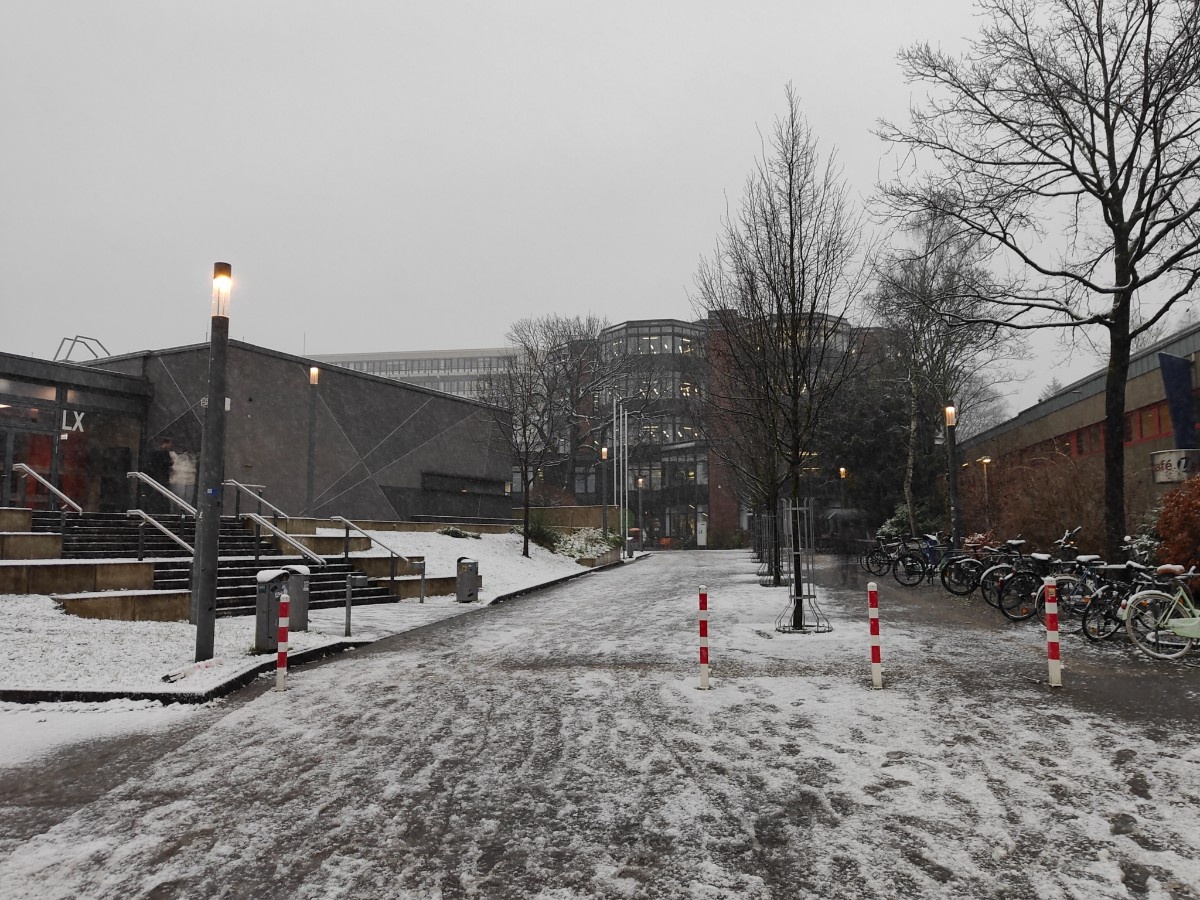
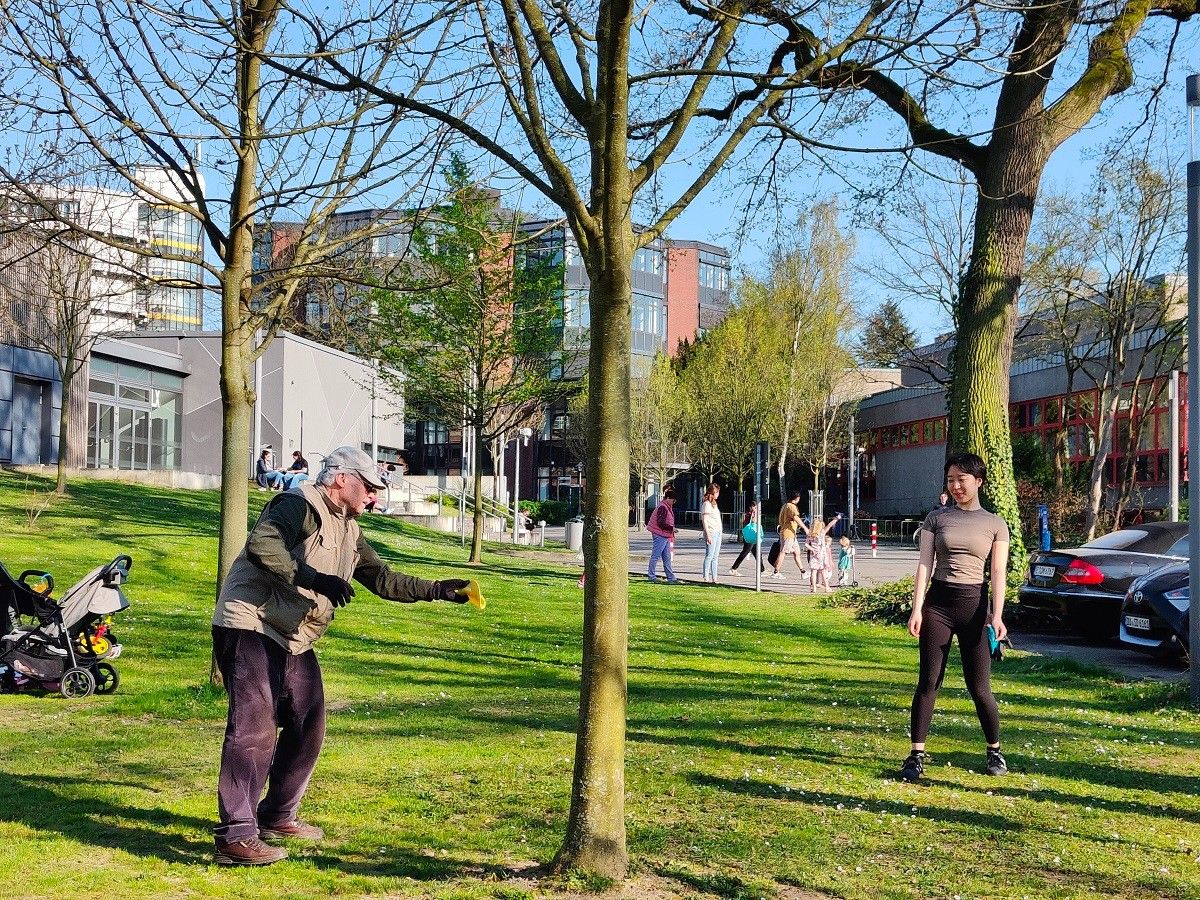
UDE spans two main campuses: Duisburg (engineering, sciences) and Essen (medicine, business, humanities), linked by the NRW student ticket across S-Bahn (regional rail) lines.
- Location: Twin-campus Ruhr setup with direct S-Bahn links to Cologne, Düsseldorf and Dortmund in under 45 minutes.
- Housing: Studierendenwerk halls (EUR 250 to 420 monthly) cover about 15% of enrolled international students; private WG rooms average EUR 350 to 500.
- Facilities: NanoEnergyTechnik Centre in Duisburg and University Medicine Essen with integrated teaching hospital.
- Indian community: Active Indian Student Association runs Diwali and Holi events; several hundred Indian students enrolled across both cities.
What Indian students say: UDE offers a genuinely low-cost route into German engineering with a tight-knit Indian cohort. The two-city split means early housing planning near your specific faculty is essential to avoid daily cross-city commutes.
University of Duisburg-Essen Scholarships 2027
UDE participates in several federal and university-level funding schemes, though none are exclusively reserved for Indian nationals; the strongest matches are DAAD tracks and the Deutschlandstipendium after enrolment.
| Scholarship | Type | Award Value | Eligibility | Deadline |
|---|---|---|---|---|
| Deutschlandstipendium | Merit | EUR 300 per month (INR 33,600) for 1 year | Enrolled bachelor and master students with strong academics | Annual, typically September |
| DAAD Helmut-Schmidt Programme | Merit and development | Full tuition, living stipend, travel and health cover | Master applicants in public policy from developing countries | 31 July annually |
| DAAD Scholarships (programme-linked) | Merit | Varies by track | Postgraduate and doctoral applicants from India | Programme-specific; verify at official portal |
| STIBET (DAAD-funded) | Hardship | EUR 300 to 500 per month | Enrolled international students facing financial hardship | Rolling |
| SCIES Faculty Awards | Departmental | Varies | Enrolled international students by faculty | Verify at official portal |
Insider note: Indian applicants have the strongest odds with programme-linked DAAD scholarships and the Helmut-Schmidt track; the Deutschlandstipendium only opens after enrolment, so plan self-funding for at least the first semester.
University of Duisburg-Essen Rankings 2027
UDE’s strongest positions are in Times Higher Education (band #301-350 globally, 2026) and US News Best Global Universities (#314, 2025-2026), with QS placement stable in the 801-850 band across three consecutive editions.
| Ranking Body | Latest Edition | Previous Edition | Two Editions Back |
|---|---|---|---|
| QS World | 2027: #801-850 | 2026: #801-850 | 2025: #801-850 |
| THE World | 2026: #301-350 | NA | NA |
| US News Global | 2025-2026: #314 | NA | NA |
| ARWU (Shanghai) | 2025: #301-400 | NA | NA |
| Collegedunia Study Abroad | 2026: #214 global, #23 Germany | NA | NA |
Subject strength (THE 2026): Medical and Health #201-250, Education Studies #201-250, Computer Science #251-300, Social Sciences #251-300. On Collegedunia Study Abroad subject tables 2026, UDE ranks #143 globally in Medicine, #246 in Engineering and #282 in Computer Science.
[Source: QS, THE, US News, ARWU, Collegedunia Study Abroad]
Key insight: UDE’s THE band of #301-350 comfortably clears the Association of Indian Universities recognition threshold for equivalency, ensuring smooth PSU eligibility and PhD admission back in India.
University of Duisburg-Essen Placements and Career Outcomes 2027
UDE reports strong graduate absorption into the Ruhr valley industrial base, Germany’s chemical and automotive sectors, and university medicine networks.
- Employment rate: Central UDE placement statistics are not disclosed; sector uptake tracks the German engineering graduate median of 85% to 90% within six months (market benchmark).
- Median starting salary: EUR 48,000 to 55,000 (INR 53.8 to 61.6 lakh) for engineering masters, market median for German graduates.
- Sectors and recruiters: Automotive, chemicals, energy and IT services; representative Ruhr-region employers include ThyssenKrupp and Evonik.
- Post-study visa: 18-month German job seeker permit for all master graduates, convertible to EU Blue Card on qualifying offer.
- Career support: UDE Career Service organises annual Career Days and industry partnerships across engineering, IT and health sectors.
Insider note: Indian engineering graduates from UDE often pivot into Düsseldorf and Cologne roles within an hour’s commute; adding a solid B1 German lifts starting salary offers meaningfully within the same role band.
University of Duisburg-Essen vs Peer Universities
The peer set below covers three neighbouring Ruhr universities Indian applicants cross-shop against UDE on cost, engineering strength and QS pedigree.
| University | QS World 2027 | Semester Contribution (EUR) | Differentiator |
|---|---|---|---|
| University of Duisburg-Essen | #801-850 | EUR 312.4 per semester | Broadest English-taught engineering catalogue in the Ruhr region |
| RWTH Aachen | Higher band (verify) | EUR 320 per semester (estimated) | Germany’s flagship engineering university, higher selectivity |
| TU Dortmund | NA | EUR 330 per semester (estimated) | Stronger production and logistics engineering focus |
| Ruhr University Bochum | NA | EUR 330 per semester (estimated) | Larger humanities and social sciences catalogue |
UDE stands out in the Ruhr peer set for combining the broadest English-taught engineering and medicine offer with a stable QS position, a THE band inside the global top 350, and the lowest published semester contribution among the four.
University of Duisburg-Essen suits Indian applicants targeting German engineering, computer science or medicine at a semester contribution of EUR 312.4 (INR 34,989) — one of Europe’s lowest total investments against typical German engineering starting salaries of EUR 48,000 to 55,000 (INR 53.8 to 61.6 lakh). The 18-month post-study job seeker German visa route gives graduates a workable runway to convert internships into full-time Blue Card roles.
It is a poorer fit for applicants prioritising a top-100 QS brand for employer signalling or a single-campus Anglophone student experience. Those buyers should compare TU Munich or RWTH Aachen, which maintain the same tuition-free public model with a stronger global rank.
University of Duisburg-Essen FAQs
Ques. What English-taught master’s programmes does UDE offer for Indian students?
Ans. UDE runs multiple fully English-taught masters that Indian applicants target: Energy & Environment, Computer Science Engineering, Automotive Engineering, Water Science, Econometrics and Development and Governance. Business Studies and Mechanical Engineering are offered in dual-track (German or English) formats. All English tracks require CEFR B2 English proof through IELTS 6.5 or TOEFL iBT 88 as the standard benchmark.
Ques. How much does the University of Duisburg-Essen semester ticket cover?
Ans. The EUR 312.4 semester contribution bundles the NRW-wide student rail ticket, which covers unlimited regional (S-Bahn and RE) train travel across North Rhine-Westphalia, plus local buses, trams and U-Bahn within Duisburg and Essen. It also funds the Studierendenwerk welfare services and Asta student union. High-speed ICE trains are not covered and require separate Deutsche Bahn tickets.
Ques. Can Indian students work part-time while studying at UDE?
Ans. Yes, the German student visa allows Indian students to work 140 full days or 280 half days per calendar year while enrolled at UDE. Part-time hourly rates in Duisburg and Essen typically range EUR 12 to 15 for retail and hospitality, and EUR 15 to 20 for HiWi (student research assistant) roles inside university faculties. Job listings appear on the UDE Career Service portal.
Ques. Does University of Duisburg-Essen require GRE for master’s admission?
Ans. No, University of Duisburg-Essen does not require GRE or GMAT for any master’s programme, including Computer Science, Econometrics and Business Studies. Admission is based on your bachelor’s CGPA, transcript match to programme prerequisites, English proficiency proof and APS certification. This is a meaningful cost saving for Indian applicants versus US or Singapore-based master’s applications.
Ques. Is a German language certificate mandatory for English-taught UDE programmes?
Ans. No, English-taught masters at UDE require only CEFR B2 English proof and do not mandate German for admission or graduation. However, most Indian graduates who convert their UDE degree into a full-time Ruhr-region job hold at least CEFR B1 German by their final semester, since even engineering roles at Ruhr employers use German for internal communication and shop-floor coordination.
Ques. Which Indian education loan providers recognise the University of Duisburg-Essen?
Ans. UDE is on the approved list for major Indian public-sector lenders including SBI Global Ed-Vantage and Bank of Baroda Vidya, as well as private NBFCs like HDFC Credila, Auxilo, Avanse and Prodigy Finance. Because tuition is nil, most loans cover only the living costs and blocked account requirement of EUR 11,904 per year, keeping the sanctioned amount well below typical US or UK ticket sizes.
Ques. How long does APS verification take for UDE applicants from India?
Ans. APS (Academic Evaluation Centre) certification from the German Embassy in New Delhi typically takes 3 to 4 weeks from document submission to certificate issue, but slot availability for the mandatory personal interview can add 4 to 6 weeks during peak months (October to December, April to June). Applicants targeting UDE deadlines should begin the APS process at least 8 to 10 weeks before the uni-assist submission date.
Ques. What is the dependent visa route for spouses of UDE students?
Ans. Spouses of UDE degree students can apply for a family reunification visa at the German Mission in India once the primary applicant enrols and secures accommodation in Duisburg or Essen. The primary student must show sufficient funds (blocked account plus additional dependent proof) and adequate housing. Dependent spouses on this visa are permitted unrestricted work rights in Germany, unlike student-visa holders.
Find A Program
Top Recommended Courses
Master of Science [MS] Computer Engineering
Do you think the fees are wrong ? Report Here
Do you think the fees are wrong ? Report Here
Course Finder - Search from 50K+ courses
Popular Streams:

Overall 292 out of 2298 in Global Ranking
Do you think the Rankings are wrong ? Report Here
University of Duisburg-Essen Reviews
10 Reviews Found
Likes
- The college is very international friendly, there are a lot of courses in English.
- The college is situated in Ruhr-area, which is one of the most industry-heavy areas in Germany, which opens up a lot of job prospects.
- The university is located in two cities, Essen and Duisburg, which means there are lot of courses on offer, spoiling you for choices.
Dislikes
- The university does not have a proper programme to help incoming international students. They do not invest enough resources to help new foreign students, that means, instead the incoming students have to rely on information from their seniors to navigate the initial days in Germany
- The university website and the student portal are very complicated to understand, and the whole process of registering/deregistering from exams is very complicated to understand. Also, the University office is quite unresponsive for this matter, and people have to rely on information from fellow students/seniors.
- The infrastructure of the University is quite old/outdated. They have started building a new campus plus renovations, but it will be a long time before we can reap the benefits of those.
Campus Life
- Two locations, Essen and Duisburg
- The campus has all the facilities that you wish, a Gym, a library, swimming pool and a sports arena
- The major festival is the Summer festival, which held in June every year
- There are also student organisations from student hostels, which organise parties regularly, so there is a great opportunity to socialise. You could also get into sports, as the university has all the facilities you require for almost a wide variety of sports. Plus, you can get coaching for a very small fee (generally around 20-30 euros per month)
Fees
- The college does not have a tuition fee; you only pay a semester fee for administrative purposes, which is around 350 euros per semester. Monthly, you can expect to spend around 900-950 euros depending on where you live.
- The rent is between 300-400 euros. You pay around 140-150 for health insurance. Around 200 euros per month on groceries and the rest is miscellaneous experience. You do not need to spend anything on transportation, because as a student, you can travel free of cost on public transportation.
Likes
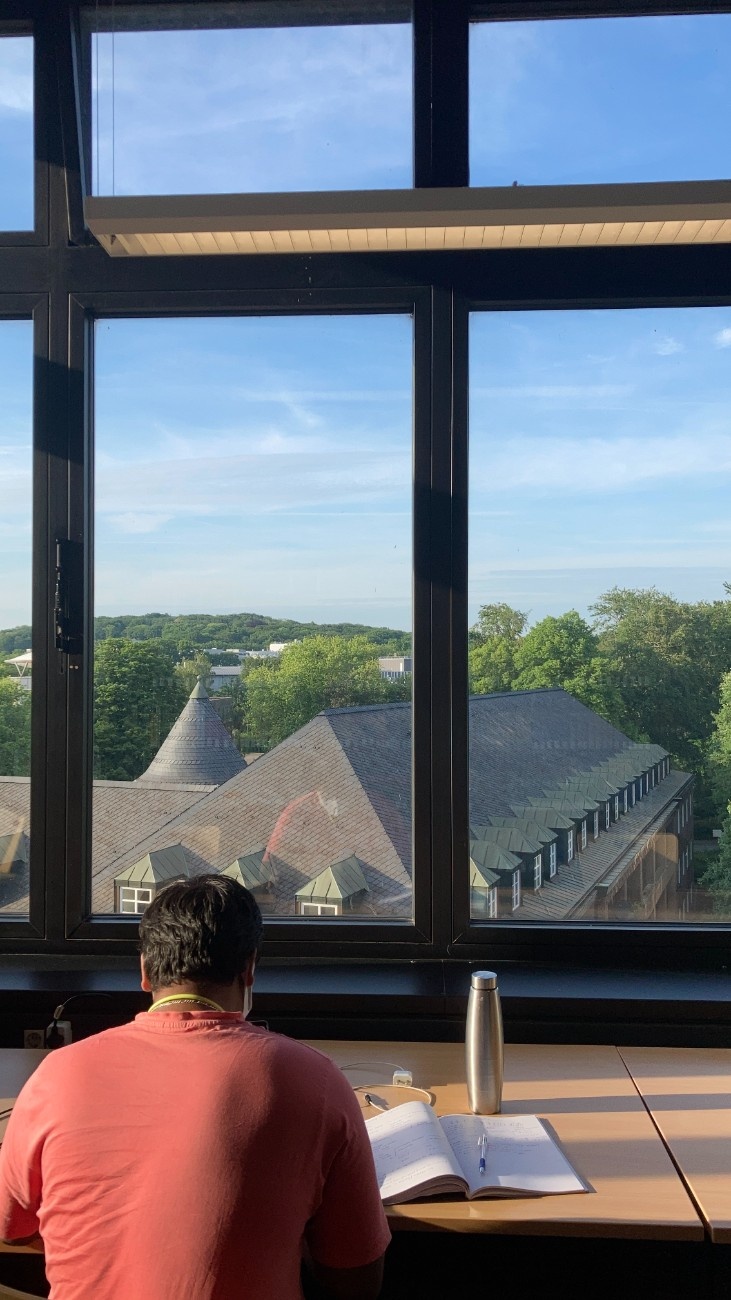
- The university library is the best place to study.
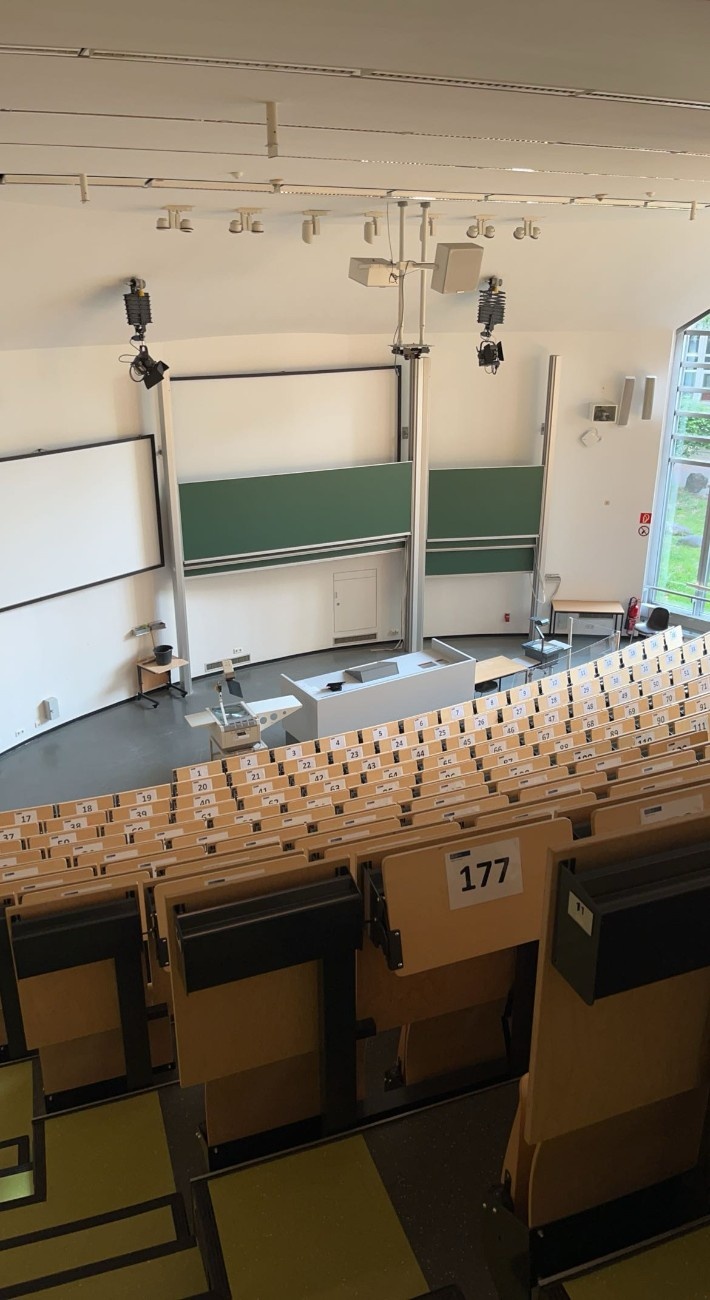
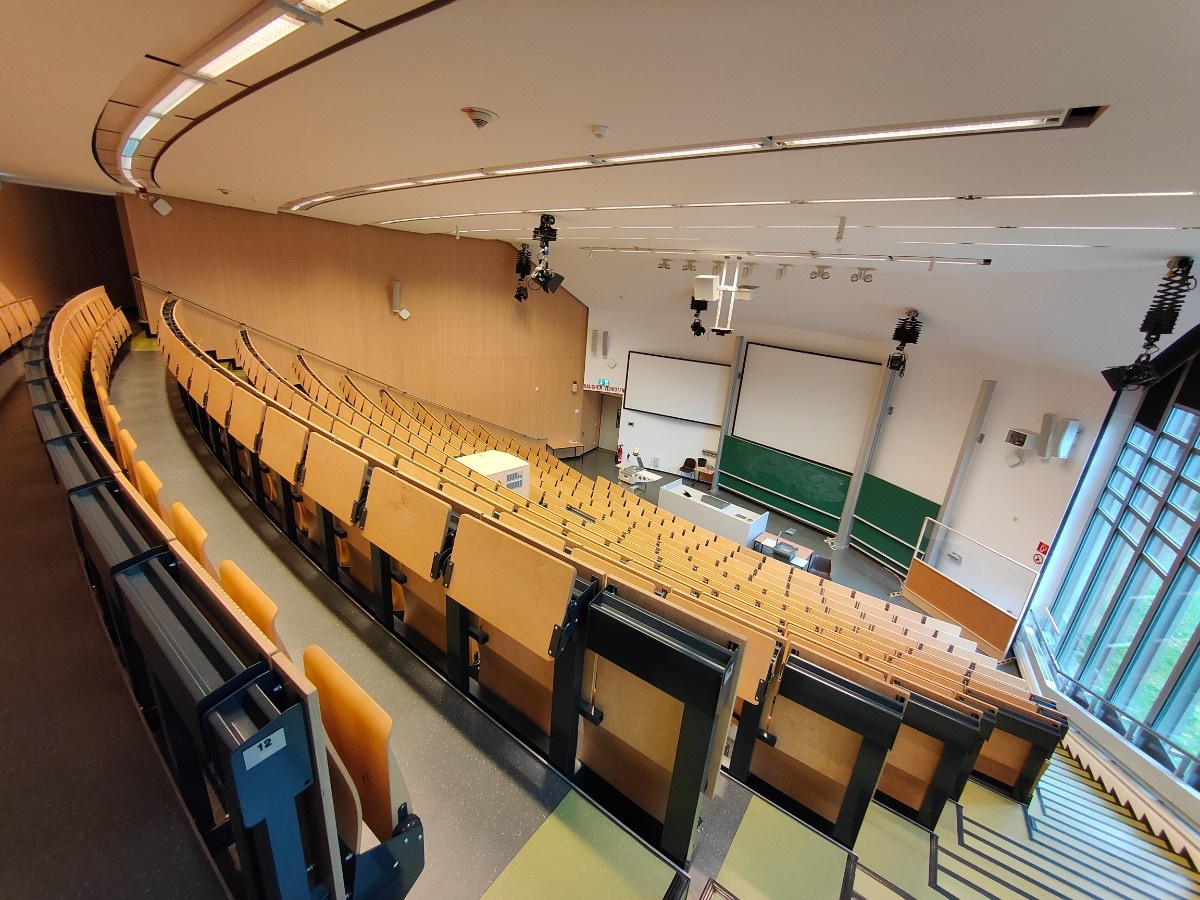
- The classrooms are very good and quiet.
- The teachers always help you, even apart from your syllabus.
Dislikes
- Less interaction with other students.
- Less attendance to the lectures.
- Less clarity in the content of some courses.
Campus Life
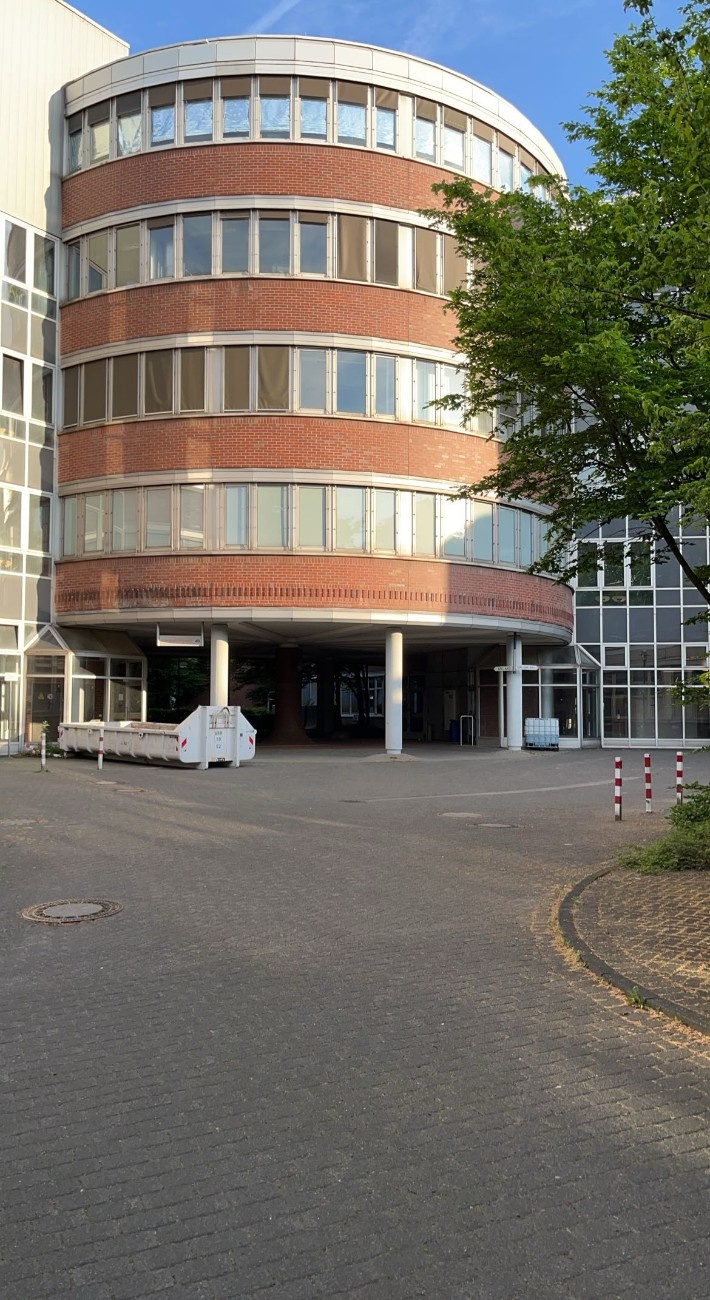
- The University of Duisburg-Essen has two campuses: the Duisburg Campus at Forsthausweg 2, 47057 Duisburg, and the Essen Campus at Universitätsstraße 2, 45141 Essen. The university has many other campuses all over the city, not so far but within a radius of 1-2 km in the cities of Duisburg and Essen.
- Some on-campus facilities include a university library with various branches of specialised libraries, conference rooms, sports fields, cafeterias, and medical centres with an access link to the university hospital at Essen. Both campuses also have student counselling, career counselling, computer labs, and study rooms.
- Large campus activities are cultural festivals, club events, and academic symposia. Student organisations like sports clubs, cultural groups, and technical student organisations sponsoring events and competitions are student favourites.
- Extracurricular activities are spread across fields like sport (football, basketball, swimming), cultural activities (music, drama, international student meet-ups), and engaging student groups with a focus on sustainability, technology, and social activism to foster vibrant campus life.
Fees
- Total university fees are different every semester; they vary between 300 and 350 euros per semester.
- So this is only for 6 months of university fees.
- In this fee, the university provides us free transportation in the North Rhine-Westphalia state. With this ticket we can take any regional train within the state.
- Currently, because of the Deutschland ticket, with which we can travel within the whole of Germany, the University of Duisburg-Essen includes the Deutschland ticket in its semester fees only. There is no need to buy any other tickets for transportation; it includes regional trains, buses, trams and U-Bahns.
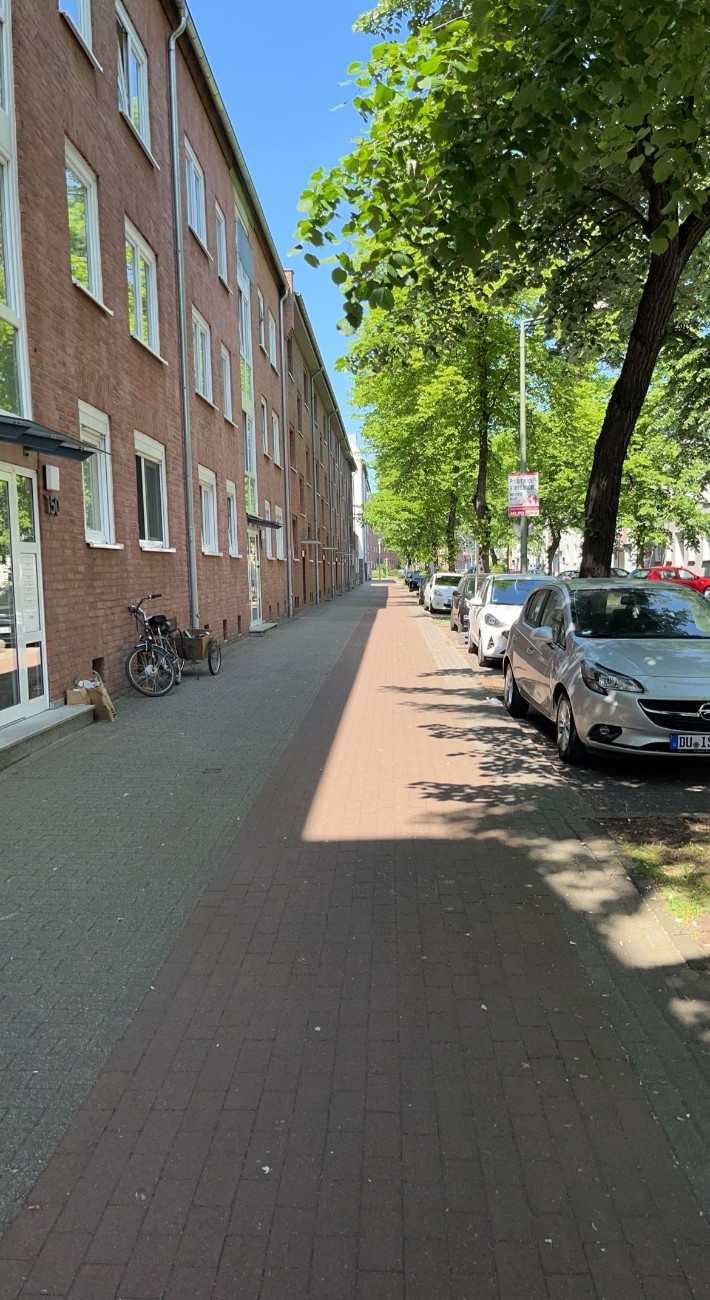
- The rent usually is between 320 and 380 euros in the city centre, even in student dormitories. outside the city it will be between 250-320 euros for 13-15m square room.
- Private rentals may be between 300 and 400 for one single room of around 15 square metres.
- In this city, monthly groceries will cost around 150-200 euros, and if you eat regularly in the university canteen and outside, then it will go up to 300 euros monthly.
- No other expenses are required. Personal shopping may cost you 100-150 euros, depending on the individual.
- If you visit places nearby, the transportation is free, but you have to pay the ticket price to see the historical places, museums, etc. With a student card, the ticket price will be lower than normal.
Likes
- I do not dislike this but Technical Unis are very theoritical and research oriented and most people suggest them to others.
Dislikes
- It takes more time to complete a course in Technical Unis and most of the stuff taught is not really helpful in the Job Market.
- Just go to Hochschule or Fachhochschule as the course is easy compared to Technical Unis and curriculum is Industry oriented (Practical)
- But if you are going to work in the Industry, you do not have to attend them.
Campus Life
- Campus is very big. Main is in Duisburg and the other one is in Essen. Multiple clubs are there on the campus. Events and extracurricular activities happen mostly in Summer, I have only attended very few.
Fees
- There are no tuition fees for most courses, as Technical Universities are government funded. Students have to pay around 350 Euros as a semester contribution for the Deutschlandticket to travel during the semester and for other contributions (Non ICE trains).
Likes
- Strong research focus in theoretical chemistry and electrocatalysis
- Access to high-performance computing clusters for advanced simulations
- Supportive and approachable supervisor and faculty
Dislikes
- Bureaucratic hurdles in Germany can sometimes delay processes (residence permits, contracts)
- Limited extracurricular activities compared to larger universities
Campus Life
- The university has two main campuses (Essen and Duisburg). Libraries are well-equipped, and CENIDE (NanoEnergy Research Center) provides strong research facilities. Extracurriculars include student clubs, cultural festivals, and sports, though the focus remains research-intensive.
Fees
- PhD students pay only a semester contribution (~€350 per semester, including a public transport ticket). No tuition fees.
Likes
- The campus is spread across two cities Duisburg and Essen, hence it is called University of Duisburg-Essen. This makes the infrastructure of the university very attractive.
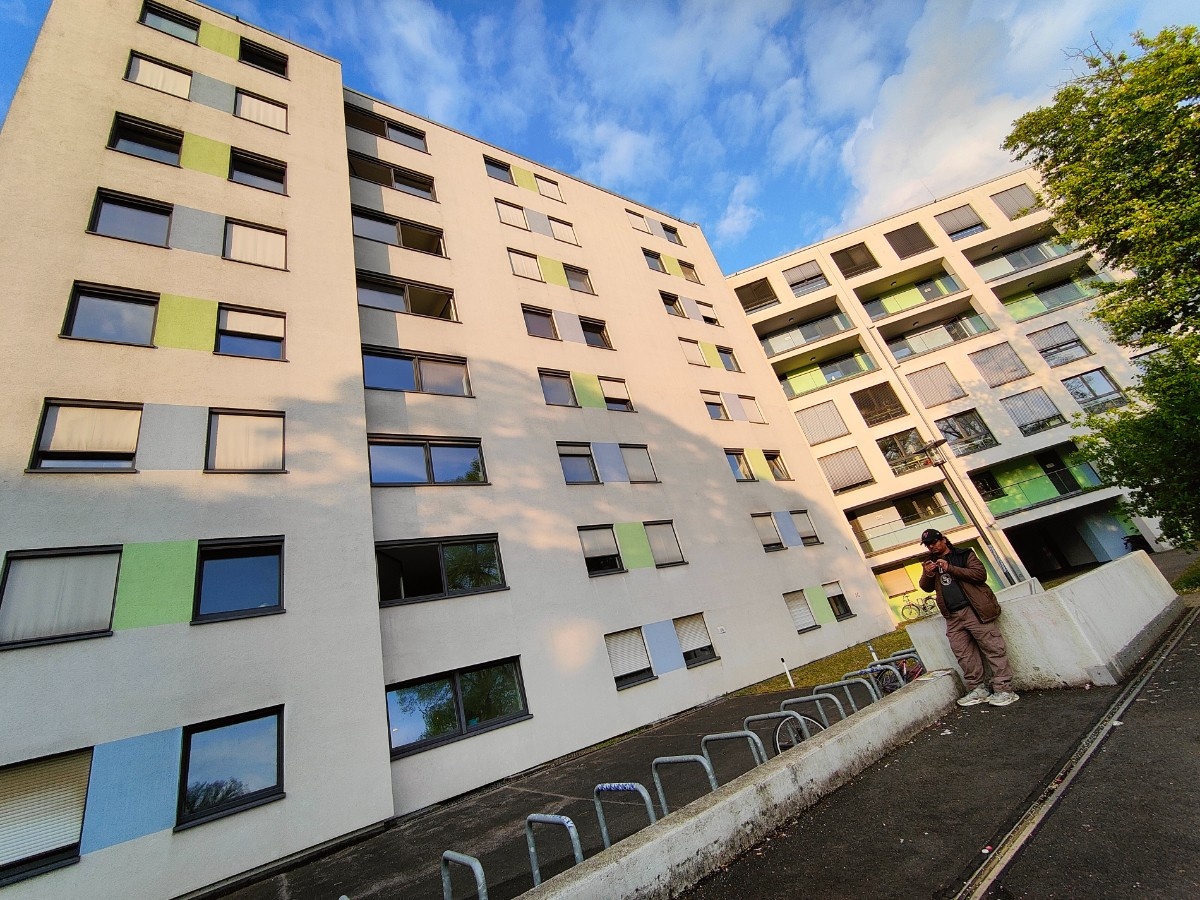
- The university offers affordable and spacious student hostels.
- You are provided with your personal student portal where you can handle all your academic stuff.
Dislikes
- German language is essential to integrate, without language it can be sometimes difficult for international students.
- Since the campus is spread between two cities, there can sometimes be long commutes.
- The food provided in canteen is mostly German based and I found it not so suitable when you have Indian background.
Campus Life
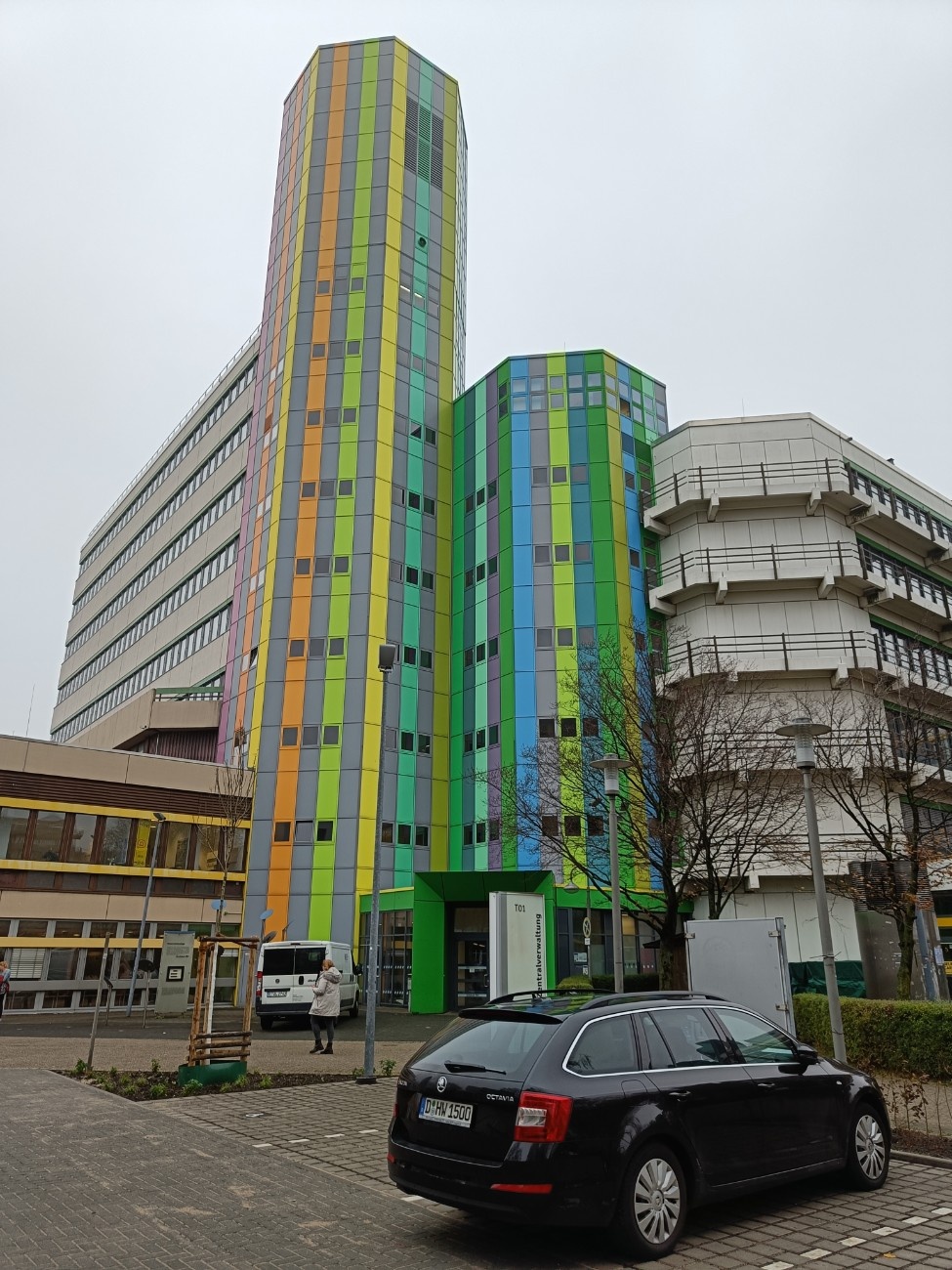
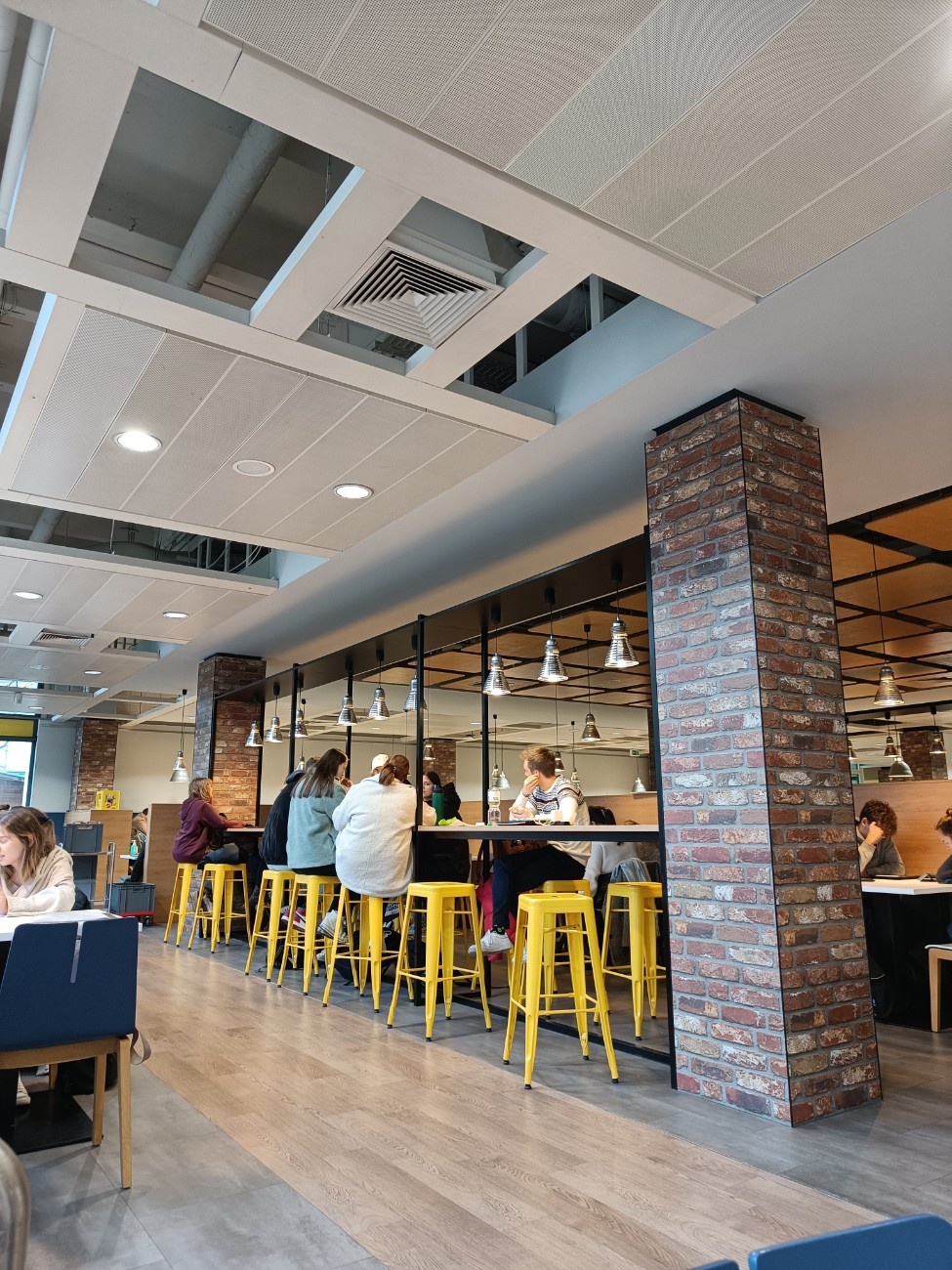
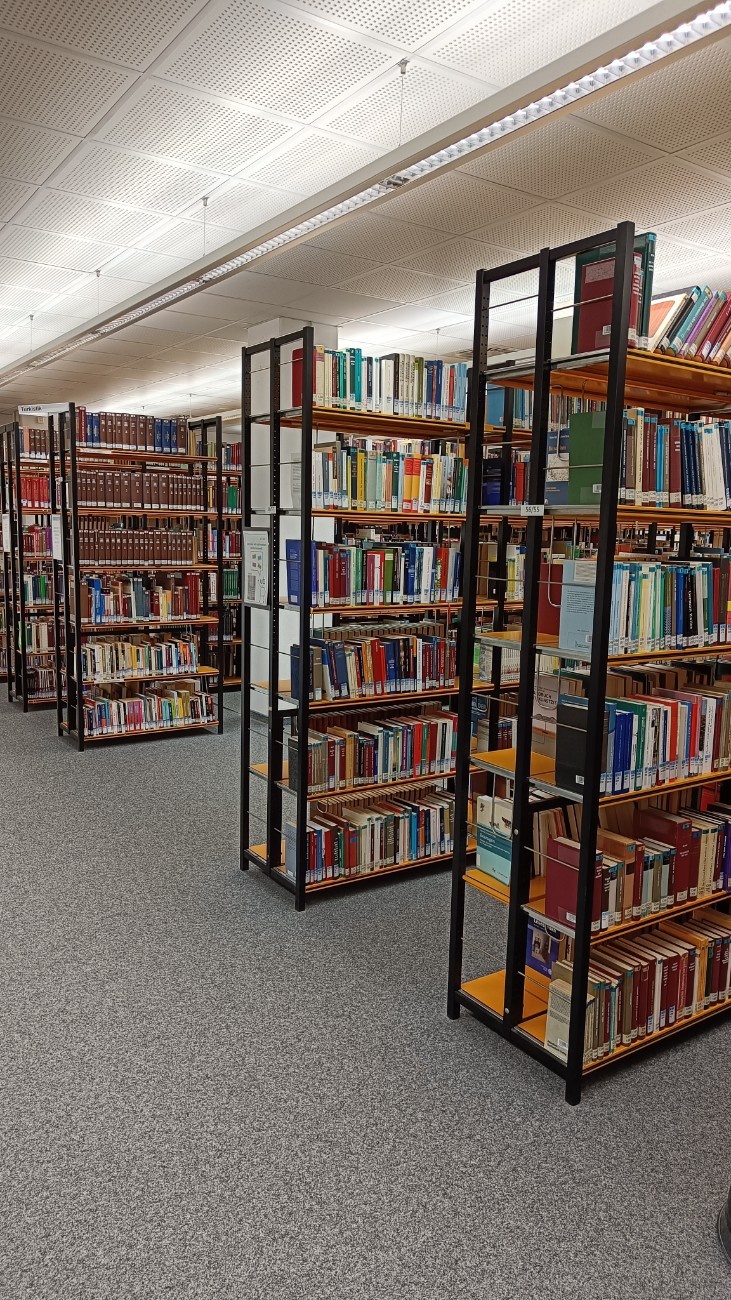
- My university has 2 campuses, with 1 in Duisburg and the other in Essen. The university provides a lot of facilities, like 2 big libraries, canteens, cafés, clubs, etc. University also provides a lot of festivals, intercultural activities and sports.
- There are different organizations for different events, which are funded from University as well as by external firms.
Fees
- The University of Duisburg-Essen is a public university.
- No tuition fees
- You need to pay around 350 € in semester fees, in which transportation around all of Germany is included. The semester fees you have to pay in each semester.
- Monthly Expenses
- Rent—300to 400 €, but also varies depending upon your city.
- Health insurance – 150 €
- Mobile and Internet - 10 €
- Gym - 25 €
- Food—150to 200 €
- Entertainment and other – 50 to 100 €
- So overall expenses are 800 to 1000 € on average depending upon the city.
Likes
- Infrastructure (classrooms, great libraries, canteens, cafes etc); availability of all facilities online (starting from course information, course contents, exam registration, receiving mails for each class to checking the current day menu in canteens);
- Connectivity between two campuses (university has bus service between two campuses); Ease of subject selection (there are teams to make personal suggestions);
- Stipend Facility (University has own stipend programms for the students, which anyone can apply for); Cultural Activities (two internal organisations are responsible for multiple type of social activies, like language learning, performing music, art, making friends, datin etc);
Dislikes
- Students cannot always get close to professors like in India, which is initially a problem, but with time, one can get accustomed to;
- Time limit during semester exams (normally 50 questions including long numericals are asked online within 60 minutes for many subjects);
- Study is too dependant on online contents; classes for each subject are conduct once a week, one needs to study the rest on his/her own;
Campus Life
- There are many events, like cafe lingua clubs organise language meets almost every month, campusgarten club organises many small gatherings. Sommerfest and Uni Sport are some events. University has facilities for multiple sports starting from Gym, basketball, and Football to Karting etc. Hostels normally have table tennis facilities. I myself could participate twice in the musical performance activity, organized each semester. The sports clubs charge very little cost for regularly visiting them.
Fees
- There is no tuition fee at the University of Duisburg-Essen, but students need to pay a social contribution fee, including deutschland ticket for 6 months, which is about 350 Euro in total and needs to be paid twice a year, for each semester. Rents in university hostels cost between 350 and 400 euros per month; a deposit of caution money is extra. For students living in Duisburg or in Essen, 150 to 250 euros can be the average expense, depending on their lifestyle.
Likes
- Because i got the exact course here that i was looking for. And Totally in German
- freedom, Relaxed atmosphere, flexibility and Less pressure and more opportunities. You'll have to carve your own path through your own channels, nothing will be spoon fed to you and i think that's what makes it so efficient and healthy.
Dislikes
- You'll have to carve your own path through your own channels, nothing will be spoon fed to you that can be challenging to some but at the end of the day it's all worth it.
Overview
As i mentioned, it's great if you are ready to integrate and understand and apply how things here work. You should really be passionate about doing good work here at the Uni to make your life better.
Campus Life
That is indeed great and very productive, depends upon individual on how they are gonna make the best of it.
Likes
- The field I have studied in the bachelors and the experiences I have gained drove my attention to choose the course Logistics Engineering at this university as a part of my study, and as the government pays the tuition fees to study at this university in Germany, I chose this university.
- The research facilities are very good, and the overall teaching staff is very qualified. The extracurricular activities organized by many student unions also help you find and meet new people and learn about the new culture.
Dislikes
- The exam system is the most stressful because, as an international student, you need to pass an exam in less than or equal to three attempts. Additionally, due to its diverse locations, you might need to go to various locations to attend the lectures and exams.
Overview
However, the university and department I am studying are very old, the exam system is very hard, as you need to pass the exams with a maximum of 3 attempts for a given subject. If you exceed that, you can be ex-matriculated and can been departed back to home country.
Campus Life
Currently, there are around 40000 students studying in the university I am studying at, and the campus is divided across various locations in two cities: Duisburg and Essen (mostly near the railway stations of these two cities.) The state transportation ticket (excluding the fast trains—Intercity Express) is also included in the fees we are paying (for services like student unions and semester tickets because there are no tuition fees). The Wi-Fi can be accessed using student credentials. Cantines and libraries are also available at various locations. Sport activities are also available for a small fee, and there are numerous extracurricular activities at the university, such as grilling and BBQ organized by various departments at the start of the summer, karaoke nights, and many others.
Likes
- I was interested in german universities as it was economical for middle class students. Adding to that I come from Mechanical background so I felt logistics fits perfectly for my master's degree. Additionally Duisburg-Essen University is renowned for Logistics branch. So I chose this degree and university
- My university is very well known for its logistics department. So I would suggest this one for every logistics aspirants. One can come study here and get international experience. As you can see people coming for every corner of the world, there is no space for racism. And it is also located in Nrw, which is very student friendly state.
Dislikes
- It's bit hard to get thesis supervisor other than that it's all good to go university. It only has 3 attempts to clear the subject so many people who haven't cleared the subject has to leave the country being an international student.
Overview
It was very good experience for me to get graduated from such an old University. It gave me international experience and my university was student friendly in every aspect. I would recommend to learn German and apply for such a good university.
Campus Life
Our campus life was amazing we had almost 5 big libraries. German universities has free wifi and good sports facilities.Our university has always good opportunities to get involved in R&S activities based on your interest
Overview
Because I am intrested in research and development of automobile sector so selected Computational Mechanics stream and found this university as one the best in it.
Campus Life
Campus life is best several clubs and student teams are very helpful. Research is one of the top most priority in this institute and wifi and net service is outstanding there.
University of Duisburg-Essen Scholarships
| Name | Scholarship Per Student | Level of Study | Type | |
|---|---|---|---|---|
| VueVille Future Technology Scholarship | Scholarship per student$1,000 | Level Of StudyBachelor | TypeMerit-Based | |
| MAWISTA Scholarship | Scholarship per student$6,691 | Level Of StudyBachelor | TypeEasy-to-Apply | |
| Kurt Hansen Science Scholarship | Scholarship per student$10,000 | Level Of StudyDoctorate | TypeNeed-Based | |
| Bharat Petroleum Scholarship | Scholarship per studentVariable Amount | Level Of StudyMaster | TypeMerit-Based | |
| Google's Women Techmakers Program | Scholarship per studentVariable Amount | Level Of StudyBachelor | TypeMerit-Based | |
| Axol Science Scholarship | Scholarship per student$2,000 | Level Of StudyBachelor | TypeCompany-Sponsored |
Do you think the Scholarship is wrong ? Report Here
University of Duisburg-Essen Admissions
Application Portal: https://www.uni-due.de/international/degree_seeking_students.php
Summer Deadlines
Important Date: January15 (Application deadline)Winter Deadlines
Important Date: July15 (Application deadline)
Attendance Cost
The table shows average yearly cost of attendance for international students. Amount may vary with the course opted, nature of accommodation, and personal spending habits of a candidate.Check Program wise Fees
UNIVERSITY OF DUISBURG-ESSEN ACCOMMODATION
Student life at UBC is created by enthusiasm, curiosity, and a willingness to discover. In other words, it is yours to create. The Vancouver and Okanagan campuses provide a diverse range of cultural, recreational and social activities for students at UBC. With so many choices, students can learn new skills or sports; discover talents they never knew they had and make friendships that will create memories for a lifetime. Tuum Est. It is yours.
interested in this College ?
Follow & Share this college to get information about admission.



Comments
Found 9 Comments
Admission Requirements for an international student are:
IELTS might not be compulsory, but English language proficiency is required for some programs at the University of Duisburg-Essen. A TOEFL-test (internet-based) with a score of 100 points, an IELTS test with a band score of 7.5. You can check University of Duisburg-Essen Programs.
Master’s programs may ask for a proficiency of B2 or better in German and in English ( IELTS, TOEFL) depending on the course of selection and this can be found on the University website. If you completed your Qualifying degree, where English was a major, can be exempted from the above requirements of English proficiency.