




Inside this Analysis of Financial Statements compilation students find every way CBSE has tested the tools of financial analysis, year by year and band by band.
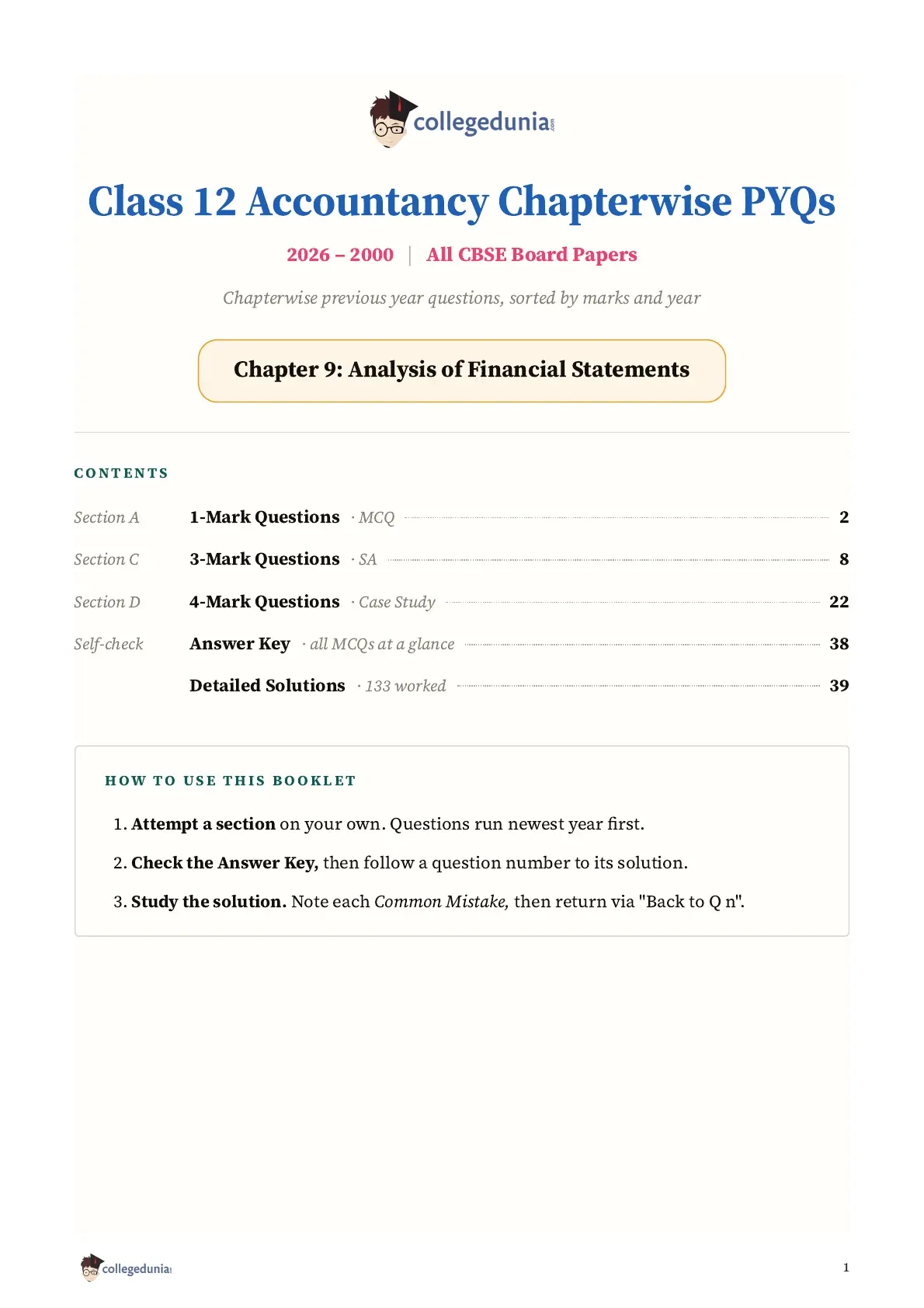
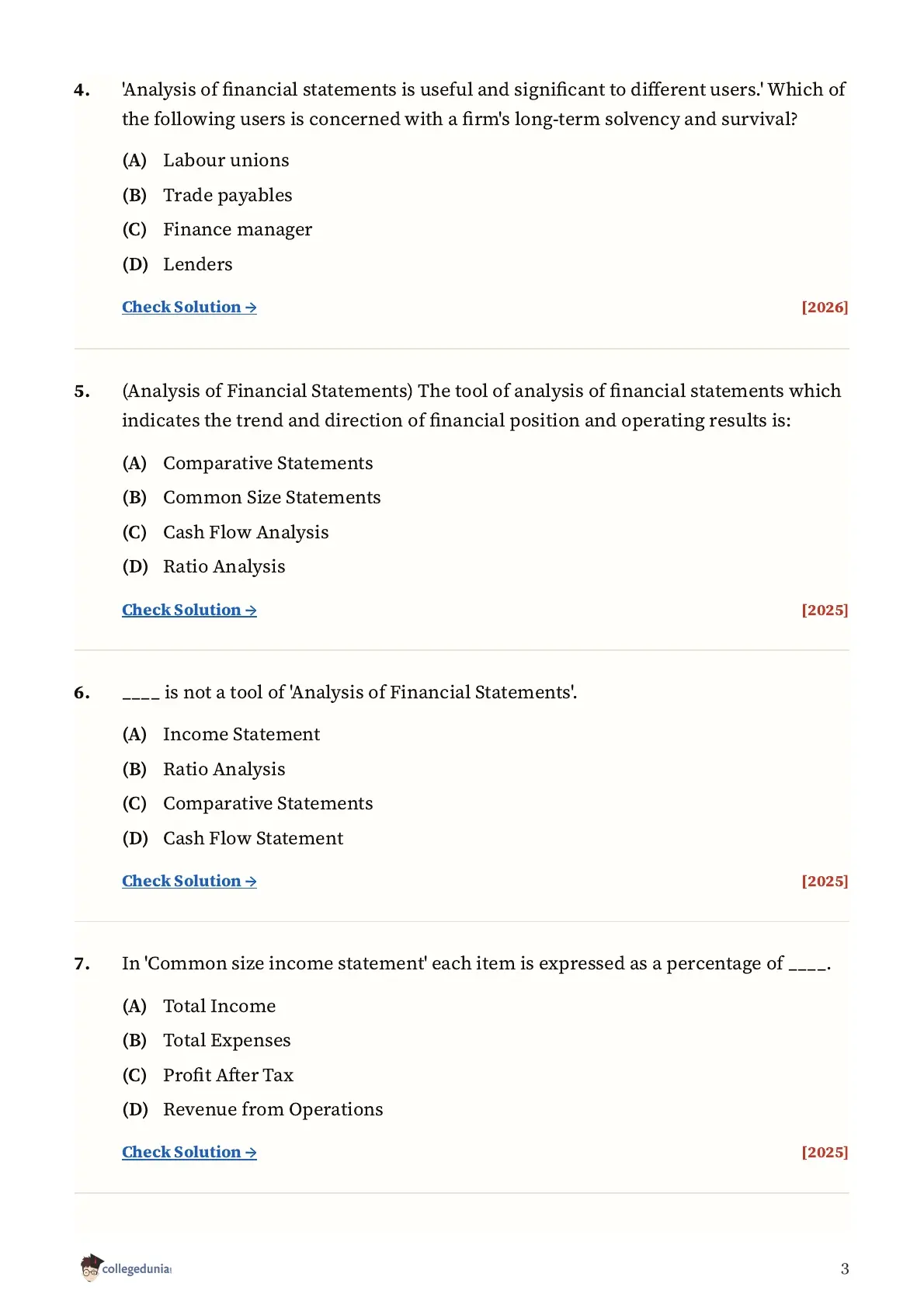
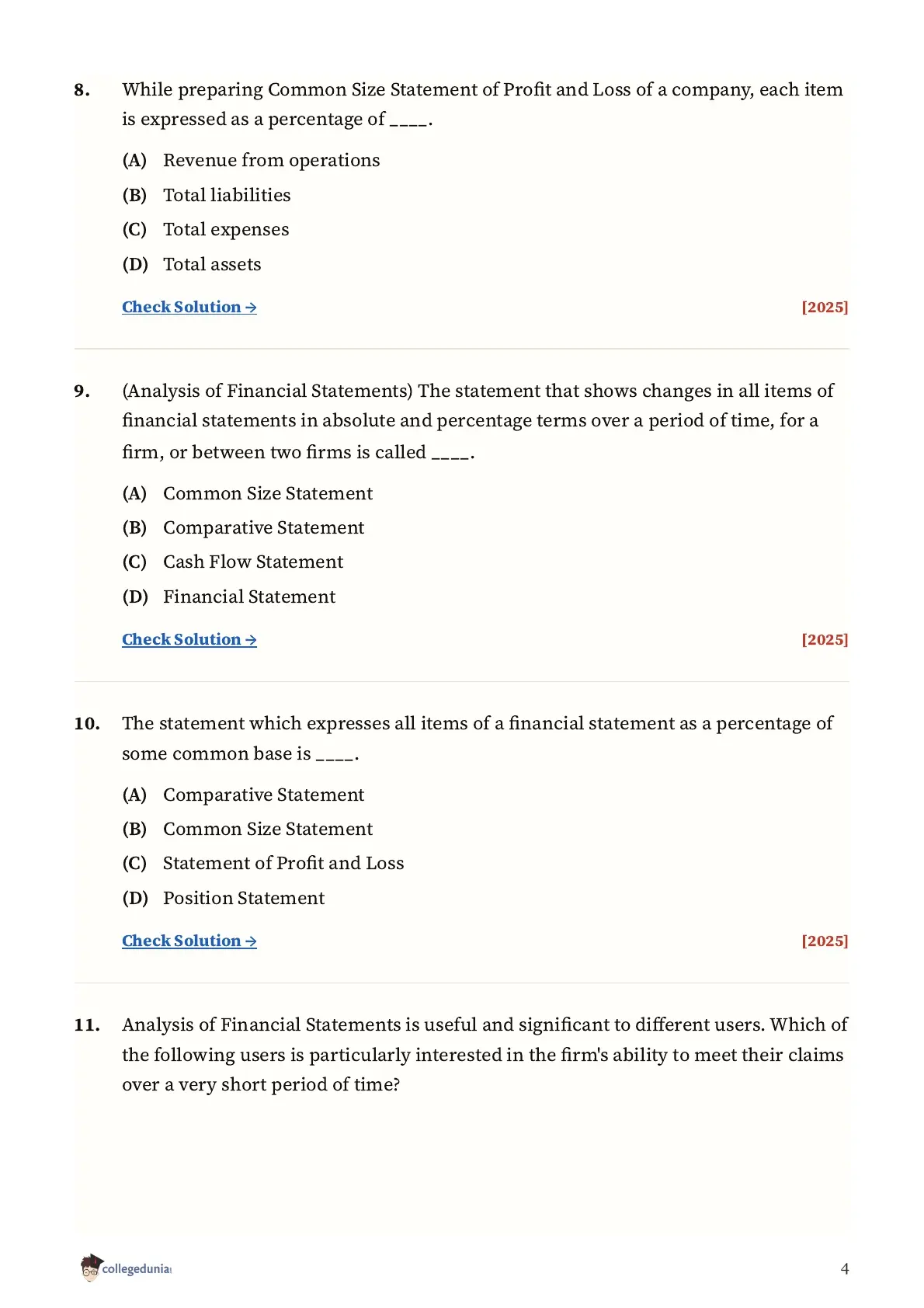
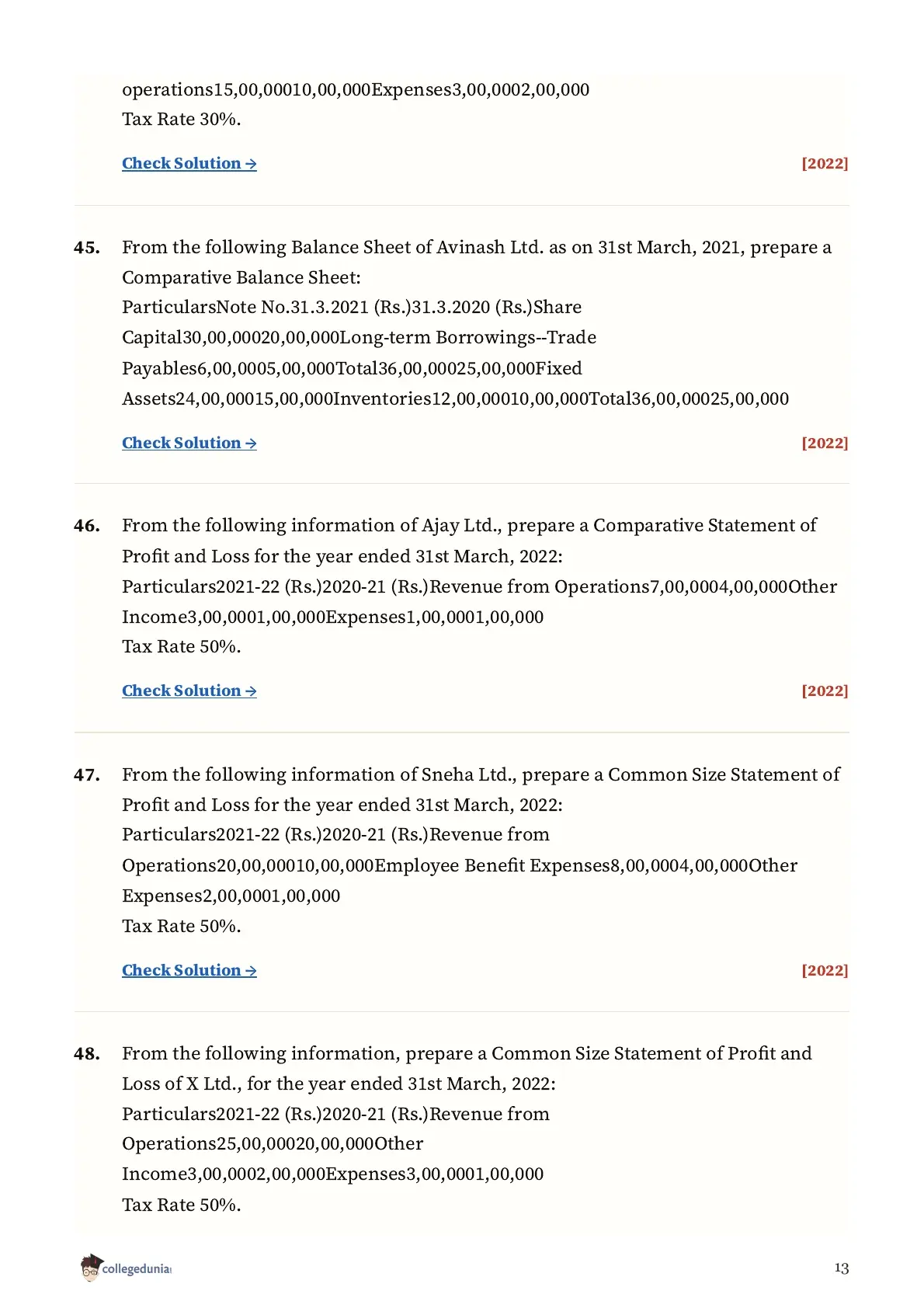
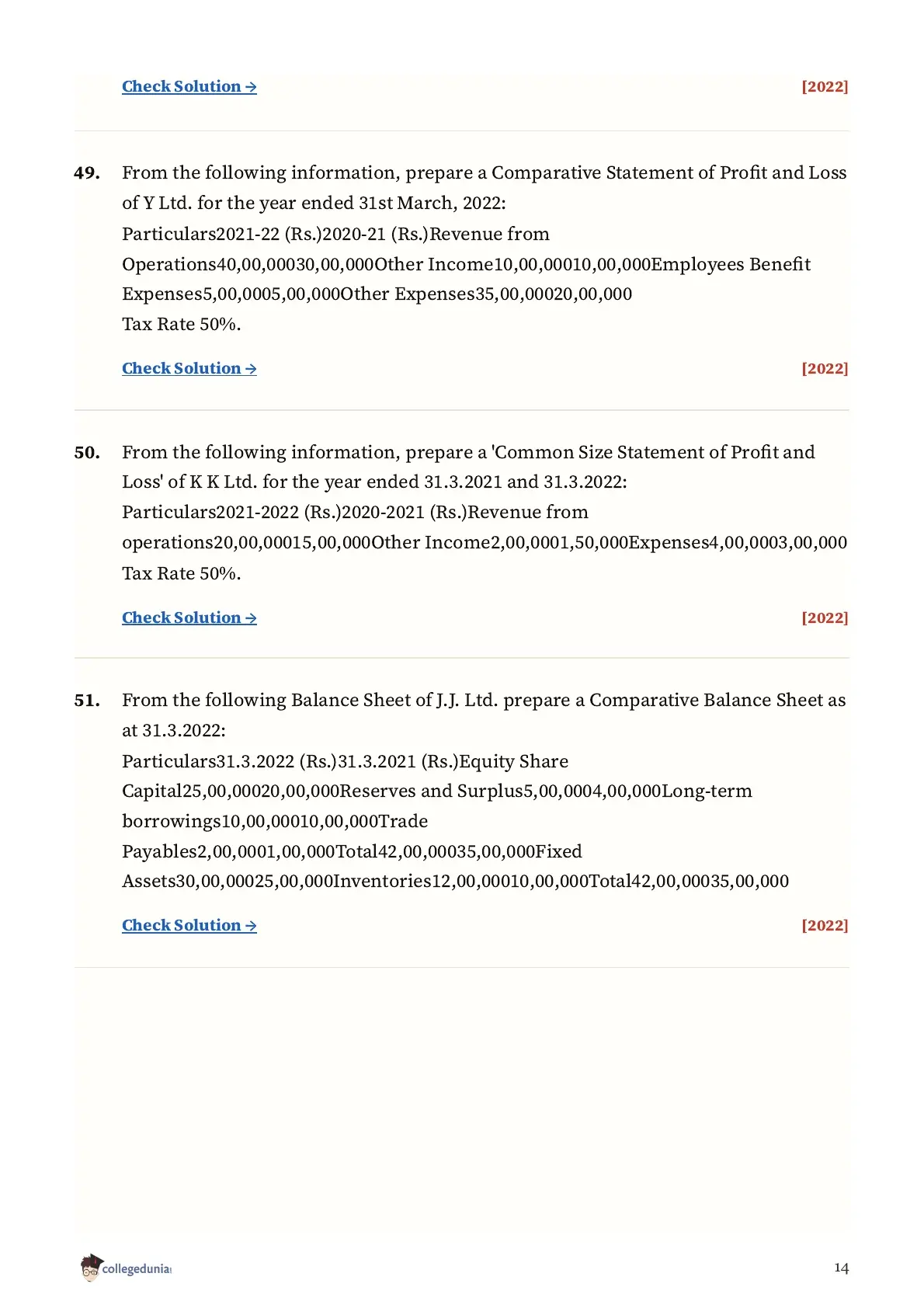
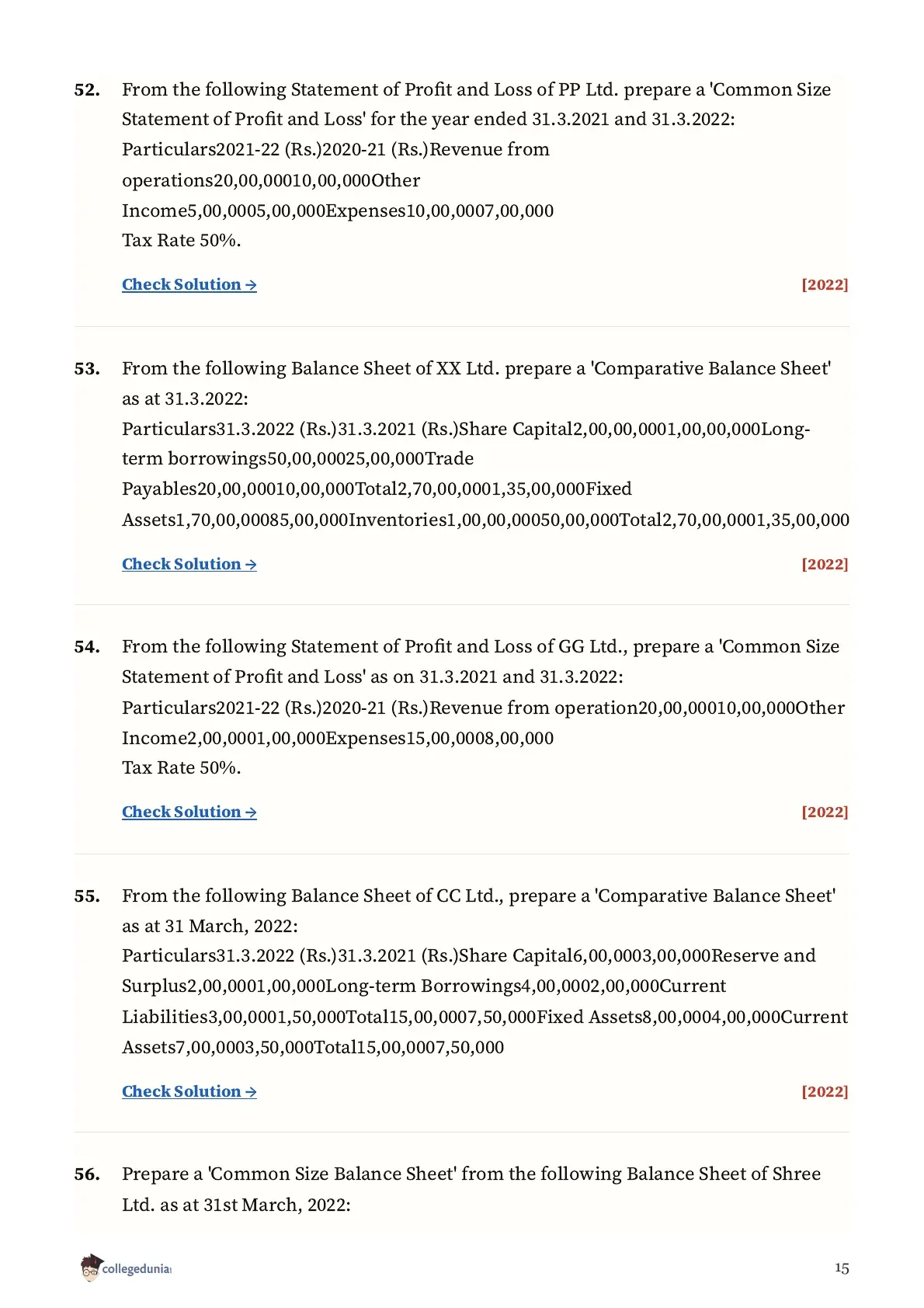
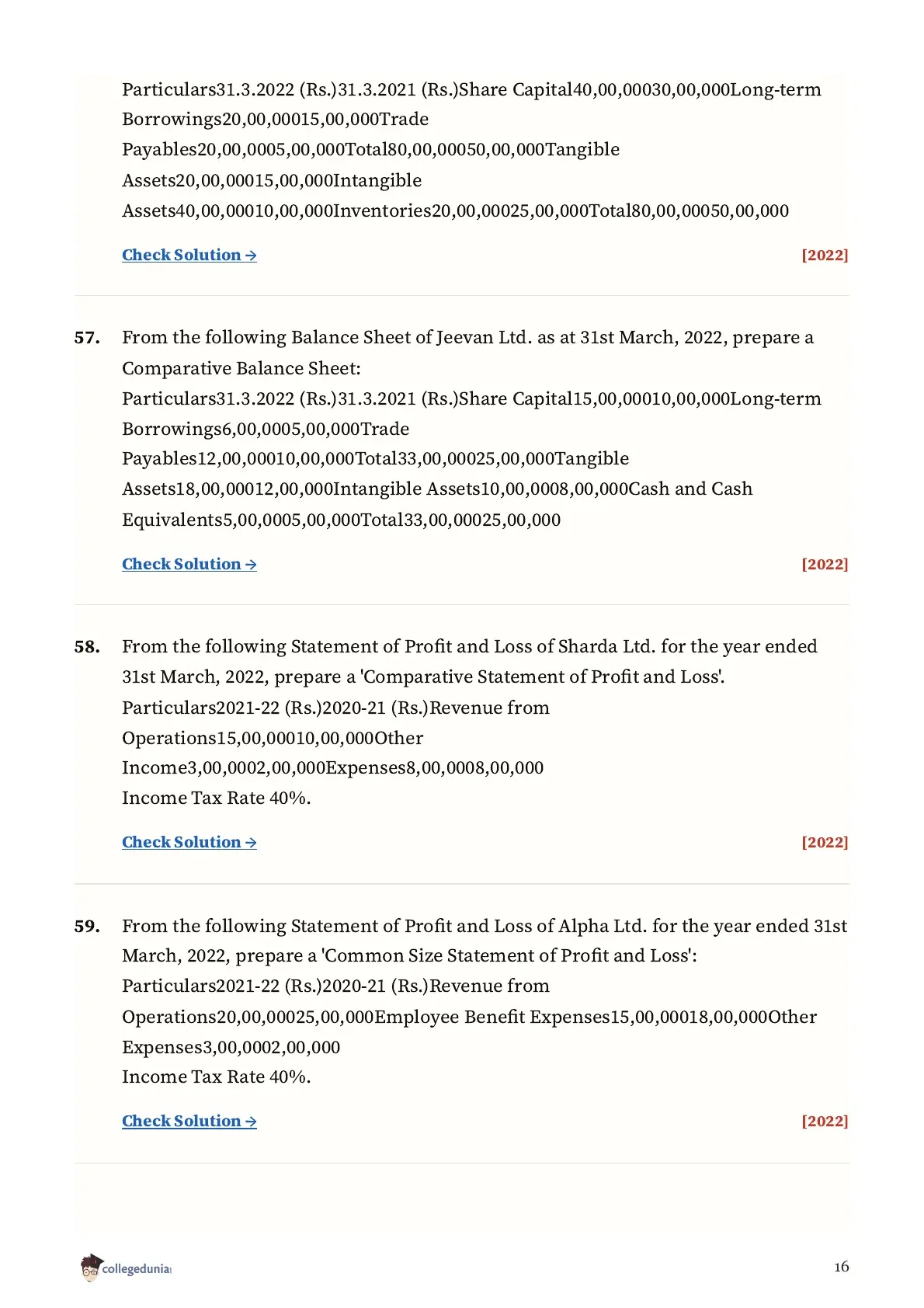
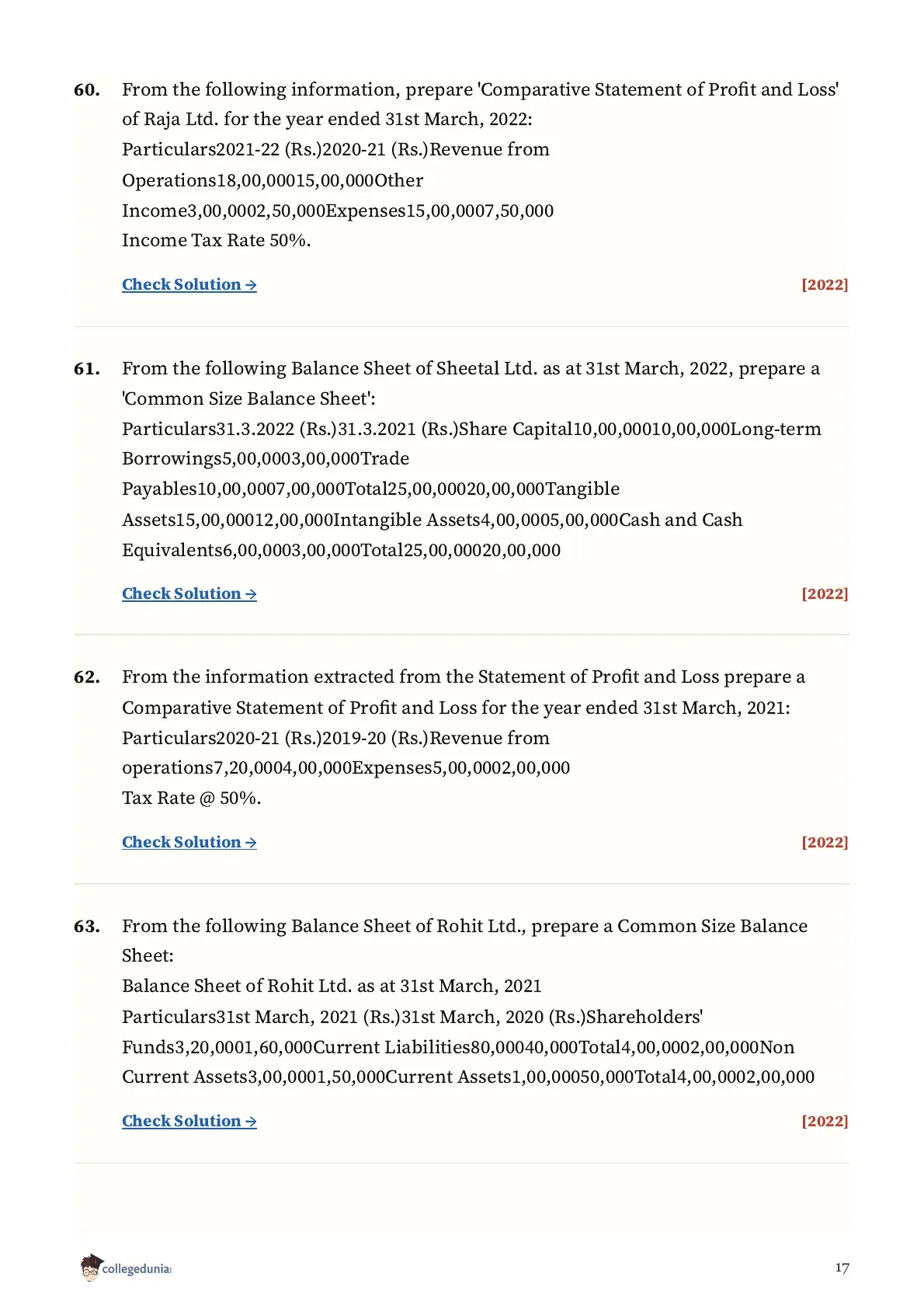
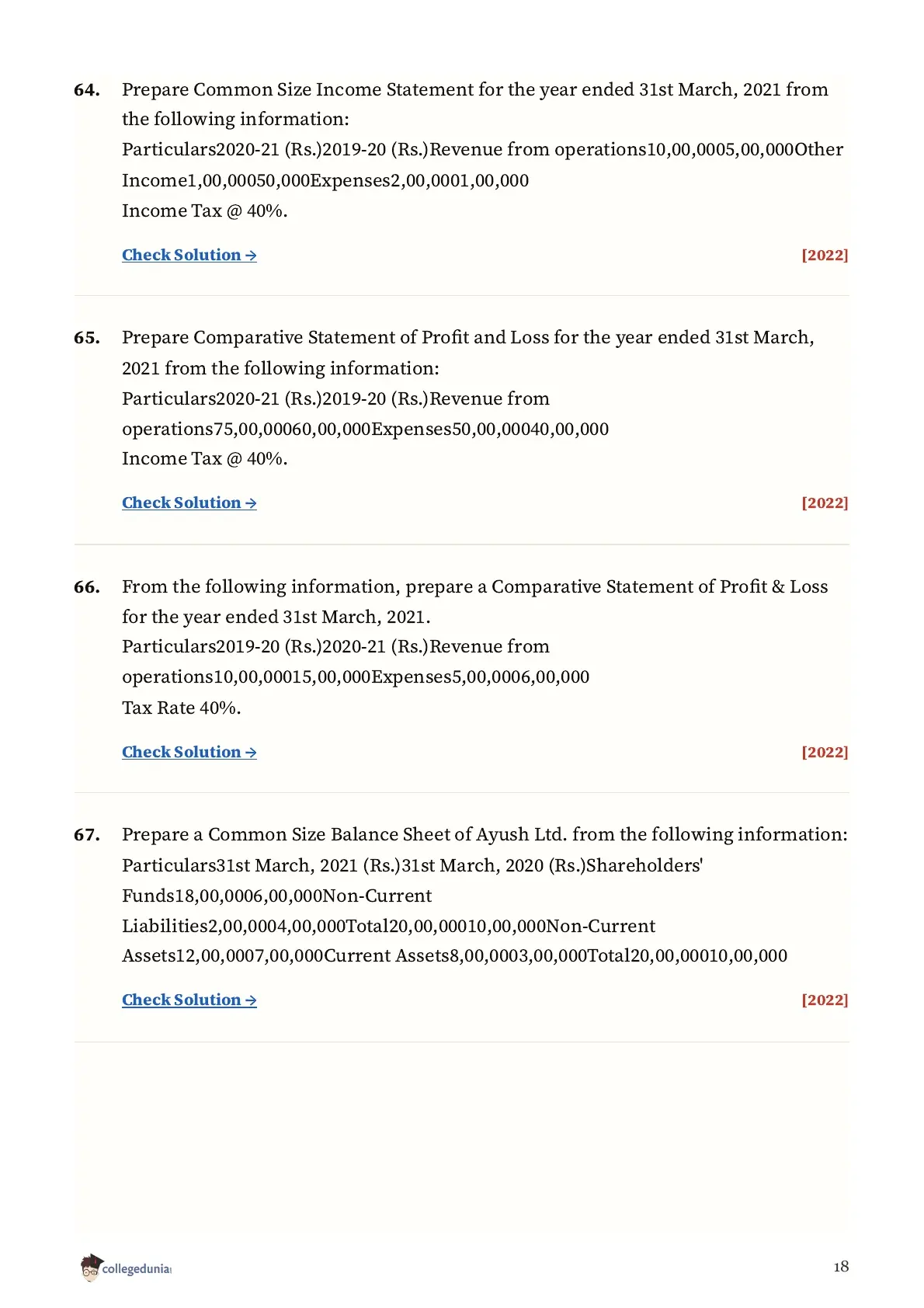
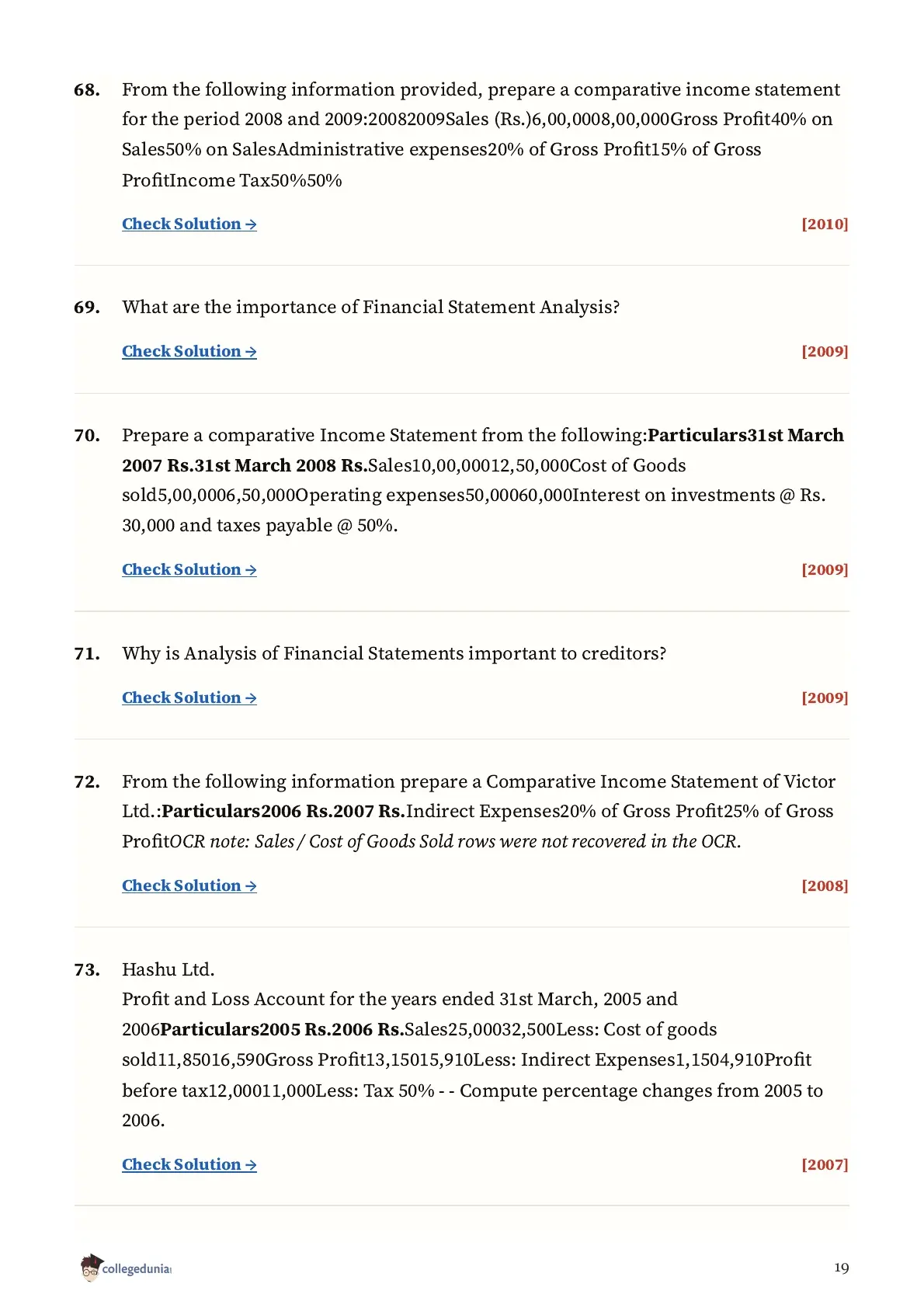
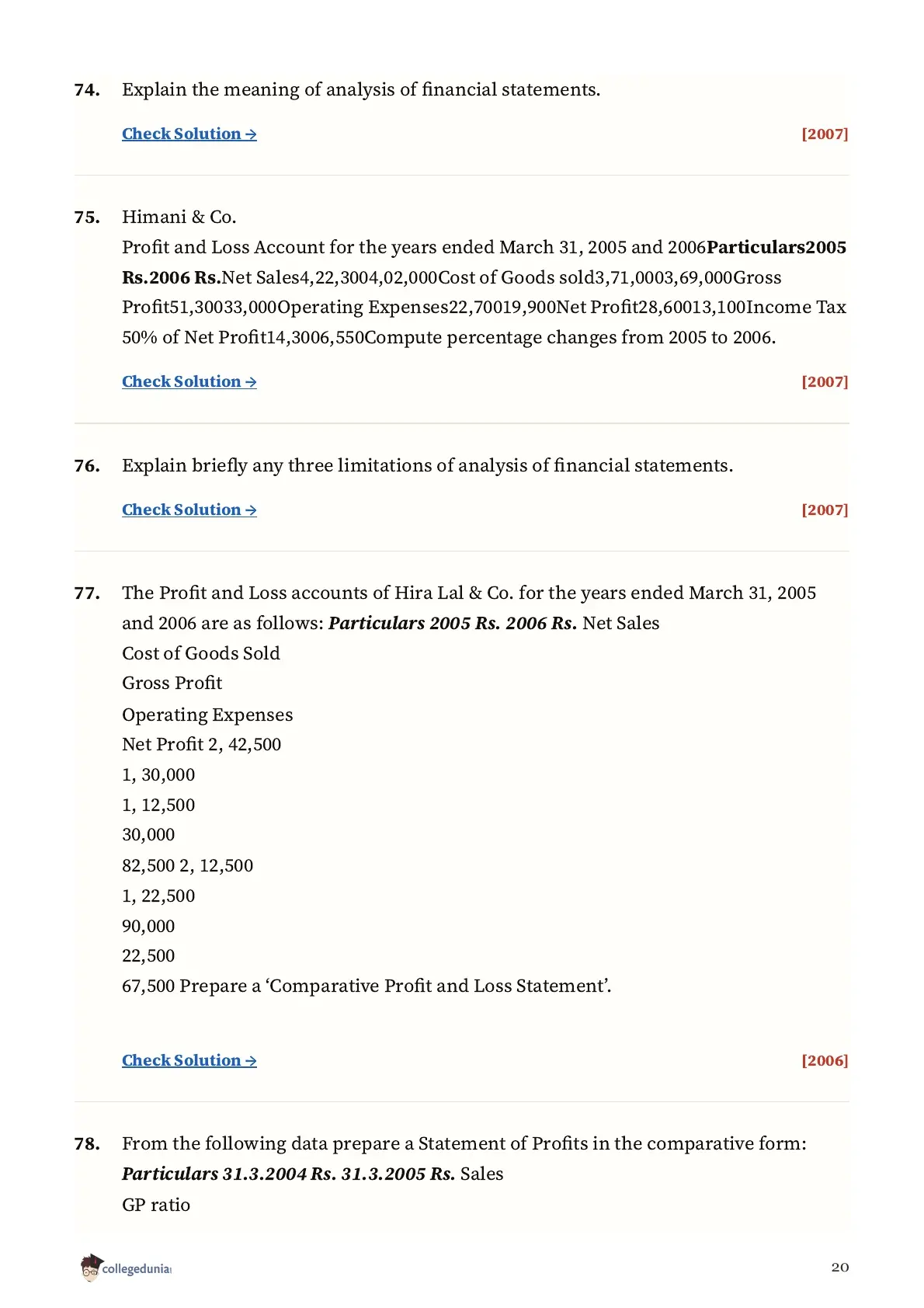
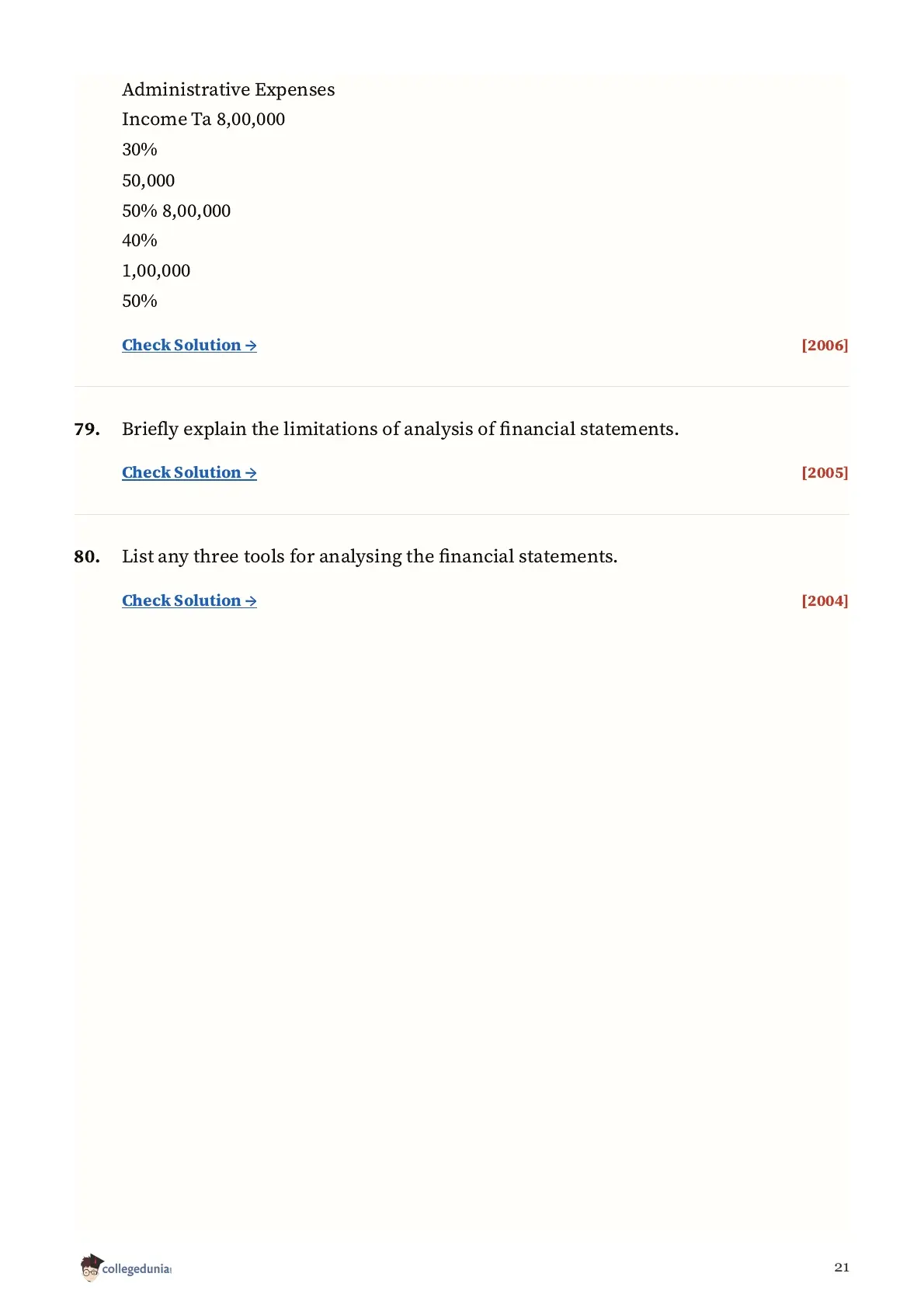
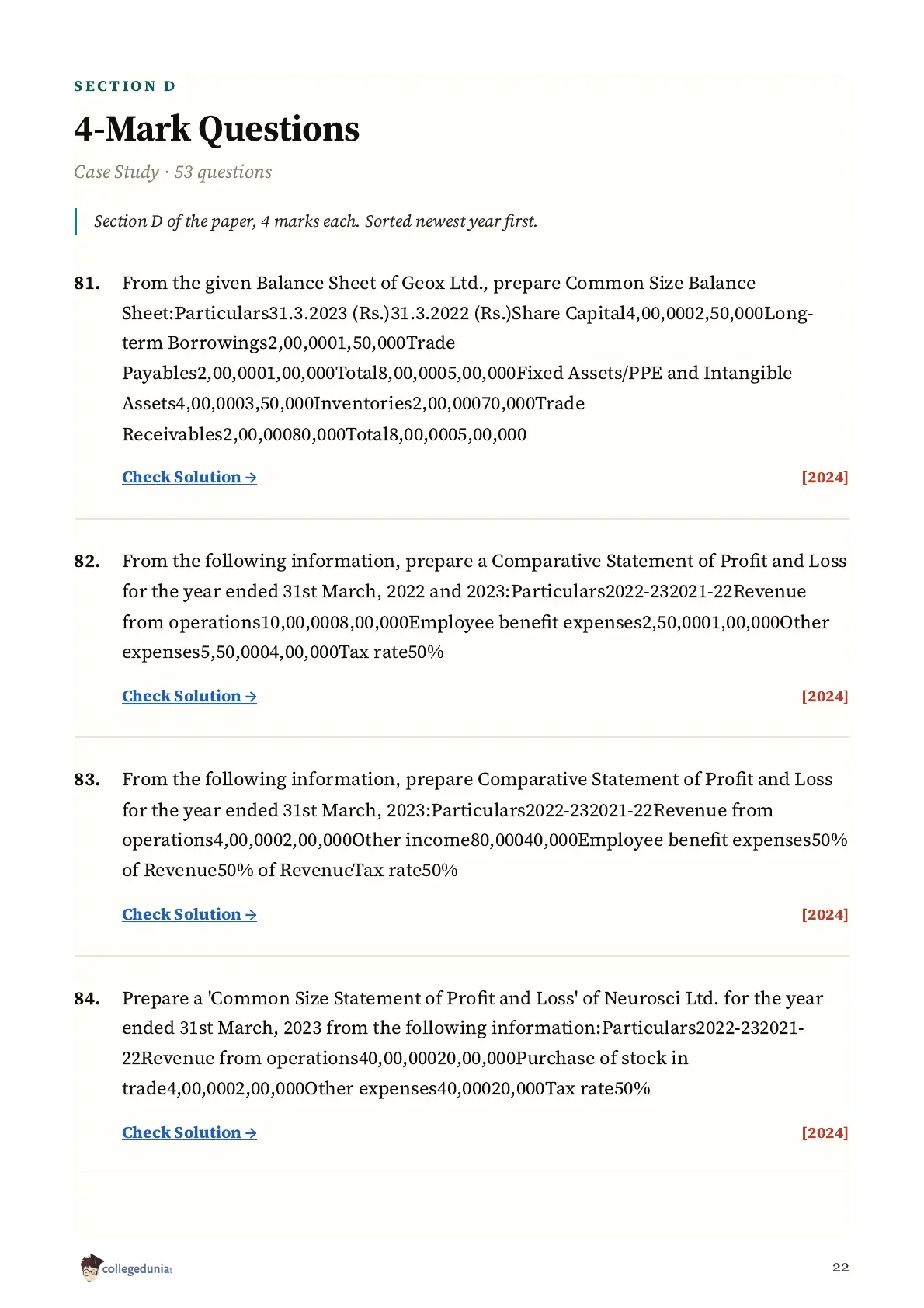
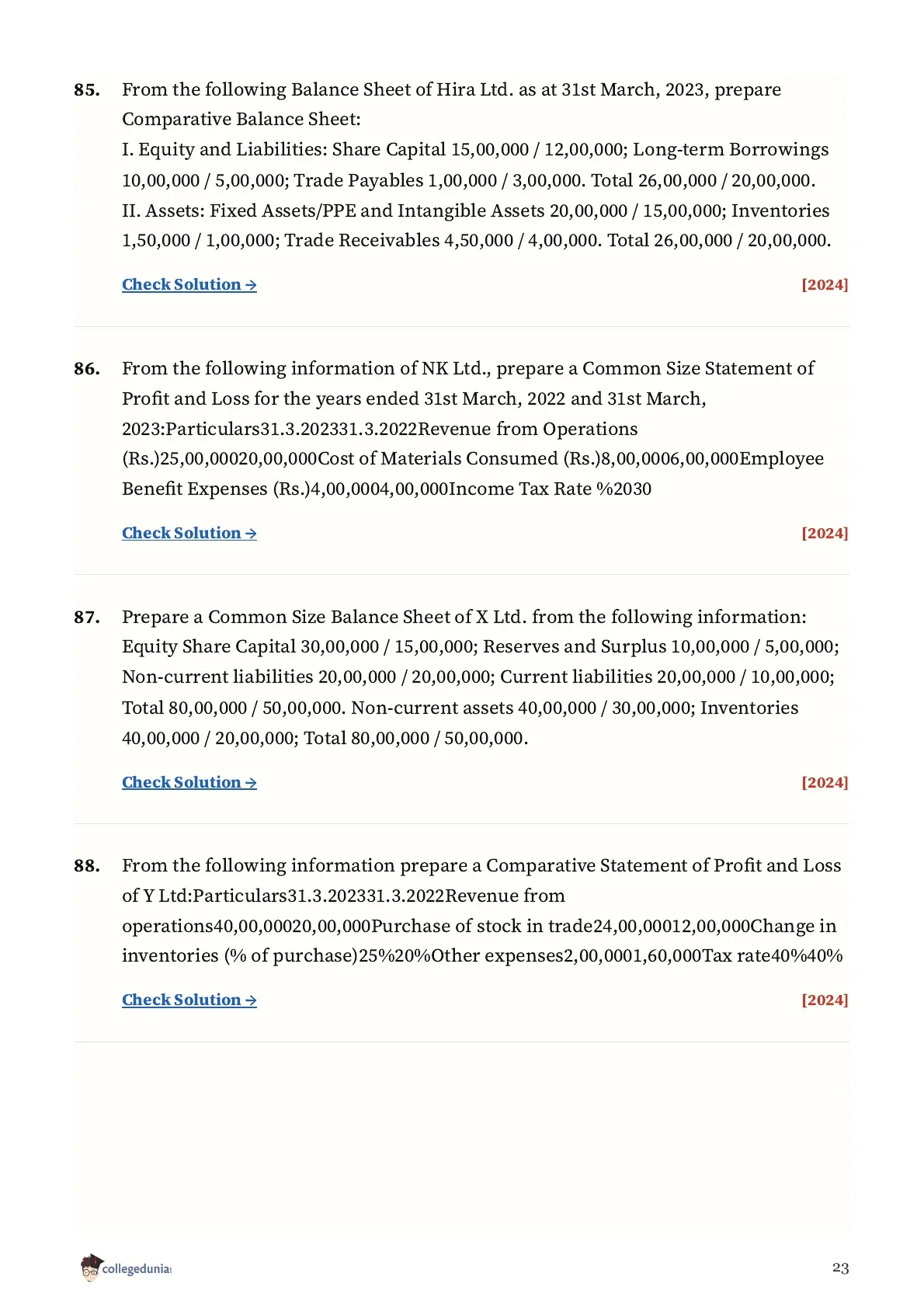
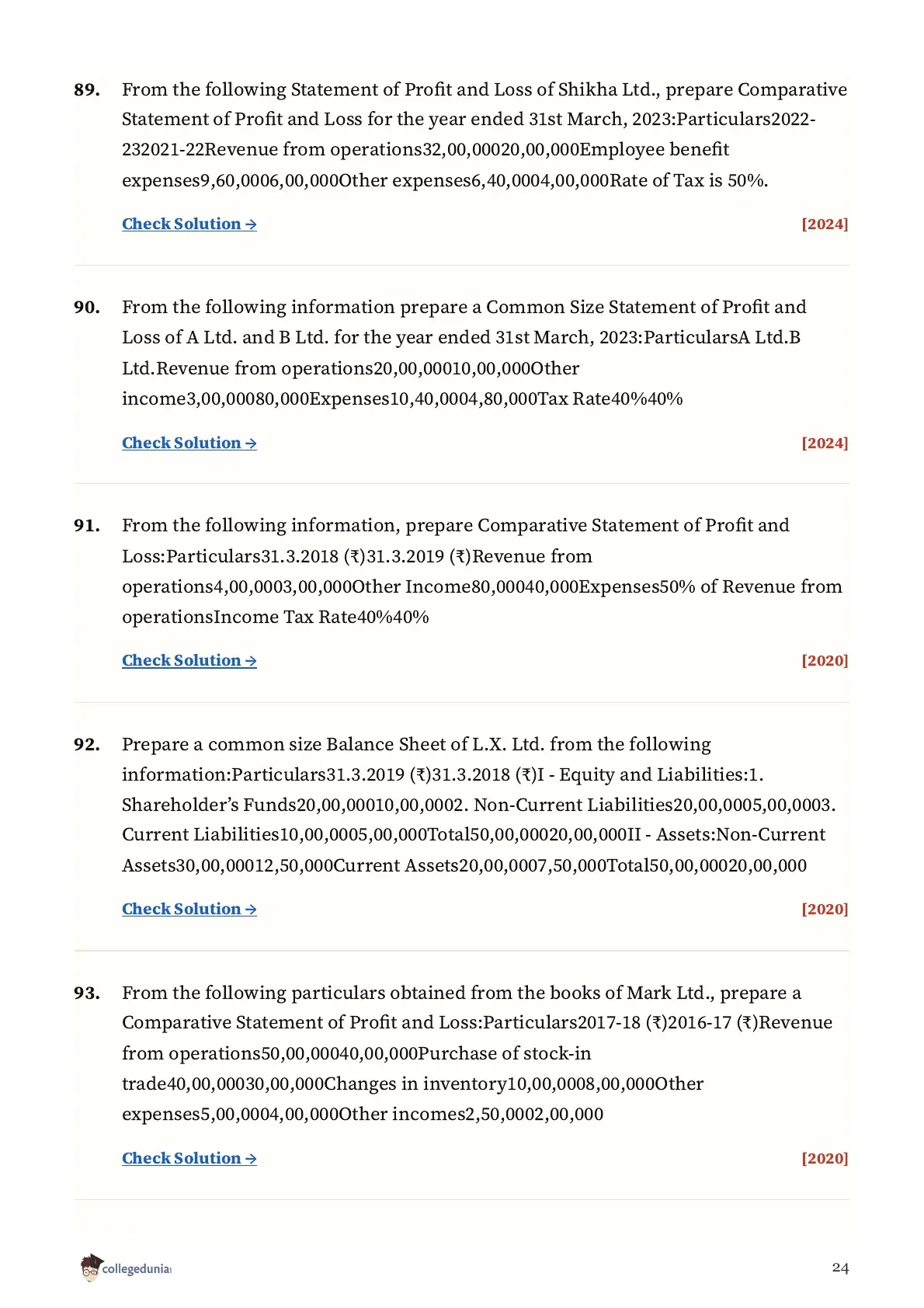
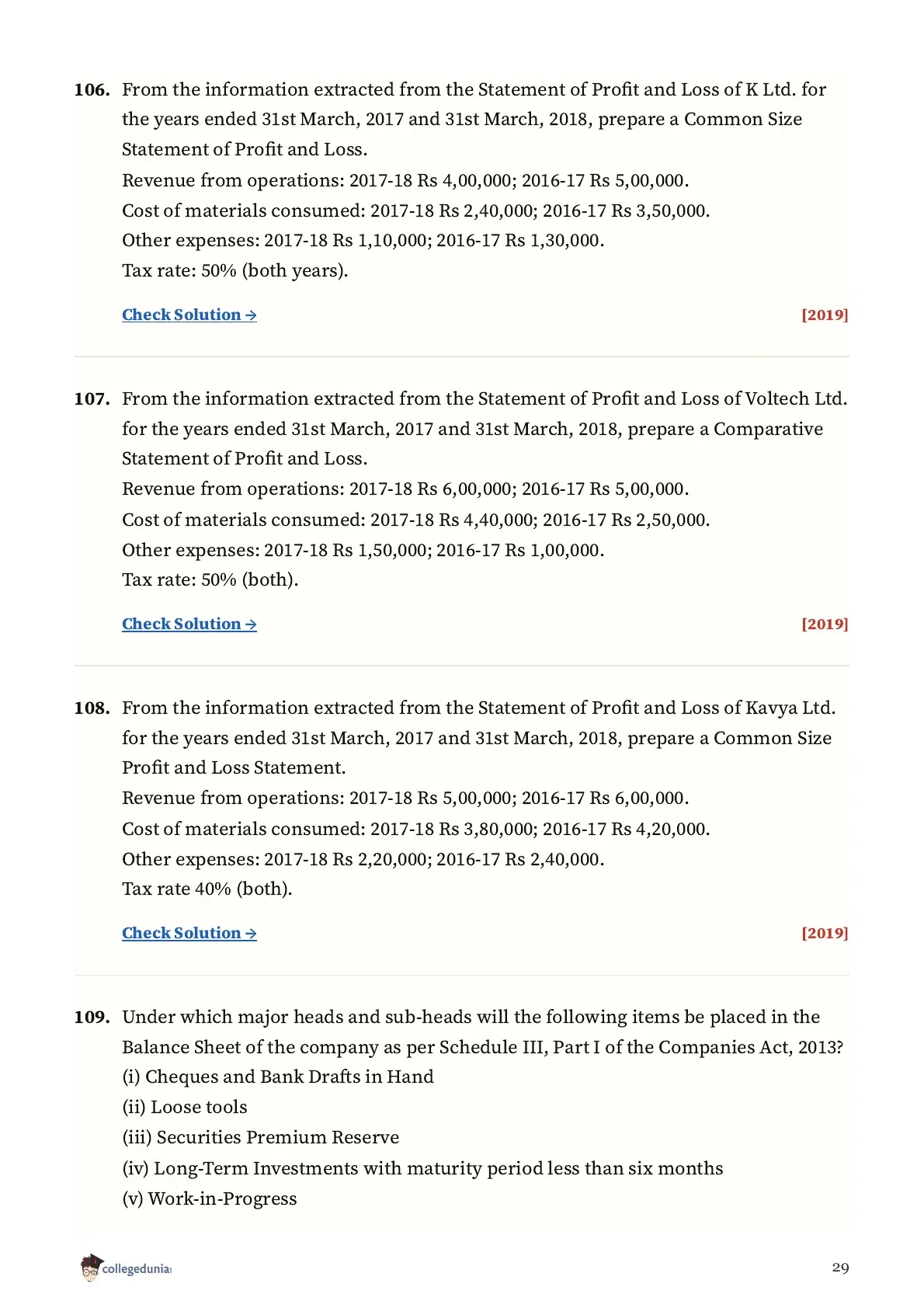
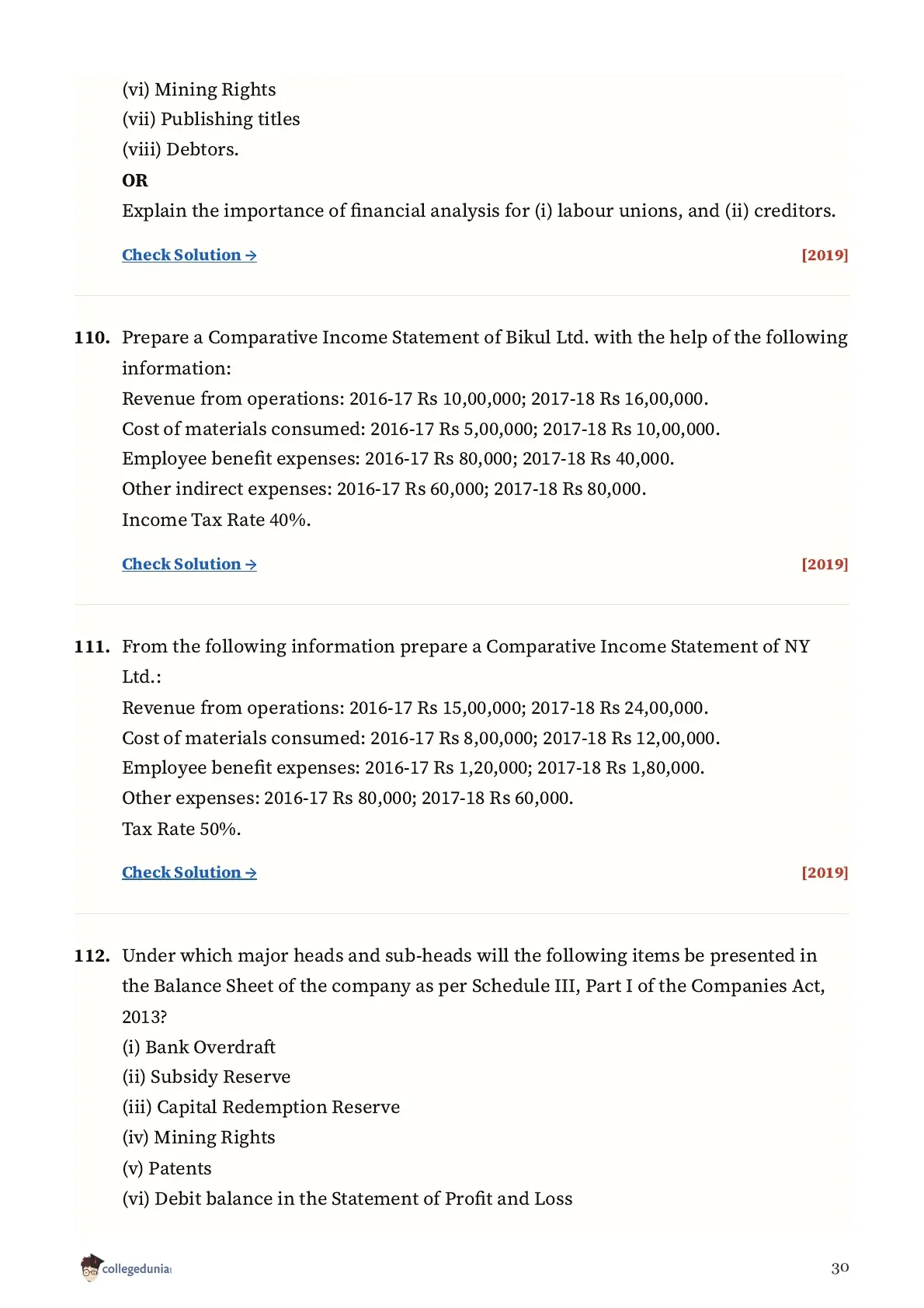
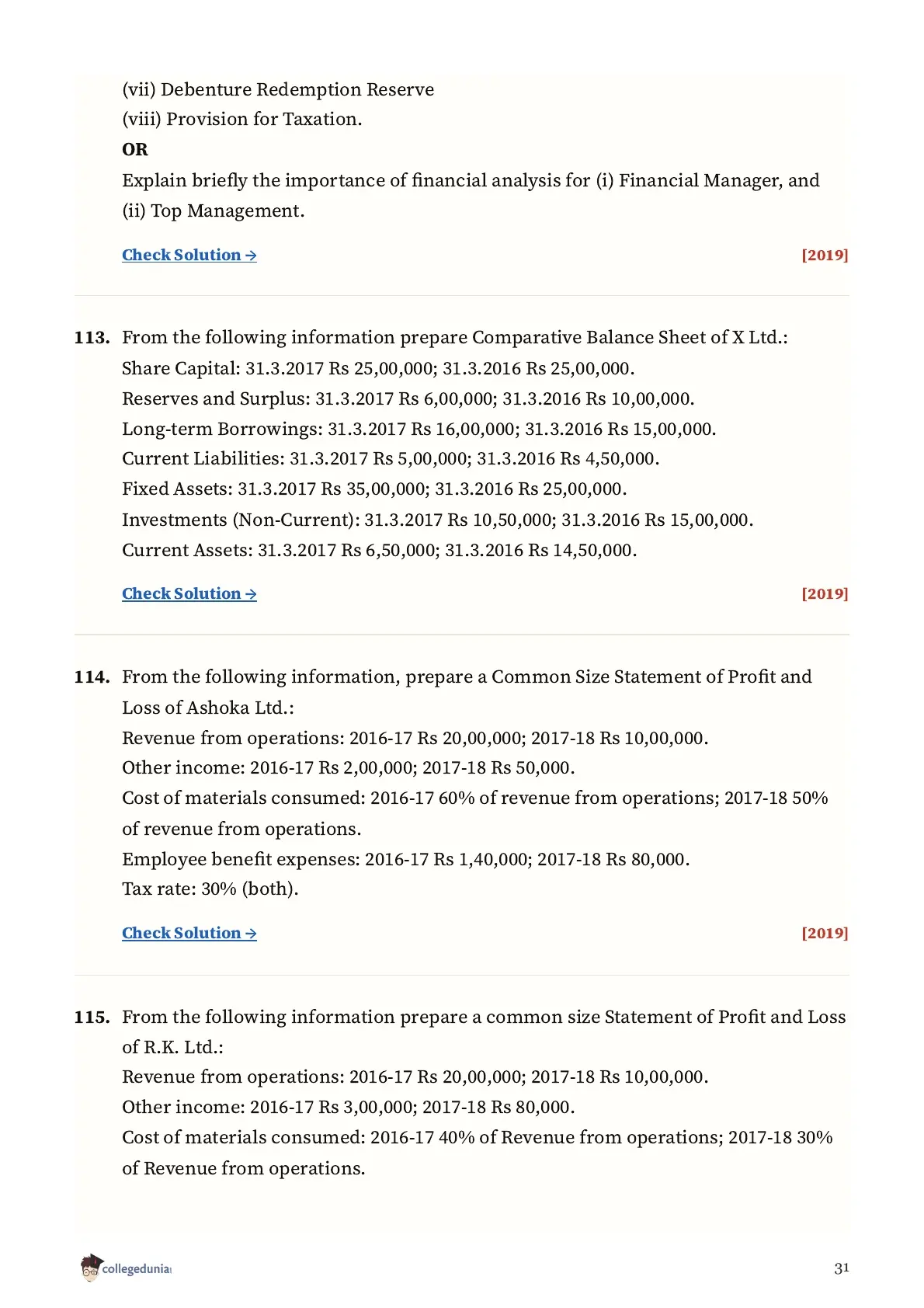
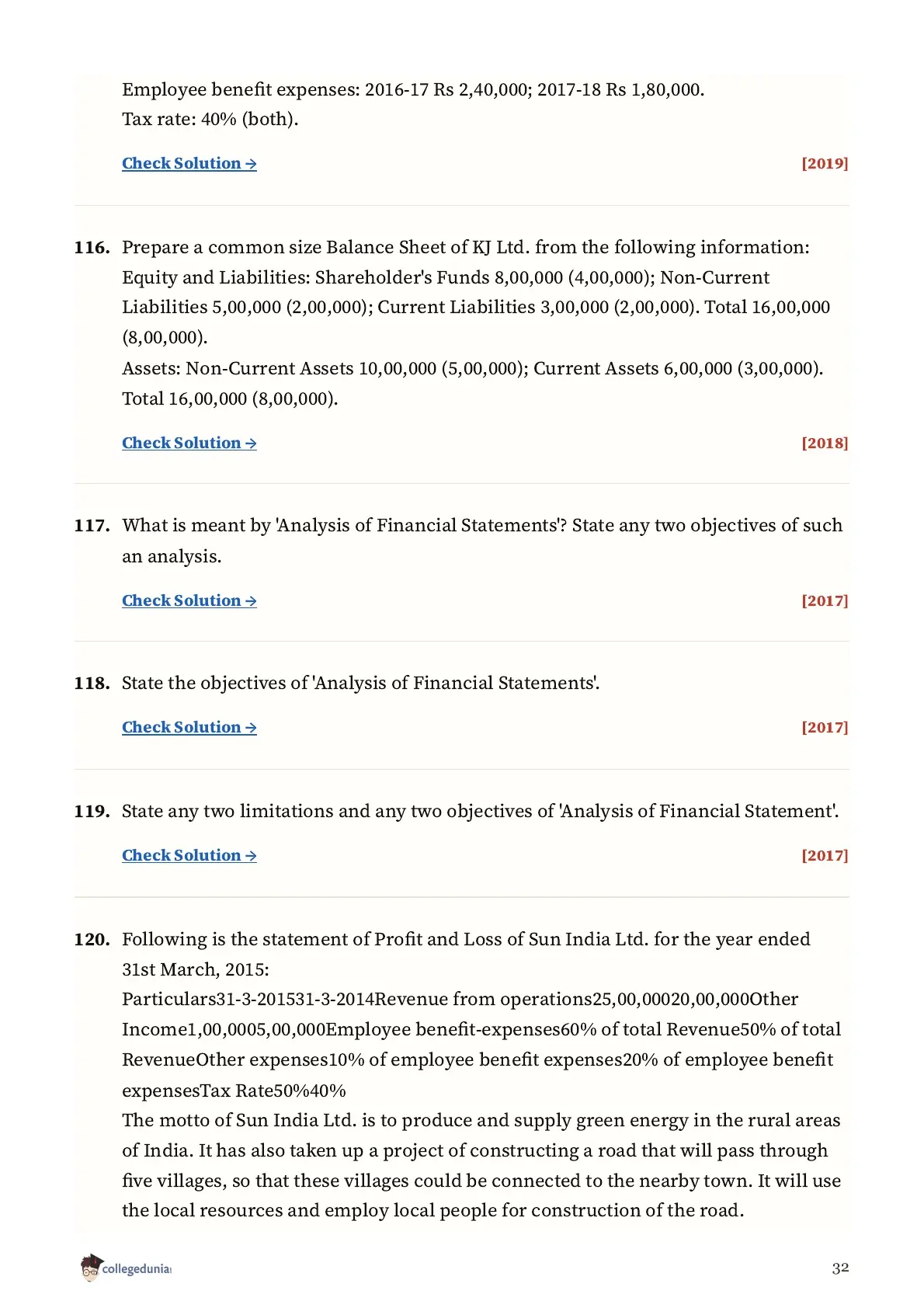
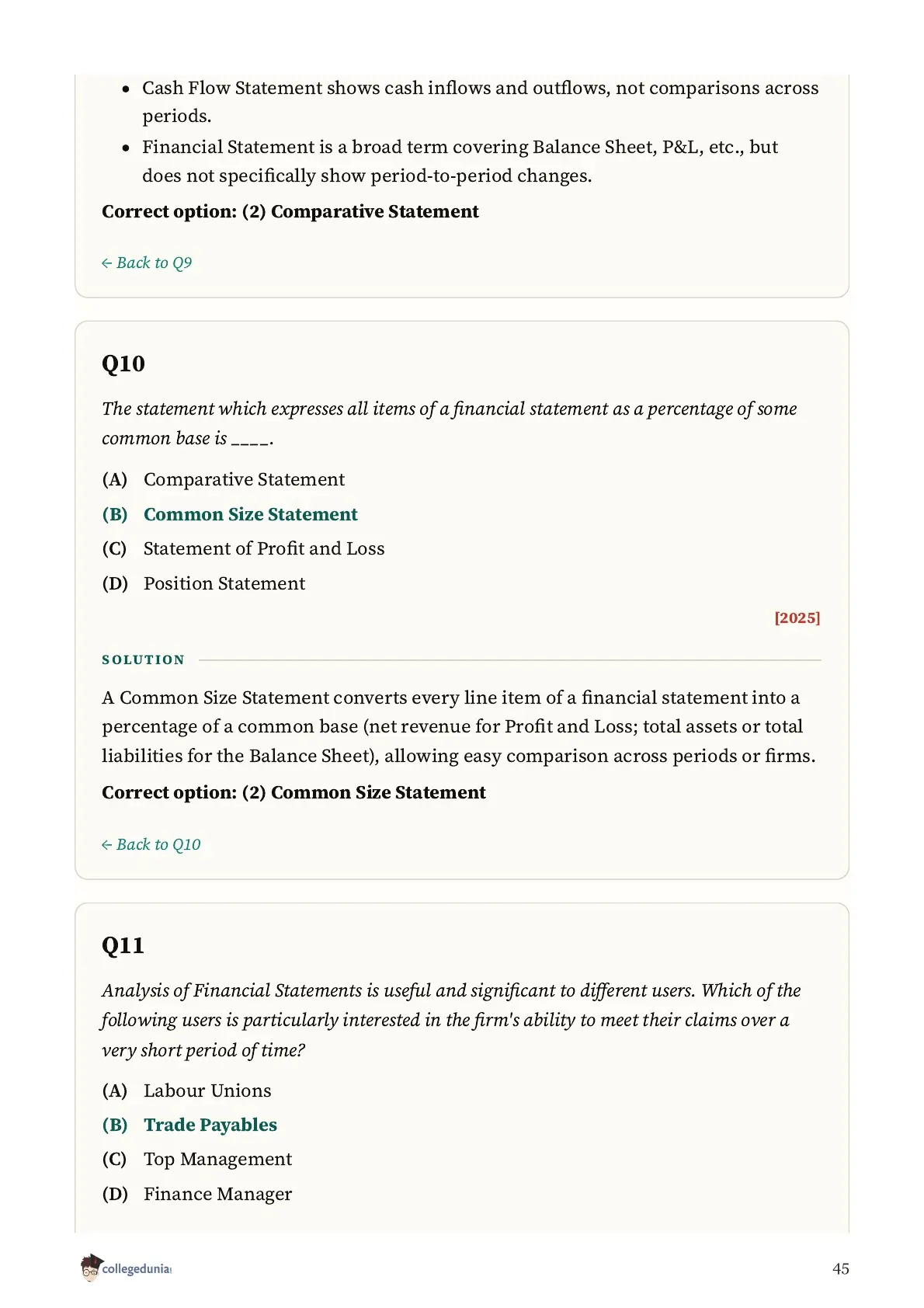
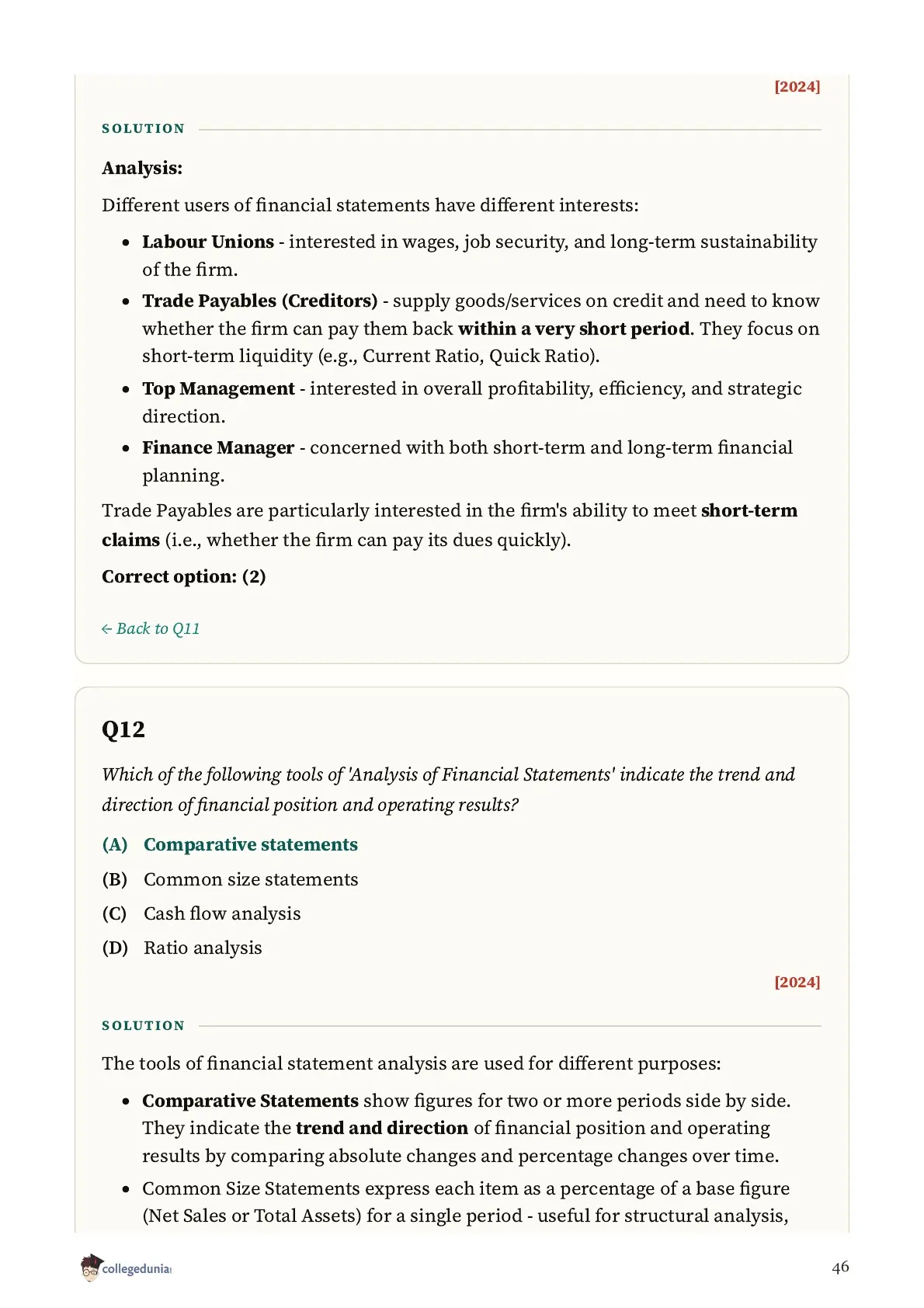
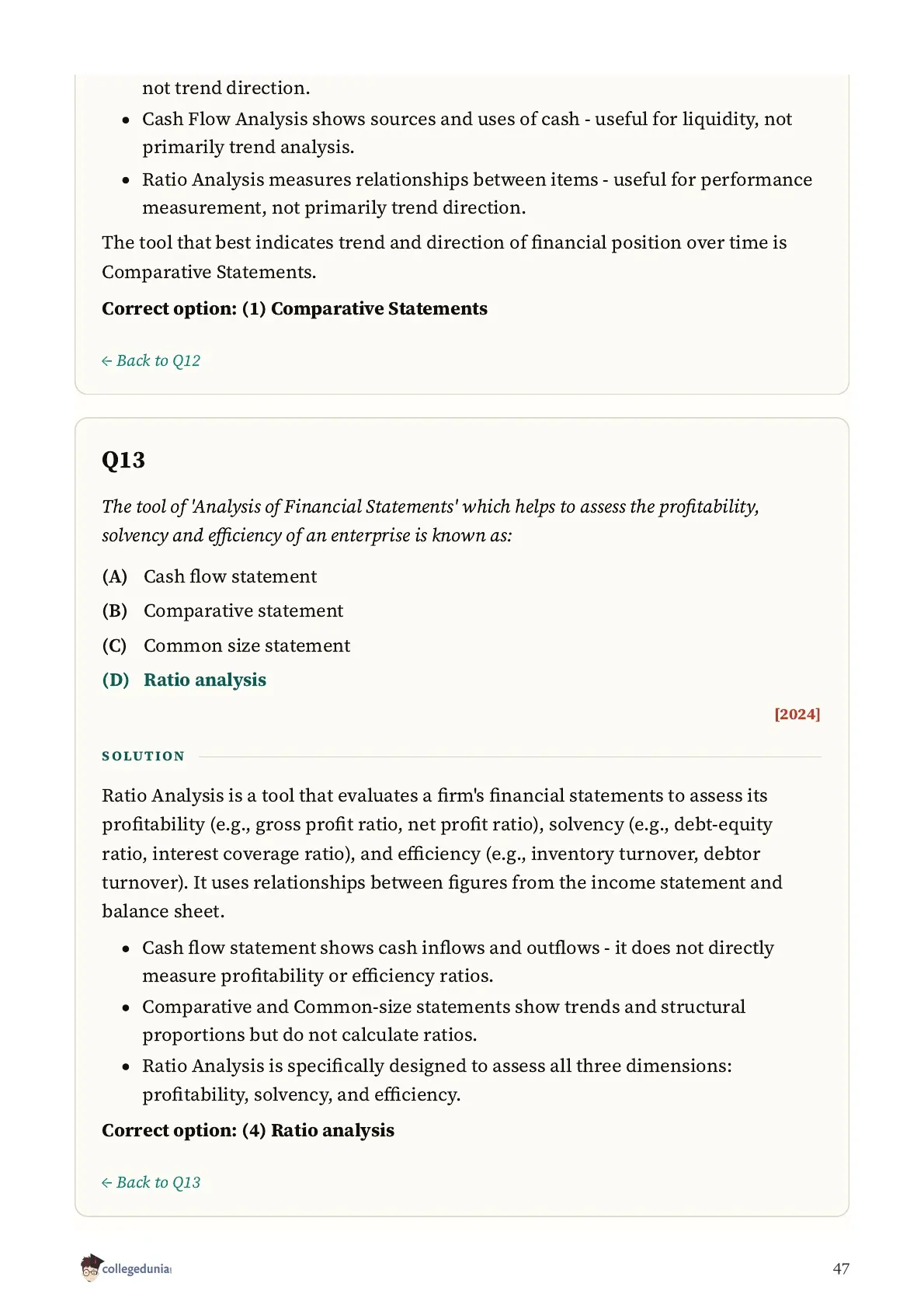
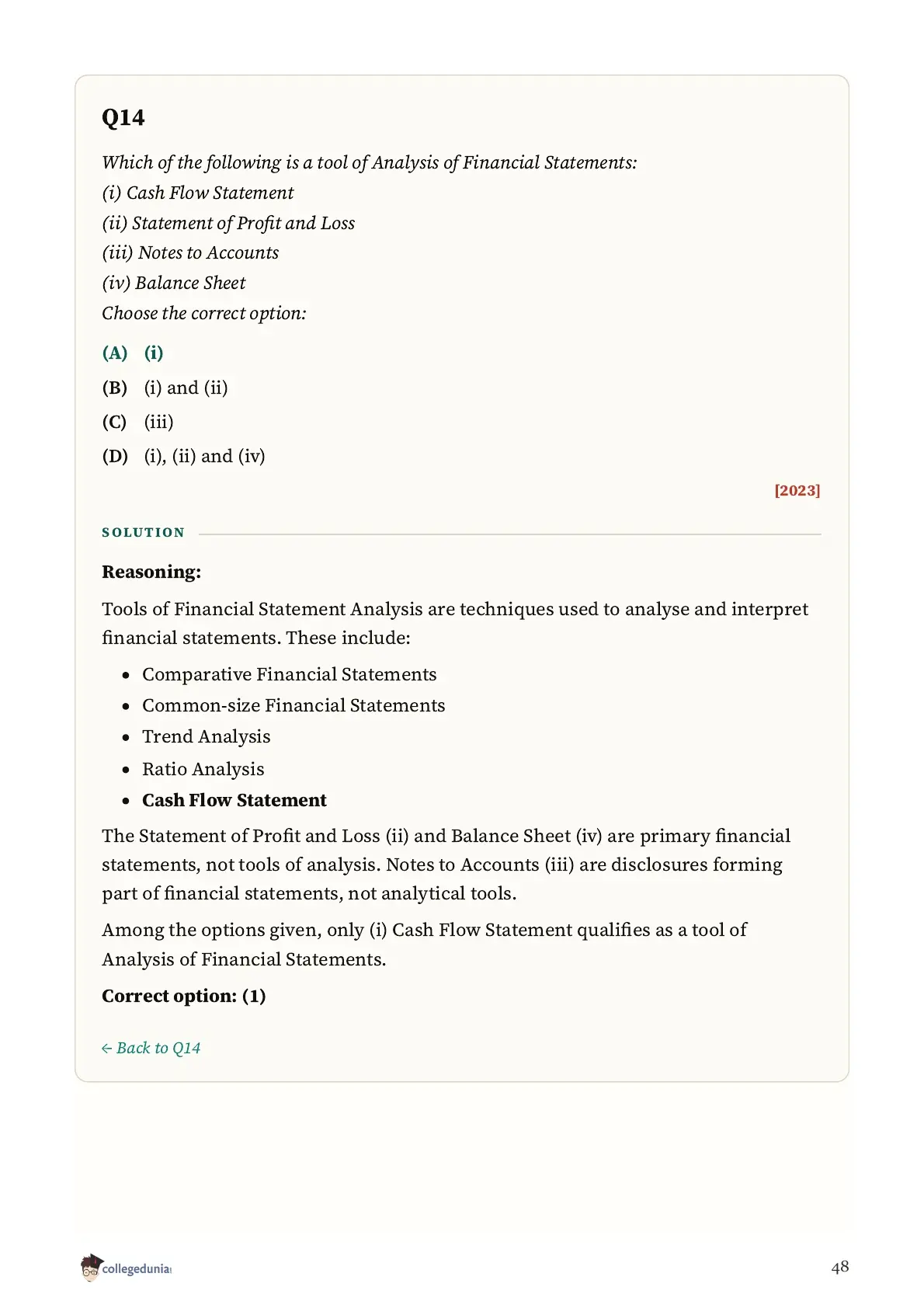
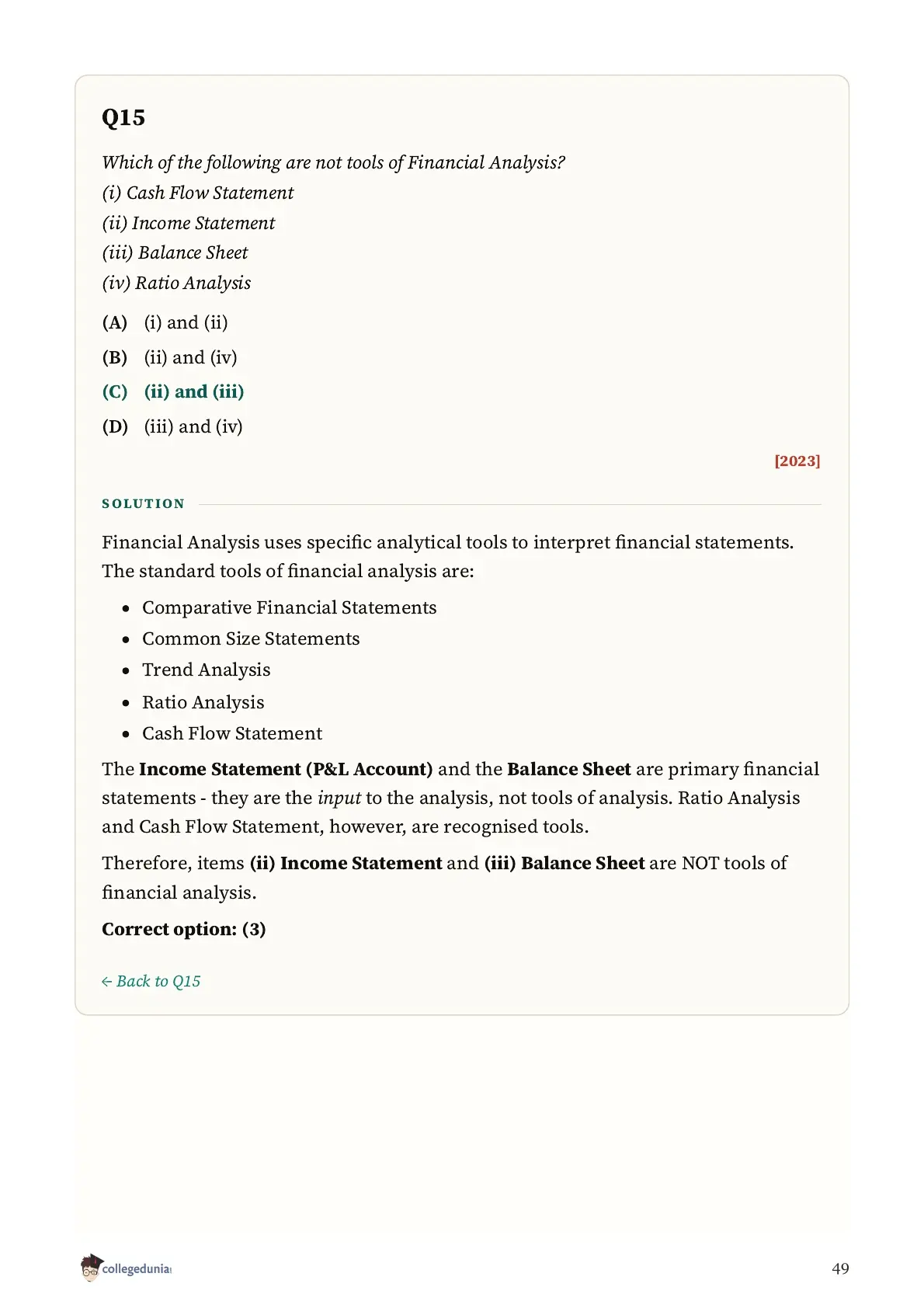
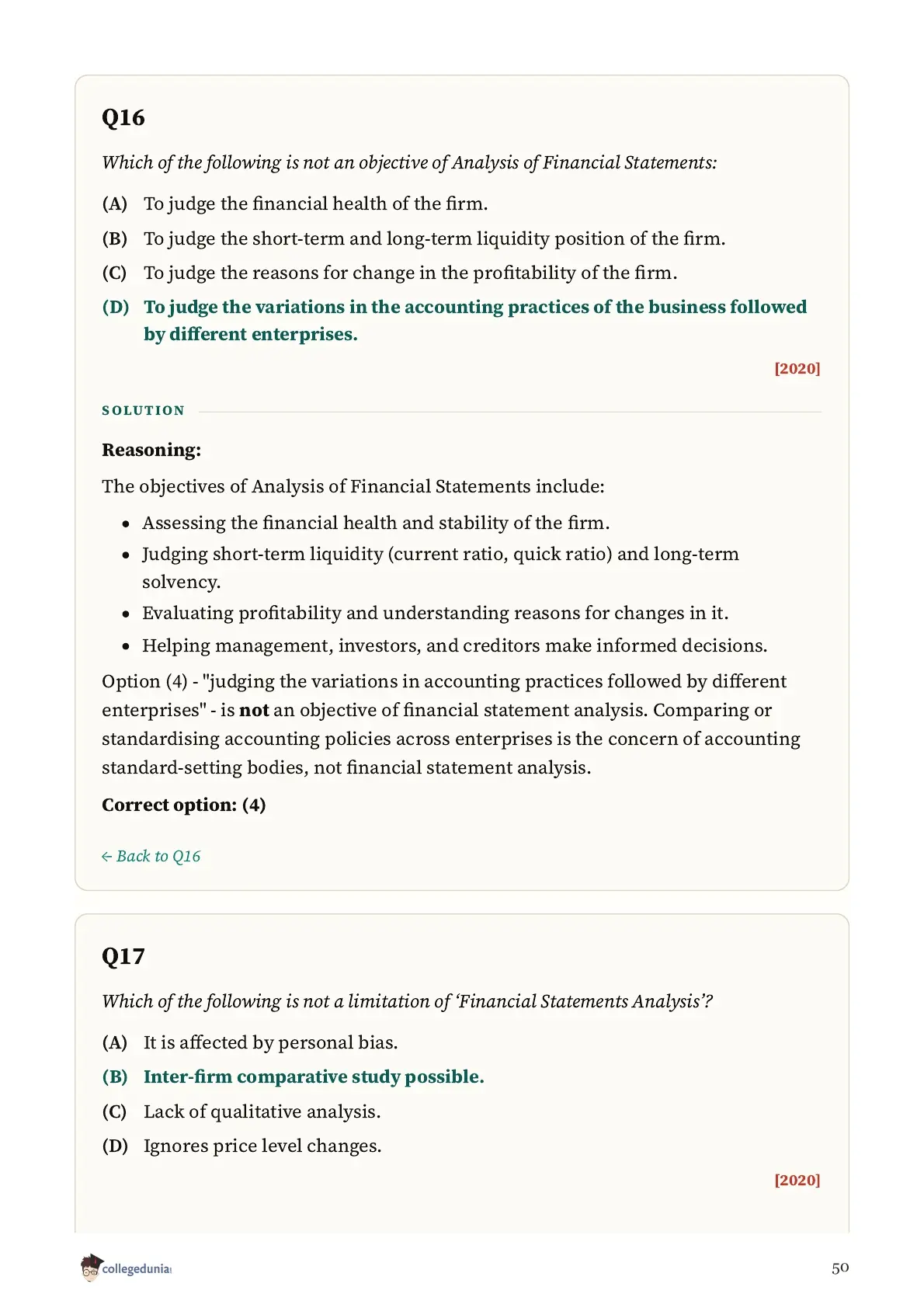
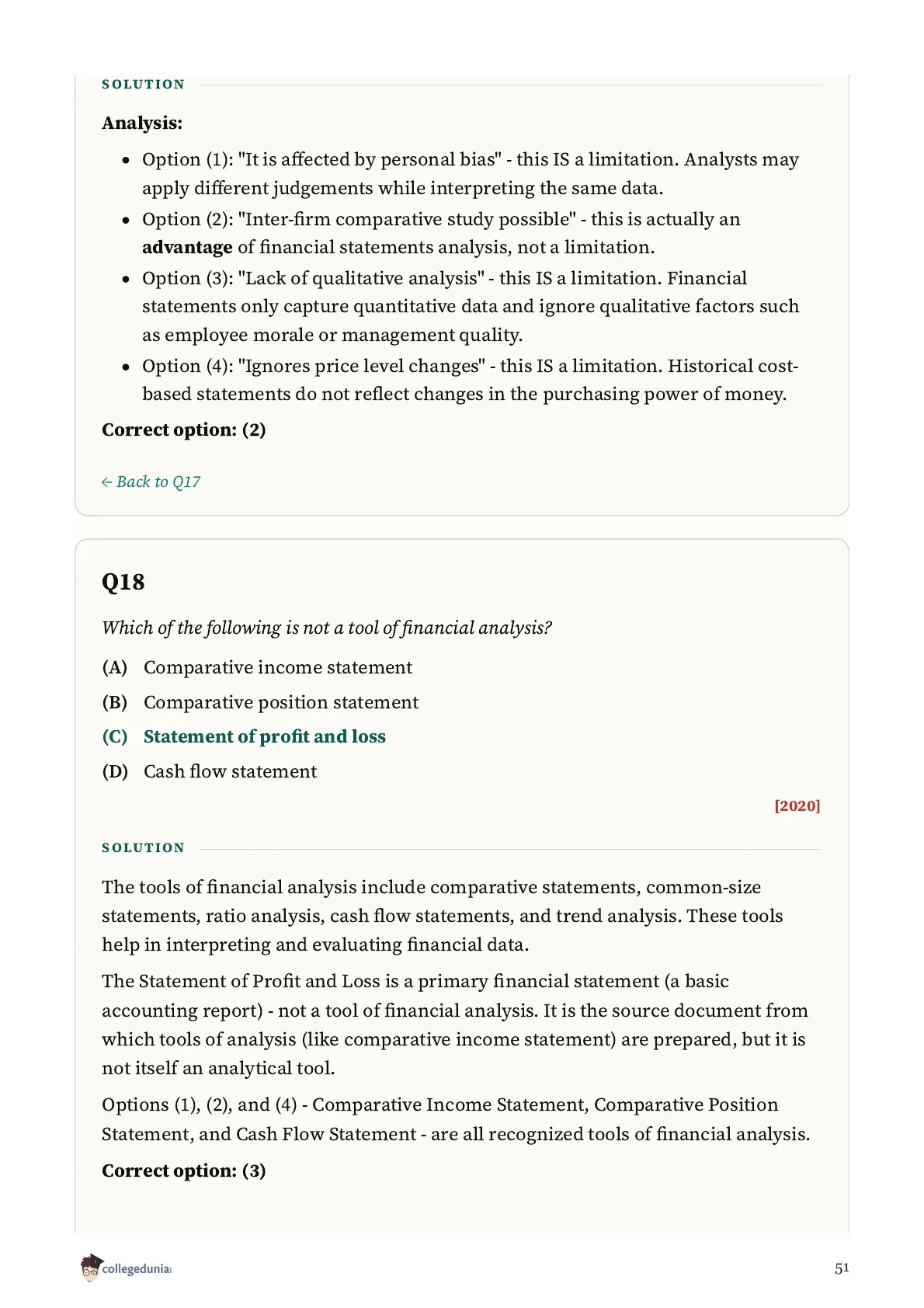
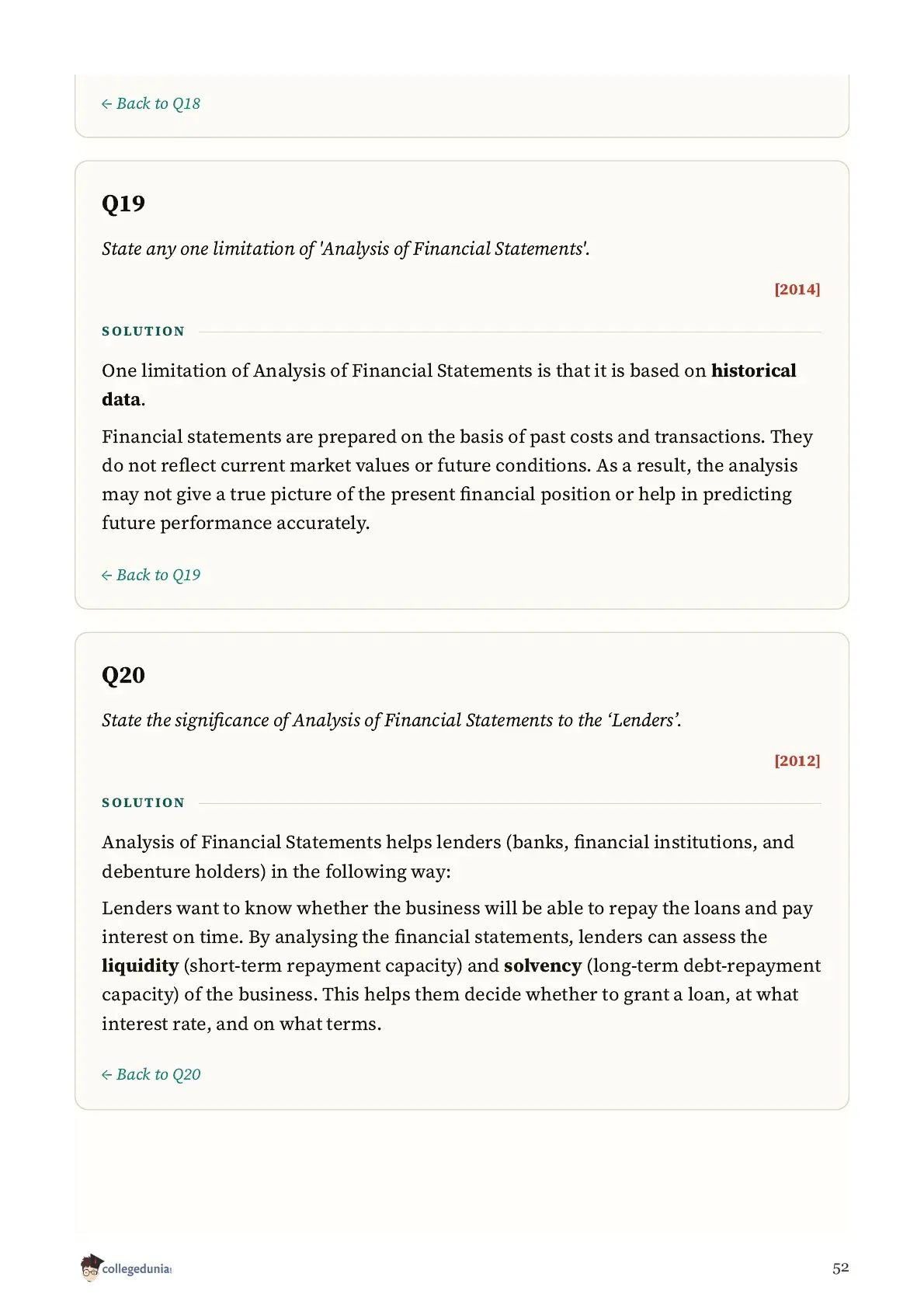
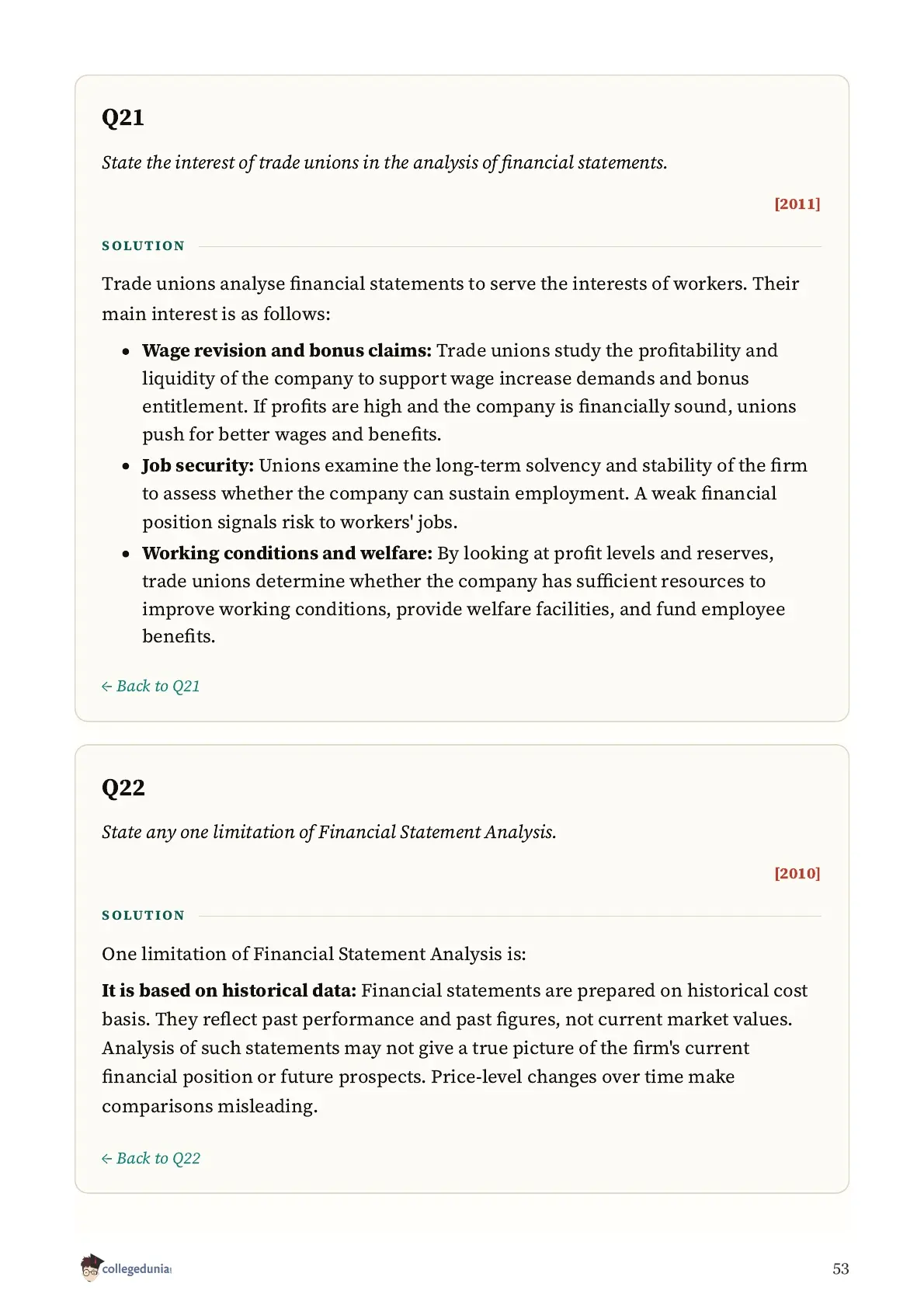
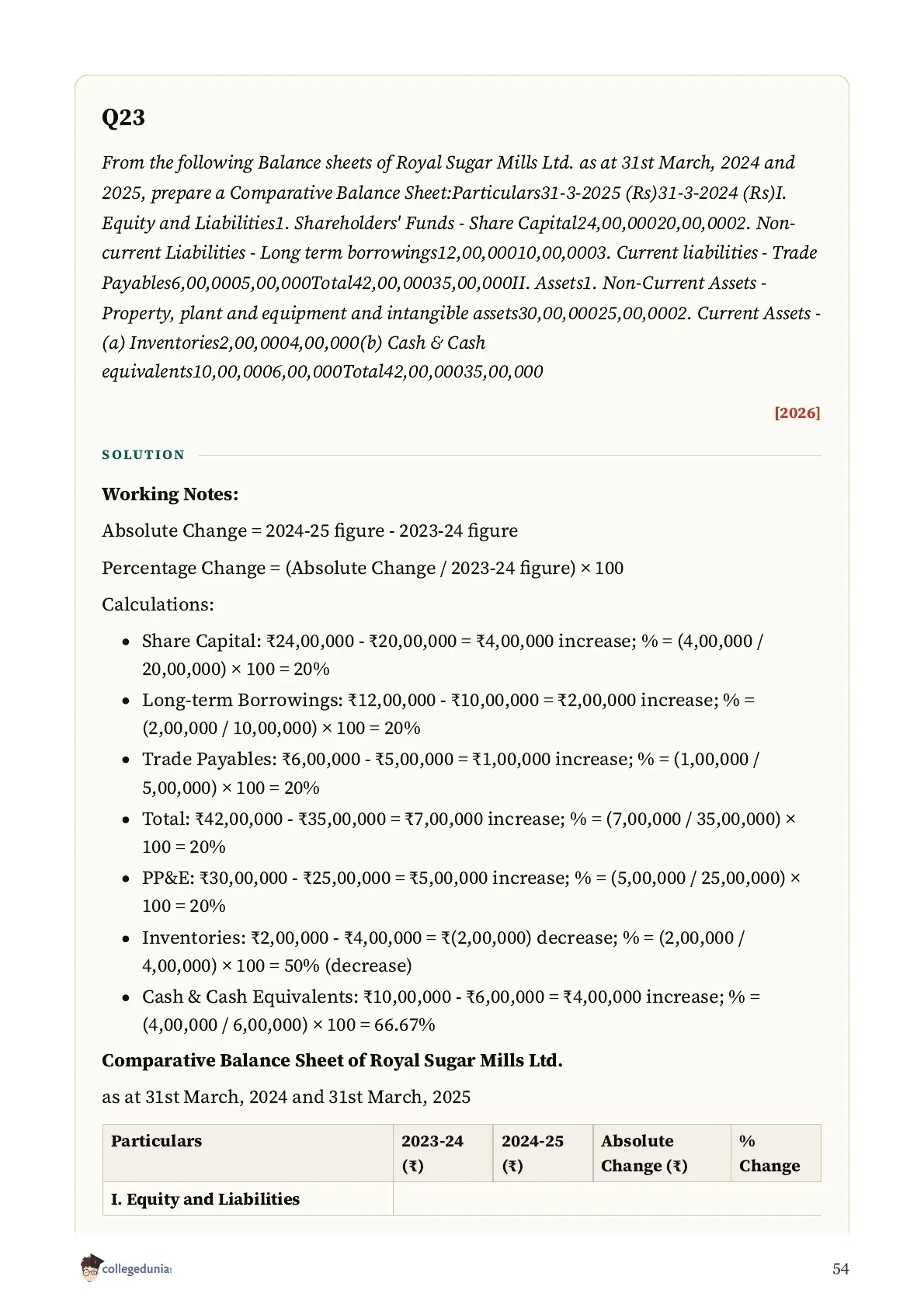
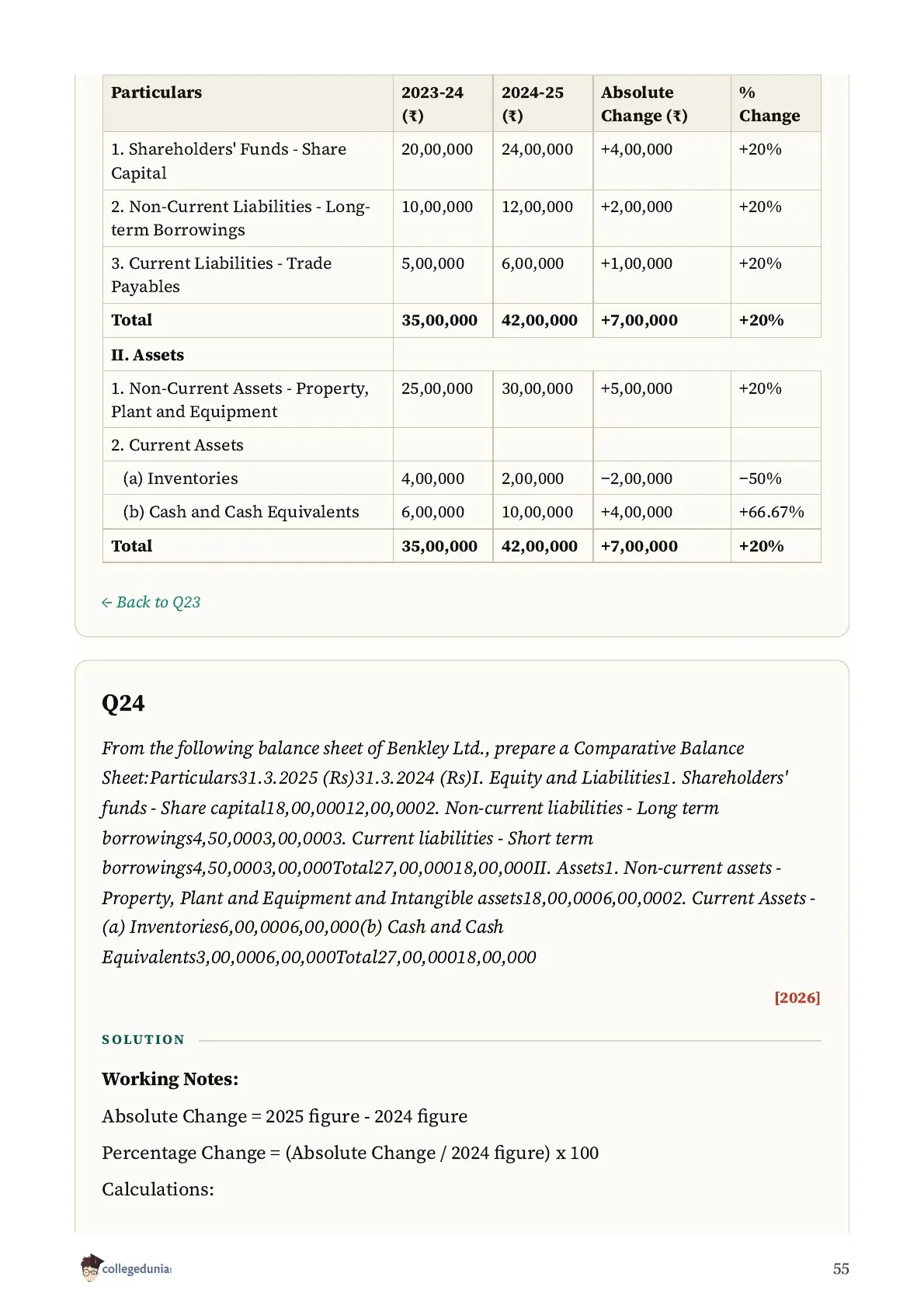
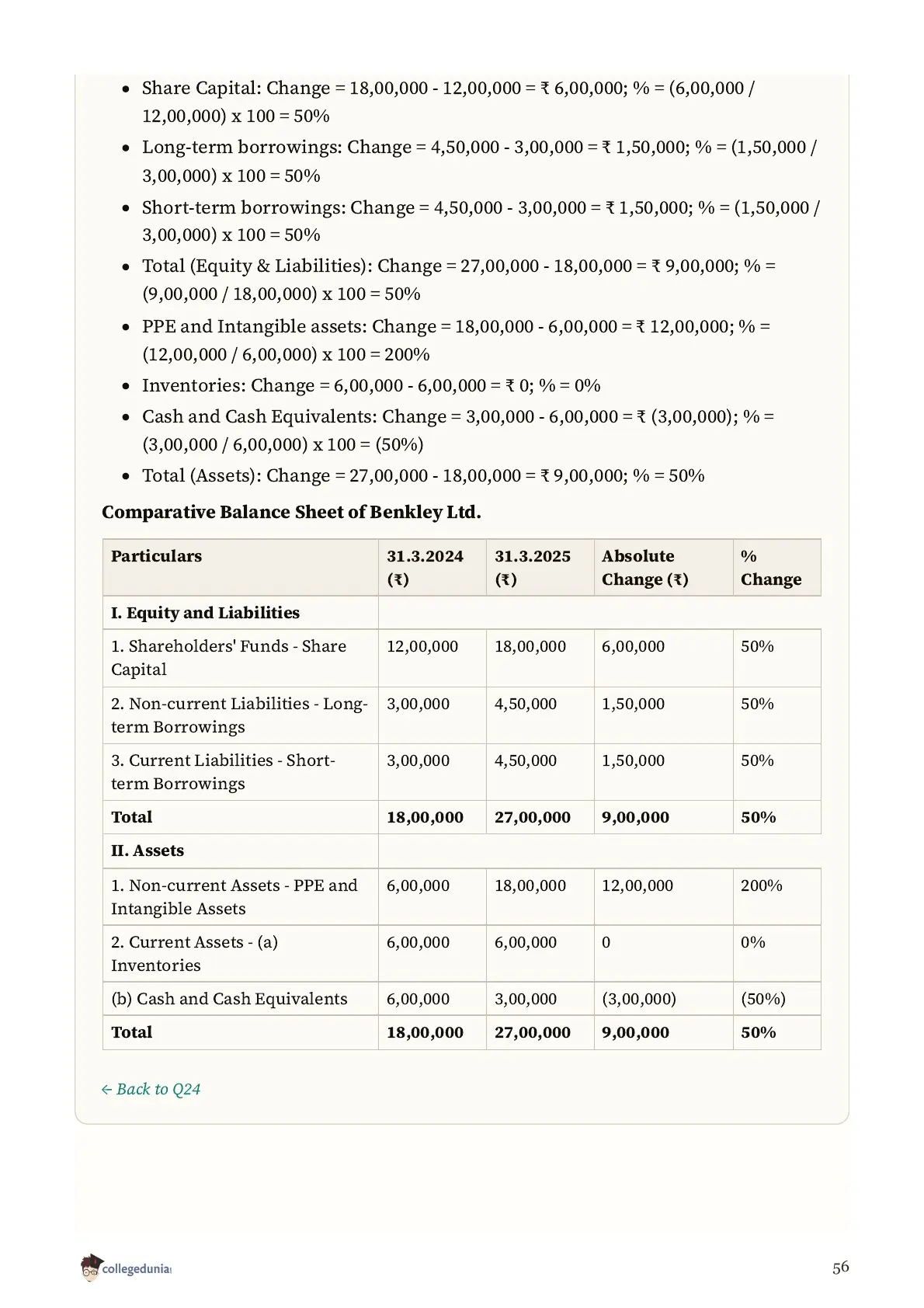
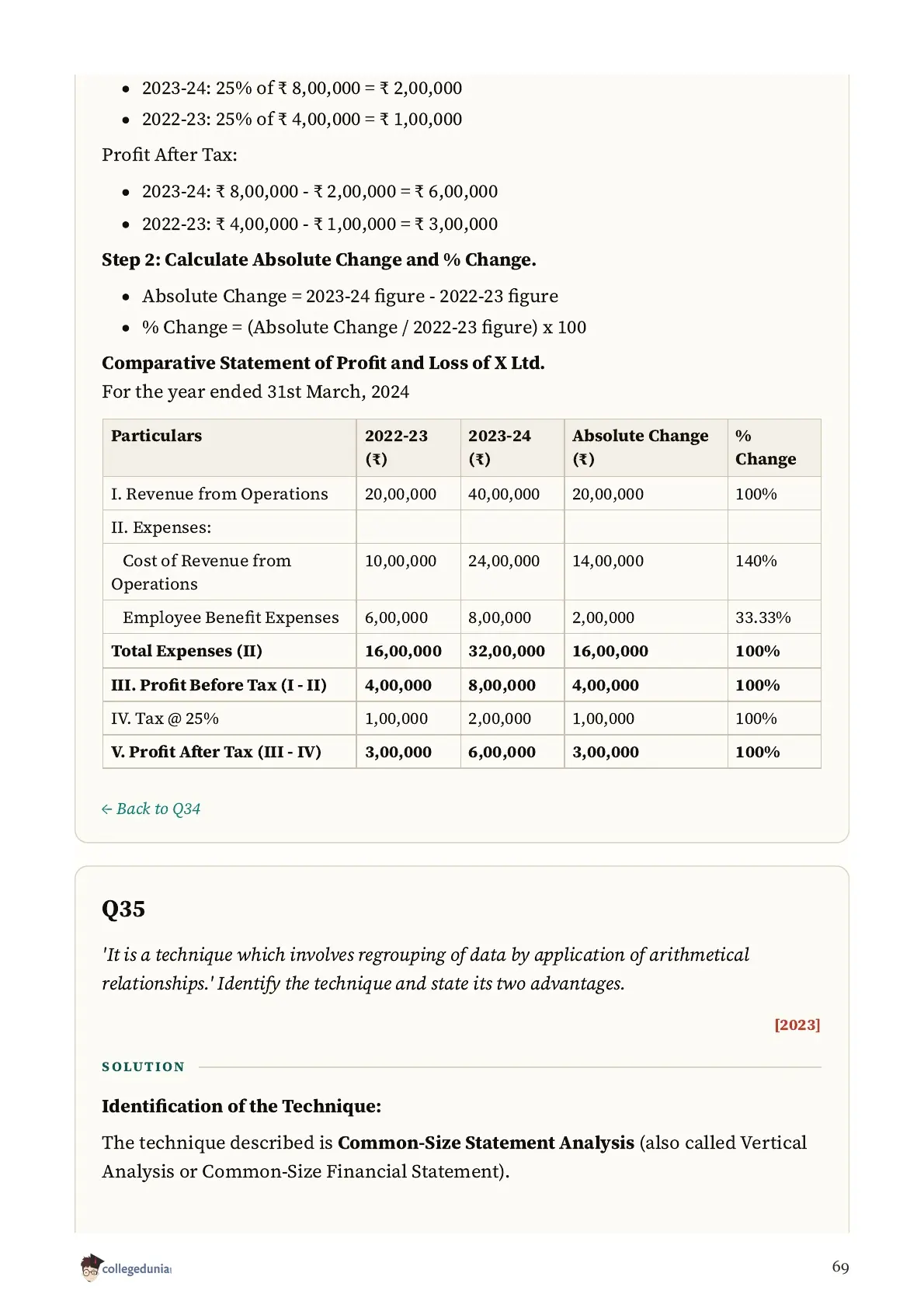
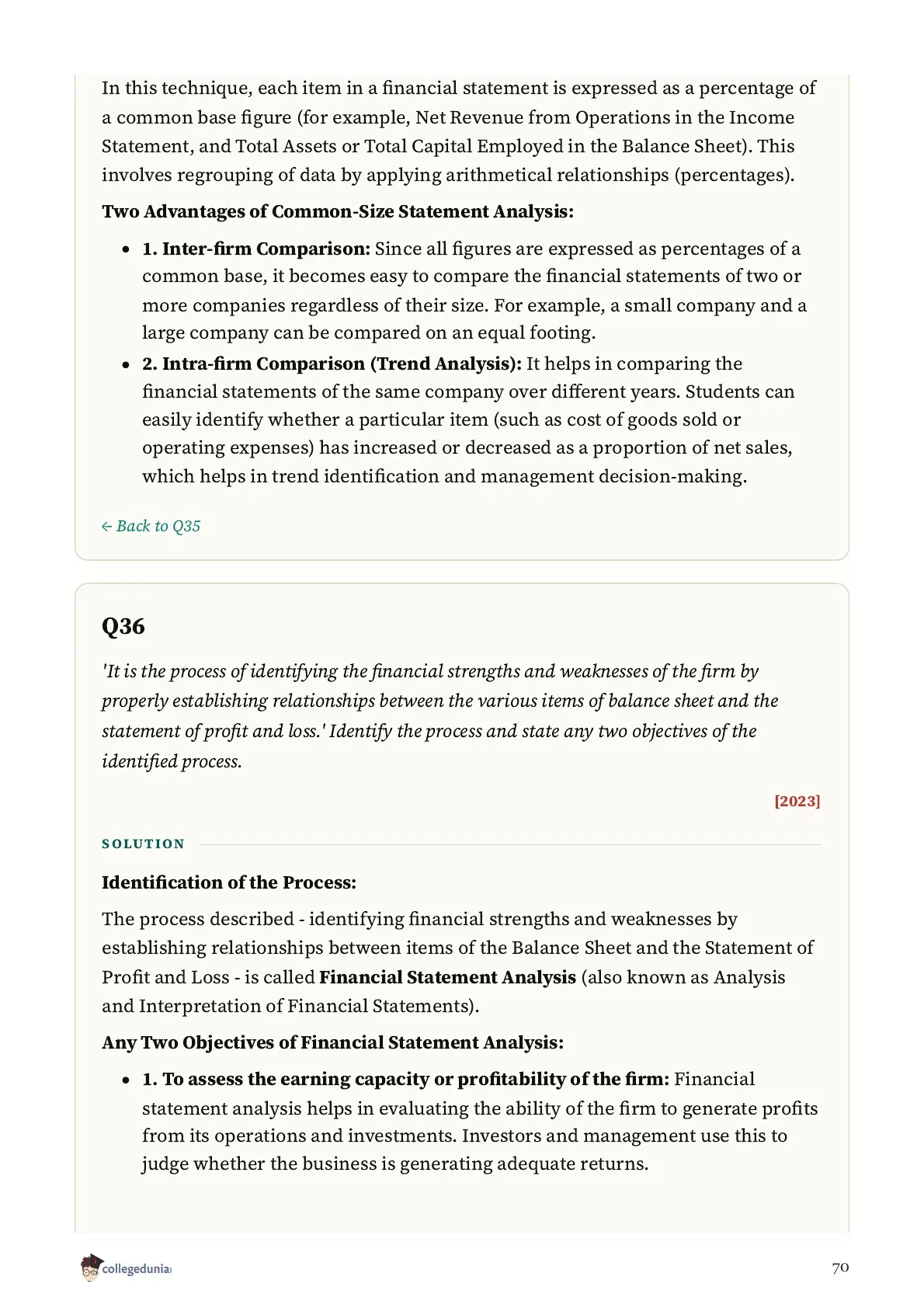
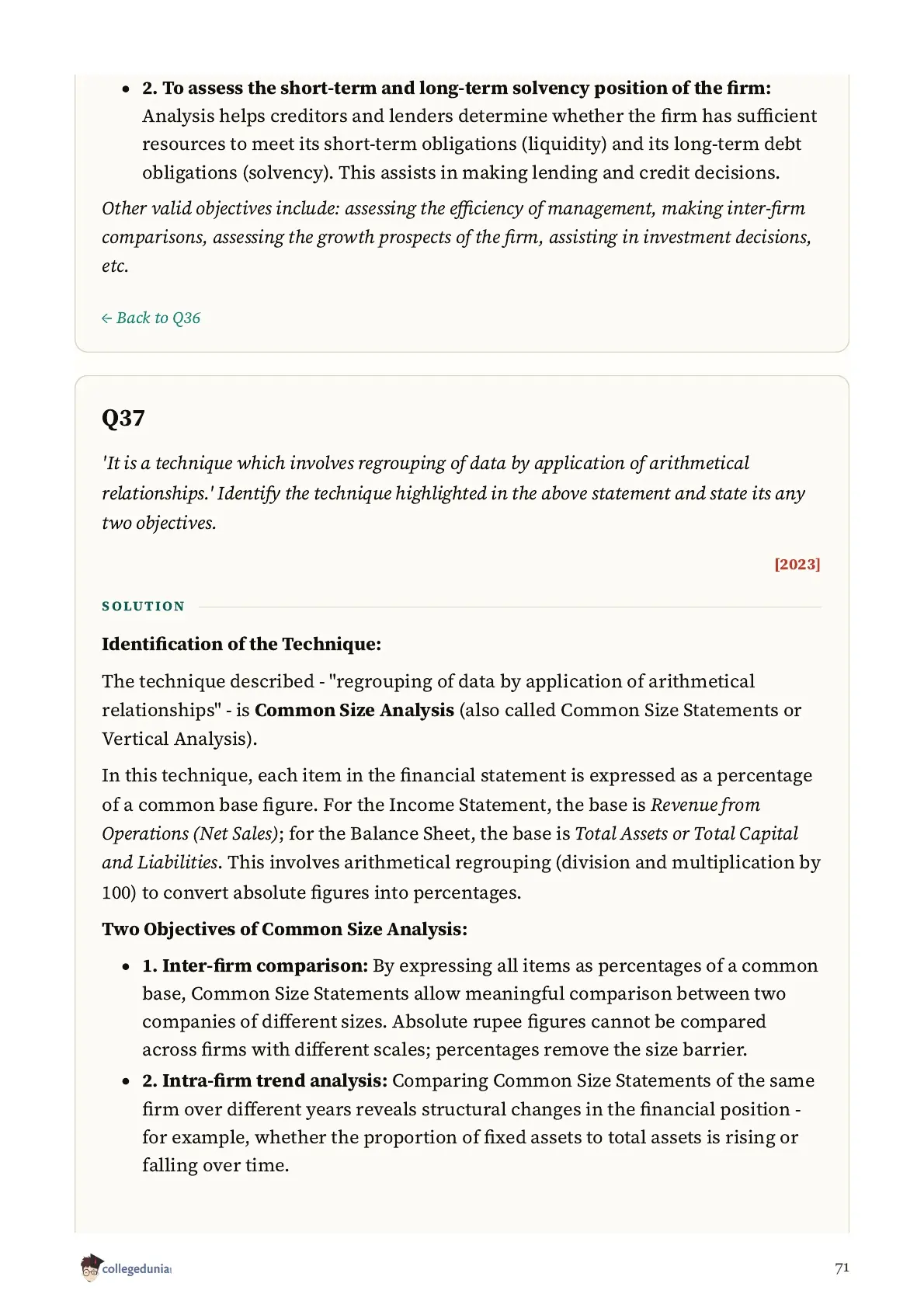
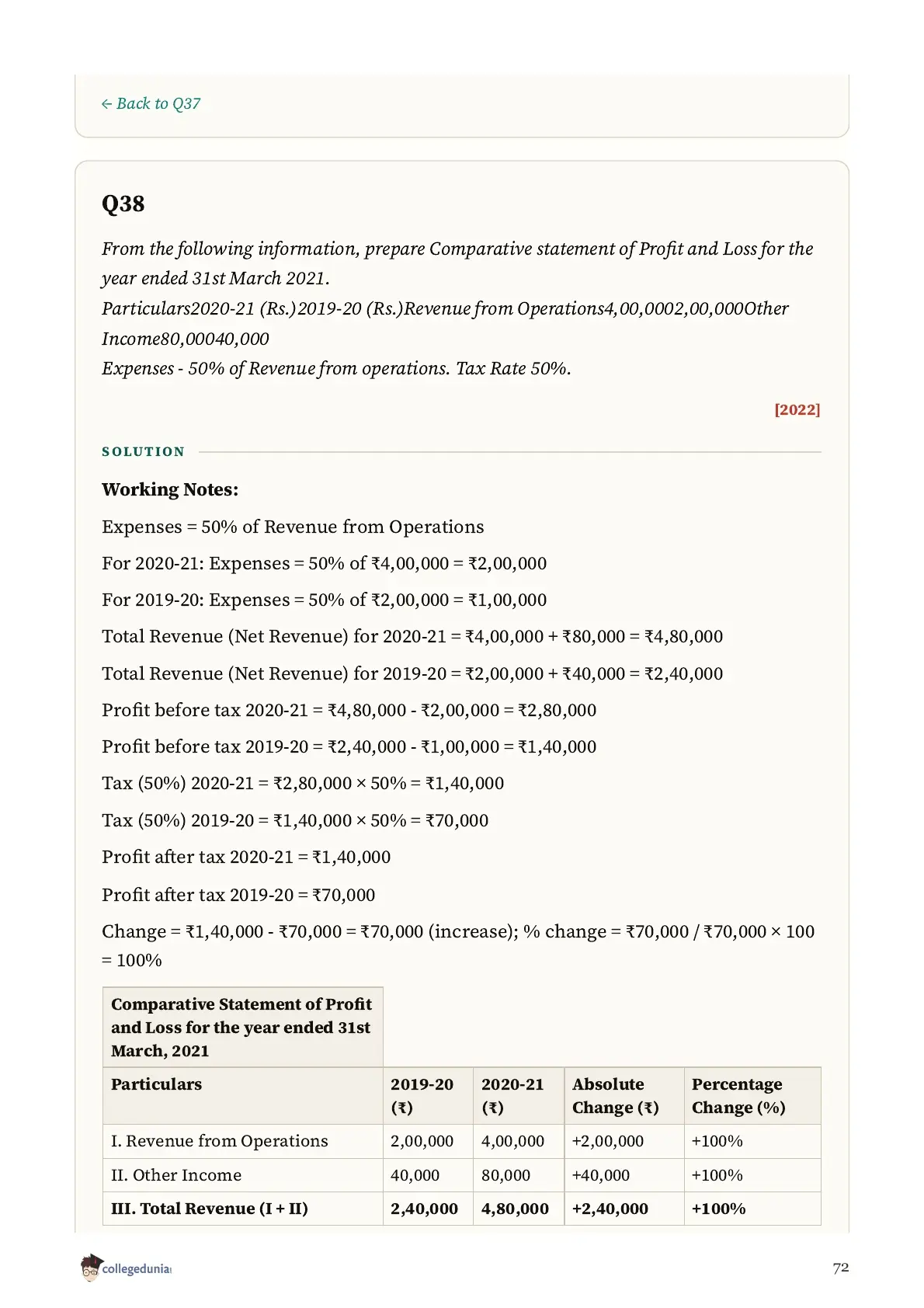
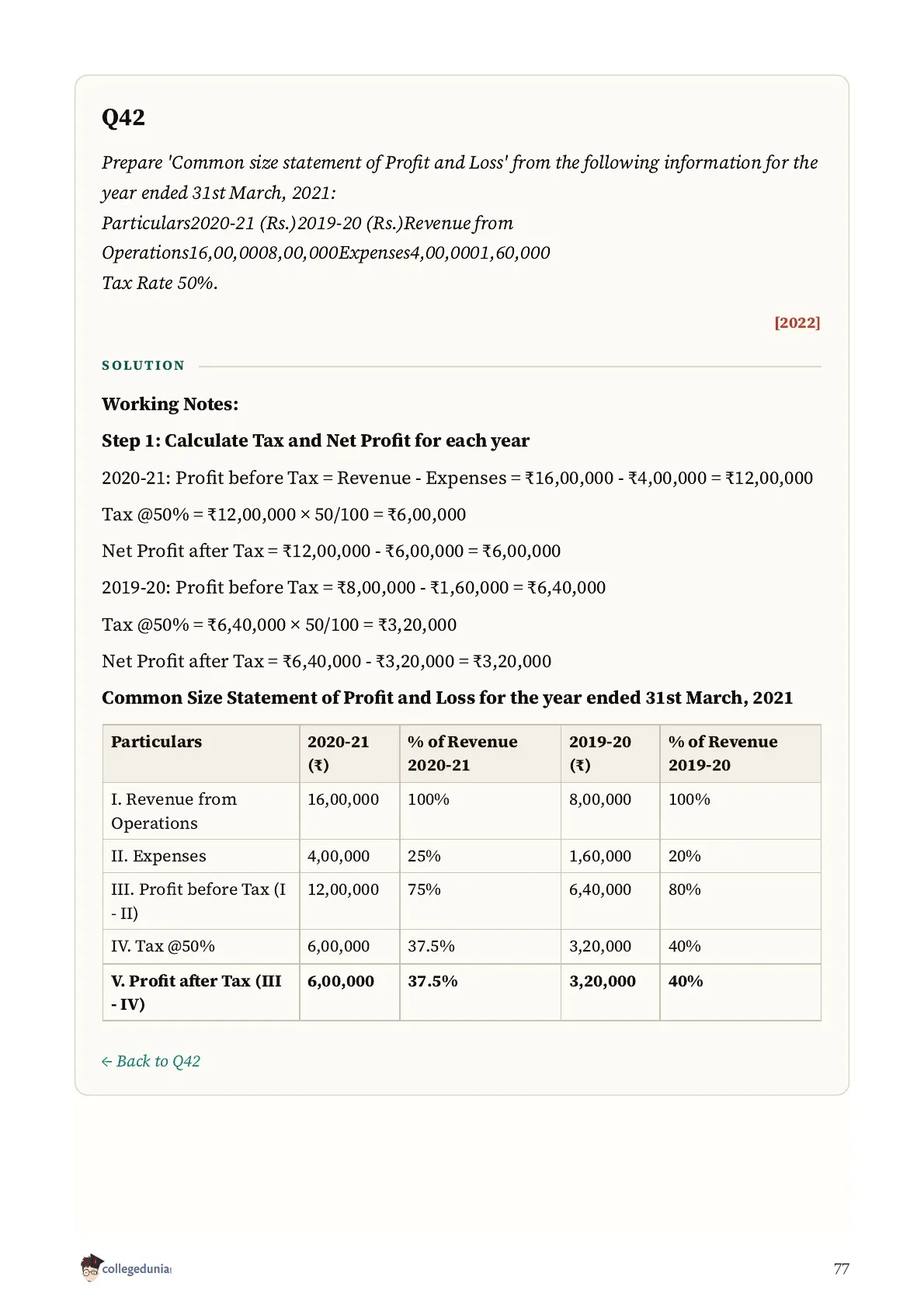
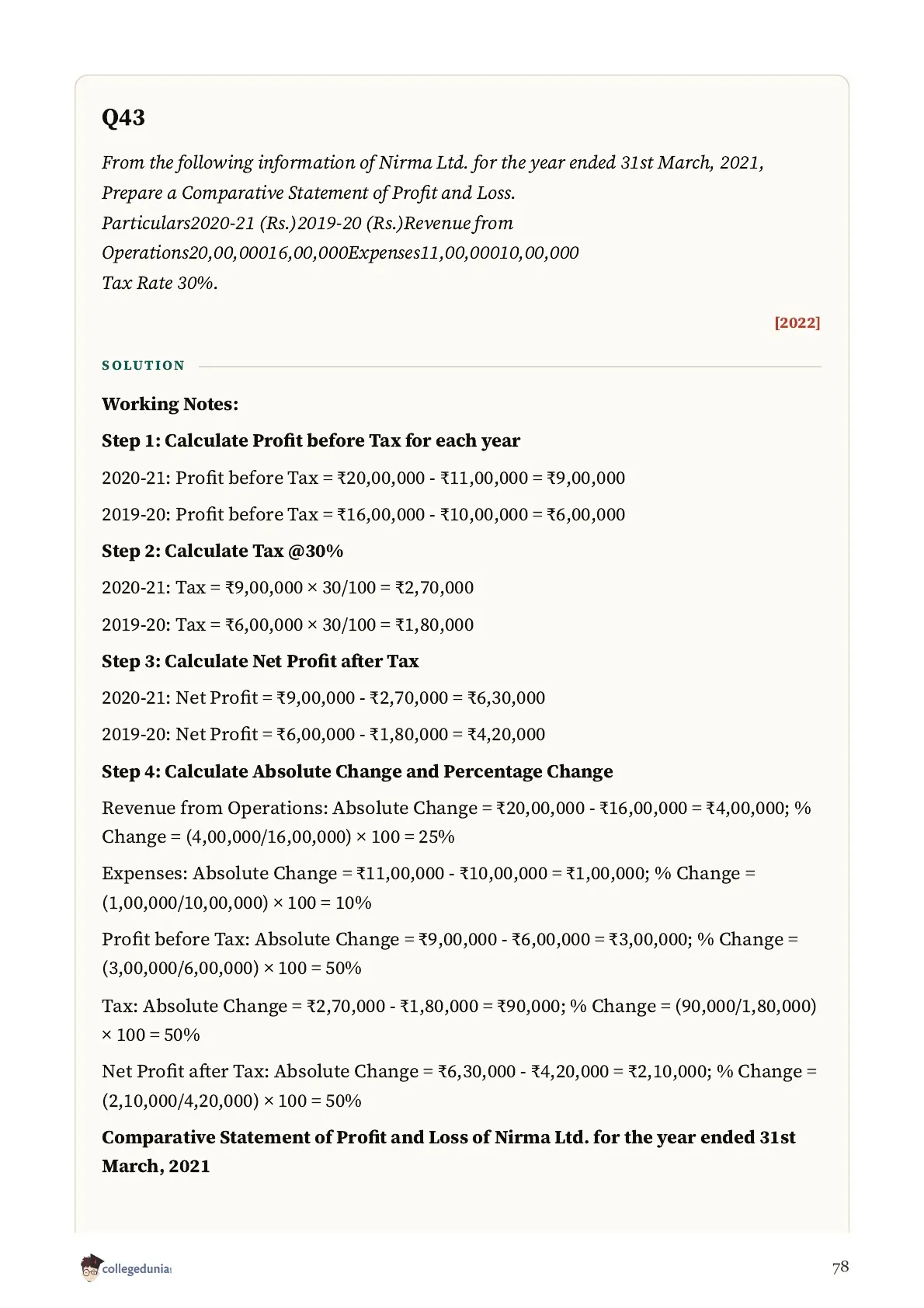
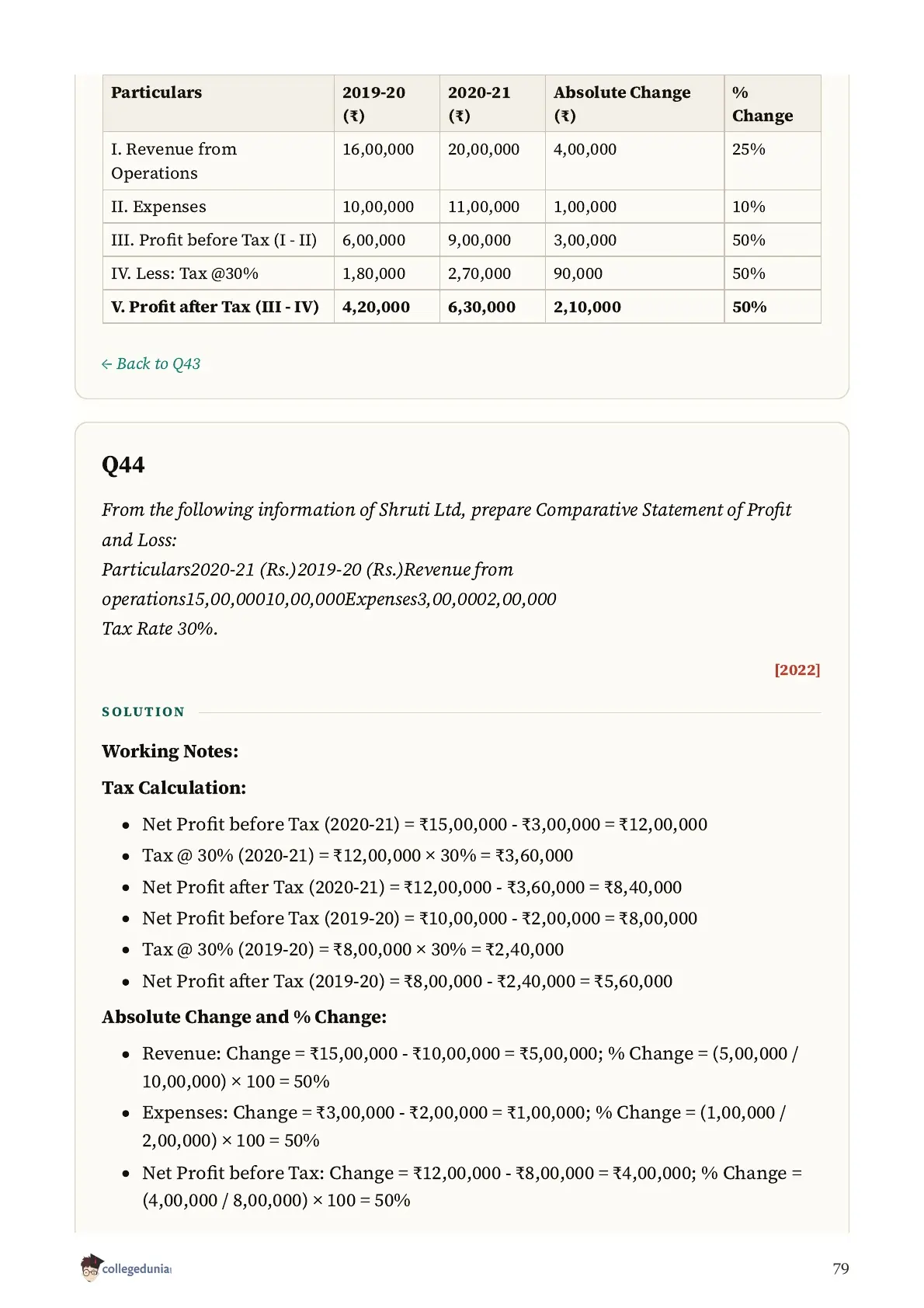
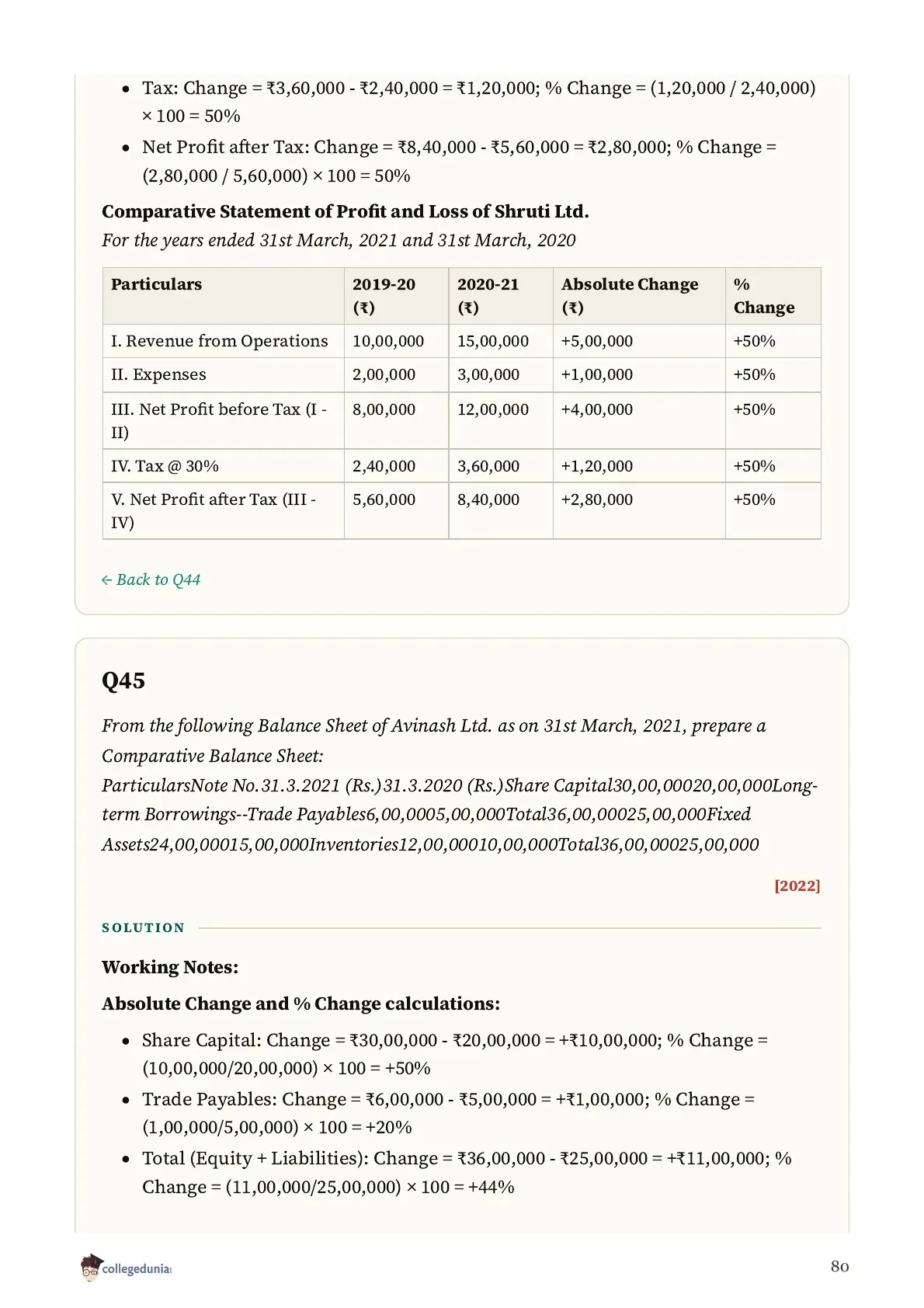
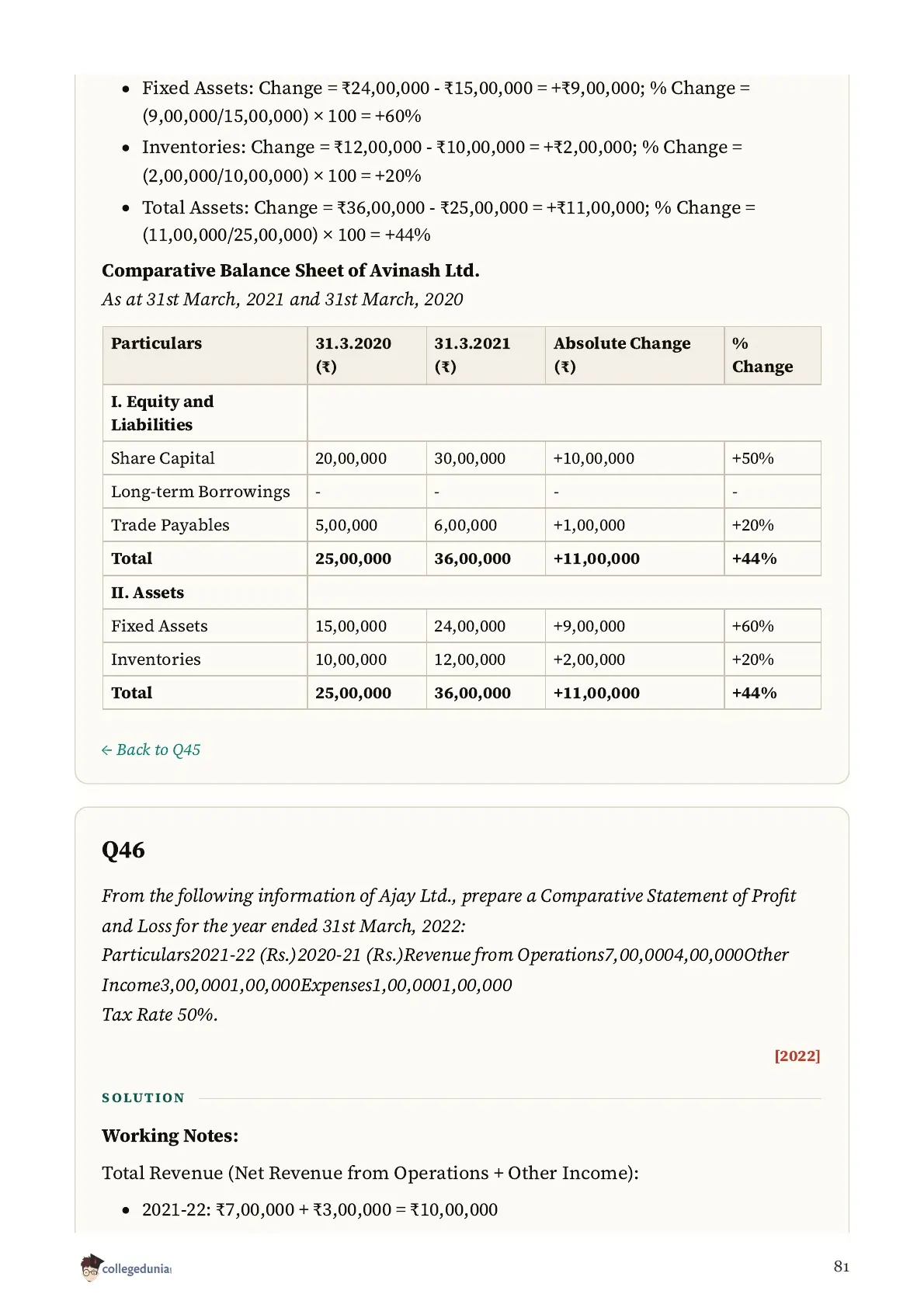
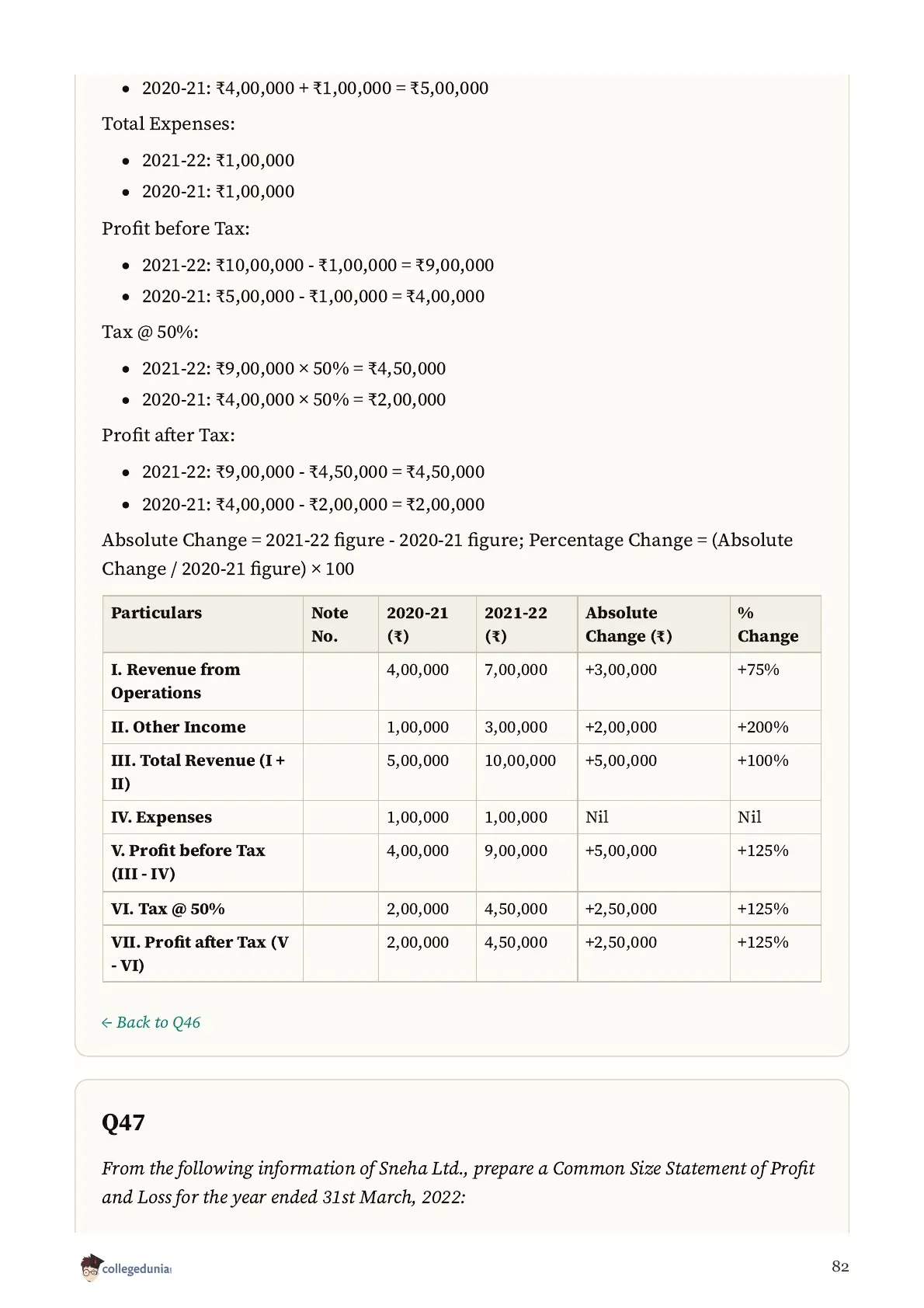
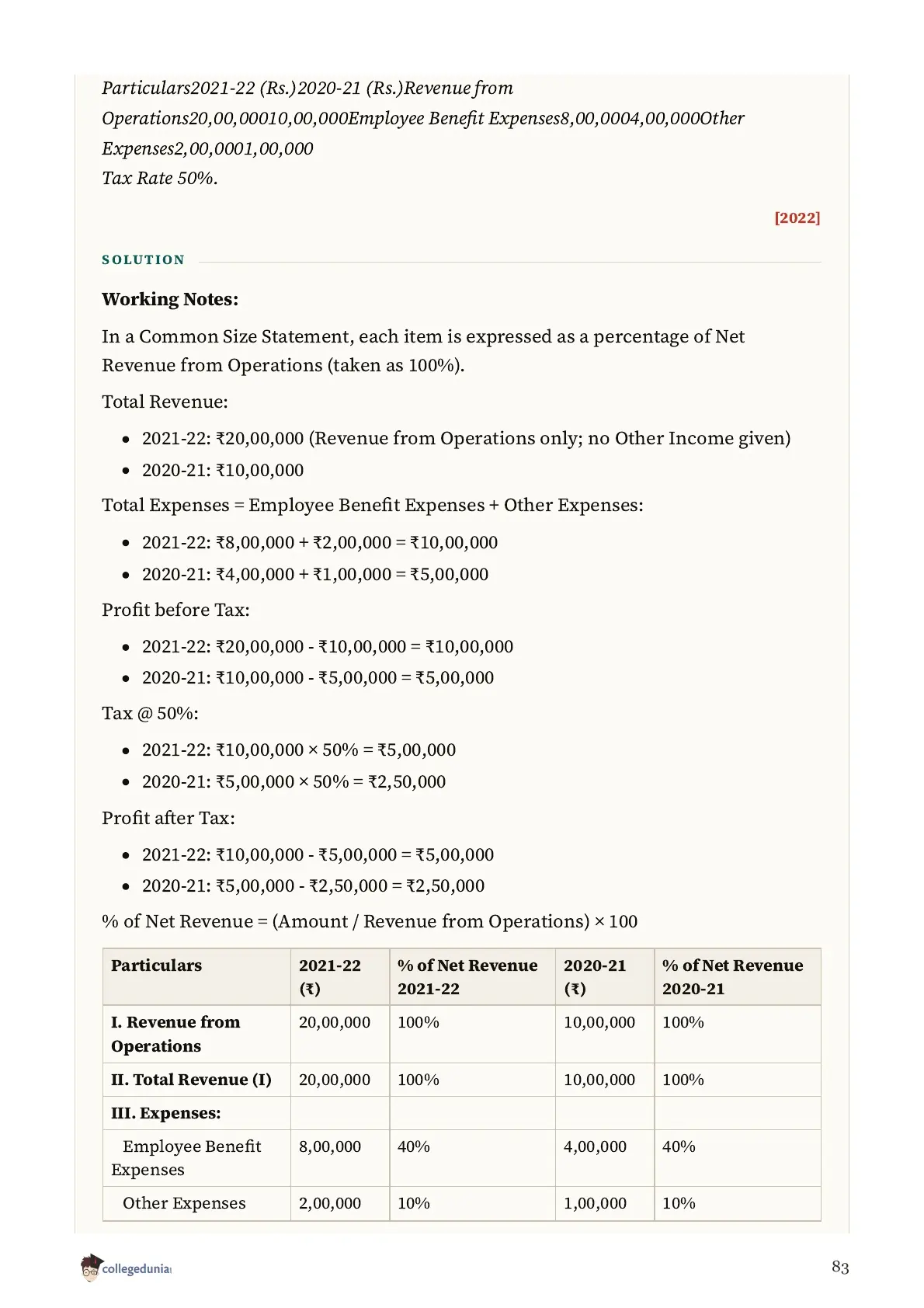
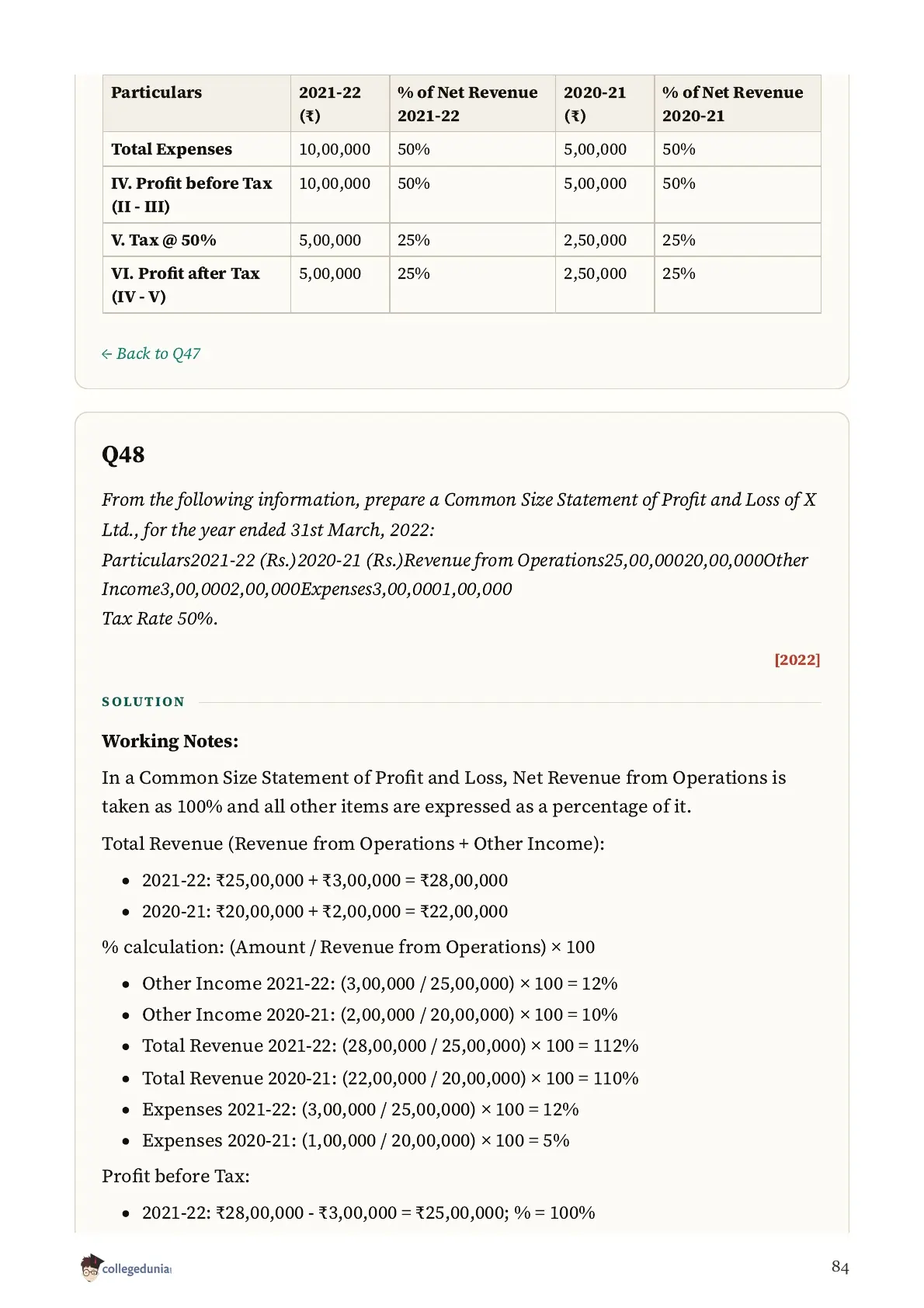
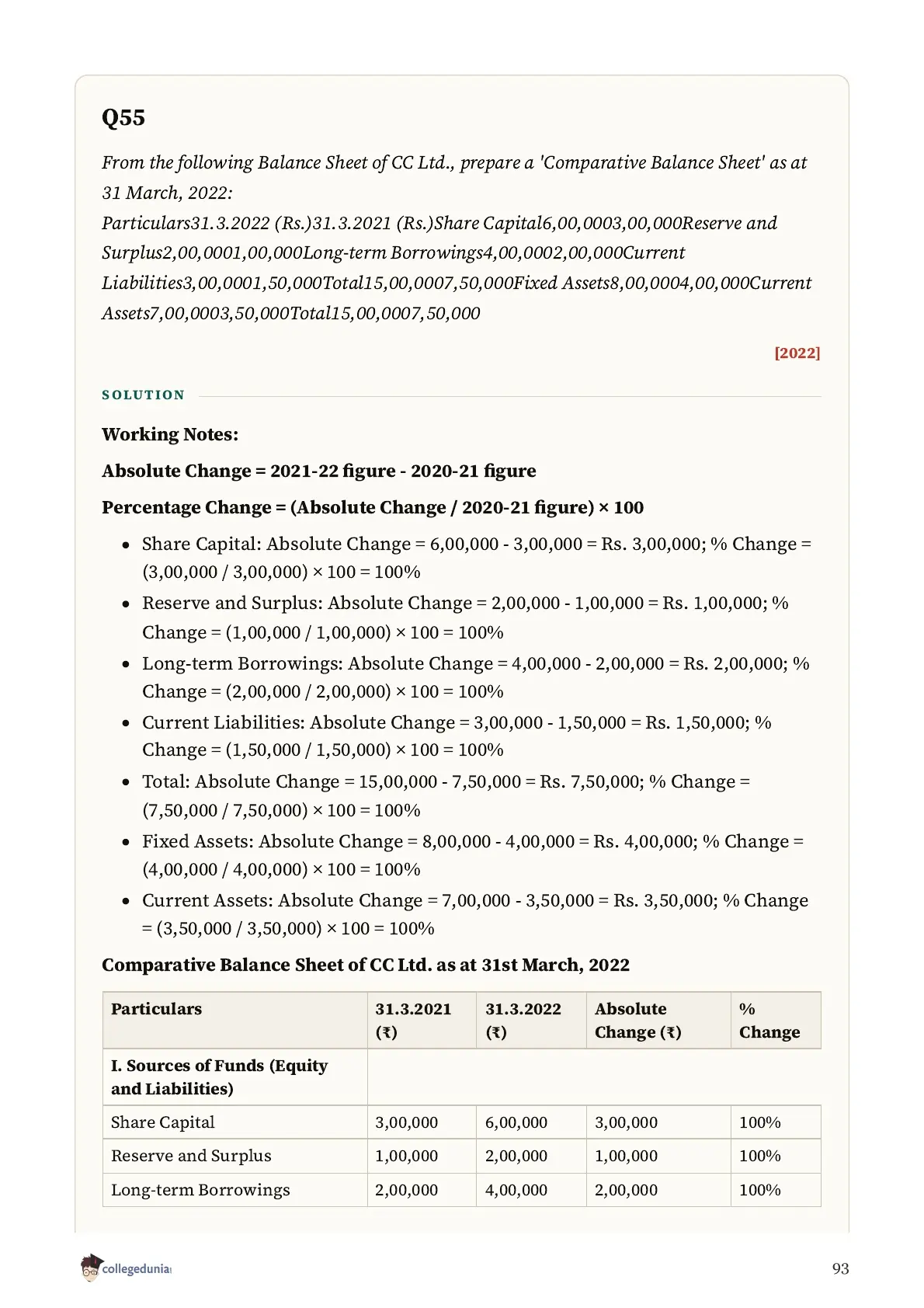
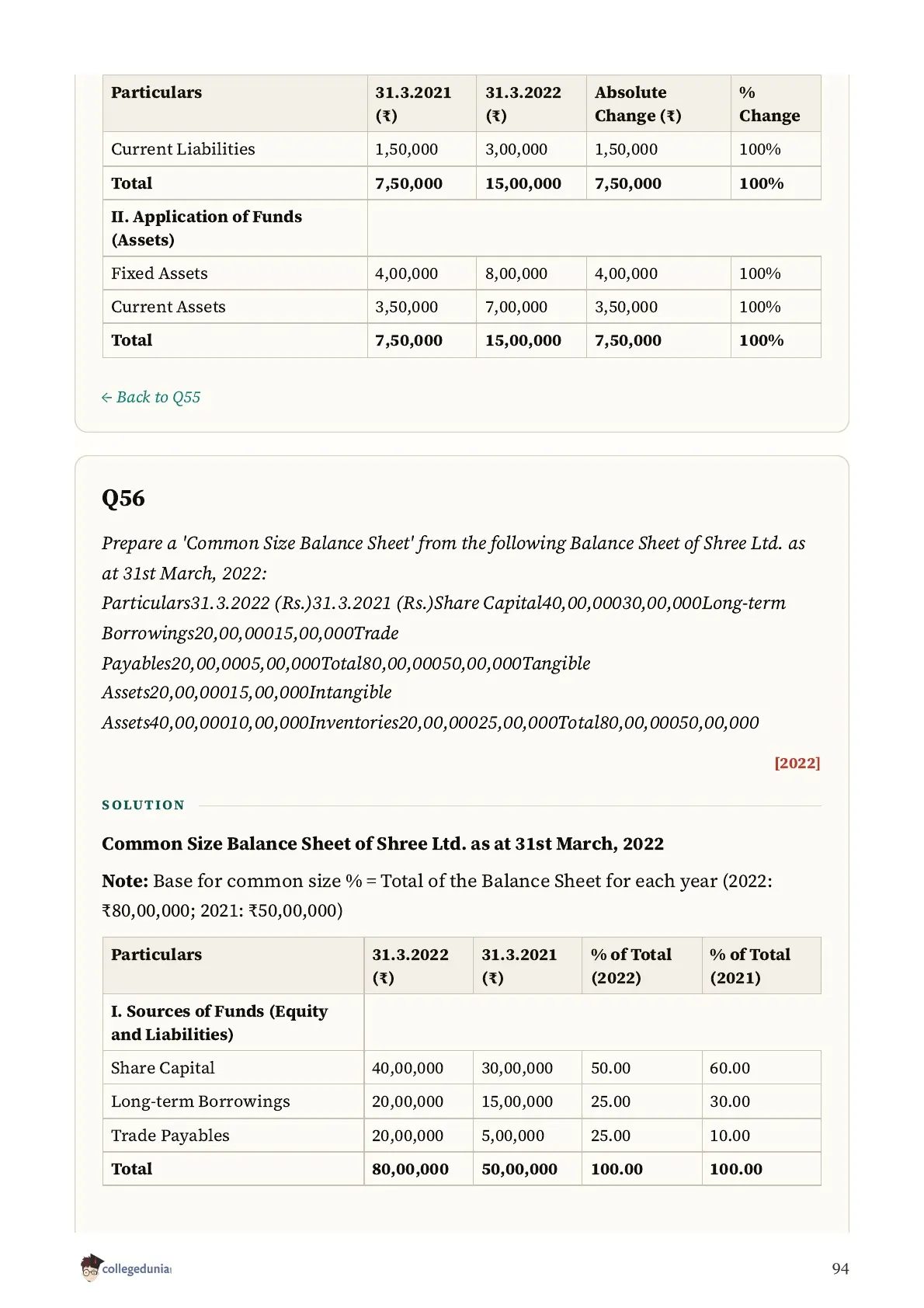
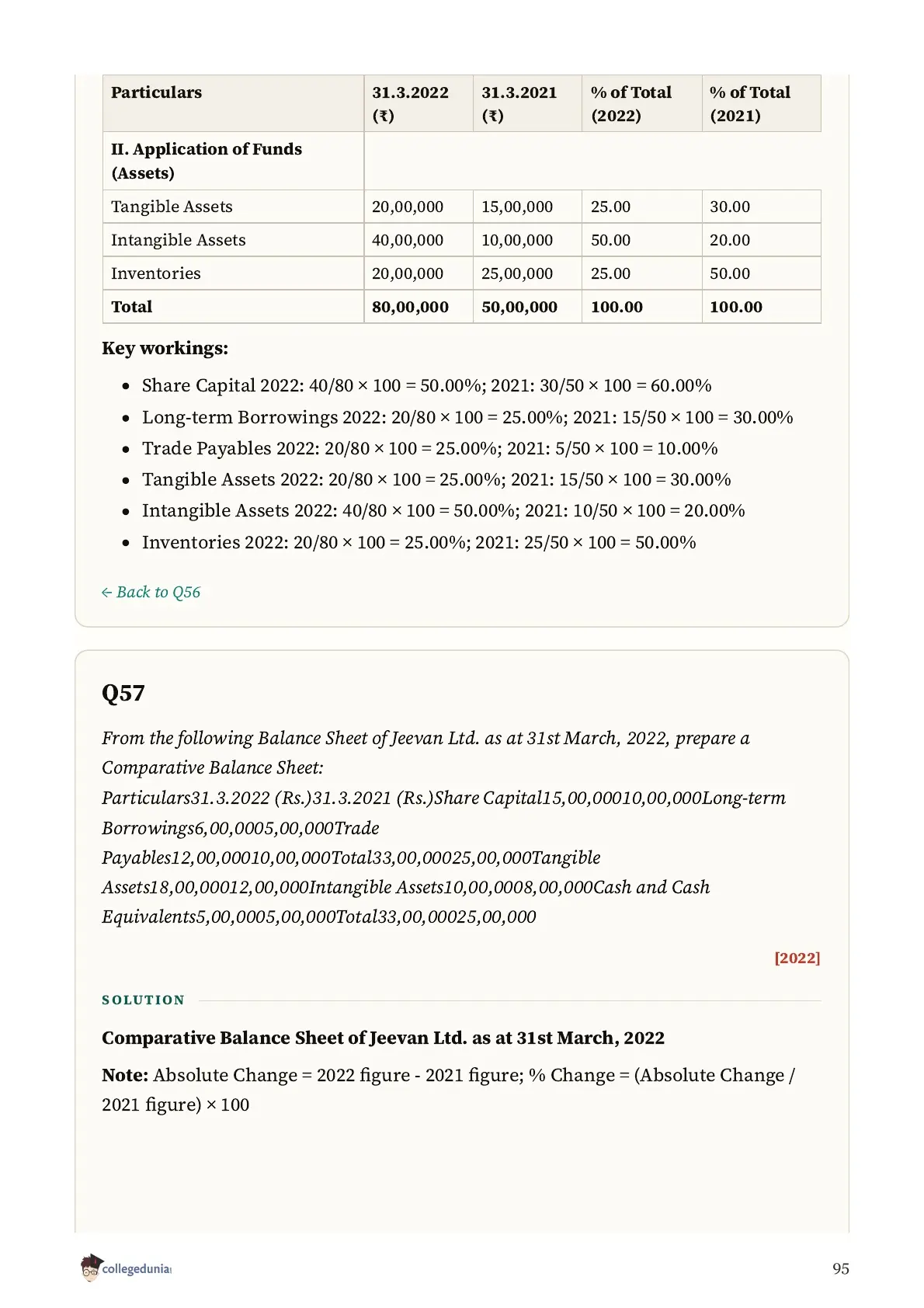
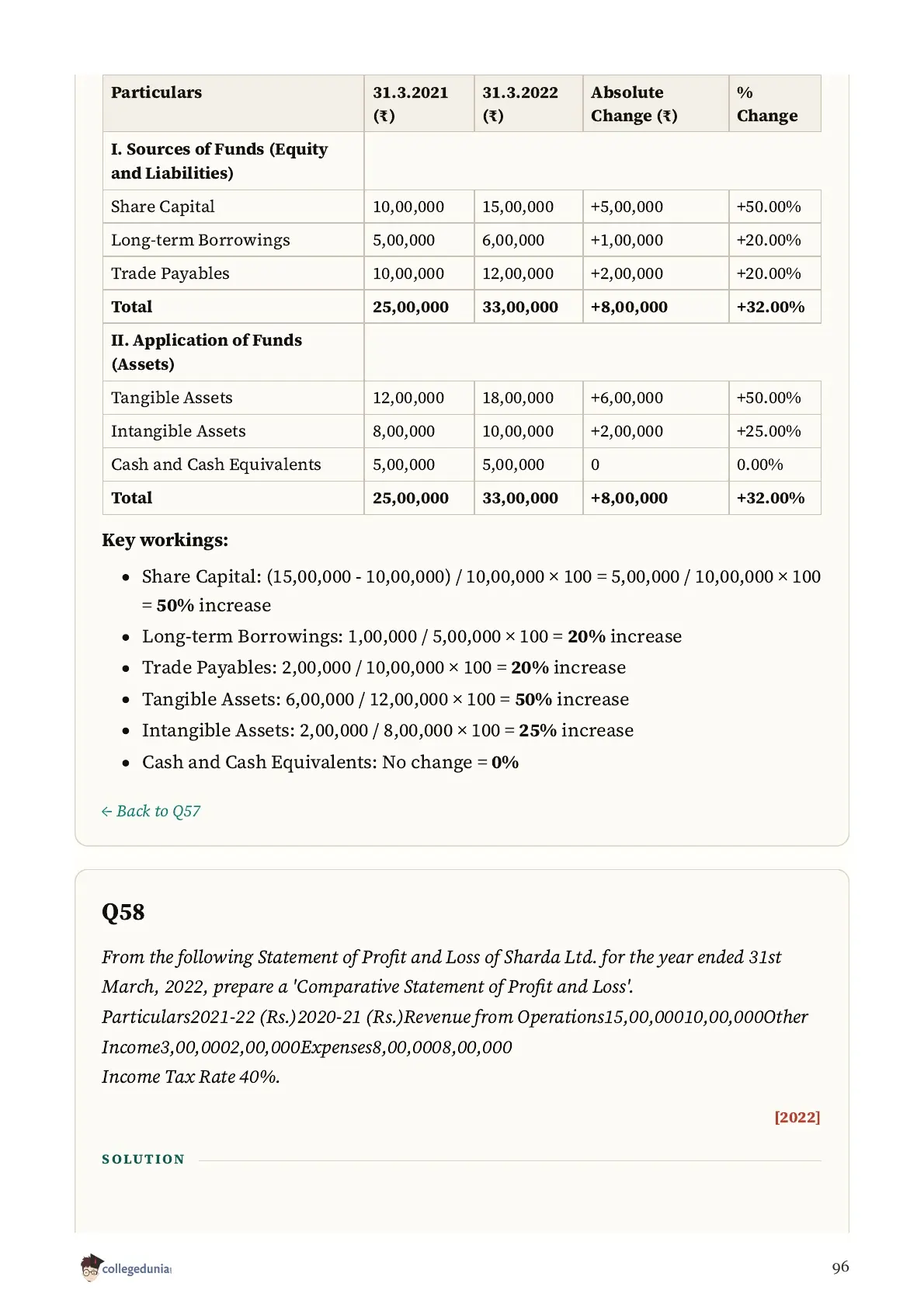
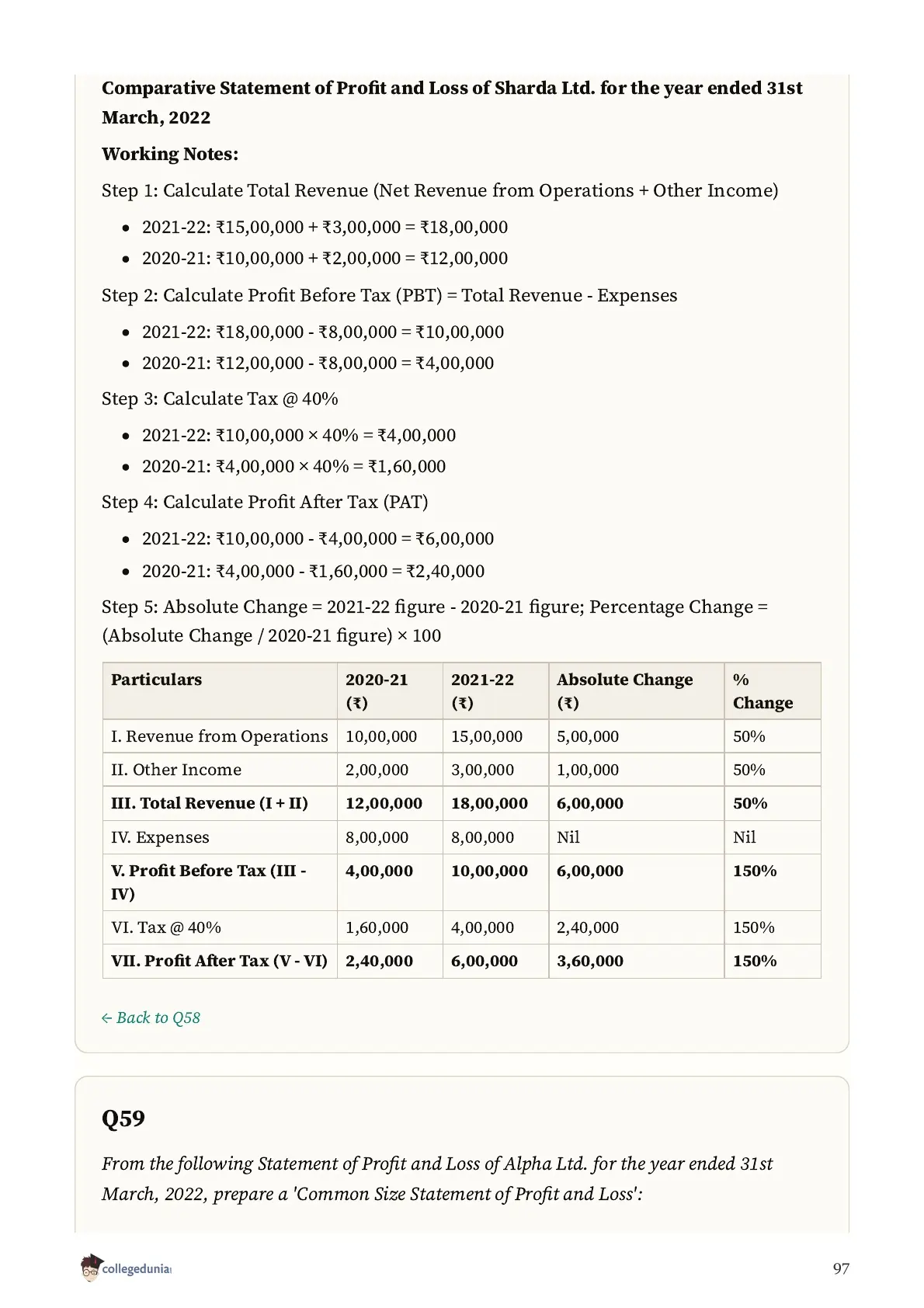
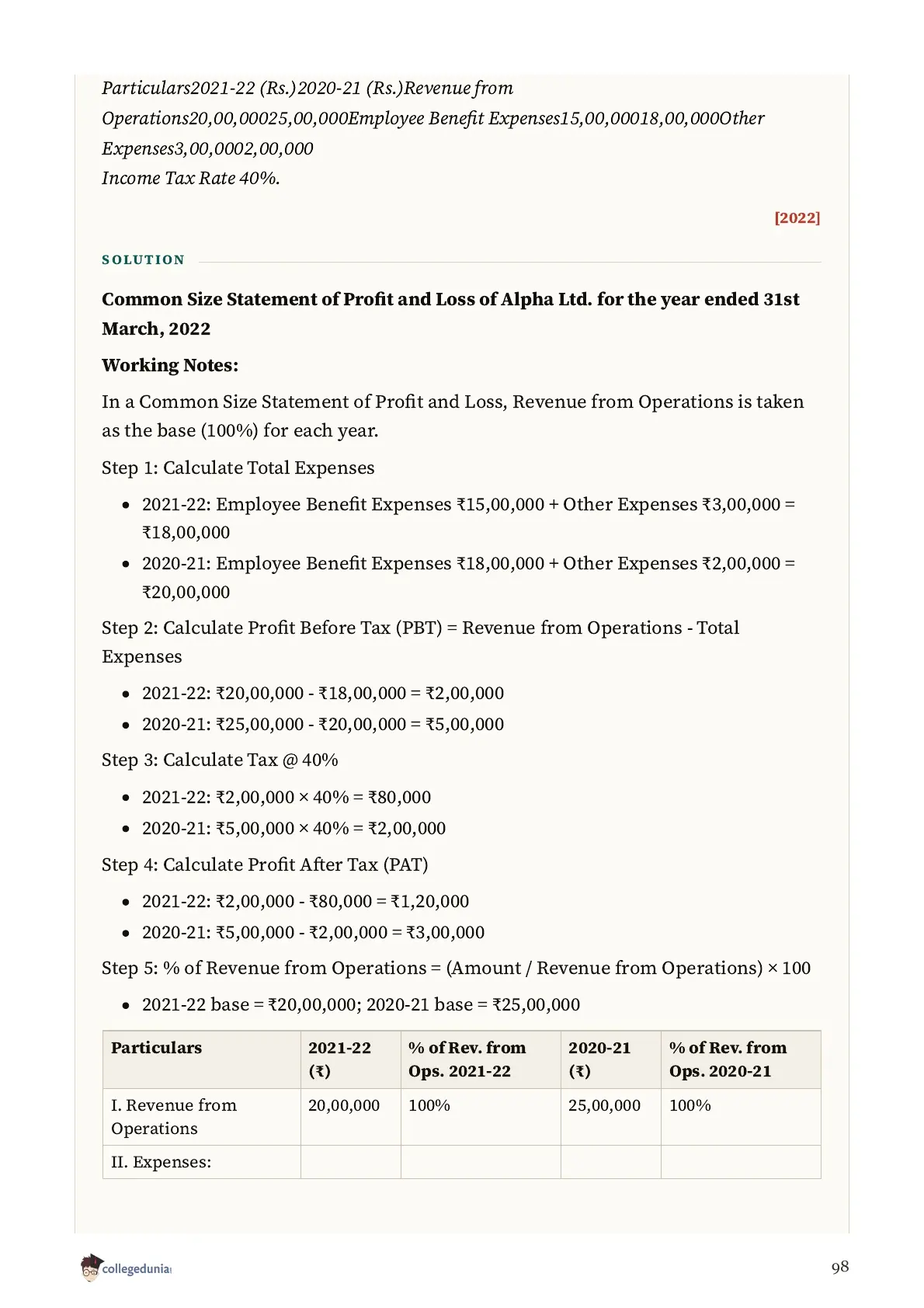
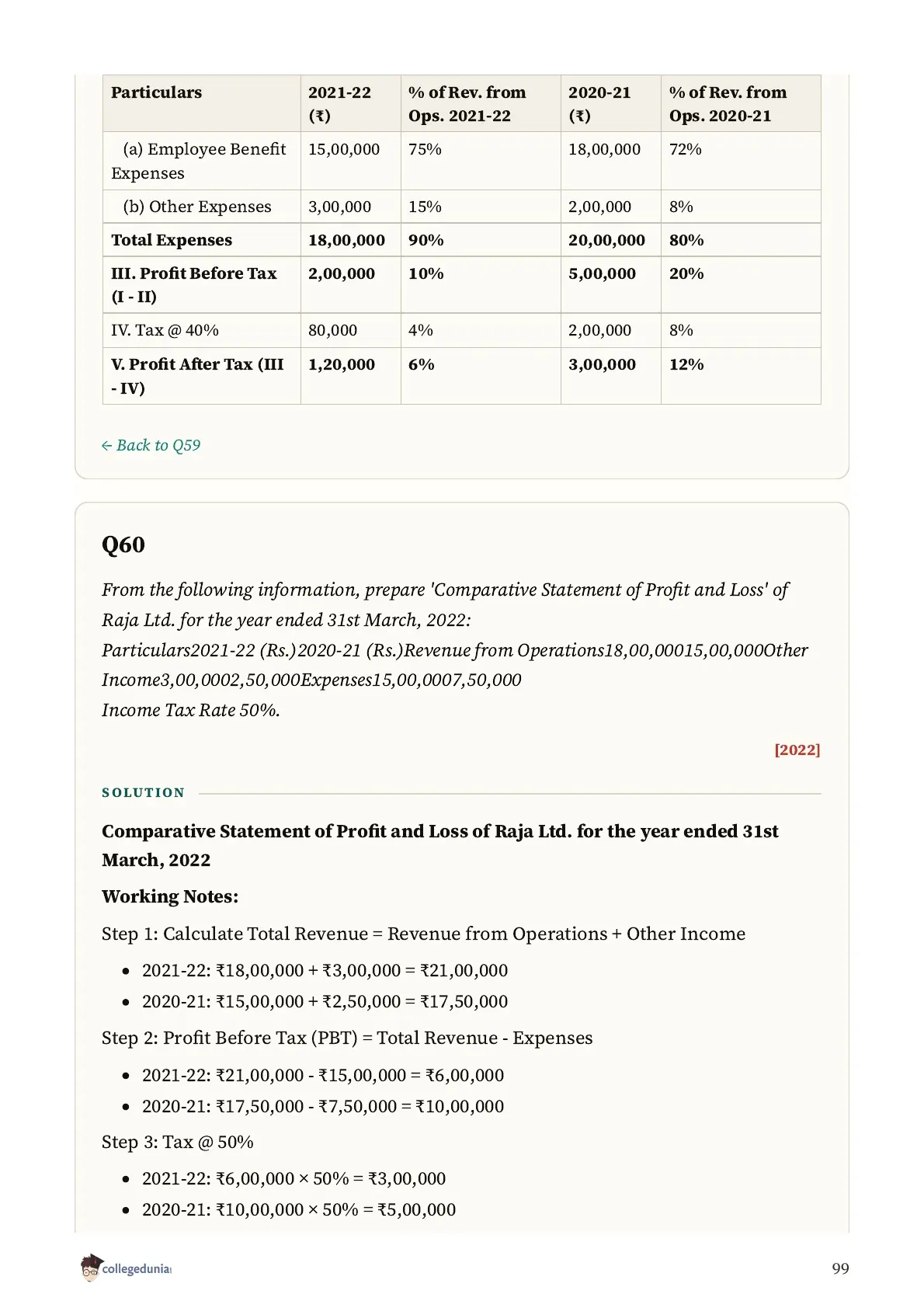
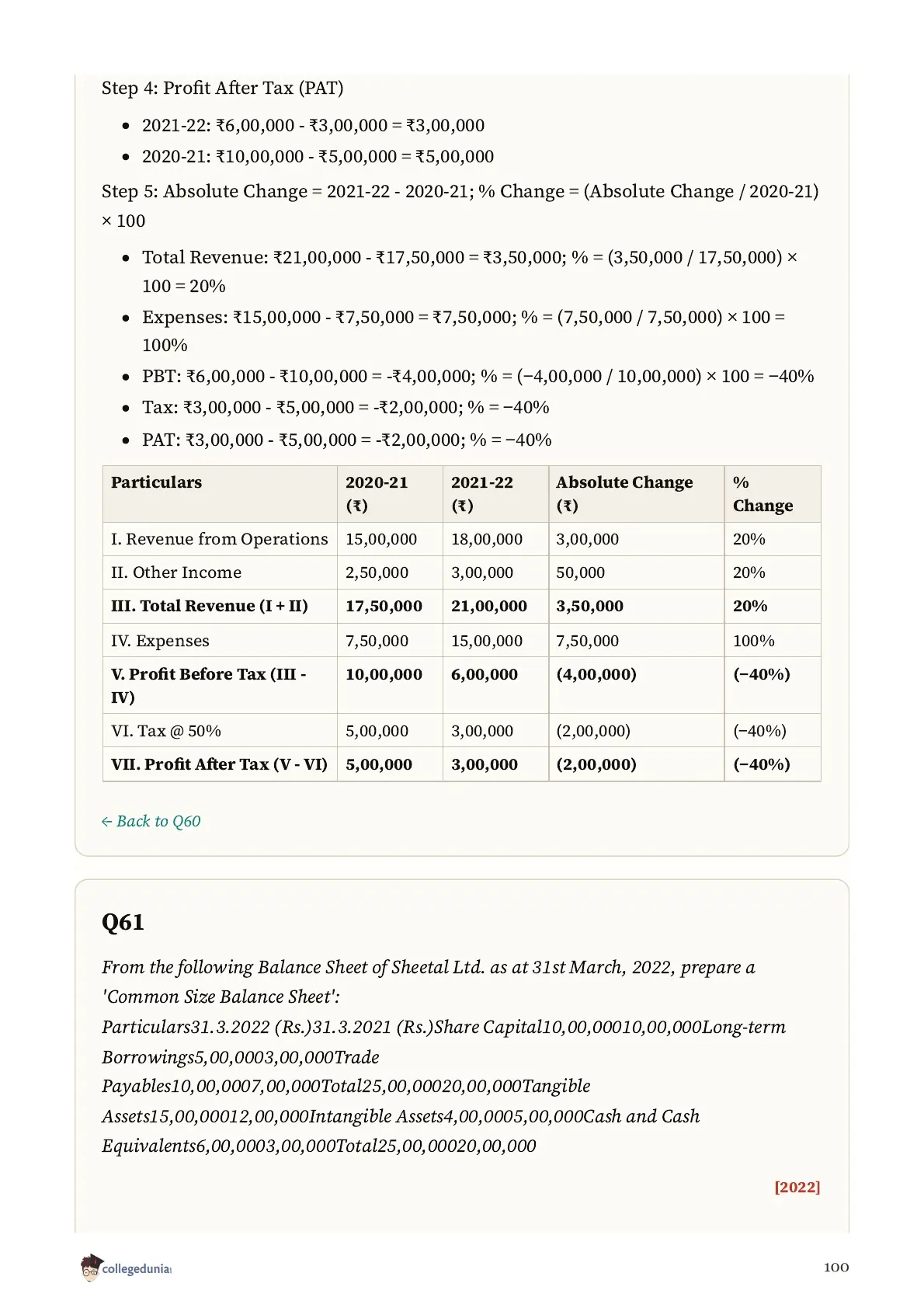
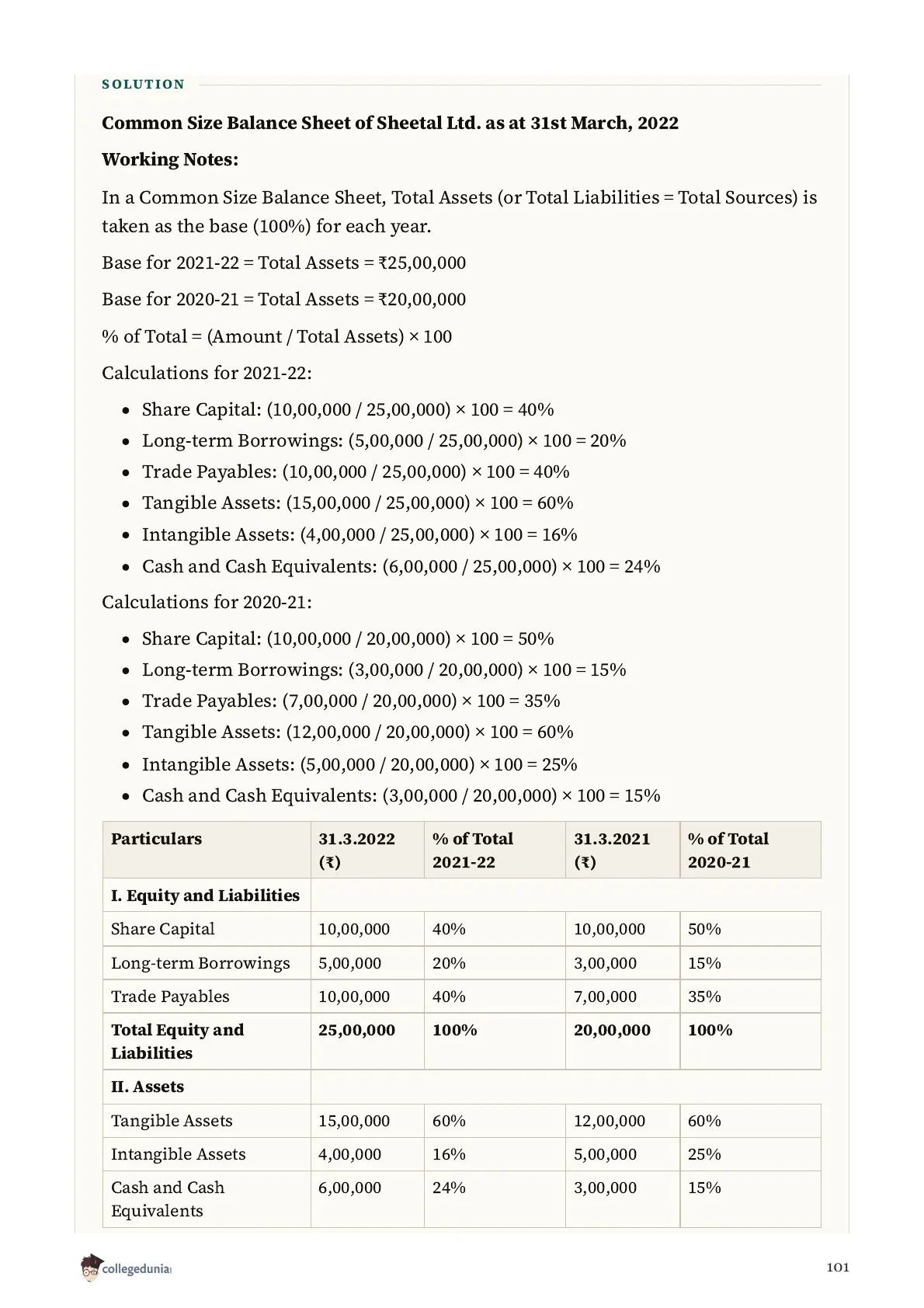
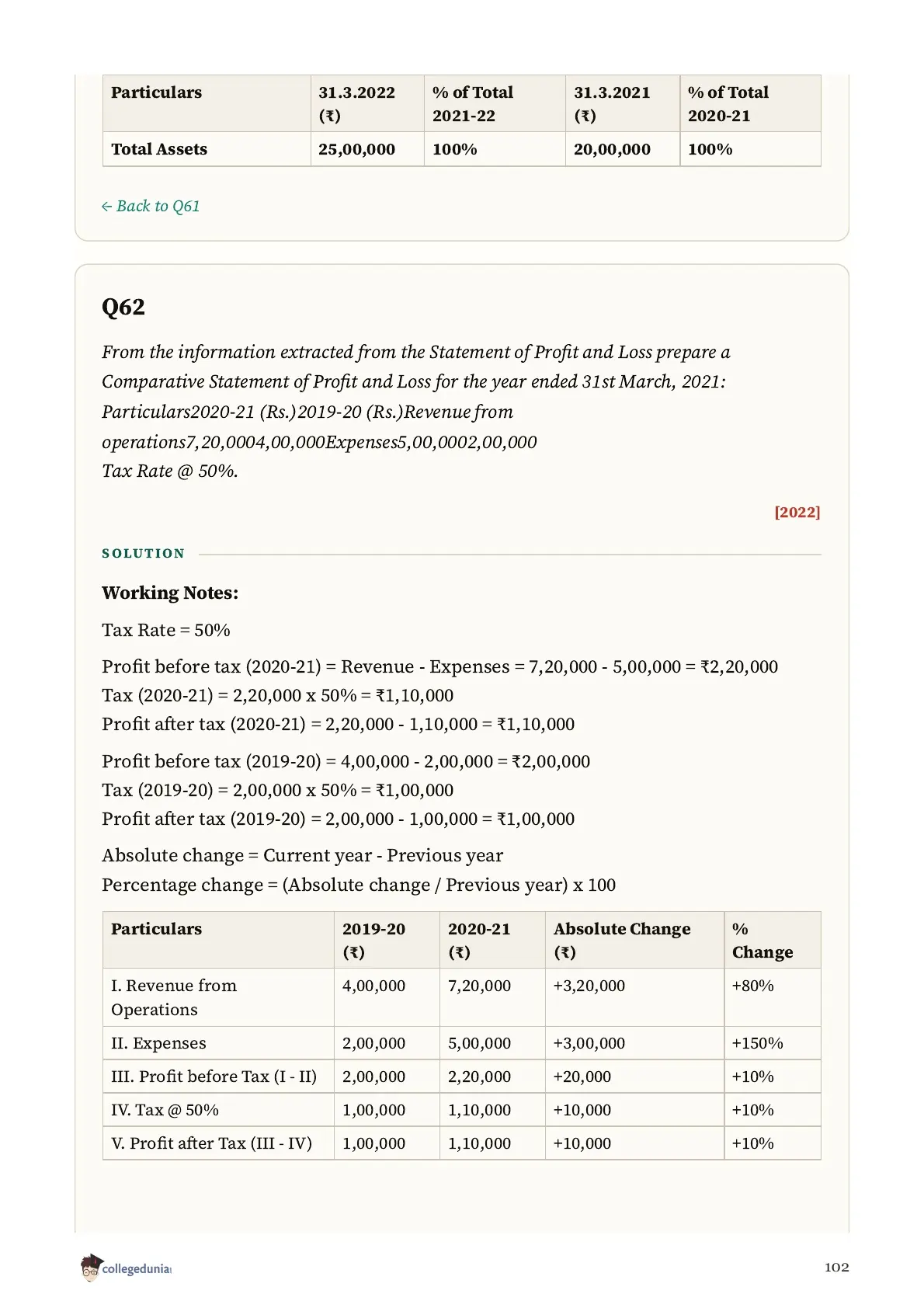
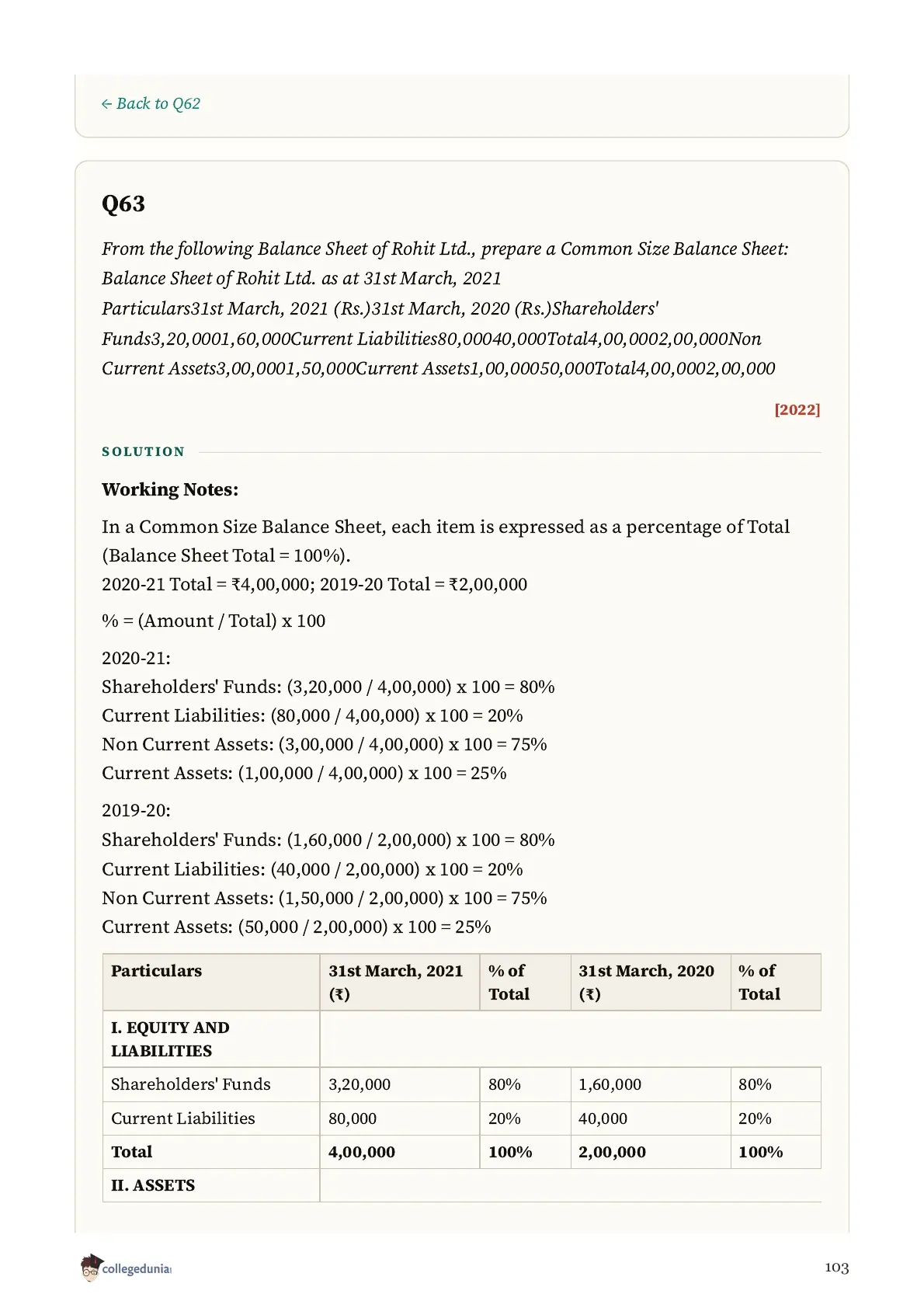
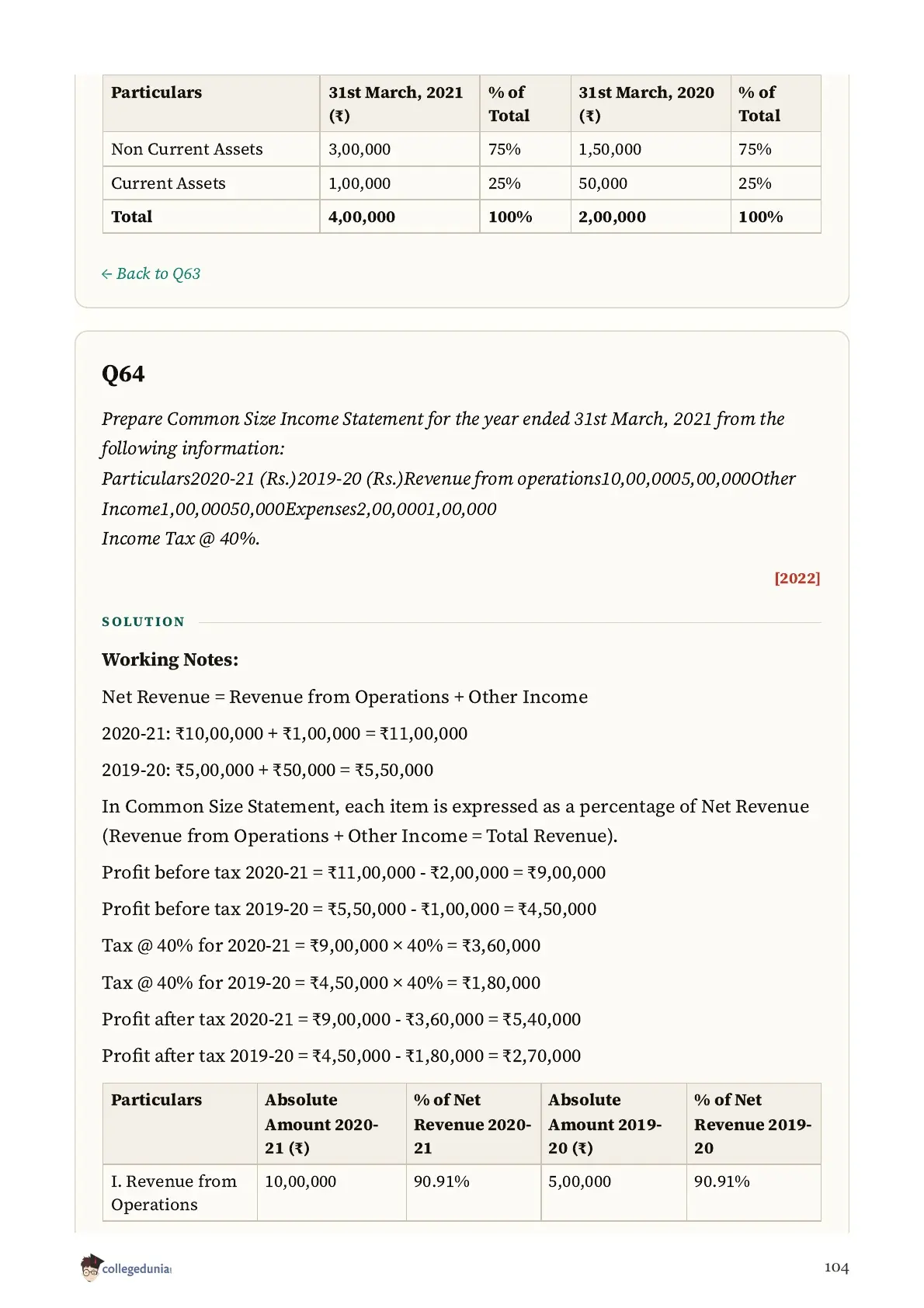
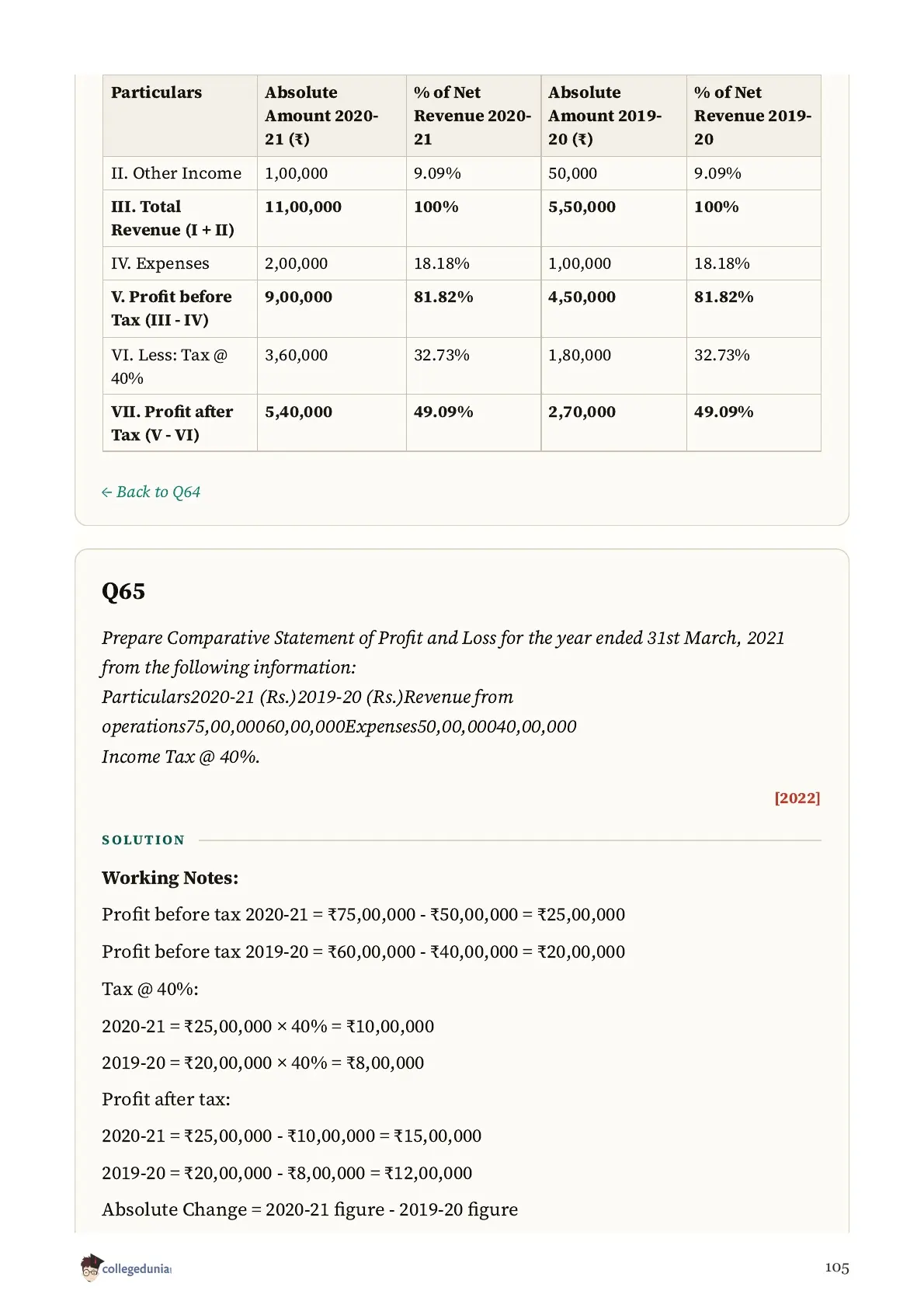
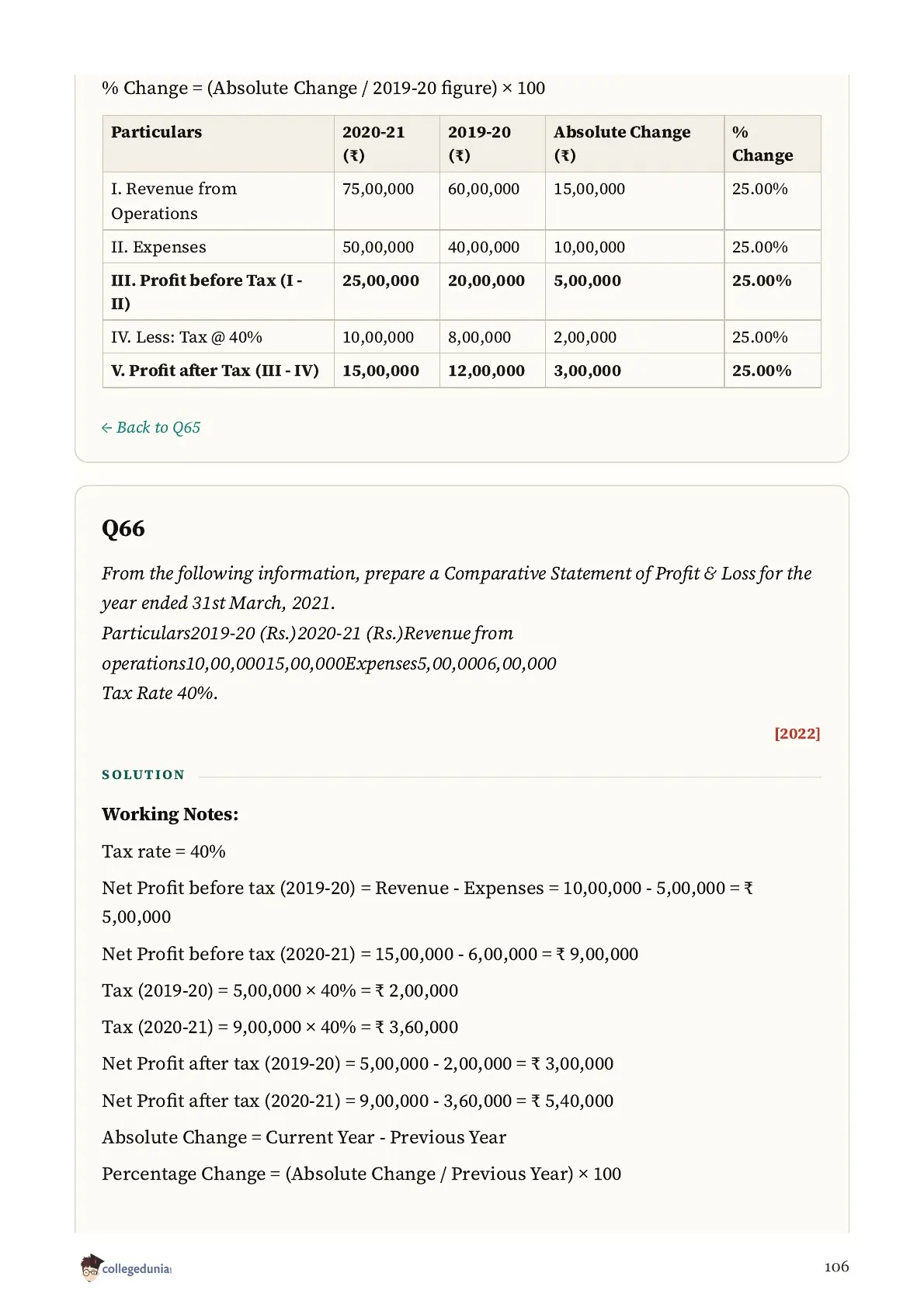
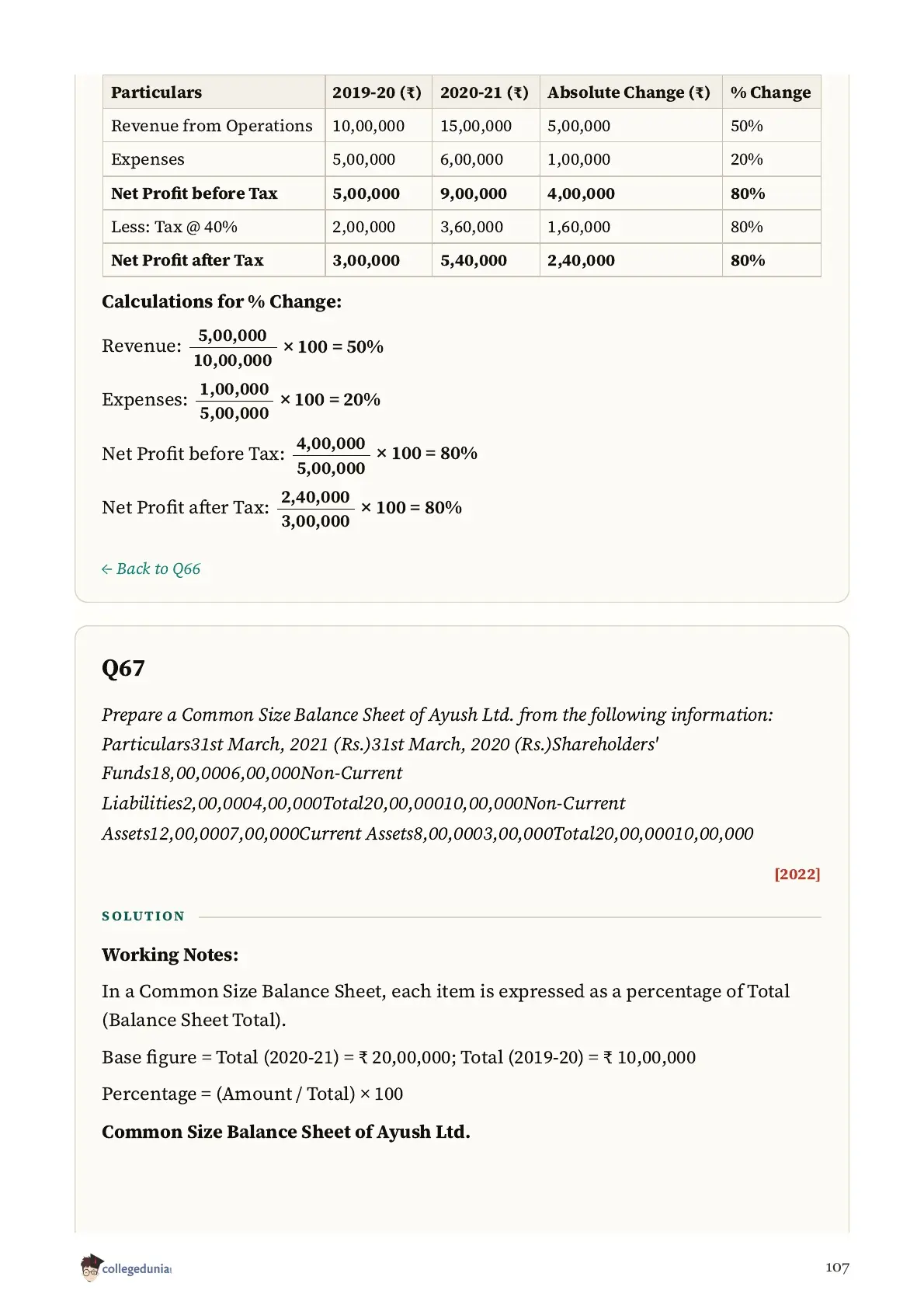
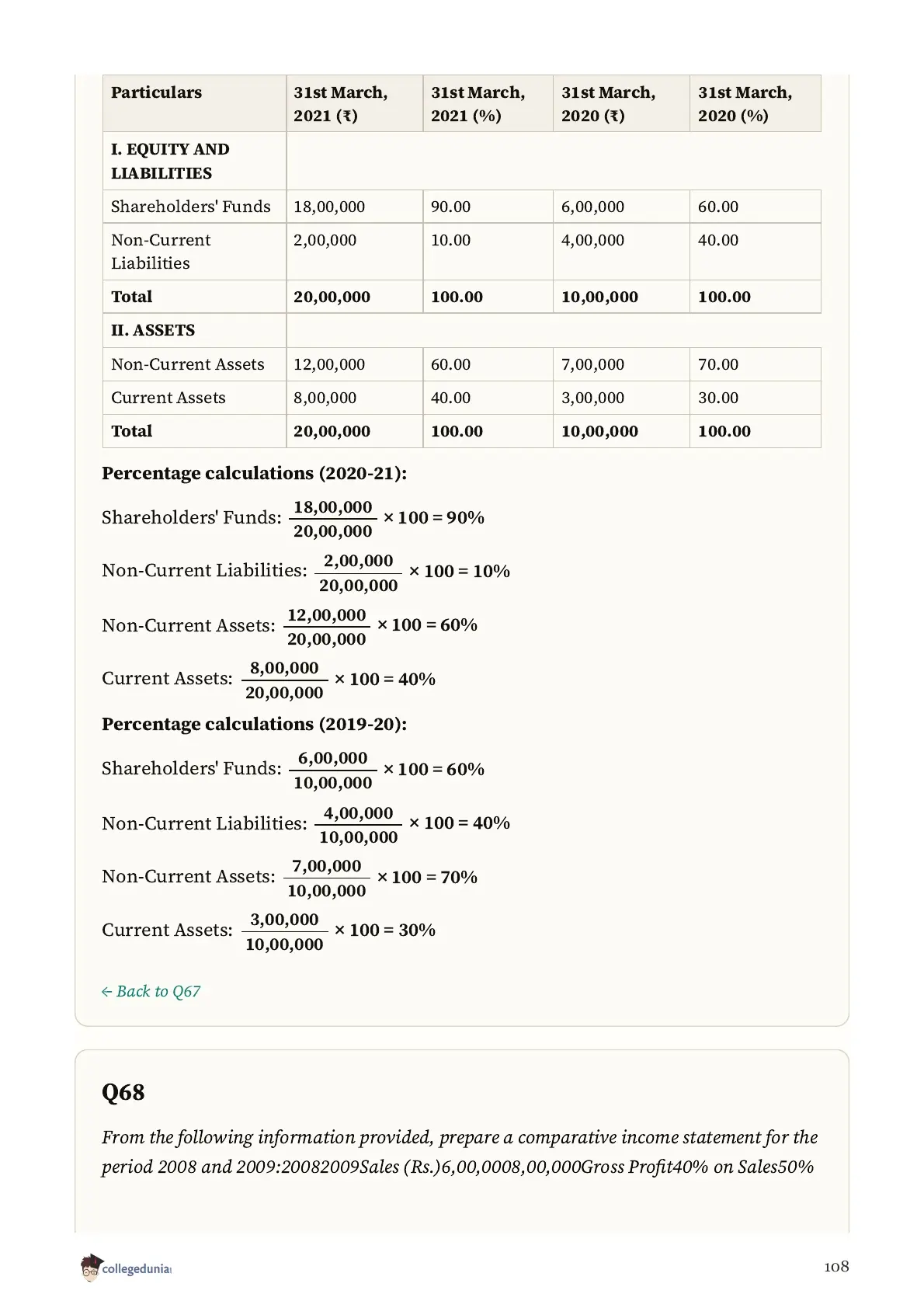
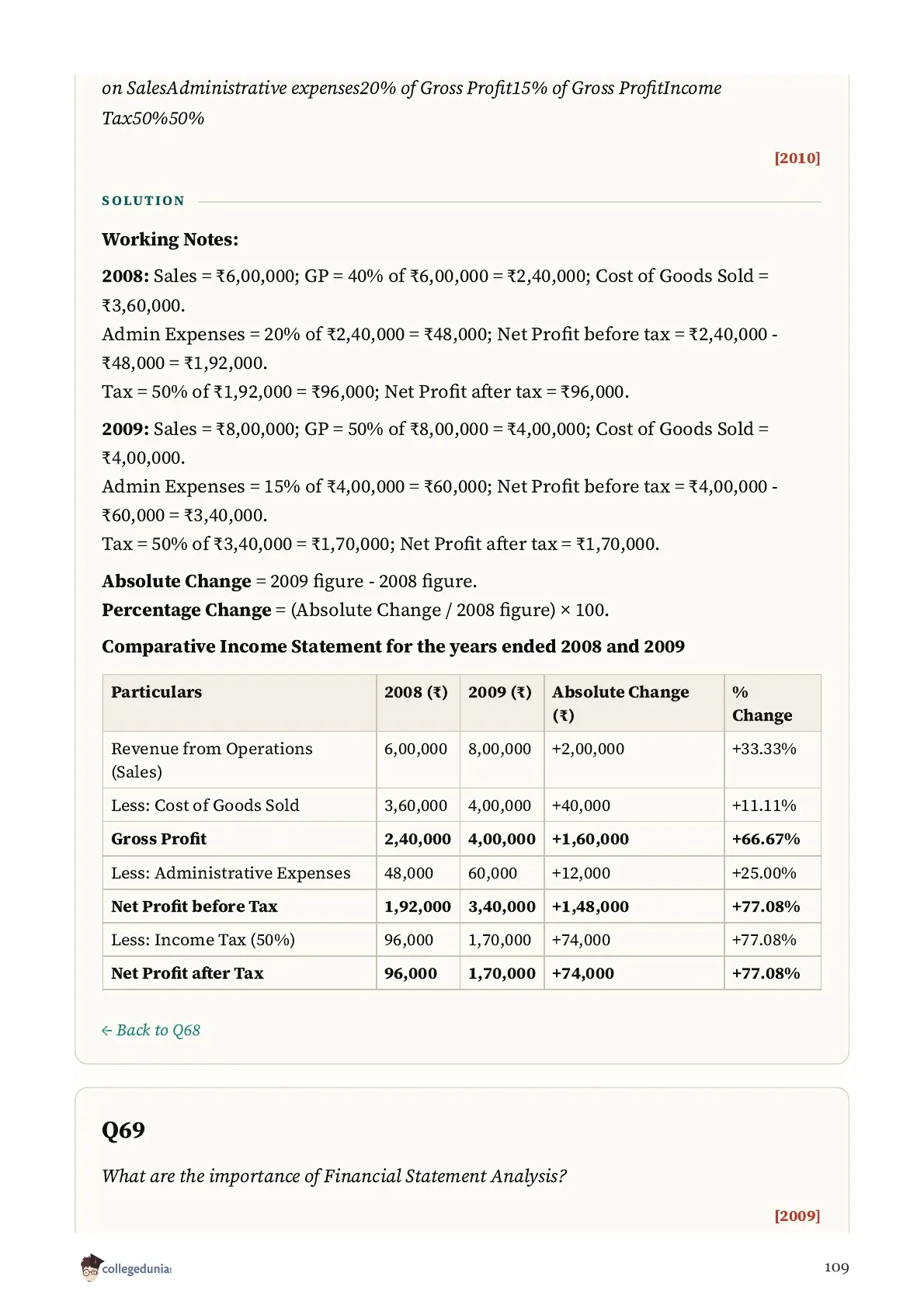
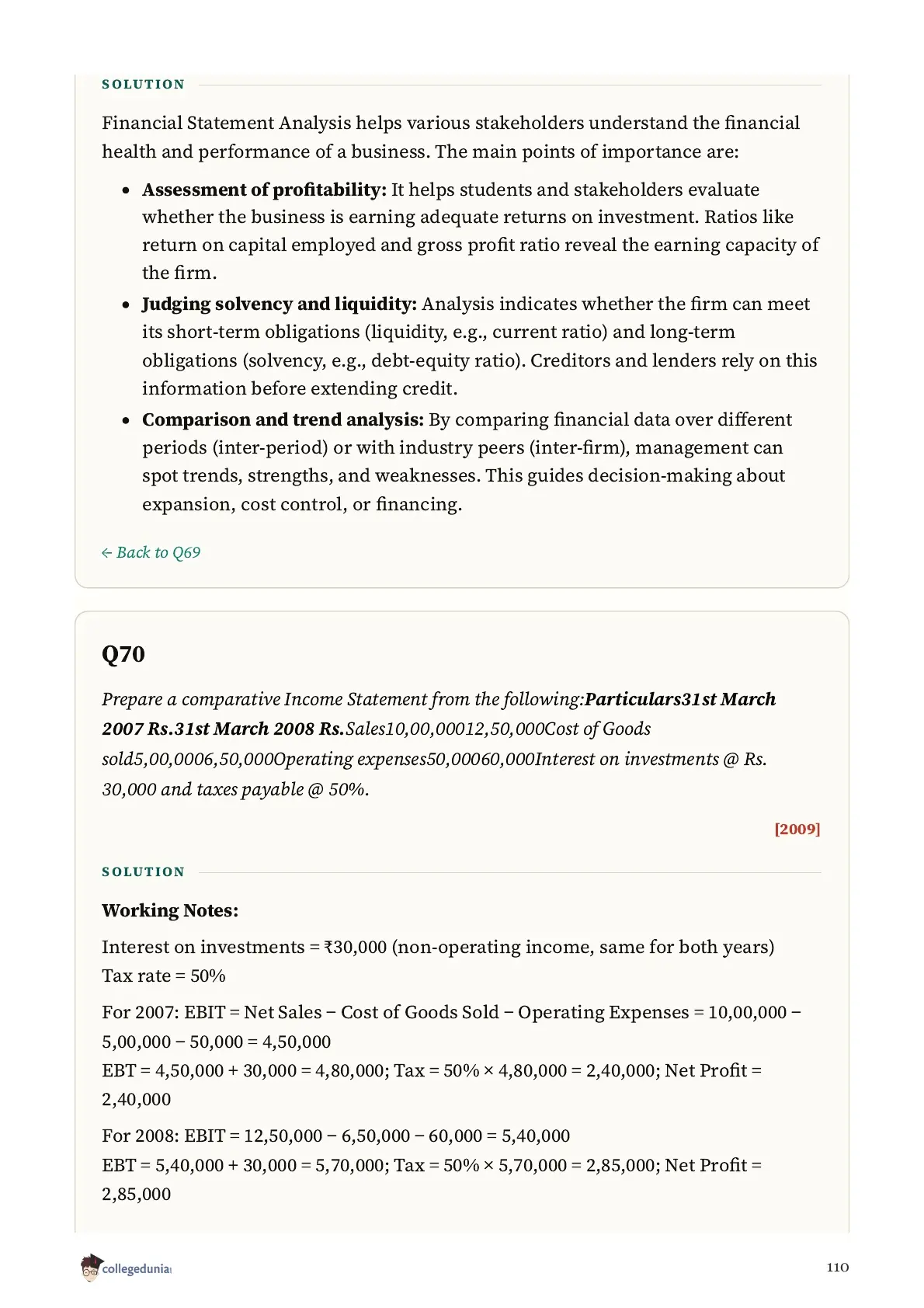
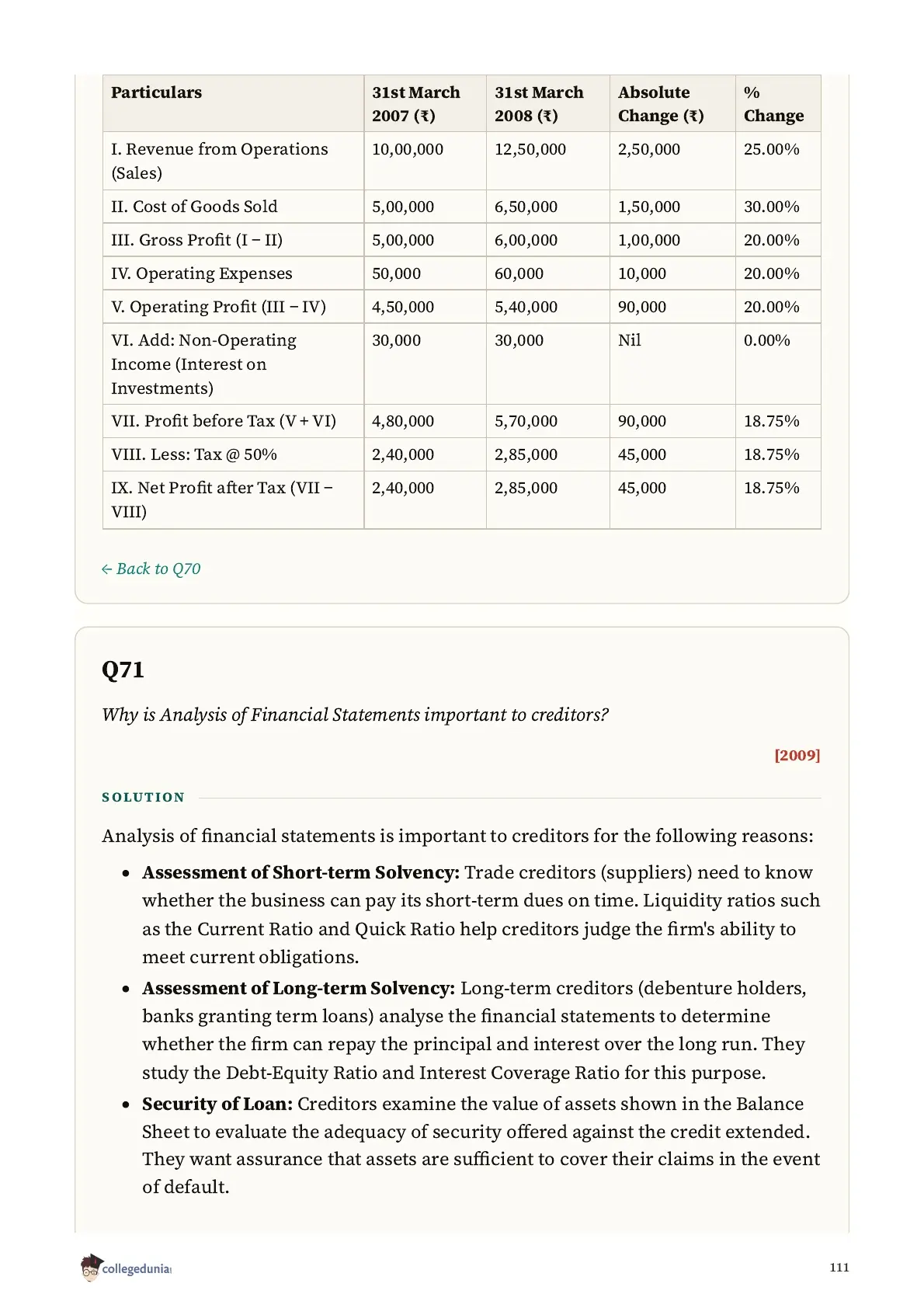
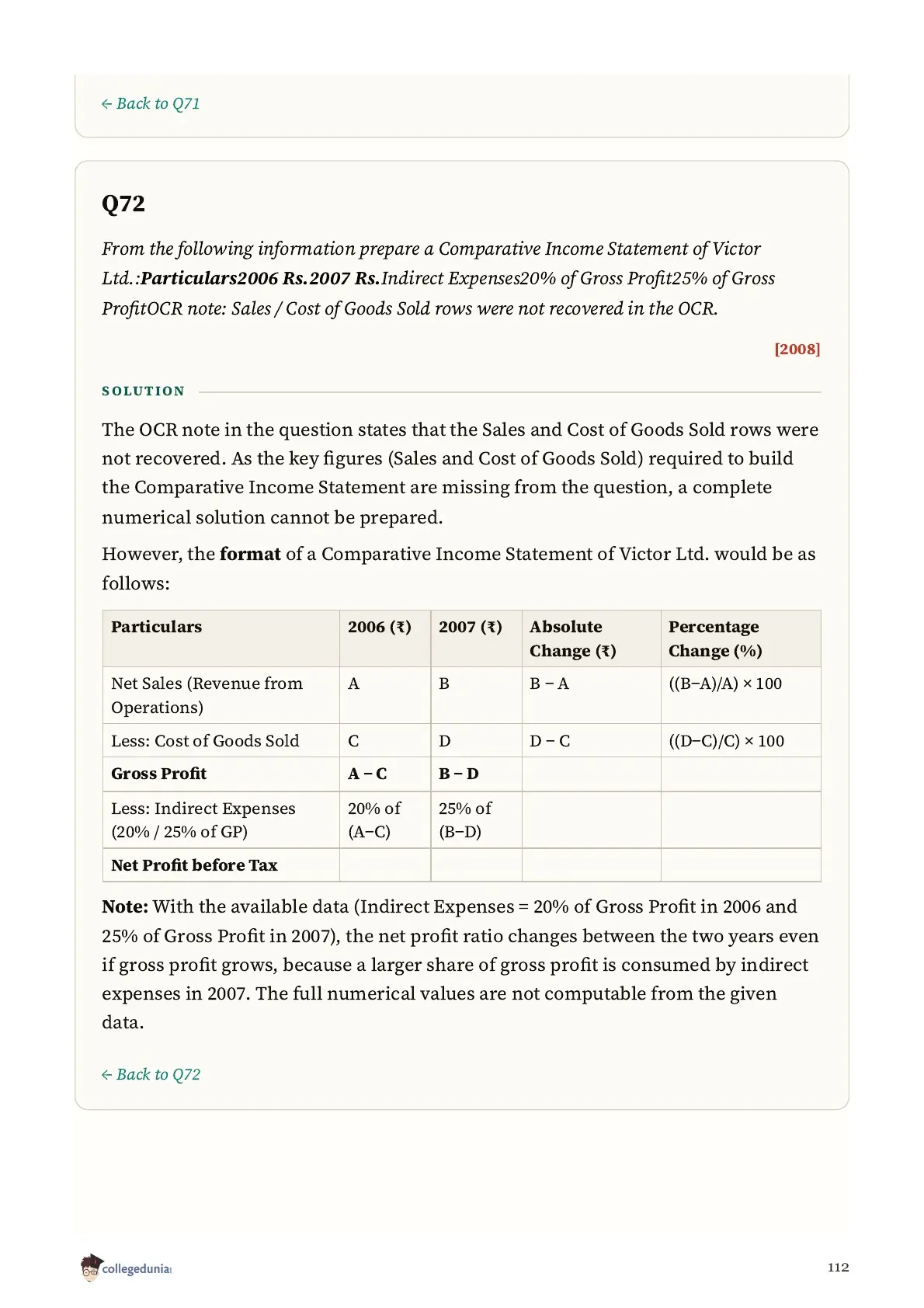
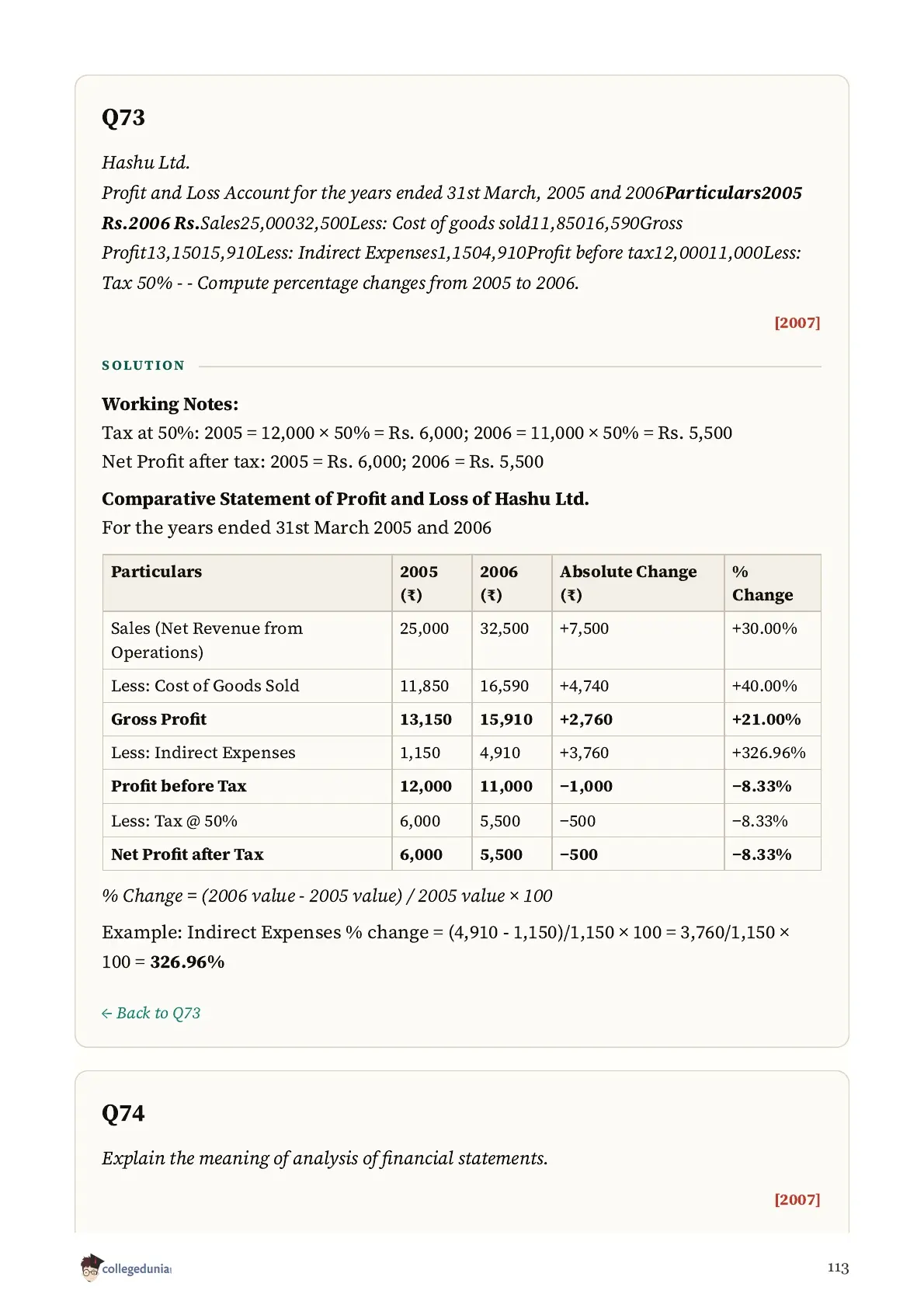
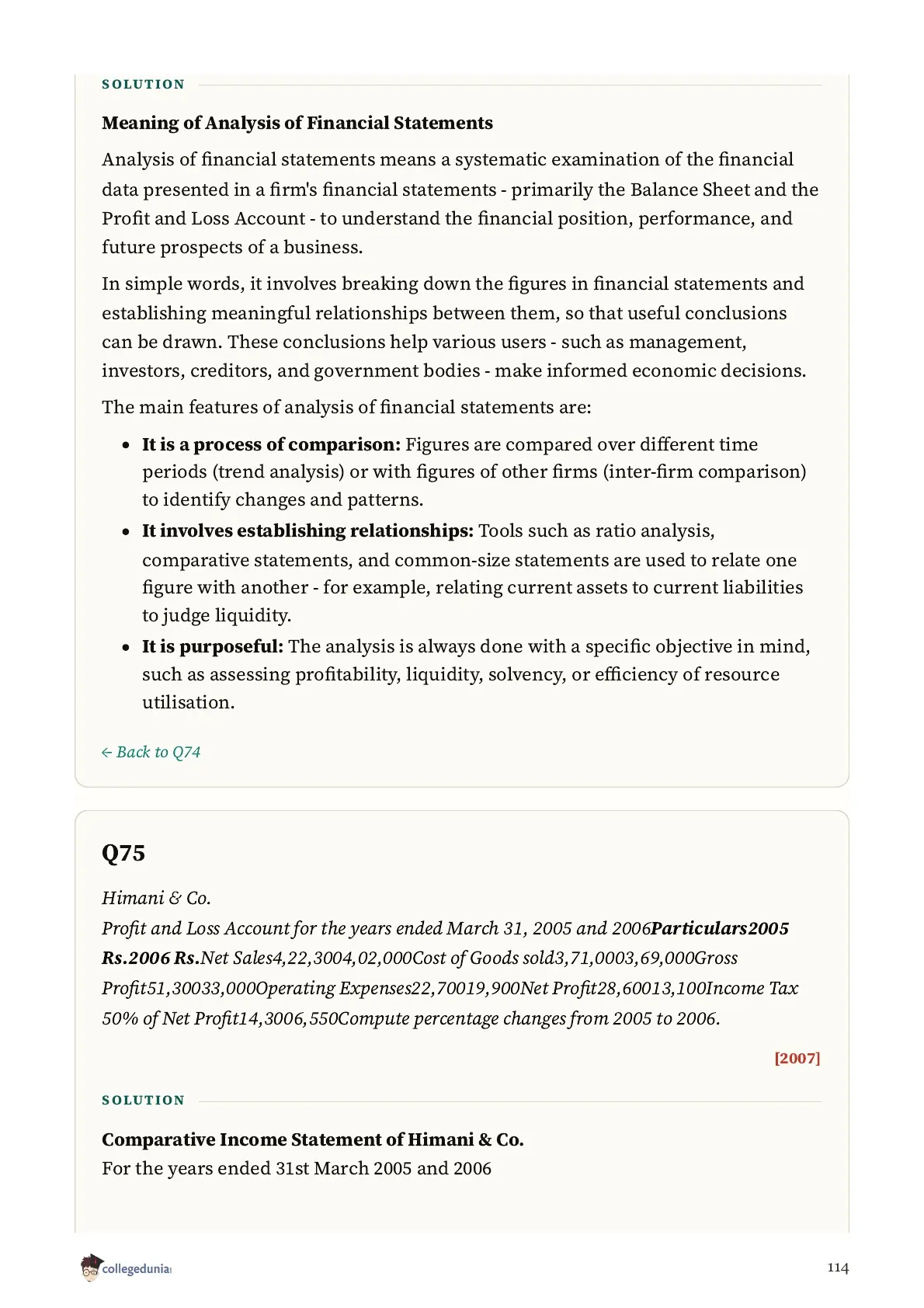
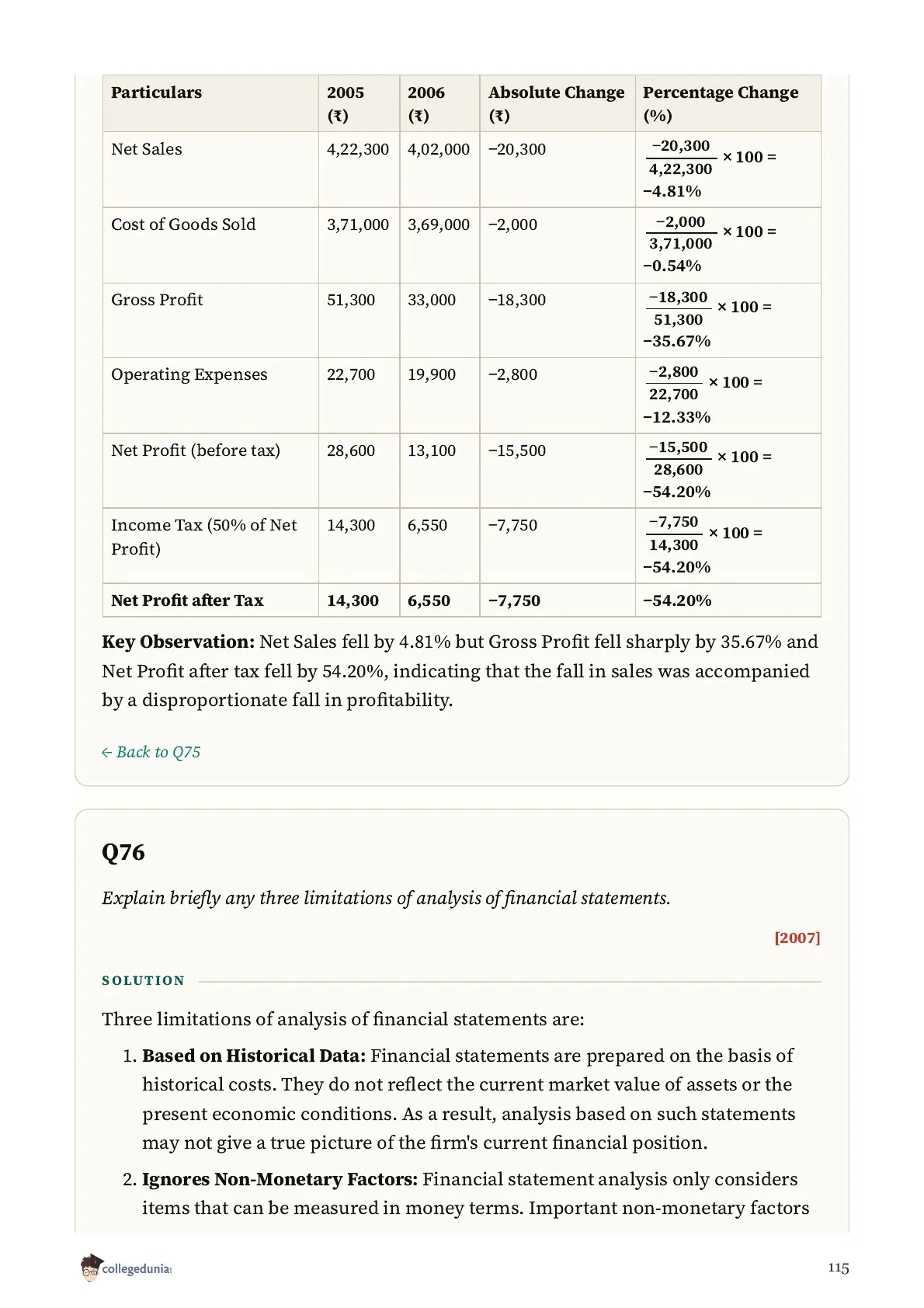
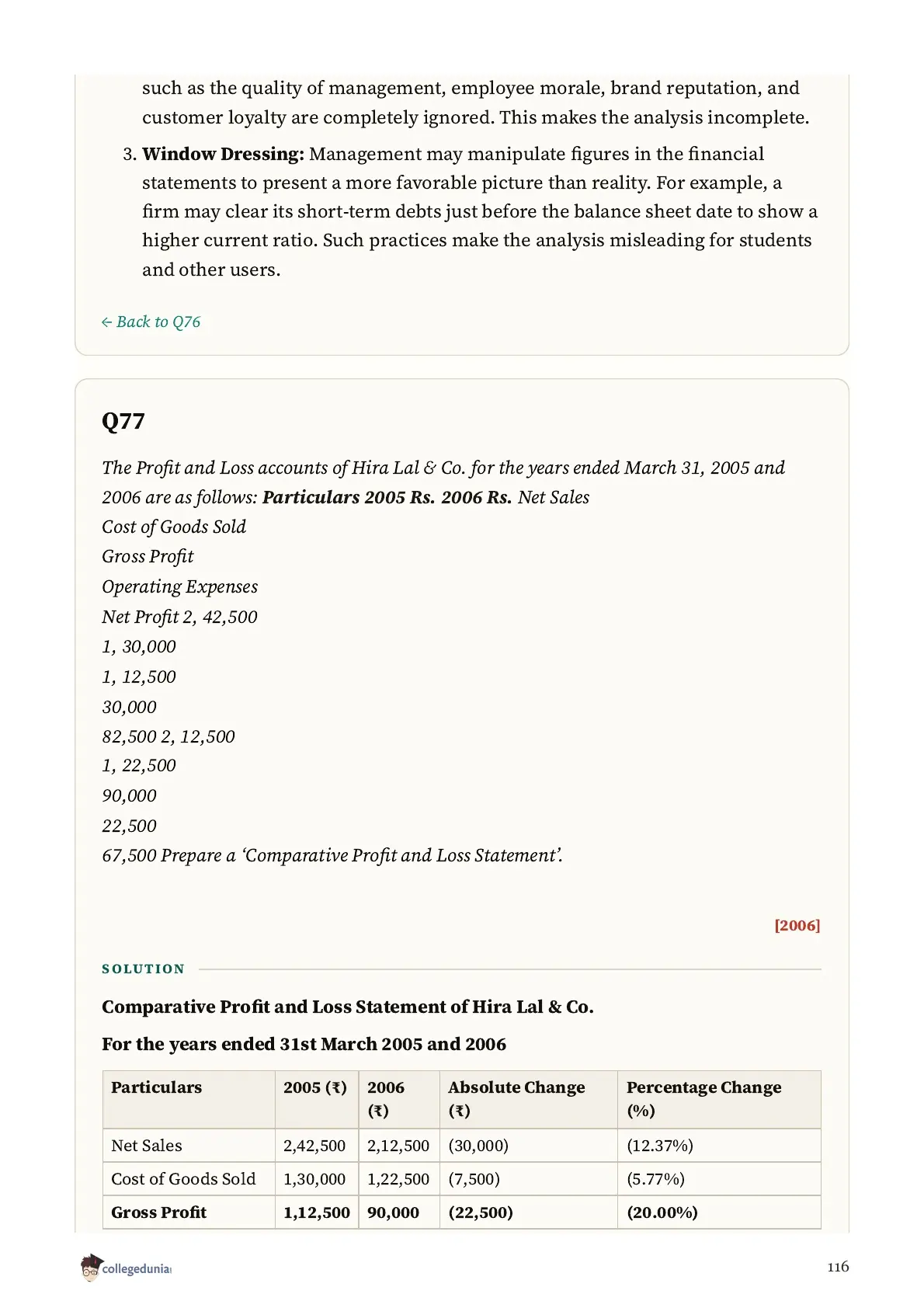
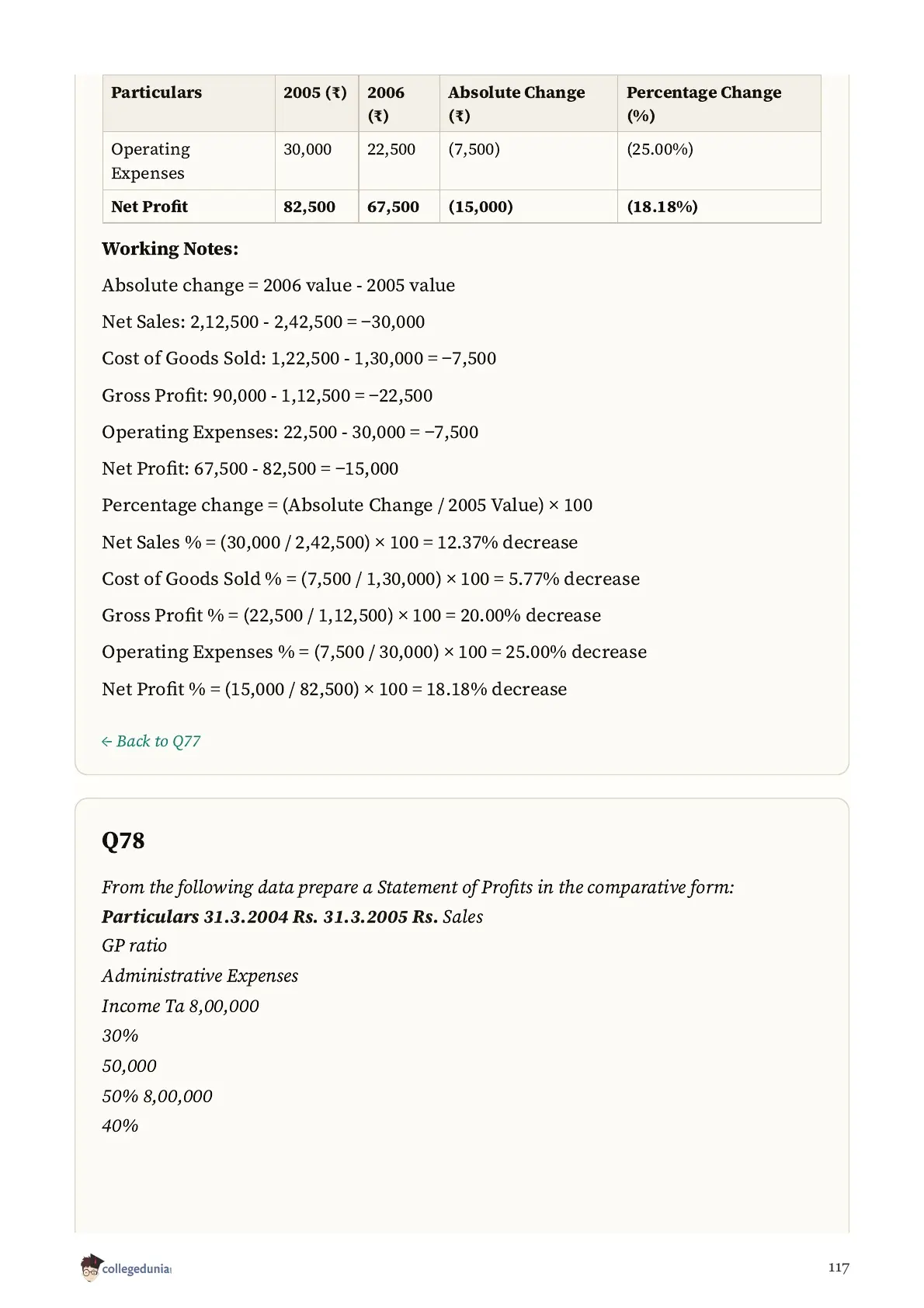
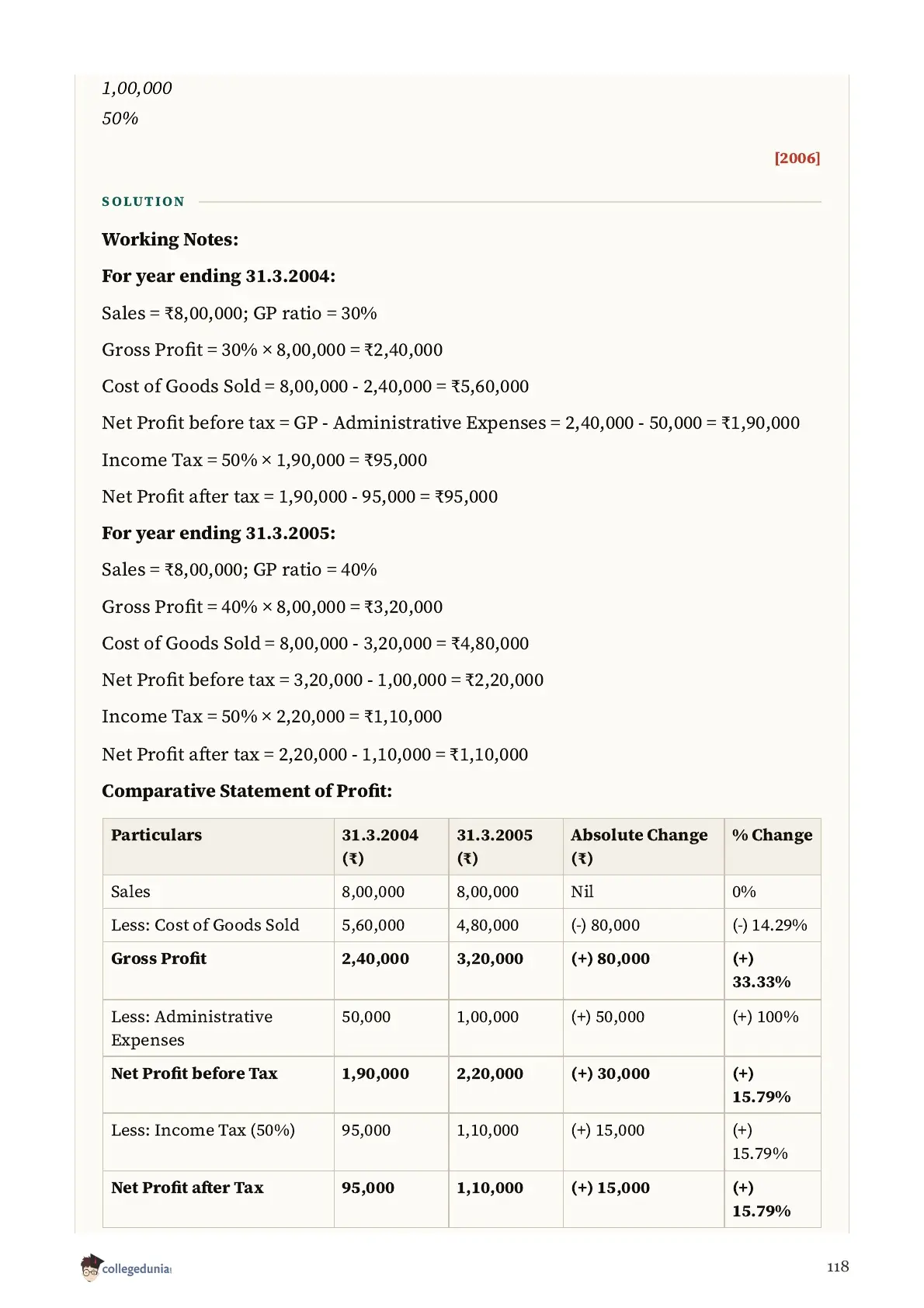
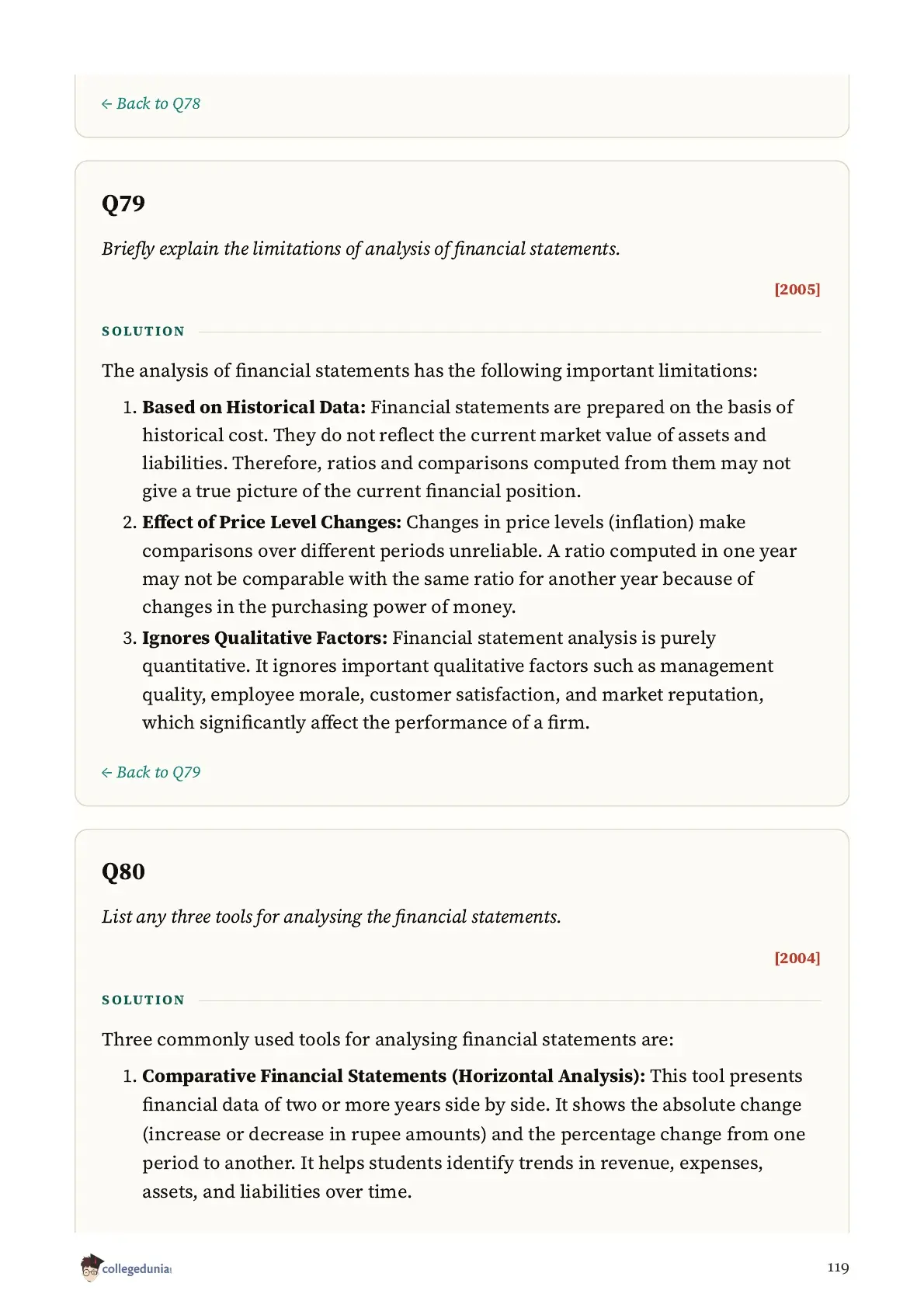
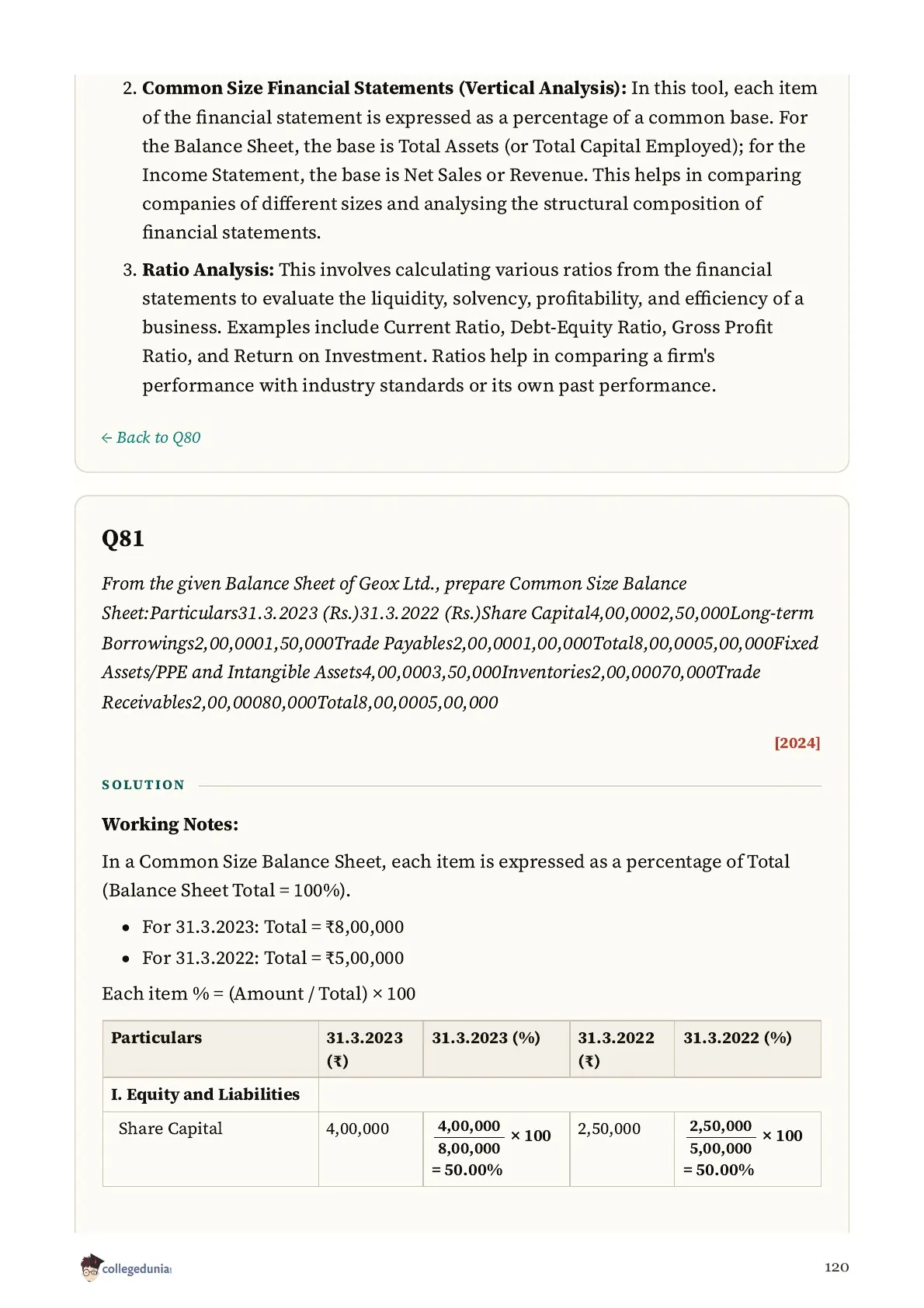
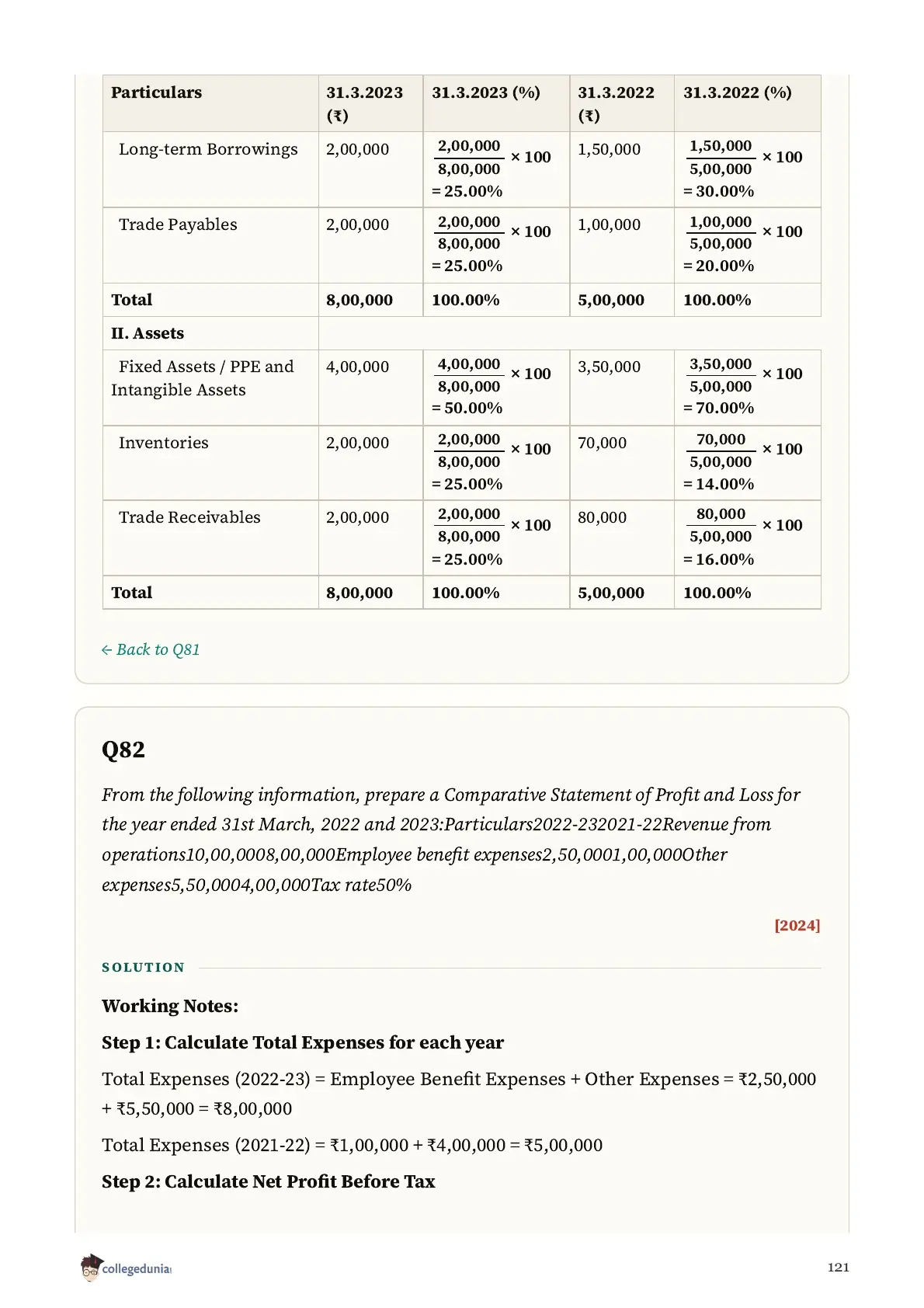
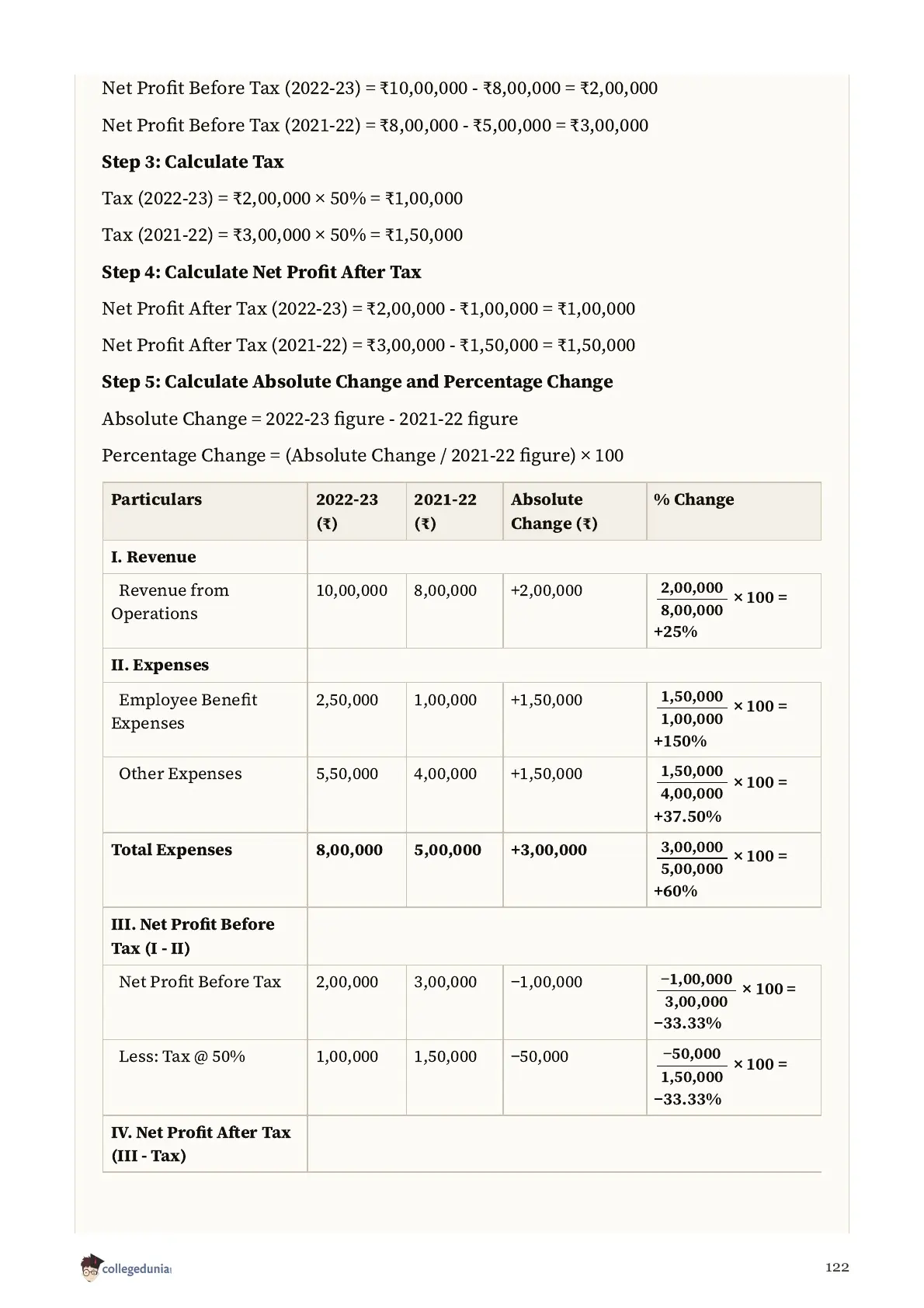
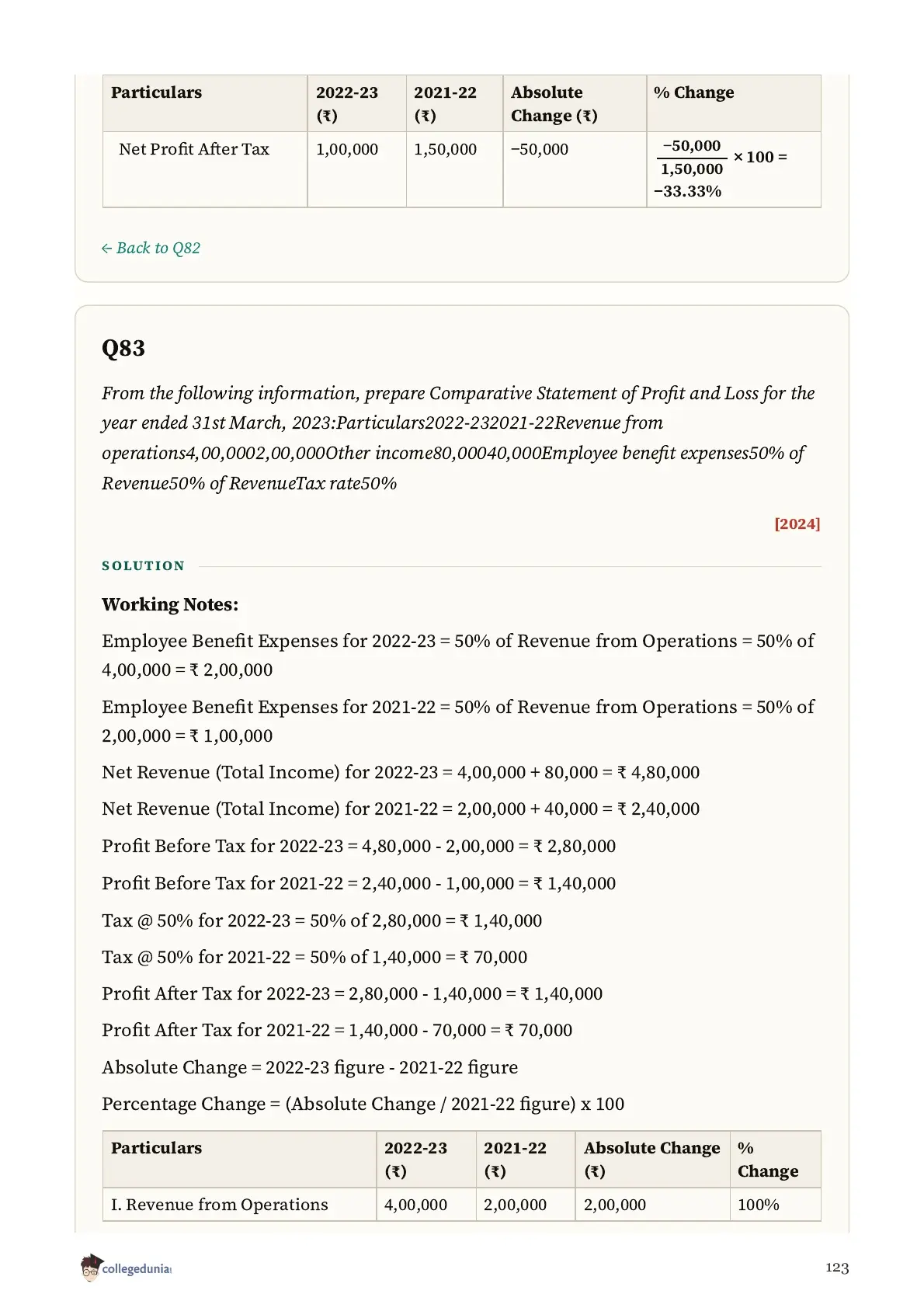
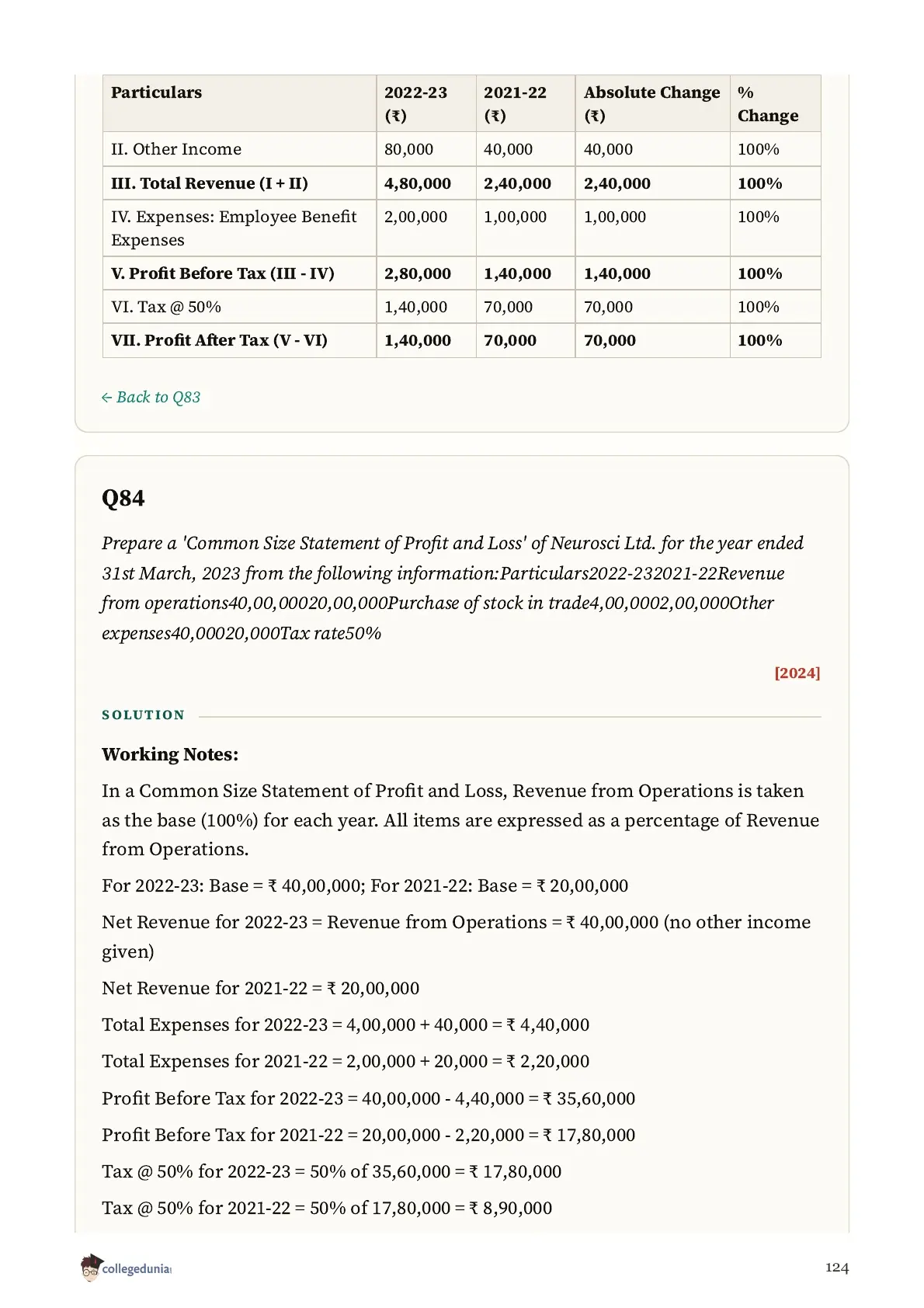
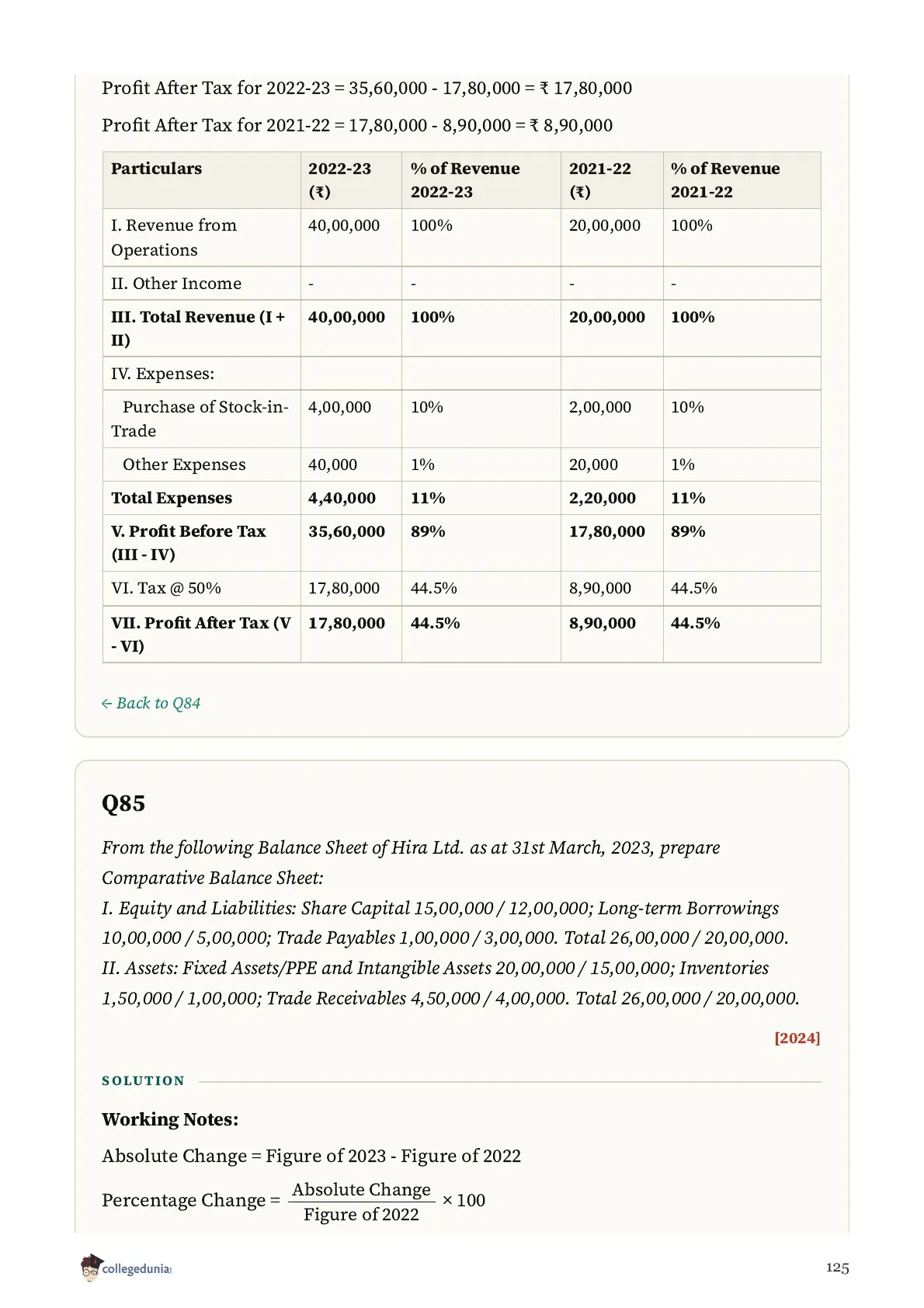
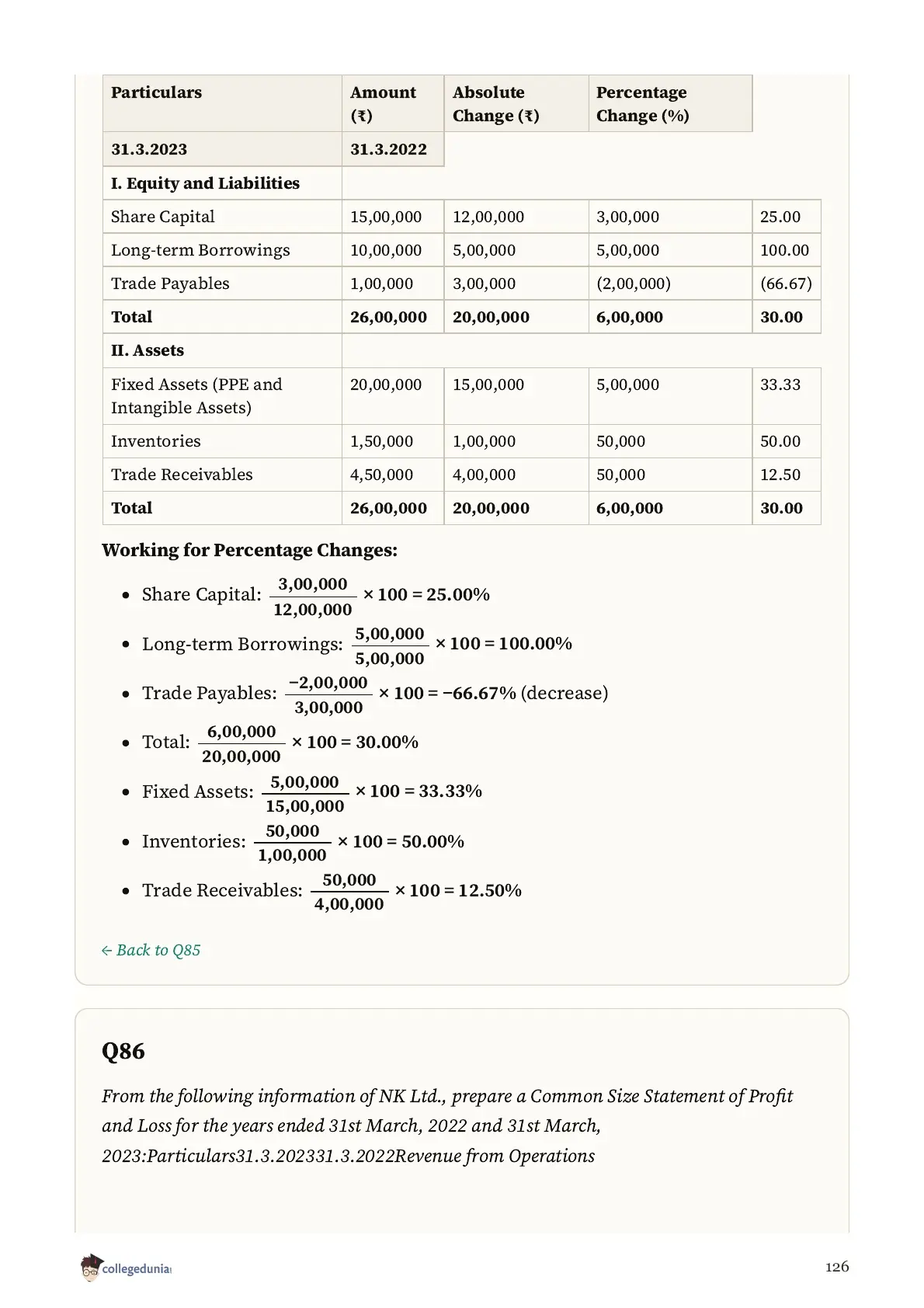
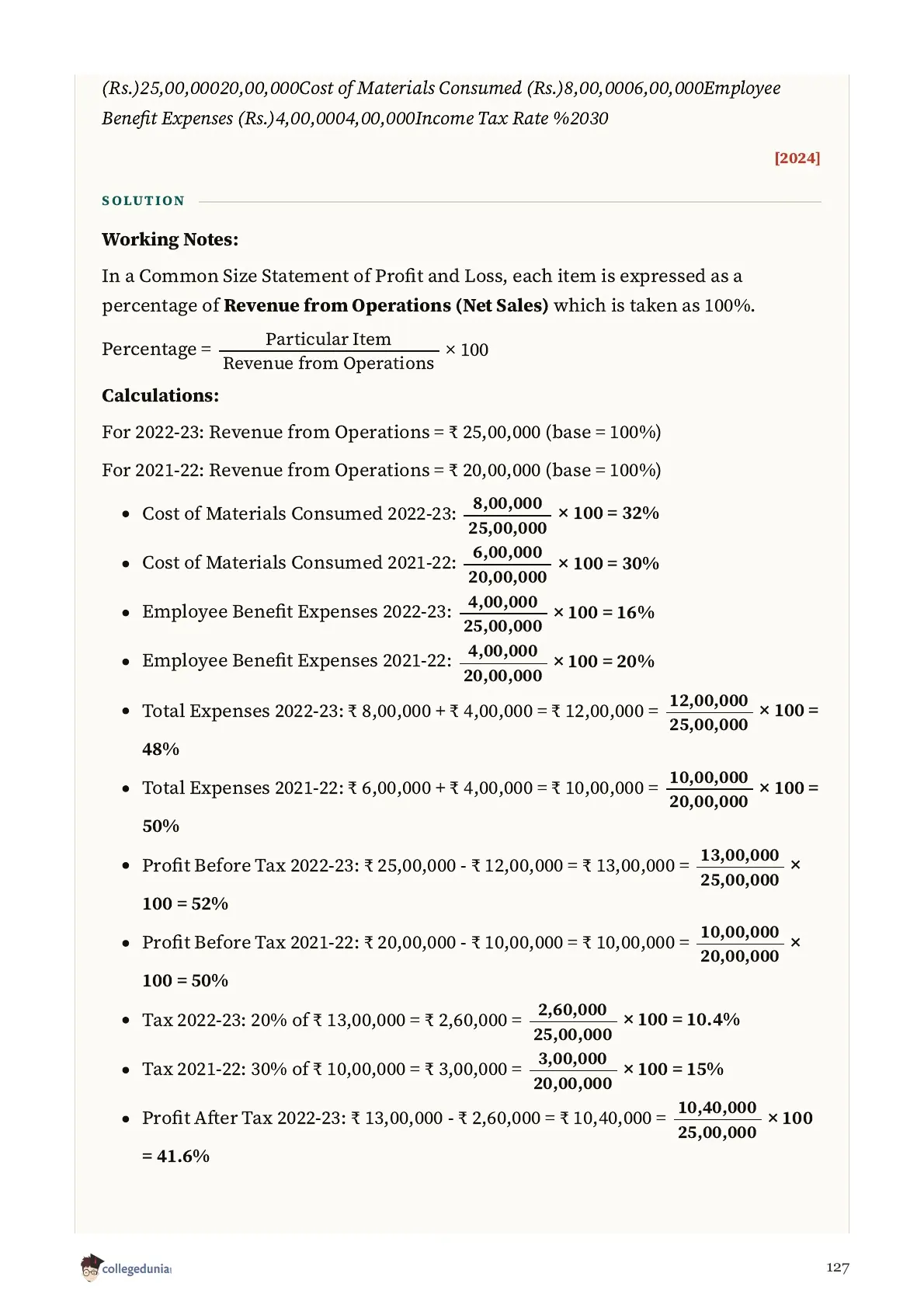
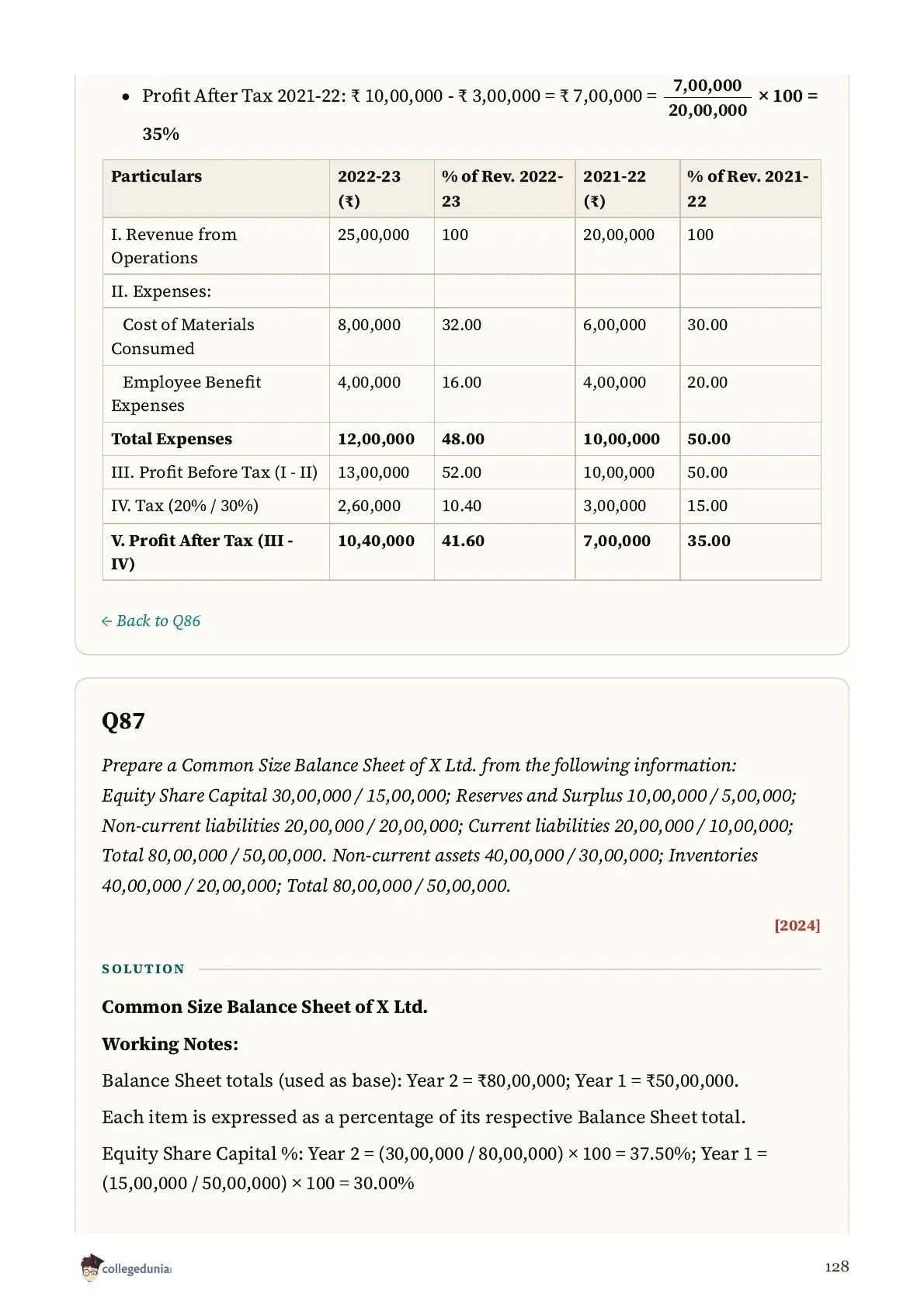
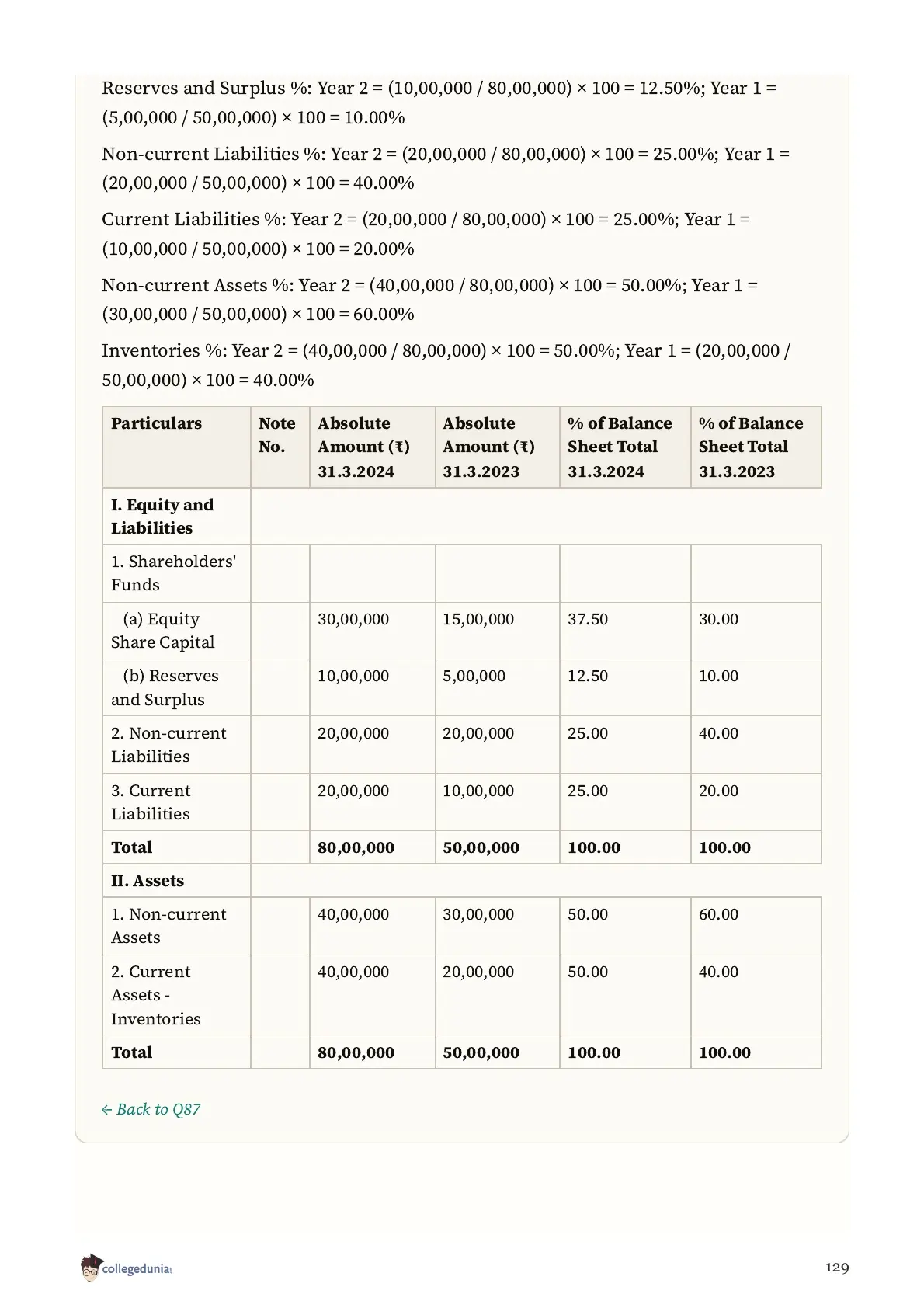
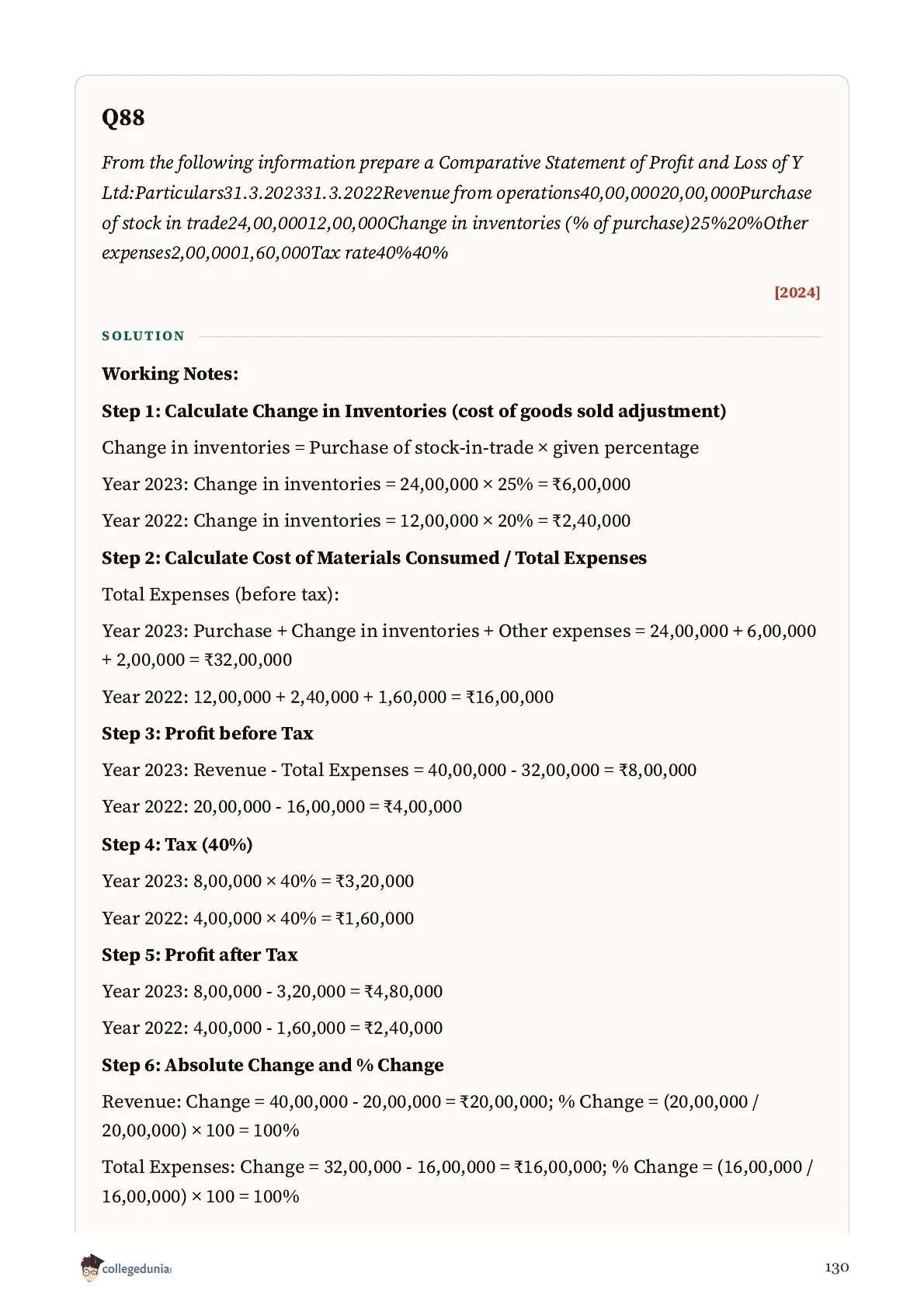
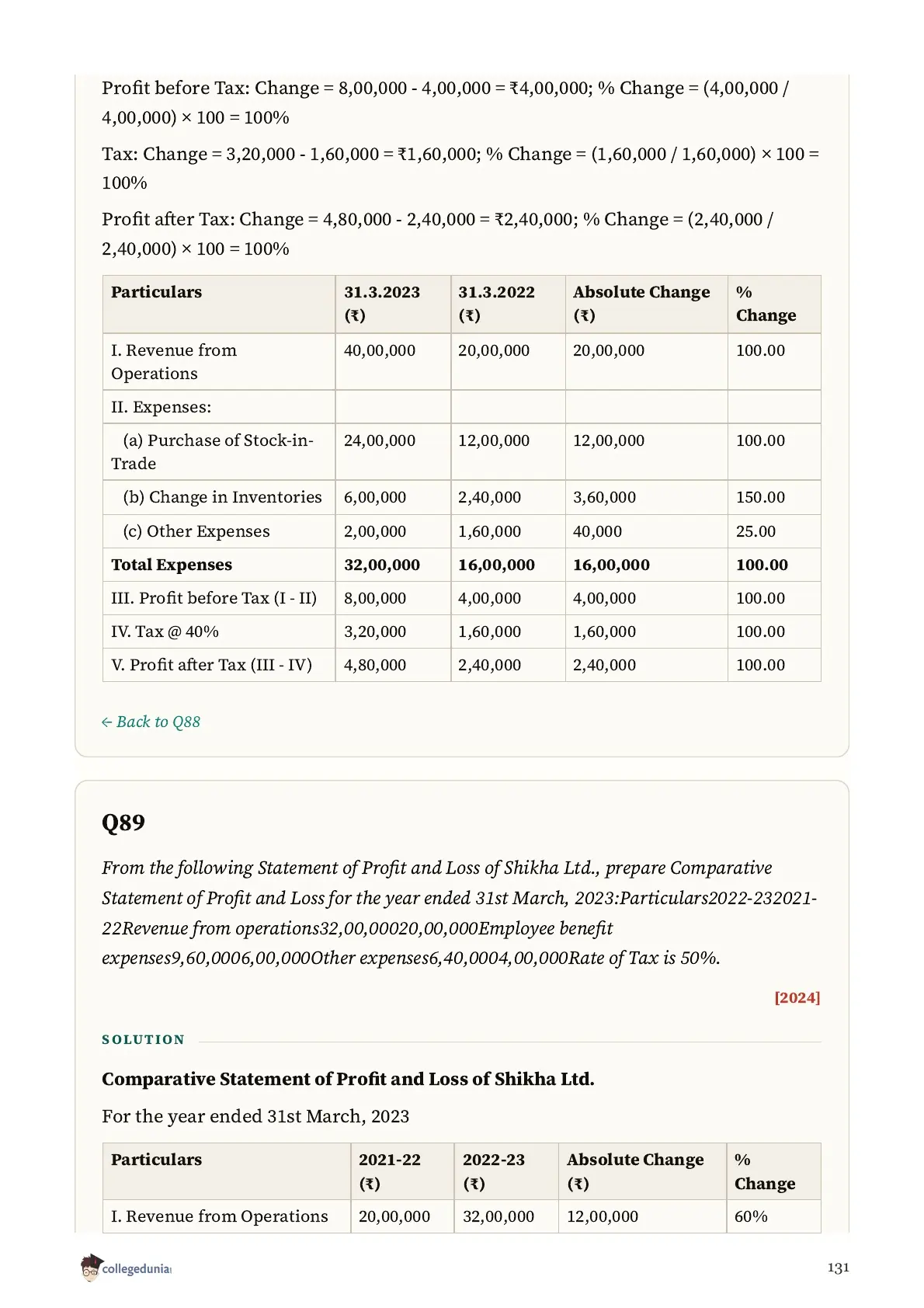
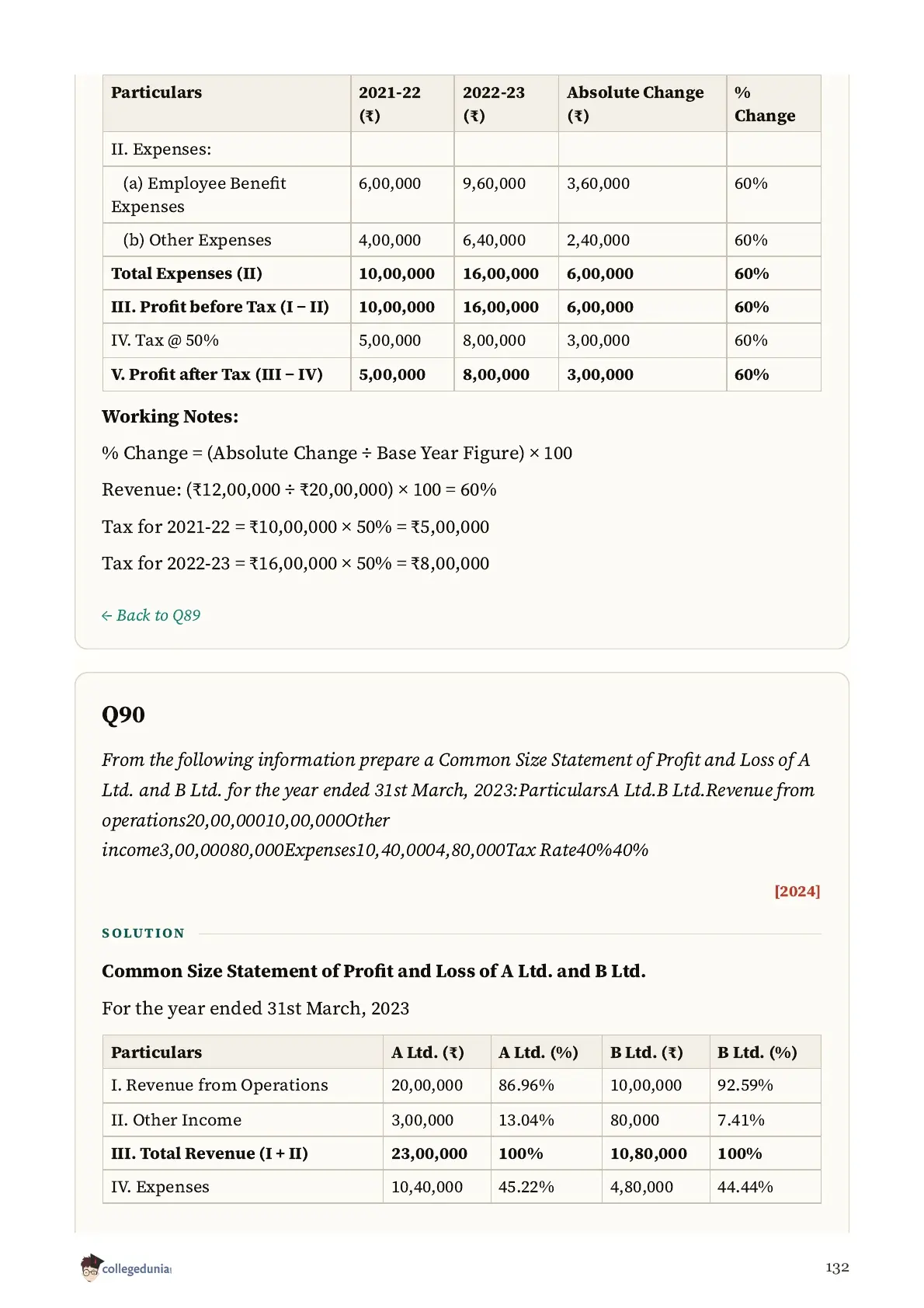
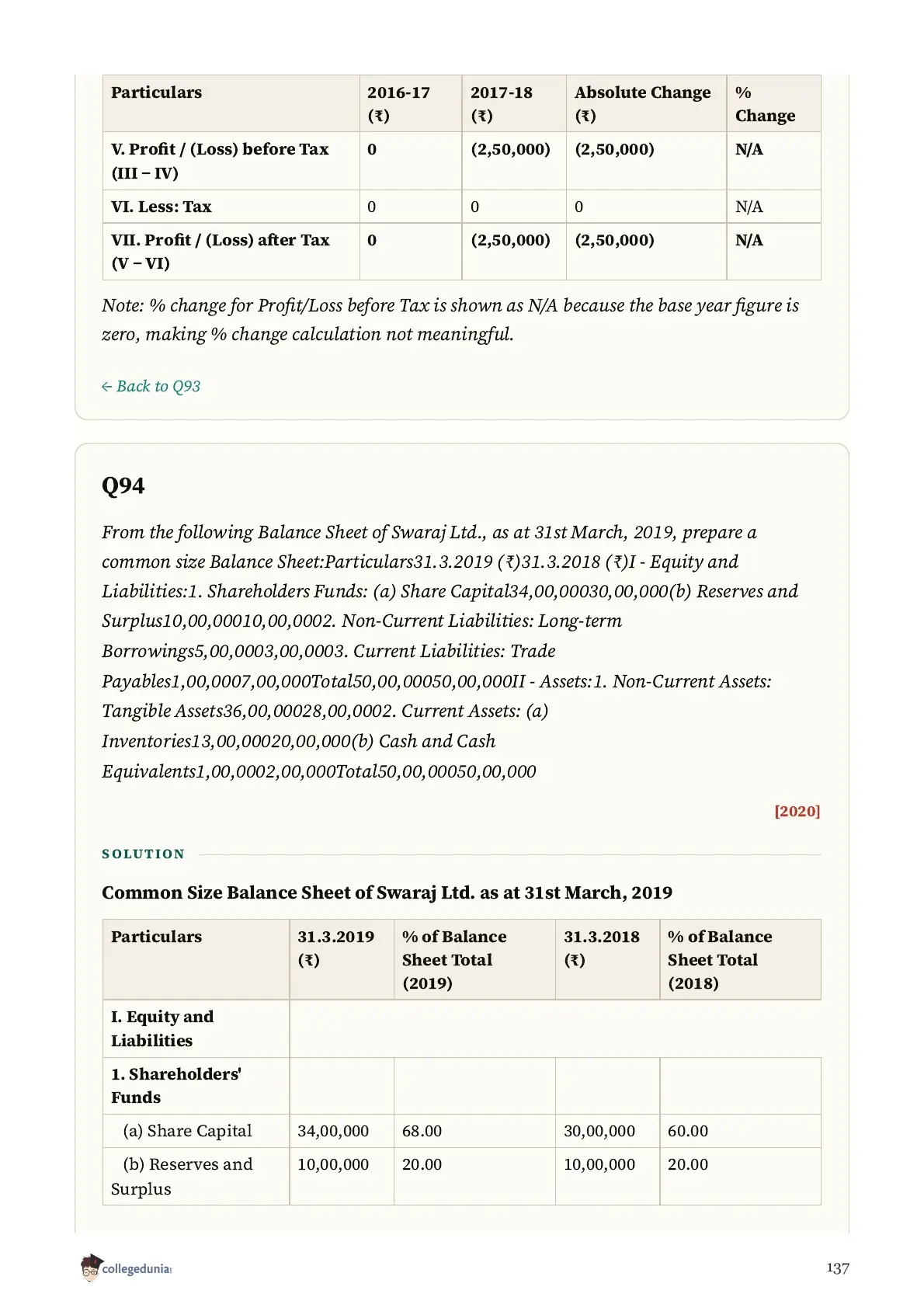
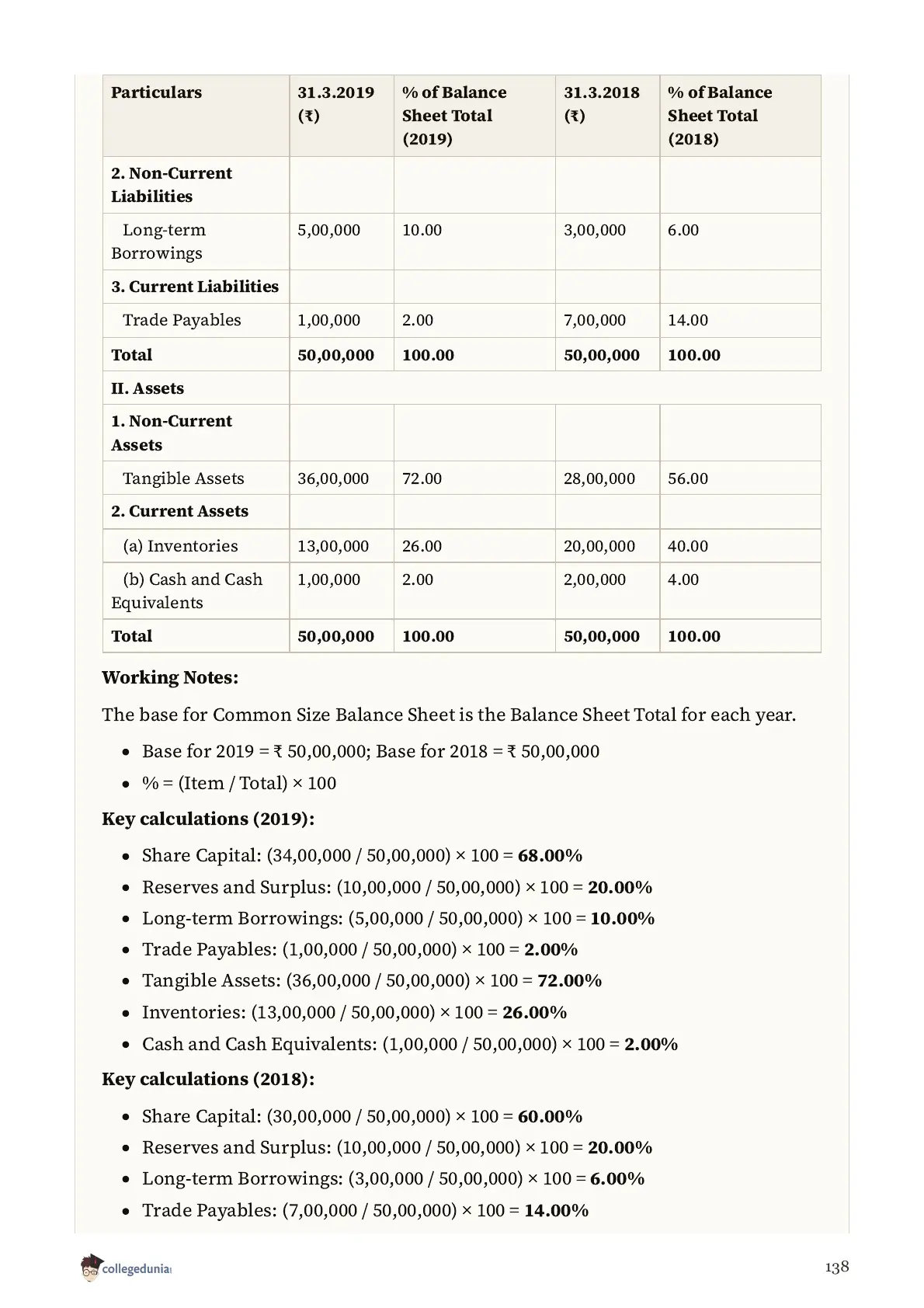
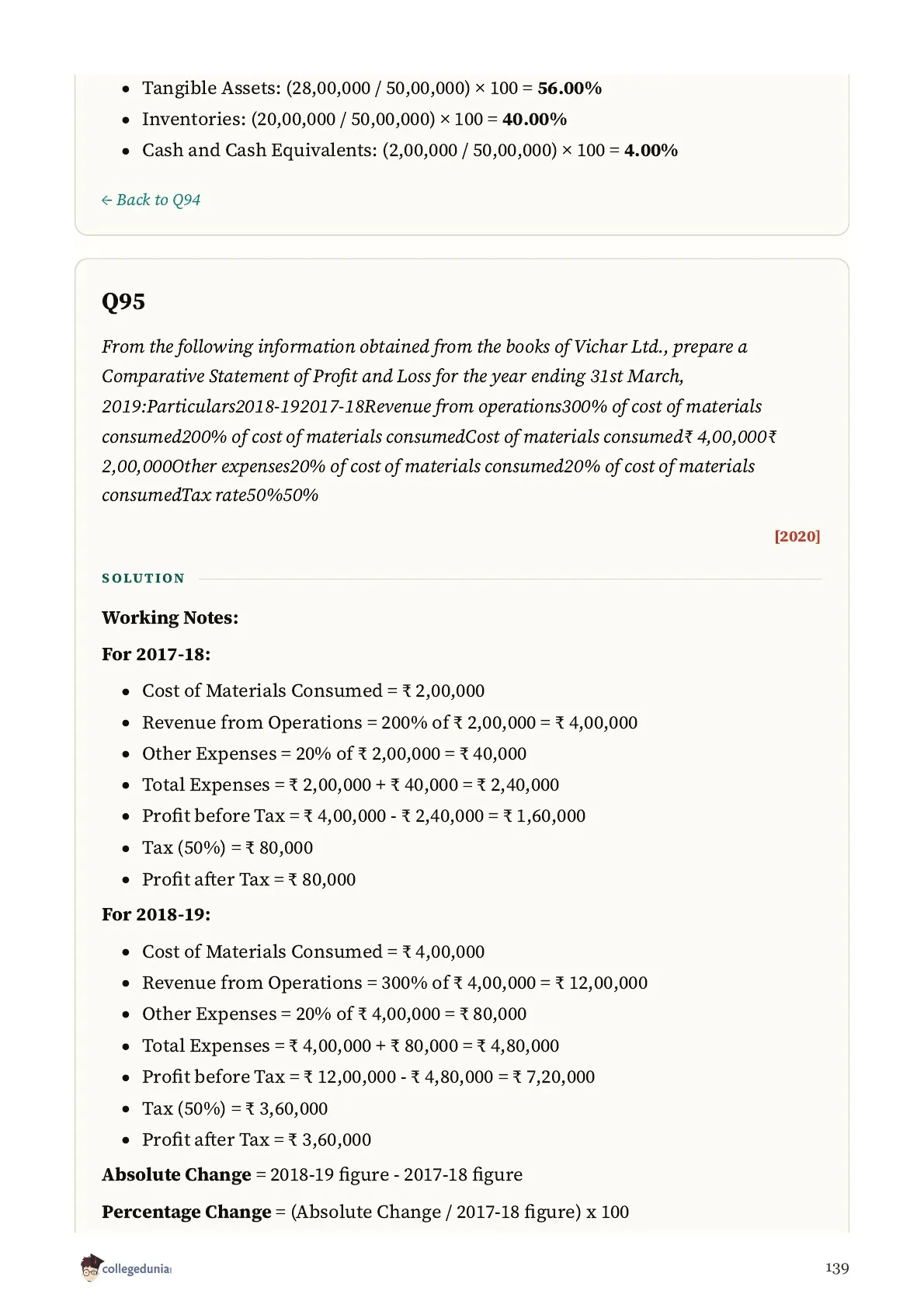
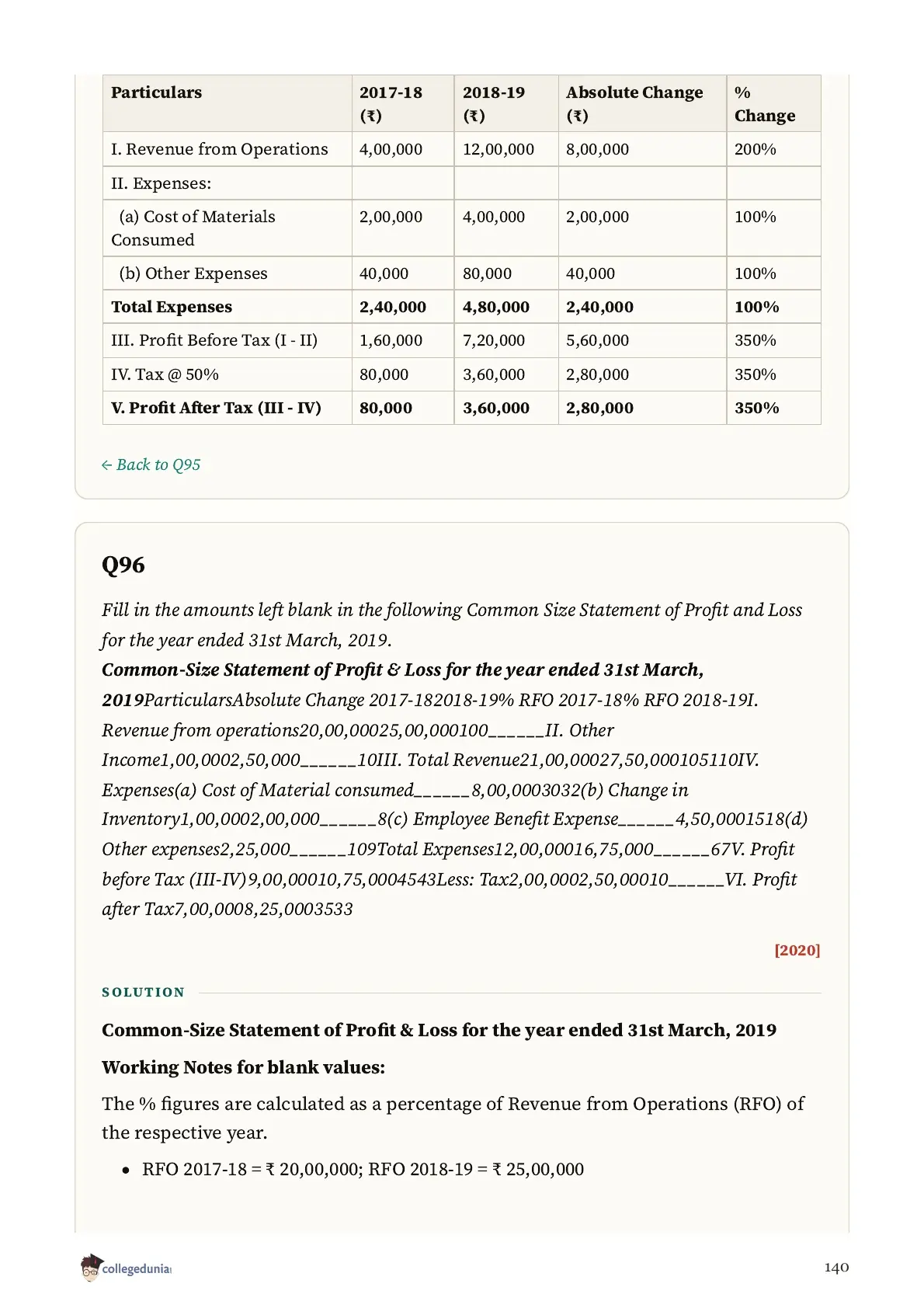
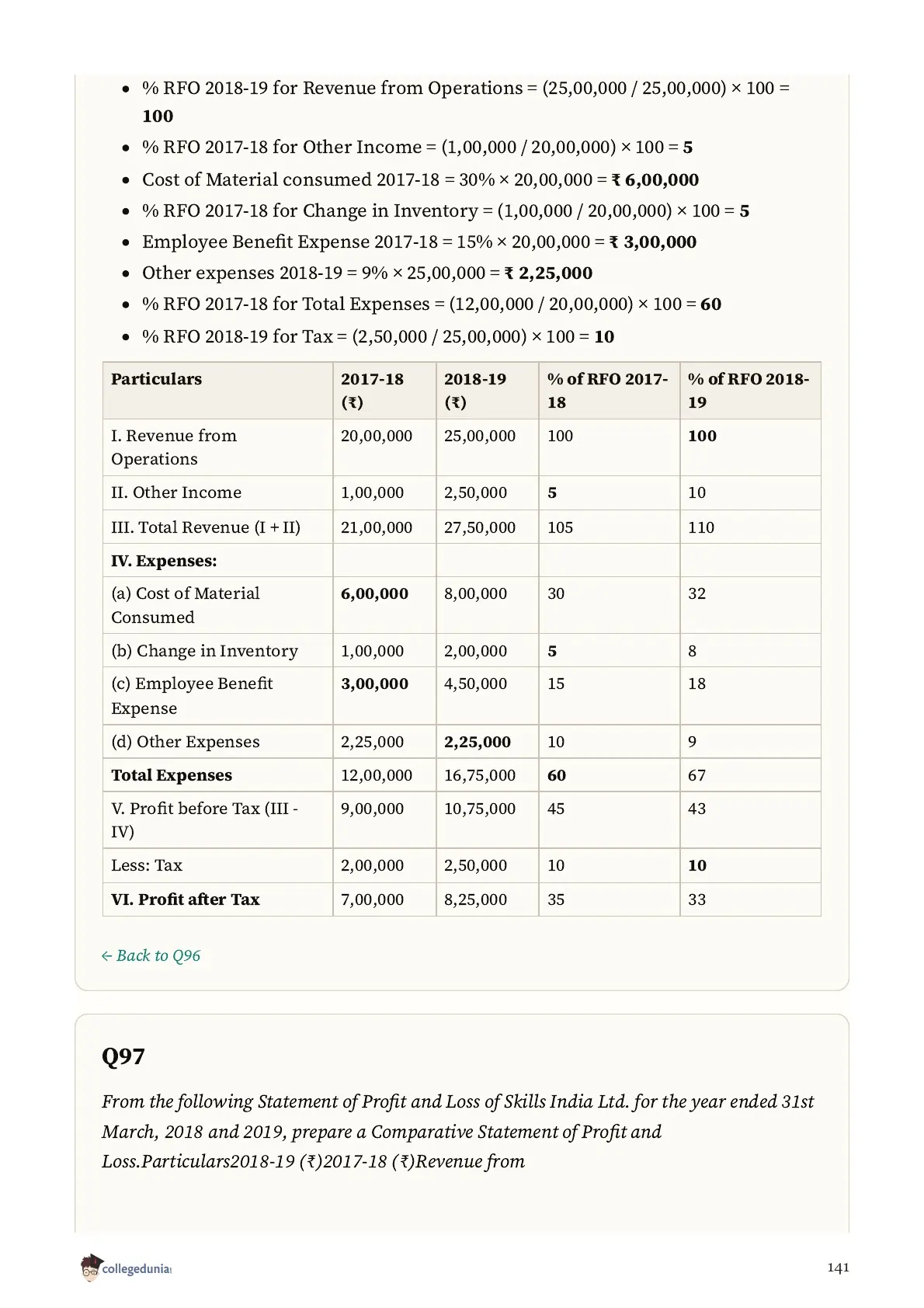
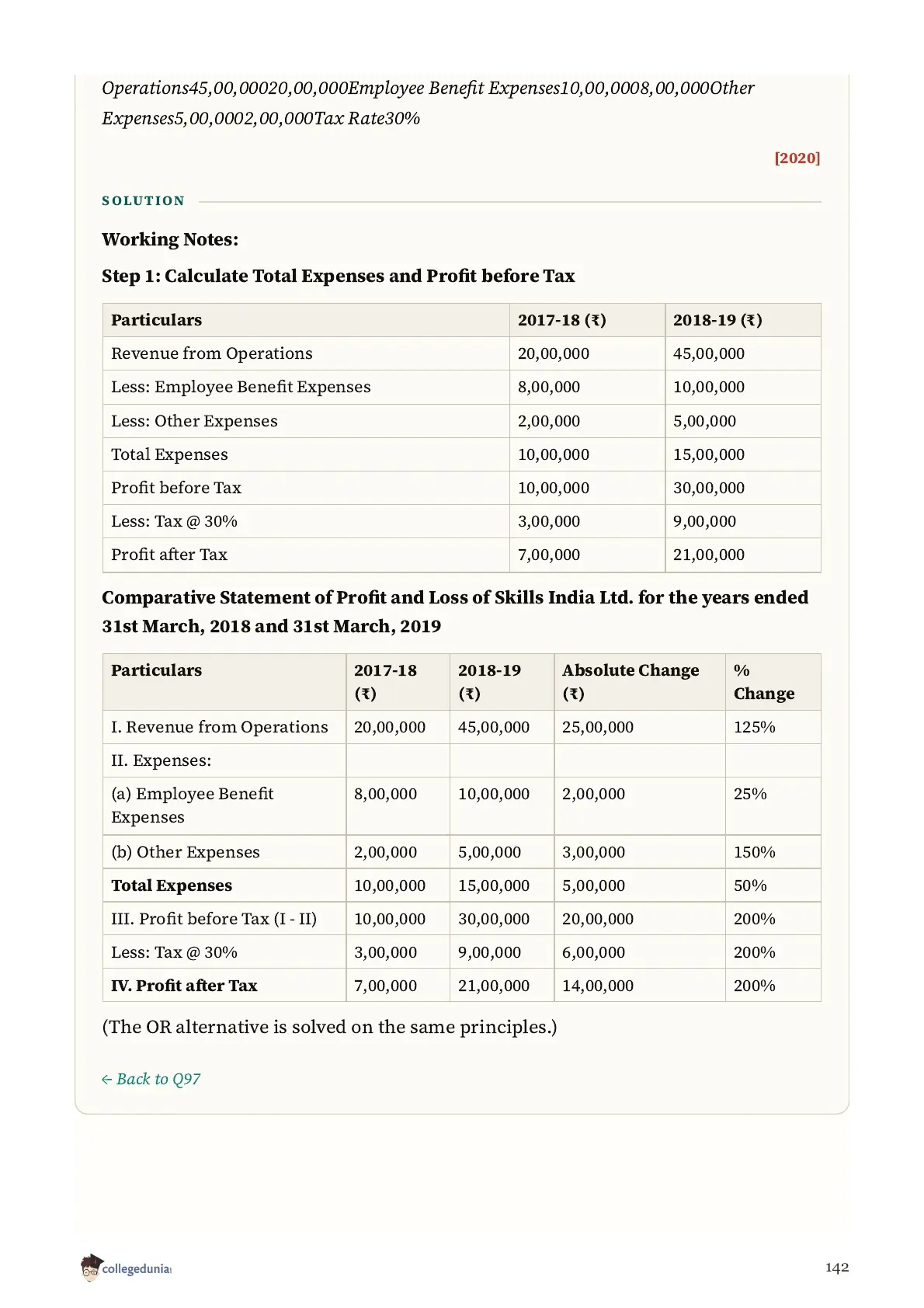
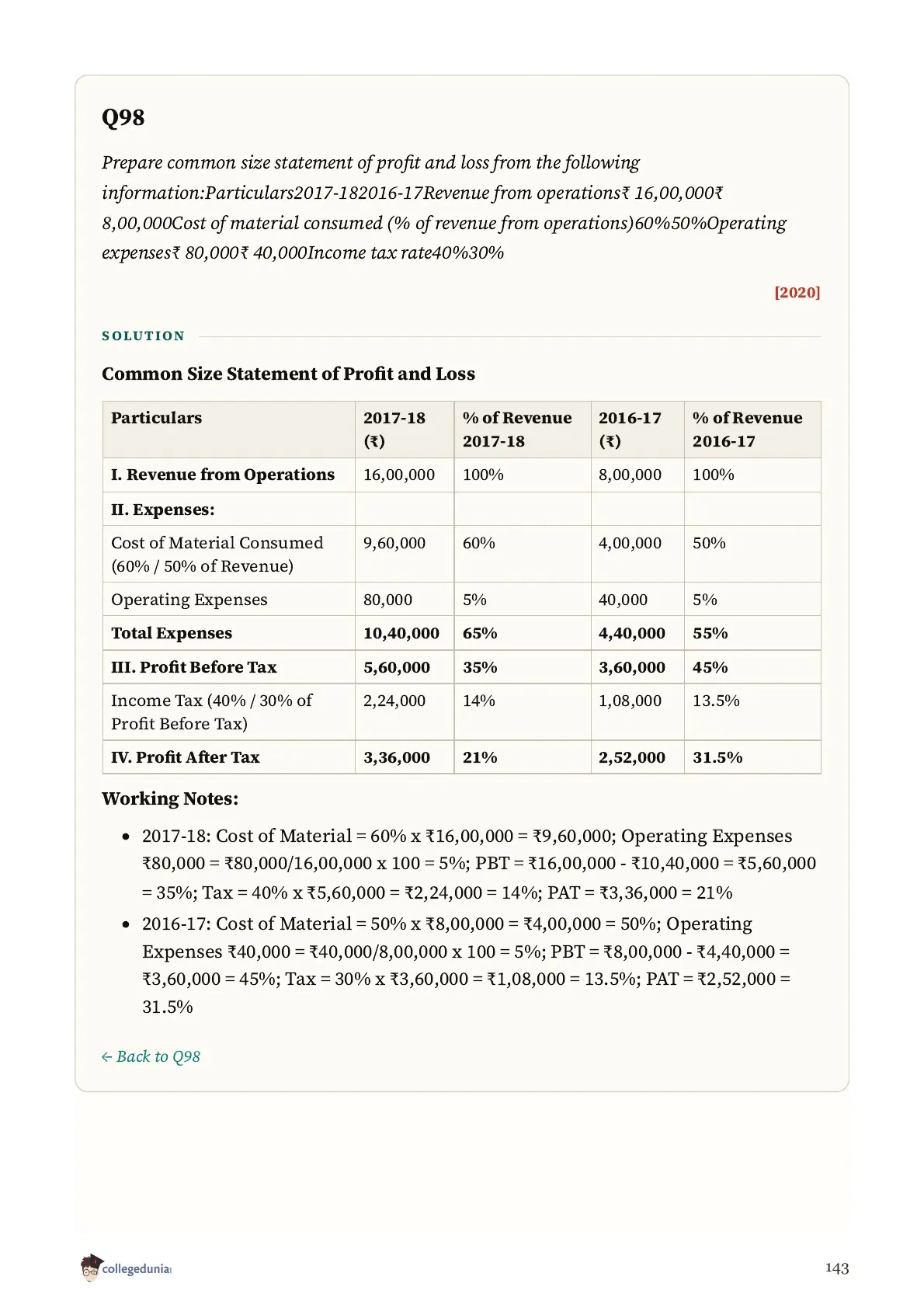
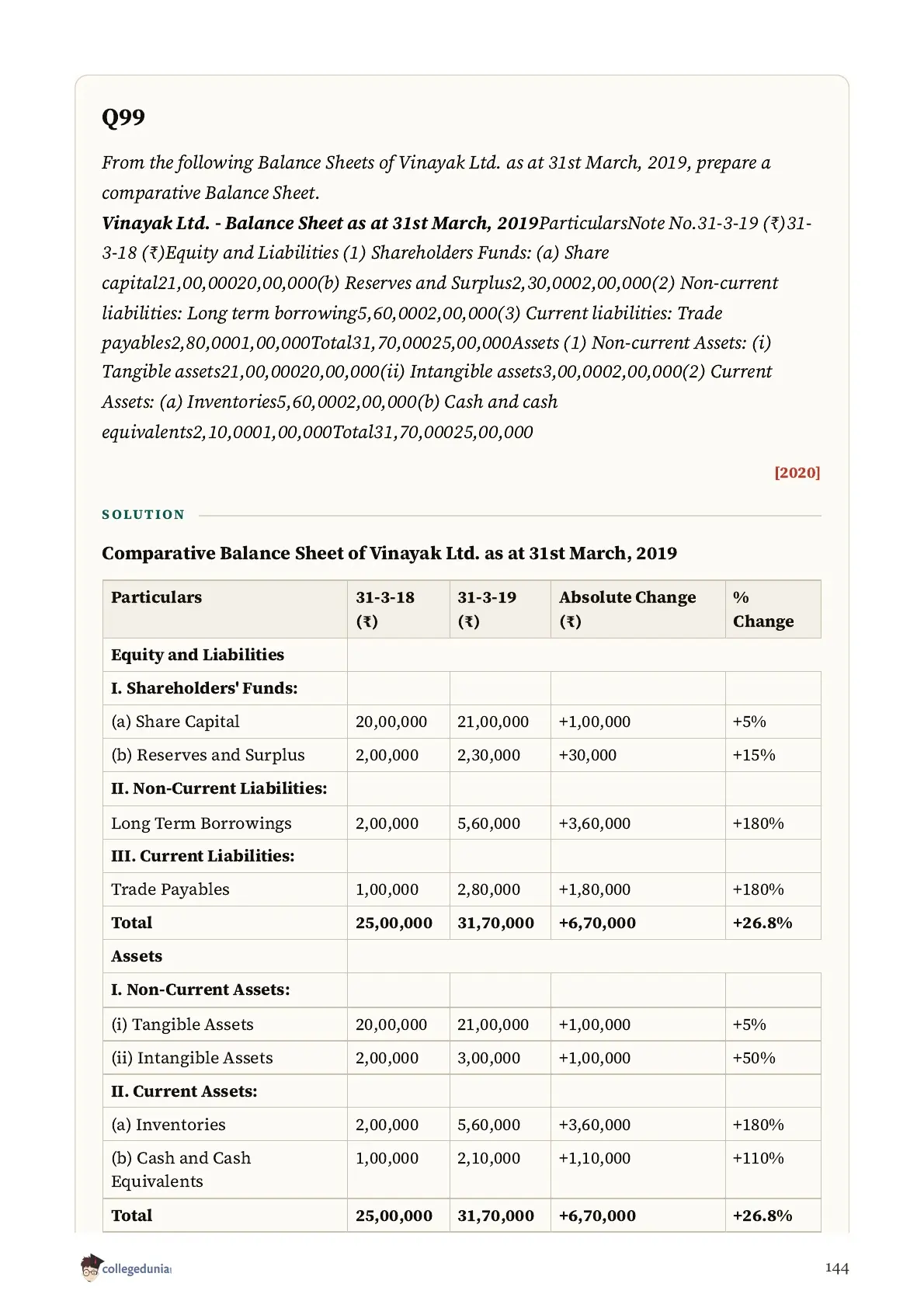
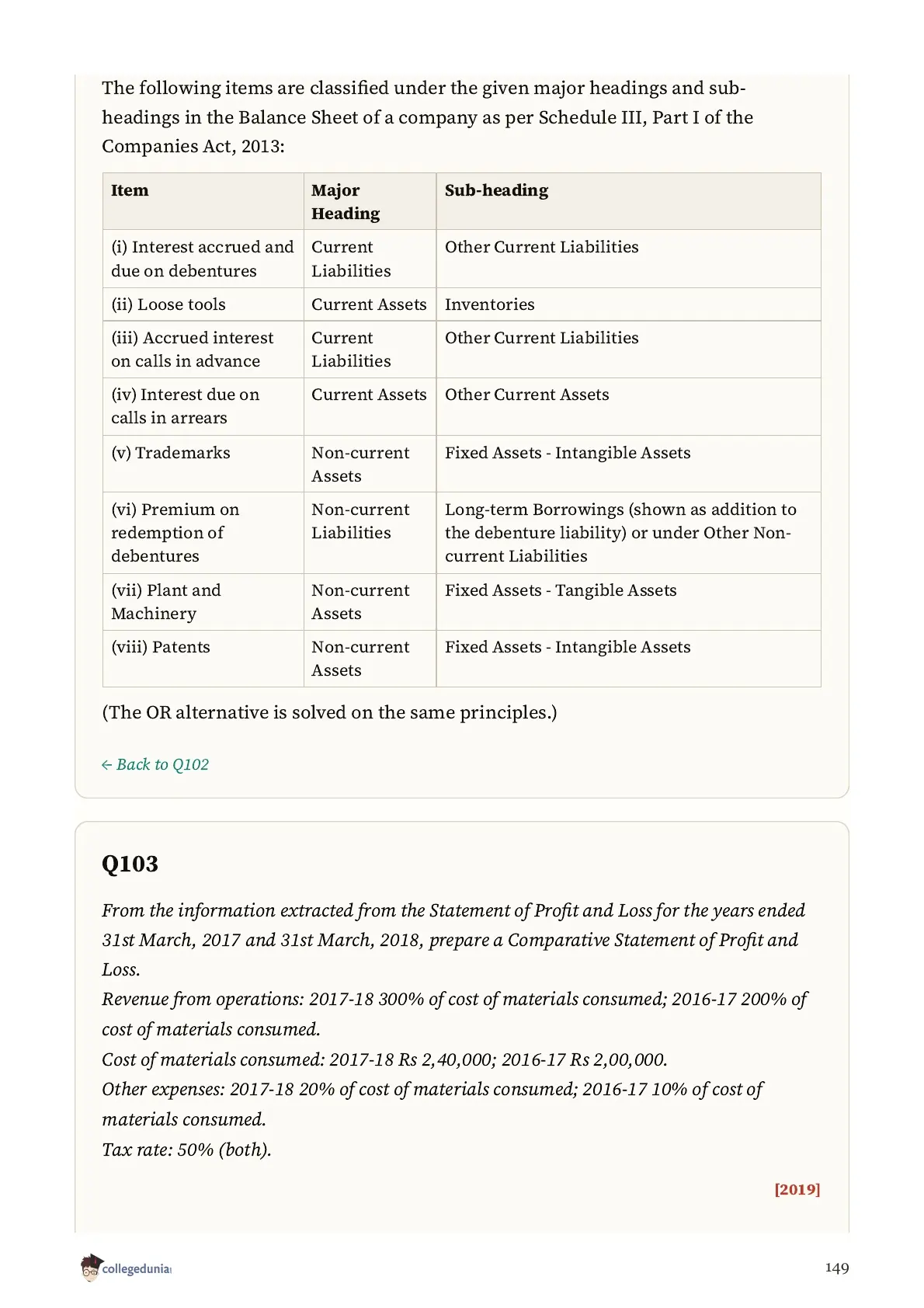
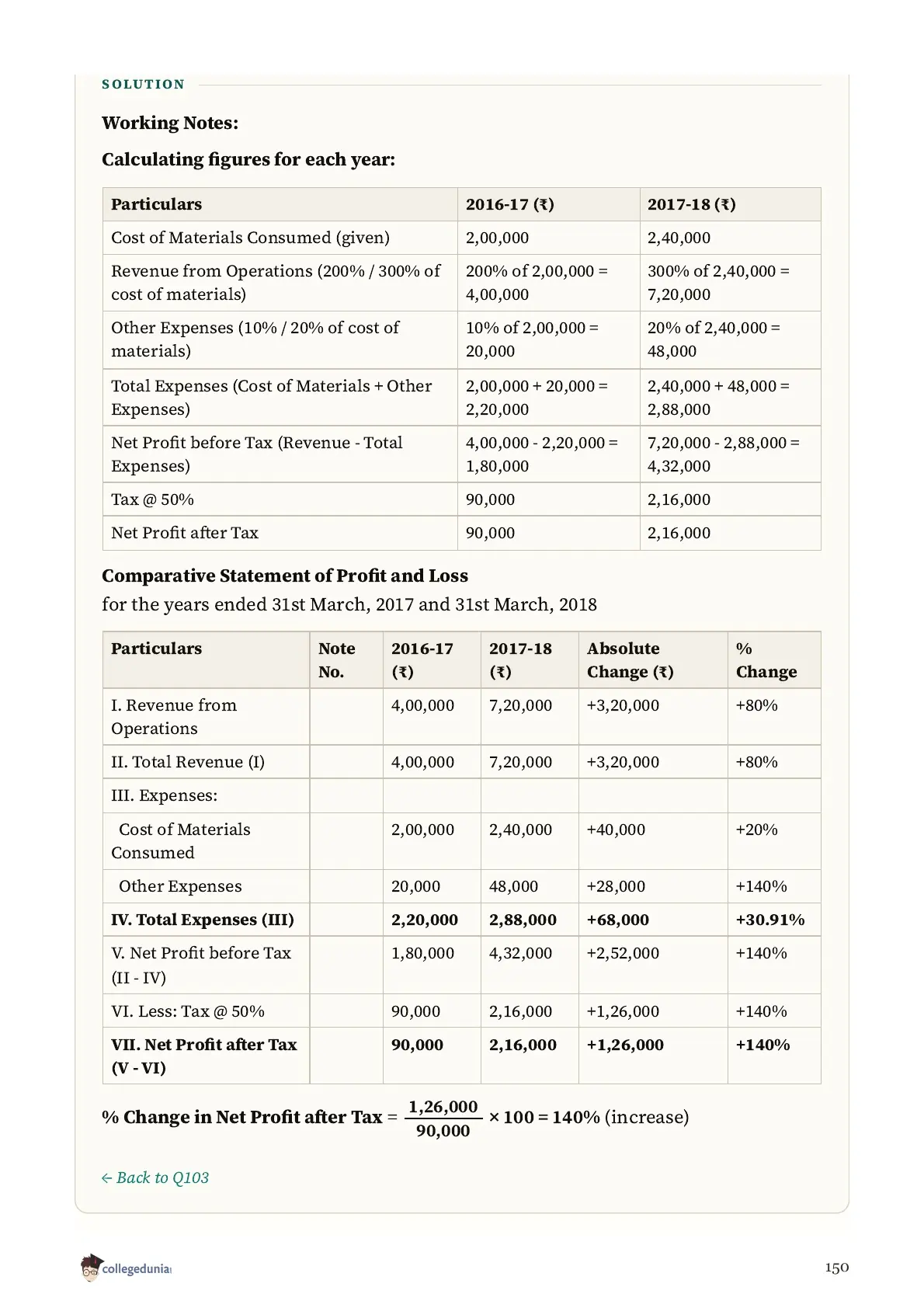
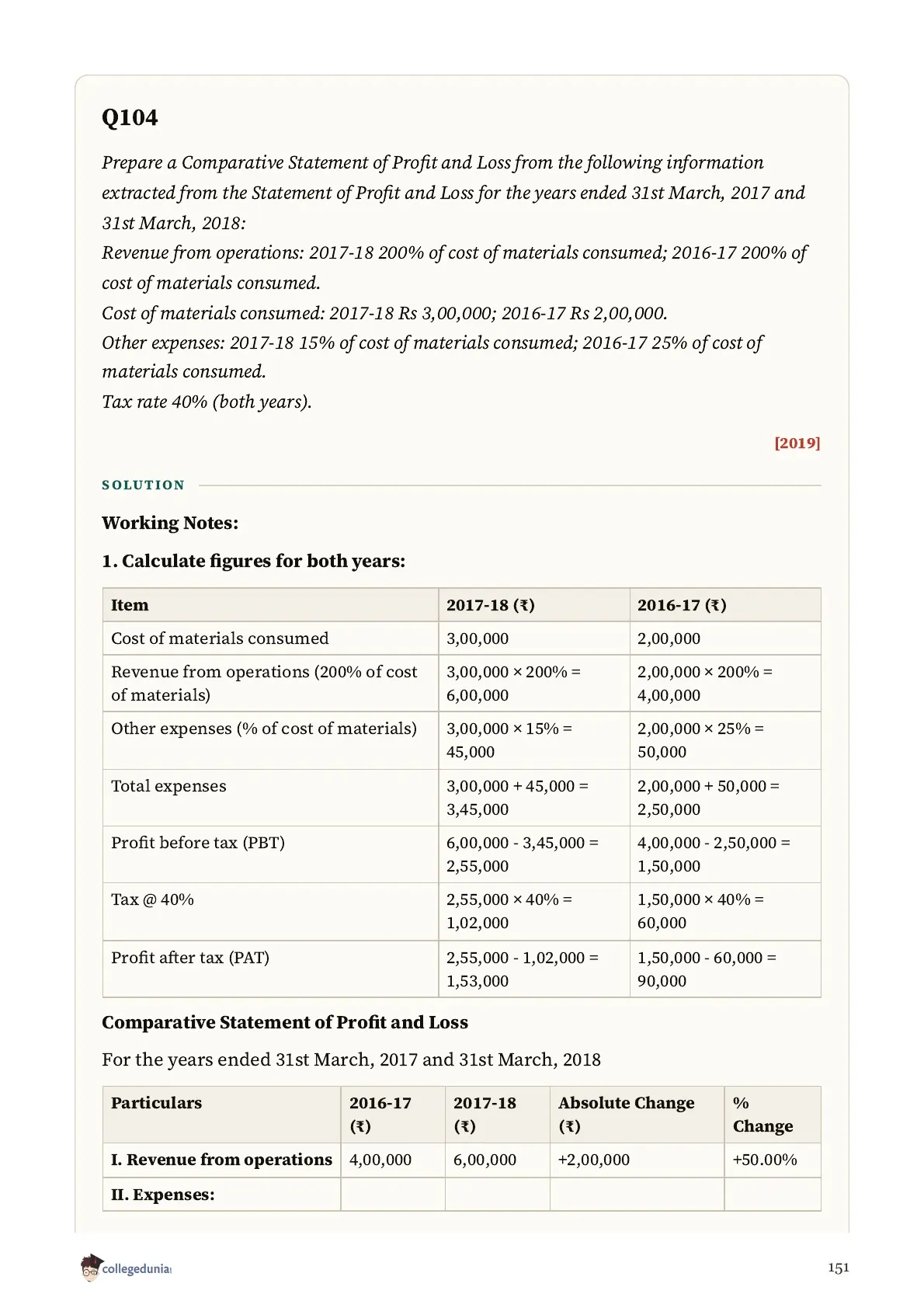
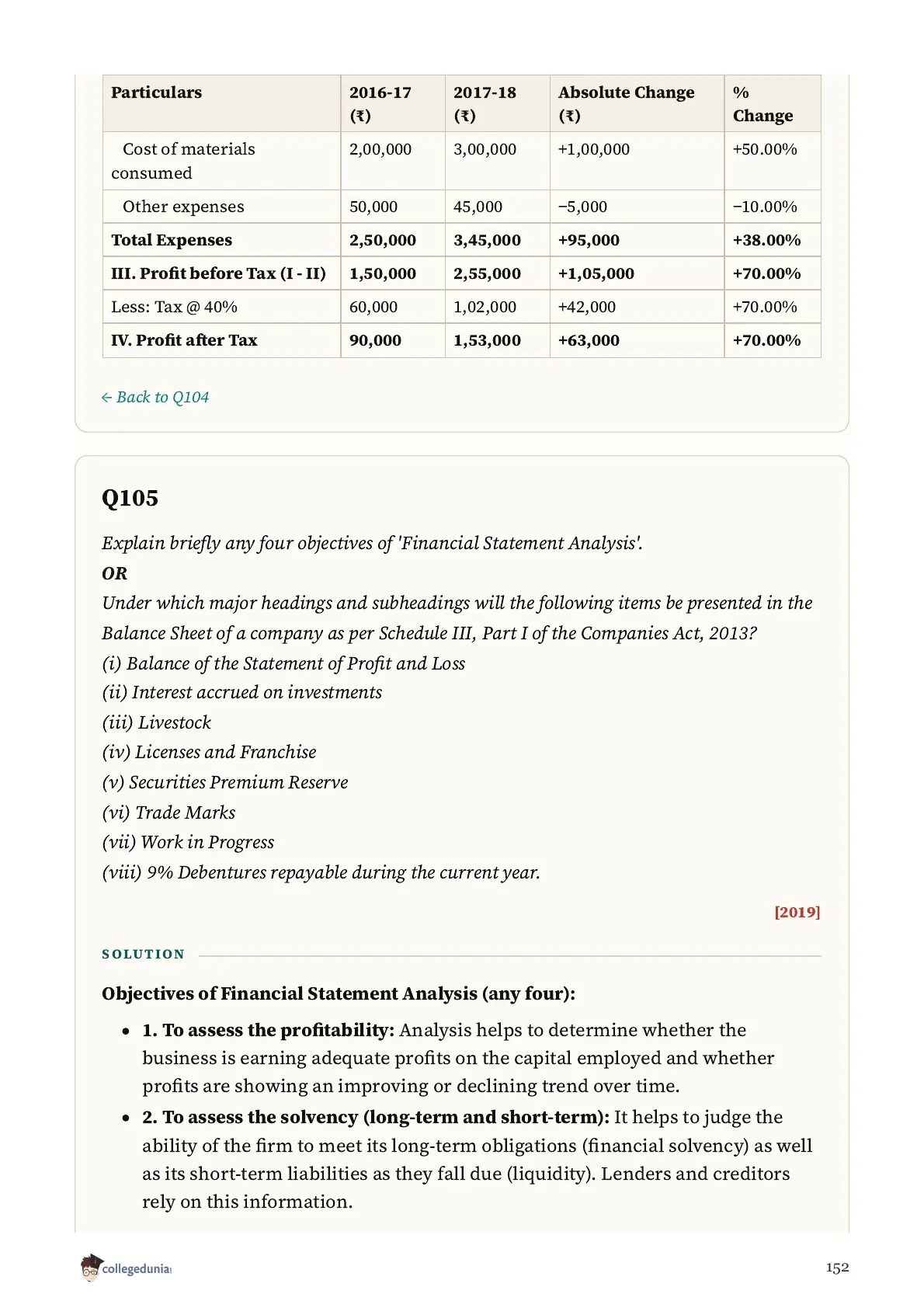
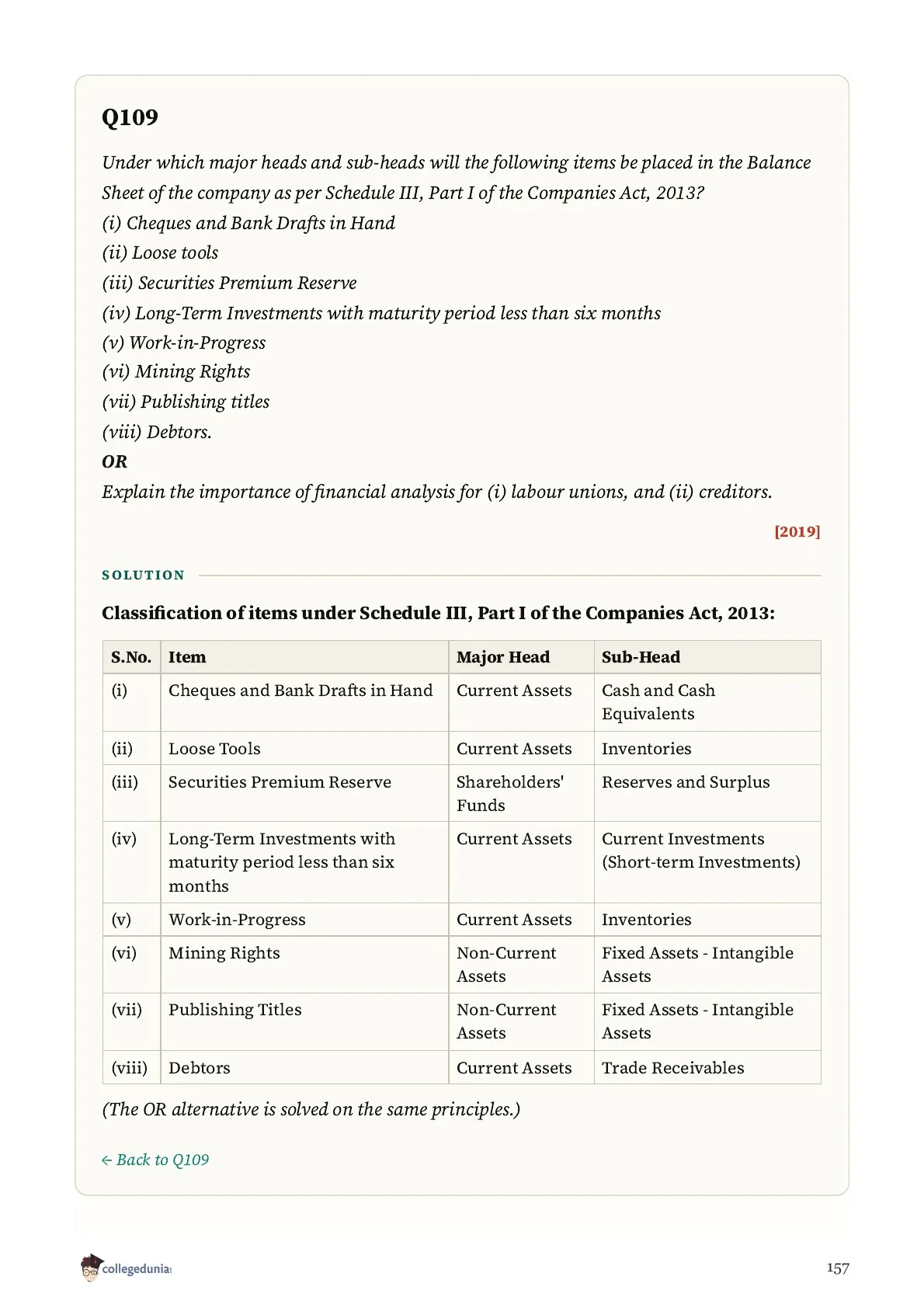
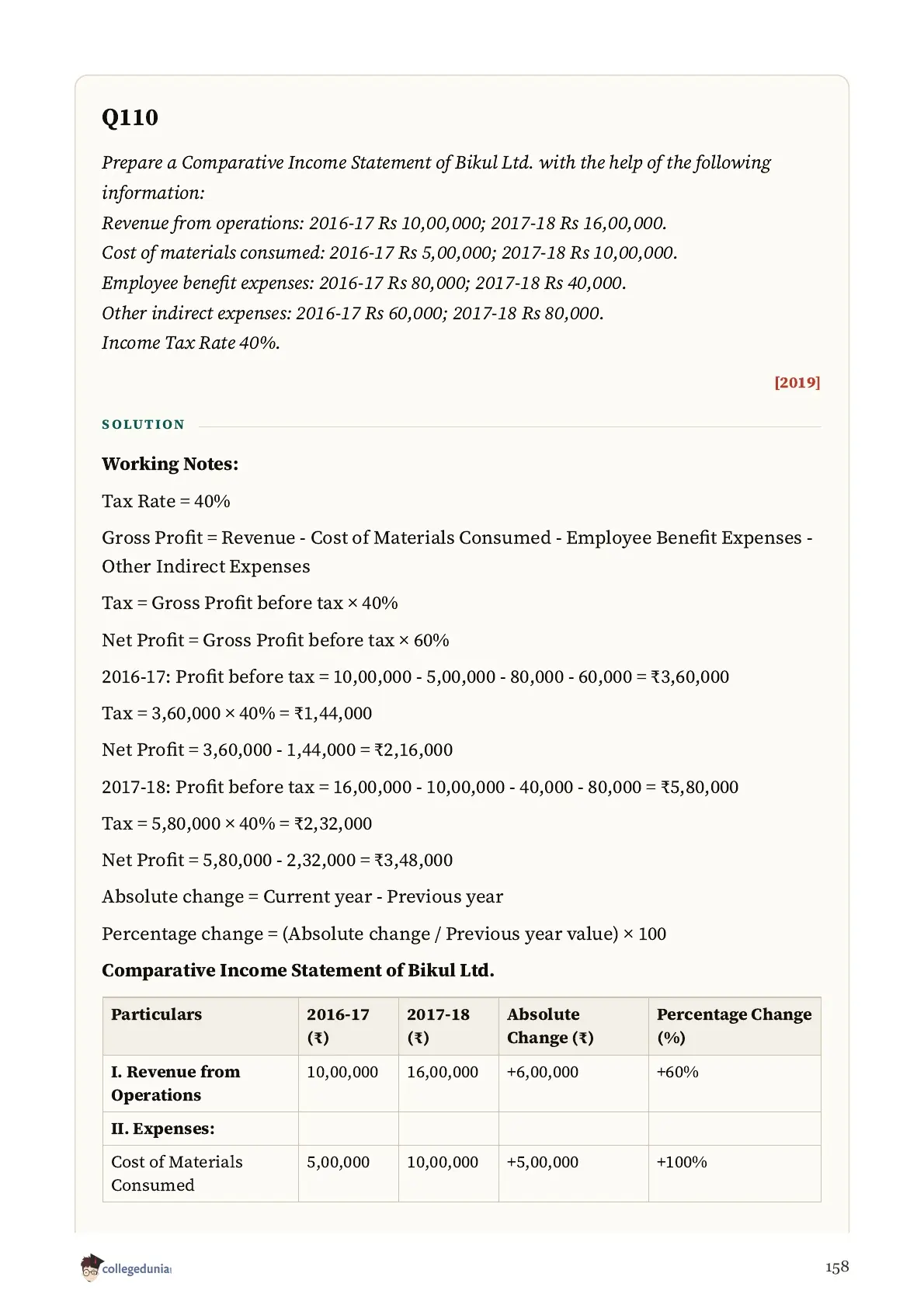
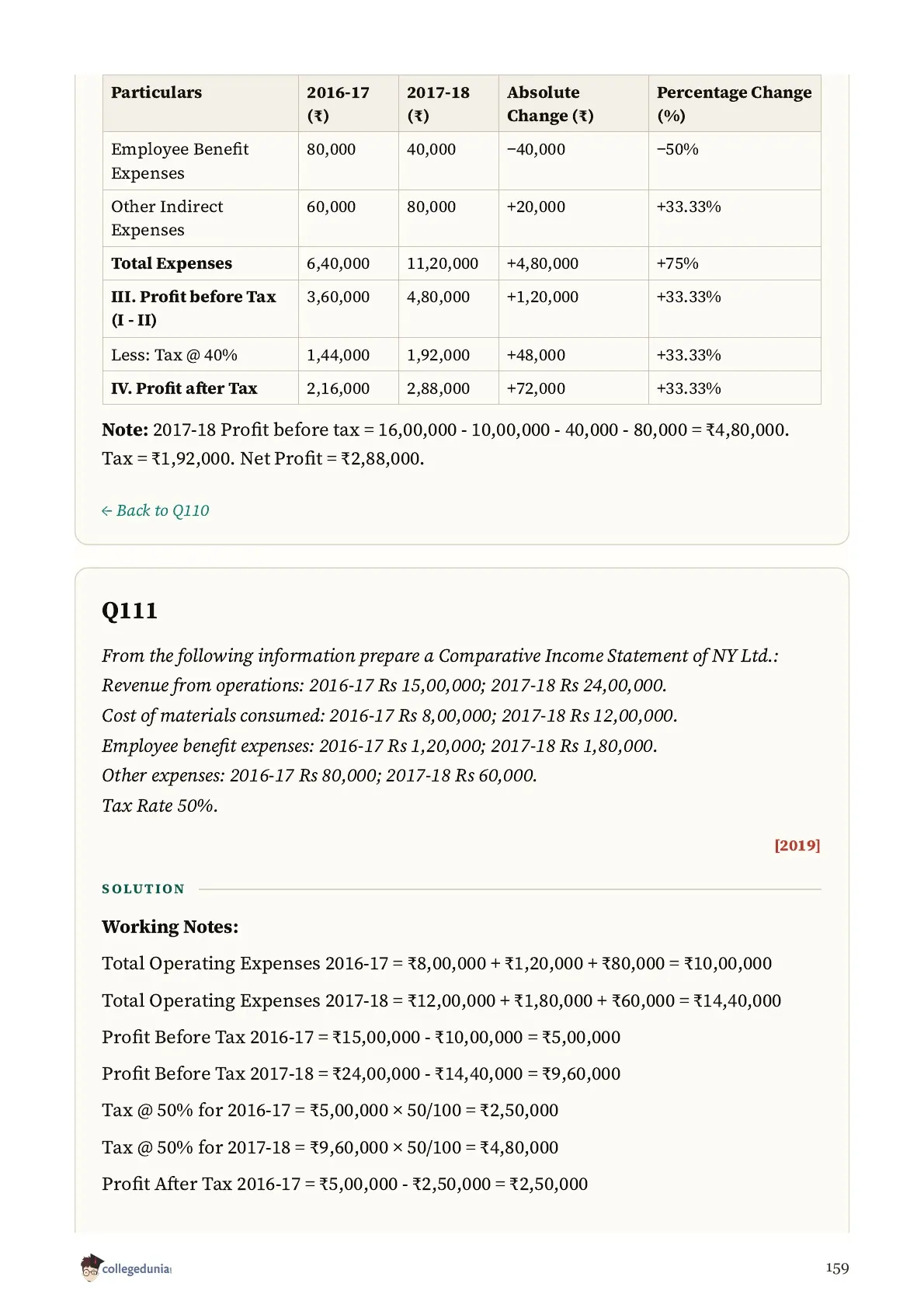
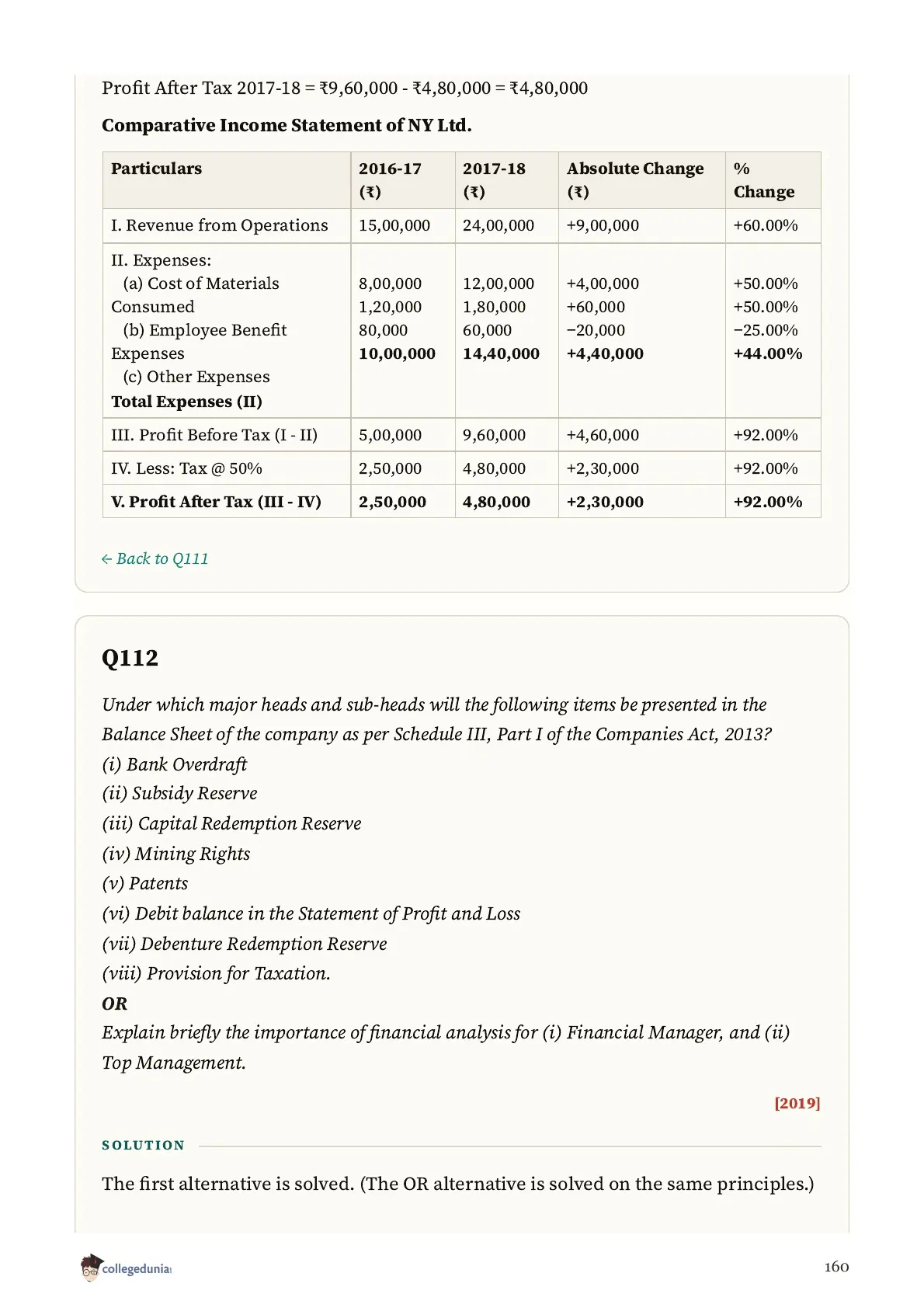
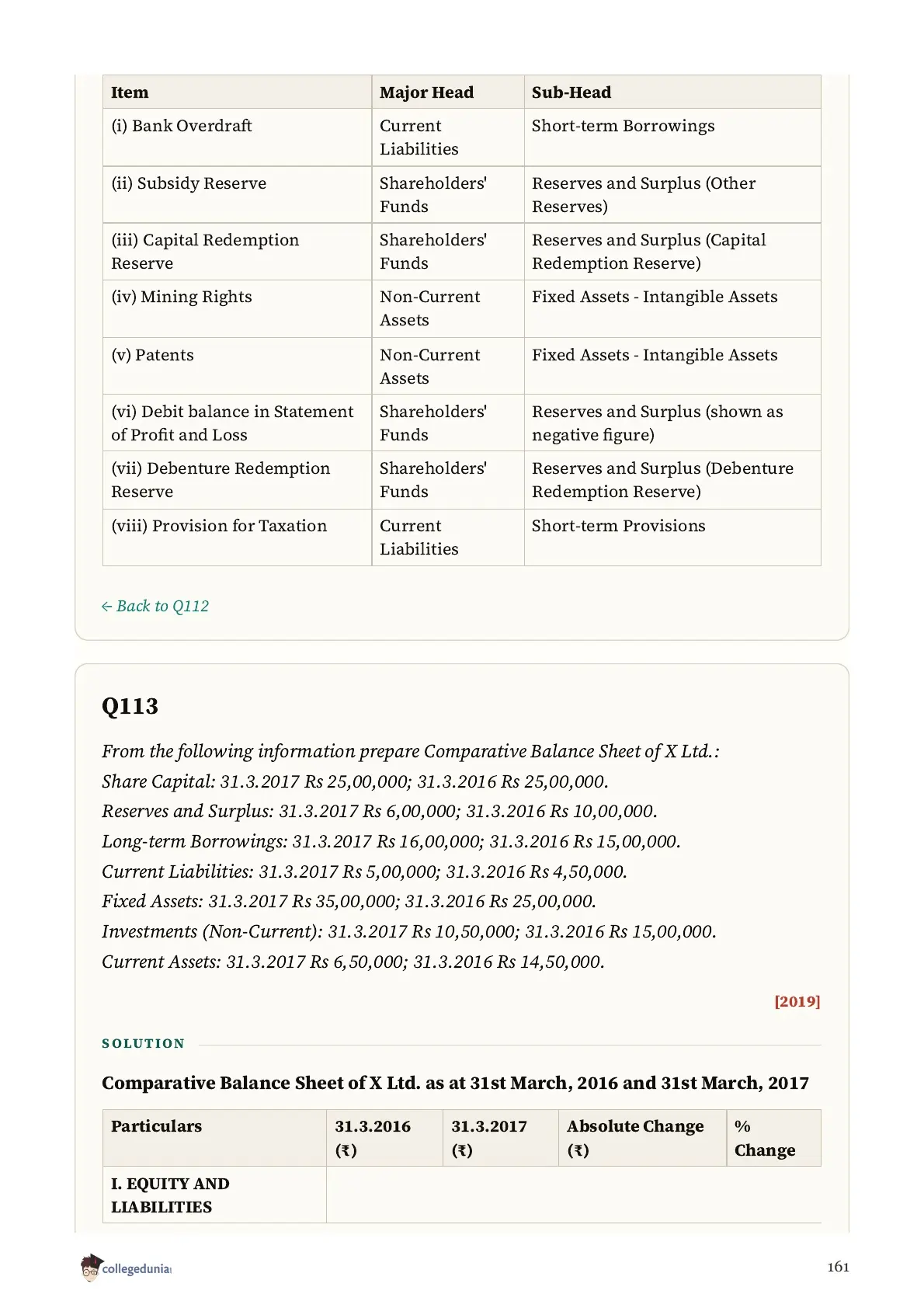
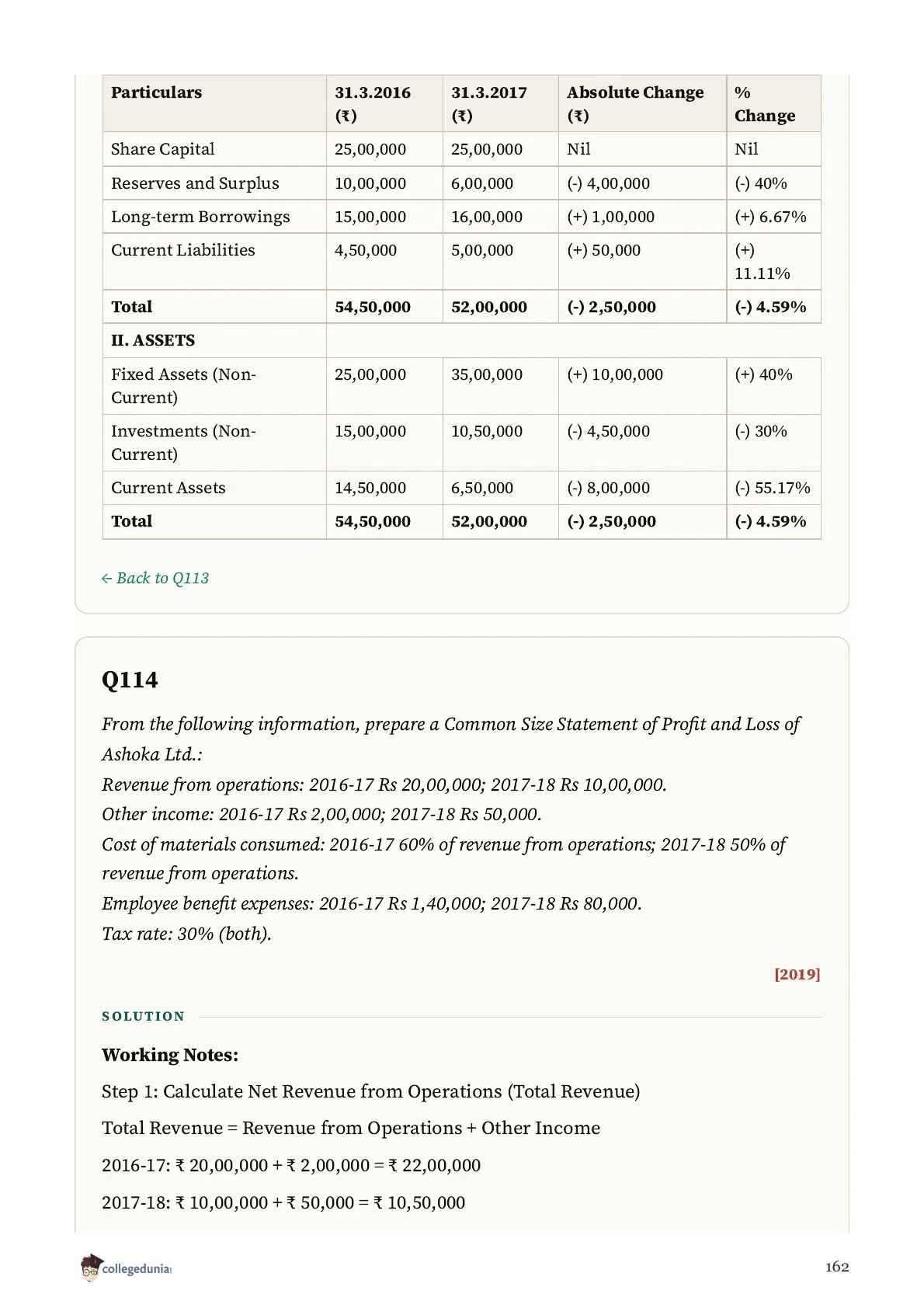
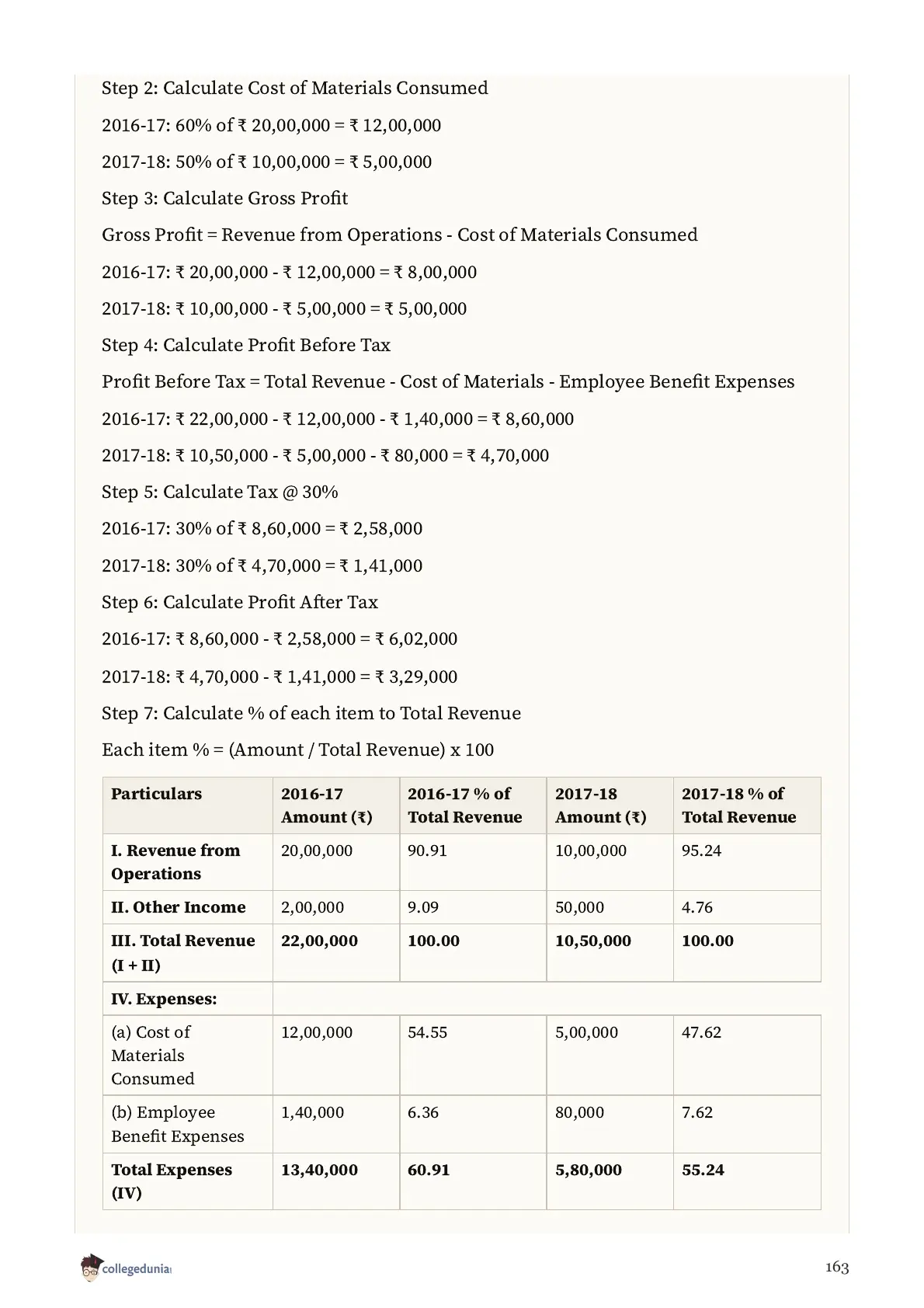
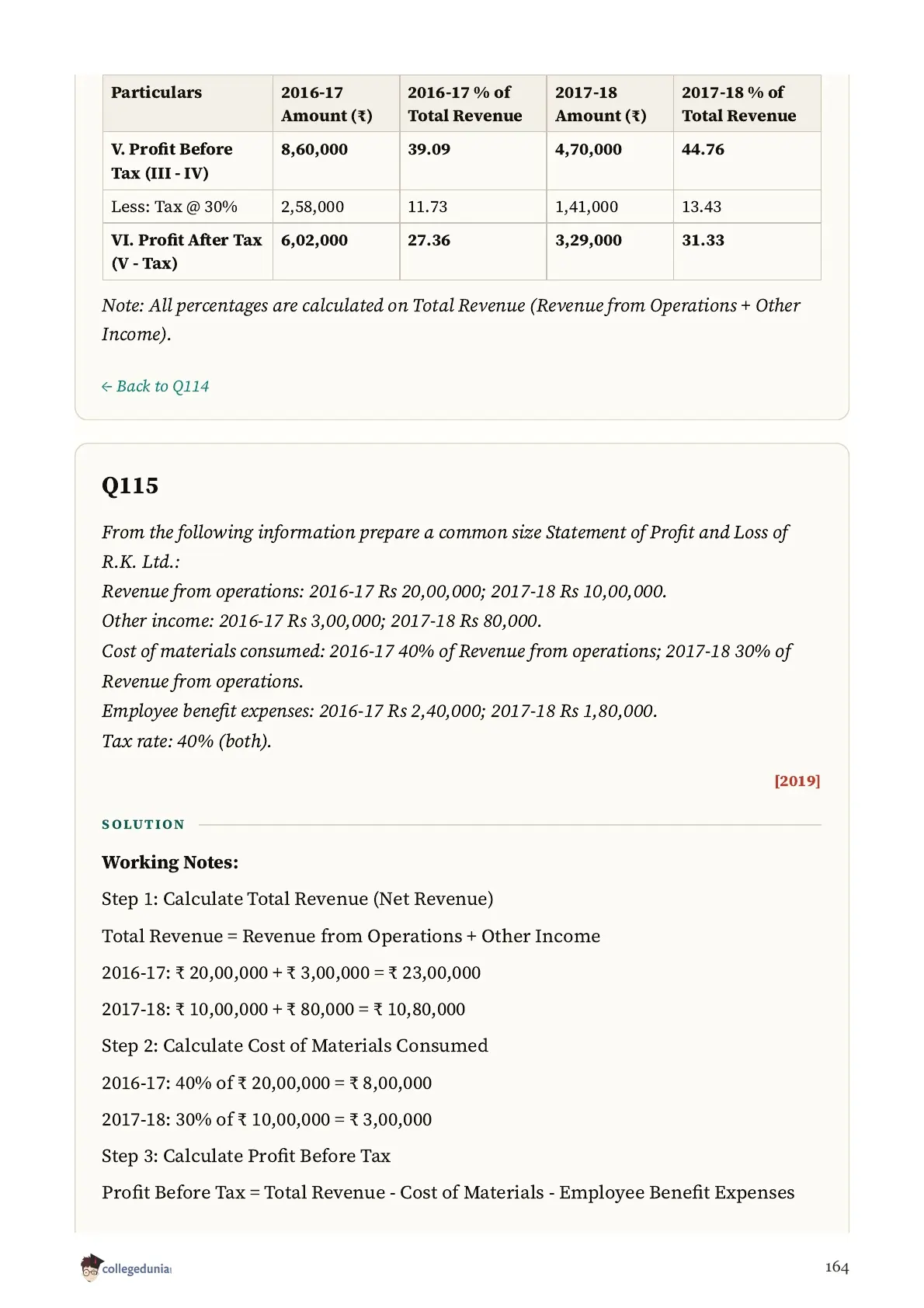
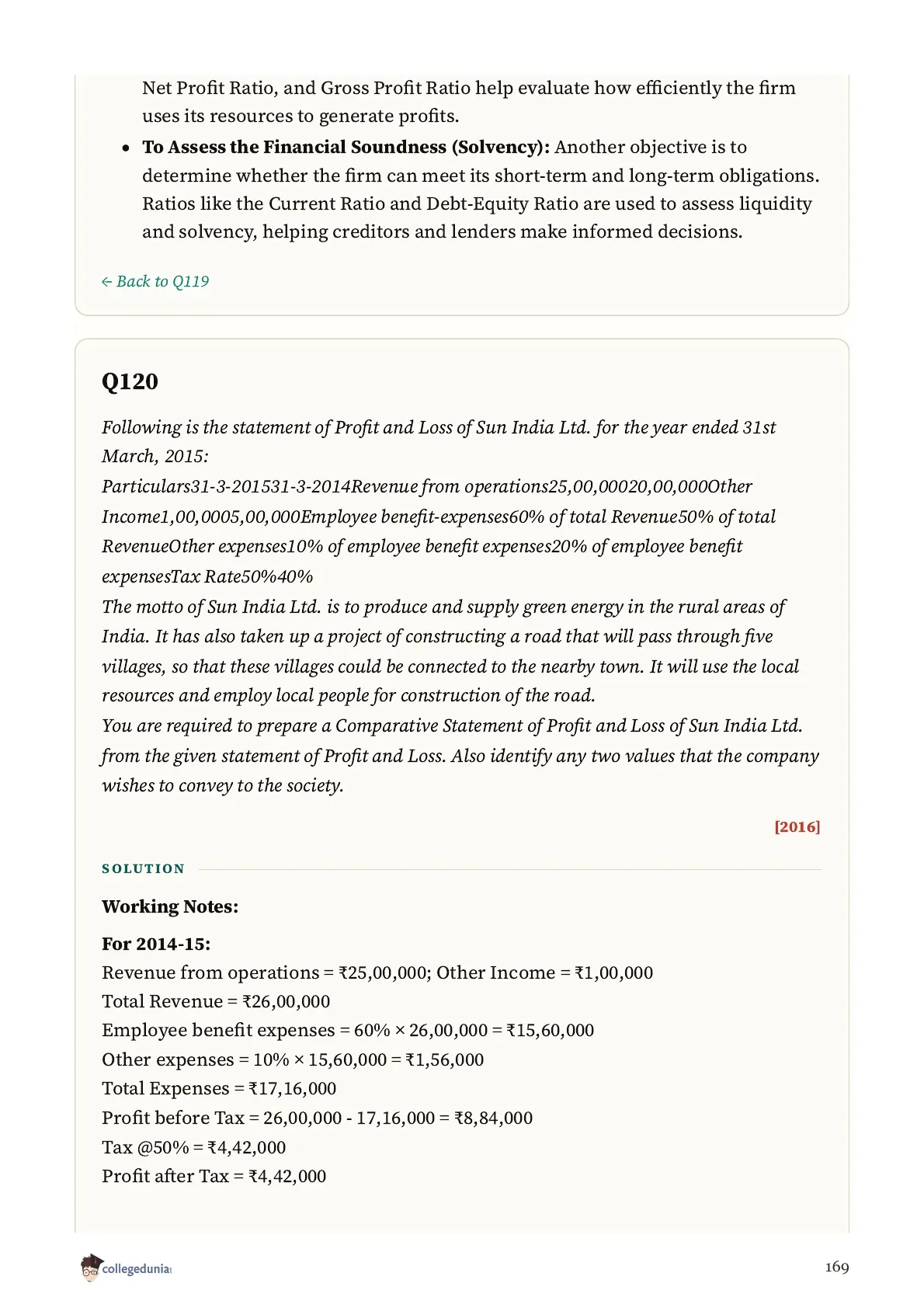
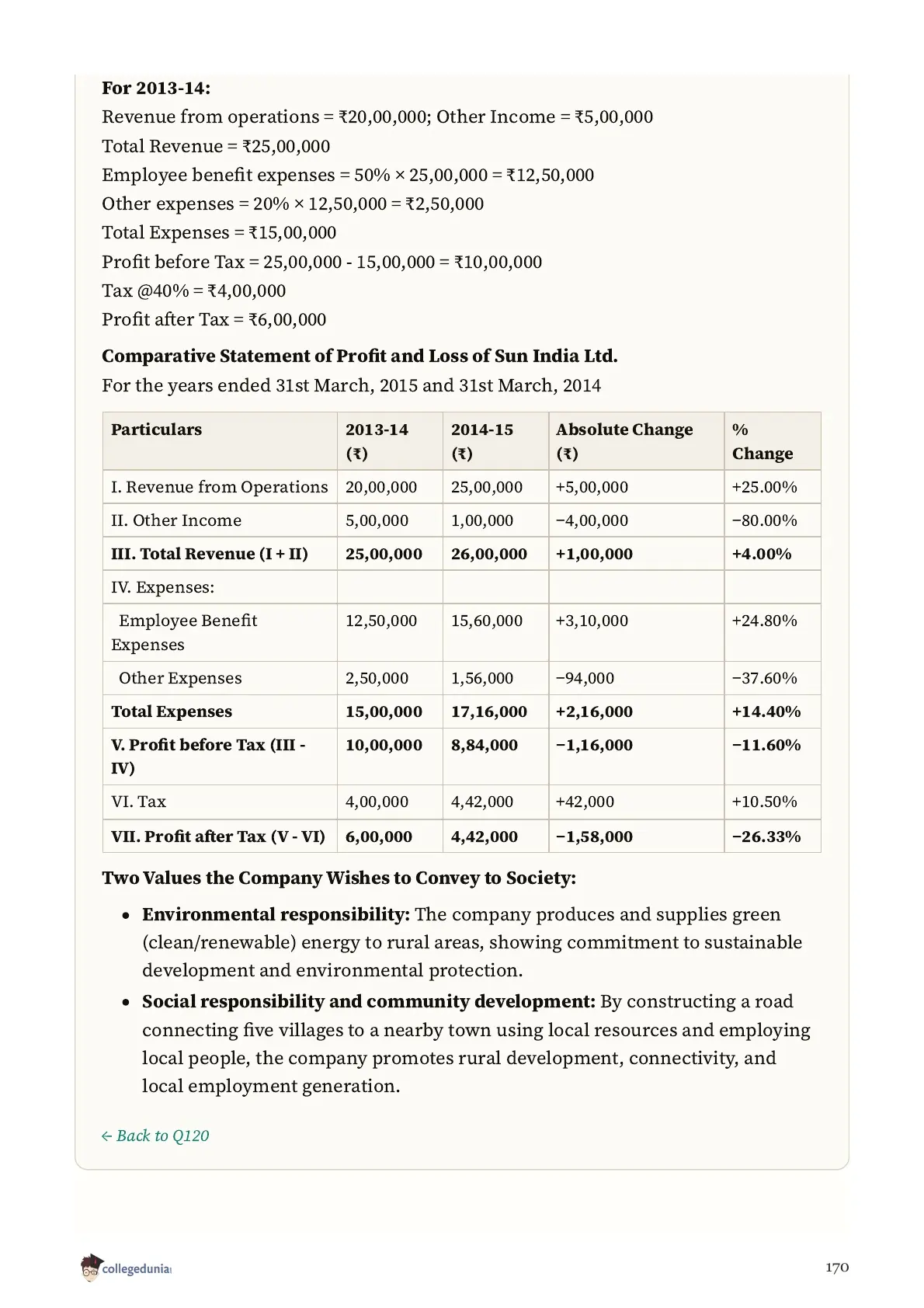
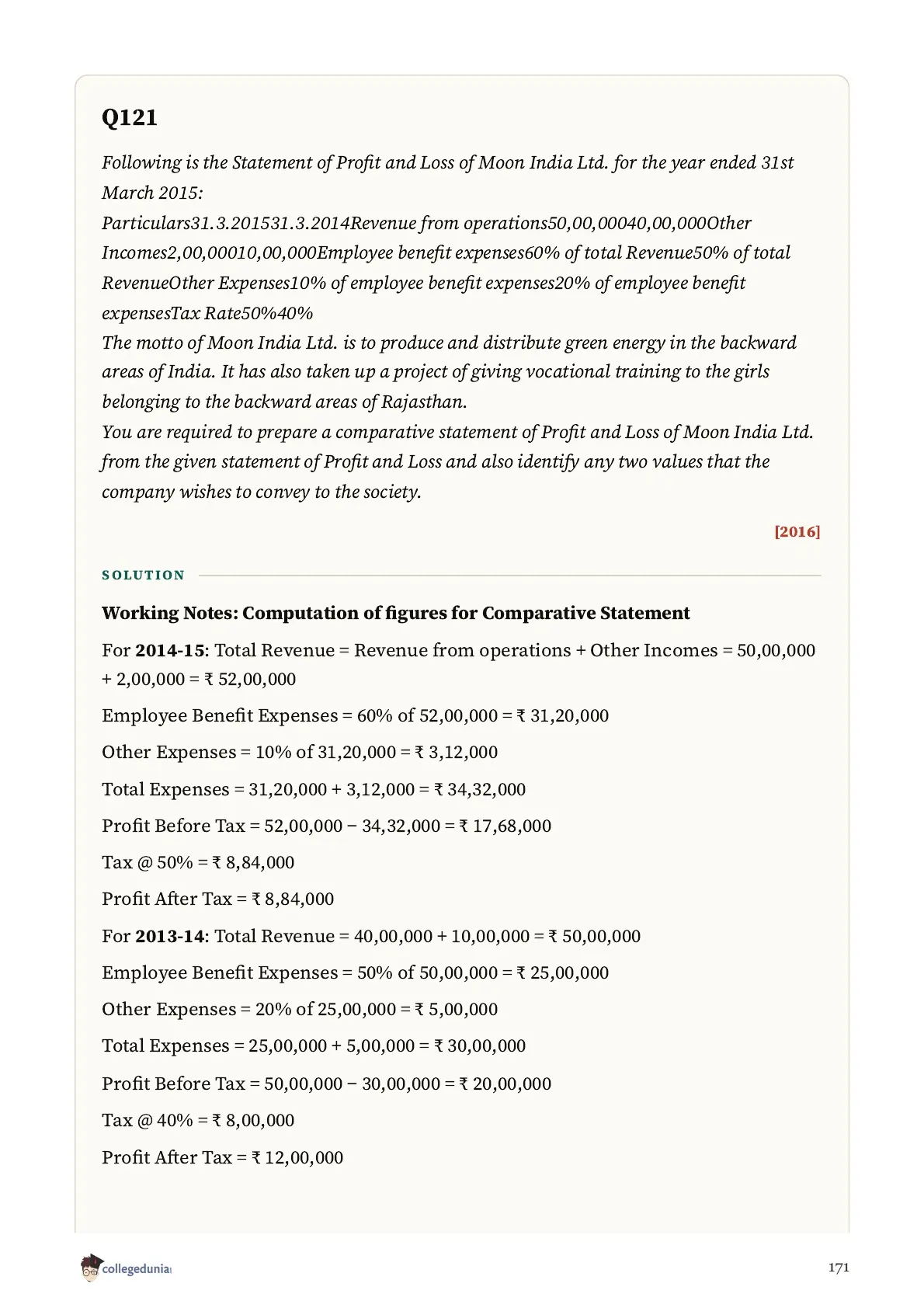
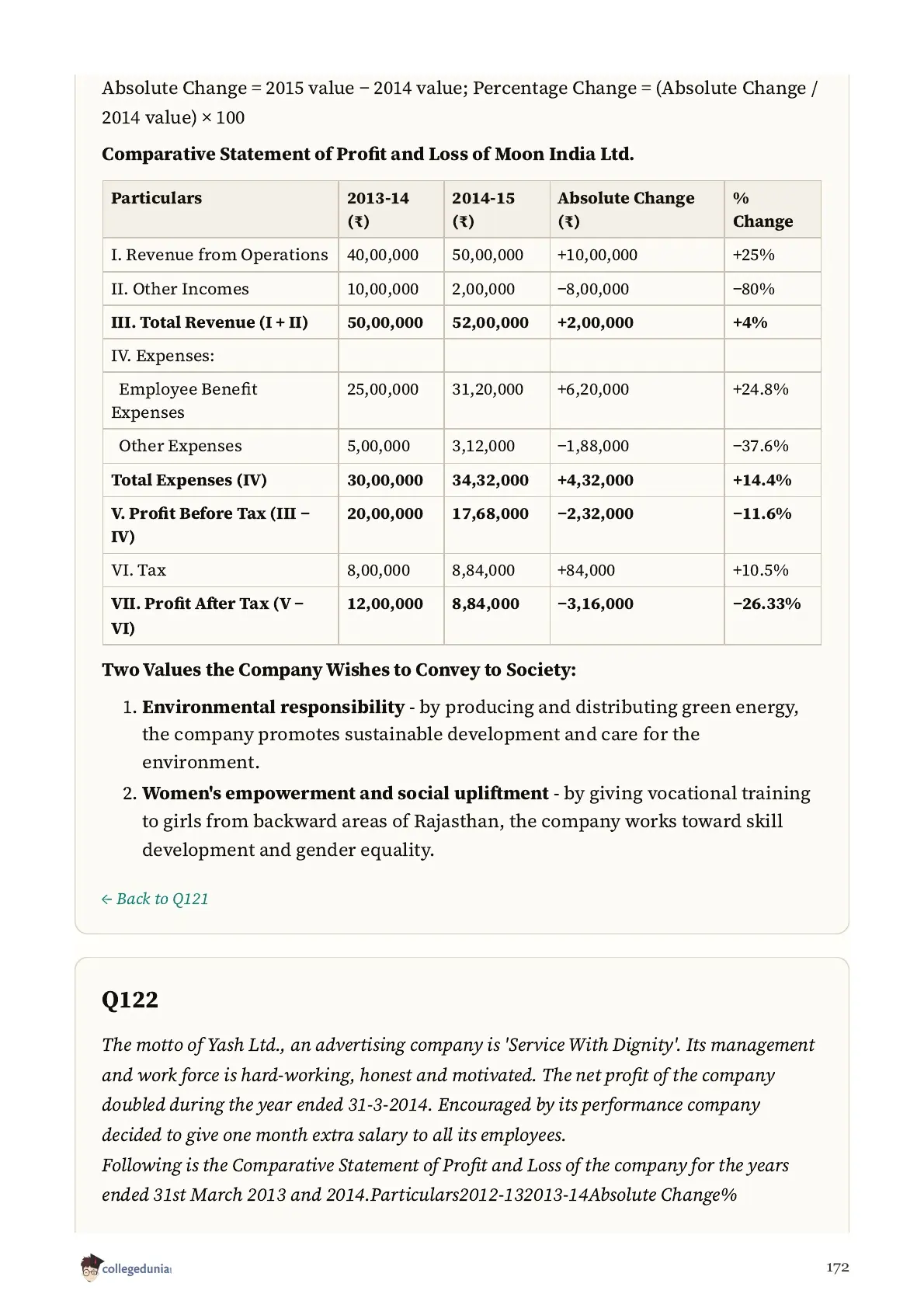
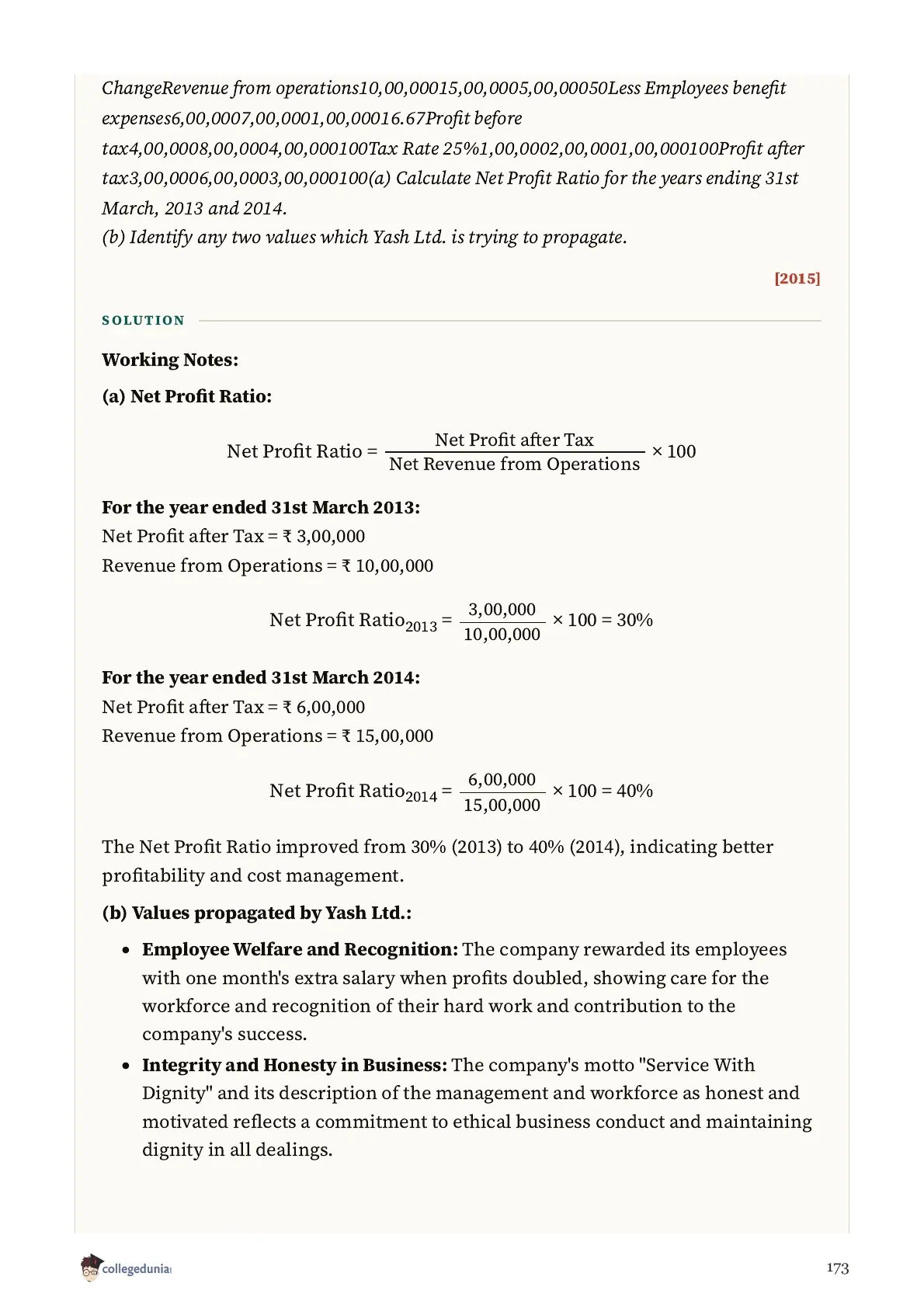
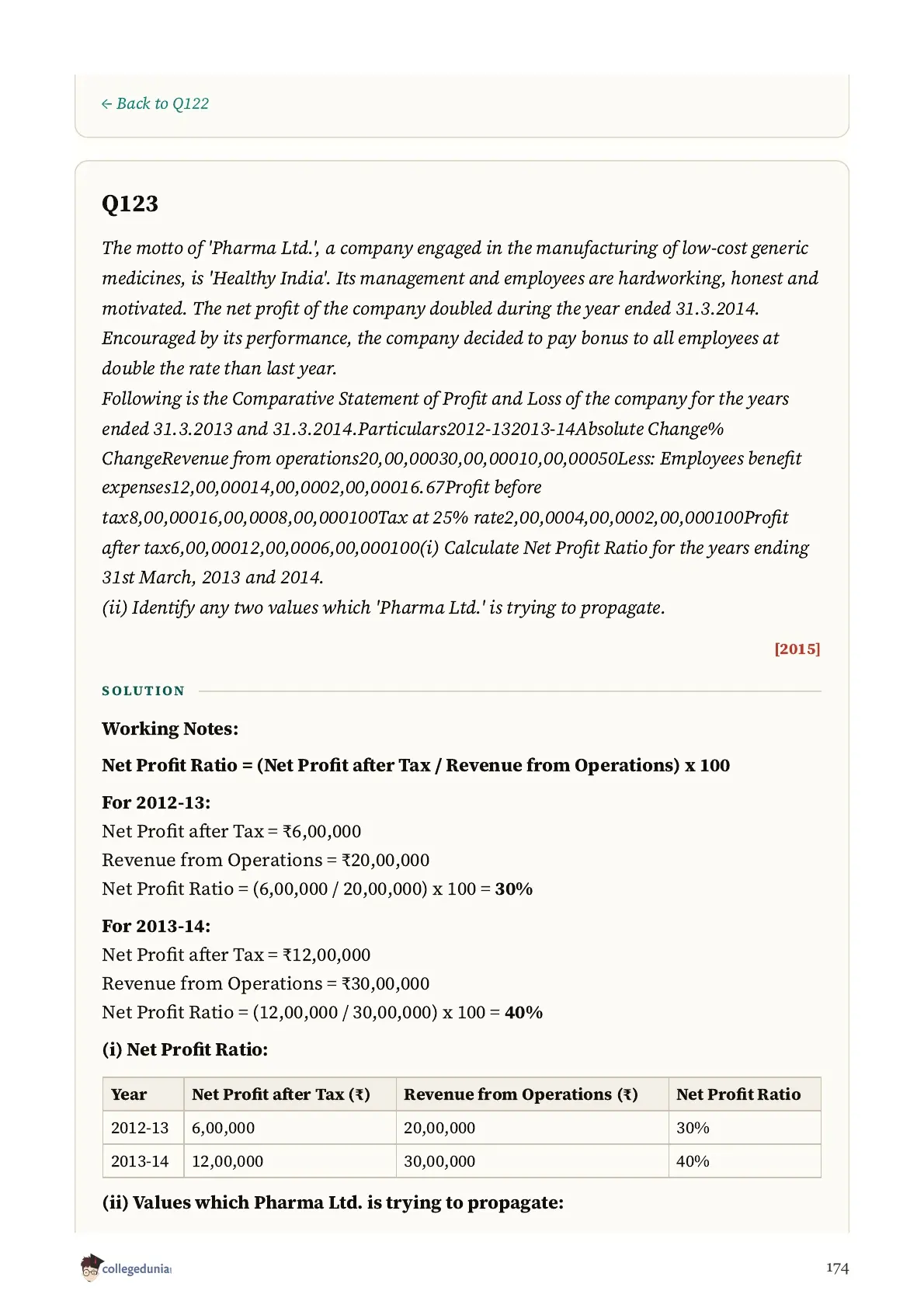
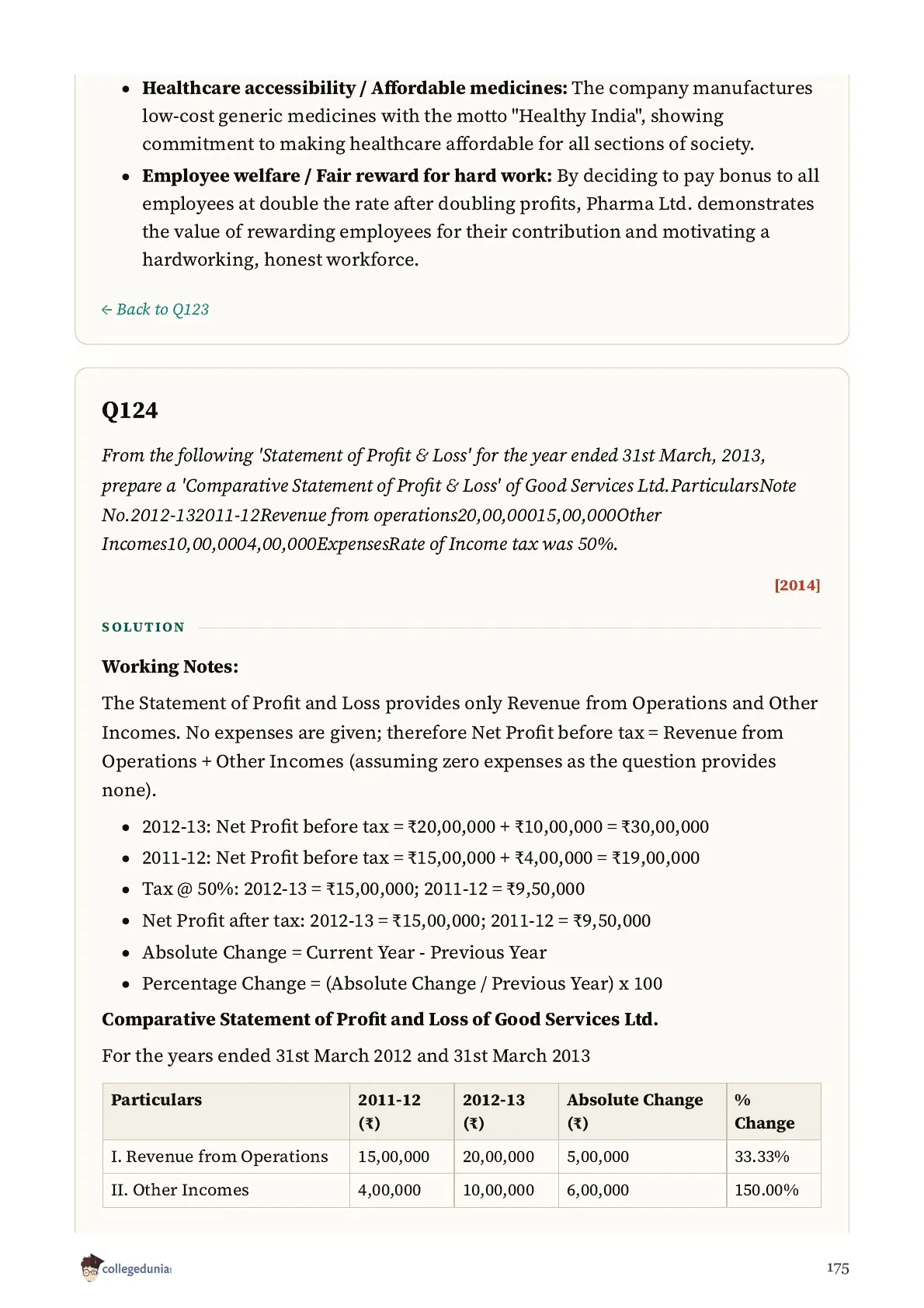
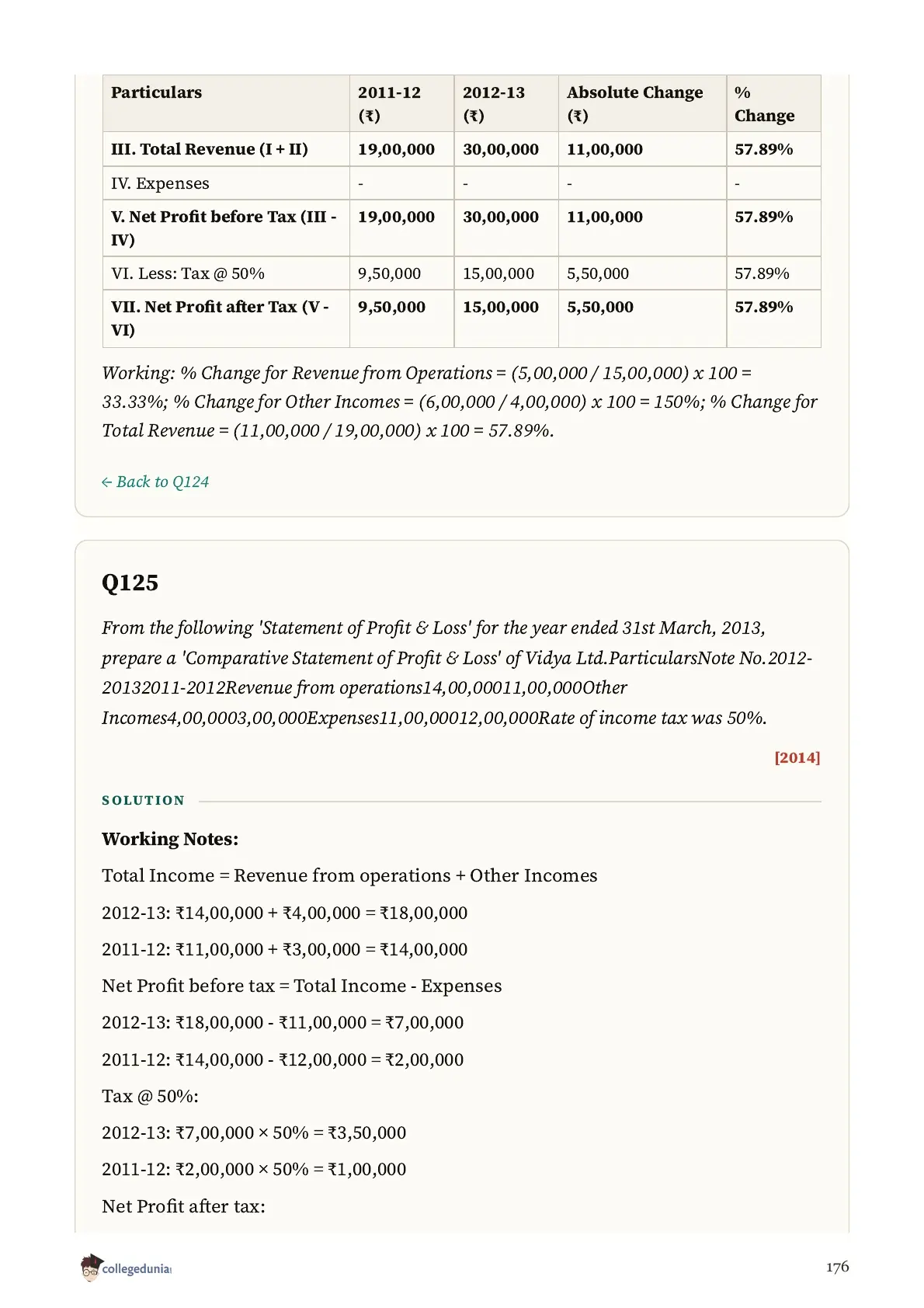
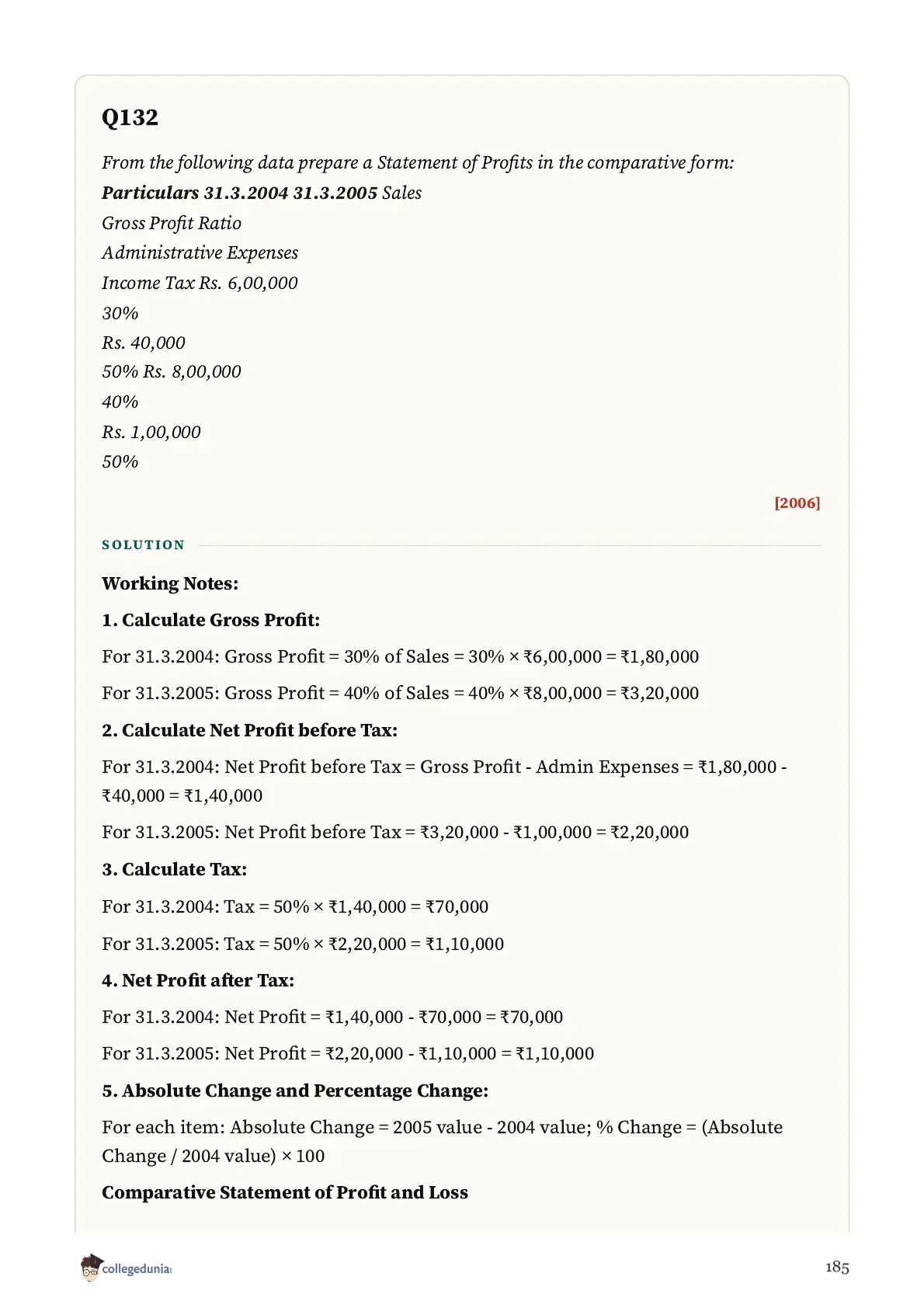
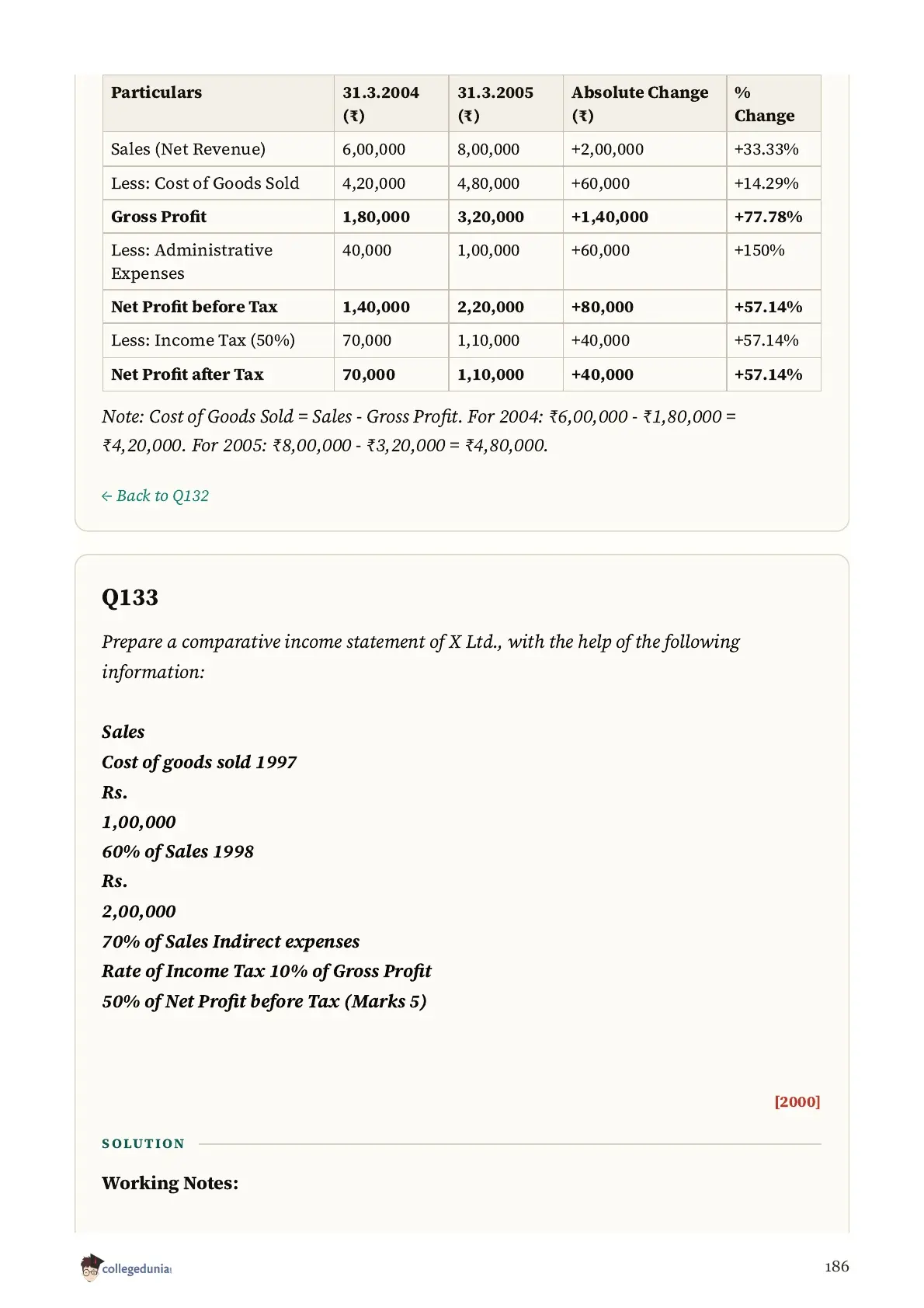
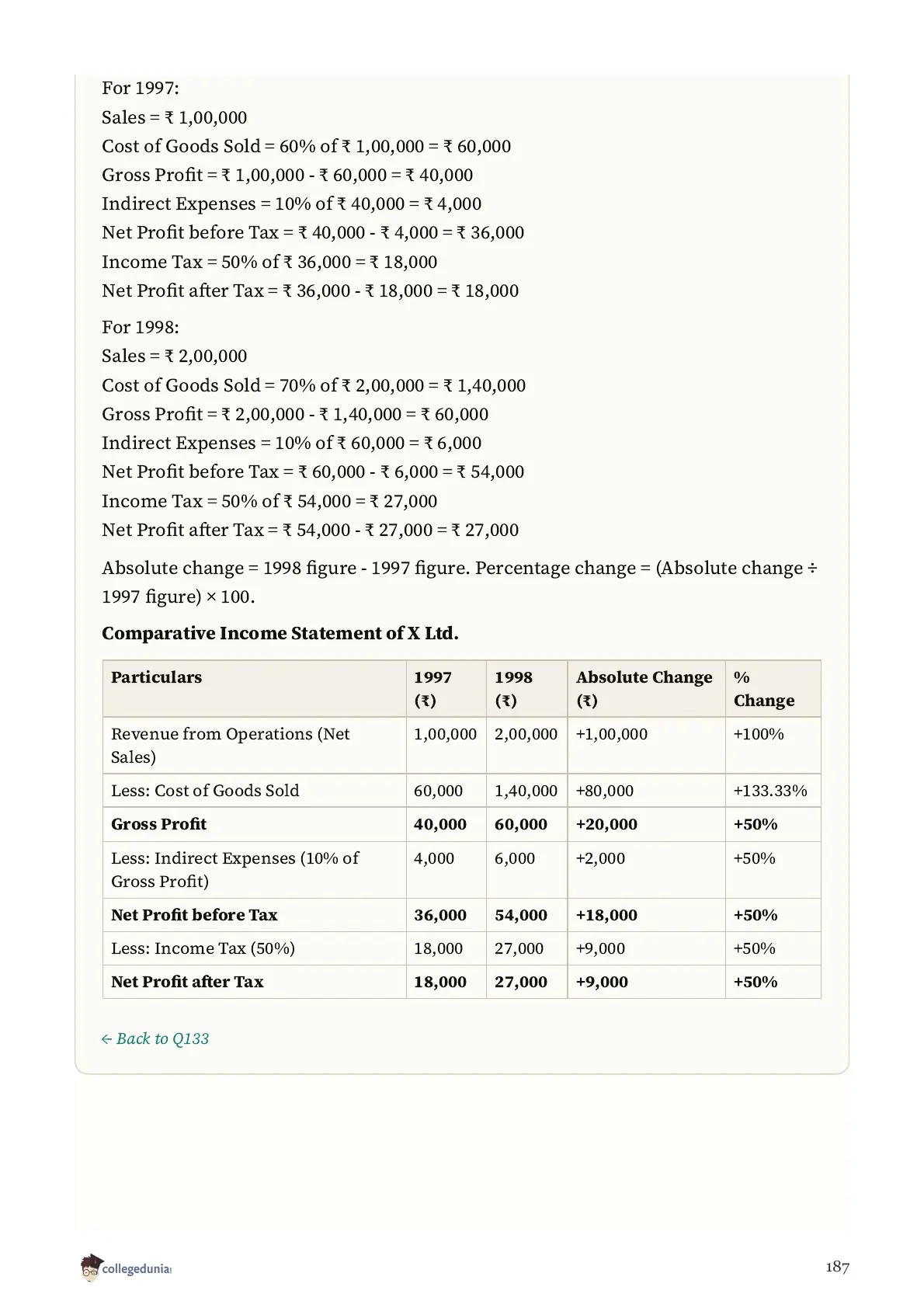
- 1-mark questions: 22 questions, mostly MCQ on the meaning of analysis, tools and the parties interested in it.
- 3-mark questions: 42 questions, the second-largest band, on tools, limitations and short comparative-statement work.
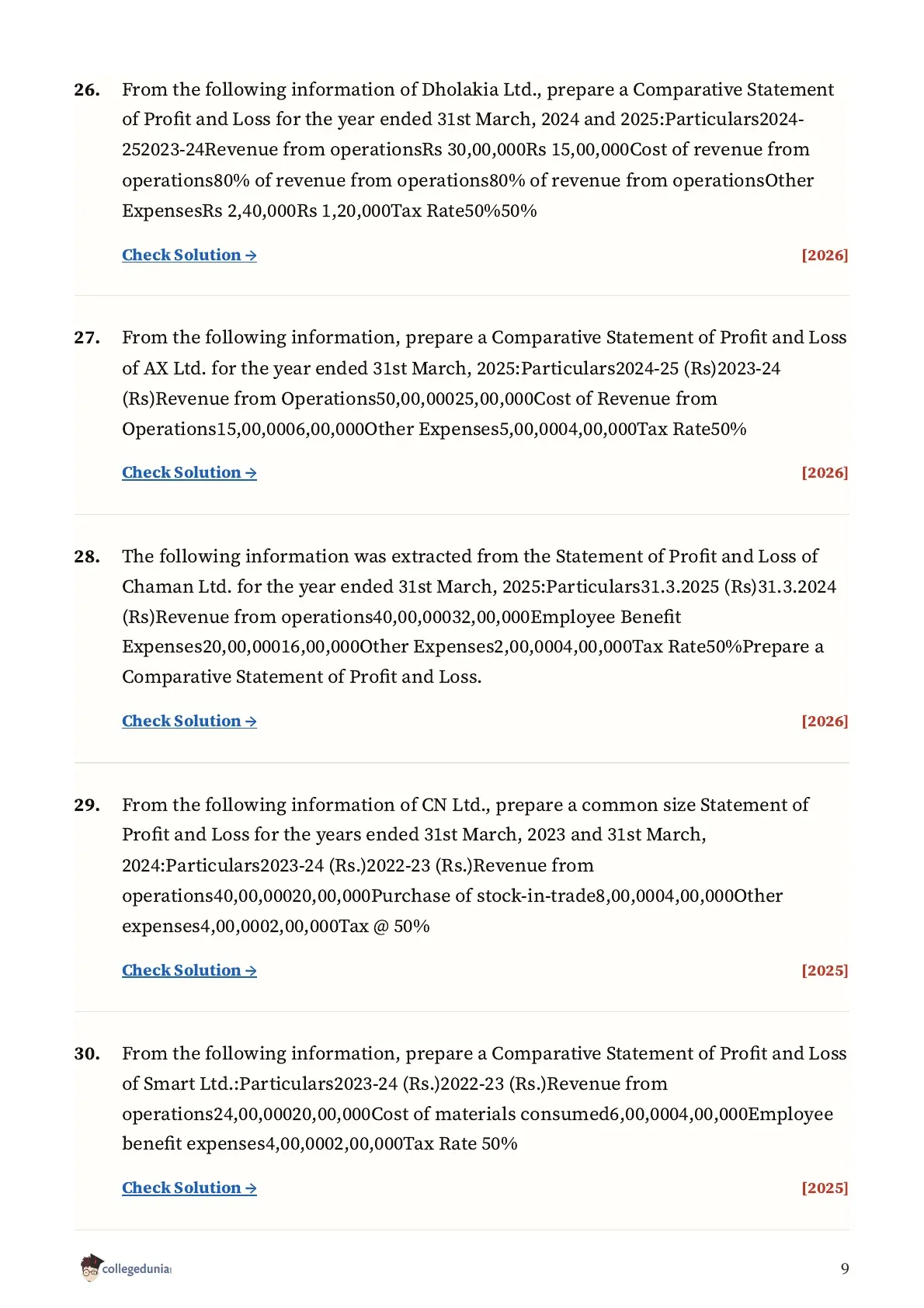
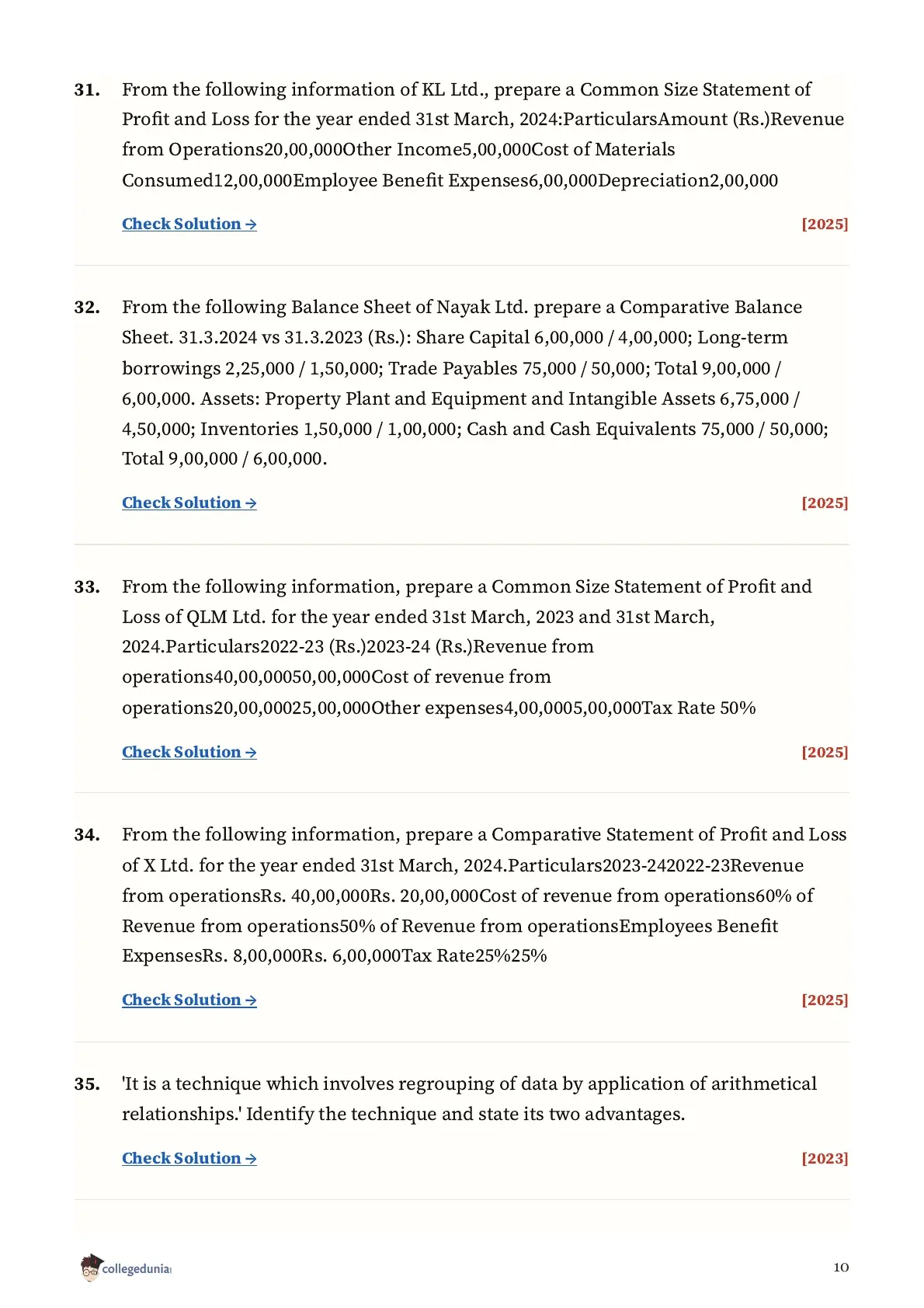
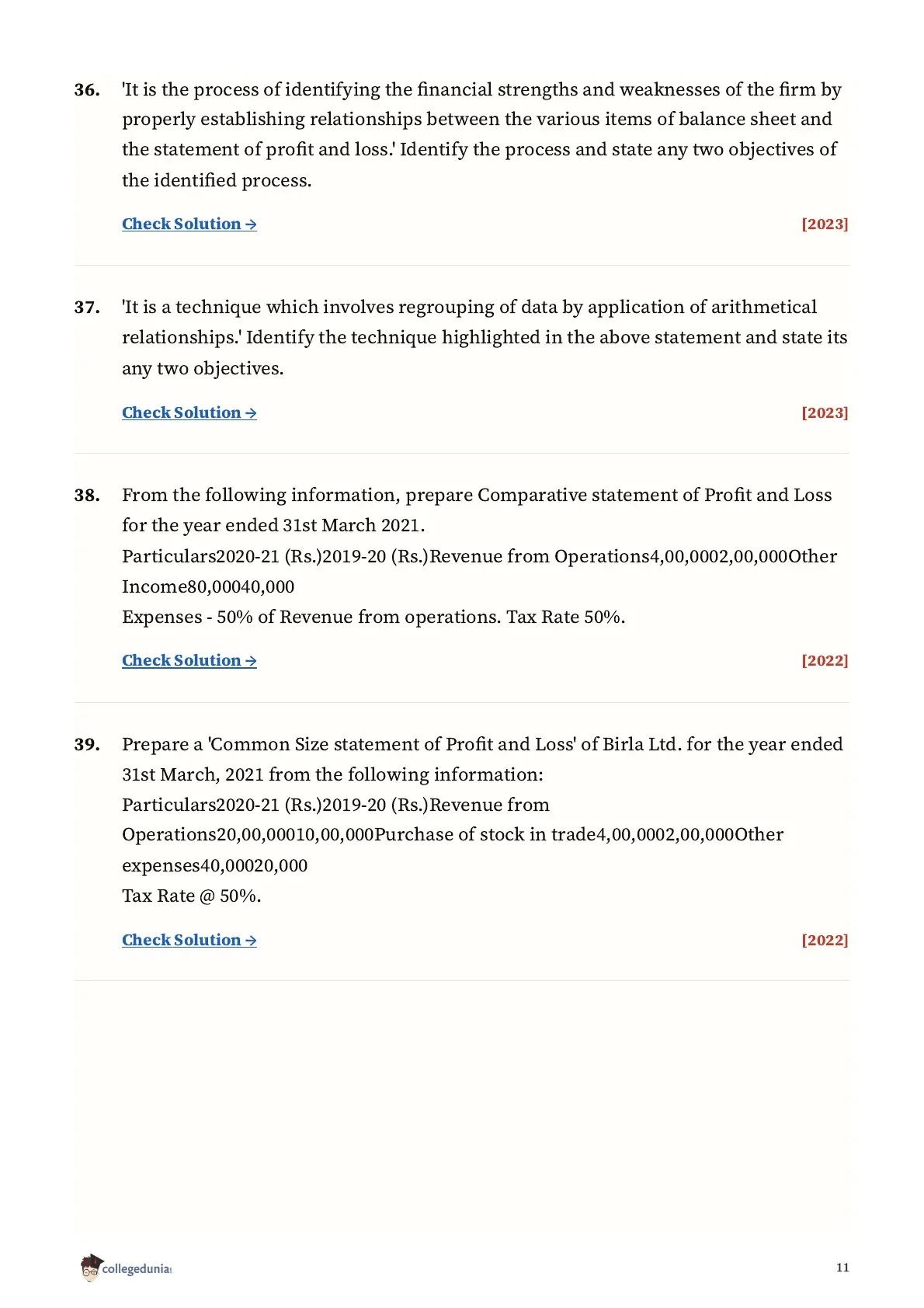
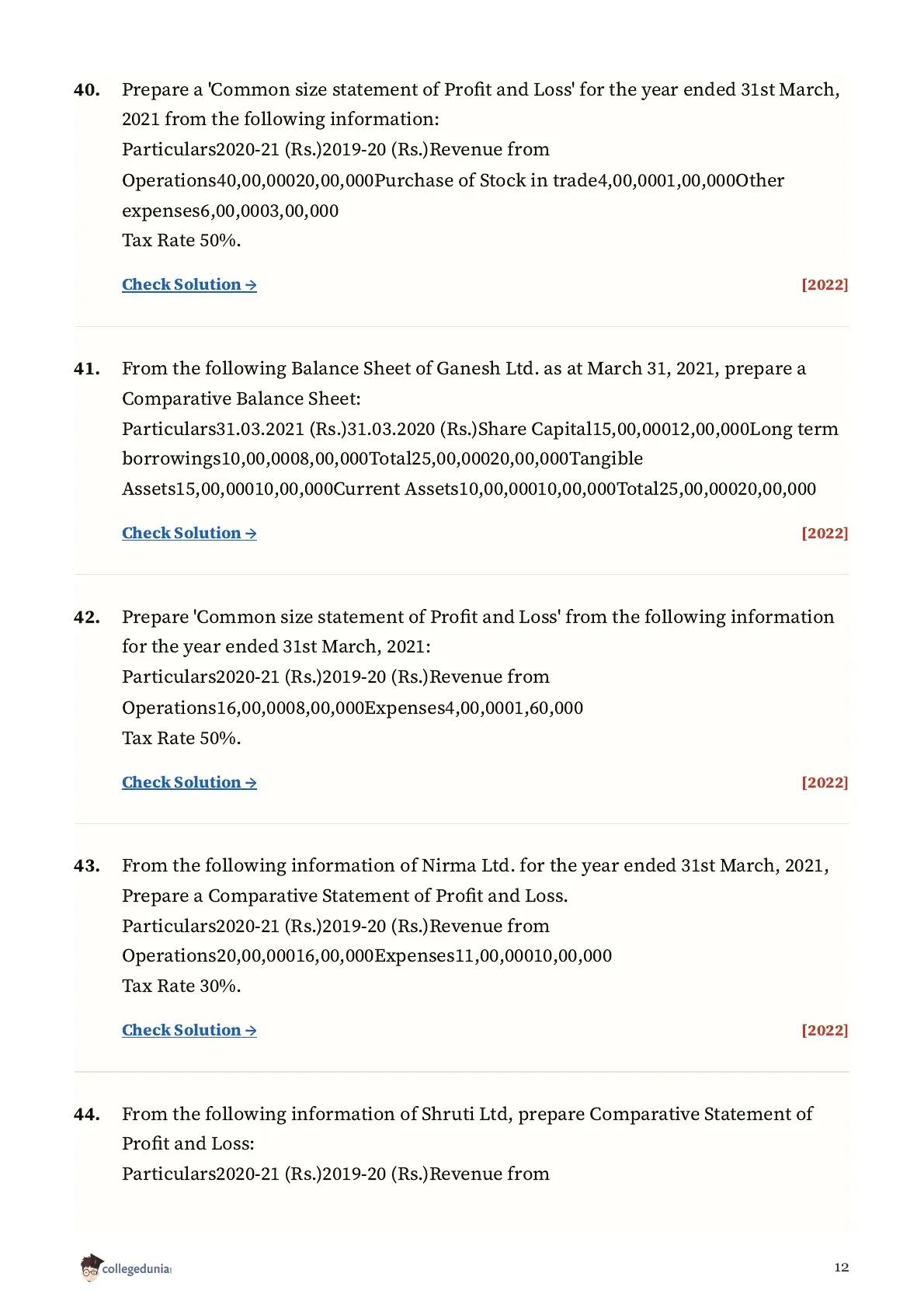
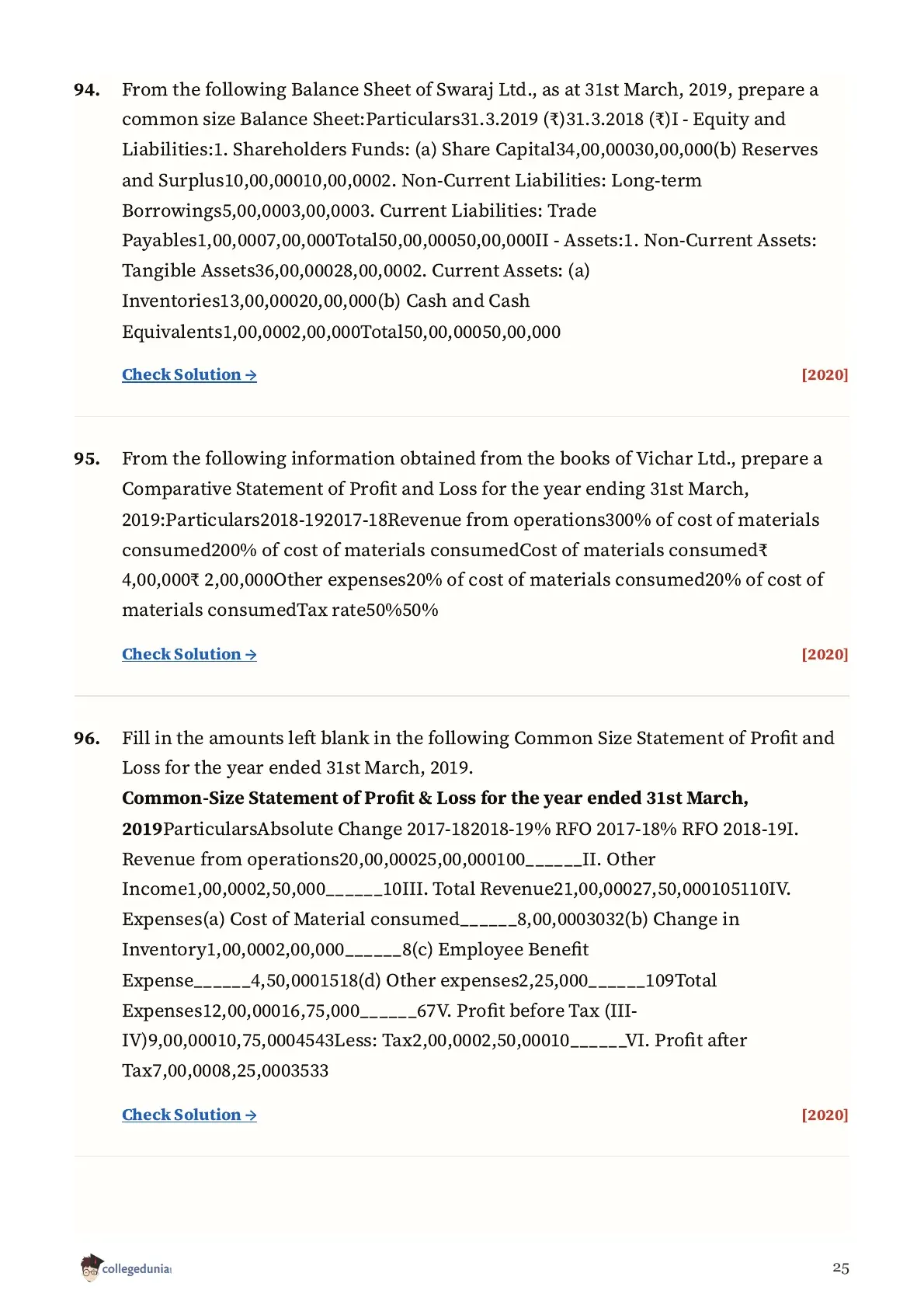
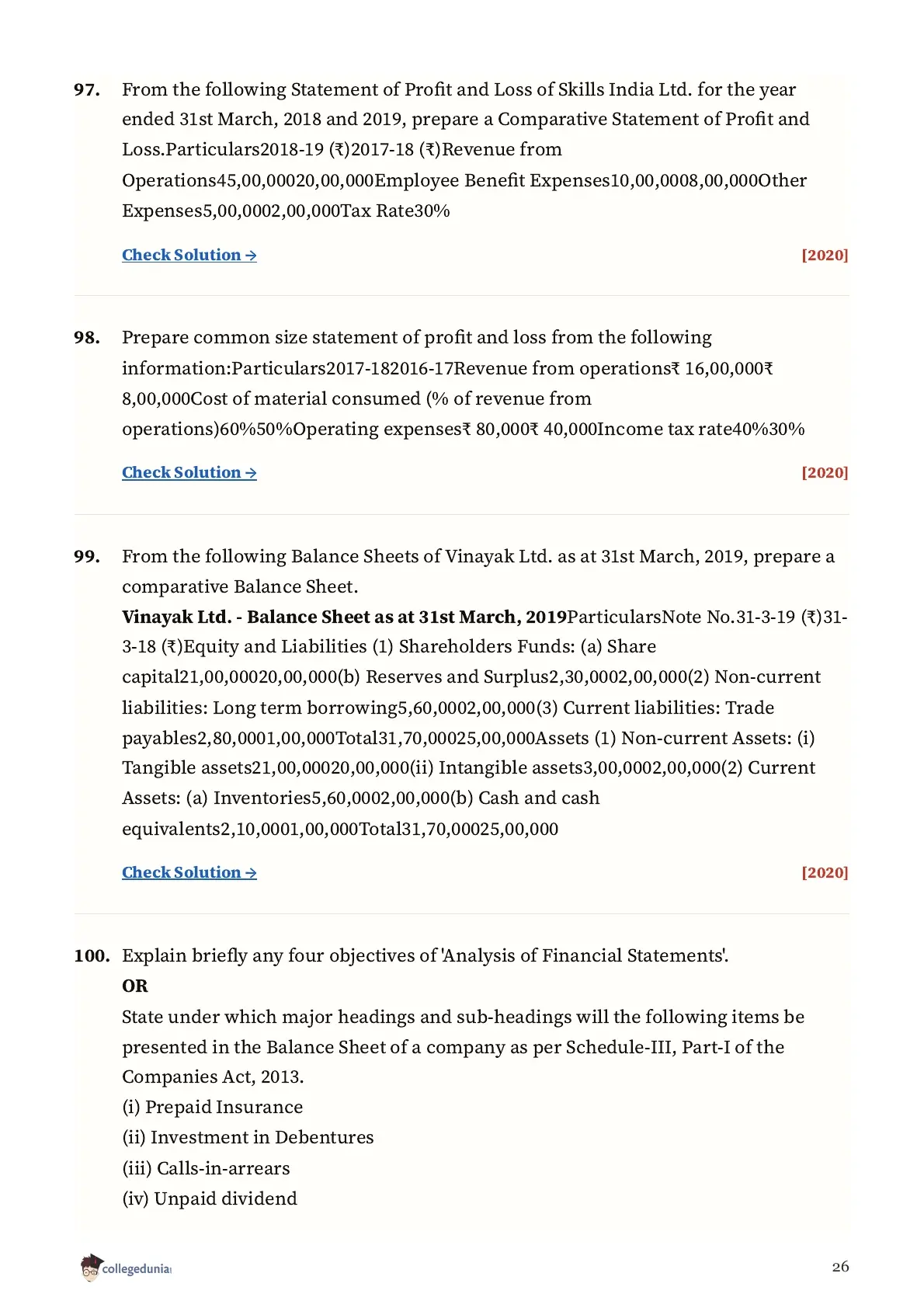
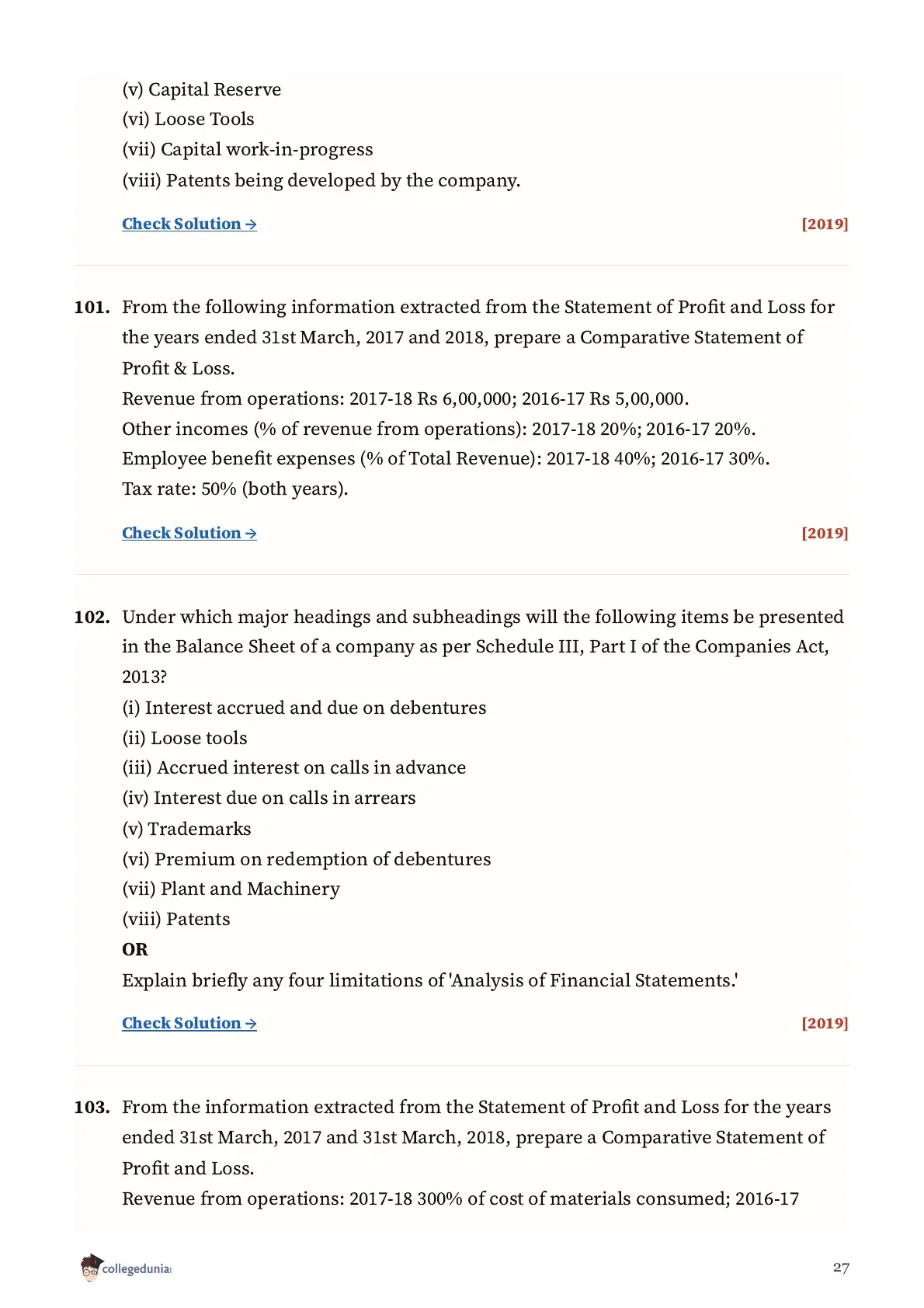
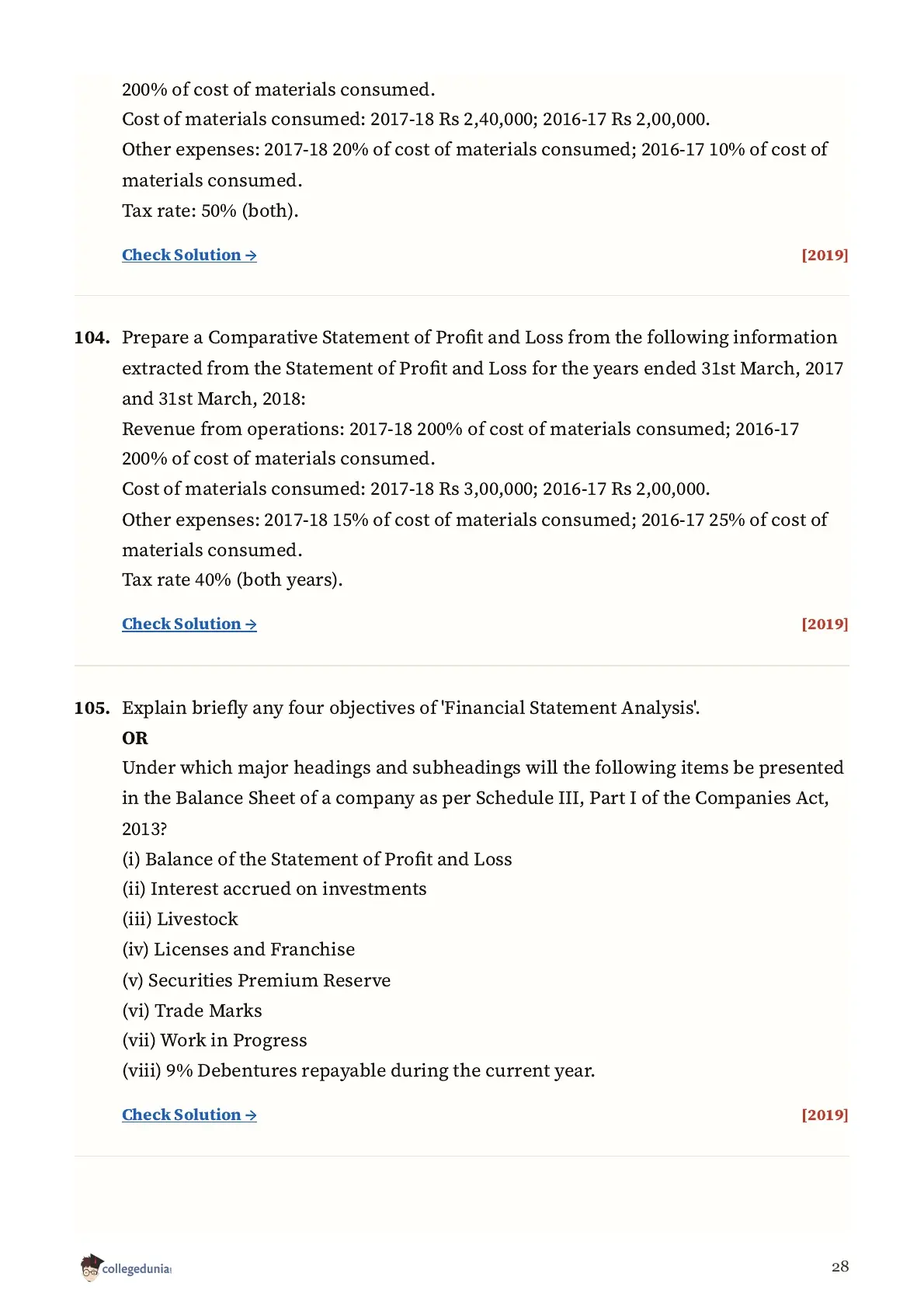
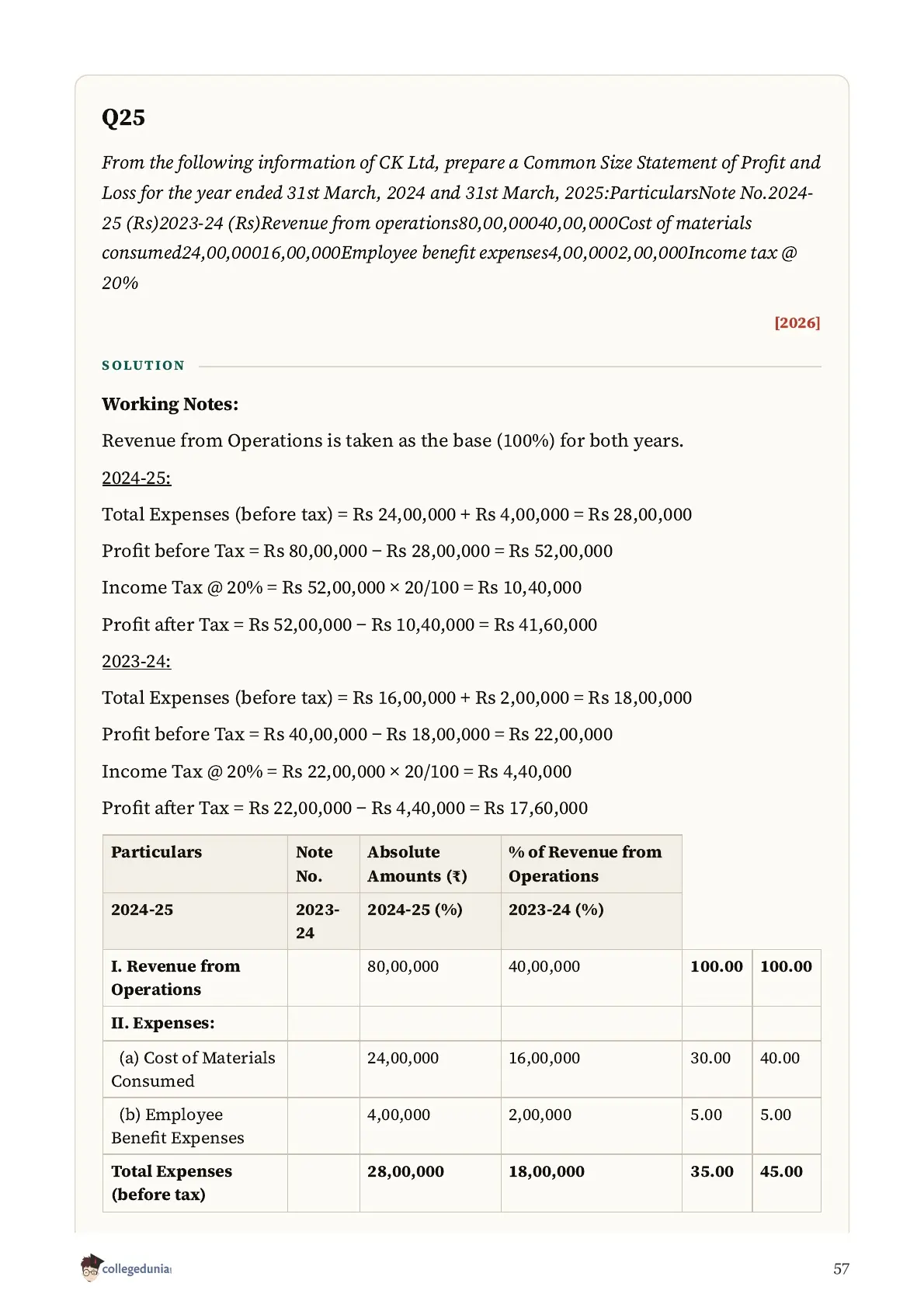
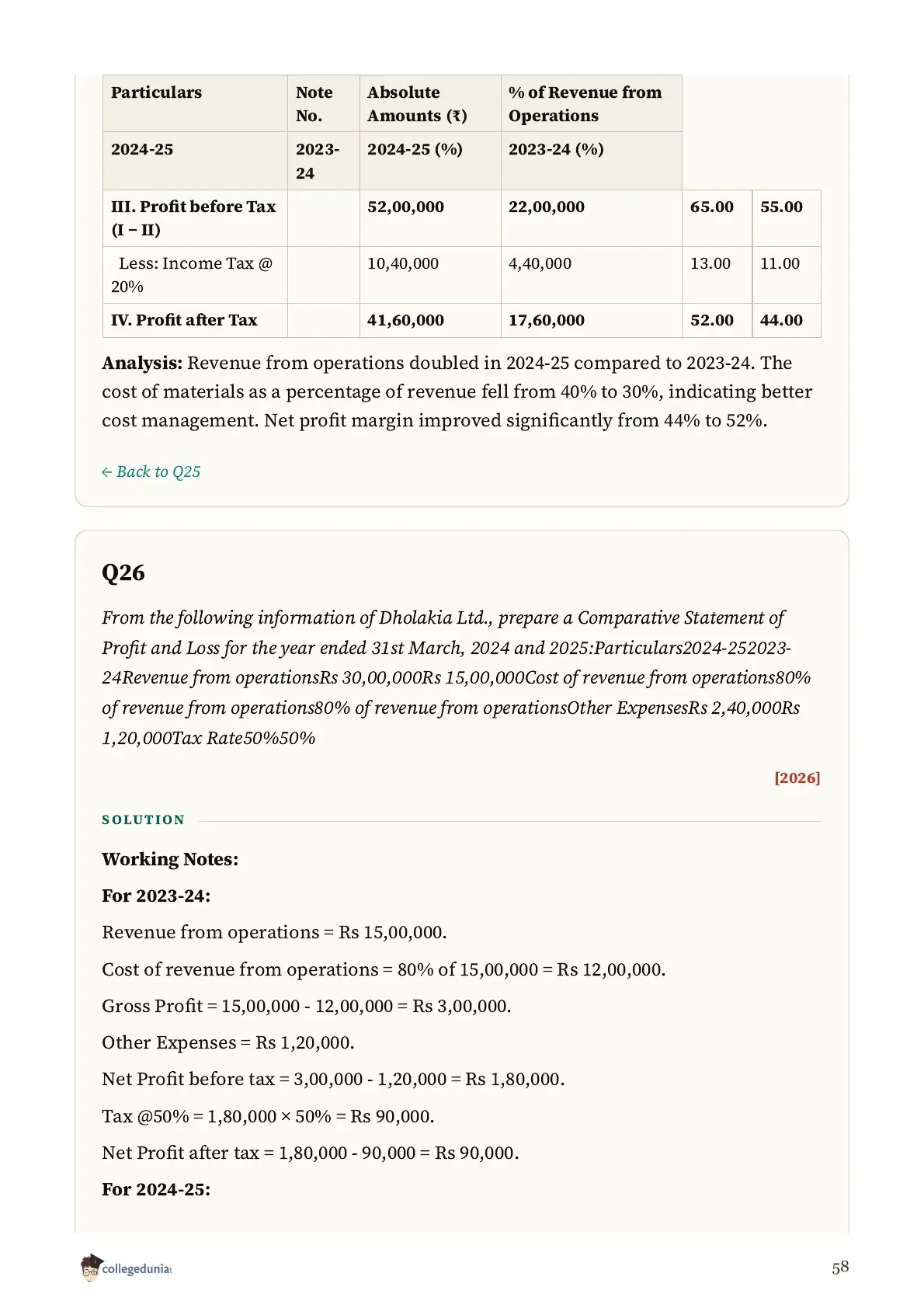
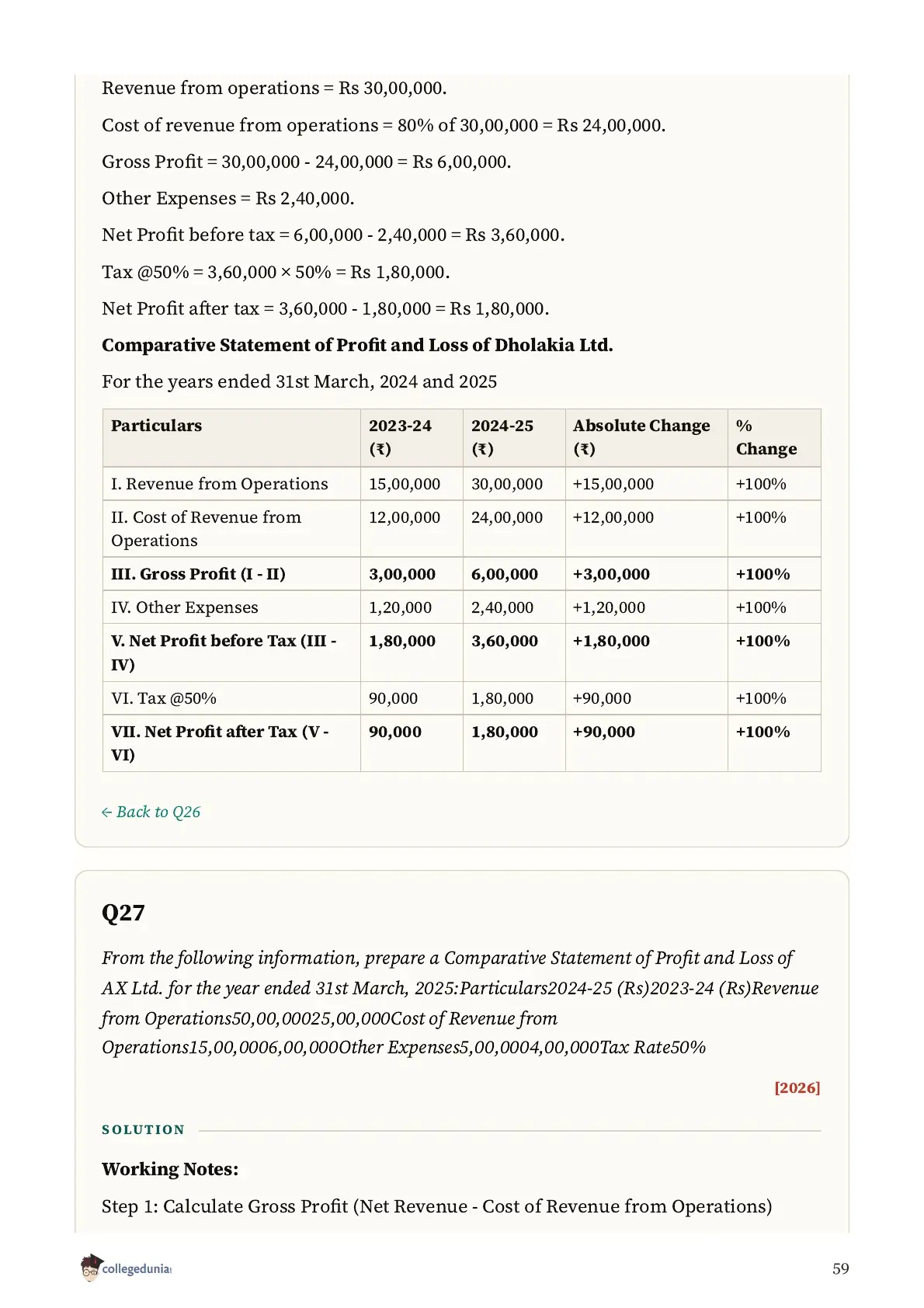
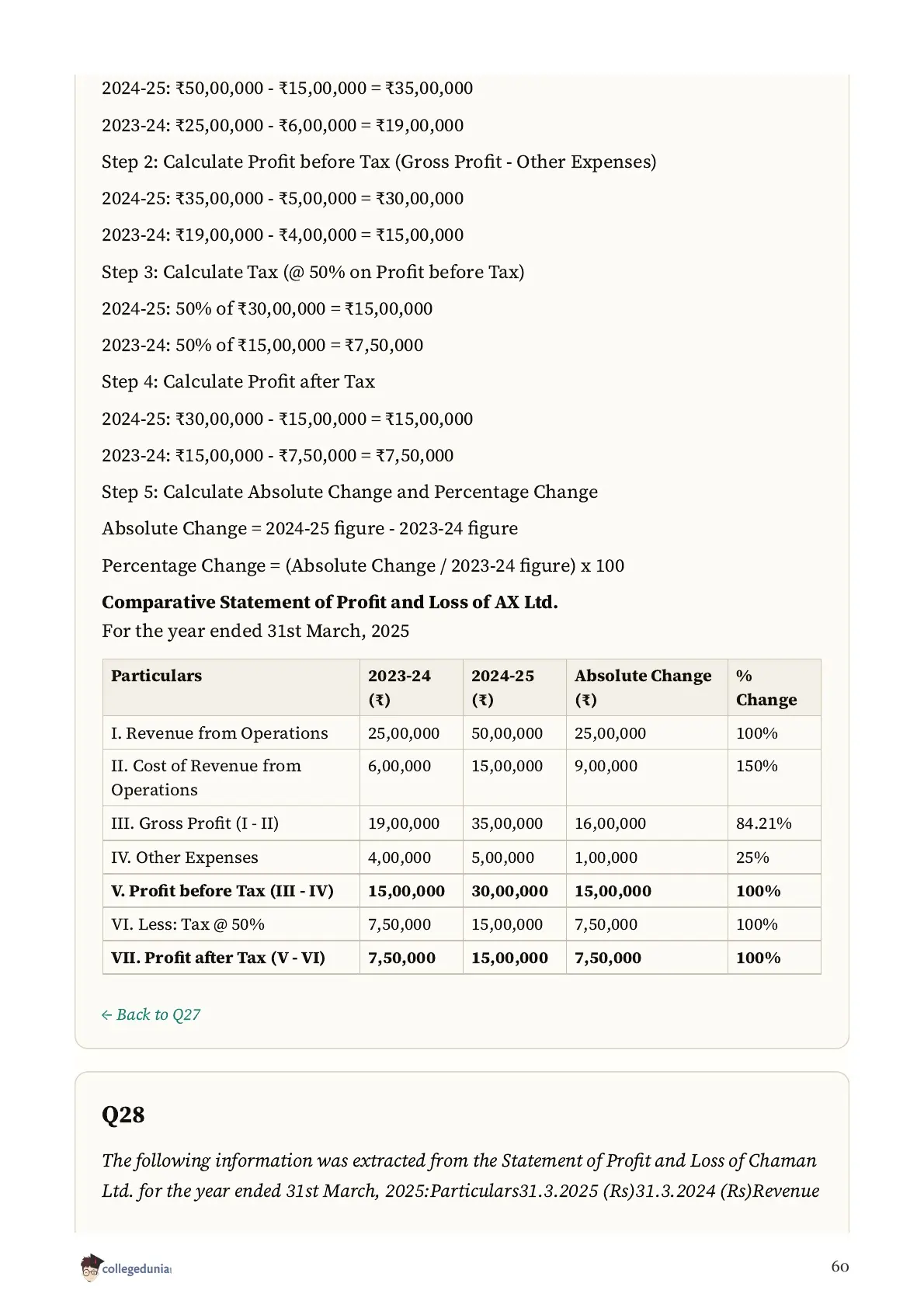
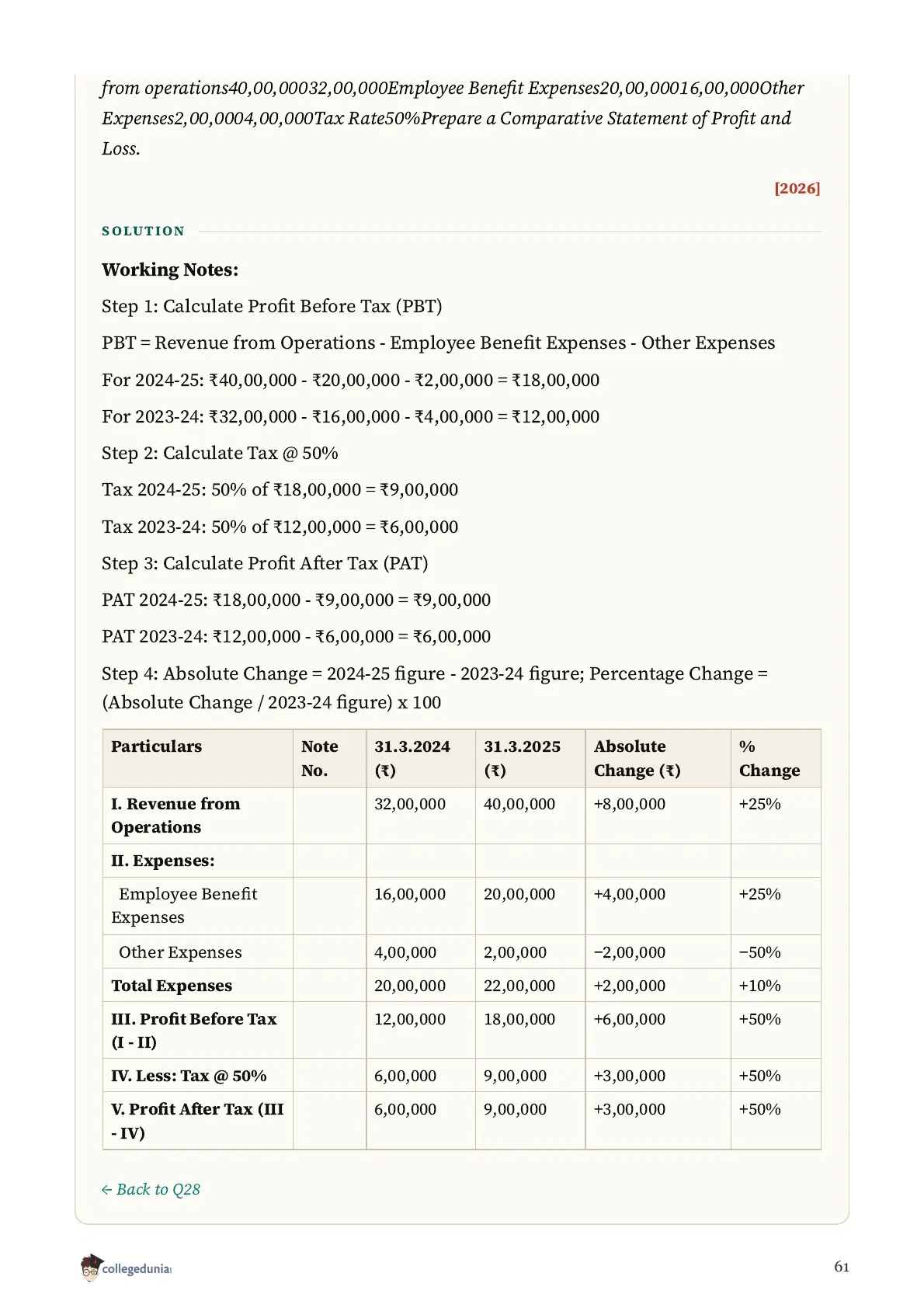
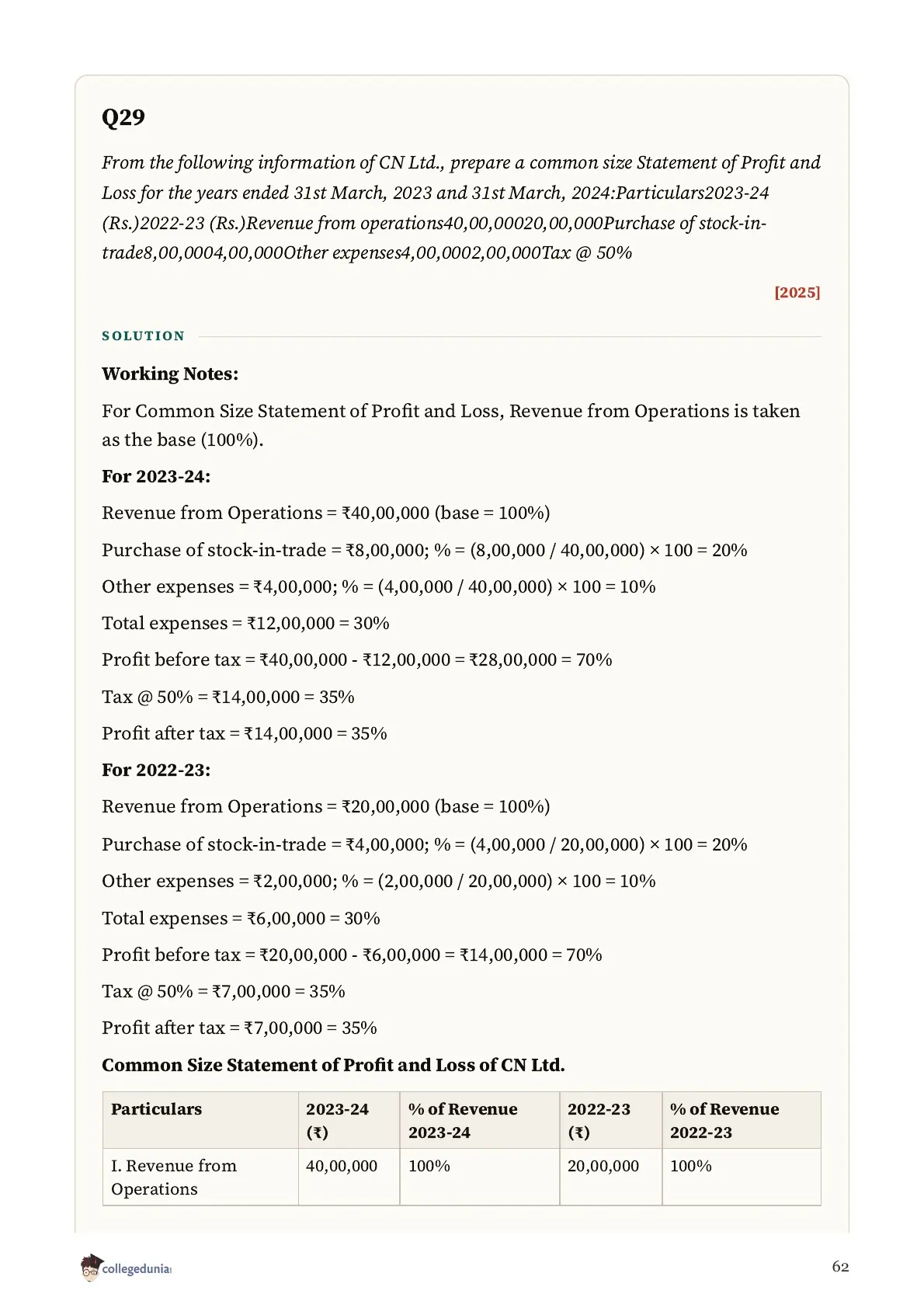
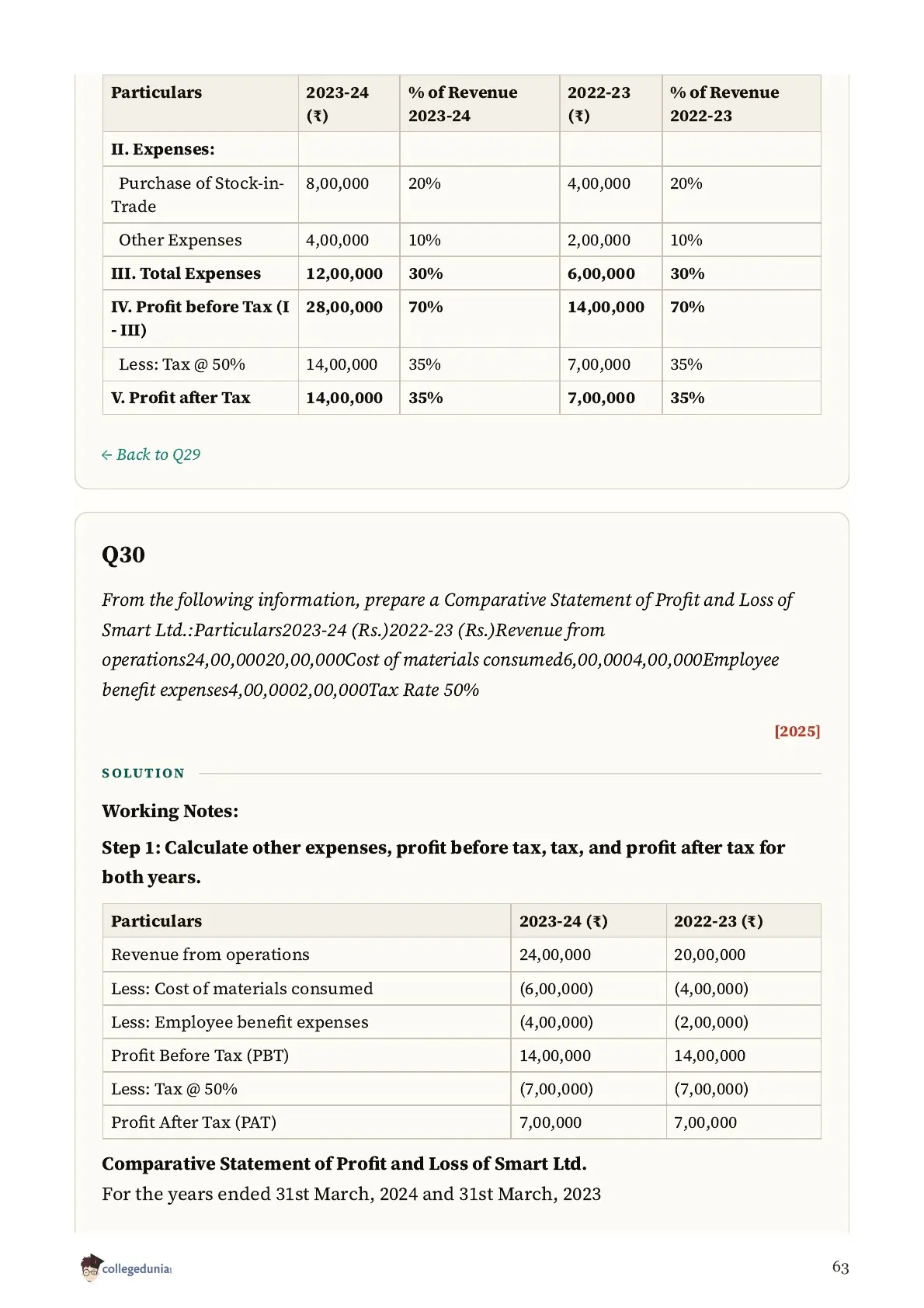
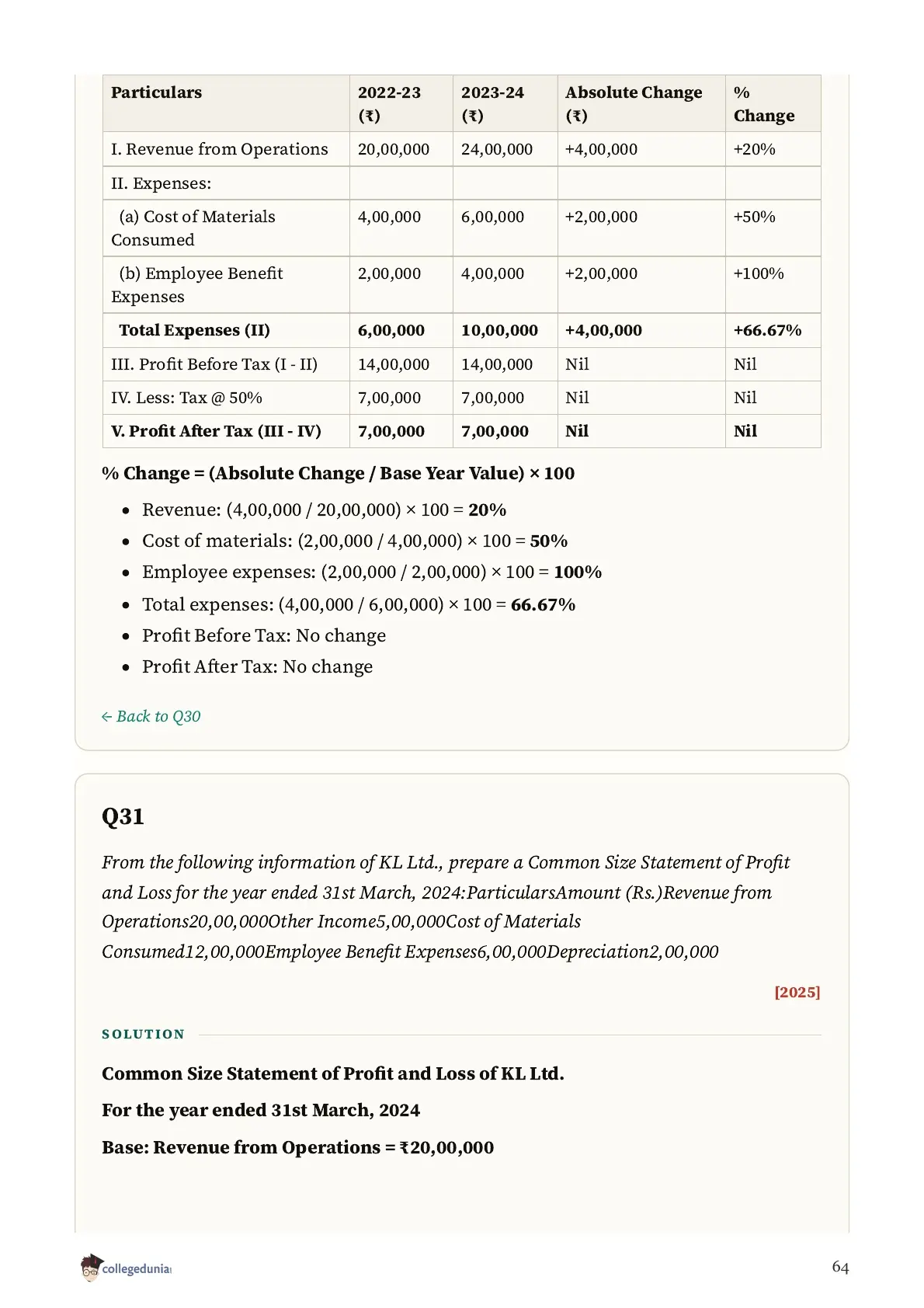
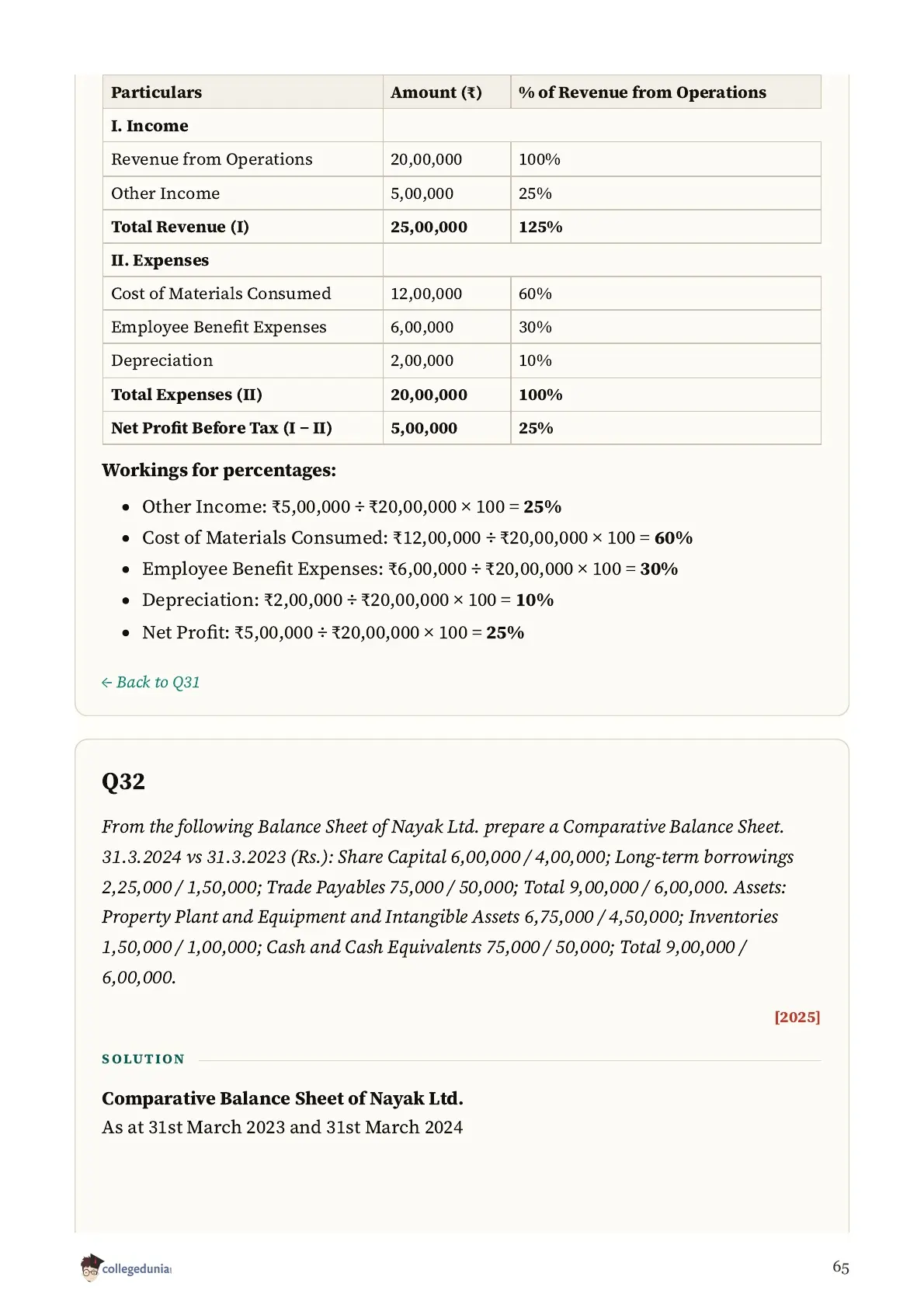
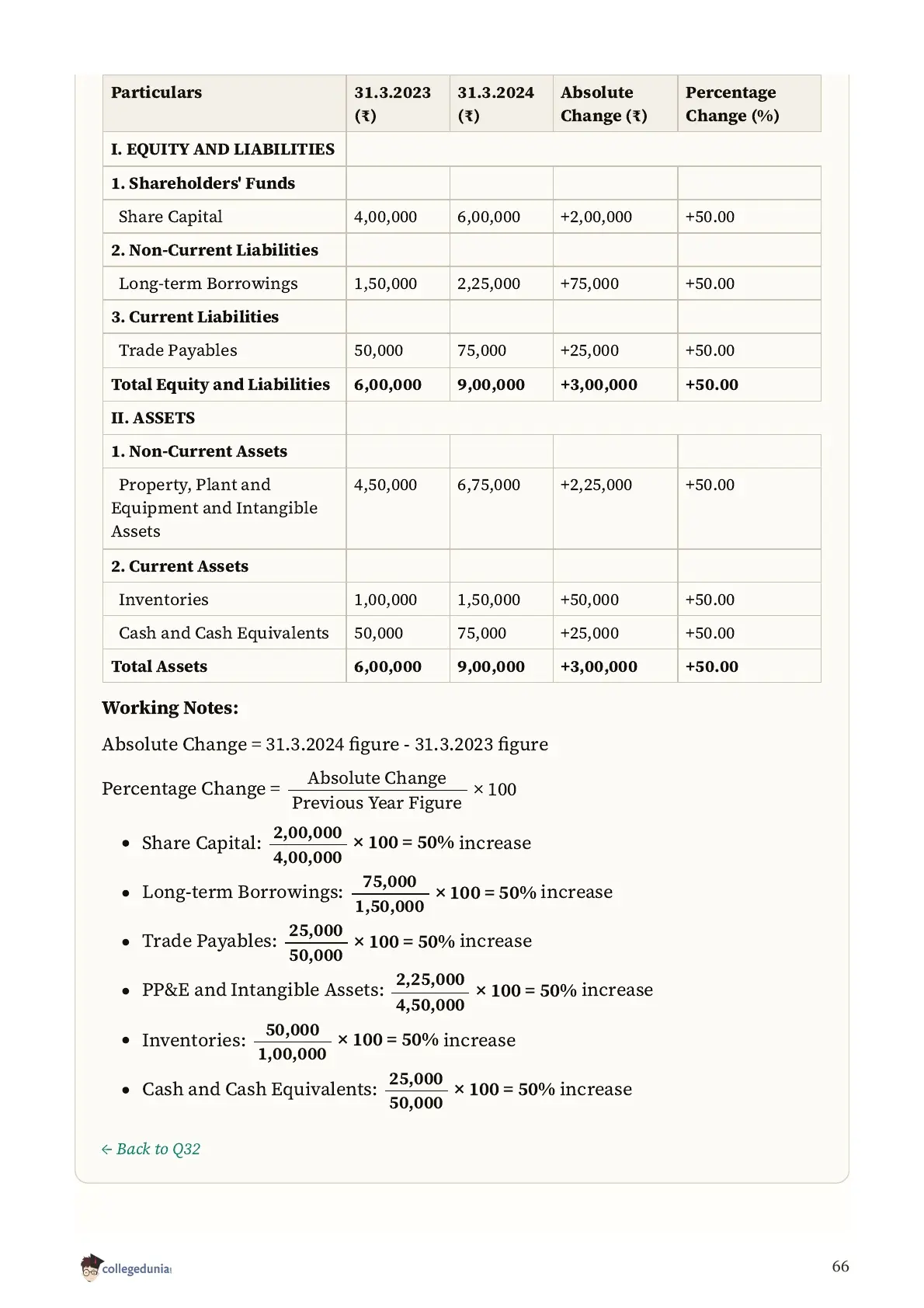
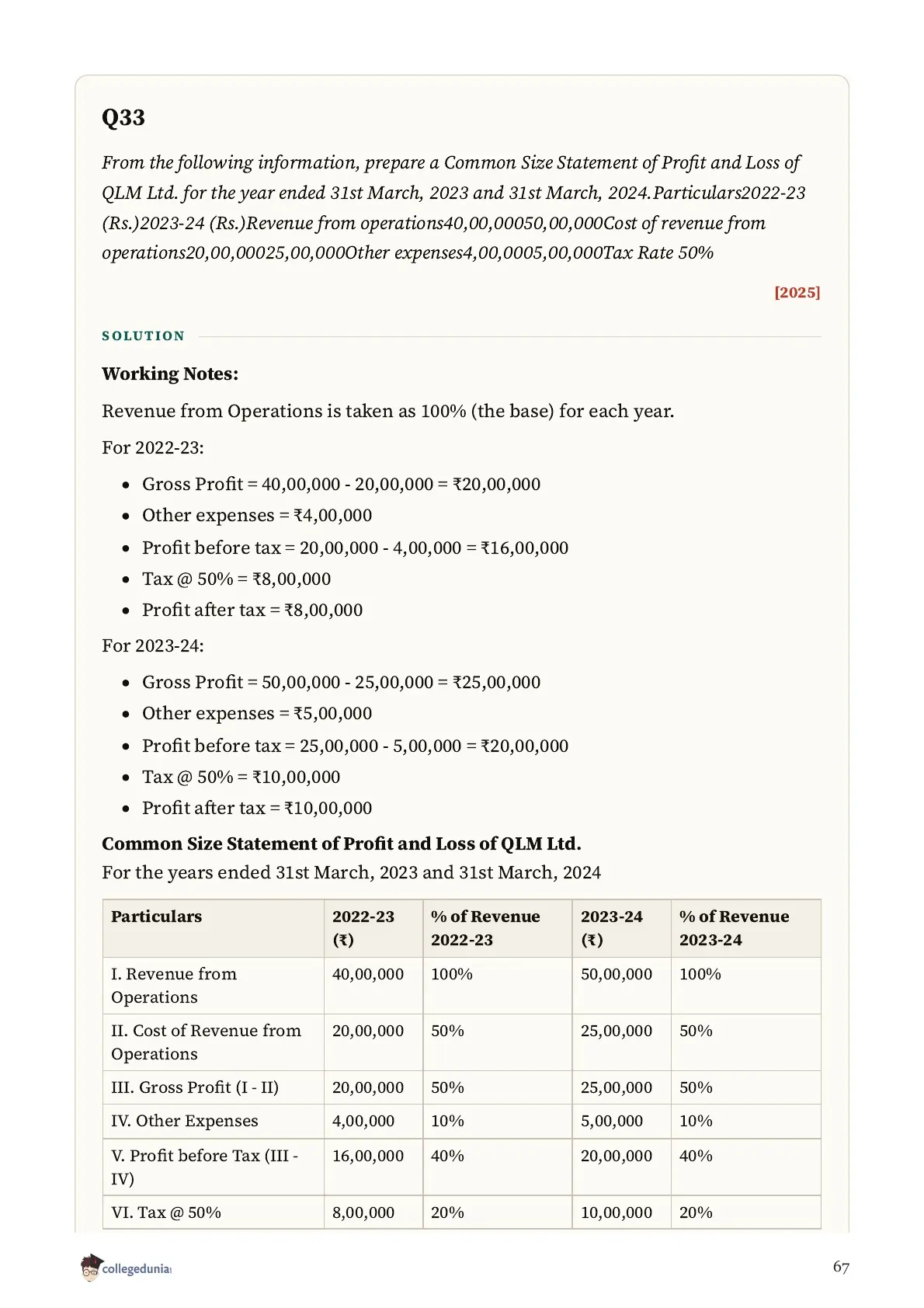
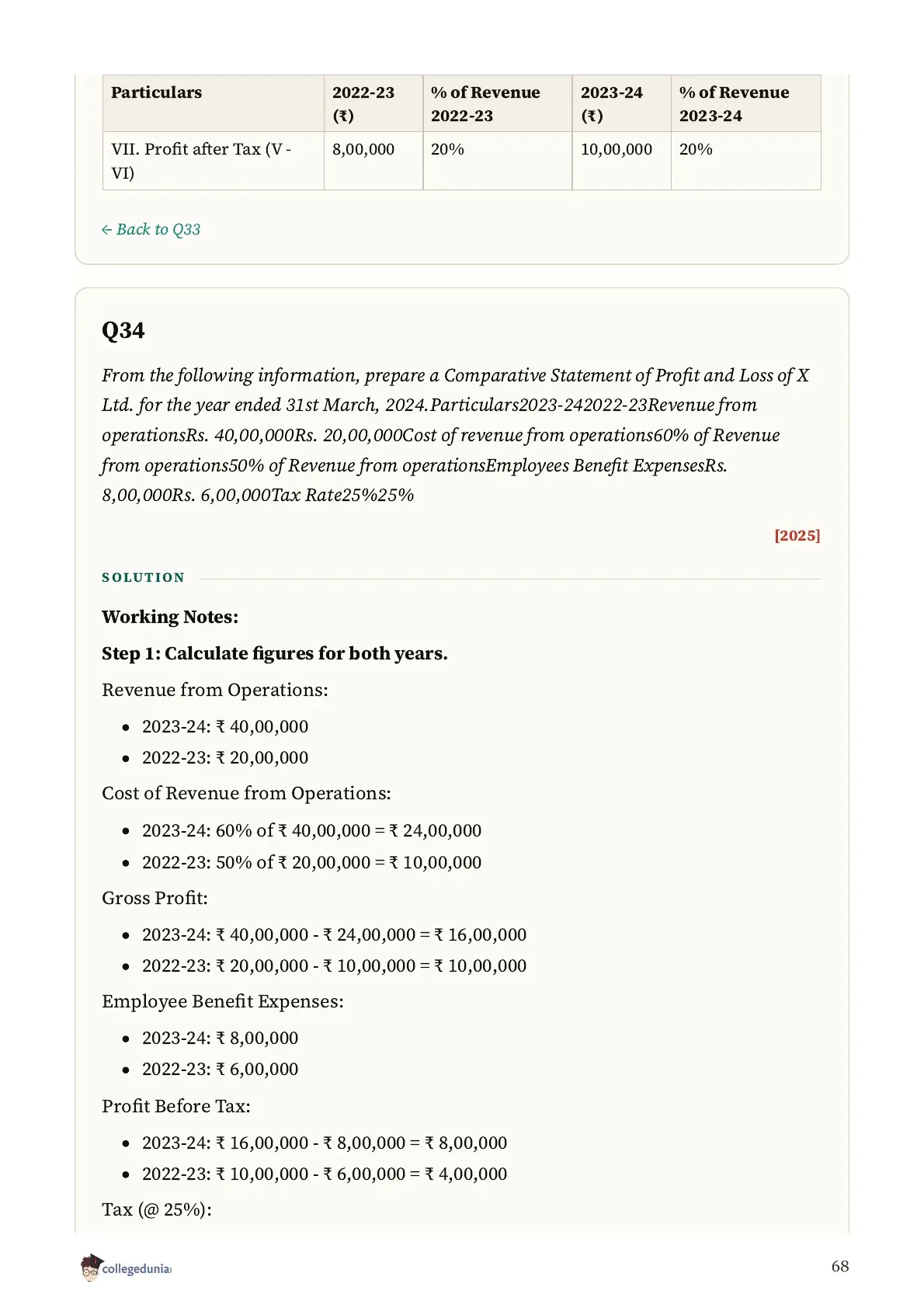
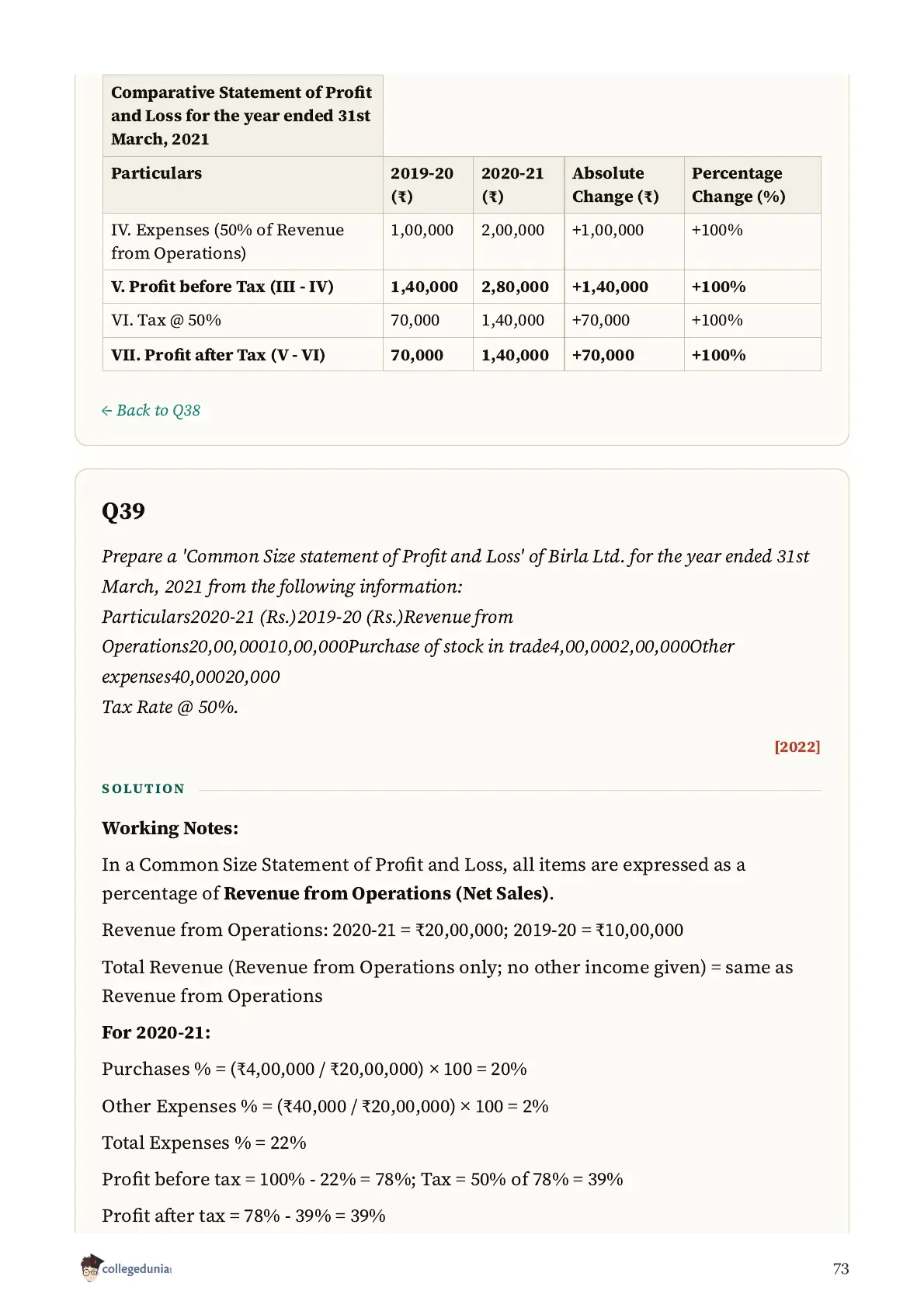
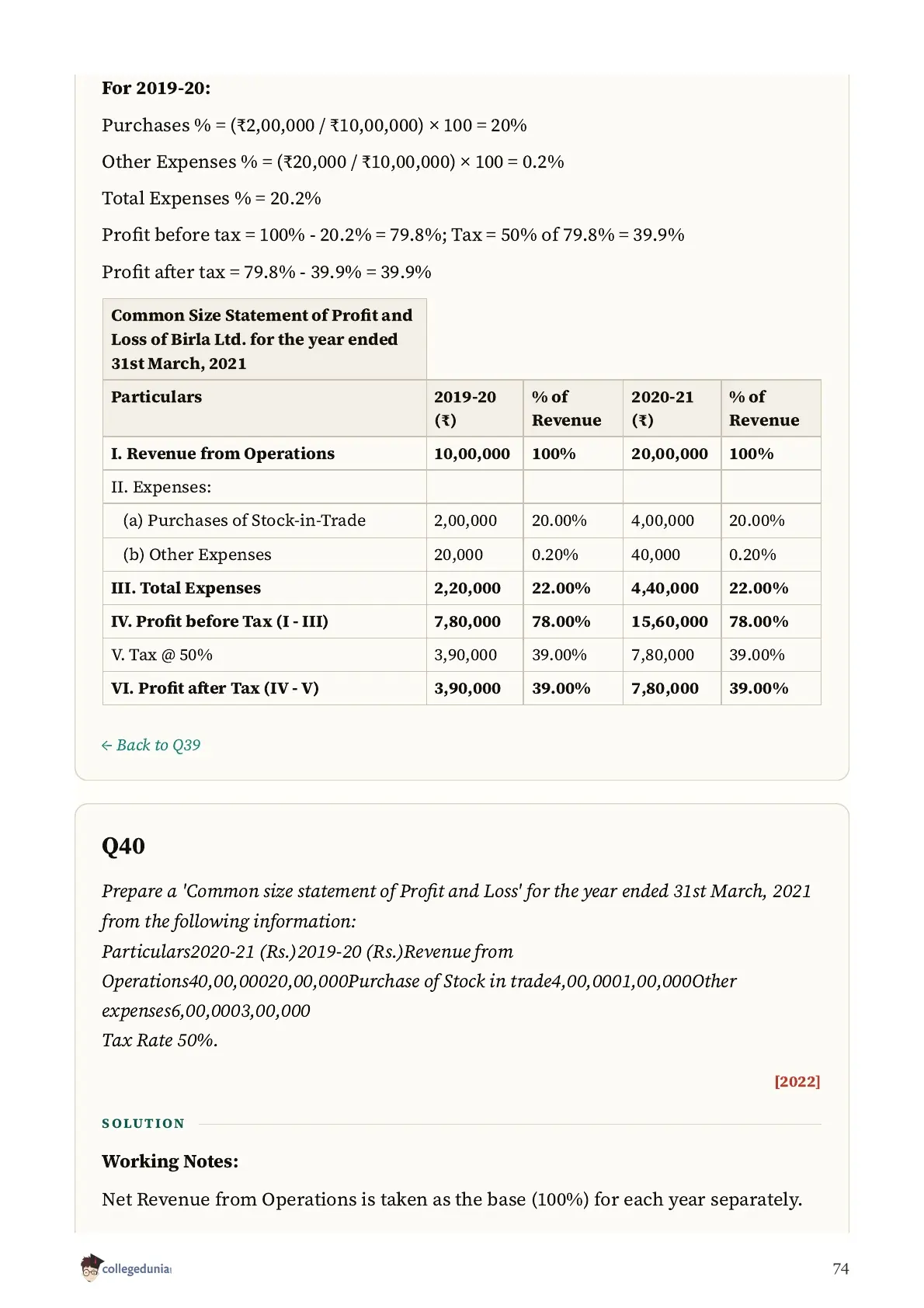
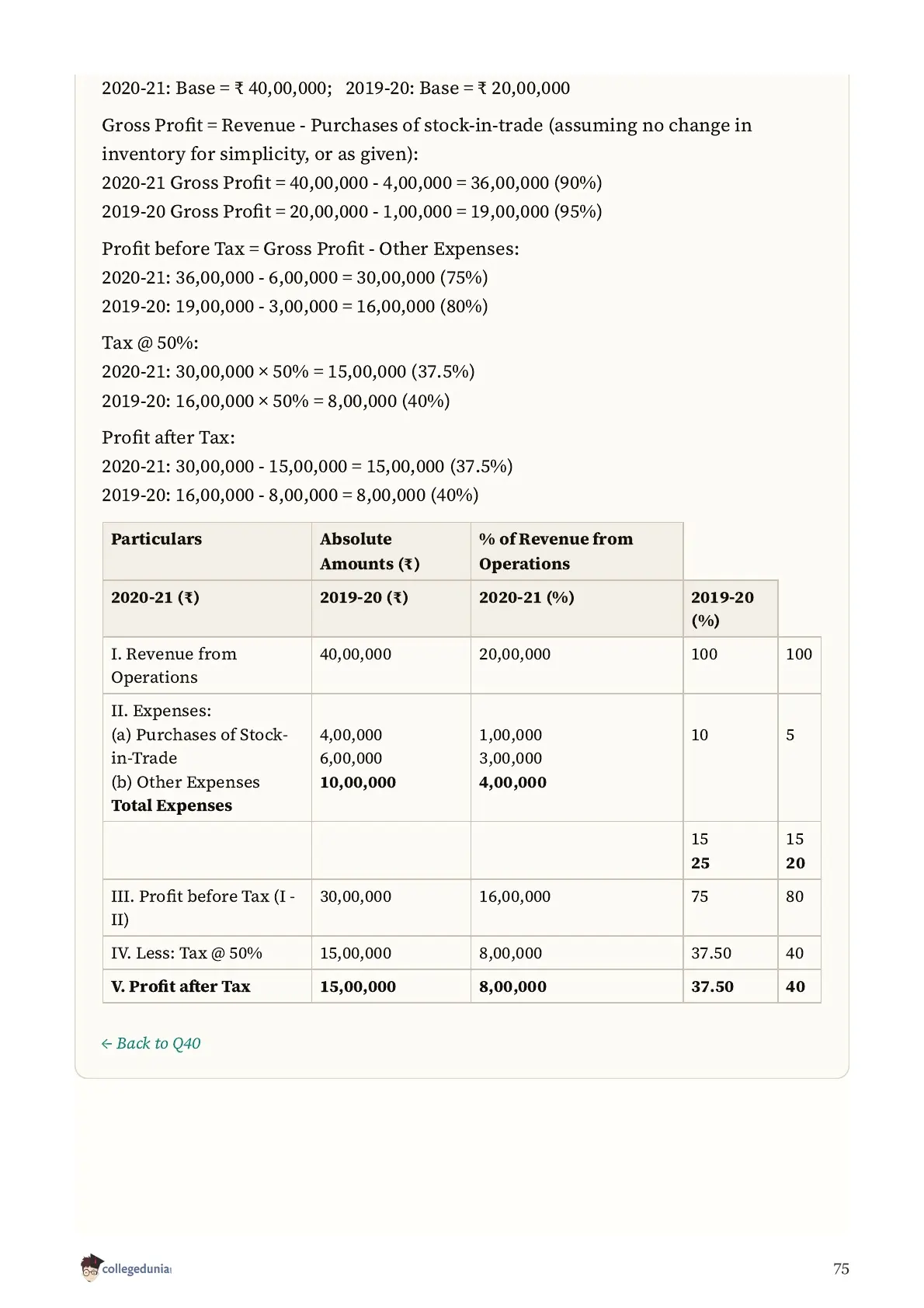
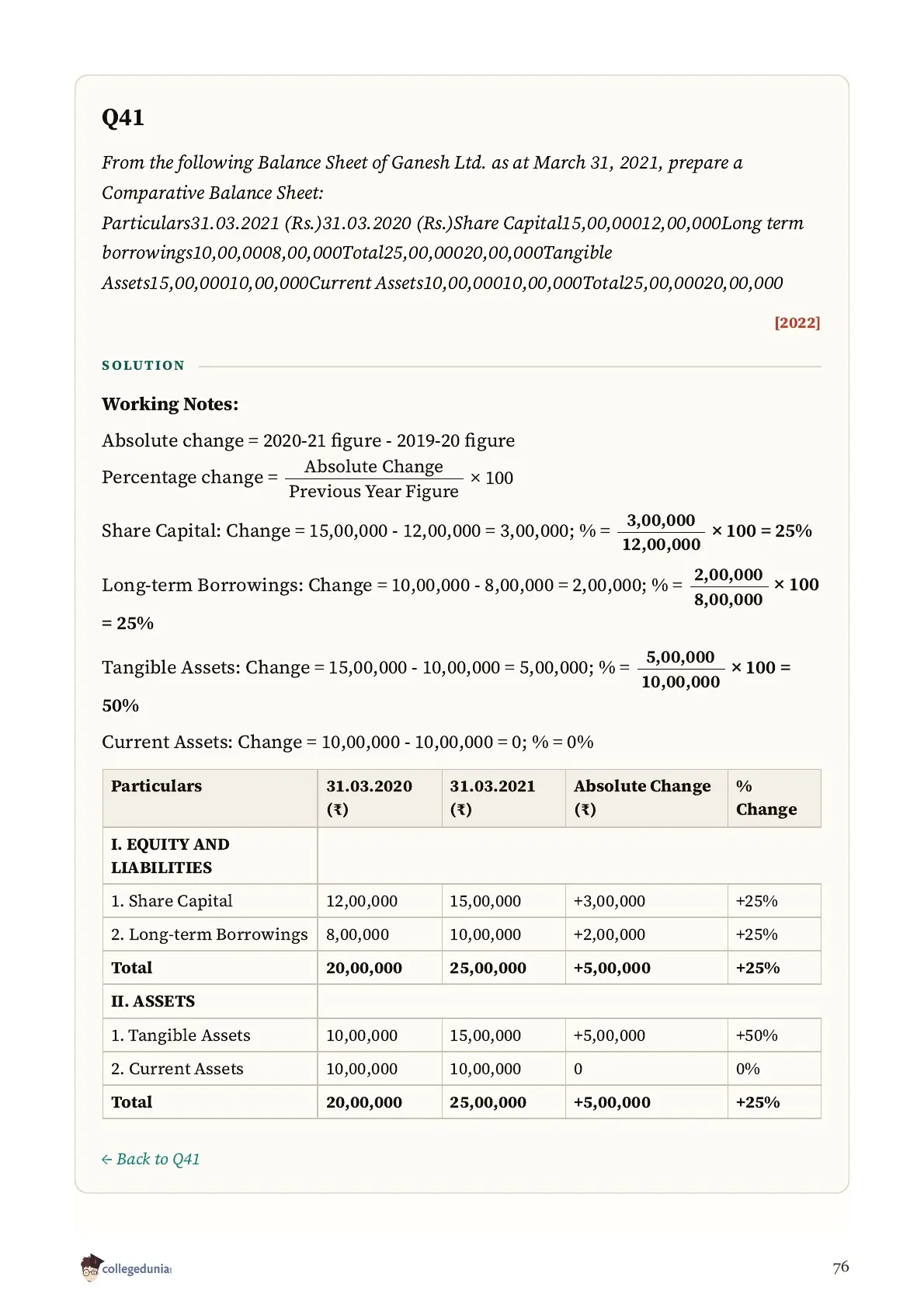
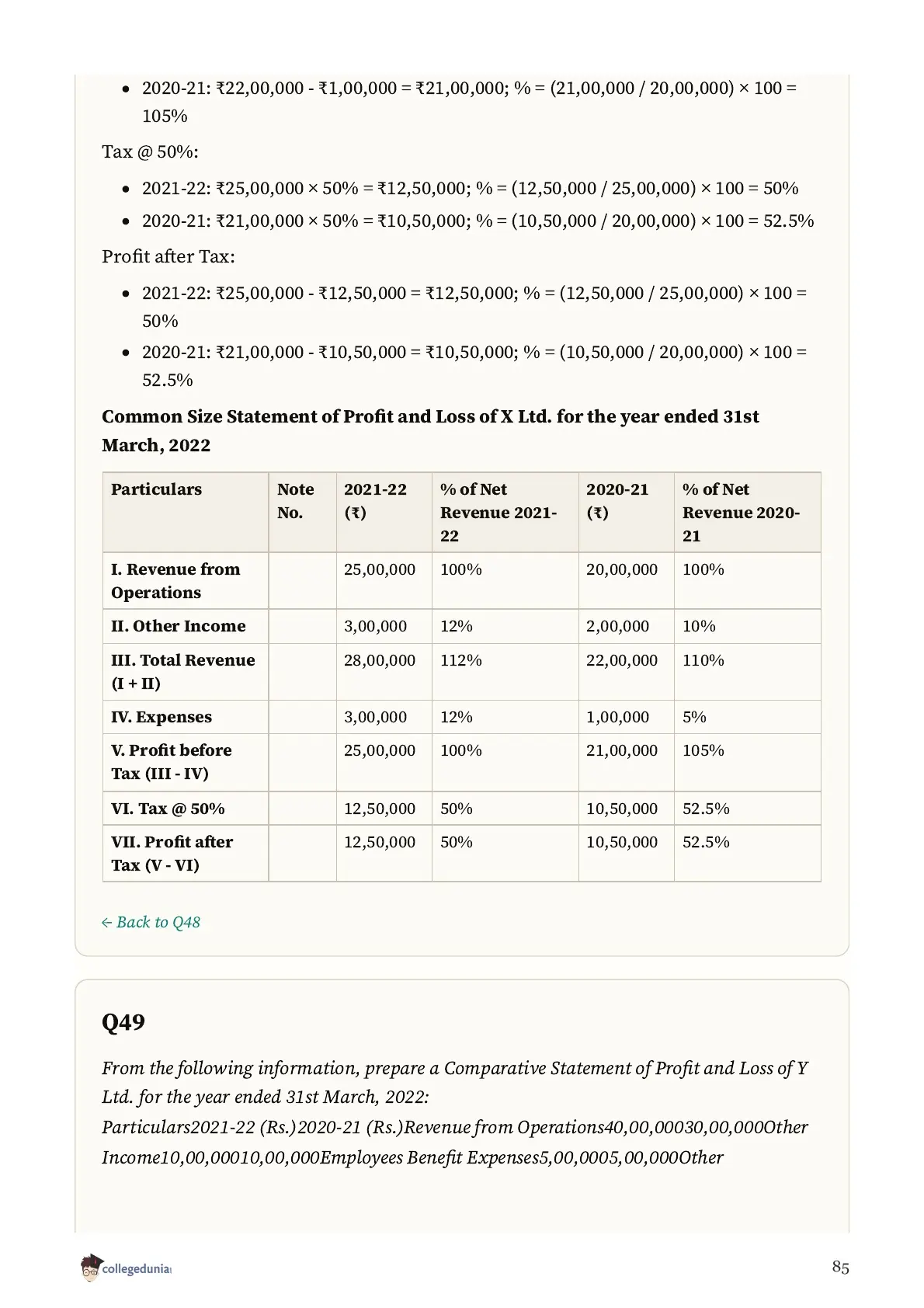
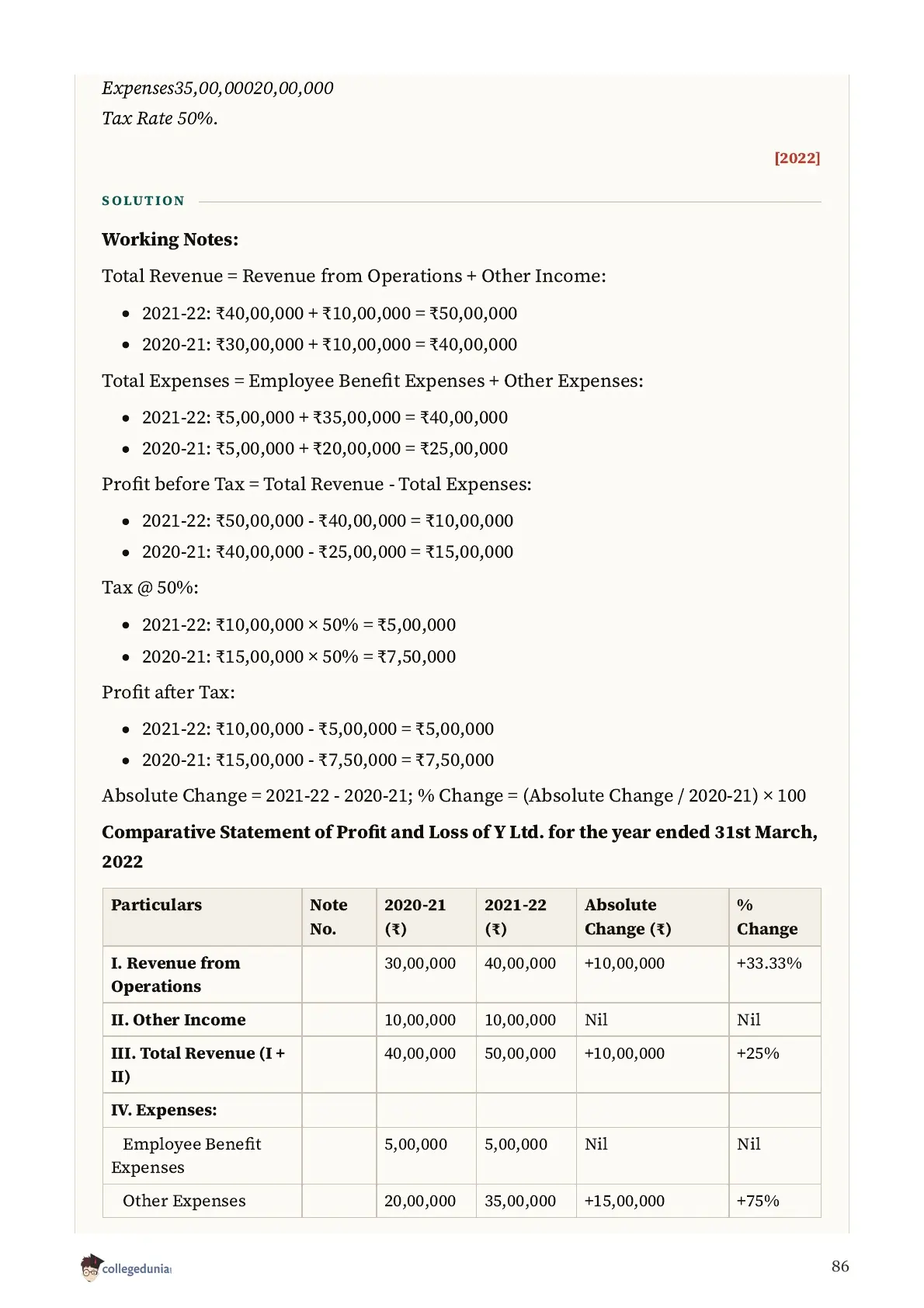
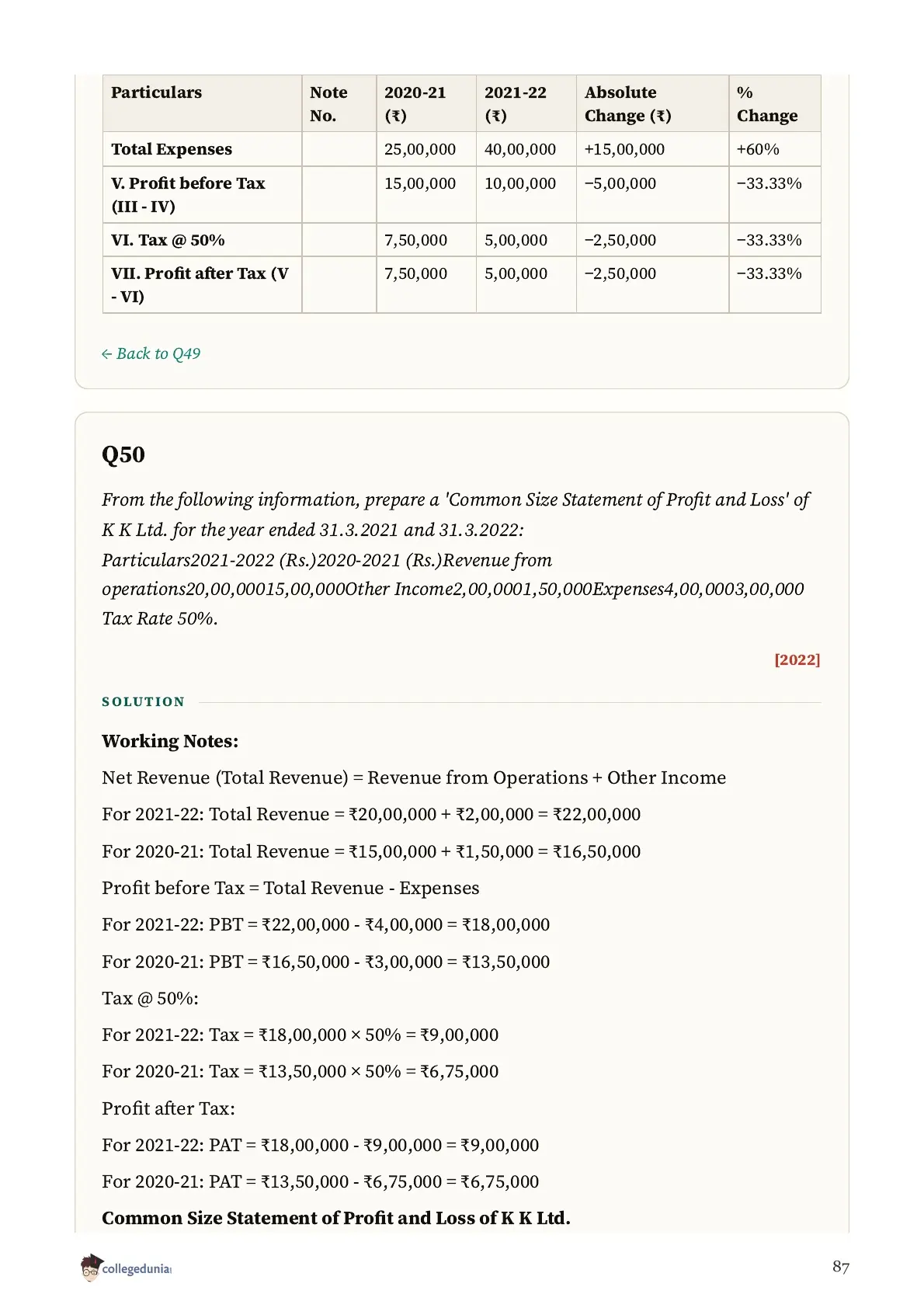
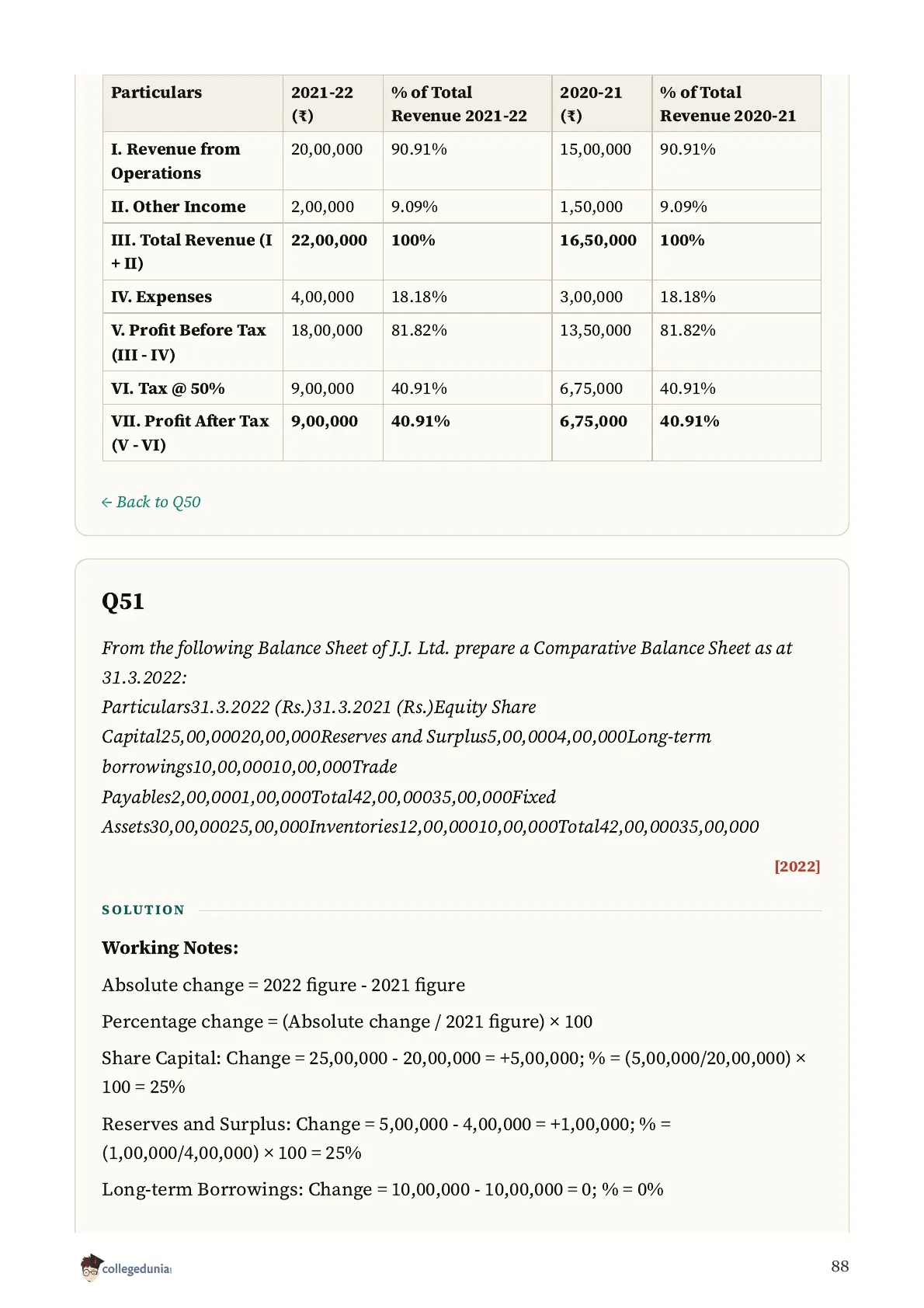
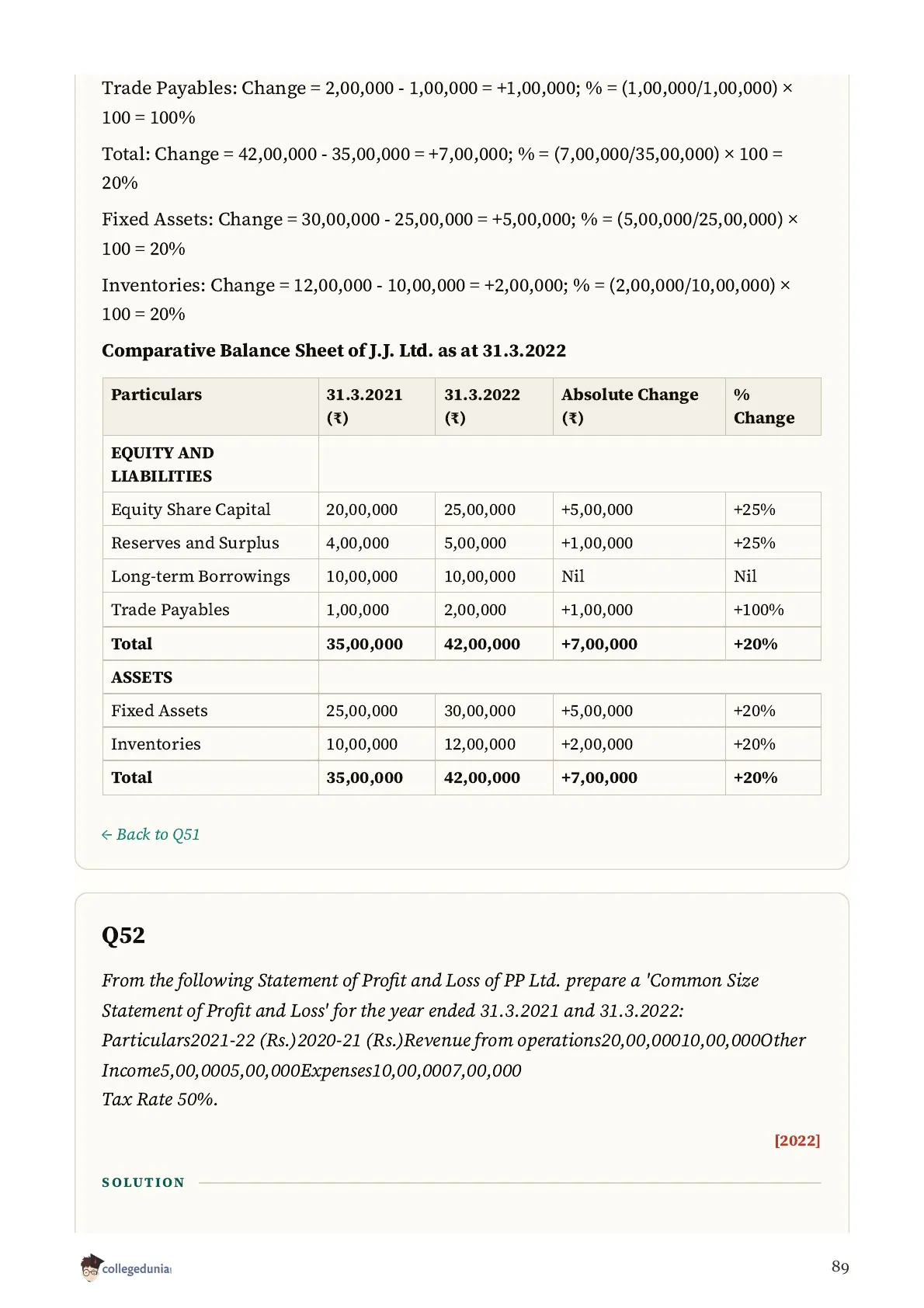
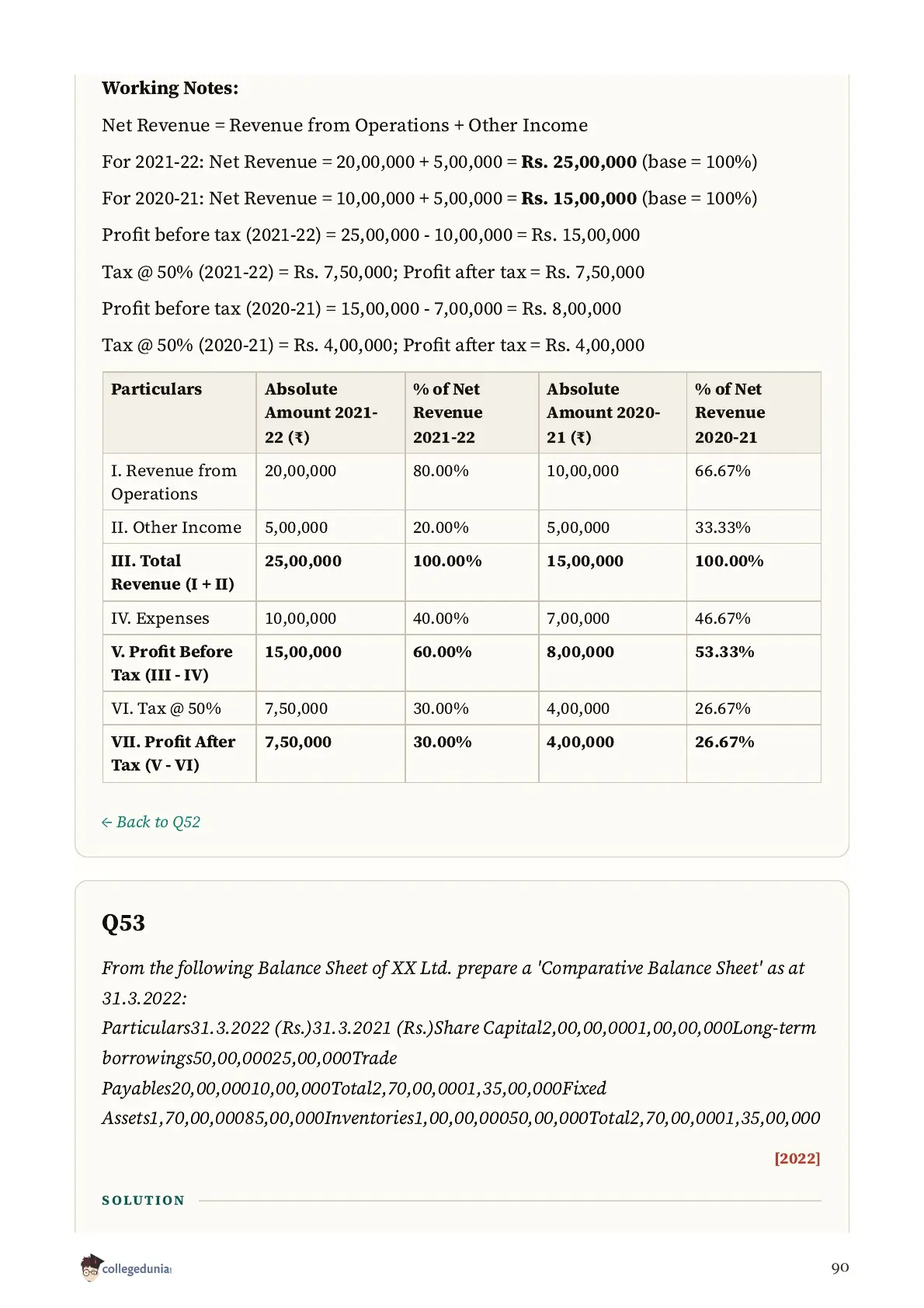
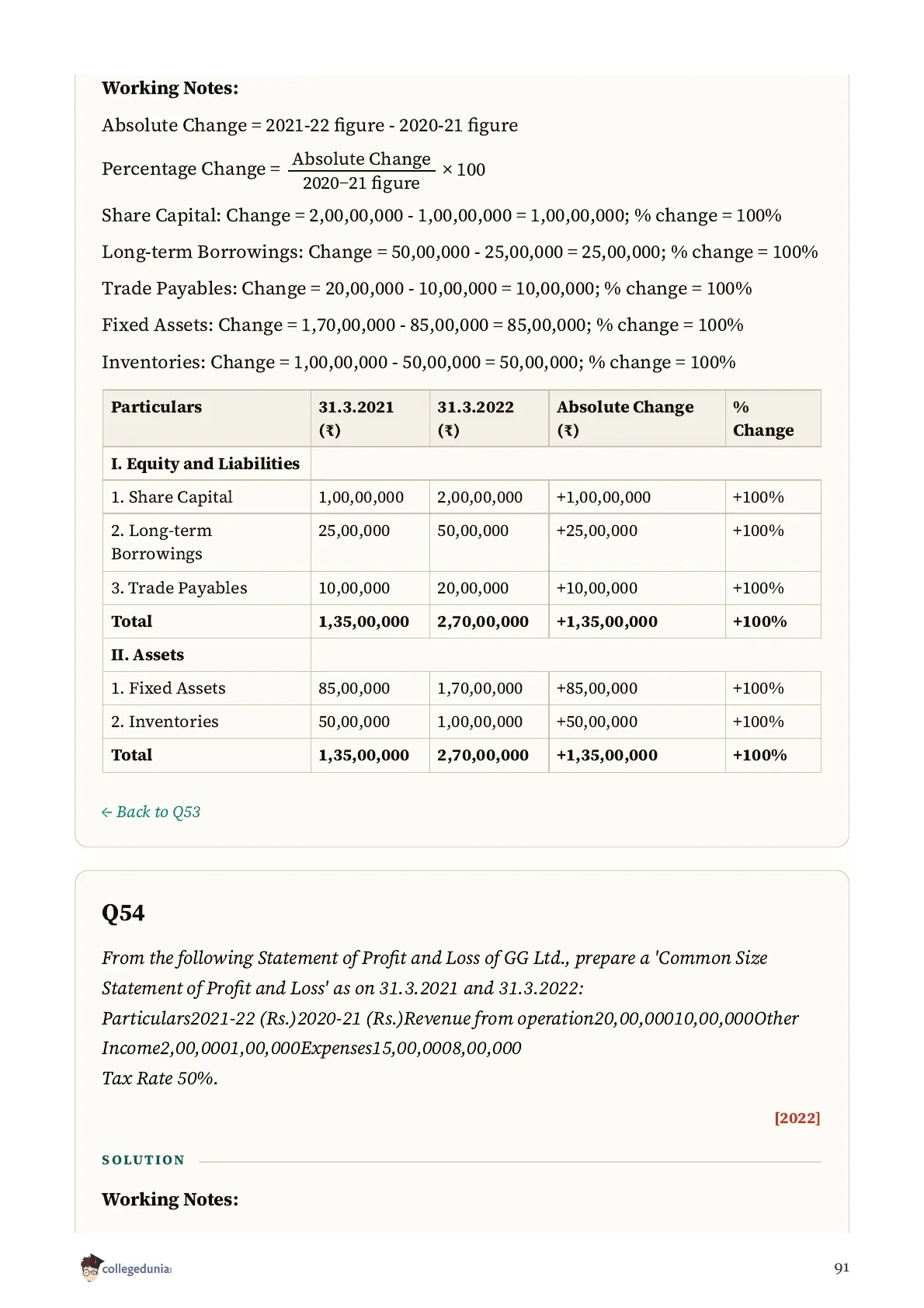
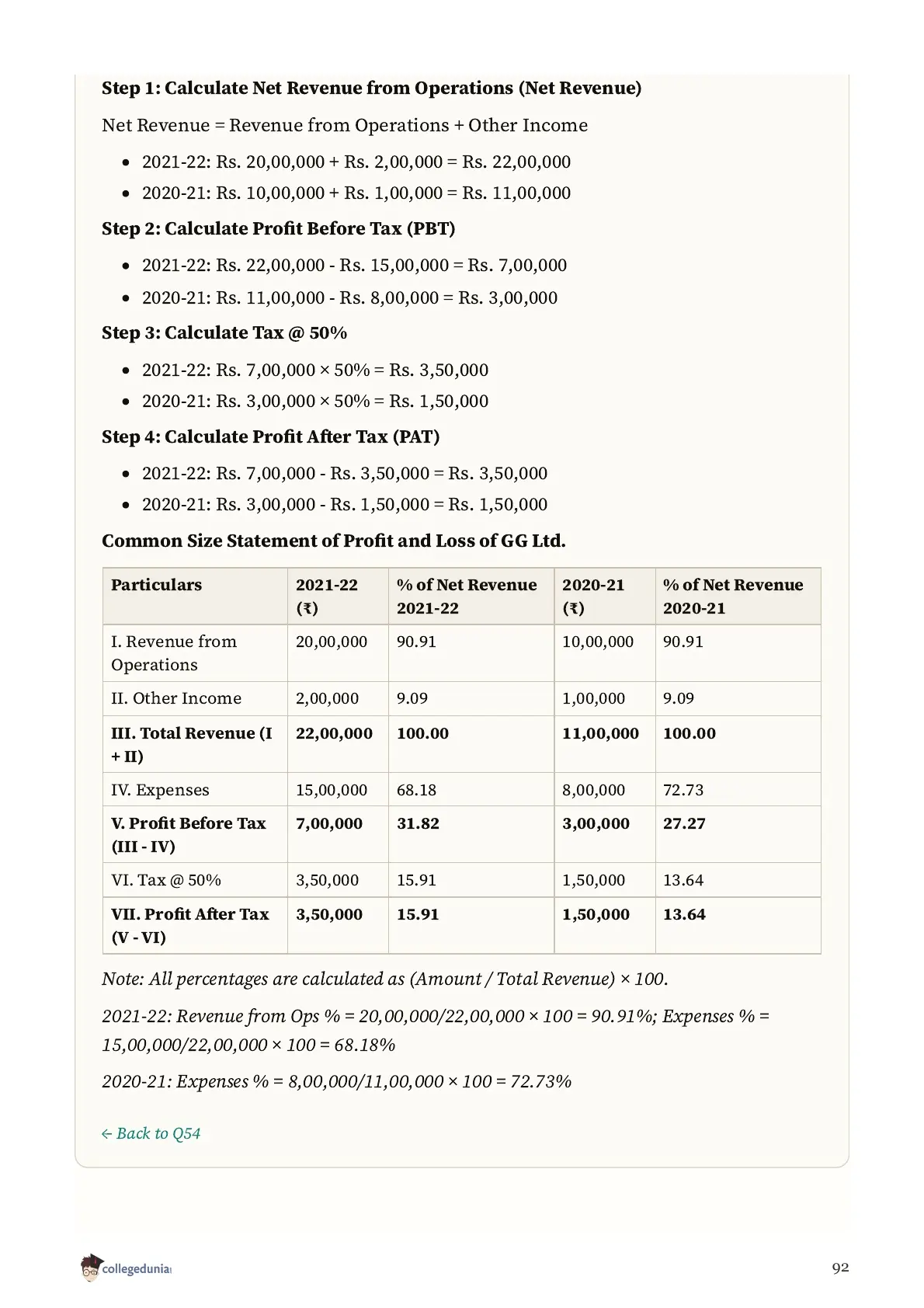
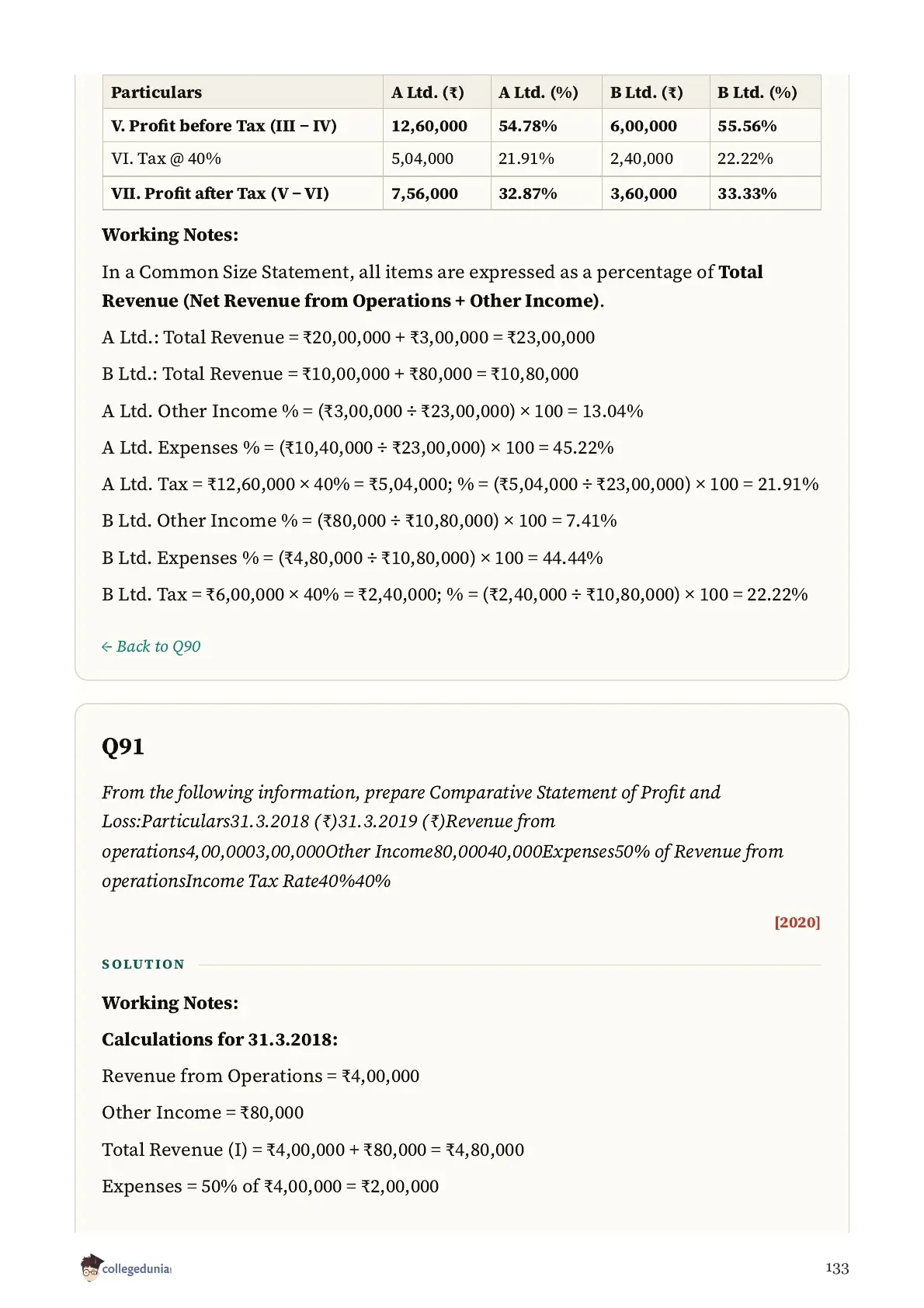
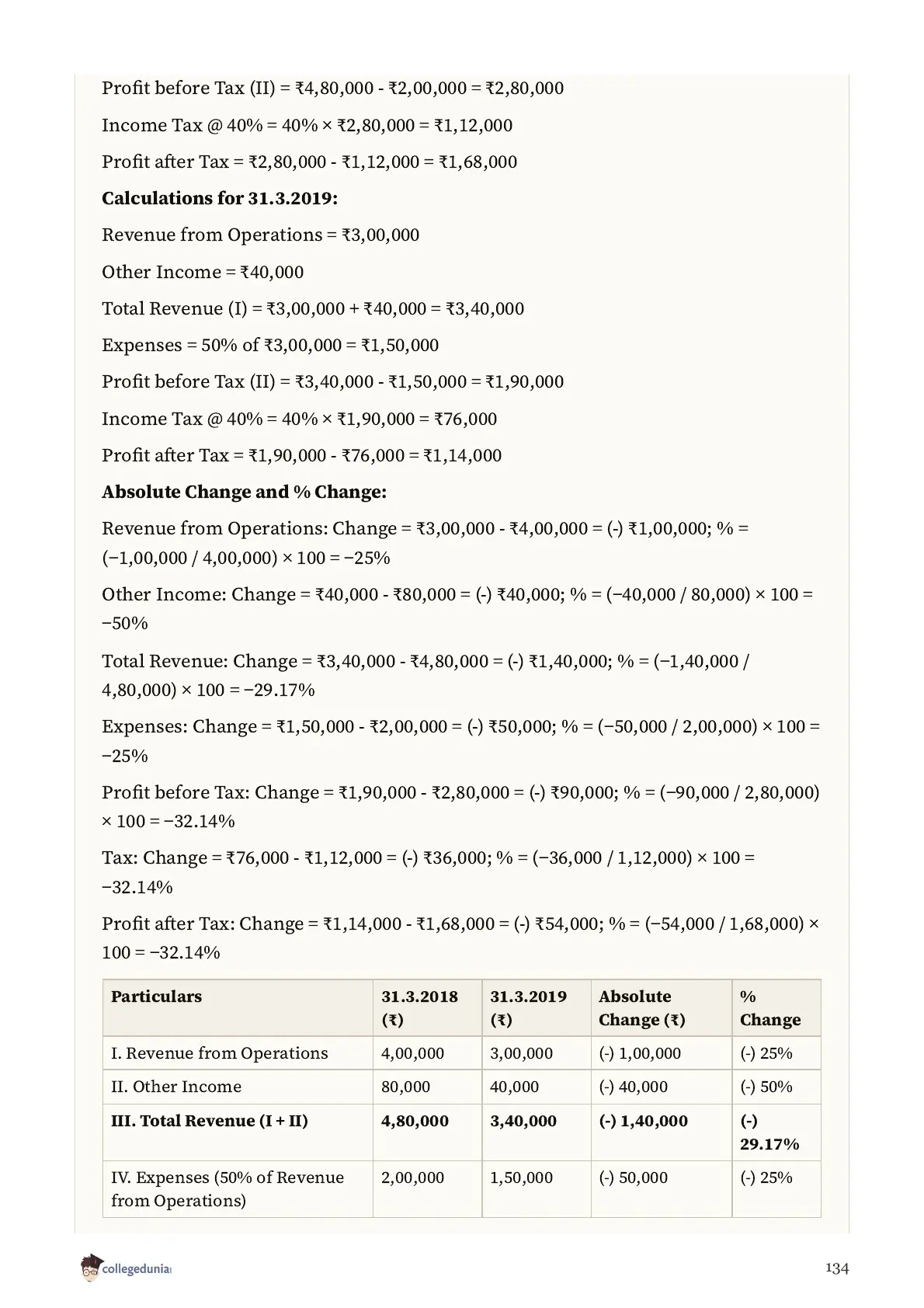
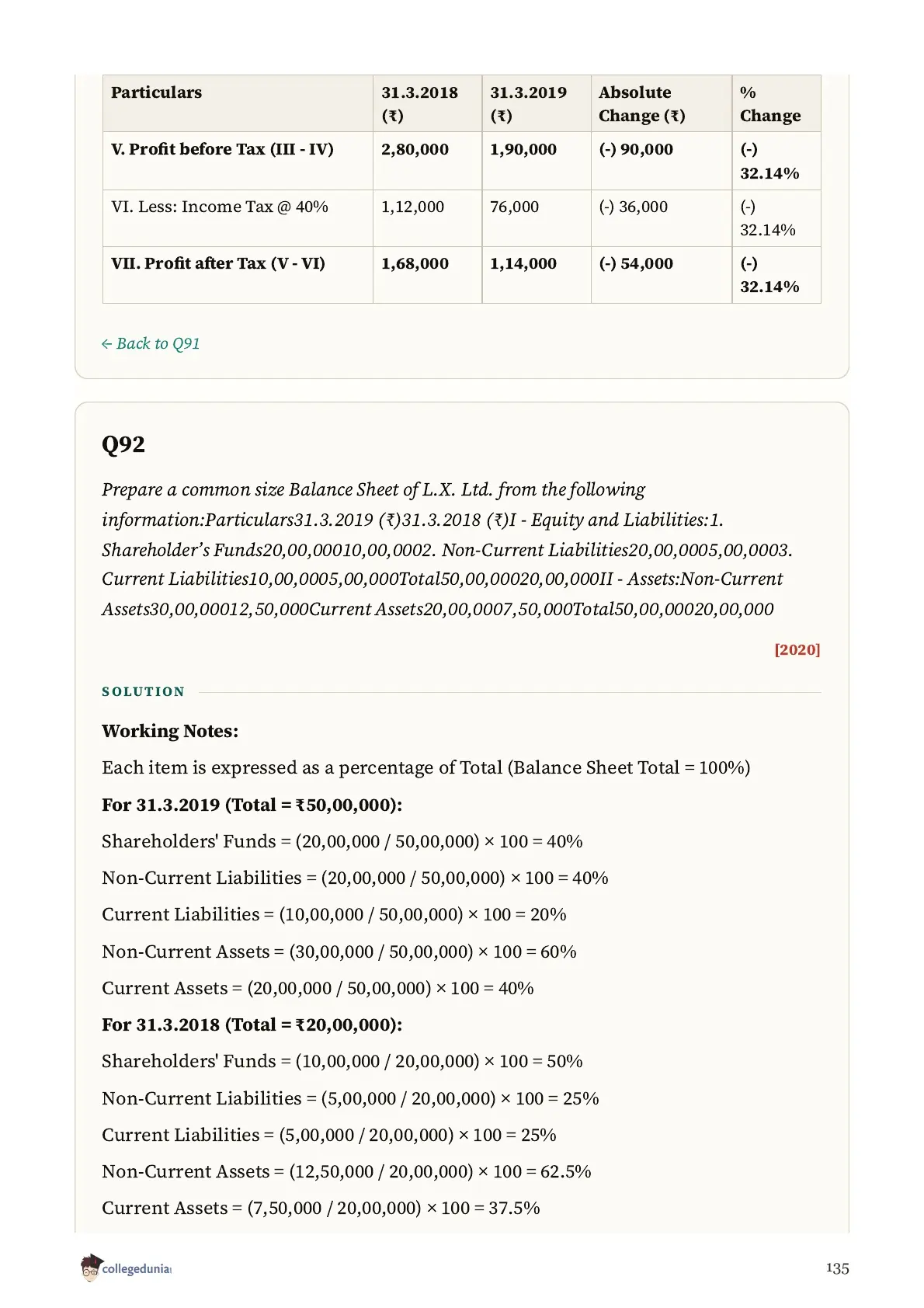
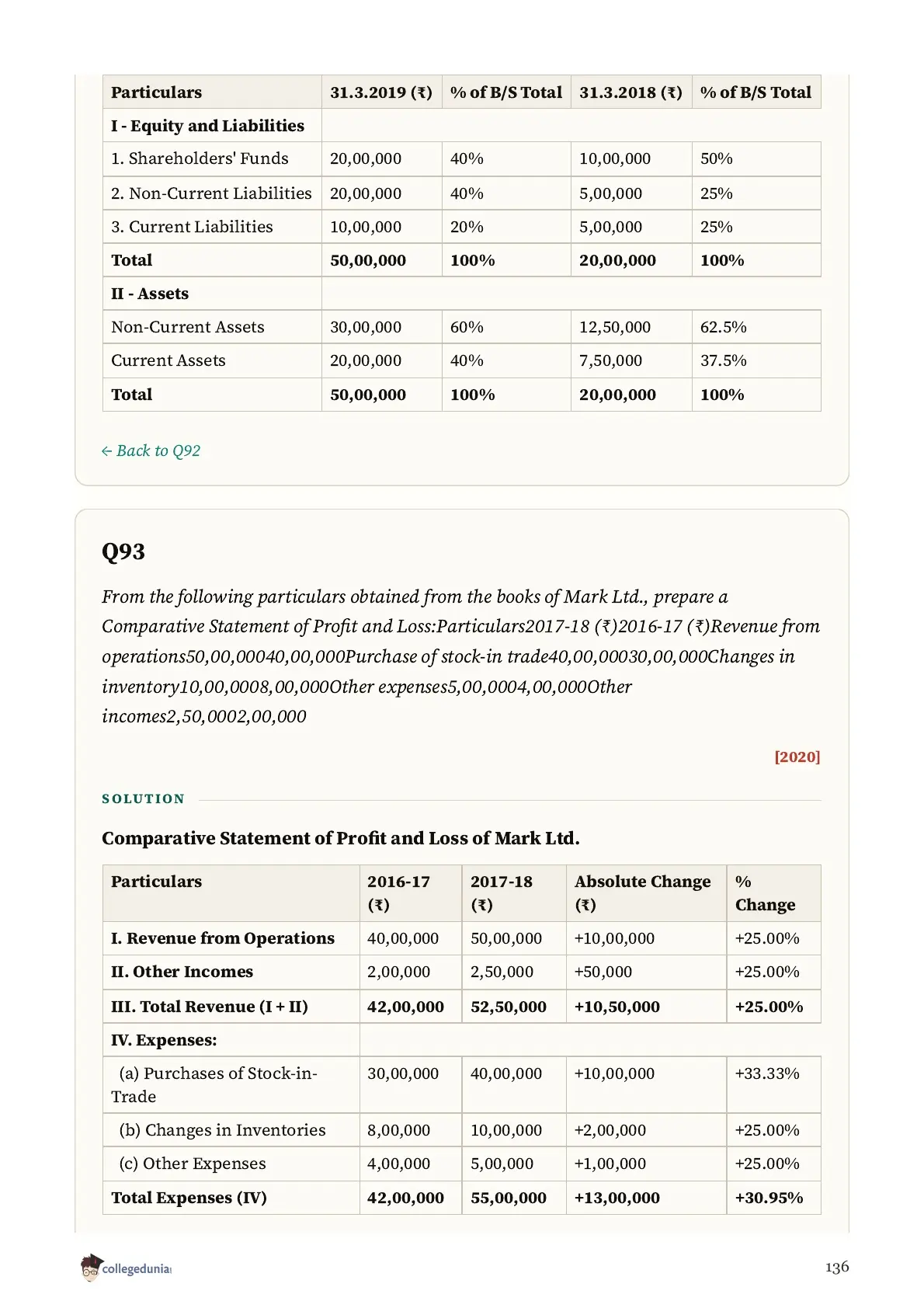
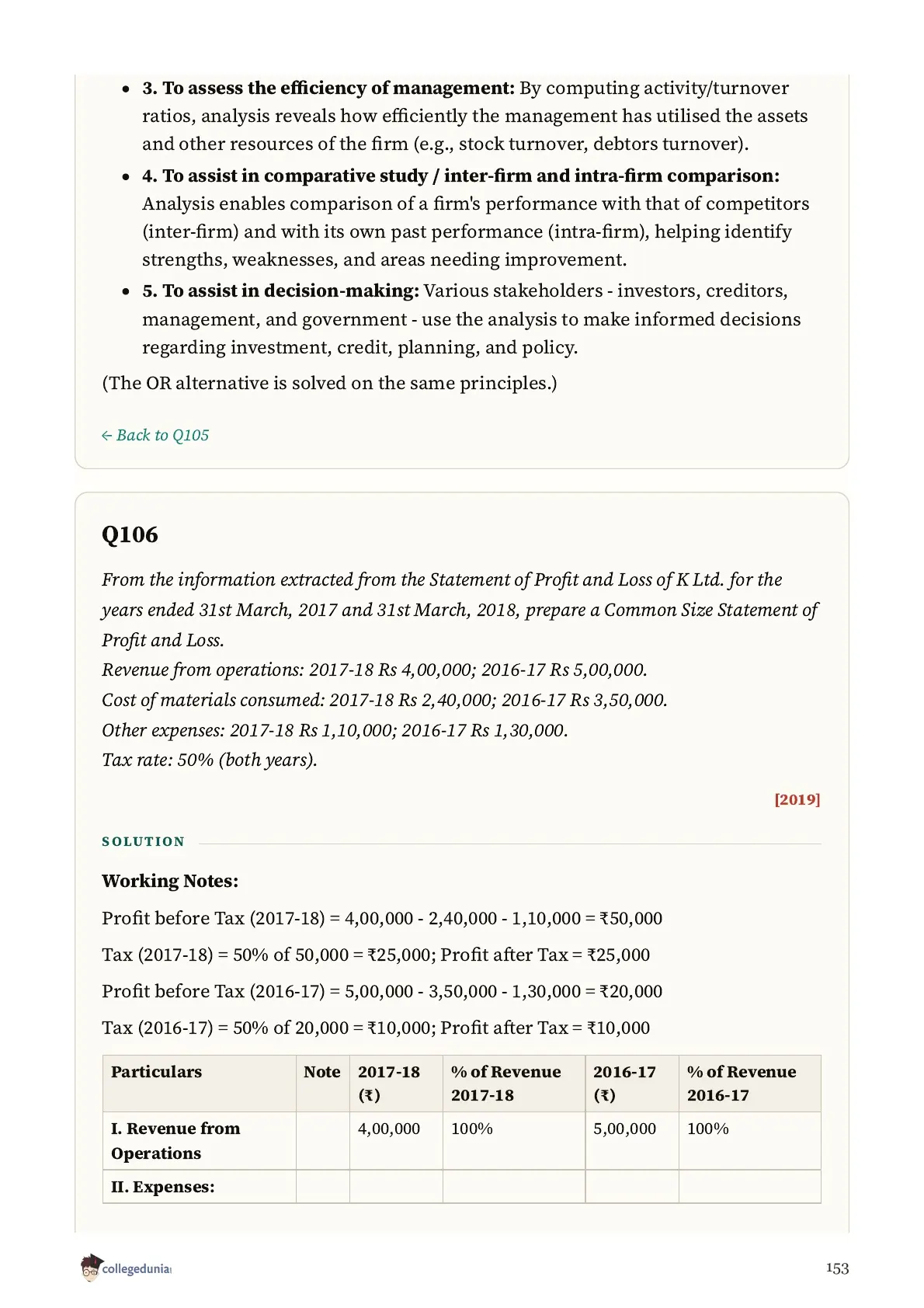
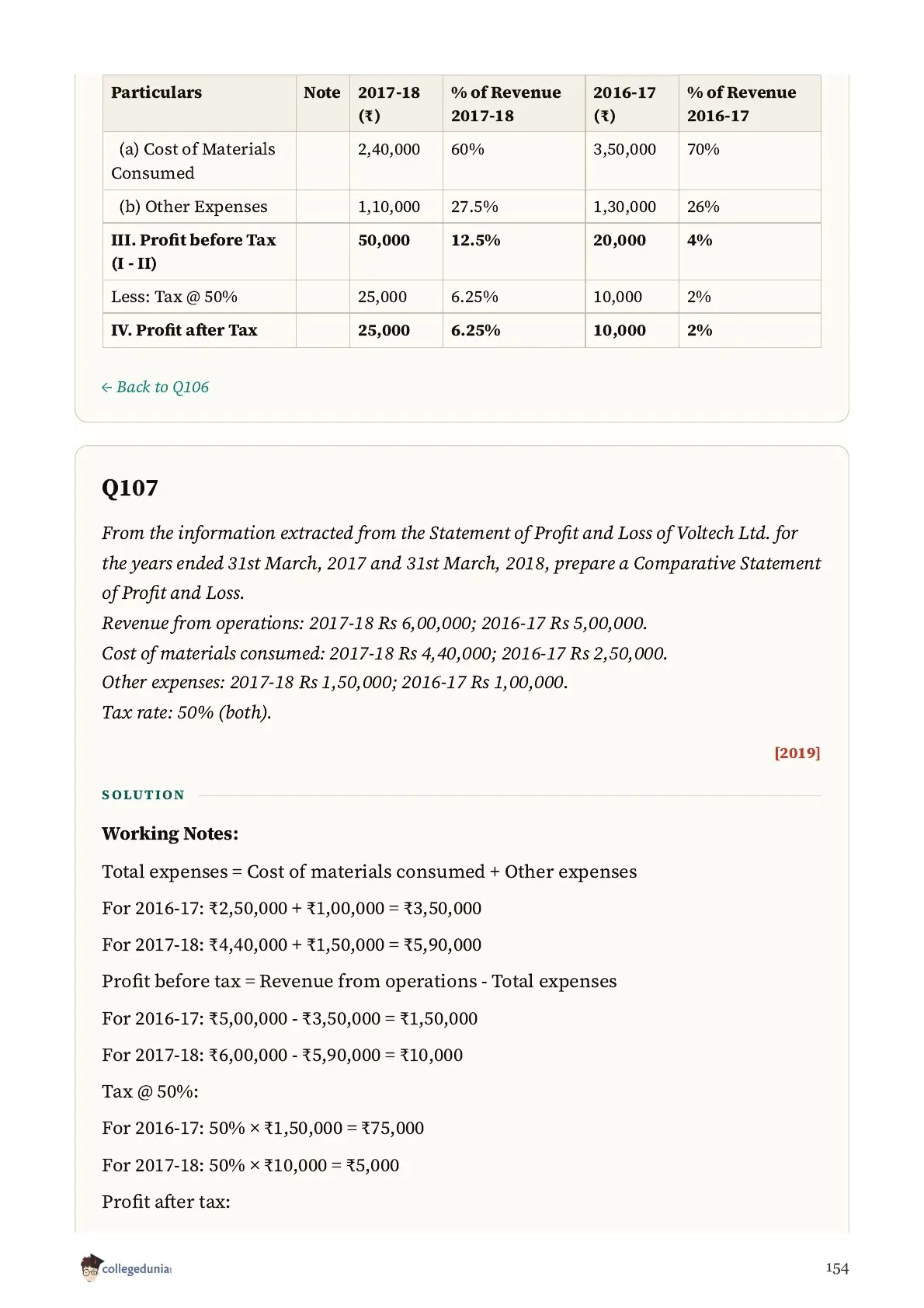
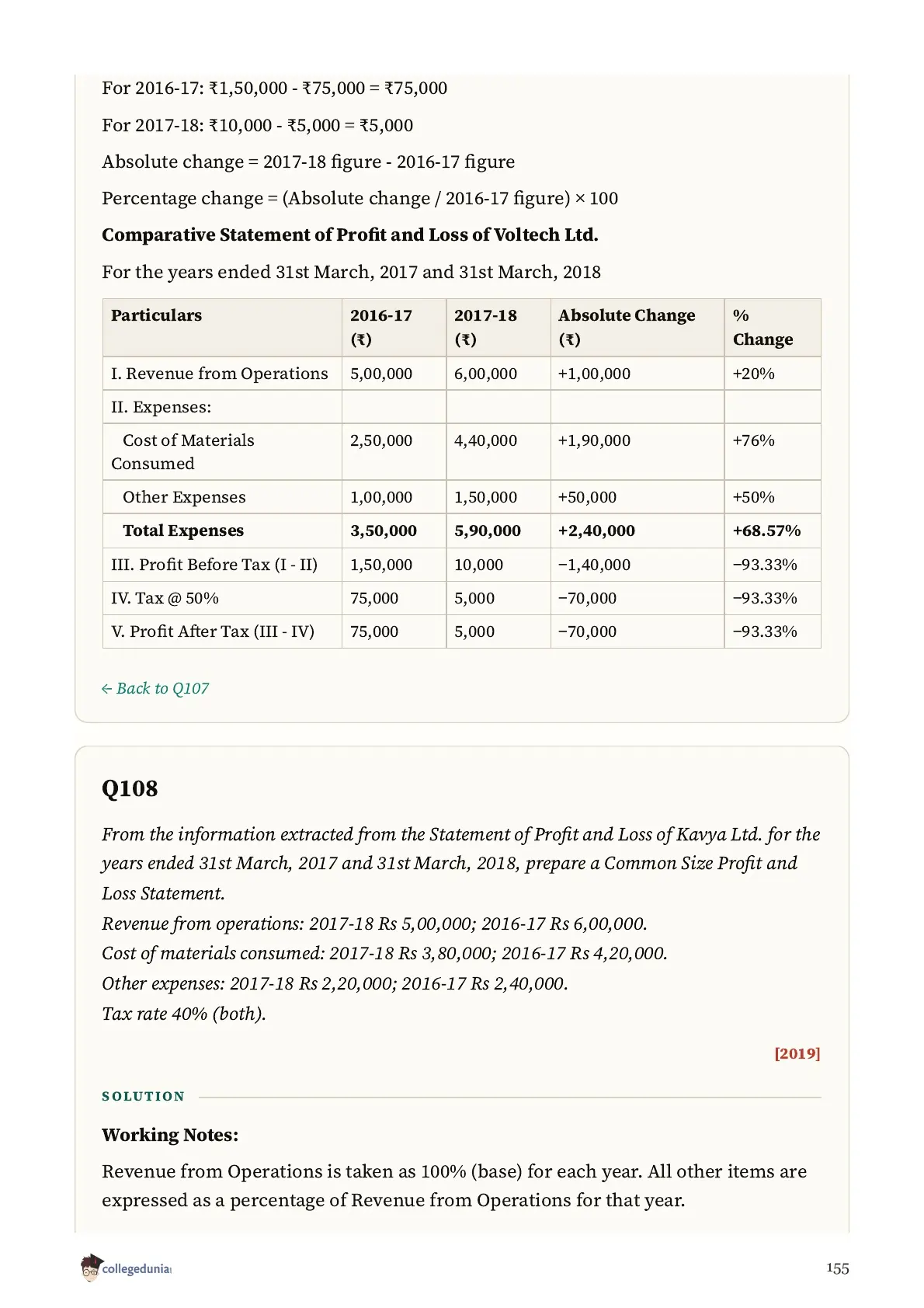
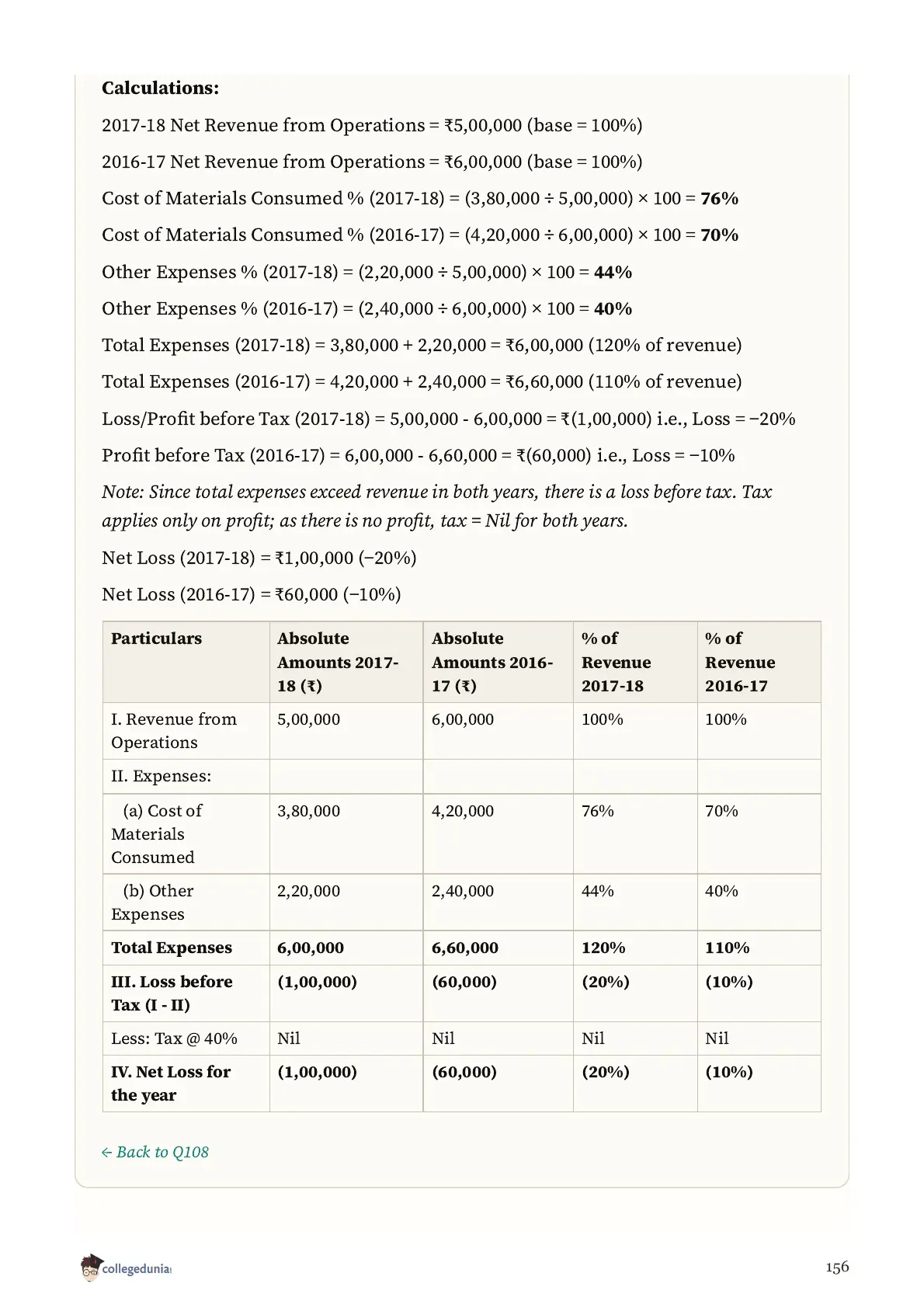
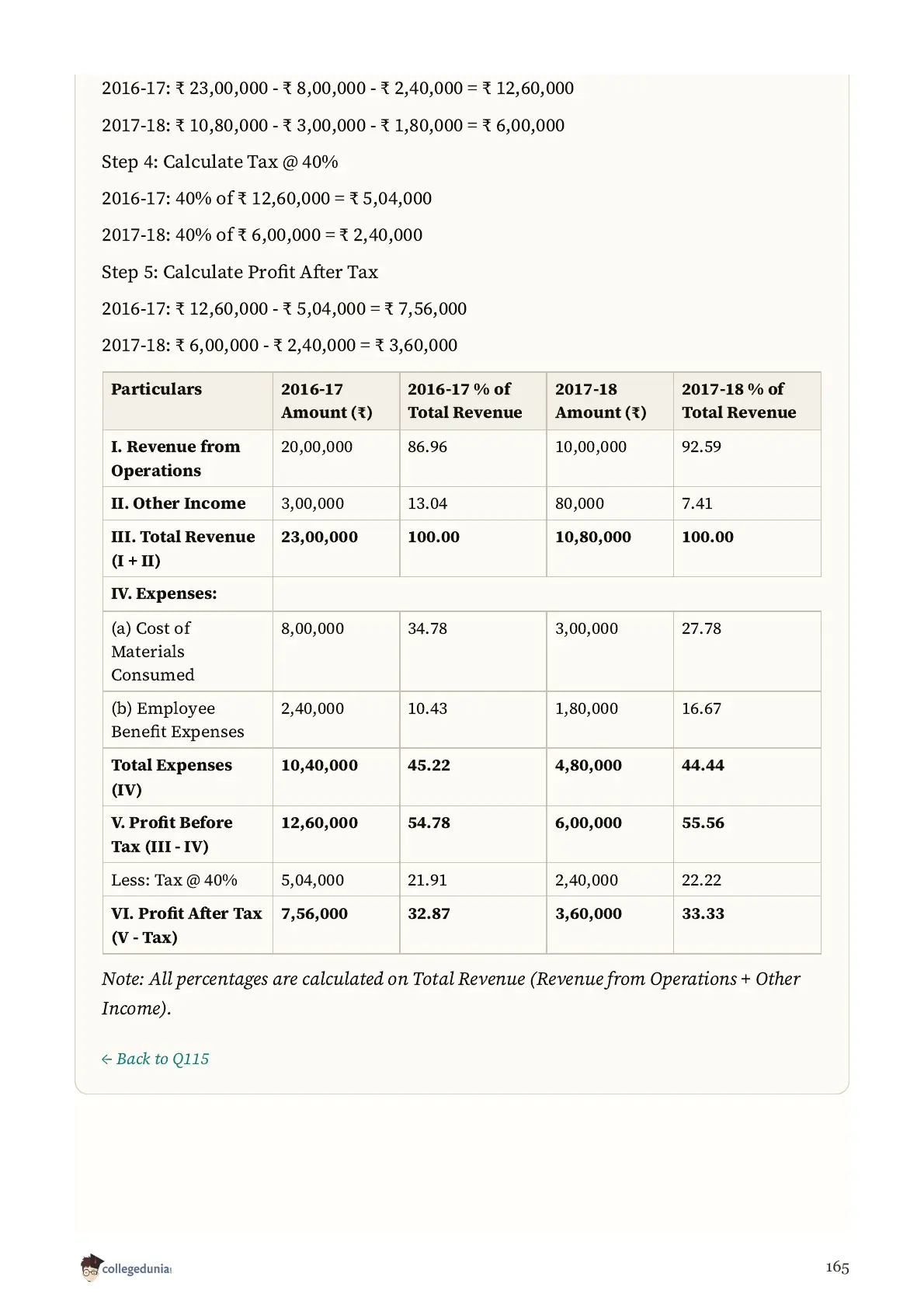
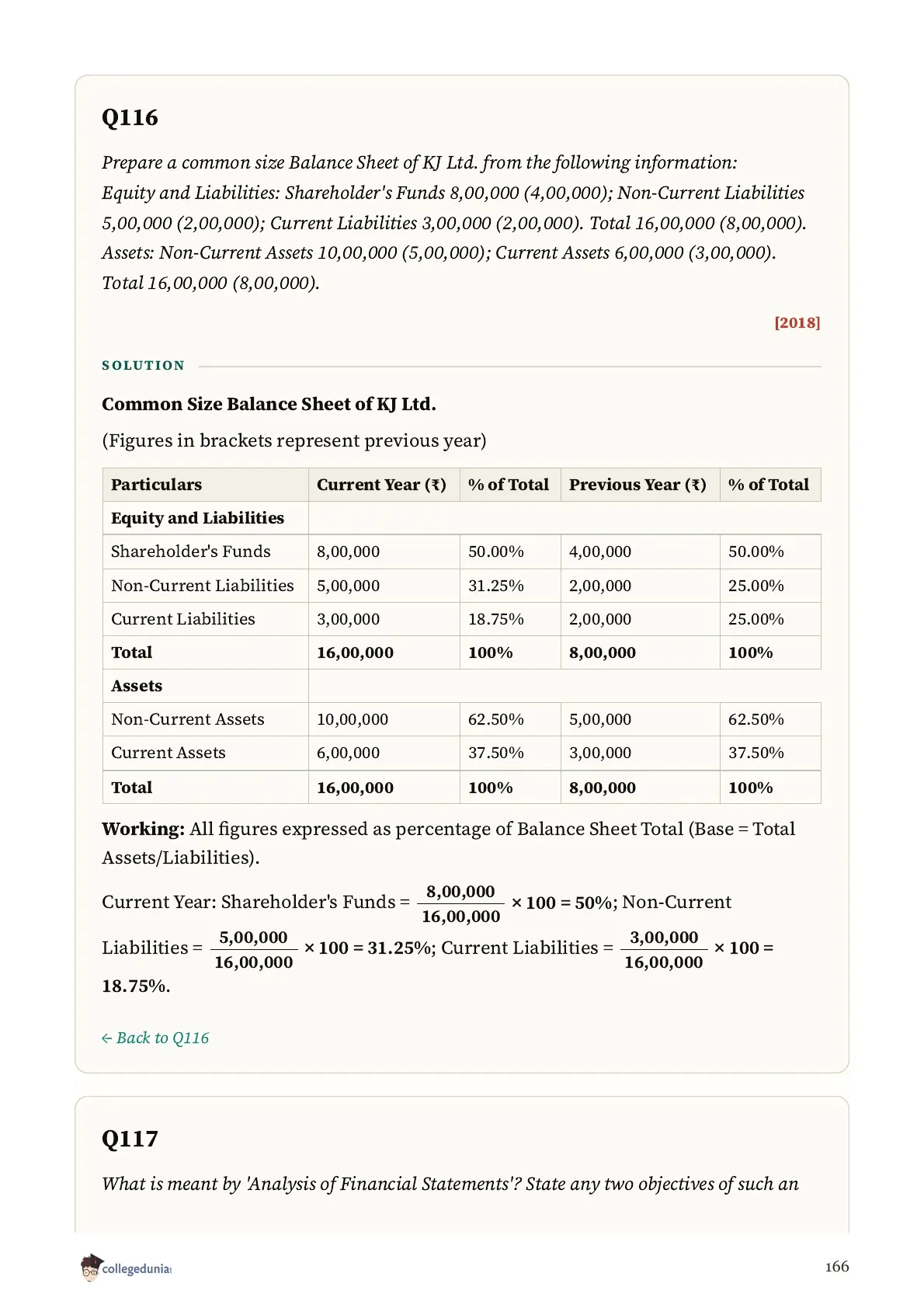
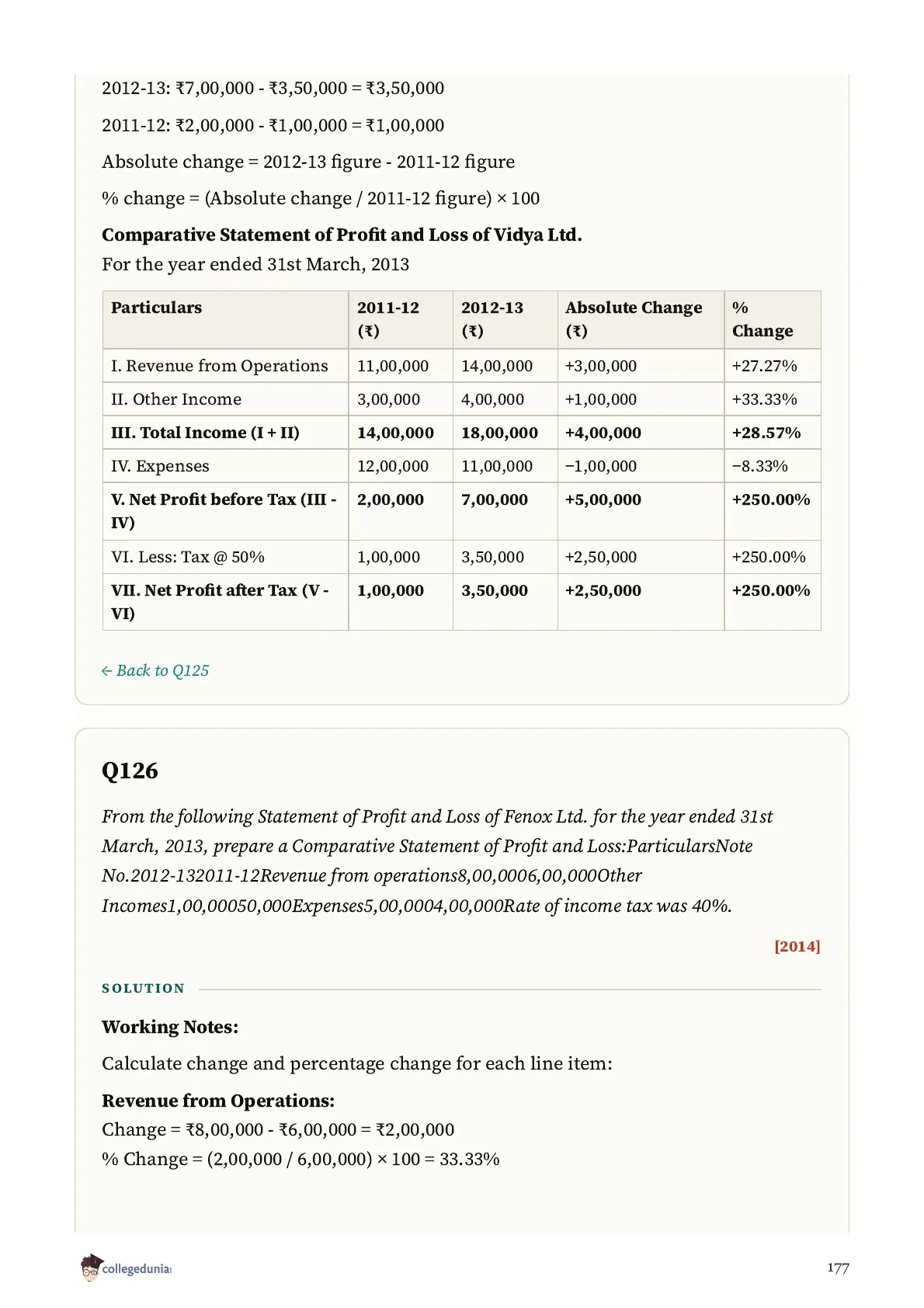
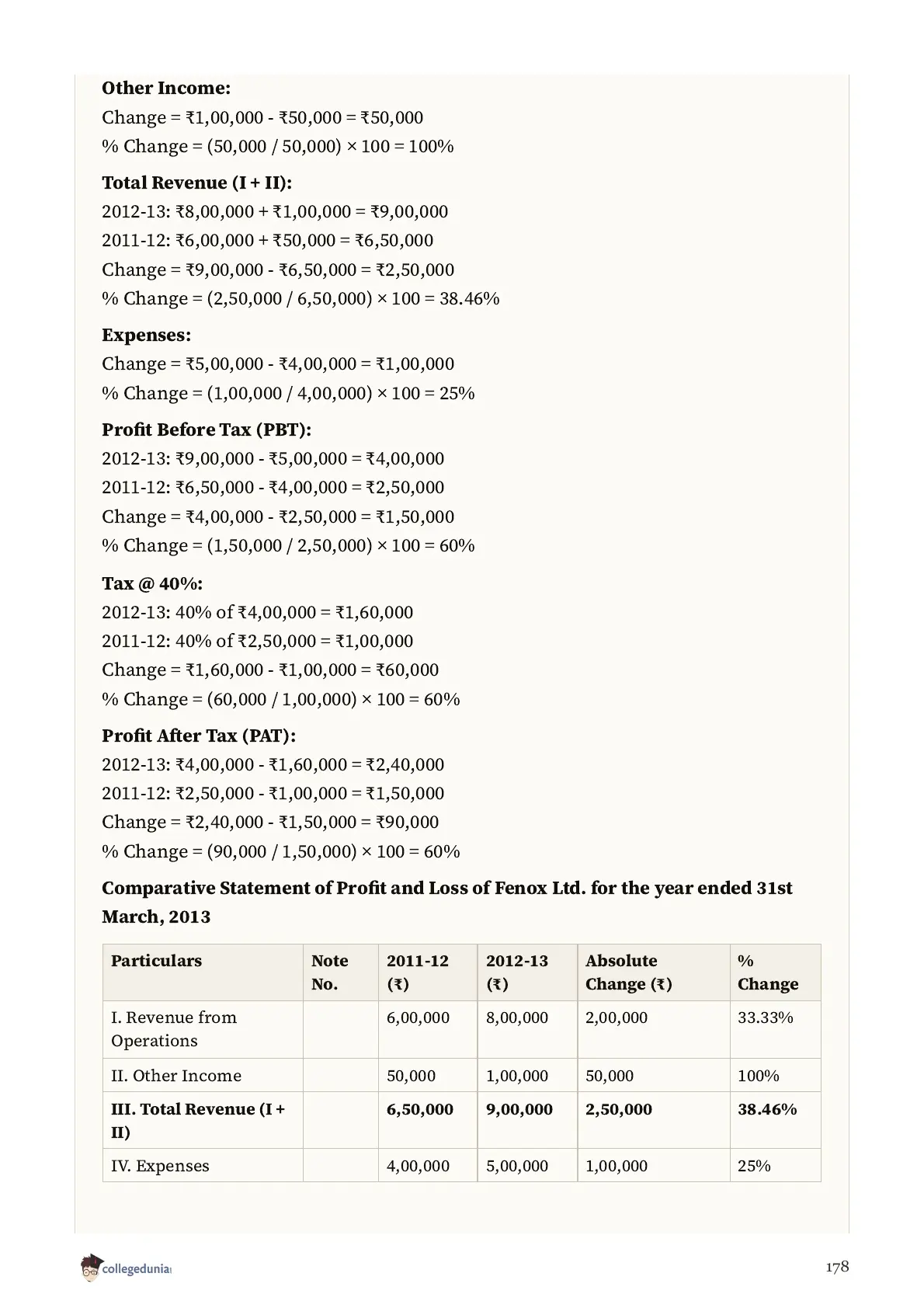
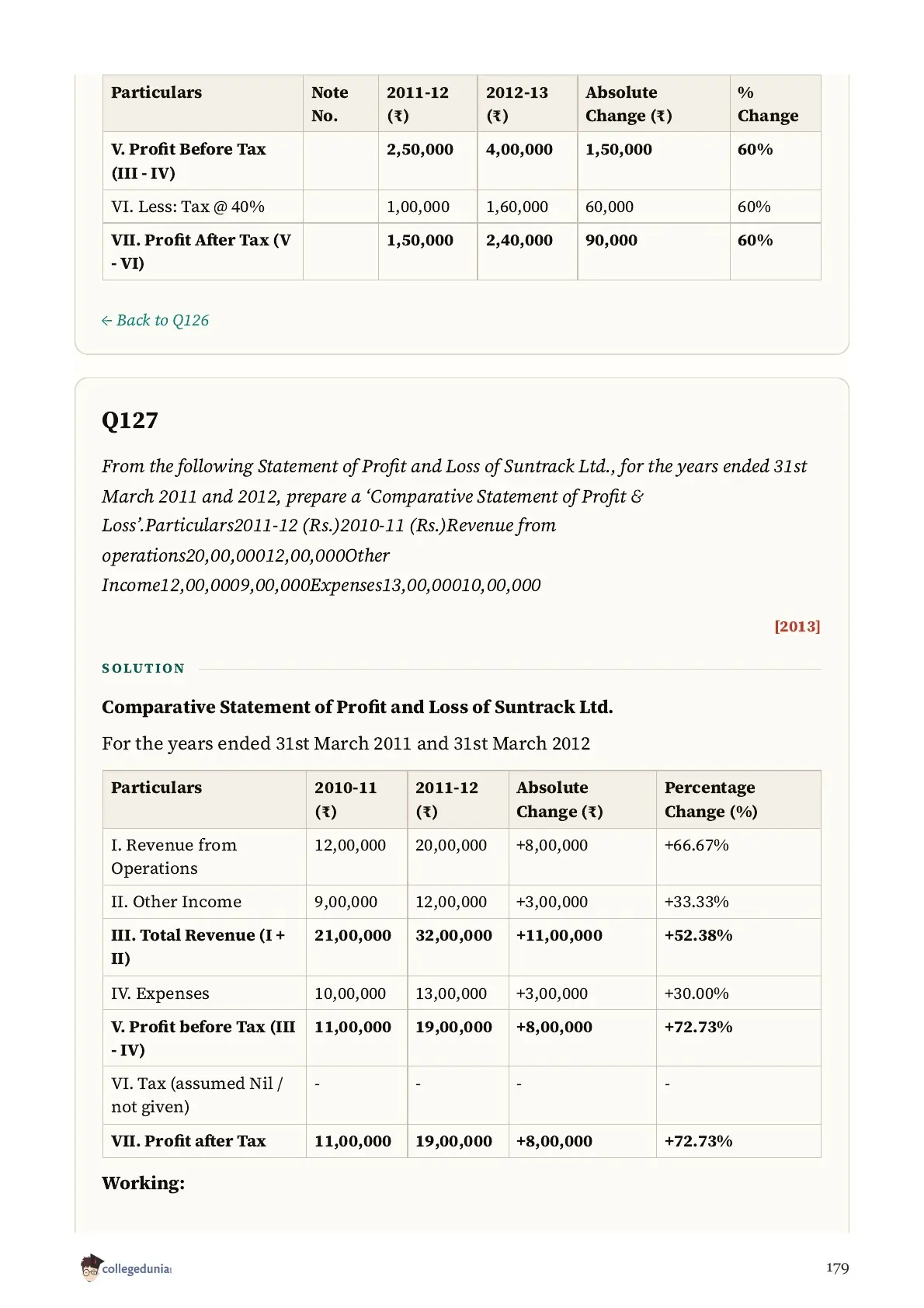
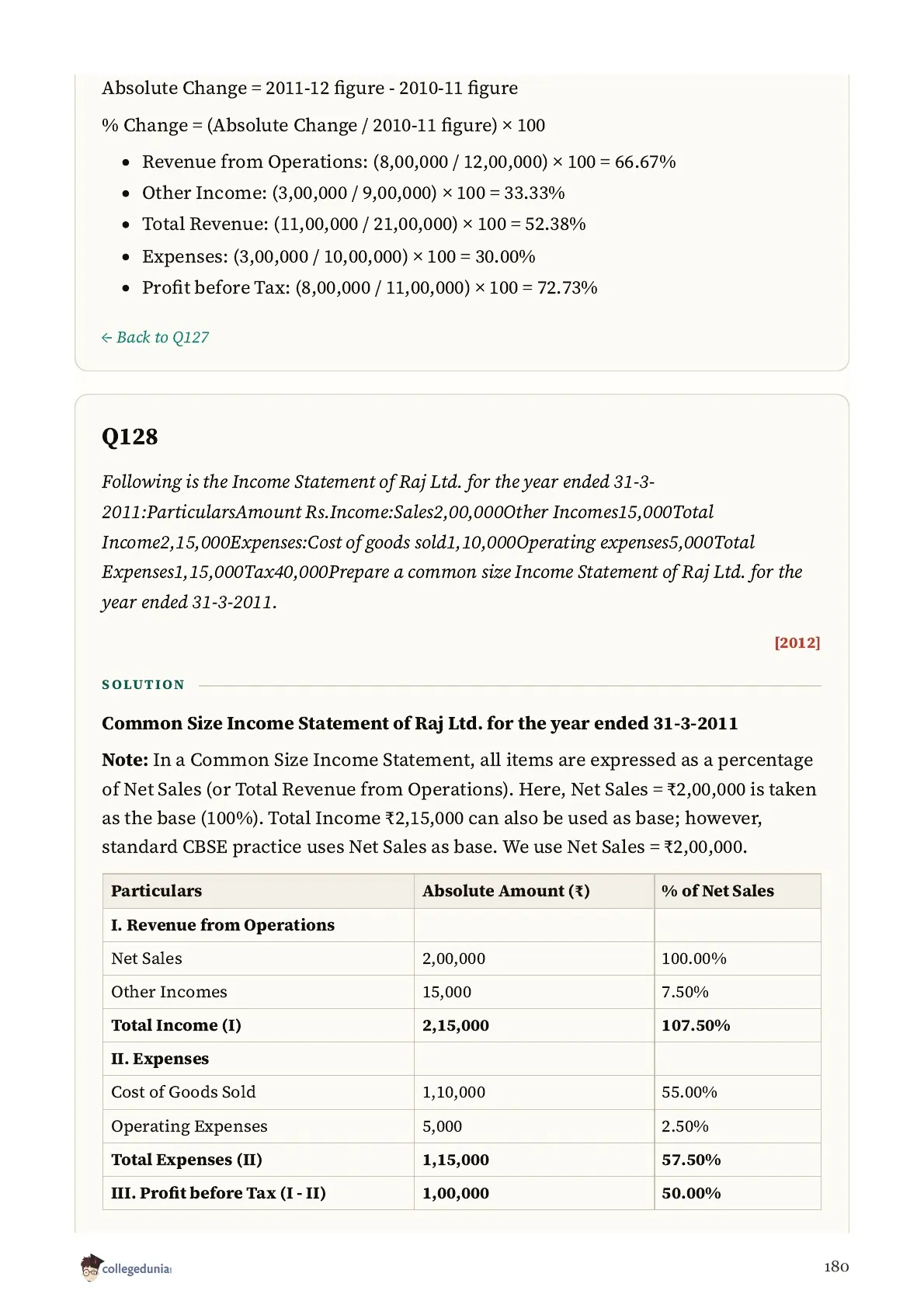
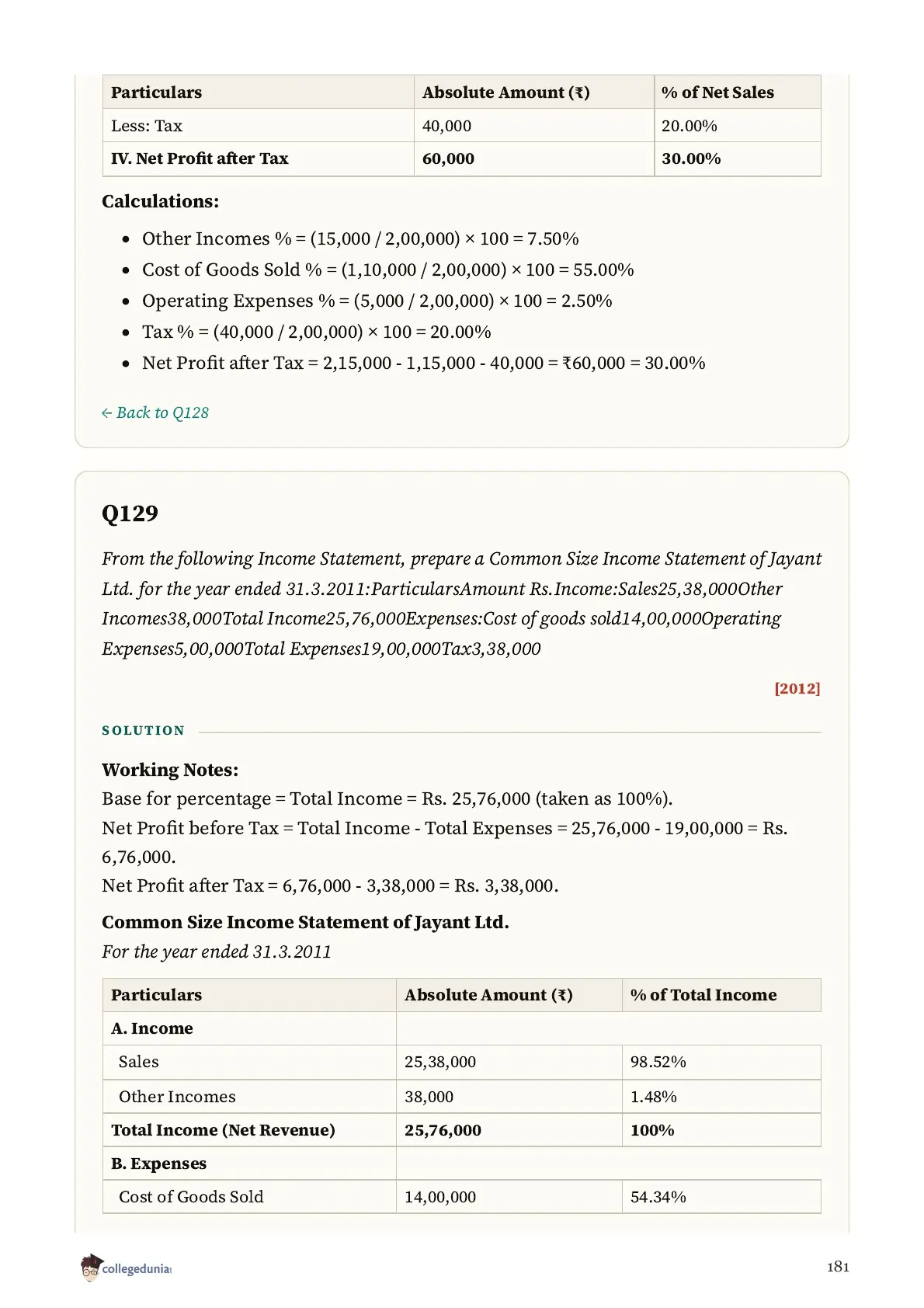
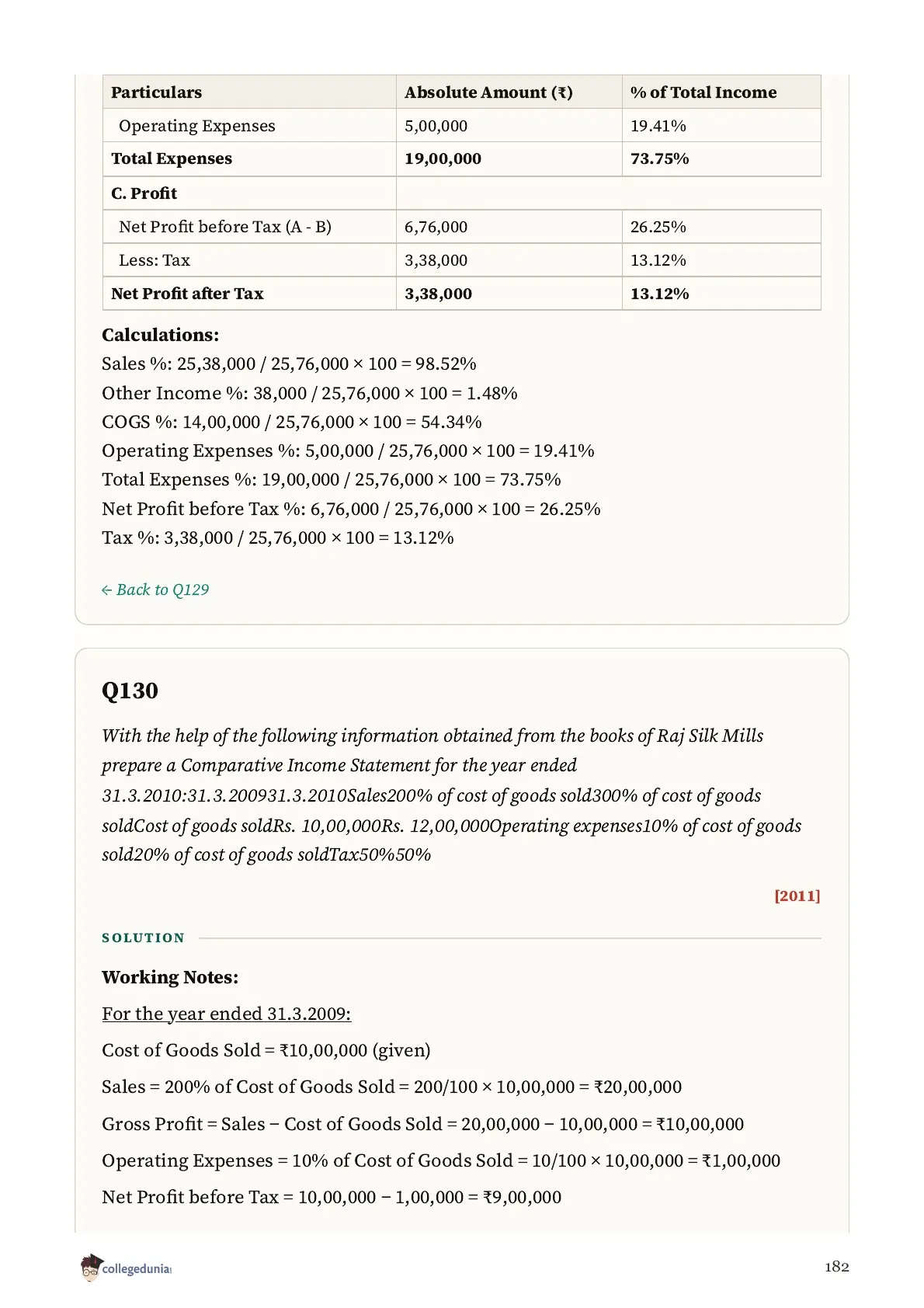
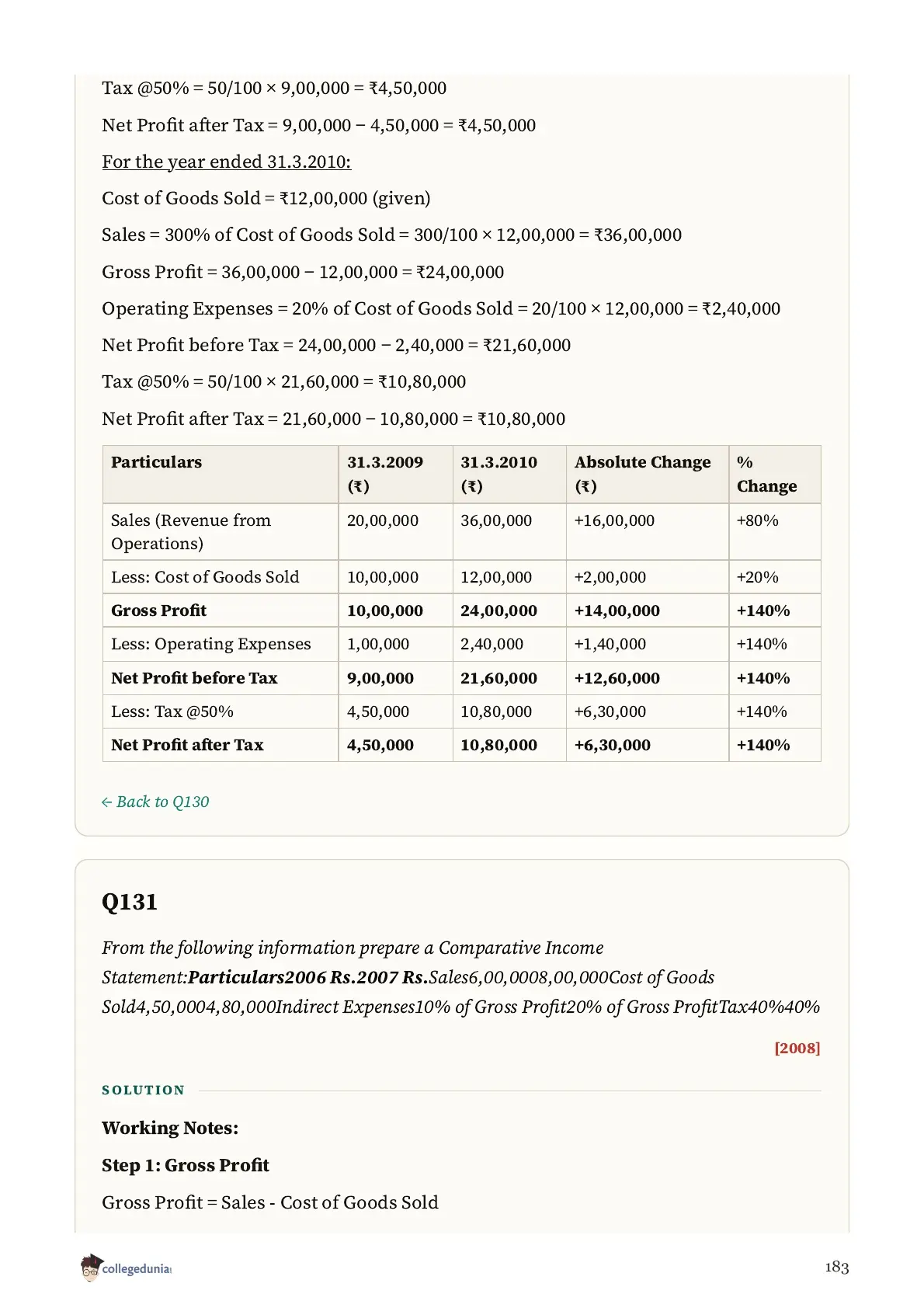
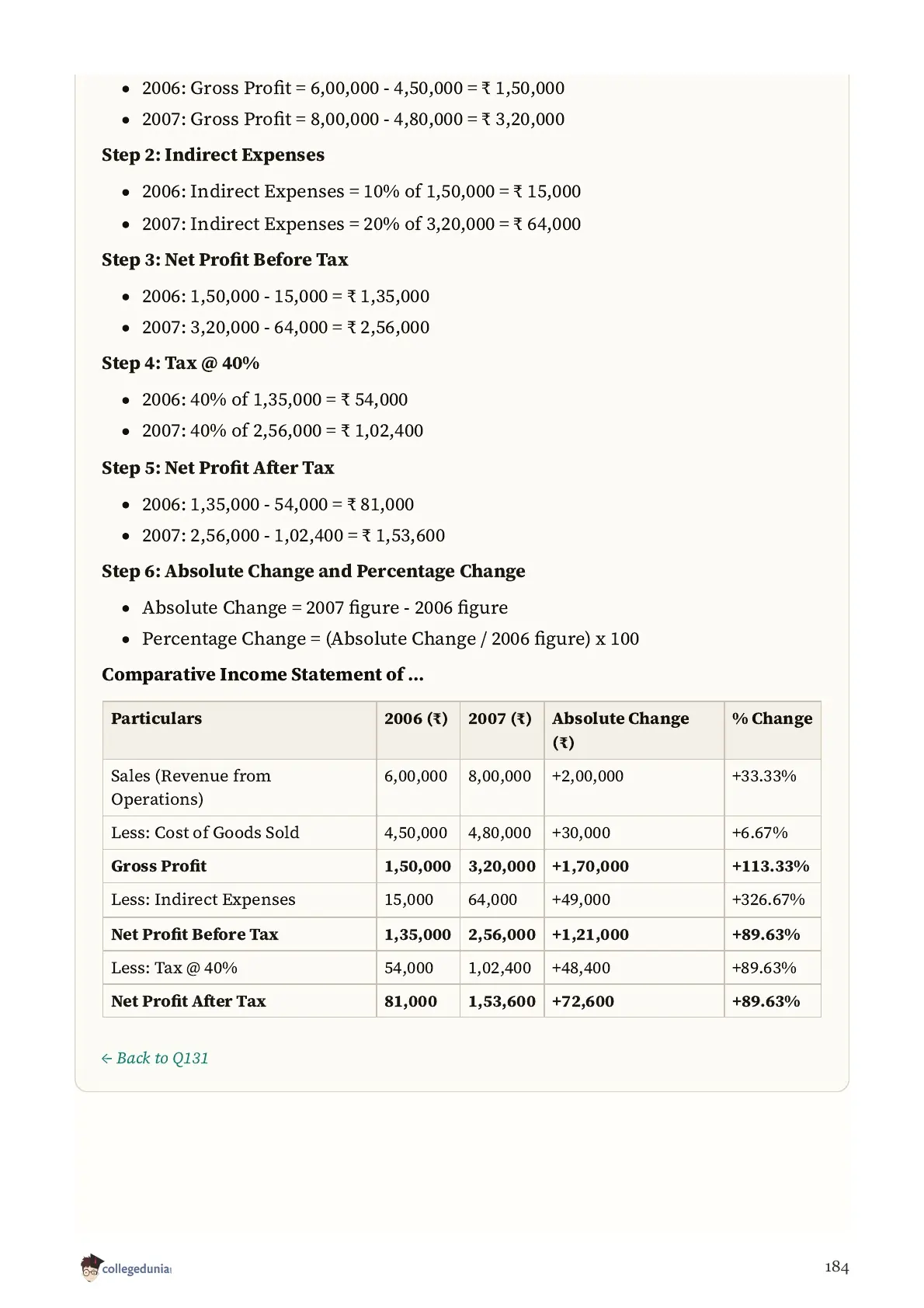
- 4-mark questions: 44 questions, the largest band, almost all asking students to prepare a Comparative or Common-Size statement.
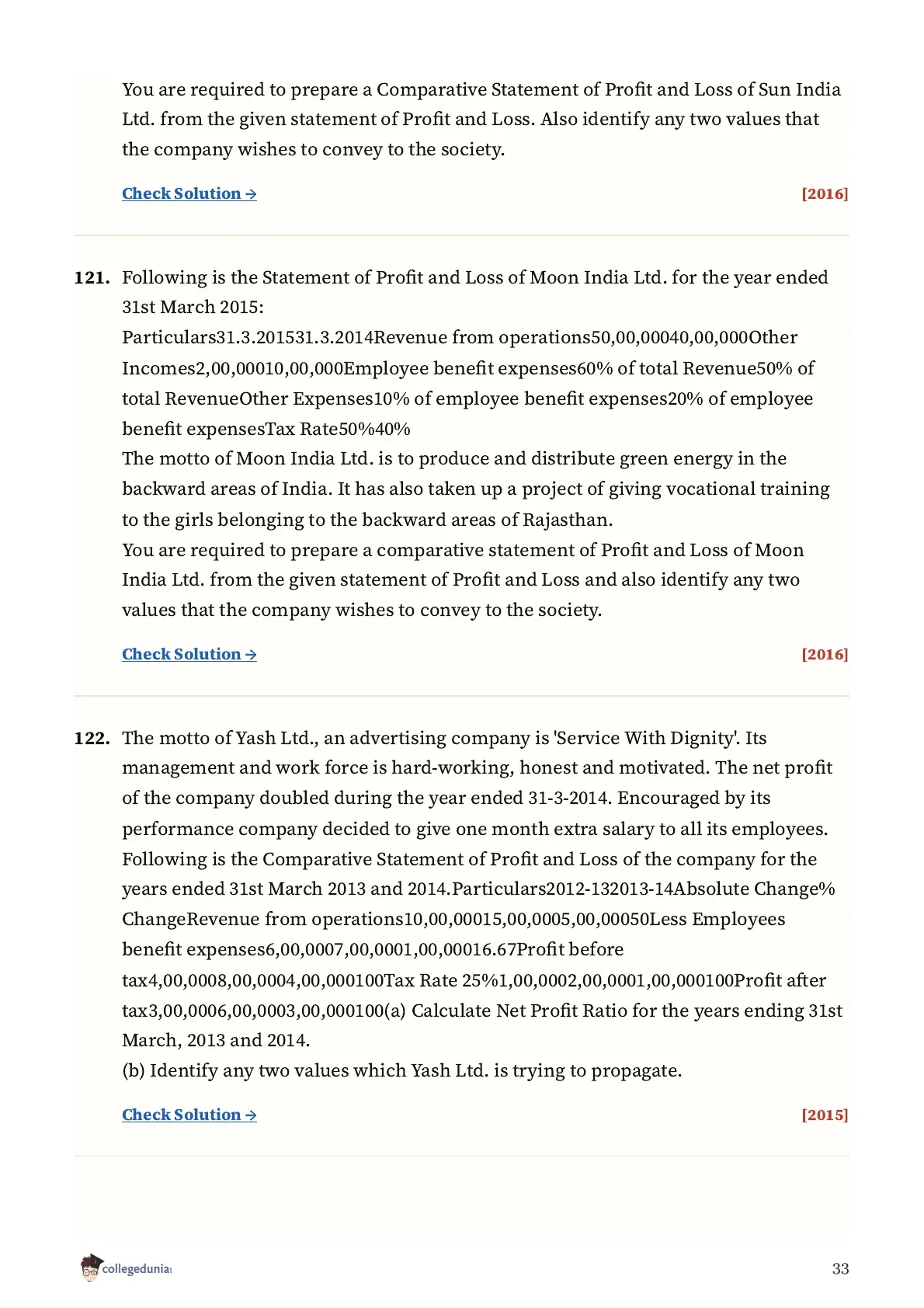
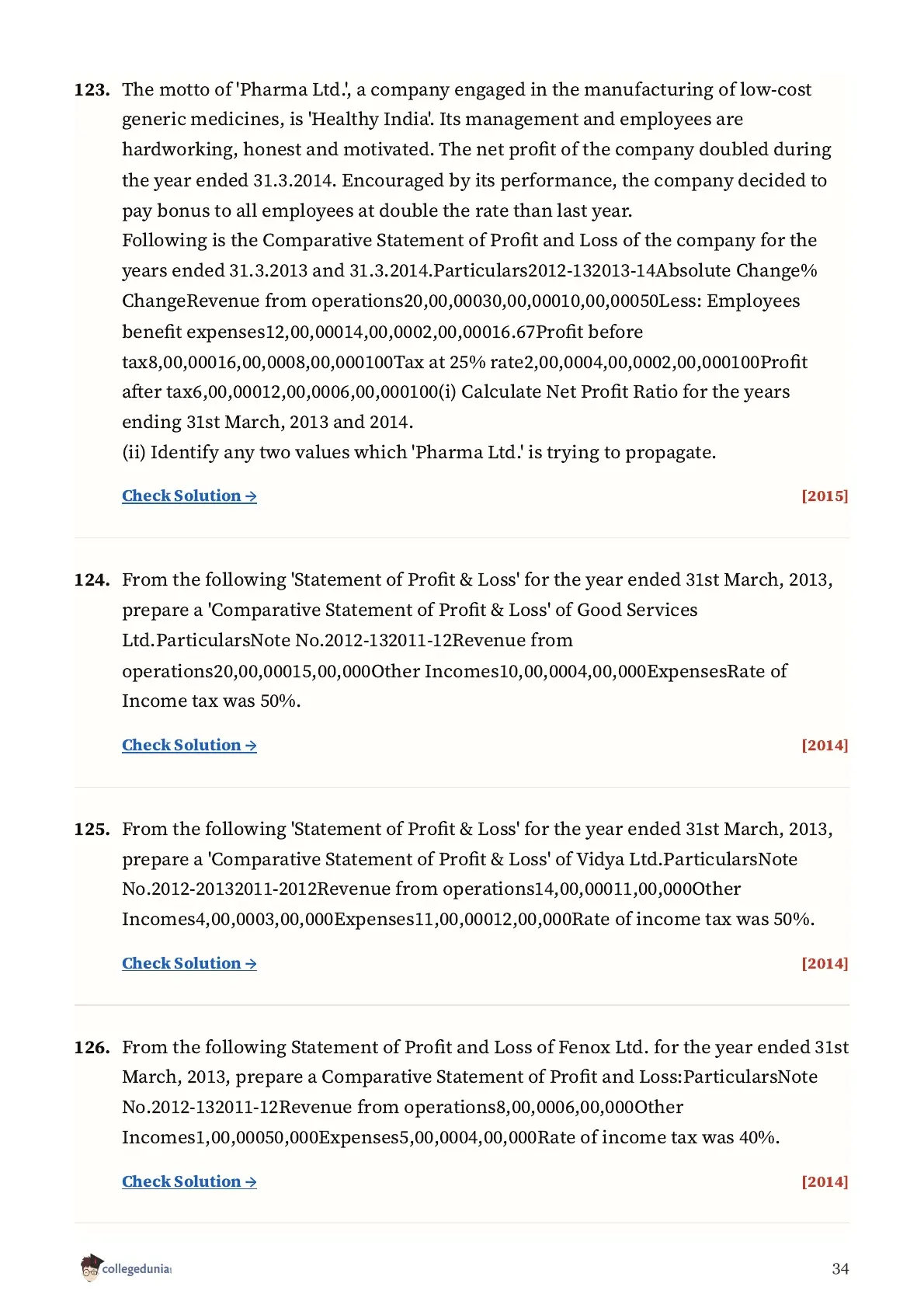
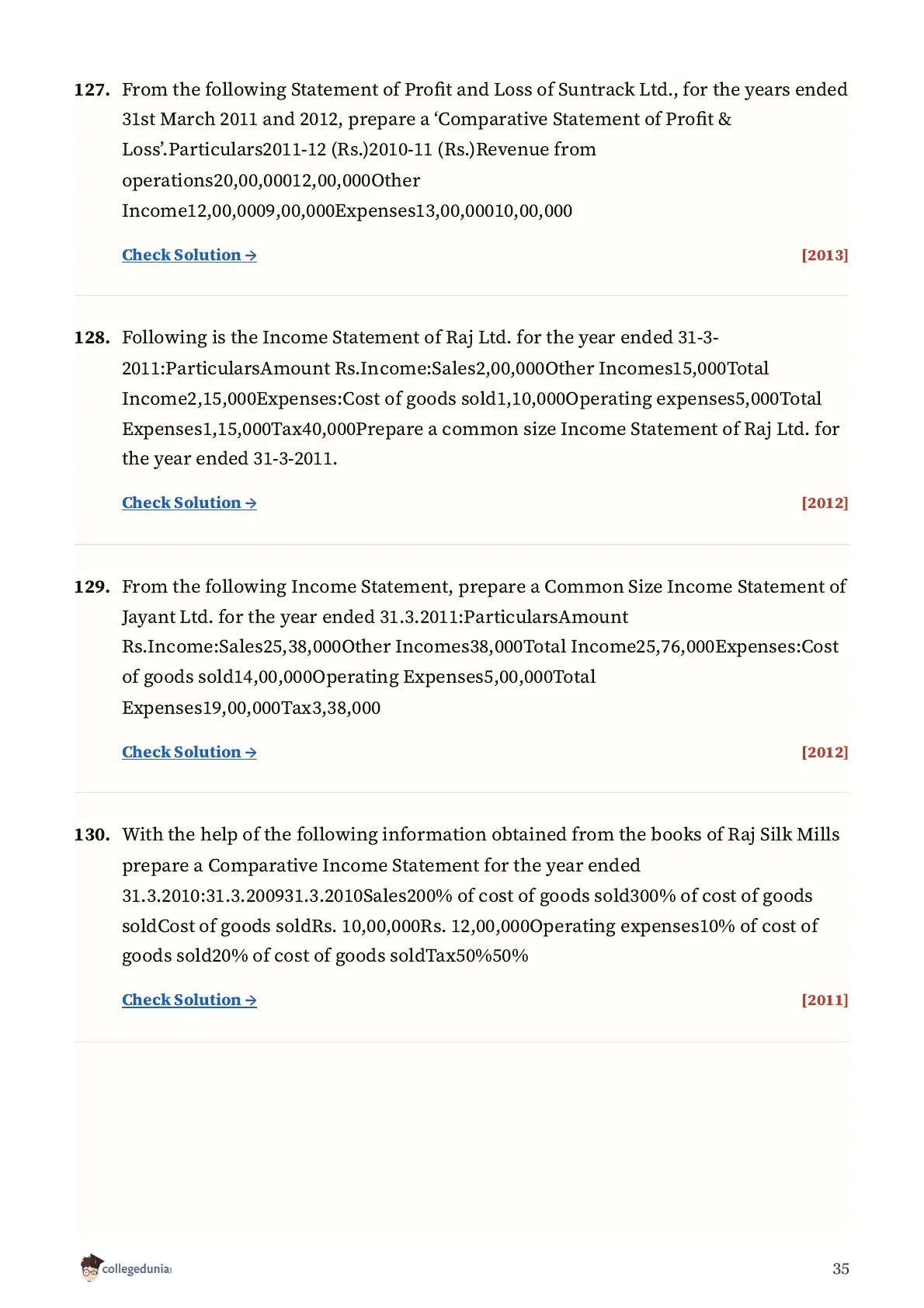
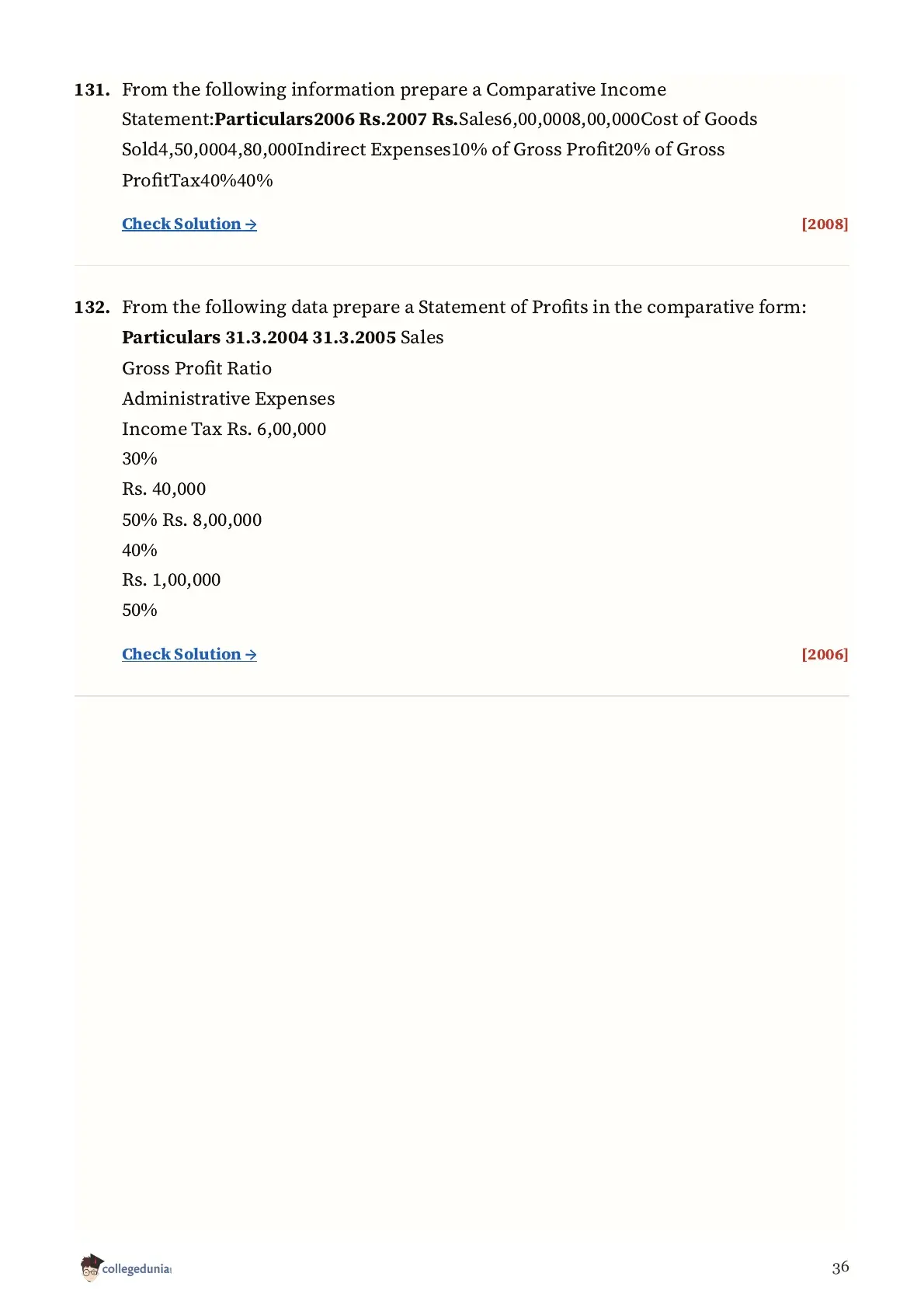
The Analysis of Financial Statements PYQ set gathers 108 board-paper questions across 2000 to 2026, sorted by marks and by year, so students see exactly how comparative and common-size statements are usually asked.
Every question in this Class 12 Accountancy Analysis of Financial Statements PYQ compilation is sourced from CBSE board papers (Delhi, Outside Delhi, Foreign and Compartment) and cross-checked against the official mark scheme, with near-duplicate questions removed.
What the Analysis of Financial Statements Previous Year Questions Cover
The 108-question set covers every part of the chapter that CBSE actually tests. Comparative Income Statement and Comparative Balance Sheet preparation drive almost every 4-mark answer, where students compute absolute and percentage changes. Common-Size statements and the tools of analysis carry the 3-mark band. Short reasoning on the meaning of financial analysis, its importance and its limitations fills the 1-mark MCQs. The interest of different parties, like creditors and trade unions, appears in a few short questions.
Marks-wise Distribution of the Analysis of Financial Statements PYQs
The table below shows how the 108 questions split across the CBSE marks bands. Use it to decide how much revision time each band deserves.
| Marks | Questions | Total Marks | CBSE Section | Type |
|---|---|---|---|---|
| 1 mark | 22 | 22 | Section A | MCQ / Assertion-Reason |
| 3 mark | 42 | 126 | Section C | SA (Short Answer) |
| 4 mark | 44 | 176 | Section D | Case Study |
Year-wise Spread of Class 12 Accountancy Analysis of Financial Statements PYQs
The compilation spans 23 CBSE board years. About 31 per cent of the questions come from 2023 onwards, with 2022 still the single biggest year in the set.
- 2026: Two definition MCQs, one on the process of identifying financial strengths and weaknesses, the other on statements useful in both intra-firm and inter-firm comparison.
- 2024 to 2025: Steady years, with Comparative Income Statement preparation and short tool-identification questions.
- 2020 to 2023: A heavy block, including the 2023 technique-identification question on regrouping data by arithmetical relationships and many comparative-statement problems.
- 2000 to 2019: Older long answers on the importance of analysis and the interest of creditors and trade unions, all still relevant today.
Topic Frequency in the Analysis of Financial Statements Board Paper Questions
The 108 questions cluster into the six topic buckets below, ranked by how often CBSE has set them between 2000 and 2026.
| Rank | Topic Cluster | Frequency | Typical Marks Band |
|---|---|---|---|
| 1 | Comparative statements (Comparative Income Statement and Balance Sheet preparation) | ~30 per cent | 3 and 4 mark |
| 2 | Common-size statements (each item as a per cent of revenue or total) | ~22 per cent | 3 and 4 mark |
| 3 | Tools of financial analysis (identify and explain the technique) | ~16 per cent | 1 and 3 mark |
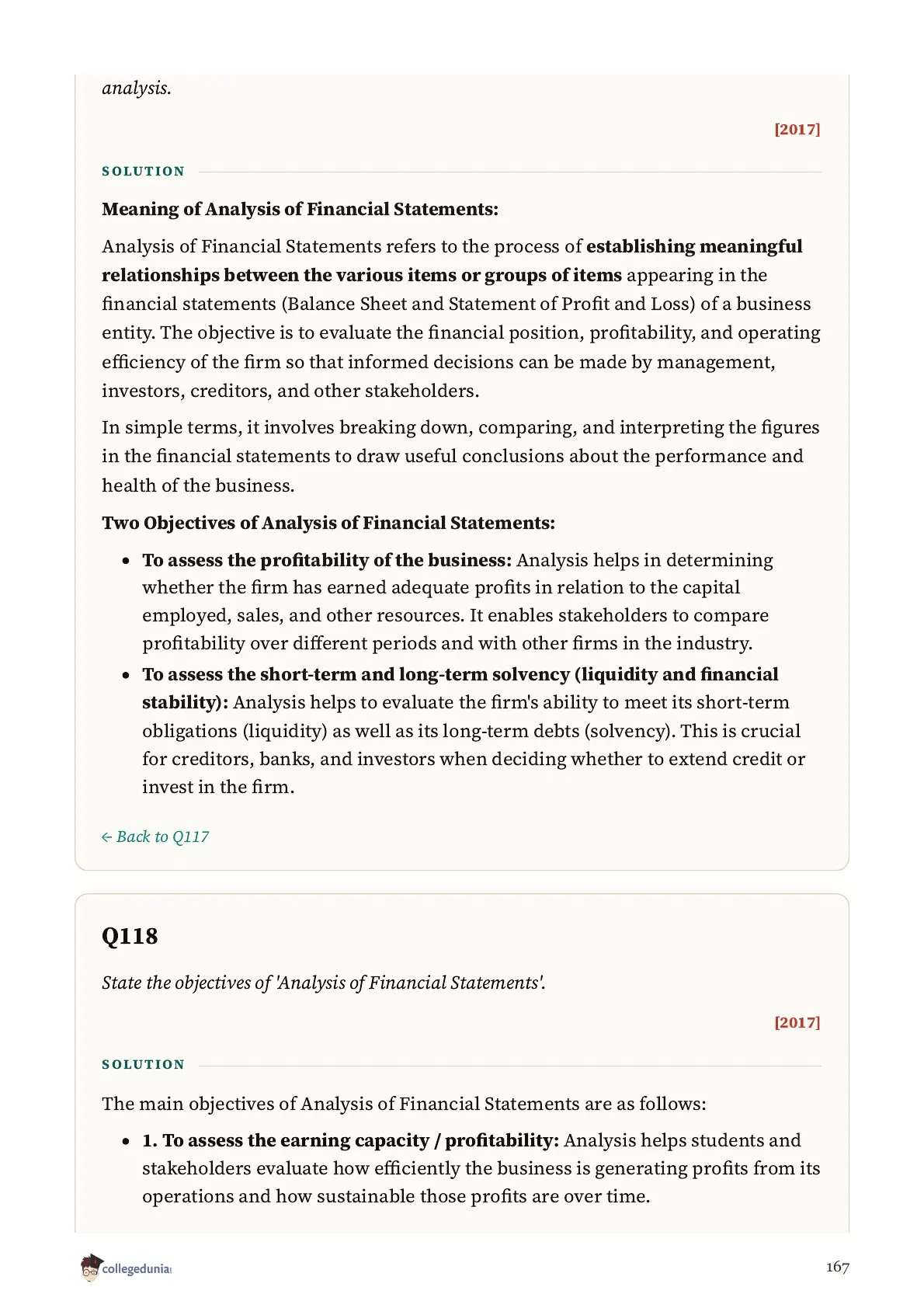
| 4 | Meaning and objectives of analysis (definition, process, intra and inter-firm use) | ~14 per cent | 1 and 3 mark |
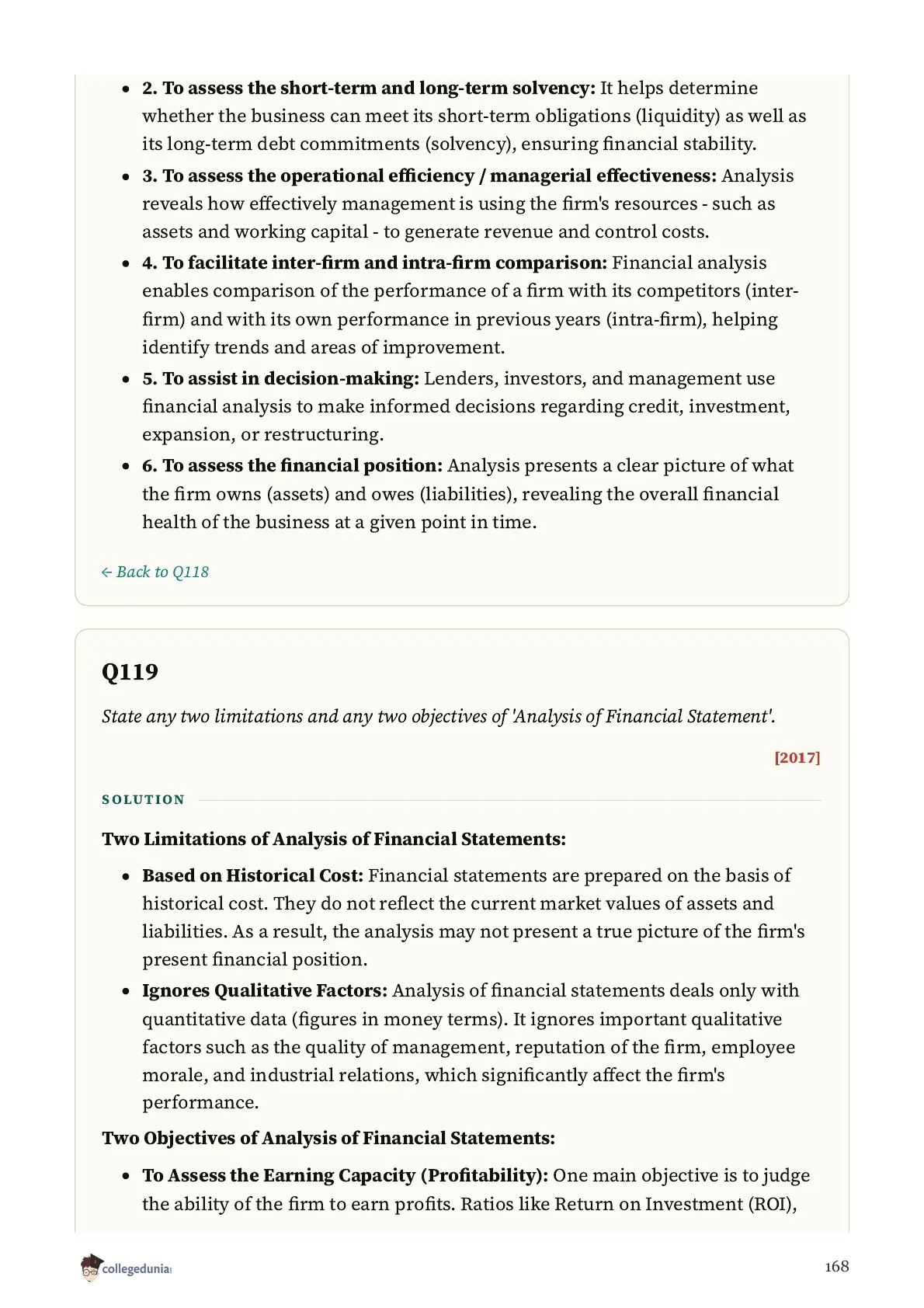
| 5 | Limitations of financial analysis (window dressing, ignoring price changes) | ~10 per cent | 1 and 3 mark |
| 6 | Interested parties (creditors, trade unions, importance of analysis) | ~8 per cent | 1 and 3 mark |
Marks-Band Attempt Strategy for the Analysis of Financial Statements PYQs
The 108 PYQs are arranged marks-ascending inside the PDF so students can attempt them in the same order the CBSE paper presents them.
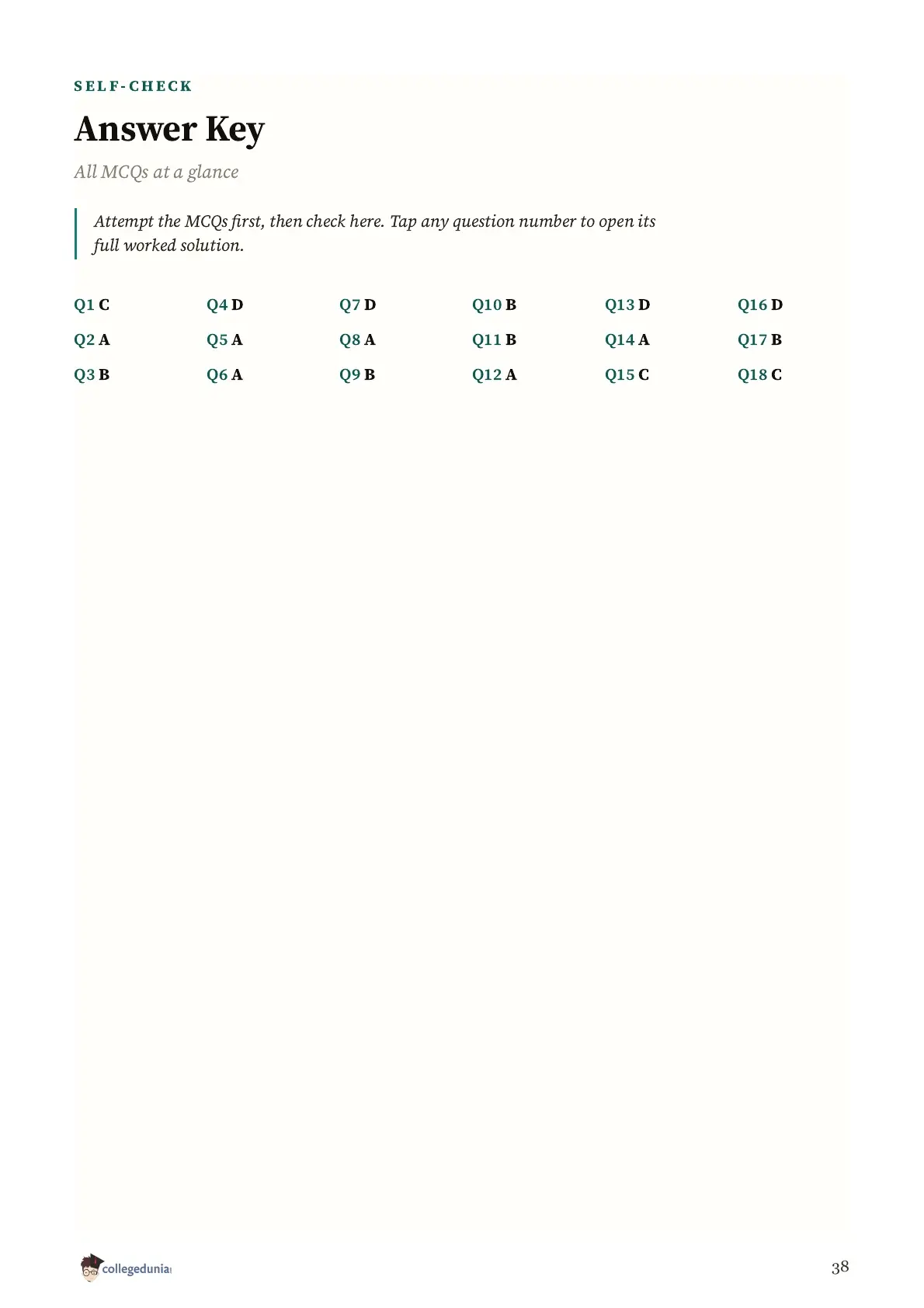
- 1-mark MCQs: Spend no more than 45 seconds each. Many ask for the name of a tool or the meaning of financial analysis.
- 3-mark questions: Identify a technique and give two advantages, or do a short comparative working. Aim for 5 minutes.
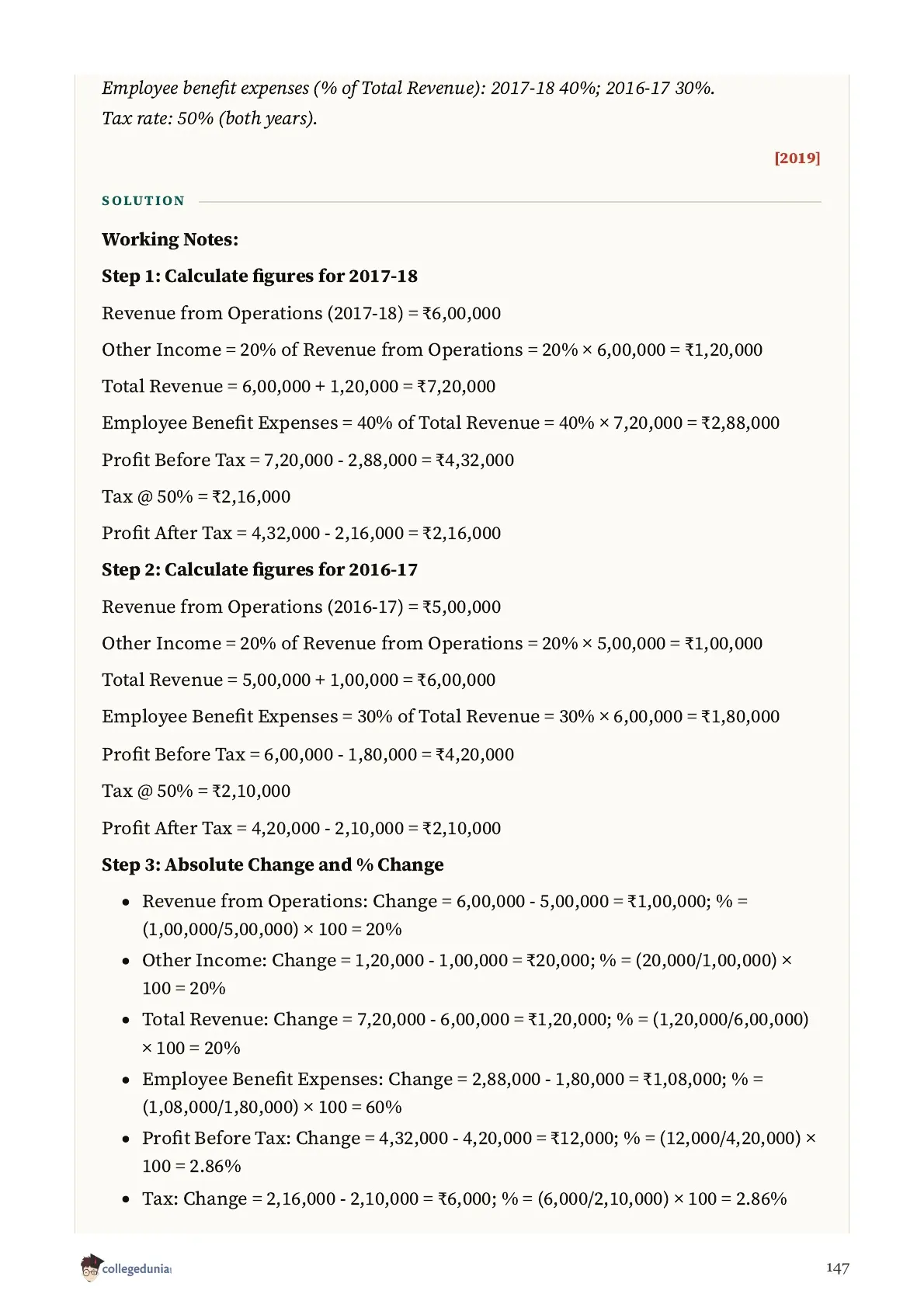
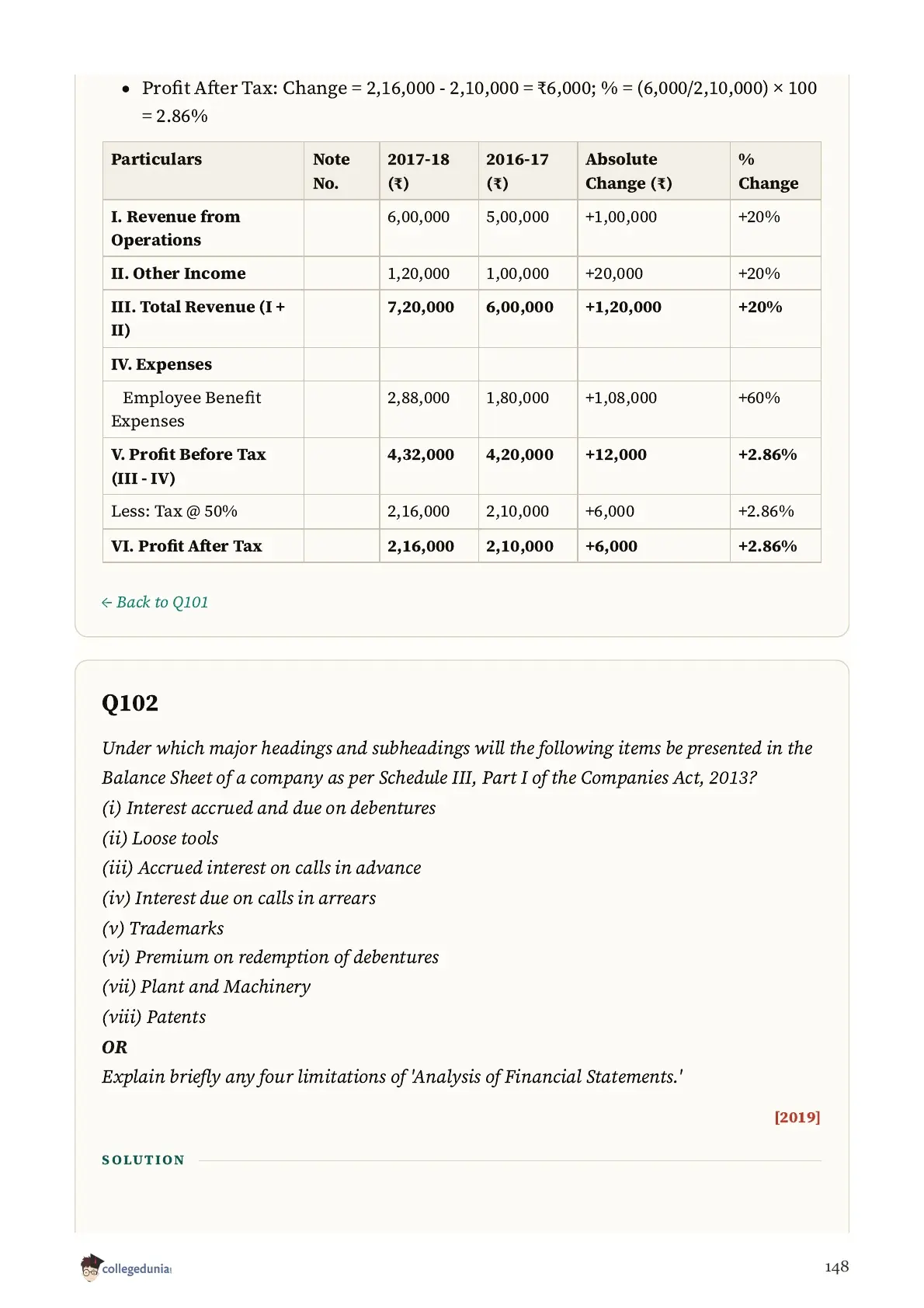
- 4-mark Comparative statements: Compute the absolute change and the percentage change for each line. Always show the percentage formula before the figure.
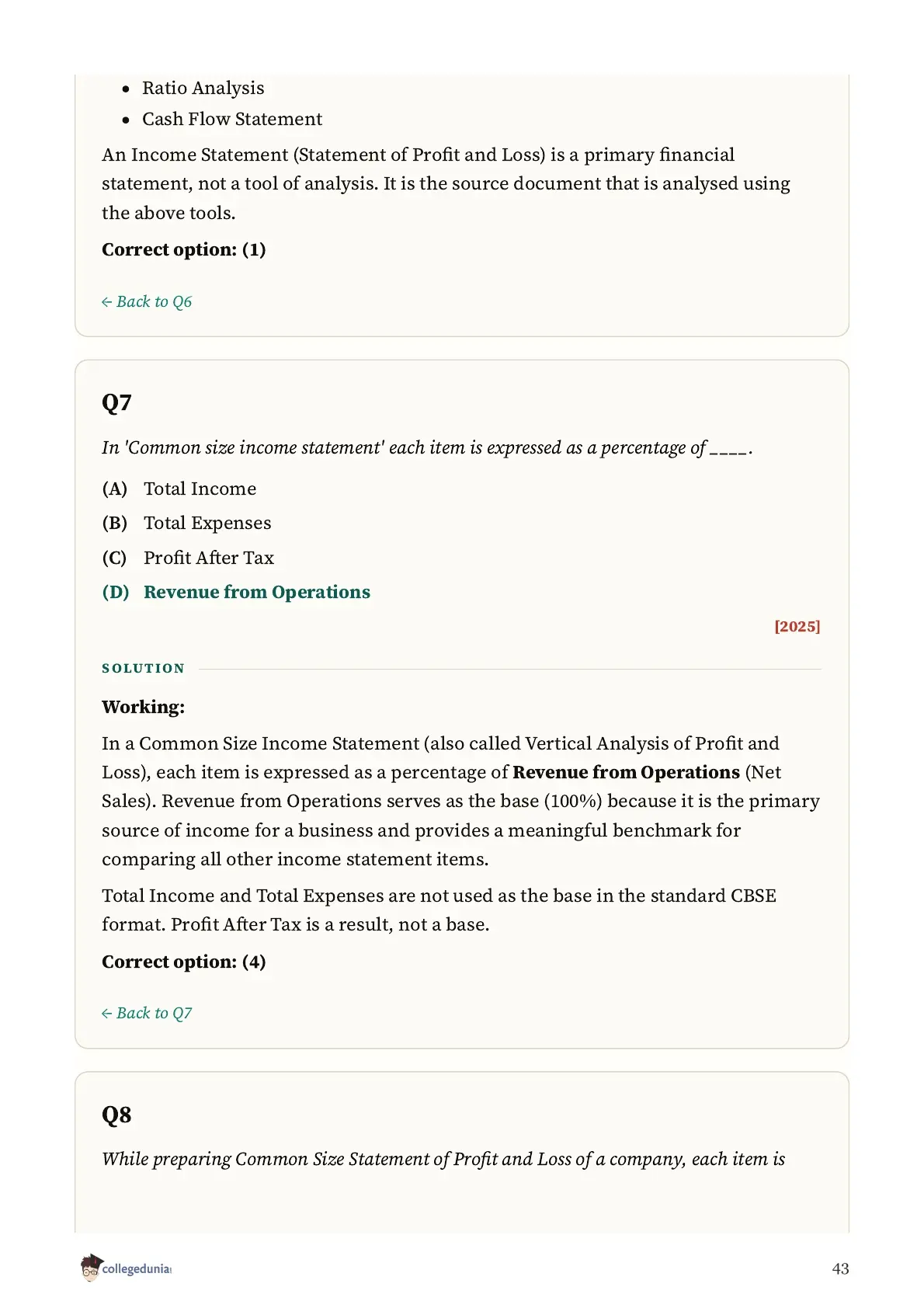
- 4-mark Common-Size statements: Express each item as a per cent of revenue from operations or of total. Allocate 8 to 10 minutes.
Recent CBSE Trend: 2024 to 2026 Pattern Shift in Analysis of Financial Statements
Three things have changed in the recent CBSE cycles that the Analysis of Financial Statements previous year questions now reflect:
- Section A now carries a fixed block of 1-mark objective questions. The compilation includes 22 such questions, most from 2020 onwards.
- Definition-style MCQs are now common, as in the 2026 question naming the process of identifying financial strengths and weaknesses as financial analysis.
- 4-mark questions still ask for a full Comparative or Common-Size statement, so the PDF keeps complete datasets for each one.
Sample Previous Year Questions from Analysis of Financial Statements
Here are a few real previous year questions from the Analysis of Financial Statements board papers, taken straight from the compilation. The full set is in the downloadable PDF.
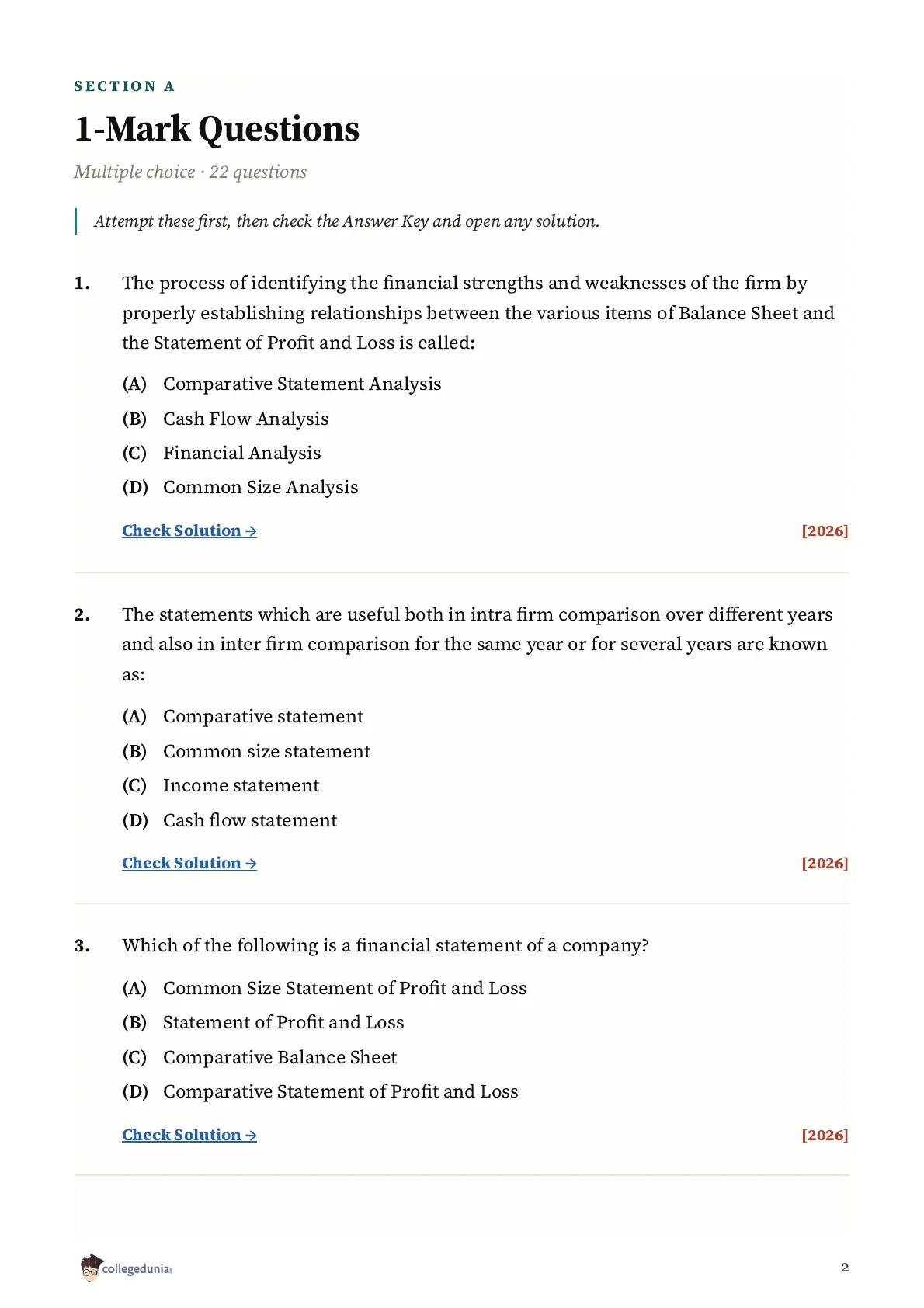
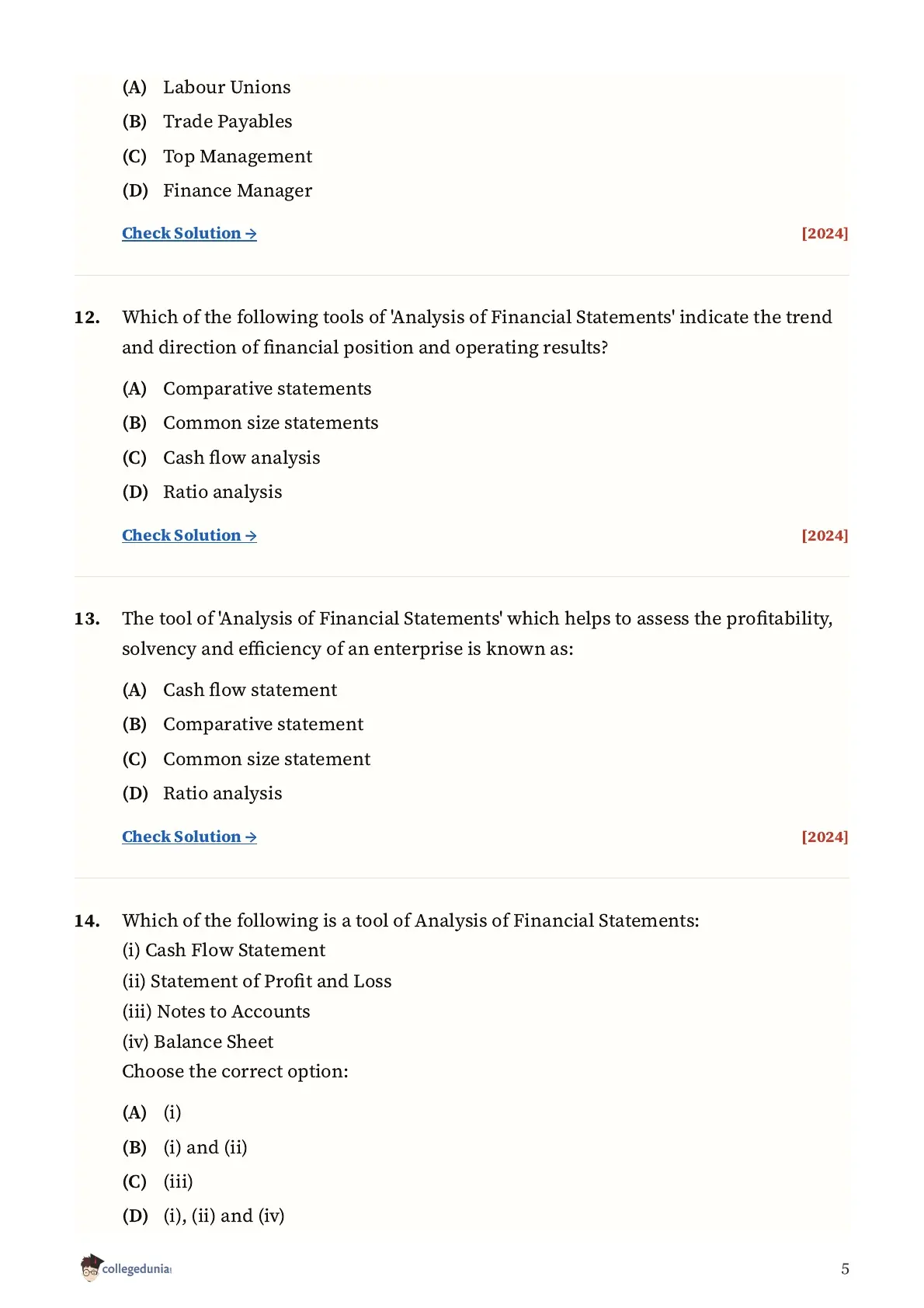
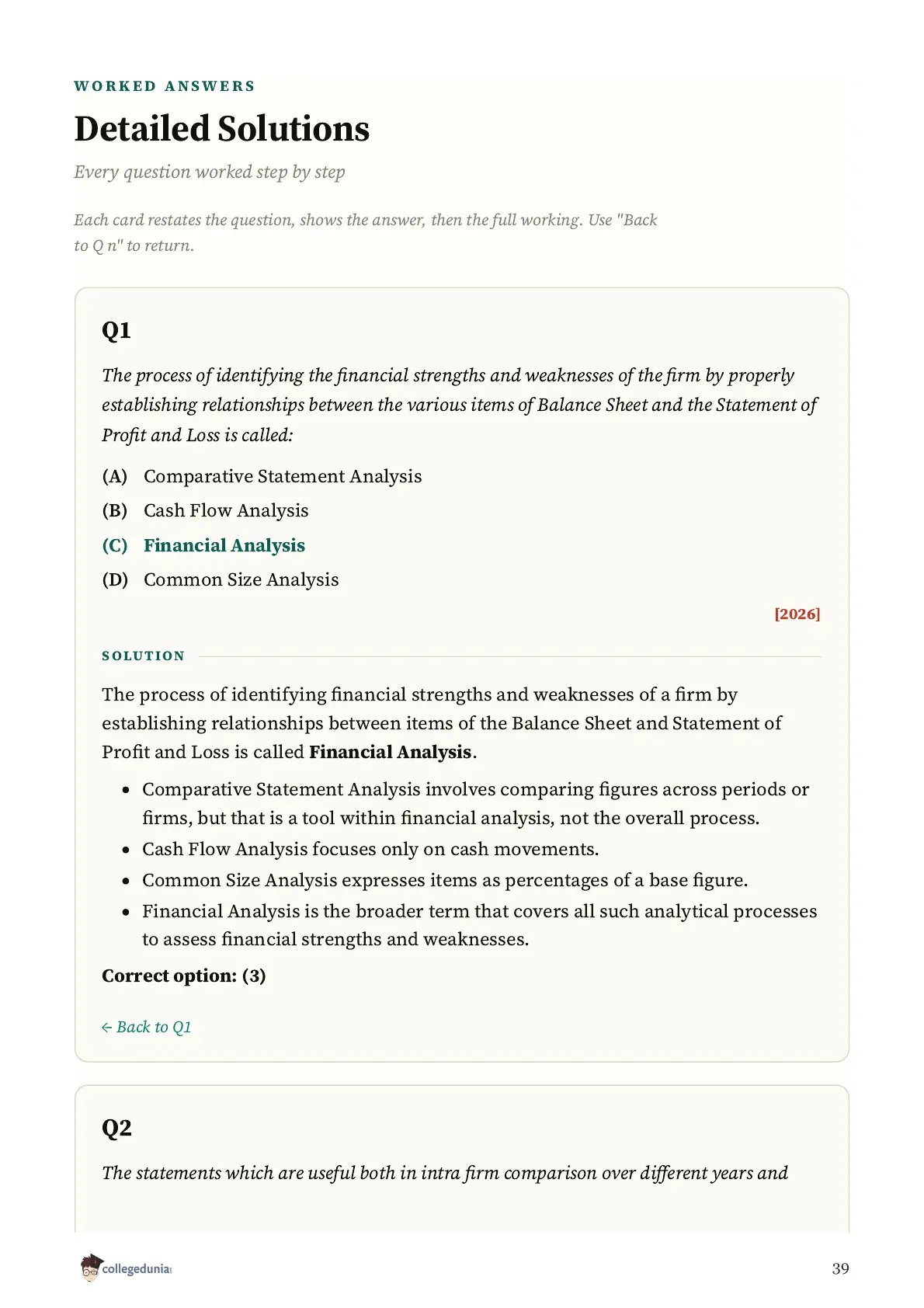
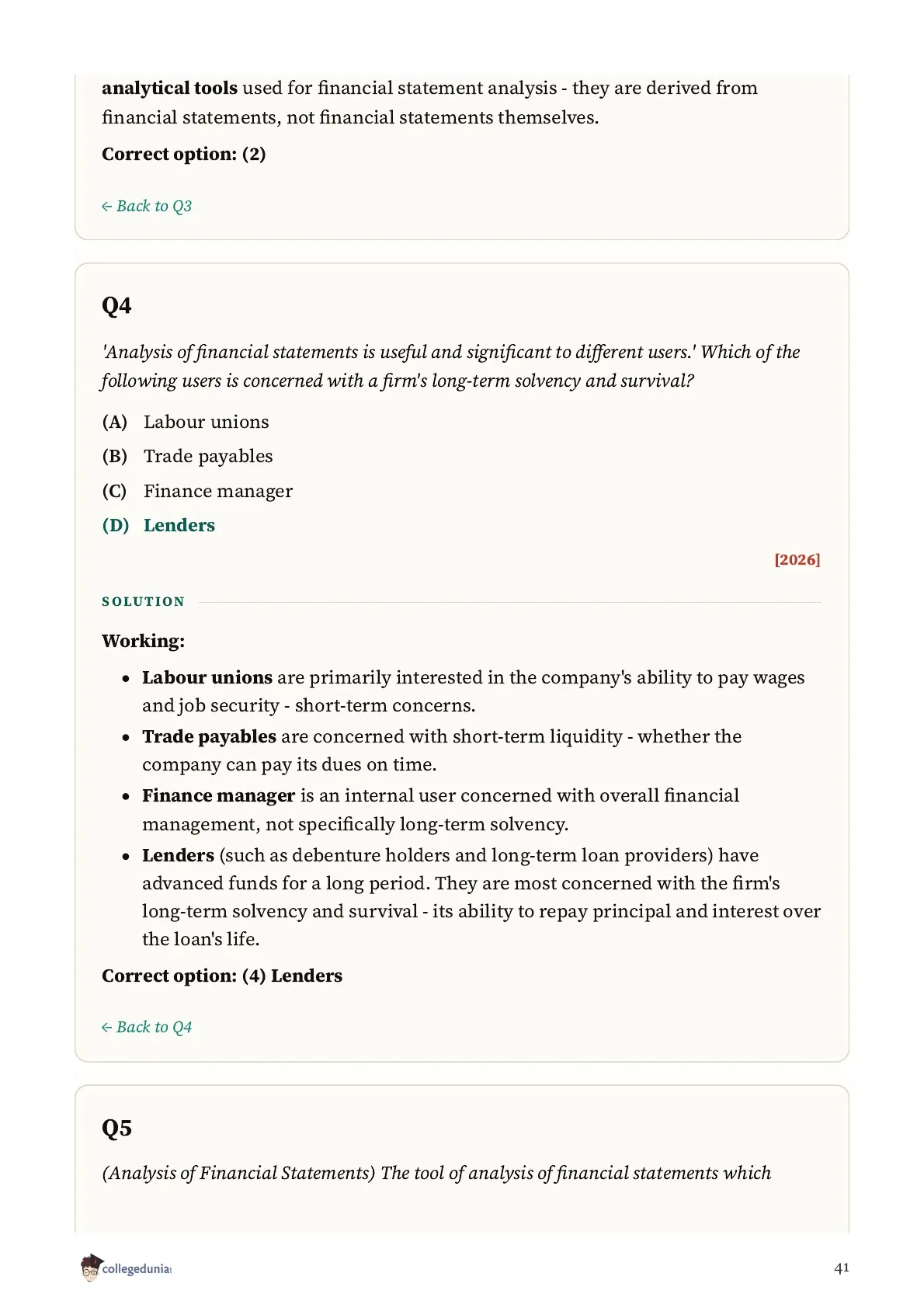
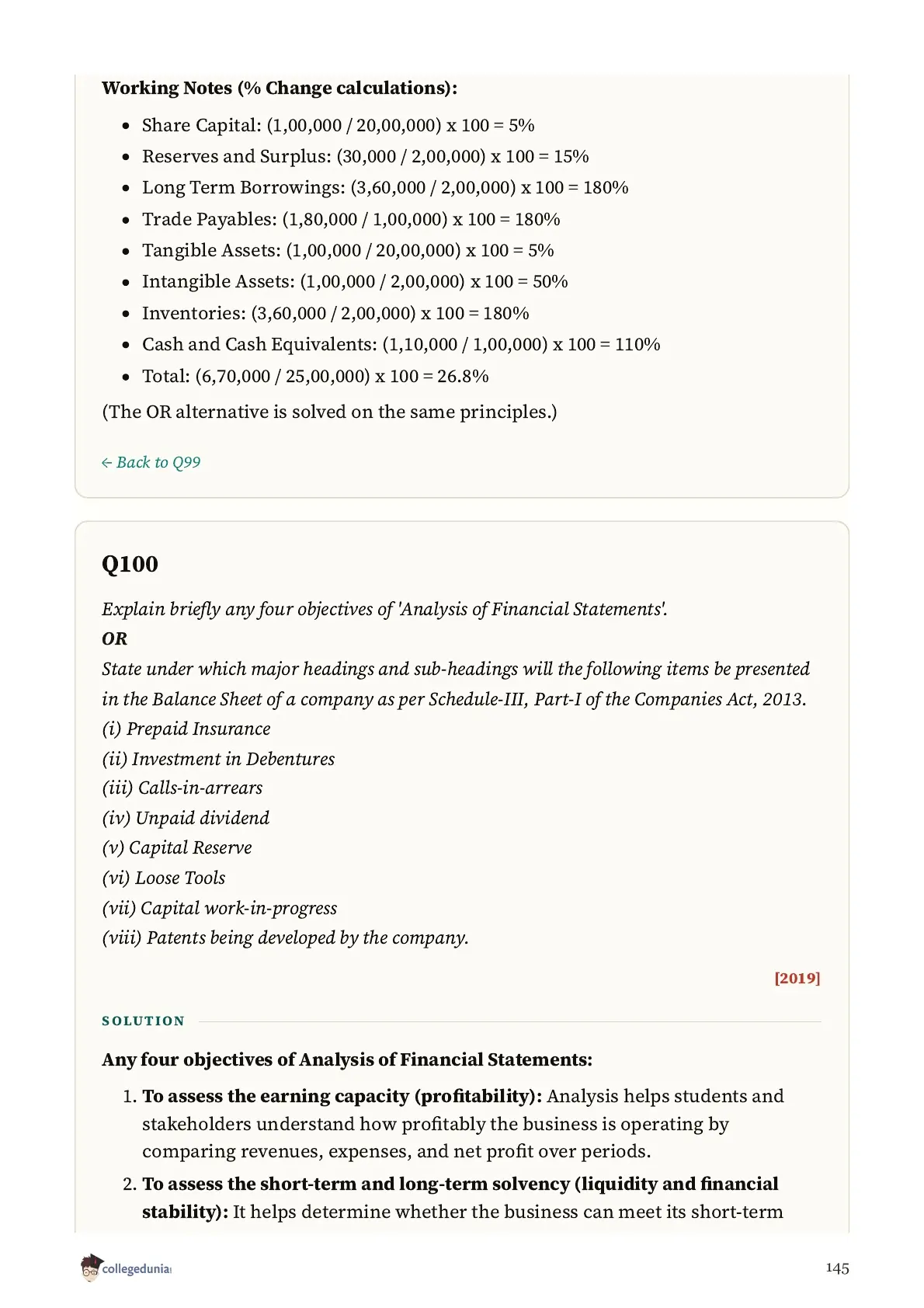
The process of identifying the financial strengths and weaknesses of the firm by properly establishing relationships between the various items of Balance Sheet and the Statement of Profit and Loss is called:
- Comparative Statement Analysis
- Cash Flow Analysis
- Financial Analysis
- Common Size Analysis
[2026 • 1 mark]
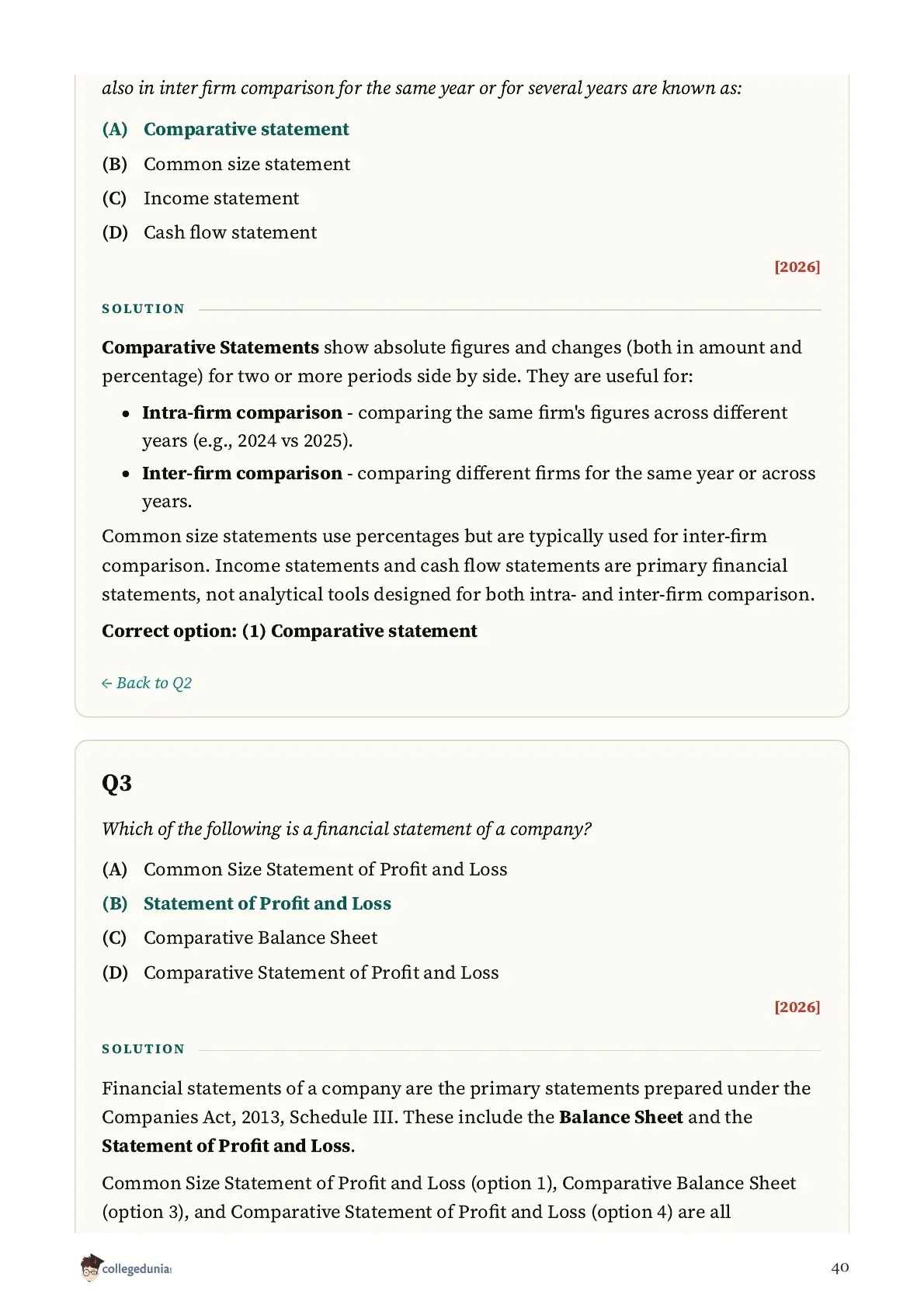
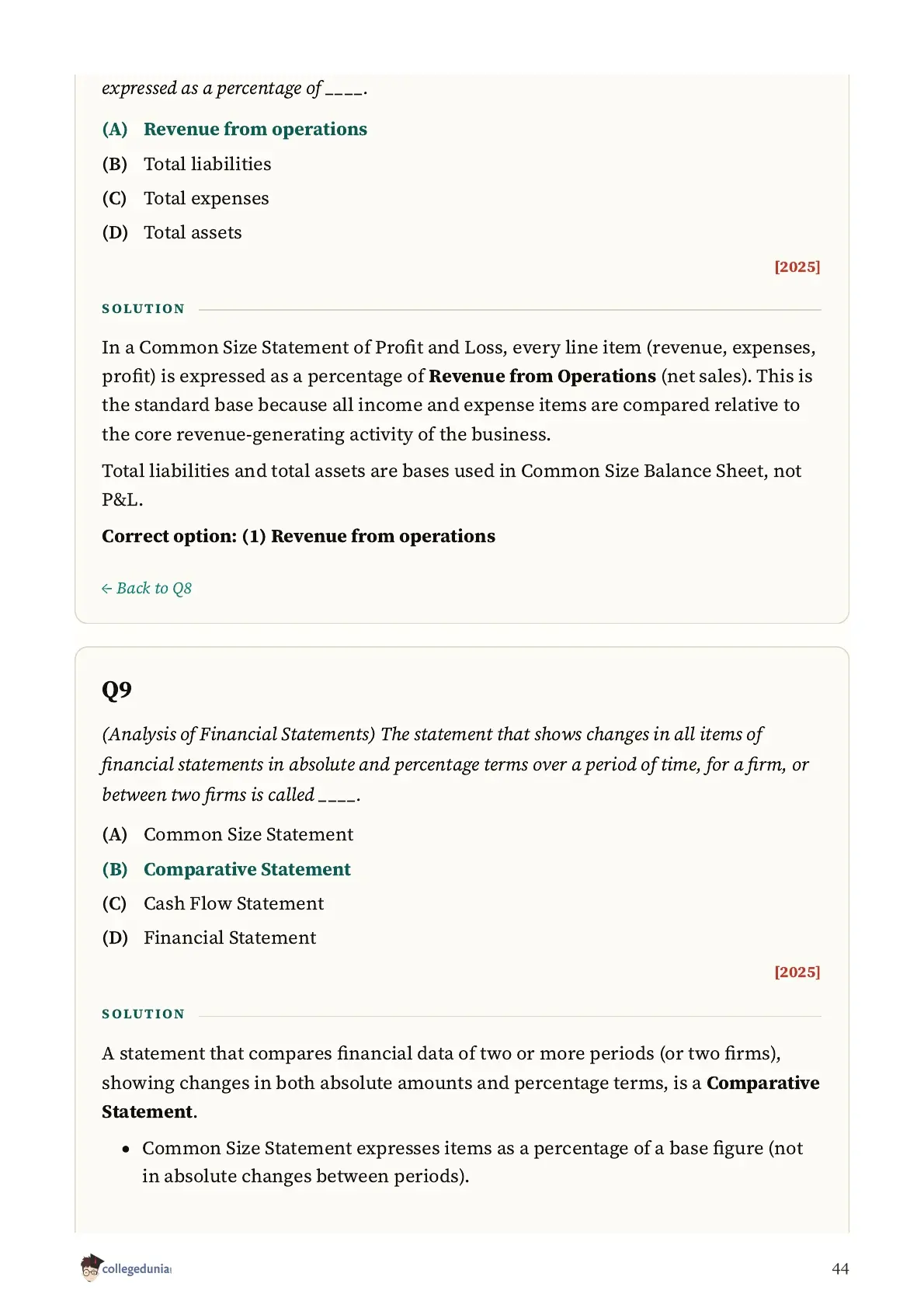
The statements which are useful both in intra firm comparison over different years and also in inter firm comparison for the same year or for several years are known as:
- Comparative statement
- Common size statement
- Income statement
- Cash flow statement
[2026 • 1 mark]
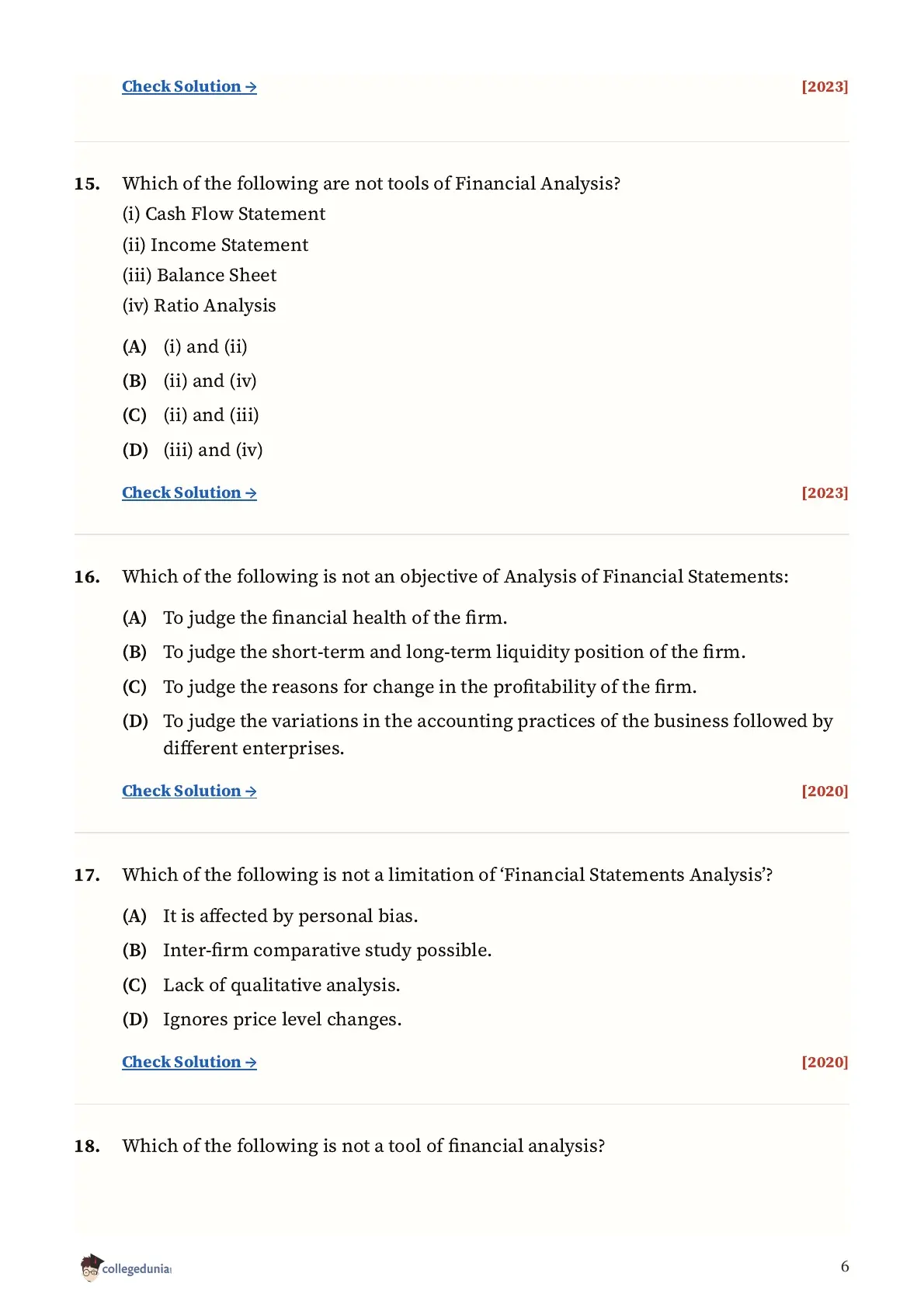
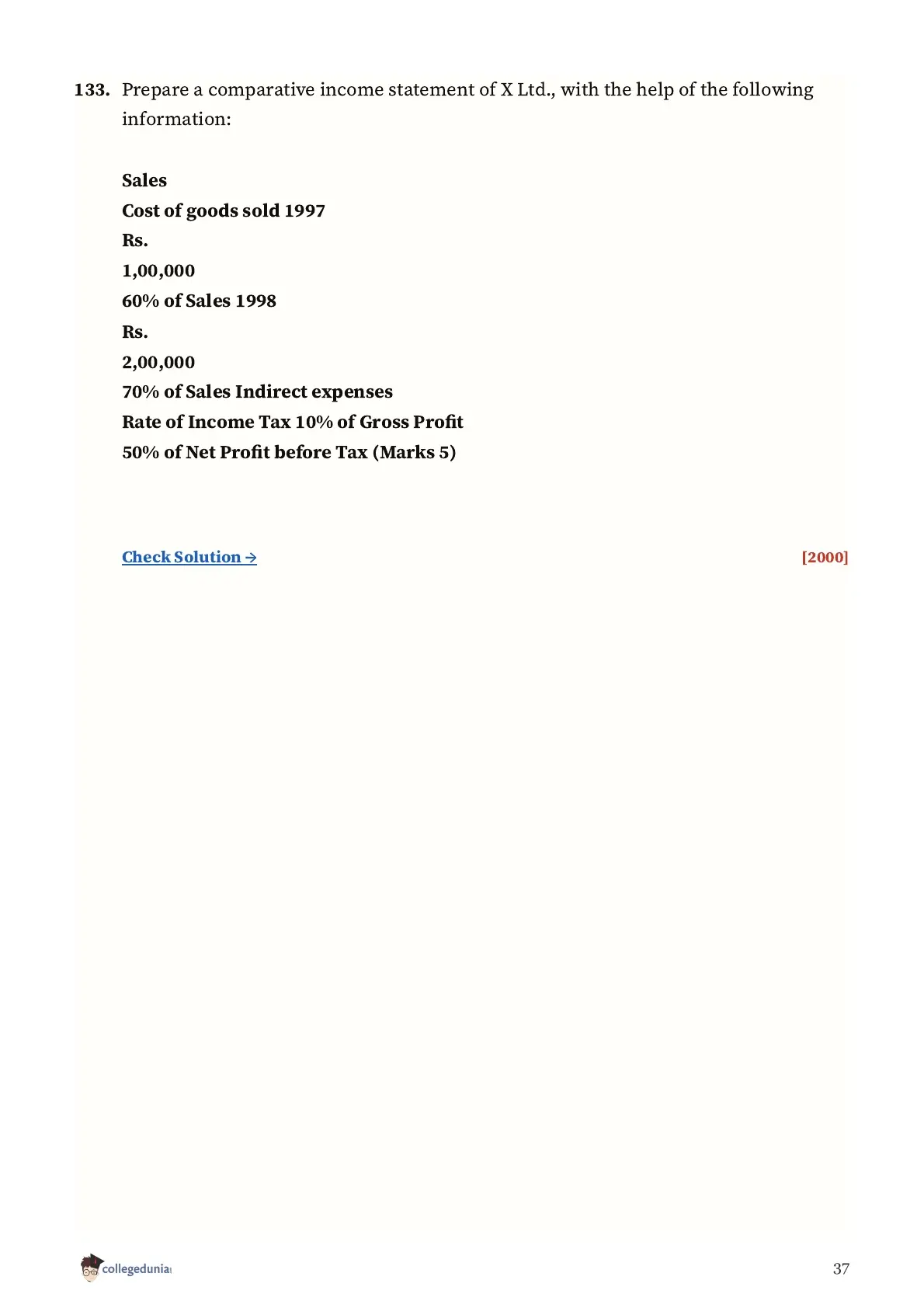
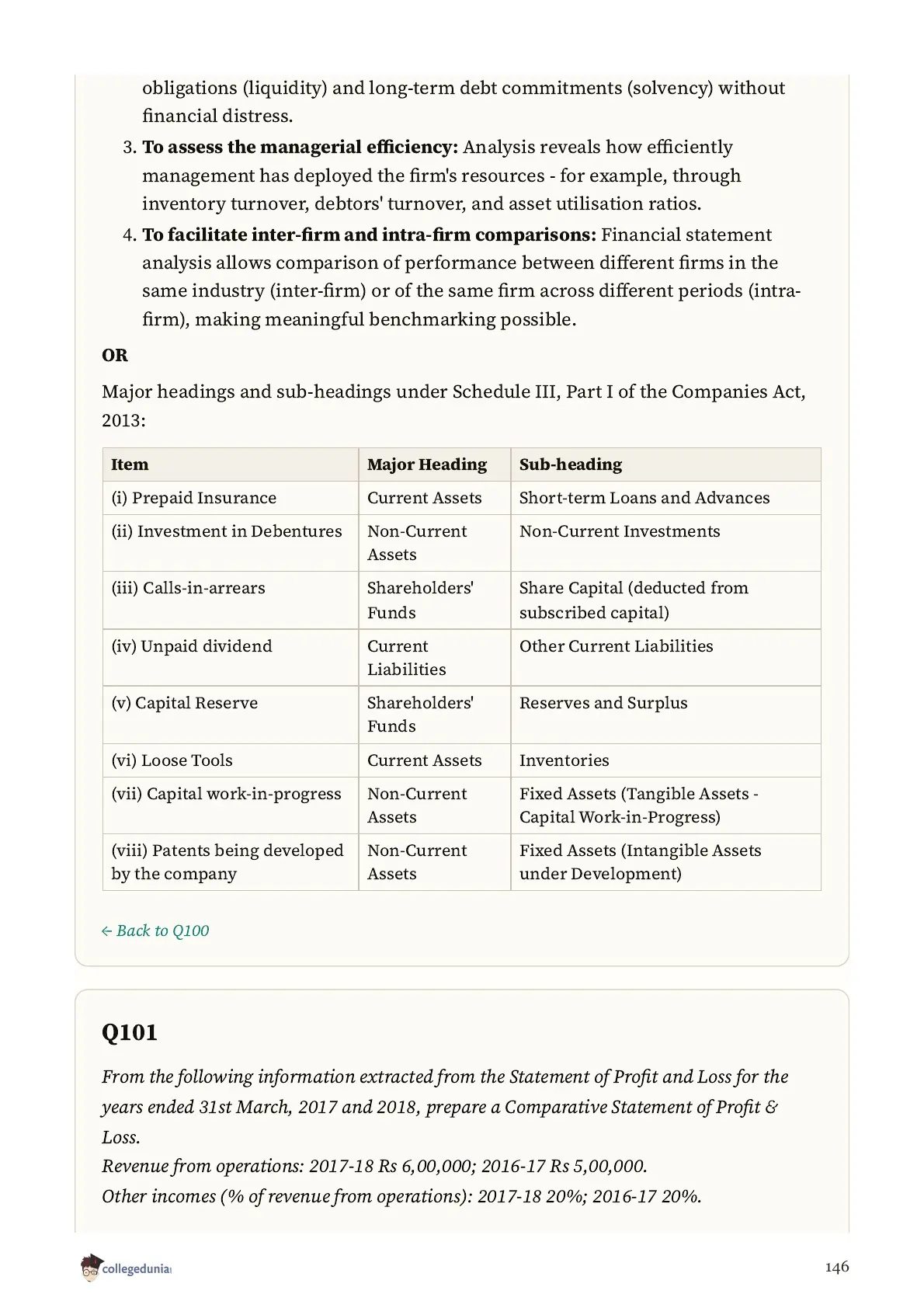
'It is a technique which involves regrouping of data by application of arithmetical relationships.' Identify the technique and state its two advantages.
[2023 • 3 mark]
Common Mistakes in the Analysis of Financial Statements Board Questions
- Computing the percentage change on the current-year figure instead of the previous-year base figure.
- Mixing up a Comparative statement with a Common-Size statement, which use different base figures.
- Leaving out the absolute change column in a Comparative statement, which the marking scheme expects.
- Naming only the tool but not its two advantages or limitations when both are asked.
- Using total assets as the base in a Common-Size Income Statement instead of revenue from operations.
Student Feedback on Analysis of Financial Statements PYQ Practice
- 61 per cent said the percentage-change step in Comparative statements was where they most often slipped.
- 54 per cent reported scoring full marks on the 4-mark statement after solving all 44 in this PDF.
- 37 per cent said a definition MCQ similar to the 2026 financial-analysis question appeared in their actual paper.
- Average time to finish all 108 PYQs: about 10 hours across 5 study sessions.
How These PYQs Pair with the Other Analysis of Financial Statements Resources
Solving previous year questions alone gives you only half the prep. Pair the PYQ PDF with the matching concept, formula and solution resources for Analysis of Financial Statements.
| Resource | What It Gives You | Open |
|---|---|---|
| NCERT Solutions | Step-by-step worked answers to every NCERT back-exercise question of Analysis of Financial Statements | NCERT Solutions for Analysis of Financial Statements |
| Notes | Concept revision notes covering every topic in the Analysis of Financial Statements chapter | Analysis of Financial Statements Class 12 Notes |
| Handwritten Notes | Scanned handwritten notes of Analysis of Financial Statements for quick one-shot revision | Analysis of Financial Statements Handwritten Notes |
| NCERT Book | Official NCERT Analysis of Financial Statements chapter PDF for free download | Analysis of Financial Statements NCERT Book PDF |
How to Use the Analysis of Financial Statements PYQ PDF Most Effectively
The 108 questions are sequenced for a three-pass revision plan:
- Pass 1 (Day 1): Attempt all 22 one-mark MCQs. Mark every wrong tool name and re-read the NCERT definitions of analysis and its tools.
- Pass 2 (Day 2 to 4): Solve the 42 three-mark questions on tools, limitations and short comparatives. Always state the technique and its two points.
- Pass 3 (Day 5 to 7): Work through all 44 four-mark Comparative and Common-Size statements, showing every percentage formula before the figure.
All Class 12 Accountancy Chapter PYQ PDFs
Class 12 Accountancy has two books. Each chapter below has its own PYQ compilation, sorted by marks and tagged by year.
Part 1: Partnership Accounts
| Chapter | Topic | Previous Year Questions |
|---|---|---|
| Chapter 1 | Accounting for Partnership: Basic Concepts | PYQ PDF |
| Chapter 2 | Reconstitution of a Partnership Firm - Admission of a Partner | PYQ PDF |
| Chapter 3 | Reconstitution of a Partnership Firm - Retirement / Death of a Partner | PYQ PDF |
| Chapter 4 | Dissolution of Partnership Firm | PYQ PDF |
Part 2: Company Accounts and Analysis of Financial Statements
| Chapter | Topic | Previous Year Questions |
|---|---|---|
| Chapter 1 | Accounting for Share Capital | PYQ PDF |
| Chapter 2 | Issue and Redemption of Debentures | PYQ PDF |
| Chapter 3 | Financial Statements of a Company | PYQ PDF |
| Chapter 4 | Analysis of Financial Statements | PYQ PDF |
| Chapter 5 | Accounting Ratios | PYQ PDF |
| Chapter 6 | Cash Flow Statement | PYQ PDF |
Also Check: NCERT Solutions for Class 12 Accountancy
Class 12 Accountancy Analysis of Financial Statements PYQ FAQs
Ques. How many previous year questions are in the Class 12 Accountancy Analysis of Financial Statements PYQ PDF?
Ans. The PDF has 108 previous year questions from CBSE board papers between 2000 and 2026, sorted by marks (1 to 4) and then by year, latest first. Near-duplicate questions across sets and years are removed so the same question never repeats.
Ques. Are the Analysis of Financial Statements PYQs based on the 2026-27 CBSE syllabus?
Ans. Yes. Every question follows the 2026-27 CBSE Class 12 Accountancy syllabus. Older questions are kept because the tools, Comparative and Common-Size statements, are the same in the current syllabus.
Ques. Which topics of Analysis of Financial Statements appear most often in CBSE board papers?
Ans. From the 108-question set: Comparative statements (about 30 per cent), Common-Size statements (about 22 per cent), tools of financial analysis (about 16 per cent), and short reasoning on the meaning, importance and limitations of analysis.
Ques. How is this PYQ PDF different from a CBSE sample paper?
Ans. A sample paper gives students one paper. This PDF stitches together 23 years of questions across every set and region (Delhi, Outside Delhi, Foreign and Compartment) for this chapter alone, so students can see which tools CBSE repeats and how each statement is usually asked.
Ques. Does the Analysis of Financial Statements PYQ PDF include MCQs?
Ans. Yes. 22 of the 108 questions are 1-mark questions, mostly MCQ on the meaning of analysis, its tools and its interested parties, from the Section A objective block.
Ques. Where can I download the Analysis of Financial Statements Class 12 PYQ PDF for free?
Ans. The full Analysis of Financial Statements PYQ PDF is free to download from the PDF button at the top of this page. No sign-up is needed, and it works for CBSE boards and CUET Commerce prep.
Ques. How should I use these PYQs to revise Analysis of Financial Statements in the last 10 days?
Ans. Use the three-pass plan: Day 1 attempt all 22 MCQs, Day 2 to 4 solve the 42 three-mark tool and limitation questions, Day 5 to 7 attempt all 44 four-mark Comparative and Common-Size statements. Always show the percentage formula before the figure.
Ques. Does the PDF give answers or only the questions?
Ans. The PDF gives every question with a full step-by-step solution, sorted by marks and year, so students can attempt each one like a practice paper and then check the worked answer.
Ques. Are Comparative statements important for the CBSE Analysis questions?
Ans. Very. Comparative statements drive close to a third of all questions in the compilation, especially the 4-mark band. Practising every Comparative and Common-Size PYQ in the PDF is the single best use of study time for this chapter.
Ques. What is analysis of financial statements?
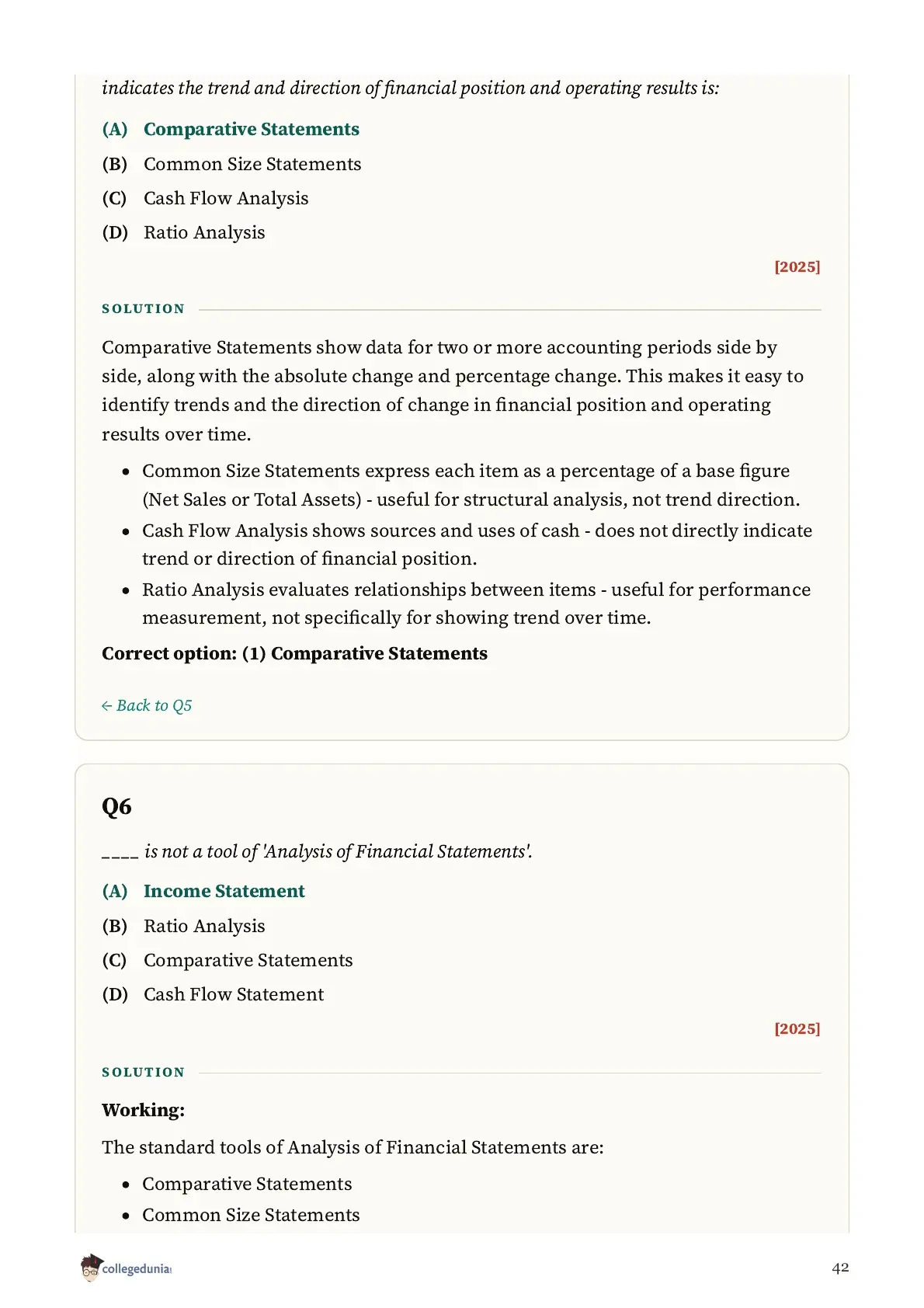
Ans. Analysis of financial statements is the process of identifying the financial strengths and weaknesses of a firm by establishing relationships between items of the Balance Sheet and the Statement of Profit and Loss. It helps owners, creditors and managers judge the firm's performance and position. The main tools are comparative statements, common-size statements, ratio analysis and cash flow analysis.
Ques. How is a Comparative statement defined?
Ans. A Comparative statement shows the figures of two or more years side by side, along with the absolute change and the percentage change for each item. It is useful for both intra-firm comparison over different years and inter-firm comparison for the same year. The percentage change is always calculated on the previous year as the base.
Ques. What is a Common-Size statement?
Ans. A Common-Size statement expresses each item as a percentage of a common base. In a Common-Size Income Statement, every item is shown as a per cent of revenue from operations. In a Common-Size Balance Sheet, every item is shown as a per cent of total assets. It makes firms of different sizes easy to compare.



Comments