




The NCERT Class 11 Biotechnology Handwritten Notes Chapter 1 An Introduction to Biotechnology are scanned notebook pages written for one-sitting revision against the 2026-27 syllabus. They cover the meaning of the term, Karl Ereky and the historical timeline, ancient against modern biotechnology, recombinant DNA technology, the colour codes, the plant, animal and microbial streams, the four success stories the textbook prints, and the biosafety questions the chapter raises.
- Length: 42 handwritten pages covering all three sections of the chapter, both textbook figures and every exercise question.
- Must-learn pair: ancient biotechnology against modern biotechnology, the comparison that opens almost every Class 11 Biotechnology paper.
- Also on this page: a milestone timeline, a quick recall table, a five-point mistake list and links to the sibling biotechnology chapters.
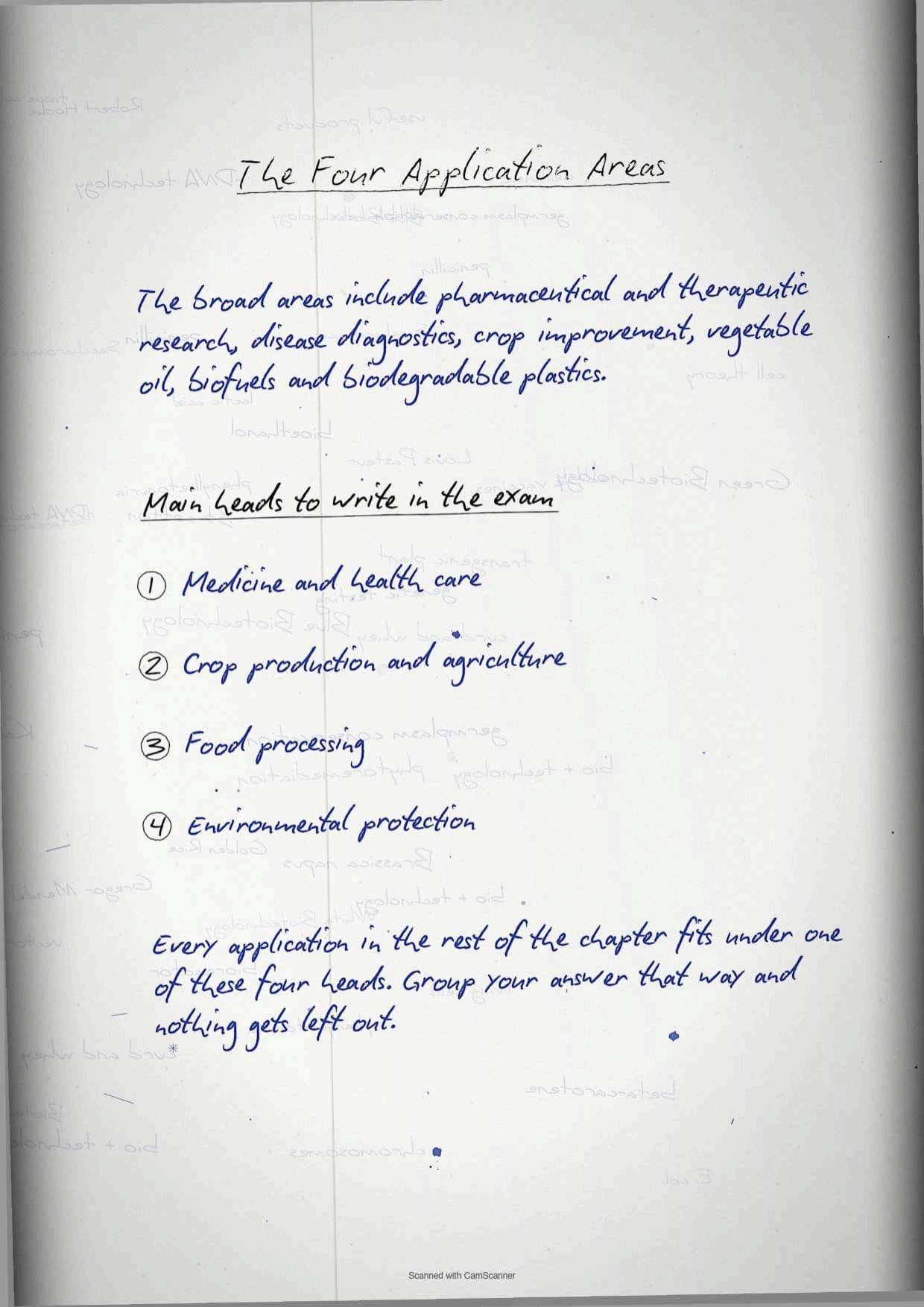
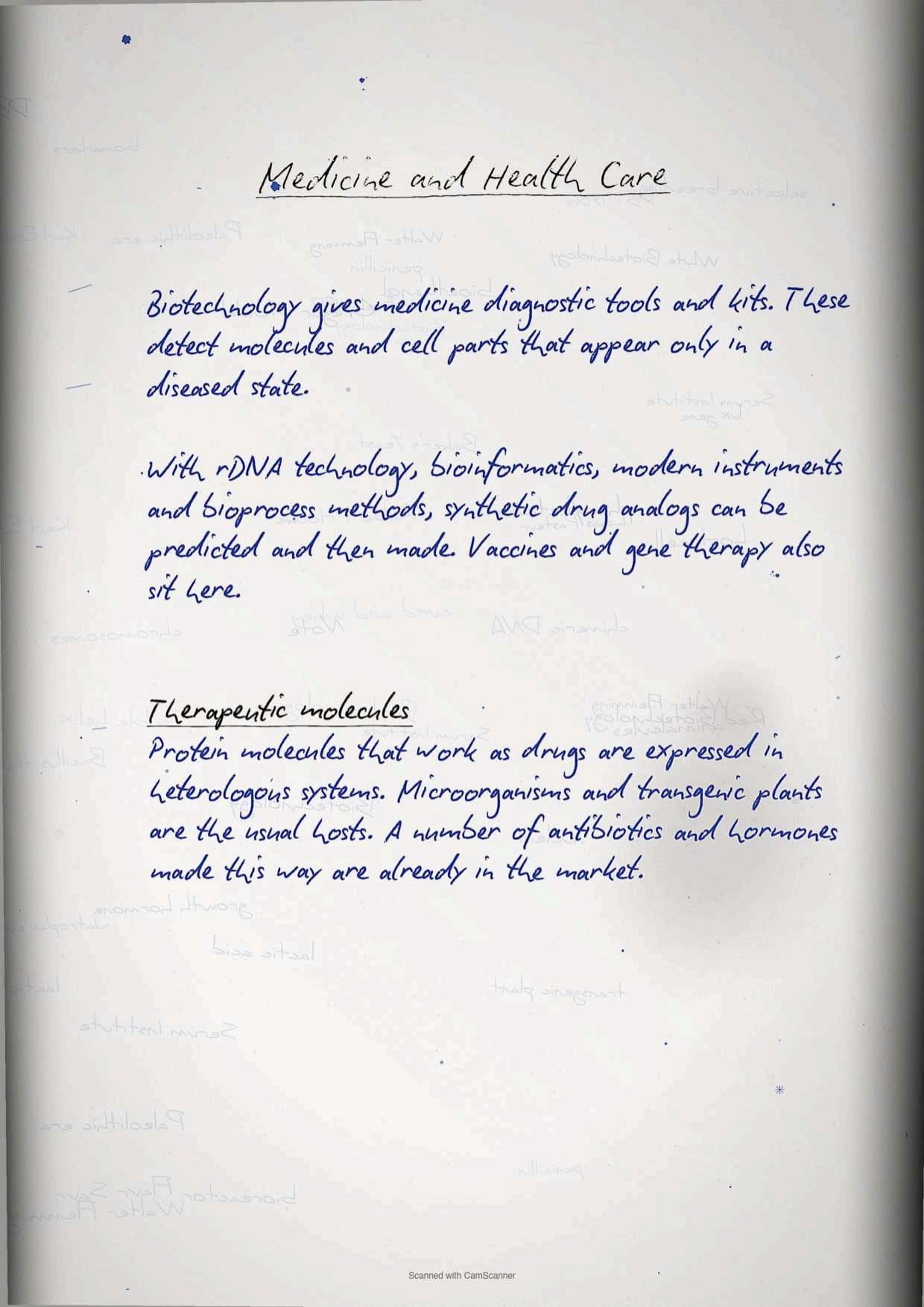
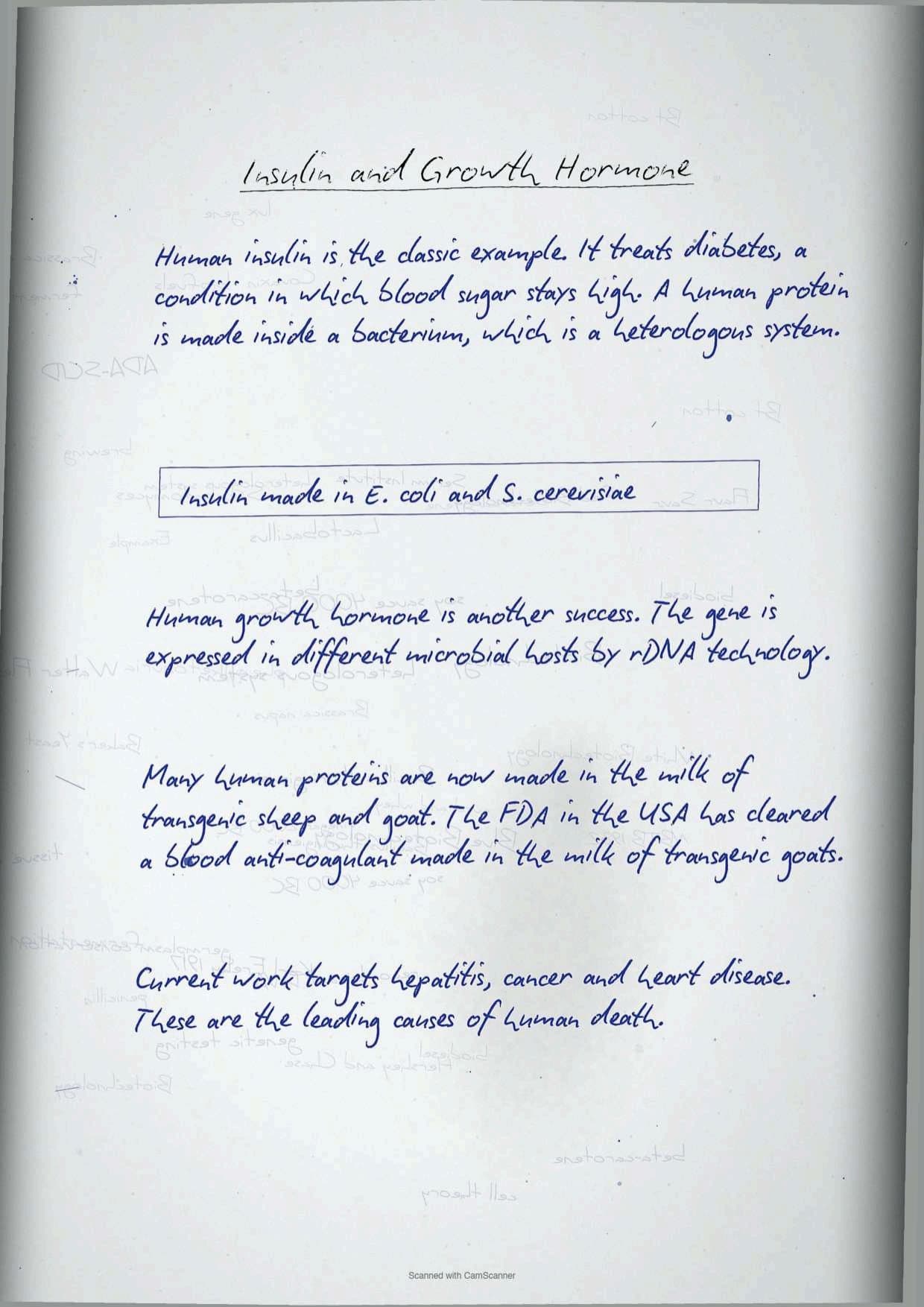
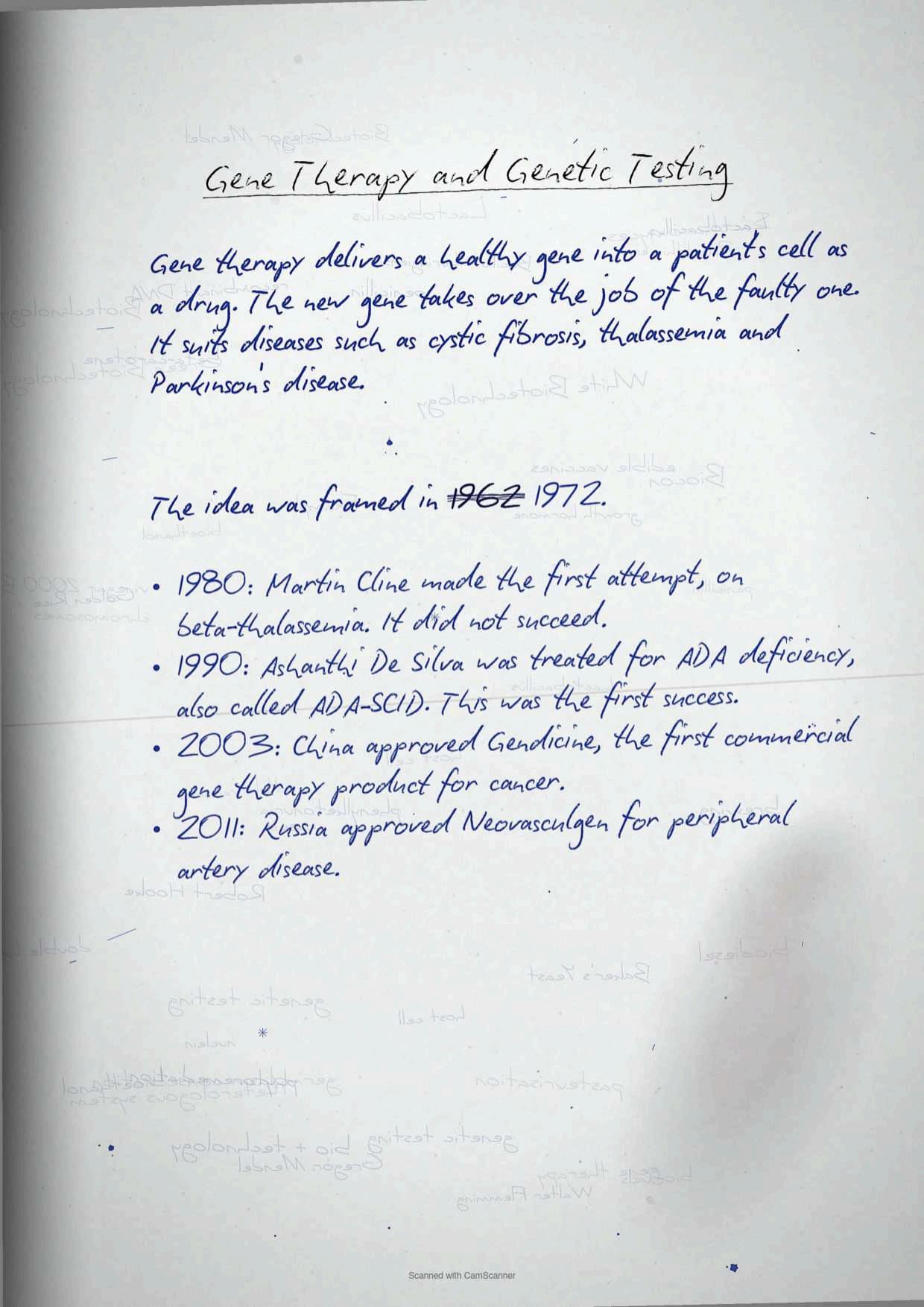

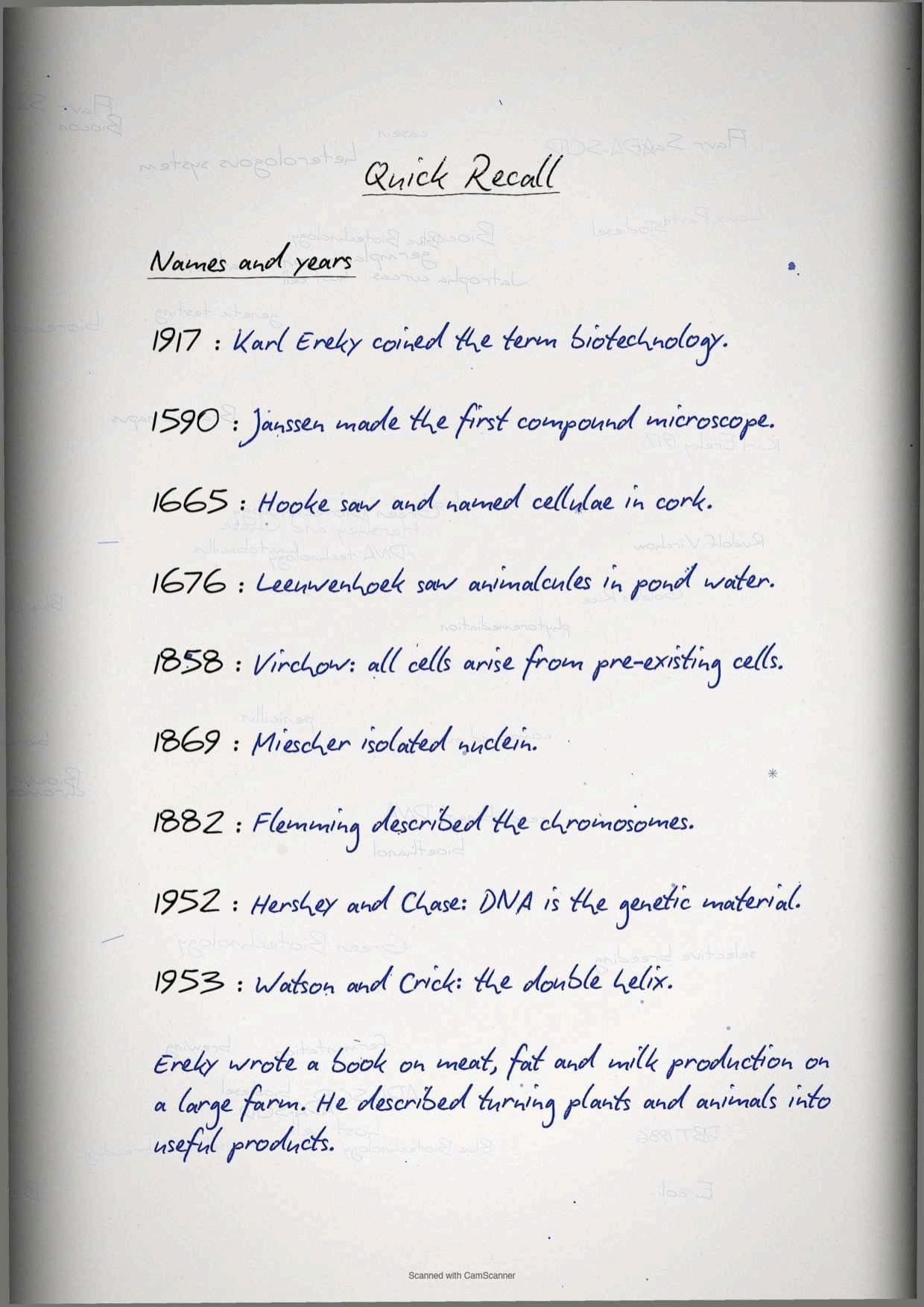
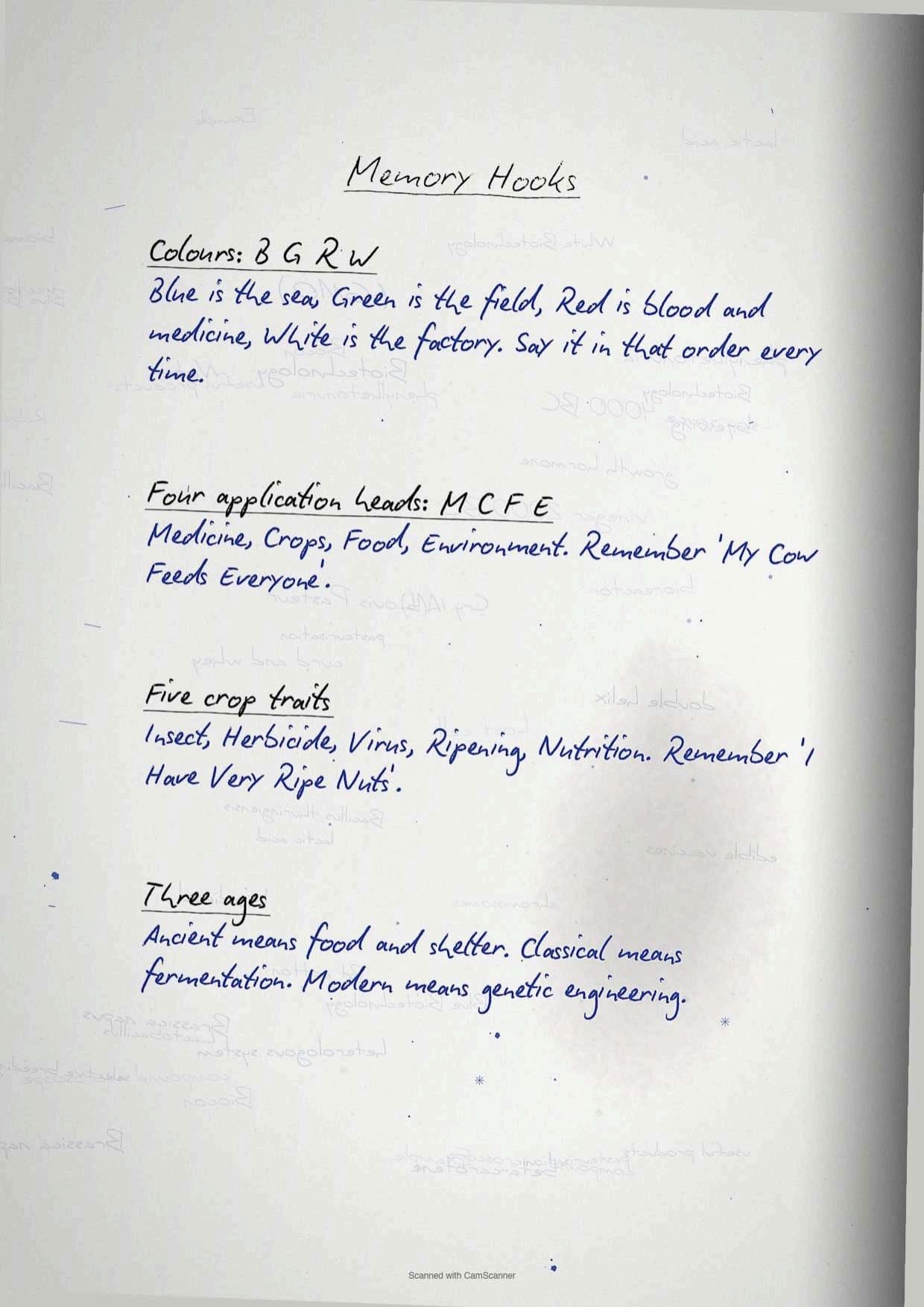
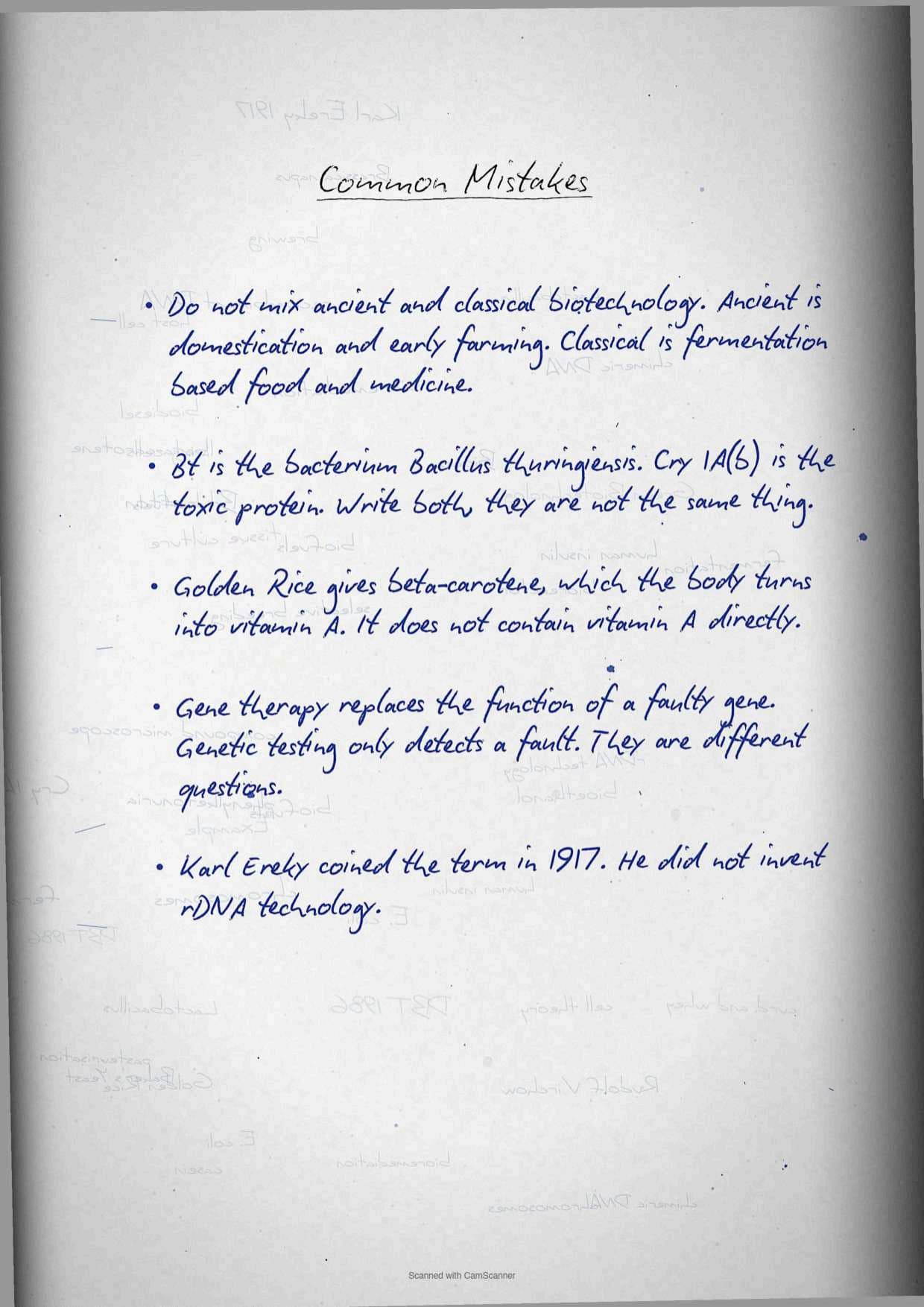
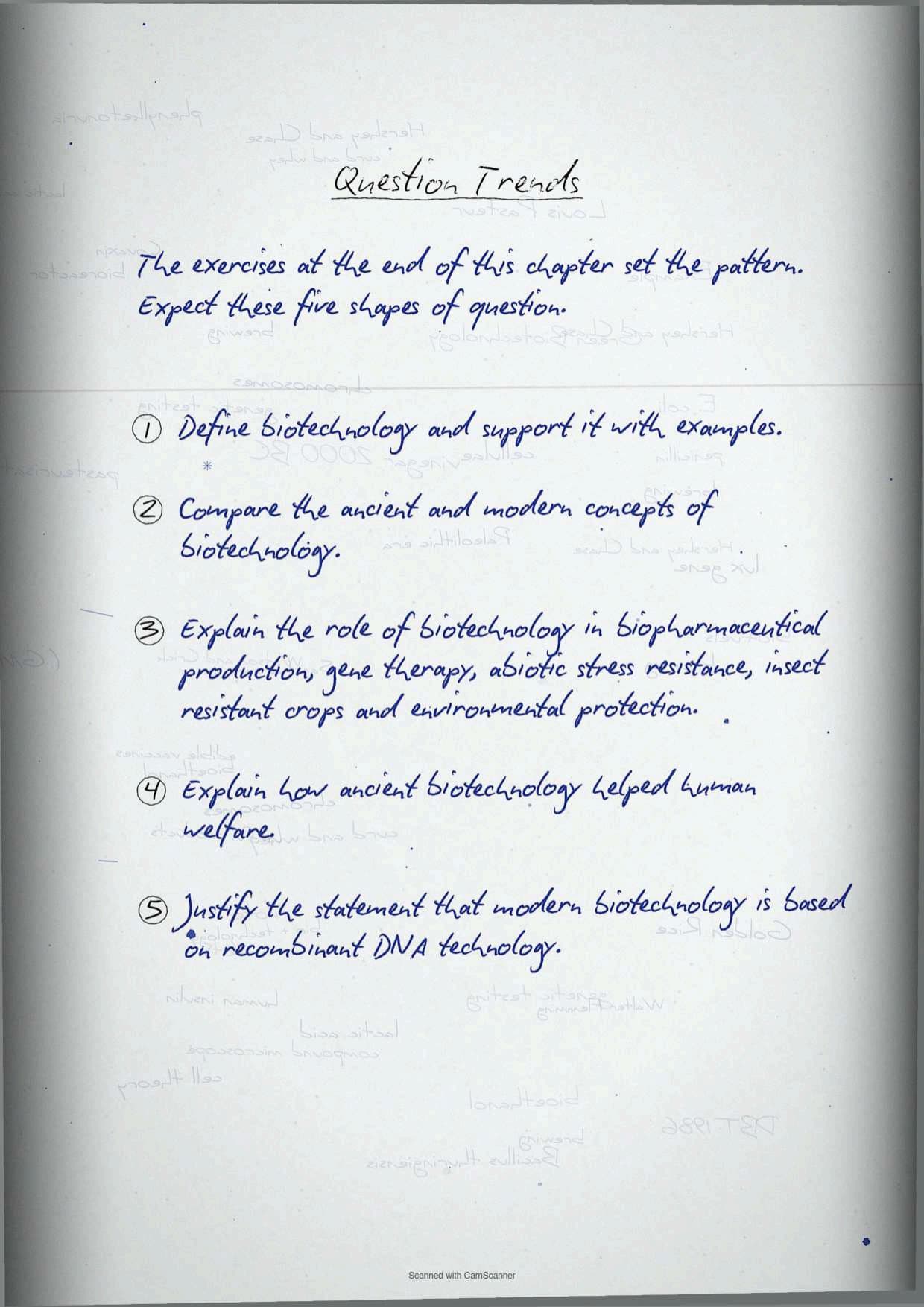
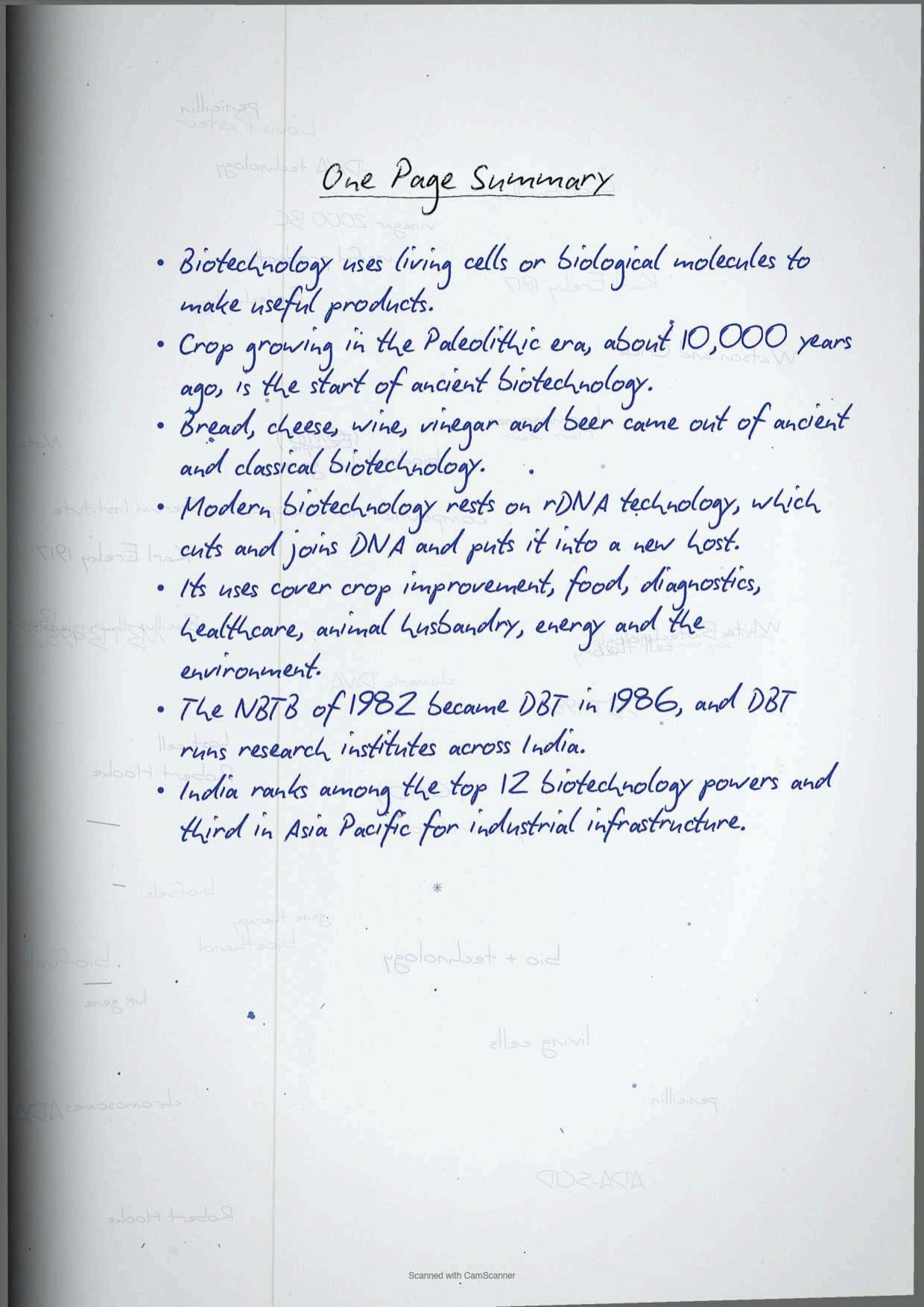
Every page in these An Introduction to Biotechnology notes is written by hand, checked against the 2026-27 NCERT Biotechnology print, and matched to the way Class 11 papers ask about rDNA technology, transgenic crops and the Indian biotechnology sector.
Student Feedback: In a Collegedunia survey of 9,460 Class 11 Biotechnology students, 68% of students said the hardest part of Chapter 1 is not the concepts but the sheer number of names, years and organisms. Toppers reported one fix that works: build a single dated timeline first, then hang every scientist, product and organism on it instead of memorising loose lists.
Source: 2026-27 Class 11 Biotechnology student survey. Sample of 9,460 students from schools across 14 states.
What Biotechnology Means: Splitting the Word Into Bio and Technology
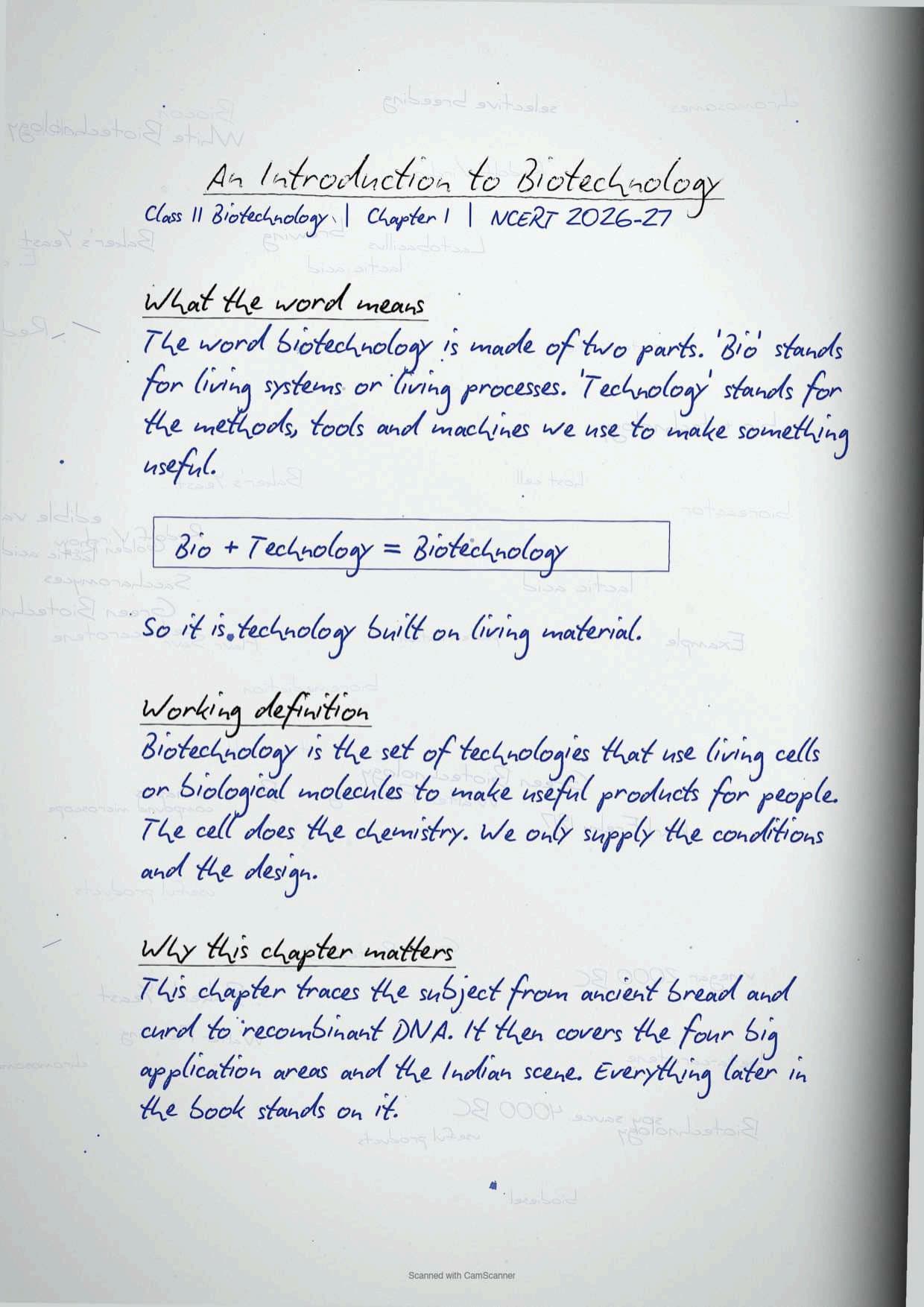
The chapter starts by taking the word apart. Bio stands for biological systems or biological processes, and technology stands for the methods, systems and devices used to turn those systems into useful products. Put the halves back together and you get the definition the textbook wants written out in full.
Biotechnology refers to the different technologies that make use of living cells and, or biological molecules to generate useful products for the benefit of mankind. Notice the two-part subject of that sentence. A process counts as biotechnology if it uses either a whole living cell, such as yeast in a dough, or an isolated biological molecule, such as an enzyme in a detergent.
| Part of the word | What it stands for | Example from the chapter |
|---|---|---|
| Bio | Biological systems or processes | Yeast, Escherichia coli, a cotton plant |
| Technology | Methods, systems and devices | The industrial bioreactor, rDNA technique |
| Biotechnology | The two working together for a useful product | Human insulin made in bacteria |
Research in physics and chemistry gave the world engineering and the technology industries. Biology took the same route later, and the branch that grew out of it is biotechnology, which now reaches into genetics, immunology, agriculture and genomics.
Karl Ereky and How the Term Biotechnology Was Coined
One name carries a one-mark question on its own. Karl Ereky, a Hungarian scientist who lived from 1878 to 1952, coined the term biotechnology in 1917 in a book whose title translates as Biotechnology of Meat, Fat and Milk Production in an Agriculture Large-scale Farm.
- Who: Karl Ereky, a Hungarian agricultural engineer and scientist.
- When: 1917, in the book Biotechnologie der Fleish-, Fett-und Milcherzeugung im landwirtschaftlichen Grossbetriebe.
- What he argued: that technology could be used to transform plants and animals into useful products, which is exactly the modern definition in older words.
Tip: the exam does not want the German title spelt out. It wants the name, the year and the idea. Write Karl Ereky, 1917, and the sentence about transforming plants and animals into useful products, and the mark is safe.
Historical Perspectives: How Old Biotechnology Actually Is
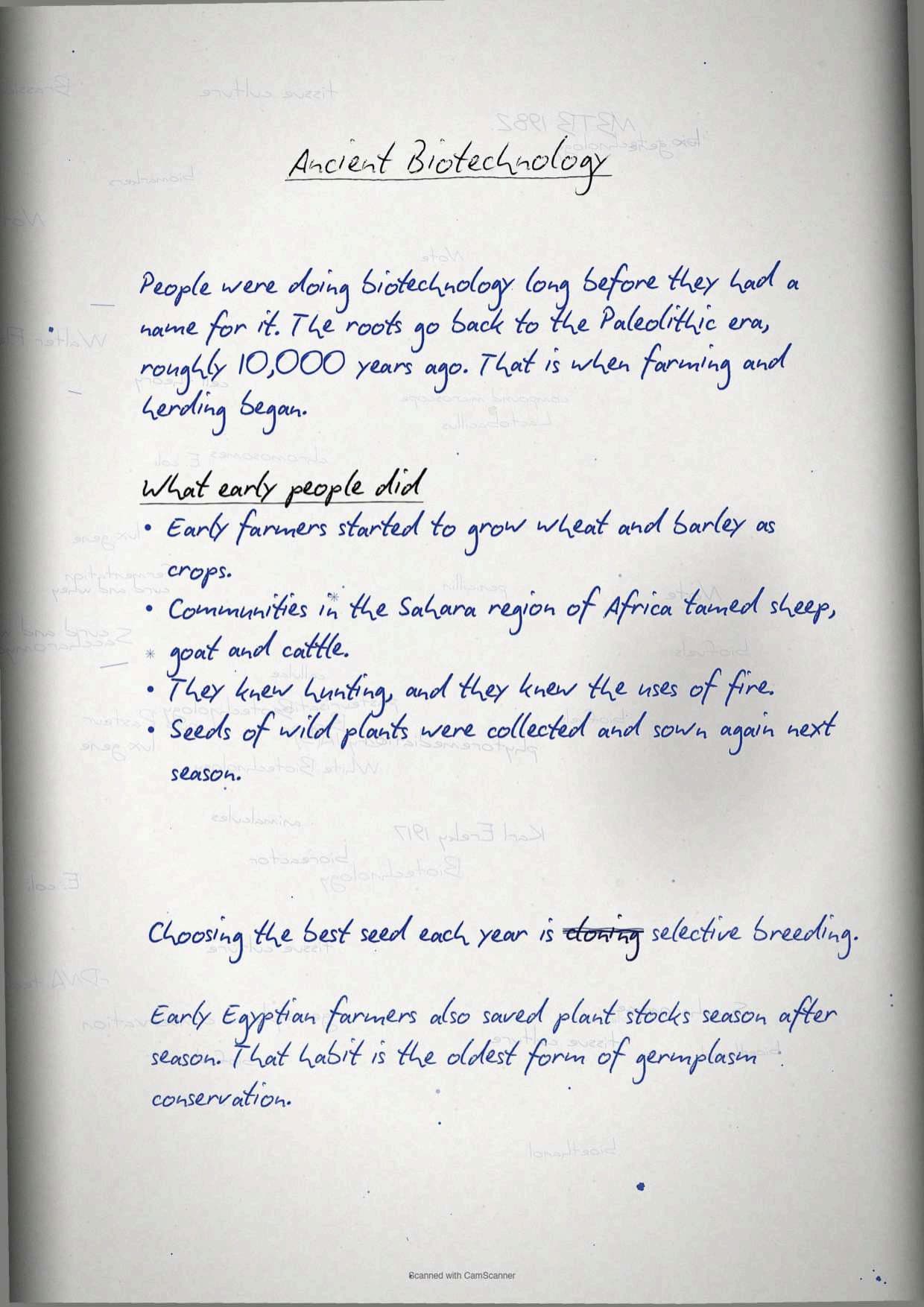
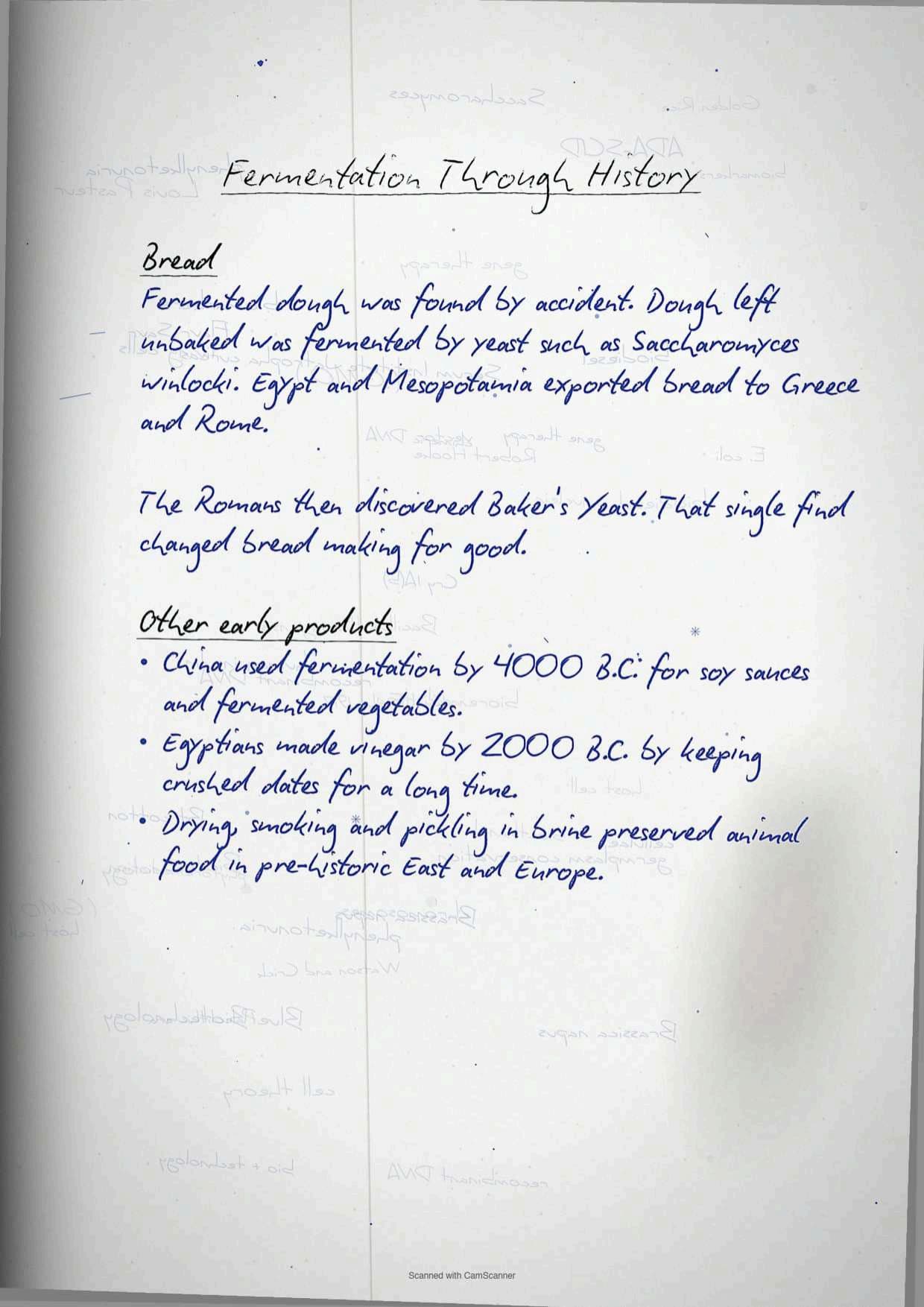
Section 1.1 pushes the start date back a very long way. Ancient biotechnology took root in the Paleolithic era, around 10,000 years ago, when early farmers began cultivating wheat and barley. Civilisations in the Sahara region of Africa were domesticating sheep, goat and cattle, and knew both hunting and the uses of fire.
Collecting seeds of wild plants for cultivation and taming wild animals is, in modern language, selective breeding. Early Egyptian farmers who conserved plant stocks were practising what is now called germplasm conservation. None of these people knew any biology, and that is the point the chapter makes.
| Period or date | What happened |
|---|---|
| Around 10,000 years ago | Paleolithic farmers cultivate wheat and barley, domestication begins |
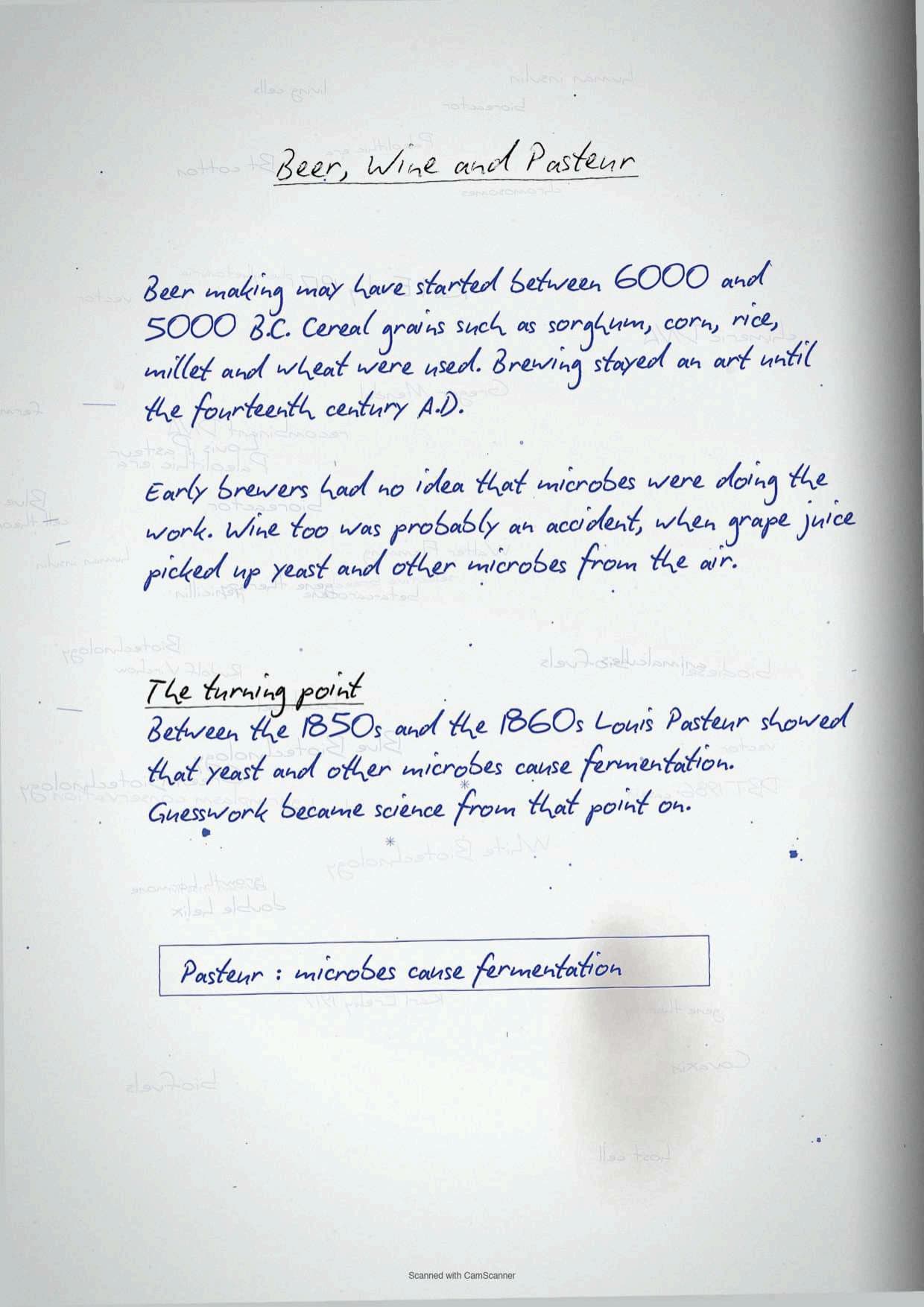
| 6000 to 5000 B.C. | Beer making begins using sorghum, corn, rice, millet and wheat |
| 4000 B.C. | Chinese use fermentation for soy sauces and fermented vegetables |
| 2000 B.C. | Egyptians make vinegar by preserving crushed dates |
| Fourteenth century A.D. | Brewing still treated as an art, with no idea that microbes are involved |
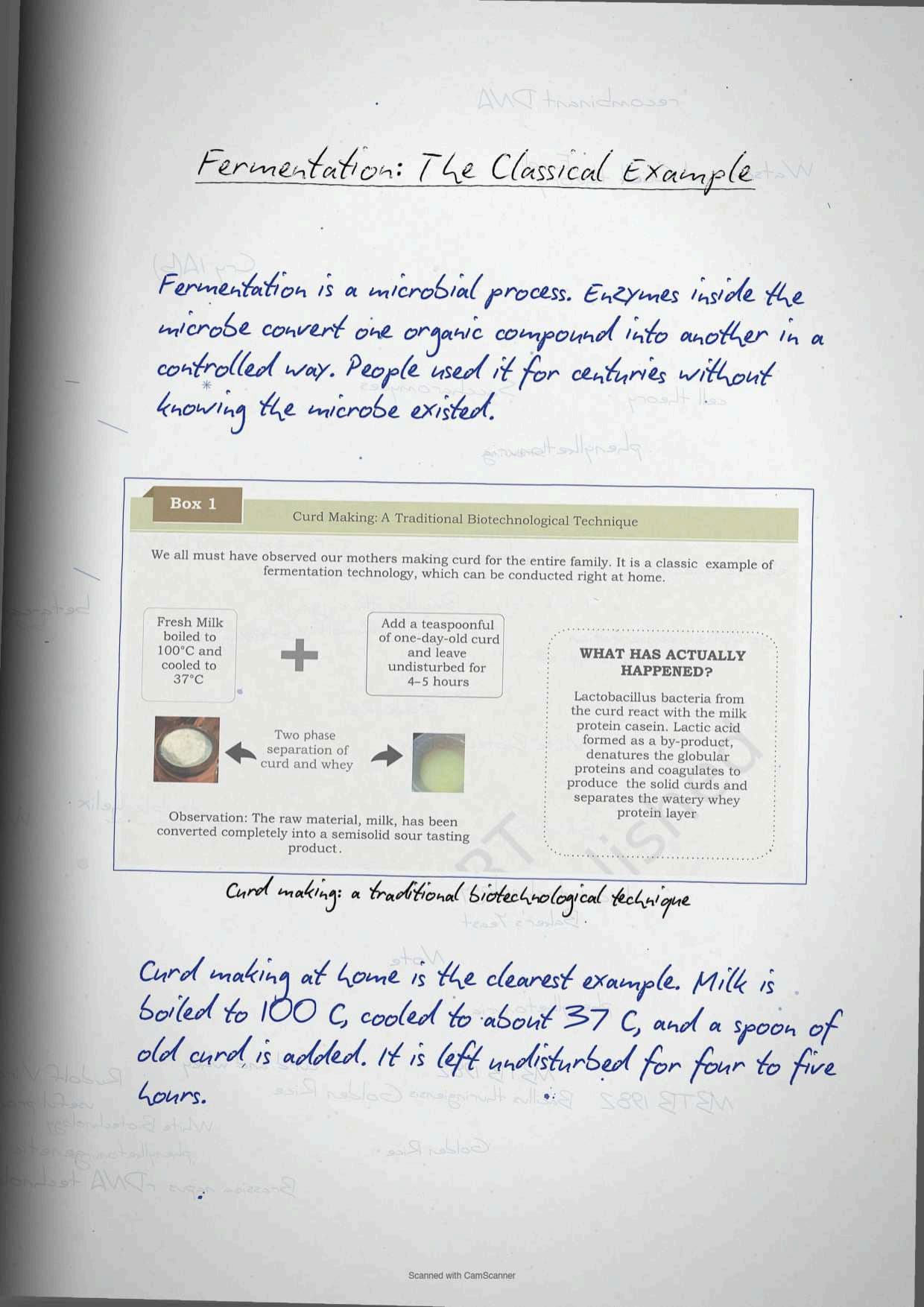
Fermentation is defined in the chapter as a microbial process in which enzymatically controlled conversion of organic compounds occurs. Fermented dough was found by accident when unbaked dough was left standing and yeast such as Saccharomyces winlocki got to work. Egypt and Mesopotamia exported bread to Greece and Rome, and the Romans discovered Baker's Yeast, which changed bread making completely.
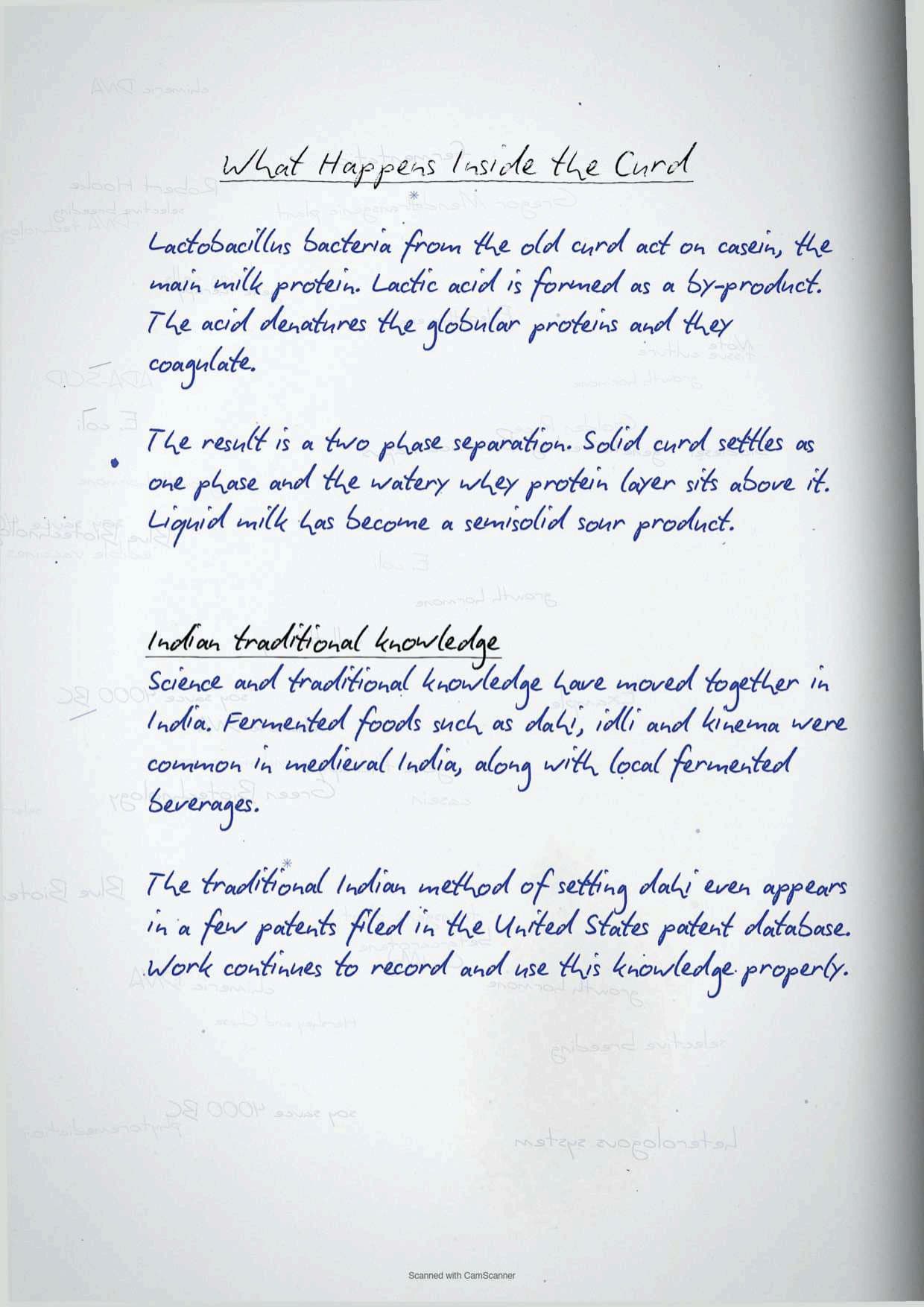
India has its own line in this story. Making dahi, idli and kinema with local biological resources was common in medieval India, and the traditional knowledge behind curd making even appears in patents filed in the United States patent database. In curd, Lactobacillus bacteria act on the milk protein casein, and the lactic acid formed as a by-product denatures the globular proteins so that the solid curd separates from the watery whey.
The Milestones That Built Modern Biotechnology
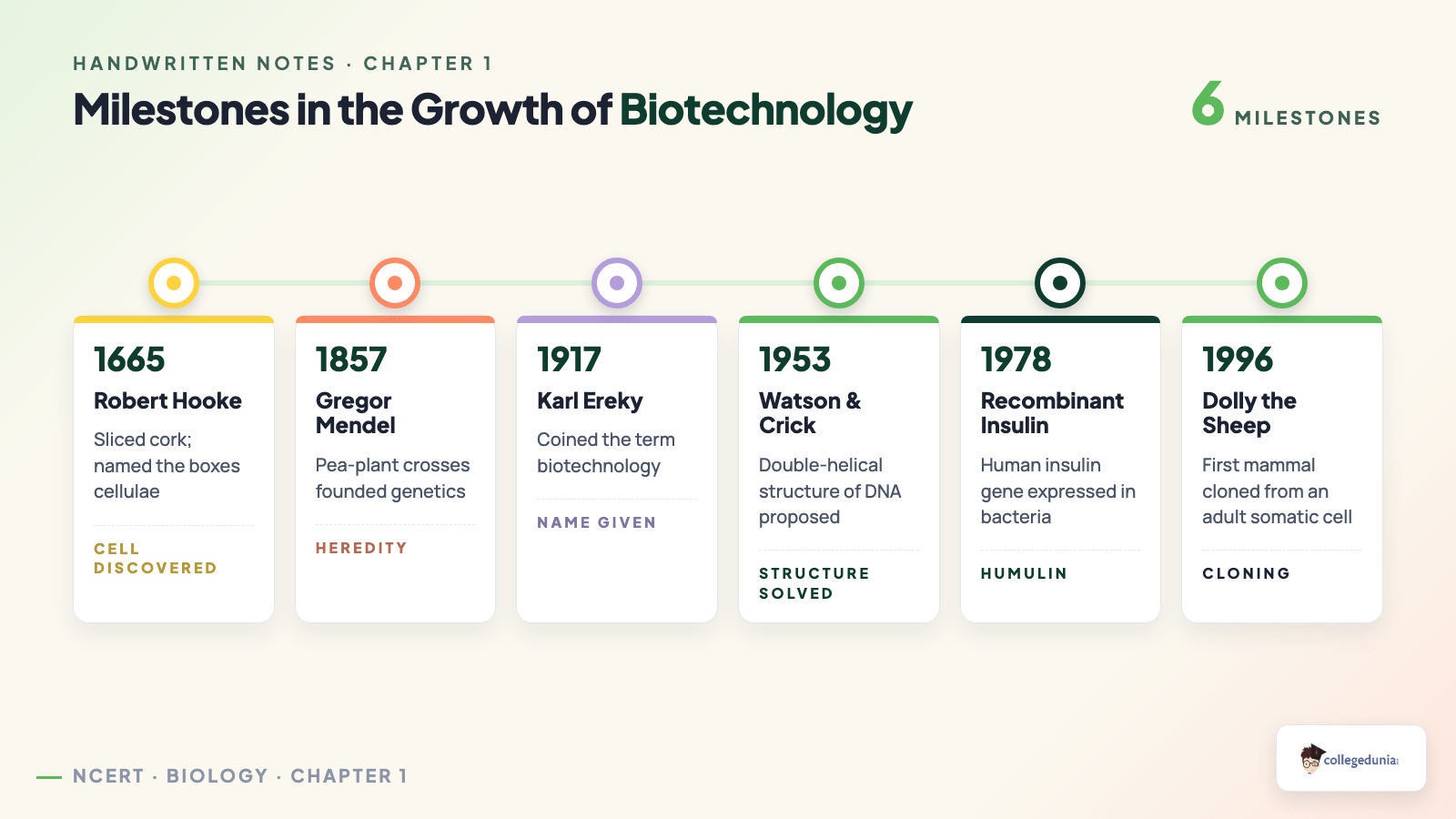
Between the microscope and the double helix sits a chain of discoveries that the chapter lists in date order. This is the section students lose marks on, because the years are close together and the names are easy to swap.
| Year | Scientist | Contribution |
|---|---|---|
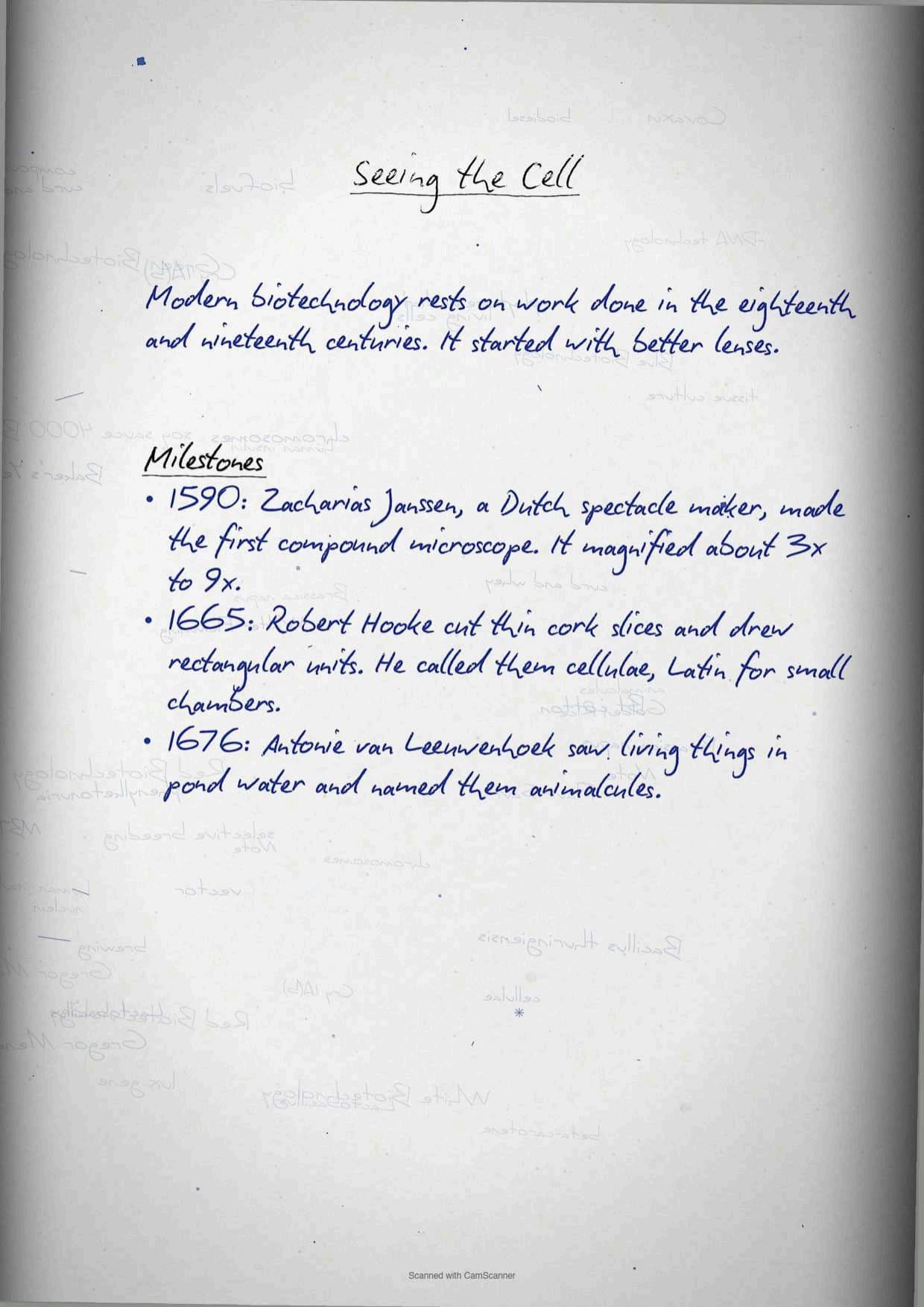
| 1590 | Zacharias Janssen | First compound microscope, magnifying about 3 to 9 times |
| 1665 | Robert Hooke | Examined sliced cork, named the boxes cellulae, Latin for small chambers |
| 1676 | Antonie van Leeuwenhoek | Saw living organisms in pond water and called them animalcules |
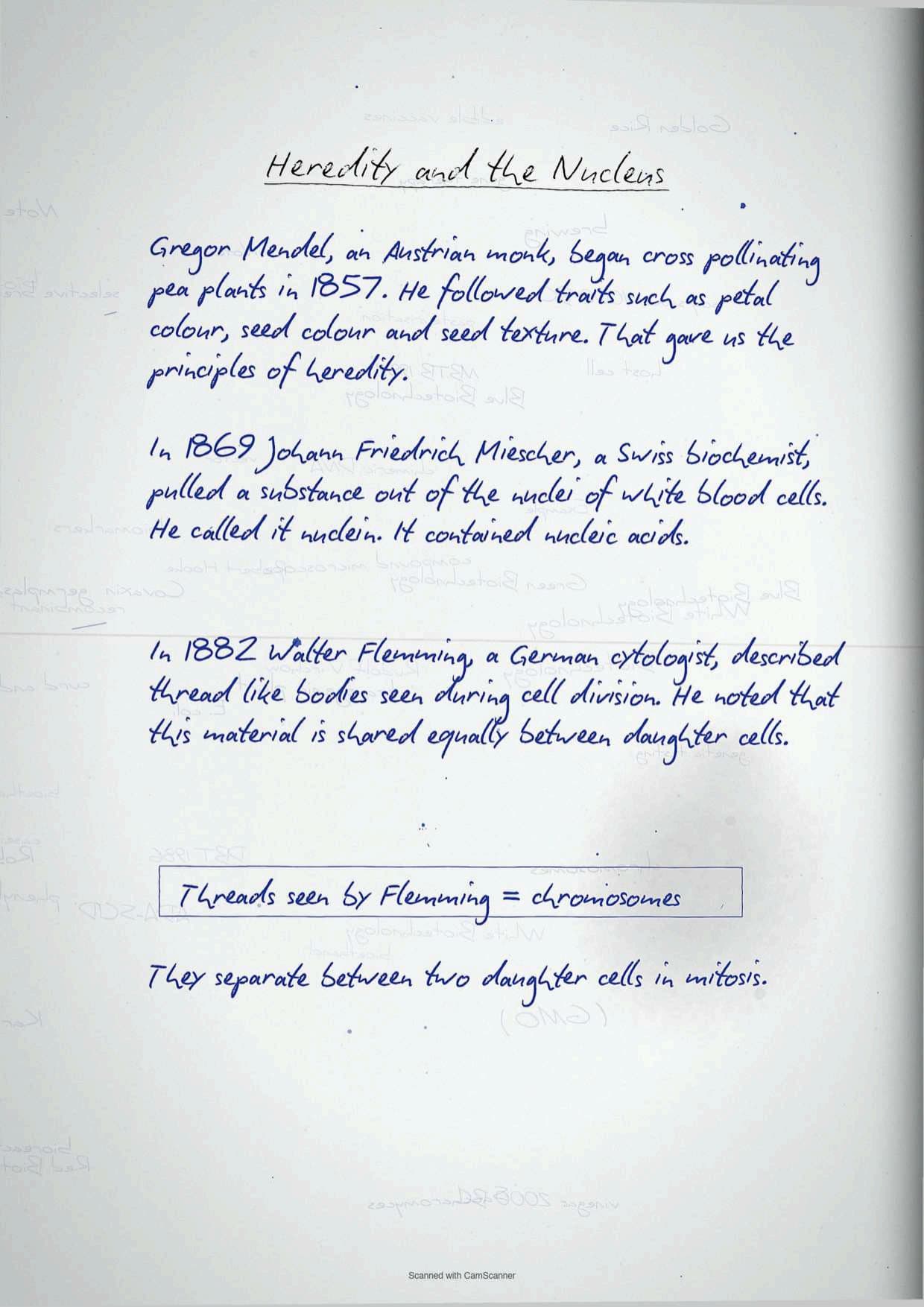
| 1857 onward | Gregor Mendel | Cross-pollinated pea plants, founded genetics and the principles of heredity |
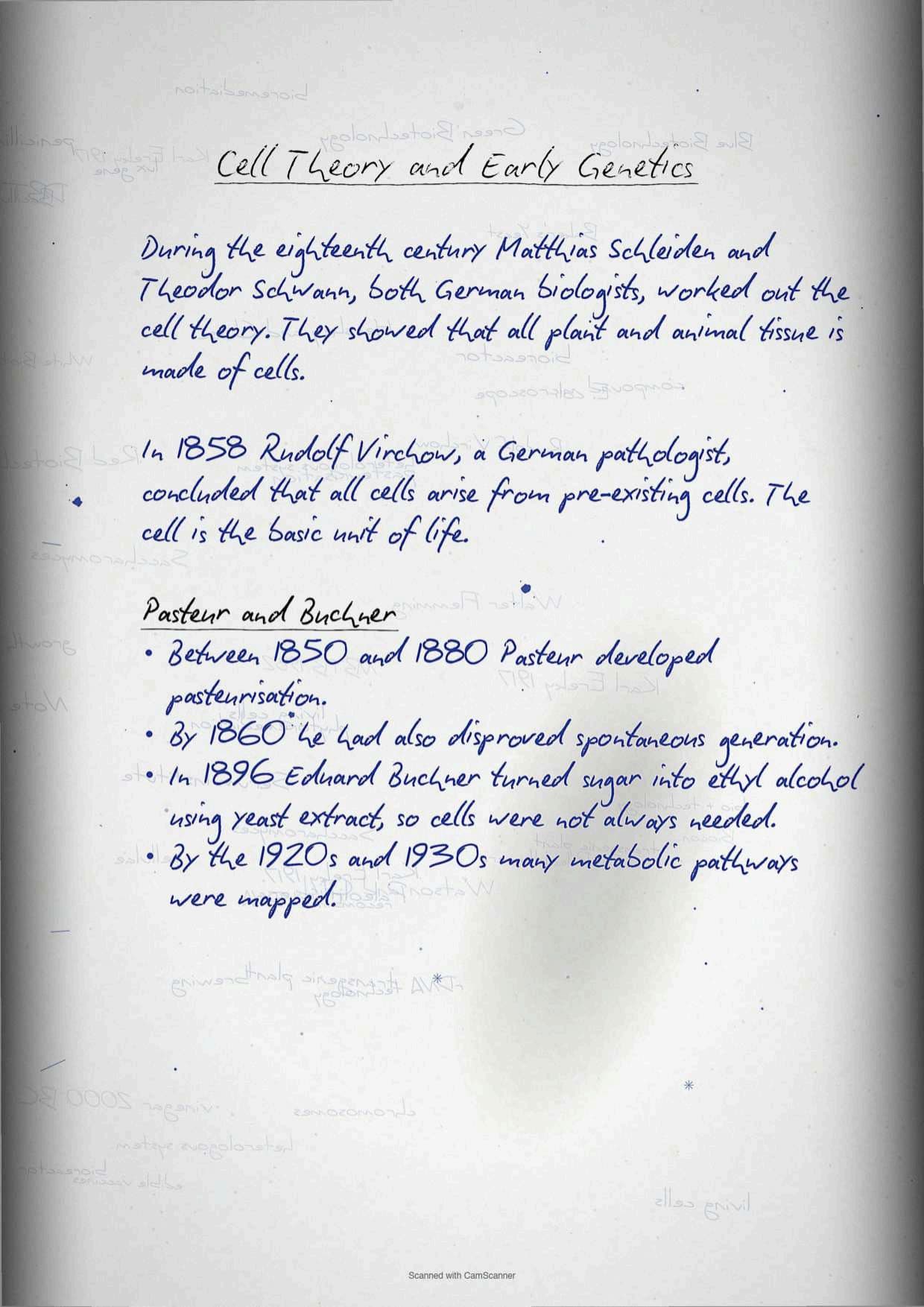
| 1858 | Rudolf Virchow | All cells arise from pre-existing cells, cell is the basic unit of life |
| 1850 to 1880 | Louis Pasteur | Showed microbes cause fermentation, developed pasteurisation, disproved spontaneous generation |
| 1869 | Johann Friedrich Miescher | Isolated nuclein, containing nucleic acids, from white blood cell nuclei |
| 1882 | Walter Flemming | Described thread-like bodies in dividing cells, later named chromosomes |
| 1896 | Eduard Buchner | Converted sugar to ethyl alcohol with yeast extract, proving cell-free biochemistry |
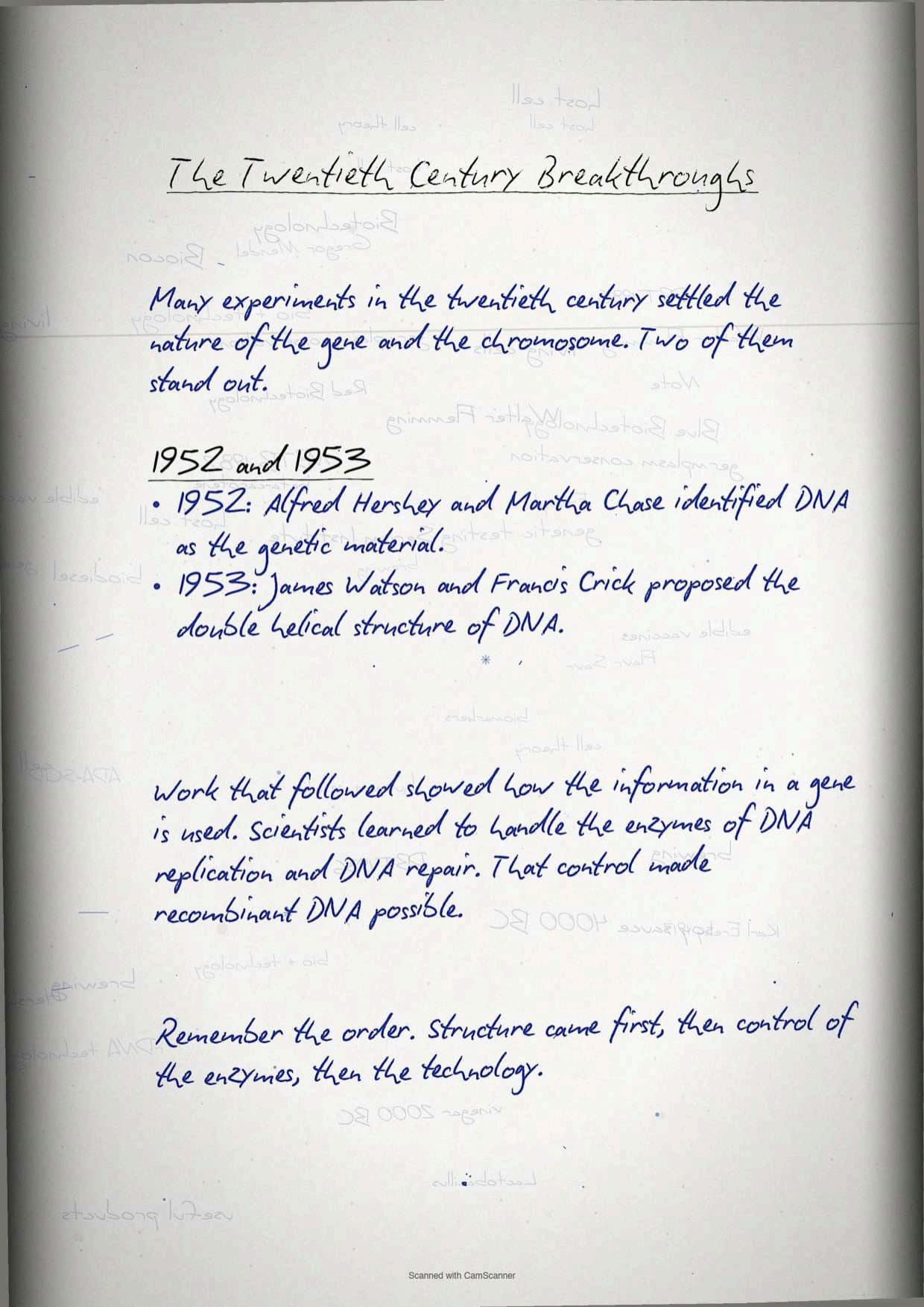
| 1952 | Alfred Hershey and Martha Chase | Identified DNA as the genetic material |
| 1953 | James Watson and Francis Crick | Proposed the double helical structure of DNA |
The eighteenth century also gave the cell theory, worked out by the German biologists Matthias Schleiden and Theodor Schwann, who showed that all plant and animal tissues are built from cells.
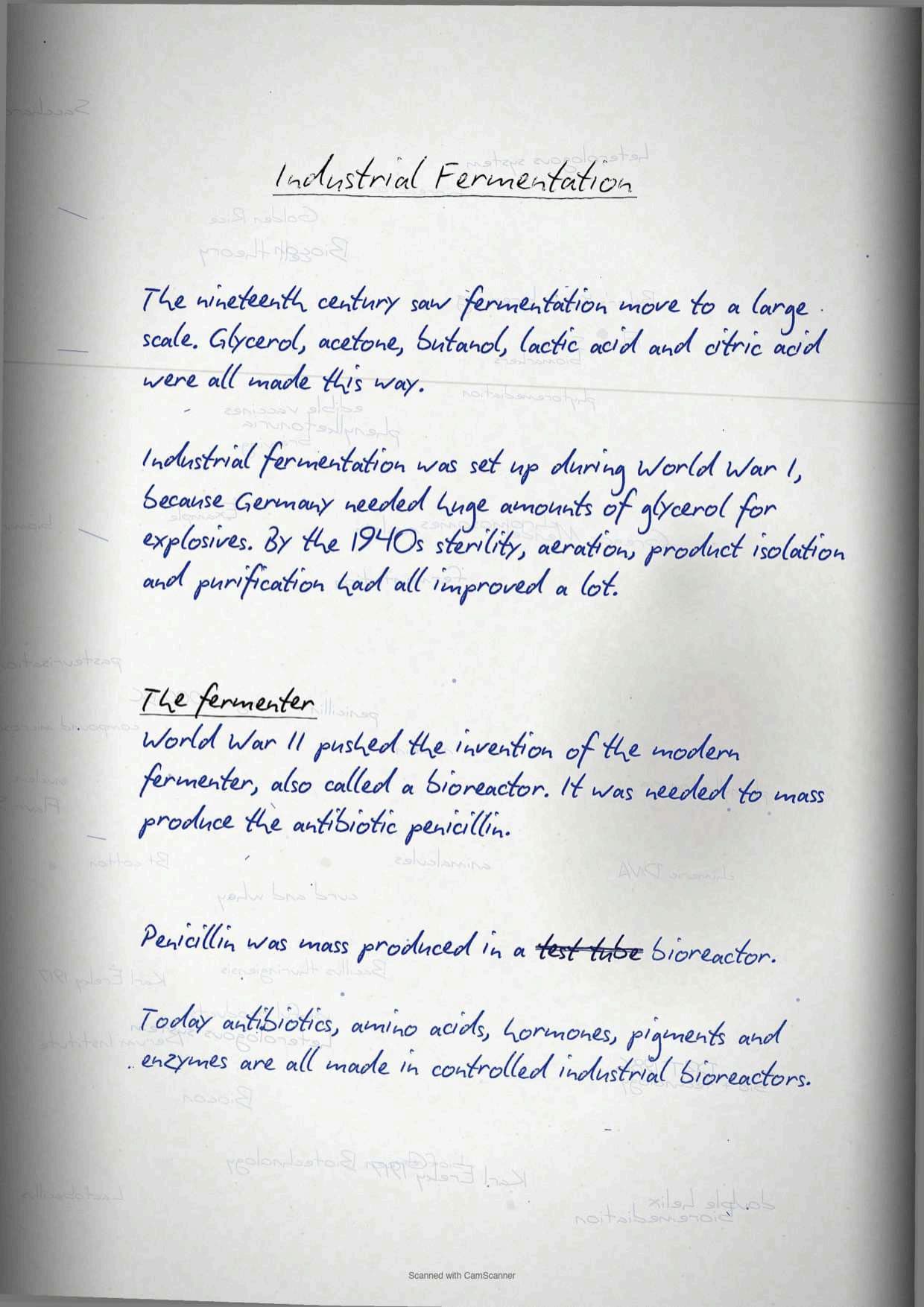
Industry moved in parallel. The nineteenth century scaled up fermentation products such as glycerol, acetone, butanol, lactic acid and citric acid. World War I established industrial fermentation because Germany needed glycerol in bulk for explosives. By the 1940s sterility, aeration, product isolation and purification had all improved sharply, and World War II was the catalyst for the modern fermenter, also called the bioreactor, built for mass production of penicillin. Today antibiotics, amino acids, hormones, pigments and enzymes all come out of controlled industrial bioreactors.
Traditional Against Modern Biotechnology: The Comparison That Is Always Asked
Exercise question 2 of the chapter asks for a comparative account of the ancient and modern concept of biotechnology, so this table is worth learning line by line rather than reading once.
| Point of difference | Ancient or traditional biotechnology | Modern biotechnology |
|---|---|---|
| Basis | Whole organisms used as they are | rDNA technology, manipulation at the molecular level |
| Knowledge behind it | Trial, accident and traditional practice | Cell biology, genetics, biochemistry and computing |
| Typical products | Bread, cheese, wine, beer, vinegar, curd | Humulin, Bt cotton, vaccines, Golden Rice |
| Control over the outcome | Low, results vary from batch to batch | High, precise and repeatable |
| Crossing the species barrier | Not possible | Possible, a gene can move from bacterium to plant |
| Scale | Household or village | Industrial bioreactors and fermenters |
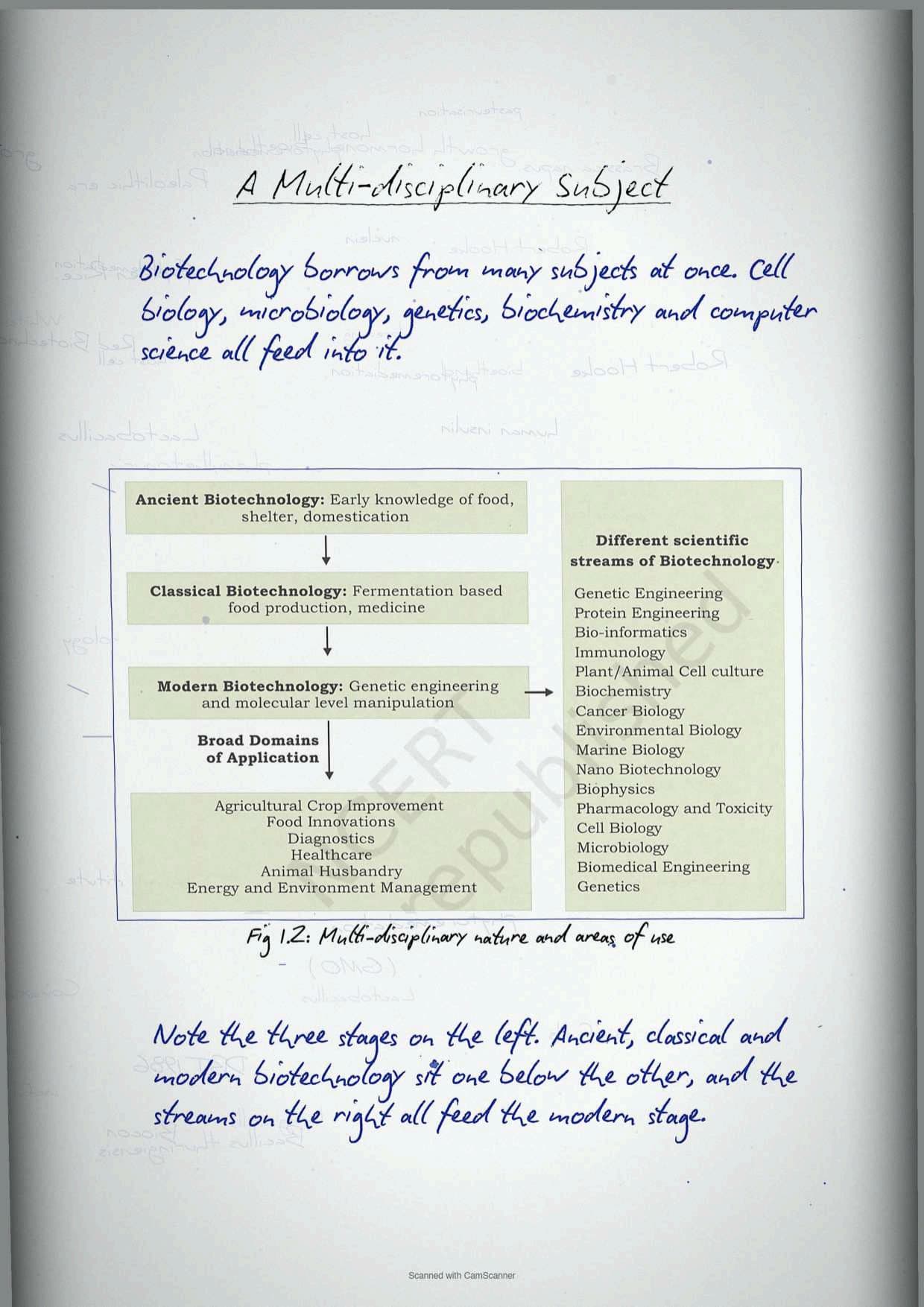
Many textbooks also insert a middle stage. Ancient biotechnology is early knowledge of food, shelter and domestication, classical biotechnology is fermentation-based food production and medicine, and modern biotechnology is genetic engineering and molecular level manipulation. Writing all three stages instead of two usually reads better in a long answer.
Recombinant DNA Technology: The Engine Under Modern Biotechnology
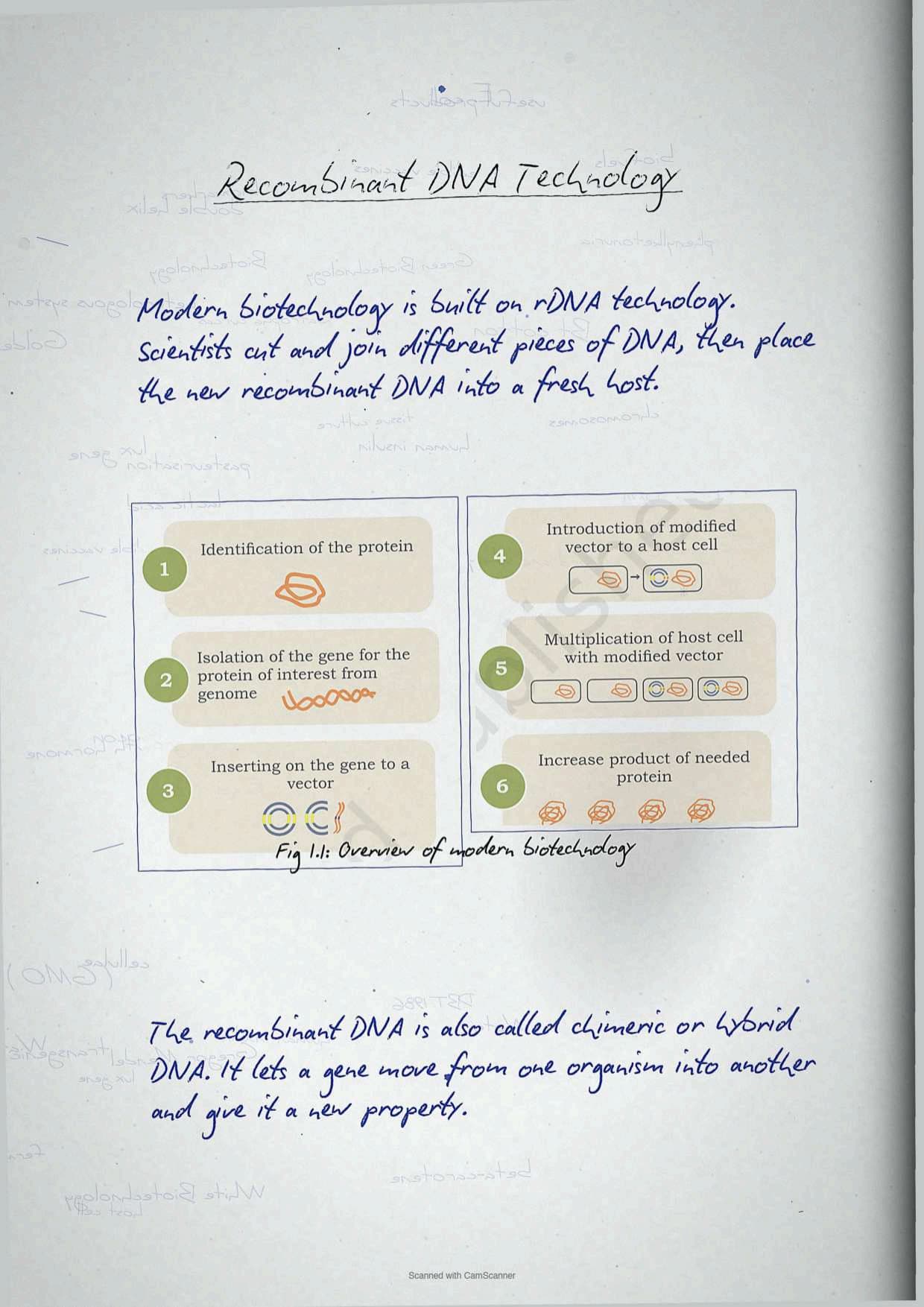
Exercise question 5 asks students to justify the statement that modern biotechnology is based on recombinant DNA technology, so the definition has to be exact. rDNA technology allows scientists to cut and join different pieces of DNA and place the new recombinant DNA, also called chimeric or hybrid DNA, into a new host. That transfer of a gene from one organism to another confers a novel property on the host.
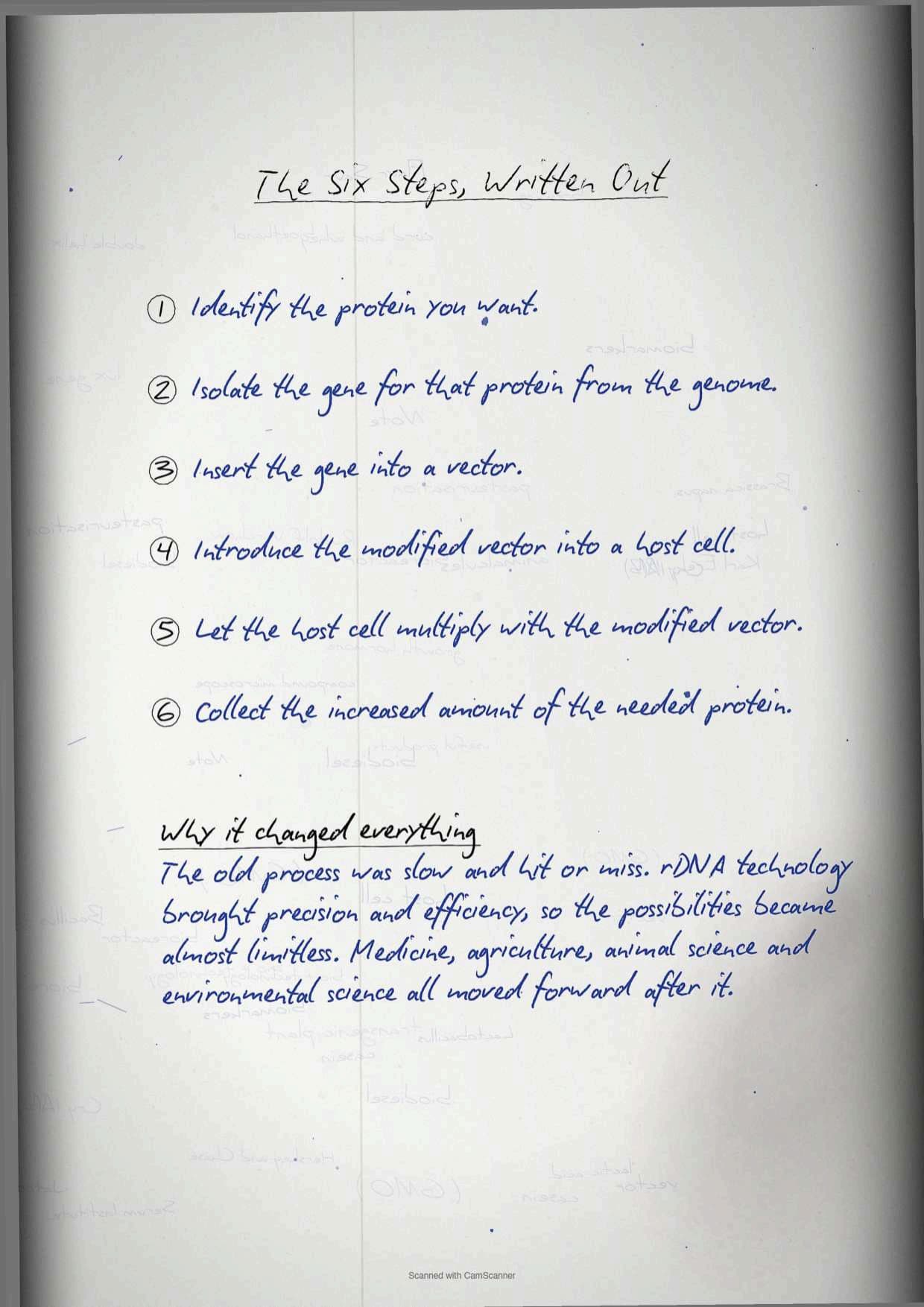
Figure 1.1 of the chapter breaks the whole thing into six numbered steps, and the notebook copies them in the same order.
- Identification of the protein of interest, for example human insulin.
- Isolation of the gene for that protein from the genome.
- Inserting the gene into a vector, the carrier molecule that will deliver it.
- Introduction of the modified vector into a host cell, often a bacterium or a yeast.
- Multiplication of the host cell carrying the modified vector.
- Increased production of the needed protein, harvested from the culture.
Two words in that list decide whether an answer scores full marks: vector and host. The vector carries the gene, the host multiplies and expresses it. Since rDNA technology arrived, biotechnology has gained precision, efficiency and, as the chapter puts it, limitless possibilities, feeding advances in medicine, agriculture, animal science and environmental science.
The Colour Code: Blue, Green, Red and White Biotechnology
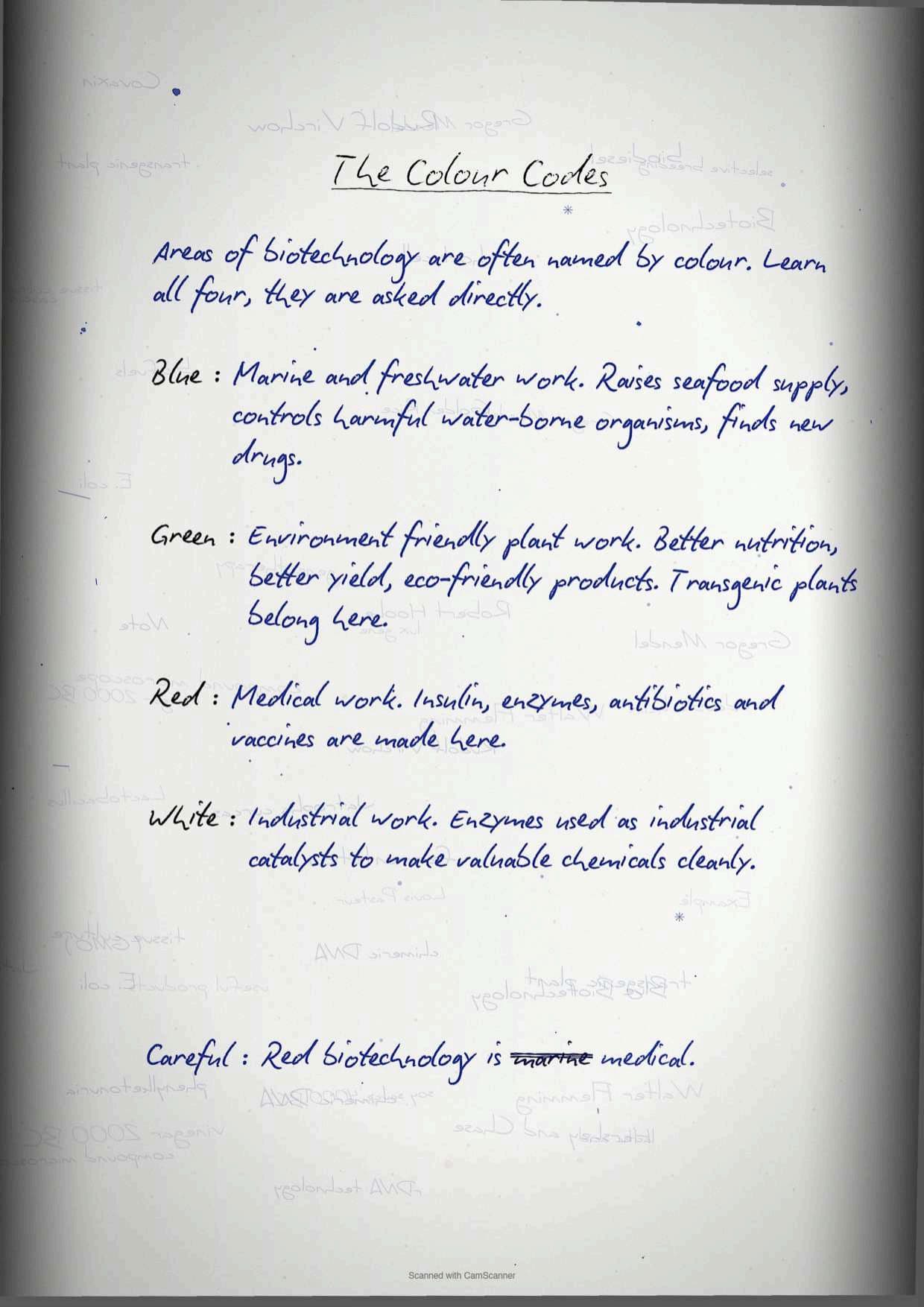
Table 1.1 of the chapter names four areas by colour. These are short definitions and they are easy marks, so they belong on a flash card.
| Colour | Field it covers | Example |
|---|---|---|
| Blue biotechnology | Marine and freshwater organisms, seafood supply, control of dangerous water-borne organisms, new drugs | Drugs from marine sources |
| Green biotechnology | Environment-friendly solutions in plants, better nutritional quality, quantity and eco-friendly products | Transgenic plants with improved traits |
| Red biotechnology | Medical biotechnology, manufacture of pharmaceutical products | Insulin, enzymes, antibiotics, vaccines |
| White biotechnology | Industrial and production processes, enzymes as eco-friendly industrial catalysts | Enzymes making valuable chemicals |
Tip: hold the colours by their obvious hook. Blue is water, green is plants, red is blood and medicine, white is the factory coat. That mapping has never let a Class 11 student down.
The Three Streams of Biotechnology: Plant, Animal and Microbial
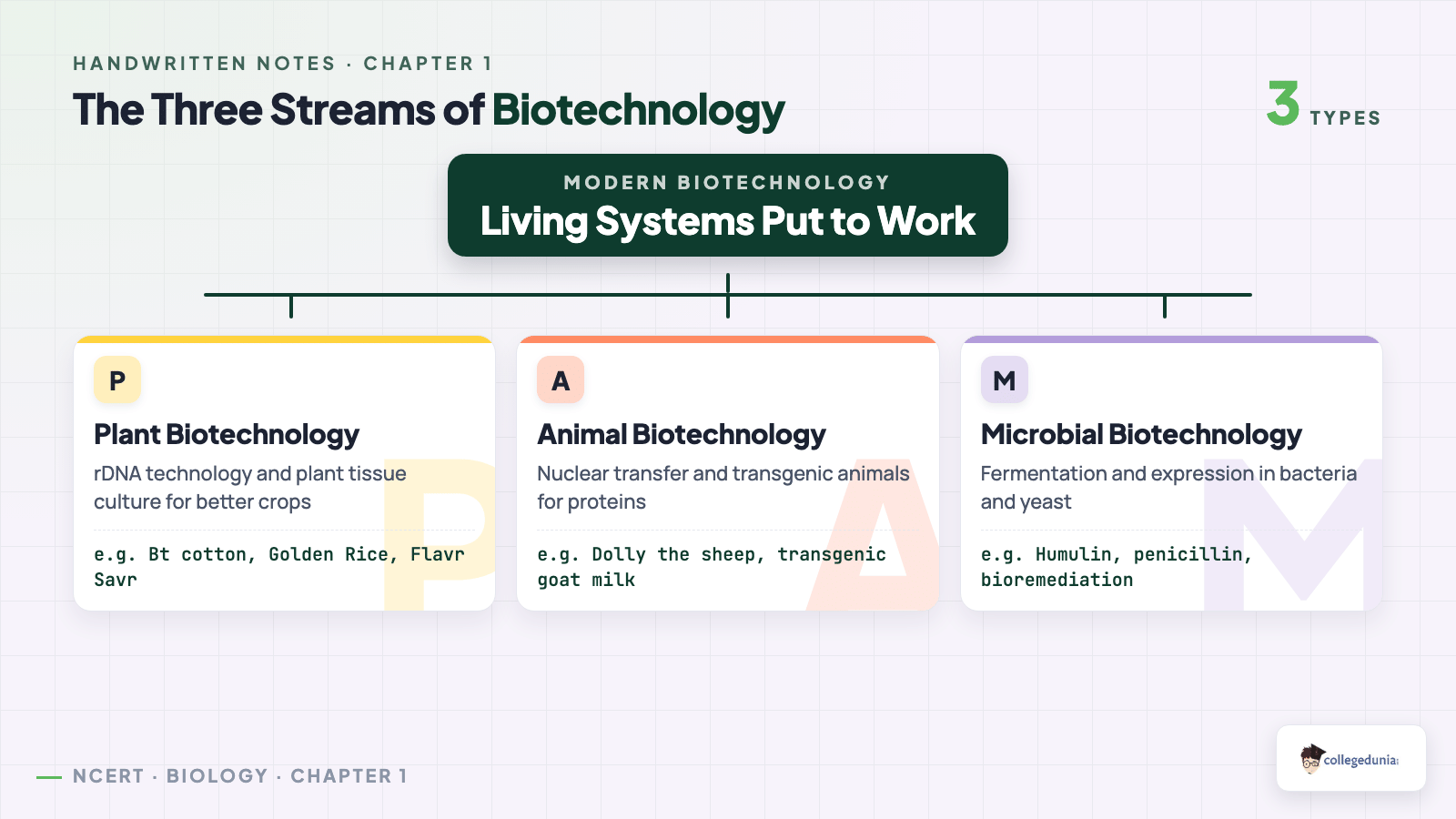
Beyond the colour code, biotechnology is usually sorted by the kind of organism being worked on. All three streams sit inside this chapter, even though the textbook spreads their examples across sections 1.2 and 1.3.
| Stream | Core tools | Examples from the chapter |
|---|---|---|
| Plant biotechnology | rDNA technology, plant tissue culture, anther and pollen culture | Bt cotton, Flavr Savr tomato, Golden Rice, Roundup-ready soybean |
| Animal biotechnology | Nuclear transfer, transgenic animals, cell and tissue culture | Dolly the sheep, blood anti-coagulant in transgenic goat milk |
| Microbial biotechnology | Fermentation, bioreactors, expression in bacteria and yeast | Humulin in E. coli, penicillin, bioremediation with engineered microbes |
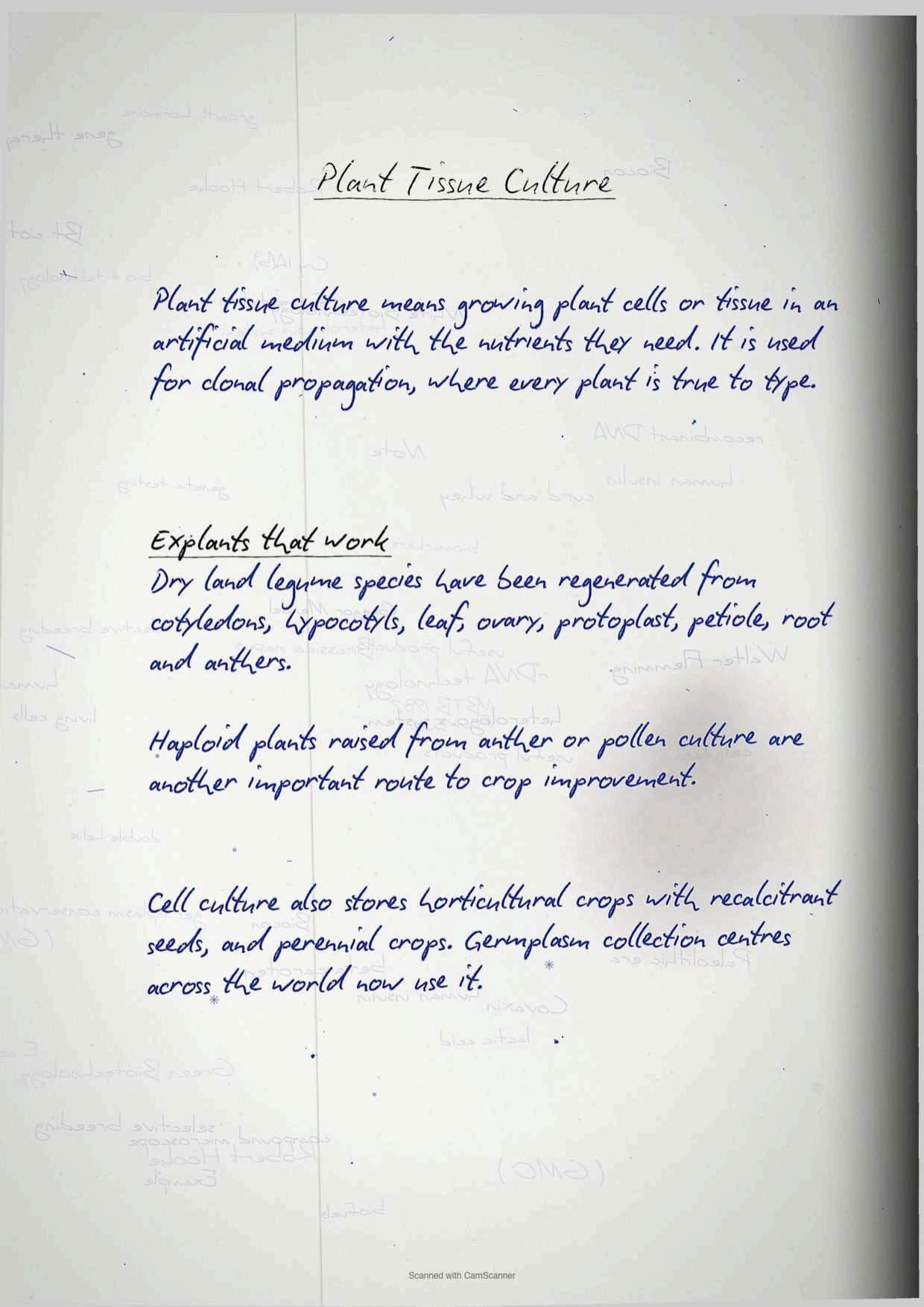
The three overlap far more than the table suggests. Humulin is a human gene expressed in a microbe, so it is animal biology solved by microbial technology. Plant tissue culture is the technique of growing plant cells or tissues in an artificial medium supplemented with nutrients, and it supports clonal propagation that conventional breeding cannot manage. Dry land legumes have been regenerated from cotyledons, hypocotyls, leaf, ovary, protoplast, petiole, root and anthers, and germplasm collection centres now exist across the world.
An Introduction to Biotechnology Explained in Simple Language
Source: Magnet Brains on YouTube
Global Success Stories: Humulin, Bt Cotton, Dolly and Human Growth Hormone
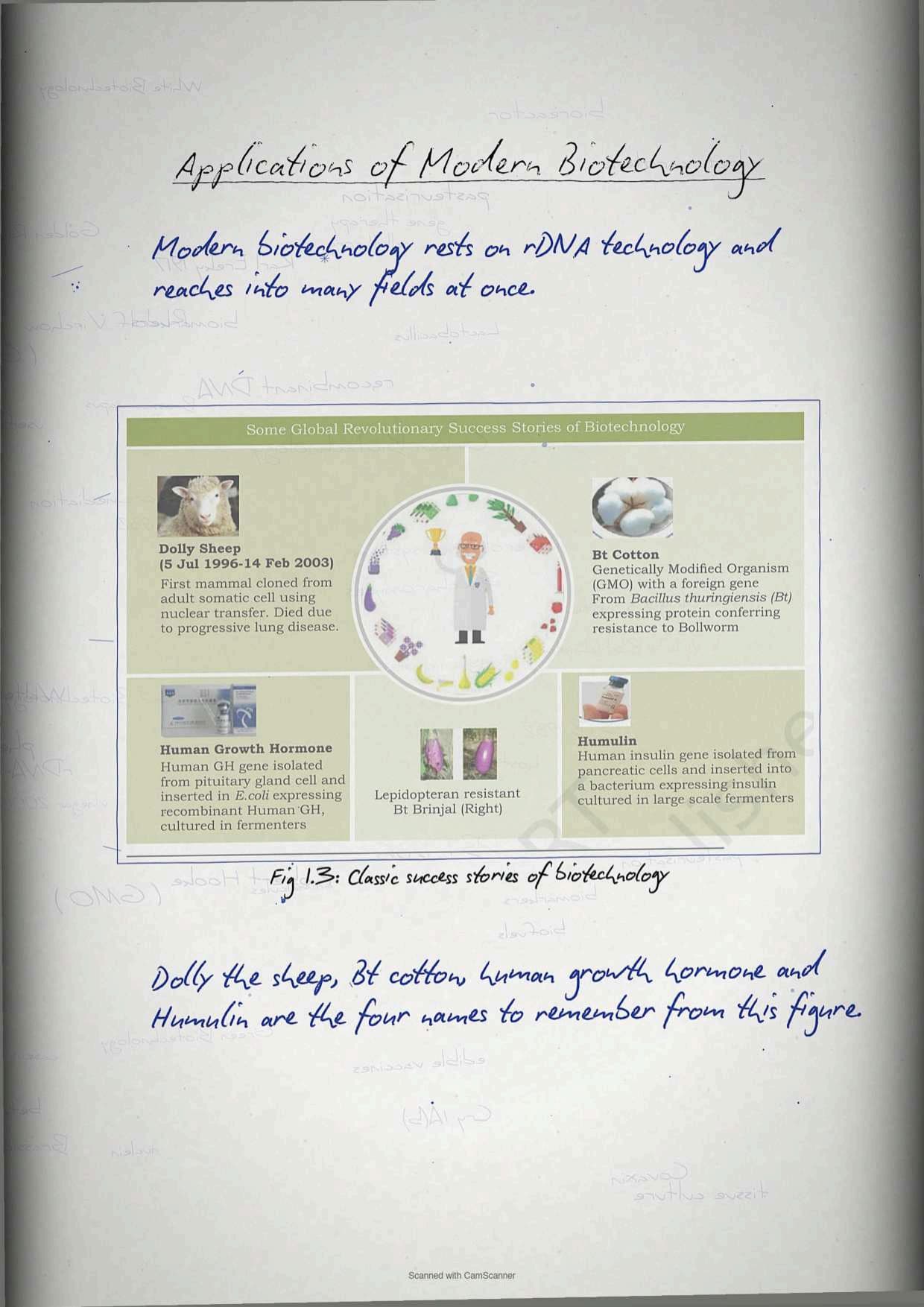
Figure 1.3 prints four success stories, and every one of them can be asked as a short note. Learn the organism, the gene and the outcome for each.
| Success story | What was done | Why it matters |
|---|---|---|
| Humulin | Human insulin gene isolated from pancreatic cells and inserted into a bacterium, which expresses insulin in large scale fermenters | First human protein made in a heterologous system for treating diabetes |
| Human growth hormone | Human GH gene isolated from a pituitary gland cell and inserted into E. coli, which expresses recombinant human GH in fermenters | A safe, unlimited supply of a hormone that was once scarce |
| Bt cotton | A genetically modified organism carrying a foreign gene from Bacillus thuringiensis expressing a protein that resists bollworm | The first widely grown insect resistant crop, and the leader of the Indian hybrid seed market |
| Dolly the sheep | First mammal cloned from an adult somatic cell using nuclear transfer, alive from 5 July 1996 to 14 February 2003 | Proved an adult cell nucleus can be reprogrammed to build a whole animal, and died of progressive lung disease |
Insulin today is produced predominantly in Escherichia coli and Saccharomyces cerevisiae. Many human proteins have also been expressed in the milk of transgenic sheep and goats, and the Food and Drug Administration in the USA has approved production of a blood anti-coagulant in the milk of transgenic goats for human use.
Applications in Medicine and Health Care
Section 1.2.1 splits medical biotechnology into three application heads. Keep them separate in an answer, because a question on gene therapy will not accept a paragraph on diagnostics.
- Therapeutic molecules: protein drugs expressed in heterologous systems such as microorganisms and transgenic plants. Human insulin and human growth hormone are the standard examples, and work continues on hepatitis, cancer and heart disease.
- Gene therapy: conceptualised in 1972, it delivers a required gene into a patient's cell as a drug so that it replaces the function of the defective gene. It suits diseases caused by gene defects such as cystic fibrosis, thalassemia and Parkinson's disease.
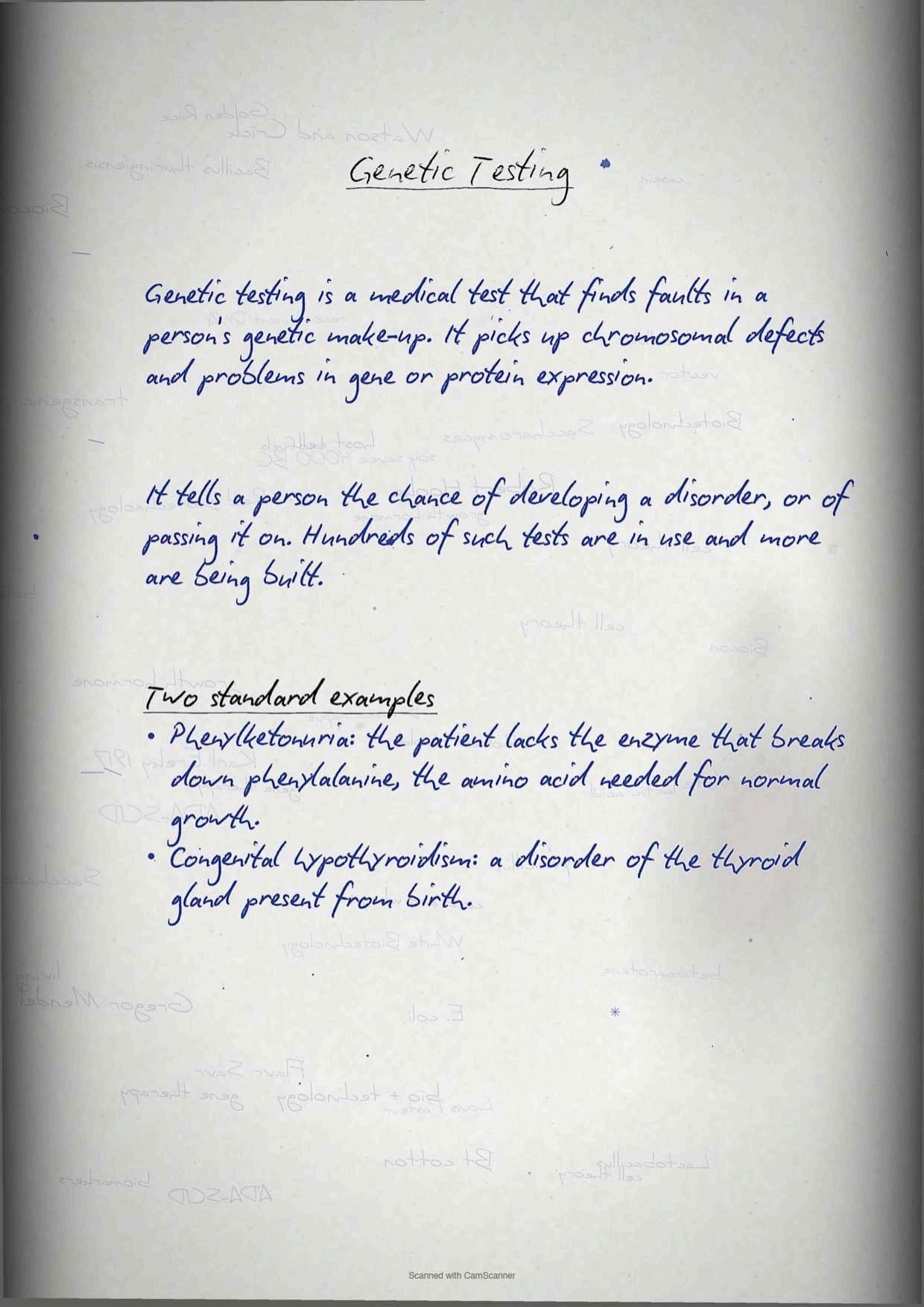
- Genetic testing: a medical test that identifies defects in an individual's genetic composition, including chromosomal defects and protein expression anomalies, and estimates the chance of developing or passing on a disorder.
Four dates carry the gene therapy story and they are exactly the sort of detail a Class 11 paper picks. 1980, the first attempt, by Martin Cline for beta-thalassemia, which was unsuccessful. 1990, the first successful report, when Ashanthi De Silva was treated for Adenosine Deaminase deficiency, also called ADA-SCID, an autosomal recessive metabolic disorder causing immunodeficiency. 2003, China approved Gendicine, the first commercial gene therapy product for cancer. 2011, Russia approved Neovasculgen as a first-in-class gene therapy for peripheral artery disease.
Genetic testing already runs to hundreds of tests. Two named in the chapter are the tests for phenylketonuria, where patients lack the enzyme needed to metabolise the amino acid phenylalanine, and congenital hypothyroidism, a thyroid gland disorder.
Applications in Crop Production and Agriculture
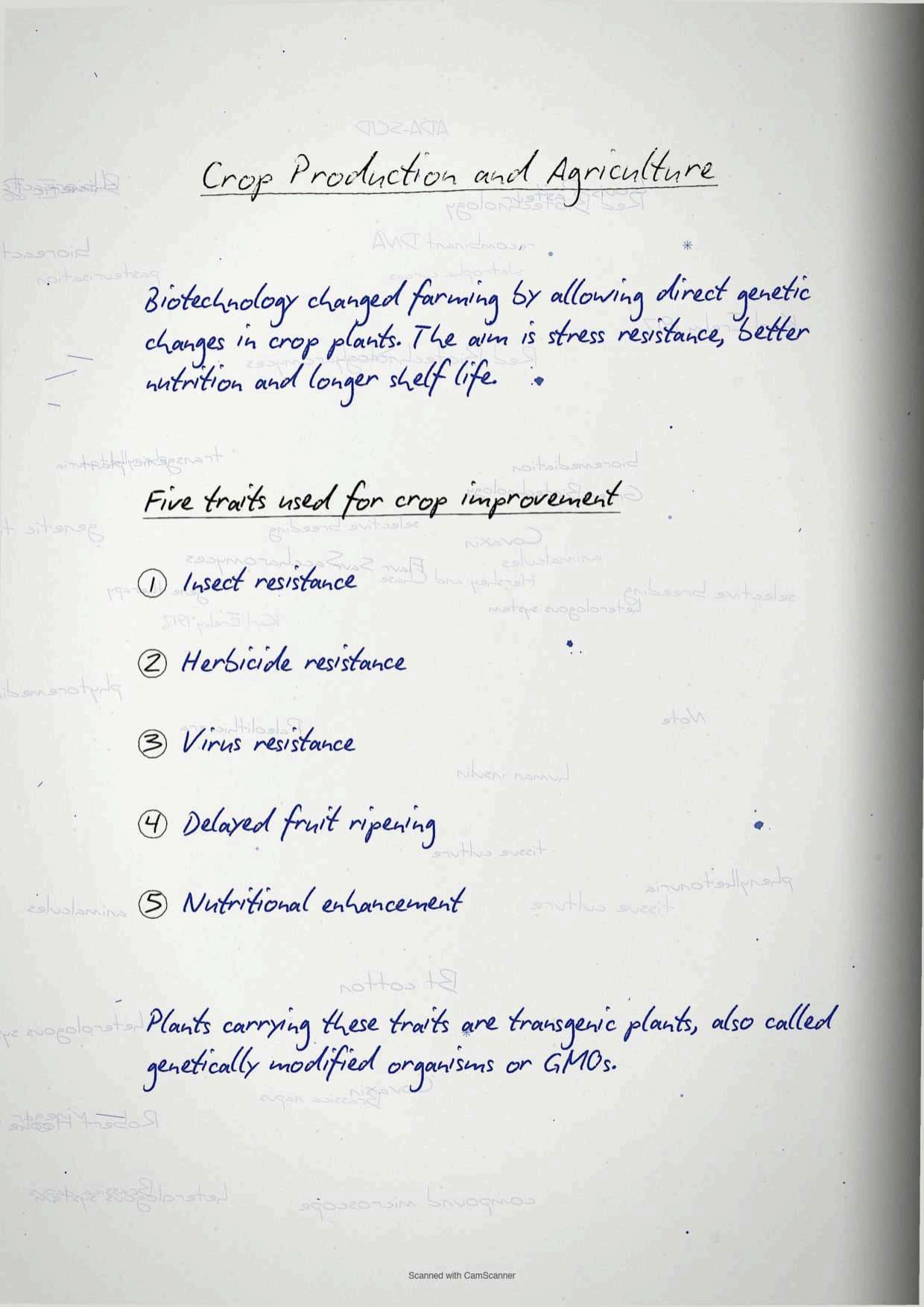
Biotechnology reached agriculture through genetic manipulation of crop plants for stress resistance, better nutrition and longer shelf life. The chapter names five major traits used for crop improvement, and that list is a guaranteed question.
- Insect resistance
- Herbicide resistance
- Virus resistance
- Delayed fruit ripening
- Nutritional enhancement
Plants carrying these traits are transgenic plants, also called genetically modified organisms or GMOs. Conventional plant breeding did make progress, but it could not keep pace with demand for food, vegetables and fruits, which is the justification the chapter gives for the switch to rDNA technology.
| Trait | Example | How it works |
|---|---|---|
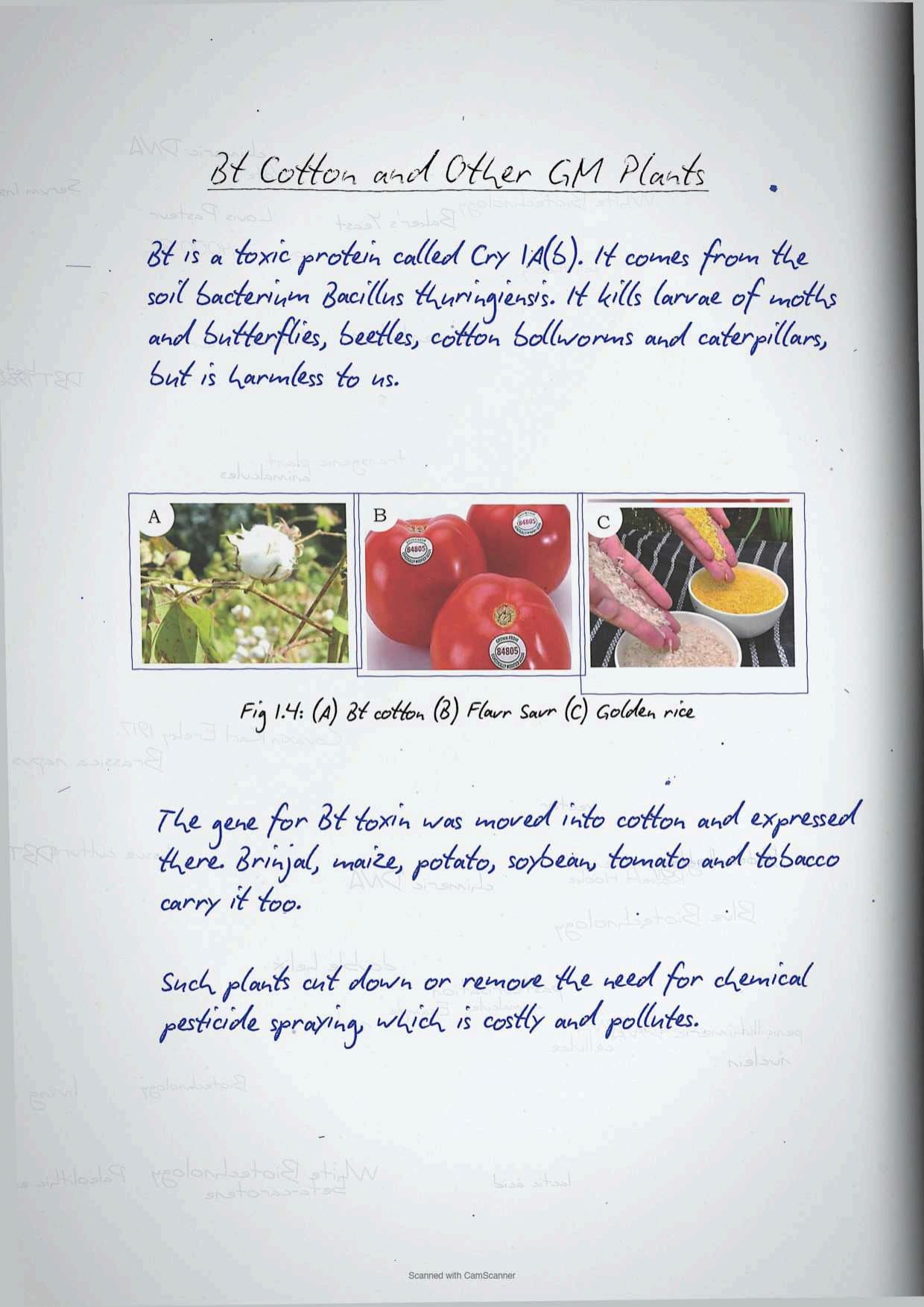
| Insect resistance | Bt cotton | Gene for the toxic protein Cry 1A(b) from Bacillus thuringiensis transferred into cotton, killing larvae of moths, butterflies, beetles, bollworms and caterpillars but harmless to us |
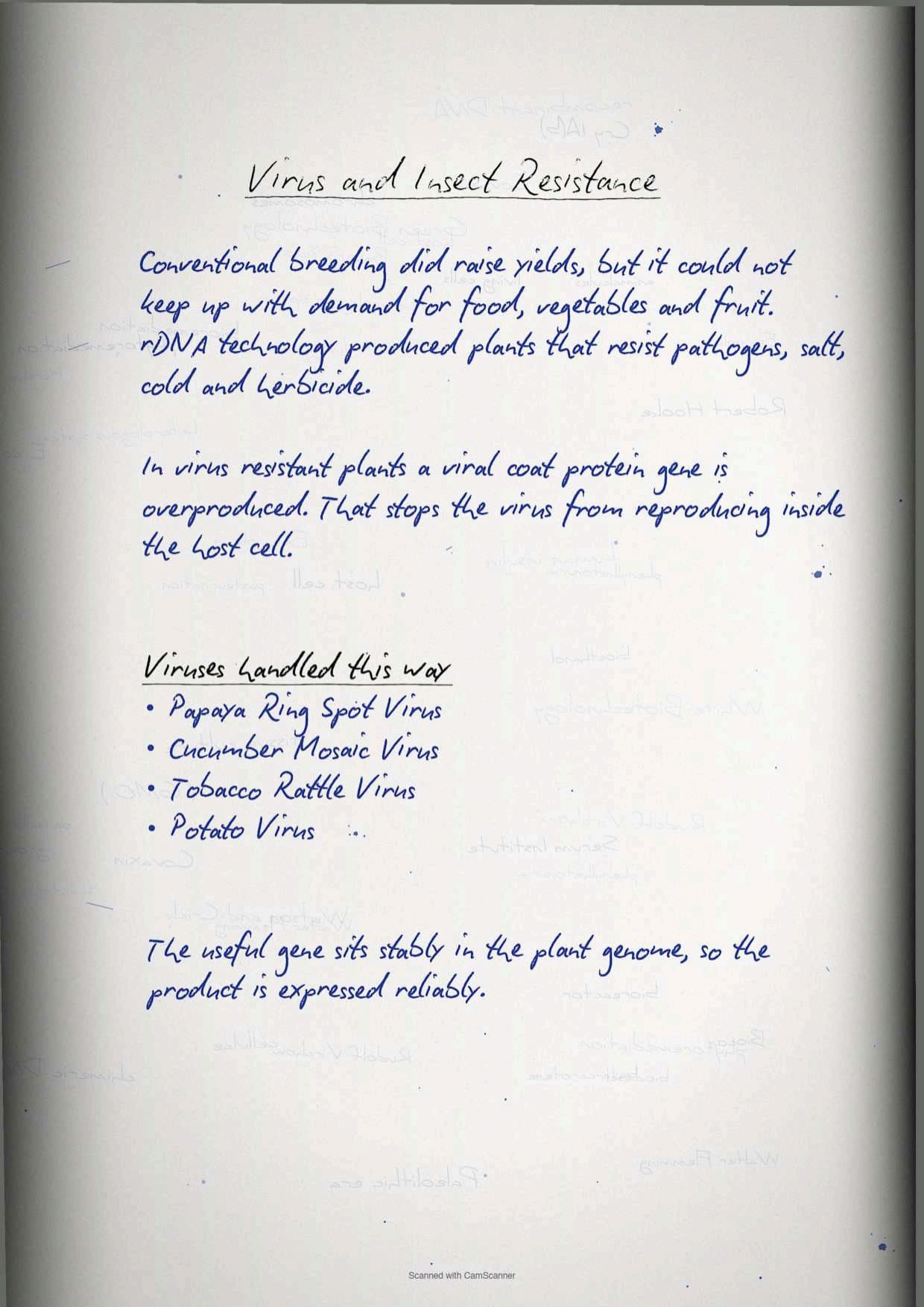
| Virus resistance | Papaya, cucumber, tobacco and potato lines | Overproduced viral coat protein gene stops the virus reproducing in the host cell |
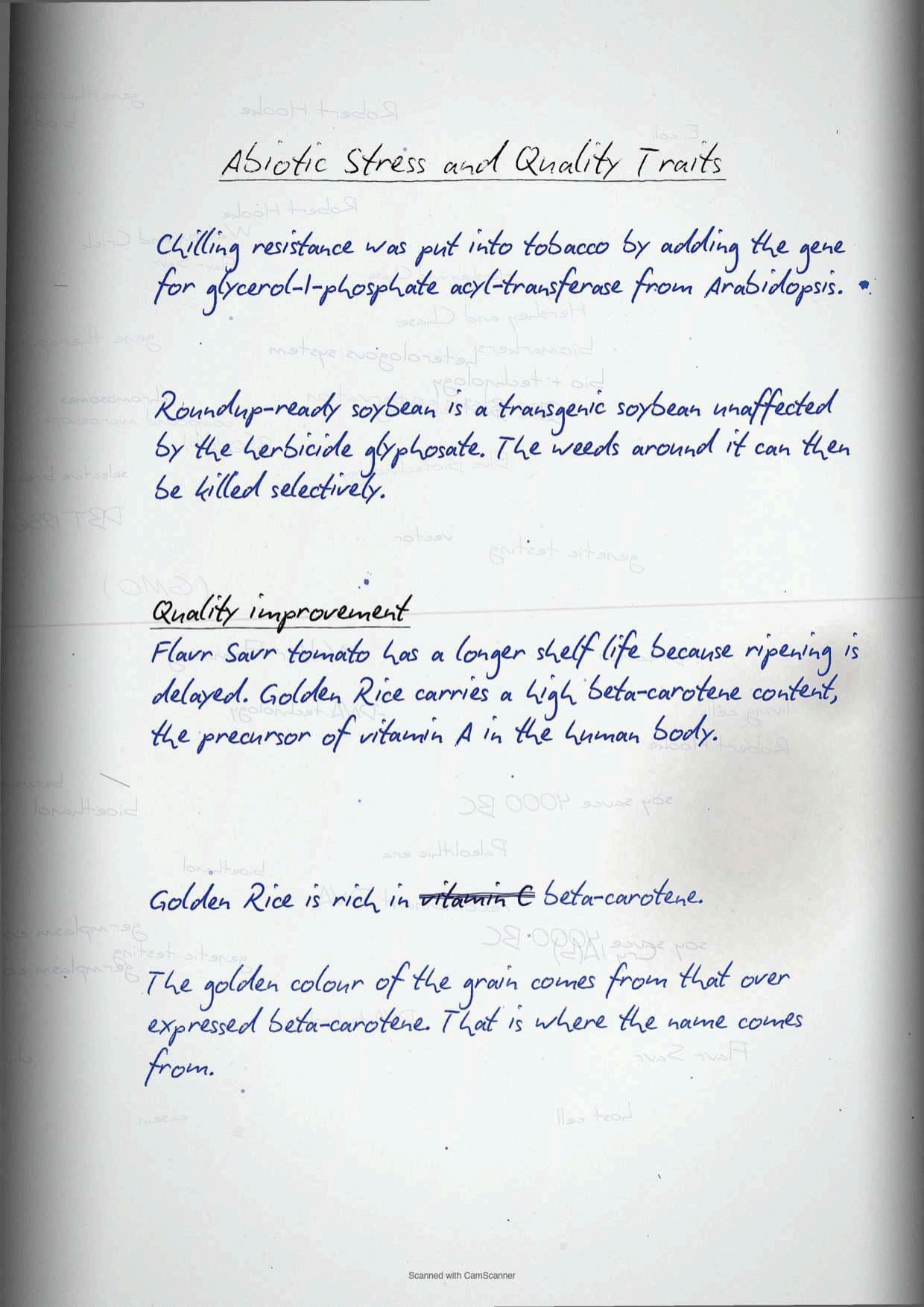
| Abiotic stress resistance | Chilling tolerant tobacco | Gene for glycerol-1-phosphate acyl-transferase from Arabidopsis introduced into tobacco |
| Herbicide resistance | Roundup-ready soybean | Unaffected by glyphosate, so weeds can be killed selectively |
| Delayed ripening | Flavr Savr tomato | Extended shelf life because ripening is slowed |
| Nutritional enhancement | Golden Rice | High beta-carotene, the precursor of vitamin A, which also gives the grain its golden colour |
Bt has travelled beyond cotton. Brinjal, corn or maize, potato, soybean, tomato and tobacco lines expressing Bt toxin have all been developed. The virus resistance coat protein approach works against Papaya Ring Spot Virus, Cucumber Mosaic Virus, Tobacco Rattle Virus and Potato Virus.
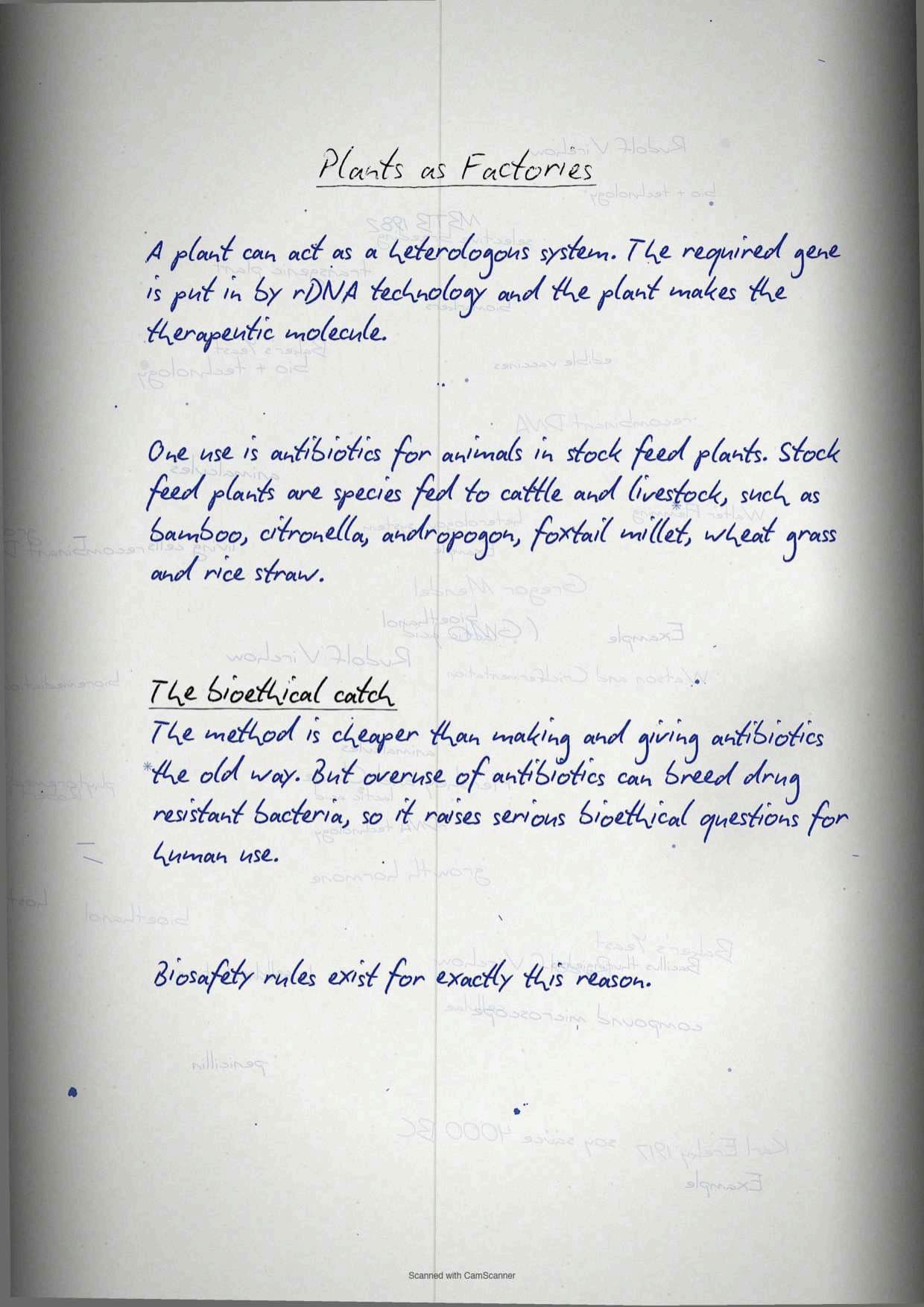
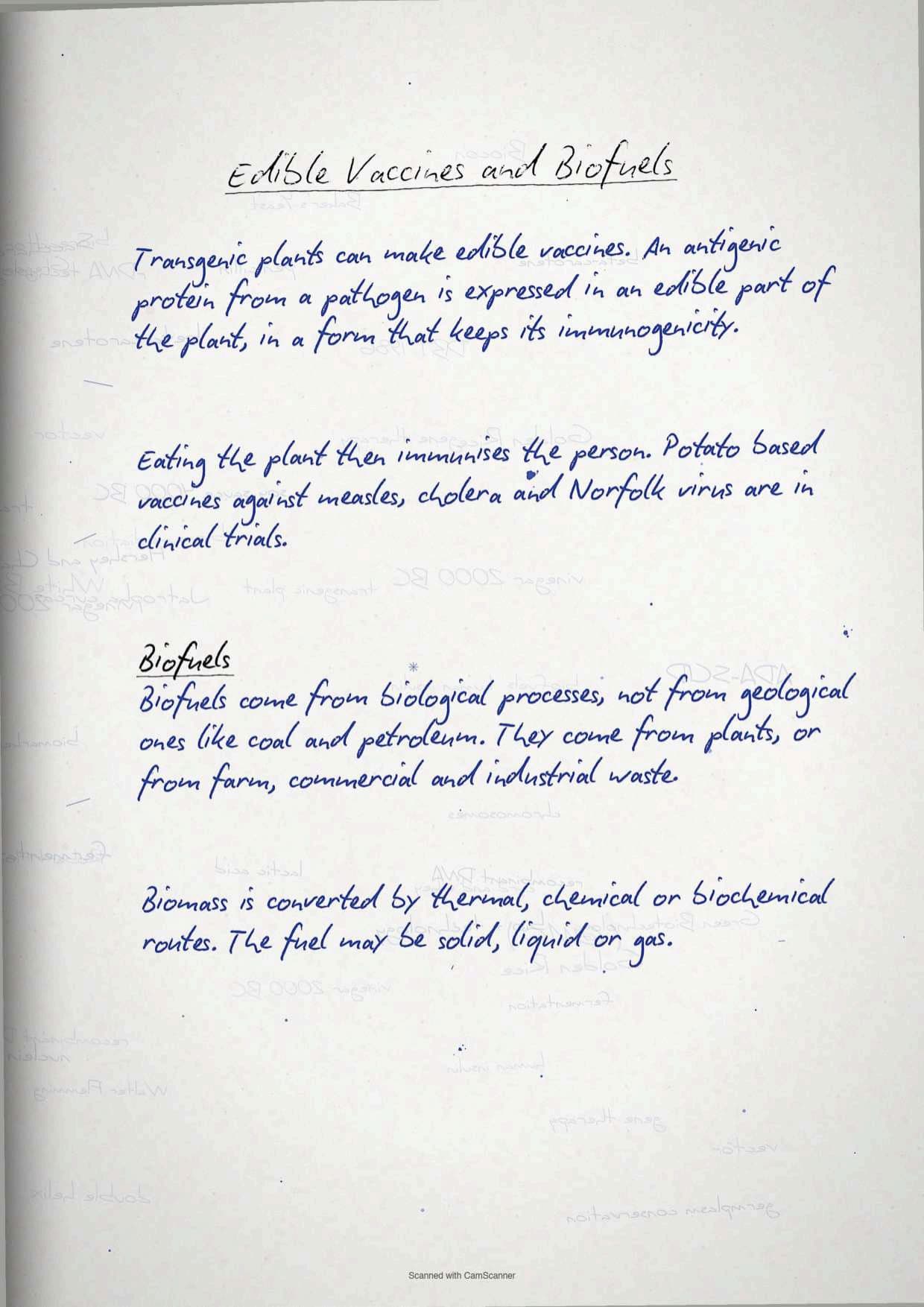
Plants are also used as factories. Transgenic plants can express therapeutic molecules, including antibiotics in stock feed plants such as bamboo, citronella, andropogon, foxtail millet, wheat grass and rice straw, which are then fed directly to cattle. Edible vaccines follow the same logic, with antigenic proteins from pathogens expressed in the edible parts of a plant in a form that keeps its immunogenicity. Potato based vaccines against measles, cholera and Norfolk virus are under clinical trials.
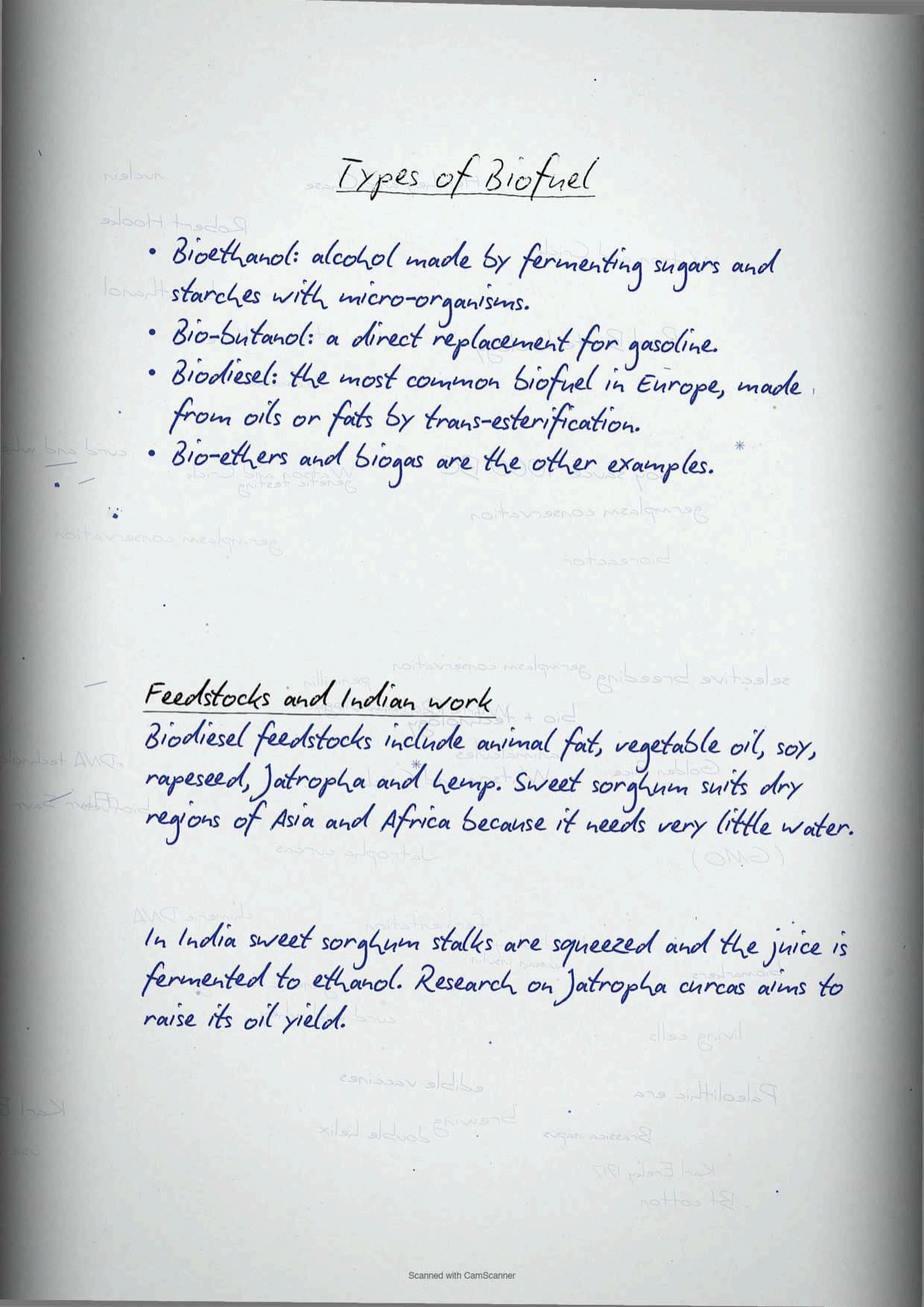
Biofuels close the section. They come from biological processes rather than the geological processes that make coal and petroleum, and biomass is converted by thermal, chemical or biochemical routes into solid, liquid or gas fuels. Bioethanol comes from fermentation of sugars and starches, bio-butanol can directly replace gasoline, and biodiesel, the commonest biofuel in Europe, is made from oils or fats by trans-esterification. In India, sweet sorghum stalks are squeezed and the juice fermented into ethanol, and Jatropha curcas seeds are being improved for oil yield.
Food Processing and Environmental Protection
Sections 1.2.3 and 1.2.4 are short in the book but easy to score on, because each bullet is a complete answer by itself.
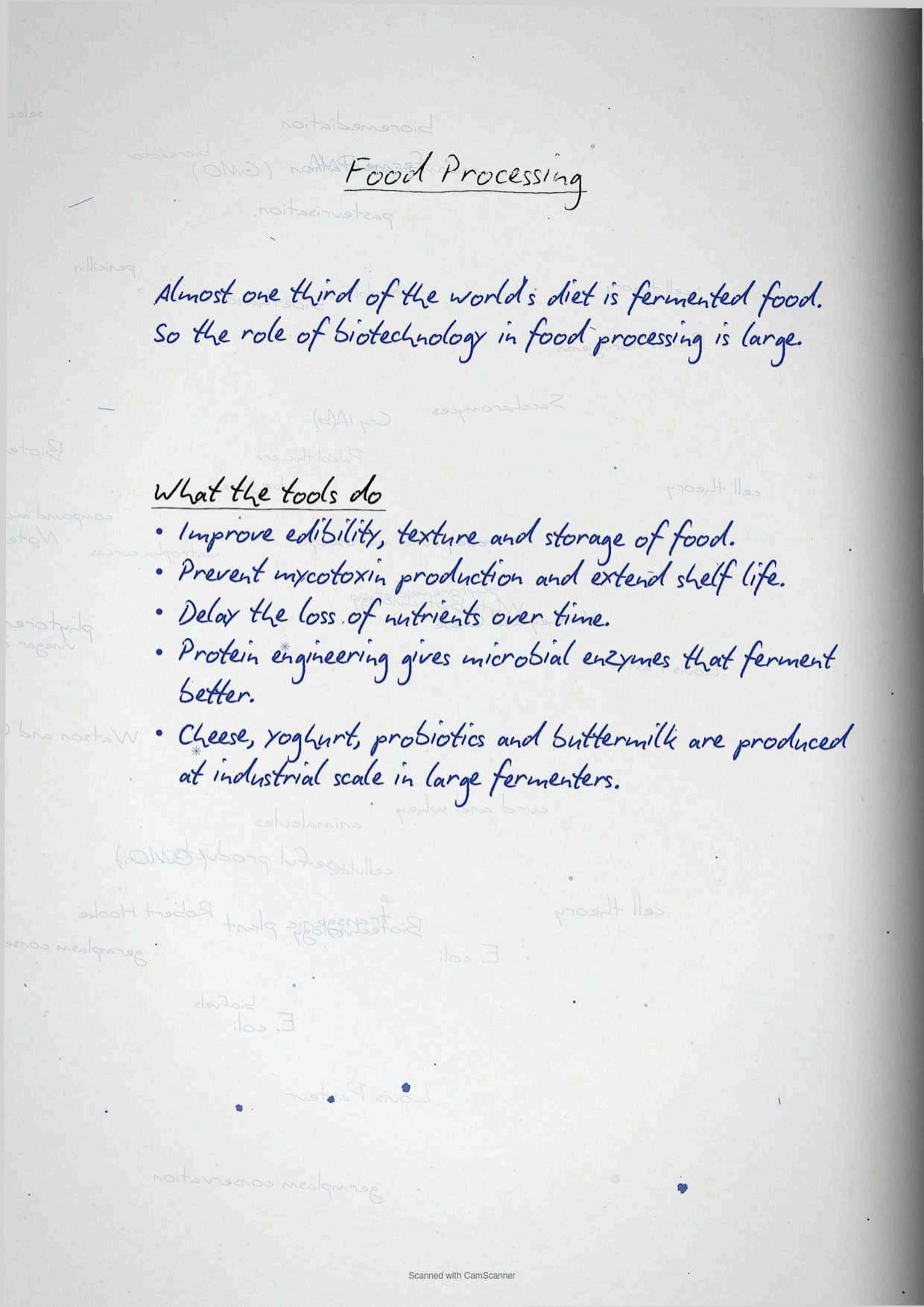
- Food processing: biotechnology improves edibility, texture and storage, prevents mycotoxin production, extends shelf life and delays degradation of nutrients. Almost one-third of the world's diet consists of fermented food.
- Protein engineering of microbial enzymes gives better fermentation, and those enzymes are produced commercially in industrial scale fermenters.
- Fermented products made at industrial scale with added taste, nutrition and shelf life include cheese, yoghurt, certain probiotics and buttermilk.
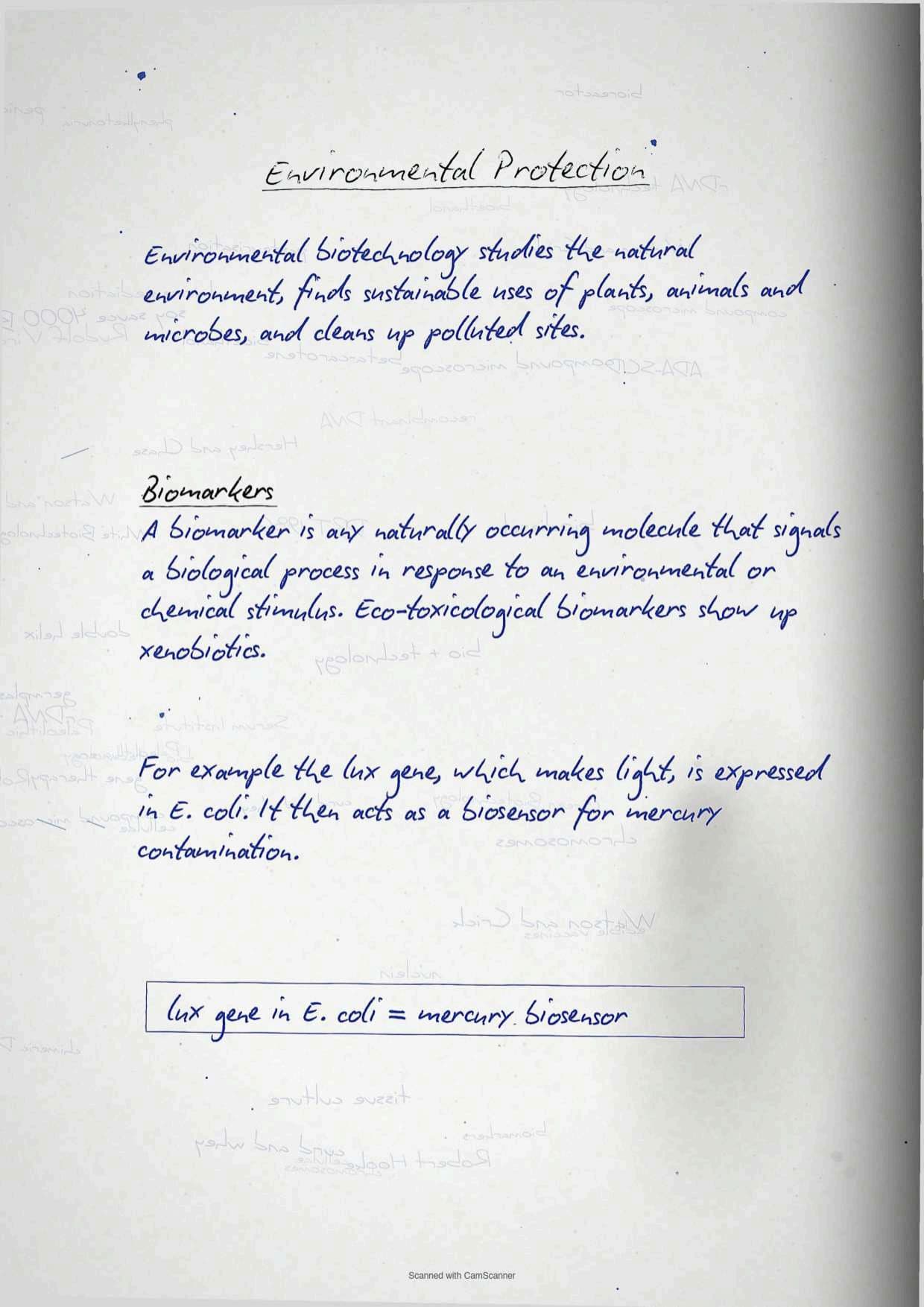
Environmental biotechnology is the branch that applies biotechnology to the natural environment, finds sustainable uses of plants, animals and microorganisms for green technology, and remediates contaminated environments. Three achievements are named.
| Achievement | Definition | Named example |
|---|---|---|
| Eco-toxicological biomarkers | Any naturally occurring molecule that indicates a biological process in response to an environmental or chemical stimulus | The lux gene expressed in E. coli, a biosensor for mercury contamination |
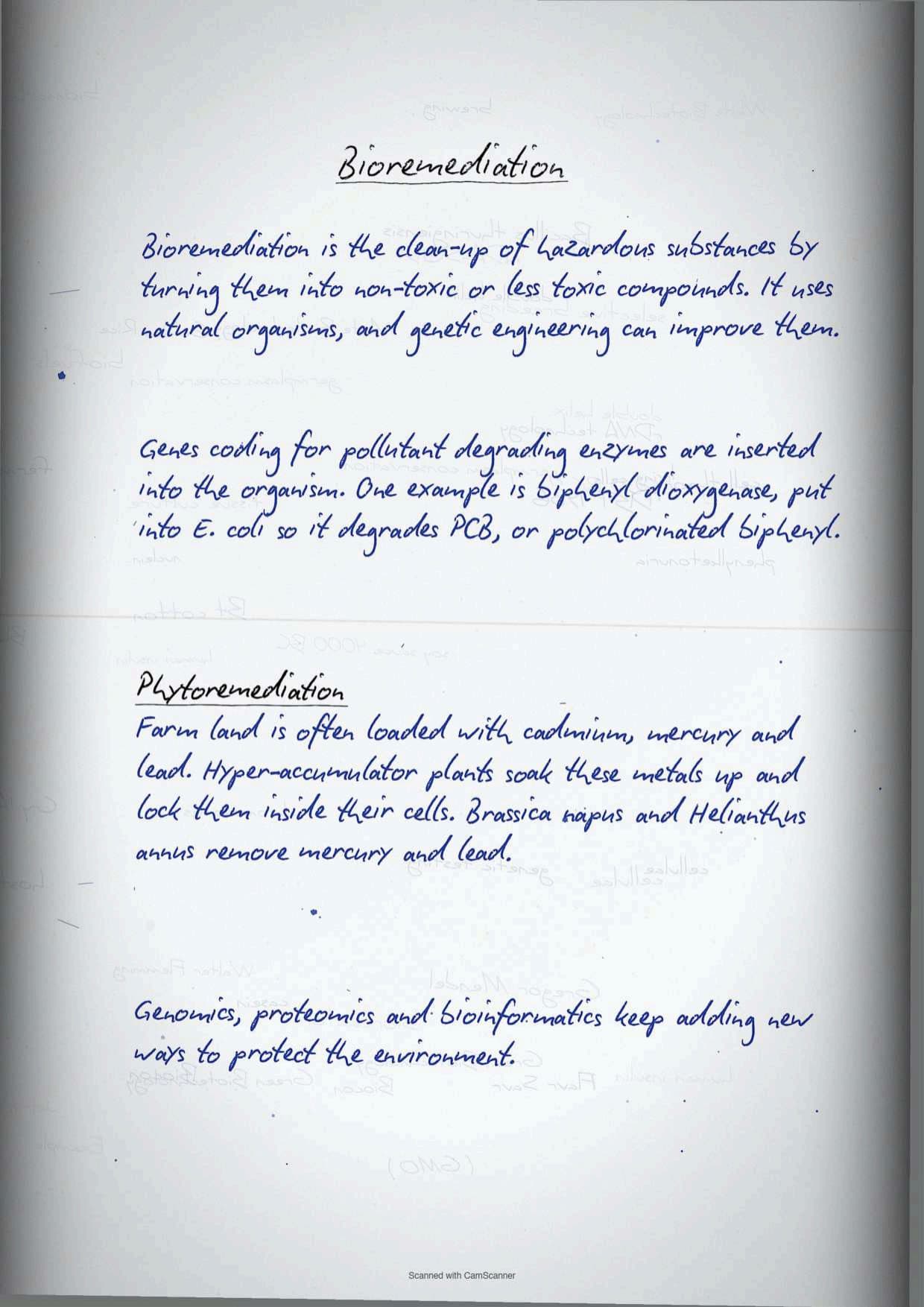
| Bioremediation | Cleaning up hazardous substances by converting them into non-toxic or less toxic compounds | Biphenyl dioxygenase inserted into E. coli to degrade polychlorinated biphenyl |
| Phytoremediation | Hyper-accumulator plants soak up heavy metals and sequester them in cellular compartments | Brassica napus and Helianthus annus for mercury and lead |
The Multi-disciplinary Nature of Modern Biotechnology
Figure 1.2 is the single most quotable diagram in the chapter, because a question on the multi-disciplinary nature of biotechnology expects a list, not a paragraph. Modern biotechnology is a multidisciplinary subject that shares knowledge across cell and molecular biology, microbiology, genetics, anatomy and physiology, biochemistry, computer science and rDNA technology.
The figure sorts the field into scientific streams on one side and broad domains of application on the other.
| Scientific streams feeding biotechnology | Broad domains of application |
|---|---|
| Genetic engineering, protein engineering, bioinformatics, immunology | Agricultural crop improvement |
| Plant and animal cell culture, biochemistry, cancer biology | Food innovations |
| Environmental biology, marine biology, nano biotechnology, biophysics | Diagnostics and healthcare |
| Pharmacology and toxicity, cell biology, microbiology | Animal husbandry |
| Biomedical engineering, genetics | Energy and environment management |
Tip: if a five-mark question asks why biotechnology is called multi-disciplinary, name six streams, name four domains, and give one worked example that needs both. Golden Rice is the cleanest one, since it needs genetics, plant tissue culture, biochemistry and nutrition science at once.
Biosafety and Bioethics: The Questions the Chapter Raises
Power over genes brings responsibility, and the chapter does not hide from it. The clearest case it prints is antibiotic production in stock feed plants, which it calls less expensive than traditional antibiotic production, then immediately warns that the practice raises many bioethical issues, especially for human use, because antibiotic overuse can create drug resistant bacterial strains.
- Drug resistance: antibiotics expressed in feed crops and eaten continuously by livestock can select for resistant bacteria.
- Gene flow and ecology: a transgene for insect resistance can move to non-target species, which is why GM crop trials in India need regulatory clearance before release.
- Cloning and animal welfare: Dolly died of progressive lung disease, and that single fact anchors most classroom debates on cloning.
- Consent and genetic testing: a test that predicts the chance of passing on a disorder carries privacy questions that a laboratory result alone cannot settle.
- Access and equity: Golden Rice and edible vaccines only help if they reach the communities that need them.
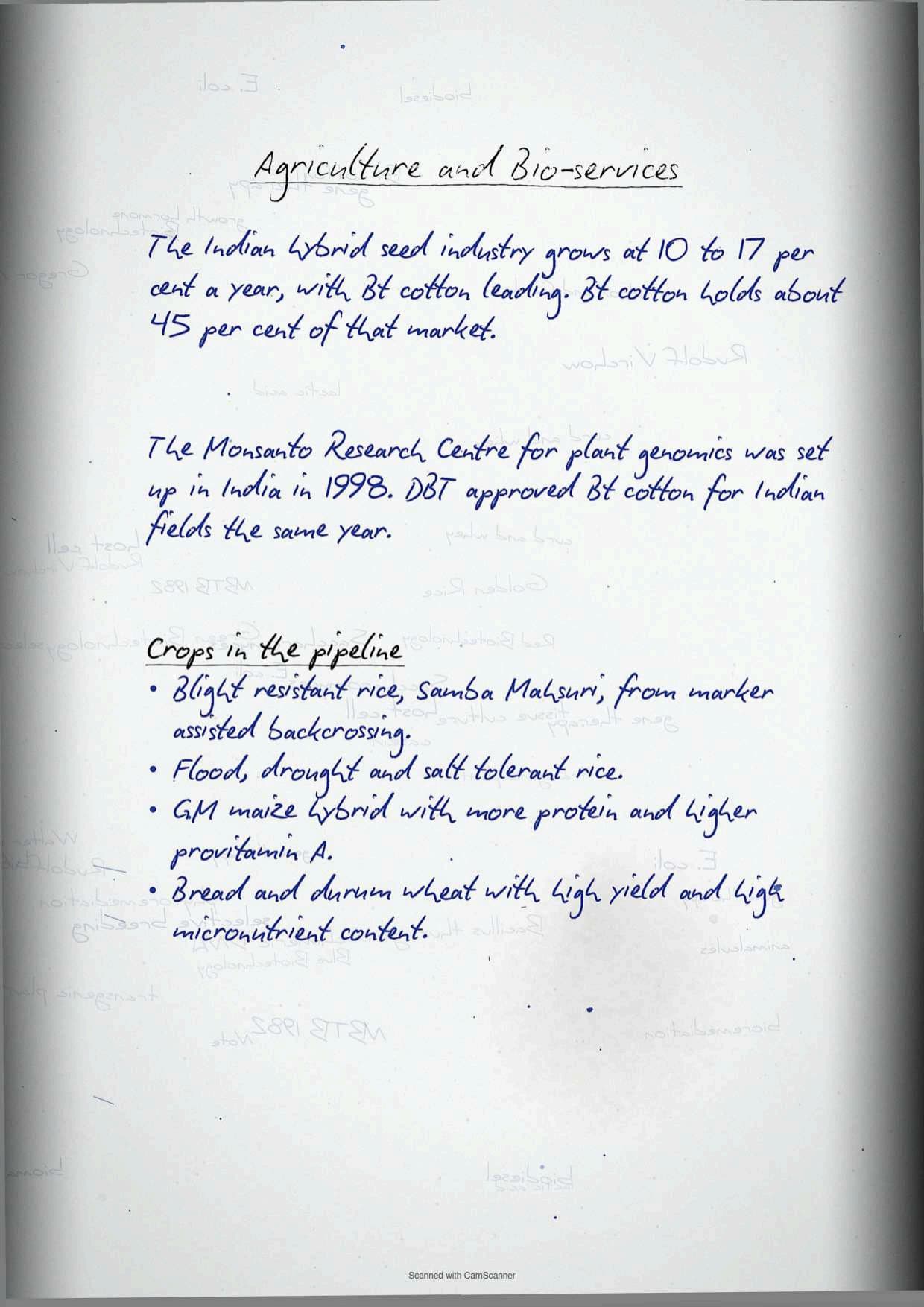
Regulation is not a footnote to biotechnology, it is part of the method. In India the Department of Biotechnology approved Monsanto to grow Bt cotton only in 1998, after review, and that approval date is itself an examinable fact.
Biotechnology in India: Department of Biotechnology, Institutes and Industry
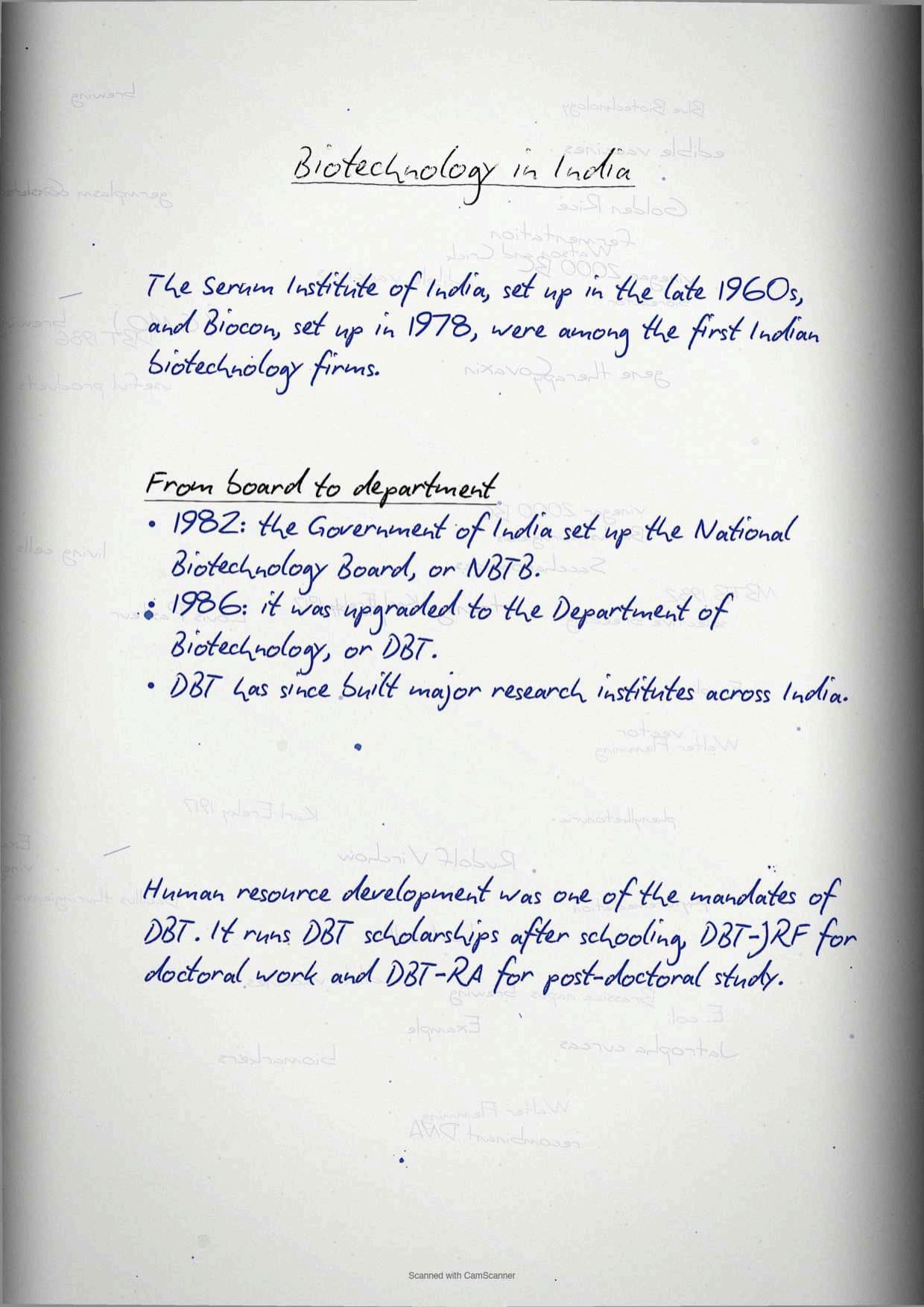
Section 1.3 turns local. The Serum Institute of India, set up in the late 1960s, and Biocon, set up in 1978, were among the first Indian biotechnology firms. The National Biotechnology Board was constituted by the Government of India in 1982 and upgraded to the Department of Biotechnology, or DBT, in 1986.
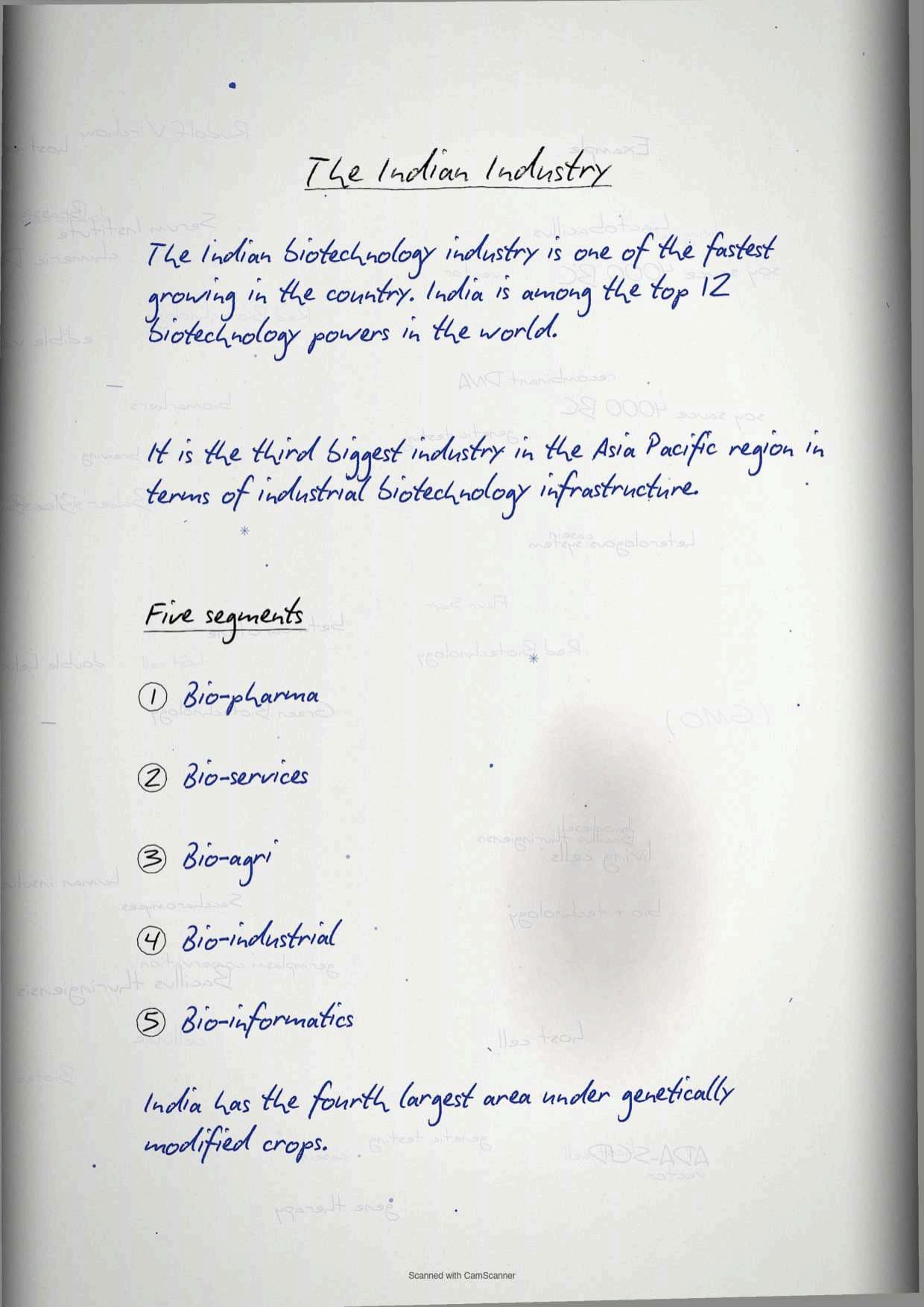
| Fact about the Indian sector | Figure to remember |
|---|---|
| India's world rank in biotechnology | Among the top 12 biotechnology powers |
| Position in Asia Pacific by industrial infrastructure | Third biggest |
| Segments of the industry | Five: bio-pharma, bio-services, bio-agri, bio-industrial, bio-informatics |
| Area under genetically modified crops | Fourth largest in the world |
| Bt cotton share of the Indian hybrid seed industry | 45 per cent, with the hybrid seed industry growing 10 to 17 per cent a year |
| Antiretroviral drugs for AIDS supplied globally by Indian firms | 80 per cent |
India is the world's largest producer of recombinant Hepatitis B vaccine, measles vaccine and DTP vaccine, and also of statins and immunosuppressants. Indian companies make recombinant Hepatitis B vaccine, human insulin, G-CSF, erythropoietin, human growth hormone and interferon alpha 2b. Bharat Biotech launched ROTAVAC against rotavirus diarrhoea and later developed Covaxin, India's first indigenous Covid-19 vaccine. The Serum Institute launched the world's only adsorbed liquid HDC rabies vaccine and India's first MMR vaccine, Tresivac. One out of every two children in the world has been vaccinated with a vaccine made by an Indian company, and India exports vaccines to more than 140 countries.
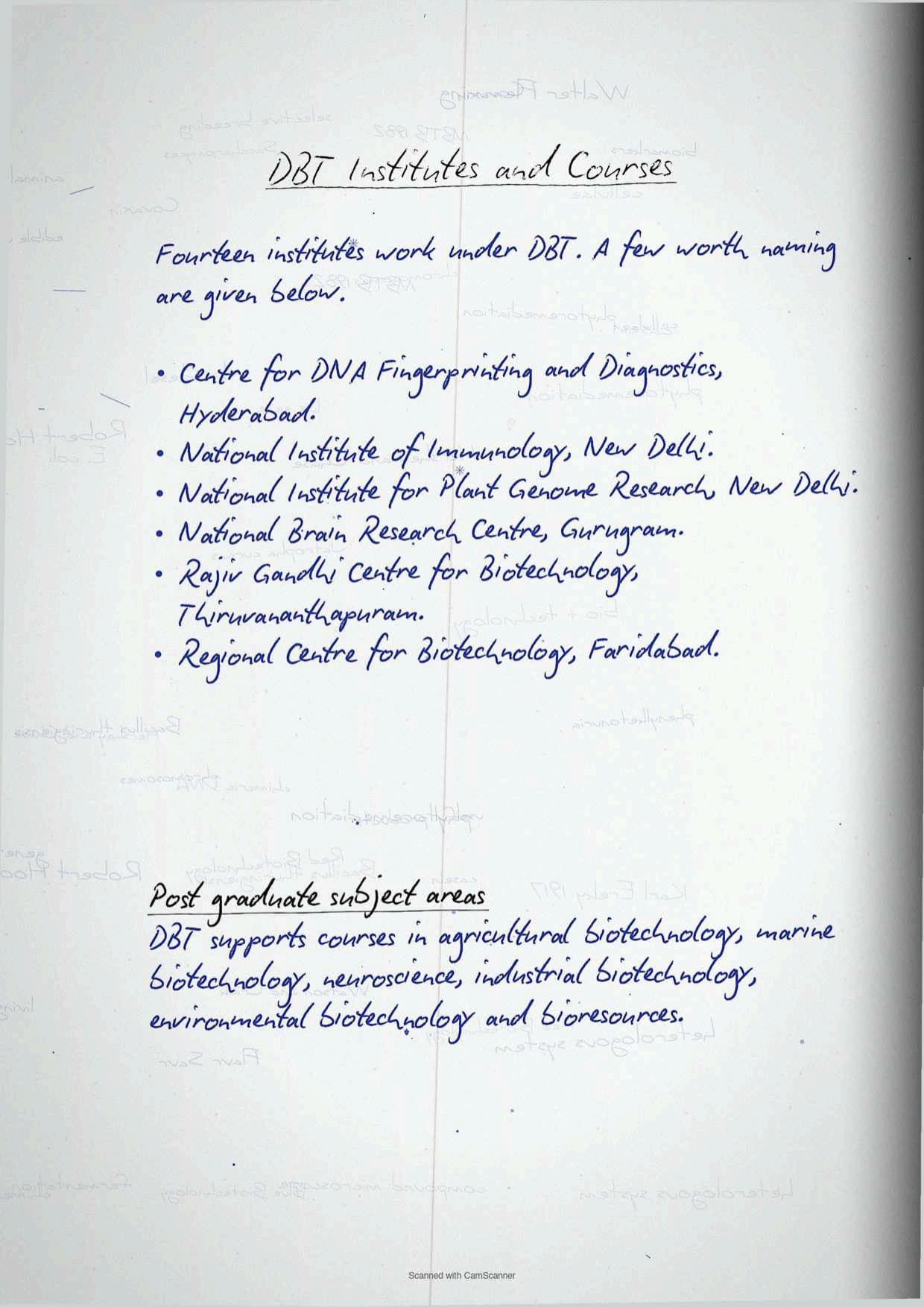
DBT also runs the human resource side, with scholarships after schooling, the DBT-JRF for doctoral research and the DBT-RA research associateship for post-doctoral study. Fourteen DBT institutes are listed in the chapter, including CDFD Hyderabad, NIPGR New Delhi, NII New Delhi, NBRC Gurugram, RCB Faridabad and IBSD Imphal.
Common Mistakes Students Make in An Introduction to Biotechnology
Five traps that cost easy marks in the Class 11 Biotechnology paper:
- Crediting the term to the wrong person or year. Karl Ereky, 1917. Louis Pasteur explained fermentation, he did not coin the word.
- Mixing 1982 and 1986. The National Biotechnology Board came in 1982, the Department of Biotechnology in 1986.
- Calling Bt a plant gene. The Cry 1A(b) gene comes from the soil bacterium Bacillus thuringiensis and is transferred into cotton.
- Confusing the two gene therapy firsts. Martin Cline made the first attempt in 1980 and it failed. Ashanthi De Silva was the first success, in 1990.
- Blurring bioremediation and phytoremediation. Bioremediation uses microorganisms, phytoremediation uses hyper-accumulator plants.
Tick each trap off only after you have answered it correctly once in a written attempt. Students who did this reported the date questions stopped costing them marks within two revision rounds.
Quick Recall Sheet for An Introduction to Biotechnology
This is the page to read the night before and again in the morning. Every term the chapter can ask sits in one place.
| Term | One-line meaning |
|---|---|
| Biotechnology | Technologies using living cells or biological molecules to make useful products |
| Karl Ereky | Hungarian scientist, coined the term in 1917 |
| Fermentation | Microbial process of enzymatically controlled conversion of organic compounds |
| Bioreactor | Modern fermenter, invented for mass production of penicillin |
| rDNA technology | Cutting and joining DNA pieces and placing the recombinant DNA in a new host |
| Transgenic plant | A genetically modified plant carrying a stably incorporated useful gene |
| Cry 1A(b) | Bt toxin protein from Bacillus thuringiensis |
| Flavr Savr | Tomato with extended shelf life due to delayed ripening |
| Golden Rice | Rice rich in beta-carotene, the vitamin A precursor |
| Gene therapy | Delivering a required gene into a patient's cell to replace a defective one |
| Biomarker | Naturally occurring molecule indicating a biological response to a stimulus |
| Bioremediation | Converting hazardous substances into non-toxic or less toxic compounds |
| Blue, green, red, white | Marine, plant and environment, medical, industrial biotechnology |
| DBT | Department of Biotechnology, 1986, upgraded from the 1982 board |
| Five industry segments | Bio-pharma, bio-services, bio-agri, bio-industrial, bio-informatics |
The notebook also carries a mnemonic for the running order of the chapter: DEF RAIL, standing for Definition, Ereky, Fermentation history, rDNA technology, Applications, Indian sector, Landmarks.
What the An Introduction to Biotechnology Handwritten Notes PDF Contains
The file is a scanned notebook written on ruled paper, with the textbook figures placed where the chapter uses them. Nothing is typed, so it reads the way a classmate's notes read.
- Pages 1 to 8: cover, the definition split, Karl Ereky, ancient biotechnology and the Indian fermentation tradition.
- Pages 9 to 17: the full milestone timeline from 1590 to 1953, industrial fermentation, and the ancient against modern comparison table.
- Pages 18 to 26: the six steps of rDNA technology with the Figure 1.1 flow, the colour codes and the three streams.
- Pages 27 to 35: medicine, agriculture, food processing and environmental protection with all named examples and organisms.
- Pages 36 to 42: the Indian sector, biosafety notes, the quick recall sheet, the mistake list and every exercise question worked out.
Textbook Exercise Questions and How These Notes Answer Them
The chapter closes with five exercises. The notebook writes out a model answer for each, and the table below shows where in the notes the material for each answer sits.
| Exercise question | Where the answer is built |
|---|---|
| What do you understand by the term biotechnology, with examples | The definition split, plus Humulin and Bt cotton as examples |
| Comparative account of ancient and modern biotechnology | The six-row comparison table and the three-stage model |
| Role of biotechnology in biopharmaceutical production, gene therapy, abiotic stress resistance, insect resistant crops and environmental protection | Sections on medicine, agriculture and environmental biotechnology |
| Contribution of ancient biotechnology to human welfare | Domestication, selective breeding, bread, cheese, wine, beer, vinegar and curd |
| Justify that modern biotechnology is based on recombinant DNA technology | The six numbered rDNA steps plus the four success stories as proof |
How to Use These Handwritten Notes Most Effectively
This chapter is not conceptually hard, it is dense with names and dates, so spacing beats cramming. Students who split it into four blocks reported finishing it in about three hours.
- Block 1, 45 minutes. Definition, Karl Ereky and ancient biotechnology. Write the definition from memory before moving on.
- Block 2, 50 minutes. The milestone timeline. Cover the year column and rebuild it, then cover the name column and rebuild that.
- Block 3, 50 minutes. rDNA technology in six steps, the colour codes, the three streams and the four success stories.
- Block 4, 40 minutes. Applications and the Indian sector, then attempt all five exercise questions in writing.
- Night before, 15 minutes. Quick recall table and the five common mistakes, nothing else.
How These Handwritten Notes Pair with Other Biotechnology Resources
Also Check: the same ideas return in Class 12 Biology, where two full chapters are already published on Collegedunia. Read this chapter first for the vocabulary, then use the Class 12 pages for the deeper mechanism.
| Resource | Best used for | Open it |
|---|---|---|
| Class 12 Biology Notes | The tools of rDNA technology in full detail, restriction enzymes, vectors and bioreactors | Biotechnology Principles and Processes Class 12 Notes |
| Class 12 Biology Handwritten Notes | A scanned revision pass on the same processes | Biotechnology Principles and Processes Class 12 Handwritten Notes |
| Class 12 Biology Applications | Bt cotton, gene therapy and transgenic animals treated at greater depth | Biotechnology and Its Applications Class 12 Notes |
| Class 12 Biology Book PDF | The official chapter text with all original figures | Biotechnology Principles and Processes Class 12 Book PDF |
| Class 11 Biotechnology Notes | Typed revision notes for this chapter with every term explained | An Introduction to Biotechnology Class 11 Notes (coming soon) |
| Class 11 Biotechnology Book PDF | The official Class 11 Biotechnology chapter text | An Introduction to Biotechnology Class 11 Book PDF (coming soon) |
NCERT Handwritten Notes for Class 11 Biotechnology: All Chapters
Related Links: handwritten revision notes for every chapter of the Class 11 Biotechnology textbook, written to the 2026-27 syllabus.
| Chapter | Class 11 Biotechnology Handwritten Notes |
|---|---|
| Chapter 1 | An Introduction to Biotechnology Class 11 Handwritten Notes (this page) |
| Chapter 2 | Cellular Organelles Class 11 Handwritten Notes (coming soon) |
| Chapter 3 | Biomolecules Class 11 Handwritten Notes (coming soon) |
| Chapter 4 | Enzymes and Bioenergetics Class 11 Handwritten Notes (coming soon) |
| Chapter 5 | Cellular Processes Class 11 Handwritten Notes (coming soon) |
| Chapter 6 | Basic Principles of Inheritance Class 11 Handwritten Notes (coming soon) |
| Chapter 7 | Basic Processes of DNA Class 11 Handwritten Notes (coming soon) |
| Chapter 8 | Genetic Disorder Class 11 Handwritten Notes (coming soon) |
| Chapter 9 | Introduction to Bioinformatics Class 11 Handwritten Notes (coming soon) |
| Chapter 10 | Protein Informatics and Cheminformatics Class 11 Handwritten Notes (coming soon) |
| Chapter 11 | Programming and Systems Biology Class 11 Handwritten Notes (coming soon) |
An Introduction to Biotechnology Class 11 Handwritten Notes FAQs
Questions Students Ask Before Downloading These Notes
Ques. Who coined the term biotechnology and in which year?
Ans. Karl Ereky, a Hungarian scientist who lived from 1878 to 1952, coined the term biotechnology in 1917. He used it in a book on the biotechnology of meat, fat and milk production on a large-scale agricultural farm, where he described how technology could be used to transform plants and animals into useful products.
Ques. What is the difference between ancient and modern biotechnology?
Ans. Ancient biotechnology used whole organisms as they were, guided by trial and traditional practice, and gave products such as bread, cheese, wine, beer and curd. Modern biotechnology is based on recombinant DNA technology and manipulates organisms at the molecular level, giving precise products such as human insulin, Bt cotton and Golden Rice. Only modern biotechnology can move a gene across the species barrier.
Ques. Why is modern biotechnology said to be based on recombinant DNA technology?
Ans. Recombinant DNA technology lets scientists cut and join different pieces of DNA and place the recombinant DNA into a new host, so a gene can be transferred from one organism to another and confer a novel property. Every modern product listed in the chapter, from Humulin to Bt cotton to recombinant human growth hormone, is produced this way, which is why the statement holds.
Ques. What are the six steps of the rDNA process shown in the chapter?
Ans. Identify the protein of interest, isolate the gene for that protein from the genome, insert the gene into a vector, introduce the modified vector into a host cell, multiply the host cell carrying the modified vector, and finally increase production of the required protein. The vector carries the gene and the host multiplies and expresses it.
Ques. What do blue, green, red and white biotechnology mean?
Ans. Blue biotechnology works on marine and freshwater organisms for seafood supply and new drugs. Green biotechnology gives environment-friendly plant solutions such as transgenic crops. Red biotechnology is medical, covering insulin, enzymes, antibiotics and vaccines. White biotechnology improves industrial processes, using enzymes as eco-friendly catalysts for valuable chemicals.
Ques. What is Bt cotton and where does the Bt gene come from?
Ans. Bt cotton is a genetically modified cotton plant that expresses a toxic protein called Cry 1A(b), obtained from the soil bacterium Bacillus thuringiensis. The toxin kills larvae of moths and butterflies, beetles, cotton bollworms and caterpillars but is harmless to human beings, so the crop needs far less chemical pesticide. Brinjal, maize, potato, soybean, tomato and tobacco lines expressing Bt toxin have also been developed.
Ques. Why is biotechnology called a multi-disciplinary subject?
Ans. Because it borrows continuously from cell and molecular biology, microbiology, genetics, anatomy and physiology, biochemistry, computer science and recombinant DNA technology. Its streams include genetic engineering, protein engineering, bioinformatics, immunology, cell culture, cancer biology, marine biology and nano biotechnology, and its applications reach agriculture, food, diagnostics, animal husbandry and environment management.
Ques. What bioethical concerns does this chapter raise?
Ans. The chapter warns that expressing antibiotics in stock feed plants, although cheaper than conventional production, may create drug resistant bacterial strains through antibiotic overuse. Classroom discussion usually extends this to gene flow from transgenic crops, animal welfare in cloning, privacy in genetic testing, and fair access to products such as Golden Rice and edible vaccines.
Ques. Where can I download the Class 11 Biotechnology Chapter 1 handwritten notes PDF?
Ans. Use the download button at the top of this page. The file is free and printable, runs to 42 handwritten pages, and follows the 2026-27 chapter order, so it can sit beside the textbook while you revise.



Comments