




The handwritten notes on Class 12 Legal Studies Chapter 2 Topics in Law have been carefully prepared for one-shot revision, according to the latest 2026-27 CBSE syllabus. The chapter is really four laws in one, and these notes keep each law on its own pages.
- Length: 28 handwritten pages covering Contracts, Torts, Property Law and Intellectual Property Law in one file.
- Must-learn set: the landmark cases, Carlill v Carbolic Smoke Ball Co., Mohori Bibee v Dharmodas Ghose, Donoghue v Stevenson, Rylands v Fletcher and the Bhopal gas leak case.
- Also on this page: five comparison tables, a quick recall sheet, a common mistakes list and a link to the related Consumer Protection notes.
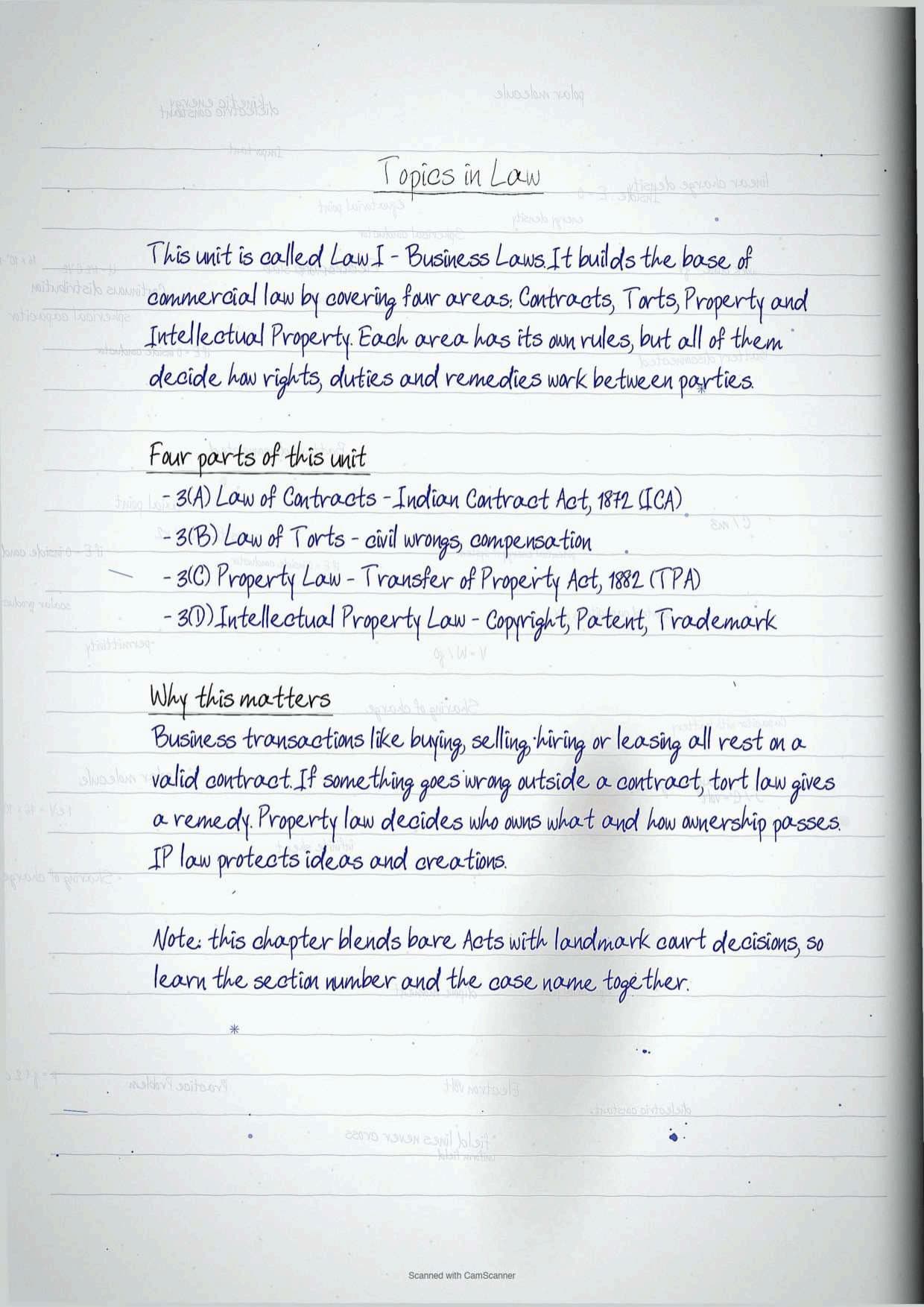
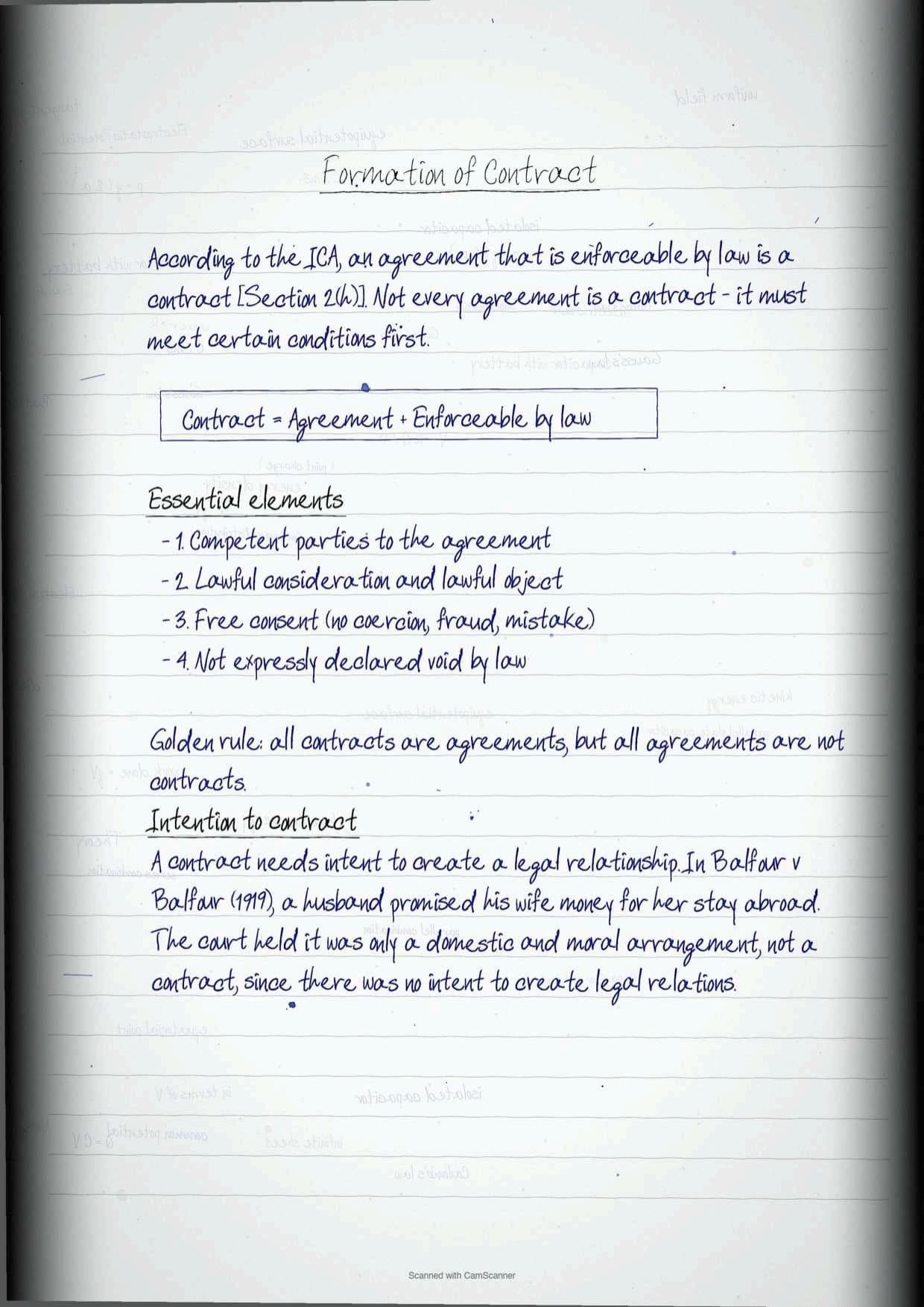
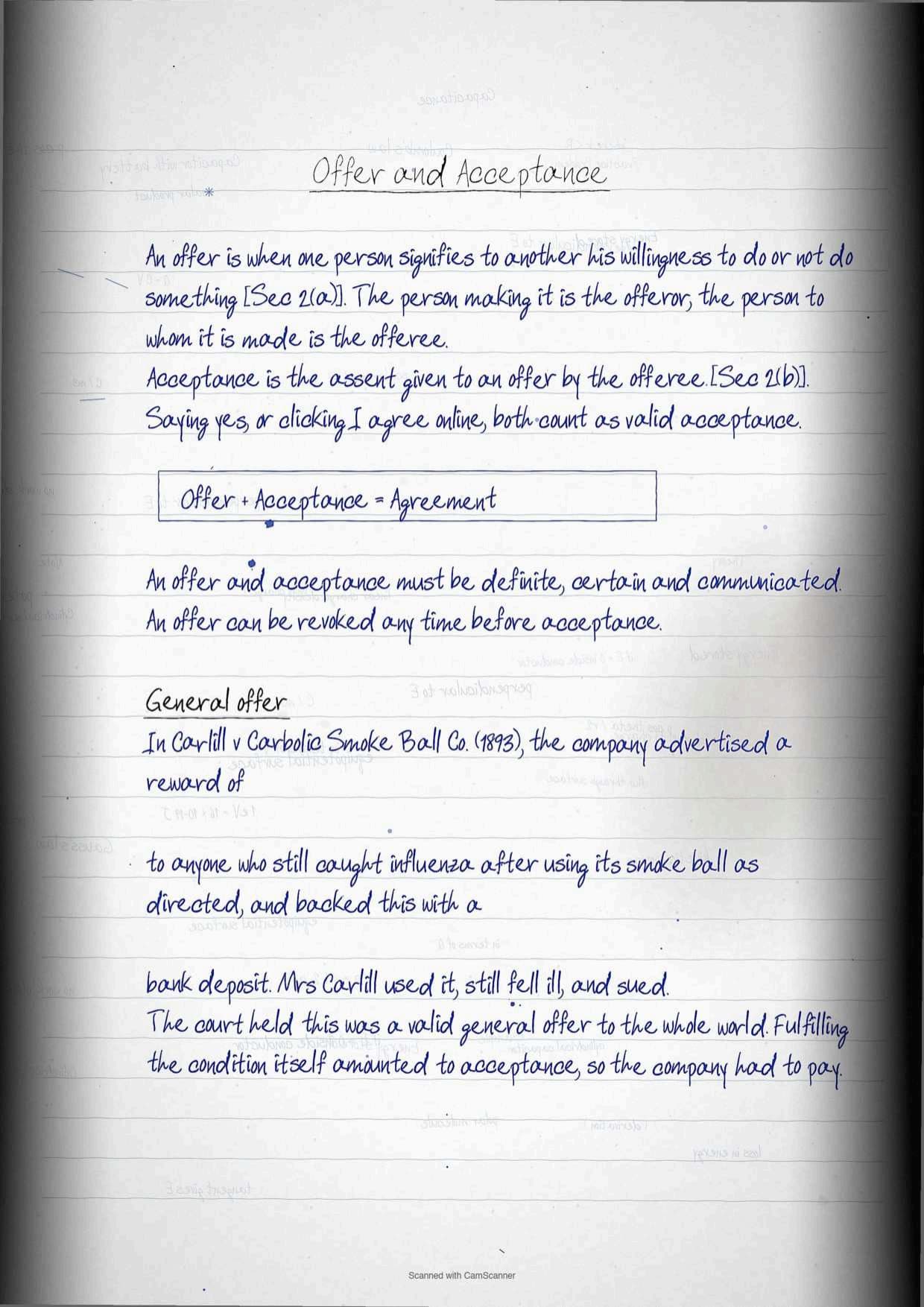
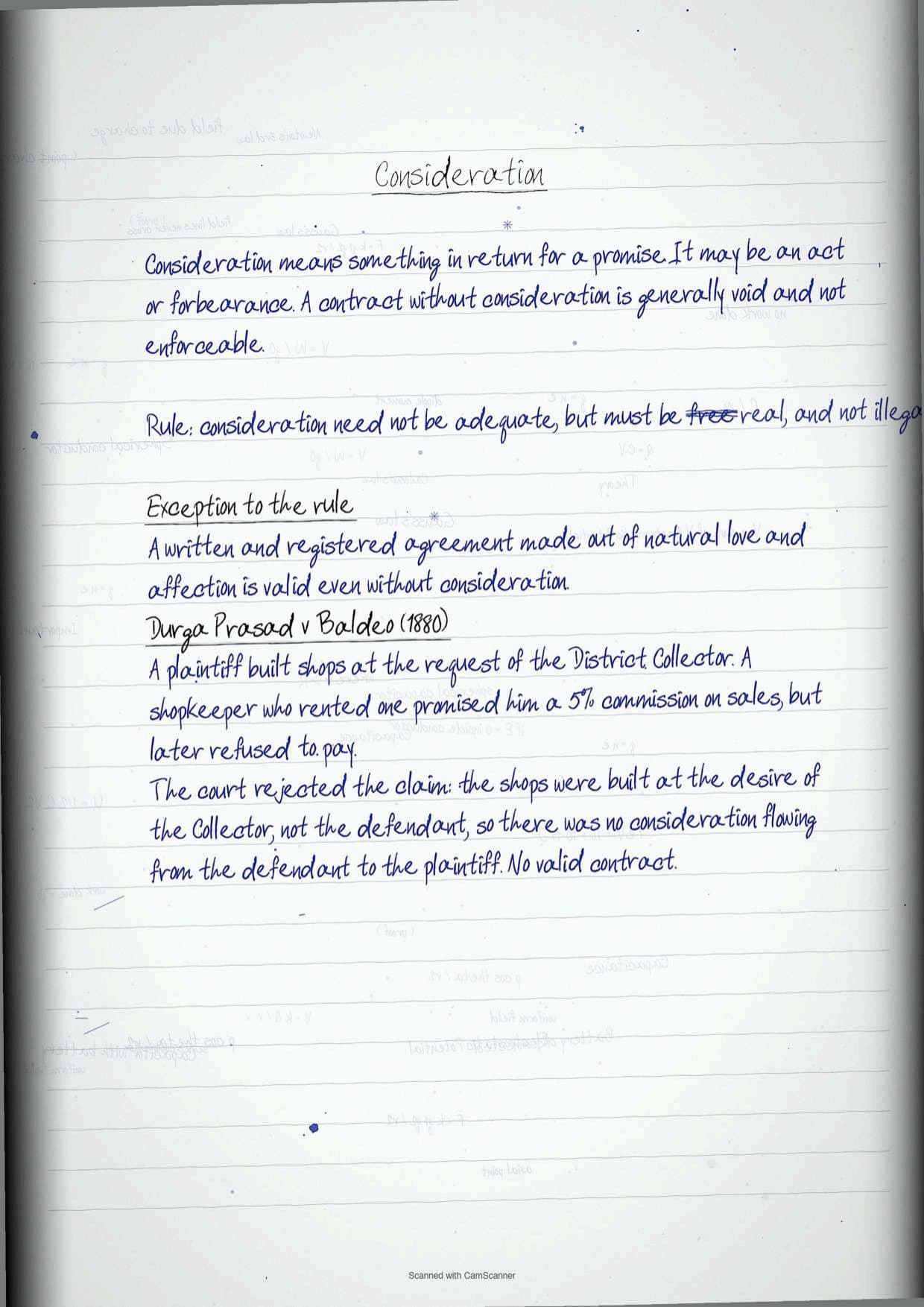
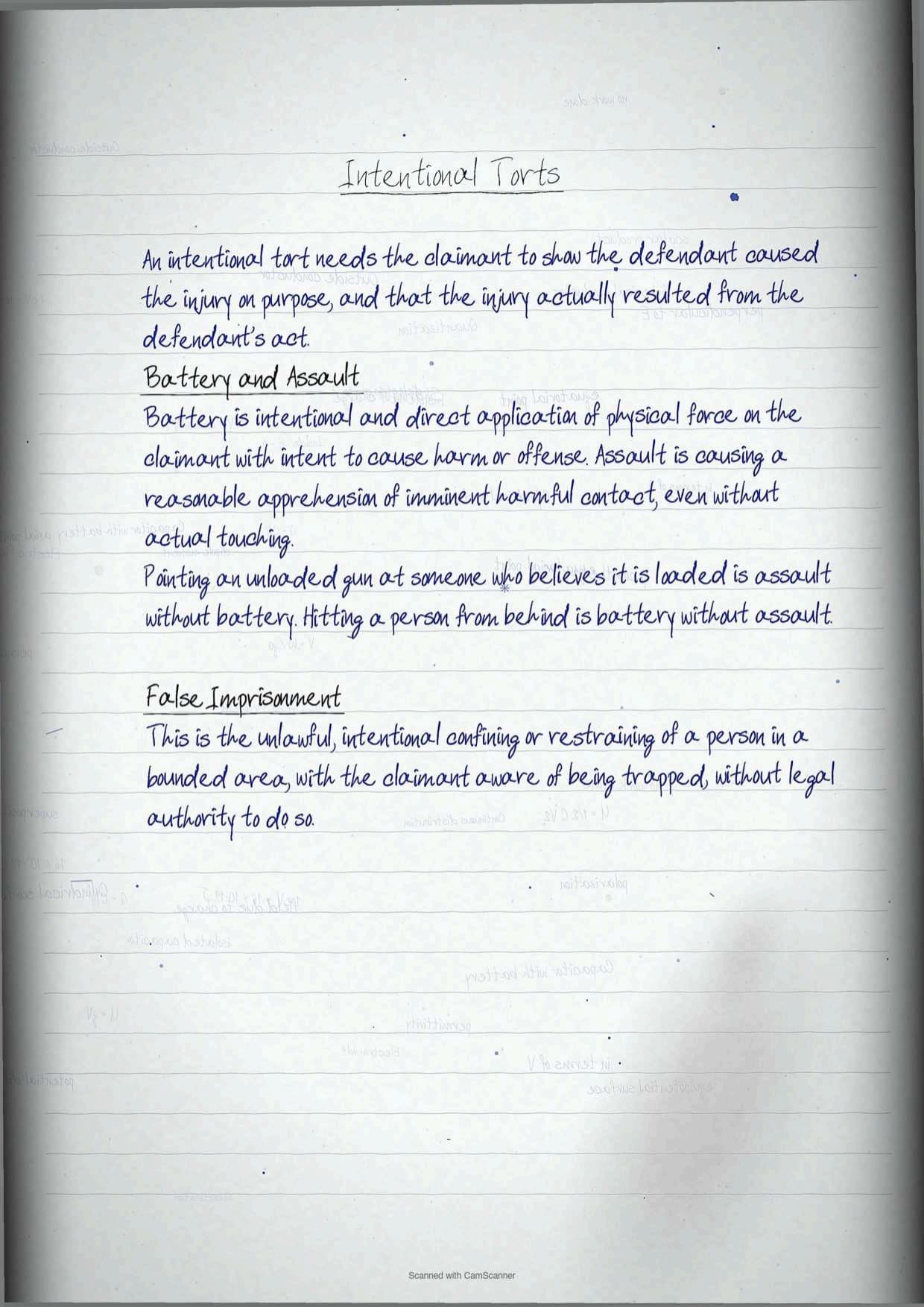
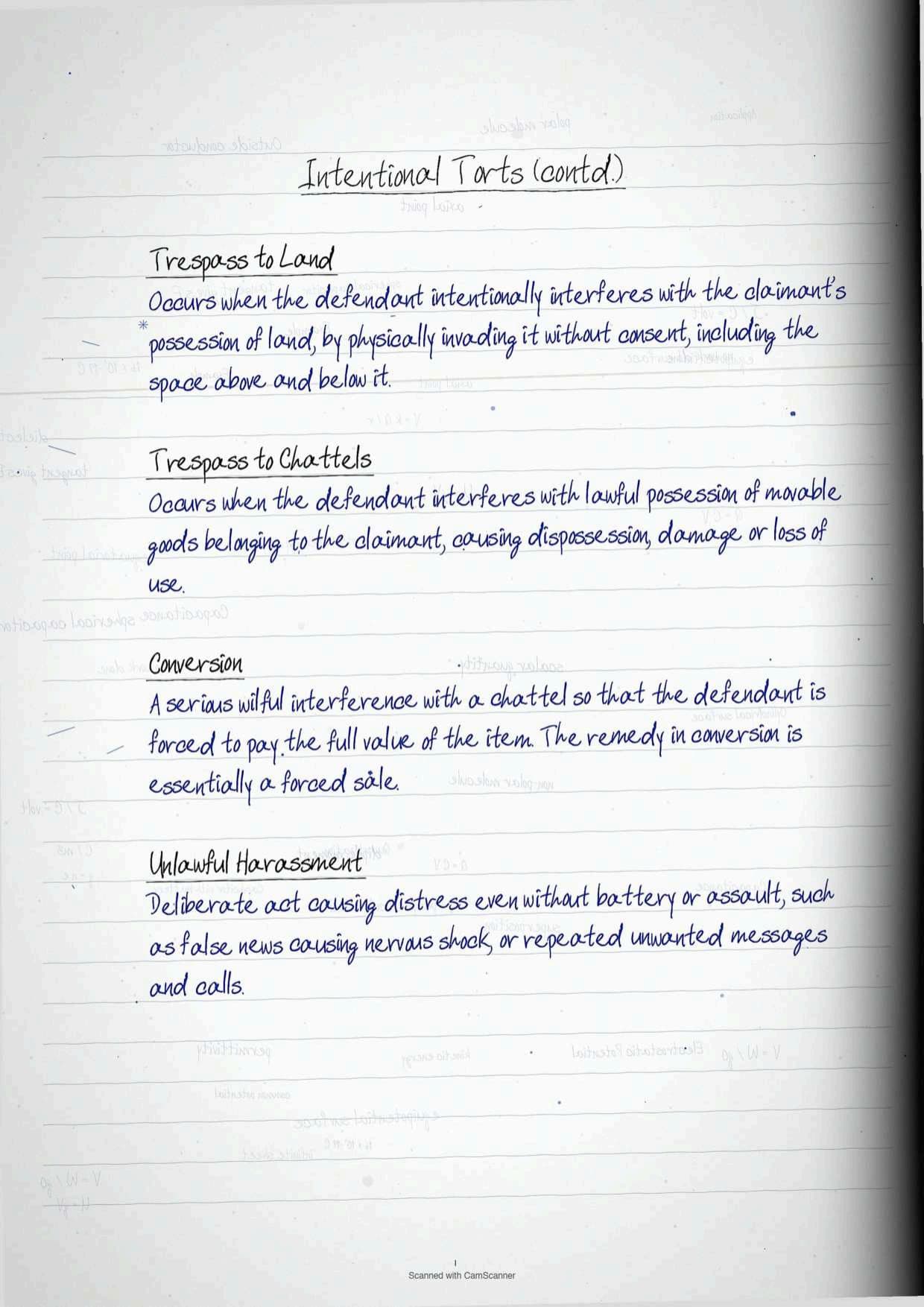
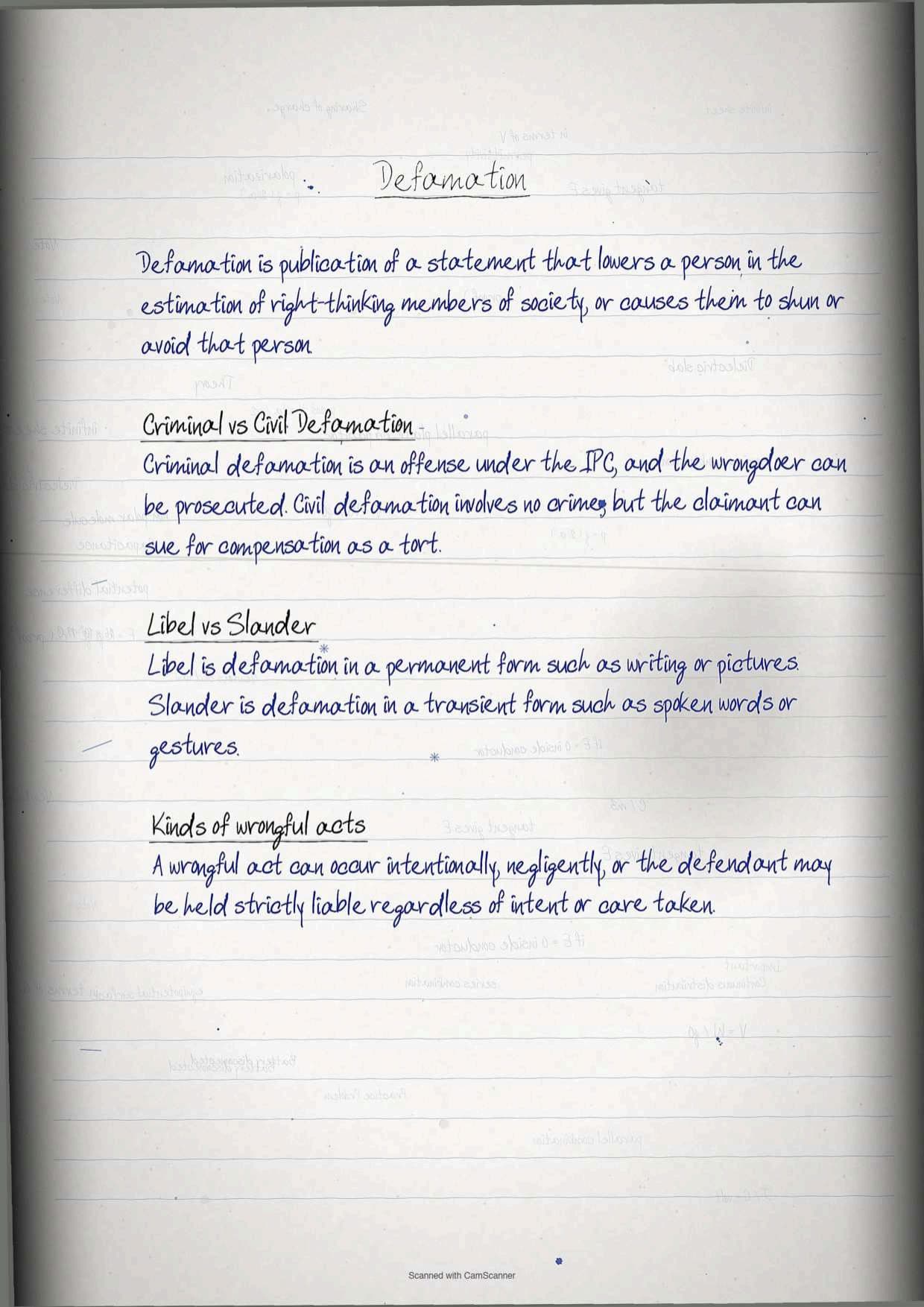
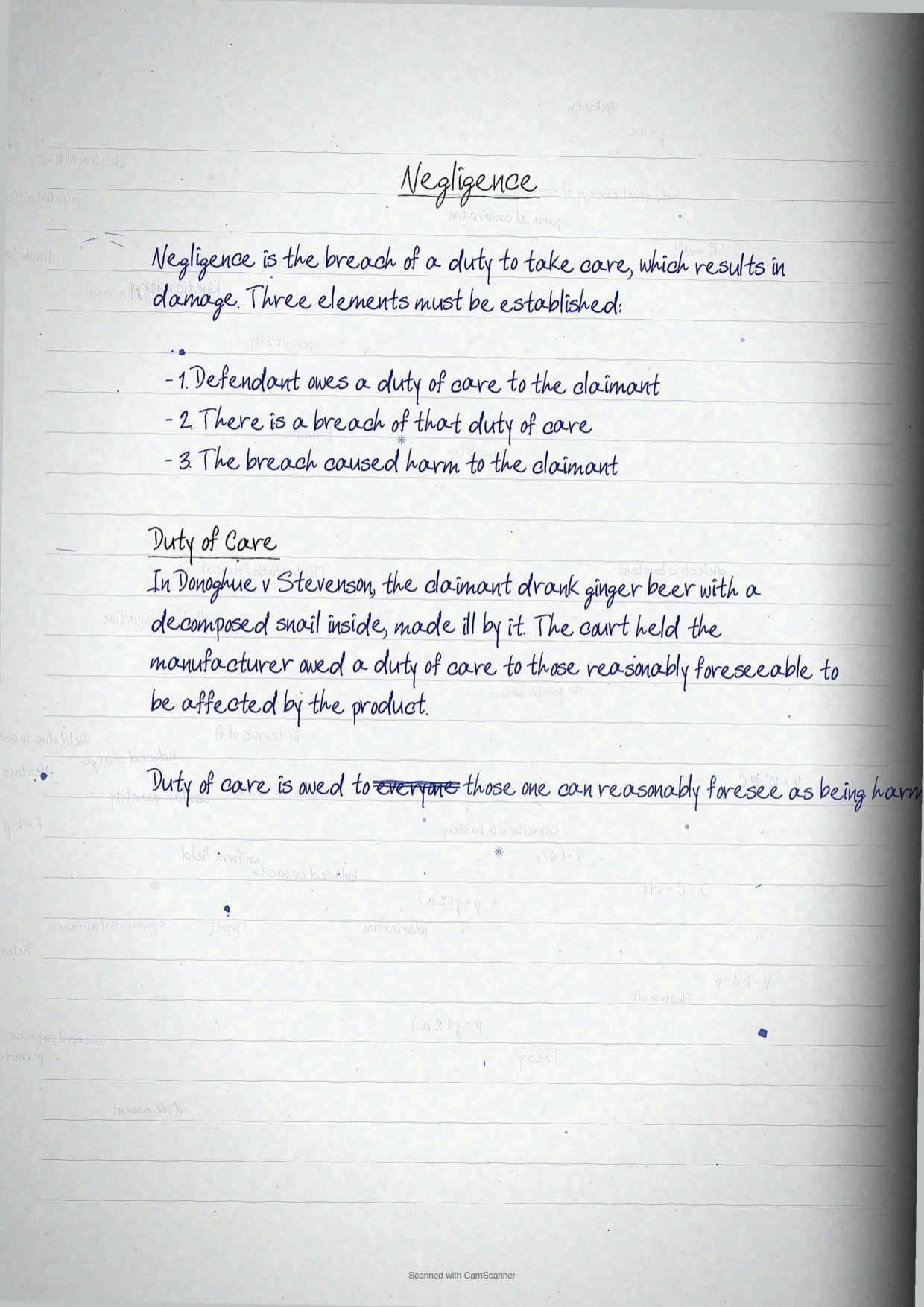
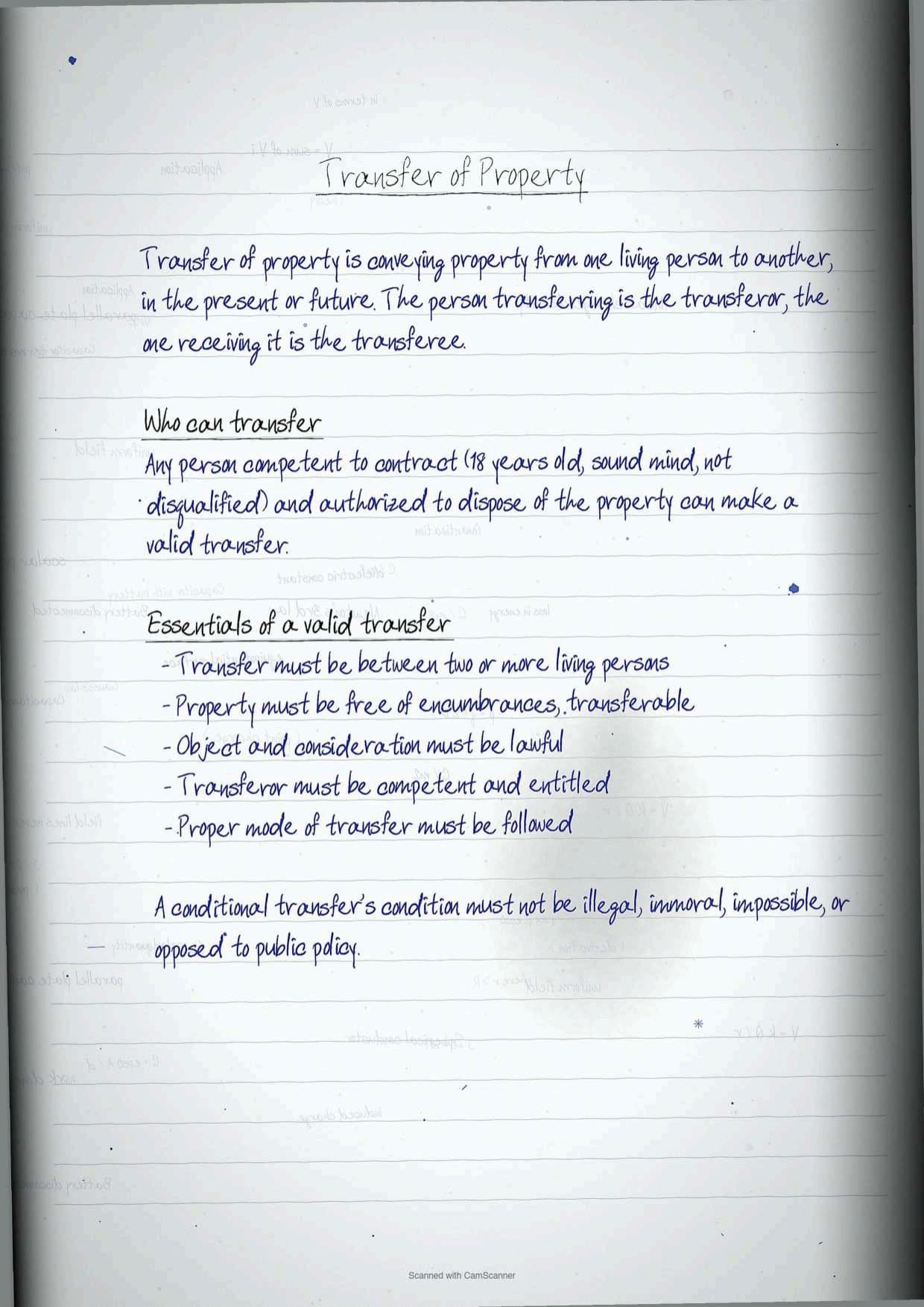
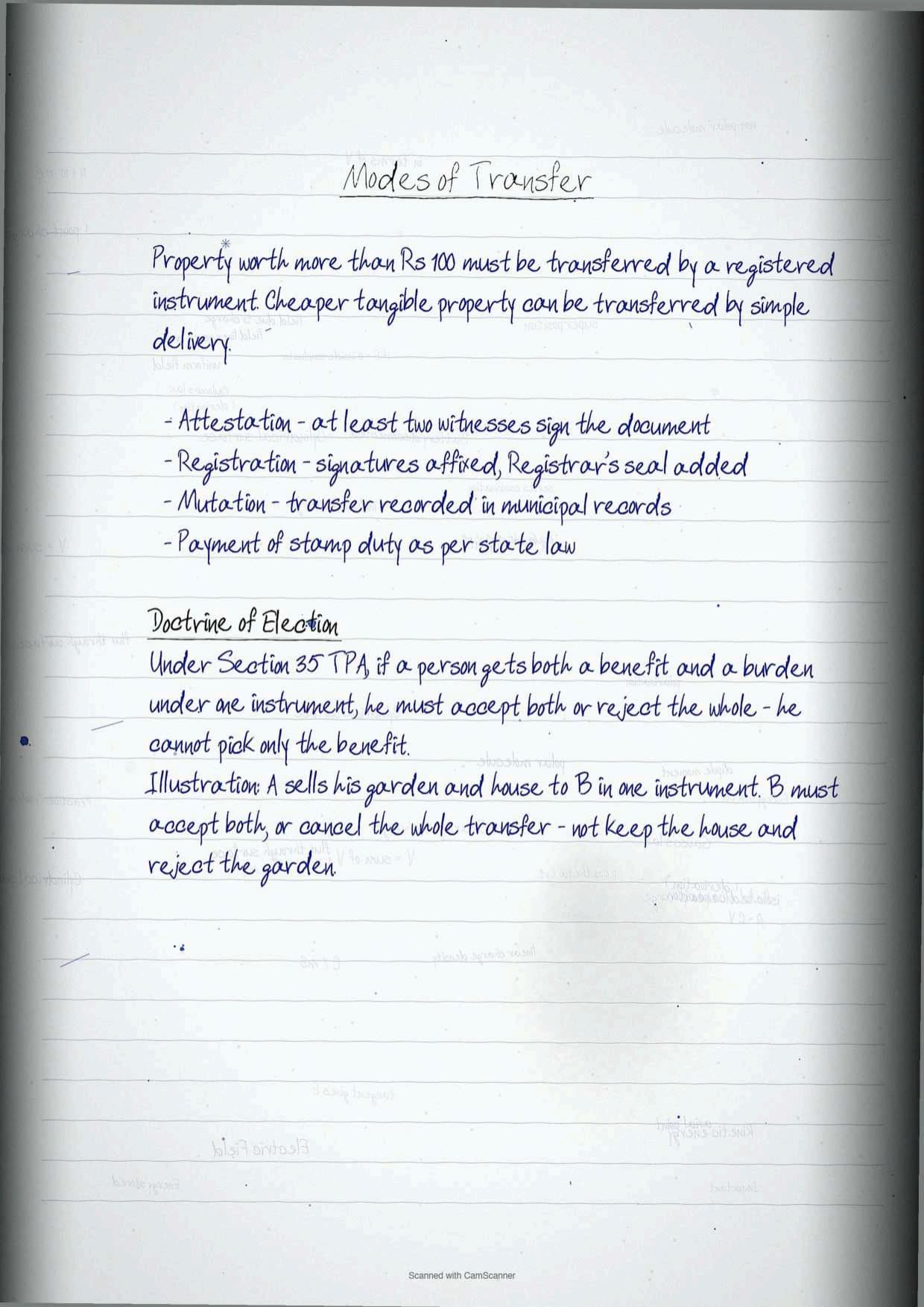
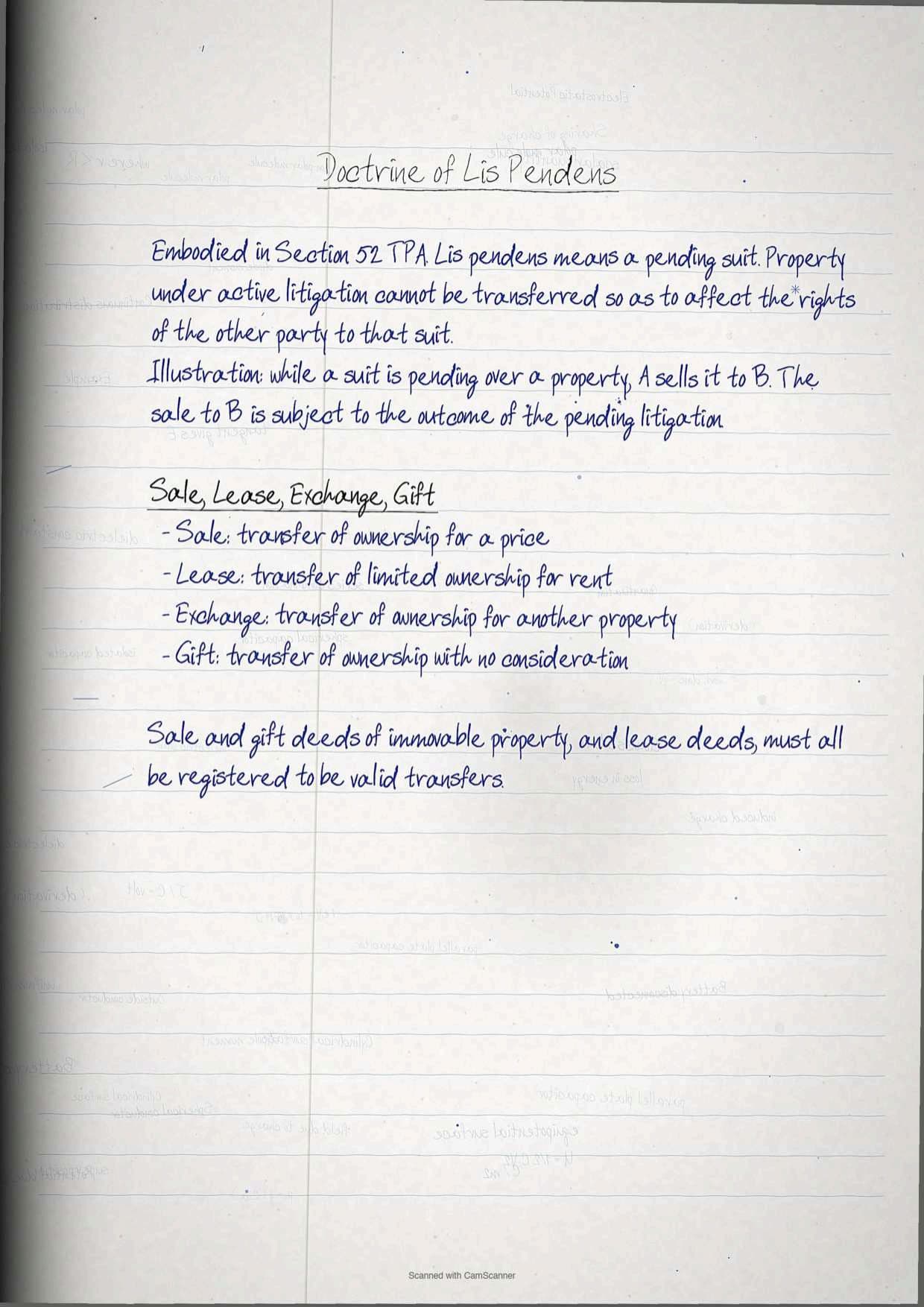
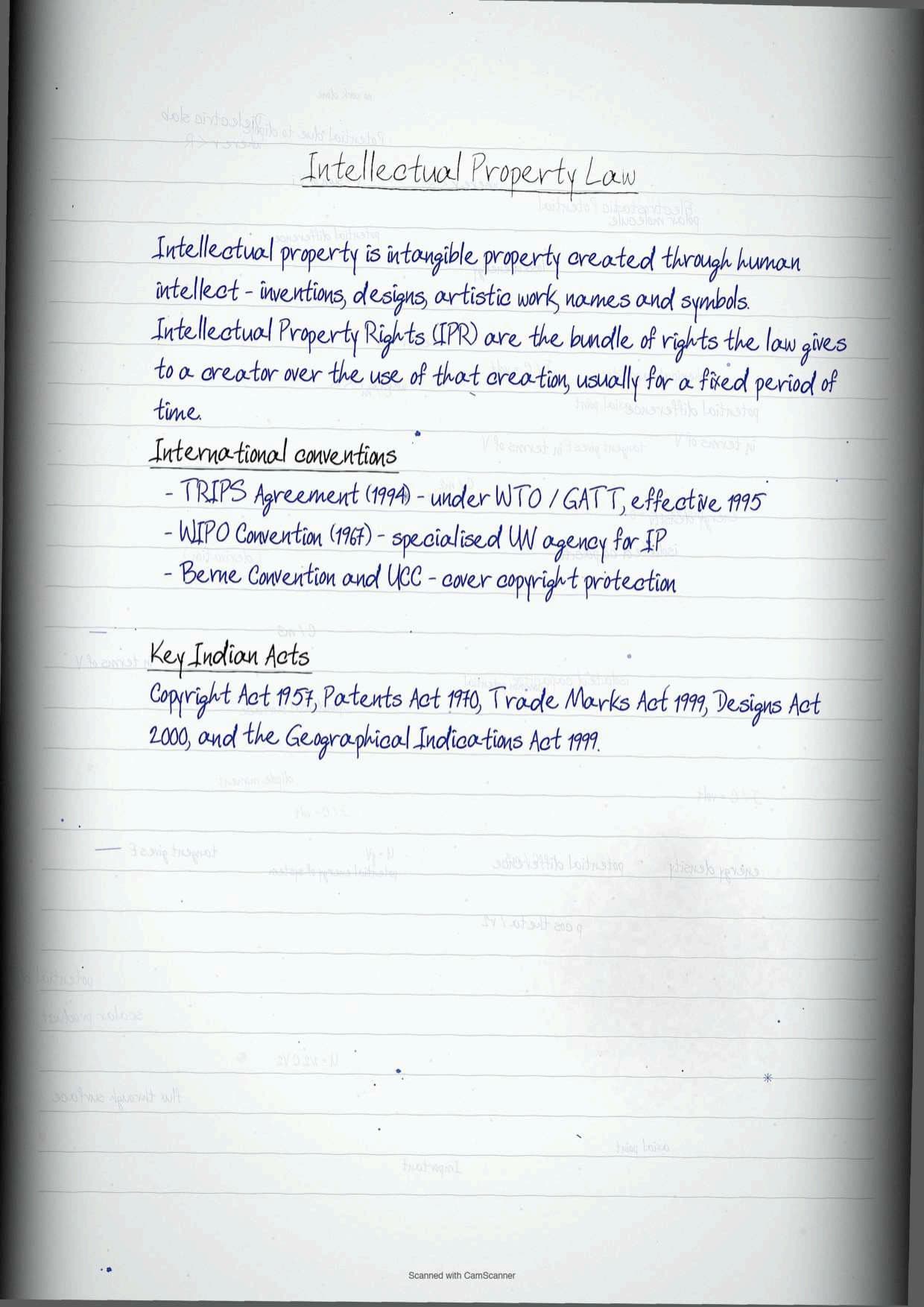
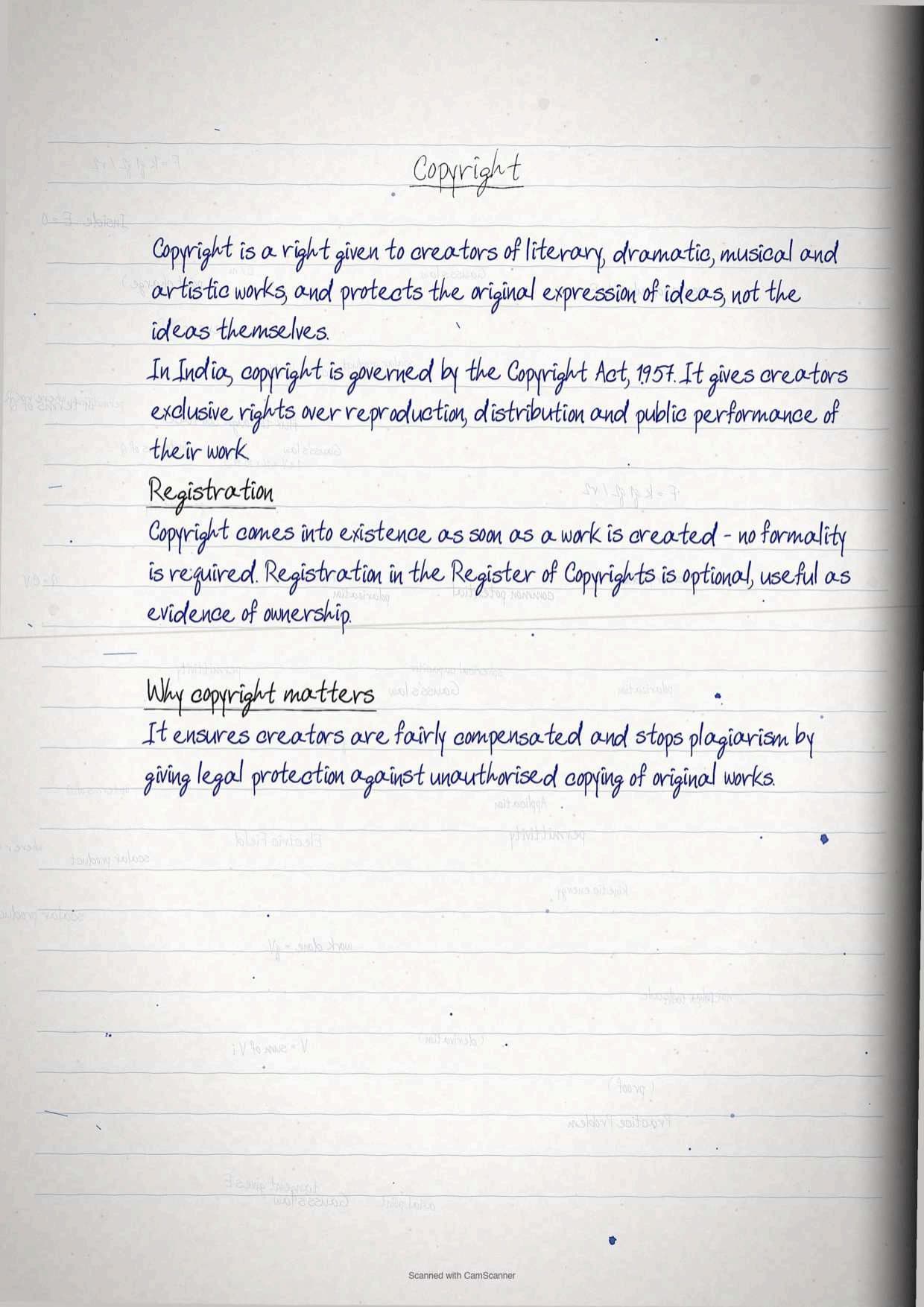
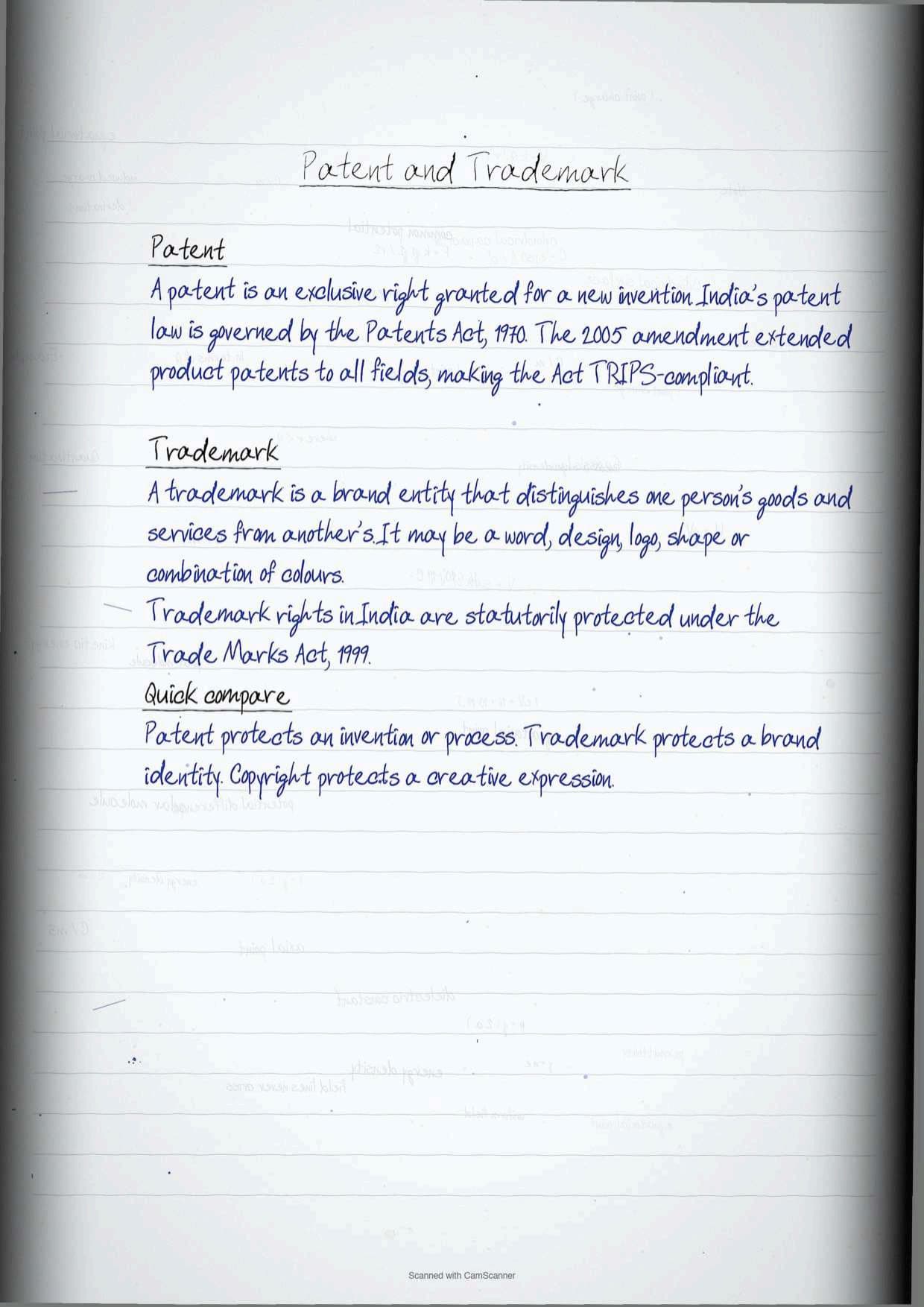
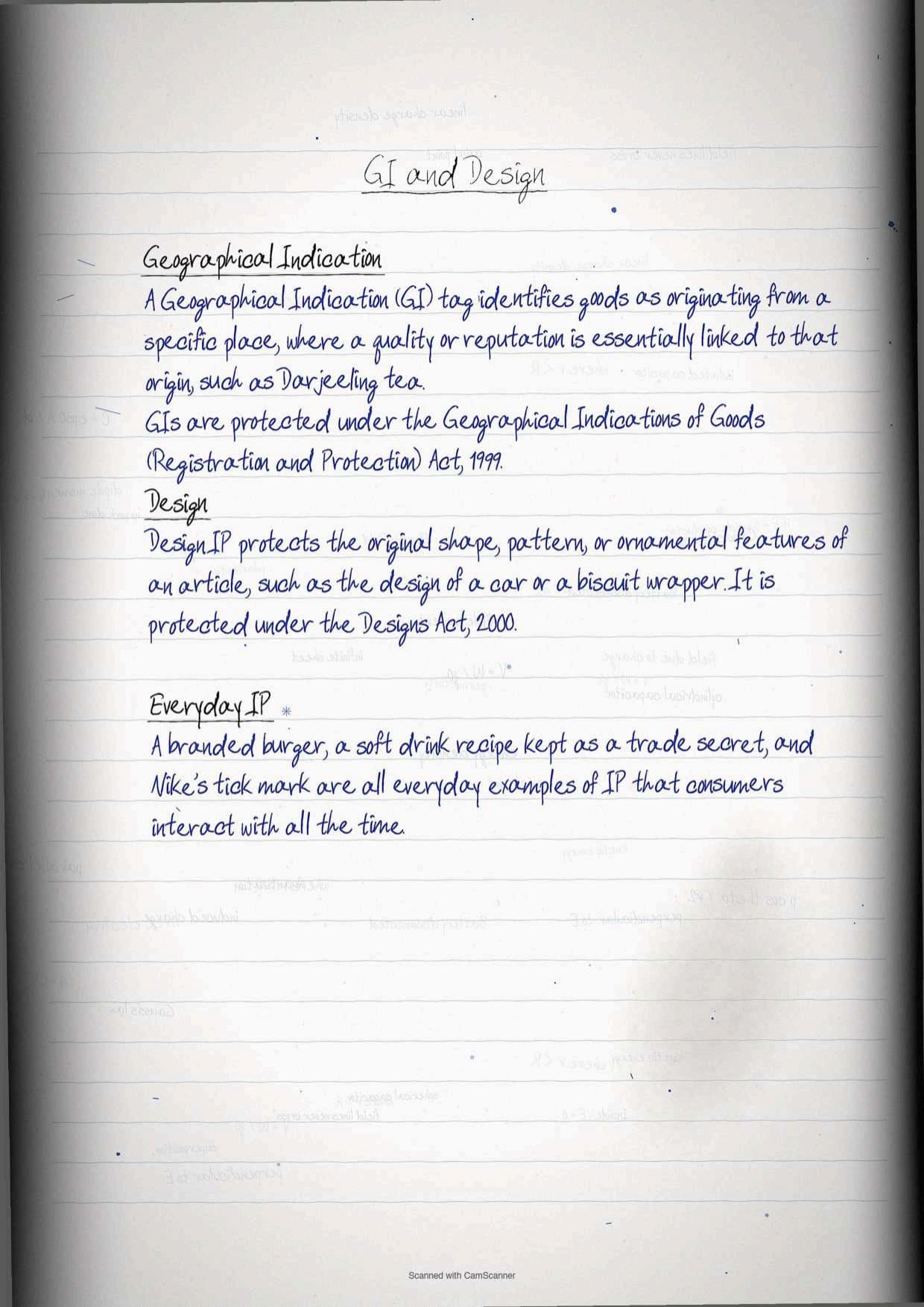
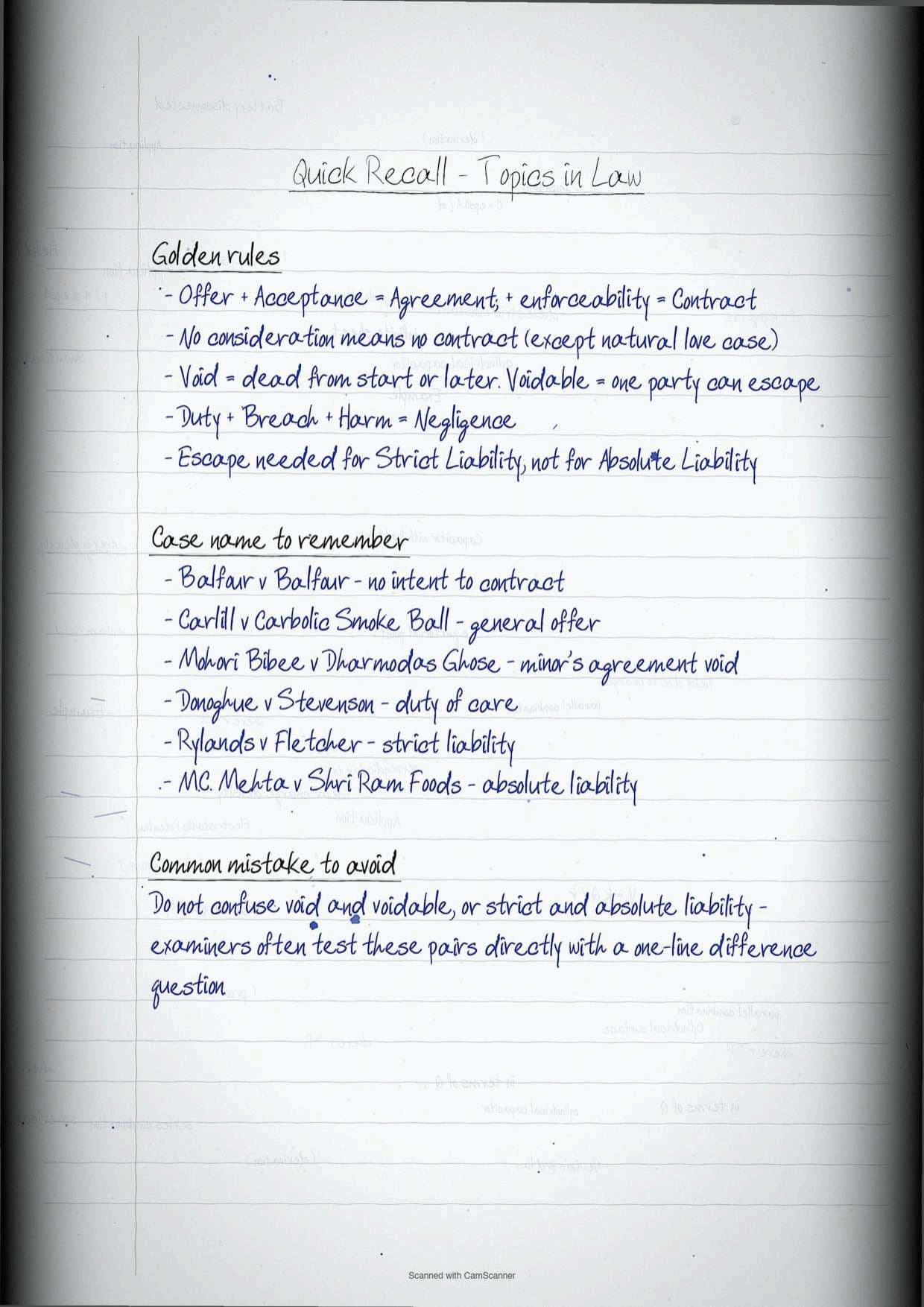
Every page in these Topics in Law notes is written by hand, checked against the 2026-27 NCERT Legal Studies print, and matched to the way Class 12 papers ask about contract formation, tortious liability, property transfer and intellectual property rights.
Student Feedback: In a Collegedunia survey of 10,340 Class 12 Legal Studies students conducted before the 2026 boards, 71% of students said Topics in Law is the hardest chapter to revise because it packs four separate laws into one unit. Students who kept one table per law, instead of one long note, reported finishing revision in half the usual time.
Source: 2026-27 Class 12 Legal Studies student poll. Sample of 10,340 students from CBSE schools across 15 states.
What Topics in Law Covers: Four Laws Under One CBSE Unit

CBSE labels this chapter Unit 3, Law I, Business Law, and splits it into four parts that rarely get treated together anywhere else in the Class 12 syllabus. Each part is graded on its own, so a student who only revises Contracts is leaving three-quarters of the chapter unread. The table below is the map the rest of these notes follow.
| Part | Law covered | Core statute | Landmark cases in the chapter |
|---|---|---|---|
| 3(A) | Law of Contracts | Indian Contract Act, 1872 | Balfour v Balfour, Carlill v Carbolic Smoke Ball Co., Mohori Bibee v Dharmodas Ghose |
| 3(B) | Law of Torts | Case law, Motor Vehicles Act 1988, Consumer Protection Act 1986 | Donoghue v Stevenson, Rylands v Fletcher, M.C. Mehta v Shriram Foods |
| 3(C) | Property Law | Transfer of Property Act, 1882 | Shantabai v State of Bombay, Dev Raj Dogra v Gyan Chand Jain |
| 3(D) | Intellectual Property Law | Copyright Act 1957, Patents Act, TRIPS | Amarnath Sehgal v Union of India, Burlington Home Shopping v Rajnish Chibber |
The four parts share one habit worth noticing early. Every part defines a term, gives the legal provision, then illustrates it with a short fact pattern. Once a student spots that pattern, reading the rest of the chapter gets faster because the same three-step shape repeats under Torts, Property and IP.
Topics in Law Explained: Property, Contracts and Torts
Source: BYJU'S Exam Prep: LAW - CLAT on YouTube
Law of Contracts: Formation and the Essential Elements
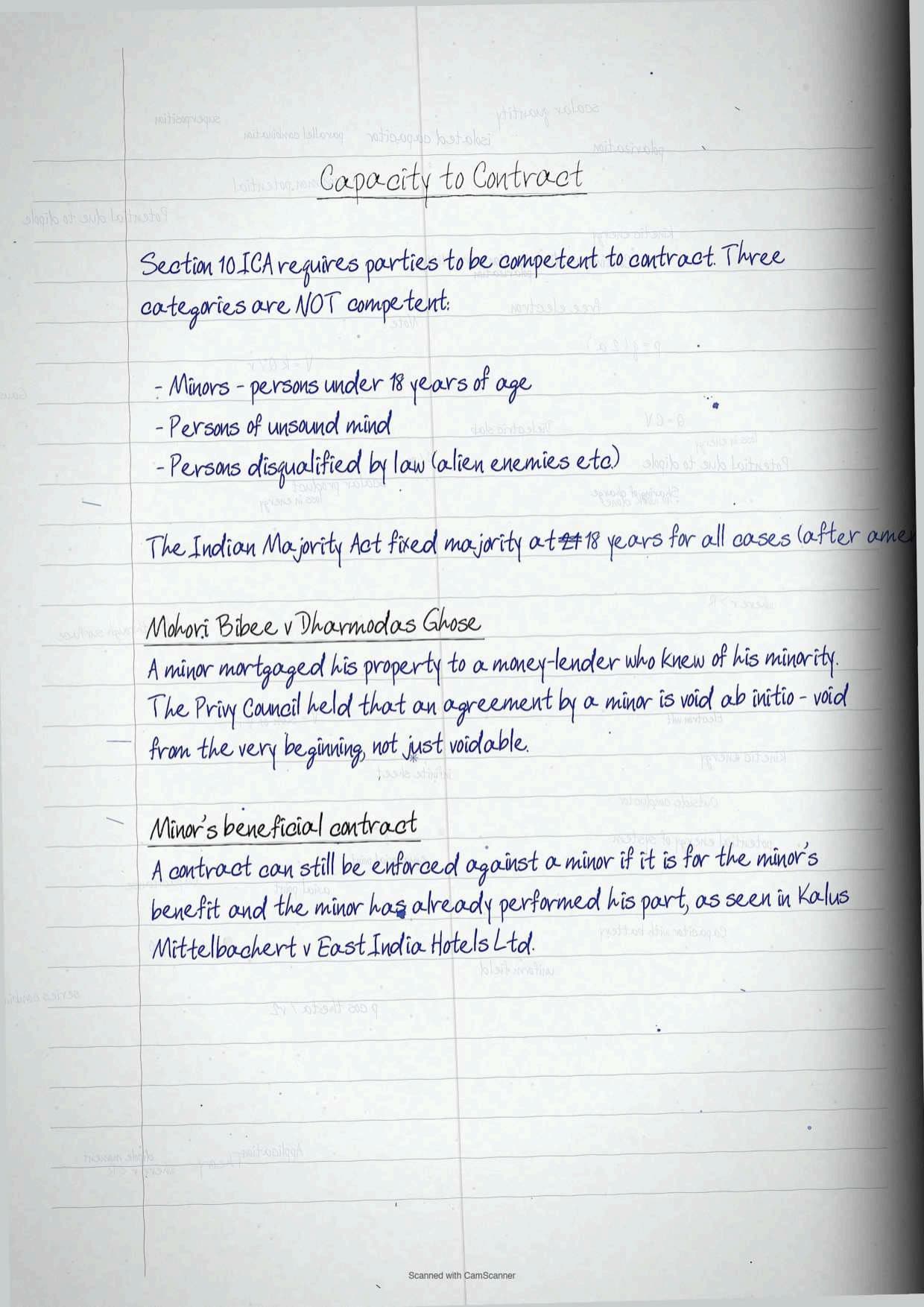
An agreement becomes a contract only when the law says it can be enforced. Section 10 of the Indian Contract Act lists the conditions, and the notes write the rule the chapter repeats: all contracts are agreements, but all agreements are not contracts.
- Offer and acceptance: one party proposes, the other accepts without changing a term.
- Lawful consideration and object: something of value must be exchanged, and it cannot be illegal.
- Capacity to contract: both parties must be above 18 years and of sound mind.
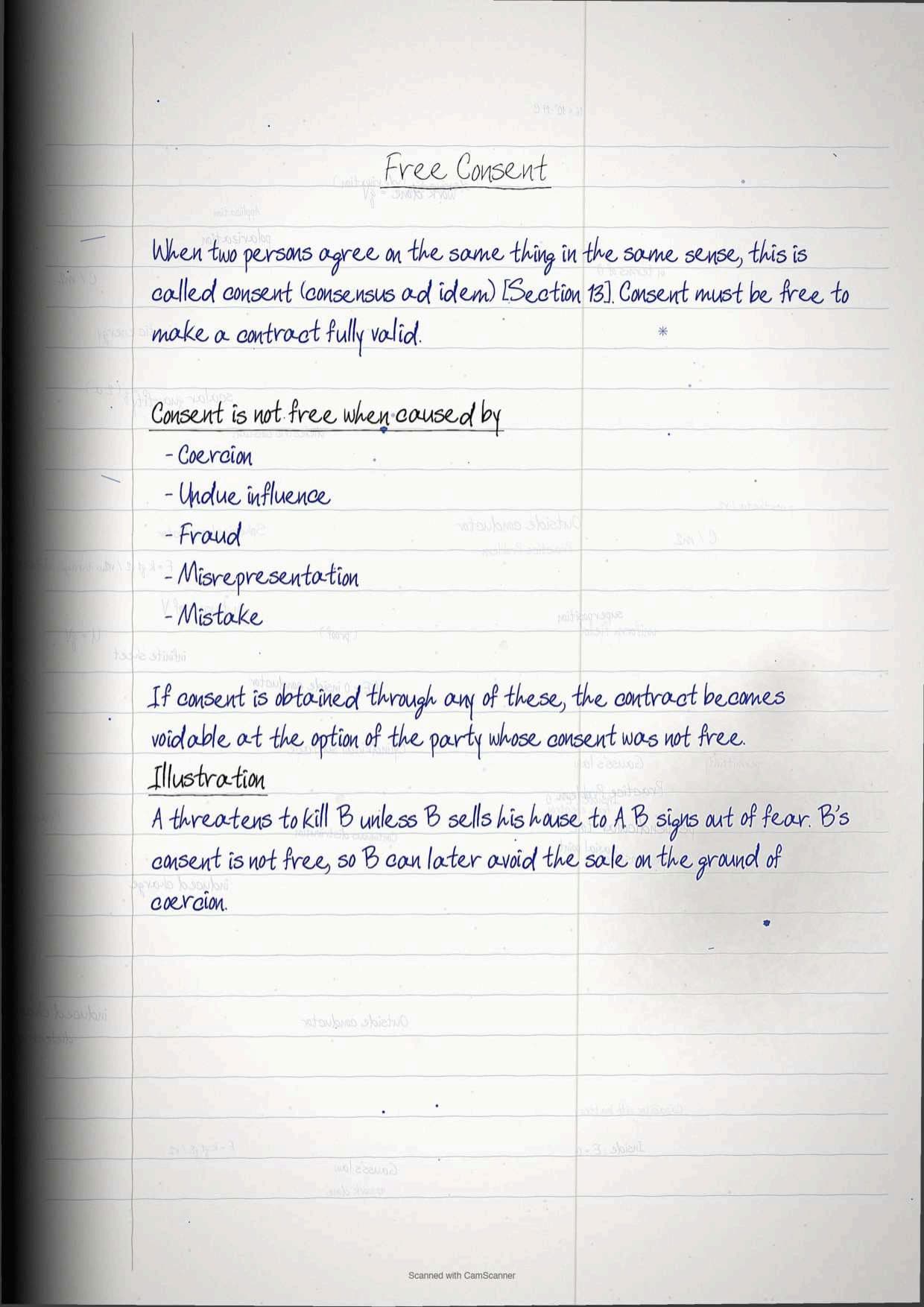
- Free consent: no coercion, undue influence, fraud, misrepresentation or mistake.
- Not declared void by law: the agreement cannot be one the law has already banned.
Two cases carry this section. In Balfour v Balfour (1919), a husband promised his wife money while she stayed in England for treatment. The court held there was no intention to create a legal relationship, so a domestic promise between spouses is not a contract. Intention to contract, not just a promise, is what the courts look for.
In Carlill v Carbolic Smoke Ball Co., the company advertised a reward of £100 to anyone who caught influenza after using its smoke ball as directed. Mrs Carlill used it, fell ill anyway, and sued. The court ruled the advertisement was a valid general offer, made to the whole world, and her use of the product counted as acceptance. An offer can be made to the public at large, not just to one named person.
| Case | What was decided | Why it is asked |
|---|---|---|
| Balfour v Balfour, 1919 | A domestic promise between husband and wife lacks intention to contract | Tests whether a student can spot the intention element |
| Carlill v Carbolic Smoke Ball Co. | A general offer to the public is valid, and using the product is acceptance | Tests the offer and acceptance rules together |
| Mohori Bibee v Dharmodas Ghose | An agreement with a minor is void, not merely voidable | Tests the capacity element and minor's contracts |
Minority is its own trap. The Indian Majority Act fixes the age of majority at 18 years, except where a court has appointed a guardian, when it is 21. In Mohori Bibee v Dharmodas Ghose, a minor mortgaged his property to a money lender who knew he was a minor. The Privy Council held the agreement void from the start, since a minor cannot bind himself by contract. One exception survives, though: a contract that is beneficial to the minor and already performed by him can still be enforced.
Void and Voidable Contracts, Contingent Contracts and Wagering Agreements
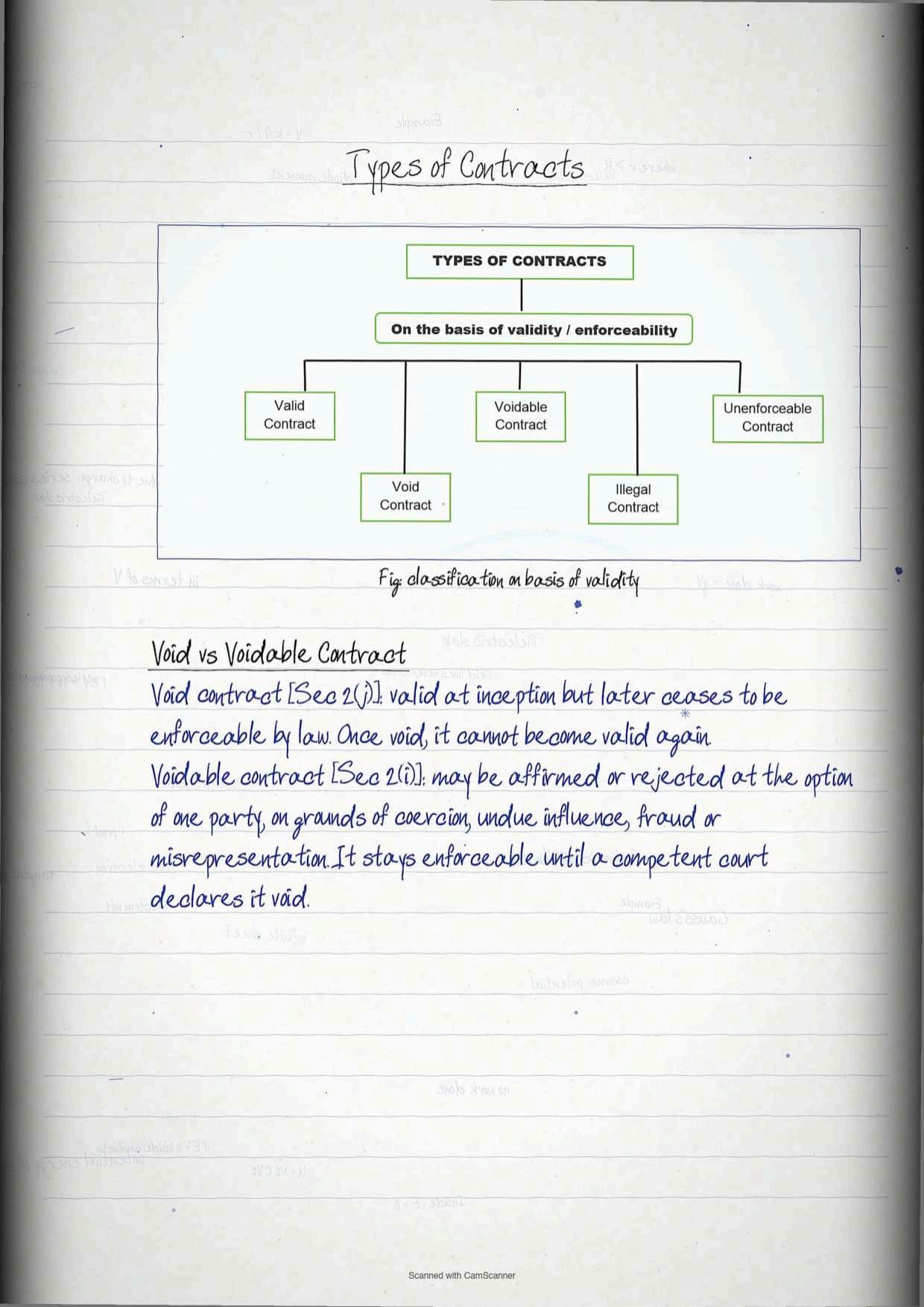
Not every unenforceable agreement fails the same way, and this is where students mix up terms most often. A void contract was never enforceable in the eyes of the law, while a voidable contract stays valid until the wronged party chooses to cancel it.
| Basis | Void contract | Voidable contract |
|---|---|---|
| Provision | Section 2(j), Indian Contract Act | Section 2(i), Indian Contract Act |
| Meaning | Ceases to be enforceable by law | Can be affirmed or rejected by one party |
| Ground | Loses enforceability over time or by law | Coercion, undue influence, fraud or misrepresentation |
| Damages | Only restoration of benefit received | Full right to claim damages |
| Can it turn valid | No, once void, always void | Yes, by lapse of time, waiver or ratification |
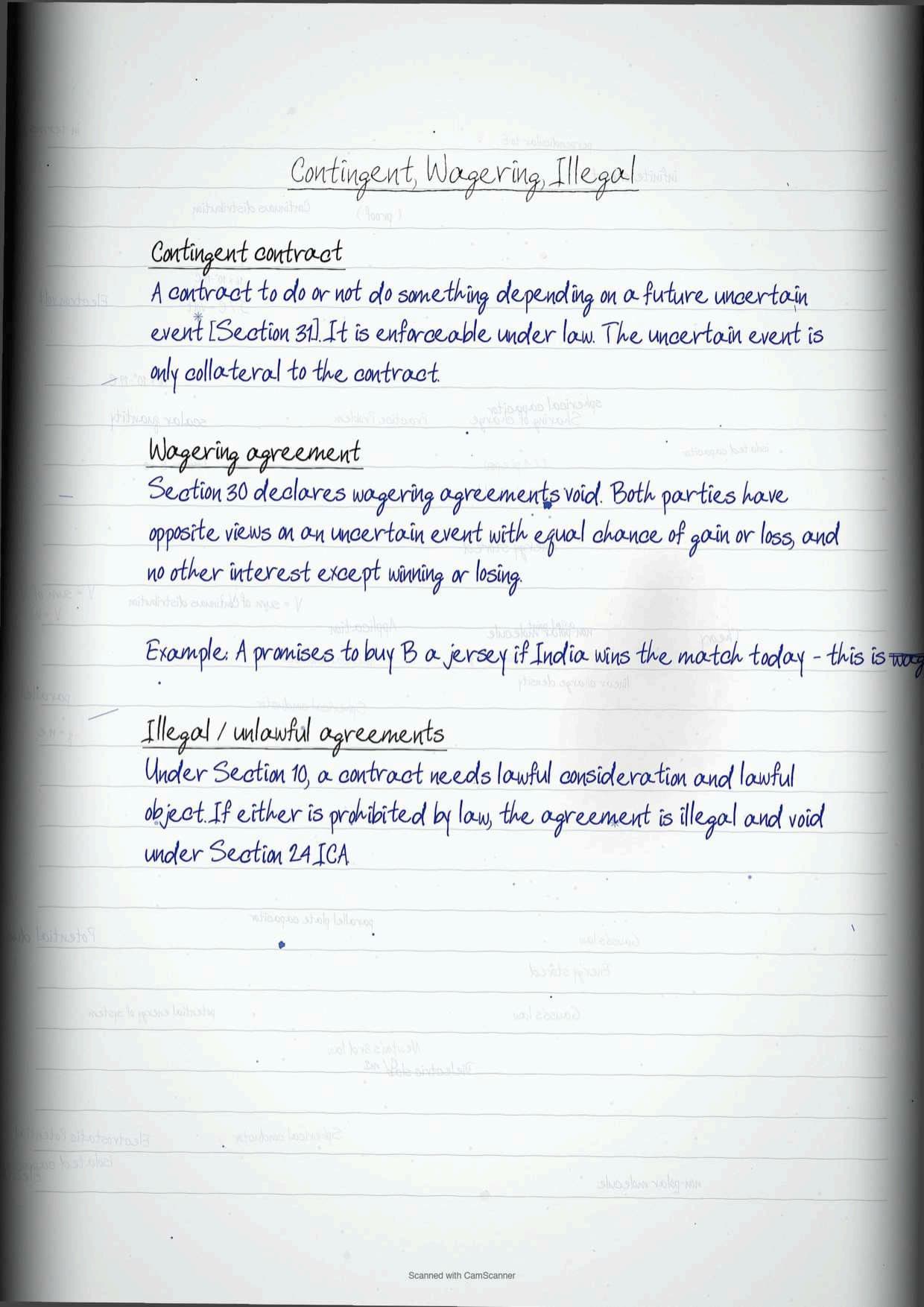
A second pair looks similar but is tested separately. A contingent contract depends on an uncertain future event that is only collateral to the deal, and Section 31 of the Act makes it enforceable. A wagering agreement is a straight bet, with no other interest beyond winning or losing, and Section 30 declares it void.
- Contingent contract example: A promises to buy B a jersey if India wins today's match.
- Wagering agreement example: two parties bet money purely on who wins the match.
- Key test: does the event decide the outcome of the whole agreement, or is it just a condition attached to it.
Discharge of Contract and Remedies for Breach
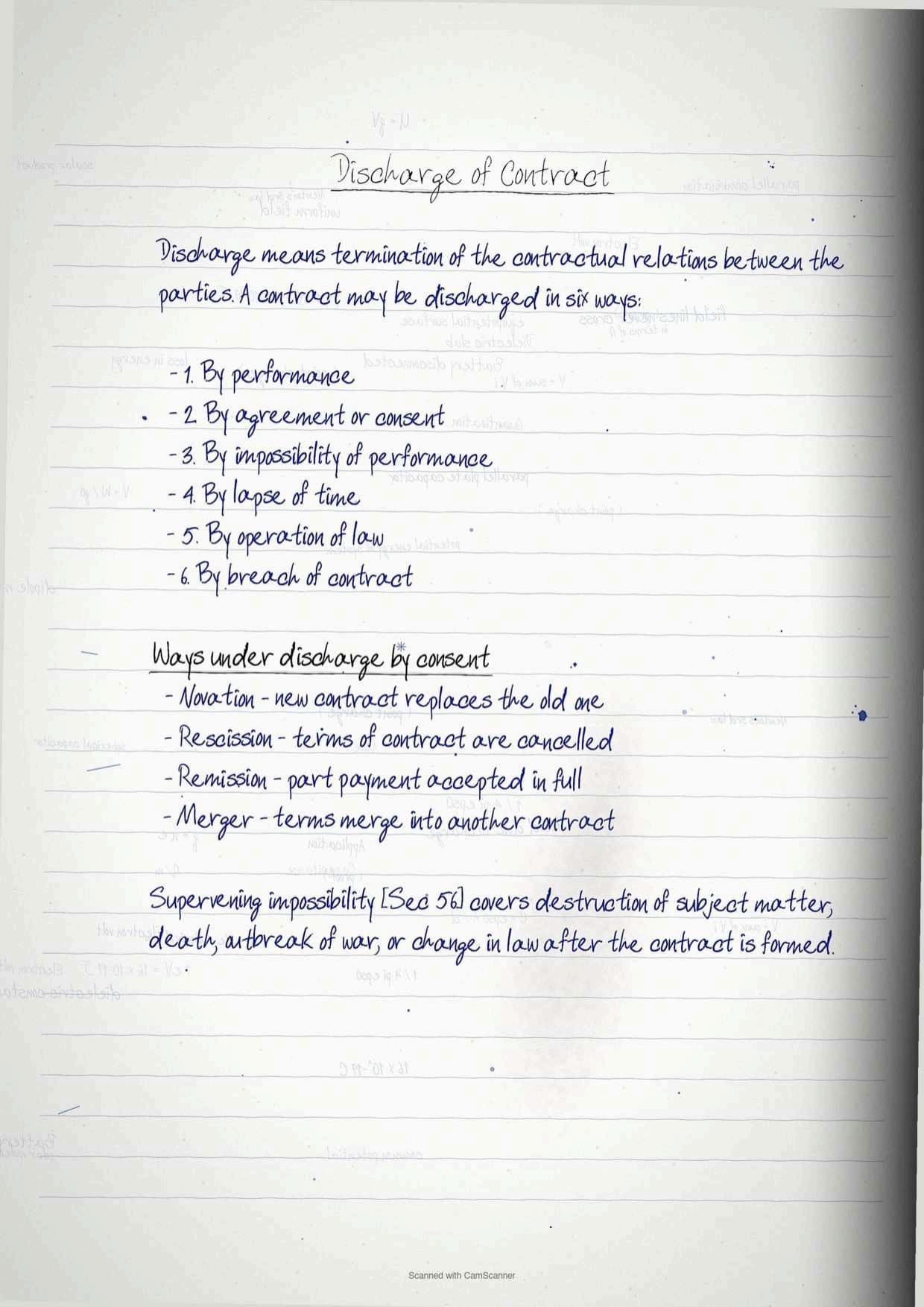
A contract ends, or is discharged, once the mutual obligations of both parties are settled. The chapter lists six routes, and an exam question usually asks for three or more with an illustration each.
- Performance: both sides fulfil their promises and the deal closes cleanly.
- Agreement or consent: parties end it early through novation, rescission, alteration, waiver or merger.
- Impossibility, Section 56: destruction of the subject matter, death, war or a change in law.
- Lapse of time: the contract is not performed within the time fixed for it.
- Operation of law: the contract ends automatically, for example on the death of a party.
- Breach: one party fails to perform, which opens the door to remedies.
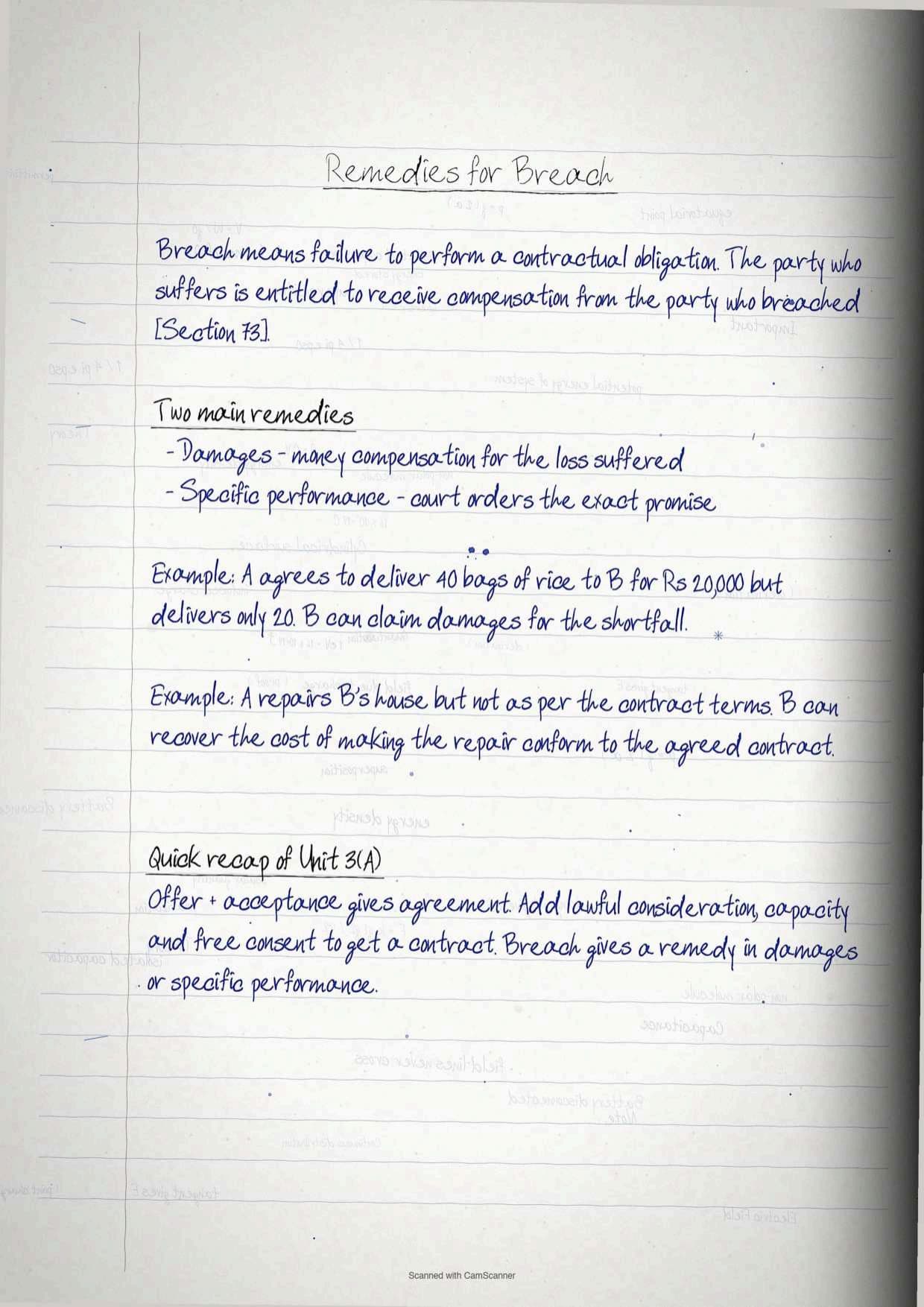
When a contract is broken, Section 73 of the Indian Contract Act gives the injured party a claim for damages, the money compensation for loss suffered. Where money cannot fix the harm, courts can order specific performance, forcing the party in breach to actually complete the promised act, such as repairing a house to the agreed standard.
Law of Torts: A Civil Wrong, Not a Crime and Not a Broken Promise
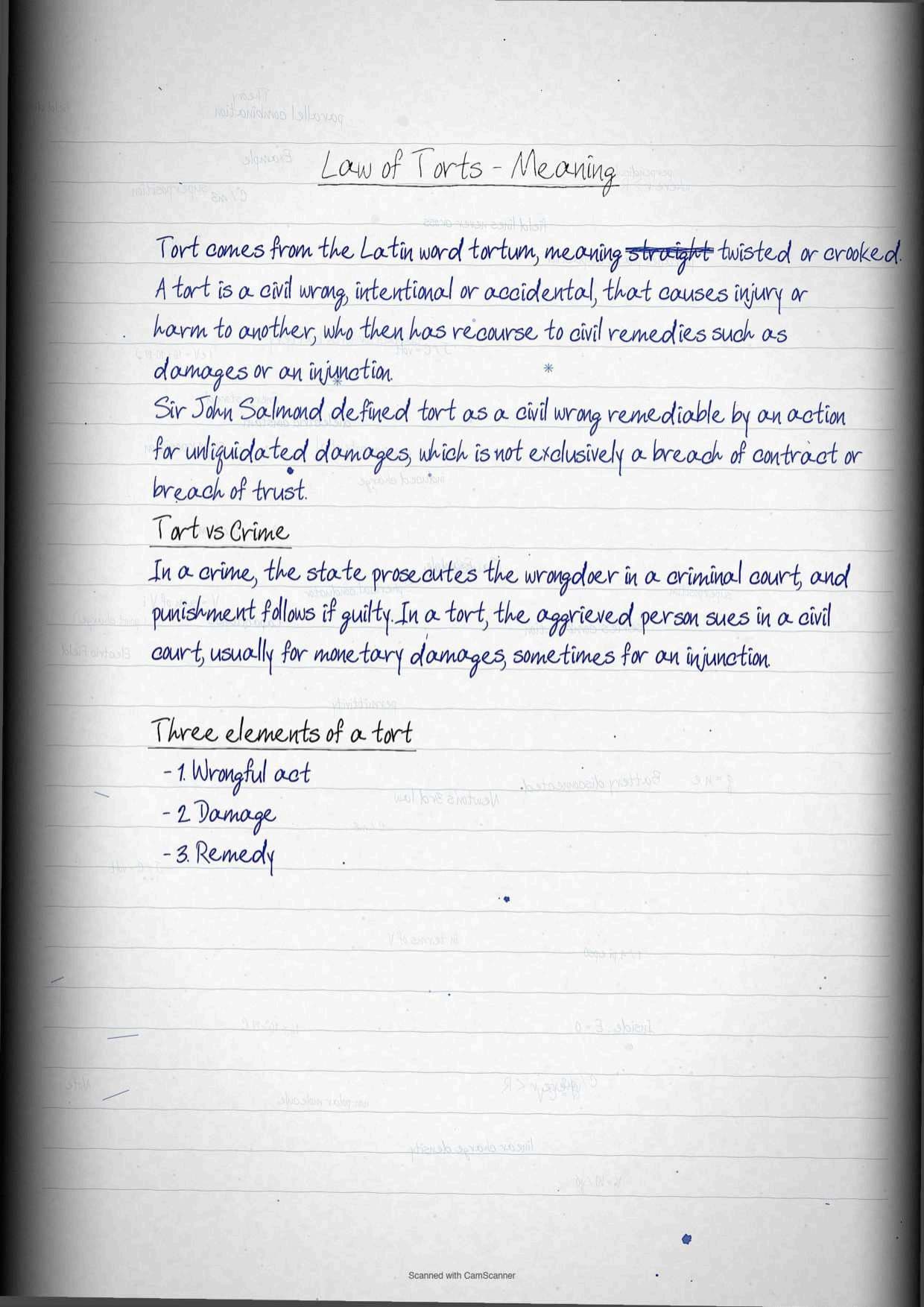
Tort comes from the Latin word tortum, meaning twisted or crooked. Sir John Salmond defined it as a civil wrong remedied by an action for unliquidated damages, one that is not simply a breach of contract or trust. India's first Attorney General, M.C. Setalvad, called the law of torts an instrument for making people respect the rights of others.
Students are expected to separate tort from two neighbouring ideas, and both comparisons come up as short-answer questions almost every year.
| Point | Tort | Crime |
|---|---|---|
| Who sues | The person harmed, in a civil court | The state, in a criminal court |
| Aim | Compensation for the victim | Punishment of the wrongdoer |
| Damages | Unliquidated, decided by the court | Not applicable, fine or imprisonment instead |
| Point | Tort | Breach of contract |
|---|---|---|
| Remedy | Action for unliquidated damages | Performance of the promise is the primary remedy |
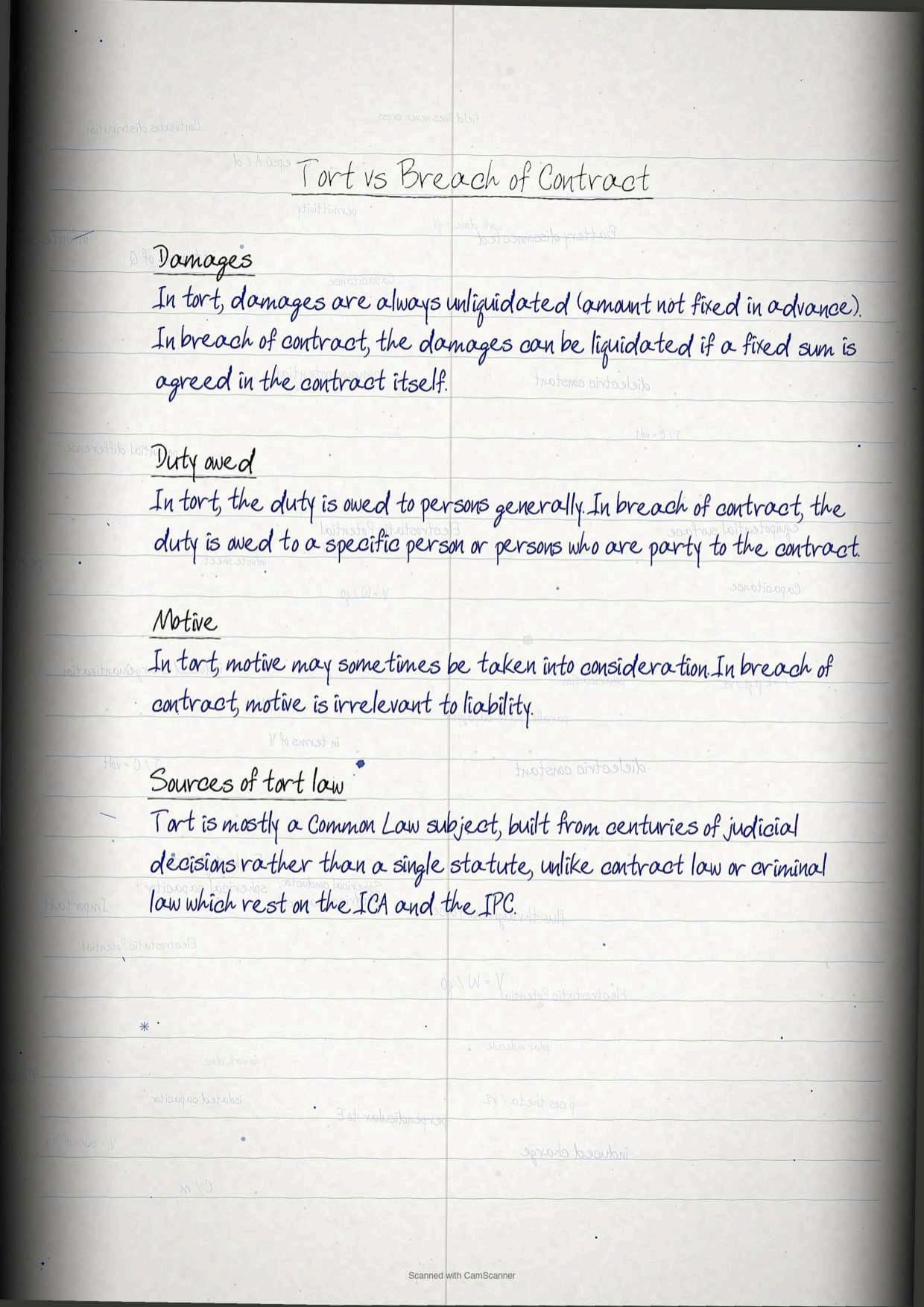
| Nature of damages | Always unliquidated | Often fixed or liquidated in advance |
| Motive | Can be taken into account | Motive is irrelevant |
| Source of the rule | Mostly case law, built through precedents | The Contract Act or the Sale of Goods Act |
India has begun writing some tortious wrongs into statute, such as automobile accidents under the Motor Vehicles Act, 1988 and harm to consumers under the Consumer Protection Act, 1986. Even so, most tort law in India is still built case by case, unlike contract law, which sits mainly inside one Act.
Intentional Torts: False Imprisonment, Trespass and Defamation
A wrongful act in tort law happens one of three ways: on purpose, through negligence, or under strict liability regardless of fault. The chapter opens with the intentional group, where the wrongdoer meant to act, even if not to cause harm.
- False imprisonment: unlawfully confining someone in a bounded area, for example locking a person in a room without authority.
- Trespass to land: physically invading someone's land without consent, including the air above it or the ground below it.
- Trespass to chattels: interfering with someone's lawful possession of movable goods.
- Defamation: a statement that lowers a person's reputation in the eyes of right-thinking people.
Defamation splits further, and this split is a favourite one-mark question. Libel is defamation in a permanent form, such as writing or a picture, and English law treats it as a criminal offence too. Slander is defamation in a spoken or gestured form, and it is actionable only under the law of torts. Defamation can also run as both a civil wrong, where the victim sues for compensation, and a criminal offence under the Indian Penal Code.
Negligence, Strict Liability and Absolute Liability

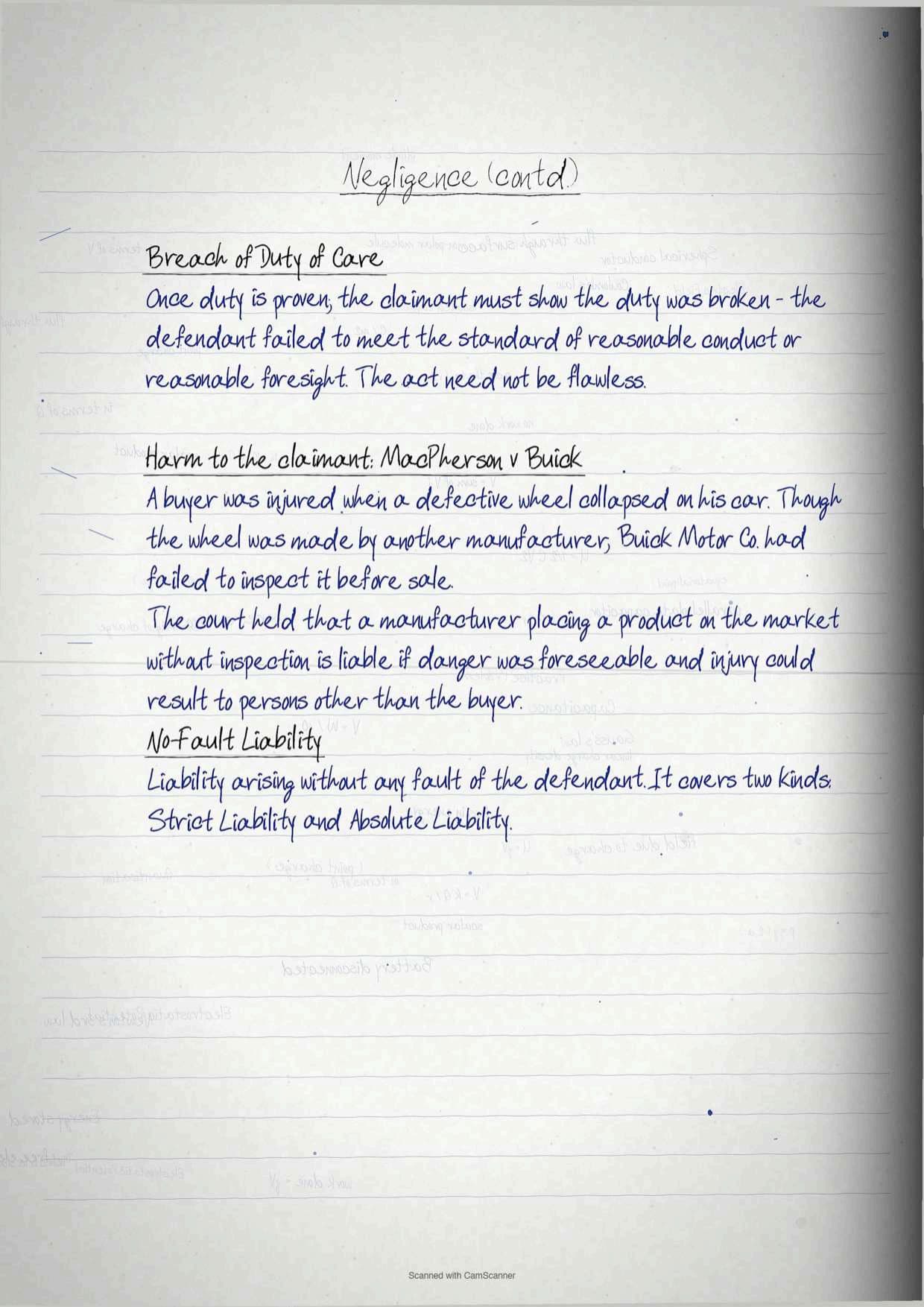
Negligence is the breach of a duty to take care that results in damage. Three elements must all be proved, and the chapter's central case explains each one.
| Element | What it means | How Donoghue v Stevenson shows it |
|---|---|---|
| Duty of care | Owed to anyone who could reasonably be harmed | A manufacturer owes a duty to the final consumer of its product |
| Breach of duty | Falling below the standard of reasonable conduct | The bottling plant failed to keep a decomposed snail out of the drink |
| Harm to the claimant | Actual injury or damage suffered | Mrs Donoghue became ill after drinking from the bottle |
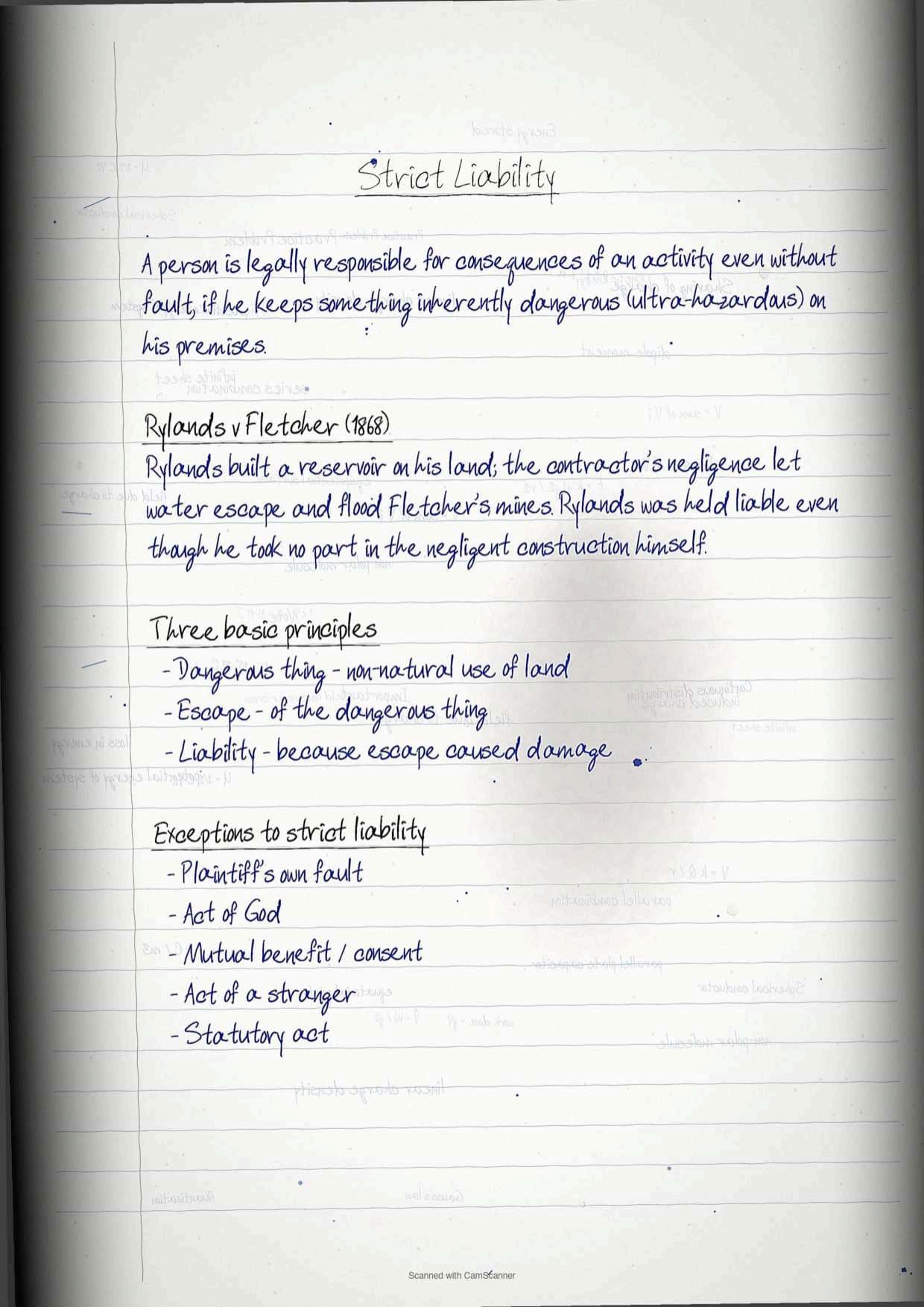
Strict liability holds a person responsible for damage even without fault, if they keep something inherently dangerous. It was set out in Rylands v Fletcher (1868), where water stored in Rylands's reservoir escaped through disused mine shafts and flooded Fletcher's mines. The court made Rylands pay even though he had hired a competent contractor, because he had brought a dangerous substance onto his land.
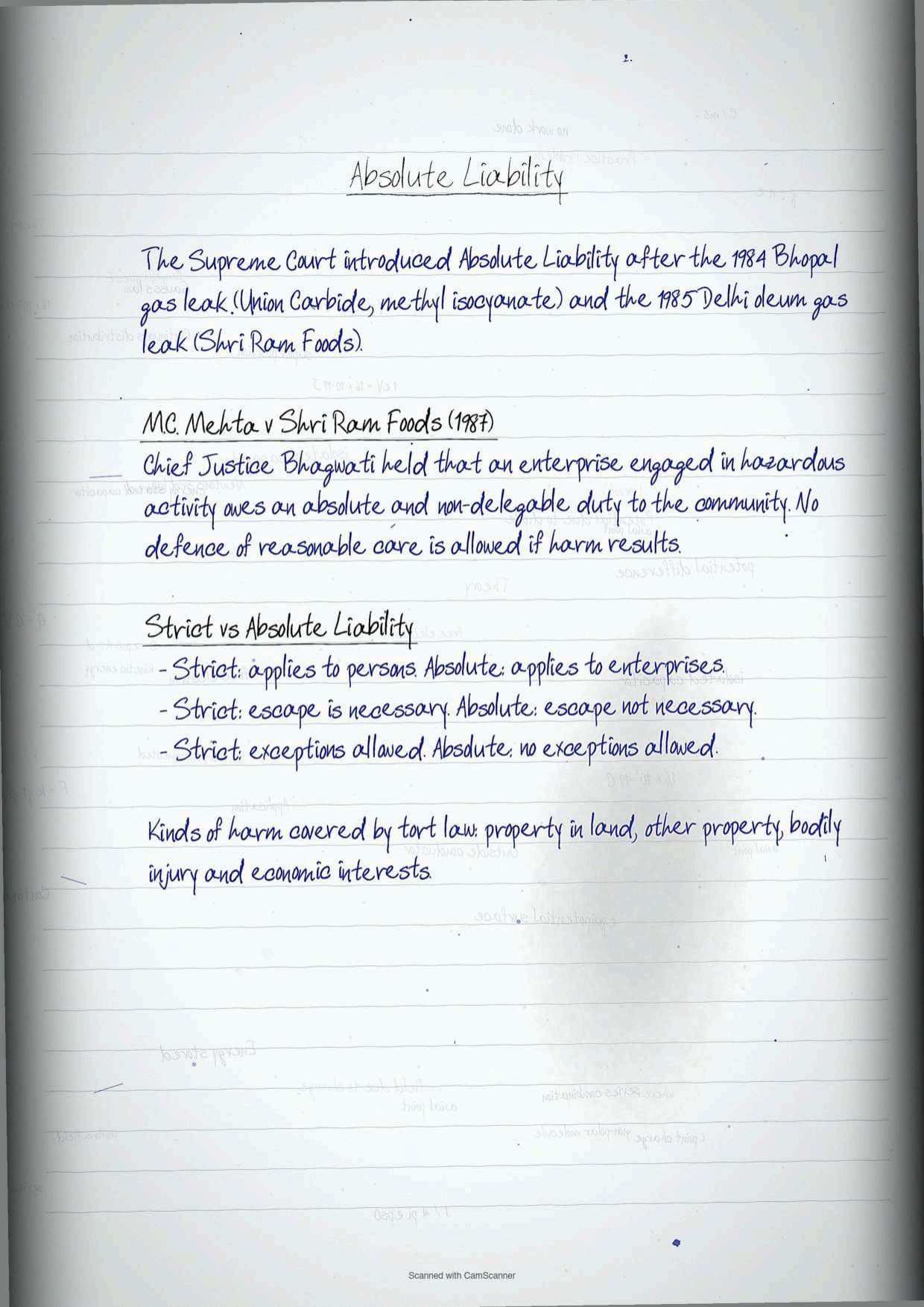
India developed a stricter rule after two disasters. The Bhopal gas leak of 1984, where methyl isocyanate escaped from a Union Carbide factory and killed thousands, and the Oleum gas leak of 1985 in Delhi, from a Shriram Foods and Fertilizer plant. In M.C. Mehta v Shriram Foods and Fertilizer Industries (1987), Chief Justice P.N. Bhagwati held that an enterprise running a hazardous activity owes an absolute and non-delegable duty to the community, with no exceptions available.
| Basis | Strict liability | Absolute liability |
|---|---|---|
| Talks about | A person | An enterprise |
| Escape of the dangerous thing | Necessary to prove | Not necessary |
| Exceptions available | Yes, such as an act of a stranger | No exceptions |
| Compensation | Based on nature and quantum of damage | Based on the enterprise's size and financial capacity |
Property Law: Movable and Immovable Property Under the Transfer of Property Act
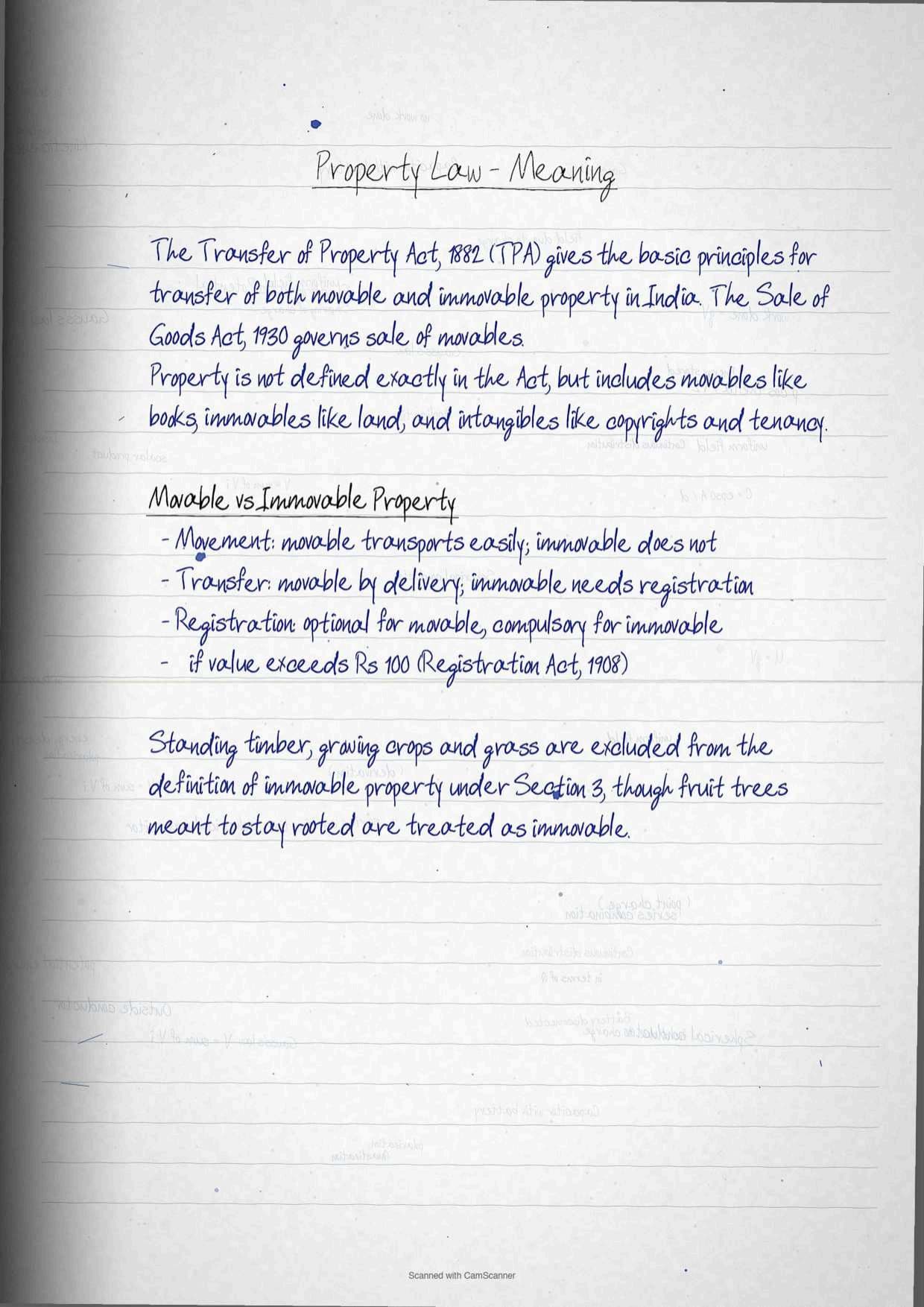
Before the Transfer of Property Act, 1882 was drafted, courts applied English common law to Indian property disputes, which did not always fit local conditions. The Act now governs how immovable property moves between living persons, and it also works as the code of contract law for such property.
Whether something is movable or immovable is not always obvious, and the chapter uses three fact patterns to test this.
- Growing crops such as sugarcane have no existence apart from the produce, so they are movable.
- Grass is normally movable, but the right to cut grass over time becomes an interest in land.
- Trees depend on intent: kept for their fruit, they are immovable, cut down for timber, they are movable, per Shantabai v State of Bombay.
The General Clauses Act, 1897 defines immovable property to include land, benefits arising out of land, and things permanently attached to the earth. In Sukry Kurdepa v Goondakull (1872), the court explained movability as a thing's capacity to change place without damaging its own quality or the land it sits on.
Transferring Property: Who Can Transfer, and How
Only a person competent to contract, meaning above 18 and of sound mind, and authorised to deal with the property, can transfer it. The person giving up the property is the transferor, and the one receiving it is the transferee.
| Value or type of property | Required mode of transfer |
|---|---|
| Immovable property, any value | A registered instrument |
| Tangible property under Rs 100 | Simple delivery |
| Intangible property, such as shares or bonds | A registered instrument only |
Two extra steps protect a registered transfer. Attestation means at least two witnesses sign the instrument to confirm it was executed freely. Registration requires both parties to appear and sign in front of the registering authority, which makes the transfer a matter of public record.
Doctrine of Election and Doctrine of Lis Pendens
Two doctrines protect fairness once a transfer is set in motion, and both are asked as short notes almost every session.
The Doctrine of Election rests on the Latin maxim quod approbo non reprobo, meaning no one can approve and disapprove the same thing. If a single instrument transfers a benefit and a burden together, the receiver must accept both or reject both. A cannot keep the house and reject the garden if both were sold to B in one deed.
The Doctrine of Lis Pendens, under Section 52 of the Transfer of Property Act, stops a party from selling property that is already the subject of pending litigation, if the sale would affect the other party's rights. In Dev Raj Dogra v Gyan Chand Jain, the Supreme Court set three conditions: a suit over the immovable property must be pending, it must not be collusive, and the property cannot be dealt with in a way that defeats any future court order.
Sale, Lease, Exchange and Gift: Comparing the Modes of Transfer
The Act recognises several ways to move ownership, and each has its own consideration and formality. A lease, under Section 105, transfers only the right to enjoy the property for a fixed period against rent, it is never a sale. The person granting it is the lessor, the person receiving it is the lessee, and a lessee can further sublet to create a sub-lease.
| Basis | Sale | Lease | Exchange | Gift |
|---|---|---|---|---|
| What transfers | Ownership for price | Limited ownership for rent | Ownership for another property | Ownership without payment |
| Consideration | Price | Rent | Another property | None |
| Required mode | Registered sale deed | Registered lease deed | Registered sale deed | Registered gift deed for immovable property |
Intellectual Property Law: Meaning, IPR and the International Conventions
Intellectual property is an intangible property that comes from human intellect, such as inventions, designs, names and artistic work. Intellectual Property Rights are the bundle of legal rights given to a creator over that creation, and the chapter splits IP into two families.
- Industrial property: inventions, trademarks, industrial designs and geographical indications.
- Copyright: literary, dramatic, musical and artistic works, films and sound recordings.
India's IP law is shaped by international treaties, and the chapter names three that examiners quote directly.
| Treaty | Year | Key principle |
|---|---|---|
| Paris Convention | Adopted 1883, enforced 1884 | National Treatment, equal protection for foreign and domestic inventors, plus a priority framework |
| WIPO Convention | Signed 1967, effective 1970 | Promotes legal protection of intellectual property worldwide, UN specialised agency from 1974 |
| TRIPS Agreement | 1995 | Sets minimum global standards, led to the Patents Amendment Act 2005 in India |
The Patents Amendment Act, 2005 extended product patents to all fields of technology, including food, drugs, chemicals and micro-organisms, meeting India's TRIPS commitment.
Copyright, Patent, Trademark, Trade Secret and Geographical Indication
Five forms of intellectual property recur through the chapter, and each has its own protection rule. Copyright is the one exception where protection is automatic and registration is optional.
| Form of IP | Governing law | Key feature |
|---|---|---|
| Copyright | Copyright Act, 1957 | Protects original literary, artistic and musical work, automatic on creation, no registration needed |
| Patent | Patents Act | A government-issued document giving the inventor exclusive rights to use and sell the invention |
| Trademark | Trade Marks Act | A distinguishing mark or symbol that identifies a business or product |
| Trade secret | No dedicated statute, protected under contract and equity | Confidential information with commercial value that is kept secret |
| Geographical indication | Geographical Indications Act | Identifies a product with a specific region, such as Darjeeling Tea or Pochampally Ikkat |
Copyright carries moral rights beyond the economic ones, and these protect the author's personal connection to the work: the right of paternity, to claim ownership; the right of integrity, to stop the work being distorted; and the right to retraction. In Amarnath Sehgal v Union of India, a sculptor's mural was damaged by the government, and the court upheld his moral right of integrity in the work.
Trade secrets have no dedicated law in India, but the Delhi High Court in Burlington Home Shopping v Rajnish Chibber (1995) defined a trade secret as confidential information with commercial value whose disclosure would seriously harm its owner. Geographical indications carry real economic weight too, protecting products such as Darjeeling Tea, Malabar Robusta Coffee, Warli Painting and Phulkari handicraft from being copied outside their region.
Common Mistakes Students Make in Topics in Law
Five traps that cost easy marks across the four parts of this chapter:
- Calling a void contract voidable. A void contract was never enforceable, a voidable one stays valid until cancelled.
- Mixing up strict and absolute liability. Strict liability allows exceptions and applies to a person, absolute liability allows none and applies to an enterprise.
- Treating grass or timber as always immovable. The classification depends on intent, not on the object alone.
- Confusing libel with slander. Libel is permanent and written, slander is spoken and transient.
- Assuming copyright needs registration. Copyright protection is automatic from the moment the work is created.
Write each of these five out from memory once before an exam. Students who did this reported the comparison-table questions stopped costing them marks within a single revision round.
Quick Recall Sheet for Topics in Law
| Term | One-line meaning |
|---|---|
| Contract | An agreement enforceable by law |
| Free consent | Consent without coercion, undue influence, fraud, misrepresentation or mistake |
| Tort | A civil wrong remedied by unliquidated damages |
| Duty of care | The obligation to avoid foreseeable harm to others |
| Strict liability | Liability for a dangerous thing that escapes, fault not required |
| Absolute liability | Liability of a hazardous enterprise, with no exceptions |
| Immovable property | Land, benefits from land, and things permanently attached to earth |
| Doctrine of Election | Accept both benefit and burden of one instrument, or reject both |
| Doctrine of Lis Pendens | Property under litigation cannot be transferred to defeat the case |
| Intellectual property | Intangible property created by human intellect |
| TRIPS | 1995 agreement setting minimum global IP standards |
The notebook also uses a short mnemonic for the four parts in order: C-T-P-I, standing for Contracts, Torts, Property, Intellectual property, the exact sequence the chapter follows.
What the Topics in Law Handwritten Notes PDF Contains
The file is written by hand, with the case names and Latin maxims placed exactly where the chapter uses them, so it reads the way a well-organised classmate's notes read.
- Pages 1 to 7: agreement versus contract, essential elements, Balfour v Balfour, Carlill v Carbolic Smoke Ball Co. and Mohori Bibee v Dharmodas Ghose.
- Pages 8 to 13: void and voidable contracts, contingent contracts, wagering agreements, discharge of contract and remedies for breach.
- Pages 14 to 18: tort versus crime, tort versus breach of contract, intentional torts and defamation.
- Pages 19 to 22: negligence, Donoghue v Stevenson, Rylands v Fletcher, the Bhopal and Oleum gas cases and the strict versus absolute liability table.
- Pages 23 to 28: property law, the two doctrines, sale versus lease versus gift, and intellectual property law with copyright, patent, trademark and geographical indication.
Textbook Exercise Questions and How These Notes Answer Them
Each part of the chapter closes with its own exercise set, and the table below shows where the answer material sits in these notes.
| Exercise question | Where the answer is built |
|---|---|
| Whether a sale of a bike below market price is enforceable | The essential elements of a valid contract |
| List the exceptions to strict liability not available in absolute liability | The strict versus absolute liability comparison table |
| Identify the type of property before and after a change in use | Movable versus immovable property and the intent test |
| Explain the pre-conditions for the Doctrine of Lis Pendens | Dev Raj Dogra v Gyan Chand Jain and Section 52 |
| Describe the rights registered while starting a new business | Copyright, patent, trademark and trade secret sections |
How to Use These Handwritten Notes Most Effectively
Because this chapter is four laws rather than one, revising it in one long sitting usually backfires. Students who split it into four short blocks reported finishing it in about three hours total.
- Block 1, 40 minutes. Law of Contracts: essential elements, the three landmark cases, and discharge and remedies.
- Block 2, 35 minutes. Law of Torts: tort versus crime, intentional torts, negligence and the two liability rules.
- Block 3, 35 minutes. Property Law: movable versus immovable, transfer rules and both doctrines.
- Block 4, 30 minutes. Intellectual Property Law: the conventions, and the five forms of IP.
- Night before, 15 minutes. Quick recall sheet and the five common mistakes, nothing else.
How These Handwritten Notes Pair with Other Legal Studies Resources
Also Check: the tort principles in this chapter, especially negligence and product liability, connect directly to consumer law. The Class 12 Business Studies Consumer Protection Handwritten Notes cover the same idea of liability for a defective product from the business side, and are a useful companion read once this chapter's tort section is clear.
| Resource | Best used for | Open it |
|---|---|---|
| Class 12 Business Studies Handwritten Notes | Consumer Protection Act liability for a defective product, the business-side twin of tort negligence | Consumer Protection Class 12 Handwritten Notes |
| Class 12 Legal Studies Notes | Typed revision notes with every doctrine explained in full | Topics in Law Class 12 Notes (coming soon) |
| Class 12 Legal Studies Book PDF | The official chapter text with all original tables | Topics in Law Class 12 Book PDF (coming soon) |
| Class 12 Legal Studies Solutions | Exercise-by-exercise worked answers | Topics in Law Class 12 Solutions (coming soon) |
| Class 12 Legal Studies Chapter 1 Handwritten Notes | The Judiciary chapter that precedes this one | Judiciary Class 12 Handwritten Notes (coming soon) |
| Class 12 Legal Studies Chapter 5 Handwritten Notes | The Legal Profession in India chapter | Legal Profession in India Class 12 Handwritten Notes (coming soon) |
NCERT Handwritten Notes for Class 12 Legal Studies: All Chapters
Related Links: handwritten revision notes for the Class 12 Legal Studies textbook, written to the 2026-27 syllabus.
| Chapter | Class 12 Legal Studies Handwritten Notes |
|---|---|
| Chapter 1 | Judiciary Class 12 Handwritten Notes (coming soon) |
| Chapter 2 | Topics in Law Class 12 Handwritten Notes (this page) |
| Chapter 5 | Legal Profession in India Class 12 Handwritten Notes (coming soon) |
Topics in Law Class 12 Handwritten Notes FAQs
Questions Students Ask Before Downloading These Notes
Ques. What are the four parts of the Topics in Law chapter?
Ans. The chapter, listed as Unit 3 Law I Business Law in the CBSE syllabus, has four parts. Part A is the Law of Contracts, Part B is the Law of Torts, Part C is Property Law, and Part D is Intellectual Property Law. Each part is graded on its own and needs separate revision.
Ques. What is the difference between a void and a voidable contract?
Ans. A void contract ceases to be enforceable by law and can never become valid again. A voidable contract stays enforceable until the party whose consent was not free chooses to cancel it, and it can even become valid later through lapse of time, waiver or ratification.
Ques. What did the court decide in Carlill v Carbolic Smoke Ball Co.?
Ans. The court held that an advertisement offering a reward to anyone who used the smoke ball and still caught influenza was a valid general offer made to the whole world. Mrs Carlill's use of the product as directed counted as acceptance, so the company had to pay the reward.
Ques. What is the difference between strict liability and absolute liability?
Ans. Strict liability, from Rylands v Fletcher, makes a person liable for a dangerous thing that escapes their land, but allows certain exceptions. Absolute liability, from M.C. Mehta v Shriram Foods, applies to a hazardous enterprise with no exceptions at all, and the compensation depends on the size of the enterprise.
Ques. How is movable property different from immovable property?
Ans. Immovable property includes land, benefits arising from land, and things permanently attached to the earth. Movable property can change place without damaging its own quality. Growing crops and grass are usually movable, while trees kept for their fruit are immovable, but the same trees cut for timber become movable.
Ques. What is the Doctrine of Election in property law?
Ans. The Doctrine of Election says a person who receives a benefit and a burden under the same instrument must accept both or reject both. It rests on the Latin maxim quod approbo non reprobo, meaning no one can approve and disapprove the same transaction.
Ques. What is the Doctrine of Lis Pendens?
Ans. Under Section 52 of the Transfer of Property Act, the Doctrine of Lis Pendens stops a party from transferring property that is already under litigation if the transfer would affect the other party's rights. The Supreme Court set out its conditions in Dev Raj Dogra v Gyan Chand Jain.
Ques. Does copyright need to be registered in India?
Ans. No. Copyright protection under the Copyright Act, 1957 is automatic from the moment a work is created, and registration is not required. A registration certificate is still useful because it serves as evidence of ownership if a dispute reaches court.
Ques. Where can I download the Class 12 Legal Studies Chapter 2 handwritten notes PDF?
Ans. Use the download button at the top of this page. The file is free and printable, runs to 28 handwritten pages, and follows the 2026-27 chapter order, so it can sit beside the textbook while you revise.



Comments