



The NCERT PDF for Class 11 Accountancy Chapter 5 Bank Reconciliation Statement explains why the cash book bank column and pass book balance may not match, according to the 2026-27 NCERT textbook.
- Core focus: cash book balance, pass book balance and timing differences.
- Practice value: students learn how to add or subtract each reconciling item.
- PDF use: keep the chapter open while solving BRS format questions.
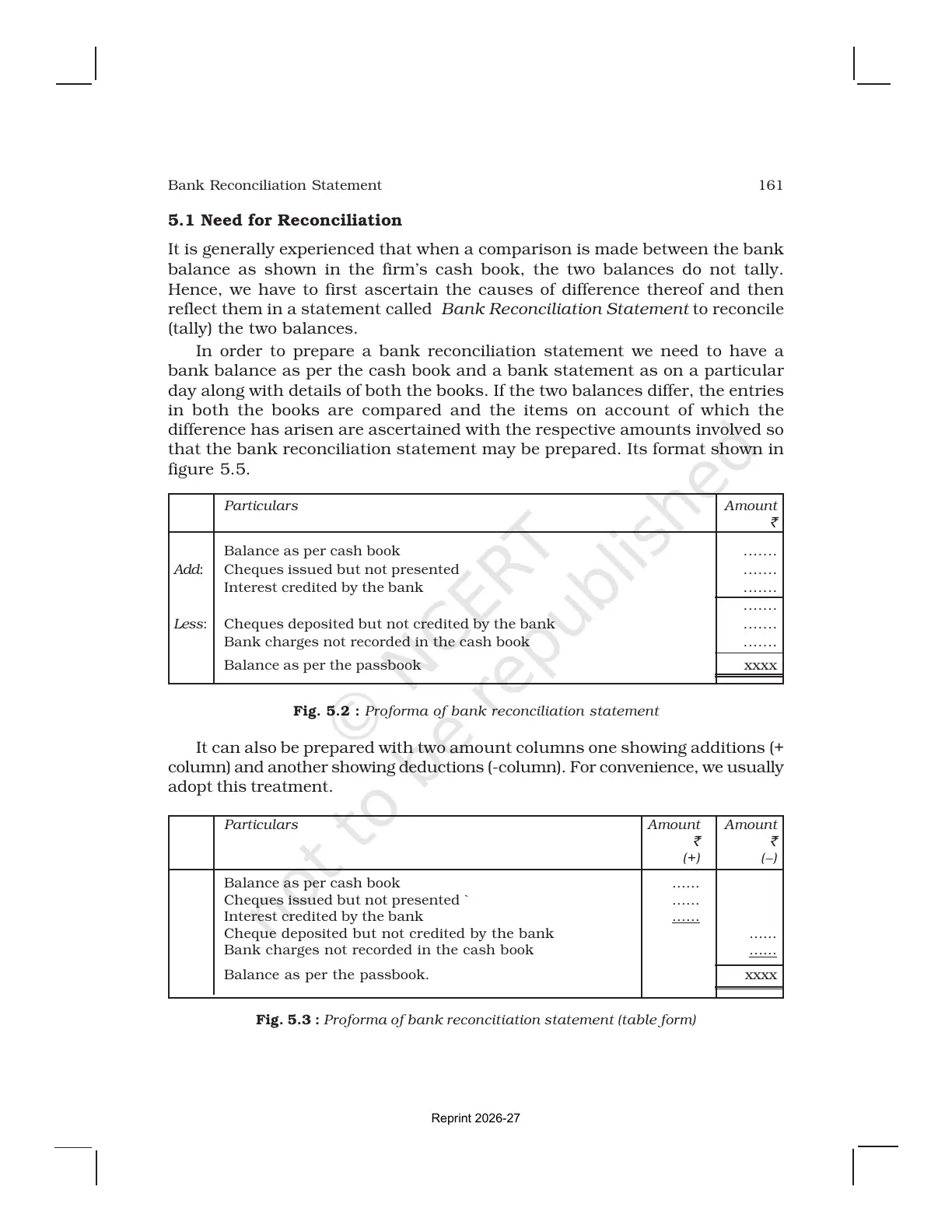
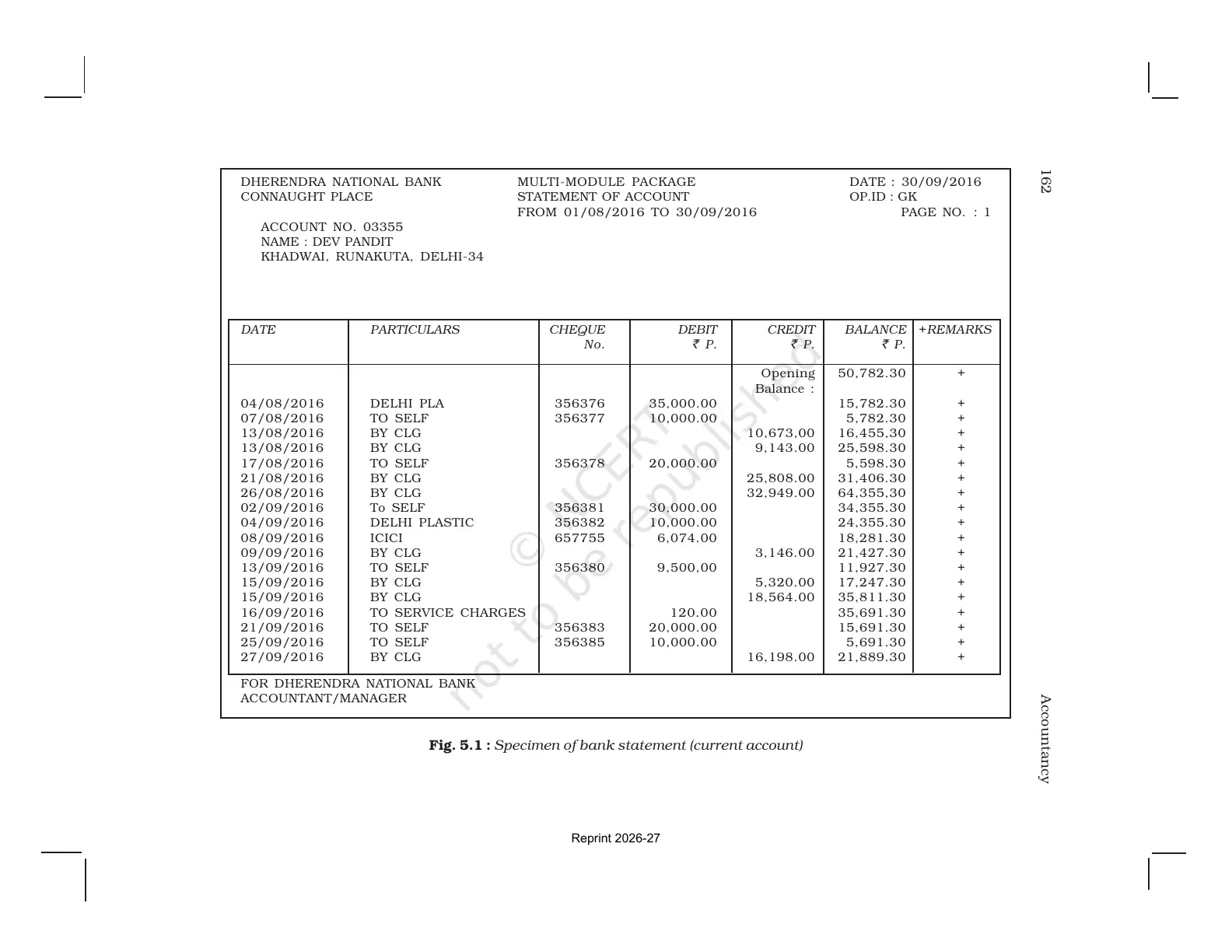
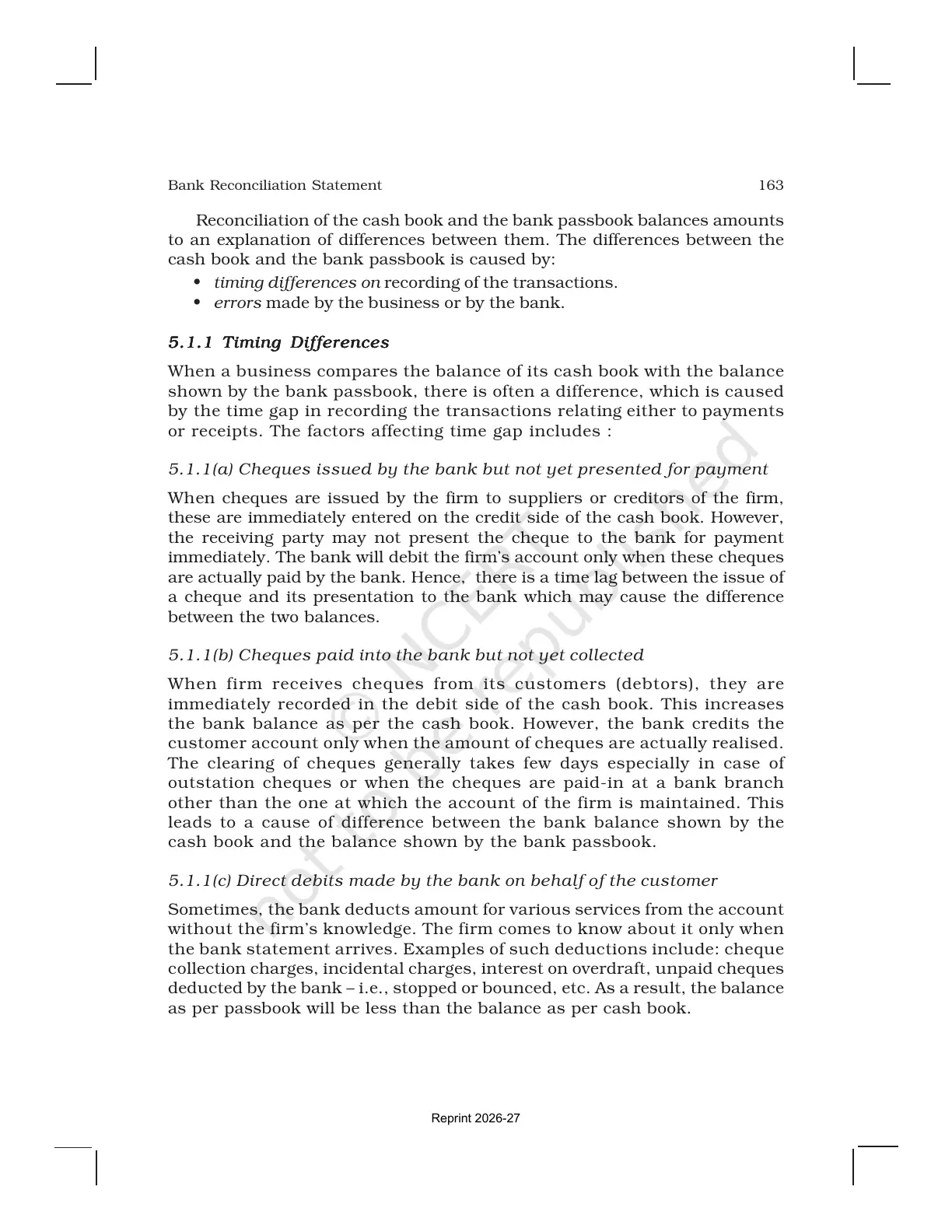
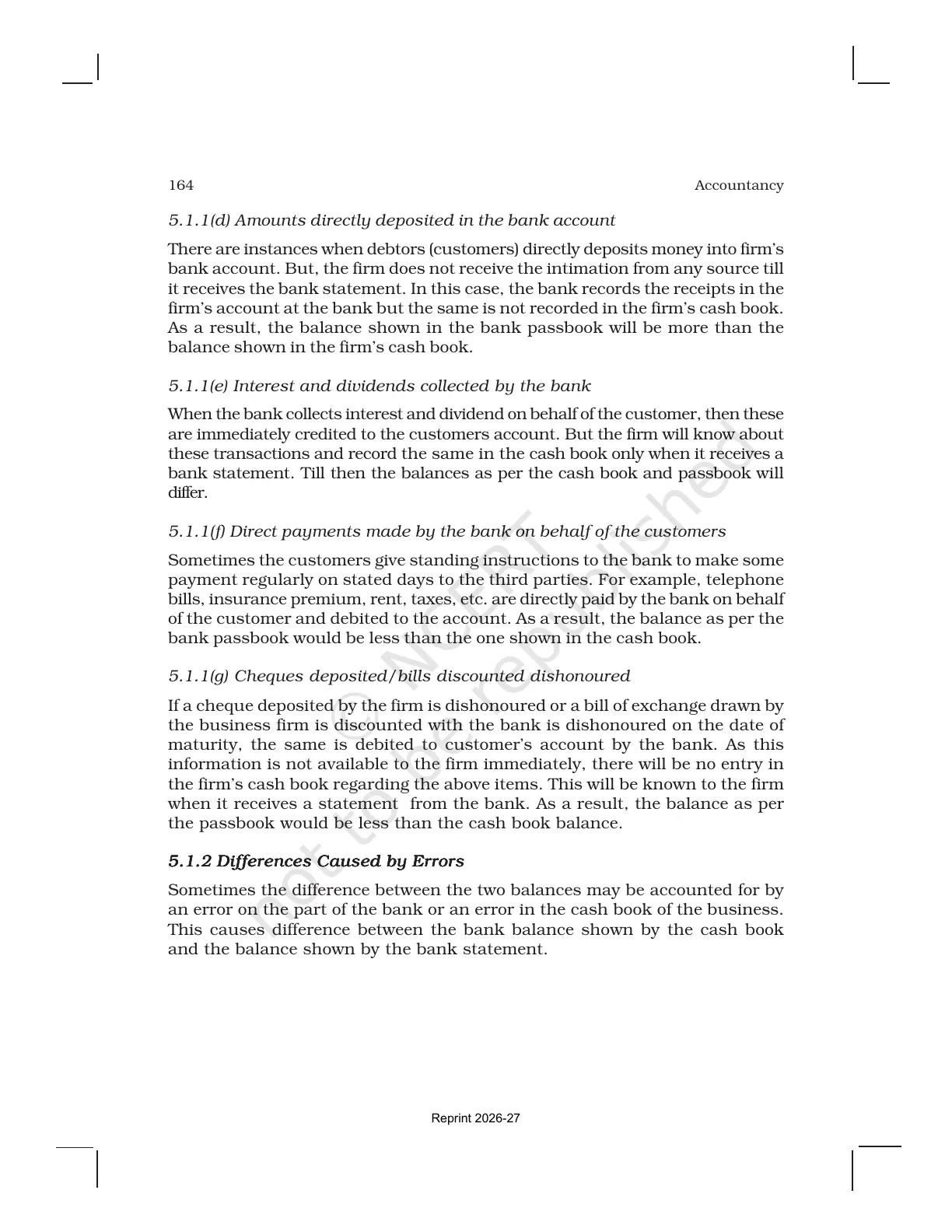
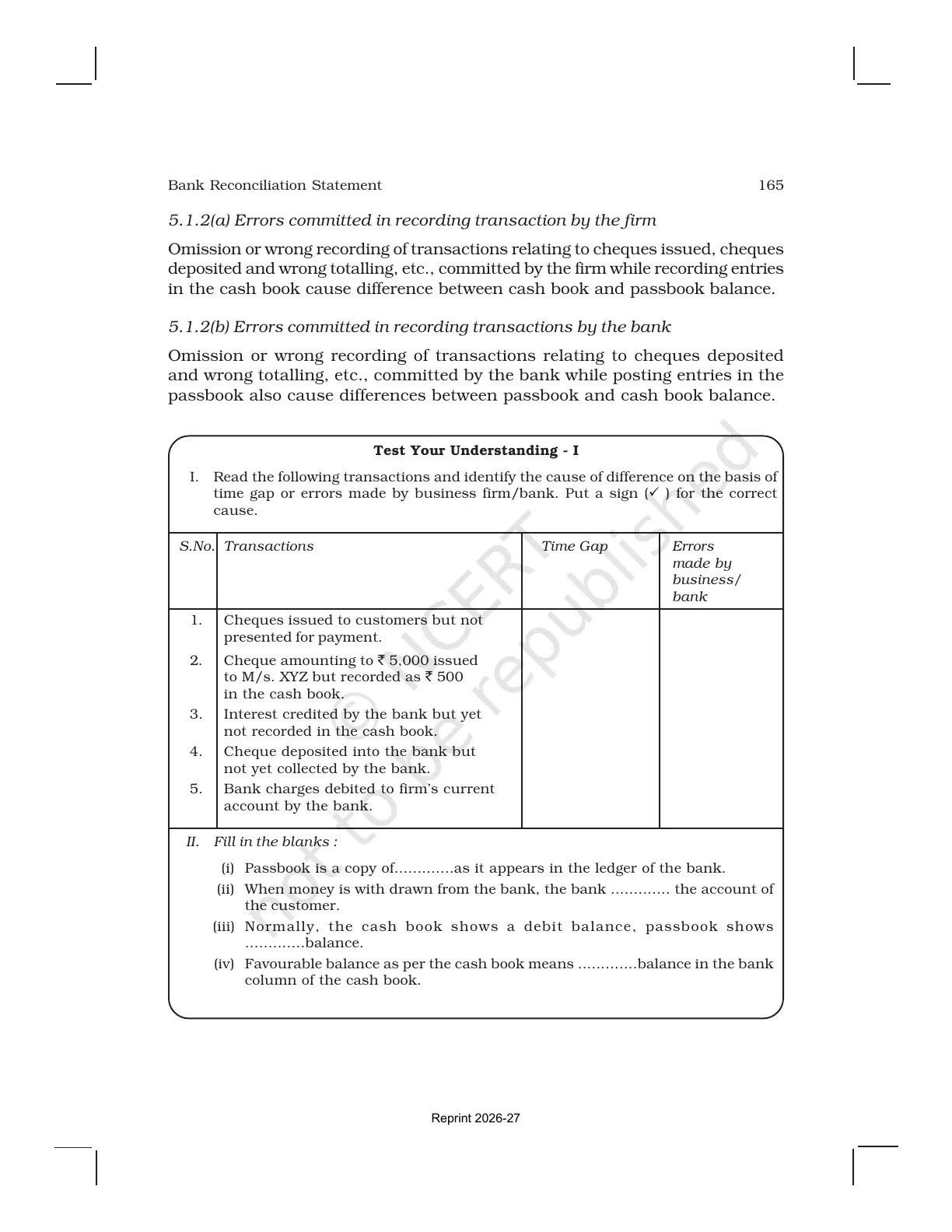
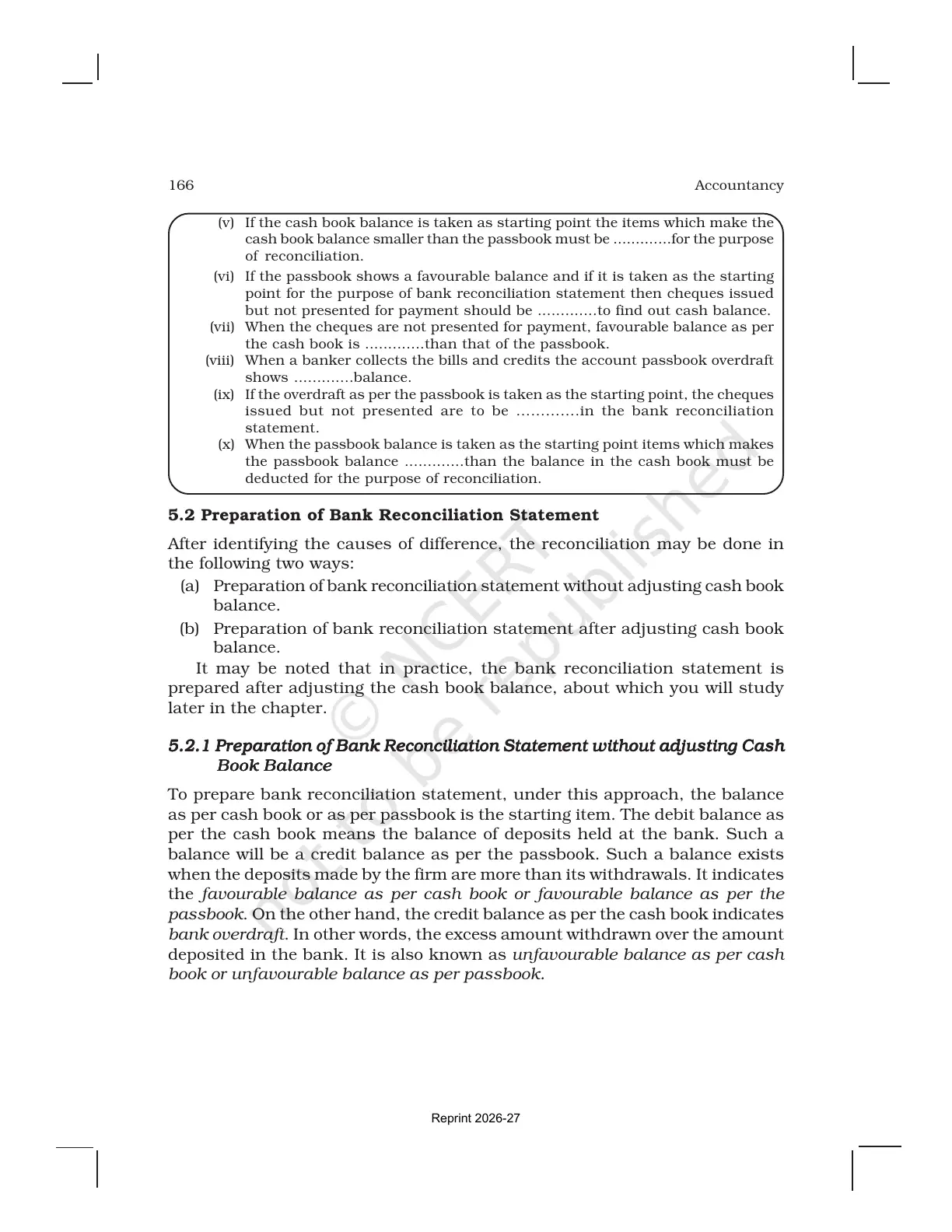
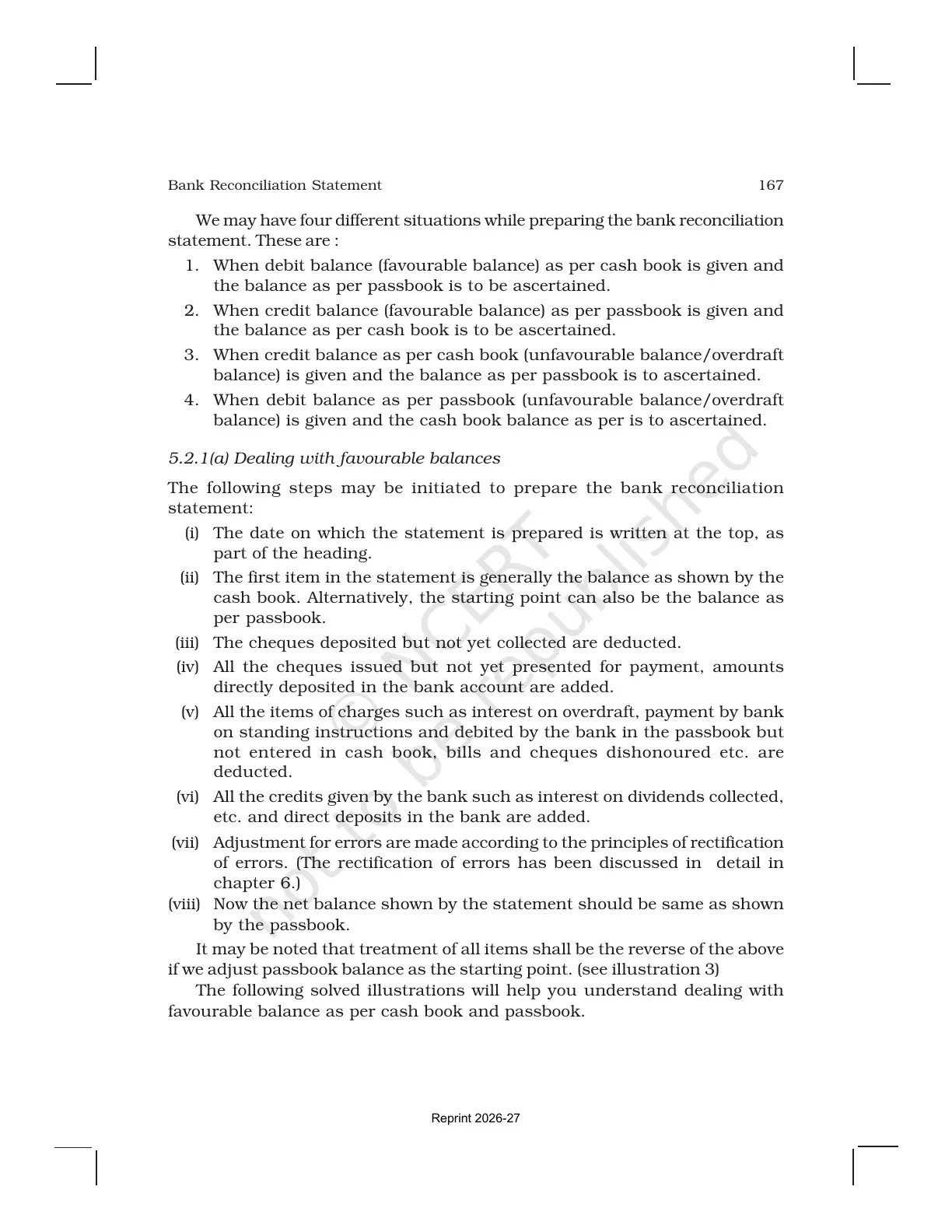
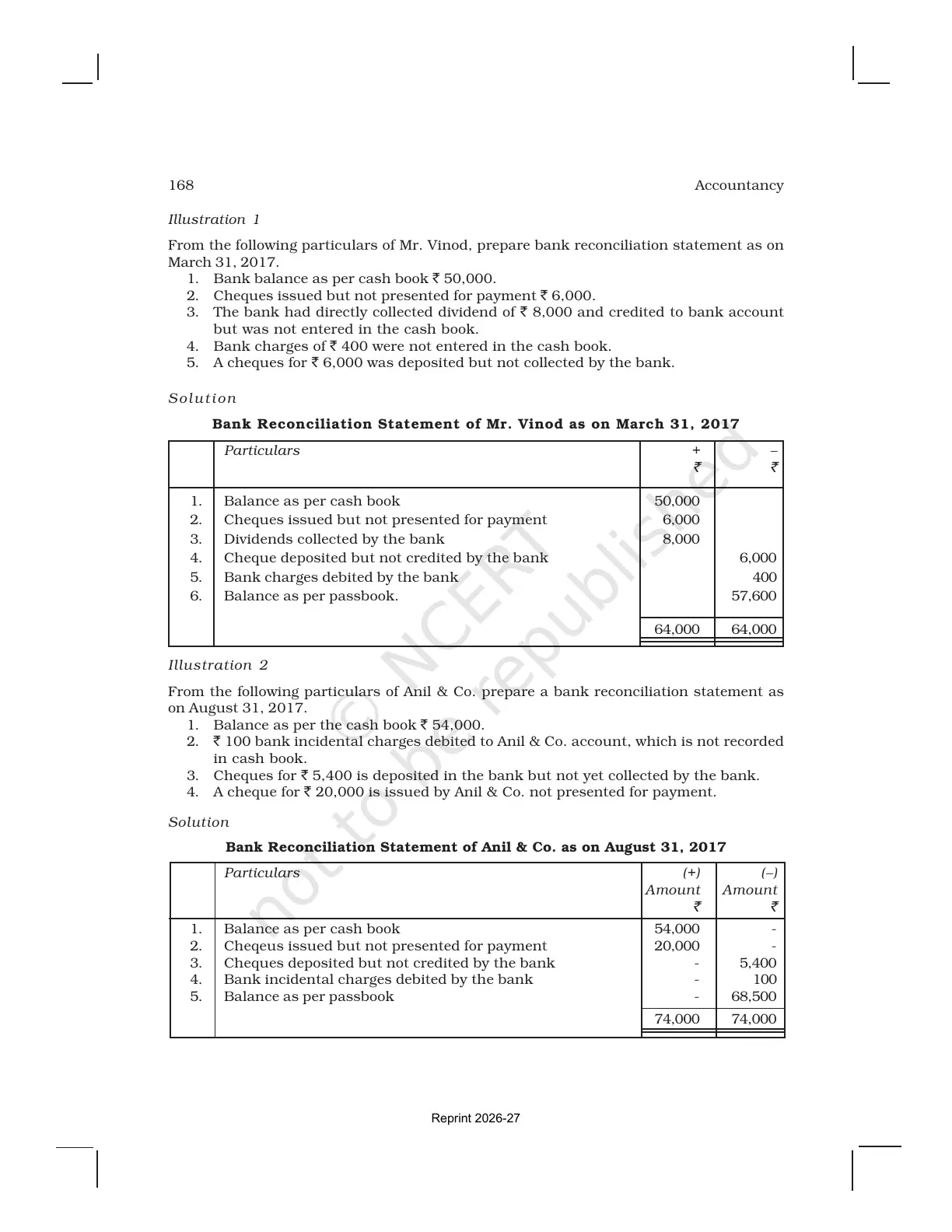
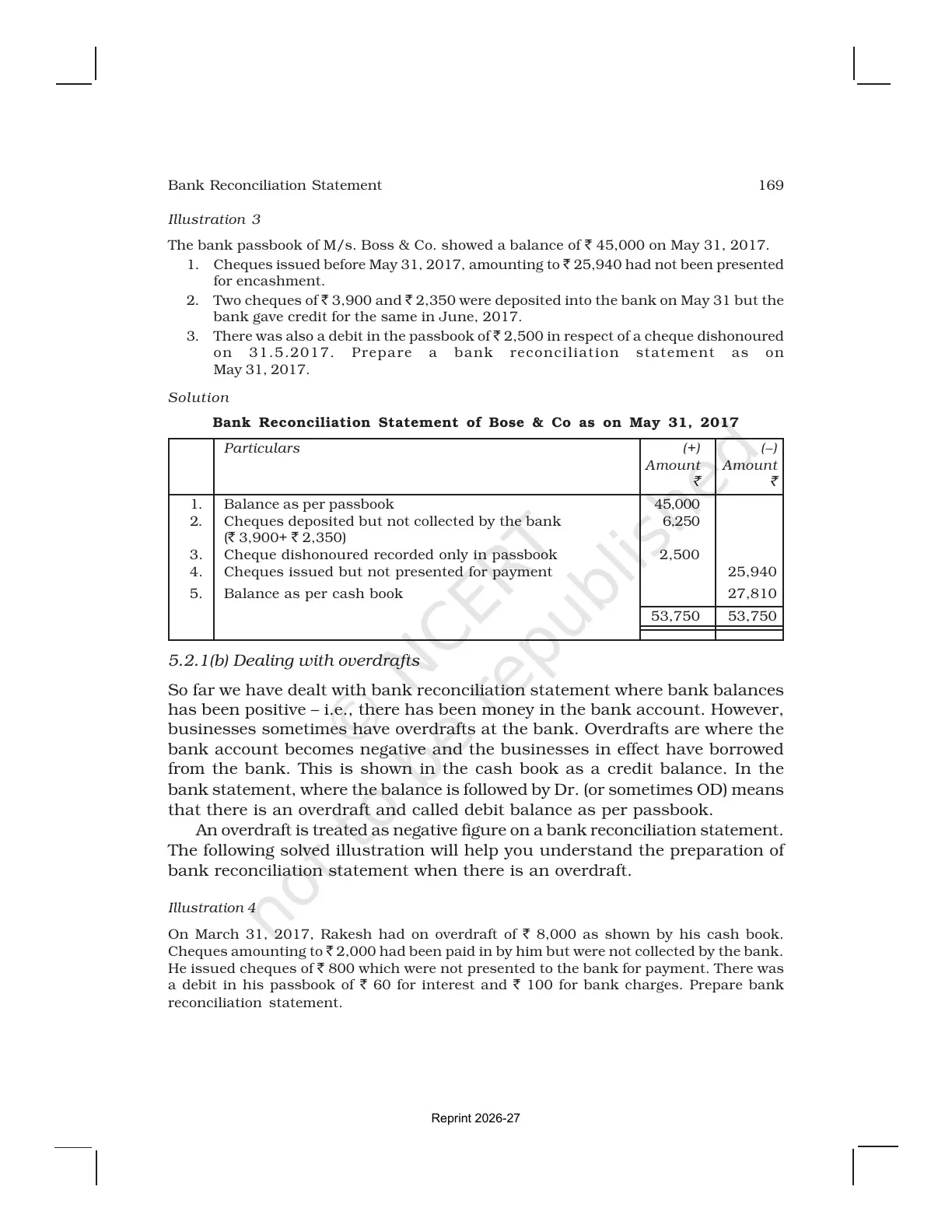
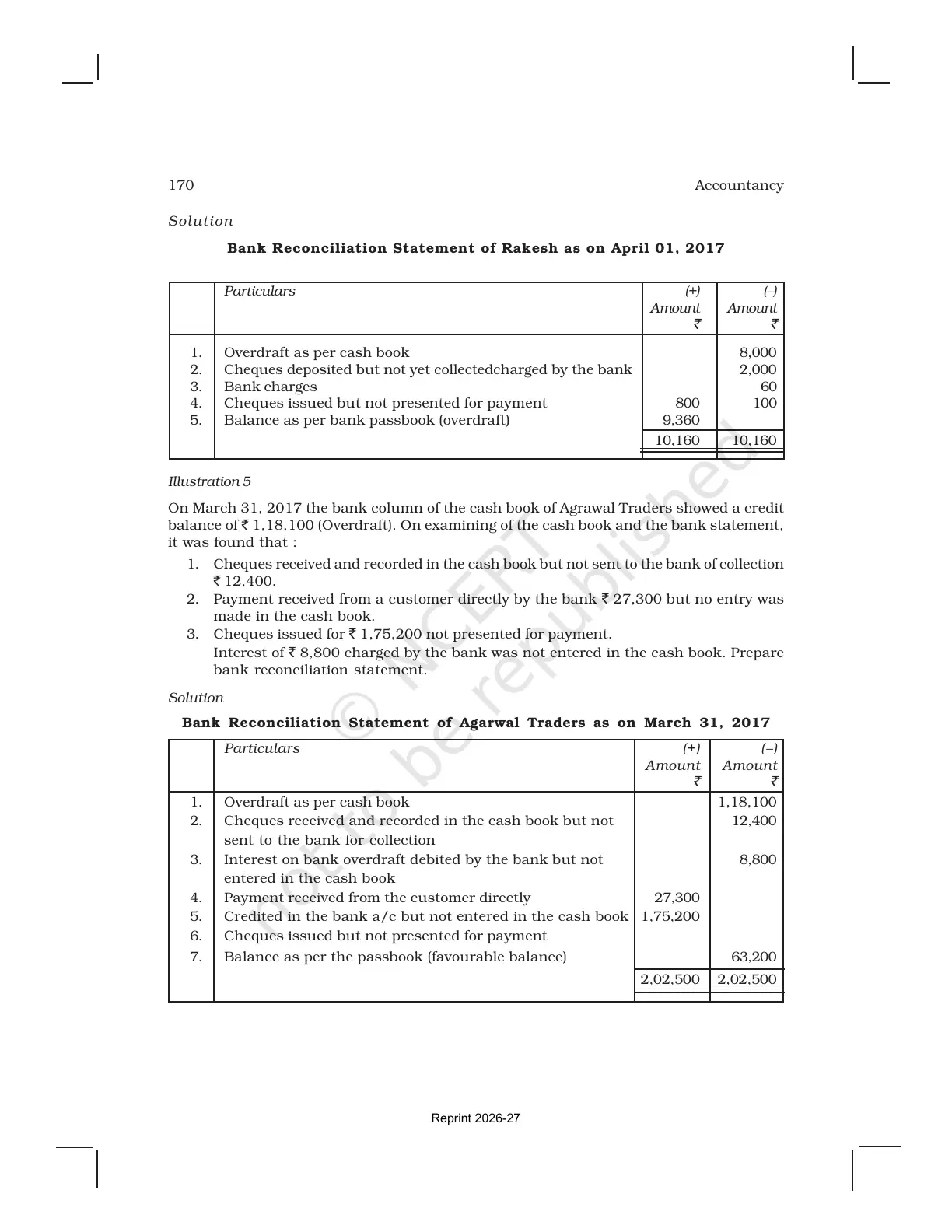
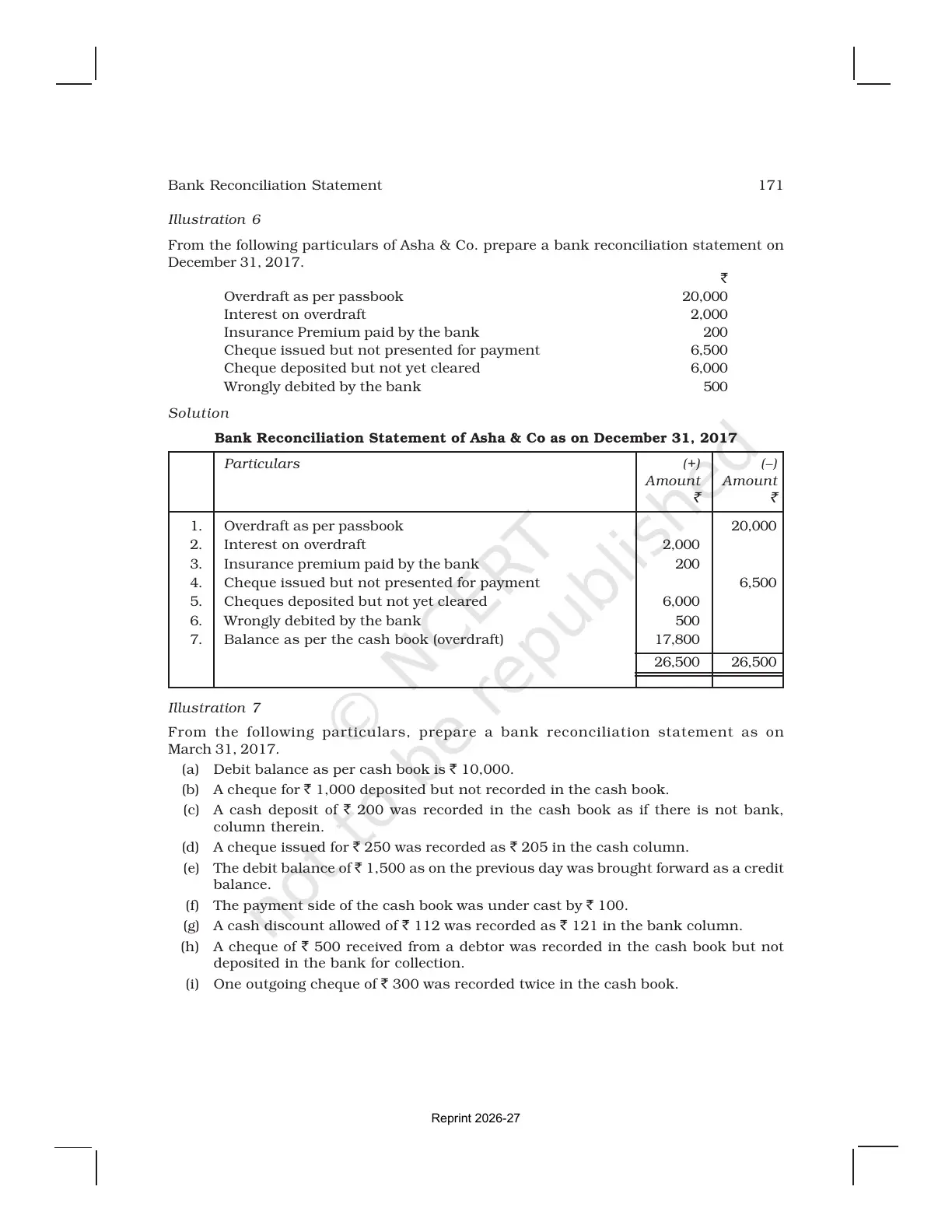
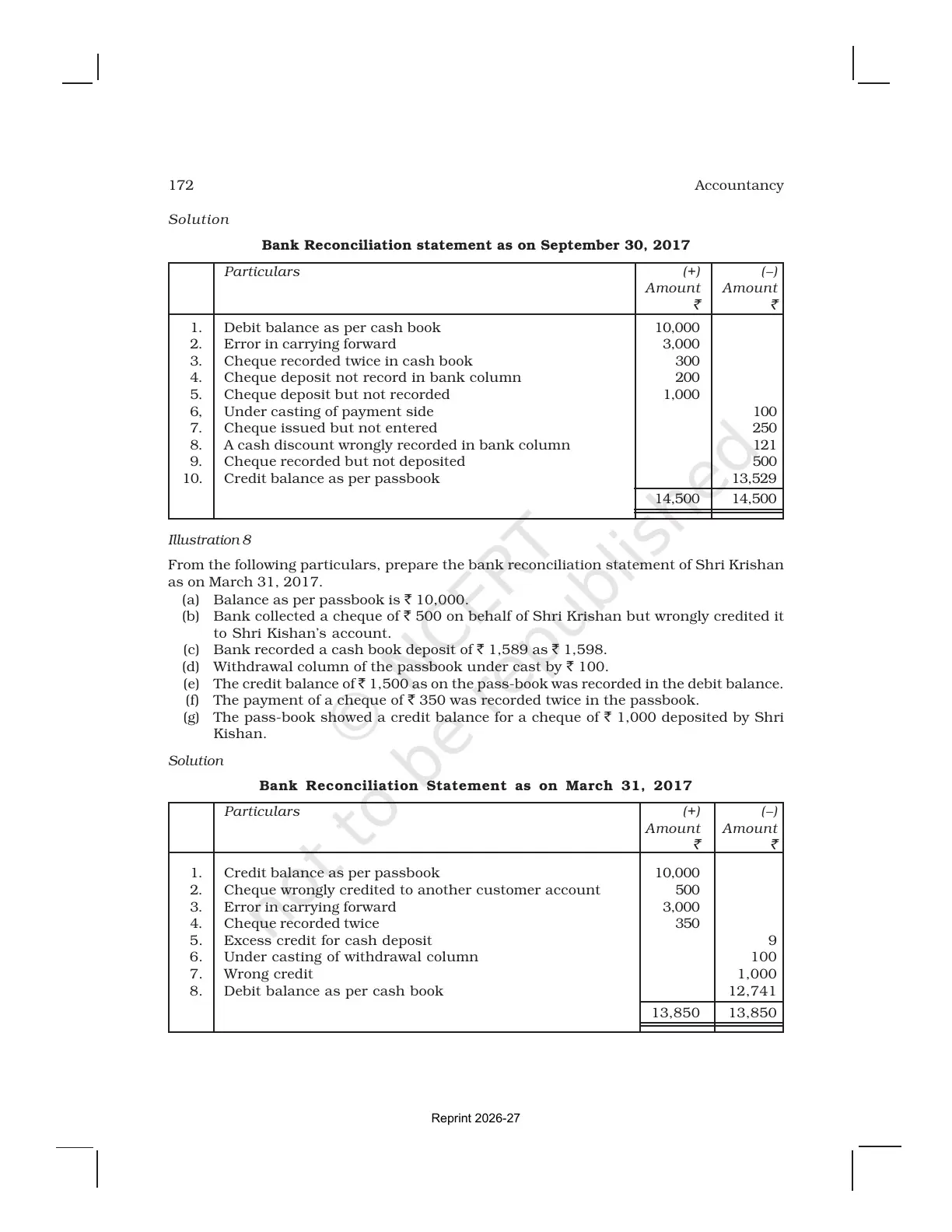
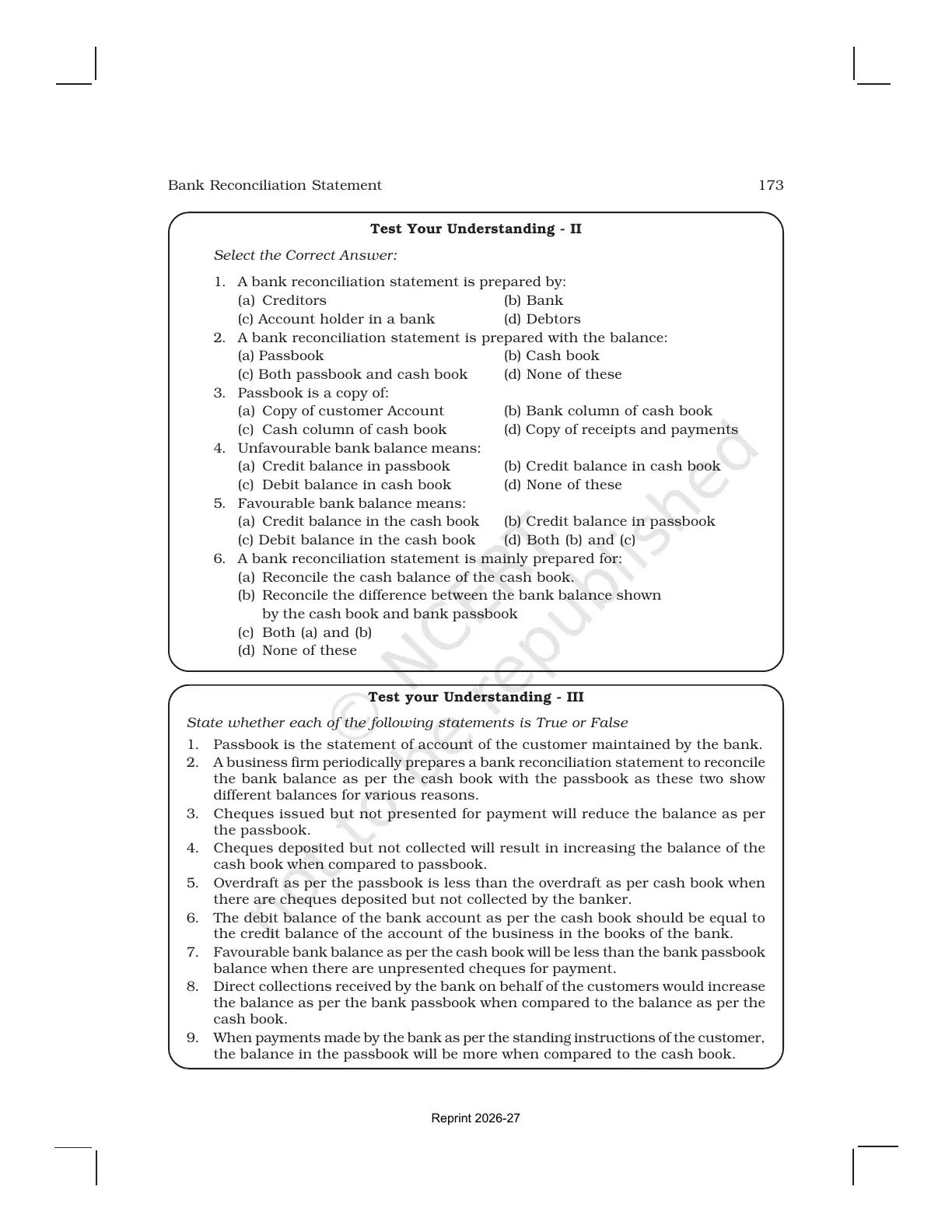
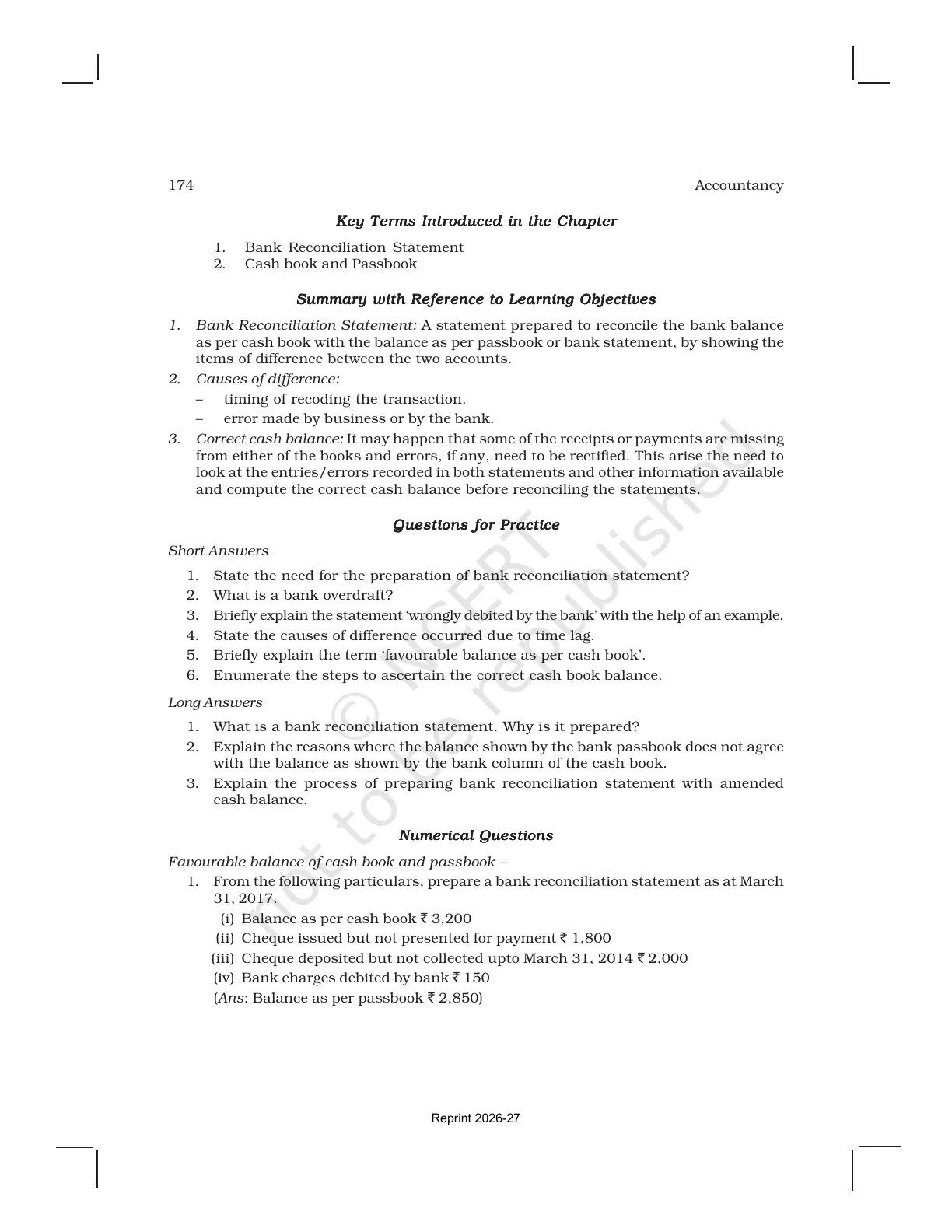
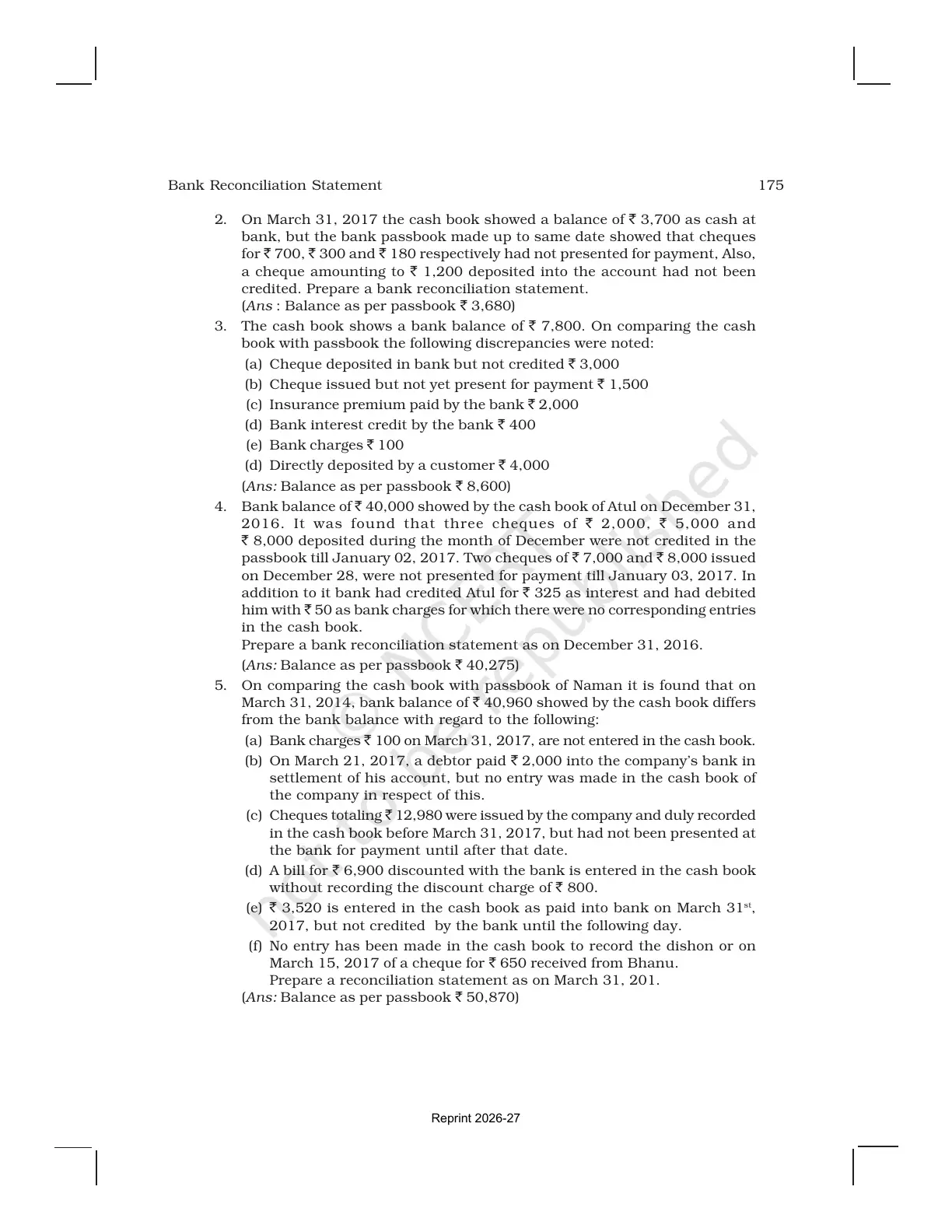
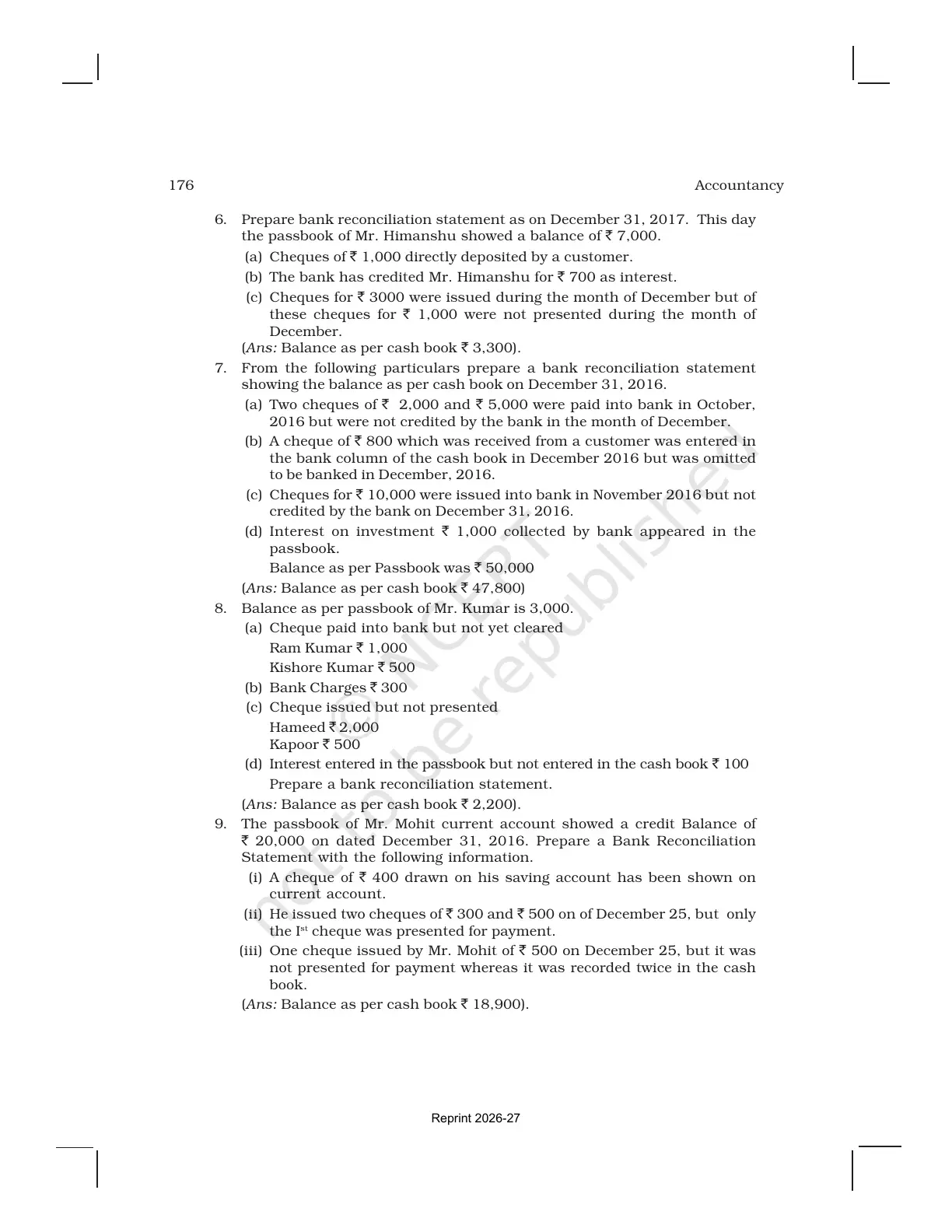
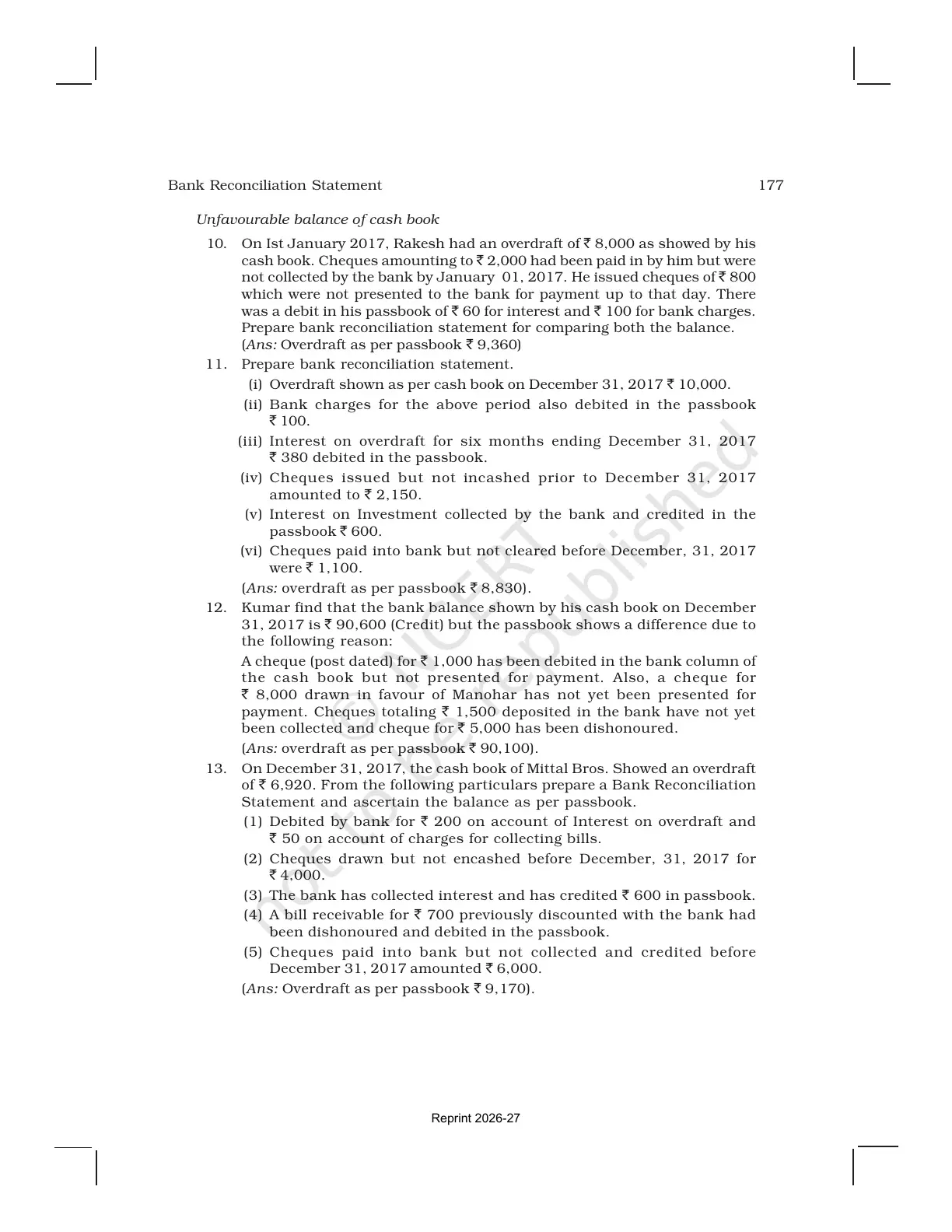
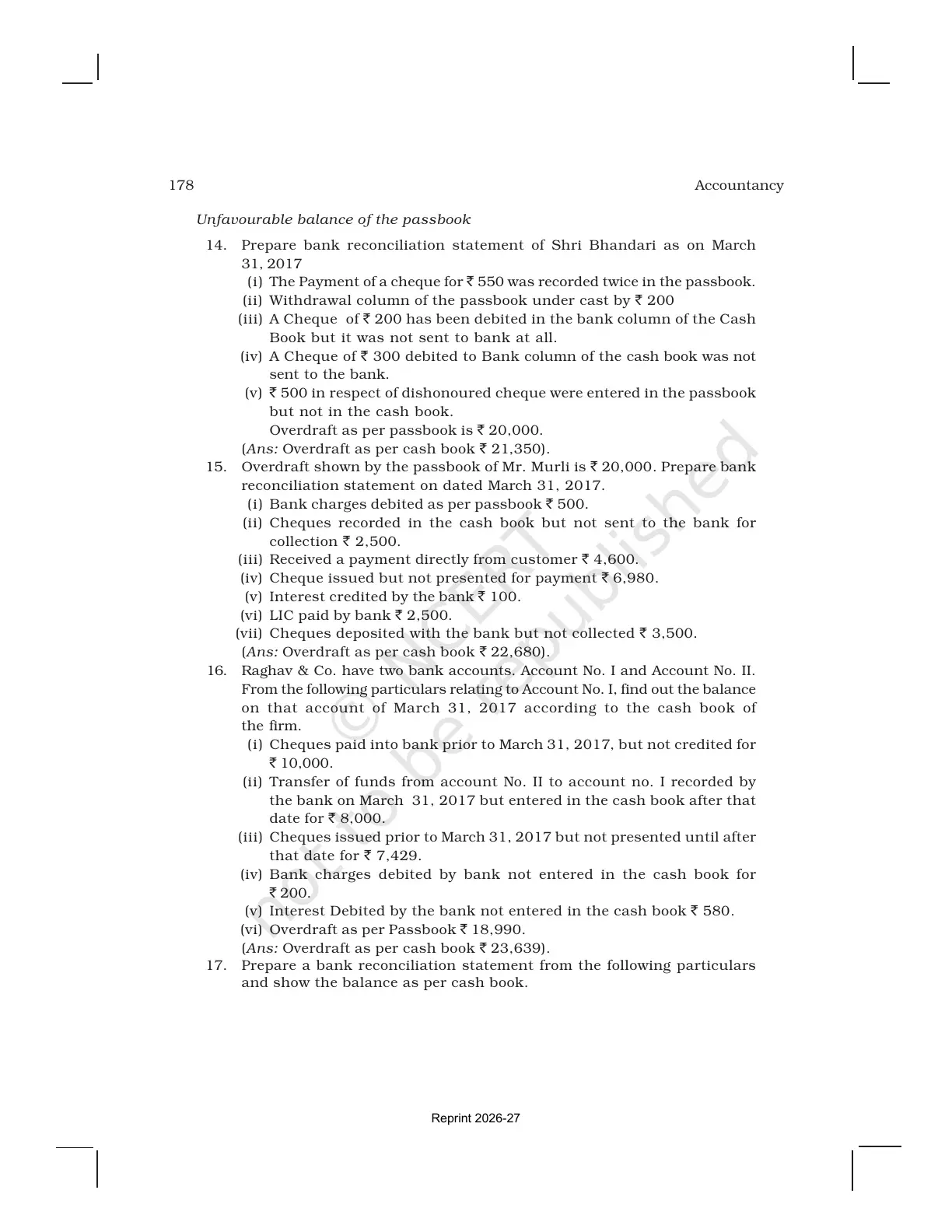
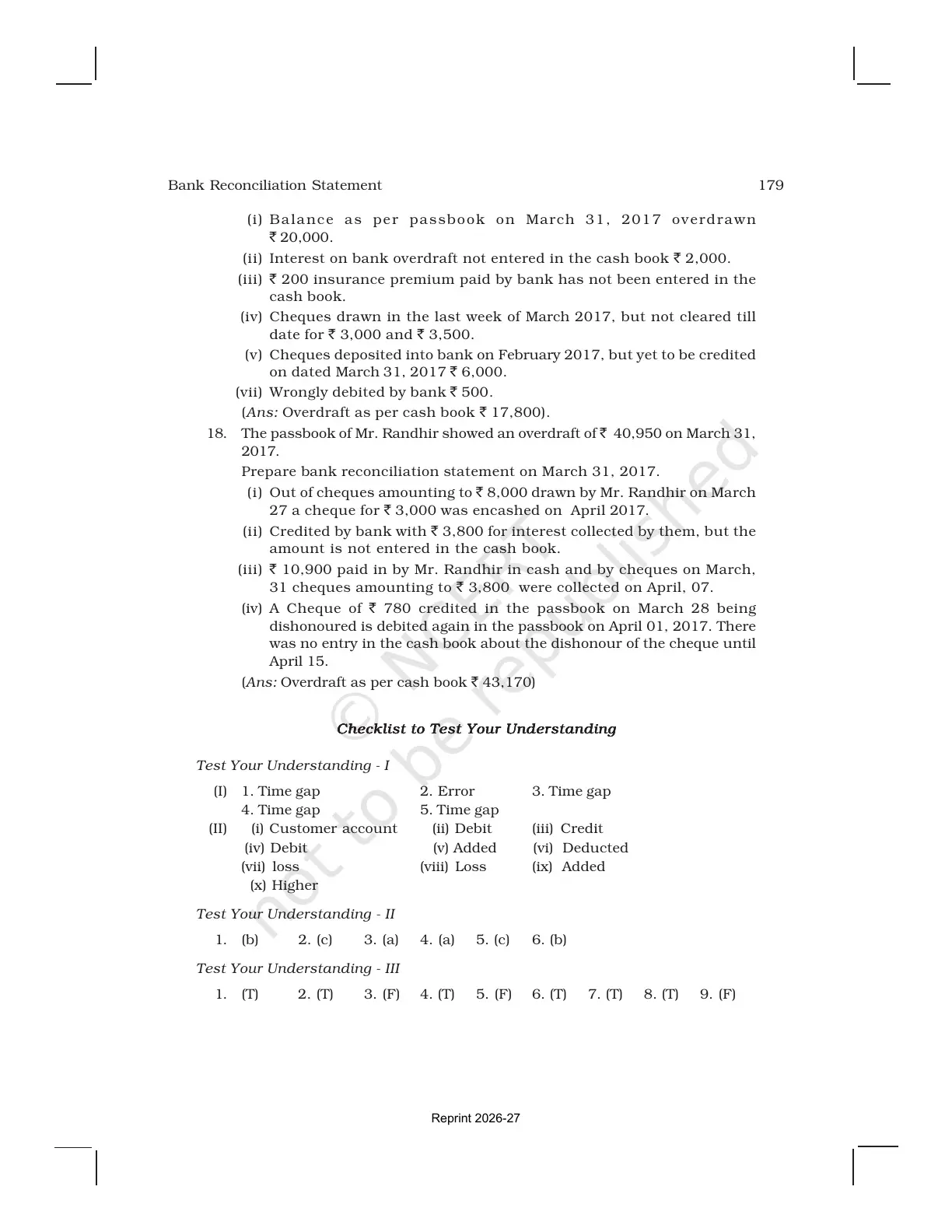
This Class 11 Accountancy NCERT Book PDF follows the 2026-27 NCERT reprint and helps students practise the exact bank reconciliation format used in the textbook.
Bank Reconciliation Statement Concepts Covered in the NCERT PDF
This chapter starts with a simple accounting problem. The cash book is written by the business, while the pass book is written by the bank.
Both records track the same bank account, but they are updated at different times. This is why the balances may differ on the same date.
| Concept | What it means | Why it matters |
|---|---|---|
| Cash Book | Business record of bank transactions | Gives the balance as per books |
| Pass Book | Bank record of the customer's account | Gives the balance as per bank |
| Timing Difference | Entry recorded in one book first | Creates temporary mismatch |
| Bank Charges | Amount debited by bank | Needs adjustment in the cash book balance |
| Direct Deposit | Amount credited by bank directly | Needs adjustment if not recorded by business |
Bank Reconciliation Statement Flow for Class 11 Accountancy
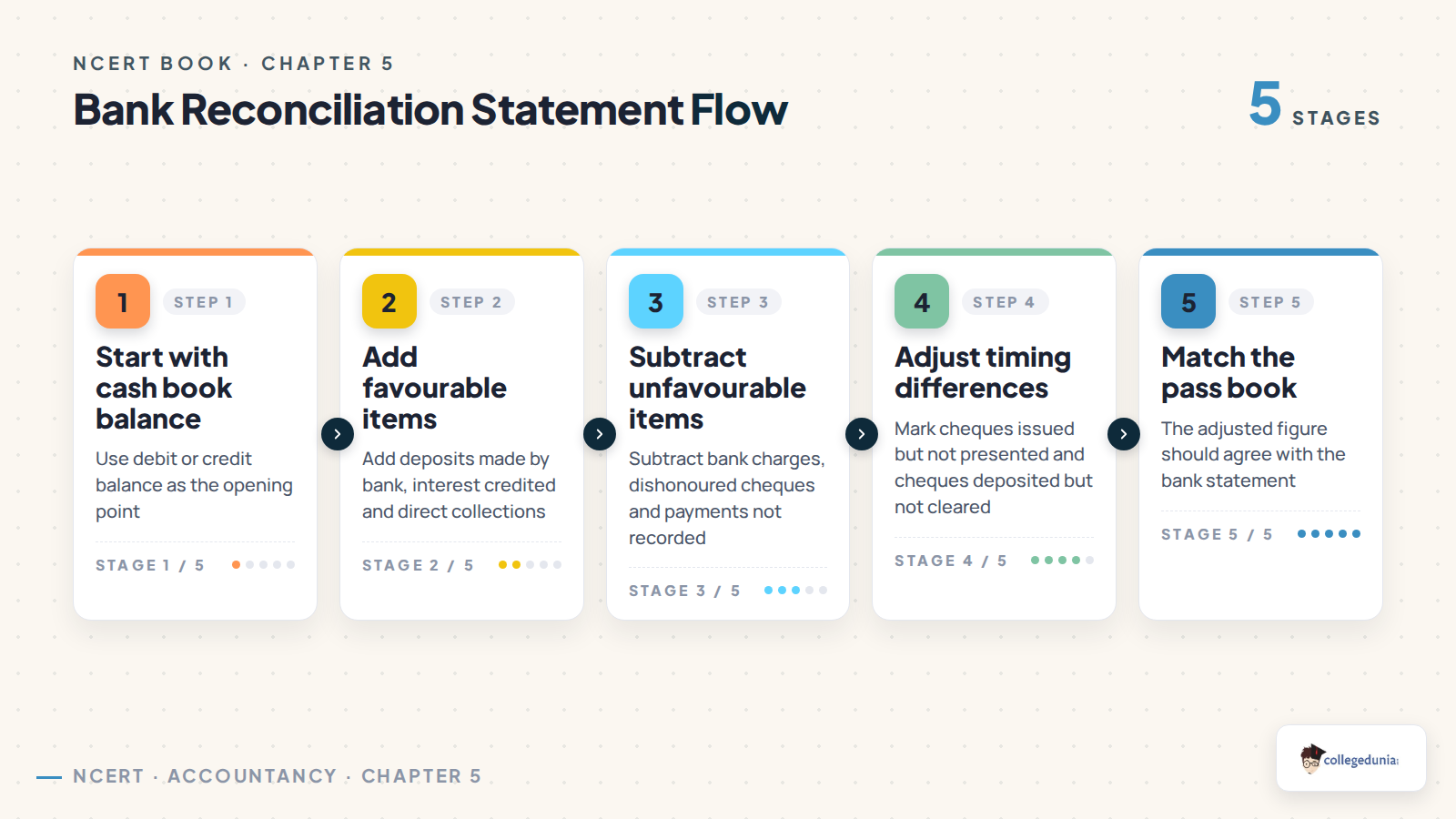
The safest method is to start with the balance named in the question. Then decide whether each item increases or decreases that balance.
- Start point: balance as per cash book or pass book.
- Add items: amounts that increase the chosen balance.
- Subtract items: amounts that reduce the chosen balance.
- Final check: the adjusted figure should match the other book.
Do not change the sign by memory. Read whether the question starts from cash book or pass book first.
Bank Reconciliation Statement Explained for Class 11
Source: Vedantu Commerce on YouTube
Reasons Why Cash Book and Pass Book Balances Differ
Most BRS questions test repeated causes of difference. Students should group them before making the statement.
- Cheque issued but not presented: business records payment, but bank has not paid yet.
- Cheque deposited but not cleared: business records receipt, but bank has not credited yet.
- Bank charges: bank debits the account before the business records it.
- Interest credited: bank credits the account directly.
- Dishonoured cheque: earlier receipt is cancelled by the bank.
Cash Book vs Pass Book in Bank Reconciliation Statement
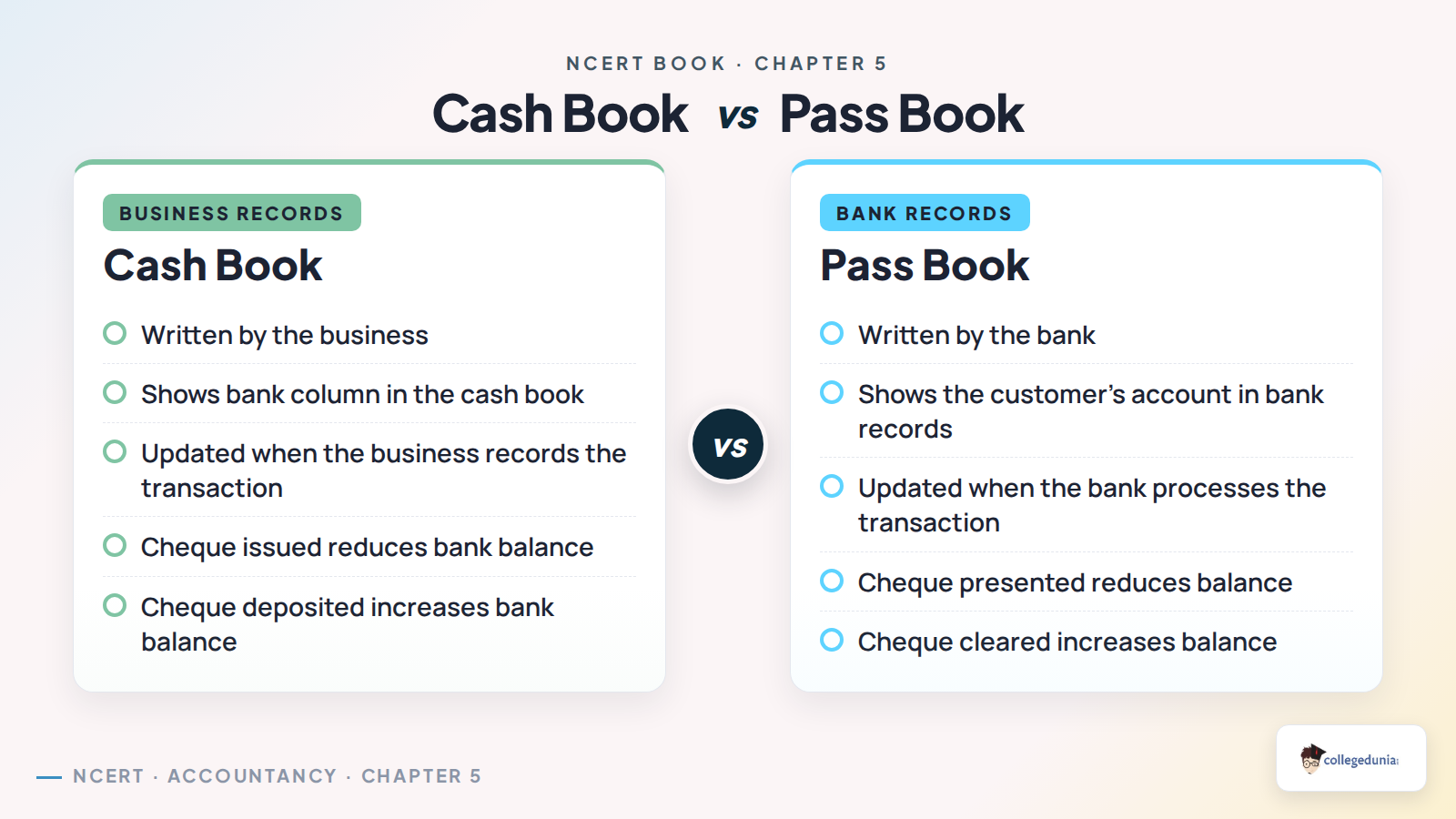
The cash book records transactions from the business side. The pass book records the same account from the bank side.
A debit balance in the cash book usually means a favourable bank balance. In the pass book, the same favourable balance appears as a credit balance.
How to Study the Bank Reconciliation Statement NCERT PDF
Read the theory once, then solve every illustration with columns drawn neatly. BRS becomes easier when the working format stays fixed.
- Underline whether the question starts from cash book or pass book.
- Mark every item as add or subtract before writing the final statement.
- Keep dishonoured cheques, bank charges and direct deposits in a separate list.
- Use the same statement format for every practice question.
- Check the final balance against the book named at the end of the question.
Bank Reconciliation Statement Class 11 Related Resources
| Resource | Best use |
|---|---|
| Bank Reconciliation Statement Class 11 NCERT Solutions | Check solved BRS questions and statement formats |
| Bank Reconciliation Statement Class 11 Notes | Revise causes of difference and format rules quickly |
| Bank Reconciliation Statement Class 11 Handwritten Notes | Use handwritten revision notes before accountancy tests |
All Class 11 Accountancy NCERT Book Chapters
| Chapter | NCERT Book PDF |
|---|---|
| 1 | Introduction to Accounting |
| 2 | Theory Base of Accounting |
| 3 | Recording of Transactions - I |
| 4 | Recording of Transactions - II |
| 5 | Bank Reconciliation Statement |
| 6 | Trial Balance and Rectification of Errors |
| 7 | Depreciation, Provisions and Reserves |
| 8 | Financial Statements - I |
| 9 | Financial Statements - II |
Bank Reconciliation Statement Class 11 NCERT Book FAQs
Ques. What does Bank Reconciliation Statement cover in Class 11 Accountancy?
Ans. It covers cash book balance, pass book balance, causes of difference, add-subtract treatment and preparation of a bank reconciliation statement.
Ques. Why is a bank reconciliation statement prepared?
Ans. It is prepared to match the bank balance shown by the cash book with the balance shown by the bank pass book.
Ques. What is the main reason for difference between cash book and pass book?
Ans. The main reason is timing difference. Some entries are recorded by the business first, while some are recorded by the bank first.
Ques. How should students start a BRS question?
Ans. Students should first check whether the question starts with cash book balance or pass book balance. The add-subtract treatment depends on that starting point.
Ques. Is this PDF based on the 2026-27 NCERT book?
Ans. Yes. The PDF is from the Class 11 Accountancy NCERT reprint for the 2026-27 academic session.



Comments