



The NCERT Class 11 Business Studies Chapter 9 MSME and Business Entrepreneurship PDF brings together the definitions, classifications and support systems that the 2026-27 textbook explains. It shows how small enterprises create jobs, use local resources and turn business ideas into working ventures.
- Core focus: MSME meaning, classification, role and common problems.
- Entrepreneurship focus: qualities, functions and the start-up process.
- Best use: read the official PDF and make a concept comparison chart.
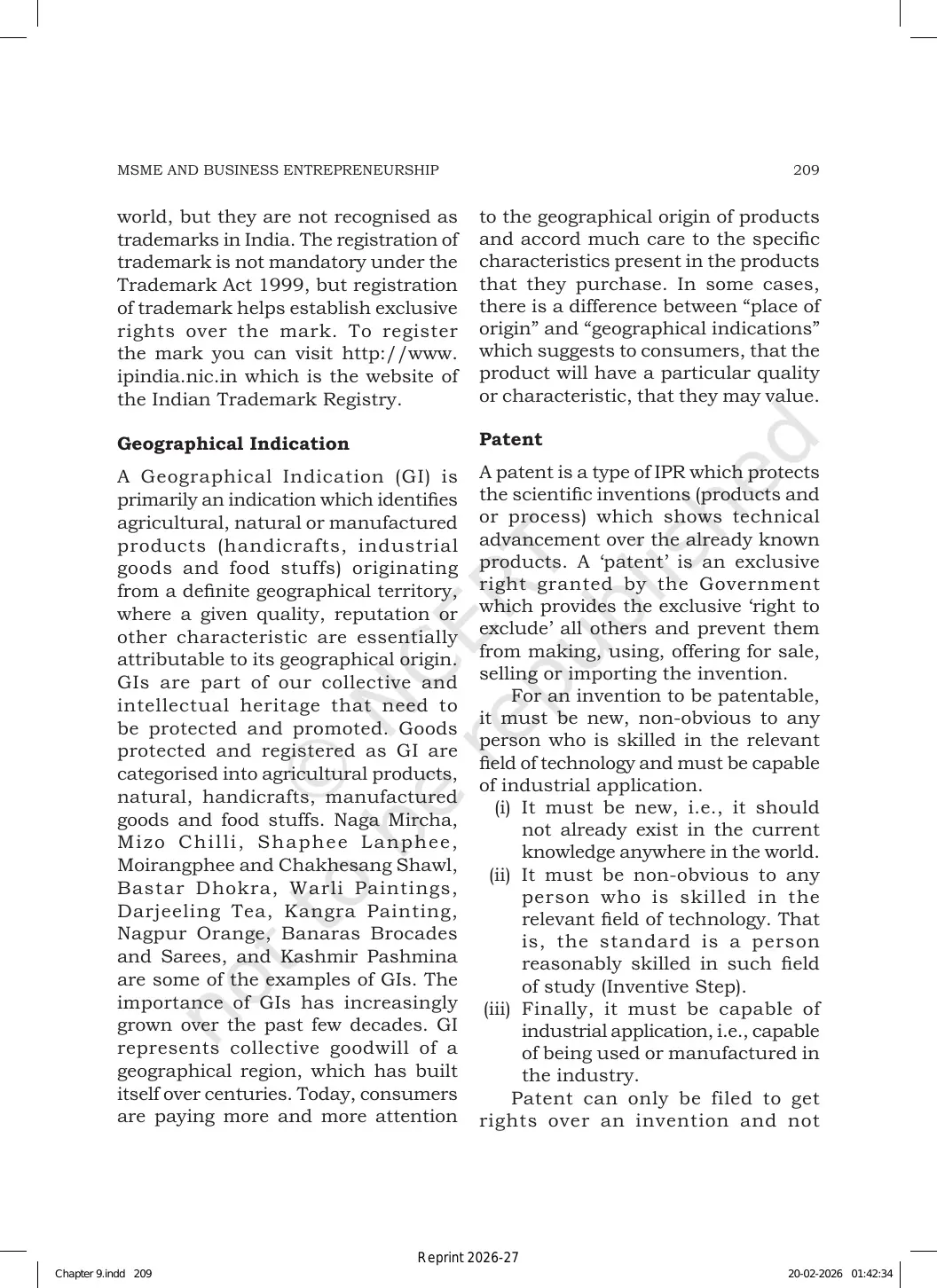
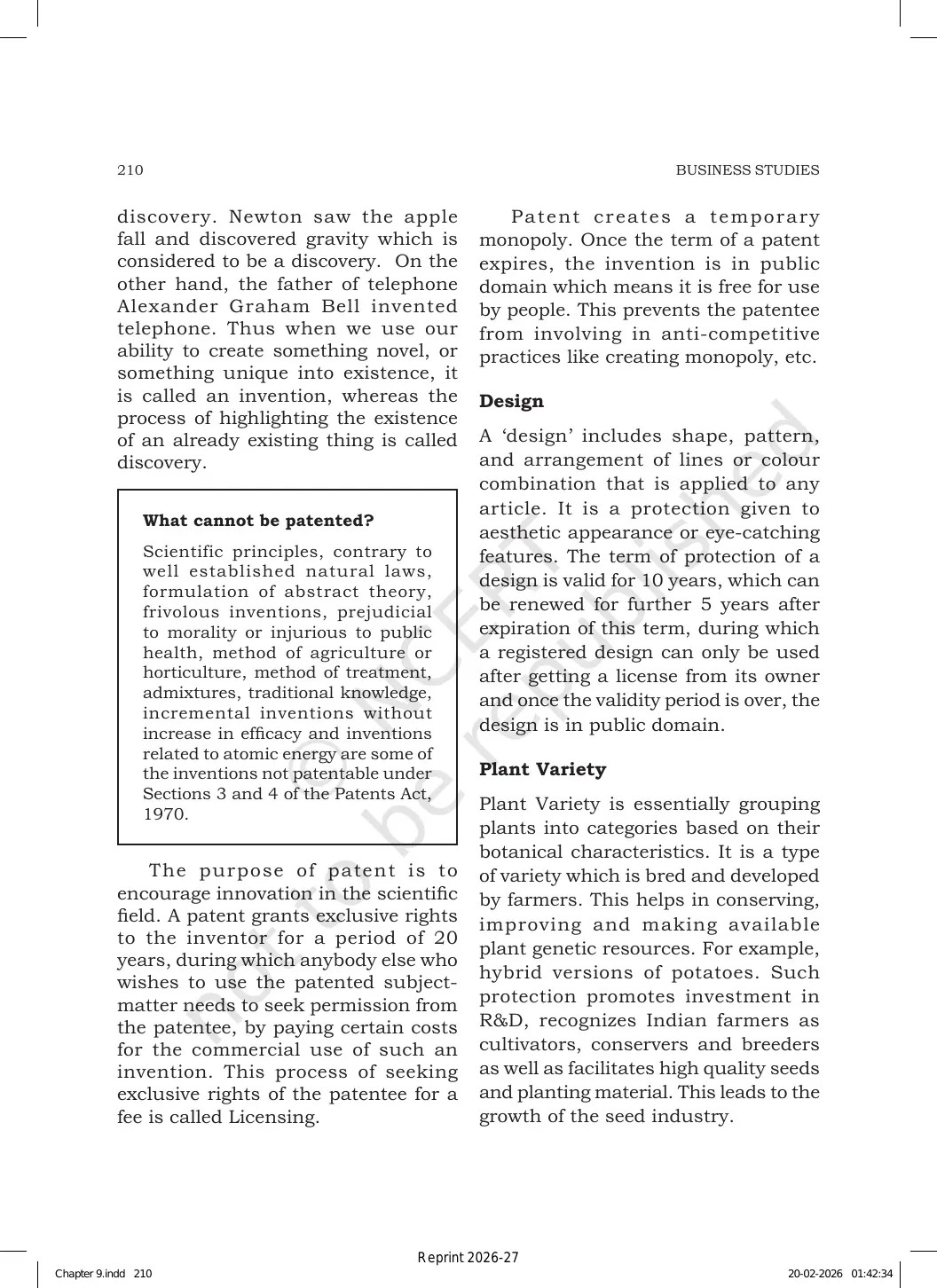
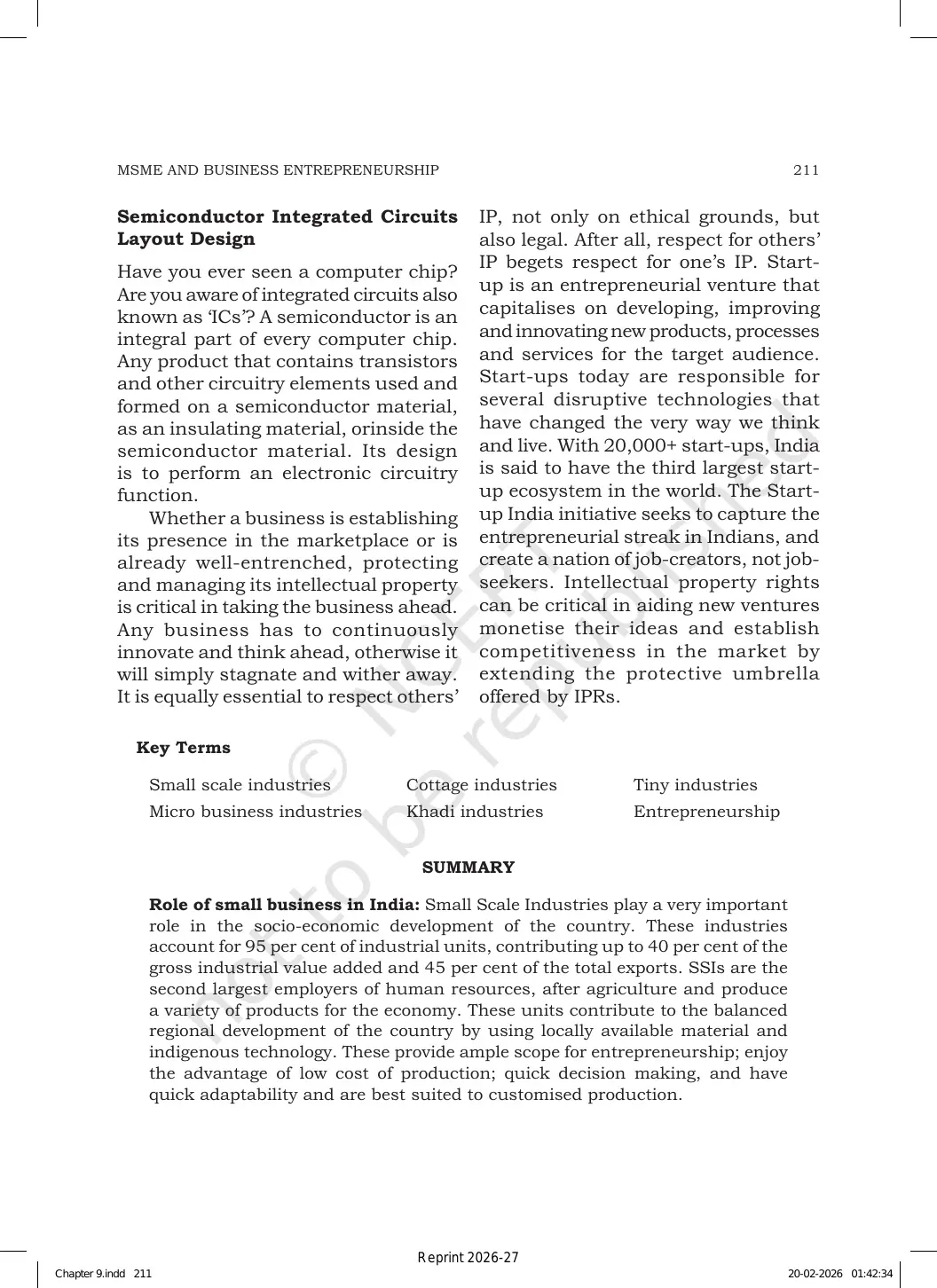
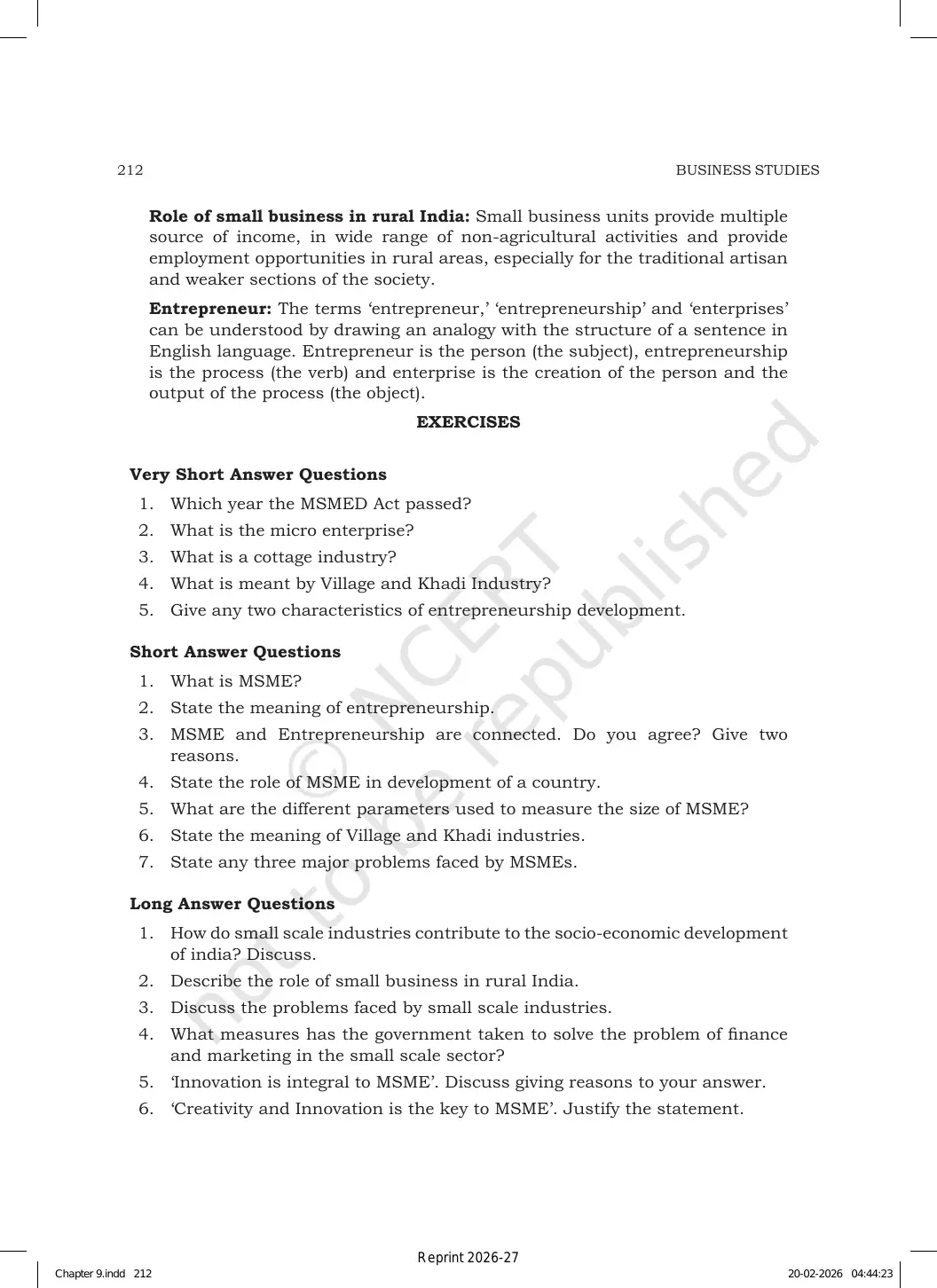
This guide follows the 2026-27 NCERT Business Studies textbook and keeps every explanation tied to the official chapter.
Student Feedback: In a Collegedunia poll of 8,420 students, most students said classification charts made MSME limits and support measures easier to revise.
|
Table of Contents |
Topics Covered in the MSME and Business Entrepreneurship NCERT PDF
The chapter introduces micro, small and medium enterprises and explains why they matter to India's economy. It also connects enterprise development with entrepreneurship, innovation and self-employment.
- Meaning and classification of MSMEs
- Role of small business in India
- Problems faced by small enterprises
- Government and institutional support
- Meaning, characteristics and functions of entrepreneurship
MSME and Entrepreneurship Video Recap
Source: Magnet Brains on YouTube
How MSMEs Are Classified
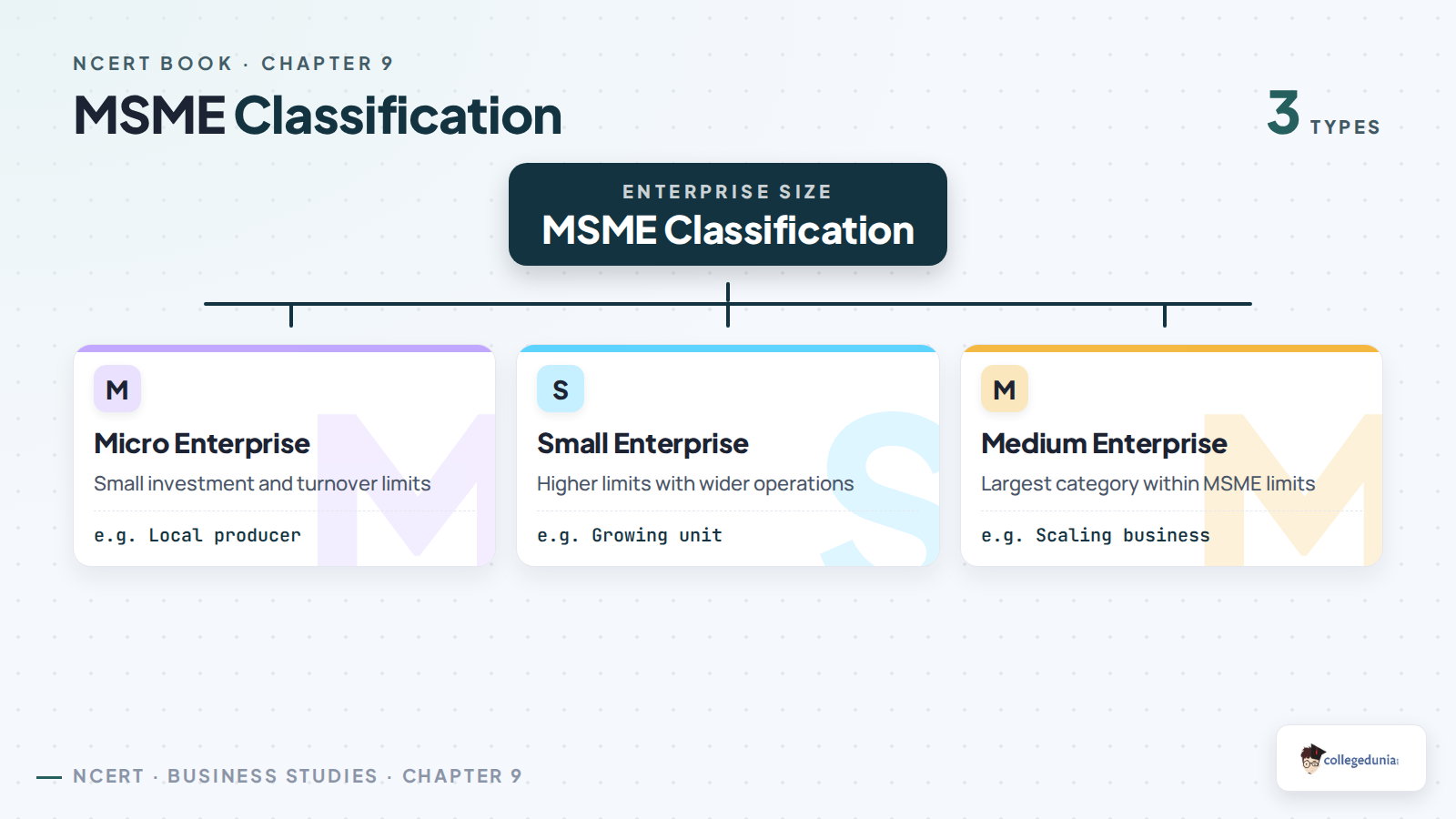
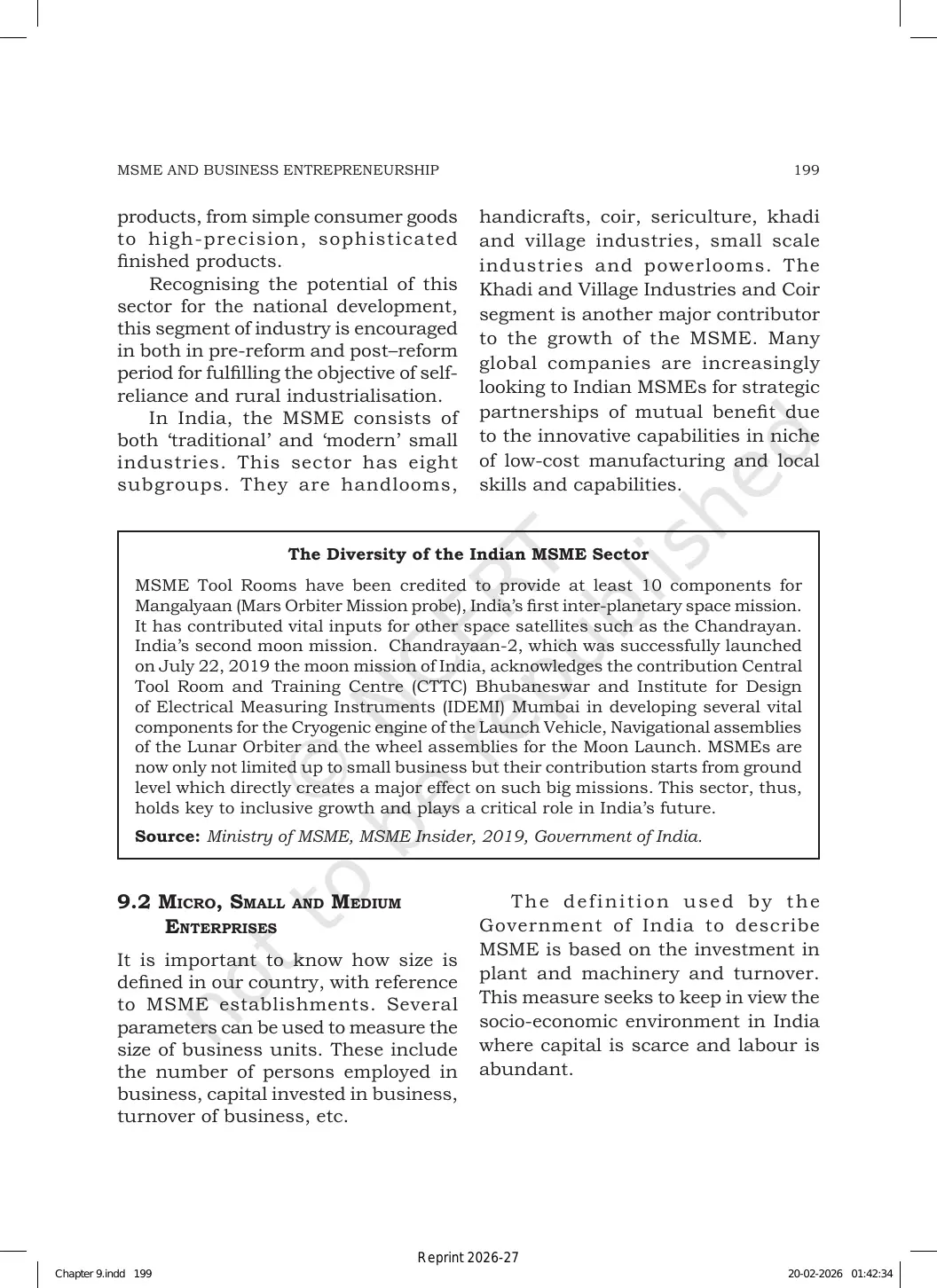
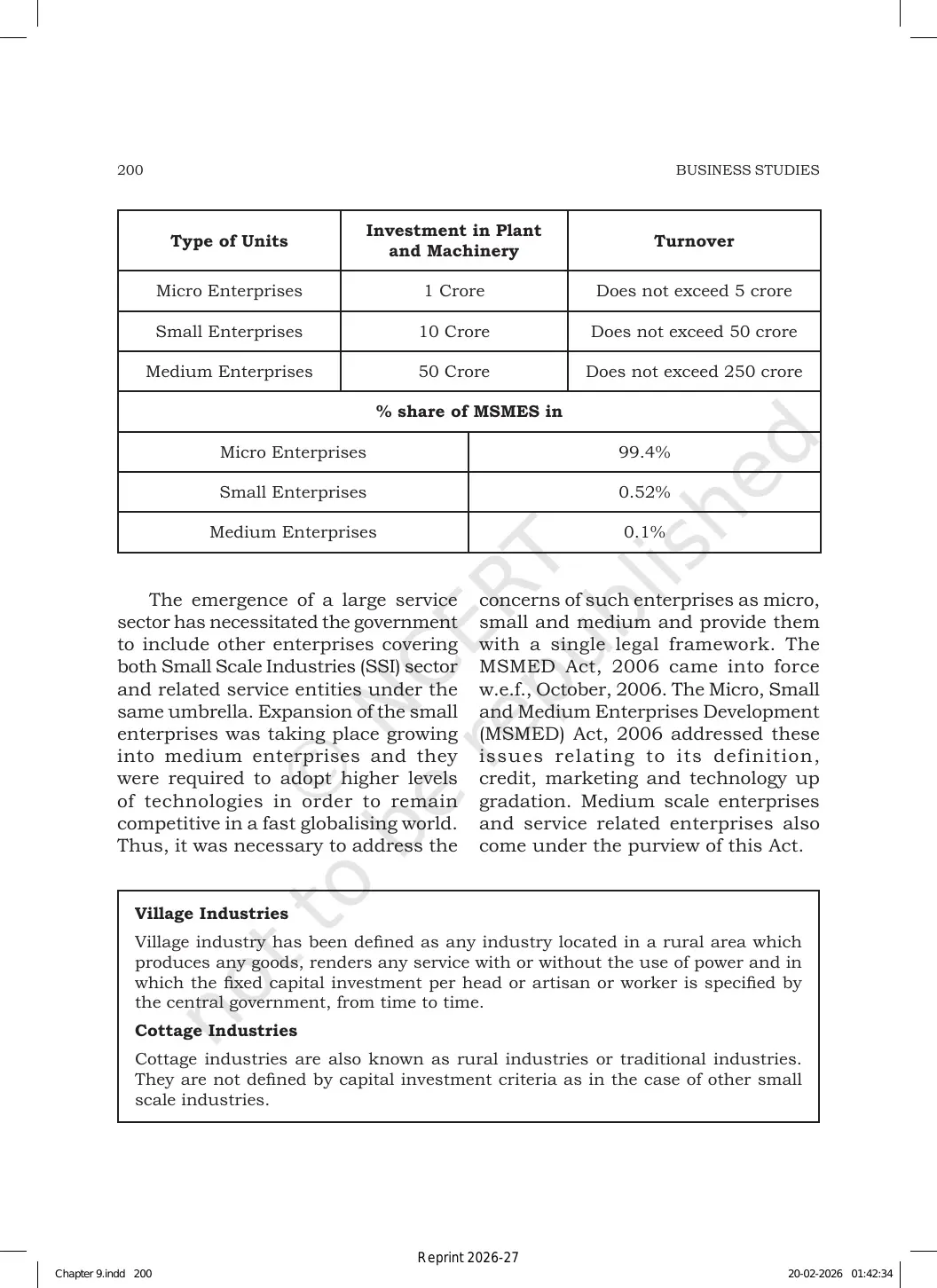
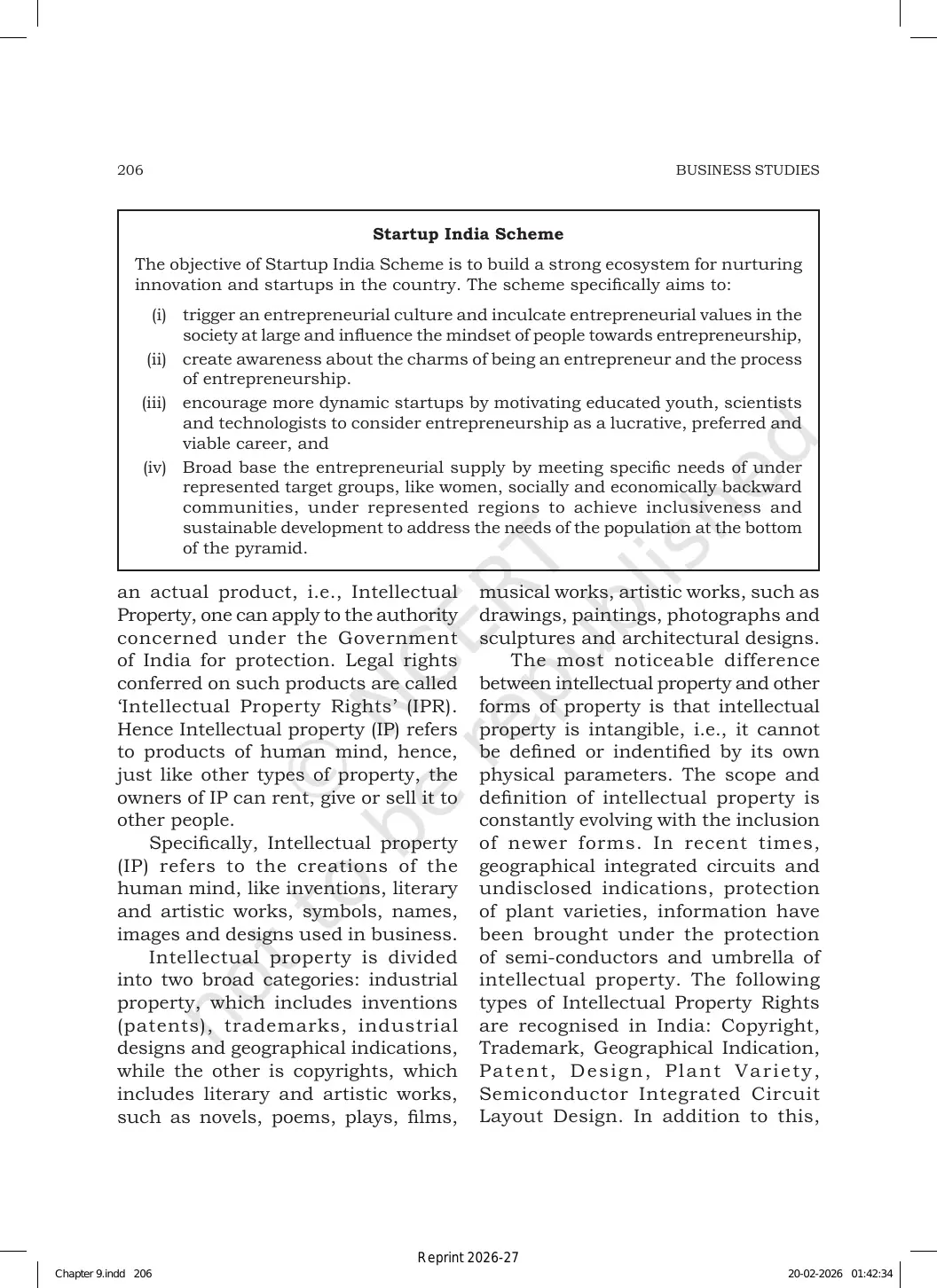
MSMEs are grouped as micro, small or medium enterprises. The classification uses investment and turnover limits notified by the government. Students should use the limits printed in the current textbook and note that the test applies to manufacturing and service enterprises.
The category depends on both investment and annual turnover conditions. If an enterprise crosses the applicable limit, its classification can change. This framework helps support agencies direct schemes and credit to the right business group.
Why Small Businesses Matter
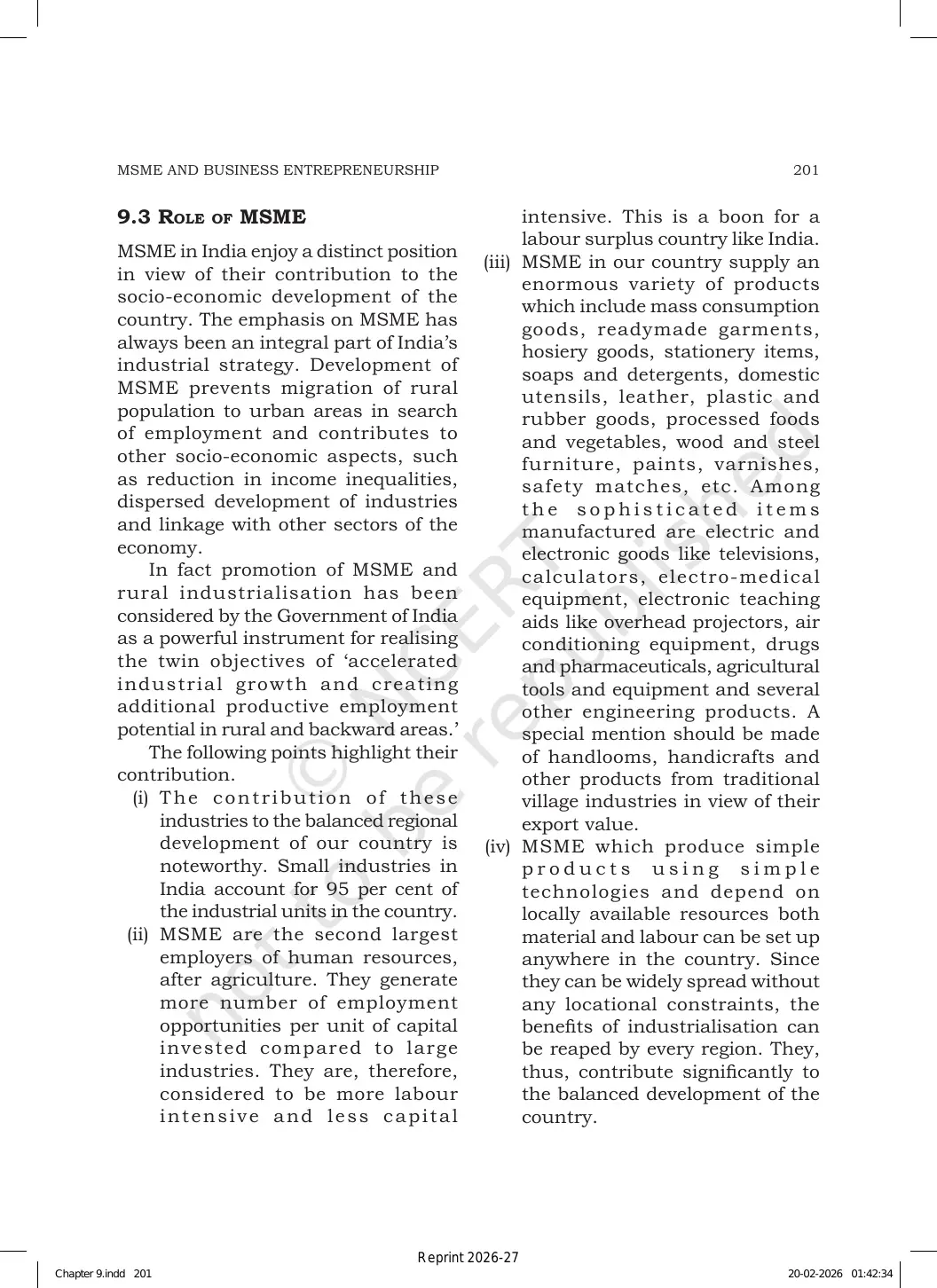
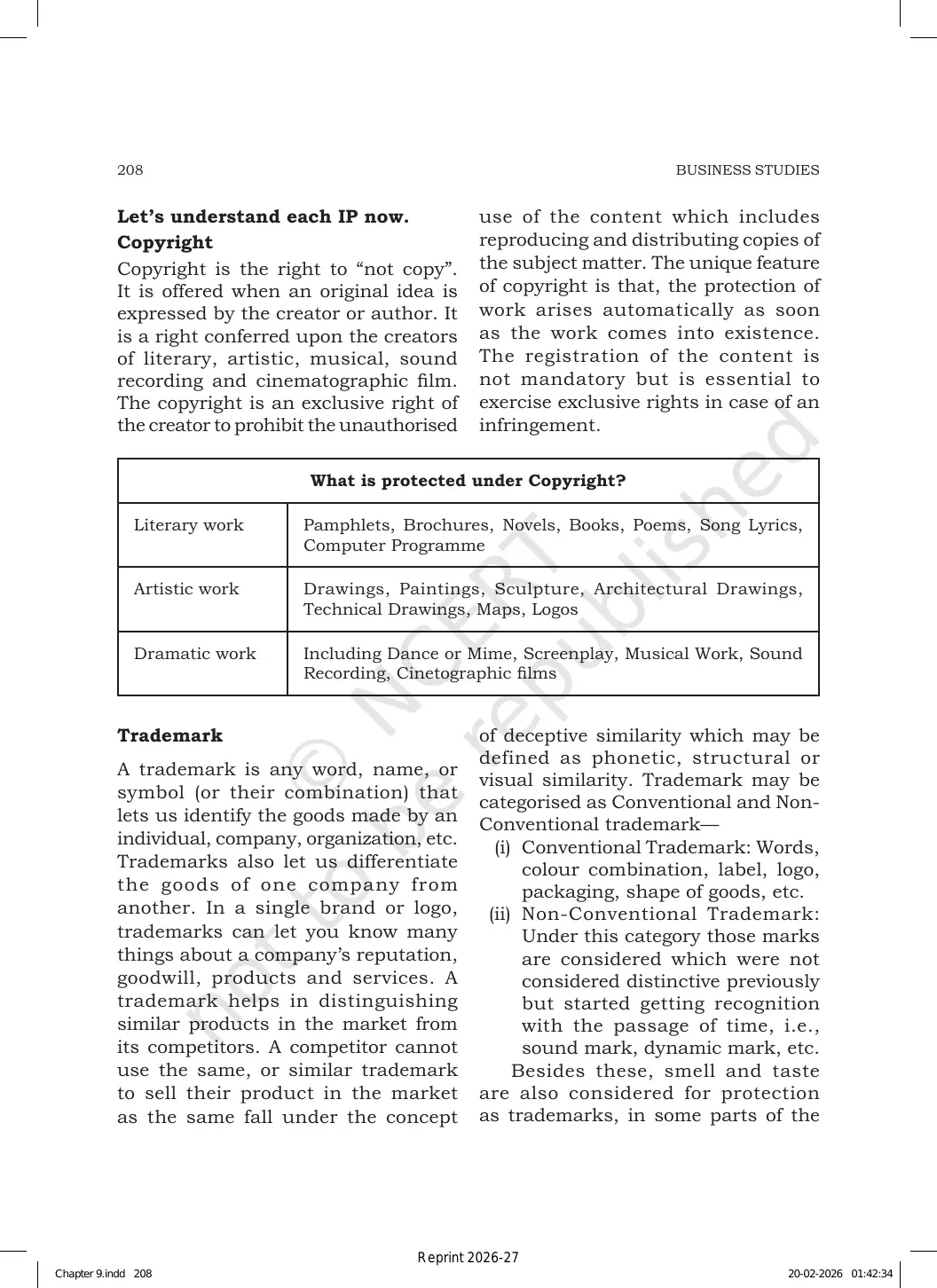
Small businesses create employment with comparatively modest capital. They use local skills and resources, support balanced regional development and supply specialised goods and services. Many operate near customers, so they can respond quickly to local demand.
These enterprises also support large firms as suppliers, distributors and service partners. In rural areas, they provide income beyond farming and reduce pressure on major cities. Entrepreneurship and local enterprise together widen economic participation.
Problems Faced by Small Enterprises
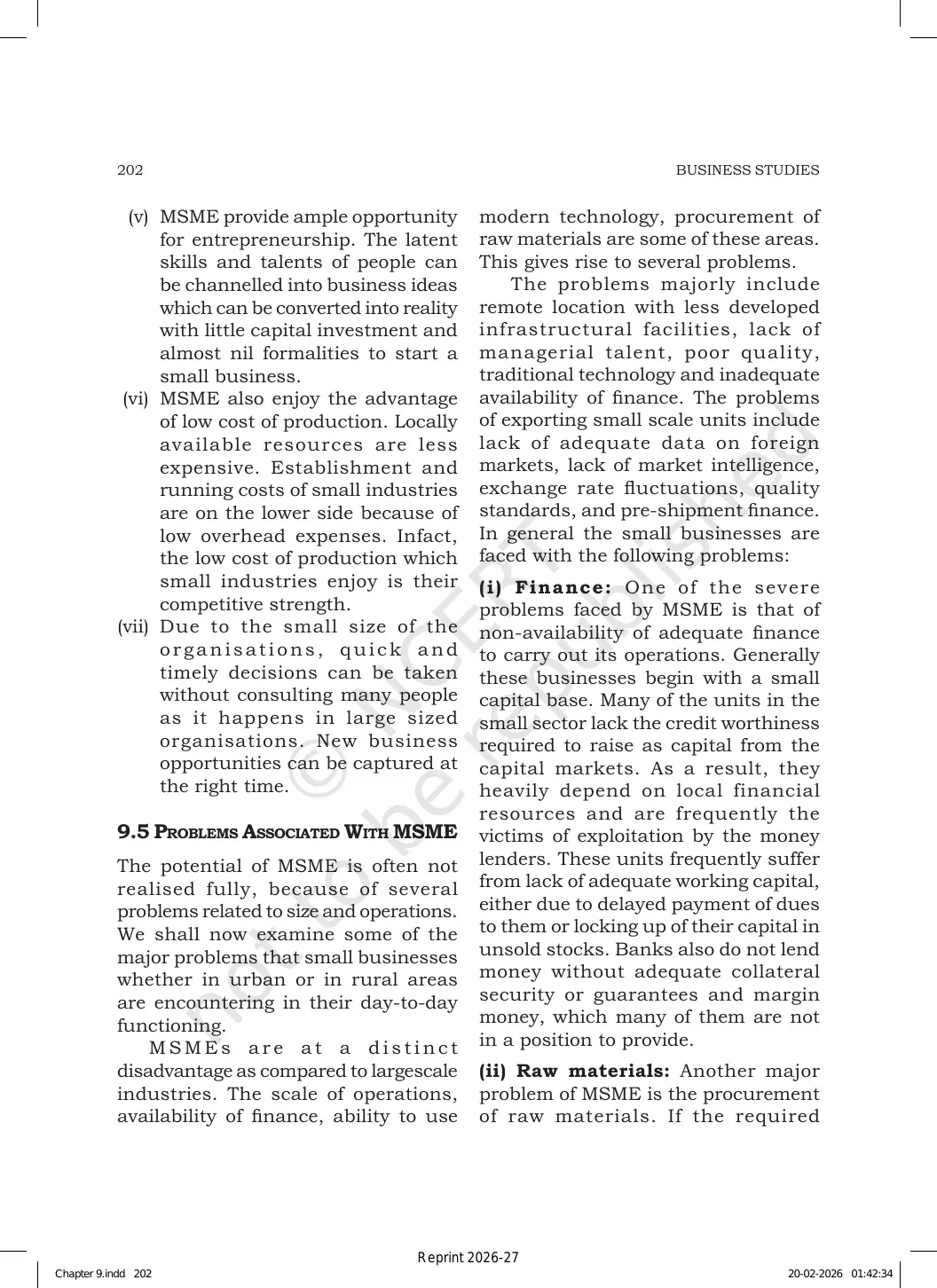
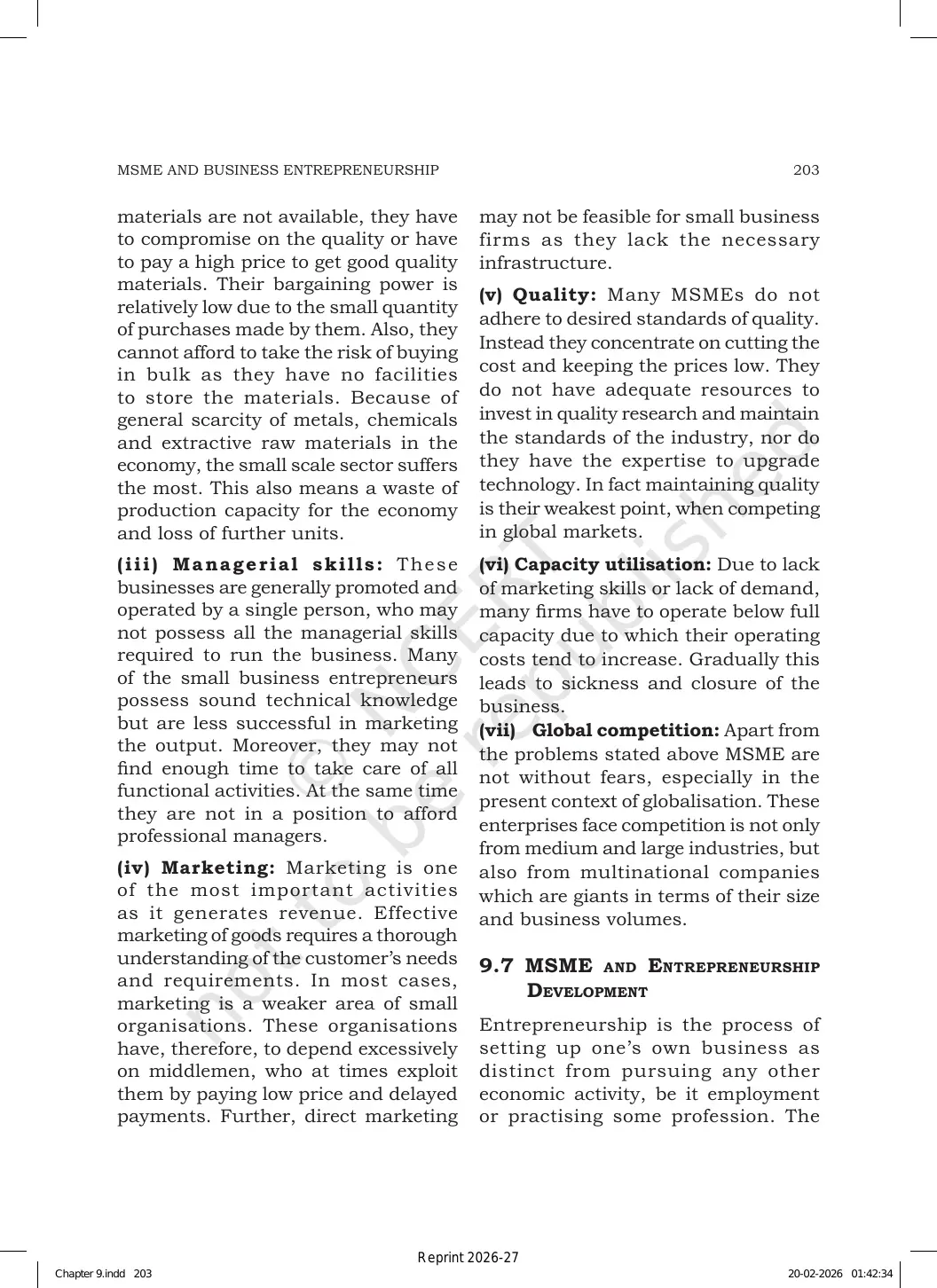
Small firms often face shortages of finance, raw materials, skilled managers and reliable market information. Their scale may raise unit costs, while delayed customer payments can weaken cash flow. Older technology can also lower quality and productivity.
- Finance: limited security and credit history may restrict borrowing.
- Marketing: small promotion budgets make brand building difficult.
- Technology: modern equipment and training may be costly.
- Competition: larger firms can benefit from scale and wider distribution.
Government and Institutional Support
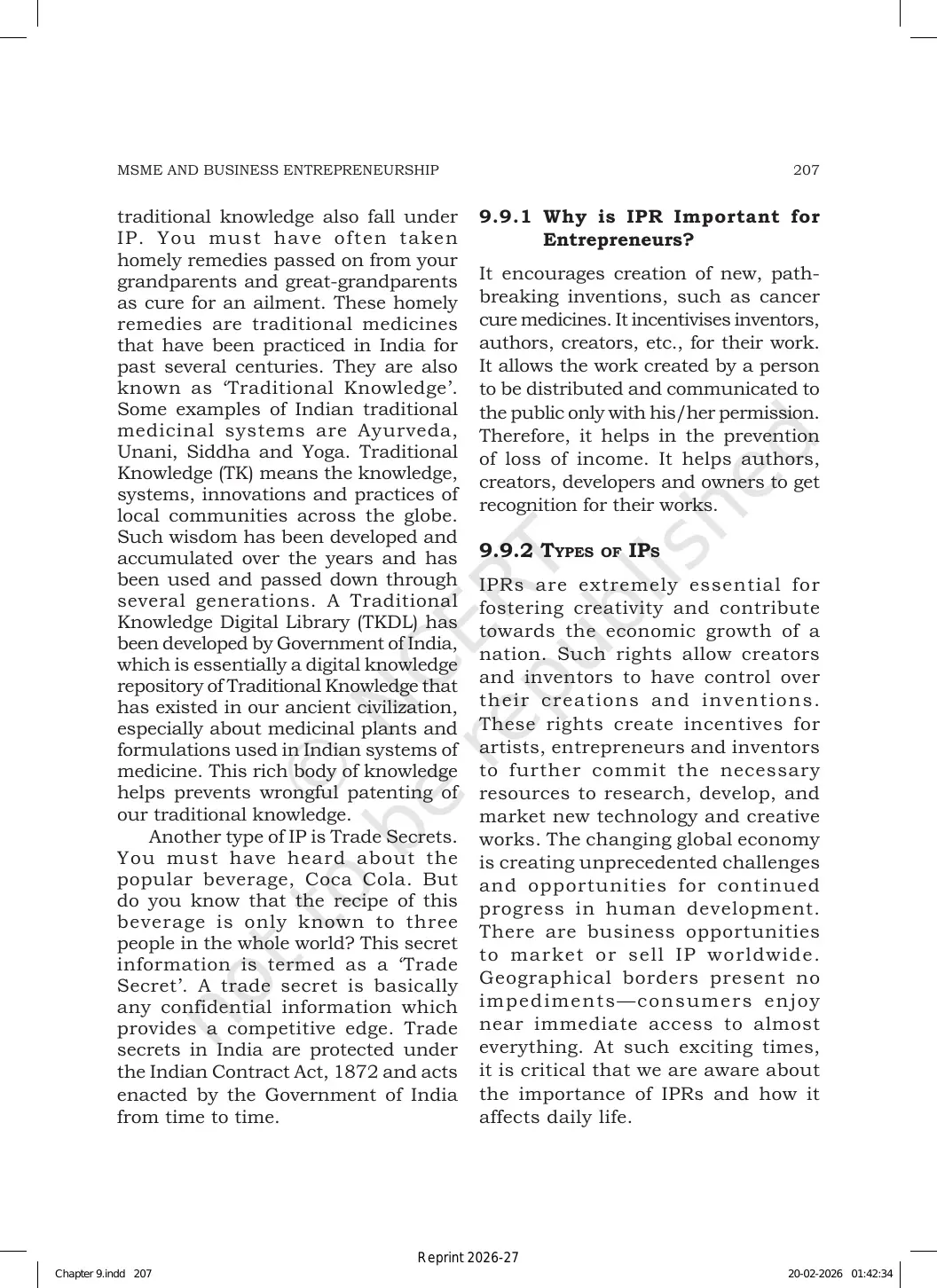
Several institutions provide finance, training, technical advice, marketing help and infrastructure. Their purpose is to reduce the disadvantages created by small scale. The textbook discusses organisations and schemes that support village industries, rural enterprises and small units.
For exam answers, match each institution with its main form of help. A simple table with columns for finance, training, marketing and infrastructure prevents names from getting mixed up.
The Entrepreneurship Process
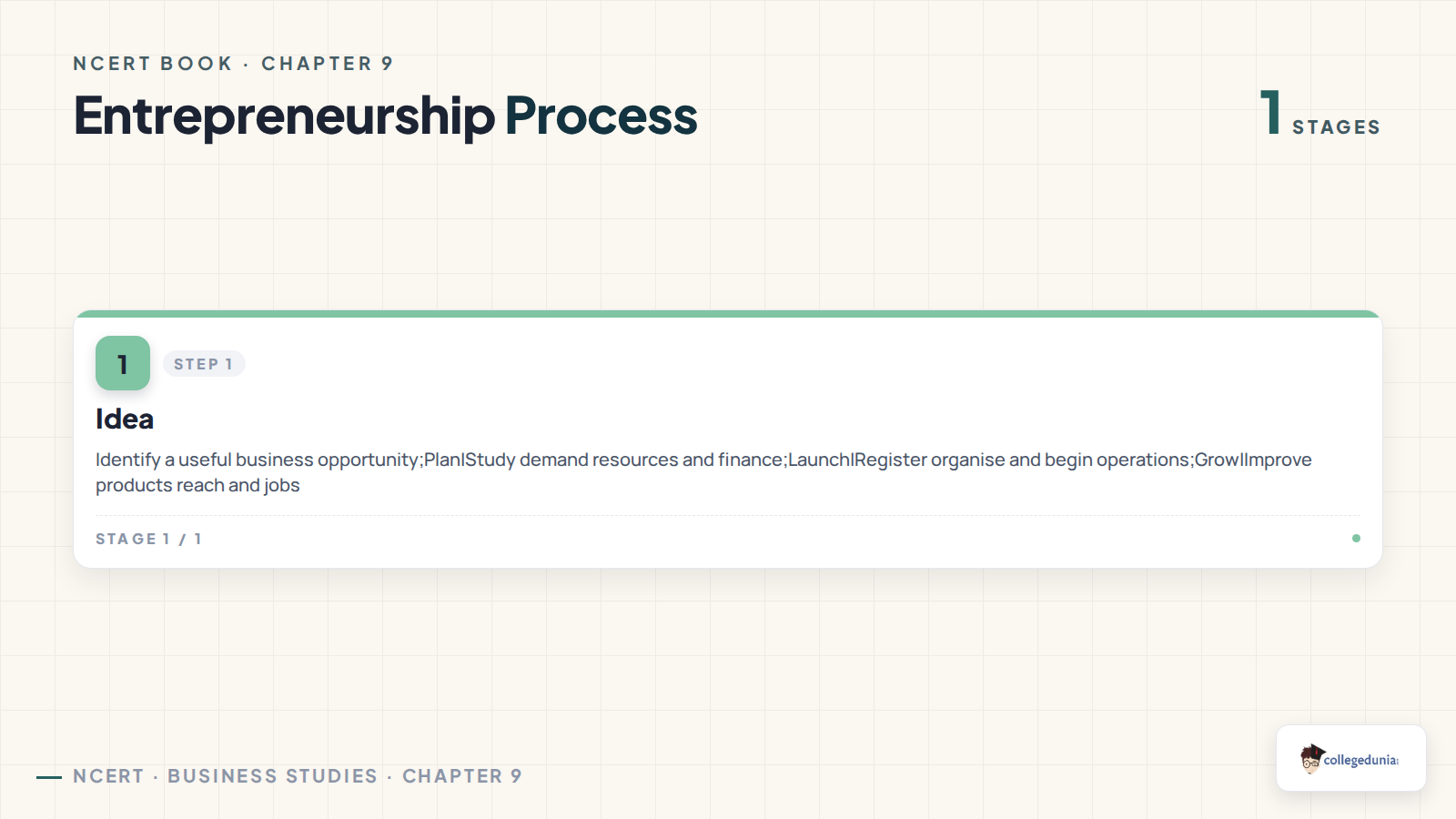
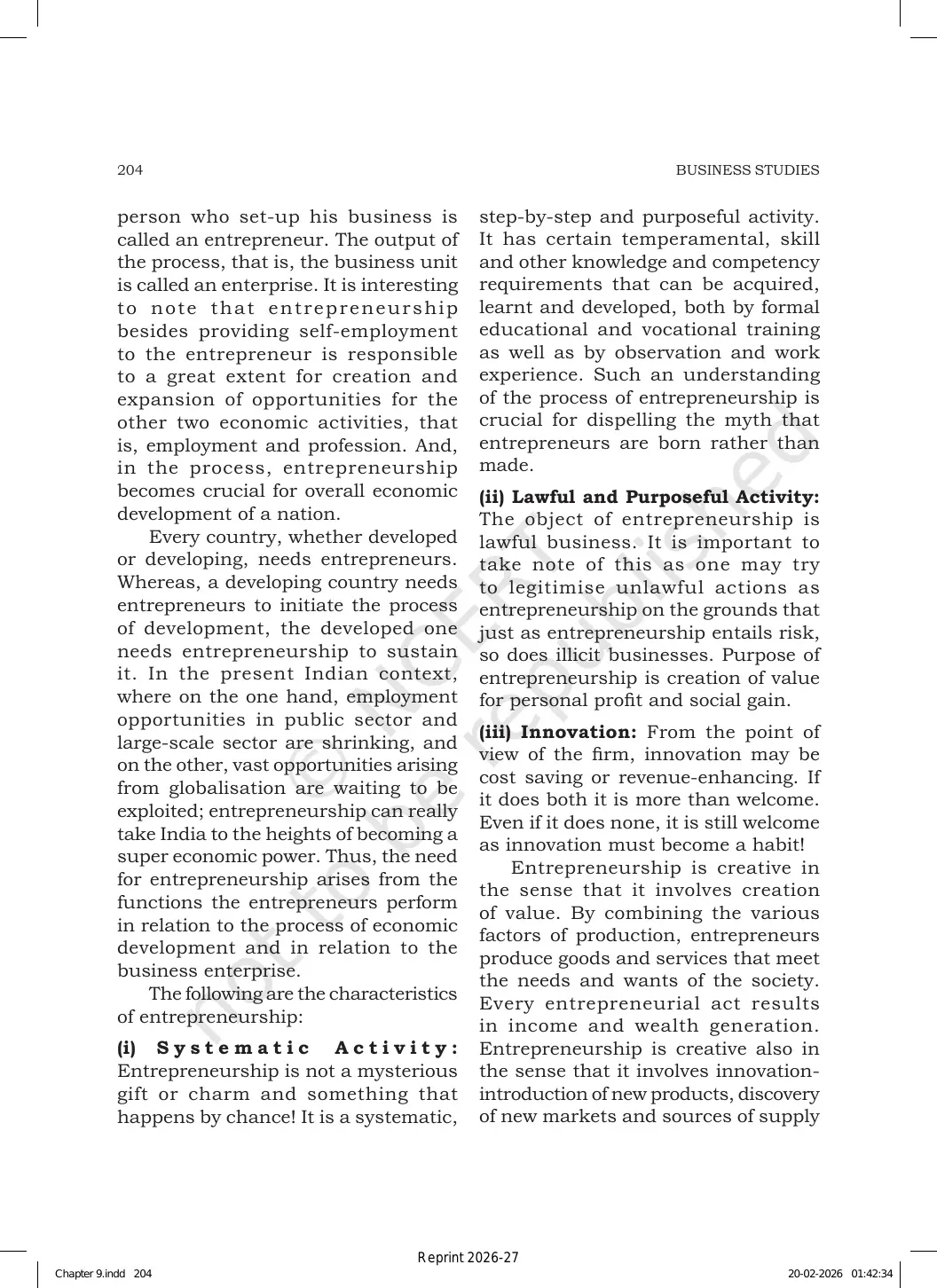
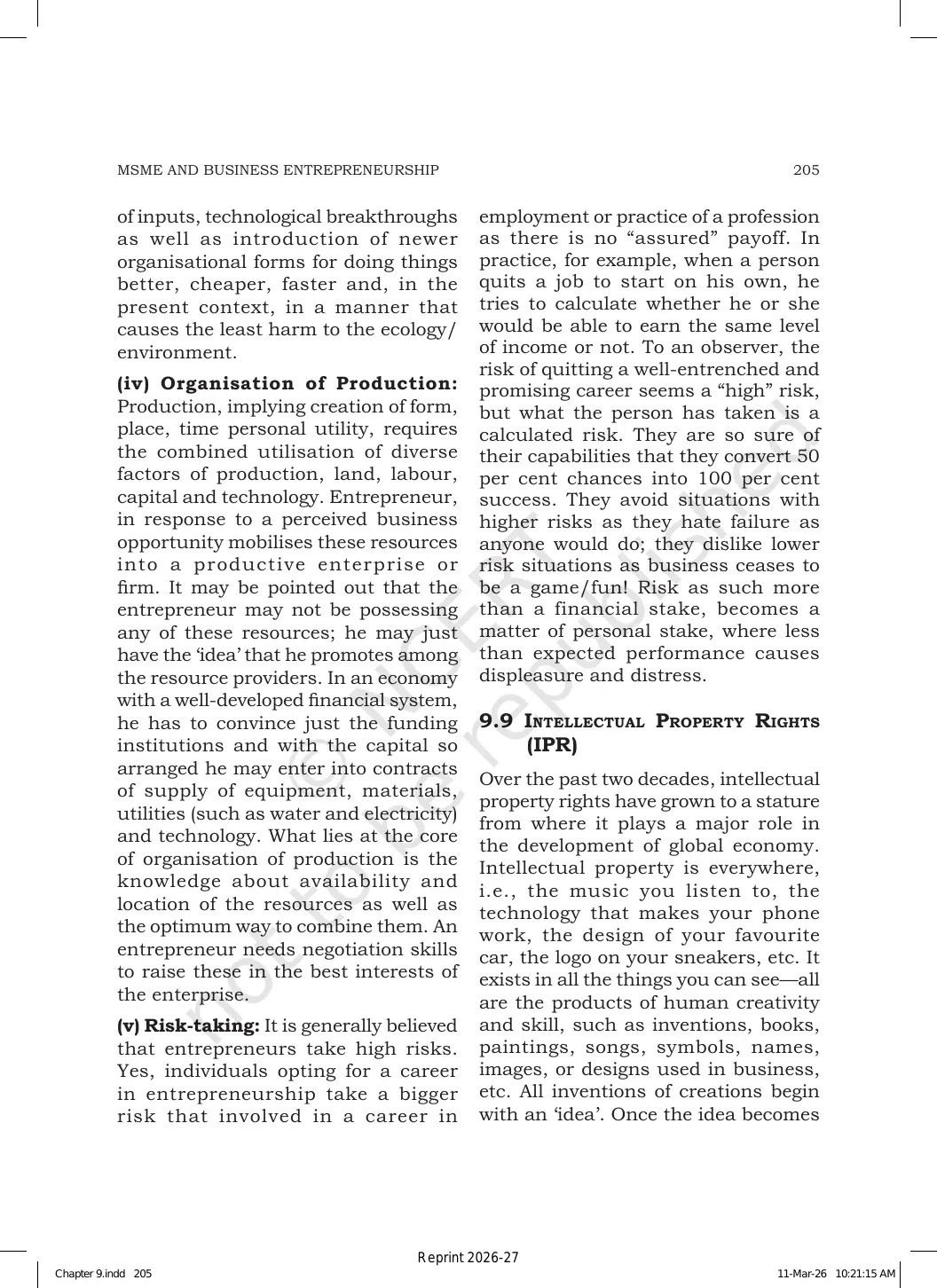
An entrepreneur identifies an opportunity, assesses demand and organises resources. The idea then becomes a plan covering customers, operations, finance and risk. After launch, the entrepreneur monitors results and adapts the business.
Entrepreneurship is not limited to owning a new firm. It involves initiative, calculated risk, innovation and responsibility for decisions. Successful entrepreneurs combine confidence with careful research and the ability to learn from setbacks.
How to Study Chapter 9
Read the official chapter once for the complete sequence. Next, create separate revision sheets for MSME classification, economic role, problems, support institutions and entrepreneurial qualities. Practise case questions by identifying the problem before naming the suitable support measure.
- Learn the current MSME classification from the textbook.
- Connect every role of small business with one practical example.
- Group enterprise problems under finance, inputs, management and markets.
- Revise entrepreneurship as a process, not only as a definition.
Related Class 11 Business Studies Chapter 9 Resources
| Resource | Use it for |
|---|---|
| Chapter 9 NCERT Solutions | Textbook question answers |
| Chapter 9 Notes | Fast concept revision |
| Chapter 9 Handwritten Notes | One-shot recall |
All Class 11 Business Studies NCERT Book Chapters
| Chapter | NCERT Book PDF |
|---|---|
| Chapter 6 | Social Responsibilities of Business and Business Ethics |
| Chapter 7 | Formation of a Company |
| Chapter 8 | Sources of Business Finance |
| Chapter 10 | Internal Trade |
MSME and Business Entrepreneurship NCERT Book FAQs
Ques. What does MSME mean?
Ans. MSME means micro, small and medium enterprise, classified through notified investment and turnover limits.
Ques. Why are small businesses important?
Ans. They create jobs, use local resources, support regional development and supply goods and services to larger firms.
Ques. What problems do small enterprises face?
Ans. Common problems include limited finance, raw materials, technology, management skills, market access and delayed payments.
Ques. What is entrepreneurship?
Ans. Entrepreneurship is the process of identifying an opportunity, organising resources, taking calculated risk and creating value.
Ques. How should students revise this chapter?
Ans. Use separate tables for classification, economic role, problems, support institutions and entrepreneurial functions.



Comments