



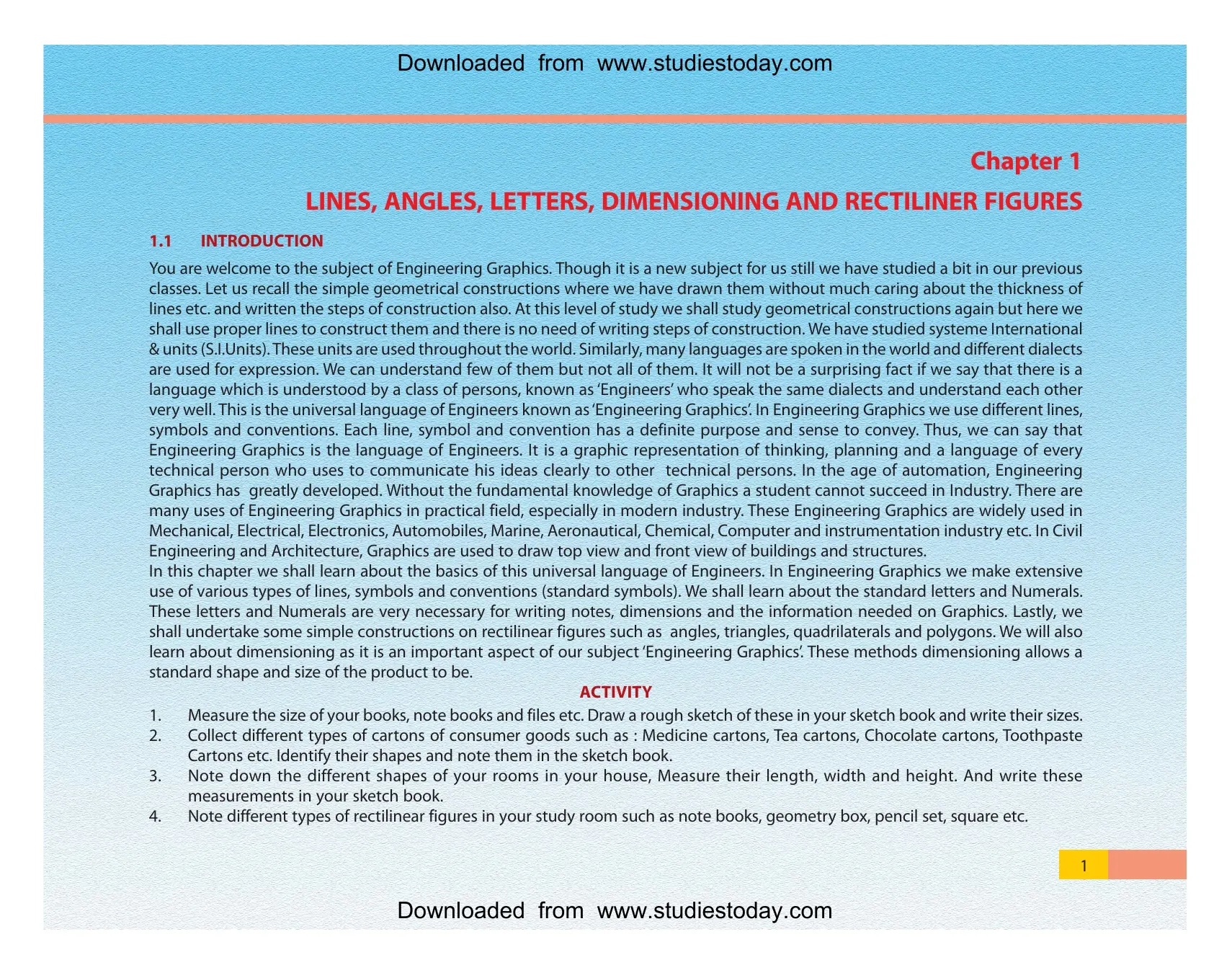
The NCERT Book PDF for Class 11 Engineering Graphics Chapter 2 Lines, Angles, and Rectilinear Figures gives students the exact drawing rules, line types, lettering basics, dimensioning method, and plane-geometry constructions used in the 2026-27 CBSE course.
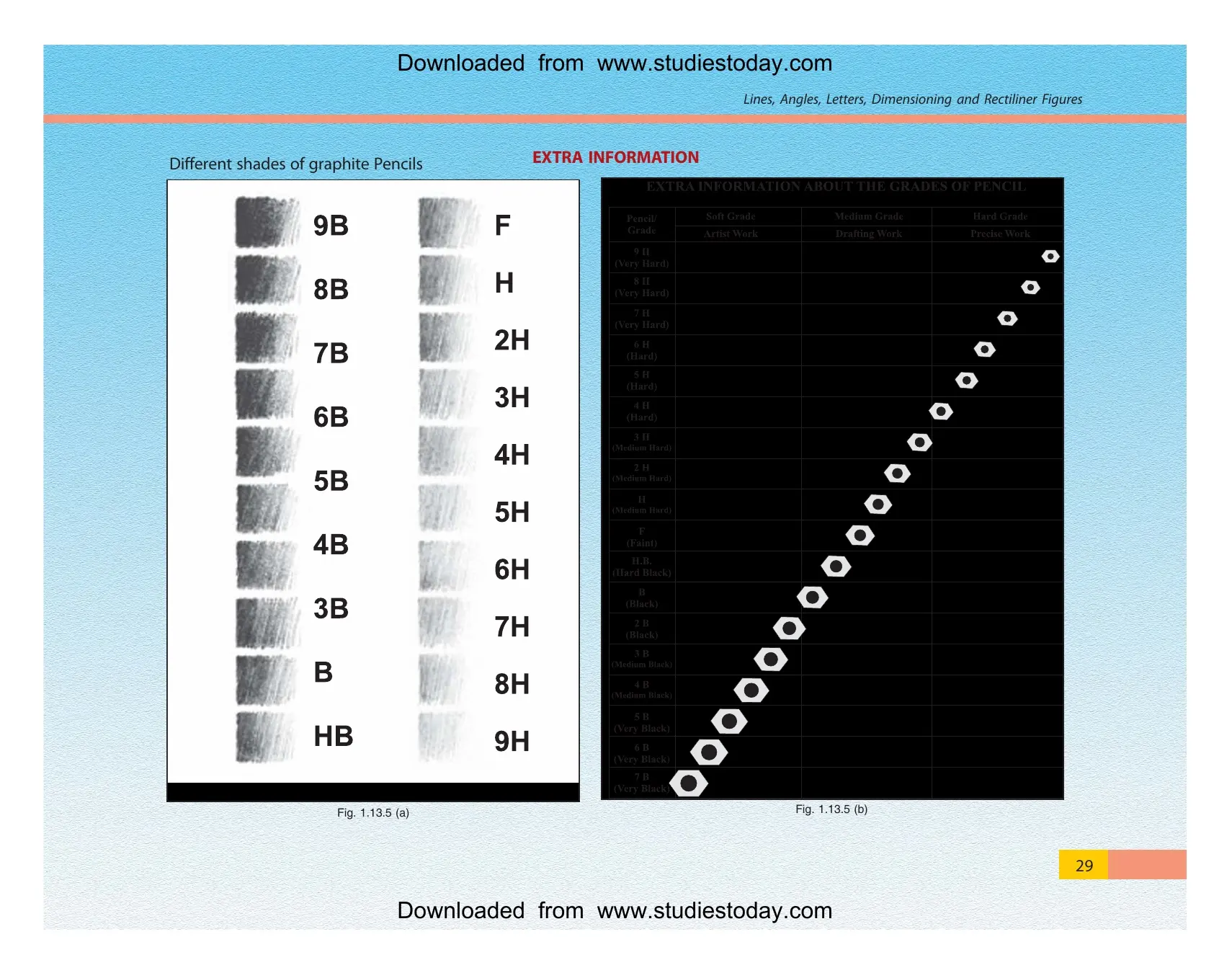
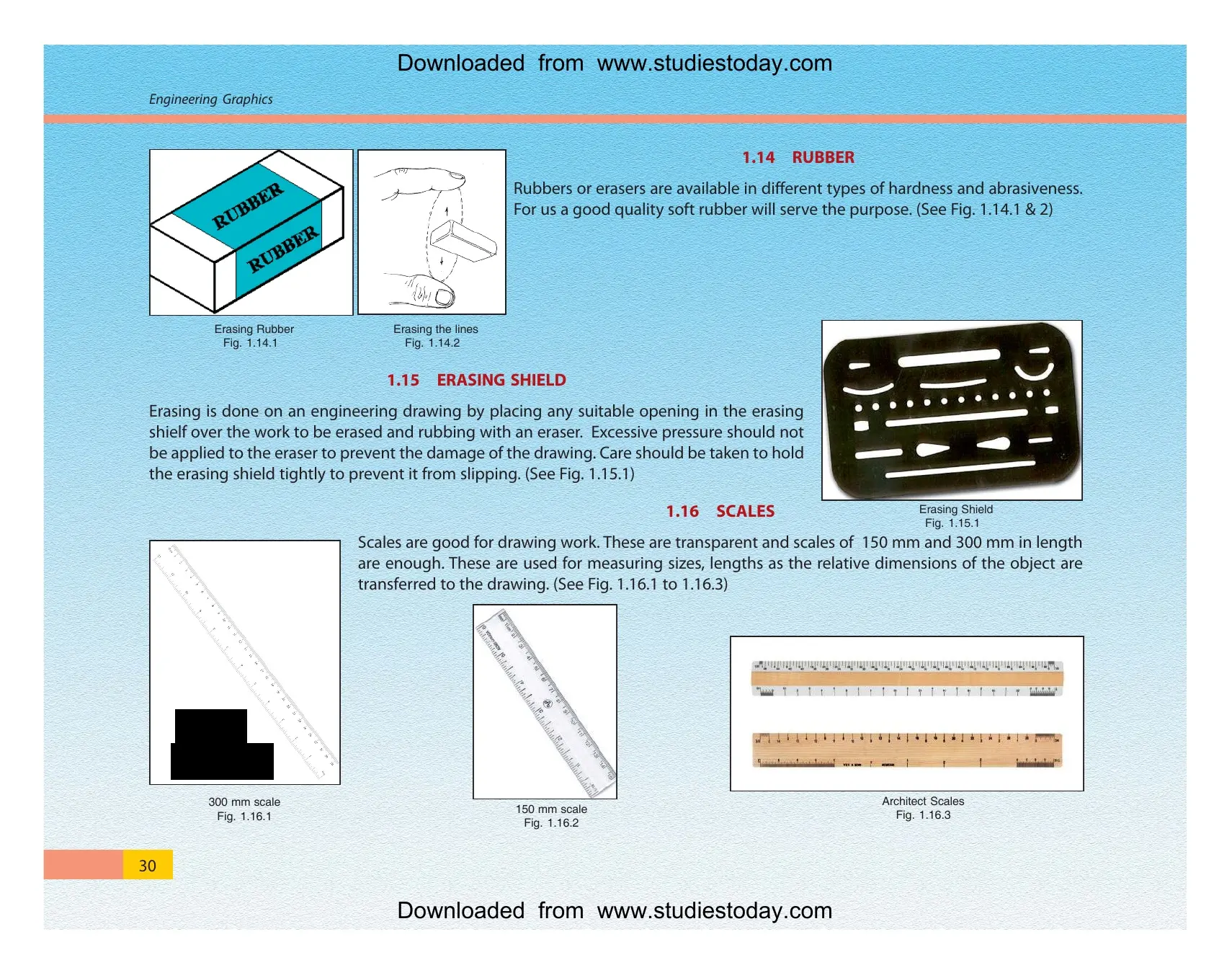
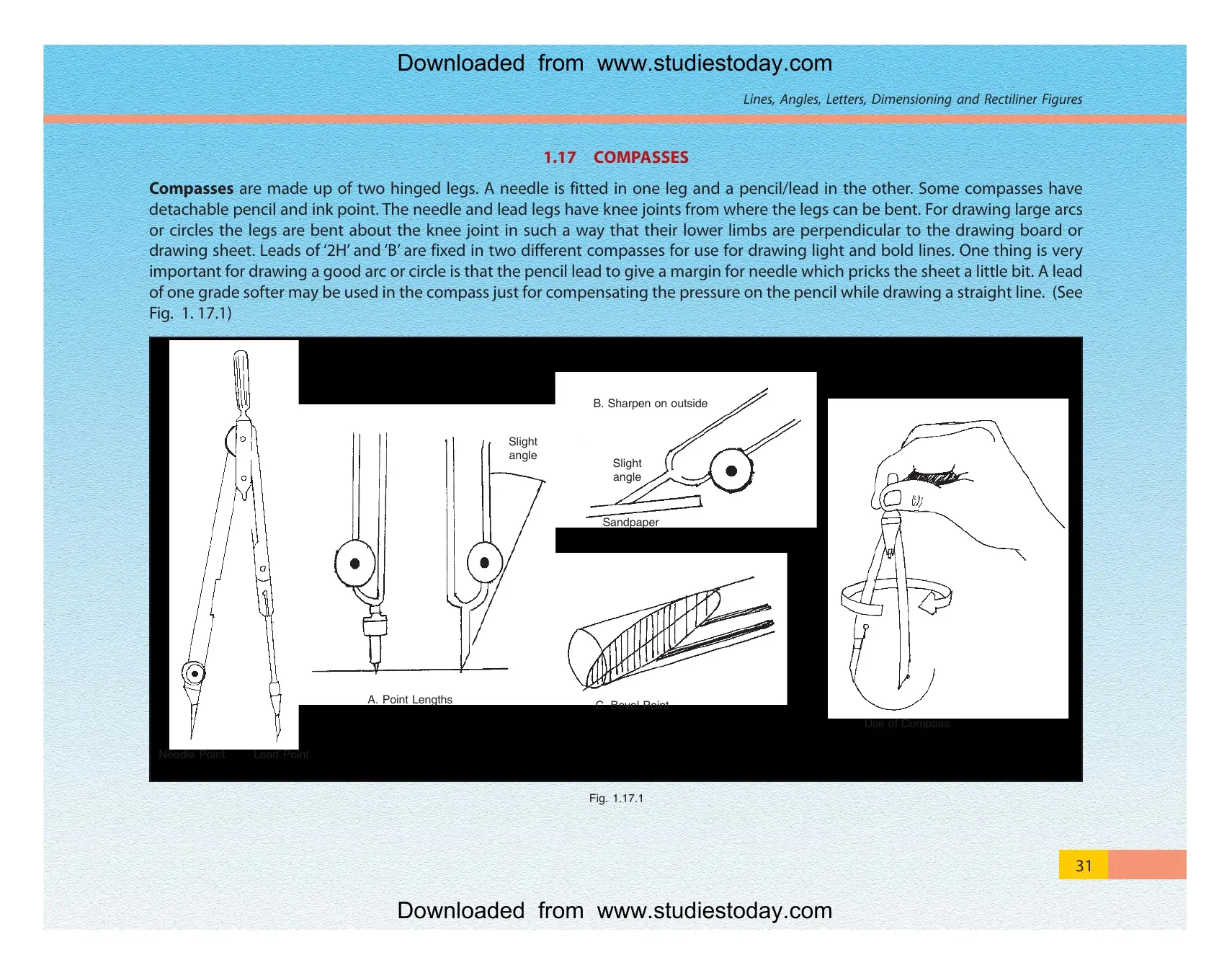
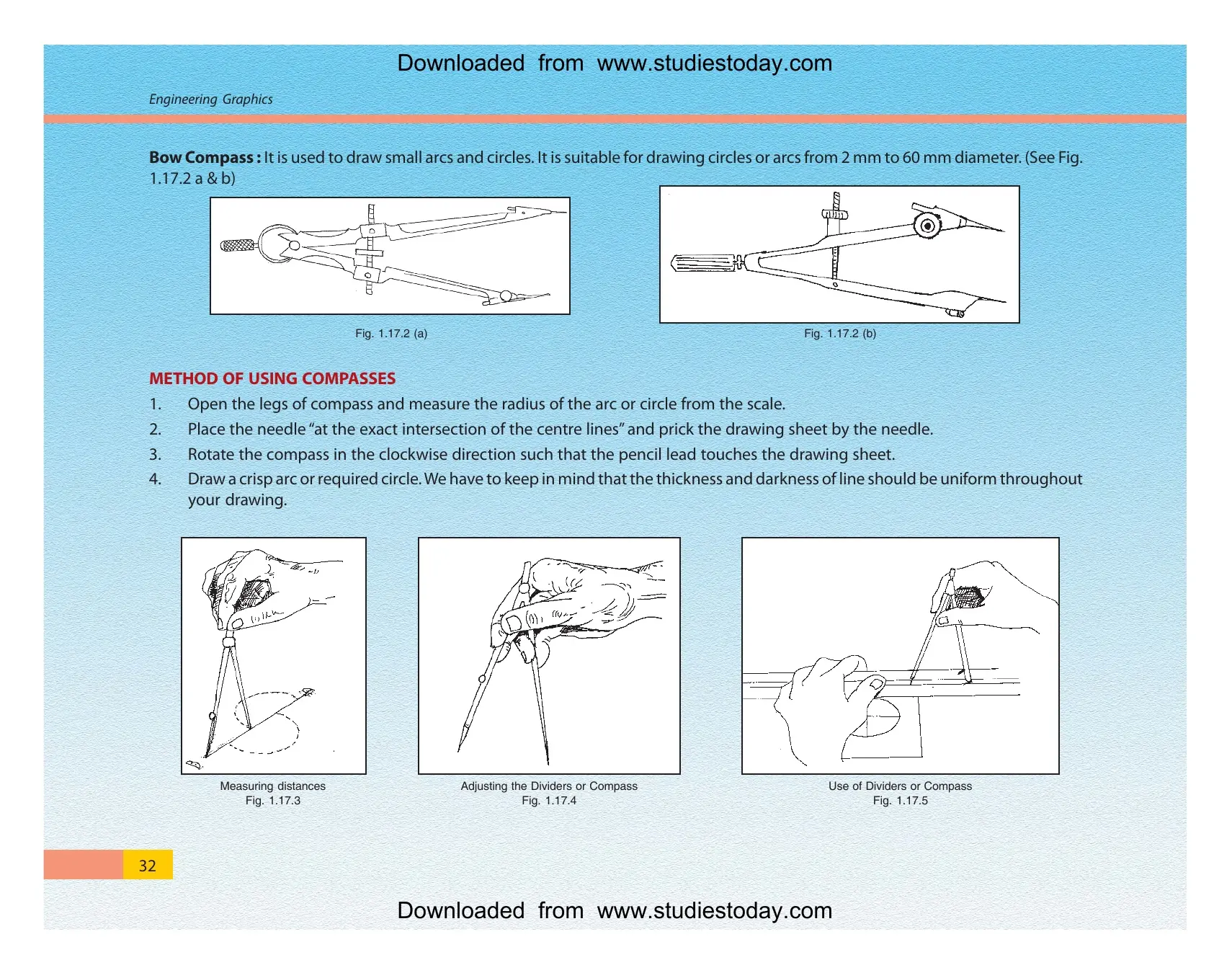
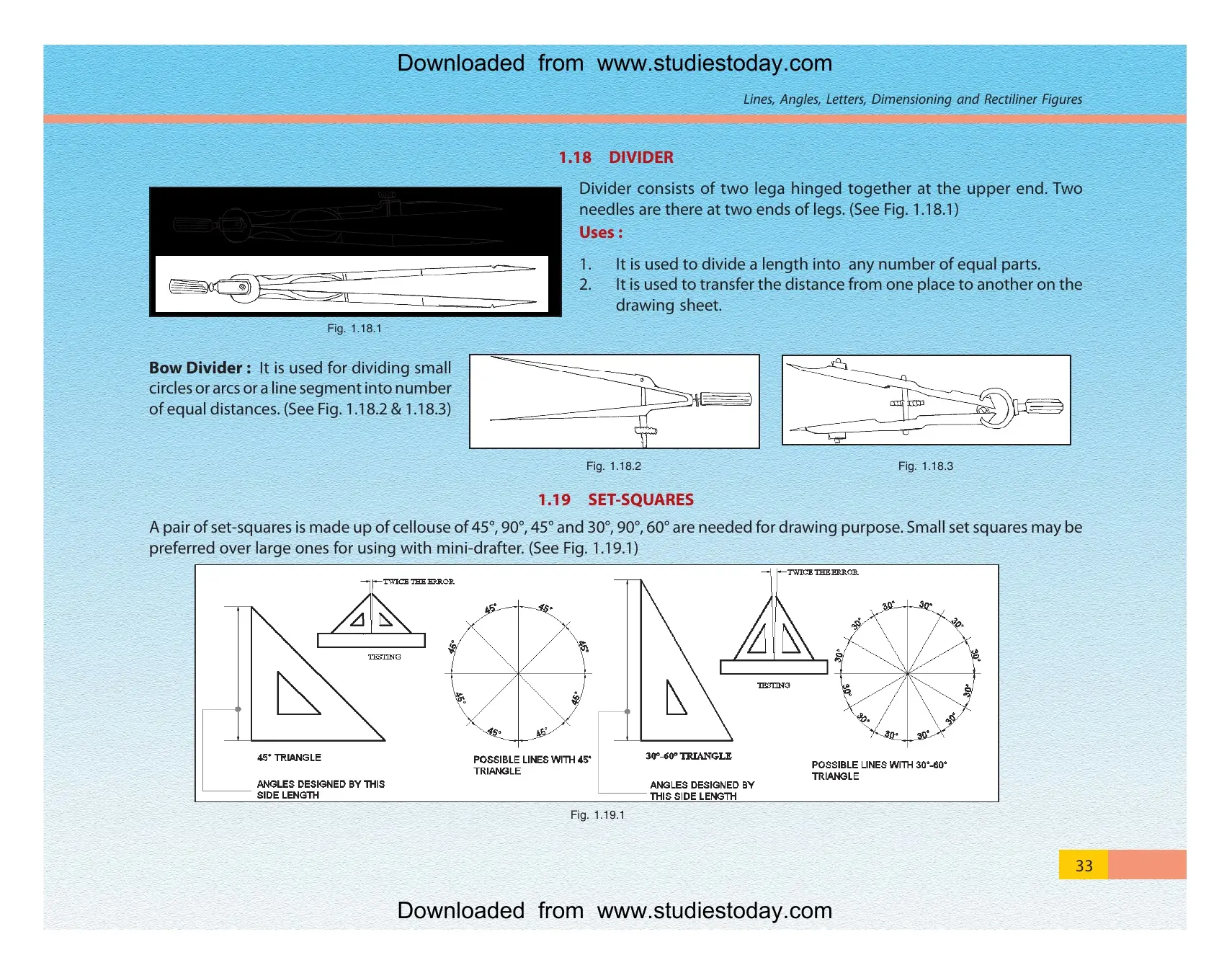
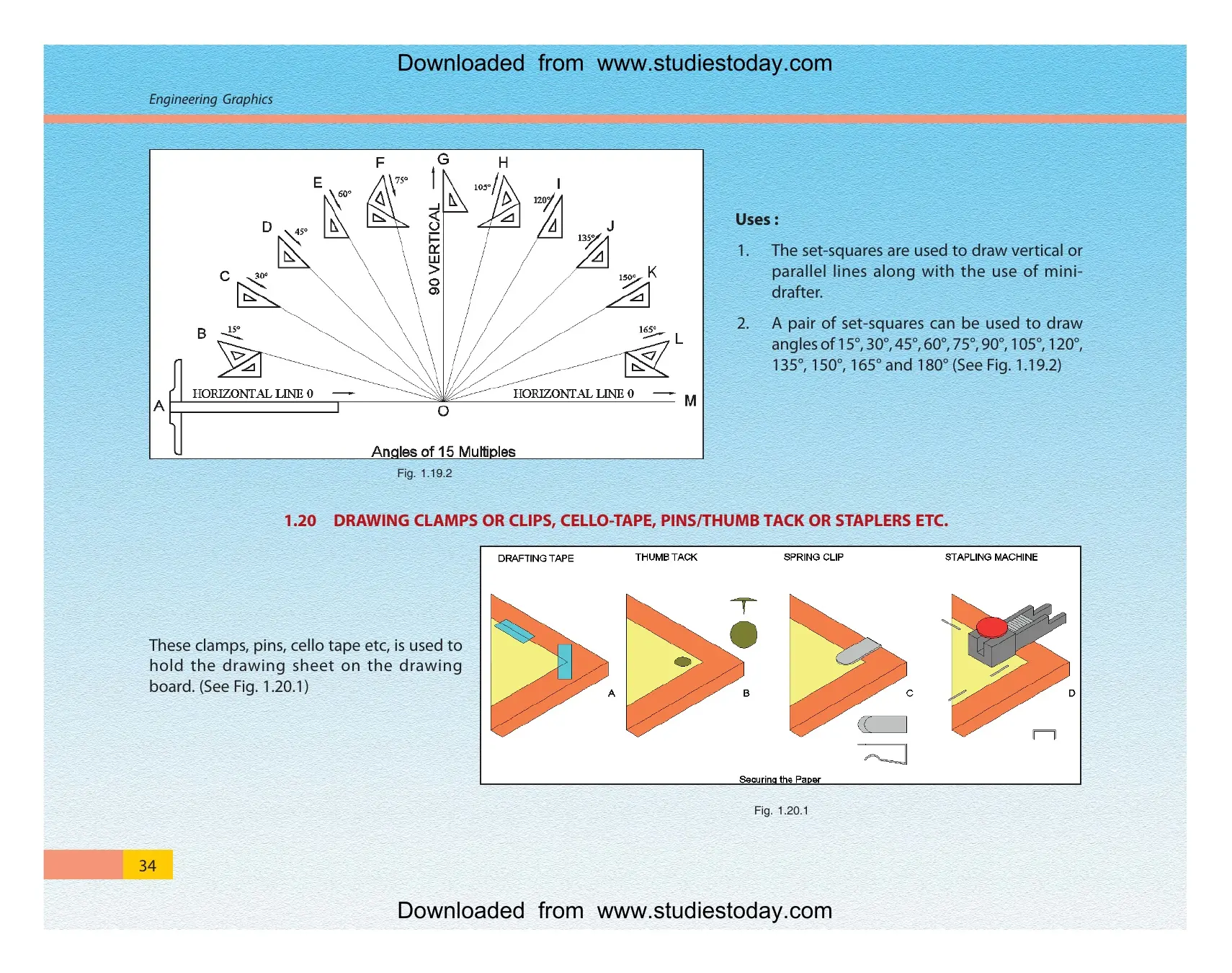
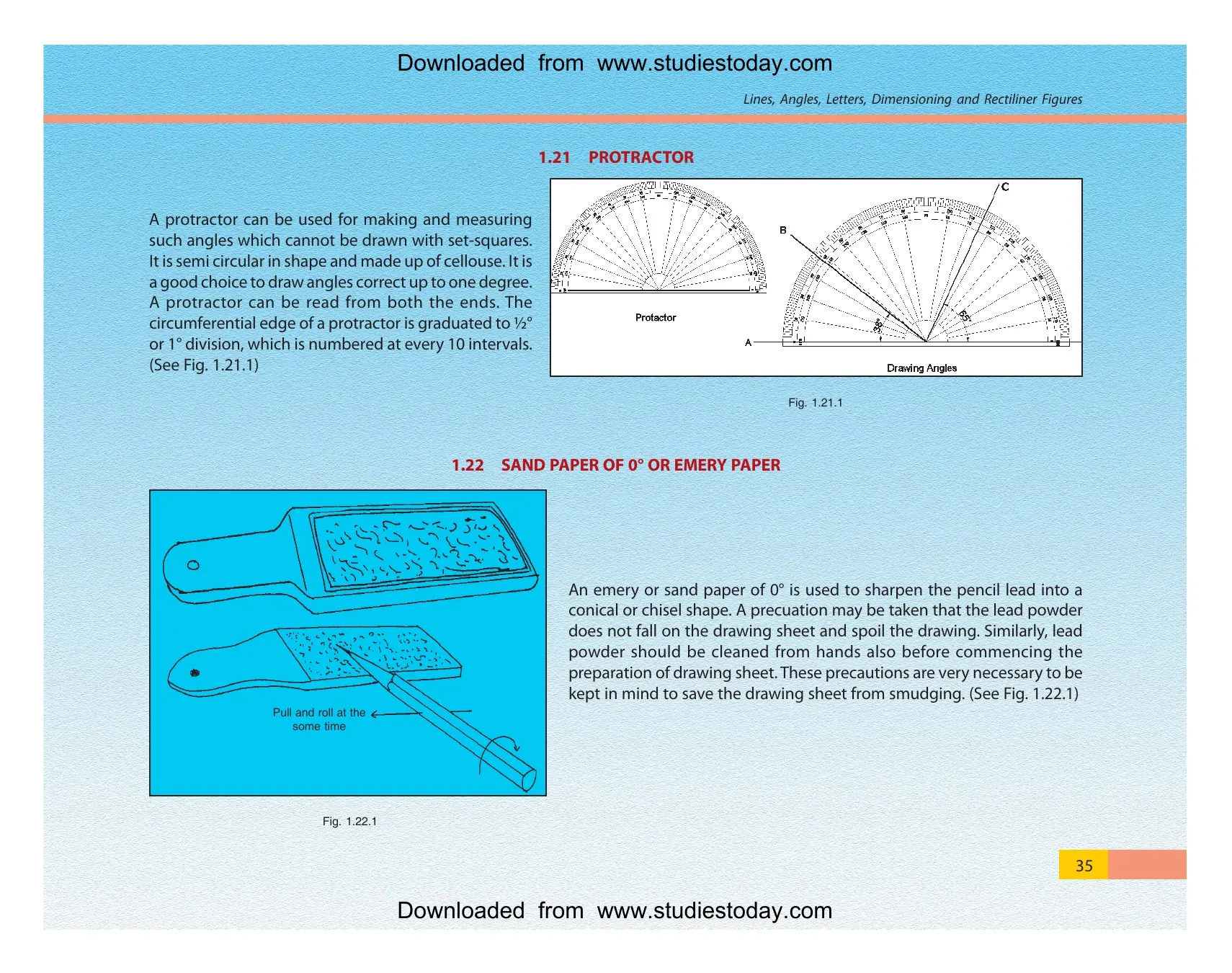
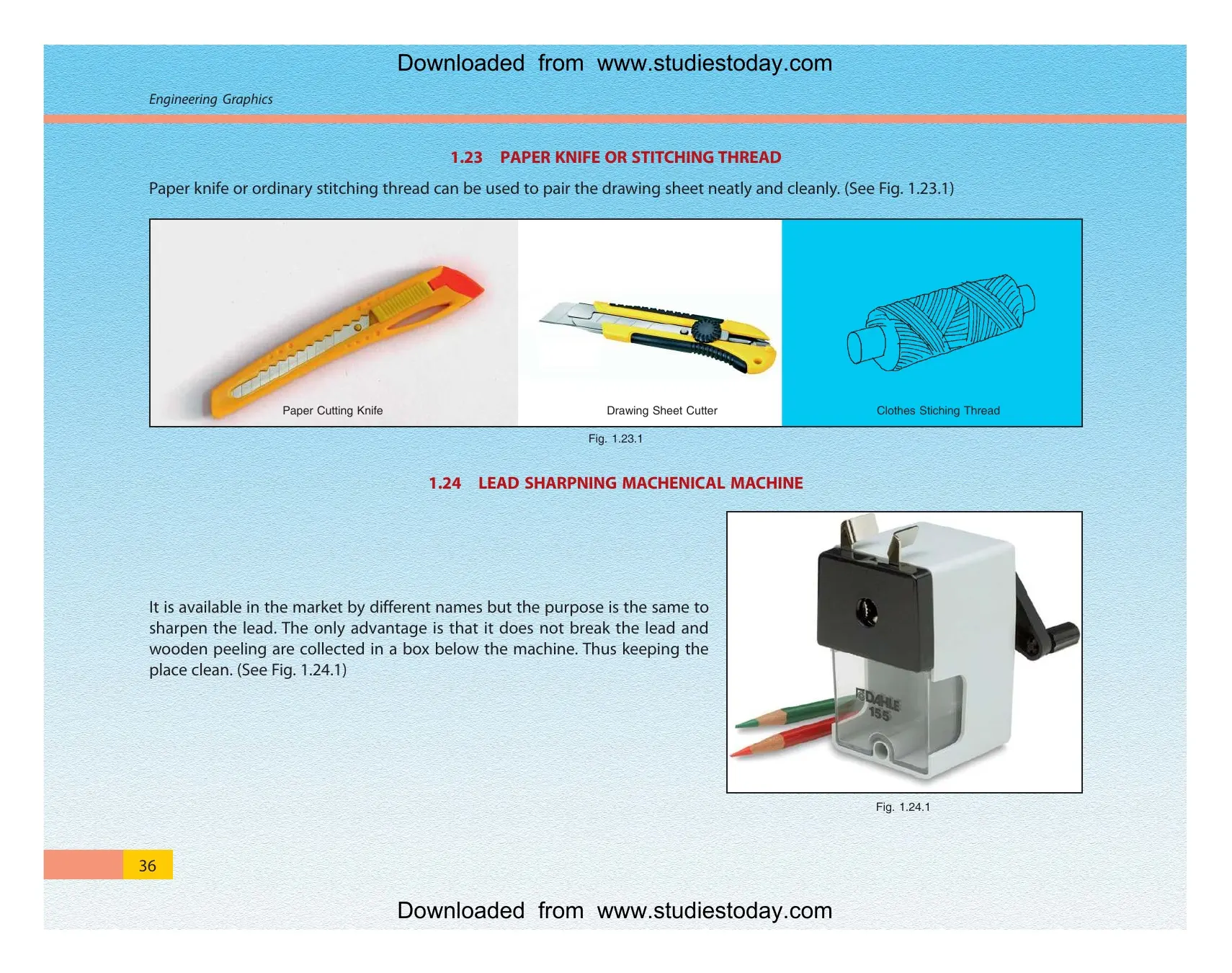
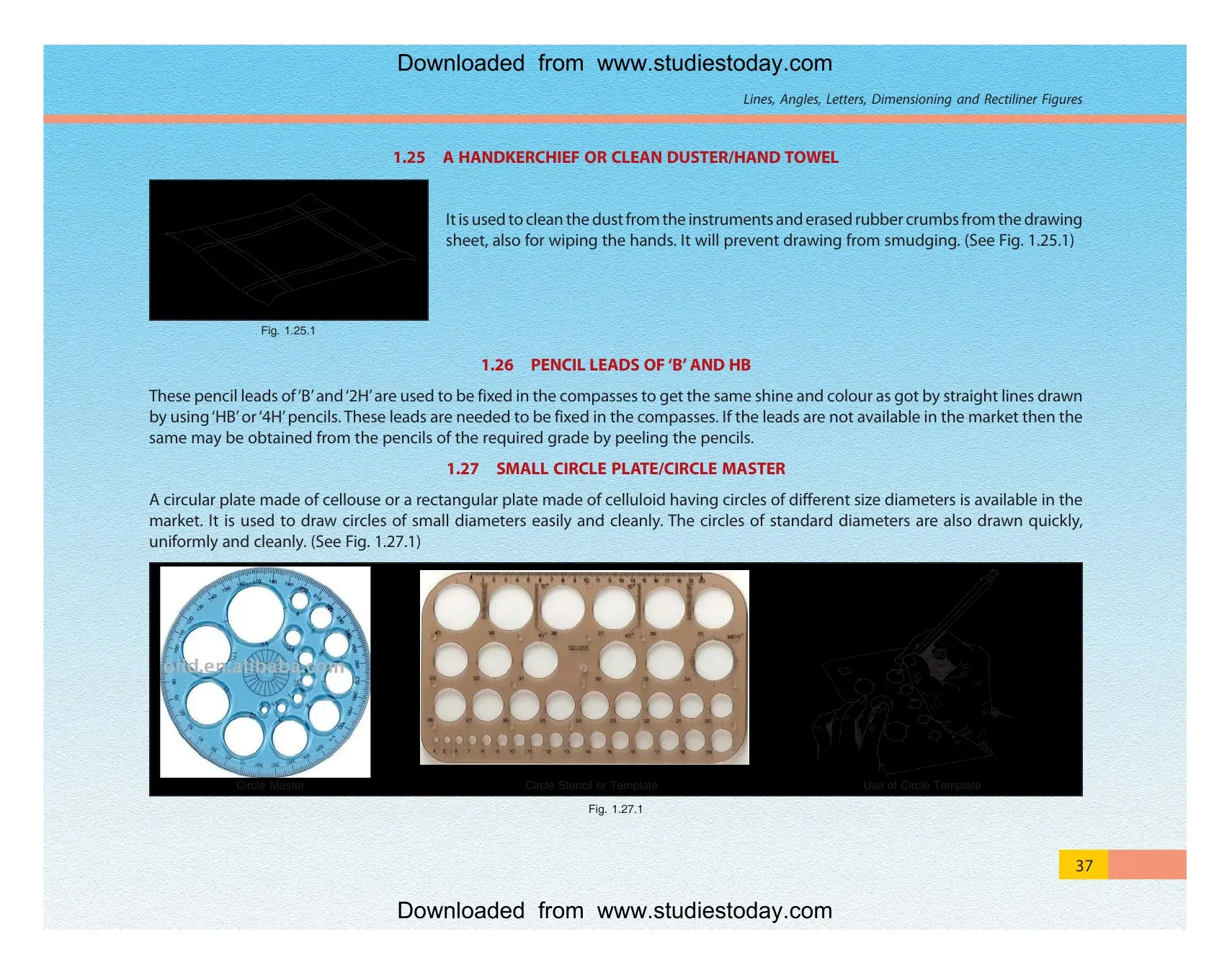
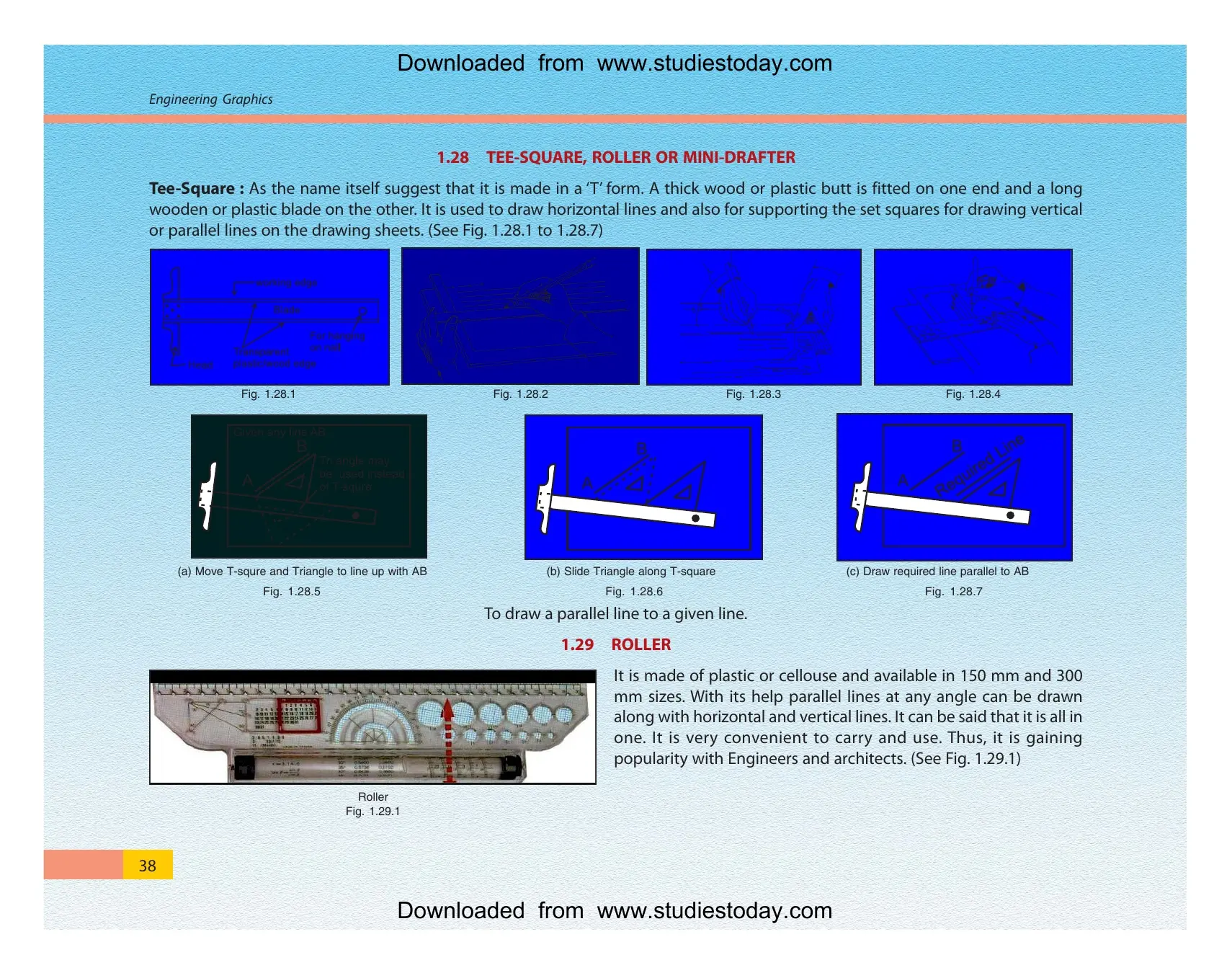
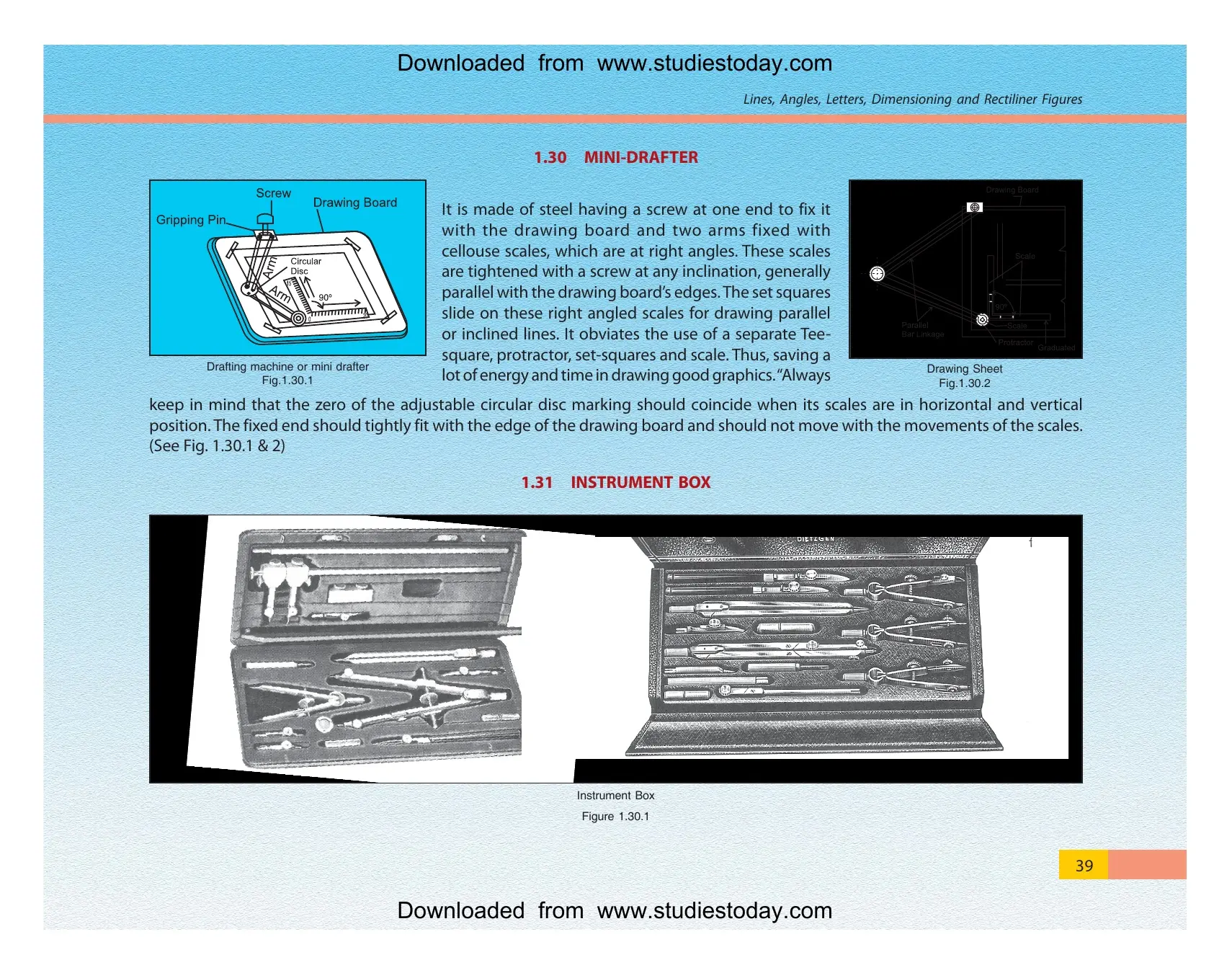
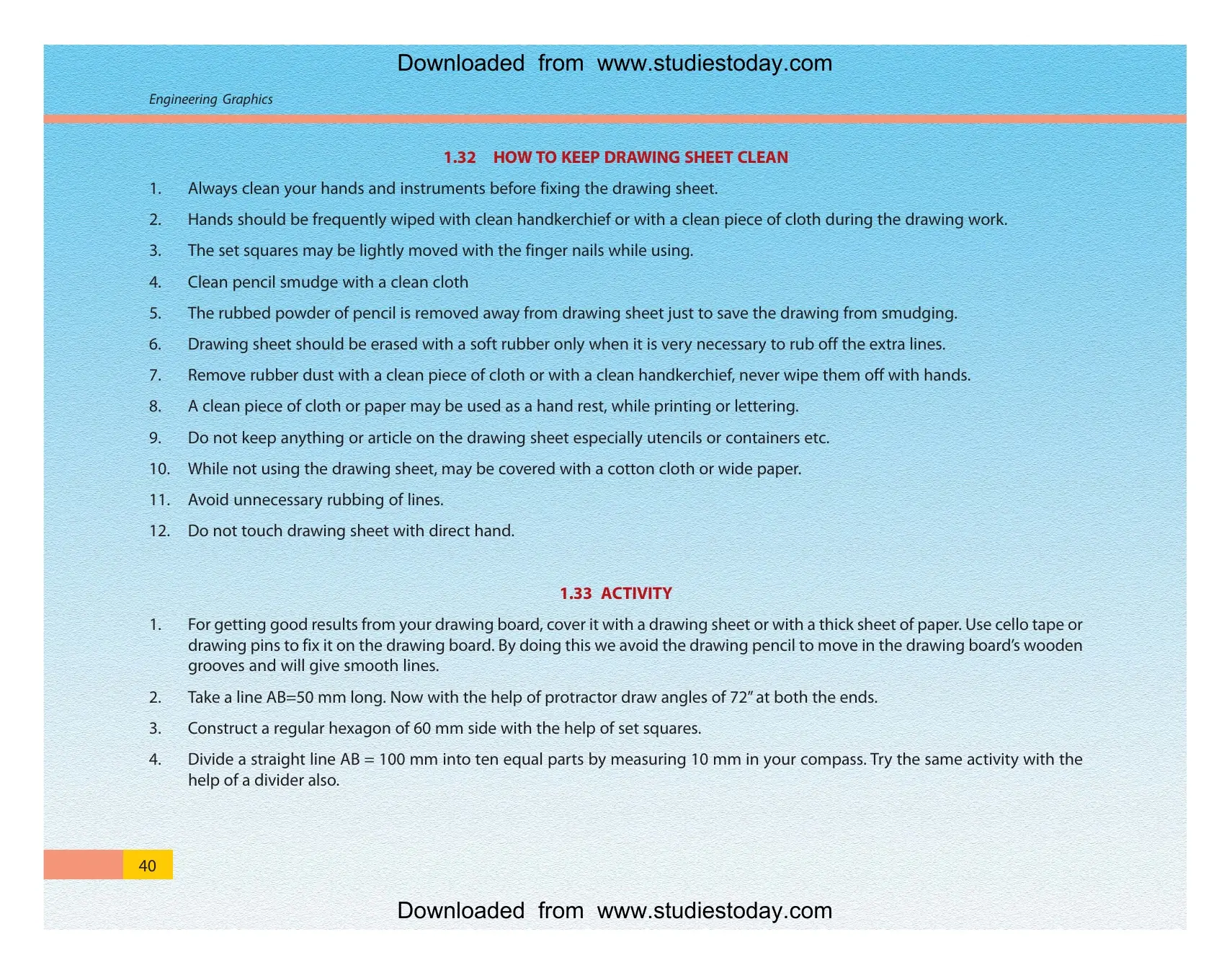
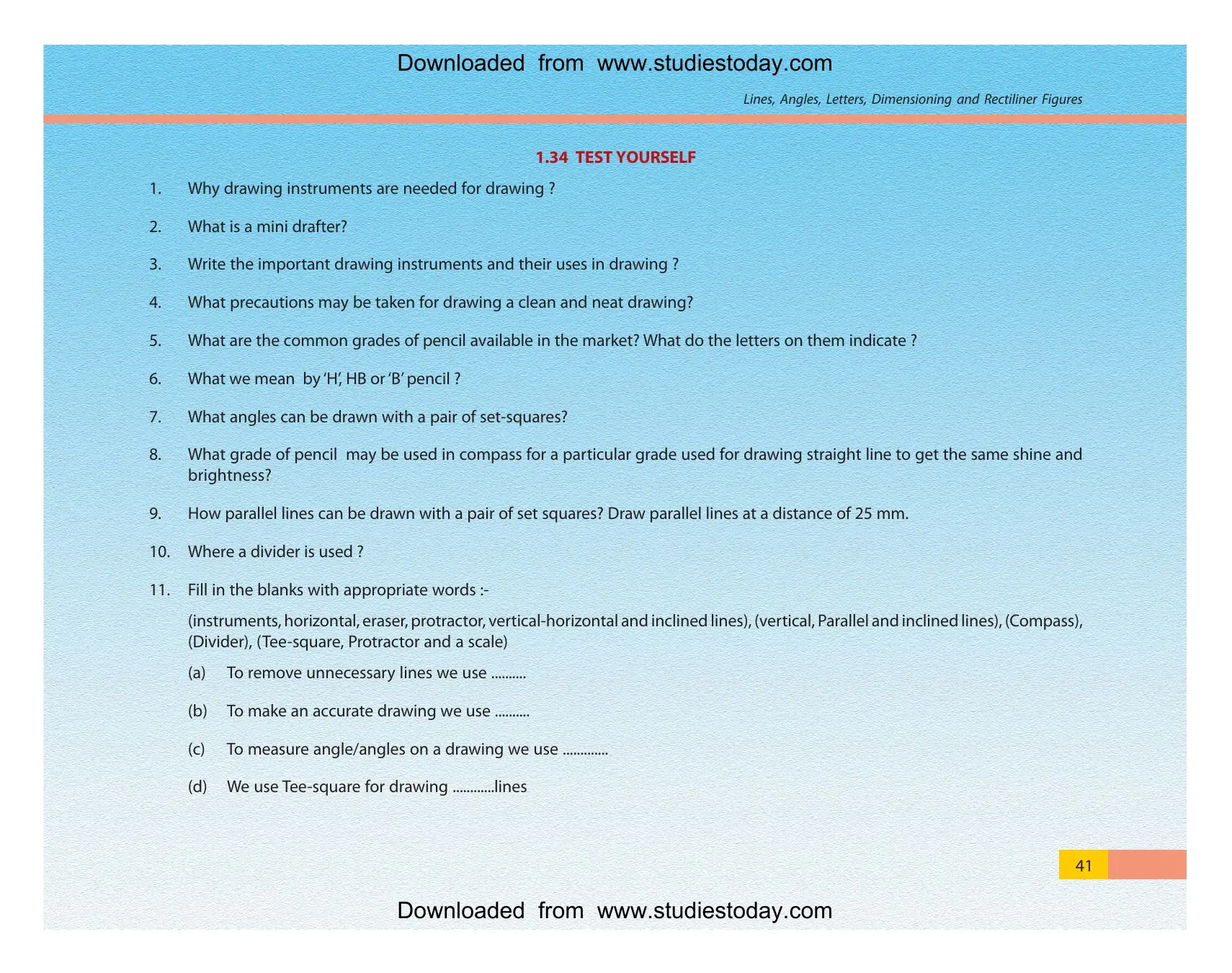
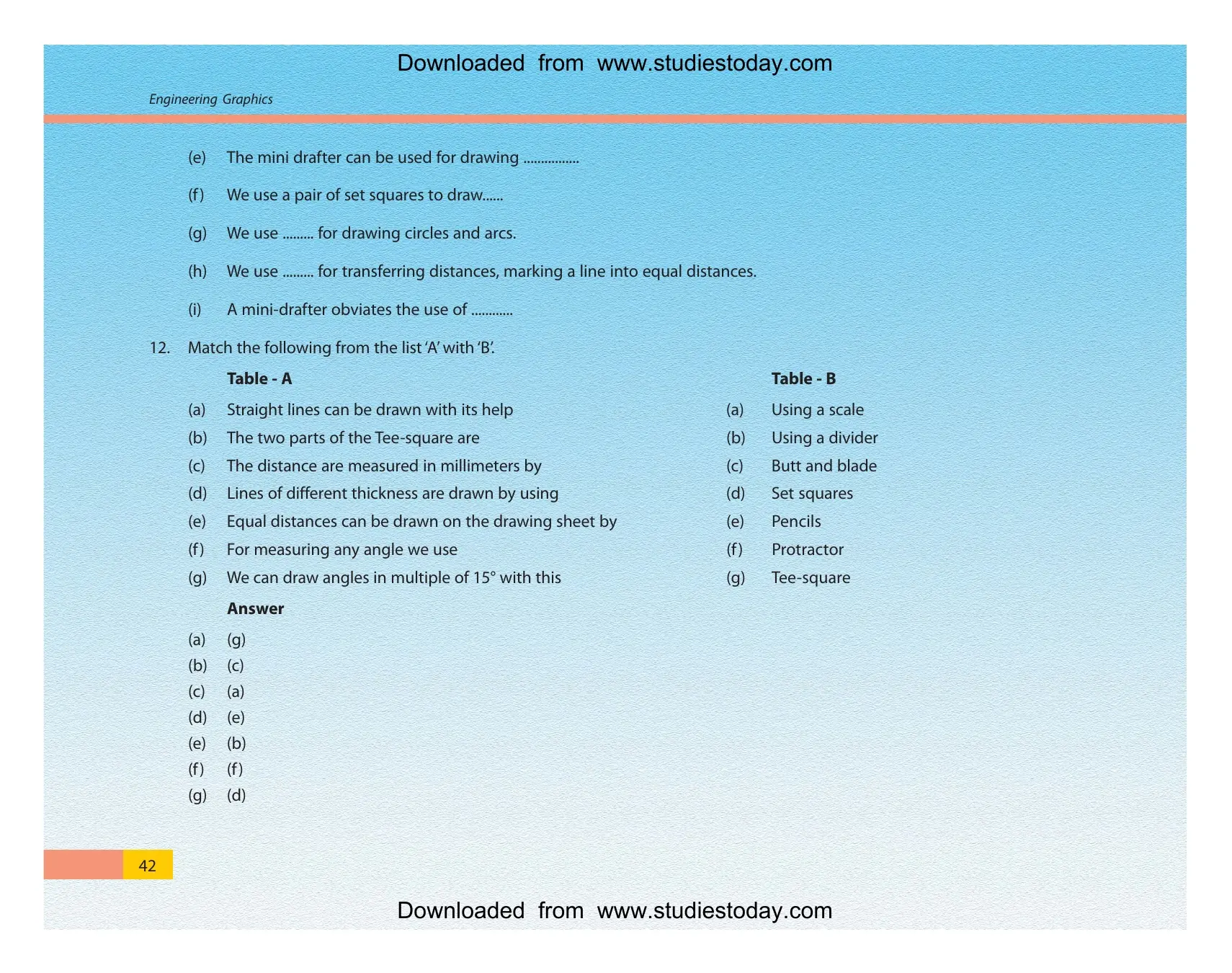
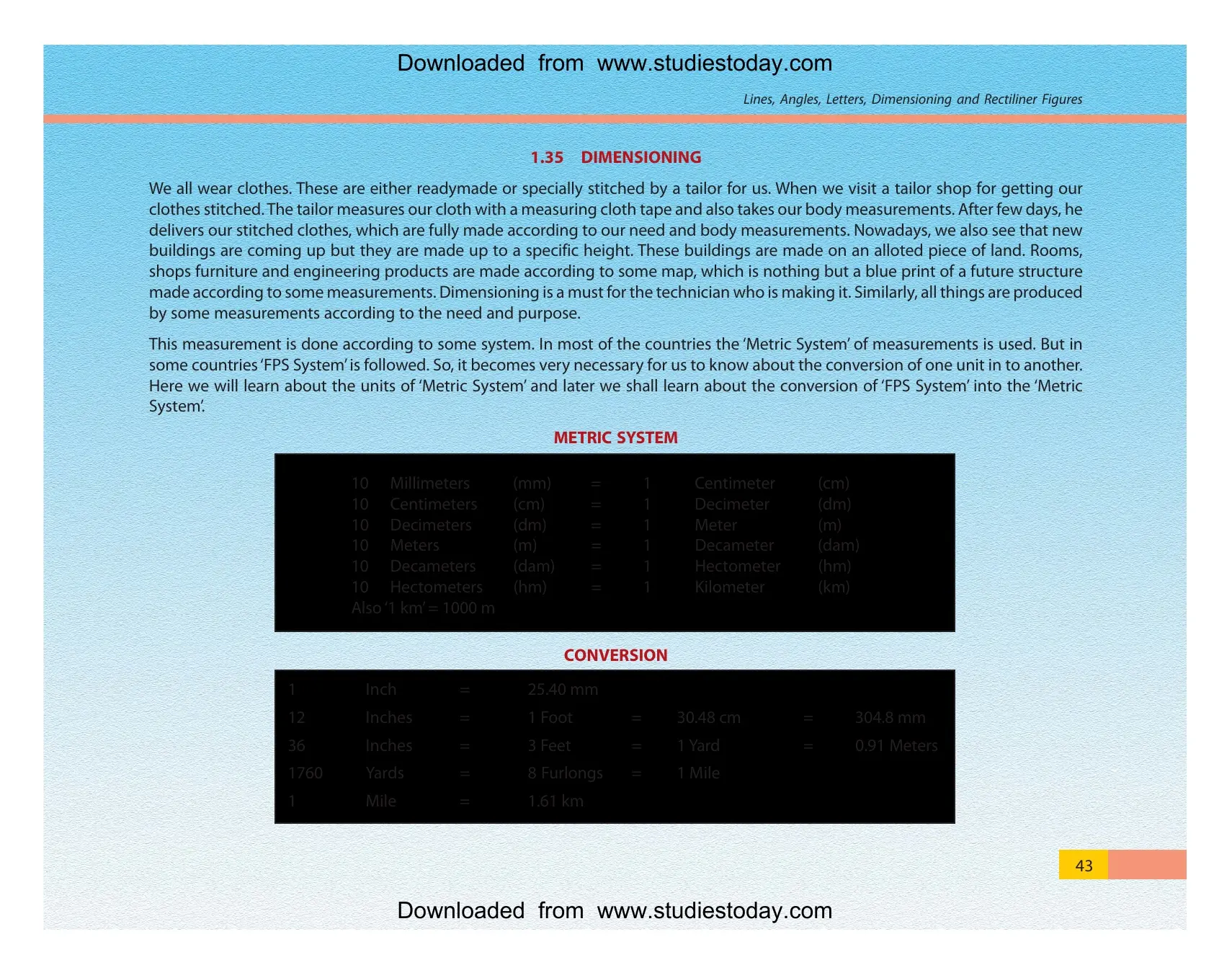
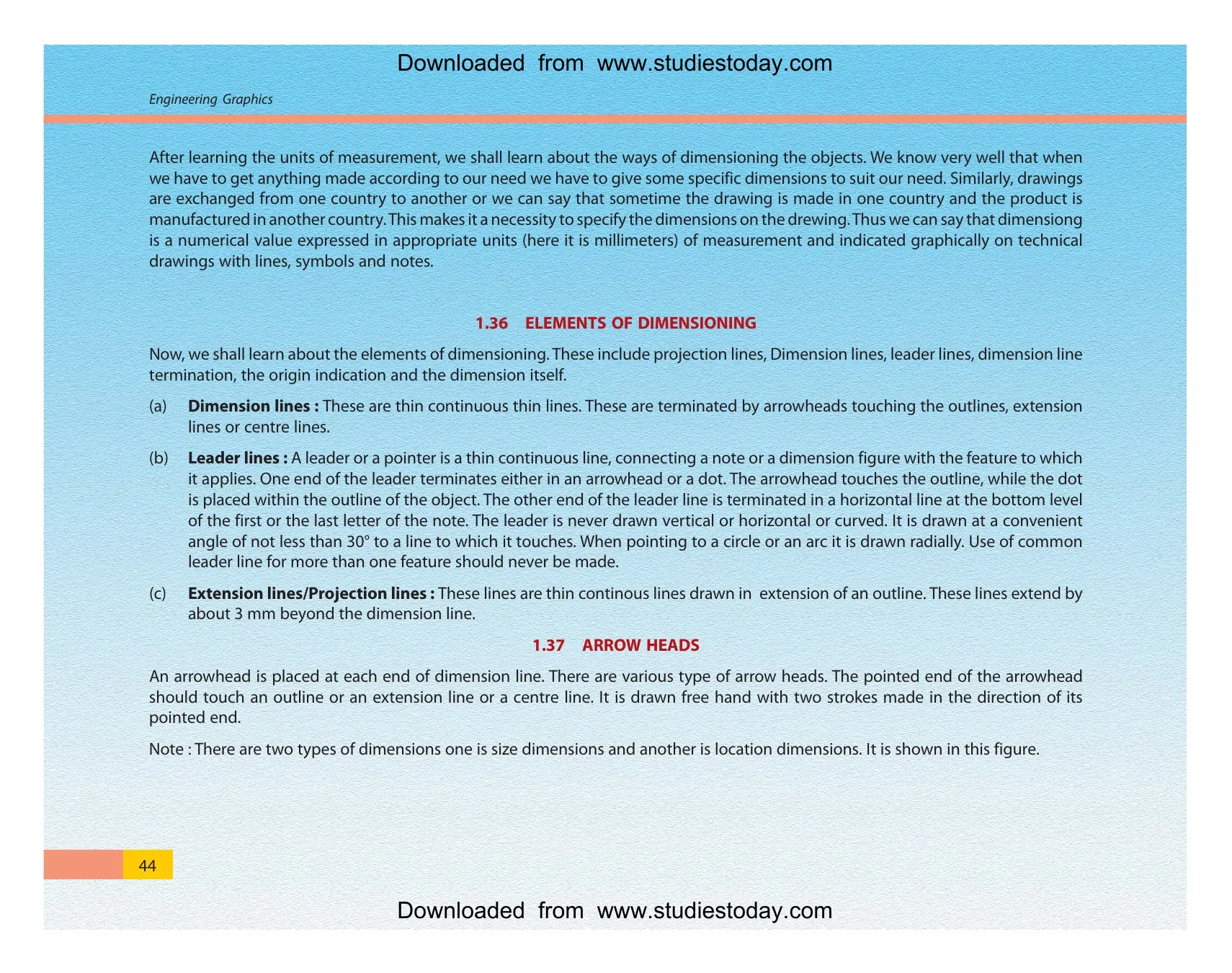
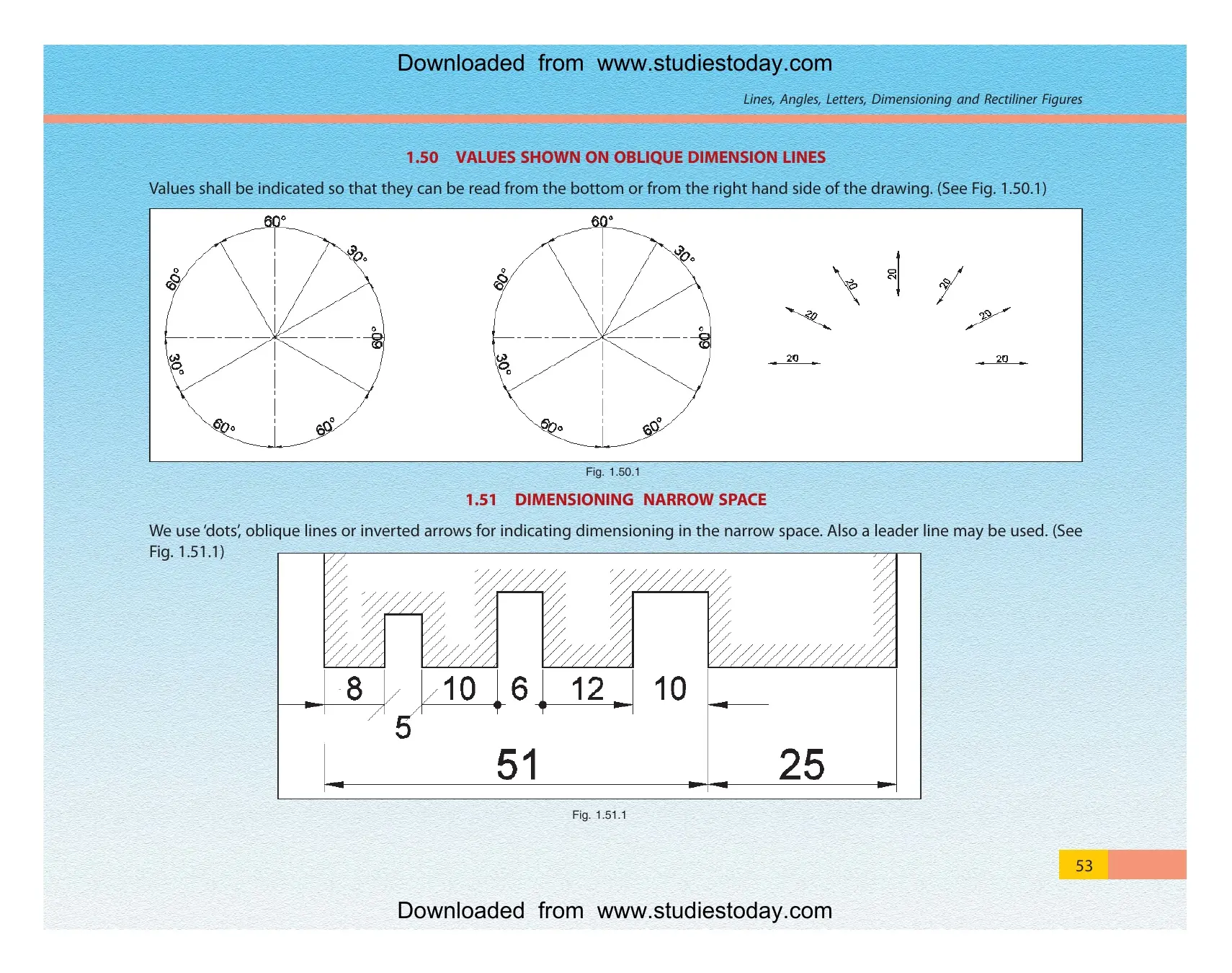
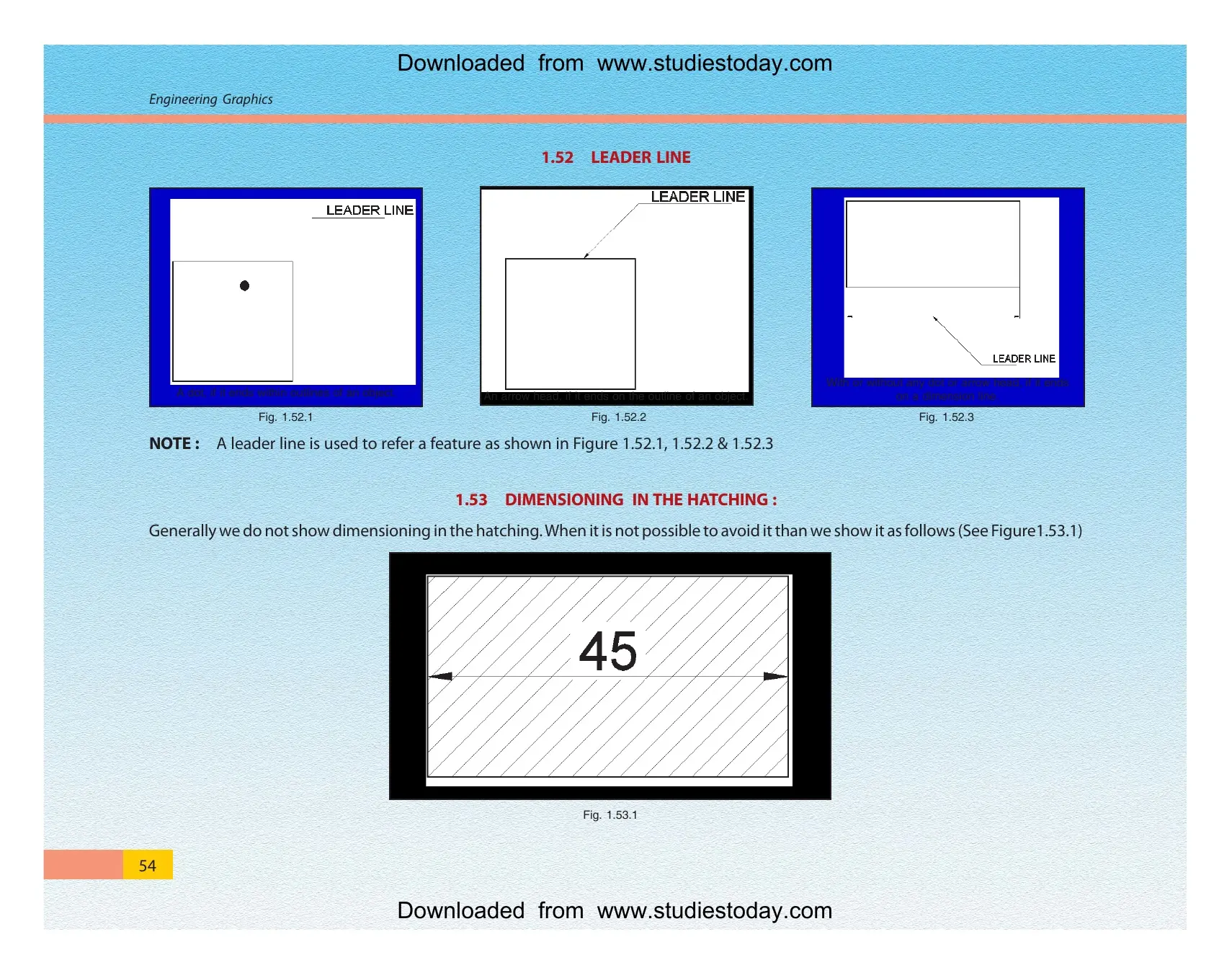
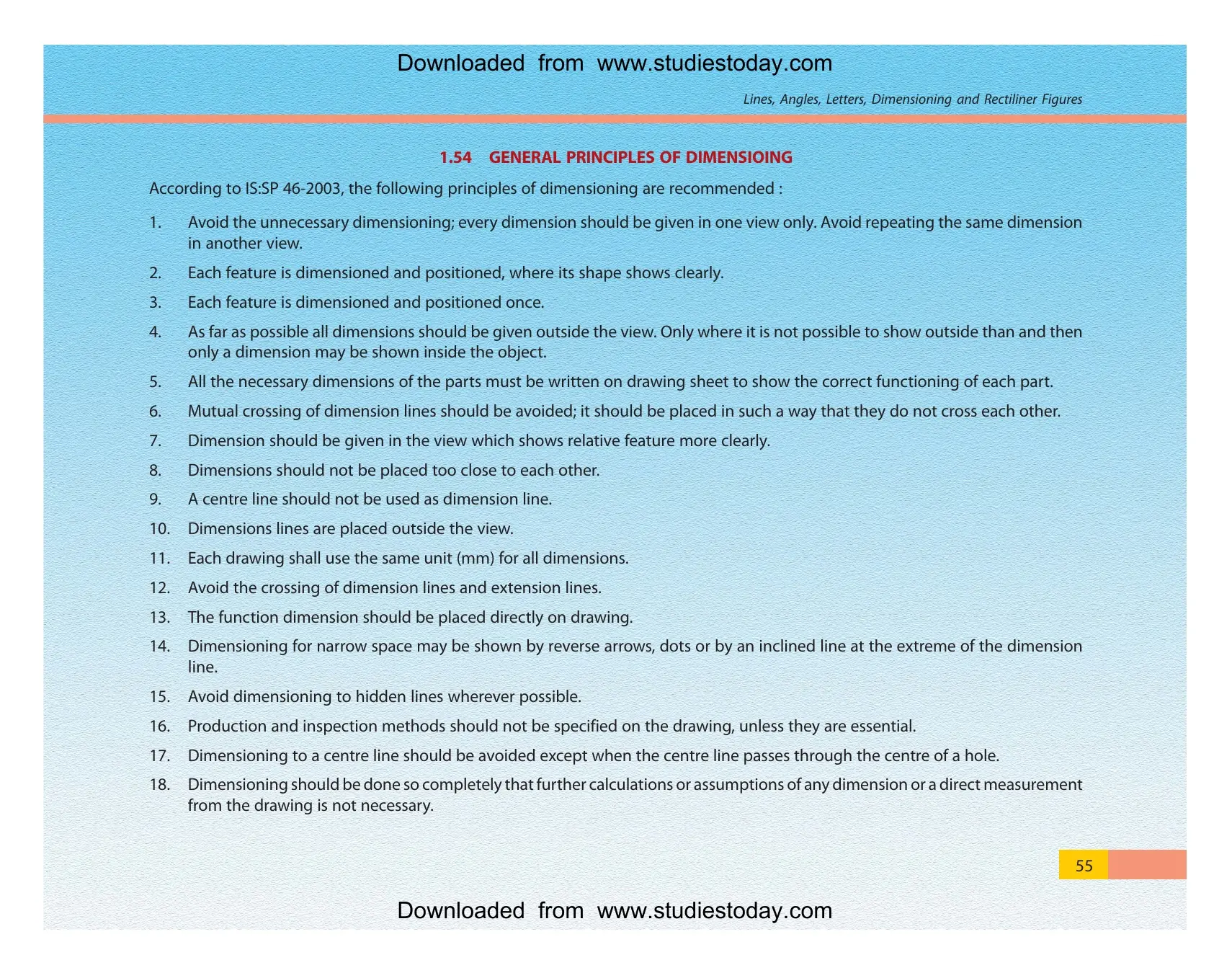
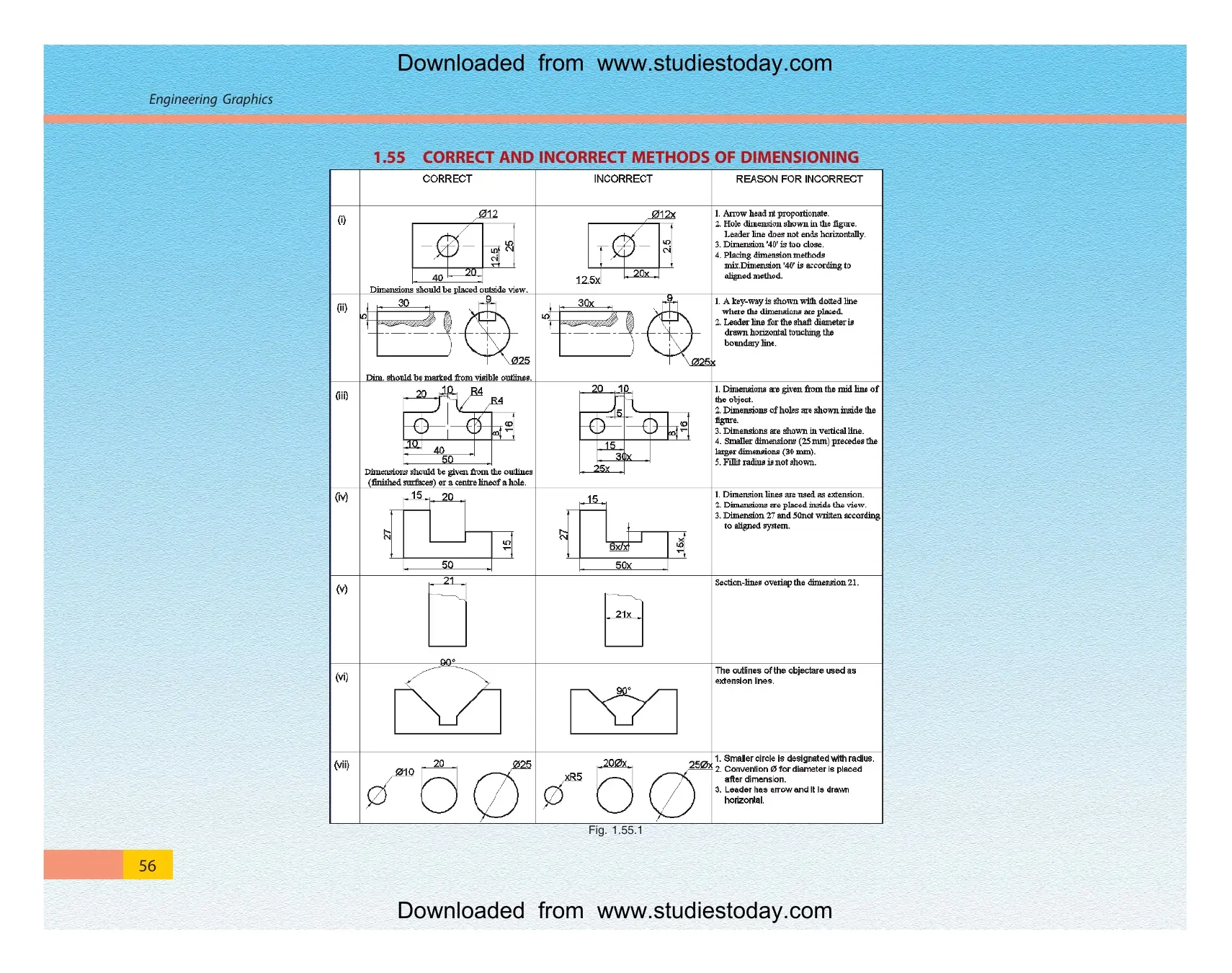
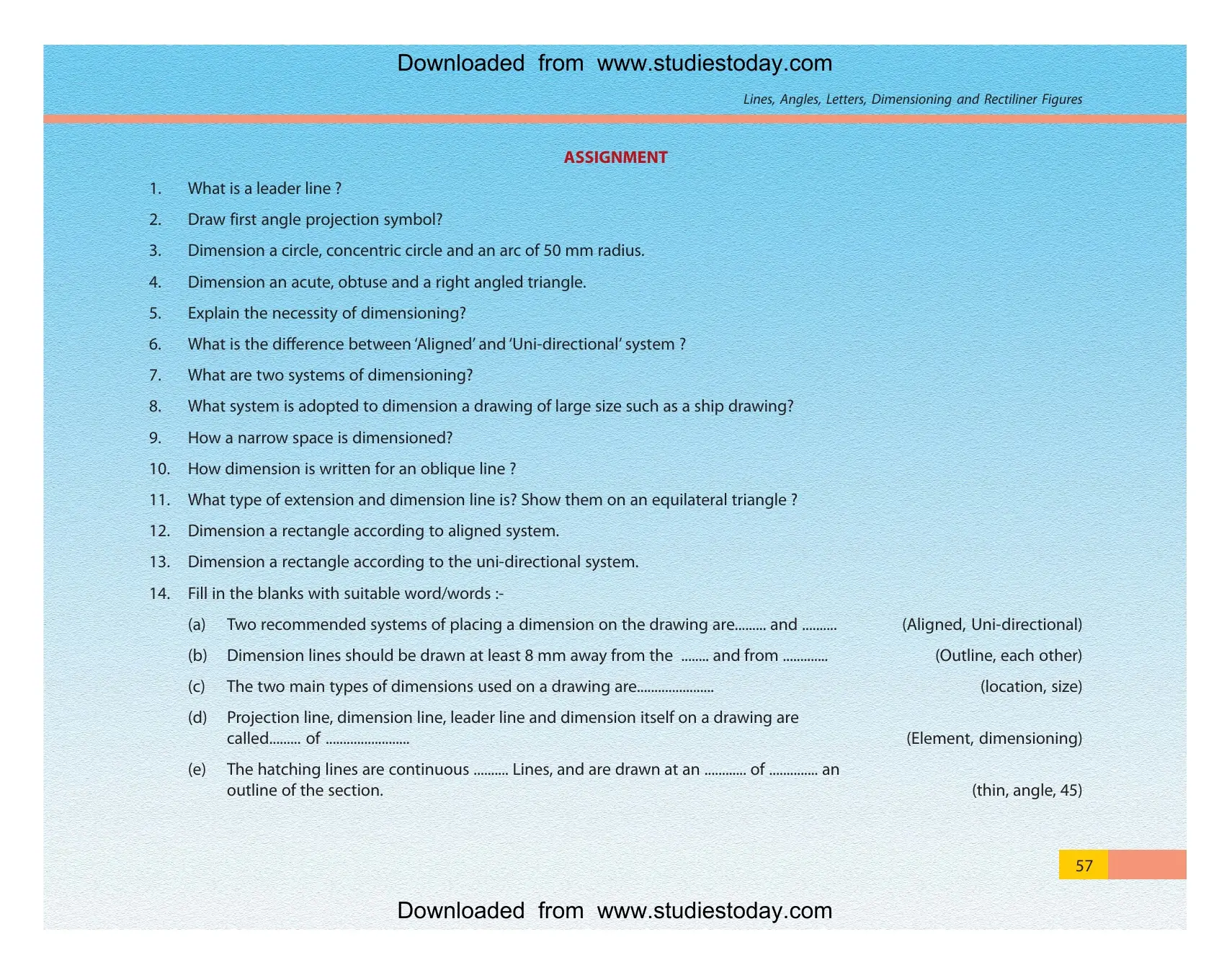
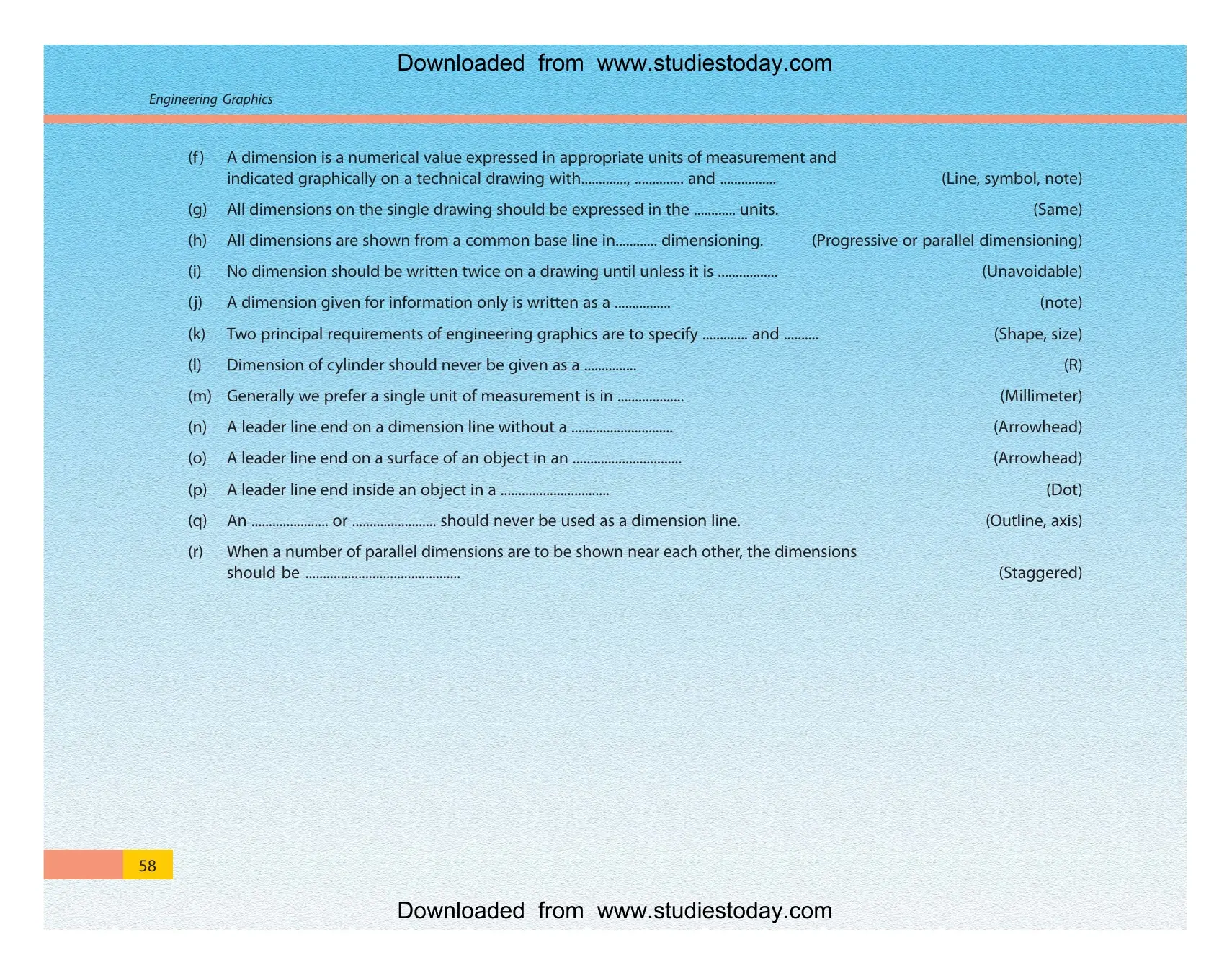
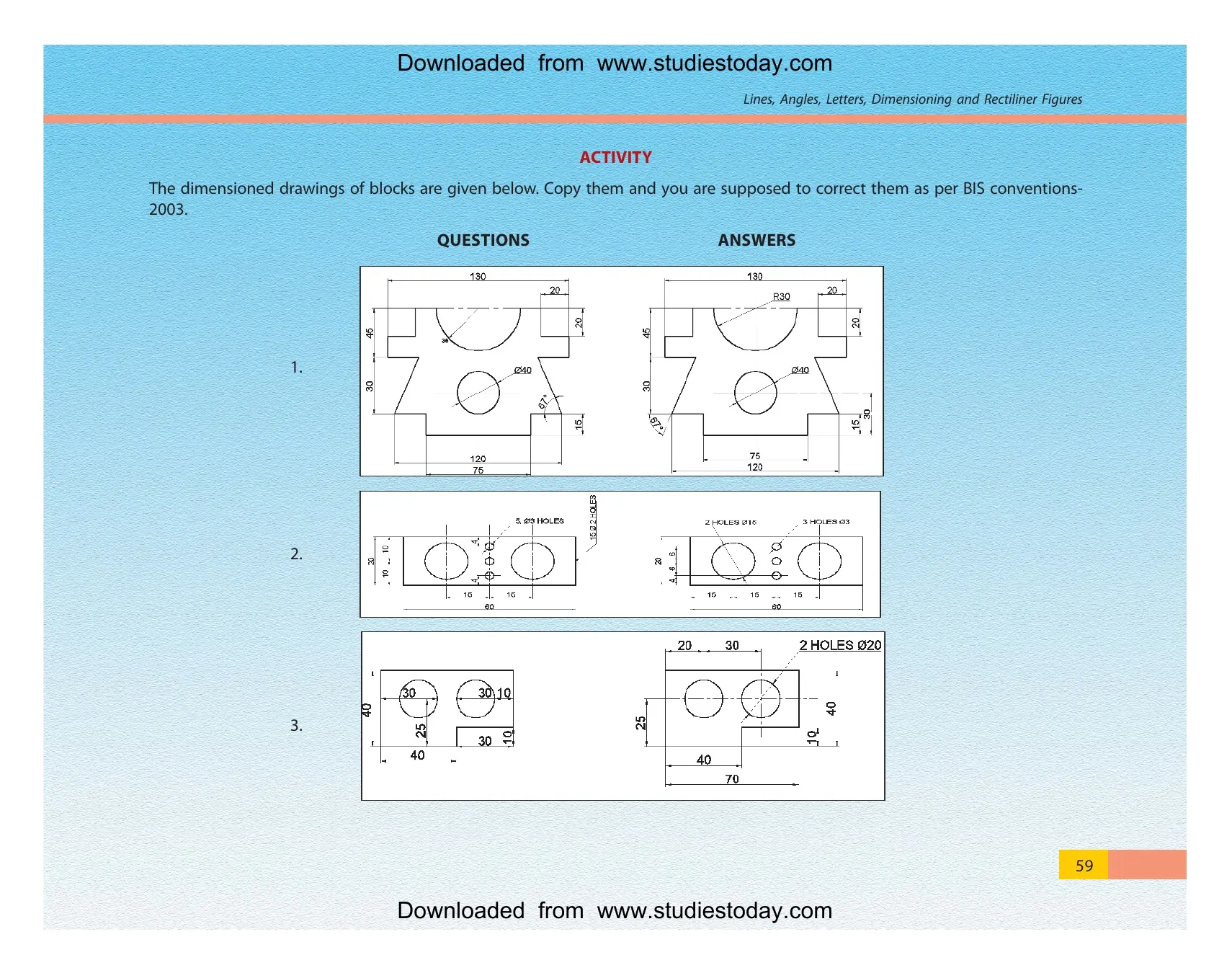
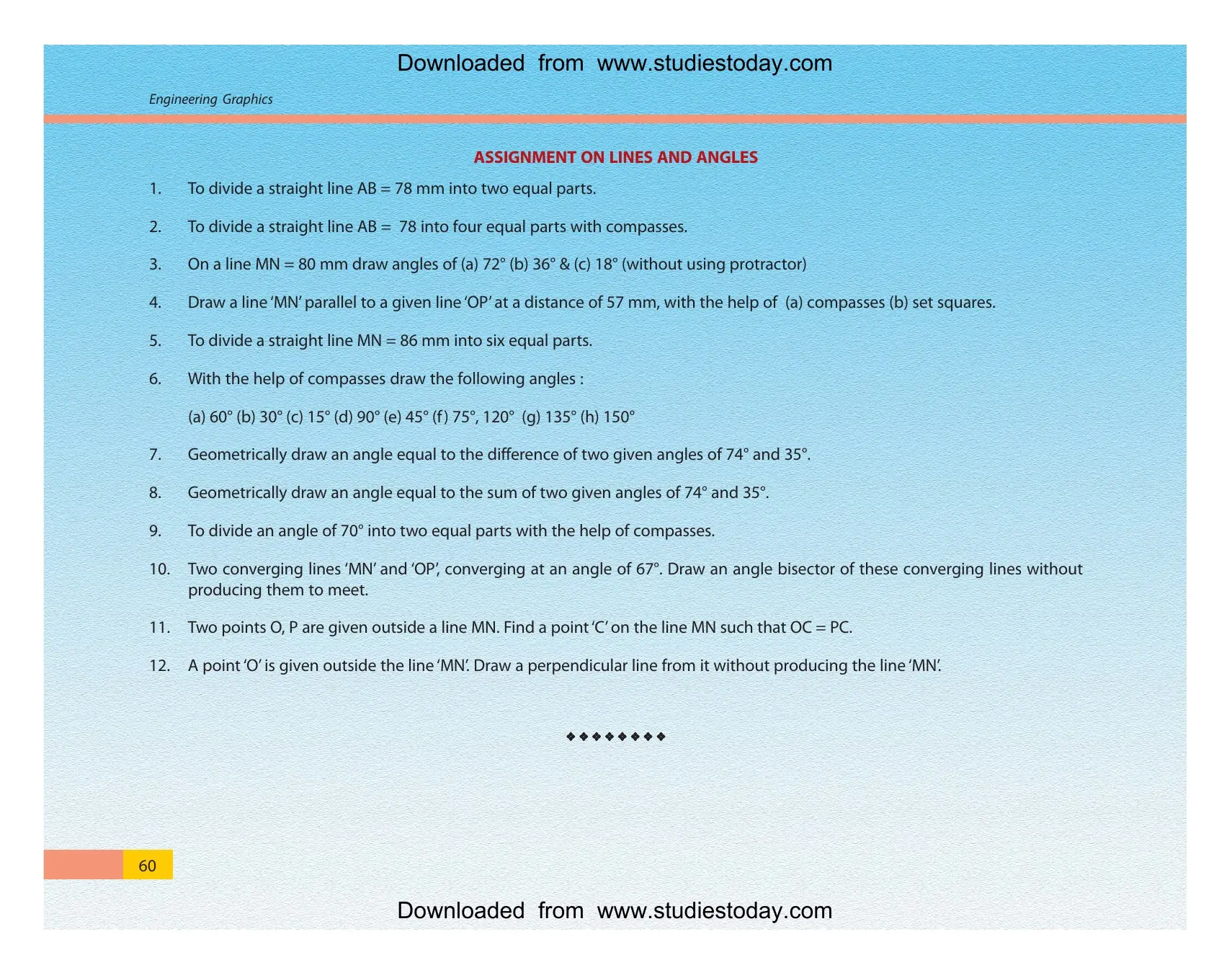
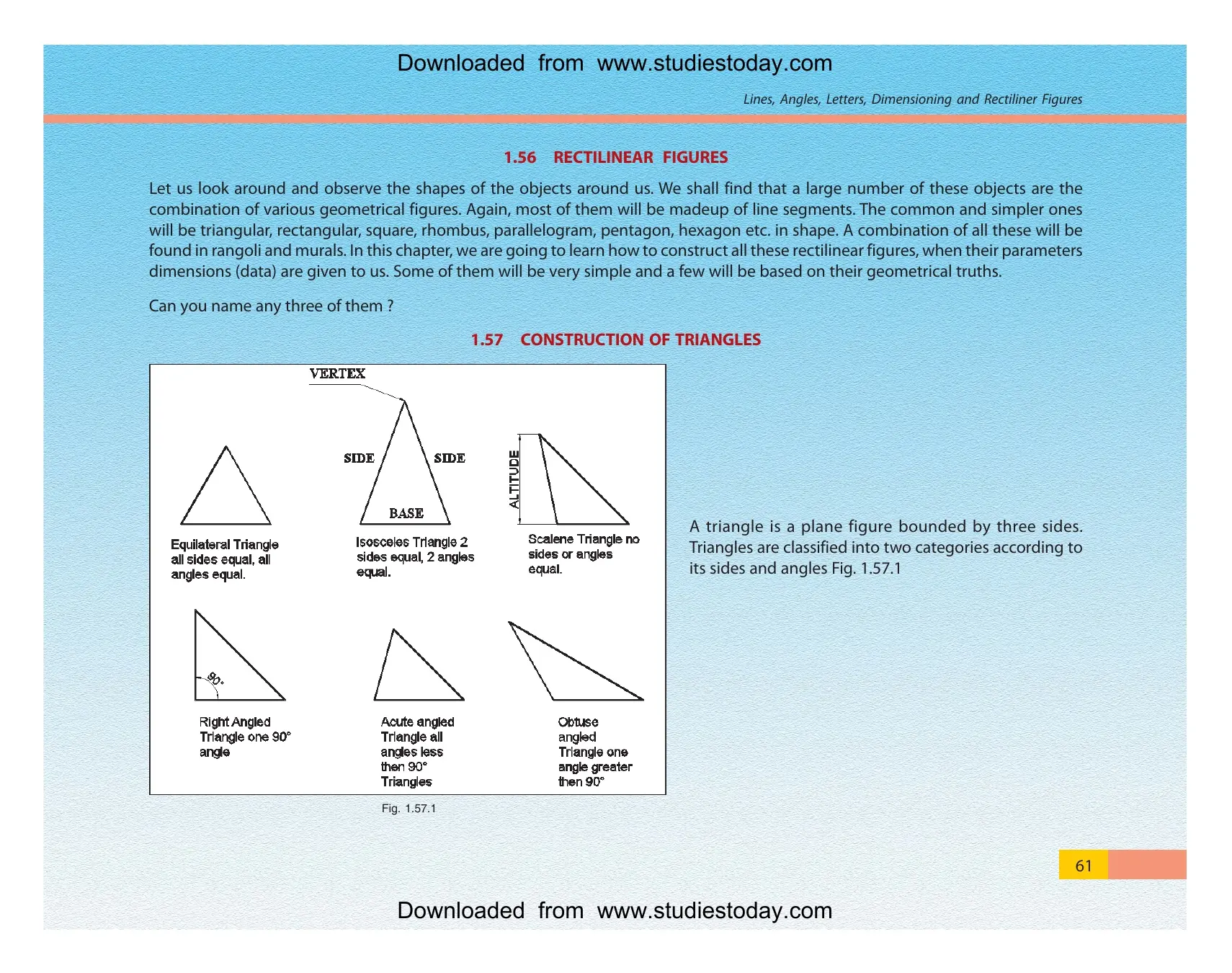
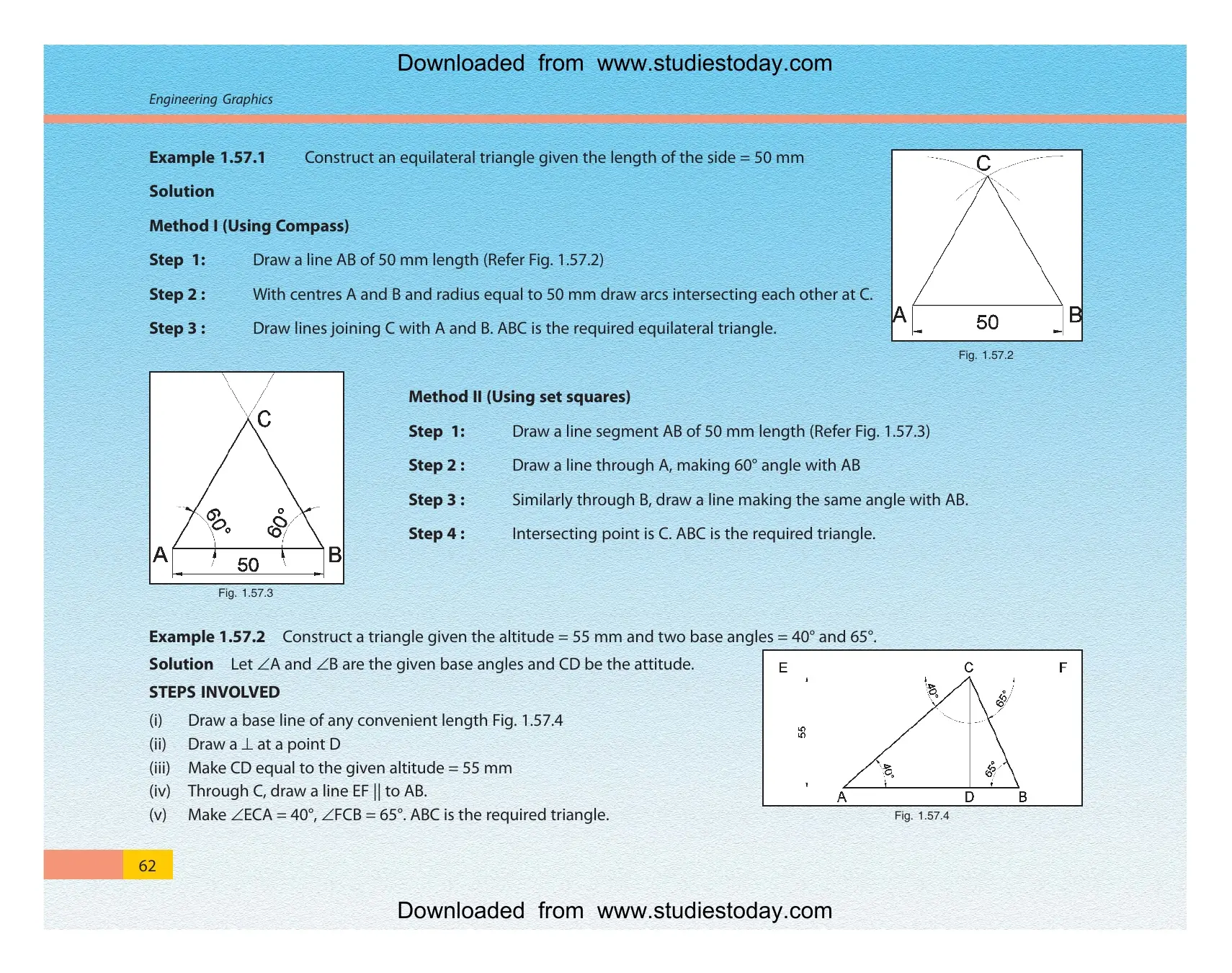
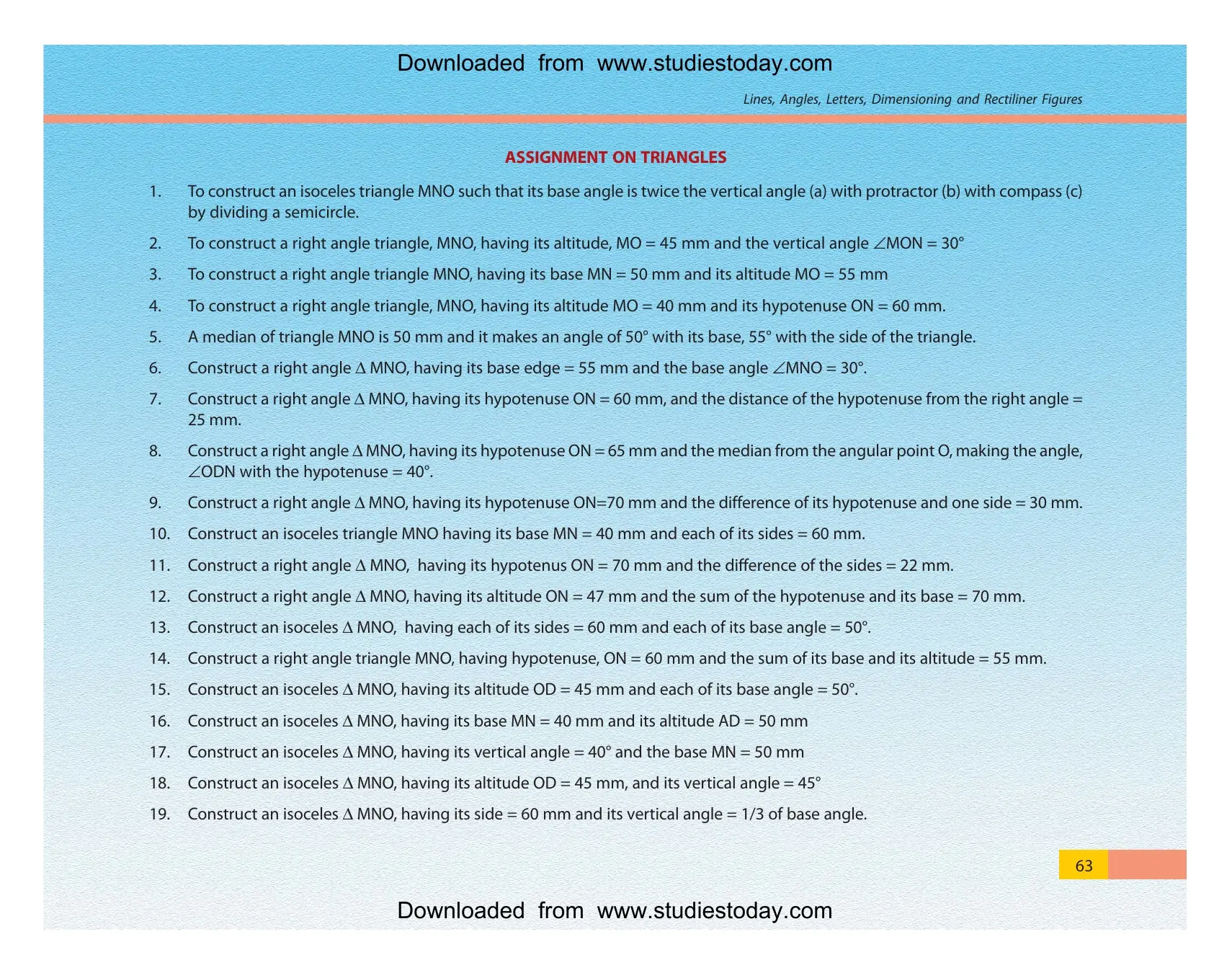
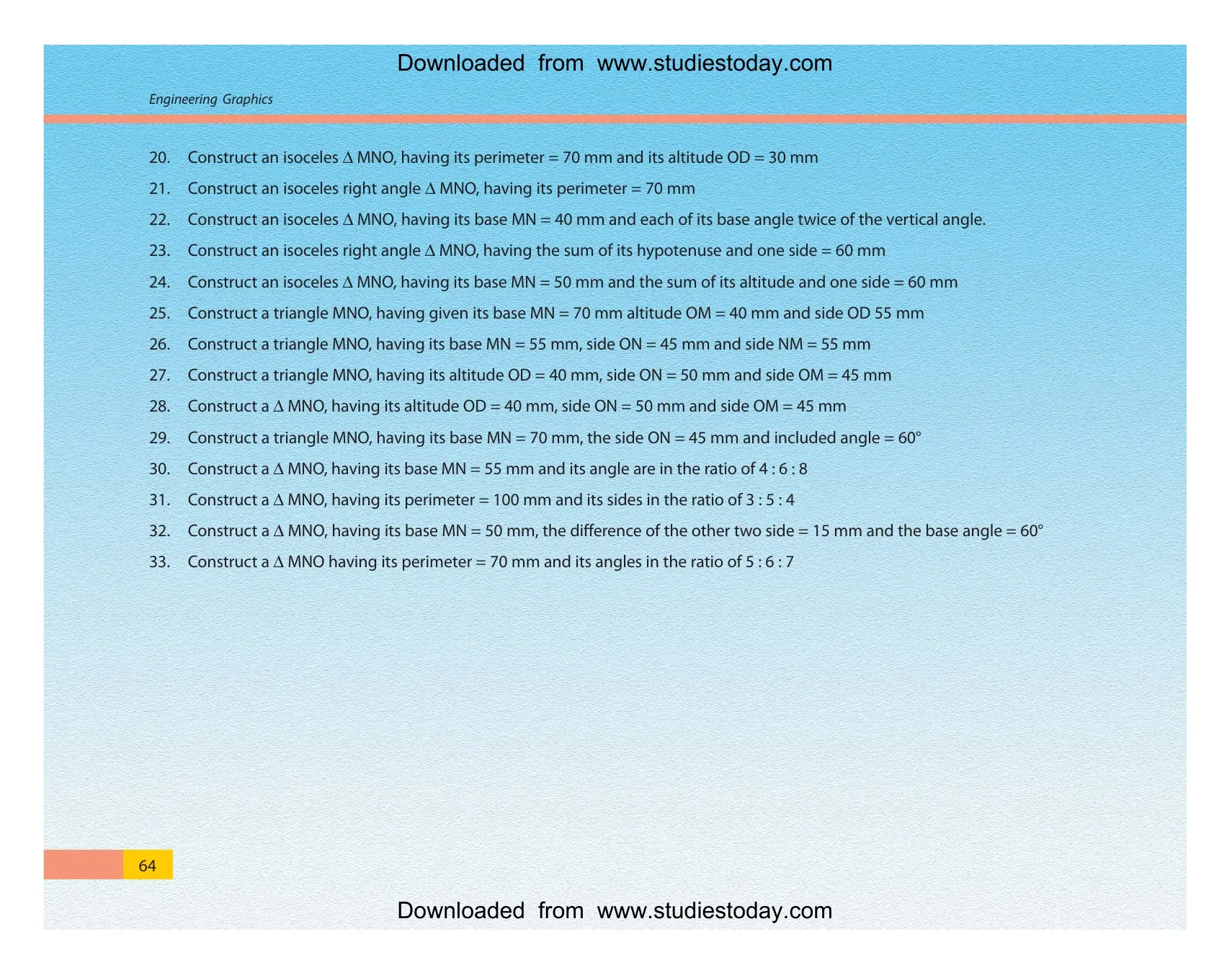
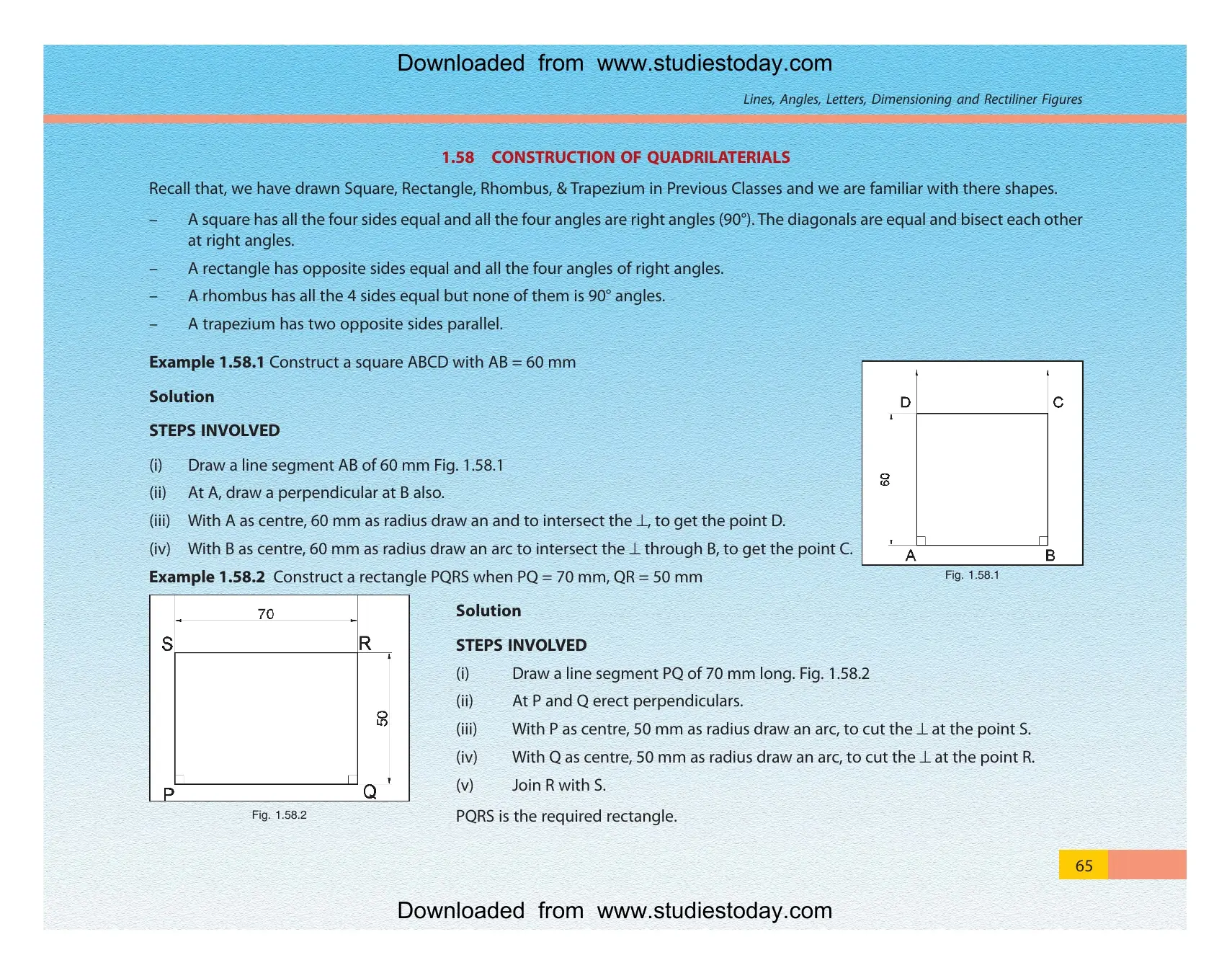
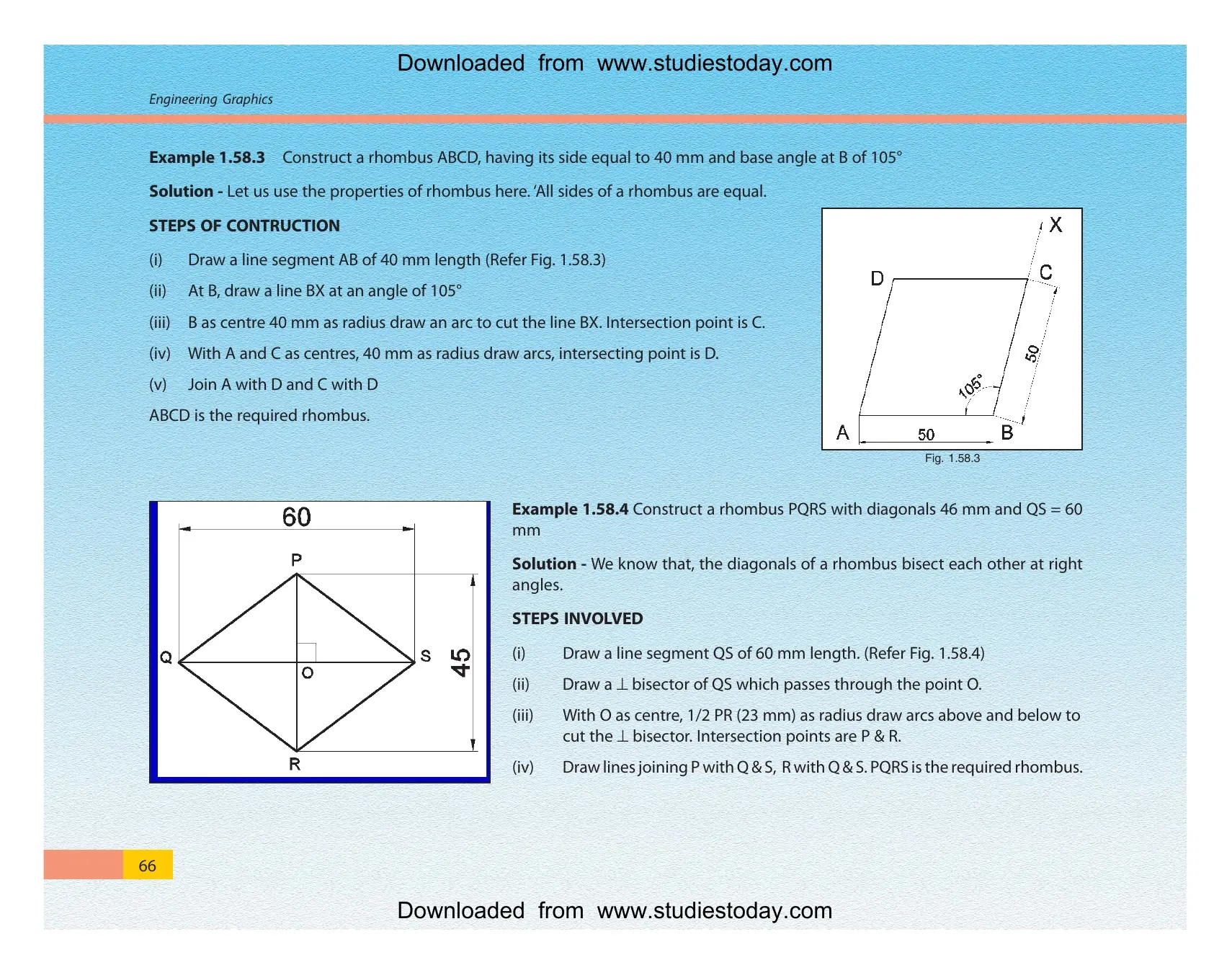
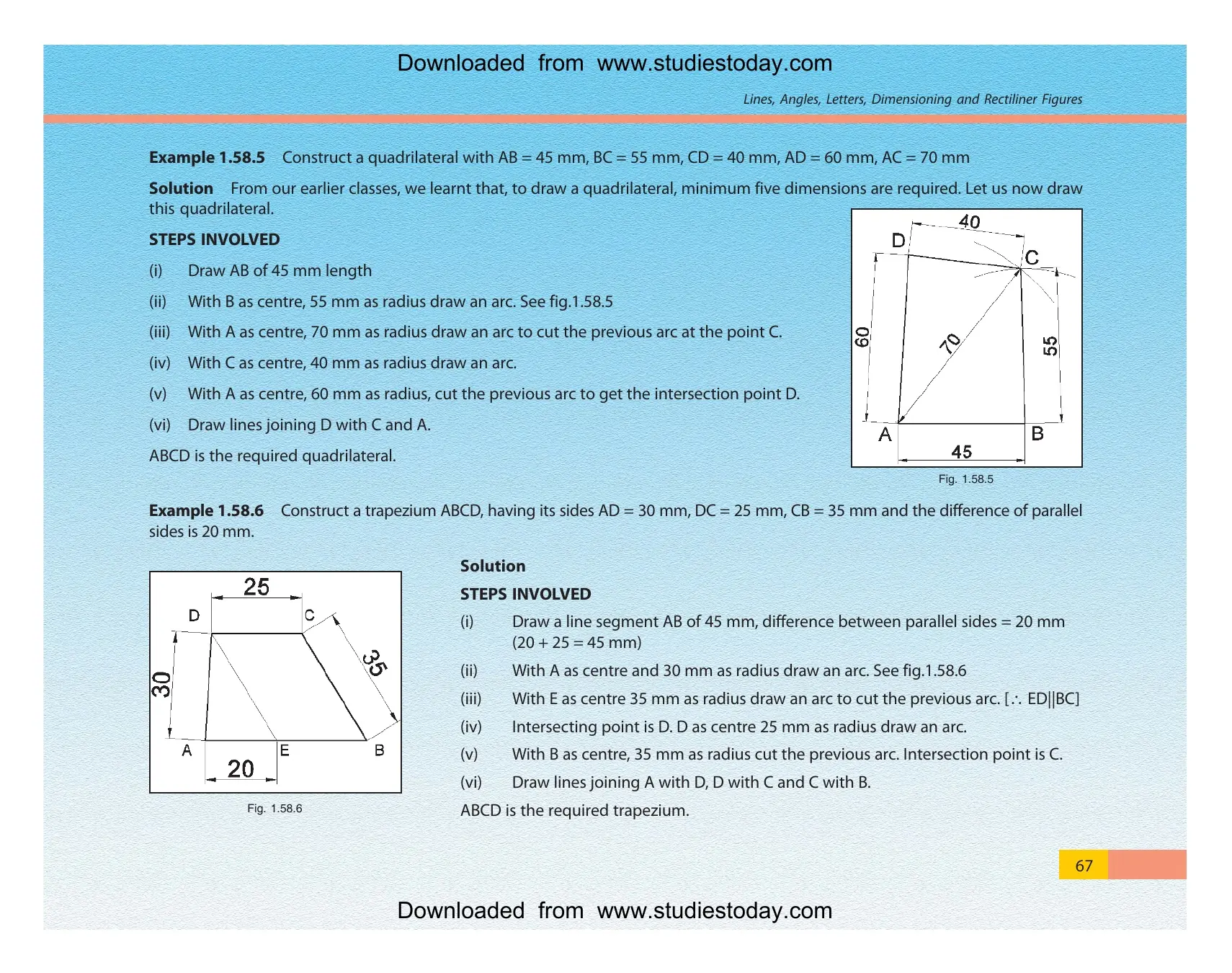
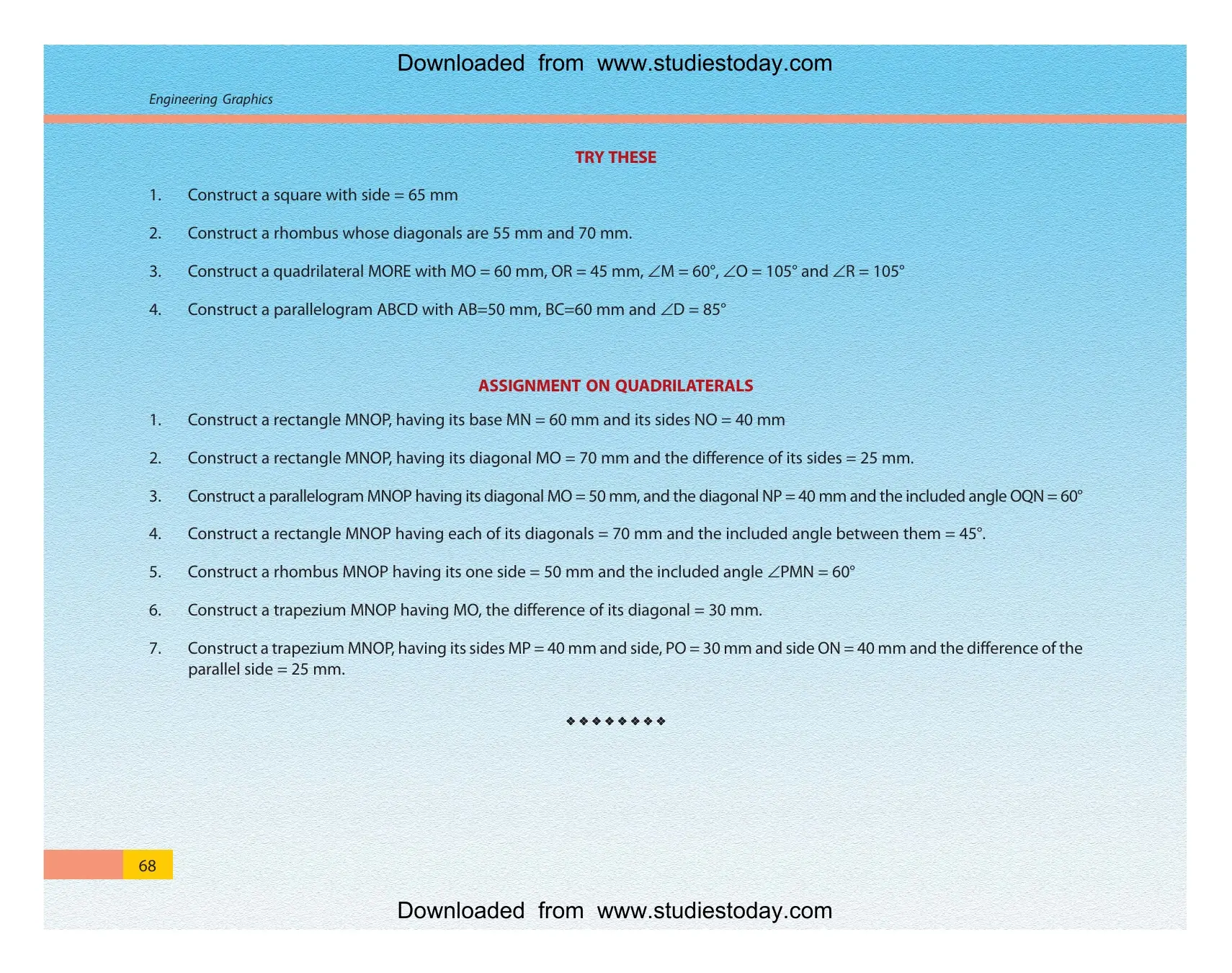
- Page count: 71 pages of textbook content for the drawing basics unit.
- Core focus: line conventions, angles, lettering, dimensioning, triangles, quadrilaterals and polygons.
- Best use: read the PDF once, then practise each construction on a drawing sheet.
This Engineering Graphics PDF is kept as the textbook chapter students need for the 2026-27 syllabus, with the main drawing checks explained in plain language by Collegedunia.
What the Lines, Angles, and Rectilinear Figures PDF Contains
The chapter starts with the role of Engineering Graphics as a technical language. It then moves into line quality, drawing instruments, lettering, dimensioning, and simple rectilinear constructions. Students should treat this PDF as a drawing-practice chapter, not a reading-only chapter.
| Part of the PDF | What students learn | Why it matters |
|---|---|---|
| Introduction | Why Engineering Graphics uses fixed symbols and conventions | Builds the language of technical drawing |
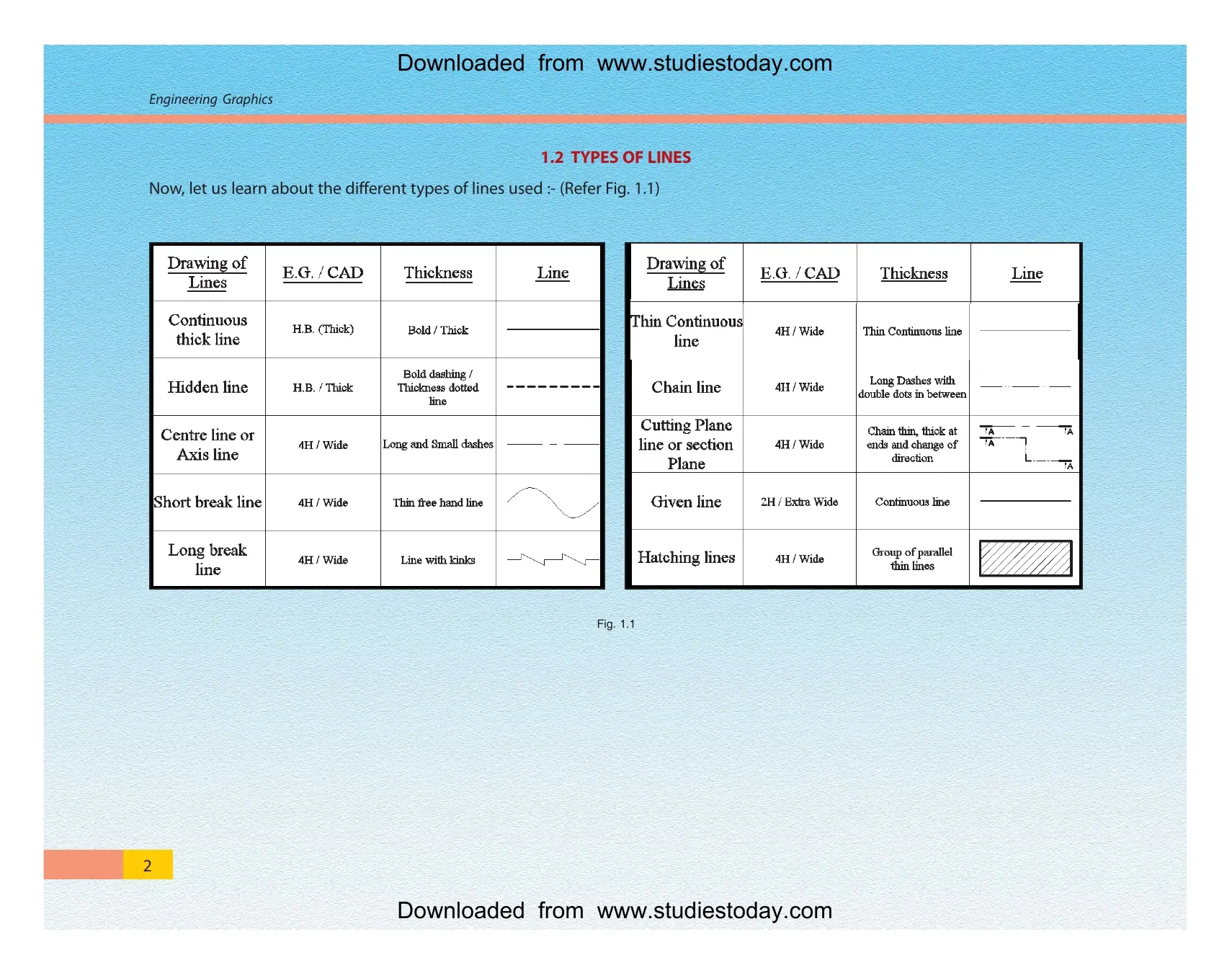
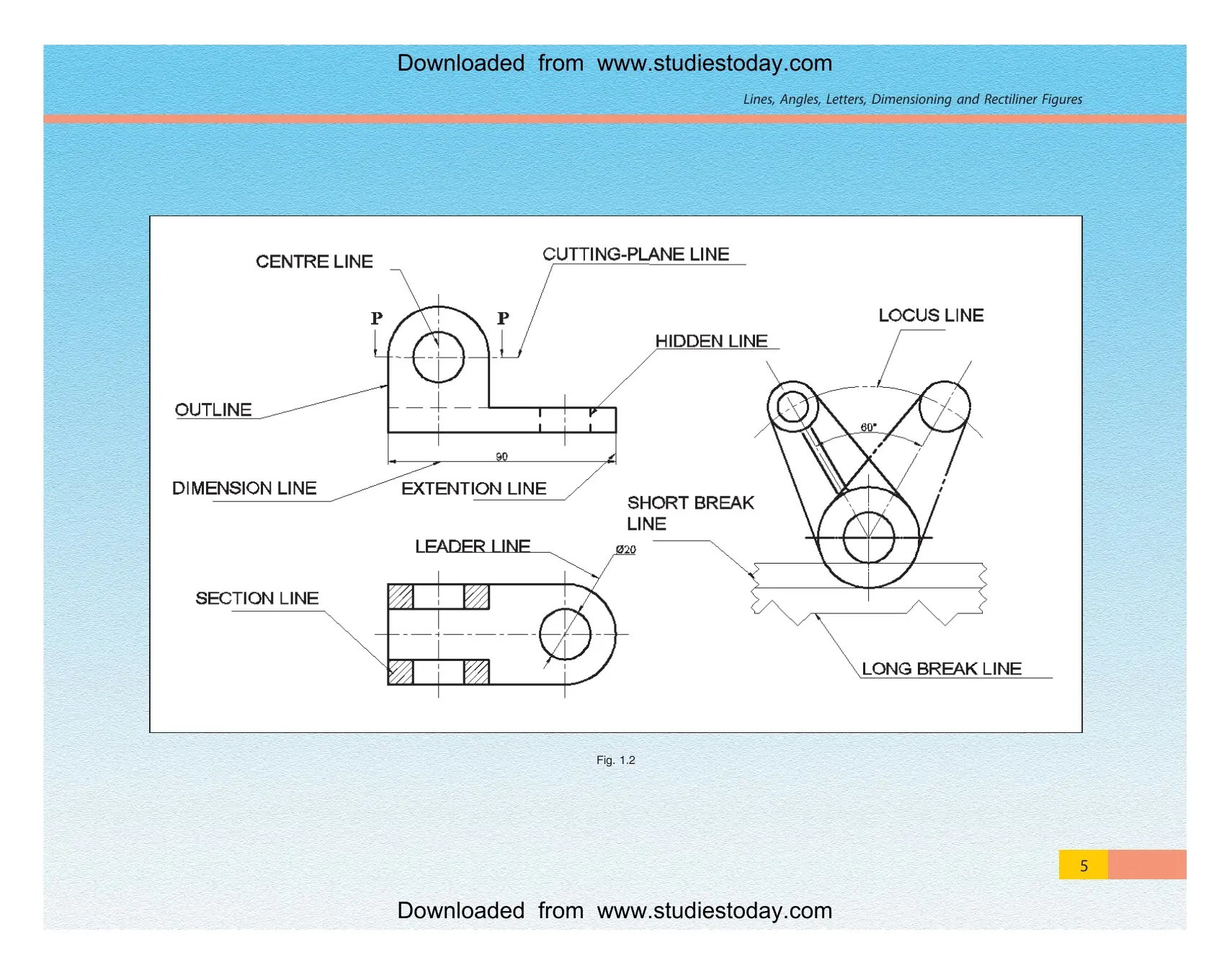
| Types of lines | Object, hidden, centre, dimension, leader and construction lines | Prevents wrong line weight in diagrams |
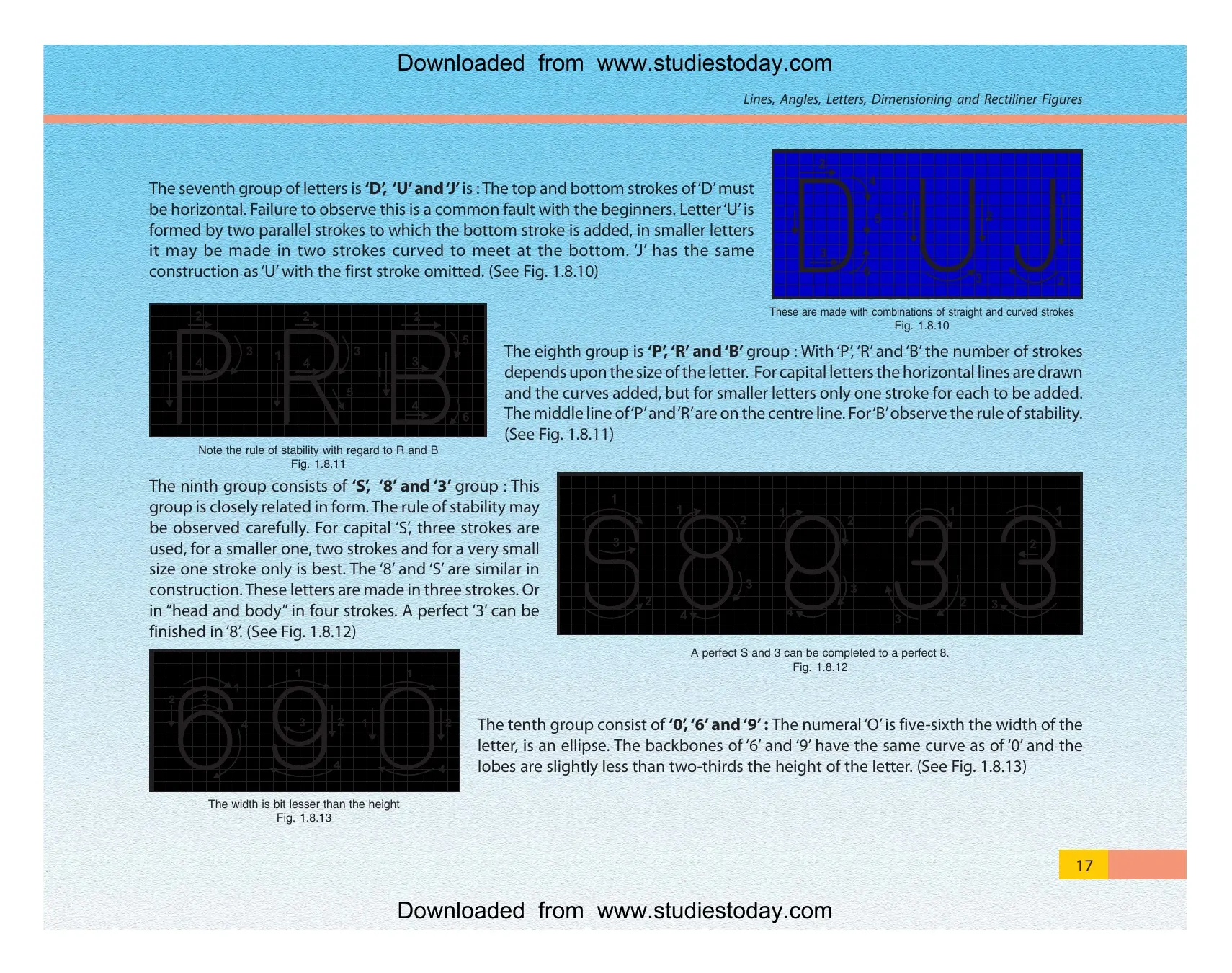
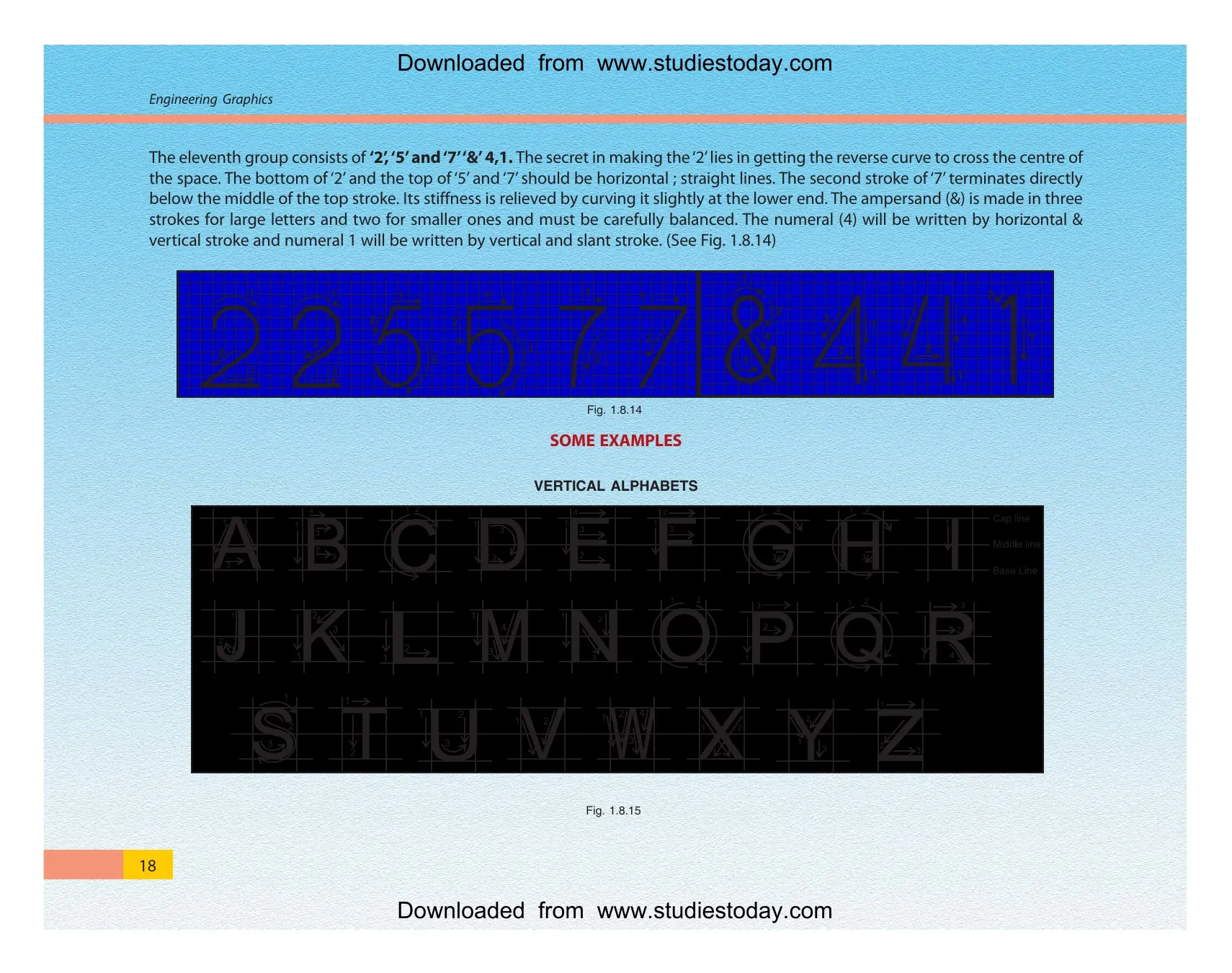
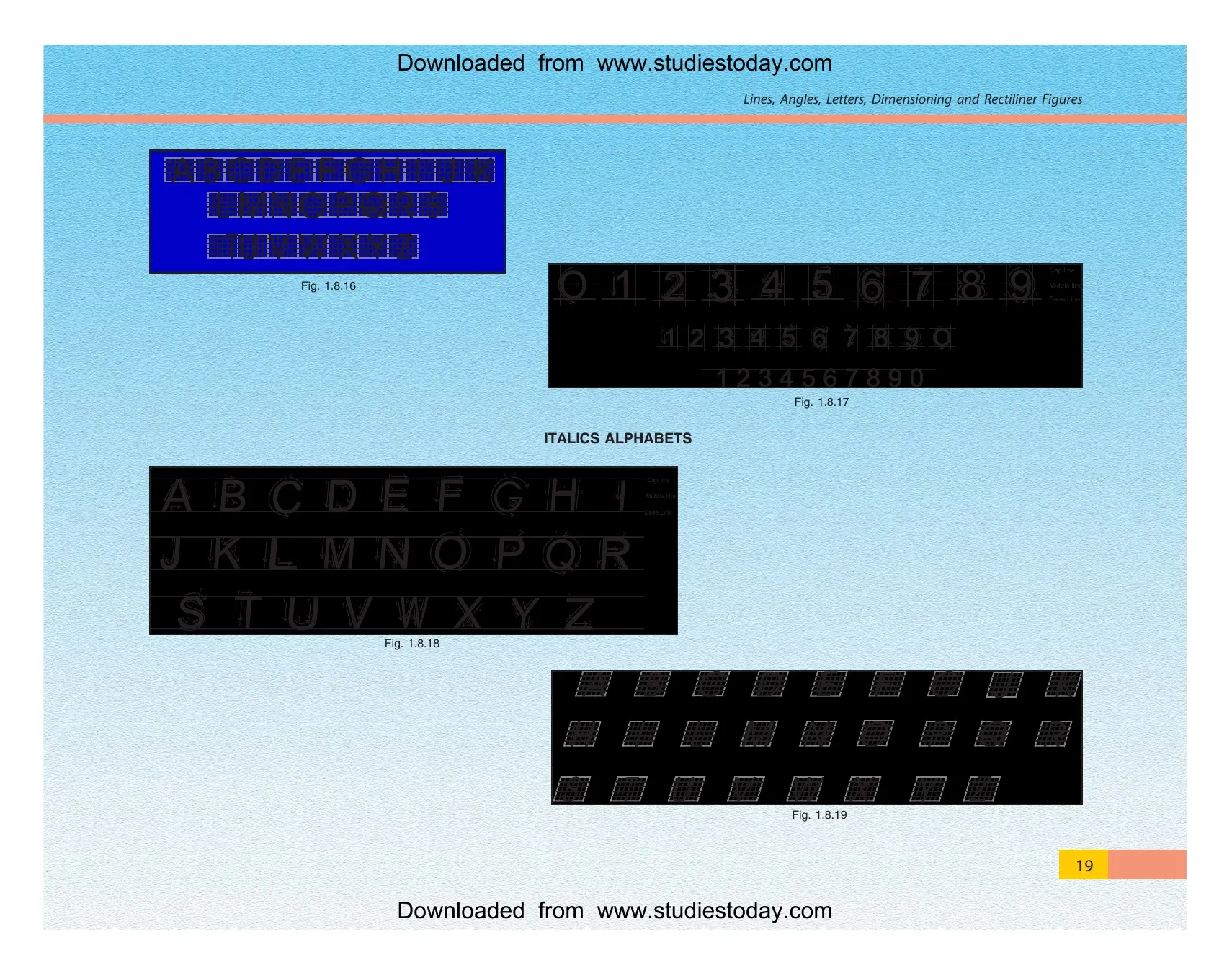
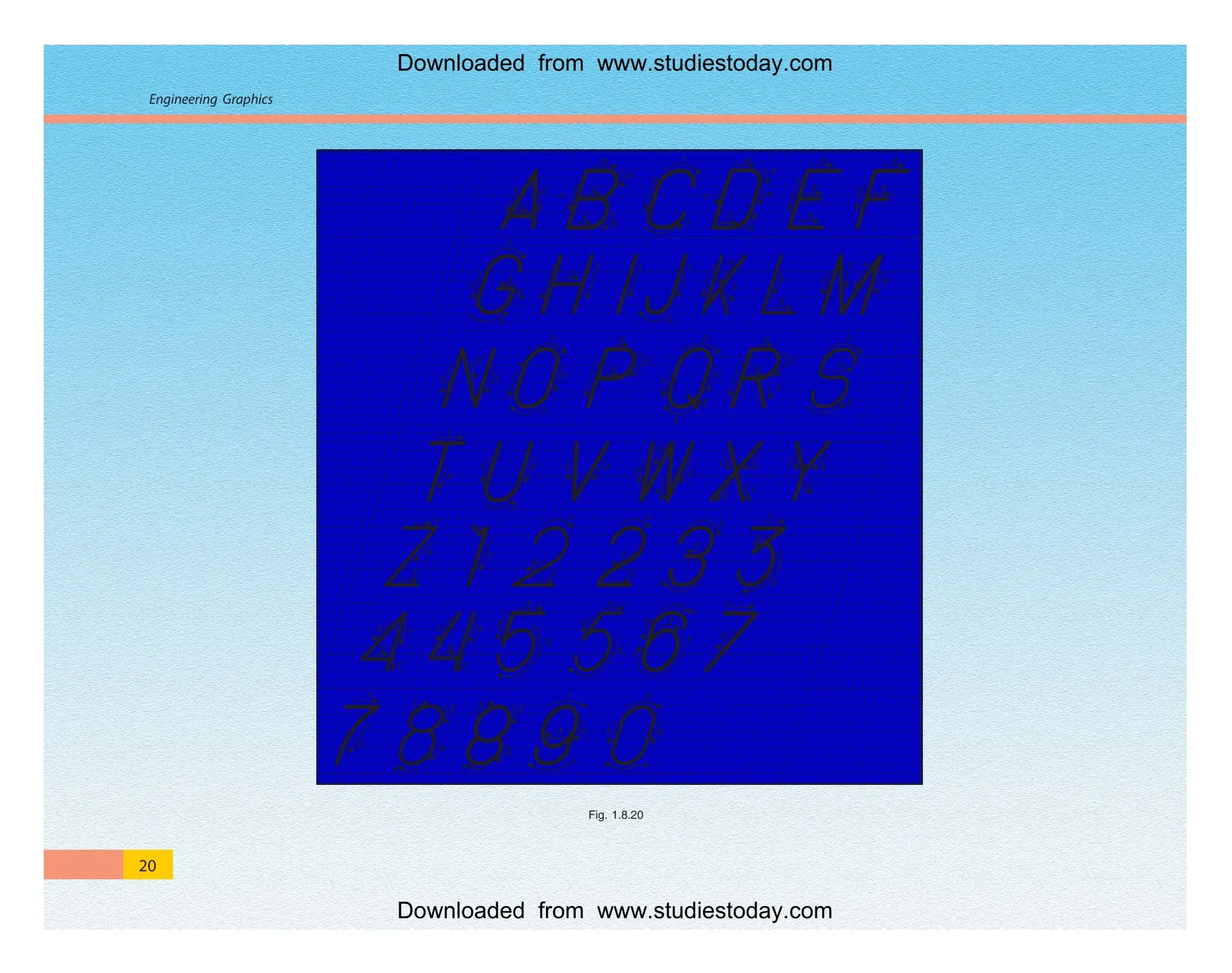
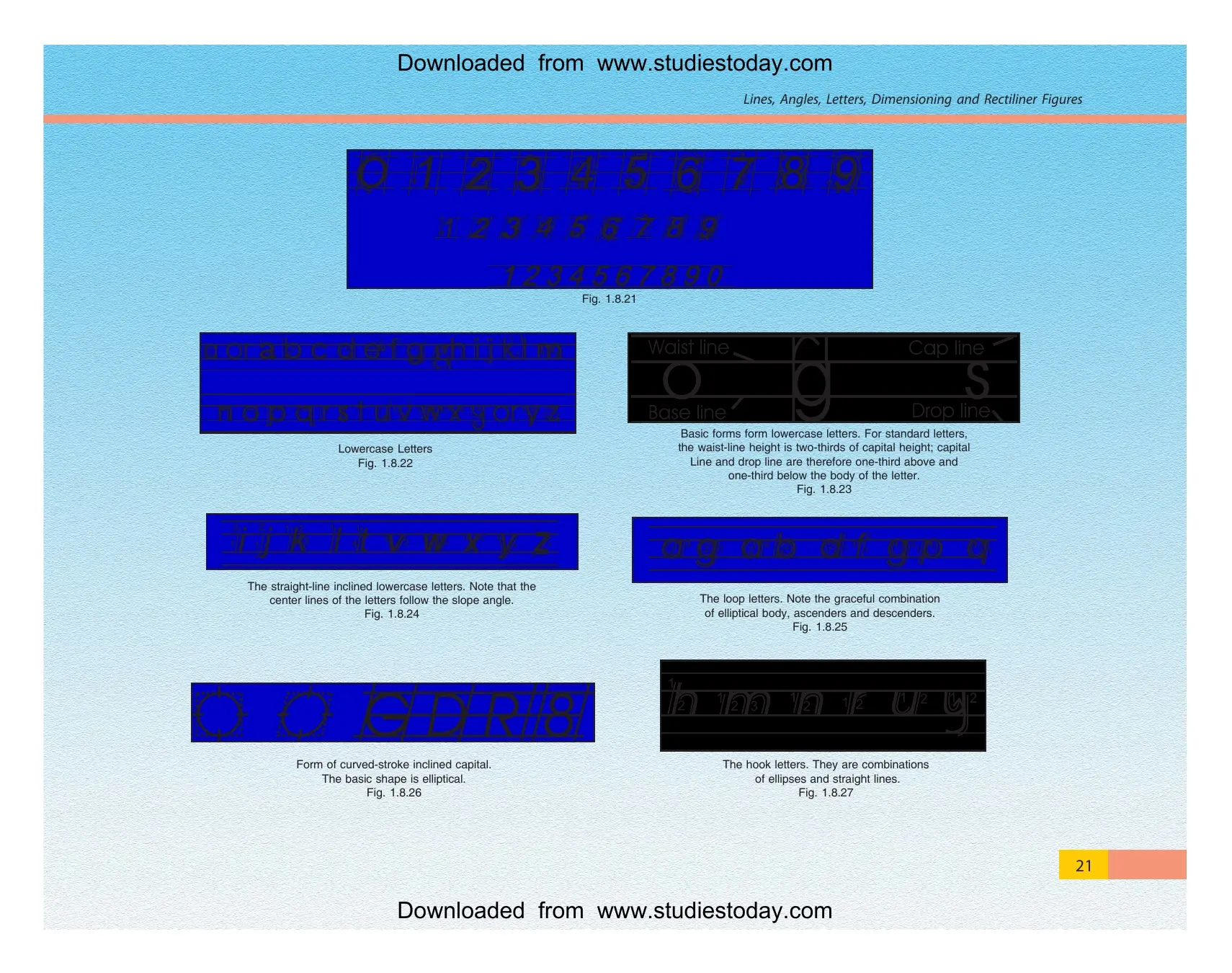
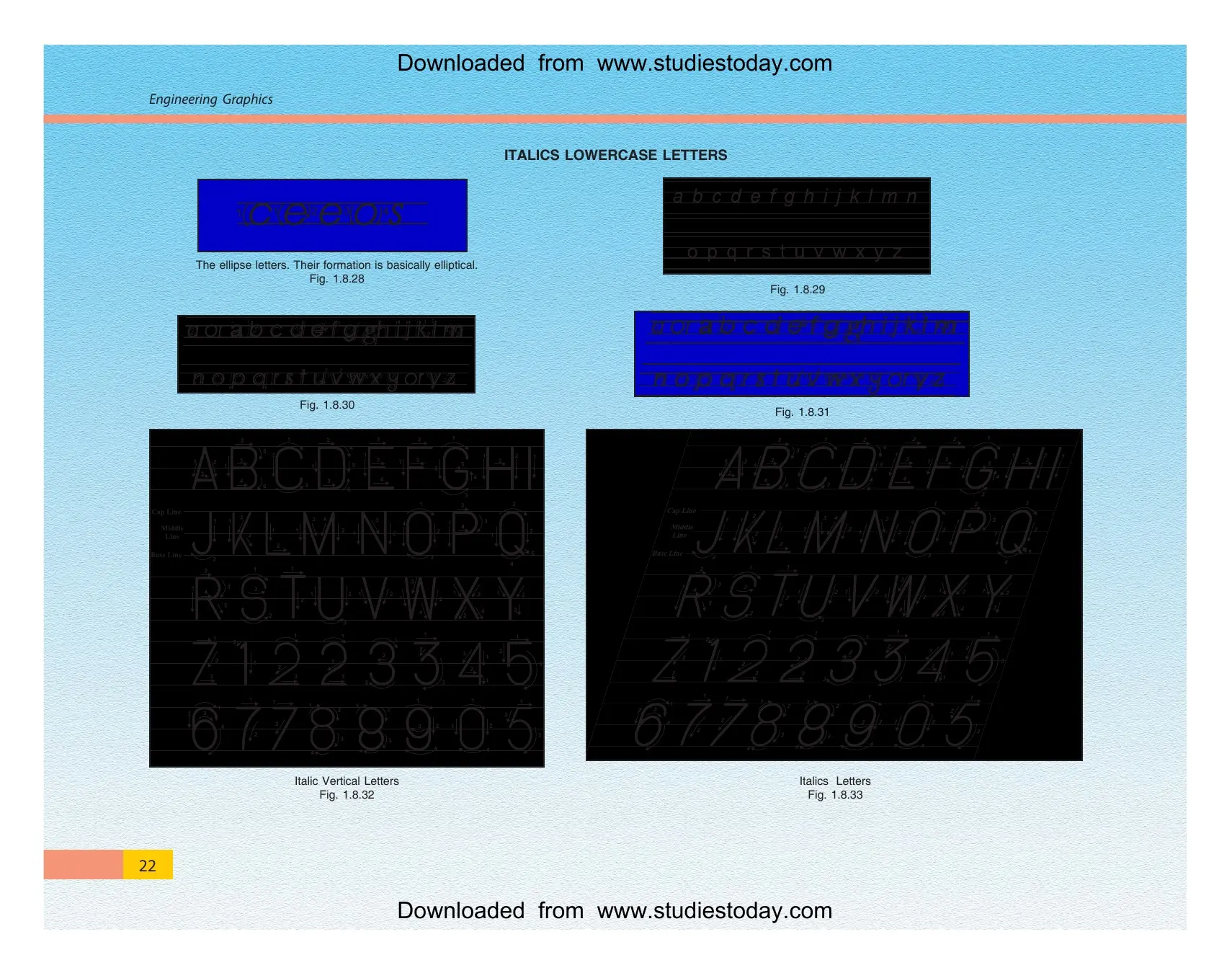
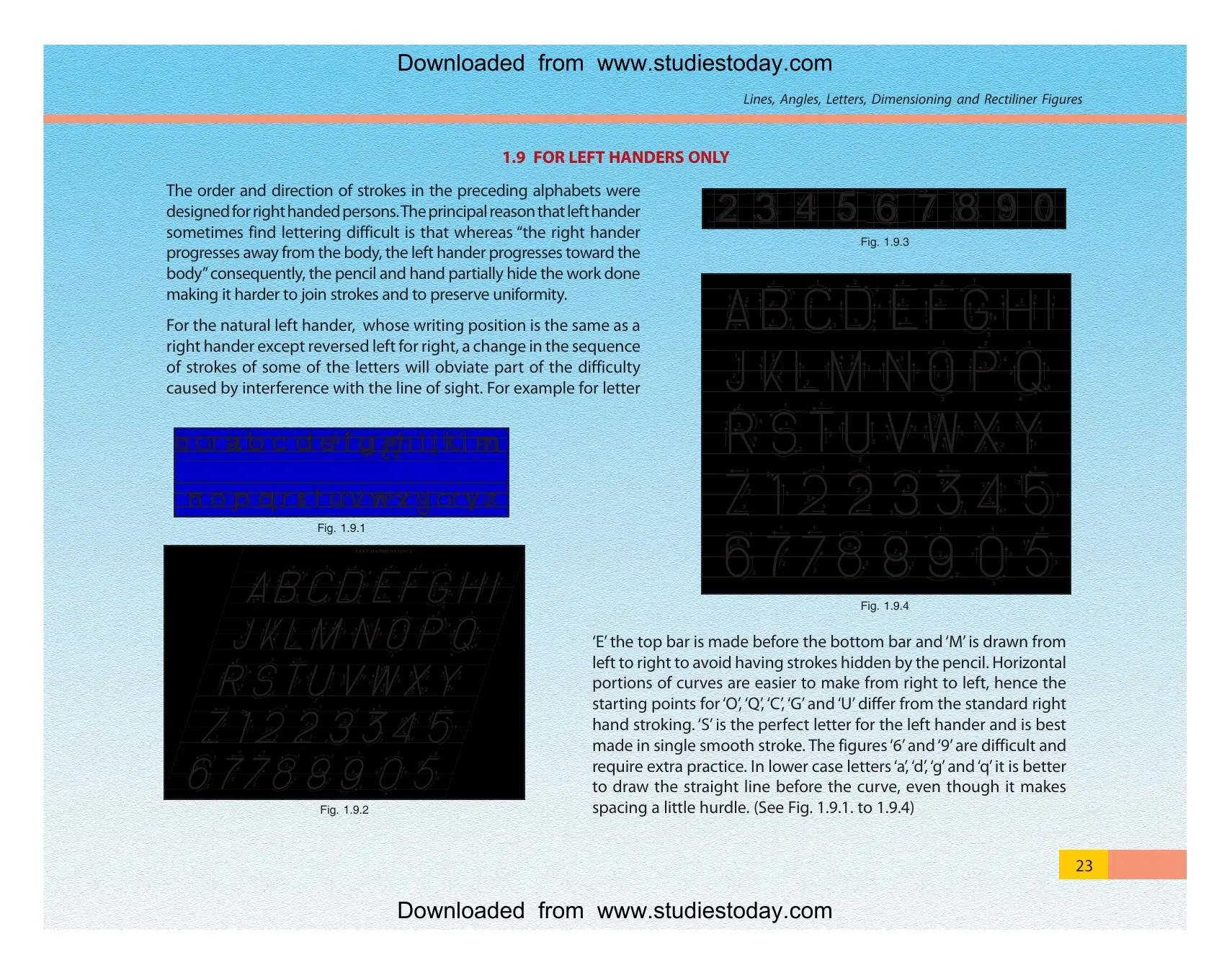
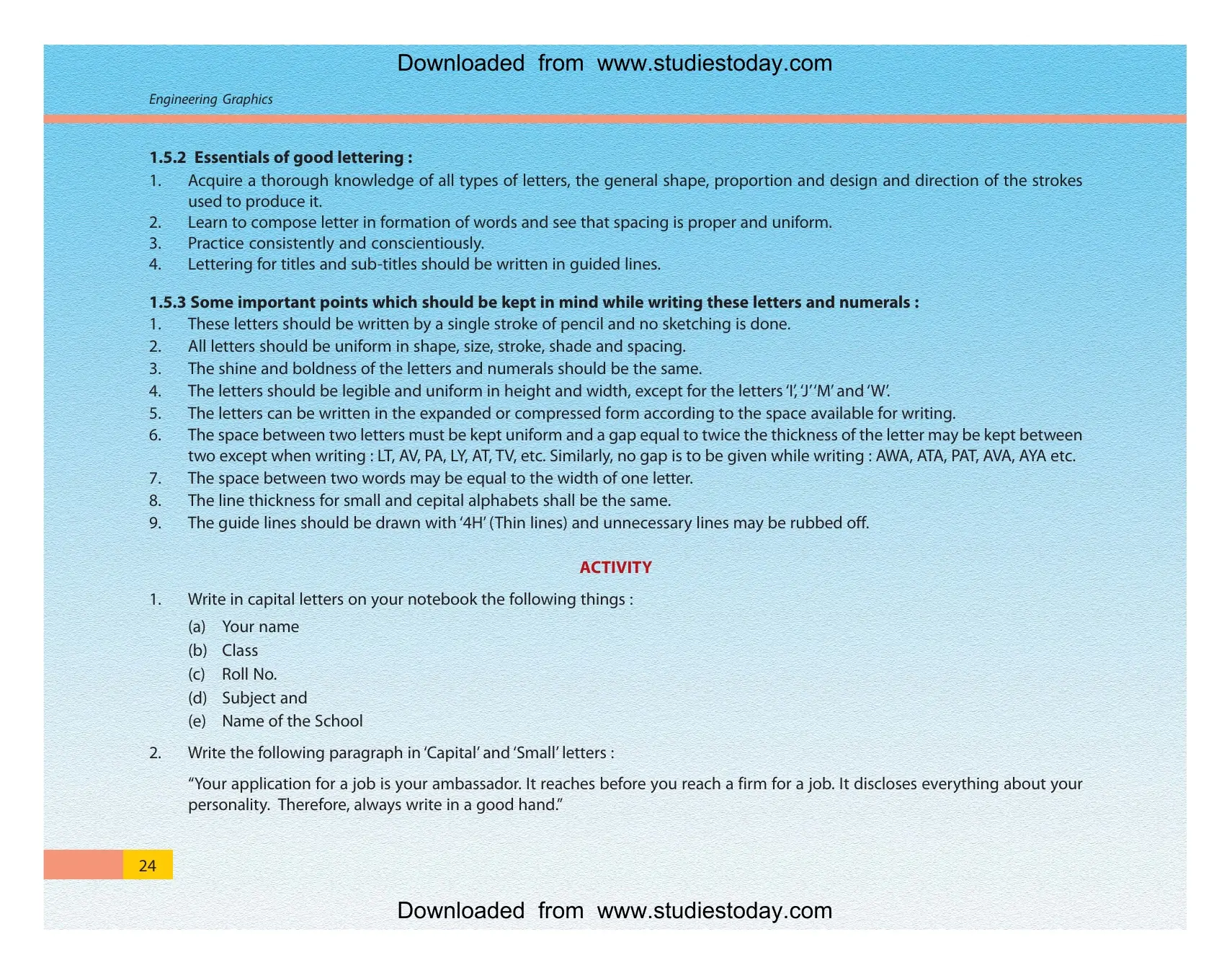
| Lettering and numerals | Standard proportions for neat labels and notes | Makes sheets easy to check |
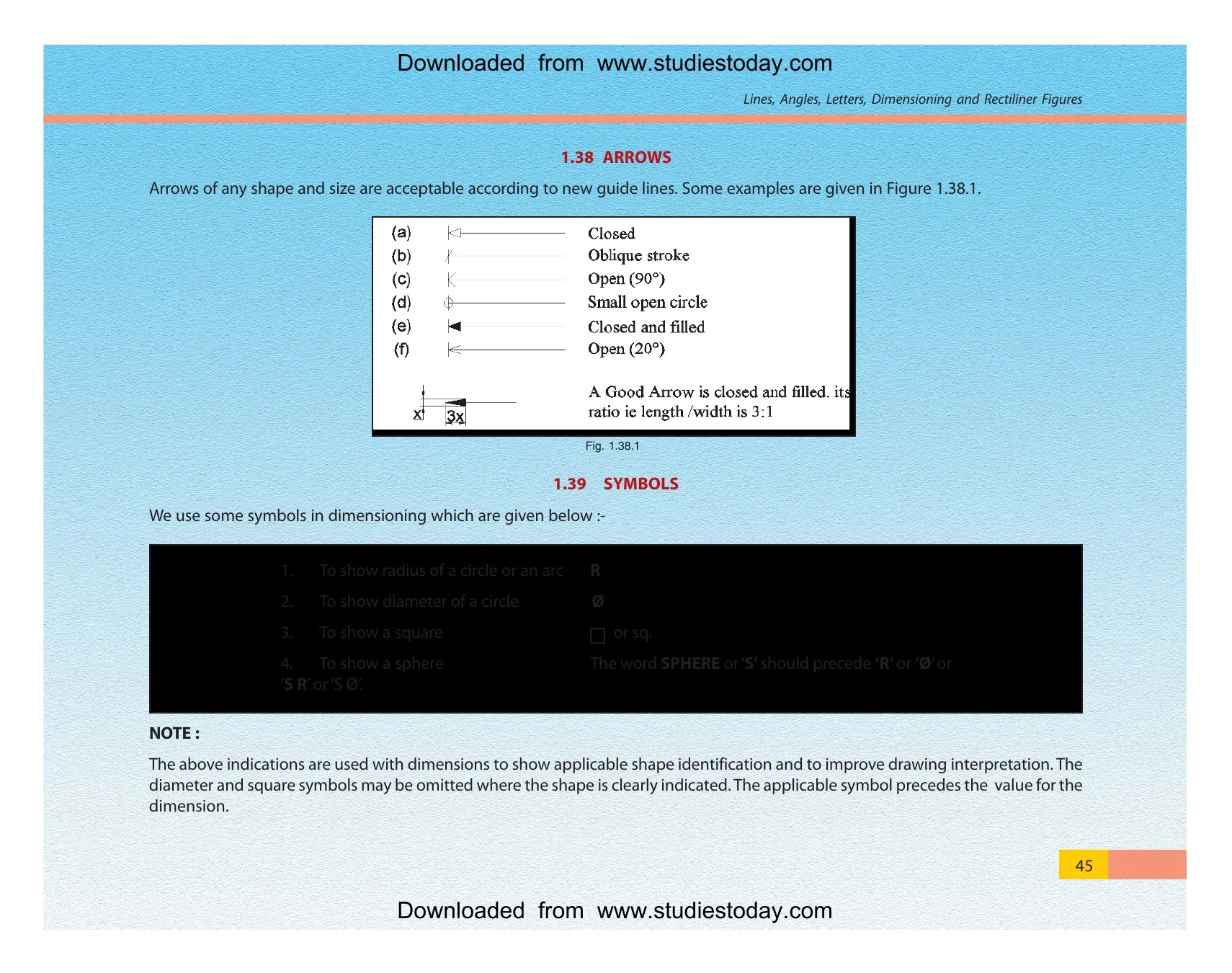
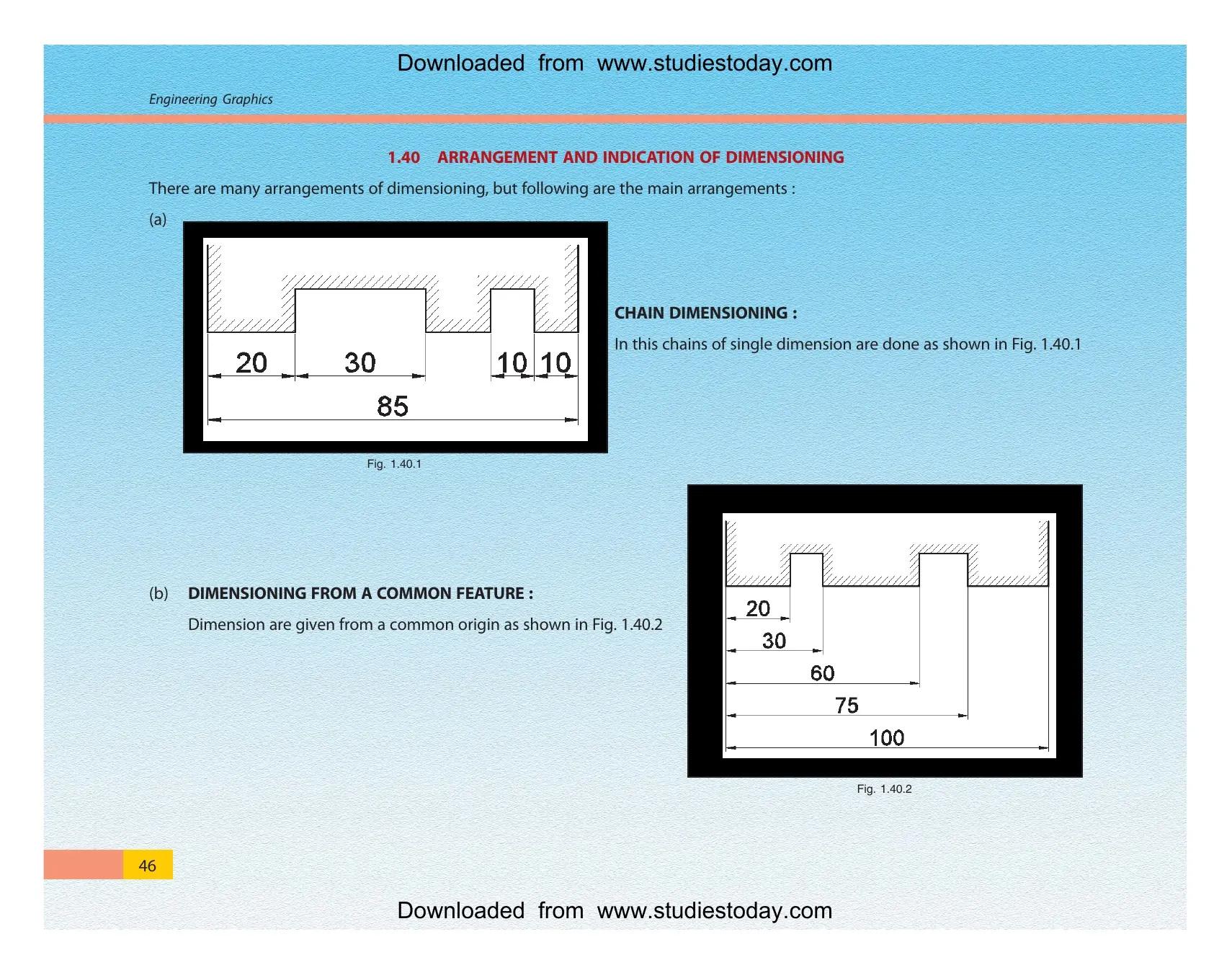
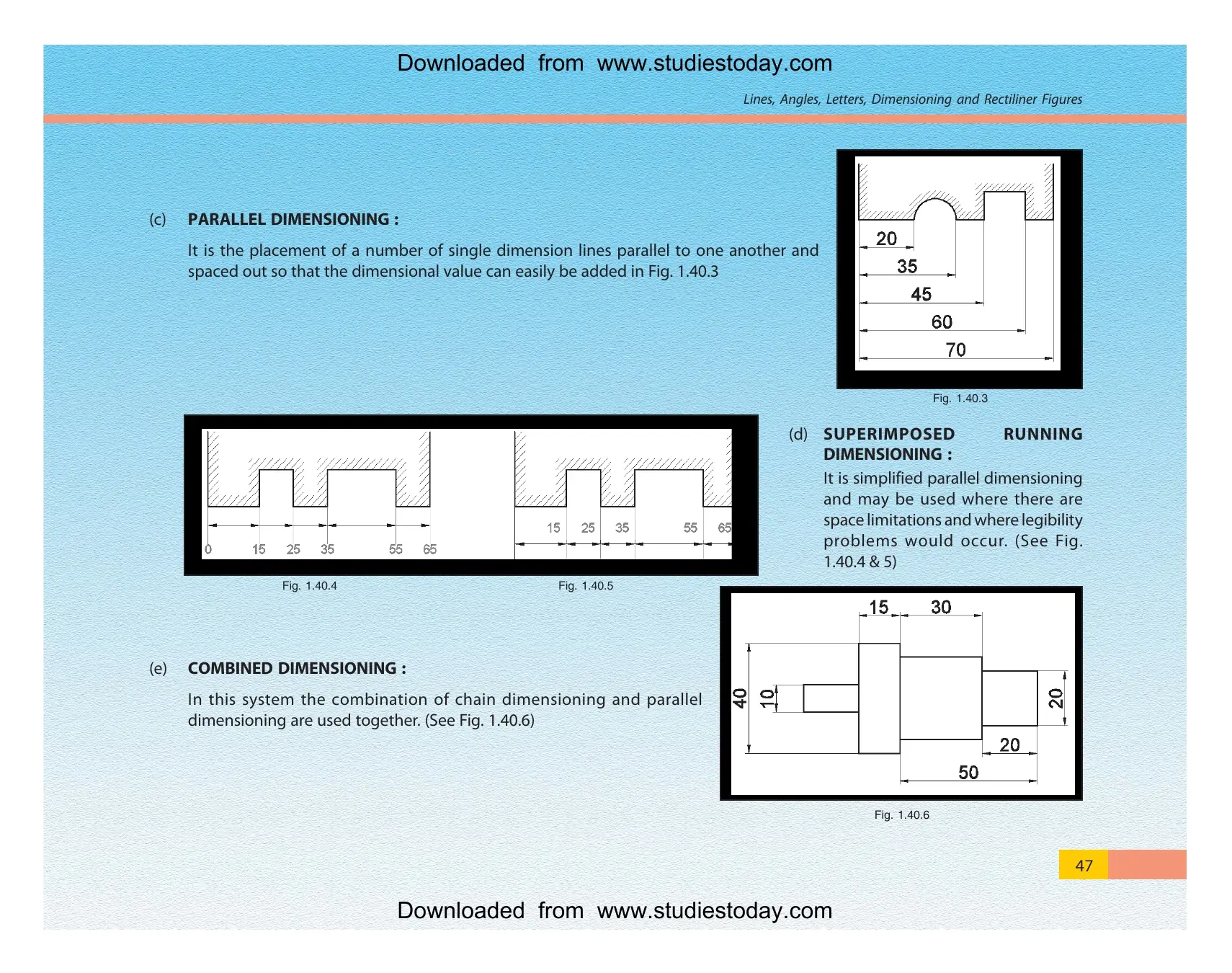
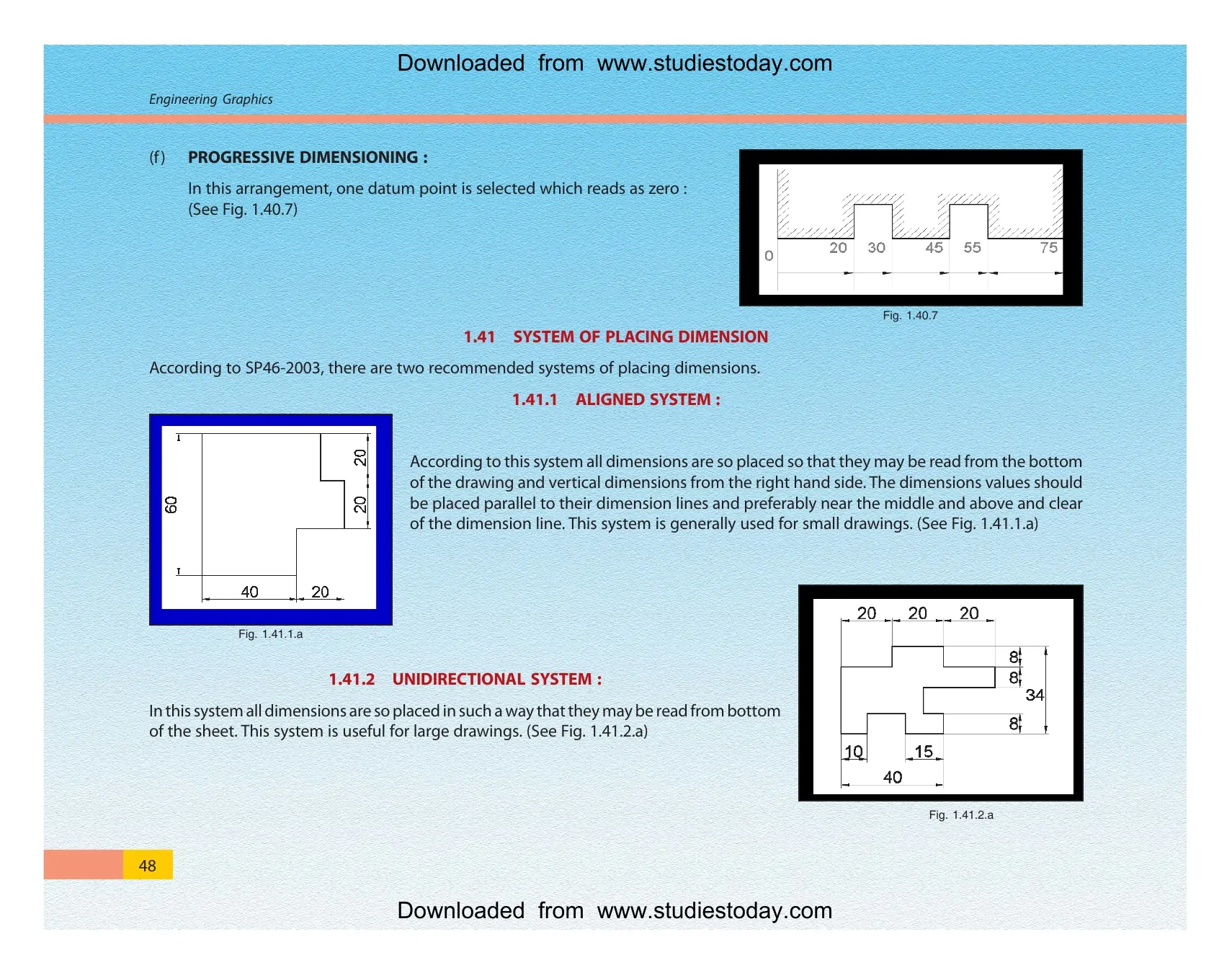
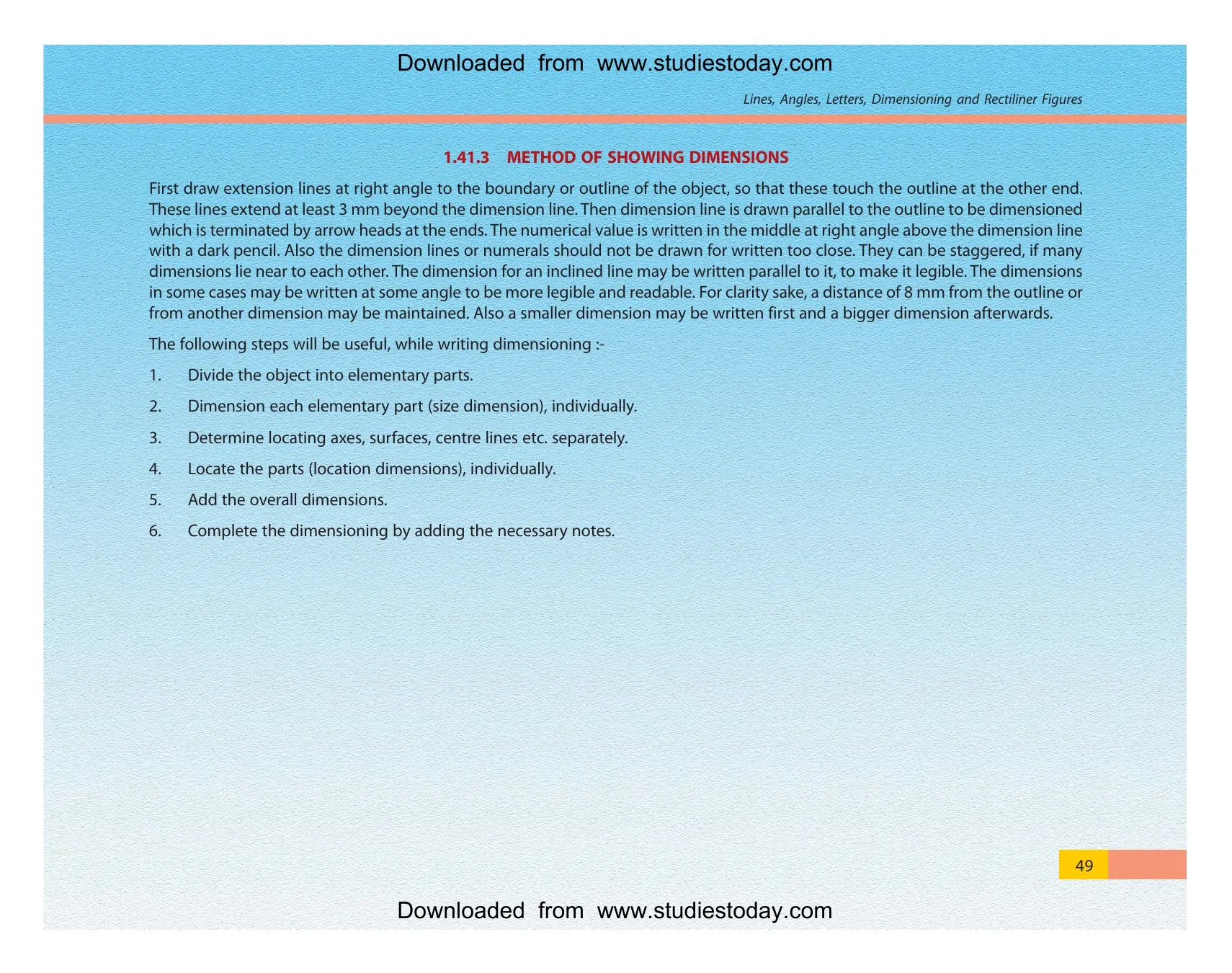
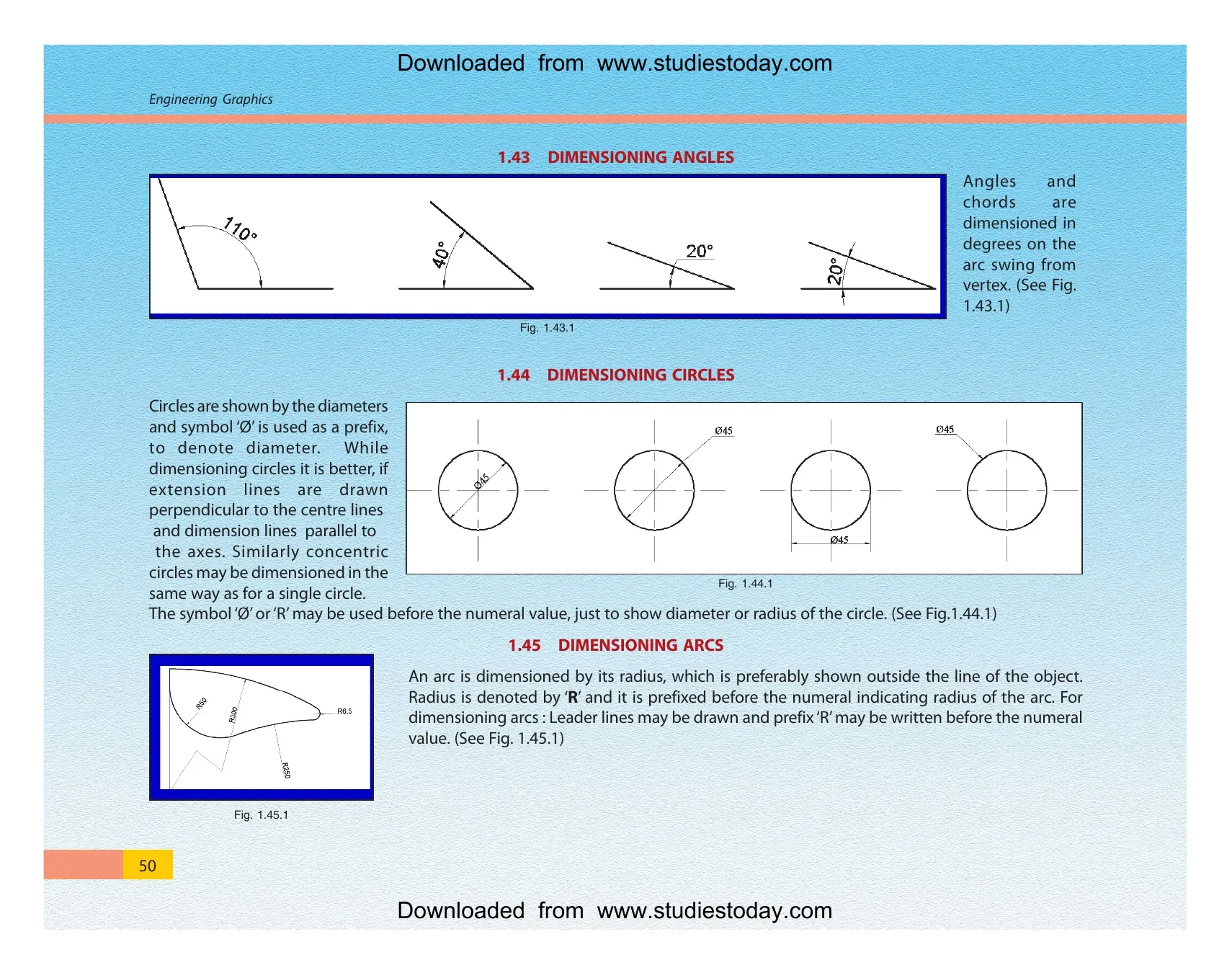
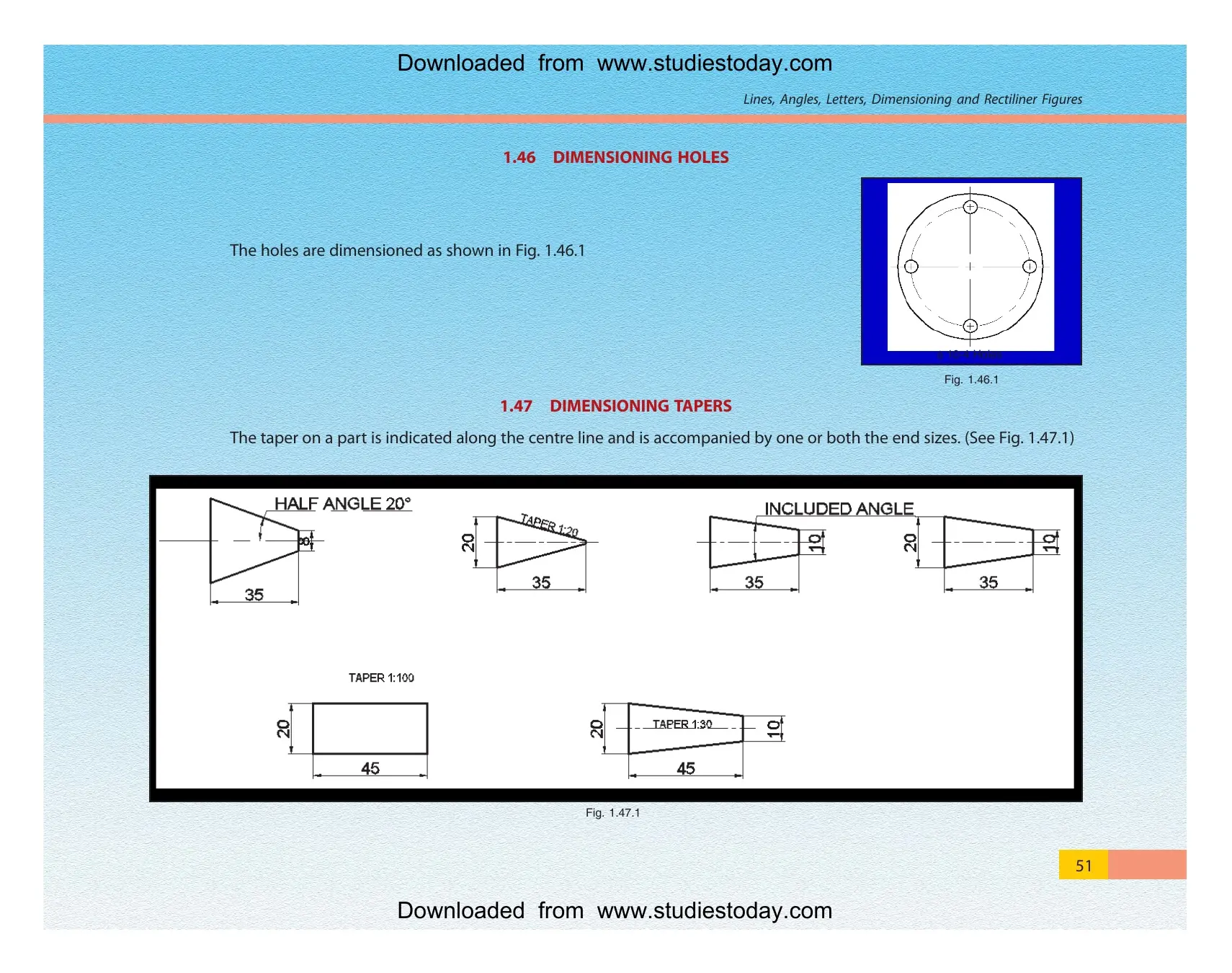
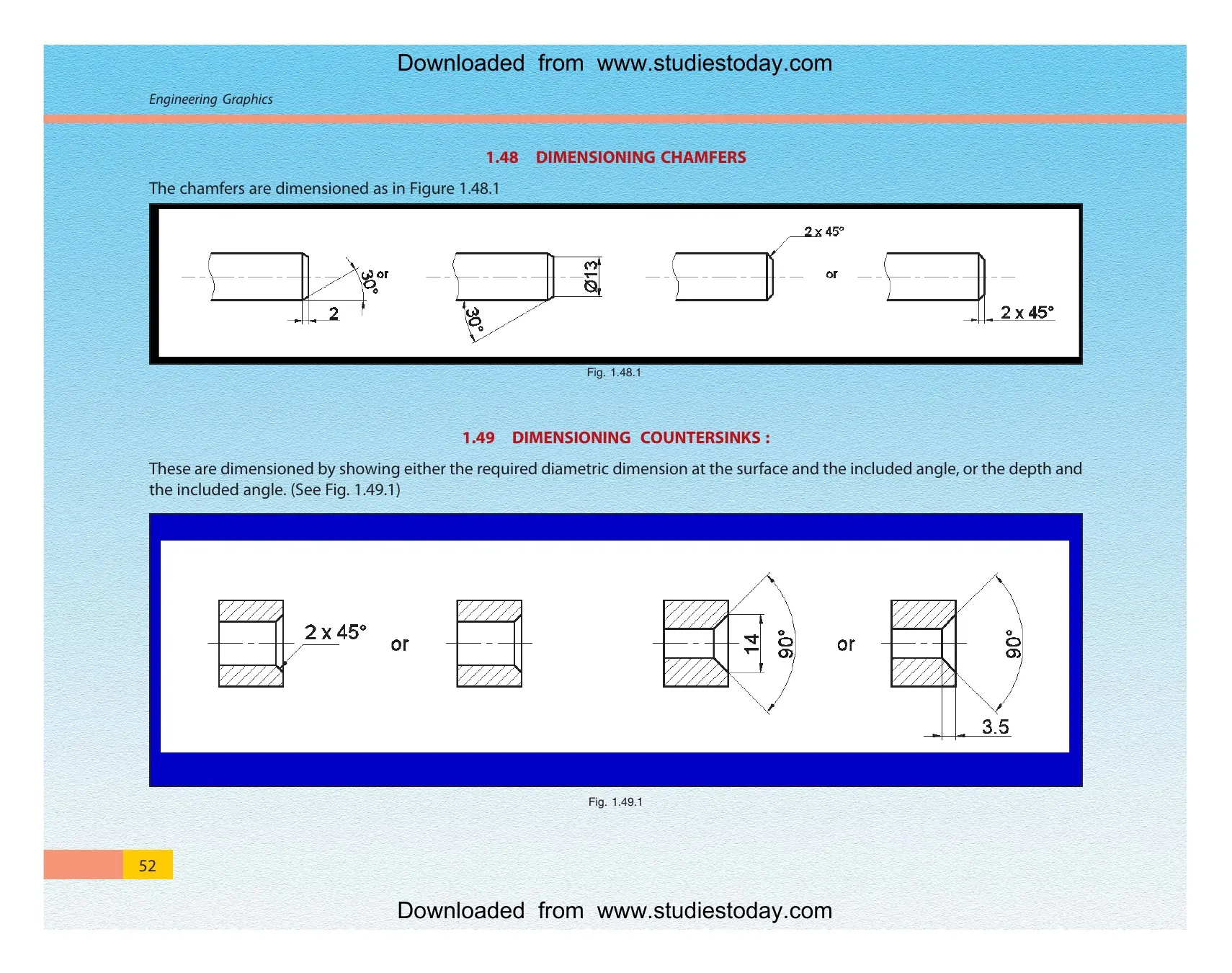
| Dimensioning | Extension lines, arrowheads, spacing and measurement placement | Shows the size of every drawing clearly |
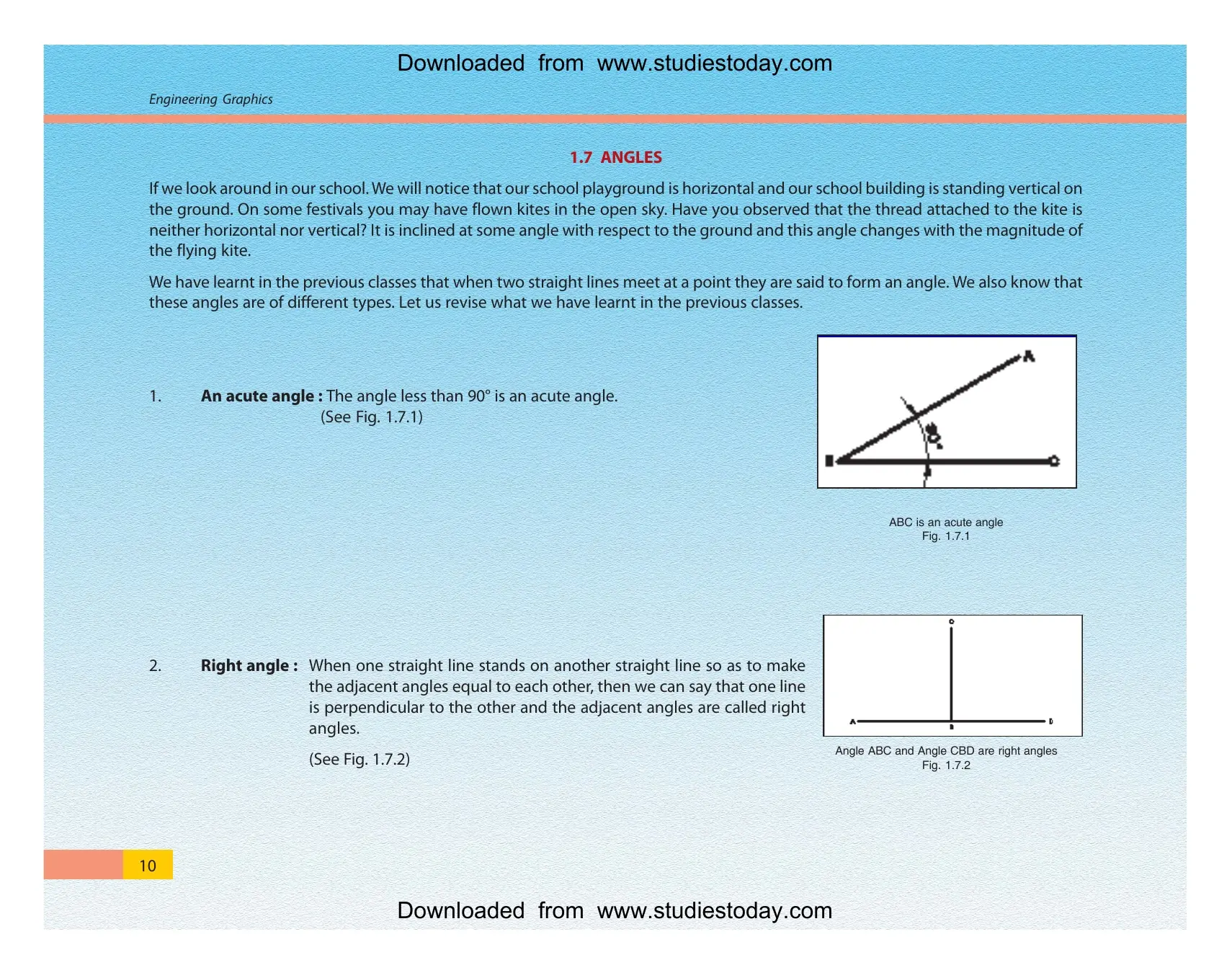
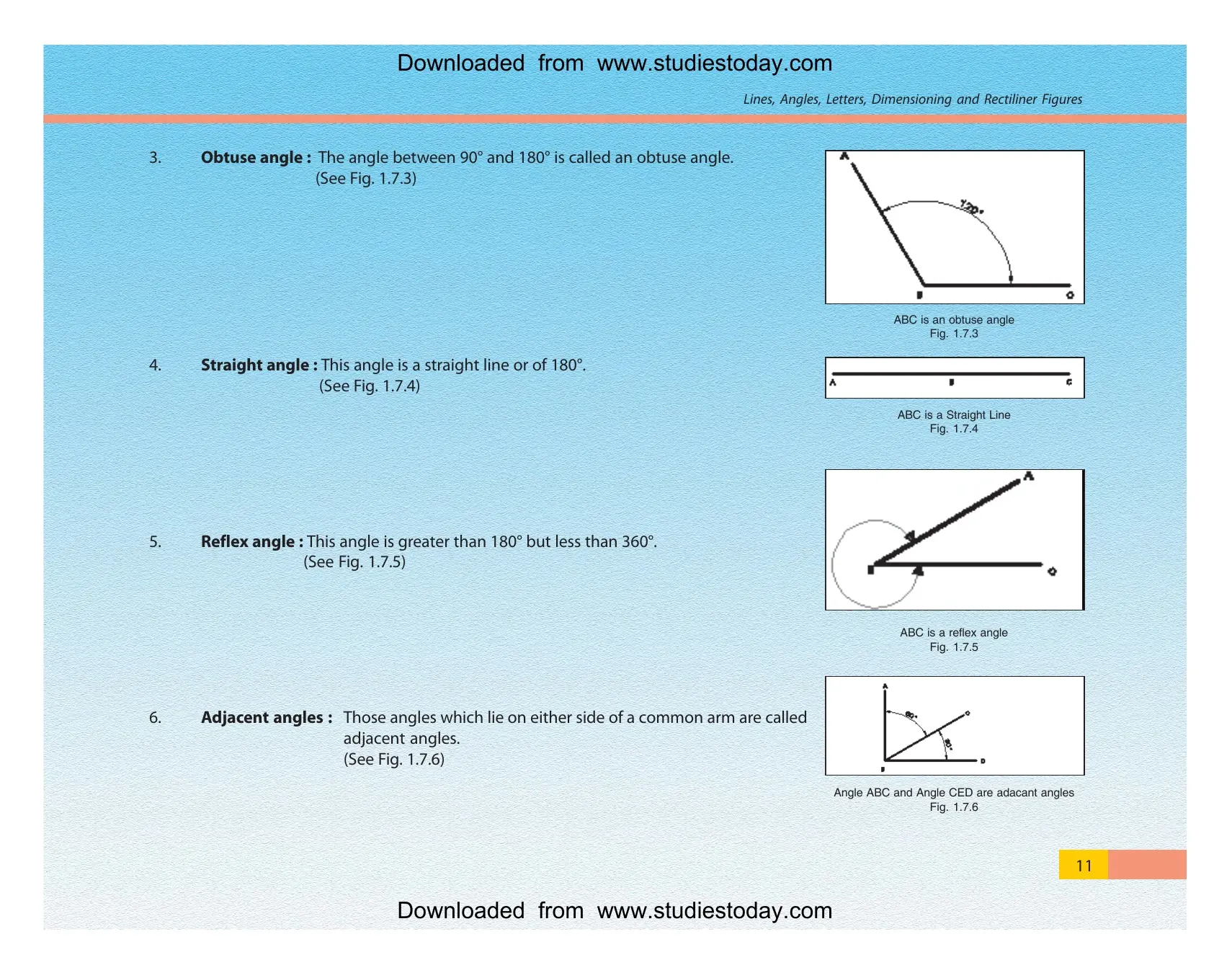
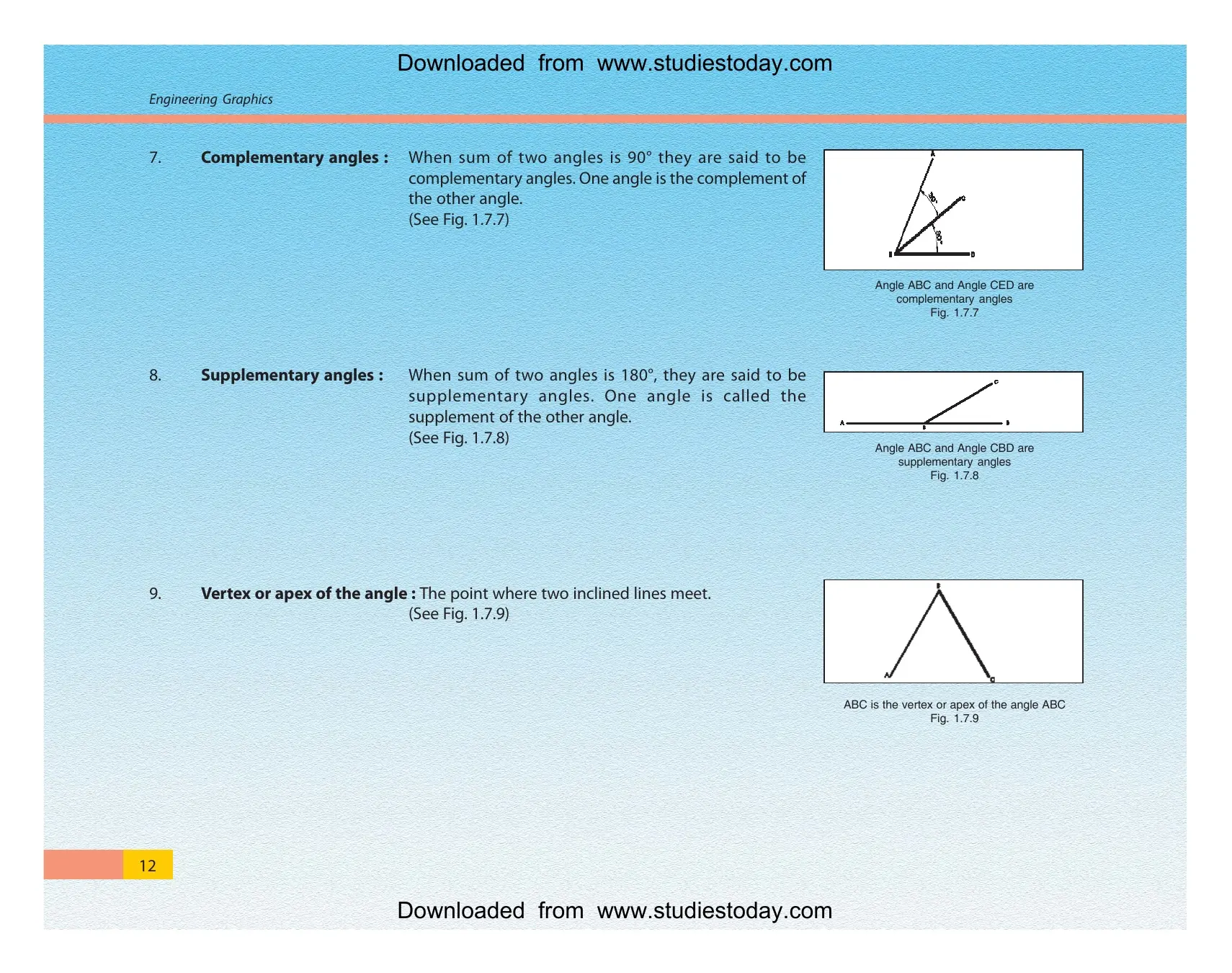
| Rectilinear figures | Angles, triangles, quadrilaterals and regular polygons | Feeds direct construction questions |
Lines and Angles Drawing Basics for Class 11
Source: VISHWAKARMA ENGINEERING DRAWING CLASSES on YouTube
Engineering Graphics Line Types Every Student Must Know
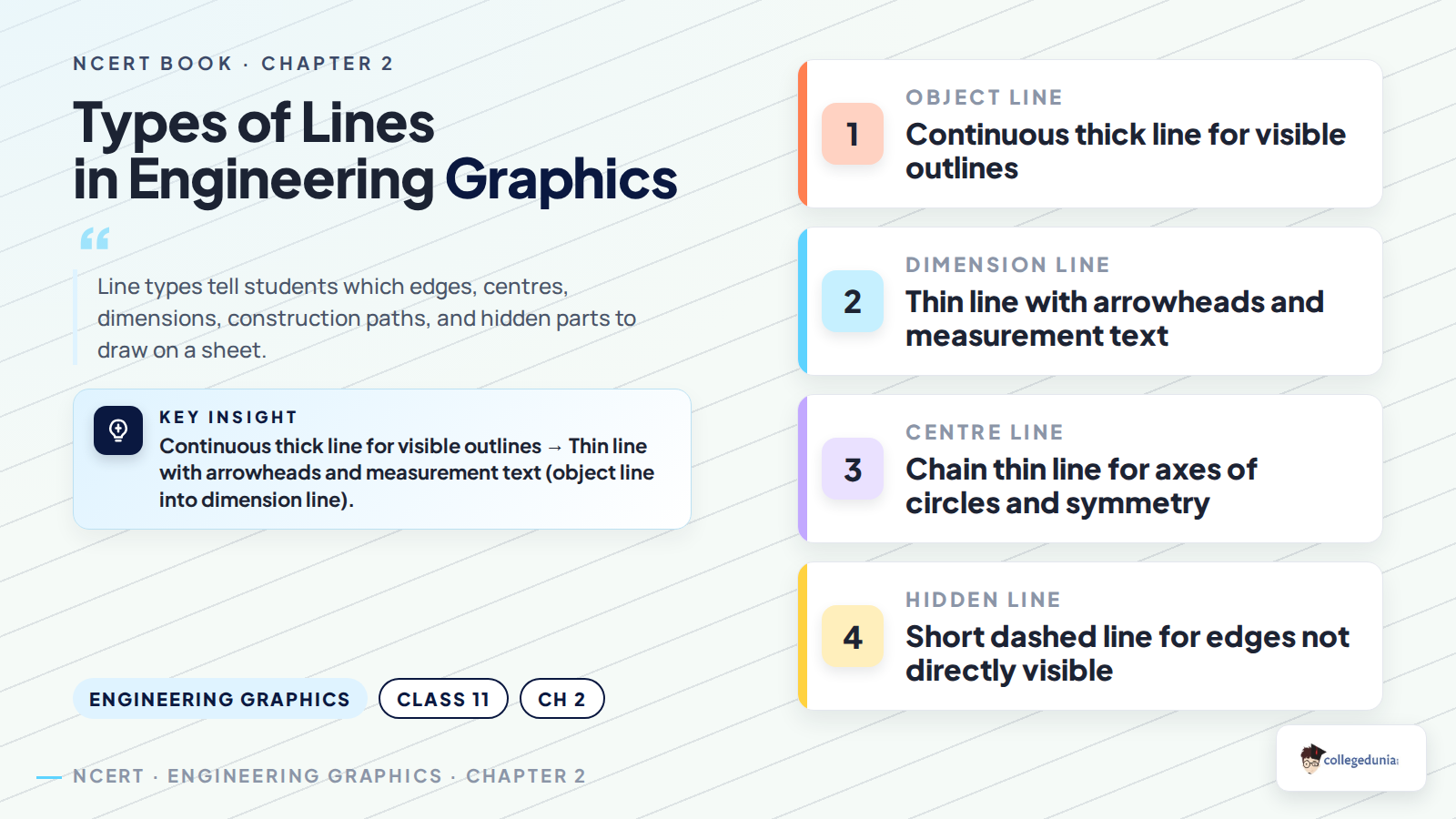
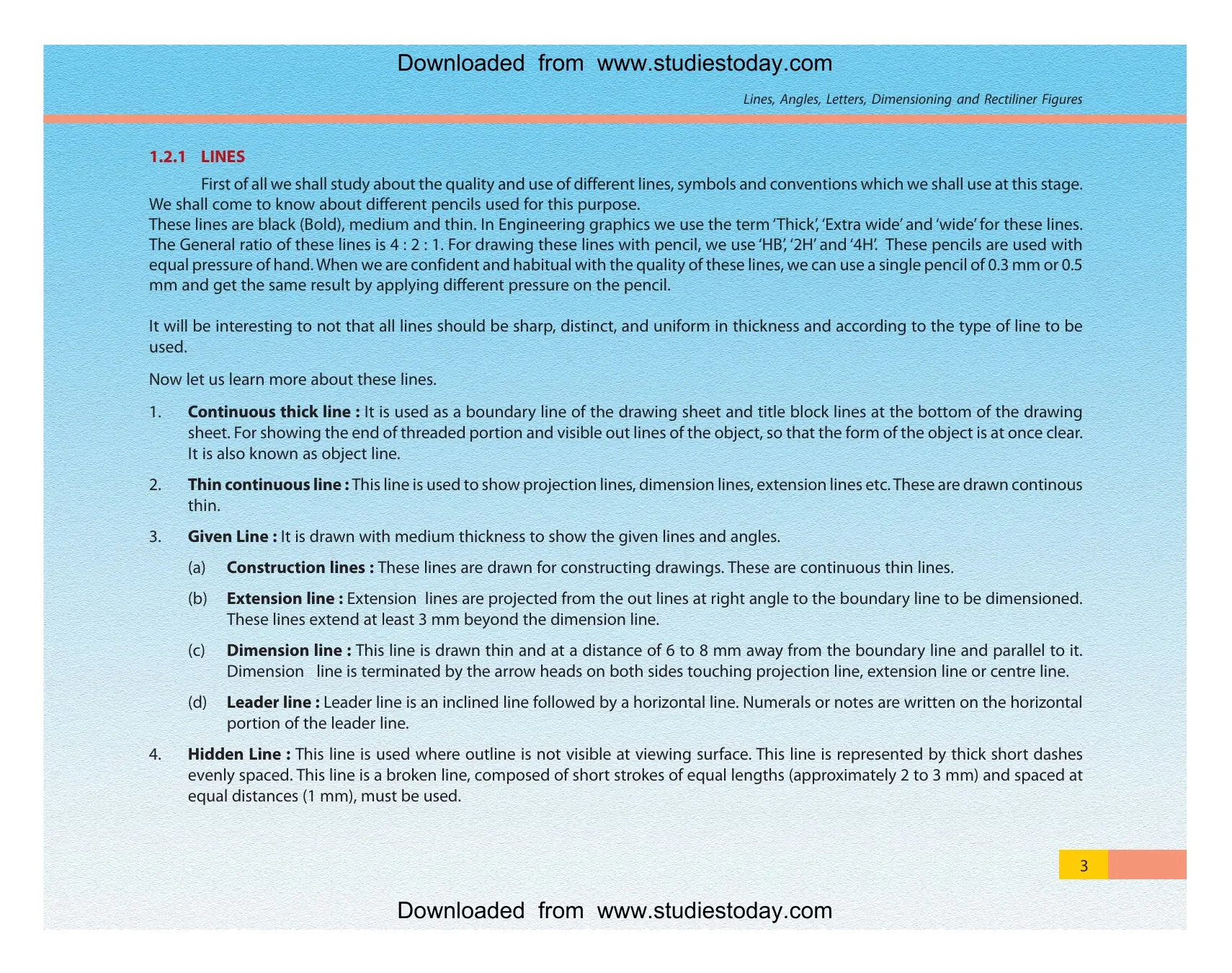
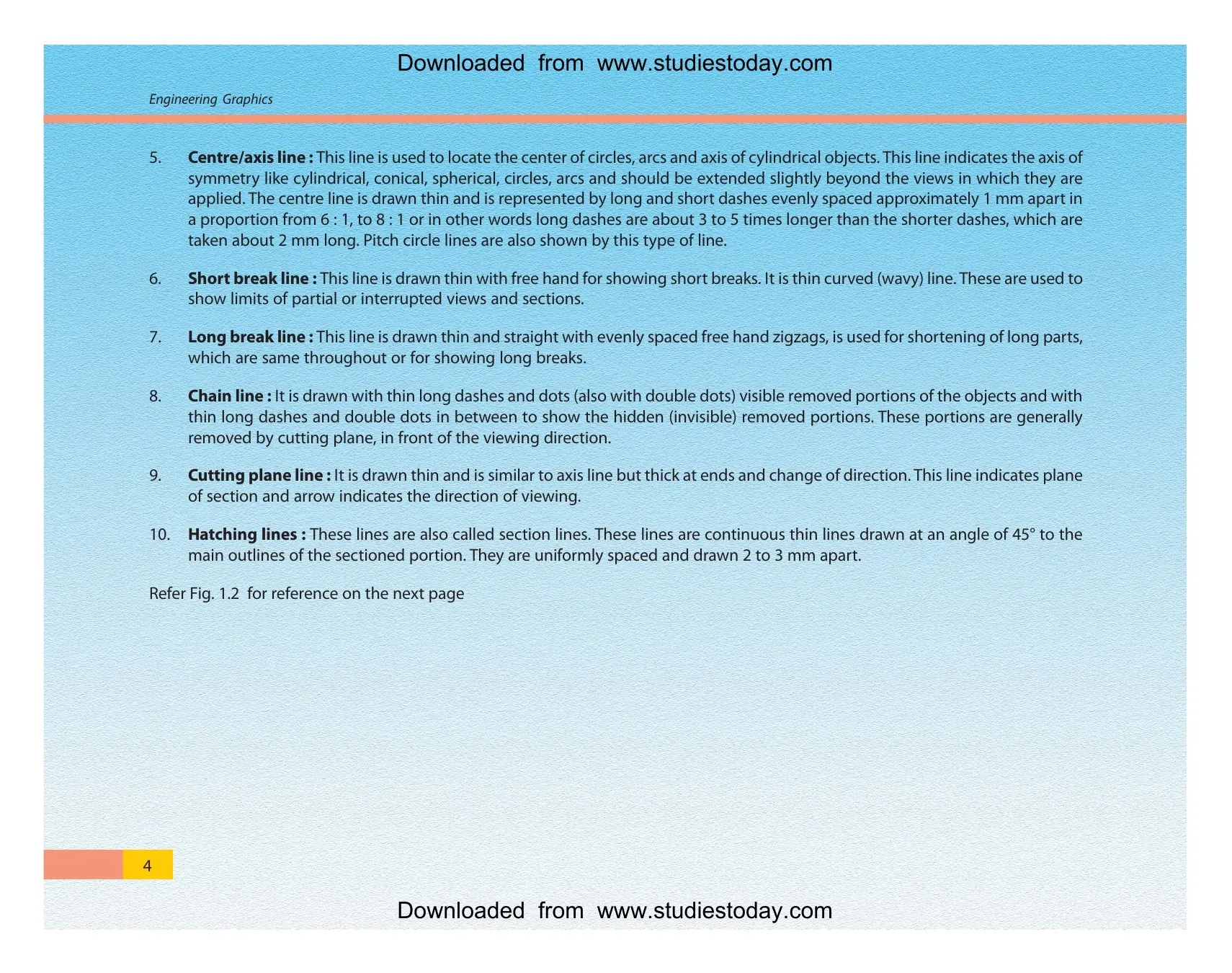
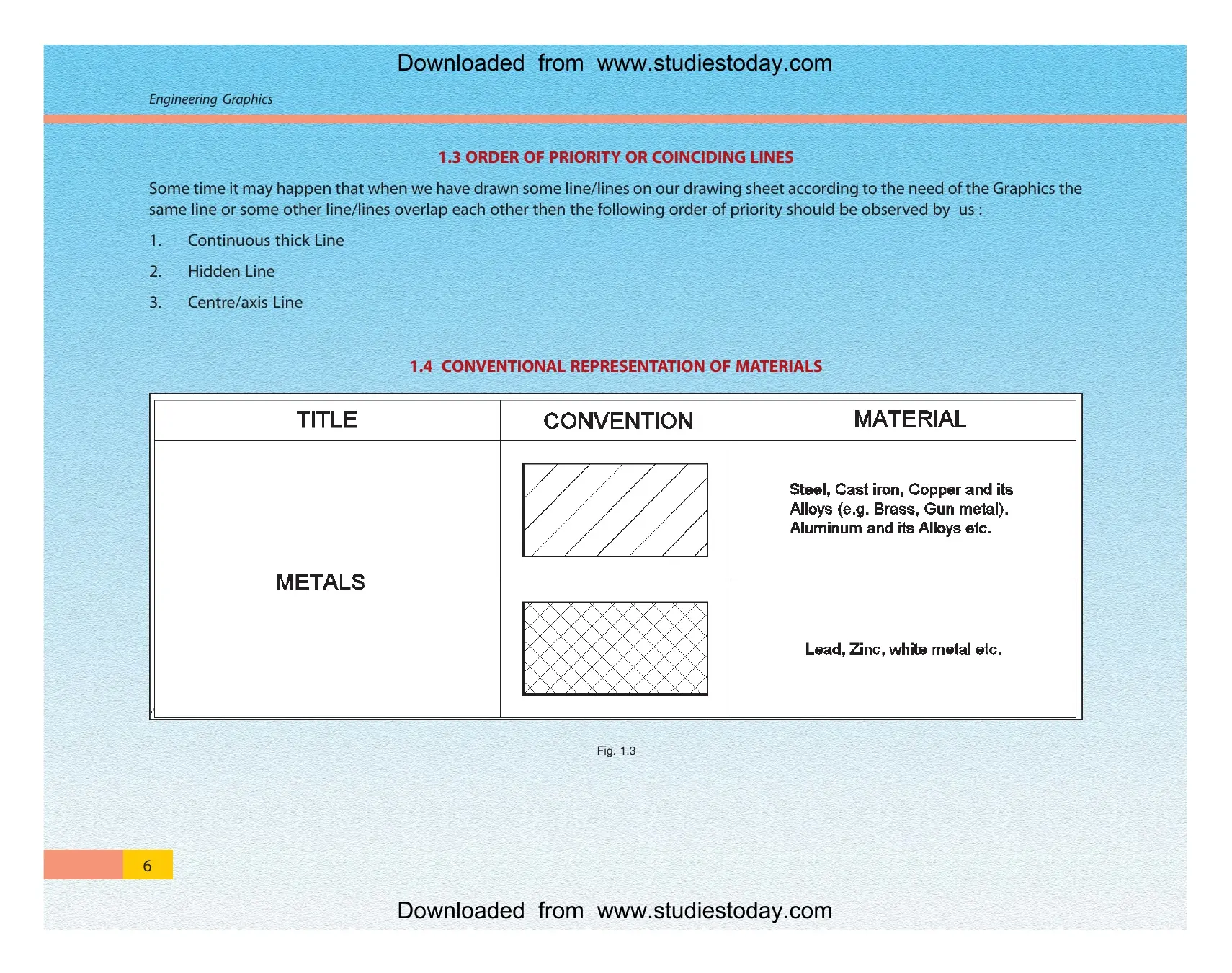
Line type is the first scoring check in this chapter. The same object can look correct in shape but still lose marks if the visible outline, hidden edge or dimension line is drawn with the wrong thickness.
- Continuous thick line: visible outlines and sheet boundary lines.
- Thin continuous line: construction, projection, extension and dimension lines.
- Chain thin line: centre lines and axes of circles or symmetrical objects.
- Short dashed line: hidden outlines that cannot be seen from the viewing side.
Rectilinear Figure Construction Flow for Drawing Sheets
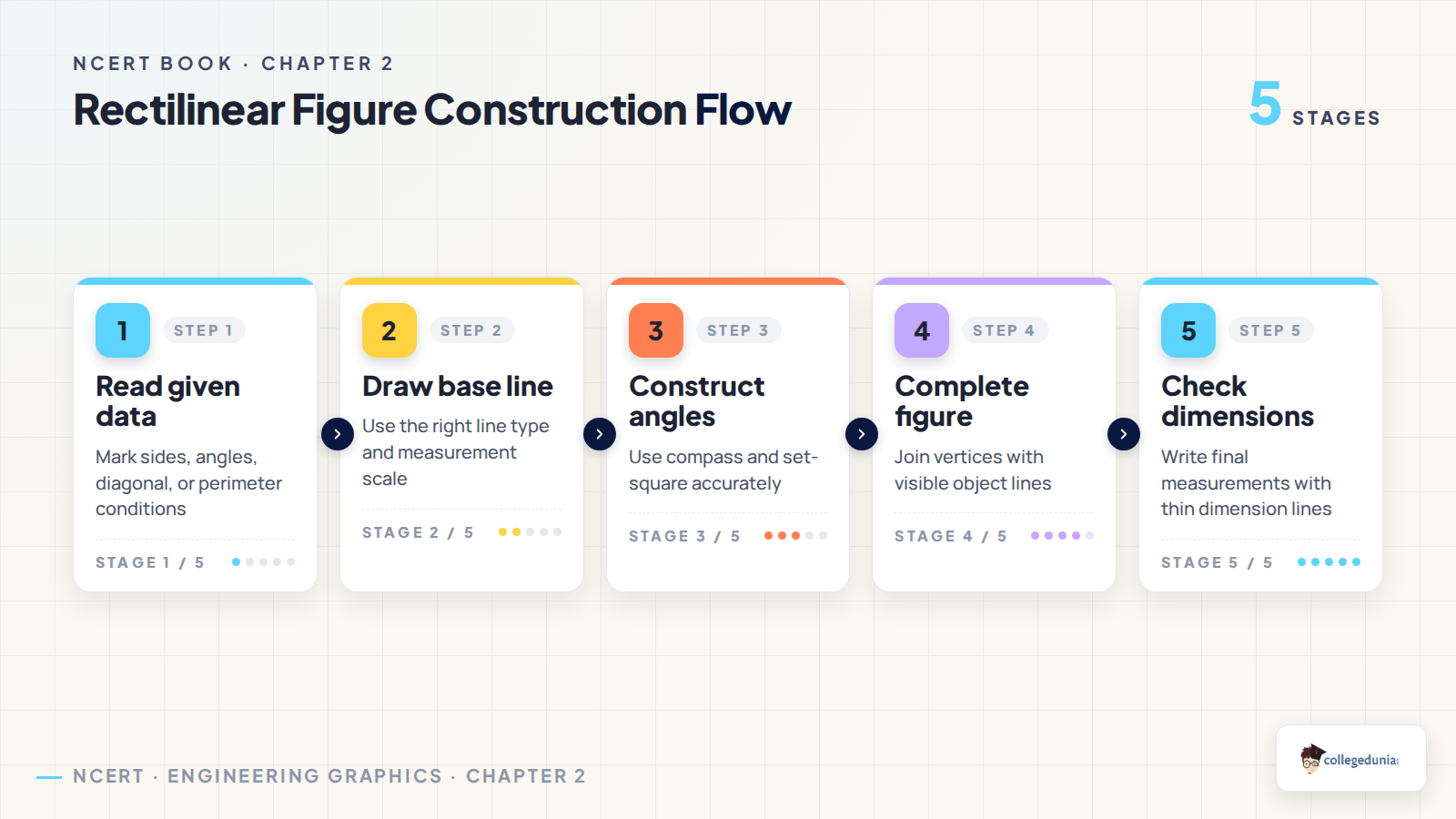
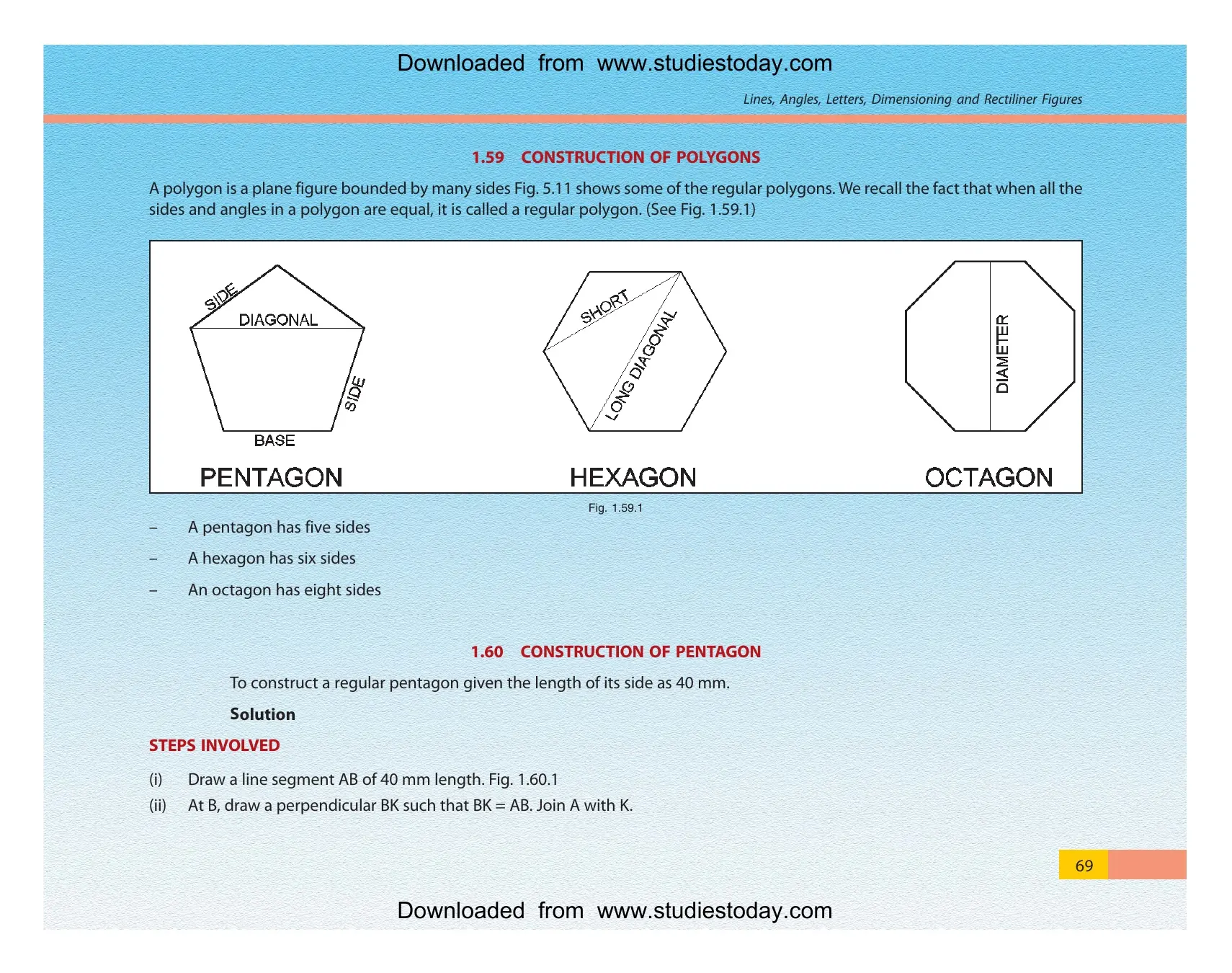
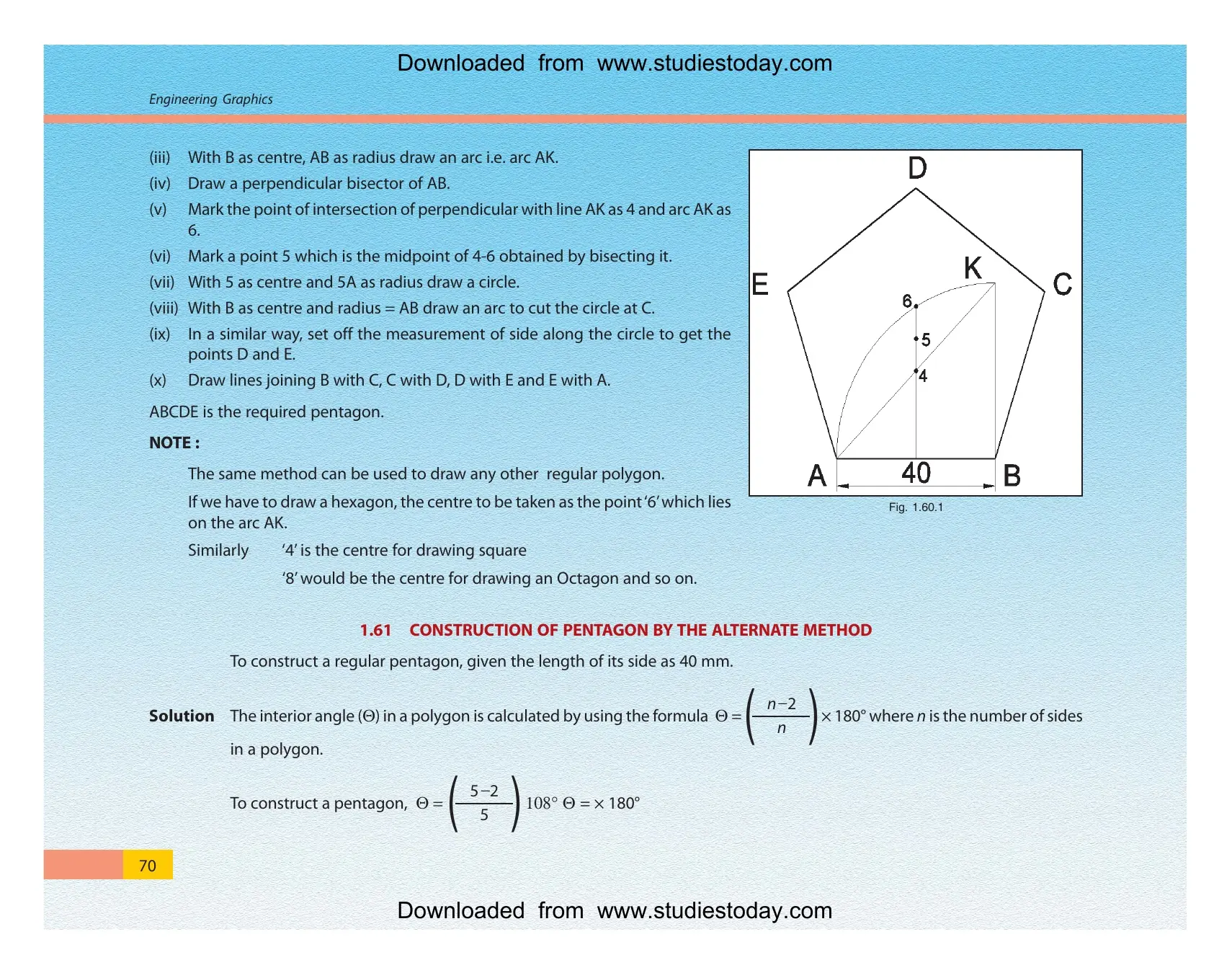
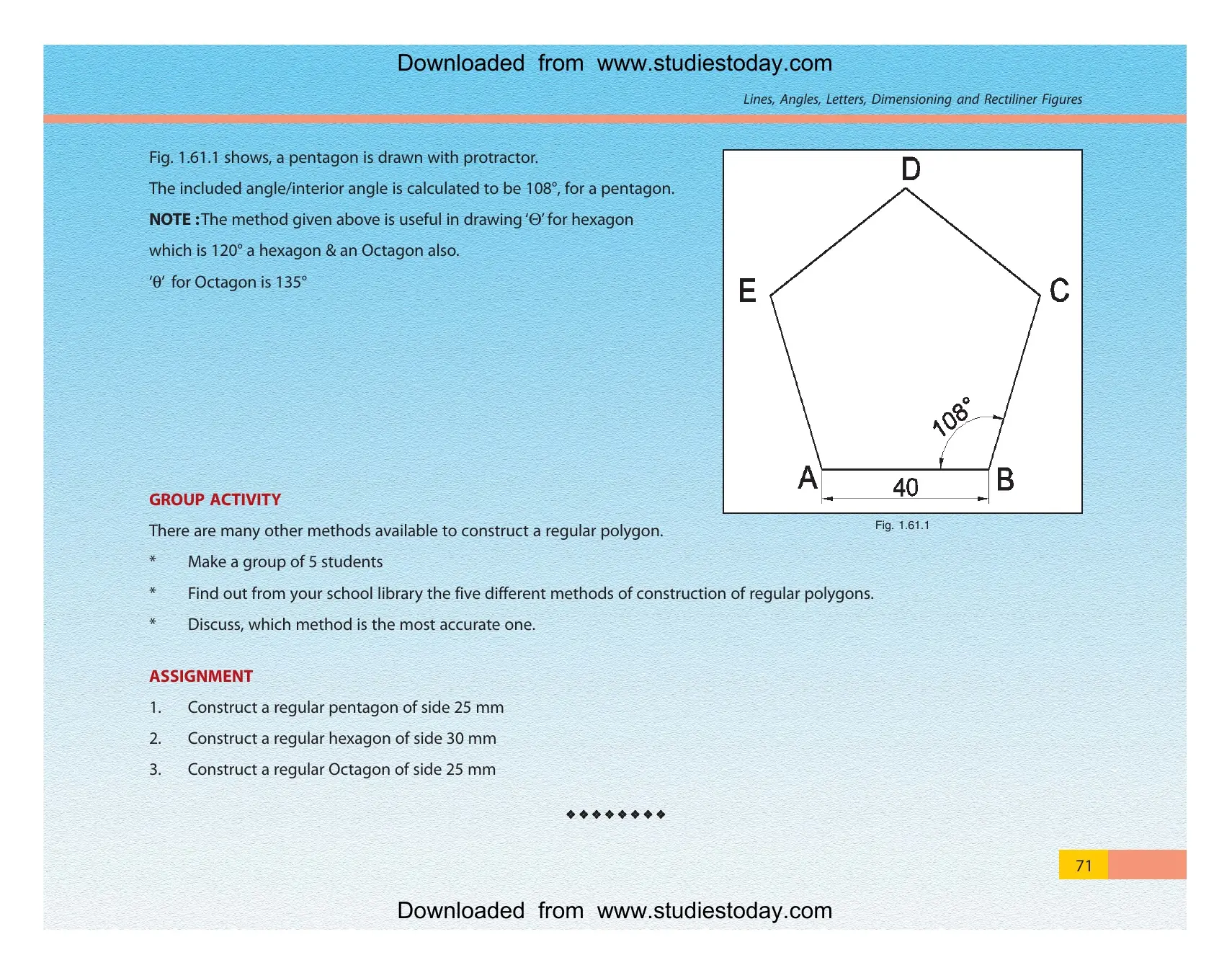
Rectilinear figures are shapes made only with straight lines. In this chapter, that means triangles, squares, rhombuses, trapeziums, pentagons, hexagons and octagons. Most mistakes happen because students start drawing before listing the given data.
- Write the given sides, angles, diagonals, perimeter or special condition.
- Draw the base line with the correct scale and line weight.
- Construct the angle or parallel line with compass and set-square.
- Join the final vertices with continuous thick object lines.
- Add dimensions with thin lines and arrowheads, then check the final figure.
Common Mistakes Students Make in Lines and Dimensioning
This unit looks easy because every figure uses straight lines. The marks are lost in small presentation details. Fix these before moving to orthographic projection or isometric drawing.
- Using one line weight everywhere: keep visible outlines thicker than dimension lines.
- Writing dimensions inside the figure: place dimension text clearly near the dimension line.
- Skipping construction lines: keep light construction lines until the final shape is complete.
- Ignoring lettering proportion: use standard height and spacing for letters and numerals.
Student Feedback on the Engineering Graphics Drawing Basics Unit
Student Feedback: In a Collegedunia survey of 11,480 Class 11 students before the 2026 boards, most students said line thickness and dimension placement were harder than the actual polygon construction.
Source: 2026-27 Class 11 Engineering Graphics student poll across CBSE schools.
How to Use the Lines, Angles, and Rectilinear Figures PDF
Do not read this chapter like a theory note. Keep a pencil, scale, compass and set-square ready. Read one sub-topic, then redraw the example on plain paper before moving ahead.
- First pass: learn the names and purpose of each line type.
- Second pass: practise lettering, numerals and dimension placement.
- Third pass: draw triangles and polygons with the given measurements.
- Final check: compare line weight, arrowheads and labels with the textbook figure.
Engineering Graphics Chapter 2 Related Resources
| Resource | Use it for |
|---|---|
| NCERT Solutions for Class 11 Engineering Graphics Lines, Angles, and Rectilinear Figures | Step-by-step construction answers |
| Lines, Angles, and Rectilinear Figures Class 11 Notes | Quick revision before sheet practice |
| Lines, Angles, and Rectilinear Figures Class 11 Handwritten Notes | Last-minute drawing checks |
All Chapters of Engineering Graphics with NCERT Book PDFs
| Chapter | NCERT Book PDF |
|---|---|
| Chapter 1 | Introduction to Engineering Graphics Book PDF |
| Chapter 2 | Lines, Angles, and Rectilinear Figures Book PDF |
| Chapter 3 | Circles and Tangents Book PDF |
| Chapter 4 | Orthographic Projection Book PDF |
Engineering Graphics NCERT Book PDF FAQs
Ques. What does the Class 11 Engineering Graphics Chapter 2 PDF cover?
Ans. It covers line types, lettering, dimensioning, angles, triangles, quadrilaterals and regular polygons used in the 2026-27 CBSE Engineering Graphics course.
Ques. How many pages are in the Lines, Angles, and Rectilinear Figures PDF?
Ans. The chapter PDF hosted here has 71 pages, including the textbook explanation and practice material for drawing-sheet work.
Ques. Is this Engineering Graphics PDF enough for practice?
Ans. The PDF is the base text. Students should also practise every construction on a sheet because marks depend on neat line work and correct dimensions.
Ques. Which tools are needed while studying this chapter?
Ans. Keep a drawing pencil, eraser, scale, compass, protractor and set-square ready while reading the chapter and redrawing each example.



Comments