



The NCERT Class 11 English Woven Words Chapter 18 Ode to a Nightingale PDF gives students the official John Keats poem, poet note and NCERT exercise for the 2026-27 session. Use it to read the poem's movement from pain to song, imagination, mortality and the final doubt.
- Core focus: human suffering, poetic escape, the nightingale's song and the return to reality.
- Best use: read the poem twice, then mark each stanza's mood shift in simple words.
- Exam value: questions usually test mortality, imagination, beauty and the immortal bird image.
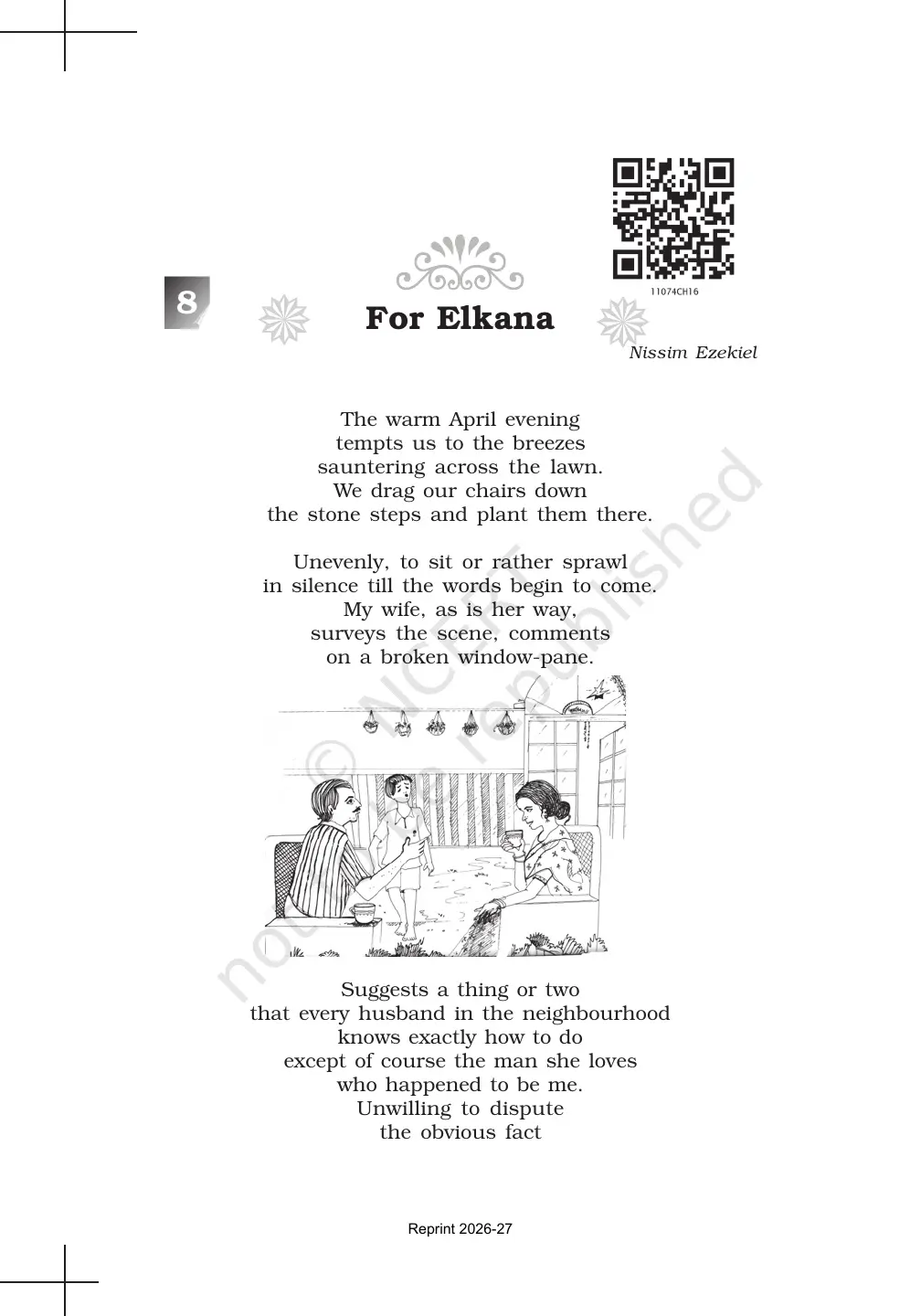
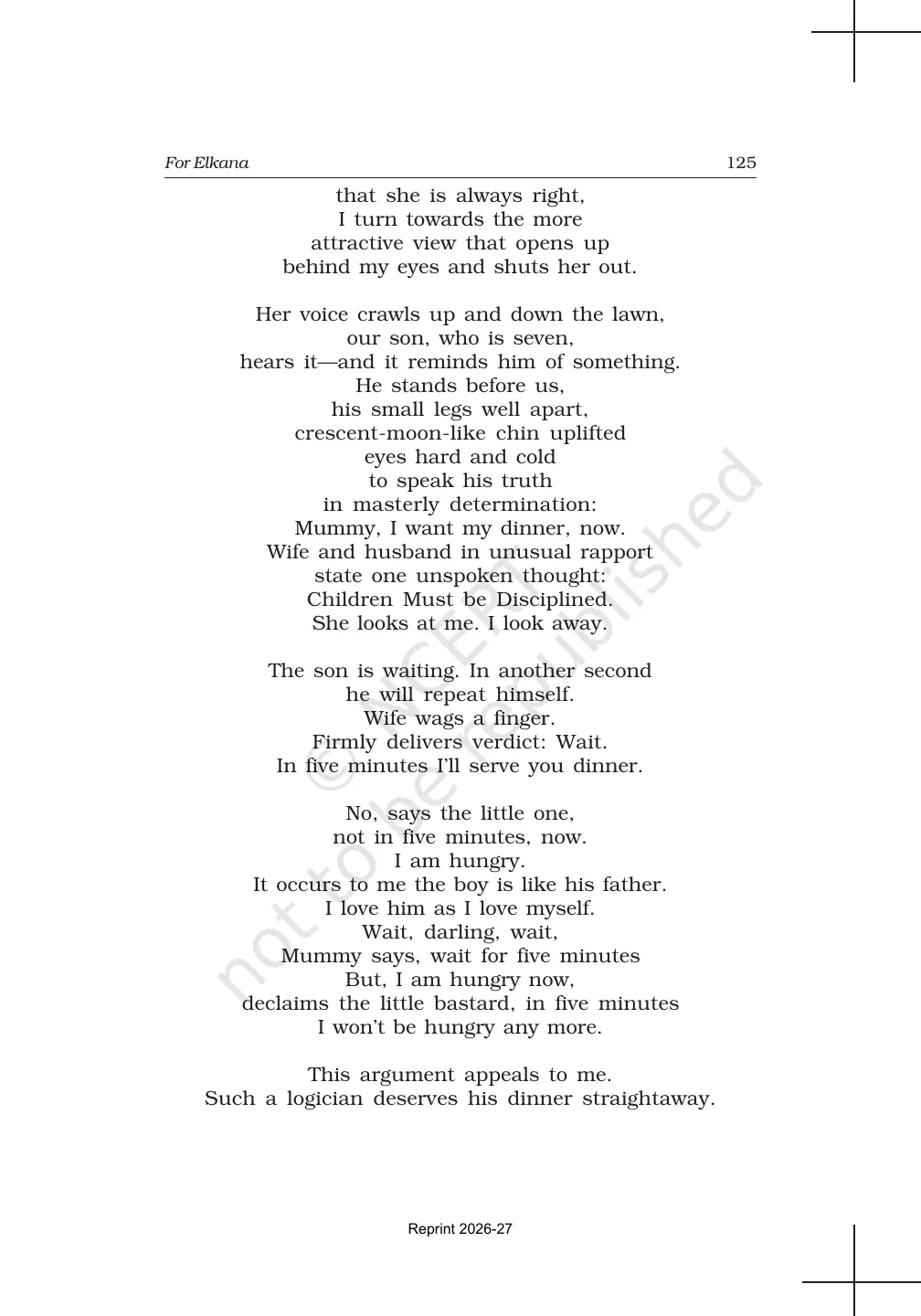
This official NCERT PDF should be used as the source text before writing answers on Keats's nightingale, romantic imagination and the poem's closing uncertainty.
Student Feedback: In a Collegedunia revision check of 11,240 Class 11 English students, many students said this poem became easier after they tracked the speaker's mood stanza by stanza.
What Ode to a Nightingale NCERT Book PDF Covers
NCERT places Ode to a Nightingale in the poetry section of Woven Words. The PDF includes the poem by John Keats, a short poet note and textbook questions.
The poem begins with heartache and drowsy numbness. The speaker hears the nightingale and feels drawn towards a world of song. The key answer point is that the bird's song gives temporary escape, but it does not remove human pain.
- Poem section: pain, wine image, forest scene, death wish, immortal song and final doubt.
- Poet note: Keats as a major Romantic poet interested in beauty, imagination and loss.
- Exercise section: questions on tone, symbols, references and the poem's ending.
Ode to a Nightingale Poem Explanation
Source: Magnet Brains on YouTube
Ode to a Nightingale Summary and Mood Movement
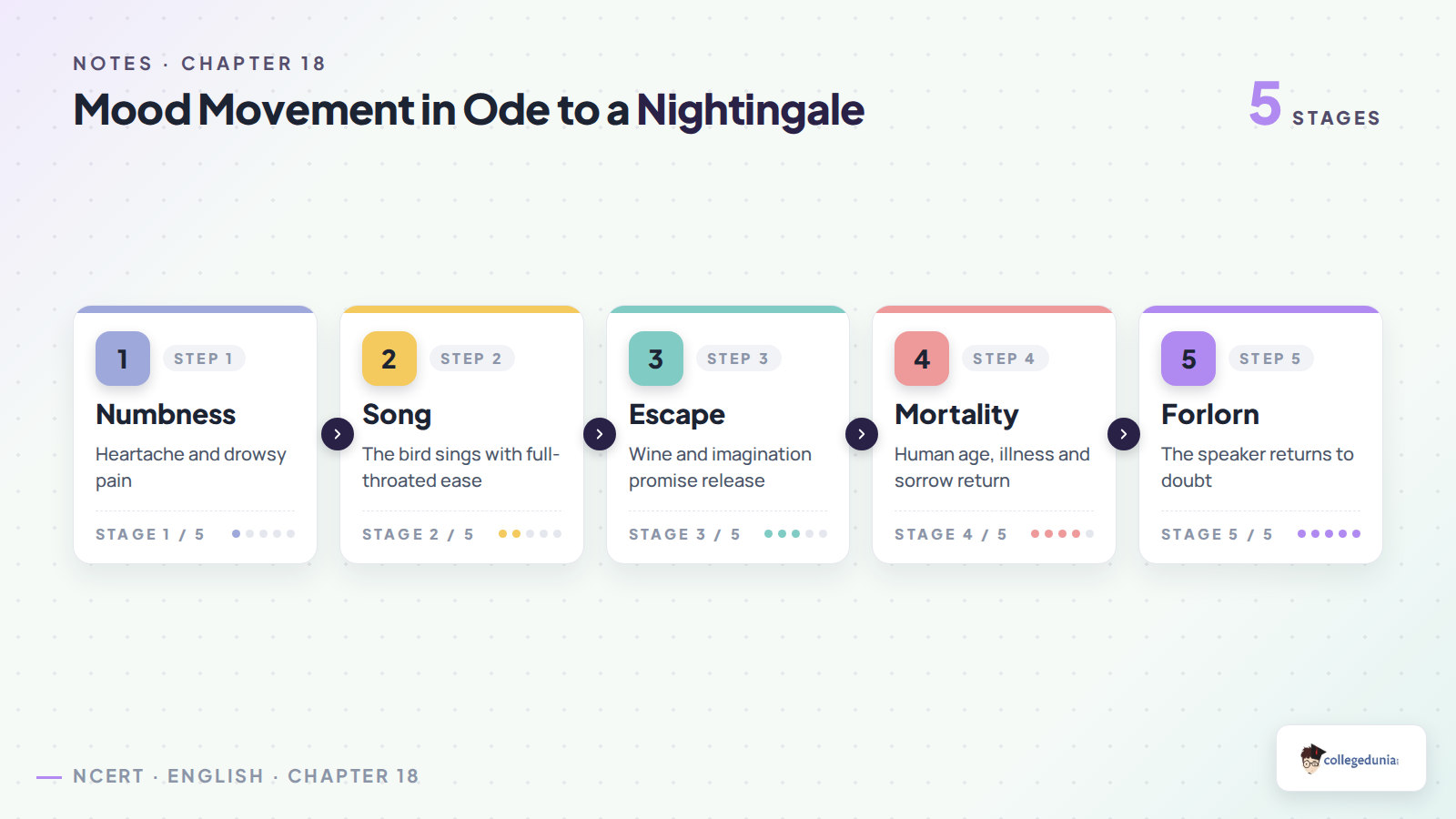
The speaker starts in a state of heavy sadness. The nightingale's song makes him imagine a life away from fever, ageing and sorrow. He first thinks of wine, then rejects it and turns to poetry.
The mood moves from pain to ecstasy, then to a quiet return to the human world. This movement matters because the poem is not a simple praise of a bird. It is also about the limits of escape.
- Opening mood: numbness, ache and a wish to leave ordinary pain.
- Middle mood: imaginative flight into the forest with the bird's song.
- Closing mood: uncertainty when the song fades and the speaker is alone again.
Human World and Immortal Bird in Ode to a Nightingale
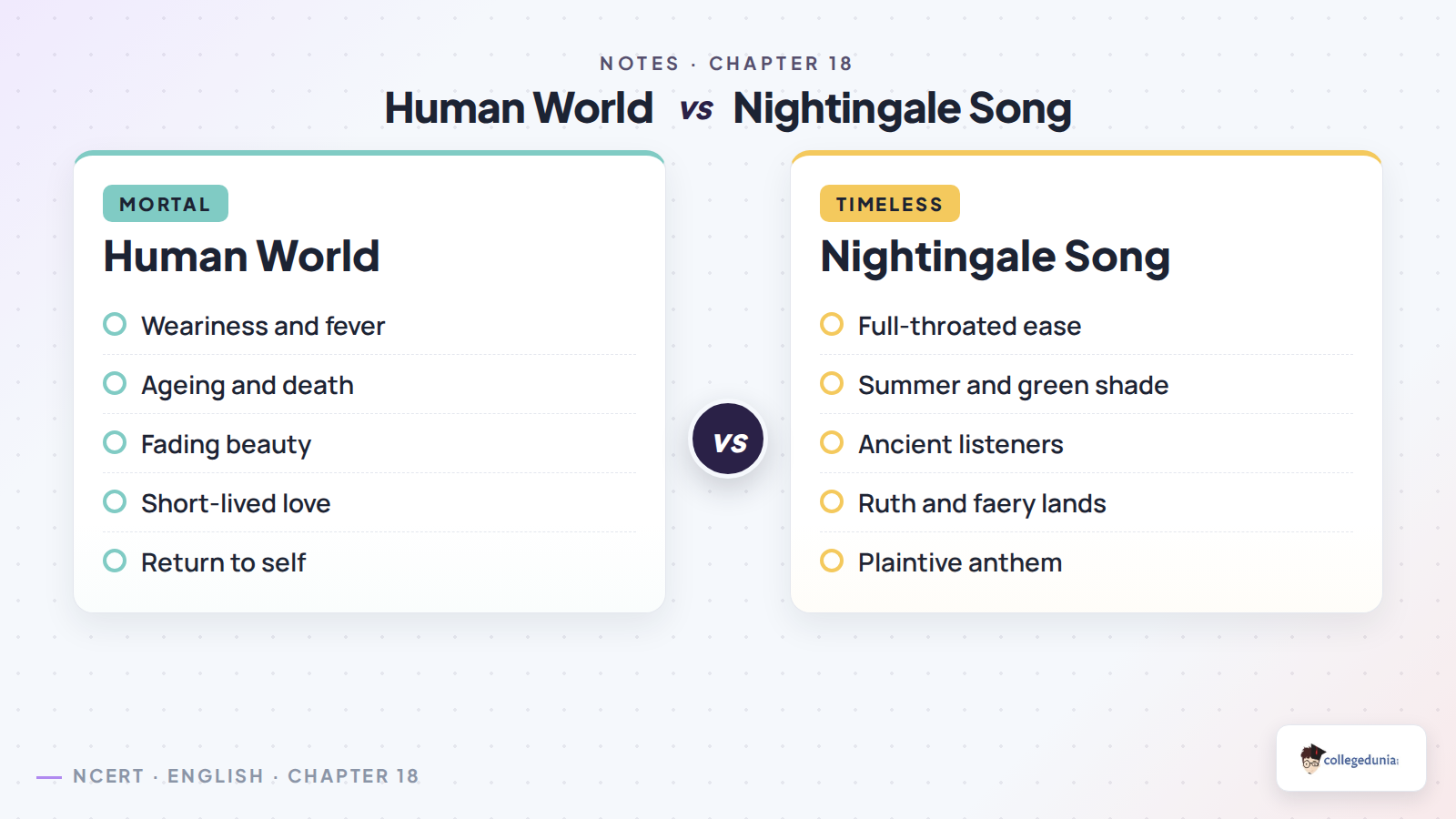
Keats contrasts mortal human life with the bird's song. Humans grow old, fall ill and lose beauty. The nightingale seems free from this cycle because the song has been heard across time.
Good answers should not say that the bird itself is physically immortal. The poem treats the song as timeless. It links the bird with ancient listeners, Ruth and far-off enchanted places.
| Image or idea | Meaning in the poem | Answer cue |
|---|---|---|
| Heartache and numbness | Shows the speaker's tired human condition. | Use for opening tone questions. |
| Wine and poetry | Shows two ways of imagining escape. | Explain why poetry becomes the real flight. |
| Immortal bird | Points to the timeless song, not a deathless body. | Use this distinction in long answers. |
| Was it a vision? | Leaves the experience uncertain at the end. | Connect the ending with dream and waking. |
How to Use the Chapter 18 Book PDF for Revision
Use the PDF in three rounds. First, read the poem for mood. Second, mark all references to pain, death, song and imagination. Third, write short answers that prove each point with one line from the poem.
- For theme answers: connect mortality, beauty, imagination and the desire to escape.
- For symbol answers: explain the nightingale as a voice of song and timeless beauty.
- For reference answers: revise Ruth, faery lands and the final vision question.
- For tone answers: track the shift from numbness to wonder to uncertainty.
Ode to a Nightingale Class 11 Related Resources
| Resource | Best use | Link |
|---|---|---|
| NCERT Solutions | Use for textbook answers on the nightingale, imagination and mortality. | Ode to a Nightingale Solutions |
| Notes | Use for summary, themes, stanza movement and quick answer frames. | Ode to a Nightingale Notes |
| Handwritten Notes | Use for fast visual revision before class tests. | Ode to a Nightingale Handwritten Notes |
All Class 11 English Woven Words NCERT Book Chapters
| Chapter | NCERT Book PDF |
|---|---|
| 1 | The Lament |
| 2 | A Pair of Mustachios |
| 3 | The Rocking-horse Winner |
| 4 | The Adventure of the Three Garridebs |
| 5 | Pappachi's Moth |
| 6 | The Third and Final Continent |
| 7 | Glory at Twilight |
| 8 | The Luncheon |
| 9 | Let Me Not to the Marriage of True Minds |
| 10 | Coming |
| 11 | Telephone Conversation |
| 12 | The World is Too Much With Us |
| 13 | Mother Tongue |
| 14 | Hawk Roosting |
| 15 | For Elkana |
| 16 | Refugee Blues |
| 17 | Felling of the Banyan Tree |
| 18 | Ode to a Nightingale |
Ode to a Nightingale Class 11 English NCERT Book FAQs
Ques. What is included in the Class 11 English Woven Words Chapter 18 NCERT PDF?
Ans. It includes the official NCERT poem Ode to a Nightingale by John Keats, the poet note and exercise questions.
Ques. Who wrote Ode to a Nightingale?
Ans. Ode to a Nightingale was written by John Keats, a major English Romantic poet.
Ques. What is the main idea of Ode to a Nightingale?
Ans. The poem shows a speaker moving from human pain towards the nightingale's song, then returning to doubt and reality.
Ques. Why is the nightingale called immortal in the poem?
Ans. The bird's song is called immortal because it seems timeless and has been heard across many generations.
Ques. How should students use this PDF for 2026-27 revision?
Ans. Students should read the poem, mark each mood shift and practise answers on mortality, imagination and the immortal song.



Comments