



The NCERT Class 12 Informatics Practices Chapter 3 Data Handling using Pandas DataFrame Book PDF gives students the official 2026-27 chapter for tabular data handling in Python. Keep the PDF open while practising DataFrame creation, selection, filtering and CSV work.
- PDF size: 42 official NCERT pages for classroom and offline revision.
- Core focus: DataFrame creation, attributes, row-column selection, filtering and file handling.
- Best use: type every DataFrame command and compare the output with the NCERT table.
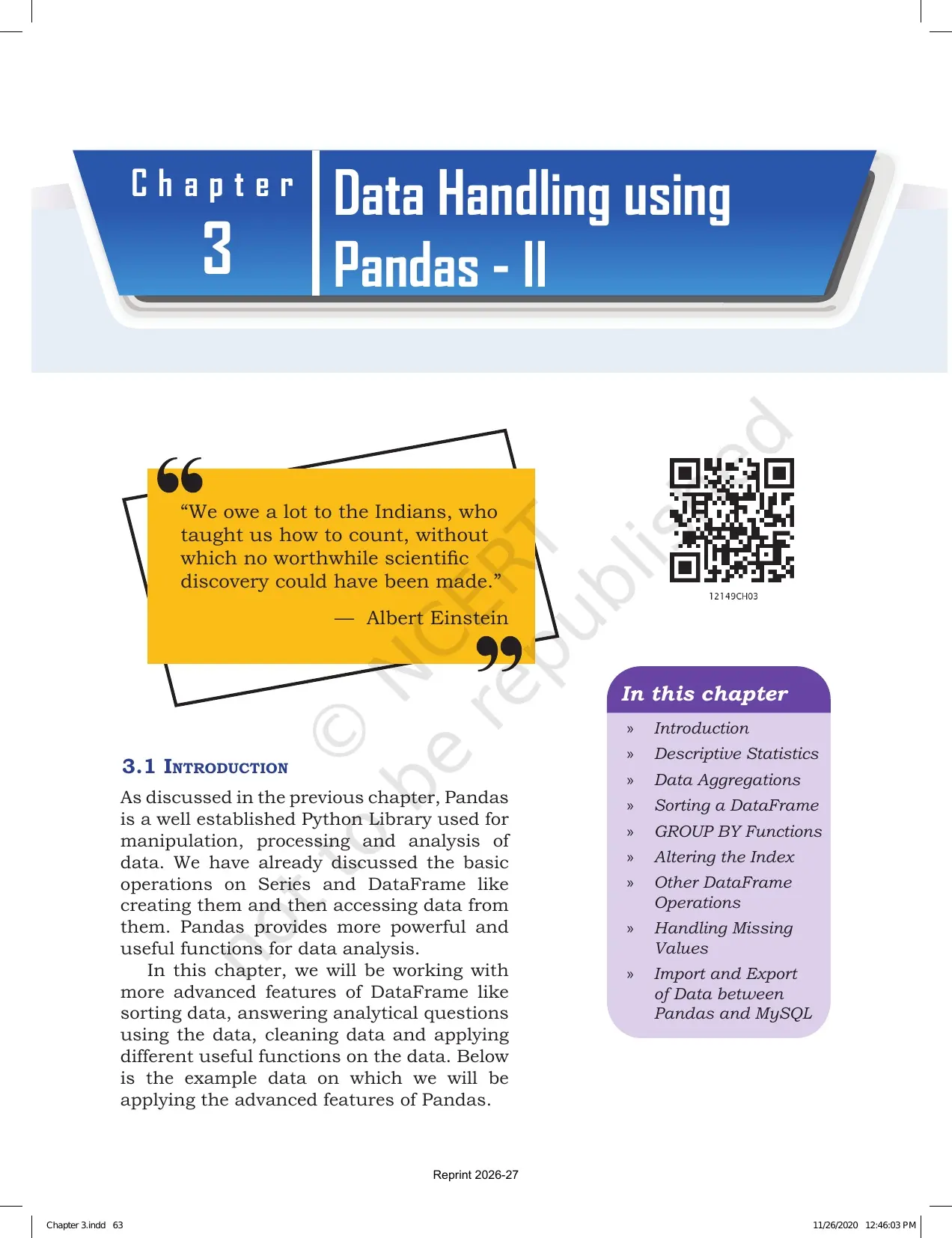
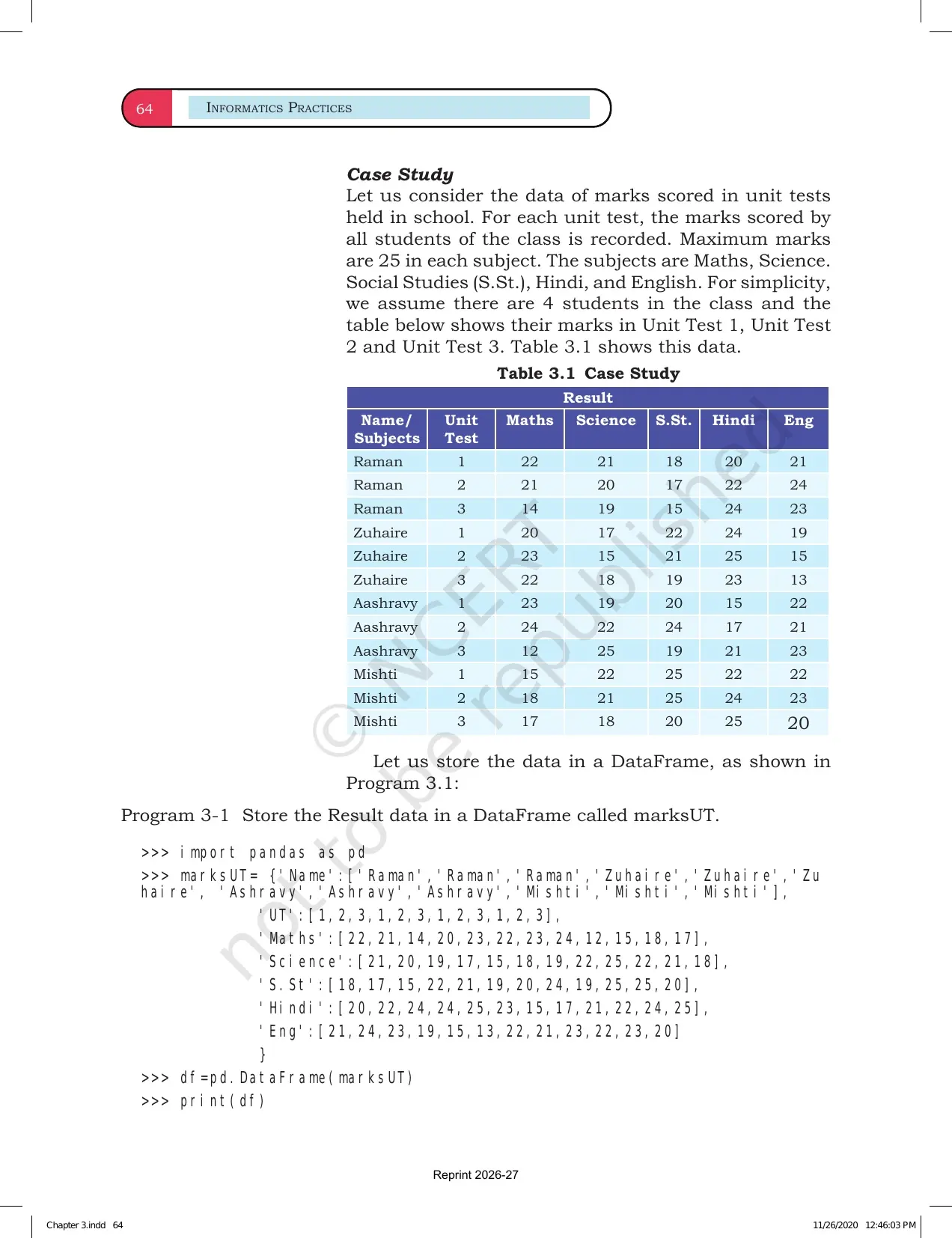
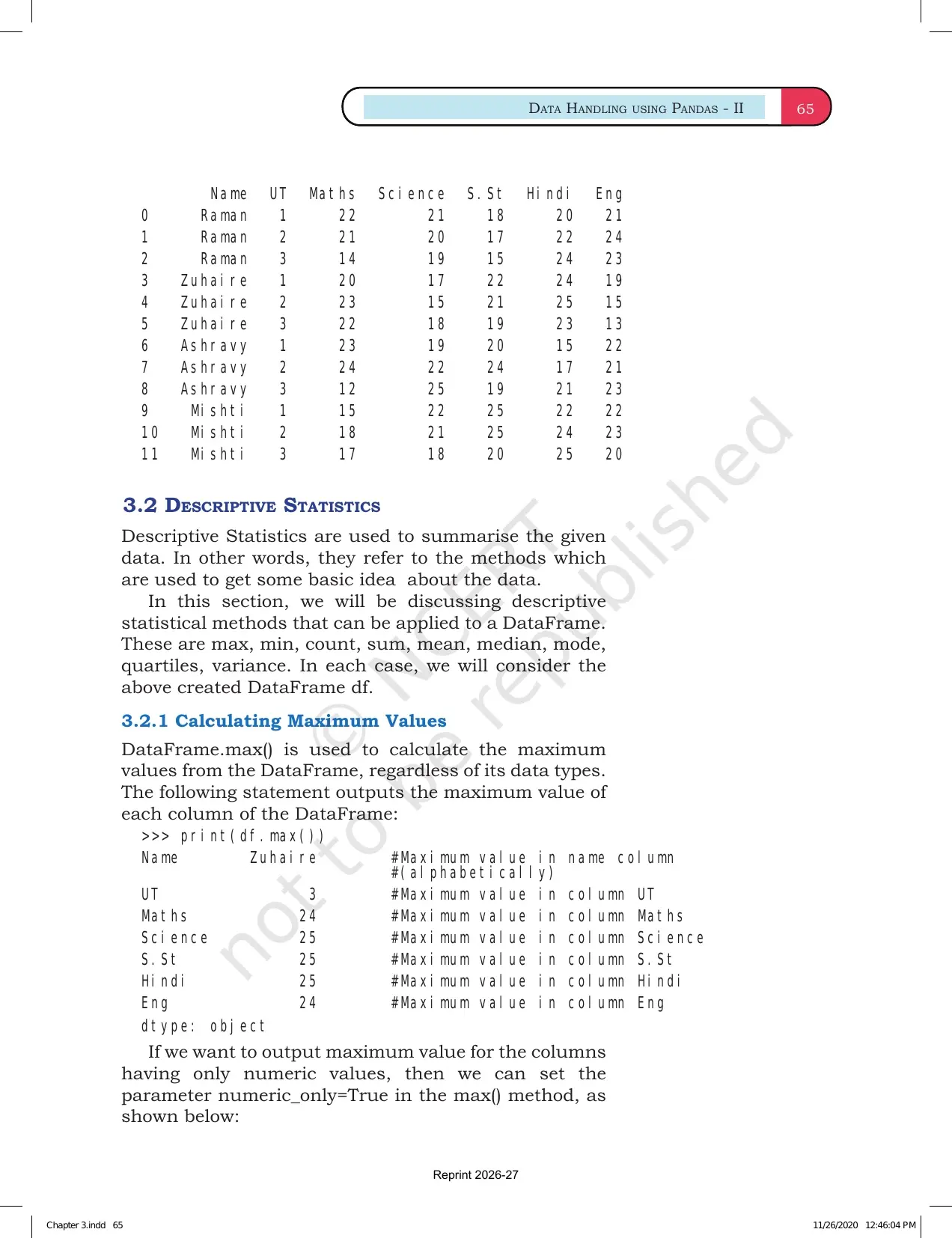
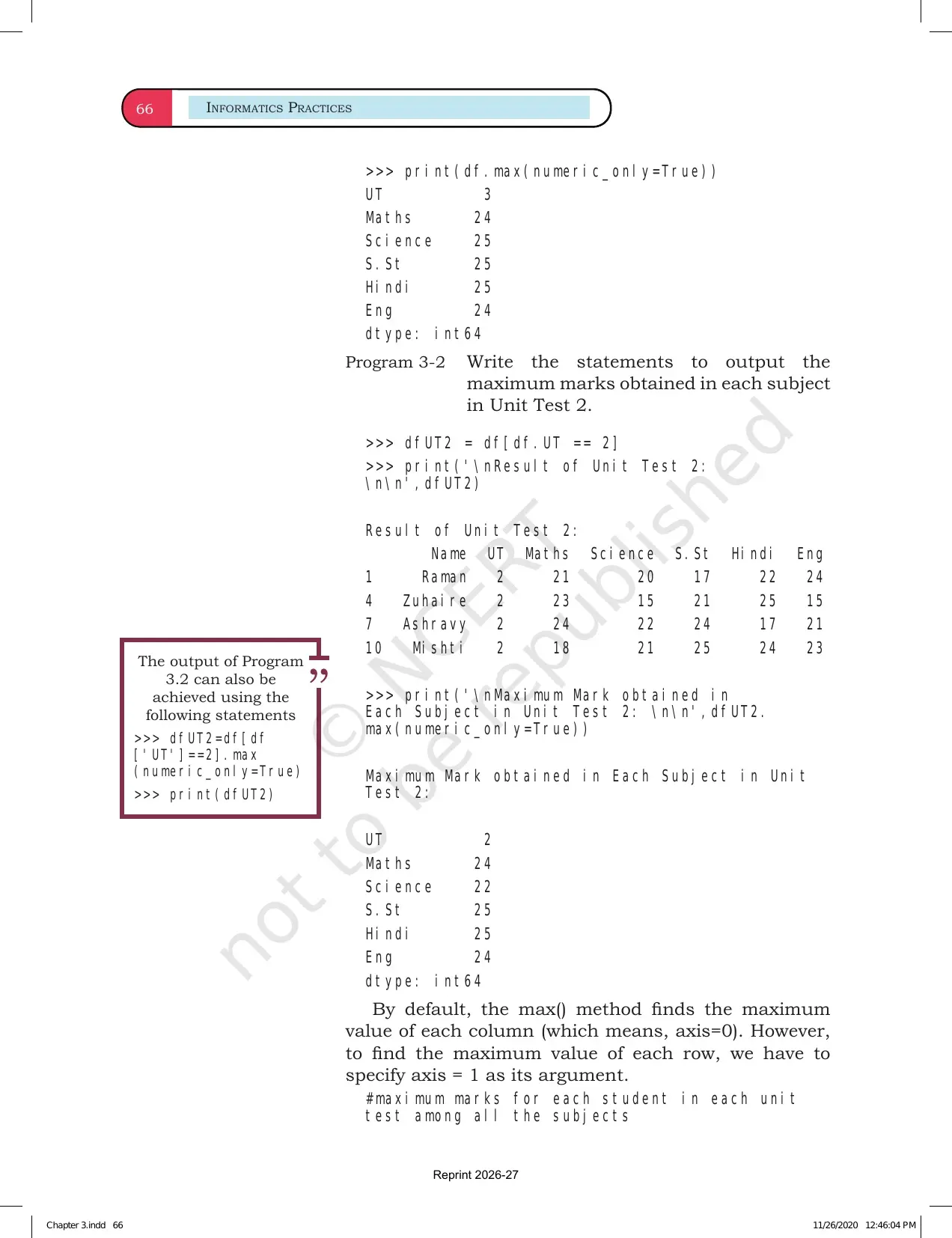
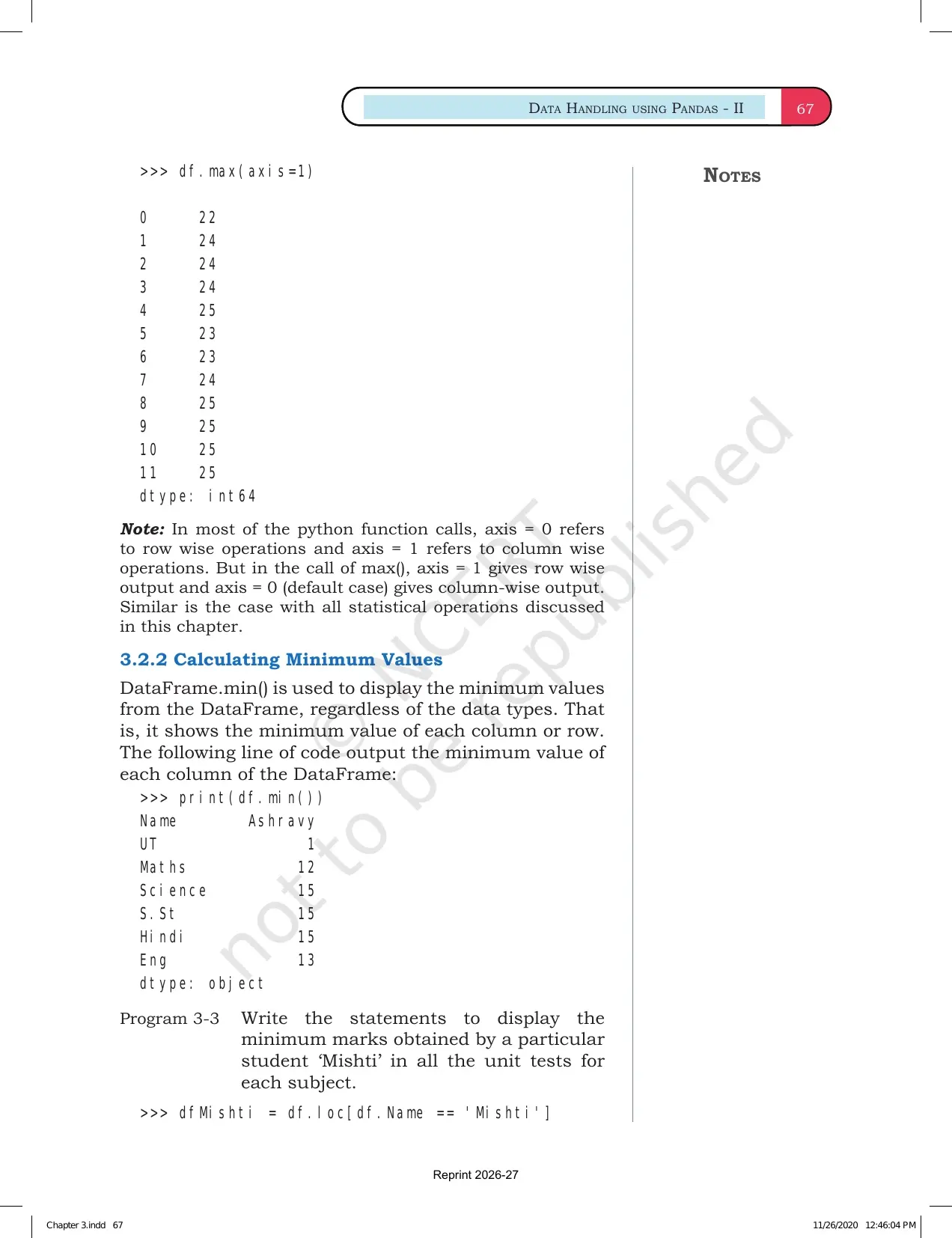
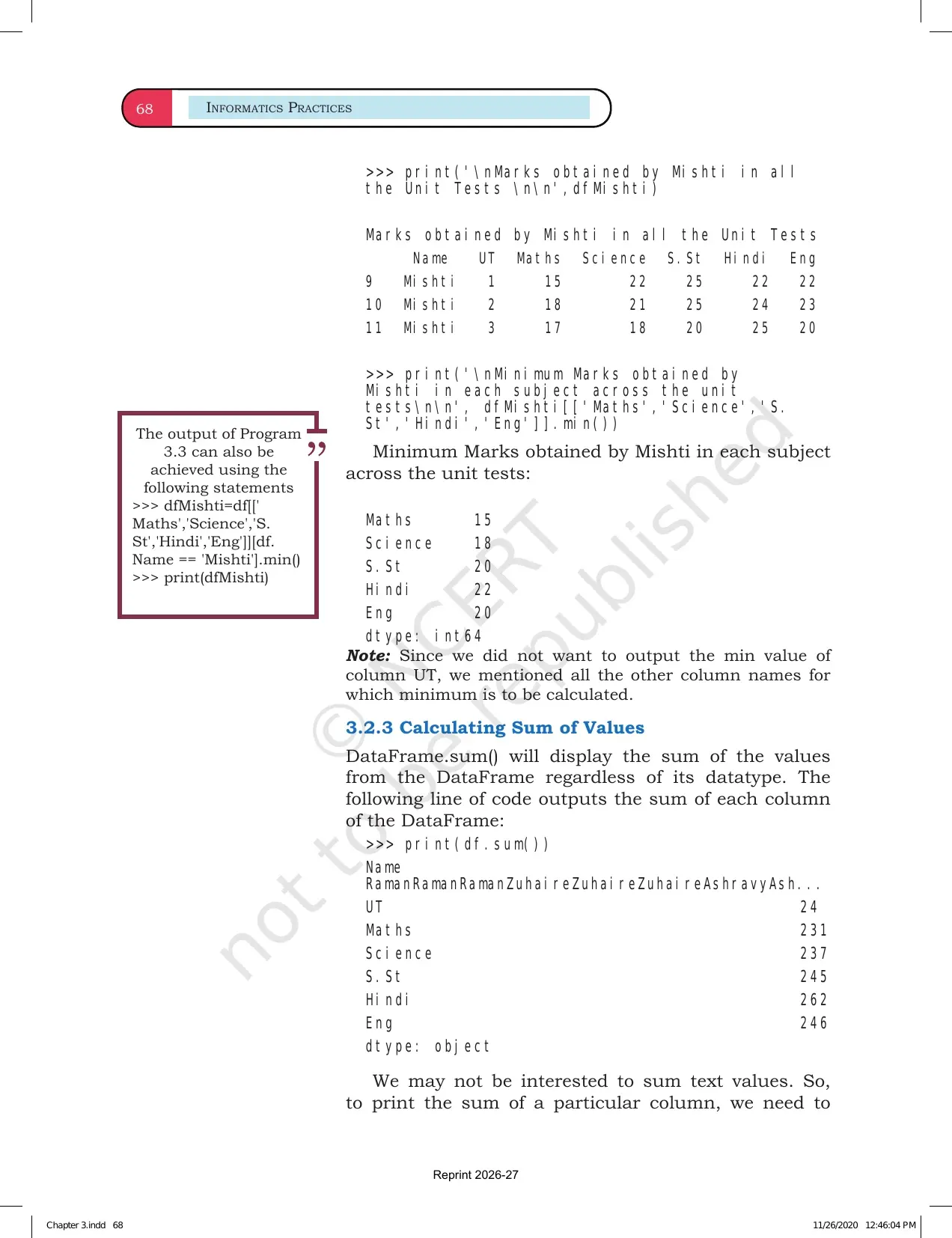
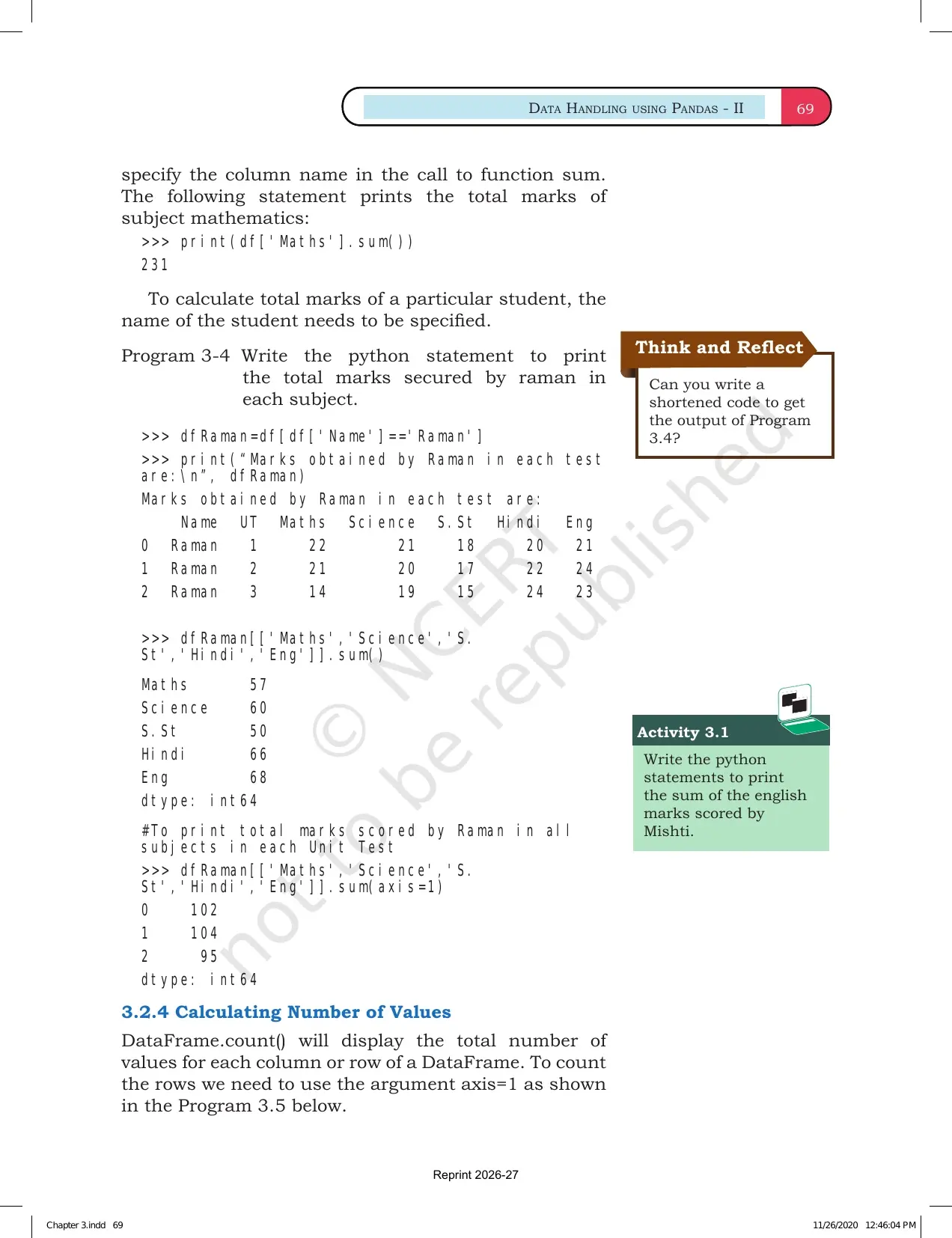
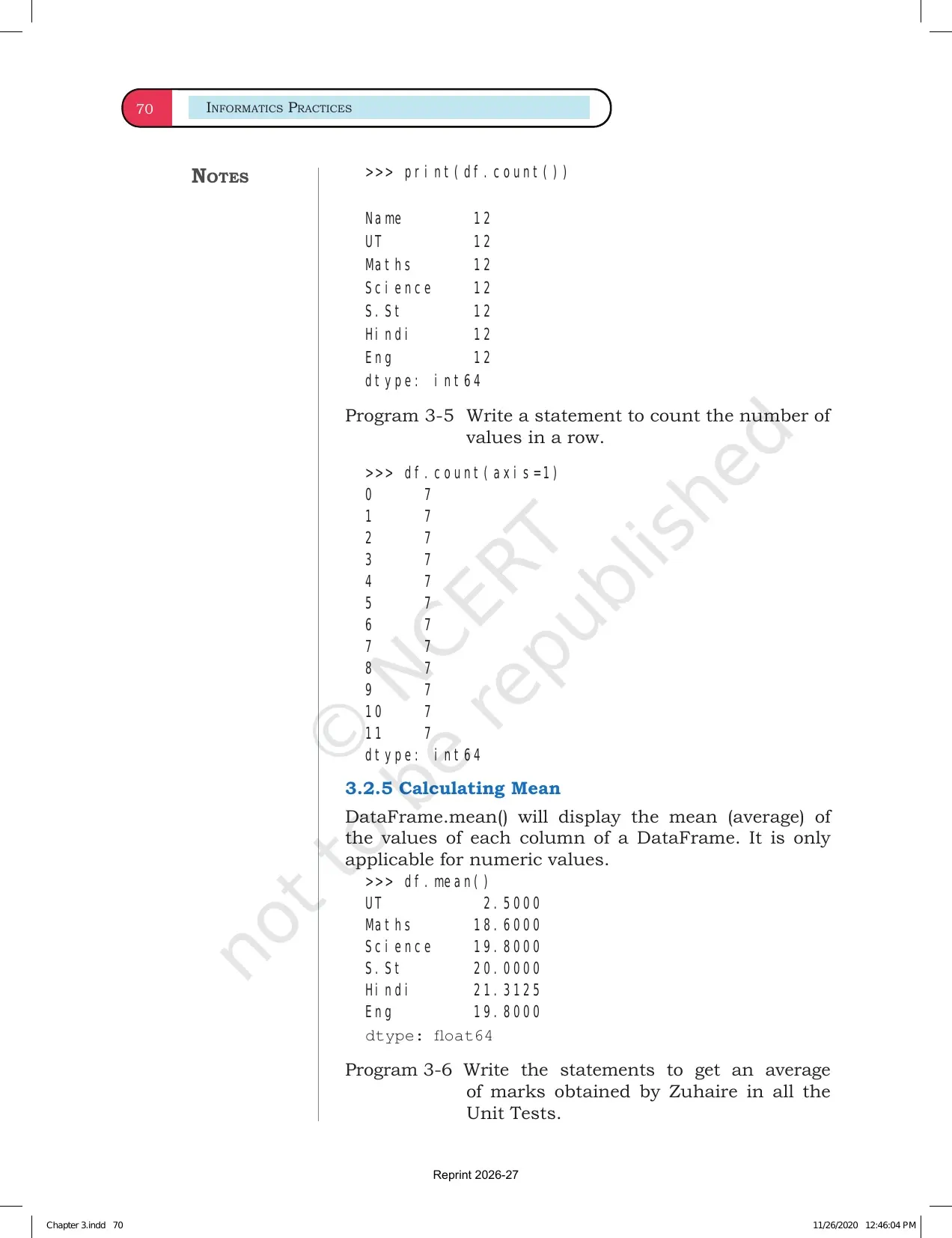
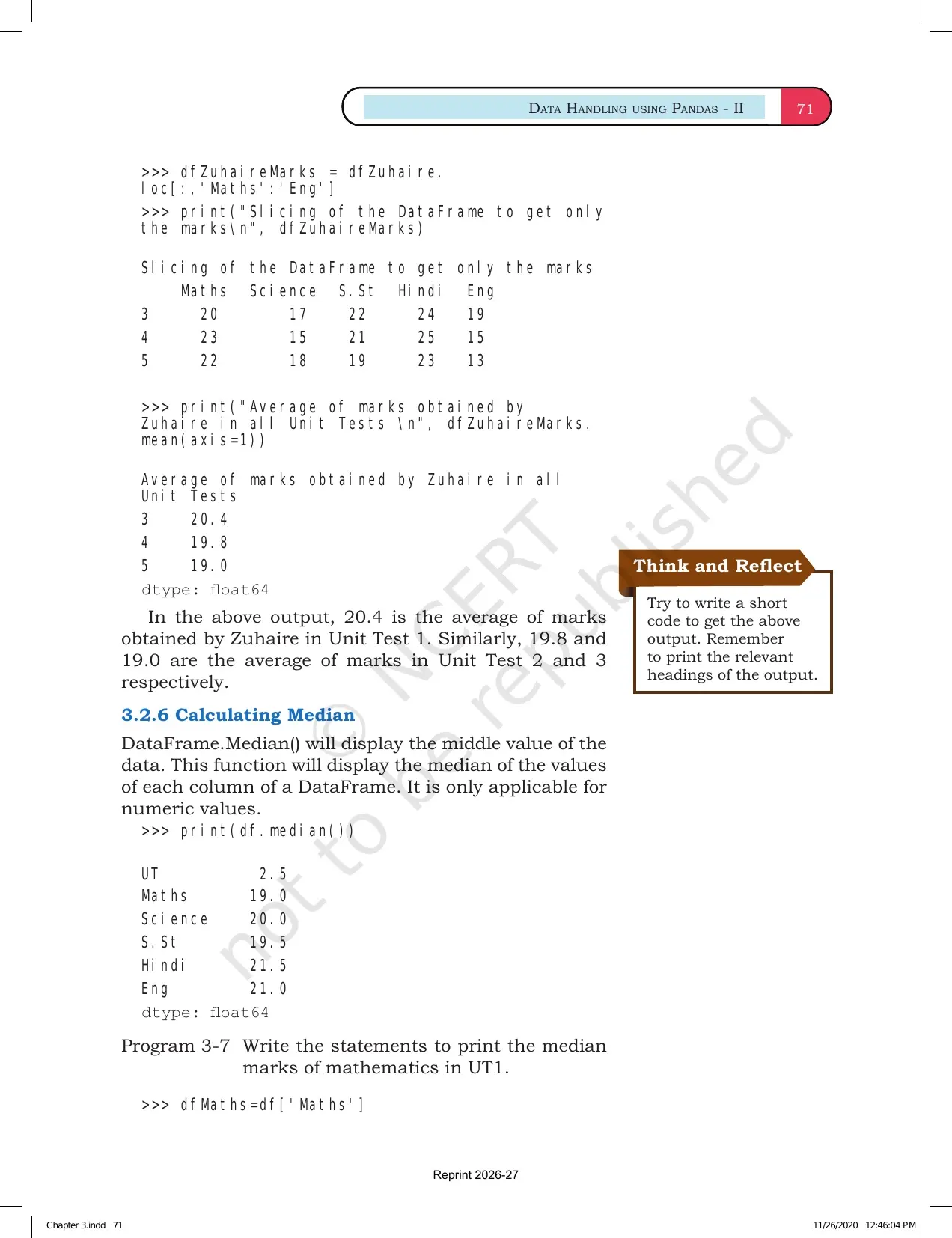
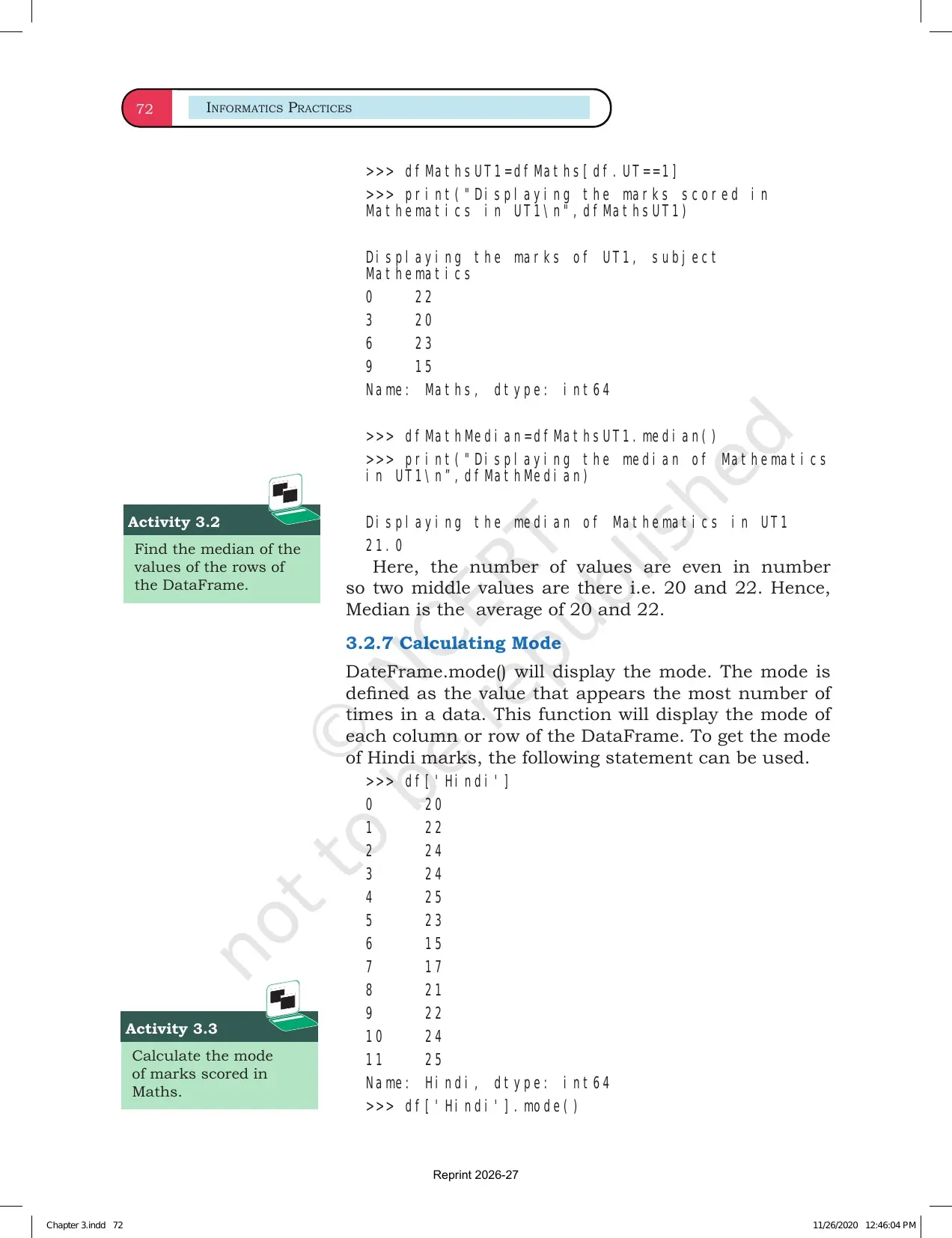
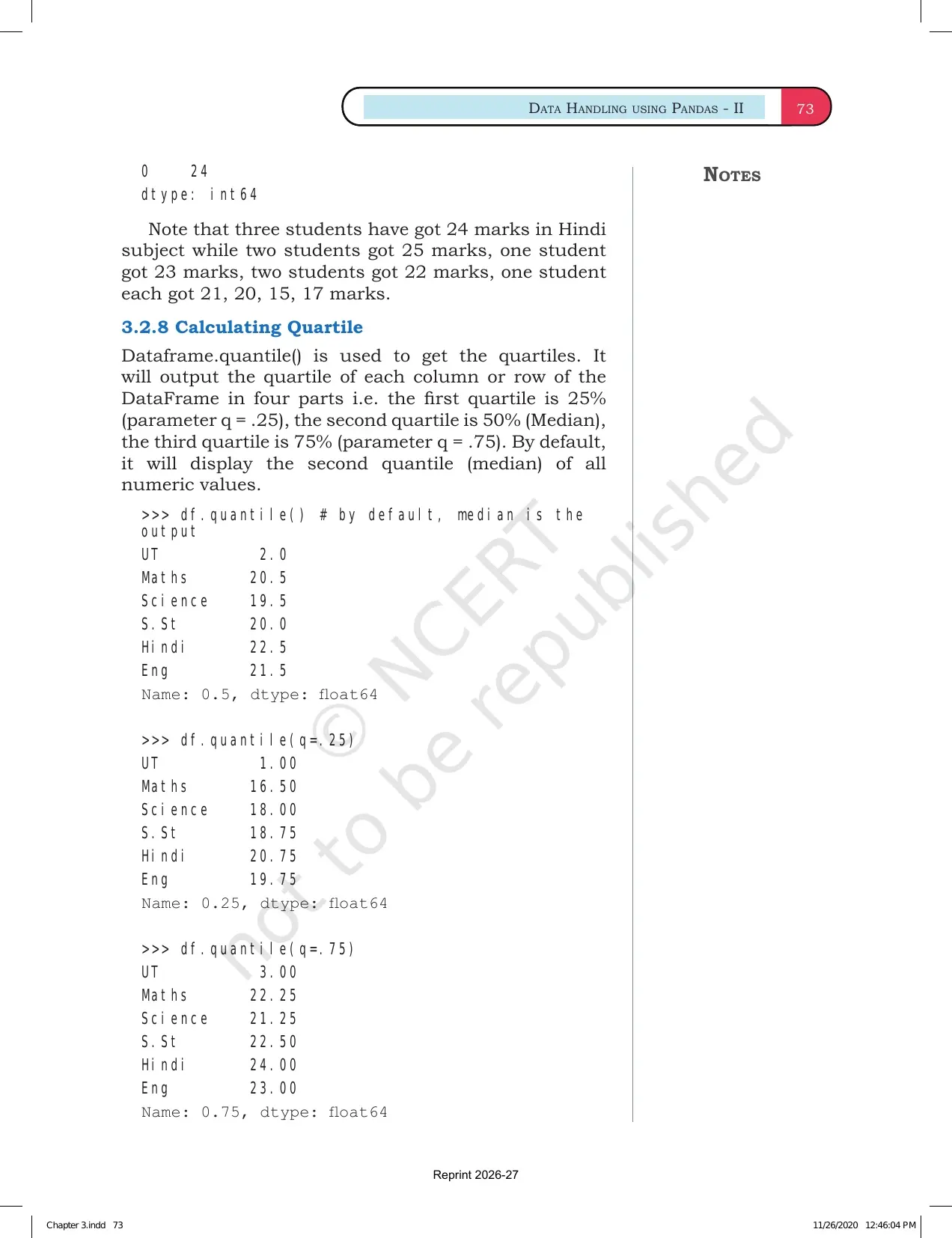
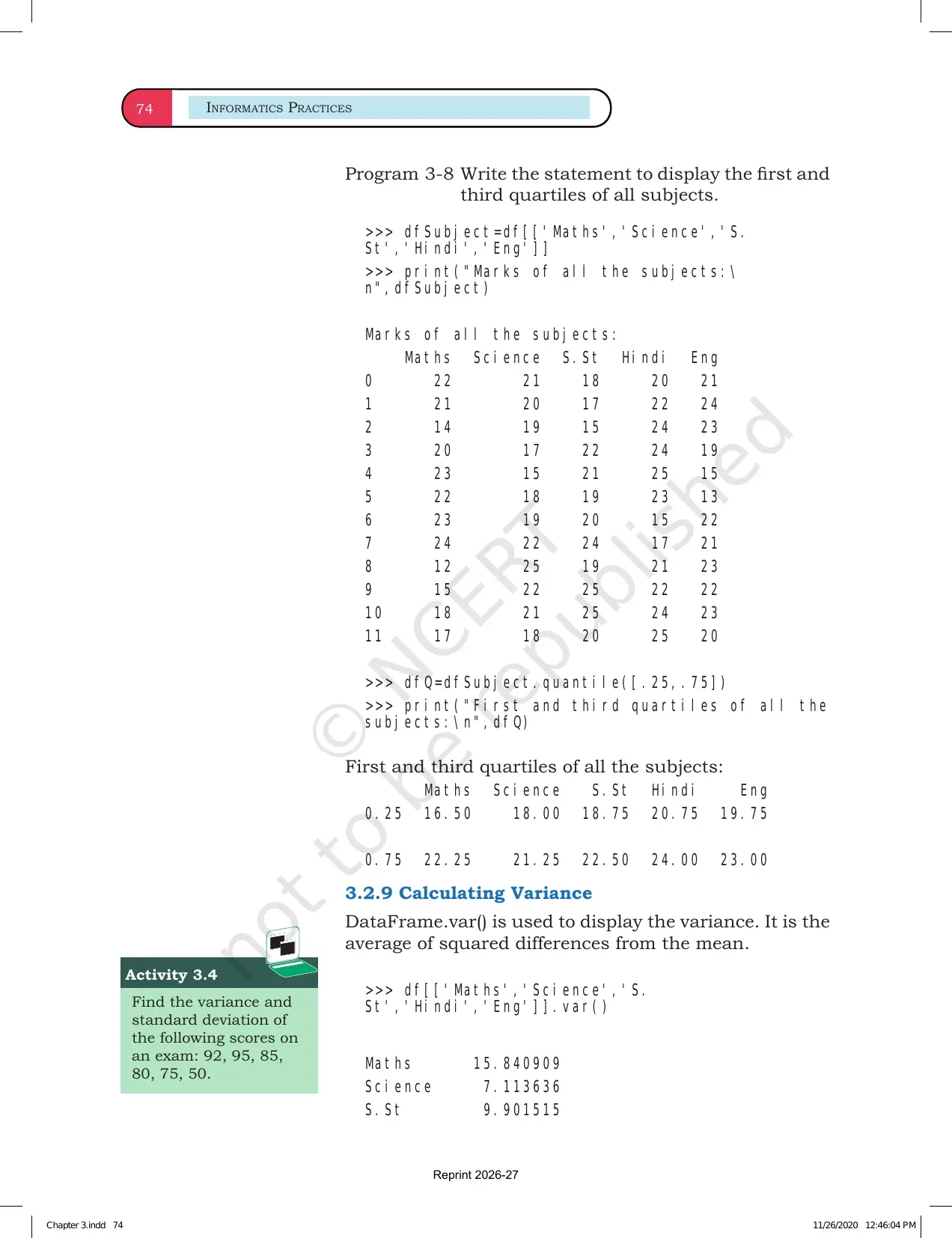
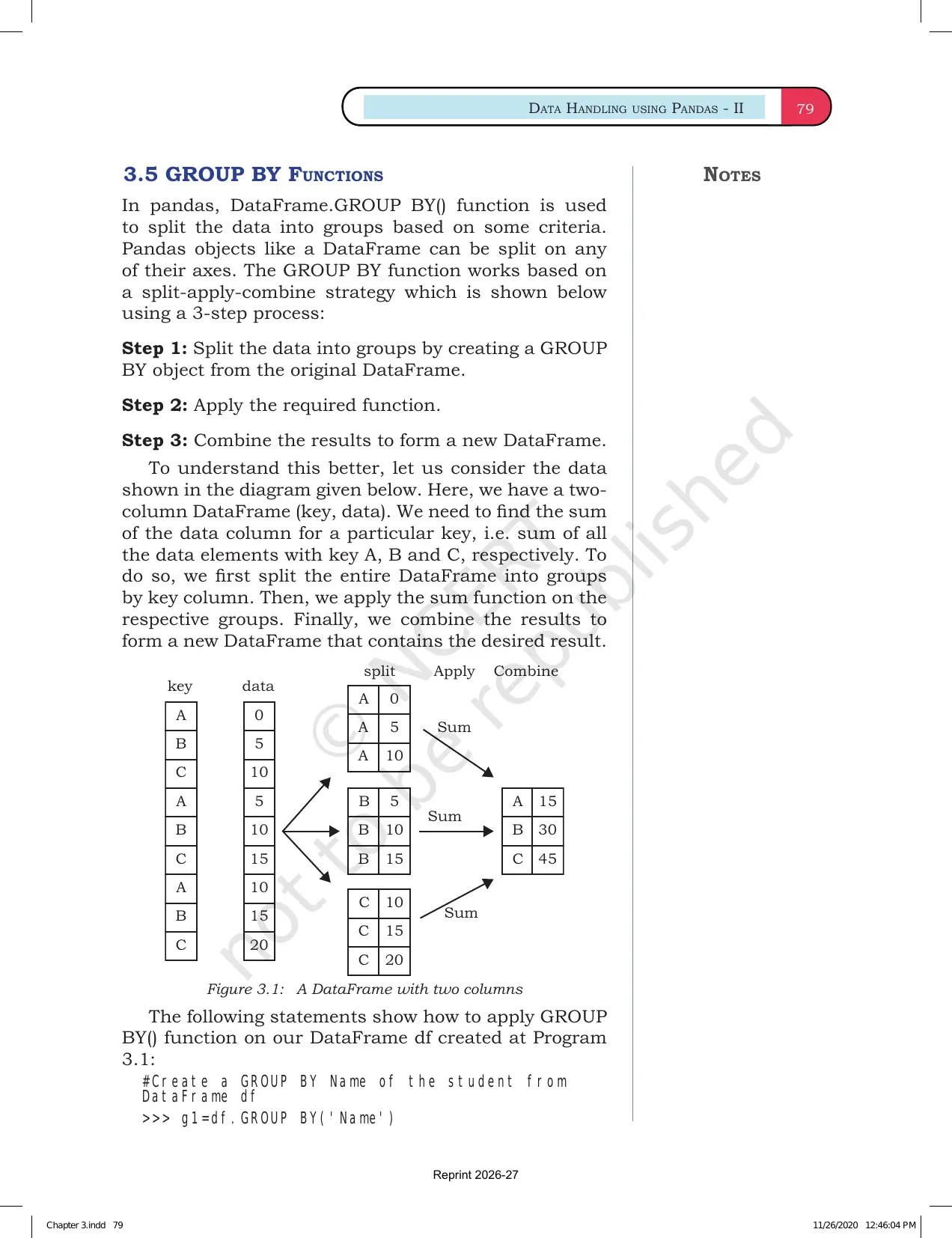
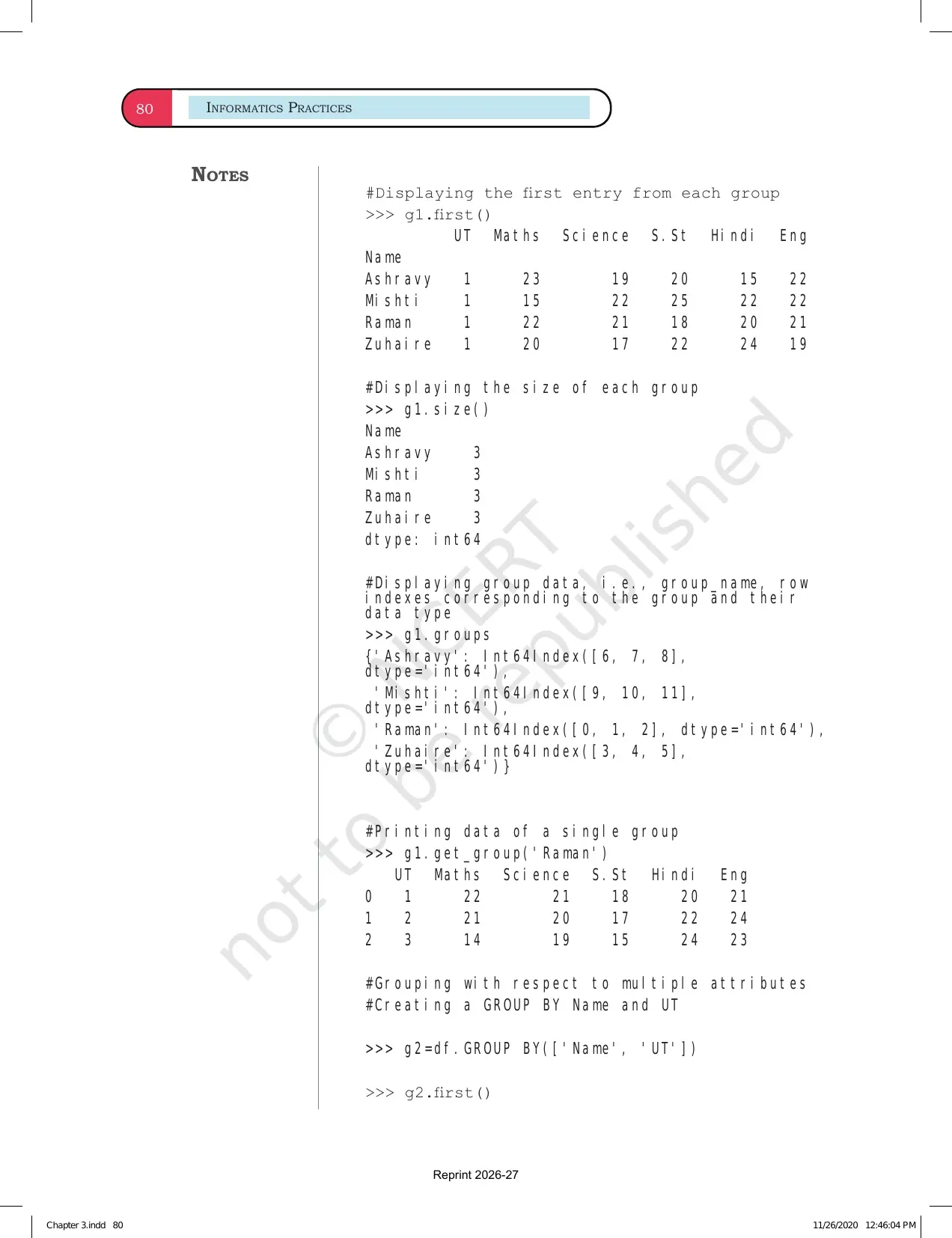
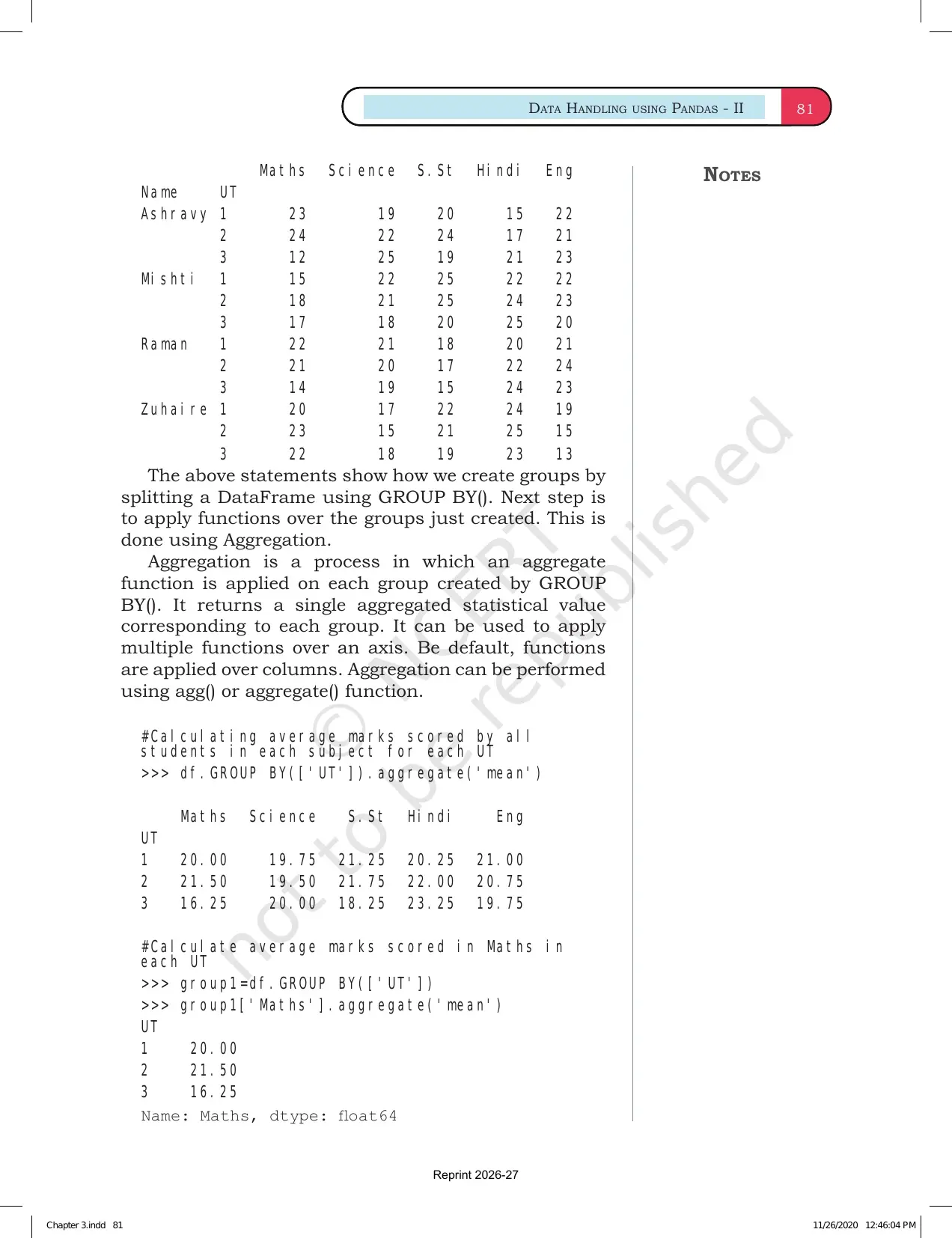
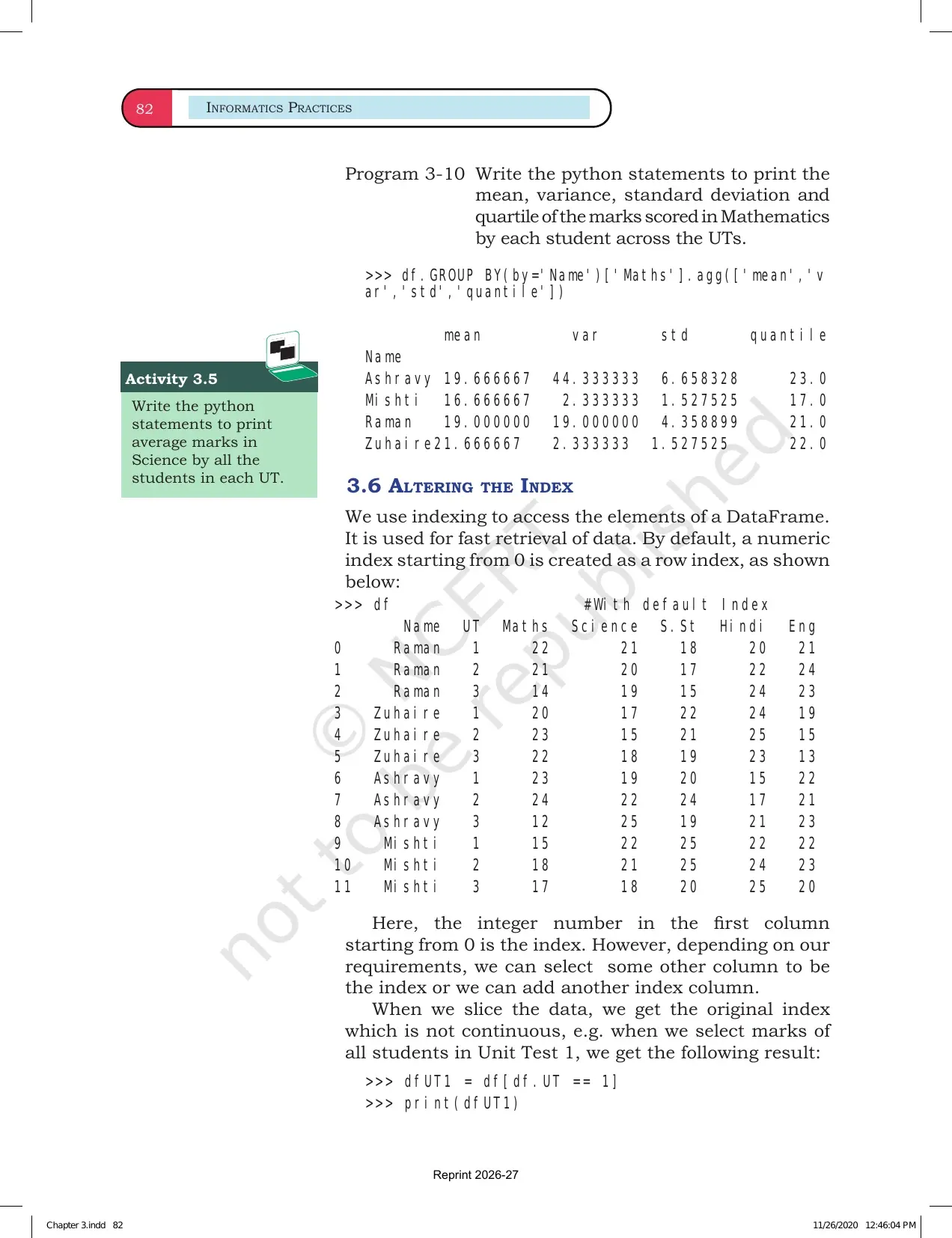
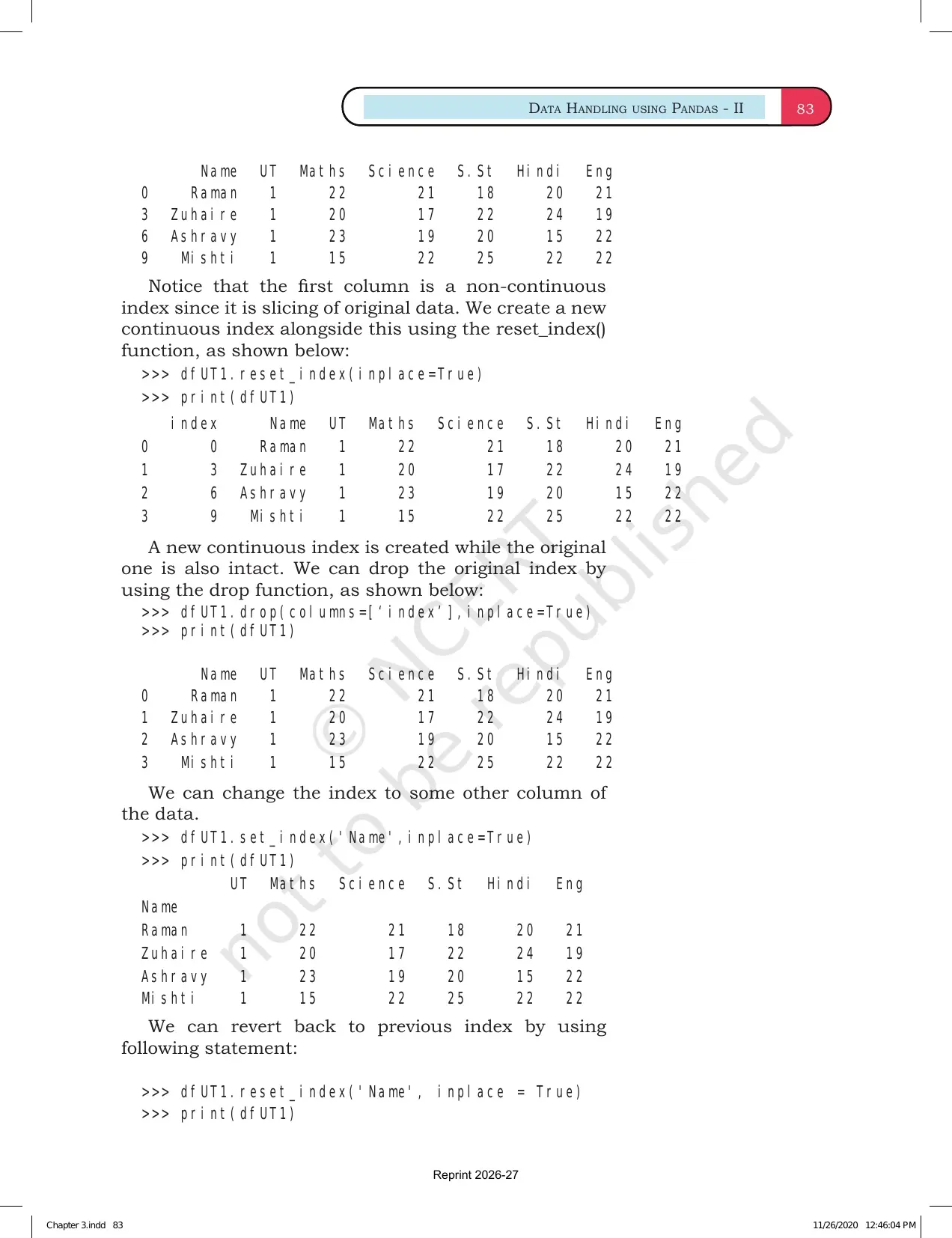
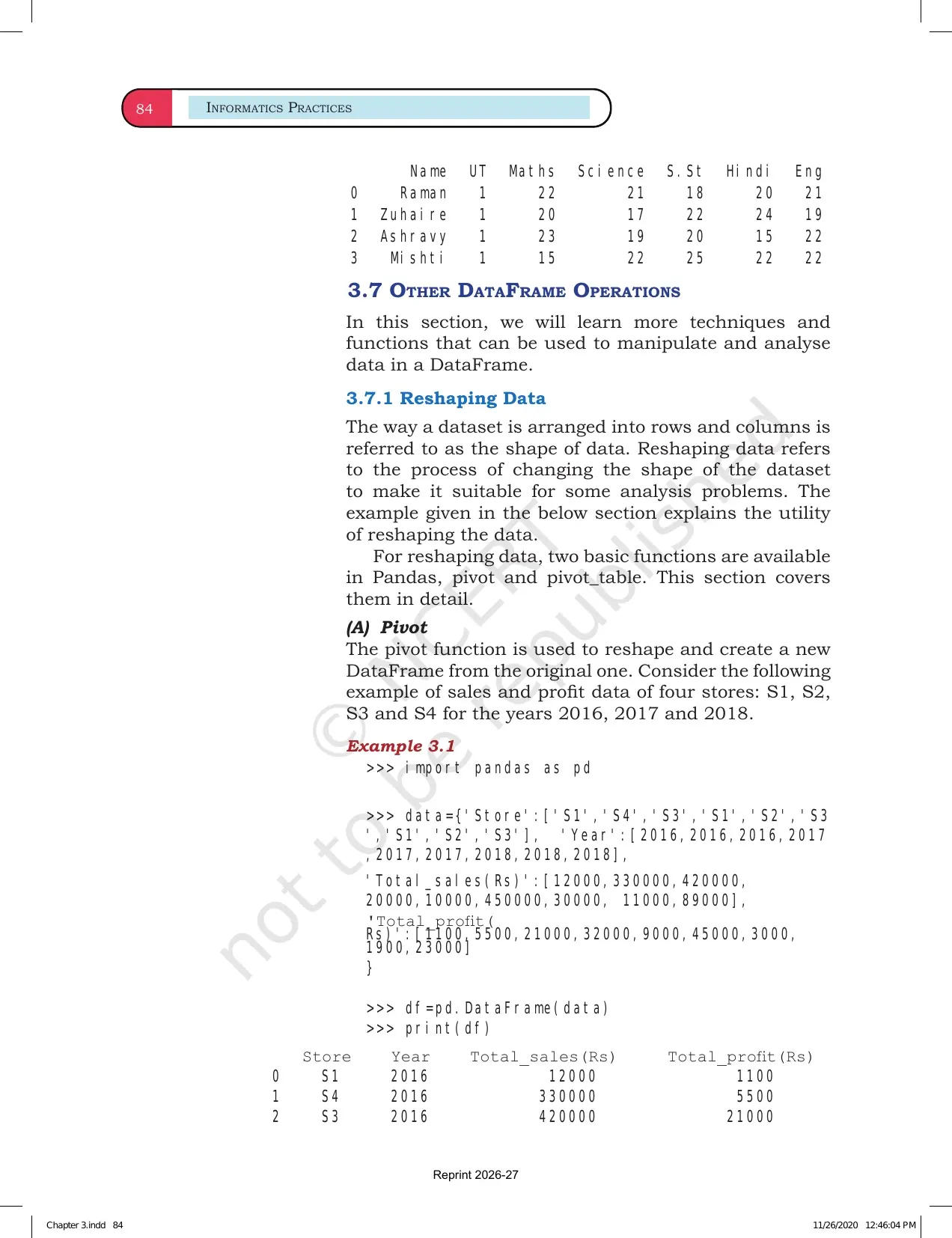
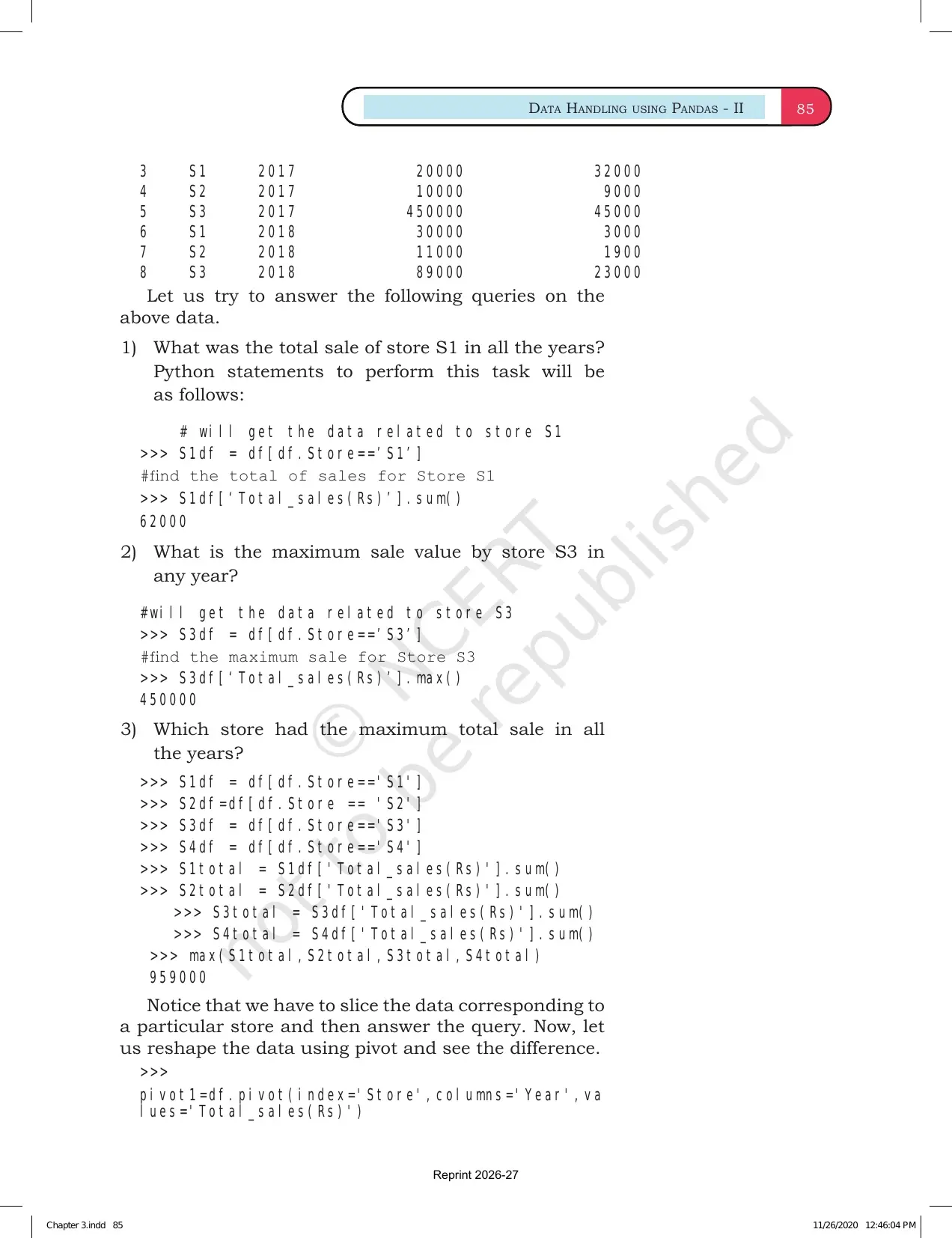
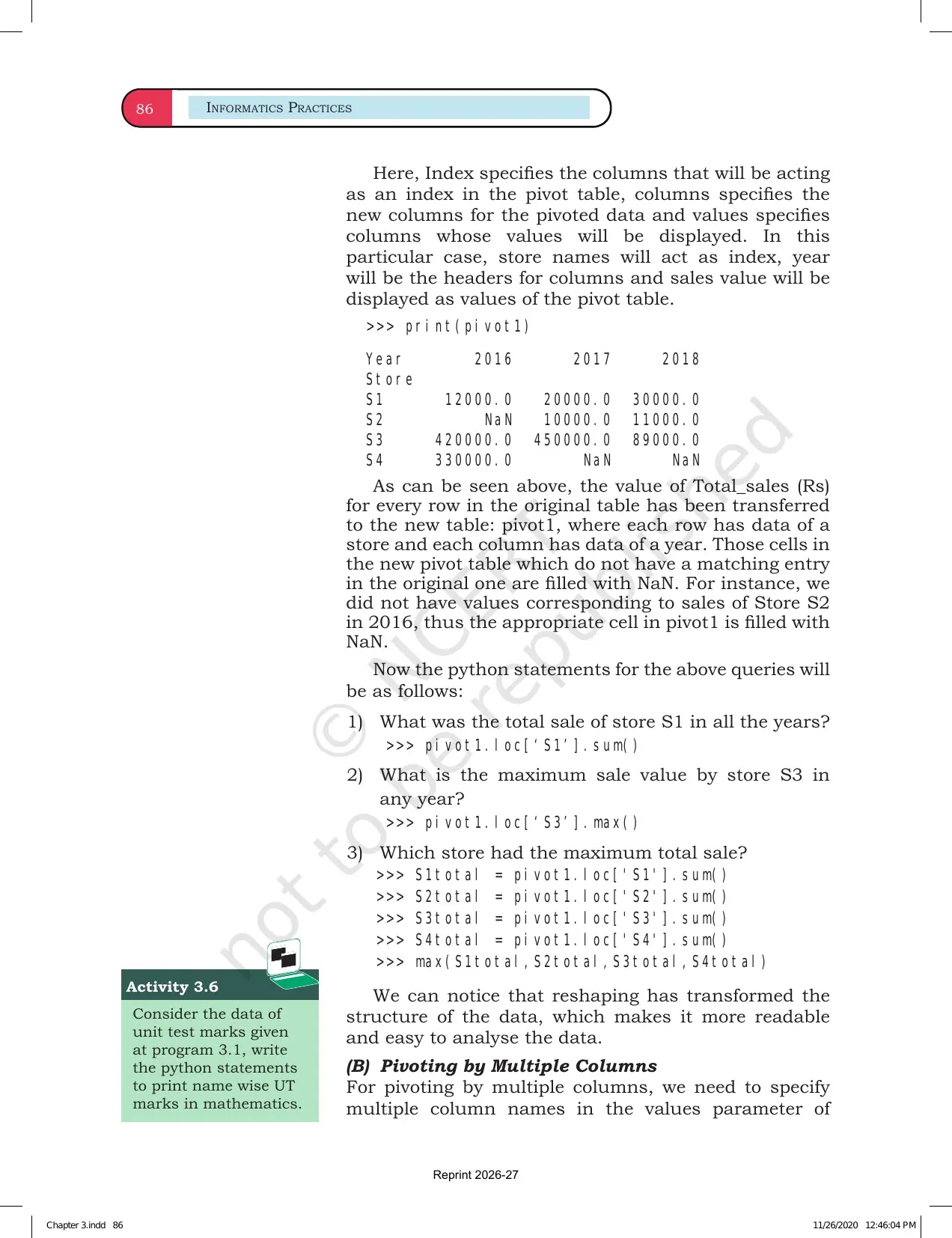
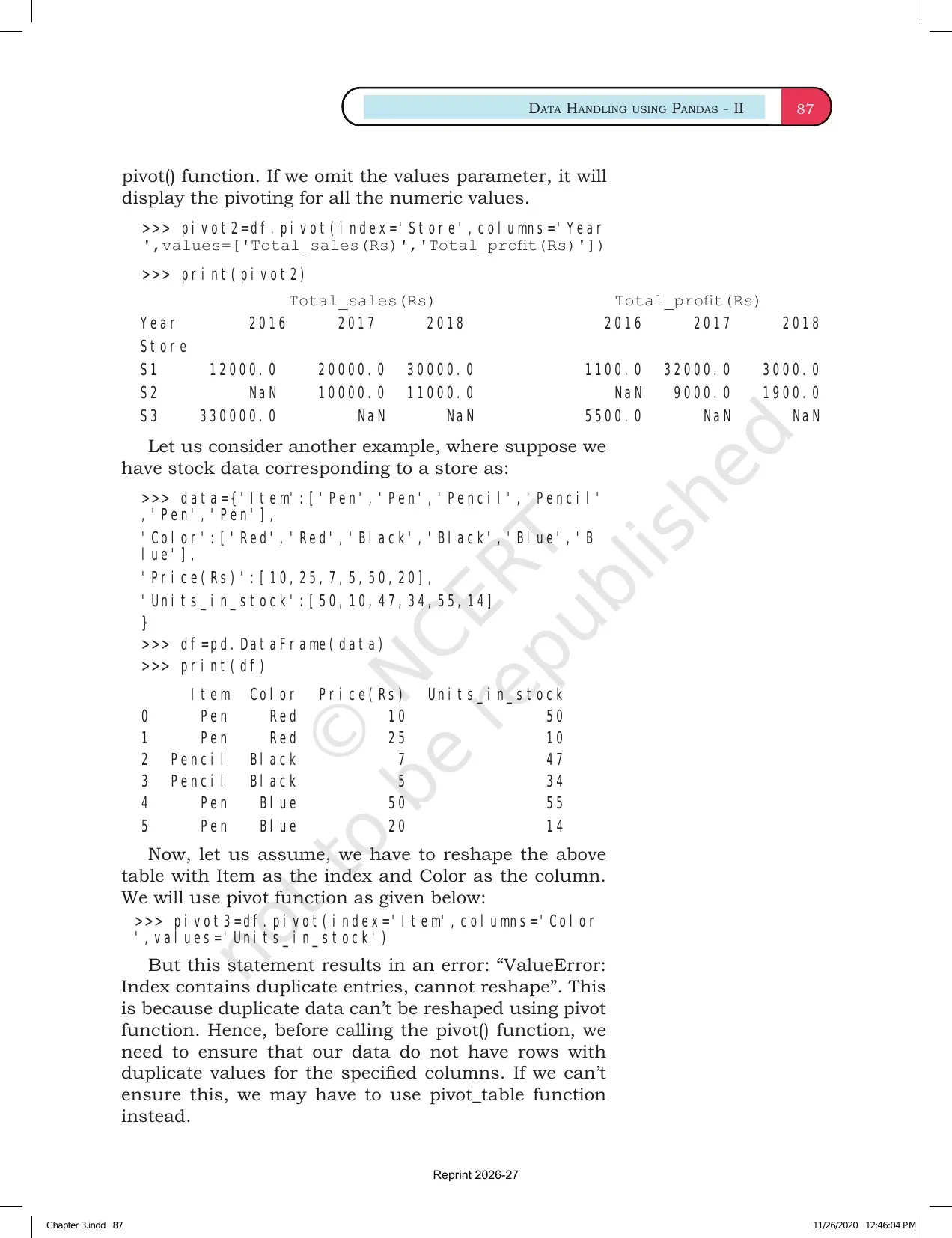
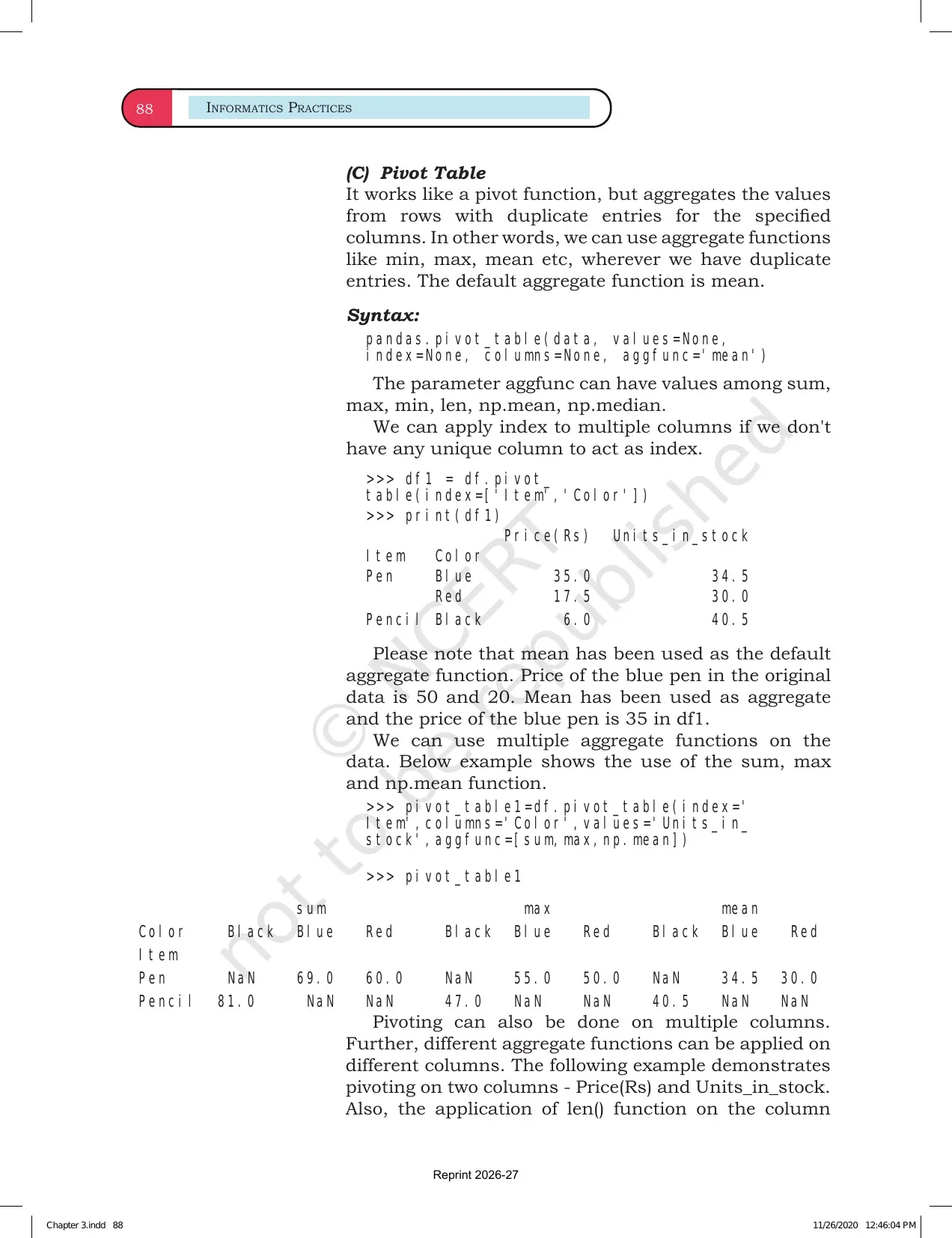
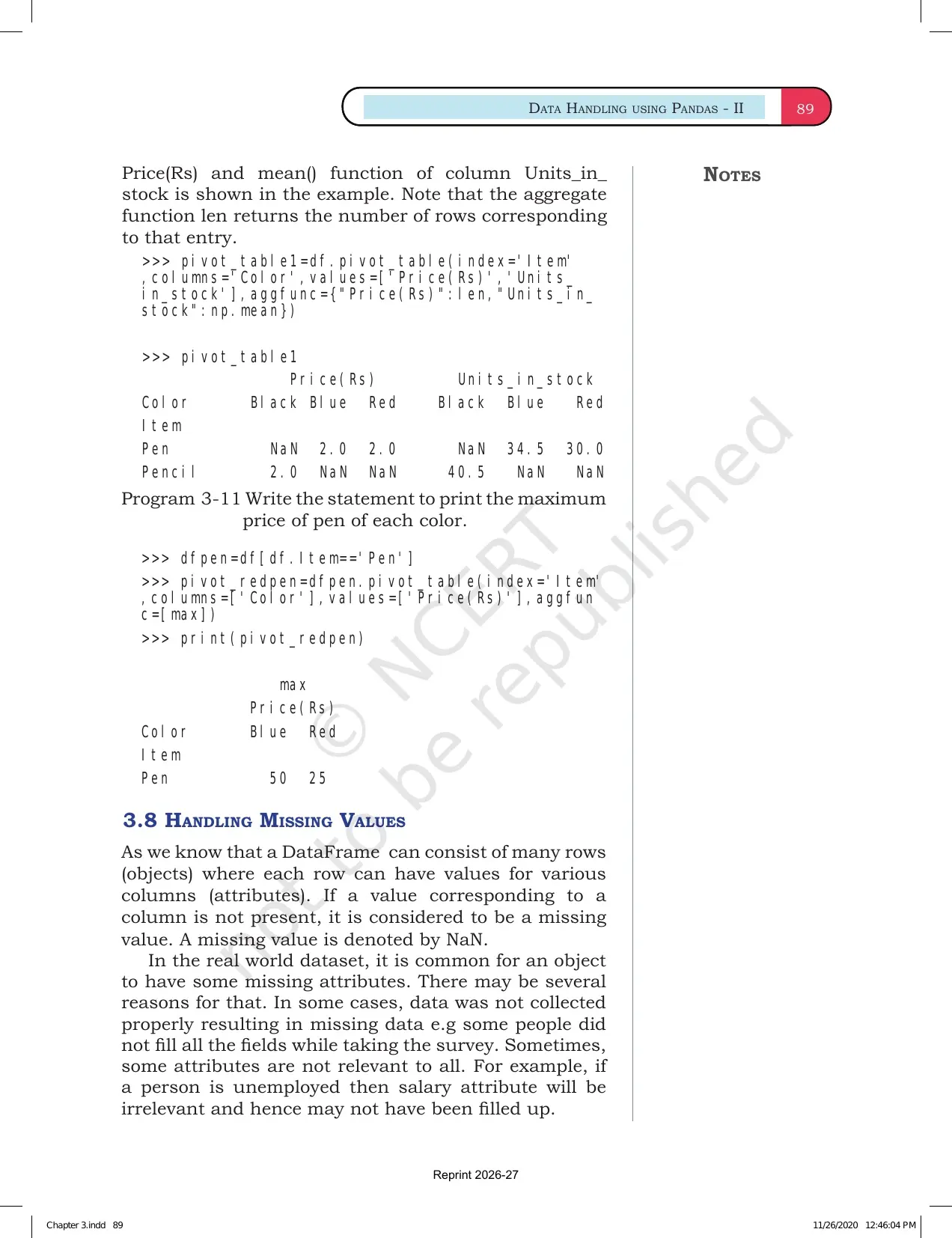
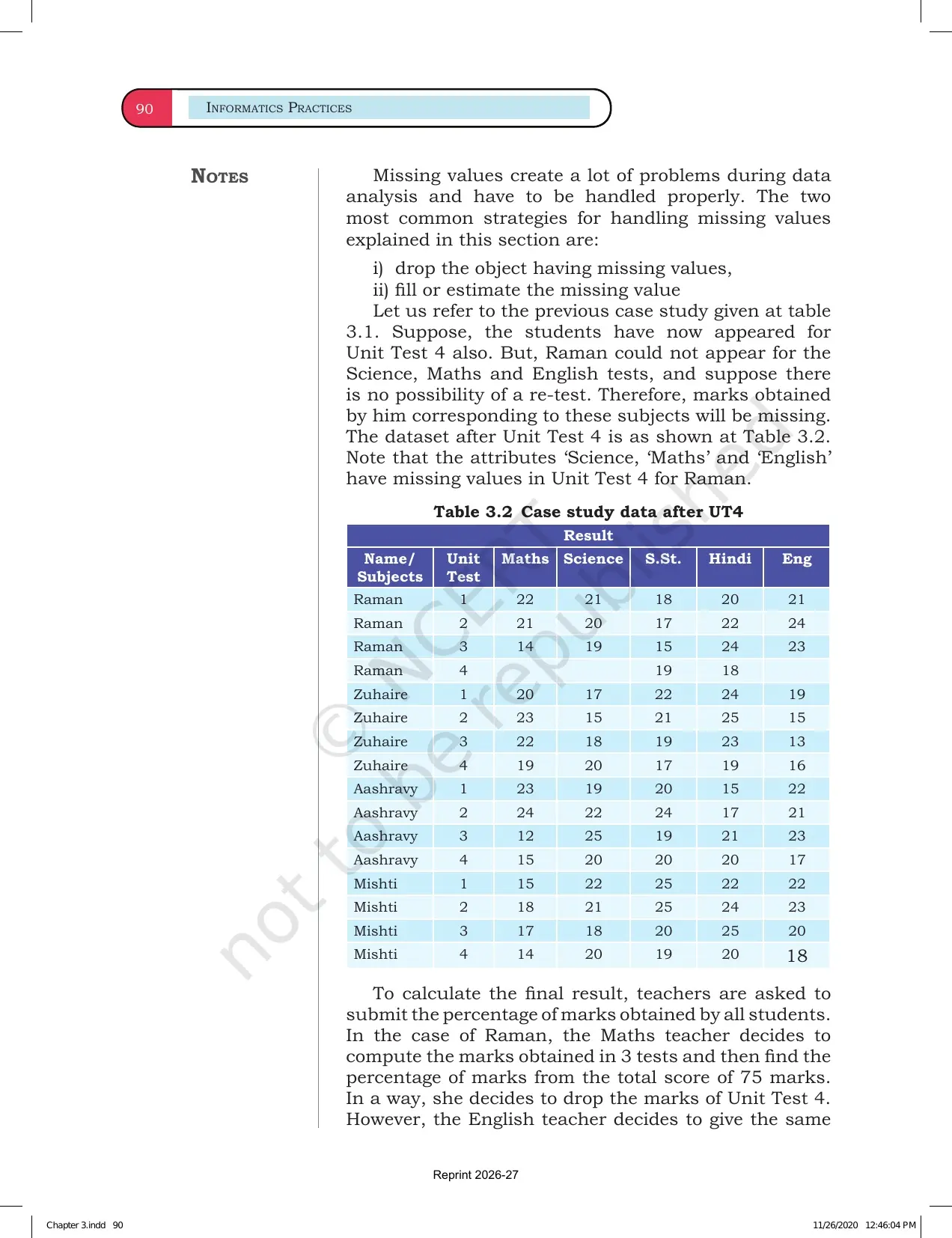
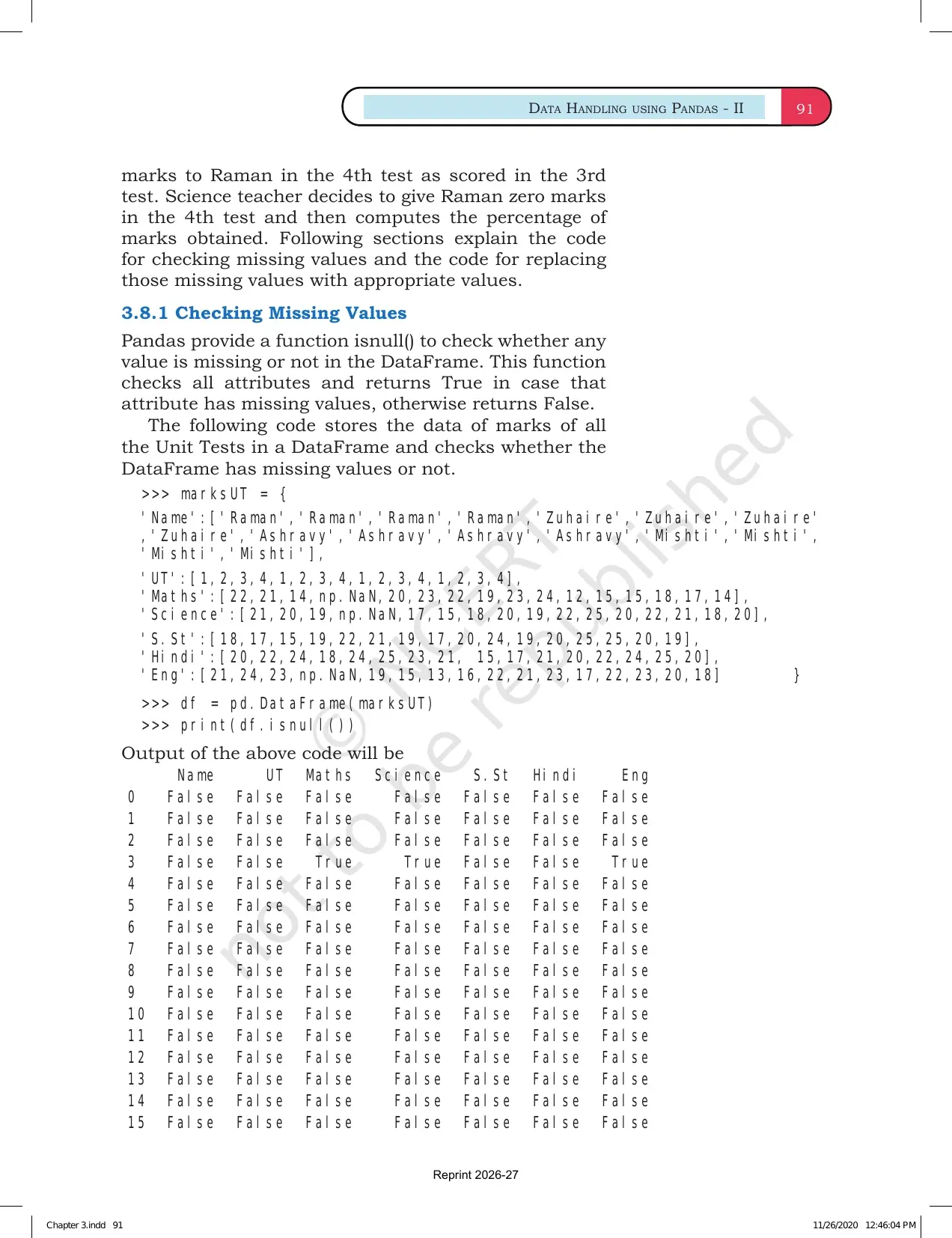
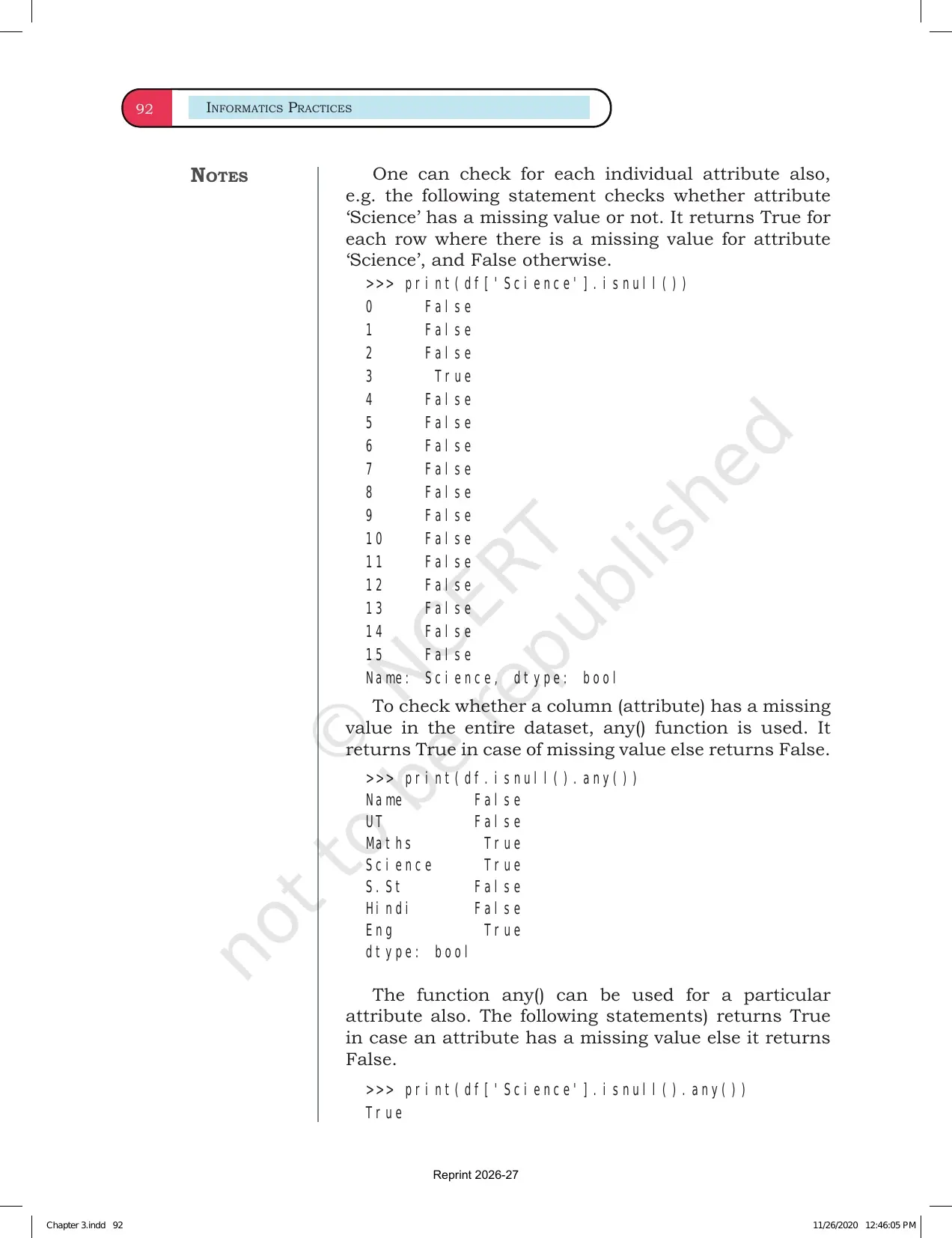
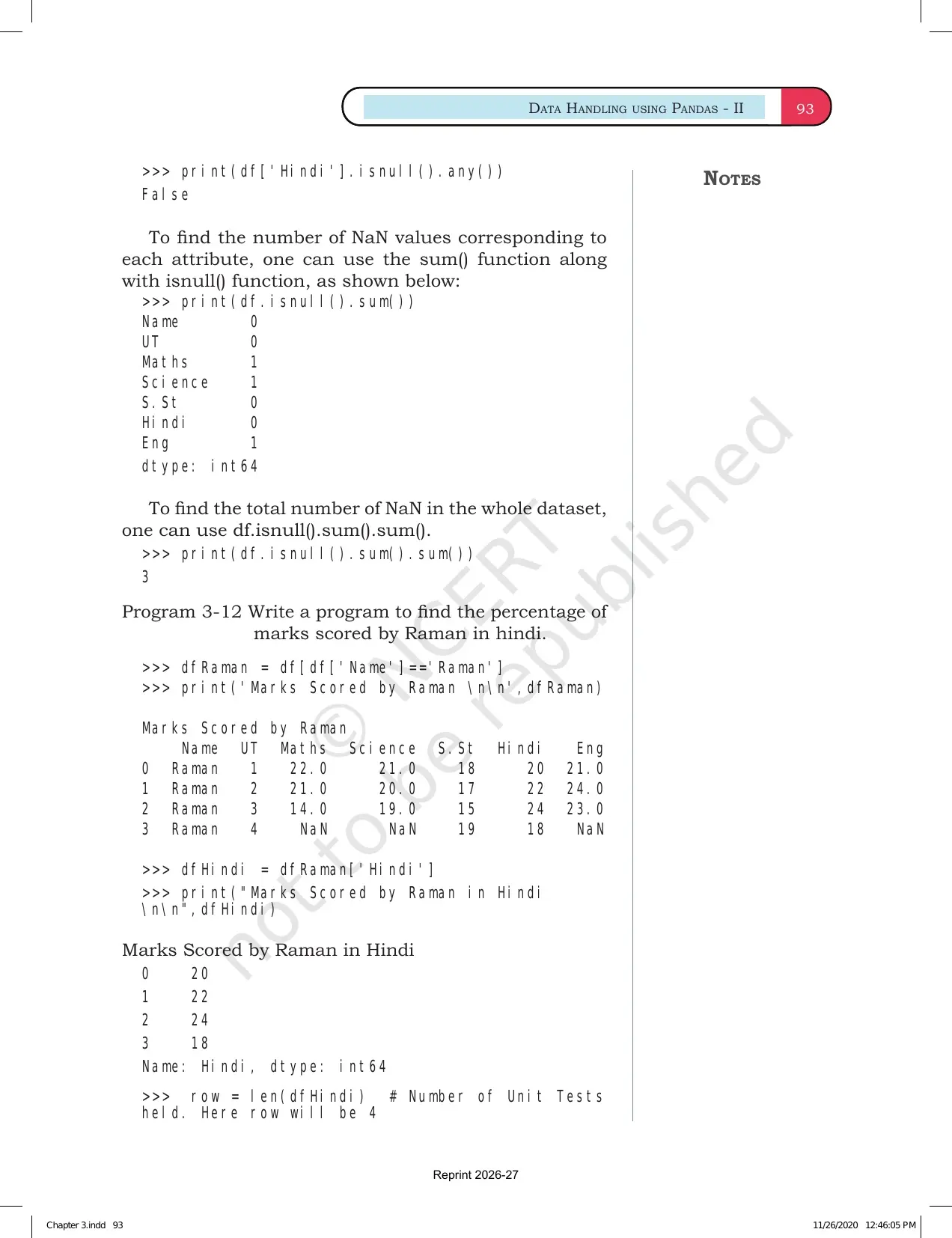
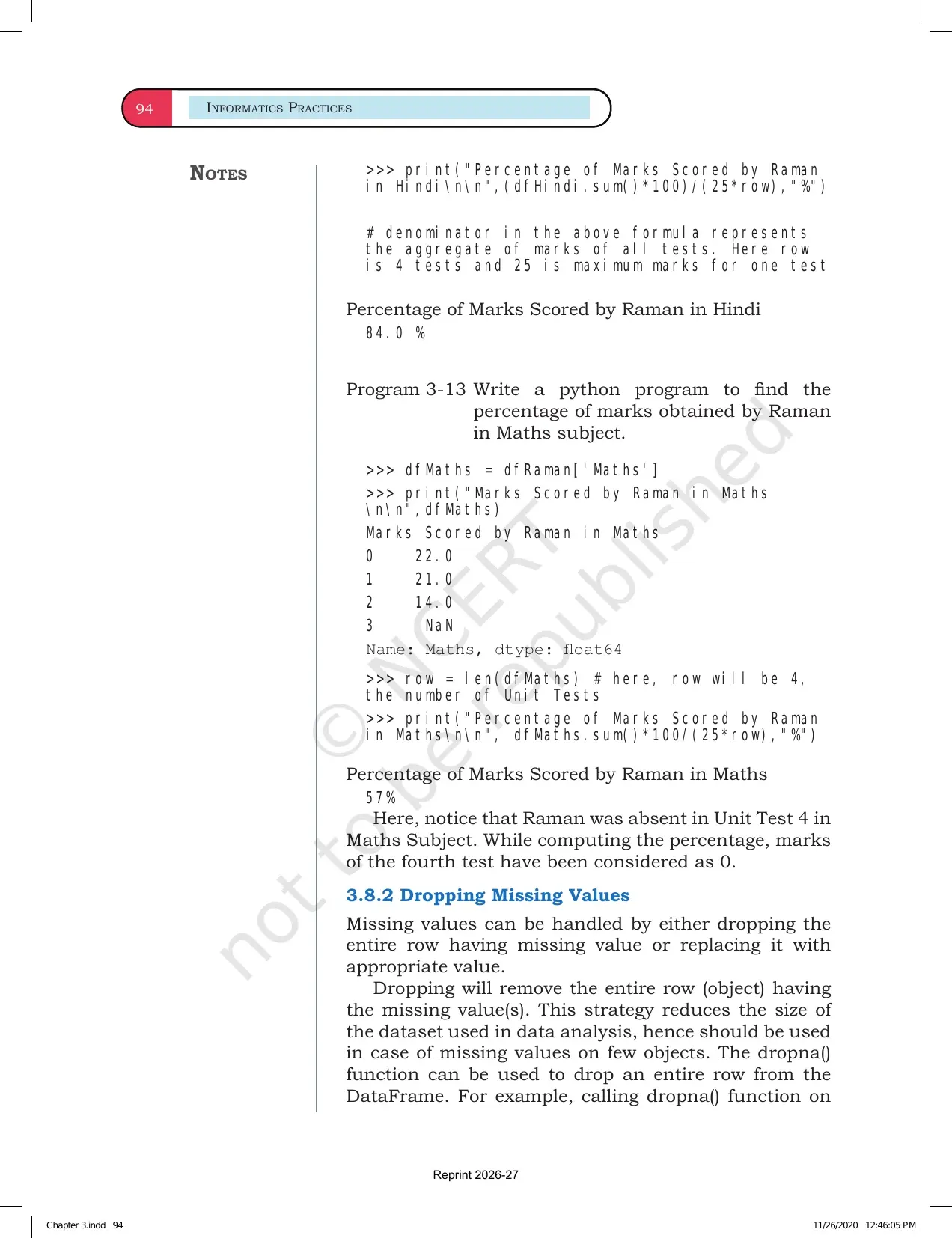
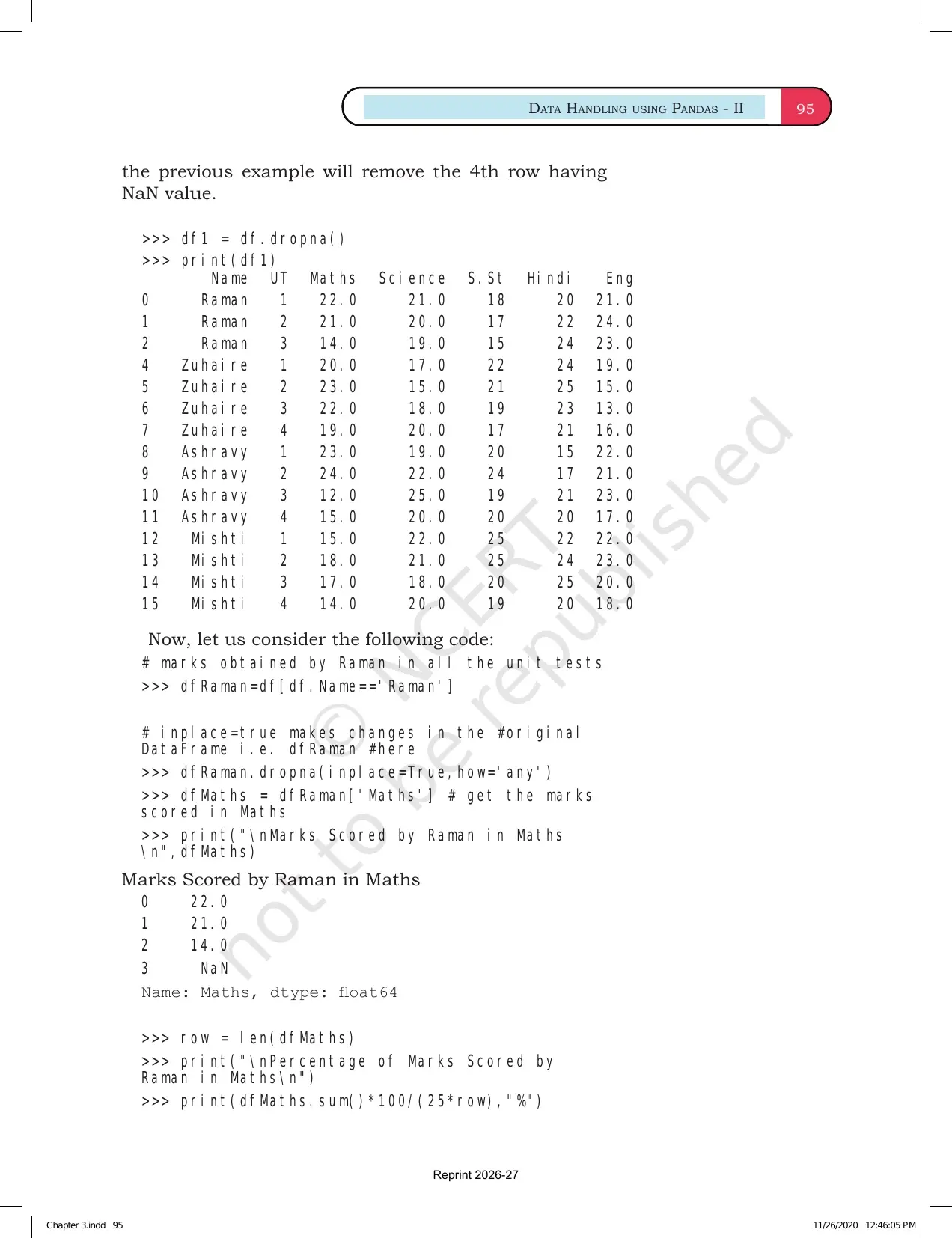
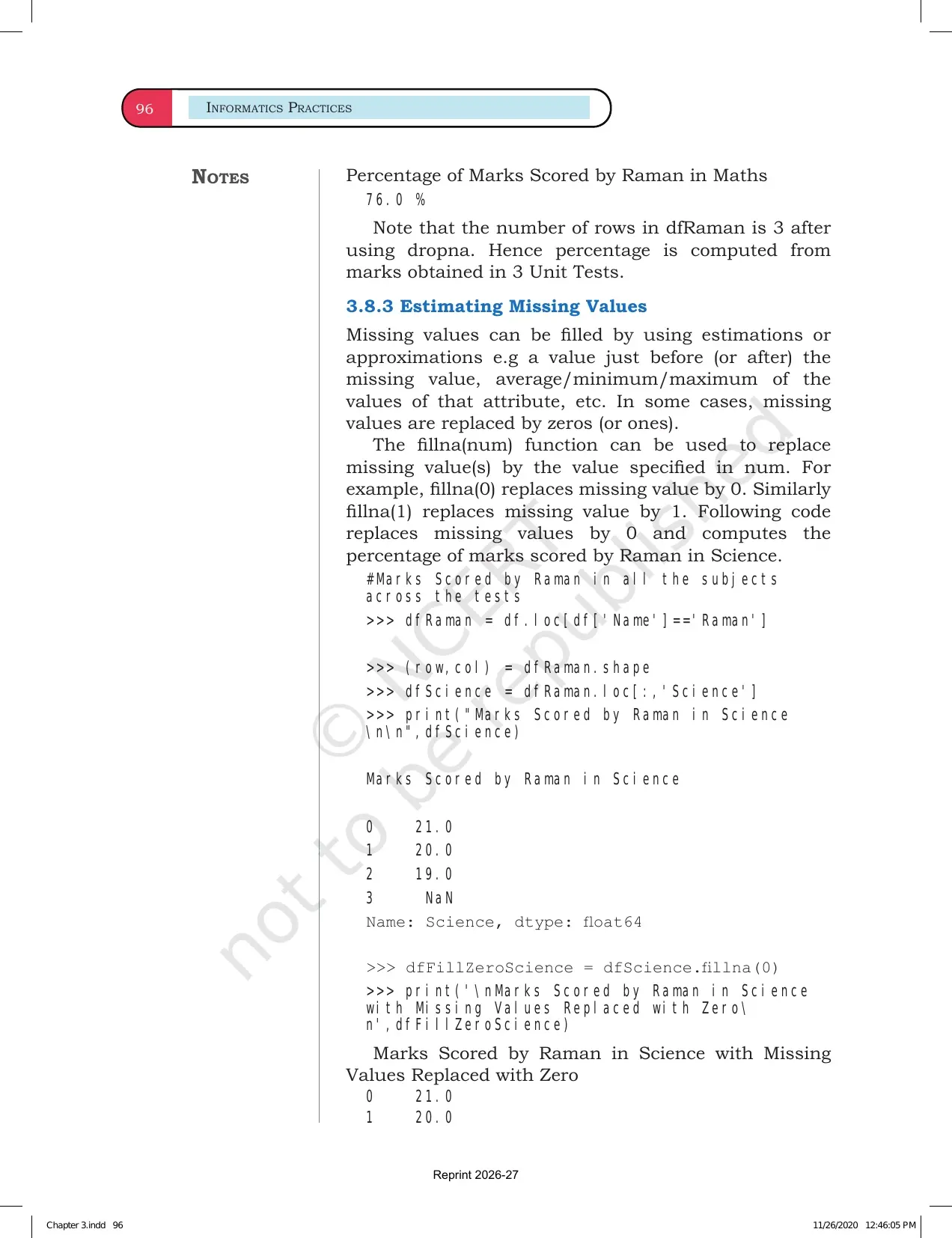
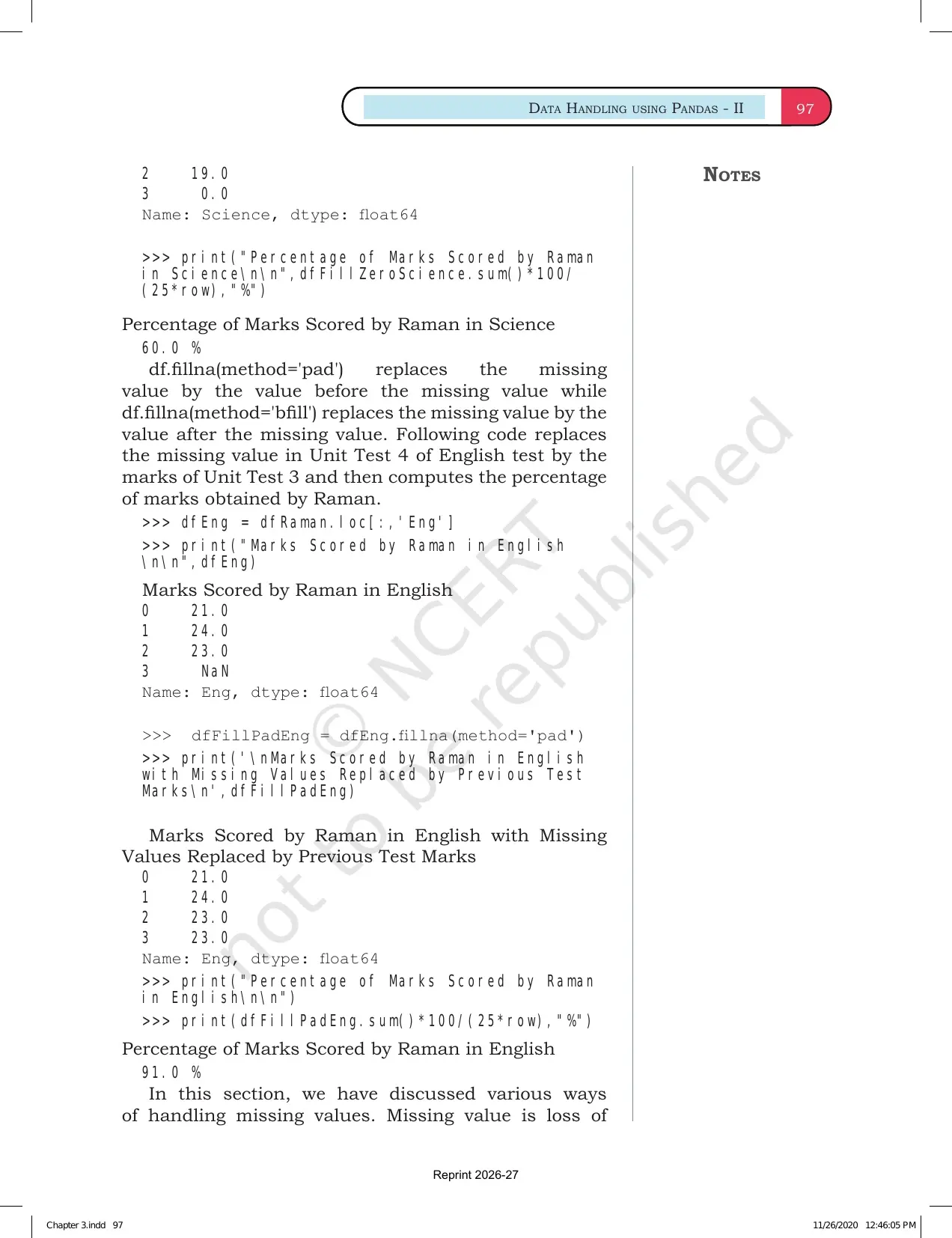
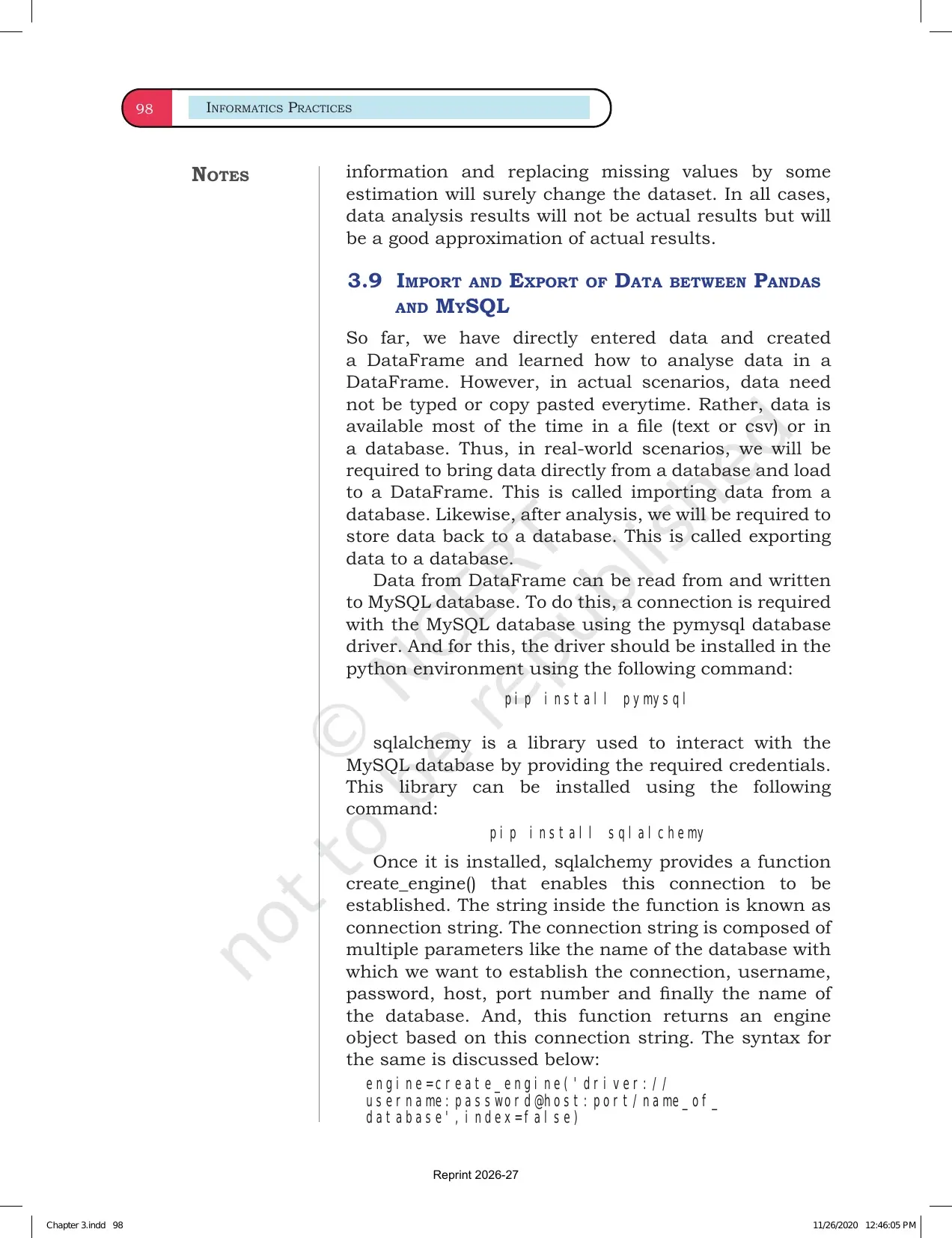
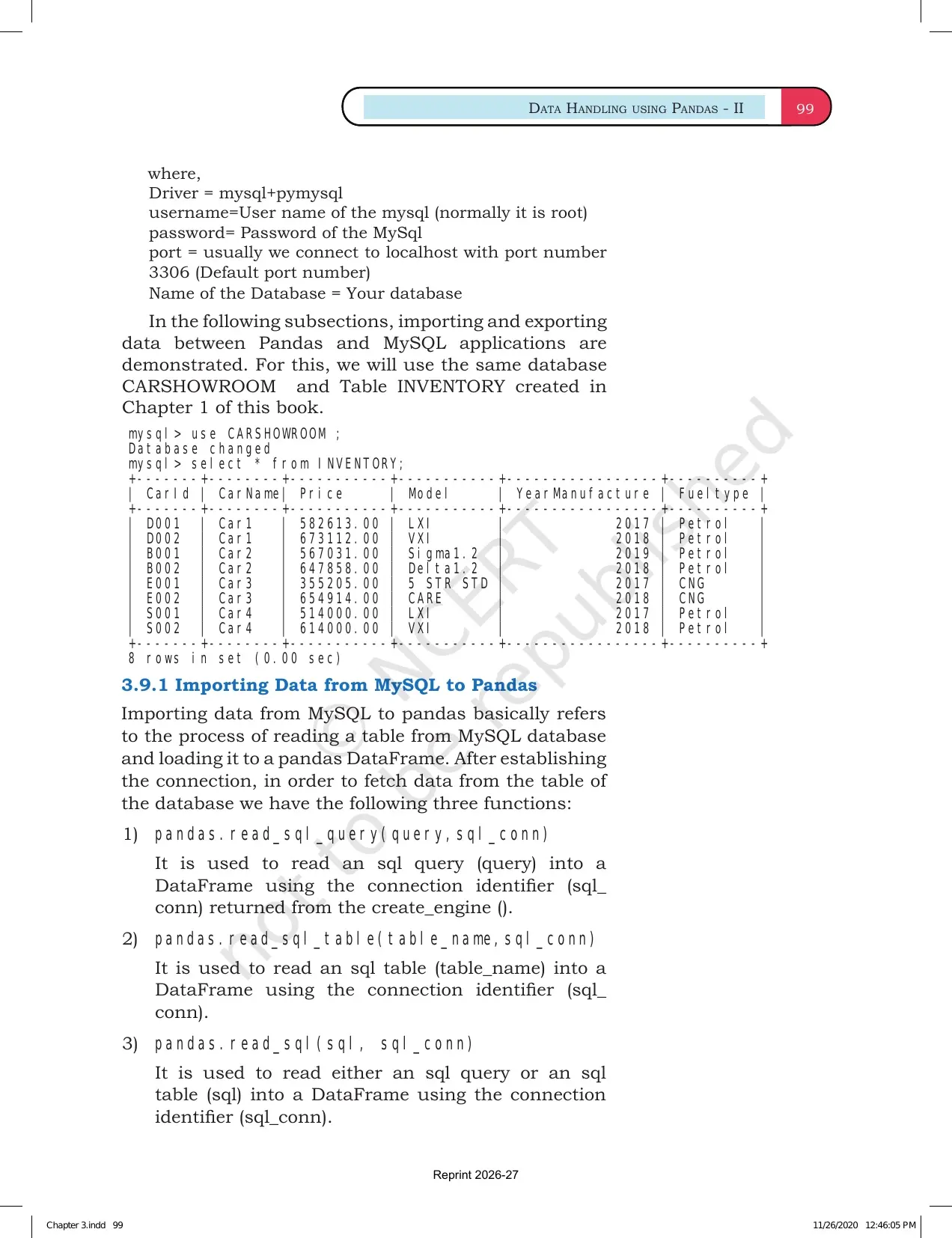
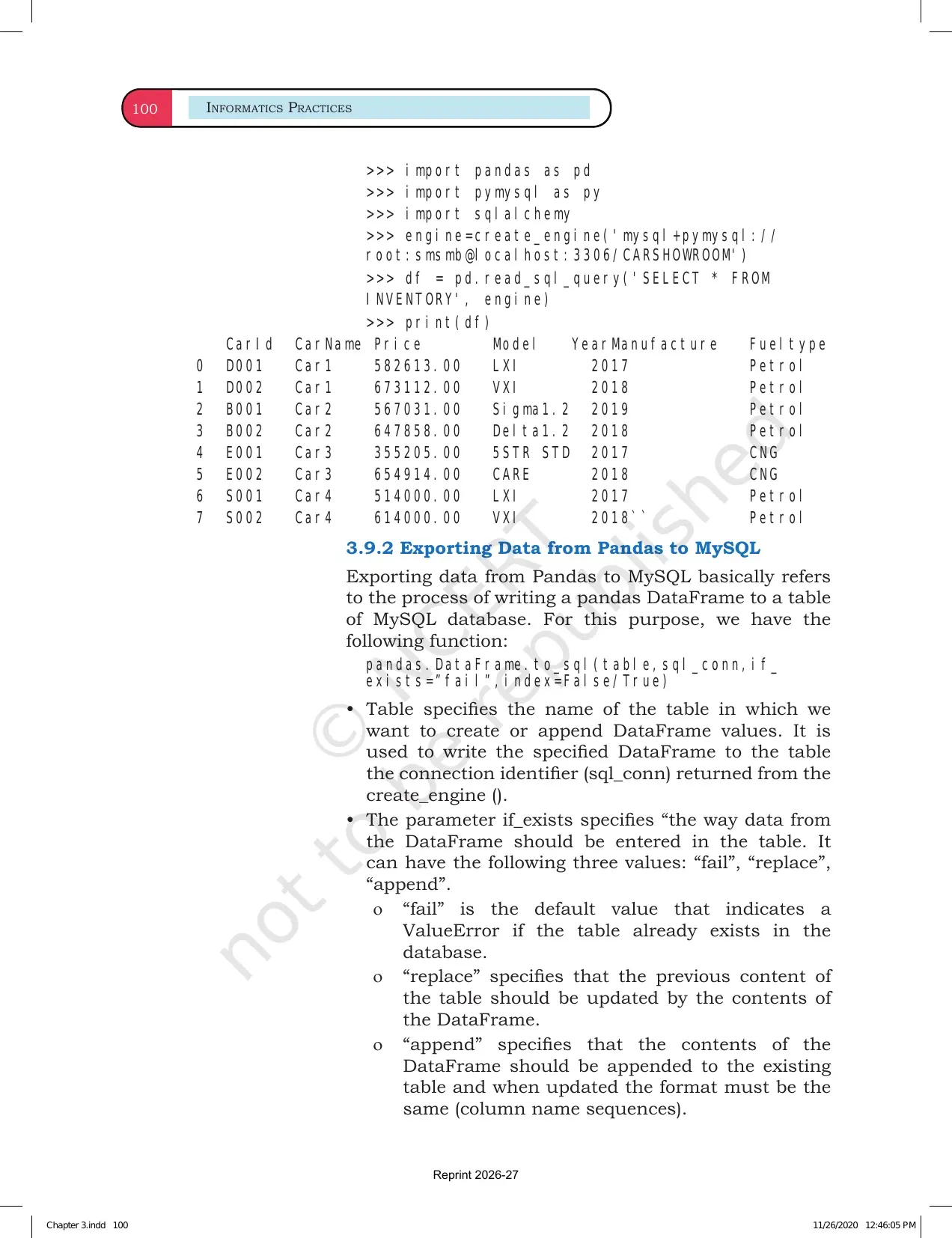
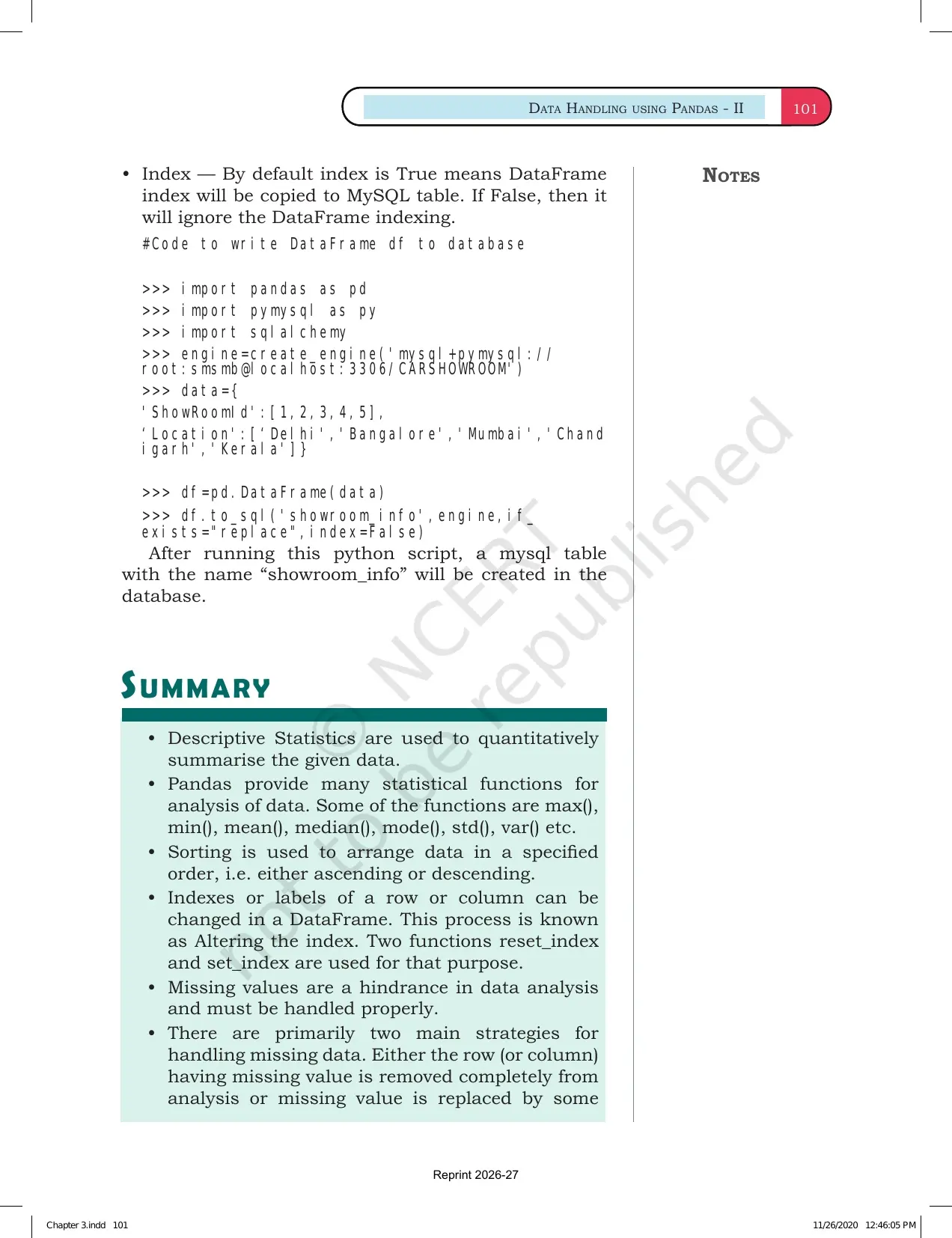
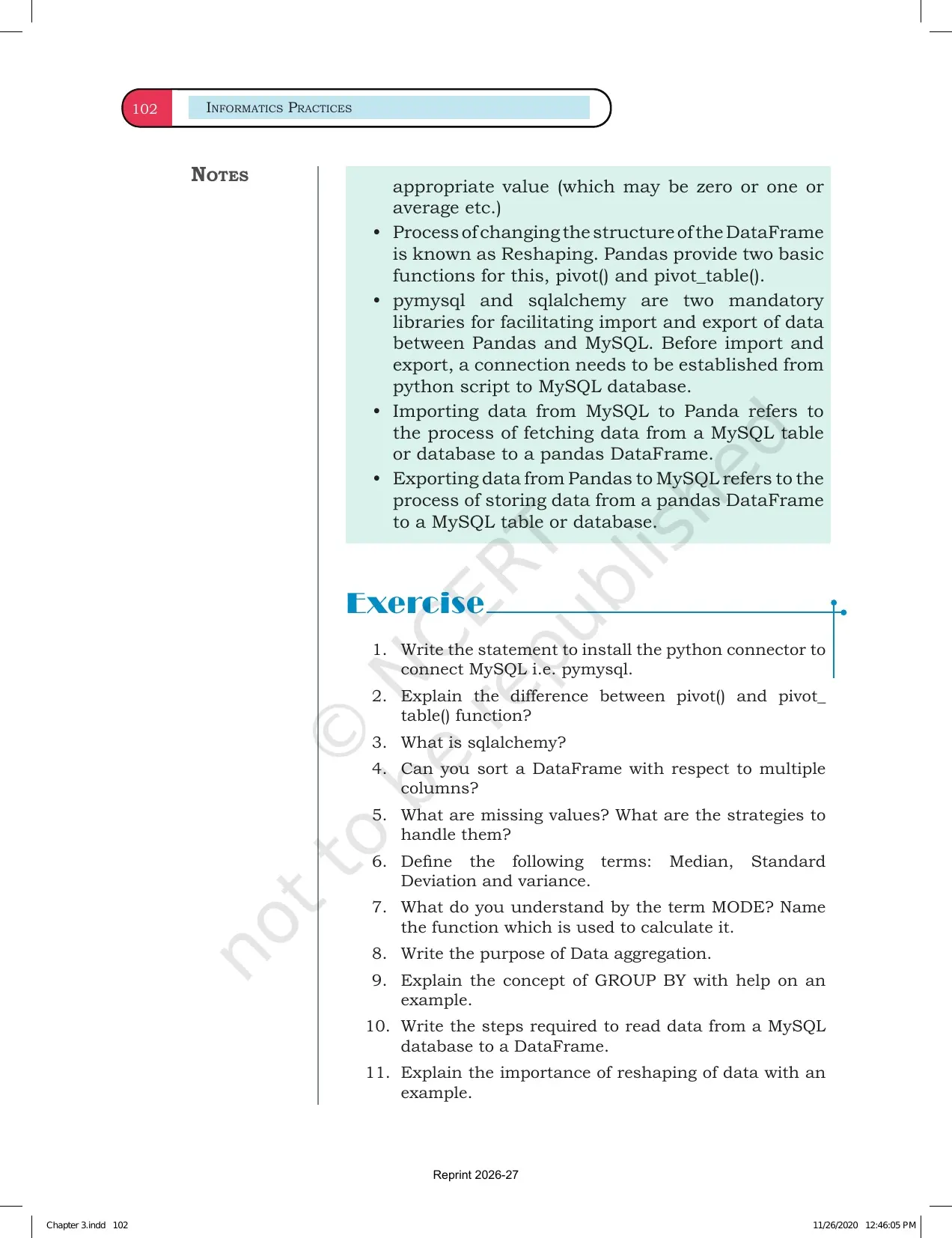
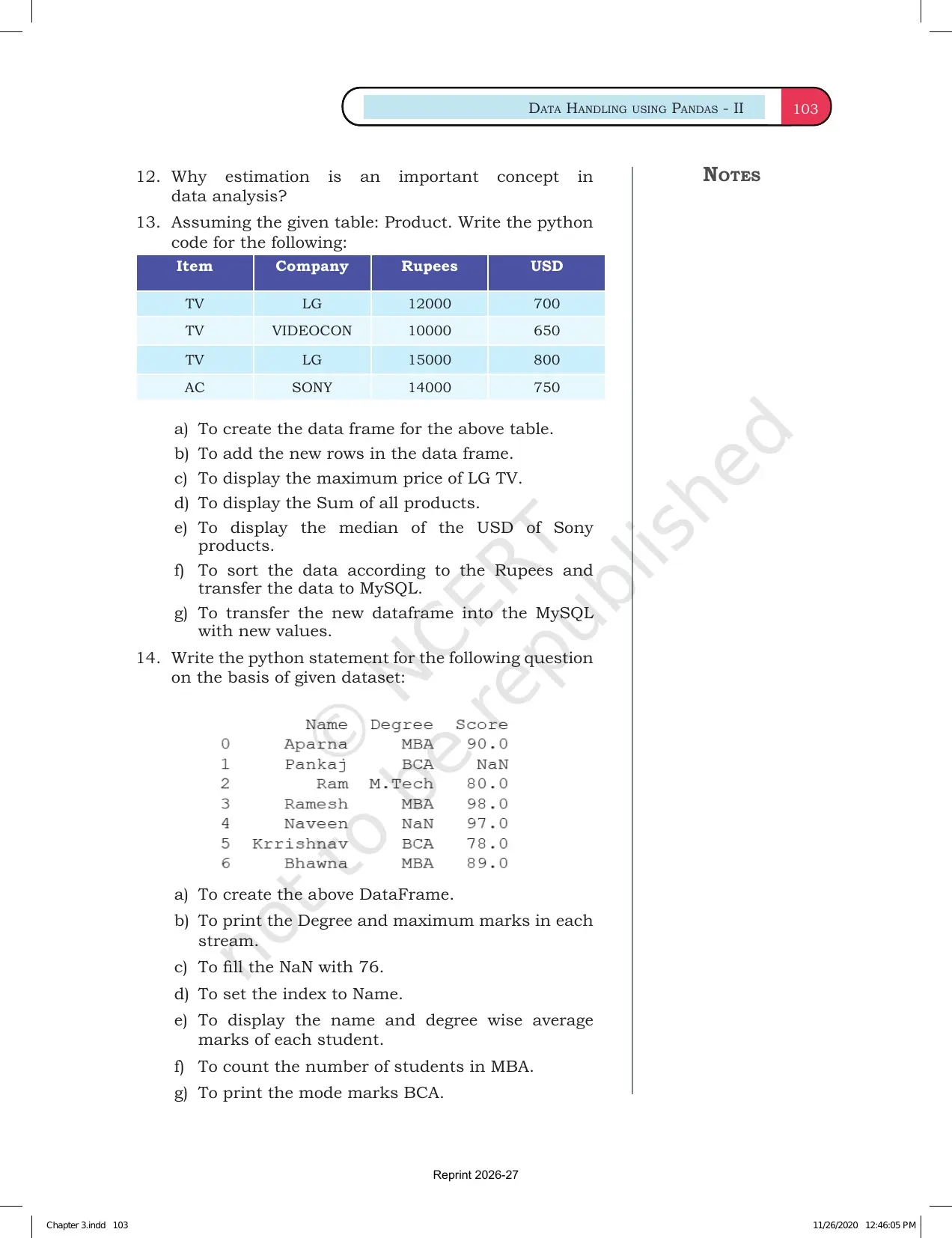
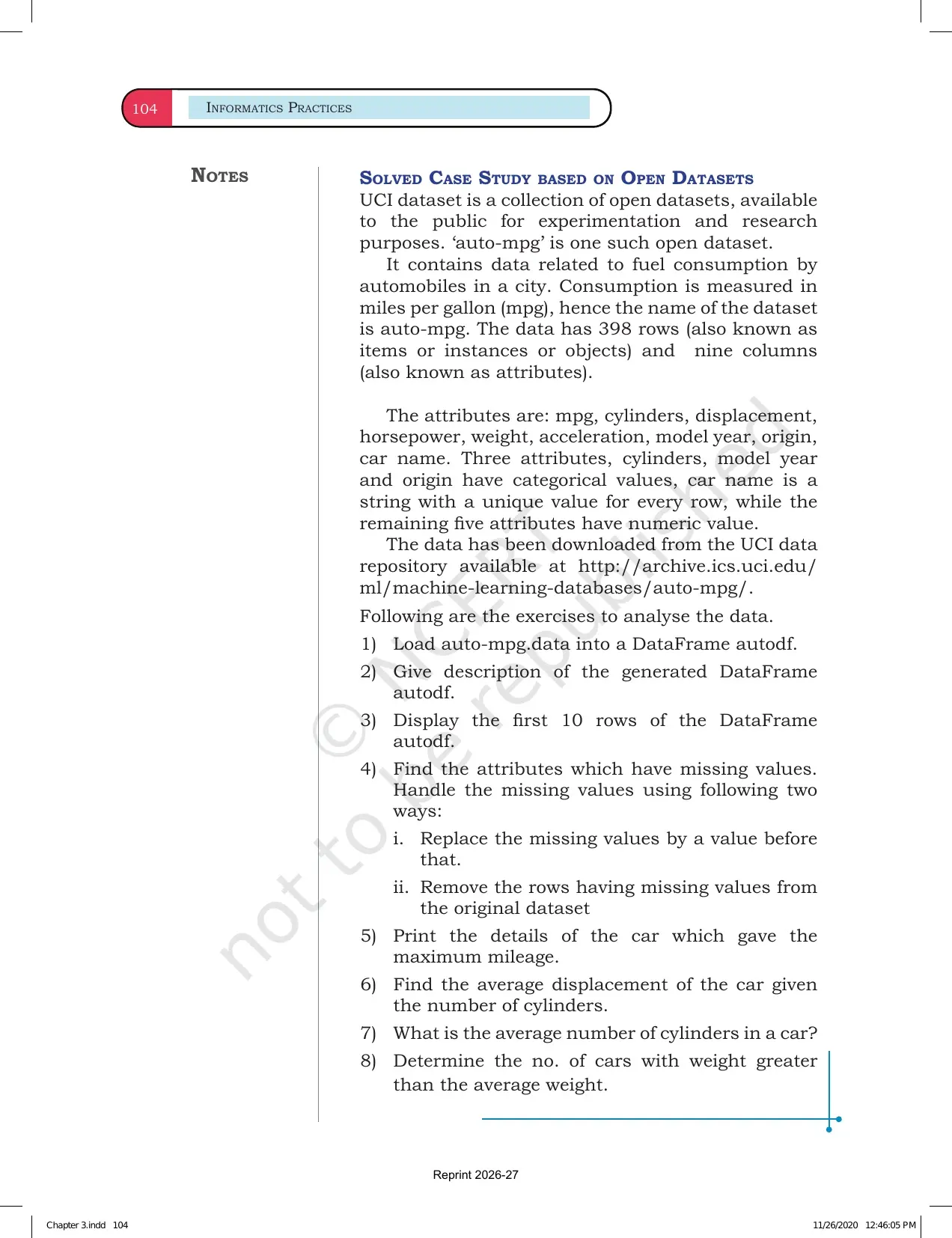
This Collegedunia page follows the 2026-27 NCERT Informatics Practices textbook and keeps the official chapter PDF, DataFrame cues and related study links in one place.
Student Feedback: In a Collegedunia poll of 10,940 Class 12 Informatics Practices students from the 2026-27 board cycle, most students said DataFrame questions became easier when they separated label-based and position-based access.
- 76% wanted a quick chart for loc and iloc before practising output questions.
- 71% needed a revision flow for creating and reading DataFrames.
- 64% revised faster when CSV import and export were kept beside selection commands.
Data Handling using Pandas DataFrame Chapter 3 Highlights
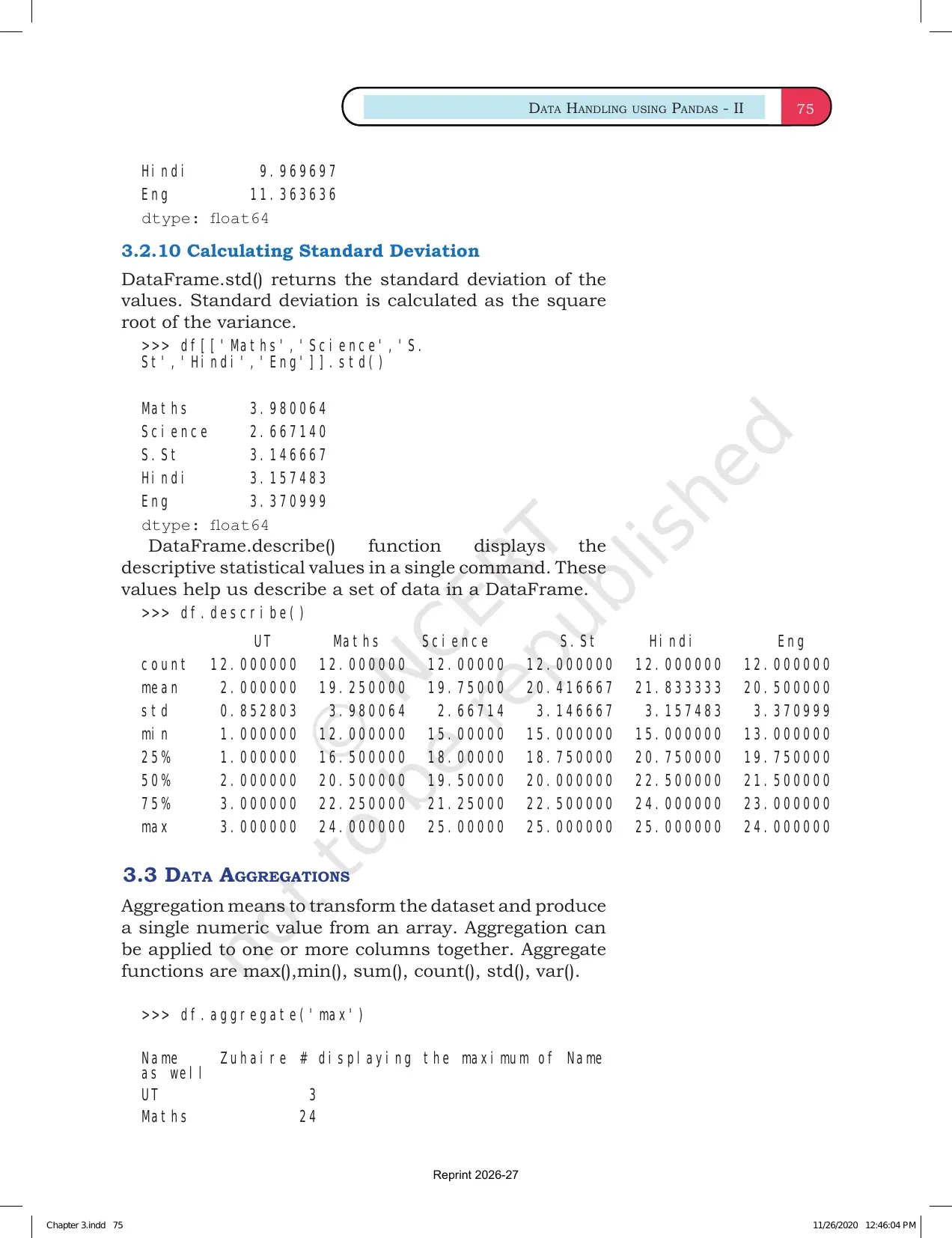
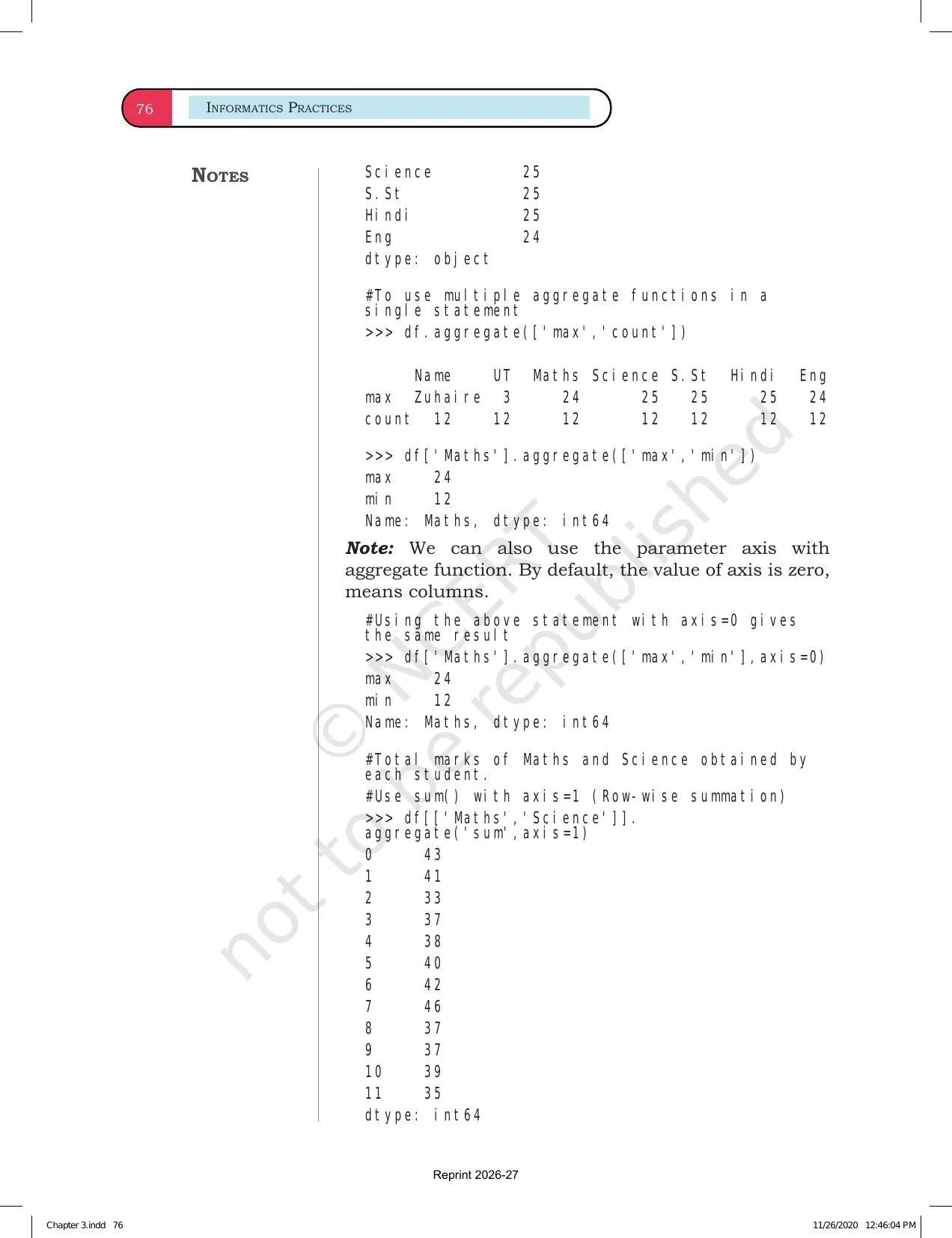
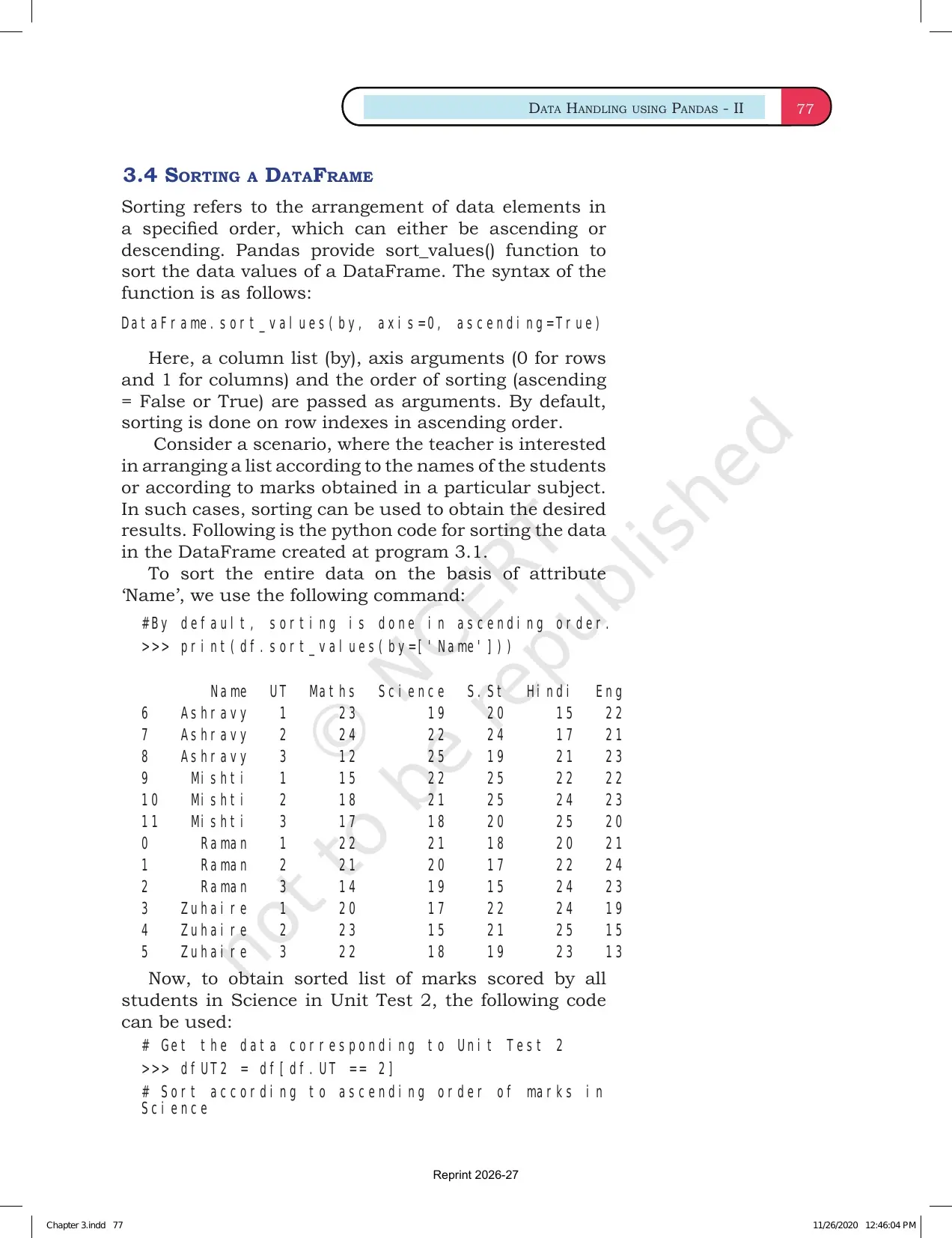
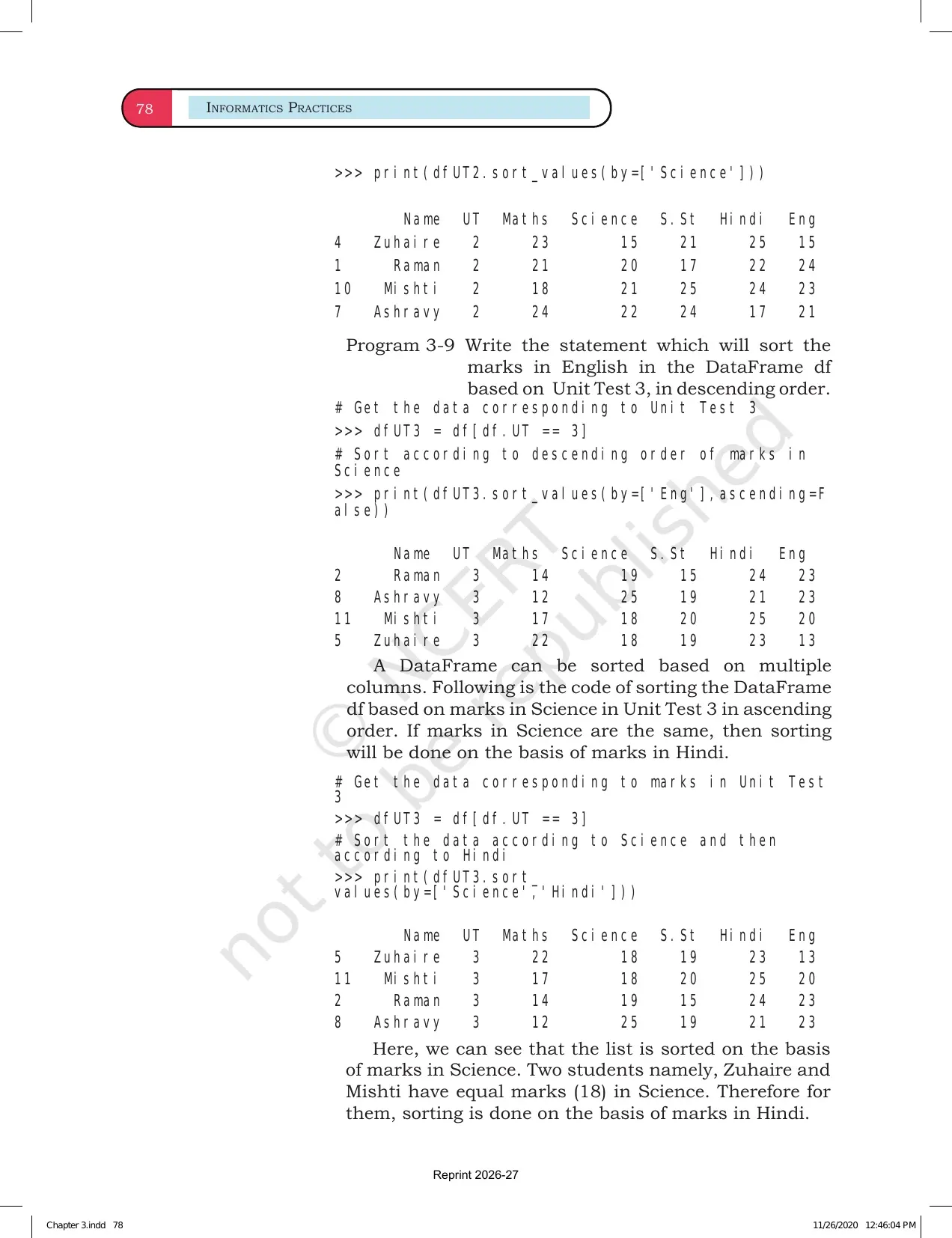
Chapter 3 moves from one-dimensional Series to two-dimensional DataFrames. A DataFrame stores data in rows and columns, so it is the Pandas object students use for marks tables, sales tables, weather records and CSV files.
| Chapter area | What NCERT asks students to learn | Revision cue |
|---|---|---|
| DataFrame creation | Create DataFrames from dictionaries, lists and Series objects | Rows and columns must line up |
| Attributes | Read index, columns, dtypes, shape, size and values | Attributes describe the table |
| Selection | Select columns, rows, slices and specific cells | Use labels or positions carefully |
| CSV handling | Read from CSV files and write DataFrames back to CSV | File path and separator matter |
A DataFrame is a two-dimensional labelled table. Each column can behave like a Series, but the full object also carries row labels and column labels.
Creating a DataFrame in Chapter 3
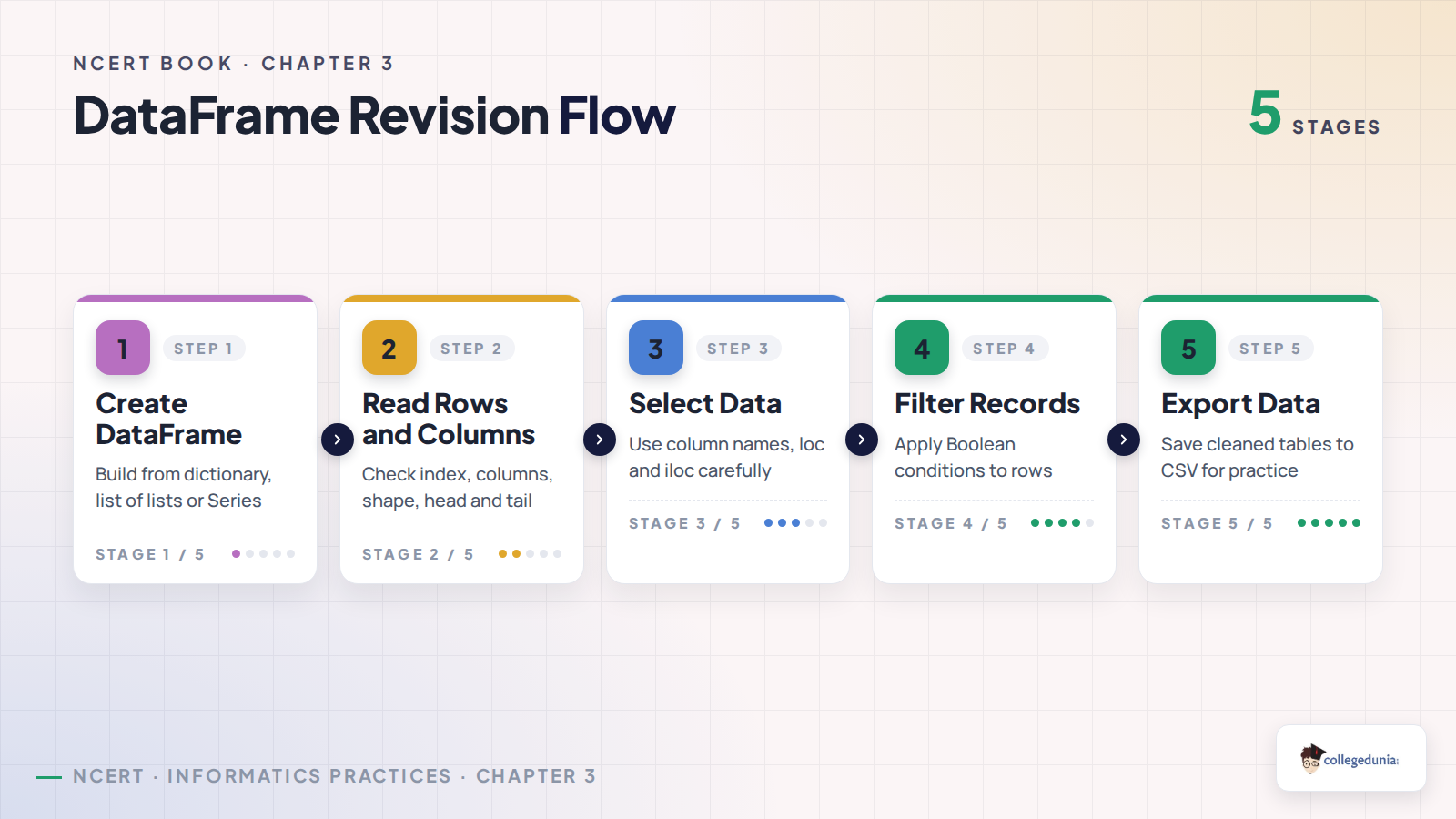
The NCERT examples show that a DataFrame can be created from many Python structures. The safest revision method is to write the input data, predict the rows and columns, then run the command.
- Dictionary to DataFrame: keys become column names and values become column entries.
- List of lists: each inner list can become one row when columns are supplied.
- Series to DataFrame: related Series objects can be joined as columns.
- Custom labels: row index and column names make the output readable.
Data Handling using Pandas DataFrame Video
The video below supports the NCERT Chapter 3 reading flow. Watch it after reading the PDF once, then return to the examples and type the DataFrame commands yourself.
Data Handling using Pandas DataFrame Video
Source: Magnet Brains on YouTube
DataFrame Selection Filtering and CSV Work
Most board-style DataFrame questions test whether students can read a table and choose the correct Pandas command. Column selection uses names, row selection can use labels or positions, and filtering uses conditions.
- Column access: use the column name to extract one Series or multiple columns.
- Row access: use
locfor labels andilocfor integer positions. - Filtering: write a Boolean condition such as marks greater than a chosen value.
- CSV work: use
read_csv()andto_csv()after checking the file location.
loc and iloc in Pandas DataFrame
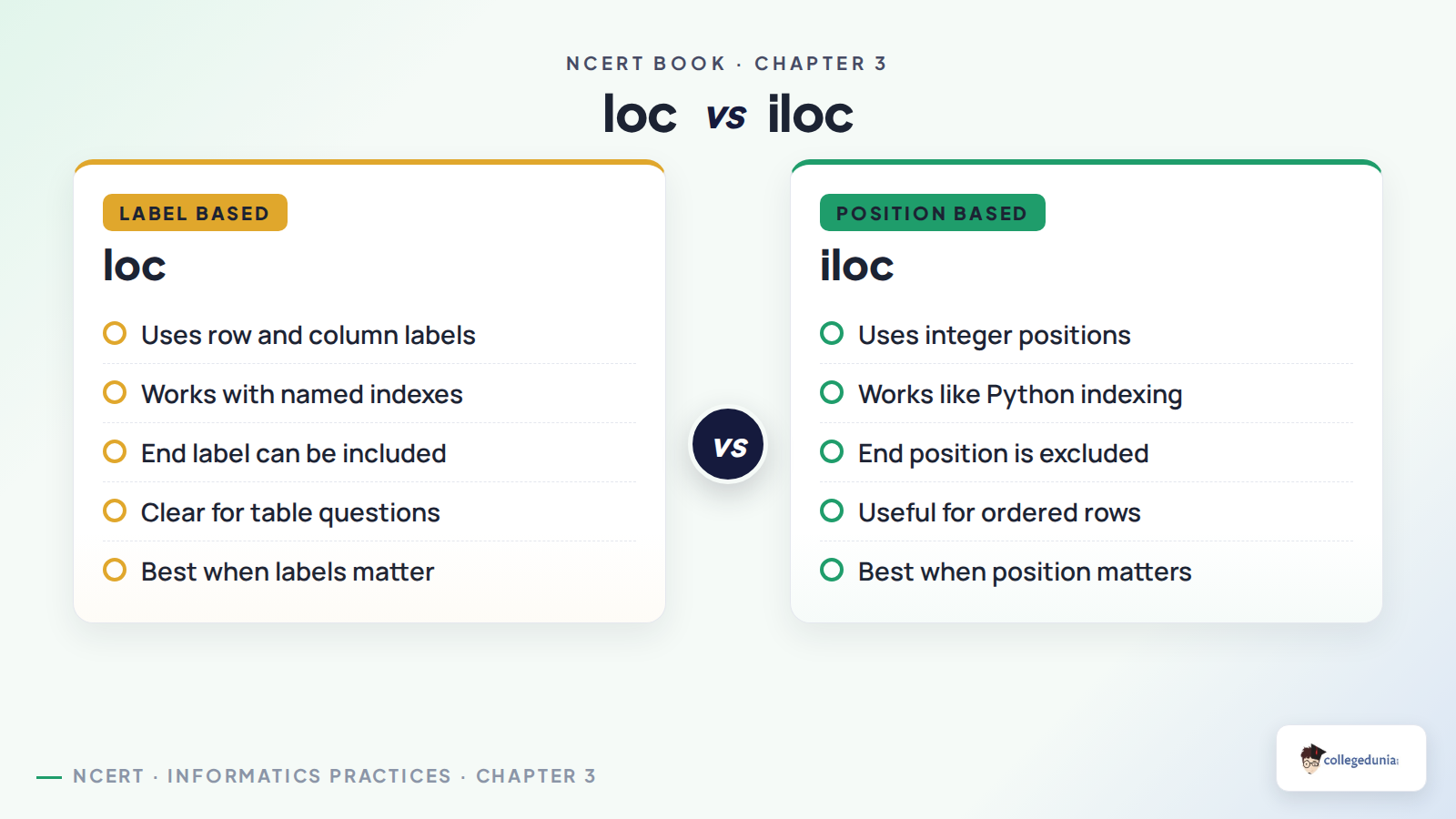
The difference between loc and iloc is a common source of mistakes. loc reads labels. iloc reads positions. If the DataFrame index is 10, 20 and 30, label 20 and position 1 can point to the same row, but they are not the same idea.
| Point | loc | iloc |
|---|---|---|
| Selection basis | Labels | Integer positions |
| Row reference | Index name or label | 0, 1, 2 and so on |
| Column reference | Column name | Column position |
| Best use | Readable labelled tables | Position-based slicing |
Important DataFrame Attributes
DataFrame attributes help students inspect a table before solving a question. They do not change the data. They simply report how the table is arranged.
| Attribute | Use | Exam-ready meaning |
|---|---|---|
| index | Shows row labels | Labels used to identify rows |
| columns | Shows column labels | Names of fields in the table |
| shape | Shows rows and columns | Table size as a pair |
| dtypes | Shows column data types | Data type of each column |
| values | Shows stored values | Raw table data without labels |
Revision tip: read shape first when a question asks how many rows or columns a DataFrame contains.
How to Use the NCERT Book PDF
Use the PDF as a practice file, not only a reading file. DataFrame syntax becomes easier when students write commands, predict output and then check the NCERT explanation.
- Write one DataFrame from a dictionary and one from a list of lists.
- Mark row labels and column labels in every printed output.
- Practise both
locandilocon the same table. - Filter rows using one condition and then two conditions.
- Save a DataFrame to CSV and read it back once.
Related Class 12 Informatics Practices Resources
| Resource | Use It For | Link |
|---|---|---|
| NCERT Solutions | Check solved DataFrame exercise answers. | Chapter 3 NCERT Solutions |
| Revision Notes | Revise commands, syntax and output patterns quickly. | Chapter 3 Notes |
| Handwritten Notes | Use a compact notebook-style recap before tests. | Chapter 3 Handwritten Notes |
All Informatics Practices NCERT Book PDFs
| Chapter | NCERT Book PDF |
|---|---|
| Chapter 1 Querying and SQL Functions | Chapter 1 NCERT Book PDF |
| Chapter 2 Data Handling using Pandas Series | Chapter 2 NCERT Book PDF |
| Chapter 3 Data Handling using Pandas DataFrame | Chapter 3 NCERT Book PDF |
| Chapter 4 Plotting Data using Matplotlib | Chapter 4 NCERT Book PDF |
| Chapter 5 Introduction to Computer Networks | Chapter 5 NCERT Book PDF |
| Chapter 6 Societal Impacts | Chapter 6 NCERT Book PDF |
Class 12 Informatics Practices Chapter 3 NCERT Book FAQs
Ques. What is the main topic of Class 12 Informatics Practices Chapter 3?
Ans. Chapter 3 explains Data Handling using Pandas DataFrame. It covers creating DataFrames, selecting rows and columns, filtering records and handling CSV files.
Ques. Why should students read the NCERT PDF before notes?
Ans. The NCERT PDF gives the official examples, syntax and outputs. Reading it first helps students match each Pandas command with the textbook explanation.
Ques. What is a Pandas DataFrame?
Ans. A Pandas DataFrame is a two-dimensional labelled data structure. It stores data in rows and columns, similar to a table or spreadsheet.
Ques. What is the difference between loc and iloc?
Ans. loc selects data by labels, while iloc selects data by integer positions. This difference is important in output and slicing questions.



Comments