



The NCERT Class 12 Informatics Practices Chapter 6 Societal Impacts Book PDF gives students the official 2026-27 chapter on safe digital behaviour, data protection, cyber crime, e-waste and health concerns. Keep this PDF open while revising the social and legal responsibilities linked with technology use.
- PDF size: 28 official NCERT pages for classroom reading and offline revision.
- Core focus: digital footprints, net etiquette, data protection, cyber crime, the IT Act, e-waste and health.
- Best use: mark every definition, then connect it with one real-life example from the chapter.
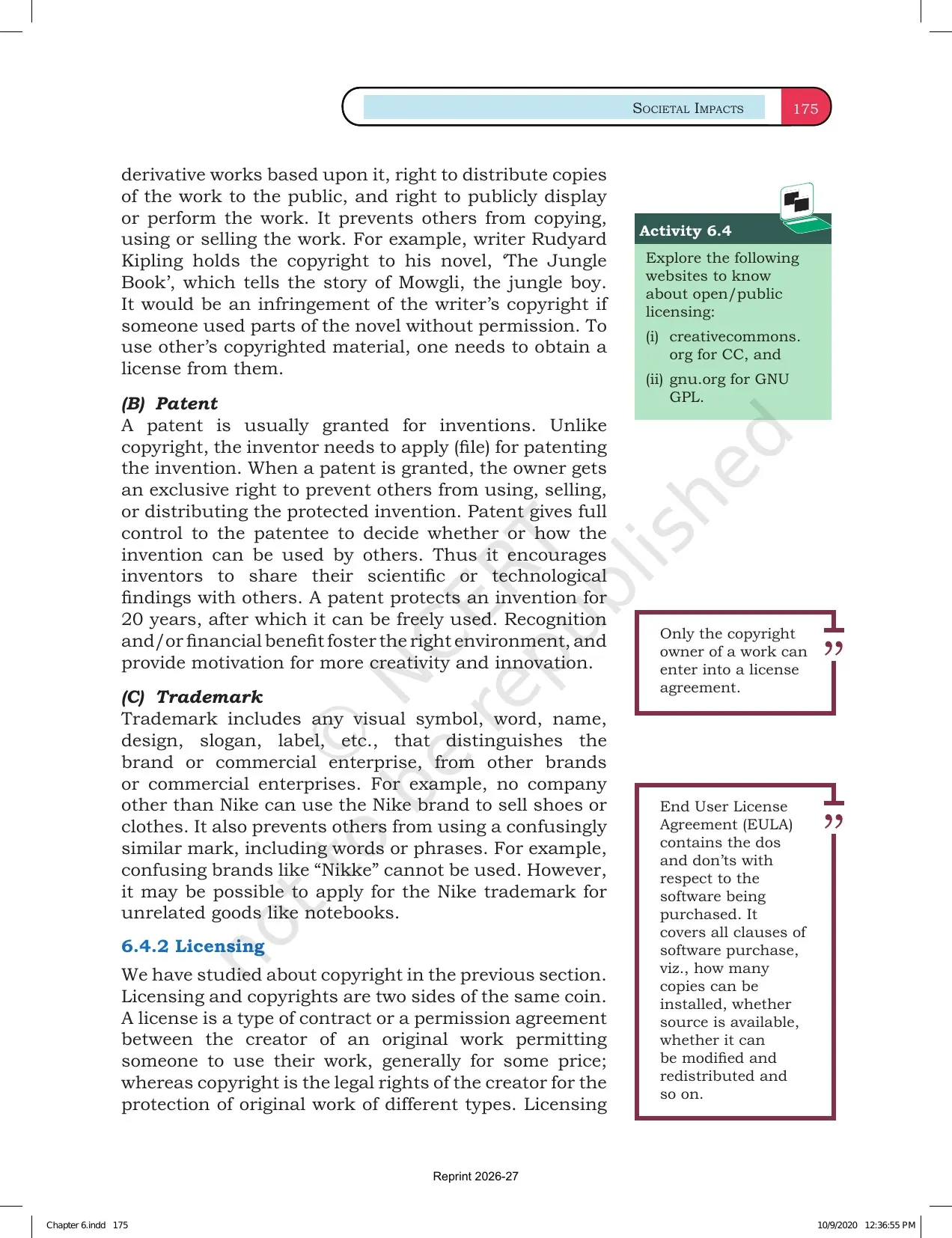
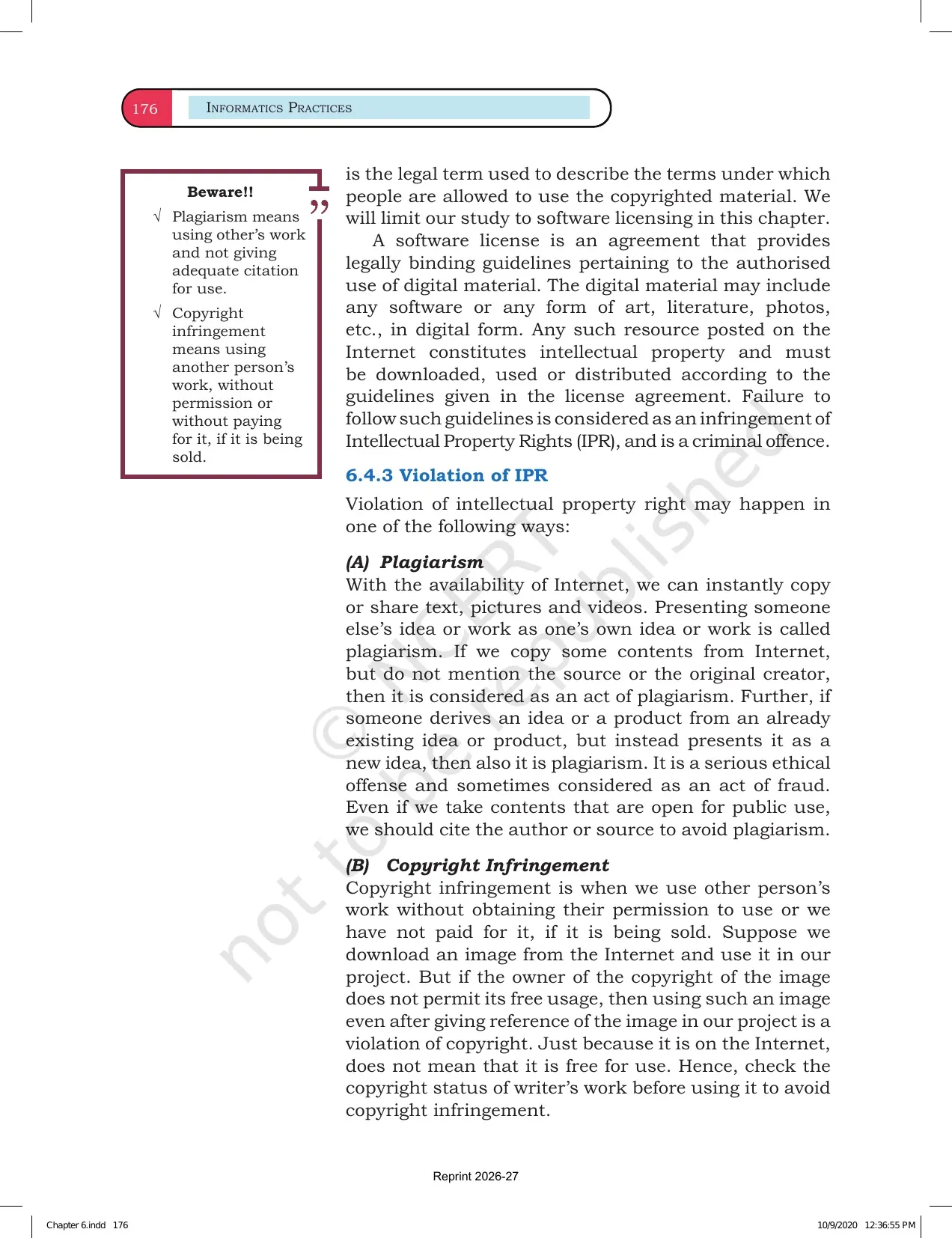
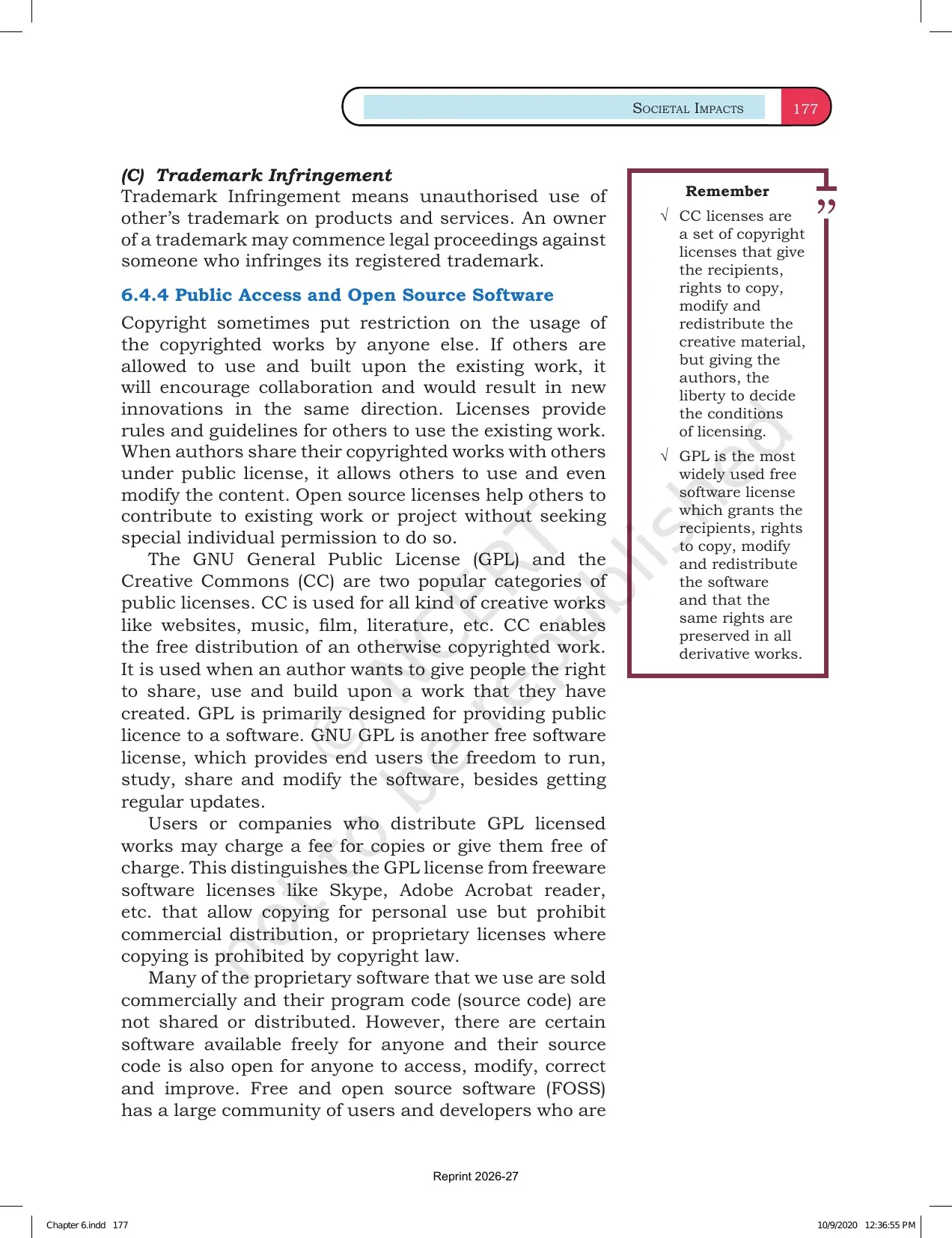
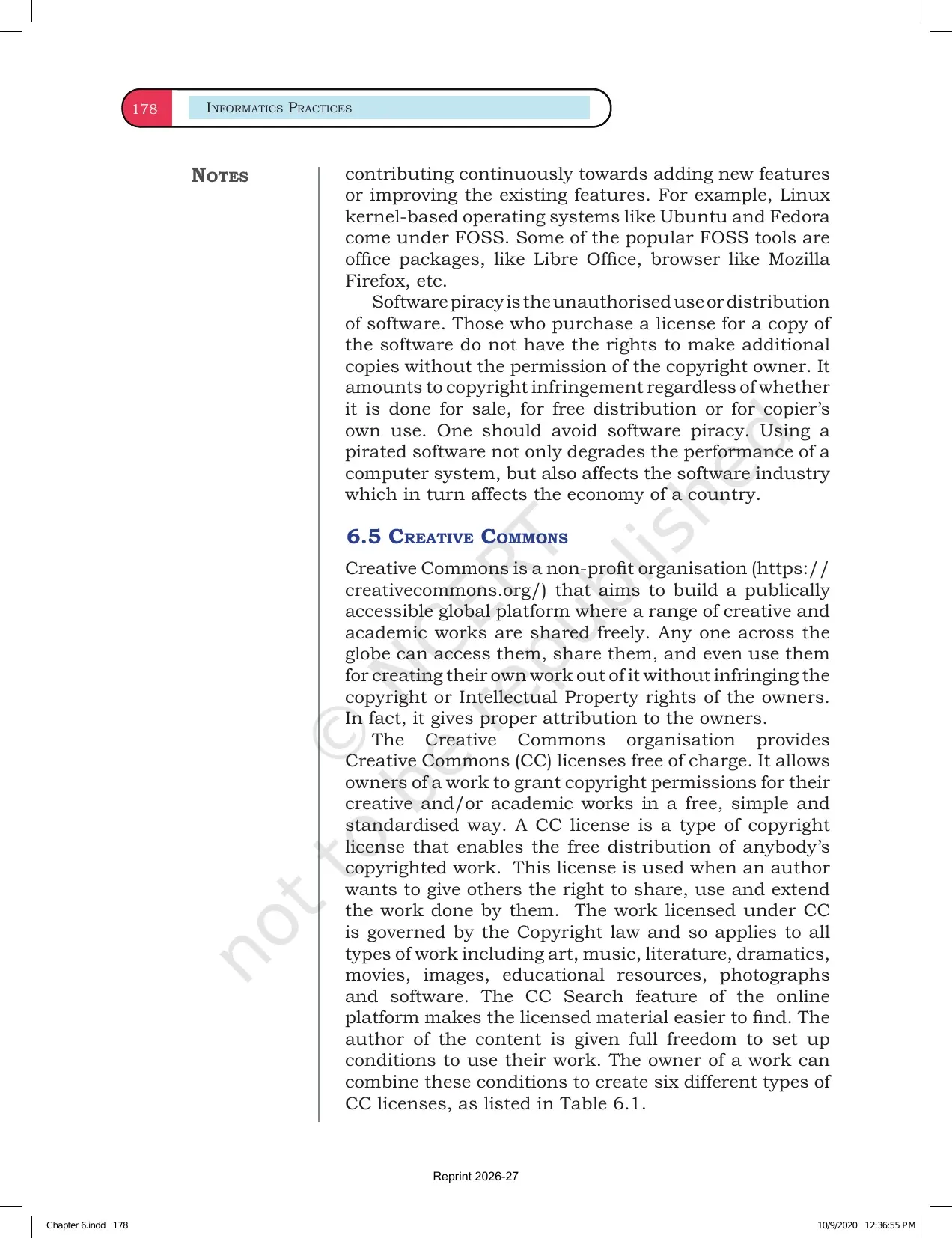
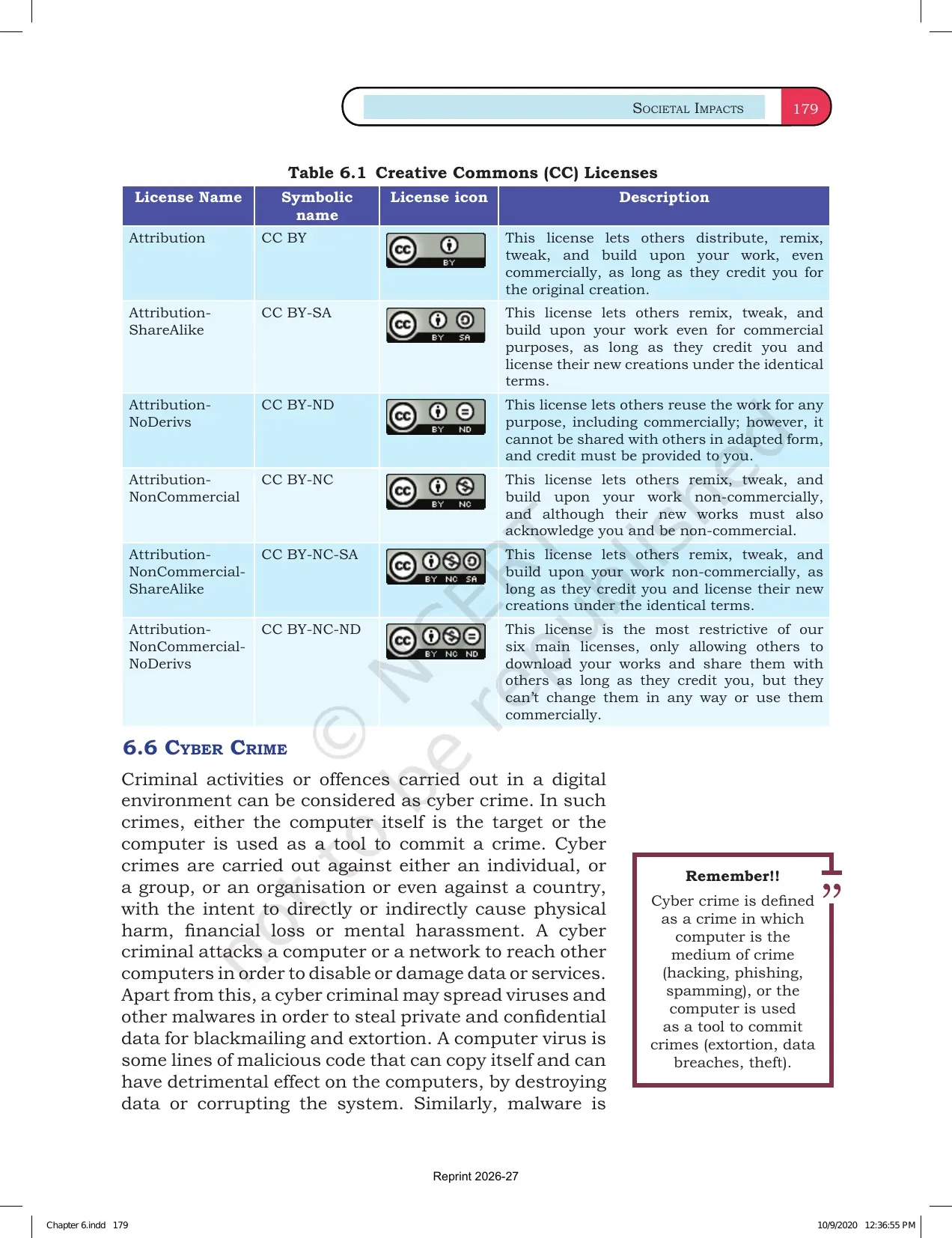
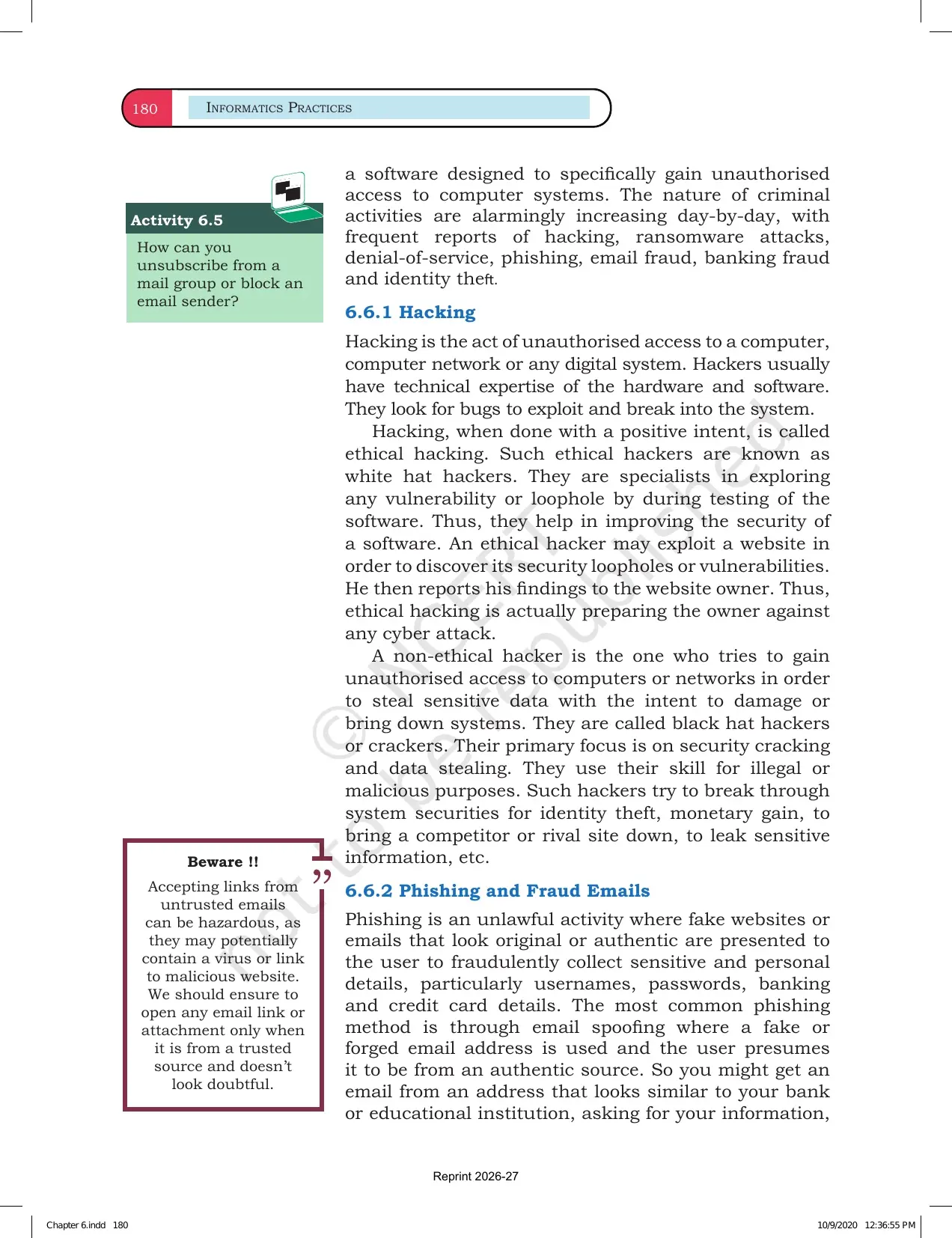
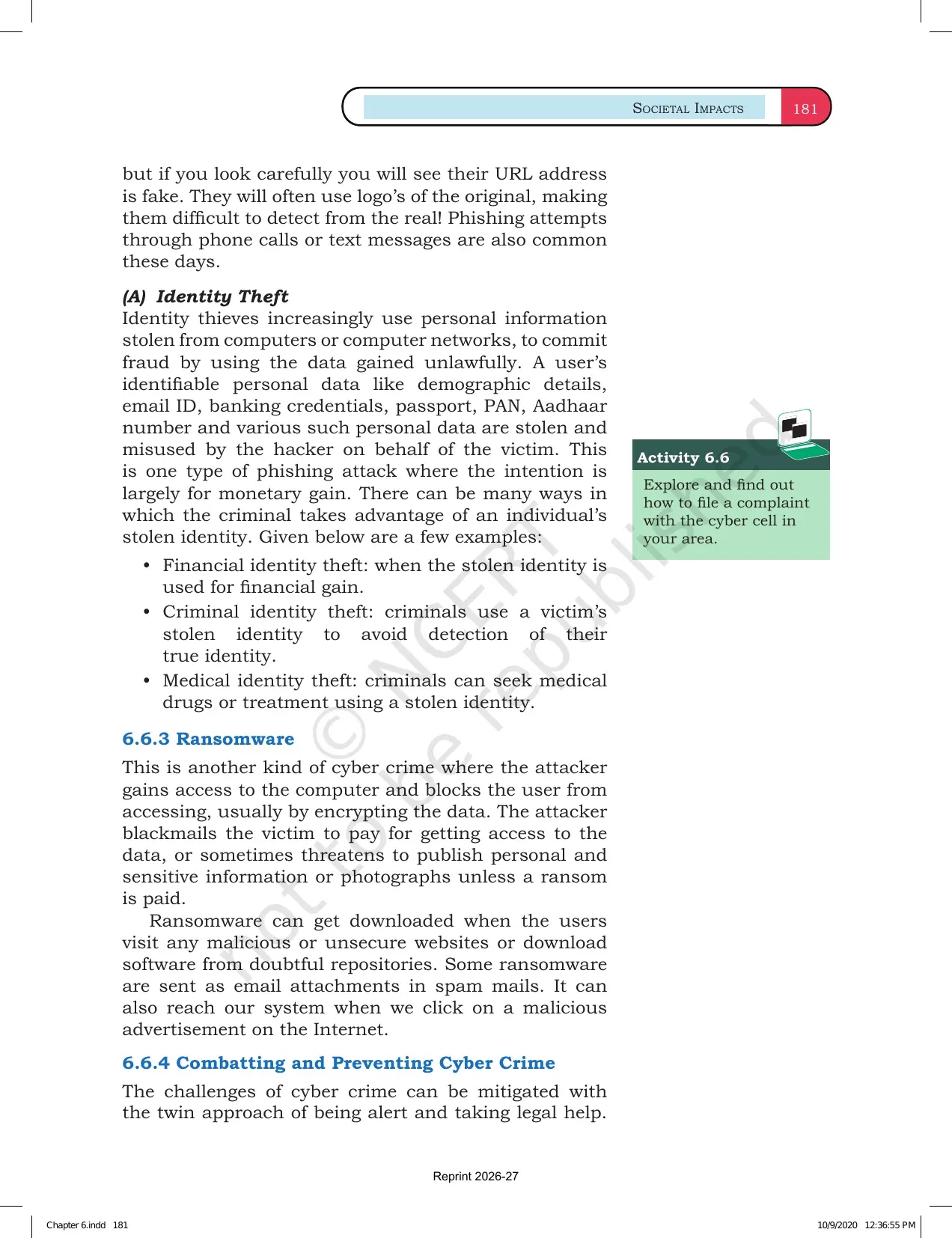
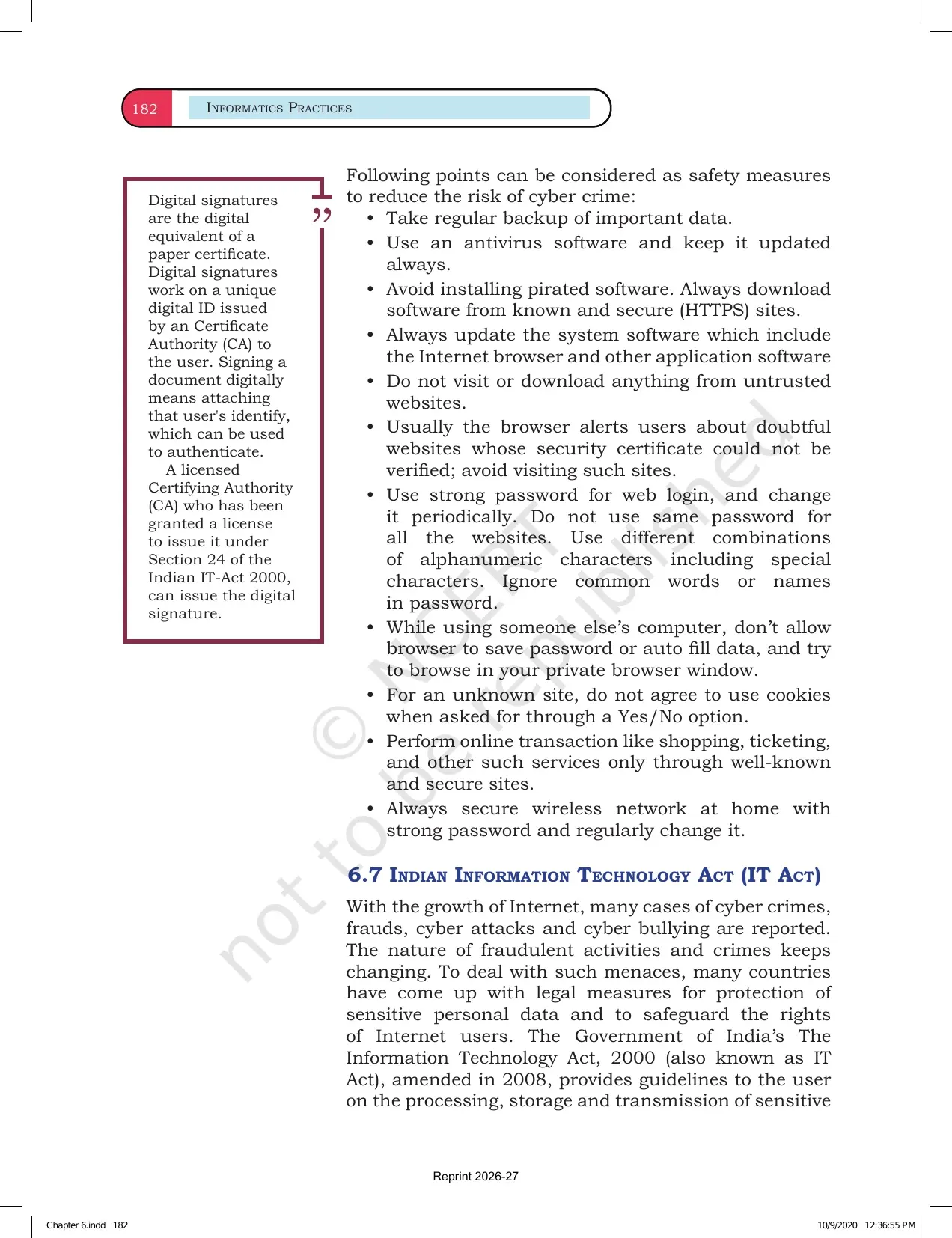
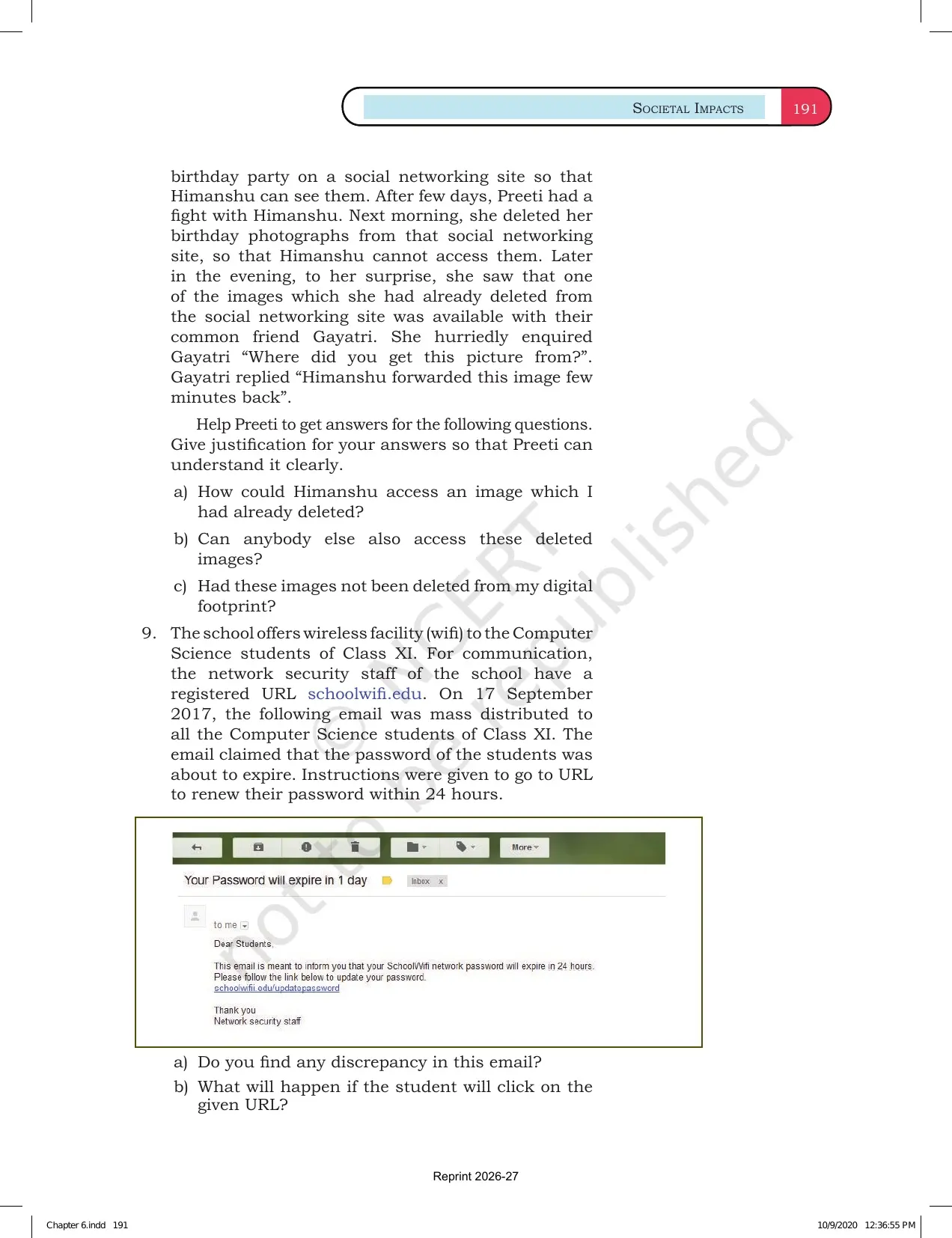
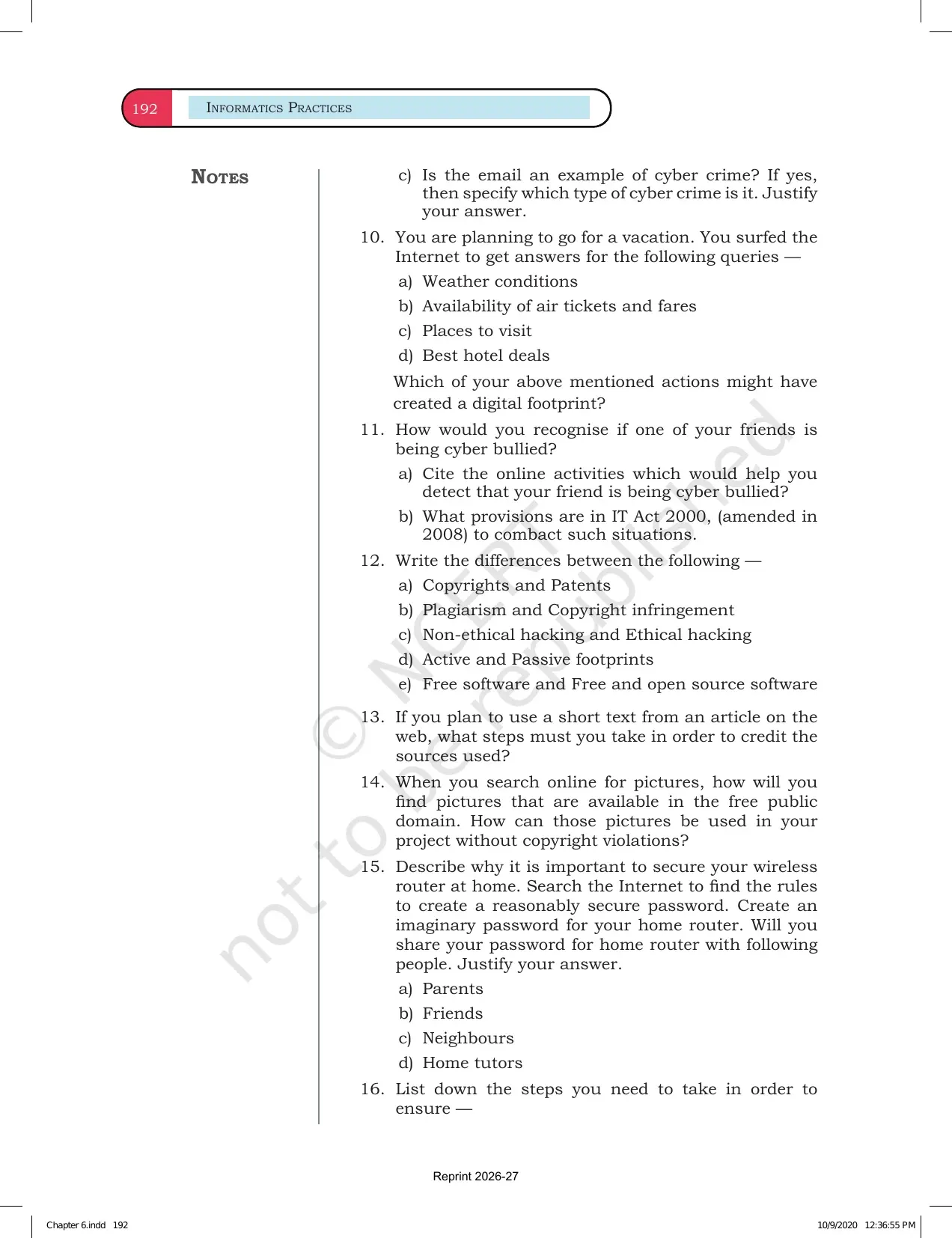
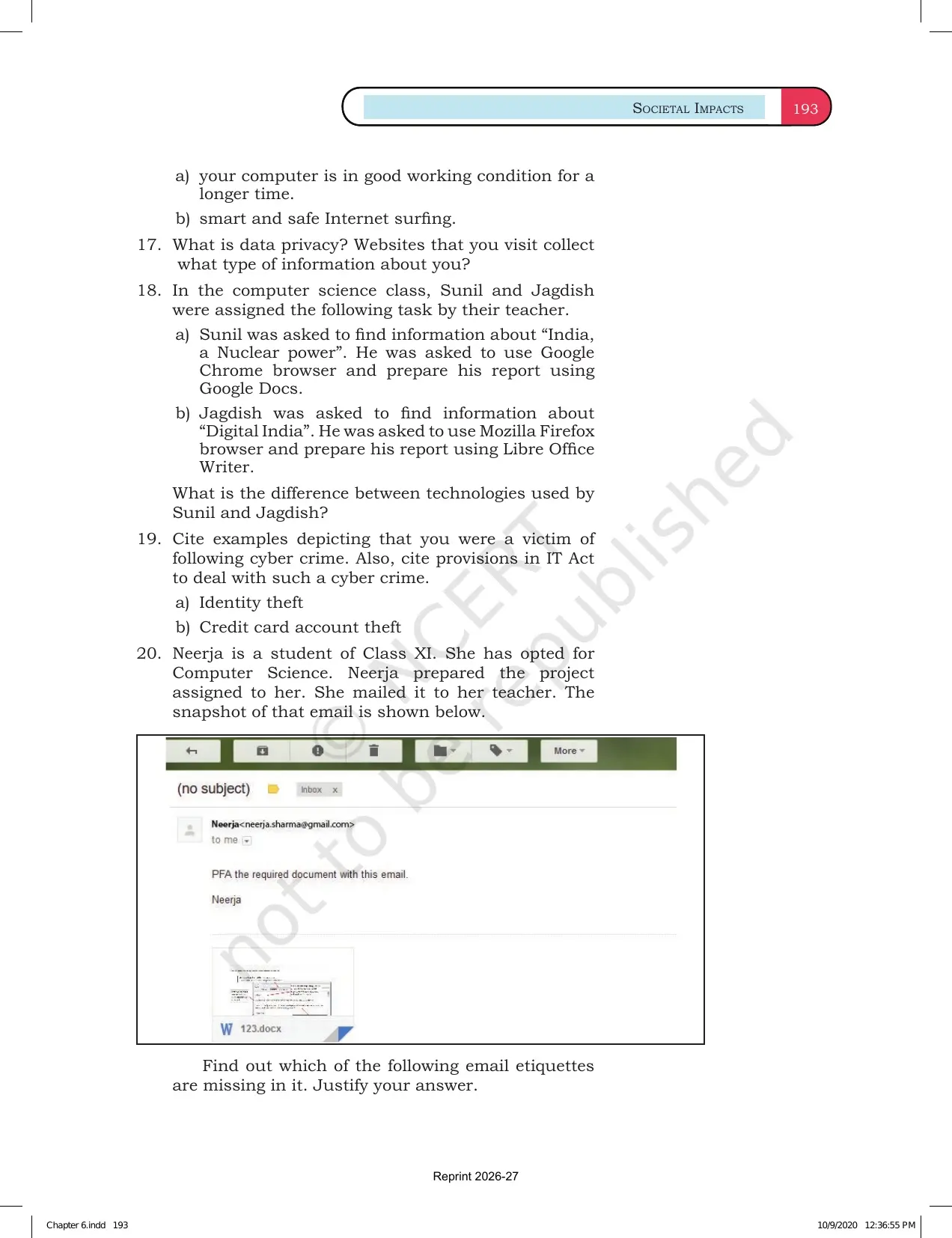
This Collegedunia page follows the 2026-27 NCERT Informatics Practices textbook and keeps the official Chapter 6 PDF, safety terms and related study links in one place.
Student Feedback: In a Collegedunia poll of 11,870 Class 12 Informatics Practices students before the 2026 boards, most students said this theory chapter became easier when examples were linked to daily phone and Internet use.
- 84% wanted digital footprint, net etiquette and privacy rules in one quick revision block.
- 79% revised cyber crime better after matching each term with one prevention step.
- 73% needed a short e-waste and health checklist before school tests.
Societal Impacts Chapter 6 Highlights
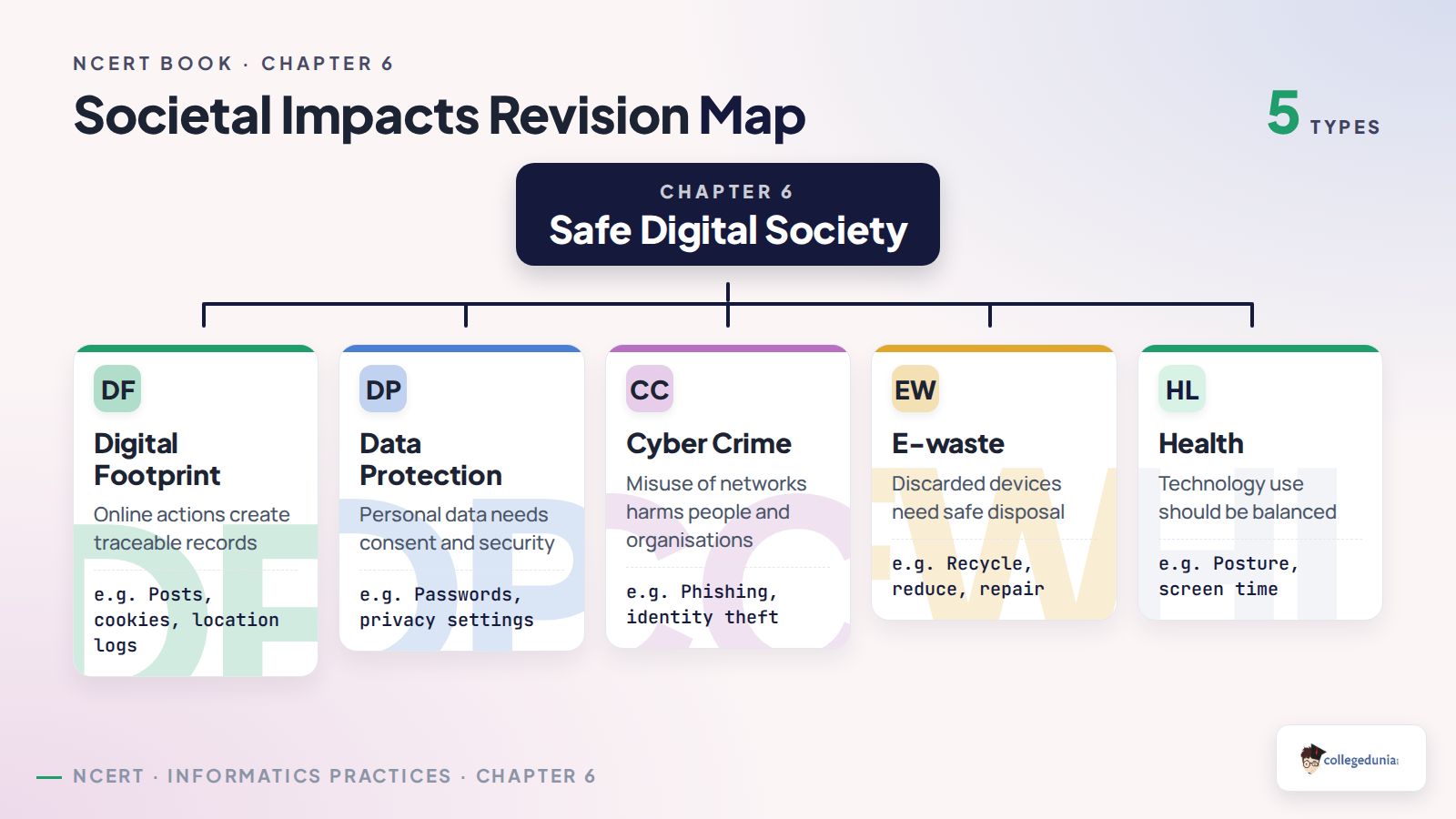
Chapter 6 explains how digital technologies affect personal life, public communication, law, environment and health. The NCERT chapter is theory-heavy, but the examples are practical: every topic connects to how students use devices, accounts and online platforms.
| Chapter area | What NCERT asks students to learn | Revision cue |
|---|---|---|
| Digital footprint | Online actions leave data traces that can be stored or analysed | Think before posting |
| Net etiquette | Responsible behaviour in emails, messages and digital communities | Respect, clarity and privacy |
| Data protection | Personal data, consent, passwords and safe handling of information | Share only what is needed |
| Cyber crime | Misuse of computers and networks, including phishing and identity theft | Identify the risk and prevention |
| E-waste and health | Safe disposal of electronic waste and balanced technology use | Reduce, recycle and rest |
Most questions from this chapter ask for definitions, precautions, examples and short explanations. Students should revise each term with one everyday situation.
Societal Impacts Video for Class 12
Source: Magnet Brains on YouTube
Digital Footprint and Online Responsibility
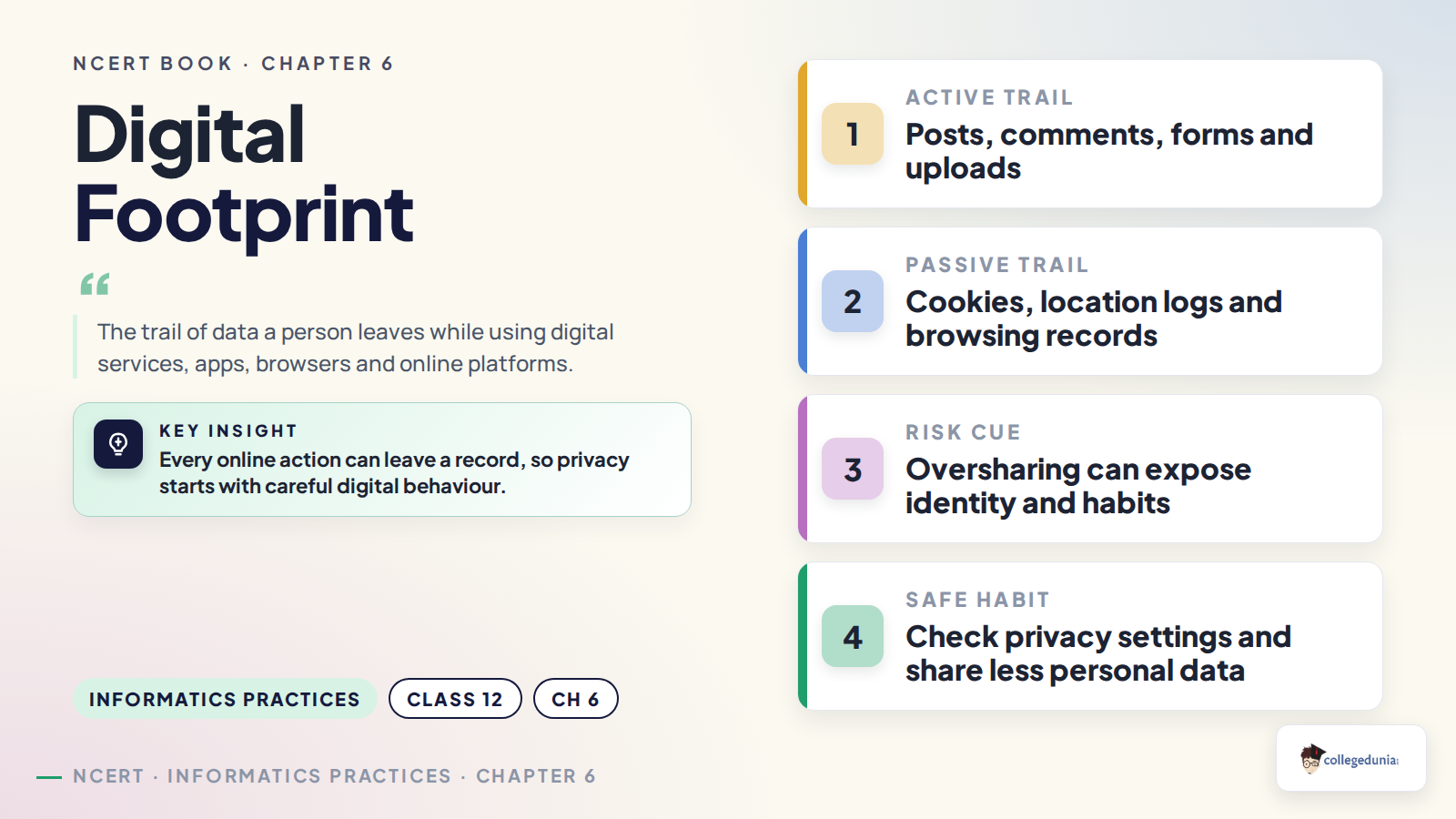
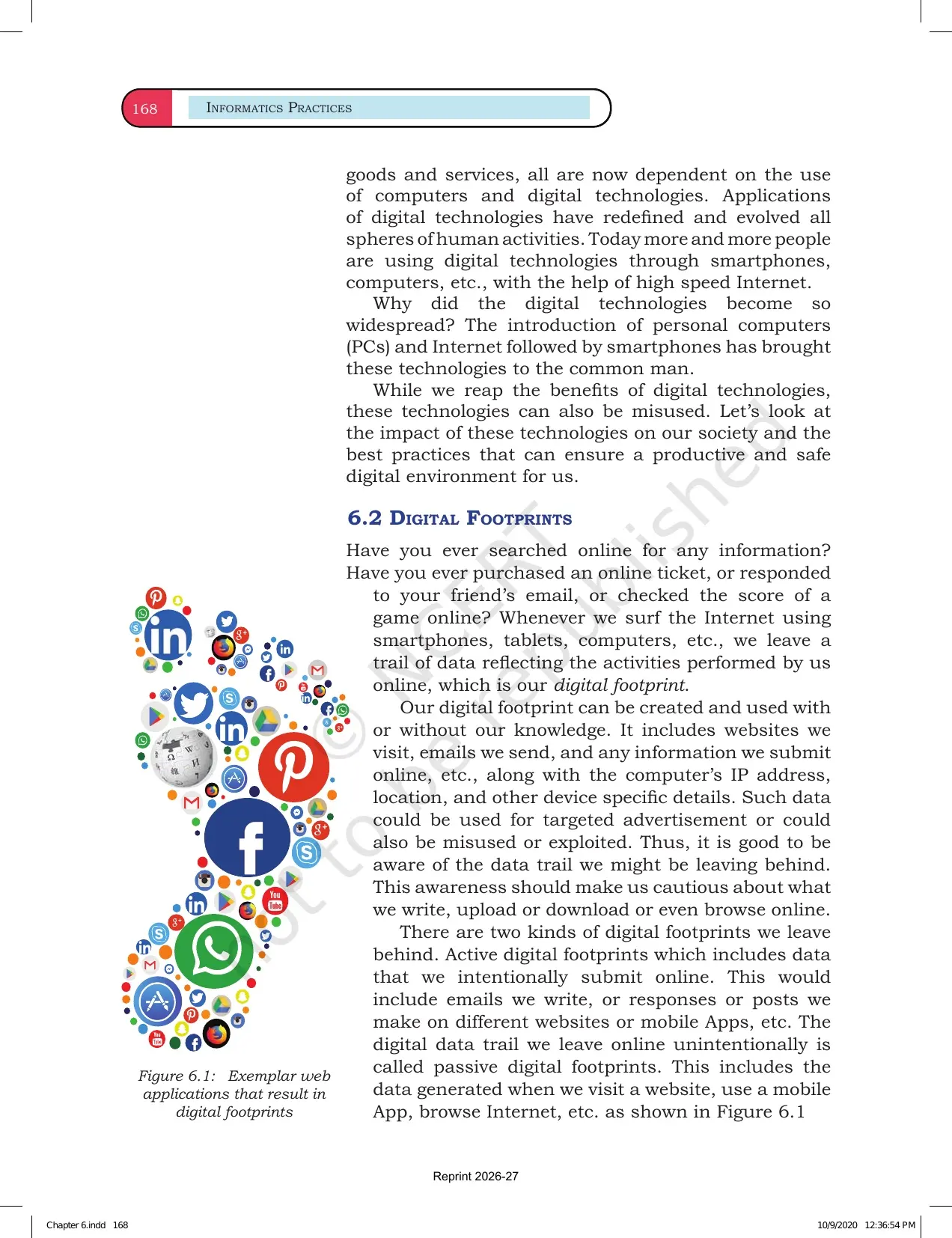
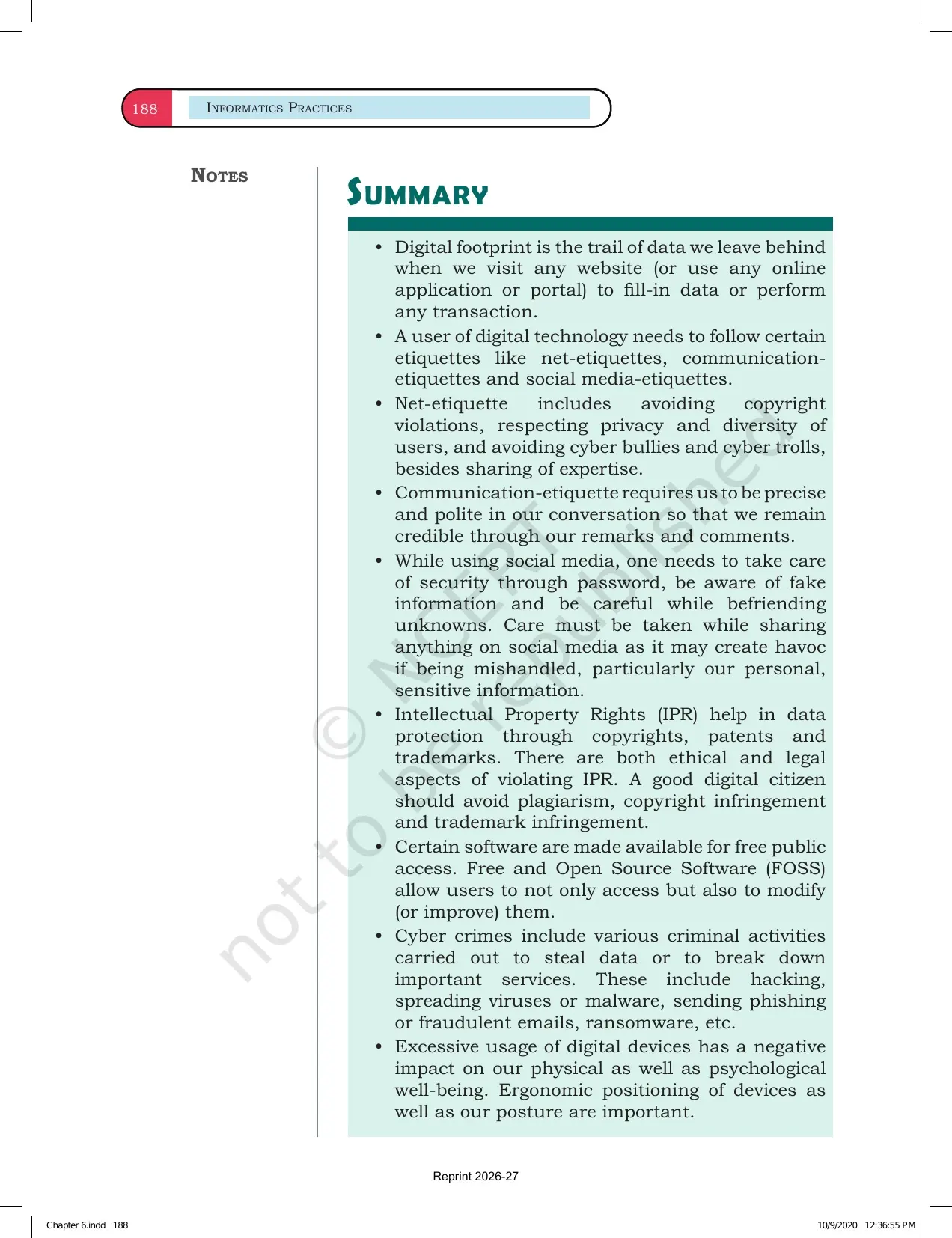
A digital footprint is the record created by online activity. It can include public posts, search behaviour, shared files, comments, location settings and account activity. The chapter reminds students that digital records can last longer than expected.
- Active footprint: data a user knowingly posts, uploads or submits.
- Passive footprint: data collected through browsing, cookies, app permissions or device use.
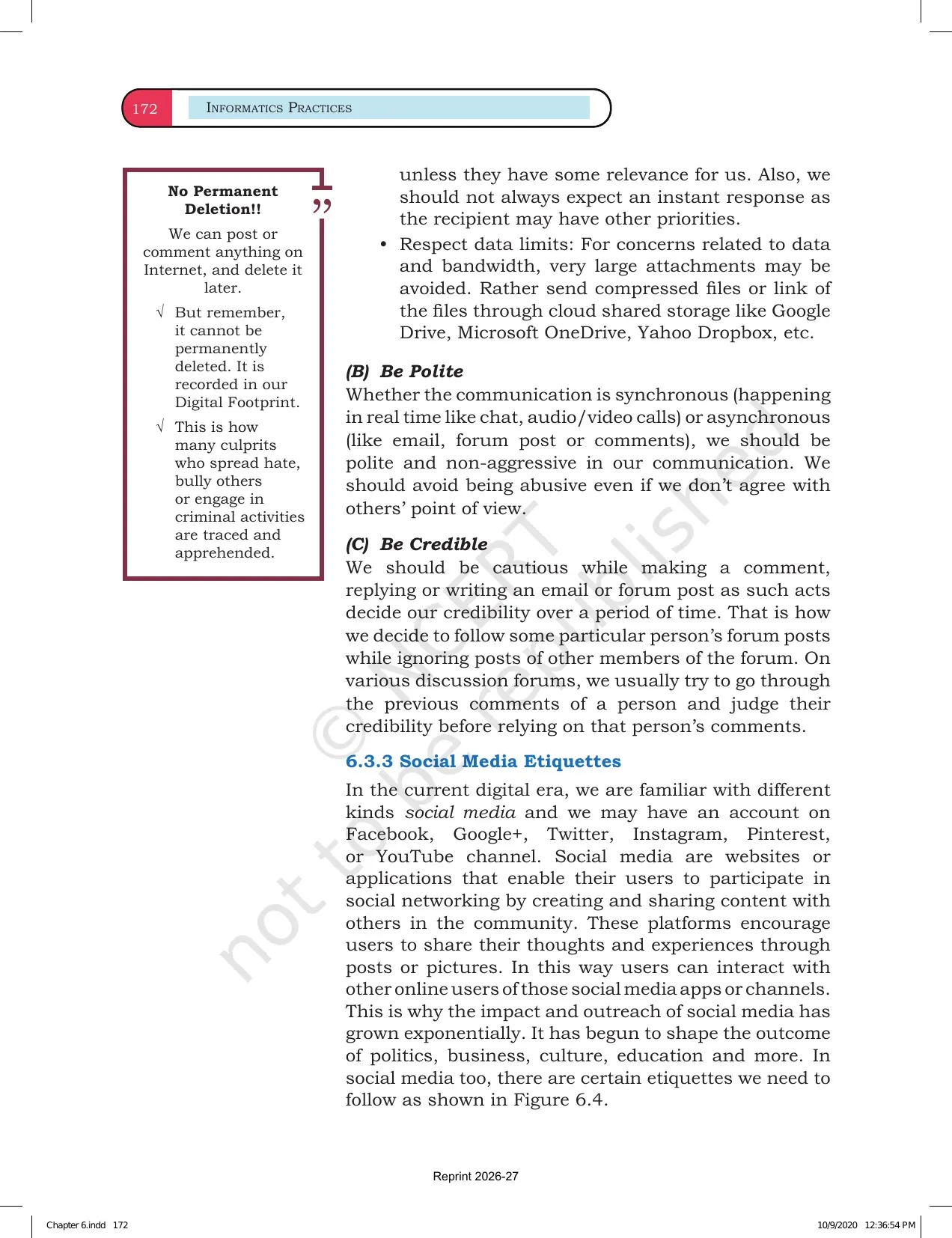
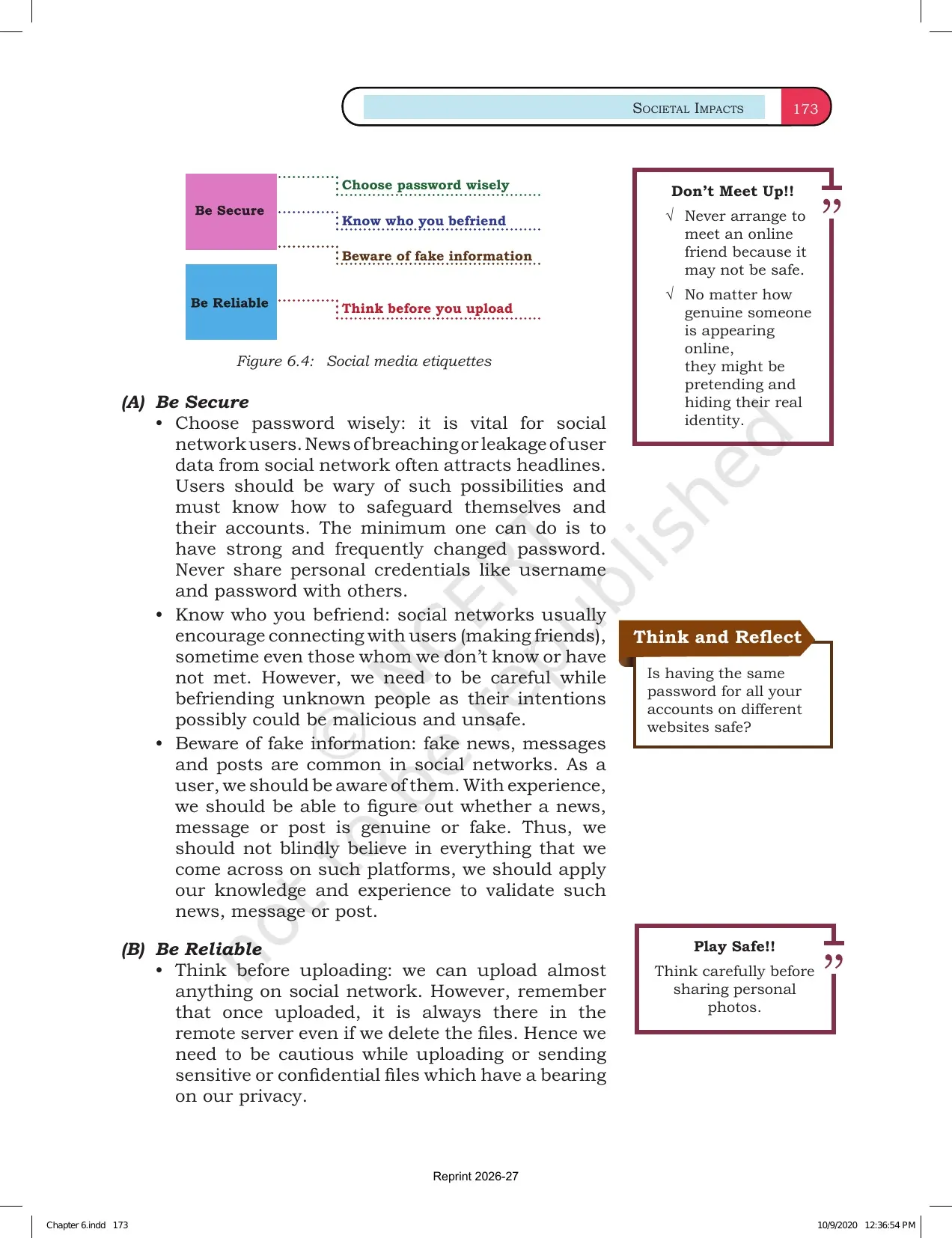
- Privacy habit: share less personal information and check account settings regularly.
- School-answer cue: define the term, give one example and write one safe practice.
Net Etiquette and Data Protection
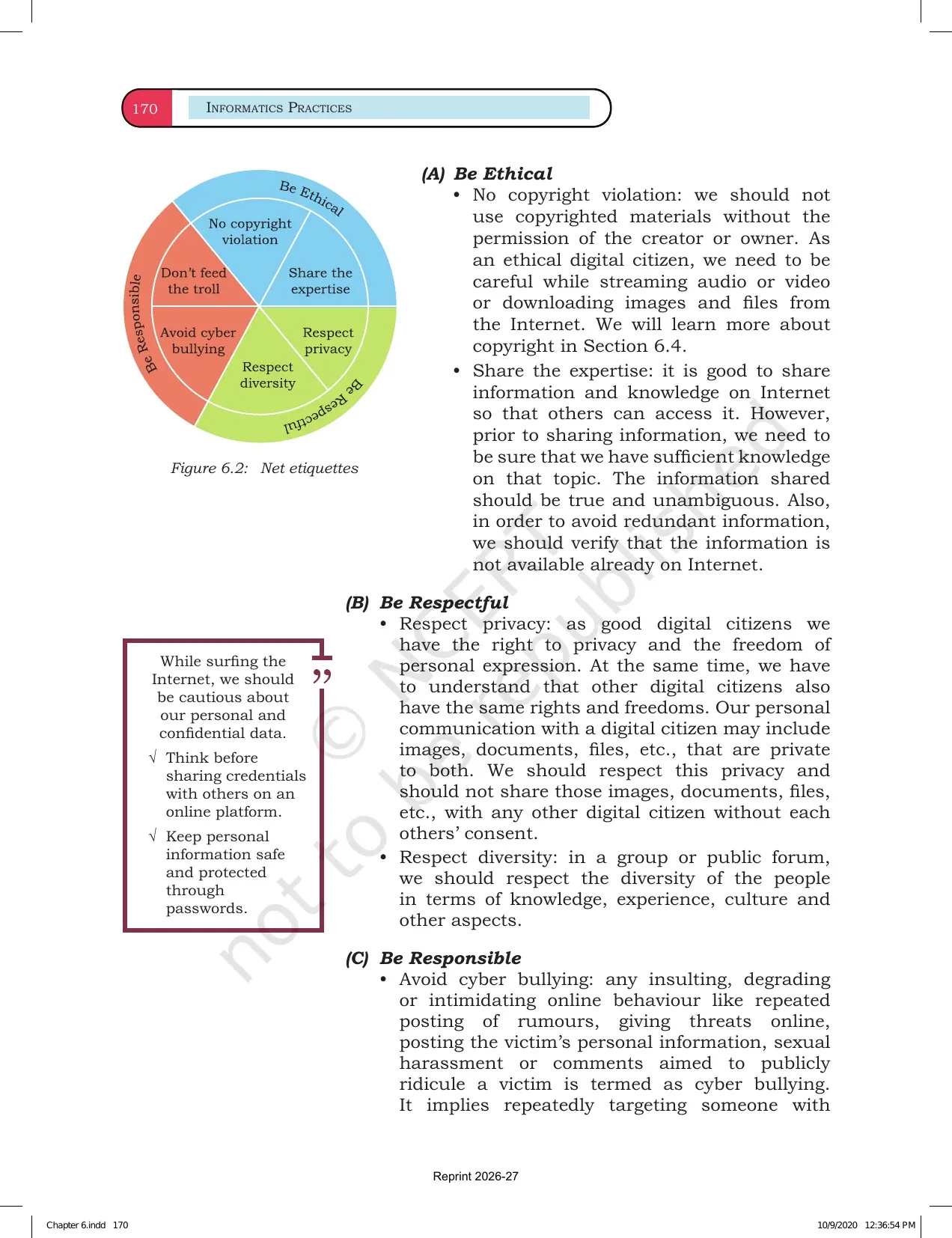
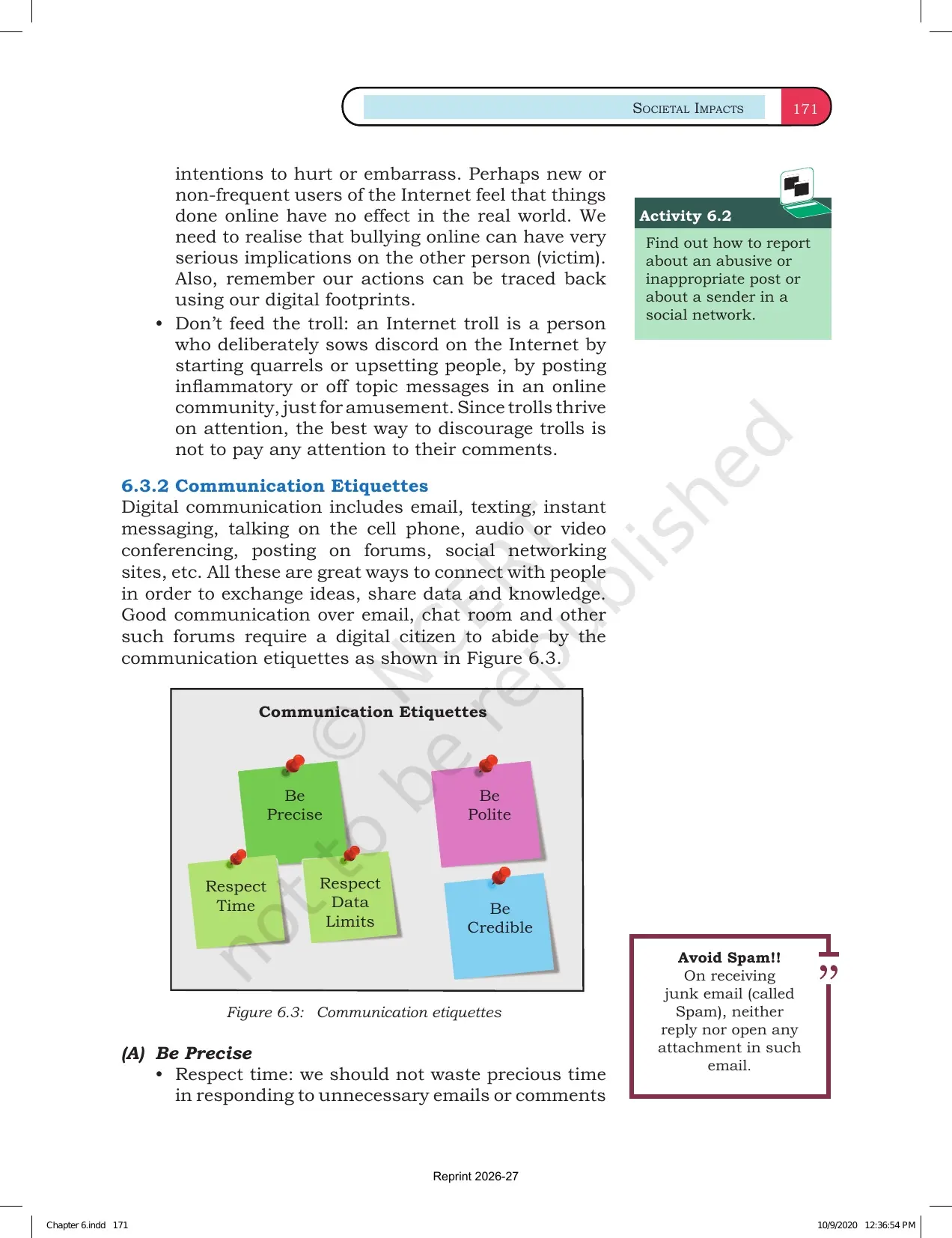
Net etiquette means using digital communication politely and responsibly. In exam answers, students can mention respectful language, clear subject lines, no spam, no fake forwards and no sharing of private information without permission.
| Topic | Meaning | Good practice |
|---|---|---|
| Net etiquette | Responsible conduct while communicating online | Be respectful and concise |
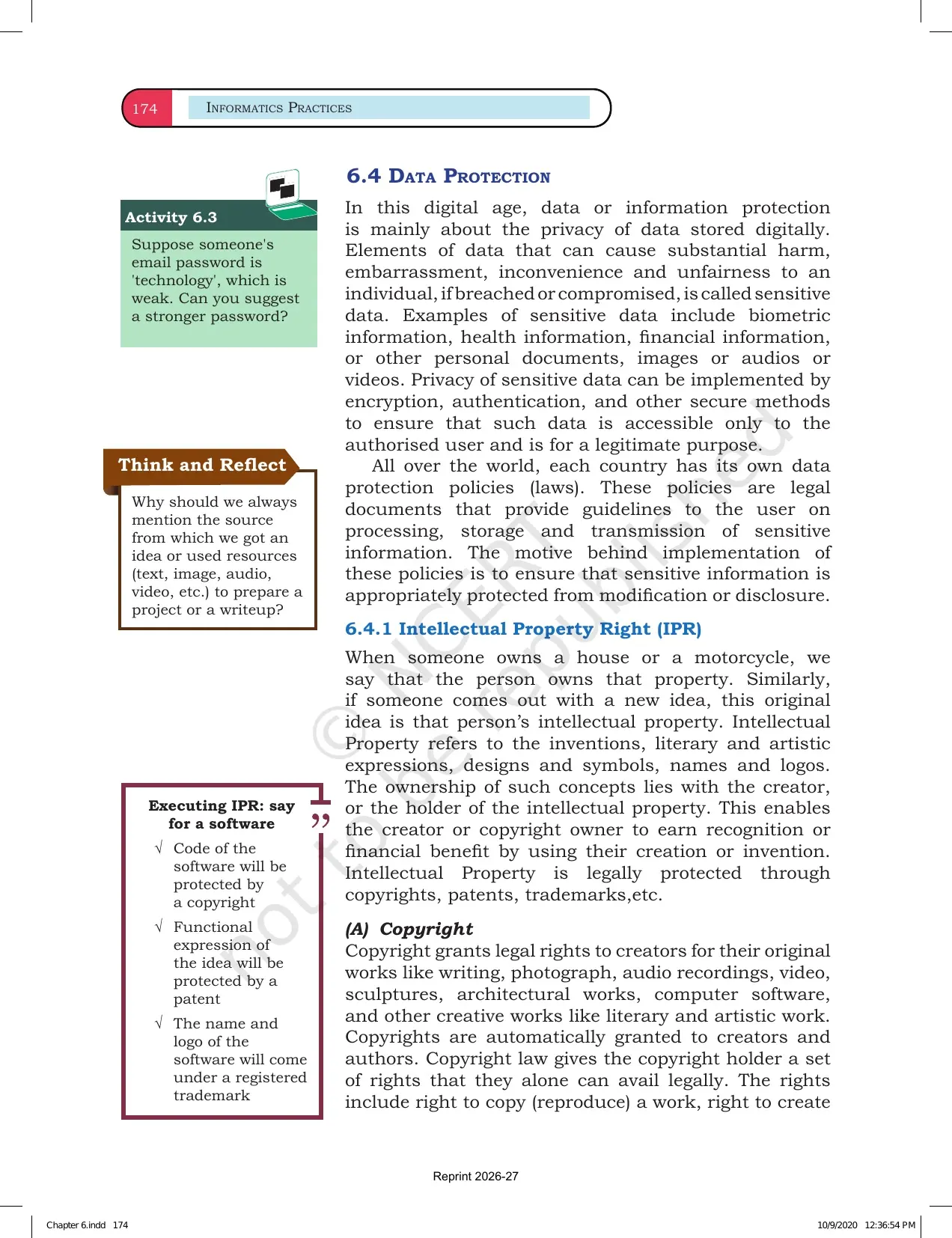
| Data protection | Keeping personal and sensitive data secure | Use strong passwords and limited sharing |
| Intellectual property | Rights over original digital work | Credit sources and respect licences |
| Open source | Software whose source code is available under a licence | Follow licence terms |
Revision tip: for every protection question, write the asset being protected first, then the threat, then the safe practice.
Cyber Crime and the IT Act
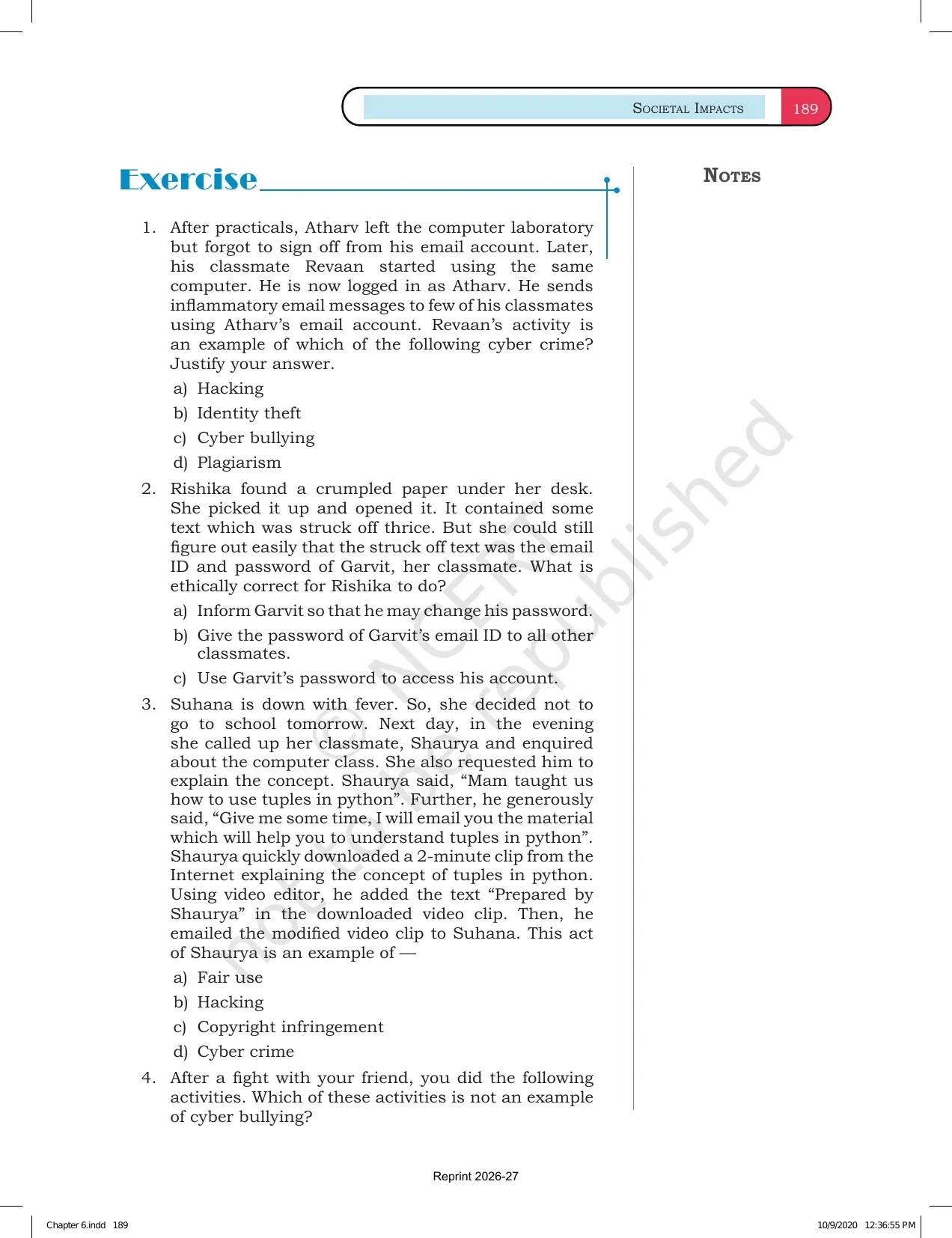
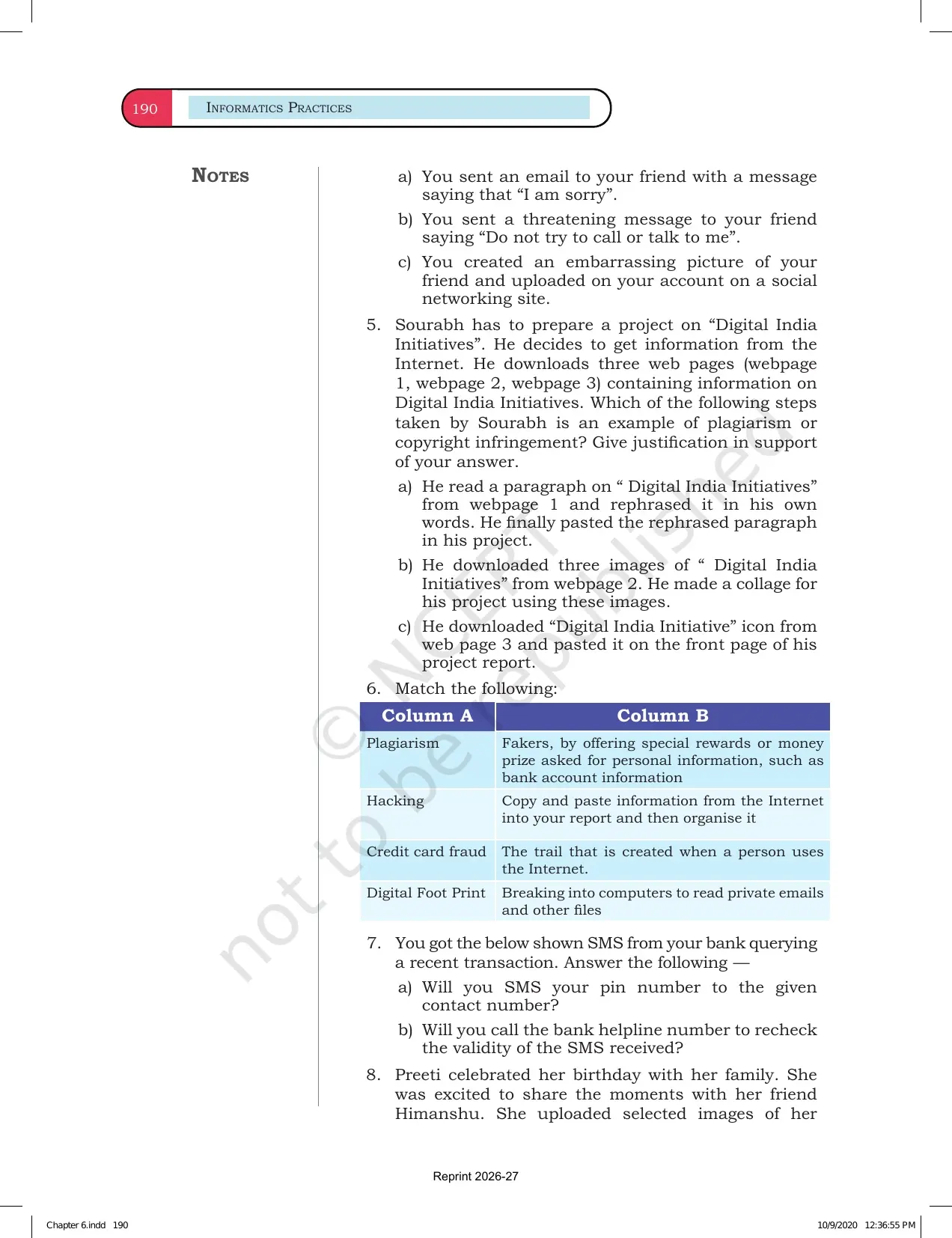
Cyber crime refers to unlawful activities that use computers, networks or digital data. NCERT examples include identity theft, phishing, cyber bullying, malware, unauthorised access and online fraud.
- Recognise the attack: identify suspicious links, requests or attachments.
- Protect credentials: use strong passwords and avoid sharing OTPs.
- Report quickly: inform guardians, school authorities or the proper cyber crime portal when needed.
- Connect with law: remember that the Information Technology Act deals with electronic records and cyber offences.
E-waste Health and Safe Technology Use
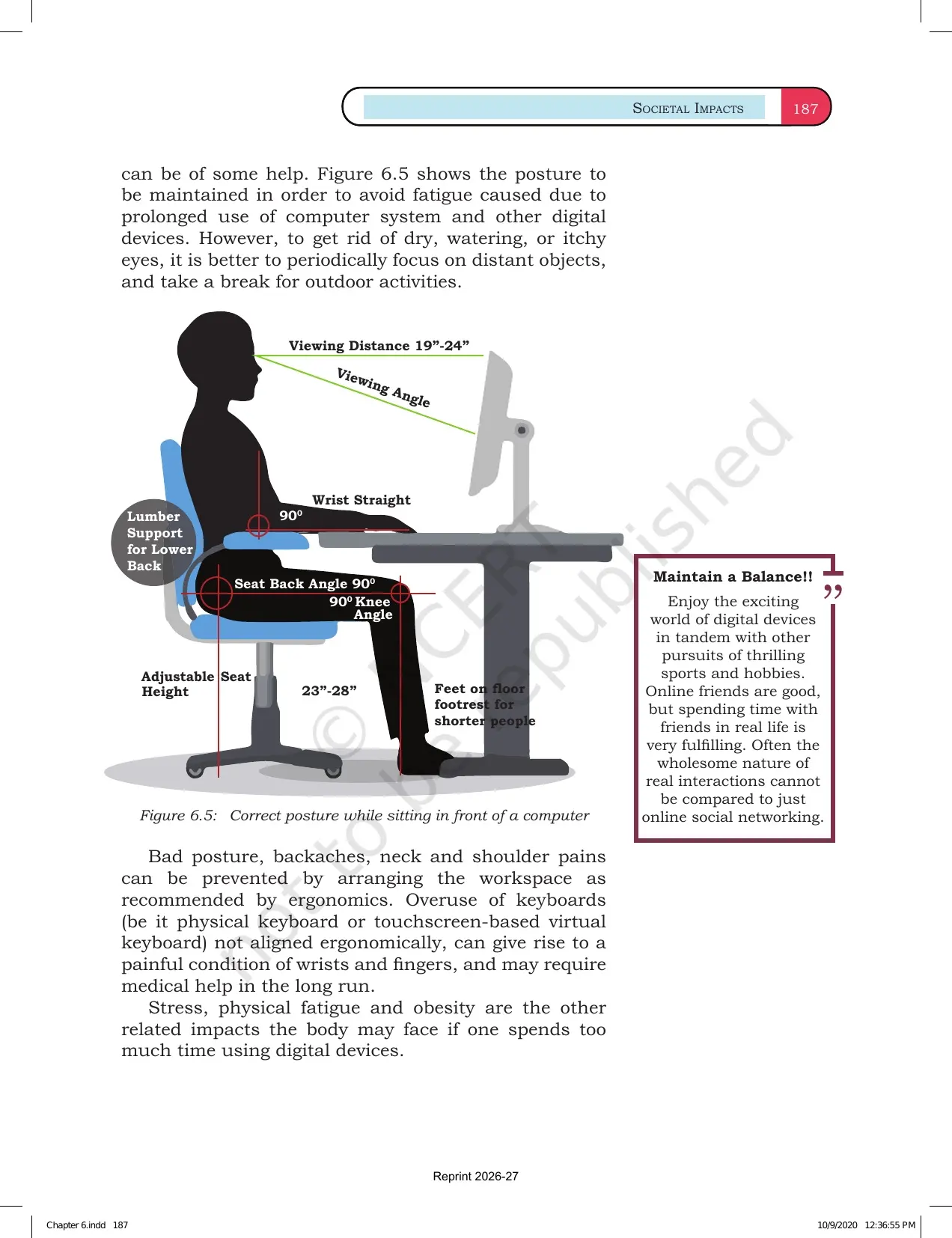
E-waste includes discarded electronic devices and accessories. It can contain materials that harm soil, water and health when dumped carelessly. The chapter also asks students to think about posture, eye strain, screen time and balanced use of technology.
- Reuse or repair devices when possible before disposal.
- Send unusable devices to authorised e-waste collection or recycling channels.
- Avoid long continuous screen sessions without breaks.
- Keep a comfortable posture and proper viewing distance while using devices.
How to Use the Chapter 6 NCERT Book PDF
Use this PDF as a definition and example file. Read one topic, close the PDF and write the key term in two lines. Then reopen the PDF and add the missing example or precaution.
- Make a two-column list for terms and examples.
- Write one prevention step for every cyber crime term.
- Revise digital footprint and net etiquette together because both appear in daily online use.
- Keep e-waste and health points as short bullet answers for quick revision.
Related Class 12 Informatics Practices Resources
| Resource | Use It For | Link |
|---|---|---|
| NCERT Solutions | Check solved exercise answers for all Chapter 6 questions. | Chapter 6 NCERT Solutions |
| Chapter 5 Book PDF | Revise networks before reading cyber safety examples. | Chapter 5 NCERT Book PDF |
| Chapter 4 Book PDF | Revise Matplotlib and data visualisation before final theory revision. | Chapter 4 NCERT Book PDF |
All Informatics Practices NCERT Book PDFs
| Chapter | NCERT Book PDF |
|---|---|
| Chapter 1 Querying and SQL Functions | Chapter 1 NCERT Book PDF |
| Chapter 2 Data Handling using Pandas Series | Chapter 2 NCERT Book PDF |
| Chapter 3 Data Handling using Pandas DataFrame | Chapter 3 NCERT Book PDF |
| Chapter 4 Plotting Data using Matplotlib | Chapter 4 NCERT Book PDF |
| Chapter 5 Introduction to Computer Networks | Chapter 5 NCERT Book PDF |
| Chapter 6 Societal Impacts | Chapter 6 NCERT Book PDF |
Class 12 Informatics Practices Chapter 6 NCERT Book FAQs
Ques. What is the main topic of Class 12 Informatics Practices Chapter 6?
Ans. Chapter 6 explains Societal Impacts of digital technology. It covers digital footprints, data protection, cyber crime, the IT Act, e-waste and health concerns.
Ques. Why should students read the NCERT PDF before notes?
Ans. The NCERT PDF gives the official wording and examples. Reading it first helps students write accurate definitions and precautions in school tests.
Ques. What is a digital footprint?
Ans. A digital footprint is the trail of data created by a person's online activity, such as posts, searches, app use, cookies and shared files.
Ques. Which topics are important in Societal Impacts?
Ans. Important topics include net etiquette, data privacy, intellectual property, open source licences, phishing, identity theft, e-waste and safe screen habits.



Comments