





RMIT University requires a significant investment of ₹50–70 lakh, and many students still face a long job search after graduation. Many students report spending months applying for roles without immediate success, while managing visa timelines and financial pressure.
However, not securing employment within the first year is not an immediate visa risk for Indian students. Under the Australia–India Economic Cooperation and Trade Agreement (AI-ECTA), Indian nationals who complete a master’s degree at RMIT are eligible for a 3-year Temporary Graduate Visa (Subclass 485). This provides a longer timeframe to gain relevant work experience and secure employment.
That said, the financial implications remain significant. Melbourne has a high cost of living, tuition fees are substantial, and employment outcomes depend on multiple factors beyond the degree itself.
Conversion Note: 1 AUD = ₹67.20 (rate as of April 26, 2026).
- Australia study guide for Indian students
- 2026 Courses and Fees at RMIT University for Indian Students
- Admission requirements at RMIT University for Indian students
The Post-Study Work Visa at RMIT: Indian Students Get More Time Than They Think
Indian students completing a master’s at RMIT University receive a 3-year Subclass 485 visa under AI-ECTA, meaning they have ample time to find employment—so not getting a job in the first year is a financial concern, not a visa crisis.
The visa costs AUD 4,600 (₹3.09 lakh), must be applied for within 6 months of graduation while in Australia, and is generally not extendable (except regional eligibility cases). The duration depends on qualification, but the key takeaway is that Indian students get longer post-study work rights than standard, providing a crucial buffer to secure jobs.
| Qualification (Indian Nationals) | Post-Study Work Visa Duration |
|---|---|
| Bachelor's degree (including honours) | 2 years |
| Bachelor's degree with first-class honours in STEM (including ICT) | 3 years |
| Master's by coursework, extended or research | 3 years |
| Doctoral degree (PhD) | 4 years |
Source: Australian Department of Home Affairs – Subclass 485 Post-Higher Education Work Stream
Check more on Australia's 485 Graduate Visa processing timelines on Collegedunia
What the RMIT Job Market Actually Looks Like for International Graduates
The Australian job market is competitive, and studying at RMIT University does not guarantee a job.
Around 80% of international graduates return home, while 20% stay to work—this reflects personal choices and market conditions, not failure. The main challenge is that many employers prefer PR or citizenship holders, which makes the job search harder for fresh graduates.
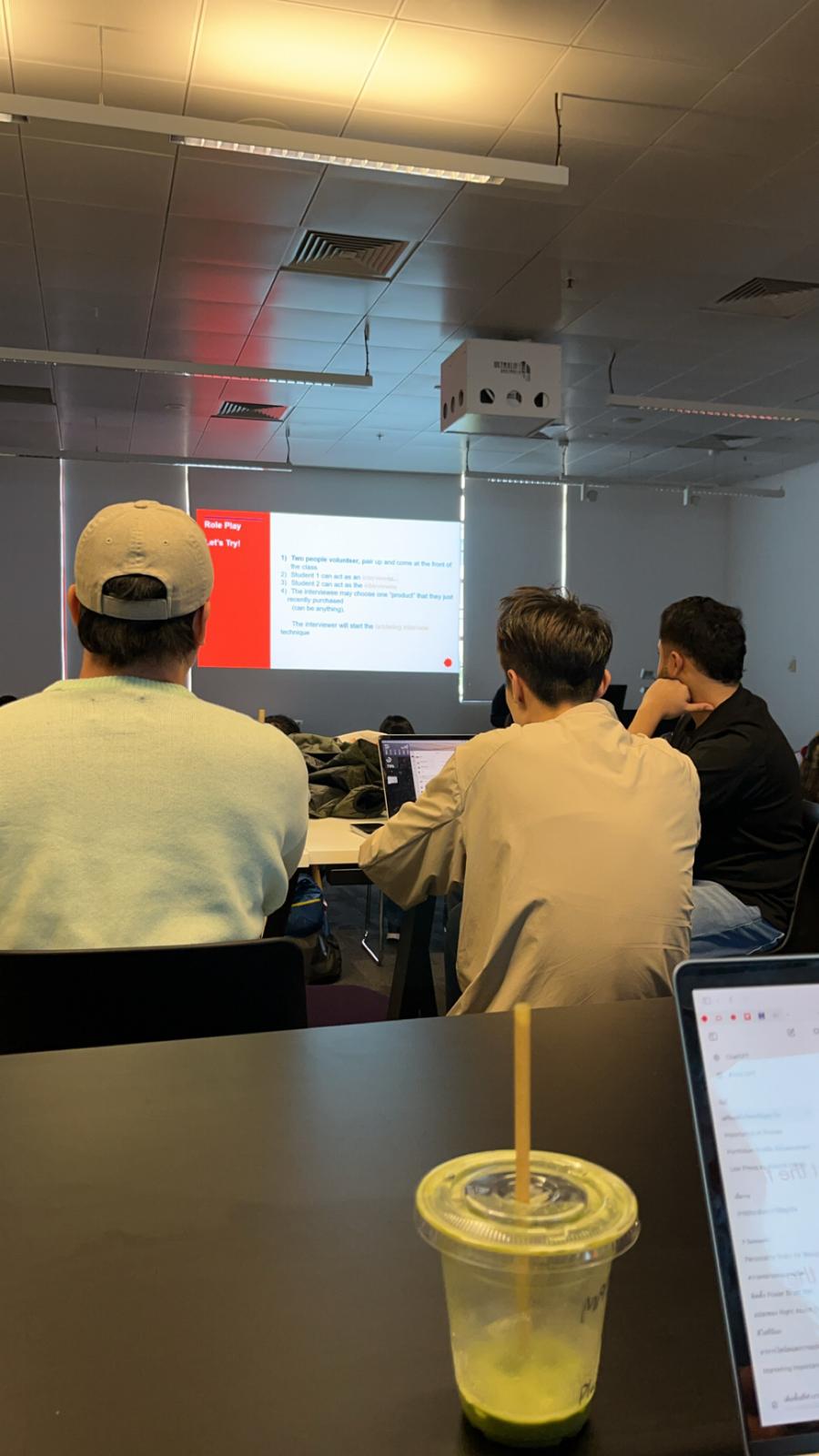
RMIT supports students through Career Connect (resume, job guidance) and Work Integrated Learning (WIL), which provides industry placements with companies like Deloitte and Medibank—an important advantage for gaining local experience.
What Reddit says:
- "Start networking from semester one. Don't wait until you graduate."
- "Internships during study are the real job pipeline. Treat them seriously."
- "Employers ask about PR status in the first call. Be ready for that conversation."
- “LinkedIn is more useful than SEEK for IT roles. Build your profile before you land."
Explore PR pathways in Australia for Indian students on Collegedunia
Indian student insight: Several RMIT students on Collegedunia reviews noted that part-time work during study helped them build local networks that eventually led to graduate roles. One MS Business Information Technology student (enrolled 2020) specifically mentioned that the combination of coursework and part-time work experience was what made the difference in landing a role post-graduation.
Check all:
- Scholarships for Indian students in Australia on Collegedunia
- Total cost of living in Australia for Indian students on Collegedunia
RMIT's Industry Connections
RMIT's strongest asset for employability is not its ranking. It is its location in Melbourne and its structured industry engagement programs. Students who use these actively during their degree are in a materially better position at graduation than those who do not.
RMIT's official industry connections framework includes three components that are directly relevant to job outcomes for Indian students:
- Work Integrated Learning (WIL): Industry placements embedded in coursework. These are registered on CRICOS and do not count toward your 48-hour work limit. They generate real employer references and local experience.
- Career Connect: RMIT's on-campus career service offering personalised job search support, resume reviews, mock interviews, and access to graduate job listings. Available to students and recent graduates.
- Internships and volunteer work: RMIT provides access to internship listings and volunteer opportunities through its student portal. These are separate from WIL and can be pursued alongside coursework.
Explore RMIT University rankings, courses and placements on Collegedunia
Is Studying at RMIT Risky If You Don't Get a Job in Year 1?
Studying at RMIT is not inherently risky if you do not get a job in year one. It becomes risky when students arrive without a financial plan for the post-graduation period.
Here is the risk map, clearly stated:
- Visa risk: Low. Indian Master's graduates have 3 years on the Subclass 485 to find employment. You are not deported if you do not have a job at the 12-month mark.
- Financial risk: High if unplanned. Melbourne costs AUD 2,740–3,840 per month. Without savings or part-time income, a 12-month job search can exhaust your reserves.
- Career risk: Moderate and manageable. The job market is competitive, and PR preference is real. But RMIT's WIL programs, Career Connect, and Melbourne's industry density give students real tools to compete.
- PR pathway risk: Low if you plan. The Subclass 485 feeds into skilled migration pathways. Three years of Australian work experience significantly improves your points score for PR applications.
The students who struggle are those who treat the degree as the finish line. The students who succeed treat the degree as the starting point and use every semester to build the local experience, references, and network that Australian employers actually hire for.
Read about easy PR countries for Indian students, including Australia, on Collegedunia
Not getting a job in year one after graduating from RMIT is not a visa emergency for Indian students. Under AI-ECTA, Indian Master's graduates are eligible for a 3-year Subclass 485 post-study work visa. The real risk is financial, not legal. This guide breaks down RMIT tuition fees, Melbourne living costs, scholarship options, work rights during study, and what the Australian job market actually looks like for international graduates.
FAQs
Ques. How long can Indian students stay in Australia after graduating from RMIT University?
Ans. Under AI-ECTA, Indian students get extended 485 visa durations:
- Master’s: 3 years
- Bachelor’s: 2 years
- STEM (Hons): 3 years
- PhD: 4 years
Ques. What if I don’t get a job within 1 year?
Ans. No visa issue. Master’s graduates have 3 years to find work. The challenge is financial, not legal, with living costs around AUD 2,740–3,840/month.
Ques. Can I work while studying at RMIT?
Ans. Yes. Up to 48 hours/fortnight during study periods and unlimited during breaks. WIL placements don’t count toward limits. Research students can work unlimited hours.


.jpeg)
interested in this College ?
Follow & Share this college to get information about admission.



Comments