





University of Freiburg admissions run entirely on documented academic qualifications and English or German proficiency, with no interview stage for most programs. Indian undergraduate applicants need Class XII at 65 percent or higher plus the correct subject pool, and Master’s applicants need a recognised Bachelor’s at 60 percent or above in a related field, with an IELTS 6.5 or 7.0 floor depending on faculty.
- Primary intake — Winter 2027/28: admission-restricted deadline 15 July 2027, most programs open here
- Base tuition: €1,500 per semester (around ₹1.64 Lakhs) for non-EU students; application fee €75 (around ₹8,189) via uni-assist for the first program, €30 (around ₹3,276) per additional
- Eligibility floors: UG needs Class XII at 65 percent plus subject prerequisites; PG needs Bachelor’s at 60 percent plus IELTS 6.5 (7.0 for Engineering) or DSH-2 for German-taught
- Acceptance rate: estimated at 30 to 40 percent institution-wide, based on selective-intake program patterns; Freiburg does not publish an official figure
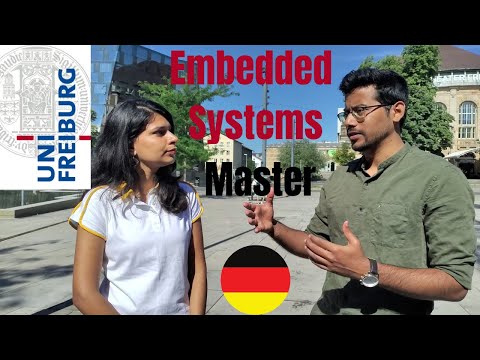
Popular routes for Indian applicants include the MSc Computer Science, MSc Embedded Systems Engineering, and MSc Microsystems Engineering, all English-taught and administered via uni-assist. Indian alumni consistently flag the low tuition, English medium in engineering Master’s, and Freiburg’s tri-national position on the German-French-Swiss border as decisive factors — see the full University of Freiburg profile for context on campus, faculties, and student mix.
Table of Contents
- University of Freiburg Application Deadlines
- Freiburg Eligibility Criteria for Indian Students
- University of Freiburg PG Programs and English Scores
- Freiburg Bachelor’s Programs and Requirements
- University of Freiburg PhD Admission and Funding
- Freiburg Application Process via uni-assist
- University of Freiburg Documents Required
- Freiburg Acceptance Rate for Indian Applicants
- Germany Student Visa Process for Freiburg
- Tips and Checklist for University of Freiburg Admissions
- University of Freiburg Admissions FAQs
University of Freiburg Application Deadlines for Indian Students
Freiburg follows the standard German two-intake calendar per the official dates and deadlines page. Winter Semester (October start) is the primary intake — most Master’s and Bachelor’s programs open only here. Summer Semester (April start) opens a limited subset. Indian applicants file through the uni-assist platform on behalf of the university.
Freiburg’s primary intake for Indian students is Winter Semester (October start) — most programs open here.
| Intake | Level | App Opens | Deadline | App Fee | Portal |
|---|---|---|---|---|---|
| Winter 2026/27 (Oct 2026) | Bachelor’s, open admission | 1 June 2026 | 4 October 2026 (Closing Soon) | €75 (₹8,189) | uni-assist |
| Winter 2026/27 (Oct 2026) | Master’s + restricted UG | 1 June 2026 | 15 July 2026 (Closed) | €75 (₹8,189) | uni-assist |
| Summer 2027 (Apr 2027) | Bachelor’s, restricted | 1 December 2026 | 15 January 2027 | €75 (₹8,189) | uni-assist |
| Summer 2027 (Apr 2027) | Master’s, all | 1 December 2026 | 15 January 2027 | €75 (₹8,189) | uni-assist |
| Summer 2027 (Apr 2027) | Bachelor’s, open admission | 1 December 2026 | 9 April 2027 | €75 (₹8,189) | uni-assist |
| Primary intake — Winter 2027/28 (Oct 2027) | Master’s + restricted UG | 1 June 2027 | 15 July 2027 | €75 (₹8,189) | uni-assist |
| Winter 2027/28 (Oct 2027) | Bachelor’s, open admission | 1 June 2027 | 4 October 2027 | €75 (₹8,189) | uni-assist |
Planning note: uni-assist recommends filing at least eight weeks before the deadline. Indian applicants must also carry a valid APS certificate before submission, which itself takes four to six weeks in normal cycles.
The €30 (around ₹3,276) surcharge applies to each additional program within the same semester, so applying to three Master’s costs €135 (around ₹14,741) total.
University of Freiburg Eligibility Criteria for Indian Students
Eligibility at Freiburg splits into two stacked layers — academic thresholds set by the German qualification system, and English or German proficiency set by each faculty. Indian applicants also need an APS certificate from the German Embassy verification centre in New Delhi, valid for three years.
Academic Thresholds for Indian Applicants
- Bachelor’s entry: Class XII at 65 percent or higher from a recognised Indian board
- Bachelor’s subject rule: prerequisite subjects listed per program (Mathematics through Class XII for engineering; Biology plus Chemistry for life sciences)
- Master’s entry: recognised three or four-year Bachelor’s at 60 percent or above in a related discipline
- Master’s subject rule: at least 60 percent of coursework in the program’s core field, verified by transcript
English Language Requirements at Freiburg
English-taught Master’s programs require verified test scores. Faculty of Engineering programs (Computer Science, Embedded Systems, Microsystems, Sustainable Systems) sit at the top of the range at IELTS 7.0.
| Test | General Master’s Min. | Faculty of Engineering Min. |
|---|---|---|
| IELTS | 6.5 | 7.0 |
| TOEFL iBT | 80 to 90 | 95 |
| PTE Academic | 59 | 76 |
| Cambridge C1 Advanced (CAE) | Accepted | Accepted |
| Cambridge C2 Proficiency (CPE) | Accepted | Accepted |
Freiburg IELTS Waiver for Indian Students
Most Master’s programs accept a Medium of Instruction (MOI) certificate from an Indian university confirming the entire Bachelor’s degree was taught in English, submitted with the uni-assist application. The Faculty of Engineering — including MSc Computer Science, Embedded Systems Engineering, and Microsystems Engineering — does not accept the MOI certificate and requires a formal IELTS, TOEFL, PTE, or Cambridge score. Verify the specific waiver policy on your target program’s page before skipping the test.
German Language Requirements for Freiburg
German-taught Bachelor’s and Master’s programs require DSH-2, TestDaF 4x4, or the Goethe C2 certificate. Native English speakers and MOI holders are not exempted from the German floor for German-medium programs.
Note: Program-specific entry requirements, fees, and intake availability may differ from the institution-wide minimums shown above. Always confirm on the official University of Freiburg page for your chosen program before applying.
University of Freiburg PG Programs and English Scores
Freiburg offers around 25 English-taught Master’s programs. Base tuition for all Master’s is €1,500 per semester (around ₹1.64 Lakhs) for non-EU students under Baden-Württemberg law — see the detailed fee breakdown by course on the Fees page for semester contribution, program-specific surcharges, and total cost of attendance.
| Programme | Duration | Minimum Eligibility | English Req. Min. |
|---|---|---|---|
| MSc Computer Science | 2 years | Bachelor’s in CS or closely related field, above-average GPA | IELTS 7.0 / TOEFL iBT 95 / PTE 76 |
| MSc Embedded Systems Engineering | 2 years | Bachelor’s in ECE, CS, or related with 60% plus | IELTS 7.0 / TOEFL iBT 95 |
| MSc Microsystems Engineering | 2 years | Bachelor’s in Microelectronics or related engineering, 60% plus | IELTS 6.5 / TOEFL iBT 90 |
| MSc Sustainable Systems Engineering | 2 years | Bachelor’s in engineering, physics, or applied science, 60% plus | IELTS 6.5 / TOEFL iBT 90 |
| MSc Economics | 2 years | Bachelor’s in Economics with a core of quantitative modules | IELTS 6.5 / TOEFL iBT 90 |
| MSc Environmental Governance | 2 years | Bachelor’s in social sciences, law, or environmental studies | IELTS 6.5 / TOEFL iBT 90 |
| MA English Literatures and Literary Theory | 2 years | Bachelor’s with at least 60 ECTS in English literature | IELTS 6.5 / TOEFL iBT 88 |
| MSc Pharmaceutical Sciences | 2 years | Bachelor’s in Pharmacy or Life Sciences with 60% plus | IELTS 6.5 / TOEFL iBT 90 |
| MSc Renewable Energy Engineering and Management | 2 years | Bachelor’s in engineering with 60% plus and one year of relevant work | IELTS 6.5 / TOEFL iBT 90 |
| MSc Global Urban Health | 2 years | Bachelor’s in health, planning, or social science with 60% plus | IELTS 6.5 / TOEFL iBT 90 |
Insider note: Engineering Master’s applicants cannot substitute the MOI certificate for IELTS. Book the test at least 10 weeks before the 15 July or 15 January uni-assist deadline to leave room for the score report.
Note: Program-specific entry requirements, fees, and intake availability may differ from the institution-wide minimums shown above. Always confirm on the official University of Freiburg page for your chosen program before applying.
University of Freiburg Bachelor’s Programs and Requirements
Most Bachelor’s programs at Freiburg are taught in German and require DSH-2 or TestDaF 4x4. English-taught undergraduate options are limited to the Liberal Arts and Sciences programme at University College Freiburg. Non-EU tuition matches the Master’s rate at €1,500 per semester (around ₹1.64 Lakhs).
| Programme | Duration | Minimum Eligibility | English Req. Min. |
|---|---|---|---|
| BA Liberal Arts and Sciences (UCF) | 3 years | Class XII at 75%+, admissions interview | IELTS 6.5 / TOEFL iBT 88 |
| BSc Applied Computer Science | 3 years | Class XII with Mathematics, 65%+ | Not required (German-taught) |
| BSc Molecular Medicine | 3 years | Class XII with Biology and Chemistry, 70%+ | Not required (German-taught) |
| BA Economics | 3 years | Class XII with Mathematics, 65%+ | Not required (German-taught) |
| BSc Environmental Sciences | 3 years | Class XII with Biology or Chemistry, 65%+ | Not required (German-taught) |
Indian Class XII holders from CBSE, ICSE, or a state board qualify for direct entry into most Bachelor’s programs. Applicants with only 12 years of schooling and no first-year college coursework should verify their eligibility with the Studienkolleg preparatory route.
University of Freiburg PhD Admission and Funding
PhD admission at Freiburg is not a centralised process — candidates negotiate directly with a professor who agrees to supervise, then formalise enrolment through the relevant faculty and doctoral school. There is no application fee for PhD admission because uni-assist is not used for doctoral entry.
PhD Application Steps at Freiburg
- Identify a supervisor whose research aligns with your Master’s thesis or publications
- Send a research proposal (six to eight pages), CV, transcripts, and Master’s thesis abstract
- Obtain a written acceptance letter from the supervisor
- Apply for formal enrolment via the Dean’s Office of the relevant faculty
- Non-EU applicants also submit APS certificate at the enrolment stage
PhD Funding at Freiburg
Most PhDs at Freiburg are funded through faculty positions on public-service pay scale TV-L E13, typically at 50 to 75 percent (around €2,200 to €3,300 net per month, or ₹2.40 to 3.60 Lakhs). Structured programs like the Spemann Graduate School and CIBSS Cluster offer competitive stipends. See funding options for Indian students on the main university page for a broader look at scholarships.
Insider note: Indian PhD applicants often skip the supervisor-contact step and apply cold — this rarely succeeds at Freiburg. A three-paragraph email introducing your research fit is the difference between a reply and silence.
Note: PhD position availability, stipend levels, and structured-program deadlines change each cycle. Always confirm on the official University of Freiburg page for your chosen faculty before applying.
Freiburg Application Process via uni-assist
The uni-assist platform (an association of German universities that pre-checks foreign qualifications) handles all Bachelor’s and Master’s applications from Indian students on Freiburg’s behalf. The steps below run in sequence and total around eight to ten weeks end-to-end for a well-prepared applicant.
- Create a My Assist account on the uni-assist portal — the Summer 2027 cycle opened on 1 December 2026; Winter 2027/28 opens 1 June 2027
- Apply for and receive your APS certificate from the German Embassy verification centre in New Delhi, allowing six weeks
- Complete the online application, selecting the specific Freiburg programs you want
- Pay the application fee of €75 (around ₹8,189) for the first program on uni-assist, plus €30 (around ₹3,276) per additional program
- Upload certified copies of transcripts, degree certificate, English or German test score, and APS certificate
- Post physical copies of all documents to the uni-assist Berlin office if requested
- Track your Vorprüfungsdokumentation (preliminary review) online; uni-assist forwards eligible applications to Freiburg
- Await Freiburg’s admission decision, typically four to eight weeks after the deadline
Planning note: If the same document is missing across multiple applications, uni-assist requests it once — but your case slows for every program until you provide it. Upload everything up front.
University of Freiburg Documents Required
Freiburg and uni-assist together require a fixed document set for Indian applicants. All non-English or non-German documents need certified translations attached to the originals.
- Passport: valid biodata page, minimum 12 months remaining validity
- Class X and XII mark sheets: certified copies, both boards
- Bachelor’s degree certificate: notarised copy plus certified English or German translation
- Bachelor’s consolidated transcript: semester-wise, notarised and translated
- APS certificate: original from the German Embassy verification centre, New Delhi
- English or German test score report: IELTS, TOEFL iBT, PTE, Cambridge, DSH, or TestDaF
- Statement of Purpose (SOP): one to two pages, program-specific
- Curriculum Vitae: Europass or standard European format
- Two Letters of Recommendation: from professors or research supervisors
- Work experience letters: for programs like Renewable Energy Engineering that need it
- Passport-size photograph: recent, biometric-style
- MOI certificate: optional, only where the program accepts the IELTS waiver
The APS certificate is the single document most Indian applicants underestimate. Start it in parallel with your test booking, not after.
University of Freiburg Acceptance Rate for Indian Applicants
Freiburg does not publish an official institution-wide acceptance rate. The figure is estimated at 30 to 40 percent, based on competitive-intake patterns at comparable German research universities and Faculty of Engineering admission volumes. Selective English-taught Master’s — Computer Science, Embedded Systems, Sustainable Systems Engineering — sit at the lower end near 20 percent.
What Drives the Freiburg Admission Decision
Two factors dominate: subject-fit of the Bachelor’s transcript with the target Master’s core, and the English or German language score. GPA below 60 percent is the most common reject reason. A relevant thesis or industry project on the CV lifts borderline files.
Freiburg’s Selectivity Compared to Indian Peers
Freiburg sits at QS #245 in the 2027 world ranking, ahead of IISc Bangalore (#221) on some metrics and comparable to IIT Delhi (#118) in Life Sciences. Indian applicants who cleared the JEE Advanced cut-off usually clear Freiburg engineering entry too, subject to the language floor. See the university’s full ranking band across QS, THE, and ARWU for context.
Insider note: Freiburg’s admissions committees weigh a 65 percent Bachelor’s with strong subject fit above a 75 percent Bachelor’s from an unrelated field. Match your program choice to your actual coursework.
Germany Student Visa Process for Freiburg
Indian students admitted to Freiburg apply for the National Visa for Study Purposes (D-Visa) at the German Consulate in Mumbai, Bangalore, Chennai, Kolkata, or the Embassy in New Delhi. Processing takes six to twelve weeks, so applying immediately after receiving Freiburg’s admission letter is essential.
The financial proof requirement is currently €11,904 per year (around ₹13.00 Lakhs) held in a blocked account with an approved provider like Fintiba, Expatrio, or Deutsche Bank. Applicants also submit the Freiburg admission letter, proof of health insurance covering the first three months, APS certificate, and academic transcripts. After arrival, all students register at the Bürgeramt within two weeks and convert the D-Visa into a residence permit at the Freiburg Ausländerbehörde within 90 days.
2026 update: The blocked-account minimum rose to €11,904 from the earlier €11,208. Confirm the current figure with the German mission before opening the account.
Tips and Checklist for University of Freiburg Admissions
The following tips and steps are drawn from Indian-applicant patterns at Freiburg and the uni-assist processing timeline. Sequence matters — several steps have four to six week wait times that stack up.
- Start APS 12 weeks early: the certificate itself takes four to six weeks; document collection adds more
- Test scheduling: book IELTS or TOEFL at least 10 weeks before the 15 July or 15 January deadline
- Multi-program strategy: apply to three related Freiburg Master’s — cost is €135 (around ₹14,741), covers redundancy risk
- Faculty of Engineering IELTS trap: do not rely on MOI certificate for MSc CS, Embedded, Microsystems, or Sustainable Systems
- Document uploads on day one: uni-assist stalls on missing files, and delays are counted against your deadline
- Blocked account 8 weeks before visa slot: Fintiba and Expatrio process India-based applicants fastest
- Visa slot booking: secure the consulate slot the day admission is confirmed — Bangalore and Mumbai fill up 8 to 10 weeks out
- Health insurance: confirm coverage matches the D-Visa checklist, not just travel insurance
- Semester registration prep: keep four passport photos and original certificates ready for the Freiburg matriculation office
Freiburg’s admissions run without interviews for most Master’s, so the file you submit is the entire decision — the sequencing above lets you file the strongest possible one on the earliest cycle.
Freiburg admissions reward Indian applicants who front-load the APS and language test, apply to two or three subject-aligned Master’s within one uni-assist cycle, and book the visa slot the same week the admission letter arrives. The next full window opens 1 December 2026 for Summer 2027, then 1 June 2027 for the primary Winter 2027/28 intake.
University of Freiburg Admissions: Frequently Asked Questions
Ques. What is the application fee for University of Freiburg?
Ans. Freiburg charges no direct application fee. Uni-assist charges €75 (around ₹8,189) for the first program and €30 (around ₹3,276) for each additional program in the same semester.
Ques. Does University of Freiburg accept the MOI certificate instead of IELTS?
Ans. Most Master’s accept the MOI certificate from an Indian university where the entire Bachelor’s was taught in English. The Faculty of Engineering — MSc Computer Science, Embedded Systems, Microsystems, and Sustainable Systems — does not accept the MOI and requires a formal IELTS, TOEFL, PTE, or Cambridge score.
Ques. What IELTS score does the University of Freiburg require?
Ans. The general Master’s minimum is IELTS 6.5. Faculty of Engineering programs including MSc Computer Science require IELTS 7.0. TOEFL iBT equivalents are 80 to 90 for most Master’s and 95 for Engineering.
Ques. When do applications open for Winter Semester 2027/28 at Freiburg?
Ans. The uni-assist portal opens 1 June 2027 for Winter 2027/28. Admission-restricted Master’s and Bachelor’s close 15 July 2027; open-admission Bachelor’s close 4 October 2027.
Ques. Is APS certificate mandatory for Indian applicants to Freiburg?
Ans. Yes. Every Indian applicant to a Bachelor’s, Master’s, or PhD program at Freiburg must submit a valid APS certificate from the German Embassy verification centre in New Delhi. The certificate is valid for three years.
Ques. How long does Freiburg take to send the admission decision?
Ans. Freiburg typically issues decisions four to eight weeks after the uni-assist deadline. Engineering programs at higher application volumes can take up to twelve weeks in peak cycles.
Ques. What is the tuition fee at University of Freiburg for Indian students?
Ans. Non-EU international students pay €1,500 per semester (around ₹1.64 Lakhs), or €3,000 per year (around ₹3.28 Lakhs). This is fixed by Baden-Württemberg state law and applies to Bachelor’s, Master’s, and state examination programs.
Ques. Which Freiburg programs are popular with Indian students?
Ans. MSc Computer Science, MSc Embedded Systems Engineering, MSc Microsystems Engineering, MSc Sustainable Systems Engineering, MSc Economics, and MSc Pharmaceutical Sciences are the most common Indian-applicant choices at Freiburg.
Ques. Does University of Freiburg require GRE or GMAT?
Ans. No. Freiburg does not require GRE or GMAT for any Master’s program, including MSc Computer Science and MSc Economics. Some programs recommend GRE for competitive advantage but do not mandate it.
Ques. Can Indian students apply to multiple Freiburg programs in one uni-assist cycle?
Ans. Yes. Uni-assist allows multiple applications in one semester at €75 for the first program and €30 for each additional one. Three related Master’s cost €135 (around ₹14,741) total.
Ques. What documents does Freiburg require from Indian applicants?
Ans. Passport, Class X and XII mark sheets, Bachelor’s degree certificate and transcript, APS certificate, English or German test score, SOP, CV, two LORs, work experience letters (where relevant), and passport photos. All non-English or non-German documents need certified translations.
Ques. What is the acceptance rate for Indian students at University of Freiburg?
Ans. Freiburg does not publish an official rate. The institution-wide figure is estimated at 30 to 40 percent, with selective English-taught engineering Master’s near 20 percent. Subject fit and language scores are the dominant admit factors.
College Student Profiles

University of Freiburg Program Fees & Deadlines
| Program | Important Dates | Fees | Eligibility | Financial Aid |
|---|---|---|---|---|
MSc Computer Science 2 years | Application Deadline For Summer 2027 Intake (15th Dec 2026) | USD 3,360 /Yr EUR 3,000 /Yr | IELTS- 7, TOEFL- 5.0, PTE- 76 | - |
Application Deadline For Summer 2027 Intake (15th Dec 2026) | USD 3,360 /Yr EUR 3,000 /Yr | IELTS- 7, TOEFL- 5.0, PTE- 76 | - | |
MSc Pharmaceutical Sciences 2 years | Application Deadline For Summer 2027 Intake (31st Dec 2026) | USD 3,360 /Yr EUR 3,000 /Yr | IELTS- 7, TOEFL- 5.0, PTE- 76 | - |
MSc Nursing Sciences 2 years | USD 3,360 /Yr EUR 3,000 /Yr | IELTS- 7, TOEFL- 5.0, PTE- 76 | ||
MSc Psychology 2 years | USD 3,360 /Yr EUR 3,000 /Yr | IELTS- 7, TOEFL- 5.0, PTE- 76 | - | |
MSc Microsystems Engineering 2 years | USD 3,360 /Yr EUR 3,000 /Yr | IELTS- 7, TOEFL- 5.0, PTE- 76 | ||
MSc Economics 2 years | USD 3,360 /Yr EUR 3,000 /Yr | IELTS- 7, TOEFL- 5.0, PTE- 76 | ||
BSc Nursing Sciences 3 years | USD 3,360 /Yr EUR 3,000 /Yr | German C1 | - | |
Application Deadline For Summer 2027 Intake (31st Jan 2027) | USD 3,360 /Yr EUR 3,000 /Yr | IELTS- 7, TOEFL- 5.0, PTE- 76 | ||
LLM German-French Law 2 years | USD 3,360 /Yr EUR 3,000 /Yr | IELTS- 7, TOEFL- 5.0, PTE- 76 | - |
Do you think the Dates are wrong ? Report Here
Course Finder - Search from 50K+ courses
Popular Streams:
Reviews
14 Reviews Found
Likes
- The course curriculum is wide and flexible.
- No fixed subjects, can take from a wide range of subjects to complete the credits.
- Embedded Systems is a combination of informatics and microsystems engineering, which helps to go into various fields for potential jobs.
Dislikes
- Most people have to complete some bridging courses in the first semester, which won't be added to the credits. Although it helps bridge the knowledge gap, it will delay the course completion time.
Likes
- The university offers all courses in english
- Focus on practical based learning
- Very involved with the industry standards and technology
Dislikes
- Need better student integration programs for new students
- Need higher support in accomodation
- Need more post masters initiatives like career counseling, job fairs
Likes
- Exposure to different cultures, since you met international students all over the town
- Research based and hands on experience, rather than mindless reading of ppts
- Creation of case studies for every module and helpful professors
Dislikes
- Less gap between 2 modules
- Finding houses to stay in
- Finding student dorms to stay in
Scholarship
- I didn't receive any scholarships. There weren't any scholarships available as far as my knowledge goes. None of my batchmates received it as well. Since it is a private university, the semester fees are something you have to pay, depending on how many years it takes to finish the course. I took 2.5 years to finish it, but some take more than 3 years to finish as well.
Likes
- Academic structure is very student friendly and provides wide oportunity
- Large international community
- The location is also very nice
Dislikes
- One of the few states in germany to have tution fee
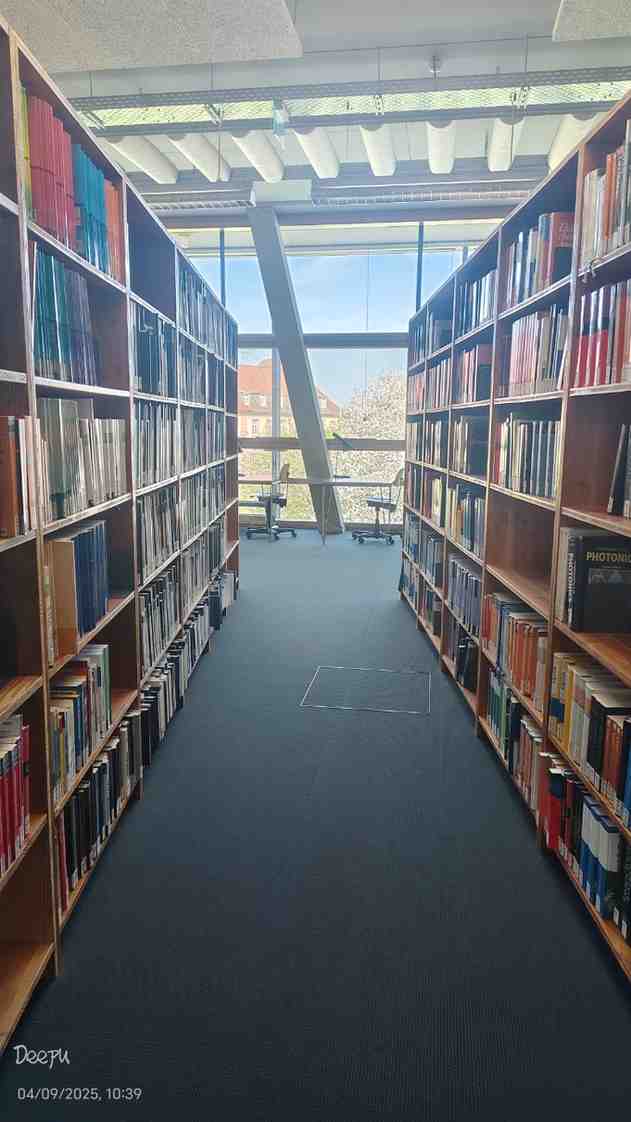
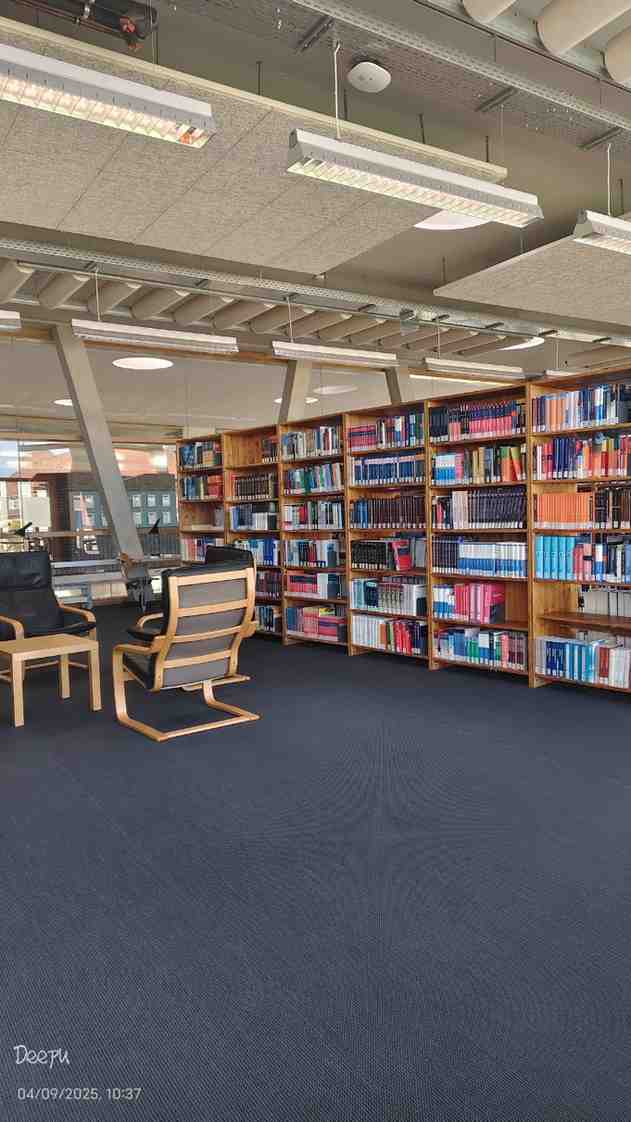
- Limited access to English study material in library
- Car parking is not free and is charged
Likes
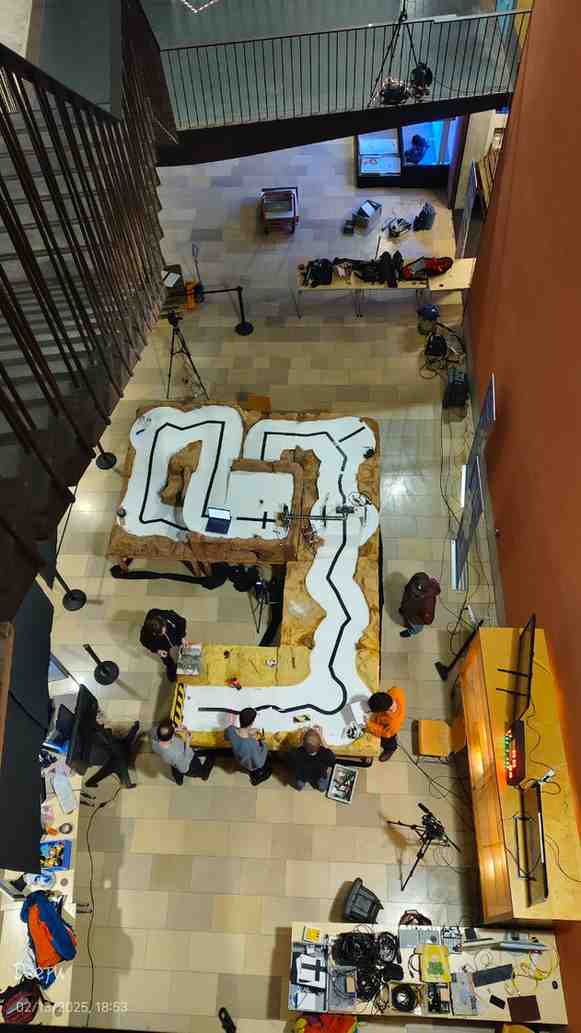
- Practical aspects of learning and opportunities to assist departments in real time projects
- Flexibility to choose our subjects and the pace at which we intend to complete Masters
- Provision of academic mentors, support from course coordinator and free german courses for the benefit of international students
Dislikes
- University fee of around 1690 Euros
- Accomodation issues that affects a student during exams
- Different pattern of teaching and exams for different subjects
Likes
- Research is the best over here, especially in the field of AI
- Opportunities to everyone who has the potential irrespective of their background.
- The curriculum is amazing and very well structured.
Dislikes
- The housing is the major problem here, the university provied dorms is for 1 year after that we need to serach for accommodation on our own.
- The masters degree can take more than 2 years if one is reserch focused, as the curriculum is not that easy.
- Some courses need more efforts than the provided ECTS but we get to learn a lot in such courses downfall is that it is very lengthy.
Likes
- The research in domain of AI, Control Engineering is really good. Professors and Phd student are really helpful and friendly.
- Offered majority of courses in English.
- Sunniest and greenest city with hiking places nearby.
Dislikes
- University has tution fees as it comes under Baden Wuerttemberg state.
- It is very difficult to find accommodation.
- Accommodation is costly compared to other cities.
Likes
- Their Robotics and Artificial Intelligence Group is well-known worldwide.
- What I cherished most about my college experience was the dynamic and supportive community. The campus was a hub of innovation, where ideas were not only welcomed but also nurtured. Professors were not just educators but mentors, guiding us through academic and personal growth.
- The diverse student body offered a rich cultural exchange, broadening my worldview. Additionally, the university's commitment to cutting-edge research and practical learning provided invaluable opportunities to engage in projects that had real-world impact.
Dislikes
- While my university offered numerous opportunities, there were areas that could be improved. One aspect was the limited practical exposure in some courses, which didn't align completely with industry requirements.
Overview
My time at university was a transformative journey filled with both challenges and triumphs. It was an environment that fostered growth, encouraging me to push beyond my academic boundaries. Engaging with diverse peers and inspirational faculty, I gained not only a wealth of knowledge but also a deeper understanding of global perspectives. The hands-on experiences and collaborative projects prepared me for real-world challenges, instilling skills and confidence. Overall, my college years were a blend of rigorous academic pursuits and enriching personal development.
Likes
- The program is quite new and interesting and the faculty specializes in and is it at the forefront of Microsystems Engineering.
Overview
I would say that it's exciting and challenging and the infrastructure is top notch. There are also a lot of systems in place to support international students. There are a lot of possibilities for one to advance as a student and as a professional. The courses are not easy and one would require a fair bit of self-discipline.
Likes
- I was interested in Biomedical engineering and this university does extensive research in this field.
Overview
Very good, quite international, insightful and full of knowledge. I got to learn the very best from best professors in my field. The city is beautiful, a lot of options for recreation, many possibility of travel, student friendly and very happening.

interested in this College ?
Follow & Share this college to get information about admission.



Comments