





Eindhoven University of Technology admissions are open only to STEM applicants, and Indian students need Class XII at 65 percent with Physics and Mathematics for a Bachelor’s, or a Bachelor’s with a 75 percent average (CGPA 8.5 on 10) from a NAAC, AICTE, or Institute of Eminence institution for a Master’s.
- September 2027 primary intake: Master’s scholarship-priority deadline is 1 February 2027, the general non-EU deadline is 1 May 2027, and the Numerus Fixus Bachelor’s deadline is 15 January 2027.
- Base tuition: Bachelor’s €18,000 (₹19.70 Lakhs) per year, Master’s €19,300 to €21,000 (₹21.12 to 22.98 Lakhs) per year, plus a non-refundable application fee of €100 (₹10,943).
- Eligibility floor: UG needs Class XII 65 percent with Physics and Mathematics, PG needs a relevant Bachelor’s at 75 percent, and both levels need IELTS 6.5 (6.0 in each section) or TOEFL iBT 90 (21 per section).
- Acceptance rate: estimated at 30 to 40 percent for non-EU applicants, based on published Numerus Fixus selection ratios, since Eindhoven University of Technology does not publish an official institutional figure.
Popular tracks for Indian students at Eindhoven University of Technology include MS Data Science and Artificial Intelligence, MS Computer Science and Engineering, and MS Embedded Systems, and Indian intake feedback highlights ASML and Philips co-op access alongside a low regional cost of living compared with Amsterdam.
Table of Contents
- Eindhoven University of Technology Application Deadlines
- TU/e Eligibility for Indian Students
- Eindhoven University Master’s Programs and English Scores
- TU/e Bachelor’s Programs and Class XII Requirements
- Eindhoven University of Technology PhD Applications
- TU/e Application Process on Studielink and OSIRIS
- Eindhoven University Admission Decisions Timeline
- TU/e Documents Required for Indian Applicants
- Eindhoven University of Technology Acceptance Rate
- Netherlands Student Visa Process for TU/e
- Tips and Checklist for Eindhoven University Admissions
- Eindhoven University of Technology Admissions FAQs
Eindhoven University of Technology Application Deadlines for Indian Students
Eindhoven University of Technology runs a single main entry per academic year, with the September 2027 intake as its primary intake for the 2027-2028 cycle. Numerus Fixus programs and Master’s scholarship review close earlier than the general non-EU deadline. All deadlines are stated in CET, per the official TU/e admission page for India.
Eindhoven University of Technology’s primary intake for Indian students is September 2027, the semester where every Bachelor’s and Master’s programme opens.
| Intake | Level | App Opens | Deadline | App Fee | Portal |
|---|---|---|---|---|---|
| September 2027 (Primary intake) | Master’s, scholarship review | 1 October 2026 | 1 February 2027 (23:59 CET) | €100 (₹10,943) | Studielink |
| September 2027 (Primary intake) | Master’s, general non-EU | 1 October 2026 | 1 May 2027 (23:59 CET) | €100 (₹10,943) | Studielink |
| September 2027 (Primary intake) | Bachelor’s, Numerus Fixus (CS&E, Data Science) | 1 October 2026 | 15 January 2027 (23:59 CET, no extension) | €100 (₹10,943) | Studielink |
| September 2027 (Primary intake) | Bachelor’s, non-fixus programs | 1 October 2026 | 1 May 2027 (23:59 CET) | €100 (₹10,943) | Studielink |
Planning note: The 15 January 2027 Numerus Fixus deadline is hard. Miss it for BSc Computer Science and Engineering or BSc Data Science and you cannot reapply until the 2028-2029 cycle.
Eindhoven University of Technology Eligibility for Indian Students
Eindhoven University of Technology sets separate academic floors for its Bachelor’s and Master’s tracks, and both share the same English-language cut-offs. There is no conditional admission for Master’s applicants, meaning your Bachelor’s transcript must already show 75 percent at the time of application.
- UG general entry: Class XII at 65 percent with Mathematics and Physics from a CBSE, ISC, or state board recognised by AIU.
- UG Numerus Fixus (CS&E, Data Science): Class XII with Mathematics B or equivalent advanced Maths, Physics, and English, plus TU/e’s own selection review.
- PG entry: A relevant Bachelor’s with a CGPA of 8.5 on 10, or a 75 percent average, from a NAAC-accredited or AICTE-approved institution or an Institute of National Importance or Institute of Eminence.
- India accreditation rule: Only NAAC, AICTE, IITs, IIITs, NITs, and IoE-tagged universities count. Autonomous colleges outside these lists are usually rejected at the pre-screening stage.
Eindhoven University of Technology English Test Minimums
Every accepted English test must show a score no older than two years, per the TU/e language proficiency page. Duolingo is not accepted at any level.
| Test | Overall Minimum | Per-Section Minimum |
|---|---|---|
| IELTS Academic | 6.5 | 6.0 |
| TOEFL iBT (test centre or Home Edition) | 90 | 21 |
| PTE Academic | 61 | 46 |
| Cambridge C1 Advanced | 176 | 169 |
| Cambridge C2 Proficiency | 180 | 169 |
| LanguageCert Academic | 70 | 65 |
Does Eindhoven University of Technology Offer an IELTS Waiver for Indian Students?
No. TU/e’s published exemption list covers only Dutch, IB, EB, US, UK, Irish, Canadian, Australian, and New Zealand curriculum backgrounds. A CBSE, ISC, or state-board Class XII in English does not exempt you, and a Bachelor’s taught in English from an Indian university is also not accepted as a waiver, so every Indian applicant must submit a valid test score.
Eindhoven University of Technology Master’s Programs and English Scores
Eindhoven University of Technology offers 30-plus two-year Master’s programmes, all taught in English, most spanning 120 ECTS. Base tuition ranges from €19,300 to €21,000 (₹21.12 to 22.98 Lakhs) per year for non-EU students. For a full course-wise fees breakdown, see the Fees page.
| Programme | Duration | Minimum Eligibility | English Req. Min. |
|---|---|---|---|
| MS Computer Science and Engineering | 2 years | Bachelor’s in CS with 75 percent, strong programming and algorithms base | IELTS 6.5 |
| MS Data Science and Artificial Intelligence | 2 years | Bachelor’s in CS, AI, or Maths at 75 percent, linear algebra and probability required | IELTS 6.5 |
| MS Embedded Systems | 2 years | Bachelor’s in EE, CS, or ECE at 75 percent | IELTS 6.5 |
| MS Chemical Engineering | 2 years | Bachelor’s in Chemical Engineering at 75 percent | IELTS 6.5 |
| MS Mechanical Engineering | 2 years | Bachelor’s in Mechanical Engineering at 75 percent | IELTS 6.5 |
| MS Electrical Engineering | 2 years | Bachelor’s in EE or ECE at 75 percent | IELTS 6.5 |
| MS Applied Physics | 2 years | Bachelor’s in Physics or Applied Physics at 75 percent | IELTS 6.5 |
| MS Human Technology Interaction | 2 years | Bachelor’s in Psychology, HCI, Cognitive Science, or related at 75 percent | IELTS 6.5 |
| MS Operations Management and Logistics | 2 years | Bachelor’s in IE, ME, or Business Engineering at 75 percent, quantitative base required | IELTS 6.5 |
| MS Industrial Design | 2 years | Bachelor’s in Industrial or Product Design at 75 percent, portfolio required | IELTS 6.5 |
Eindhoven University of Technology Additional Master’s Application Form
STEM Master’s tracks including AI and Engineering Systems, Computer Science, Data Science, Embedded Systems, and Systems and Control require an Additional Application Form alongside your Studielink profile. Industrial Design demands a portfolio and competence overview, while Architecture, Building and Planning takes a portfolio only for its design specialisation.
Note: Program-specific entry requirements, fees, and intake availability may differ from the institution-wide minimums shown above. Always confirm on the official Eindhoven University of Technology page for your chosen program before applying.
Eindhoven University of Technology Bachelor’s Programs and Class XII Requirements
All 15 Bachelor’s programmes at Eindhoven University of Technology are taught in English, run three years or 180 ECTS, and cost €18,000 (₹19.70 Lakhs) per year for non-EU students. Two of them are Numerus Fixus and shut on 15 January 2027 with no rolling window afterward.
| Programme | Duration | Minimum Eligibility | English Req. Min. |
|---|---|---|---|
| BSc Computer Science and Engineering (Numerus Fixus) | 3 years | Class XII 65 percent with Mathematics B, Physics, and English, plus TU/e selection review | IELTS 6.5 |
| BSc Data Science (Numerus Fixus) | 3 years | Class XII 65 percent with advanced Mathematics, Physics, and English | IELTS 6.5 |
| BSc Electrical Engineering | 3 years | Class XII 65 percent with Physics and Mathematics | IELTS 6.5 |
| BSc Mechanical Engineering | 3 years | Class XII 65 percent with Physics and Mathematics | IELTS 6.5 |
| BSc Chemical Engineering and Chemistry | 3 years | Class XII 65 percent with Physics, Chemistry, and Mathematics | IELTS 6.5 |
| BSc Applied Physics | 3 years | Class XII 65 percent with advanced Mathematics and Physics | IELTS 6.5 |
| BSc Industrial Engineering | 3 years | Class XII 65 percent with Mathematics | IELTS 6.5 |
Insider note: Numerus Fixus places for BSc Computer Science and Engineering fill up in the first review cycle. TU/e reads applications in the order they are complete on Studielink, so submitting a finished file by mid-December 2026 gives Indian applicants the best chance.
Eindhoven University of Technology PhD Applications
Eindhoven University of Technology follows the Dutch employed-PhD model. Candidates are hired as paid staff on the university payroll rather than being enrolled as fee-paying students, so there is no institutional PhD tuition to fund. Positions are project-specific and vacancy-based.
How PhD Positions Are Advertised at Eindhoven University of Technology
Every open PhD project appears on the TU/e Vacancies board at tue.varbi.com, tied to a named research group and supervisor. Indian applicants apply against a specific listing with a CV, motivation letter, and academic transcripts. There is no separate Studielink route for PhDs.
PhD Salary and Duration at Eindhoven University of Technology
PhD candidates are employed on the CAO Dutch Universities scale P, running from €3,059 to €3,881 gross per month (₹3.35 to 4.25 Lakhs per month), with 8.3 percent year-end bonus and 8 percent holiday pay. The standard contract is four years, and IELTS 6.5 (or the equivalent) still applies.
Note: PhD vacancies at Eindhoven University of Technology open through the year. Confirm salary and closing dates on the official TU/e vacancies portal for the specific project you target.
Eindhoven University of Technology Application Process on Studielink and OSIRIS
Eindhoven University of Technology routes every Bachelor’s and Master’s application through two portals in sequence: Studielink for national enrolment and OSIRIS for TU/e-specific documents. Both platforms open on 1 October 2026 for the September 2027 intake.
- Create a Studielink account and start an enrolment on Studielink from 1 October 2026, picking Eindhoven University of Technology and your target programme.
- Wait for TU/e’s OSIRIS invitation email, sent within two to three working days of your Studielink submission.
- Log in to OSIRIS, upload transcripts, degree certificate, English test, CV, motivation letter, and dissertation summary.
- Pay the non-refundable application fee of €100 (₹10,943) by bank transfer and upload the receipt inside OSIRIS.
- Complete the programme’s Additional Application Form for STEM Master’s tracks, or upload a portfolio for Industrial Design and Architecture.
- Submit before the applicable deadline (1 February 2027 for scholarship review, 15 January 2027 for Numerus Fixus, 1 May 2027 for the general non-EU cut-off).
Note: The €100 application fee is charged per programme. Applying to two Master’s tracks means paying €200 (₹21,886) in total, and TU/e will not process either file until both payments clear.
Eindhoven University of Technology Admission Decisions Timeline
Eindhoven University of Technology assesses complete files in the order they arrive. Master’s decisions arrive within eight to ten weeks of OSIRIS submission, and Numerus Fixus Bachelor’s decisions are released on 15 April 2027 for every eligible applicant at once, per Dutch government rules.
- Master’s offer window: Roughly 8 to 10 weeks after your OSIRIS file is complete, capped at 1 April 2027 for scholarship-priority applicants.
- Numerus Fixus offer date: 15 April 2027 for BSc Computer Science and Engineering and BSc Data Science, following TU/e’s ranked selection.
- Reply deadline: Two to four weeks from offer, with a €2,530 guarantee fee (₹2.77 Lakhs) needed to lock the seat and start the MVV visa route.
- No conditional acceptance: Master’s applicants without a graduated Bachelor’s on 1 February 2027 are rejected outright, unlike UK universities.
- Deferral: Not standard practice, requests handled case by case, usually only for medical or visa reasons.
Eindhoven University of Technology Documents Required for Indian Applicants
Every document must be uploaded through OSIRIS as a scanned colour PDF. Indian transcripts and degree certificates must be in English or accompanied by a certified English translation, and TU/e does not accept notarised photocopies in place of institution-issued certified copies.
- Passport: Bio-data page, valid for at least 12 months beyond September 2027.
- Class XII marksheet and passing certificate: For Bachelor’s applicants only, board-attested.
- Bachelor’s transcript: Semester-wise, sealed and signed by the registrar, for Master’s applicants.
- Bachelor’s degree certificate: Provisional or final, required by 1 February 2027 for the scholarship batch.
- Course descriptions: 5 to 10 key topics or learning objectives per relevant undergraduate course.
- Cumulative GPA proof: Institution-verified conversion note if your transcript shows CGPA on a different scale.
- English proficiency scorecard: IELTS, TOEFL iBT, PTE Academic, LanguageCert, or Cambridge.
- Curriculum Vitae: One to two pages, listing internships and technical projects.
- Motivation letter: 500 to 800 words on why this specific programme at TU/e.
- Dissertation or thesis summary: One page, or a written note if you have not written one.
- Bank transfer receipt: Proof of the €100 (₹10,943) application fee.
- Additional Application Form: STEM Master’s tracks, portfolio for Industrial Design and Architecture design specialisation.
Eindhoven University of Technology Acceptance Rate for Indian Students
Eindhoven University of Technology does not publish an official institutional acceptance rate. Independent estimates place it at around 30 to 40 percent for non-EU applicants, based on the visible Numerus Fixus selection ratios and TU/e’s published cohort sizes for competitive Master’s tracks.
Which Programs Are Hardest to Get Into?
BSc Computer Science and Engineering and BSc Data Science are the two Numerus Fixus programmes, capping intake at a fixed headcount and using a scored ranking of Maths and Physics grades plus the TU/e selection test. Master’s tracks that combine ASML and Philips co-op access, notably MS Embedded Systems and MS Data Science and AI, also draw far more applications than seats.
Eindhoven University of Technology Selection Beyond Grades
The 75 percent Master’s floor is a threshold, not a scoring rule. TU/e reads your Bachelor’s course-by-course to check depth in the exact prerequisite subjects, so a mechanical engineering graduate applying to MS Data Science needs clear evidence of linear algebra, probability, and programming coursework in the transcript.
Insider note: The Collegedunia ranking band puts Eindhoven University of Technology at 129 globally and 9th in the Netherlands, which is a useful proxy for selectivity when the university itself does not release a raw admit percentage.
Netherlands Student Visa Process for Eindhoven University of Technology Students
Indian students headed to Eindhoven University of Technology need both an entry visa, called MVV, and a residence permit, called VVR. TU/e submits both applications together to the Dutch Immigration and Naturalisation Service (IND) after you accept your offer and pay the guarantee fee.
You cannot start the MVV process on your own. TU/e is the sponsor and lodges the file, which is why every Indian offer letter arrives with an IND financial-means form asking you to transfer proof-of-funds money into a designated Dutch bank account. IND currently requires €13,600 (₹14.88 Lakhs) for 12 months of living costs, on top of tuition. Processing at IND takes 60 to 90 days, so files submitted to TU/e by mid-June 2027 typically clear in time for the September start. Once IND approves your MVV, you collect the visa sticker at VFS Delhi or the Dutch embassy, fly in, and complete biometrics for the residence permit at Eindhoven.
2026 update: IND lifted the proof-of-funds figure to €13,600 per year for the 2026-2027 cohort. Confirm the 2027-2028 amount on the TU/e visa page after March 2027, as IND revises the figure annually.
Tips and Application Checklist for Eindhoven University of Technology
The following tips and steps are drawn from Indian-applicant patterns at Eindhoven University of Technology, especially the two-portal flow between Studielink and OSIRIS and the strict no-conditional-offer stance at Master’s level.
- Book IELTS by October 2026: Your test date must be before you upload documents in OSIRIS, and IELTS slots in metro India fill fast in November and December.
- Start Studielink on 1 October 2026: The two-portal handoff to OSIRIS adds 2 to 3 working days, so early Studielink registration protects your Numerus Fixus deadline.
- Request WES-style course descriptions early: Indian universities can take 4 to 6 weeks to issue signed course-outline letters, and TU/e needs them per undergraduate subject.
- Target 1 February 2027 not 1 May 2027 for Master’s: Only the February batch is auto-considered for TU/e scholarships, and slots close first.
- Prepare the guarantee fee cash: Keep €2,530 (₹2.77 Lakhs) plus €13,600 (₹14.88 Lakhs) proof-of-funds ready by April 2027 to move on the MVV window.
- Avoid duplicate applications: TU/e charges €100 per programme, so pick your top two tracks rather than applying broadly.
- Get transcripts sealed twice: One for OSIRIS upload, one for the physical inspection during Eindhoven registration in August 2027.
Indian applicants targeting Eindhoven University of Technology for September 2027 should treat 1 October 2026 as the real starting gun, aim for the 1 February 2027 Master’s scholarship deadline over 1 May 2027, and lock in Class XII 65 percent (UG) or 75 percent (PG) with IELTS 6.5, since no conditional offers or India-specific waivers exist. For programme-specific fees and duration, see the Fees page.
Eindhoven University of Technology Admissions: Frequently Asked Questions
Ques. What is the application deadline for Master’s programs at Eindhoven University of Technology for Indian students in 2027?
Ans. The scholarship-priority Master’s deadline is 1 February 2027 at 23:59 CET, and the general non-EU deadline is 1 May 2027. Numerus Fixus Bachelor’s programs close 15 January 2027 without extension. All applications open on Studielink from 1 October 2026.
Ques. What is the minimum IELTS score required for Eindhoven University of Technology?
Ans. IELTS Academic 6.5 overall with 6.0 in each section is required for every Bachelor’s and Master’s programme. TOEFL iBT 90 with 21 per section, PTE Academic 61 with 46 per section, LanguageCert Academic 70 with 65 per section, and Cambridge C1 Advanced 176 or C2 Proficiency 180 are also accepted. Test scores must be no older than two years.
Ques. Does Eindhoven University of Technology offer an IELTS waiver for Indian students?
Ans. No. TU/e’s exemption list covers Dutch, IB, EB, US, UK, Irish, Canadian, Australian, and New Zealand backgrounds only. Class XII English from CBSE, ISC, or state boards does not qualify, and even a Bachelor’s taught in English at an Indian university does not exempt applicants.
Ques. What is the application fee for Eindhoven University of Technology?
Ans. €100 (₹10,943) per programme, non-refundable, paid by bank transfer only. The fee is charged separately for each application, so two Master’s tracks means €200 (₹21,886) in total. Credit card, cash, cheque, and instalments are not accepted.
Ques. What CGPA is needed for Eindhoven University of Technology Master’s programs?
Ans. A CGPA of 8.5 on a 10-point scale, or a 75 percent average, from a NAAC-accredited or AICTE-approved Indian institution or an Institute of National Importance or Institute of Eminence. TU/e does not accept conditional applications, so your transcript must already show this average at submission.
Ques. Can Indian students get direct admission to Eindhoven University of Technology?
Ans. Yes for open Master’s programmes and non-Numerus Fixus Bachelor’s, once eligibility, English, and documents are met. The two Numerus Fixus Bachelor’s programmes (BSc Computer Science and Engineering, BSc Data Science) always run a ranked selection review on top of the eligibility floor.
Ques. Which programs at Eindhoven University of Technology are most popular with Indian students?
Ans. MS Data Science and Artificial Intelligence, MS Computer Science and Engineering, MS Embedded Systems, MS Chemical Engineering, MS Operations Management and Logistics, and MS Human Technology Interaction see the highest Indian enrolment. On the Bachelor’s side, BSc Data Science and BSc Computer Science and Engineering are the two most common choices.
Ques. Does Eindhoven University of Technology accept 3-year Indian Bachelor’s degrees for Master’s admission?
Ans. A 3-year BSc from an Indian university is accepted only when it comes from an IIT, IISc, IISER, NIT, IIIT, Institute of Eminence, or NAAC A/A+ university and covers the specific technical prerequisites of the target Master’s. A 3-year BA or BCom is not accepted for TU/e’s engineering Master’s tracks.
Ques. What is the Numerus Fixus deadline at Eindhoven University of Technology?
Ans. 15 January 2027 at 23:59 CET for the September 2027 intake, applying to BSc Computer Science and Engineering and BSc Data Science. The deadline is fixed by Dutch government rules, cannot be extended, and no rolling window exists after this date.
Ques. Does Eindhoven University of Technology require GRE or GMAT for Master’s admission?
Ans. No. TU/e does not ask for GRE for any engineering or science Master’s, and it does not run an MBA programme, so GMAT is not applicable. Selection is on Bachelor’s transcripts, motivation, and the STEM Additional Application Form.
Ques. How long does it take to get a decision from Eindhoven University of Technology?
Ans. Master’s decisions arrive 8 to 10 weeks after your OSIRIS file is complete, with the 1 April 2027 cap for the scholarship-priority batch. Numerus Fixus Bachelor’s results are all released on 15 April 2027, and open Bachelor’s decisions arrive within 6 to 8 weeks of a complete file.
Ques. What proof of funds do Indian students need for the Netherlands student visa via Eindhoven University of Technology?
Ans. IND currently sets the proof-of-funds figure at €13,600 (₹14.88 Lakhs) per year for 2026-2027, transferred to a designated TU/e-linked account before the MVV file is lodged. Tuition is on top of this figure, and the amount is revised annually by IND, so confirm the 2027-2028 rate on the TU/e visa page after March 2027.
College Student Profiles

Eindhoven University of Technology Program Fees & Deadlines
| Program | Important Dates | Fees | Application Fees | Eligibility | Financial Aid |
|---|---|---|---|---|---|
| USD 24,955 /Yr EUR 21,700 /Yr | 100 | Grade: 75%, IELTS: 6.5, TOEFL: 4.5, PTE: 61 | |||
M.S Chemical Engineering 2 years | USD 24,955 /Yr EUR 21,700 /Yr | 100 | Grade: 75%, IELTS: 6.5, TOEFL: 4.5, PTE: 61 | ||
M.S Embedded Systems 2 years | USD 24,150 /Yr EUR 21,000 /Yr | 100 | IELTS:- 6.5, TOEFL:- 90, CGPA:- 8.5 | ||
| USD 24,955 /Yr EUR 21,700 /Yr | 100 | Grade: 75%, IELTS: 6.5, TOEFL: 4.5, PTE: 61 | |||
| USD 24,150 /Yr EUR 21,000 /Yr | 100 | TOEFL iBT: 90 | IELTS: 6.5 | - | ||
M.S Automotive Technology 2 years | USD 24,150 /Yr EUR 21,000 /Yr | 100 | IELTS:- 6.5, TOEFL:- 90, CGPA:- 8.5 | ||
| USD 24,955 /Yr EUR 21,700 /Yr | 100 | IELTS:- 6.5, TOEFL:- 90, CGPA:- 8.5 |
Do you think the Dates are wrong ? Report Here
Course Finder - Search from 50K+ courses
Popular Streams:
Reviews
16 Reviews Found
Likes
- Open atmosphere to internationals
- Application based studies i.e strong theoretical and practical balance
- Graduates are well‑prepared to work in industry, R&D, consulting roles
Dislikes
- General professors are busy and hard to reach
- Some courses are quite intensive if no prior background
- International students outside the EU pay 10 times the fees as EU students
Scholarship
- There was a scholarship facility; I am not sure of the name now. Eligibility criteria were the same as application criteria, so everyone was eligible when you submitted a form
- A complete waiver of tuition fees and, additionally, 500 euros per month was given for living expenses. 3 to 4 per stream, I think, got the scholarship.
Likes
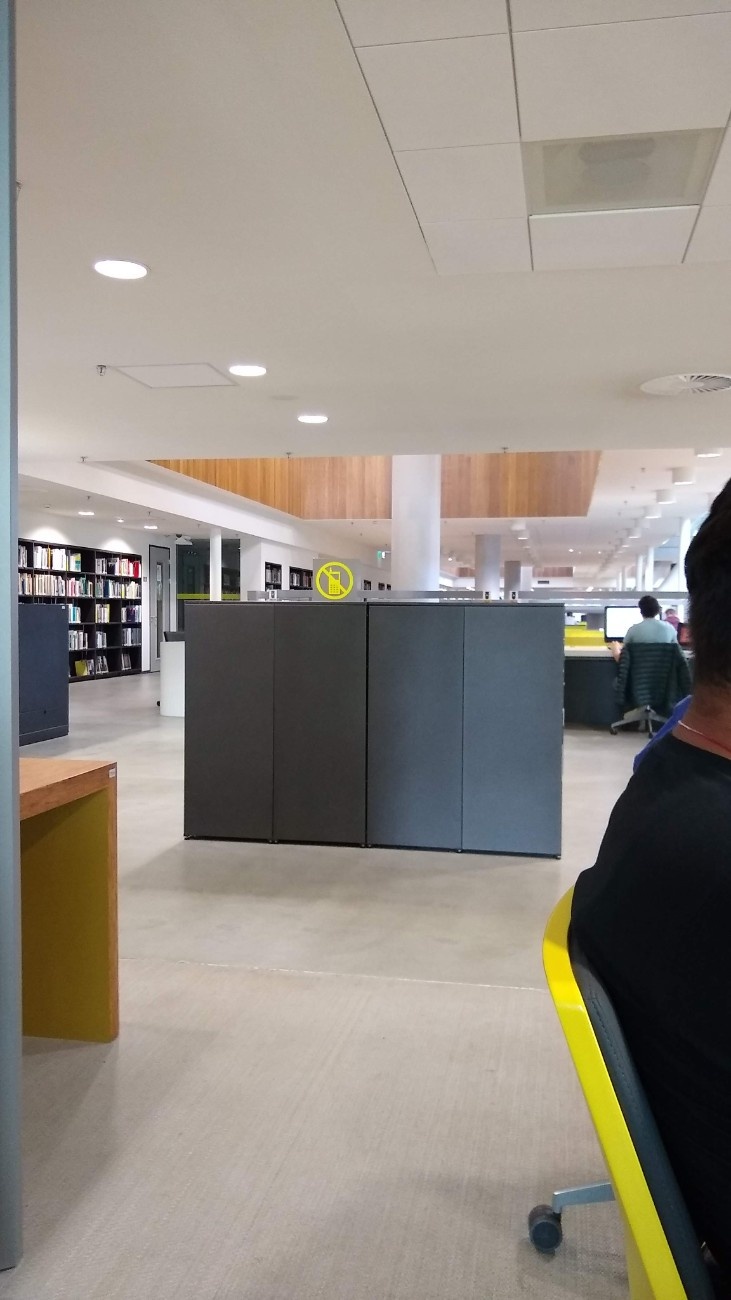
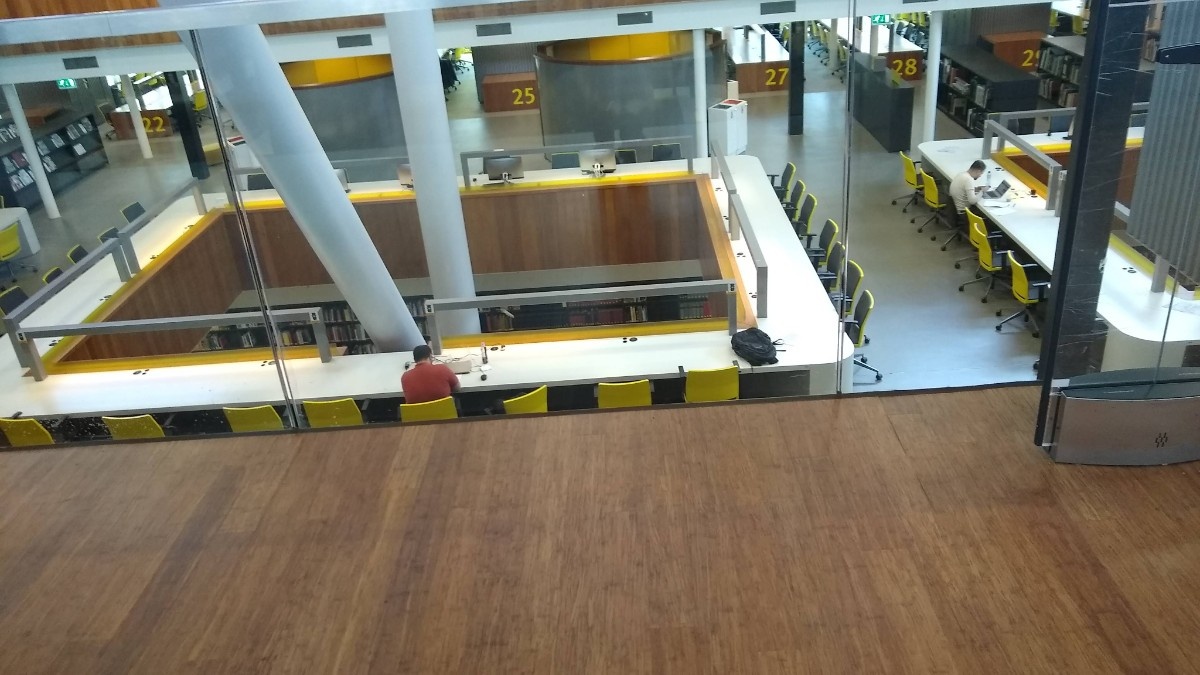
- I would say the campus environment is very vibrant and I get to meet people from different diversities and cultures
- I feel like the professors are very approachable and helpful which makes it easier to communicate your doubts with them be yourself around them.
- The area of research is given a lot of emphasis and has several labs and practical facilities to support application oriented learning in my university
Dislikes
- Sometimes the course workload gets quite heavy, especially when multiple deadlines fall in the same week, which can be a bit overwhelming
- Some courses such as advanced algorithms are highly theoretical and could include more practical or hands-on elements to make the learning experience even better.
- The cost of university oriented housing is quite high and could be reduced to make it affordable for students.
Scholarship
- I am aware there is a scholarship available for my course but I think you need to receive a high grade in your bachelor's and be academically excellent in order to get it. I know only one person in my entire friend group who has received it. The guidelines for receiving it are mentioned on the university website. I did not receive any scholarship. The name of the scholarship is ALSP/HS.
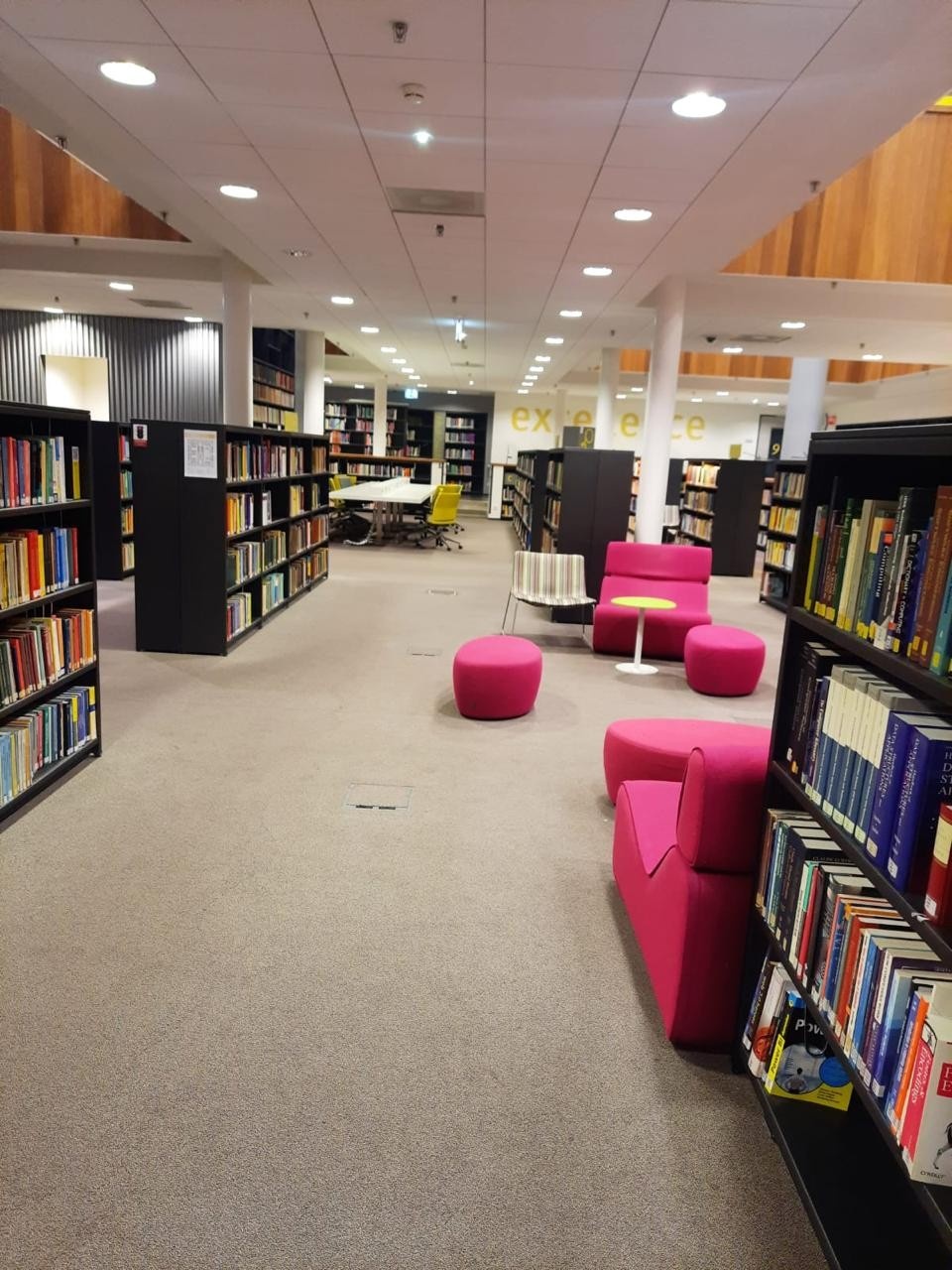
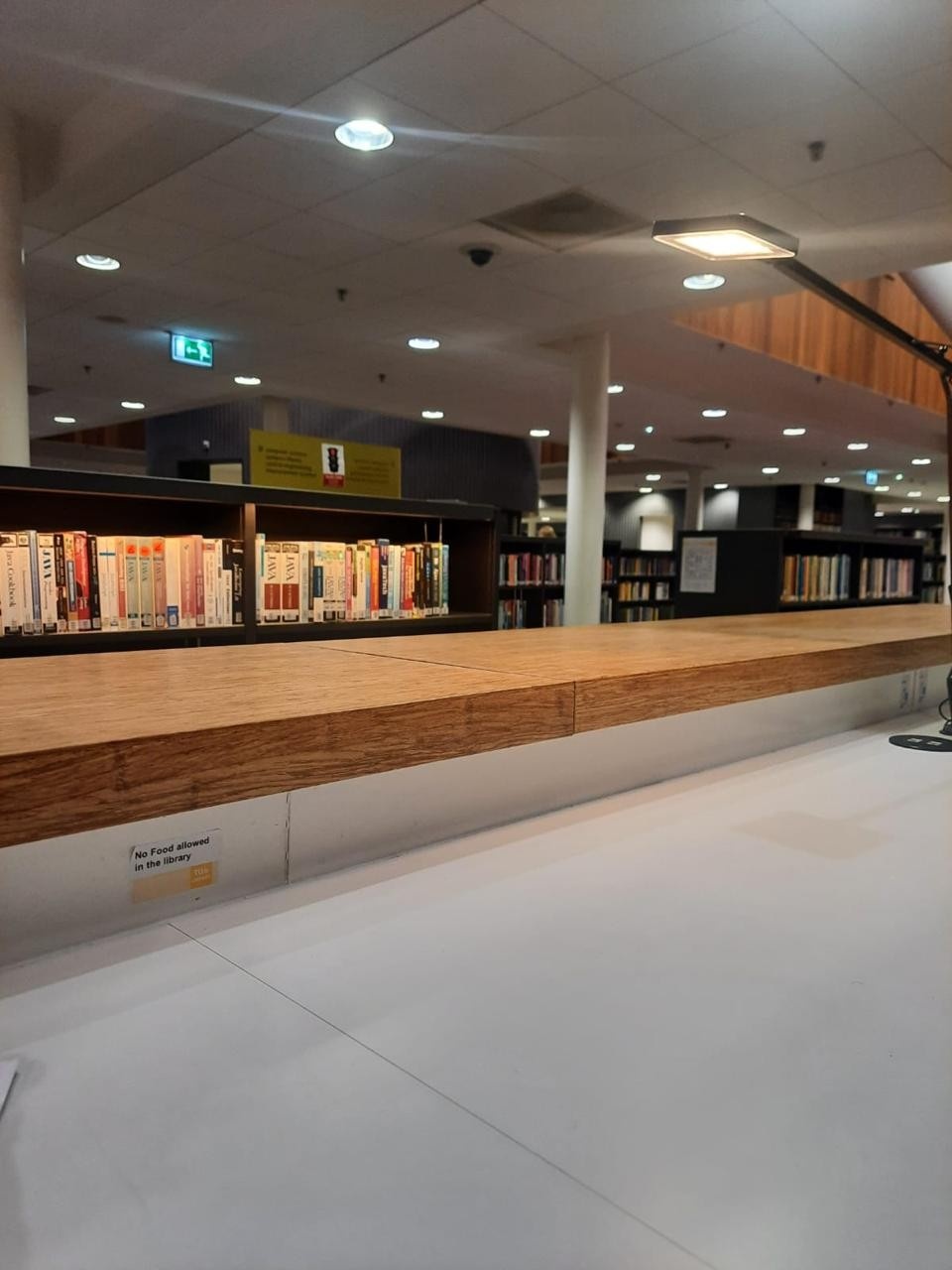
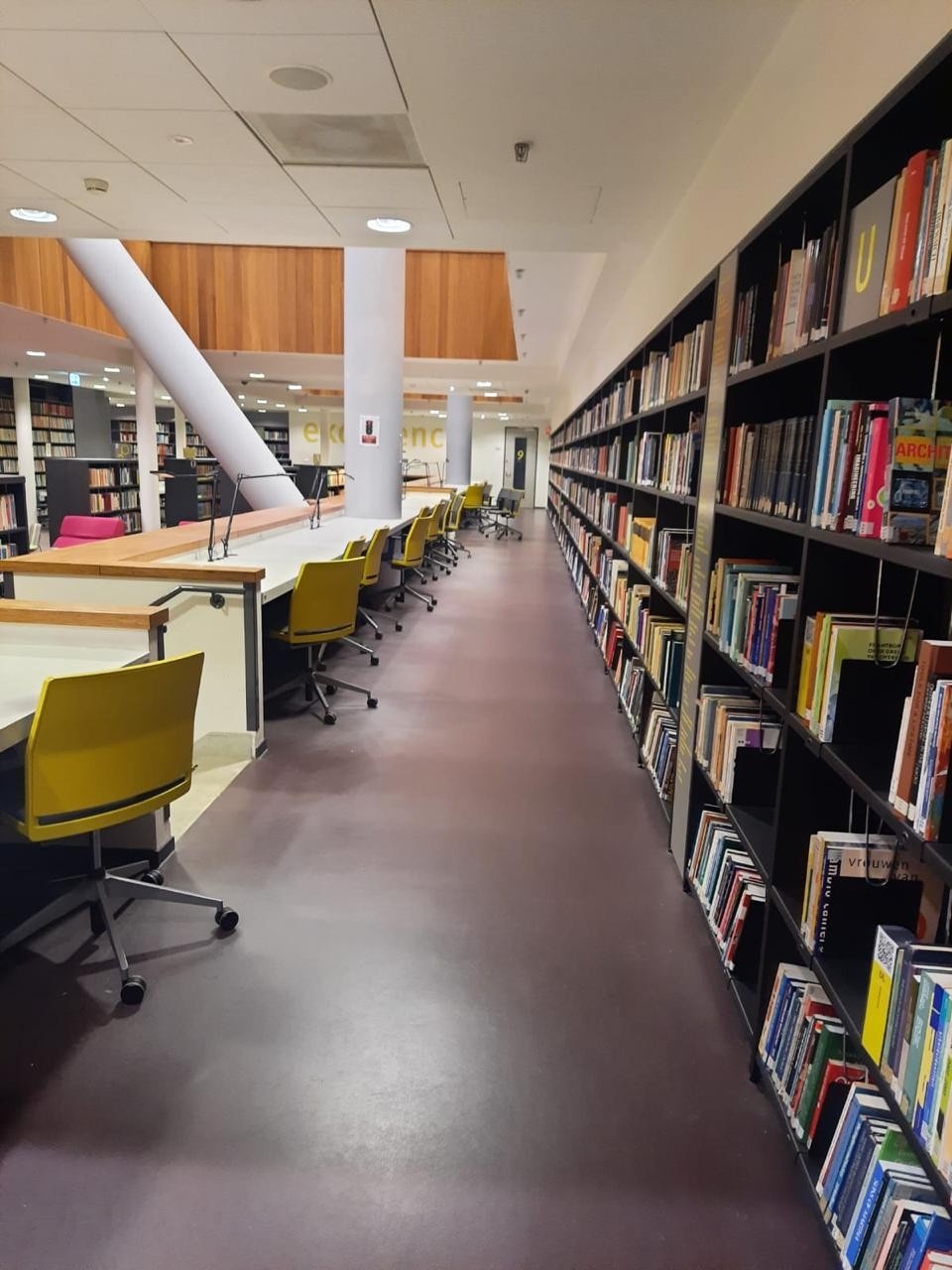
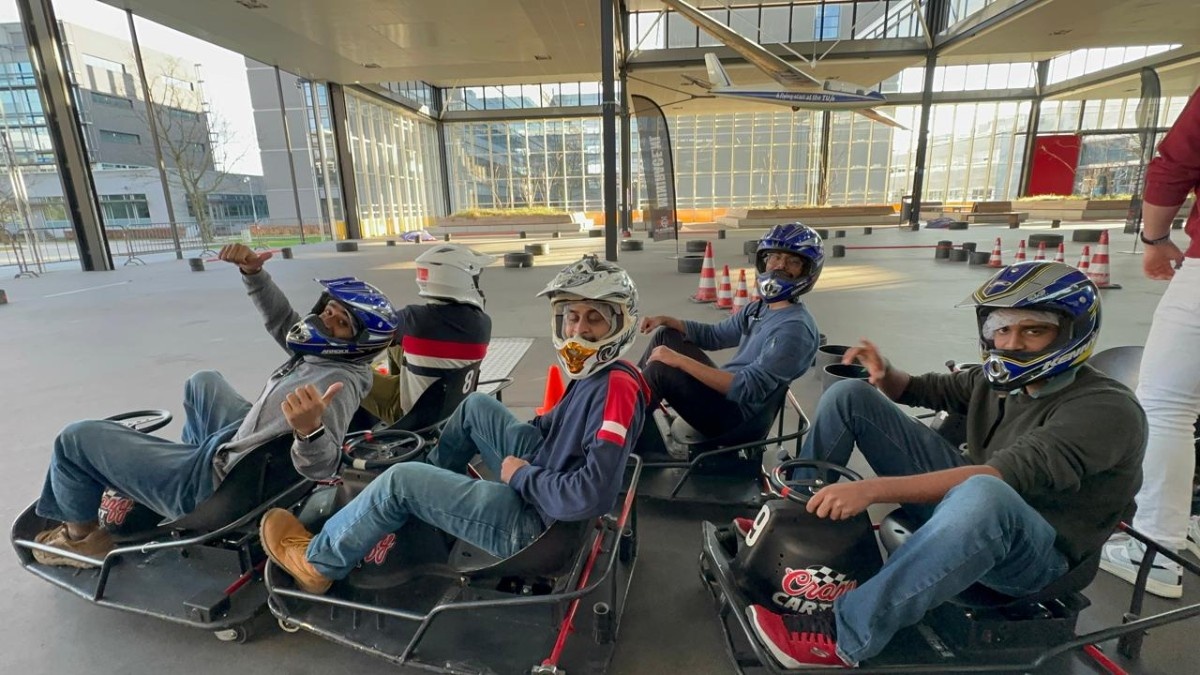
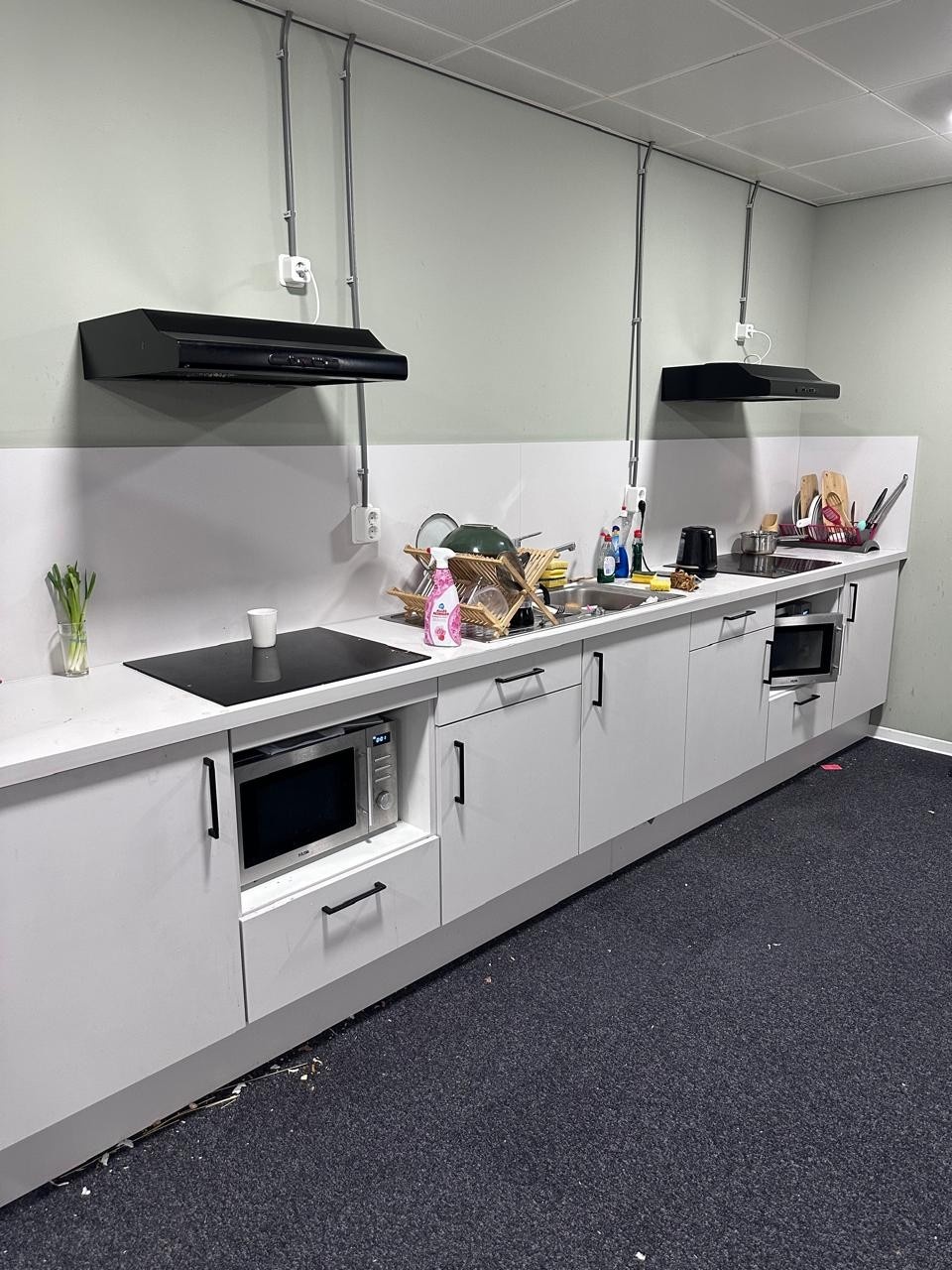
Likes
- Hands on approach - Based on the courses that you select, you will also have laboratory experiments/case studies where you can explore all the possibilities to provide a solution. University appreciates genuine solutions and does not always expect you to provide the right solution for those problems.
- Open choice for projects - You will have your own freedom for choosing the projects for courses/internship/thesis. One of the important things in an internship/thesis project is that you will also have the freedom to shape/change your problem statement of the project as you make progress.
- Mentor/Academic advisors - In continuation of the previous point. It is common to get confused in the selection of projects, that's where you have sought the help of academic advisors, who can guide you to the right person and offer support in case you are having some academic performance issues. Choosing a professor mentor in the field that you would like to work is an added plus. He/She will be able to make arrangements for any projects with industry people/university candidates. University makes sure you have both the connection within the first two months of your academic year.
Dislikes
- Too much self study - Sometimes it feels like you have to handle many things and bot on your own for so much during the initial days. The university doesn't give you time to adapt to their educational style and will demand more.
- Scheduling - There are many things that can alter the regular flow of the course schedule, like frequent train issues, protests, and hacking. These events mostly will bother your regular schedule and rescheduling will kind of be a mess.
- Teamwork - There are also some effects due to the above point in case if you do have a course related to teamwork/group projects. In some cases the train strikes will cause your teammates to be unable to travel so you'll have to do their work, although if they are present via Teams. Group project demands contribution from each person and proper workload is not divided, it can also cause unnecessary stress and the university does not help much in this case.
Scholarship
- There are scholarships available, like the ALSP (5000 EUR per year) and the Holland scholarship (5000 EUR) per year.
- I was not selected for the scholarship. For non-EU people, we have to apply for admission before the month of February so that you will automatically be included in the eligibility list.
- My batchmates didn't receive any scholarships, so it is quite a demand to get one too.
- I am unaware of the average details and further info.
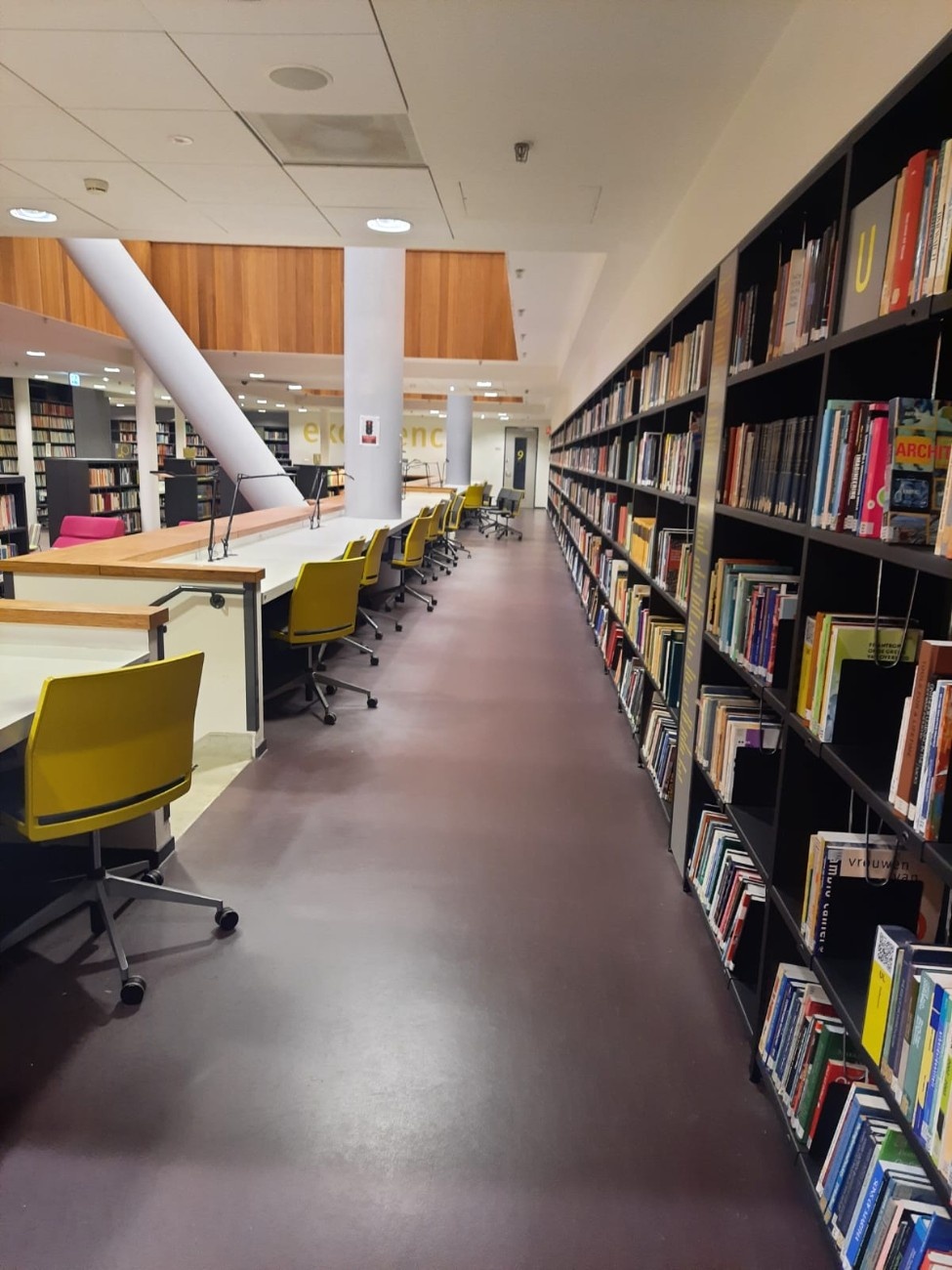
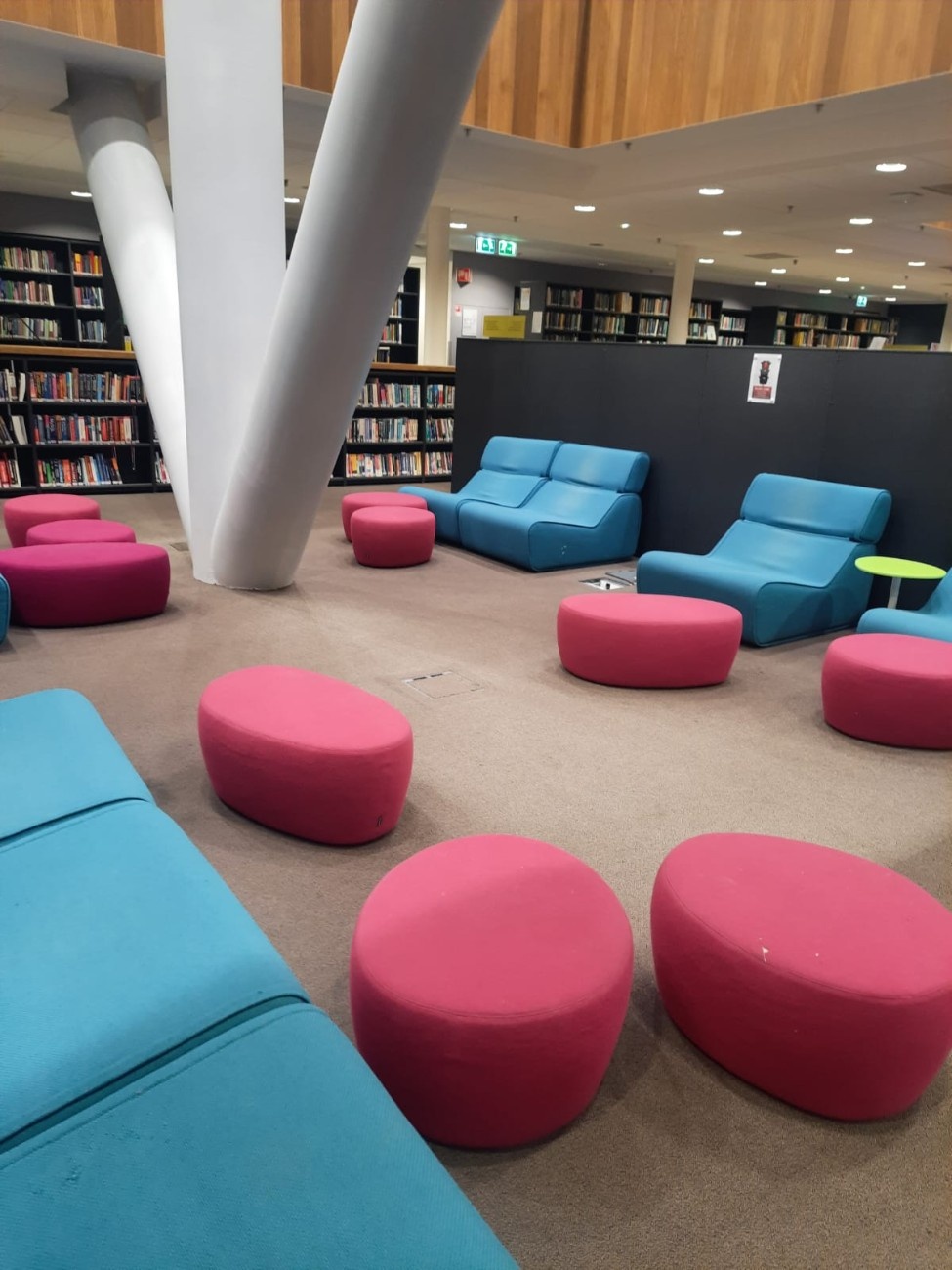
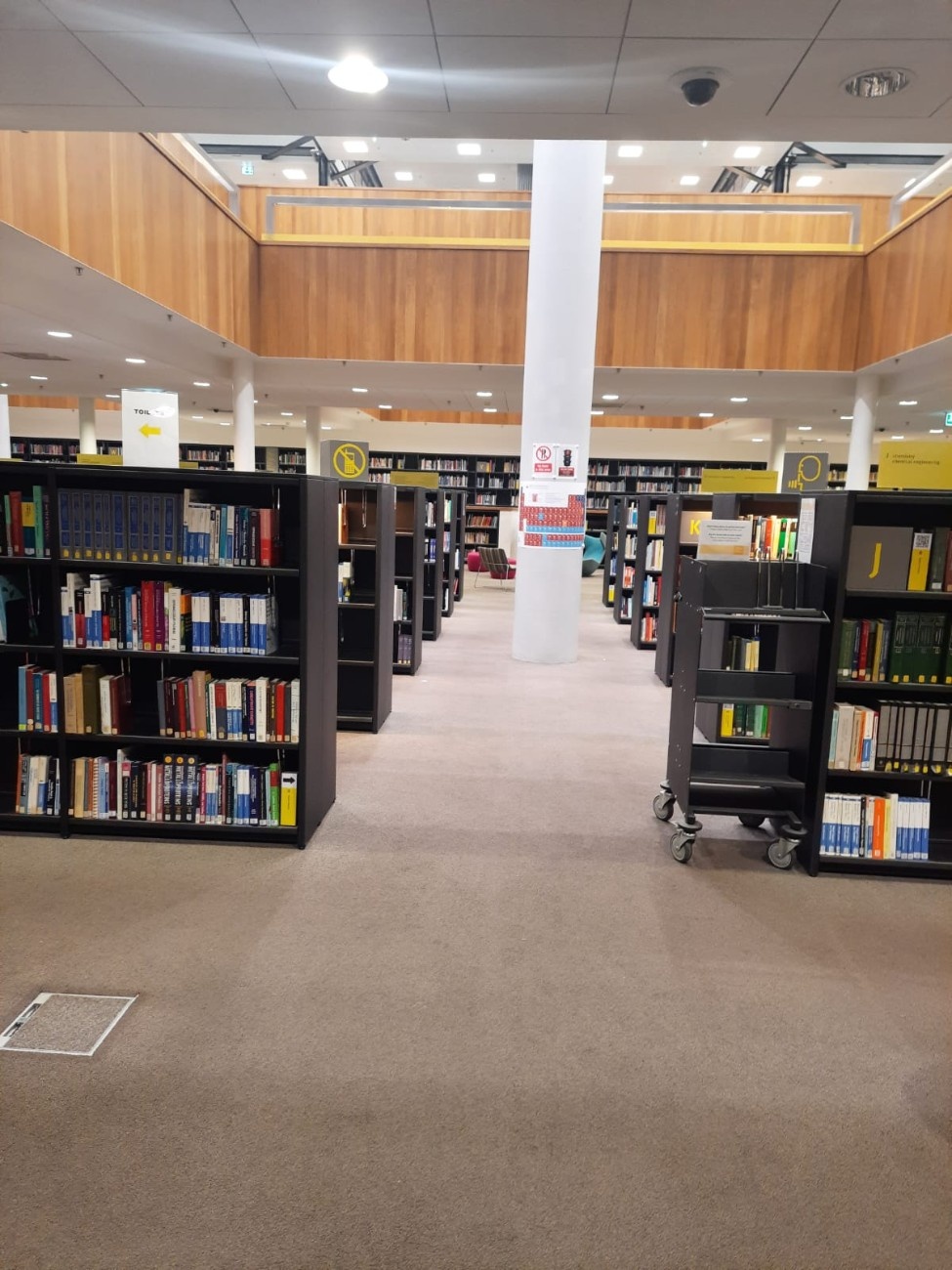
Likes
- Balance between theory and practical projects
- Group projects with at least 5 members to promote real life teams
- Interdisciplinary projects between mechanical, chemical, sustainability engineers
Dislikes
- Crowded classes as the auditorium only had about 100 seats or so
- Expensive tuition fees for an international students
- Limited course availability for some electives (overall good)
Scholarship
- I personally did not receive any scholarship; however, I do think there are things in place for that. I have seen some people get around 3-4K euros of tuition fees removed per year but not the full extent of tuition fees, though.
- The amount of scholarship could be an estimate of about 10-15 on the generous side per year. There is a student transportation card available for students to use and also insurance is really good with about a 66% discount for students for normal insurance.
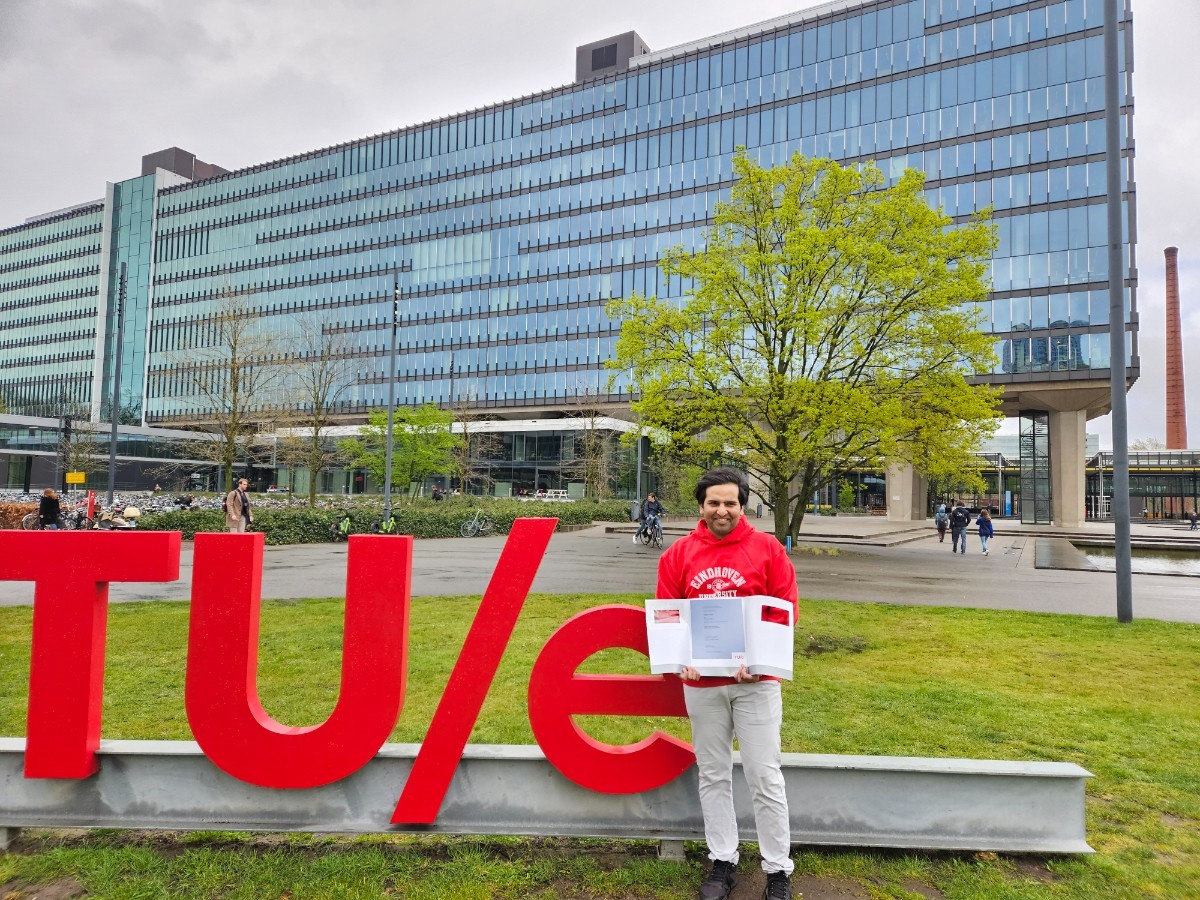
Likes
- Lot of different specializations to choose from.
- The proximity of the university to Eindhoven's automotive high-tech campus (in Helmond) gives great exposure and opportunity.
- Extremely talented and qualified faculty.
Dislikes
- Expensive when compared to EU citizens. Non EU citizens pay 17000-20000 euros p.a. whereas EU citizens only pay 2000 euros p.a.
- Some specialization groups like to extend the thesis research for a long time leading to additional expenses for students. But I think now there is a cap on how long the thesis can continue.
- Very limited student housing options. The two student dormitories in campus have a combined capacity to house around 800 students, whereas the total university strength is > 10000.
Scholarship
- No, I did not receive any scholarship.
- A few of my batchmates received it. I think scholarships range from 50% tuition fee to 100% tuition fee and some percentage of living expenses.
- I am not sure about the exact number of students that receive scholarships each year, but around 5-7 students from a class of 60 students had scholarships when I was studying there.
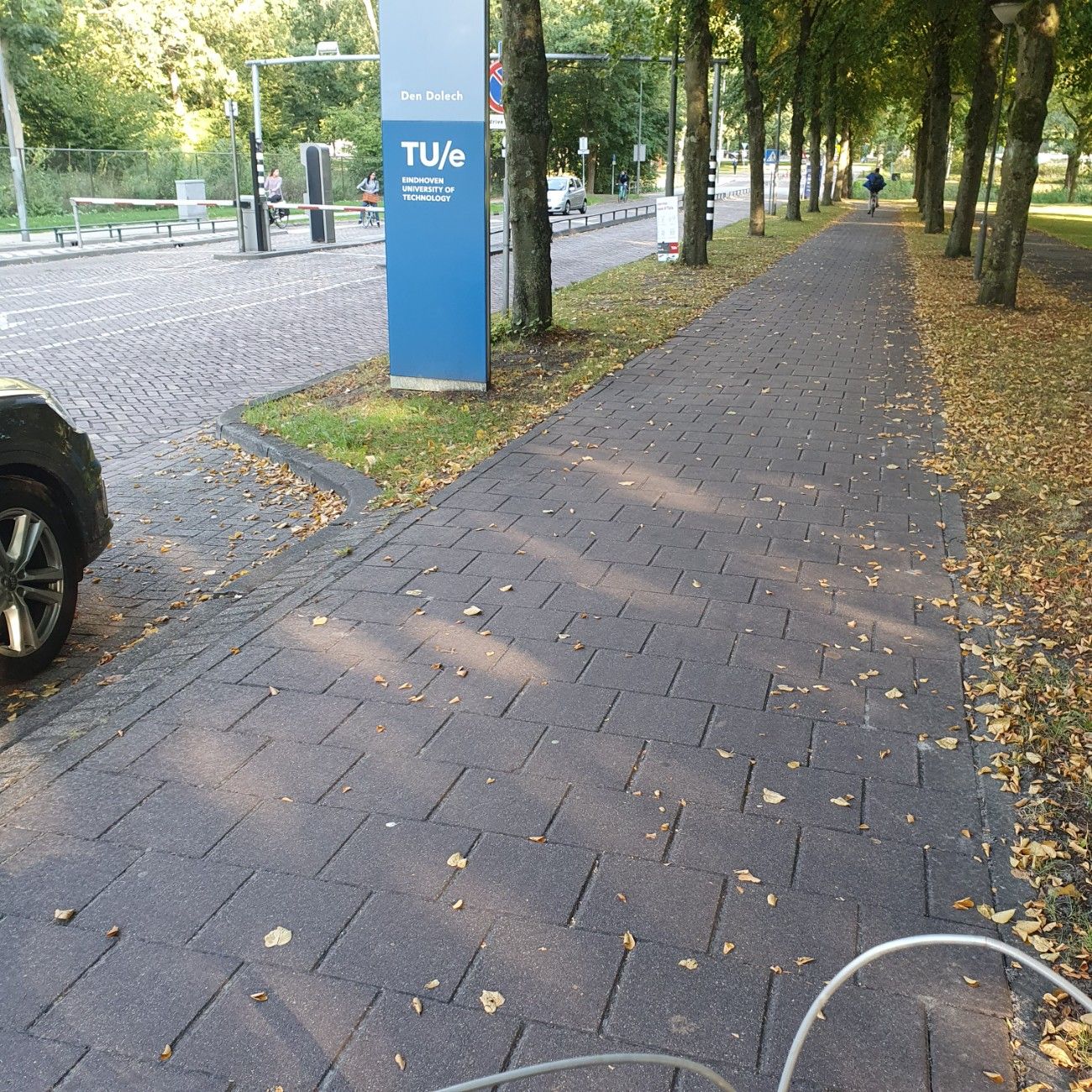
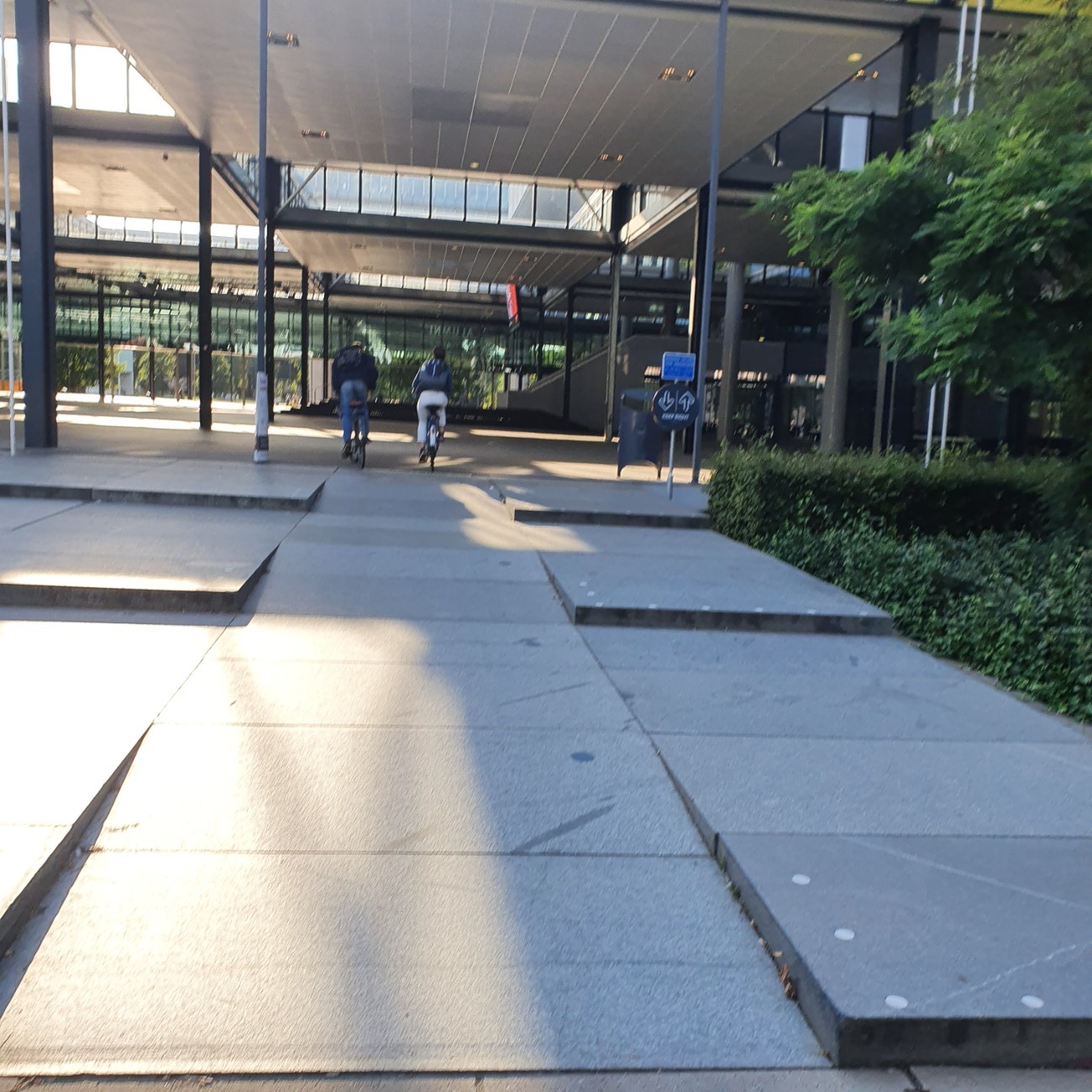
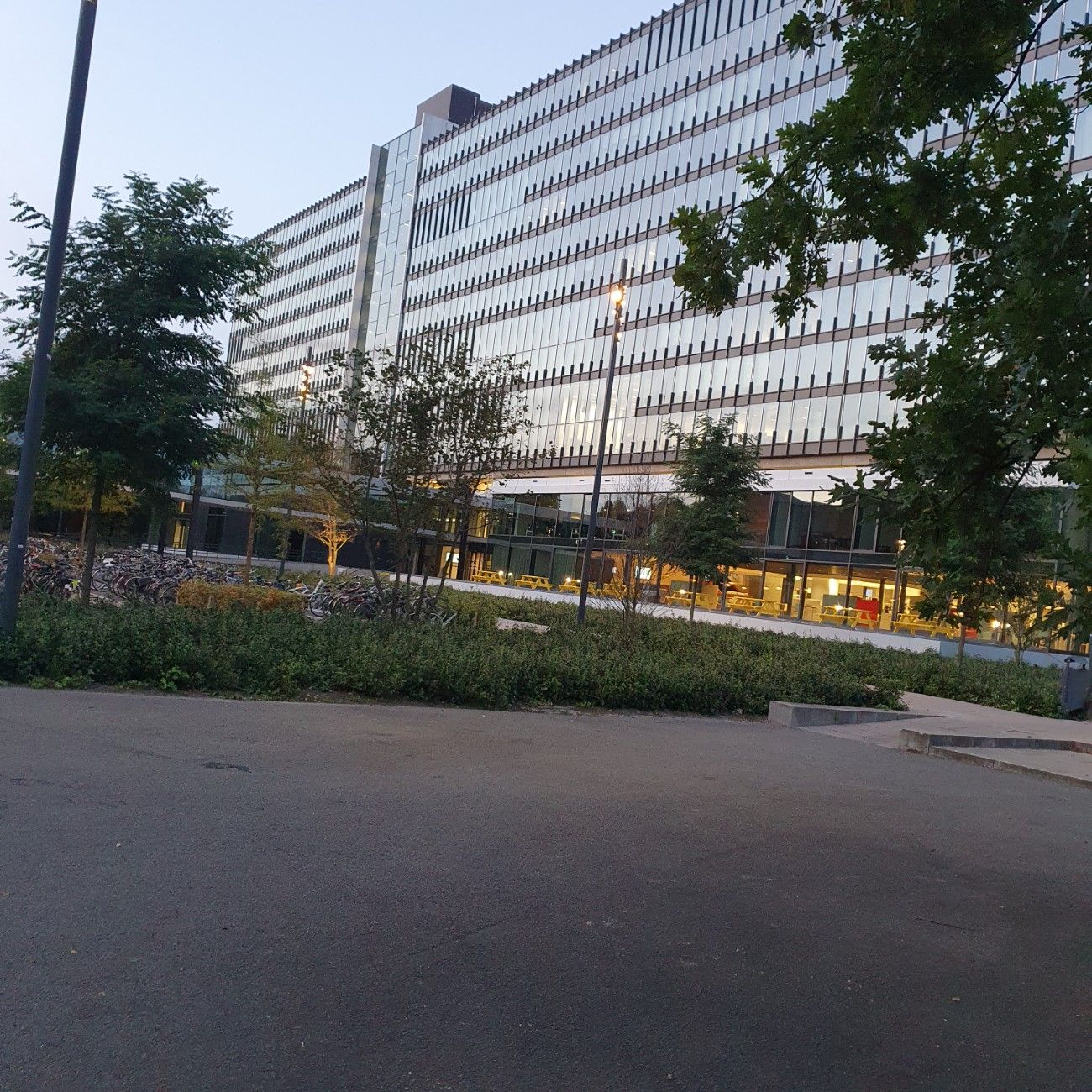
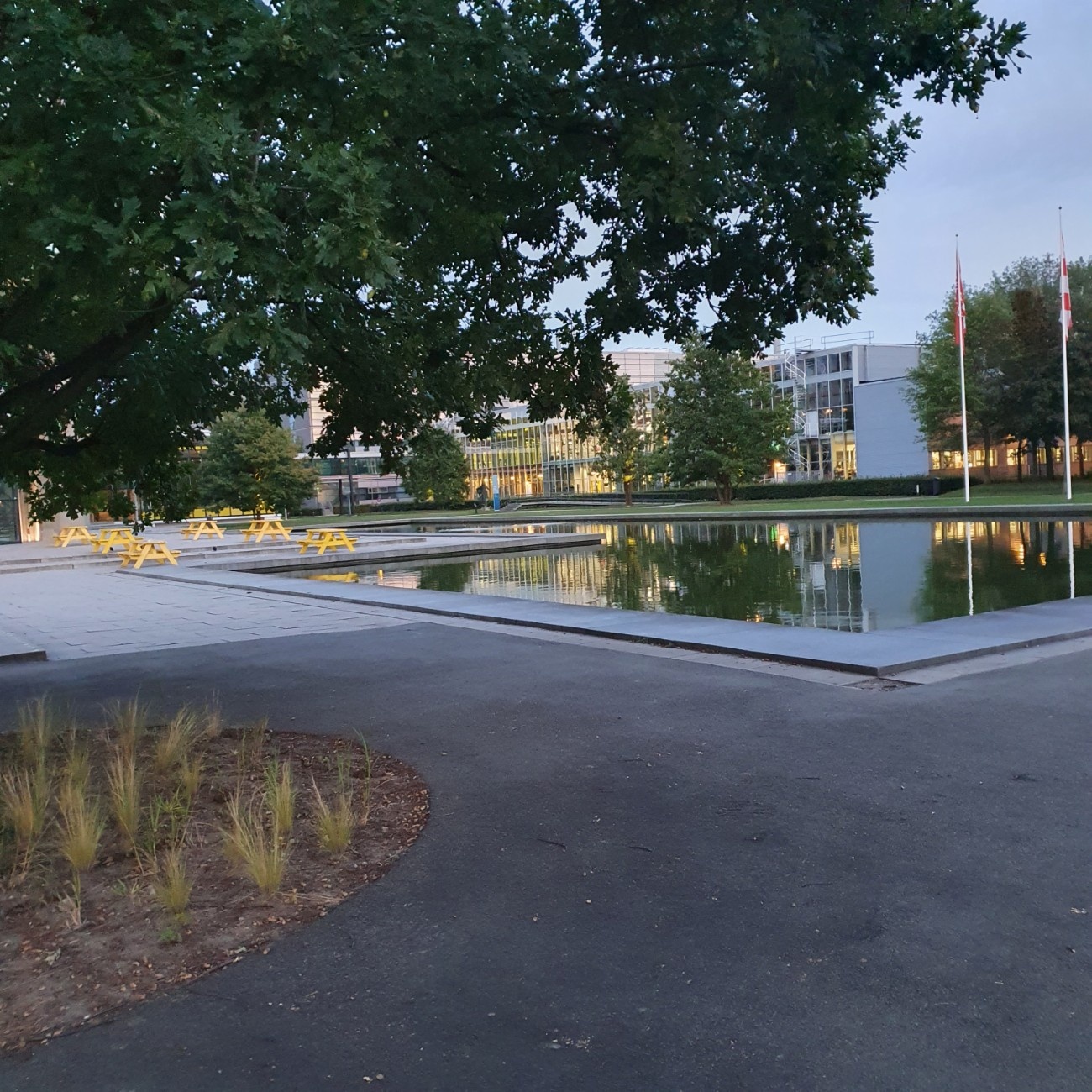
Likes
- Close proximity to high tech industries in Eindhoven so lots of internship and project opportunities
- High research oriented professors and faculty
- International community is very active and vibrant in the university
Dislikes
- Highly engineering focused university, lack of other disciplines is evident
- International tuition fees is very steep, compared to EU tuition fees
- Masters program have a tendency to get extended due to internship/thesis project administrative issues, which implies students have to pay extra fees for the extended period
Scholarship
- Yes, there is a scholarship that is with the Dutch government. Scholarship amounts vary based on students. It can vary from completely free or partly reduced tuition fees or sometimes they provide a living expense amount as a stipend to the student. I am not sure about the process now.
- I did not receive a scholarship so I don't know too much about it.
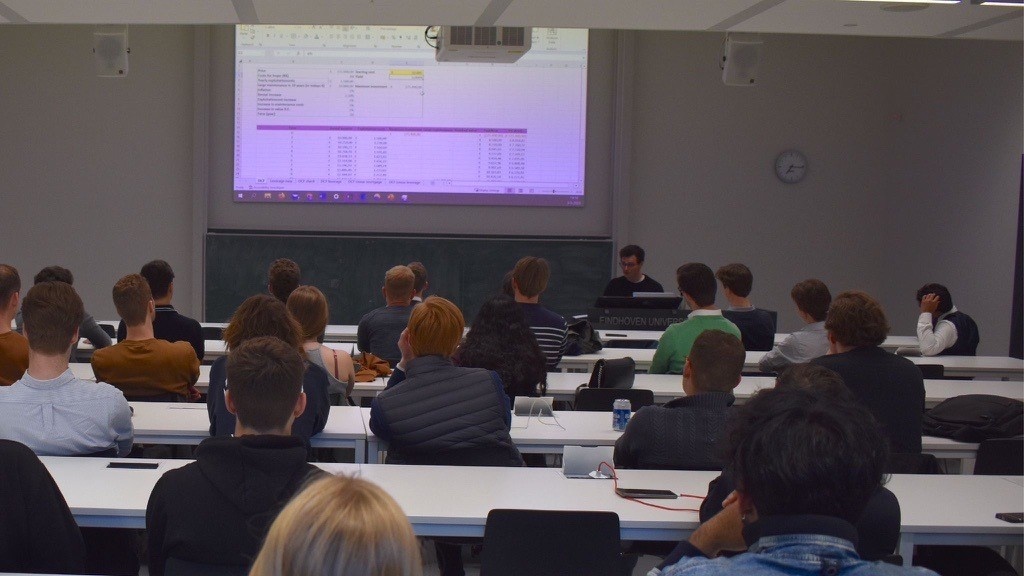
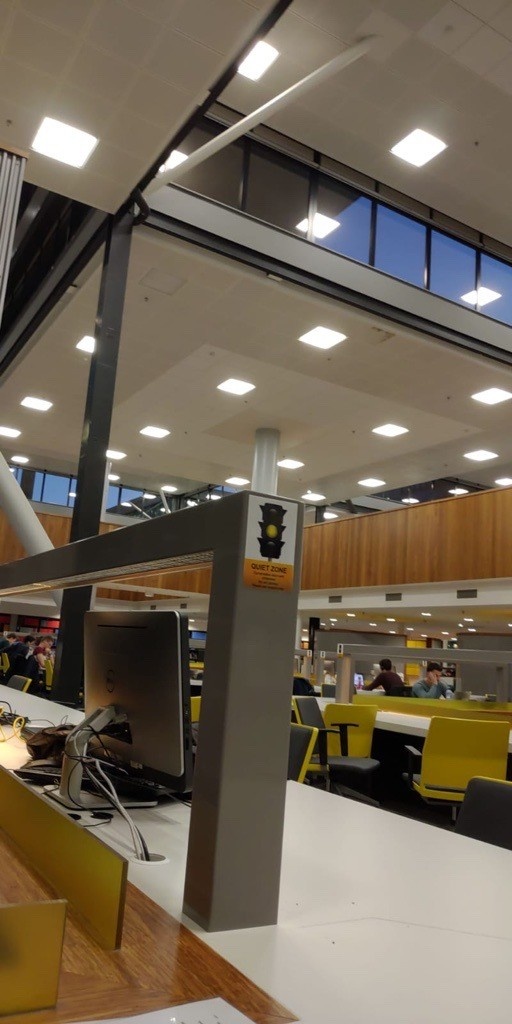
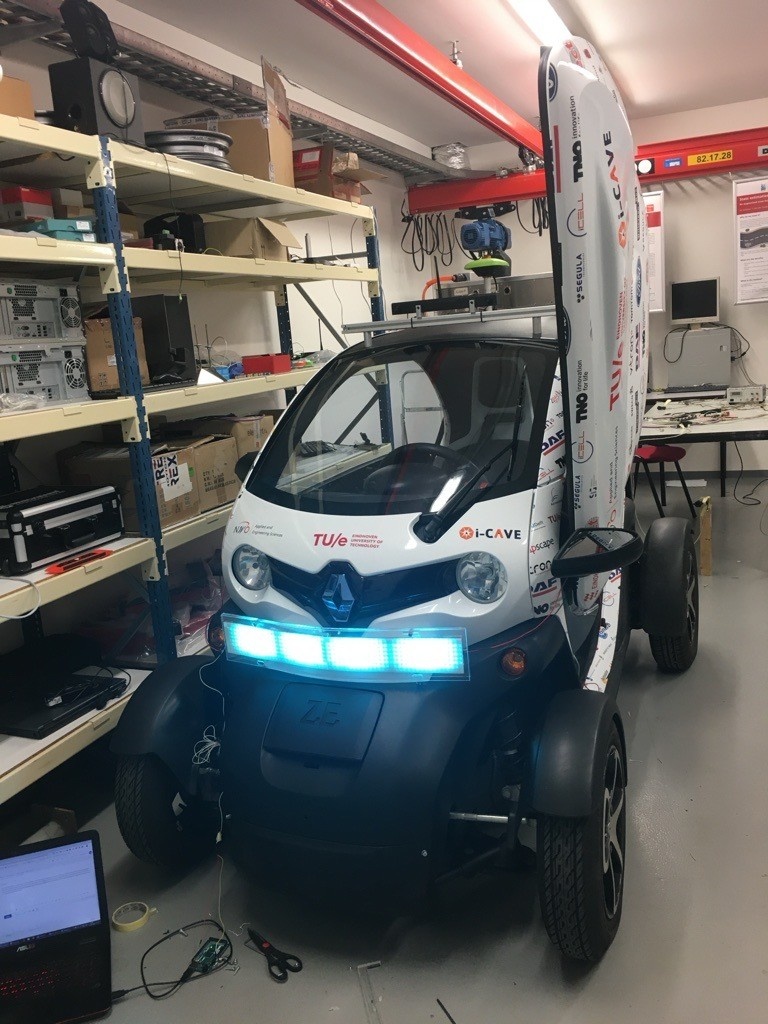
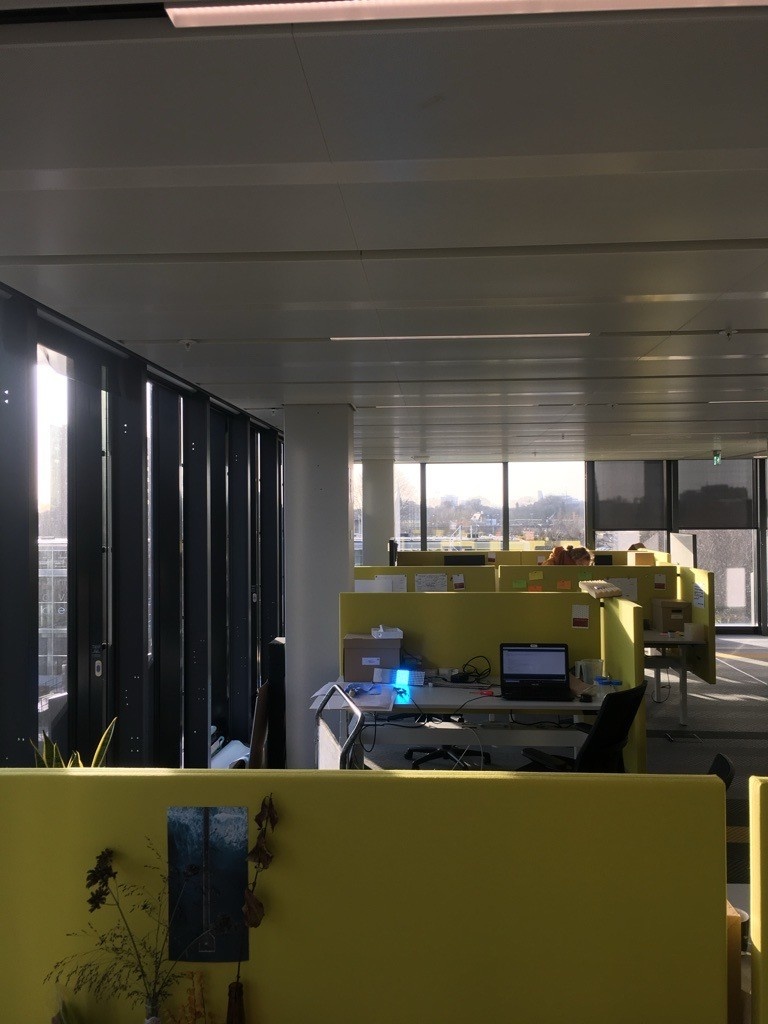
Likes
- Great international environment and diversity
- Well educated faculty from several countries
- World-class facilities when it came to machinery and equipment
Dislikes
- Complicated administrative processes
- Lack of flexibility and leniency
- No affordable cafetaria and restaurant available on campus, also closest grocery store was quite far to go in between during classes
Scholarship
- Unfortunately for the Bachelor's there are no scholarships available for students coming from India to my program.
- There are, however, options for a scholarship for Master's if you perform exceedingly well within the university and achieve cum laude during your Bachelor's (at least an average GPA of above 8 and a high score for your final thesis [above 9]).
- There are also scholarships provided by companies in the region, like ASML but all of those scholarships usually act as a max of 5-10k per year (Master's costs 21k per annum).
- One of my batchmates was offered a 50% scholarship but went to the UK instead. You can estimate only 25% of students graduate within 3 years each year at a maximum; out of that, not even a tenth probably get these scholarships.
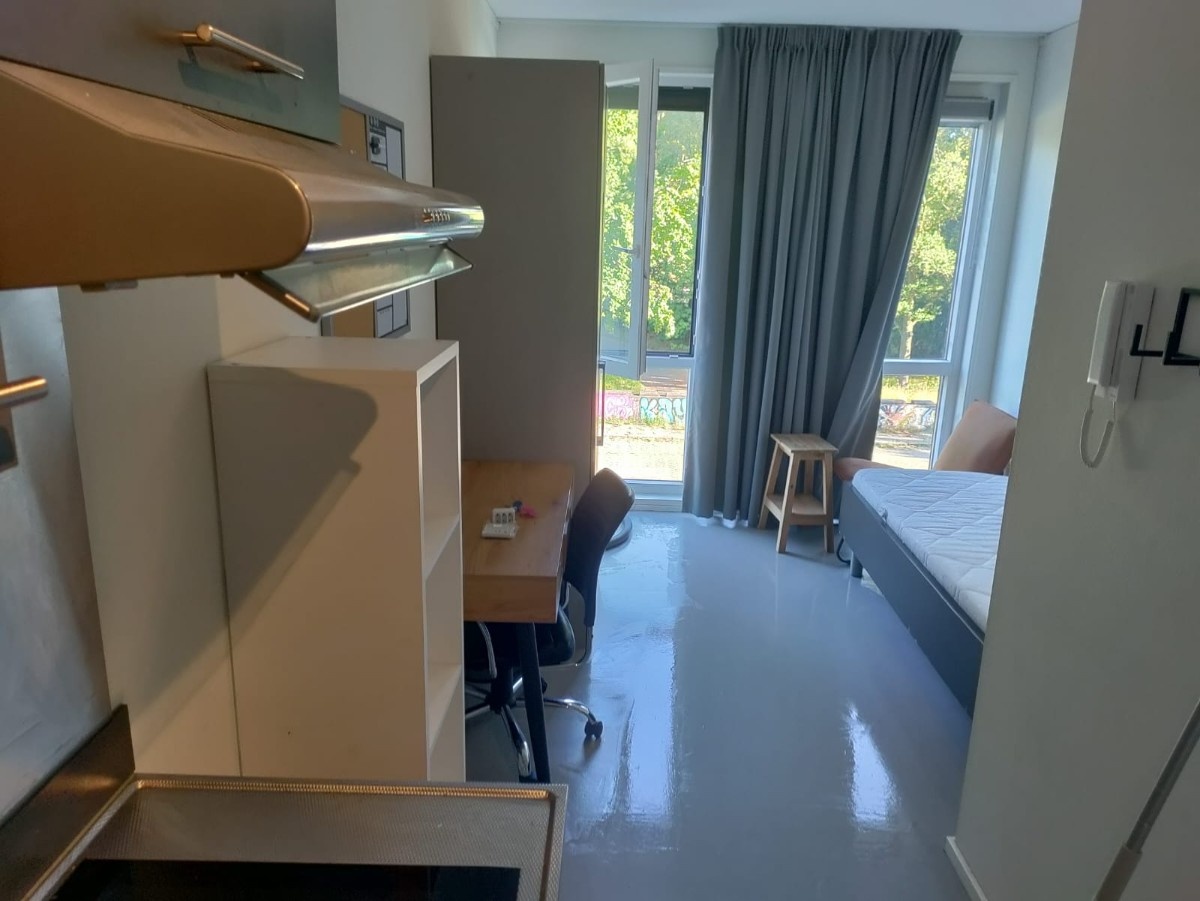
Likes
- Cultural diversity
- In vicinity of many companies and ASML headquarters
- Balance between research/academia and industry related course content
Dislikes
- Less chances of collaboration with other students for studies
- Some professors and courses are too demanding
- Some of the facilities in some departments are old (monitors, pc, etc.)
Scholarship
- ALSP scholarship is the one which everyone applies for. If you apply to TU/e before 1st Feb, then you are considered for it but the competition is too much. I did not get any scholarship. You need to have a high CGPA for this. Out of 2500 applicants, only 50 are awarded the scholarship.
- There is a scholarship from ASML and the amount is 5000 euros for a year. It does not cover the entire amount but it is still helps. The criteria is any student having CGPA above 7.5 is eligible. I was aware of this so didn't apply.
- There are India based scholarships (interest free loans) as well which help students cover some part of their tuition fee. I think Mahindra and TATA give them, I was not aware of this as well so couldn't apply.
%20-%20Akhilesh%20Aralikatti.jpeg)
%20-%20Akhilesh%20Aralikatti.jpeg)
%20-%20Akhilesh%20Aralikatti.jpeg)
Likes
- Supporting faculty, you can ask them about literally anything even how to get best groceries.
- State of the art facilities like testing labs available.
- Innovation labs, you can ask for a model of your prototype 3d printed for free.
Dislikes
- Didn't feel at home.
- No sense of belonging.
- No placements, but companies pick students based on if they worked there in the internship.
Scholarship
- Yes, it's by the university itself. You get immediately considered when you apply but a few get it. No idea how many students receive it but only tuition fees and even if you do get a scholarship, you still have to wire the tuition fee of 16500 euros which you get back later.
- You also get back the 10,500 euros back for spending, it's just that university should know you have that amount.
interested in this College ?
Follow & Share this college to get information about admission.



Comments