


Reviewed on Jul 10, 2026(Enrolled 2022)
What Students Say
Likes
- It is a very international school, and every class of mine had student from different nationalities. The best part is that the internationality is not limited to european countries, but I have made friends from all regions including Australia, Middle East, Asia, South and North America. This gives you a lot of exposure, and is a unique quality of the university.
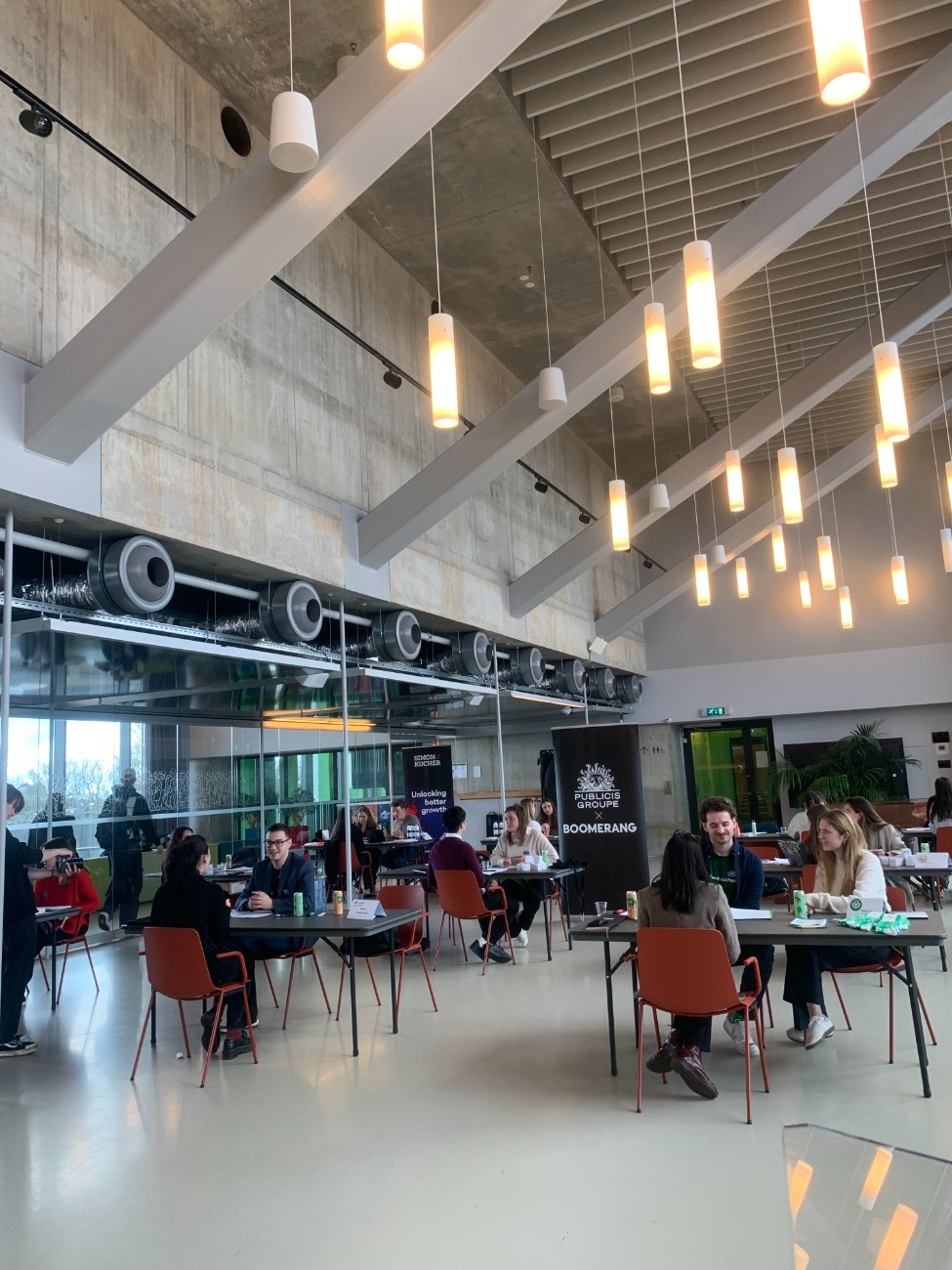
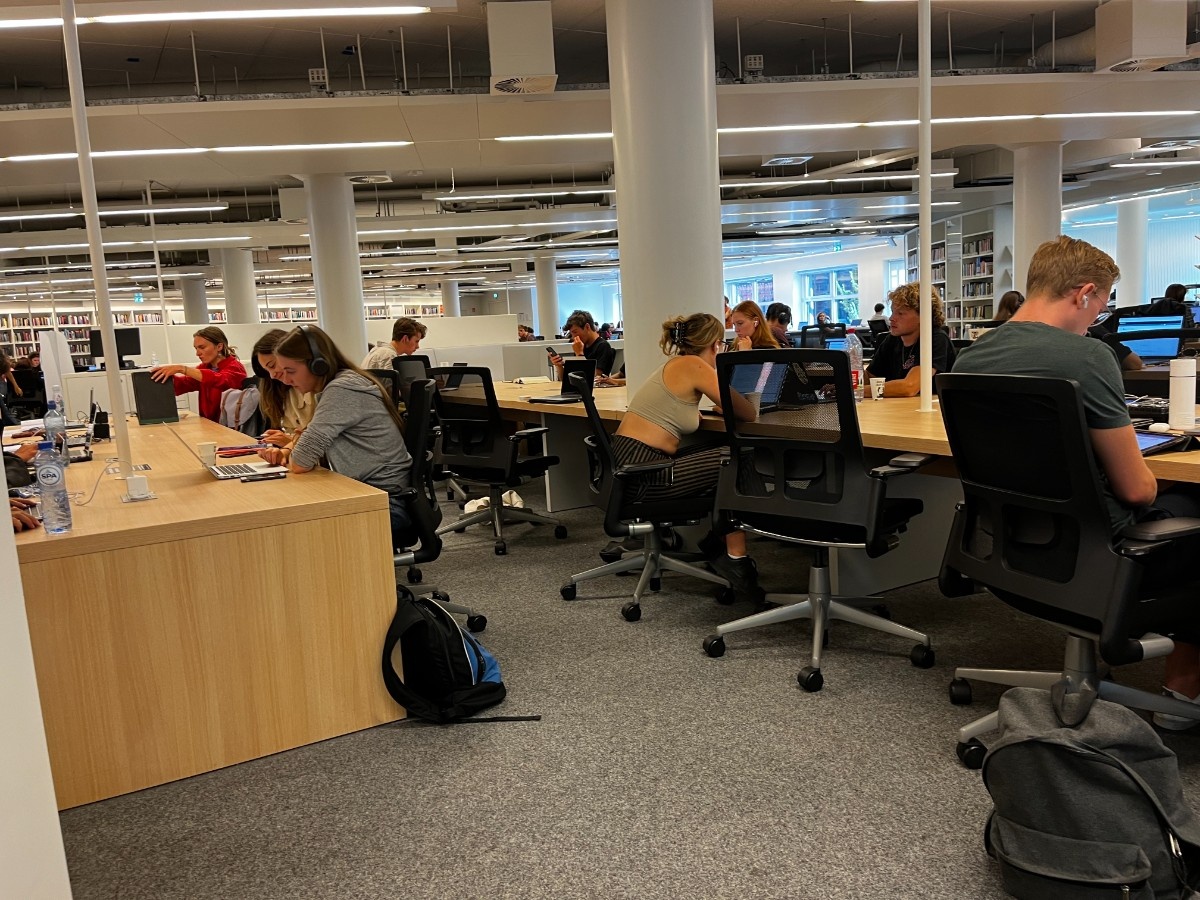
- Great facilities are provided by the university, including study spaces almost everywhere you go with multiple libraries and the option to also book tutorial rooms and lecture hall through a digital portal for collaboration.
- While UvA already has 3 different campuses spread throughout the city, because of the large student size of some courses (including mine), classes and exams are held at different locations than the campuses as well. This includes giving exams in places like World Fashion Center or having lectures in famous De La Mar Theatre or Aula Church. Just the opportunity to explore and study in these beautiful buildings is really a great experience.
Dislikes
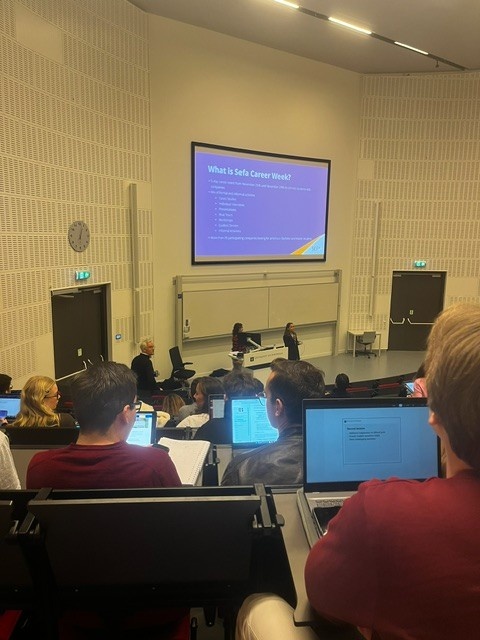
- The university is not the most helpful in finding you a job after graduation or while you are studying. While they provide enough resources for you to prepare yourself for the real world and do have a dedicated career center, yet there is no job guarantee.
- The housing crisis in amsterdam is one of the worst in the world. Even though UvA used to give priority to non european students by giving them priority housing in the first year, they have removed that rule now and does not offer any help apart from resources in trying to help find a room even if you get accepted.
- There is very limited interaction with the professors and tutors outside of classes.
Course Curriculum
8
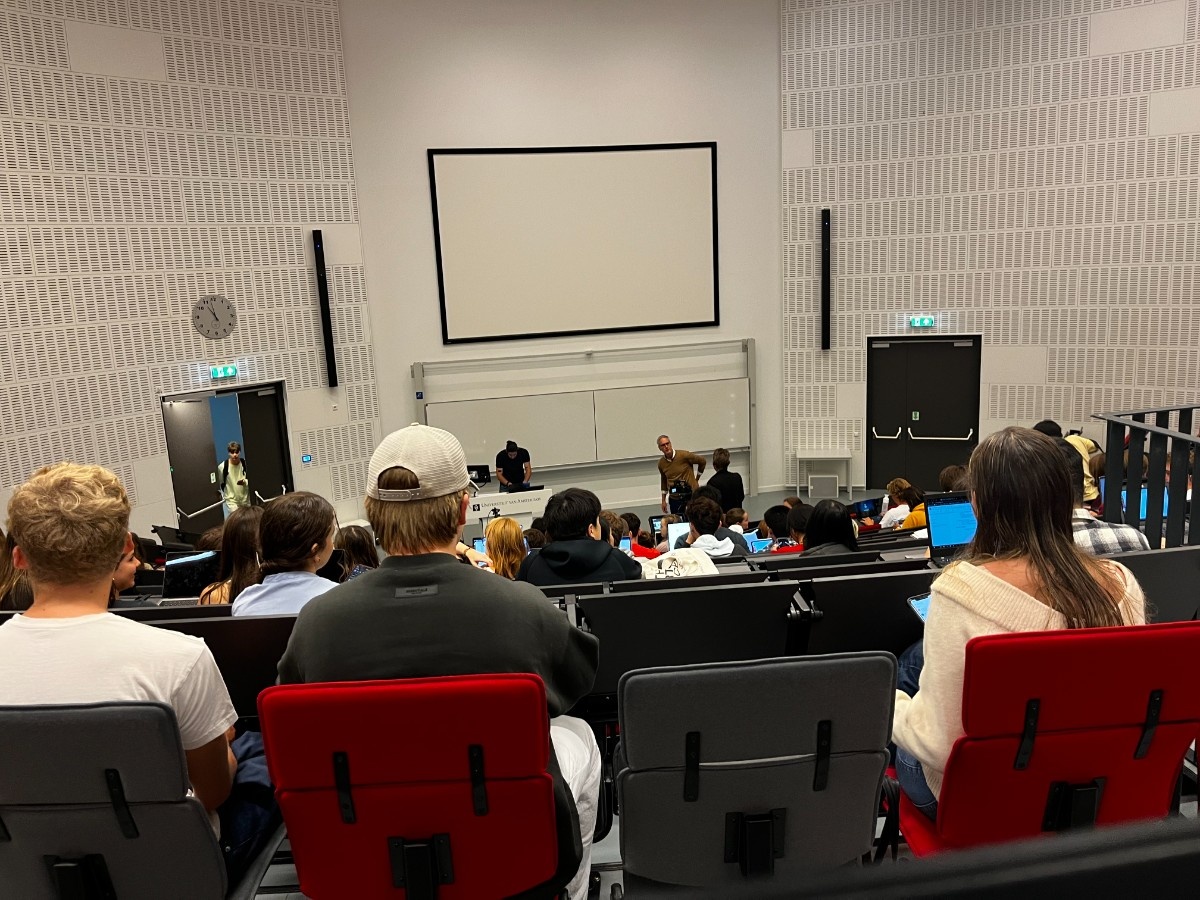
- Course curriculum was a mix of both theoretical and practical learning. As I mentioned before, every course you take has a different teaching and examination style, so it is quite diverse in that sense. Lectures are usually held for EVERY student enrolled in the course. (which can be 700+ sometimes). Tutorials on the other hand are smaller for 15-30 students where we focus more on solving things one on one or having group discussions, debates or presentations, according to the course structure.
- The course structure is divided as well: Every year -> 2 sem (sep - jan, feb - june
Every sem -> 3 periods (2 months - 2 months - 1 month)
Every period -> 3 courses (except period 3 and 6 which has 1 course that runs the entire period)
Every course -> 3 classes (2 lectures and 1 tutorial)
Admission Experience
- I chose University of Amsterdam over the others as it was very high ranked in the QS rankings and well recognized research university. A lot of credit also goes to the destination itself, as amsterdam. and the Netherlands in general is known for being safe, pretty, multicultural and queer. Lastly, as the only European university I applied to, it also had the cheapest tuition.
- As for the admission process; step 1 was to register in studielink. (which is the portal one has to register for if they are applying to any dutch university)
- Then I had to upload my academic transcripts, cover letter, english test results, CV and predicted grades. (The eligibility criteria for my specific course was >B1 in all subjects in final grades, an english proficiency exam (ielts/toefl/etc.) and a math exam ONLY if you don't study it in school).The second part of the admission process was a selection exam. (*Specific to my course).For this, we were given 2 weeks to prepare for an exam with 3 parts (strategy, economics and math). The resources were provided by the university and after the exam, everyone was ranked based on how well they performed. In my year, the top 750 people were offered a place in the program. (might have changed it to 850 now)
- Once I submitted by final board results, I got a final offer. The overall experience was quite hectic and chaotic for me as everything was going well, and I got a spot, I applied for the visa, paid for the housing, etc. and then my board results came where I got a B2 in math and hence I did not meet the requirement. My life froze for some days when UvA cancelled my admission upon seeing the results, however, I did not give up and kept emailing them till they gave me an alternative to give the Dutch OMPT exam and score at least 60%. The rest is ofcourse history hahaha.
- There are 2 intakes, february and september intake. I applied for September as I was graduating high school in July the same year.The deadline to apply for international students is somewhere in January if you want to start in September. The selection tests have two dates that you can choose from and for me was held in February, and by April, I already have my conditional offer.
- University Of British Columbia - Accepted
Schulich School Of Business, York University - Accepted
University of Alberta - Accepted
University of Toronto - Rejected (Likely because of the high degree of applications and more rigid screening process, even though I did my best in the application and had a strong profile as well, I believe the school is considered really competitive)
UvA - Admitted
Faculty
8
- The faculty to student ratio is quite good. Although the lectures are quite large, the tutorials provide room for individual feedback and discussions. For every course there's multiple seminar/tutorial teachers next to some lecturers, plus a lot of courses also have guest lectures.
- The teaching methodology is a mix of theory based learning, group presentations and projects, individual assignments, debates, or writing essays/research paper, which in my opinion, is a very holistic approach and helps us fully understand the course material.
- No faculty member directly helps students in finding jobs through personal networks or references, although, the economics and business career center do provide CV and LinkedIn checks, feedbacks, and guides you with the right resources. They also host a lot of events throughout the year for students that will help them land a job.
Campus Life
8
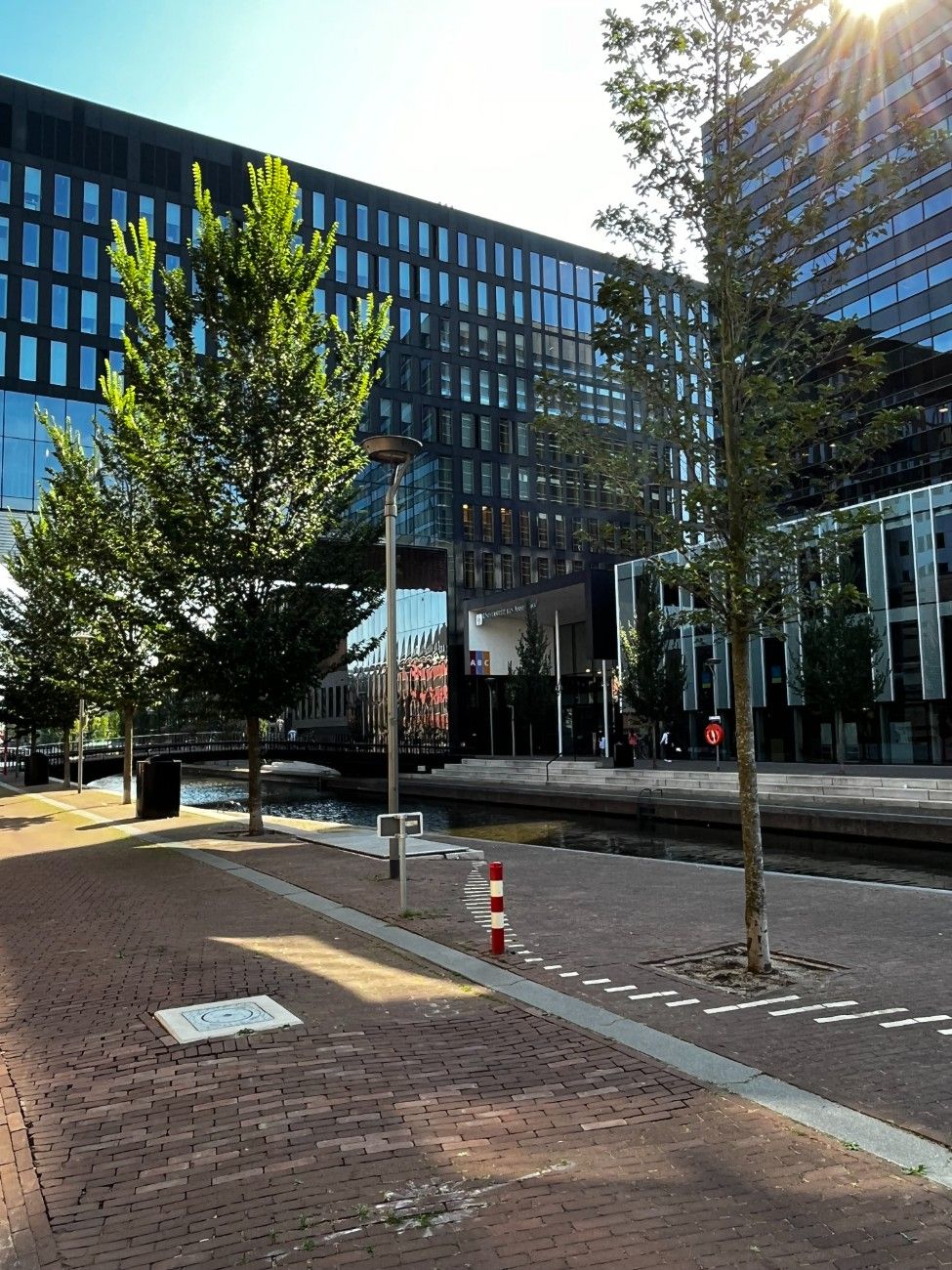
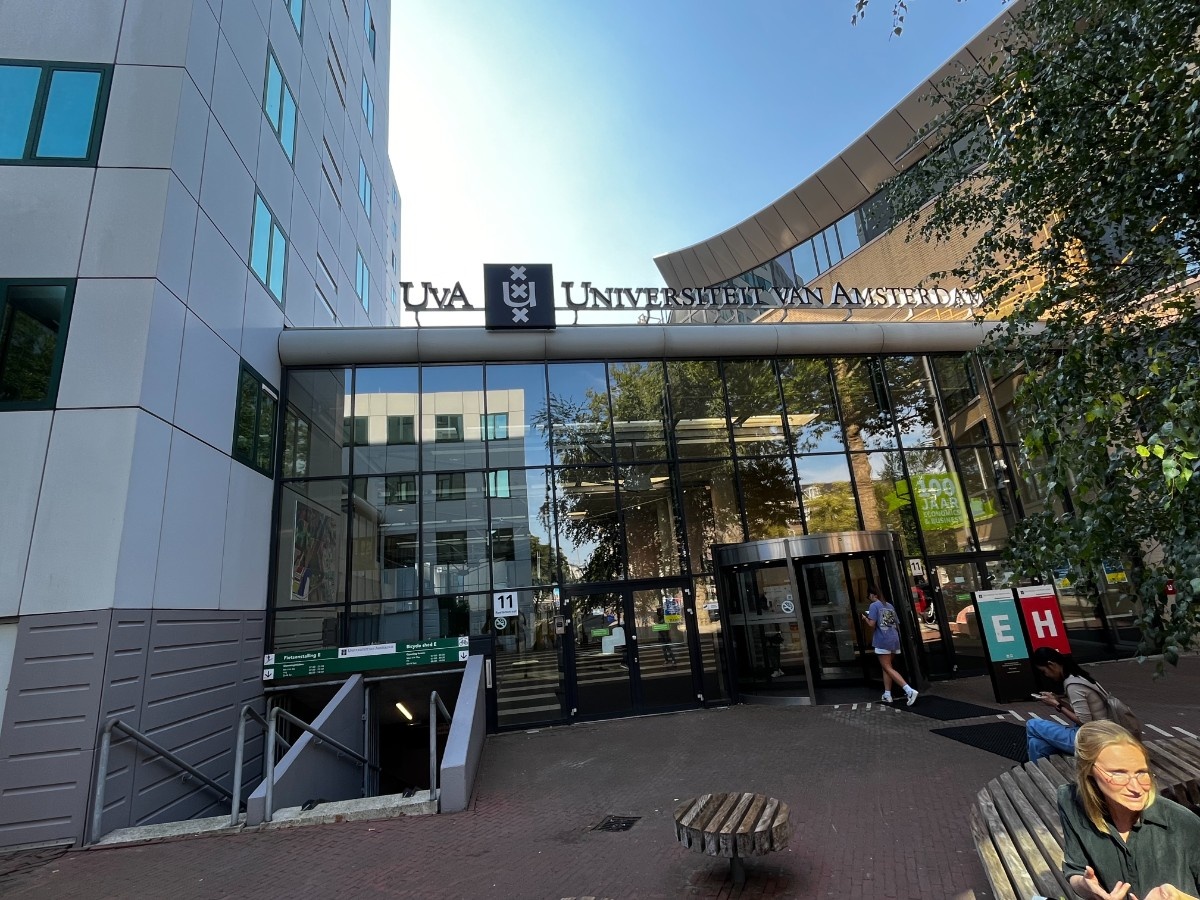
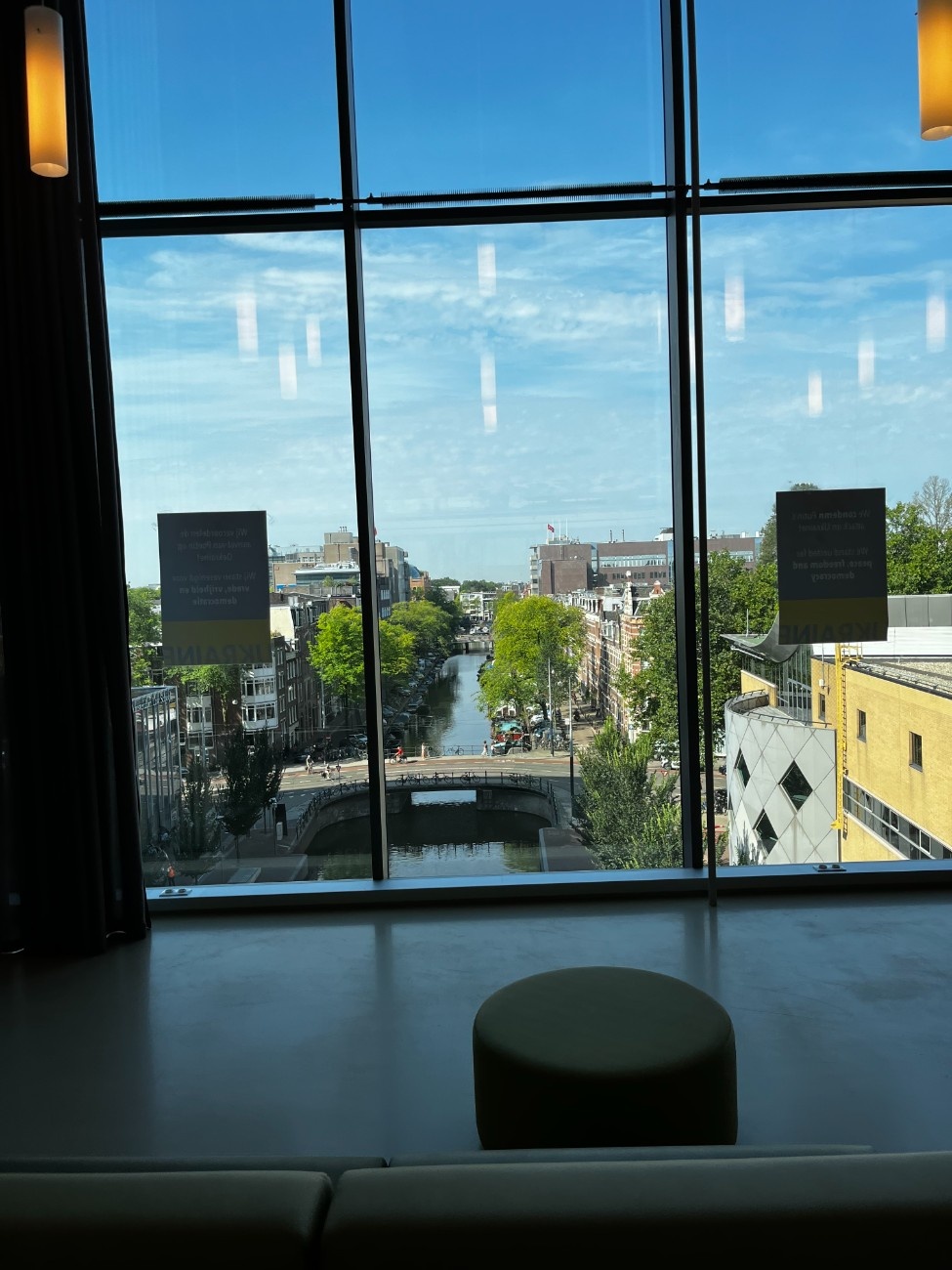
- My college has 3 main campuses Science Park 904: Home for all the science and technology courses, located in Amsterdam East. Also home to USC (University Sports Centrum) which is a massive sports area that offers a lot of different areas for all kind of sports and associations for the students.Roetersstraat 11: Also called the Roeterseiland Campus. Main courses offering most of the courses. Has buildings named A to M. A is the law school, B isfor Behavioral Sciences, E is Economics and Business, G is Psychology. Some buildings only have study rooms and no lecture halls.Oudemanhuispoort: Most historical campus, located right in the city center next to touristy canals. Teaches world famous courses like Media and Culture (Number 1 in QS world ranking)
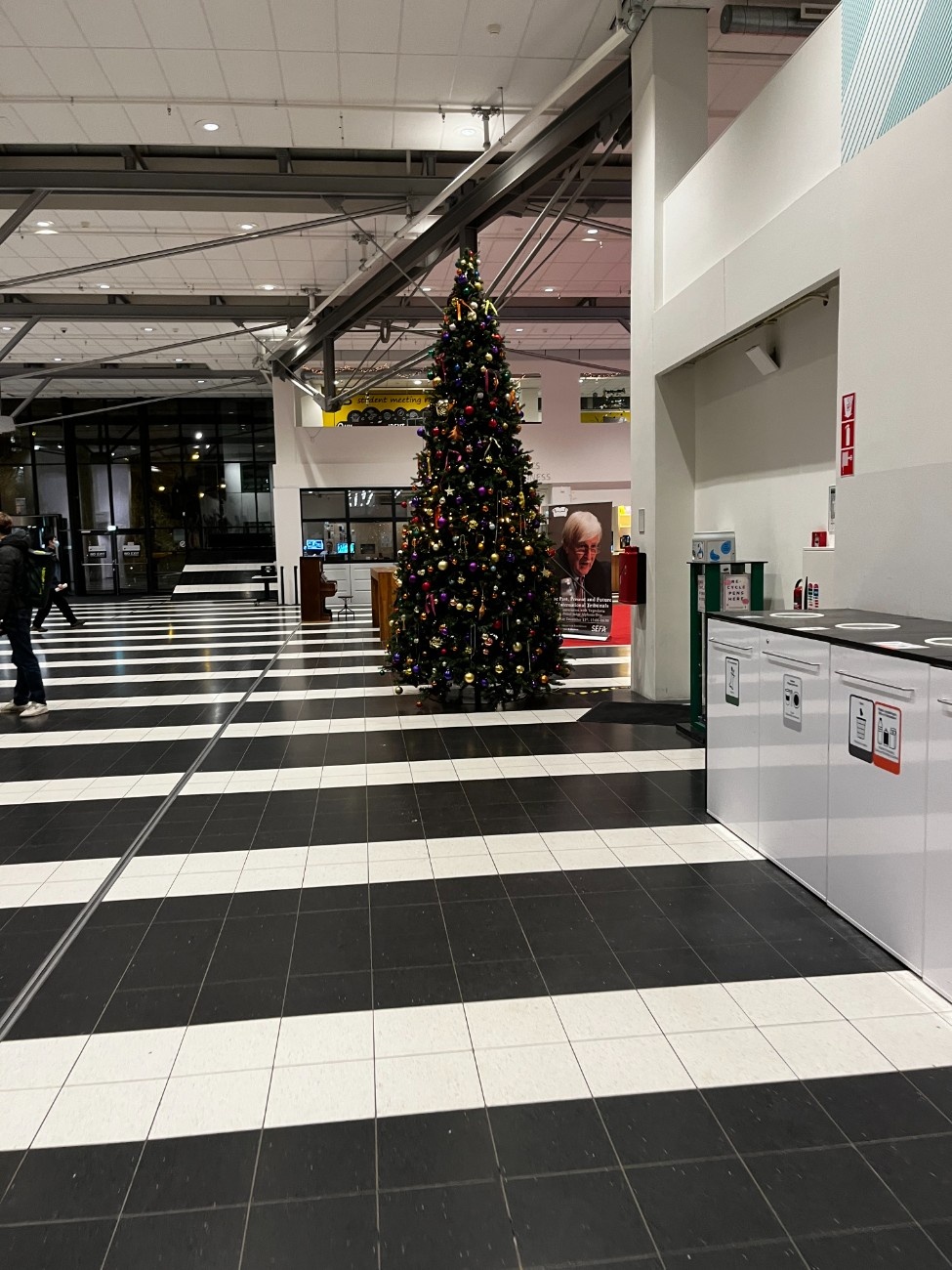
- All the campuses provide plenty of study rooms, sports are only available in the Science Park Campus, and every campus has it's own food court. (although my favorite is the one at Roeterseiland Campus E Building)
- Every study usually have a study association for it, amongst other associations that may not be related to a faculty or study at all. This means there are more associations that you can imagine, and events happening all year long. Every association has a different structure but you can become a member to gain some experience and also apply to the board of study associations in your later years. Doing a board year is respected highly in the Netherlands, and being in board of some associations or student councils also pays you a monthly compensation.
Part Time Jobs
- There are a few part time opportunities available on campus. These include paid positions like Teaching Assistant, and voluntary positions like student ambassadors where you get paid for helping out on events, etc. And as I also mentioned before, being in the board of study association also pays you if it's a recognized study association by the university and meets minimum requirements. The payout amount and duration depends on the number of members in the association. (I was in the board of Marketing Association Amsterdam, with 500+ members, paid 327 euro a month for 6 months *different for each association).
- There's not a lot of open positions at UvA at all times, but there''s also plenty of off campus part time opportunities, *the employer MUST apply for your TWV work permit though. Due to this restriction, a lot of places do not hire international students and Indian students usually go work at Indian restaurants. but during my time in Amsterdam, I have realized, if you go and look for it, you'll find just enough places to apply for part time jobs in different clubs, bars, restaurants, museums, etc.. The maximum hours allowed to work part time during studies is 16 hours and during summer break is 40 hours for international students.
- Students typically earn anywhere from 12 - 17 euro an hour for part time jobs. It is not that hard to apply for it, but it's hard to find one that is willing to apply for TWV permit. Once you find and submit your CV, it all depends on your interview or the place's own hiring process.
- Once they decide to hire you, it takes up to 8 weeks for the government to issue your TWV work permit, so you have to wait till it's issued before you start working.
Placement
6
- A lot of companies hire only students with EU passports so they do not have to apply for the candidate's work permit, which makes finding jobs for international students much harder. However, there is still opportunities available, and the UVA Economics and Business Career Centre provides you all the resources to help finding a good job after graduation.
- Most of the people tend to do a Masters' first as that increases chances of getting a job in the Netherlands.
- Right now I am interning at TomTom, and friends from the same course as me are interning in places namely Nike, Harman, ING, EY, Rituals, Philips, Etc.
- Companies like Uber, Booking.com and Tesla have a history of hiring international graduates here in the NL. Base salary is about 3200 euro per month however I do not have the most accurate info about this.
Accommodation
Off Campus
6
- UvA only provides Off campus accommodation, and the one thing I dislike about the university is that they do not guarantee you housing despite there being a housing crisis in Amsterdam. for first years, they have a lottery housing system, through which one can get housing if they are lucky or otherwise find it themselves through various facebook or whatsapp groups, housing websites (kamer.nl, housinganywhere.com, room.nl) or student buildings (like OurDomain, Student Experience, The Social Hub)
- Based on my experience, my only advice would be to start looking early and be active on all options of finding housing.
- I found my room through kamer.nl, and I was lucky enough to get a room in a shared apartment for 700 euros, which is quite cheap for amsterdam, especially in the area I live in (old west). The average rent would be 900-1000 euros. I had a private room and balcony, shared kitchen with 3 other people and a shared bathroom. My accommodation is about 4 KMs away from the campus and I use a rented bike daily to commute which takes me about 20 minutes.
- A lot of Indian students stay in Amstelveen, which is a town right above amsterdam. A lot of Indian festivals are also celebrated in this town. Despite having a different municipality, travelling to the campus from Amstelveen takes around 45 minutes by public transport, or even lesser on bike.
Exams
- Only english requirement exams like TOEFL and IELTS are required. Math OMPT exams are only required if you do not meet another requirement.
- As per documents; You need a motivation letter and CV and that's it.
- No interview is held as part of the admission process. The process is actually quite short and simple. This is because, your place in the program is only dependent on how well you perform on the selection test once you have met all the requirements.
Fees
- UvA charges international students an annual institutional fee, which increases slightly each year. The good thing is: you pay the same amount you paid in your first year for every consecutive year you study. Back in 2022, the fees for my program was 9,650 euros which is the same fees I still pay although for new students its about 11K euros. You can choose if you wanna pay monthly or yearly. I pay yearly, because euro rates are uncertain hahah.
- Accommodation charges really depends on what you find yourself as I said already the university does not help you find it. An average room in Amsterdam is about 800 euros a month. I have a public transport subscription that gives me discount so I pay about 40/50 euros a month, plus I bike a lot, which is a rented bike for 20 euros a month. Food/Going out/other expenses are manageable in 350-550 euros per month range.
Scholarship
- Nope - or not to my knowledge. Scholarships are not provided to bachelors students.


