





Chalmers University of Technology admissions run via the Autumn master’s intake, needing a 3-year Bachelor’s and IELTS 6.5. Bachelor’s programmes are Swedish-taught and rarely open to Indian Class XII applicants.
- Primary deadline: Autumn 2027 master’s applications close 15 January 2027 on universityadmissions.se.
- Fees: Base tuition SEK 140,000-180,000/year (INR 13.27-17.06 Lakhs), application fee SEK 900 (INR 8,532).
- Eligibility: 3-year Bachelor’s in science or engineering, around 65 percent, IELTS 6.5 or TOEFL iBT 90.
- Acceptance rate: estimated 25 to 35 percent for international master’s (no official figure).
Indian applicants most often target MS Data Science and AI, MS Materials Engineering, and MS Production Engineering at Chalmers University of Technology, where reviews highlight industry-linked projects and strong Gothenburg job networks.
Table of Contents
- Chalmers University of Technology Application Deadlines
- Chalmers Eligibility and English Requirements
- Chalmers University of Technology Master’s Programs
- Chalmers Bachelor’s Admissions for Indians
- Chalmers Application Process Step by Step
- Chalmers University of Technology Admission Decisions
- Chalmers Documents Required for Indian Applicants
- Chalmers Acceptance Rate for Indian Students
- Sweden Student Visa for Chalmers Applicants
- Chalmers University of Technology Tips and Checklist
- Chalmers Admissions Frequently Asked Questions
Chalmers University of Technology Application Deadlines for Indian Students
Chalmers runs a single international master’s cycle each year with fixed calendar dates, not rolling rounds. Indian applicants submit through universityadmissions.se, the Swedish central platform, which Chalmers confirms as the only route for non-EU/EEA master’s admission. The dates below are drawn from the official Chalmers key dates page.
Chalmers University of Technology’s primary intake for Indian students is Autumn, where every English-taught master’s programme opens.
| Intake / Milestone | Level | App Opens | Deadline | App Fee | Portal |
|---|---|---|---|---|---|
| Autumn 2027 (Primary intake) | Master’s | 16 October 2026 | 15 January 2027 (midnight CET) | SEK 900 (INR 8,532) | universityadmissions.se |
| Autumn 2027 fee + document deadline | Master’s | - | 1 February 2027 | SEK 900 (INR 8,532) | universityadmissions.se |
| Autumn 2027 admission results | Master’s | - | 1 April 2027 | - | universityadmissions.se |
| Autumn 2027 tuition first-semester payment | Master’s | - | 1 May 2027 | - | Chalmers invoice |
| Autumn 2027 enrolment (Ladok) | Master’s | - | 30 August 2027 | - | Chalmers |
A late-application window may open after 15 January 2027 for programmes with vacant seats, but Chalmers states there is no guarantee of being evaluated once the main deadline has passed. Indian students should target the 15 January deadline.
Insider note: Chalmers checks the fee payment stamp, not the submission date. A fee paid in India on 29 January may land in the Swedish account after 1 February, which disqualifies the application. Pay via SWIFT at least seven working days before 1 February 2027.
Chalmers University of Technology Eligibility and English Requirements
Chalmers University of Technology admissions use two eligibility layers: academic equivalence to a Swedish Bachelor’s, and English 6 proficiency. Both must be met at submission, and both apply programme-wide. This section lists the academic and English floors only. Documents are handled separately in the Documents section.
Academic Eligibility at Chalmers University of Technology
- UG general entry: Chalmers Bachelor’s programmes are taught in Swedish and expect Swedish English 6 plus Swedish-equivalent school-leaving qualifications. Indian Class XII students rarely qualify directly.
- PG general entry: a 3-year Bachelor’s (minimum 180 ECTS) in Science, Engineering, Technology, or Architecture, from a recognised Indian university such as an IIT, NIT, IIIT, state university, or private UGC-approved institution.
- Minimum average: around 65 percent or a 7.0 CGPA on a 10-point scale is typical for competitive programmes, with higher thresholds for Data Science, Computer Science, and Architecture.
- Programme-specific prerequisites: most engineering master’s require named prior coursework (for example, linear algebra, calculus, probability, programming) that Chalmers lists on each programme page.
English Proficiency at Chalmers University of Technology
All master’s programmes are taught in English and need proof of Swedish upper-secondary English 6 or an equivalent score. Accepted tests and institution-wide minimums:
- IELTS Academic: overall 6.5, with no section below 5.5.
- TOEFL iBT: overall 90, with Writing 20 or higher.
- PTE Academic: overall 62, with no section below 54.
- Cambridge C1 Advanced or C2 Proficiency: accepted with a pass grade.
Chalmers University of Technology English Waiver for Indian Students
Chalmers accepts proof of English 6 from prior studies without a test score. An Indian applicant can be waived from IELTS or TOEFL if they completed a Bachelor’s degree wholly taught in English and the awarding university issues an official medium-of-instruction letter. The letter must state that English was the language of instruction and examination throughout the degree. Chalmers reviews waiver evidence case by case, so a borderline MOI letter from a dual-medium Indian university is often rejected. If in doubt, Indian students are advised to sit IELTS or TOEFL to avoid losing the Autumn seat.
Chalmers University of Technology Master’s Programs
Chalmers runs around 40 English-taught two-year master’s programmes across engineering, computer science, architecture, life sciences, and industrial management. Each is 120 ECTS over four semesters, with semester 4 reserved for a 30-ECTS master’s thesis. Base tuition for most engineering and computer science programmes sits between SEK 140,000 and SEK 180,000 per year (around INR 13.27 Lakhs to INR 17.06 Lakhs), while Architecture is at the top of the range. The full programme list is on the Chalmers programs page on Collegedunia.
| Programme | Duration | Minimum Eligibility | English Req. Min. |
|---|---|---|---|
| MSc Data Science and AI | 2 years | Bachelor’s in CS, Maths, Statistics, or Engineering, 65 percent average, prior work in programming and probability | IELTS 6.5 |
| MSc Sustainable Electric Power Engineering and Electromobility | 2 years | Bachelor’s in Electrical or Electronics Engineering, 60-65 percent, circuit theory and power systems background | IELTS 6.5 |
| MSc Computer Science: Algorithms, Languages and Logic | 2 years | Bachelor’s in CS or Software Engineering, 65 percent, coursework in algorithms, data structures, discrete maths | IELTS 6.5 |
| MSc Materials Engineering | 2 years | Bachelor’s in Materials, Physics, Chemical or Mechanical Engineering, around 60 percent | IELTS 6.5 |
| MSc Production Engineering | 2 years | Bachelor’s in Mechanical, Industrial, or Production Engineering, around 60 percent | IELTS 6.5 |
| MSc Software Engineering and Technology | 2 years | Bachelor’s in CS or Software Engineering, 65 percent, prior work in object-oriented programming | IELTS 6.5 |
| MSc Biotechnology | 2 years | Bachelor’s in Biology, Chemistry, Biotech, or Chemical Engineering, around 60 percent | IELTS 6.5 |
| MSc Supply Chain Management | 2 years | Bachelor’s in Industrial Engineering, Logistics, or Business, around 60 percent | IELTS 6.5 |
| MSc Entrepreneurship and Business Design | 2 years | Bachelor’s in Engineering, Science, or Business, around 60 percent | IELTS 6.5 |
| MSc Architecture and Urban Design | 2 years | Bachelor’s in Architecture or related, around 60 percent, plus portfolio | IELTS 6.5 |
Key insight: Three Chalmers programmes attract the heaviest Indian application load every cycle, which raises their effective eligibility bar: Data Science and AI, Computer Science (Algorithms, Languages and Logic), and Software Engineering and Technology. Indian applicants with 70 percent plus and CGPA above 7.5 have a measurably better chance in these three.
Note: Program-specific entry requirements, fees, and intake availability may differ from the institution-wide minimums shown above. Always confirm on the official Chalmers master’s admission page for your chosen program before applying.
Chalmers University of Technology Bachelor’s Admissions for Indian Applicants
Chalmers’ Bachelor’s (civilingenjor, hogskoleingenjor, kandidat) programmes are taught in Swedish, so Indian Class XII applicants cannot route into them without Swedish proficiency. The practical path for Indian students is a 3-year Bachelor’s in India, followed by a Chalmers master’s.
- Language barrier: all Chalmers UG programmes require Swedish English 6 and Swedish Mathematics, which Indian school boards do not deliver.
- No English-taught UG: Chalmers does not currently offer a Bachelor’s degree fully taught in English for international students.
- Recommended route for Class XII students: complete a BTech, BE, BSc, or BArch in India at a UGC-recognised university, then target the Chalmers Autumn master’s intake.
- Exchange route: Indian Bachelor’s students can study at Chalmers for one or two semesters as exchange students via a bilateral agreement between their home university and Chalmers.
Indian students fixated on a Bachelor’s abroad usually route through Dutch, Irish, or UK universities for English-taught UG, then consider Chalmers for PG.
Chalmers University of Technology Application Process
Every Chalmers master’s application goes through the Swedish central portal. Indian applicants cannot submit directly to Chalmers. The sequence below assumes you are targeting the Autumn 2027 intake.
- Create a universityadmissions.se account. The Autumn 2027 cycle opens on 16 October 2026. Register with your passport-page details exactly as they appear on your passport.
- Rank up to four programmes in order of preference. Chalmers allows a mix across universities, but your Chalmers choices should be ranked first if Chalmers is your top target.
- Pay the application fee of SEK 900 (INR 8,532) on the universityadmissions.se portal by 1 February 2027. Pay via SWIFT or an Indian forex card linked to a Visa or Mastercard route.
- Upload all supporting documents (transcripts, degree certificate or provisional, English test report, CV, motivation letter, passport bio page, course syllabi) by 1 February 2027.
- Submit the application before 15 January 2027 at midnight CET (which is 4:30 am IST on 16 January 2027).
- Wait for selection results on 1 April 2027. Chalmers emails offers via universityadmissions.se.
- Reply to your offer within the stated window and pay the first-semester tuition by 1 May 2027.
- Apply for the Swedish residence permit on Migrationsverket after your tuition payment clears.
Before you apply: Scan your Bachelor’s degree certificate, consolidated transcripts, and English test score report at 300 dpi in PDF. Chalmers rejects low-resolution scans and photo-captured documents.
Chalmers University of Technology Admission Decisions
Chalmers University of Technology releases Autumn 2027 selection results on 1 April 2027 through the applicant’s universityadmissions.se dashboard. The decision carries the Chalmers programme offer, the ranked position (if waitlisted), and the tuition-fee invoice reference.
- Offer letter timing: admitted applicants see their result on 1 April 2027 and receive a formal admission letter from Chalmers within 7 working days.
- Reply deadline: applicants must reply yes or no via universityadmissions.se within the published reply window, usually two weeks after 1 April.
- Conditional offer: issued when a final transcript or degree certificate is still pending at the Indian end. The condition clears on upload of the final document after Indian results.
- Waitlist and second selection round: Chalmers moves to waitlist offers in late April or early May if first-round admitted applicants decline.
- Deferral: Chalmers does not offer a general deferral. A declined Autumn seat means reapplying to the next cycle.
Chalmers University of Technology Documents Required for Indian Students
All documents are uploaded on universityadmissions.se. Chalmers reads scanned PDFs directly, so no courier submission is needed at the application stage. Translations into English are required for any document in another language.
- Passport bio page: colour scan of a passport valid at least through December 2029.
- Bachelor’s degree certificate: or a provisional degree certificate if final is pending, issued by your Indian university.
- Consolidated semester transcripts: all semesters of your 3 or 4-year Bachelor’s with university seal.
- English test score report: IELTS, TOEFL iBT, PTE Academic, or Cambridge; or MOI letter if waiver is sought.
- Curriculum vitae: one or two pages, listing education, projects, publications, internships, and employment.
- Motivation letter: one page per programme, explaining fit with that specific Chalmers master’s.
- Course syllabi: copies of your Bachelor’s syllabi for courses that establish eligibility (algorithms, calculus, programming).
- Programme-specific supplements: portfolio for Architecture, CV plus references for Entrepreneurship and Business Design.
- Letters of recommendation: optional at Chalmers but recommended for competitive programmes.
Reality check: Chalmers rejects transcripts without a university seal and signature. Many Indian universities issue digital DigiLocker transcripts without a visible seal, which Chalmers has flagged. Order a stamped physical transcript, scan it, and upload the scan.
Chalmers University of Technology Acceptance Rate for Indian Students
Chalmers does not publish an official institutional acceptance rate. Based on application pressure patterns in competitive Autumn cycles, the effective international master’s acceptance rate is estimated at 25 to 35 percent, with top-demand programmes well below that band. Chalmers has publicly flagged rising application pressure on master’s programmes year on year, which has tightened competition for Indian applicants.
What Shapes the Chalmers University of Technology Acceptance Rate
- Academic score: Chalmers ranks applicants by Bachelor’s percentage or CGPA within a programme’s qualified pool.
- Prerequisite depth: missing one named prior course in Data Science or CS tracks is a frequent reject trigger even for 75 percent applicants.
- Motivation letter fit: Chalmers reviewers down-rank letters that read as generic Sweden interest rather than Chalmers programme fit.
- Fee payment timing: missed 1 February fee or document deadlines move an application to the ineligible pile regardless of academic merit.
Which Chalmers University of Technology Programs Are Most Competitive?
Data Science and AI, Computer Science (Algorithms, Languages and Logic), and Software Engineering and Technology attract the heaviest Indian application load, with effective selection rates around 15 to 20 percent. Materials Engineering, Supply Chain Management, and Biotechnology stay more open at roughly 35 to 45 percent. For context on where Chalmers sits globally, see the latest QS and THE ranking band for Chalmers.
Insider note: Applicants with a CGPA at or above 7.5 from an Indian engineering college and a programming or research project tied to the target programme consistently convert at the higher end of Chalmers’ selection band.
Sweden Student Visa for Chalmers University of Technology Applicants
Indian students need a Swedish residence permit for studies (uppehallstillstand for studier), applied online on Migrationsverket after the Chalmers admission offer and tuition payment clear. Processing takes about 8 to 12 weeks for recently filed cases, so Indian applicants admitted on 1 April 2027 should file by mid-May to arrive in Gothenburg before the late August start.
Required evidence covers the Chalmers admission letter, proof of tuition fee payment, bank statements showing at least SEK 10,656 per month (around INR 1.01 Lakhs per month) for the first study year, comprehensive health insurance for stays under one year, and a valid passport. Government fee is SEK 1,500 (around INR 14,220). Indian applicants submit biometrics at the Swedish Embassy in New Delhi or VFS centres in Mumbai, Chennai, Bengaluru, Hyderabad, and Kolkata.
Planning note: Chalmers’ tuition payment deadline is 1 May 2027. The residence permit cannot be filed until that payment clears, so queue your SWIFT remittance for late April 2027 to avoid stacking the visa queue into the Swedish summer holiday slowdown.
Chalmers University of Technology Tips and Admissions Checklist
The tips and steps below are drawn from Indian-applicant patterns at Chalmers University of Technology over recent cycles. They cover sequencing and judgement calls that go beyond document lists.
- Lock IELTS by August 2026: Indian IELTS test centres fill fast in September to December. A score in hand by 31 August avoids retake pressure.
- Request transcripts 8 weeks before deadline: Indian university offices stop issuing stamped transcripts during December exams, so file your request by 15 November 2026.
- Write one motivation letter per programme: Chalmers reviewers detect copy-pasted letters. Mention the specific track, two named Chalmers faculty, and one project you want to work on.
- Rank Chalmers first in your four choices: universityadmissions.se admits in rank order, so Chalmers must be your top-ranked choice if you want the first-round seat.
- Apply for Chalmers scholarships inside the same window: Avancez, IPOET, and Volvo Group review the same application, so submit motivation letters that cover both admission and funding. See the IPOET funding options for Indian students.
- Pay the SEK 900 fee by 25 January: SWIFT transfers from India can take 3 to 5 working days to settle in Swedish accounts; a 1 February deadline leaves no margin.
- Prepare the MOI letter even if you are sitting IELTS: Chalmers reviewers accept both as parallel evidence of English 6 and a stronger file.
- Save all upload confirmations: universityadmissions.se does not resend lost emails, so screenshot every stage.
- Book your Migrationsverket slot the day you accept: Delhi and Mumbai biometrics appointments at the Swedish Embassy fill through summer.
Chalmers University of Technology admissions reward applicants who treat the Autumn deadline as the fixed point and reverse-engineer every other step from 15 January 2027. Indian applicants with locked IELTS, stamped transcripts, and a Chalmers-specific motivation letter convert at the top end of the selection band. Target the Autumn 2027 intake and work backwards from 15 January 2027.
Chalmers University of Technology Admissions: Frequently Asked Questions
Ques. What is the application deadline for Chalmers University of Technology Autumn 2027 master’s intake?
Ans. The Autumn 2027 master’s application deadline is 15 January 2027 at midnight CET on universityadmissions.se. All documents and the SEK 900 (INR 8,532) application fee must land by 1 February 2027.
Ques. What English language scores does Chalmers University of Technology accept?
Ans. Chalmers accepts IELTS Academic 6.5 overall with no section below 5.5, TOEFL iBT 90 overall with Writing 20, PTE Academic 62 overall, or Cambridge C1 Advanced or C2 Proficiency with a pass grade.
Ques. Can Indian students skip IELTS at Chalmers using an English-medium Bachelor’s?
Ans. Chalmers accepts a medium-of-instruction (MOI) letter from the Bachelor’s-awarding university if English was the language of all teaching and examination. Borderline MOI letters from dual-medium Indian universities often fail; take IELTS or TOEFL if in doubt.
Ques. How much is the Chalmers University of Technology application fee for Indian students?
Ans. The application fee is SEK 900 (around INR 8,532). It is paid on universityadmissions.se and must clear in Swedish accounts by 1 February 2027 for Autumn 2027. Chalmers does not refund application fees.
Ques. What is the acceptance rate for international master’s students at Chalmers University of Technology?
Ans. Chalmers does not publish an official acceptance rate. Based on competitive-intake patterns, the effective international master’s rate is estimated at 25 to 35 percent, with Data Science and AI, Computer Science, and Software Engineering closer to 15 to 20 percent.
Ques. Does Chalmers University of Technology offer undergraduate programmes in English?
Ans. No. Chalmers Bachelor’s programmes are taught in Swedish and expect Swedish upper-secondary English 6 plus Swedish-equivalent qualifications. Indian Class XII students should complete a 3-year Bachelor’s in India and then apply to a Chalmers Autumn master’s intake.
Ques. What documents does Chalmers University of Technology need for a master’s application?
Ans. Passport bio page, Bachelor’s degree certificate or provisional, consolidated transcripts, English test score or MOI letter, curriculum vitae, motivation letter, course syllabi for prerequisite verification, and programme-specific supplements such as portfolio for Architecture.
Ques. When will I know if I have been admitted to Chalmers University of Technology?
Ans. Autumn 2027 selection results are released on 1 April 2027 via universityadmissions.se. The formal Chalmers admission letter follows within 7 working days, and the reply deadline is roughly two weeks later.
Ques. How much does Chalmers University of Technology cost for Indian master’s students?
Ans. Base tuition sits between SEK 140,000 and SEK 180,000 per year (around INR 13.27 Lakhs to INR 17.06 Lakhs) for most engineering and computer science master’s programmes. Architecture is higher. The first semester invoice is due by 1 May 2027.
Ques. Can I apply to more than one Chalmers University of Technology programme in a single cycle?
Ans. Yes. universityadmissions.se allows up to four programme choices across all Swedish universities, and multiple Chalmers programmes can be ranked within those four. Rank your preferred Chalmers programme first.
Ques. What happens if I miss the 15 January Chalmers University of Technology deadline?
Ans. Chalmers may open a late-application window for programmes with vacant seats, but Chalmers does not guarantee evaluation of late files. Indian applicants should not plan around the late window and should treat 15 January 2027 as the firm deadline.
Ques. Does Chalmers University of Technology interview Indian applicants before admission?
Ans. Chalmers admits master’s applicants on documentary review alone for almost every programme. There is no interview round in the standard selection process, and admission decisions rest on academic record, prerequisite coursework, English proof, and the motivation letter.
College Student Profiles

Chalmers University of Technology Program Fees & Deadlines
| Program | Important Dates | Fees | Application Fees | Eligibility | Financial Aid |
|---|---|---|---|---|---|
M.S Data Science and AI 2 years | Application Deadline For 2027 Intake (15th Jan 2027) | USD 16,000 /Yr SEK 160,000 /Yr | 900 | TOEFL- 90 | IELTS- 6.5 | - |
M.S Mobility Engineering 2 years | USD 32,000 /Yr SEK 320,000 /Yr | - | TOEFL iBT: 100 | IELTS: 7 | PTE: 68 | - | |
M.S Supply Chain Management 2 years | USD 16,000 /Yr SEK 160,000 /Yr | 90 | 75%, TOEFL(90), IELTS(6.5) | - | |
| USD 16,000 /Yr SEK 160,000 /Yr | 90 | 75%, TOEFL(90), IELTS(6.5) | - | ||
Application Deadline For 2027 Intake (15th Jan 2027) | USD 16,000 /Yr SEK 160,000 /Yr | 900 | GPA: 3.0, IELTS: 6.5, TOEFL: 4.5, PTE: 62 | ||
| USD 16,000 /Yr SEK 160,000 /Yr | 900 | 75%, TOEFL(90), IELTS(6.5) | - | ||
M.S Biomedical Engineering 2 years | USD 16,000 /Yr SEK 160,000 /Yr | 900 | 75%, TOEFL(90), IELTS(6.5) | - | |
| USD 16,000 /Yr SEK 160,000 /Yr | 90 | 75%, TOEFL(90), IELTS(6.5) | - | ||
Application Deadline For 2027 Intake (31st Jan 2027) | USD 900 /Yr SEK 9,000 /Yr | 90 | TOEFL(94), IELTS(7.0) | - |
Do you think the Dates are wrong ? Report Here
Course Finder - Search from 50K+ courses
Popular Streams:
Reviews
7 Reviews Found
Likes
- Quality of education: The coursework is very detailed and is up to date to the current industry trends.
- Industry projects: The projects in the course work are linked with actual global companies like Volvo, Polestar, Powercell etc.
- Friendly Teachers : Almost all the teachers in the university are very friendly and encourage students to ask doubts and spark discussions
Dislikes
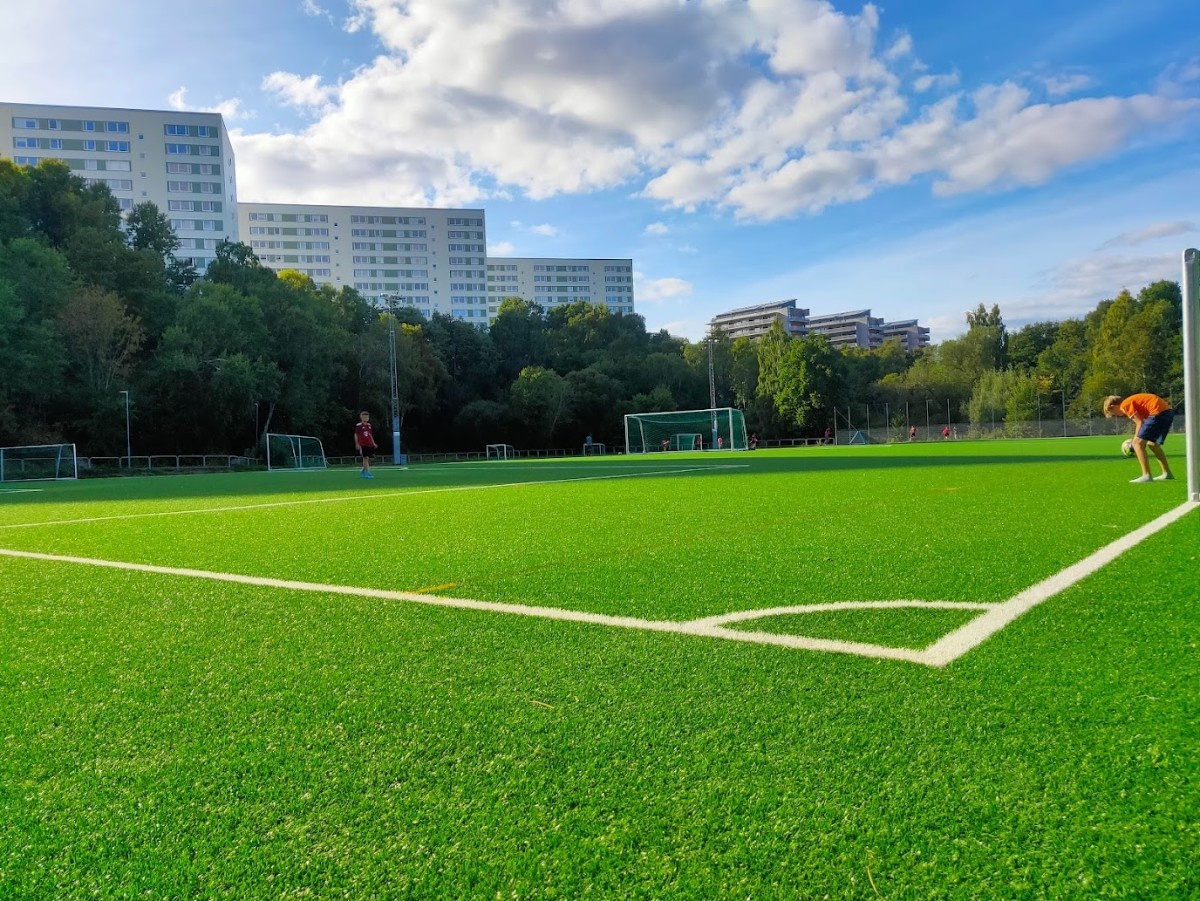
- The university does not have enough sports facilities. They only have a single indoor hall for pretty much everything.
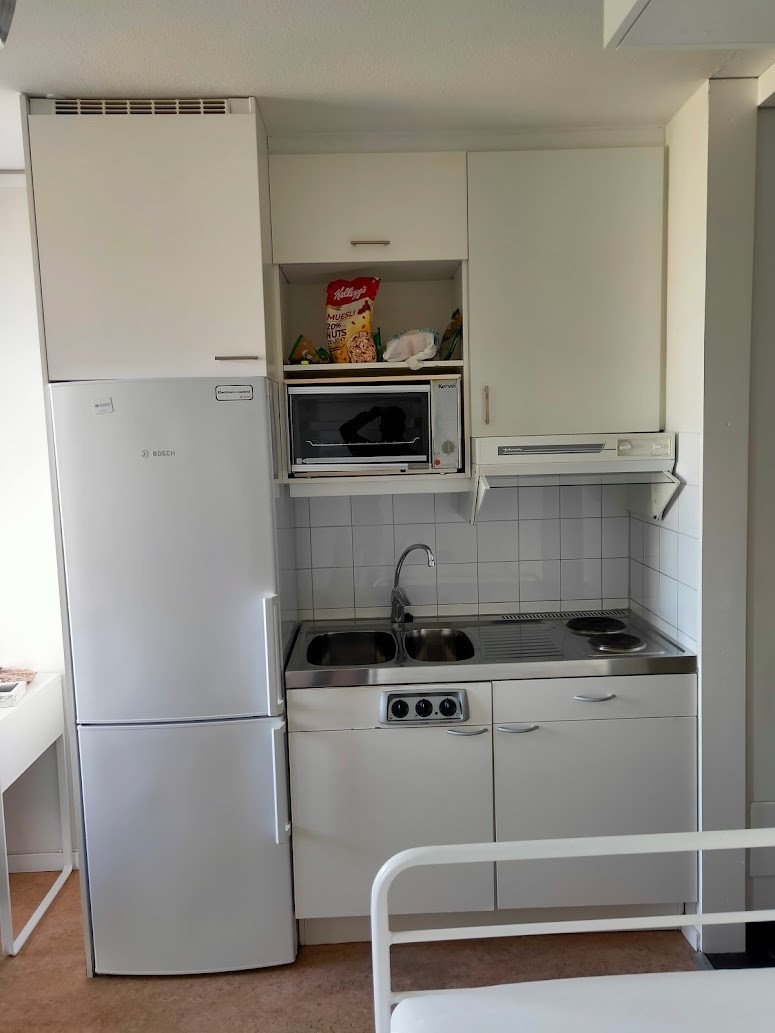
- The cost of living in the Gothenburg city is relatively high when compared to other European cities. Monthly expense can go up to 10,000 SEK for student living in a 20 m2 apartment with attached bathroom and shared kitchen. Food in restaurants is also very expensive, most of the students actually cook everyday to keep expenses in control.
- Part Time jobs mostly need Swedish language. Students not knowing the language end up doing part time jobs of food delivery agents which is okay in summers but can be very challenging in the harsh Swedish winters.
Scholarship
- In the application process, there will be a page dedicated to the scholarships available. These vary from course to course and also depends on what country the student is from. For example, Volvo provides 100 % scholarship for some students from India and China only, application for this can be done from the course application process itself.
- There is also some scholarships that provided 70 % tuition fee reduction , but again they vary from course to course, but will appear during the university application process.
Likes
- High quality education - It offered a strong, research-oriented curriculum for my program. It was well-structured that balanced theory with hands-on applications,.
- International Environment - It has a diverse student community which made the experience enriching. Working with peers from different backgrounds broadened my perspectives, improved teamwork, communication, and other factors.
- Strong Focus on Innovation & Practical Problem-Solving - Courses emphasized solving real-world problems.
Dislikes
- Heavy Workload - Some study period were intensive, making work-life balance challenging.
- High Competition for Thesis Opportunities - Because the world is behind AI, there was a lot of competition from all the programs trying to obtain a thesis opportunity in AI domain. Since companies in Sweden value the domain knowledge, it became difficult for core AI and data sciences students like myself to find best opportunities.
- Limited Course Availability - During a few study periods, there were limited space available to have a efficient study plan

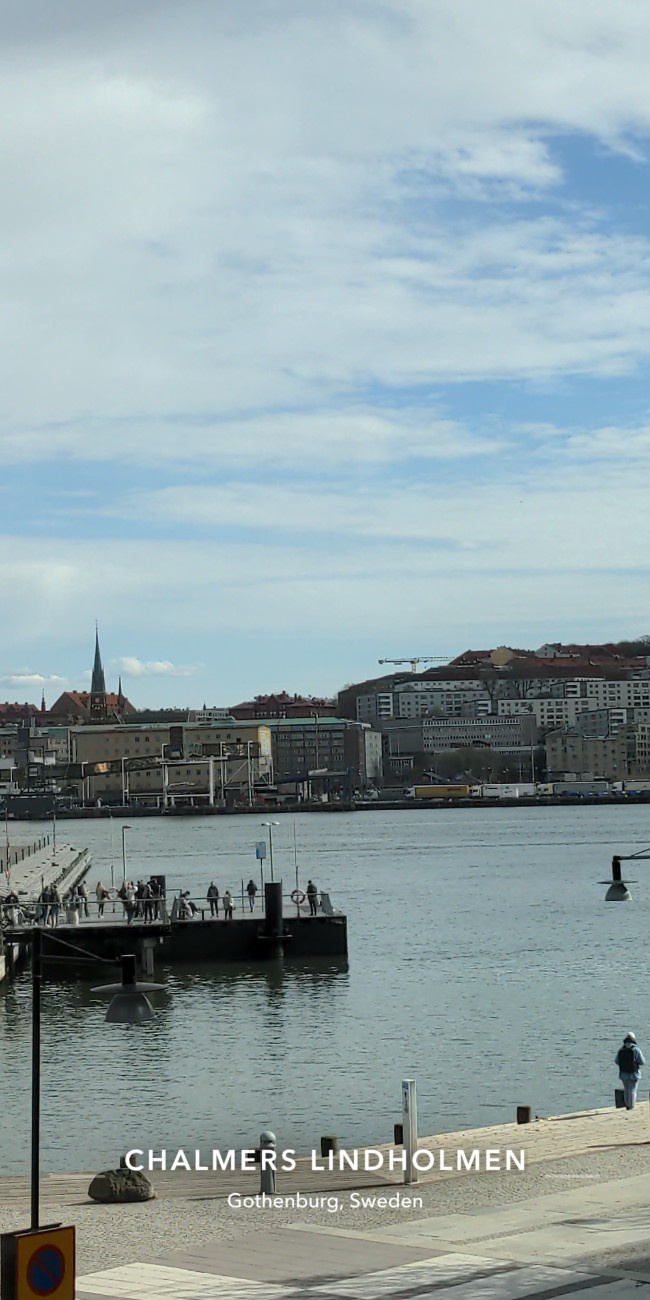
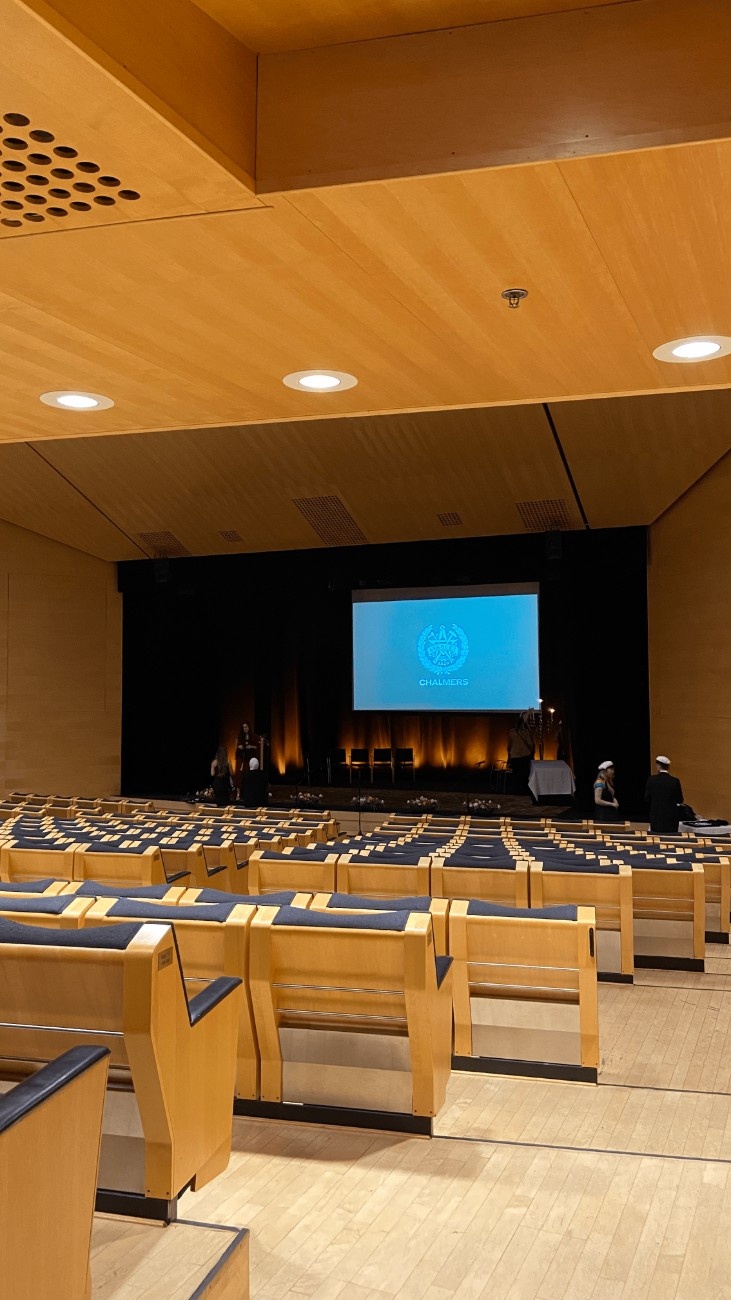
Likes
- The courses were up to date with modern tech .
- It is located in a city which has many job opportunities .
- They had many practical project courses where we could work on industry level projects and also many collaborations with companies
Dislikes
- I felt some courses were too easy and were not at the level for masters.
- Some classes were overcrowded and the teaching was not engaging
- There are some clubs to join but most require Swedish
Scholarship
- I did not apply for or receive any scholarship. I know there are multiple scholarships available. Some of them pay only for the flight tickets up and down. Some covered fees for 1 year and others were a 50% discount.
- There are also some special scholarships given by Scania, which include the tuition fee, Internship and guaranteed Thesis. These are very competitive but I think around 500 students get scholarships across all the categories.
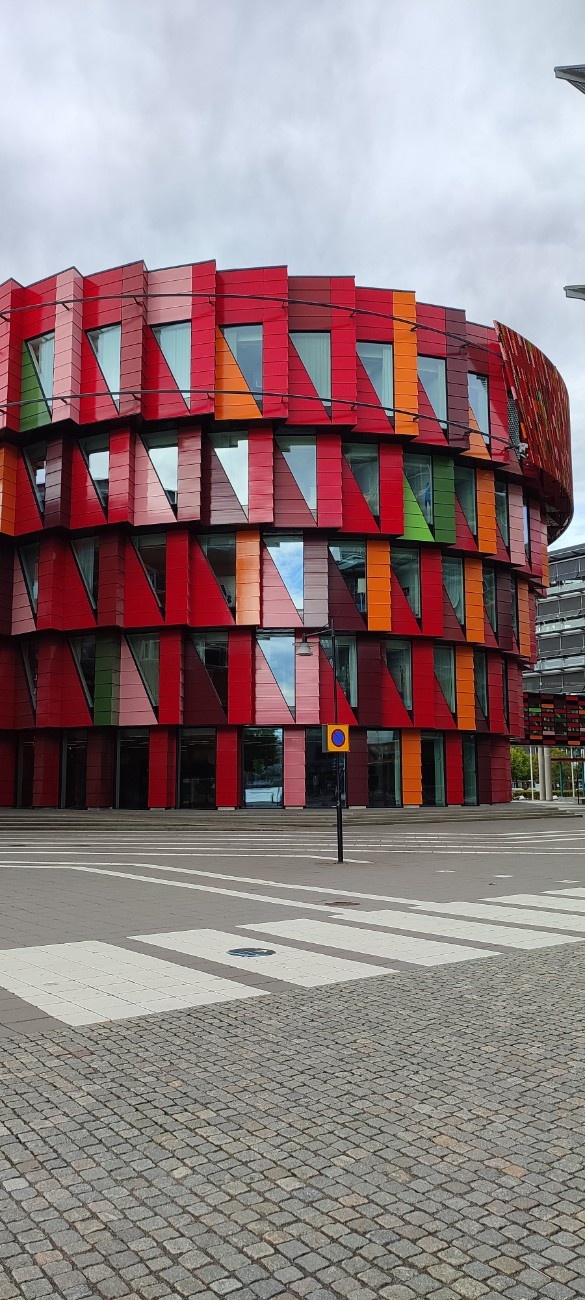
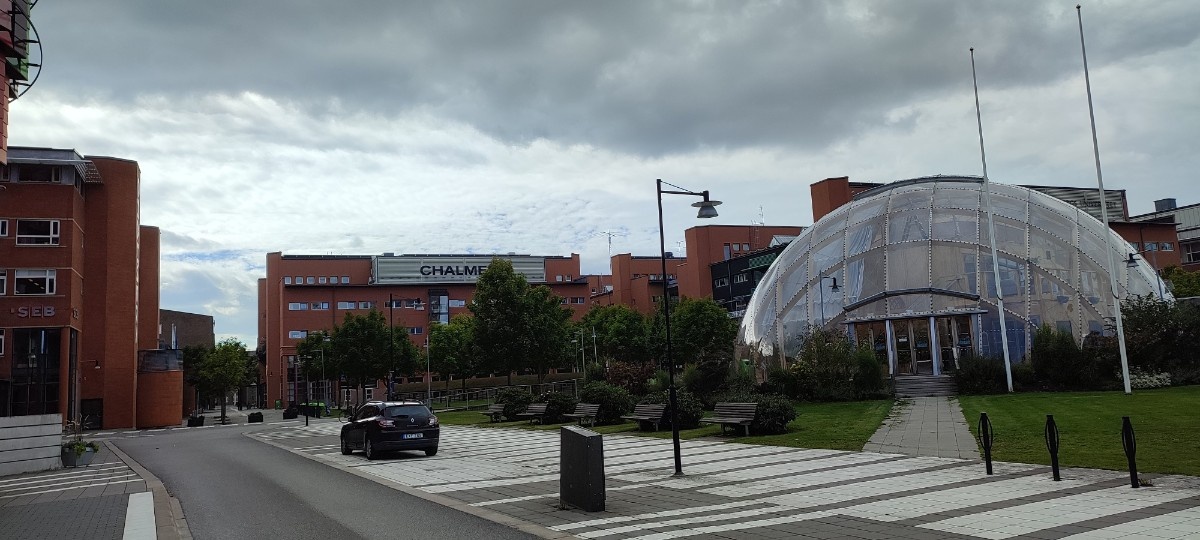
Likes
- Strong focus on equality and respect, both academically and socially.
- Work-life balance is highly valued, which creates a healthier lifestyle.
- Individuals are punctual and well-organized, so collaborations are seamless.
Dislikes
- Social interactions can feel reserved at first, making it harder to build connections quickly.
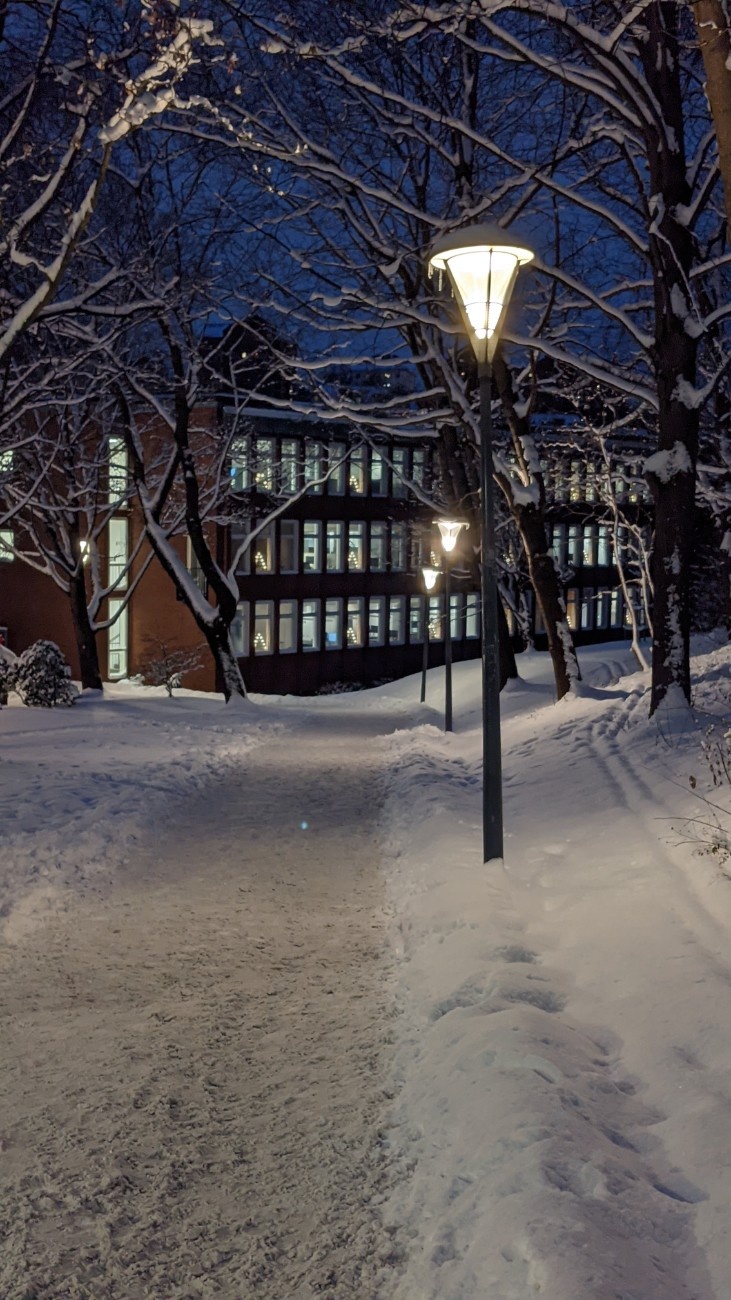
- Cold and dark winters can be mentally challenging, especially for newcomers.
- There is less small talk, which can seem strange in everyday interactions.
Scholarship
- For every phd student there is a fixed salary. but for master's students, they can apply for scholarships and i am not sure about the ratio per year but my friends have applied, and as they were doing their master's, all 3 of them got it.
- It just depends on what percentage you get. some of them got more, some less. But most of them easily got part-time jobs here and they can pay off their educational loan as well.
Likes
- Campus life was really enjoyable and guidance from the university respecting the individuals situation.
Likes
- Academics and Faculty support
Dislikes
- Placements (campus has minimal influence)
Overview
I chose Chalmers University because of my advisor. For a Ph.D., more than the university an alignment with your advisor is necessary and I felt a great connection with my prospective advisor, the university did not have a language barrier for most courses and that helped me with choosing it. Apart from my advisor, my prospective research group was also very strong.
Scholarship
Ph.D. students have a salaried position at a university in Sweden. I get paid 30k SEK / month.
interested in this College ?
Follow & Share this college to get information about admission.



Comments