



London School of Economics and Political Science (LSE) Courses 2026-27


London School of Economics and Political Science fees for Indian students planning the September 2027 Michaelmas intake sit near the upper end of UK international pricing, with undergraduate tuition between GBP 28,100 and GBP 39,900 (INR 30.91 Lakhs to INR 43.89 Lakhs) and taught postgraduate tuition between GBP 32,500 and GBP 51,000 (INR 35.75 Lakhs to INR 56.10 Lakhs) for 2026/27. The BSc Economics programme is at the top of the undergraduate band at GBP 39,900 (INR 43.89 Lakhs) a year, while the LLB (Bachelor of Laws) sits at GBP 35,700 (INR 39.27 Lakhs); at taught postgraduate level, the MSc Finance tops the range while subject-based MScs such as MSc International Relations cluster near GBP 32,500 (INR 35.75 Lakhs).
Central London living costs are the second decisive pressure on an LSE budget. LSE’s own cost-of-living guidance for a single student is roughly GBP 1,500 per month (INR 1.65 Lakhs), giving a 12-month figure near GBP 18,000 (INR 19.80 Lakhs). LSE’s intercollegiate halls at Houghton Street, Bankside House, Rosebery, Passfield and Northumberland House are the cheapest first-year path for undergraduates, with catered and self-catered rents from about GBP 180 to GBP 380 a week; private shared housing in Zone 2 neighbourhoods such as Elephant and Castle, Camberwell, Bermondsey and Whitechapel typically starts around GBP 1,100 a month before bills.
- Postgraduate application fee: GBP 95 (INR 10,450), paid once per taught PG application through the LSE online portal.
- Tuition deposit: GBP 600 (INR 66,000) non-refundable for most taught PG offer-holders, deducted from Term 1 tuition.
- PhD stipend: GBP 23,805 (INR 26.19 Lakhs) a year for LSE PhD Studentship holders in 2026/27, with full fees also covered.
For planning, a representative first academic year of MSc Economics at LSE combines tuition of about GBP 48,672 (INR 53.54 Lakhs) with 12 months of central-London living at GBP 18,000 (INR 19.80 Lakhs), producing a cash budget close to GBP 66,672 (INR 73.34 Lakhs) before visa, insurance and travel. The 2027/28 fee for a September 2027 start will be published by LSE later in 2027; the figure above uses the current 2026/27 rate.
Exchange rate used throughout: GBP 1 = INR 110.00, Reserve Bank of India reference, 14 November 2026.
September 2027 Michaelmas Intake: Planning Window for Indian Applicants
Intake: Michaelmas 2026 is closed. The realistic entry for Indian students applying now is September 2027. UCAS undergraduate applications for 2027 entry close on 29 January 2027 (23:59 UK time, 05:29 IST on 30 January 2027); LSE taught PG applications open in October 2026 and most MSc rounds assess applications on a rolling basis until programmes fill.
Fee update: LSE’s published rates for 2026/27 apply to current offer-holders. For September 2027 entry, undergraduate tuition will rise above the current GBP 28,100 to GBP 39,900 band, and taught PG above GBP 32,500 to GBP 51,000; LSE confirms the 2027/28 rate during 2027.
When to pay: Taught PG offer-holders pay a GBP 600 (INR 66,000) non-refundable tuition deposit within the deadline on the offer letter, usually 4 to 6 weeks after acceptance.
Scholarships: LSE Undergraduate Support Scheme and Graduate Support Scheme are need-based and automatic at application for most Indian offer-holders. External awards such as Chevening (deadline early November each year, rolling cycle), Inlaks Scholarship (deadline mid-March 2027) and JN Tata Endowment (January 2027 opening) stay open for September 2027 starters.
Table of Contents
- London School of Economics and Political Science Tuition Fees by Programme
- London School of Economics and Political Science Cost of Living in London for Indian Students
- London School of Economics and Political Science Total Cost of Studying for Indian Students
- London School of Economics and Political Science Scholarships for Indian Students
- London School of Economics and Political Science Tuition Deposit and Payment Options
- London School of Economics and Political Science Hidden Costs of Studying for Indian Students
- London School of Economics and Political Science Fee Saving Strategies for Indian Students
- Is London School of Economics and Political Science Worth the Cost for Indian Students
- London School of Economics and Political Science Fees FAQs
London School of Economics and Political Science Tuition Fees by Programme
LSE prices every programme individually, so the practical decision is which subject band a given MSc or BSc sits in. Tuition is charged annually for every programme listed below and covers the full academic year; LSE increases the fee each year, so the final-year rate for a two-year MSc will be higher than the Year 1 figure.
London School of Economics and Political Science Postgraduate Fees: September 2027
Taught master’s tuition for 2026/27 ranges from GBP 32,500 (INR 35.75 Lakhs) at the lower end to GBP 51,000 (INR 56.10 Lakhs) for the MSc Finance. Finance, Accounting and Management MScs cluster near the top of the range; subject MScs in International Relations, Development and Social Policy sit closer to the bottom. The LSE PG application fee is a flat GBP 95 (INR 10,450) per programme.
| Programme | Duration | Published tuition (GBP and INR) | Indicative full-course tuition (GBP and INR) |
|---|---|---|---|
| MSc Economics | 2 years | GBP 48,672 (INR 53.54 Lakhs) | GBP 97,344 (INR 1.07 Crore) |
| MSc Finance | 10 months | GBP 51,000 (INR 56.10 Lakhs) | GBP 51,000 (INR 56.10 Lakhs) |
| MSc Management | 1 year | GBP 42,648 (INR 46.91 Lakhs) | GBP 42,648 (INR 46.91 Lakhs) |
| MSc Accounting and Finance | 1 year | GBP 46,512 (INR 51.16 Lakhs) | GBP 46,512 (INR 51.16 Lakhs) |
| MSc International Relations | 1 year | GBP 32,500 (INR 35.75 Lakhs) | GBP 32,500 (INR 35.75 Lakhs) |
| MSc Data Science | 1 year | GBP 42,648 (INR 46.91 Lakhs) | GBP 42,648 (INR 46.91 Lakhs) |
| MSc Marketing | 1 year | GBP 37,800 (INR 41.58 Lakhs) | GBP 37,800 (INR 41.58 Lakhs) |
| MSc Development Studies | 1 year | GBP 32,500 (INR 35.75 Lakhs) | GBP 32,500 (INR 35.75 Lakhs) |
| LLM (Master of Laws) | 1 year | GBP 37,872 (INR 41.66 Lakhs) | GBP 37,872 (INR 41.66 Lakhs) |
| MSc Management of Information Systems and Digital Innovation | 1 year | GBP 37,800 (INR 41.58 Lakhs) | GBP 37,800 (INR 41.58 Lakhs) |
Full-course tuition shown at unchanged current rates; LSE revises PG fees each academic year, so the second-year figure for MSc Economics will be higher than the Year 1 fee.
Source: LSE Table of Fees 2026/27, Planning Division.
- MSc Finance is the most expensive taught master’s at LSE and is intensive, running from September to July rather than a standard 12-month cycle.
- Two-year MSc Economics applicants should budget for a published fee rise in Year 2; LSE typically increases PG tuition by 4 to 5 per cent annually.
- MSc International Relations and MSc Development Studies are the most budget-accessible non-STEM master’s routes at LSE and attract a large share of Indian students.
- The LLM at LSE requires IELTS 7.5 with 7.0 in Reading, Listening and Writing, and 6.5 in Speaking; budget for a retake if your current score misses the Law band.
- Every PG applicant pays a GBP 95 (INR 10,450) application fee per programme; applying to three MScs costs GBP 285 (INR 31,350) before tuition.
London School of Economics and Political Science Undergraduate Fees: September 2027
Undergraduate tuition for Indian students in 2026/27 ranges from GBP 28,100 (INR 30.91 Lakhs) for most arts and social science BSc degrees to GBP 39,900 (INR 43.89 Lakhs) for the BSc Economics. The LLB sits mid-band at GBP 35,700 (INR 39.27 Lakhs). LSE has no professional or clinical UG programmes, so there is no medicine or dentistry premium to isolate.
| Programme | Duration | Published tuition (GBP and INR) | Indicative full-course tuition (GBP and INR) |
|---|---|---|---|
| BSc Economics | 3 years | GBP 39,900 (INR 43.89 Lakhs) | GBP 1,19,700 (INR 1.32 Crore) |
| LLB (Bachelor of Laws) | 3 years | GBP 35,700 (INR 39.27 Lakhs) | GBP 1,07,100 (INR 1.18 Crore) |
| BSc Management | 3 years | GBP 28,100 (INR 30.91 Lakhs) | GBP 84,300 (INR 92.73 Lakhs) |
| BSc Finance | 3 years | GBP 28,100 (INR 30.91 Lakhs) | GBP 84,300 (INR 92.73 Lakhs) |
| BSc Politics and International Relations | 3 years | GBP 28,100 (INR 30.91 Lakhs) | GBP 84,300 (INR 92.73 Lakhs) |
Full-course tuition shown at unchanged current rates; LSE applies an annual uplift each year, so the Year 3 fee will exceed the Year 1 rate published above.
Source: LSE Table of Fees 2026/27, Planning Division.
- BSc Economics is the single most competitive LSE undergraduate route for Indian applicants and the most expensive at GBP 39,900 (INR 43.89 Lakhs) a year.
- The LLB at LSE demands IELTS 7.5 with 7.0 in Reading, Listening and Writing; this is a higher language band than any other LSE UG course.
- BSc Management, BSc Finance and BSc Politics and International Relations share the lower GBP 28,100 (INR 30.91 Lakhs) band, making them the most budget-accessible routes.
- LSE offers a General Course one-year study-abroad option at GBP 31,900 (INR 35.09 Lakhs) for students already enrolled at an overseas university; this is a separate pathway from the three-year BSc.
- The non-refundable UCAS application is GBP 28.50 (INR 3,135) for a 2027 entry application covering up to five universities, LSE included.
London School of Economics and Political Science Cost of Living in London for Indian Students
LSE’s Houghton Street campus sits in central London (Zone 1), where accommodation is the single largest non-tuition cost. LSE’s official pre-departure guidance estimates a single student needs about GBP 1,500 per month (INR 1.65 Lakhs) to cover rent, food, transport, study materials and personal expenses, giving an annual budget of around GBP 18,000 (INR 19.80 Lakhs). The UK Home Office separately requires visa applicants to prove GBP 1,483 per month for up to nine months inside London, a proof-of-funds minimum, not an observed city estimate.
| Expense | Monthly (GBP and INR) | Annual (GBP and INR) | Notes for Indian students |
|---|---|---|---|
| LSE halls (self-catered, single) | GBP 720 to GBP 1,320 (INR 79,200 to INR 1.45 Lakhs) | GBP 7,900 to GBP 14,500 (INR 8.69 Lakhs to INR 15.95 Lakhs) | Guaranteed for first-year UGs; applications open March 2027 |
| Private shared flat (Zone 2) | GBP 1,100 to GBP 1,400 (INR 1.21 Lakhs to INR 1.54 Lakhs) | GBP 13,200 to GBP 16,800 (INR 14.52 Lakhs to INR 18.48 Lakhs) | Six to twelve-month assured shorthold tenancy; deposit of five weeks rent |
| Groceries and eating out | GBP 250 (INR 27,500) | GBP 3,000 (INR 3.30 Lakhs) | Tesco, Sainsbury’s, Lidl are cheapest; Southall Broadway stocks Indian provisions |
| TfL travel (Zones 1-2, 18+ Student Oyster) | GBP 115 (INR 12,650) | GBP 1,380 (INR 1.52 Lakhs) | 30 per cent off adult-rate Travelcards with enrolled student status |
| Utilities and broadband (shared) | GBP 80 (INR 8,800) | GBP 960 (INR 1.06 Lakhs) | Included in halls, extra in private flats |
| Books, printing, stationery | GBP 35 (INR 3,850) | GBP 420 (INR 46,200) | LSE Library e-books cover most reading lists |
| Personal, mobile, leisure | GBP 200 (INR 22,000) | GBP 2,400 (INR 2.64 Lakhs) | Giffgaff or Lebara SIMs are the cheapest for India calling |
| Indicative total | GBP 1,500 (INR 1.65 Lakhs) | GBP 18,000 (INR 19.80 Lakhs) | LSE pre-departure estimate for a single student |
Source: LSE Student Services cost-of-living estimate 2026/27, UK Home Office Student visa financial requirement.
- LSE halls at Bankside House, Rosebery, Northumberland House and Passfield Hall are the cheapest first-year path; applications open in March 2027 and are allocated by programme type and start date.
- Private Zone 2 neighbourhoods such as Elephant and Castle, Camberwell, Bermondsey, Vauxhall and Whitechapel offer a 15 to 25 minute Tube or bus commute at rents close to the halls range.
- Private tenancies require a security deposit of five weeks rent (capped by law) and the first month’s rent upfront, so budget around GBP 6,500 (INR 7.15 Lakhs) of ready cash before moving in.
- TfL’s 18+ Student Oyster photocard needs an enrolled-student confirmation from LSE and saves roughly GBP 500 (INR 55,000) a year on Zone 1-2 travel.
- Students on a Student visa for a course of 12 months or more can work up to 20 hours a week during term time; typical London hourly rates of GBP 12 to GBP 15 (INR 1,320 to INR 1,650) cover grocery and transport costs, not tuition.
Currency Tip: Tuition is quoted in GBP, so lock in the forex rate before each termly instalment. LSE accepts Convera (formerly Flywire) and PayMyTuition, both of which post a guaranteed rate for 72 hours; splitting a GBP 51,000 (INR 56.10 Lakhs) MSc Finance payment across three terms spreads the GBP-INR exposure instead of concentrating it on one wire.
London School of Economics and Political Science Total Cost of Studying for Indian Students
A representative MSc Economics first academic year combines LSE’s 2026/27 tuition with 12 months of central London living plus mandatory UK Student visa charges. The scenarios below use the same programme throughout so the ladder is comparable; they show the Year 1 cash outflow and exclude flights and one-off setup items, which are covered in the hidden-costs section.
| Scenario (MSc Economics, Year 1) | Tuition (GBP and INR) | Living, 12 months (GBP and INR) | Mandatory UK charges (GBP and INR) | Total Year 1 (GBP and INR) |
|---|---|---|---|---|
| Low: LSE halls, modest budget | GBP 48,672 (INR 53.54 Lakhs) | GBP 14,000 (INR 15.40 Lakhs) | GBP 2,852 (INR 3.14 Lakhs) | GBP 65,524 (INR 72.08 Lakhs) |
| Midpoint: LSE estimate (calculated) | GBP 48,672 (INR 53.54 Lakhs) | GBP 18,000 (INR 19.80 Lakhs) | GBP 2,852 (INR 3.14 Lakhs) | GBP 69,524 (INR 76.48 Lakhs) |
| High: private Zone 2 flat | GBP 48,672 (INR 53.54 Lakhs) | GBP 22,000 (INR 24.20 Lakhs) | GBP 2,852 (INR 3.14 Lakhs) | GBP 73,524 (INR 80.88 Lakhs) |
Source: LSE Table of Fees 2026/27, LSE Student Services cost-of-living estimate, GOV.UK Student visa fee and Immigration Health Surcharge rates (November 2026).
- Mandatory UK charges include the Student visa fee of GBP 524 (INR 57,640) and the Immigration Health Surcharge of GBP 776 (INR 85,360) a year, charged upfront for the whole visa duration; the one-year figure shown applies to a one-year MSc.
- For the two-year MSc Economics, the IHS is paid upfront as GBP 1,940 (INR 2.13 Lakhs) for 2 years 3 months including the four-month visa buffer, in a single wire at visa application.
- The midpoint is a calculated scenario, not an observed average; it uses LSE’s own GBP 18,000 (INR 19.80 Lakhs) annual living estimate and current tuition.
- Totals exclude the GBP 600 (INR 66,000) tuition deposit if it has already been paid at offer stage; the deposit is deducted from Term 1 tuition and does not raise the overall cost.
- Flights, UK bank setup, and pre-arrival deposits are listed separately in the hidden-costs section and typically add GBP 1,500 to GBP 2,500 (INR 1.65 Lakhs to INR 2.75 Lakhs).
An Indian student funding an MSc Economics entirely through a secured education loan at 10.5 per cent over 10 years on an illustrative INR 76 Lakh principal faces an equated monthly instalment close to INR 1.03 Lakhs; this is a worked example using the quoted principal, rate and tenure, not an available loan offer from a specific lender.
London School of Economics and Political Science Scholarships for Indian Students
LSE funding for Indian students comes in two layers: LSE’s own need-assessed schemes applied automatically after offer, and external awards where you apply separately to the sponsor. The six schemes below are the most useful routes for a September 2027 start.
| Scholarship and study level | Award amount or support | Key eligibility | Deadline, cycle and status | How to apply |
|---|---|---|---|---|
| LSE Undergraduate Support Scheme (UG) | Up to GBP 18,000 (INR 19.80 Lakhs) per year, means-tested, renewable | Offer-holder on a 3-year UG, household income threshold assessed in GBP | Apply by 26 April 2027 for September 2027 entry | LSE Financial Support Office form after UCAS offer |
| LSE Graduate Support Scheme (Taught PG) | GBP 6,000 to GBP 15,000 (INR 6.60 Lakhs to INR 16.50 Lakhs), needs-based | Taught MSc or LLM offer-holder, financial need plus academic merit | Apply by 26 April 2027; decisions from June 2027 | Single online application covers all LSE taught-PG needs schemes |
| LSE PhD Studentships (PhD) | Full fees plus GBP 23,805 (INR 26.19 Lakhs) annual stipend for 4 years | MRes/PhD offer-holder, competitive academic record, research proposal | Apply by 8 January 2027 with PhD application | Automatic consideration through PhD application |
| Chevening Scholarship (Taught PG) | Full tuition plus GBP 1,500 (INR 1.65 Lakhs) monthly stipend, flights and visa | Indian citizen, 2 years work experience, return-to-India commitment | Next cycle expected to close early November 2027 for 2028 entry; 2026/27 round closed | chevening.org portal, three LSE course choices allowed |
| Inlaks Shivdasani Scholarship (Taught PG) | Up to USD 1,00,000 (INR 84 Lakhs) covering tuition, living and travel | Indian citizen under 30, bachelor’s from an Indian university, strong academic record | Online application opens January 2027, closes 20 March 2027 | inlaksfoundation.org application, LSE offer letter preferred before interview |
| JN Tata Endowment Loan Scholarship (Taught PG and PhD) | Loan scholarship of INR 10 Lakhs plus gift grant up to INR 7.5 Lakhs | Indian citizen, confirmed overseas offer, graduate degree first-class | Applications typically open December 2026, close late January 2027 | jntataendowment.org online form, LSE offer letter mandatory at interview |
Source: LSE Financial Support Office, Chevening Secretariat, Inlaks Foundation, JN Tata Endowment official pages, November 2026.
- LSE Undergraduate Support Scheme and Graduate Support Scheme both assess combined family income converted into GBP using the Bank of England rate at application; Indian households with a combined gross income below roughly INR 1 Crore usually qualify for partial support.
- Chevening’s 2026/27 round closed on 7 November 2026 UK time; the next cycle for 2028 entry opens in August 2027, so a September 2027 LSE starter typically funds Year 1 from other sources and applies for Chevening only for a subsequent programme.
- Inlaks and JN Tata both insist on a confirmed overseas offer letter at the interview stage; apply to LSE early in the rolling PG window to have the offer in hand by February 2027.
- LSE Graduate Support Scheme and JN Tata are stackable with the Inlaks award only under each sponsor’s specific permission; declare every parallel award on the application forms.
- Do not deduct LSE Graduate Support Scheme or Inlaks figures from your base budget until an award letter arrives; both are competitive and not guaranteed by application alone.
London School of Economics and Political Science Tuition Deposit and Payment Options
LSE operates one standard taught-PG tuition deposit and a separate acceptance procedure for undergraduates. The deposit is not an additional charge; it reduces the Term 1 tuition balance.
- Taught PG tuition deposit: GBP 600 (INR 66,000), non-refundable, due within the deadline printed on each LSE offer letter, typically 4 to 6 weeks after offer. Deducted from Term 1 fees. Applies to all MSc and LLM programmes except MSc Finance and MSc Financial Mathematics, which carry a higher deposit of GBP 2,000 (INR 2.20 Lakhs) given their intensity.
- Undergraduate: no deposit; firm your LSE offer on UCAS Hub by 5 June 2027 for applications submitted by 29 January 2027, then pay tuition in instalments once enrolled.
- PhD: no deposit; funded offer-holders have fees settled through the studentship or research council award.
Methods of payment accepted by LSE:
- Convera (formerly Flywire): LSE’s preferred India-to-UK transfer route; locks the GBP-INR rate for 72 hours and settles directly to the LSE student account.
- PayMyTuition: alternative multi-currency provider with similar rate-lock.
- Credit or debit card: accepted on the LSE for You payment portal; a non-GBP card attracts your issuing bank’s forex markup of about 3.5 per cent, so this is usually the most expensive option.
- SWIFT bank transfer: available but slower than Convera and not rate-locked; your Indian bank’s TT margin typically adds 1 to 2 per cent over the interbank rate.
- Education loan disbursement: HDFC Credila, Avanse, Axis, SBI and ICICI all disburse directly to LSE in GBP through Convera or SWIFT once the CAS is issued.
Steps to pay LSE tuition as an Indian student:
- Accept the LSE offer through the student portal and pay the GBP 600 (INR 66,000) tuition deposit by the printed deadline.
- Submit the financial undertaking form if your sponsor is a bank or scholarship provider.
- LSE issues the CAS (Confirmation of Acceptance for Studies, the document needed for the Student Visa) three to six months before the course start date.
- Apply for the UK Student visa, pay the GBP 524 (INR 57,640) application fee and the full upfront IHS at that point.
- Pay Term 1 tuition by the LSE billing deadline, typically mid-October 2027; the deposit is automatically credited.
- Pay Term 2 and Term 3 tuition by the dates in LSE for You, usually January and April 2028.
LSE offers a 3 per cent prompt-payment discount on taught-PG tuition if the full year’s fees are paid in a single lump sum by the Term 1 deadline; on MSc Finance, that is a saving of GBP 1,530 (INR 1.68 Lakhs). Loan-funded students should check with their lender whether lump-sum disbursement is permitted before claiming this discount.
Source: LSE Fees Office tuition payment and deposit page, info.lse.ac.uk Student Fees Office.
London School of Economics and Political Science Hidden Costs of Studying for Indian Students
The largest pre-arrival cash commitment for an Indian LSE student is the UK Student visa plus the full upfront Immigration Health Surcharge, which is charged for the complete visa period in one payment.
- UK Student visa application: GBP 524 (INR 57,640) through the UKVI online application, standard processing in India is three weeks.
- Immigration Health Surcharge (IHS): GBP 776 (INR 85,360) a year for students, charged upfront for the full visa length plus a four-month buffer. A one-year MSc student pays GBP 1,034 (INR 1.14 Lakhs); a three-year BSc student pays GBP 2,586 (INR 2.84 Lakhs).
- IELTS or equivalent English test: IELTS Academic UKVI is INR 17,250; TOEFL iBT is roughly INR 17,500. Budget for one retake if your current score is below the LSE band.
- UCAS fee: GBP 28.50 (INR 3,135) for up to five UG choices, 2027 entry cycle.
- LSE PG application fee: GBP 95 (INR 10,450) per MSc programme.
- Private housing deposit: capped at five weeks’ rent, so GBP 1,300 to GBP 1,600 (INR 1.43 Lakhs to INR 1.76 Lakhs) for a Zone 2 flat, plus one month’s rent upfront.
- Flights Delhi or Mumbai to London Heathrow: one-way economy GBP 450 to GBP 650 (INR 49,500 to INR 71,500) if booked 10 to 12 weeks in advance.
- Initial setup: GBP 400 to GBP 600 (INR 44,000 to INR 66,000) for bedding, kitchenware, winter coat, UK SIM and travel card top-up.
Cash Needed Before Arrival (indicative): MSc student living in LSE halls, paying the GBP 600 (INR 66,000) tuition deposit, GBP 524 (INR 57,640) visa fee, GBP 1,034 (INR 1.14 Lakhs) one-year IHS, GBP 420 (INR 46,200) LSE hall deposit, GBP 500 (INR 55,000) flight and GBP 500 (INR 55,000) setup needs about GBP 3,578 (INR 3.94 Lakhs) ready before landing, in addition to the Term 1 tuition instalment. A private-flat tenant adds another GBP 2,500 (INR 2.75 Lakhs) for deposit plus first month, so budget closer to GBP 6,000 (INR 6.60 Lakhs). Tuition beyond Term 1 is excluded; airfare is included at the lower booking band.
Source: GOV.UK Student visa and IHS pages, LSE Residential Services deposit schedule, UCAS 2027 fee schedule.
London School of Economics and Political Science Fee Saving Strategies for Indian Students
Only a handful of levers actually reduce an LSE cash outflow; most "savings" at a central-London institution are about rationing rather than discounts.
- Take the 3 per cent prompt-payment discount on taught PG tuition if the full year can be disbursed in one wire. On MSc Finance tuition of GBP 51,000 (INR 56.10 Lakhs), this saves GBP 1,530 (INR 1.68 Lakhs); on the GBP 32,500 (INR 35.75 Lakhs) International Relations fee, it saves GBP 975 (INR 1.07 Lakhs).
- Apply to LSE and all external awards in parallel. LSE Graduate Support Scheme is need-based; Inlaks and JN Tata are merit plus need. Submit LSE’s MSc application by early January 2027 so that an offer letter is available for the February to March 2027 external-scholarship interviews.
- Choose an LSE hall for Year 1. A self-catered room at Bankside House or Rosebery can cut GBP 3,000 to GBP 5,000 (INR 3.30 Lakhs to INR 5.50 Lakhs) off private Zone 2 housing once bills and the five-week deposit are included.
- Use the 18+ Student Oyster. The 30 per cent discount on adult TfL fares saves close to GBP 500 (INR 55,000) a year on Zone 1 to 2 commuting.
- Work the 20-hour weekly cap. Term-time earnings at GBP 12 to GBP 15 (INR 1,320 to INR 1,650) an hour cover groceries, transport and personal expenses but will not materially cover tuition; treat part-time income as living-cost offset only.
- Stagger your currency buys. Rather than converting the full MSc tuition at once, buy GBP for each termly instalment via Convera’s rate-lock; this smooths exposure to GBP-INR swings across the academic year.
Is London School of Economics and Political Science Worth the Cost for Indian Students
LSE’s Year 1 total of about GBP 69,524 (INR 76.48 Lakhs) for an MSc Economics is near the top of UK international pricing, but the institution ranks consistently in the global top 50 overall and in the world’s top 10 for Social Sciences and Management in the QS World University Rankings 2026. Economics, Finance and Accounting at LSE are among the most recruited subjects by London bulge-bracket investment banks, consultancies and Big Four firms, which reach LSE through on-campus milk rounds that many lower-ranked UK schools lack.
The UK Graduate Route visa currently gives master’s graduates 18 months of post-study work and PhD graduates 3 years, allowing LSE alumni to seek employer sponsorship for the Skilled Worker visa. Entry-level London salaries for LSE taught-PG graduates in finance, consulting and tech typically start between GBP 45,000 and GBP 65,000 (INR 49.50 Lakhs to INR 71.50 Lakhs) gross, with graduate schemes at Goldman Sachs, McKinsey, BCG and the Bank of England actively recruiting LSE candidates.
On an illustrative INR 76 Lakh education loan at 10.5 per cent over 10 years, the equated monthly instalment of INR 1.03 Lakhs is serviceable on a GBP 55,000 (INR 60.50 Lakhs) gross London salary after rent and tax; the same EMI becomes harder to carry on a sub-INR 25 Lakhs Indian return salary, so applicants planning to return to India immediately after LSE should model the loan more conservatively or secure non-loan funding. The verdict is programme-specific: MSc Finance, MSc Accounting and Finance and MSc Economics return the LSE premium fastest; broader social-science master’s deliver signal and network rather than a direct salary premium.
Source: QS World University Rankings 2026, GOV.UK Graduate Route, LSE Careers destinations survey 2024/25.
For a September 2027 LSE start, an Indian applicant should plan a Year 1 cash outlay near GBP 69,524 (INR 76.48 Lakhs) for a taught MSc Economics, apply early enough to carry an LSE offer letter into the Inlaks and JN Tata interview rounds, and lock the GBP 600 (INR 66,000) tuition deposit by the offer-letter deadline to secure the seat.
Keep tuition, visa, IHS and Term 1 rent as your non-negotiable cash buffer before departure; everything else, from the 18+ Student Oyster to the 3 per cent prompt-payment discount, works at the margin rather than changing the overall budget.
London School of Economics and Political Science Fees FAQs
Ques. What is the total cost of studying at London School of Economics and Political Science for Indian students?
Ans. A one-year taught MSc at LSE costs about GBP 65,000 to GBP 74,000 (INR 71.50 Lakhs to INR 81.40 Lakhs) for Year 1, combining 2026/27 tuition between GBP 32,500 and GBP 51,000 (INR 35.75 Lakhs to INR 56.10 Lakhs) with 12 months of central London living around GBP 18,000 (INR 19.80 Lakhs) and mandatory UK visa plus IHS charges near GBP 1,500 (INR 1.65 Lakhs).
Ques. How much is the London School of Economics and Political Science tuition deposit?
Ans. LSE’s taught PG tuition deposit is GBP 600 (INR 66,000), non-refundable and deducted from Term 1 fees. MSc Finance and MSc Financial Mathematics carry a higher deposit of GBP 2,000 (INR 2.20 Lakhs). Undergraduate and PhD offer-holders pay no deposit.
Ques. When should I pay the LSE tuition deposit for the September 2027 intake?
Ans. Pay the deposit within the deadline printed on your LSE offer letter, typically 4 to 6 weeks after the offer is issued. The deposit must clear before LSE issues your CAS (Confirmation of Acceptance for Studies, the document needed for the Student Visa), without which you cannot apply for the UK Student visa.
Ques. What scholarships can Indian students apply for at London School of Economics and Political Science?
Ans. Indian students use a mix of LSE need-based schemes and external awards: LSE Undergraduate Support Scheme (up to GBP 18,000, INR 19.80 Lakhs), LSE Graduate Support Scheme (GBP 6,000 to GBP 15,000, INR 6.60 Lakhs to INR 16.50 Lakhs), LSE PhD Studentships (full fees plus GBP 23,805 stipend, INR 26.19 Lakhs), Chevening, Inlaks Shivdasani (up to USD 1,00,000, INR 84 Lakhs) and the JN Tata Endowment loan scholarship.
Ques. How much is rent near the London School of Economics and Political Science campus?
Ans. LSE self-catered halls cost GBP 180 to GBP 380 a week (INR 19,800 to INR 41,800), about GBP 720 to GBP 1,320 (INR 79,200 to INR 1.45 Lakhs) a month. Private shared flats in Zone 2 neighbourhoods such as Elephant and Castle or Bermondsey typically cost GBP 1,100 to GBP 1,400 (INR 1.21 Lakhs to INR 1.54 Lakhs) a month before bills, with a five-week security deposit.
Ques. Is the London School of Economics and Political Science MSc Finance worth GBP 51,000 for an Indian student?
Ans. The GBP 51,000 (INR 56.10 Lakhs) MSc Finance fee is the highest at LSE but corresponds to direct recruiting access from London bulge-bracket banks, where first-year total compensation often starts between GBP 85,000 and GBP 1,10,000 (INR 93.50 Lakhs to INR 1.21 Crore). On a 10-year education loan at 10.5 per cent, the premium pays back fastest if the student stays in London post-degree under the Graduate Route.
Ques. Can an Indian student work part-time at the London School of Economics and Political Science to cover fees?
Ans. Student visa holders on a course of 12 months or longer can work up to 20 hours a week during term time and full-time in vacations. London hourly rates of GBP 12 to GBP 15 (INR 1,320 to INR 1,650) cover rent, groceries and transport but do not cover LSE tuition; part-time work should be treated as a living-cost offset, not a tuition funding plan.
Ques. How much is the Immigration Health Surcharge for an LSE student from India?
Ans. The IHS is GBP 776 (INR 85,360) a year for students, paid upfront in one payment for the full visa length plus a four-month buffer. A one-year MSc student pays GBP 1,034 (INR 1.14 Lakhs); a three-year LSE BSc student pays GBP 2,586 (INR 2.84 Lakhs); a two-year MSc Economics student pays GBP 1,940 (INR 2.13 Lakhs).
Popular Programs and Important Dates
| Program | Important Dates | Fees | Application Fees | Eligibility | Financial Aid |
|---|---|---|---|---|---|
LLB 3 years | UCAS Application Dedaline for 2027 Entry (13th Jan 2027) | INR 44.3 L/Yr GBP 35,700 /Yr | 28 | Class 12, TOEFL: 5.5, IELTS: 7 | - |
BSc Economics 3 years | UCAS Application Dedaline for 2027 Entry (13th Jan 2027) | INR 49.5 L/Yr GBP 39,900 /Yr | 28 | Class 12, TOEFL: 5.5, IELTS: 7 | |
BSc Accounting and Finance 3 years | UCAS Application Dedaline for 2027 Entry (13th Jan 2027) | INR 44.3 L/Yr GBP 35,700 /Yr | 28 | Class 12, TOEFL: 5.5, IELTS: 7 | |
BA Geography 3 years | UCAS Application Dedaline for 2027 Entry (13th Jan 2027) | INR 35.8 L/Yr GBP 28,900 /Yr | 28 | Class 12, TOEFL: 5.5, IELTS: 7 | |
BSc Management 4 years | UCAS Application Dedaline for 2027 Entry (13th Jan 2027) | INR 44.3 L/Yr GBP 35,700 /Yr | 28 | Class 12, TOEFL: 5.5, IELTS: 7 | - |
BSc Finance 3 years | UCAS Application Dedaline for 2027 Entry (13th Jan 2027) | INR 44.3 L/Yr GBP 35,700 /Yr | 28 | Class 12, TOEFL: 5.5, IELTS: 7 | - |
UCAS Application Dedaline for 2027 Entry (13th Jan 2027) | INR 44.3 L/Yr GBP 35,700 /Yr | 28 | Class 12, TOEFL: 5.5, IELTS: 7 | ||
BSc International Relations 3 years | UCAS Application Dedaline for 2027 Entry (13th Jan 2027) | INR 38.1 L/Yr GBP 30,700 /Yr | 28 | Class 12, TOEFL: 5.5, IELTS: 7 | |
UCAS Application Dedaline for 2027 Entry (13th Jan 2027) | INR 38.1 L/Yr GBP 30,700 /Yr | 28 | Class 12, TOEFL: 5.5, IELTS: 7 | - | |
BSc Actuarial Science 3 years | UCAS Application Dedaline for 2027 Entry (13th Jan 2027) | INR 38.1 L/Yr GBP 30,700 /Yr | 28 | Class 12, TOEFL: 5.5, IELTS: 7 |
Do you think the Dates are wrong ? Report Here
STEM Course
Do you think the fees are wrong ? Report Here
Master of Science [MSc] Data Science
Bachelor of Science [BS] Actuarial Science
Bachelor of Science [BSc] Data Science
Master of Science [MS] Health Data Science
Master of Science [MSc] Statistics
Master of Science [MSc] Behavioural Science
Course Finder - Search from 50K+ courses
Popular Streams:
London School of Economics and Political Science Reviews
4 Reviews Found
Likes
- World-class faculty who take interpersonal lessons spanning hours even after classes
- Brand recognition amongst the crowd in London and other international crowds
- Vast library of resources in terms of books, research papers, and dissertations
Dislikes
- Unstructured job connection portal and resources, spanning one old website and a few mailers across the academic year
- Less encouragement about societies and clubs
- Lacking infrastructure with a lot being constructed during the year
Course Curriculum
- The curriculum is quite difficult as it is a theoretical finance course and electives can be chosen in the second semester which are more industry-oriented/practical. There is a lot of work to be delivered in a week and these assignments count towards the final grade.
- Positives: Great professors who are very interactive, Negatives: can be hectic at times
- There are 8 hours of classes a week across the semesters. Timings are 9-11 or 2-4 but in the second semester, it depends upon electives.
- No structured help from faculty members; a lot of effort required from ourselves to get it.
- I really admire Professor Dirk because he made classes super memorable and took considerable time outside of classes to discuss topics and actually entertain full conversations.
Fees
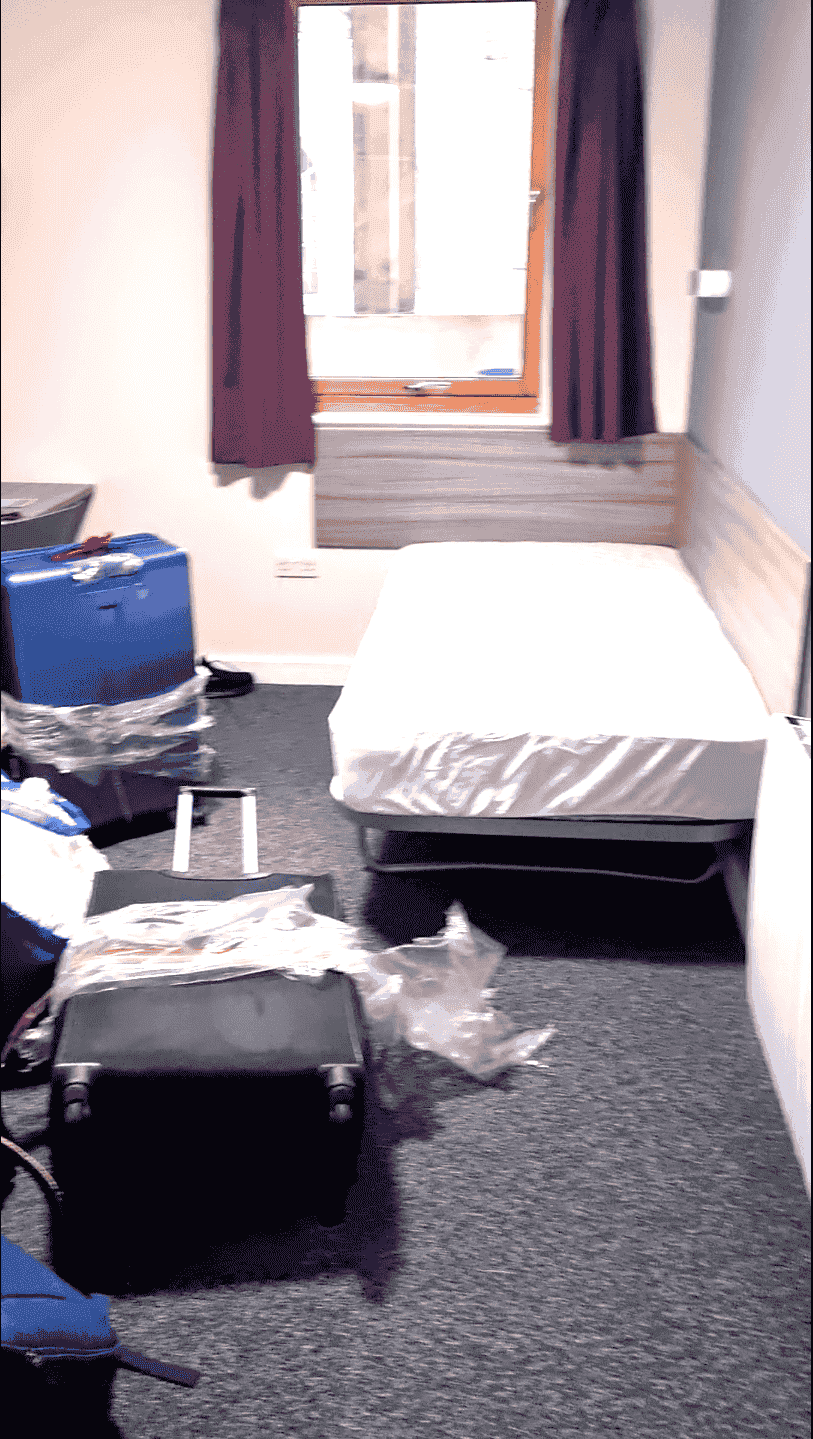
- Tuition was about GBP 39,000. Hostel charges, which are provided by vendors licensed by LSE, range from GBP 6,000 to 20,000. I took one for about 8,500. No other significant charges.
- Fees were charged by semester apart from the deposit needed to confirm the seat after admission, which was around GBP 3,500 and part of the overall tuition mentioned above.
- Monthly expenses took about GBP 500-600, with GBP 300 going to food, GBP 150 for transport and the rest for miscellaneous expenses.


Course Curriculum
The social science courses at LSE were updated, relevant and hands on such as social psychology. We had a new activity in our seminar every week, which helped us understand the concepts with real life examples. The management courses, however, were more readings and case-studies based. While that was helpful, they could make more of an effort to make the management courses more practical and experience-based. In my operations management course, we had a live project with a restaurant to understand their operations first-hand.
LSE is renowned worldwide for their academic standards, nobel prize winning professors and holistic student life in one of the most hustling cities in the world. i also choose this course because it gave me the opportunity to choose from 300 different courses and meet people from around the globe. It was a program that I could do simultaneously as part of my undergrad so the timing was perfect too.
Course Curriculum
It’s a unique course that combine psychology and economics. Not purely behavioural economics. A lot of implications of sustainability and shaping better behaviours and policies. The curriculum is dense and thorough.
Because of its ranking and reputation. More importantly the course is unique and something I was very interested in
Course Curriculum
Course syllabus is very challenging.More than the syllabus its the crowd of such smart people which encourages me to work harder.
LSE is world's no 1 University and it very difficult to get a place there. Its faculty is too good and the only reason I applied in first place
SUBSCRIBE TO OUR NEWS LETTER



Comments