



These Financial Management and Planning handwritten notes turn the whole chapter into clean, handwritten pages for fast last-minute revision. They follow the 2026-27 NCERT syllabus and Chapter 10 of Class 11 Home Science. Students get the meaning of financial management, the three types of income, the family budget and its five steps, needs versus wants, savings, the principles of sound investment, and the main investment avenues, all in a pen-on-paper format that is easy to skim before the Class 11 final exam.
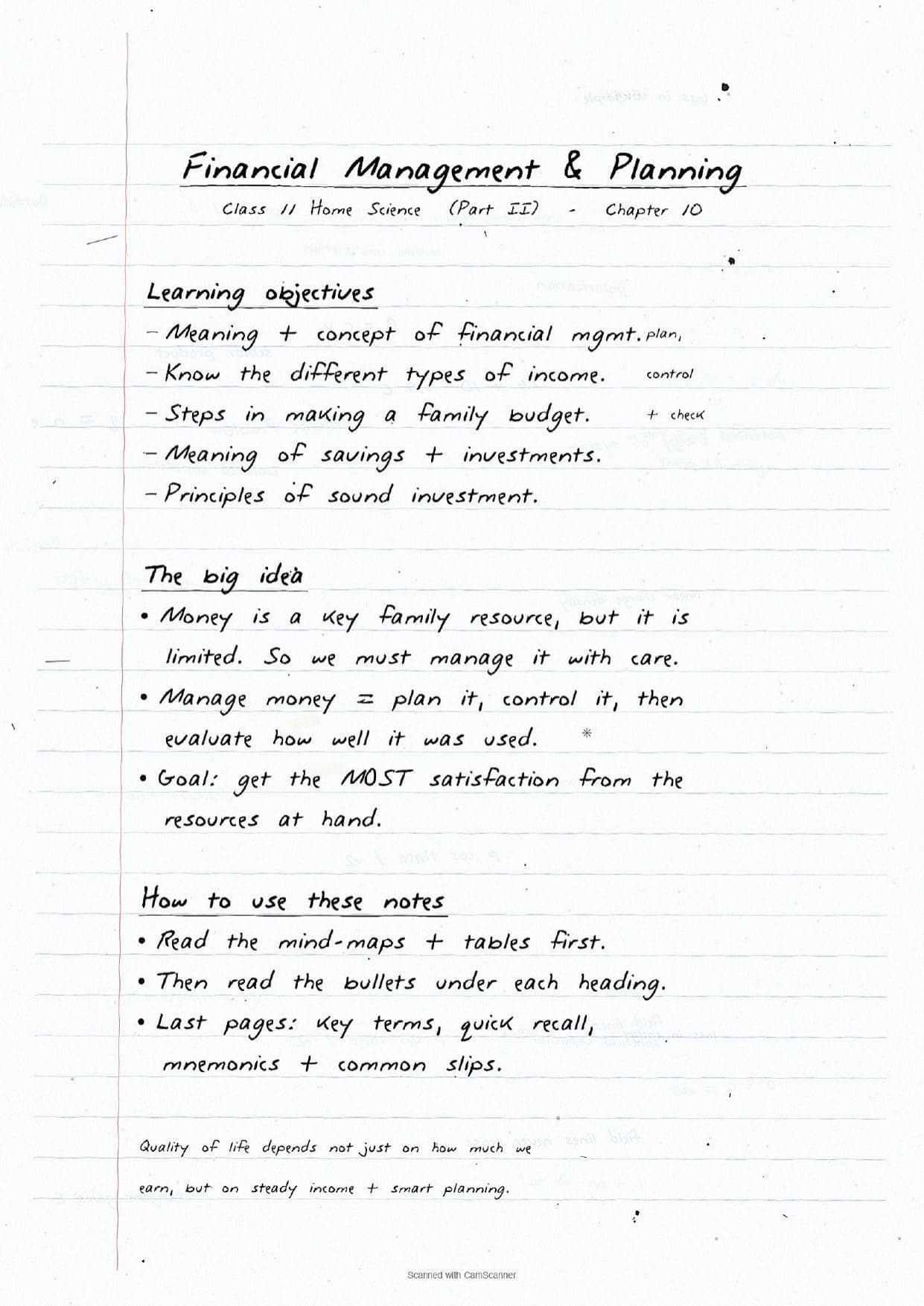
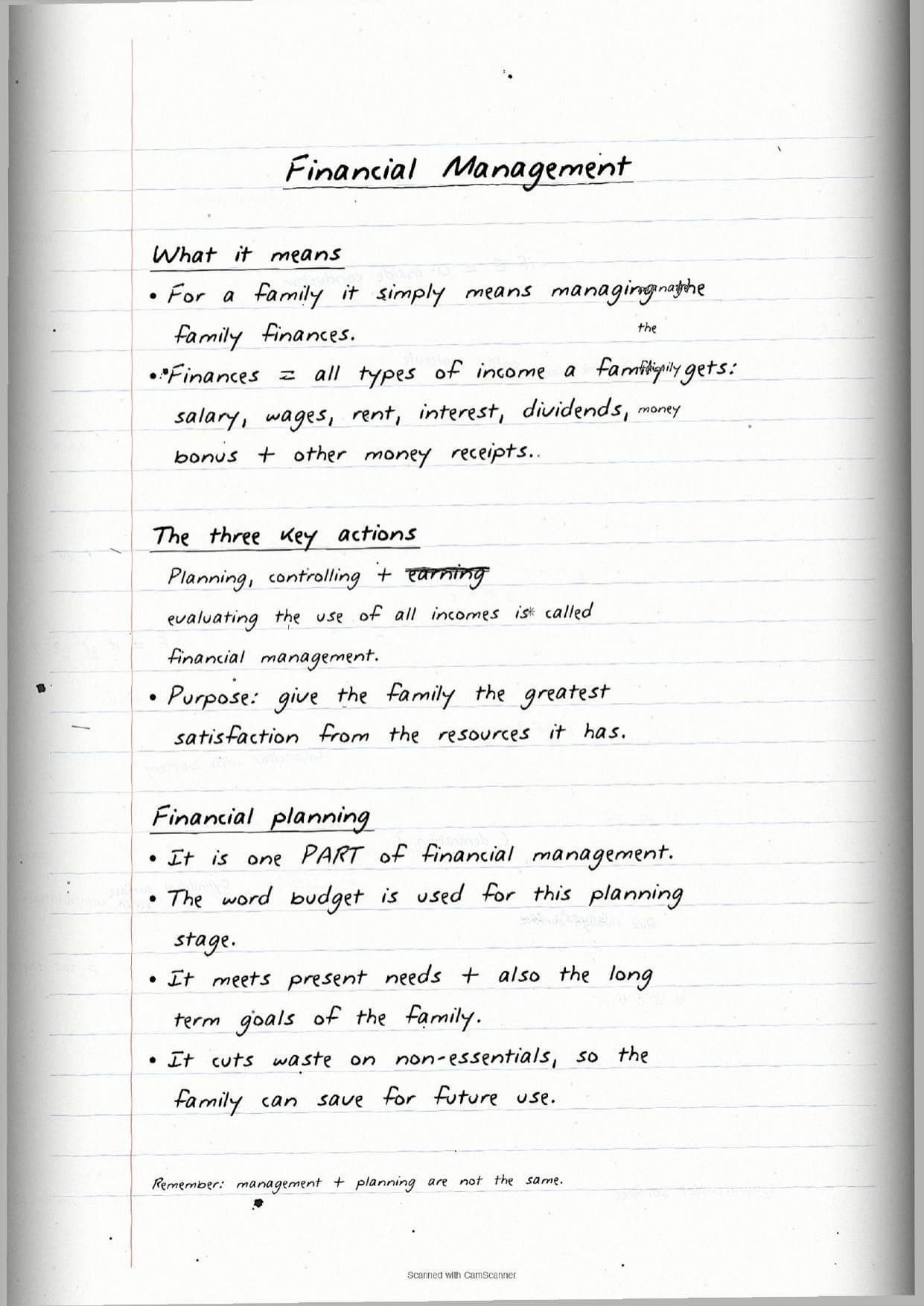
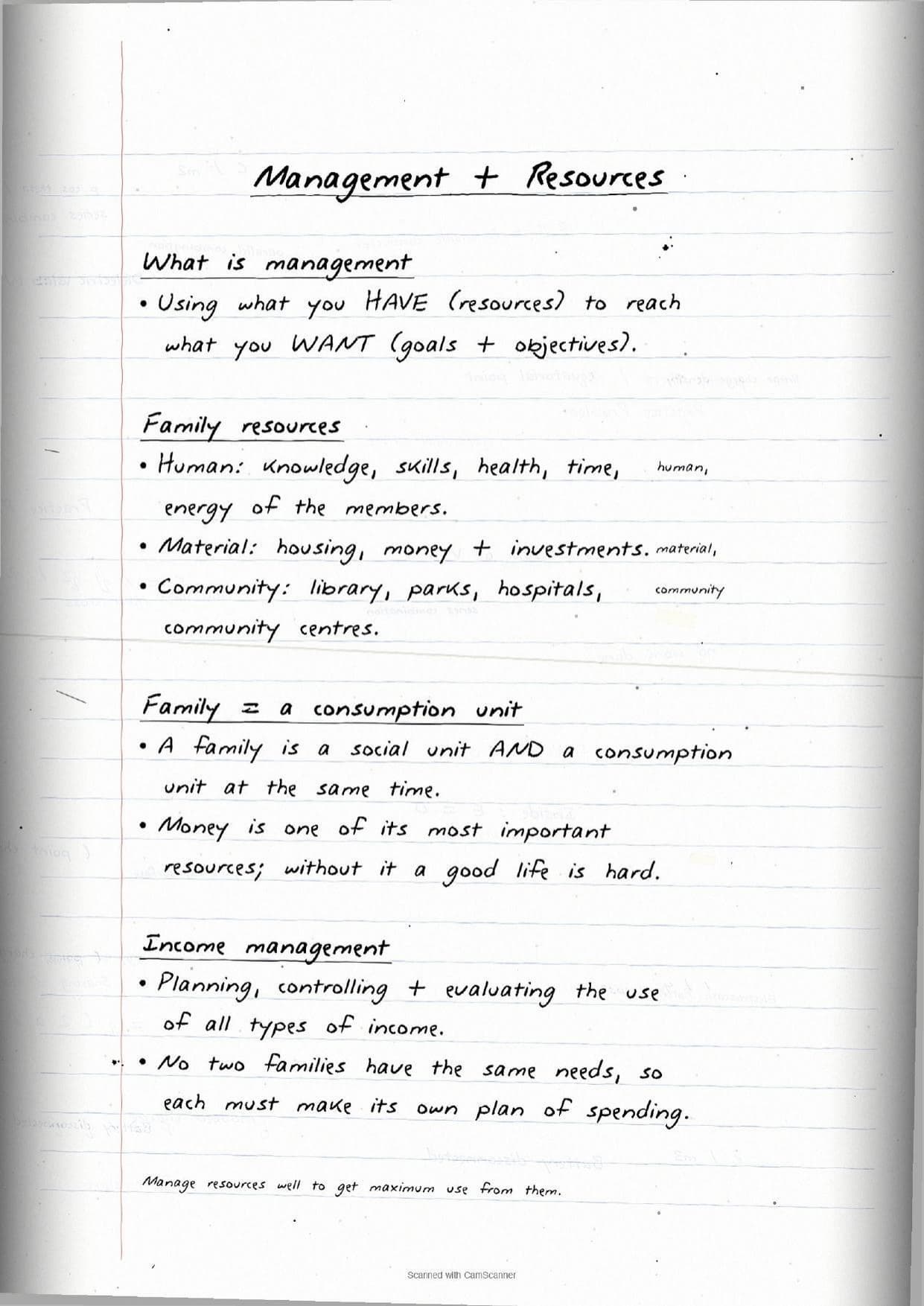
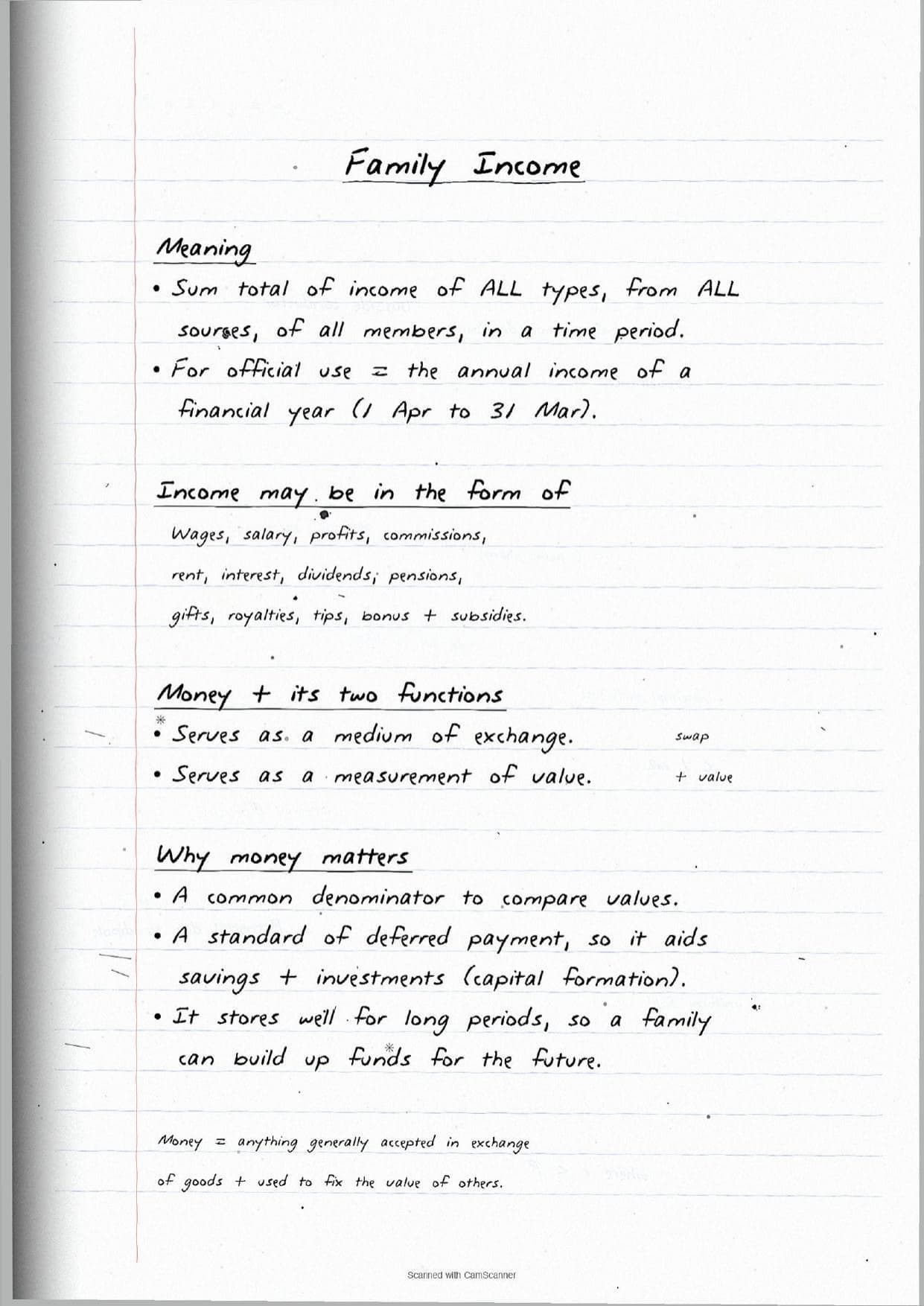
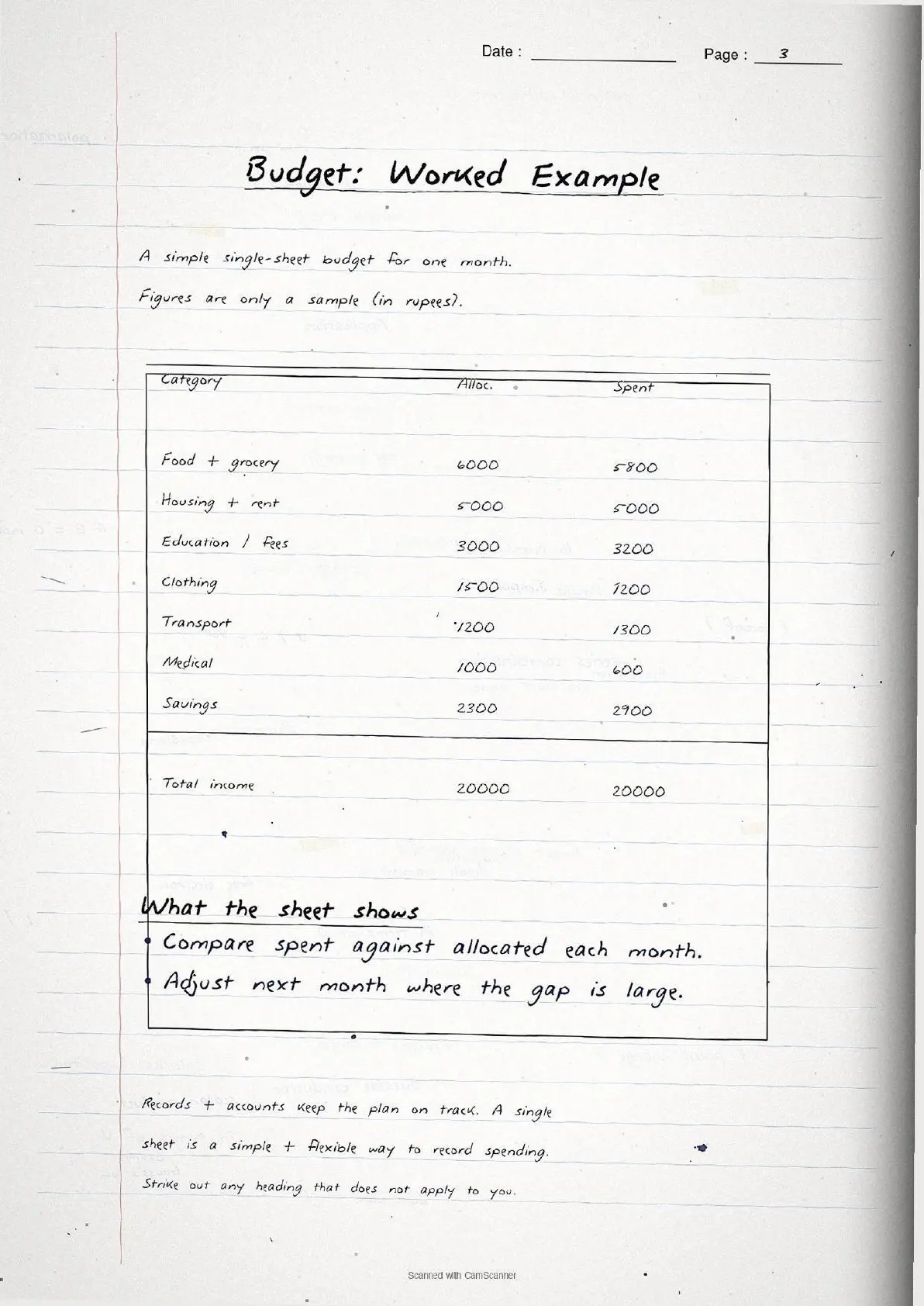
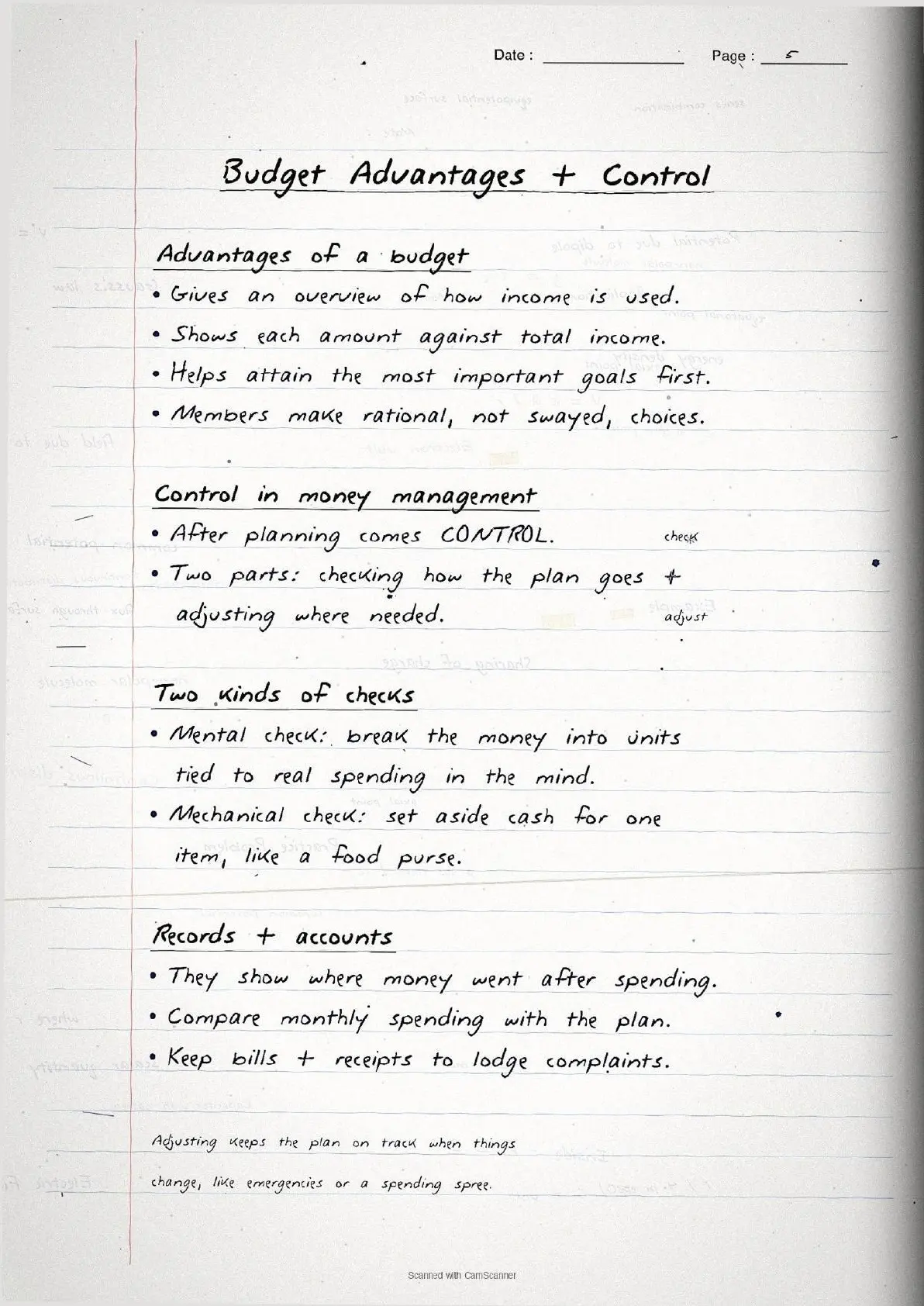
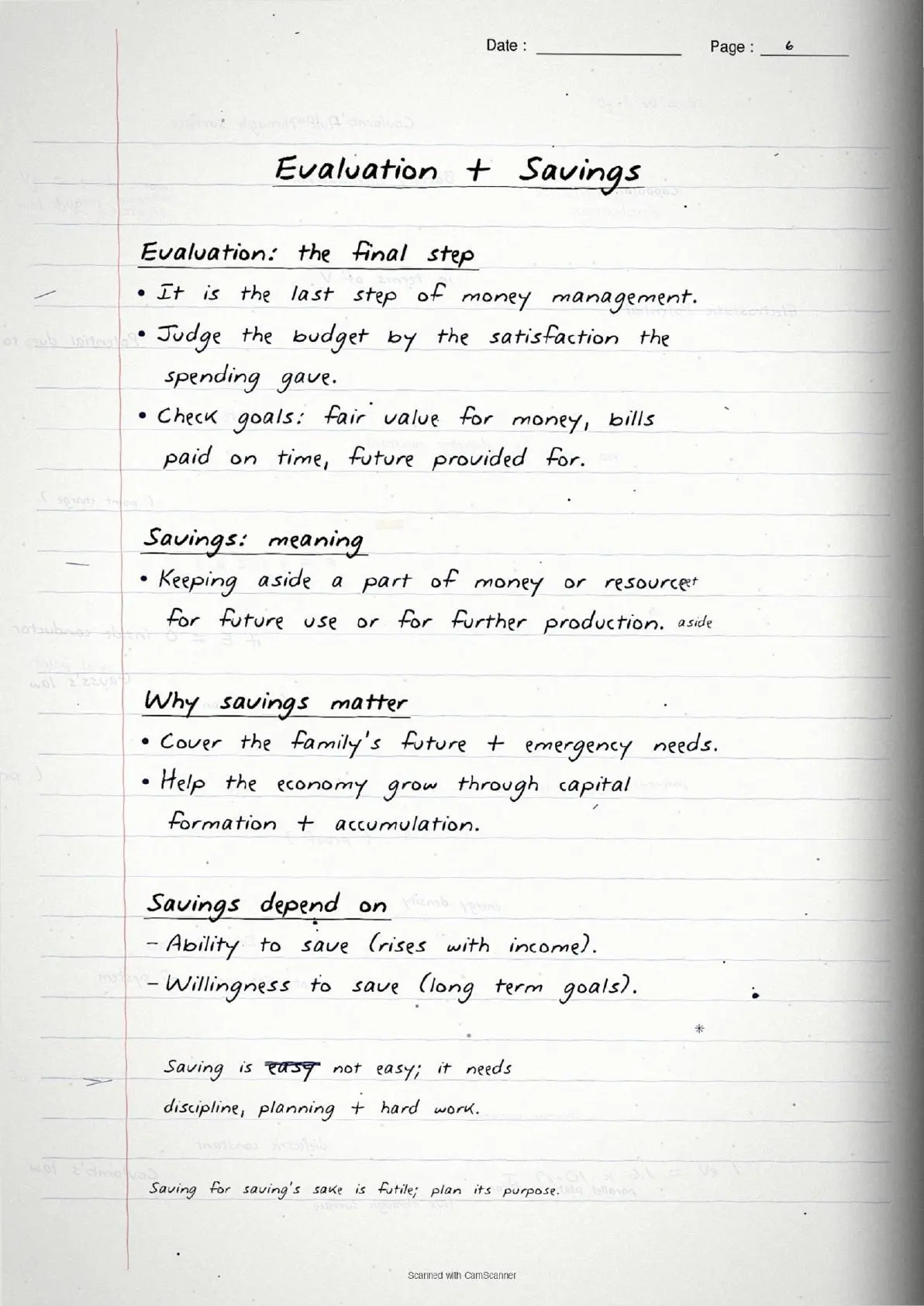
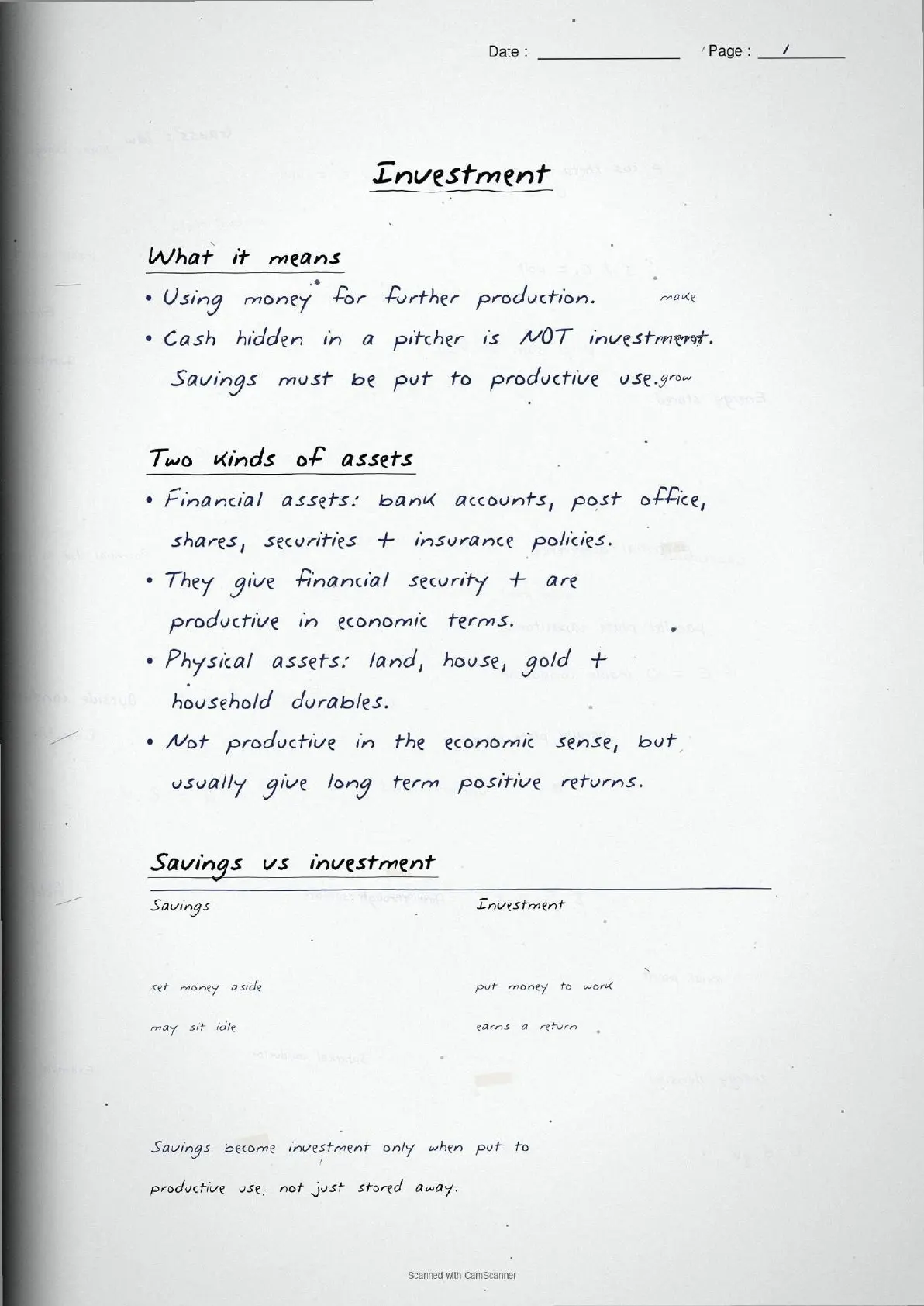
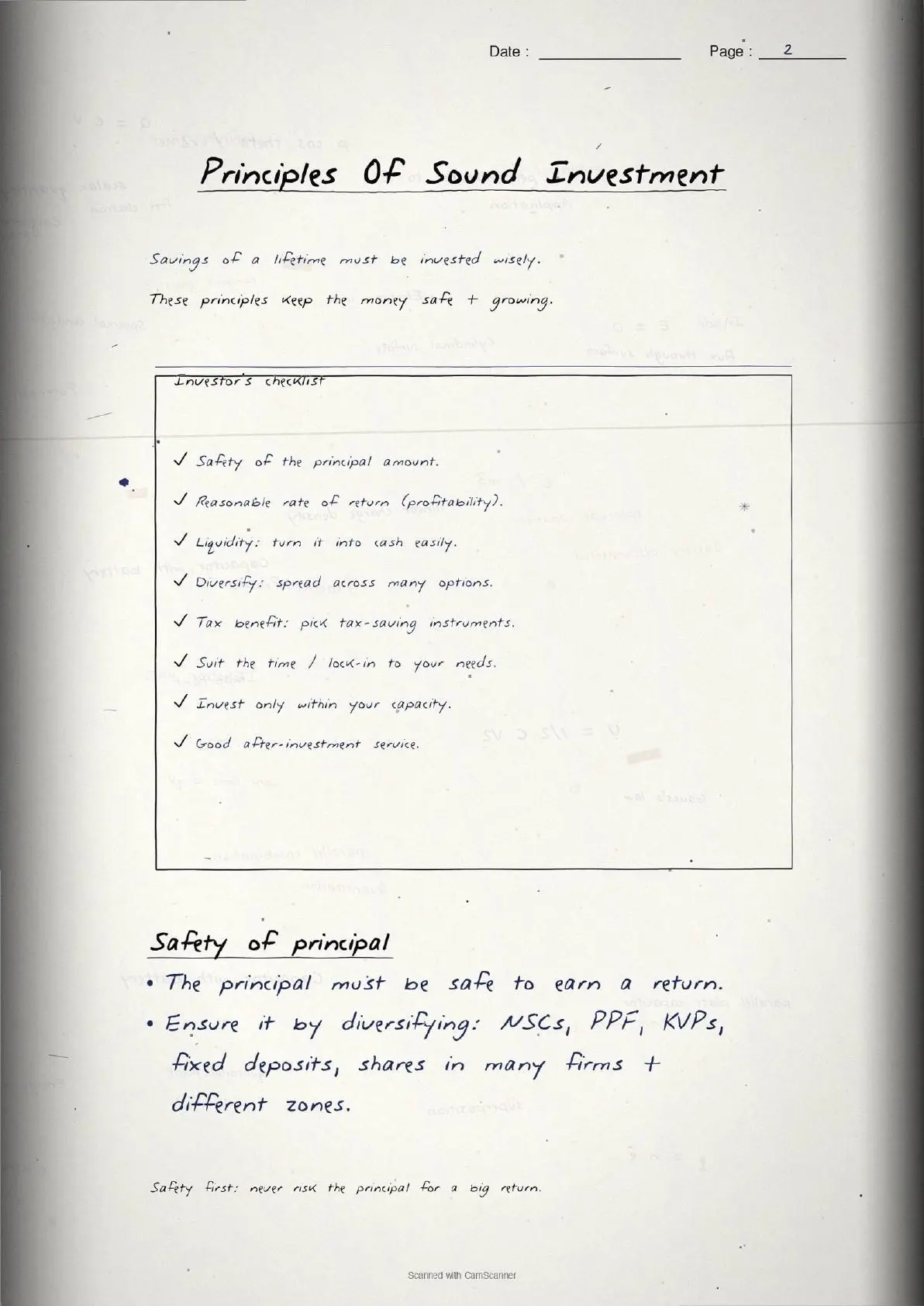
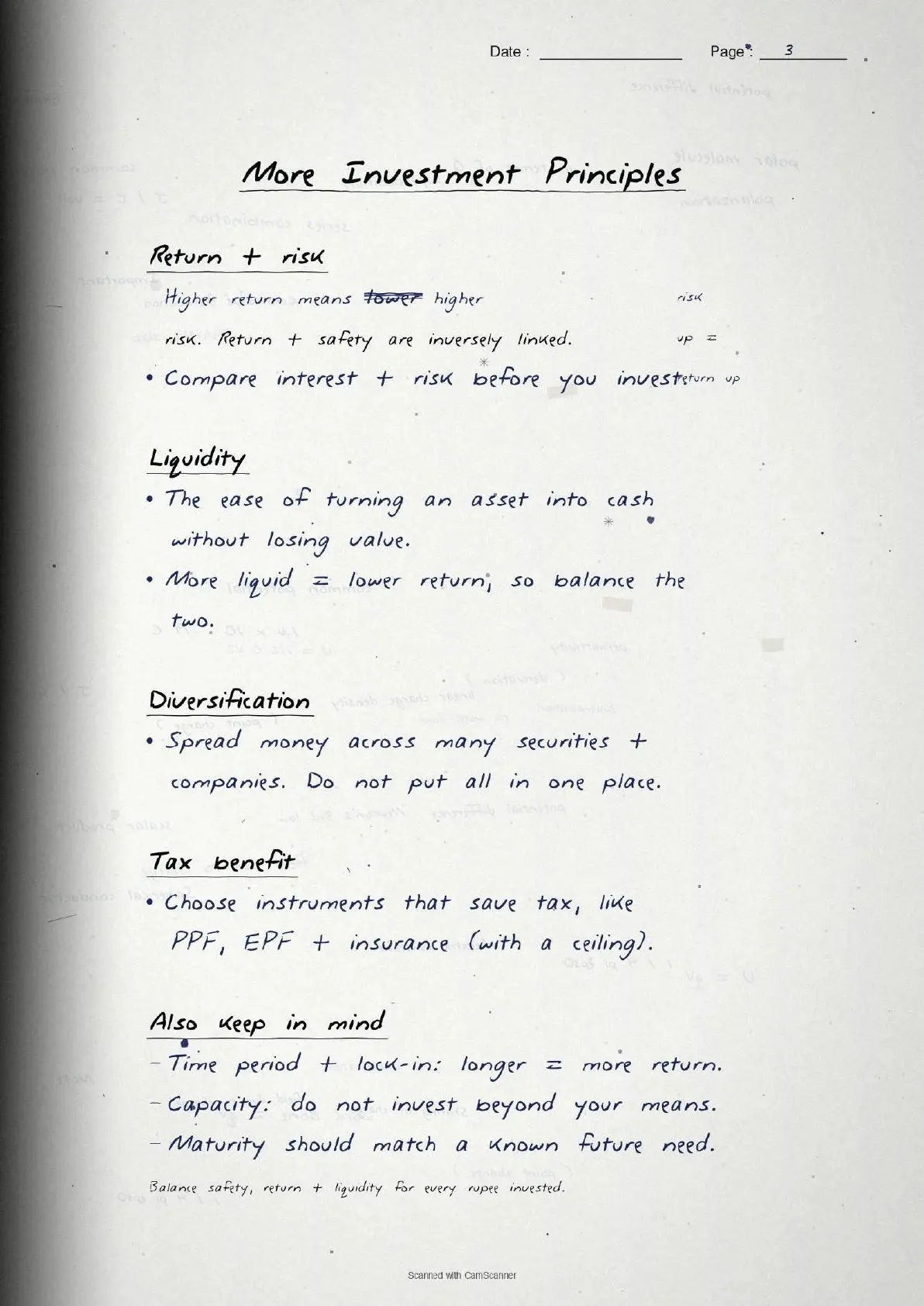
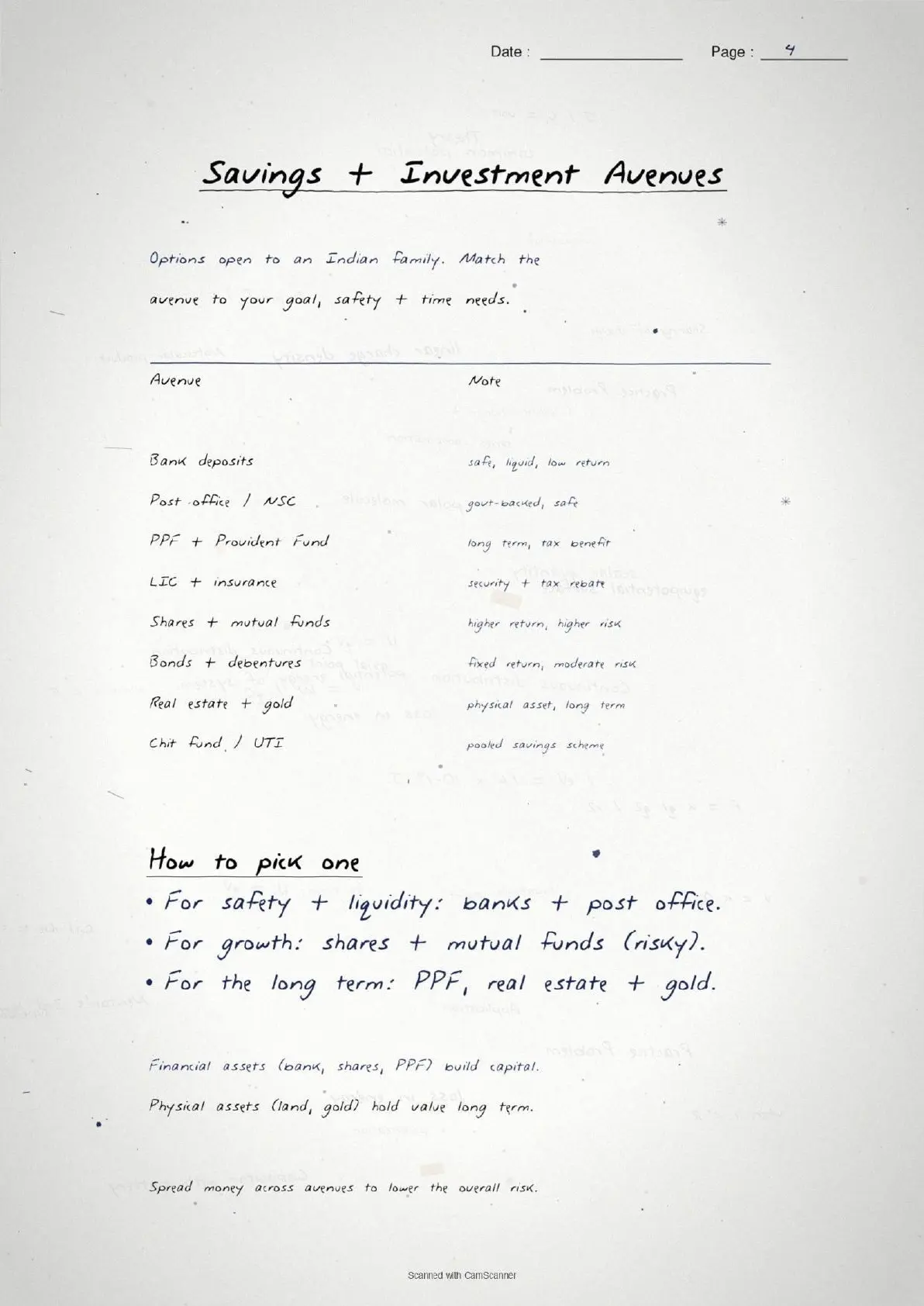
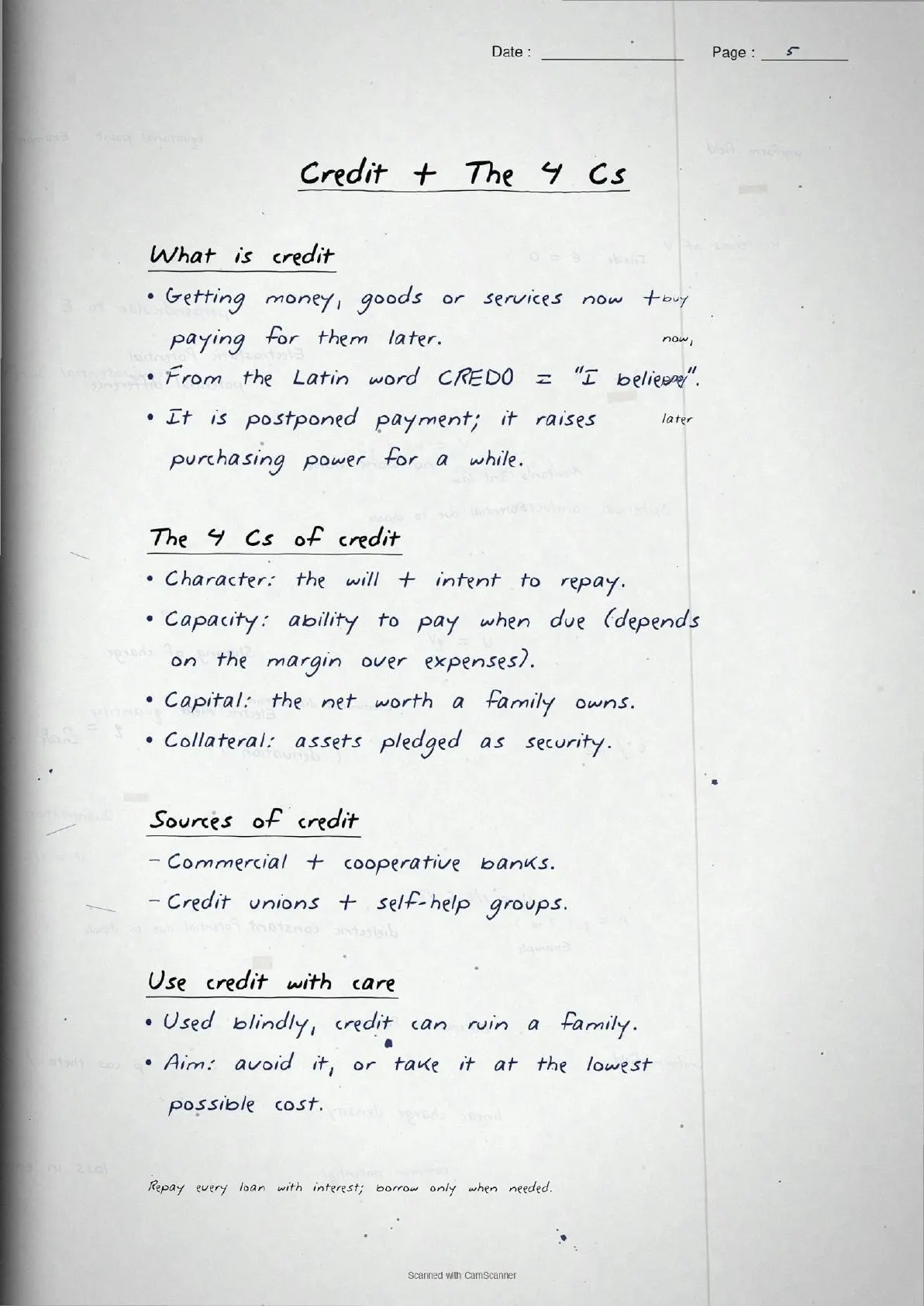
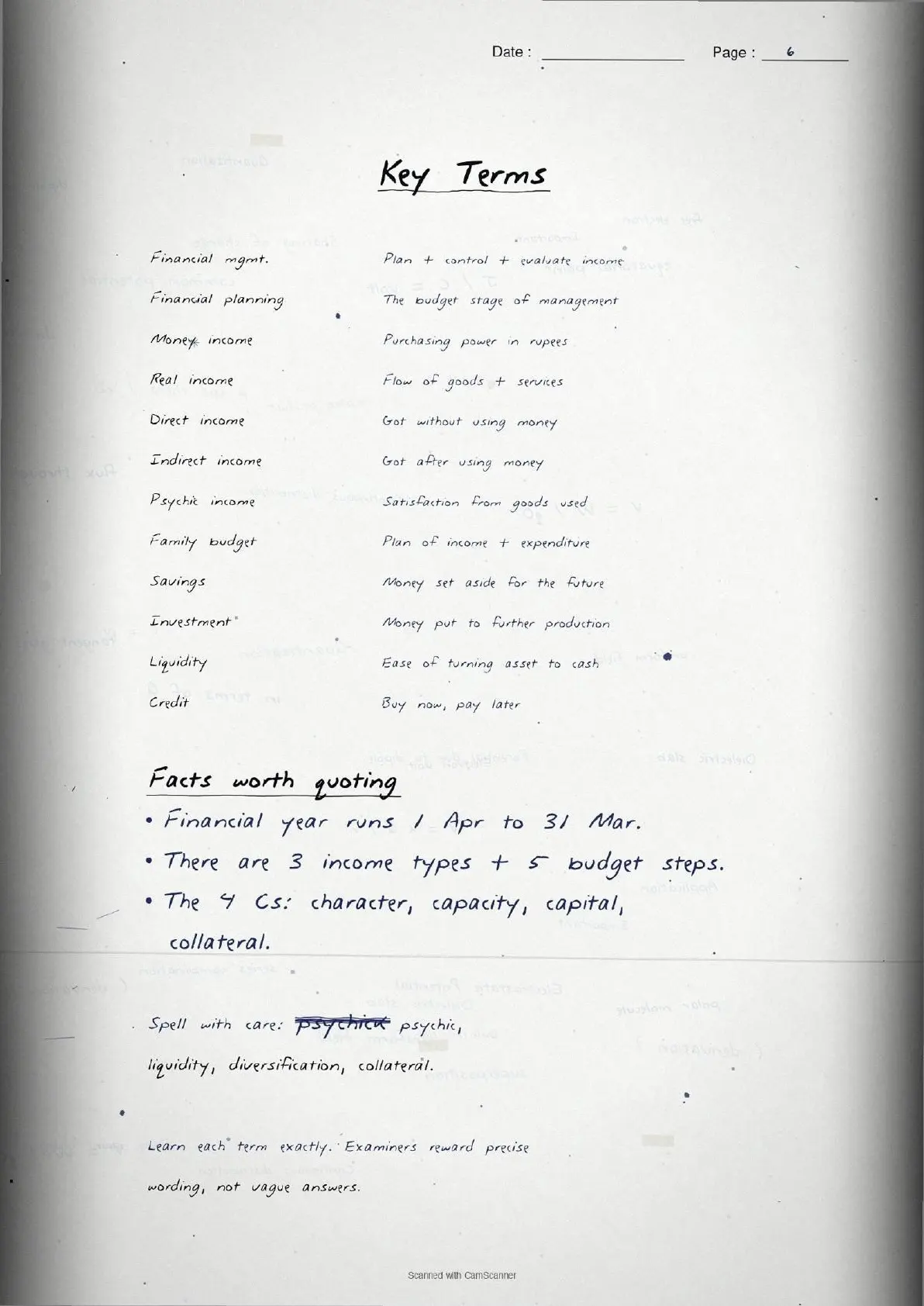
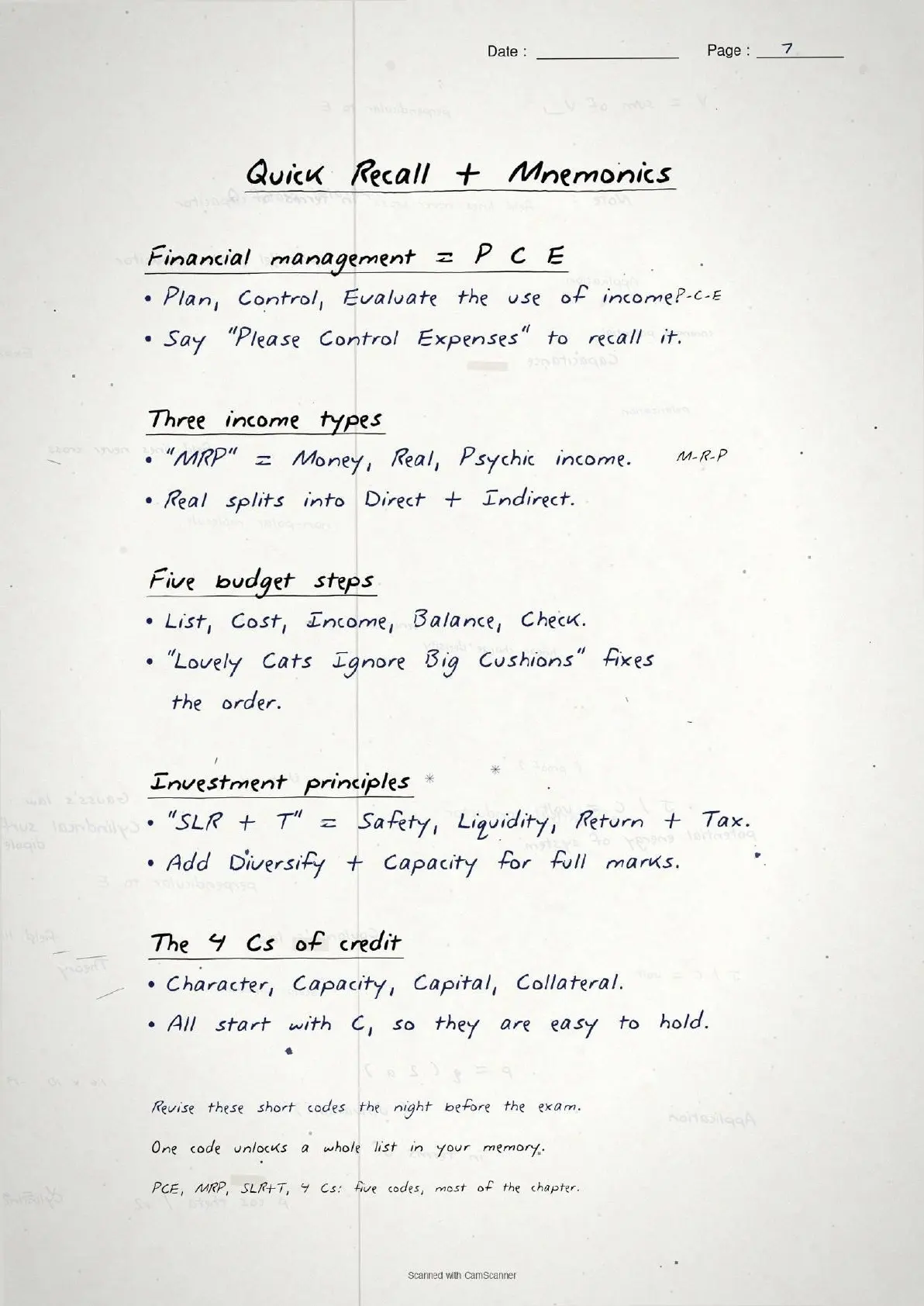
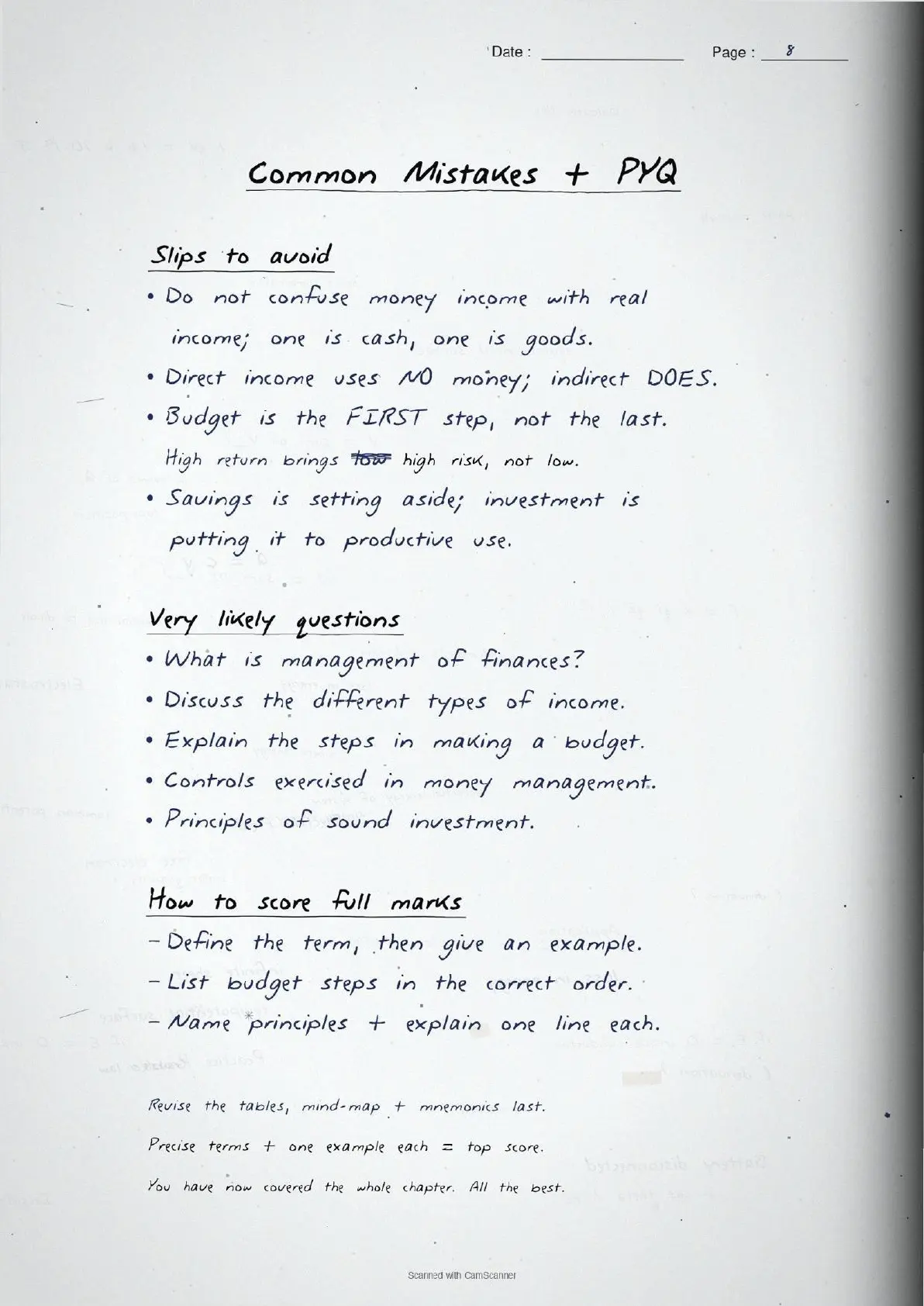
- Handwritten pages with boxed key terms, an income mind-map, a worked budget table, and a hand-drawn investment checklist.
- Money planning is a core Class 11 Home Science topic and also useful groundwork for CUET and everyday life.
- Pairs with the NCERT Solutions, Notes and Book PDF linked lower on this page.
These Financial Management and Planning handwritten notes are prepared from the official NCERT Home Science (Human Ecology and Family Sciences) textbook and checked against recent CBSE Class 11 question papers.
Student Feedback: In a Collegedunia poll of 4,730 Class 11 Home Science students, 76% of students said the handwritten pages helped them recall the three types of income, the five budget steps and the principles of sound investment faster than printed text, because the boxed tables and mind-map made the ideas stick.
Source: 2026-27 Class 11 Home Science student poll. Sample of 4,730 students from CBSE schools across 9 states.
What These Financial Management and Planning Handwritten Notes Contain
Financial Management and Planning is Chapter 10 of Class 11 Home Science. It explains how a family plans, controls and evaluates the use of its money so it gets the most satisfaction from limited resources. These handwritten notes condense the chapter into handwritten pages that read like a topper's own notebook.
The notes are organised under three threads, each on its own set of pages:
- Income: the meaning of financial management, family income and its sources, and the three types of income with a mind-map.
- The budget: what a family budget is, the five steps to prepare it, a worked budget table, and needs versus wants.
- Savings and investment: the meaning of savings, sound investment principles, and the main investment avenues open to a family.
Because the pages are handwritten, the key terms sit in boxes and tables rather than long paragraphs. A student can flip through the financial management class 11 pages in a few minutes and still pick up the income types, the budget steps and the investment principles before walking into the exam.
Types of Income in the Handwritten Pages
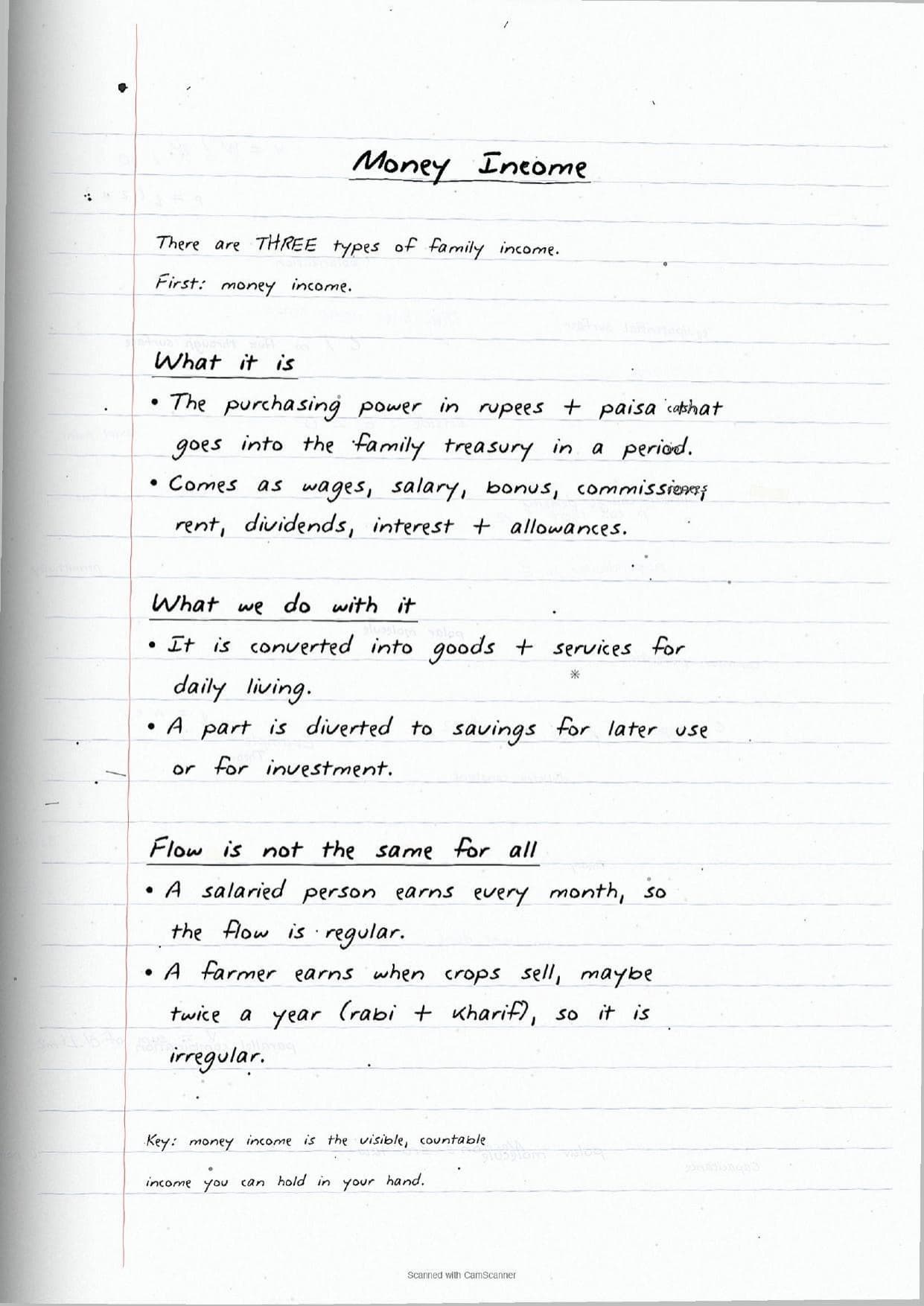
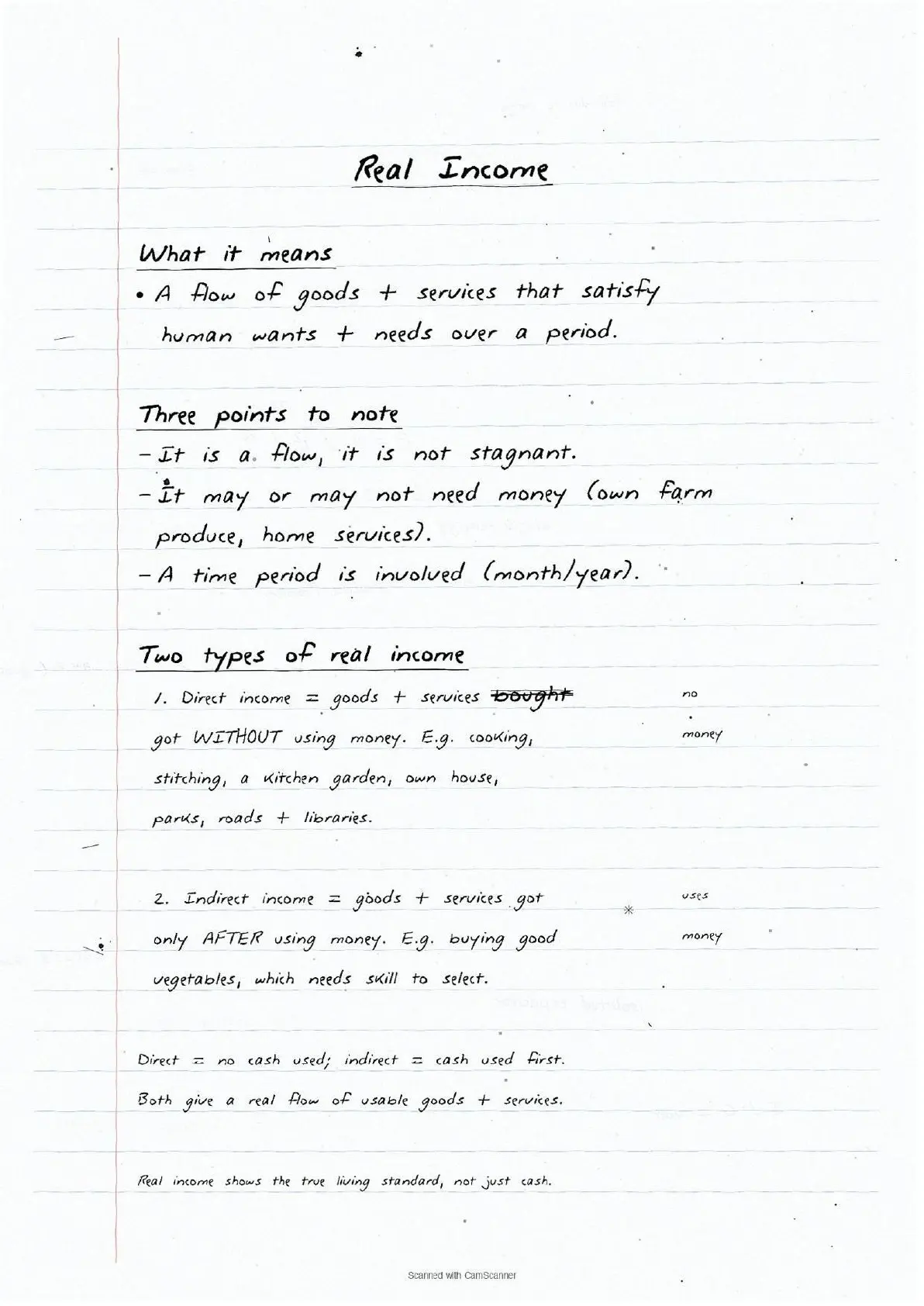
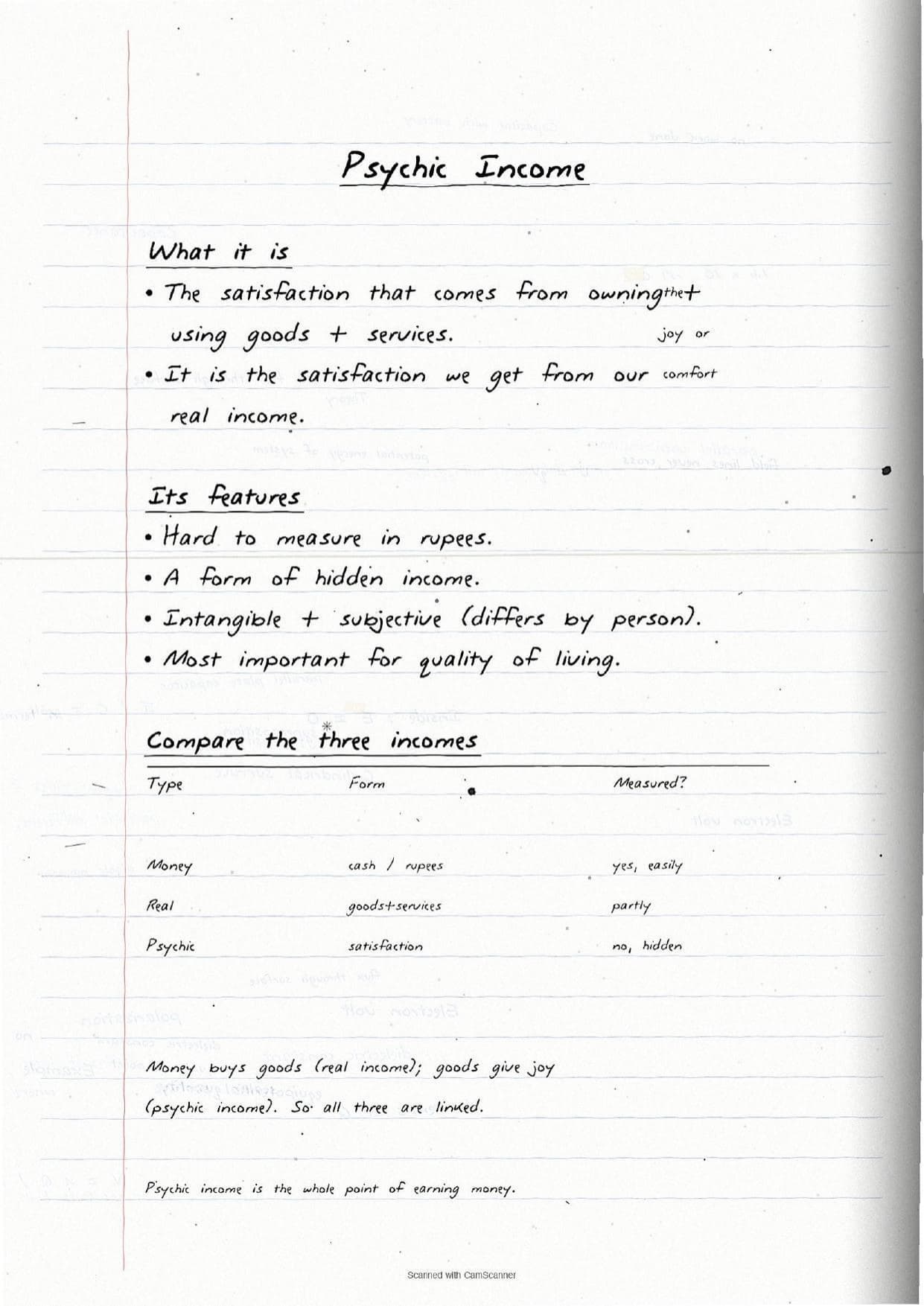
The opening pages settle what financial management means and then break income into its three types. For a family, financial management means planning, controlling and evaluating the use of all incomes so the family gains the greatest satisfaction from the resources it has. Family income is the sum total of income of all types, from all sources, of all members, in a given time period. The notes then split income into three clear types, boxed side by side.
| Type of income | What the page shows |
|---|---|
| Money income | Purchasing power in rupees: wages, salary, bonus, rent, interest and dividends. It is visible and easy to count. |
| Real income | A flow of goods and services that satisfy wants. It splits into direct income (got without money, like cooking) and indirect income (got after using money). |
| Psychic income | The satisfaction from owning and using goods and services. It is intangible and hard to measure, yet it is the whole point of earning. |
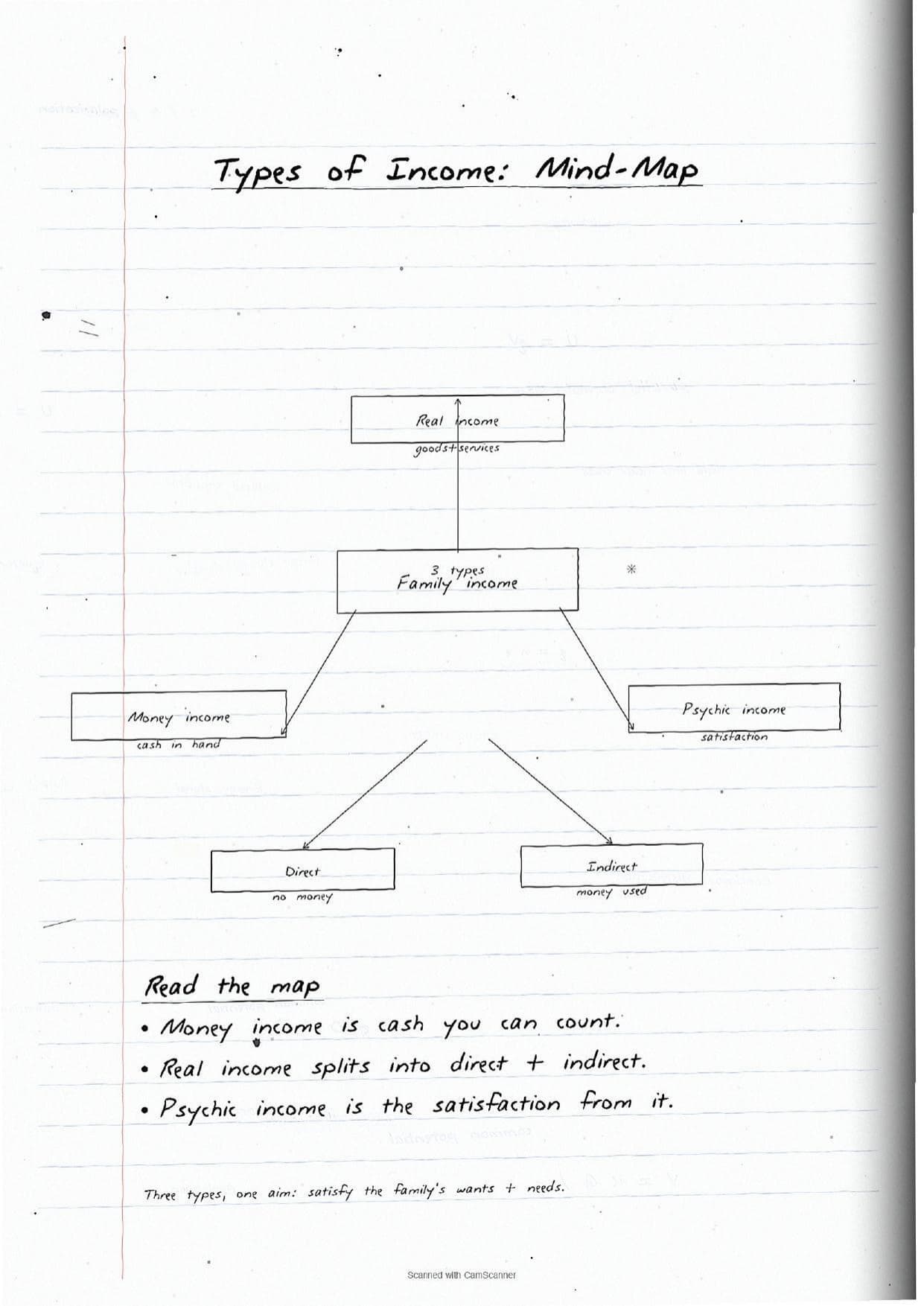
The pages also show how the three link together. Money buys goods and services, which is real income, and those goods give satisfaction, which is psychic income. A small mind-map draws family income at the centre with the three types as spokes, and real income branching into direct and indirect. The notes add that money income can flow regularly, as for a salaried worker, or irregularly, as for a farmer who earns when the crops sell.
Budget, Savings and Investment in the Handwritten Pages
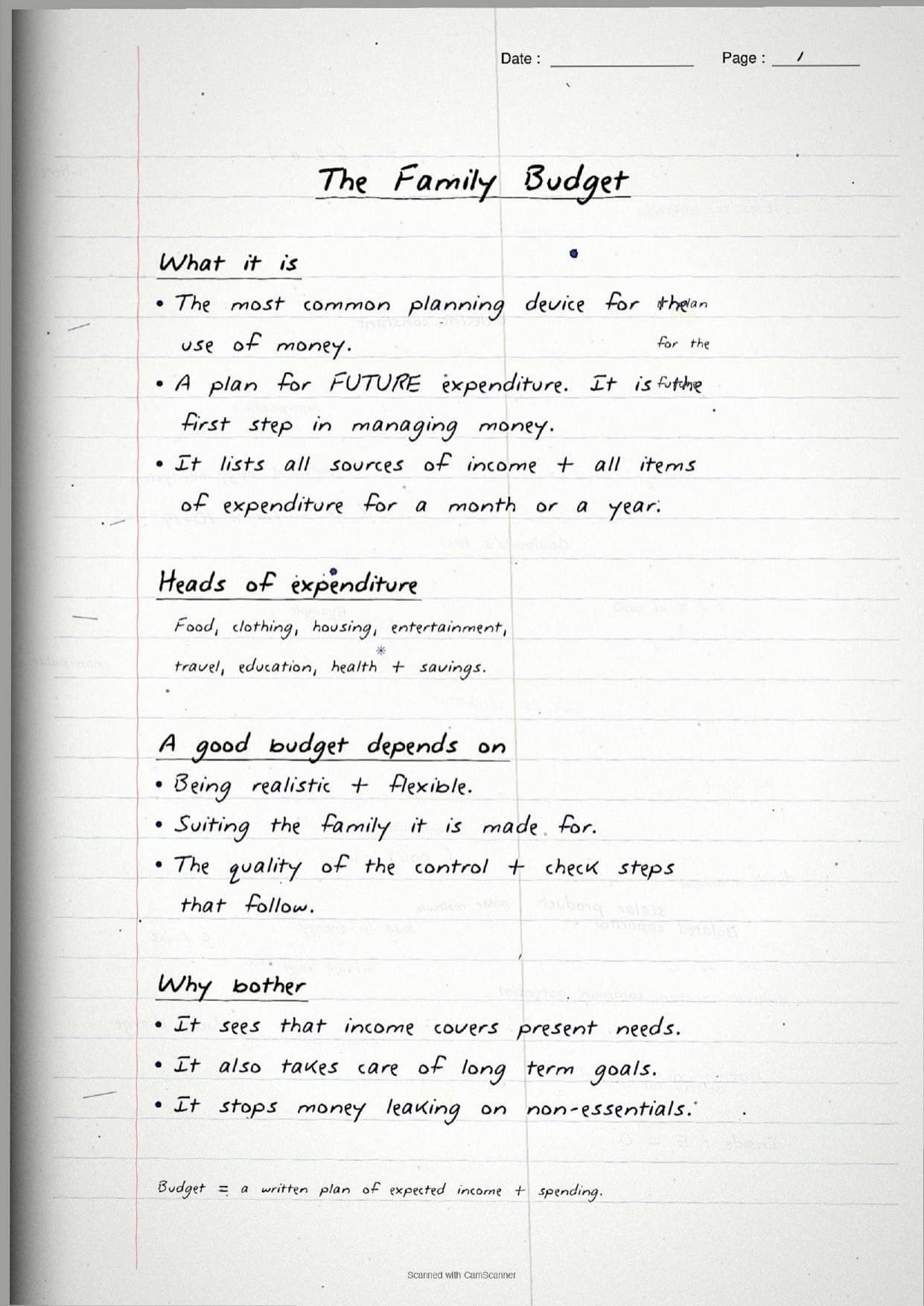
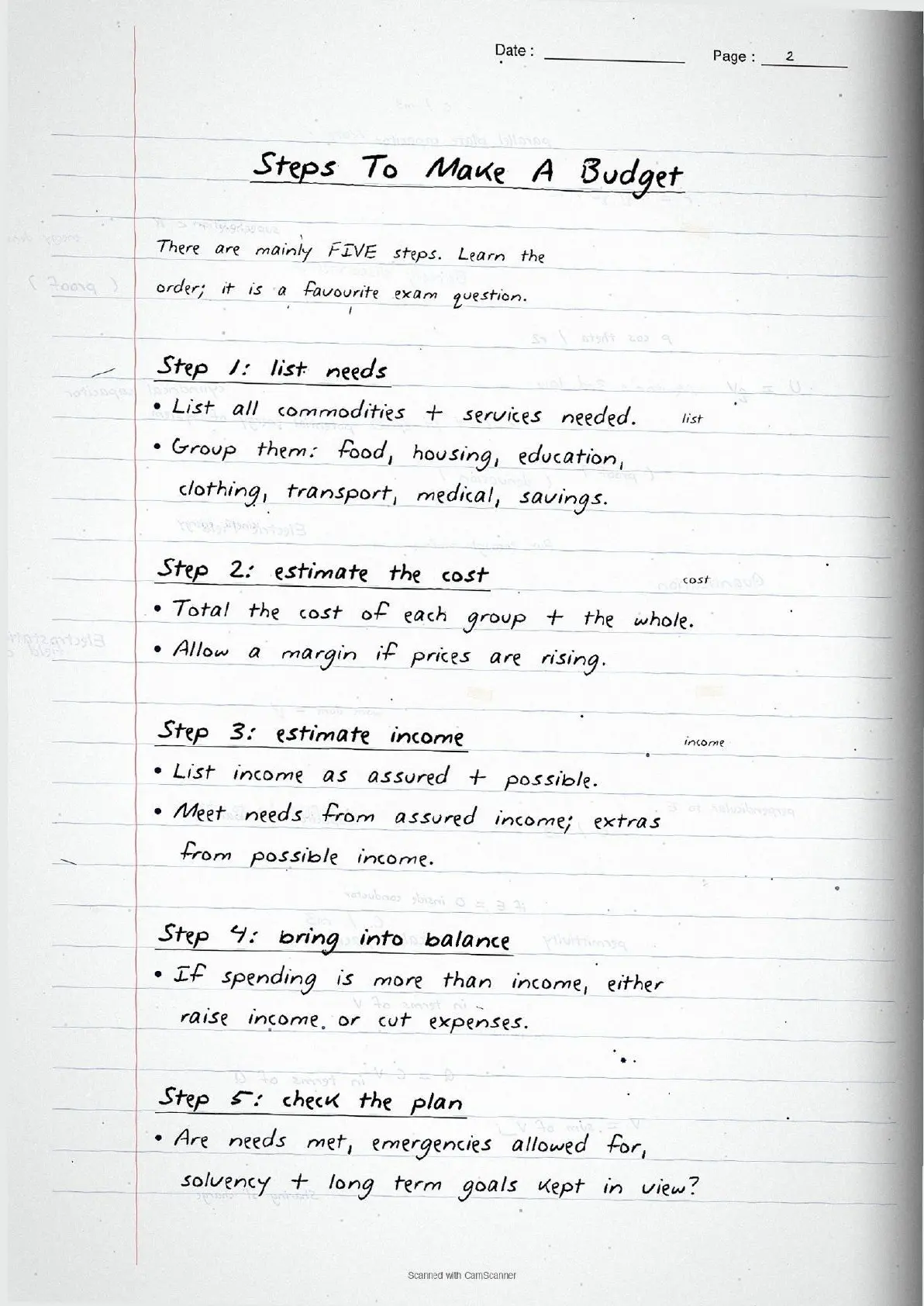
The middle and later pages move from income to spending it wisely. A family budget is a plan for future expenditure that lists all sources of income against all heads of spending for a month or a year. The notes present the five steps as an ordered list, because the order is a favourite exam question.
| Step | What the page shows |
|---|---|
| 1. List needs | List all goods and services needed, grouped into food, housing, clothing, education, transport, medical and savings. |
| 2. Estimate cost | Total the cost of each group, allowing a margin if prices are rising. |
| 3. Estimate income | List income as assured and possible; meet needs from assured income, extras from possible. |
| 4. Bring into balance | If spending exceeds income, either raise income or cut expenses. |
| 5. Check the plan | Confirm needs are met, emergencies allowed for, and long term goals kept in view. |
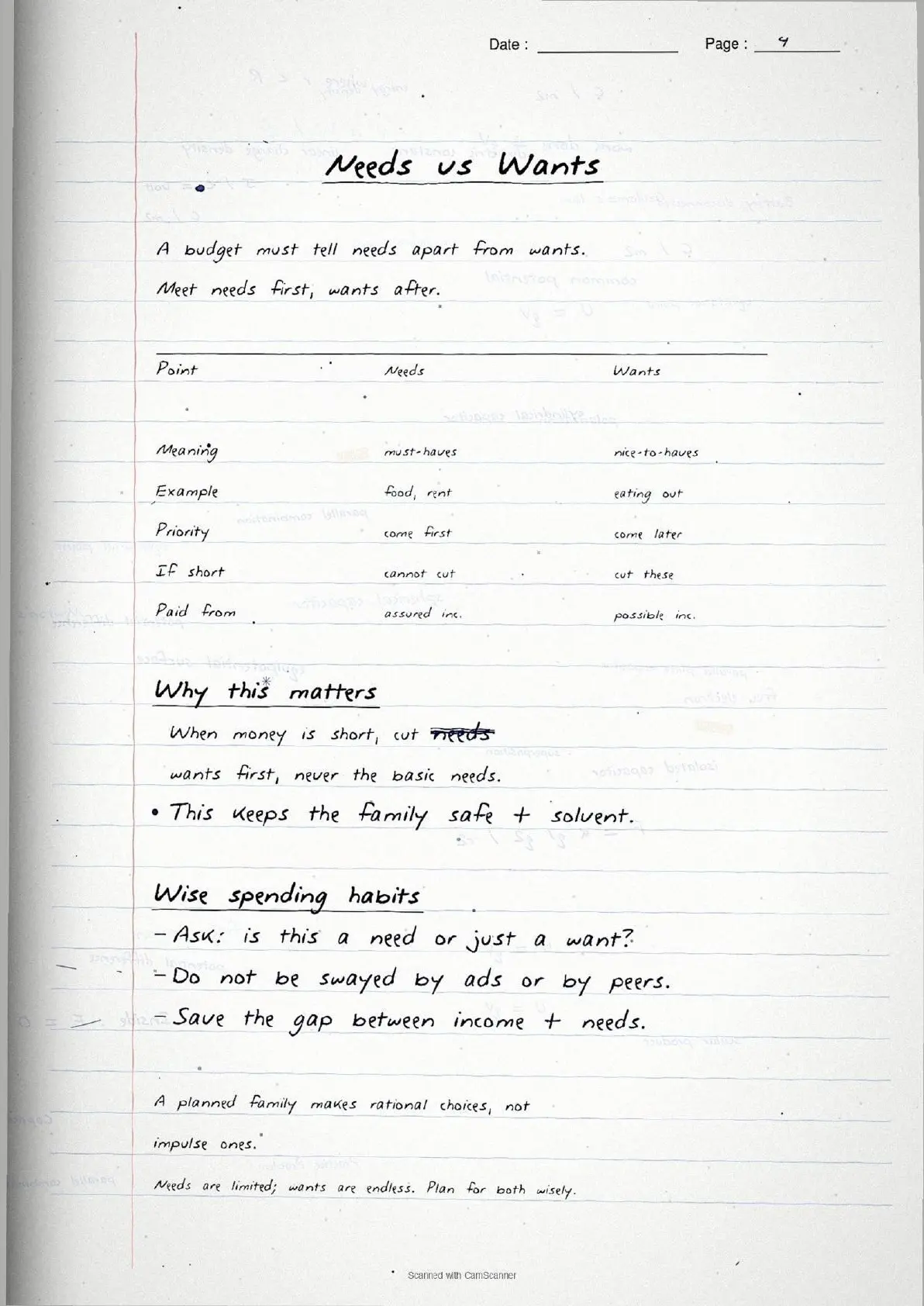
A boxed panel separates needs (must-haves like food and rent that come first) from wants (nice-to-haves like eating out that come later), with the rule that when money is short you cut wants, never needs. The final pages cover money that is left over. Savings means keeping aside a part of money for future use, while investment means putting those savings to productive use so they grow. The notes then list the principles of sound investment and match them to real avenues.
- Safety: the principal amount must be secure before it can earn a return.
- Liquidity: the asset should turn into cash easily when needed.
- Return: a reasonable rate of profit, kept in balance with risk.
- Risk: a higher return means higher risk, so the two are weighed together.
- Diversification: spread money across many options rather than one.
An avenues table sits alongside, matching each option to its nature: bank deposits and the post office for safety and liquidity, PPF for the long term with a tax benefit, LIC for security, shares and mutual funds for higher but riskier returns, and real estate and gold as physical assets that hold value over time.
How to Use These Handwritten Notes
Handwritten notes work best as a final-revision tool, not a first read. The steps below show how to get the most out of the Financial Management and Planning handwritten notes in the last days before a test.
- Download: tap the download card above to save the handwritten pages to your device.
- First read: read the printed Notes once so the handwritten pages act as a refresher, not a first source.
- Recall drill: cover the page and try to write the three income types and the five budget steps from memory.
- Night before: flip through the income mind-map and the investment checklist for a quick last-minute recall.
Many students search for class 11 home science chapter 10 notes on their phone the night before a test, so a saved set of handwritten pages means you can revise offline. Use the handwritten notes for speed, then check the solutions to confirm you have the answer points right.
Common Mistakes These Notes Help You Avoid
A few errors cost marks every year. The handwritten notes flag each one in the margin so you can fix it before the exam. These five are the most common.
- Confusing money income with real income. One is cash, the other is a flow of goods and services.
- Swapping direct and indirect income. Direct uses no money; indirect uses money first.
- Putting the budget last. The budget is the first step in managing money, not the final one.
- Getting risk backwards. A higher return brings higher risk, never lower.
- Treating savings and investment as the same. Savings is setting money aside; investment is putting it to productive use.
Students who fix these five points usually move from average to high marks. The handwritten notes box every definition and list each income type, budget step and investment principle in full, so the soft points are hard to miss when you revise.
How These Handwritten Notes Pair with the Solutions and Book PDF
These handwritten notes are a fast revision tool. To prepare fully, students should use them alongside the other resources for the same chapter, all linked in the table below. Read the printed Notes, test yourself with the solutions, then use these pages for a final recall.
| Resource | Best used for |
|---|---|
| Financial Management and Planning NCERT Solutions | Step-by-step answers to all the chapter review questions |
| Financial Management and Planning Class 11 Notes | Quick chapter summary with income types, budget steps and principles in one place |
| Financial Management and Planning NCERT Book PDF | Reading the original NCERT chapter text and tables |
Tip: read the printed Notes first, then attempt the solutions, and keep these handwritten pages for the final night-before flip. Using them for recall, not for the first read, builds memory faster.
All Class 11 Home Science Handwritten Notes by Chapter
The table links the handwritten notes for every chapter in Class 11 Home Science, so students can move across the course in one click. Financial Management and Planning is highlighted.
| Chapter | Handwritten Notes |
|---|---|
| Chapter 1 | Human Ecology and Family Sciences |
| Chapter 2 | Understanding the Self |
| Chapter 3 | Food, Nutrition, Health and Fitness |
| Chapter 4 | Management of Resources |
| Chapter 5 | Fabrics Around Us |
| Chapter 6 | Media and Communication Technology |
| Chapter 7 | Concerns and Needs in Diverse Contexts |
| Chapter 8 | Nutrition, Health and Well-being |
| Chapter 9 | Our Apparel |
| Chapter 10 | Financial Management and Planning |
| Chapter 11 | Care and Maintenance of Fabrics |
FAQs on Financial Management and Planning Handwritten Notes
Financial Management and Planning Class 11 Home Science Handwritten Notes Common Questions
Ques. Where can I download the Financial Management and Planning handwritten notes PDF?
Ans. You can download the Financial Management and Planning Class 11 Home Science handwritten notes PDF directly from this page. It is free, follows the 2026-27 NCERT, and presents the types of income, the family budget, savings and the principles of sound investment as handwritten pages.
Ques. What are the three types of income in Class 11 Home Science Chapter 10?
Ans. The three types are money income, real income and psychic income. Money income is purchasing power in rupees, real income is the flow of goods and services (direct and indirect), and psychic income is the satisfaction gained from using them. The handwritten notes box each type and add a mind-map that links them.
Ques. What topics do these handwritten notes cover?
Ans. They cover the meaning of financial management, family income, the three types of income, the family budget and its five steps, needs versus wants, savings, the principles of sound investment such as safety, liquidity, return, risk and diversification, and the main investment avenues like banks, post office, PPF, LIC, shares, real estate and gold.
Ques. What are the five steps to prepare a family budget?
Ans. The five steps are: list the needs, estimate their cost, estimate the income, bring spending and income into balance, and check the final plan. The handwritten notes show the steps in this exact order because the sequence is a common exam question.
Ques. Are handwritten notes good for revising Class 11 Home Science Chapter 10?
Ans. Yes. Handwritten notes are best for fast, last-minute revision because the boxed tables, the income mind-map and the investment checklist make the ideas easy to skim. Use them after a first read of the printed Notes, not as your only source.



Comments