


Class 11 Sociology Chapter 5 Doing Sociology: Research Methods is a high-frequency chapter in the CBSE Class 11 Sociology exam. These class 11 sociology handwritten notes chapter 5 Doing Sociology: Research Methods follow the 2026-27 NCERT and cover objectivity, subjectivity and the problem of bias, reflexivity and careful documentation, quantitative vs qualitative, primary vs secondary methods. This page.
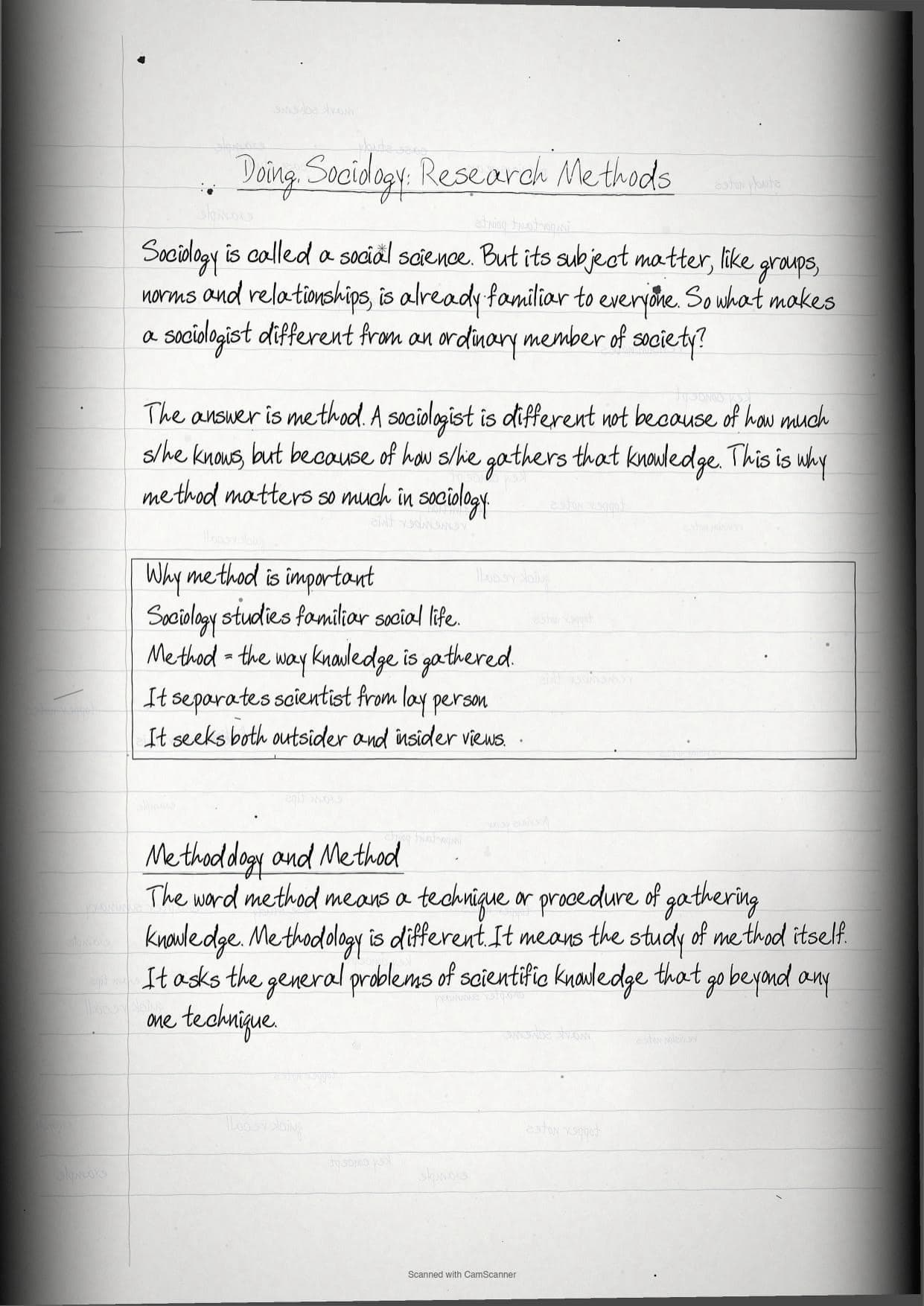
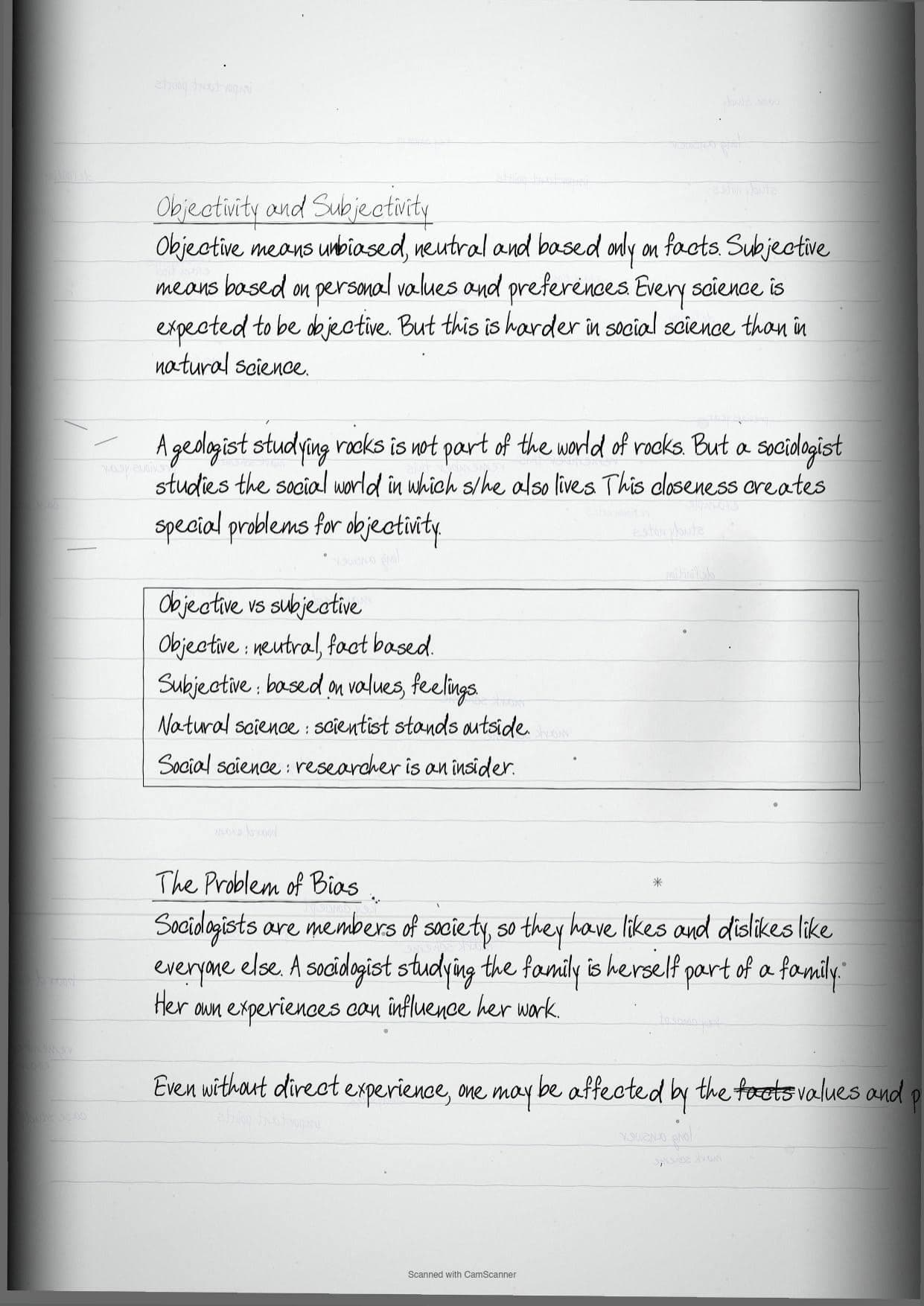
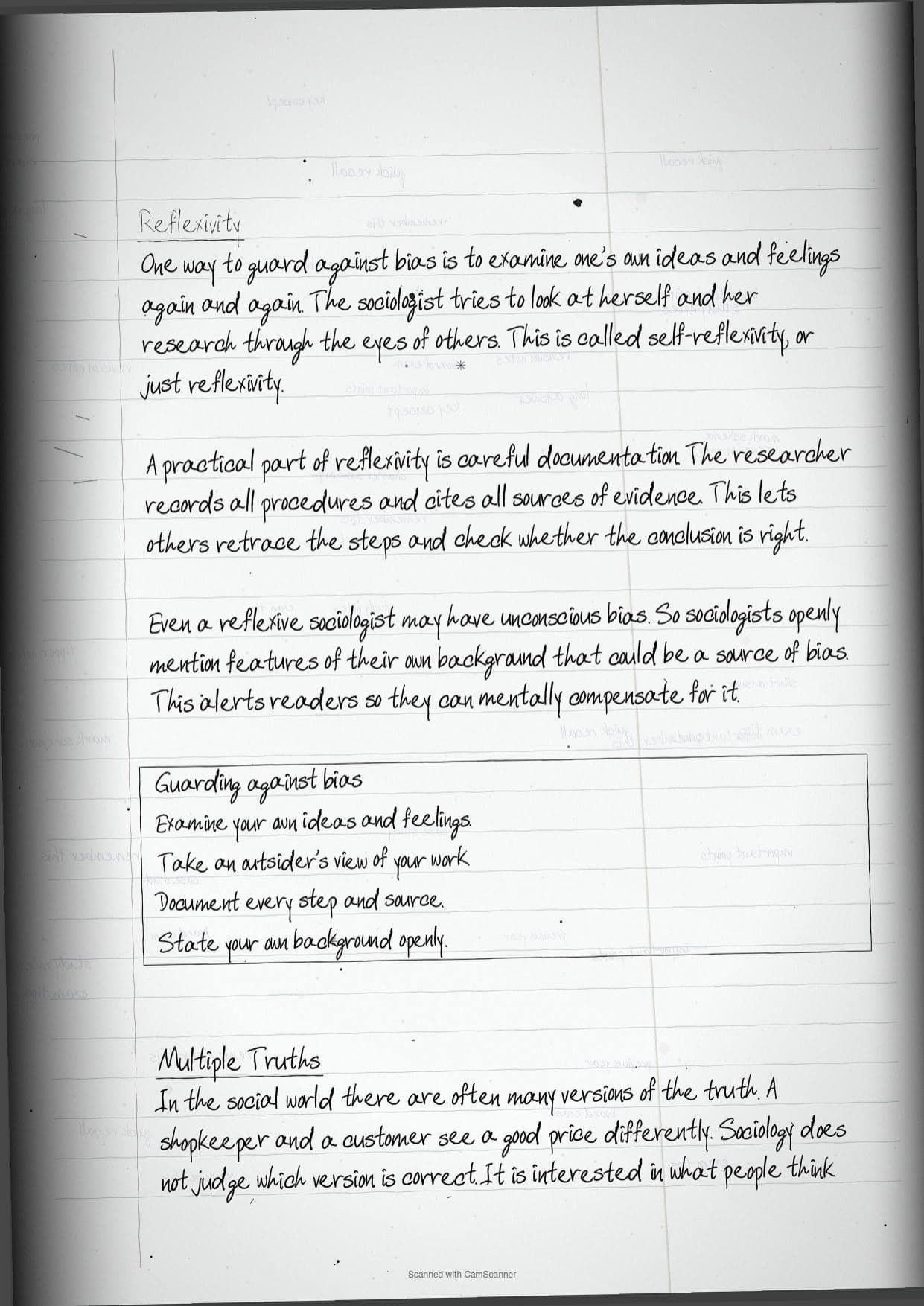
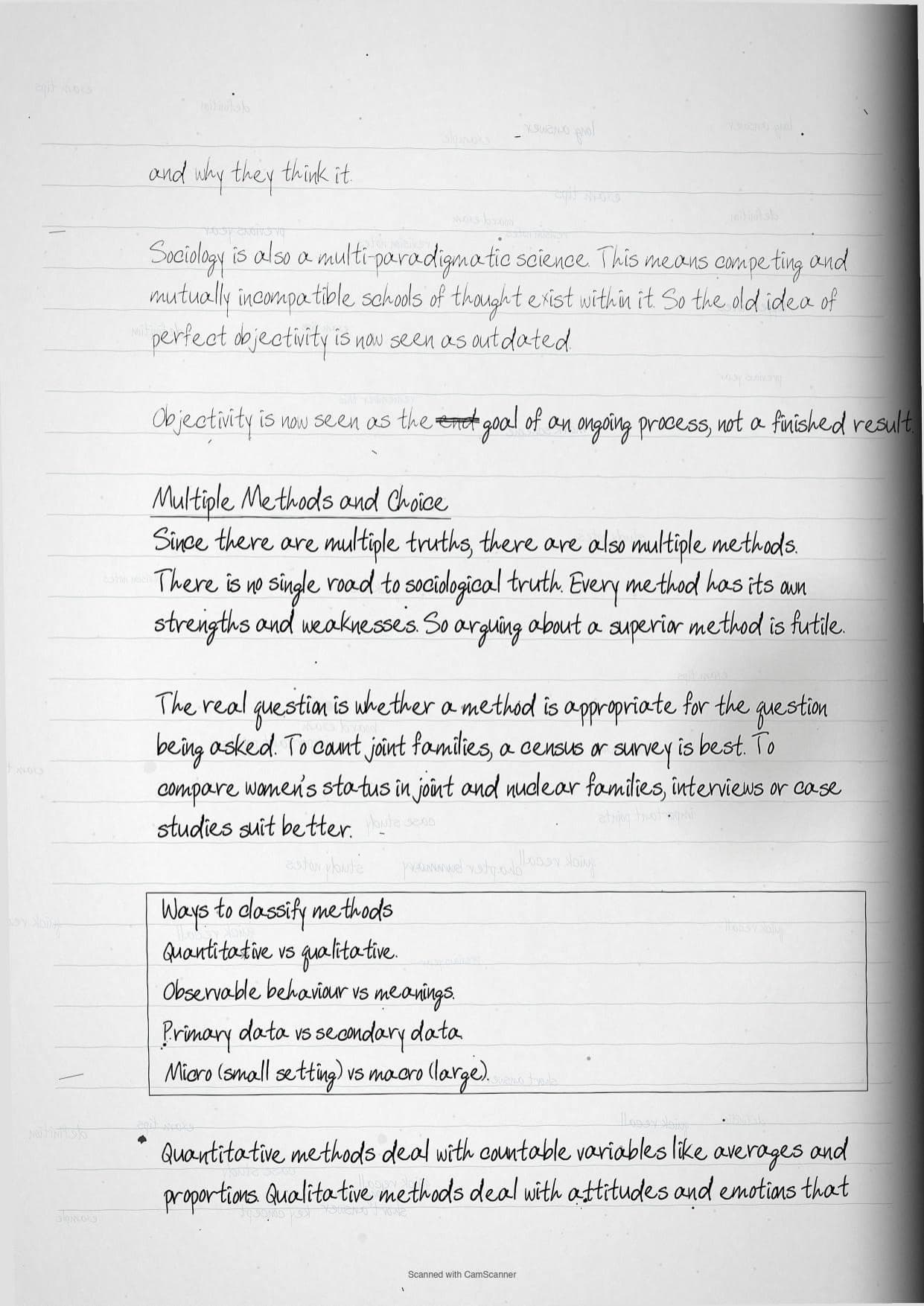
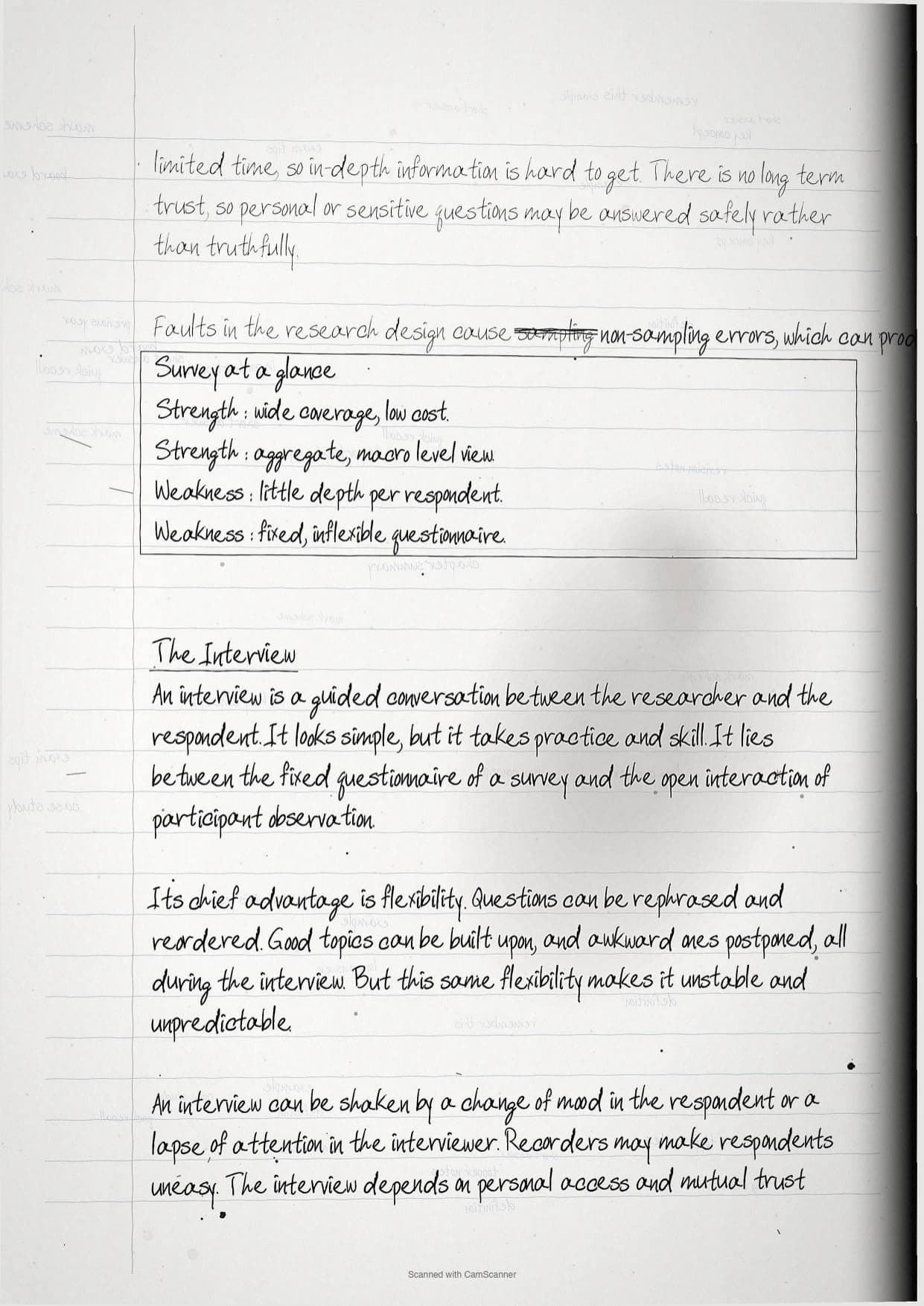
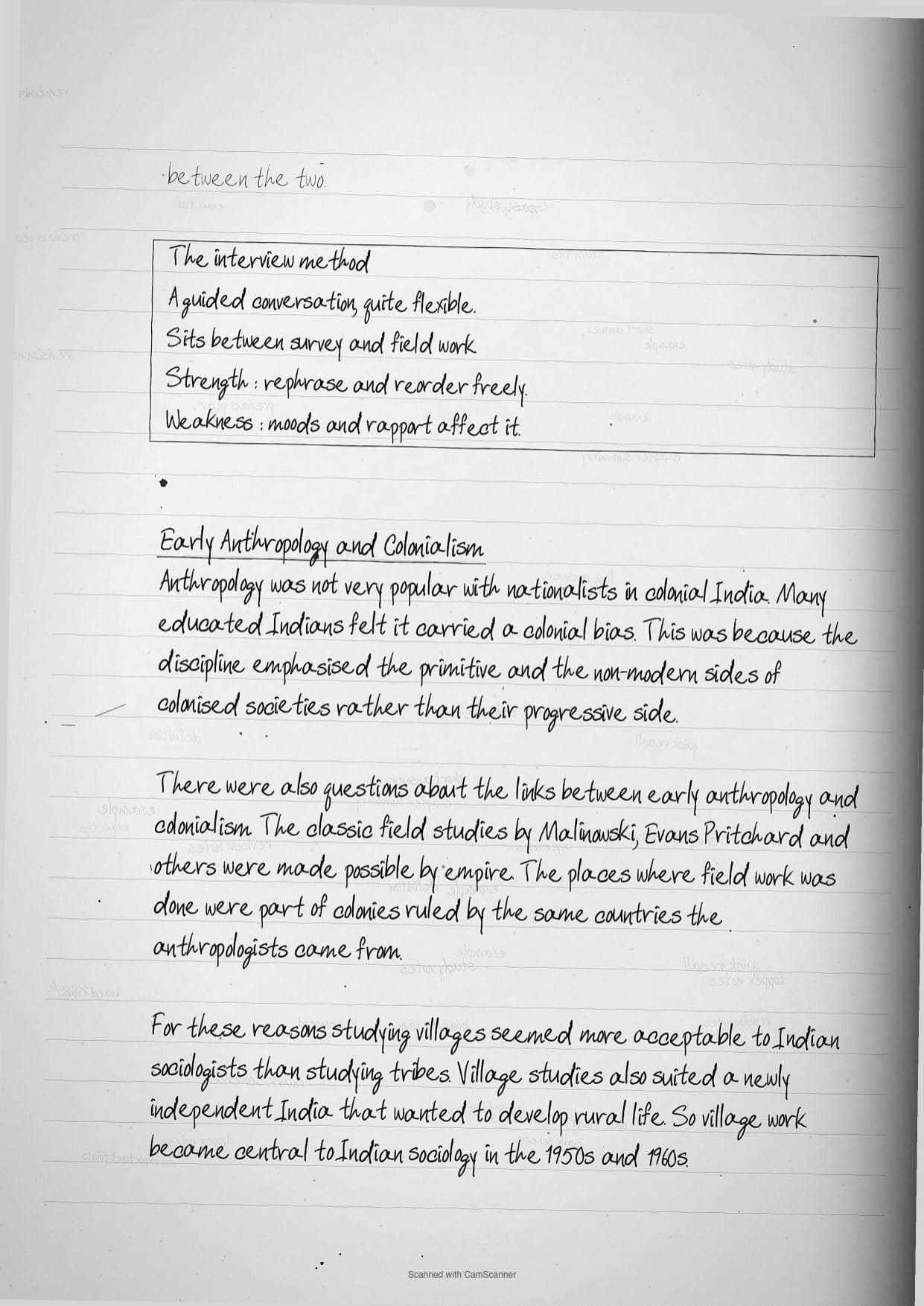
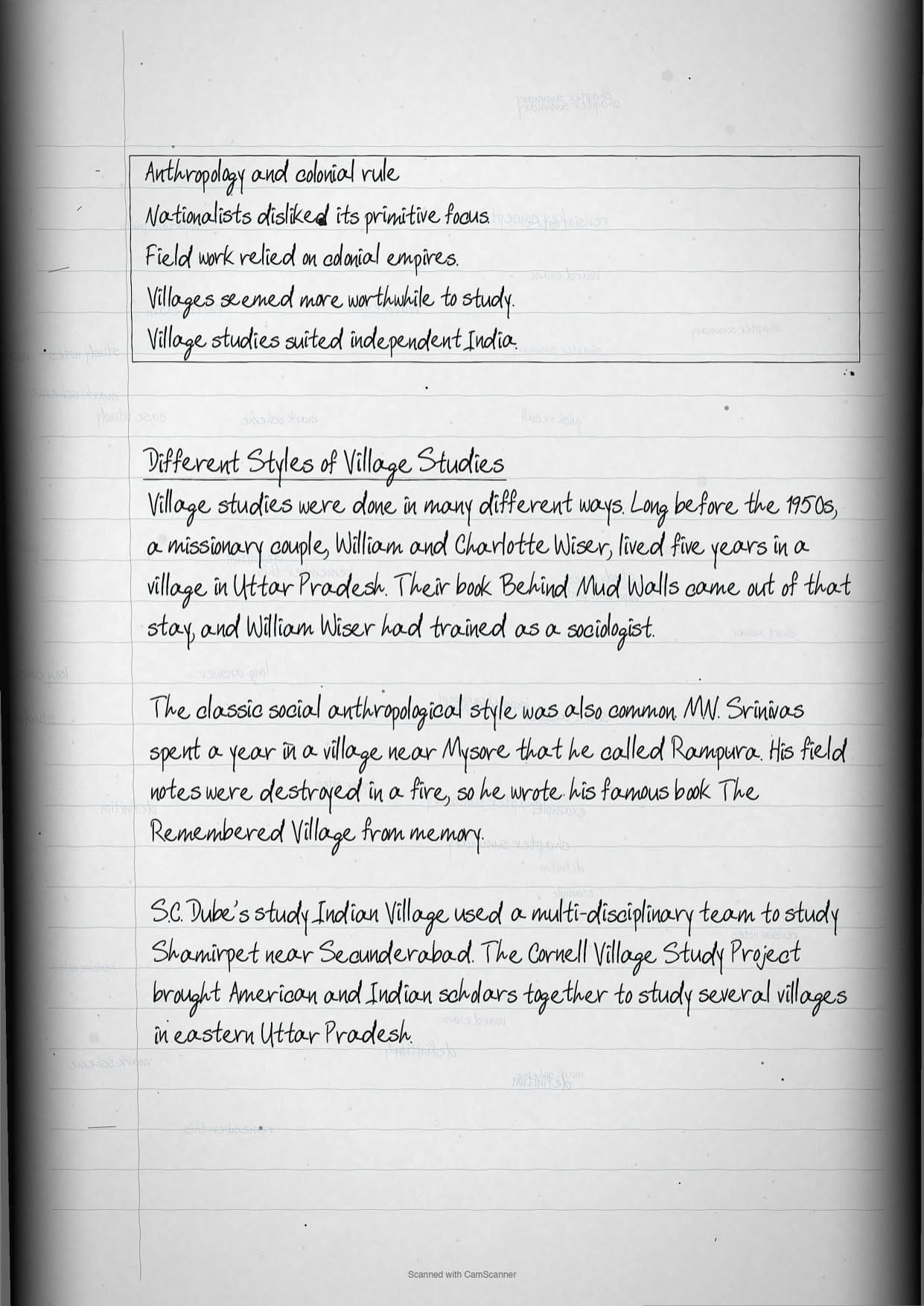
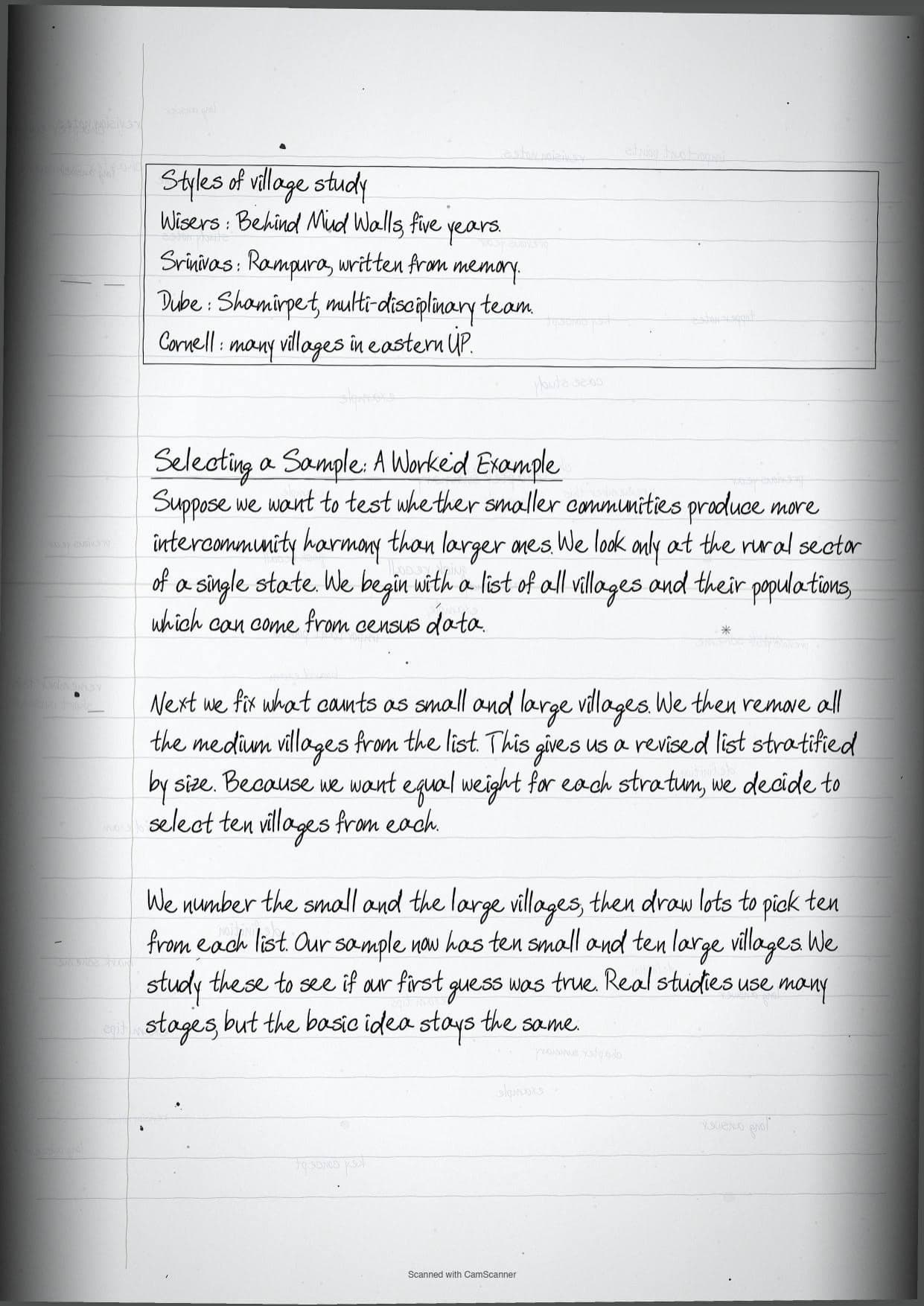
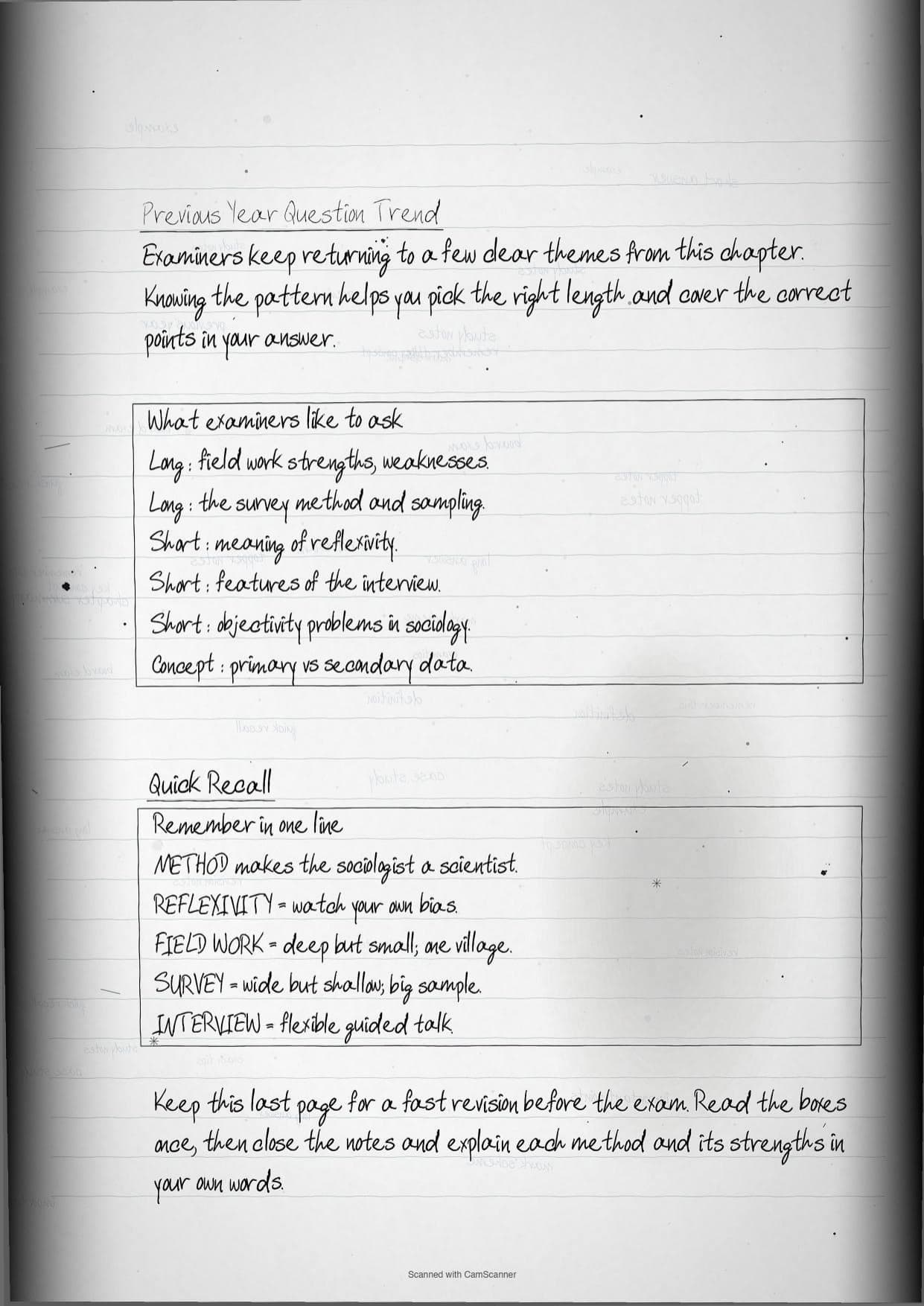
- CBSE Class 11 Weightage: a scoring chapter in the Sociology paper, asked in short and long answers.
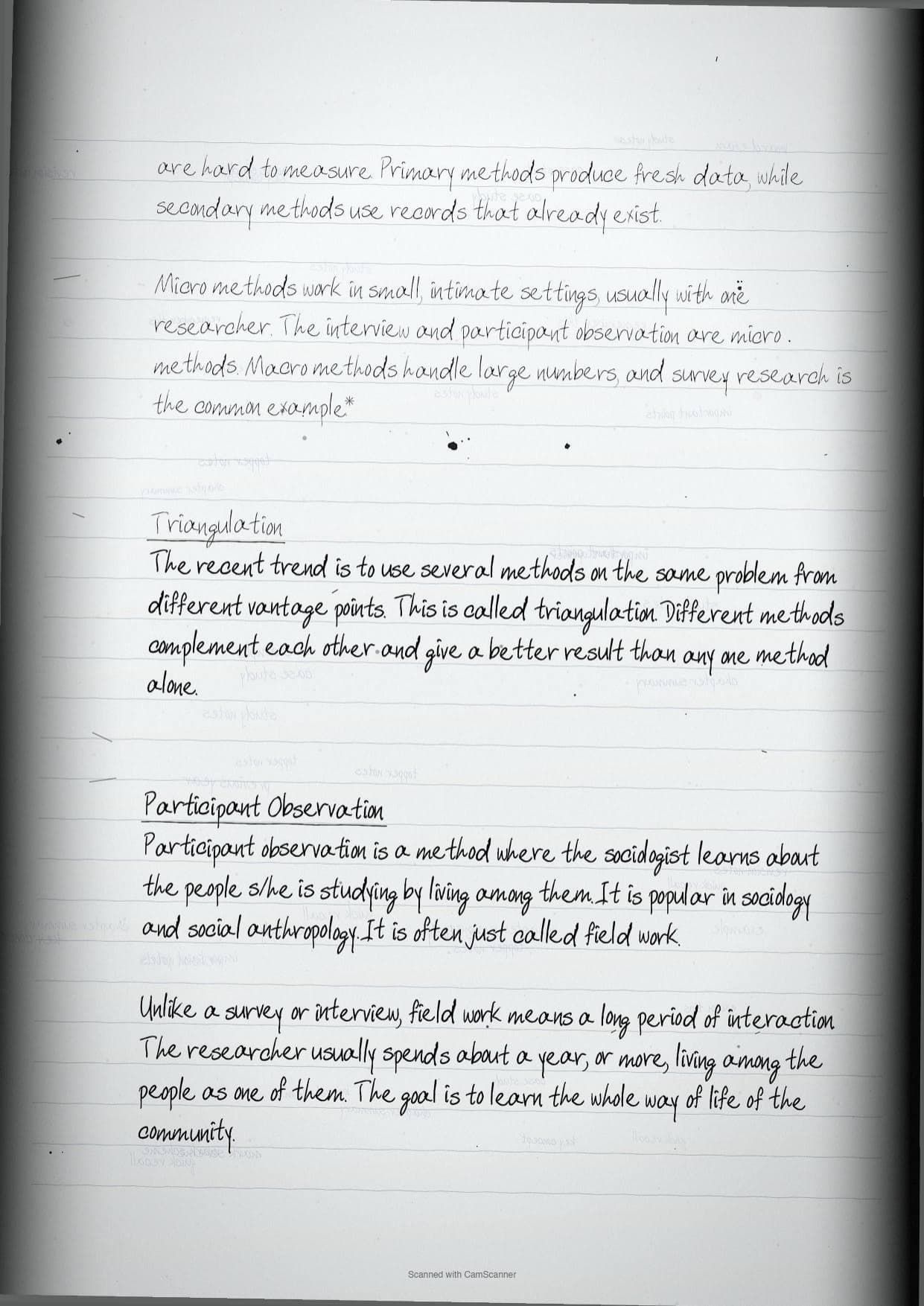
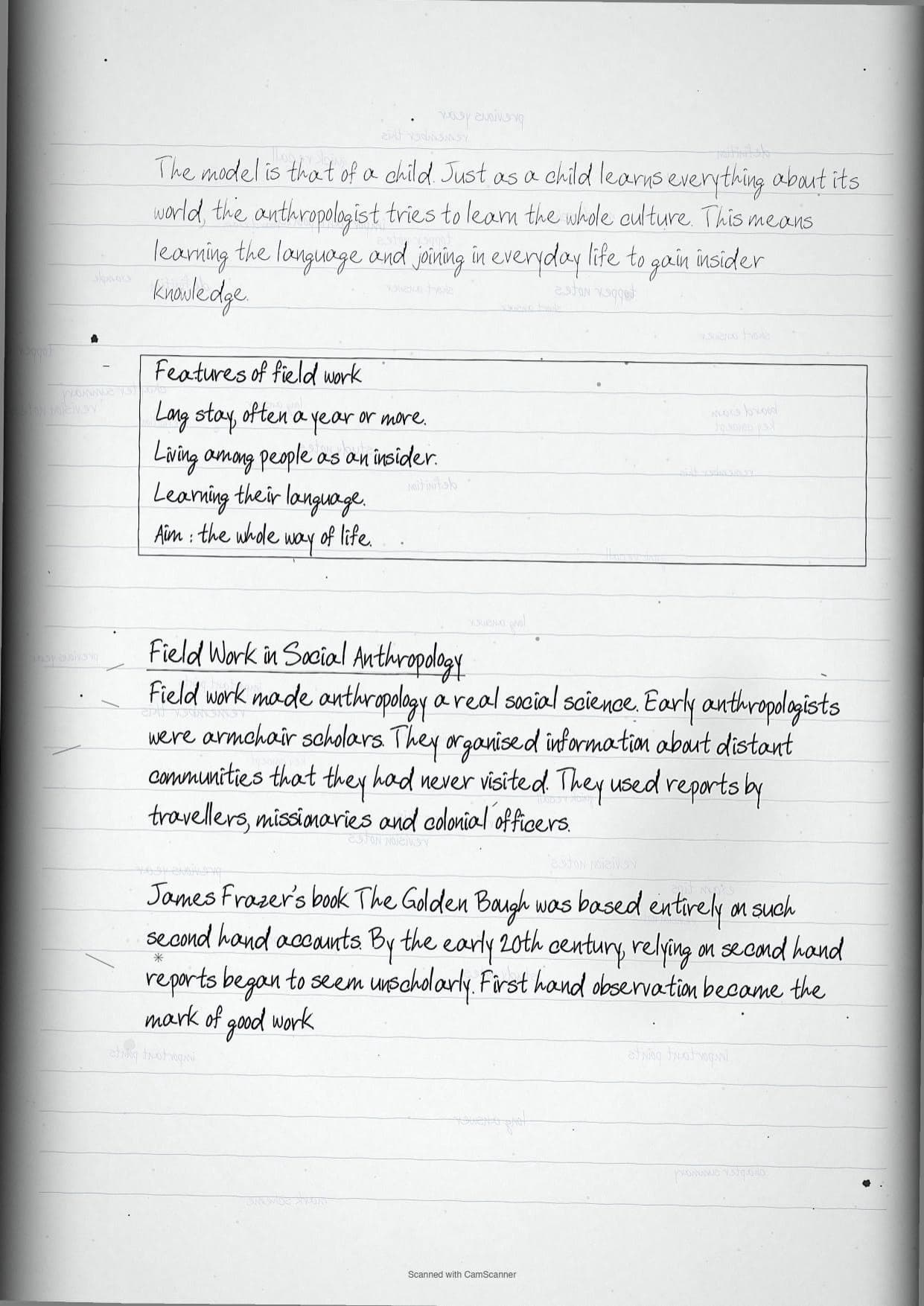
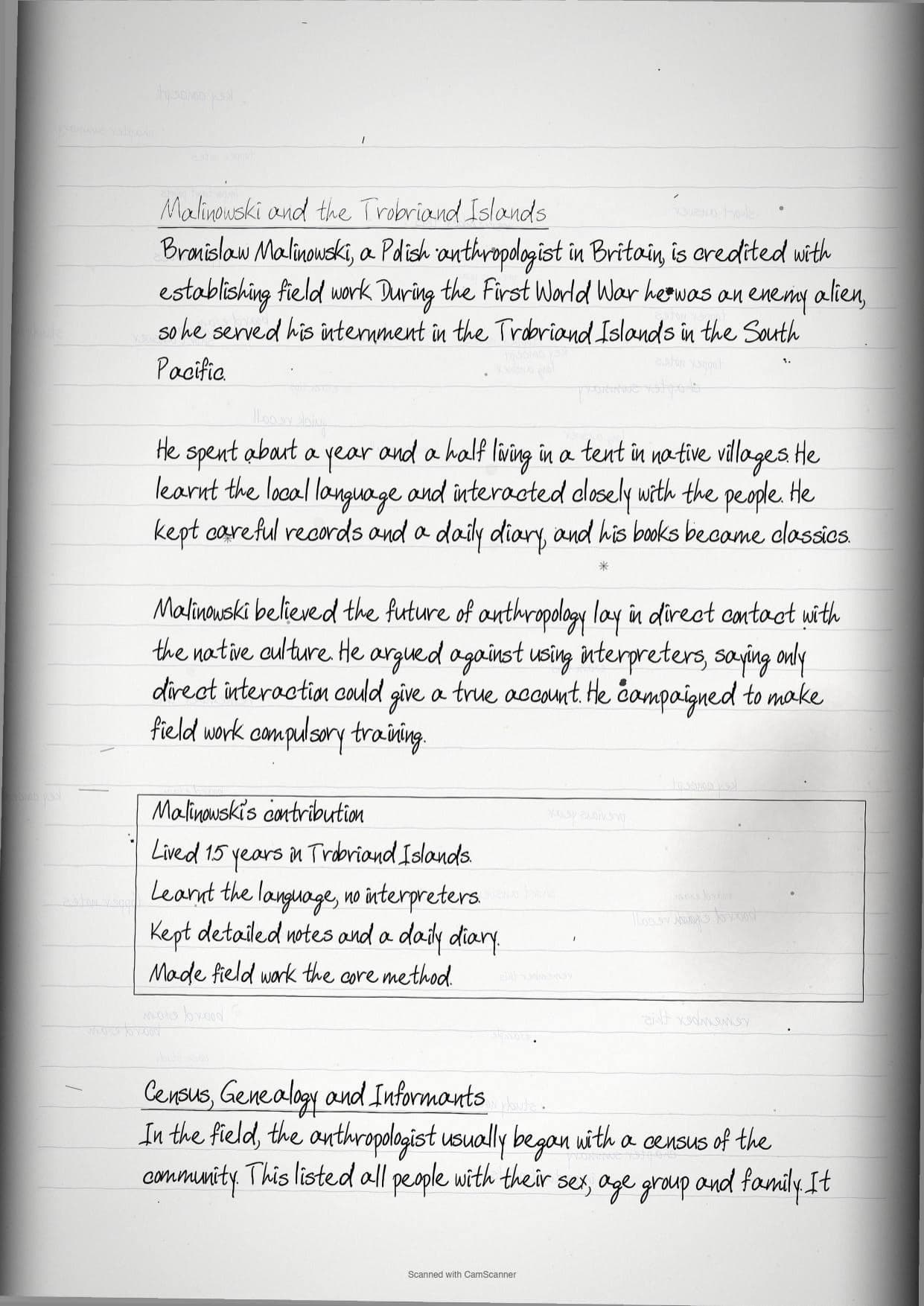
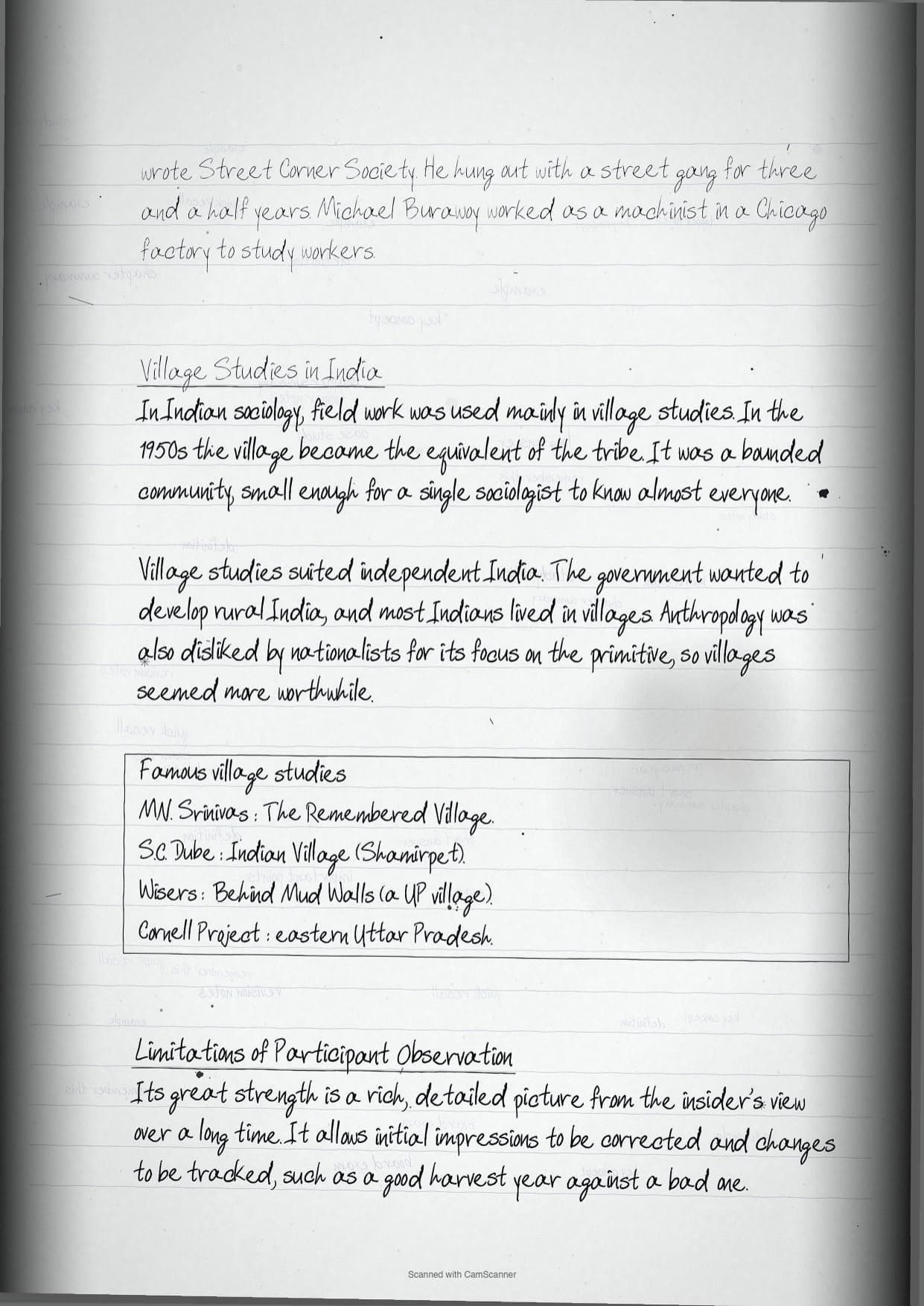
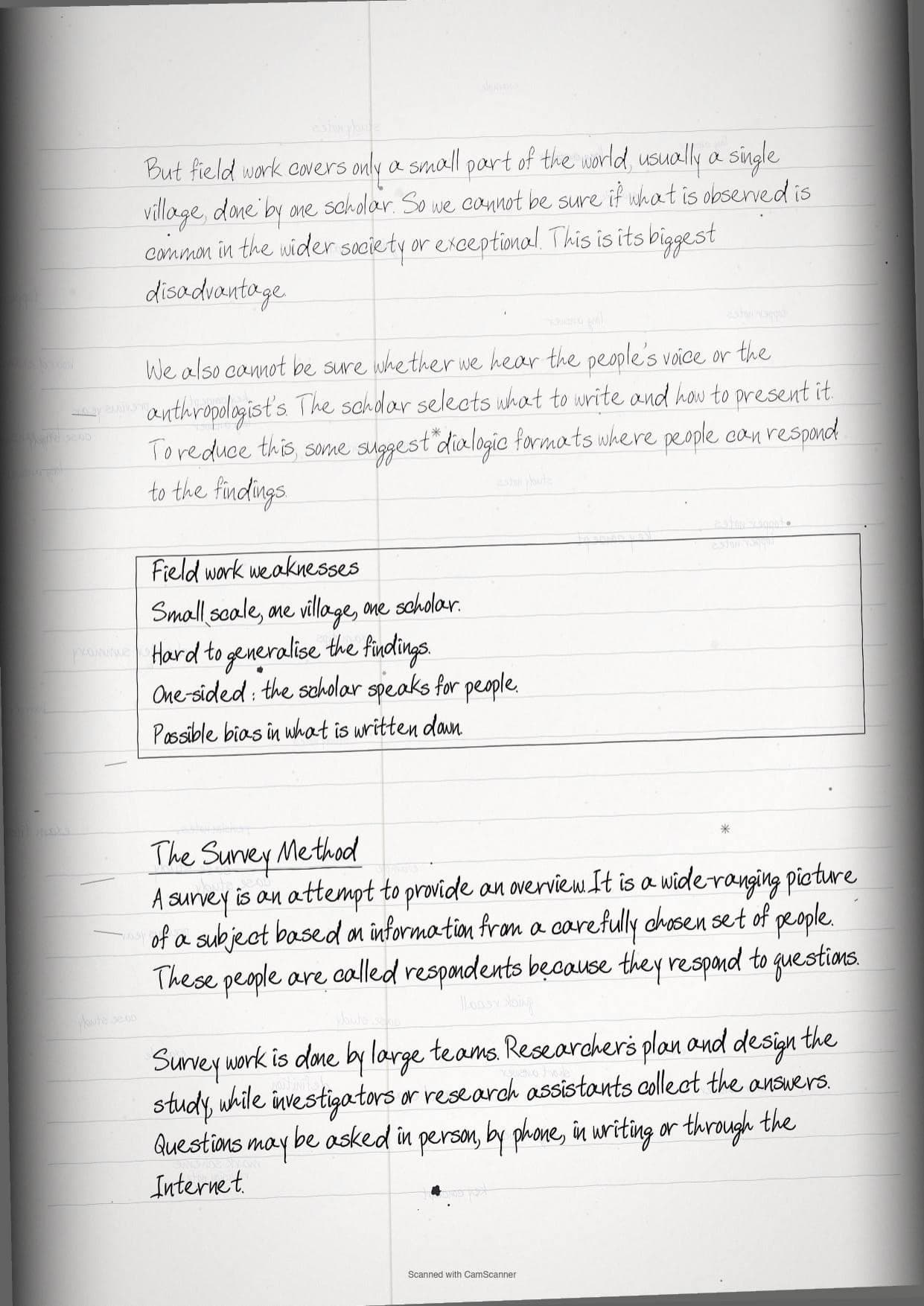
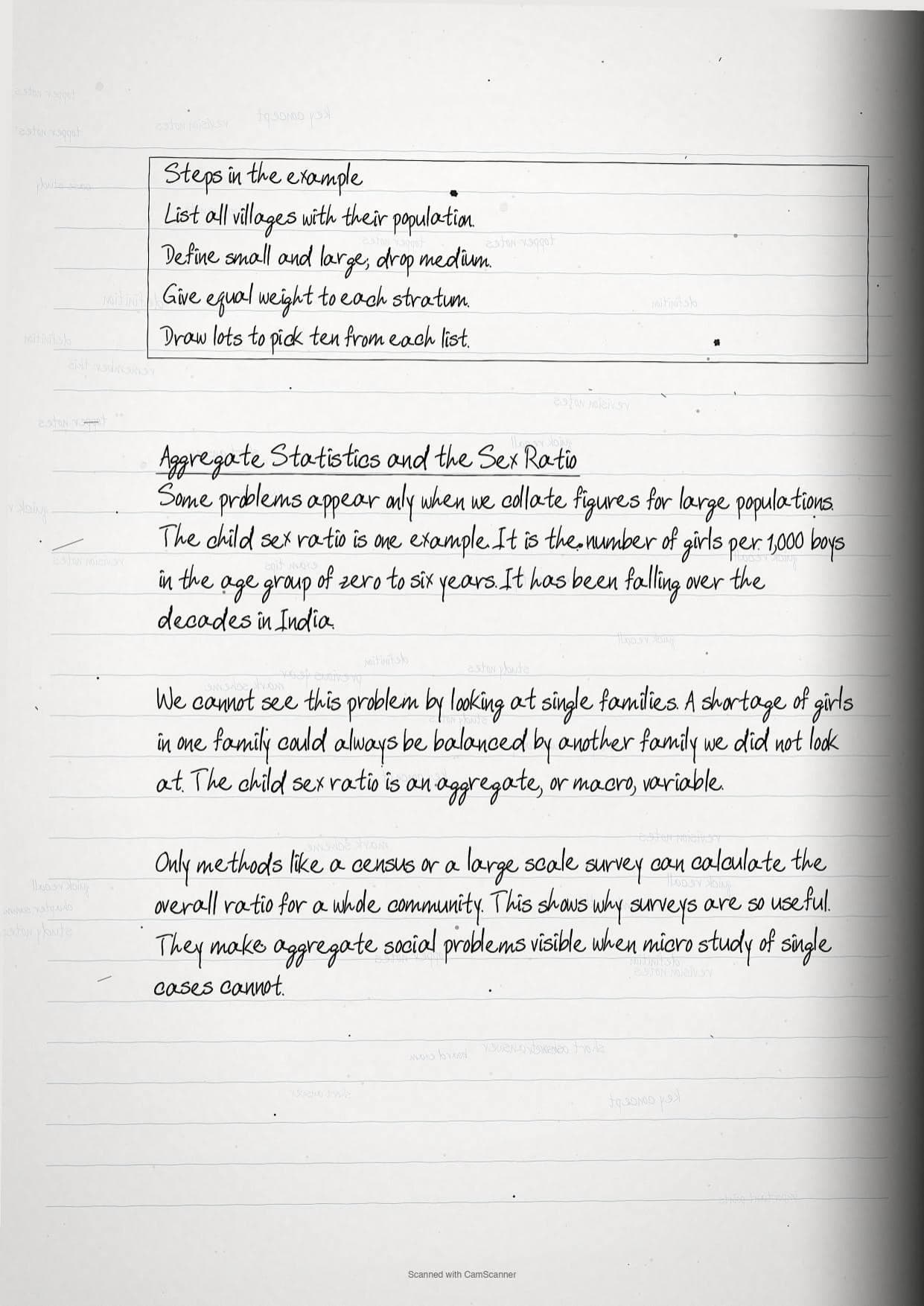
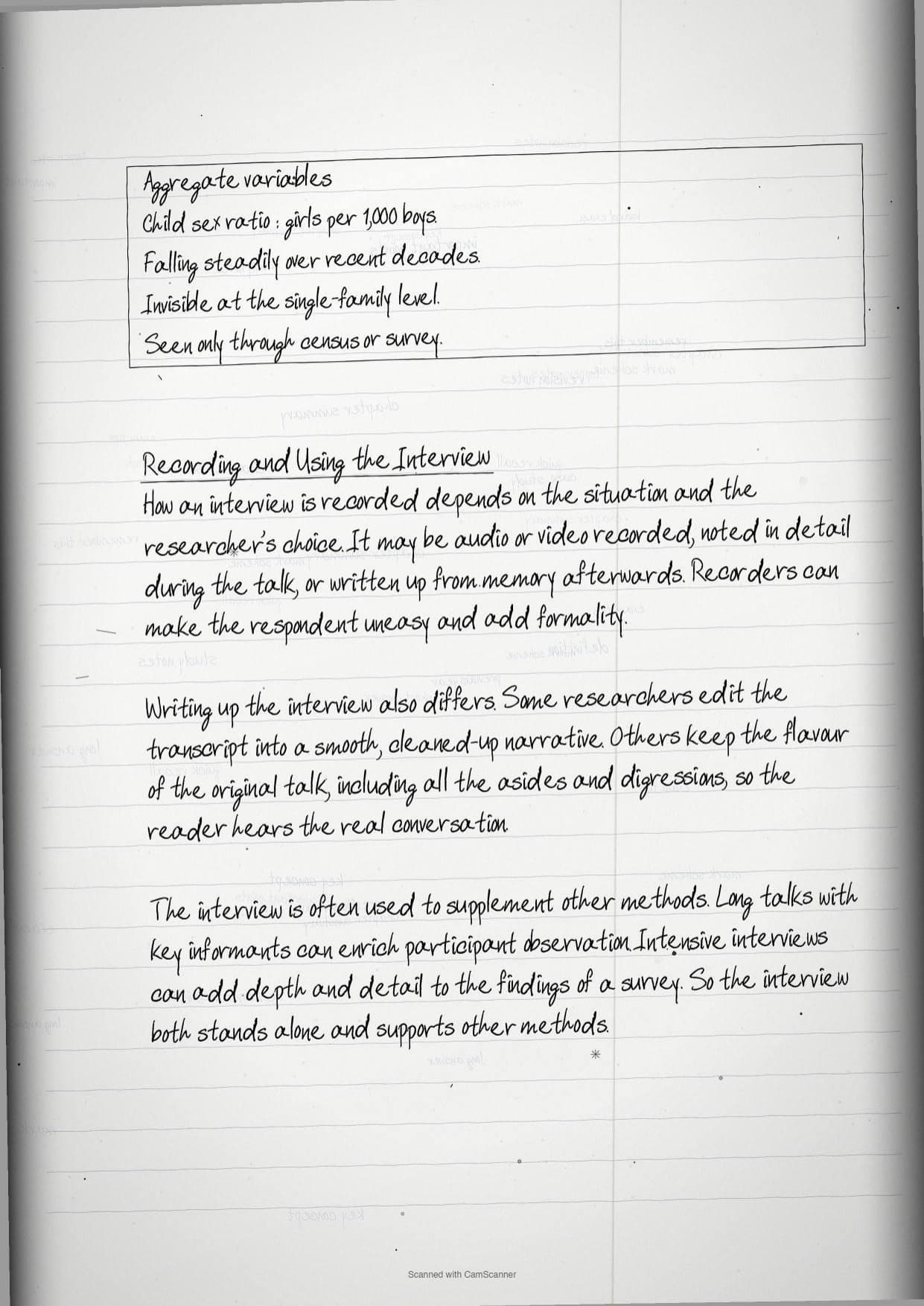
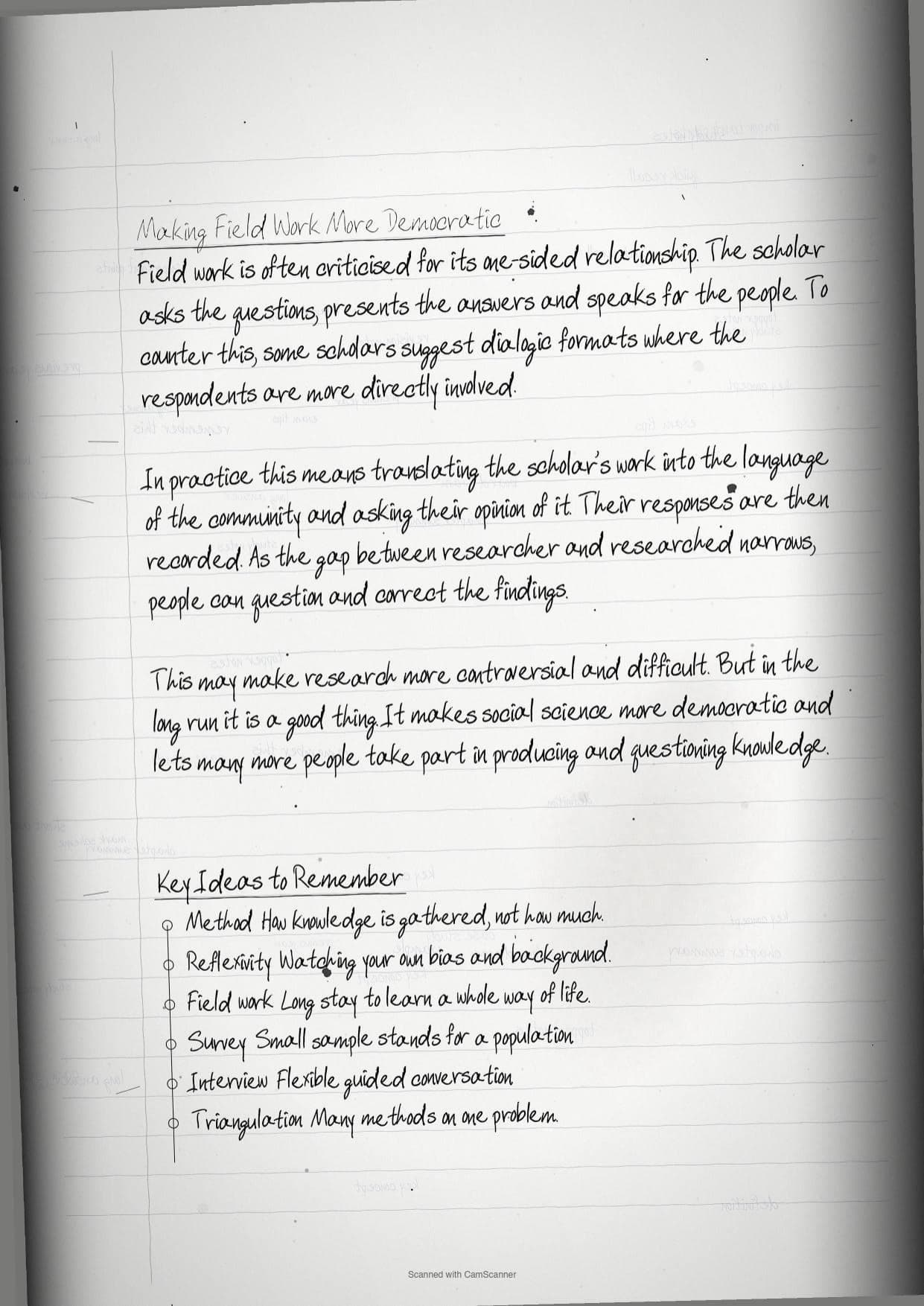
- What the notes cover: objectivity, subjectivity and the problem of bias, reflexivity and careful documentation, quantitative vs qualitative, primary vs secondary methods, participant observation and field work.
- Best for: quick revision before Class 11 exams and a base for CUET later.
You can read the complete class 11 sociology handwritten notes for Doing Sociology: Research Methods, with key terms, boxed definitions, and quick revision points, in the PDF below.
These handwritten notes are written by subject teachers, mapped to the 2026-27 NCERT, and checked against the last five years of CBSE Class 11 Sociology papers.
What the Doing Sociology: Research Methods Handwritten Notes Cover
Sociology is a social science because of its method, not just its subject matter. This chapter explains how sociologists gather knowledge and stay objective. It covers participant observation, surveys and interviews as the main research methods.
- Objectivity, subjectivity and the problem of bias
- Reflexivity and careful documentation
- Quantitative vs qualitative, primary vs secondary methods
- Participant observation and field work
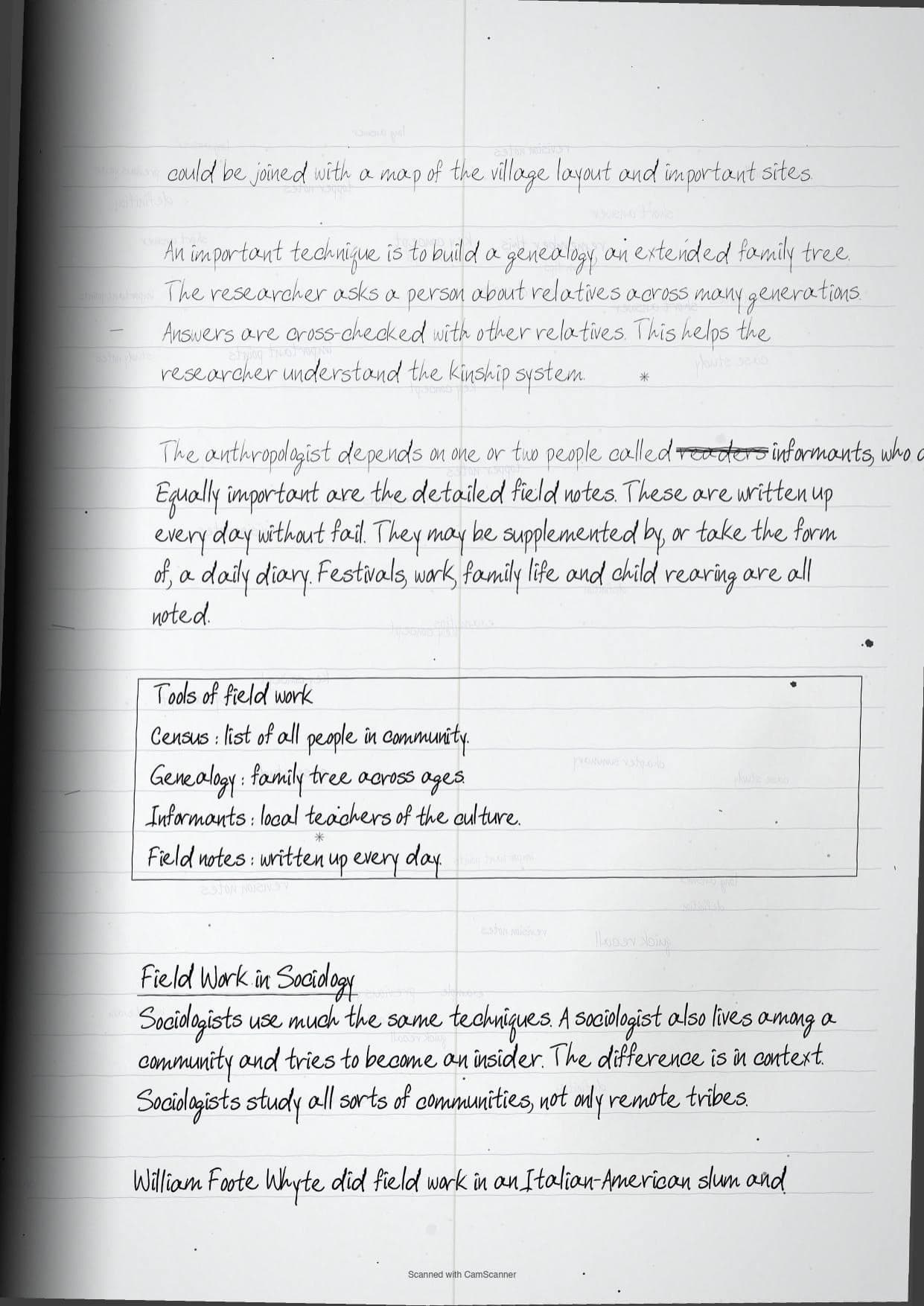
- Malinowski, census, genealogy and informants
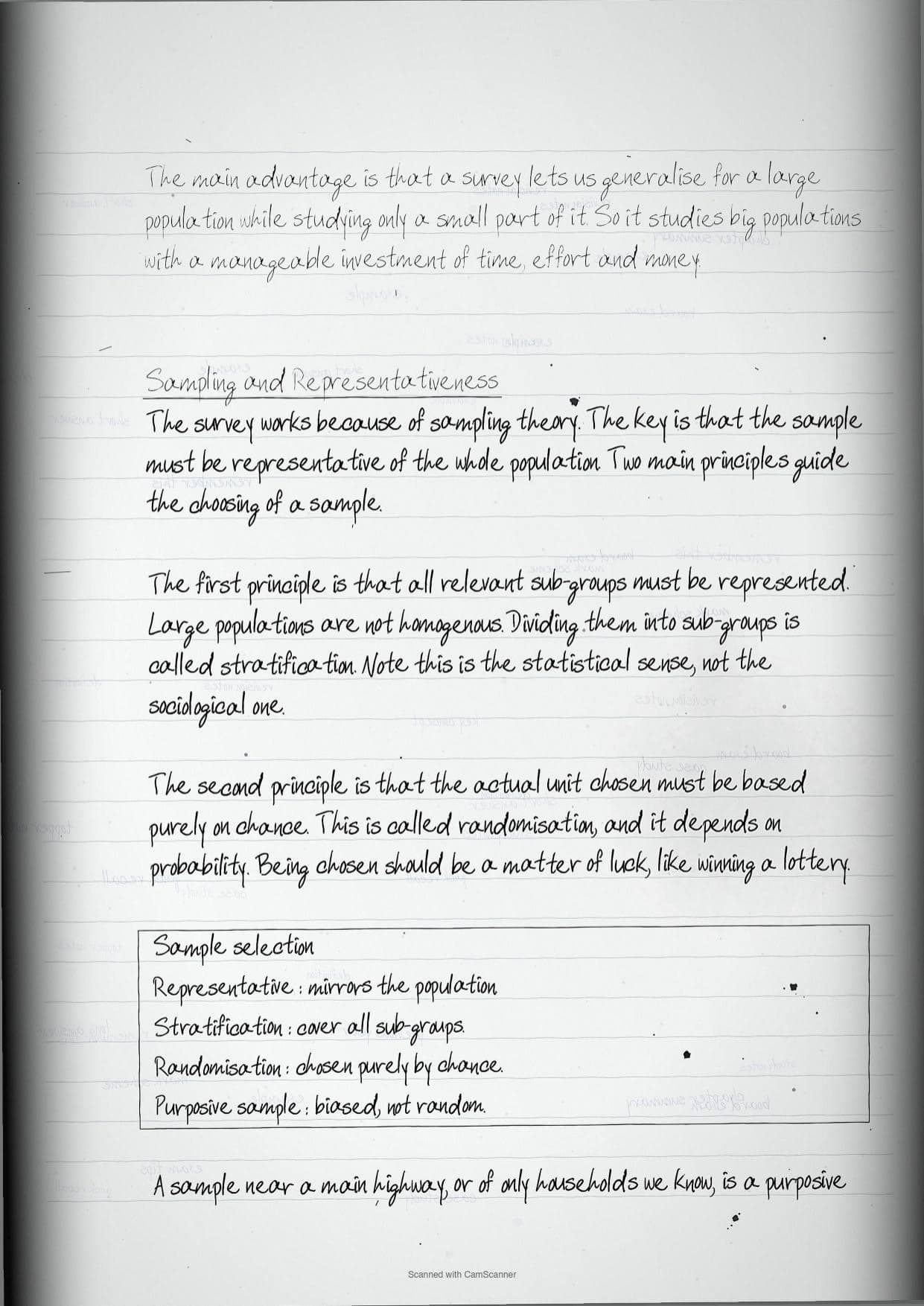
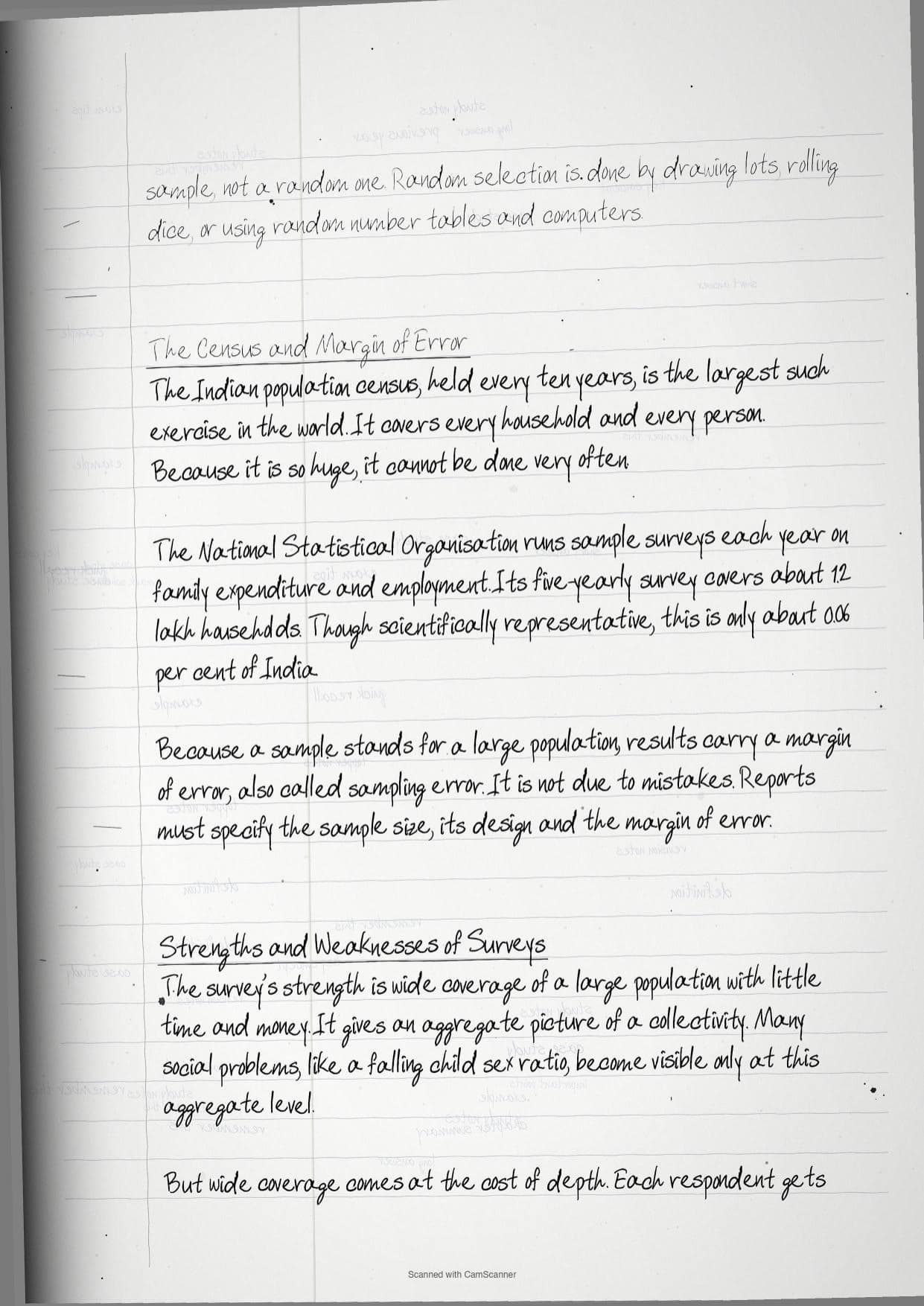
- The survey method, sampling and margin of error
- The interview as a guided conversation
Doing Sociology: Research Methods Self-Assessment Quiz
Try these quick questions after you read the notes. Tap each question to check your answer. They cover the points CBSE asks most often.
What makes a sociologist different from an ordinary member of society?
(a) How much they know (b) What they know (c) How they gather knowledge (d) Their opinions
Answer: (c) How they gather knowledge - method is the important element in sociology.
The researcher's ability to observe and analyse oneself is called
(a) objectivity (b) reflexivity (c) sampling (d) triangulation
Answer: (b) reflexivity - it is a key guard against unconscious bias.
Who is credited with establishing field work as the method of social anthropology?
(a) James Frazer (b) M.N. Srinivas (c) Bronislaw Malinowski (d) William Whyte
Answer: (c) Bronislaw Malinowski - through his year and a half in the Trobriand Islands.
In survey sampling, choosing units purely by chance is called
(a) stratification (b) randomisation (c) genealogy (d) reflexivity
Answer: (b) randomisation - it depends on the idea of probability.
The main strength of the survey method is that it
(a) gives deep personal detail (b) needs one researcher (c) covers a large population with small cost (d) needs no sample
Answer: (c) covers a large population with small cost - wide coverage is its chief advantage.
Doing Sociology: Research Methods Topic-wise Weightage for CBSE Class 11 Sociology
Some parts of this chapter are asked more often than others. The table below shows which sub-topics to revise first, based on recent CBSE Class 11 question trends.
| Sub-topic | Weightage | CBSE Frequency |
|---|---|---|
| Participant observation and field work | High | asked almost every year |
| Survey method and sampling | High | asked almost every year |
| Objectivity and reflexivity | Medium | frequent short answers |
| Interview as a method | Medium | regular short answers |
| Classifying methods (primary/secondary, micro/macro) | Low | occasional concept questions |
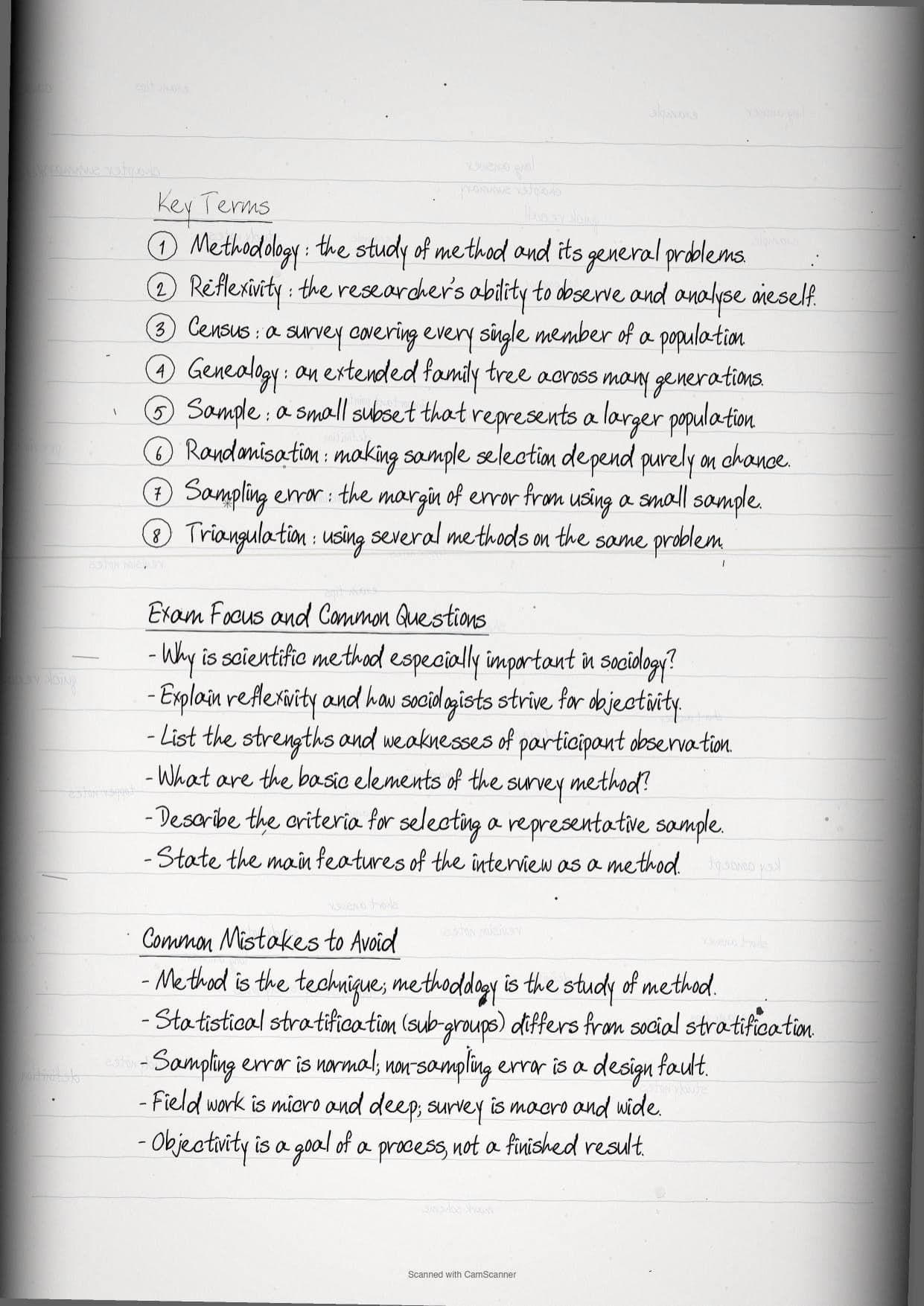
Key Terms and Ideas in Doing Sociology: Research Methods
These are the terms and ideas the exam asks about most. Learn each one so you can define it and use it in your answers.
| Term / Idea | What it means |
|---|---|
| Method | The procedure of gathering knowledge that defines a sociologist. |
| Reflexivity | Watching one's own bias and background during research. |
| Participant observation | Long stay among people to learn their whole way of life. |
| Genealogy | Family tree built in the field to grasp kinship. |
| Survey | Small representative sample used to generalise for a large population. |
| Randomisation | Choosing sample units purely by chance. |
| Margin of error | Unavoidable sampling error when a sample stands for a population. |
| Interview | Flexible guided conversation between researcher and respondent. |
How Collegedunia's Handwritten Notes Help You Revise Doing Sociology: Research Methods
These notes are made for the night before the exam. They keep the facts short and easy to scan. Collegedunia maps every point to the 2026-27 NCERT.
- Clear handwriting: each topic is written in neat, easy-to-read handwriting.
- Boxed key terms: the main terms and definitions are boxed by hand for fast recall.
- Diagrams and tables: simple hand-drawn tables and charts make ideas clear.
- Colour-coded headings: new sub-topics stand out, so you find any section in seconds.
How to Use These Handwritten Notes for Class 11 Sociology Revision
Use these class 11 sociology handwritten notes in two passes. Read them slowly once for the full chapter. Then, near the exam, read only the boxes and key terms for a fast recall.
- Read the notes once with the NCERT chapter open beside you.
- Say each key term and idea in your own words.
- Practise one long-answer question from a past paper.
- On the last day, revise only the key terms and the boxes.
Class 11 Sociology Handwritten Notes for All Chapters
The table below links the class 11 sociology handwritten notes for every chapter. Use it to jump to any other chapter's notes.
Doing Sociology: Research Methods Class 11 Sociology Handwritten Notes FAQs
Ques. Where can I download Doing Sociology: Research Methods Class 11 Sociology Handwritten Notes PDF?
Ans. You can download the Doing Sociology: Research Methods Class 11 Sociology Handwritten Notes PDF directly from this page. Both the Normal and HD versions are free.
Ques. Are these handwritten notes aligned with the 2026-27 NCERT?
Ans. Yes. These notes follow the current 2026-27 syllabus for Class 11 Sociology. Students often ask how field work and surveys differ.
Ques. How many pages is the Class 11 Sociology Doing Sociology: Research Methods Handwritten Notes PDF?
Ans. The notes run about 20 pages. They cover the full chapter with key terms, hand-drawn boxes, and a short self-assessment quiz.
Ques. What is the main idea of the 11th standard Sociology chapter Doing Sociology: Research Methods?
Ans. Field work means living among a small community for a long time to get a deep, insider picture, but it cannot be generalised. A survey studies a small representative sample to generalise for a large population, but it lacks depth.
Ques. Are these Doing Sociology: Research Methods notes enough for the CBSE Class 11 exam?
Ans. Yes, for revision. The Collegedunia handwritten notes cover every key point and exam term. Read them with the NCERT chapter and practise past questions.



Comments