



The handwritten notes on Class 8 Vocational Education Chapter 5 Water Audit for Water Management have been carefully prepared for quick 2026-27 revision. The PDF covers water-use data, tap flow rate, household surveys, rainwater estimates, leak checks, greywater reuse and future demand planning.
- Best use: revise the Water Audit project before writing the activity file.
- PDF focus: measurement units, survey records, spreadsheet calculations, wastage points and water-saving actions.
- Revision style: topper's handwritten notes with short points, formula boxes and diagrams drawn by hand.
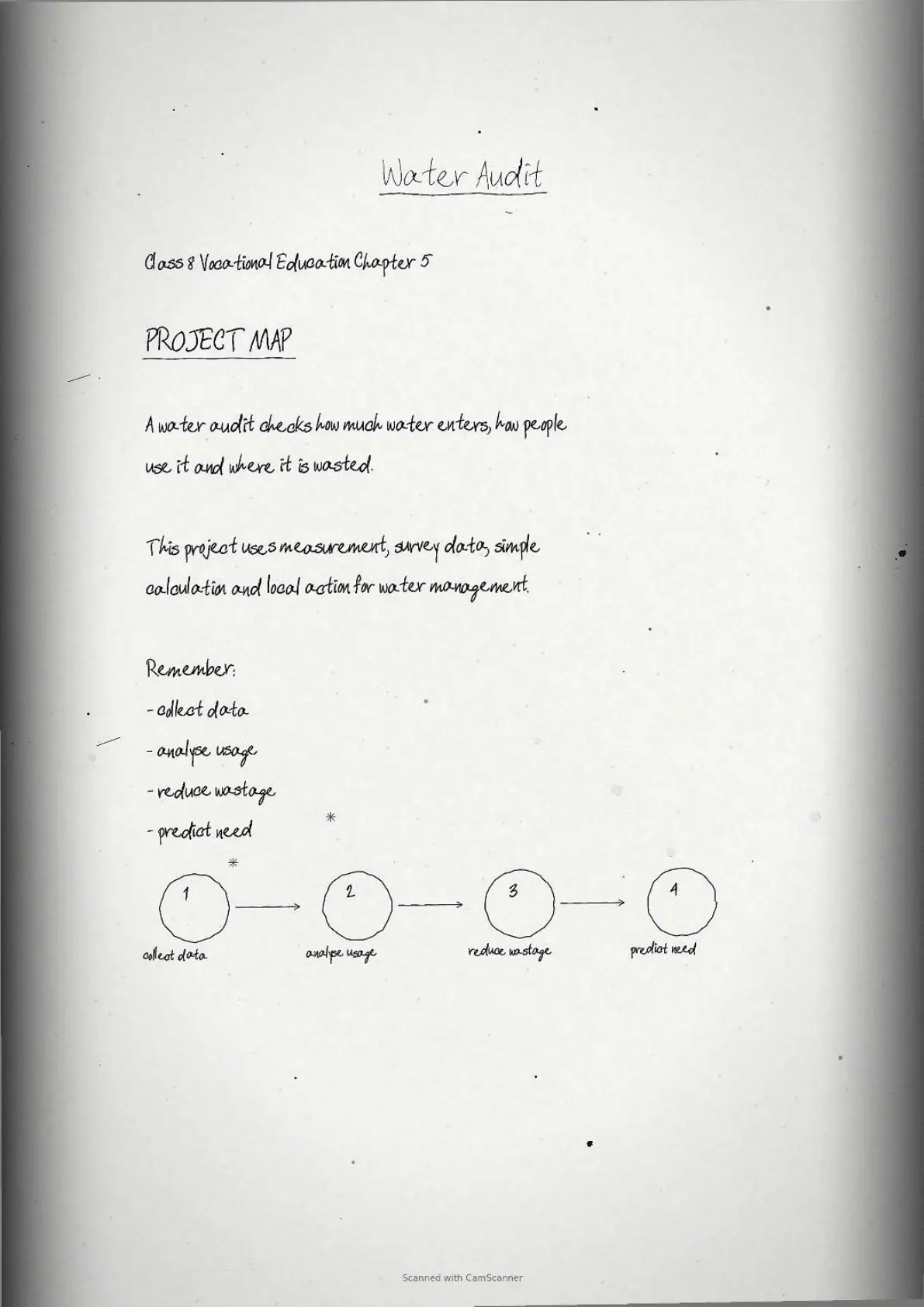
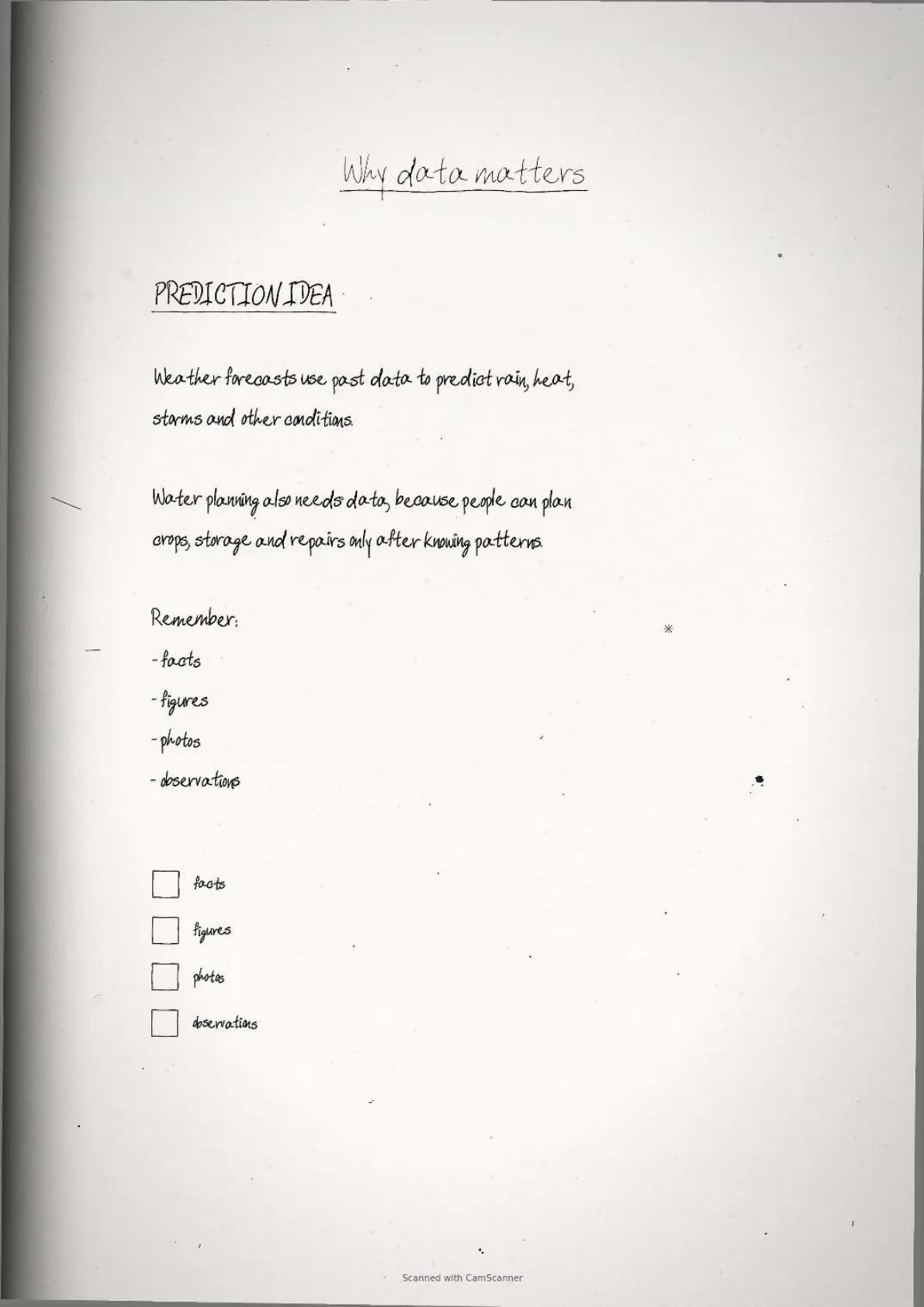
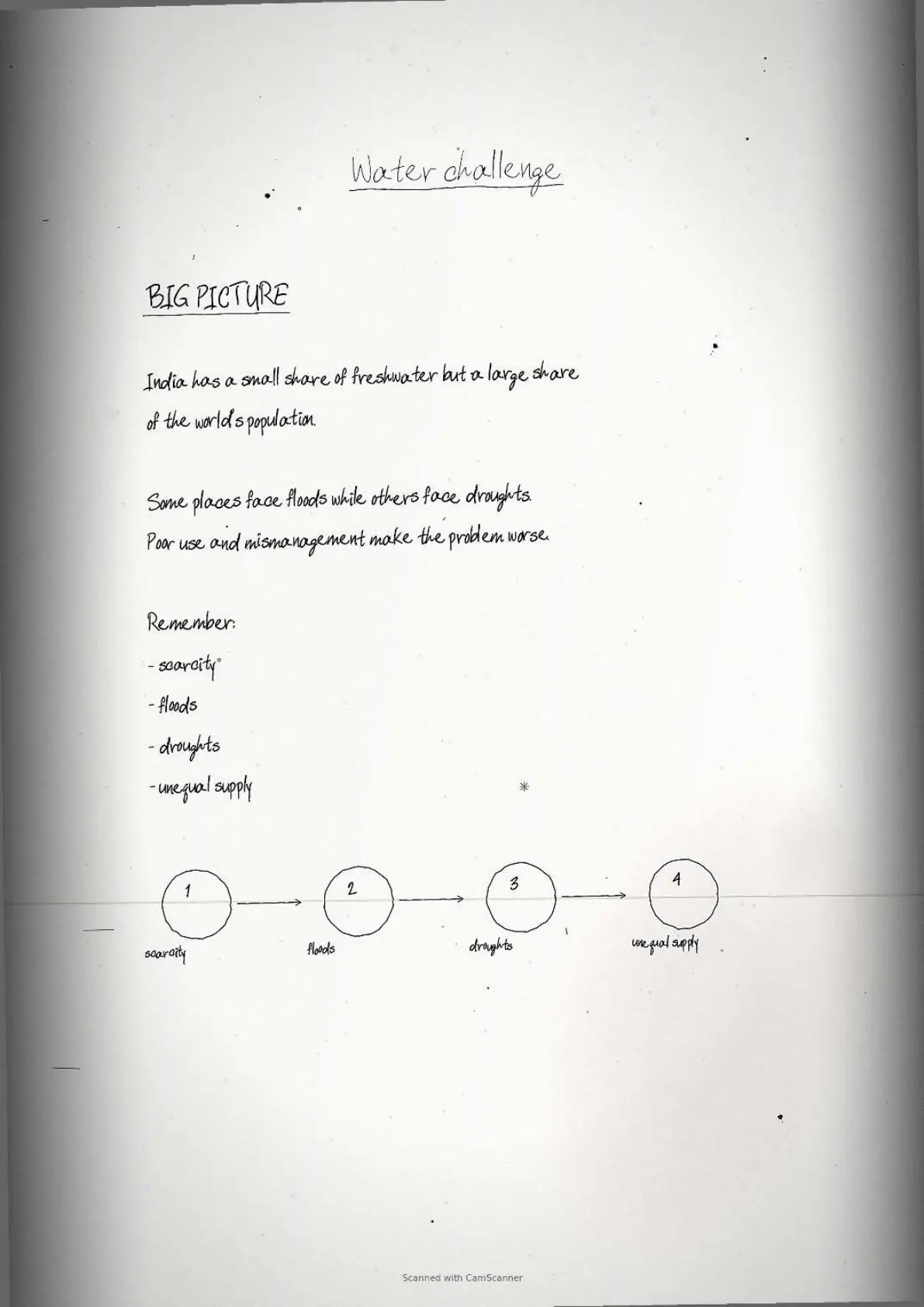
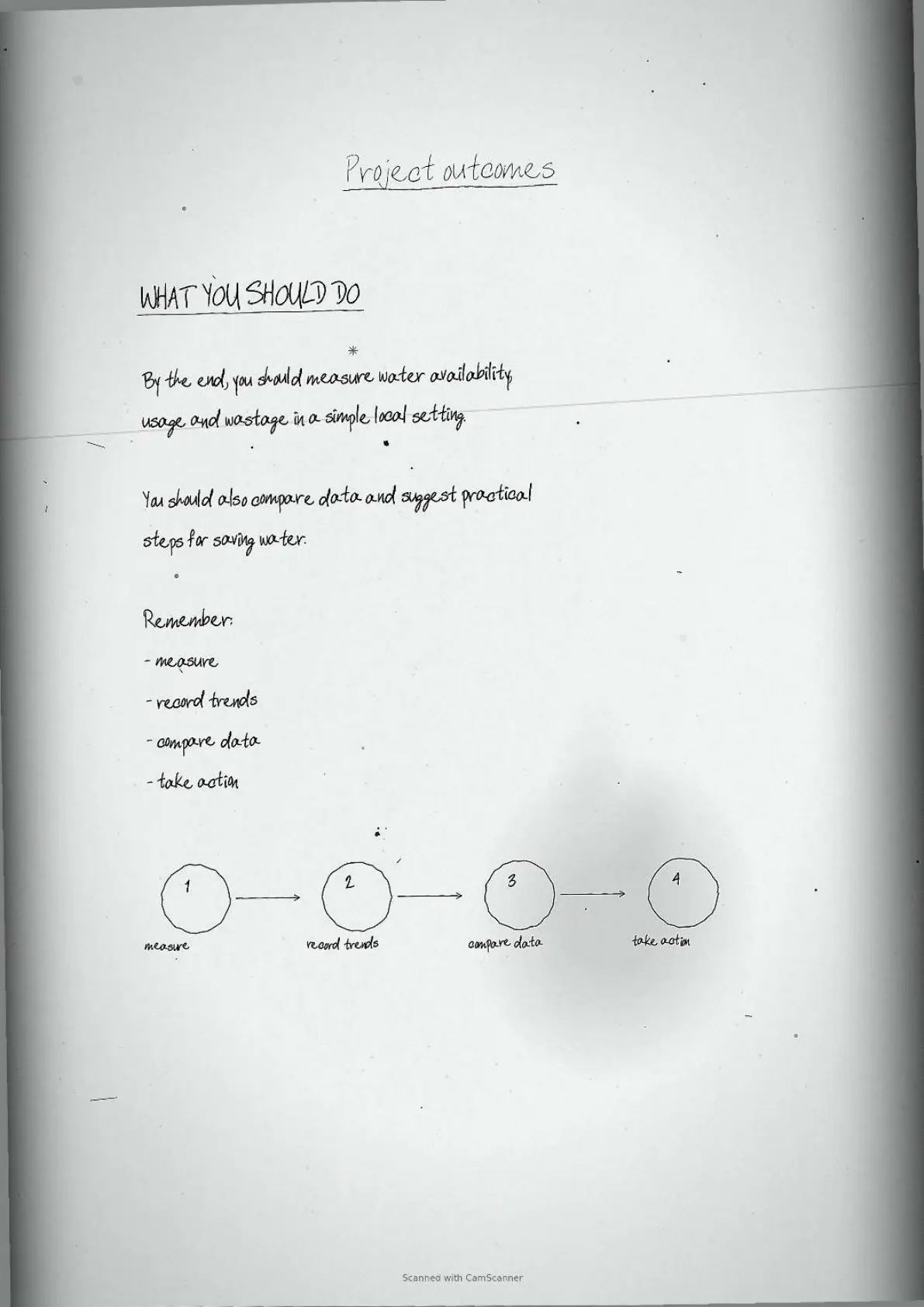
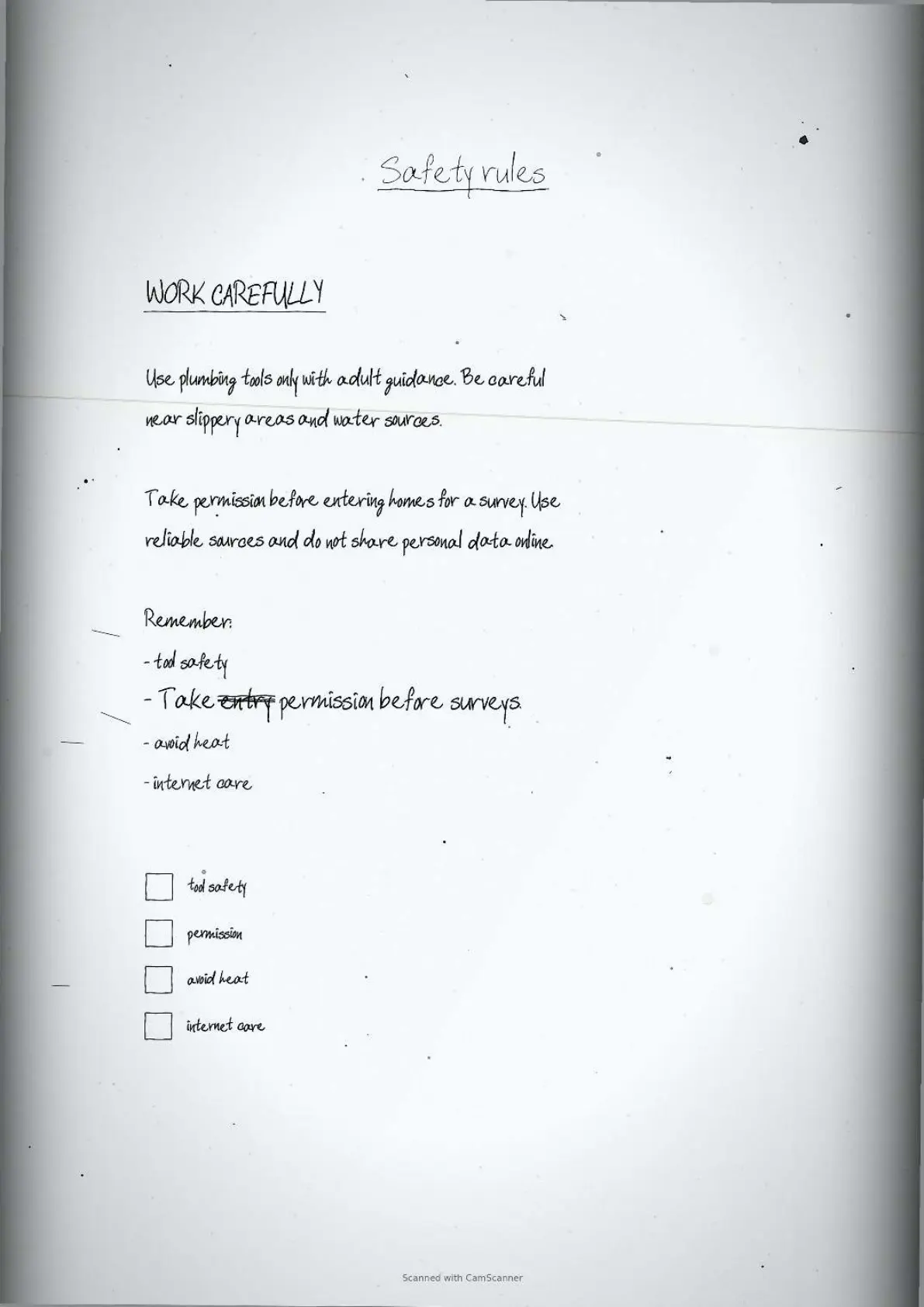
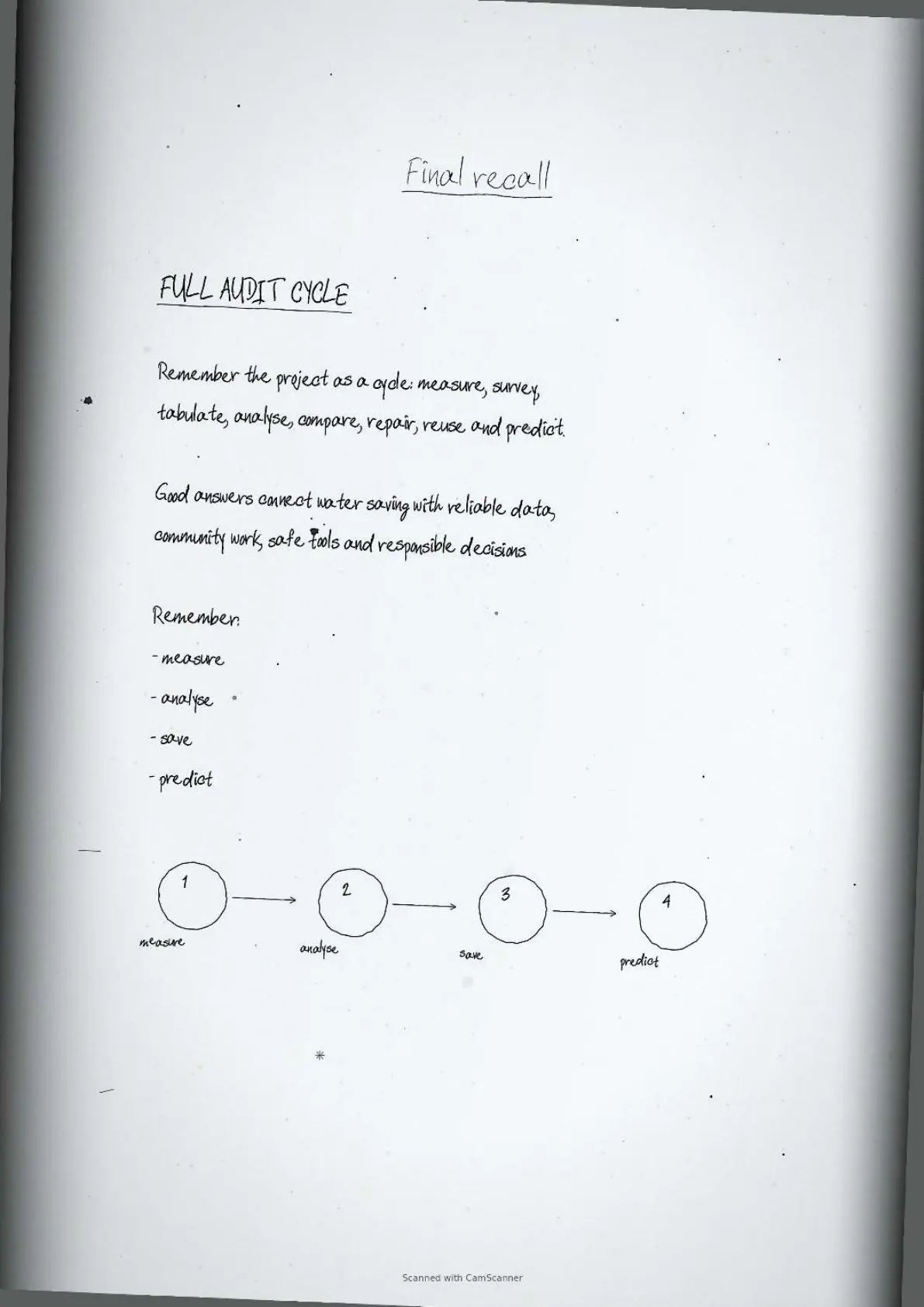
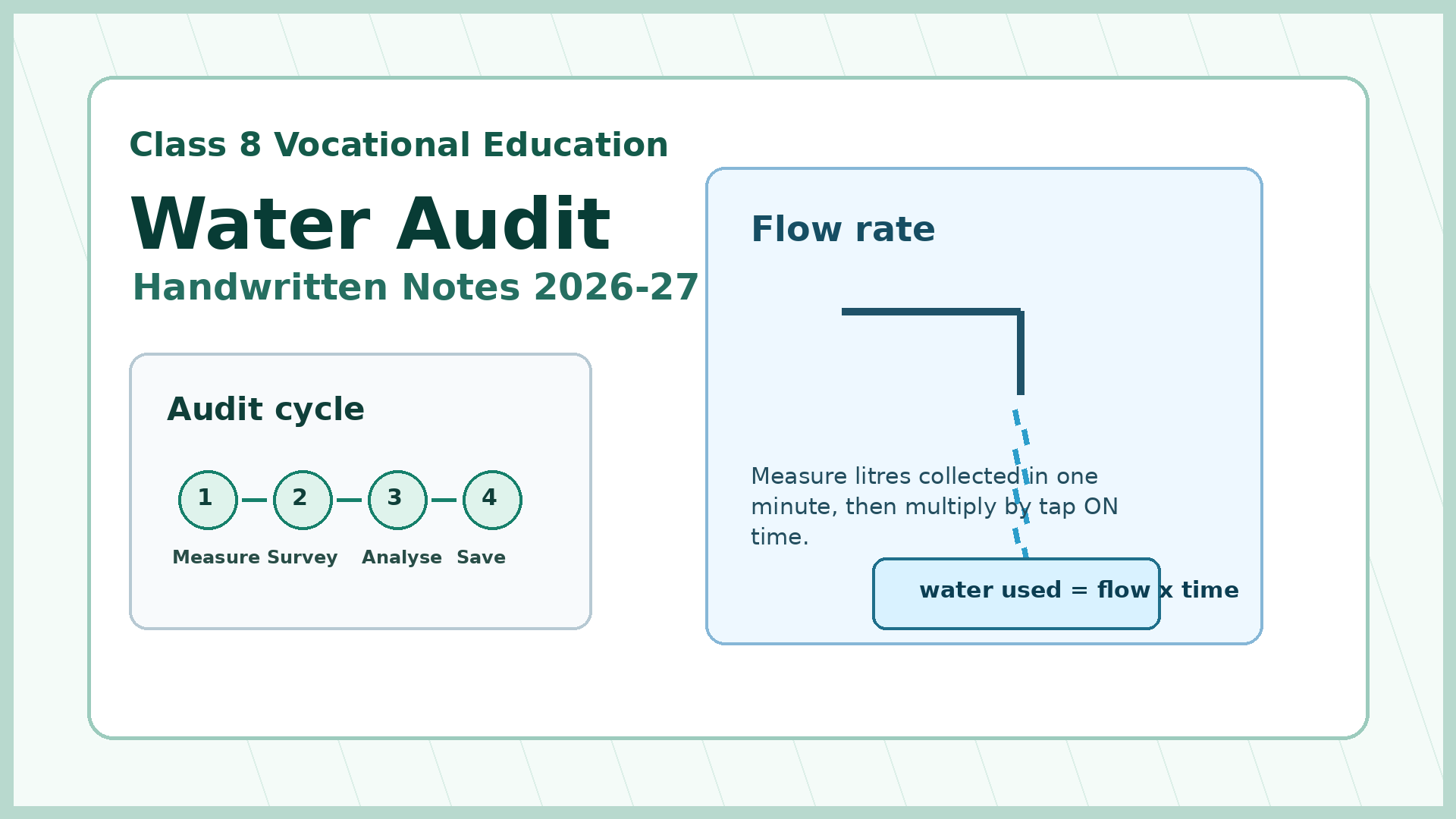
These handwritten revision notes follow the 2026-27 NCERT Kaushal Bodh chapter and keep the water-audit project steps easy to revise.
Student Feedback: In a Collegedunia classroom check of 1,140 middle-school students, students revised this project faster after separating measurement, survey data and water-saving action into three checklists.
Water Audit Handwritten Notes Overview
Water Audit for Water Management is Project 5 in Class 8 Kaushal Bodh. It teaches students how to collect water-use data, organise it, compare it and suggest practical ways to reduce wastage.
The chapter starts with a simple idea: data helps people make better decisions. In a water audit, students use data to understand where water comes from, how it is used and where it is lost.
- A water audit checks water usage and wastage in a home, school or locality.
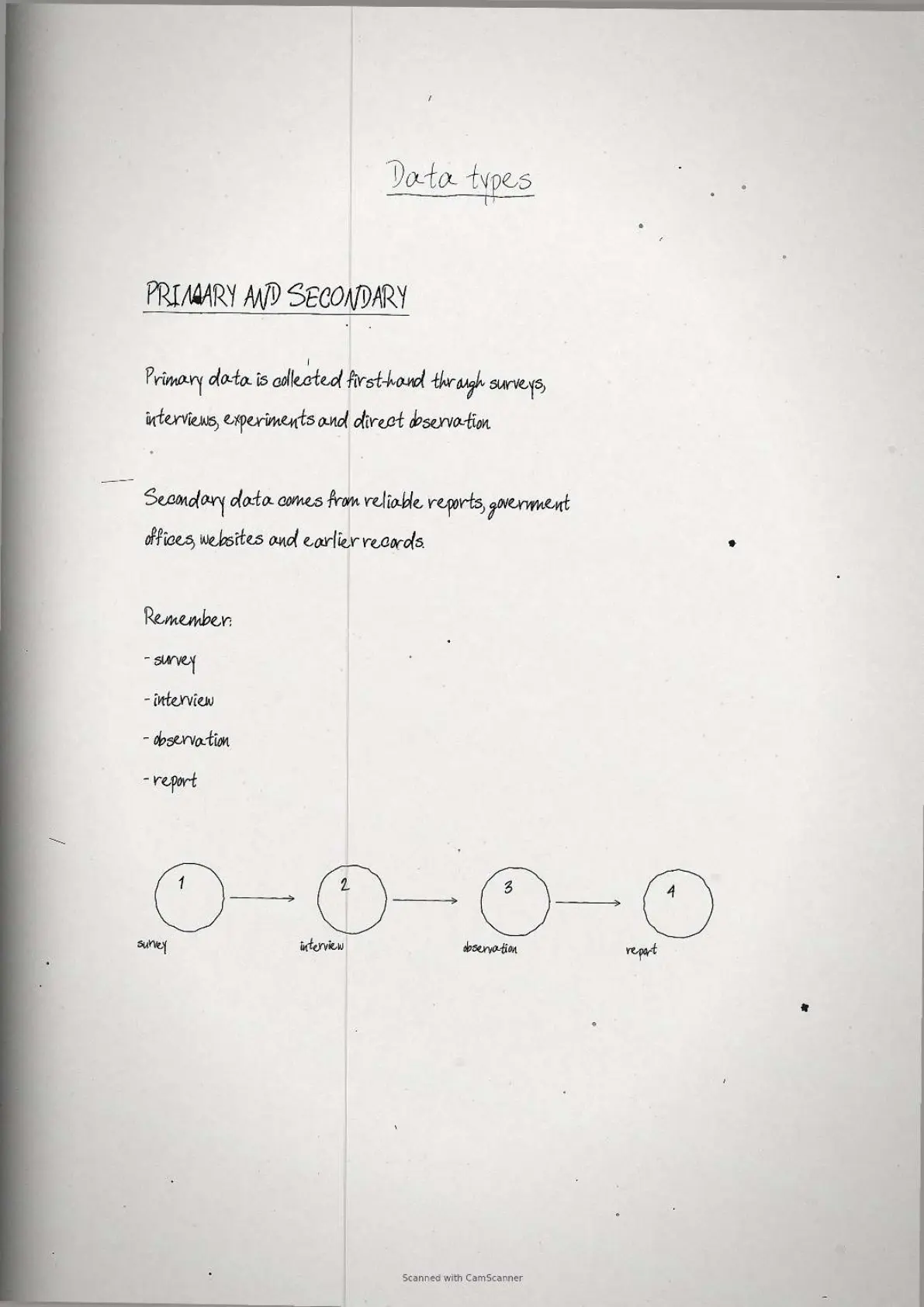
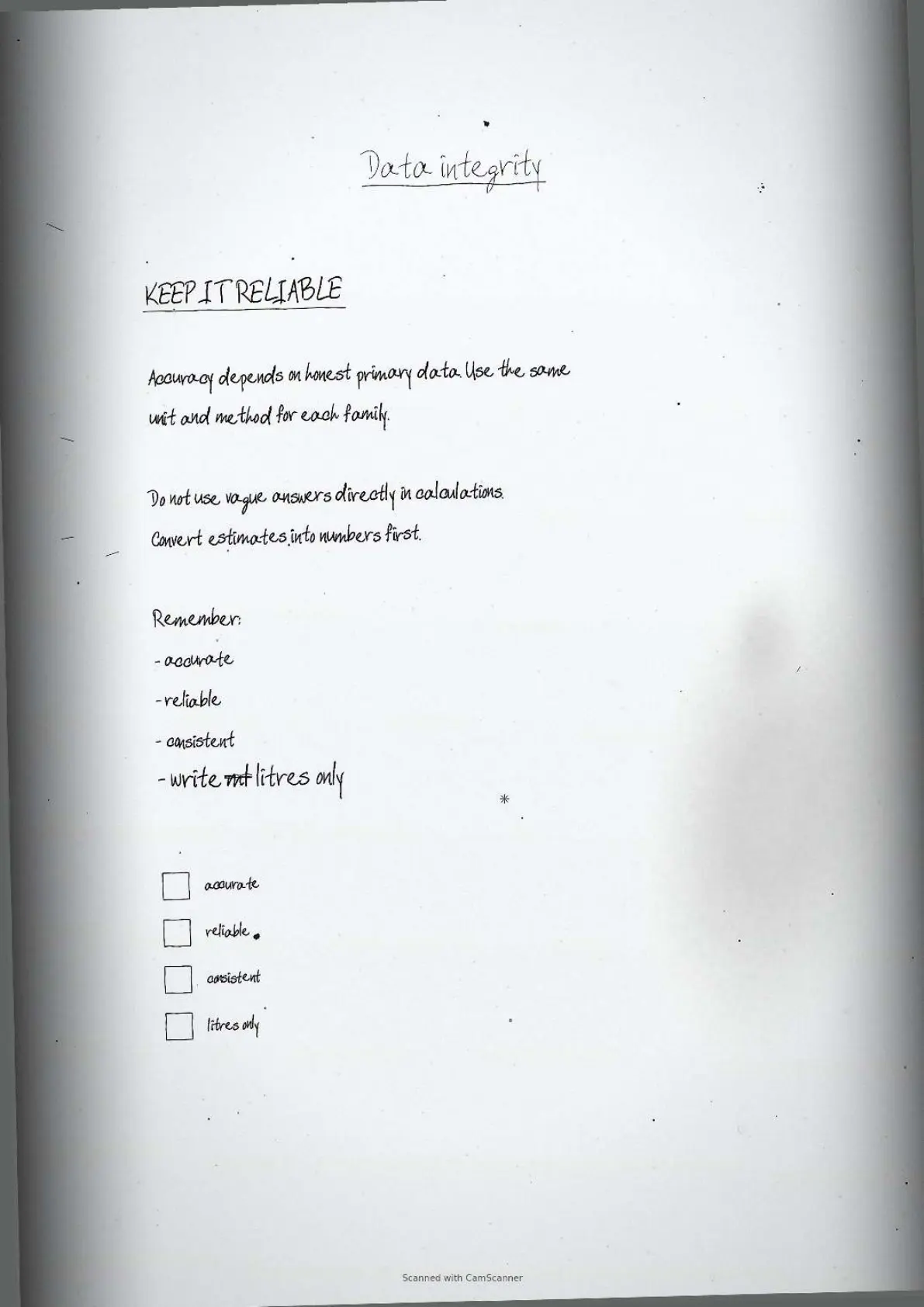
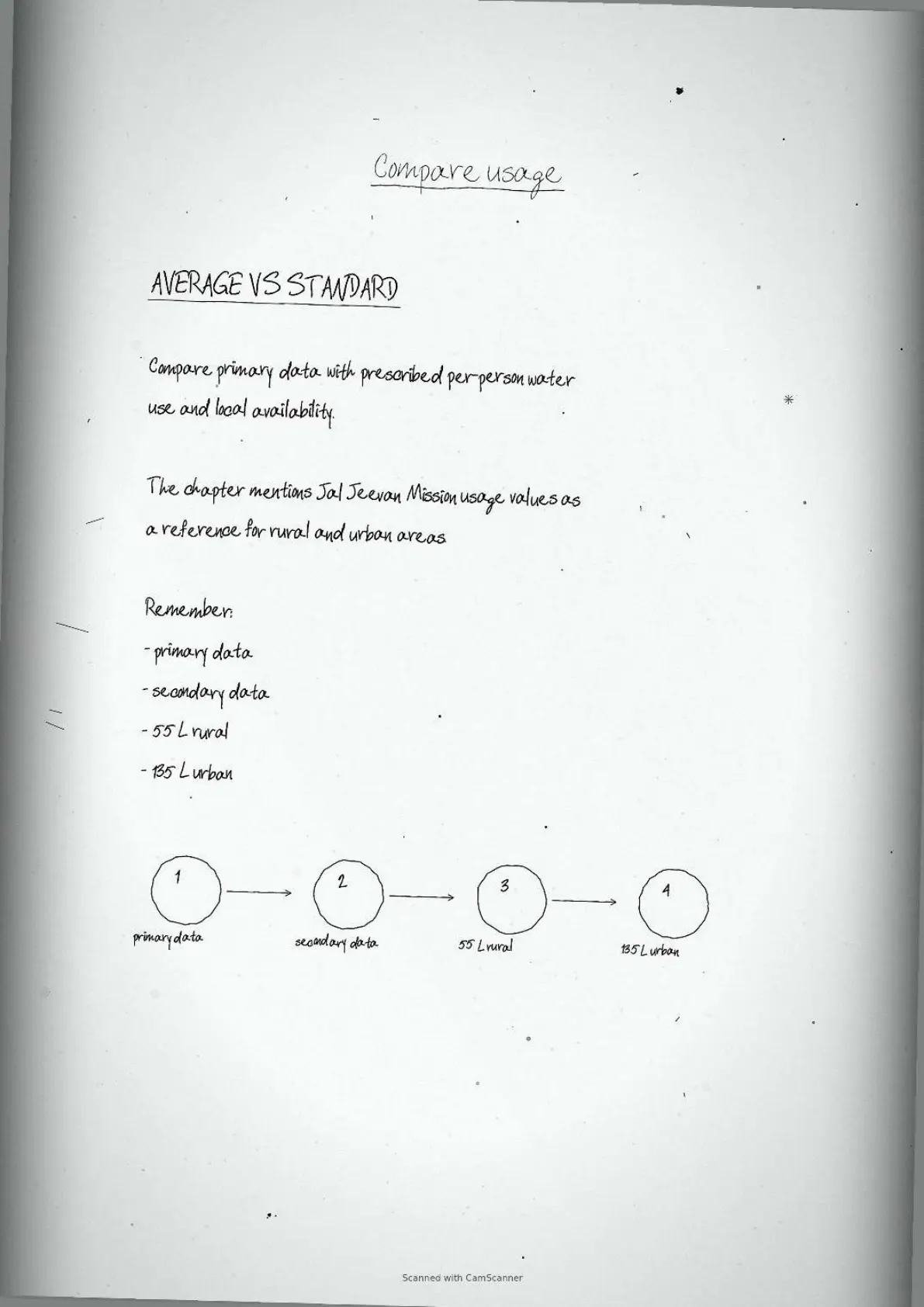
- Primary data comes from surveys, interviews, experiments and direct observation.
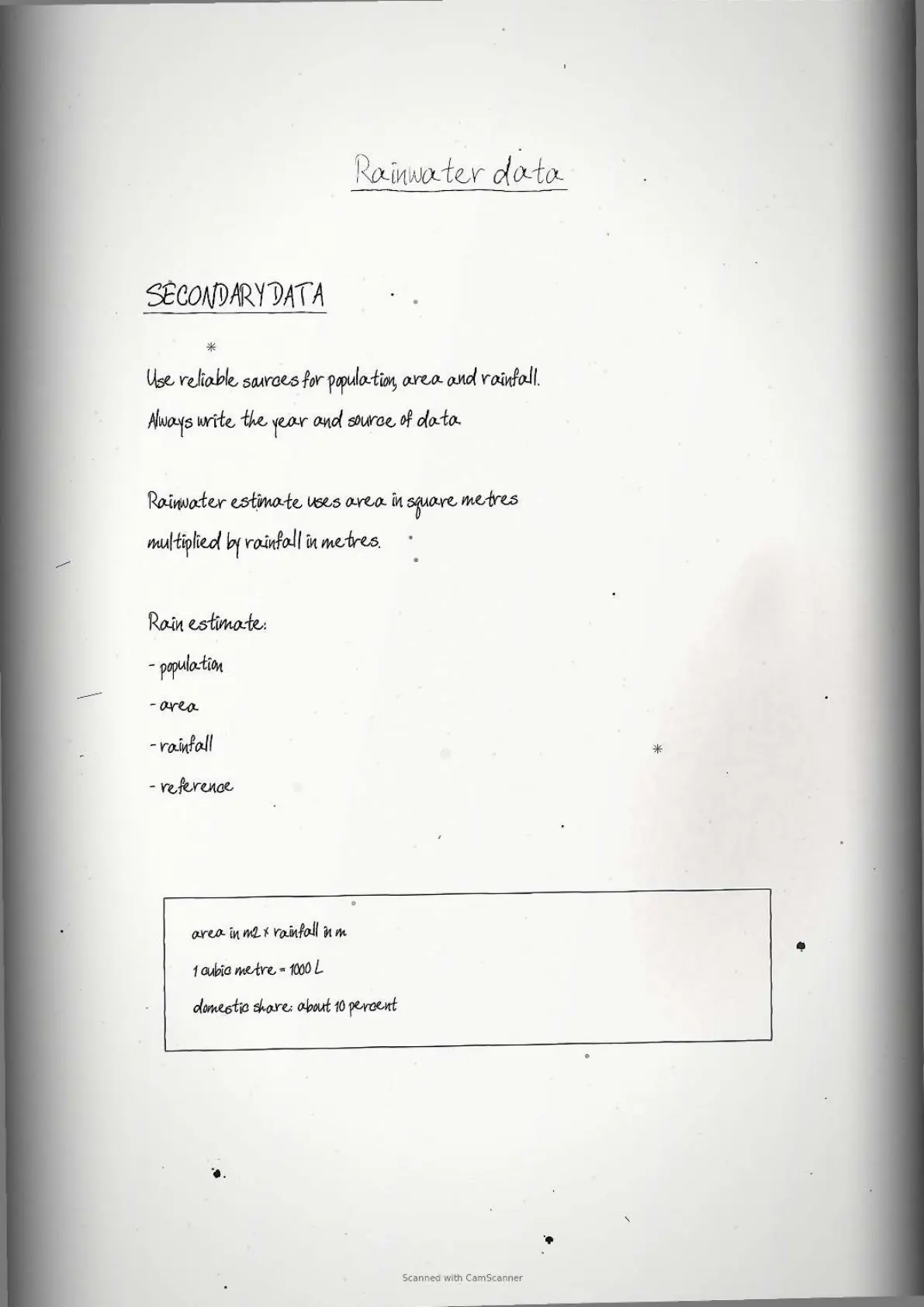
- Secondary data comes from reliable reports, government offices and official websites.
- The project connects measurement, community survey, spreadsheet work and conservation.
What the Handwritten Notes PDF Covers
The PDF is arranged like a student project notebook. It turns the long NCERT activity chapter into short pages that are easy to revise before class work.
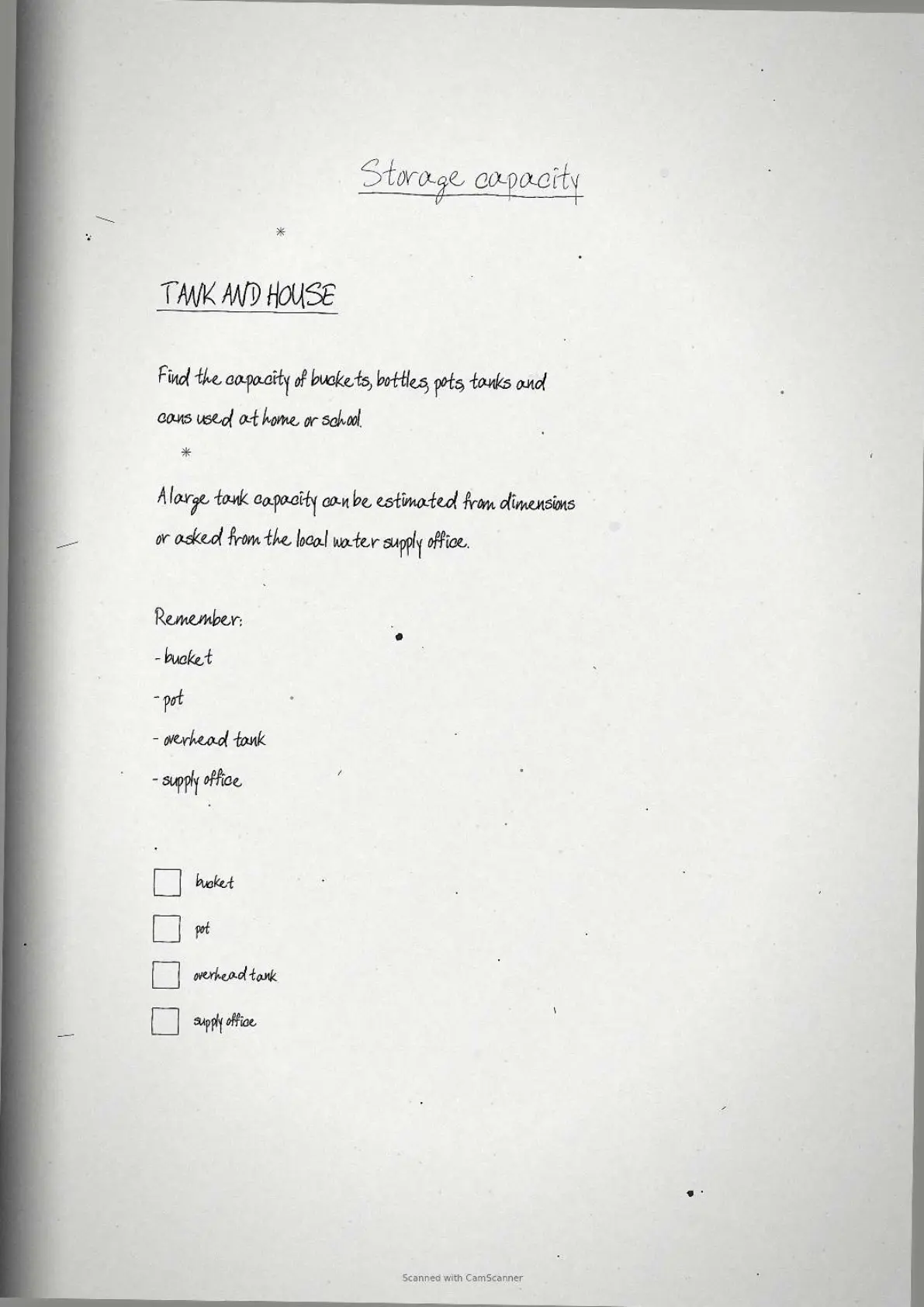
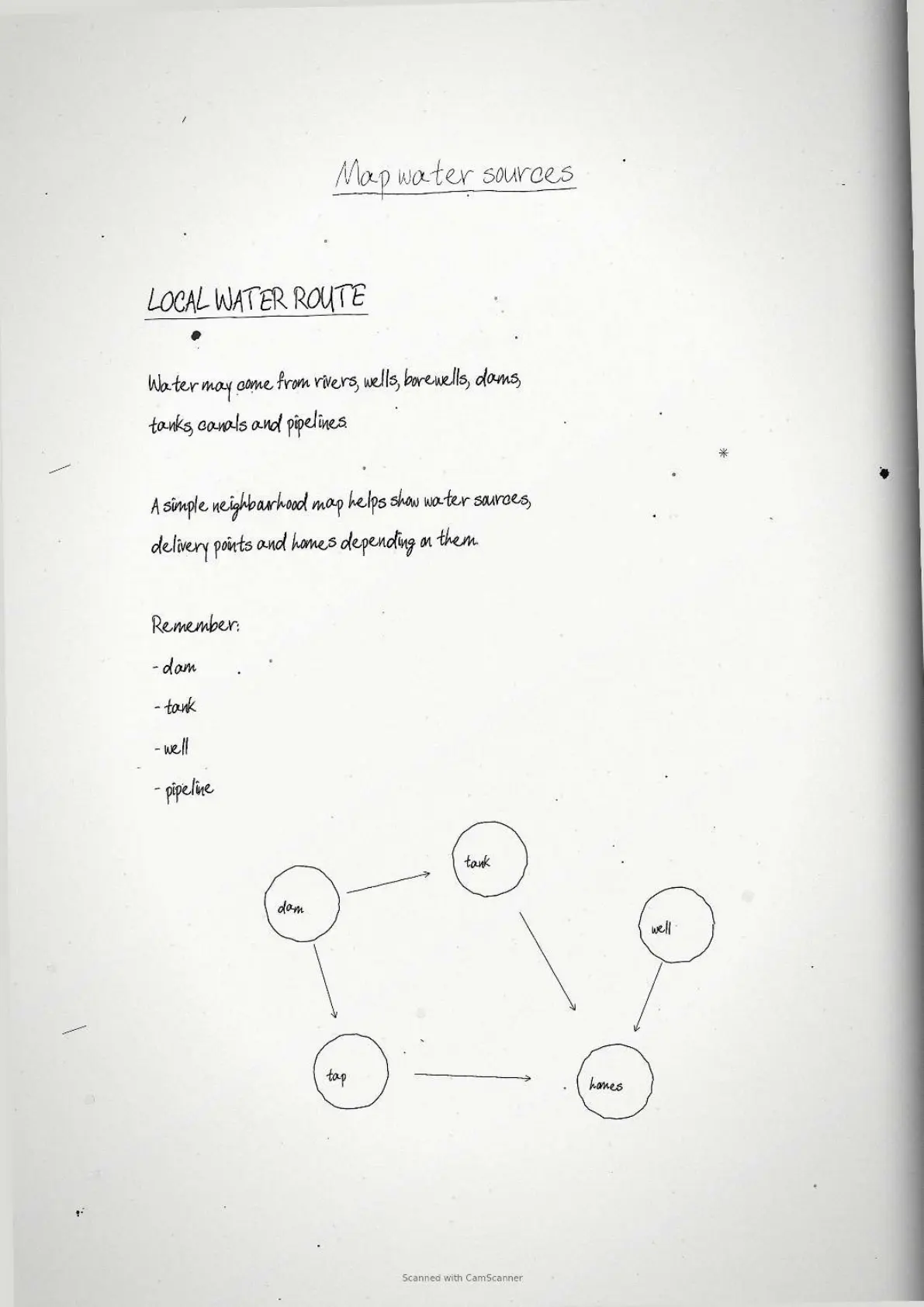
The notes cover water units, flow-rate measurement, household survey forms, rainwater availability, prescribed usage comparison, leak checks, tap repair, groundwater recharge and greywater reuse.
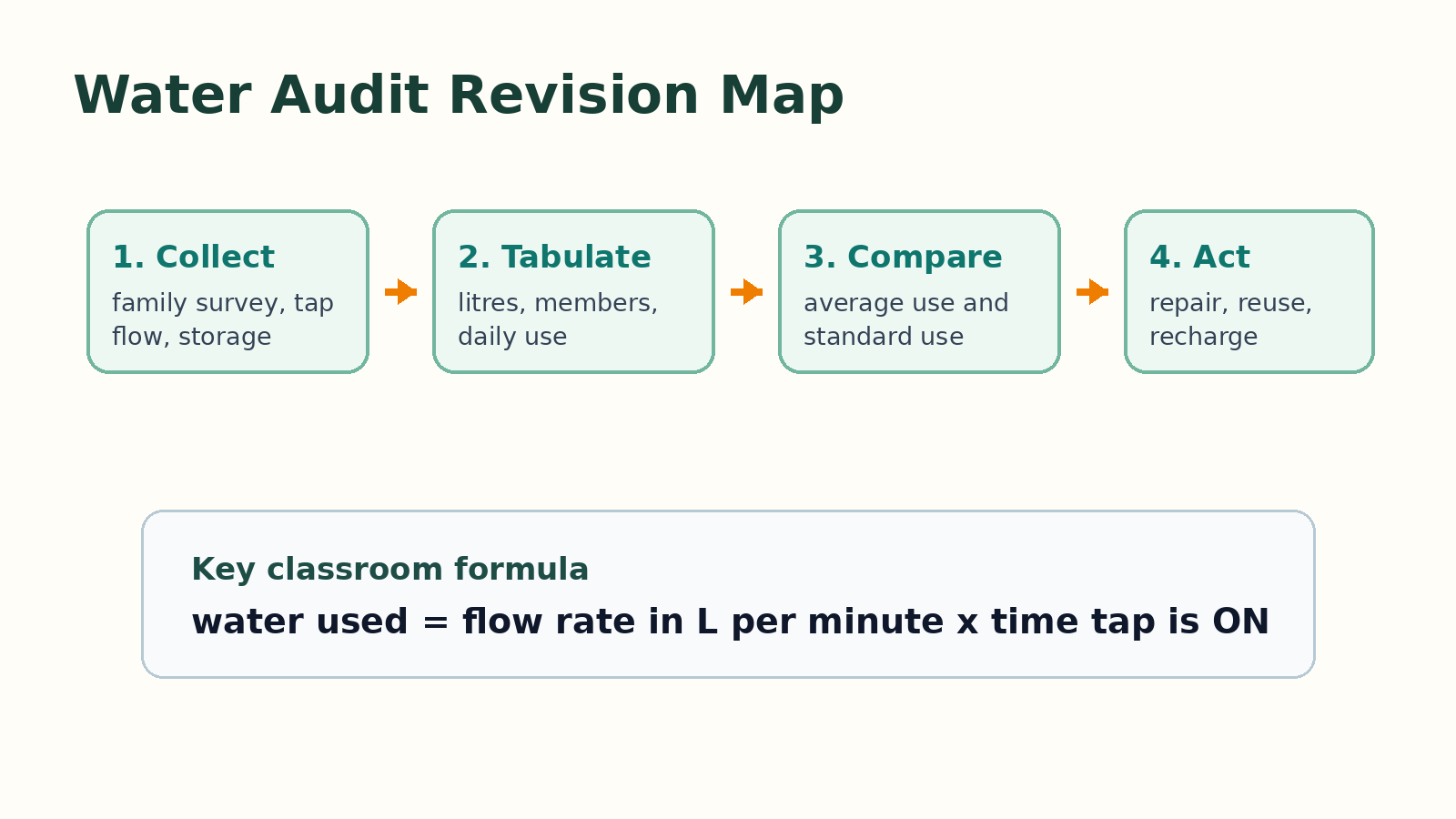
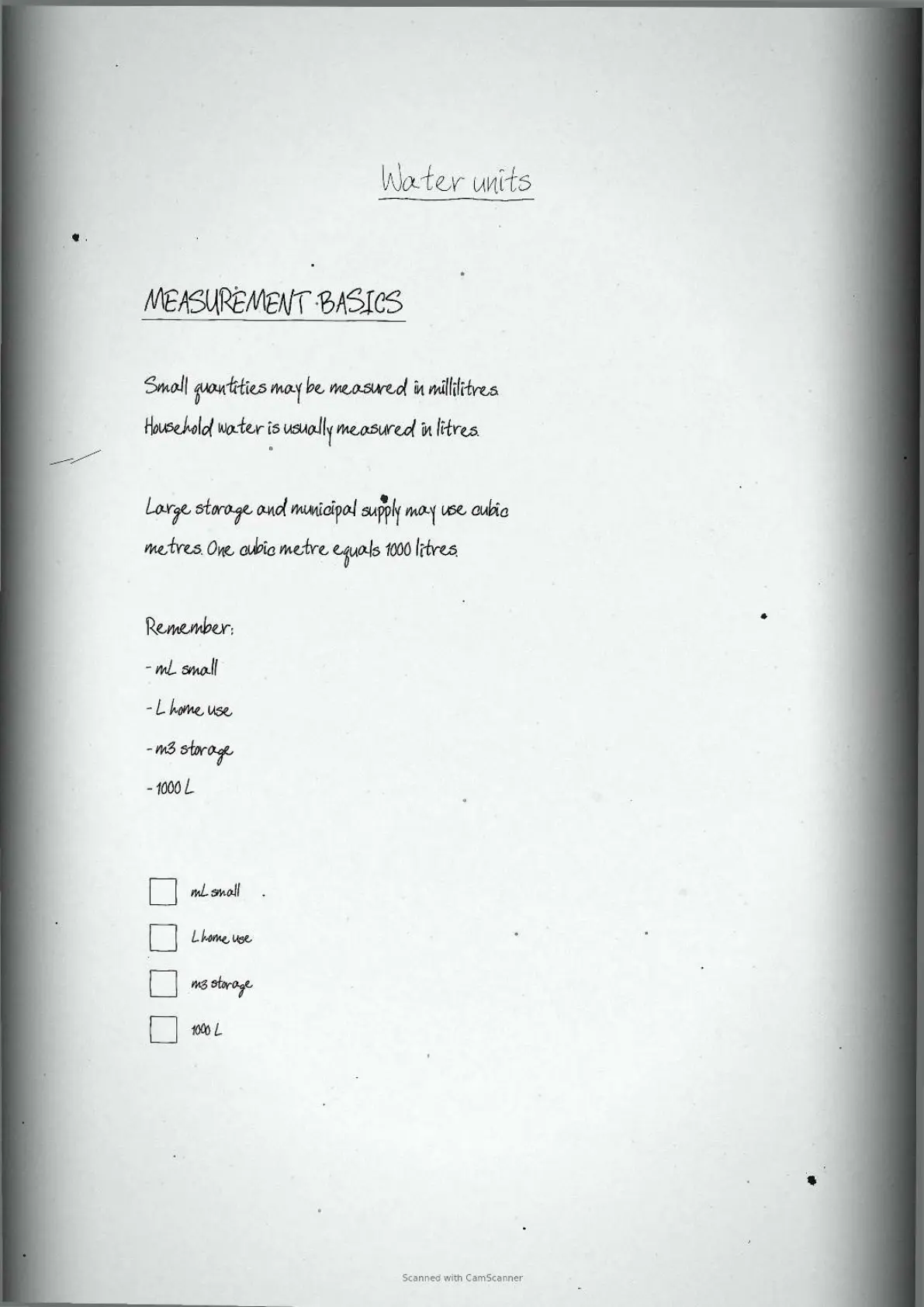
- Measurement pages explain litres, cubic metres and tap flow rate.
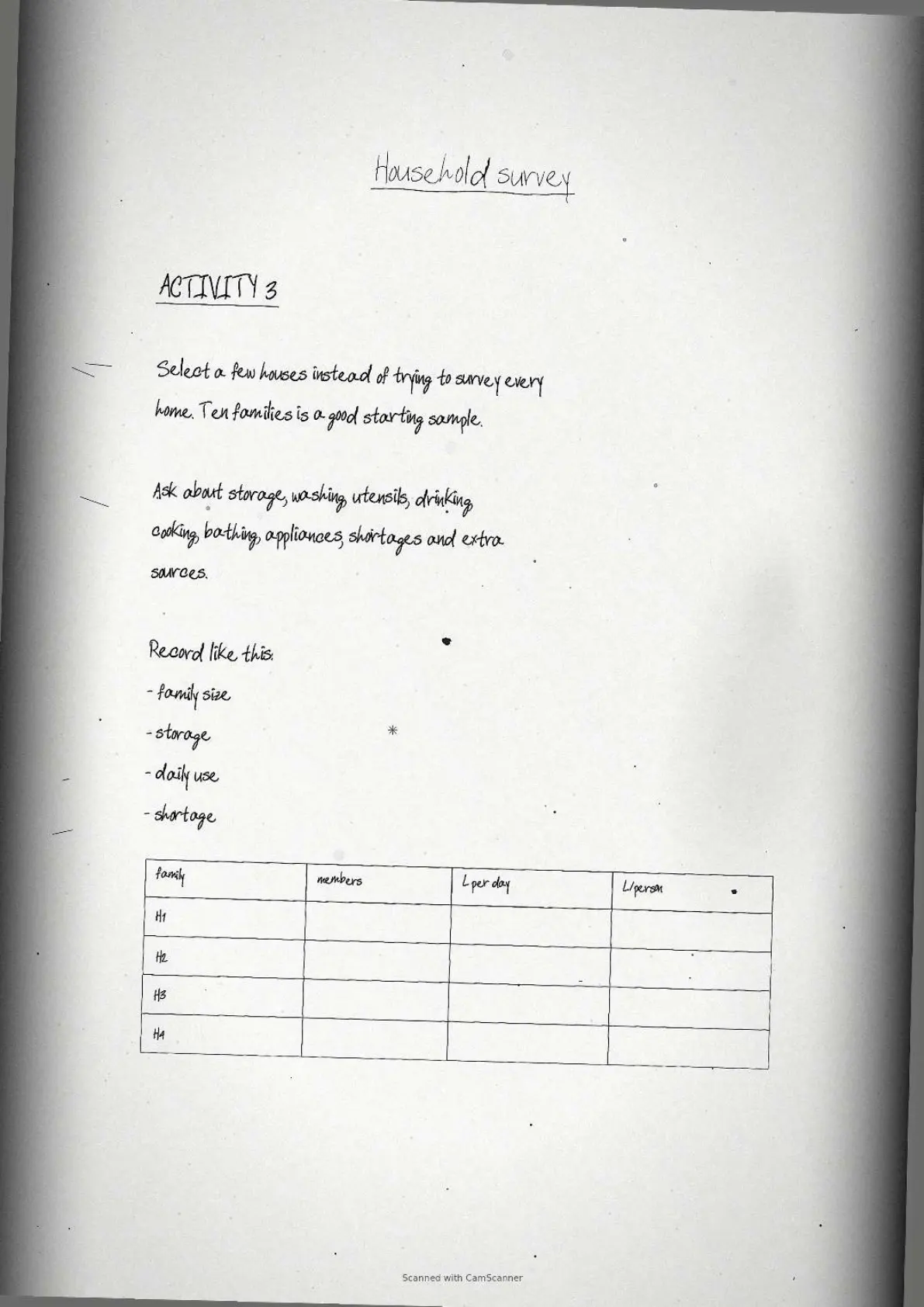
- Survey pages list questions for family water use, shortage, storage and appliances.
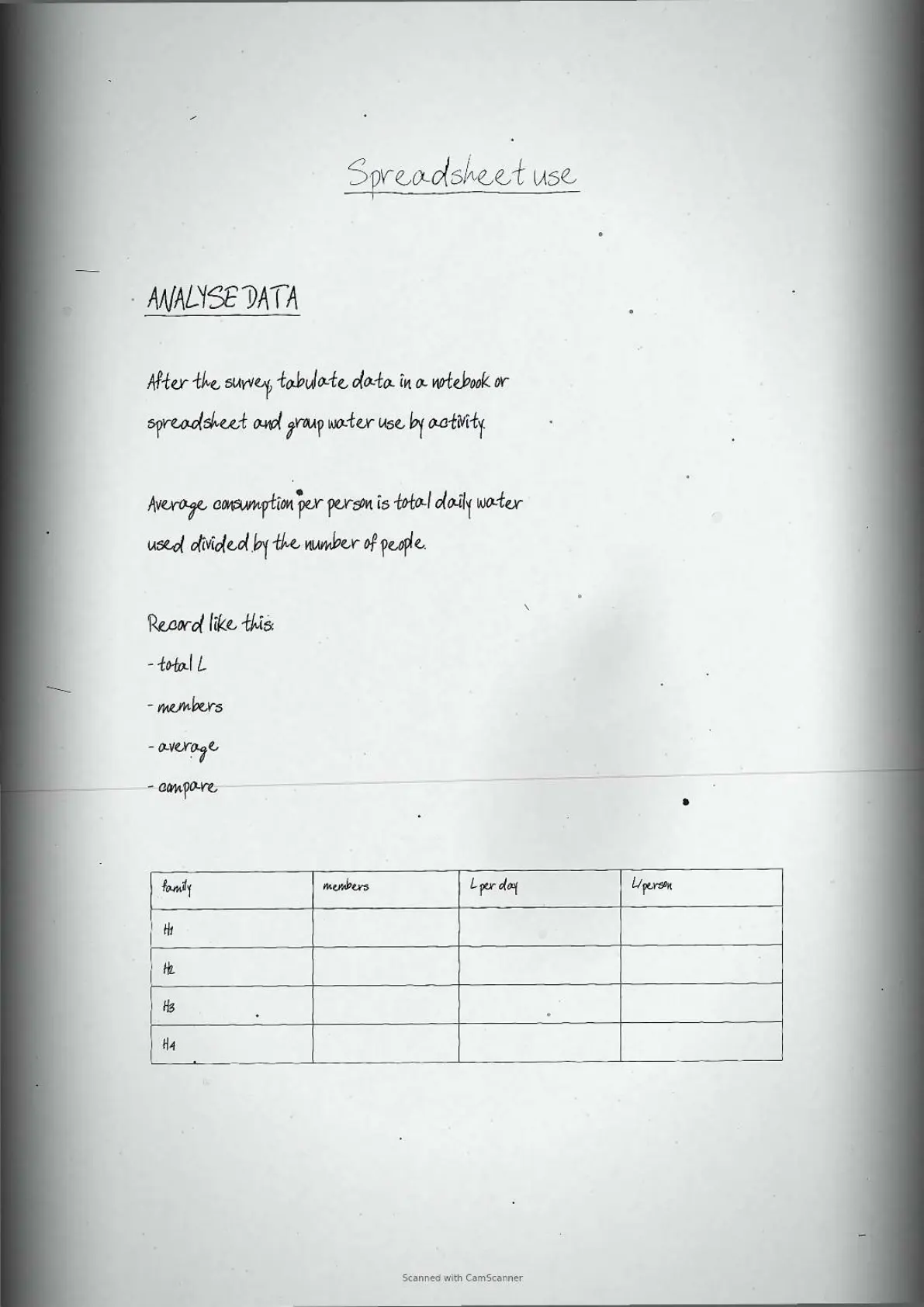
- Analysis pages show average consumption and rainwater availability ideas.
- Action pages cover leaks, flow caps, aerators, recharge and reuse.
Flow Rate and Household Survey in Simple Steps
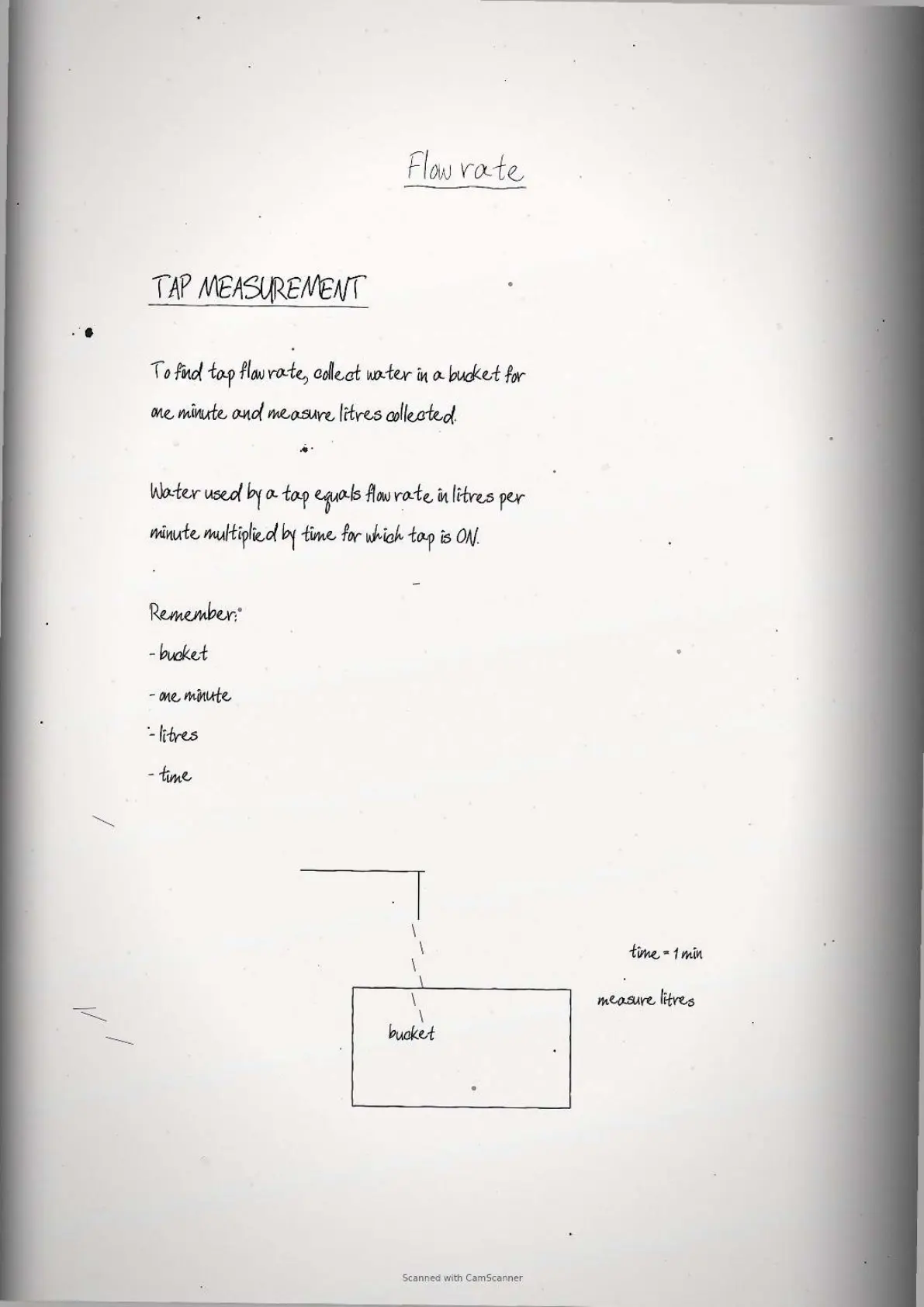
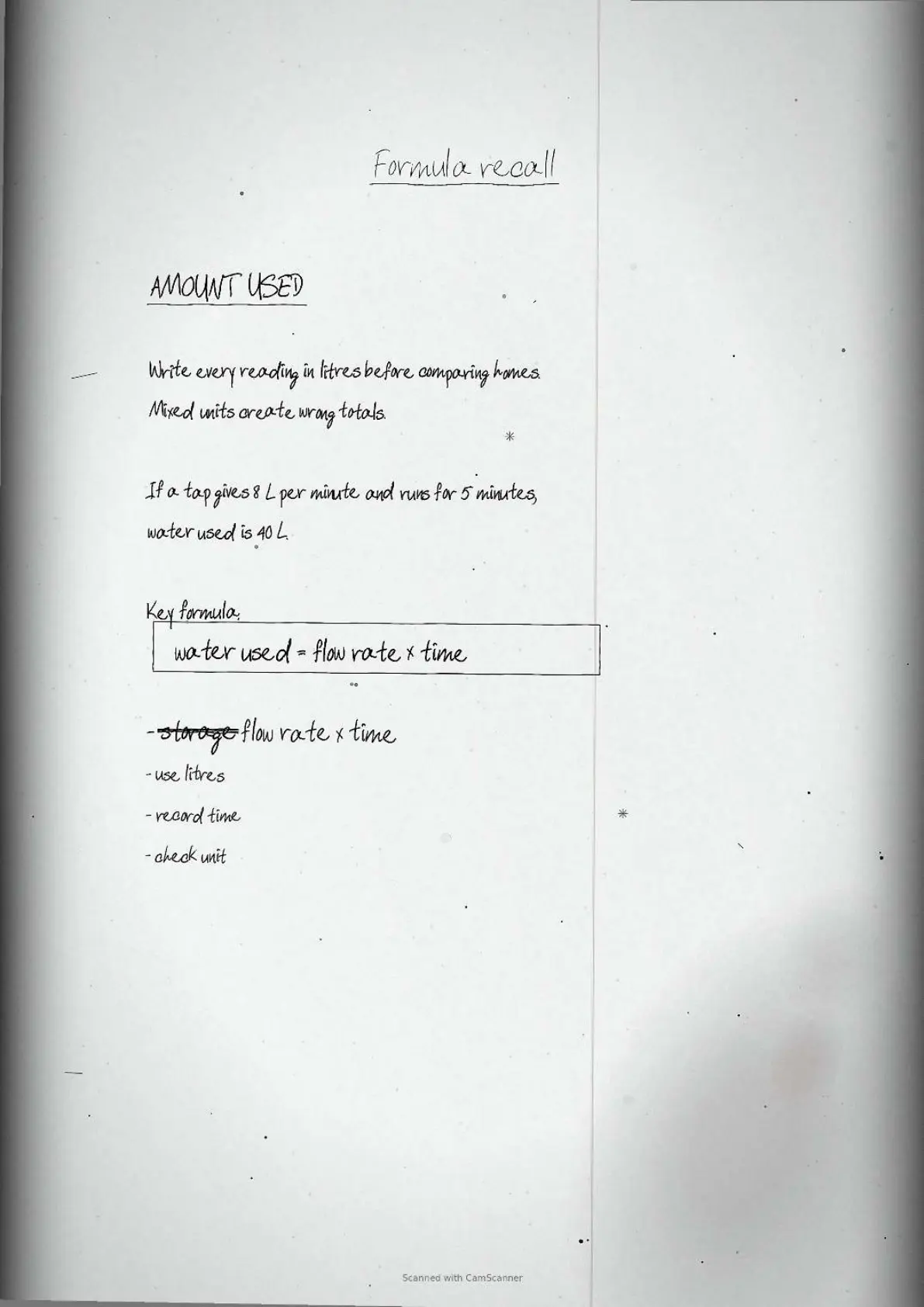
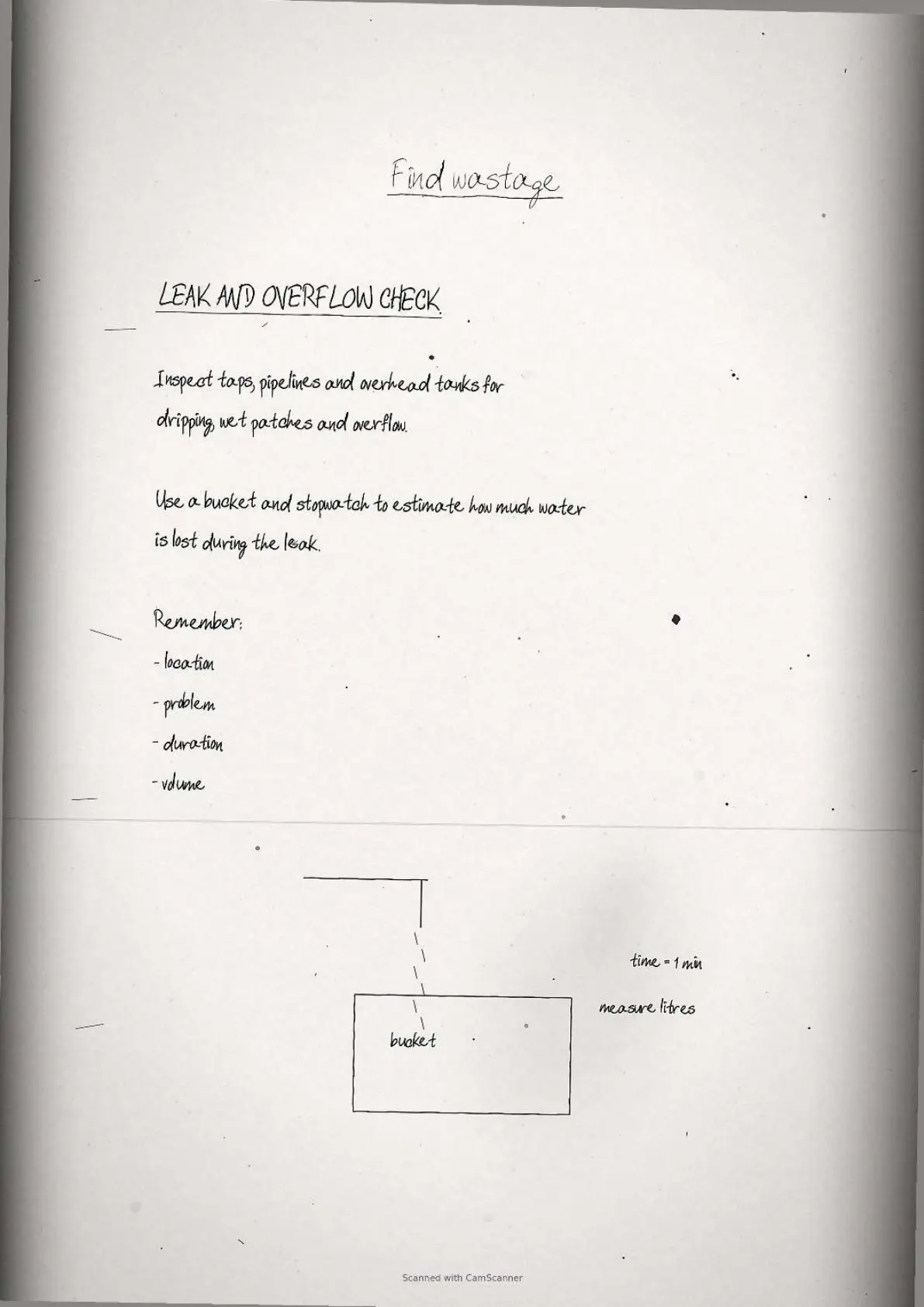
Flow rate is one of the main calculations in the chapter. Students collect water from a tap in a bucket for one minute and measure the litres collected.
The notes use the formula water used = flow rate in L per minute x time tap is ON. This helps students estimate water used while washing utensils, bathing or watering plants.
For the household survey, students ask about family size, daily storage, washing clothes, washing utensils, drinking, cooking, bathing, shortage, appliances and other water sources.
Rainwater Availability and Data Comparison
Secondary data is used to estimate rainwater availability. The chapter asks students to collect population, area and rainfall data from reliable sources and mention the year of the data.
Rainwater estimate uses area in square metres multiplied by rainfall in metres. Since 1 cubic metre equals 1000 litres, the final result can be converted into litres for comparison.
Students then compare average household consumption with water available per person and prescribed usage values. This comparison helps identify whether the locality is using water carefully.
Water Conservation Revision Video
Source: BYJU'S on YouTube
Reducing Wastage and Reusing Water
The chapter gives practical ways to save water after the audit. Students inspect taps, pipelines and overhead tanks for dripping, wet patches and overflow.
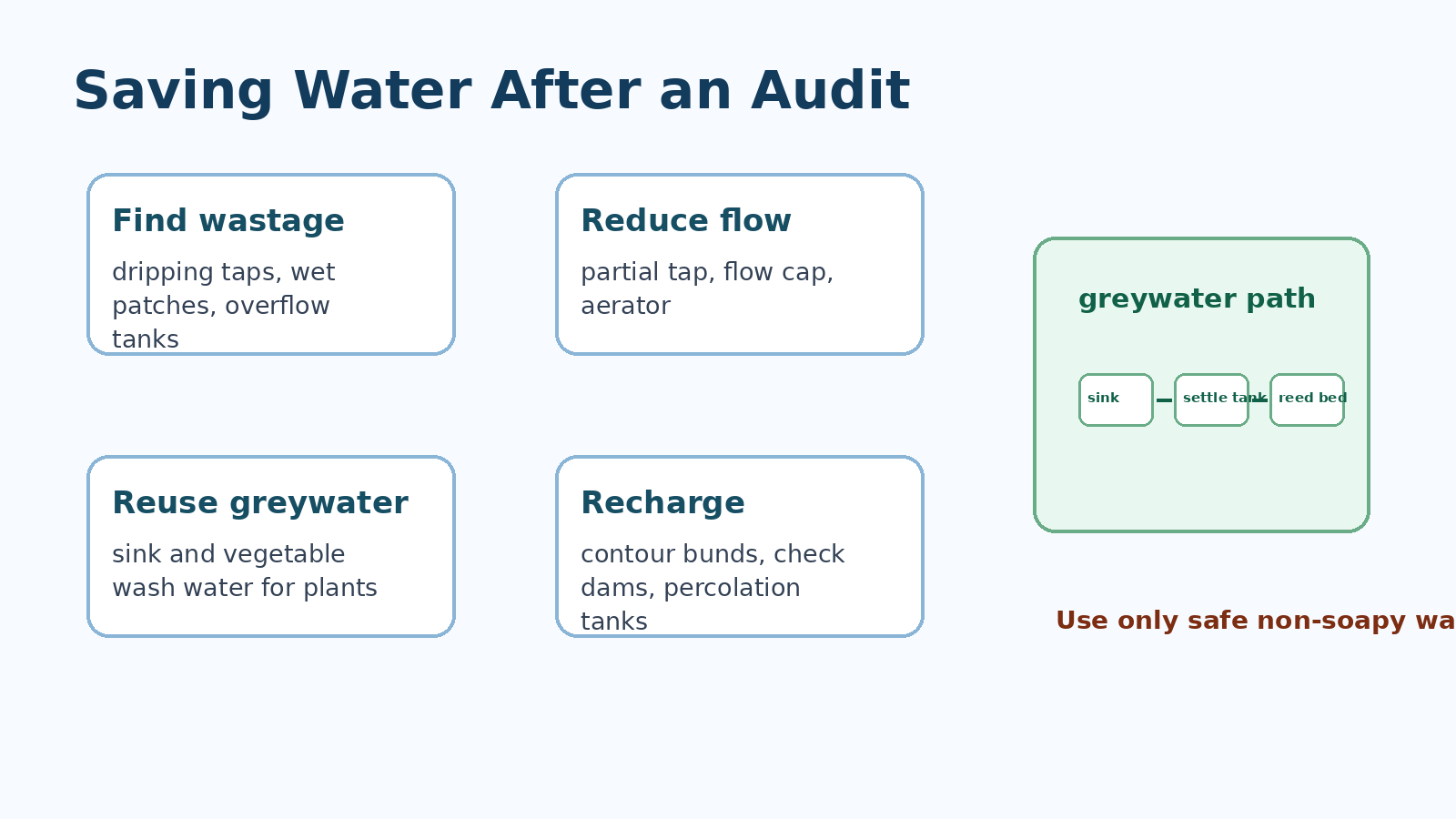
- Use a bucket and stopwatch to estimate water lost from a leak.
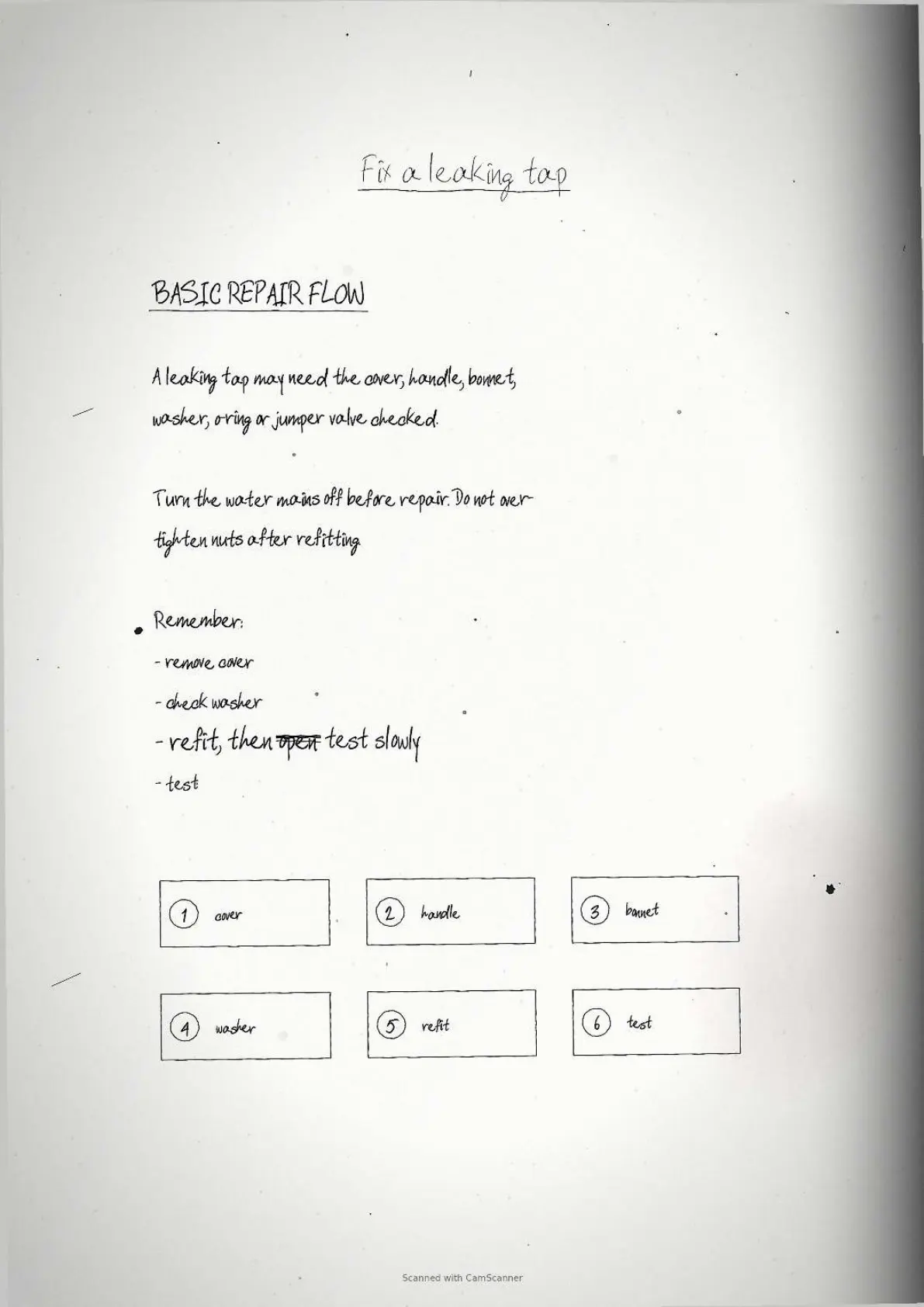
- Repair small tap problems by checking the cover, handle, bonnet and washer with adult help.
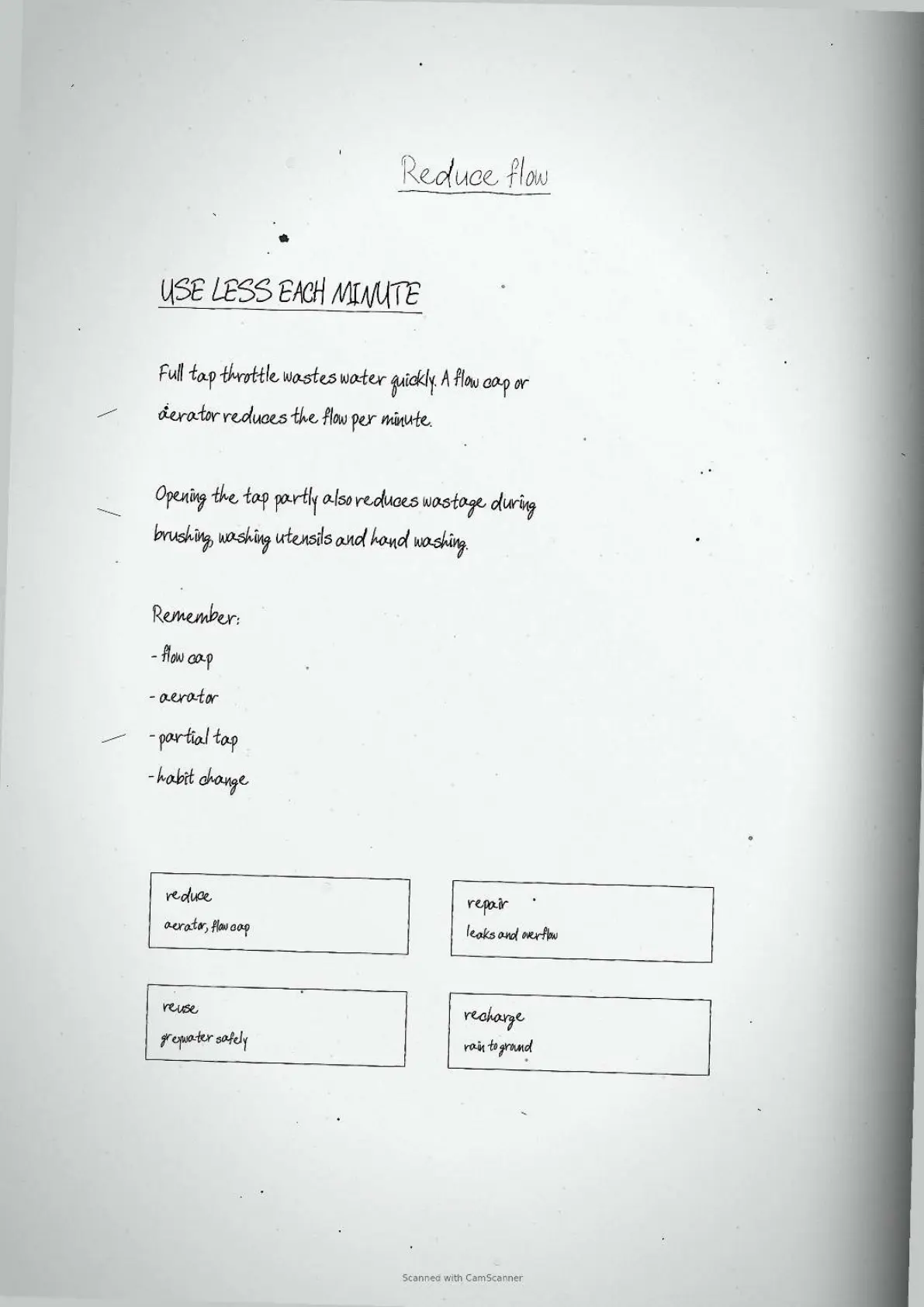
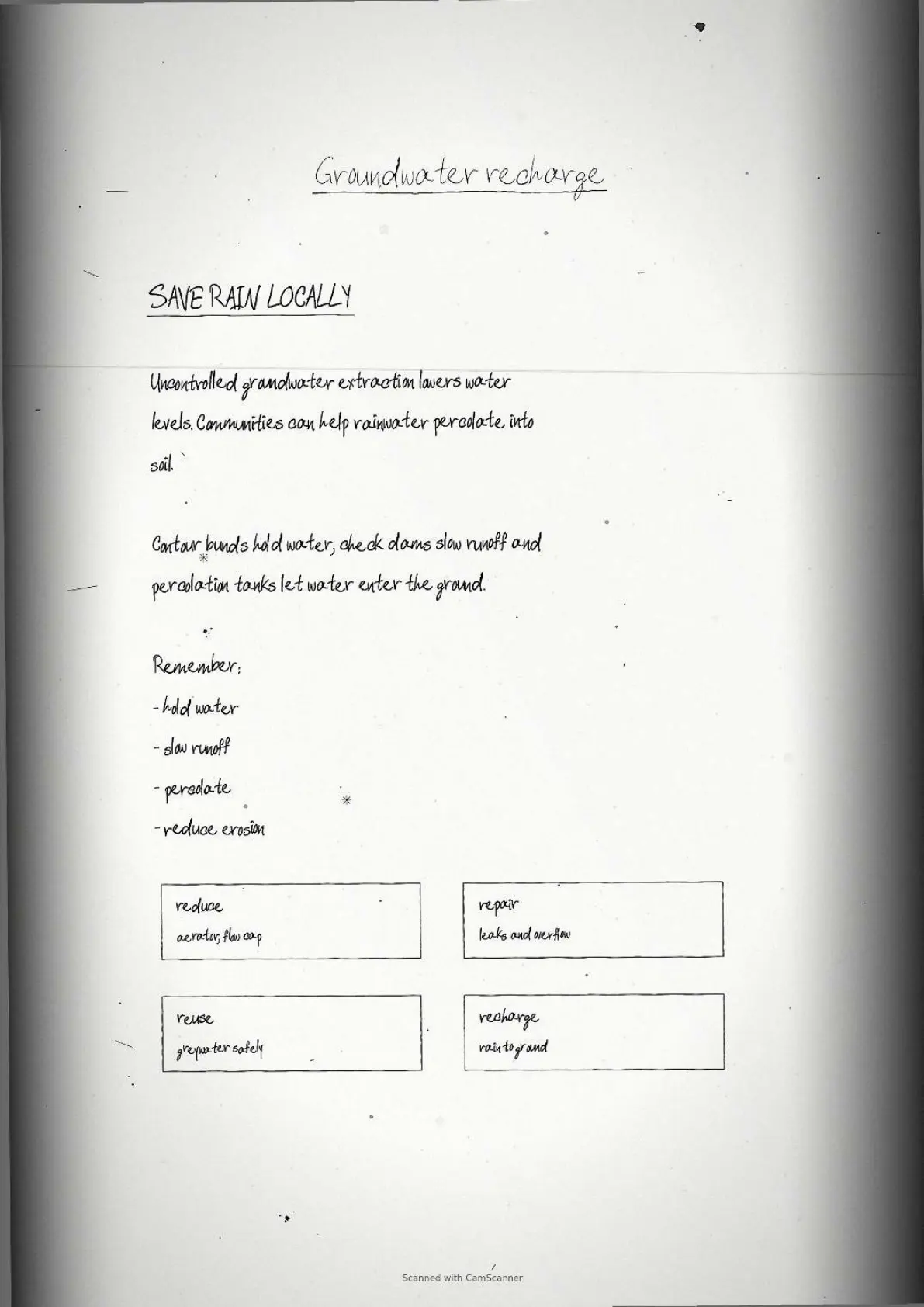
- Use flow caps, aerators or partial tap opening to reduce flow per minute.
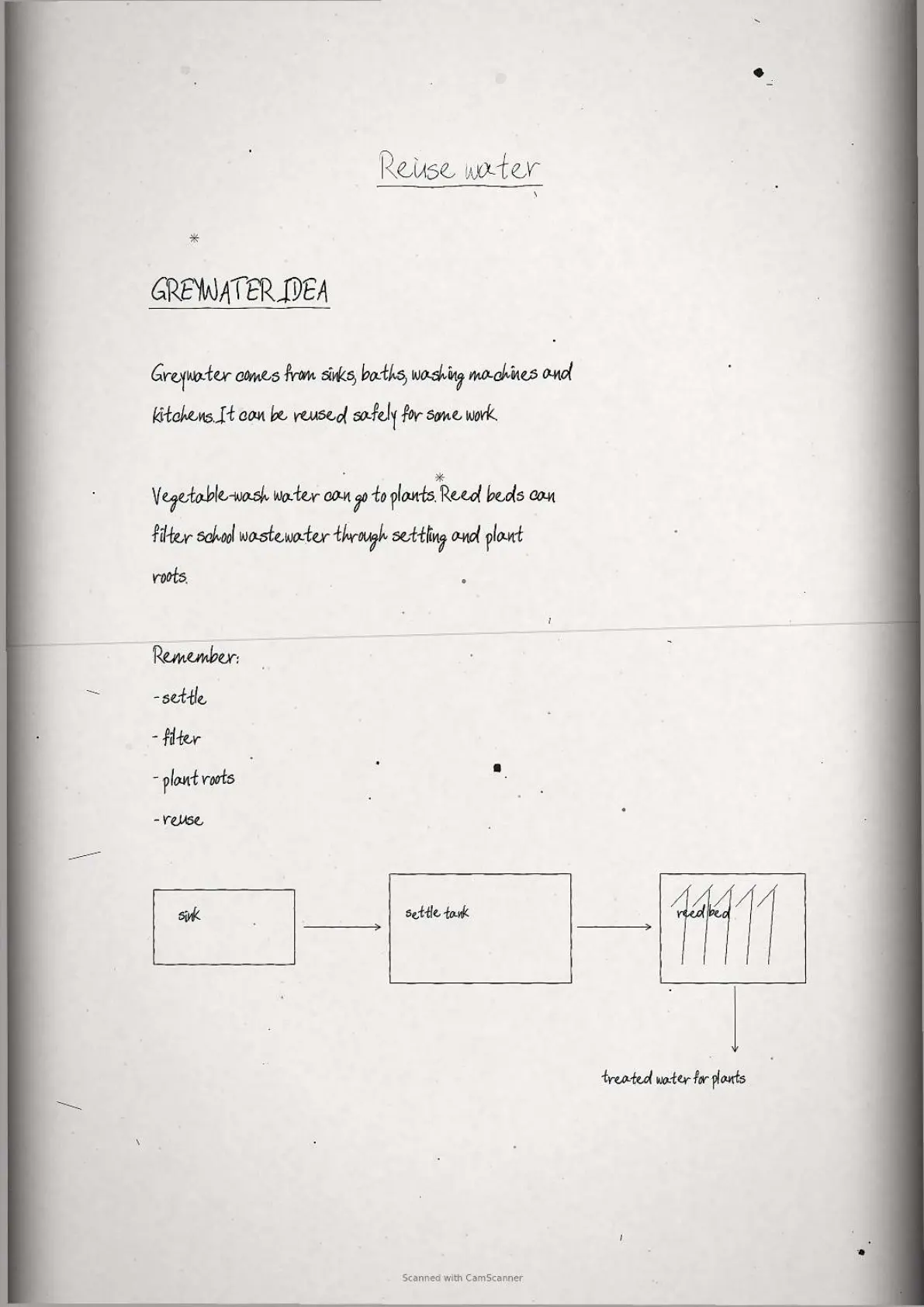
- Reuse suitable greywater for plants and learn about reed-bed filtration systems.
- Recharge groundwater through contour bunds, check dams and percolation tanks.
How to Use These Notes for Project Records
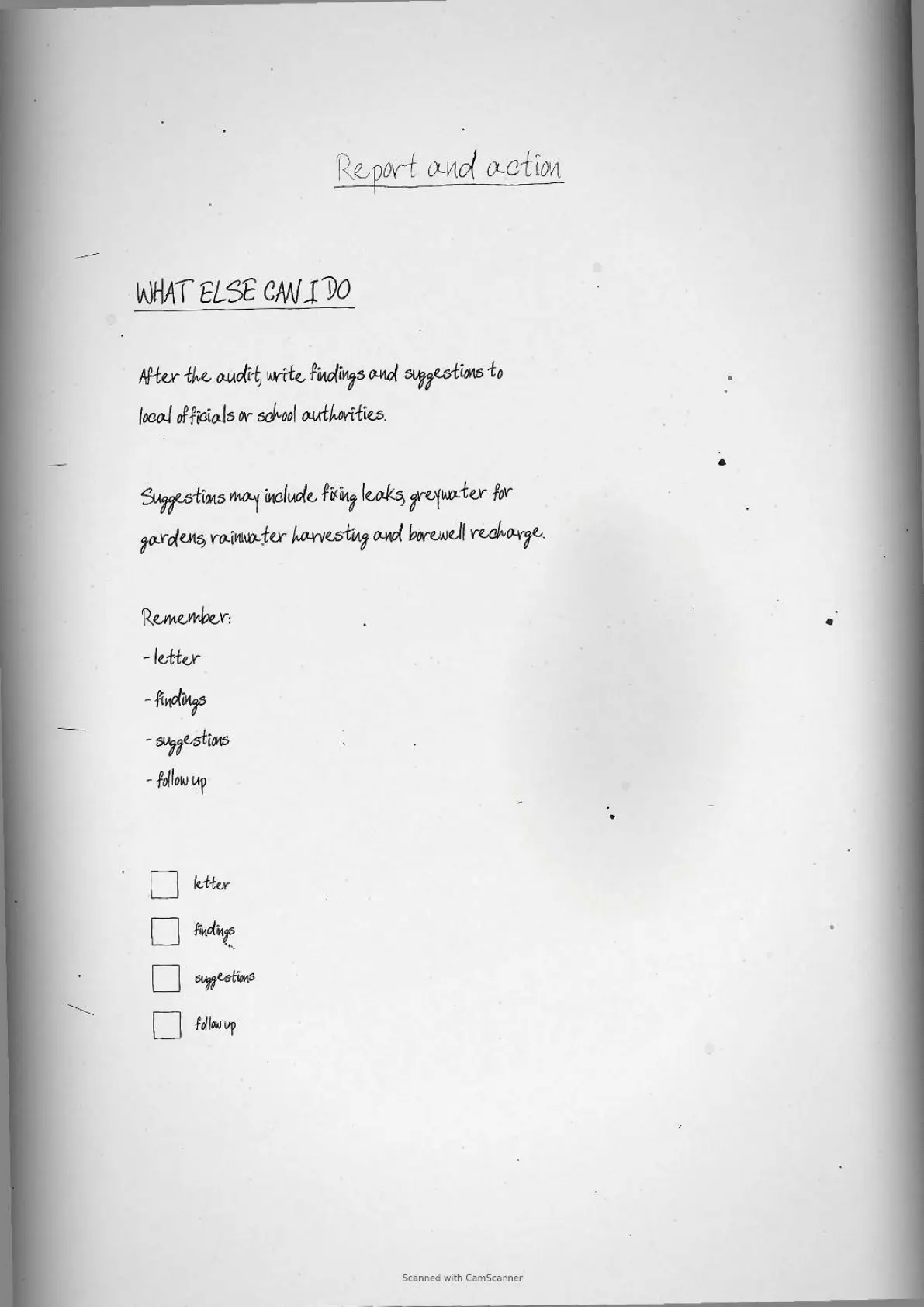
Use these handwritten notes while filling the NCERT activity tables. They help students remember what to measure, whom to interview, how to tabulate data and what action to suggest.
A good project answer should include measurement, source, calculation and action. For example, write the tap flow rate, the time tap stayed ON, total litres used and the water-saving suggestion.
- For Activity 1, record water-measurement methods and units.
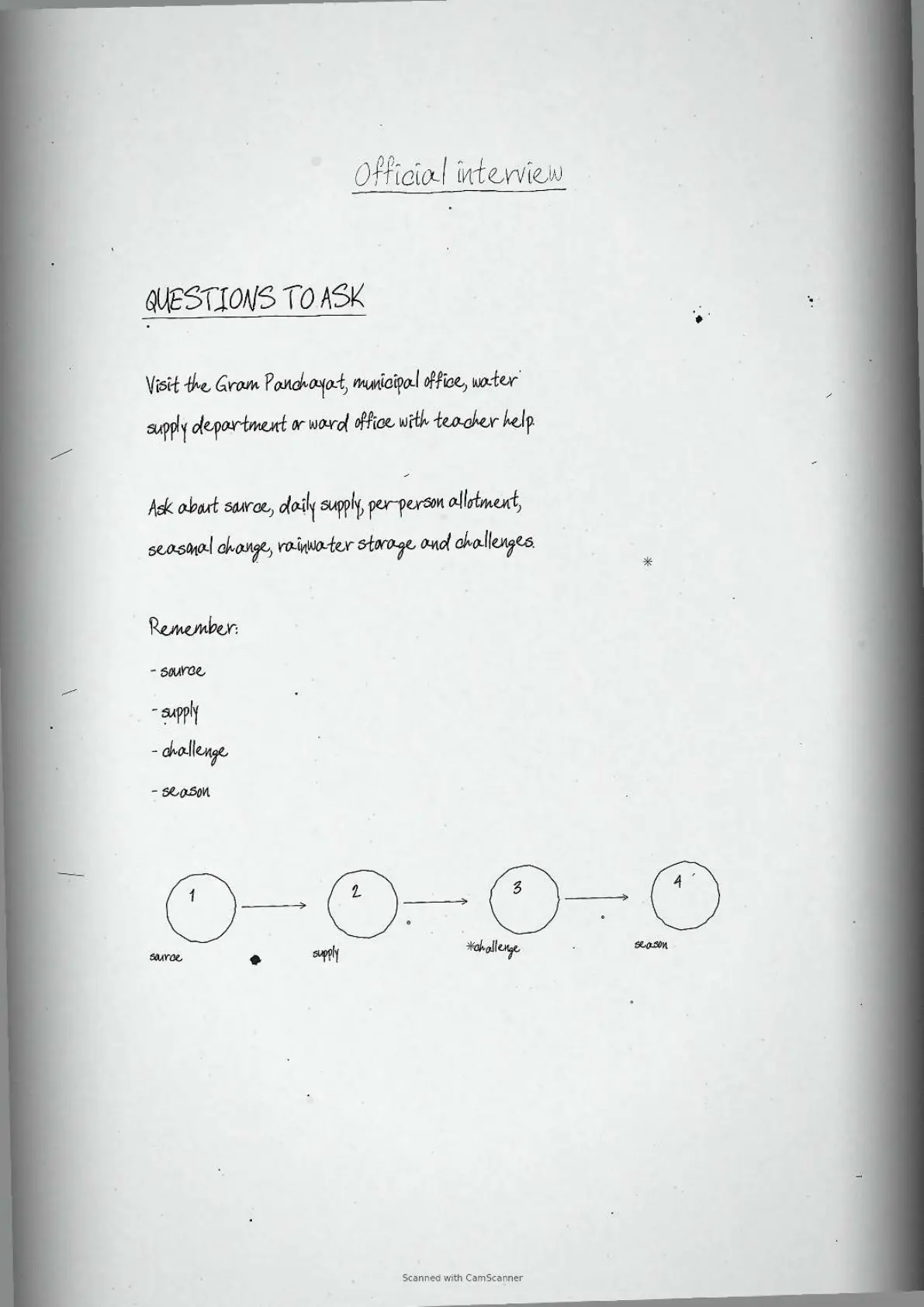
- For Activity 2, write questions for the water supply official.
- For Activity 3, tabulate household water-use data in litres.
- For Activity 6, note wastage points and possible repairs.
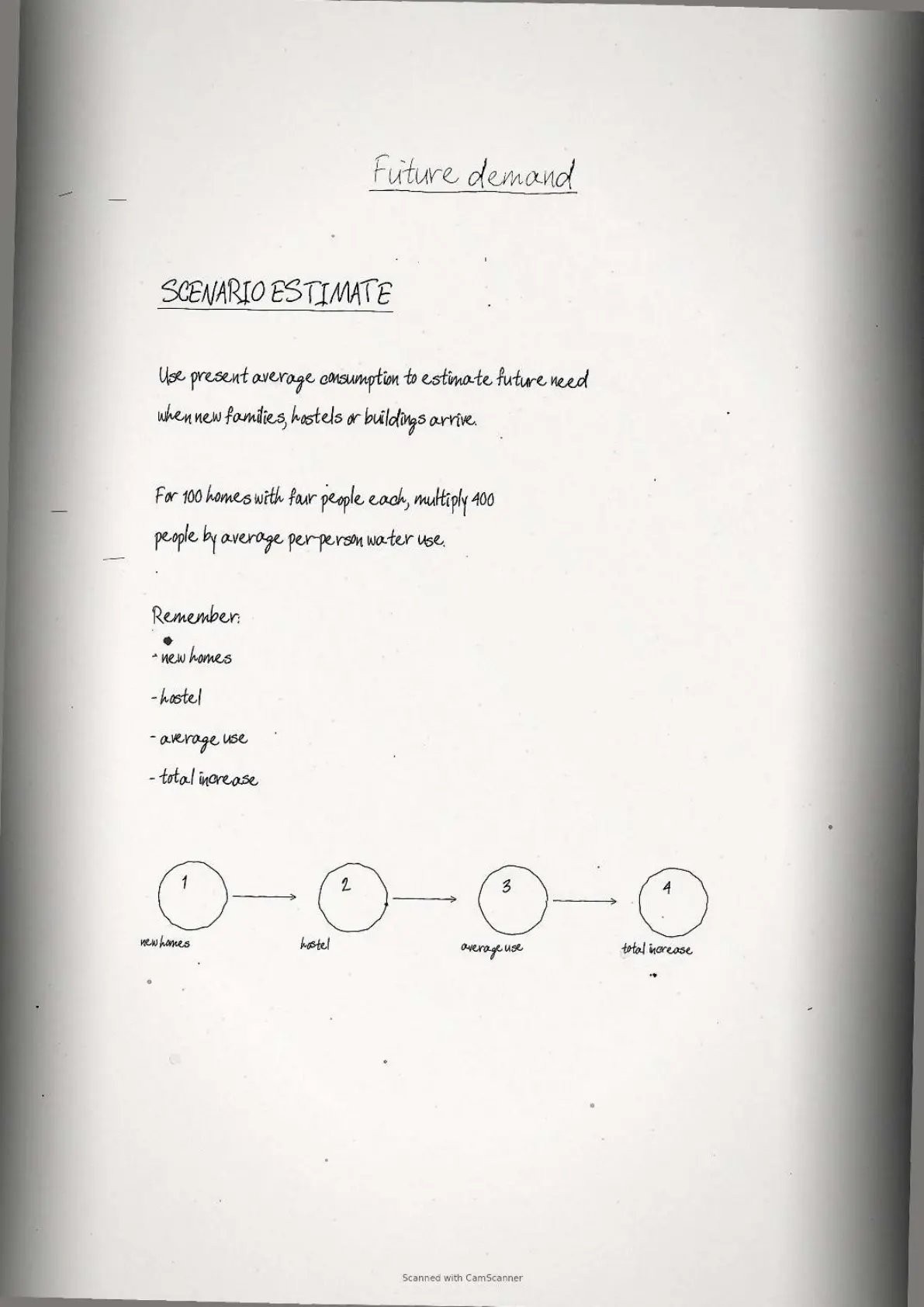
- For Activity 8, estimate future demand for new homes or hostels.
Related Water Audit Class 8 Resources
Use the links below with the handwritten notes. They help students move from quick revision to solved project answers and the official NCERT chapter.
| Resource | Use it for | Link |
|---|---|---|
| NCERT Solutions | Activity answers and reflection questions | Open solutions |
| NCERT Book PDF | Official chapter text, figures and activity tables | Open book PDF |
| Previous Handwritten Notes | Revise the earlier project before moving to human services | Open Home Automation notes |
All Class 8 Vocational Education Handwritten Notes
Students revising Kaushal Bodh can move through the handwritten notes chapter by chapter.
| Chapter | Topic | Handwritten notes link |
|---|---|---|
| Chapter 1 | Hydroponics: Growing Plants without Soil | Open Chapter 1 notes |
| Chapter 2 | Feeding and Caring for Farm Animals | Open Chapter 2 notes |
| Chapter 3 | Working with Wood and Bamboo | Open Chapter 3 notes |
| Chapter 4 | Home Automation | Open Chapter 4 notes |
| Chapter 5 | Water Audit for Water Management | Current page |
Water Audit for Water Management Class 8 Handwritten Notes FAQs
Ques. What is covered in Water Audit for Water Management handwritten notes?
Ans. The notes cover water-use data, measurement units, tap flow rate, household survey, rainwater estimate, leak checks, tap repair, greywater reuse and future demand.
Ques. How do these handwritten notes help in the Class 8 project?
Ans. They turn the project into short revision points so students can fill survey tables, calculations, observations and reflection answers clearly.
Ques. Which formula is important in the water audit chapter?
Ans. The main formula is water used equals flow rate in litres per minute multiplied by the time for which the tap is kept ON.
Ques. What water-saving actions are included in the PDF?
Ans. The PDF includes leak repair, flow caps, aerators, partial tap opening, rainwater recharge and safe greywater reuse ideas.



Comments