



The Class 12 KTPI notes for Indian Philosophical Systems explain the nine major schools, their sources of knowledge, and their paths to freedom. These notes follow the 2026-27 NCERT chapter and connect each system with its central thinker, text, and ethical practice.
- Core focus: compare astika and nastika systems without confusing the terms with belief in God.
- Quick recall: link nine schools with their key ideas, thinkers, and texts.
- Exam help: revise Buddhist and Jaina ethics through clear concept chains.
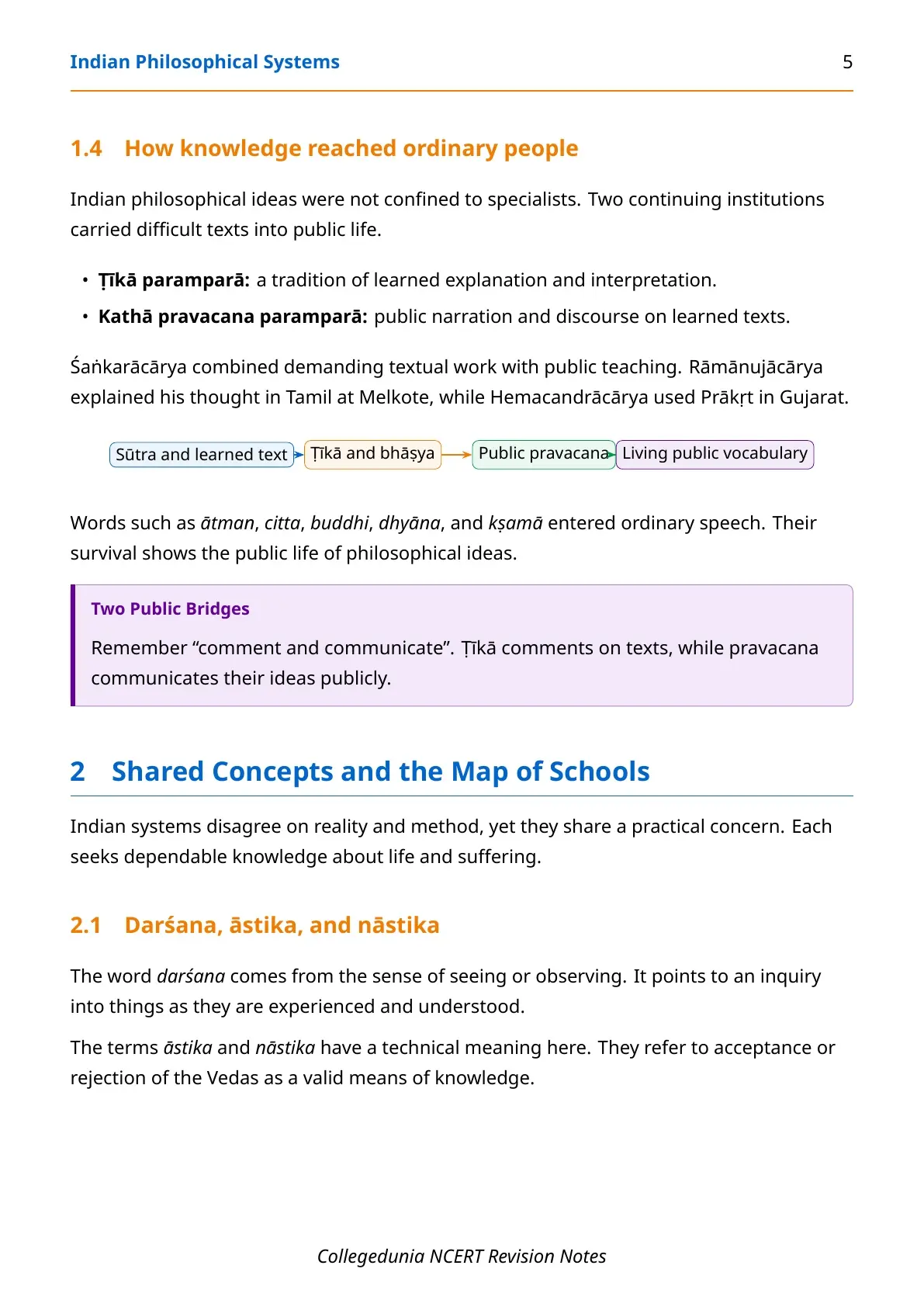
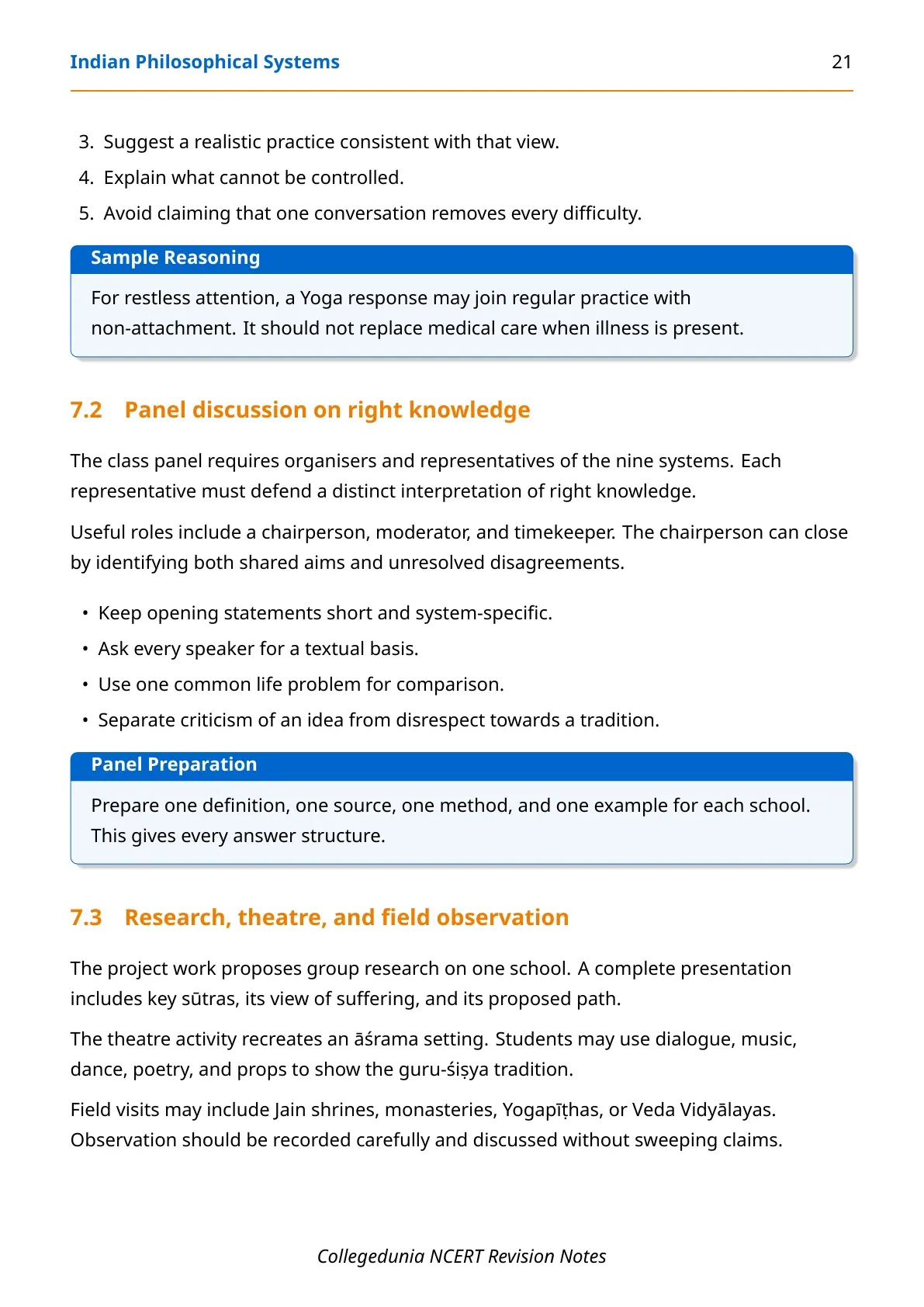
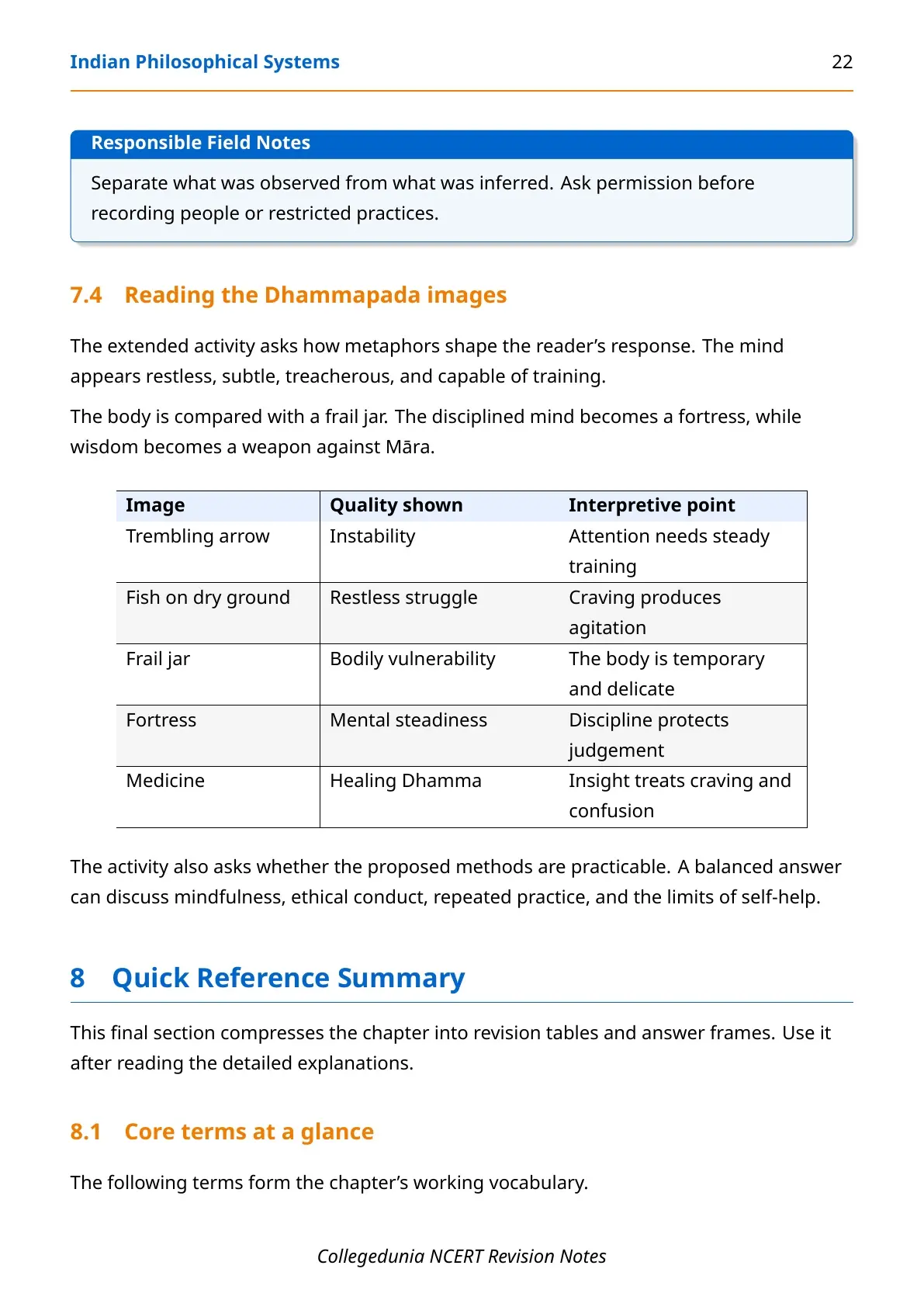
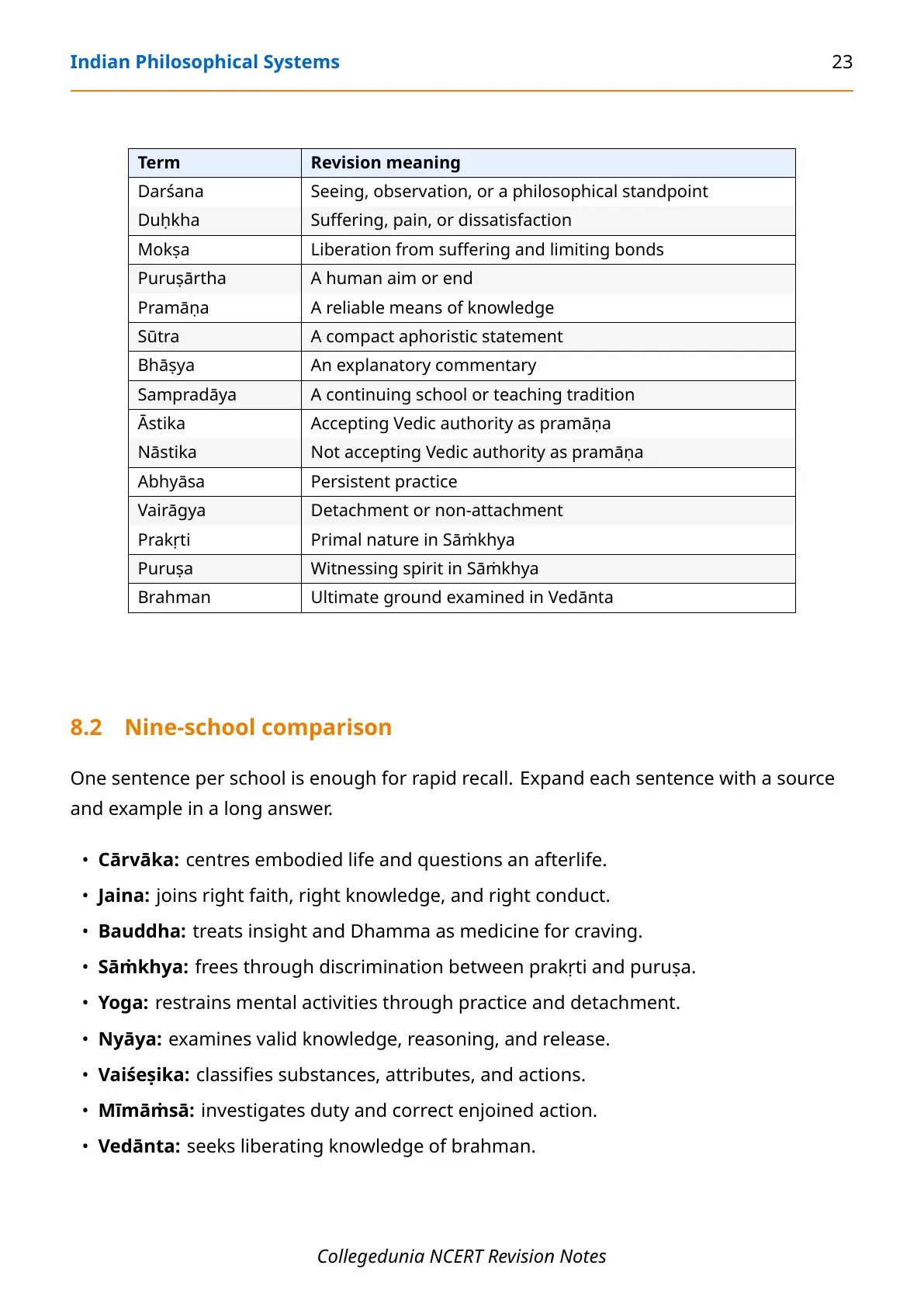
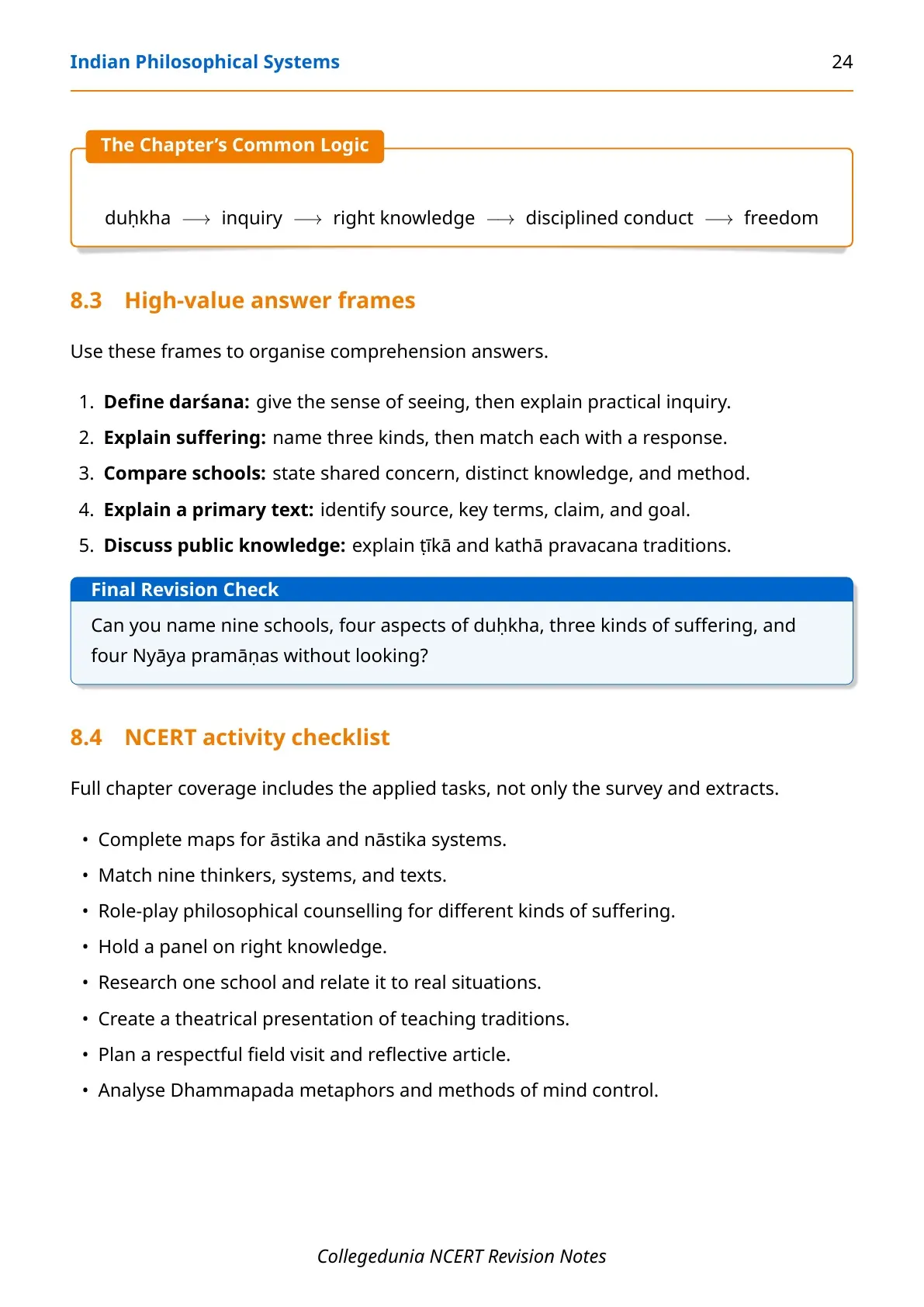

These Collegedunia notes follow the 2026-27 NCERT text and keep every school, source of knowledge, and ethical idea tied to its purpose.
Indian Philosophical Systems Classification and Central Questions
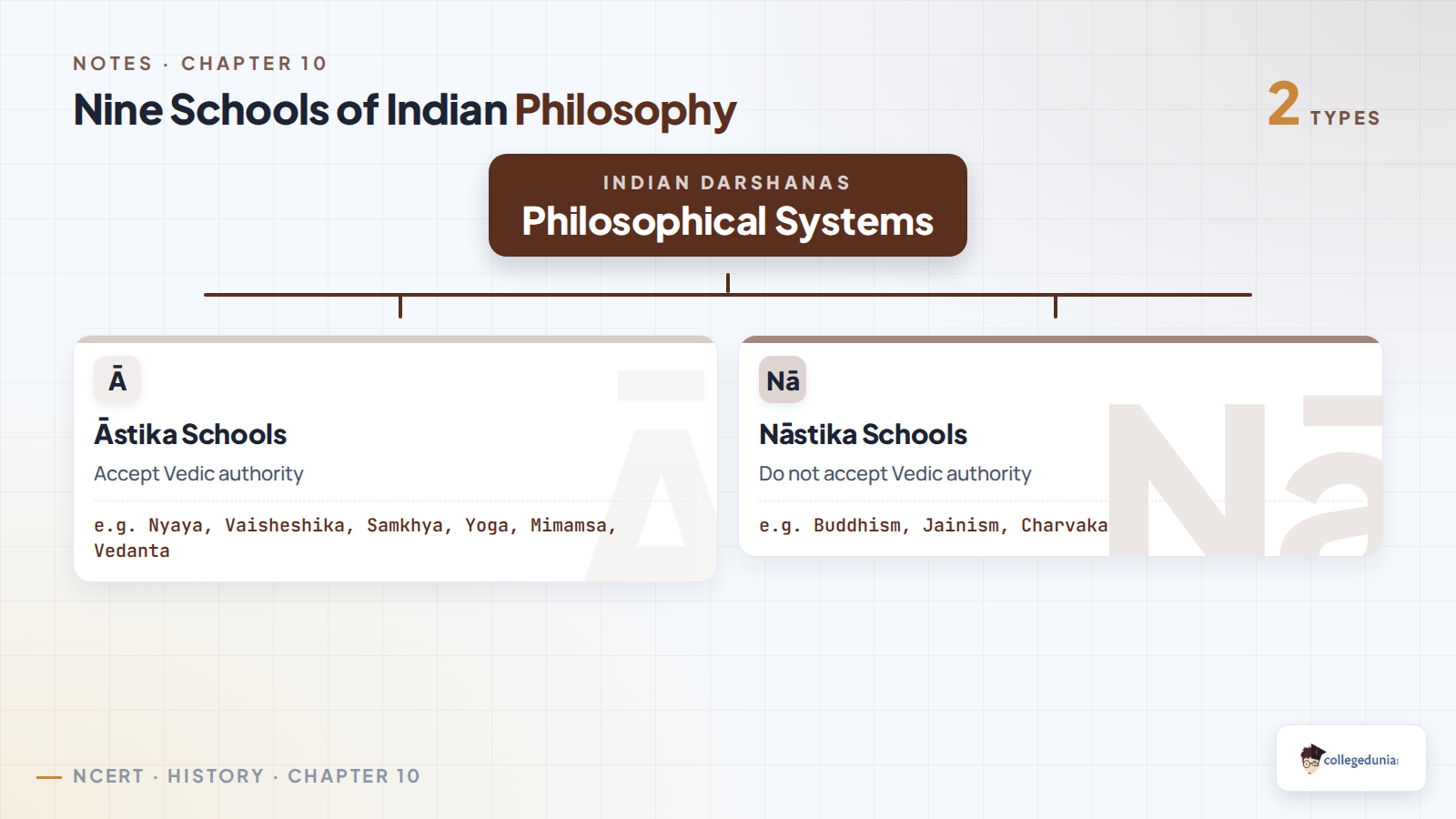
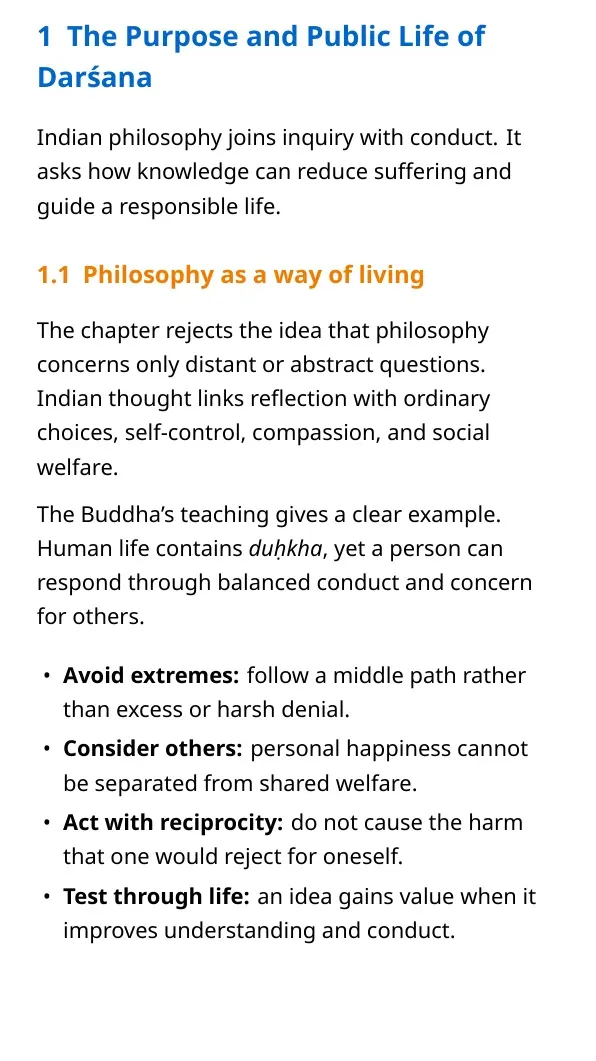
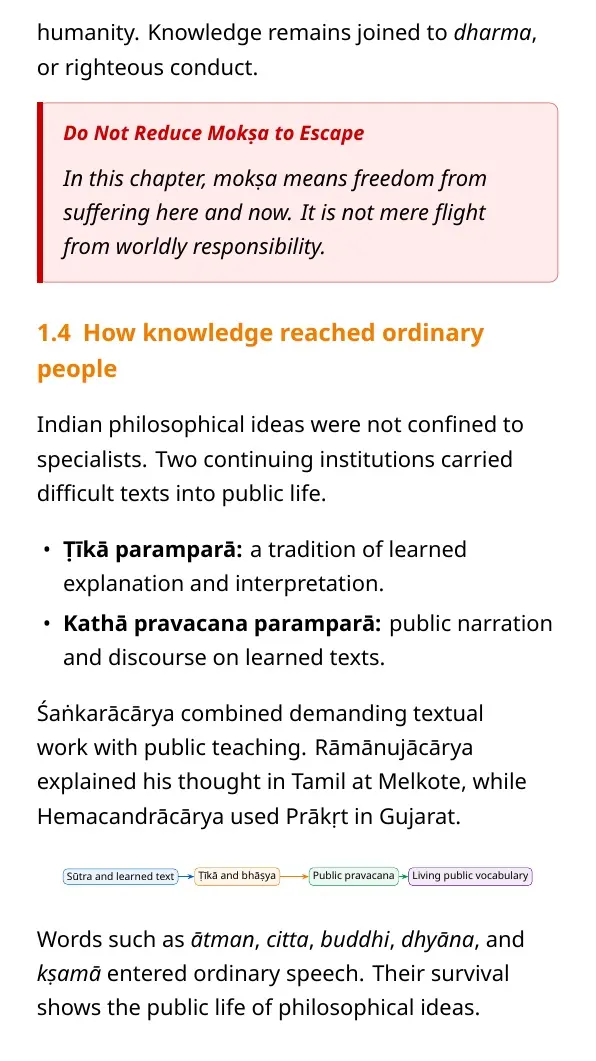
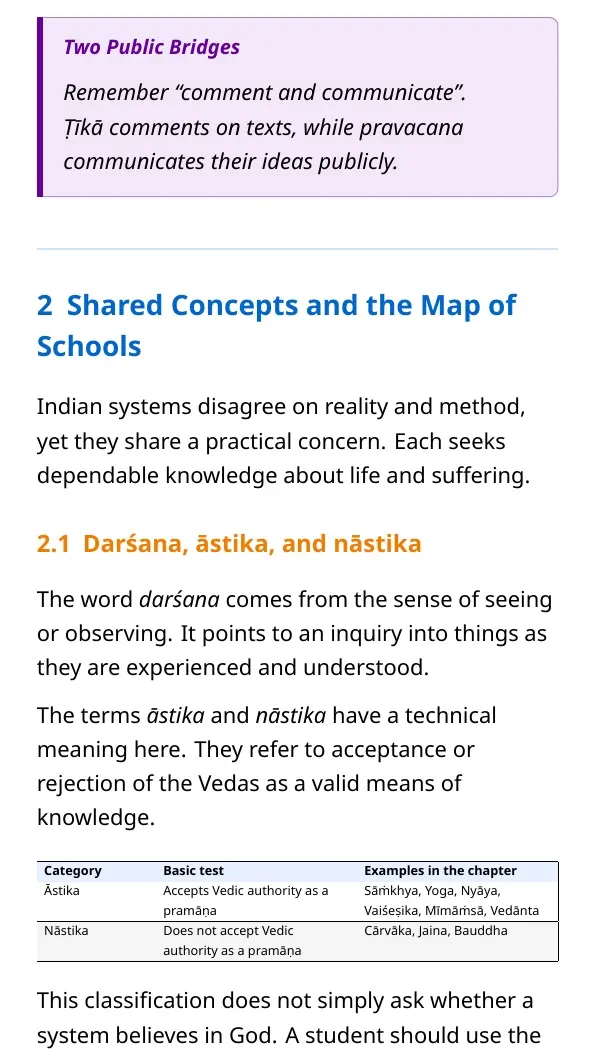
Indian philosophy uses the word darshana, which means seeing or examining reality. Its systems ask how we know, why suffering exists, and how freedom can be reached.
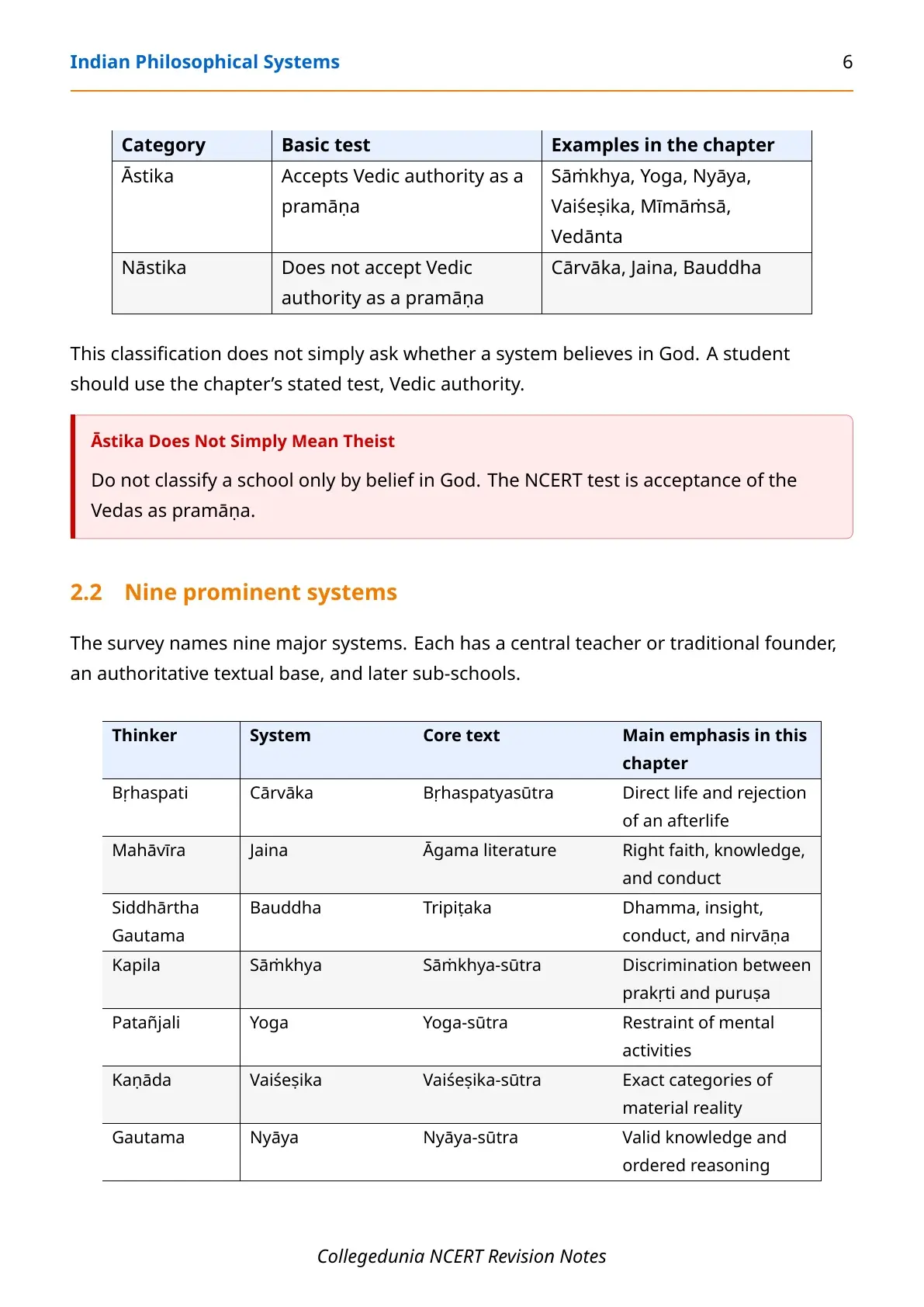
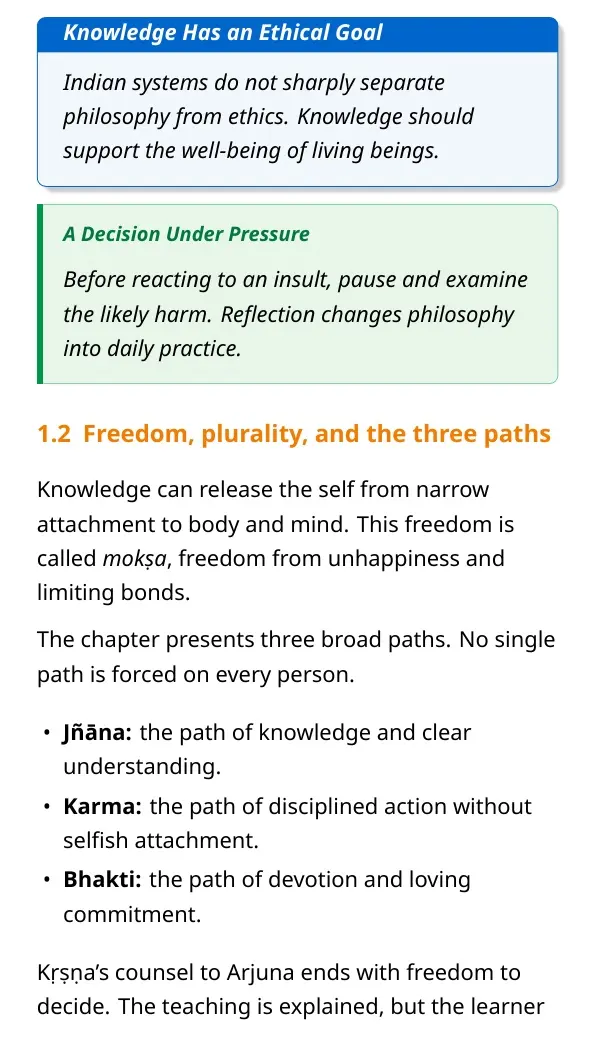
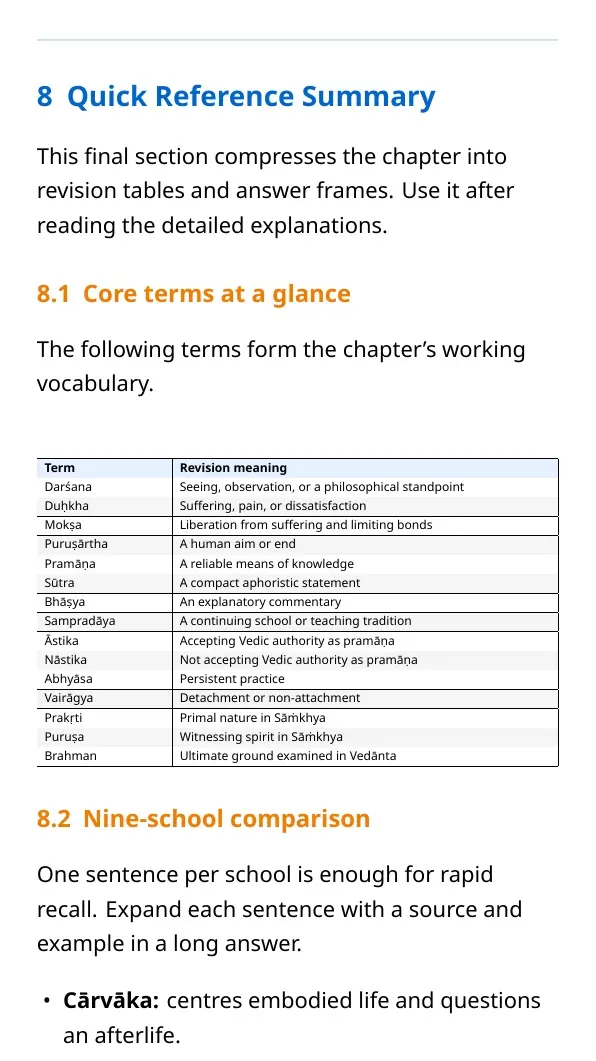
- Astika: accepts the Vedas as a valid source of knowledge.
- Nastika: does not accept the Vedas as a final authority.
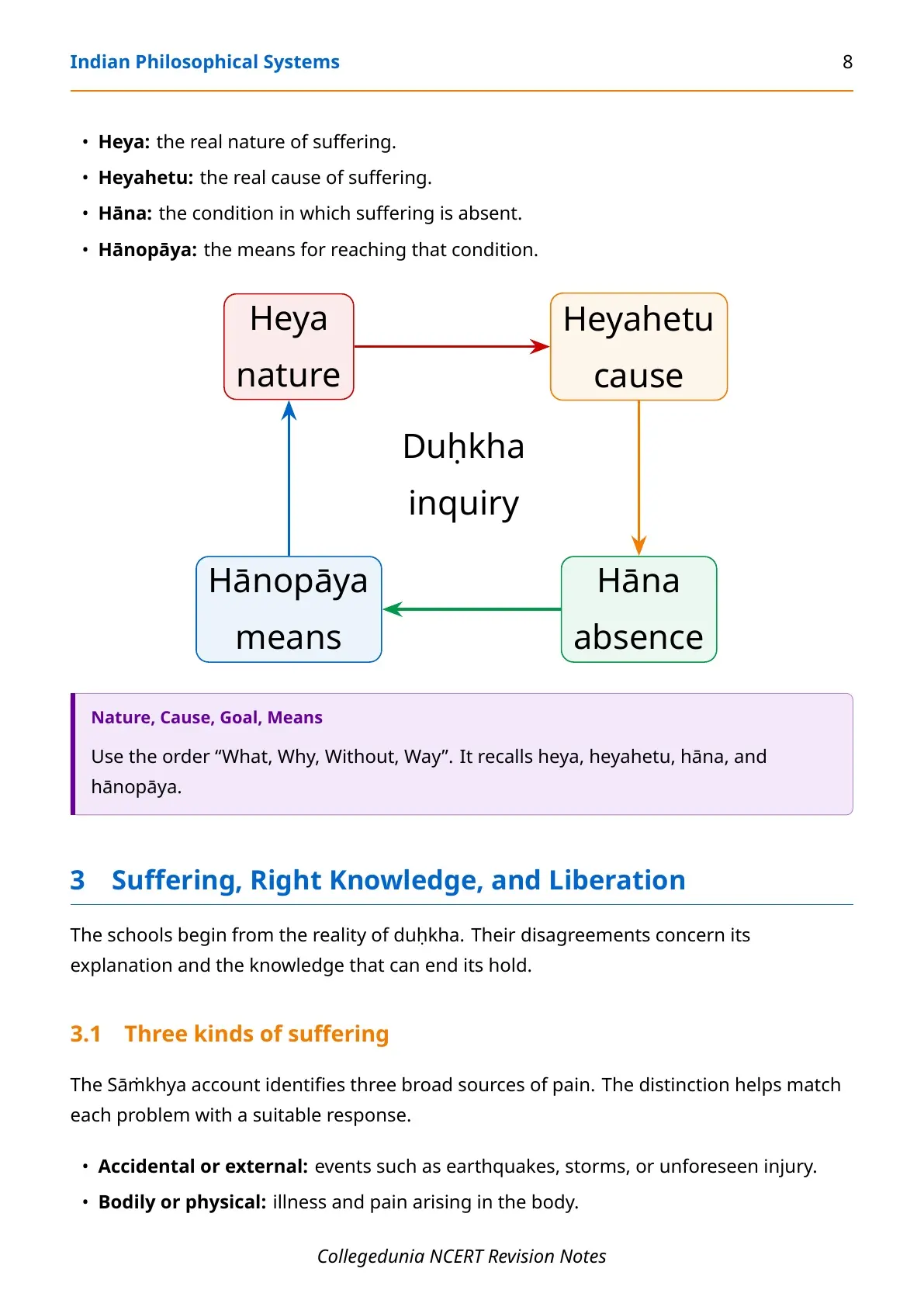
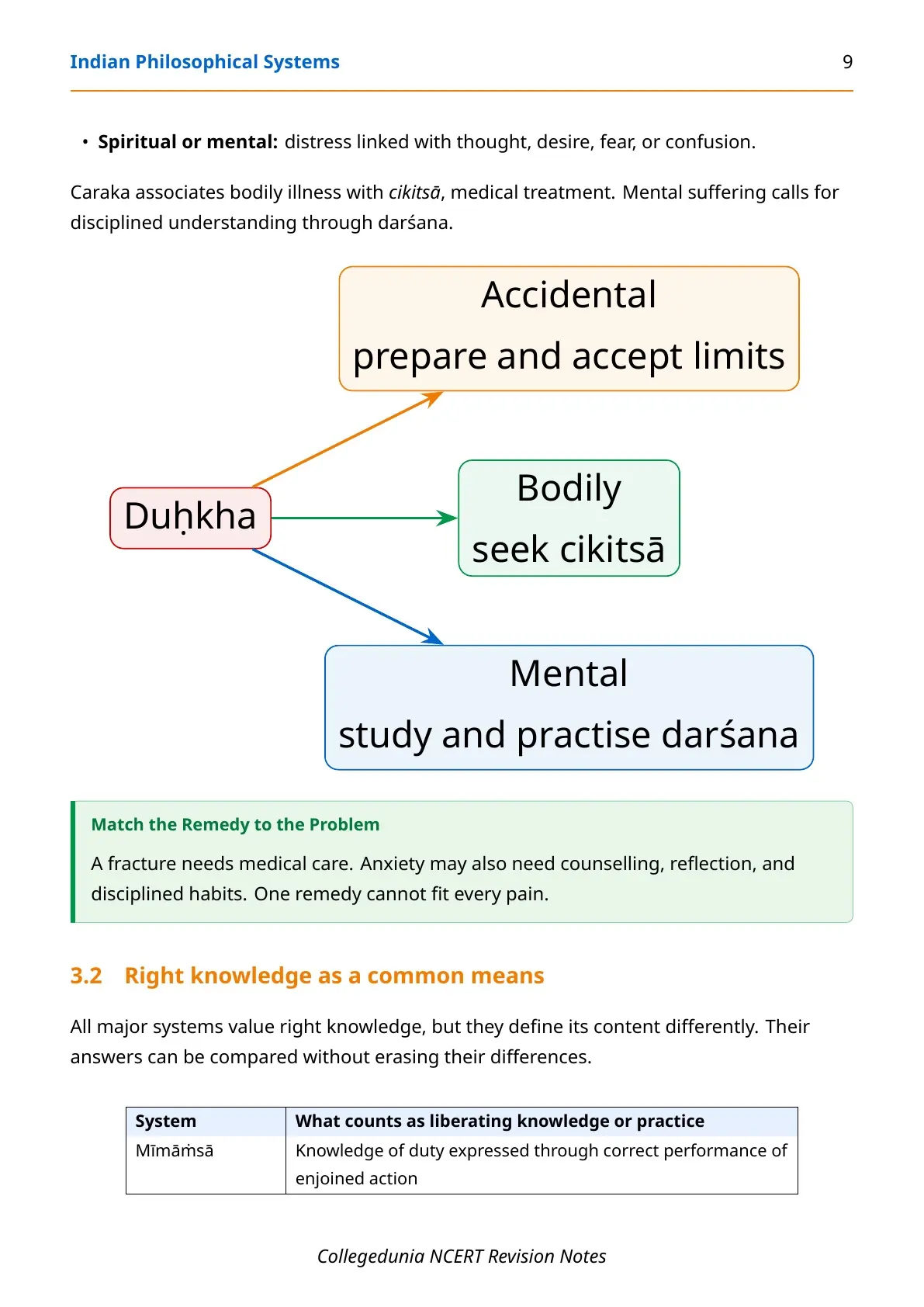
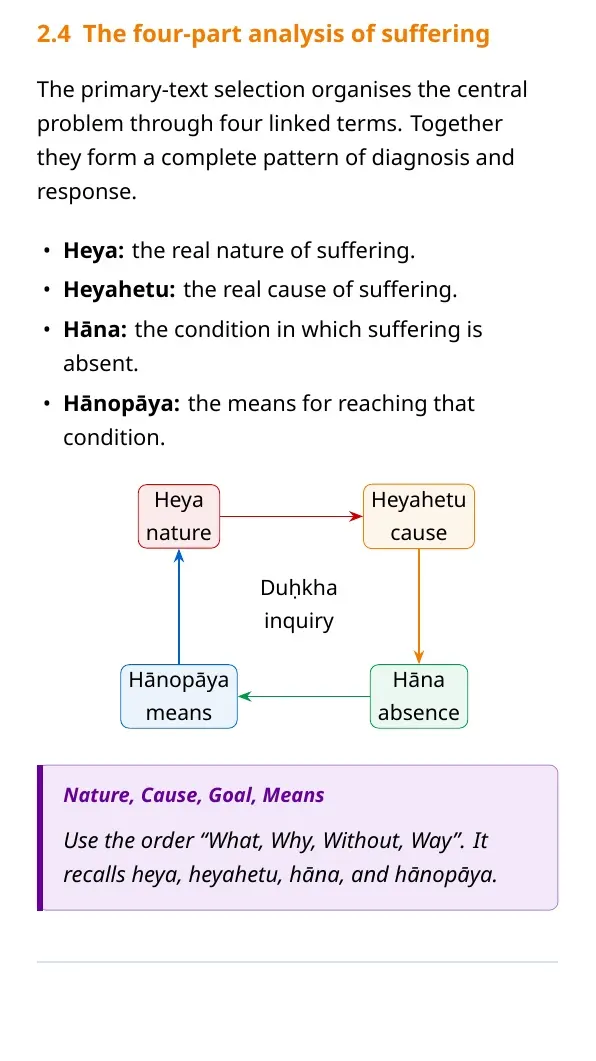
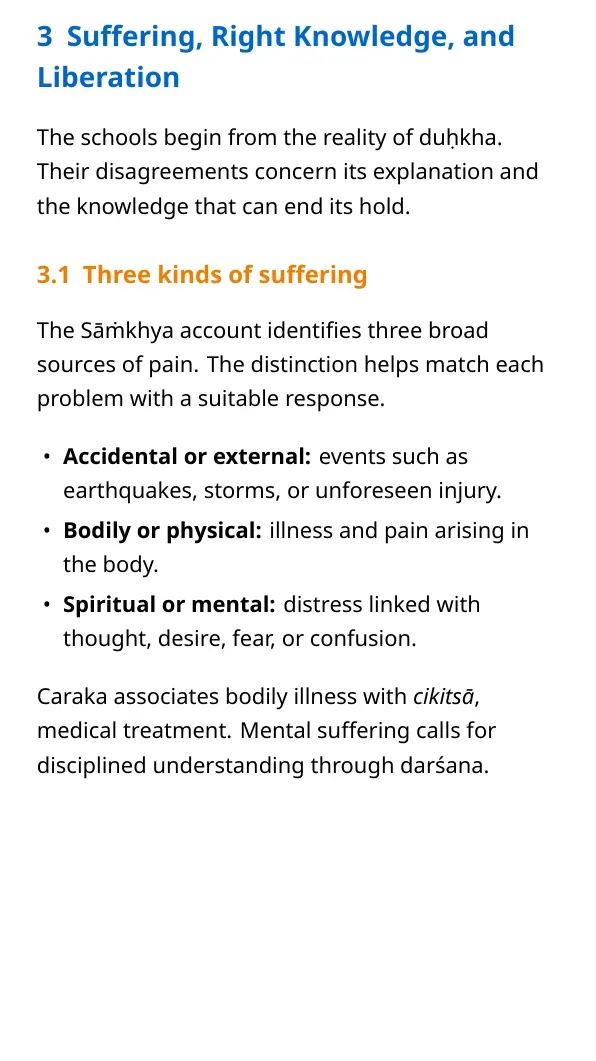
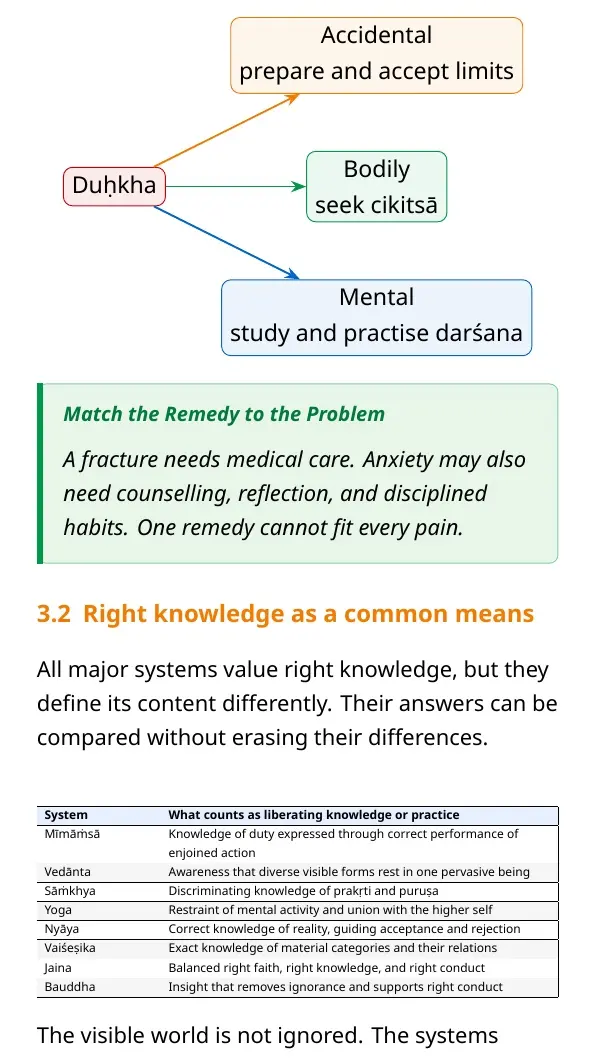
- Duhkha: suffering or unease that shapes the human condition.
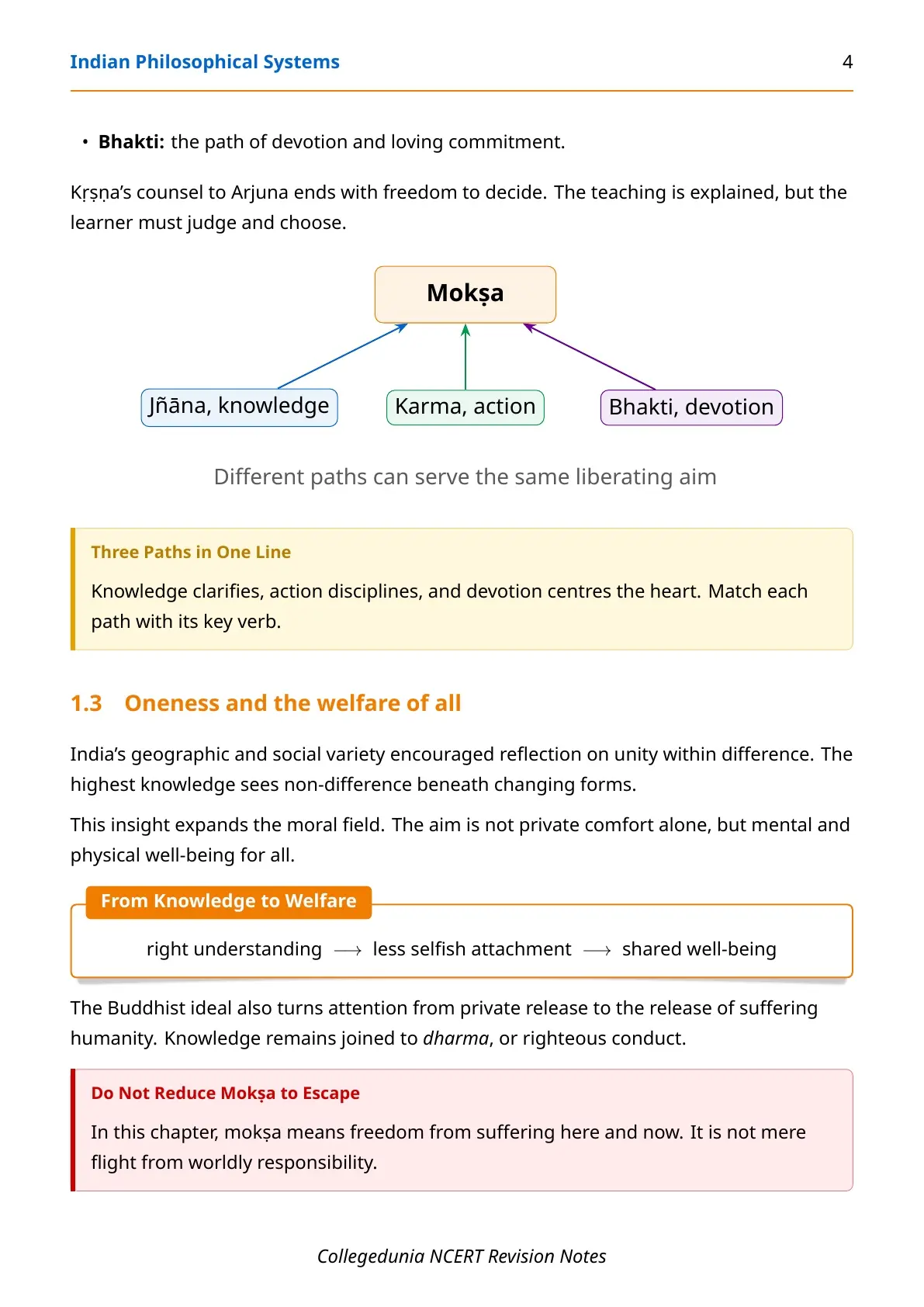
- Moksha or nirvana: freedom from suffering, bondage, or repeated birth.
Indian Schools of Philosophy Explained
Source: Unacademy UGC NET on YouTube
Nine Schools of Indian Philosophy at a Glance
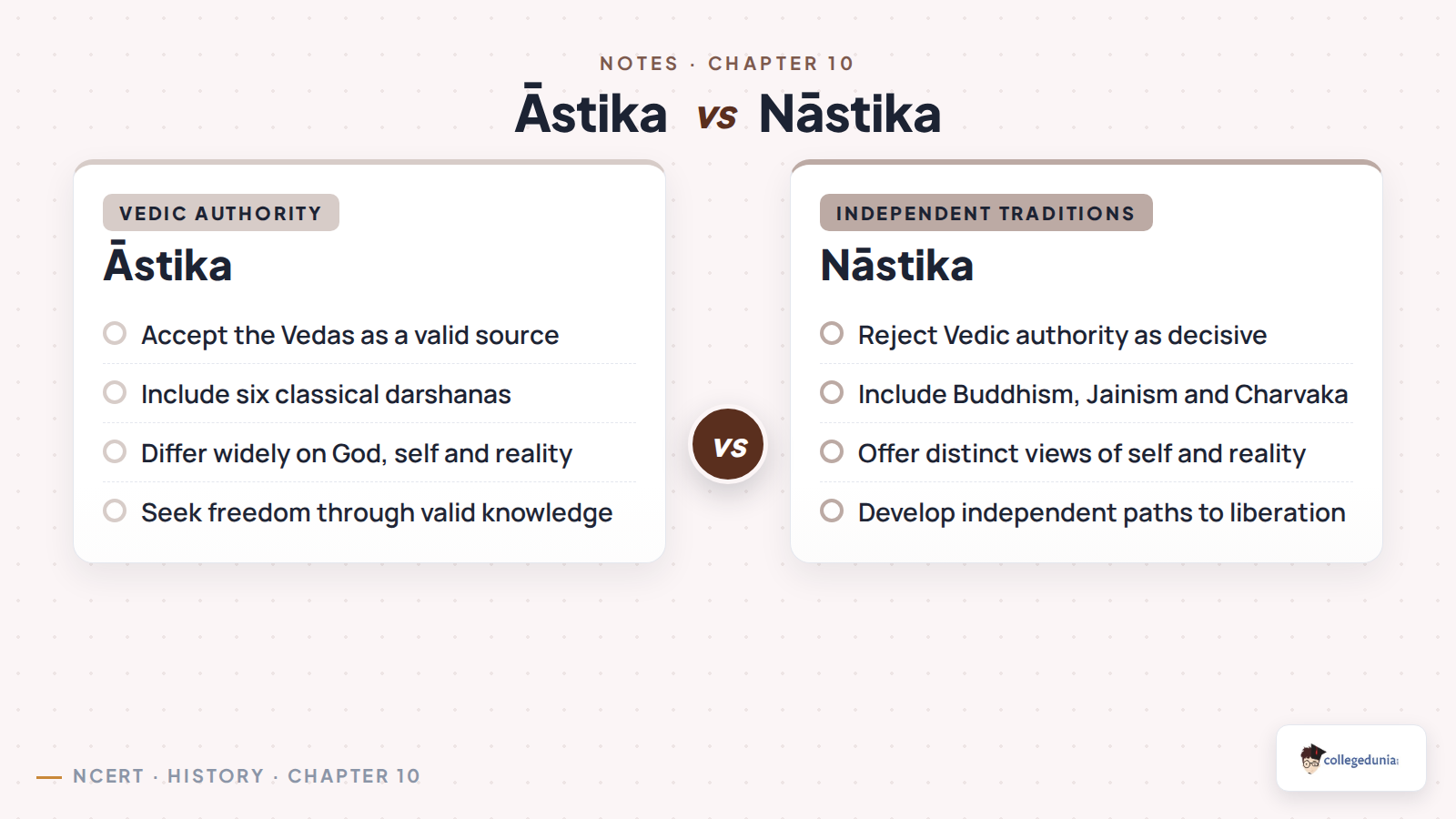
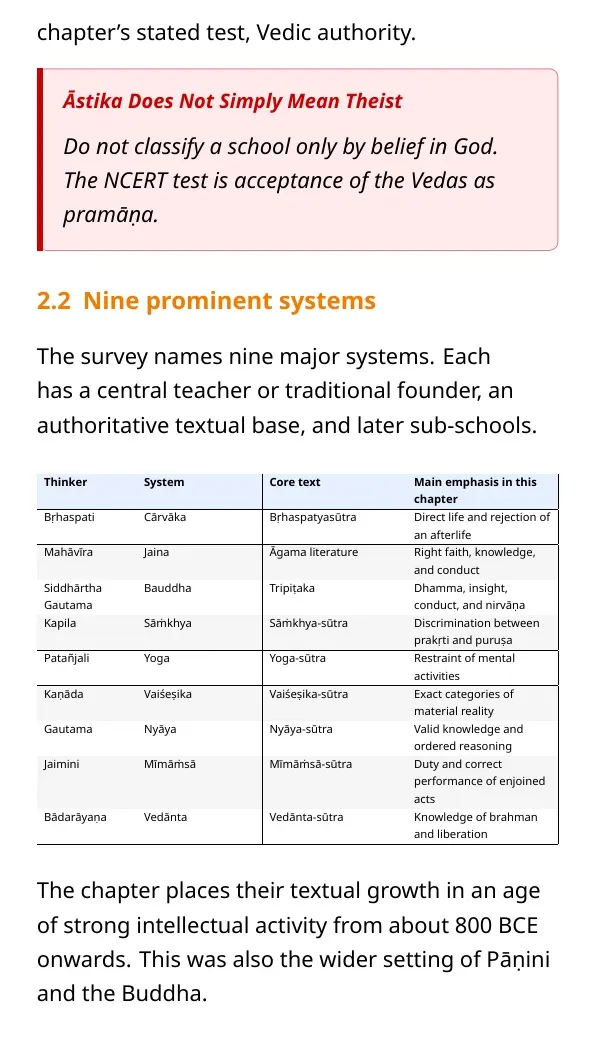
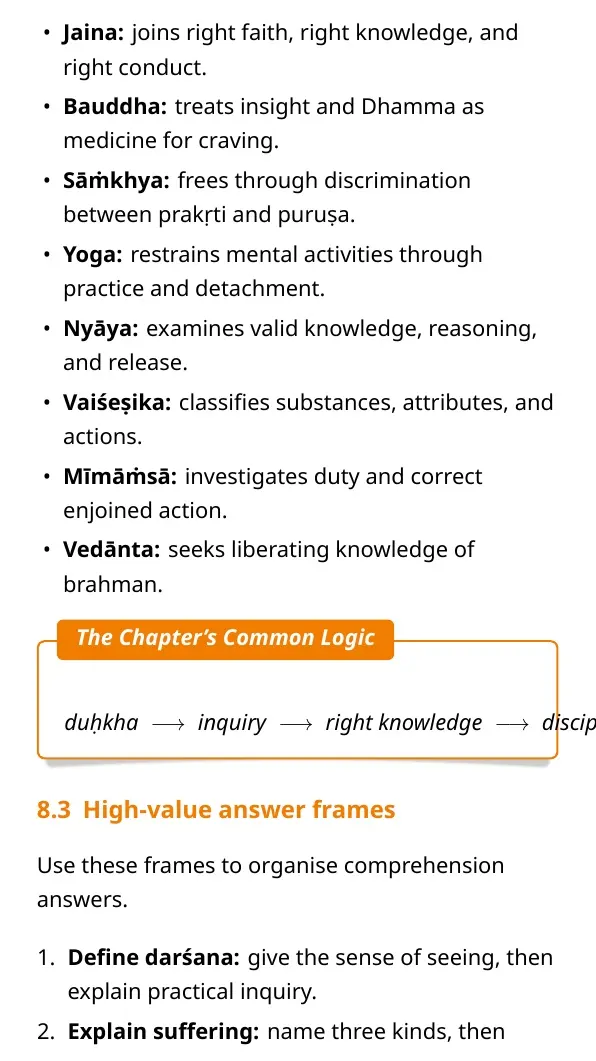
The chapter presents nine systems. Six accept Vedic authority, while three follow independent sources and teachings.
| School | Class | Main idea |
|---|---|---|
| Nyaya | Astika | Uses logic and valid knowledge to remove error. |
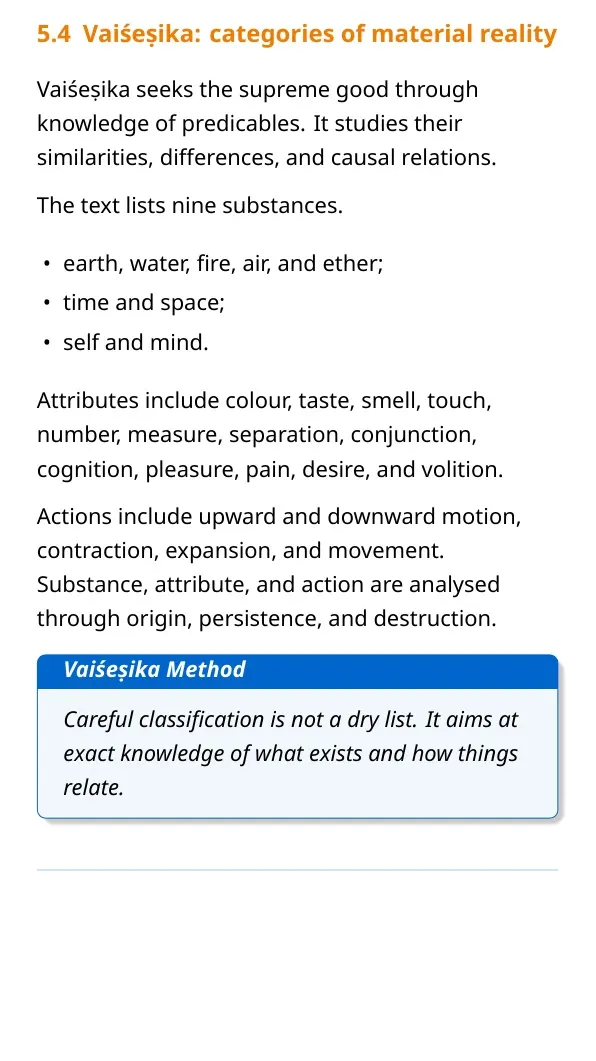
| Vaisesika | Astika | Explains reality through categories such as substance and quality. |
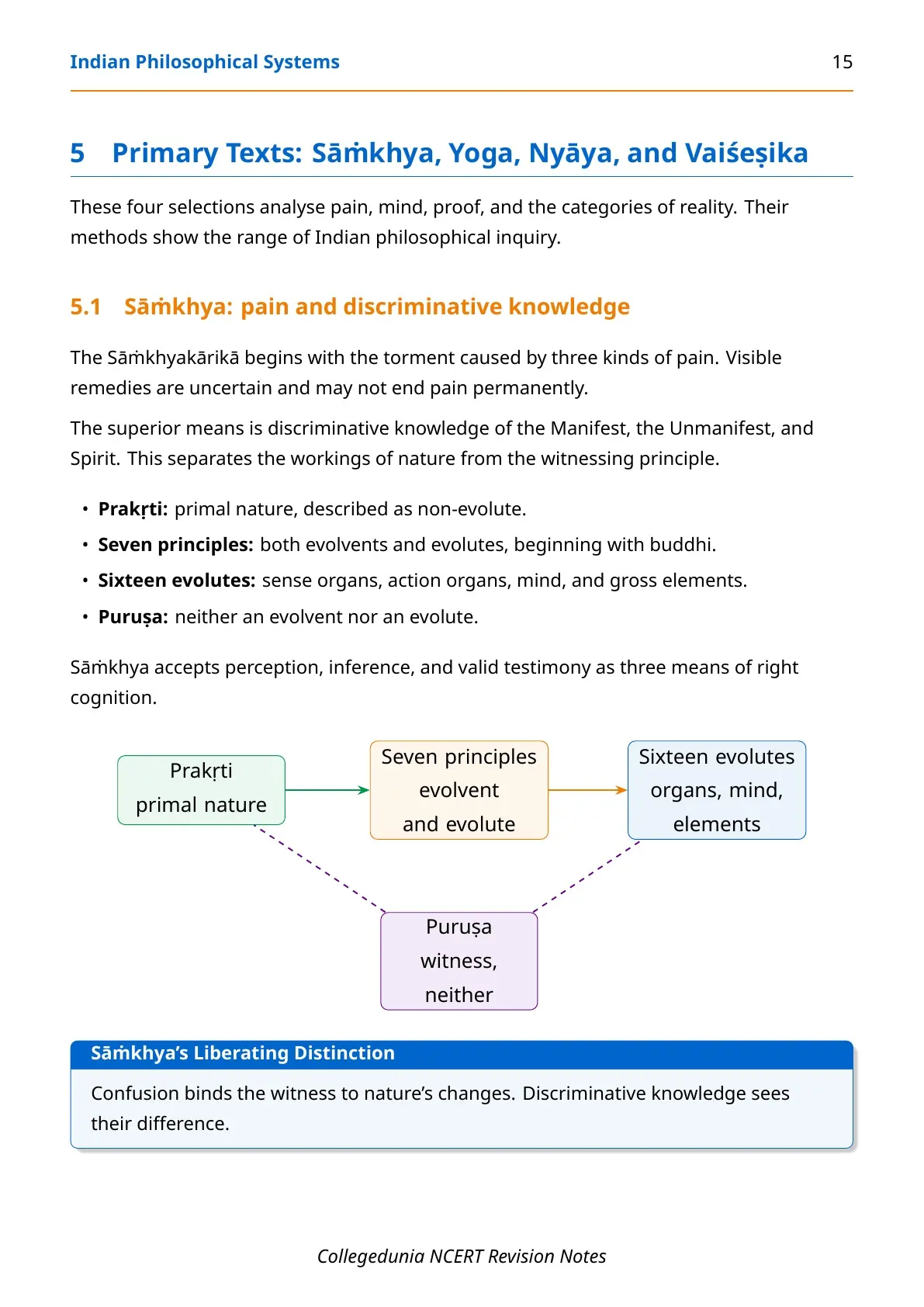
| Samkhya | Astika | Separates consciousness, purusha, from material nature, prakriti. |
| Yoga | Astika | Trains body and mind through discipline and meditation. |
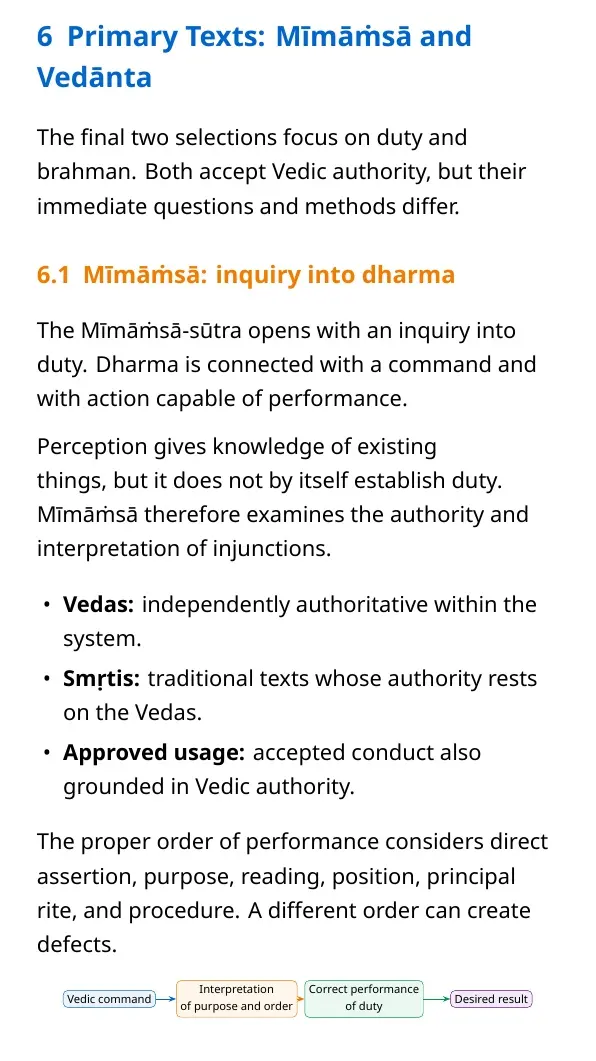
| Mimamsa | Astika | Studies Vedic duty, ritual, and interpretation. |
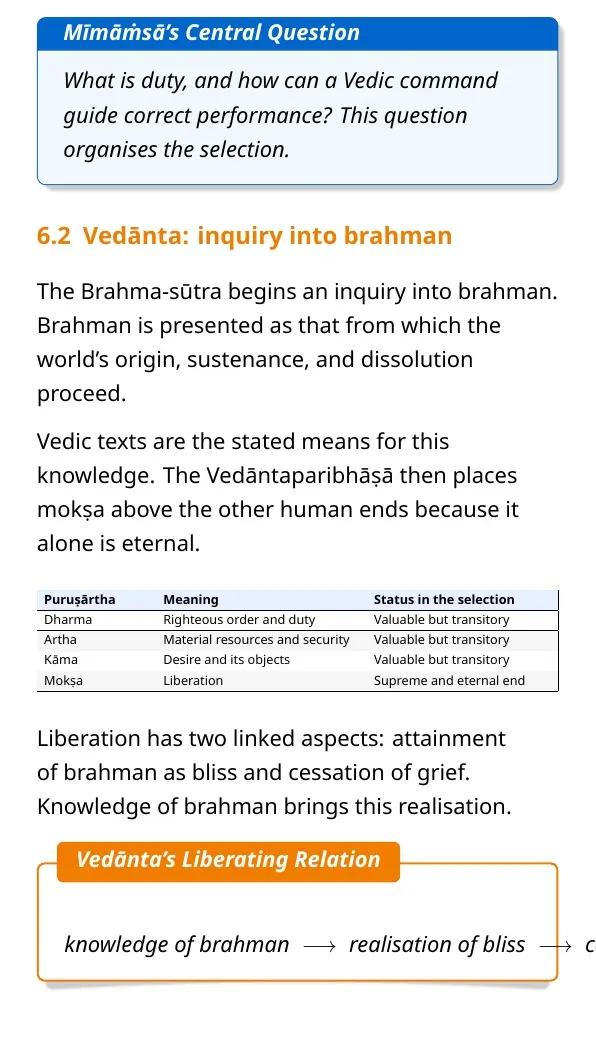
| Vedanta | Astika | Examines Brahman, atman, and liberation through the Upanishads. |
| Carvaka | Nastika | Accepts direct perception and stresses material life. |
| Bauddha | Nastika | Traces suffering to causes and teaches a path to nirvana. |
| Jaina | Nastika | Links freedom with right faith, knowledge, conduct, and non-violence. |
Knowledge, Suffering and Liberation Across the Major Darshanas
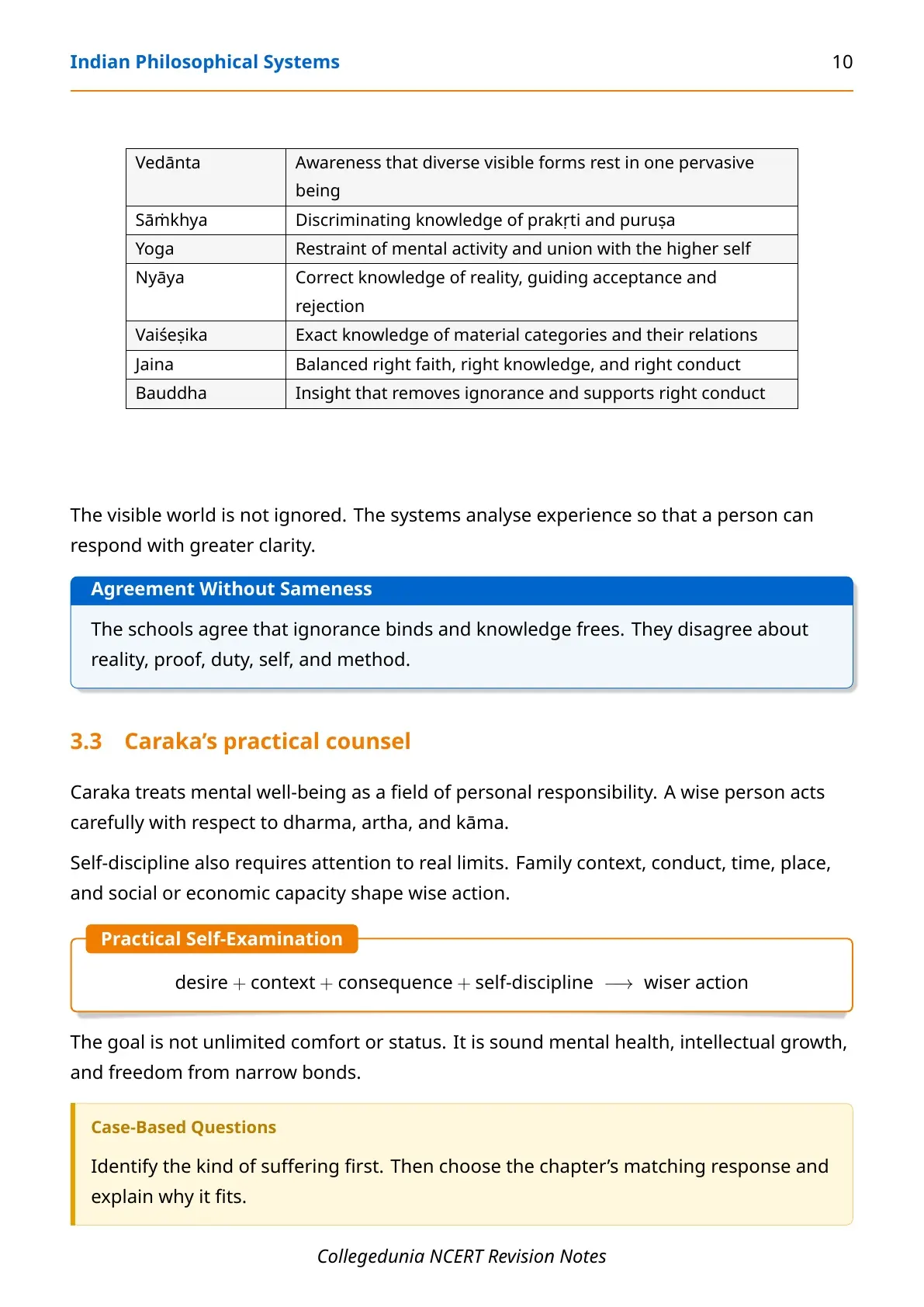
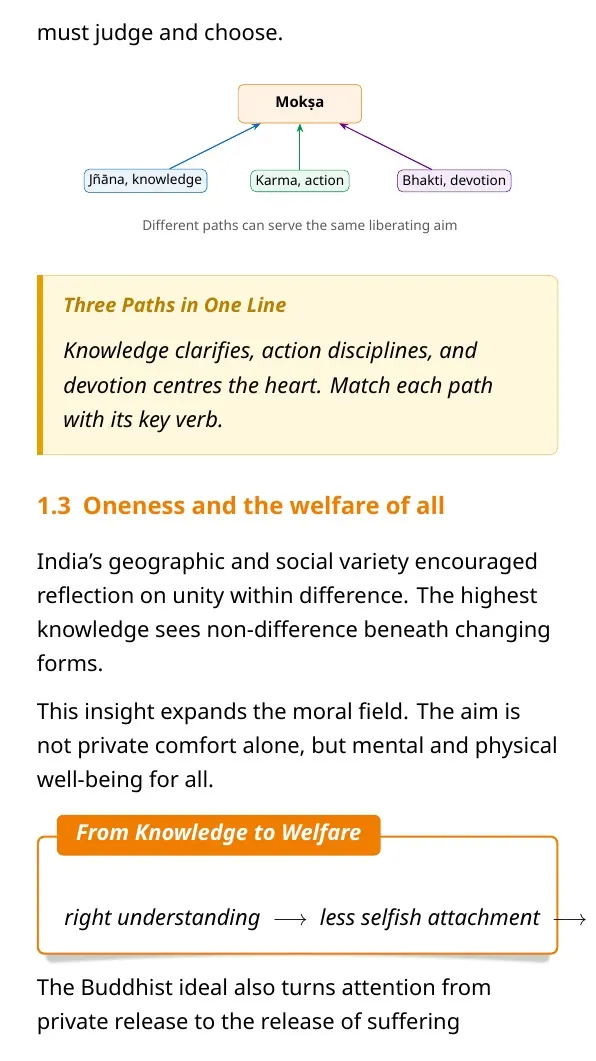
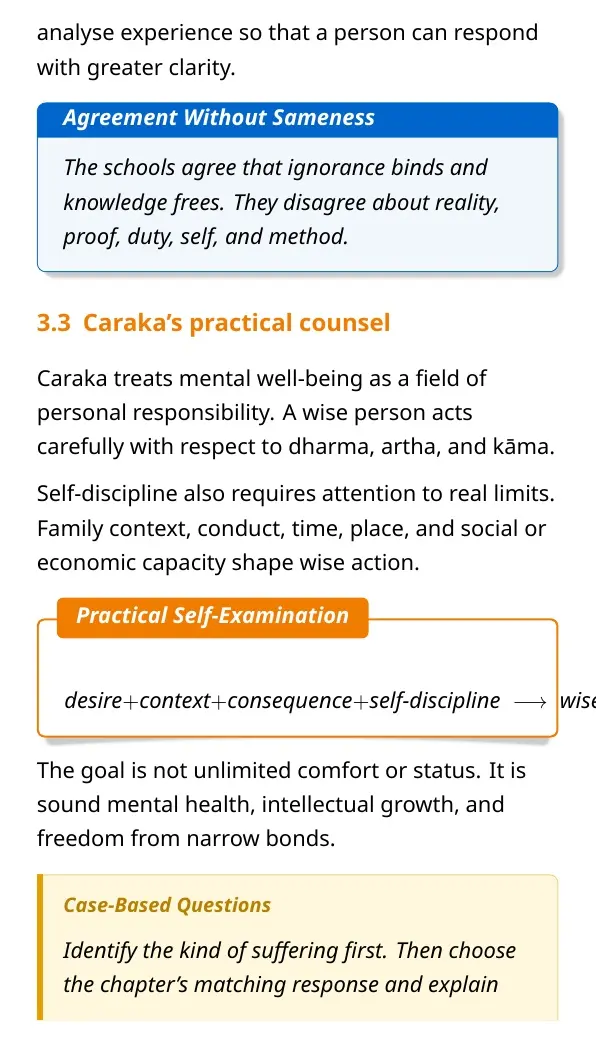
Each school gives a different account of valid knowledge. Yet most systems treat knowledge as practical. Right understanding must change conduct and weaken the causes of bondage.
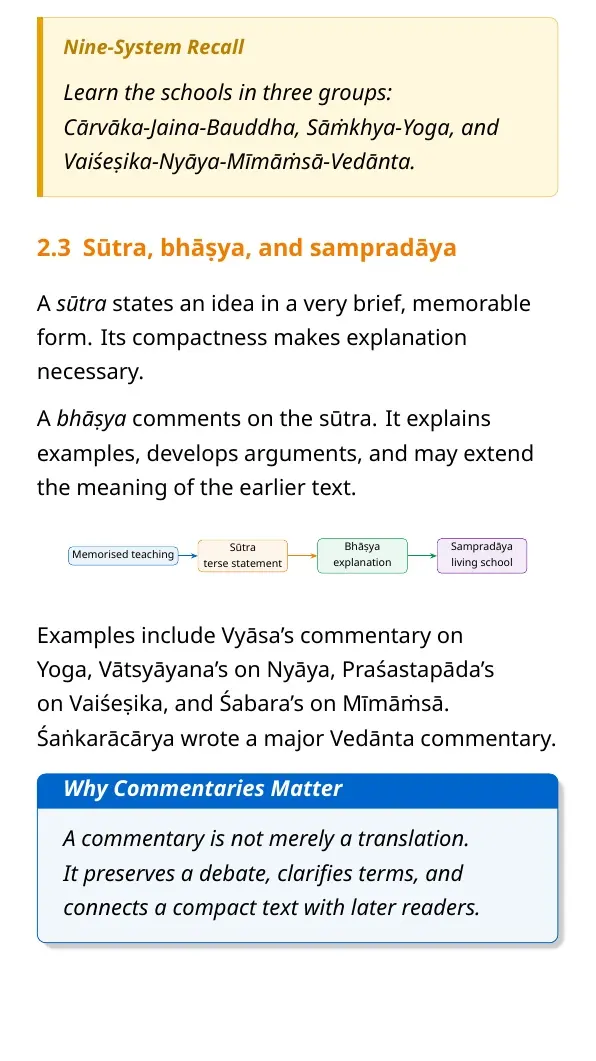
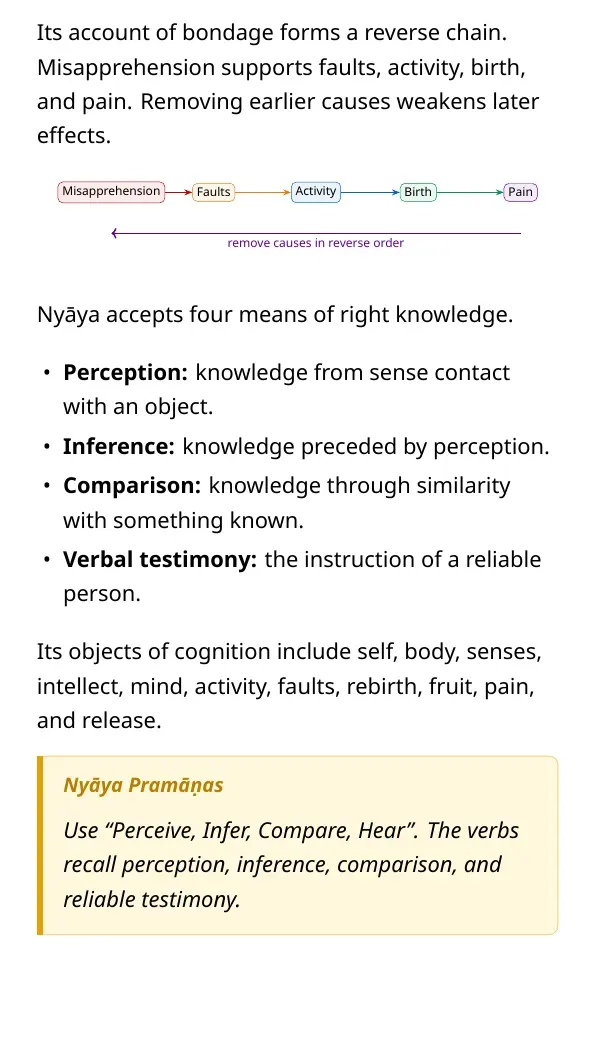
- Nyaya: studies perception, inference, comparison, and reliable testimony.
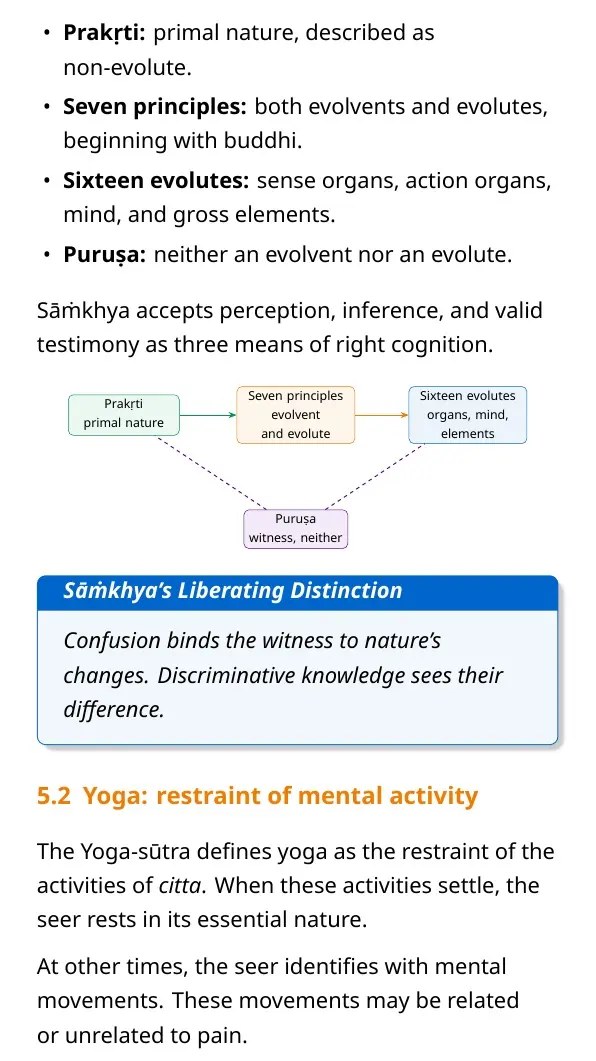
- Samkhya: freedom begins when purusha is distinguished from prakriti.
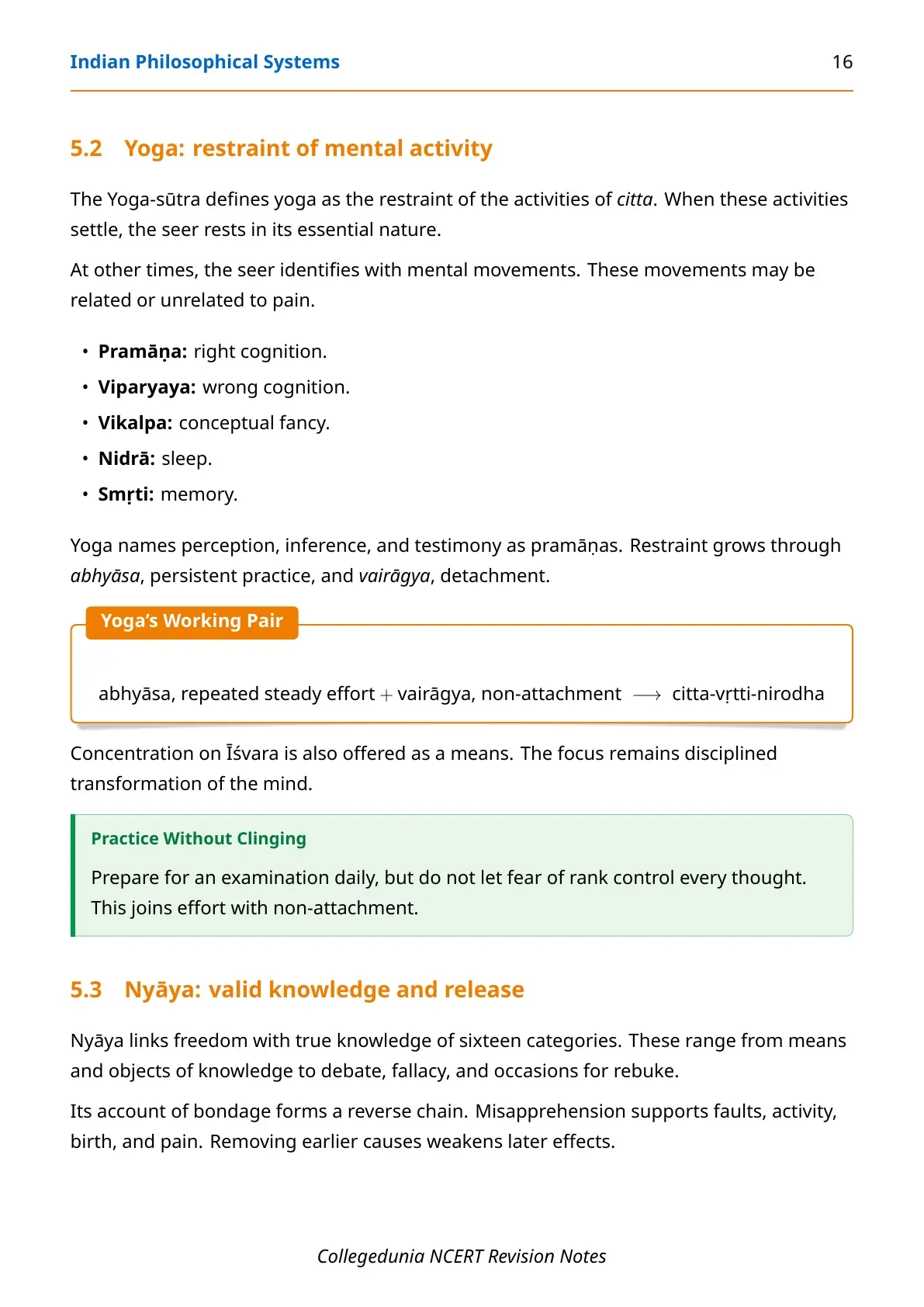
- Yoga: Patanjali links freedom with restraint of mental activity.
- Vedanta: knowledge of self and ultimate reality removes ignorance.
- Carvaka: gives direct perception the strongest place in knowing.
Buddhist and Jaina Ethics for Class 12 KTPI Boards
Buddhist and Jaina traditions join philosophy with daily action. Both ask students to connect an ethical rule with the freedom it supports.
| Tradition | Core teaching | Ethical result |
|---|---|---|
| Buddhism | Four Noble Truths | Recognise suffering, its cause, its end, and the path. |
| Buddhism | Noble Eightfold Path | Build right view, action, speech, livelihood, effort, mindfulness, and concentration. |
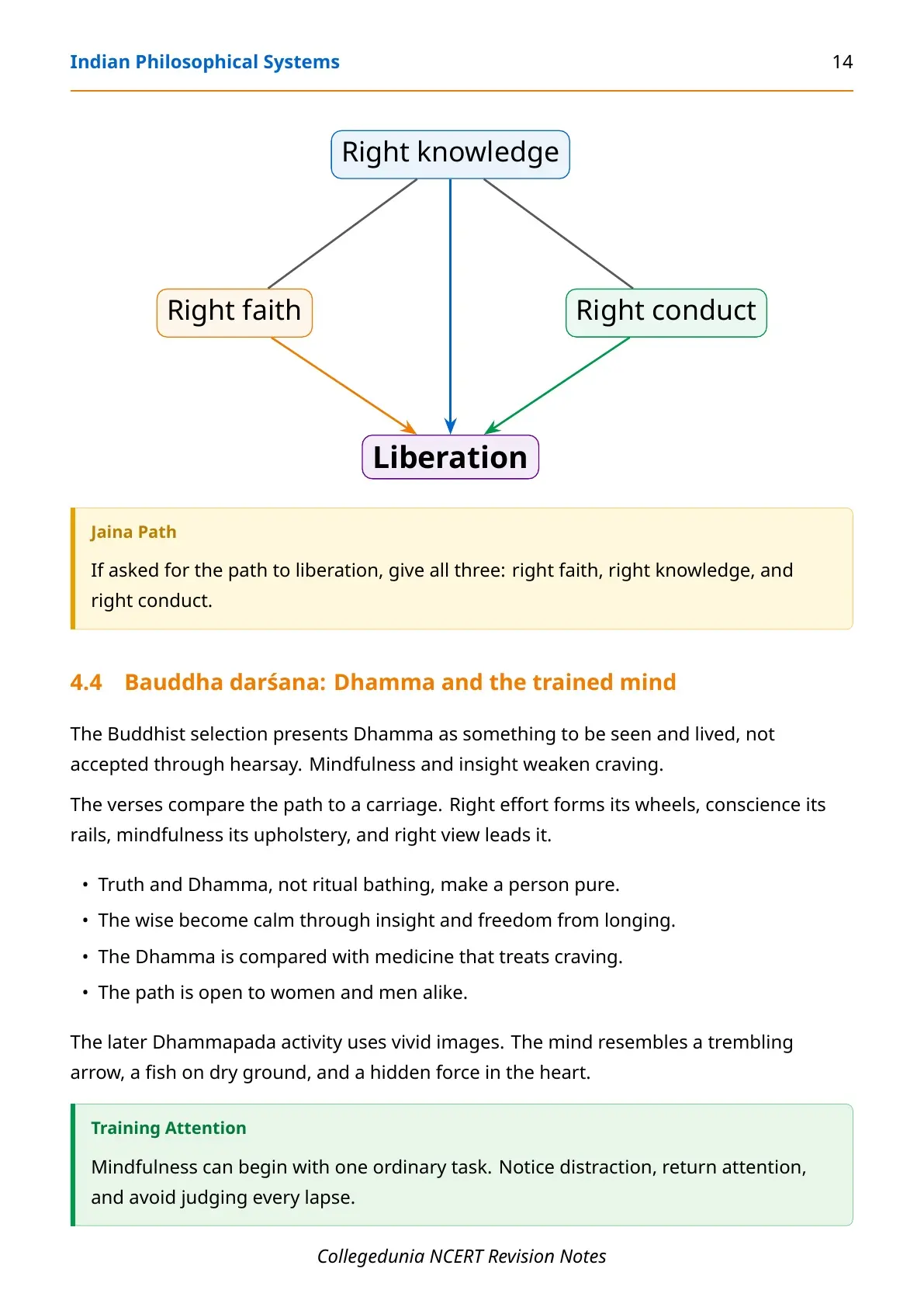
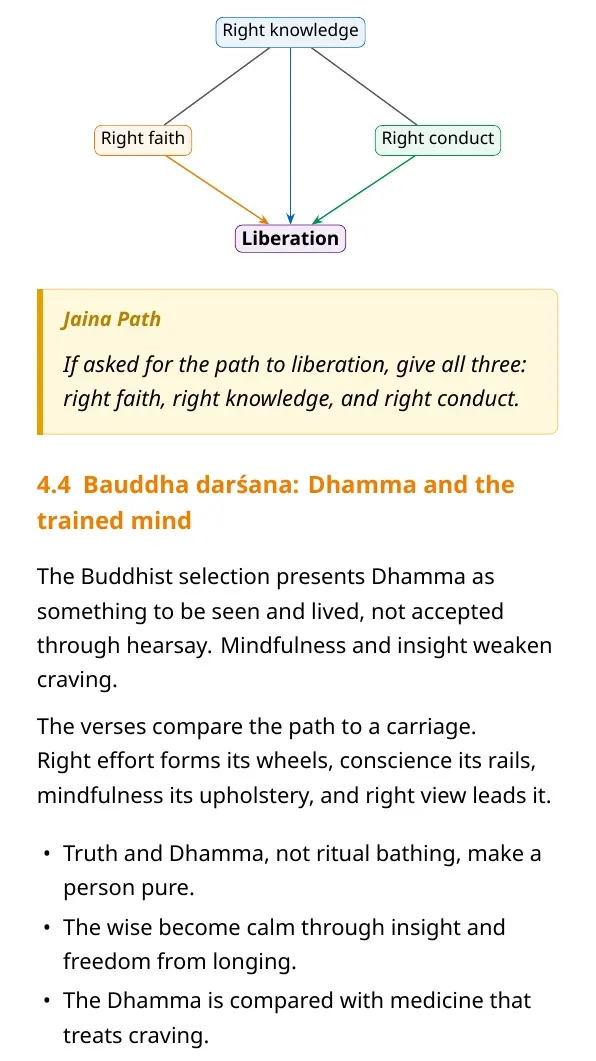
| Jainism | Three Jewels | Join right faith, right knowledge, and right conduct. |
| Jainism | Ahimsa and karma | Limit harm and stop new karmic bondage. |
Buddhist and Jaina ethics are key topics for the 2026-27 session. Prepare definitions and one clear application for each teaching.
Indian Philosophical Systems Important Argument Chains
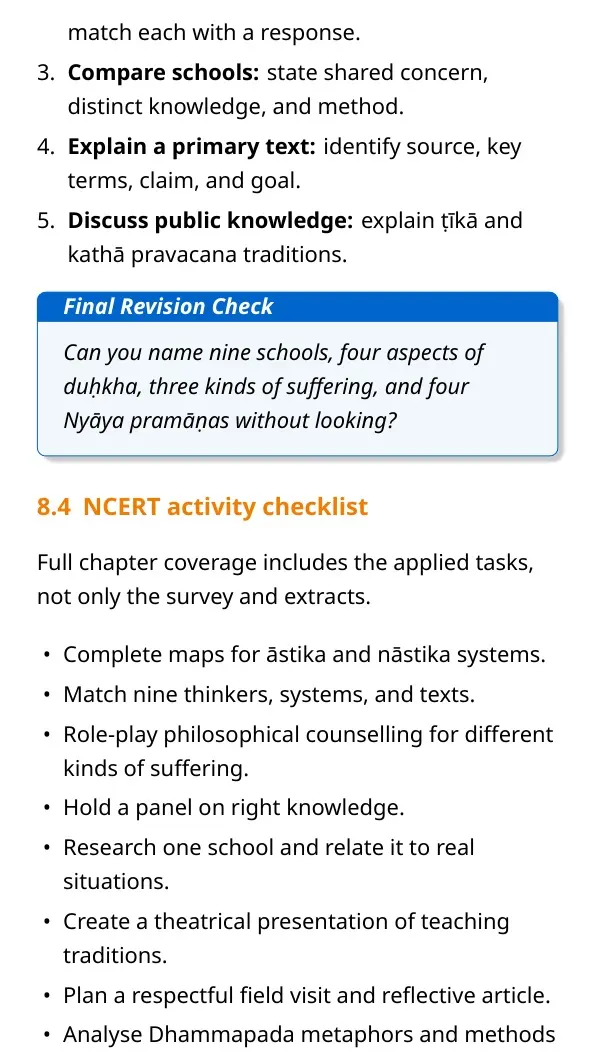
Long answers become clearer when the reasoning appears in order. Learn these chains as short steps instead of isolated terms.
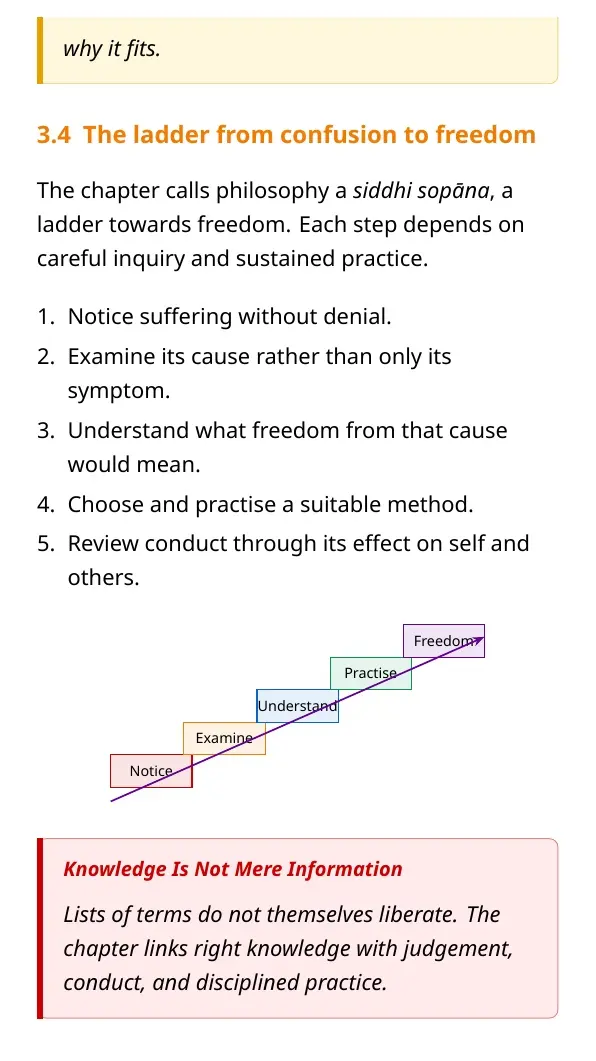
- Buddhist chain: ignorance creates craving, craving supports suffering, and the Eightfold Path leads towards nirvana.
- Jaina chain: action attracts karma, disciplined conduct stops it, and austerity helps shed earlier karma.
- Samkhya chain: confusion joins purusha with prakriti, while discriminating knowledge brings freedom.
- Yoga chain: mental disturbance blocks clear awareness, while disciplined practice stills the mind.
How to Revise Indian Philosophical Systems Notes
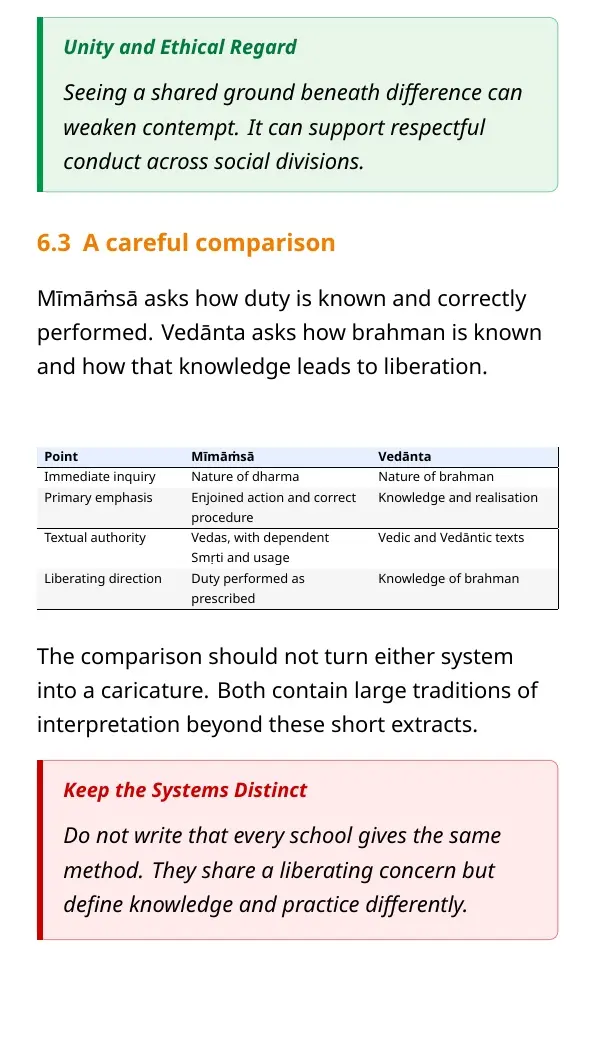
Use a four-column sheet for school, authority, method, and goal. Then practise one comparison and one ethics answer.
- Group the six astika and three nastika schools.
- Match each school with one key thinker or text.
- Compare Buddhist and Jaina views of conduct and freedom.
- Write astika and nastika definitions without using theism as the test.
Indian Philosophical Systems Student Feedback
What 12,460 students told us about philosophy revision
In a Collegedunia poll for the 2026-27 session, most students preferred a school-by-school comparison table. They found ethics easier after linking each rule with its goal.
Source: 2026-27 Class 12 student poll. Sample of 12,460 students from CBSE schools across India.
Other Class 12 KTPI Indian Philosophical Systems Resources
Use the chapter text for source passages and the solution pages for answer practice.
| Resource | Best use |
|---|---|
| Indian Philosophical Systems Class 12 NCERT Solutions | Exercise answers and extended activities |
| Indian Philosophical Systems Class 12 Chapter PDF | Official text and source extracts |
| Indian Philosophical Systems Class 12 Previous Year Questions | Question practice for the 2026-27 session |
| Indian Philosophical Systems Class 12 Handwritten Notes | Fast recall before the exam |
NCERT Notes for Class 12 KTPI: All Chapters
Continue your KTPI revision with the notes for the previous chapter.
| Chapter | Notes |
|---|---|
| Chapter 9 Indian Languages and Grammar | Open Chapter 9 Notes |
Indian Philosophical Systems KTPI Notes FAQs
Ques. What does darshana mean in Indian philosophy?
Ans. Darshana means seeing or examining reality. A darshana gives a reasoned view of knowledge, life, suffering, and freedom.
Ques. What is the difference between astika and nastika systems?
Ans. Astika systems accept the Vedas as a valid authority. Nastika systems do not treat the Vedas as their final authority.
Ques. Which are the six astika schools?
Ans. The six are Nyaya, Vaisesika, Samkhya, Yoga, Mimamsa, and Vedanta.
Ques. What are the Three Jewels of Jainism?
Ans. They are right faith, right knowledge, and right conduct. Together, they guide the soul towards freedom from karmic bondage.
Ques. How does Buddhism explain the end of suffering?
Ans. Buddhism explains suffering through the Four Noble Truths. It teaches the Noble Eightfold Path as the way to end it.



Comments