



Inside the Class 12 KTPI notes for Chemistry in India, you will find alchemy, Harappan chemical crafts, glass, dyes, medicines and atomic ideas. The coverage follows the reprinted 2026-27 NCERT chapter and keeps names, dates and processes easy to revise.
- Core focus: chemical arts, key texts, materials and early laboratory methods.
- Quick recall: connect each source or scholar with one clear contribution.
- Study aid: process tables turn long historical descriptions into exam-ready points.
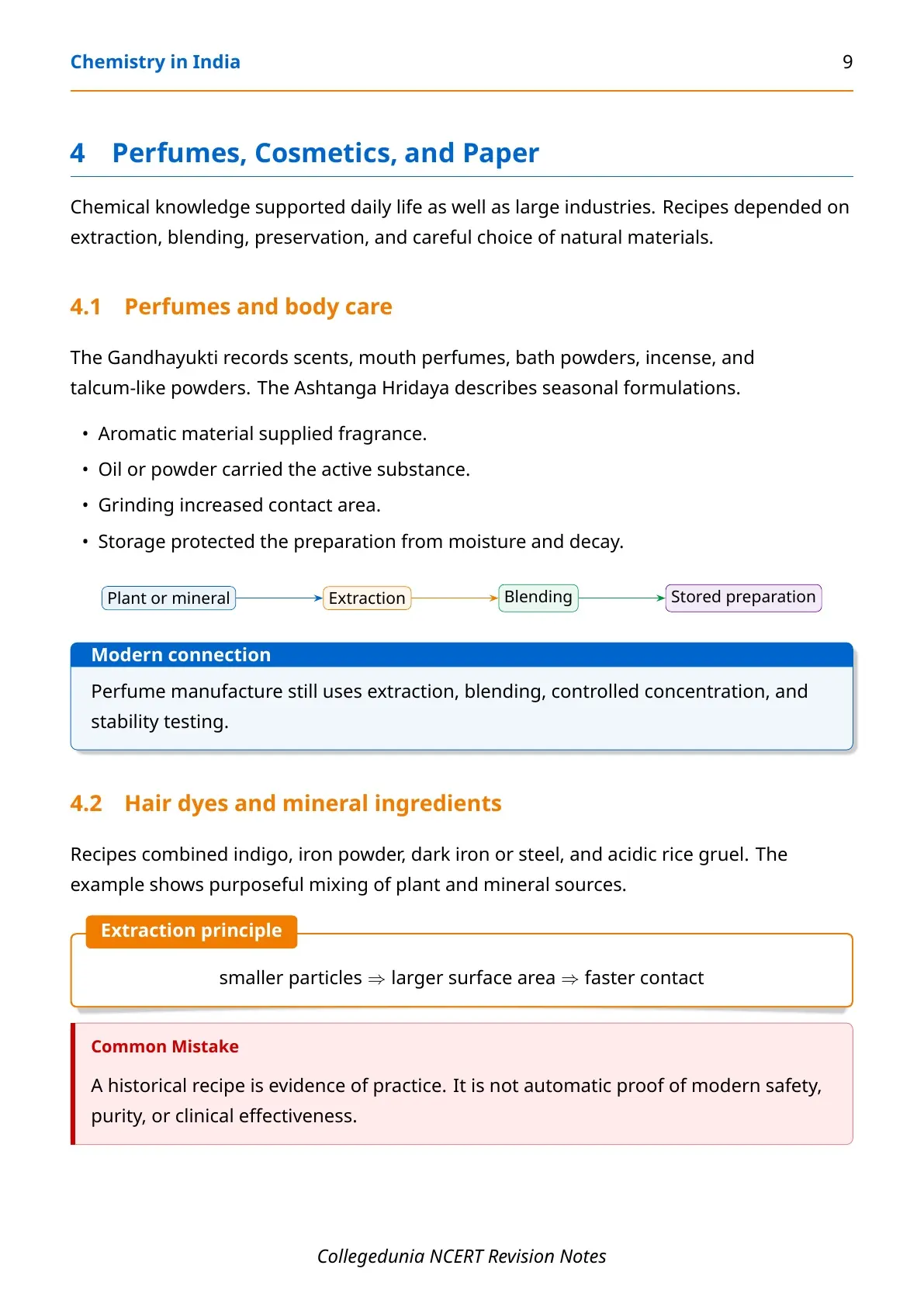
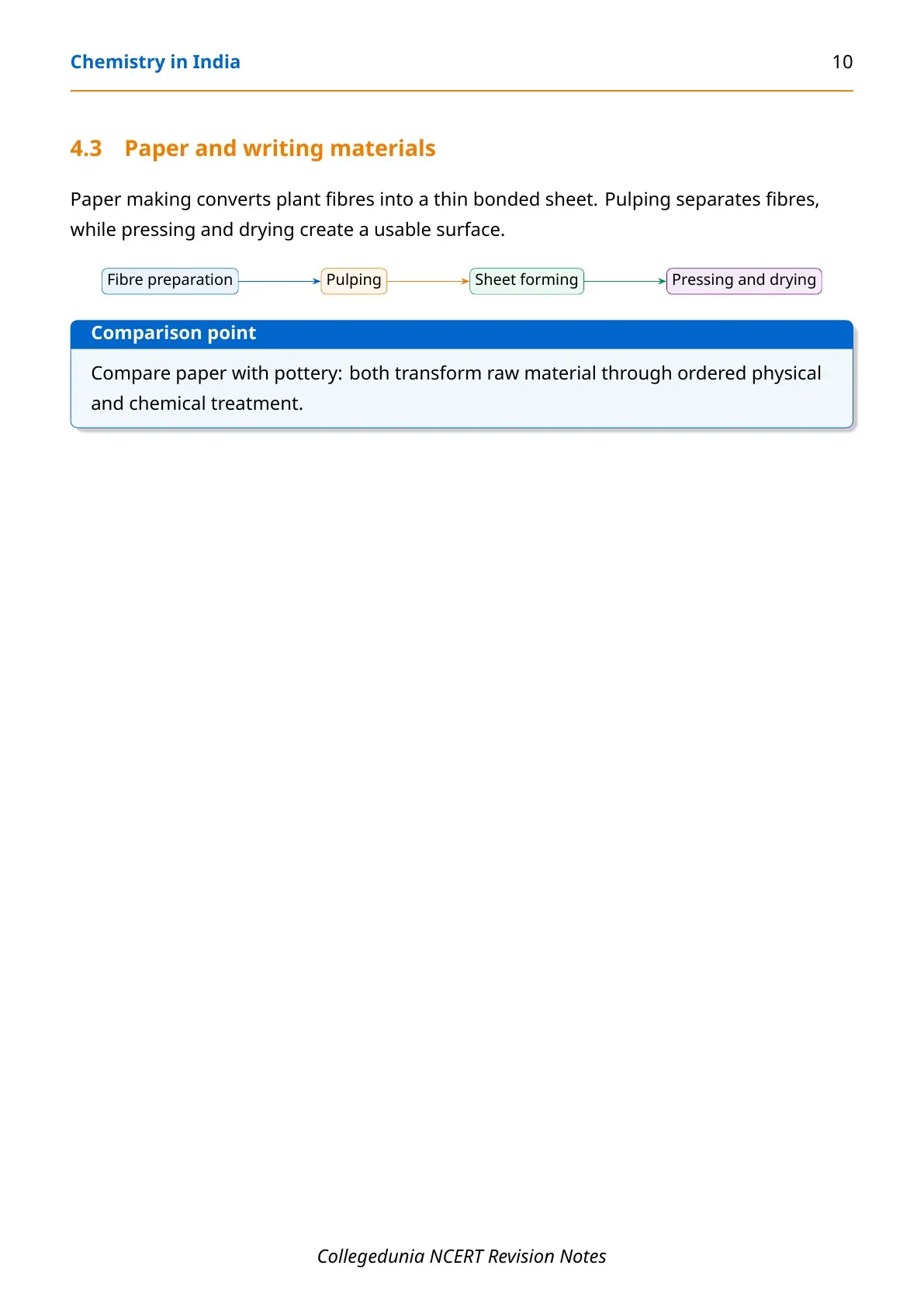
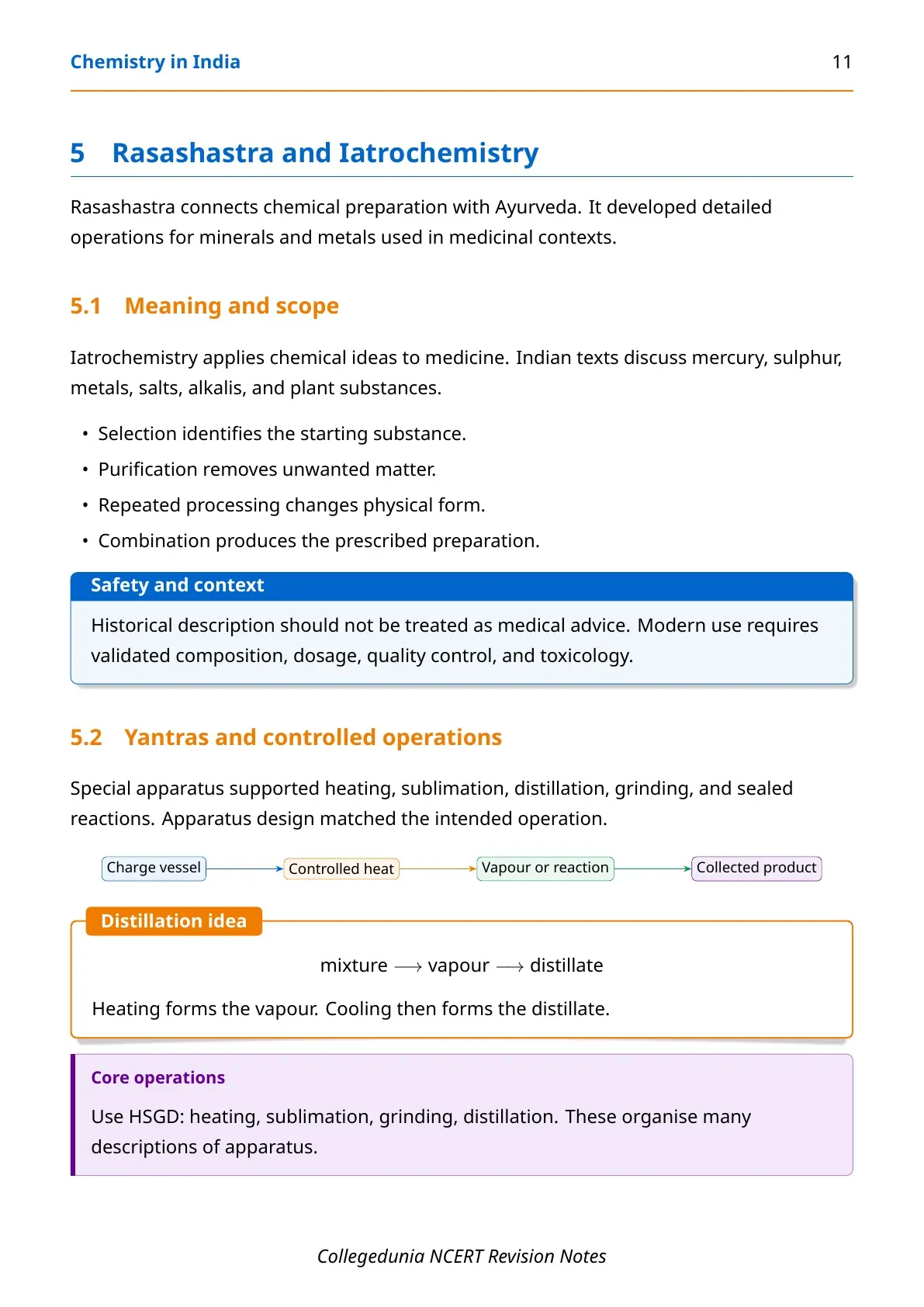
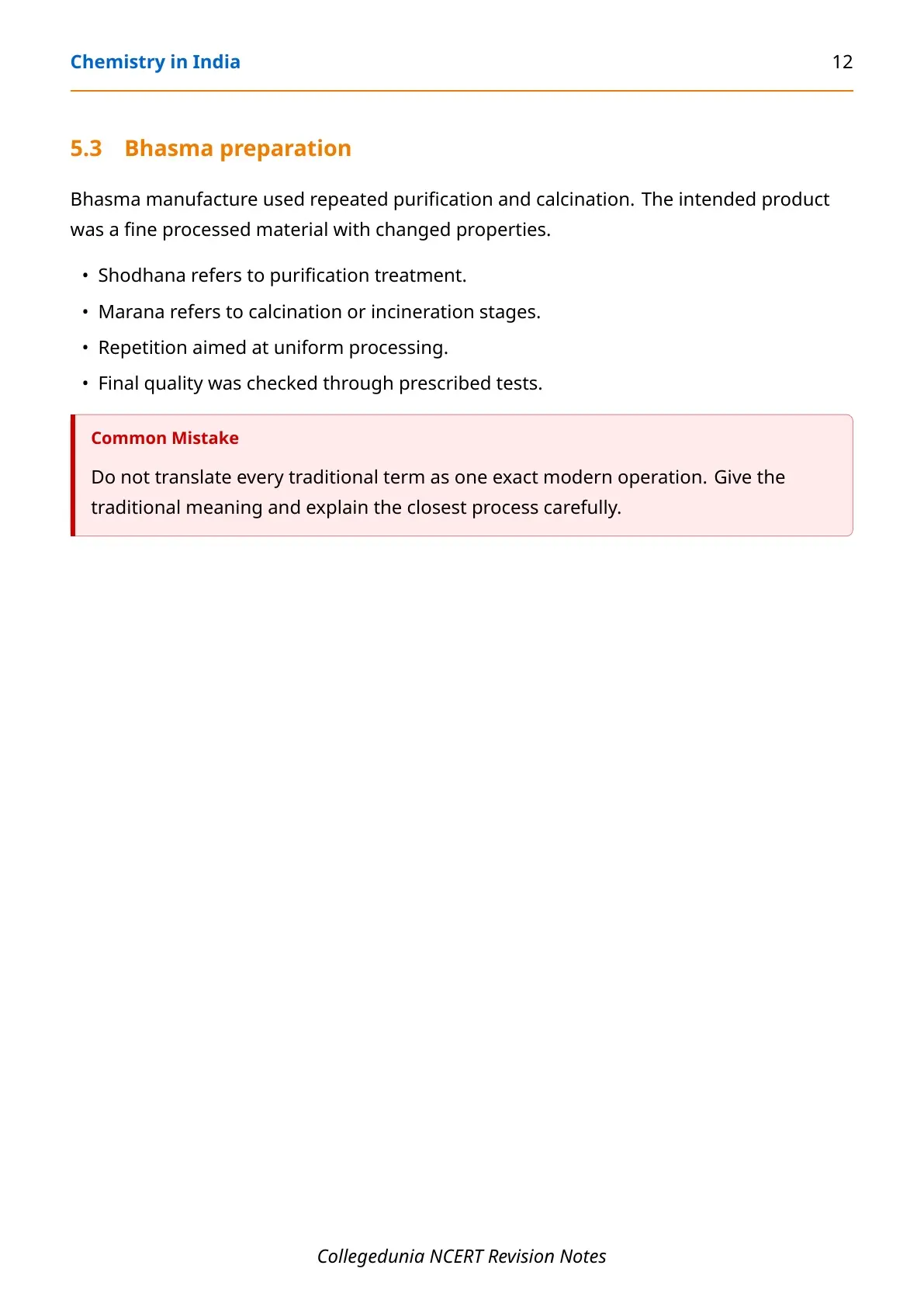

These Chemistry in India notes are prepared from the 2026-27 NCERT text and checked for clear, textbook-faithful revision.
Student Feedback: In a Collegedunia poll of 10,000+ students before the 2026 boards, students preferred source-to-contribution tables for revising history-of-science chapters.
Chemistry in India Important Ideas for Class 12 KTPI
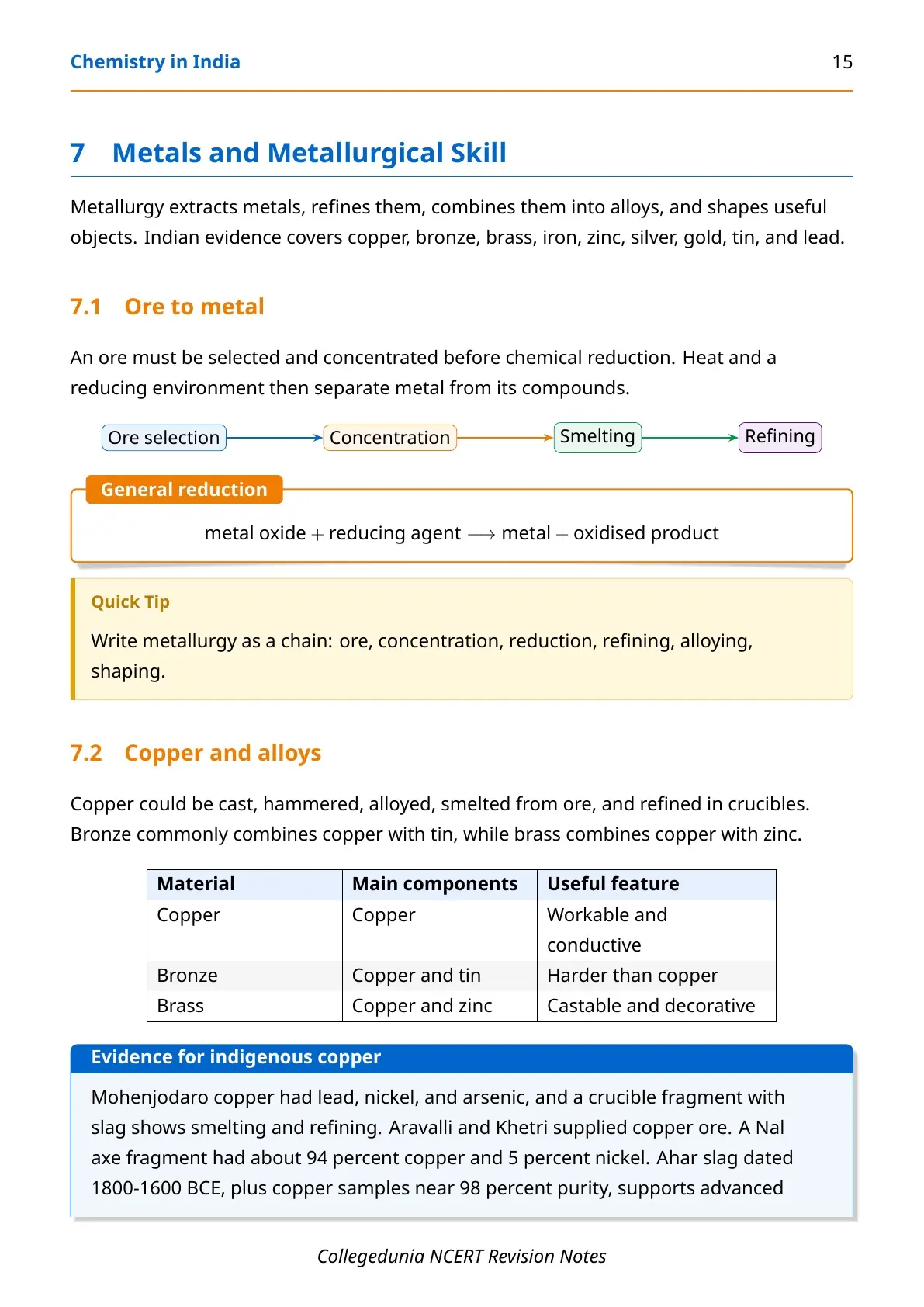
Indian chemical knowledge grew through practical work in medicine, metals, pottery, glass, dyes, inks and cosmetics. Ancient texts called this field Rasayana Shastra, Rasatantra, Rasakriya or Rasavidya. Archaeological finds support many written accounts.
- Alchemy: searched for metal transmutation and an elixir of life.
- Harappan crafts: used firing, glazing, alloying and controlled kiln temperatures.
- Medical chemistry: prepared alkalies, salts, metal compounds and fermented products.
- Material technology: produced glass, pigments, ink, paper, soap and perfumes.
The chapter connects chemistry with everyday crafts, health care and material production. It also shows how written sources and excavated objects support each other.
Iron Pillar and Ancient Indian Metallurgy
Source: Magnet Brains on YouTube
From Alchemy to Chemical Practice in India
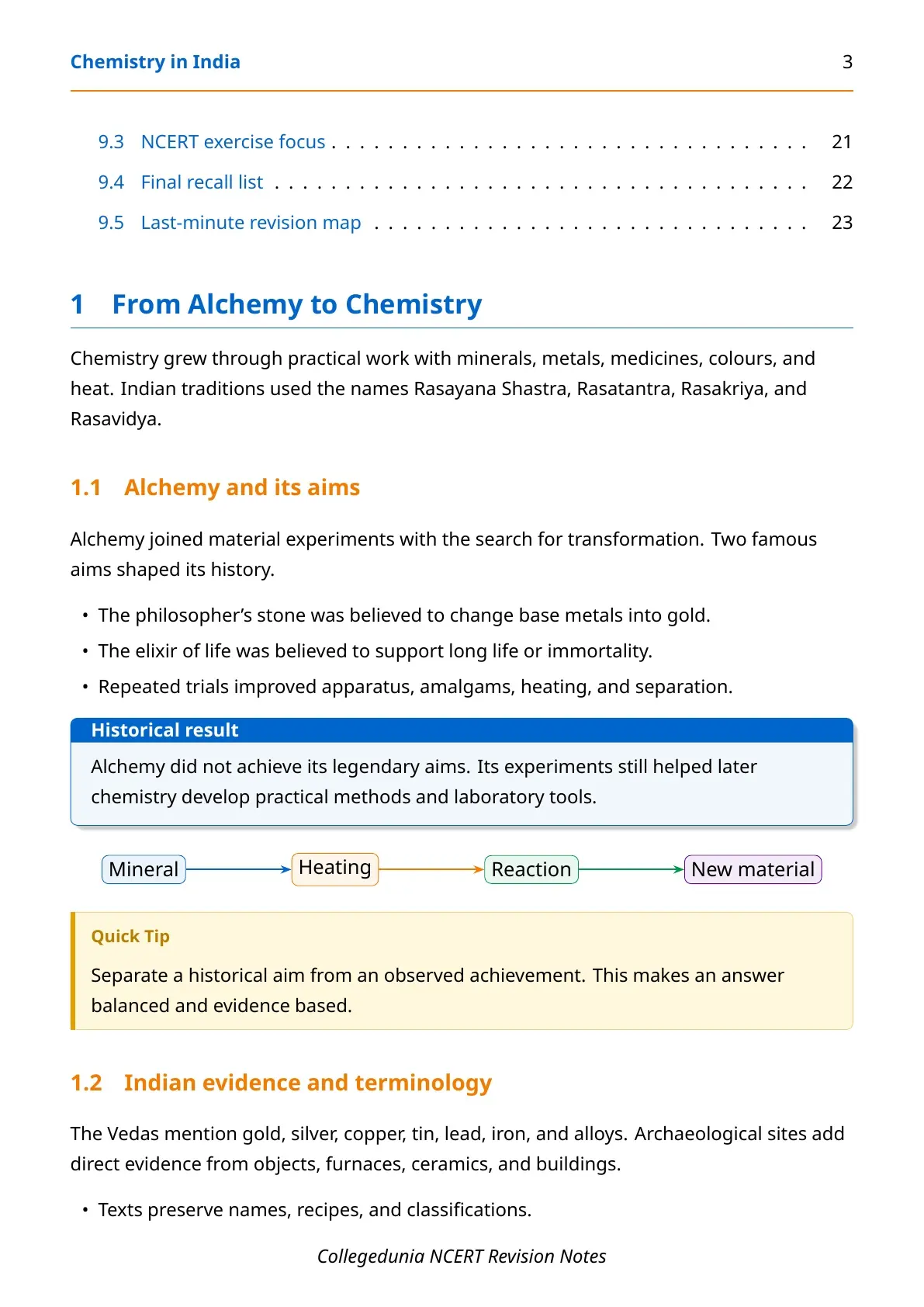
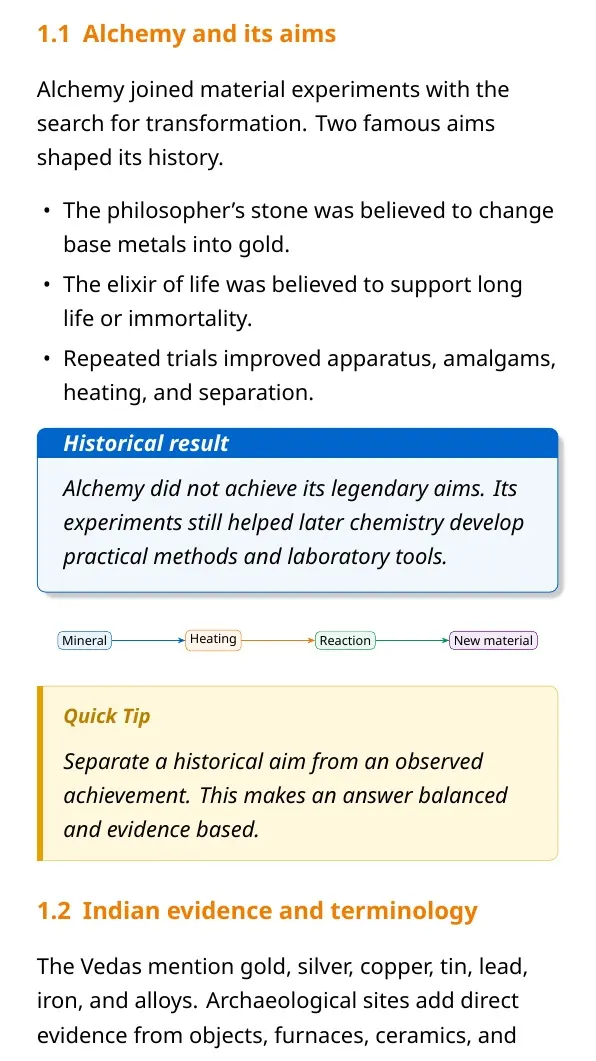
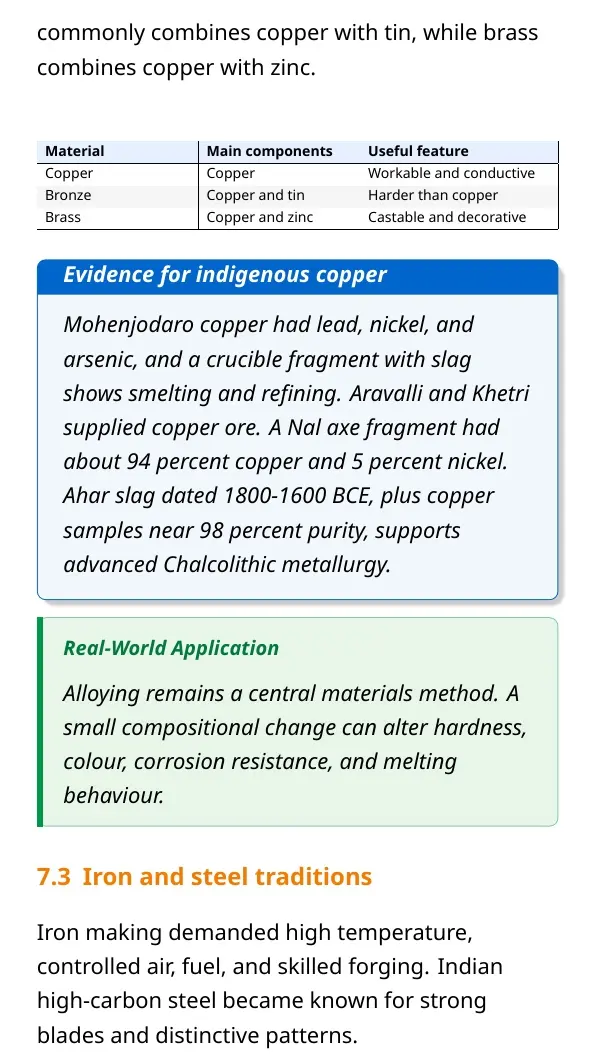
Alchemy reached Europe through Arab scholars, but India and China had their own traditions. Early alchemists pursued two famous goals: the philosopher's stone and the elixir of life. Their experiments still improved apparatus, amalgams and chemical methods.
- Alchemy tested substances through heating, mixing, grinding and purification.
- Iatrochemistry used chemical preparations in medicine.
- One European branch later focused on compounds and reactions.
- Indian Rasavidya joined chemical work with medicine and metallurgy.
NCERT does not present every old claim as modern science. It asks students to study historical practices, evidence and the growth of experimental knowledge.
Harappan Pottery, Faience and Glass-Making Techniques
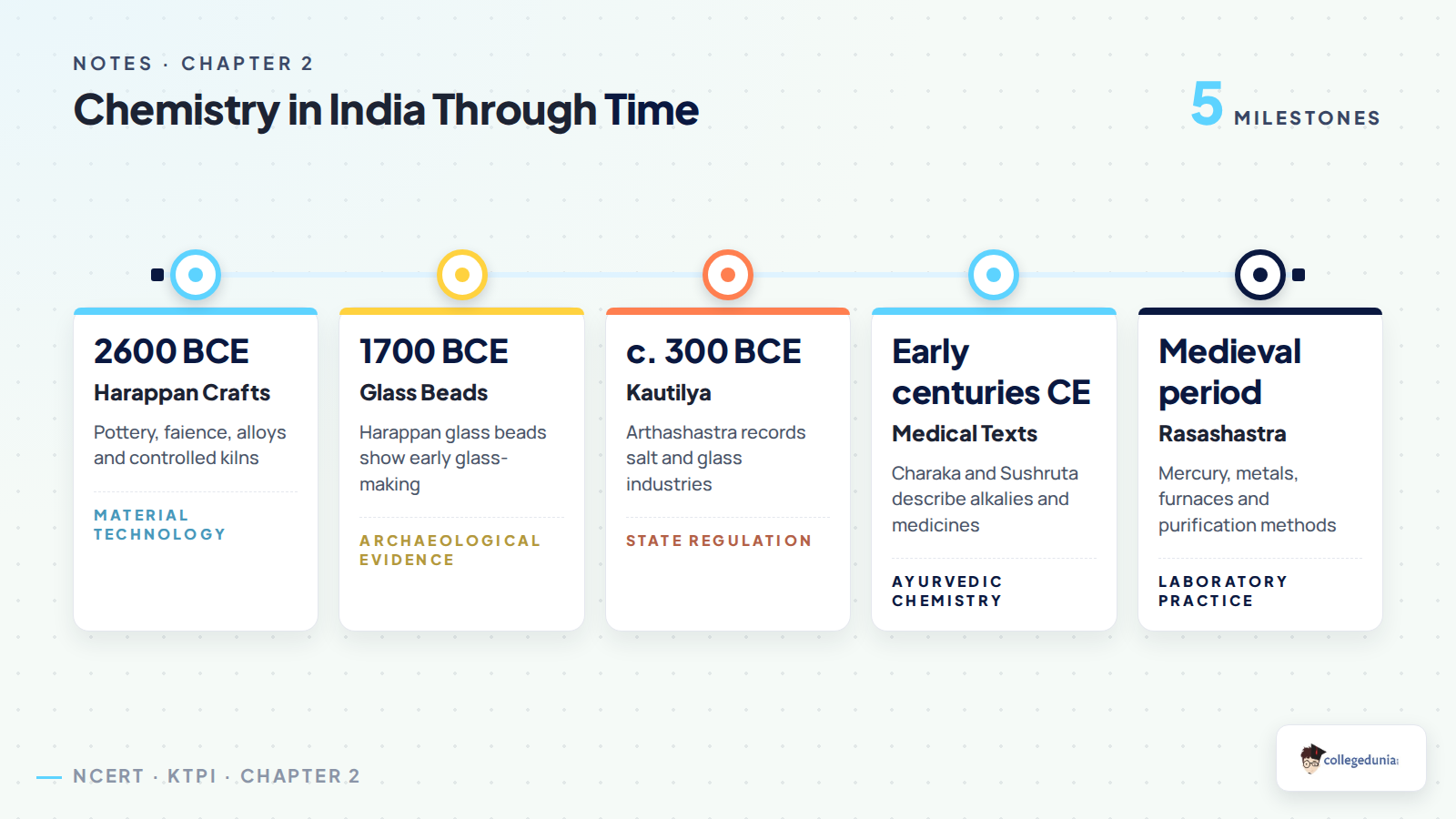
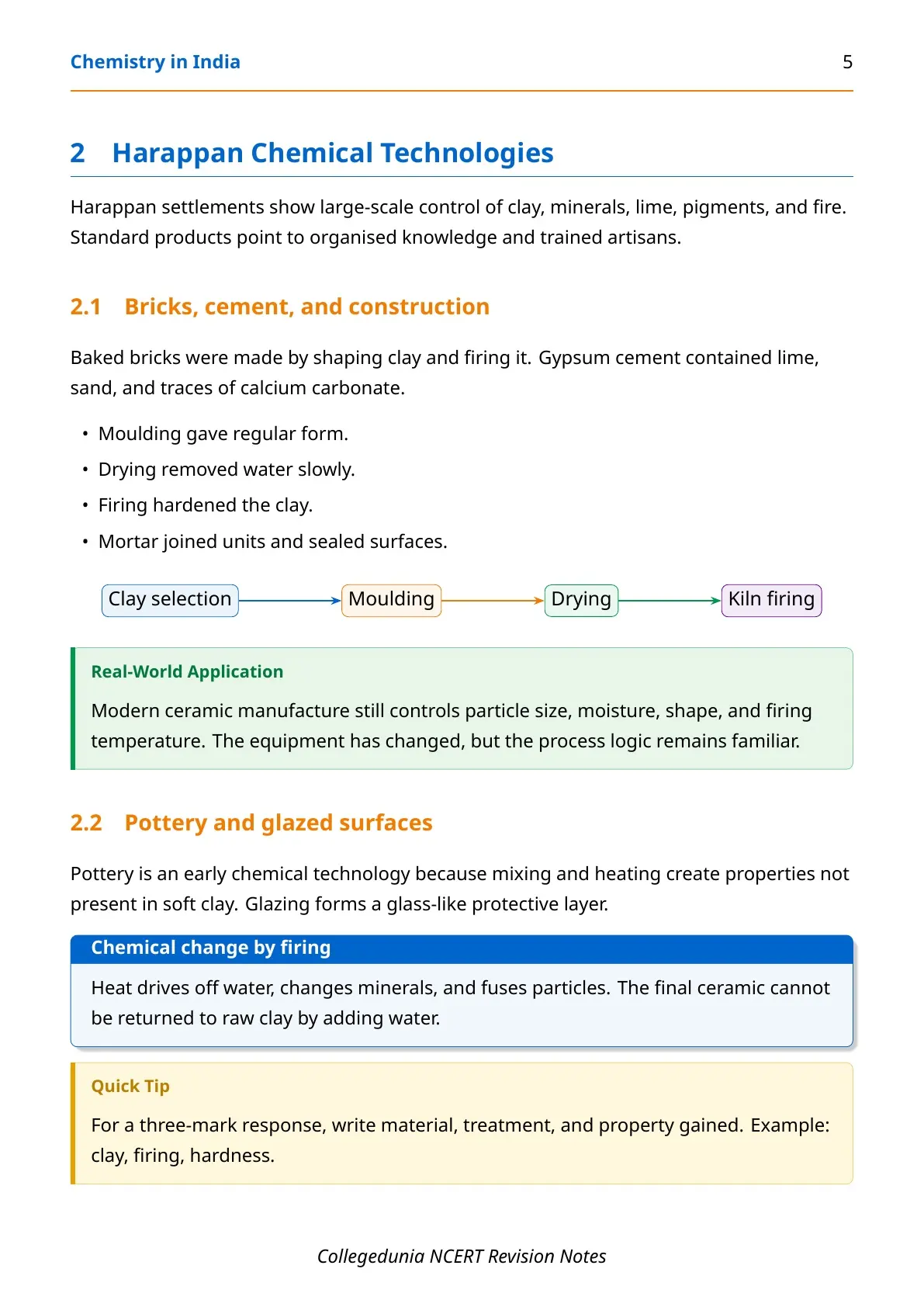
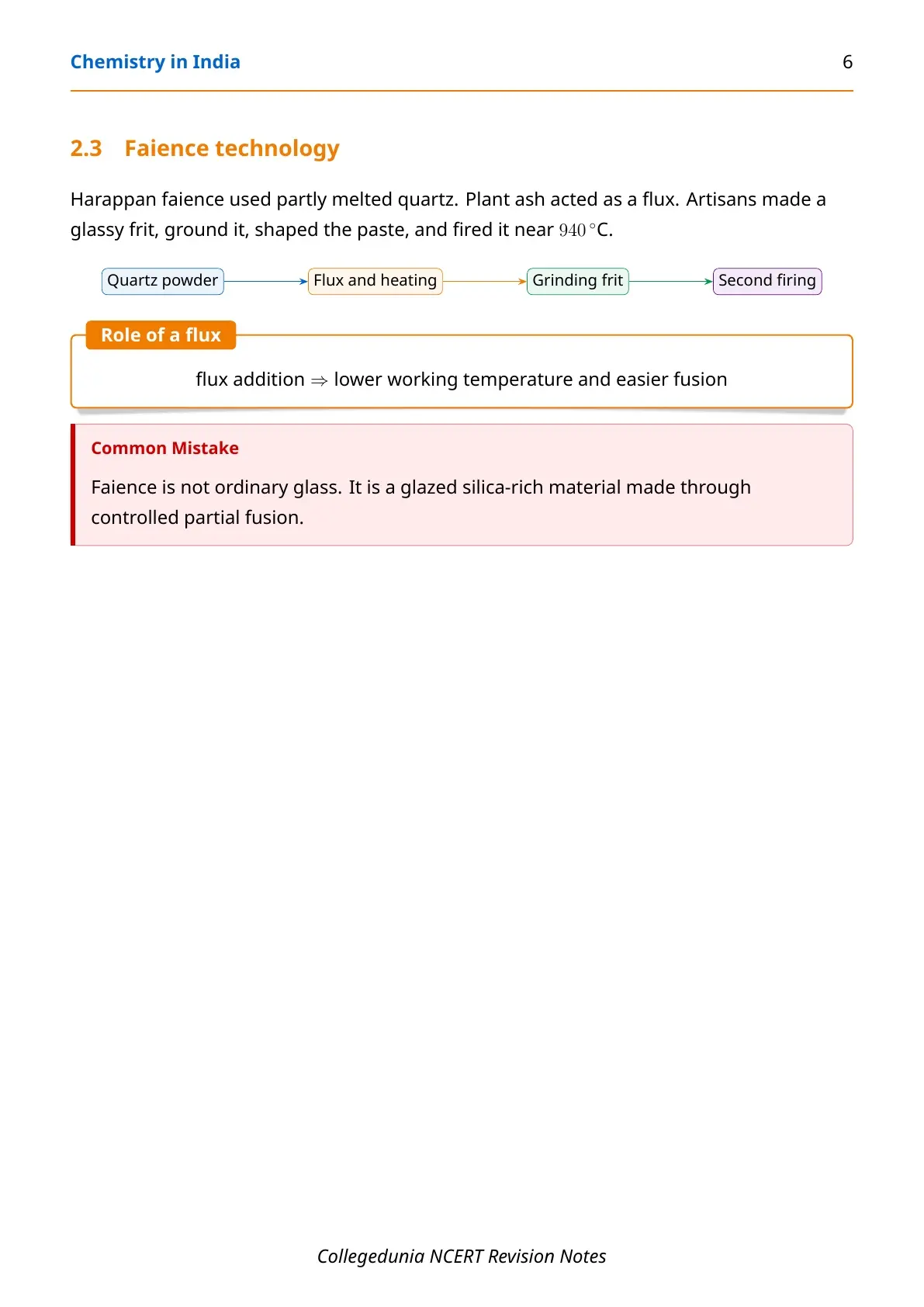
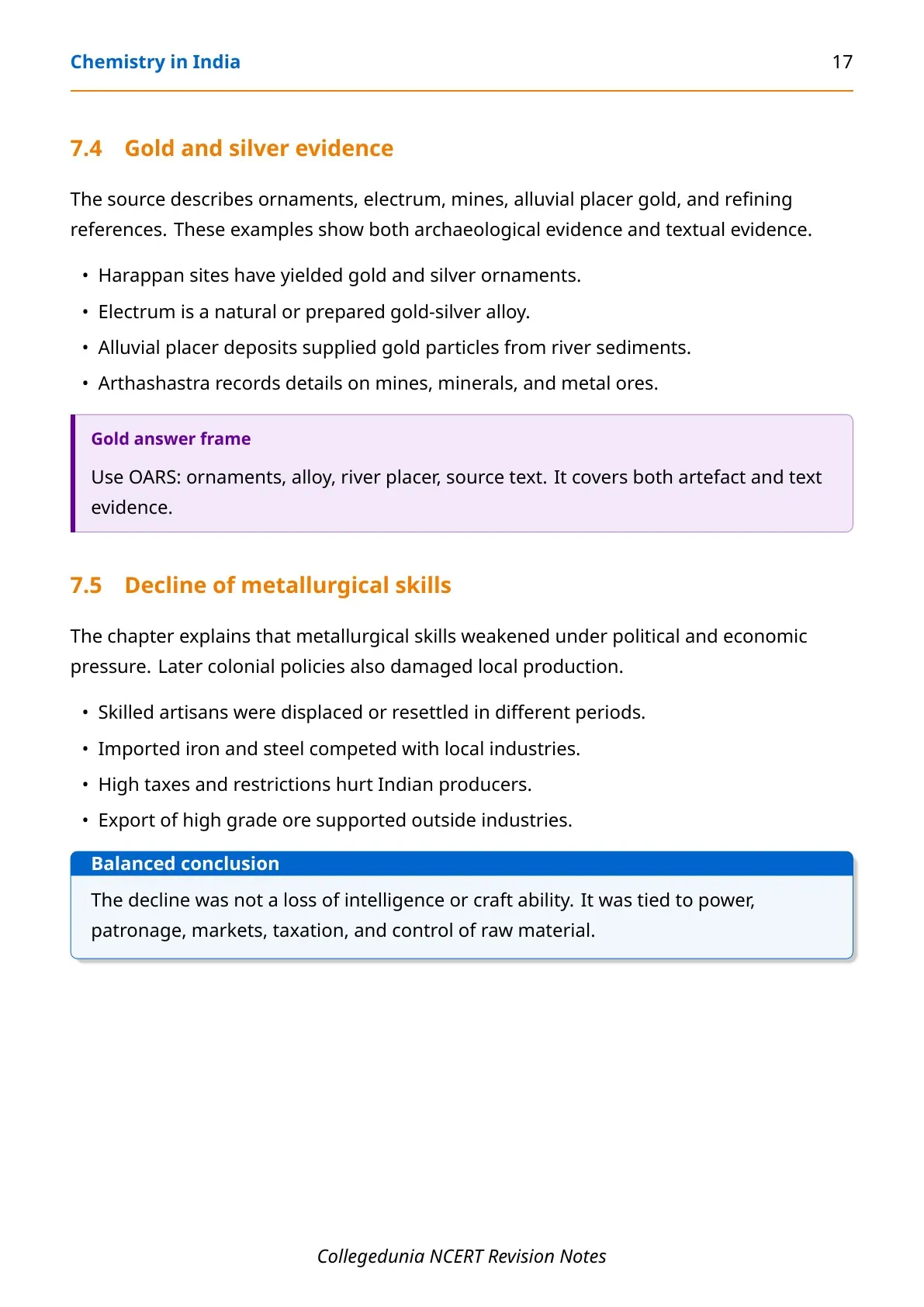
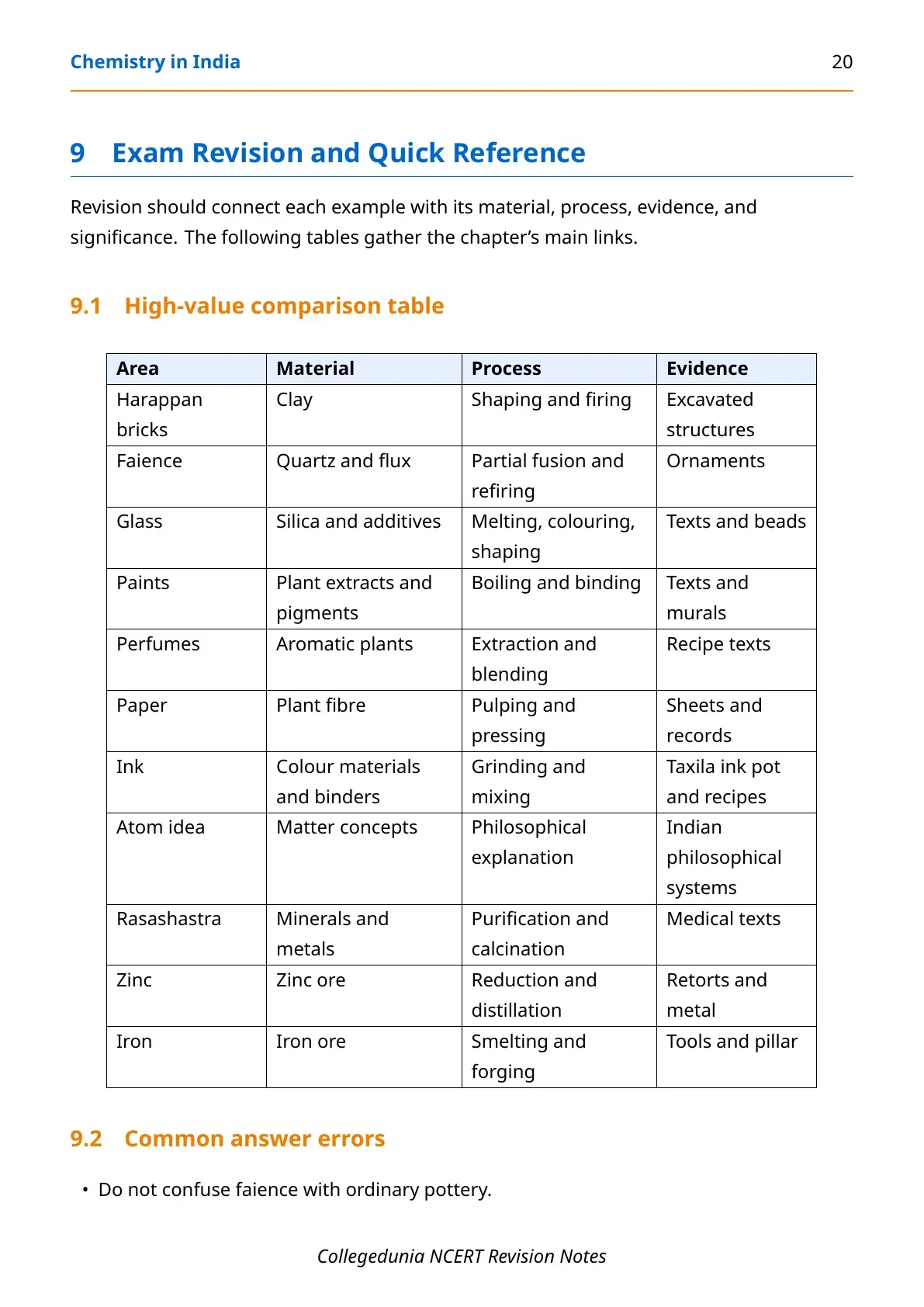
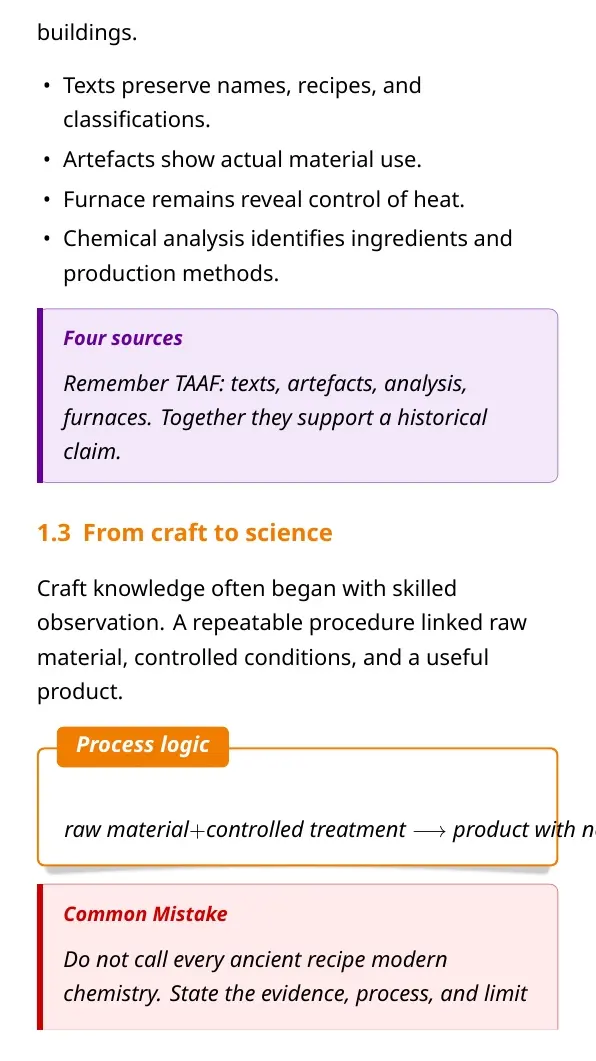
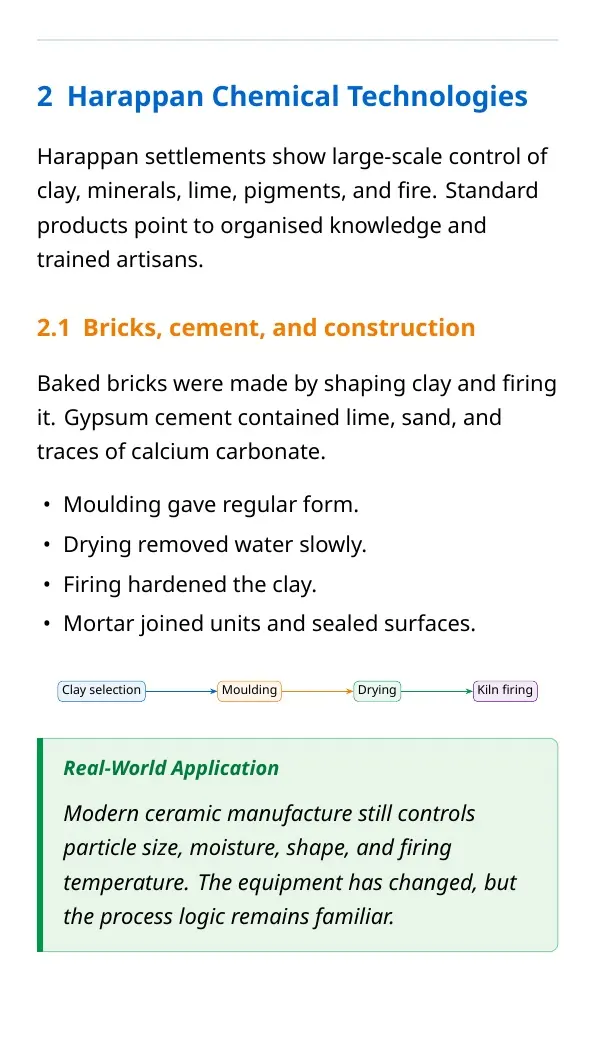
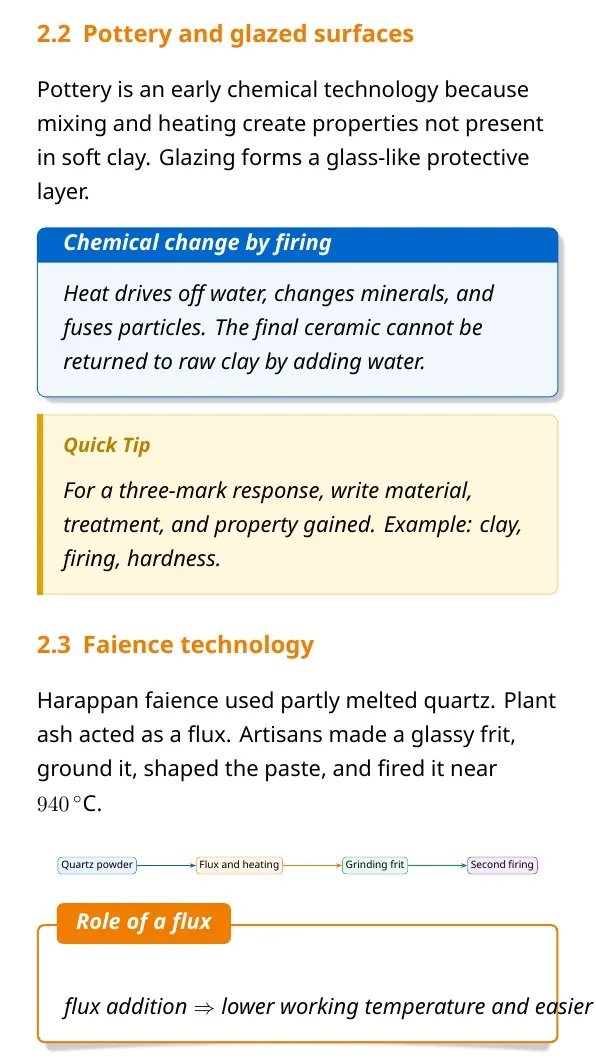
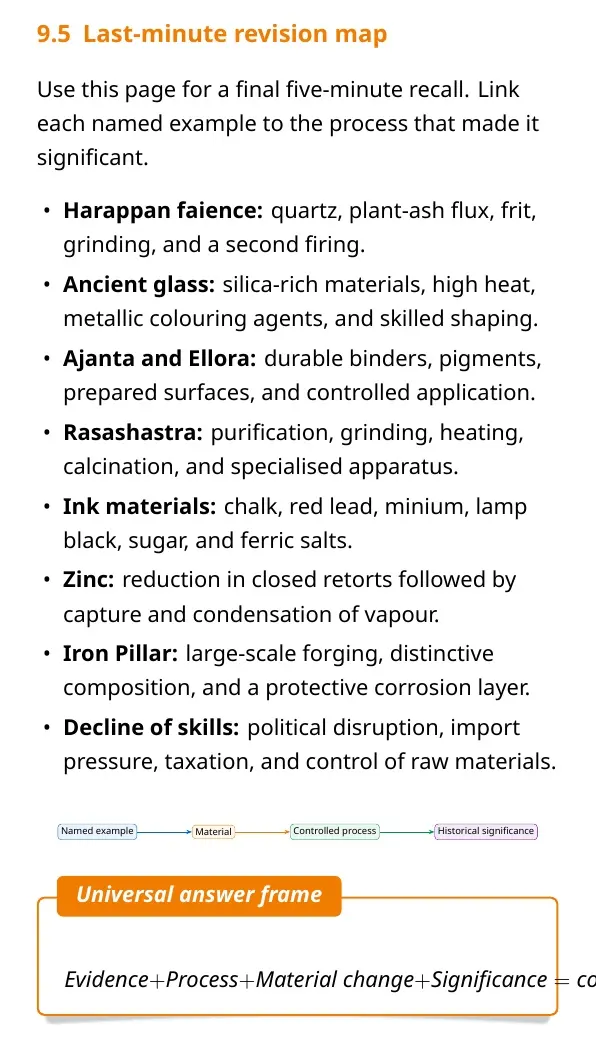
Harappan artisans treated materials with close control. Pottery required mixing, moulding and firing. Faience used partly melted powdered quartz, plant-ash flux and repeated firing. Archaeological evidence also records gypsum cement, glazed pottery and medical preparations.
| Material or craft | Technique | Exam cue |
|---|---|---|
| Pottery | Mixing, moulding and firing | An early controlled chemical process |
| Faience | Quartz, flux and firing near 940 degrees Celsius | Shows control of kiln temperature |
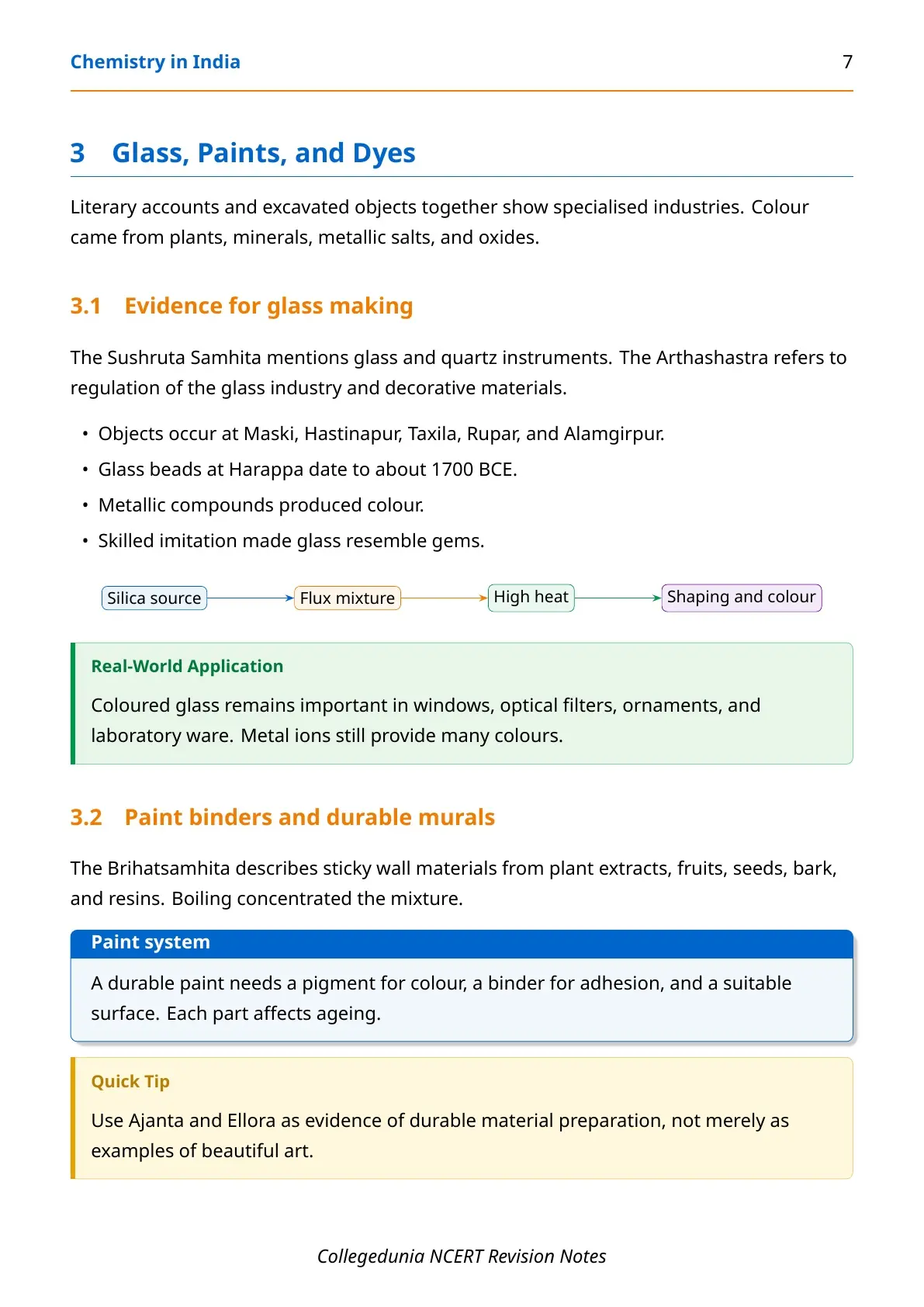
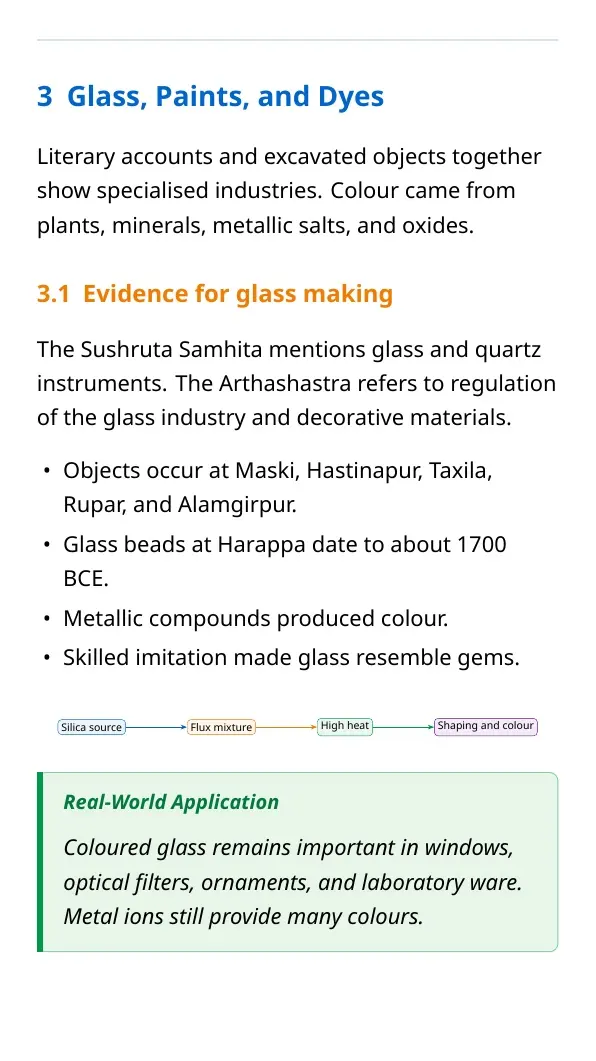
| Glass | Metal oxides added as colouring agents | Literary and archaeological evidence agree |
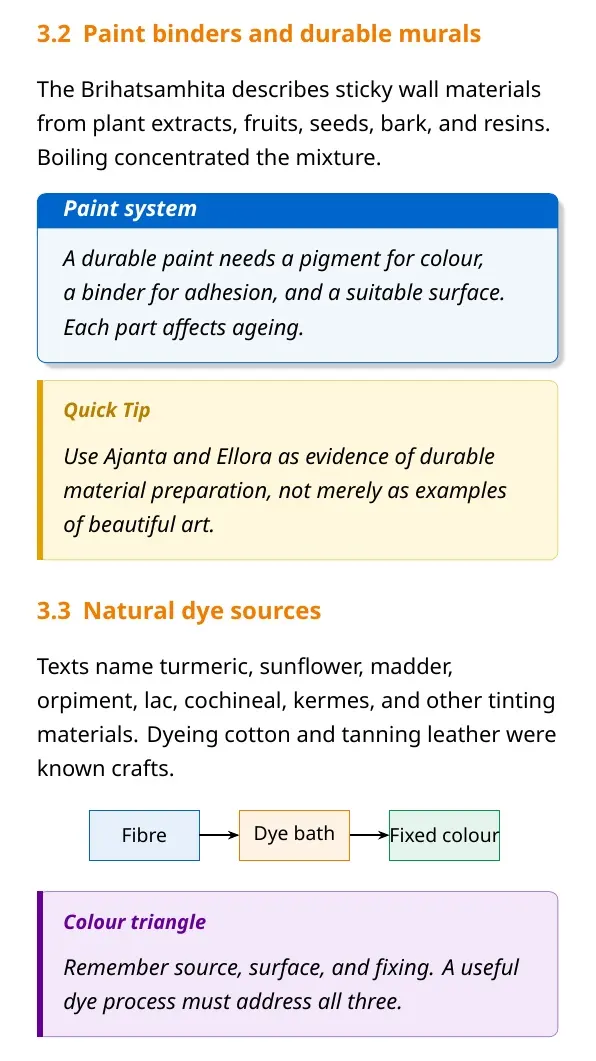
| Paint binder | Plant extracts boiled and treated with resins | Described in Brihatsamhita |
Glass beads at Harappa date to about 1700 BCE, according to the chapter. Glass finds also come from Maski, Hastinapur, Taxila, Rupar and Alamgirpur.
Texts, Scholars and Chemical Contributions in Ancient India
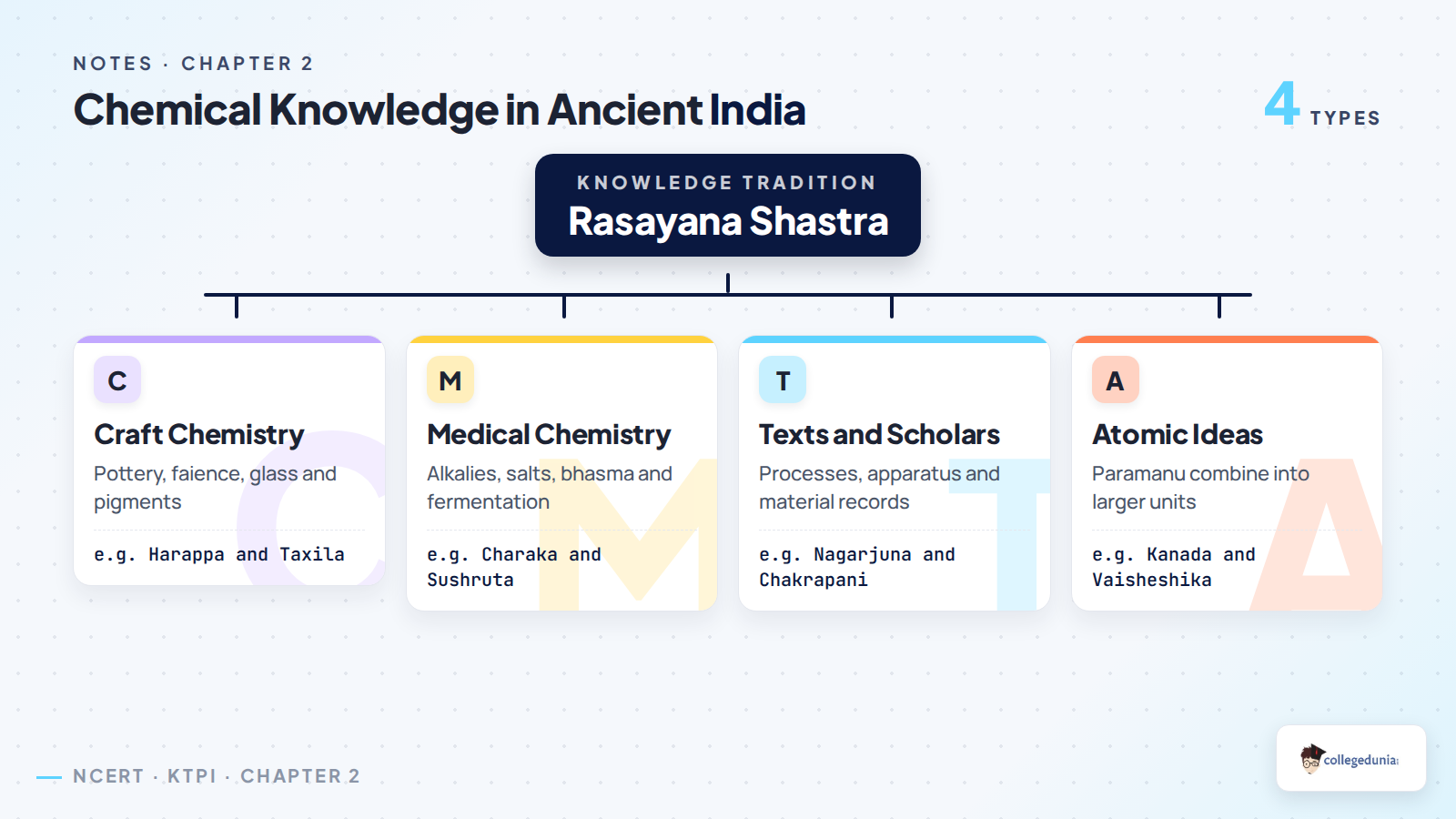
For exam answers, pair a text or scholar with a specific process. A list of names alone does not show understanding. The table below gives short revision cues from the NCERT account.
| Text or scholar | Contribution to remember |
|---|---|
| Sushruta Samhita | Alkalies, surgery and glass or quartz instruments |
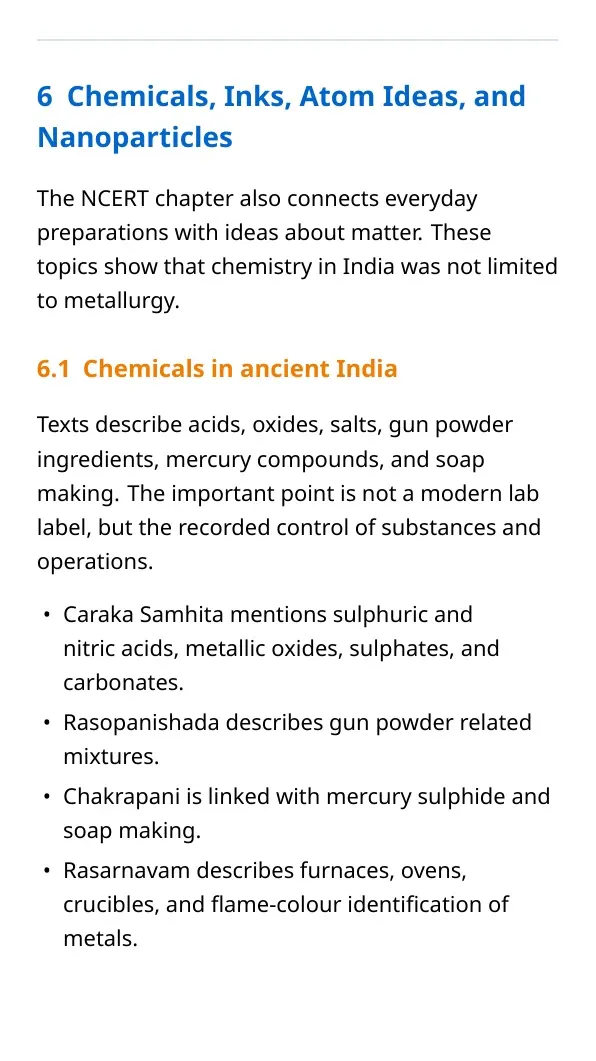
| Charaka Samhita | Medicines, chemical substances and metal bhasma processing |
| Kautilya's Arthashastra | Salt production and regulation of the glass industry |
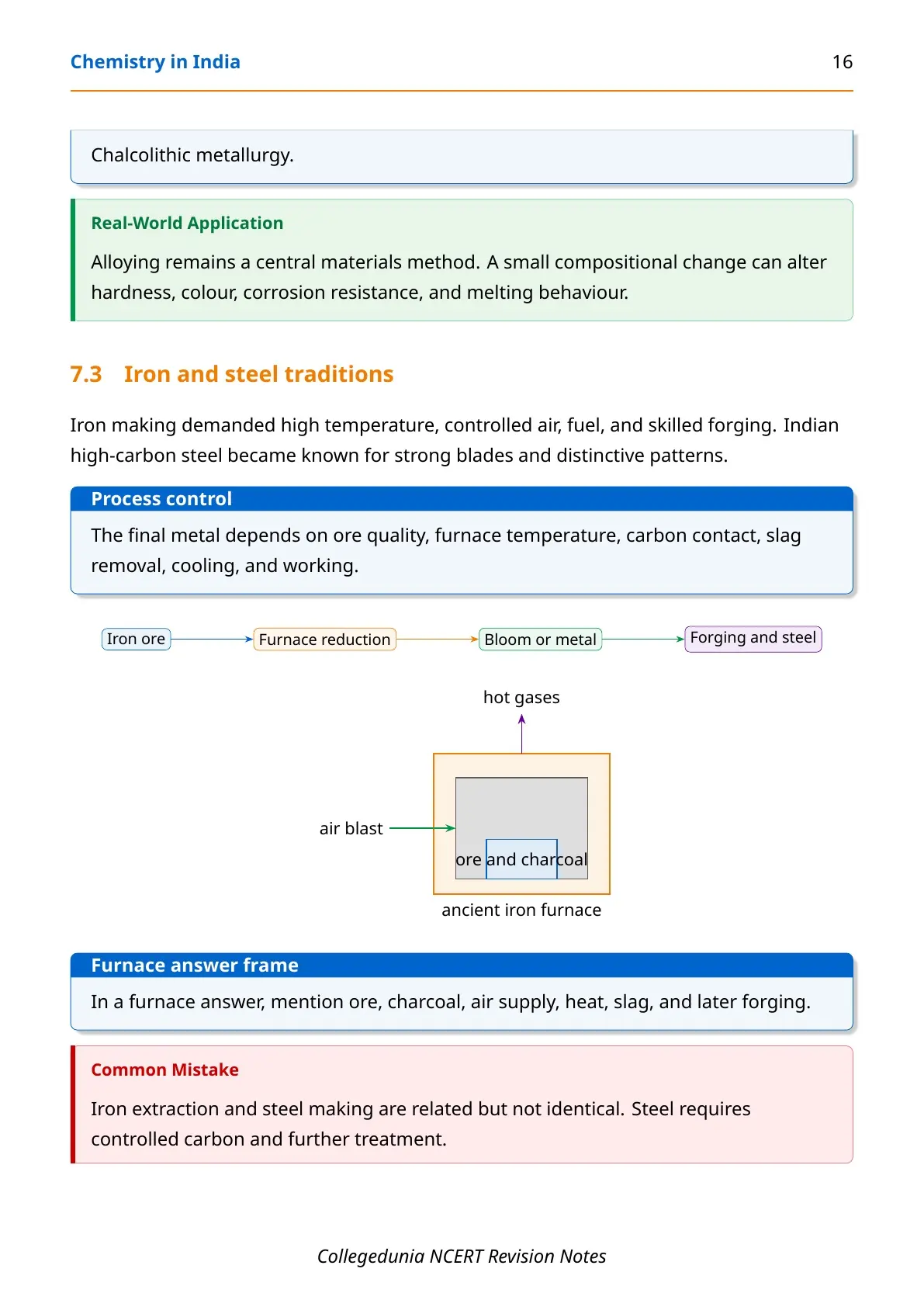
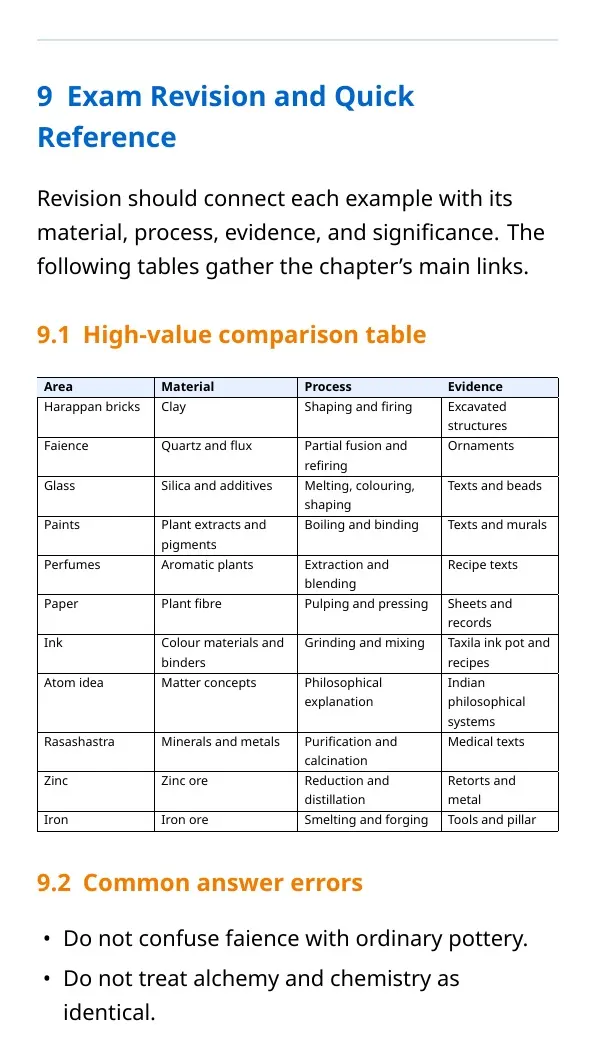
| Nagarjuna | Mercury compounds and methods for extracting metals |
| Chakrapani | Mercury sulphide and soap made with oil and alkalies |
| Rasarnavam | Furnaces, ovens, crucibles and identification by flame colour |
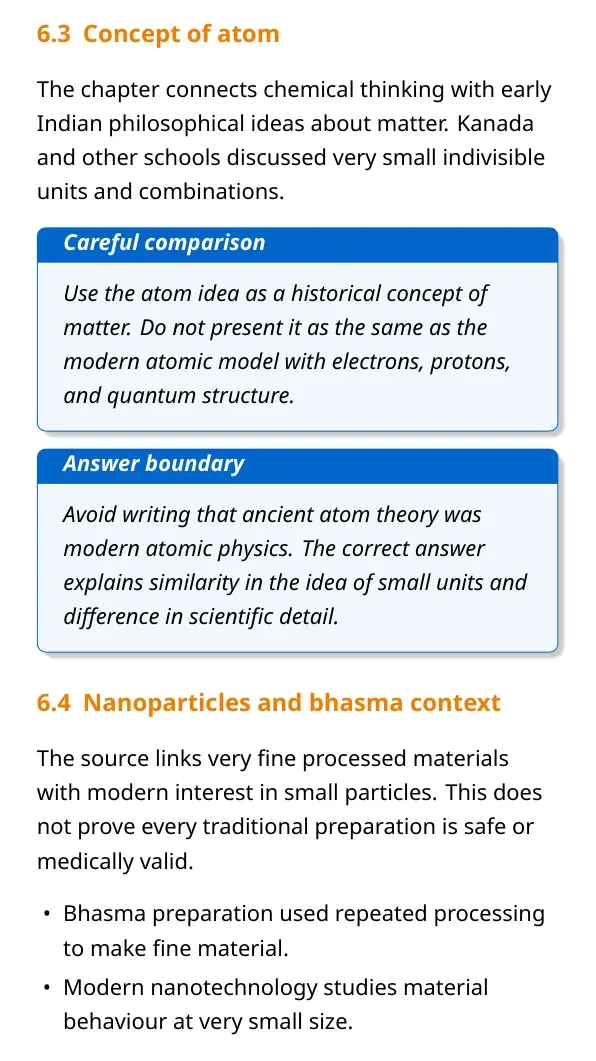
| Kanada | Atomic ideas based on paramanu and combinations of particles |
Paper, Ink, Fermentation and Ayurvedic Chemistry
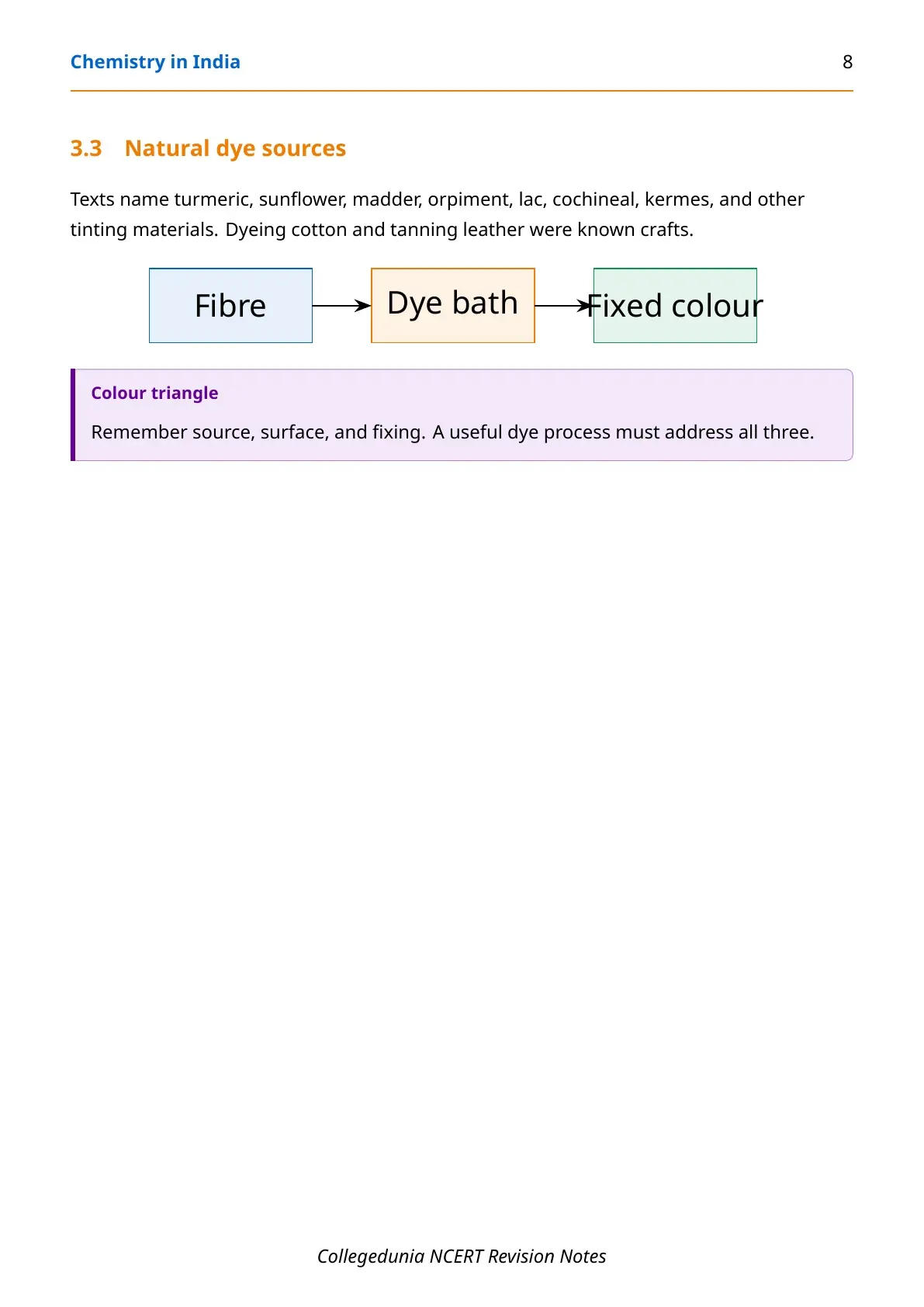
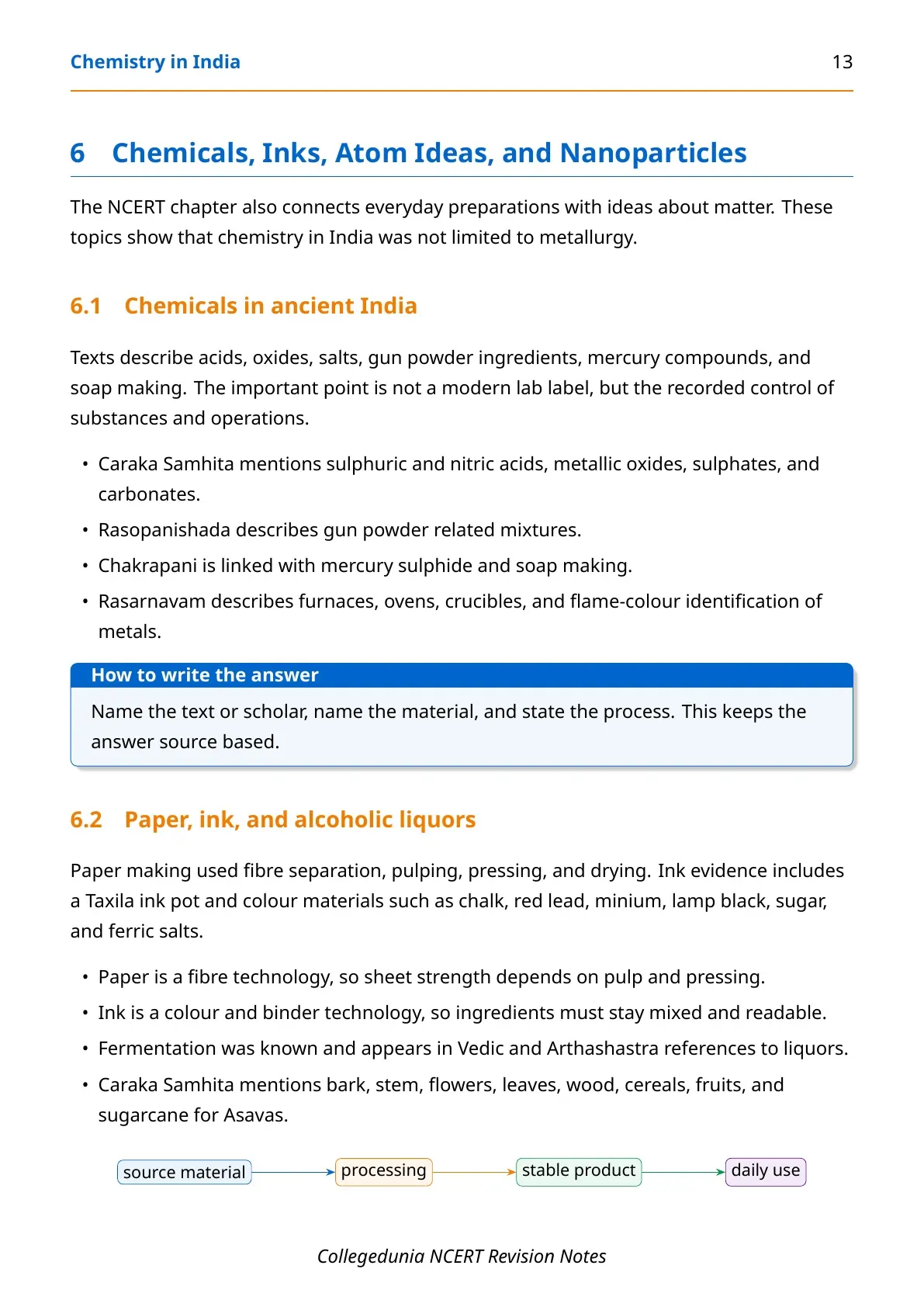
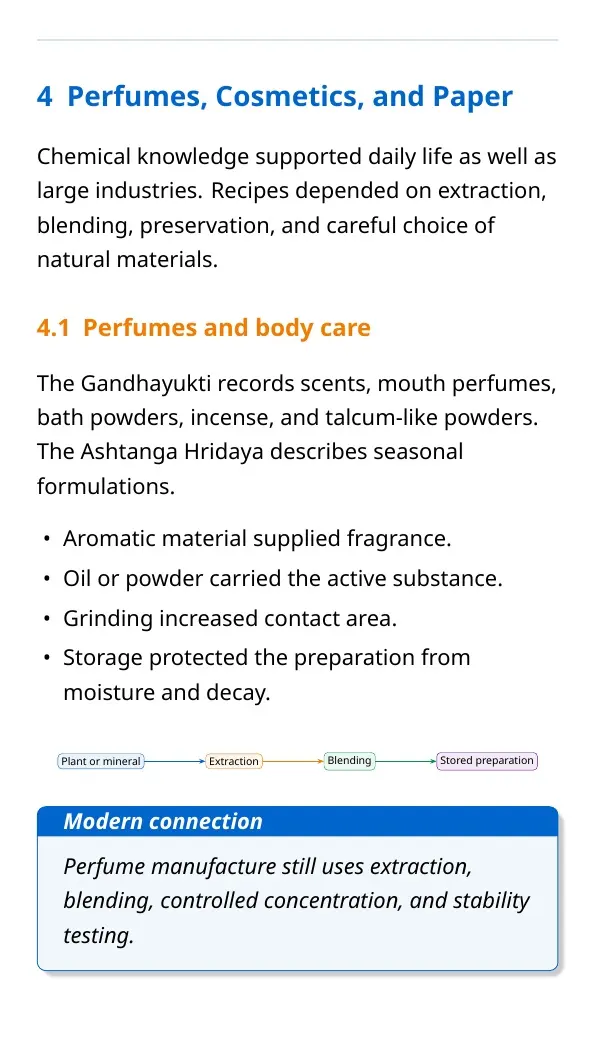
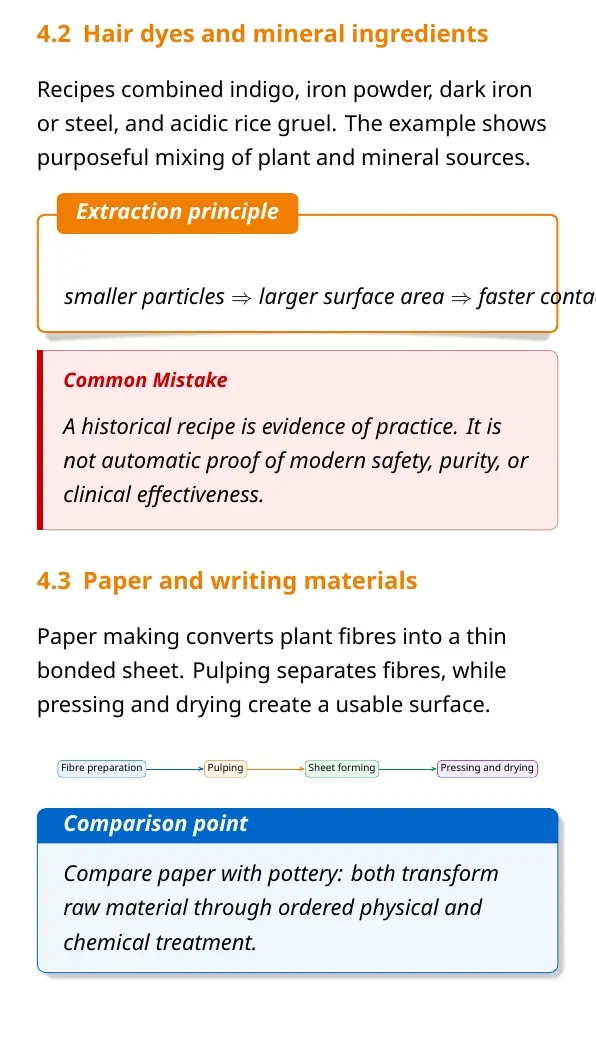
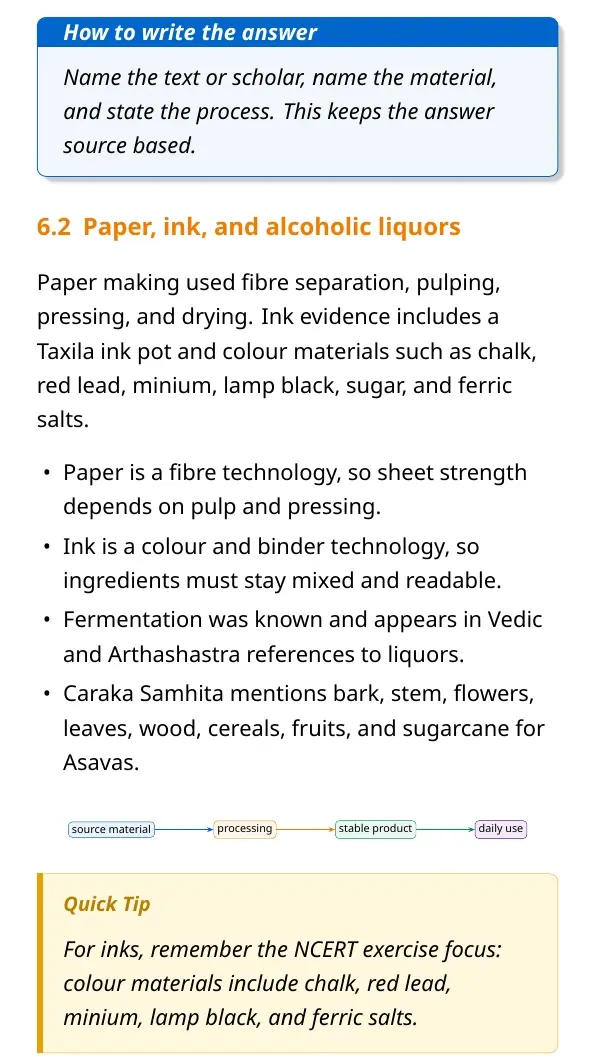
The chapter also follows chemistry into daily life. Paper served as writing material, wrapping and an export product. Ink makers used chalk, red lead, lampblack, roasted rice, plant juice and iron salts. Fermentation produced several liquors and medicinal preparations.
- Paper: manuscript evidence survives from stupas, libraries and dry regions.
- Ink: Taxila yielded an inkpot linked with use from the fourth century.
- Asavas: fermented preparations used plant parts, cereals, fruits and sugarcane.
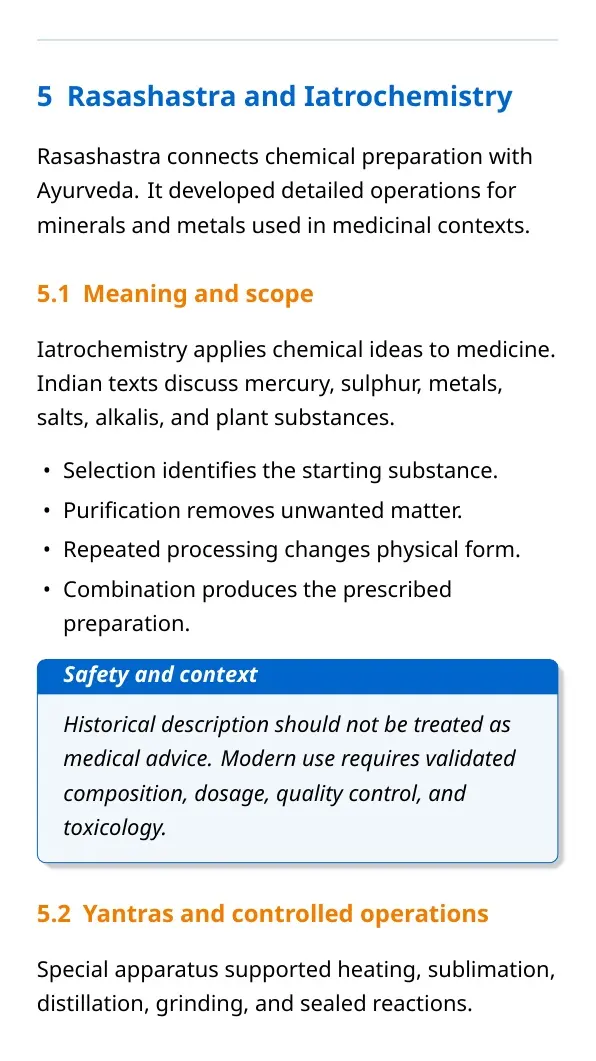
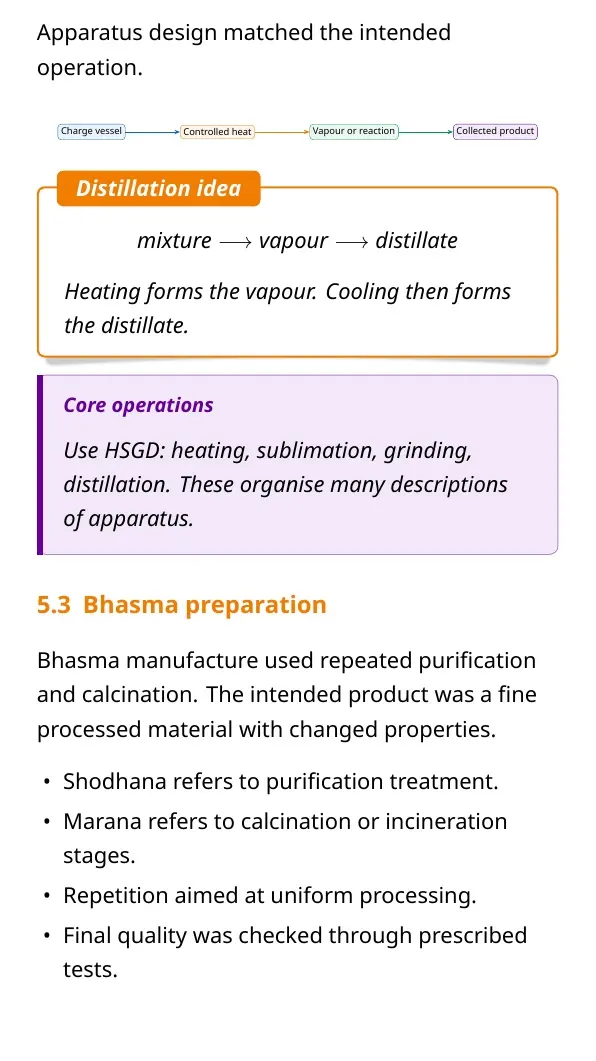
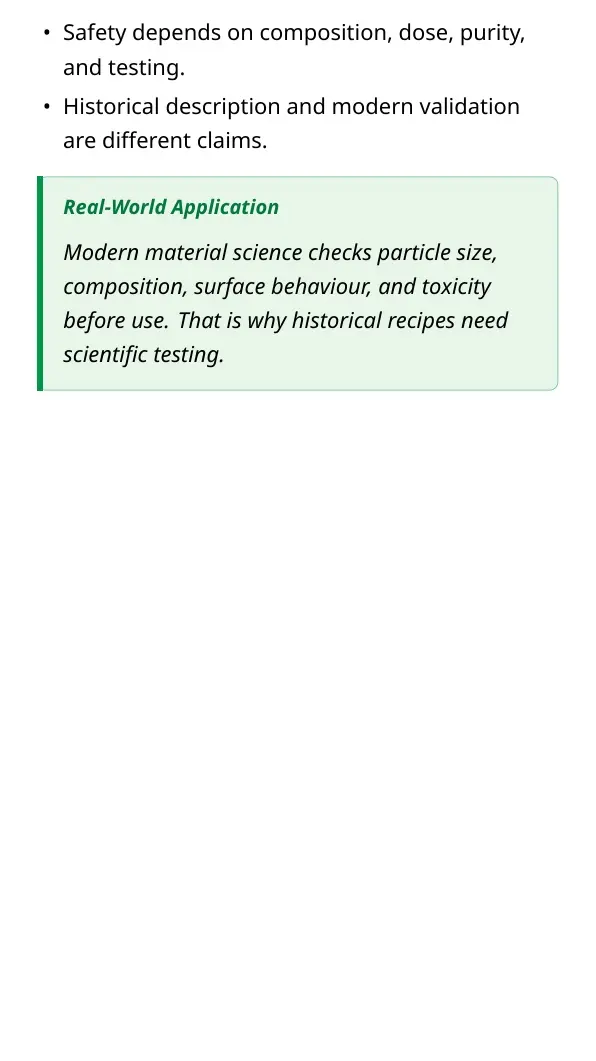
- Bhasma: repeated heating and cooling changed a material's physical and chemical properties.
Traditional medicine still needs careful scientific testing for benefits, dosage and toxic effects. This caution is important when writing about metal-based preparations.
How to Revise Chemistry in India for the 2026-27 Exam
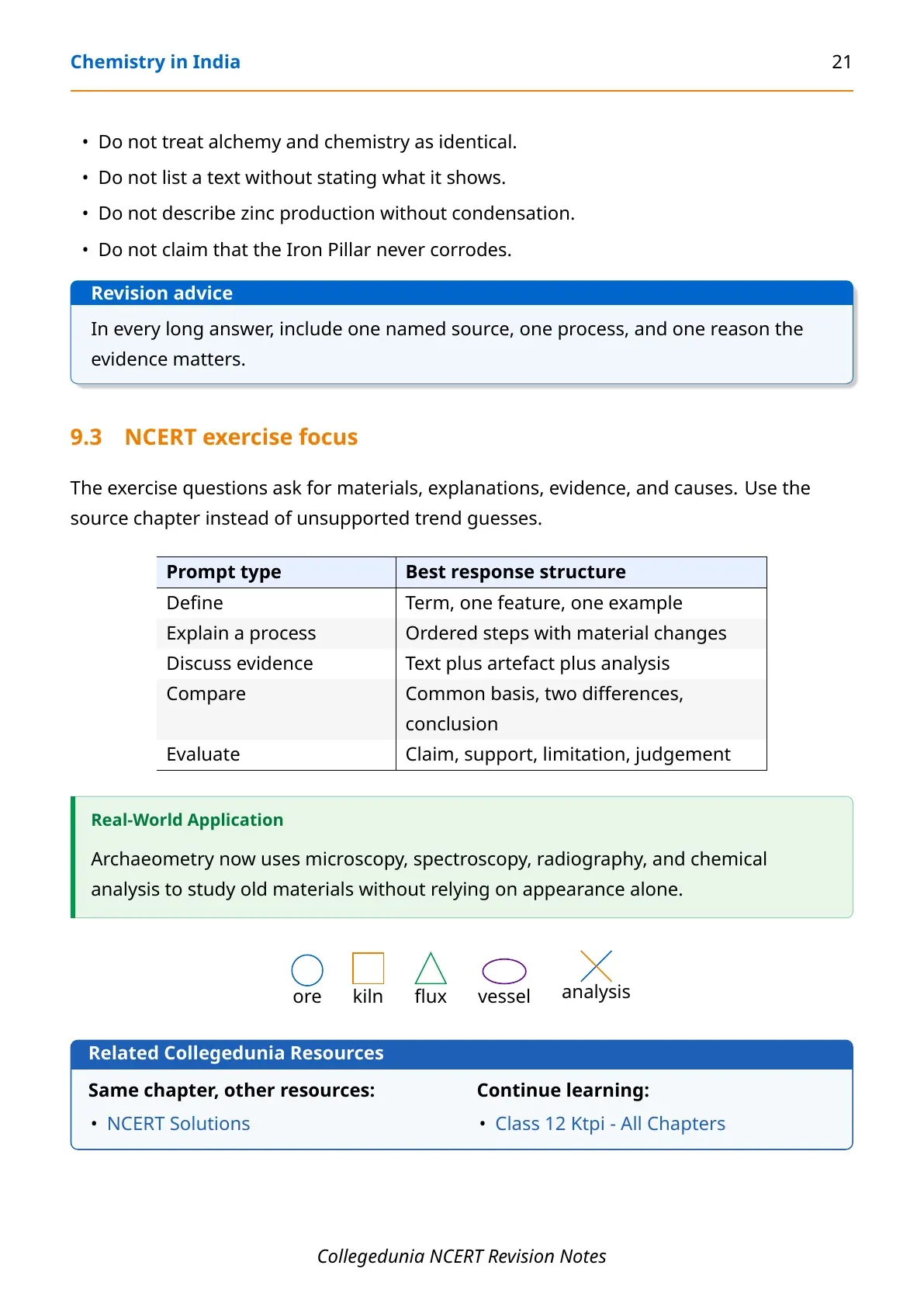
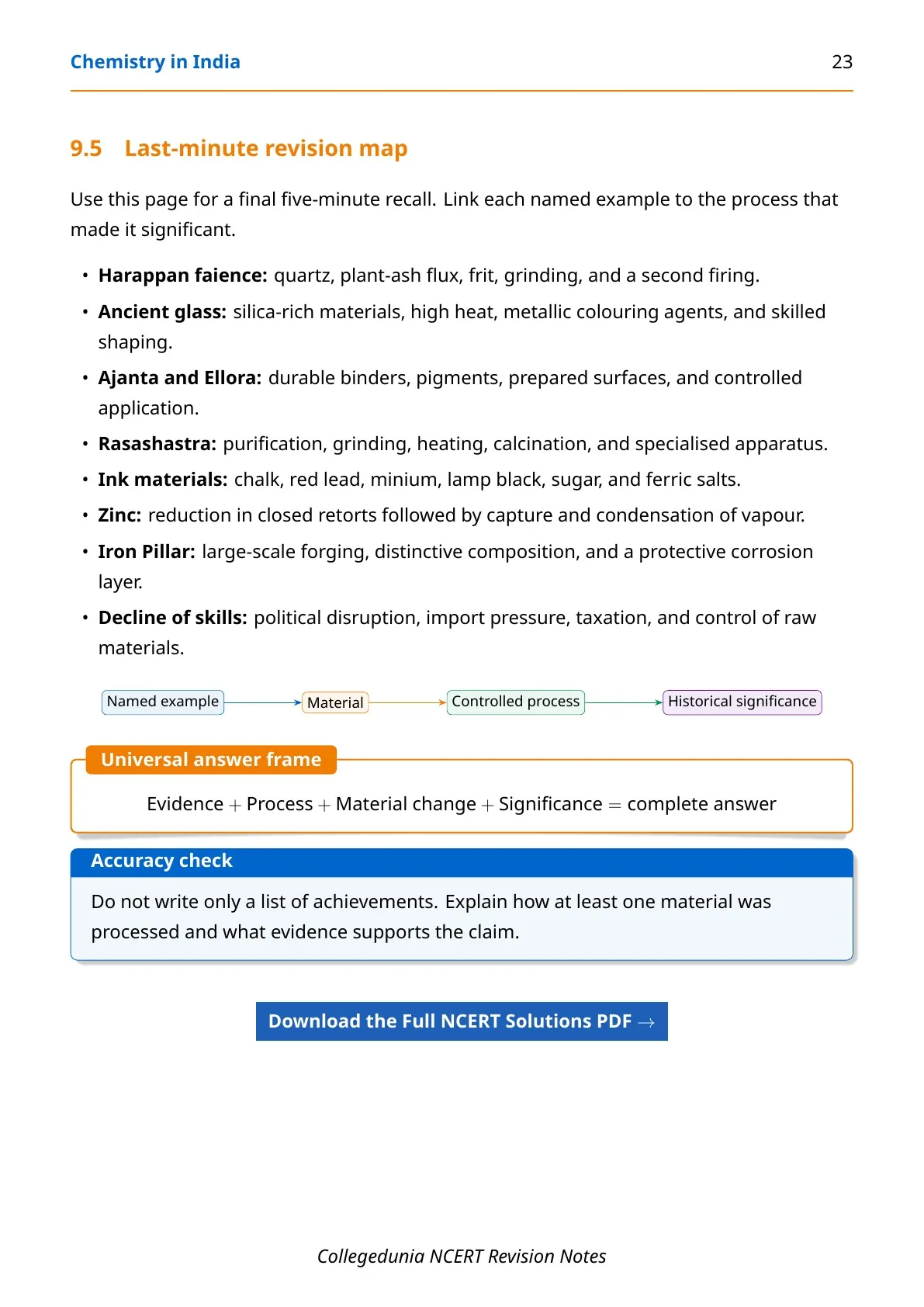
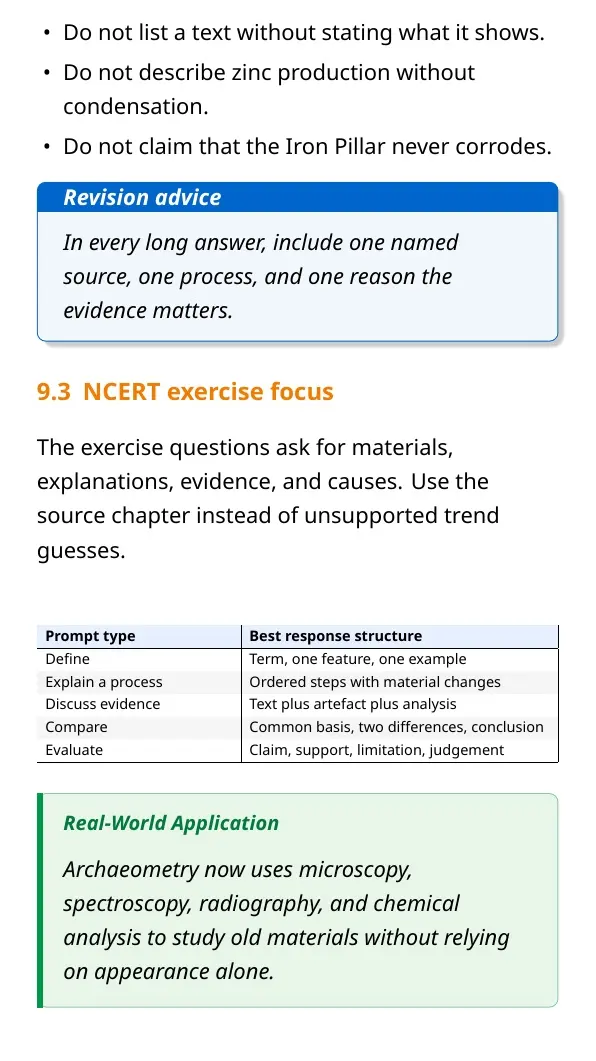
Revise the chapter through evidence, process and result. First name the source. Then state the chemical method. Finish with the product or historical meaning. This three-part frame keeps long answers focused.
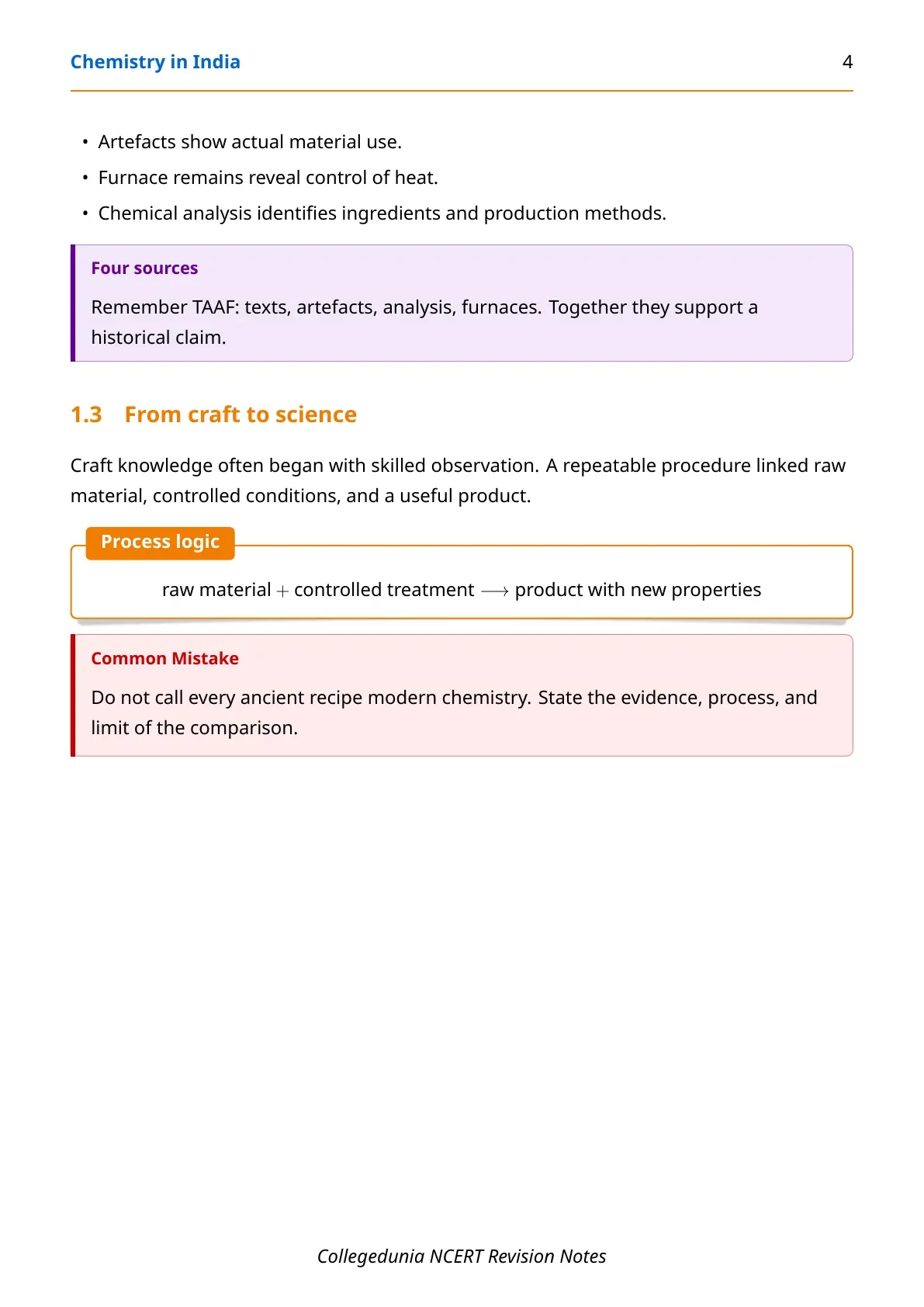
- Make one timeline for major texts, scholars and archaeological sites.
- Draw process arrows for pottery, faience, glass, ink and bhasma.
- Learn one literary and one archaeological example for each craft.
- Separate historical claims from facts supported by modern analysis.
Common mistake: Do not describe ancient chemistry only as alchemy. The NCERT chapter also covers crafts, medicines, materials and chemical technology.
Other Chemistry in India Class 12 KTPI Resources
| Resource | Use it for |
|---|---|
| Chemistry in India Class 12 NCERT Solutions | Textbook questions and clear answers |
| Chemistry in India Class 12 NCERT Book PDF | Official chapter text and figures |
| Chemistry in India Class 12 Handwritten Notes | Fast recall before the exam |
NCERT Notes for Class 12 KTPI: All Chapters
| Chapter | Class 12 KTPI Notes |
|---|---|
| Chapter 1 | Astronomy in India Notes |
| Chapter 2 | Chemistry in India Notes |
| Chapter 3 | Mathematics in India Notes |
| Chapter 4 | Life Sciences Notes |
| Chapter 5 | Medicine in India Notes |
Chemistry in India KTPI Notes FAQs
Ques. What are the most important topics in Chemistry in India?
Ans. Focus on alchemy, Harappan crafts, glass, dyes, chemical texts, medicines, ink, fermentation and early atomic ideas.
Ques. Are these Chemistry in India notes based on the 2026-27 NCERT?
Ans. Yes. The notes follow the reprinted 2026-27 NCERT chapter and its main examples, terms and dates.
Ques. What was Rasavidya?
Ans. Rasavidya was an Indian tradition of chemical and alchemical knowledge linked with metals, minerals, medicines and laboratory processes.
Ques. How did Harappans make faience?
Ans. Artisans partly melted powdered quartz with plant-ash flux, ground the glassy material and fired it again to make glazed faience.
Ques. How is Kanada's atomic idea described?
Ans. Kanada described matter as combinations of tiny, indivisible particles called paramanu, which could form pairs, triplets and larger groups.
Ques. What are bhasmas in the Chemistry in India chapter?
Ans. Bhasmas are processed mineral or metal preparations made through repeated heating, cooling and mixing with medicinal substances.



Comments