




The NCERT PDF for Class 11 Accountancy Chapter 7 Depreciation, Provisions and Reserves brings together every depreciation method, provision rule and reserve type that students need for the 2026-27 NCERT textbook.
- Core focus: depreciation, asset disposal, provision accounting and reserve classification.
- Practice value: students learn how fixed asset value changes across accounting periods.
- PDF use: keep the chapter open while solving depreciation and provision questions.
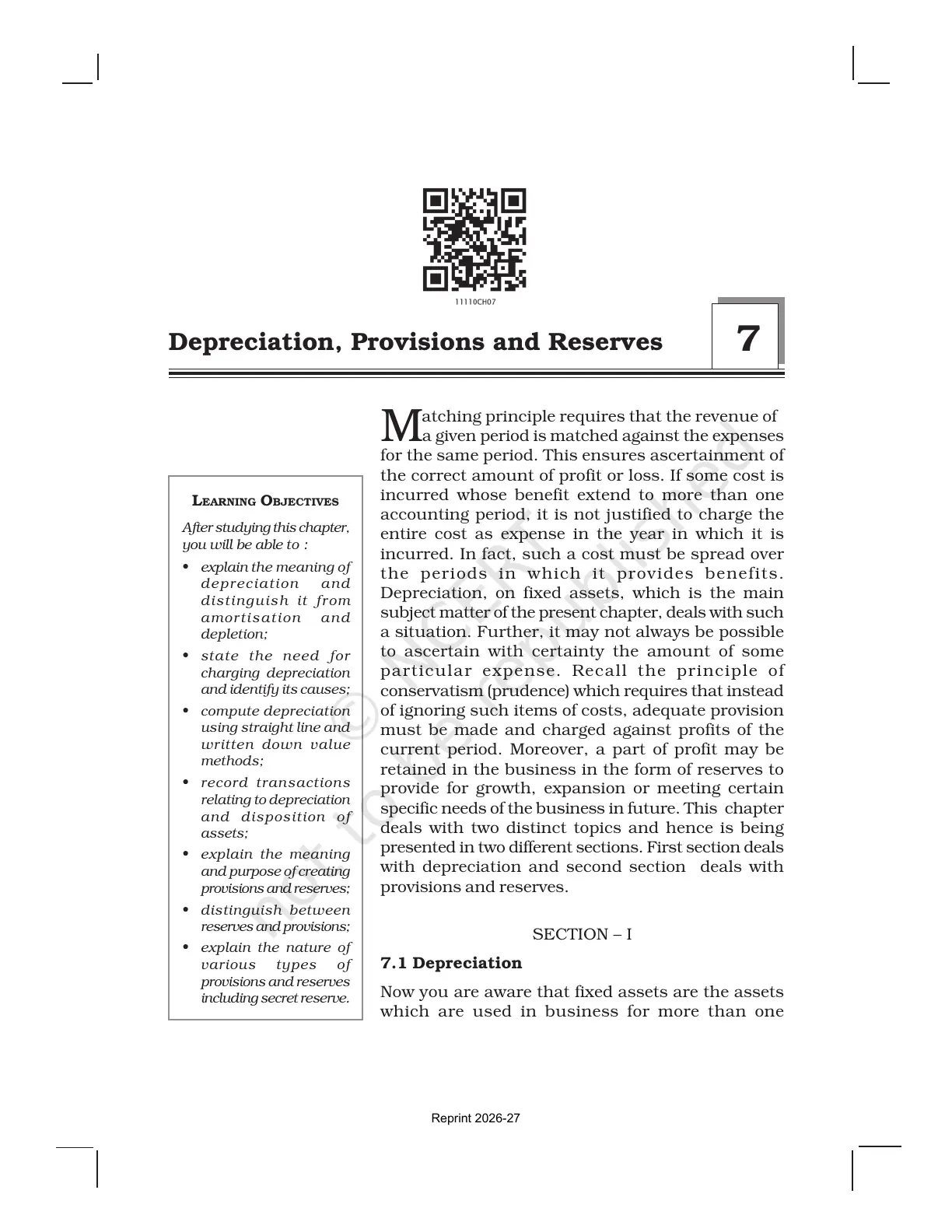
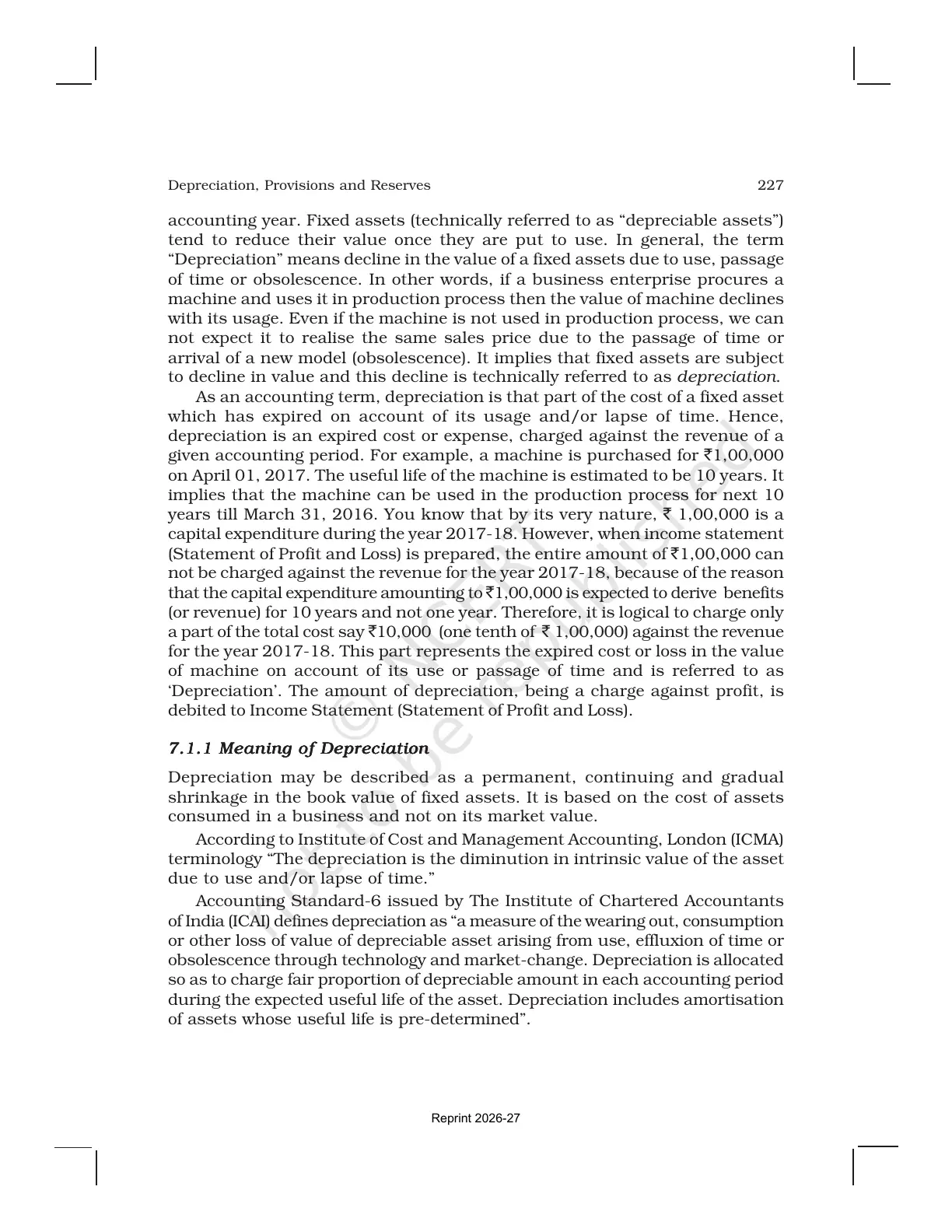
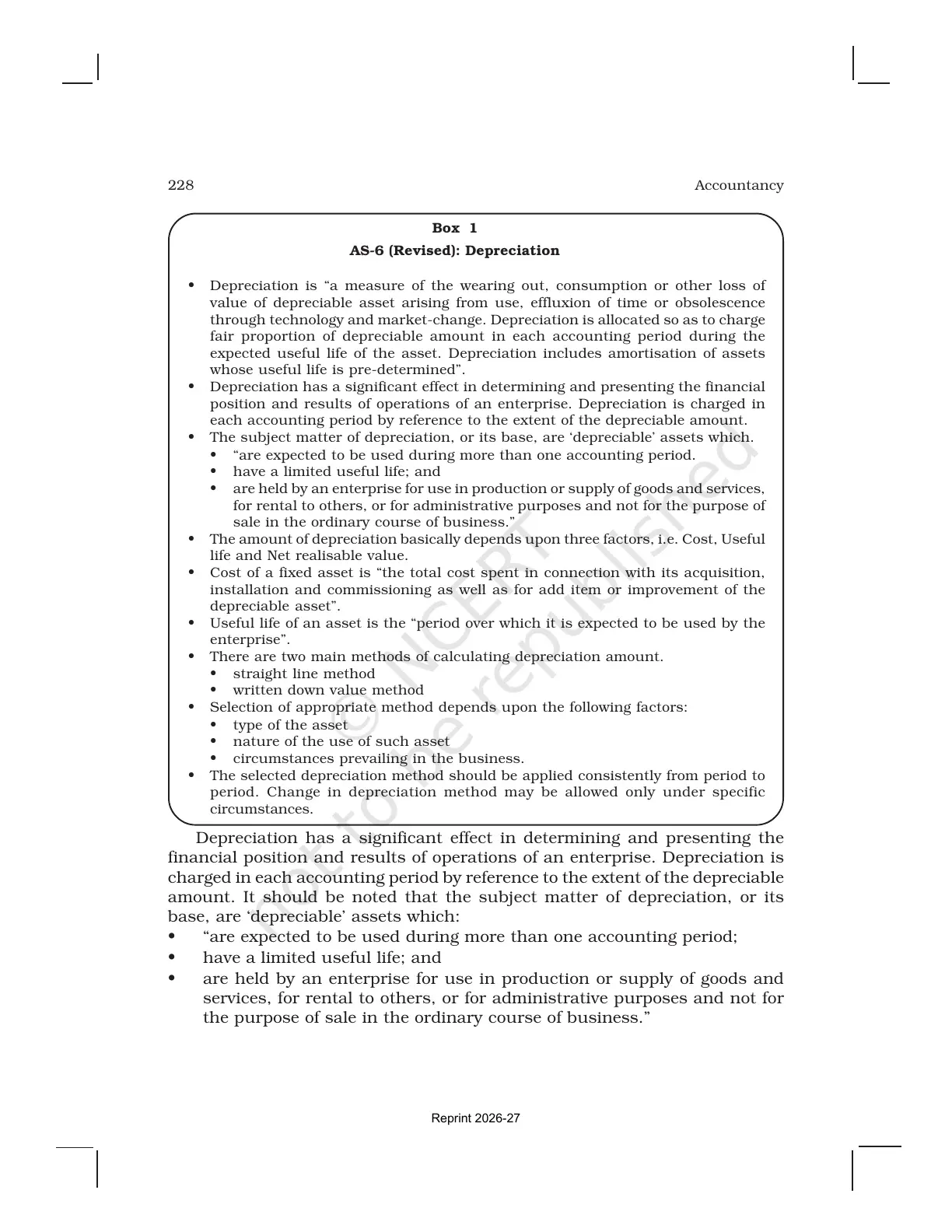
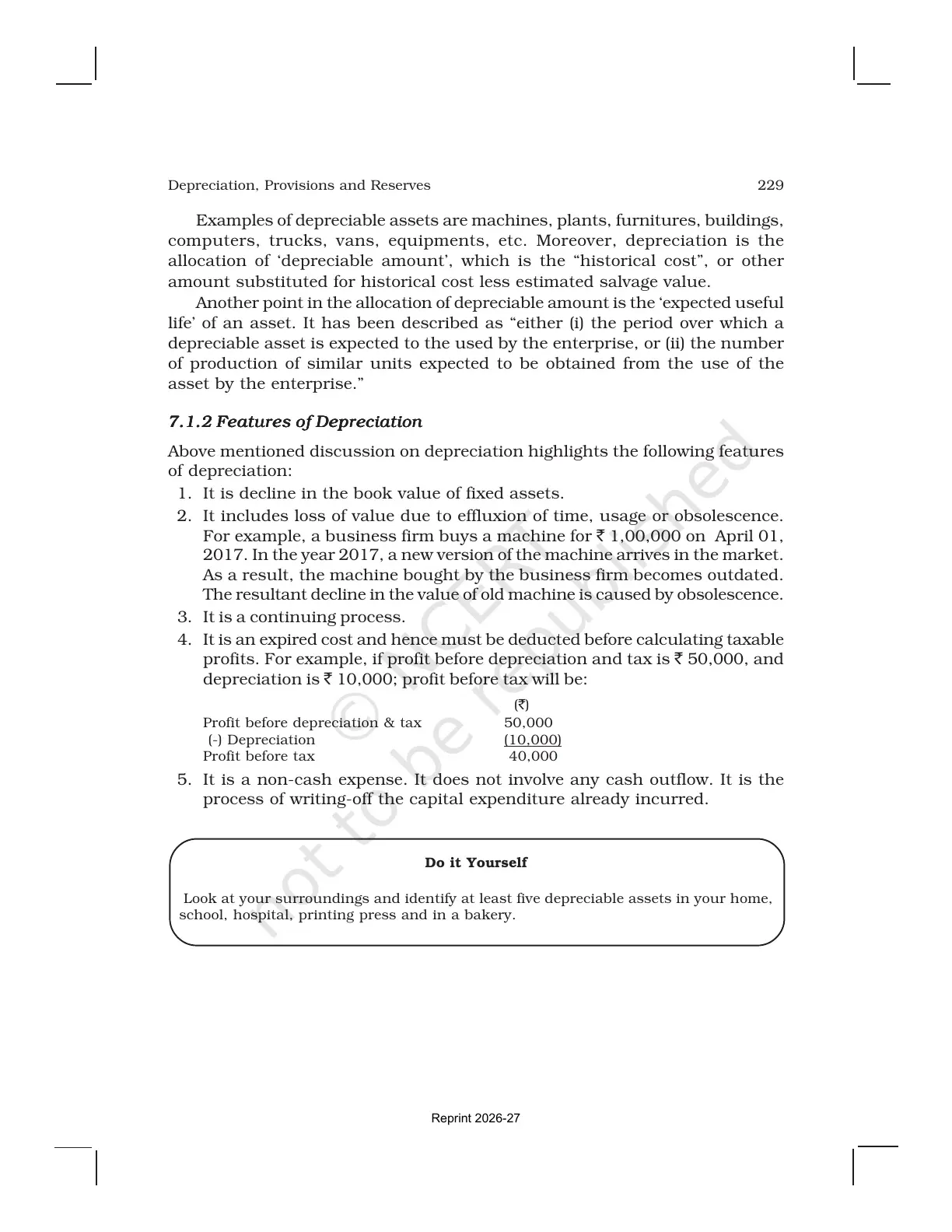
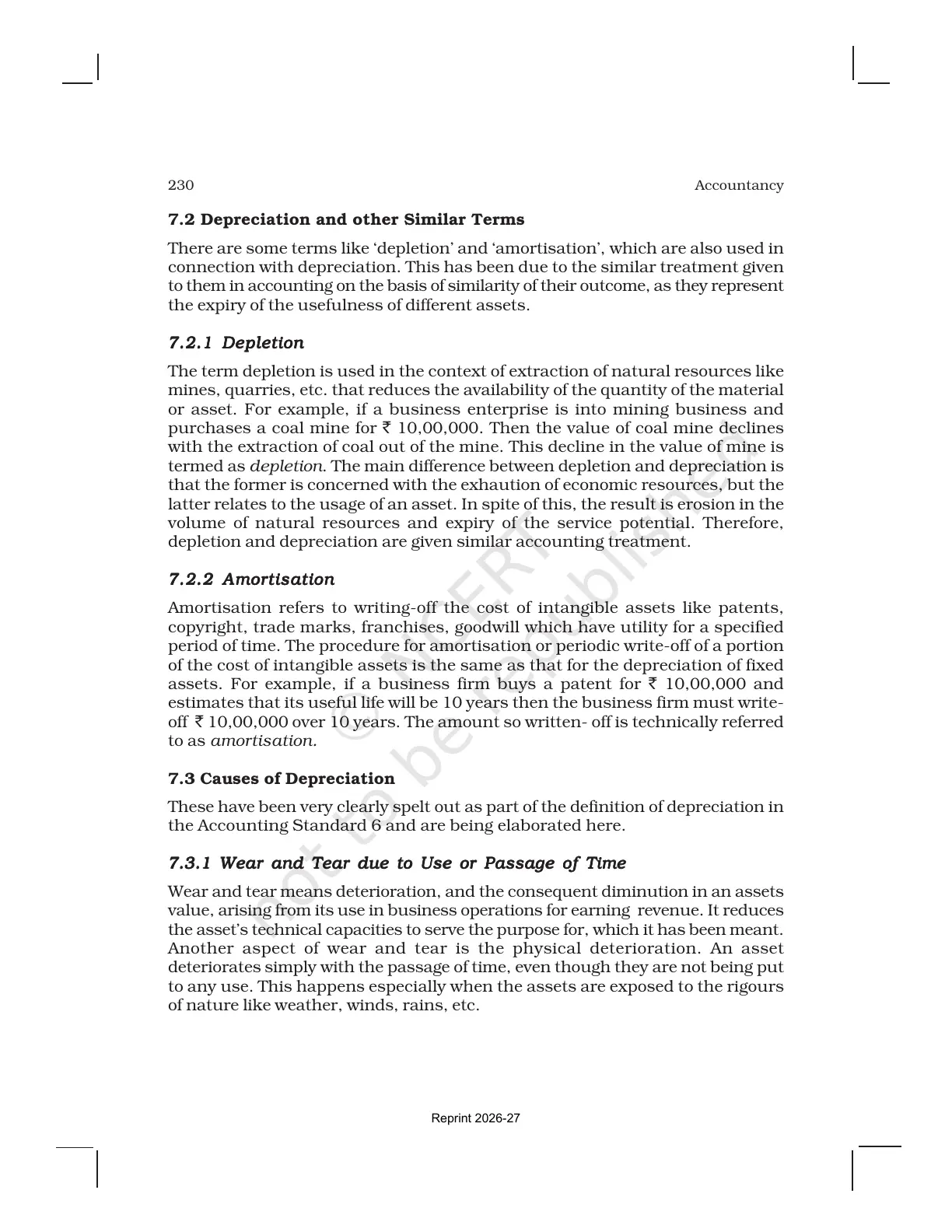
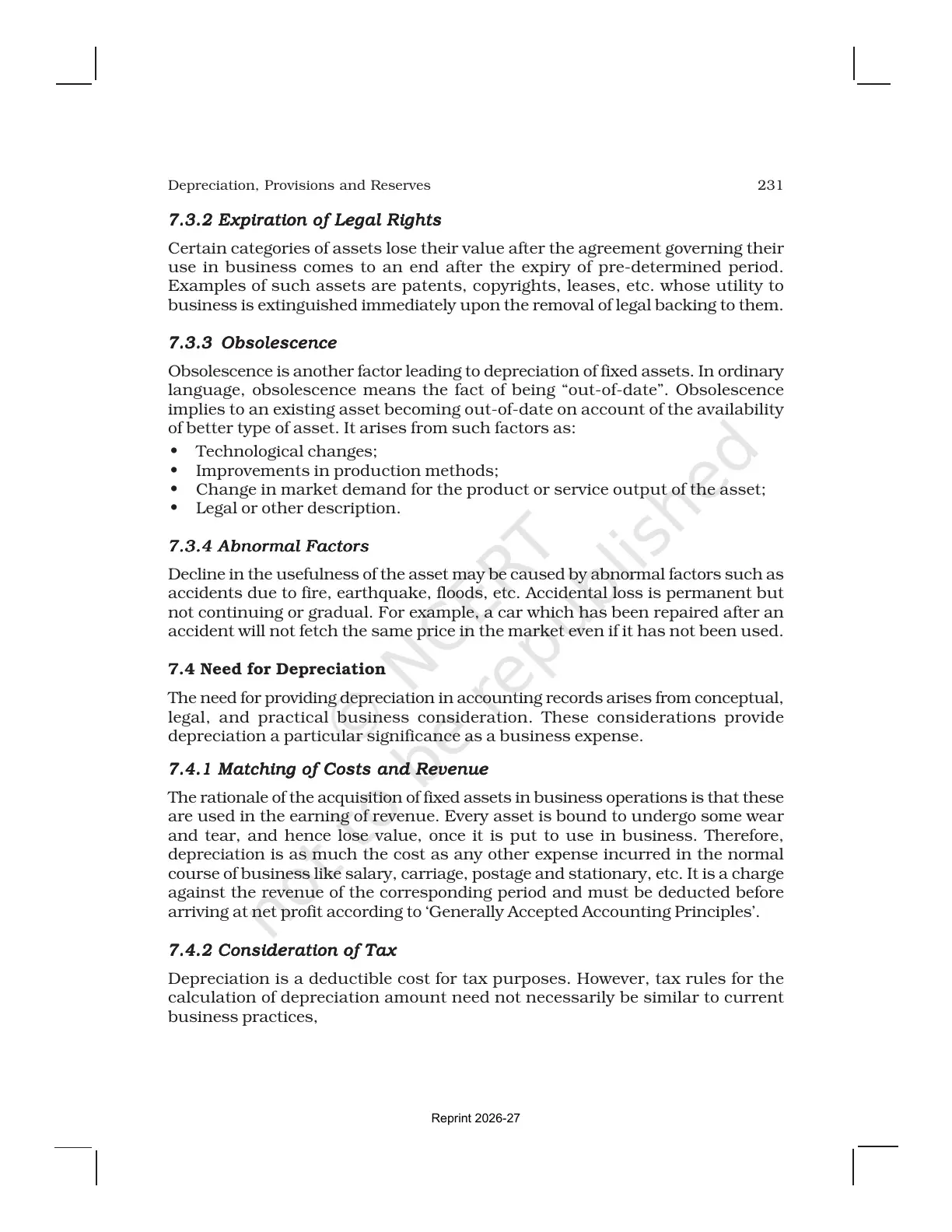
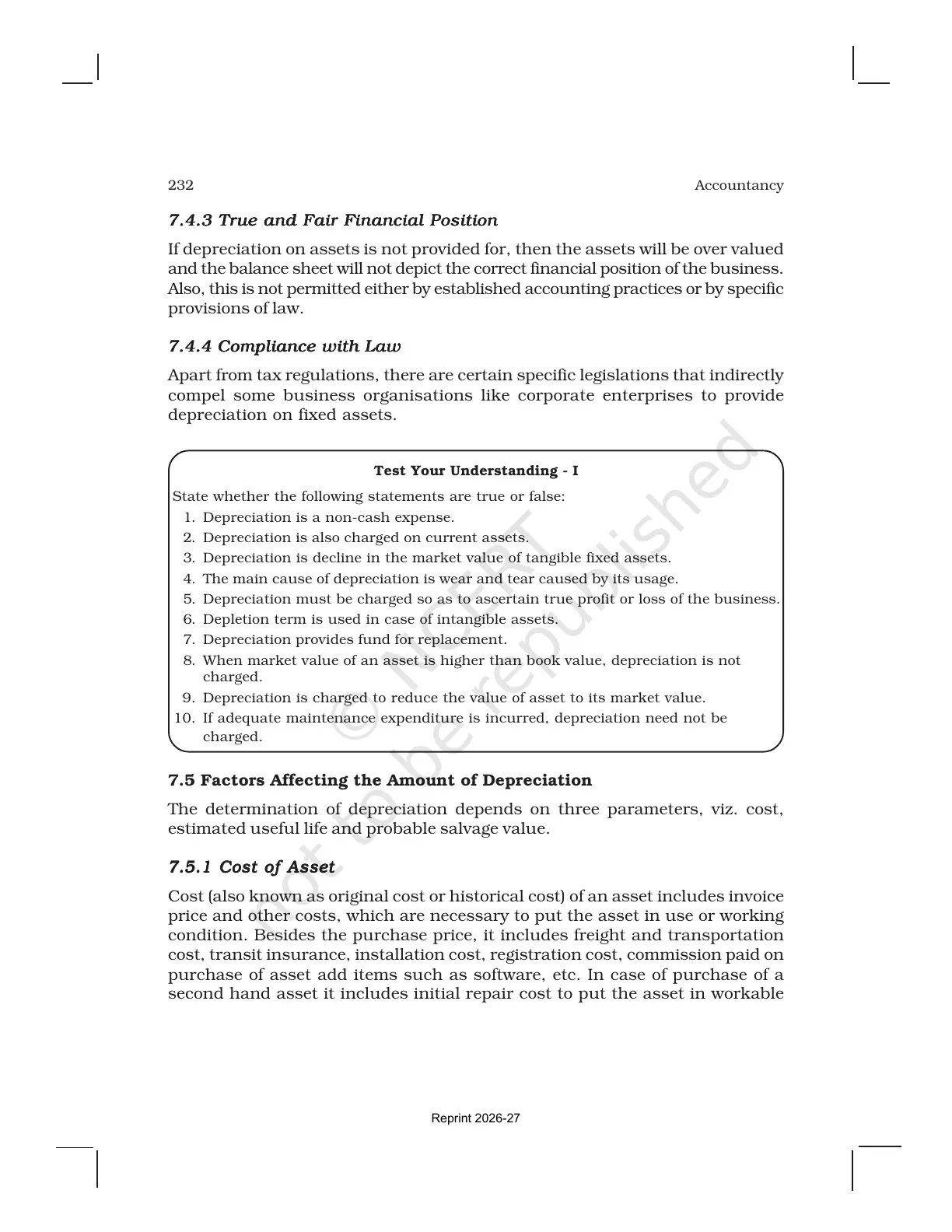
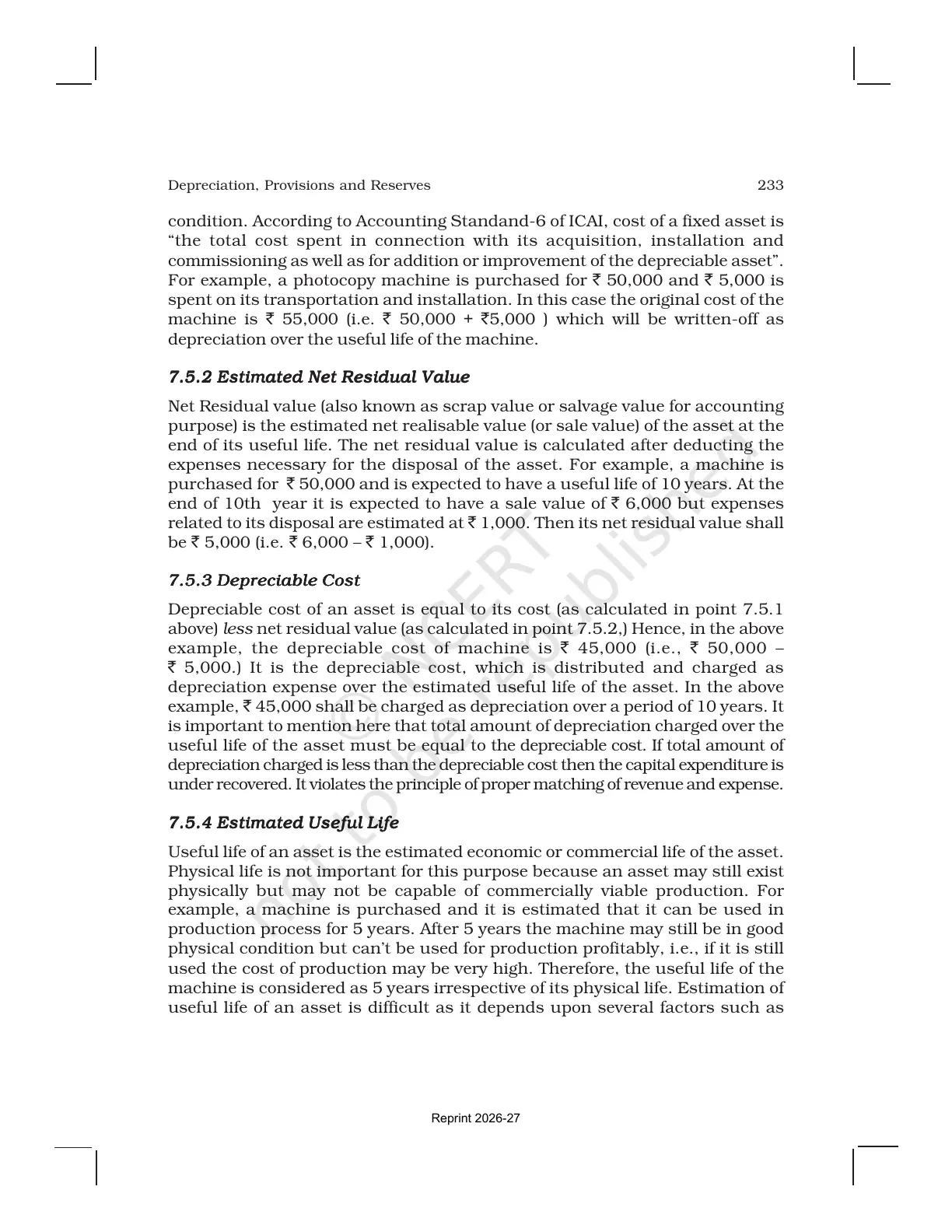
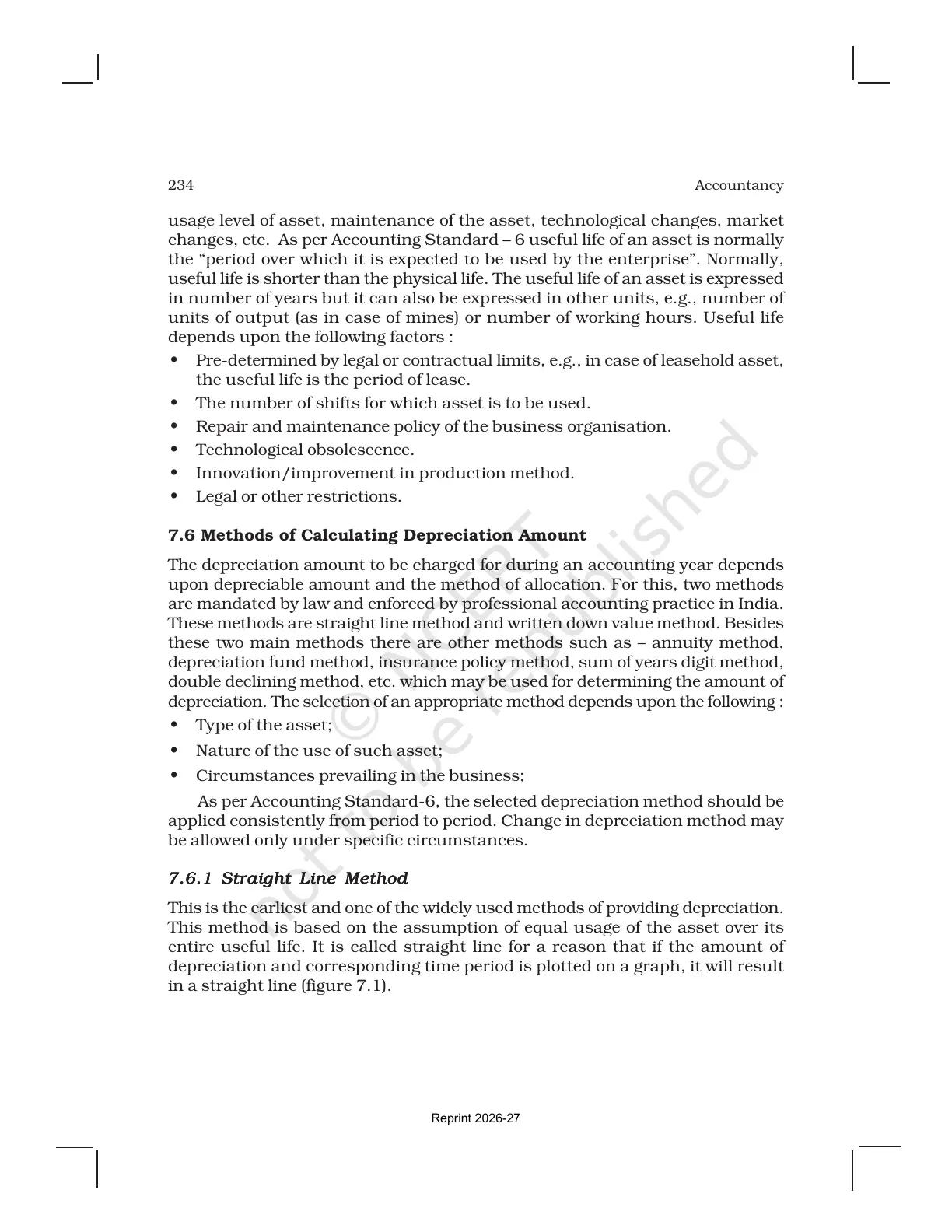
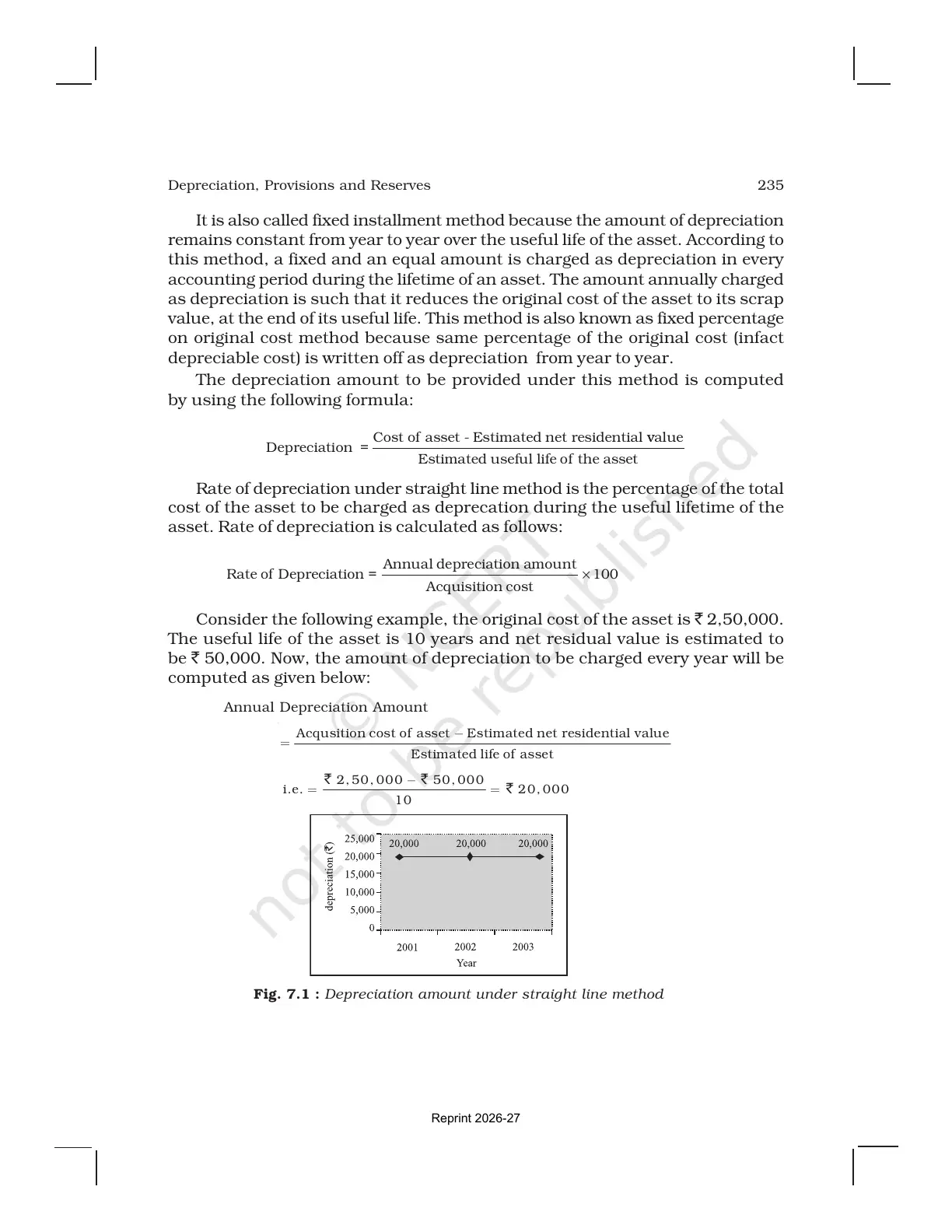
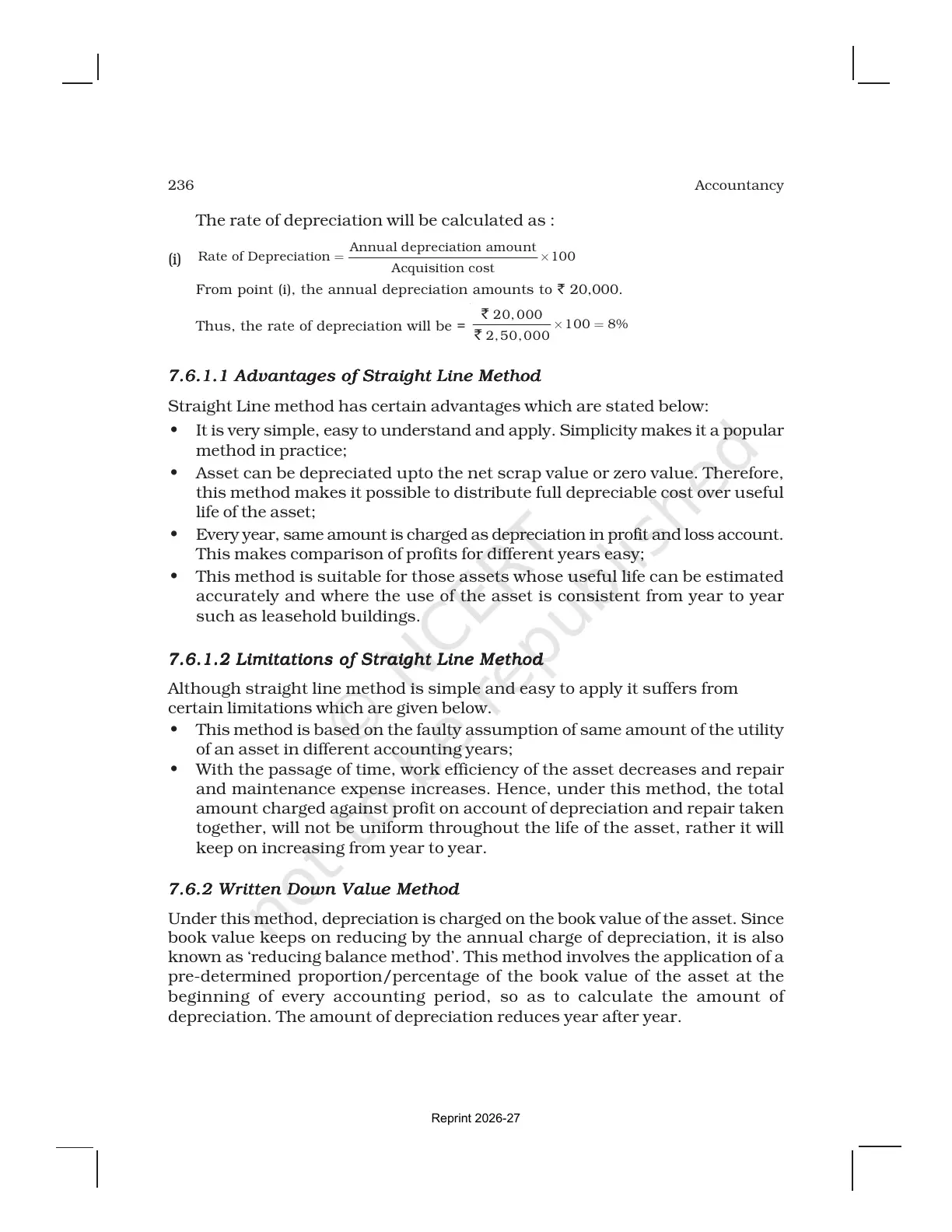
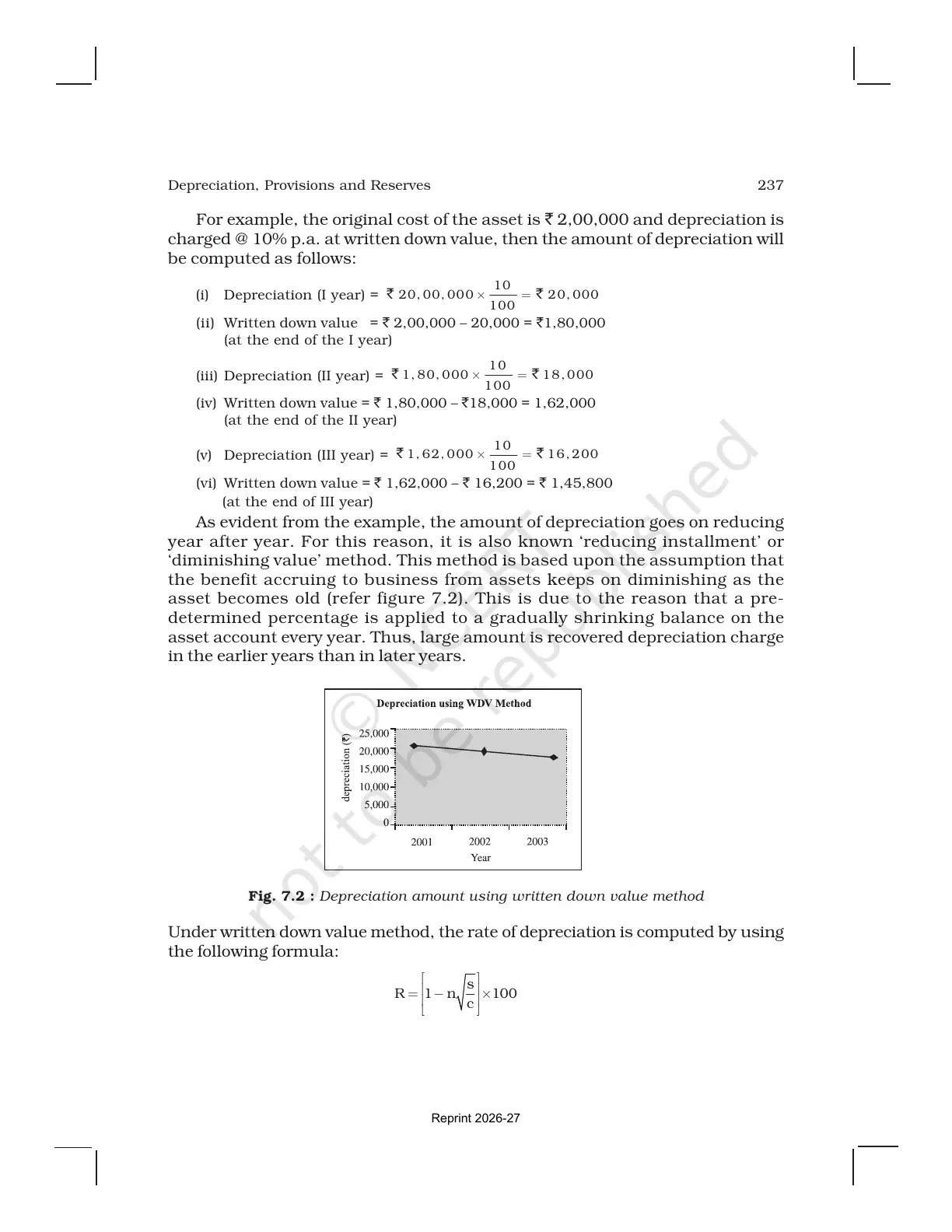
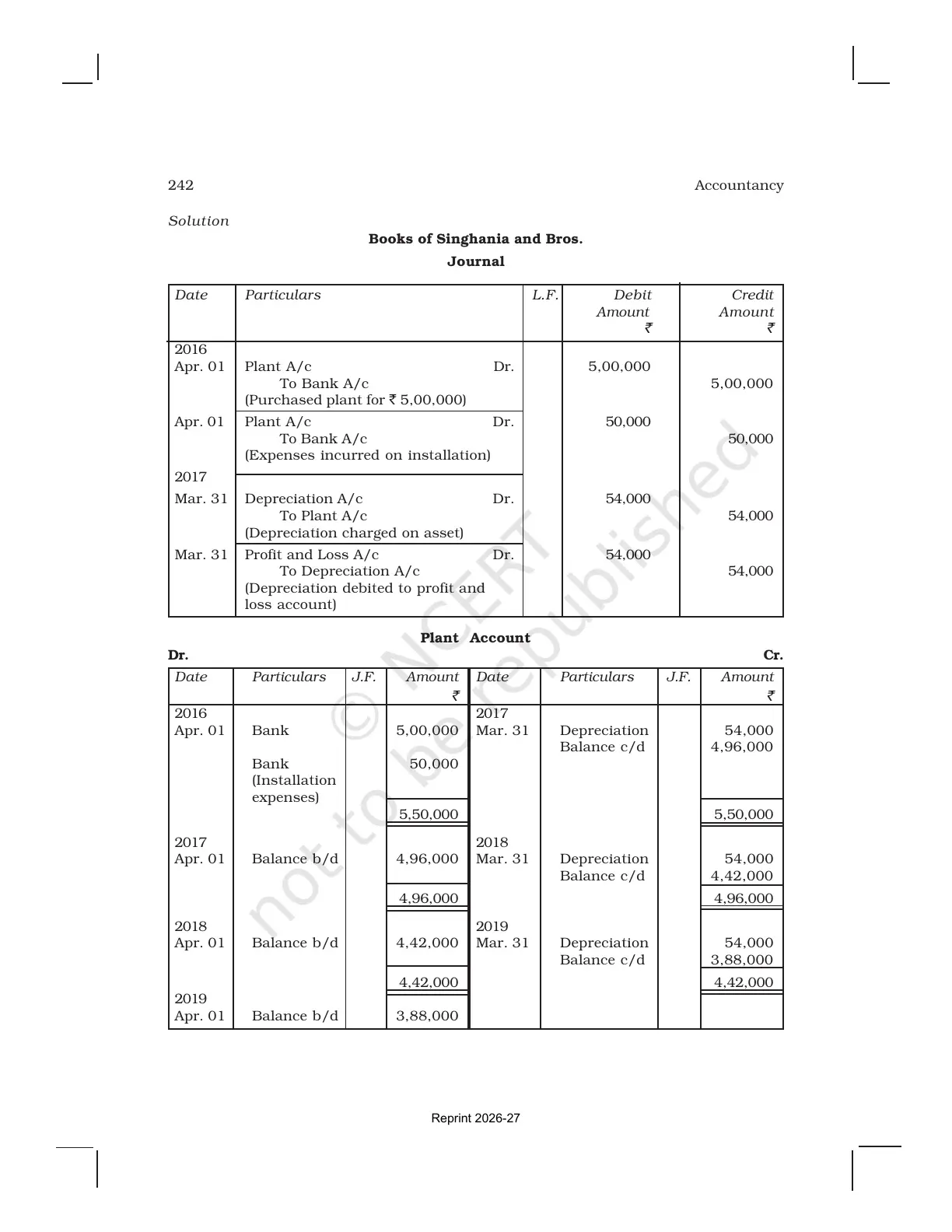
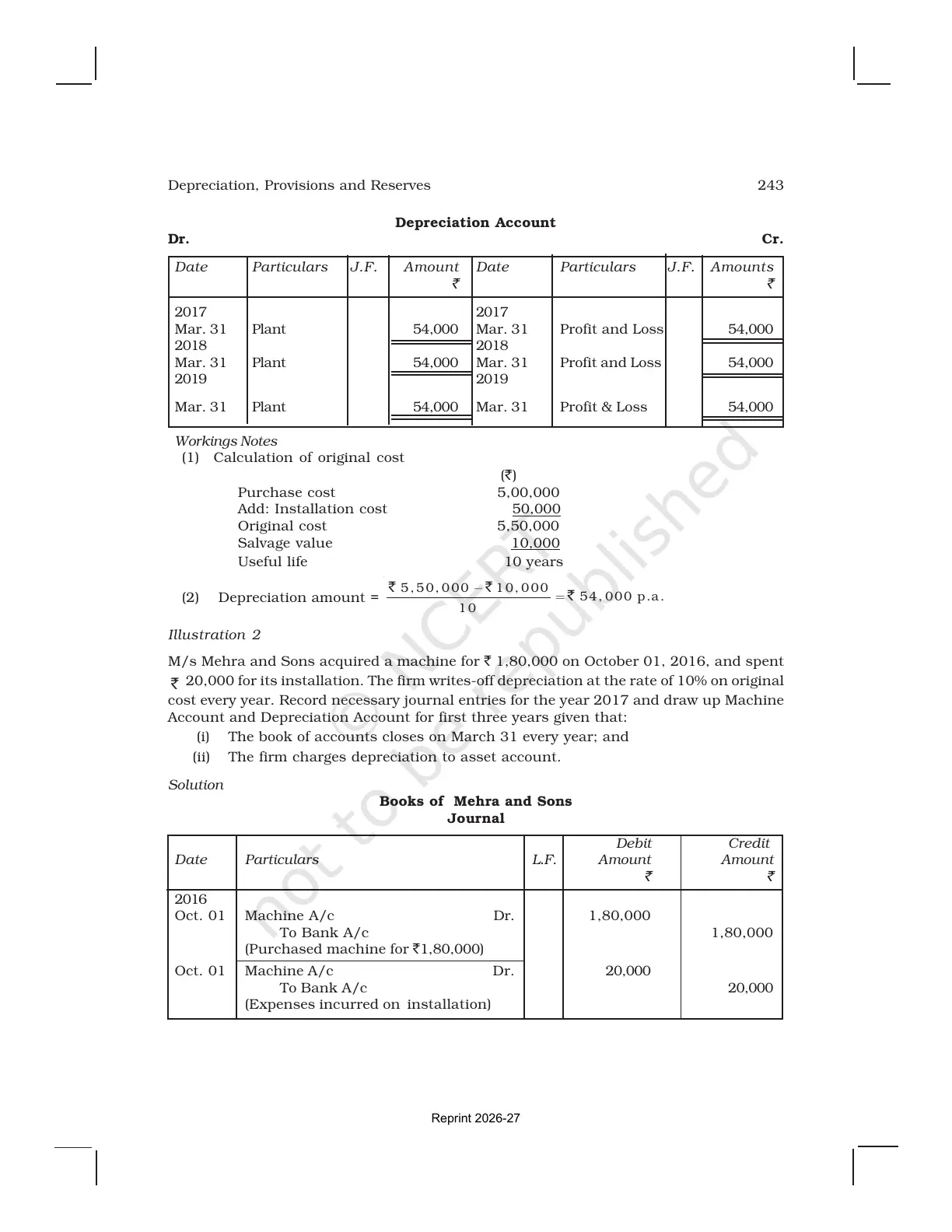
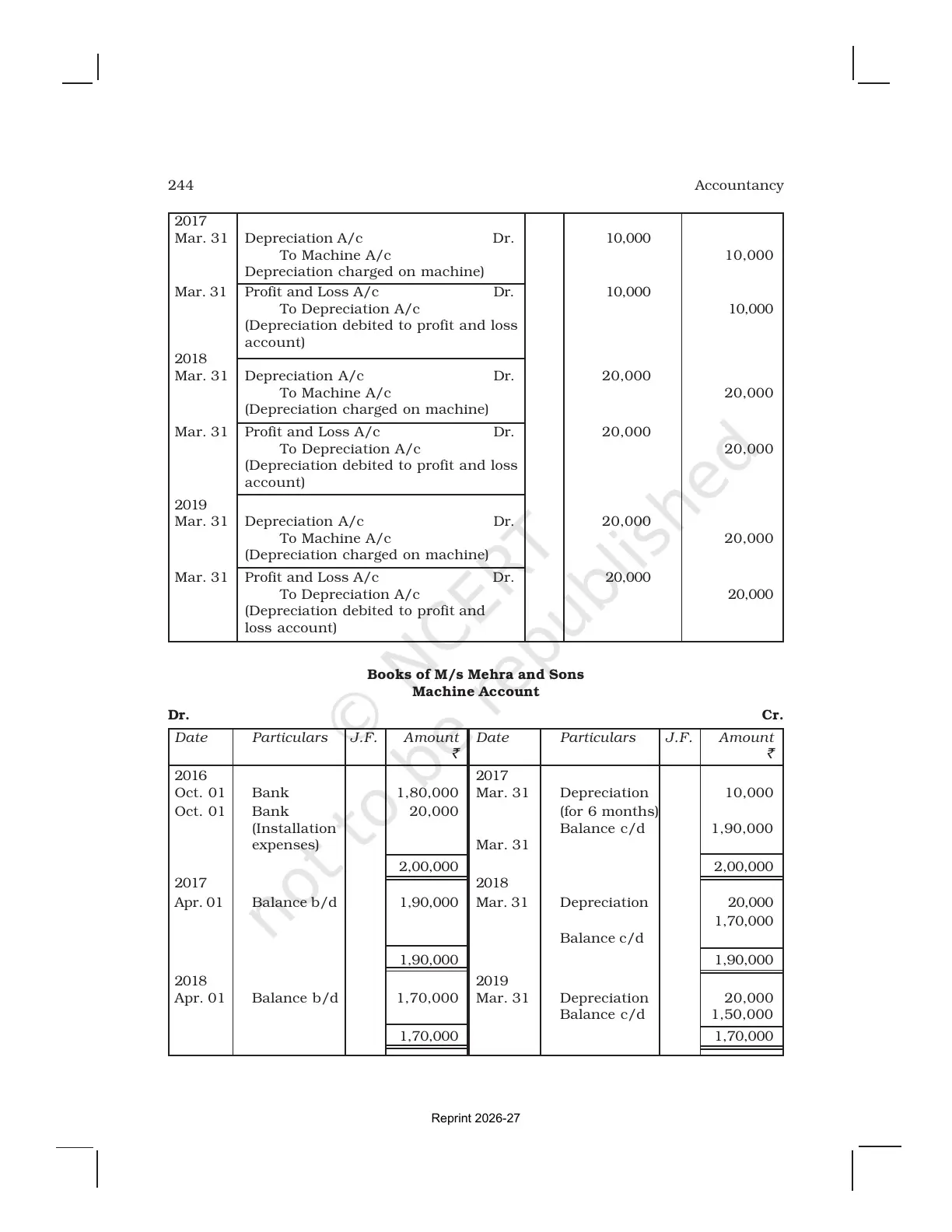
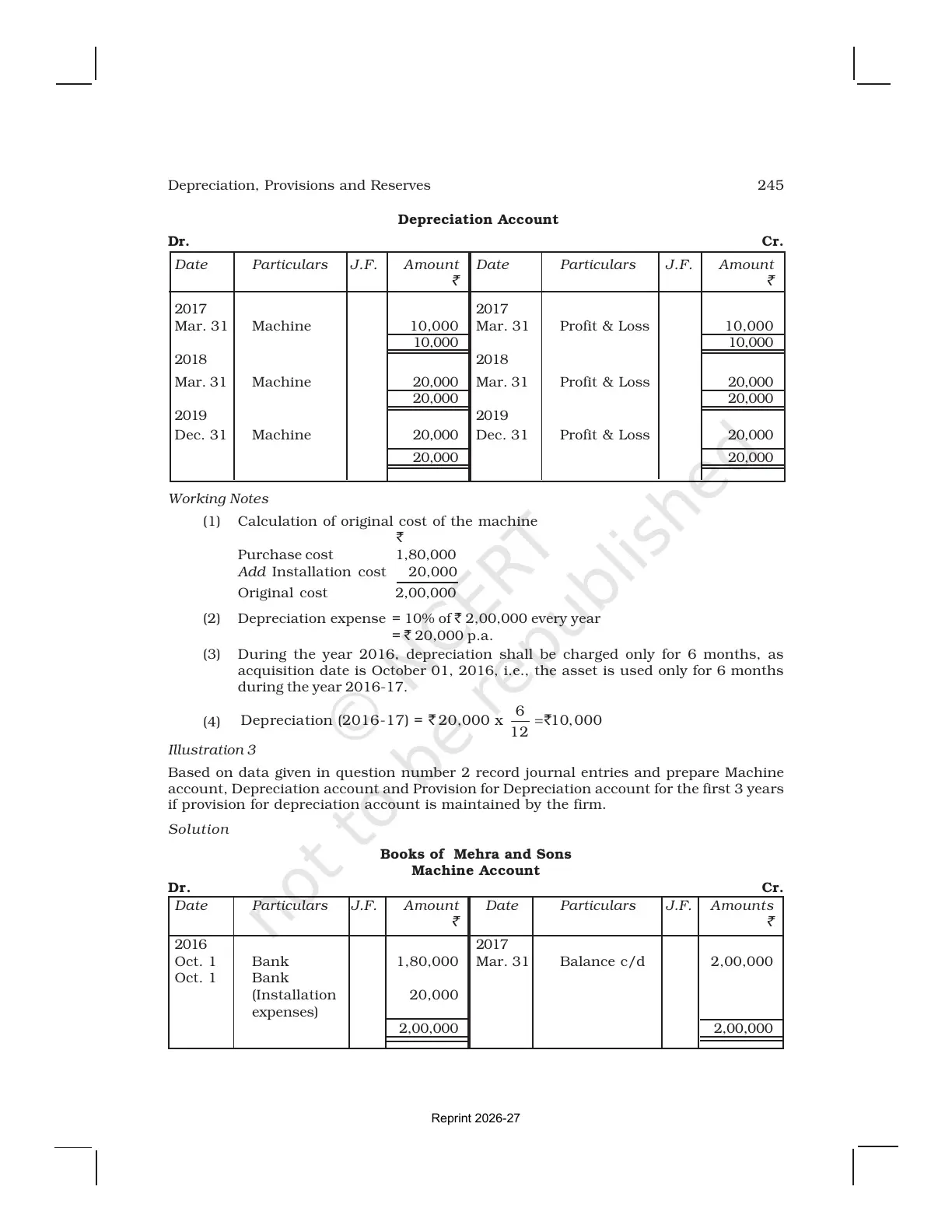
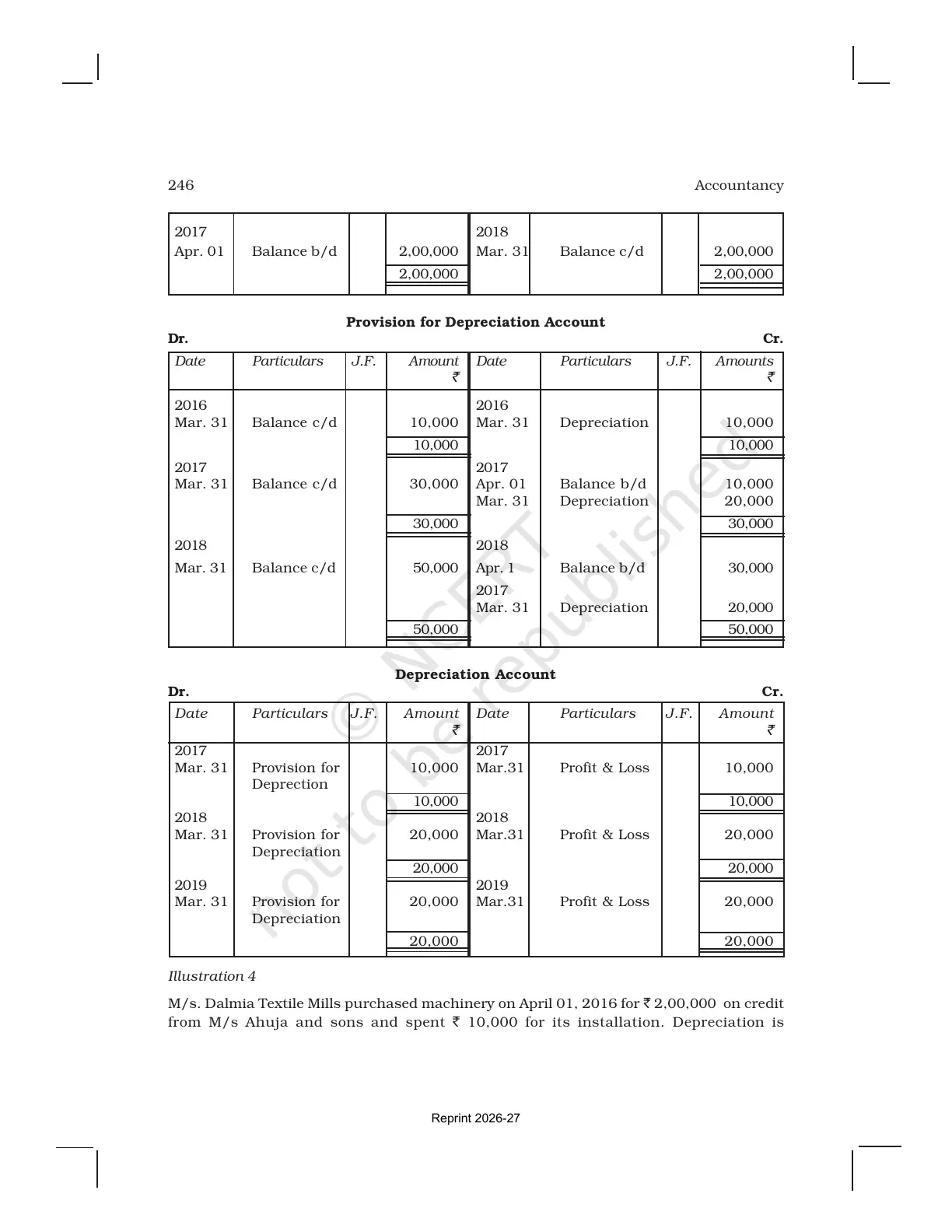
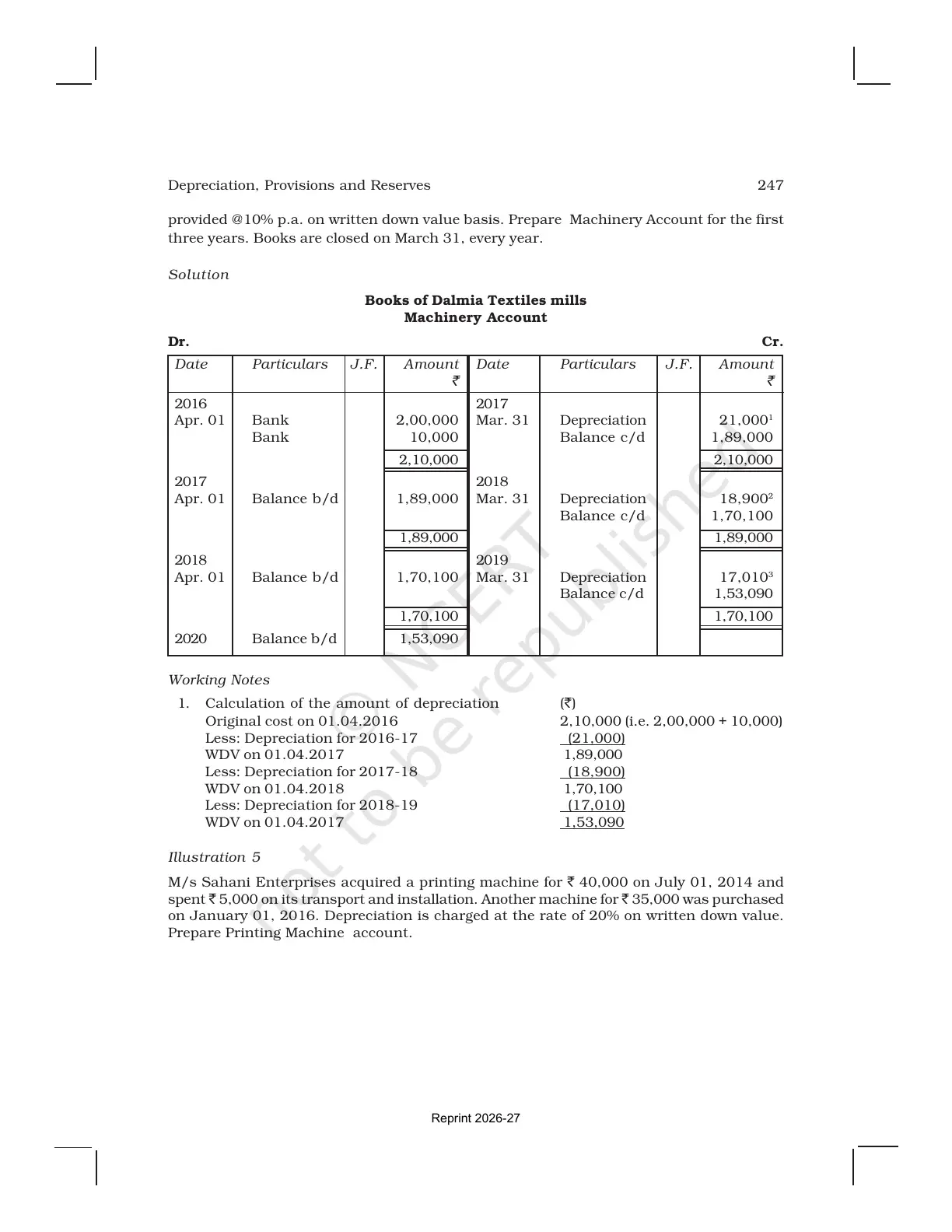
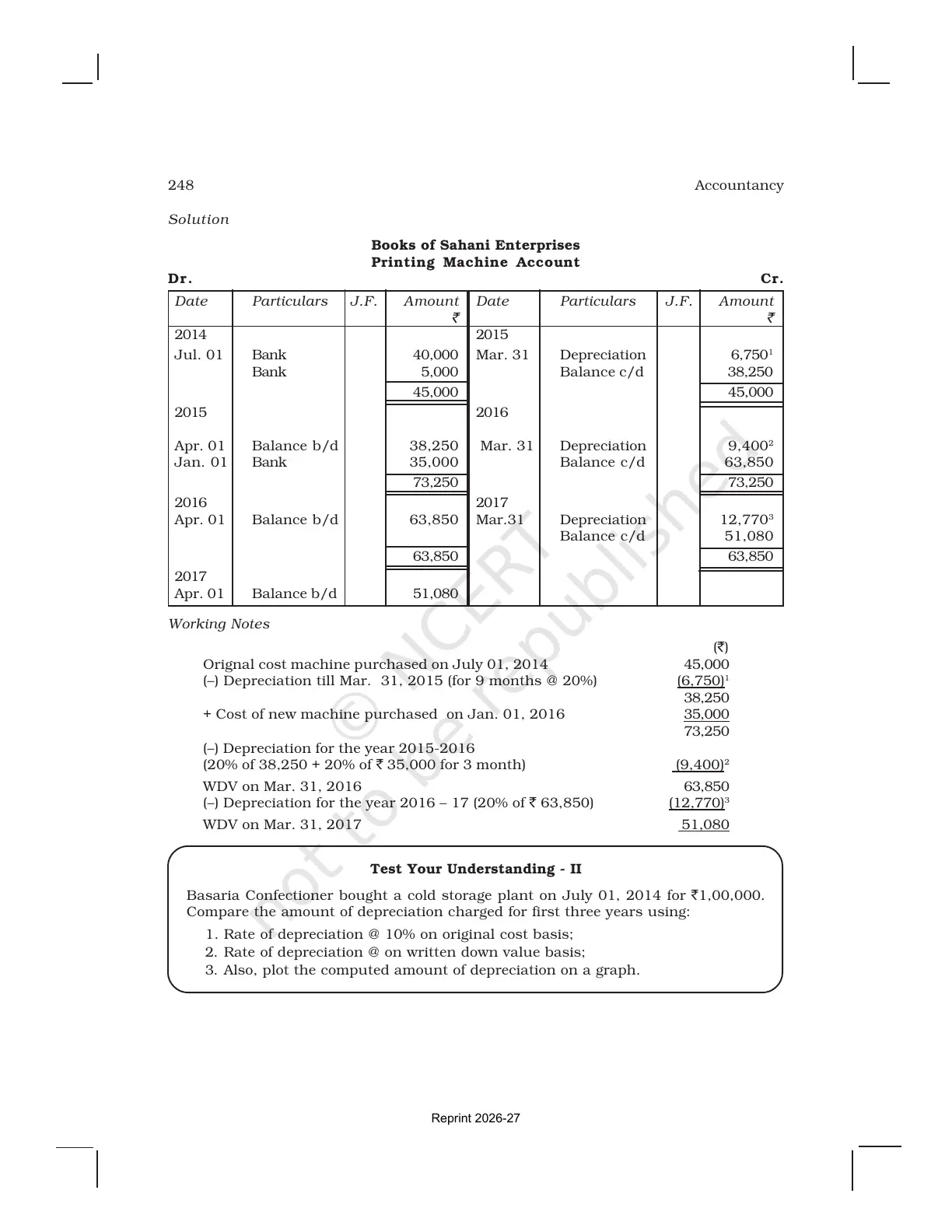
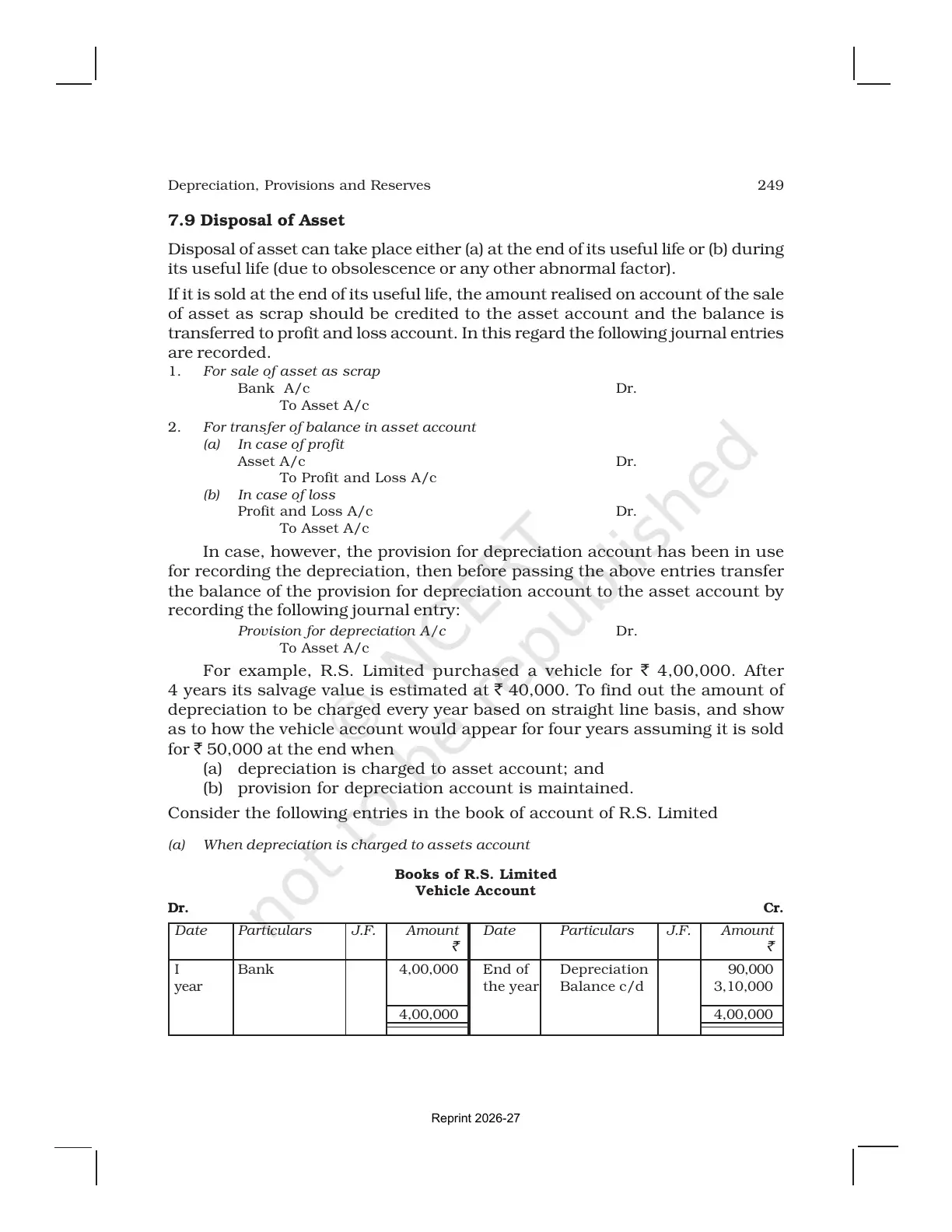
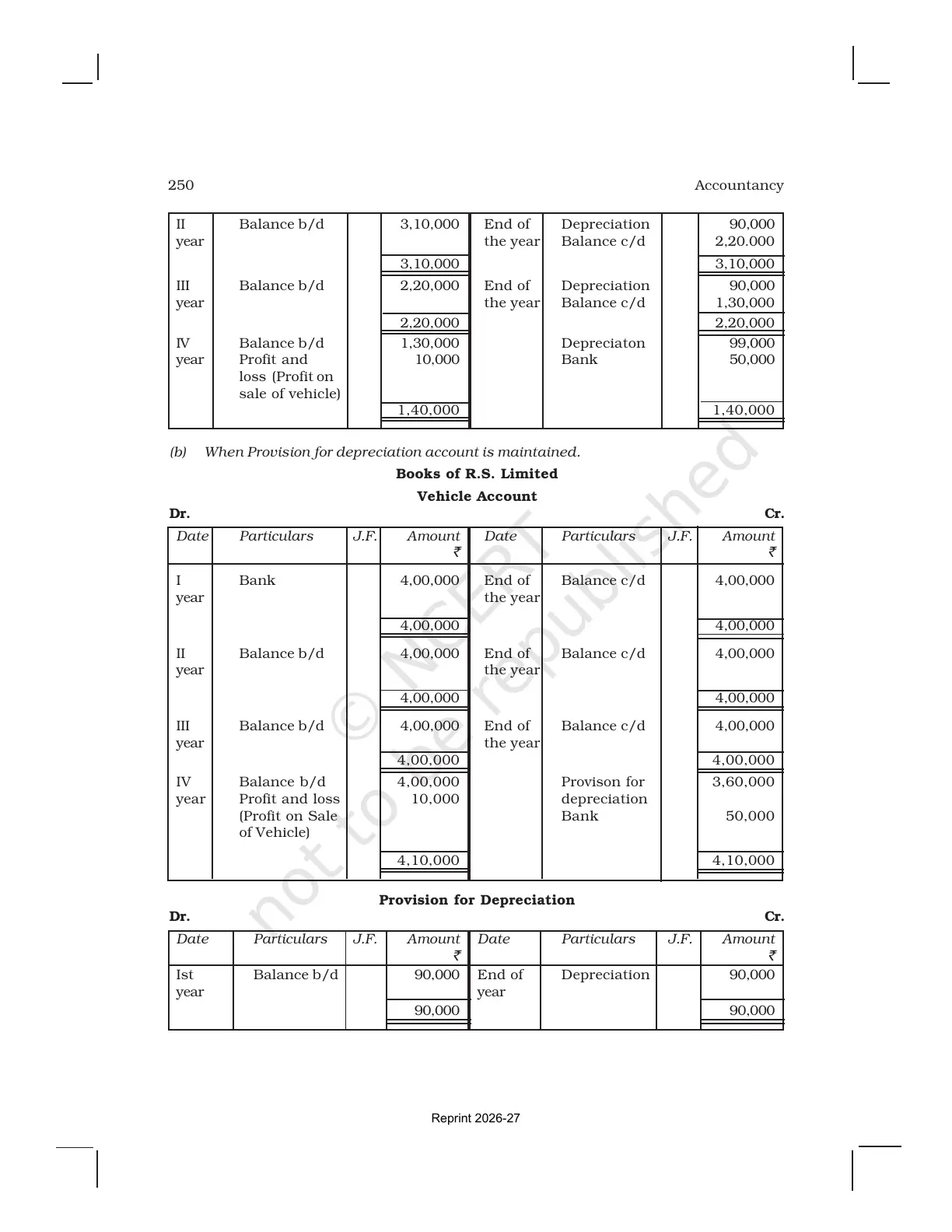
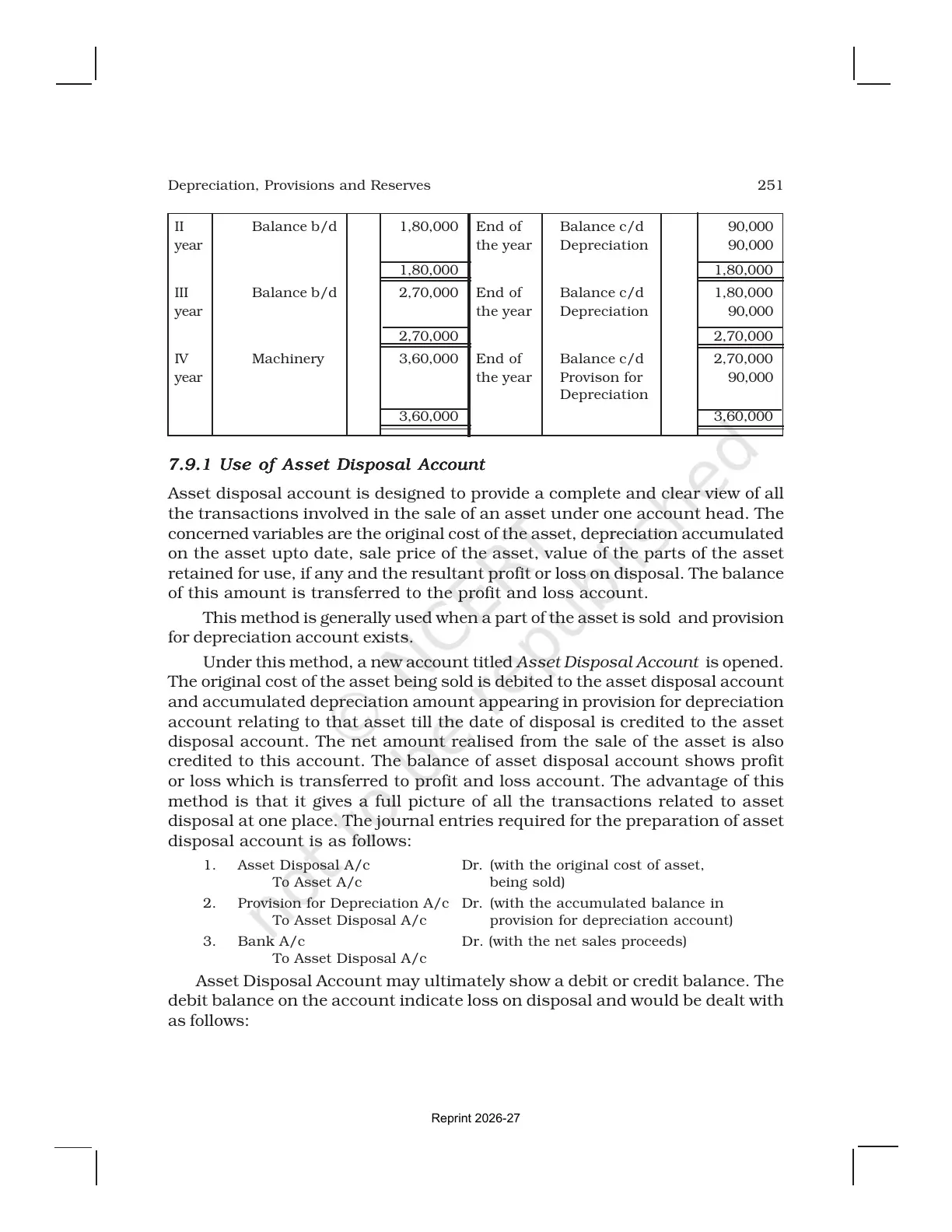
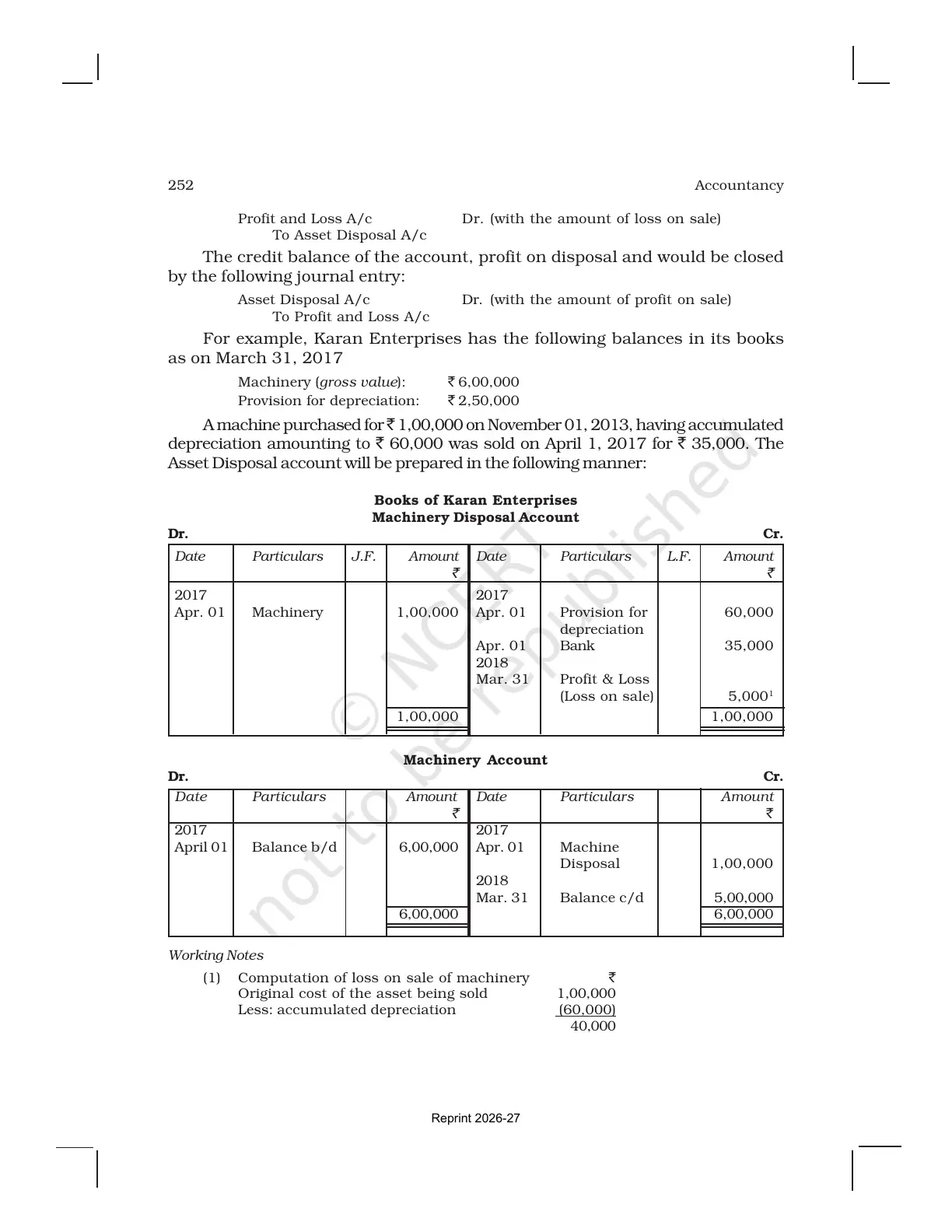
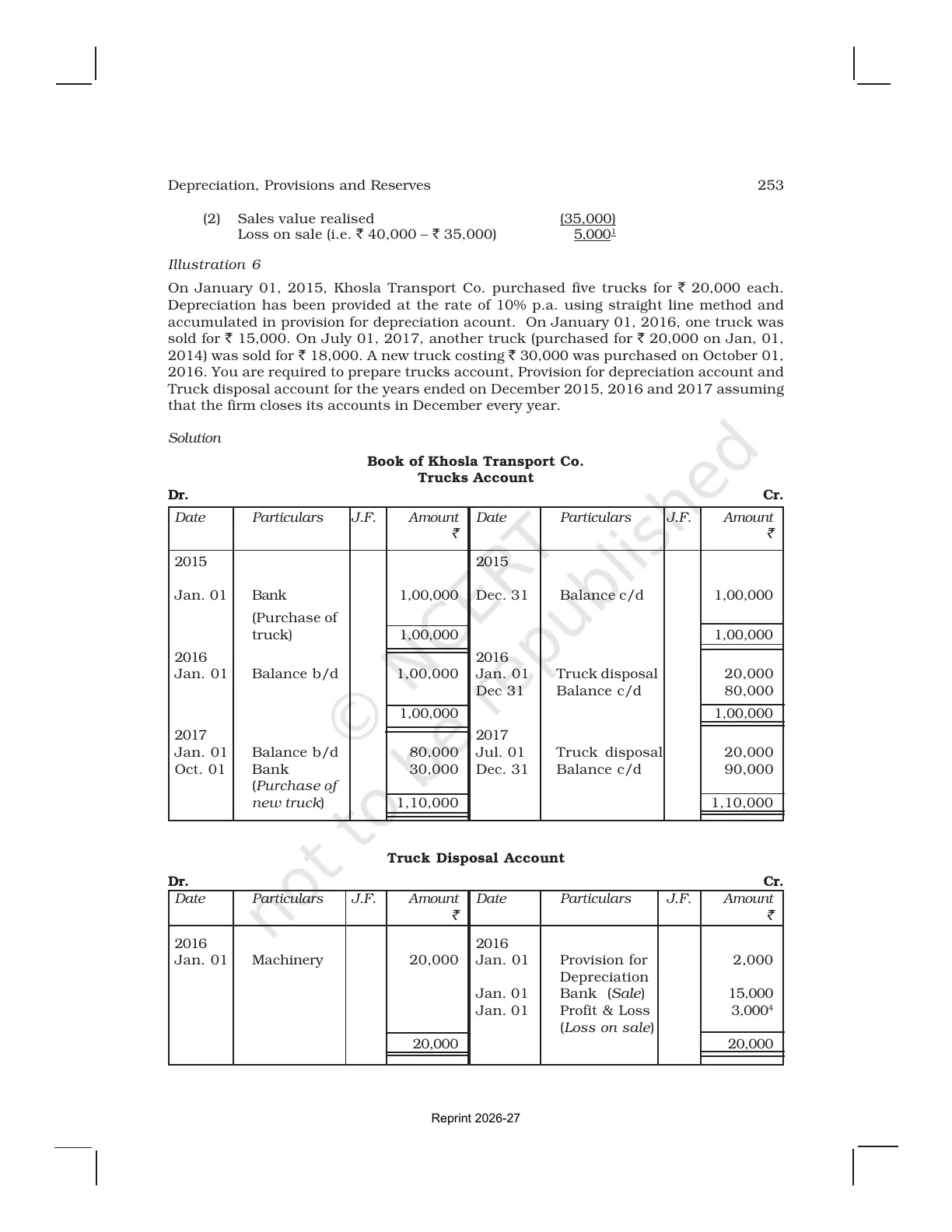
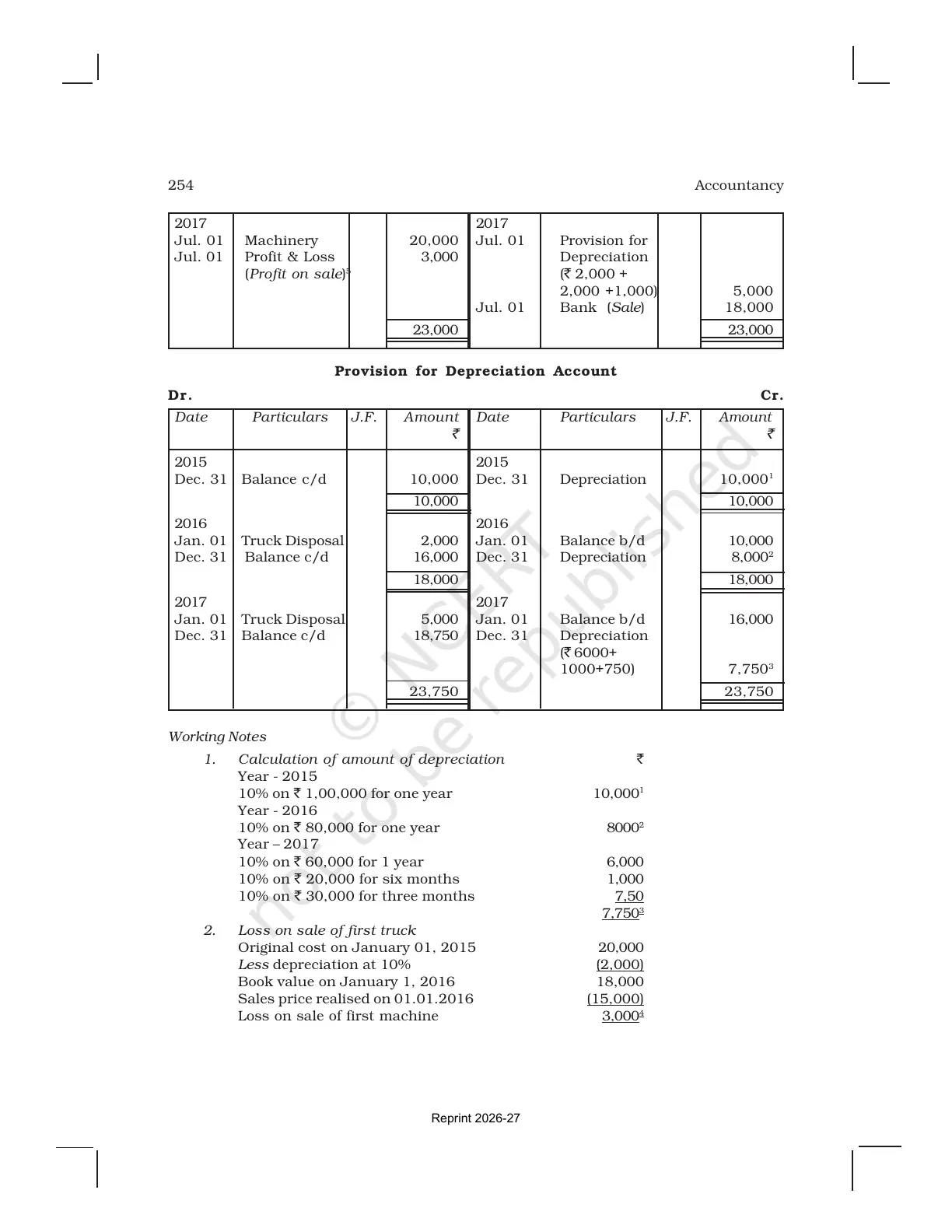
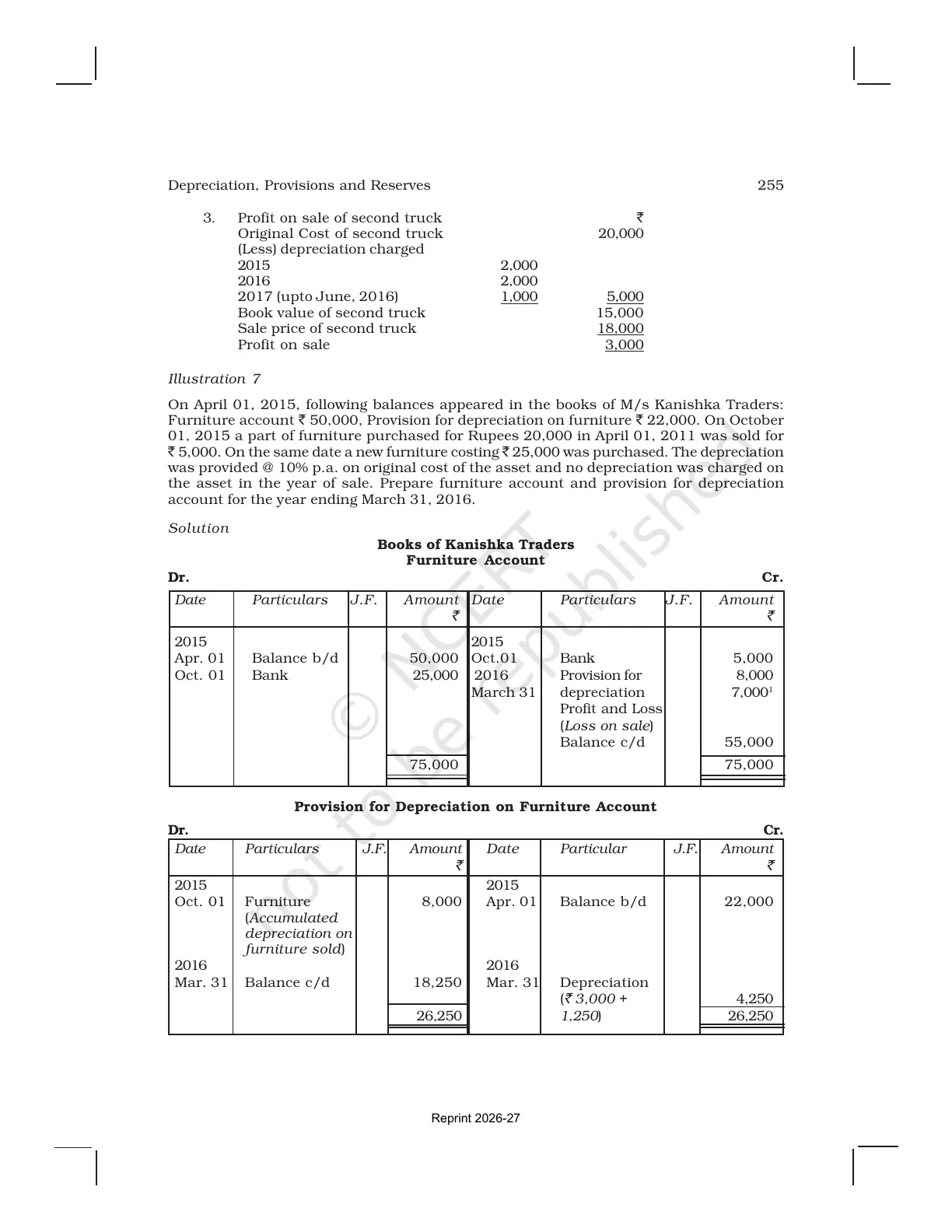
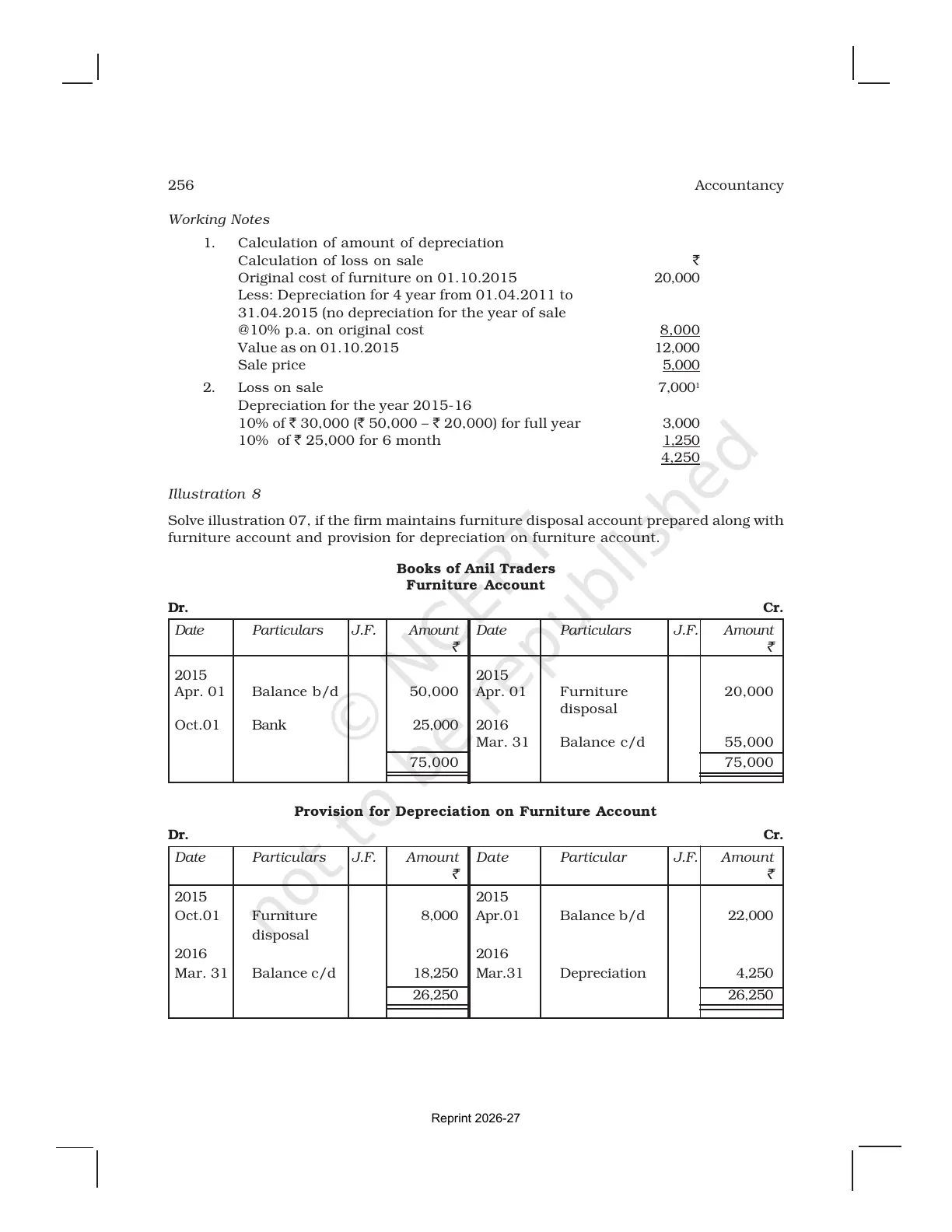
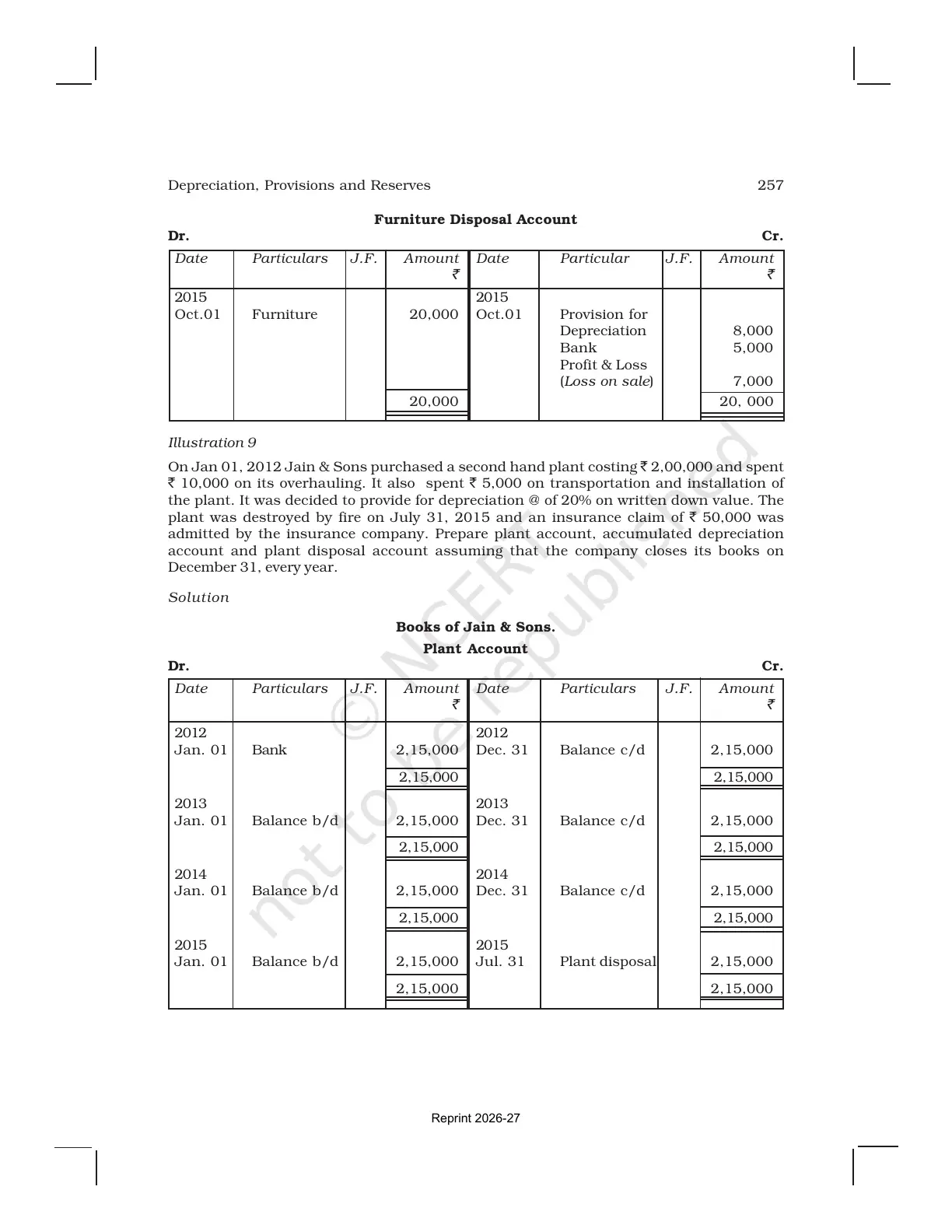
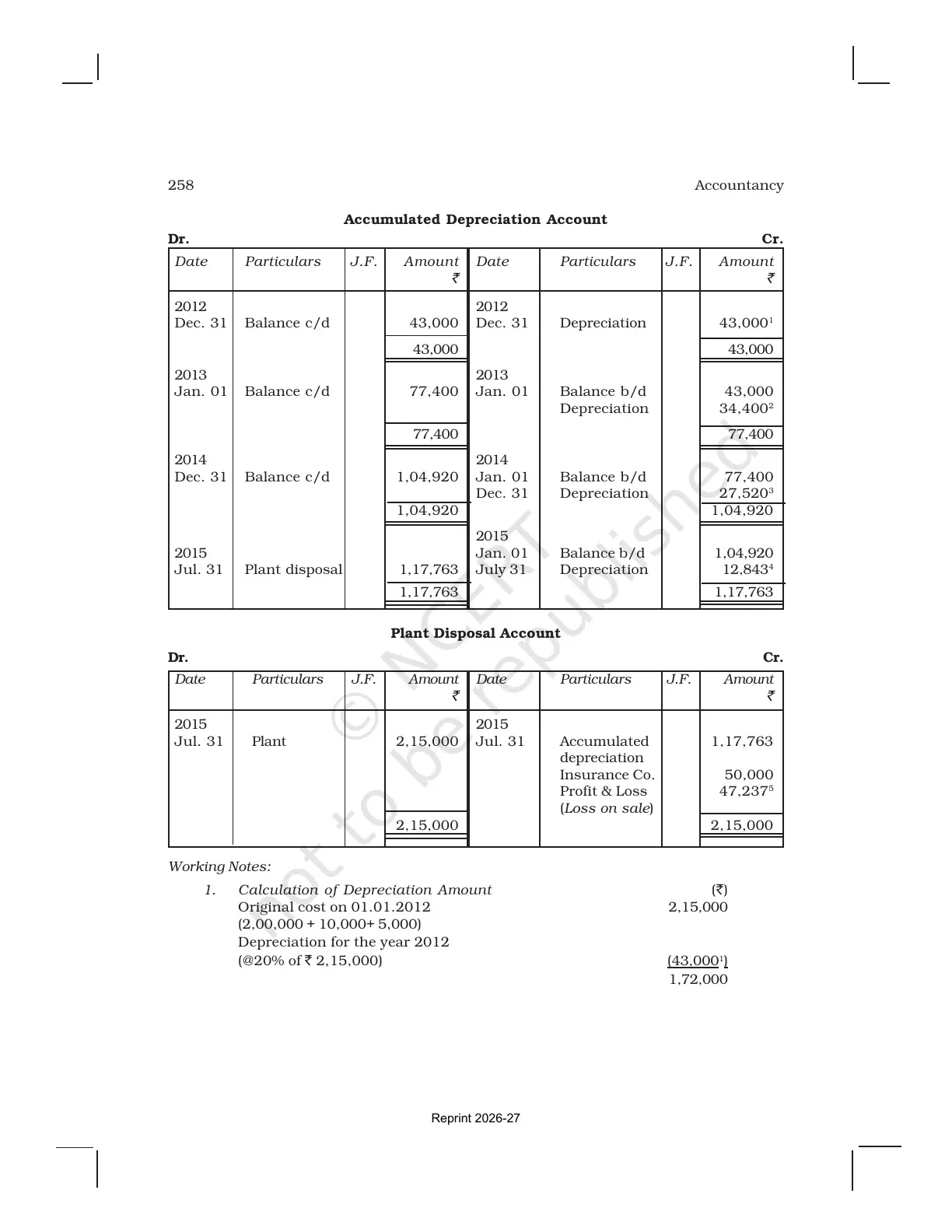
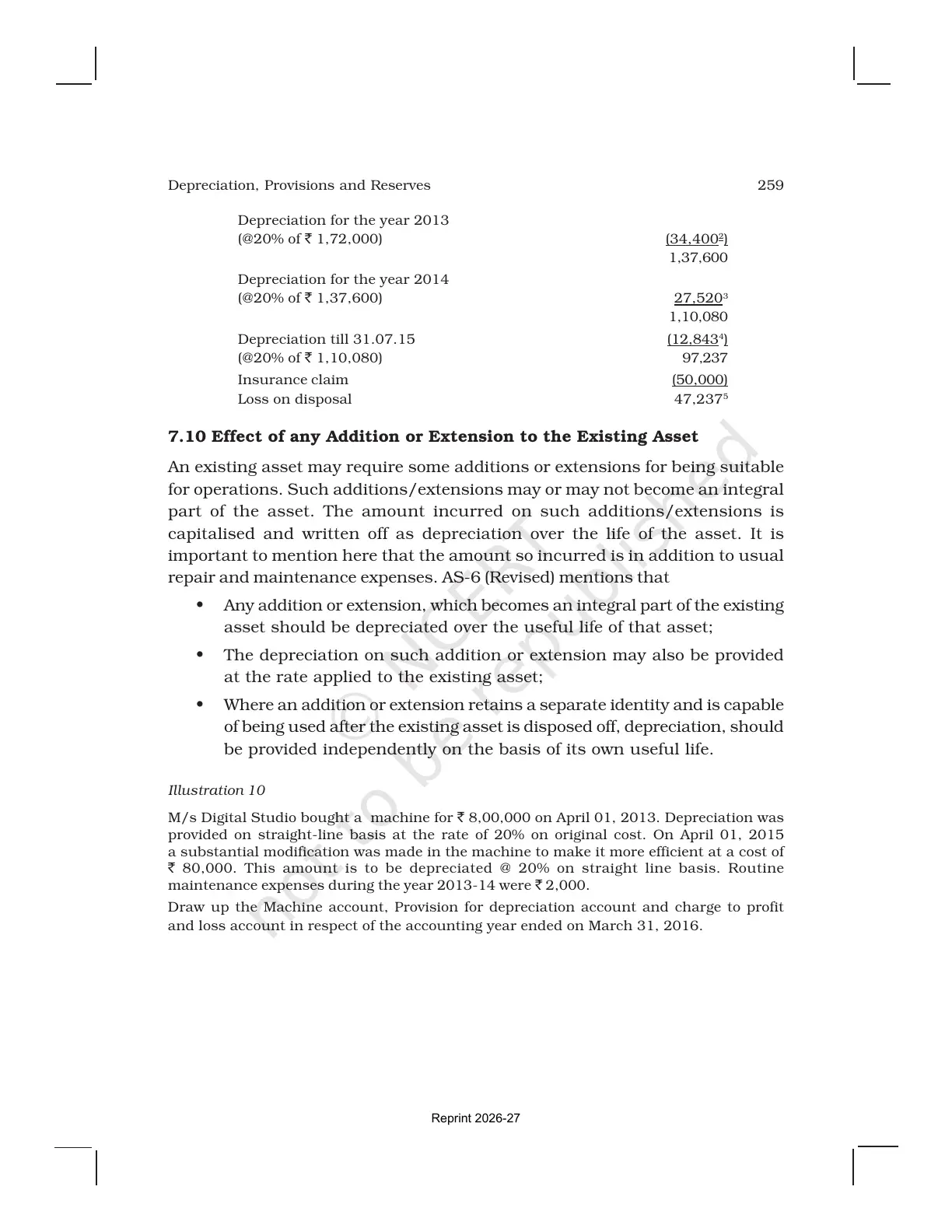
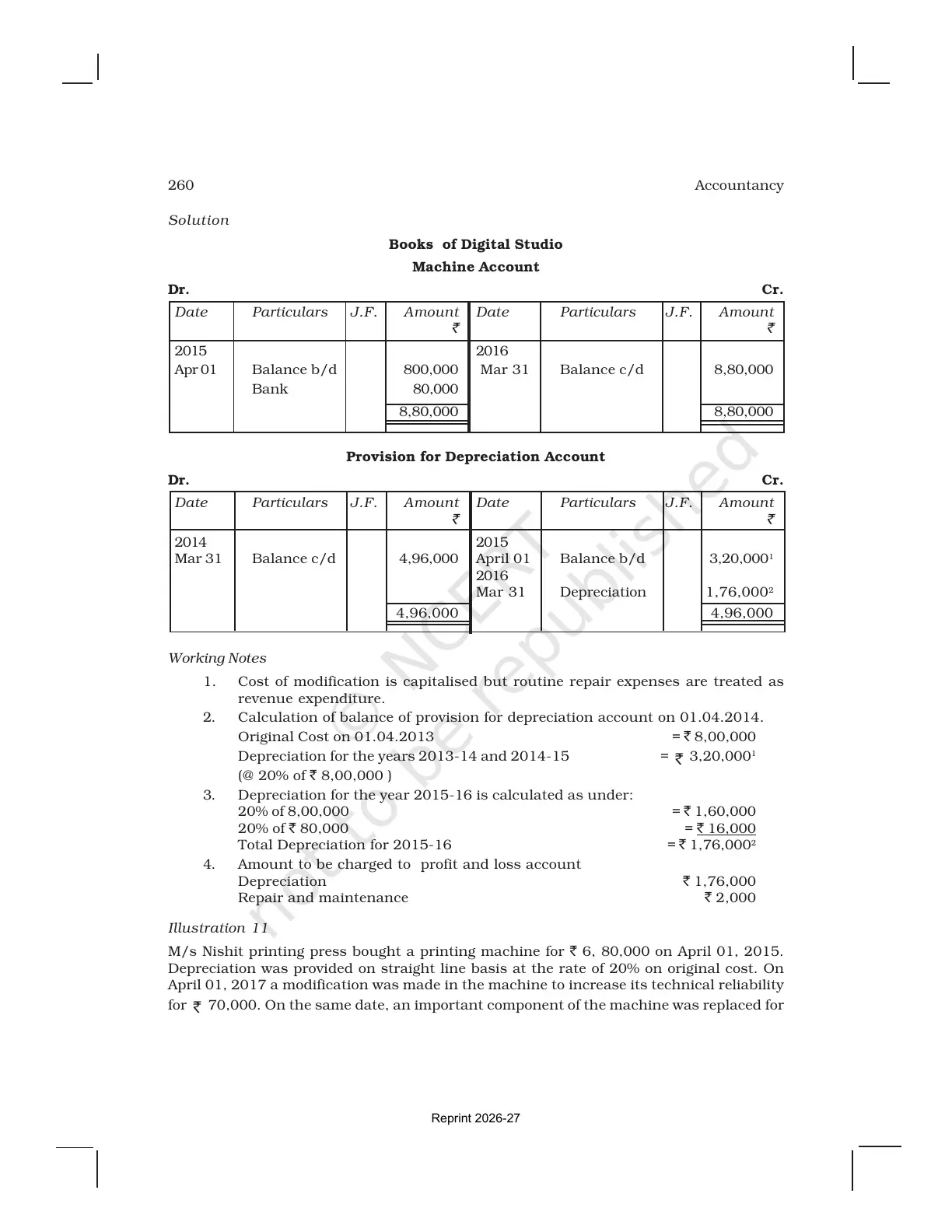
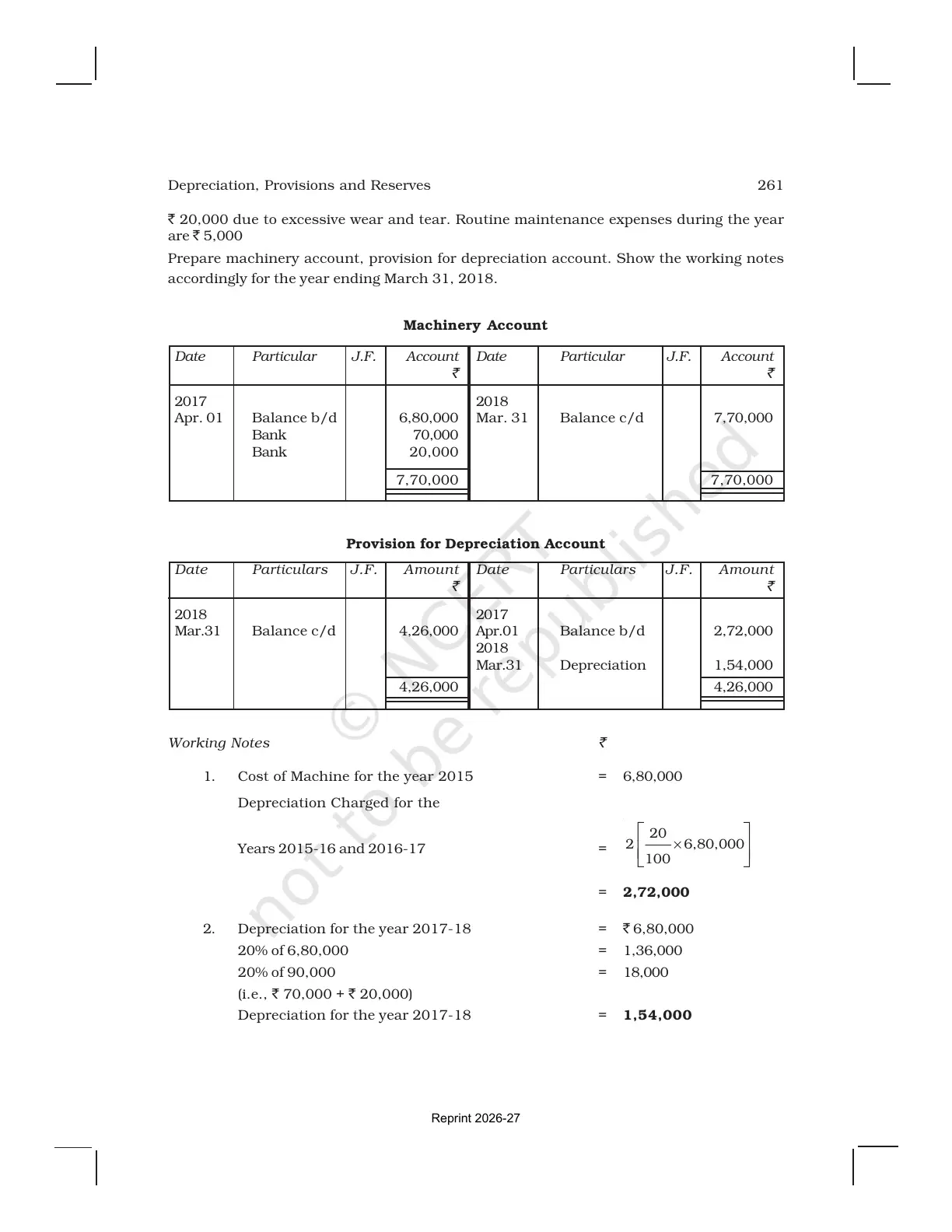
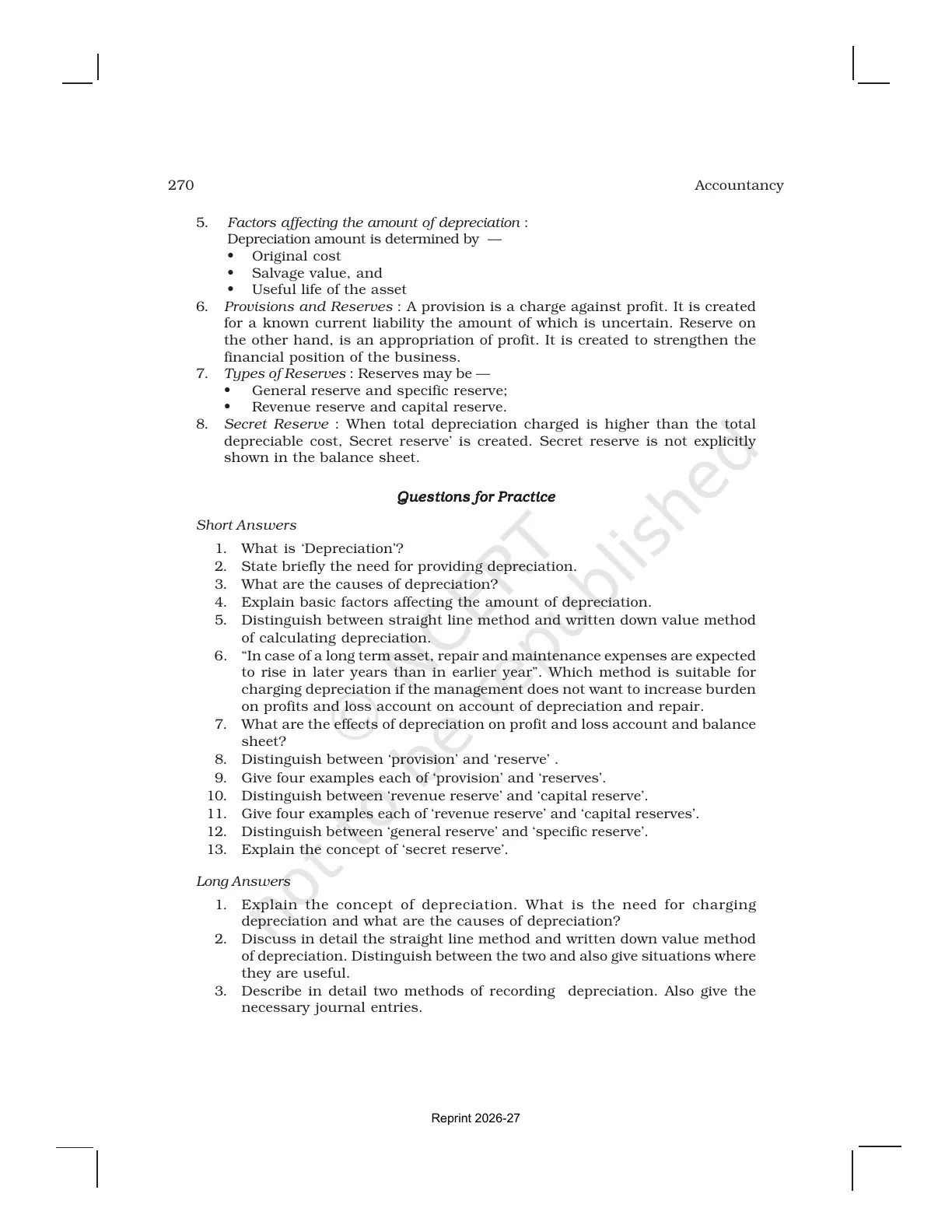
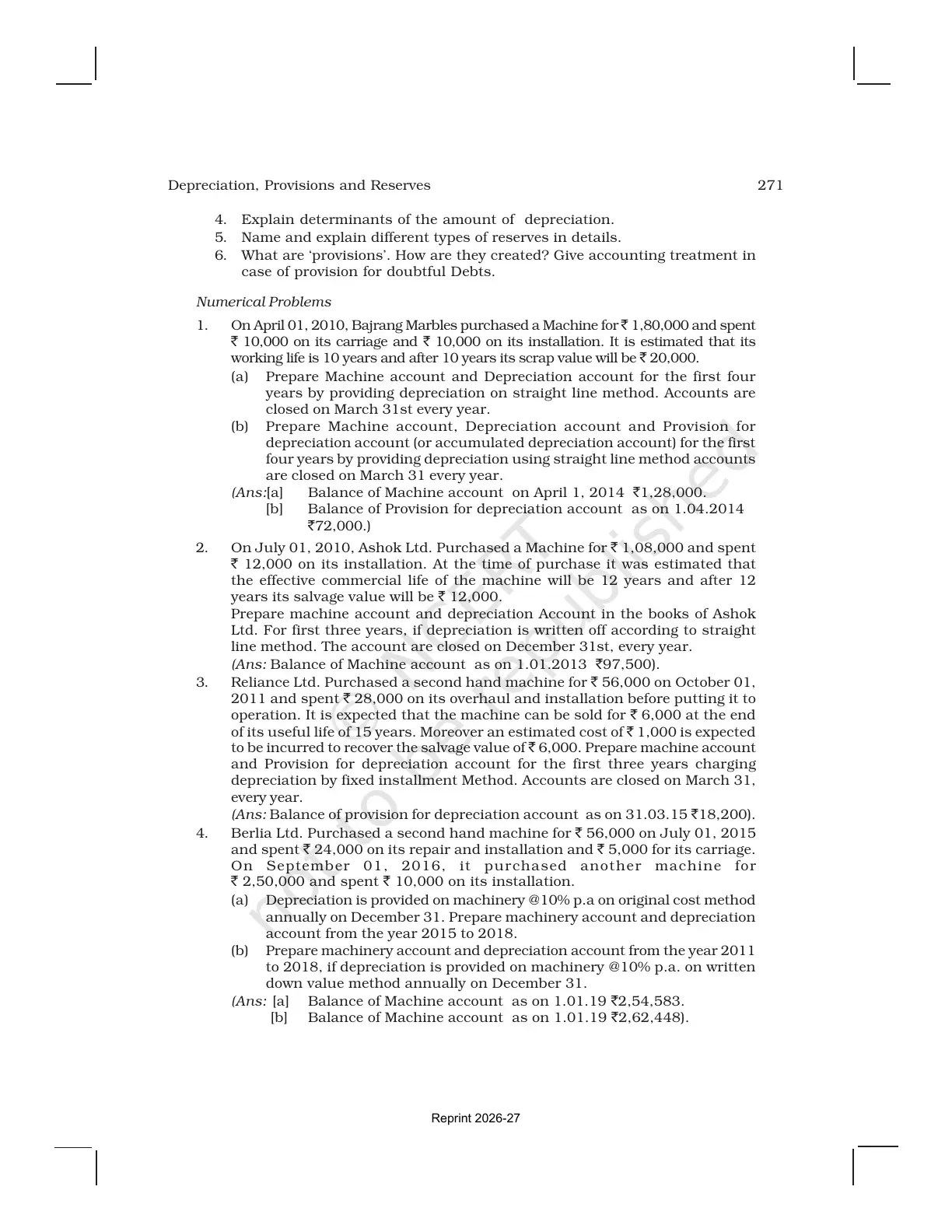
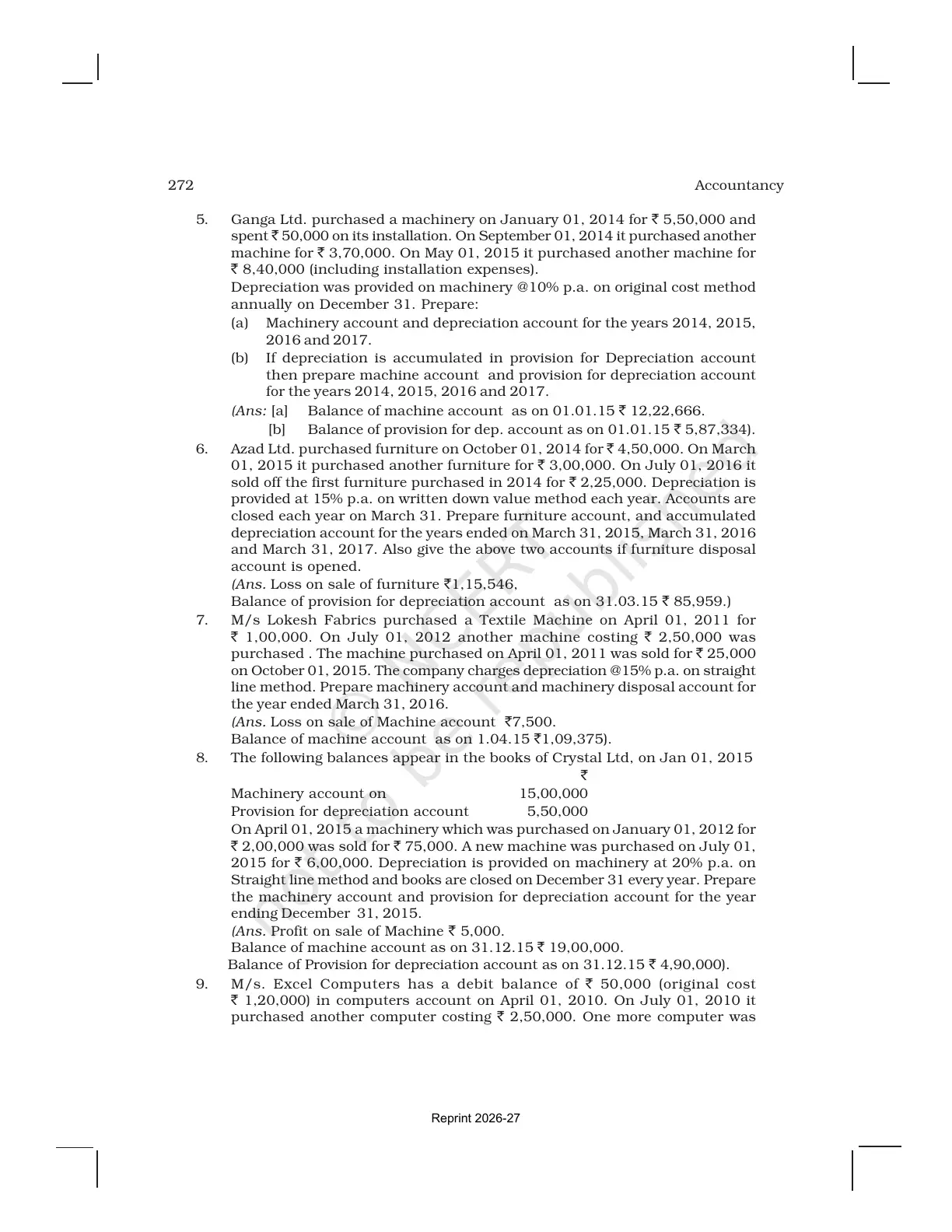
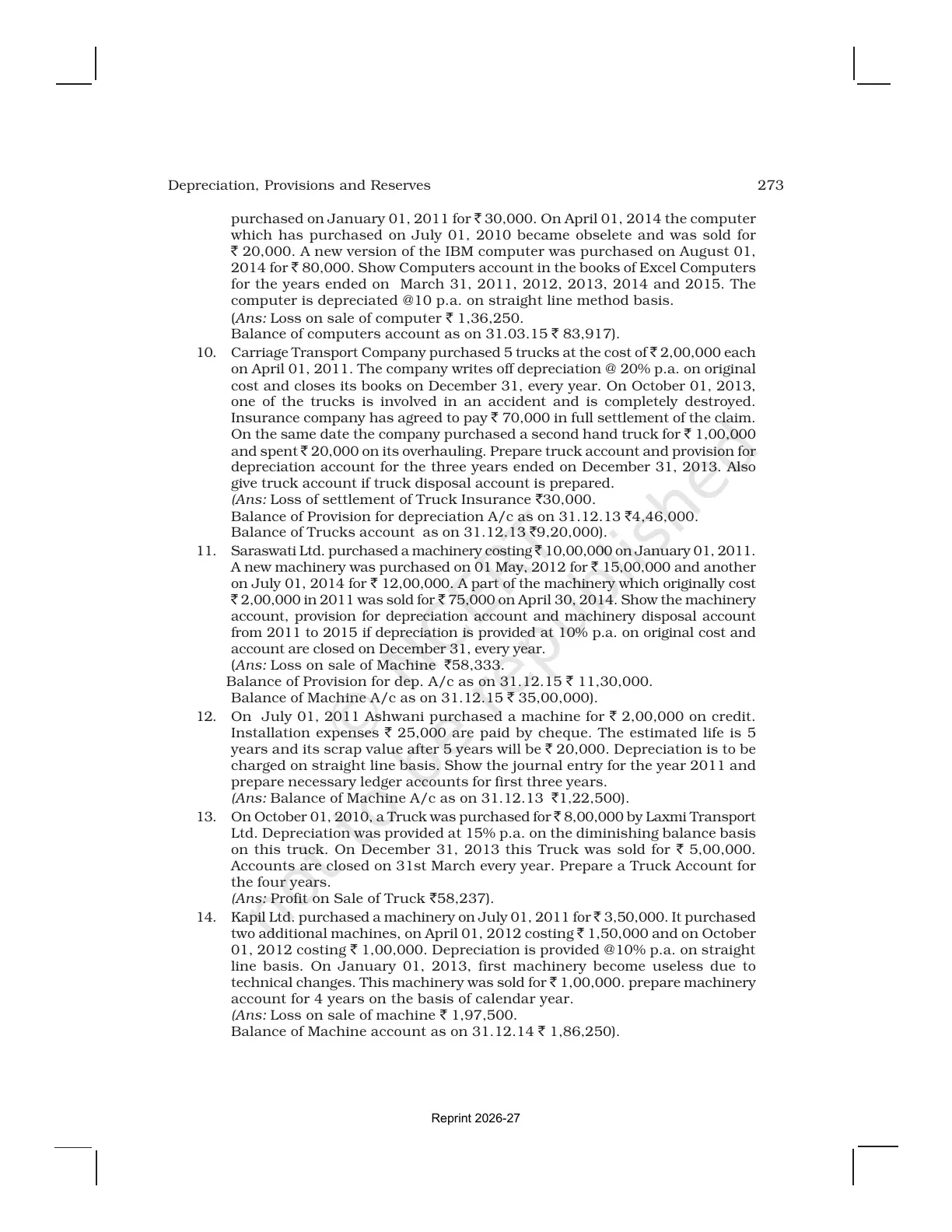
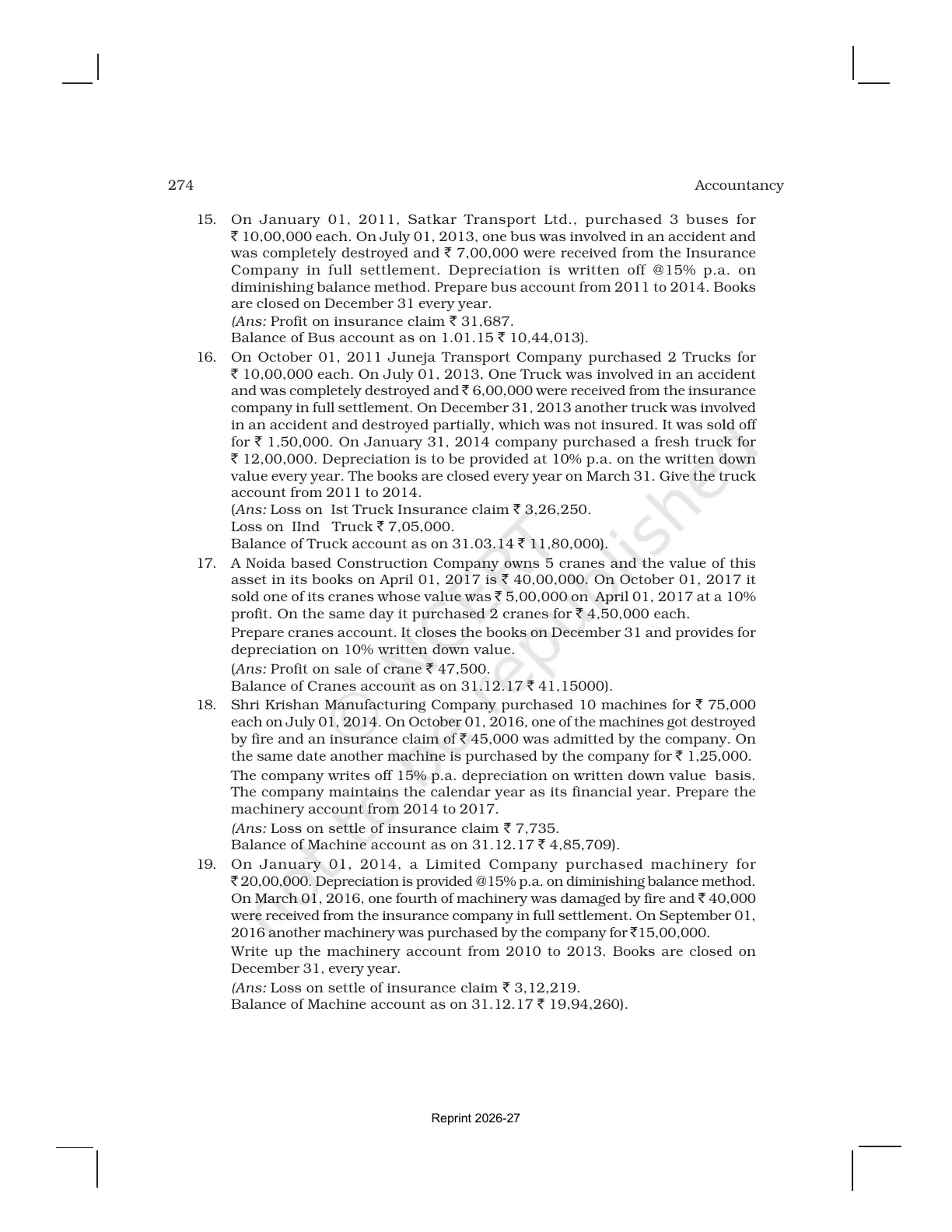
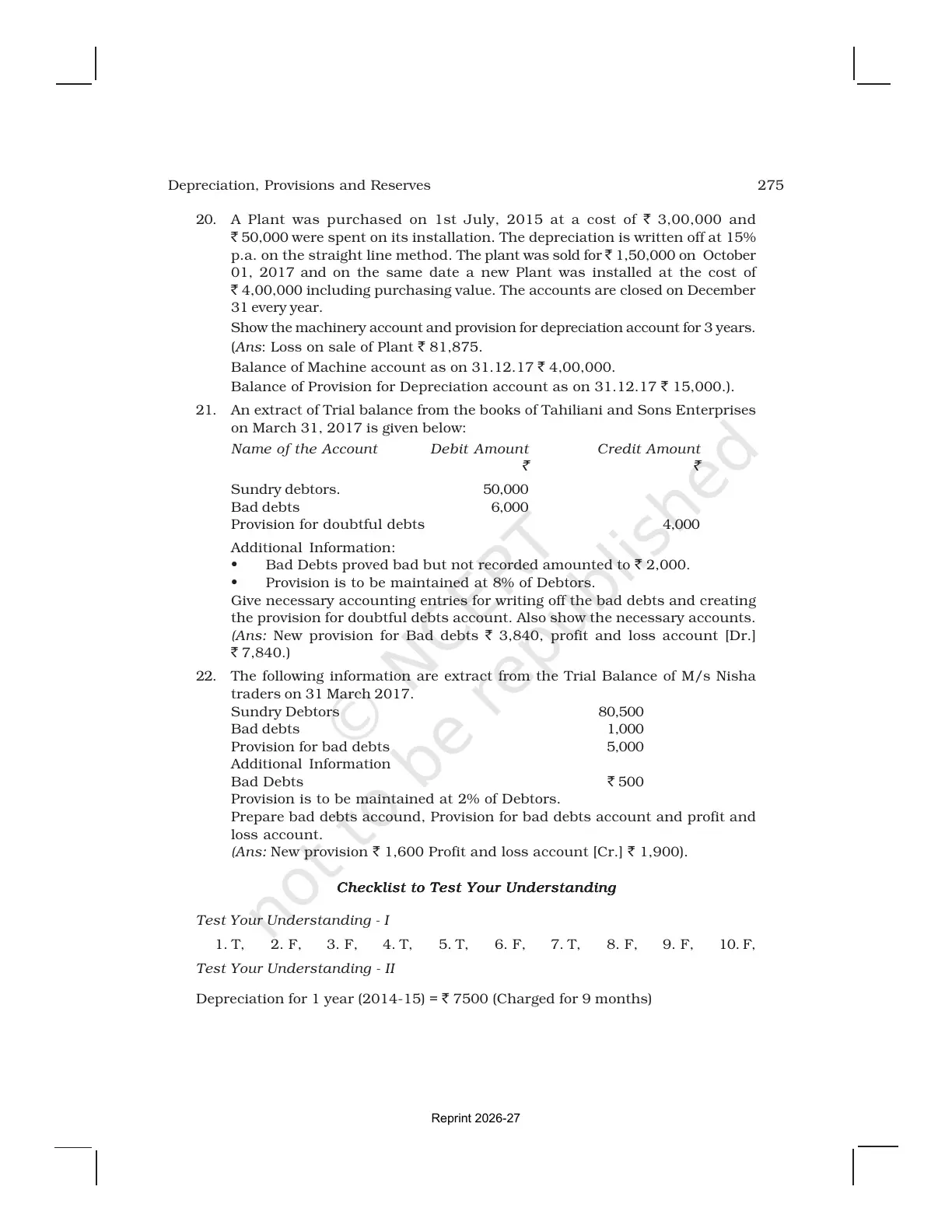
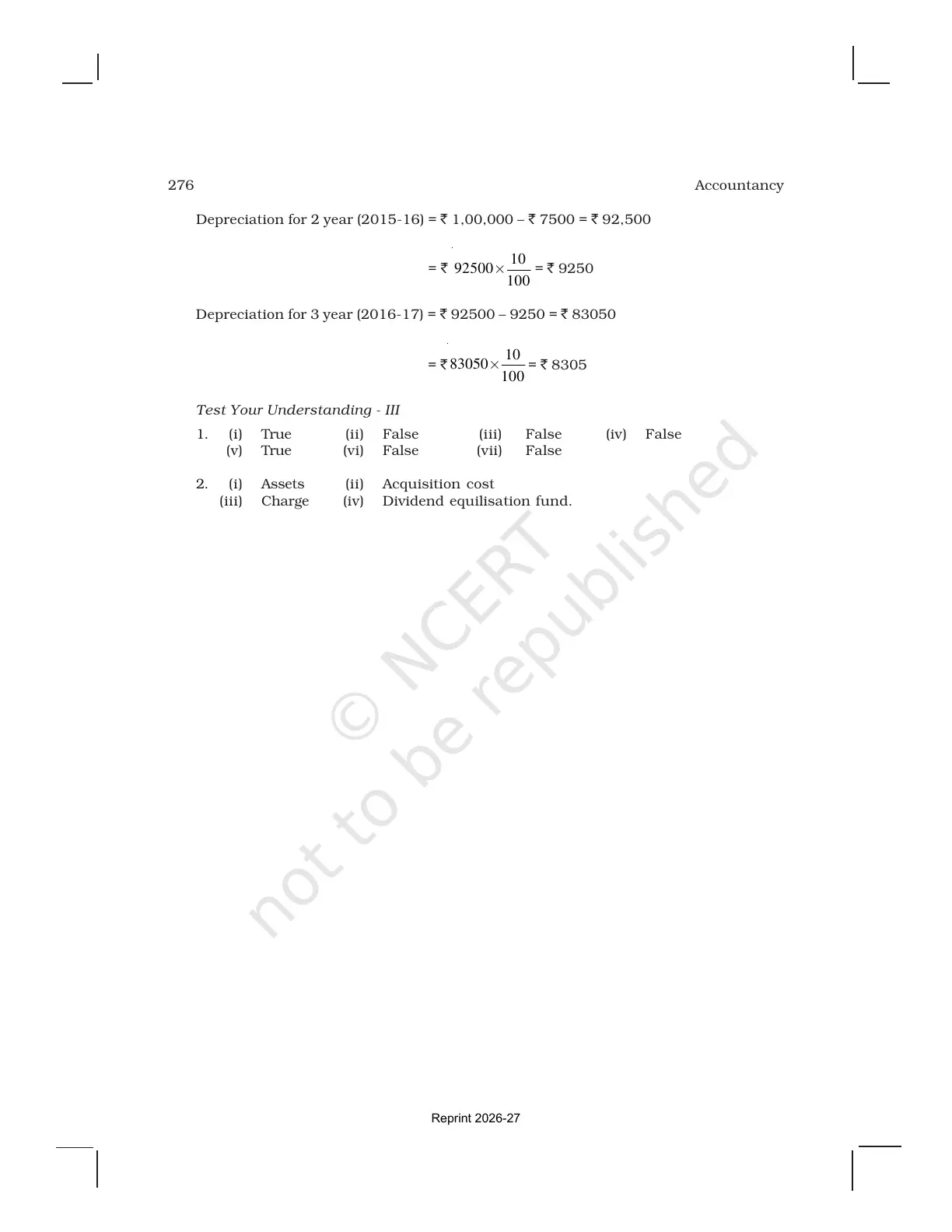
This Class 11 Accountancy NCERT Book PDF follows the 2026-27 NCERT reprint and helps students revise depreciation, provisions and reserves in one place.
Depreciation, Provisions and Reserves Concepts Covered in the NCERT PDF
This chapter explains why the value of a fixed asset falls with use, time and obsolescence. It also shows how a business records this fall through depreciation.
Depreciation is not optional in accounting. It is charged so that profit is measured fairly for the period.
| Concept | What it means | Why it matters |
|---|---|---|
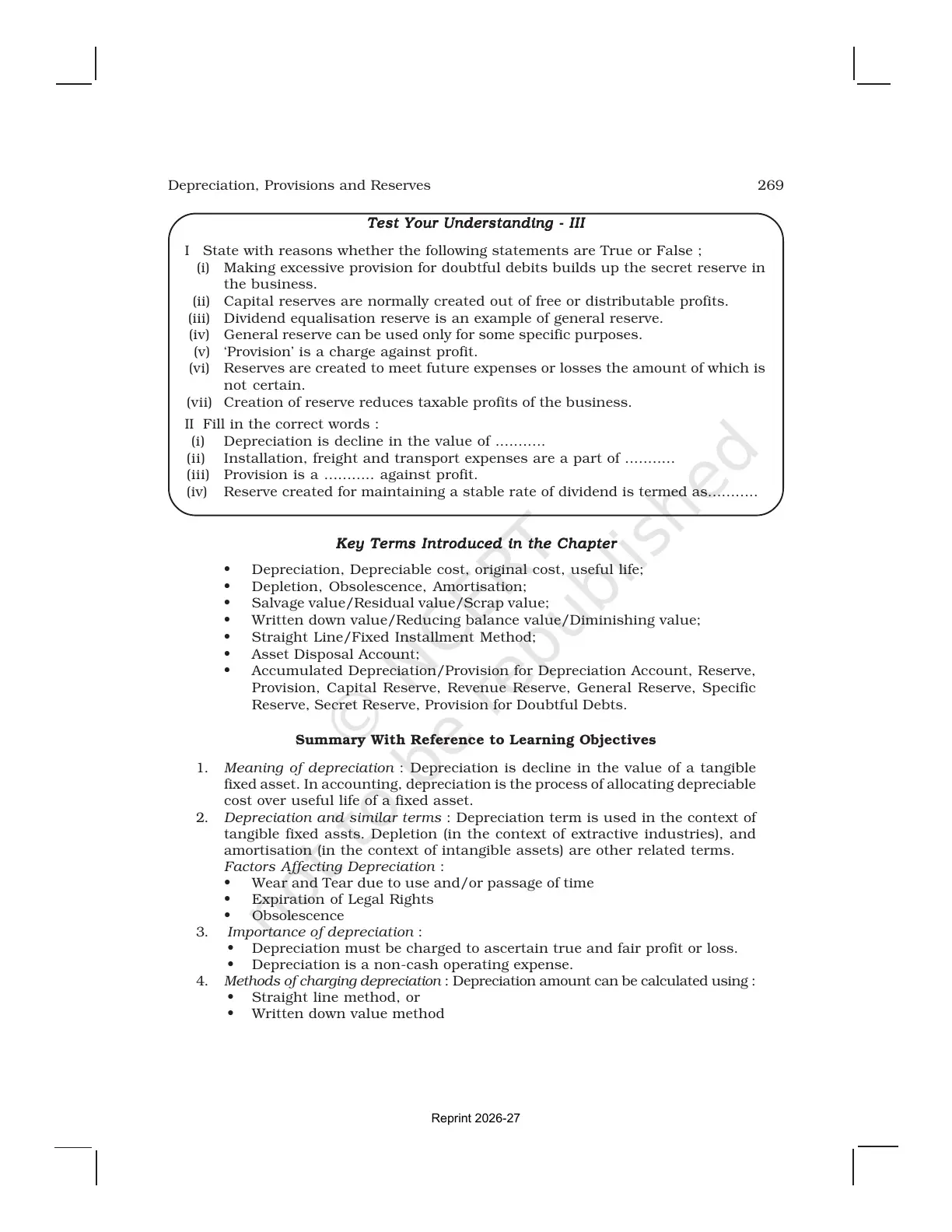
| Depreciation | Fall in fixed asset value | Matches asset cost with useful life |
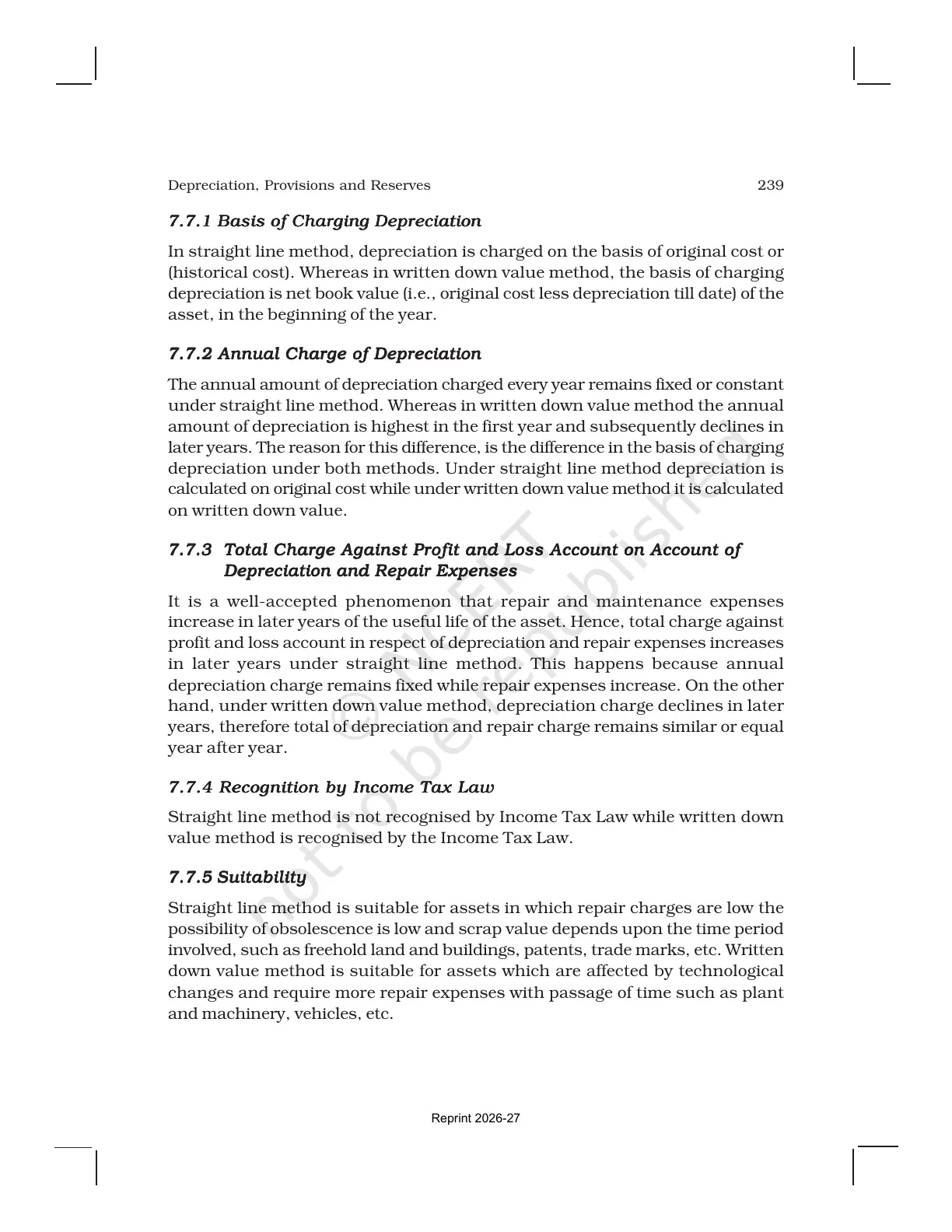
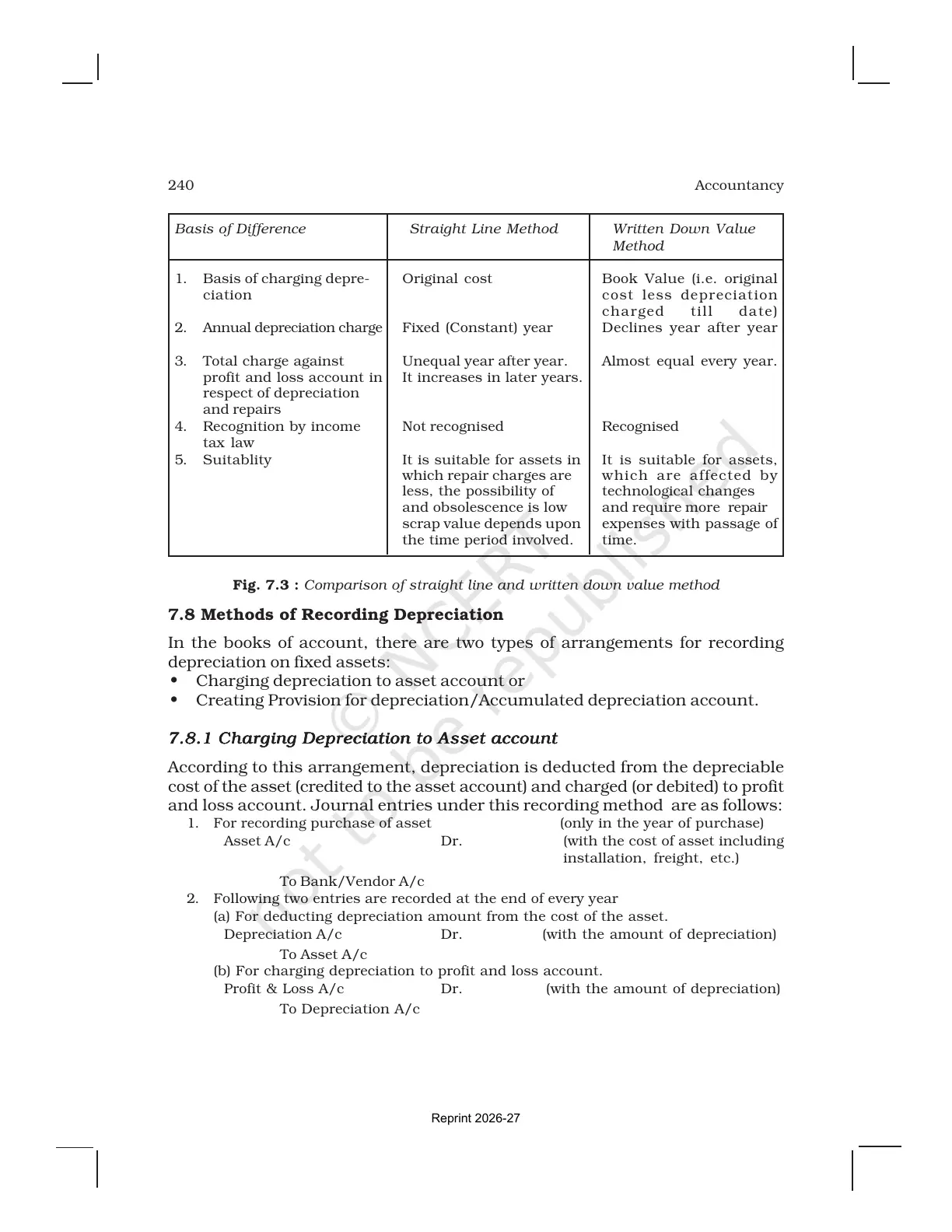
| Straight Line Method | Same depreciation every year | Simple method for steady use assets |
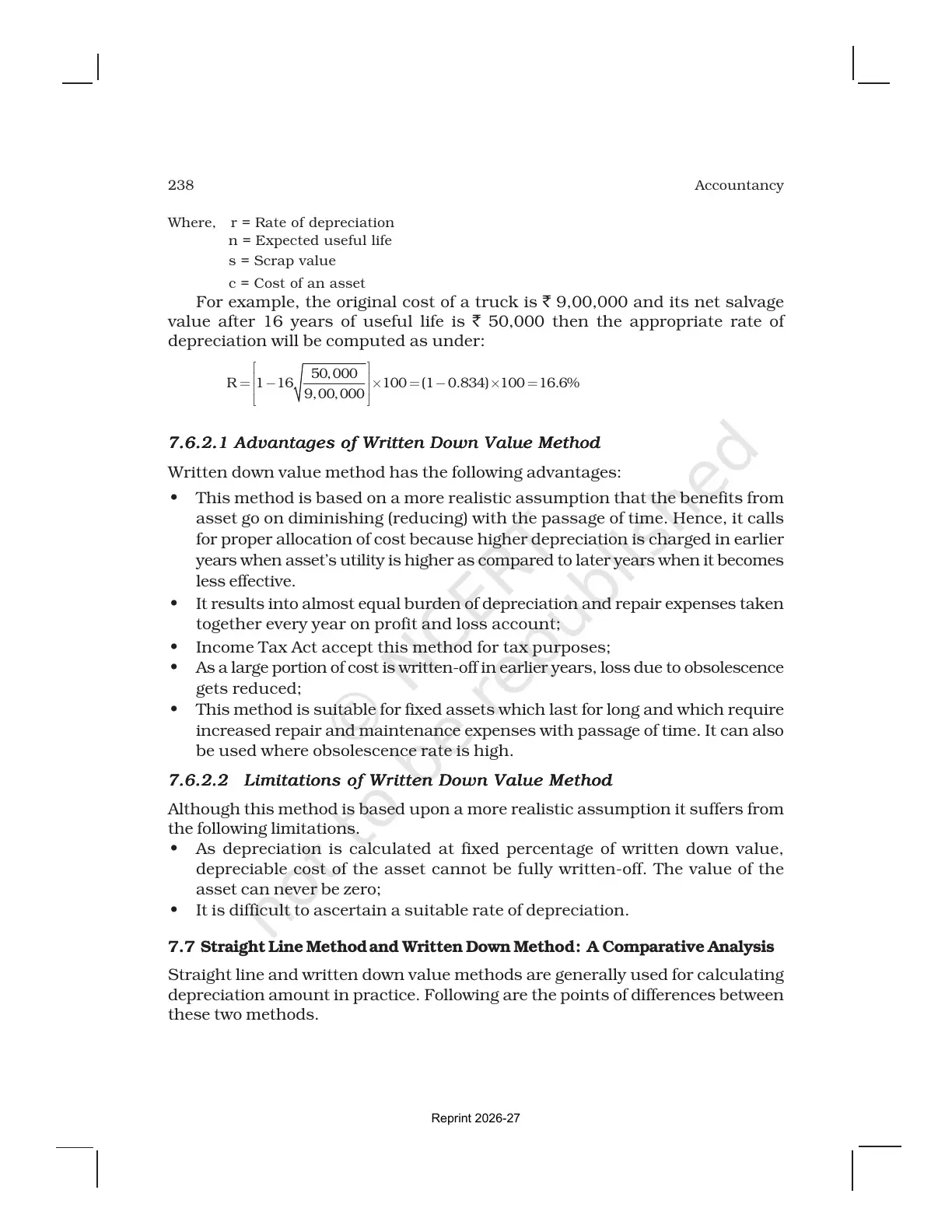
| Written Down Value Method | Depreciation on reduced balance | Useful when benefits fall over time |
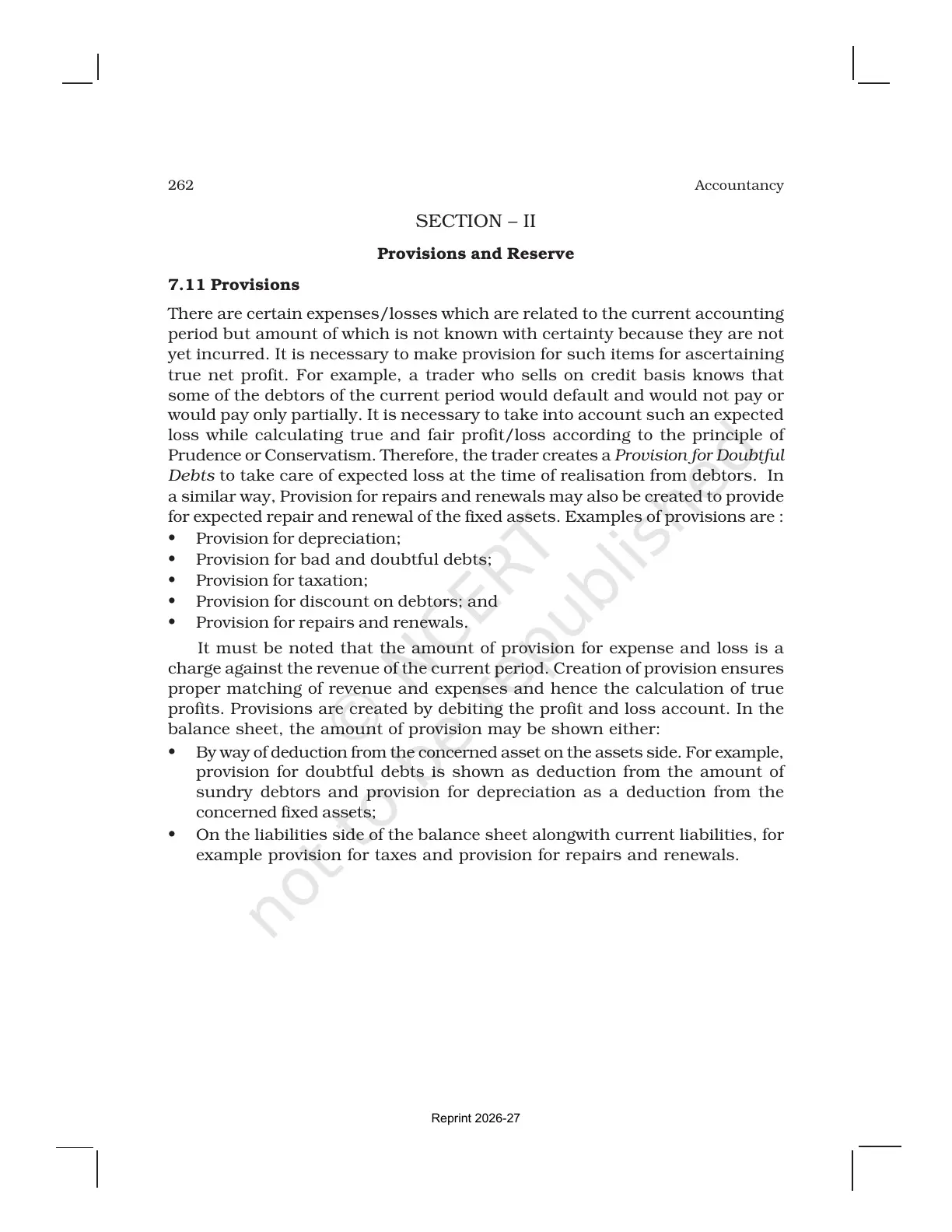
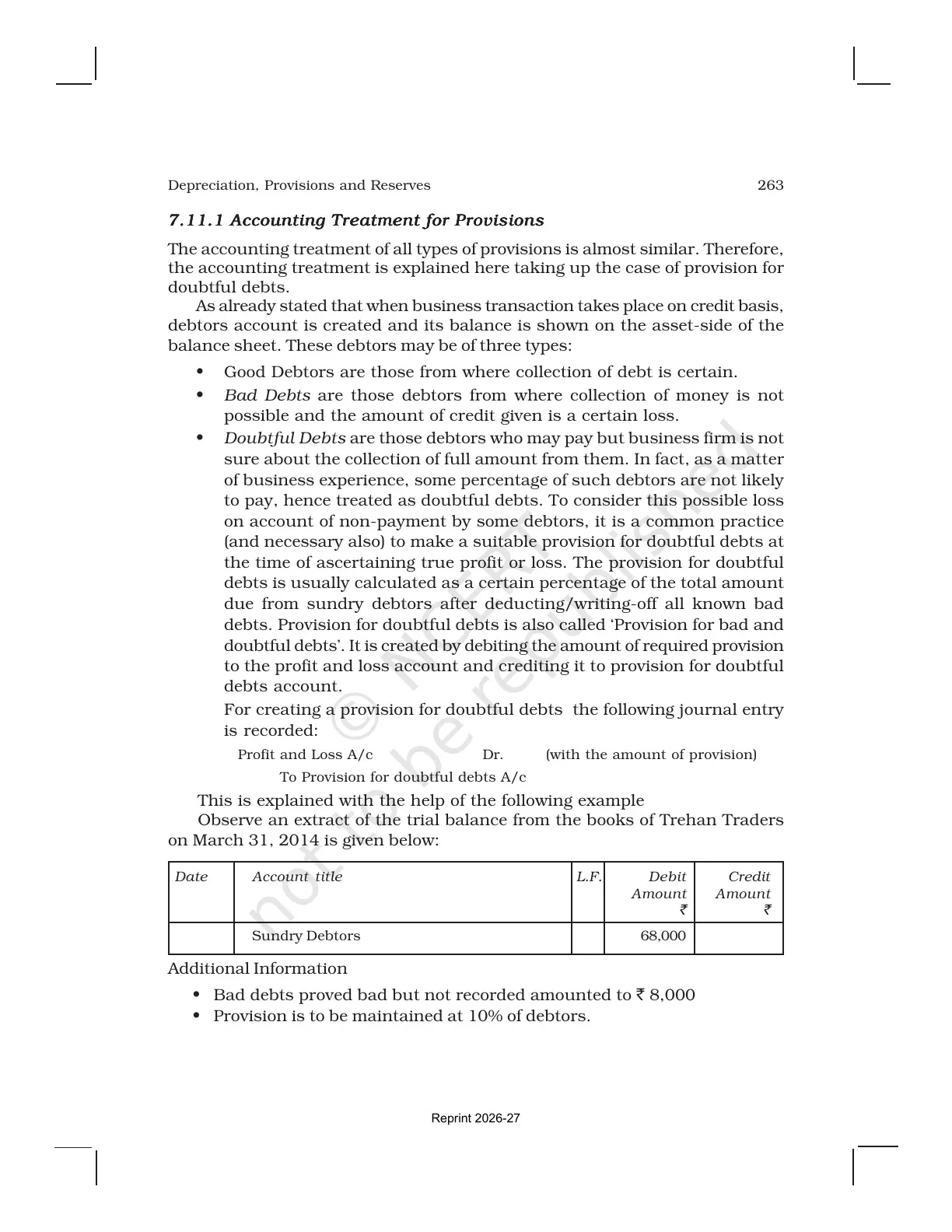
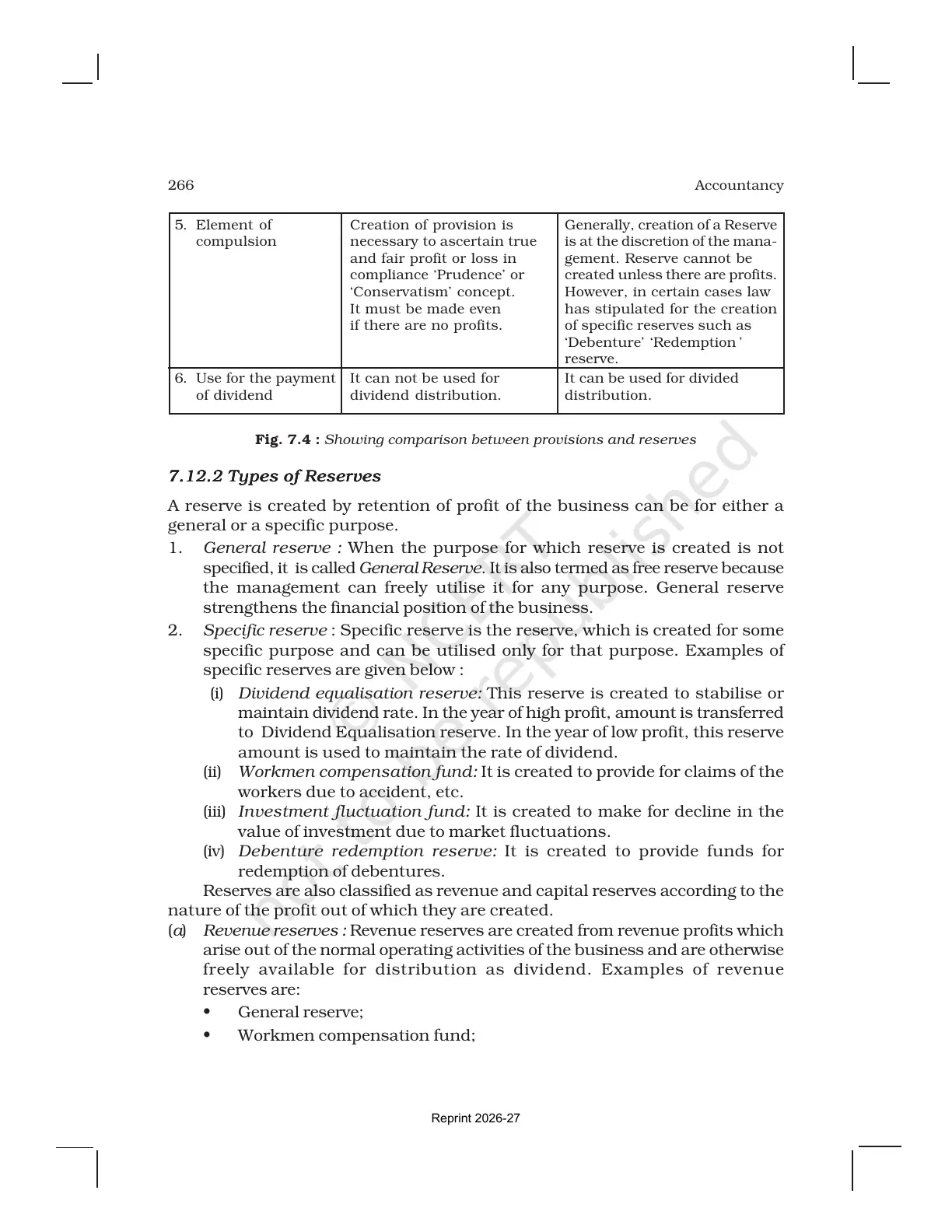
| Provision | Amount kept for known liability or loss | Follows prudence while finding profit |
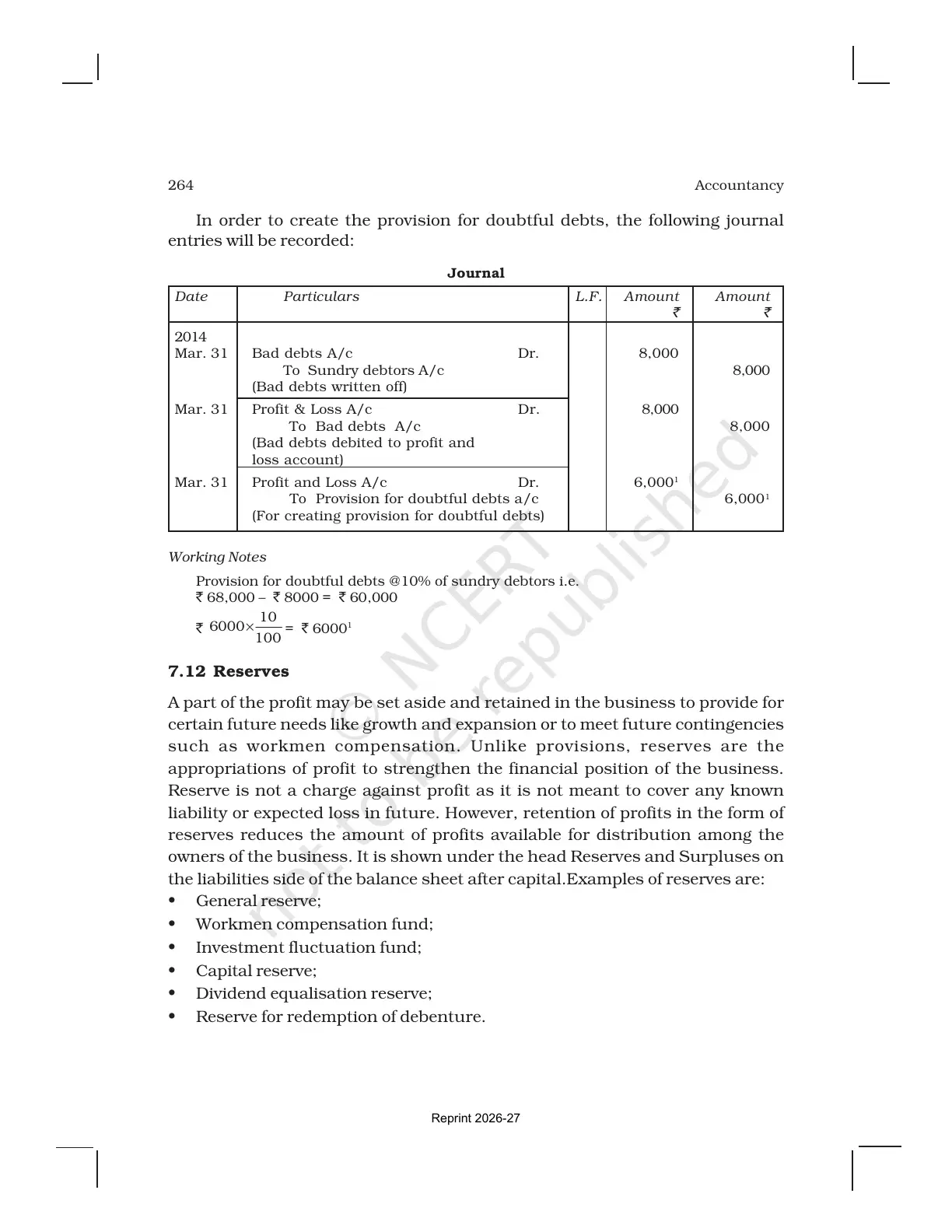
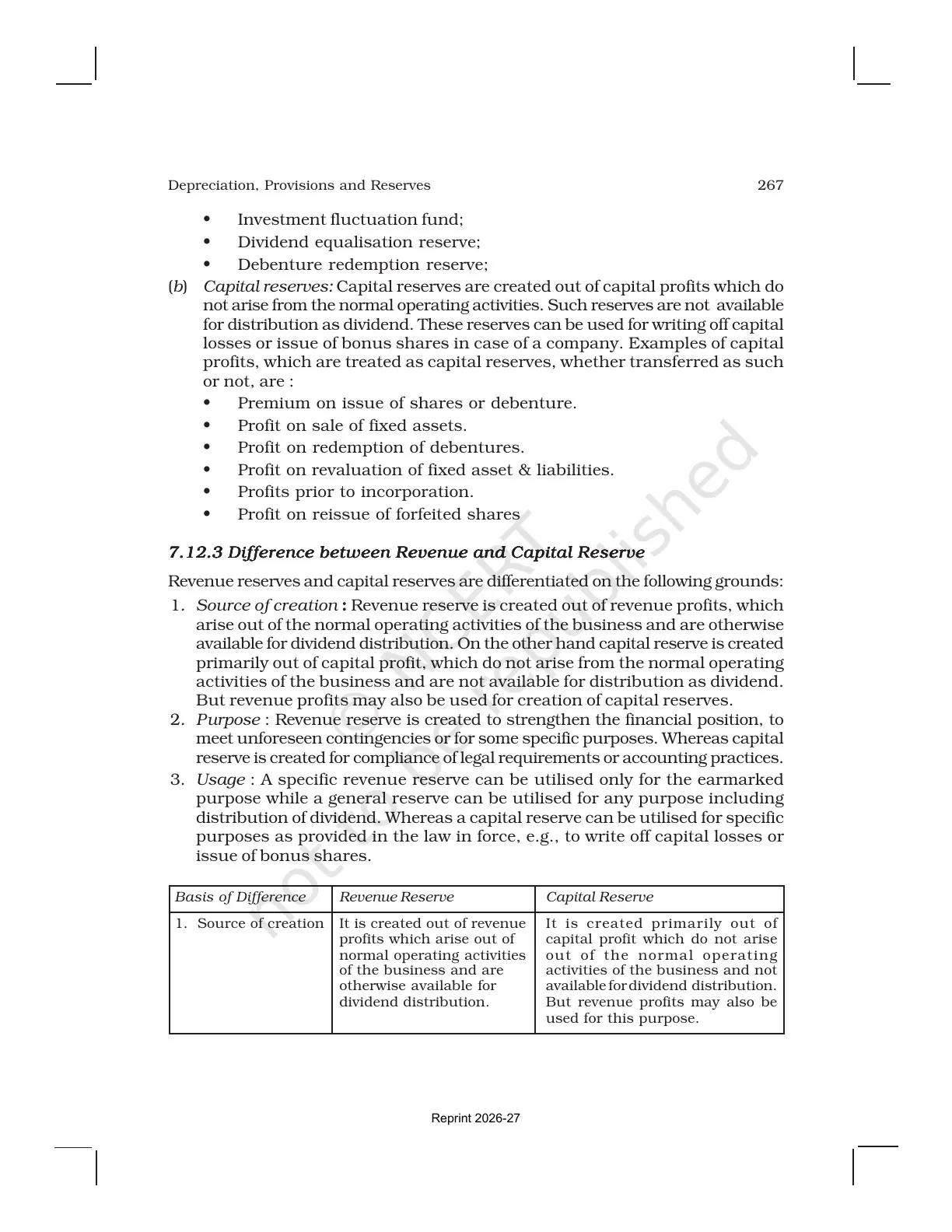
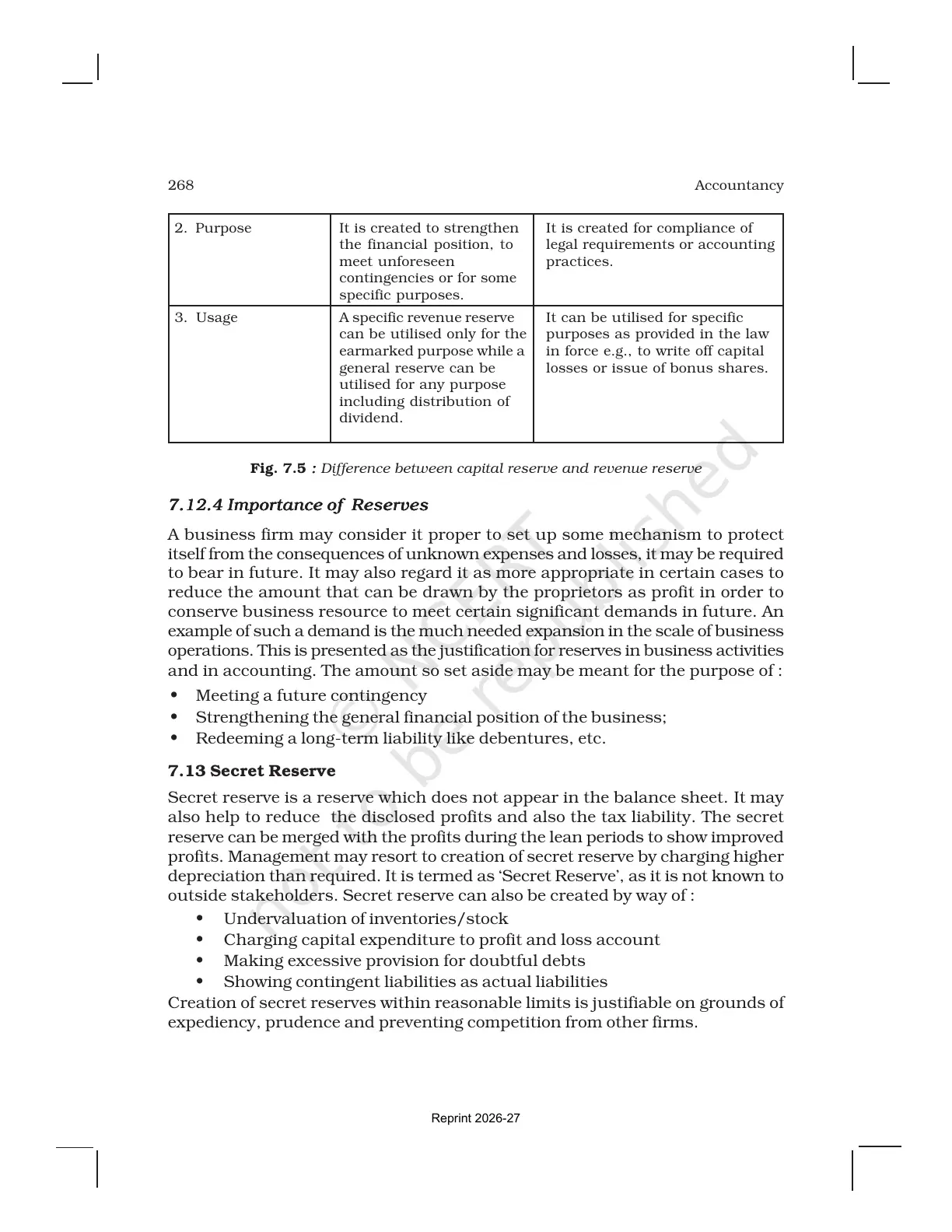
| Reserve | Profit retained for future use | Strengthens the financial position |
Depreciation Accounting Flow for Class 11 Accountancy
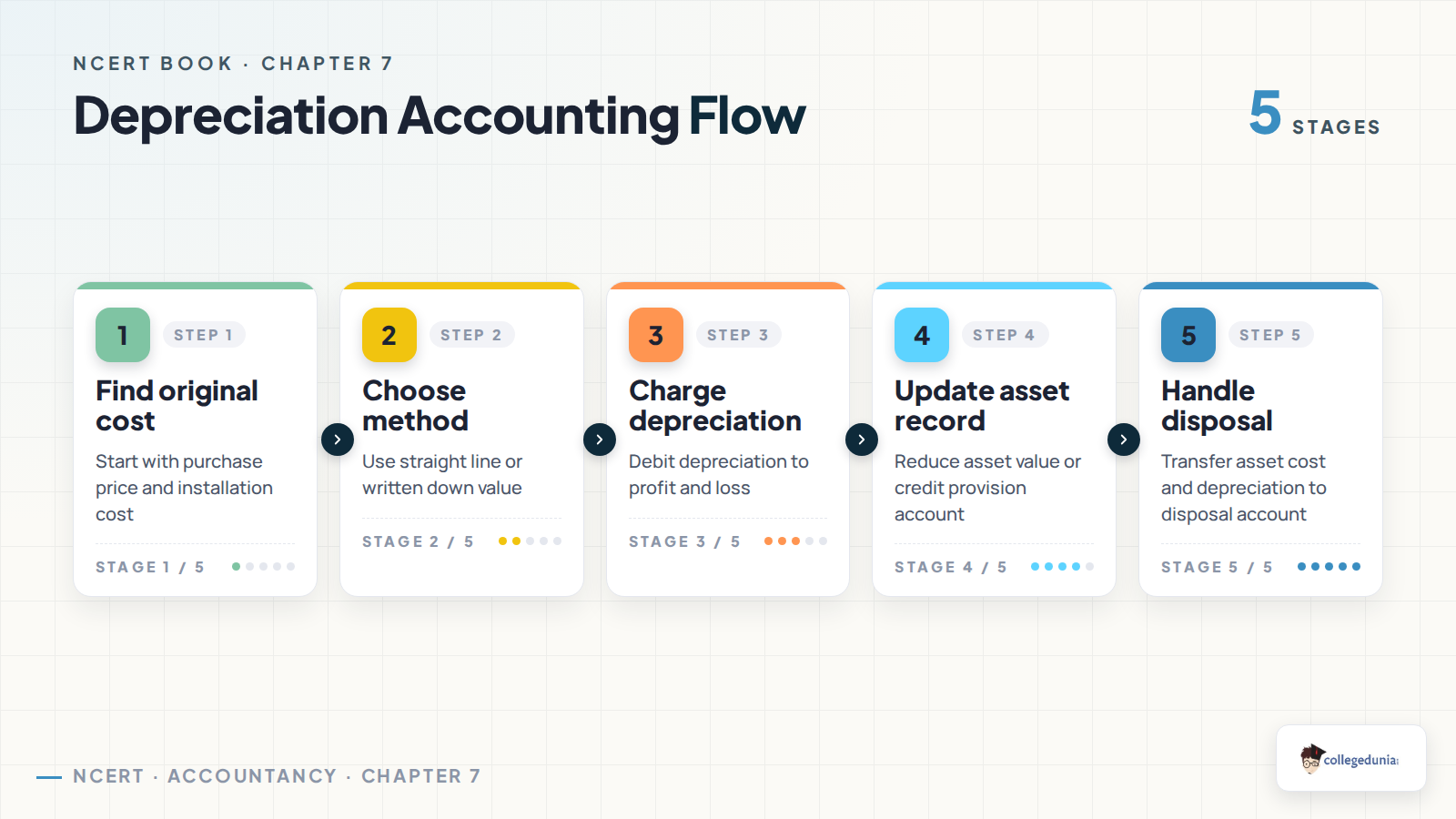
The chapter asks students to record depreciation in a clear order. First identify the asset cost, then choose the method, charge depreciation and finally update the asset account.
- Start with the original cost of the asset.
- Check whether the question uses straight line method or written down value method.
- Calculate depreciation for the accounting period.
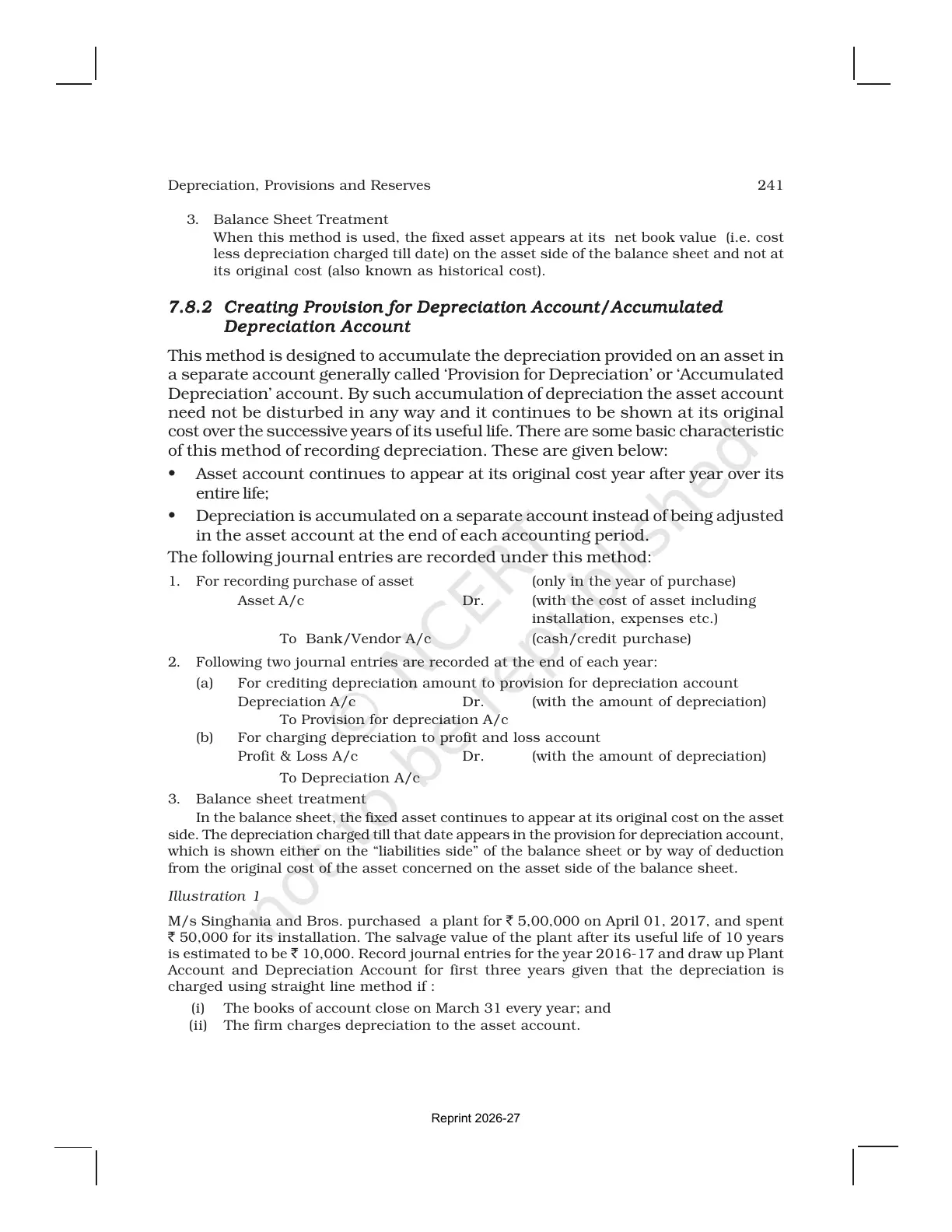
- Record depreciation either directly in the asset account or through provision for depreciation.
- Use the asset disposal account when an asset is sold or discarded.
Depreciation, Provisions and Reserves Video Lesson
Source: Magnet Brains on YouTube
Provision and Reserve Difference in Chapter 7
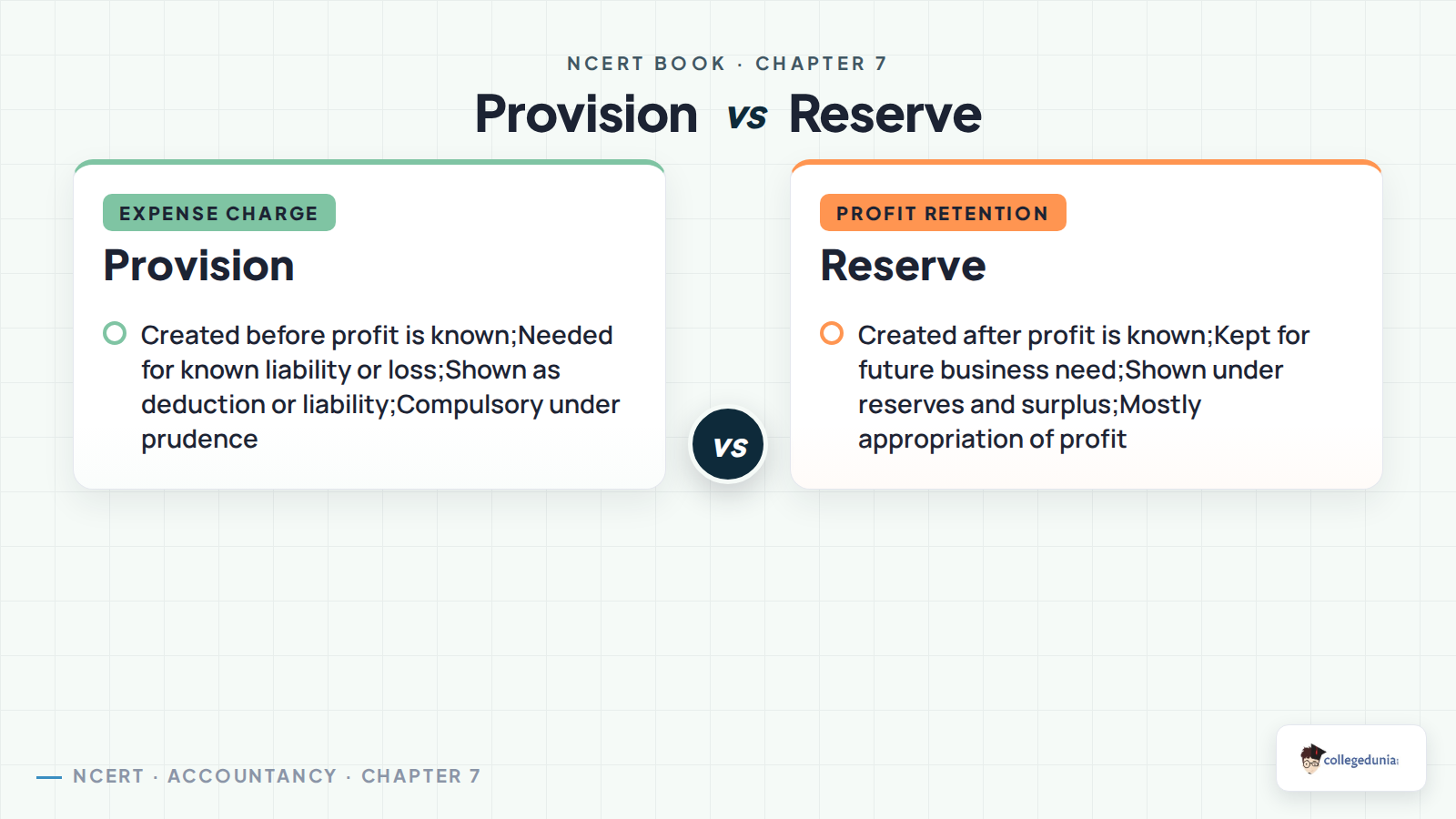
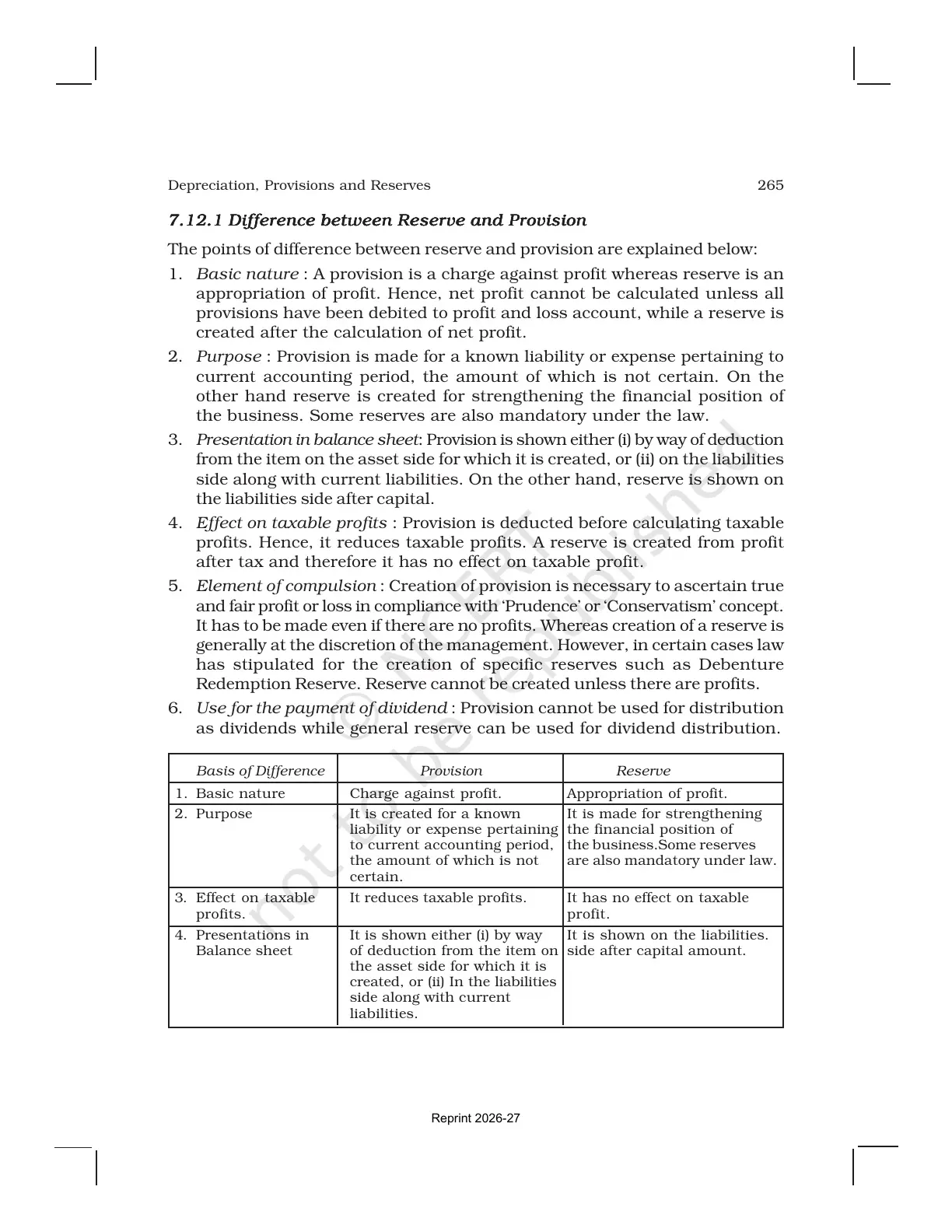
Provision and reserve look similar because both keep money inside the business. The reason for creating them is different.
- Provision: made before finding profit, for a known liability or expected loss.
- Reserve: made after finding profit, by keeping part of the profit in the business.
- Exam cue: provision is a charge against profit, while reserve is an appropriation of profit.
Do not treat every retained amount as a reserve. A known loss or liability usually points to provision.
How to Study the Depreciation, Provisions and Reserves NCERT PDF
Read the theory once, then work through the numerical illustrations. The chapter becomes easier when each question is first sorted into depreciation, disposal, provision or reserve.
- Mark the depreciation method before starting any calculation.
- Write the asset cost, residual value and useful life separately.
- Check whether depreciation is recorded directly or through provision for depreciation.
- In disposal questions, transfer asset cost and depreciation before finding profit or loss.
- Revise the provision versus reserve table before attempting theory questions.
Depreciation, Provisions and Reserves Class 11 Related Resources
| Resource | Best use |
|---|---|
| Depreciation, Provisions and Reserves Class 11 NCERT Solutions | Check solved depreciation and provision questions |
| Depreciation, Provisions and Reserves Class 11 Notes | Revise definitions, methods and difference tables |
| Depreciation, Provisions and Reserves Class 11 Handwritten Notes | Use handwritten notes for quick revision before tests |
All Class 11 Accountancy NCERT Book Chapters
| Chapter | NCERT Book PDF |
|---|---|
| 1 | Introduction to Accounting |
| 2 | Theory Base of Accounting |
| 3 | Recording of Transactions - I |
| 4 | Recording of Transactions - II |
| 5 | Bank Reconciliation Statement |
| 6 | Trial Balance and Rectification of Errors |
| 7 | Depreciation, Provisions and Reserves |
| 8 | Financial Statements - I |
| 9 | Financial Statements - II |
Depreciation, Provisions and Reserves Class 11 NCERT Book FAQs
Ques. What does Depreciation, Provisions and Reserves cover in Class 11 Accountancy?
Ans. It covers depreciation meaning, straight line method, written down value method, asset disposal, provisions, reserves and secret reserves.
Ques. Why is depreciation charged in accounts?
Ans. Depreciation is charged to spread the cost of a fixed asset over its useful life and to show true profit for the period.
Ques. What is the difference between provision and reserve?
Ans. Provision is made for a known liability or expected loss before profit is finalised. Reserve is kept out of profit for future needs.
Ques. Which depreciation methods are covered in this NCERT chapter?
Ans. The chapter covers straight line method and written down value method, along with the accounting entries used for both methods.
Ques. Is this PDF based on the 2026-27 NCERT book?
Ans. Yes. The PDF is from the Class 11 Accountancy NCERT reprint for the 2026-27 academic session.



Comments