



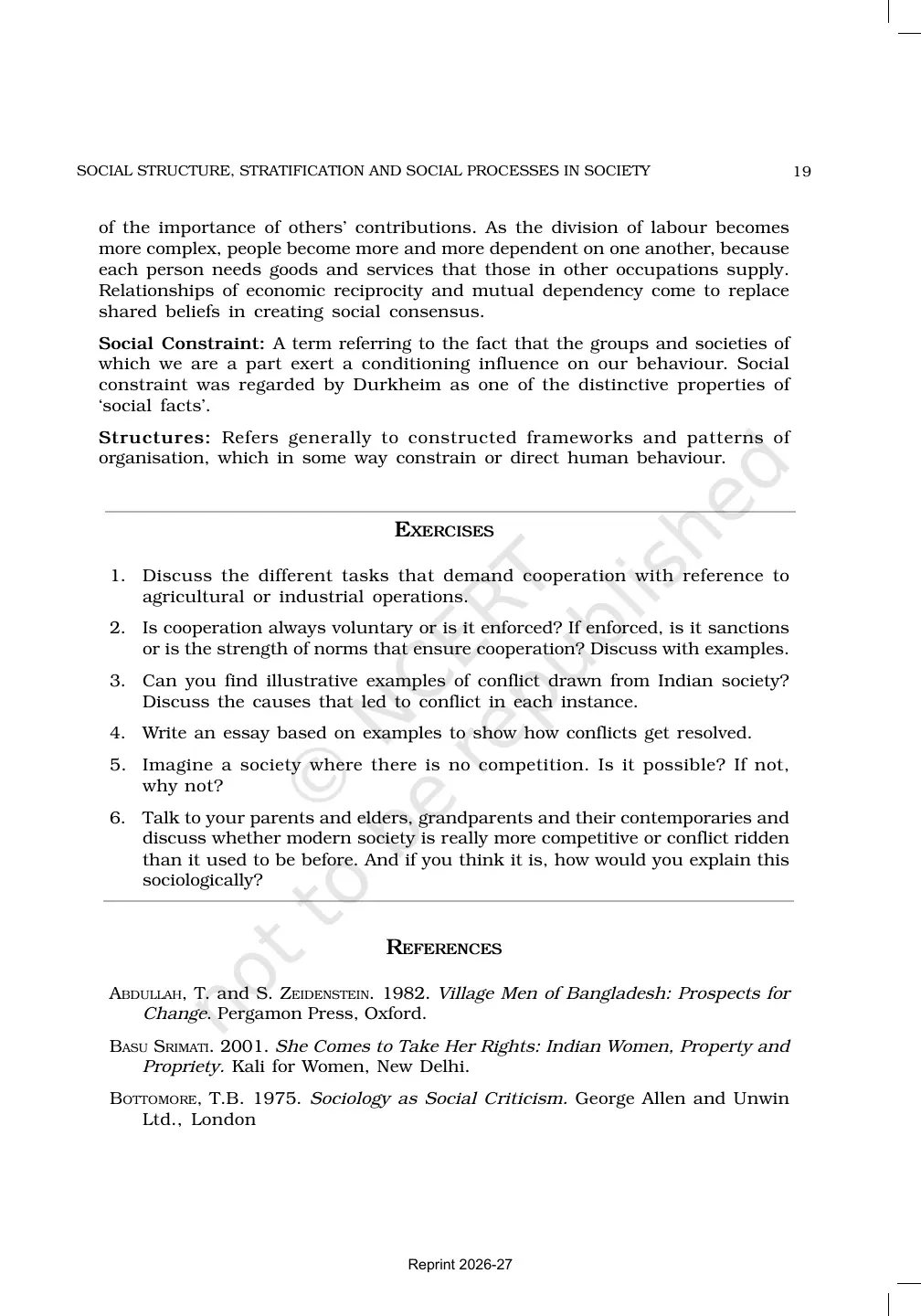
The NCERT Class 11 Sociology Chapter 6 Social Structure, Stratification and Social Processes in Society PDF gives students the official textbook chapter for the 2026-27 session. Use it to revise social structure, stratification, caste, class, cooperation, competition and conflict from the NCERT source.
- Core focus: structure, status, role, stratification and social inequality.
- Best use: read the PDF with one real example for each concept.
- Exam value: short and long answers often test cooperation, competition and conflict.
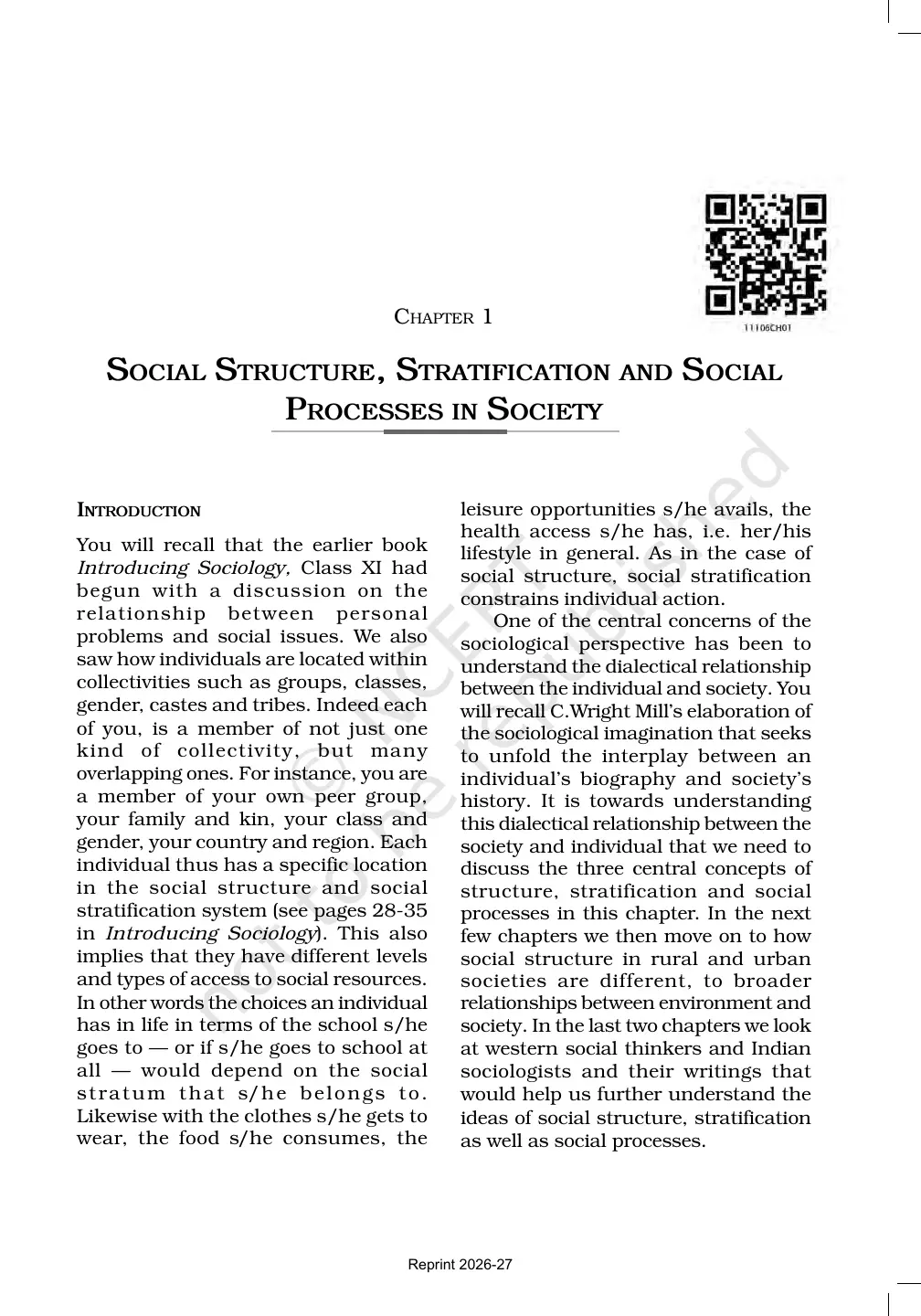
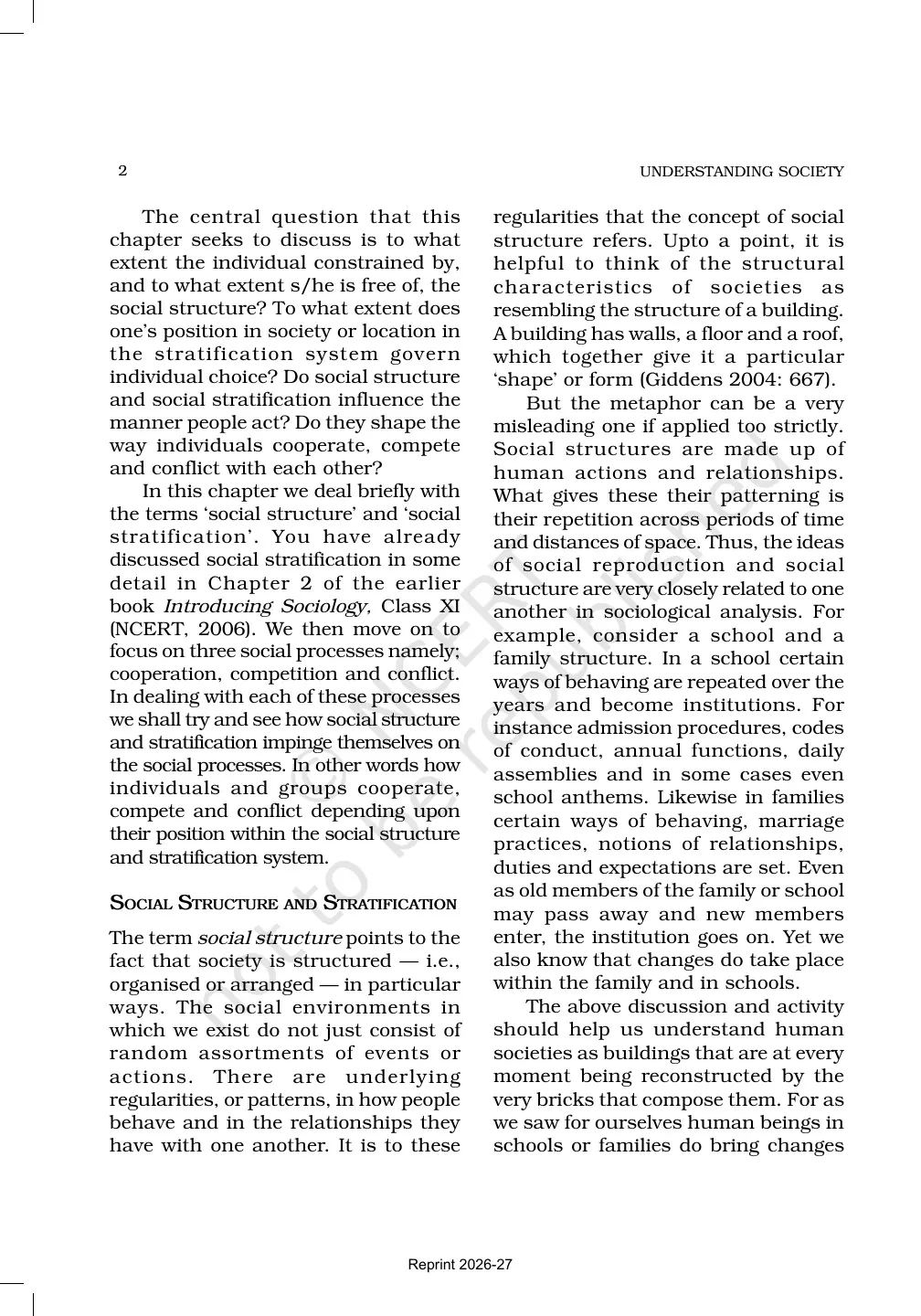

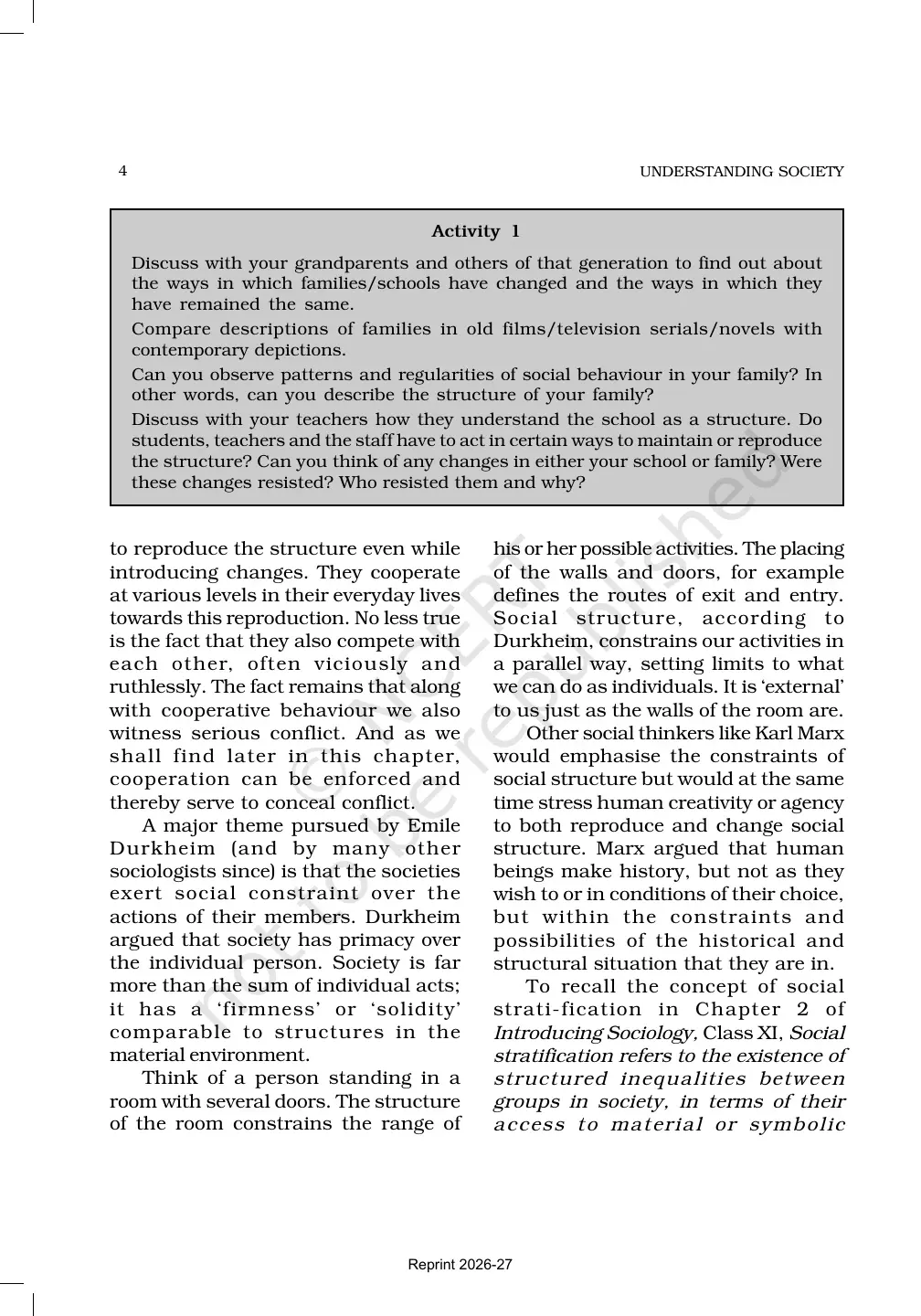
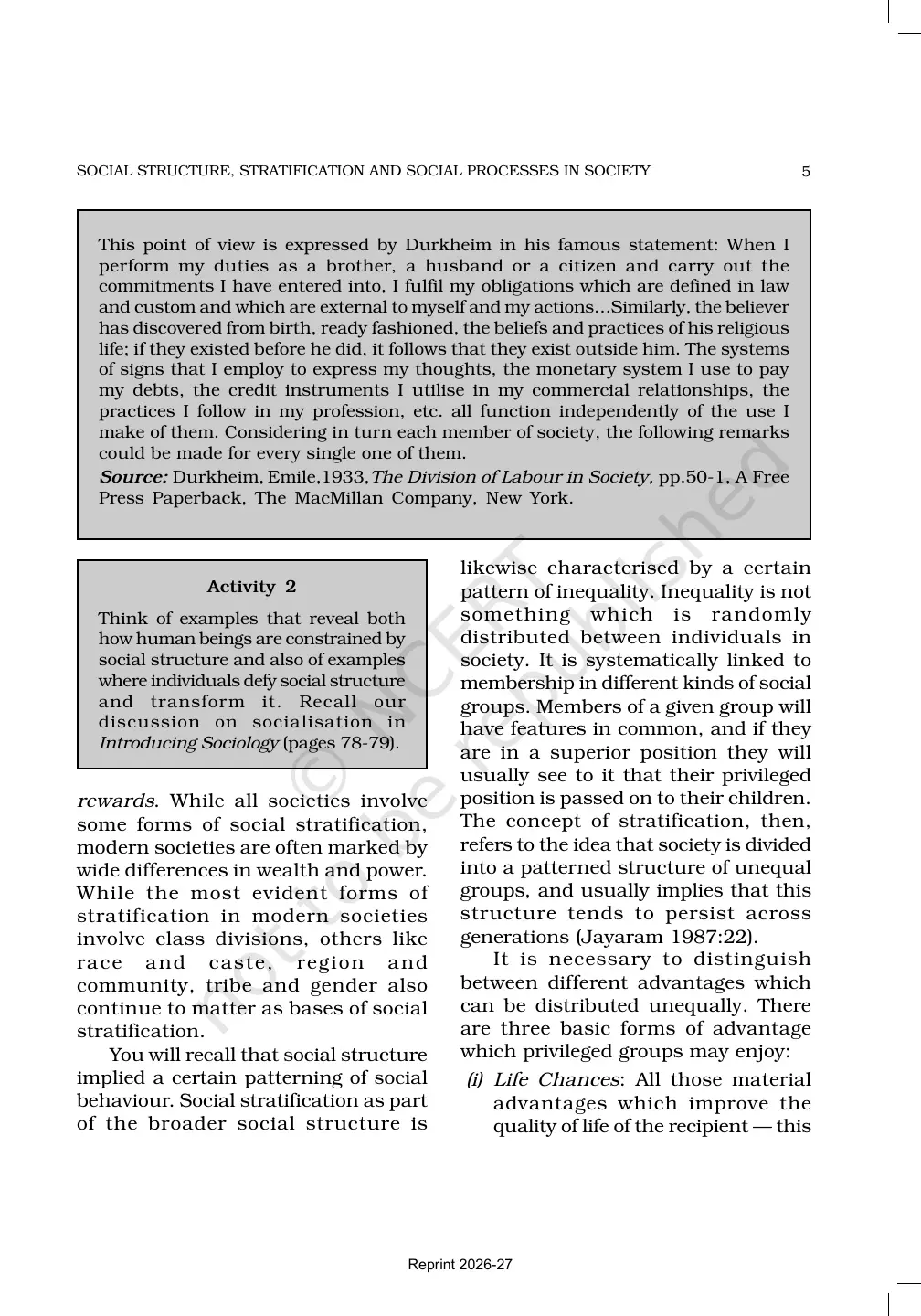

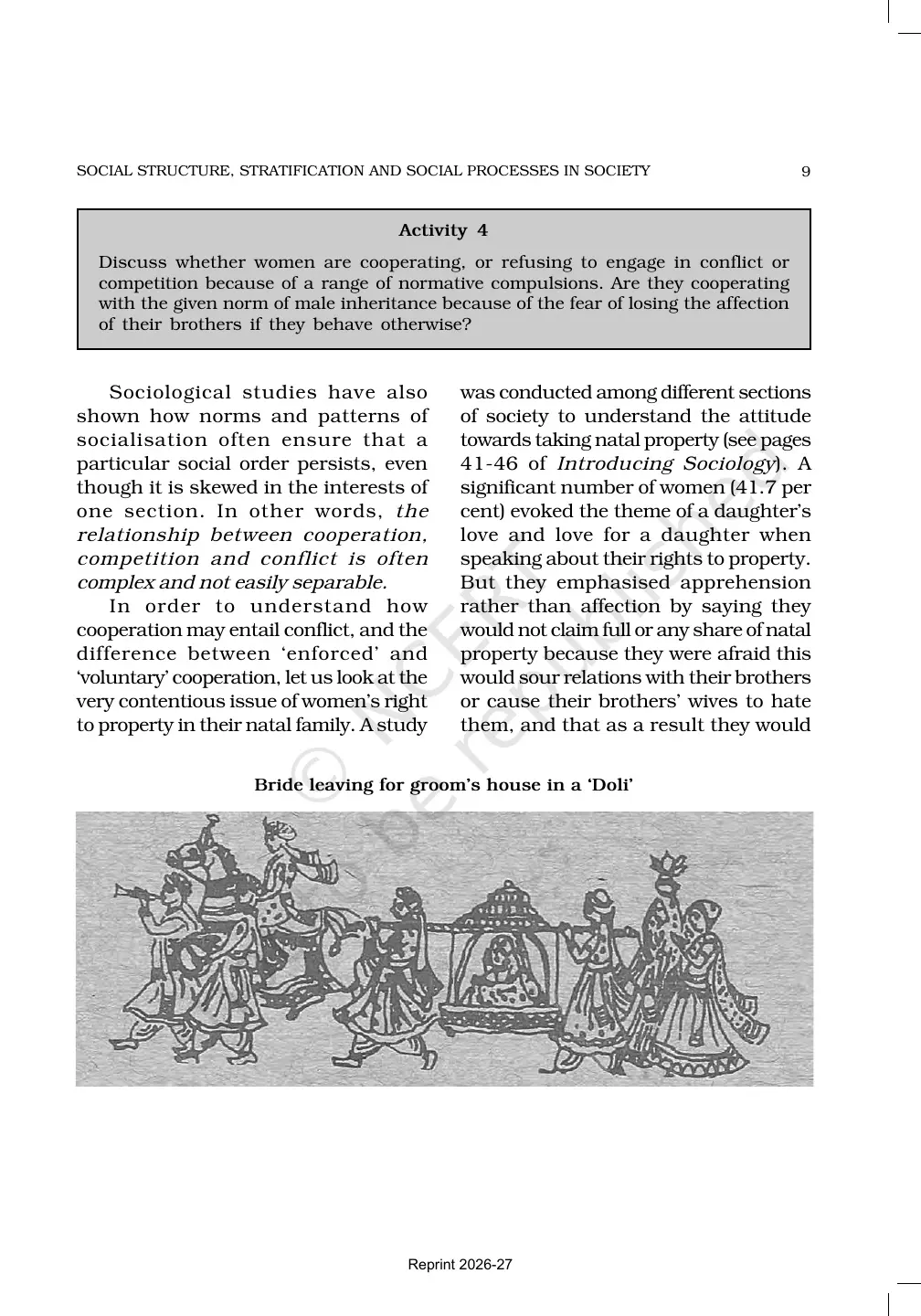
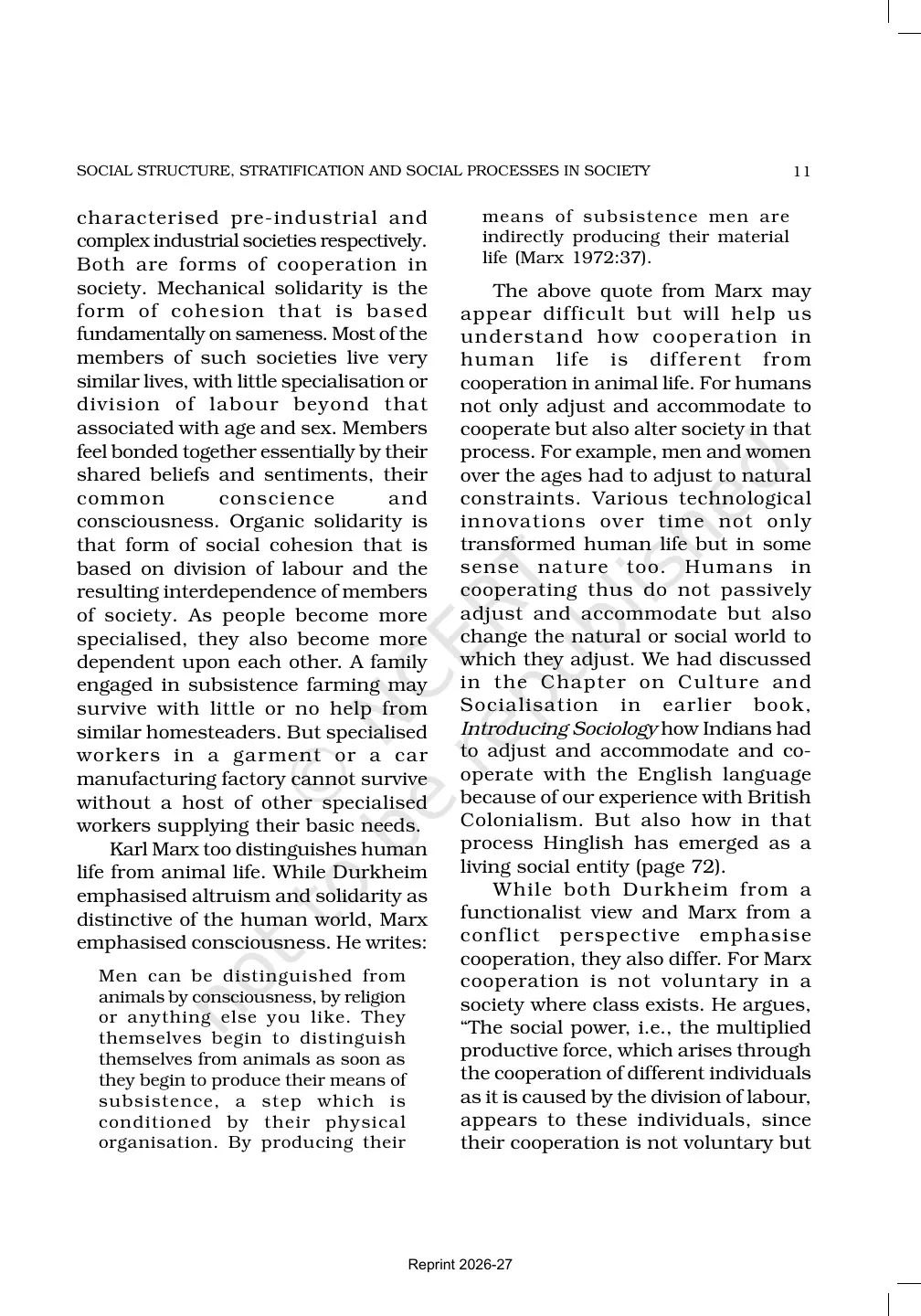
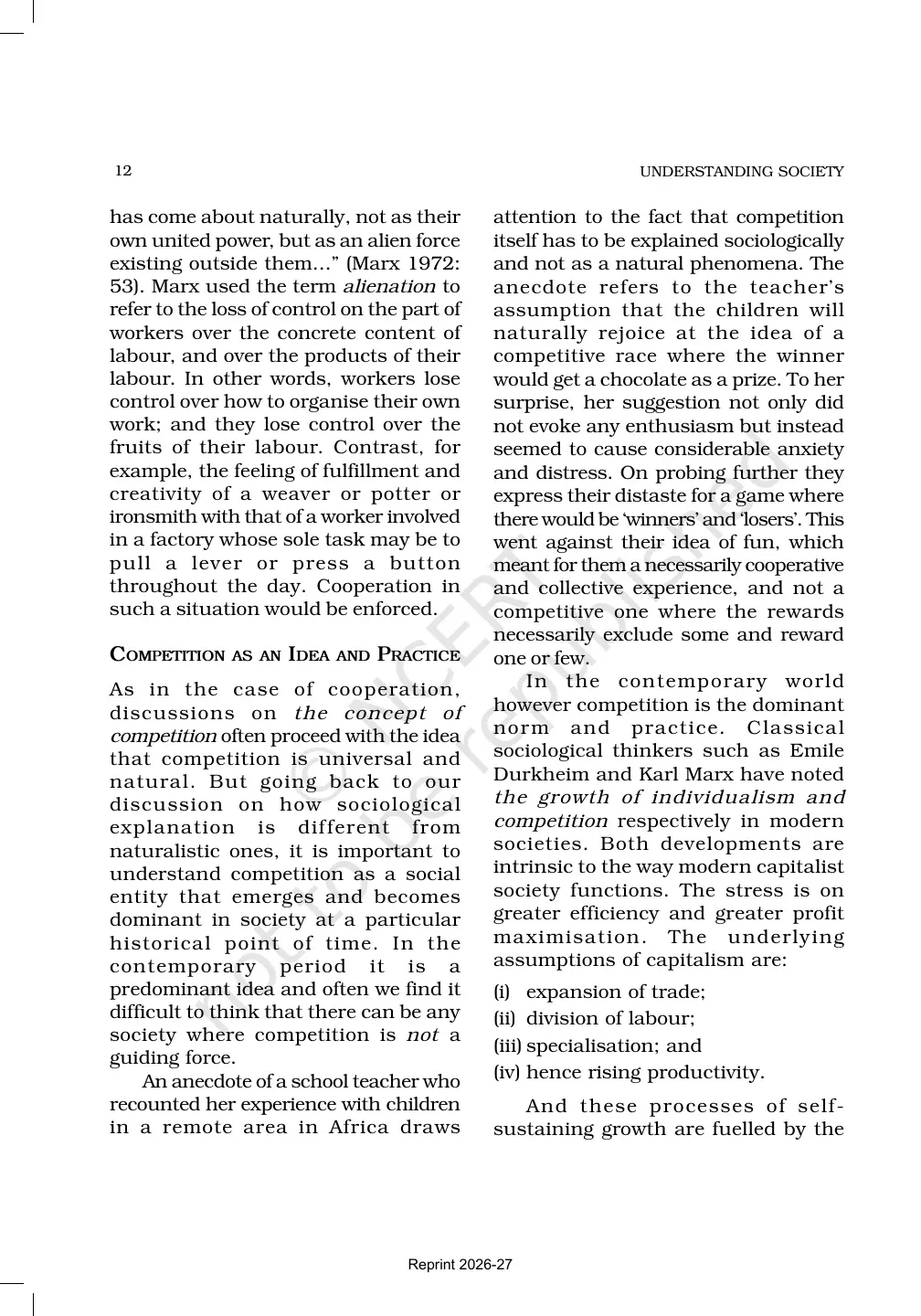
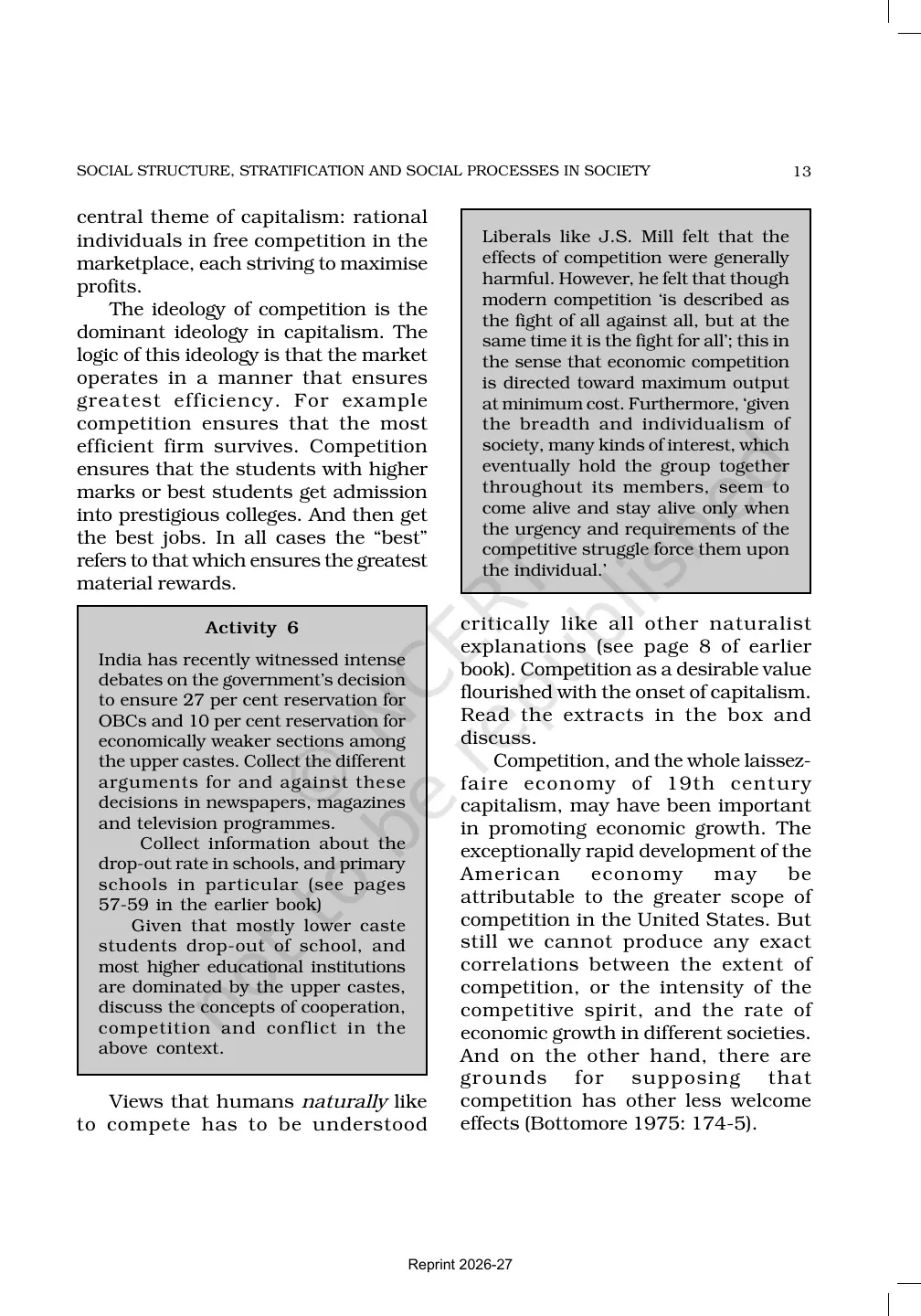
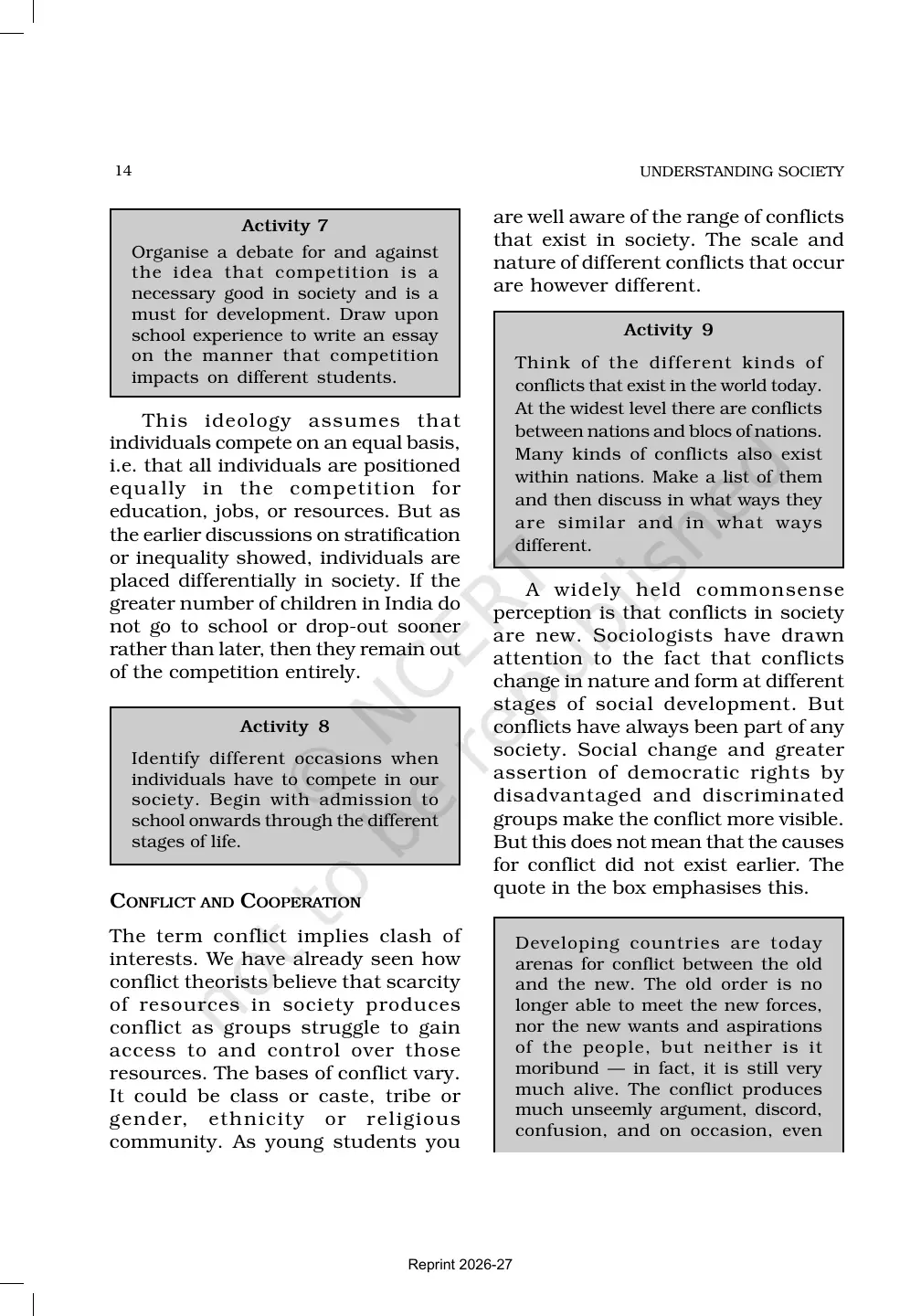
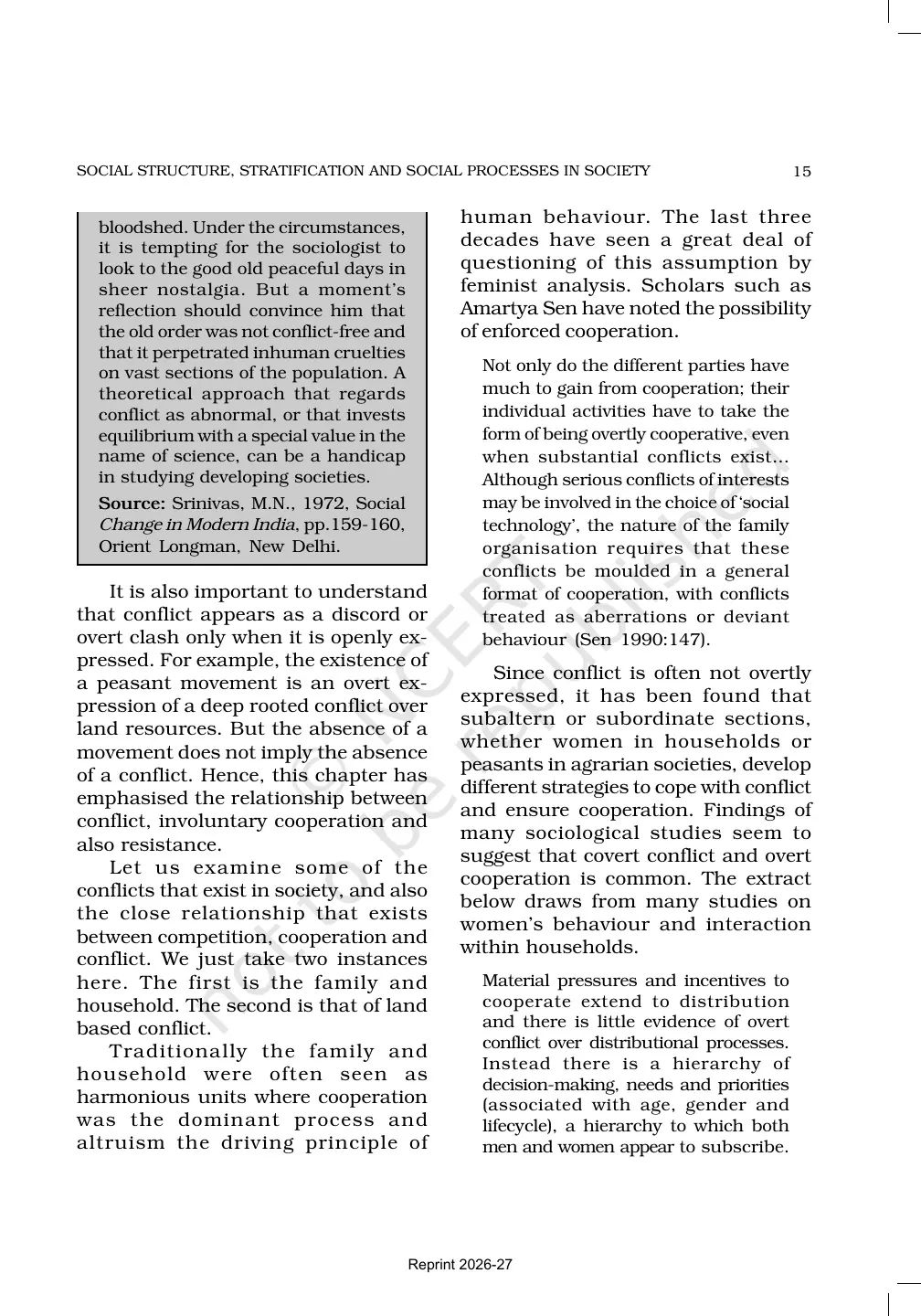
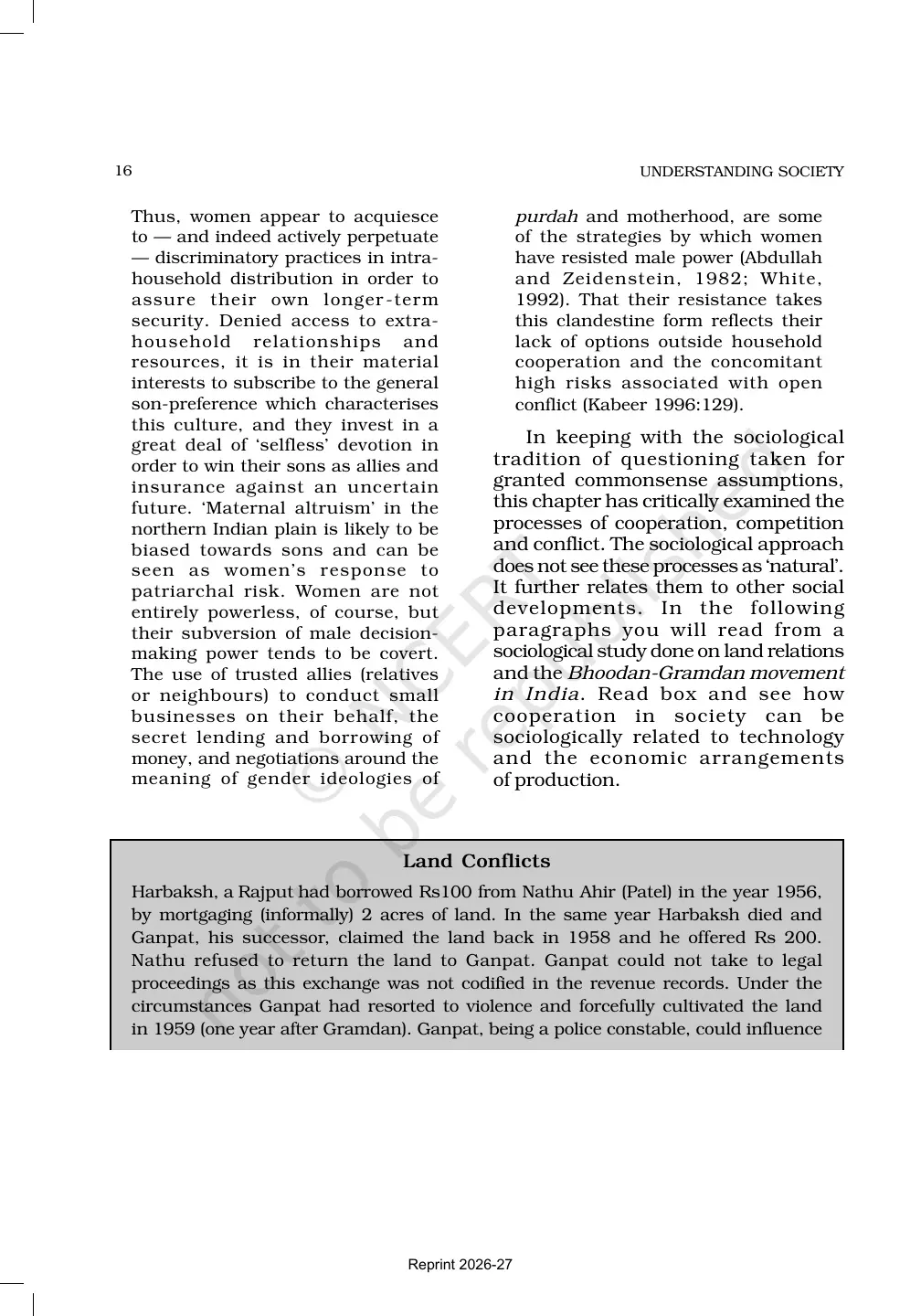
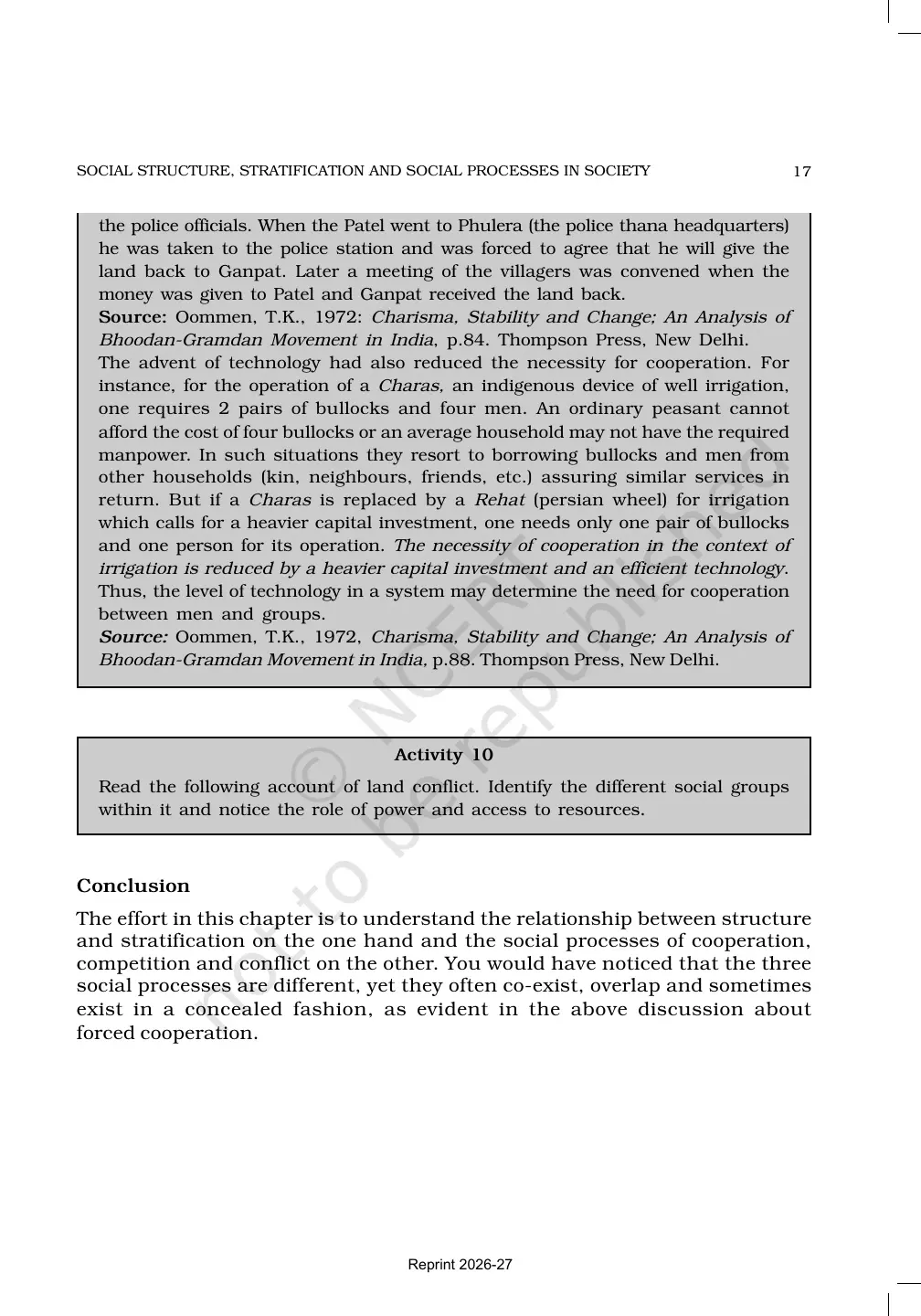
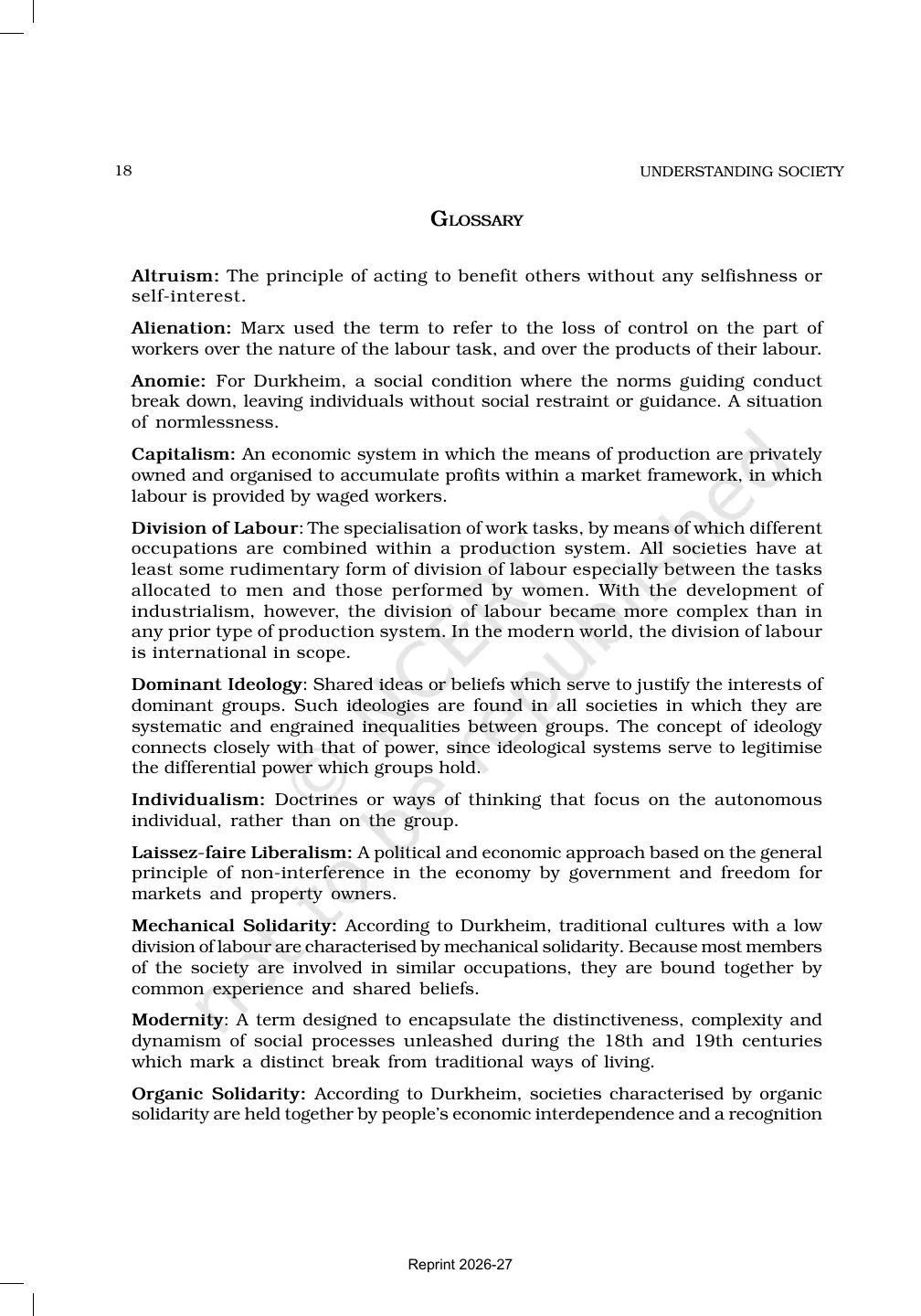
The official NCERT Class 11 Sociology Chapter 6 PDF helps students connect textbook theory with caste, class, gender and everyday social interaction.
Student Feedback: In a Collegedunia check of 10,840 Class 11 humanities students, most students said this chapter became easier after they separated social structure from social stratification in a two-column table.
What the Social Structure and Stratification NCERT PDF Covers
NCERT explains society as a patterned arrangement of groups, roles and institutions. Social structure is not a random collection of people. It is the organised way in which family, school, work, caste, class and state connect with each other.
The chapter then explains why some groups get more power, honour and resources than others. Social stratification means structured inequality between groups. It helps students study caste, class, gender and race as social patterns, not just personal differences.
- Status: the social position a person holds in a group.
- Role: the behaviour expected from that social position.
- Institution: a stable social arrangement, such as family or school.
Social Structure vs Social Stratification in Class 11 Sociology
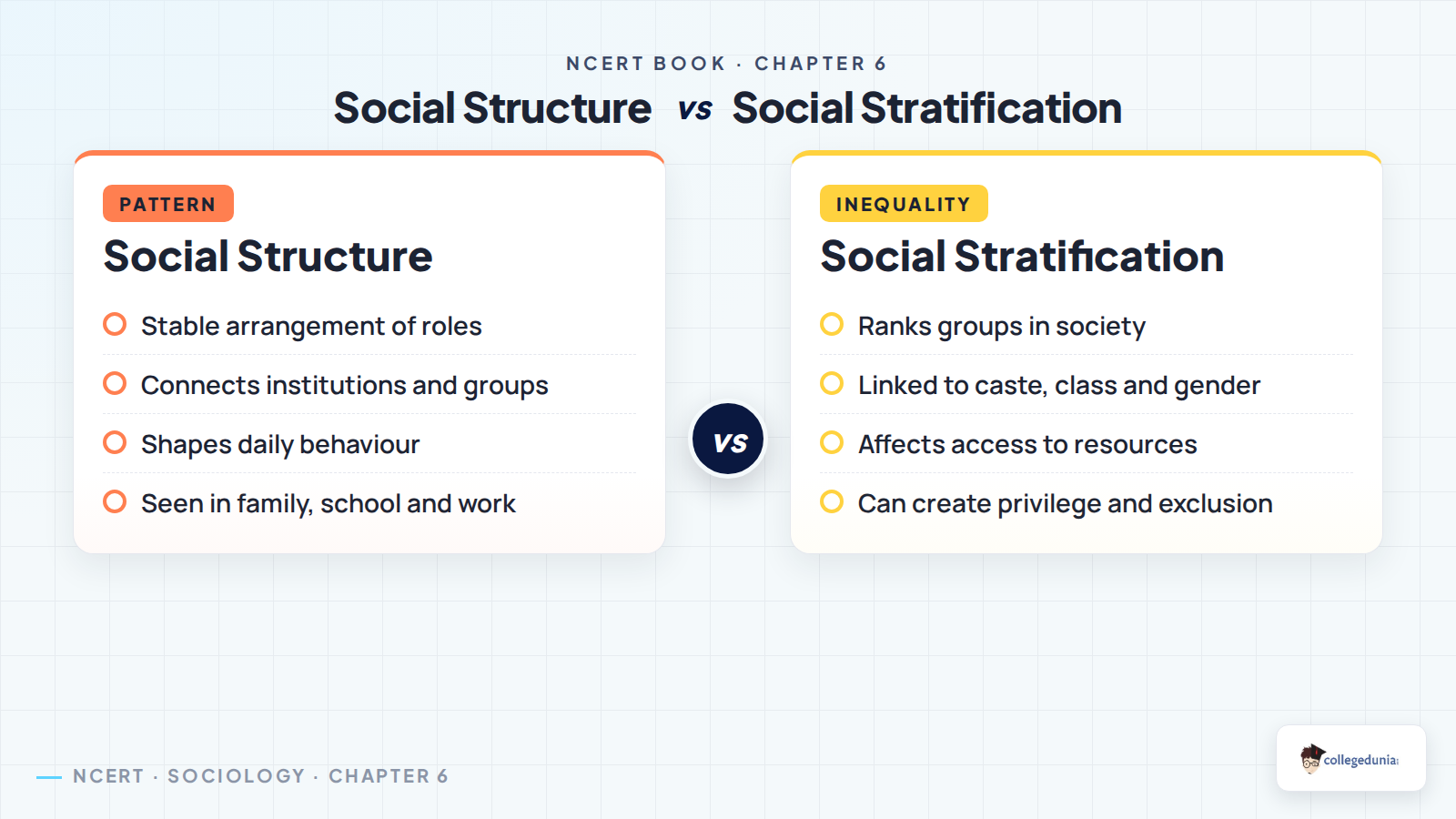
Students often mix up these two terms. Social structure is the broad pattern of society. Social stratification is the ranking inside that pattern. One shows arrangement. The other shows inequality.
Social structure tells us how society is organised. Social stratification tells us who gets better access to income, status, education and power within that organisation.
| Term | Meaning | NCERT example angle |
|---|---|---|
| Social structure | Patterned arrangement of roles and groups | Family, school, economy and state work through fixed roles. |
| Social stratification | Ranking of groups in society | Caste, class and gender affect life chances. |
| Social process | Ways people and groups interact | Cooperation, competition and conflict shape social life. |
Cooperation, Competition and Conflict in Society
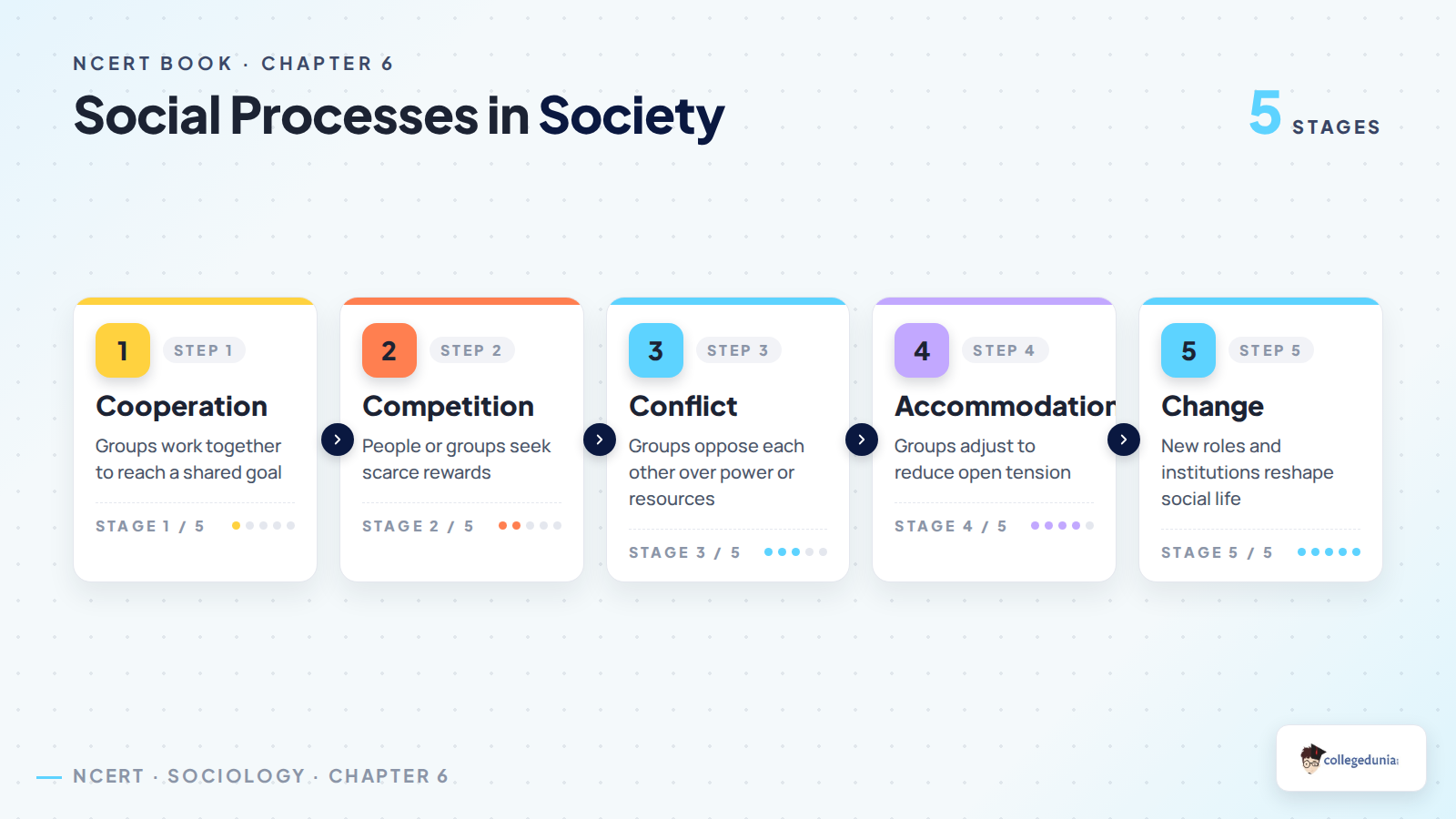
NCERT treats cooperation, competition and conflict as basic social processes. They are not isolated events. They happen inside a social structure and are shaped by unequal access to resources.
- Cooperation: people work together to reach a shared goal.
- Competition: people seek the same limited reward or opportunity.
- Conflict: groups oppose each other over power, status or resources.
- Accommodation: groups adjust so open tension reduces.
Good answers use one example for each process. For example, students may cooperate on a project, compete for limited seats and disagree over group roles.
Social Structure and Stratification Video Recap
Source: Magnet Brains on YouTube
Caste, Class and Gender as Stratification Examples
The chapter shows that inequality is not only about money. In India, caste has shaped social status, occupation and marriage rules. Class shapes income, education and lifestyle. Gender shapes expectations inside family, work and public life.
Stratification becomes sociological when it is linked to social rules and institutions. A strong answer explains how these inequalities are passed on and accepted by society.
- Caste: a birth-based system with ranked groups and social distance.
- Class: a system linked to wealth, income, occupation and education.
- Gender: social expectations attached to being male, female or non-binary.
- Life chances: chances of getting education, work, health care and respect.
How to Use the Chapter 6 Book PDF for Revision
Use the official PDF in three rounds. First, underline the definitions of structure, stratification and social processes. Second, make a concept table. Third, add one Indian example to every term before writing answers.
- For definitions: write status, role, institution and stratification in one line each.
- For examples: connect caste, class and gender with real social settings.
- For long answers: explain the concept, add an example and show its effect.
- For quick recap: revise cooperation, competition and conflict as a paired set.
Social Structure and Stratification Class 11 Related Resources
| Resource | Best use |
|---|---|
| Social Structure and Stratification NCERT Solutions | Use for textbook questions and answer writing practice. |
| Social Structure and Stratification Notes | Use for shorter explanations once the notes page is live. |
| Social Structure and Stratification Handwritten Notes | Use for one-shot revision once the handwritten notes page is live. |
All Class 11 Sociology NCERT Book Chapters
| Chapter | NCERT Book PDF |
|---|---|
| 1 | Sociology and Society |
| 2 | Terms, Concepts and Their Use in Sociology |
| 3 | Understanding Social Institutions |
| 4 | Culture and Socialisation |
| 5 | Doing Sociology: Research Methods |
| 6 | Social Structure, Stratification and Social Processes in Society |
| 7 | Social Change and Social Order in Rural and Urban Society |
| 8 | Environment and Society |
| 9 | Introducing Western Sociologists |
| 10 | Indian Sociologists |
Social Structure and Stratification Class 11 NCERT Book FAQs
Ques. What is included in the Class 11 Sociology Chapter 6 NCERT PDF?
Ans. It includes the official chapter on social structure, stratification, caste, class, gender, cooperation, competition and conflict.
Ques. What is social structure in Class 11 Sociology?
Ans. Social structure means the patterned arrangement of groups, roles and institutions that organise social life.
Ques. What is social stratification?
Ans. Social stratification means structured inequality between groups, based on caste, class, gender or other social bases.
Ques. Which social processes are explained in this chapter?
Ans. The chapter explains cooperation, competition, conflict and accommodation as major ways people and groups interact.
Ques. How should students revise this chapter for 2026-27 exams?
Ans. Students should make a table of key terms, add one example for each term and practise short answers on cooperation, competition and conflict.



Comments