



The NCERT Class 12 Entrepreneurship Chapter 2 Entrepreneurial Planning Book PDF gives the official 2026-27 source chapter for business forms, business plans and venture formalities. Read this PDF before notes or solutions so every answer uses the NCERT wording.
- PDF size: 62 official NCERT pages for chapter reading and offline revision.
- Core focus: business entities, business plan formats and functional sub-plans.
- Best use: read the chapter once, then build a one-page business plan checklist.
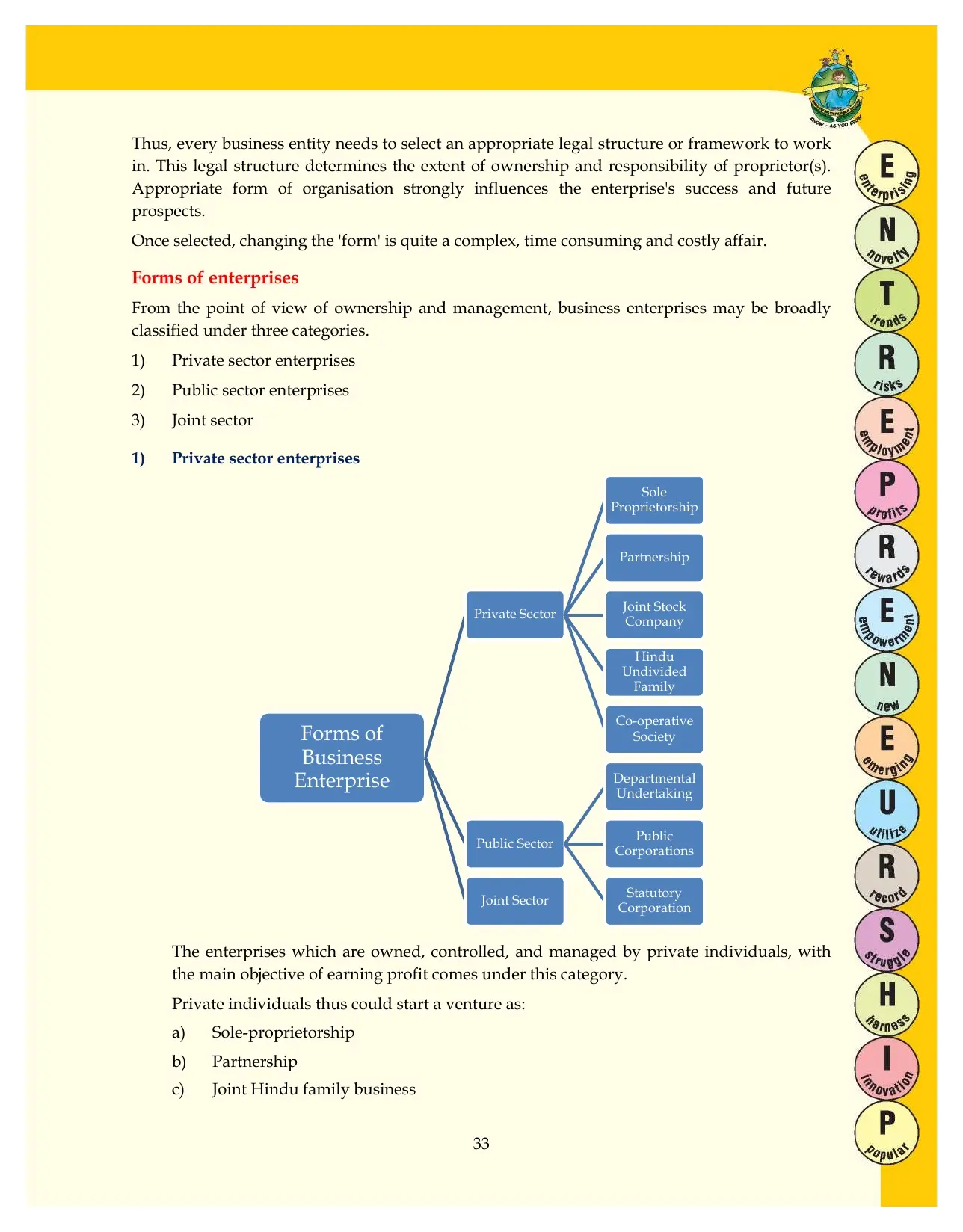
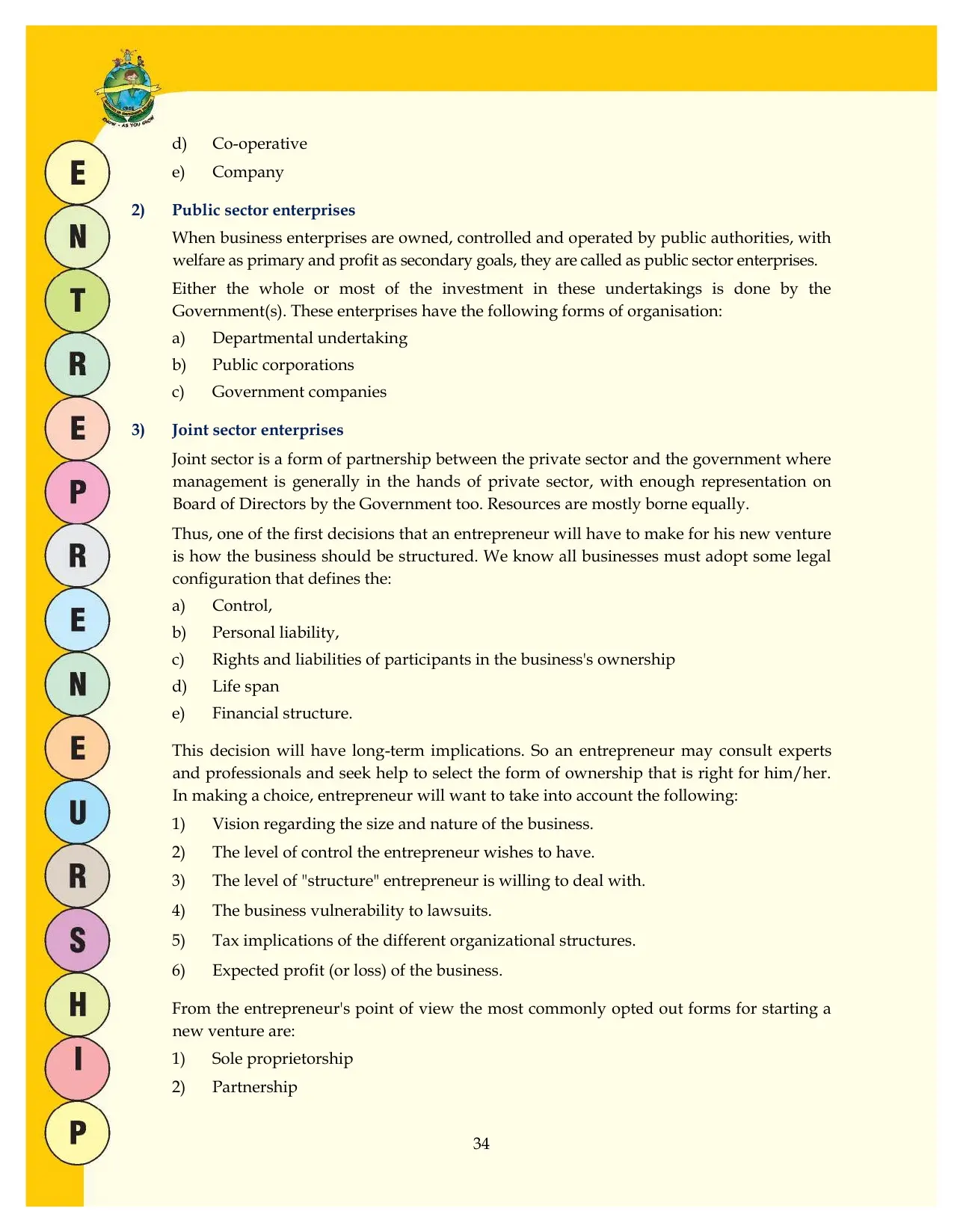
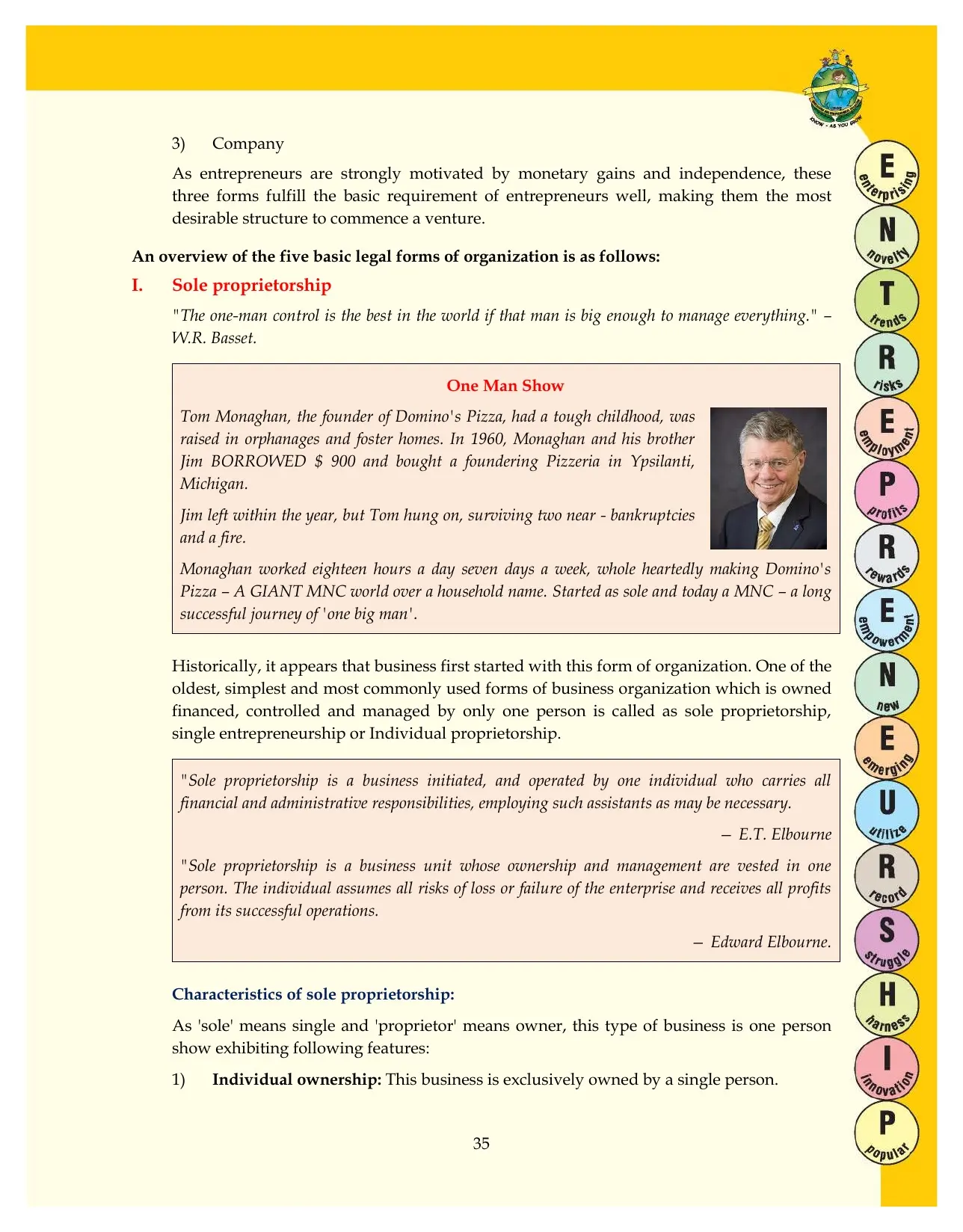
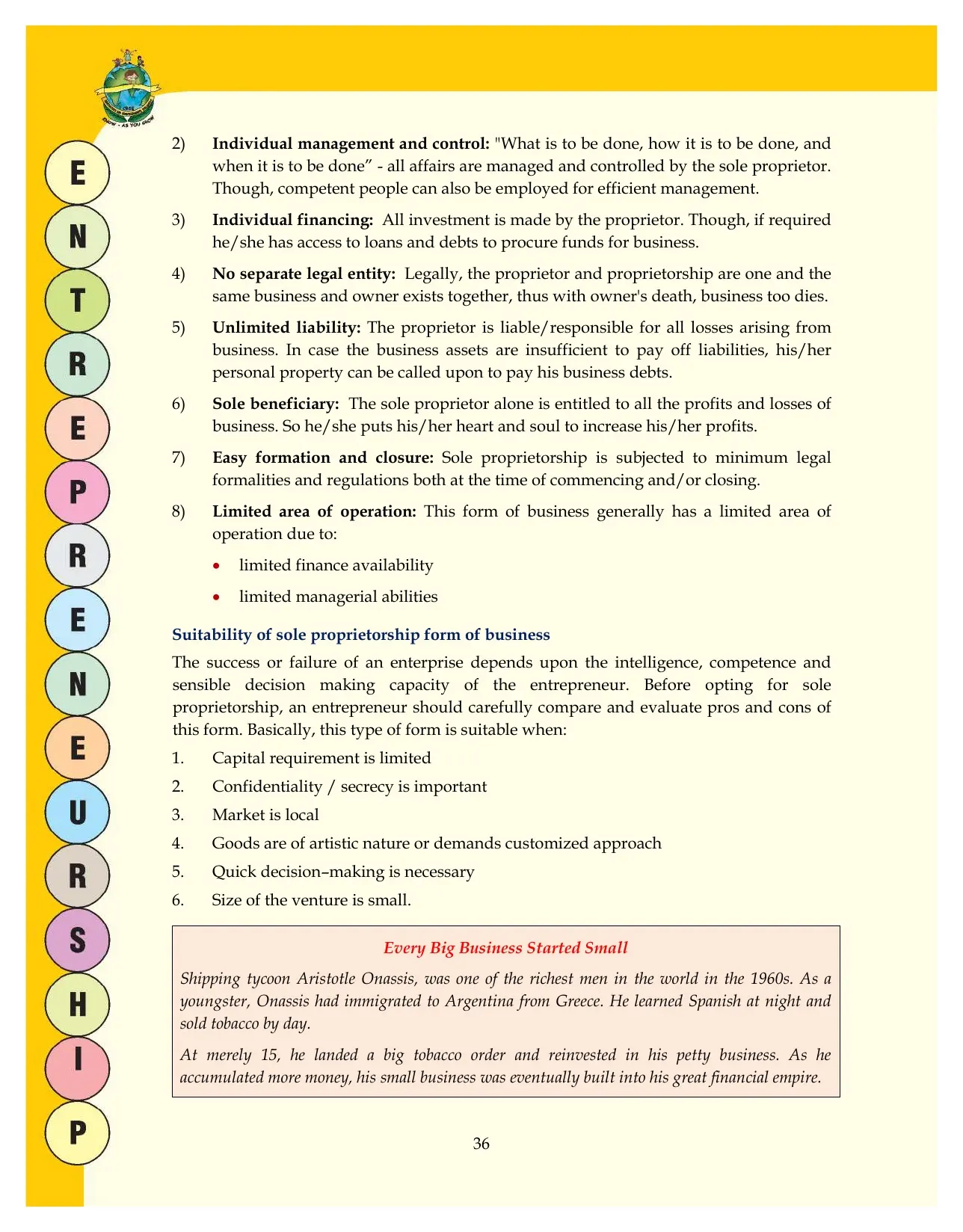
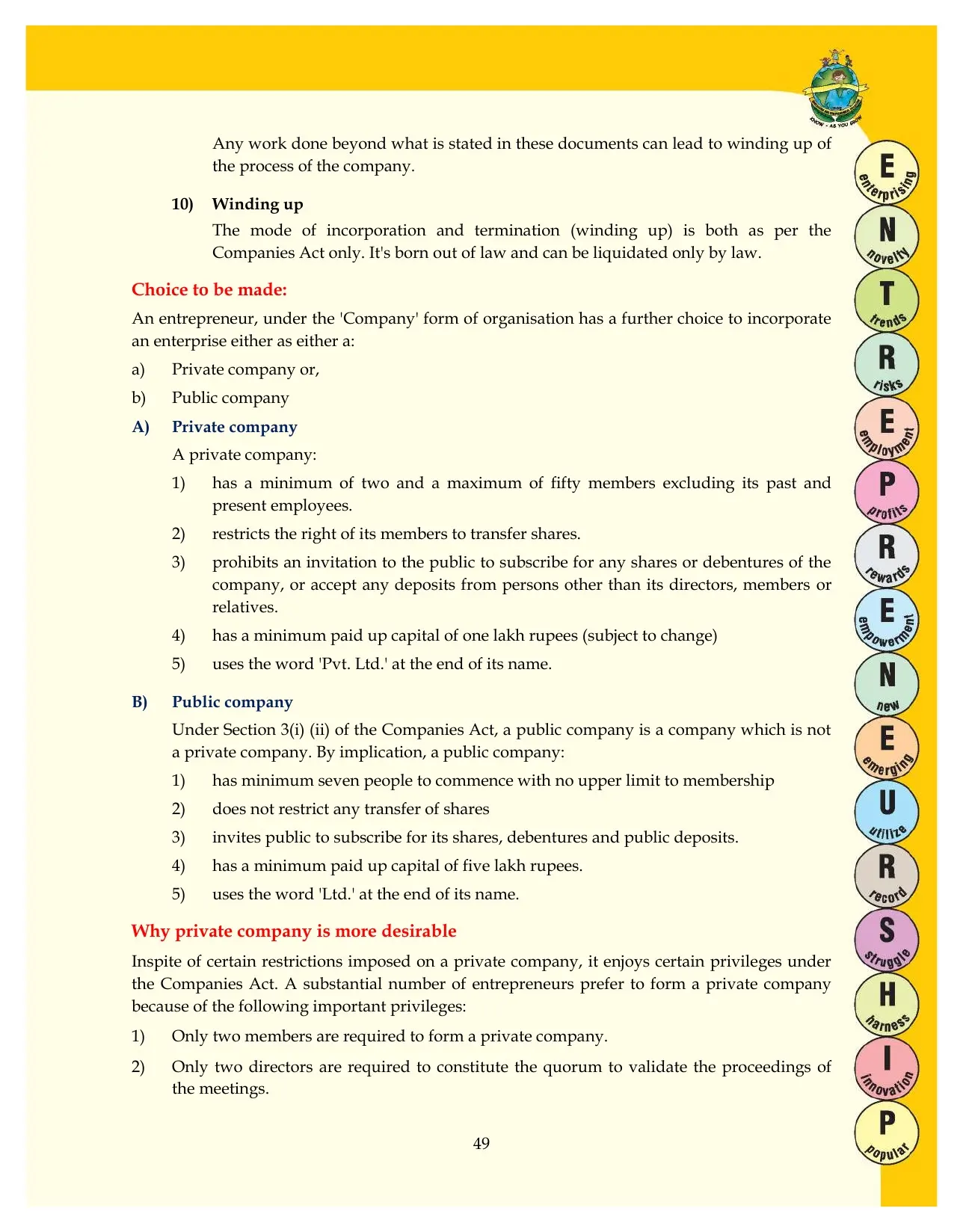
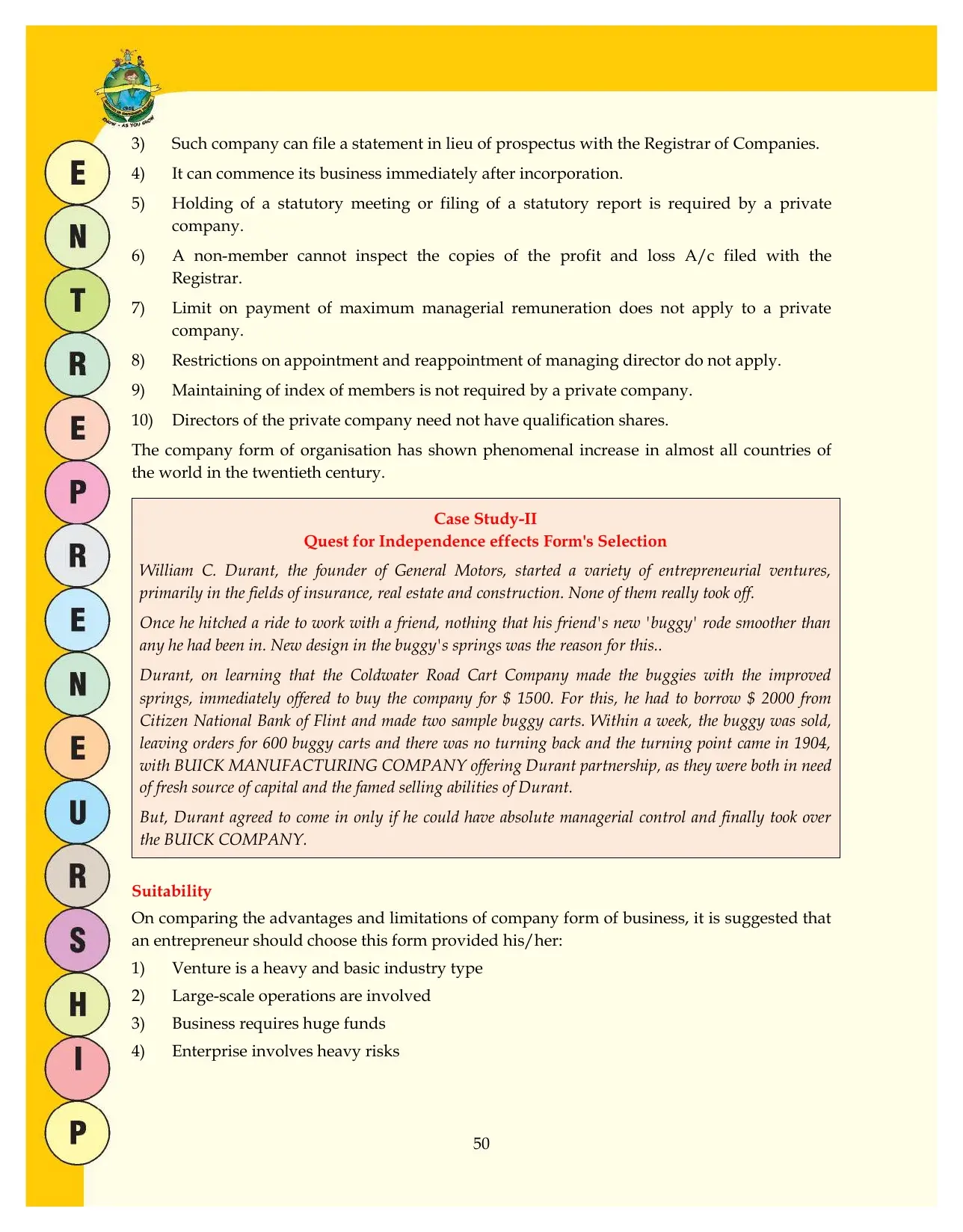
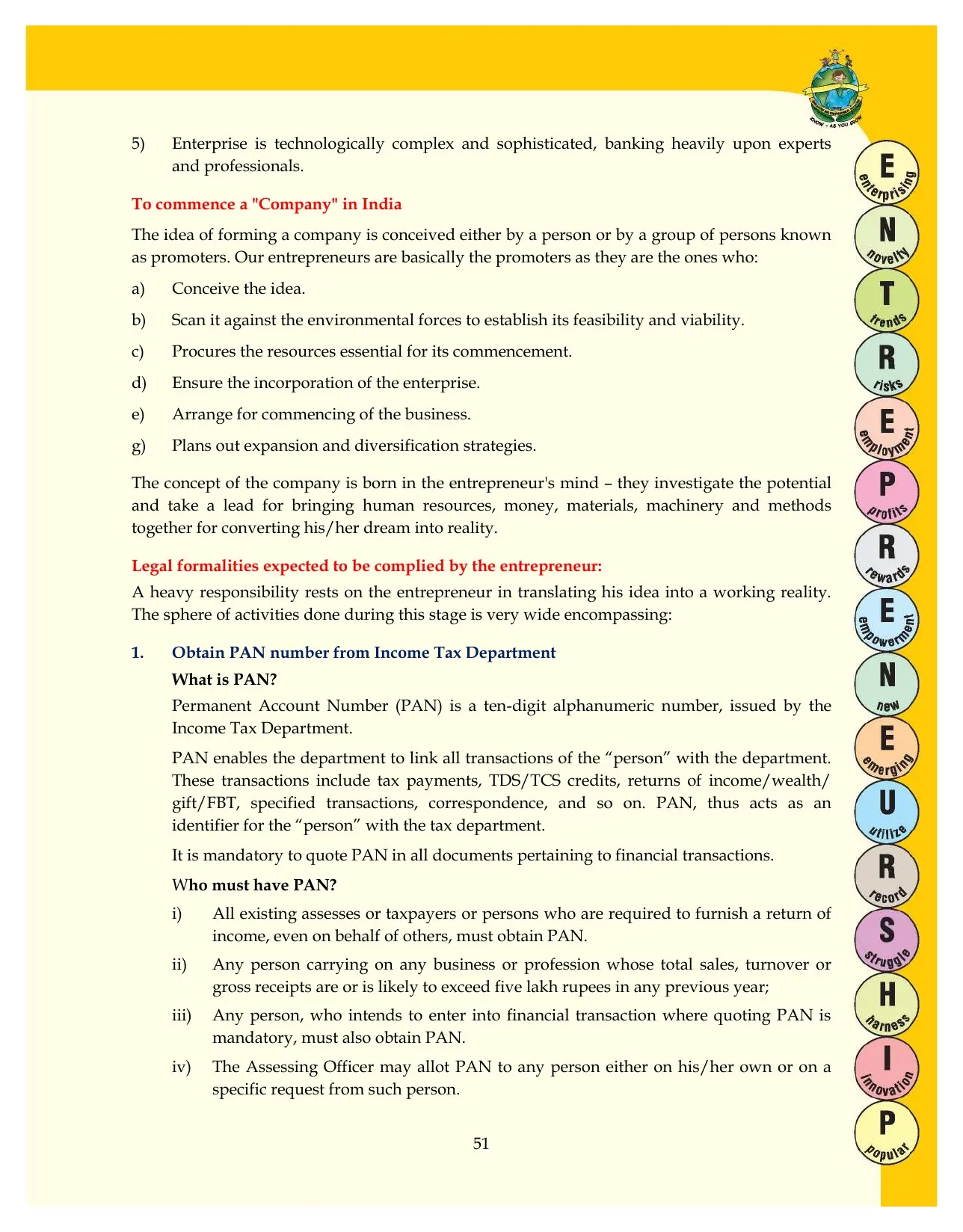
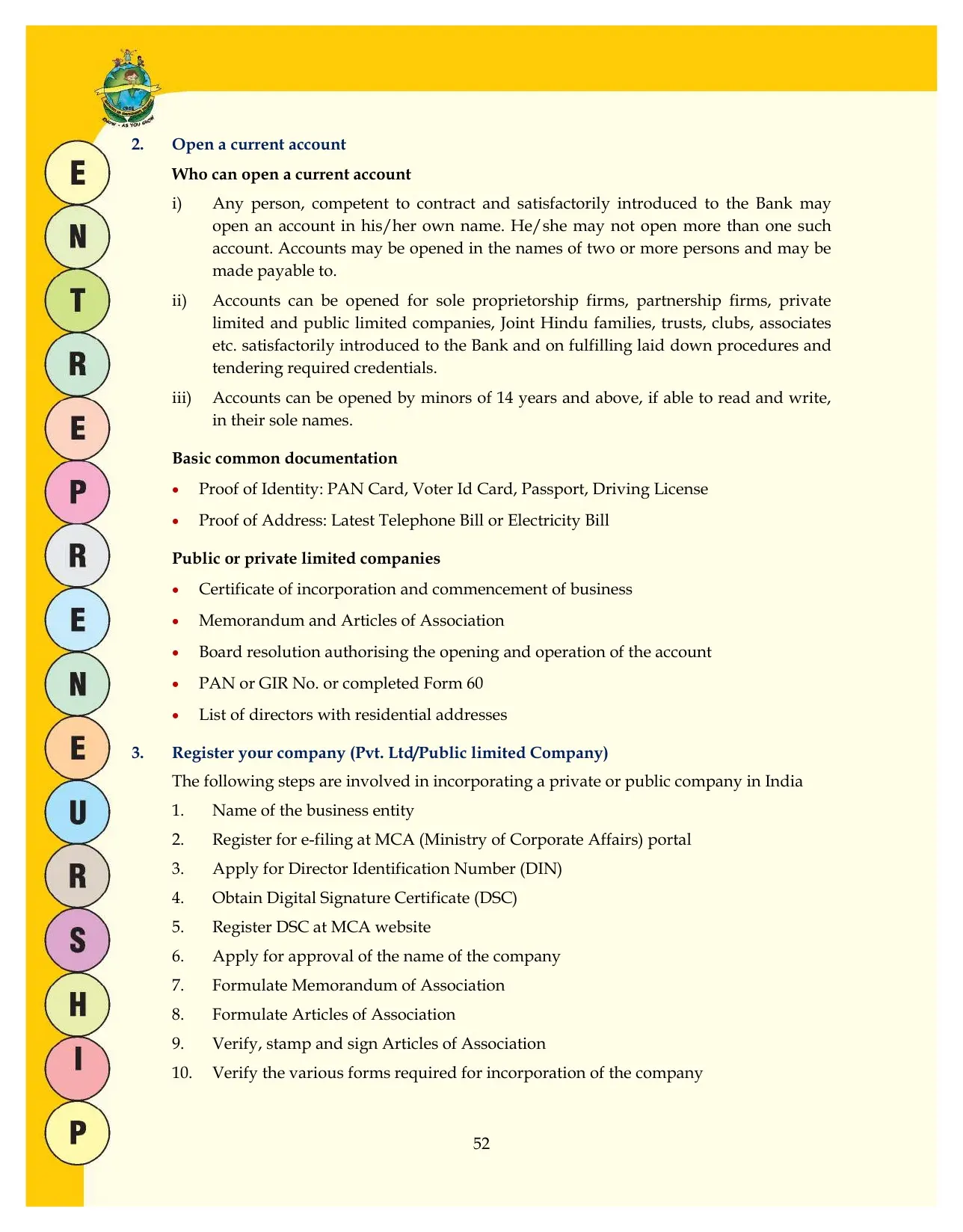
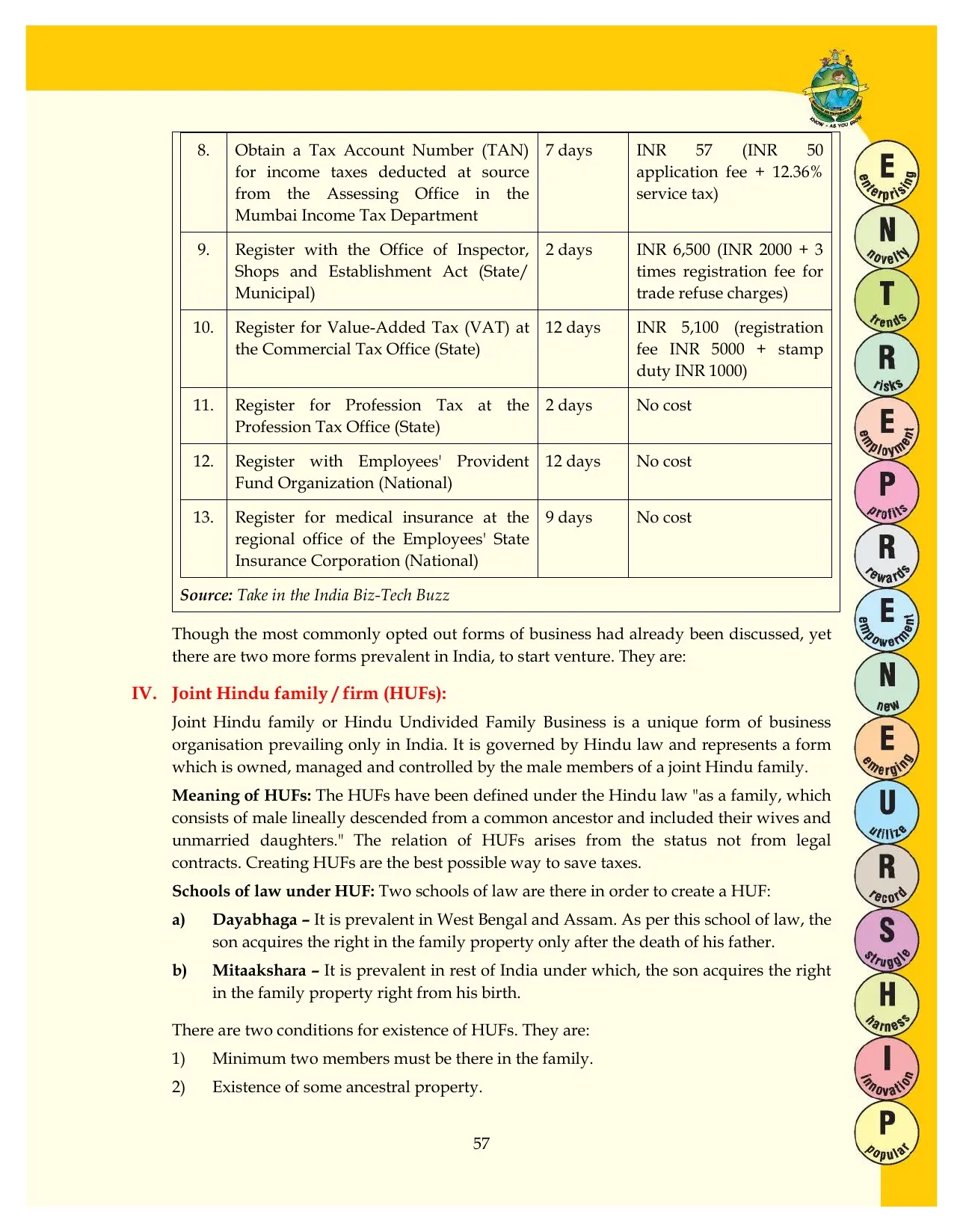
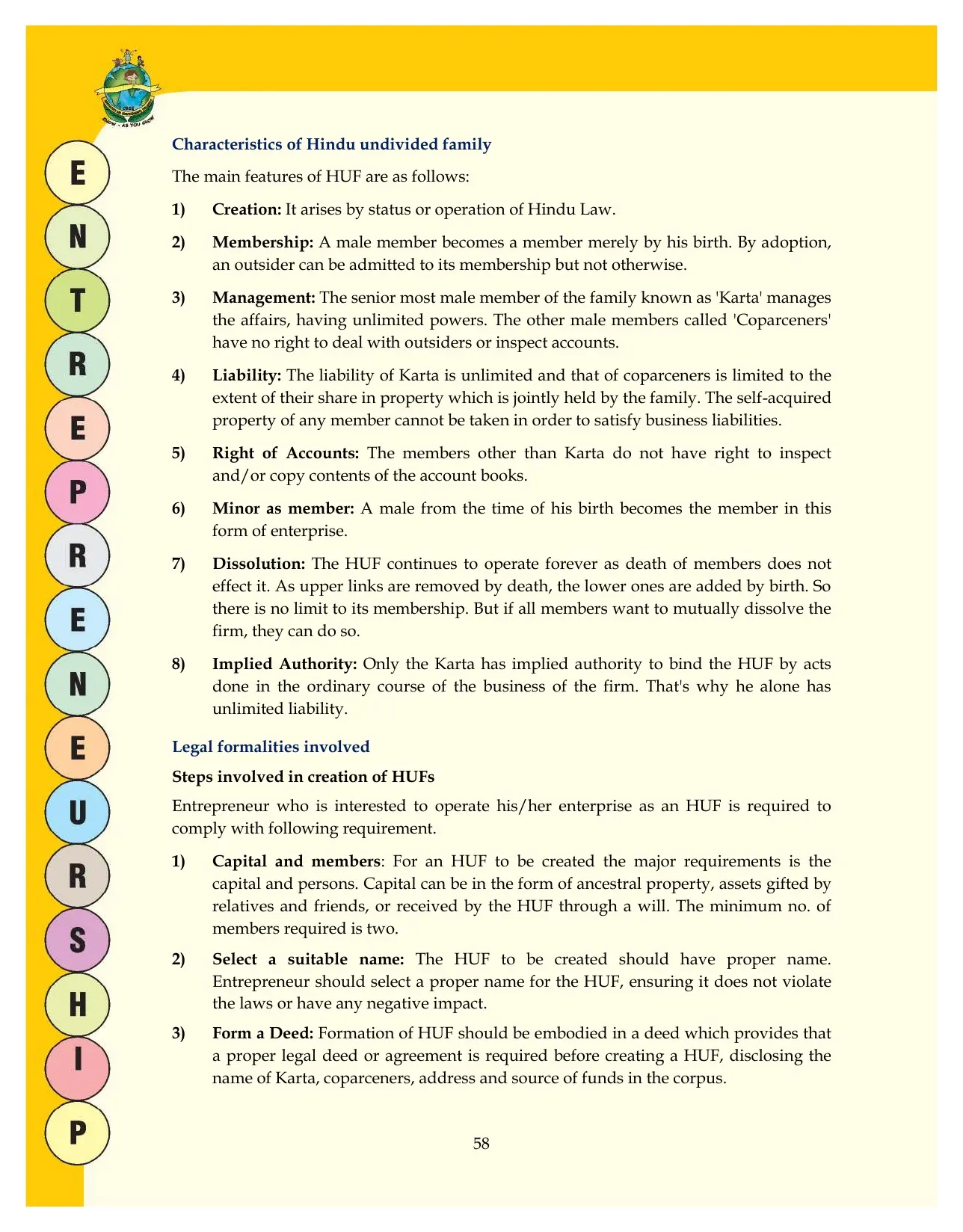
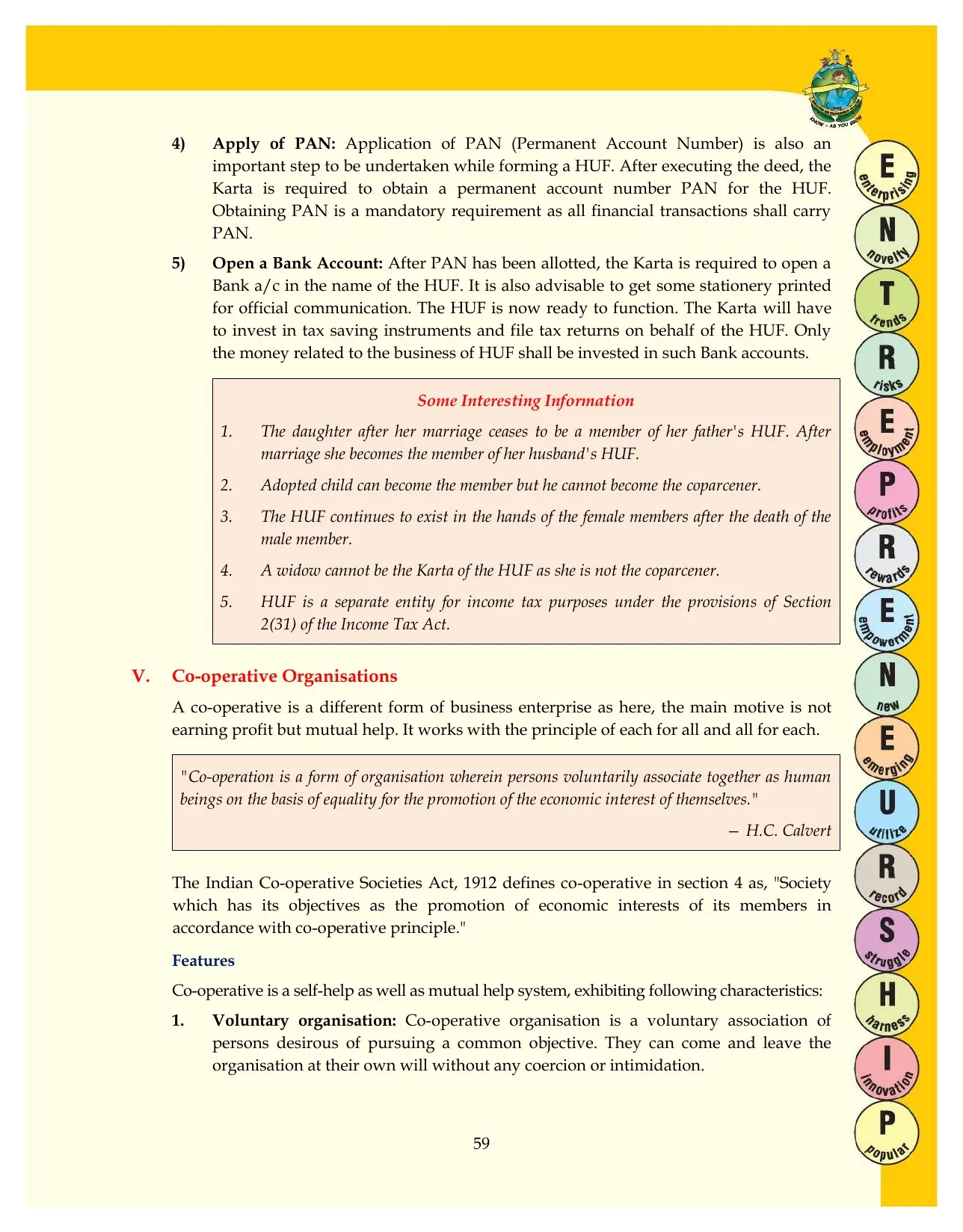
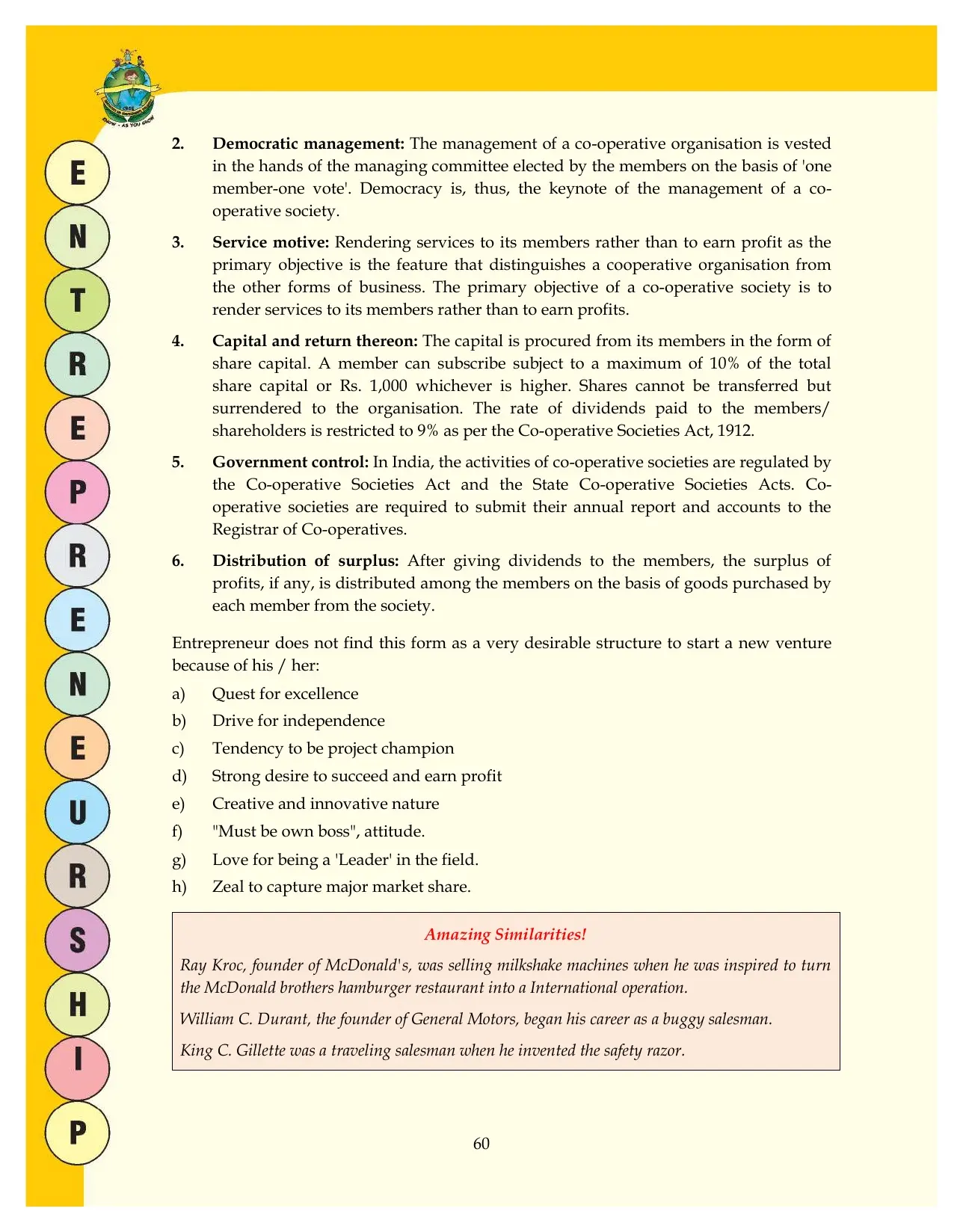
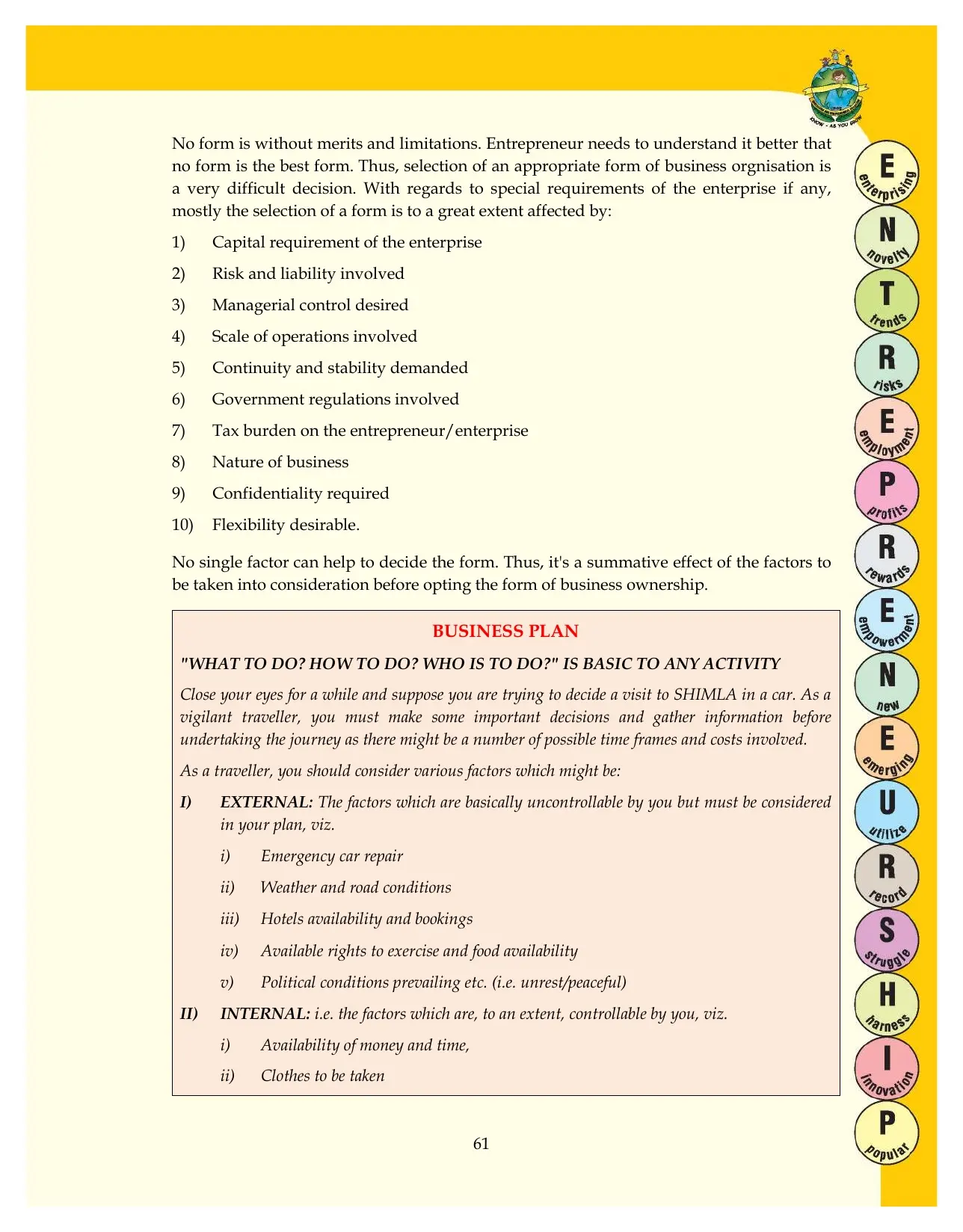
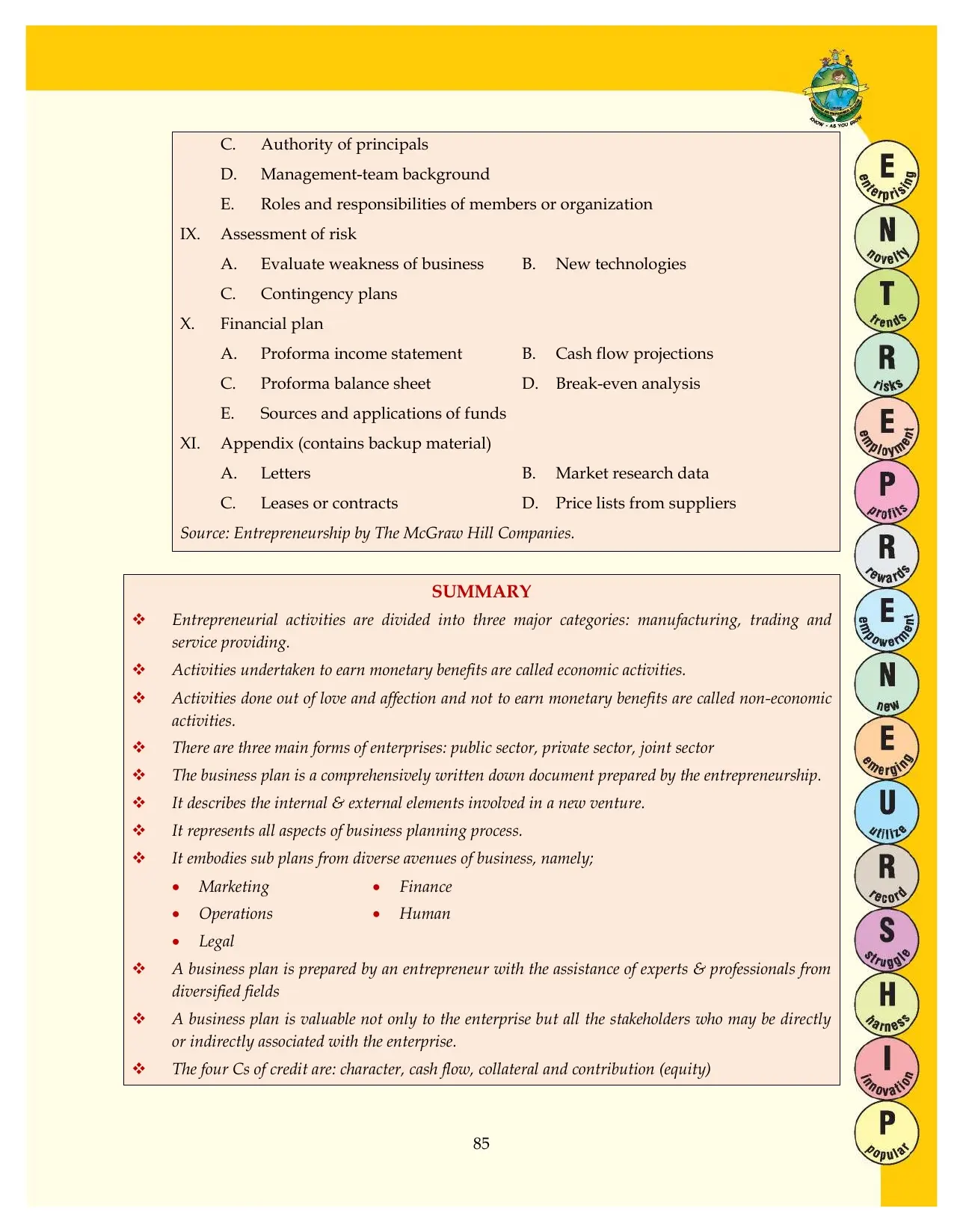
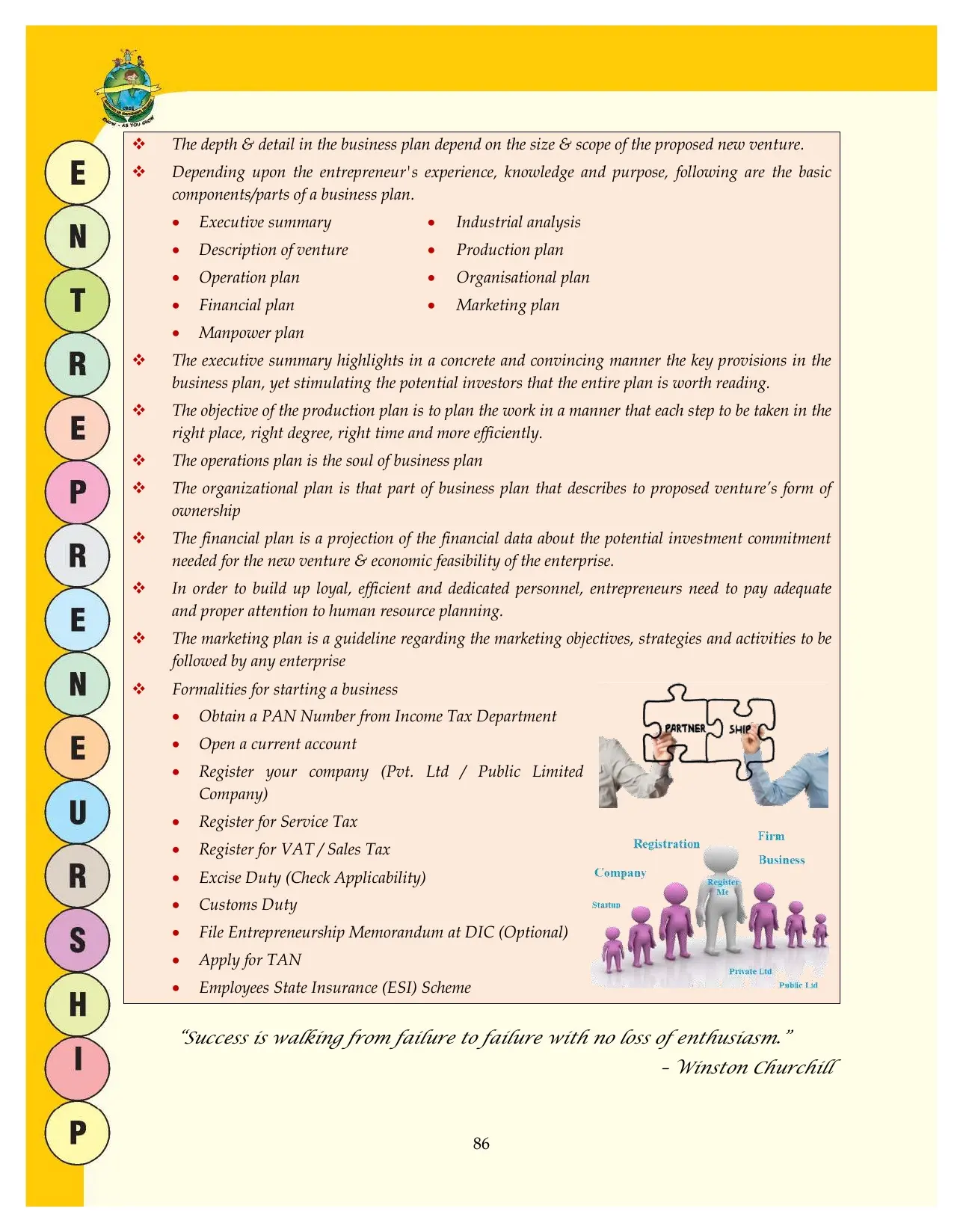
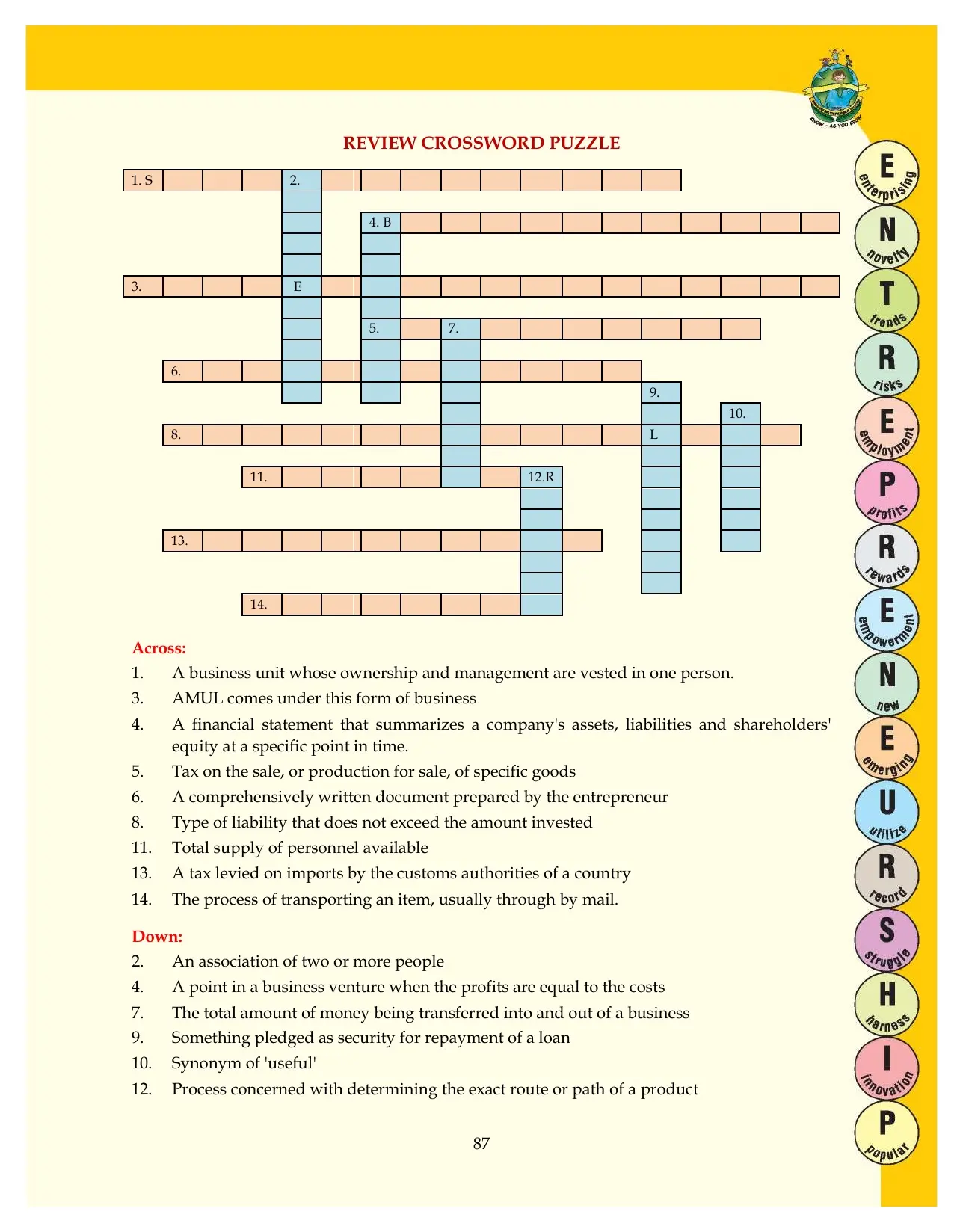
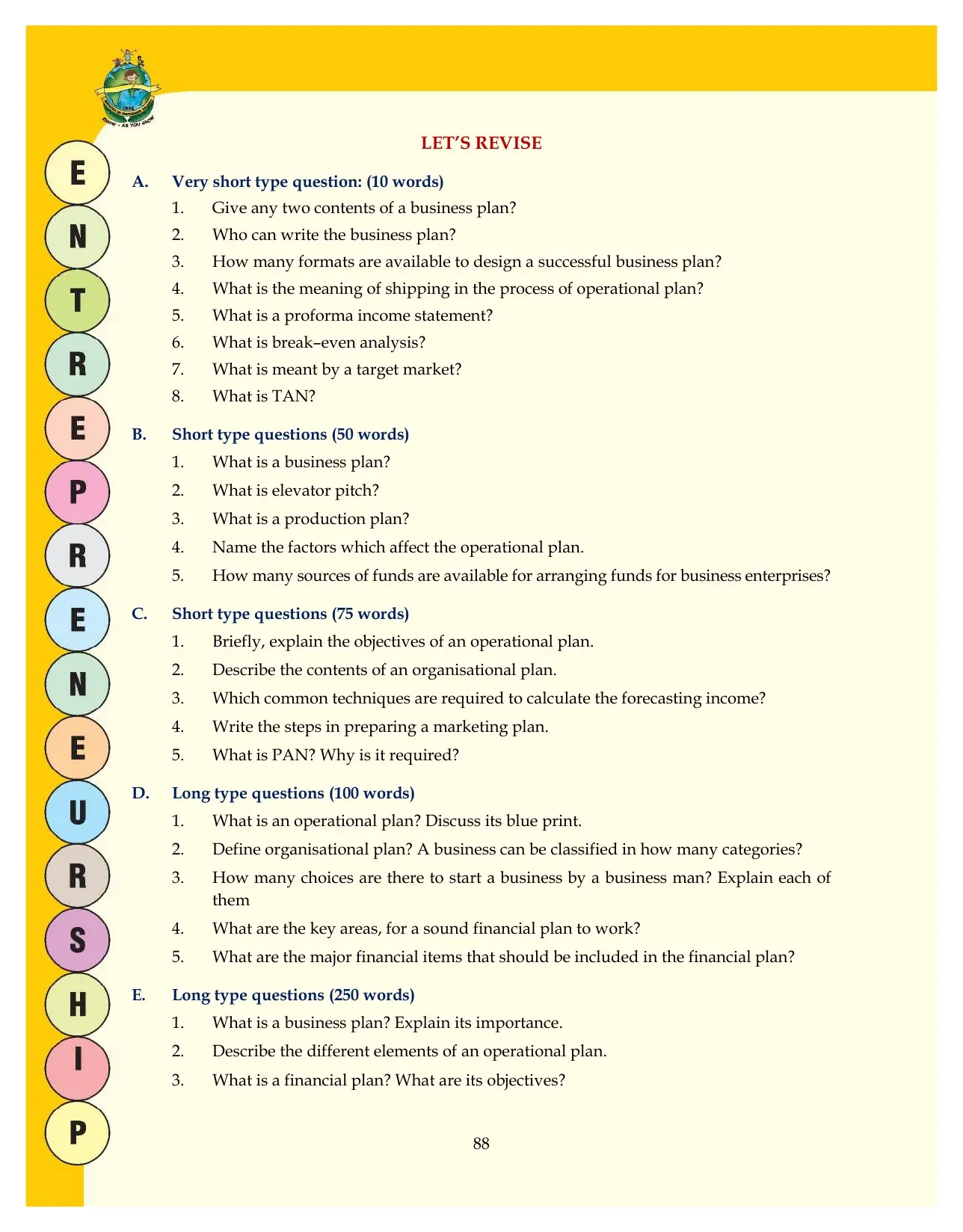
This Collegedunia page follows the 2026-27 NCERT Entrepreneurship textbook and keeps the official chapter PDF, business-plan framework and related study links in one place.
Student Feedback: In a Collegedunia poll of 11,640 Class 12 Entrepreneurship students from the 2026-27 board cycle, most students said Chapter 2 became easier after they arranged every business-plan part into production, operations, marketing, finance and human resources.
Entrepreneurial Planning Chapter 2 NCERT Book PDF Highlights
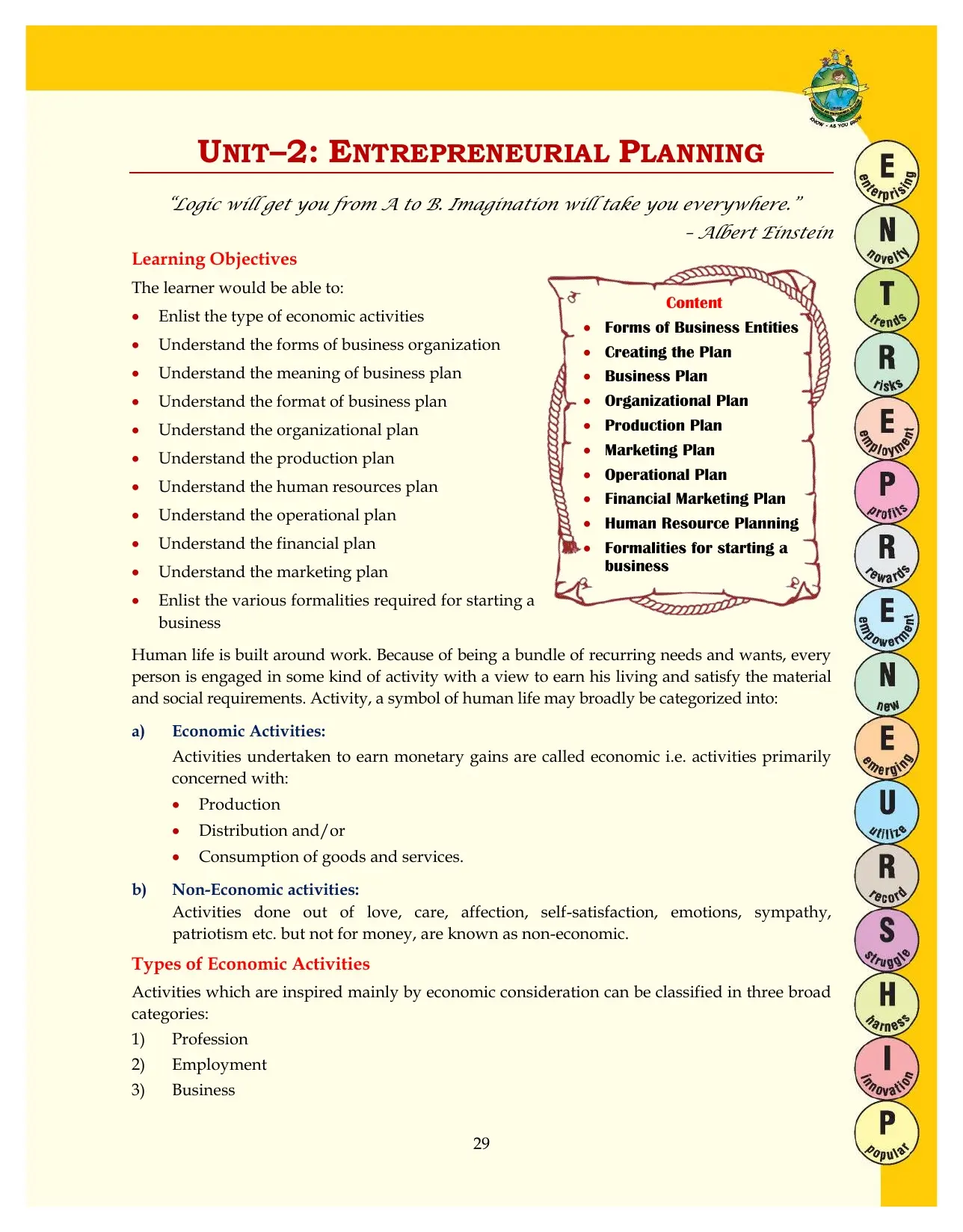
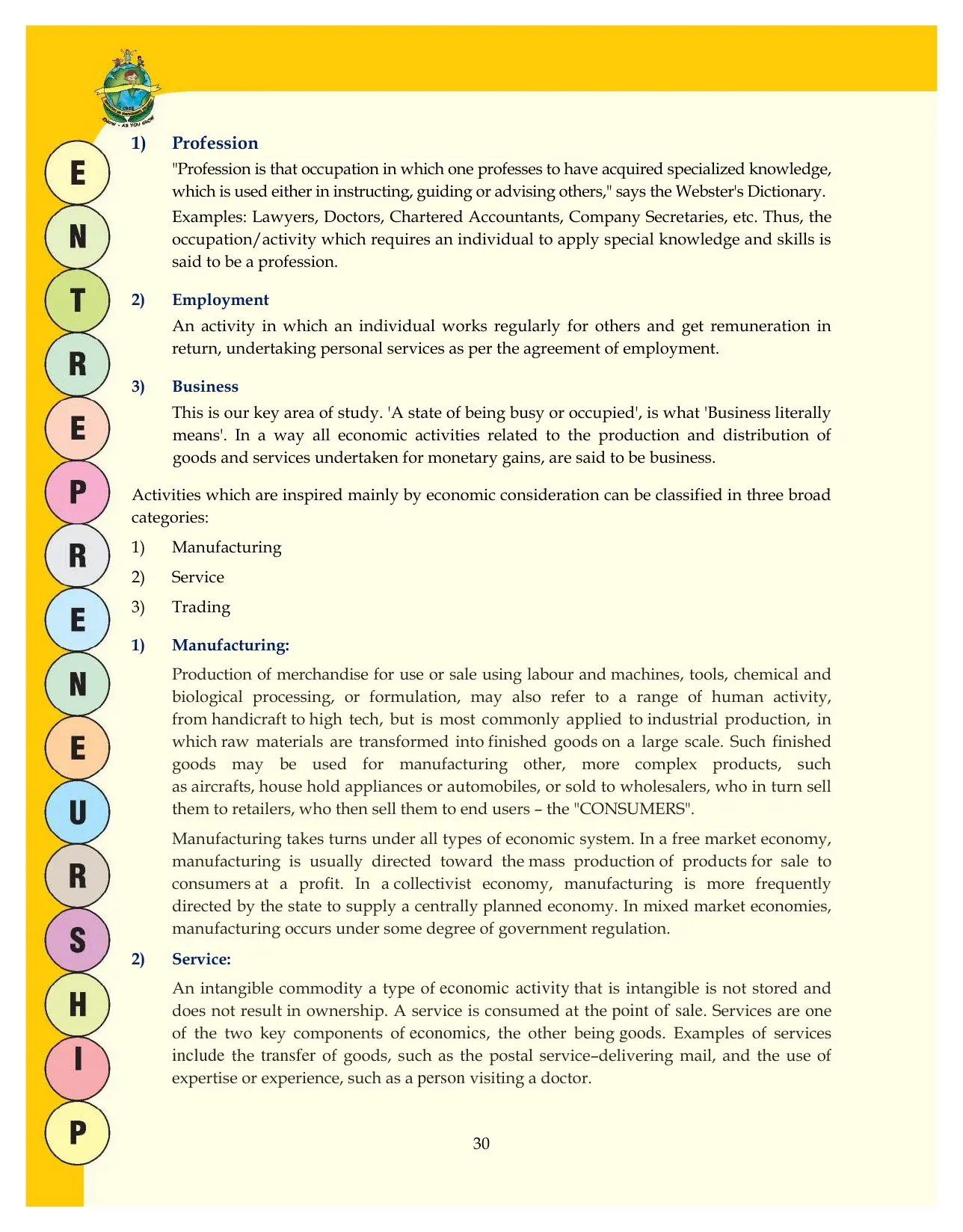
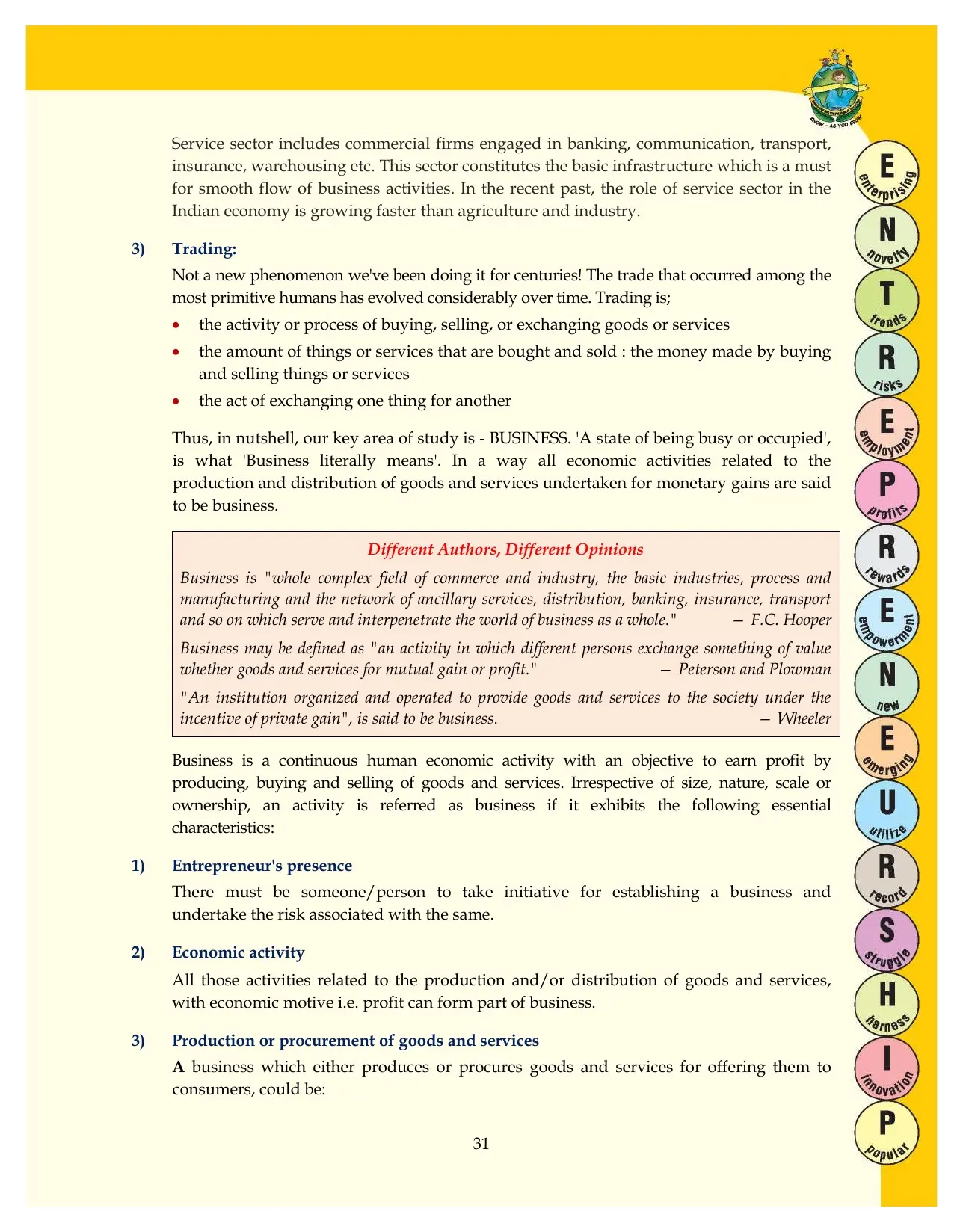
Entrepreneurial Planning starts with the difference between economic and non-economic activities. It then moves to business, forms of enterprise and the role of planning before a new venture begins.
| Chapter area | What NCERT asks students to notice | Revision cue |
|---|---|---|
| Economic activity | Profession, employment and business | Money motive decides the category |
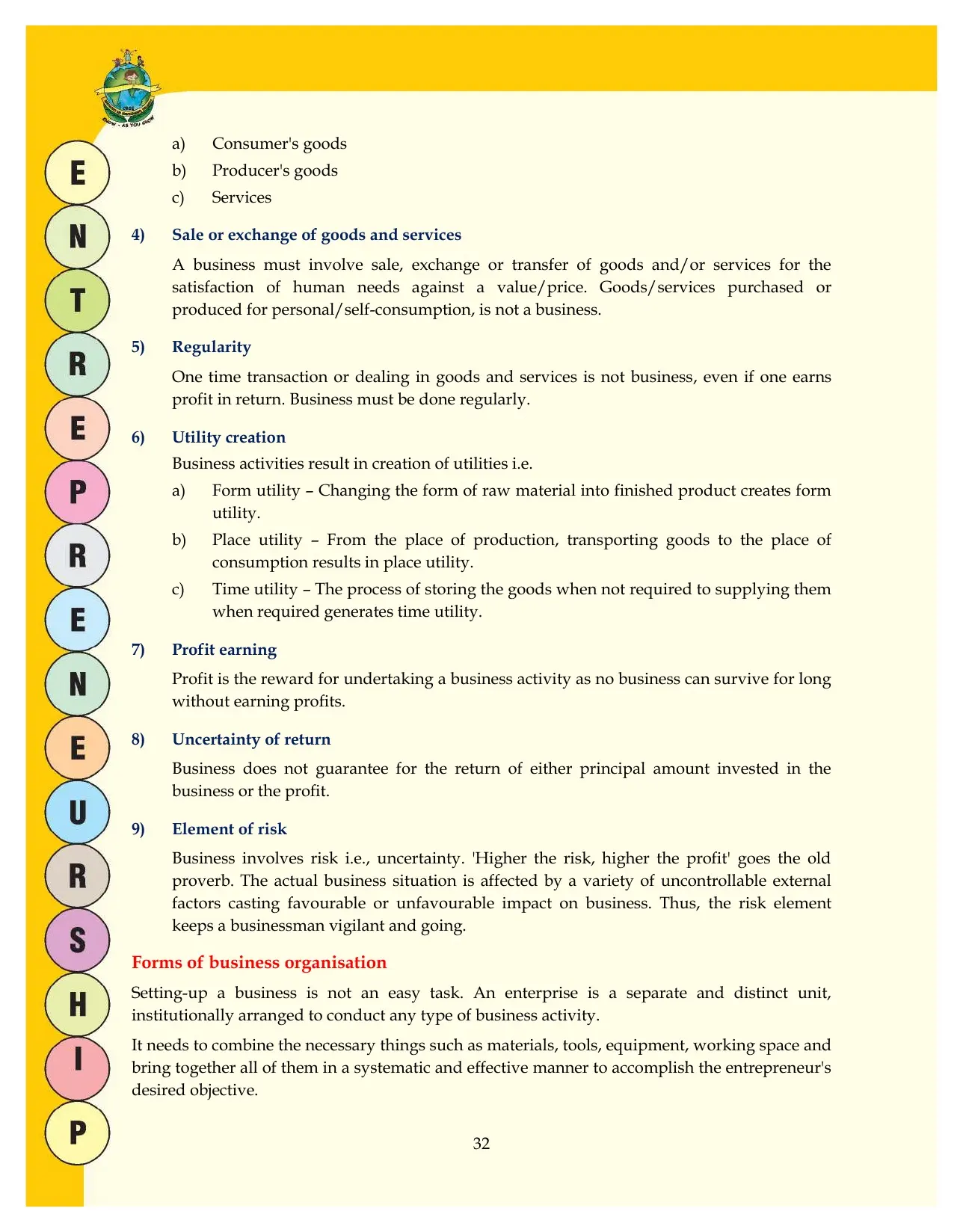
| Forms of enterprise | Private, public and joint sector structures | Ownership affects liability and control |
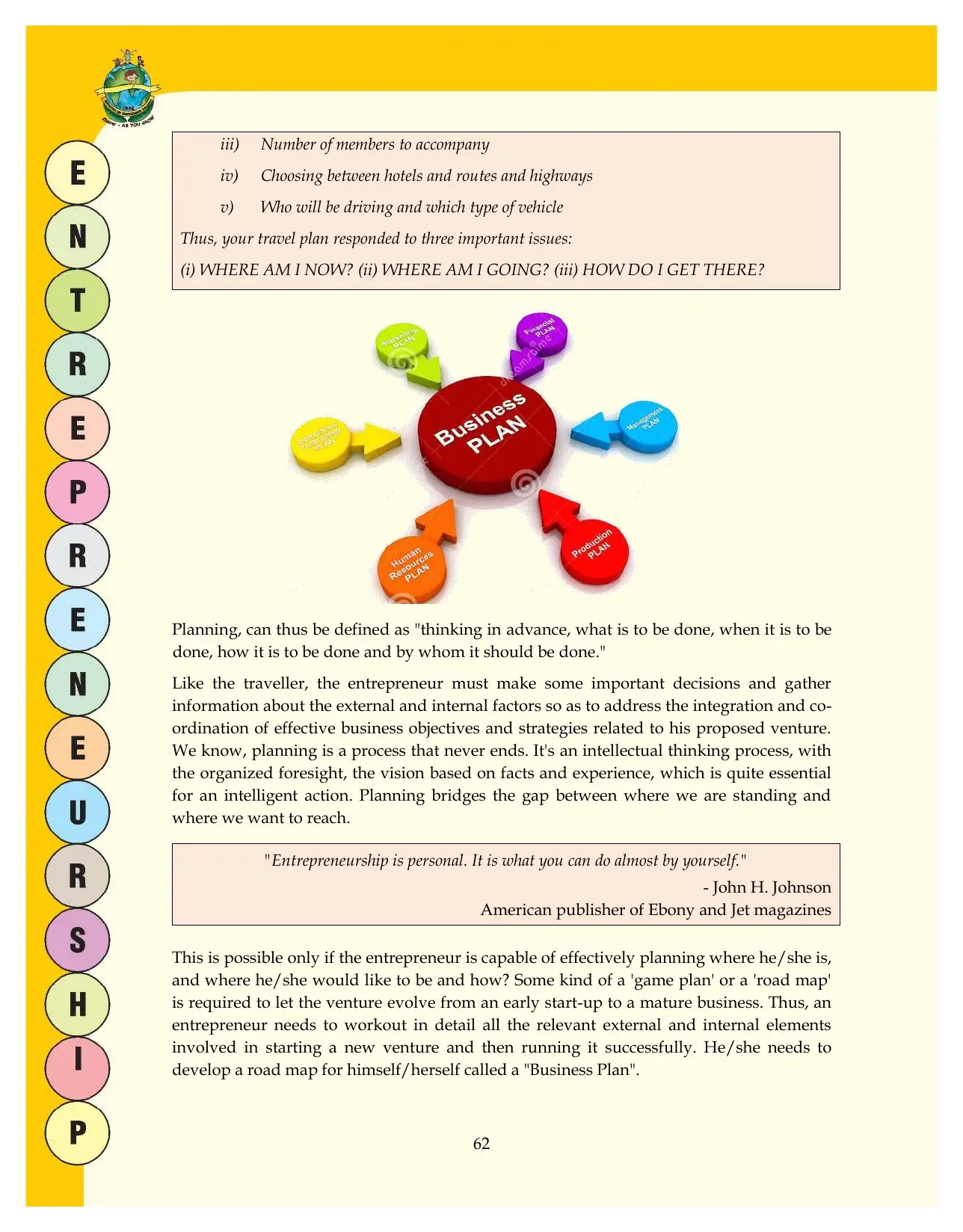
| Business plan | A written road map for the proposed venture | Where we are, where we go, how we get there |
| Sub-plans | Production, operations, marketing, finance and manpower | Each plan answers a different venture risk |
A business plan does not guarantee success, but it reduces the odds of failure. That line is the safest way to remember the chapter's purpose.
Business Plan Preparation Video Revision
Source: Magnet Brains on YouTube
Business Plan Flow in Entrepreneurial Planning
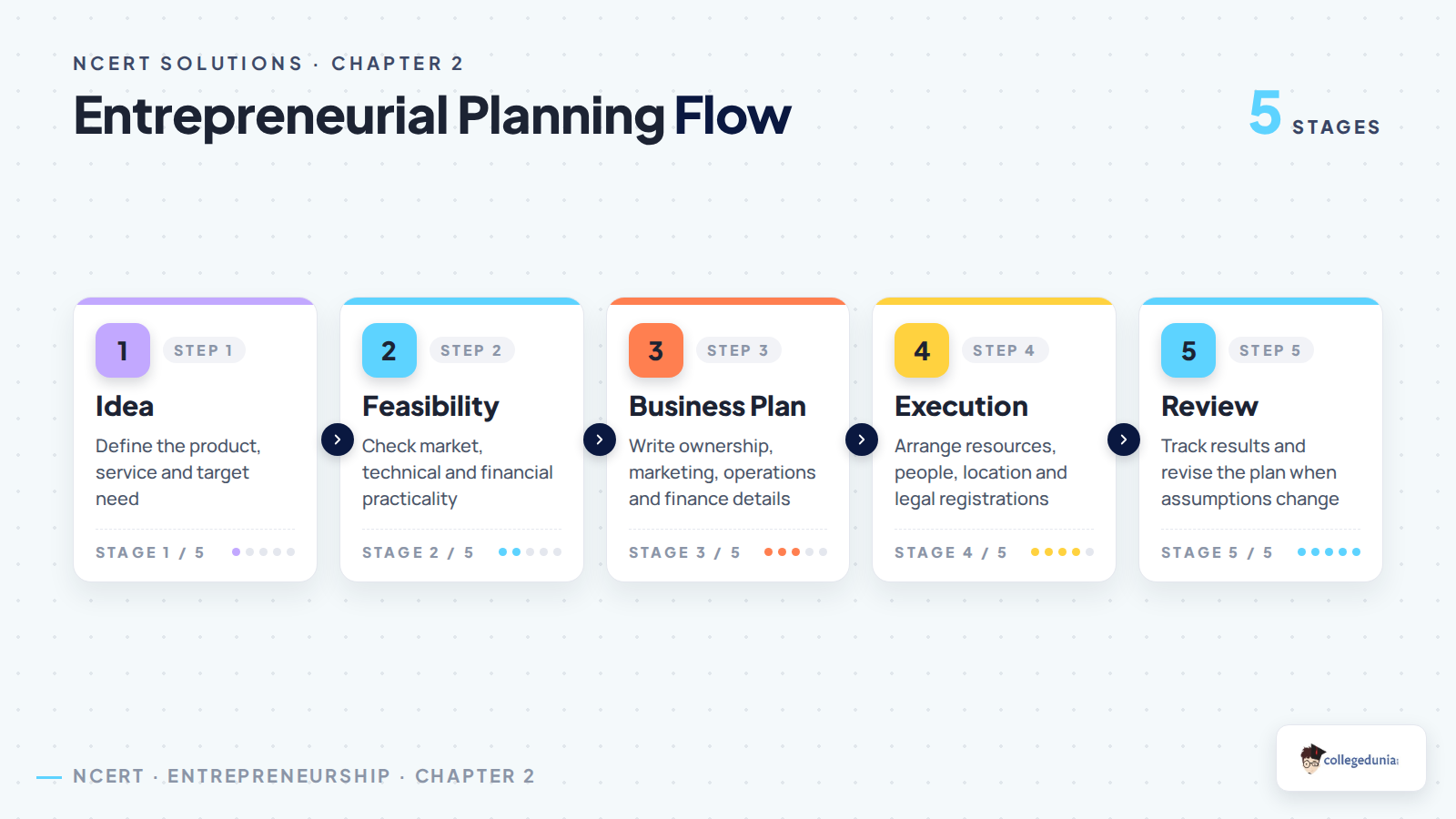
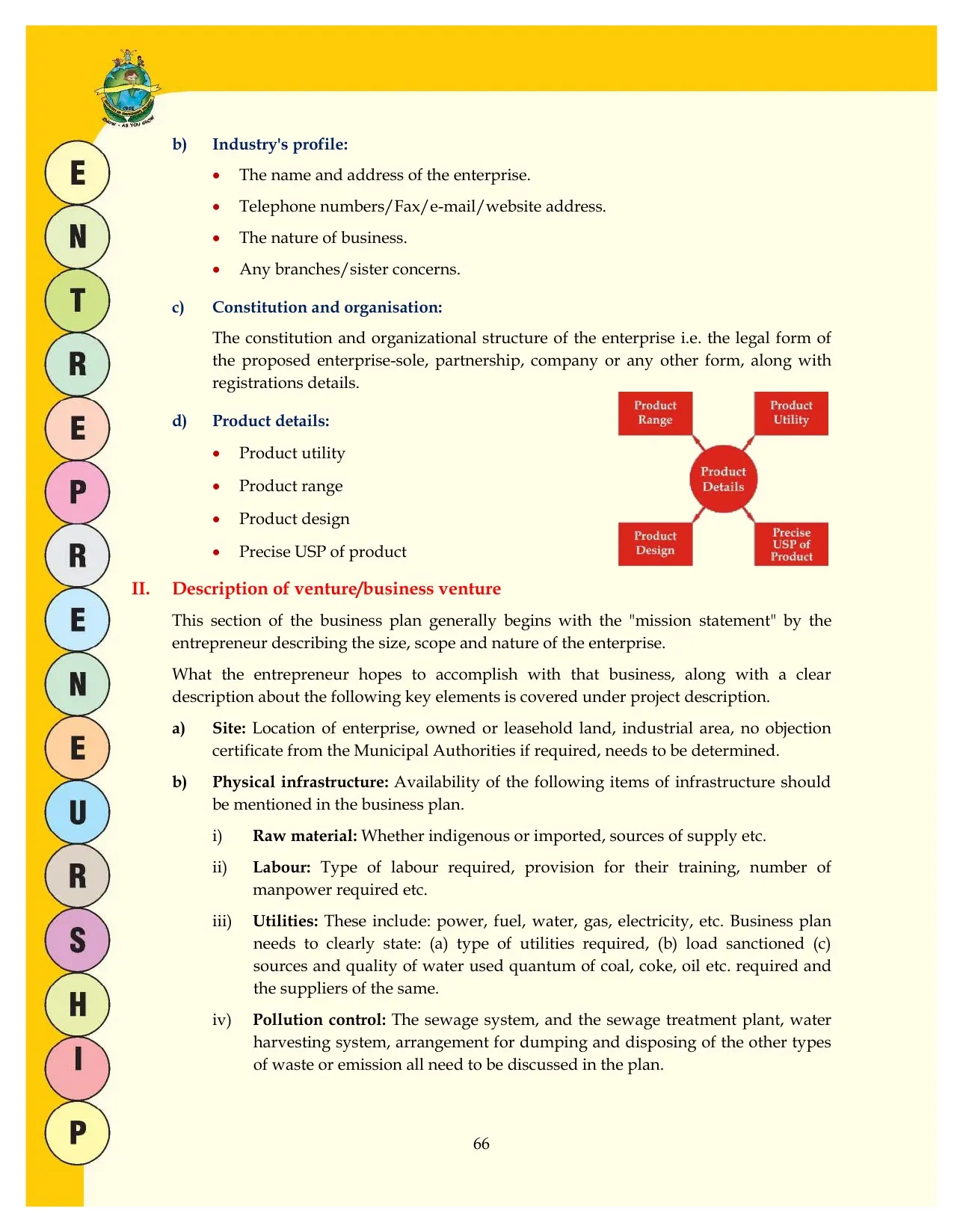
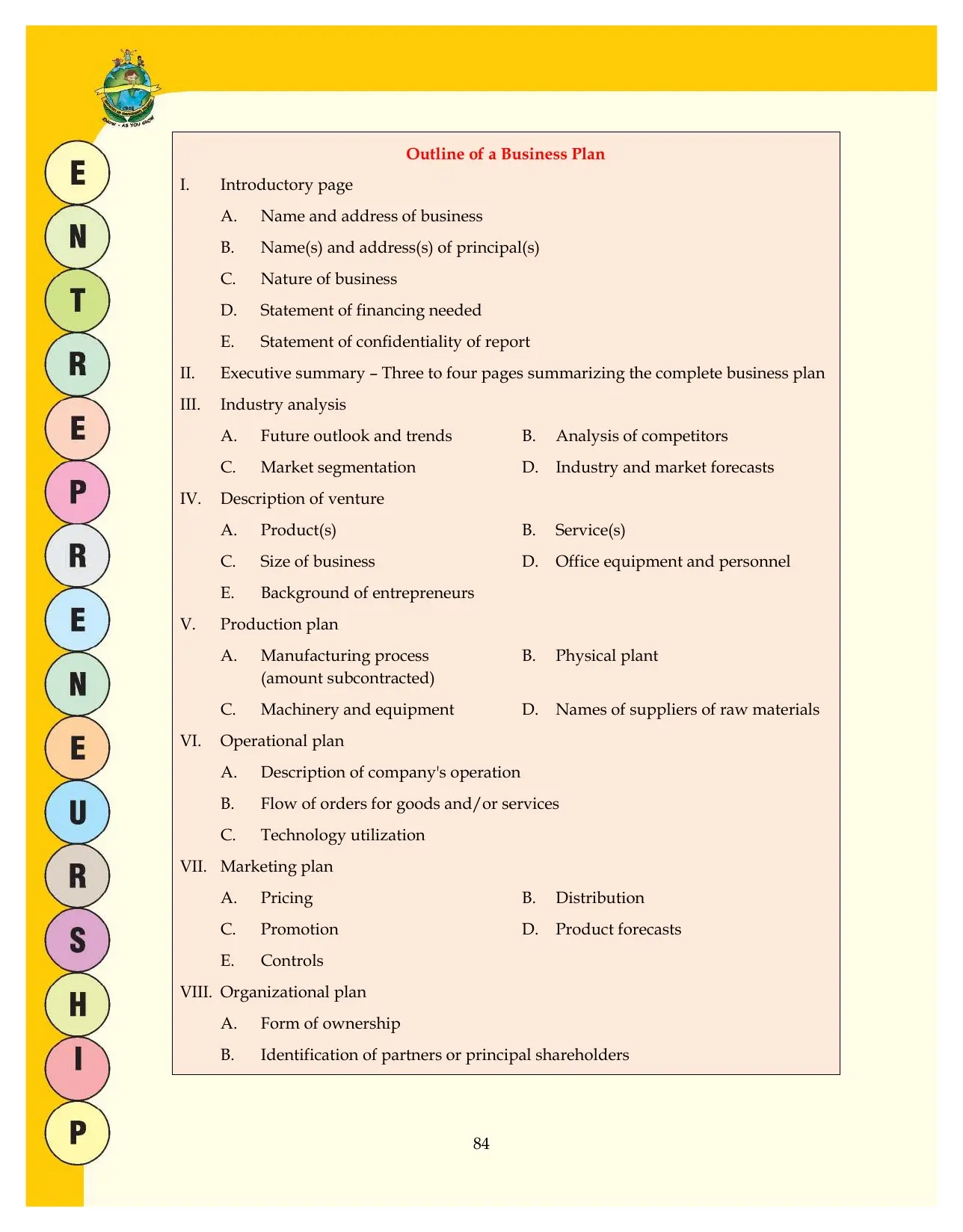
The NCERT chapter defines a business plan as a written document prepared by the entrepreneur. It describes the external and internal elements involved in starting a new venture. It also explains why the goals are possible and how the entrepreneur plans to reach them.
- Start with the venture: name the product, service, location and mission.
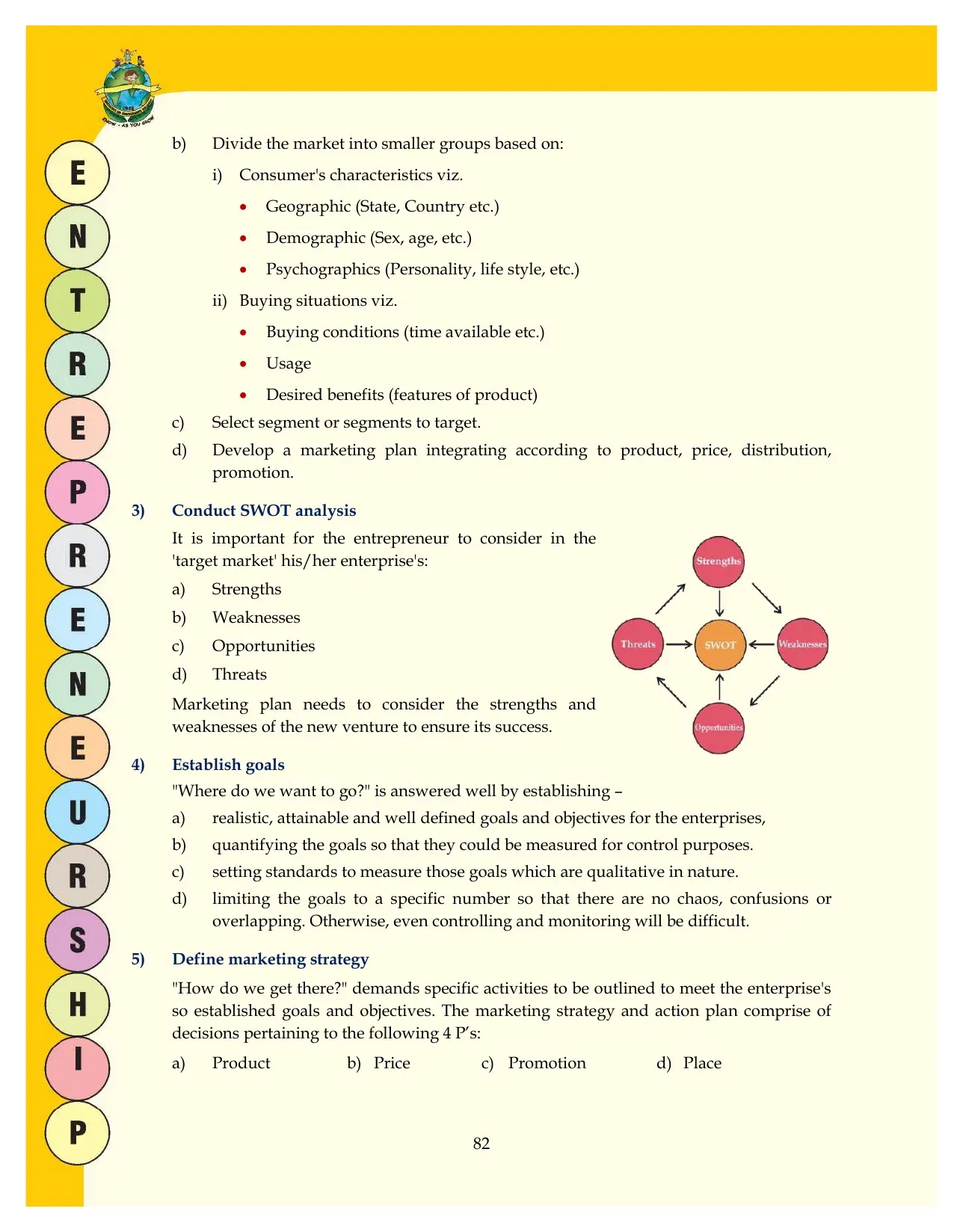
- Check feasibility: study market demand, resources, risk and legal needs.
- Build sub-plans: prepare production, operations, marketing, finance and HR plans.
- Use expert help: consult lawyers, accountants, bankers and mentors where needed.
The entrepreneur owns the plan. Experts may help, but the final business logic must come from the entrepreneur.
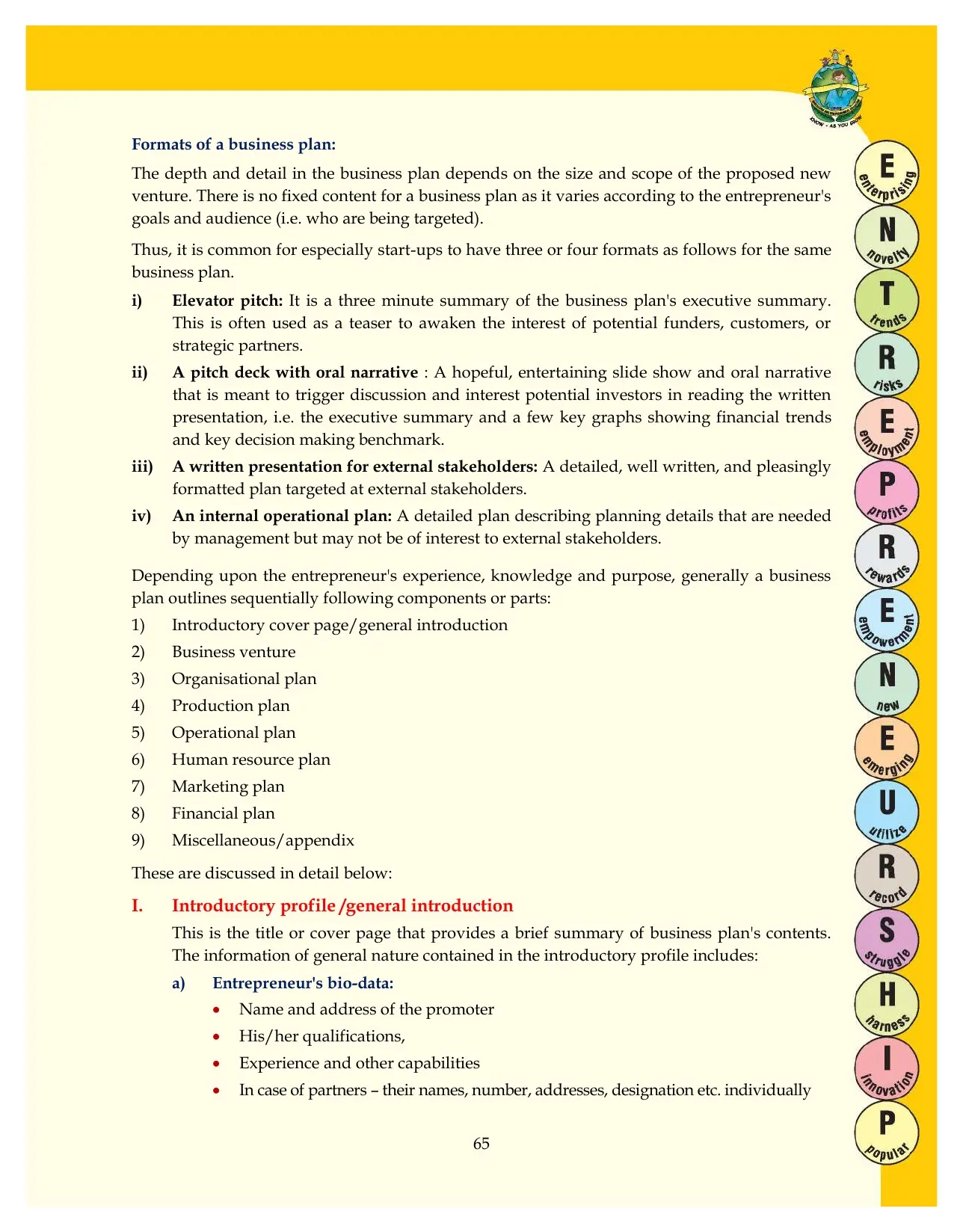
Business Plan Formats for Class 12 Entrepreneurship
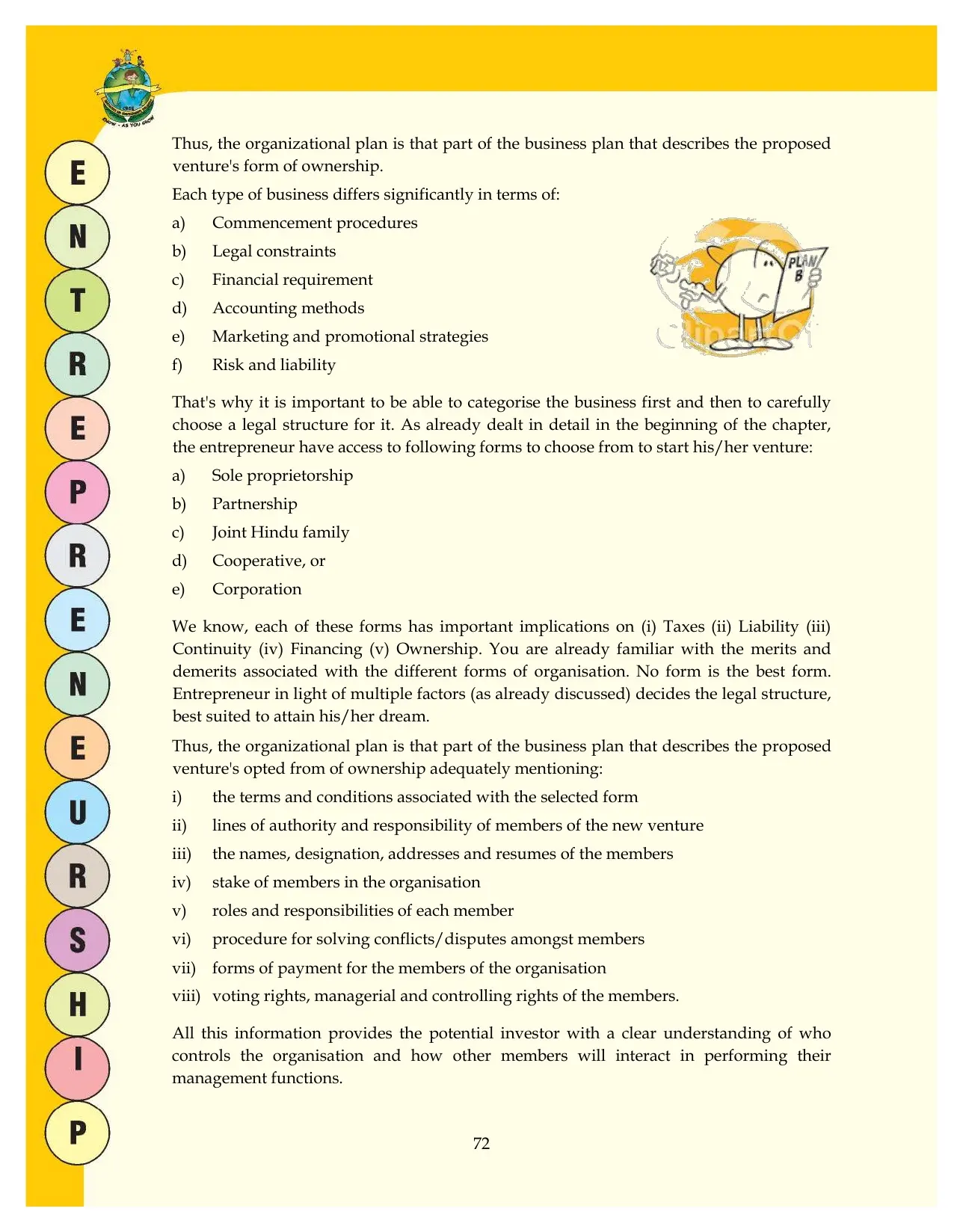
NCERT explains that one venture can need more than one business-plan format. The format depends on purpose, depth and the people reviewing the plan. A quick funder meeting may need an elevator pitch. A bank or investor may need a full written plan.
| Format | Meaning | Best use |
|---|---|---|
| Elevator pitch | A short summary of the business plan | To create first interest |
| Pitch deck | Slides with oral explanation | To discuss with investors |
| Written presentation | A detailed plan for external stakeholders | To show complete venture details |
| Internal operational plan | Detailed planning for management | To guide daily execution |
Board cue: When a question asks about format, do not write only "business plan". Name the format and state who uses it.
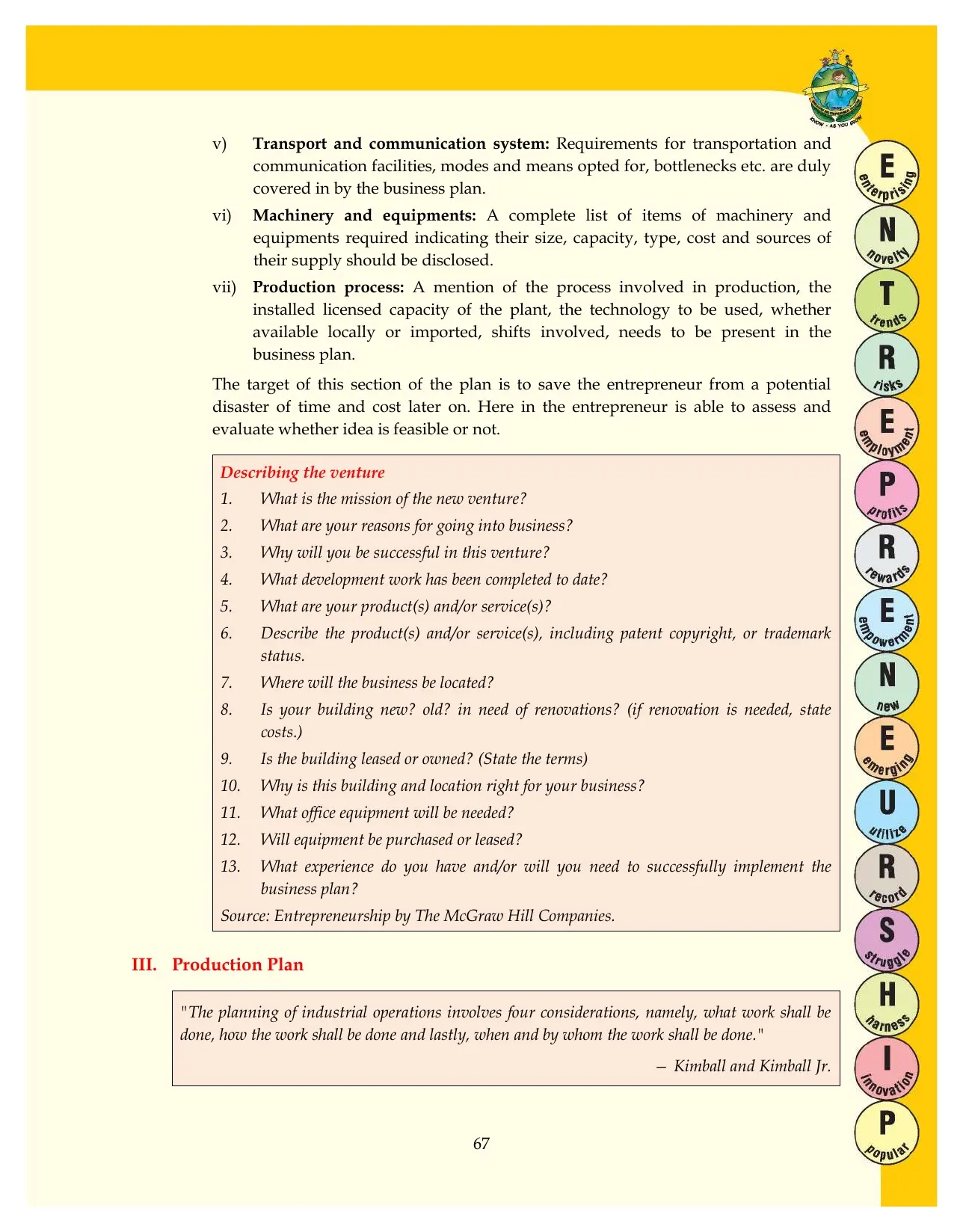
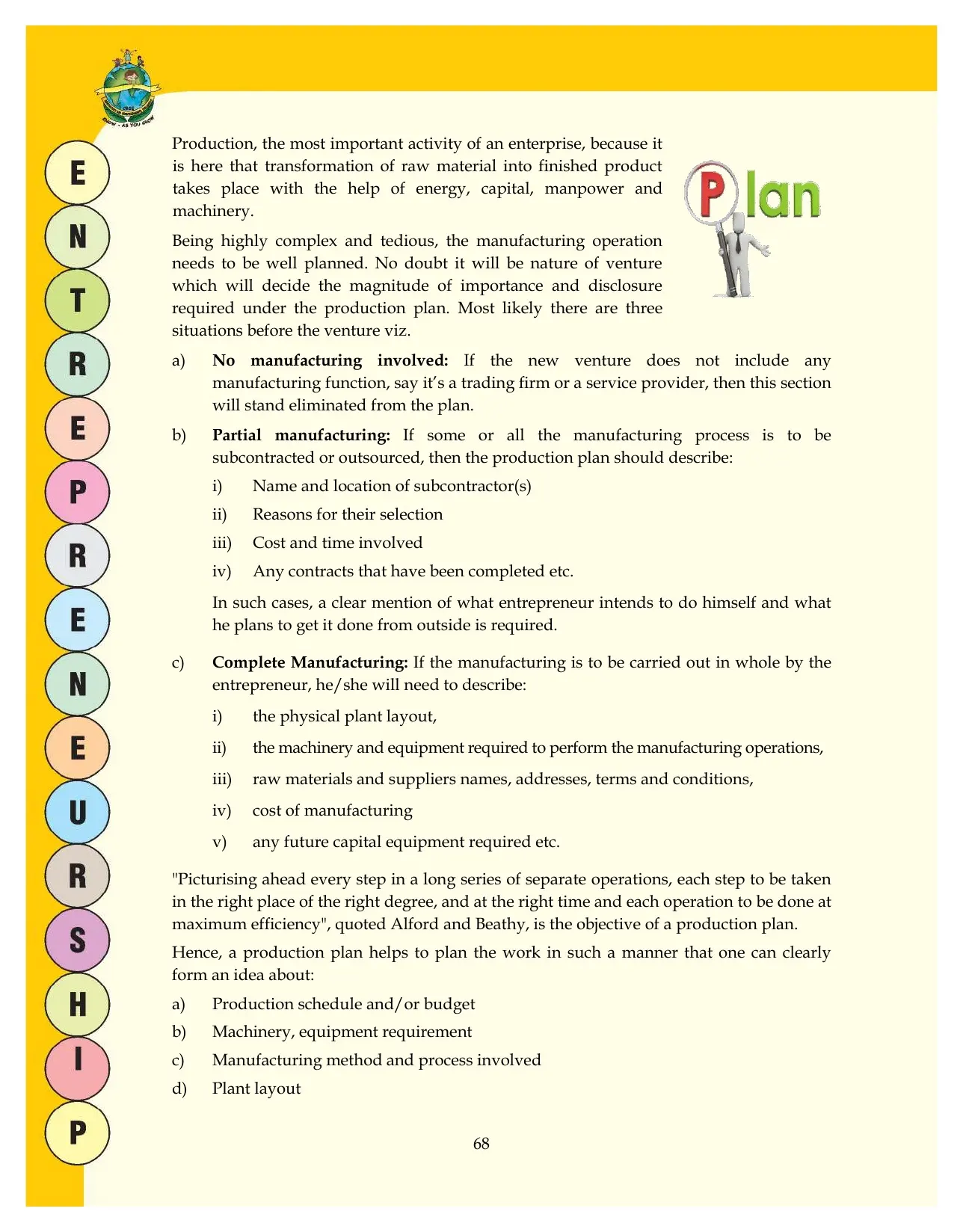
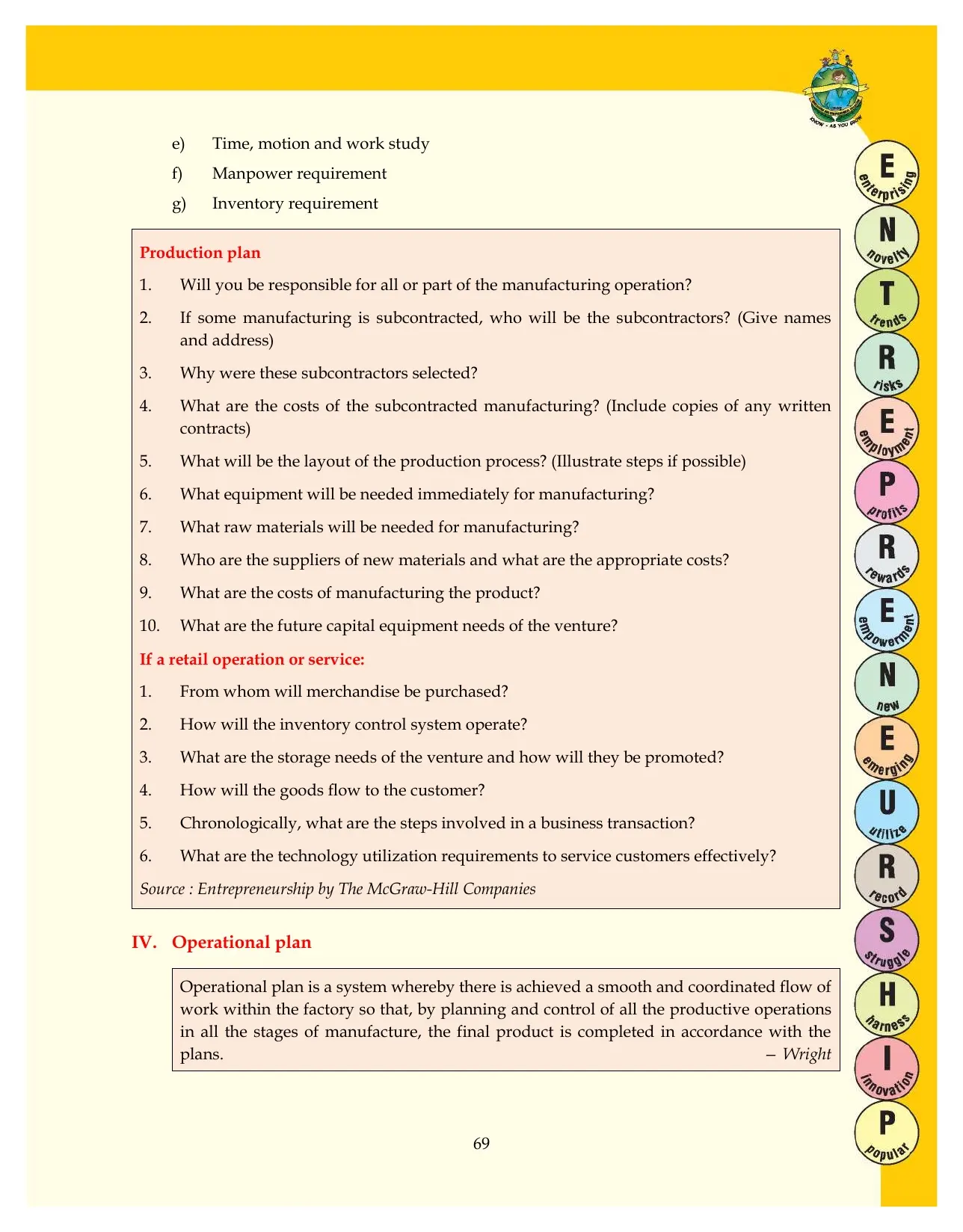
Production Plan and Operational Plan in Entrepreneurial Planning
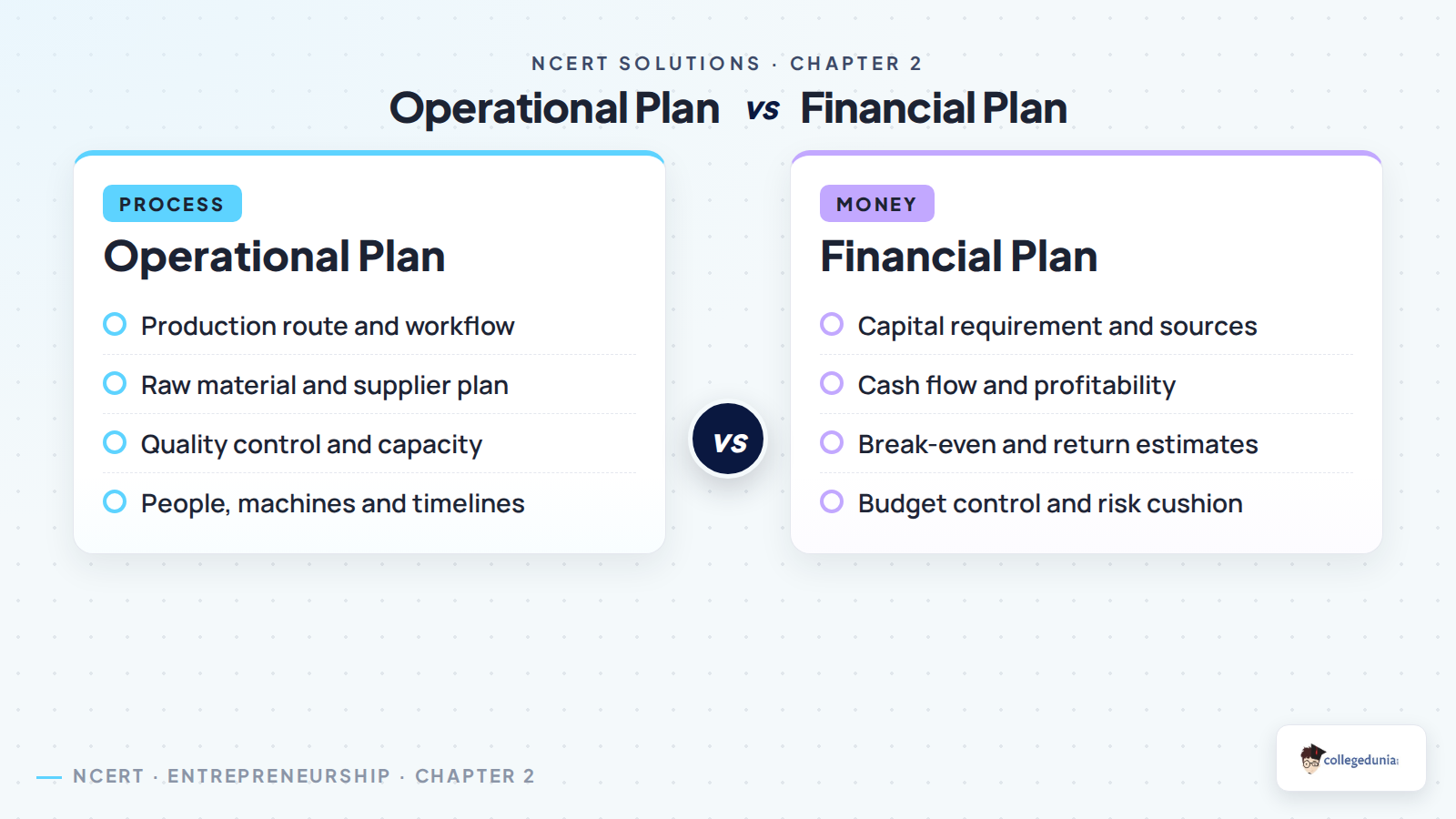
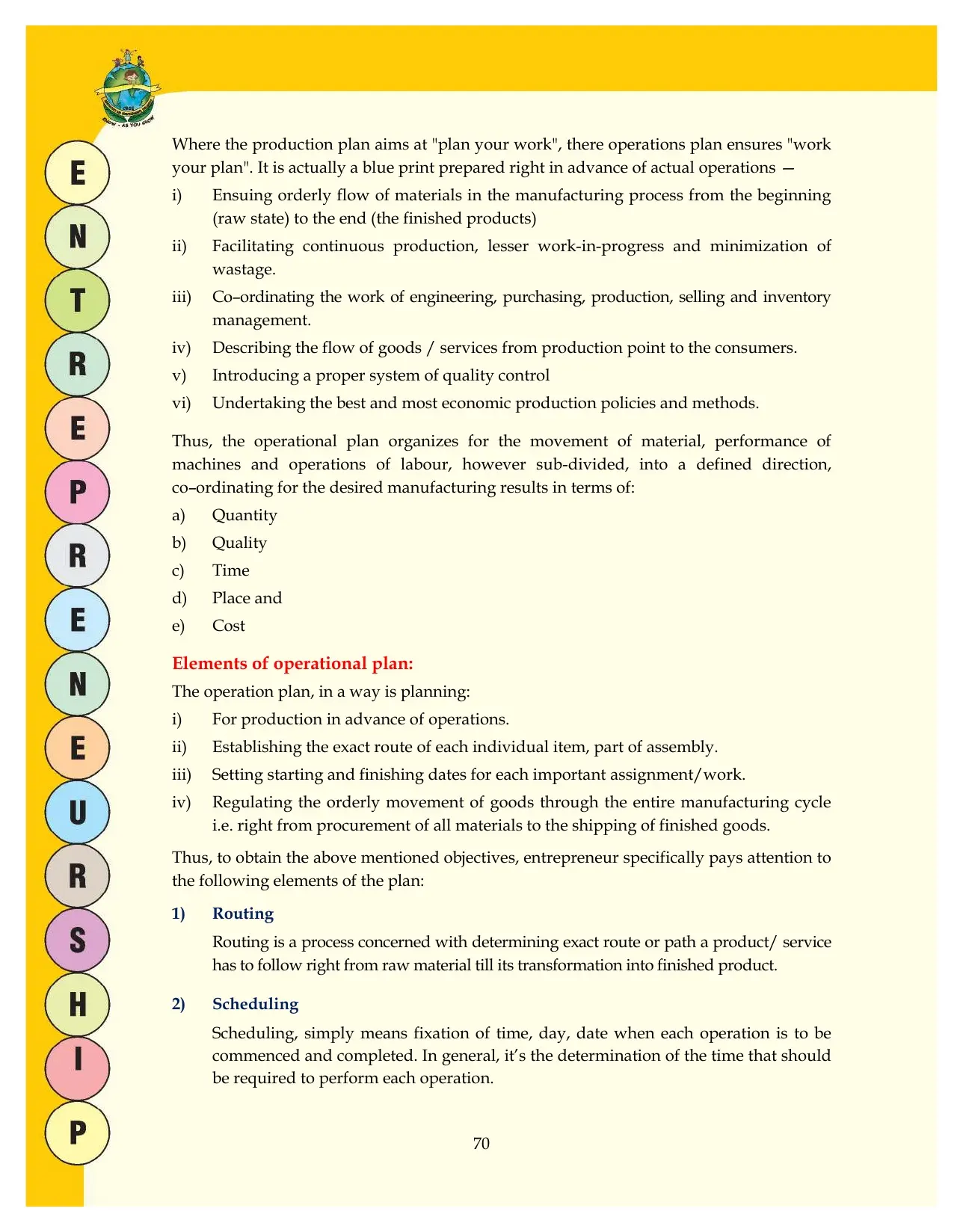
The production plan answers how goods or services will be produced. The operational plan answers how the work will flow in a smooth order. Together, they move the venture from idea to actual delivery.
- Production plan: covers manufacturing method, plant layout, machinery and raw materials.
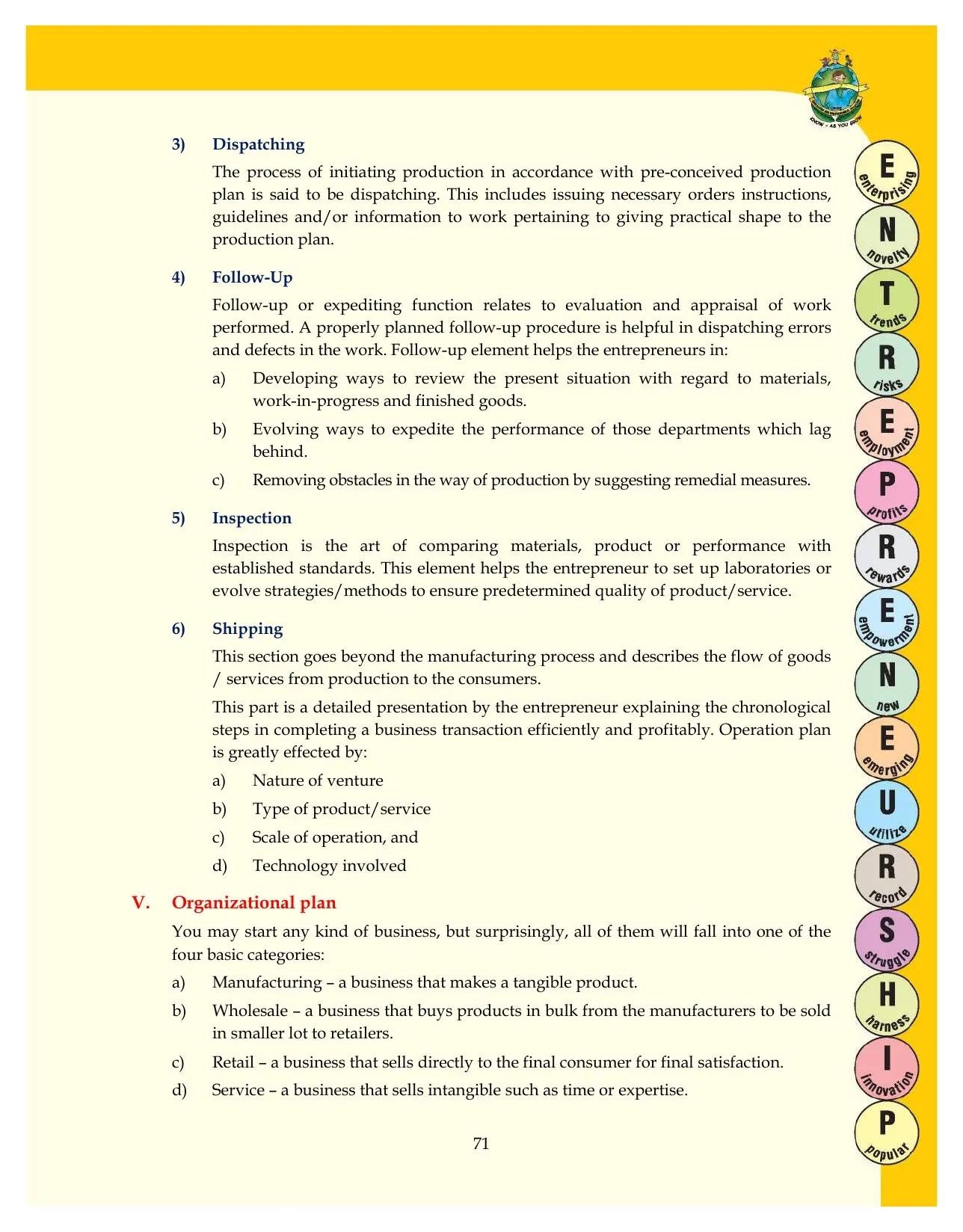
- Operational plan: covers routing, scheduling, dispatching, inspection and shipping.
- Service venture: explains suppliers, inventory control, storage and customer flow.
- Manufacturing venture: explains full, partial or no manufacturing involvement.
Production is "plan your work"; operations is "work your plan". This comparison helps in short-answer questions.
Financial Plan, Marketing Plan and Human Resource Planning
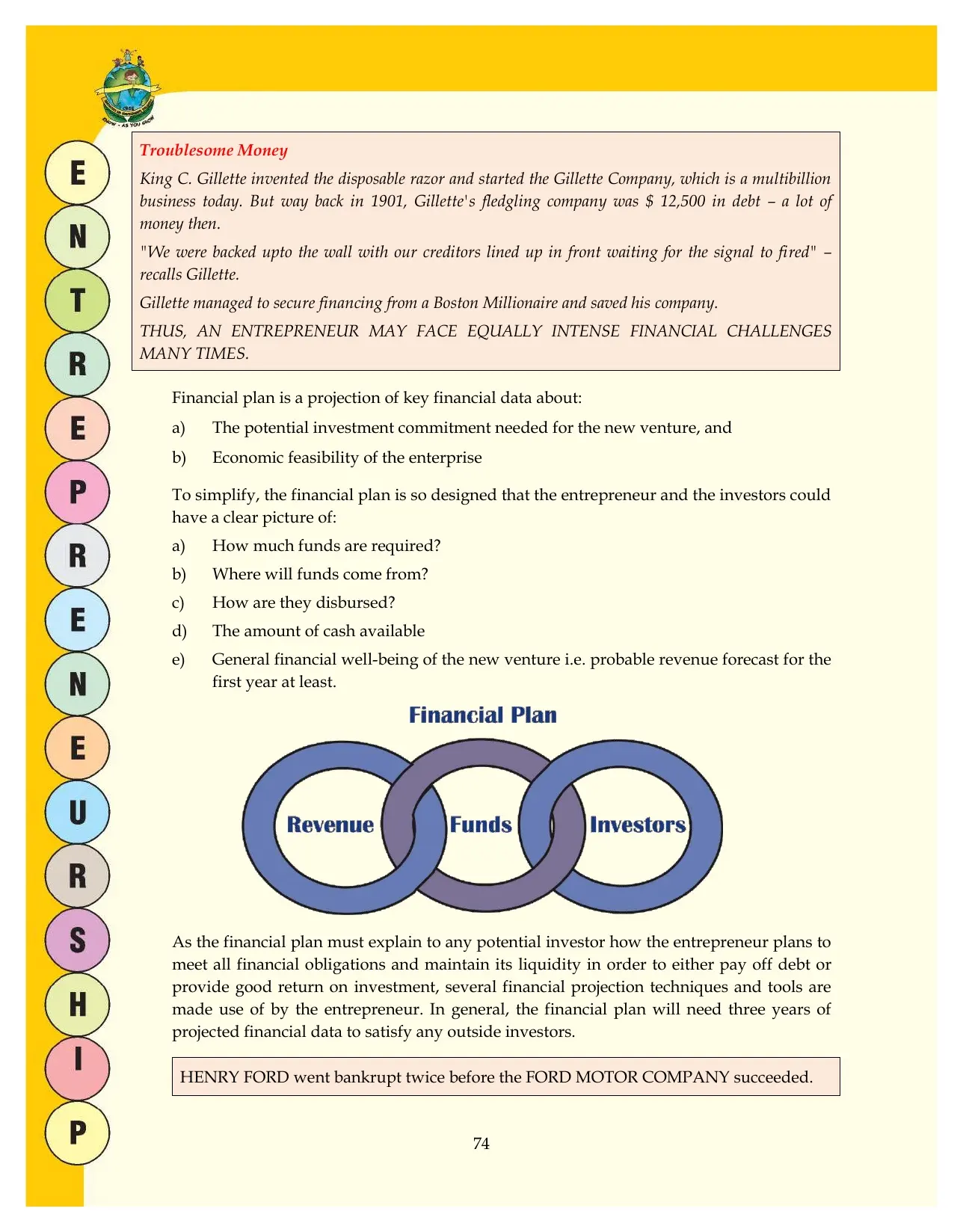
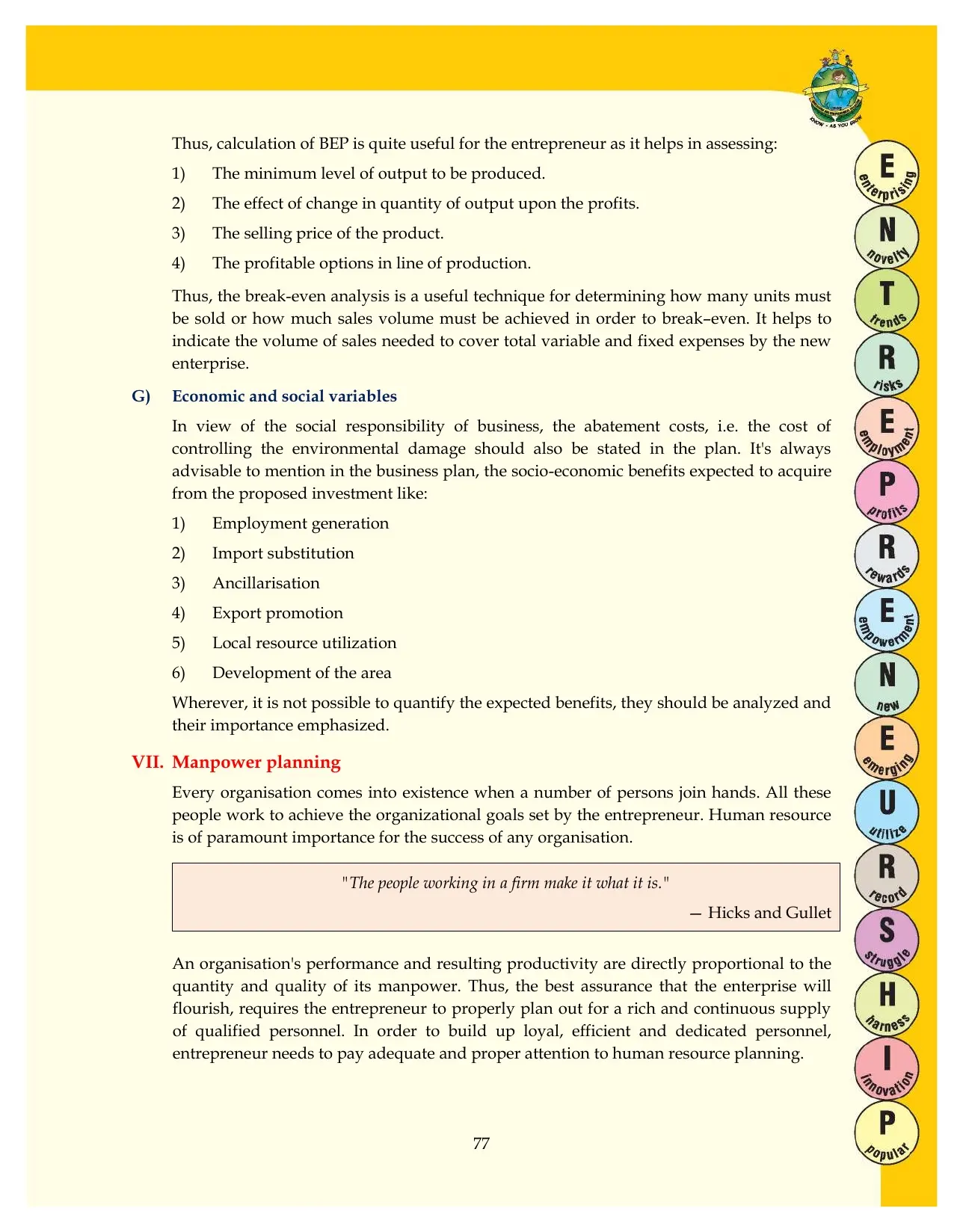
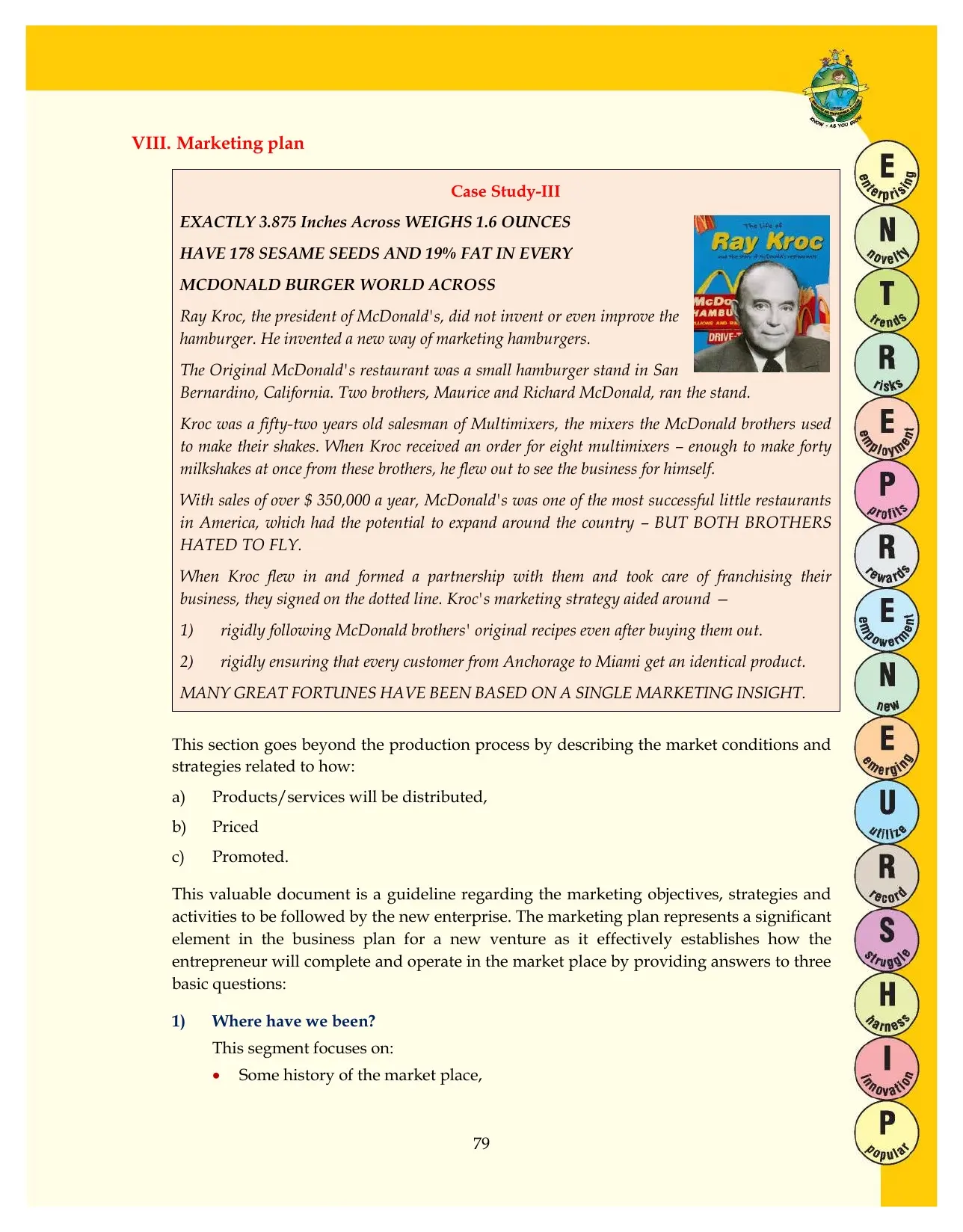
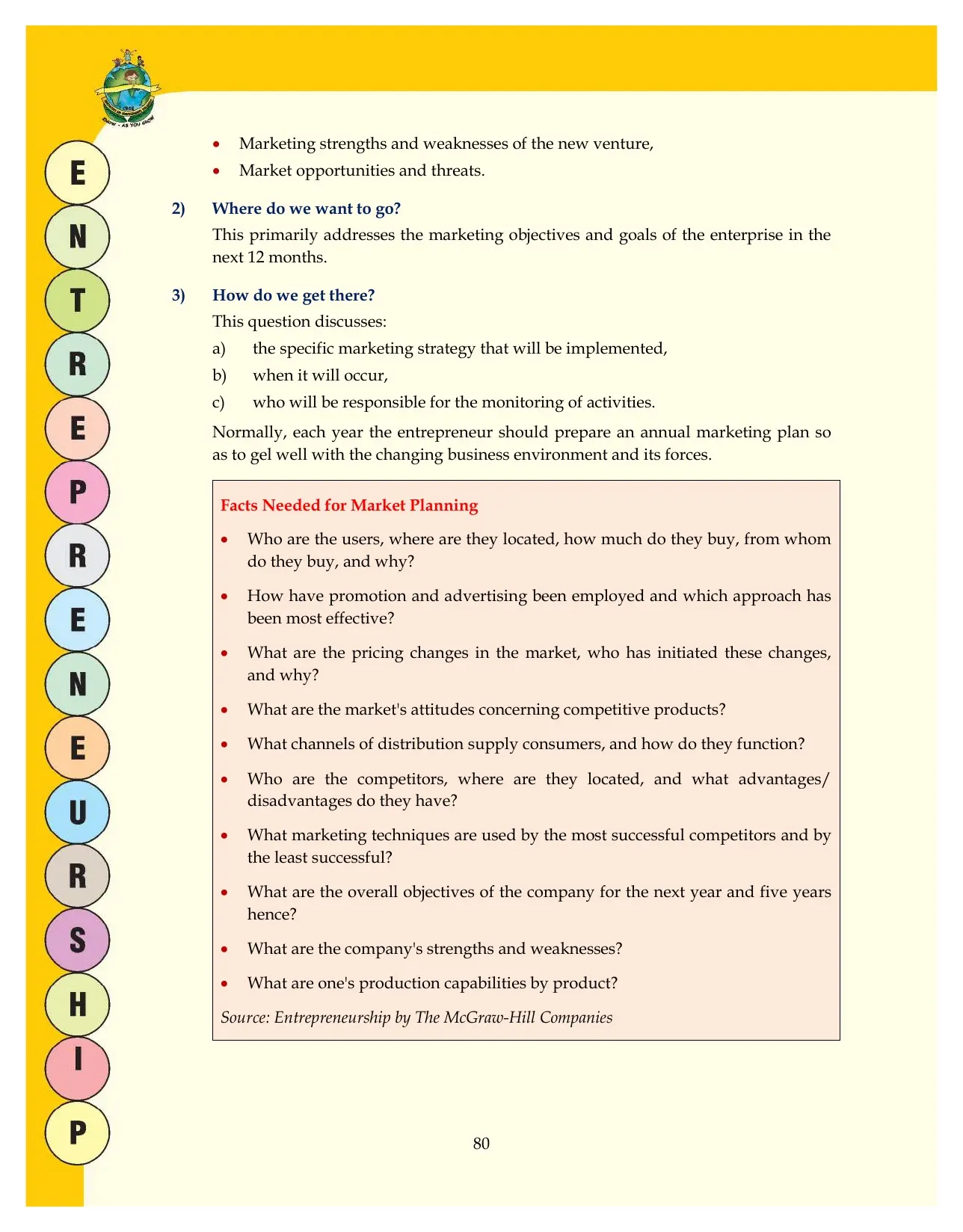
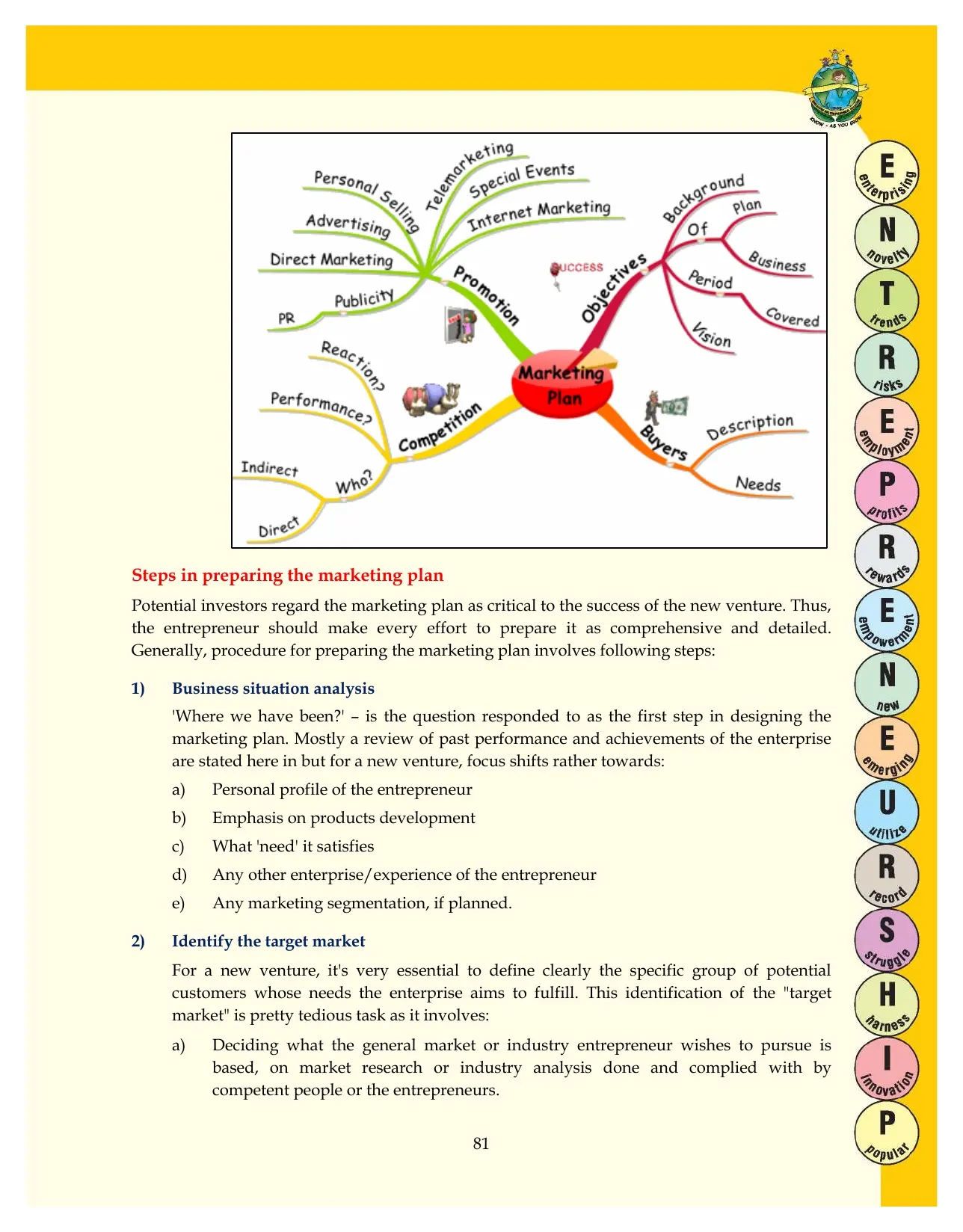
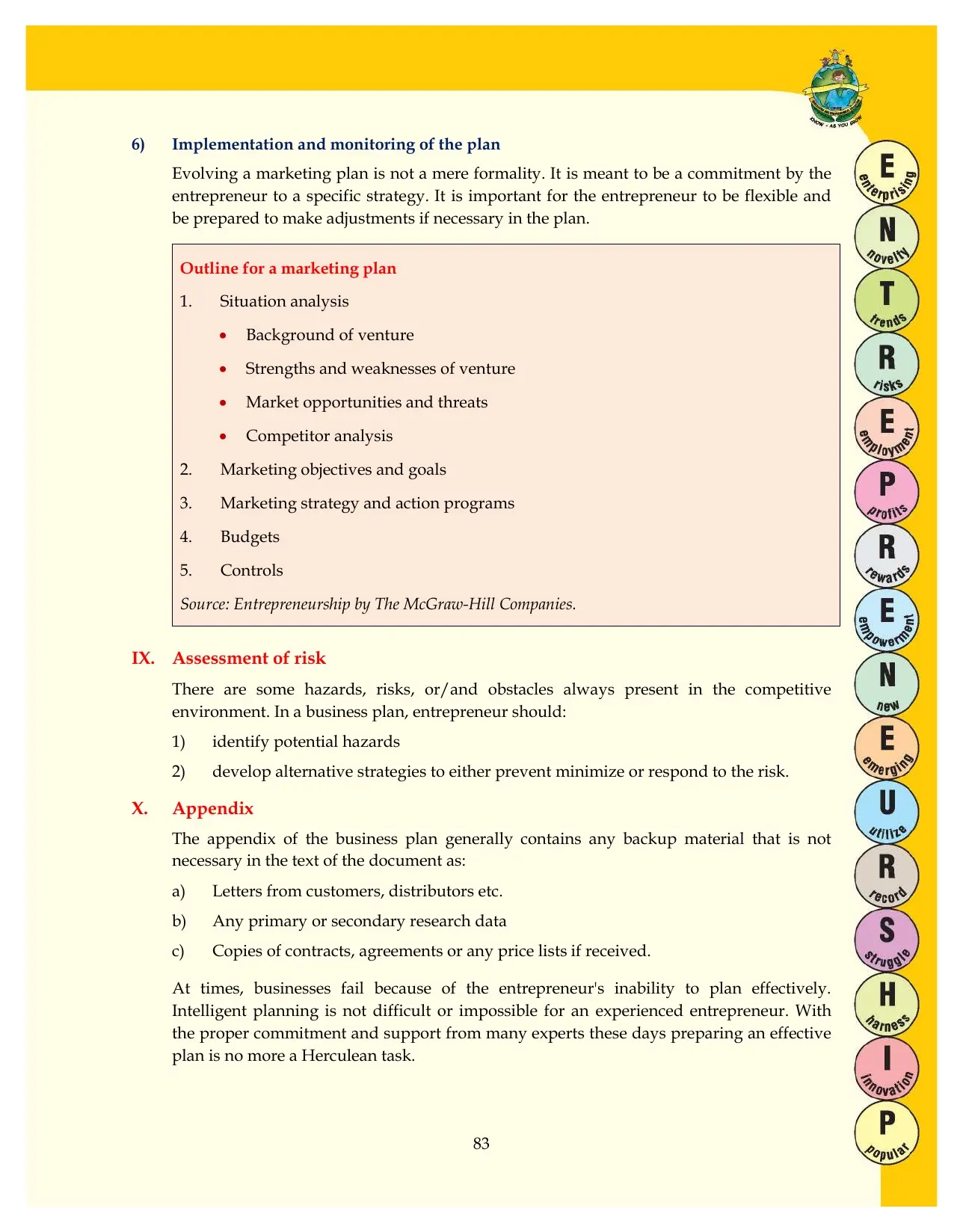
The financial plan checks how much money is needed, where it will come from and when it must be available. The marketing plan explains pricing, distribution, promotion, product forecast and control. Human resource planning estimates the number and type of people the venture needs.
| Plan | Main question | NCERT focus |
|---|---|---|
| Financial plan | Can the venture remain financially viable? | Income, cash flow, balance sheet and break-even |
| Marketing plan | How will the product reach the target market? | Price, product, place, promotion and controls |
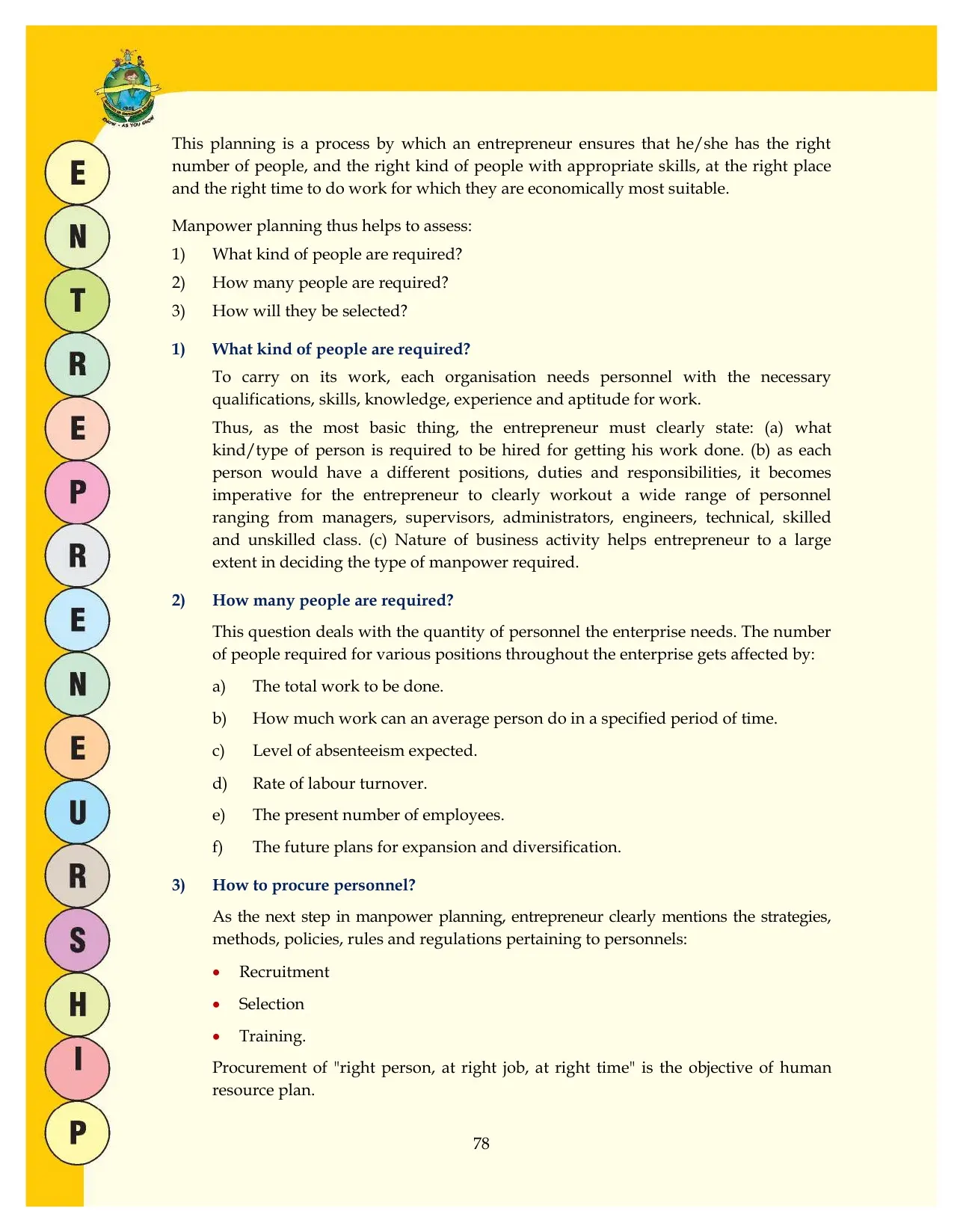
| Human resource plan | Who will do the work? | Roles, recruitment, training and compensation |
| Risk assessment | What can go wrong? | Weaknesses, new technology and contingency plans |
Study habit: Keep these plans separate while revising. Mixing marketing and finance points is a common error in this chapter.
Formalities for Starting a Business in Entrepreneurial Planning
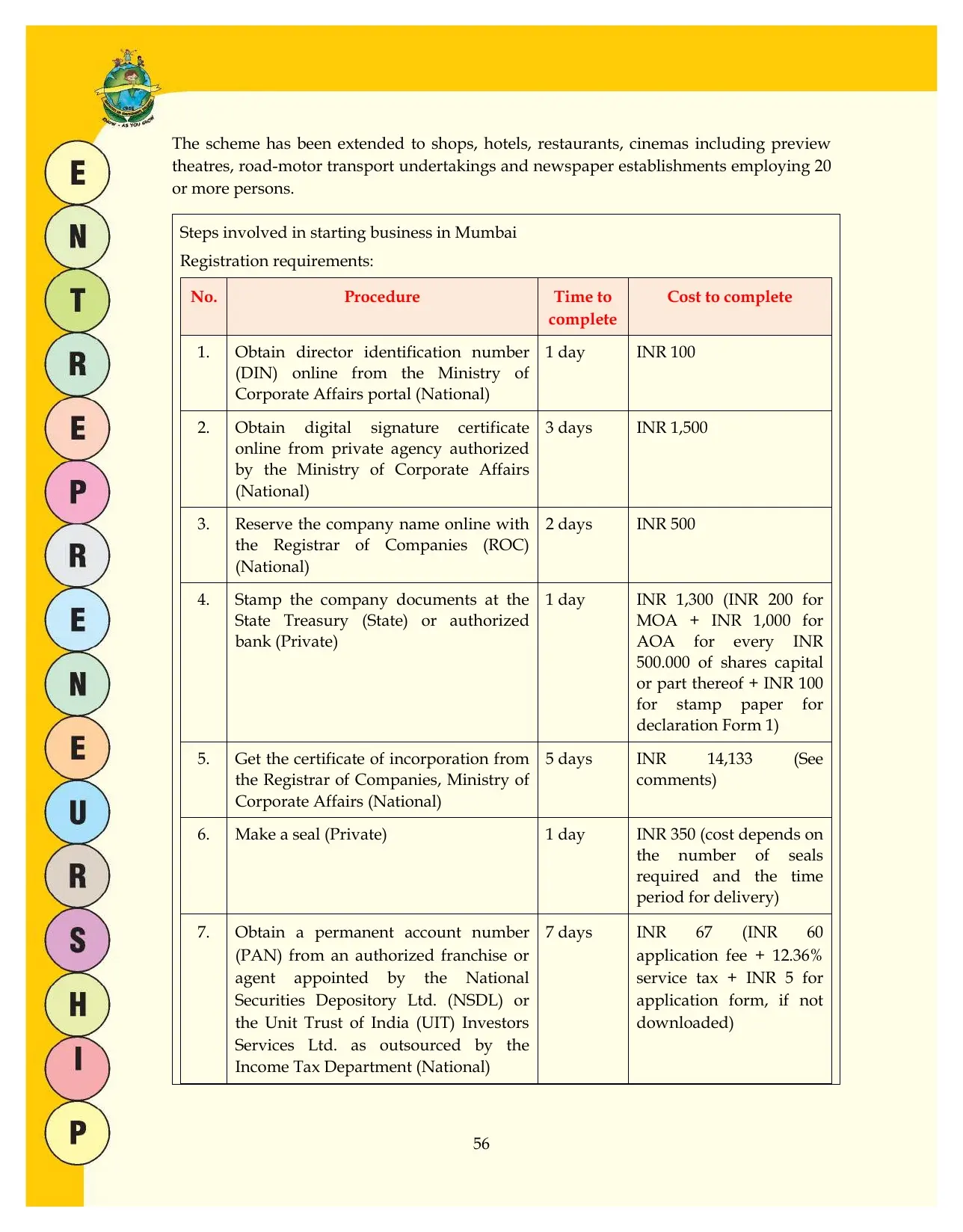
The chapter closes with basic formalities that help a venture work legally. Students should remember these as a practical checklist, not as disconnected terms.
- Obtain a PAN from the Income Tax Department.
- Open a current account for business transactions.
- Register the company when the chosen form requires it.
- Apply for tax numbers such as TAN, where needed.
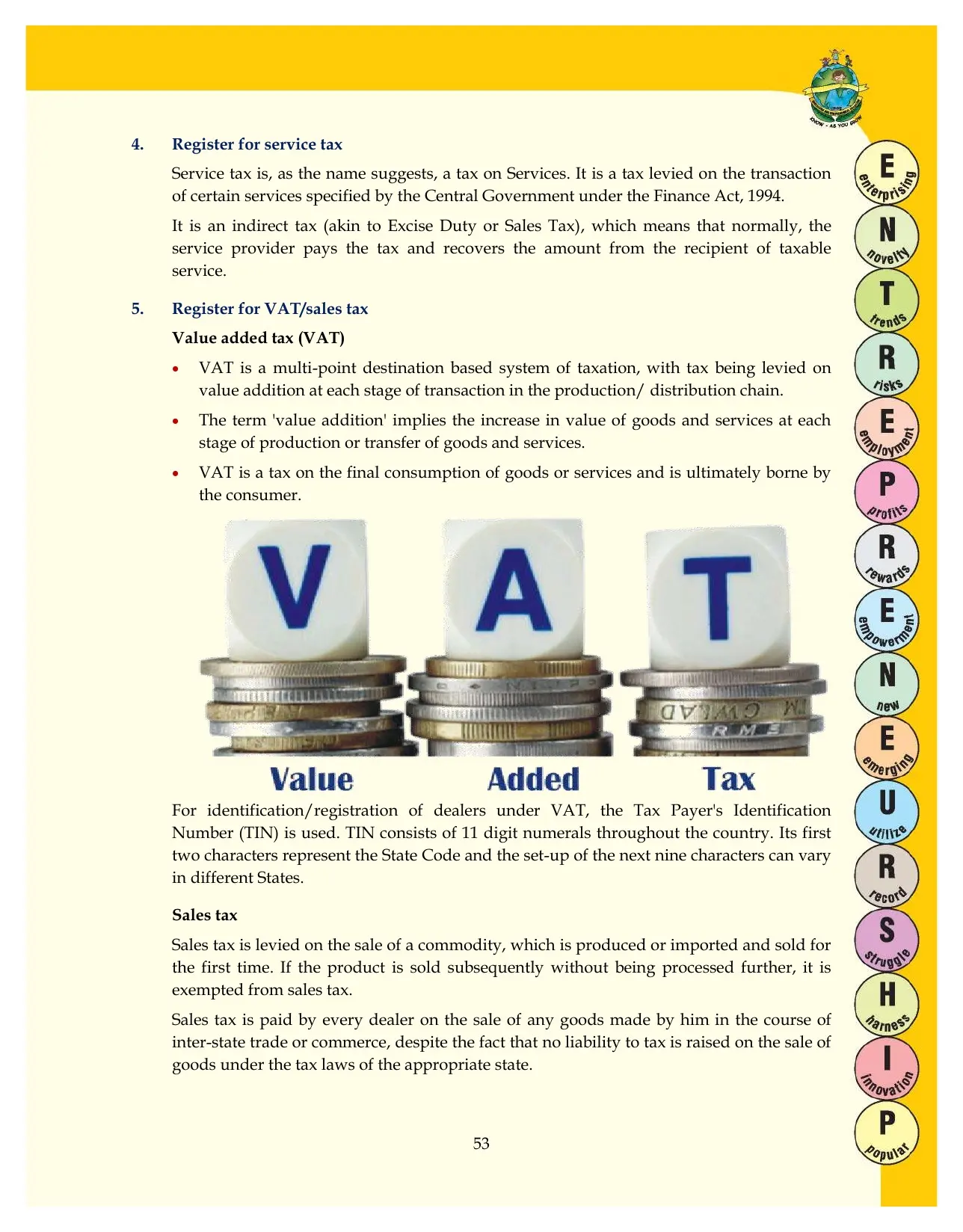
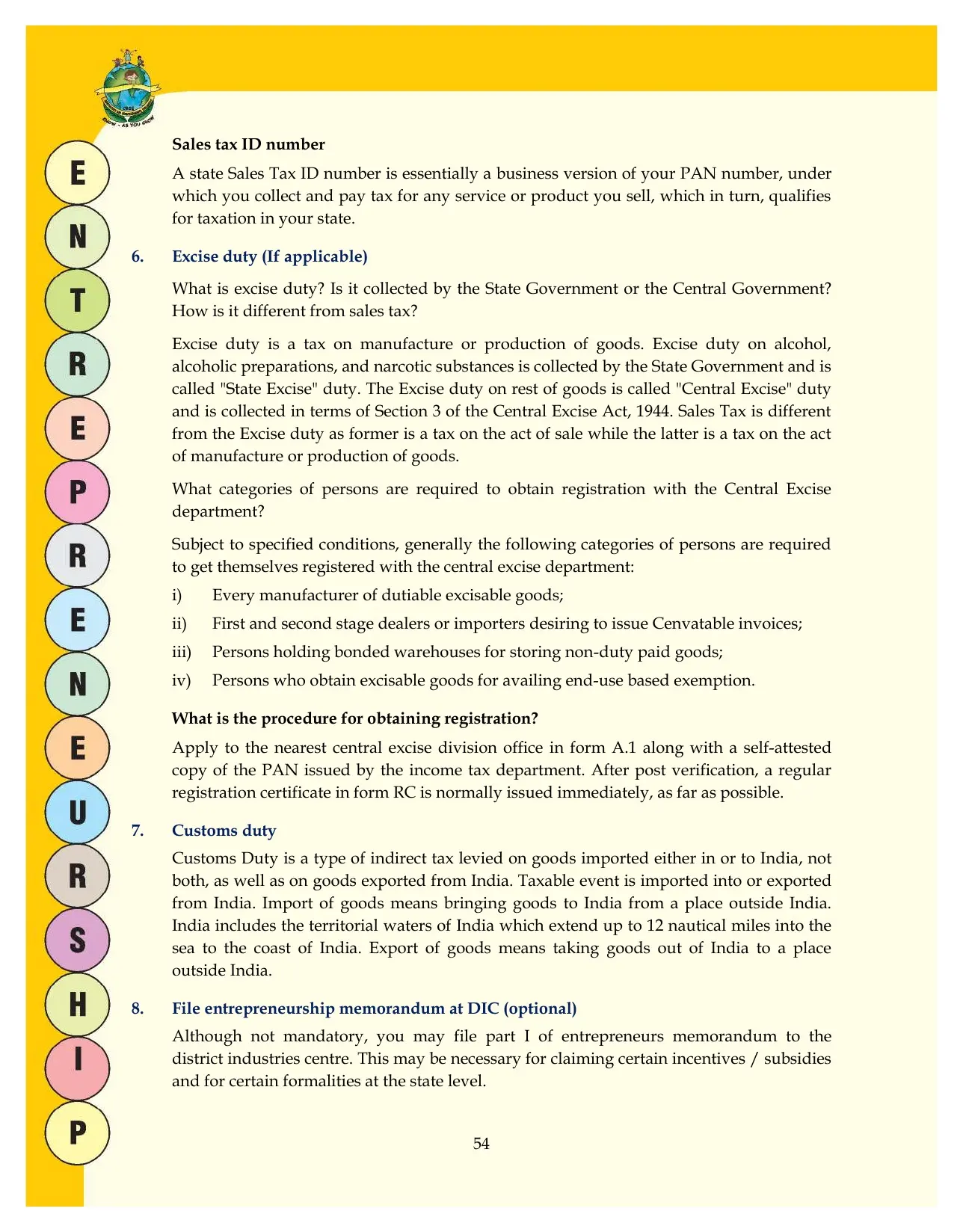
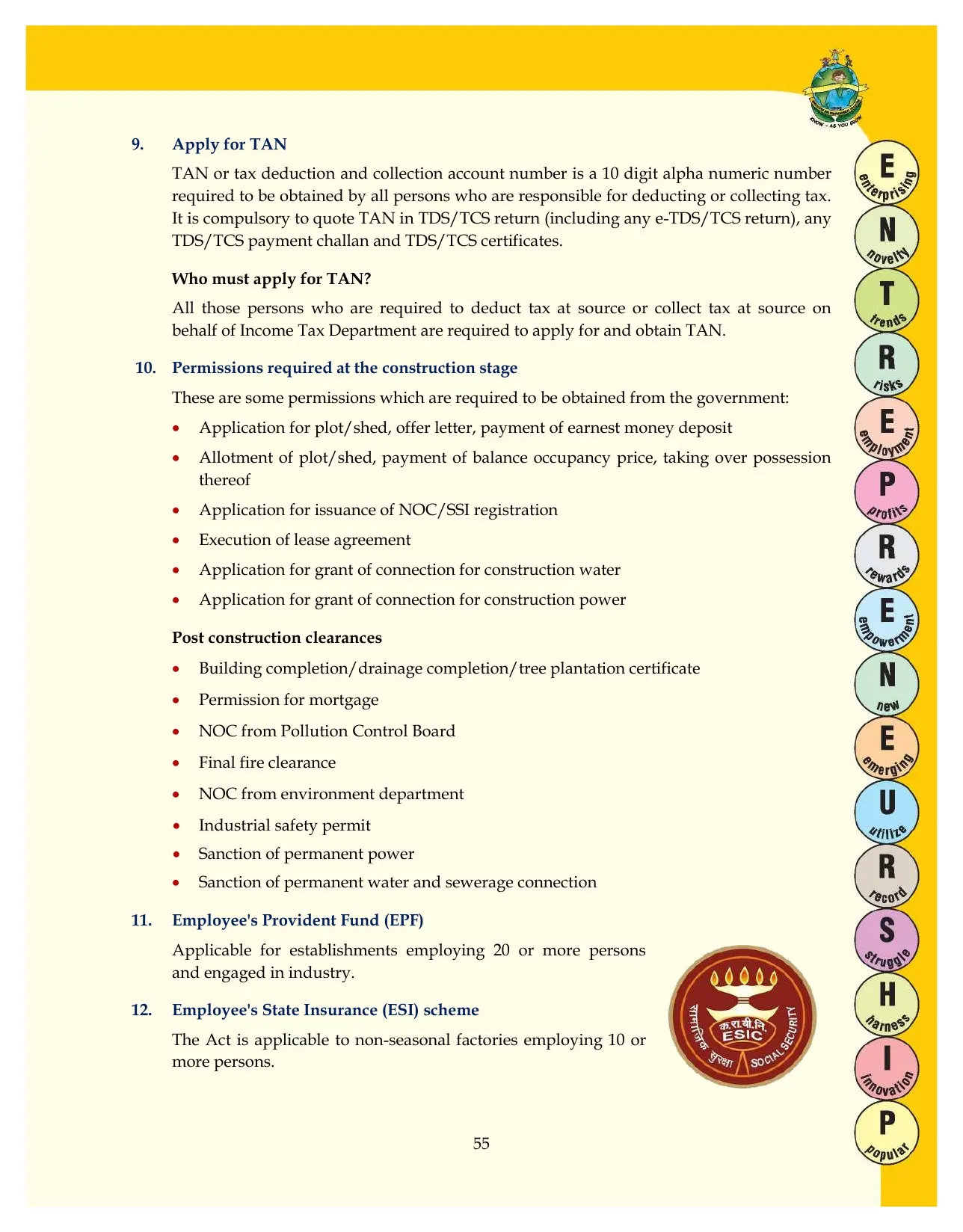
- Check service tax, VAT, excise duty, customs duty and ESI applicability.
Formalities connect planning with law. They show that a business plan must handle both strategy and compliance.
Entrepreneurial Planning Class 12 Related Resources
Use these resources when you want the same chapter in another format. The book PDF is the source text, while notes and solutions help with revision and answer writing.
| Resource | Best use | Link |
|---|---|---|
| NCERT Book PDF | Read the official 2026-27 source chapter | Open book PDF |
| NCERT Solutions | Practise textbook answers and case-based reasoning | Open solutions |
| Notes | Revise business-plan parts in a shorter format | Open notes |
All Class 12 Entrepreneurship NCERT Book PDFs
The table below keeps the NCERT Book PDF resource together, so students can move chapter by chapter through the Class 12 Entrepreneurship textbook.
| Chapter | NCERT chapter title | Book PDF |
|---|---|---|
| Chapter 1 | Entrepreneurial Opportunity | Open book PDF |
| Chapter 2 | Entrepreneurial Planning | Current book PDF |
| Chapter 3 | Enterprise Marketing | Coming soon |
| Chapter 4 | Enterprise Growth Strategies | Coming soon |
| Chapter 5 | Business Arithmetic | Coming soon |
| Chapter 6 | Resource Mobilisation | Coming soon |
Entrepreneurial Planning Class 12 NCERT Book FAQs
Ques. What is covered in the Entrepreneurial Planning chapter?
Ans. It covers economic activities, forms of business entities, business-plan meaning, business-plan formats and production, operations, marketing, finance and HR plans.
Ques. Why should students read the NCERT Book PDF before notes?
Ans. The PDF gives the official NCERT wording. Notes and solutions become easier when the source definitions and examples are already clear.
Ques. Who should write the business plan?
Ans. The entrepreneur should write the business plan, though lawyers, accountants, marketing consultants, engineers, bankers and mentors may help.
Ques. What are the main formats of a business plan?
Ans. The main formats are elevator pitch, pitch deck with oral narrative, written presentation for external stakeholders and internal operational plan.
Ques. How many pages are in the official Chapter 2 PDF?
Ans. The local official NCERT chapter PDF has 62 pages, including chapter text, planning formats, summary and review material.



Comments