




The NCERT Class 12 Entrepreneurship Chapter 1 Entrepreneurial Opportunity Book PDF gives the official 2026-27 source chapter for opportunity spotting, market sensing and idea selection. Use this PDF before notes or solutions so every definition stays close to the NCERT wording.
- PDF size: 28 official NCERT pages for offline reading and revision.
- Core focus: sensing opportunities, scanning the environment and choosing a viable idea.
- Best use: read the chapter once, then make a market-opportunity checklist.
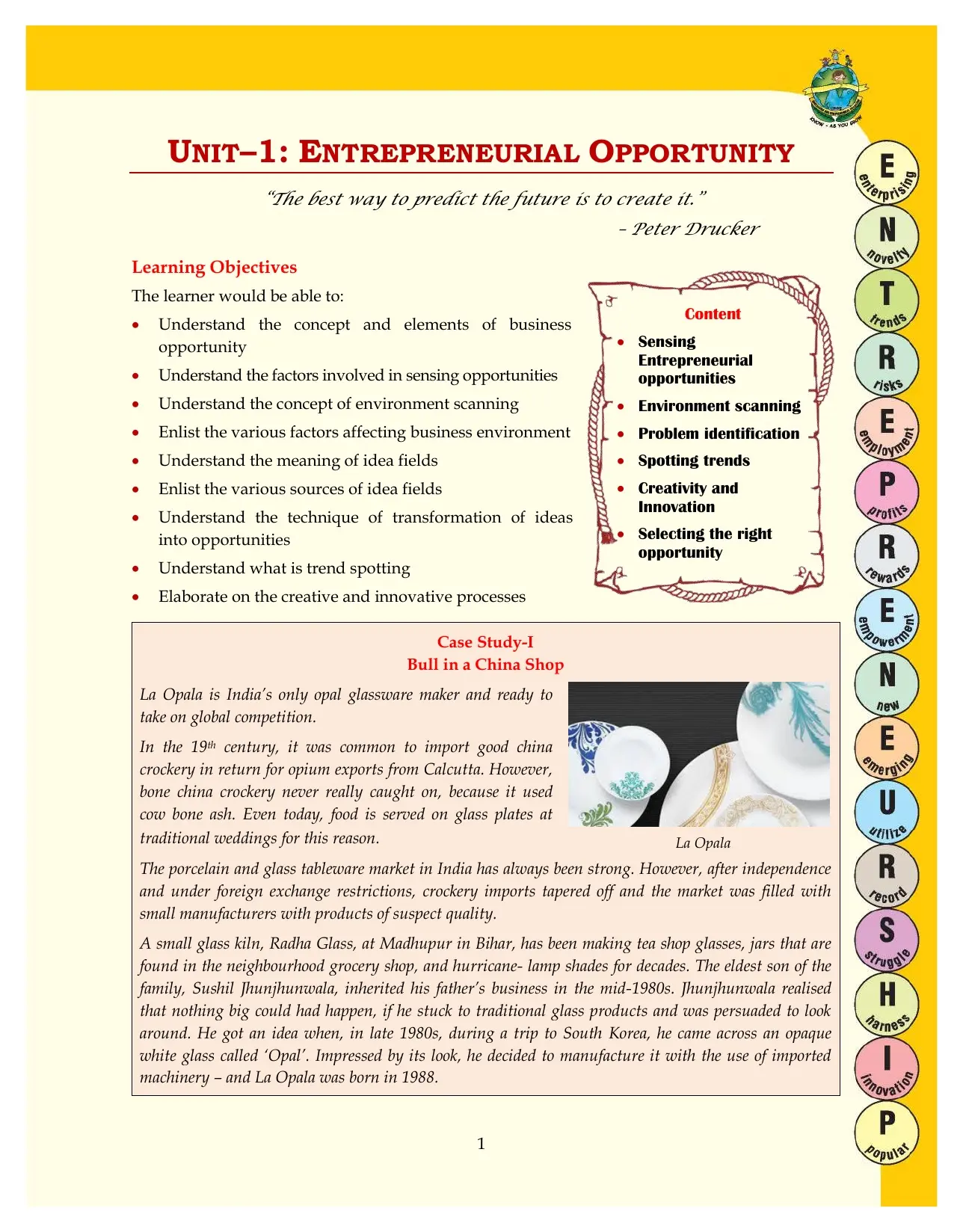
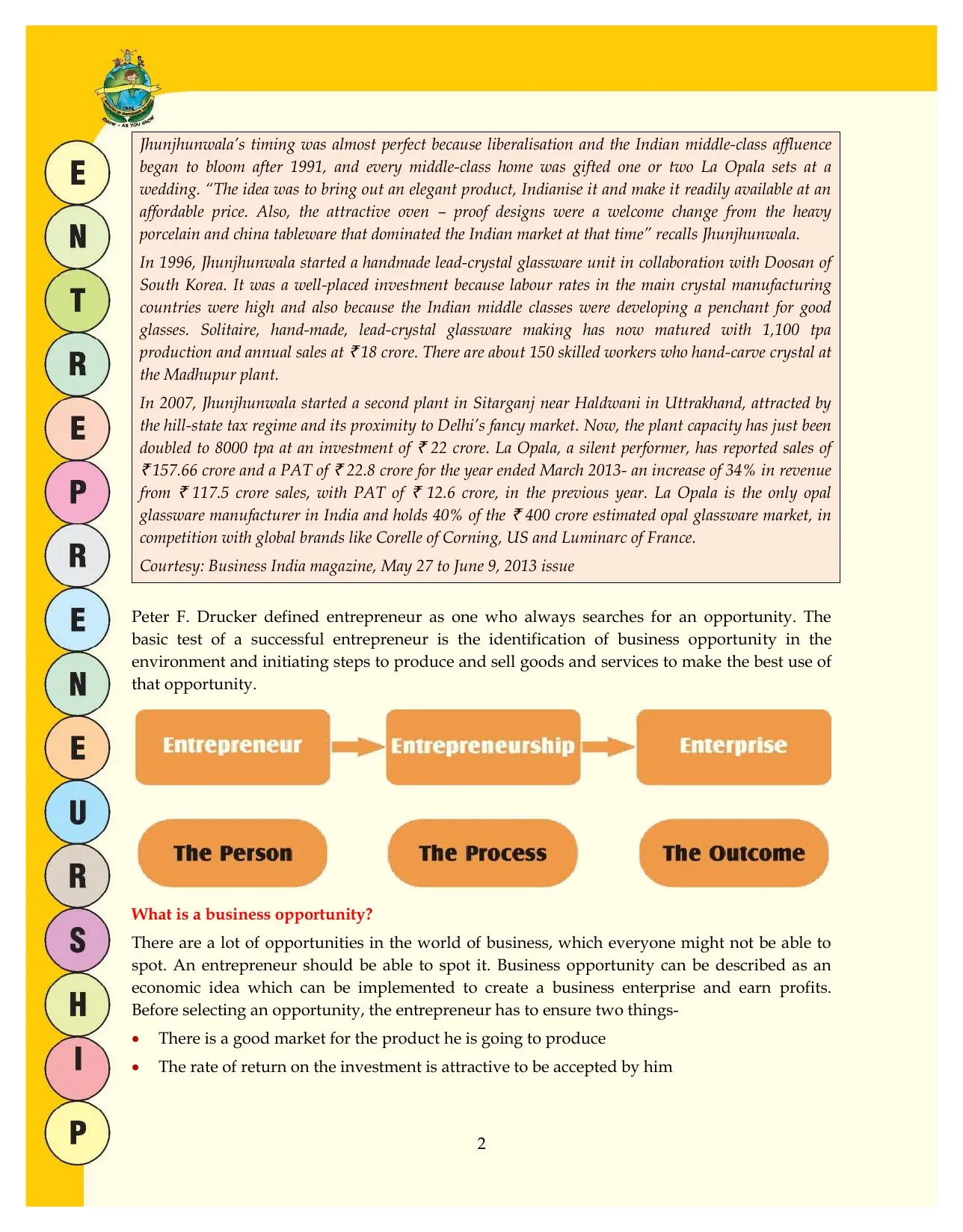
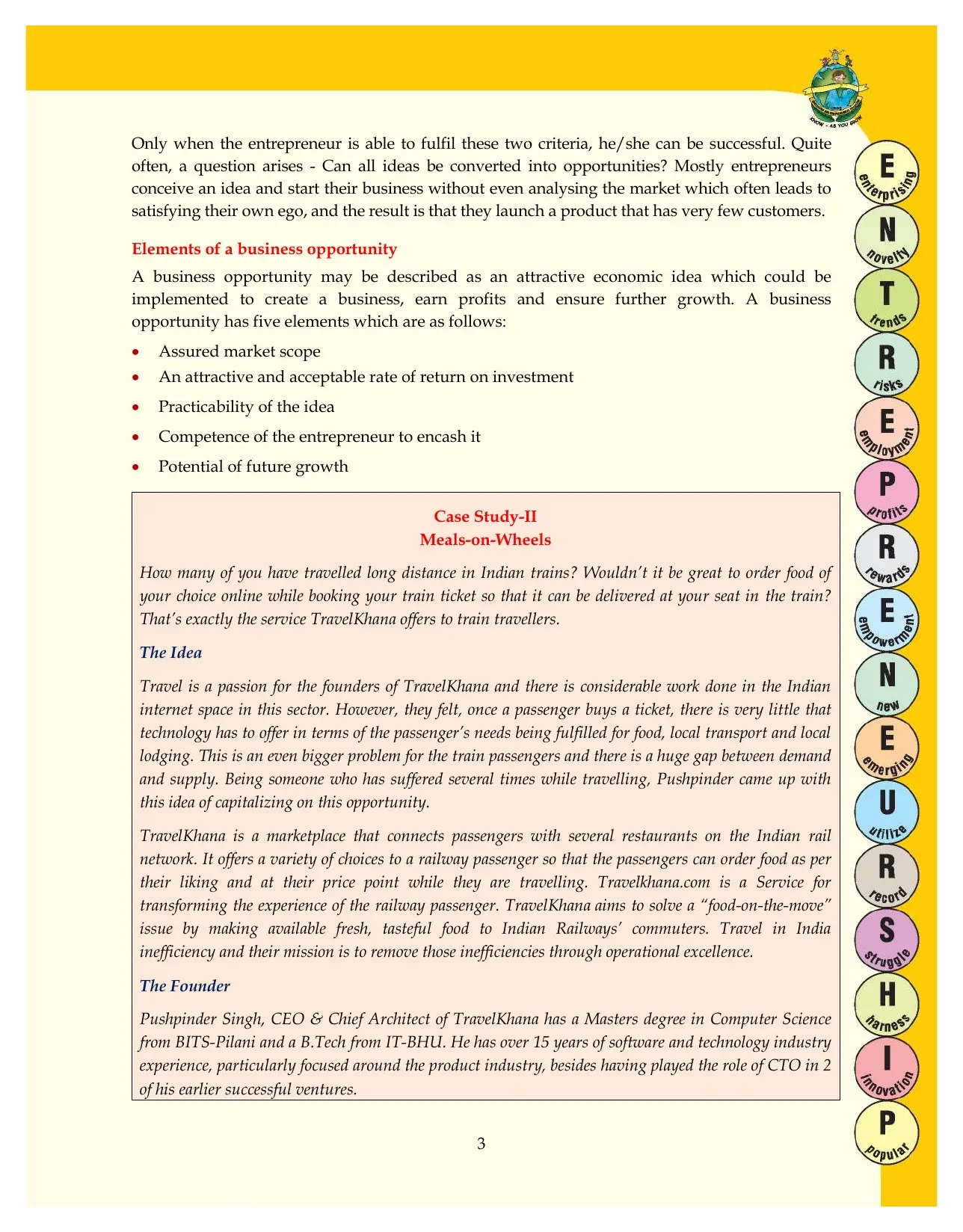
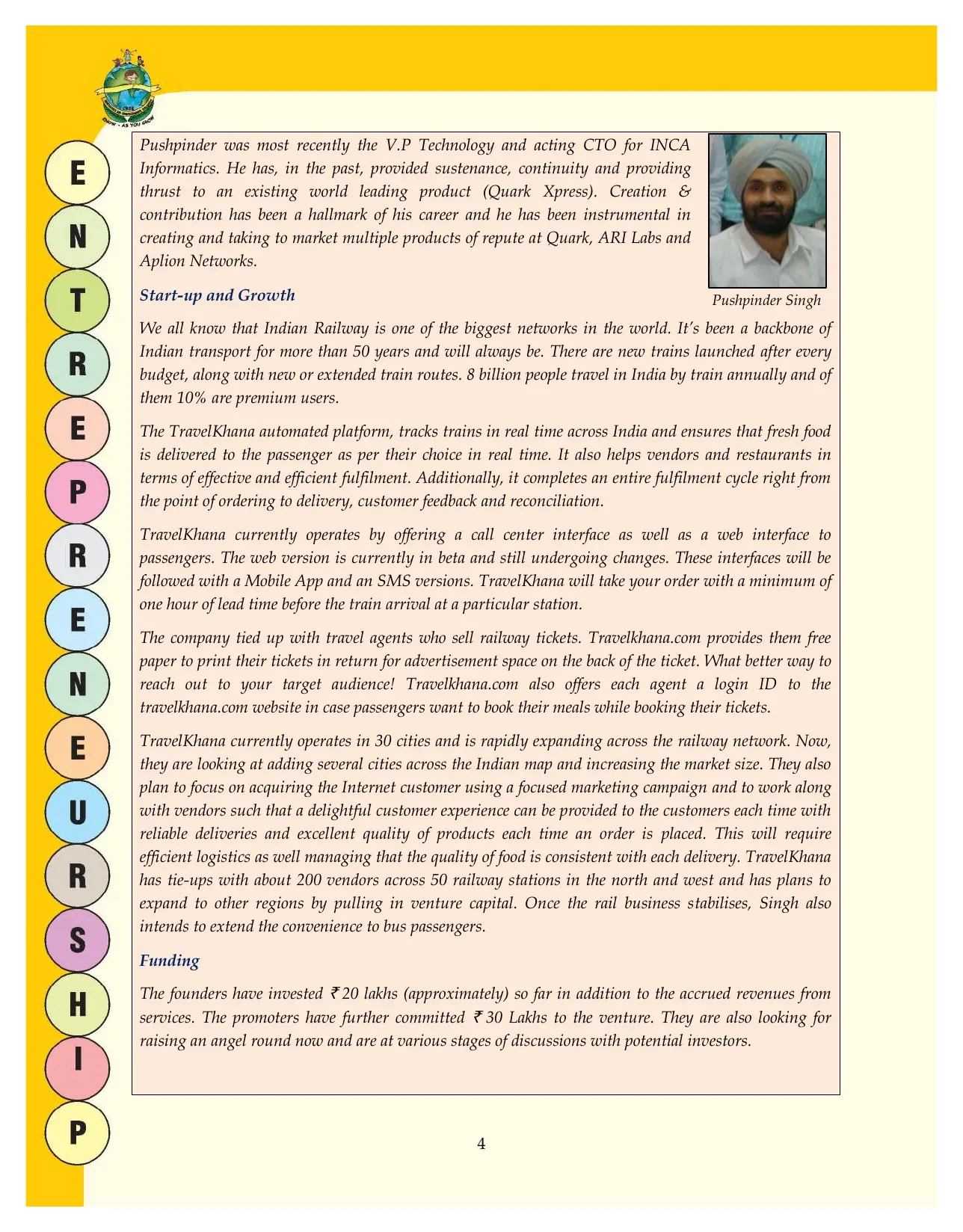
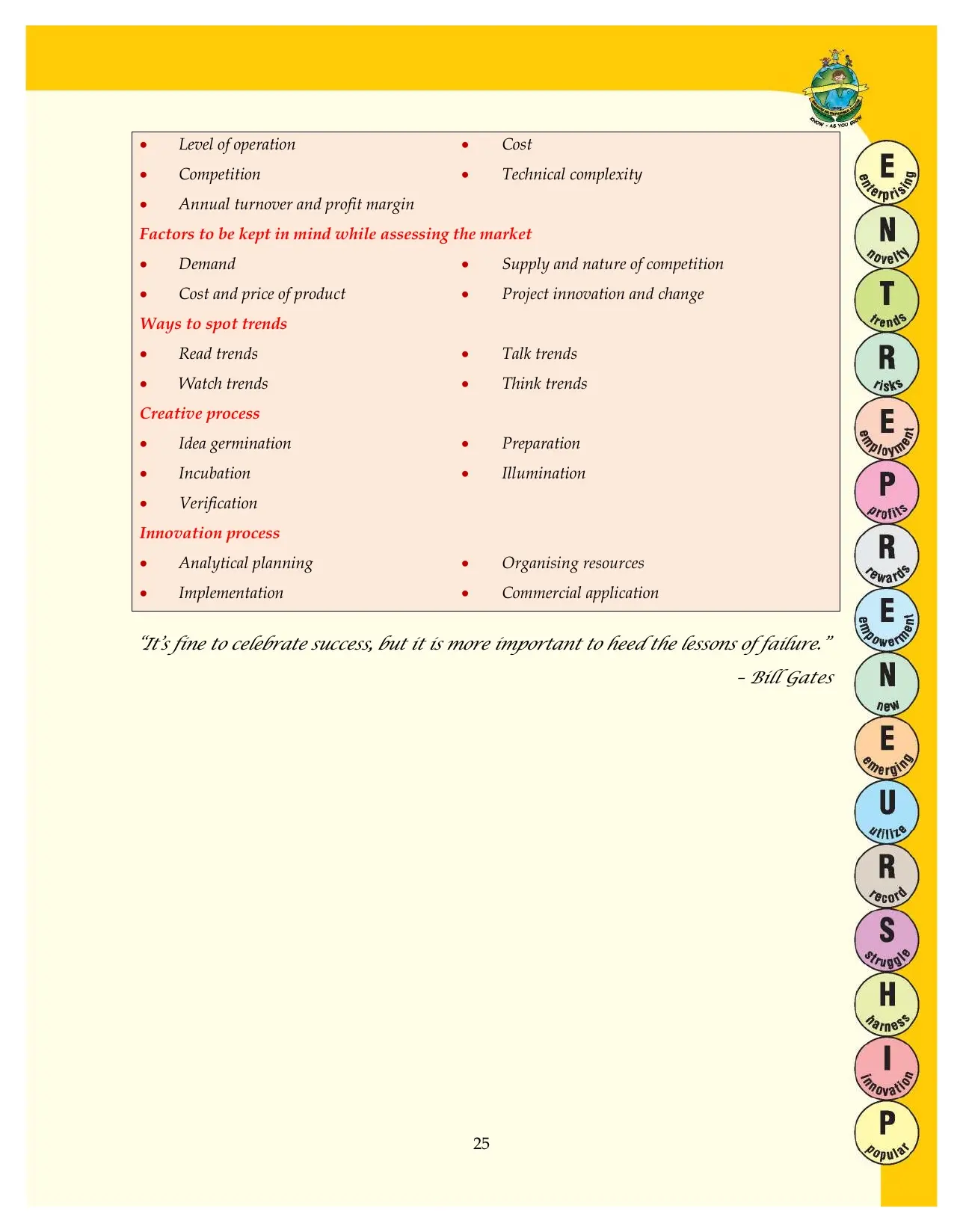
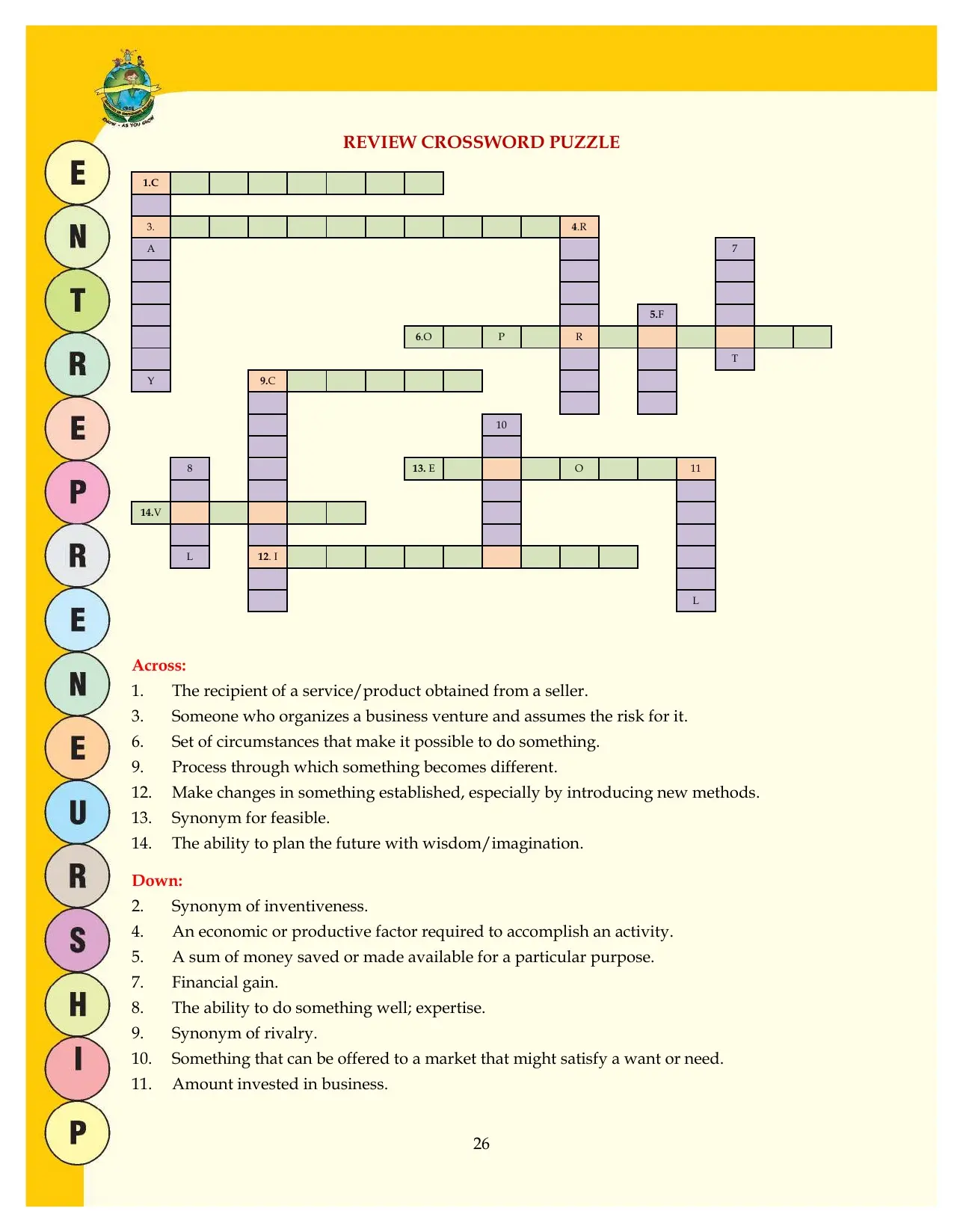
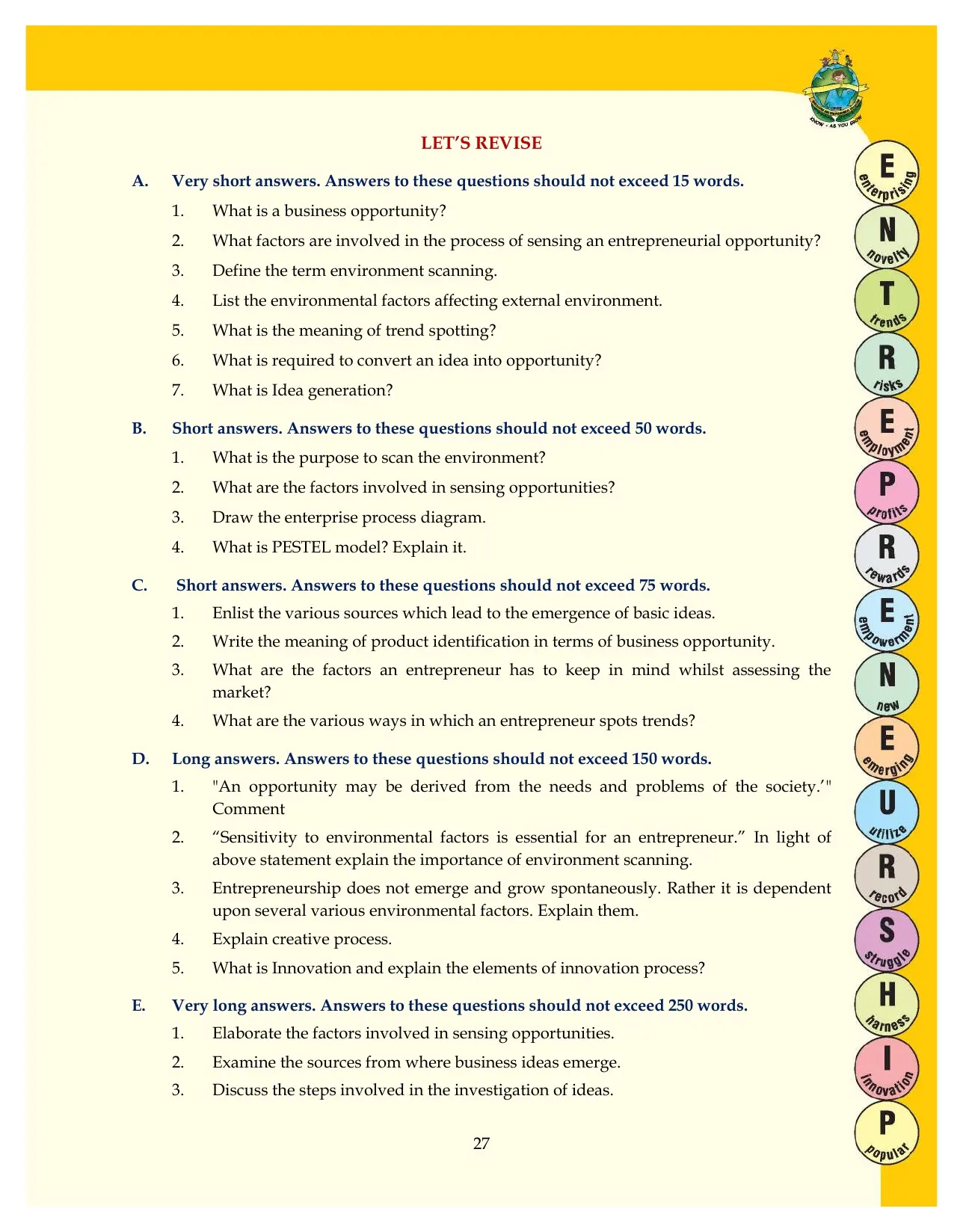
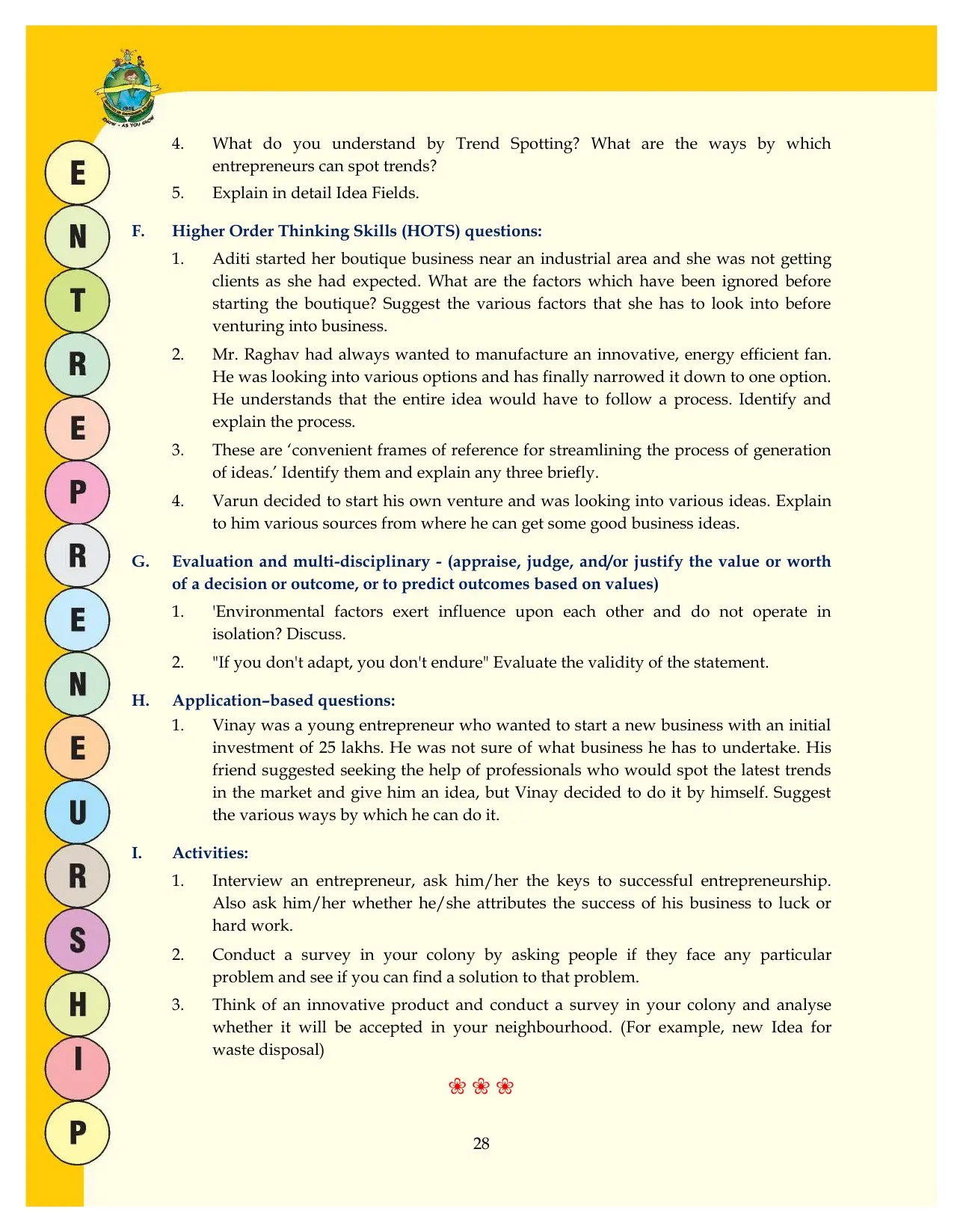
This Collegedunia page follows the 2026-27 NCERT Entrepreneurship textbook and keeps the official chapter PDF, opportunity concepts and related study links in one place.
Student Feedback: In a Collegedunia poll of 10,280 Class 12 Entrepreneurship students from the 2026-27 board cycle, most students said Chapter 1 became easier after they turned each business idea into a need, market and feasibility checklist.
Entrepreneurial Opportunity Chapter 1 NCERT Book PDF Highlights
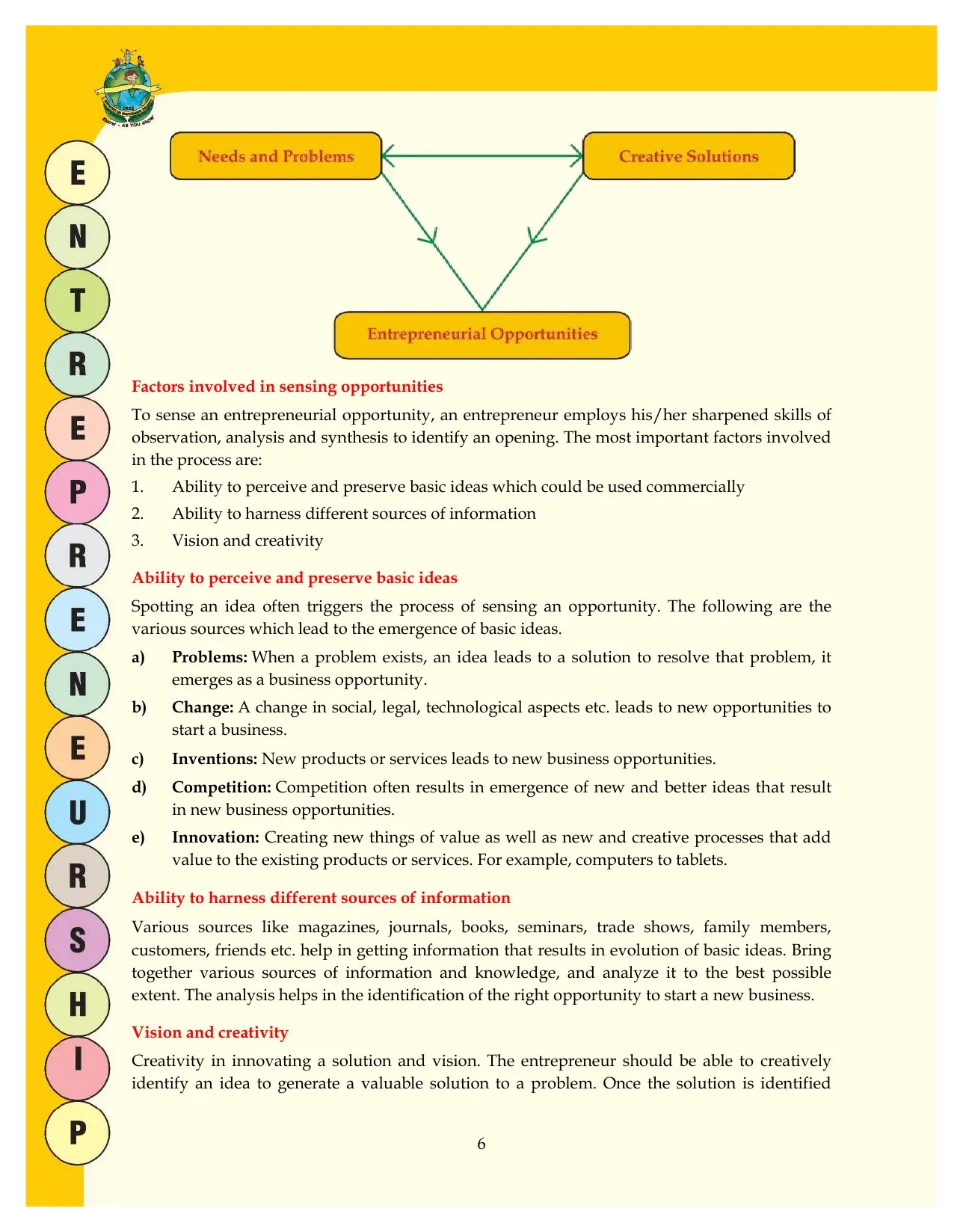
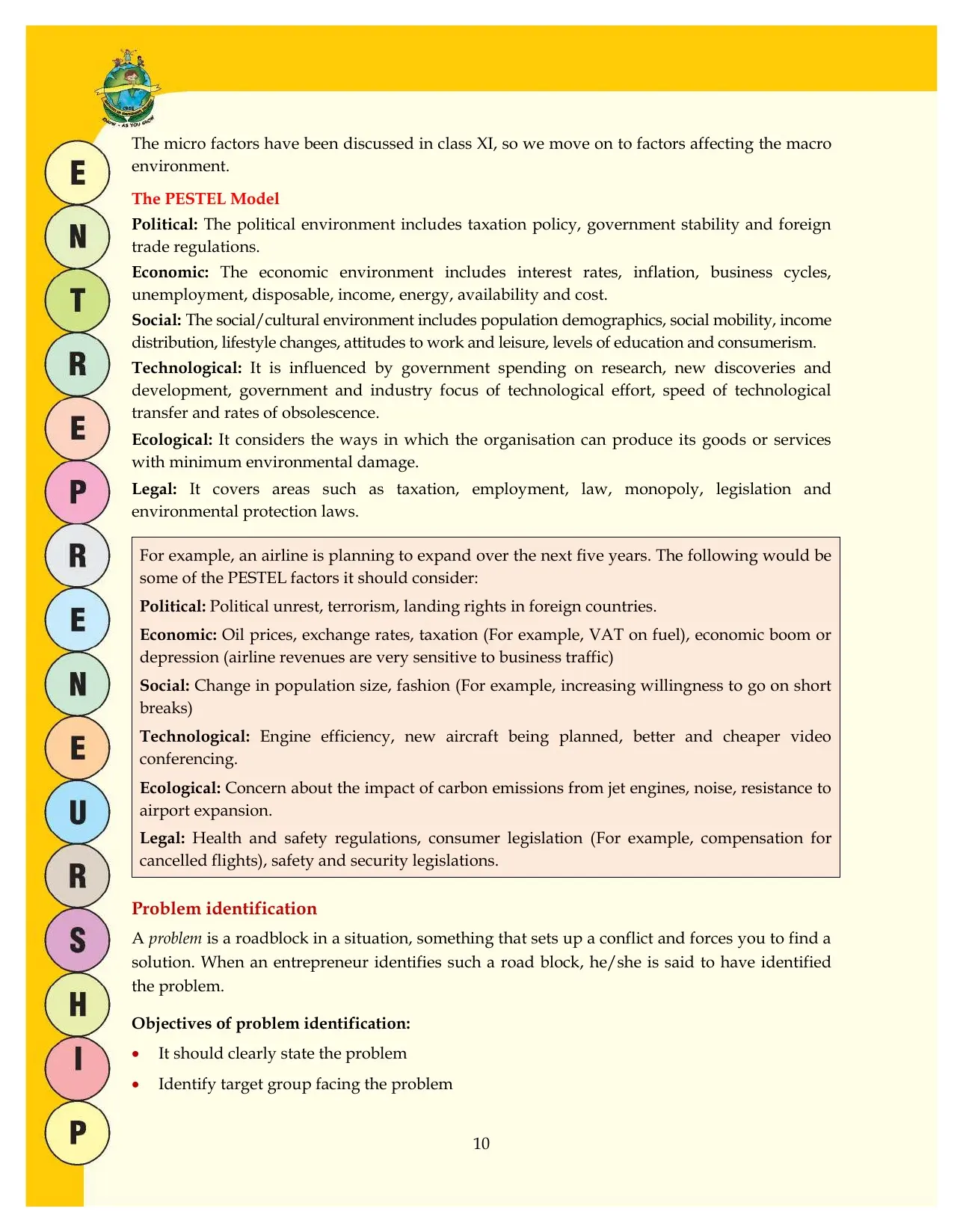
The chapter begins with the idea that an entrepreneur does not wait for a perfect business idea. The entrepreneur observes change, finds a problem or unmet need, and then checks whether that idea can become a useful product or service.
| Chapter area | What NCERT asks students to notice | Revision cue |
|---|---|---|
| Opportunity | A favourable chance to create value | Need plus value plus feasibility |
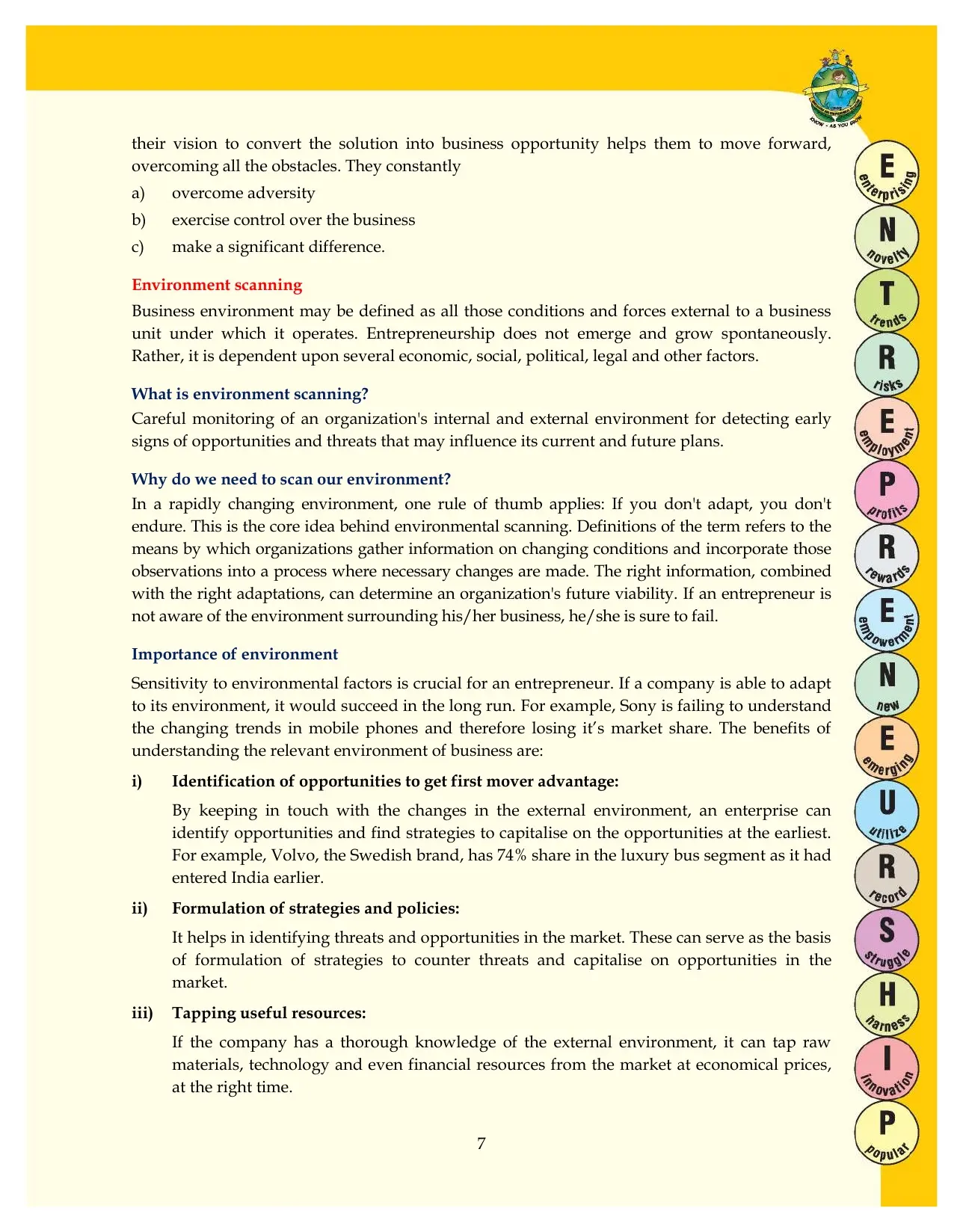
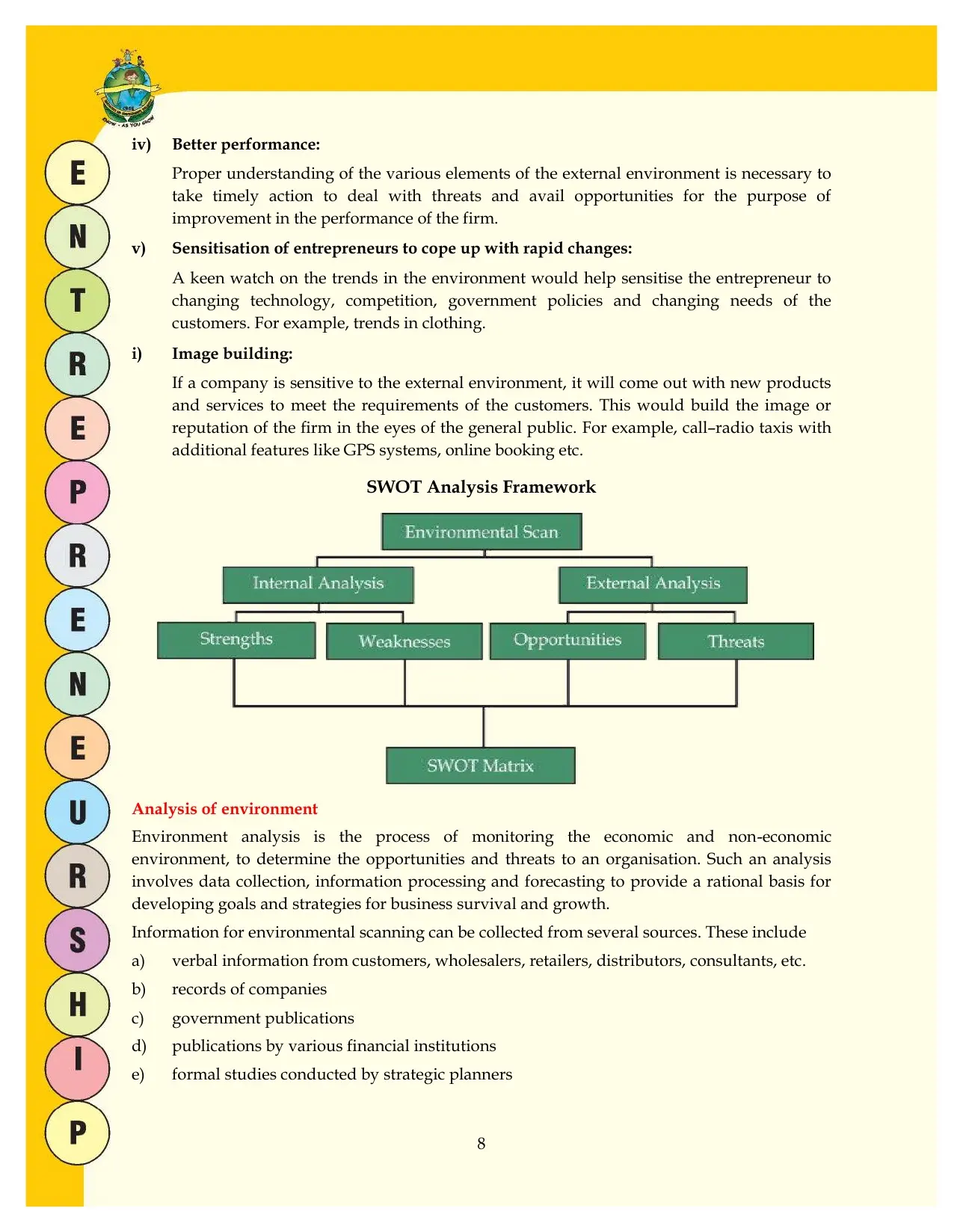
| Environment scanning | Changes in technology, society, economy and policy | Convert change into a possible idea |
| Market sensing | Customer needs, demand, price and competition | Ask who will buy and why |
| Idea selection | Fit between opportunity, resources and risk | Choose the idea that can survive |
Every opportunity is an idea, but every idea is not an opportunity. The difference is market need and practical feasibility.
Entrepreneurial Opportunity Video Revision for Class 12
Source: Magnet Brains on YouTube
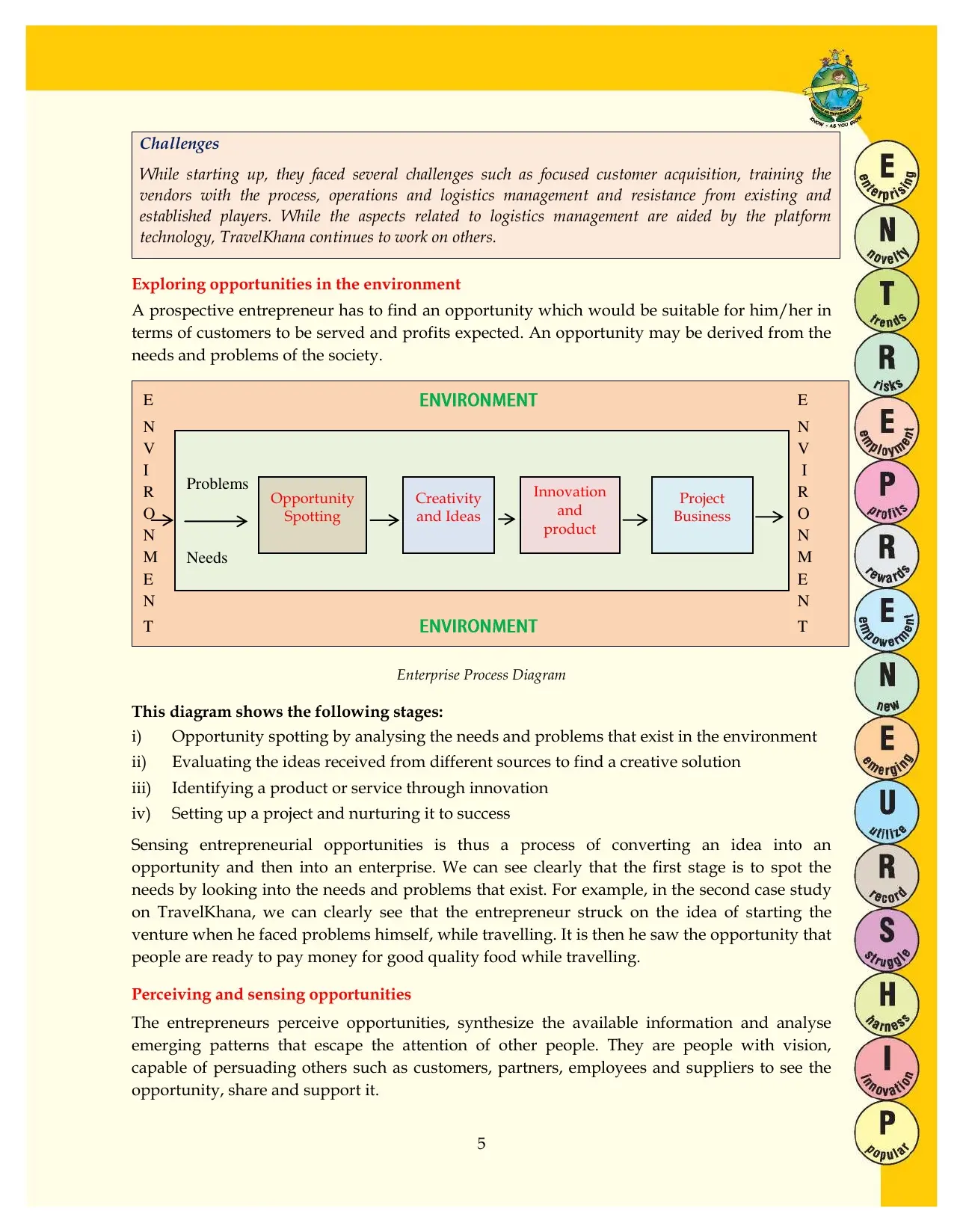
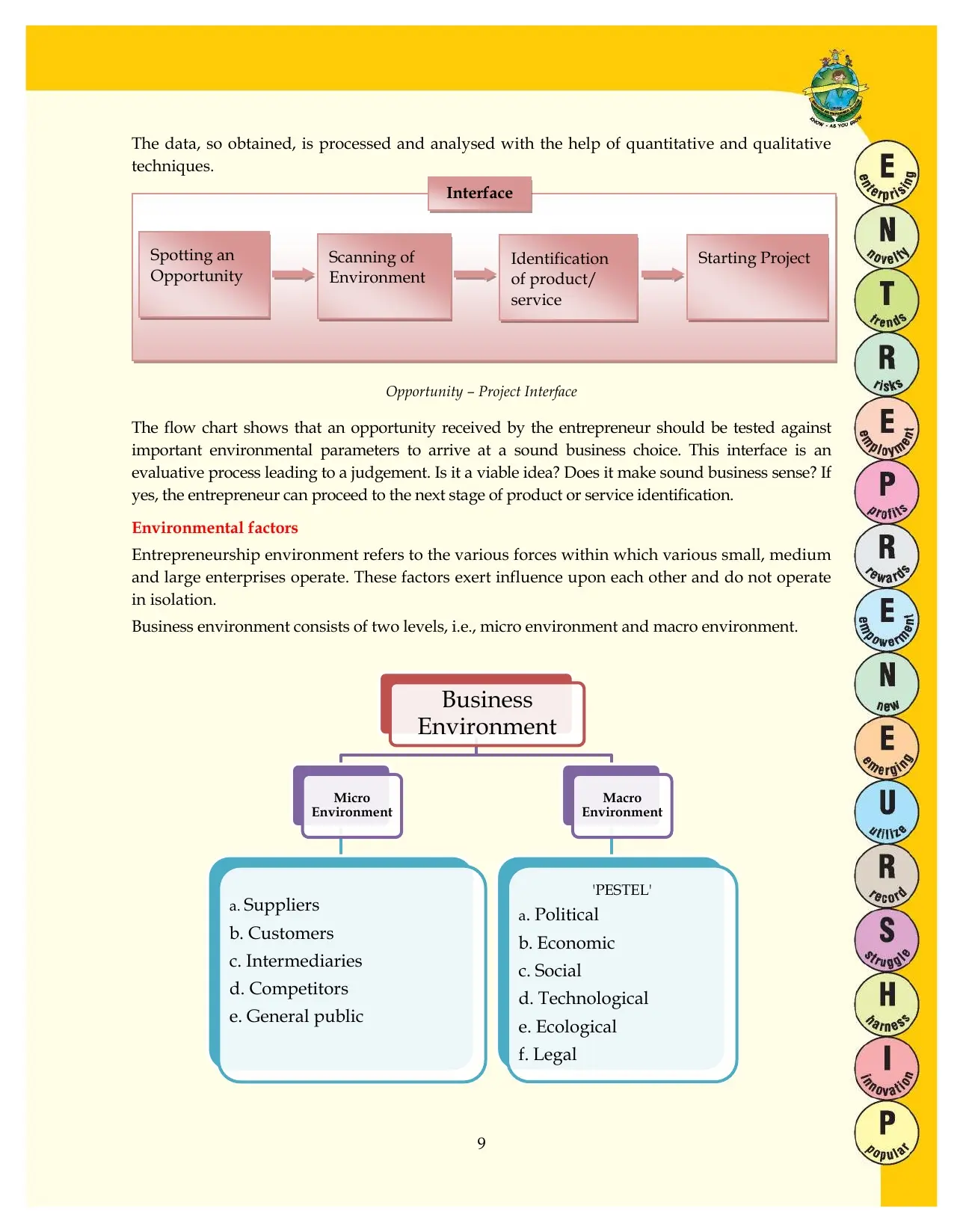
Opportunity Sensing Flow in the Entrepreneurial Opportunity Chapter
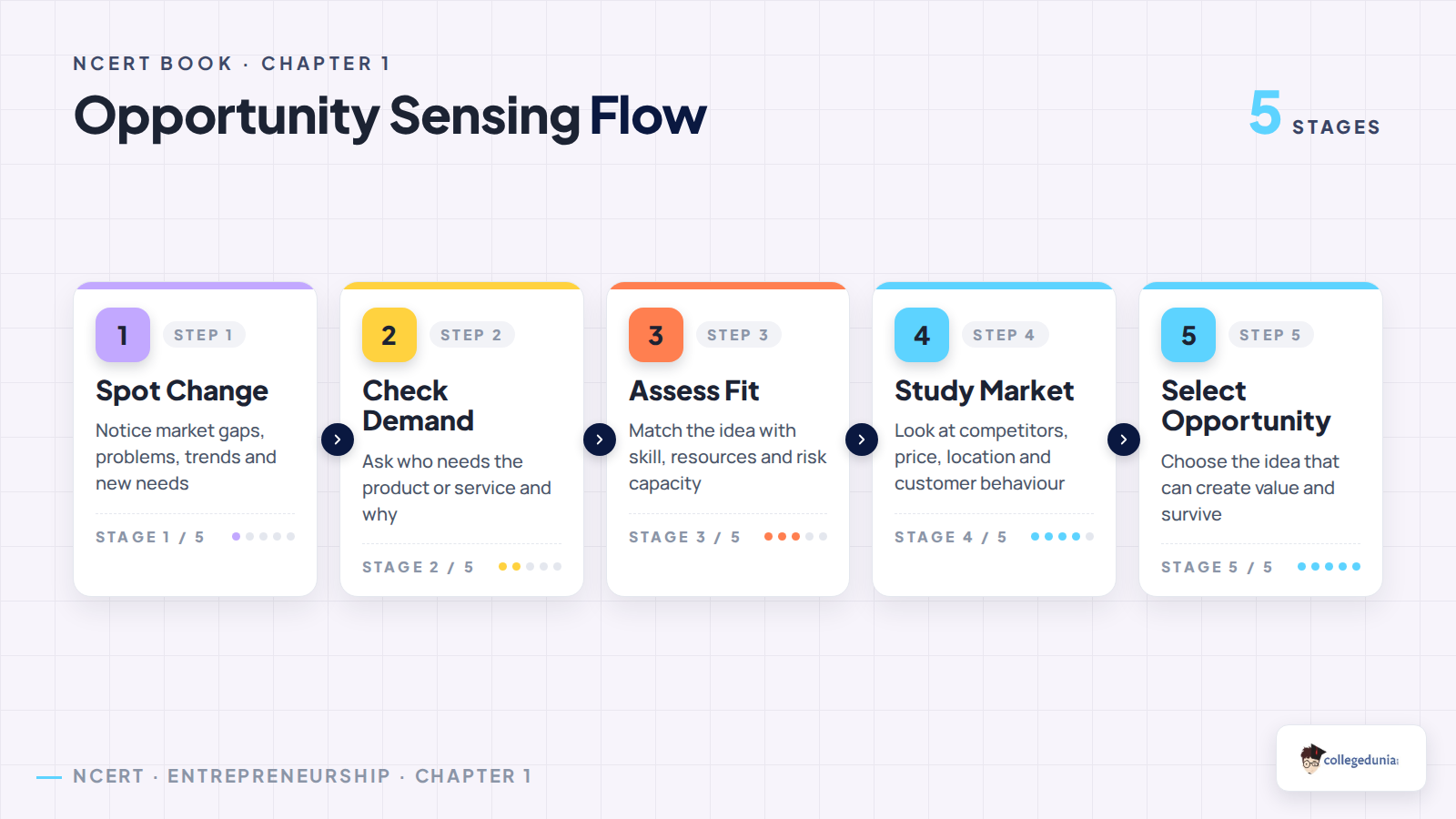
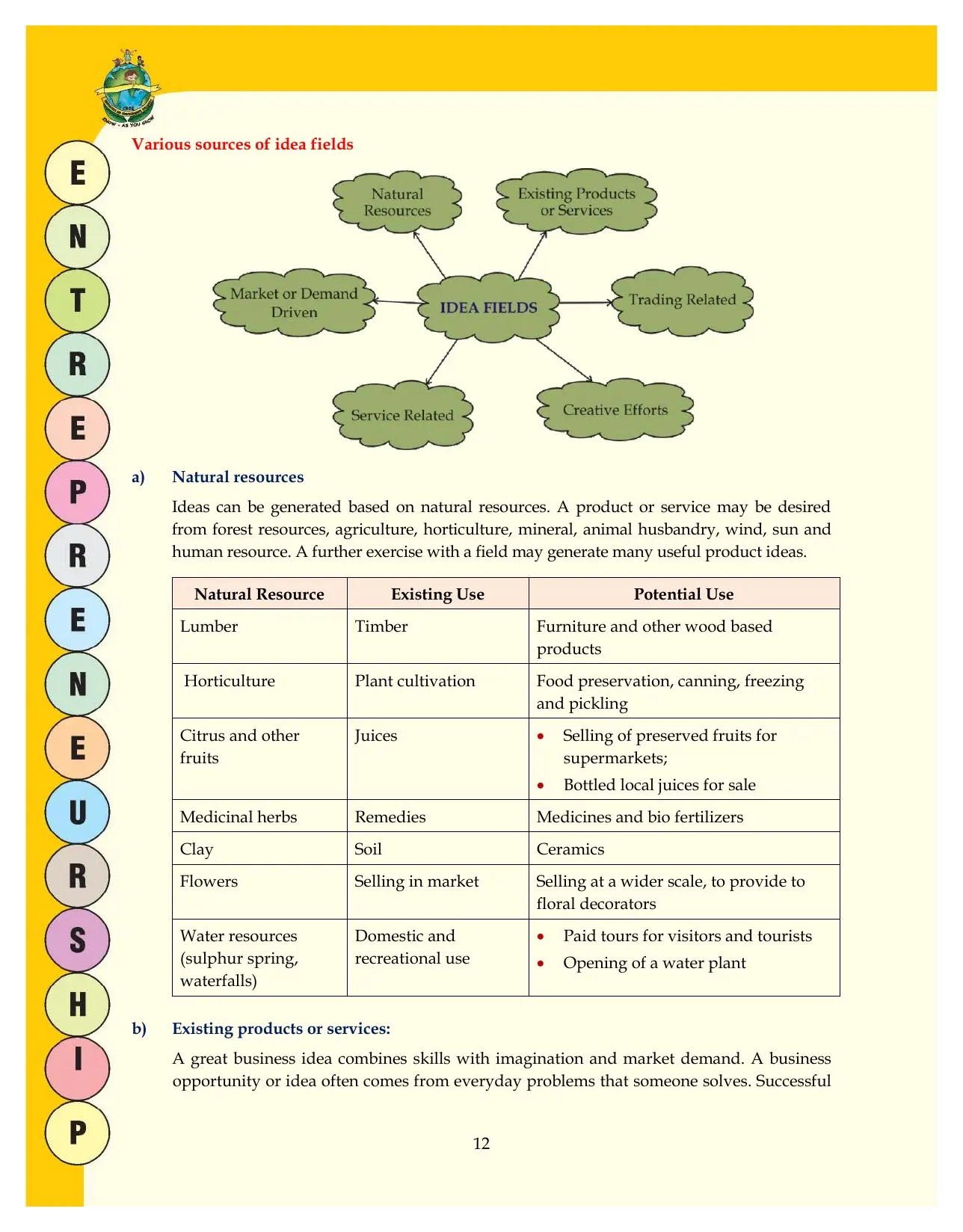
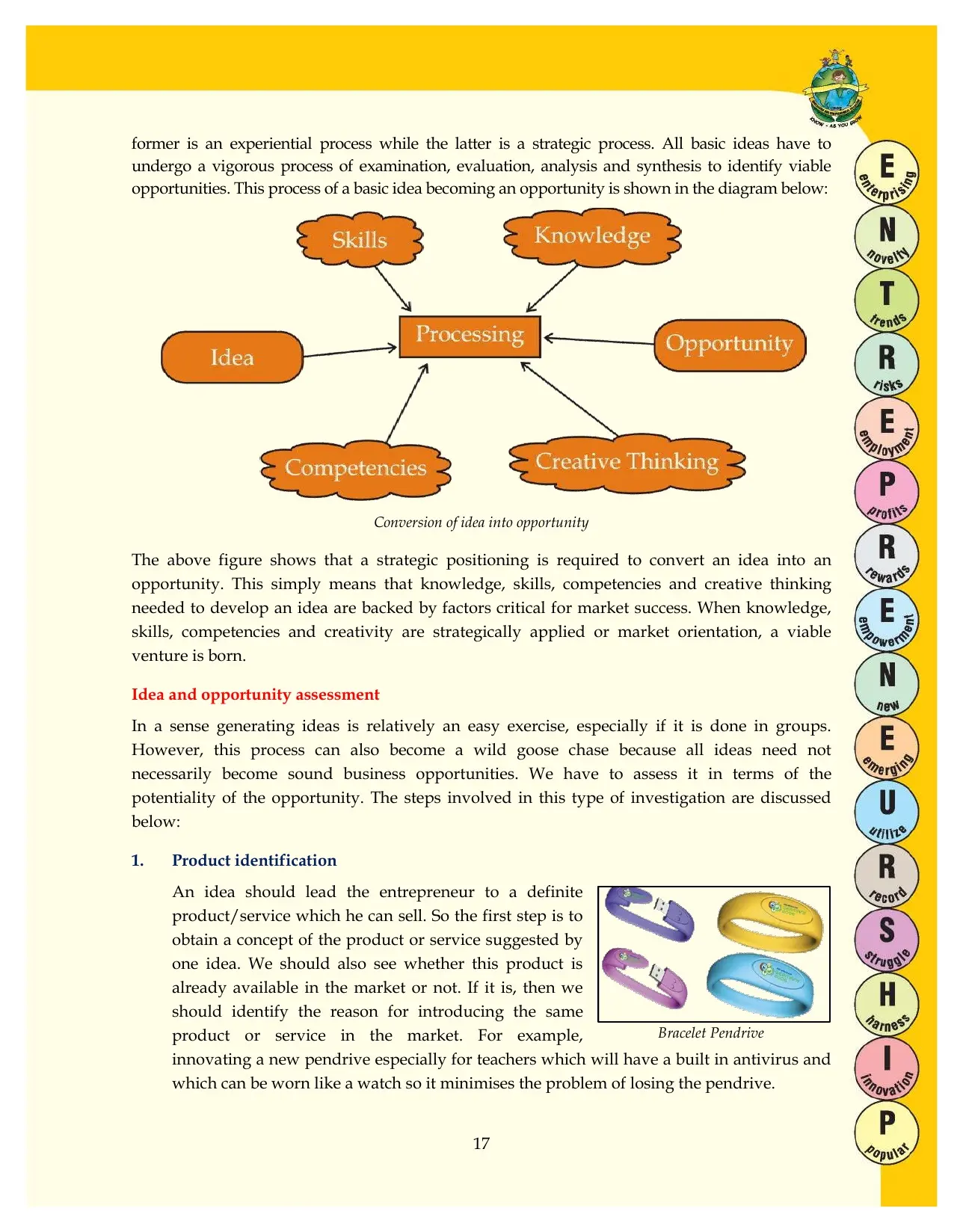
Opportunity sensing is a habit of watching the environment carefully. Students should look at changing customer habits, local problems, technology shifts, income levels, new rules and competitor gaps. A good answer should show how the entrepreneur moves from observation to selection.
- Spot change: notice a problem, trend or new customer need.
- Check demand: ask whether enough people will pay for a solution.
- Assess fit: compare the idea with skills, resources and risk capacity.
- Select carefully: choose the idea that creates value and can continue.
The exam usually rewards the reason behind the choice. Do not write only the business idea. Explain why the idea is suitable.
Business Opportunity Checklist from Class 12 Entrepreneurship Chapter 1
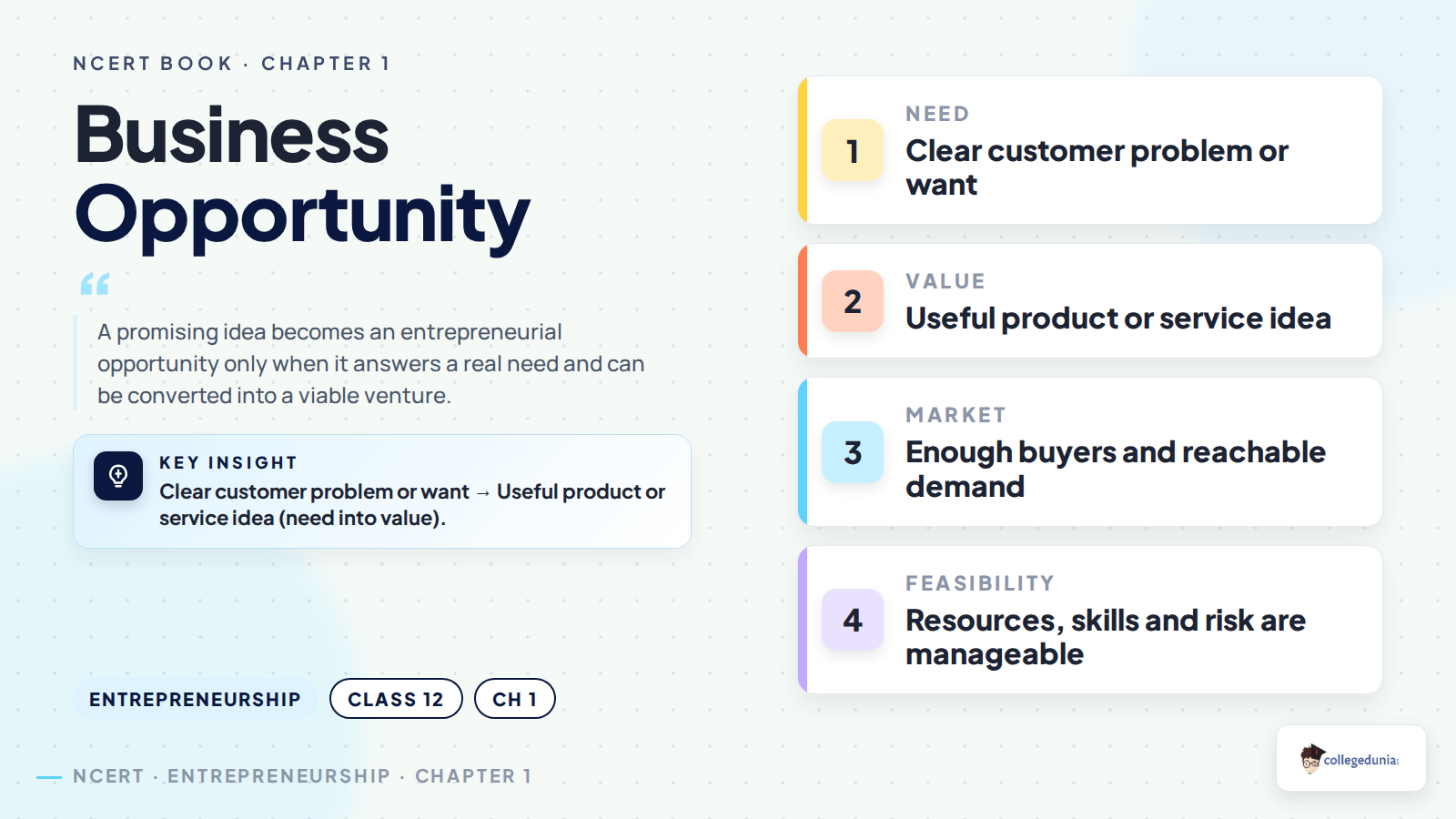
A business opportunity becomes stronger when four checks are positive. The customer need should be clear, the proposed value should be useful, the market should be reachable, and the entrepreneur should have a realistic way to arrange resources.
- Need: the idea solves a real problem or serves a real want.
- Value: the product or service improves the buyer's situation.
- Market: buyers are present, reachable and willing to pay.
- Feasibility: capital, skill, time and risk are manageable.
Feasibility is where many weak ideas fail. A popular idea still needs money, people, material, timing and execution.
How to Use the Entrepreneurial Opportunity NCERT Book PDF
Use the official PDF in three short rounds. First, read the full chapter to understand how opportunities are identified. Second, build a one-page checklist for market need, competition, resources and risk. Third, practise explaining one local business idea using the chapter terms.
- Mark the definitions of opportunity, trend spotting and environment scanning.
- Write two examples each for customer need, market gap and innovation.
- Revise with the related notes and solutions only after reading the PDF.
Study habit: Keep the PDF open while solving questions so your answer language stays close to NCERT.
Entrepreneurial Opportunity Class 12 Related Resources
Use these resources when you want the same chapter in another format. The book PDF is the source text, while notes and solutions help with revision and answer writing.
| Resource | Best use | Link |
|---|---|---|
| NCERT Book PDF | Read the official 2026-27 source chapter | Open book PDF |
| NCERT Solutions | Practise textbook answers and case-based reasoning | Open solutions |
| Notes | Revise opportunity concepts in a shorter format | Open notes |
All Class 12 Entrepreneurship NCERT Book PDFs
The table below keeps the NCERT Book PDF resource together, so students can move chapter by chapter through the Class 12 Entrepreneurship textbook.
| Chapter | NCERT chapter title | Book PDF |
|---|---|---|
| Chapter 1 | Entrepreneurial Opportunity | Current book PDF |
| Chapter 2 | Entrepreneurial Planning | Open book PDF |
| Chapter 3 | Enterprise Marketing | Open book PDF |
| Chapter 4 | Enterprise Growth Strategies | Open book PDF |
| Chapter 5 | Business Arithmetic | Open book PDF |
| Chapter 6 | Resource Mobilisation | Open book PDF |
Entrepreneurial Opportunity Class 12 NCERT Book FAQs
Ques. What is covered in the Entrepreneurial Opportunity chapter?
Ans. It covers opportunity identification, environment scanning, market sensing, customer needs, idea selection and the checks used before starting a venture.
Ques. Why should students read the NCERT Book PDF before notes?
Ans. The PDF gives the official NCERT wording. Notes and solutions become easier when the source definitions and examples are already clear.
Ques. Is every business idea an entrepreneurial opportunity?
Ans. No. A business idea becomes an opportunity only when it solves a real need, has a reachable market and can be carried out with available resources.
Ques. How can students revise this chapter quickly?
Ans. Make a checklist for need, value, market and feasibility. Then apply it to one local business idea and explain why it can work.
Ques. How many pages are in the official Chapter 1 PDF?
Ans. The local official NCERT chapter PDF has 28 pages, including chapter text, examples and end questions.



Comments