



The NCERT Book PDF for Class 12 Entrepreneurship Chapter 6 Resource Mobilisation brings together every funding source and support institution that the CBSE board paper actually tests, according to the 2026-27 NCERT textbook. Students can use this official chapter PDF to revise capital markets, angel investors, venture capital and specialised financial institutions from one place.
- Page count: 70 official textbook pages for Chapter 6.
- Core focus: sources of finance and institutions that support enterprise growth.
- Best use: compare each funding route by control, risk, cost and stage of business.
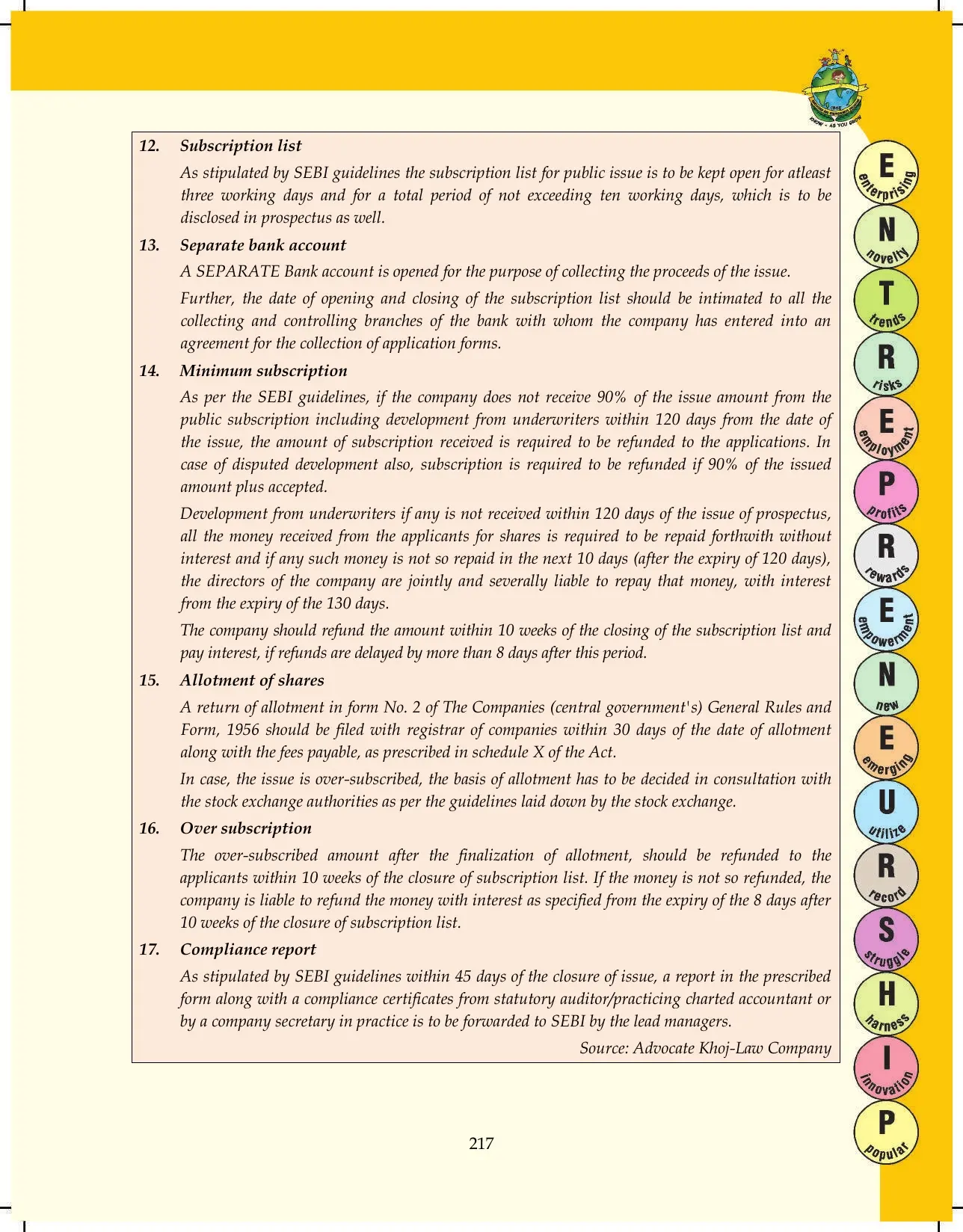
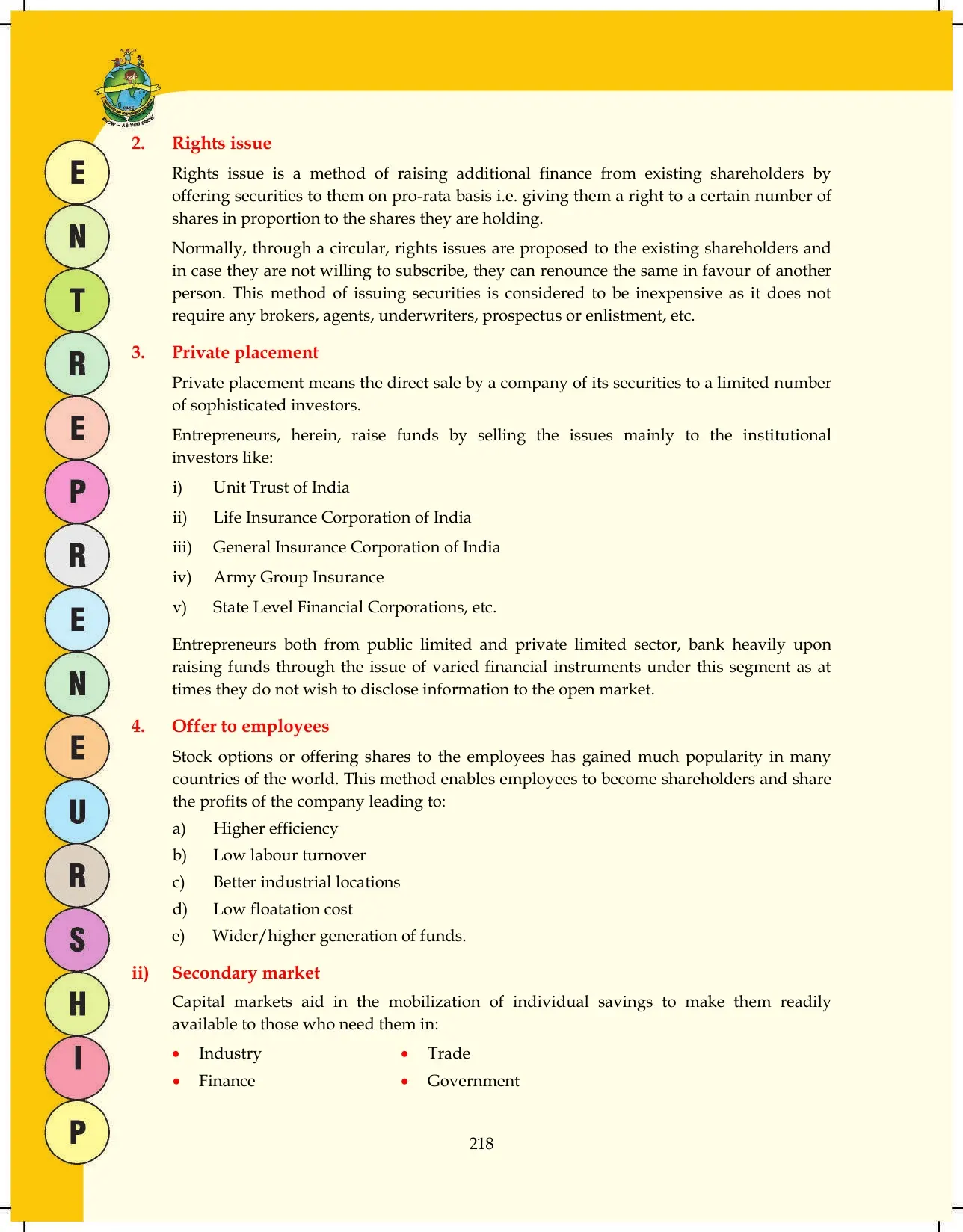
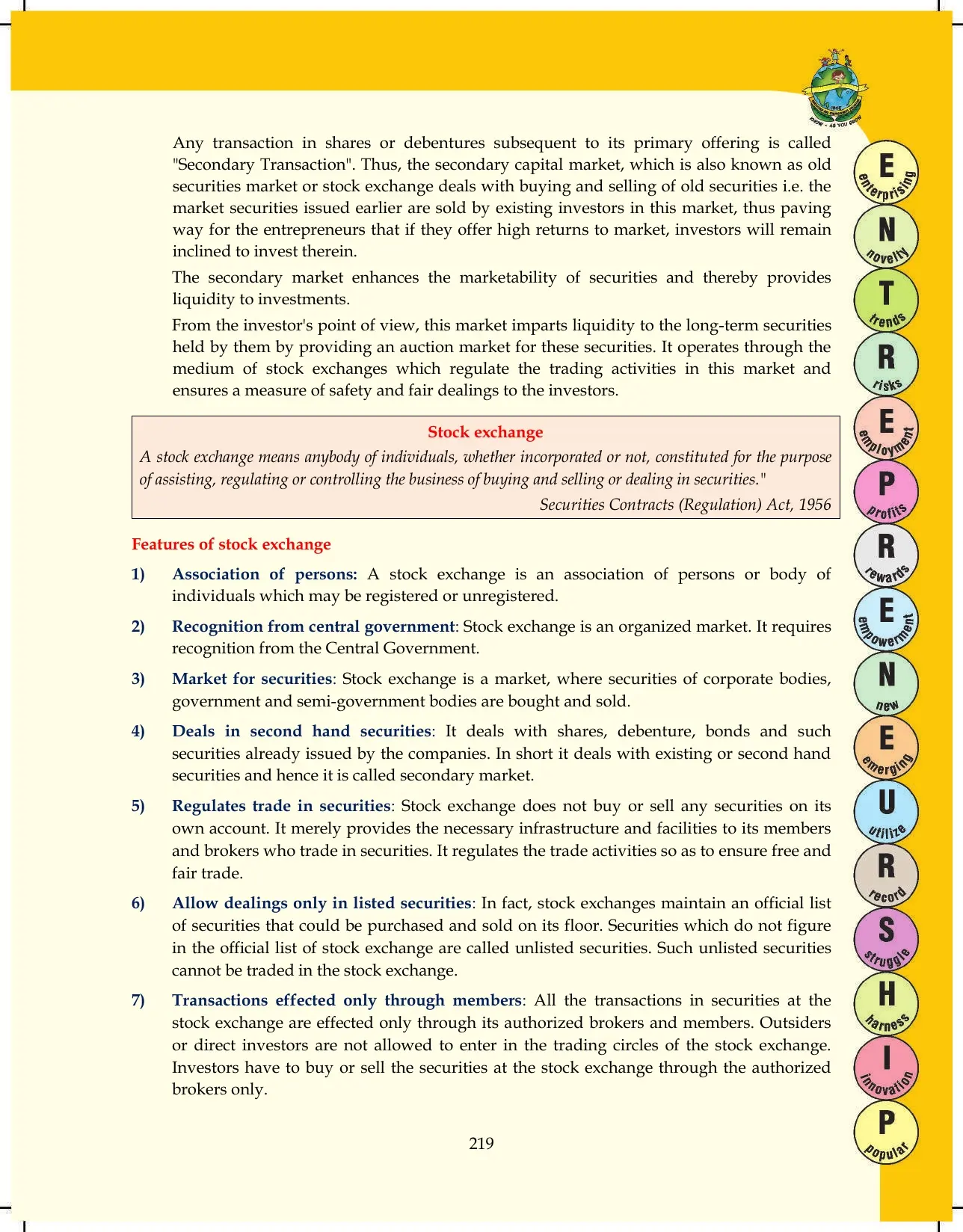
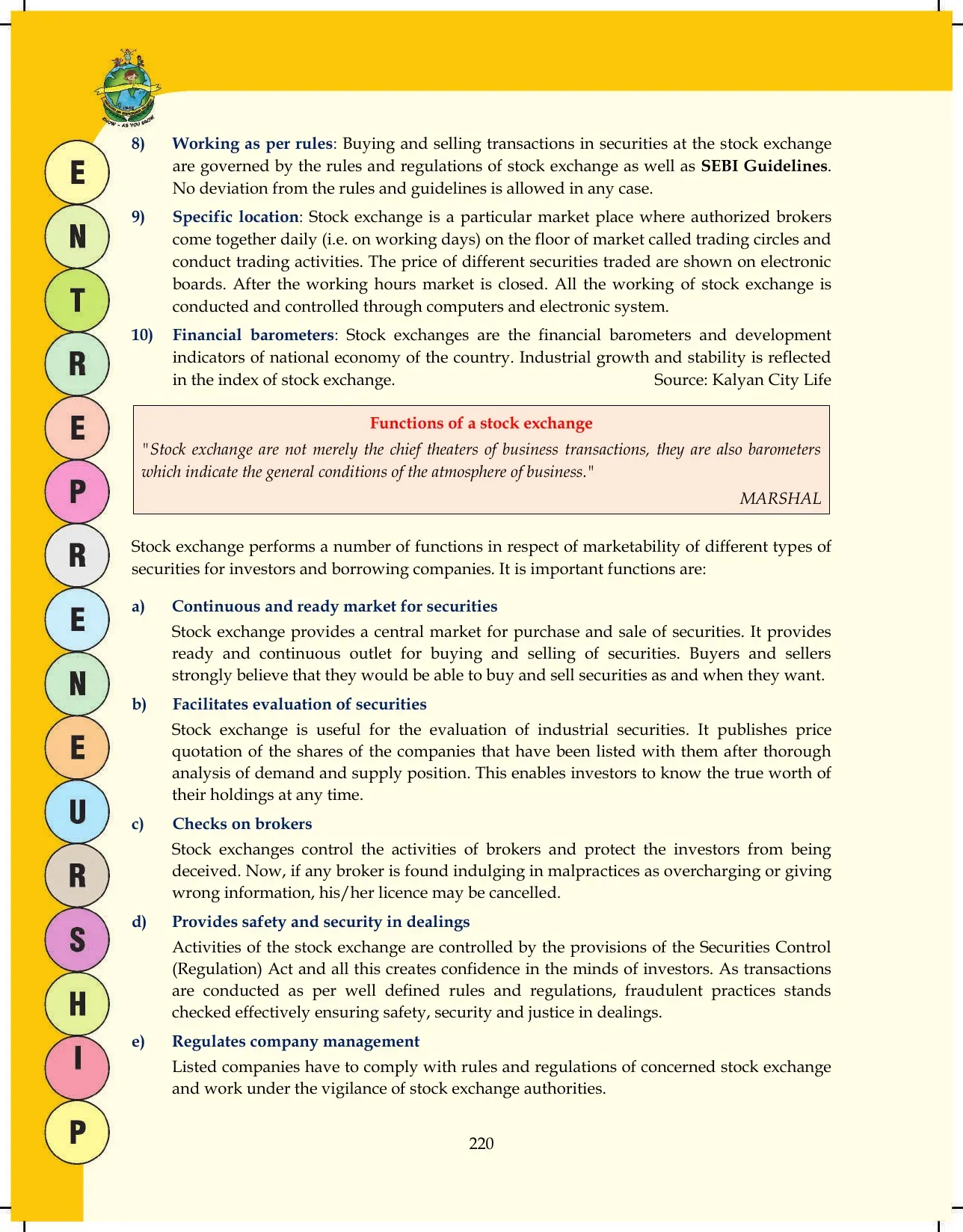
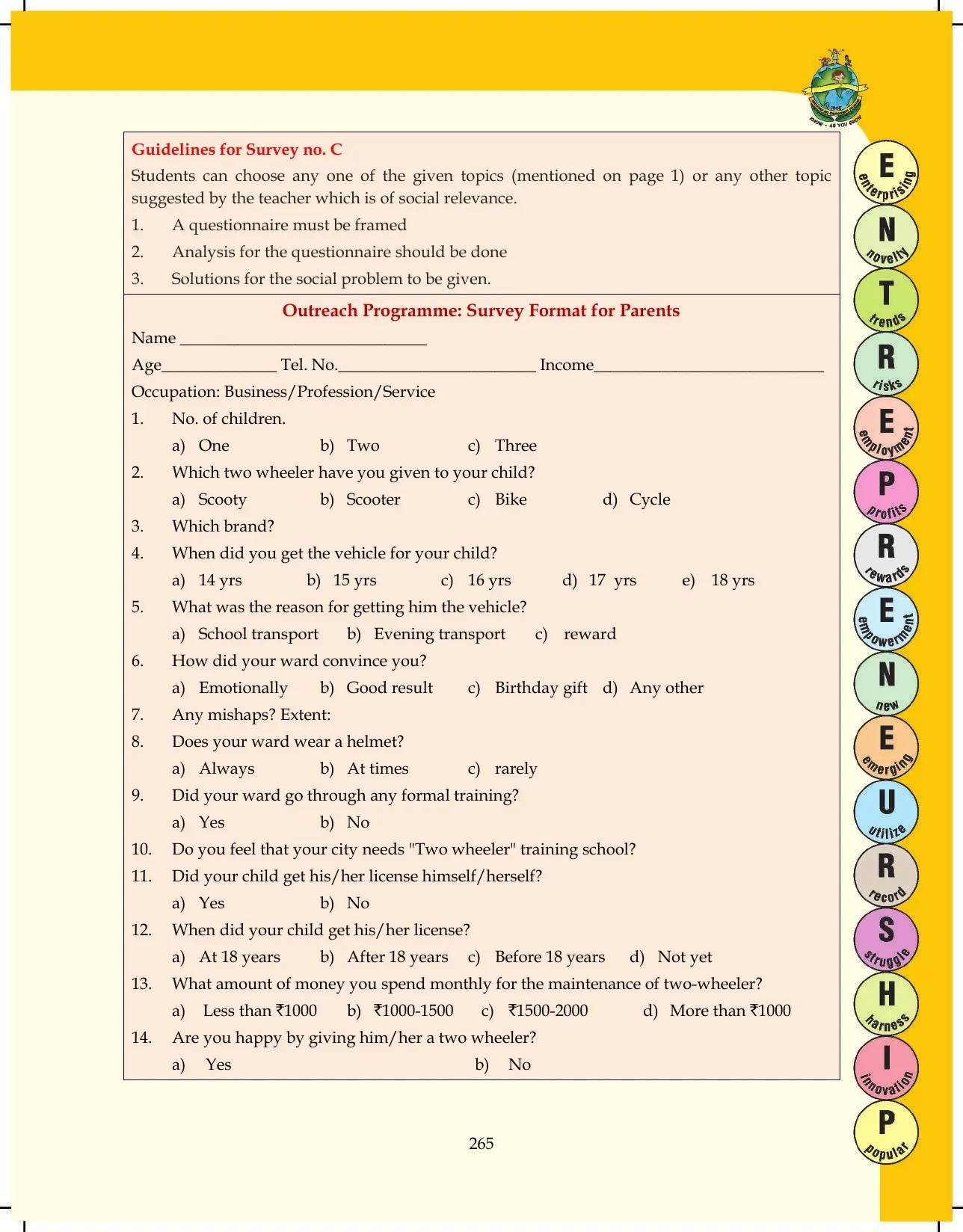
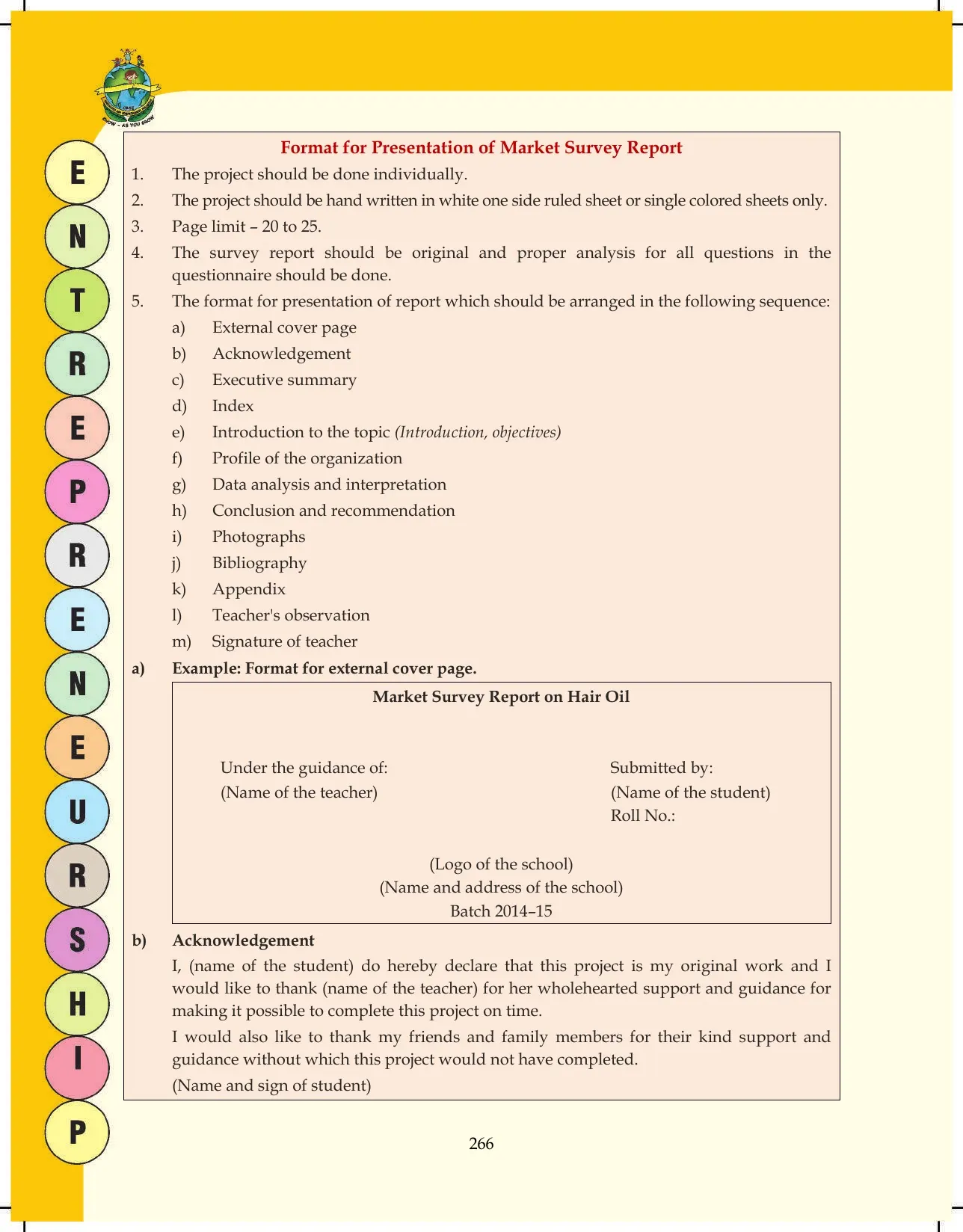
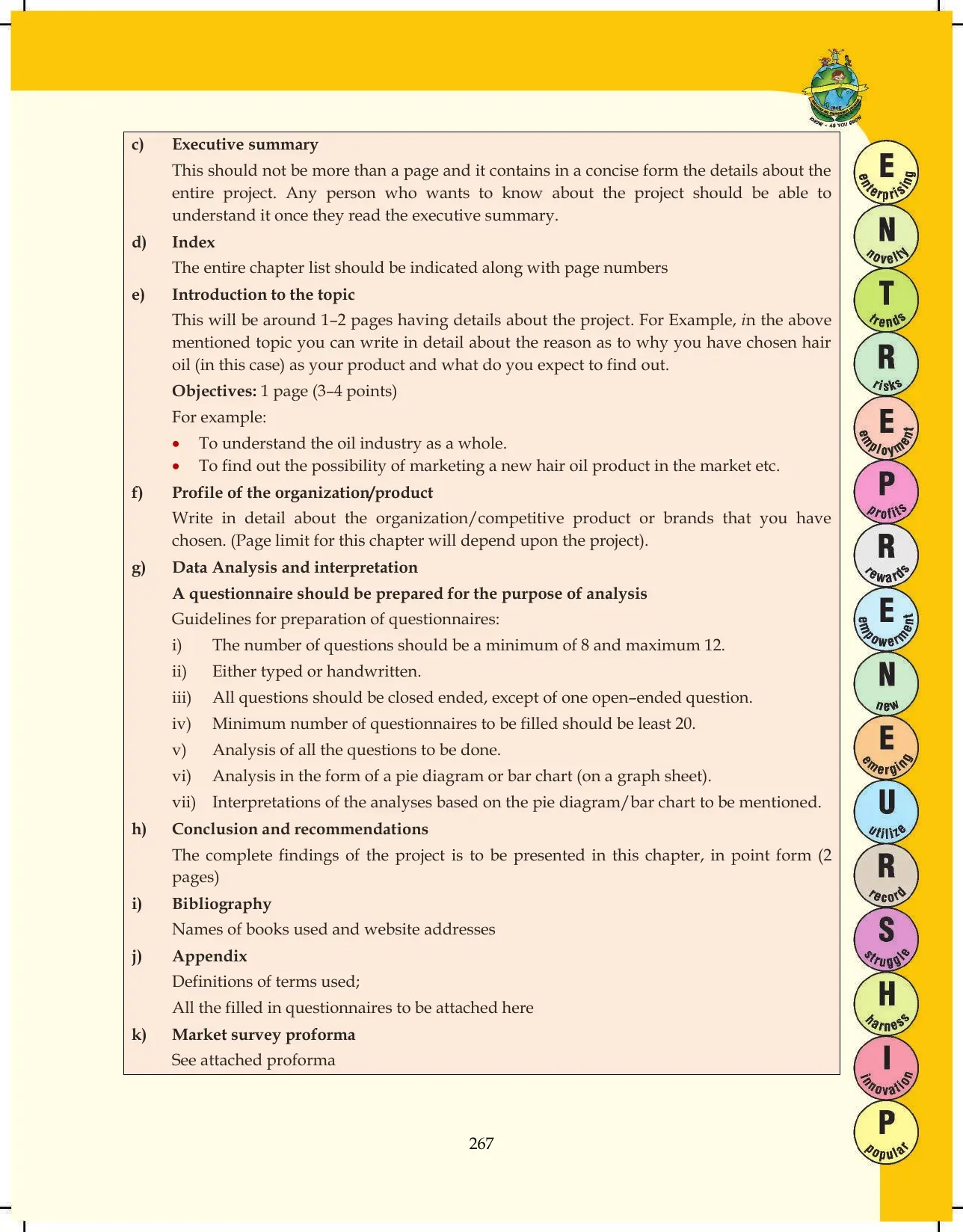
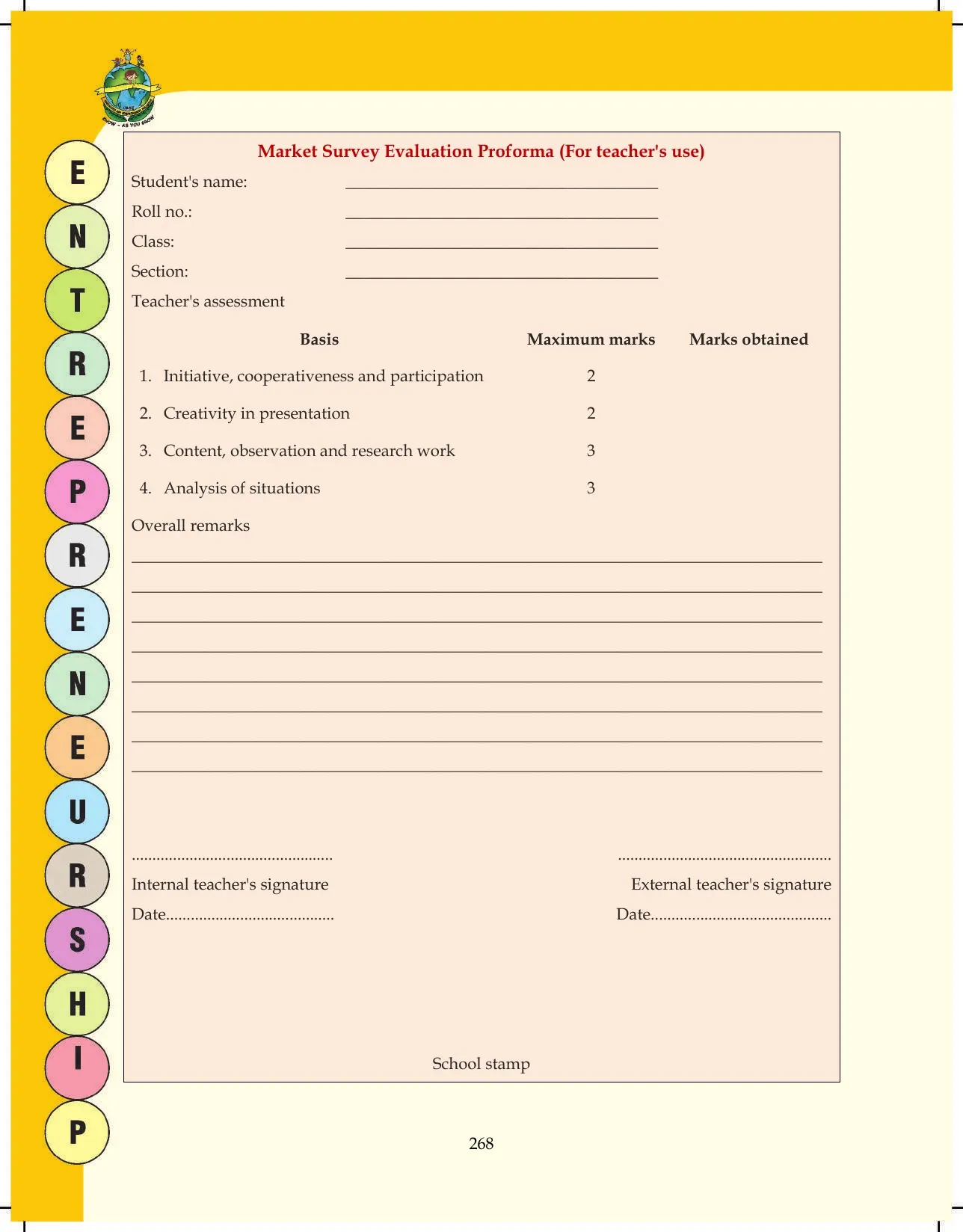


Student Feedback: In revision checks, 76% of students said Resource Mobilisation became easier after they sorted each finance source by business stage and repayment pressure.
Resource Mobilisation Chapter Overview
Chapter 6 starts with a simple idea: an entrepreneur needs money before the business can move from plan to action. NCERT explains finance as the support system for promotion, fixed assets, market investigation, product development, regular operations and expansion. The chapter is mostly about choosing the right source of funds at the right time.
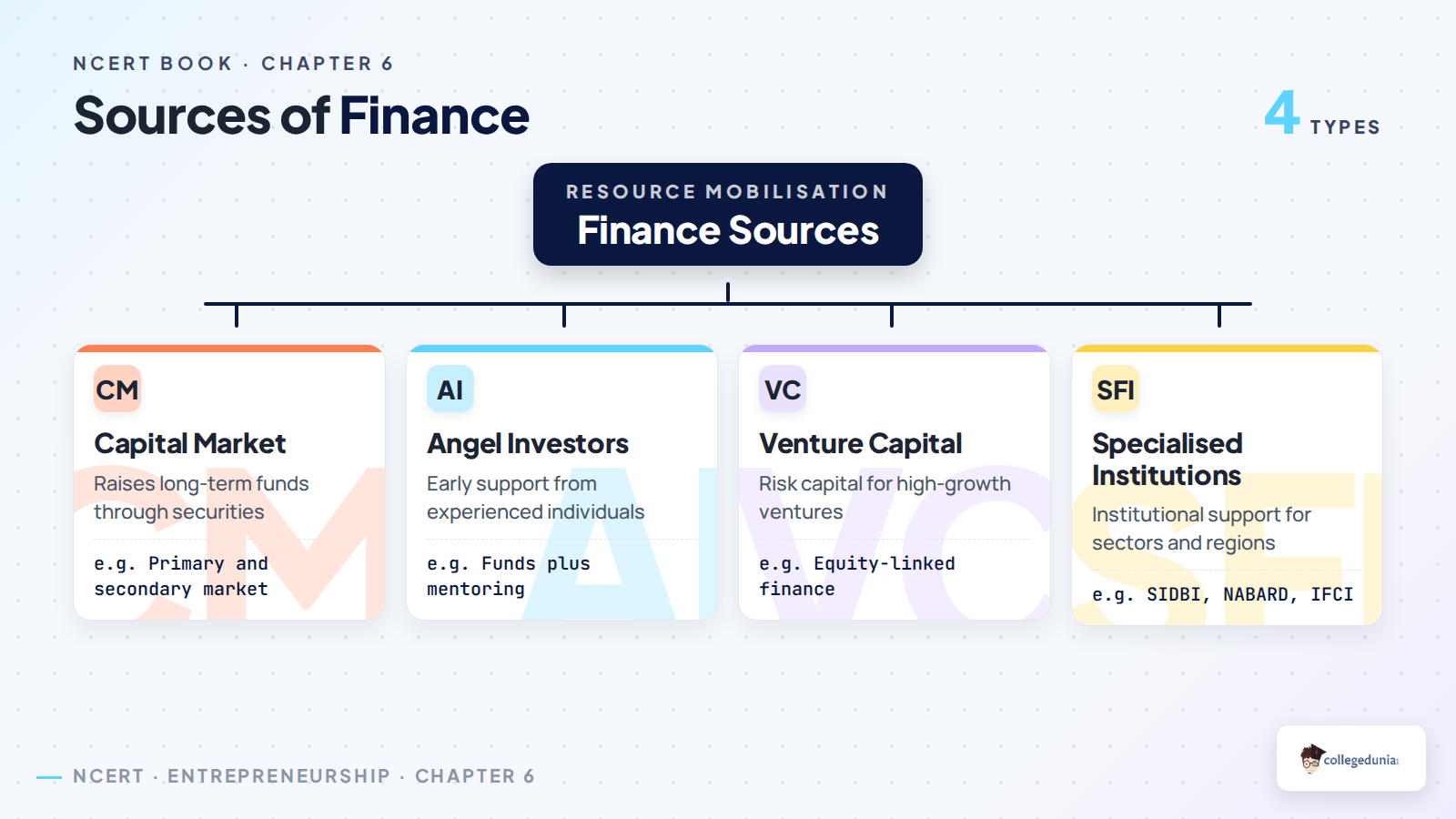
- Capital markets connect savers with entrepreneurs who need long-term funds.
- Primary market helps companies raise money through new securities.
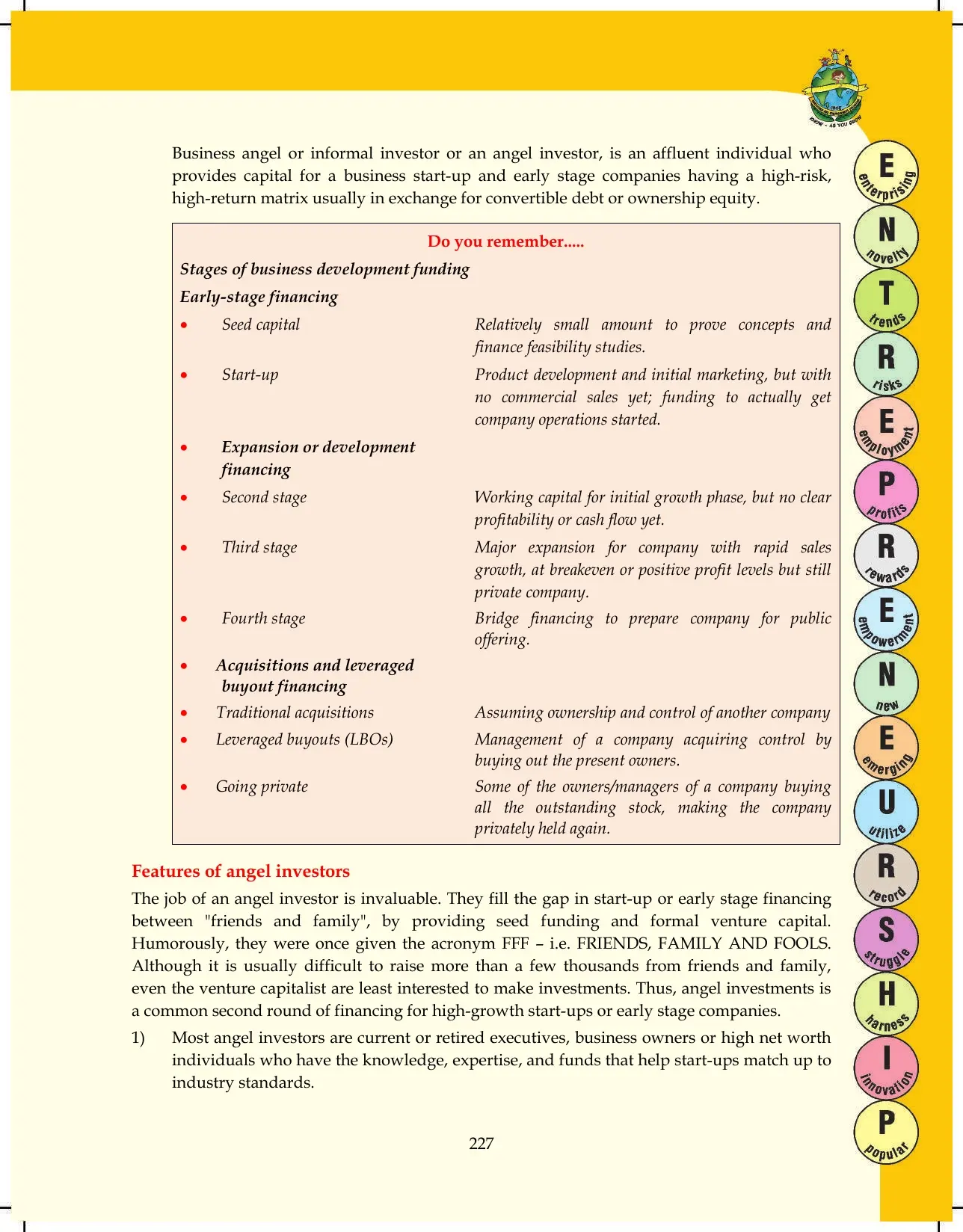
- Angel investors support early-stage businesses with funds and guidance.
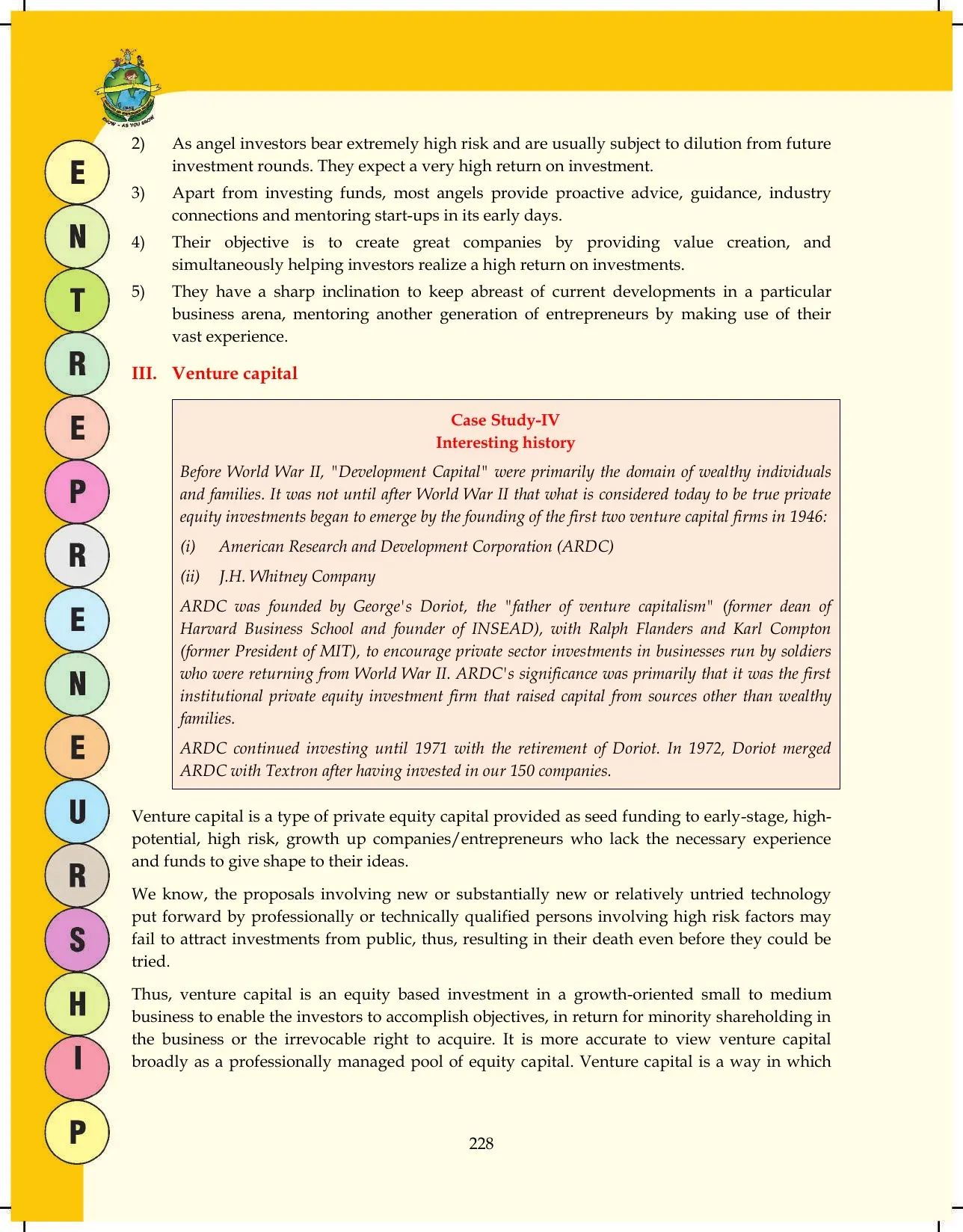
- Venture capital backs high-growth firms that carry higher risk.
Resource Mobilisation Topics Covered in the PDF
The official PDF covers the finance choices an entrepreneur may use while starting, expanding or stabilising an enterprise. Students should not memorise the list mechanically. The safer method is to write what the source means, who provides it, when it is used and what obligation it creates.
| Topic | What students revise | Revision cue |
|---|---|---|
| Capital market | Transfer of long-term funds from investors to entrepreneurs | Organised fund channel |
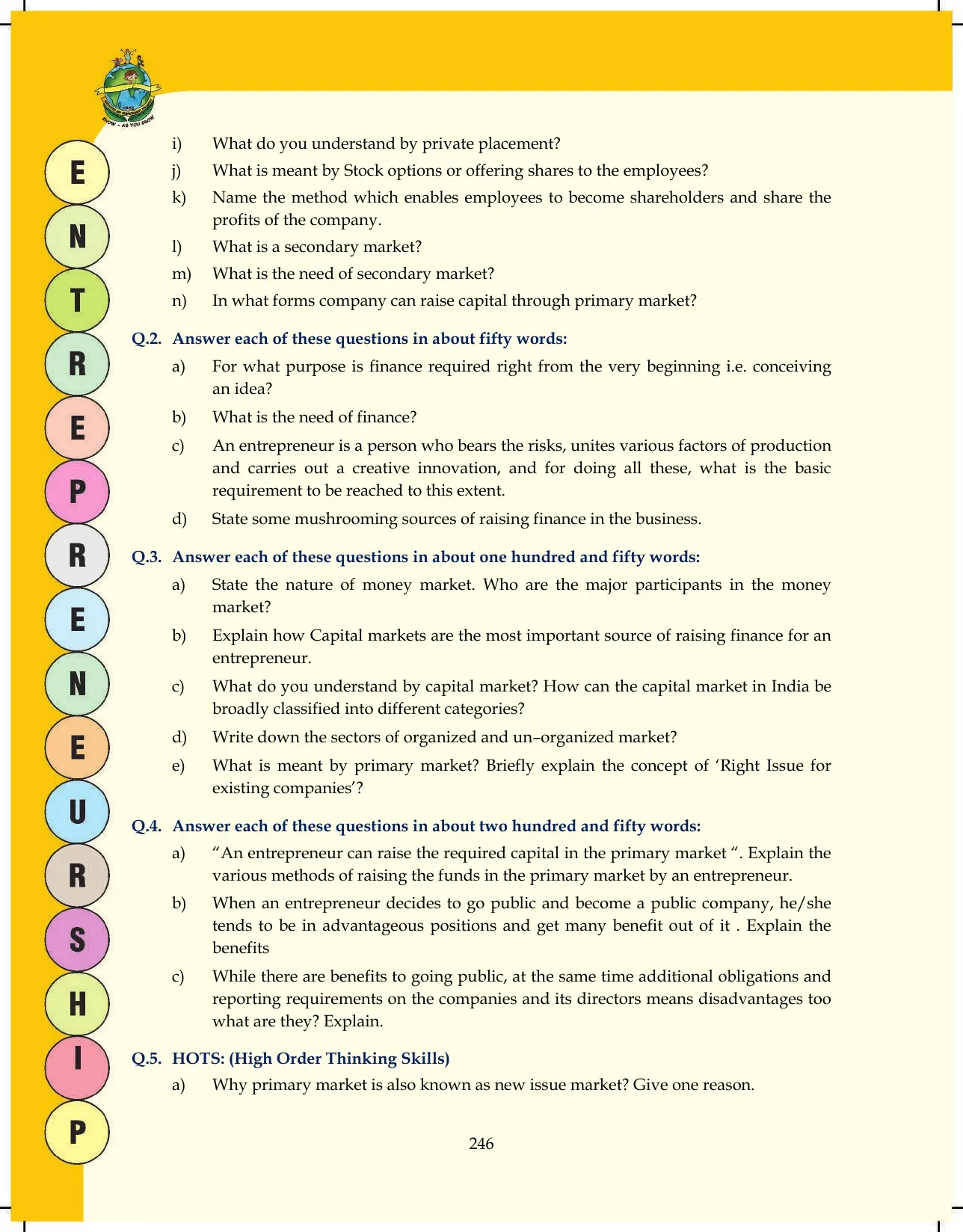
| Primary market | New issues, public issue, rights issue and private placement | New securities are issued |
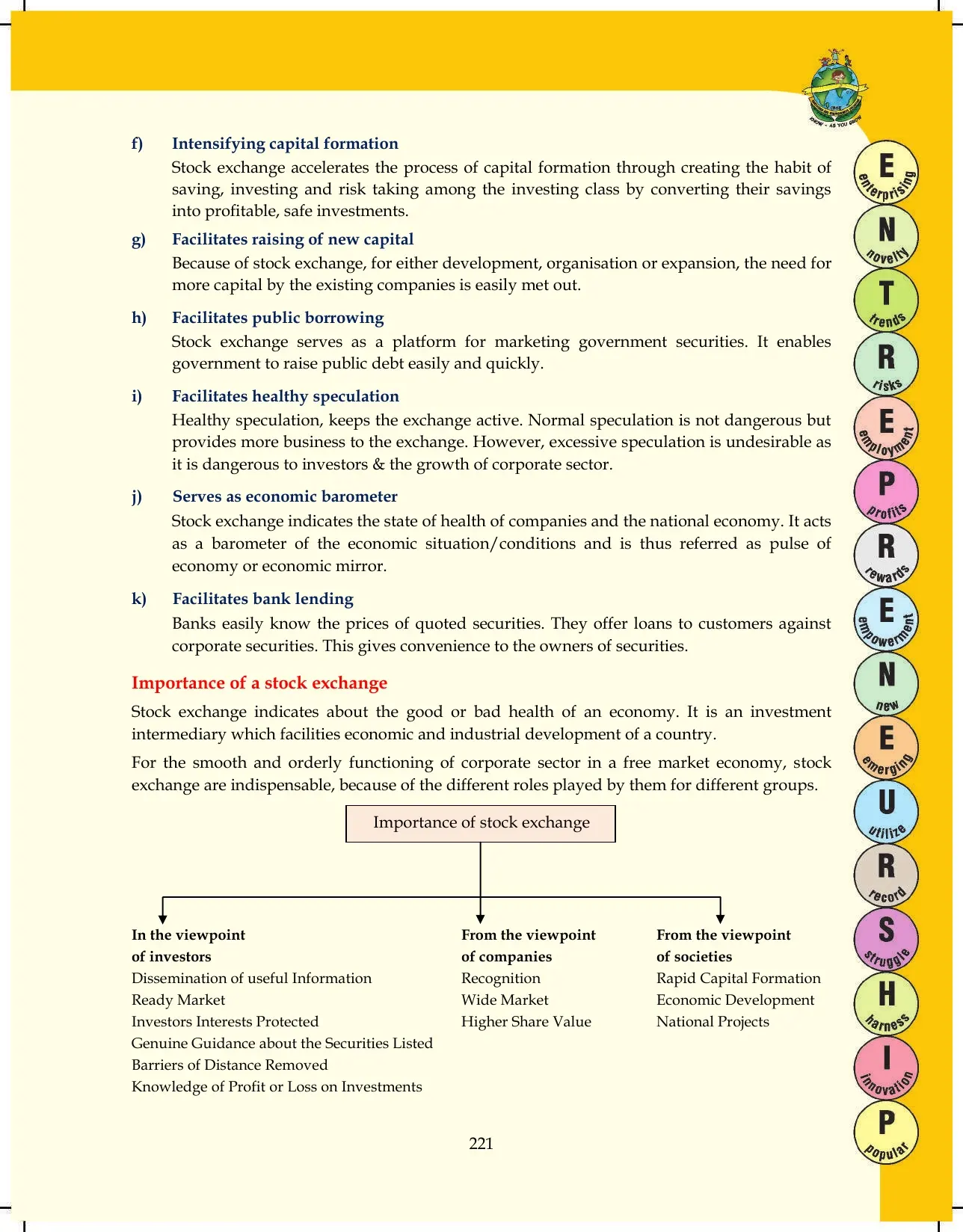
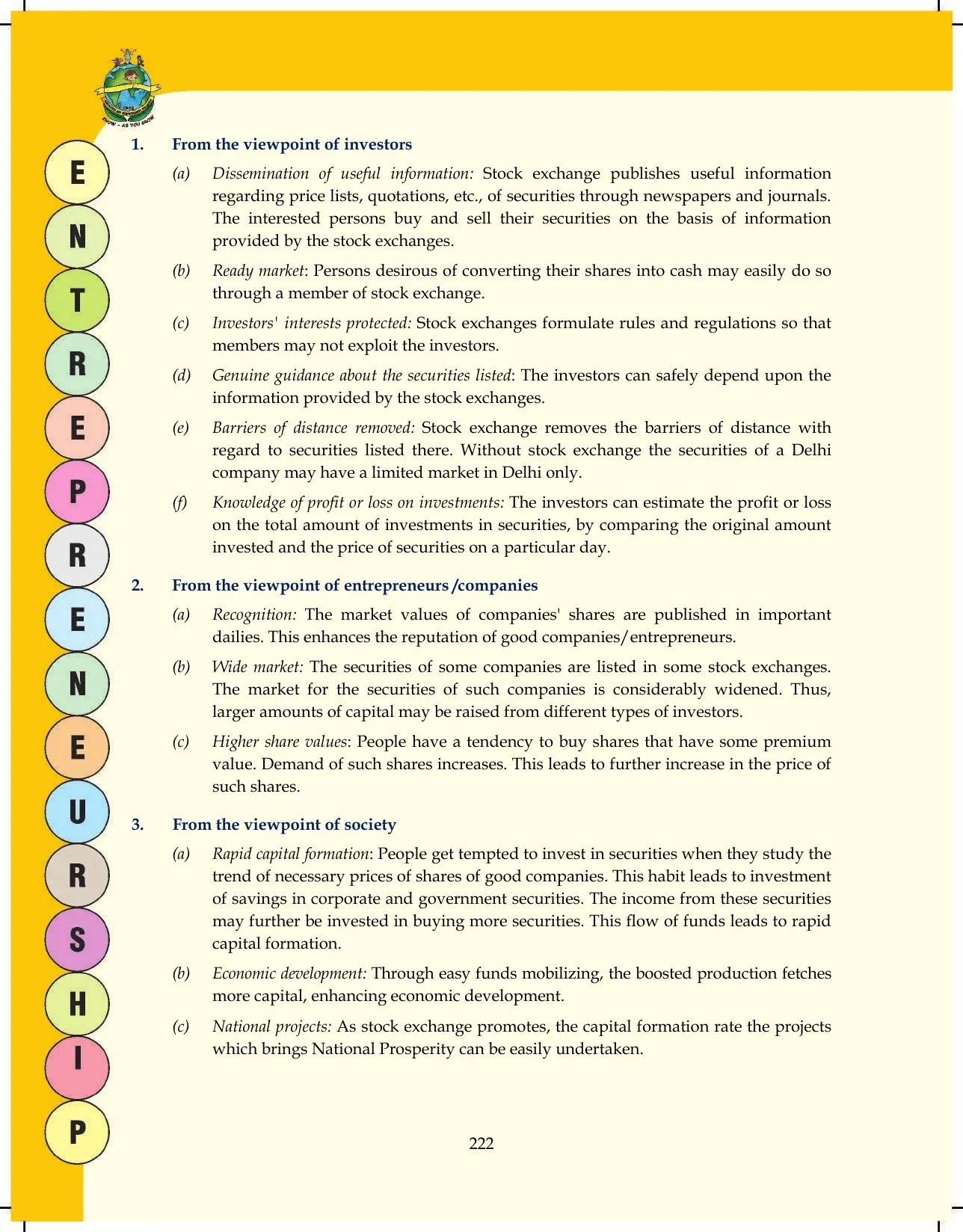
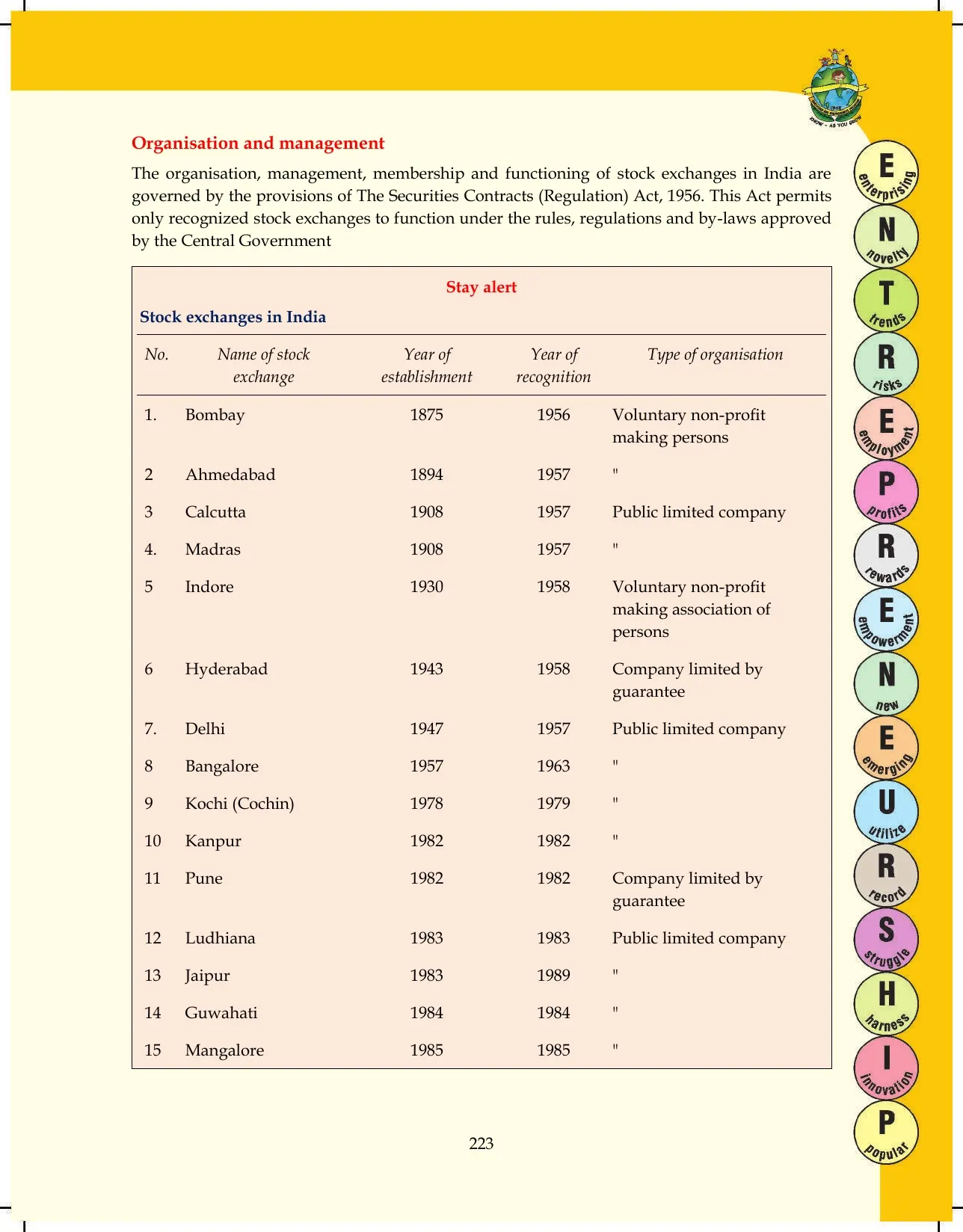
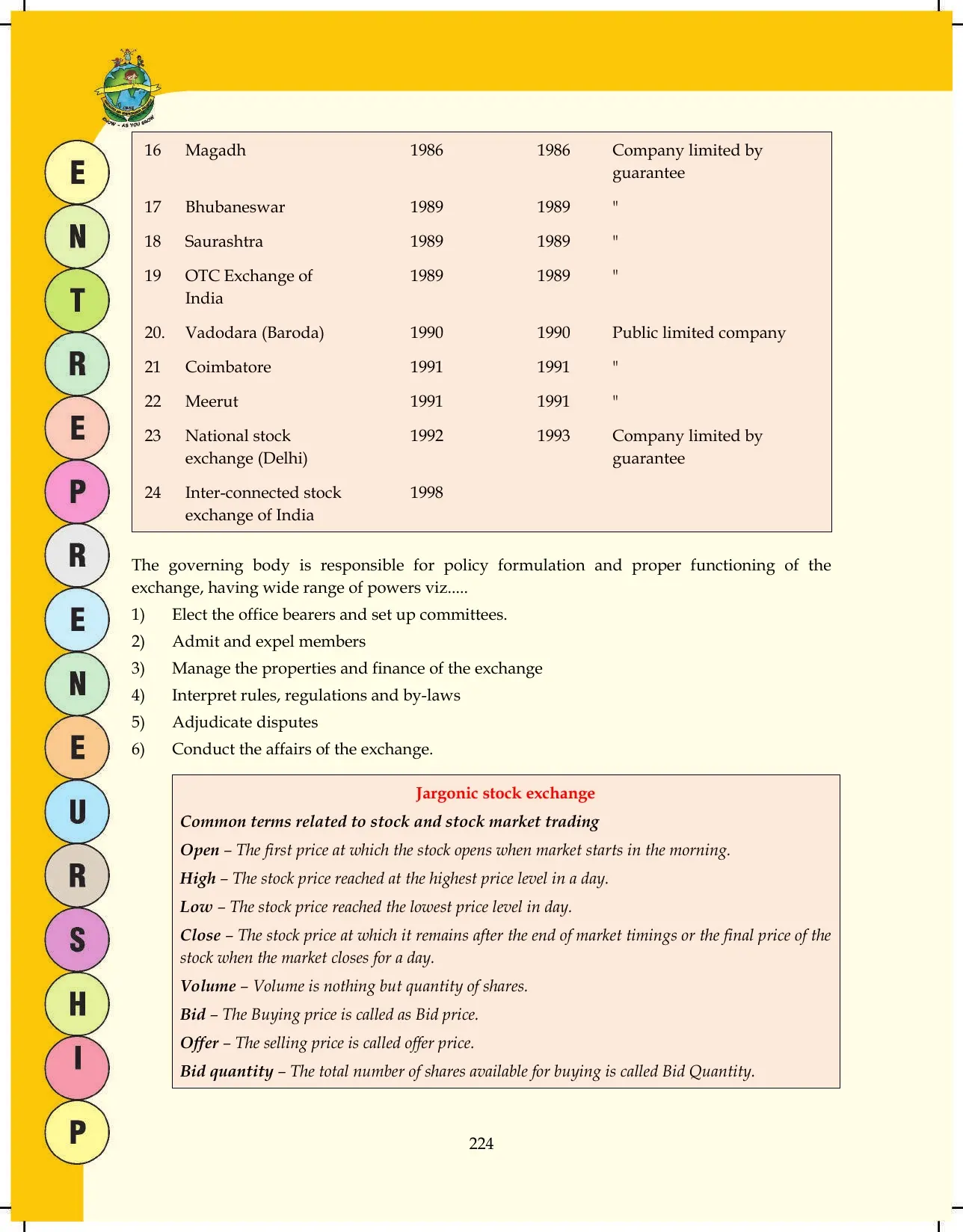
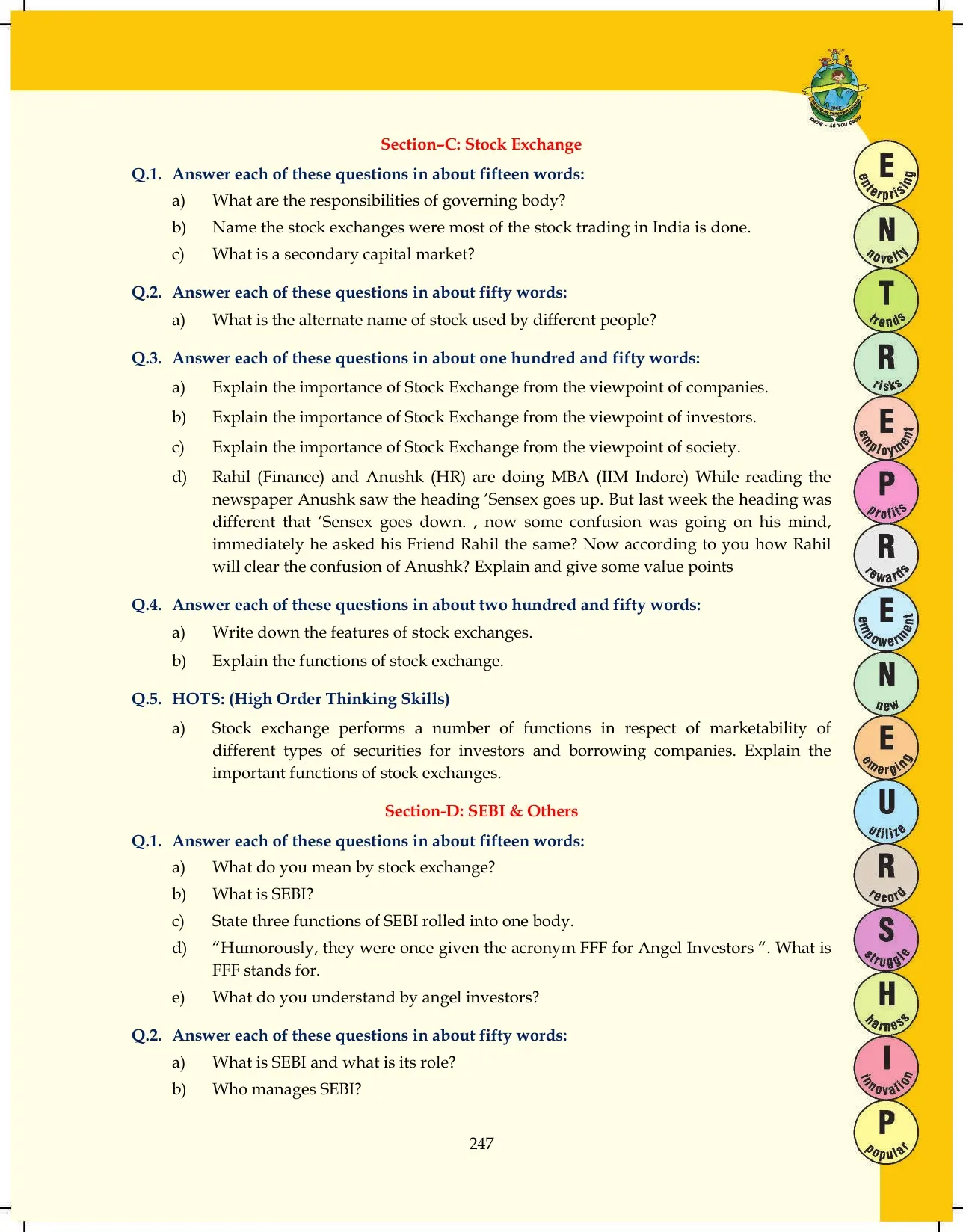
| Stock exchange | Market where existing securities are bought and sold | Secondary market trading |
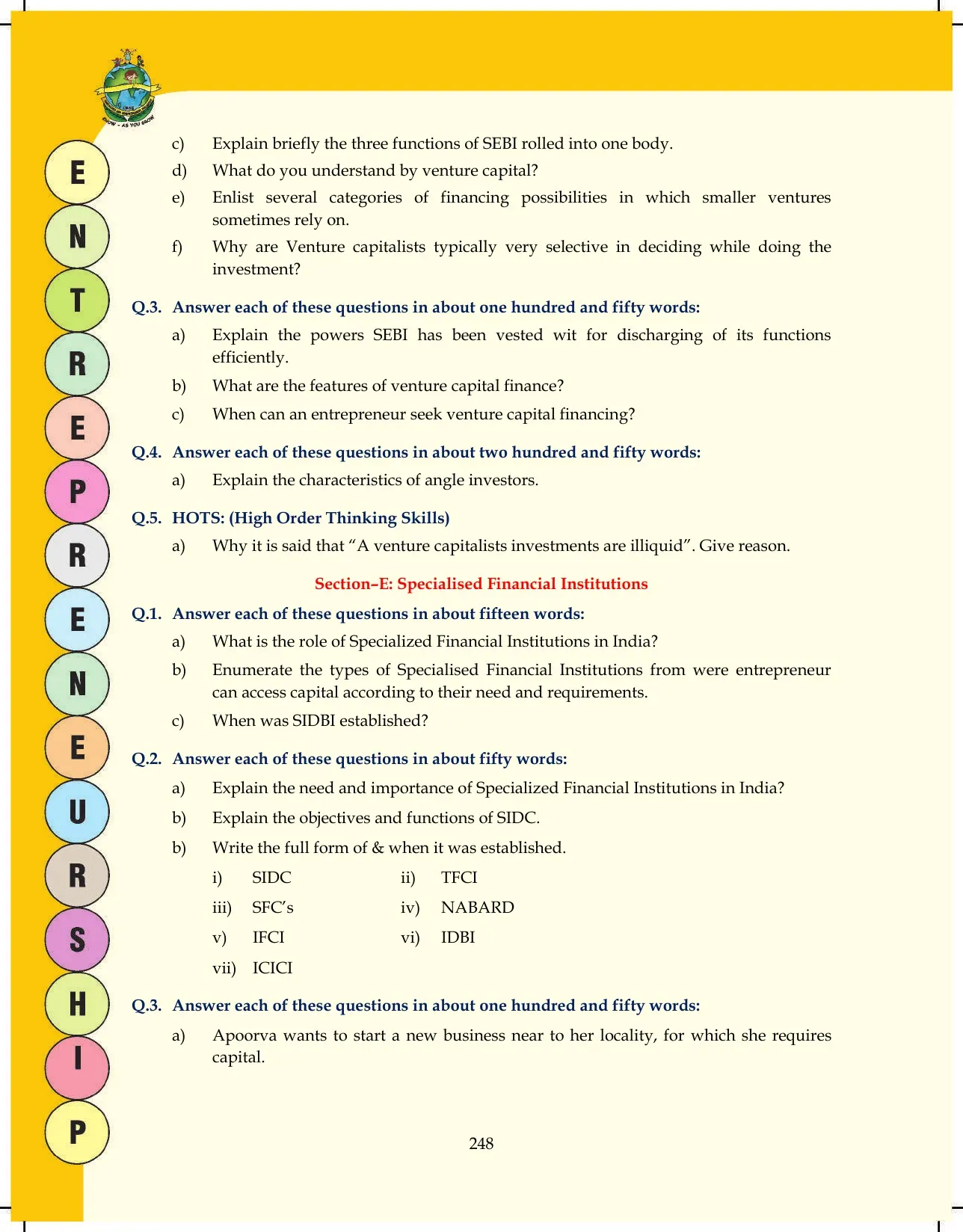
| Angel investors | Individuals who fund young enterprises and may guide founders | Early-stage support |
| Venture capital | Risk capital for innovative businesses with growth potential | High risk, high growth |
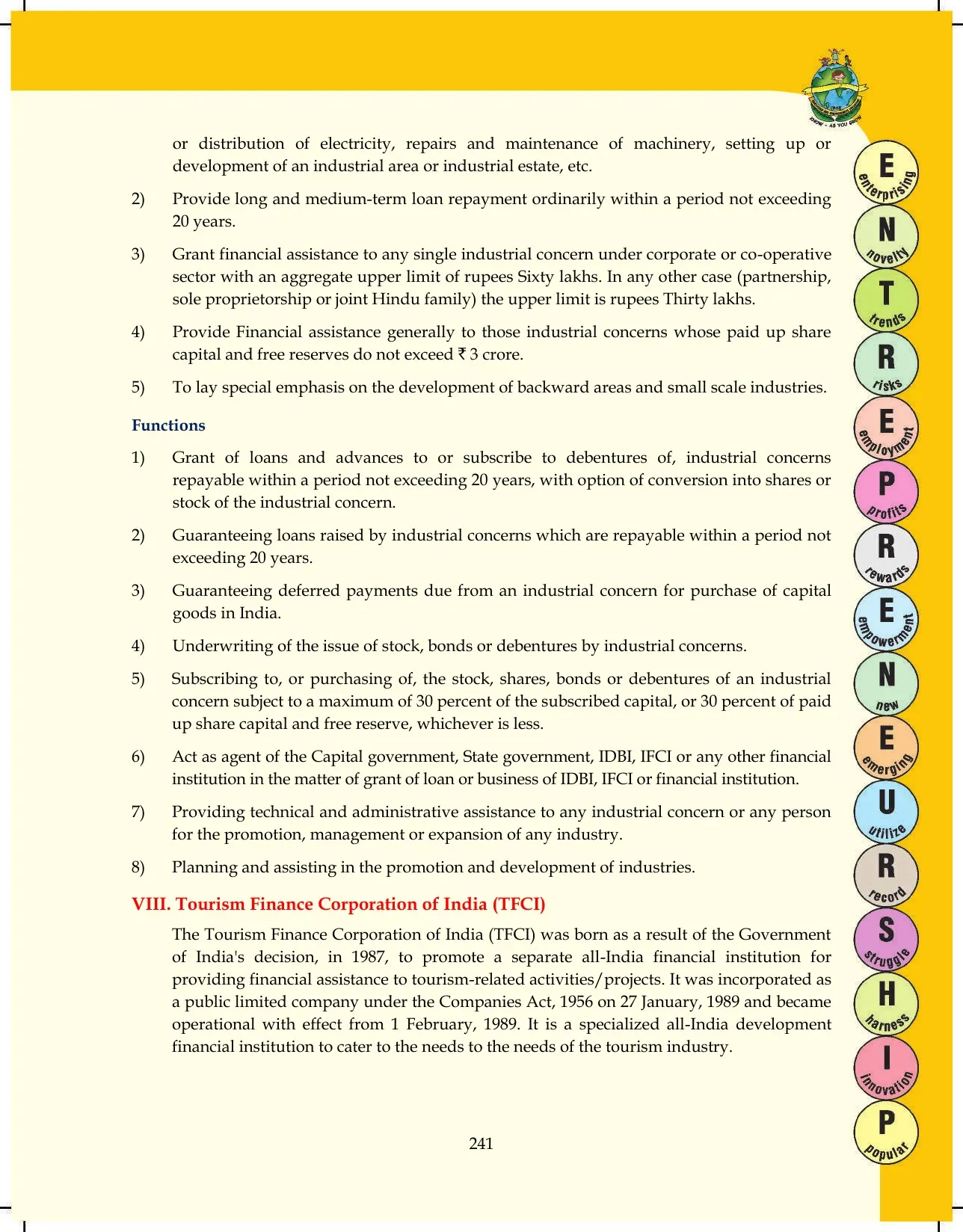
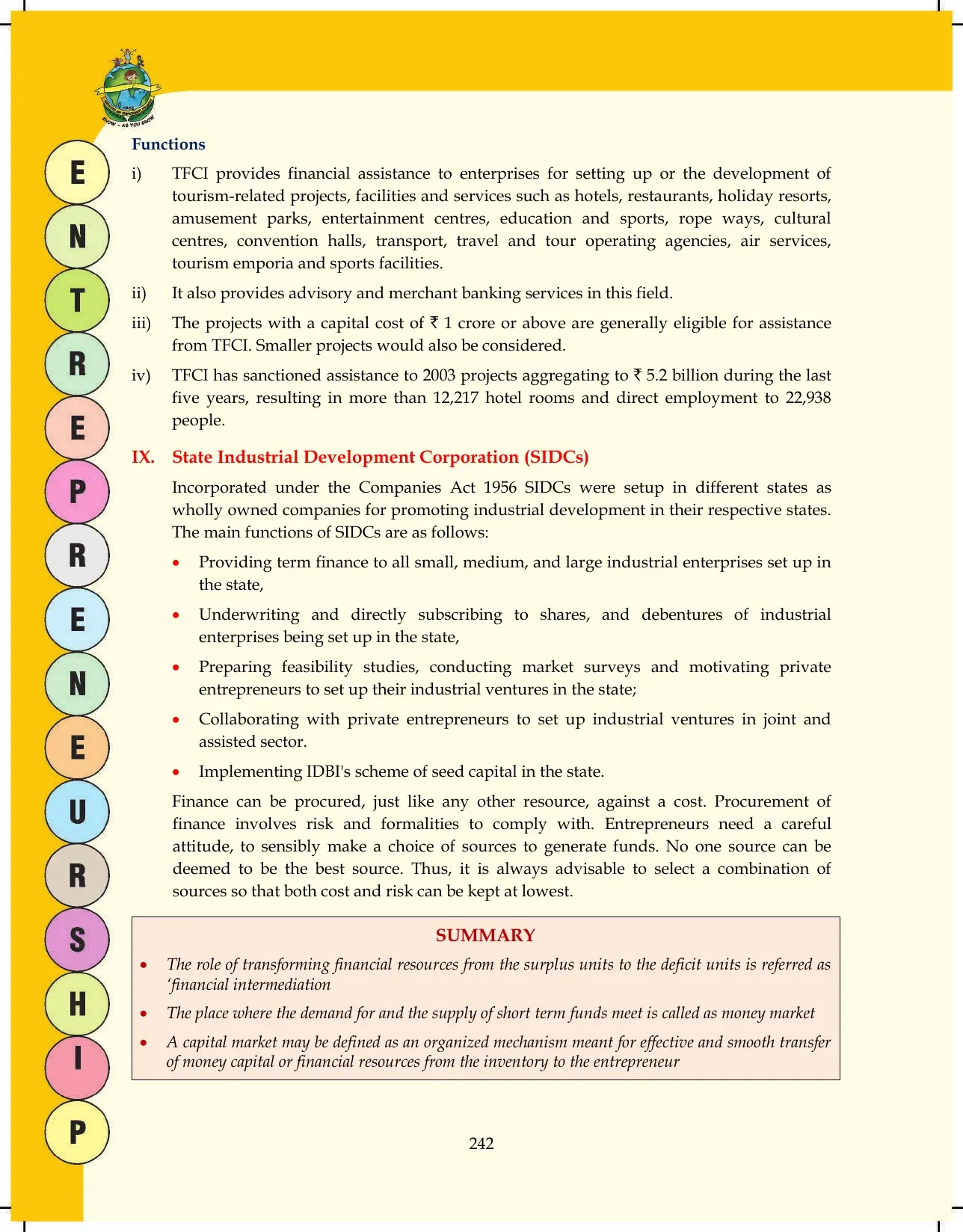
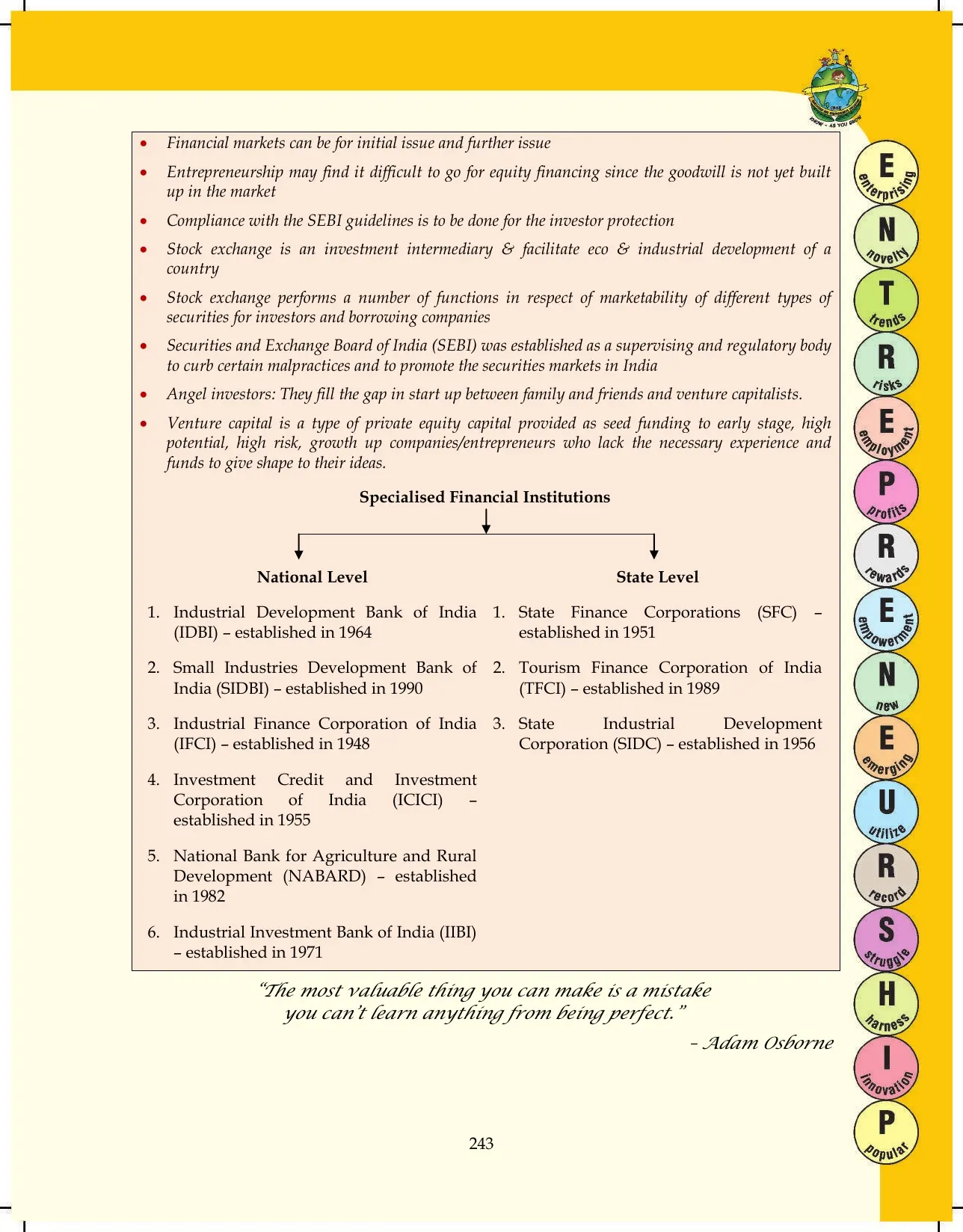
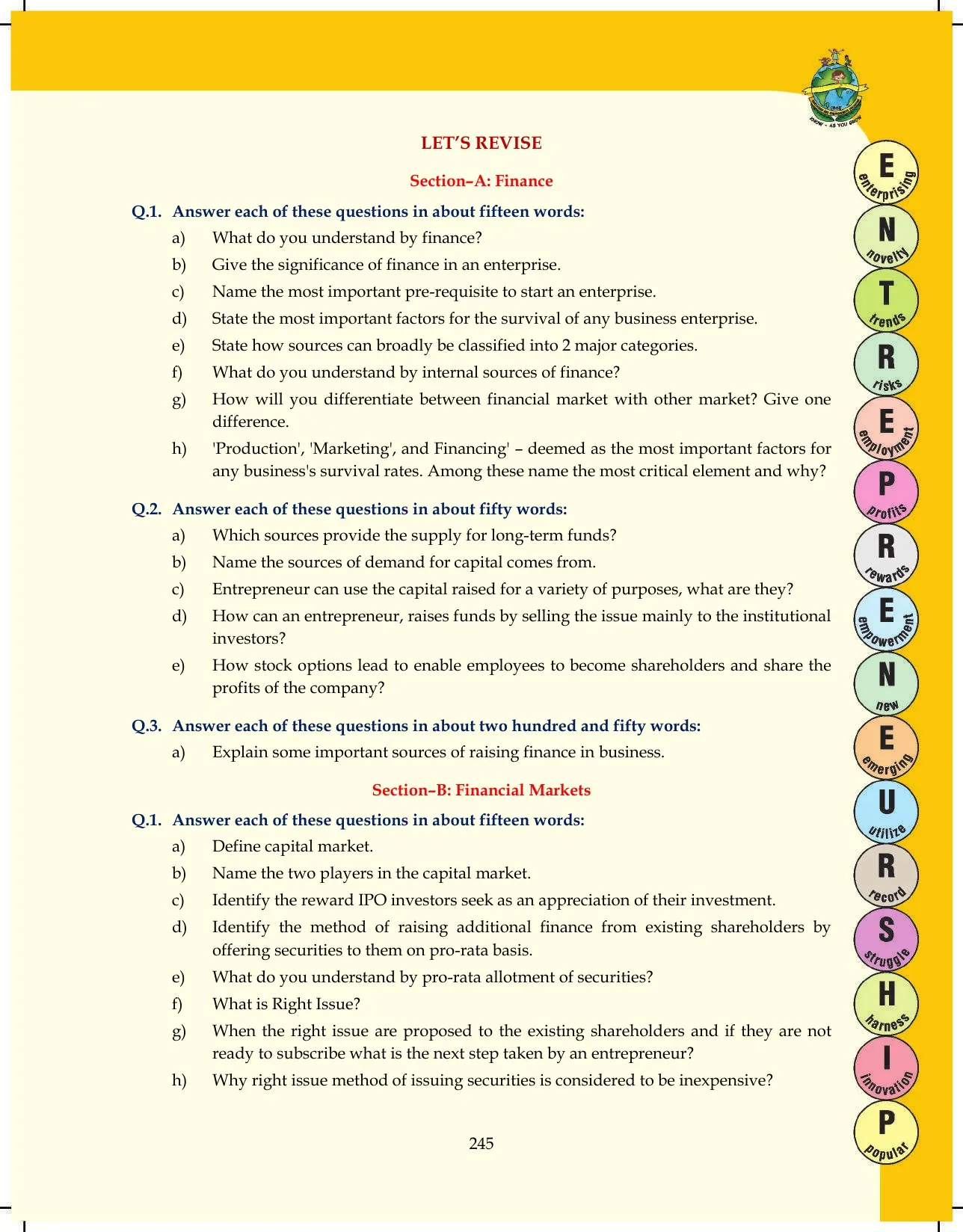
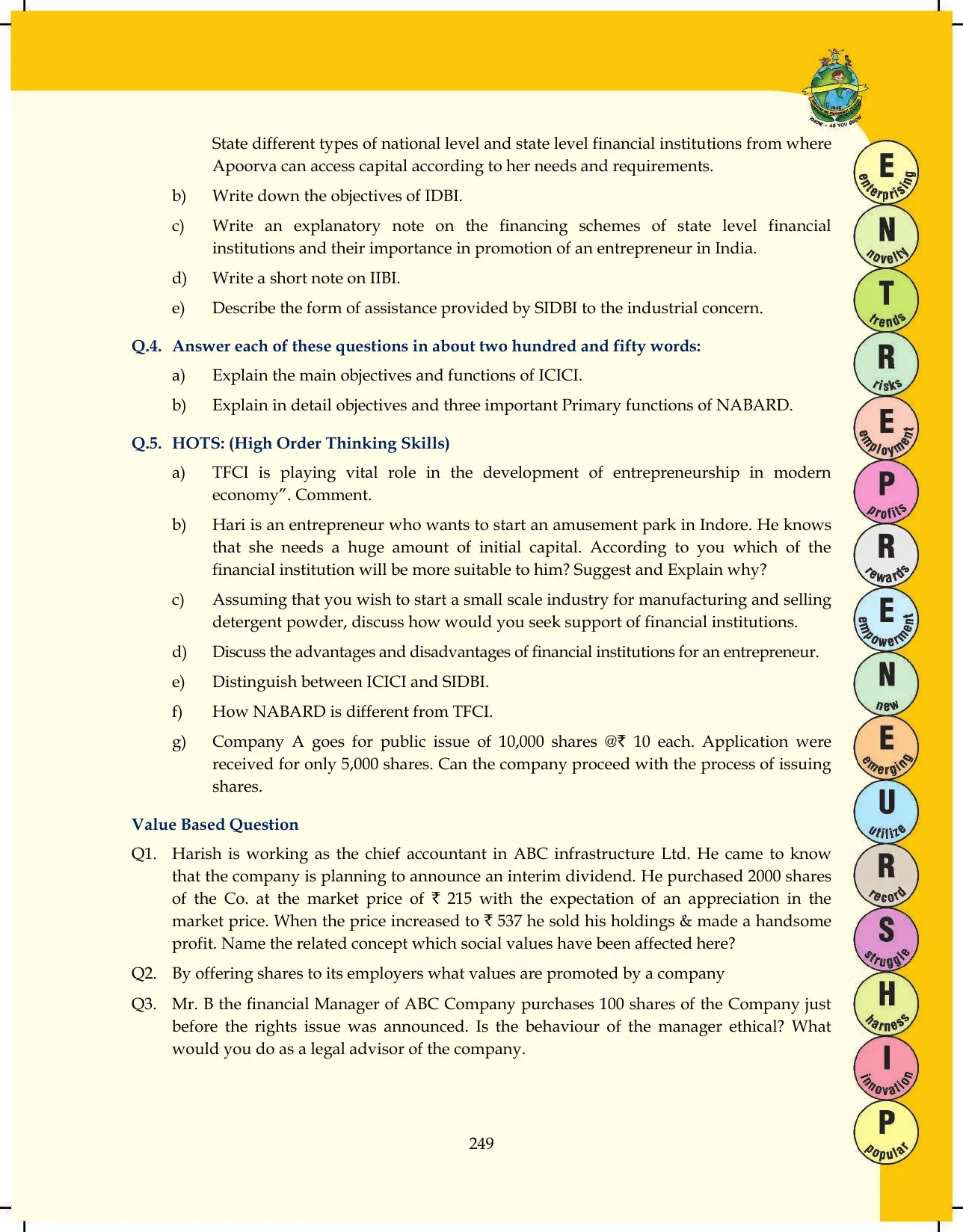
| Specialised institutions | IDBI, SIDBI, IFCI, NABARD, IIBI, SFC, TFCI and SIDC | Institutional assistance |
How Capital Markets Help Entrepreneurs
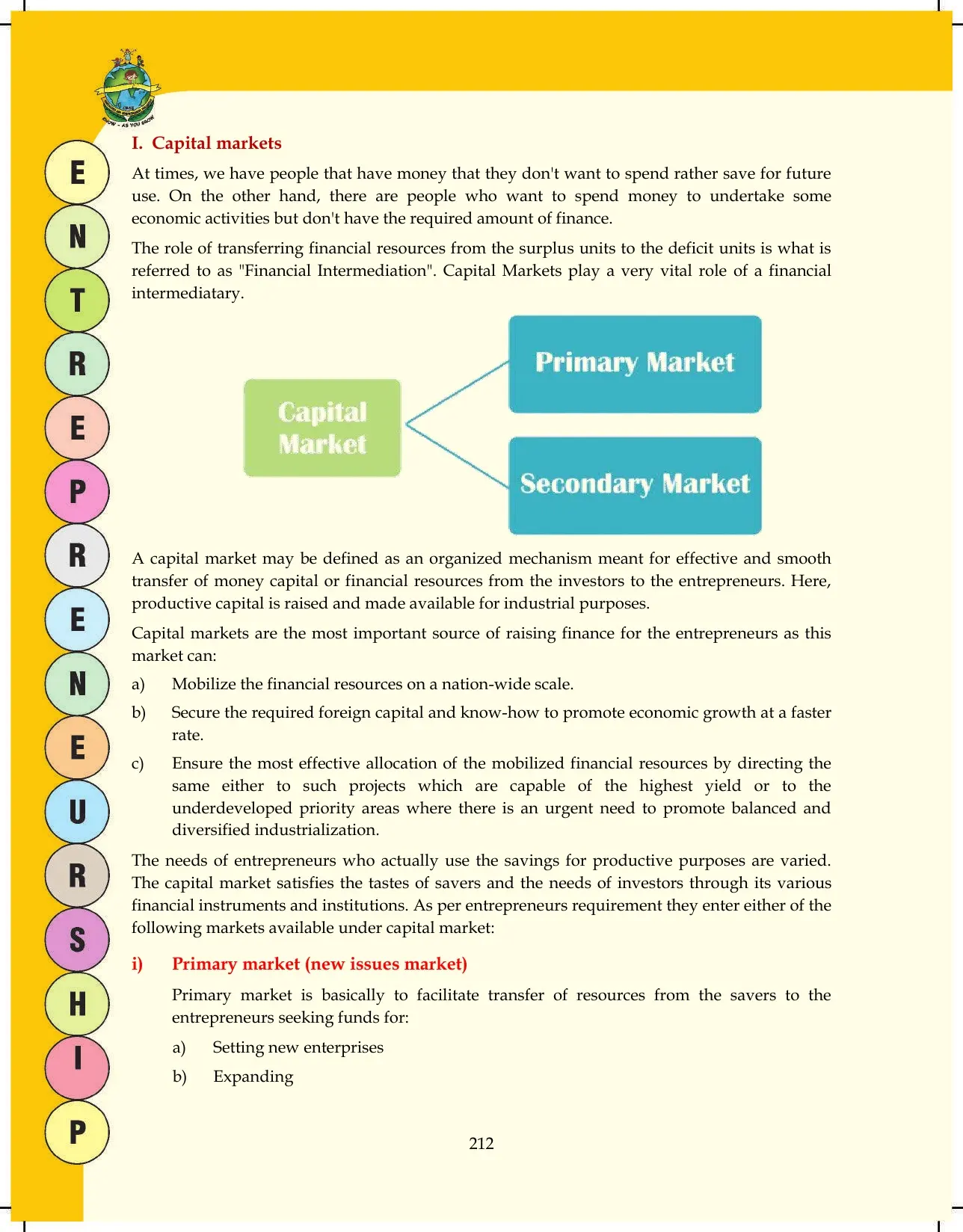
NCERT explains capital markets as a way to move funds from surplus units to deficit units. In plain words, people who save money can invest it, and enterprises that need funds can use that money for productive purposes. Important: the capital market does more than collect money. It also directs money towards projects, industries and areas where growth is needed.
For board answers, separate the primary market from the secondary market. The primary market is for new issues. The secondary market gives liquidity because existing securities can be traded through the stock exchange.
Resource Mobilisation Revision Video
Source: Rajat Arora on YouTube
How to Use This Book PDF
Read the chapter with a two-column notebook. In the first column, write the funding source. In the second column, write the business situation where that source fits best. This helps you avoid mixing up a public issue, venture capital and angel investment in long-answer questions.
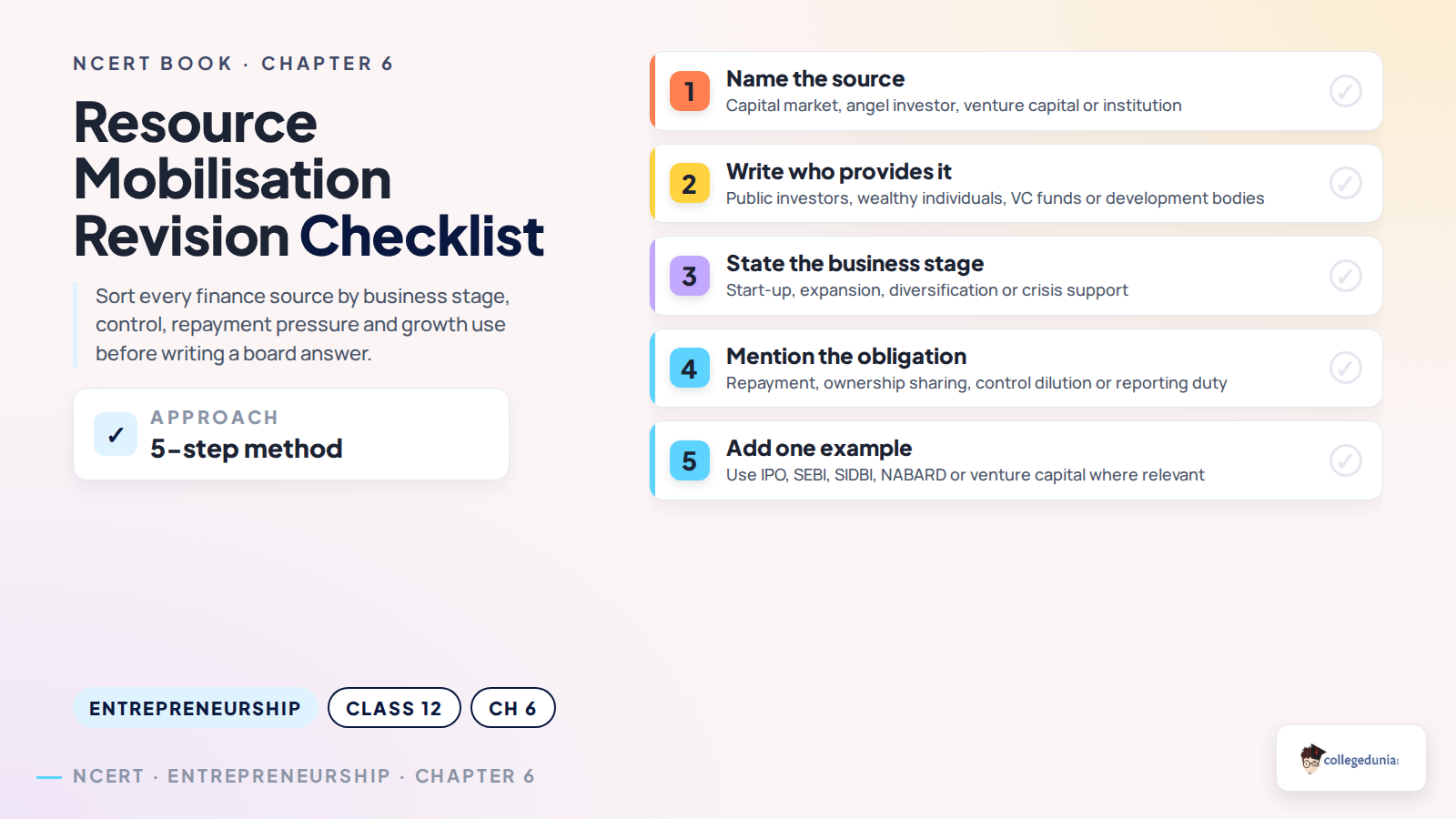
After every topic, add one line on the obligation created by that source. For example, a public issue brings ownership sharing, a loan creates repayment pressure, and venture capital may bring investor involvement. This small comparison makes the answer more complete.
Resource Mobilisation Related Resources
| Resource | Best use | Link |
|---|---|---|
| NCERT Book PDF | Official textbook chapter | Current page |
| NCERT Solutions | Step-by-step solved textbook questions | Open Solutions |
| NCERT Notes | Topic-wise revision of finance sources | Open Notes |
| Handwritten Notes | Fast one-sitting recap before exams | Open Handwritten Notes |
Entrepreneurship Book PDFs for All Chapters
| Chapter | NCERT chapter title | Book PDF link |
|---|---|---|
| Chapter 1 | Entrepreneurial Opportunity | Open Book PDF |
| Chapter 2 | Entrepreneurial Planning | Open Book PDF |
| Chapter 3 | Enterprise Marketing | Open Book PDF |
| Chapter 4 | Enterprise Growth Strategies | Open Book PDF |
| Chapter 5 | Business Arithmetic | Open Book PDF |
| Chapter 6 | Resource Mobilisation | Current Book PDF |
Class 12 Entrepreneurship Chapter 6 NCERT Book PDF FAQs
Ques. What does Class 12 Entrepreneurship Chapter 6 cover?
Ans. It covers resource mobilisation topics such as capital markets, stock exchange, SEBI, angel investors, venture capital and specialised financial institutions.
Ques. How many pages are in this Chapter 6 PDF?
Ans. This official NCERT Book PDF has 70 pages for Class 12 Entrepreneurship Chapter 6.
Ques. How should students revise Resource Mobilisation?
Ans. Students should compare each finance source by meaning, provider, business stage, repayment pressure, ownership effect and example.
Ques. Is this PDF useful for the 2026-27 CBSE course?
Ans. Yes. The page provides the official Chapter 6 NCERT Book PDF according to the 2026-27 course.



Comments