



Master of Science [MS] (Mechanical Engineering)
Field of Study:
$7,363 /Yr

The Master of Science in Mechanical Engineering at the University of Alberta is a research-focused, thesis-based program designed for engineers seeking advanced expertise in mechanical systems, thermal dynamics, and innovative engineering solutions.
The program emphasises both coursework and original research, with opportunities to specialise in emerging fields such as sustainable energy systems, biomedical engineering, robotics, and advanced manufacturing. Graduates secure positions at leading organisations, including Suncor Energy, TC Energy, Stantec Consulting, and international tech firms, with average starting salaries of C$10,518.72 (INR 7.10 lakh) annually.
| Key Fact | Details |
|---|---|
| Degree Type | Master of Science (Thesis-based Research) |
| Duration | 2 years (24 months) |
| Credits Required | Minimum 15 units of coursework plus an independent research thesis |
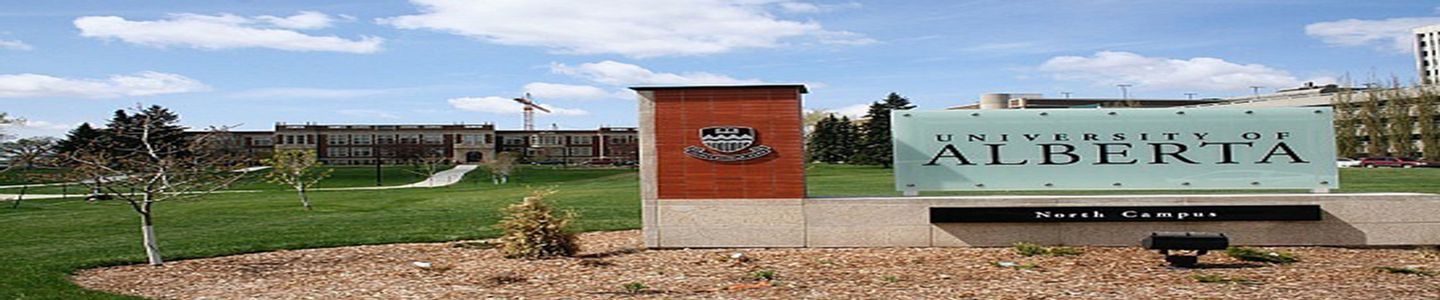
| Location | Edmonton, Alberta, Canada (North Campus) |
| Intakes | Fall |
- Courses and Fees of the University of Alberta for International Students
- Admission Requirements for Indian Students
University of Alberta Admission Requirements for MS Mechanical Engineering
Admission to the MS Mechanical Engineering program requires a bachelor’s degree in Mechanical Engineering, Civil Engineering, or a closely related engineering discipline. Applicants from related science fields (Physics, Chemistry, Materials Science) with engineering coursework may be considered on a case-by-case basis.
- The minimum GPA requirement is 3.0 on the 4-point scale from your final undergraduate degree.
- Minimum IELTS score is 6.5 overall with no individual band below 6.0. Alternatively, the TOEFL iBT minimum is 90.
- These language test scores must be submitted with your application and remain valid for 2 years from the test date. The University of Alberta recognises IELTS, TOEFL iBT, and PTE Academic (minimum 61).
Beyond academic credentials, the program evaluates your statement of purpose (research interests, career goals, why you are pursuing this degree), academic references (typically 2-3 from undergraduate professors or research supervisors), and your CV highlighting any research experience, internships, or relevant work history. Students with 1-3 years of professional engineering experience are viewed favourably, though such experience is not mandatory.
For Indian students, your CBSE, ICSE, or state board marks in Grade 12 Physics, Chemistry, and Mathematics are evaluated as part of your academic transcript history. A strong foundation in calculus, mechanics, thermodynamics, and differential equations is essential for success in the advanced coursework.
Also read: Scholarships offered by the University of Alberta
University of Alberta MS Mechanical Engineering Application Deadline
The application timeline for the MS Mechanical Engineering program follows these key deadlines. For the Fall 2027 intake, applications are typically accepted from September 2026 through March 2027. Applications submitted after these dates are considered on a space-available basis, and many specialisations fill quickly, particularly in thermal-fluids and controls research areas.
| Timeline | Fall 2027 Intake |
|---|---|
| Deadline | April1, 2026 |
To apply, Indian students should prepare: An online application form (via the University of Alberta Graduate Admissions portal), official transcripts from your bachelor’s degree (request your institution mail these sealed directly to the university), letters of reference (typically 2-3 from professors or research supervisors), a statement of purpose (500-800 words outlining your research interests and career goals), a resume or CV, and English language test scores (IELTS, TOEFL, Duolingo, or PTE).
Also read: University of Alberta Acceptance Rate
University of Alberta Tuition and Program Costs
| Expense Category | Annual Cost (CAD) | Annual Cost (INR) |
|---|---|---|
| Tuition (International) | C$10,518.72 | INR 7.10 lakh |
University of Alberta Scholarships and Financial Aid
The University of Alberta offers several merit-based and research-funded scholarships specifically for international graduate students pursuing MS degrees in engineering. The University of Alberta Graduate Entrance Scholarship provides C$17,500 (INR 12.27 lakh) to newly admitted graduate students who rank highly in their department’s review. This is a competitive award given to approximately 10-15% of admitted graduate students based on academic excellence and research potential. Indian students with strong GPA and demonstrated research experience are regularly recipients of this award.
The Alberta Graduate Excellence Scholarship (AGES) offers a one-time payment of C$12,000 (INR 8.41 lakh) to merit-based graduate students. A limited number of AGES awards are reserved specifically for international students, and applications are automatic upon admission. The Izaak Walton Killam Memorial Scholarship is the university’s most prestigious award, covering the international differential fee plus a stipend. While highly competitive (typically 5-10 recipients university-wide), this award is open to exceptional international doctoral and research-focused master’s students.
Beyond entrance scholarships, many MS students secure funding through Graduate Research Assistantships (GRA) and Graduate Teaching Assistantships (GTA) within their department. GRA positions typically pay C$18,000-C$22,000 annually (INR 12.62-15.43 lakh) for 20 hours per week and provide tuition waivers. GTA positions, supporting undergraduate labs or lectures, offer similar compensation. Approximately 70-80% of MS Mechanical Engineering students secure departmental funding by their second year.
Students are also eligible for Canadian government funding programs including the Canada-India Scholarship Initiative, which supports Indian graduate students with awards up to C$10,000 (INR 7.01 lakh). Additionally, India-based organizations such as the Rotary Club and various state education boards offer scholarships for Indian students pursuing advanced studies abroad.
University of Alberta Graduate Outcomes and Employment Placement
Graduates of the University of Alberta MS Mechanical Engineering program achieve a 90%+ placement rate within 6 months of graduation, with average starting salaries of C$65,000-C$80,000 (INR 45.58-56.10 lakh) annually. The program’s emphasis on research thesis work positions graduates for both industry and academia, with many pursuing PhD studies at Canadian or international institutions.
Primary employers of University of Alberta mechanical engineering graduates include Suncor Energy (oil and gas), TC Energy (pipelines), Stantec Consulting (infrastructure and environmental), SNC-Lavalin (engineering services), Jacobs Engineering, IBM Canada, Shopify, and major aerospace firms. Graduates from the Mechanical Engineering program have secured roles as Mechanical Engineers, Design Engineers, Research Engineers, Project Managers, and Technical Specialists. In the energy sector, typical roles involve thermodynamic system optimization, turbine design, or pipeline integrity analysis. In technology and manufacturing, roles span robotics development, IoT system design, and automation engineering.
Mid-career salary ranges for mechanical engineers with 3-7 years of experience reach C$75,000-C$95,000 (INR 52.59-66.61 lakh), with senior roles (8+ years) commanding C$100,000-C$130,000 (INR 70.12-91.16 lakh) or more. Indian graduates are particularly competitive for roles in Canada’s growing tech hubs (Toronto, Vancouver, Waterloo region) and for sponsorship by multinational firms seeking global talent. The University of Alberta’s engineering alumni network spans 50+ countries, providing international career pathways.
Recent graduate outcomes data shows 45% of MS Mechanical Engineering graduates remain in Canada for post-study work via the Post-Graduation Work Permit (PGWP), which is valid for up to 2 years. Approximately 35% pursue PhD studies, and 20% return to India or other countries for employment. For those pursuing Canadian permanent residency, mechanical engineering roles fall under NOC 2131 (Engineering Professionals), qualifying graduates for Express Entry Federal Skilled Worker pathways with competitive Comprehensive Ranking System (CRS) scores.
University of Alberta MS Mechanical Engineering Compared to Peer Programs
The University of Alberta’s MS Mechanical Engineering program is comparable in reputation and cost to peer institutions in Canada. The following table compares key attributes with similar programs at other leading Canadian universities:
| University | Program | Location | Duration | Annual Tuition (Intl, CAD) | Annual Tuition (INR) | QS Ranking (2026) |
|---|---|---|---|---|---|---|
| University of Alberta | MS Mechanical Engineering | Edmonton, AB | 2 years | C$10,500 | INR 7,36,260 | #103 Engineering |
| University of Toronto | MASc Mechanical Engineering | Toronto, ON | 2 years | C$28,000 | INR 19,63,360 | #34 Engineering |
| University of British Columbia | MASc Mechanical Engineering | Vancouver, BC | 2 years | C$23,500 | INR 16,47,820 | #54 Engineering |
| McMaster University | MEng Mechanical Engineering | Hamilton, ON | 1.5-2 years | C$14,200 | INR 9,95,704 | #201-250 Engineering |
| University of Waterloo | MASc Mechanical Engineering | Waterloo, ON | 2 years | C$19,000 | INR 13,33,280 | #89 Engineering |
The University of Alberta offers strong value for cost-conscious Indian families, with tuition 40% lower than peer institutions like University of Toronto and University of British Columbia. While QS engineering ranking places it below UofT and UBC, the University of Alberta ranks #5 in Canada, maintains excellent graduate placement rates (90%+), and offers superior funding opportunities through Graduate Research Assistantships. The cost of living in Edmonton is also 15-20% lower than Toronto or Vancouver, reducing the overall financial burden.
Peer programs at UofT and UBC command higher tuition due to urban location, larger student populations, and higher research intensity in certain niche areas. However, University of Alberta graduates report comparable or better job placement outcomes in energy and aerospace sectors, where Alberta’s proximity to industry hubs provides networking advantages. For Indian students prioritizing value, community support, and strong employment outcomes over ranking prestige, the University of Alberta presents an excellent alternative to costlier Ontario and BC programs.
Prospective students are encouraged to contact the Department of Mechanical Engineering Graduate Program Office directly for questions about specialization availability, faculty research interests, and funding opportunities. The department reviews applications on a rolling basis and may extend offers earlier to exceptional candidates. Indian students planning to apply should begin the process by September 2026 for Fall 2027 entry to ensure adequate time for study permit processing.
Frequently Asked Questions
Ques: What is the difference between the MS and MEng (Master of Engineering) programs at the University of Alberta?
Ans: The MS (Master of Science) is a thesis-based, research-intensive program requiring 15+ units of coursework and an original research thesis. It is ideal for students planning to pursue a PhD or conduct advanced research in industry. The MEng (Master of Engineering) is a course-based program with less emphasis on original research and is geared toward professional practice and immediate employment. MS graduates often command higher starting salaries (C$65,000-C$80,000 or INR 45.58-56.10 lakh) due to research credentials, while MEng graduates may enter the workforce faster. For Indian students planning to pursue further studies or research careers, the MS is recommended; for those prioritizing rapid employment, the MEng is a viable alternative.
Ques: Can I work part-time while pursuing the MS Mechanical Engineering program?
Ans: Yes. International students on a valid study permit are authorized to work up to 20 hours per week during academic sessions (September-April) and full-time during official holidays (May-August). Many MS students secure Graduate Research Assistantships (GRA) or Graduate Teaching Assistantships (GTA) within the department, which are 20 hours per week and paid at C$18,000-C$22,000 annually (INR 12.62-15.43 lakh). GRA and GTA positions also provide full or partial tuition waivers, effectively reducing your annual out-of-pocket cost to C$5,000-C$8,000 (?35,060-56,096). Off-campus employment at C$16.55 minimum wage (Alberta’s 2026 minimum) is also permitted, though most students find departmental positions preferable because they align with their field of study and offer better career preparation.
Ques: What are my options if I am admitted but do not receive a scholarship?
Ans: If you are admitted without a scholarship, you have several options. First, ask your graduate advisor about departmental funding opportunities; many MS students secure GRA or GTA positions after their first semester once research advisors have funds available. Second, look into India-based scholarships and educational loans; organisations like HDFC, ICICI, and the Rotary Club offer loans specifically for Indian students in Canada, often at favourable interest rates. Third, consider part-time work to offset living costs; a 20-hour per week student job at C$16.55/hour generates approximately C$13,000 annually (9,11,560), which can cover a significant portion of living expenses. Finally, tuition at the University of Alberta remains among Canada’s lowest (C$10,500 or 7,36,260 annually), making it more affordable than top-ranked peers even without funding. Many students successfully self-fund by combining modest personal savings, family support, and part-time work.
Q4: How does the Post-Graduation Work Permit (PGWP) help with Canadian permanent residency?
Ans: After graduating, you are eligible for a PGWP valid for up to 2 years, allowing you to work in Canada for any employer without sponsorship. During this period, you accumulate Canadian work experience, which is crucial for permanent residency applications. After 12 months of skilled work at NOC 2131 level (Mechanical Engineer), you become eligible for the Express Entry Federal Skilled Worker category. If you earn C$62,000+ (INR 43,47,440) annually, you accumulate points for the Comprehensive Ranking System (CRS). With a bachelor’s degree, IELTS 6.5, and 12 months of Canadian work experience, your CRS score typically ranges from 430-470, which is competitive for regular Express Entry draws. Ontario PNP offers an alternative pathway; with a job offer from an Ontario employer, processing time drops to 8-12 months. The PGWP is essentially a bridge to permanent residency; your goal during this period should be to secure skilled employment and accumulate the work experience required for PR eligibility.
Important Alert
- Application Deadline for Fall 2027 Intake - May 15, 2027
Tuition Fees
| Year | 1st Year Fees |
|---|---|
| Tuition Fees | $7363 (CAD 10518) |
Other Expenses
| Head | Avg Cost Per Year |
|---|---|
| Housing | $5880 (CAD 8400) |
| Food | $2520 (CAD 3600) |
Previous Year Tuition Fees
| Year | 1st Year Fees |
|---|---|
| 2025 | $7012 (CAD 10017) |
| 2024 | $7012 (CAD 10017) |
| 2023 | $29246 (CAD 41780) |
| 2022 | $28673 (CAD 40961) |
| 2021 | $9780 (CAD 13972) |
Important Dates
| Event | Application Date |
|---|---|
| Application Deadline for Winter 2027 Intake | |
| Application Deadline for Fall 2027 Intake | May 15, 2027 |
Scores Required
Required Document List
Complete Application
Application Fee
Official Transcripts
English Language Requirements
A copy of the Passport
Resume
Statement of Intent
Three Letters of Recommendation
Writing Sample


Do you think the Rankings are wrong ? Report Here
TOP Scholarships
| Scholarship name | Award amount | Eligibility |
|---|---|---|
| Graduate Entrance Scholarship | $17,500 | Automatic consideration upon admission |
| Alberta Graduate Excellence Scholarship | $12,000 | Students with GPA of 3.3 or above |
Key Resources for Your Study Abroad Journey


Course Guides
Best Post-Graduate Courses in Canada in 2025
Masters in Canada: Fees 2024, Top Colleges, Placements & Salaries
Masters in Engineering in Canada: Fees 2024, Top Colleges, Placements & Salaries
College Student Profiles

Scholarship Grants & Financial Aids
| Name | Scholarship Per Student | Level of Study | Type | |
|---|---|---|---|---|
| Golden Key Graduate Scholar Award | Scholarship per student$ 1,050/Yr$1,500 | Level Of StudyMaster | TypeMerit-Based | |
| Axol Science Scholarship | Scholarship per student$ 1,400/Yr$2,000 | Level Of StudyBachelor | TypeCompany-Sponsored | |
| Business Administration Scholarships | Scholarship per studentVariable Amount | Level Of StudyBachelor | TypeMerit-Based | |
| University of Montreal Scholarships | Scholarship per studentVariable Amount | Level Of StudyBachelor | TypeCollege-Specific | |
| VueVille Future Technology Scholarship | Scholarship per student$ 700/Yr$1,000 | Level Of StudyBachelor | TypeMerit-Based | |
| Go Clean Scholarship | Scholarship per student$ 2,450/Yr$3,500 | Level Of StudyBachelor | TypeMerit-Based |
Similar Programs
| Program | Important Date | Total Fees | Median Exams Score | Action |
|---|---|---|---|---|
Application Deadline for Fall 2027 Intake (1st Mar 2027) | USD 20,974 /Yr CAD 29,963 /Yr |
| ||
| USD 21,888 /Yr CAD 31,269 /Yr |
| |||
Application Deadline for September 2027 Intake (15th Jan 2027) Application Deadline for January 2027 Intake (1st May 2027) | USD 6,003 /Yr CAD 8,575 /Yr |
| ||
Application Deadline for Fall Intake (1st Feb 2027) Application Deadline for Winter Intake (30th Apr 2027) | USD 7,351 /Yr CAD 10,502 /Yr |
| ||
| USD 20,759 /Yr CAD 29,656 /Yr |
|


Do you think the Dates are wrong ? Report Here

interested in this College ?
Follow & Share this college to get information about admission.



Comments