



Content Curator
Food is the major source of energy and crops are the primary food for human beings. In order to stay alive and to continue all other essential life processes, every living organism on this planet needs food. Currently, food shortage is a primary reason for concern to sustain the ever-growing world population. Several factors such as rapidly growing population, demand for more food, loss of produced crops, drought and famine, fires, pressure on land, loss of nutrients, low yield, climate change, and other problems in the agricultural output affect the crop production worldwide.
What Is Crop Production?
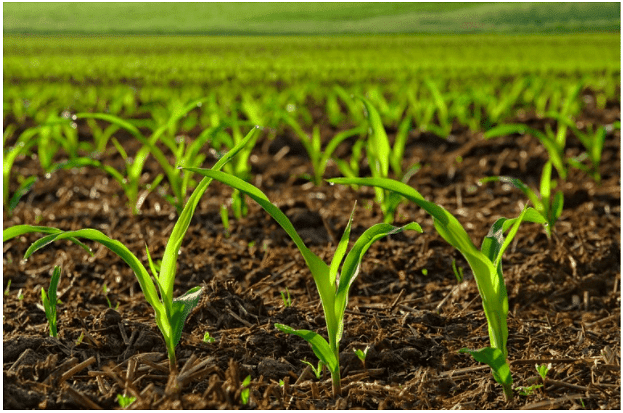
It is the branch of agriculture that deals with the production of crops for food and fibre. This science is commonly applied by many farmers worldwide in order to manage their crops better. This practice includes a detailed understanding of all the feed sources that are required to maintain and produce crops. This particular branch of study helps us to farm better and smarter to increase our food production through better crop production and management.
Factors involving Crop Production

The most important factors influencing the production of crops are listed below –
- Preparing the soil.
- Sowing seeds.
- Irrigation.
- Usage of manure, fertiliser, and pesticides.
- Harvesting crops.
- Storage of crops.
Both the process of crop harvesting and storage is done with utmost care in order to prevent any untoward loss of crops.
What is Crop Harvesting?
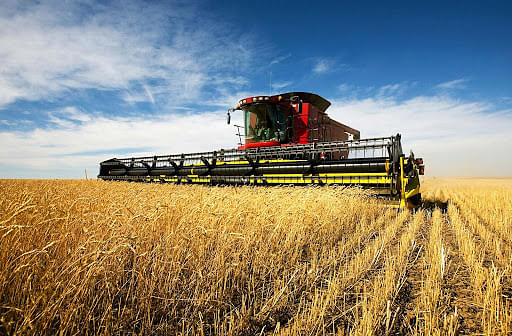
The process in which crops that have matured or fully ripen, are cut and gathered (Reaping) is collectively called harvesting. It depends on several factors such as season, crop variety, maturity period, etc. This process usually begins when crops mature and turn golden yellow or brown like in the case of paddy, wheat, and many other grains. Many factors like the type of crop, its maturity period, and its season affect the harvesting period and time of crops. Besides this, rodents and even birds also cause harm to the crops, and hence it is necessary to check the crops regularly for any damage before the advent of the harvesting season. Things like over-irrigation, irregular sunlight can prolong the ripening of crops and thus delays the harvesting time. If harvested early it causes loss of unripened grains while delayed harvesting leads to shedding off of grains. In India, festivals like Baisakhi, Bihu, Holi, Pongal, etc. are closely associated with the harvesting season.

There are mainly two types of methods of harvesting in agriculture– manual and mechanical. The former is a tedious, more traditional, and labour-intensive process. It is also a time-consuming process. Farmers generally make extensive use of sickles and cutlass to harvest mature crops. On the other hand in the mechanical process, farmers use machines like harvesters to harvest mature crops. It is a much more modern practice and is still not yet widely practiced in many parts of the world.
After the harvesting of crops is done, the collected grains are separated from the chaff and husks by beating or by a threshing machine. This process is known as threshing while winnowing is also the process used to separate the chaff from grain but it is notably used in small-scale farming.
What is Crop Storage?
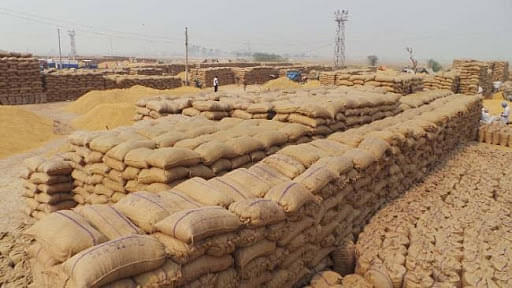
It is the process of putting away crops safely until it is dispatched to the markets or sold off or for personal use. In the case of small-scale cultivation, the crops harvested are solely used by the farmers for their personal purposes but large-scale production is mainly done for marketing. Cultivators often store huge quantities of grain for future needs and as buffer stocks. It can help to solve food scarcity in the event of crop failure resulting from flood, drought, etc. To mitigate these problems proper storage space has to be arranged because inefficient and inadequate storage space and improper storage methods can lead to a huge grain loss.
In addition to these, various pests, insects, rodents and microorganisms, and environmental conditions such as moisture and temperature can damage food grains. Hence it is vital to store them carefully and also proper treatment is required before the grains are stored. Foodgrains infested with microbes or insects also often lose their ability to germinate and consequently after the harvesting of crops is done they are dried thoroughly in the sun to get rid of moisture to stop the growth of harmful fungi in the storage.
Similarly, pesticides are used to eliminate the risk of rodents and fumigation helps to deal with bacterial infestation through the use of chemicals that stop the advent of infection caused by a number of microorganisms. After all the necessary precautions are taken, the crops are subsequently packed in gunny bags or deposited in storage facilities like granaries or godowns.
On the other hand, in the case of easily perishable crops like fruits and vegetables, they need to be very carefully stored. These products are best stored in cold storage to prevent spoilage and discourage the growth of microorganisms. The storage must be clean and cold with plenty of ventilation to keep them fresh for a long time.
Things to Remember
- Food is the major source of energy and crops are the primary food for human beings. In order to stay alive and to continue all other essential life processes, every living organism on this planet needs food.
- Preparing the soil, Sowing seeds, Irrigation, Usage of manure, fertiliser, and pesticides, Harvesting crops and Storage of crops are the factors involved in crop production.
- The process in which crops that have matured or fully ripen, are cut and gathered (Reaping) is collectively called harvesting.
- Crop storage is the process of putting away crops safely until it is dispatched to the markets or sold off or for personal use.
- various pests, insects, rodents and microorganisms, and environmental conditions such as moisture and temperature can damage food grains. Hence it is vital to store them carefully and also proper treatment is required before the grains are stored.
Sample Questions on Crop Production
Ques: What are the major food crops?
Ans: Wheat, maize, and rice are the main staple food crops grown across the world in various terrains and climates. Other major crops are soybeans and various pulses.
Ques: What are the factors affecting crop production?
Ans: The factors affecting crop production are –
- Soil fertility
- Availability of water
- Diseases
- Pests
- Climate
Ques: What are the factors that determine the time of harvesting a crop?
Ans: Various factors such as crop type, maturity period, and season all affect the crop cycle and harvesting of the crops. The primary factor on which the harvesting depends is the availability and duration of sunlight.
Ques. What are the steps involved in crop production?
Ans. The main procedures involved in the production method of crops are –
- Preparing the soil.
- Sowing seeds.
- Irrigation.
- Usage of manure, fertiliser, and pesticides.
- Harvesting crops.
- Storage of crops.
Ques: What is crop production?
Ans: The process of growing crops for domestic and commercial purposes is called crop production. It also involves the study of managing the crops during their growth and after their harvest. It is a holistic approach in agriculture to boost the productivity of crops.
Ques: What is Harvesting?
Ans: The process in which crops that have matured or fully ripen, are cut and gathered (Reaping) is collectively called harvesting. This process usually begins when crops mature and turn golden yellow or brown like in the case of paddy, wheat, and many other grains.
Ques: What is meant by crop storage?
Ans: It is the process of putting away crops safely until it is dispatched to the markets or sold off or for personal use. In the case of small-scale cultivation, the crops harvested are solely used by the farmers for their personal purposes but large-scale production is mainly done for marketing. It can help to solve food scarcity in the event of crop failure resulting from flood, drought, etc.



Comments