





RWTH Aachen University admissions run through RWTHonline for direct applicants, with a bachelor’s floor near Class XII 75 percent (German Abitur GPA of about 2.5) and a master’s floor requiring a recognised bachelor’s at roughly 60 to 65 percent plus IELTS 6.0 or higher for English-taught programmes.
- Primary intake deadline: Winter Semester 2027/28 open-admission master’s applications close on 1 March 2027; restricted (NC) master’s applications close 15 July 2027.
- Fees: Base tuition is EUR 0 for regular bachelor’s and master’s programmes, with a semester contribution of EUR 300 to 729 (around INR 32,757 to INR 79,600) covering transit and student services, and RWTH charges no application fee via RWTHonline.
- Eligibility floor: UG needs Class XII at 75 percent plus TestDaF 4 or DSH 2 for German-taught tracks; PG needs a Bachelor’s at 60 to 65 percent plus IELTS 6.0 or TOEFL iBT 90 for English-taught programmes, with an APS certificate mandatory for all Indian applicants.
- Acceptance rate: Around 10 percent at institutional level, tighter for restricted (NC) engineering and computer science programmes that draw the largest Indian applicant pools.
Indian students at RWTH concentrate in MS Computer Science, MS Data Science, MS Mechanical Engineering, MS Electrical Engineering and Information Technology, and MS Management and Engineering, and student reviews on RWTH Aachen University’s Collegedunia profile flag strong faculty access in engineering alongside APS certificate timelines and German-language paperwork as the biggest friction points during the application year.
Table of Contents
- RWTH Aachen University Application Deadlines
- RWTH Aachen Eligibility for Indian Students
- RWTH Aachen University PG Programs and English Scores
- RWTH Aachen UG Programs for Indian Applicants
- RWTH Aachen University PhD Admissions
- RWTH Aachen Application Process Step by Step
- RWTH Aachen Documents Required for Indian Students
- RWTH Aachen University Acceptance Rate
- Germany Student Visa Process for RWTH Aachen
- Tips and Checklist for RWTH Aachen Admissions
- RWTH Aachen University Admissions FAQs
RWTH Aachen University Application Deadlines
RWTH Aachen University runs two intakes each academic year, and dates below come from the RWTH international applicants pages for master’s and bachelor’s applicants. Winter Semester is the primary intake for Indian students because most English-taught master’s programmes and all bachelor’s programmes open here. Programmes are classified as open admission (meet the criteria and you are admitted) or restricted admission (NC, ranked by grade) and each track has its own deadline.
RWTH Aachen University’s primary intake for Indian students is the Winter Semester in October, when the largest share of English-taught master’s programmes and all bachelor’s tracks open.
| Intake | Level | Admission Type | Deadline for Indian Applicants | Portal |
|---|---|---|---|---|
| Winter Semester 2027/28 (Primary intake) | Master’s | Open admission | 1 March 2027 | RWTHonline |
| Winter Semester 2027/28 (Primary intake) | Master’s | Restricted (NC) | 15 July 2027 | RWTHonline |
| Winter Semester 2027/28 (Primary intake) | Bachelor’s | Restricted (NC) | 15 July 2027 | RWTHonline |
| Summer Semester 2027 | Master’s | Open admission | 1 September 2026 (Closed) | RWTHonline |
| Summer Semester 2027 | Master’s | Restricted (NC) | 15 January 2027 | RWTHonline |
| Winter Semester 2027/28 (Documents top-up) | Master’s (NC) | Late document window | 1 August 2027 | RWTHonline |
The lecture year at RWTH Aachen begins 11 October 2027 for Winter Semester 2027/28 and 5 April 2027 for Summer Semester 2027, so Indian applicants targeting the primary Winter intake should plan visa filing by June 2027.
Planning note: RWTH lists an August document top-up window for NC master’s programmes so the online form can be submitted by 15 July even if a transcript arrives late, but the core application must be filed by the July deadline.
RWTH Aachen University Eligibility for Indian Students
Eligibility at RWTH Aachen University is set at institutional level with grade-based floors, and programme-specific requirements sit on top. Indian marks are converted to the German 1.0 to 4.0 scale (1.0 is highest, 4.0 is pass) using a Modified Bavarian formula, and the RWTHonline system handles the conversion in-house so Indian applicants generally do not need a uni-assist Pre-Check Documentation (VPD).
- Bachelor’s general entry: Class XII passed with an aggregate near 75 percent, equivalent to a German Abitur GPA of roughly 2.5.
- Master’s general entry: Recognised Bachelor’s degree at 60 to 65 percent in a related discipline, mapped to a German GPA of 2.5 or better.
- English (English-taught master’s): IELTS 6.0 or TOEFL iBT 90 minimum for most programmes; IELTS 6.5 or TOEFL 100 for competitive tracks like Data Science and Management and Engineering.
- German (German-taught bachelor’s and master’s): TestDaF 4 in each section, DSH 2, telc C1 Hochschule, or Goethe C2.
- APS certificate: Mandatory for all Indian applicants; without a valid APS certificate the RWTHonline application cannot be submitted.
| Test | Standard Minimum | Higher Cut-off Programmes |
|---|---|---|
| IELTS Academic | 6.0 overall | 6.5 to 7.0 (Data Science, CS, Management and Engineering) |
| TOEFL iBT | 90 | 100 |
| PTE Academic | 60 | 66 or higher |
| Cambridge English | B2 First grade B | C1 Advanced |
RWTH does not accept TOEFL MyBest scores, so Indian applicants must ensure the score is from a single test sitting. English-medium Class XII certificates from Indian boards are not accepted as a blanket waiver, unlike at some UK or Irish universities. The only school-based English exemption applies to Class XII completed in an English-speaking country such as the UK, Ireland, Australia, New Zealand, Canada, or the US, so most Indian applicants must sit IELTS, TOEFL, PTE, or Cambridge.
Insider note: RWTH assesses German marks on a strict 1.0 to 4.0 scale, and Indian percentages of 60 to 65 percent usually convert to a German 2.5 to 2.8, which is on the boundary for restricted-admission programmes. Aim for a Bachelor’s average above 65 percent for competitive master’s tracks.
Note: Program-specific entry requirements, fees, and intake availability may differ from the institution-wide minimums shown above. Always confirm on the official RWTH Aachen University page for your chosen program before applying.
RWTH Aachen University PG Programs and English Scores
RWTH Aachen University offers roughly 60 English-taught master’s tracks and a wider pool of German-taught master’s programmes, with engineering, computer science, and applied natural sciences forming the core. Base tuition is EUR 0 across regular master’s degrees, and only a semester contribution of EUR 300 to 729 (around INR 32,757 to INR 79,600) applies. A course-wise fees breakdown is on the RWTH programs page for Indian students.
| Programme | Duration | Minimum Eligibility | English Req. Min. |
|---|---|---|---|
| MS Computer Science | 2 years (4 semesters) | Bachelor’s in CS or related, 65 percent plus, maths coursework | IELTS 6.5 / TOEFL 100 |
| MS Data Science | 2 years | Bachelor’s in CS, Maths, or Engineering with 65 percent plus and statistics coursework | IELTS 6.5 / TOEFL 100 |
| MS Software Systems Engineering | 2 years | Bachelor’s in CS or Software Engineering, 60 percent plus | IELTS 6.0 / TOEFL 90 |
| MS Mechanical Engineering | 2 years | Bachelor’s in Mechanical Engineering, 60 percent plus | IELTS 6.0 / TOEFL 90 |
| MS Automotive Engineering | 2 years | Bachelor’s in Mechanical or Electrical Engineering, 60 percent plus | IELTS 6.0 / TOEFL 90 |
| MS Electrical Engineering and Information Technology | 2 years | Bachelor’s in Electrical Engineering, 60 percent plus | IELTS 6.0 / TOEFL 90 |
| MS Robotic Systems Engineering | 2 years | Bachelor’s in Mechanical, Electrical, or Computer Engineering, 60 percent plus | IELTS 6.0 / TOEFL 90 |
| MS Materials Engineering | 2 years | Bachelor’s in Materials Science or Metallurgy, 60 percent plus | IELTS 6.0 / TOEFL 90 |
| MS Management and Engineering | 2 years | Bachelor’s in Engineering with business coursework, 65 percent plus | IELTS 6.5 / TOEFL 100 |
| MS Simulation Sciences | 2 years | Bachelor’s in CS, Maths, or Physics, 60 percent plus | IELTS 6.0 / TOEFL 90 |
Applied master’s programmes such as Data Science and Management and Engineering keep the IELTS bar at 6.5 because of the coursework load in mathematical statistics and written case analysis, while foundational engineering tracks accept IELTS 6.0. Every English-taught master’s programme at RWTH runs full-time on a two-year, four-semester structure, and course-specific eligibility on maths or programming coursework can decide restricted-admission outcomes.
Insider note: RWTH’s Faculty of Mechanical Engineering counts recognised industrial internships (six weeks minimum) toward the master’s application, and Indian bachelor’s degrees that include a compulsory industrial training report meet this criterion when the certificate is uploaded with transcripts.
Note: Program-specific entry requirements, fees, and intake availability may differ from the institution-wide minimums shown above. Always confirm on the official RWTH Aachen University page for your chosen program before applying.
RWTH Aachen UG Programs for Indian Applicants
RWTH Aachen University’s undergraduate programmes are almost entirely taught in German, so Indian applicants without German at C1 level typically enter through the RWTH International Academy pathway or complete a Studienkolleg (foundation year). The bachelor’s base tuition is EUR 0, with the semester contribution of EUR 300 to 729 (around INR 32,757 to INR 79,600) as the only regular payment, and RWTH charges no application fee via RWTHonline.
| Programme | Duration | Minimum Eligibility | English Req. Min. |
|---|---|---|---|
| BSc Mechanical Engineering | 3 years (6 semesters) | Class XII near 75 percent with Mathematics and Physics; Studienkolleg completion if applicable | Not required (German-taught) |
| BSc Computer Science | 3 years | Class XII near 75 percent with Mathematics | Not required (German-taught) |
| BSc Electrical Engineering and Information Technology | 3 years | Class XII near 75 percent with Mathematics and Physics | Not required (German-taught) |
| BSc Civil Engineering | 3 years | Class XII near 75 percent with Mathematics | Not required (German-taught) |
| BSc Materials Engineering | 3 years | Class XII near 75 percent with Mathematics and Chemistry | Not required (German-taught) |
All five bachelor’s tracks require TestDaF 4 in each section or DSH 2 as the German language proof. Indian applicants who completed a two-year higher secondary board (CBSE, ICSE, or a state board) may need to sit a Studienkolleg entrance test before direct admission, because a single Class XII certificate does not always meet the German school-leaving equivalence rule for restricted-admission programmes. Applications for the Winter Semester 2027/28 bachelor’s intake open in May 2027 and close on 15 July 2027.
RWTH Aachen University PhD Admissions
PhD admission at RWTH Aachen University is supervisor-driven, not application-window-driven. Indian candidates identify a doctoral chair aligned with their research interests, secure a supervisor’s written acceptance, and then apply for formal doctoral registration through the relevant faculty’s doctoral office. There is no fixed institutional deadline for PhD registration, and admission is rolling across the year.
RWTH Aachen PhD Entry Requirements
Candidates need a recognised master’s degree, usually at 65 percent or higher in a relevant discipline, plus a supervisor’s letter of acceptance. English-track doctorates require IELTS 6.5 or TOEFL 100, and German-track doctorates require TestDaF 4 or DSH 2. The APS certificate is mandatory for Indian PhD applicants at RWTH.
RWTH Aachen Doctoral Funding for Indian Students
Most PhD candidates receive funding as scientific staff (WissMA) with a TV-L E13 salary contract, or through DAAD, DFG, or graduate school stipends. Funding rates and current openings are on the RWTH doctoral portal, and the collegedunia RWTH ranking band gives a sense of subject strengths that concentrate doctoral funding.
RWTH Aachen Application Process Step by Step
The application process for Indian students at RWTH Aachen University runs through RWTHonline, the university’s own portal. Unlike TU Munich or LMU, RWTH does not force Indian applicants through uni-assist for most direct master’s applications; grade conversion and document verification happen in-house on RWTHonline. Follow the sequence below and keep the APS certificate ready before you start.
- Register a free account on RWTHonline and select the programme and intake. No application fee is charged for direct RWTHonline submissions.
- Fill the online application form with academic, personal, and language-test details, and upload scanned documents in the format the portal specifies.
- Upload your APS certificate issued by the German Embassy in New Delhi; without a valid APS certificate the form will not submit.
- Upload IELTS, TOEFL, or PTE score reports and, for German-taught tracks, TestDaF or DSH results.
- Submit before the deadline (1 March 2027 for open-admission master’s or 15 July 2027 for restricted master’s for Winter Semester 2027/28).
- Track the application status inside RWTHonline; the International Office issues offers digitally and posts a Zulassungsbescheid (letter of admission) to your account.
- Accept the offer inside RWTHonline, then complete enrollment (Immatrikulation) by paying the semester contribution and submitting the health insurance and residence documents.
Admission decisions for open-admission master’s programmes typically arrive four to eight weeks after submission, while restricted-admission decisions are issued in a batch after the deadline (mid-August for the Winter Semester intake). The acceptance deadline on the offer is usually two weeks, so Indian applicants should have visa paperwork ready before receiving the letter.
RWTH Aachen Documents Required for Indian Students
Documents are uploaded on RWTHonline as PDF scans, and originals are verified during matriculation in Aachen. Prepare certified English translations for anything issued in Hindi, Tamil, Bengali, or other regional languages, and keep two additional scanned copies for the visa file.
- Valid passport with at least 18 months of remaining validity from the intake date.
- Class XII marksheet and school-leaving certificate, plus Class X marksheet.
- Bachelor’s degree certificate, consolidated transcript, and semester-wise marksheets (for master’s applicants).
- APS certificate issued by the German Embassy in New Delhi.
- English-test score report (IELTS, TOEFL iBT, PTE Academic, or Cambridge) with the recipient code set to RWTH Aachen.
- German-language proof for German-taught tracks (TestDaF, DSH, telc, or Goethe).
- Curriculum vitae in Europass or standard chronological format.
- Statement of Purpose tailored to the programme, addressing academic background, research interests, and career plan.
- Two academic Letters of Recommendation on institutional letterhead.
- Passport-size photograph in JPG format meeting biometric standards.
- Work experience letters if the programme (for example, Management and Engineering) values industry exposure.
Planning note: The APS interview at the German Embassy in New Delhi is currently running a backlog of three to five months, so book the APS appointment at least six months before the RWTH deadline you are targeting.
RWTH Aachen University Acceptance Rate
RWTH Aachen University’s institutional acceptance rate is around 10 percent based on competitive-intake program patterns, and the university does not publish an official aggregate acceptance figure. The rate varies sharply by programme, with restricted (NC) programmes far tighter than open-admission tracks.
Which RWTH Aachen Programmes Are Hardest for Indian Applicants?
MS Computer Science, MS Data Science, MS Management and Engineering, and MS Automotive Engineering see the largest Indian applicant volumes and consequently the tightest ranking cut-offs. For NC master’s programmes, only applicants above a certain German-scale GPA (usually 2.3 or better, roughly 70 percent plus for Indian bachelor’s) are ranked, and offers go to the top of the list until seats fill.
How to Improve Your RWTH Aachen Odds
Aim for a Bachelor’s average above 65 percent, sit IELTS 6.5 or TOEFL 100 even where the programme accepts 6.0, and submit a Statement of Purpose that reads on RWTH’s specific research strengths in the Rhine-Ruhr industrial belt. For engineering programmes, industrial-training certificates from an Indian bachelor’s degree are counted, and applying for open-admission Winter Semester slots is easier than the tighter Summer Semester rounds.
Germany Student Visa Process for RWTH Aachen
Indian applicants admitted to RWTH Aachen University apply for a National Visa (Type D) for study purposes at the German Embassy in New Delhi or one of the four German Consulates General in Mumbai, Bengaluru, Chennai, or Kolkata. Filing is done through the VIDEX online portal followed by a biometric appointment. The visa file needs the RWTH admission letter, APS certificate, valid passport, tuition confirmation (or nil-tuition letter for RWTH), a blocked account (Sperrkonto) with at least EUR 11,904 (around INR 12.99 Lakhs) for one year of living costs at the 2026-27 rate set by the Federal Foreign Office, and travel health insurance covering the arrival period.
After landing in Germany, students must register their address at the local Bürgeramt in Aachen within two weeks, enrol in the RWTH student health insurance scheme (TK, AOK, or similar), and apply for a residence permit for study purposes at the Aachen Ausländerbehörde before the visa expires.
2026 update: Indian applicants can now book visa slots at all five German missions in India through the consolidated appointment system, and processing time is running eight to twelve weeks during the summer peak; file the visa within two weeks of receiving the RWTH admission letter.
Tips and Checklist for RWTH Aachen Admissions
The following tips and steps are drawn from Indian-applicant patterns at RWTH Aachen University, and student feedback captured on the RWTH Aachen University Collegedunia reviews page. Combine the tips with the timeline steps to sequence the application year cleanly.
- Book the APS interview 8 to 10 months before the deadline because the New Delhi backlog is running three to five months as of 2026.
- Sit IELTS or TOEFL by August 2026 for a Winter 2027/28 intake so the score report is ready when RWTHonline opens.
- Prioritise open-admission programmes if your Bachelor’s average is 60 to 65 percent, because NC ranking rounds usually favour candidates above 70 percent.
- Open the Sperrkonto by January 2027 for a Winter 2027/28 start, using Fintiba, Expatrio, or Deutsche Bank, so the balance is ready for the visa appointment.
- Draft your SOP around a specific RWTH chair or research group rather than a generic pitch on Germany, because RWTH’s engineering faculties weigh research fit heavily.
- Register on RWTHonline by December 2026 so the form is partly filled before deadlines converge in March and July 2027.
- Request bachelor’s transcripts and provisional certificates 8 weeks before the RWTH deadline from your Indian university’s controller of examinations.
- Confirm your programme’s individual IELTS floor because Data Science and Management and Engineering demand 6.5, while general engineering accepts 6.0.
- Book the German Embassy visa slot in April 2027 for the Winter Semester start, immediately after receiving the RWTH offer.
RWTH Aachen University admissions reward Indian applicants who plan the APS certificate, English-test sitting, and RWTHonline submission across a 10-month timeline, with the Winter Semester primary intake and its 1 March and 15 July 2027 deadlines the anchor points. Tuition is zero, the semester contribution stays under INR 80,000, and the biggest risks sit outside the university (APS backlog and visa slots). Get those two pieces sequenced and the rest of the process is administrative.
RWTH Aachen University Admissions: Frequently Asked Questions
Ques. What is the next open deadline at RWTH Aachen University for Indian students?
Ans. The next live deadline is 15 January 2027 for restricted-admission master’s programmes in Summer Semester 2027, followed by 1 March 2027 for open-admission master’s programmes in Winter Semester 2027/28 (RWTH’s primary intake).
Ques. Does RWTH Aachen require IELTS or TOEFL for Indian applicants?
Ans. Yes. English-taught master’s programmes require IELTS 6.0 or TOEFL iBT 90 minimum, with some programmes (Data Science, Management and Engineering) demanding IELTS 6.5 or TOEFL 100. English-medium Class XII from Indian boards is not accepted as a waiver.
Ques. Is the APS certificate mandatory for RWTH Aachen?
Ans. Yes, the APS certificate issued by the German Embassy in New Delhi is mandatory for all Indian applicants at bachelor’s, master’s, and PhD levels. RWTHonline will not submit the application without a valid APS certificate uploaded.
Ques. Does RWTH Aachen charge an application fee?
Ans. No. Direct applications through RWTHonline are free. Only the semester contribution (EUR 300 to 729, around INR 32,757 to INR 79,600) is paid after admission.
Ques. What is the acceptance rate at RWTH Aachen University?
Ans. The institutional acceptance rate is estimated at around 10 percent, based on competitive-intake program patterns. Restricted-admission programmes in computer science, data science, and mechanical engineering run tighter, while open-admission programmes accept most candidates who meet the stated criteria.
Ques. Do I need uni-assist to apply to RWTH Aachen?
Ans. No, for most master’s programmes. RWTH handles Indian grade conversion in-house on RWTHonline, so a uni-assist Pre-Check Documentation (VPD) is not required. A small number of programmes may route through uni-assist and will state this on the programme page.
Ques. What Bachelor’s percentage is needed for a master’s at RWTH Aachen?
Ans. The floor sits at roughly 60 to 65 percent, mapping to a German 2.5 GPA. Competitive restricted-admission programmes usually offer seats only above 70 percent Indian bachelor’s average.
Ques. Are RWTH Aachen bachelor’s programmes taught in English?
Ans. Almost all bachelor’s programmes are taught in German. Indian applicants must show TestDaF 4 or DSH 2 as the German language proof, and may need Studienkolleg entrance if the Class XII certificate is not accepted for direct entry.
Ques. When do RWTH Aachen classes start for Indian students?
Ans. Winter Semester 2027/28 lectures begin on 11 October 2027, and Summer Semester 2027 lectures begin on 5 April 2027. Indian students should target visa filing 8 to 12 weeks before the lecture start.
Ques. How much money does the blocked account (Sperrkonto) need for RWTH Aachen?
Ans. The blocked account requires EUR 11,904 (around INR 12.99 Lakhs) for one year of living costs at the 2026-27 rate set by the German Federal Foreign Office. Fintiba, Expatrio, and Deutsche Bank are the popular providers for Indian applicants.
Ques. Can I apply to RWTH Aachen with a GATE score instead of GRE?
Ans. RWTH Aachen does not require GRE for master’s admission. A strong Indian bachelor’s average and, for some engineering programmes, a GATE percentile can strengthen the file but neither is mandatory.
Ques. What if my Indian bachelor’s is a 3-year BSc degree?
Ans. A 3-year Indian BSc is usually treated as insufficient for direct master’s entry at RWTH; a 4-year Bachelor’s (BTech, BE, or an integrated 5-year programme) is the standard equivalent. Applicants with a 3-year BSc may need to complete a bridge programme or a Master’s in India first.
College Student Profiles

RWTH Aachen University Program Fees & Deadlines
| Program | Important Dates | Fees | Application Fees | Eligibility | Financial Aid |
|---|---|---|---|---|---|
Final Application Deadline for 2026 Intake (1st Mar 2027) | USD 33,600 /Yr EUR 30,000 /Yr | 50 | IELTS- 6.0, TOEFL-4.5, PTE- 60 | ||
| USD 39,200 /Yr EUR 35,000 /Yr | 50 | GPA: 2.5, IELTS: 6.0, TOEFL: 90 | |||
| USD 33,600 /Yr EUR 30,000 /Yr | 50 | IELTS- 6.0, TOEFL-4.5, PTE- 60 | - | ||
Application Deadline for Winter 2027 Intake (1st Mar 2027) | USD 26,880 /Yr EUR 24,000 /Yr | - | - | - | |
EMBA 2 years | USD 50,400 /Yr EUR 45,000 /Yr | - | German | - | |
Final Application Deadline for 2026 Intake (1st Mar 2027) | USD 33,600 /Yr EUR 30,000 /Yr | 50 | IELTS- 6.0, TOEFL-4.5, PTE- 60 | - |
Do you think the Dates are wrong ? Report Here
Course Finder - Search from 50K+ courses
Popular Streams:
Reviews
26 Reviews Found
Likes
- Half the city is the campus, and it's massive.
- It focuses on independent research and innovation, where you're responsible for everything and there is no hand-holding.
- The cost of living is reasonable compared to other cities in Germany.
Dislikes
- It can be challenging to learn German when everyone around you is speaking English.
- The mathematics courses can be challenging compared to other universities.
- The course structure can be confusing for beginners.
Scholarship
- Since there is no tuition, there is no regular scholarship. One can get funding via BaföG for 900 euros a month, but it's mostly available to EU students. The approval process can be difficult since it's state aid. Outside of that, one can apply for DAAD scholarships from the state, which range from 500-1200 euros a month. Again, one can work part-time and earn a living in Aachen.
Likes
- The Masters programme provided access to diverse courses which can be taken other than the main courses mandatory as part of the Masters Programme. This provided an opportunity to explore other fields by taking the courses and learning more. Although there the programmes are structured the students have the chance to explore a lot which is different from some of the education systems in the world with fixed programmes. This might be overwhelming for students who come from an education system where everything is planned and provided to the students
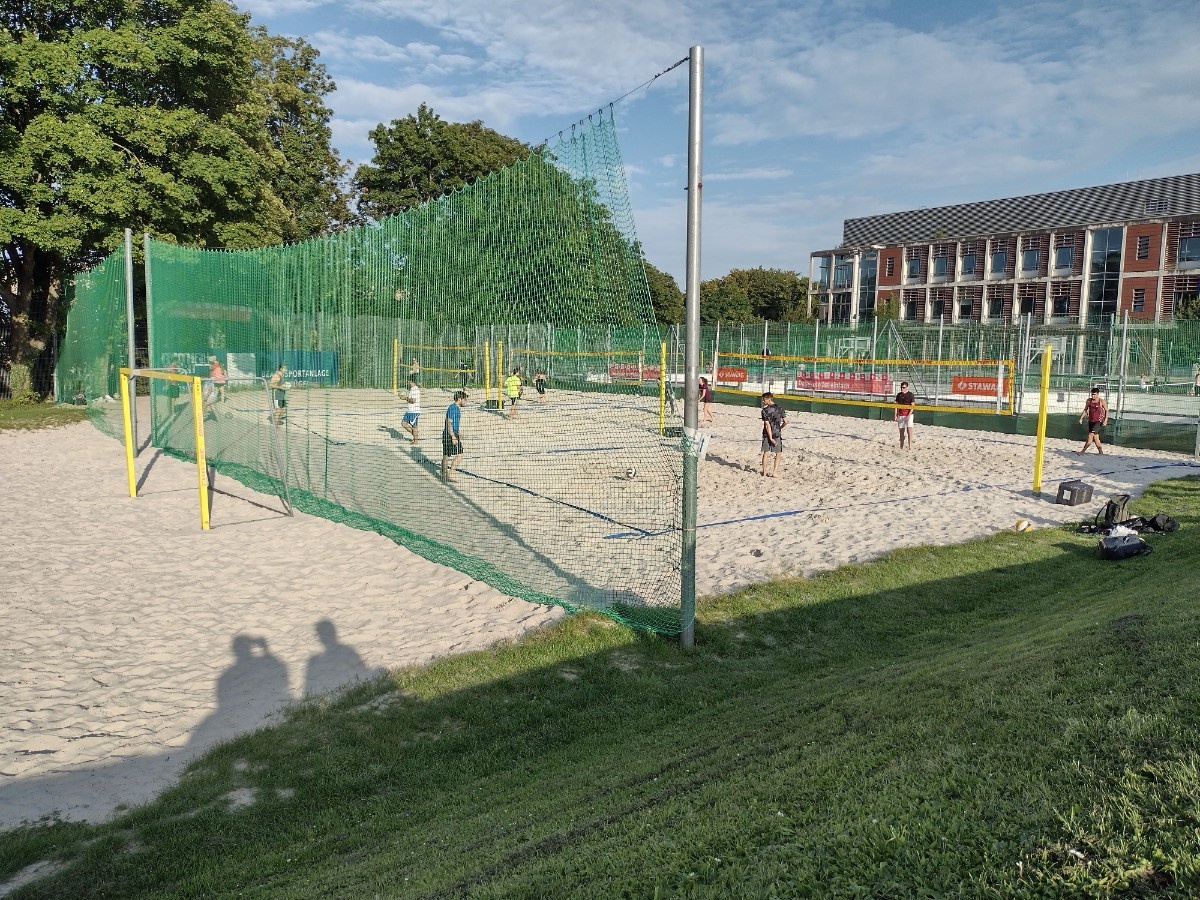
- The university provides various sports and extracurricular facilities for students to explore and actively pursue them
- The university provides language learning courses which can be very well planned within the courses schedule not disturbing the daily lecture plans
Dislikes
- There is a lot of competition among the available opportunities like research assistant positions and projects among the large number of students in the university
- The sports and extracurricular options are also difficult to get due to large number of students applying for it
- Although there are Student Dorms available, getting a place in the student dorm is really difficult with waiting times sometimes upto 1 year or even more
Scholarship
- There are some scholarships available and one has to apply to them. More information can be found on the websites.
- A few of my batchmates got some scholarships
- There are multiple scholarships. Some are for women in engineering (25% reduction) and some are for best in class, depending on the academic performances.
- Scholarships for the German language are also available. After completing B1 level at the university, the German course fee is refunded on providing the course completion certificate from the university language institute
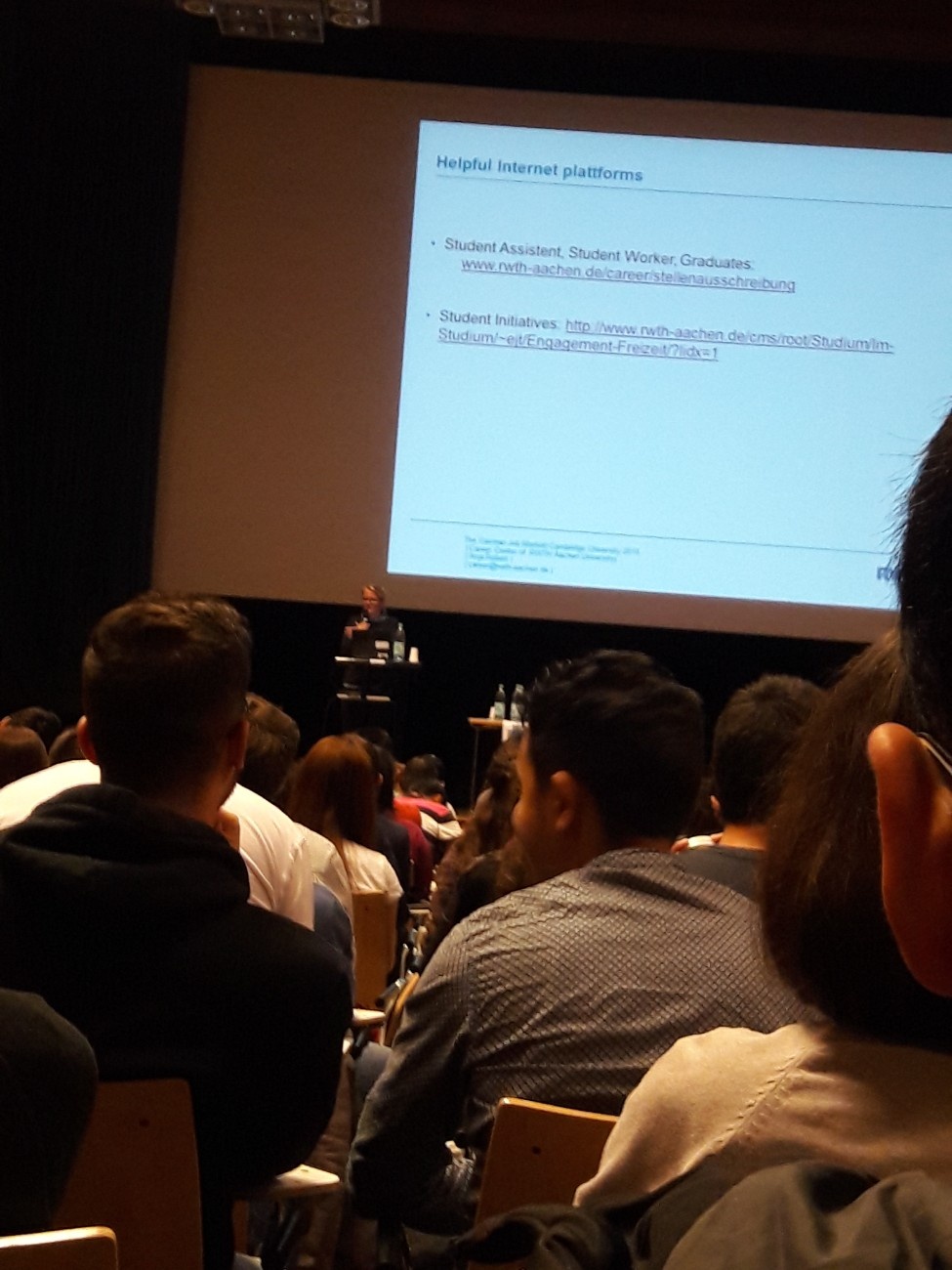
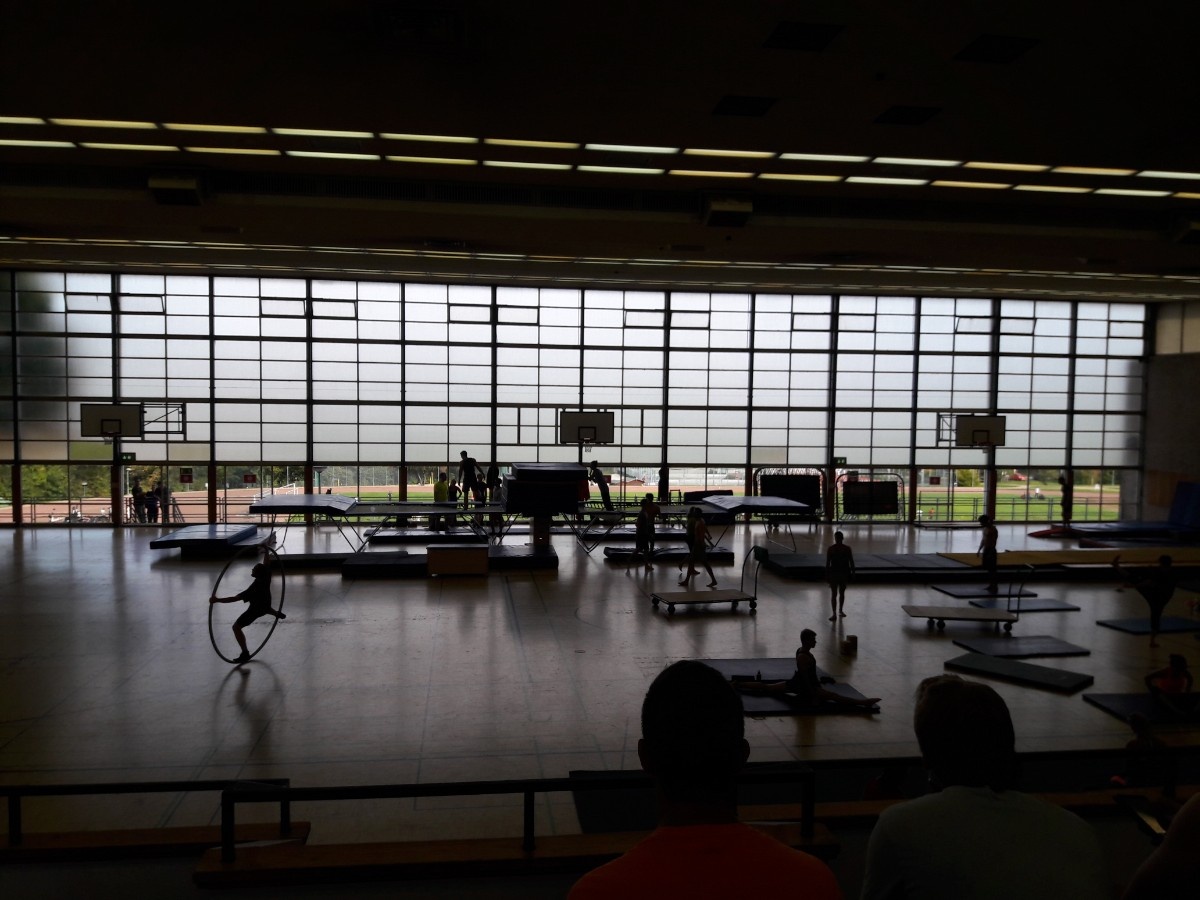
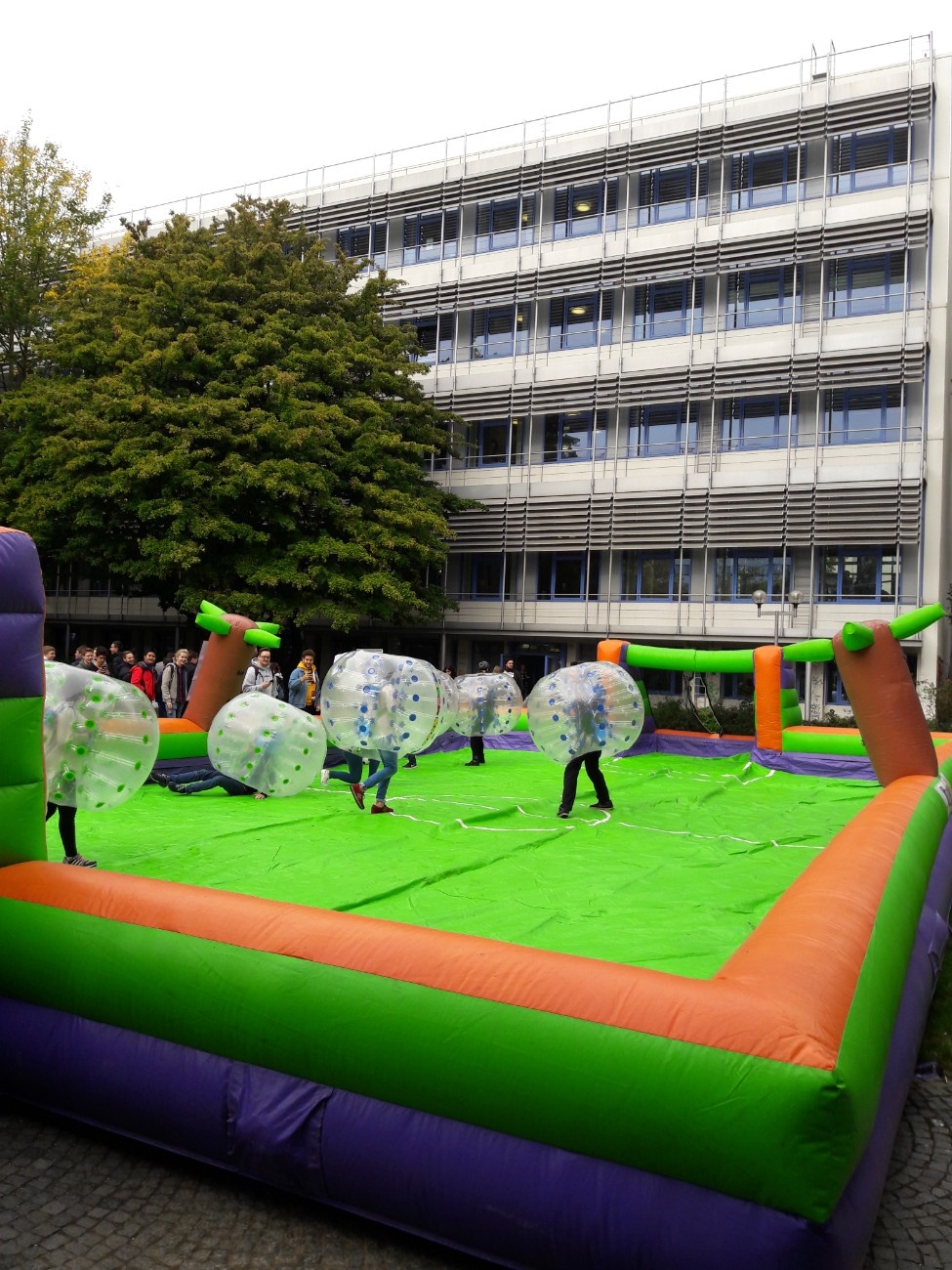
Likes
- Lecturers have built their reputation in the fields they teach in
- Access to good research to decide future interests
- Helpful online material
Dislikes
- My course is from RWTH International Academy, a private organisation inside RWTH Aachen University, but we still get the degree from the University. They charge high tution fees.
- Some lecturers tend to read from the presentations
Scholarship
- Some of them may be in DAAD.
- Class toppers and women in STEM also, I think.
- There are awards for the top 10 or 20% of the class but I am not sure about any scholarships.
- Early applicants get some discount from their tuition fees, but apart from that I'm not really sure.
- There are scholarships in Germany, which are not course-specific but field specific so that can be checked.
Likes
- Infrastructure
- They provide me the best study facilities, upto date with suitable realtime experience to the course help of companies and labs.
- Course structure is well advanced according to the current market
Dislikes
- There is nothing I have to dislike
Scholarship
- There are some scholarships for students by DAAD. And some Indian companies provide scholarships to students based on their grades. Students can find the details on the DAAD website about the scholarship and details are provided there to know how to apply for the scholarship. The deadlines are there for each semester. I am not sure about the requirements of each scholarship.
Likes
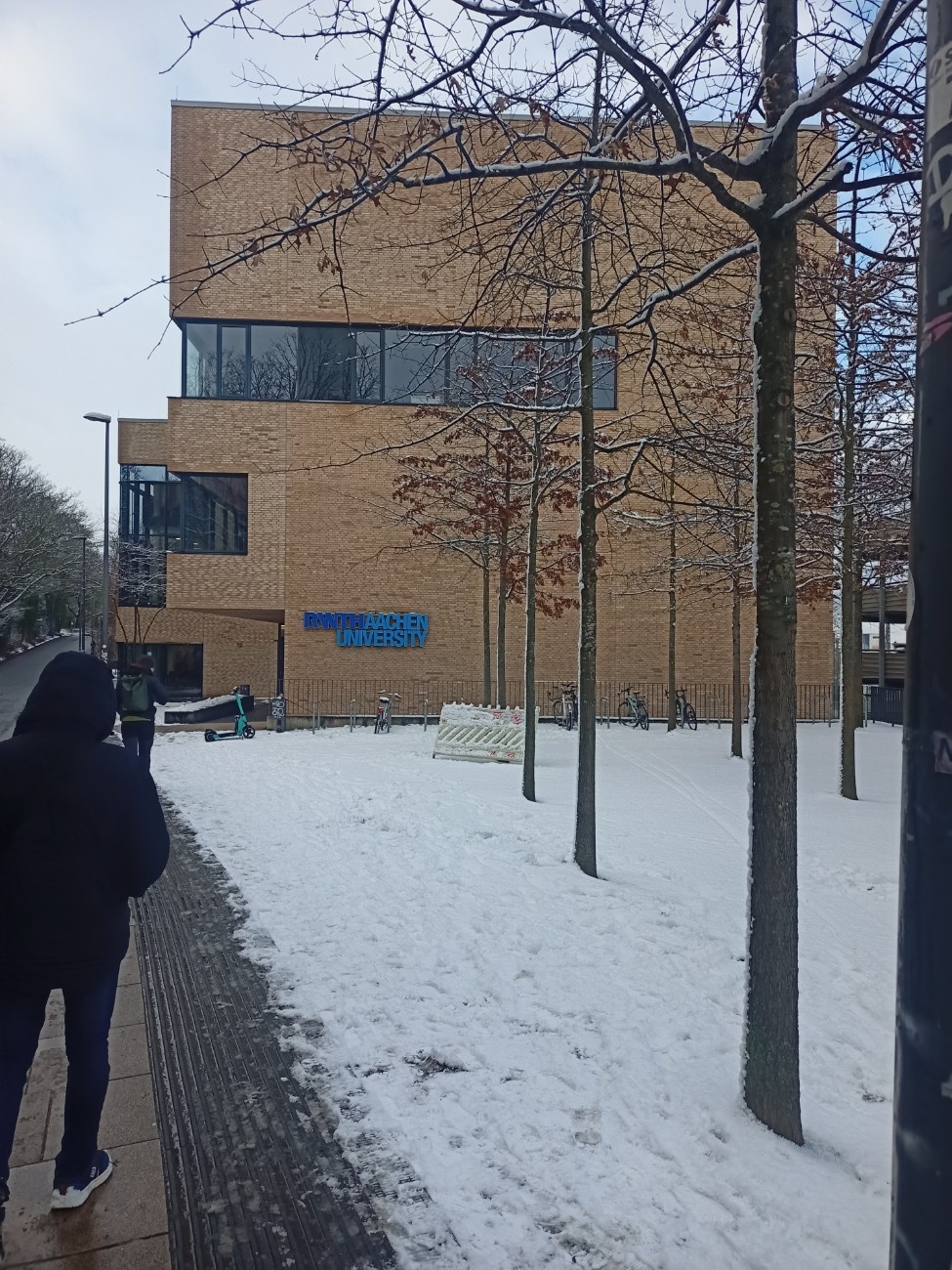
- There are numerous opportunities to gain practical experience through project work with industry partners, internships, and thesis research. Additionally, there are many clubs where you can share and discuss your ideas with like-minded peers.There are numerous opportunities to gain practical experience through project work with industry partners, internships, and thesis research. Additionally, there are many clubs where you can share and discuss your ideas with like-minded peers.
Dislikes
- I can says for my course : Need to be change the old traditional method of teaching.Need to include more and more recent trends course like LLM, GENAI, More lean towards optimization , Very basic part of data is covered
Scholarship
- Yes, I got one discount, not the scholarship. The name of the discount is "Early bird discount" , for applying in the windows they provided for enrolling in the course. Yes, there is one more scholarship called "deutschlandstipendium" where students get 500 euro monthly. It depends on how many students applied for this scholarship and how many people got selected.
Likes
- The university offers state of the art infrastructure
- Students are the top most priority and any issue is proptly resolved
- The food offered in the mesa is super cheap and delicious
Dislikes
- There is bit of issue with transparency of course structure ans student need to plan themselves
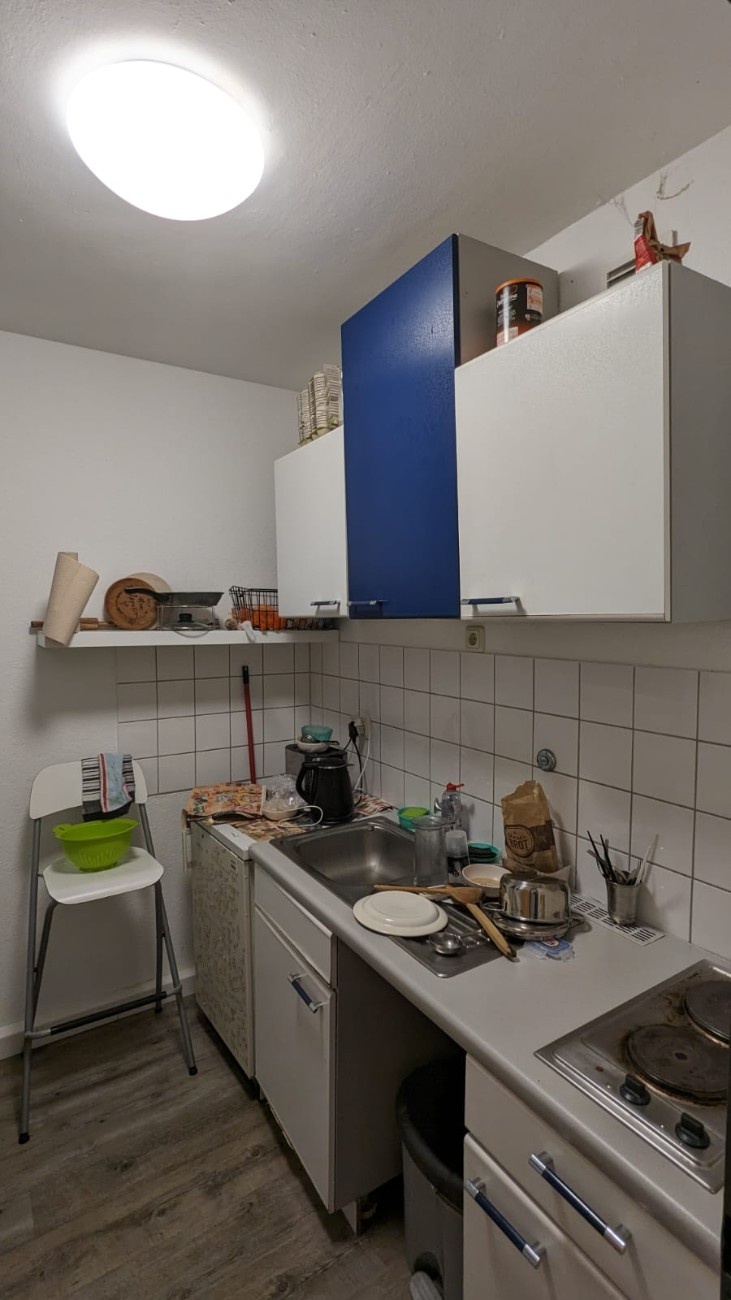
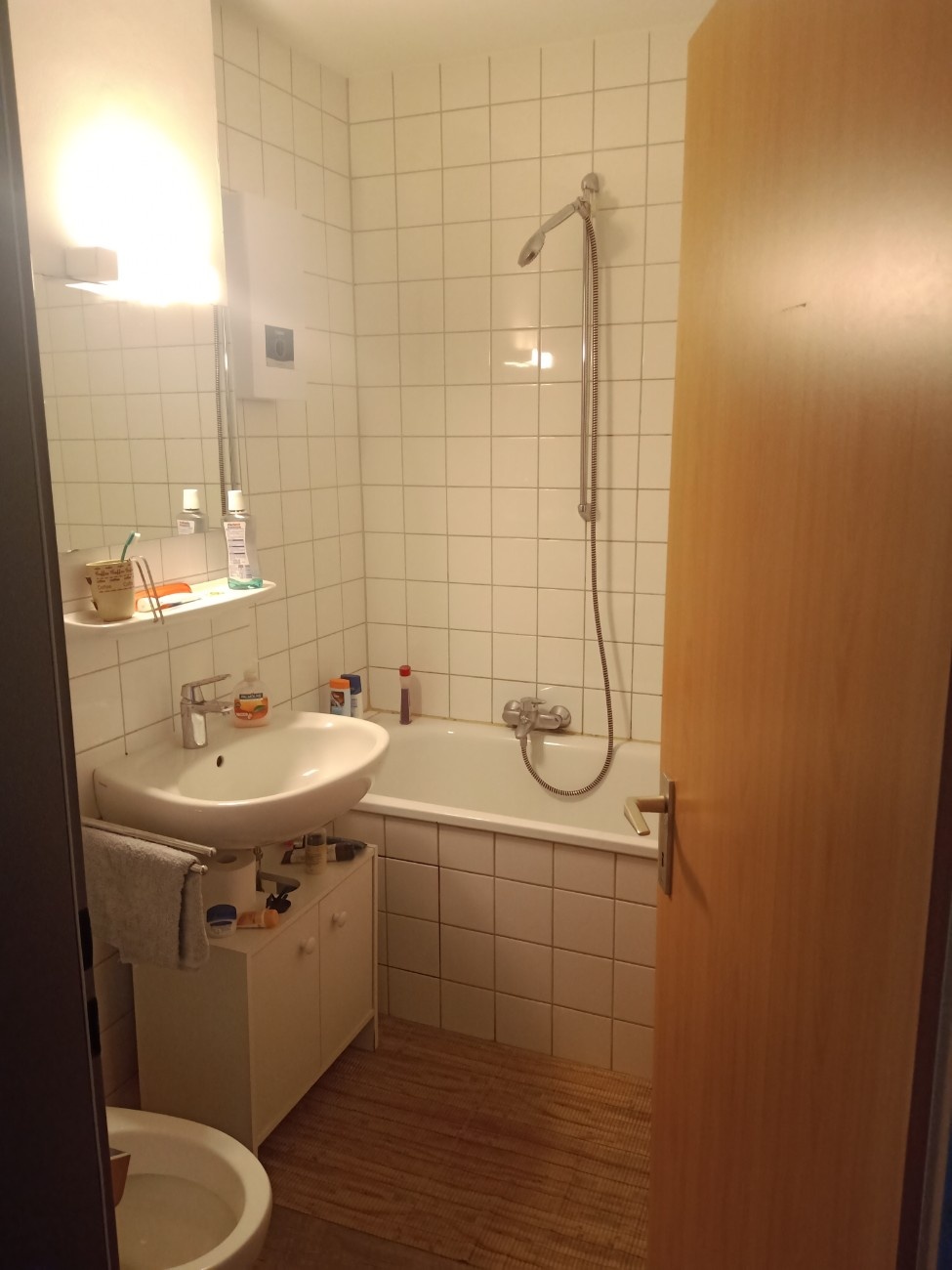
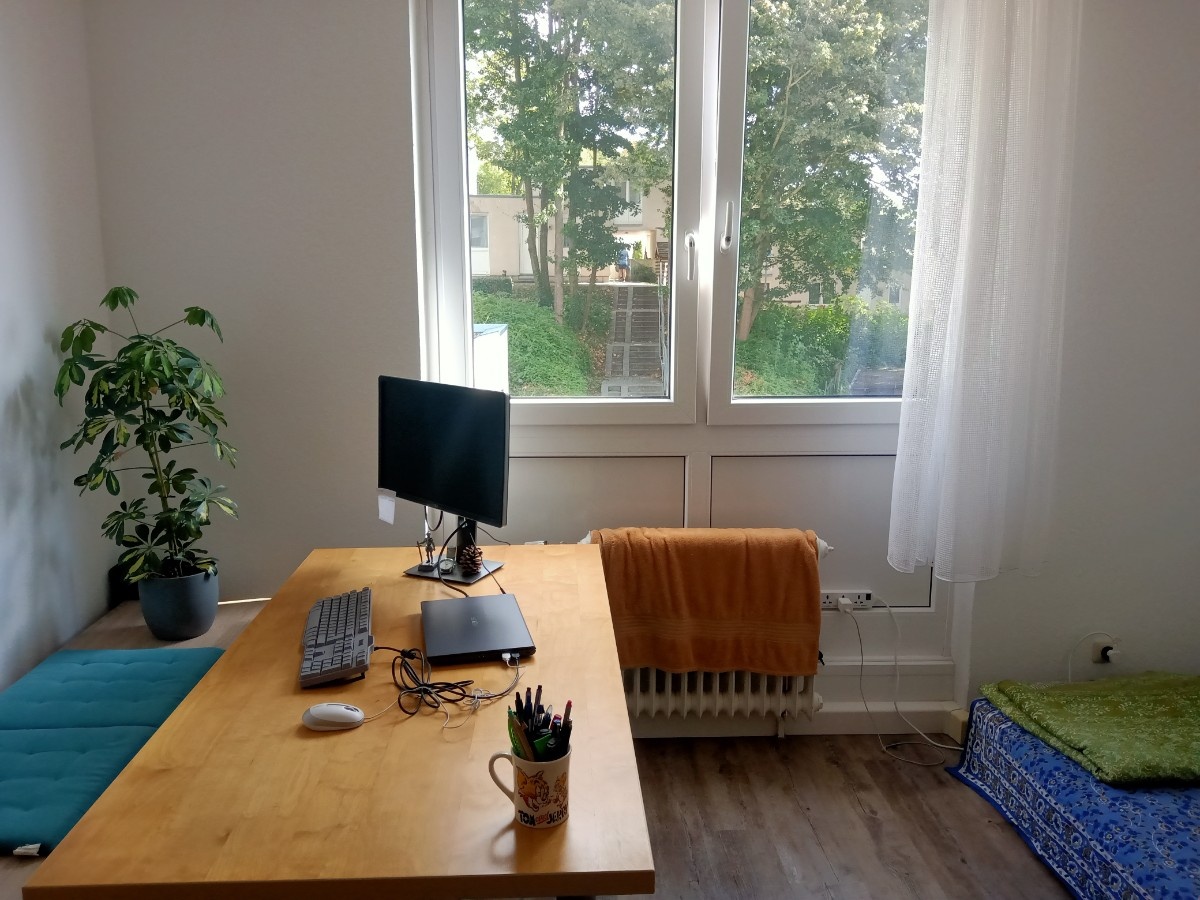
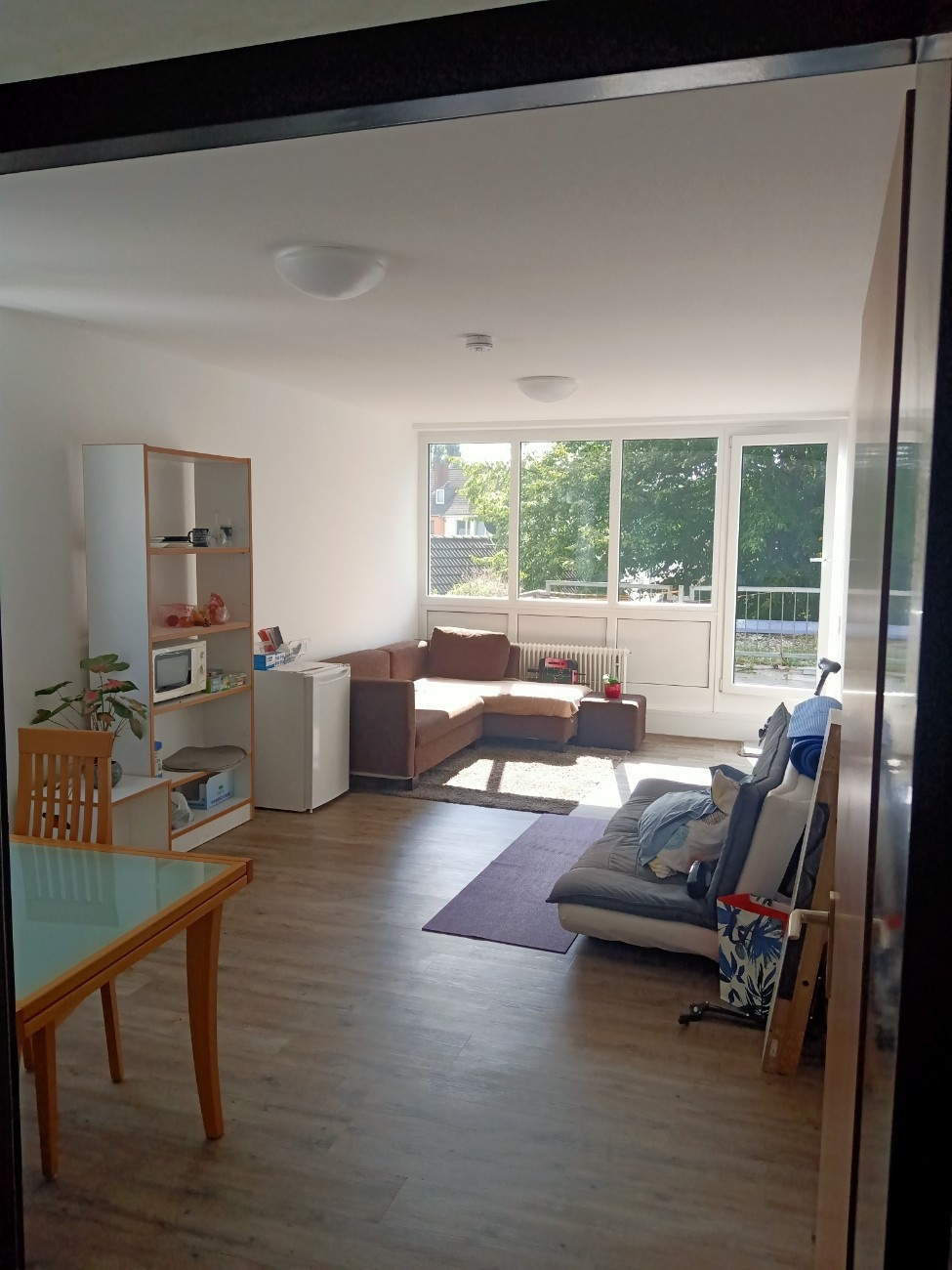
- Accomodation is not handled by university which leads to issue in identifying places to stay
- There are no direct placement offers and one needs to search for jobs on their own
Scholarship
- There are various scholarships provided every year like DAAD and Porsche but they are given based on academic achievements and social contributions. A friend of mine received the porsche scholarship amounting to 3000 Euros.
- The number of students receiving the scholarship is very limited, amounting to less than 1 percent. Some students receive financial assistance of up to 400 euros per month as well.
Likes
- Flexibility with choosing your specialization based on your selected courses
- Hybrid class program with the ability to study at your own pace
- Ample opportunity to work in industry-funded projects
Dislikes
- Not much practical projects to get involved with (most of it was theory)
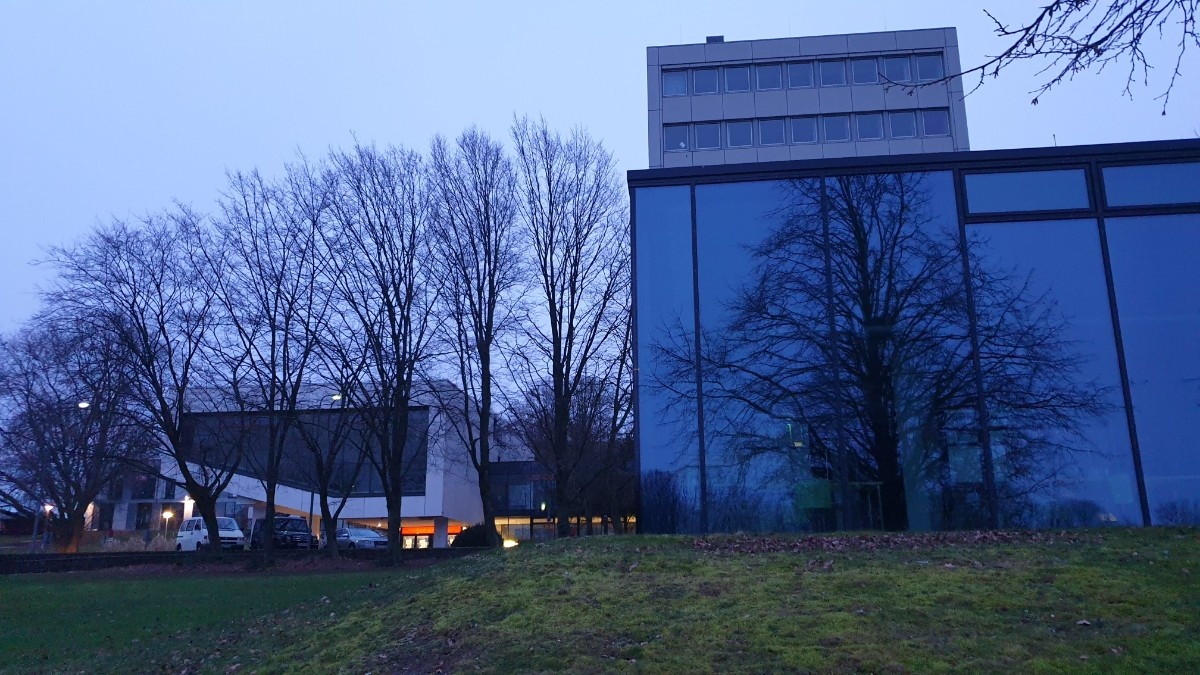
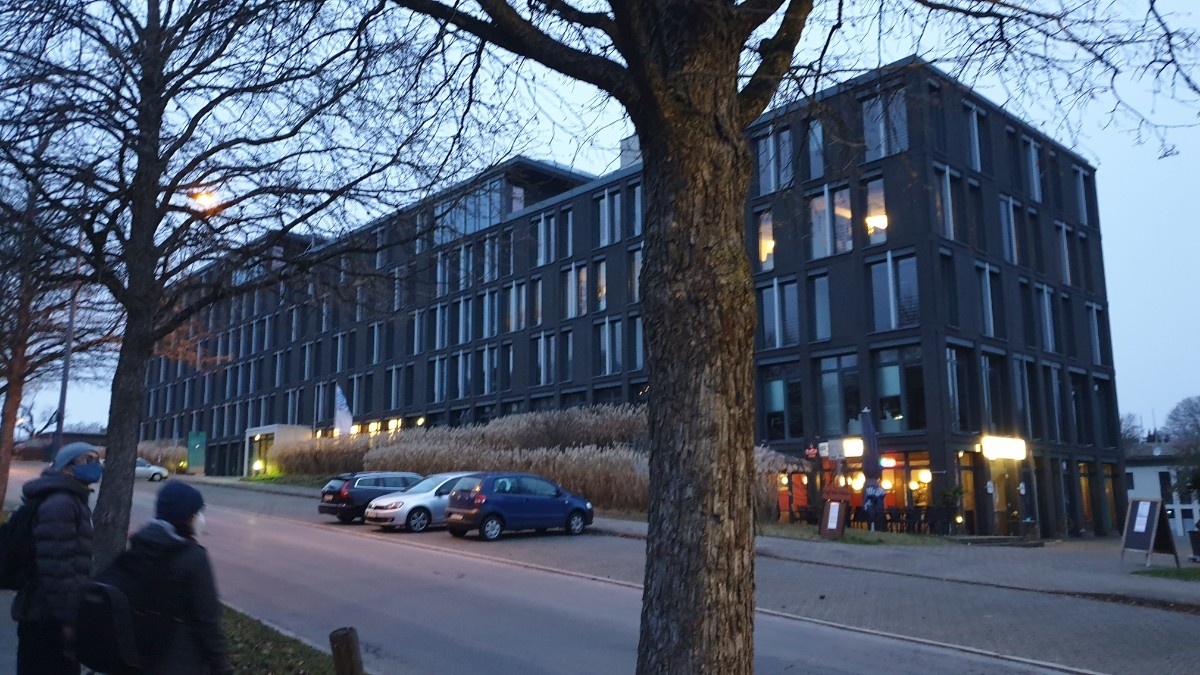
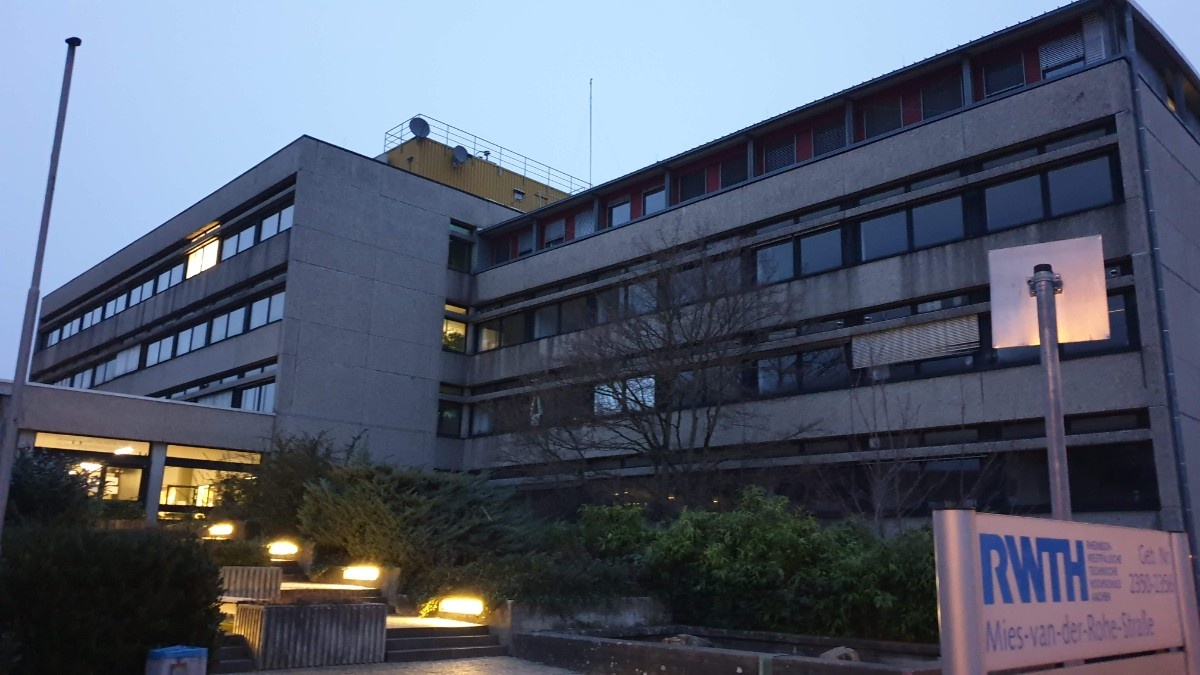
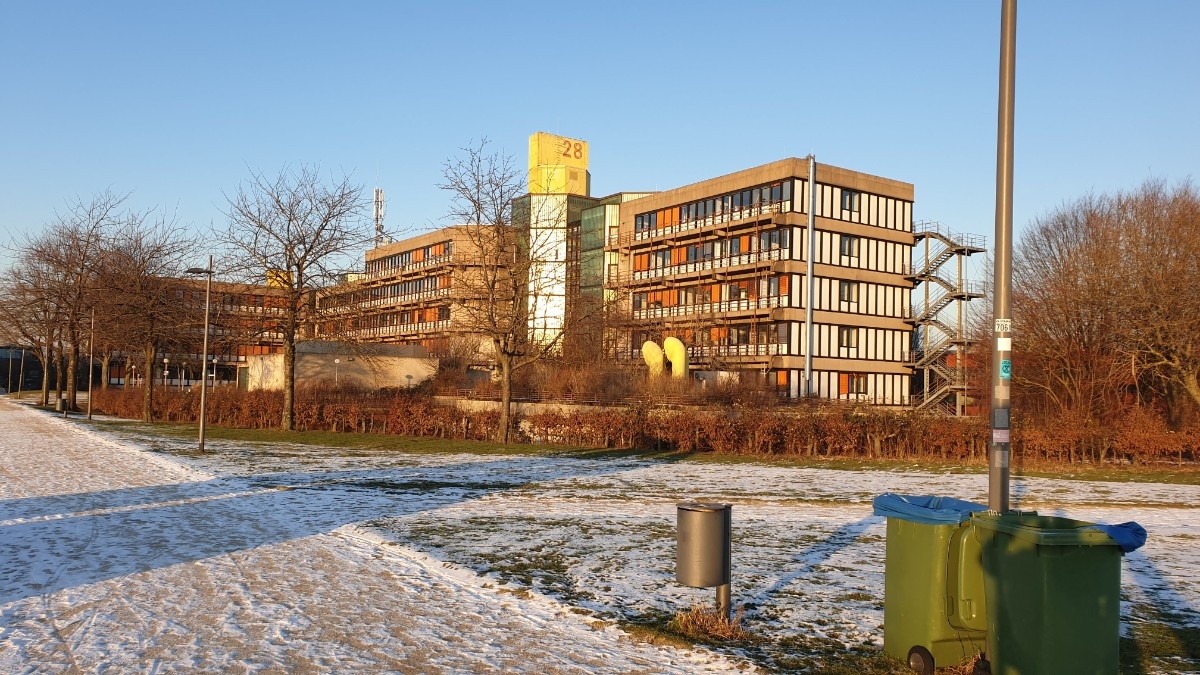
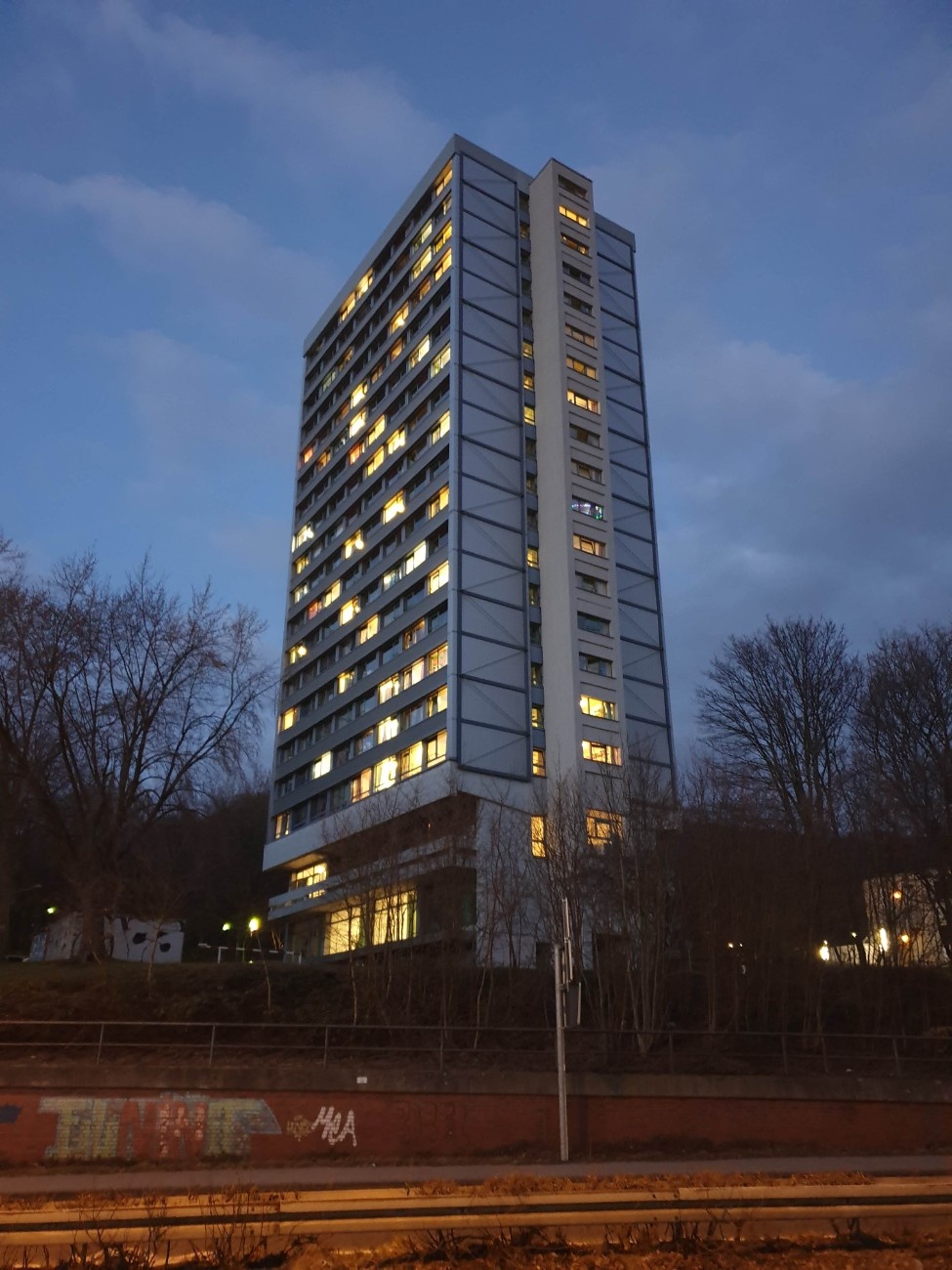
- No campus as such (There are univ buildings spread around the city)
- No opportunity for campus placements (you have to look for jobs on your own)
Scholarship
- I received a merit-based scholarship for Best of Class Award. The eligibility criteria was based on your academic grades, involvement with university projects, extra-curricular activities. The overall performance was compared among your course students only.
- The award amount was 50% of your tuition fees (2250Euros) for that particular semester
- My other batchmates received the same in other semesters, there was also scholarship based on if you want to get fund for a project you are involved with. Apart from it, there are some opportunities with DAAD scholarship as well
- Typically, every semester 4-5 students get these scholarships with average amount of around 2k-4k euros
Likes
- I like the Campus and Library.
- Professors are well-qualified and have good experience.
- The main building called Super C has all the facilities of documentation for students at one place.
Dislikes
- Less job opportunities around University.
- Sometime schedule feels a bit hectic.
- Difficulty in finding accommodation.
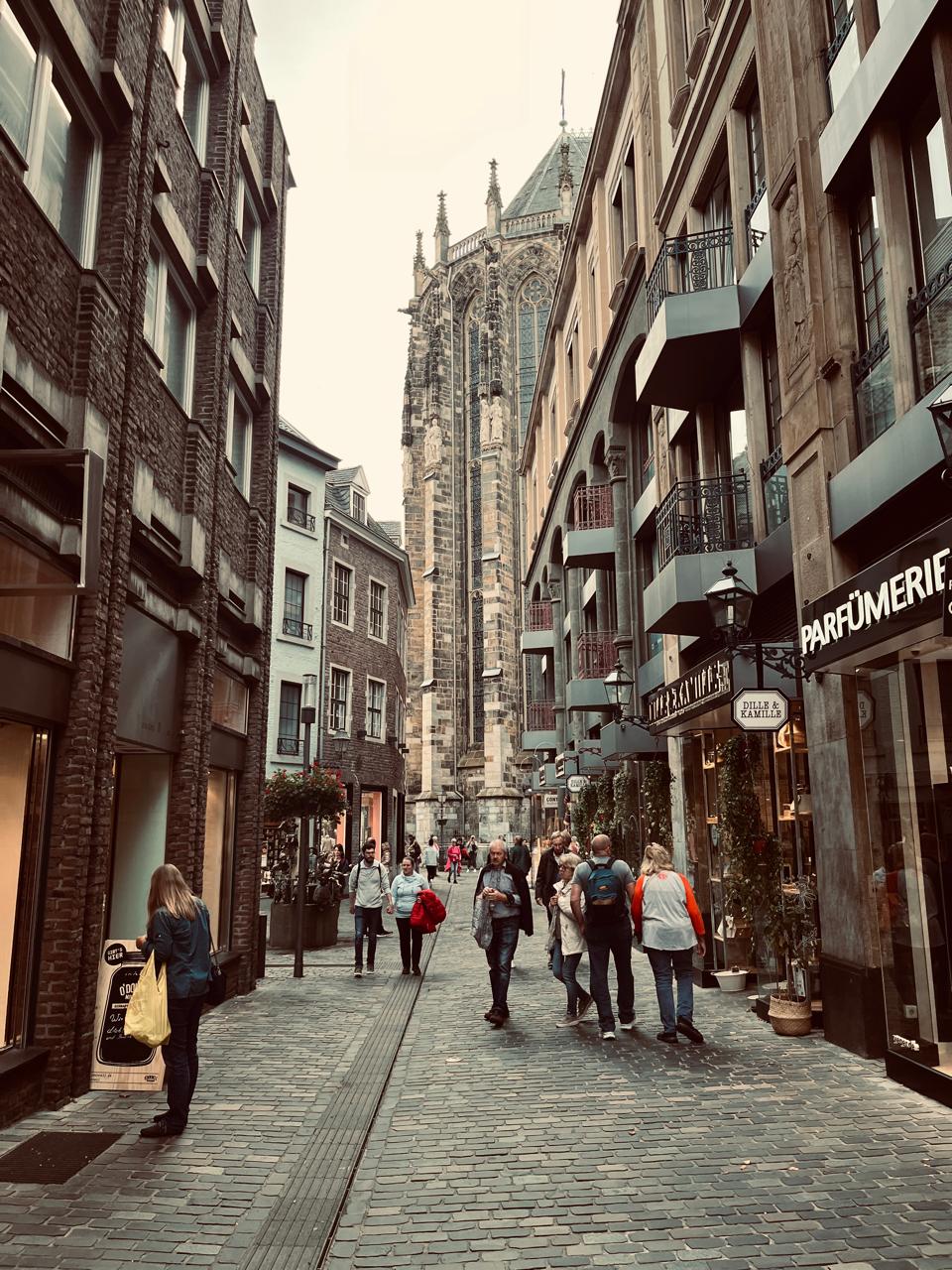
Likes
- University follows upto date curriculum with expertise companies such as KUKA, Fraunhofer etc,
- Of course it has Well Experienced Professors who are specialized from ETH, and top 1% researchers
- The Research and Development is good but not on advanced topics or future tech, Industrial Technology usage with partnership of companies
Dislikes
- The courses and Examinations are tricky that we need to implement concepts solve complex problems.
- It usually takes 2.5 to 3 years to clear masters degree since since the examinations are tough and follows strict grading .
- Teaching methodology isnt that good, indeed some phd thinks students know everything and teach how they prepare for there research.
Scholarship
- Yes, there are 4 scholarships offered along with early bird discount of 10%, Engineering Grant of 25%, Women scholarship of 25%, High potential grant upto 25%, GEC scholars upto 50%. Having good academic profile will make us to get these scholarships.
- I received 25% from 24000 EUR, which I need to pay 4500 EUR per semester.
- Not many are aware of them, but very less people got the scholarships.
- 10 in 100 will get a scholarship upto 10%, 5 in 100 will get scholarship upto 25%.
Likes
- The Faculty: All professors of our course are extremely knowledgeable, have a rich academic and professional history and it also reflects in the teaching.
- The mode of teaching: We have a spilt classroom method, where we learn the theory part of the lecture beforehand and actually get the opportunity to practically apply those concepts.
- The Events: As we are students of the business school, we get the opportunity to participate in formal workshops/ events with outside lecturers and also we get to attend informal parties and events which are always a great place for interaction and networking.
Dislikes
- The mode of examination: A lot of students feel that the current mode of examination which is "online" is not the best way to evaluate a master's degree course and in todays era of chatgpt, it is a piece of cake for anyone to score high.
- Job Search/Placement: I feel for a university, who is providing us with the education should also support students for job search. They can offer focussed preparation for specific positions/industries, interview preparation etc. - This is more relevant when you look at it from a perspective that students studying at the business school are essentially internationals and hence new to the german market, they should be trained and supported with that know-how.
- Lack of Diversity: Connected to my previous point, I feel that there was a significant lack of diversity in my course - major chunk of students are from India. Which doesn't exactly contributes to an "international exposure".
Scholarship
- Yes, there is in fact a provision to apply for scholarships at RWTH.
- There are around 4/5 scholarship opportunities that you could apply for.
- I do not recall the name of each, but I as well applied and got a scholarship- it was a Women in Tech Scholarship; the award amount was 4.000 euros.
- There are other scholarships as well for instance, the Academic Excellence Scholarship, which is an award of 6,000 euros.
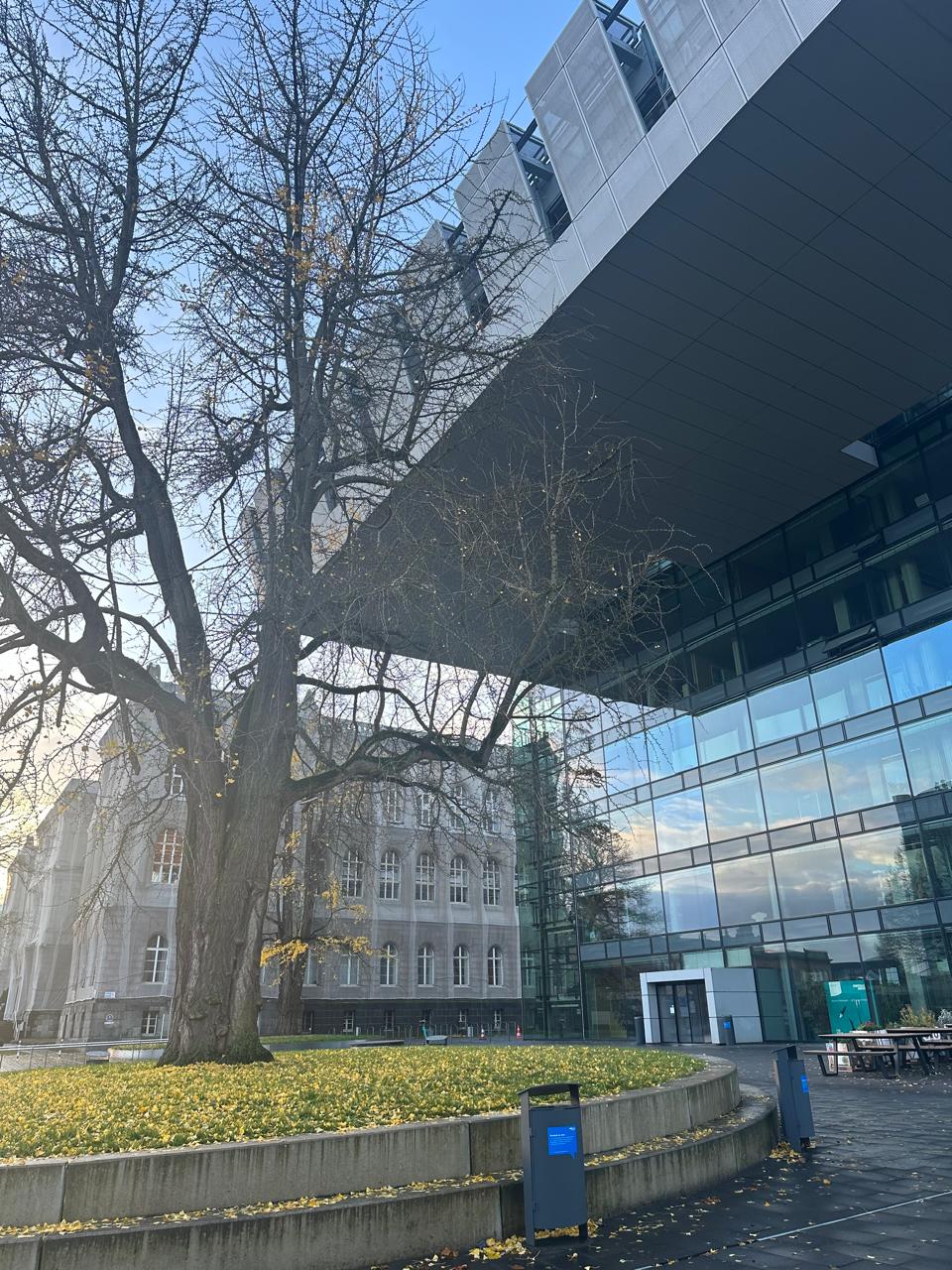
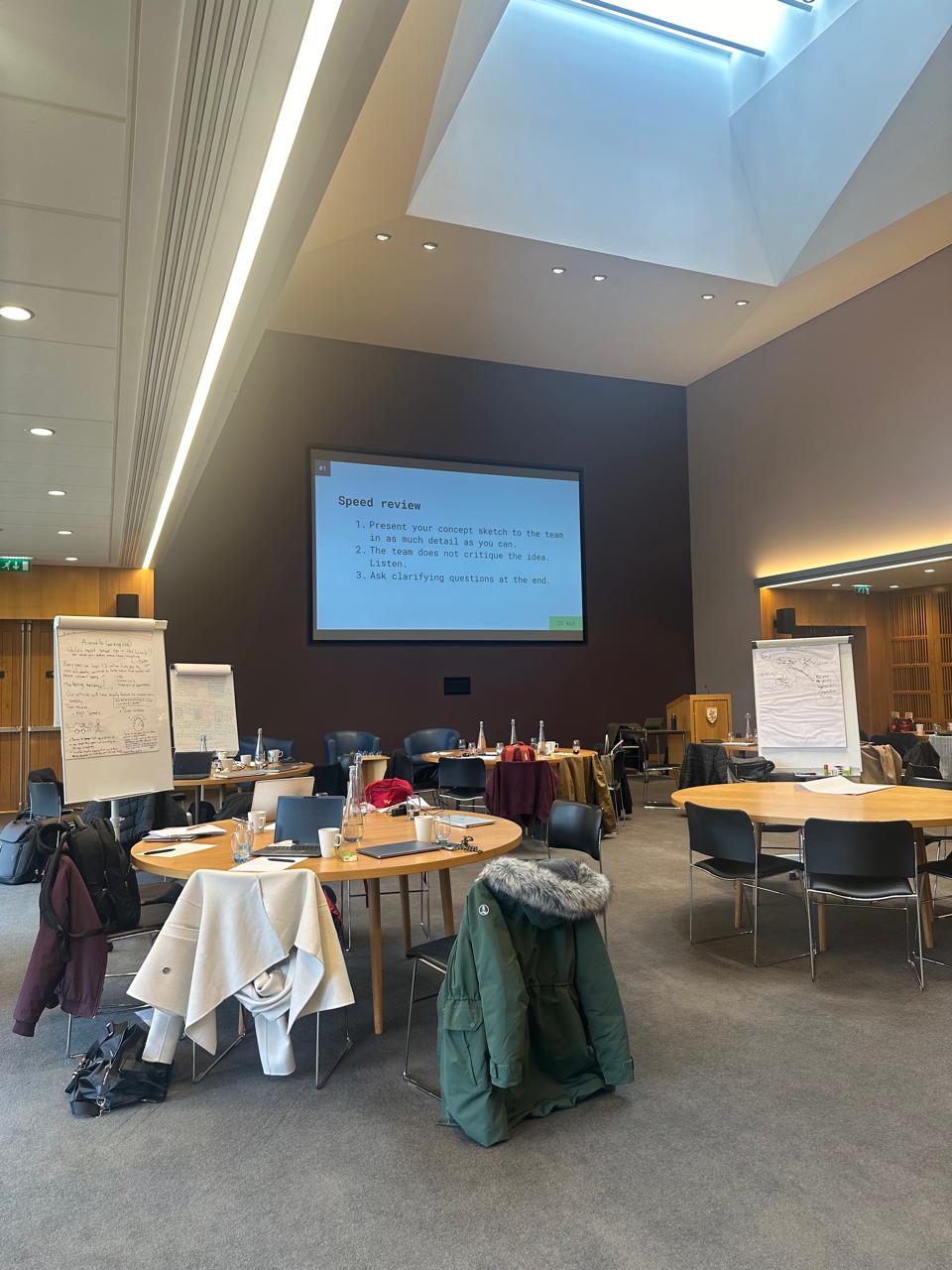
interested in this College ?
Follow & Share this college to get information about admission.



Comments