





Technological University Dublin (TU Dublin) is Ireland’s first technological university, formed in 2019 by the merger of DIT, ITB and ITT Dublin, and ranked #791-800 in the QS World University Rankings 2027. TU Dublin serves close to 29,000 students across five Dublin campuses led by the Grangegorman city-centre hub.
The university runs over 200 English-taught programmes across engineering, computing, sciences, business, architecture, and hospitality, with two annual intakes in September and January. TU Dublin has become a practical choice for Indian applicants targeting Ireland’s Stay Back visa and its STEM-heavy job market. Applications are processed through the TU Dublin International Office and the PAC portal, with rolling review for most masters.
- QS World Ranking 2027: #791-800
- Acceptance Rate: 40% to 50% (estimated)
- Intakes: September (primary), January (selected masters)
- PG Tuition: EUR 9,222 to 14,500 per year (INR 8.58 to 13.49 lakh)
- Application Fee: EUR 50 (INR 4,650)
- Average MSc Starting Salary (Ireland): EUR 38,000 to 45,000 (INR 35.3 to 41.8 lakh)
Also Check: MS Universities in Ireland
TU Dublin publishes annual non-EU fees on its International Office schedule, with merit-based fee reductions and the flagship TU Dublin Centenary Scholarship for high-achieving international applicants. Graduates from taught masters qualify for Ireland’s 24-month Third Level Graduate Programme Stay Back visa, one of the most generous post-study work routes in Europe.
Exchange rate used: 1 EUR = INR 93 as of August 2026
Admission Status: Open (January 2027 intake). The September 2026 intake has closed for most programmes; a limited set of masters remains open on a rolling basis for January 2027 entry with a suggested apply-by date of 15 October 2026. The next full cycle, for September 2027 entry, is expected to open in October 2026 on a rolling basis with no fixed close date until programmes fill.
Table of Contents
- Popular Courses and TU Dublin Fees 2027
- Technological University Dublin Admission 2027
- Technological University Dublin Admission Requirements for Indian Applicants 2027
- Technological University Dublin Acceptance Rate 2027
- TU Dublin Fees and Cost of Living for Indian Students 2027
- Technological University Dublin Campus, Facilities and Student Life
- Technological University Dublin Scholarships 2027
- Technological University Dublin Rankings 2027
- Technological University Dublin Placements and Career Outcomes 2027
- Technological University Dublin vs Peer Universities
- Technological University Dublin FAQs
Popular Courses and TU Dublin Fees 2027
Technological University Dublin publishes non-EU tuition on an annual per-year basis. Postgraduate taught masters sit in a band of EUR 9,222 to 14,500 per year, with most STEM and flagship business masters at the top of the band. Undergraduate programmes for non-EU applicants sit at EUR 12,500 to 14,500 per year. Almost every taught masters listed below runs for one calendar year full-time.
Top 10 PG Programmes at TU Dublin for Indian Students
| Programme | Duration | Total Fee (EUR) | Total Fee (INR lakh) | Entry Requirement |
|---|---|---|---|---|
| MSc Computer Science | 1 year | 14,500 | 13.49 lakh | Bachelor’s in CS/IT with 60% or CGPA 6.0/10 (recommended) |
| MSc Data Science | 1 year | 14,500 | 13.49 lakh | Bachelor’s in CS/Maths/Stats with 60% (recommended) |
| MSc Cybersecurity and Digital Forensics | 1 year | 14,500 | 13.49 lakh | Bachelor’s in Computing with 60% (recommended) |
| MSc Electrical and Electronic Engineering | 1 year | 14,500 | 13.49 lakh | BE Electrical/Electronics with 60% (recommended) |
| MEng Sustainable Electrical Energy Systems | 1 year | 14,500 | 13.49 lakh | BE Electrical with 60% (recommended) |
| MSc Business and Entrepreneurship | 1 year | 13,500 | 12.56 lakh | Bachelor’s with 55% (recommended) |
| MSc Digital Marketing and Analytics | 1 year | 13,500 | 12.56 lakh | Bachelor’s with 55% (recommended) |
| MSc Sustainable Development | 1 year | 13,500 | 12.56 lakh | Bachelor’s with 55% (recommended) |
| MSc International Hospitality Management | 1 year | 13,000 | 12.09 lakh | Bachelor’s with 55% (recommended) |
| Master of Architecture | 2 years | 29,000 | 26.97 lakh | B.Arch with 60% and portfolio (recommended) |
[Source: TU Dublin International Office fee schedule; per-programme totals within the EUR 9,222 to 14,500 band — verify on the official course page]
Top 5 UG Programmes at TU Dublin for Indian Students
| Programme | Duration | Total Fee (EUR) | Total Fee (INR lakh) | Entry Requirement |
|---|---|---|---|---|
| BSc Computer Science | 4 years | 58,000 | 53.94 lakh | Class 12 with 70% to 80% and Maths (recommended) |
| BE Electrical Engineering | 4 years | 58,000 | 53.94 lakh | Class 12 with 70% to 85% (recommended) |
| BSc Business and Management | 4 years | 54,000 | 50.22 lakh | Class 12 with 65% to 75% (recommended) |
| Bachelor of Architecture | 5 years | 72,500 | 67.42 lakh | Class 12 with 70% and portfolio (recommended) |
| BSc Culinary Arts | 4 years | 50,000 | 46.50 lakh | Class 12 with 60% (recommended) |
Insider note: Indian applicants cluster in MSc Computer Science, Data Science, and Cybersecurity because these three programmes sit on the Irish Critical Skills Occupations List, which improves work-permit odds after the Stay Back window.
Read More: TU Dublin Fees and Cost of Living Guide
Technological University Dublin Admission 2027
TU Dublin operates two intakes each year, and September is the primary window for Indian applicants across almost all masters and undergraduate degrees.
| Milestone | Date | Notes for Indian Applicants |
|---|---|---|
| January 2027 intake application (limited masters) | Suggested by 15 October 2026 (rolling) | Only selected postgraduate programmes; check per course page |
| September 2027 intake opens | Expected October 2026 (based on 2026 cycle) | Rolling review, no fixed close date until programme fills |
| September 2027 recommended apply-by | Expected 30 June 2027 | Earlier submission improves scholarship and visa timing |
| Credential verification (WES) | Start 6 to 8 weeks before applying | Not mandatory but often requested for Indian transcripts |
| Programme start | September 2027 | Orientation typically in the second week of September |
Planning note: The Irish student visa (D-visa) currently takes 8 to 12 weeks from Delhi, Mumbai and Chennai VFS centres in peak summer, so an Indian applicant needs the Letter of Acceptance and full fee payment in hand by early July for a smooth September start.
Technological University Dublin Admission Requirements for Indian Applicants 2027
TU Dublin sets straightforward academic and English thresholds for Indian applicants; the same numbers apply across most masters.
PG Requirements
- Academic: Bachelor’s degree with minimum 55% or CGPA 5.5/10 for standard masters; 60% or CGPA 6.0/10 for STEM and flagship programmes (recommended threshold; TU Dublin phrases this as a good honours degree).
- English: IELTS Academic overall 6.0 with no band below 5.5, or TOEFL iBT 80, or PTE Academic 63.
- Documents: Transcripts, degree certificate, CV, statement of purpose, two academic references, and a valid passport copy.
- Programme-specific: Architecture requires a portfolio; select computing masters accept a bachelor’s from a related discipline only.
UG Requirements
- Academic: Class 12 with 70% to 85% aggregate depending on programme; Engineering and Architecture need Maths at Class 12 (recommended).
- English: IELTS Academic 6.0 overall with no band below 5.5, or Class 12 English above 70% (case-by-case waiver).
Key insight: Indian students with a three-year bachelor’s in a non-cognate subject often get a conditional offer requiring a foundation module; opting into TU Dublin’s summer pre-sessional English or subject bridge from July closes the gap without pushing the September start.
Technological University Dublin Acceptance Rate 2027
TU Dublin does not publish a single official acceptance rate. Based on programme fill patterns and applicant-to-offer ratios reported in Irish higher-education data, the effective acceptance rate for international masters sits at 40% to 50% (estimated). Reliability is moderate; competitive programmes such as Data Science and Cybersecurity run tighter.
Undergraduate acceptance for non-EU applicants runs slightly higher because TU Dublin actively recruits international students to widen its non-EU base after the 2019 merger. Turnaround from complete application to conditional offer is typically two to four weeks.
Reality check: The competitive filter for Indian applicants is less about academic percentage and more about the statement of purpose; a well-articulated career link to Ireland’s Critical Skills list moves borderline files into the offer pile.
Read More: TU Dublin Acceptance Rate
TU Dublin Fees and Cost of Living for Indian Students 2027
Total annual investment for an Indian student at TU Dublin ranges from EUR 22,000 to 30,000 (INR 20.46 to 27.90 lakh), covering tuition plus living costs in Dublin for the academic year.
TU Dublin Fees for Indian Students 2027
Non-EU tuition is charged per year and set by the International Office each summer for the following academic year.
| Level | Annual Fee (EUR) | Annual Fee (INR lakh) |
|---|---|---|
| Undergraduate | 12,500 to 14,500 | 11.63 to 13.49 lakh |
| Postgraduate Taught | 9,222 to 14,500 | 8.58 to 13.49 lakh |
| Application Fee | 50 | 0.05 lakh |
[Source: TU Dublin International Office fee schedule 2026-27]
Monthly Cost of Living in Dublin for Indian Students
| Expense | Monthly (EUR) | Monthly (INR) |
|---|---|---|
| Accommodation (shared room) | 800 to 1,200 (estimated) | INR 74,400 to 1,11,600 |
| Food and groceries | 300 to 400 (estimated) | INR 27,900 to 37,200 |
| Transport (Leap card, student cap) | 90 to 140 (estimated) | INR 8,370 to 13,020 |
| Books and supplies | 70 (estimated) | INR 6,510 |
| Personal and utilities | 200 (estimated) | INR 18,600 |
| Total Monthly | 1,460 to 2,010 | INR 1.36 to 1.87 lakh |
| Total Annual (12 months) | 17,520 to 24,120 | INR 16.29 to 22.43 lakh |
[Source: Irish Council for International Students guidance 2026, TU Dublin Student Life pages]
Insider note: Purpose-built student accommodation such as Yugo Highfield Park and Nido Aparto around Grangegorman runs EUR 250 to 350 per week; house-shares in Cabra, Stoneybatter or Drumcondra come in EUR 150 to 200 cheaper per month but need earlier July booking.
Read More: Study in Ireland for Indian Students
Technological University Dublin Campus, Facilities and Student Life
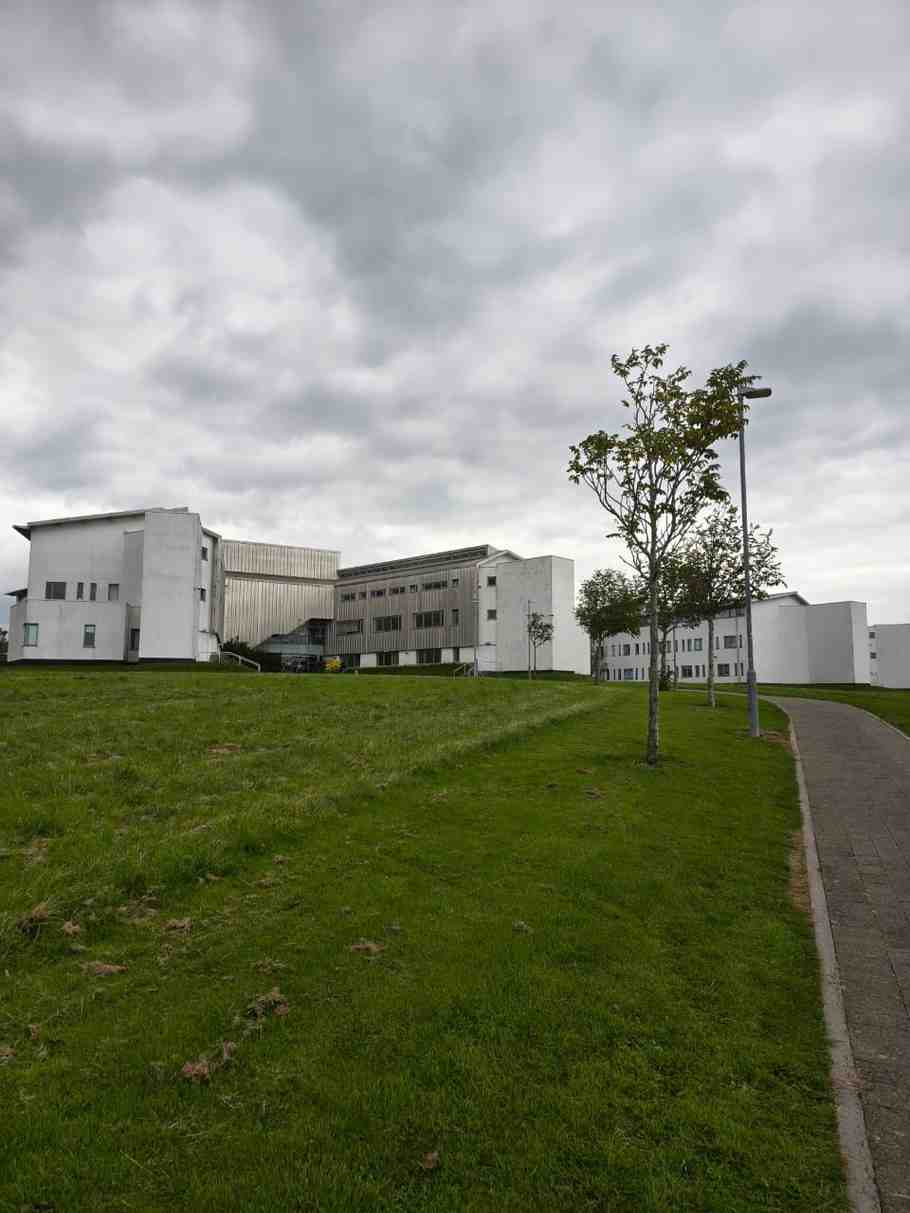
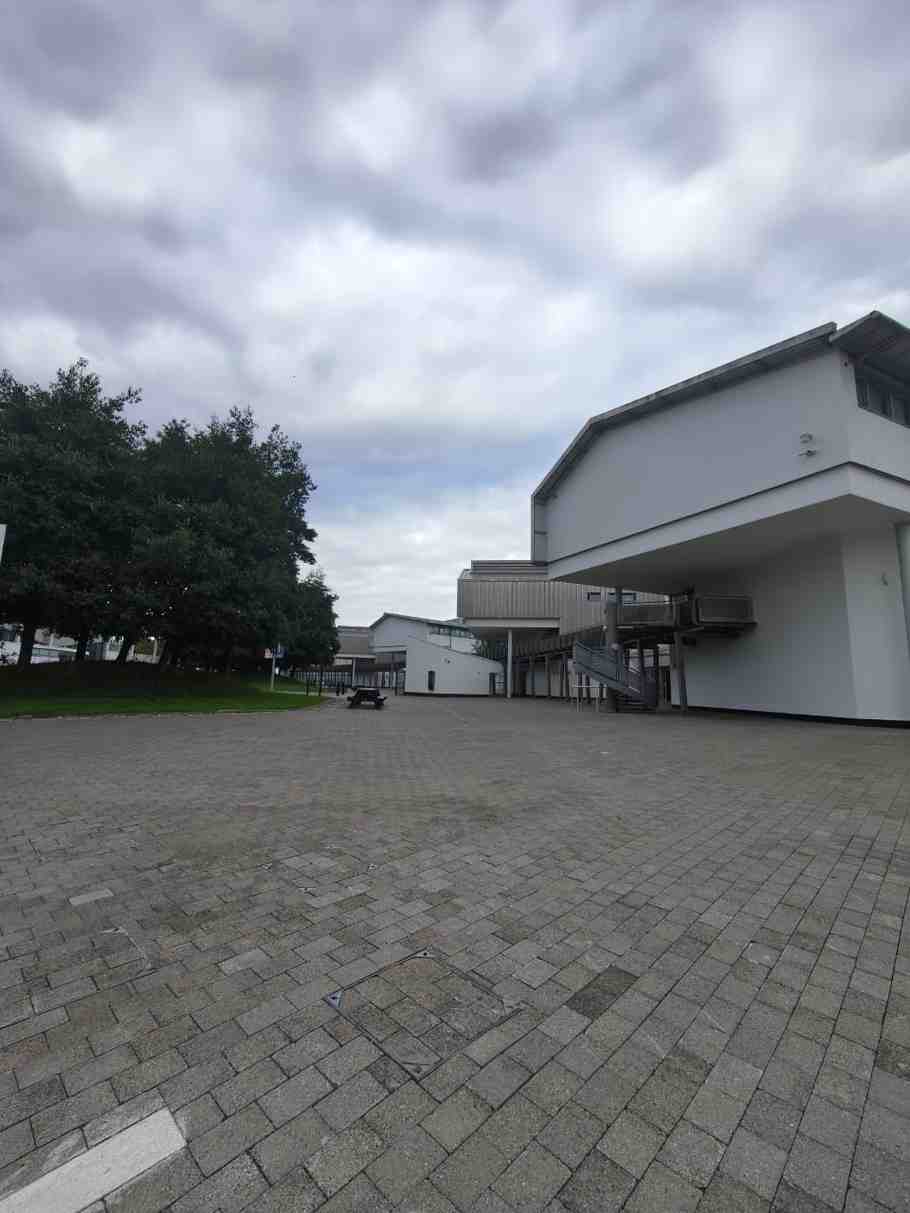
TU Dublin operates five campuses across the Dublin region, with Grangegorman functioning as the new city-centre flagship.
- Location: Main Grangegorman campus sits 15 minutes on foot from O’Connell Street; the Luas Green Line and Broombridge Luas stop connect it to the wider city, with Aungier Street, Bolton Street, Blanchardstown and Tallaght served by Dublin Bus and DART.
- Housing: No blanket international housing guarantee; TU Dublin maintains partnerships with Yugo, Nido and Aparto for reserved beds and publishes a private-rental portal via its Student Life office.
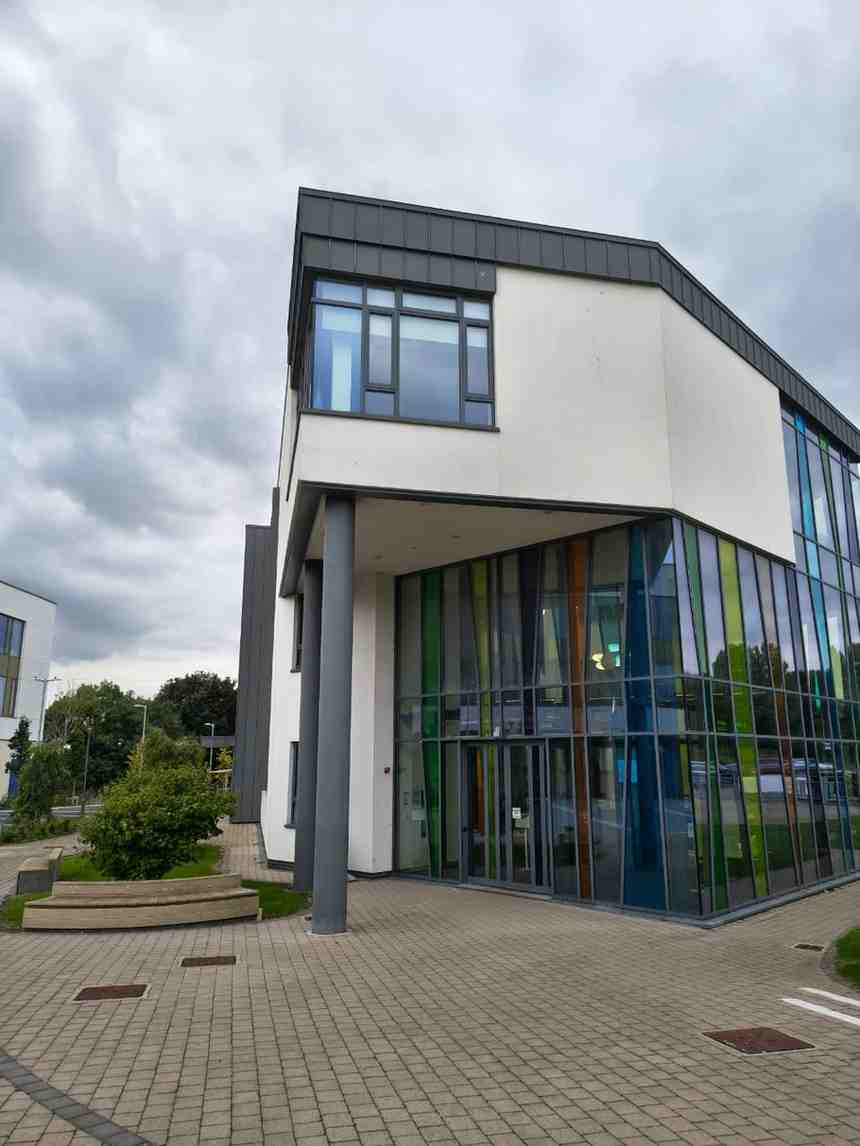
- Facilities: Grangegorman houses the East Quad performance building, a fabrication and prototyping hub, and a central library open till midnight in exam season.
- Indian community: The TU Dublin Indian Students Society runs Diwali, Holi and Republic Day events, plus airport pickup rotas during peak arrival weeks in late August.
What Indian students say: Grangegorman feels compact and walkable compared with the old scattered DIT footprint. Part-time café and retail work in central Dublin pays EUR 12.70 to 14 per hour, and 20 hours a week comfortably covers groceries and transport.
Technological University Dublin Scholarships 2027
TU Dublin offers a small but well-targeted set of scholarships for non-EU applicants; two are open to Indian nationals every year.
| Scholarship | Type | Award Value | Eligibility | Deadline |
|---|---|---|---|---|
| TU Dublin Centenary Scholarship | Tuition waiver | Up to 100% tuition | Non-EU applicants with a strong academic record and leadership profile | Expected 31 May 2027 |
| TU Dublin International Merit Award | Fee reduction | EUR 2,000 (INR 1.86 lakh) | Automatic on offer for high-scoring international students | No separate application |
| Government of Ireland International Education Scholarship | Tuition + stipend | EUR 10,000 (INR 9.30 lakh) | Non-EEA applicants across accredited Irish universities | Expected March 2027 |
[Source: TU Dublin Scholarships Office, Higher Education Authority Ireland]
Planning note: Centenary Scholarship success is roughly 1 in 30 applicants; a targeted 500-word personal statement linking the applicant’s discipline to Ireland’s Climate Action Plan or Digital 2030 strategy consistently outperforms generic academic essays.
Read More: TU Dublin Centenary Scholarship Guide
Technological University Dublin Rankings 2027
TU Dublin’s strongest headline finish is its QS World Ranking, climbing from the 851-900 band in 2024 to #791-800 in the 2027 edition — a three-cycle upward trend that Ireland-focused applicants use as a quality signal for its post-merger academic consolidation.
| Ranking Body | Latest Edition | Previous Edition | Two Editions Back |
|---|---|---|---|
| QS World | 2027: #791-800 | 2026: #781-790 | 2025: #851-900 |
| THE World | 2026: #1201-1500 | 2025: NA | 2024: NA |
| THE Impact Overall | 2025: #201-300 | NA | NA |
| Collegedunia Study Abroad | #594 of 824 | NA | NA |
[Source: QS, THE, Collegedunia Study Abroad]
TU Dublin’s QS subject standouts are Hospitality and Leisure Management (#51-100), Electrical and Electronic Engineering (#301-350), and Mechanical Engineering (#351-400). It ranks #52 globally for SDG 8 (Decent Work) in the THE Impact Rankings 2025, one of the highest scores for any Irish university.
Key insight: QS band 791-800 is comfortably inside the World Top 800 zone that many Indian public-sector employers, PSU recruiters and PhD funding councils treat as the cutoff for foreign-degree recognition — a practical bar TU Dublin now clears.
Read More: TU Dublin Rankings Analysis
Technological University Dublin Placements and Career Outcomes 2027
TU Dublin’s central Careers Development Centre reports strong employment outcomes for taught masters graduates, especially in computing, engineering, hospitality and built environment disciplines.
- Employment within six months: Approximately 90% of graduates in employment or further study (institution-wide graduate survey, most recent HEA return).
- Median MSc starting salary in Ireland: EUR 38,000 to 45,000 (INR 35.34 to 41.85 lakh) for STEM masters; EUR 32,000 to 38,000 (INR 29.76 to 35.34 lakh) for business masters (market median, not disclosed by university).
- Top recruiting sectors: Technology, financial services, pharmaceutical, construction and hospitality — feeding into Dublin employers including Accenture, Google, Microsoft, Pfizer, Bank of Ireland and the Dalata Hotel Group (representative Dublin recruiters, not an official placement list).
- Post-study work: Taught masters graduates qualify for Ireland’s 24-month Third Level Graduate Programme Stay Back visa; bachelor’s graduates receive 12 months.
- Careers support: One-to-one CV clinics, employer meet-ups at Grangegorman, and a placement office that pushes internships during the summer term.
Insider note: Indian STEM graduates convert to Critical Skills Employment Permits within nine to fifteen months of graduation on average, provided the first job’s salary crosses the EUR 38,000 threshold set by the Department of Enterprise.
Technological University Dublin vs Peer Universities
Indian applicants typically compare TU Dublin with three Irish peers and one UK cross-border option in the same fee band.
| University | QS World 2027 | Collegedunia Study Abroad | Avg PG Fee (EUR / INR lakh) | Differentiator |
|---|---|---|---|---|
| Technological University Dublin | #791-800 | #594 | 13,000 / INR 12.09 lakh | Strongest Ireland score on hospitality and applied engineering |
| Dublin City University | #410 | NA | 16,500 / INR 15.34 lakh | Higher research intensity, stronger computing brand |
| University of Limerick | #421 | NA | 16,000 / INR 14.88 lakh | Six-month paid Cooperative Education placement built in |
| Munster Technological University | NA (unranked) | NA | 11,500 / INR 10.70 lakh | Cheaper base fee, smaller Cork campus footprint |
| Ulster University | #631-640 | NA | 15,900 / INR 14.79 lakh | UK degree route with Belfast living costs |
TU Dublin’s advantage is a Dublin-city location at a fee band closer to the technological universities than the traditional research universities. Its post-merger QS trajectory is the clearest of any Irish institution in the last three cycles.
Technological University Dublin fits Indian STEM and hospitality applicants who want a Dublin base, a taught masters at under INR 14 lakh in tuition, and Ireland’s 24-month Stay Back visa on completion. Total two-year investment of around INR 34 lakh against a starting salary of INR 35 to 41 lakh gives a clean one-year payback for STEM masters holders who land Dublin-based roles. The university’s Critical Skills alignment is its strongest India-specific advantage for a post-study visa pathway.
It is not the best pick for applicants targeting pure research masters or PhD funding, where Trinity College Dublin and UCD remain stronger — or for anyone unwilling to absorb Dublin’s rent, in which case Munster Technological University in Cork or the University of Galway offer a lower cost of living without dropping quality.
Technological University Dublin FAQs
Ques. What English test scores does TU Dublin accept for Indian applicants?
Ans. TU Dublin accepts IELTS Academic 6.0 overall with no band below 5.5, TOEFL iBT 80, PTE Academic 63, Cambridge C1 Advanced at grade B, or Duolingo English Test 110. Indian applicants with Class 12 English above 70% from a CBSE or ISC board may request a waiver, decided case-by-case by the International Office based on transcript and interview.
Ques. Can Indian students work part-time while studying at TU Dublin?
Ans. Yes, non-EU students on a Stamp 2 residence permit can work up to 20 hours per week during term time and 40 hours per week during official holiday periods in June, July, August and September. Dublin’s minimum wage is EUR 12.70 per hour in 2026, and typical retail, café and campus jobs pay EUR 13 to 15 per hour, comfortably covering groceries and Leap card transport.
Ques. How long is the post-study work visa after graduating from TU Dublin?
Ans. Taught masters and PhD graduates get 24 months on Ireland’s Third Level Graduate Programme Stay Back visa, while bachelor’s-level graduates get 12 months. During this window graduates can work full-time on any Stamp 1G permission and switch to a Critical Skills Employment Permit once a qualifying job offer above EUR 38,000 is in hand, opening the route to permanent residence.
Ques. Does TU Dublin require GRE or GMAT for its masters programmes?
Ans. No, TU Dublin does not require GRE or GMAT for any of its taught masters, including MSc Computer Science, MSc Data Science and MSc Business and Entrepreneurship. Admission is based on the bachelor’s transcript, a CV, a statement of purpose, and two academic references. This is a meaningful cost and prep saving compared with US-focused applications for Indian graduates.
Ques. How much financial proof do Indian students need for the Irish student visa?
Ans. The Irish Immigration Service requires proof of at least EUR 10,000 (INR 9.30 lakh) in accessible funds to cover living costs for the first year, in addition to the full tuition paid to TU Dublin before visa lodgement. Acceptable proof includes a fixed deposit, education loan sanction letter from an Indian bank, or a sponsor affidavit backed by three months of bank statements.
Ques. Which Indian banks recognise TU Dublin for education loans?
Ans. Major Indian public-sector banks including State Bank of India, Bank of Baroda and Union Bank list TU Dublin as an approved foreign institution for education loans up to INR 40 lakh without collateral for STEM masters. Private lenders such as HDFC Credila, Avanse and Auxilo also finance TU Dublin admissions, typically at 10.5% to 12.5% interest with a one-year moratorium beyond the course end date.
Ques. Are there conditional offers for Indian applicants without complete documents?
Ans. Yes, TU Dublin issues conditional offers when the applicant’s degree is pending, final transcripts are not yet available, or the IELTS score is a few points below the minimum. Common conditions are submitting the final degree by August, achieving IELTS 6.0 by a set date, or completing TU Dublin’s pre-sessional English programme in July and August before September enrolment.
Ques. How does an Indian applicant apply to TU Dublin masters programmes?
Ans. Postgraduate applications go through either the Postgraduate Applications Centre (PAC) online portal or the TU Dublin direct international application, depending on the school. The EUR 50 application fee is paid at submission by card. Documents needed are transcripts, degree certificate, passport, CV, statement of purpose, two references and English test scores. Decisions are issued within two to four weeks on a rolling basis.
Find A Program
Top Recommended Courses
Master of Architecture [M.Arch]
Do you think the fees are wrong ? Report Here
Master of Science [M.S] Digital Marketing
Do you think the fees are wrong ? Report Here
Course Finder - Search from 50K+ courses
Popular Streams:

Overall 1001 out of 2298 in Global Ranking
Do you think the Rankings are wrong ? Report Here
Technological University Dublin Reviews
1 Reviews Found
Likes
- The campus offers a positive and student-friendly environment that supports overall learning and growth.
- Faculties are very supportive, approachable, and always ready to help students academically and personally.
- A practical-based learning approach is followed to build real-world skills and confidence.
Dislikes
- The overall fees are slightly high, which may not be affordable for all students.
- The number of students in technical streams is very high, leading to overcrowding at times.
- There is a lack of diversity, with fewer students from different nationalities.
Campus Life
- The university has 5 campuses, all equipped with a library, sports facilities, and medical services. Campus life is active, with regular events, cultural fests, and student clubs that encourage participation.
- Extracurricular activities include sports tournaments, cultural programs, workshops, and student organizations, providing opportunities to socialize, develop skills, and engage in creative and professional pursuits.
Fees
- I applied for an MS in Cybersecurity at TUD, where the total tuition fee for the course is €14,500. The fees can be paid either on a yearly or semester-wise basis. My transportation cost is around €40 per month.
- The estimated monthly living expense is about €850, which includes rent of €715 and approximately €130–140 for food and other daily expenses.
Technological University Dublin Scholarships
| Name | Scholarship Per Student | Level of Study | Type | |
|---|---|---|---|---|
| TU Dublin Centenary Scholarship | Scholarship per studentVariable Amount | Level Of StudyMaster | TypeCollege-Specific | |
| Axol Science Scholarship | Scholarship per student$2,000 | Level Of StudyBachelor | TypeCompany-Sponsored |
Do you think the Scholarship is wrong ? Report Here
Technological University Dublin Exam Scores
| Exams | Avg. Score | Min Score | Max. Score | %Submitted' |
|---|---|---|---|---|
| Language Proficiency | ||||
| TOEFL | 80 | 80 | 120 | - |
Attendance Cost
The table shows average yearly cost of attendance for international students. Amount may vary with the course opted, nature of accommodation, and personal spending habits of a candidate.Check Program wise Fees
interested in this College ?
Follow & Share this college to get information about admission.



Comments
Found 3 Comments
The processing time for offer letters at Technological University Dublin can vary depending on the program and application volume. It typically takes 2-3 weeks, but it could take up to 12 weeks in some cases.
Applications for Technical University Dublin must be submitted online through the respective portals available for undergraduate and graduate programs. But first, you must check the availability, deadline, admission requirements of the program you have chosen before you start your application process.