



Imperial College London Courses 2026-27


Imperial College London Courses are concentrated in science, engineering, computing, medicine and business. Indian Class XII students usually compare Computing, Electrical and Electronic Engineering, Physics, Mathematics and Medicine. Graduates often compare Computing, Finance, Business Analytics and specialist engineering master’s courses. The important first decision is whether your subject preparation matches the technical depth of the degree.
Major Faculties And Course Areas
- Computing and data: Computing, artificial intelligence, software engineering and data-focused study.
- Engineering: Electrical, mechanical, civil, chemical, aeronautical, materials and bioengineering.
- Science: Physics, mathematics, chemistry, life sciences and environmental science.
- Medicine and health: Medicine, public health, biomedical research and clinical science.
- Business: Finance, business analytics, innovation and the Imperial MBA.
Use the course level and your current qualification as the first shortlist filters. Then compare the subject prerequisites, teaching language, duration and programme-specific assessment.
Start with this decision:
- Class XII applicant: check Mathematics and Physics or Chemistry before choosing an engineering or computing route.
- Medicine applicant: separate the six-year clinical route from non-clinical bioscience degrees.
- Master’s applicant: match the bachelor’s modules, mathematics level, programming, and required test or work profile.
Also read: Imperial College London Overview: Fees 2026, Scholarships and Deadlines
Table of Contents
Imperial College London UG Courses
Undergraduate study usually begins after Class XII. The exact entry profile depends on the degree. Check subjects, language, and any professional assessment before treating a course as a realistic option.
Undergraduate Course Table
These examples show the academic direction and the first Indian preparation check. Use the linked university course details for the full programme record.
| Course | Duration | Main academic focus | Indian student check |
|---|---|---|---|
| BEng Computing | 3 years | Computer science, software, systems and engineering foundations. | Mathematics is essential. TMUA requirements should be checked for the cycle. |
| MEng Electrical and Electronic Engineering | 4 years | Electrical systems, electronics, communications and design. | Mathematics and Physics are important Class XII preparation subjects. |
| BSc Physics | 3 years | Physics theory, laboratory work and mathematical modelling. | Mathematics and Physics preparation should be strong. |
| BEng Mathematics and Computer Science | 3 years | Mathematics, algorithms, computation and modelling. | Check mathematics depth and any admissions assessment. |
| MBBS Medicine | 6 years | Medical sciences, clinical learning and supervised patient care. | Biology and Chemistry; UCAT and interview conditions apply. |
Popular Imperial College London Courses Among Indian Students
These are commonly compared options for Indian applicants. They are not an official popularity ranking. Compare the curriculum and eligibility instead of choosing by title alone.
BEng Computing is a first degree with a three-year structure and a broad technical foundation. MSc Computing is a one-year specialist degree for graduates with suitable computing or quantitative preparation. An Indian Class XII student should not treat the master’s title as an alternative entry route.
How These Two Routes Differ
Computing develops technical depth, while Finance applies mathematics and analysis to markets and financial decisions. Both are demanding, but they expect different evidence from applicants. A coding-heavy profile is not automatically a finance profile, and a commerce degree may not satisfy a technical computing prerequisite.
| Decision point | BEng Computing | MSc Computing |
|---|---|---|
| Study level | Undergraduate | Postgraduate |
| Typical duration | 3 years | 1 year |
| Core academic focus | Computer science, software, systems and engineering foundations. | Advanced computing with specialist pathways such as software or AI. |
| First preparation check | Mathematics is essential. TMUA requirements should be checked for the cycle. | A relevant computing or quantitative degree is normally expected. |
| Best first question | Does your current qualification meet the exact course profile? | Does your transcript show the required prior learning? |
| What can change the choice | Teaching language, subject depth, and the selected intake. | Prerequisite credits, assessment, and the selected application school or department. |
Also read: ICL Fees 2026-27 for Indian Students
Imperial College London PG Courses
Postgraduate choices are more dependent on the bachelor’s transcript. Read the course prerequisites before comparing duration, tuition, or career direction. A related degree can still miss a required module.
Postgraduate Course Table
The table separates specialist and broader routes. Duration is a typical full-time structure and must be confirmed for the intake you choose.
| Course | Duration | Main academic focus | Indian bachelor’s check |
|---|---|---|---|
| MSc Computing | 1 year | Advanced computing with specialist pathways such as software or AI. | A relevant computing or quantitative degree is normally expected. |
| MSc Finance | 1 year | Finance, markets, quantitative methods and financial applications. | Mathematics, economics or engineering preparation should be evidenced. |
| MSc Business Analytics | 1 year | Analytics, statistics, business problems and applied modelling. | Check mathematics, statistics and programming preparation. |
| MSc Advanced Mechanical Engineering | 1 year | Advanced mechanical engineering and specialist technical study. | A relevant engineering degree is the primary fit filter. |
| MBA | 1 year | Management, leadership, business strategy and applied projects. | Work experience and leadership evidence matter for this route. |
How To Shortlist A Course
Imperial’s course families are concentrated in science, engineering, medicine and business. A strong general profile does not replace the selected department’s prerequisites. Use the course name as the starting point, then test the qualification, subject, and delivery conditions against your own profile.
| Applicant starting point | Course families to compare | Evidence to prepare | Do not assume |
|---|---|---|---|
| After Class XII | Computing, Engineering, Physics or Medicine | Mathematics, Physics, Chemistry or Biology | The relevant admissions test depends on the course. |
| With a relevant bachelor’s | Computing, Finance, Business Analytics or MBA | Technical or quantitative transcript evidence | A strong percentage does not replace the named foundation. |
| Checking a test | ESAT, TMUA or UCAT where specified | The exact test-to-course mapping and date | Preparing for the wrong test can waste an application cycle. |
| Comparing duration | Three- or four-year UG and one-year PG examples | Integrated, placement and intensive-study components | Short postgraduate routes leave less time to bridge gaps. |
For Undergraduate Applicants
Students applying after Class XII should make the subject and language checks before comparing fees or city preferences.
- Mathematics and Physics are the first checks for computing, engineering and physics routes. Medicine adds Biology, Chemistry, and a clinical selection process.
- The ESAT, TMUA and UCAT are course-mapped assessments. Preparing for the wrong test can waste an application cycle.
- Most standard undergraduate routes run for three or four years. Integrated engineering and clinical structures can be longer.
- Use the exact Imperial department requirements rather than a university-wide score assumption.
For Postgraduate Applicants
Master’s applicants should read the prerequisite credits as carefully as the course title. A related bachelor’s degree can still miss a required foundation.
- Imperial postgraduate courses are specialist. Match the bachelor’s subject, mathematics, and programming evidence to the named course.
- MSc Finance is a quantitative route. Finance, economics, mathematics, engineering or science preparation may be relevant.
- Computing and Business Analytics can require evidence beyond a broad technology label. List projects, modules or analytical work clearly.
- Most taught master’s routes are one year. The short format makes prerequisite checking important before application.
Shortlisting Mistakes To Avoid
These errors can make a course look suitable before the actual qualification or application condition is checked.
- Preparing for ESAT, TMUA, or UCAT without confirming that the selected course uses it.
- Assuming a high Class XII percentage replaces the required subject preparation.
- Treating a one-year master’s as flexible when the prerequisite modules are missing.
Course Structure And Study Options
Imperial’s course choice is closely tied to the department. Computing, engineering, physics, medicine and business use different academic evidence. One-year master’s routes are intensive, so the prerequisite check matters before the application is started.
Duration alone does not show how a degree feels to study. Check when specialisation starts, whether a placement or research project is compulsory, and whether the teaching language changes by level.
- Many Imperial bachelor’s courses run for three years, while integrated MEng routes usually run for four.
- Taught master’s courses commonly run for one year and move quickly into specialist study.
- Medicine is a separate six-year professional route with its own selection process.
Eligibility For Indian Students
Eligibility is course-specific. Indian students should compare the qualification route, academic subjects and English evidence together. A university-wide minimum cannot replace the selected programme’s conditions.
Undergraduate Entry Check
Indian Class XII applicants should separate technical and clinical routes immediately. Mathematics and Physics support engineering and computing choices. Medicine adds Biology, Chemistry, UCAT and interview requirements. The required admissions test depends on the course.
- Imperial’s India guidance should be read with the programme-specific entry profile. Strong Class XII marks alone do not remove subject prerequisites.
- Engineering and computing courses can require advanced Mathematics and Physics preparation.
Postgraduate Entry Check
Imperial master’s courses normally expect a strong related degree. Finance and Business Analytics are quantitative. Computing requires evidence of technical preparation. Advanced Mechanical Engineering expects an engineering foundation rather than only a strong percentage.
- Medicine uses a distinct Biology, Chemistry, UCAT and interview route.
- Master’s courses may require a relevant degree, specific mathematics, English proof, GRE, or work experience depending on the programme.
Course Tests And Application Timing
Imperial has no single test for every course. ESAT, TMUA or UCAT can apply to selected undergraduate programmes. Graduate tests vary by department. Read the exact test-to-course mapping before booking an exam. For a plain-language explanation of these tests, see the Cambridge admissions tests guide for Indian students when comparing UK application planning.
Timing That Matters
Undergraduate deadlines, admissions-test dates and postgraduate application rounds are separate planning points. A late application can be risky for capacity-limited master’s courses even when the central deadline is still visible.
Application Route By Study Level
Imperial undergraduate applications use the UK central route, with course-specific tests for some degrees. Postgraduate applications are submitted to the relevant department or Business School and can be assessed in rounds or until capacity is reached.
Shortlist Imperial College London courses by study level, subject preparation, teaching language and duration. Then open the exact course details, confirm the current entry conditions and compare the next application step before deciding.
Imperial College London Courses FAQs
These answers clarify the course-specific tests, preparation and duration checks that can change an Imperial shortlist.
Ques. What courses does Imperial College London offer?
Ans. Imperial focuses on science, engineering, computing, medicine and business. The course finder separates undergraduate, postgraduate and research routes.
Ques. Which Imperial courses are suitable after Class XII?
Ans. Computing, engineering, physics, mathematics, biosciences and medicine are common comparisons. The right route depends on your Mathematics, Physics, Chemistry or Biology preparation.
Ques. Does Imperial require an entrance test?
Ans. Selected courses use tests such as ESAT, TMUA or UCAT. There is no single test for every Imperial course.
Ques. How long are Imperial master’s courses?
Ans. Many taught master’s courses last one year. Research and specialist routes can differ, so check the exact department record.
Ques. Which Imperial courses use ESAT, TMUA or UCAT?
Ans. The test depends on the selected undergraduate course. Check the current Imperial course instructions and the test provider’s timetable before registering.
Ques. Are Imperial master’s courses suitable after any bachelor’s degree?
Ans. No. Computing, finance and business analytics each use different academic filters. Match the transcript, quantitative preparation and course prerequisites first.
Popular Programs and Important Dates
| Program | Important Dates | Fees | Application Fees | Eligibility | Financial Aid |
|---|---|---|---|---|---|
MS Finance 1 year | USD 67,320 /Yr GBP 51,000 /Yr | 125 | Grade: 65%, TOEFL: 5.0, IELTS: 7.0, Duolingo: 125, PTE: 69 | ||
MSc Computing 1 year | USD 60,720 /Yr GBP 46,000 /Yr | 125 | Grade: 65%, TOEFL: 5.0, IELTS: 7.0, Duolingo: 125, PTE: 69 | ||
MBA 1 year | USD 102,960 /Yr GBP 78,000 /Yr | 150 | Grade: 65%, TOEFL: 5.0, IELTS: 7.0, Duolingo: 125, PTE: 69 | ||
| USD 52,668 /Yr GBP 39,900 /Yr | 90 | Grade: 65%, TOEFL: 5.0, IELTS: 7.0, Duolingo: 125, PTE: 69 | |||
| USD 60,720 /Yr GBP 46,000 /Yr | 90 | Grade: 65%, TOEFL: 5.0, IELTS: 7.0, Duolingo: 125, PTE: 69 | |||
MPH 1 year | USD 62,436 /Yr GBP 47,300 /Yr | 90 | Grade: 65%, TOEFL: 5.0, IELTS: 7.0, Duolingo: 125, PTE: 69 | ||
MSc Business Analytics 1 year | USD 62,040 /Yr GBP 47,000 /Yr | 125 | Grade: 65%, TOEFL: 5.0, IELTS: 7.0, Duolingo: 125, PTE: 69 | ||
MSc Strategic Marketing 1 year | USD 60,060 /Yr GBP 45,500 /Yr | 125 | Grade: 65%, TOEFL: 5.0, IELTS: 7.0, Duolingo: 125, PTE: 69 | ||
BS/MBBS 6 years | Application Deadline for September 2027 Intake (15th Oct 2026) | USD 77,352 /Yr GBP 58,600 /Yr | 29 | Grade: 75%, TOEFL: 5.0, IELTS: 7.0, Duolingo: 125, PTE: 69 | |
| USD 60,060 /Yr GBP 45,500 /Yr | 29 | Grade: 75%, TOEFL: 5.0, IELTS: 7.0, Duolingo: 125, PTE: 69 |
Do you think the Dates are wrong ? Report Here
STEM Course
Master of Science [MSc] Business Analytics
Do you think the fees are wrong ? Report Here
Master of Science [M.Sc] Advanced Computing
Master of Science [MSc] Management
Bachelor of Science [B.S] Physics
Master of Science [M.Sc] Physics
Bachelor of Engineering [B.Eng] Computing
Master of Science [M.Sc] Chemistry
Master of Science [M.Sc] Transport
Master of Science [M.Sc] Statistics
Bachelor of Science [B.S] Geophysics
Master of Research [M.Res] Nanomaterials
Master of Science [M.Sc] Pure Mathematics
Bachelor of Science [B.S] Mathematics
Master of Research [M.Res] Bioengineering
Bachelor of Science [B.S] Chemistry
Bachelor of Science [B.S] Biotechnology
Master of Science [M.Sc] Molecular Medicine
Bachelor of Science [B.S] Microbiology
Master of Research [M.Res] Neurotechnology
Master of Science [M.Sc] Soil Mechanics
Master of Science [M.Sc] Composites
Master of Research [M.Res] Cancer Biology
Bachelor of Science [B.S] Geology
Course Finder - Search from 50K+ courses
Popular Streams:
Imperial College London Reviews
27 Reviews Found
Likes
- The professors and the curriculum
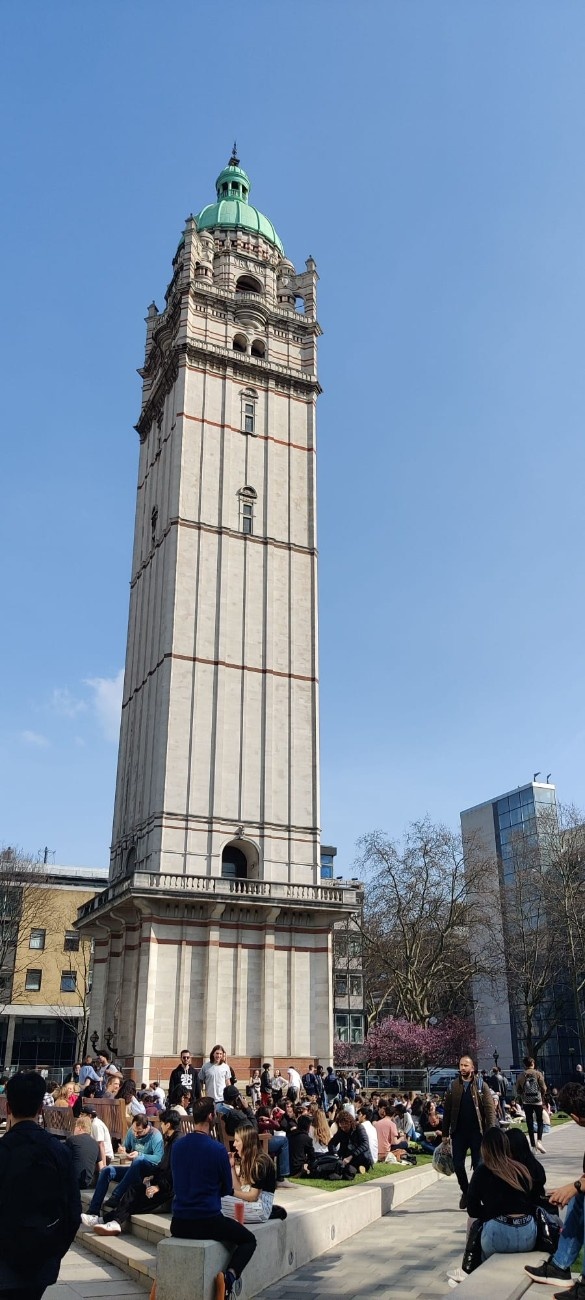
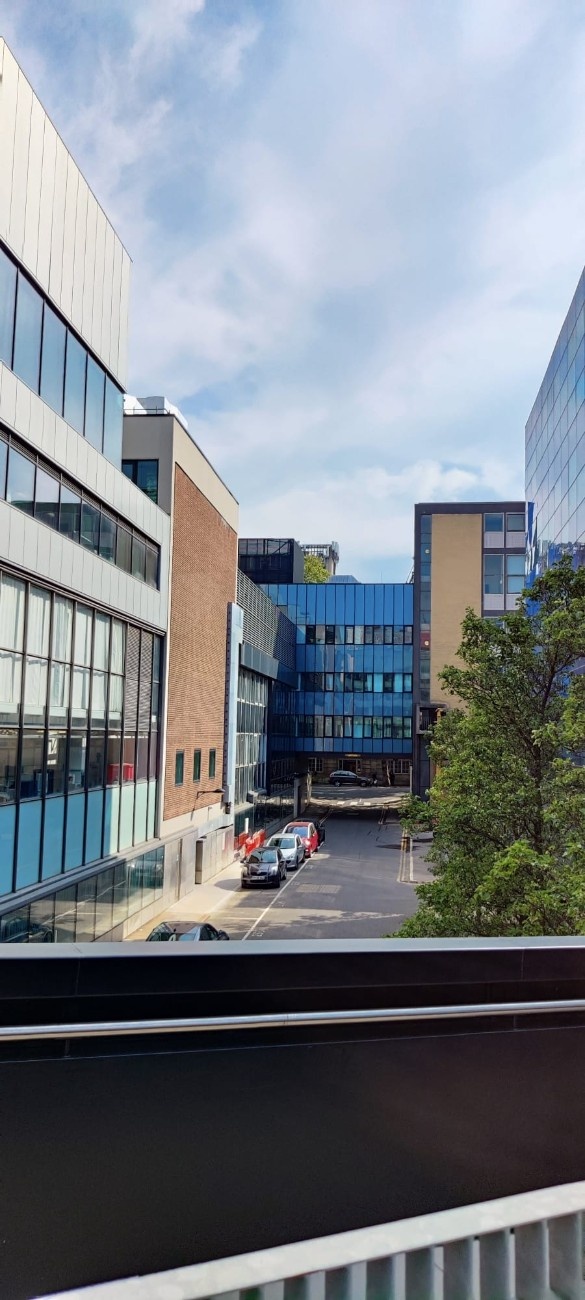
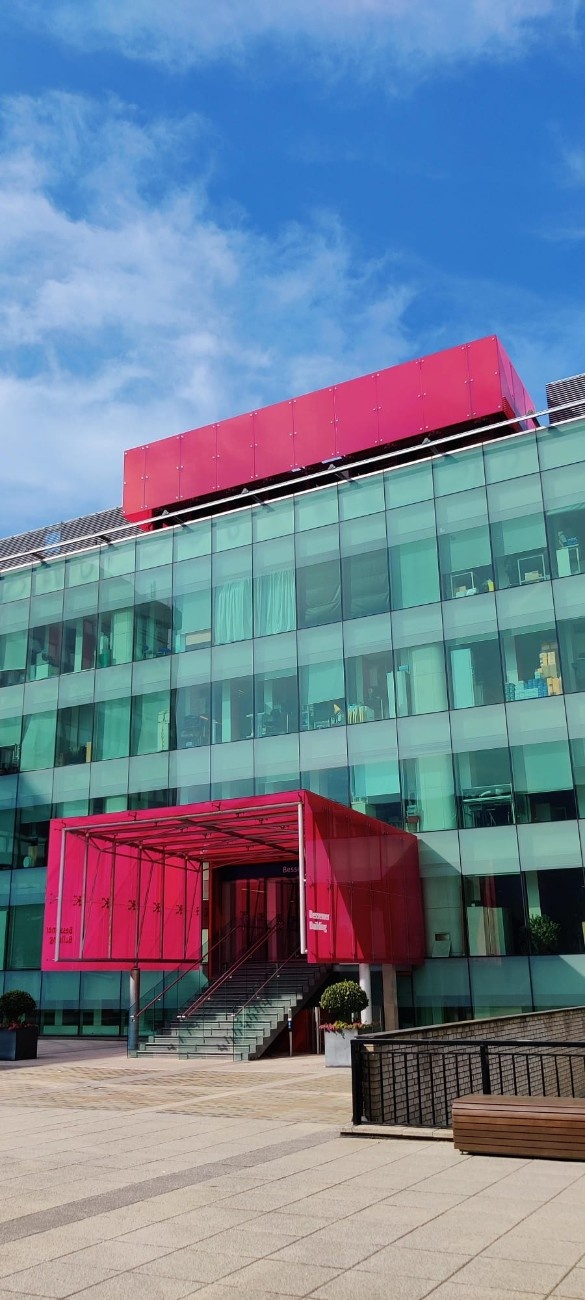
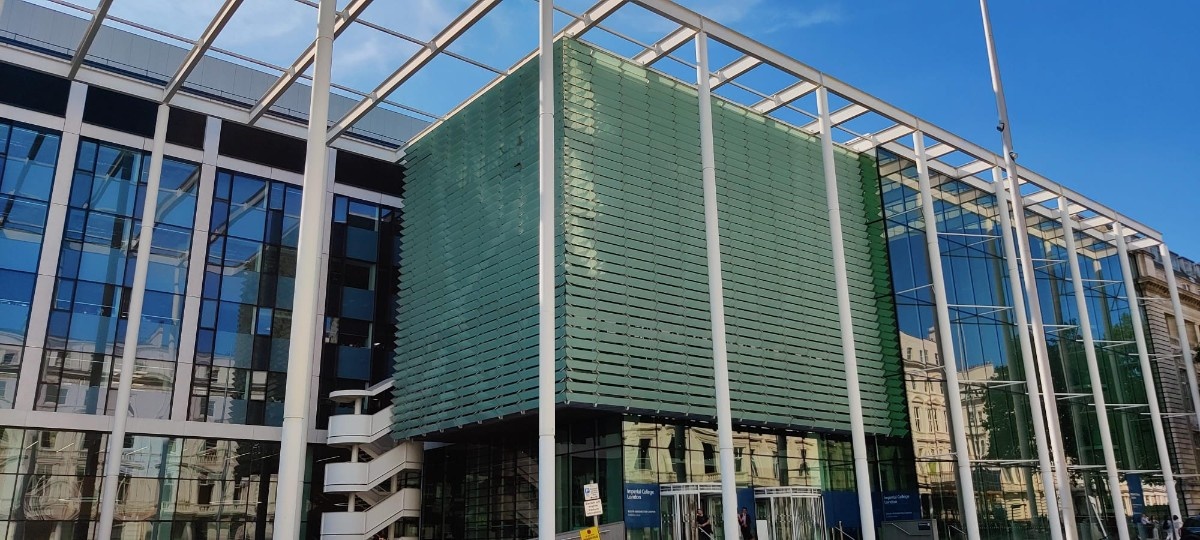
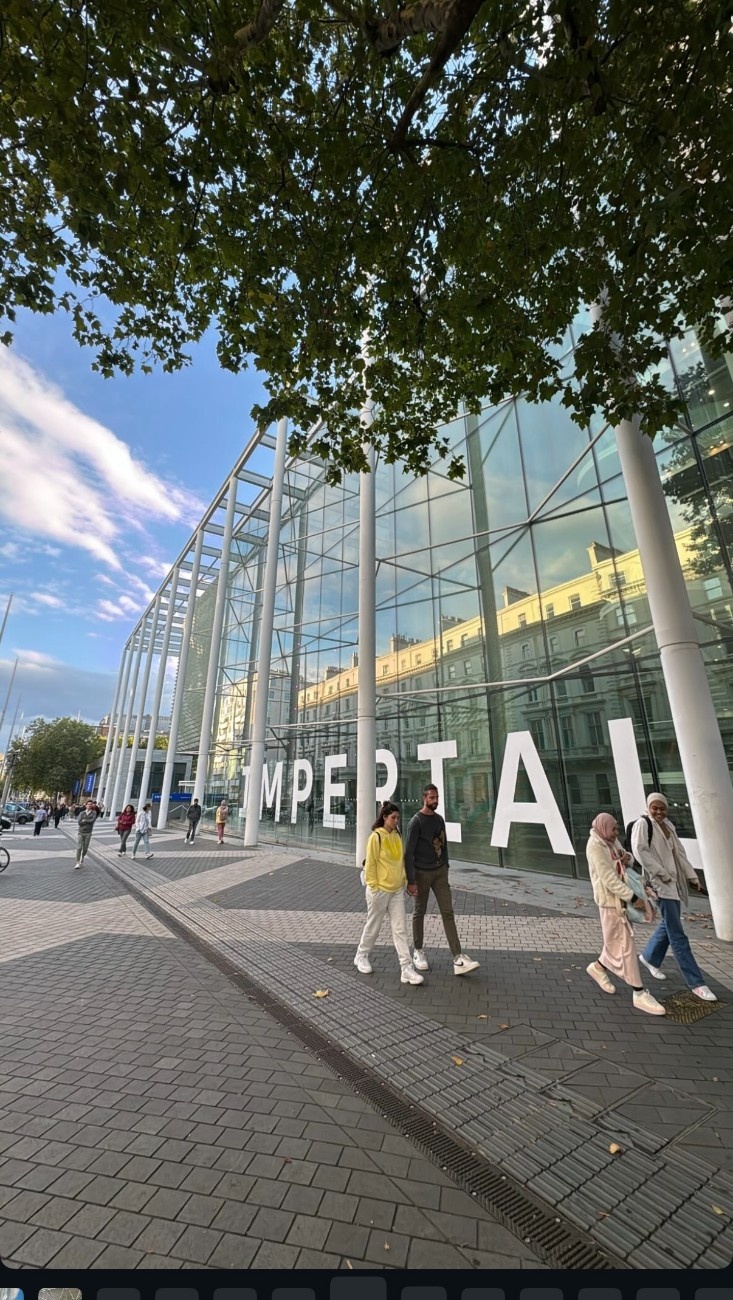
- The infrastructure, the campus is very pretty and modern
- The location in central London
Dislikes
- Some courses reused previous year lecture recordings
- Workload can be and intense and unbalanced
- Master's thesis is very hit or miss depending on your supervisor
Course Curriculum
- Class difficulty tends to be dependent on the topic. More mathematical and theoretical courses tended to be more difficult, but I personally found them easier to handle. Some students preferred courses that were more lab and coding-heavy.
- Positive aspects are that for each course we had a great support group to help us with TAs and reference books, and it was always possible to ask for help from the professors.
- Negative aspects are that some professors were not good at teaching, and that courses were very fast-paced due to the short timeline.
- There tend to be 1-3 classes per day, each 2 hours long. They could start between 9:00 am and 4:00 pm.
- I would say about 100 (rough estimate), I would say about 10-15 (rough estimate)
Fees
- Fees for the entire year are required to be paid in one installment, but you can ask for special permission for two installments. It came out to be £41750 in my year.
- Monthly expenses depend on your lifestyle and rent, it can range from £1000 to £2000 per month. For me, it was £1200, which included £800 rent and bills, and the rest was all food and travel costs.
Likes
- Incredible guest faculty from institutions beyong Imperial, and a wide range of mentors and systematic tutor-system with an assigned mentor and peer support groups in class. I was Class Representative, and truly enjoyed having the opportunity to interact beyond my cohort and also deeply with them.
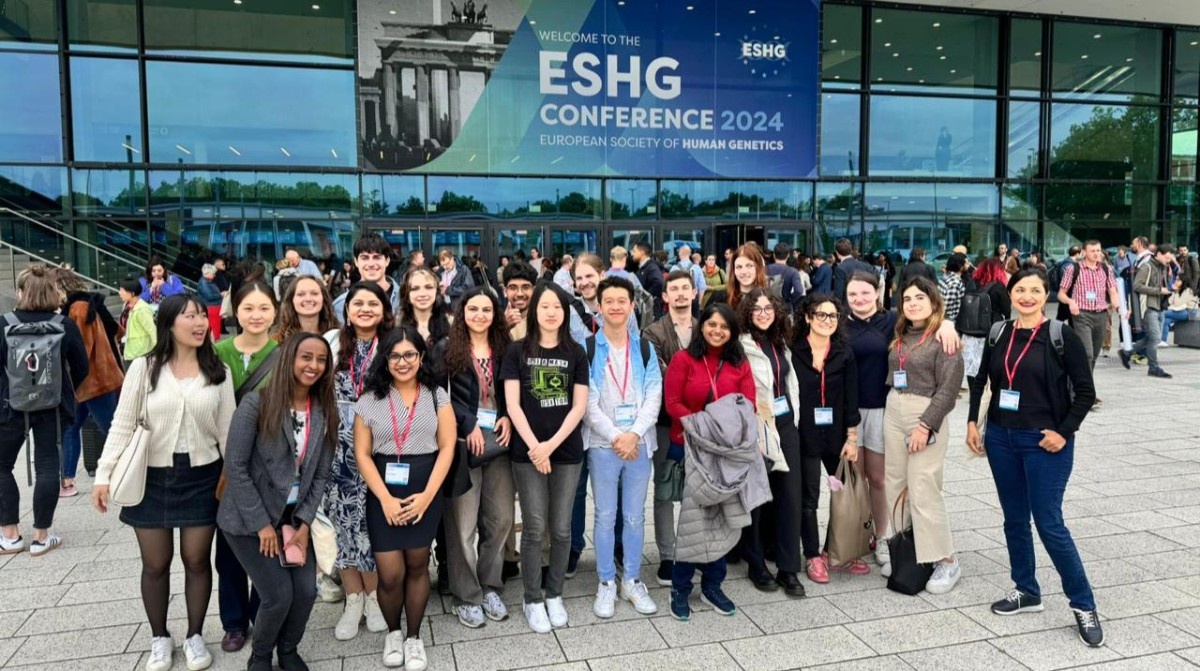
- Course specific, but the networking opportunity- I attended an international conference in Berlin, all organized by the course coordinators and also defended my thesis in front of externals from the University of Oxford. We also had a careers fair where we met with Imperial alumni. Meeting a diverse group of people from different cultures and ages, but with similar interests helps expand your mind beyond what is possible in your own country.
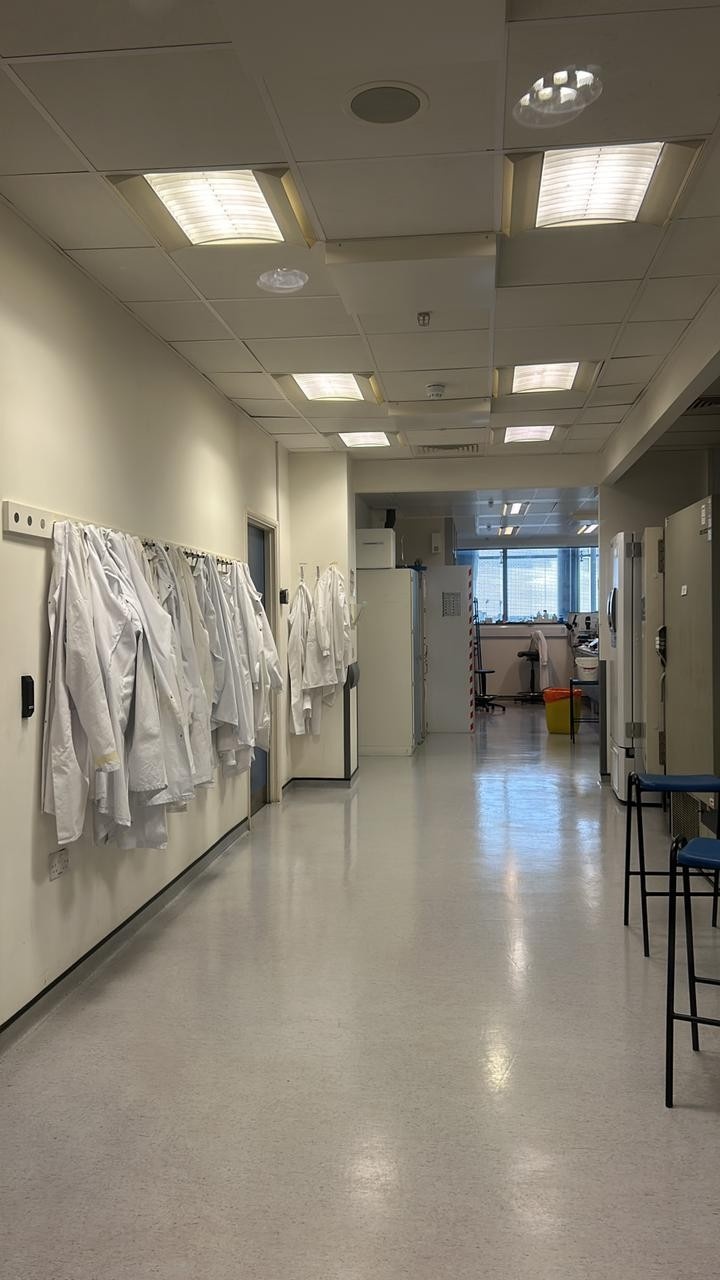
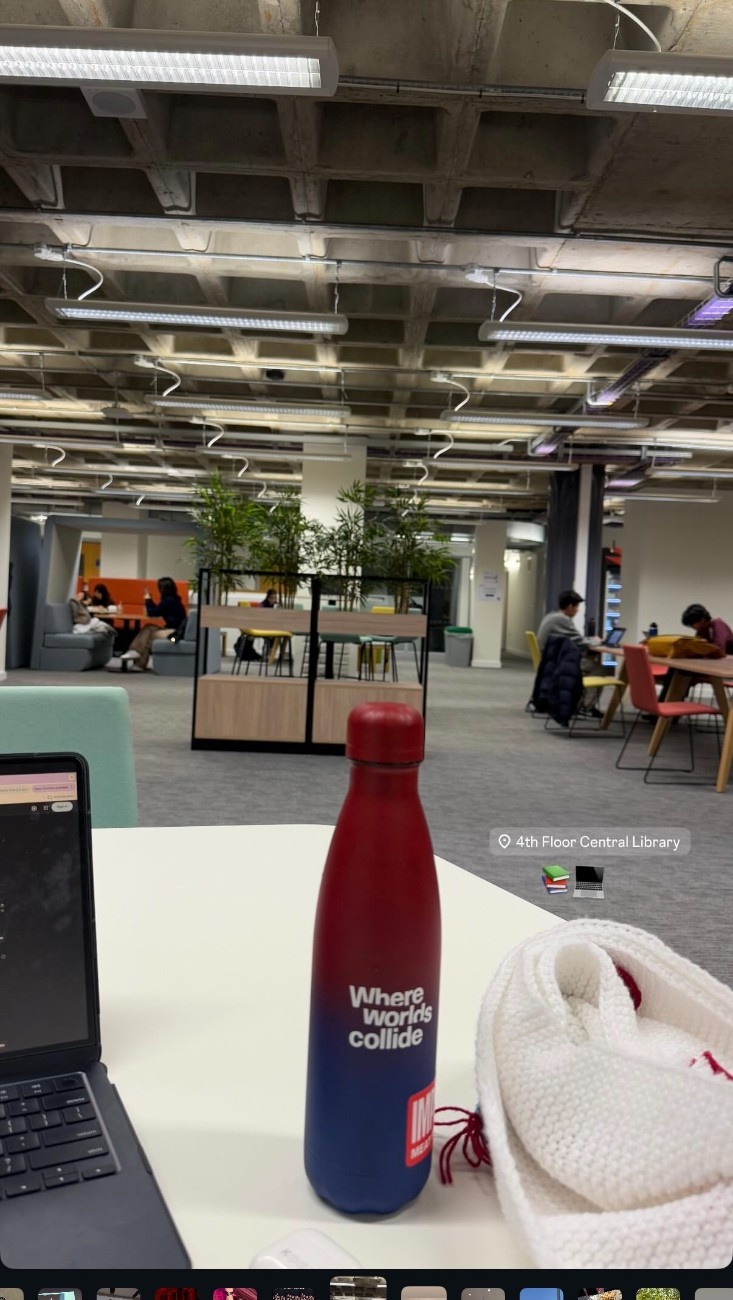
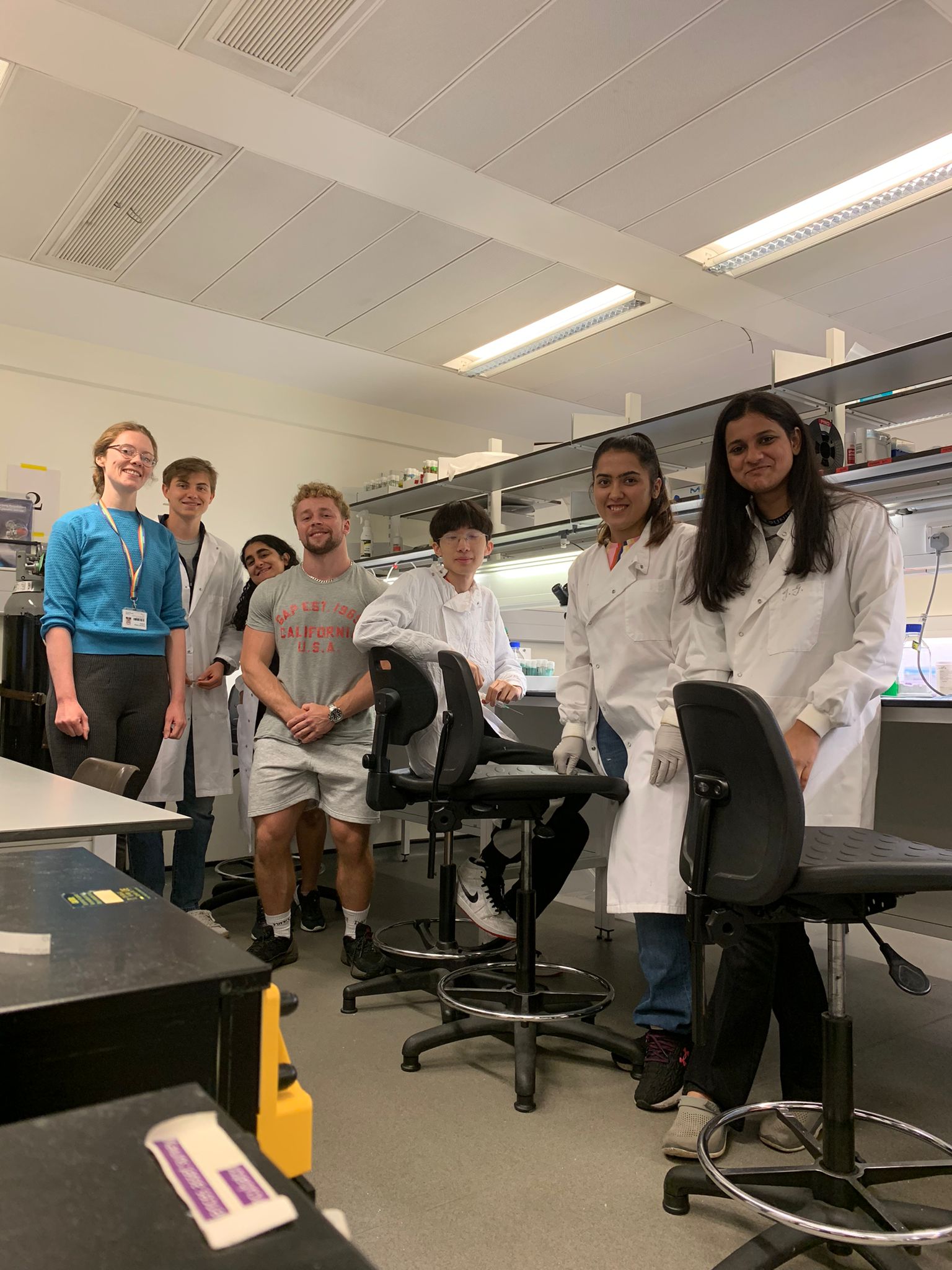
- World-class labs, never having to worry about supplies as systems are very organized. Even if there are any issues, it is easy to manage with the support of neighbouring equally established labs. Good research infrastructure, safe, easy to access any online resources needed with help of admin/IT team and great well-resourced libraries across all campuses.
Dislikes
- Lack of university accommodation for postgraduate students (we had to seek private housing/find places on our own). The college has a hall for undergraduates; this is very challenging to navigate as an international student, as we do not view the properties ourselves in person before committing.
- Career support for international students/visa seekers, especially for life sciences, is not very proactive; one has to rely on a lot of networking and cold e-mailing and visa issues need a lot more support.
- Healthcare/GP registration support needs to be sought out but should be taken care of automatically for internationals new to the system. Residential mentors should be given to new senior students too, like Big Sibs at some US colleges.
Course Curriculum
- 50% taught, 50% research, very challenging and of a high level with a very tight schedule and requiring consistent studying – this course and college are not for people looking for a lighter load.
- Positive: Learnt an incredible amount and made amazing friends; Negative: Placement support was limited.
- Multiple (3-4) lectures in a day or long lab days; the thesis portion differs from student to student based on which lab they are working in and what their attendance requirements are. I went every day from 10-6.
- 24 students in my class, 3 Indian students.
Fees
- 40,800 pounds + 1k/month rent in private accommodation with a gym free with it, no university accommodation for postgrads. College also has a free gym on the campuses.
- I paid it in one go, yearly, but instalments are available
- Since I cooked and shared a flat with 8 other people, I saved a lot on food. Healthcare is a long process but free. It is possible to manage on 300-400 pounds per month on these things, as my building took care of bills and maintenance with rent. Out of this, around 100-120 pounds was solely on travel (tube/bus expense)

Likes
- Location in the heart of central London, close to Hyde Park, good proximity to metro station, shops and restaurants, very posh and safe area
- Research focussed course with lots of reserach opportunity available for students
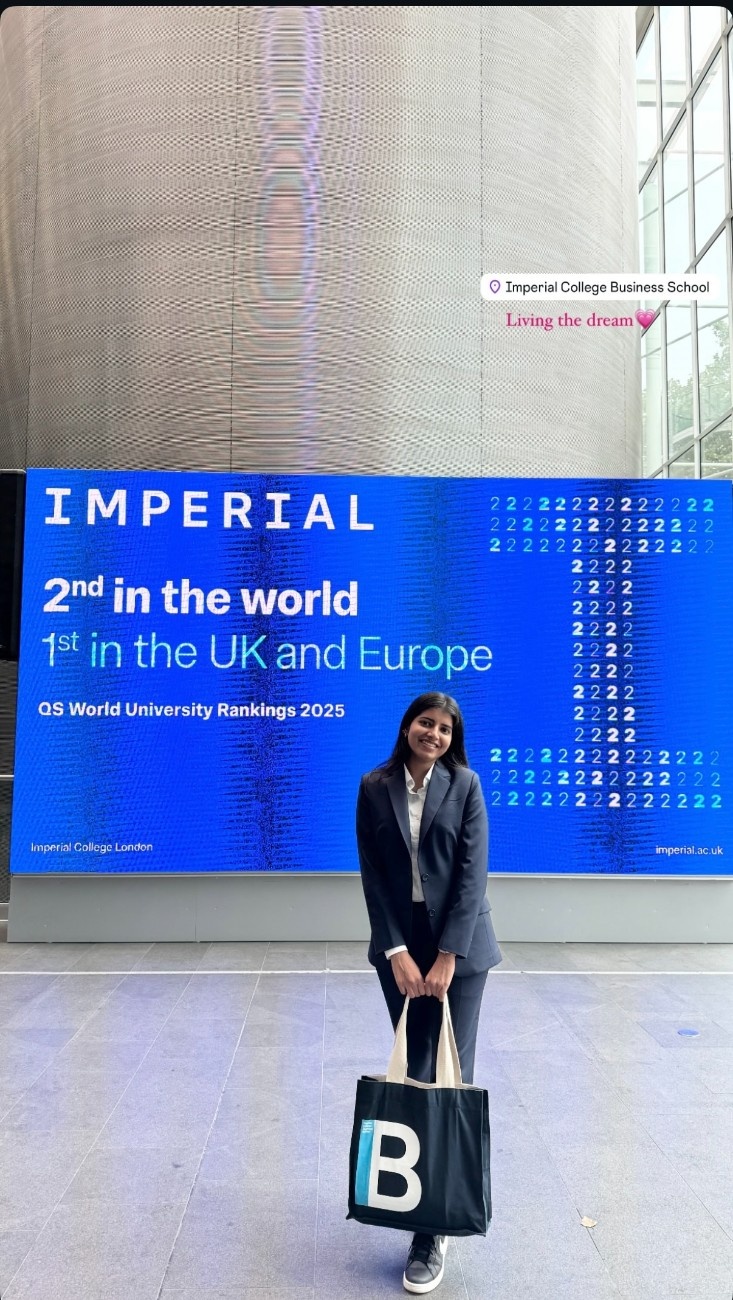
- Highly ranked (#2 in the world)
Dislikes
- STEM-only university so didn't get to interact with non-stem students
- My course was relatively new so could have some improvements
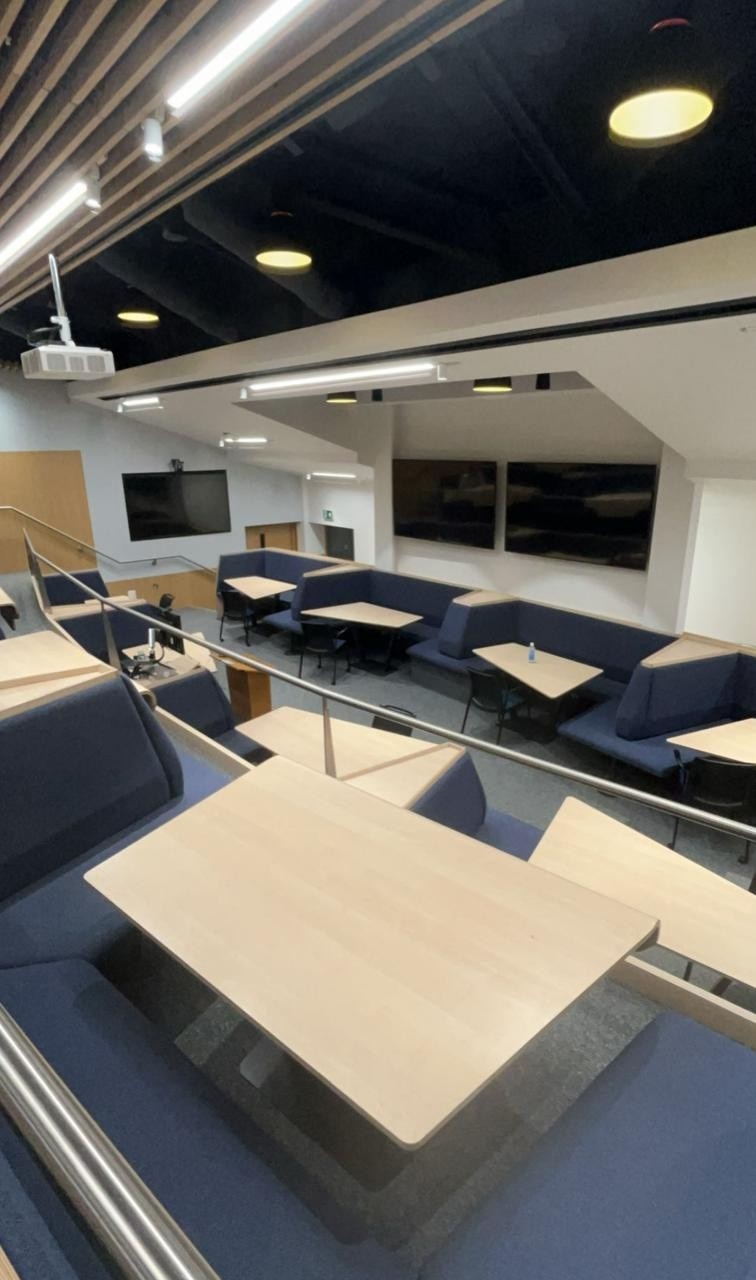
- My course only utilised one teaching room which became quite mundane after some time
Course Curriculum
- Difficulty was probably 8/10. It was decently theoretical but had a high level of practicals and research work, which made it stand out compared to other courses.
- Positive is that it was a well-planned and research-based course and that all teachers took feedback seriously and constantly improved classes.
- Negative is that it was quite new so not fully developed. There are 1 to 3 classes a day, 2 to 3 hours each. Timings are varied but between 9 am and 5 pm.
- There were 180 students in my batch and probably 2 Indian students who were actually from India (10-15 Indian students total including ex-pats and local Indians)
Fees
- The tuition was around 33,000 gbp per year. Rent costs around 8000 to 12000 gbp per year, including wifi, heating and water bills. Other living expenses were around 400 to 500 pounds per month and this included grocery bills, eating food in restaurants, shopping, etc.
- Travel costs around 150 pounds per month. Fees are payable all together at the start of the year or in two instalments 6 months apart.
Likes
- The lectures were focused on facilitating discussion and debate within the classroom rather than delivering theoretical content
- The courses had plenty of case studies from real world situations that have occurred
- We had a lot of projects which allowed us to think critically and apply ourselves
Dislikes
- The self study material provided was too extensive to cover before lectures
- Sometimes there was a lack of clear guidance on how to approach registering and attending professional events
- For one course we had lectures change in the middle which was less than ideal
Course Curriculum
- The course material itself was of moderate difficulty. The self-study material was obviously quite theoretical with books, PDFs, news articles and videos
- The coursework however was very practical and involved conducting case-studies in class or undertaking projects followed by a presentation of results
- The course was overwhelmingly positive in my experience, with a core focus on experiential learning
- I think there were about 160 students overall split into two class groups. I think there were about 15 Indian students out of a class of 160
Fees
-
My Fee is:
- GBP 30,000 (total fees)
- Upfront or in two split payments throughout the year
- My monthly expenses (approximate):
- Rent (with all bills included): GBP 1000-1200 per month
- Transport: GBP 200-300 per month
- Groceries: GBP 60-100 per month
- Phone: GBP 5 per month
- Other regular expenses that one can expect to pay:
- Internet: GBP 25-45 per month
- Phone: GBP 25-50 per month

Likes
- Professors are helpful and use real examples, not just theory.
- I loved the diversity, met people from everywhere.
- Being in central London itself is a huge plus.
Dislikes
- Workload can get crazy at times with back-to-back deadlines.
- Staying near campus is very expensive.
- Food on campus is overpriced.
Course Curriculum
-
The course isn’t too hard if you focus, but it’s very intense because of the workload. A good mix of theory and practical case studies. My batch was about 315 students, divided into smaller streams. Around 20% were Indians.
Fees
-
My course fee was £39,000 for the year. Paid 10% upfront and the rest later, though installments are possible. Rent was about £2,000 a month when I stayed very close to campus. Groceries and other expenses depend; I’ve seen friends manage on £200, and others spend £500+.

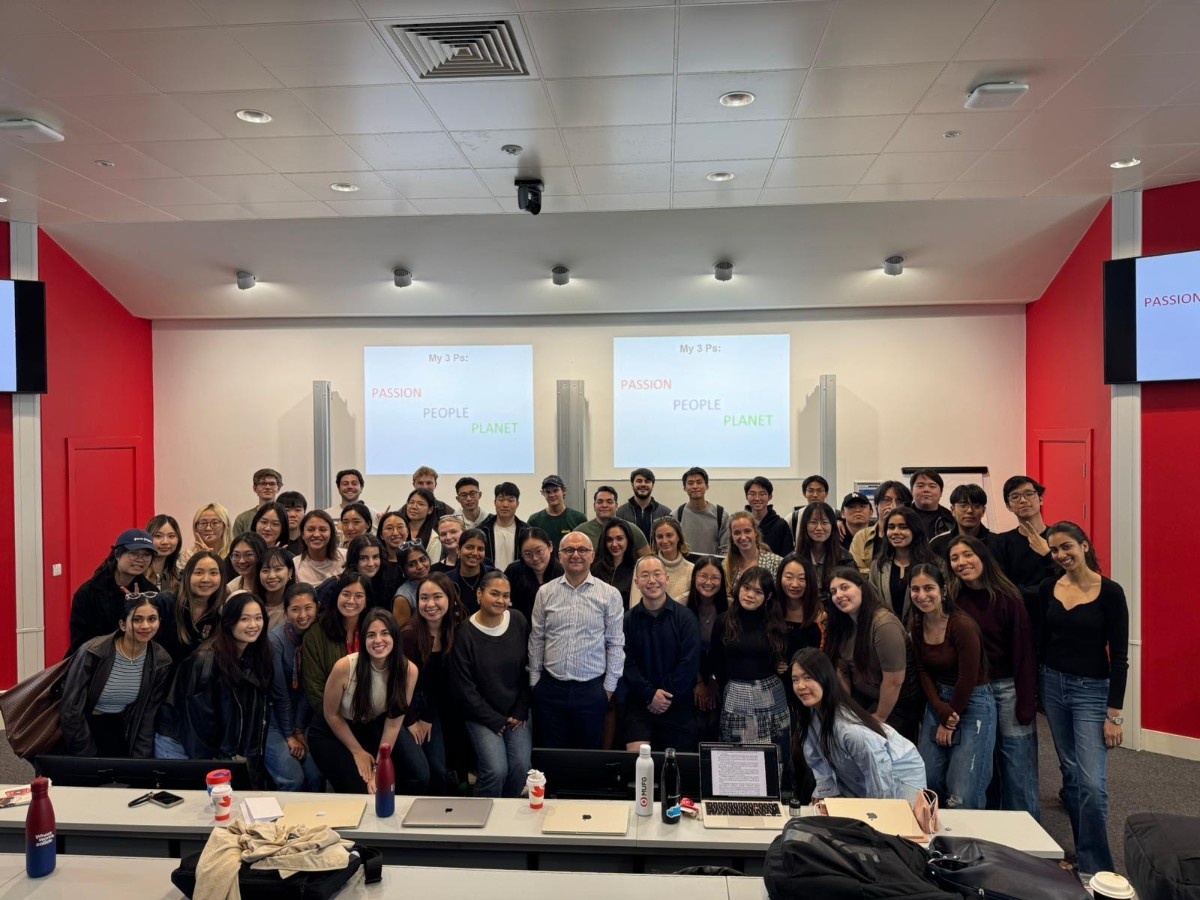
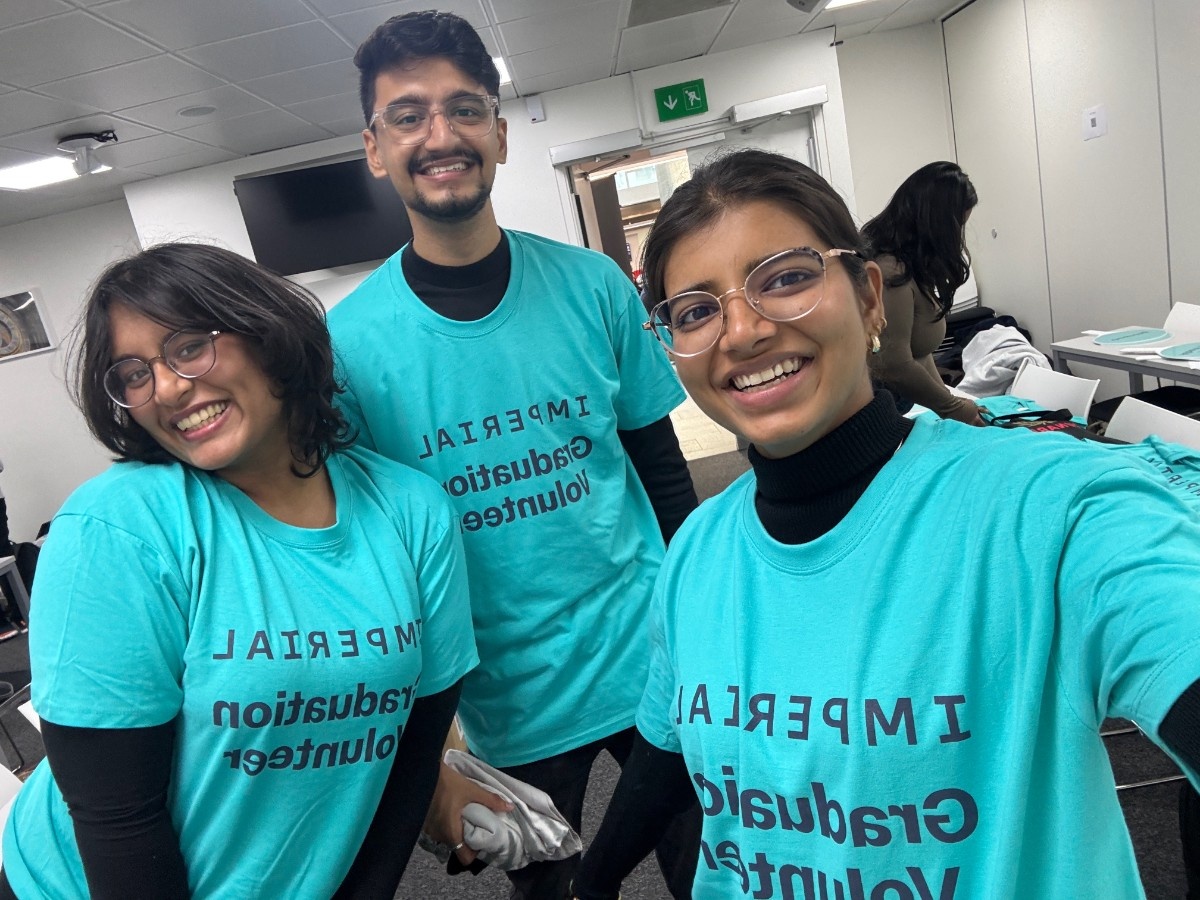

Likes
- The modules offered are extremely interesting and are well planned out.
- The professors are not only knowledgeable but also approachable, making complex topics easier to grasp. Most of them are field medal winners or noble prize winners.
- The student body is incredibly diverse, offering exposure to different cultures and perspectives. There are people from different walks of life.
Dislikes
- The overall course is quite intensive.
- The academic workload can sometimes feel overwhelming, making it challenging to maintain a work-life balance.
- Being in London means dealing with sky-high accommodation and living expenses.
Course Curriculum
- The course is quite difficult as the batch cohort has the students from all top universities from around the world with excellent academic record and well as a holistic profile.
- The courses where a mix of both theoretical and practical concepts.
Fees
- Tuition Fees/annual- GBP 41,750
- Since 1 year course, so Total fees was also GBP 41,750. It can be paid in one go or in 2 installments of 50% each.
- Other Expenses:
- Living Expenses: 1300 GBP/month (I live near the campus so a bit higher rent)
- Fooding & Transport: 100 GBP/month
- Overall: 1500/month (London is quite expensive)
- For others it ranges from 1000 to 2500 GBP/month. So its totally upto the individual how much they want to save and spend.
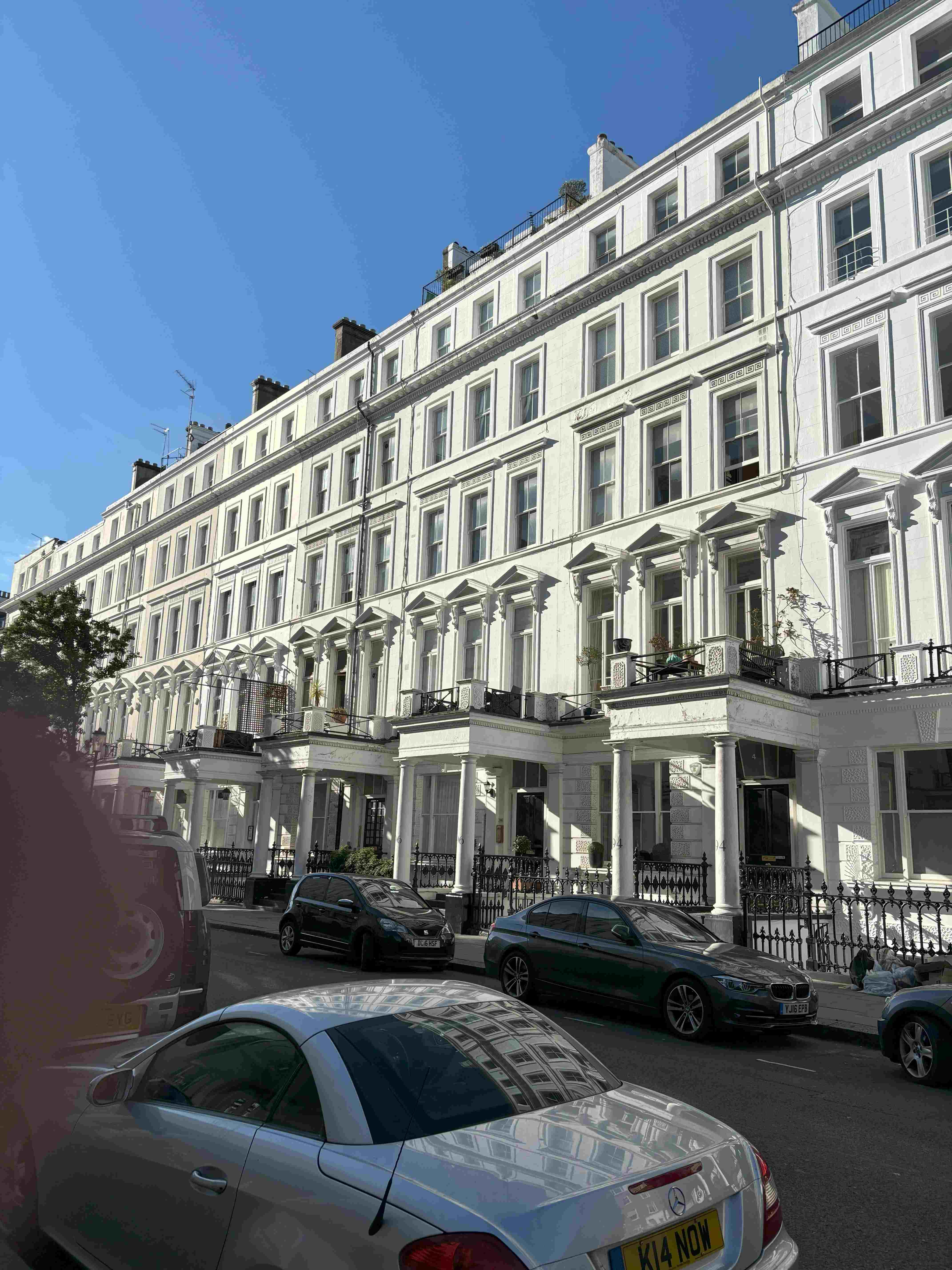
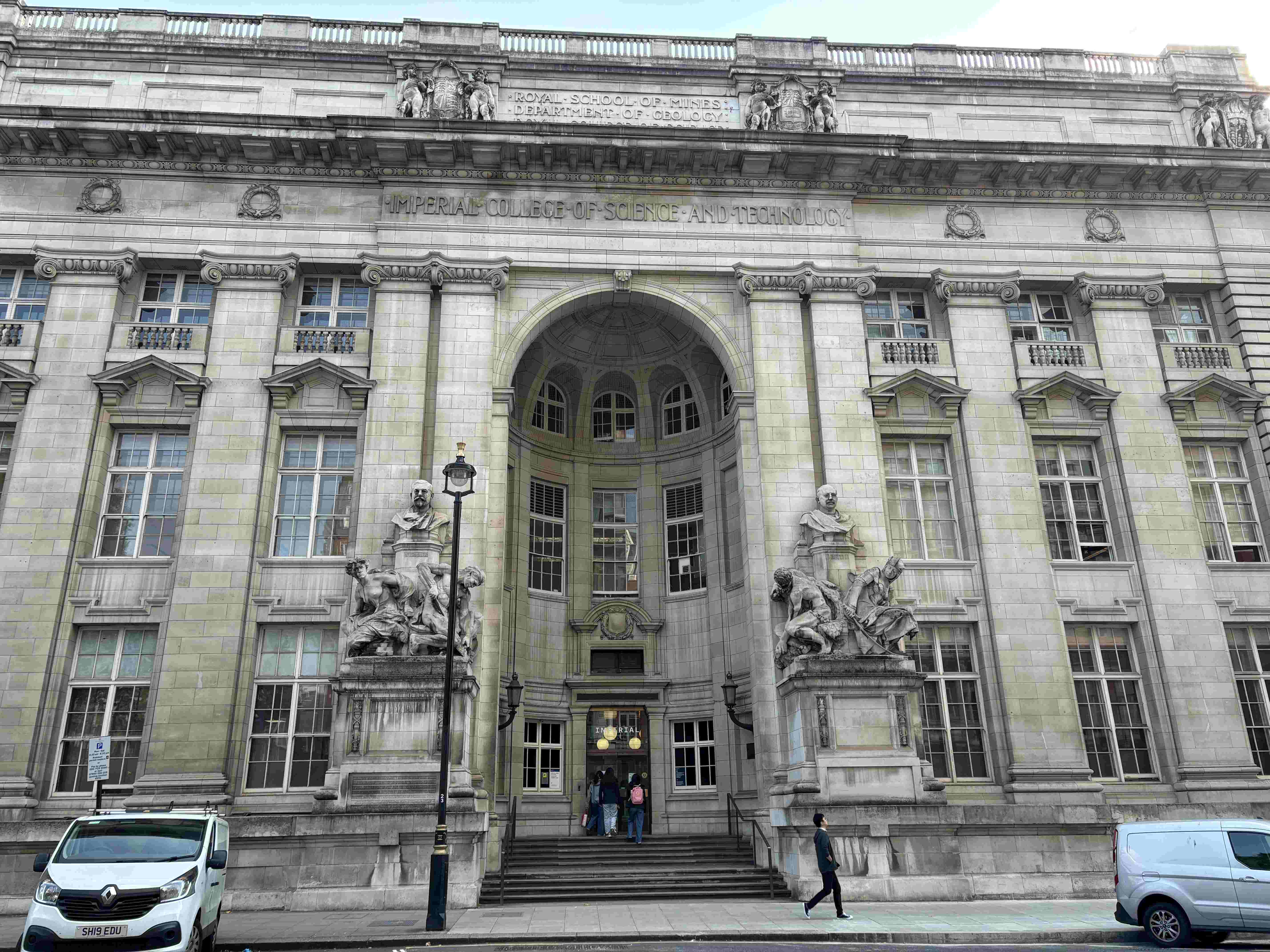
Likes
- Highly diverse with students from all over the world.
- Very efficient and knowledgeable faculty.
- The way in which course is conducted - mix of classes, assignments, group discussions, guests from different sectors etc
Dislikes
- Campus is not as big and fancy as Oxford or Cambridge.
- Not very helpful in getting campus placements.
- Not aware of there are proper programs for alumni engagement especially for the students from other countries than UK.
Course Curriculum
- The course is designed to engage students from all walks of the life and hence, it starts From basic level of difficulty in the first semester and general topics are touched upon.
- First sem is mostly theoretical with a few group discussions and projects.
- Second semester is more specific. I was enrolled in Environment Analysis and Assessment specialization. This was more on a practical side, with two projects and a site visit.
- Third sem was for a research project or internship,Hence, overall it was mix of various aspects.
- The variety of ways in which we were equipped with projects is the positive aspect.
Fees
- My fee was completely taken care of by Chevening Scholarship and it was directly paid to the college in 2-3 installments. There was a direct connect between the School and the Scholarship team.
- Hostel was on students as Imperial doesn't provide accommodation. Therefore, I arranged for a private accommodation for myself.
- Barring tuition fee, I used to get a stipend of about 1200 UK pounds per month to take care of all the expenses.
Likes
- Infrastructure
- Career fairs in which we got the opportunity to directly meet the CEO/higher authority of companies
- Cultural events
Dislikes
- Less interaction of student with teachers during classes
- Less options for vegetarian food
- Less options for foreigners
Course Curriculum
- The difficulty level was not much high for those who attended classes regularly and were consistent with notes. Most of the students managed to score merit.
- Positive aspect was that it had diverse topics. Negative that it was not well assembled or planned.
- We were allowed to do 20hr part time per week during coursework but no assistance was given on how to find one.
Fees
- 32 lakhs for course work. Paid in 2 parts.
- I stayed in seperate private accommodation with 2 other people i.e 3 bed 2 bath
- 1200 pounds for accommodation, 100 for transport, 100 for food and other expenses. Then it varies according to the lifestyle you are living. I used to go to the gym which costs me another 40 pounds per month. If people party a lot then it charges 100 more pounds.

Likes
- I enjoyed my time at Imperial because of the different faculty members from all around the world. I thought going into a university that my faculty would only have a British outlook and not a global perspective but turned out that most faculty was from the US and other countries. This helped me connect more with the content.
- The students were mostly asian because of our vast population but people had studied outside of Asia which helped bring in a global perspective on the different skills and tasks we performed. I also liked the focus given to Equality, Diversity, and Inclusion.
Course Curriculum
The course curriculum is quite updated, and it was relevant to what is happening in the industry. Most professors were so well versed with the topics that it felt more like a class where they would be sharing personal experiences that would cover the different elements of the subject. It was a great way to learn from experts. One of the most notable memories is from a person from the Bank of England who talked about how inflation is calculated by the bank and provided information about the consumer price index and different functions within the bank.
Fees
£36,000 it has increased now.
Likes
- Location, it's in Central London close to loads of museums and parks, a hub for culture and history
- Since Imperial is primarily a STEM uni even the business school is influenced by that, all our profs do a great job at keeping up with new tech and the course material is relevant.
- The course is evenly paced and doesn't get overwhelming.
Dislikes
- Huge cohort size, can be hard to stand out.
- London is an extremely expensive city. The visa restrictions and the current job market does't make getting a job easy.
Course Curriculum
The course material is super up-to-date and we had tons of industrial exposure in the form of workshops, events and classes.
Fees
33,000 GBP
SUBSCRIBE TO OUR NEWS LETTER



Comments