





Imperial College London admissions run through UCAS for undergraduates and Imperial’s own department-led online portal for postgraduate taught courses, with a UG floor of Class XII at around 90 percent in required subjects and a PG floor of a Bachelor’s degree at 65 to 70 percent.
- Next live deadline for primary intake (September 2027): UCAS closes 13 January 2027 (18:00 UK time) for most UG courses; Imperial Business School Round 1 closes 29 September 2026 for MSc Finance and MSc Business Analytics.
- Base tuition and application fee: UG base tuition £45,500 to £58,600 (₹58.83 Lakhs to ₹75.75 Lakhs); PG taught £39,900 to £51,000 (₹51.58 Lakhs to ₹65.93 Lakhs); application fee is £90 (₹11,635) for standard MSc, £125 (₹16,160) for Business School MSc, £150 (₹19,392) for MBA.
- UG plus PG eligibility floor: UG needs Class XII at ~90 percent in required subjects; PG needs a Bachelor’s at 65 to 70 percent with IELTS 6.5 (6.0) standard or IELTS 7.0 (6.5) higher for Business School and Computing.
- Acceptance rate: 25 percent overall UG, 17.57 percent international UG, 20.17 percent Indian PG, 11.48 percent MSc Computer Science.
MSc Computing, MSc Finance, MSc Business Analytics, and the Full-Time MBA continue to be the most-picked tracks for Indian applicants, with student sentiment favouring the compact one-year format and central London placement pipeline. Imperial College London sits at QS World #2 for 2027 and #1 in the UK, which continues to drive a strong Indian PG applicant pool.
Table of Contents
- Imperial College London Application Deadlines 2027
- Imperial College London Eligibility for Indian Students
- Imperial College London PG Programs and English Scores
- Imperial College London UG Programs and A-Level Basis
- Imperial College London MBA Admissions and Rounds
- Imperial College London PhD Admissions and Funding
- Imperial College London Application Process Step by Step
- Imperial College London Documents Required
- Imperial College London Acceptance Rate for Indians
- UK Student Visa Process for Imperial College London
- Imperial College London Tips and Application Checklist
- Imperial College London Admissions: FAQs
Imperial College London Application Deadlines 2027 for Indian Students
Imperial runs two separate admission tracks. UG applicants file through UCAS on a single cycle; PG taught applicants file through Imperial’s own portal in staged rounds, with each department setting its own dates. The table below reflects verified deadlines per the Imperial dates and deadlines page and the UCAS 2027 cycle calendar. September 2027 is Imperial’s primary intake for Indian students — most programs open here.
| Intake | Level | App Opens | Deadline | App Fee | Portal |
|---|---|---|---|---|---|
| September 2027 (Primary intake) | UG (Medicine) | 1 September 2026 | 15 October 2026 (18:00 UK) | £34.50 (₹4,460) | UCAS |
| September 2027 (Primary intake) | UG (all other courses) | 1 September 2026 | 13 January 2027 (18:00 UK) | £34.50 (₹4,460) | UCAS |
| September 2027 (Primary intake) | PG — MBA Round 1 | Open | 22 September 2026 | £150 (₹19,392) | My Imperial |
| September 2027 | PG — MBA Round 2 | Open | 12 January 2027 | £150 (₹19,392) | My Imperial |
| September 2027 | PG — MBA Round 3 | Open | 16 March 2027 | £150 (₹19,392) | My Imperial |
| September 2027 | PG — MBA Round 4 | Open | 11 May 2027 | £150 (₹19,392) | My Imperial |
| September 2027 | PG — MSc Finance / MSc Business Analytics Round 1 | Open | 29 September 2026 | £125 (₹16,160) | My Imperial |
| September 2027 | PG — MSc Computing (all specialisations) | October 2026 | Rolling; visa applicants by 18 June 2027 | £90 (₹11,635) | My Imperial |
| September 2027 | PG — Other MSc Taught | Rolling | Visa applicants: 18 June 2027; No visa: 1 August 2027 | £90 (₹11,635) | My Imperial |
Insider note: Imperial Business School rounds fill fast. Indian applicants targeting MSc Finance should aim for Round 1 (29 September 2026) rather than a later round, since visa timelines from India need at least eight weeks after CAS (Confirmation of Acceptance for Studies, the electronic sponsorship reference).
Imperial College London Eligibility for Indian Students
Imperial’s academic thresholds are set by department, but the institution-wide floors below hold across most 2027-entry programs. English proficiency is treated as a hard gate — no fee waivers or informal exemptions. Details verified from the Imperial English language requirements page.
- UG general entry: Class XII (CBSE / ISC / state boards) at 90 percent overall with 90 percent in required subjects, or A-Levels at A*A*A to AAA depending on course.
- PG taught entry: Bachelor’s degree at 65 to 70 percent (roughly a UK upper-second or 2:1), from a recognised Indian university. Some technical programs require prior coursework in the discipline.
- MBA entry: Bachelor’s degree plus at least three years of continuous full-time work experience.
- PhD entry: Master’s degree with distinction, or an outstanding Bachelor’s plus research fit with a specific supervisor.
| Test | Standard Level Minimum | Higher Level Minimum |
|---|---|---|
| IELTS Academic | 6.5 overall, 6.0 in every band | 7.0 overall, 6.5 in every band |
| TOEFL iBT | 92 overall, 20 in each section | 100 overall, 22 in each section |
| PTE Academic | 62 overall, 56 in each section | 69 overall, 62 in each section |
| Duolingo English Test | 115 overall, 105 subscore | 125 overall, 115 in each integrated subscore |
Imperial IELTS Waiver for Indian Students
India is not on Imperial’s country-based English exemption list, so a degree taught in English medium at an Indian university does not on its own waive the test. Two pathways remain open for Indian applicants who cannot submit a test:
- Approved degree from an exempt country: If your Bachelor’s or Master’s is taught in Australia, Canada, Ireland, New Zealand, South Africa, the UK, USA, or the West Indies, the test is waived.
- Imperial pre-sessional English: Passing Imperial’s 3-week pre-sessional and orientation course, offered before the September start, clears the language condition without a fresh test. This route is postgraduate-only.
Note: Program-specific entry requirements, fees, and intake availability may differ from the institution-wide minimums shown above. Always confirm on the official Imperial College London page for your chosen program before applying.
Imperial College London PG Programs and English Scores
Imperial’s postgraduate taught portfolio is concentrated in engineering, computing, business, medicine, and natural sciences. Base tuition for 2026-27 taught PG programs sits between £39,900 (₹51.58 Lakhs) and £51,000 (₹65.93 Lakhs); Business School programs run higher. For a full course-wise fees breakdown and the current cost of attendance, use the course-wise fees breakdown.
| Programme | Duration | Minimum Eligibility | English Req. Min. |
|---|---|---|---|
| MSc Computing (Artificial Intelligence and Machine Learning) | 12 months | Bachelor’s at 65%+ with two years of computer science coursework | IELTS 7.0 (6.5 in each) |
| MSc Computing (Software Engineering) | 12 months | Bachelor’s at 65%+ with two years of computer science coursework | IELTS 7.0 (6.5 in each) |
| MSc Computing (Security and Reliability) | 12 months | Bachelor’s at 65%+ with two years of computer science coursework | IELTS 7.0 (6.5 in each) |
| MSc Computing (Visual Computing and Robotics) | 12 months | Bachelor’s at 65%+ with two years of computer science coursework | IELTS 7.0 (6.5 in each) |
| MSc Advanced Computing | 12 months | Bachelor’s at 70%+ in Computer Science or closely related subject | IELTS 7.0 (6.5 in each) |
| MSc Finance | 12 months | Bachelor’s at 65%+ (a 2:1 UK upper-second) in a quantitative discipline | IELTS 7.0 (6.5 in each) |
| MSc Business Analytics | 12 months | Bachelor’s at 65%+ with strong quantitative background | IELTS 7.0 (6.5 in each) |
| MSc Management | 12 months | Bachelor’s at 65%+ from any discipline with quantitative exposure | IELTS 7.0 (6.5 in each) |
| MSc Public Health | 12 months | Bachelor’s at 65%+ in a health or life-science discipline | IELTS 7.0 (6.5 in each) |
| MSc Mechanical Engineering | 12 months | Bachelor’s at 65%+ in Mechanical or a related engineering discipline | IELTS 6.5 (6.0 in each) |
Planning note: For MSc Finance and MSc Business Analytics, the £125 (₹16,160) application fee sits above the standard £90 MSc fee. Indian applicants targeting these should budget for the higher slab and start assembling references at least six weeks ahead of Round 1.
Note: Program-specific entry requirements, fees, and intake availability may differ from the institution-wide minimums shown above. Always confirm on the official Imperial College London page for your chosen program before applying.
Imperial College London UG Programs and A-Level Basis
Imperial’s undergraduate courses are almost entirely STEM and business, with medicine as its own faculty. UG base tuition for 2026-27 international students sits between £45,500 (₹58.83 Lakhs) and £58,600 (₹75.75 Lakhs) depending on subject. Indian applicants apply through UCAS with a Class XII predicted grade, then Imperial confirms an offer against final board results.
| Programme | Duration | Minimum Eligibility | English Req. Min. |
|---|---|---|---|
| BEng / MEng Computing | 3 to 4 years | Class XII at 90%+ overall with 95% in Mathematics and 90% in a Physics or CS subject | IELTS 7.0 (6.5 in each) |
| MEng Electrical and Electronic Engineering | 4 years | Class XII at 90%+ overall with 95% in Mathematics and Physics | IELTS 6.5 (6.0 in each) |
| MEng Mechanical Engineering | 4 years | Class XII at 90%+ overall with 95% in Mathematics and Physics | IELTS 6.5 (6.0 in each) |
| BSc Mathematics | 3 years | Class XII at 90%+ overall with 95% in Mathematics | IELTS 6.5 (6.0 in each) |
| MBBS Medicine | 6 years | Class XII at 90%+ with 95% in Biology, Chemistry, and either Mathematics or Physics; UCAT required | IELTS 7.0 (7.0 in each) |
Insider note: Medicine at Imperial has a 15 October 2026 UCAS cutoff and requires the University Clinical Aptitude Test (UCAT), which Indian applicants must book at a Pearson VUE centre before September 2026. Missing the UCAT window rules out Medicine for the 2027 cycle.
Imperial College London MBA Admissions and Rounds
The Imperial Full-Time MBA is a 12-month program starting each September, with a 2027 base tuition of £78,000 (₹100.84 Lakhs). Indian applicants make up a sizable share of every cohort; the Financial Times ranked the Imperial MBA at #39 globally and #12 in Europe for 2026, with the Online MBA at #2 globally. For dedicated funding options for Indian students, check the scholarships page.
Imperial MBA Round Deadlines
- Round 1: Application by 22 September 2026; interviews 12 to 23 October 2026; decision 13 November 2026.
- Round 2: Application by 12 January 2027; interviews 1 to 19 February 2027; decision 12 March 2027.
- Round 3: Application by 16 March 2027; interviews 29 March to 16 April 2027; decision 30 April 2027.
- Round 4: Application by 11 May 2027; interviews 31 May to 11 June 2027; decision 25 June 2027.
GMAT, GRE, and Experience Requirements
- GMAT Focus Edition: Minimum 555; class average is 666 on the 10th Edition scale.
- GRE: Minimum 156 Verbal and 158 Quantitative.
- Executive Assessment: Aim for 150 or higher.
- Work experience: At least three years continuous full-time after graduation; average admit has ~6 years.
- Test waiver: Available for candidates with exceptional academic performance or CFA Level 2/3.
Every shortlisted candidate sits a 30-minute online interview during the round’s scheduled interview window. Decisions land four weeks after each deadline. Indian applicants targeting Round 1 should have GMAT booked by August 2026.
Note: Program-specific entry requirements, fees, and intake availability may differ from the institution-wide minimums shown above. Always confirm on the official Imperial College London page for your chosen program before applying.
Imperial College London PhD Admissions and Funding
Imperial’s PhD (also styled DIC or EngD in engineering doctoral programs) runs 3 to 4 years full-time, with rolling year-round admissions. Unlike taught programs, PhD applicants must first identify a supervisor whose research aligns with their proposal and secure informal agreement before the formal application. There is no application fee for PhD or EngD entry.
Imperial PhD Application Steps
- Match a supervisor: Browse department pages, contact your target supervisor by email with a CV and research summary, and confirm they are accepting students.
- Draft research proposal: A 1,500 to 3,000 word document setting out research question, methods, and fit.
- Submit application: File via My Imperial with the proposal, CV, transcripts, two references, and English test where required.
- Interview: Most departments interview shortlisted candidates online.
Imperial PhD Funding for Indian Students
Imperial’s President’s PhD Scholarships cover full tuition plus a maintenance stipend of around £25,000 per year for the 2026-27 academic year, awarded to a small number of exceptional international applicants across all departments. Department-specific studentships and Doctoral Training Partnership grants add further funding routes. For India-specific awards, the Commonwealth Scholarship Commission is the largest external route.
Planning note: Contact your target supervisor at least three months before the departmental cut-off. A cold CV without a supervisor conversation is the most common reason Indian applicants get rejected at first read.
Note: Program-specific entry requirements, fees, and intake availability may differ from the institution-wide minimums shown above. Always confirm on the official Imperial College London page for your chosen program before applying.
Imperial College London Application Process Step by Step
The end-to-end sequence differs for UG and PG applicants. UG goes through UCAS with a single application covering up to five UK universities. PG goes directly through My Imperial (Imperial’s applicant portal) with a separate submission per program.
Undergraduate Application via UCAS
- Register on UCAS Hub: The 2027 cycle opened for submissions on 1 September 2026 on the UCAS portal. Pay the UCAS application fee of £34.50 (₹4,460), which covers up to five course choices.
- Add Imperial as a choice: Enter Imperial’s institution code (I50) and the course code from the Imperial course page.
- Personal statement plus reference: Upload a 4,000-character personal statement and secure one academic reference.
- Submit by deadline: 15 October 2026 for Medicine; 13 January 2027 (18:00 UK time) for all other courses.
- Interview and decision: Imperial invites shortlisted UG candidates to online interviews between November 2026 and March 2027.
Postgraduate Application via My Imperial
- Create a My Imperial account: Register on the Imperial applicant portal and open an application for your specific program.
- Upload documents: Transcripts, degree certificate (or provisional), CV, personal statement, and two references.
- Pay the application fee: £90 (₹11,635) for standard MSc, £125 (₹16,160) for Business School MSc, or £150 (₹19,392) for MBA on the My Imperial portal.
- Submit and track: Applications are reviewed round-by-round; departments contact shortlisted candidates for interview.
- Accept offer and CAS: Once offered, meet all conditions and Imperial issues the CAS (Confirmation of Acceptance for Studies) needed for the UK student visa.
Admission Decision Timeline
UG decisions land through UCAS Track between January and April 2027 for on-time applicants. PG taught decisions come 4 to 8 weeks after round close for Business School and 4 to 6 weeks for other departments. Offers are typically conditional on final transcripts and English scores.
Imperial College London Documents Required
Imperial’s document list is uniform across most taught programs, with Business School and MBA adding a small set of extras. Indian applicants should have originals scanned in colour, since Imperial verifies against uploaded copies at the offer stage.
- Academic transcripts: Semester-wise Bachelor’s marksheets from your Indian university, with grade key.
- Degree certificate: Provisional or final; final-year students can submit an interim transcript.
- Class XII certificate: For UG applicants only, board-issued Class XII marksheet.
- Passport bio-page: Colour scan matching the name on your application.
- English test score report: IELTS, TOEFL, PTE, or Duolingo, valid within two years of course start.
- Personal statement: 500 to 1,000 words explaining motivation, background, and fit.
- Two references: At least one academic; Business School accepts one academic plus one professional.
- CV or resume: Especially important for MBA and MSc applicants with work experience.
- GMAT or GRE score report: Required for MBA and preferred for MSc Finance.
- Financial proof: Bank statements covering tuition plus £1,483 per month living costs (visa stage, not application stage).
Before you apply: Imperial does not accept the WES evaluation. Indian transcripts and degrees are read directly, with Imperial’s admissions team assessing UGC-recognised degrees on their own merits.
Imperial College London Acceptance Rate for Indian Students
Imperial publishes its acceptance data by faculty and level. The 2024 cycle set the current baseline for Indian applicants planning 2027 entry. For a deeper look at program-level admits, use the detailed acceptance data by program.
| Applicant Group | Acceptance Rate |
|---|---|
| Overall undergraduate (all applicants) | 25.00% |
| International undergraduate | 17.57% |
| Overall postgraduate taught | 30.12% |
| Indian postgraduate taught | 20.17% |
| MSc Computer Science (PG) | 11.48% |
Why Indian Applicants See a Lower Rate
Indian PG applicants convert at 20.17 percent vs the 30.12 percent overall PG figure. Two reasons dominate: heavy concentration in a small number of high-demand programs (MSc Computing, MSc Finance, MSc Business Analytics), and IELTS score submission gaps that push otherwise strong files into deferred review.
Boosting Your Chances at Imperial
Apply in Round 1 wherever offered. Business School data shows Round 1 admit rates run 20 to 30 percent higher than Round 3 for the same profile. Match the higher IELTS band (7.0 with 6.5 in each) even if only the standard band is required for your track.
Insider note: The MSc Computer Science acceptance rate of 11.48 percent is the tightest at Imperial. Applicants with GATE 95+ percentile plus a strong quantitative Bachelor’s from an IIT, NIT, or top private institute typically clear the threshold in early rounds.
Imperial sits inside the QS Global Top 5 and is ranked in the top 10 for engineering and medicine — verify the current ranking band before finalising your list.
UK Student Visa Process for Imperial College London
Indian students accepted at Imperial apply for the UK Student Visa (formerly Tier 4) through the UK Home Office’s online portal. Applications can be filed up to six months before the course start date. The visa fee is £524 (₹67,743) and the Immigration Health Surcharge (IHS, the compulsory NHS access levy for visa holders) is £776 per year (₹1.00 Lakh per year), both paid at application.
Imperial issues the CAS (Confirmation of Acceptance for Studies, the electronic sponsorship reference every UK student visa needs) after conditions on the offer are met — usually 4 to 6 weeks before course start. Indian applicants must show financial proof of tuition for year one plus £1,483 per month for 9 months in London (₹1.92 Lakhs per month), held in a bank account for at least 28 consecutive days. Biometric enrolment happens at a VFS Global centre in India before travel, and post-arrival BRP (Biometric Residence Permit) collection is done in London within 10 days of entry.
2026 update: The UK now bars most PG taught students from bringing dependants; only PhD applicants and government-sponsored candidates retain that route. Indian MSc and MBA applicants at Imperial should plan accordingly.
Imperial College London Tips and Application Checklist
The following tips and steps are drawn from Indian-applicant patterns at Imperial and the September 2027 intake calendar. They cover sequencing and judgement calls, not paperwork already listed under Documents Required.
- Book IELTS by June 2026: Test slot congestion in Indian metros peaks August to October — book at least four months before your target round.
- Draft Round 1 files first: Business School Round 1 (29 September 2026) sees the highest admit rate; every subsequent round tightens.
- Match your reference to the program: Imperial reads academic references closely — pick a professor who taught you the discipline, not the highest-titled name available.
- Sit UCAT before September 2026: Medicine applicants must clear UCAT before the 15 October 2026 UCAS cut.
- Request transcripts eight weeks early: Indian universities typically take 4 to 6 weeks to issue sealed transcripts.
- Confirm supervisor by June 2026 for PhD: A confirmed supervisor is the single strongest signal on a doctoral file.
- Budget for the higher application fee slab: Business School MSc (£125) and MBA (£150) fees are non-refundable — apply only to programs where you meet the floor.
- Track CAS timing for visa: Aim for CAS at least eight weeks before your intended UK arrival to clear visa processing.
Imperial’s compact one-year MSc format and central London location keep it high on most Indian PG shortlists, but the tightening acceptance rate for Indian applicants means round timing and IELTS discipline decide most outcomes for the September 2027 cohort.
Imperial College London Admissions: Frequently Asked Questions
Ques. What is the primary intake for Imperial College London admissions?
Ans. Imperial’s primary intake is September 2027 (Autumn term) — nearly all UG and PG programs open here. A small January intake exists for a few MSc programs but is not the main entry point for Indian students.
Ques. What IELTS score does Imperial College London need for Indian students?
Ans. Standard programs need IELTS 6.5 overall with 6.0 in each band. Higher-level programs (all Business School courses, MSc Computing, and Medicine) need IELTS 7.0 with 6.5 in each band.
Ques. Does Imperial College London offer an English test waiver for Indian applicants?
Ans. No country-based or MOI waiver applies to Indian degrees. The two available routes are a prior degree from an exempt English-speaking country (UK, USA, Canada, Australia, Ireland, New Zealand, South Africa, or the West Indies) or passing Imperial’s 3-week pre-sessional English course.
Ques. What is the application fee at Imperial College London?
Ans. £90 (₹11,635) for standard MSc, MRes, and MPH programs; £125 (₹16,160) for Business School MSc; £150 (₹19,392) for the Full-Time MBA. PhD, EngD, PGCert, and PGDip applications have no fee. UG applicants pay £34.50 (₹4,460) to UCAS.
Ques. What is the acceptance rate for Indian students at Imperial College London?
Ans. Indian PG applicants convert at 20.17 percent, vs 30.12 percent overall PG. UG international acceptance sits at 17.57 percent. MSc Computer Science is the tightest at 11.48 percent.
Ques. When does the Imperial Full-Time MBA Round 1 close for September 2027 entry?
Ans. MBA Round 1 closes 22 September 2026 with a £150 (₹19,392) application fee. Interviews run 12 to 23 October 2026; decisions release 13 November 2026.
Ques. When do Imperial MSc Computing applications for September 2027 open?
Ans. All four MSc Computing specialisations open on My Imperial in October 2026. Applications run on a rolling basis, but visa-requiring applicants must file by 18 June 2027 at the latest.
Ques. Does Imperial require GMAT for MSc Finance?
Ans. GMAT is not compulsory for MSc Finance but is strongly preferred. Indian applicants without work experience should submit a GMAT score of 700 or higher to strengthen a Round 1 file, or GRE with a 165+ Quant.
Ques. What is the UCAS deadline for Imperial College London undergraduate courses in 2027 entry?
Ans. 15 October 2026 (18:00 UK time) for Medicine; 13 January 2027 (18:00 UK time) for all other Imperial undergraduate courses. UCAS submissions for the 2027 cycle opened 1 September 2026.
Ques. Does Imperial College London accept WES-evaluated Indian degrees?
Ans. Imperial does not require WES evaluation. Indian transcripts and degree certificates are assessed directly by Imperial’s admissions team, who apply institution-specific benchmarks for UGC-recognised universities.
Ques. What is the tuition fee for Imperial College London for Indian students in 2027?
Ans. UG base tuition sits between £45,500 (₹58.83 Lakhs) and £58,600 (₹75.75 Lakhs) per year. PG taught tuition ranges from £39,900 (₹51.58 Lakhs) to £51,000 (₹65.93 Lakhs). The Full-Time MBA is £78,000 (₹100.84 Lakhs) for the 12-month program.
Ques. How long does the Imperial College London admission decision take?
Ans. MBA decisions release 4 weeks after each round close. Other Business School MSc decisions take 4 to 8 weeks. Non-Business School MSc programs decide within 4 to 6 weeks. UG decisions release through UCAS Track between January and April 2027.
College Student Profiles

Imperial College London Program Fees & Deadlines
| Program | Important Dates | Fees | Application Fees | Eligibility | Financial Aid |
|---|---|---|---|---|---|
MS Finance 1 year | USD 67,320 /Yr GBP 51,000 /Yr | 125 | Grade: 65%, TOEFL: 5.0, IELTS: 7.0, Duolingo: 125, PTE: 69 | ||
MSc Computing 1 year | USD 60,720 /Yr GBP 46,000 /Yr | 125 | Grade: 65%, TOEFL: 5.0, IELTS: 7.0, Duolingo: 125, PTE: 69 | ||
MBA 1 year | USD 102,960 /Yr GBP 78,000 /Yr | 150 | Grade: 65%, TOEFL: 5.0, IELTS: 7.0, Duolingo: 125, PTE: 69 | ||
| USD 52,668 /Yr GBP 39,900 /Yr | 90 | Grade: 65%, TOEFL: 5.0, IELTS: 7.0, Duolingo: 125, PTE: 69 | |||
| USD 60,720 /Yr GBP 46,000 /Yr | 90 | Grade: 65%, TOEFL: 5.0, IELTS: 7.0, Duolingo: 125, PTE: 69 | |||
MPH 1 year | USD 62,436 /Yr GBP 47,300 /Yr | 90 | Grade: 65%, TOEFL: 5.0, IELTS: 7.0, Duolingo: 125, PTE: 69 | ||
MSc Business Analytics 1 year | USD 62,040 /Yr GBP 47,000 /Yr | 125 | Grade: 65%, TOEFL: 5.0, IELTS: 7.0, Duolingo: 125, PTE: 69 | ||
MSc Strategic Marketing 1 year | USD 60,060 /Yr GBP 45,500 /Yr | 125 | Grade: 65%, TOEFL: 5.0, IELTS: 7.0, Duolingo: 125, PTE: 69 | ||
BS/MBBS 6 years | Application Deadline for September 2027 Intake (15th Oct 2026) | USD 77,352 /Yr GBP 58,600 /Yr | 29 | Grade: 75%, TOEFL: 5.0, IELTS: 7.0, Duolingo: 125, PTE: 69 | |
| USD 60,060 /Yr GBP 45,500 /Yr | 29 | Grade: 75%, TOEFL: 5.0, IELTS: 7.0, Duolingo: 125, PTE: 69 |
Do you think the Dates are wrong ? Report Here
Important Alerts
| Events | Dates |
|---|---|
| Bachelor of Science [BS]/Bachelor of Medicine and Bachelor of Surgery [MBBS] Application Deadline for September 2027 Intake | Closing in 4 days |


Course Finder - Search from 50K+ courses
Popular Streams:
Reviews
27 Reviews Found
Likes
- The professors and the curriculum
- The infrastructure, the campus is very pretty and modern
- The location in central London
Dislikes
- Some courses reused previous year lecture recordings
- Workload can be and intense and unbalanced
- Master's thesis is very hit or miss depending on your supervisor
Scholarship
- I did not receive a scholarship, and none of my friends did either. I do not have detailed information about the scholarships. The UK government provides a few scholarships, too, such as Chevening.
- For our department, there was a DeepMind Scholarship that covered a student's all costs, including tuition and living costs. Only one person received this scholarship, but I do not know who.
Likes
- Incredible guest faculty from institutions beyong Imperial, and a wide range of mentors and systematic tutor-system with an assigned mentor and peer support groups in class. I was Class Representative, and truly enjoyed having the opportunity to interact beyond my cohort and also deeply with them.
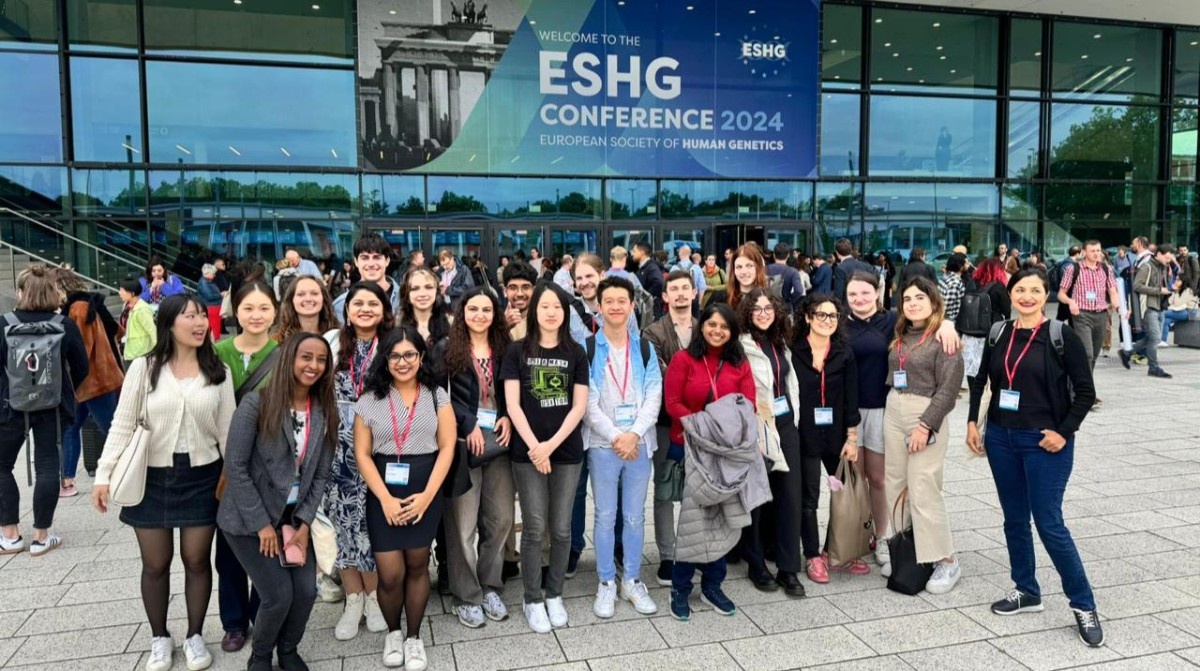
- Course specific, but the networking opportunity- I attended an international conference in Berlin, all organized by the course coordinators and also defended my thesis in front of externals from the University of Oxford. We also had a careers fair where we met with Imperial alumni. Meeting a diverse group of people from different cultures and ages, but with similar interests helps expand your mind beyond what is possible in your own country.
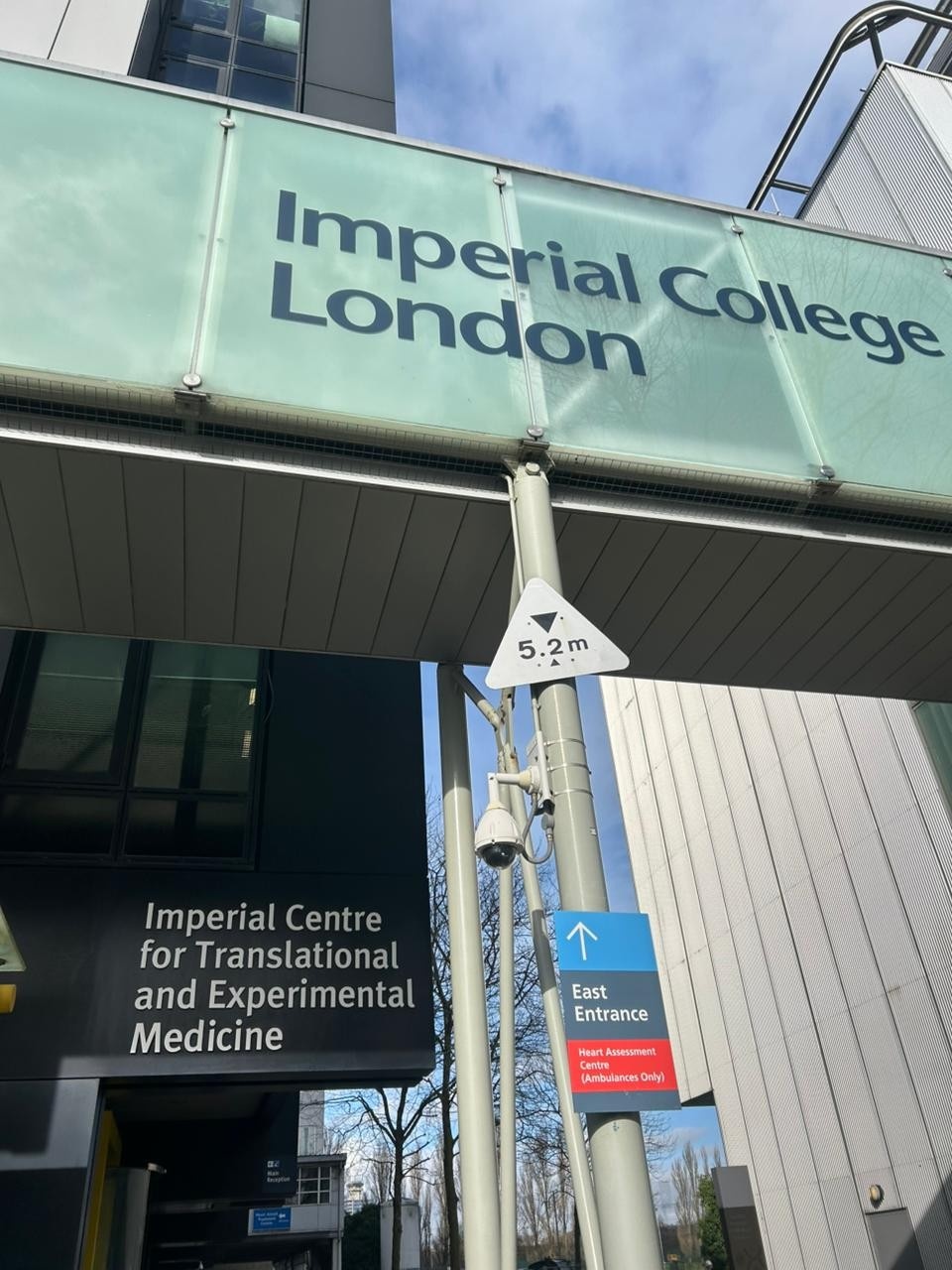
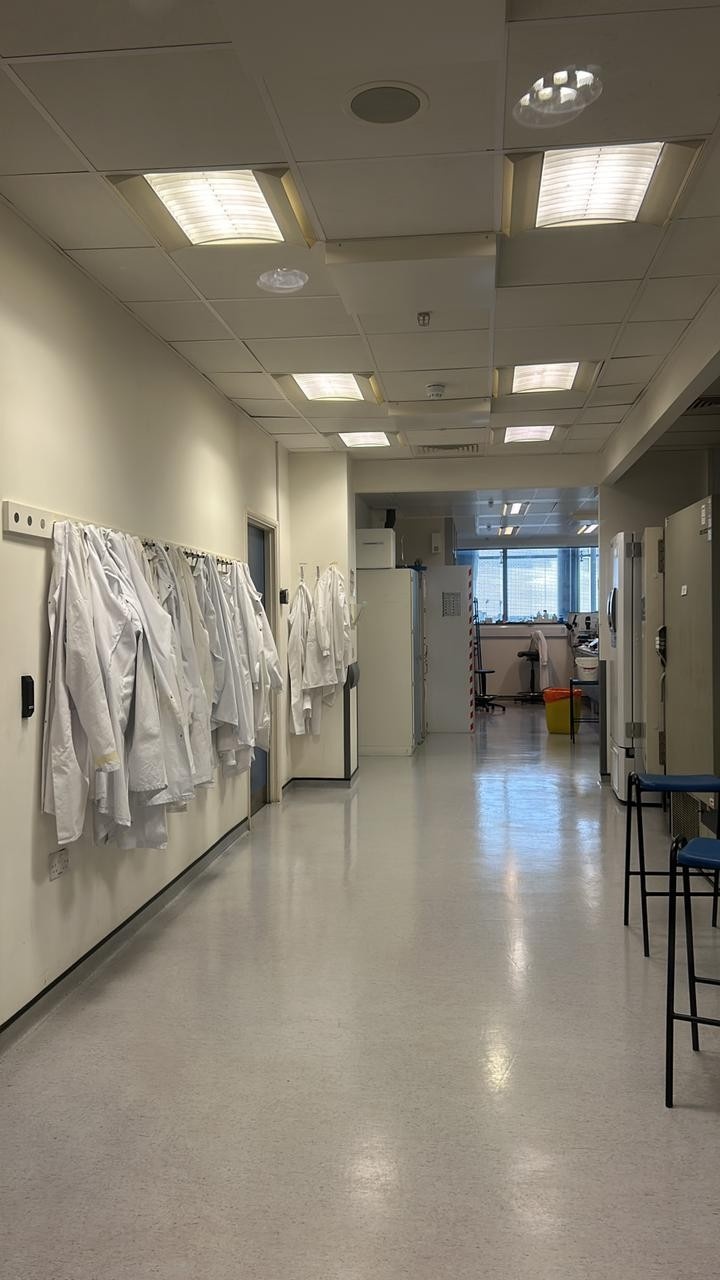
- World-class labs, never having to worry about supplies as systems are very organized. Even if there are any issues, it is easy to manage with the support of neighbouring equally established labs. Good research infrastructure, safe, easy to access any online resources needed with help of admin/IT team and great well-resourced libraries across all campuses.
Dislikes
- Lack of university accommodation for postgraduate students (we had to seek private housing/find places on our own). The college has a hall for undergraduates; this is very challenging to navigate as an international student, as we do not view the properties ourselves in person before committing.
- Career support for international students/visa seekers, especially for life sciences, is not very proactive; one has to rely on a lot of networking and cold e-mailing and visa issues need a lot more support.
- Healthcare/GP registration support needs to be sought out but should be taken care of automatically for internationals new to the system. Residential mentors should be given to new senior students too, like Big Sibs at some US colleges.
Scholarship
- Not my batchmates, but my juniors from India did – Dean J Alero Thomas and India Futures scholarship (around 10k pounds each)
- Very few. I was invited to apply for two – the Faculty of Medicine scholarship and Dean J Alero one – but did not get awarded
- It should be noted that for PhD funding, overseas scholarships are very, very limited as compared to home students, as international fees are higher.

Likes
- Location in the heart of central London, close to Hyde Park, good proximity to metro station, shops and restaurants, very posh and safe area
- Research focussed course with lots of reserach opportunity available for students
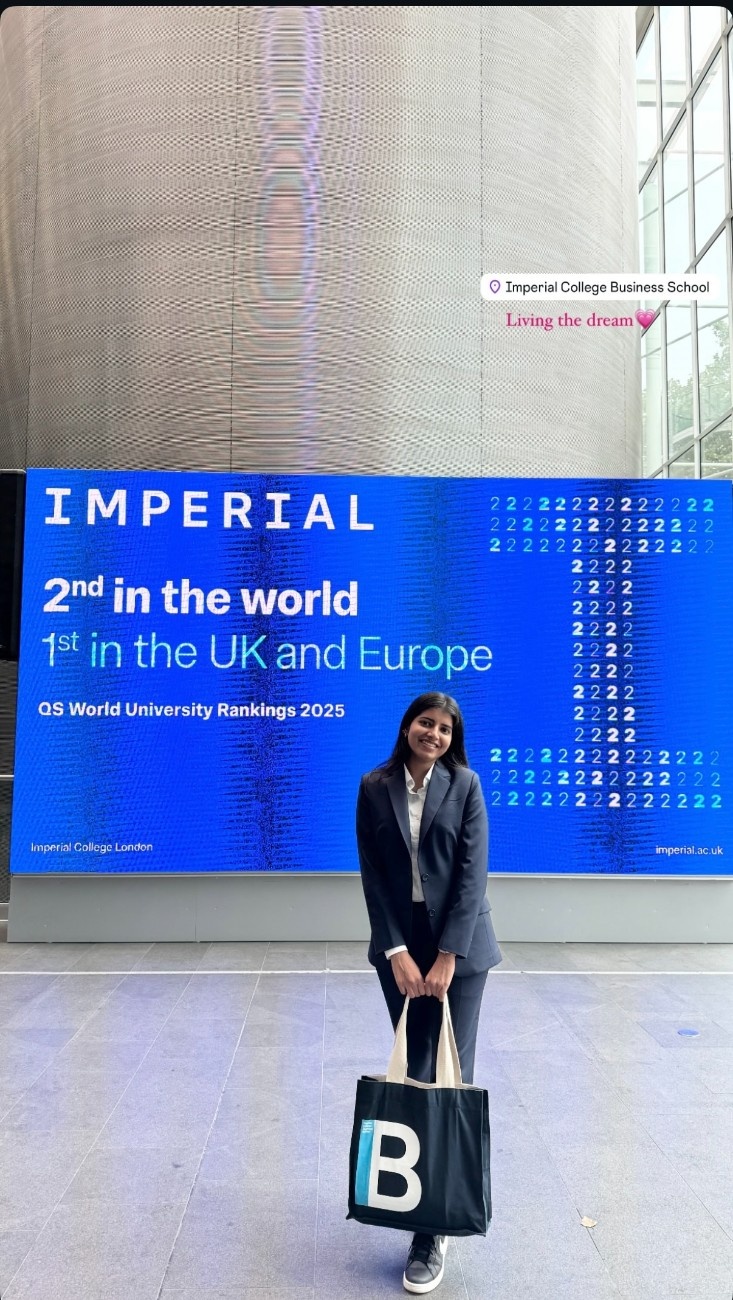
- Highly ranked (#2 in the world)
Dislikes
- STEM-only university so didn't get to interact with non-stem students
- My course was relatively new so could have some improvements
- My course only utilised one teaching room which became quite mundane after some time
Scholarship
- No, I did not receive a scholarship, as they are not available for international students mostly. My batchmates also did not receive scholarships if they were international, but local students got financial aid depending on household income.
- I don't know how many students get scholarships or how much money they get in scholarships because, in general, there are not many.
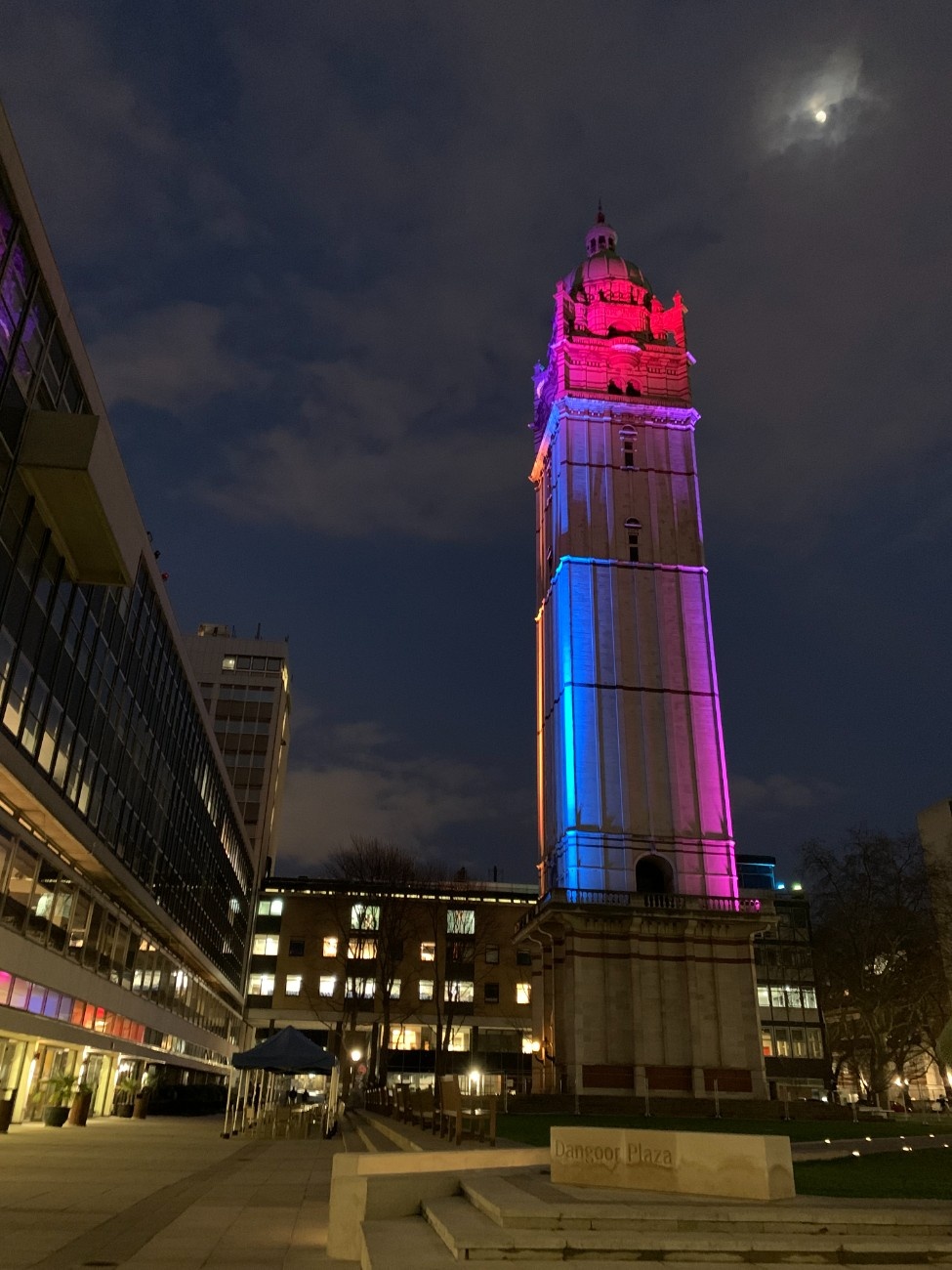
Likes
- The lectures were focused on facilitating discussion and debate within the classroom rather than delivering theoretical content
- The courses had plenty of case studies from real world situations that have occurred
- We had a lot of projects which allowed us to think critically and apply ourselves
Dislikes
- The self study material provided was too extensive to cover before lectures
- Sometimes there was a lack of clear guidance on how to approach registering and attending professional events
- For one course we had lectures change in the middle which was less than ideal
Scholarship
- I did not receive a scholarship, as I applied pretty late, and by then the scholarship deadlines had passed
- Most of batchmates did not receive a scholarship
- The only people that I know who received scholarship were from underprivileged backgrounds and had a genuine need for a scholarship without which they would be unable to study at Imperial (even with student loans)

Likes
- Professors are helpful and use real examples, not just theory.
- I loved the diversity, met people from everywhere.
- Being in central London itself is a huge plus.
Dislikes
- Workload can get crazy at times with back-to-back deadlines.
- Staying near campus is very expensive.
- Food on campus is overpriced.
Scholarship
- I personally did not receive any scholarship for my course.
- There are a few scholarships available at Imperial, but they are very competitive and depend on factors like academic excellence, leadership, and financial need.
- Some of my batchmates did receive partial scholarships, but the number of students who get them is quite limited compared to the total class size.
- The typical award amount varies, but most of them cover only a portion of the tuition fee rather than the full cost.



Likes
- The modules offered are extremely interesting and are well planned out.
- The professors are not only knowledgeable but also approachable, making complex topics easier to grasp. Most of them are field medal winners or noble prize winners.
- The student body is incredibly diverse, offering exposure to different cultures and perspectives. There are people from different walks of life.
Dislikes
- The overall course is quite intensive.
- The academic workload can sometimes feel overwhelming, making it challenging to maintain a work-life balance.
- Being in London means dealing with sky-high accommodation and living expenses.
Scholarship
- Yes, there is scholarship available for the course like the DeepMind Scholarship (But Only for Girls)- It waives off the entire tuition fees. In my class there are 2 people who had received this.
- Also there are other scholarships from different government agencies.
- For Indians there is the "Future Leaders Scholarship program" given to a few students from any STEM course.



Likes
- Highly diverse with students from all over the world.
- Very efficient and knowledgeable faculty.
- The way in which course is conducted - mix of classes, assignments, group discussions, guests from different sectors etc
Dislikes
- Campus is not as big and fancy as Oxford or Cambridge.
- Not very helpful in getting campus placements.
- Not aware of there are proper programs for alumni engagement especially for the students from other countries than UK.
Scholarship
- Yes, as mentioned previously, I was awarded a Chevening Scholarship by UK government.
- Would recommend to go through - https://www.chevening.org/ for more information.
- This included Tuition fee, monthly stipend along with flight tickets from home country to place of education (in my case from Jaipur to London). In summary, my entire expenses were covered.
- Yes, a few others got other financial supports in terms of tuition fee waiver or college scholarships etc.

Likes
- Infrastructure
- Career fairs in which we got the opportunity to directly meet the CEO/higher authority of companies
- Cultural events
Dislikes
- Less interaction of student with teachers during classes
- Less options for vegetarian food
- Less options for foreigners
Scholarship
- Nope, I did not receive any scholarship.
- Yes 2 of them from my class received scholarships from a batch of 80 students.
- Only 5-10 students receive scholarships on a yearly base and it's a very specific scholarship.
- Only limited students get it and on very strict conditions. It's super hard to get one. And we have to apply for it early when the college applications starts.


Likes
- I enjoyed my time at Imperial because of the different faculty members from all around the world. I thought going into a university that my faculty would only have a British outlook and not a global perspective but turned out that most faculty was from the US and other countries. This helped me connect more with the content.
- The students were mostly asian because of our vast population but people had studied outside of Asia which helped bring in a global perspective on the different skills and tasks we performed. I also liked the focus given to Equality, Diversity, and Inclusion.
Overview
I chose Imperial because of its ranking and because I wanted to gain experience in coding, which this course revolves around. I knew studying in MSc would help me position myself better in the market. I chose to come to this university because it is in one of the best parts of London and hence would be safe. The university is working towards sustainability and business plays a major role in this, this course had electives that fit well with what I want to do in the future like sustainable finance, fintech, analytics, banking, innovation and Python for finance. There were multiple career fairs and many alumni events that gave us exposure. They also held lots of social events in museums and Hyde Park to network with one another while also having a good time.
Likes
- Location, it's in Central London close to loads of museums and parks, a hub for culture and history
- Since Imperial is primarily a STEM uni even the business school is influenced by that, all our profs do a great job at keeping up with new tech and the course material is relevant.
- The course is evenly paced and doesn't get overwhelming.
Dislikes
- Huge cohort size, can be hard to stand out.
- London is an extremely expensive city. The visa restrictions and the current job market does't make getting a job easy.
Overview
I picked the university cause it was highly ranked globally and in my course. Additionally, the course structure covered all the topics I wanted to study and London was one of the top cities I was looking at and wanted to be in. My experience was great, met loads of interesting people and felt very intellectually stimulated.


interested in this College ?
Follow & Share this college to get information about admission.



Comments