





Newcastle University admissions run on UCAS for undergraduate degrees and on the Apply to Newcastle Portal for taught postgraduate and research routes, with Indian applicants typically needing Class XII around 80 percent for UG and a Bachelor’s at 55 to 65 percent for PG.
- Next live deadline: UCAS equal consideration 13 January 2027 for September 2027 undergraduate entry.
- Base tuition MBA GBP 33,250 (INR 43.02 Lakhs), UCAS application fee GBP 34.50 (INR 4,463).
- Eligibility floor: Class XII 80 percent for UG, Bachelor’s 55 percent for PG, IELTS 6.5 overall.
- Acceptance rate: around 18 percent overall, based on the 2025 UCAS cycle.
Popular Indian-applicant choices at Newcastle University include MSc Data Science, MSc International Business Management, and the AMBA-accredited MBA. Student reviews consistently flag the Russell Group teaching quality and comparatively lower cost of living in Newcastle upon Tyne as reasons for enrolling.
Table of Contents
- Newcastle University Application Deadlines and Intakes
- Newcastle Eligibility Rules for Indian Students
- Newcastle University PG Programs and English Scores
- Newcastle UG Programs and A-Level Alternatives
- Newcastle University MBA Admissions and Interview
- Newcastle PhD Admissions and Funding for Indian Students
- Newcastle University Application Process Step by Step
- Newcastle Documents Required for Indian Applicants
- Newcastle University Acceptance Rate and Selectivity
- UK Student Visa Process for Newcastle Applicants
- Tips and Checklist for Newcastle University Admissions
- Newcastle University Admissions: Frequently Asked Questions
Newcastle University Application Deadlines and Intakes
Newcastle runs two admission intakes for most Indian applicants. The primary September (Semester 1) intake carries the full undergraduate and postgraduate catalogue, and a smaller January (Semester 2) window opens select postgraduate courses. Undergraduate applications route through the UK’s Universities and Colleges Admissions Service (UCAS), while taught postgraduate and research routes use the Apply to Newcastle Portal. The dates below are drawn from Newcastle’s postgraduate applications and offers page, cross-referenced with UCAS for the 2027 undergraduate cycle.
Newcastle University’s primary intake for Indian students is September (Semester 1). Most undergraduate and postgraduate taught programmes open here.
| Intake | Level | App Opens | Deadline | App Fee | Portal |
|---|---|---|---|---|---|
| Primary intake, September 2027 | Undergraduate | 1 September 2026 | 13 January 2027 (UCAS equal consideration) | GBP 34.50 (INR 4,463) | UCAS |
| September 2027 | UG (Medicine, Dentistry) | 1 September 2026 | 15 October 2026 at 18:00 UK time | GBP 34.50 (INR 4,463) | UCAS |
| September 2027 | PG Taught | Rolling from October 2026 | Recommended by 30 June 2027 | No application fee | Apply to Newcastle |
| January 2027 | PG Taught (select courses) | Rolling | Recommended by 15 November 2026 | No application fee | Apply to Newcastle |
| Year-round | PhD and MPhil | Rolling | Set by supervisor and funding cycle | No application fee | Apply to Newcastle |
Planning note: The UCAS 15 October 2026 deadline for Medicine and Dentistry is fixed. Indian applicants aiming at MBBS Medicine and Surgery need University Clinical Aptitude Test (UCAT) results, a completed personal statement, and a submitted UCAS form before that cut-off, since no late slot exists in the same cycle.
Newcastle University Eligibility for Indian Students
Newcastle sets two eligibility layers for Indian applicants: an academic floor by qualification (Class XII for undergraduate, Bachelor’s for postgraduate) and an English-language proof requirement. Individual programmes may set higher bars than the institution-wide minimums.
Academic Entry for Newcastle Undergraduate Courses
- Direct entry: Class XII from CBSE, ISC, or a state board at 80 percent overall, with 85 percent and above for competitive courses such as Computer Science and Engineering.
- English within Class XII: 75 percent or above in the English paper is accepted by Newcastle in place of a separate English test.
- Pathway route: The NCUK (Northern Consortium UK) International Foundation Year at approved partners is a recognised route into Year 1 for applicants who miss direct-entry percentages.
Academic Entry for Newcastle Postgraduate Courses
- Standard PG: Bachelor’s degree from a recognised Indian university at 55 percent or higher, roughly a UK lower second (2:2) equivalent, for most Master’s programmes.
- Competitive PG: 60 percent or higher, roughly a UK upper second (2:1) equivalent, for Newcastle Business School Master’s, MSc Data Science, and Law LLMs.
- Research (MPhil and PhD): Master’s degree with 60 percent and above from a recognised institution, plus a research proposal aligned with a Newcastle supervisor.
Newcastle University English Language Requirements
| Test | UG Minimum | PG Minimum | Sub-skill Floor |
|---|---|---|---|
| IELTS Academic | 6.5 overall | 6.5 overall (7.0 for Law and Health) | 5.5 in each |
| TOEFL iBT | 90 overall | 90 overall | R 18, L 17, S 20, W 17 |
| PTE Academic | 70 overall | 70 overall | 59 in each |
| Duolingo English Test | 125 overall | 125 overall | 100 in each |
| Cambridge C1 Advanced / C2 Proficiency | 176 overall | 176 overall | 162 in each |
Newcastle University IELTS Waiver for Indian Students
Newcastle waives the English-language test for Indian applicants who meet any of the following, per its English language requirements page:
- Class XII English at 75 percent or higher, with the exam sat within the last three years of the course start date.
- A prior Bachelor’s or Master’s degree fully taught and assessed in English, awarded within the last three years.
- Successful completion of a Newcastle pre-sessional English programme at the required level.
Insider note: The Class XII English waiver only works when the board marksheet clearly shows the English paper score and the course starts within three years of that examination. Indian applicants with older Class XII results but a recent English-medium Bachelor’s still qualify under the degree-medium route.
Newcastle University PG Programs and English Scores
Newcastle’s taught Master’s portfolio spans business, computing, engineering, public health, and life sciences, with most one-year MSc and MA programmes accepting Indian Bachelor’s degrees at 55 to 60 percent. Base tuition varies by faculty band. The AMBA-accredited MBA is priced at GBP 33,250 (around INR 43.02 Lakhs) per year for 2026/27, and other classroom and lab-based Master’s fees are published on each degree page. For a full course-wise programme list with fees, use the Newcastle programmes hub.
| Programme | Duration | Minimum Eligibility | English Req. Min. |
|---|---|---|---|
| MSc Finance and Financial Regulation | 12 months | Bachelor’s 60 percent in a numerate discipline | IELTS 6.5 |
| MSc International Business Management | 12 months | Bachelor’s 60 percent in any discipline | IELTS 6.5 |
| MSc Marketing | 12 months | Bachelor’s 60 percent in any discipline | IELTS 6.5 |
| MSc International Human Resource Management | 12 months | Bachelor’s 55 percent in any discipline | IELTS 6.5 |
| MSc Data Science | 12 months | Bachelor’s 60 percent in CS, Maths, or a numerate field | IELTS 6.5 |
| MSc Advanced Computer Science | 12 months | Bachelor’s 60 percent in Computer Science | IELTS 6.5 |
| MSc Cyber Security and Data Analytics | 12 months | Bachelor’s 60 percent in CS or a related field | IELTS 6.5 |
| MSc Public Health | 12 months | Bachelor’s 55 percent in health, life sciences, or related | IELTS 6.5 |
| MSc Advanced Chemical Engineering | 12 months | Bachelor’s 60 percent in Chemical Engineering | IELTS 6.5 |
| MSc Renewable Energy Enterprise and Management | 12 months | Bachelor’s 55 percent in engineering, science, or economics | IELTS 6.5 |
Deposits, cost-of-attendance, and per-course fee splits sit on Newcastle’s individual degree pages. The deadlines table in Section 1 remains authoritative for application timing.
Note: Program-specific entry requirements, fees, and intake availability may differ from the institution-wide minimums shown above. Always confirm on the official Newcastle University postgraduate degree finder for your chosen program before applying.
Newcastle University UG Programs and A-Level Alternatives
Undergraduate degrees at Newcastle run three years for most subjects, with four-year variants for programmes that include a placement or a year abroad. Indian Class XII marksheets are accepted directly for most courses, with A-Level equivalents ranging from ABB (around 80 percent aggregate at Class XII) to A*AA for the most competitive courses.
| Programme | Duration | Minimum Eligibility | English Req. Min. |
|---|---|---|---|
| BSc (Hons) Computer Science | 3 years | Class XII around 85 percent (A-Level AAA) with Mathematics | IELTS 6.5 |
| BEng (Hons) Mechanical Engineering | 3 years | Class XII around 80 percent (A-Level AAB) with Mathematics and Physics | IELTS 6.5 |
| BA (Hons) Business Management | 3 years | Class XII around 80 percent (A-Level ABB) in any stream | IELTS 6.5 |
| BSc (Hons) Economics | 3 years | Class XII around 85 percent (A-Level AAA) with Mathematics | IELTS 6.5 |
| BEng (Hons) Civil and Structural Engineering | 3 years | Class XII around 80 percent (A-Level AAB) with Mathematics | IELTS 6.5 |
Newcastle University MBA Admissions and Interview
The Newcastle University MBA is a full-time 12-month programme housed at Newcastle University Business School and holds AMBA (Association of MBAs) accreditation. The next intake starts in September 2027, with applications open on a rolling basis through the Apply to Newcastle Portal.
Newcastle MBA Eligibility and Test Policy
- Bachelor’s degree at 55 percent or higher (UK 2:2 equivalent) in any discipline.
- Work experience: minimum of three years of significant, full-time, post-graduation experience in a professional role.
- GMAT and GRE: not required. Admissions are decided on academic record, work experience, and interview performance.
- English: IELTS 6.5 overall with 5.5 in each sub-skill, or an accepted equivalent.
Newcastle MBA Fees, Rounds, and Interview
Tuition for the 2026/27 cohort is set at GBP 33,250 (around INR 43.02 Lakhs) for the full 12 months. The same fee applies to Indian and other international applicants. Applications are reviewed continuously, so no fixed rounds apply, and shortlisted candidates are invited to a one-to-one online interview with the MBA Admissions team covering career motivations, leadership examples, and cohort fit.
Planning note: Newcastle’s MBA cohort is deliberately small and selective. Indian applicants aiming at September 2027 should submit by 31 May 2027 to leave time for interview scheduling and Confirmation of Acceptance for Studies (CAS) issuance before the UK visa window opens.
Newcastle University PhD Admissions and Funding
Doctoral study at Newcastle is admitted year-round and driven by supervisor availability and research funding cycles rather than fixed intake dates. Indian applicants apply directly through the Apply to Newcastle Portal after securing a supervisor’s in-principle agreement.
Newcastle PhD Process for Indian Applicants
- Identify a supervisor in your research area from Newcastle’s staff directory and email an outline of the proposal.
- Prepare a research proposal of 1,500 to 2,500 words setting out the question, methods, and fit with the supervisor’s group.
- Submit the online application with transcripts, CV, English score, and two references, tagging the proposed supervisor.
- Attend a virtual interview when shortlisted, discussing feasibility and funding fit.
Newcastle PhD Funding for 2026/27
The UK Research and Innovation (UKRI) minimum PhD stipend for the 2026/27 academic year, effective from 1 October 2026, is GBP 21,805 (around INR 28.21 Lakhs) per year, paid tax-free, alongside a fees waiver at the UK home rate and a Research Training Support Grant. Newcastle also runs the Newcastle University Overseas Research Scholarships (NUORS) for international doctoral candidates.
Insider note: Most Indian PhD applicants at Newcastle who land funding pair a UKRI-eligible supervisor with an application filed by January or February for an October start. Applying nine to twelve months ahead of the desired start is the working norm.
Newcastle University Application Process for International Students
The application route splits by level. Undergraduate goes through UCAS, while taught postgraduate and research routes use the Apply to Newcastle Portal. Both routes need the same evidence set: transcripts, English proof, personal statement, and references. The steps below apply for September 2027 entry.
Newcastle Undergraduate Application via UCAS
- Register on the UCAS Hub. The UCAS 2027 cycle opened 1 September 2026. Apply through UCAS using Newcastle’s institution code N21.
- Choose up to five courses on the single UCAS application form.
- Write a 4,000-character personal statement and add one academic reference.
- Pay the UCAS application fee of GBP 34.50 (around INR 4,463) on the UCAS Hub, which covers all five choices for 2027 entry.
- Submit by 13 January 2027 at 18:00 UK time for equal consideration, or by 15 October 2026 for Medicine and Dentistry.
Newcastle Postgraduate and Research Application
- Create an account on the Apply to Newcastle Portal and select the target Master’s or research programme.
- Upload transcripts, degree certificate, CV, personal statement, English proof, and two references.
- Submit. There is no application fee for postgraduate courses at Newcastle.
- Track offer status inside the portal and accept the offer online once conditions are met.
Newcastle Admission Decisions Timeline
Undergraduate UCAS applications typically get a decision within four to eight weeks, with all pre-13 January applications answered by May 2027 per the UCAS reply schedule for 2027 entry. Postgraduate offers land within four to six weeks on the Apply to Newcastle Portal, and the applicant then has around three to four weeks to accept and pay any tuition deposit set by the course.
Planning note: Newcastle offers can be conditional on final marksheets, English scores, or funding proof. Indian applicants should upload the Class XII marksheet and English proof at the point of submission wherever possible, since unconditional offers make the UK student visa process considerably faster.
Newcastle University Documents Required for Indian Applicants
Newcastle expects a standard set of application documents from Indian students. Everything must be submitted as clear PDF scans, and originals or certified copies may be requested at the CAS-issue stage after an unconditional offer.
- Academic transcripts: official Class XII marksheets for UG, complete Bachelor’s transcripts and consolidated marksheet for PG.
- Degree certificate: provisional or final, for PG and PhD applicants.
- Passport: clear scan of the biodata page, valid for the course duration plus at least six months.
- Personal statement: 4,000 characters for UCAS, 500 to 1,000 words for postgraduate courses.
- References: one academic reference for UG, two academic or professional references for PG and PhD.
- CV: mandatory for MBA, PG business courses, and PhD, and optional for other Master’s.
- English test score report or documentary evidence of an accepted waiver.
- Research proposal: PhD only, 1,500 to 2,500 words.
- Work-experience letters: for MBA and Executive Master’s, showing role, dates, and responsibilities on company letterhead.
- Financial statement: bank proof for the CAS and UK student visa, not required at the application stage.
Newcastle University Acceptance Rate and Selectivity
Newcastle is a Russell Group university and sits inside the QS World Top 150 (currently QS 149 for the 2027 edition). Details of its full ranking band across QS, THE, and ARWU sit on the Ranking page. Selectivity at Newcastle is course-driven rather than uniform across the institution.
Institution-Wide Acceptance Rate
For the 2025 UCAS cycle, Newcastle received 37,575 applications and made 6,780 acceptances, giving an institution-wide acceptance rate of approximately 18 percent. The rate spans everything from open-access pathway entries to competitive Medicine and Dentistry. Newcastle does not publish a separate international acceptance figure.
How Selectivity Varies by Course at Newcastle
- MBBS Medicine and Surgery: the tightest course, with international admits in single-digit percentages of applications received.
- Dentistry, Law, and Computer Science: competitive but achievable for Indian applicants who meet the top of the entry band.
- Business, humanities, and most Master’s routes: significantly higher offer rates for applicants who clear the published academic and English floors on their first submission.
Insider note: Newcastle’s headline 18 percent rate is an overall UCAS figure and can mislead. Most Indian applicants for taught Master’s degrees who meet the 60 percent Bachelor’s plus IELTS 6.5 floor, and who apply well before the recommended cut-off, receive an offer within six weeks.
UK Student Visa Process for Newcastle University Applicants
Indian students admitted to Newcastle apply for a UK Student Visa (formerly Tier 4) through UK Visas and Immigration (UKVI). Applications open up to six months before course start, and the visa is required for any course longer than six months. Newcastle issues a Confirmation of Acceptance for Studies (CAS) after the applicant accepts the offer and clears any conditions. The CAS reference is the visa application’s central document.
Applicants also pay the Immigration Health Surcharge (IHS) of GBP 776 (around INR 1.00 Lakh) per year of the course, giving access to the UK’s National Health Service. Bank statements must show course tuition plus GBP 1,483 (around INR 1.92 Lakhs) per month of maintenance funds for outside-London study, held in the applicant’s or sponsor’s account for at least 28 consecutive days. Newcastle’s international team runs pre-CAS credibility checks for some Indian applicants during peak visa months of July and August.
2026 update: The UK visa fee for Student route applications made from outside the UK is GBP 524 (around INR 67,790) in 2026. Newcastle recommends starting the visa application within one week of accepting the offer to hit the September 2027 semester start with margin.
Tips and Checklist for Newcastle University Admissions
The following tips and steps are drawn from Indian-applicant patterns at Newcastle across recent UG and PG cycles. Read them as a timeline rather than a set of one-off actions.
- Start 10 months out: begin the Newcastle application by November 2026 for September 2027 entry, or earlier for MBBS, Dentistry, and scholarship-linked routes.
- Front-load the English proof: book IELTS, PTE, or TOEFL by December 2026 so the score sits inside the application rather than as a condition on the offer.
- Personal statement discipline: tie every paragraph to Newcastle’s teaching approach or a named research group. Generic UK-uni statements underperform on Newcastle’s assessor rubric.
- Chase the offer inside four weeks: if the portal shows no update after 30 days, email admissions with the application ID rather than waiting quietly.
- Reserve funds by February: bank statements need 28 days of settled balance, so assemble maintenance and tuition proof by February 2027 for a clean visa file.
- Book the visa slot early: UK Student Visa slots in Delhi, Mumbai, and Bengaluru fill from mid-June, so book within a week of CAS issuance.
- Pre-departure paperwork: a tuberculosis test certificate, an ATAS (Academic Technology Approval Scheme) clearance for STEM PG courses when applicable, original academic transcripts, and the printed Newcastle offer letter.
Newcastle University pairs an accessible Russell Group name with a Class XII 80 percent and IELTS 6.5 floor that most Indian applicants can hit on the first submission. September 2027 UG applications close 13 January 2027, and PG rolling submissions reward filing four to five months early. Confirm course-specific fees on the individual degree page before you send funds.
Newcastle University Admissions: Frequently Asked Questions
Ques. When does Newcastle University open applications for September 2027?
Ans. Undergraduate applications for September 2027 opened on the UCAS Hub on 1 September 2026, with the equal consideration deadline of 13 January 2027 at 18:00 UK time. Postgraduate applications run rolling through the Apply to Newcastle Portal, and Indian applicants are advised to file at least four to five months before their intended intake.
Ques. What is Newcastle University’s application fee for Indian students?
Ans. Undergraduate applicants pay the UCAS fee of GBP 34.50 (around INR 4,463), which covers up to five course choices for 2027 entry. Postgraduate taught, MBA, and PhD applications submitted through the Apply to Newcastle Portal carry no application fee.
Ques. What is the minimum IELTS score for Newcastle Master’s programmes?
Ans. Newcastle’s institutional minimum for postgraduate courses is IELTS 6.5 overall with 5.5 in each sub-skill. Some Law, Health, and Education programmes require IELTS 7.0. Confirm the specific score on the individual course page before booking a test slot.
Ques. Can Indian students get an IELTS waiver at Newcastle?
Ans. Yes. Indian applicants scoring 75 percent or higher in Class XII English (within three years of course start) or holding a Bachelor’s or Master’s degree taught and assessed in English (within the last three years) can be exempted from IELTS or an equivalent test.
Ques. What Bachelor’s percentage is needed for Newcastle Master’s programmes?
Ans. Most Newcastle Master’s programmes need a Bachelor’s degree at 55 percent or higher (UK 2:2 equivalent). Competitive courses in Newcastle Business School, MSc Data Science, and Law require 60 percent and above (UK 2:1 equivalent) from a recognised Indian institution.
Ques. Does Newcastle University require GMAT for the MBA?
Ans. No. Newcastle University Business School does not require GMAT or GRE for its MBA. Admissions are based on Bachelor’s degree, three or more years of significant post-graduation full-time work experience, and a one-to-one online interview with the MBA Admissions team.
Ques. How long does Newcastle University take to reply to an application?
Ans. Undergraduate UCAS applications typically get a decision within four to eight weeks. Postgraduate applications through the Apply to Newcastle Portal are answered in four to six weeks on average, and turnaround is faster when transcripts and English proof are already uploaded at submission.
Ques. Is there a January 2027 intake for Master’s at Newcastle?
Ans. Select Newcastle Business School and computing Master’s programmes run a January intake. Indian applicants targeting January 2027 should submit through the Apply to Newcastle Portal by mid-November 2026 to allow time for the CAS and UK student visa processing before term begins.
Ques. What is Newcastle University’s UCAS code?
Ans. Newcastle University’s UCAS institution code is N21 and its short name on the UCAS Hub is NEWC. Use N21 when adding Newcastle as one of your five course choices for the 2027 entry cycle.
Ques. How much are UK student visa fees for Newcastle applicants?
Ans. The UK Student Visa application fee from outside the UK is GBP 524 (around INR 67,790) in 2026. Applicants also pay the Immigration Health Surcharge of GBP 776 (around INR 1.00 Lakh) per year of the course before travelling, giving access to the National Health Service.
Ques. What is Newcastle University’s acceptance rate?
Ans. Newcastle’s institution-wide acceptance rate is around 18 percent, based on the 2025 UCAS cycle of 37,575 applications and 6,780 acceptances. Postgraduate taught courses where Indian applicants meet the published academic and IELTS floors typically see much higher offer rates.
College Student Profiles

Newcastle University Program Fees & Deadlines
| Program | Important Dates | Fees | Application Fees | Eligibility | Financial Aid |
|---|---|---|---|---|---|
BA Business Management 3 years | UCAS Application Deadline for 2027 Intake (13th Jan 2027) UCAS Final Application Deadline for 2027 Intake (30th Jun 2027) | USD 33,990 /Yr GBP 25,750 /Yr | 29 | IELTS: 6.5, TOEFL: 4.5, PTE: 70, Duolingo: 125 | |
UCAS Application Deadline for 2027 Intake (13th Jan 2027) UCAS Final Application Deadline for 2027 Intake (30th Jun 2027) | USD 40,524 /Yr GBP 30,700 /Yr | - | IELTS: 6.0, TOEFL: 4.0, PTE: 65, Duolingo: 115 | ||
BSc Computer Science 3 years | UCAS Application Deadline for 2027 Intake (13th Jan 2027) UCAS Final Application Deadline for 2027 Intake (30th Jun 2027) | USD 41,580 /Yr GBP 31,500 /Yr | 29 | IELTS: 6.0, TOEFL: 4.0, PTE: 65, Duolingo: 115 | |
UCAS Application Deadline for 2027 Intake (13th Jan 2027) UCAS Final Application Deadline for 2027 Intake (30th Jun 2027) | USD 41,580 /Yr GBP 31,500 /Yr | 29 | IELTS: 6.0, TOEFL: 4.0, PTE: 65, Duolingo: 115 | ||
UCAS Application Deadline for 2027 Intake (13th Jan 2027) UCAS Final Application Deadline for 2027 Intake (30th Jun 2027) | USD 32,340 /Yr GBP 24,500 /Yr | 29 | IELTS: 6.0, TOEFL: 4.0, PTE: 65, Duolingo: 115 | ||
UCAS Application Deadline for 2027 Intake (13th Jan 2027) UCAS Final Application Deadline for 2027 Intake (30th Jun 2027) | USD 40,524 /Yr GBP 30,700 /Yr | 29 | IELTS: 6.0, TOEFL: 4.0, PTE: 65, Duolingo: 115 | ||
BA Sociology 3 years | UCAS Application Deadline for 2027 Intake (13th Jan 2027) UCAS Final Application Deadline for 2027 Intake (30th Jun 2027) | USD 32,340 /Yr GBP 24,500 /Yr | 29 | IELTS: 6.0, TOEFL: 4.0, PTE: 65, Duolingo: 115 | |
UCAS Application Deadline for 2027 Intake (13th Jan 2027) UCAS Final Application Deadline for 2027 Intake (30th Jun 2027) | USD 32,340 /Yr GBP 24,500 /Yr | 29 | IELTS: 6.0, TOEFL: 4.0, PTE: 65, Duolingo: 115 | ||
UCAS Application Deadline for 2027 Intake (13th Jan 2027) UCAS Final Application Deadline for 2027 Intake (30th Jun 2027) | USD 40,788 /Yr GBP 30,900 /Yr | 29 | IELTS: 6.0, TOEFL: 4.0, PTE: 65, Duolingo: 115 | ||
BA Film and Media 3 years | UCAS Application Deadline for 2027 Intake (13th Jan 2027) UCAS Final Application Deadline for 2027 Intake (30th Jun 2027) | USD 32,340 /Yr GBP 24,500 /Yr | 29 | IELTS: 6.0, TOEFL: 4.0, PTE: 65, Duolingo: 115 |
Do you think the Dates are wrong ? Report Here


Course Finder - Search from 50K+ courses
Popular Streams:
Reviews
Most Popular Tags
20 Reviews Found
Likes
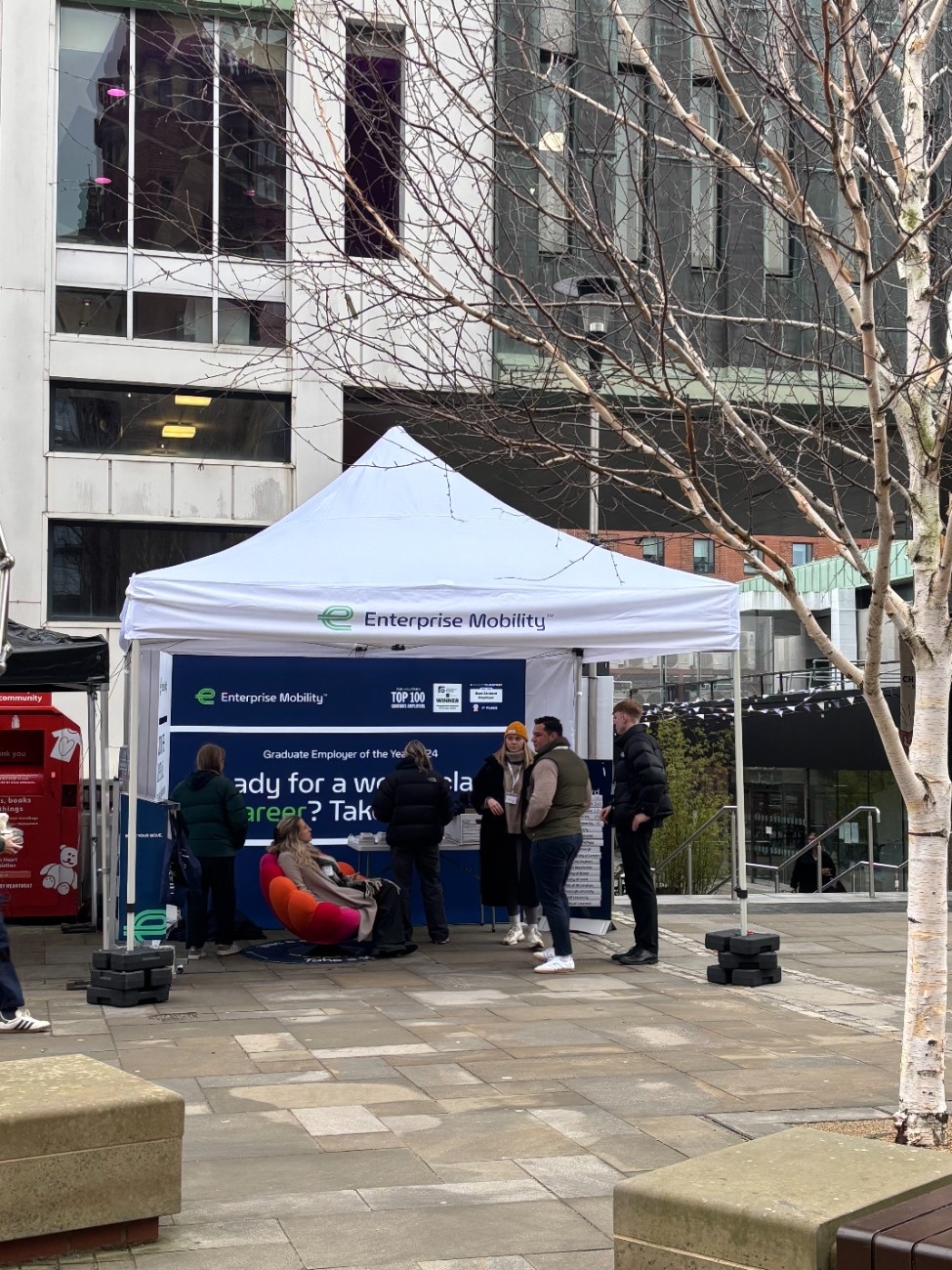
- One of the best opportunities was the speed networking session where the university brings all the top employers across different sectors into the university giving students the opportunity to ask employers about their company culture directly, what they look for in candidates, their recruitment system and giving you a real chance to actually connect with these amazing professionals.
- I really enjoyed the countless opportunities the business school brought to us like coffee chats where we have the opportunity to have a relaxed 1:1 chat with an industry professional over a coffee and sessions like industry insights, where a panel of leading professionals come and talk to us giving us insights to the real world helping us to better transition from uni to the graduate loaboir market.
- Another event I really enjoyed was the local and national business treks were the university takes us to visit different companies. We get to see how the company moves in real time in a day. The employers prepare sessions for us to students helping us to clearly understand what the current job market is looking for.
Dislikes
- One thing I disliked was that there are so many resources and information out there, sometimes it does not reach you at the right time.
- For example very few people knew about the NCL+ award because it was not advertised properly. It's an award you get from the uni for 40+ hours of extracurricular work, which looks great on your CV. By the time some students learned about it, the deadlines had passed.
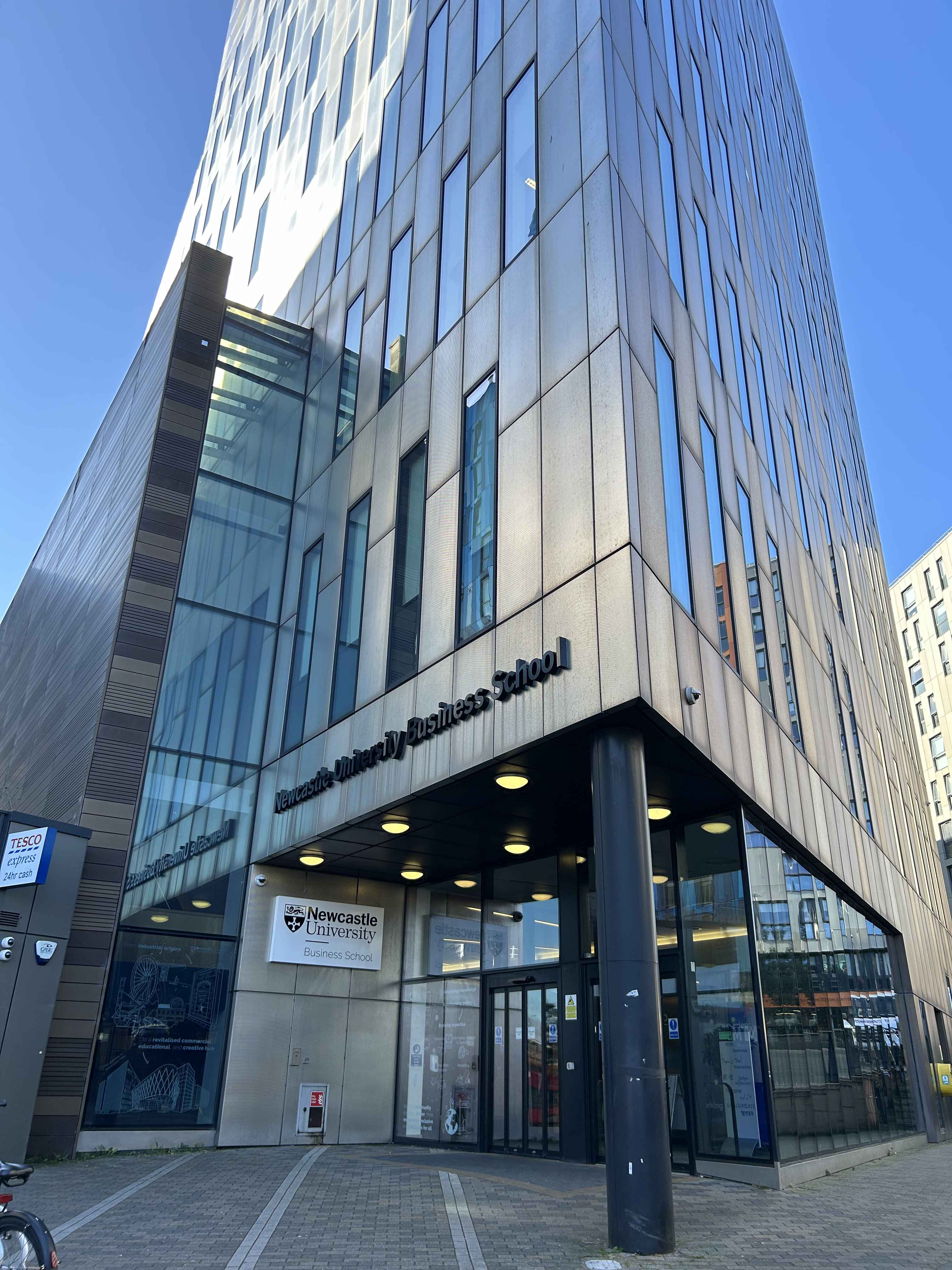
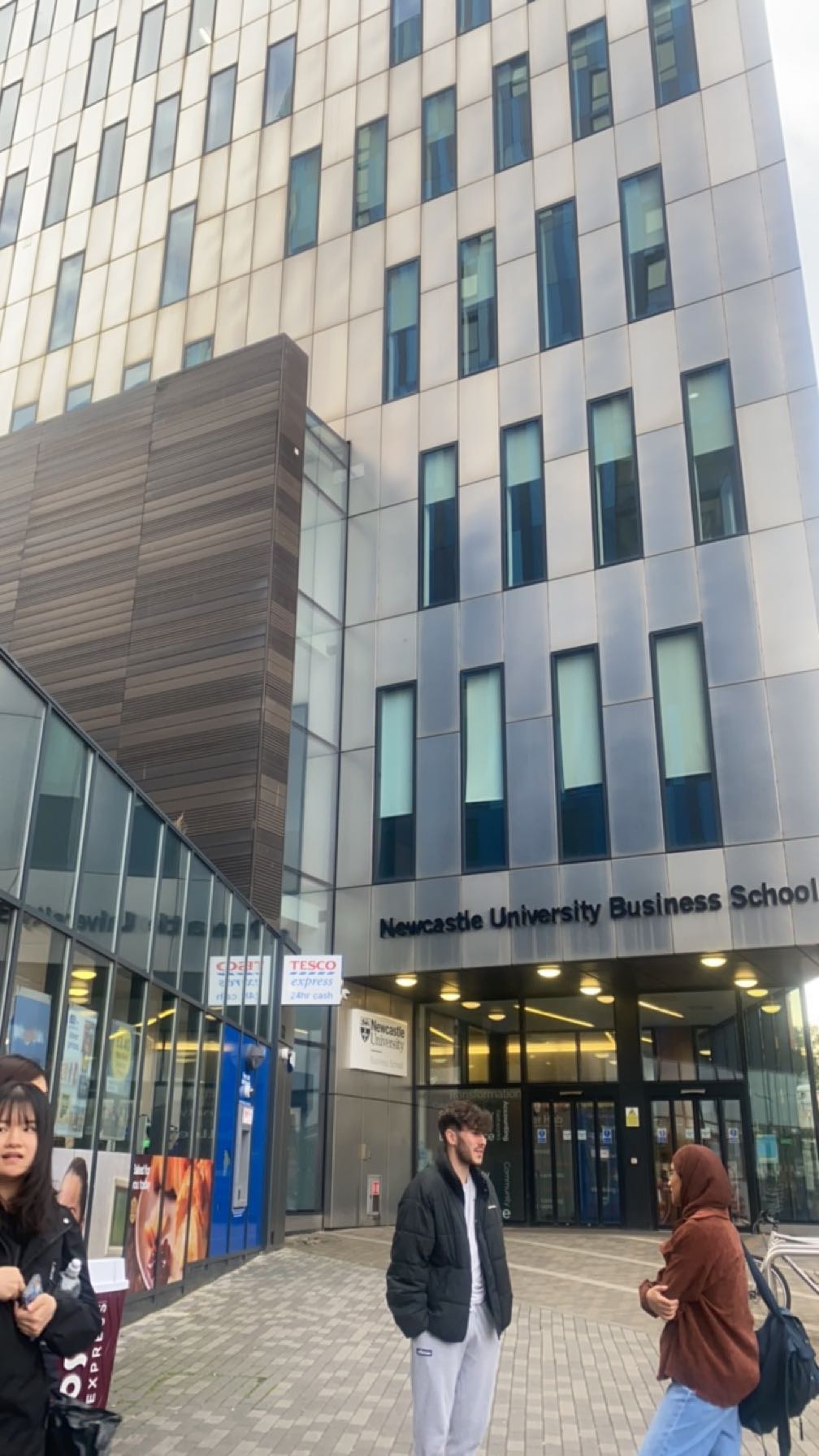
- Business School is quite large on its own but I thought it was a little bit far away from the beautiful main campus, I wish it was a little more closer and connected with the main campus.
Scholarship
- I received the Vice Chancellor’s Scholarship of £4000. I received scholarships from almost all the universities I applied to, but Newcastle University gave me the best scholarship, considering the ranking of the university.
- As far as I know, all of the Indian students received the same scholarship that I did. And some of my batch mates who were high achievers recieved 50% scholarship for their students. An outstanding Indian student received 100% scholarship in the same year as well.








Likes
- Newcastle was a great, friendly city
- Great exposure to different nationalities
- Faculty were immensely approachable and accommodating as I did my Master's during COVID. Even though I was there in Newcastle, I still did my Master's online. It was our faculty's first online experience, so they did help and make every effort.
Likes
- The university provides a balance between campus life and study. The support provided at every step is extremely comforting.
Likes
- The course is well structured and focuses on practical learning.
- The lecturers are knowledgeable, supportive and encourage hands-on problem solving.
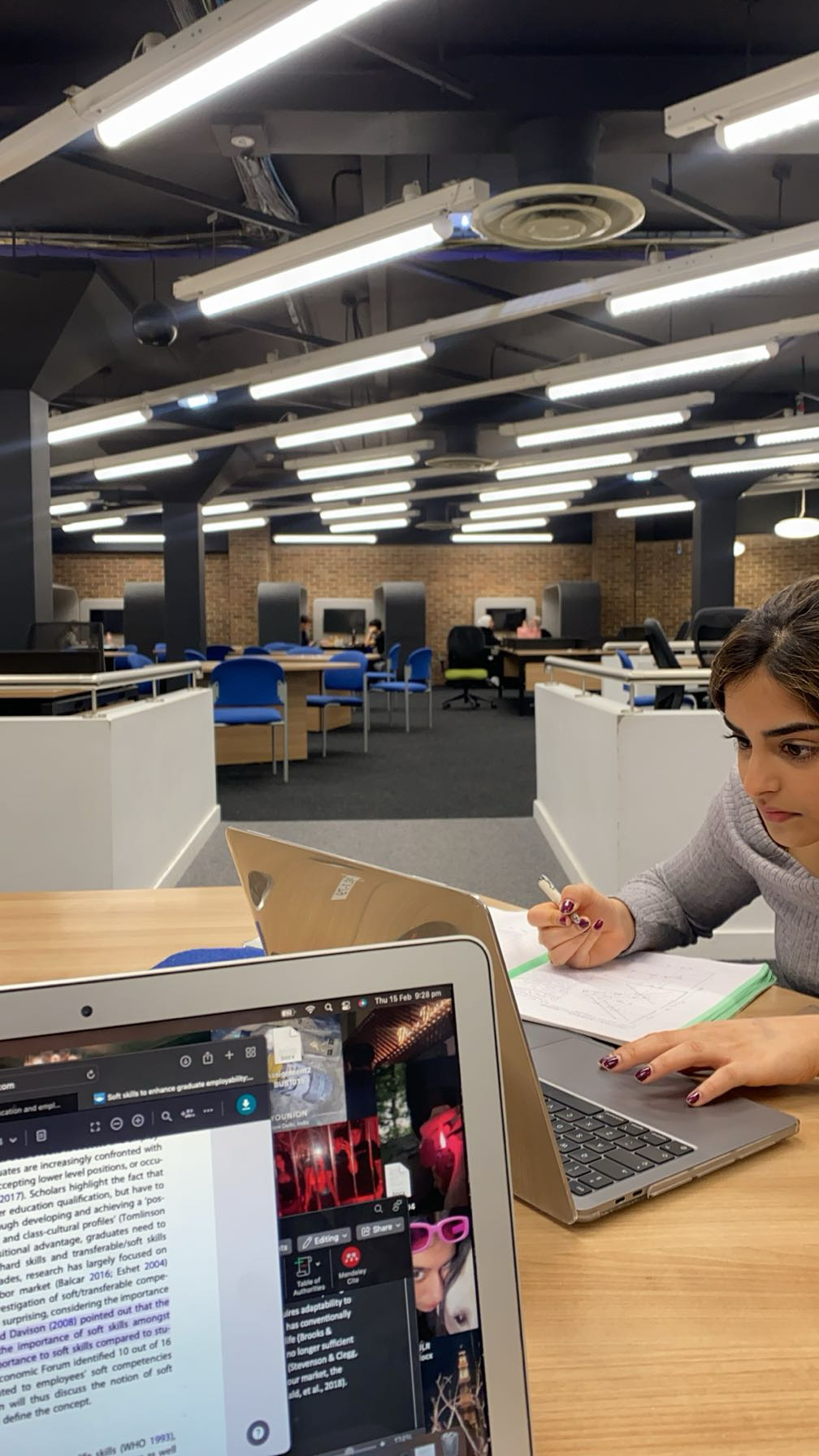
- The University has great facilities, labs and modern library.
Dislikes
- Some module schedules were tightly packed.
- More networking events with cybersecurity companies would be helpful.
- Some events conflicts with another.
Likes
- Culture Diversity, you could able to meet various culture people in your programme and expand your network.
- Active Student Union, which offers wide variety of society's to join in. Also you can get opportunity to volunteer.
- A well driven career employability team, which offers multiple events on personality development, interview success, etc.
Dislikes
- Only thing I hate is having classes on all the 5 days in a week, which makes it difficult to do part time. Unless, it is a very good University and a good place to live in as it in the North east of UK, where cost of living also comparatively less.
Scholarship
- Yes, I have received the Vice Chancellor's International Scholarship based on my academic performance as an undergraduate. There is no such eligibility criteria; all of my friends have gotten the same scholarship.
- I got awarded with 4000 GBP.
- One of my friends got a Vice Chancellor Excellence Scholarship, which is 50% off her tuition fee. It is a separate application that you have to make to the university mentioning why you are eligible for the award. There are two options: 100% and 50% off your tuition fee.
- Whoever applies to the university generally gets the basic scholarship, which I got, which amounted to 4000 pounds. Only a few will get the Vice chancellor Excellence Scholarship, like 5 to 10 people.



Likes
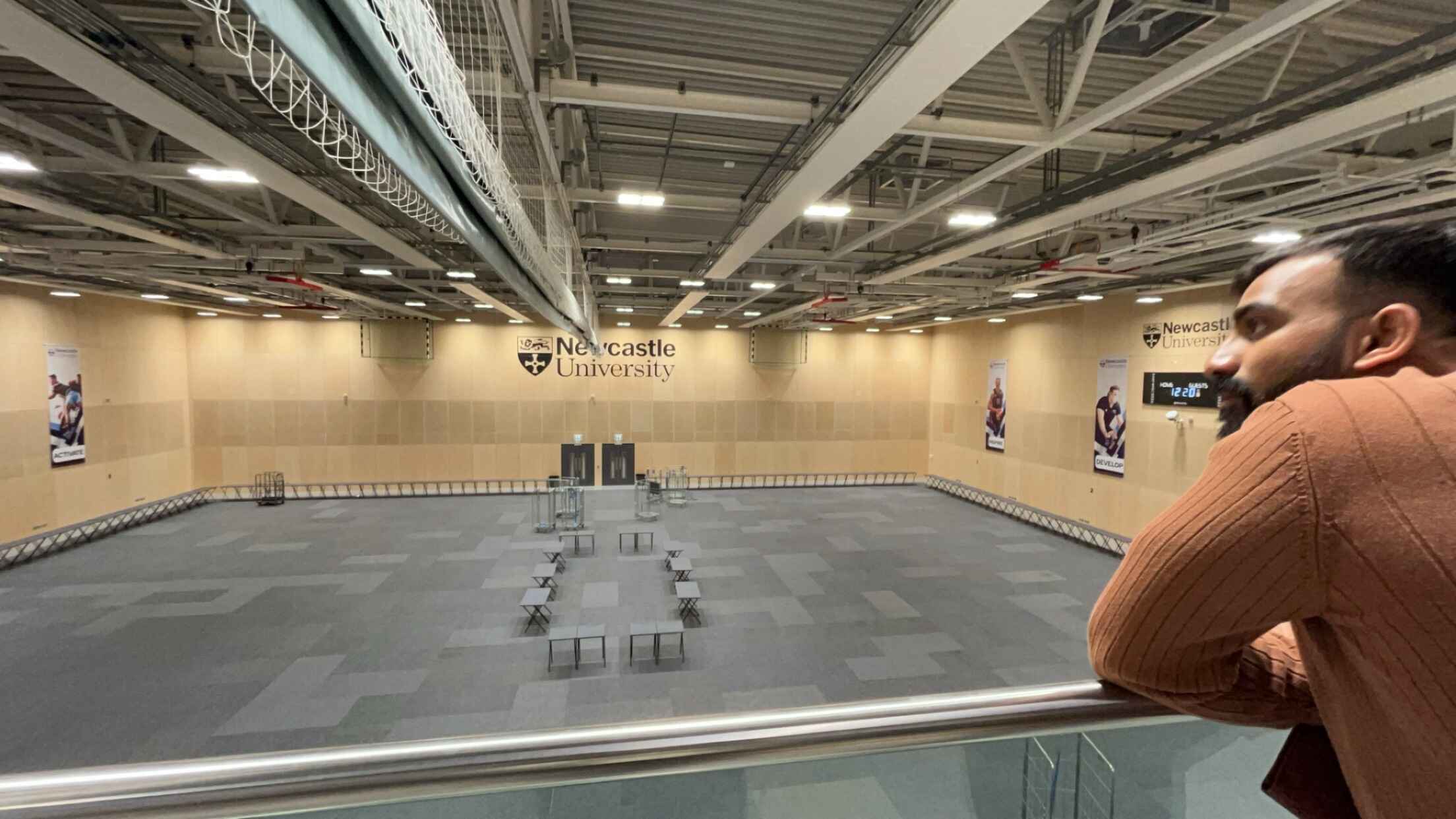
- Flexibility to work alongside studying.
- More emphasis on individual learning than lectures
- Rarely any exams
Dislikes
- Morning lectures
- The campus is so big that it is spread across the city which for some courses might mean travelling back and forth
- Takes too long to release exam results
Scholarship
- Newcastle University gives scholarships for every course. Almost ALL International students with decent marks are able to get the 4k scholarship called the Vice Chancellor’s scholarship.
- All of my international friends from India and other countries received this scholarship as well. It is deducted from every year’s tuition fee automatically.
- 90% of the international students have received this scholarship.





Likes
- Modules are organized in such a way that you will gain more practical/industry knowledge rather than theoretical
- Faculties are helpful and eager to solve your doubts.
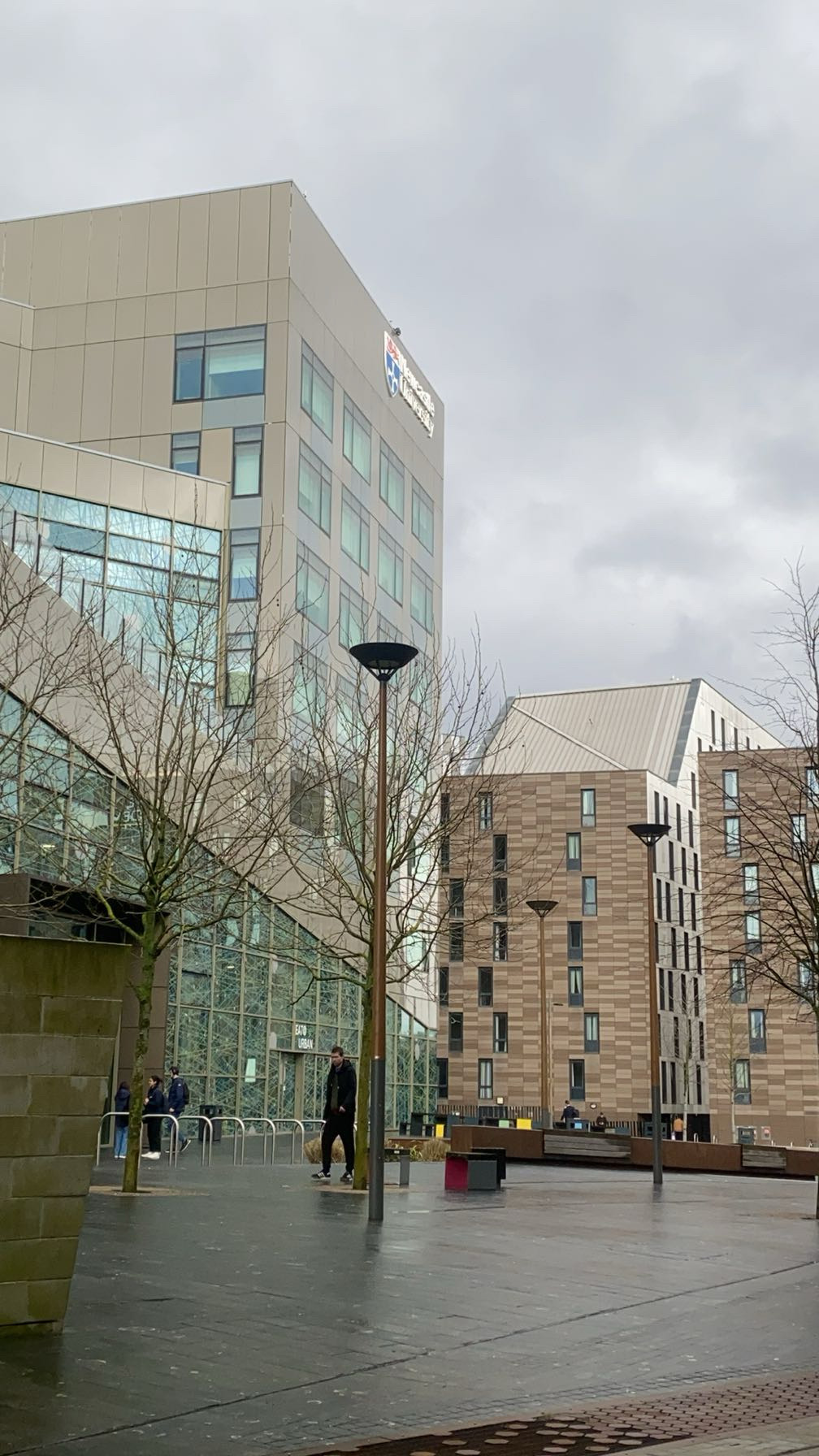
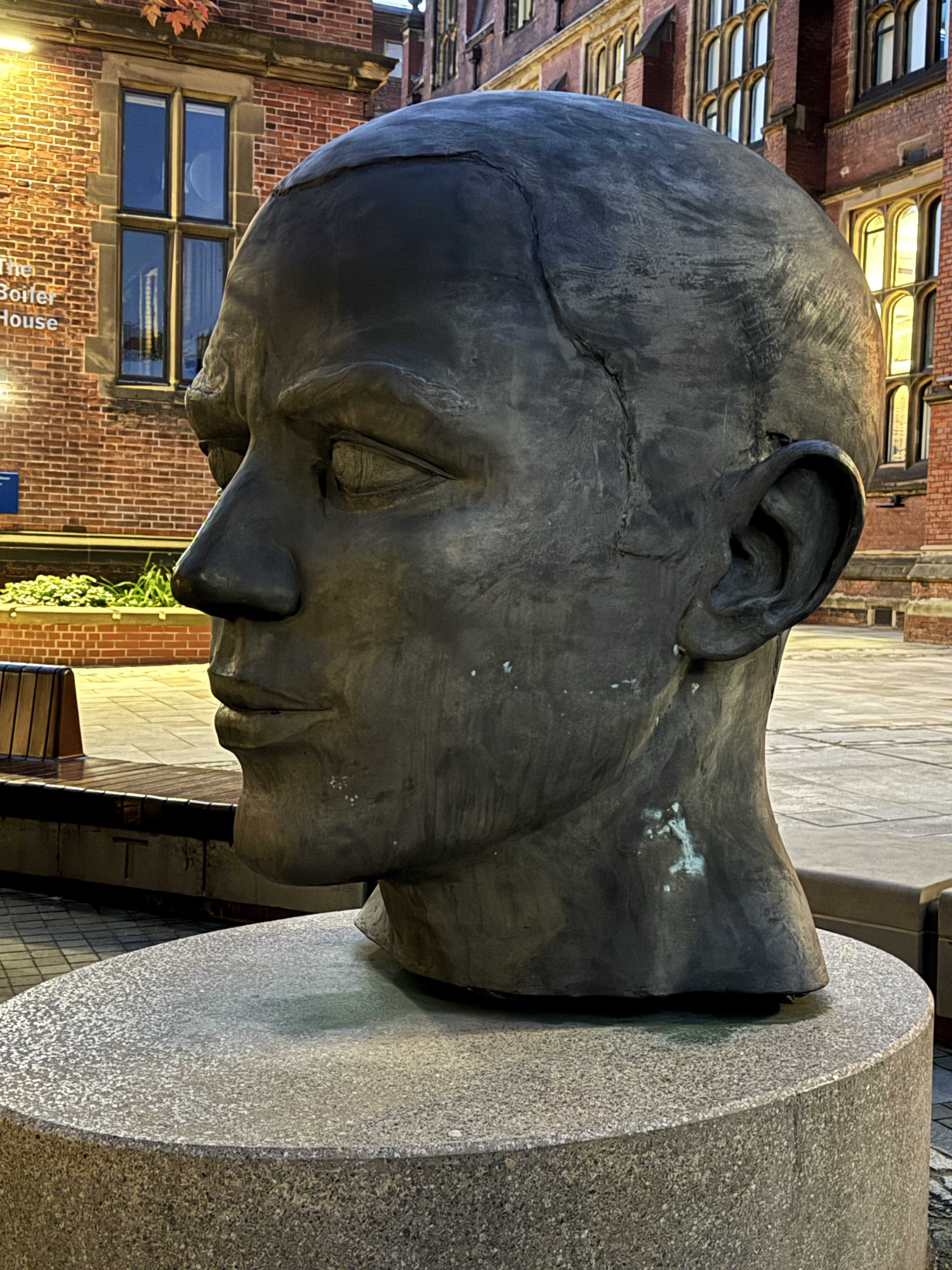
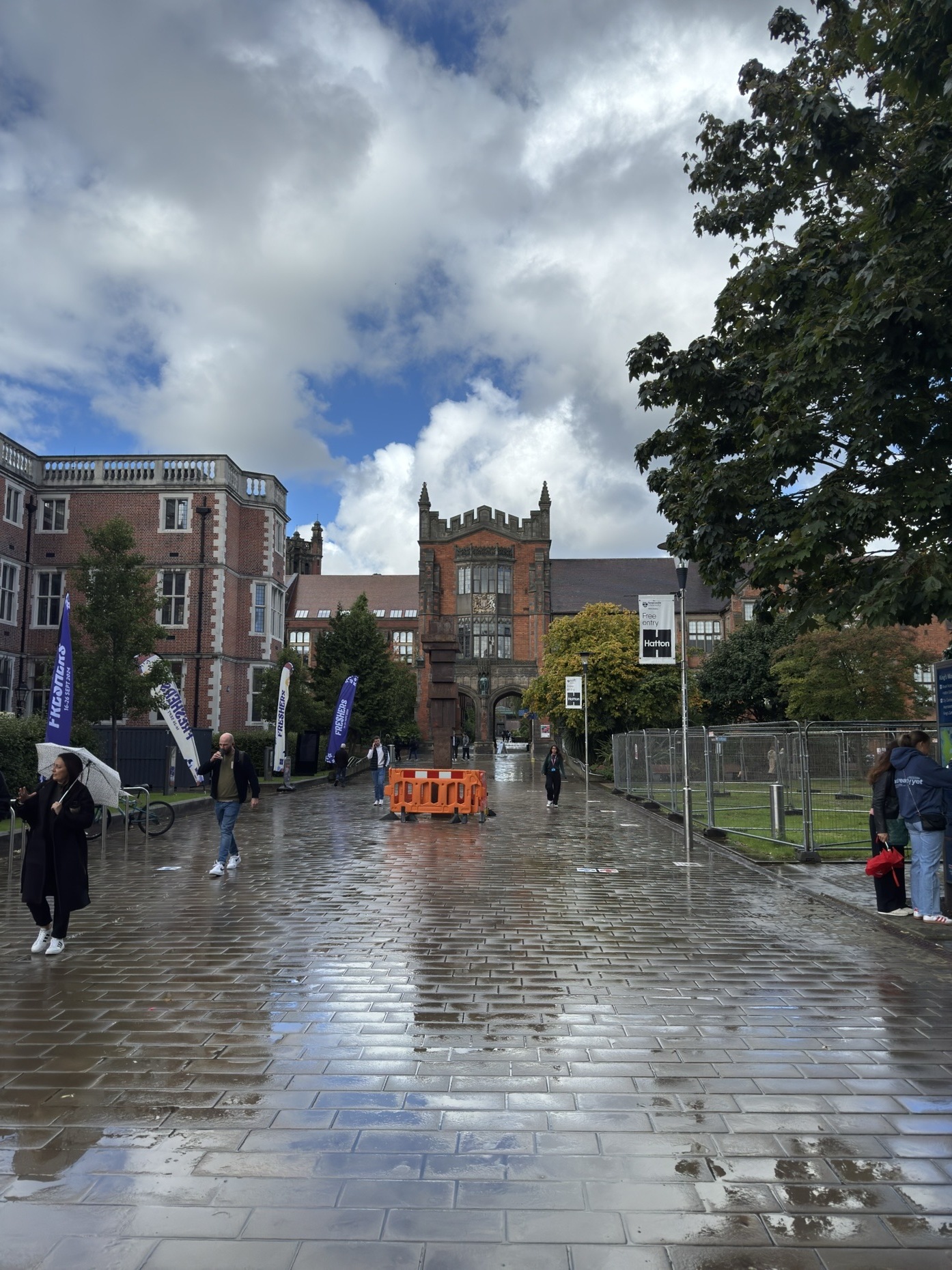
- Campus is huge with very good lecture theaters and buildings for each department.
Dislikes
- Campus is huge, which means you have to walk a lot.
- Some days with two lectures, 1st lecture in one building and 2nd in another with marginal time difference
- Since one specialization building is far away from the second Since one specialization building is far away from the second specialization, it is very difficult to communicate with students from different specializations apart from events.specialization, it is very difficult to communicate with students from different specializations apart from events.
Scholarship
- Yes, Newcastle University offers country specific scholarships and the Vice Chancellor Excellence Scholarship. For 2024 batch country specific scholarship was £4000 and Vice Chancellor Scholarship was 50% or 100% of your tuition fees and it was awarded on merit. There are other scholarships too which you can find on University websites.
- I received £4000 as scholarship and 2% on remaining fees as I paid my fees in one time.
- Yes, one of my batchmates has received the Vice Chancellor Excellence Scholarship.There are 52 seats for the Vice Chancellor's Scholarship each year. It can vary depending on your academic year.



Likes
- Had a very structured module format for the course with lots of practical approach.
- Experienced several real time projects throughout the course and got a chance to work with prestigious organisations during the course of degree
- Great careers service of the university providing a lot of guidance and help with resumes, cover letter, internships, interview preperations and several other career related opportunities.
Dislikes
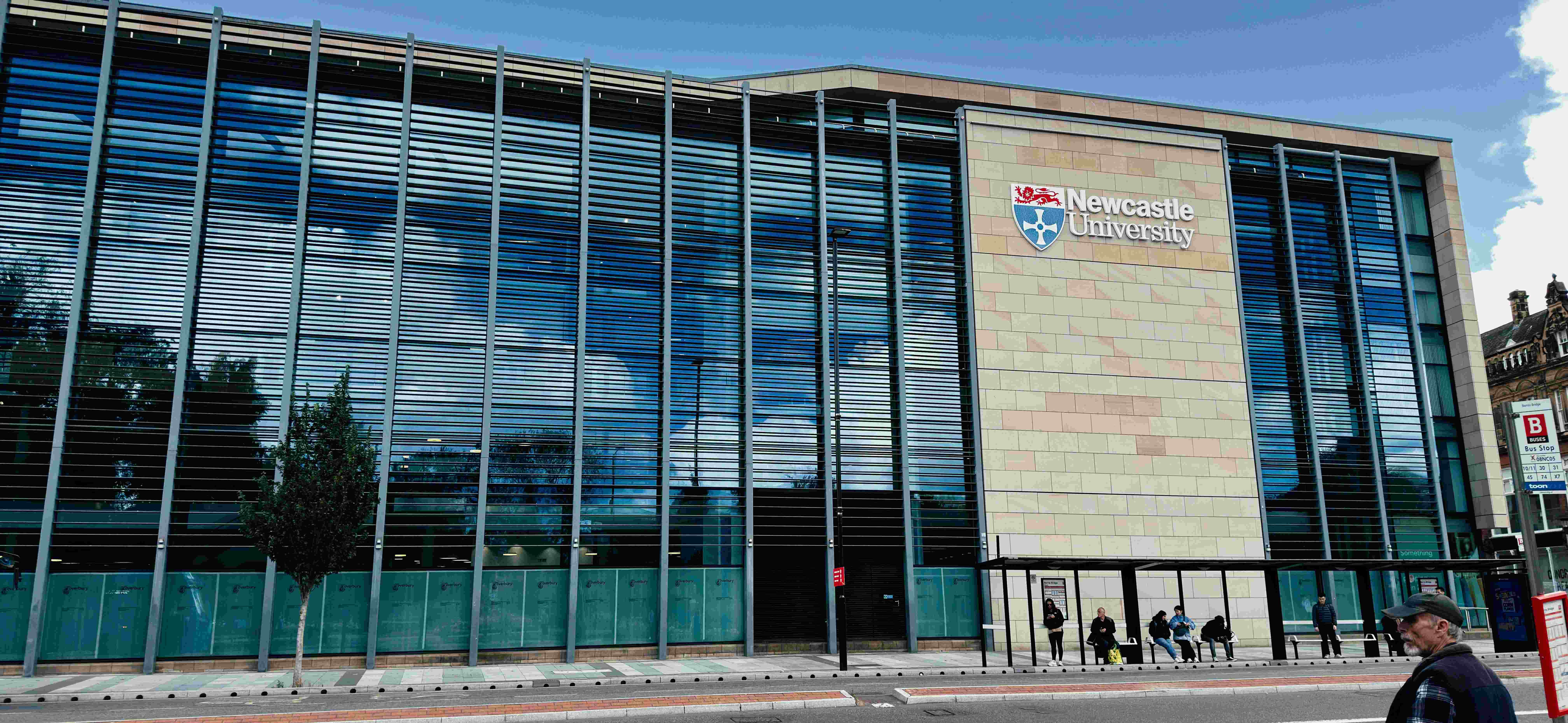
- Computing Department building was a bit further away from the main university campus, so sometimes, computing students used to miss out on some fun activities organised by students union, etc.
- University campus accommodations are filled really quick, so sometimes you have to stay away from the campus, but still everything is within walking distance.
- As our batch (2021) , was the first batch after COVID, we had to deal with a lot of hybrid classroom structure, and it wasn't inconvenient, but it was just a matter of getting used to the process.
Scholarship
- I met the conditions for the Vice-Chancellor’s International Scholarship for the 2021/22 academic year. The eligibility criteria includes - a place to study master's program at the Newcastle city center campus for that academic year, should have international status amd the program must begin in September.
- 5 of my friends that Iknow, received VCIS. 500 awards are available each year.
- There is another scholarship by the university is Vice chancellor Excellence scholarship - that is given to 30 students. And the value of the scholarship is 50% of the tuition fee. The eligibility criteria for that is – be domiciled in one of one of the following countries: South Africa, Kenya, USA, Canada, China, Hong Kong, Japan, Taiwan, and South Korea, Brazil, Mexico, Peru, Bahrain, Jordan, Kuwait, Oman, Qatar, Saudi Arabia, Turkey and UAE, India, Pakistan, Sri Lanka, Brunei, Cambodia, Indonesia, Laos, Malaysia, Myanmar, Philippines, Singapore, Thailand, Vietnam; be assessd as International for fee purposes; should have or is expected to receive a minimum of ABB at A level or equivalent and hold an offer for an eligible undergraduate degree programme at the University’s Newcastle city centre campus.


Likes
- Russel group university, really good for economics/management related courses, cost of living is lower than other UK cities.
- The different opportunities available to students in terms of courses offered, optional modules, societies to get involved in, activities to participate in etc.
Dislikes
- While there are many positive aspects of my College/University, there are a few things I'm not particularly fond of. For instance, I sometimes find the administrative processes to be a bit cumbersome and bureaucratic. Additionally, there could be more resources and support available for students in certain areas.
Overview
I would say my experience has been very positive. As an international student you gain invaluable experience and learn different things.
Scholarship
Yes-Vice Chancellor’s Scholarship-25% of tuition fees per year. Provided to international students based on certain grades achieved in 12th grade.
Likes
- My friend referred this university to me as he was previous graduate here.
- Expecting students to learn and improve by providing them with the best environment instead of micro managing them. There are a lot of coursework that tests the skill of a student unlike other universities that have a lot of exams.
Dislikes
- The teaching lecturers english are not up to the mark, but they want students to have IELTS with 6.5 overall, which does not seem fair. Other than that I don't have anything else to complain about Newcastle University.
Overview
It was great experience as I made a lot of great friends in my time here.
Scholarship
Yes, Vice Chancellor's Scholarship, 4000 pounds.





interested in this College ?
Follow & Share this college to get information about admission.



Comments