




The class 10 civics handwritten notes chapter 3 Gender, Religion and Caste have been carefully prepared and scanned for quick last-minute revision, according to the latest 2026-27 CBSE syllabus.
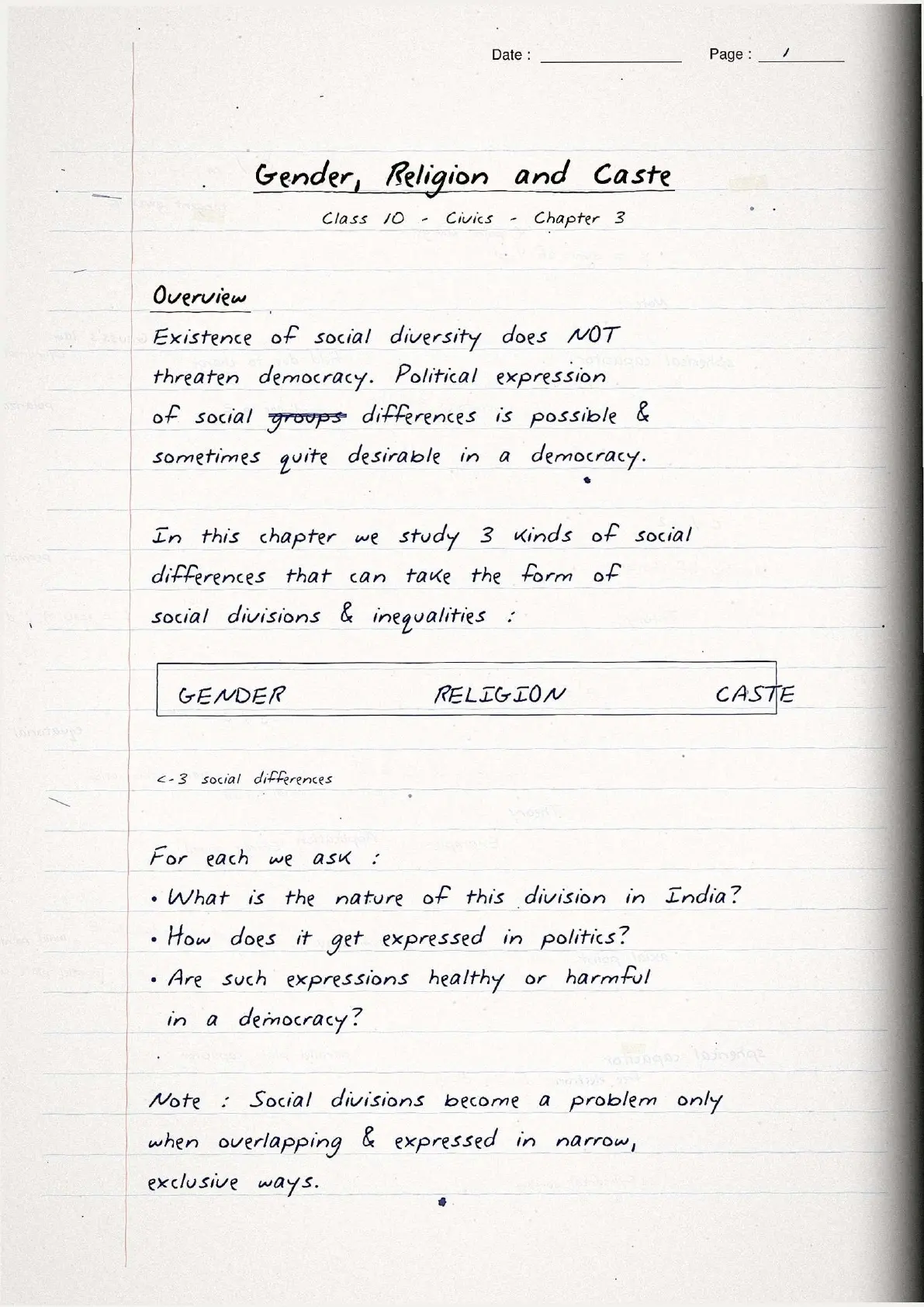
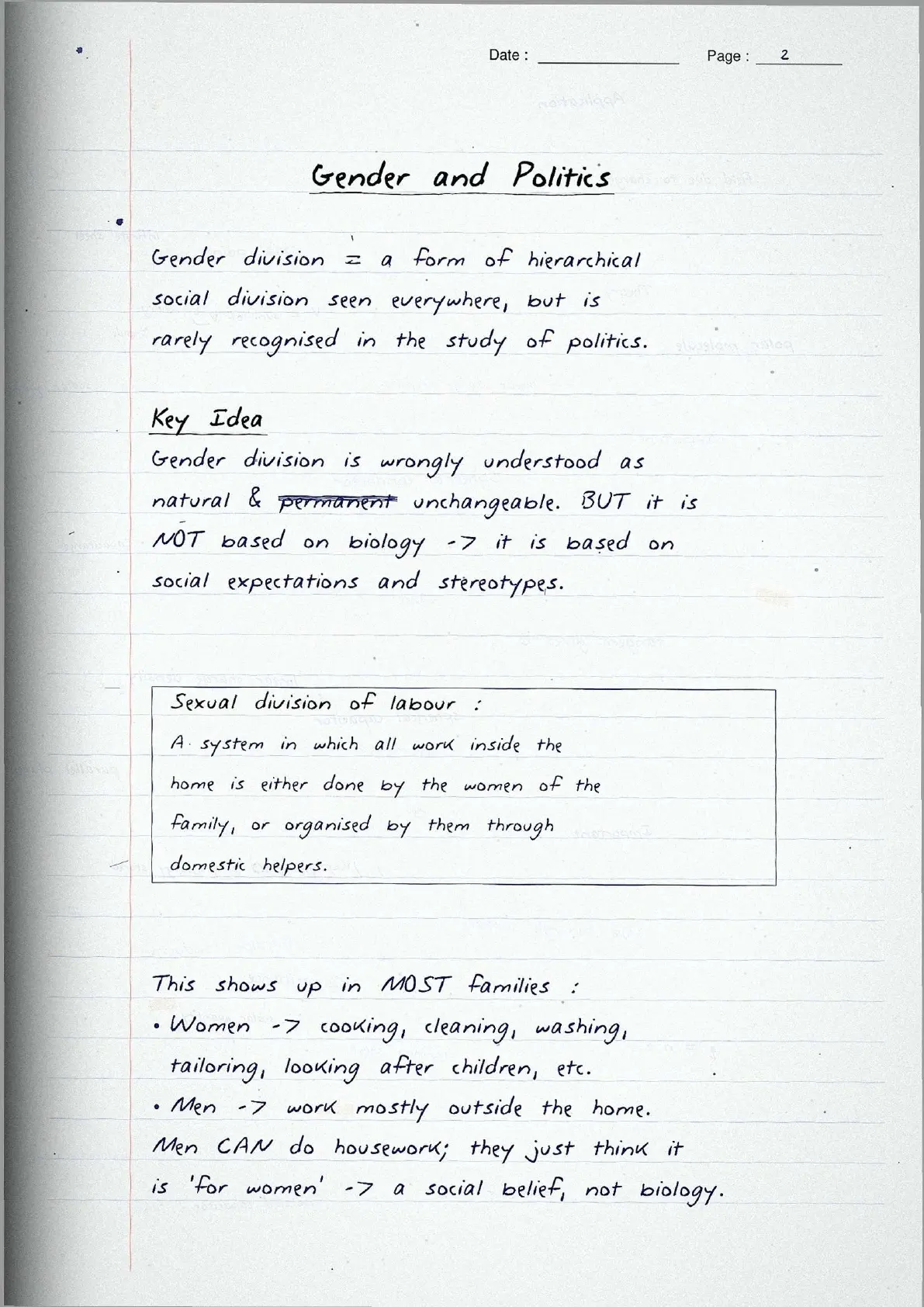
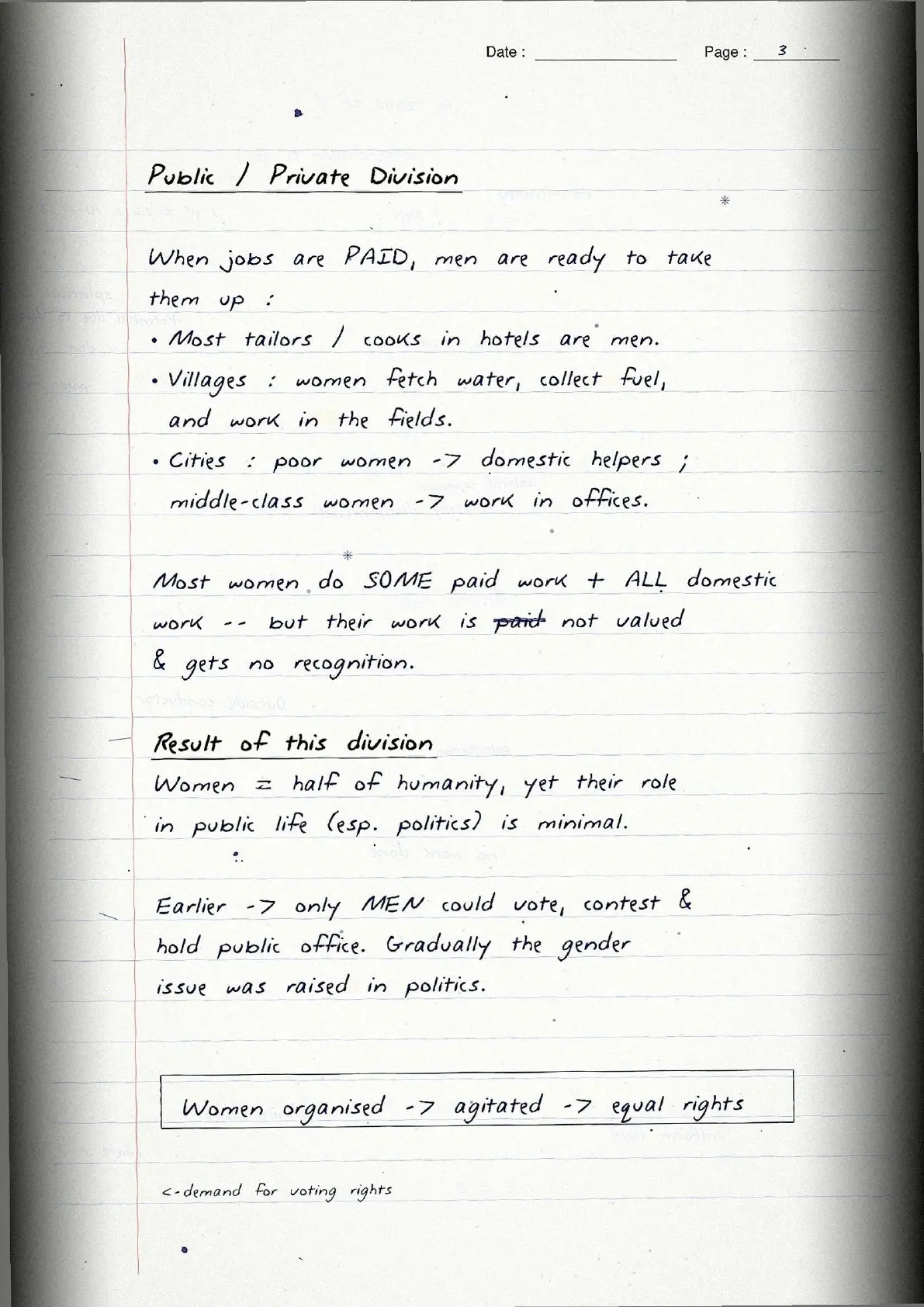
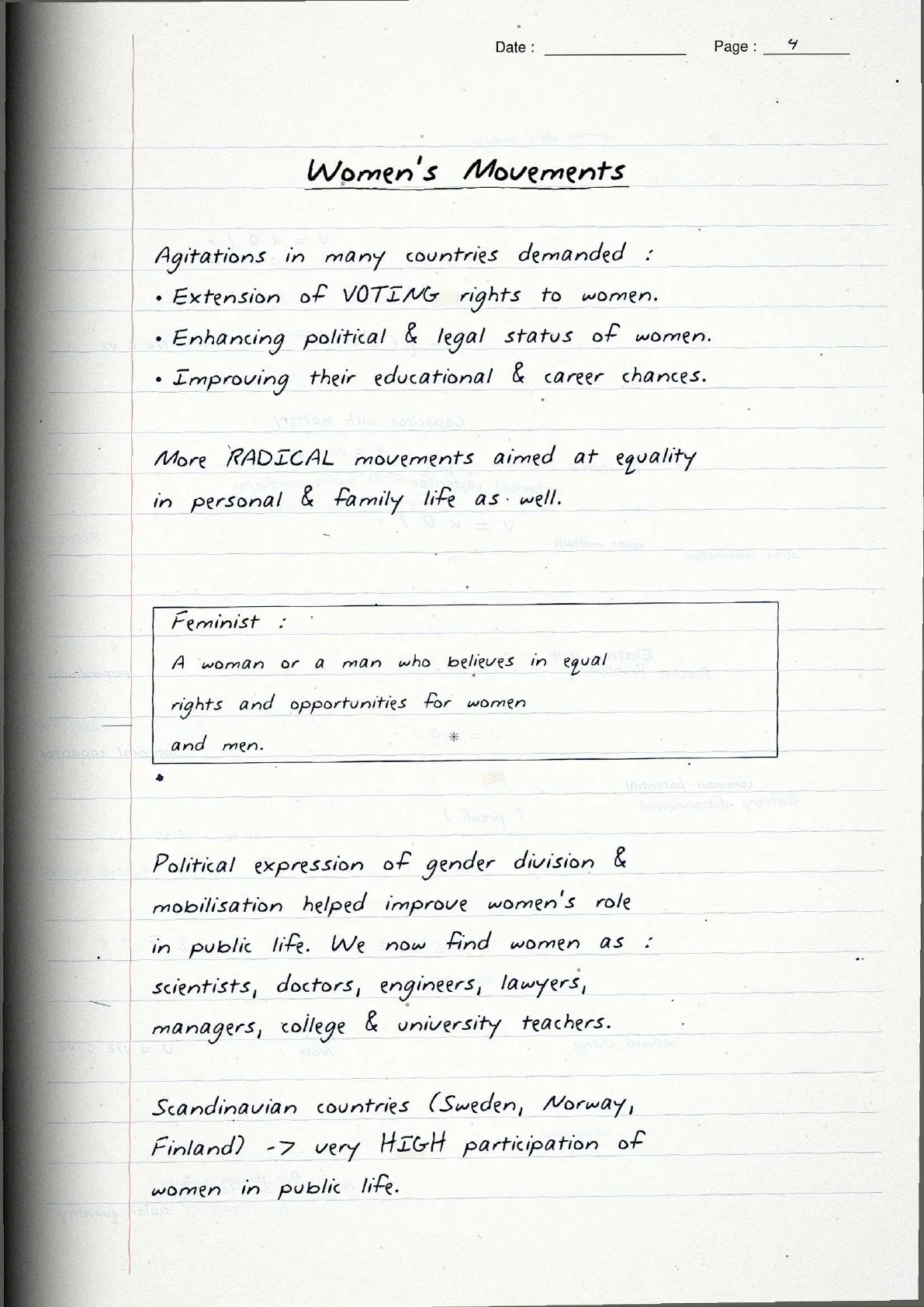
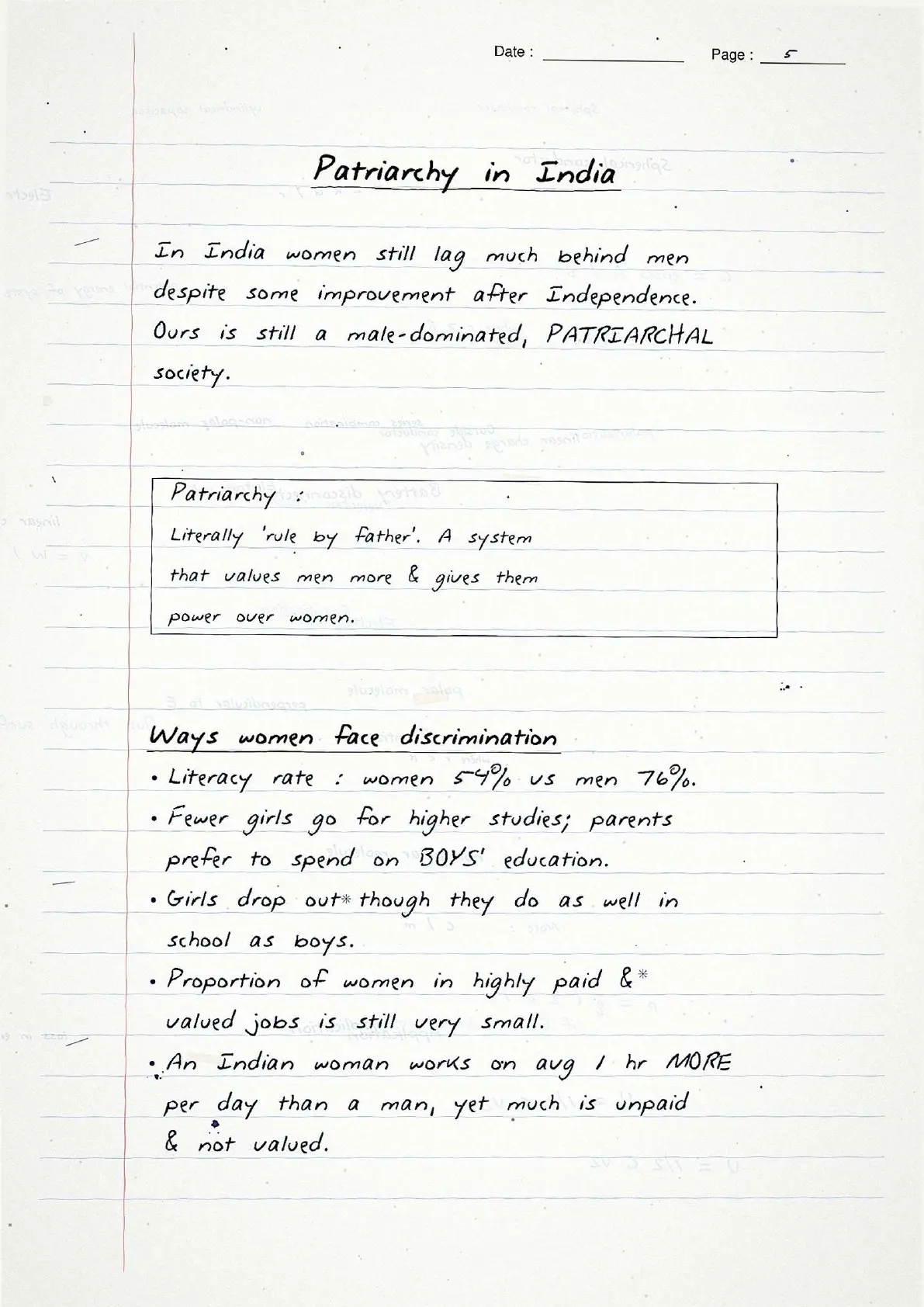
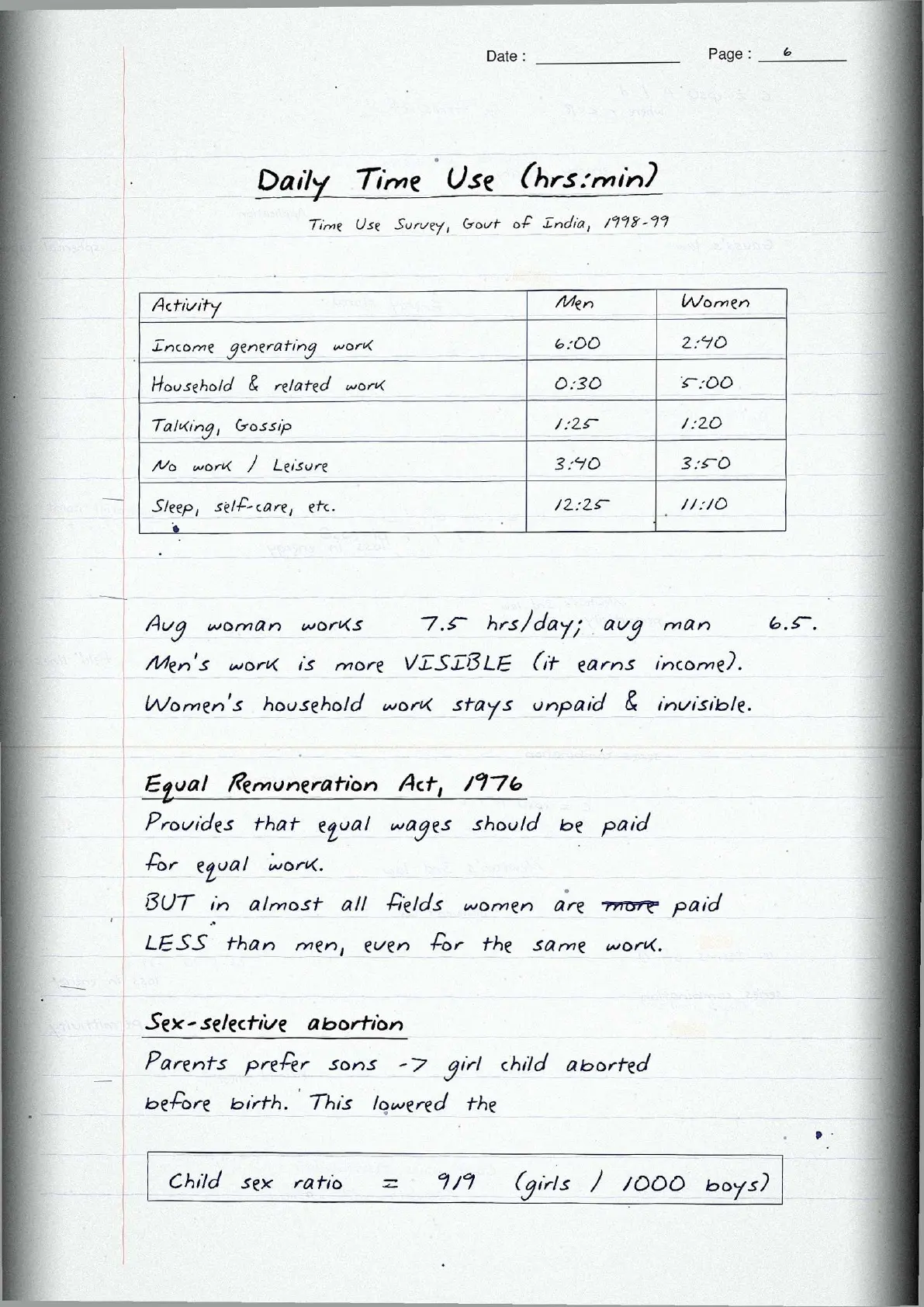
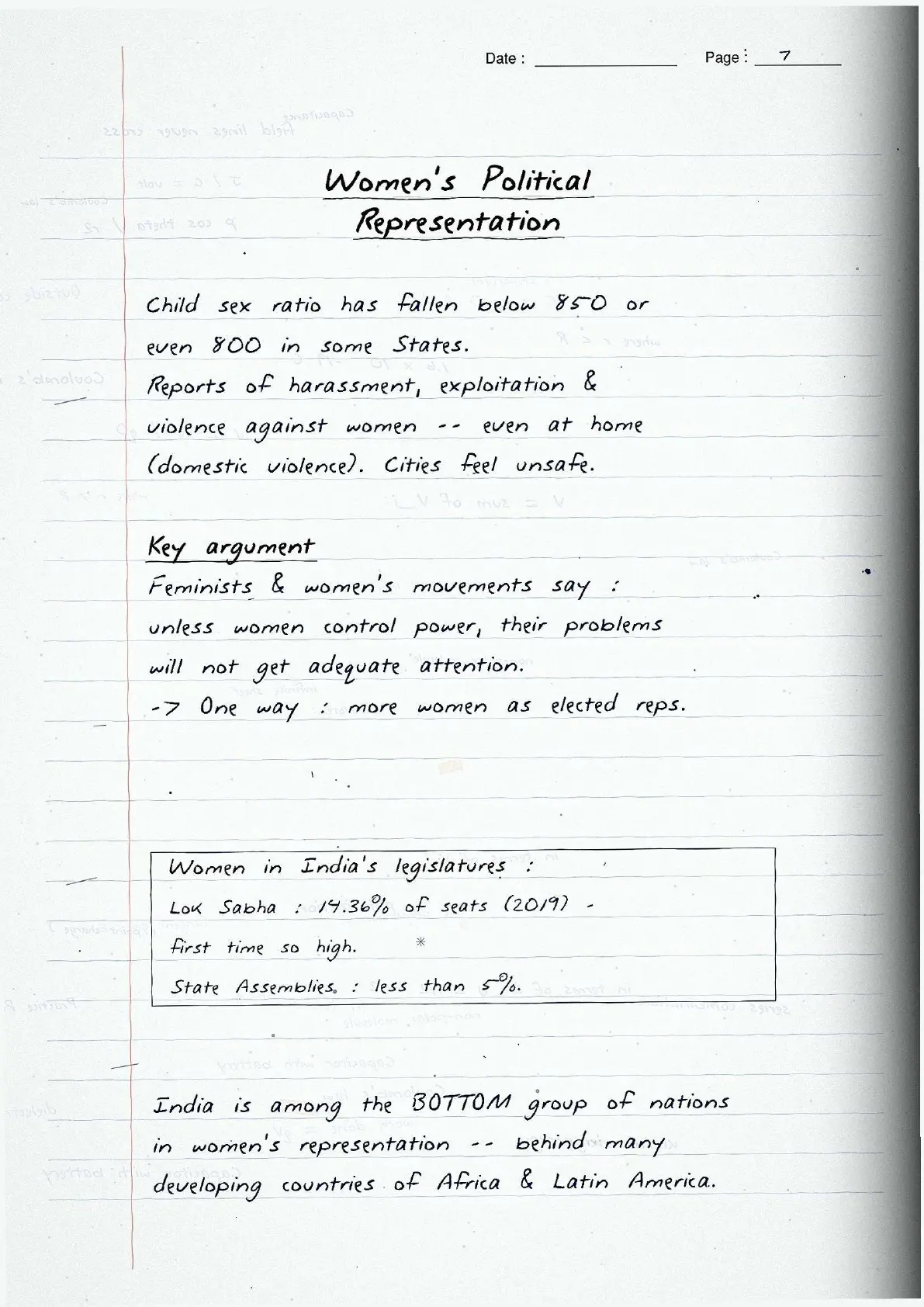
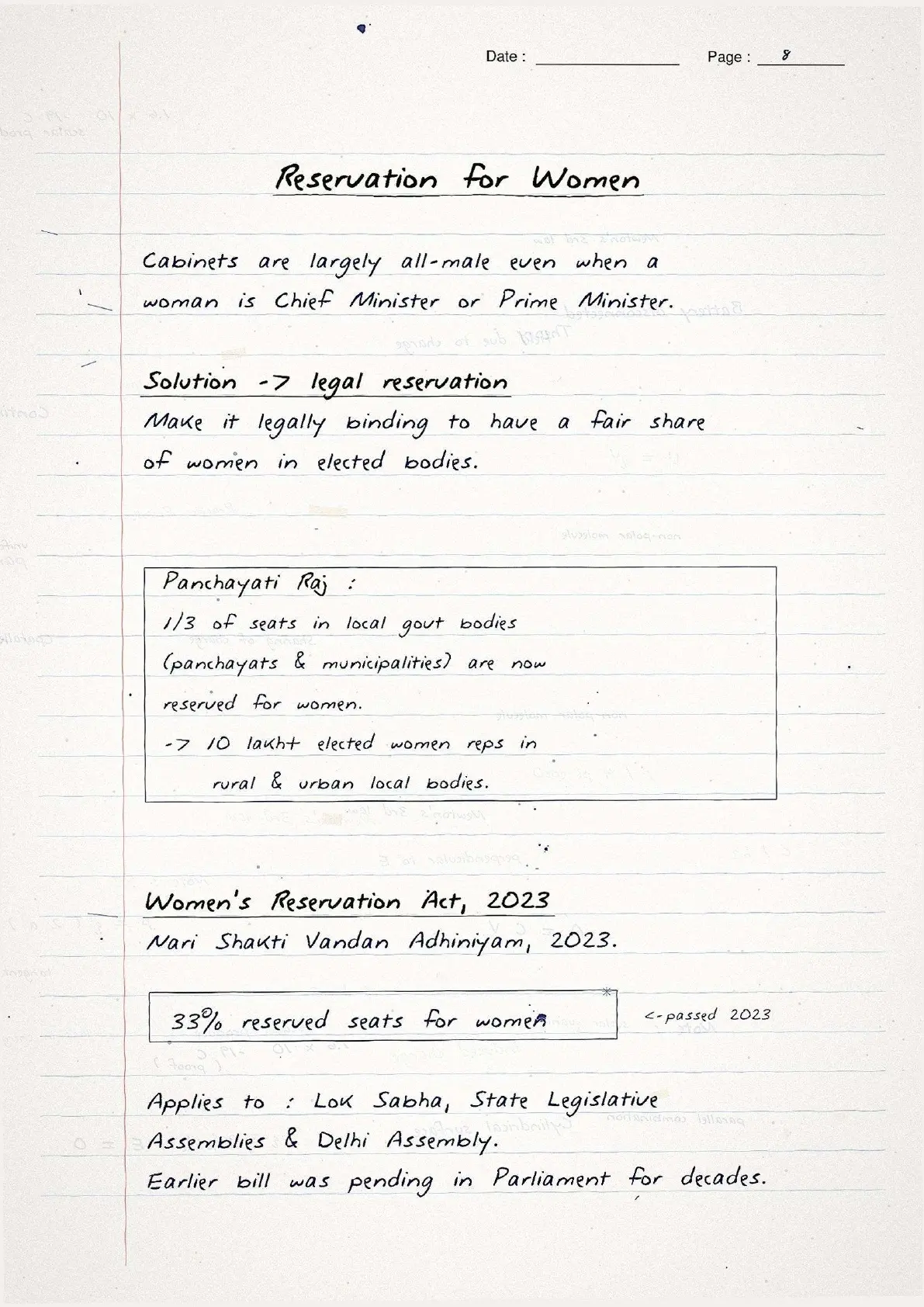
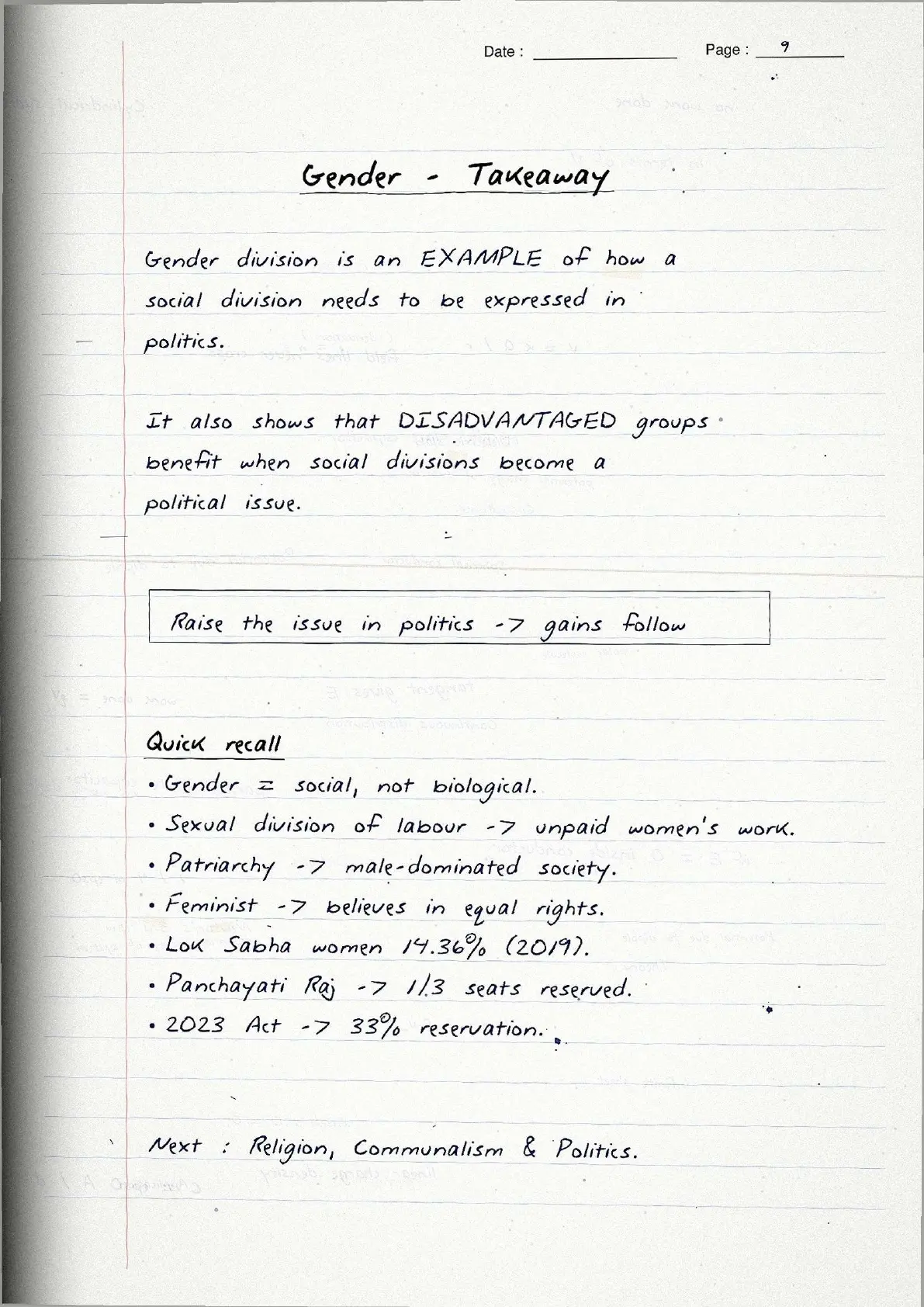
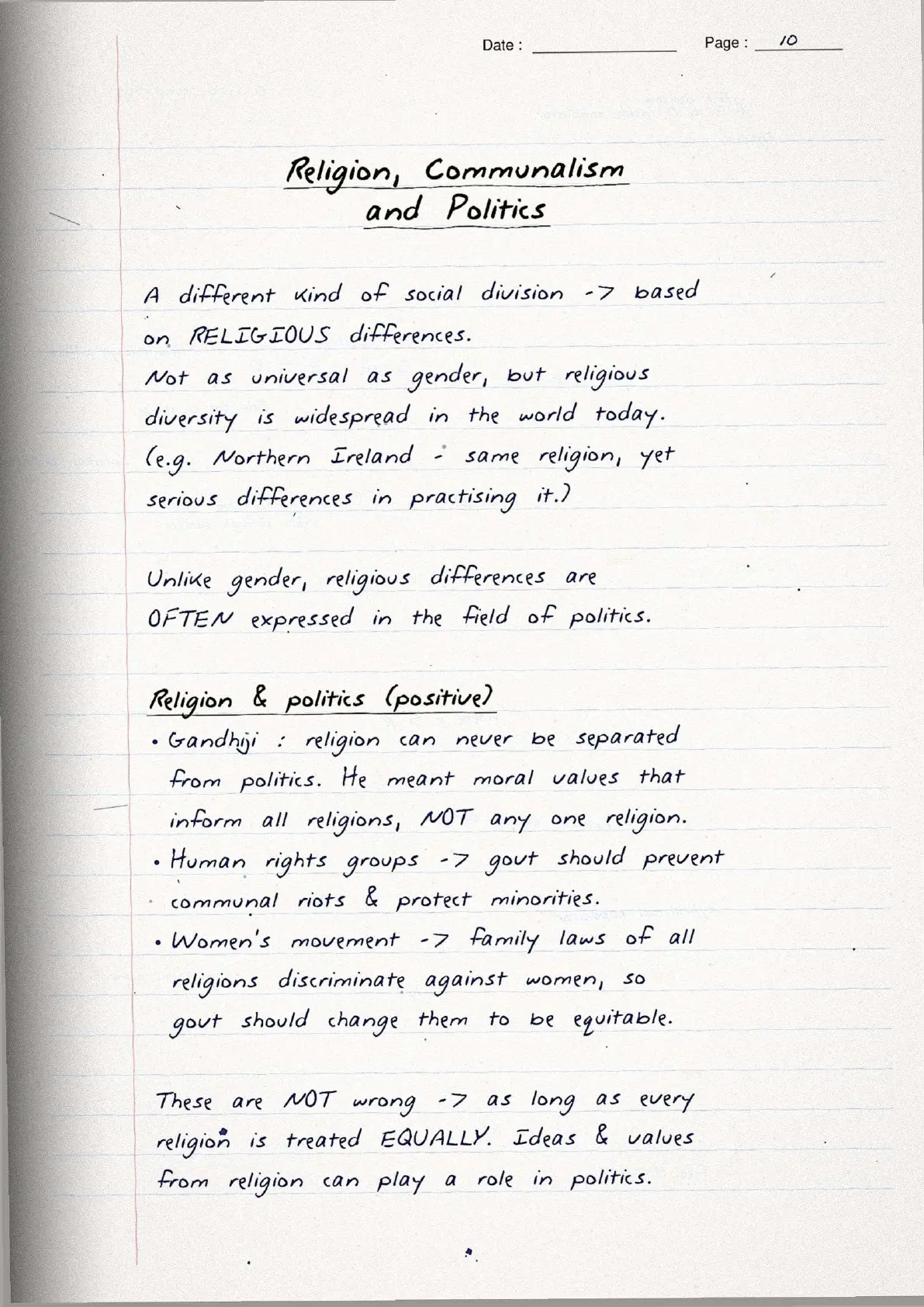
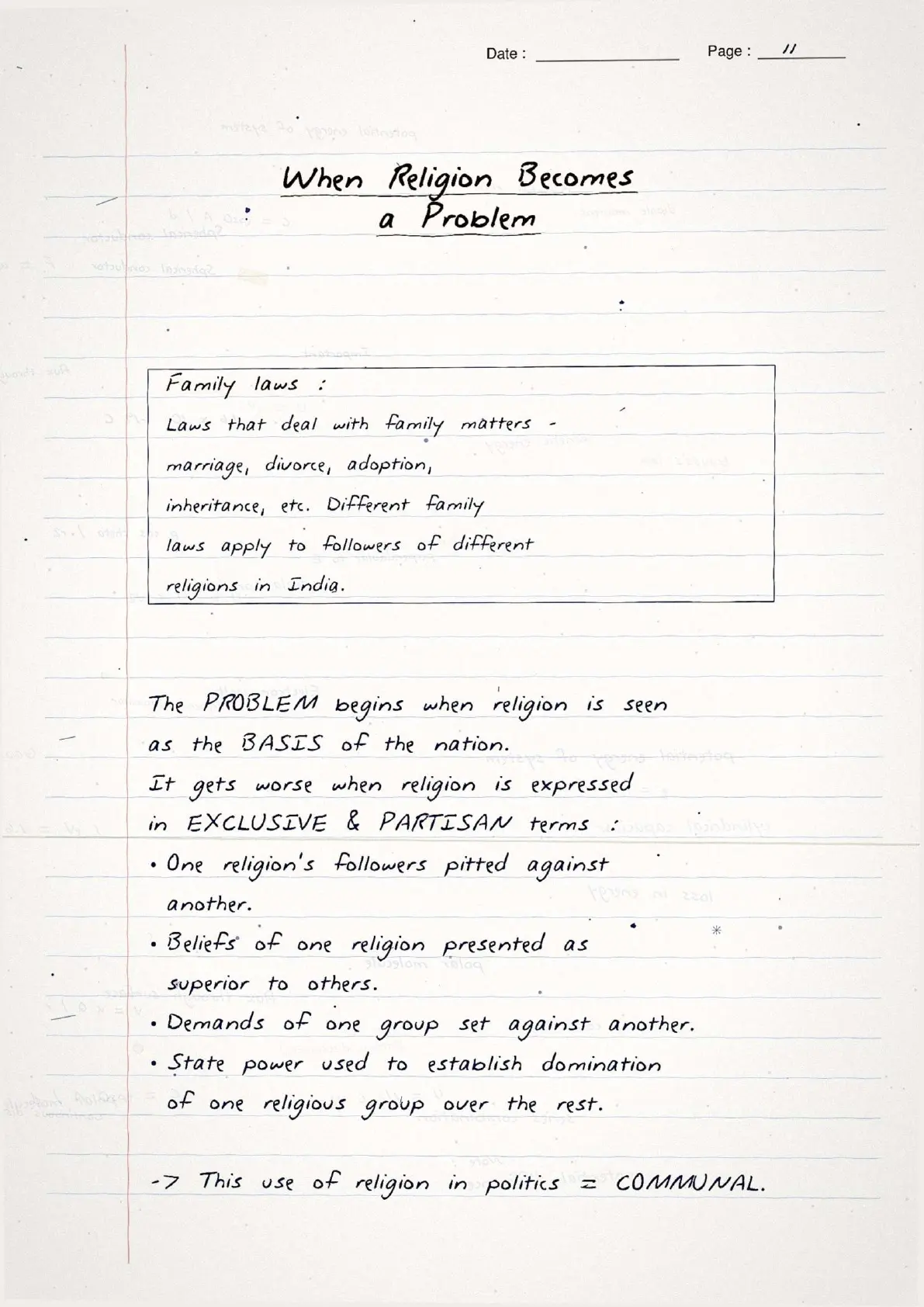
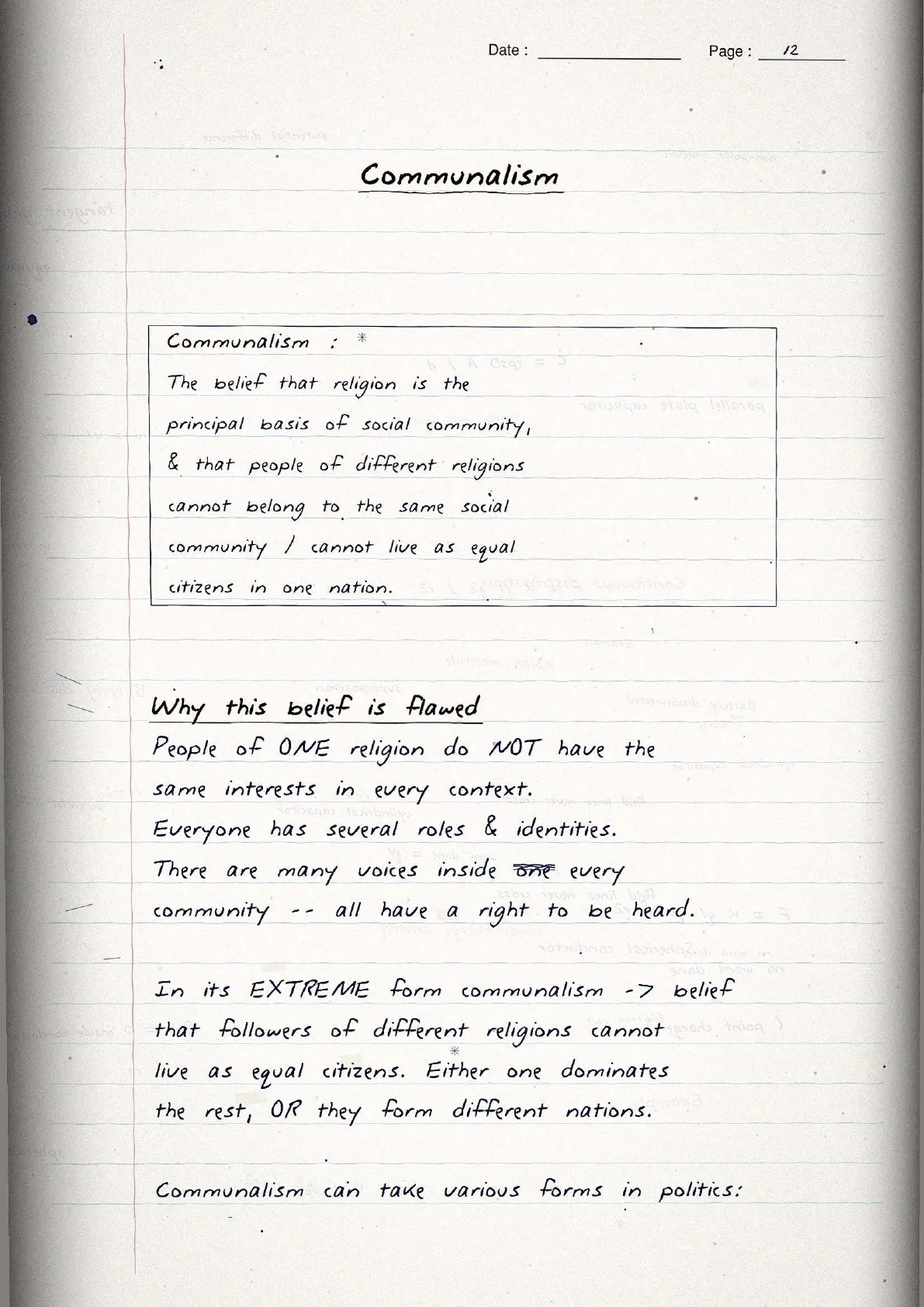
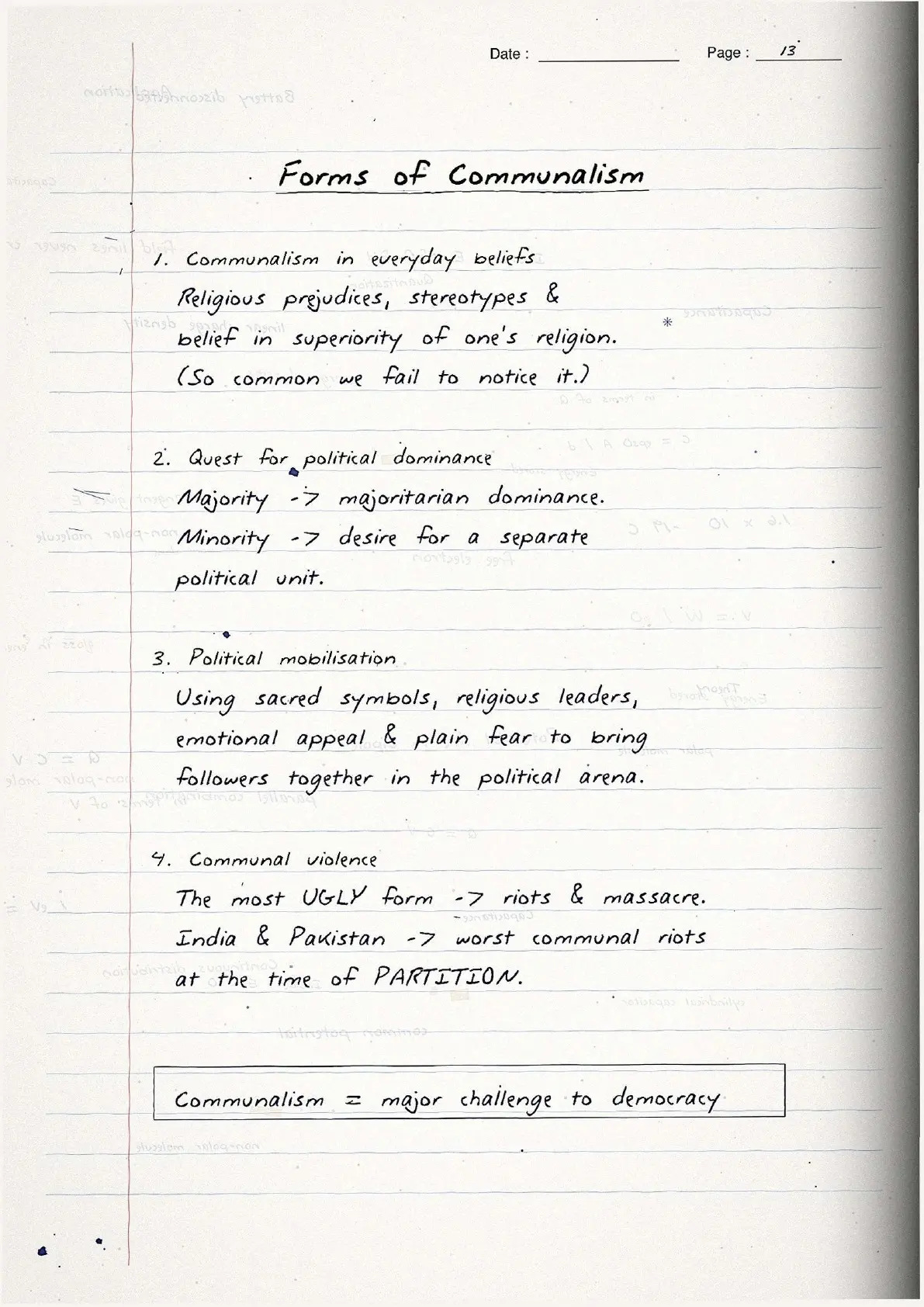
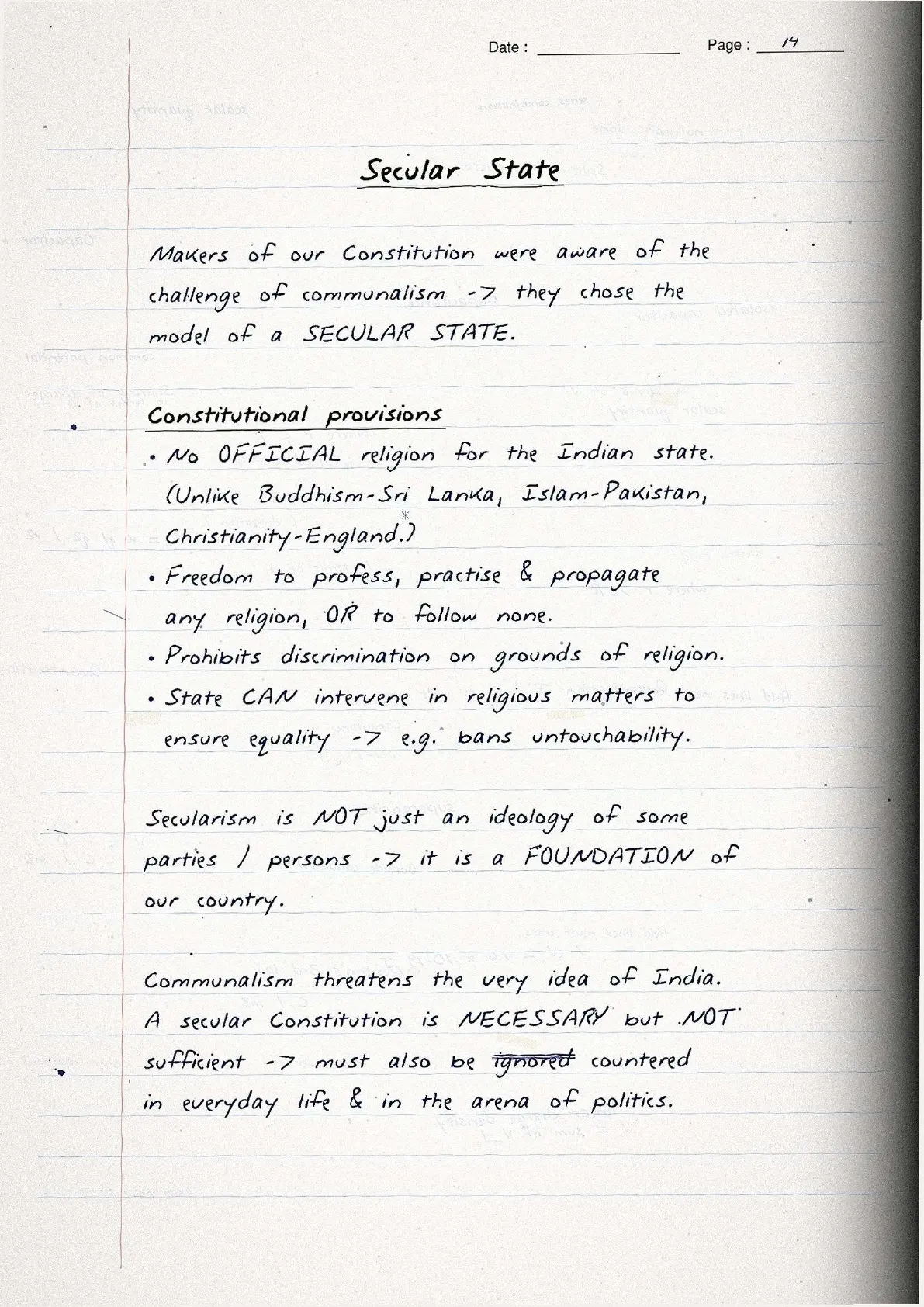
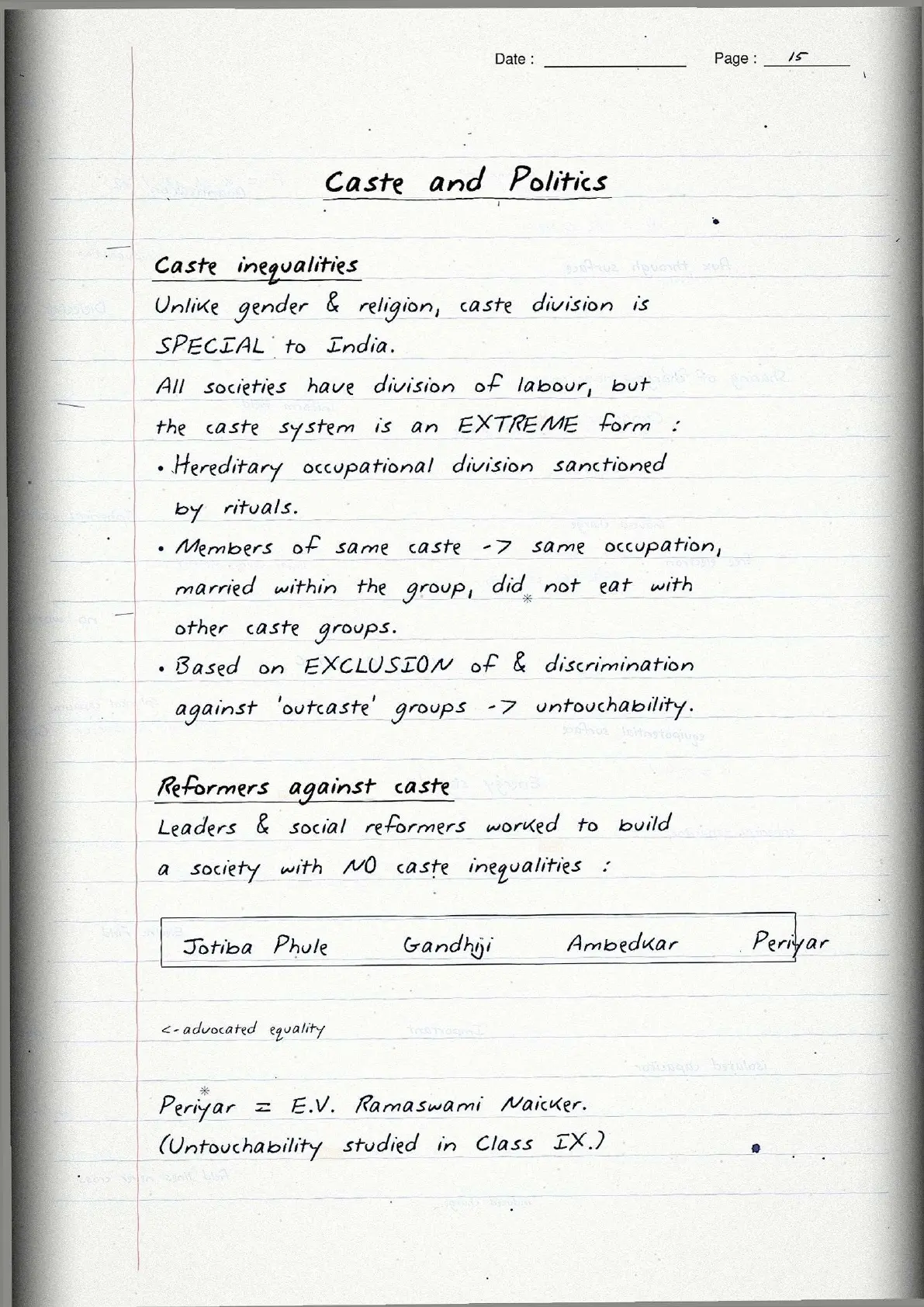
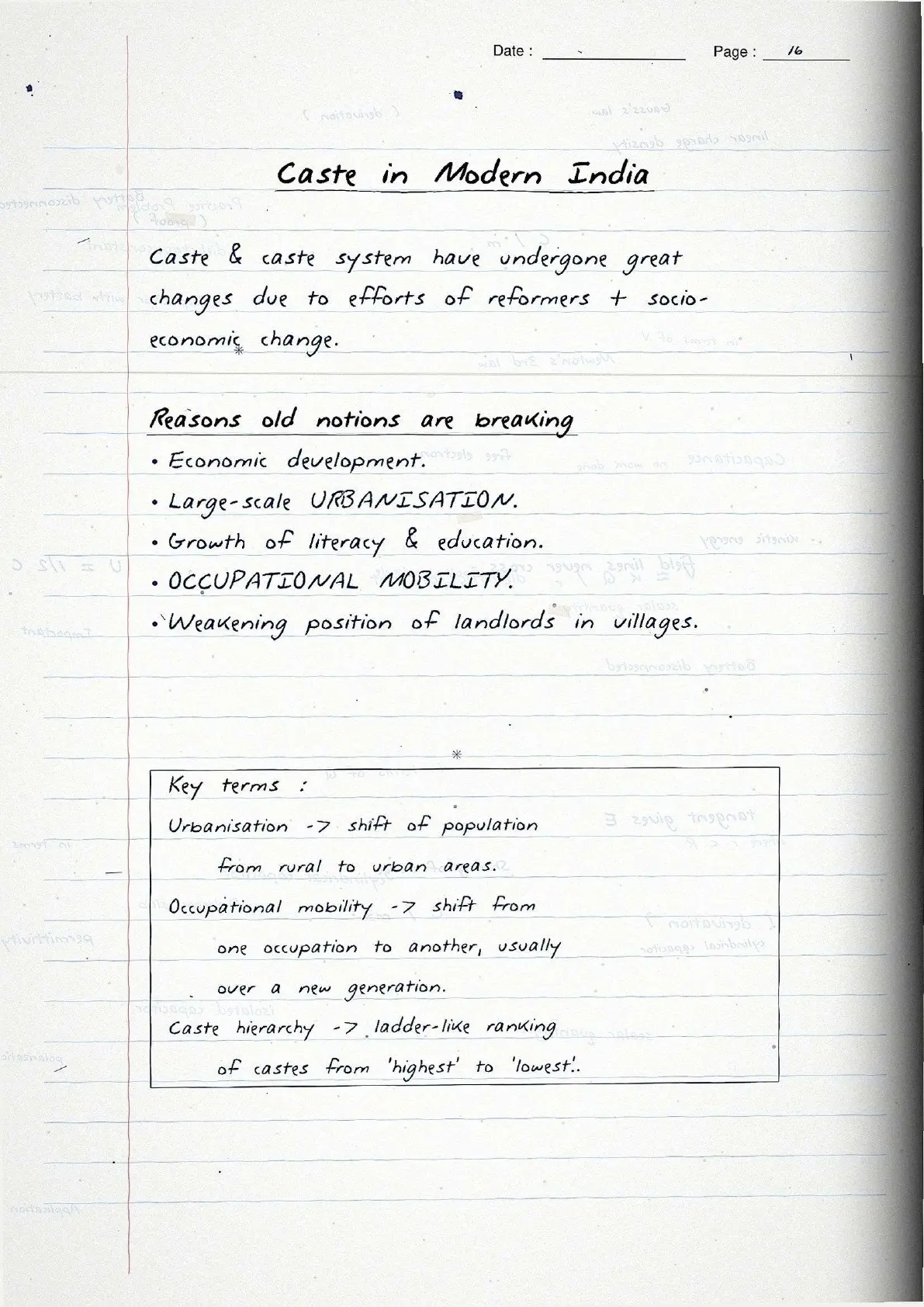
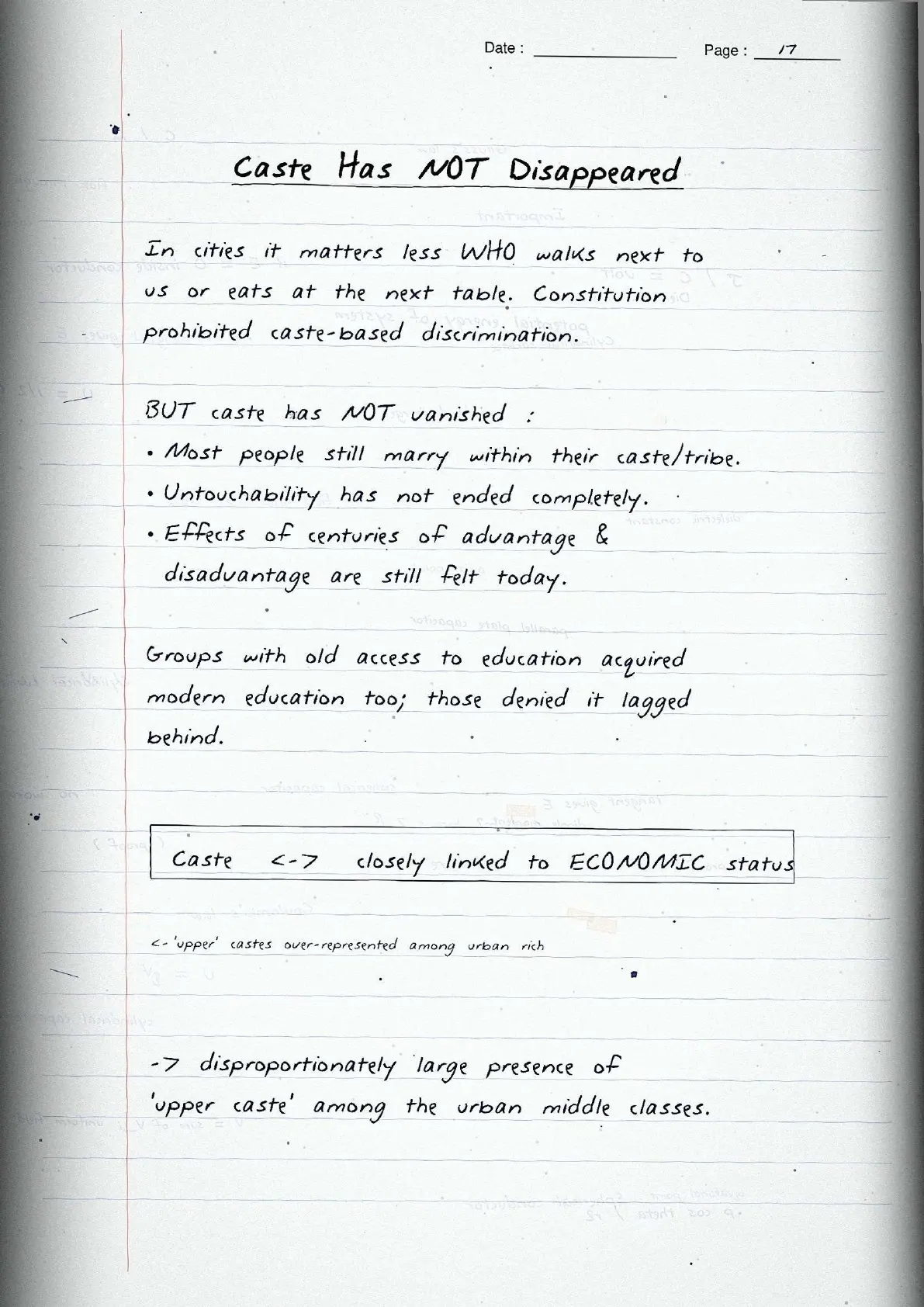
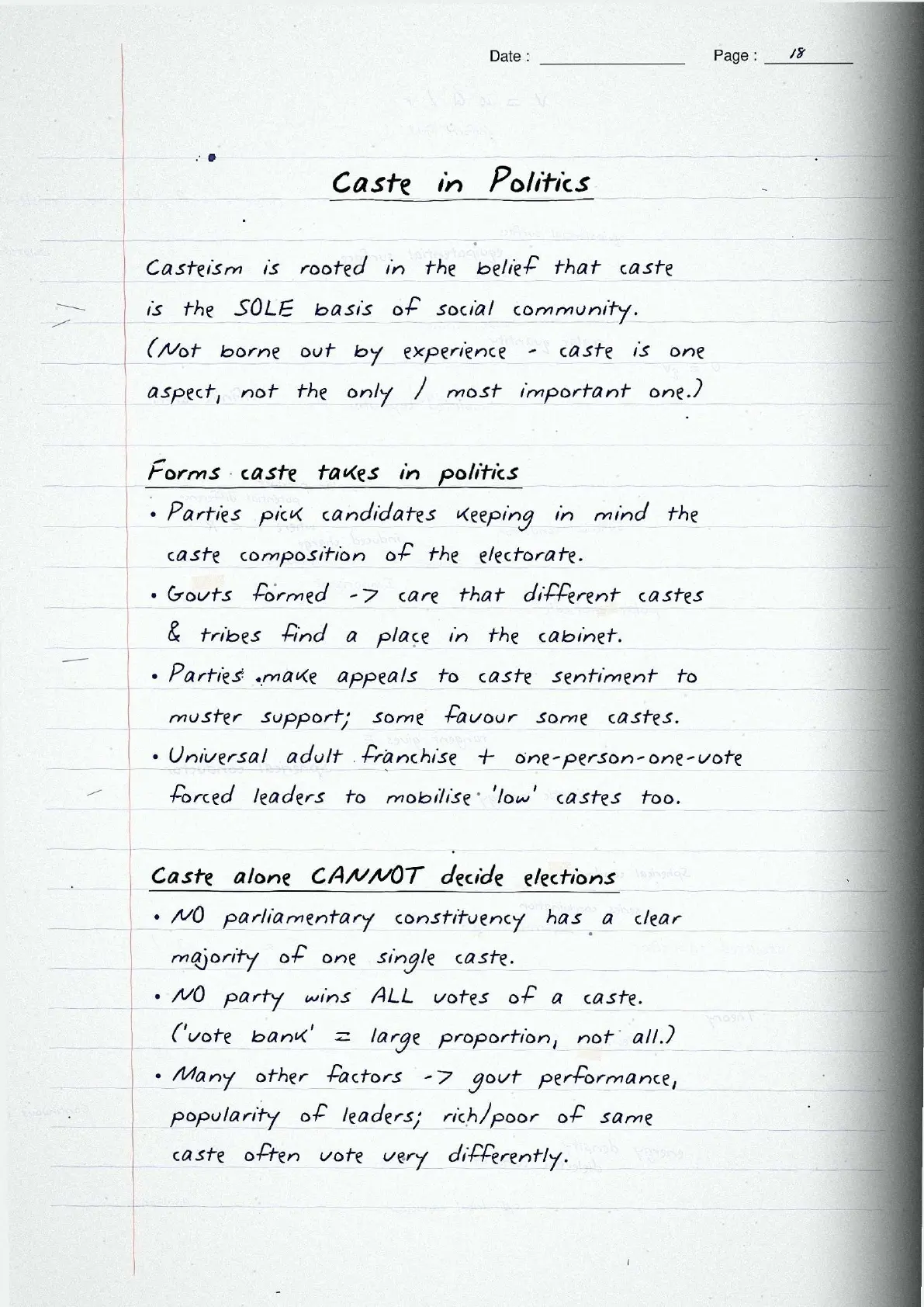
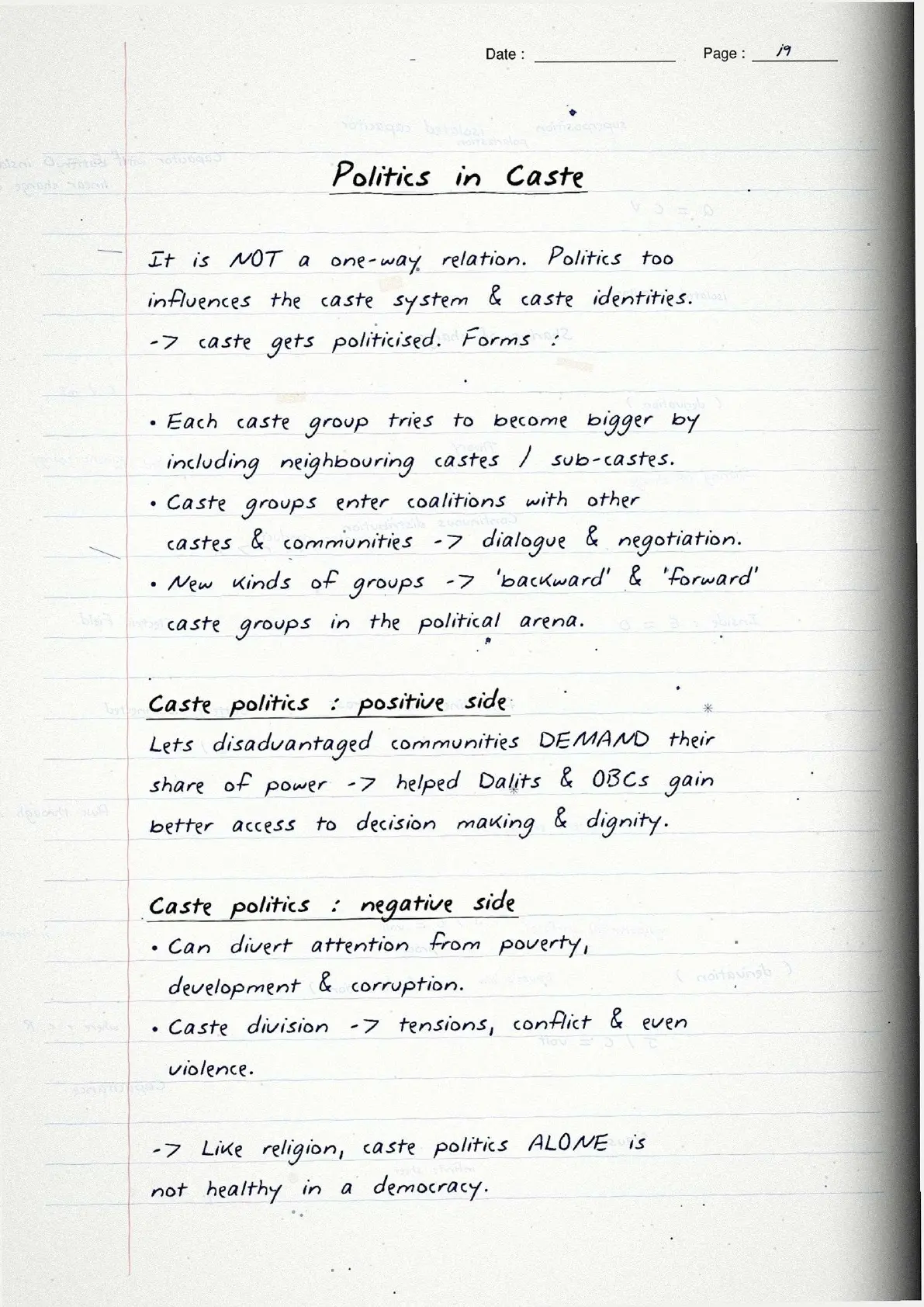
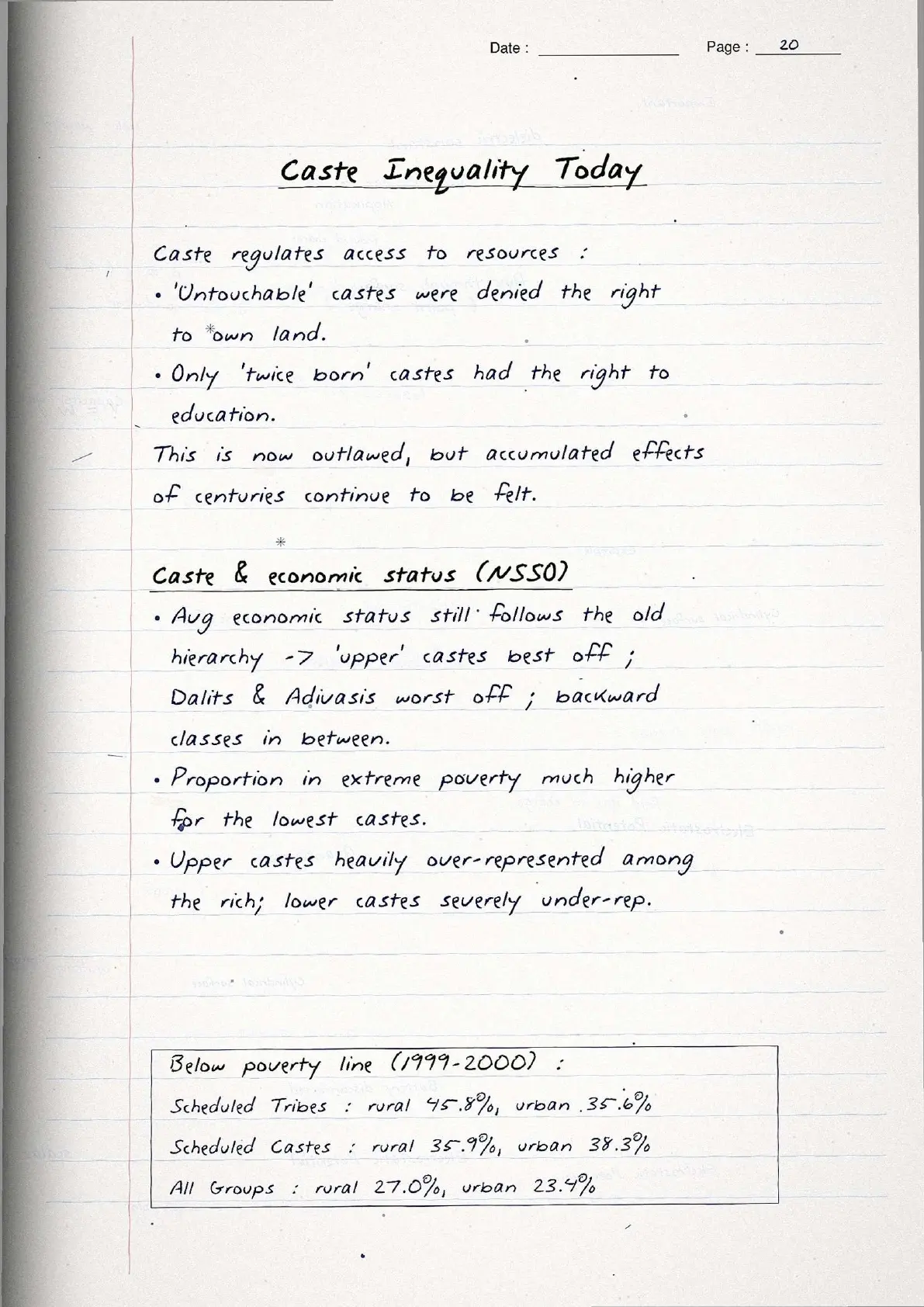
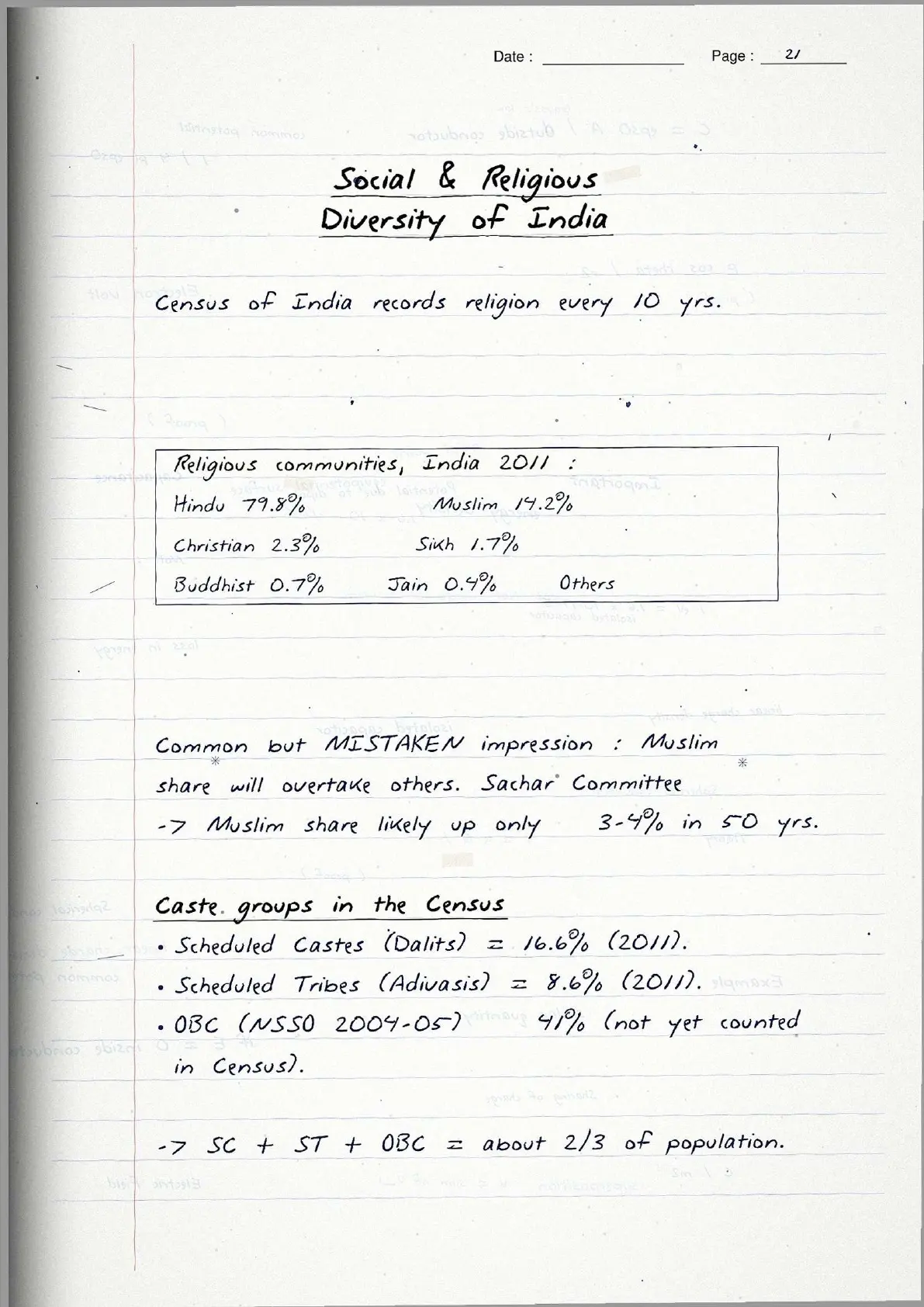
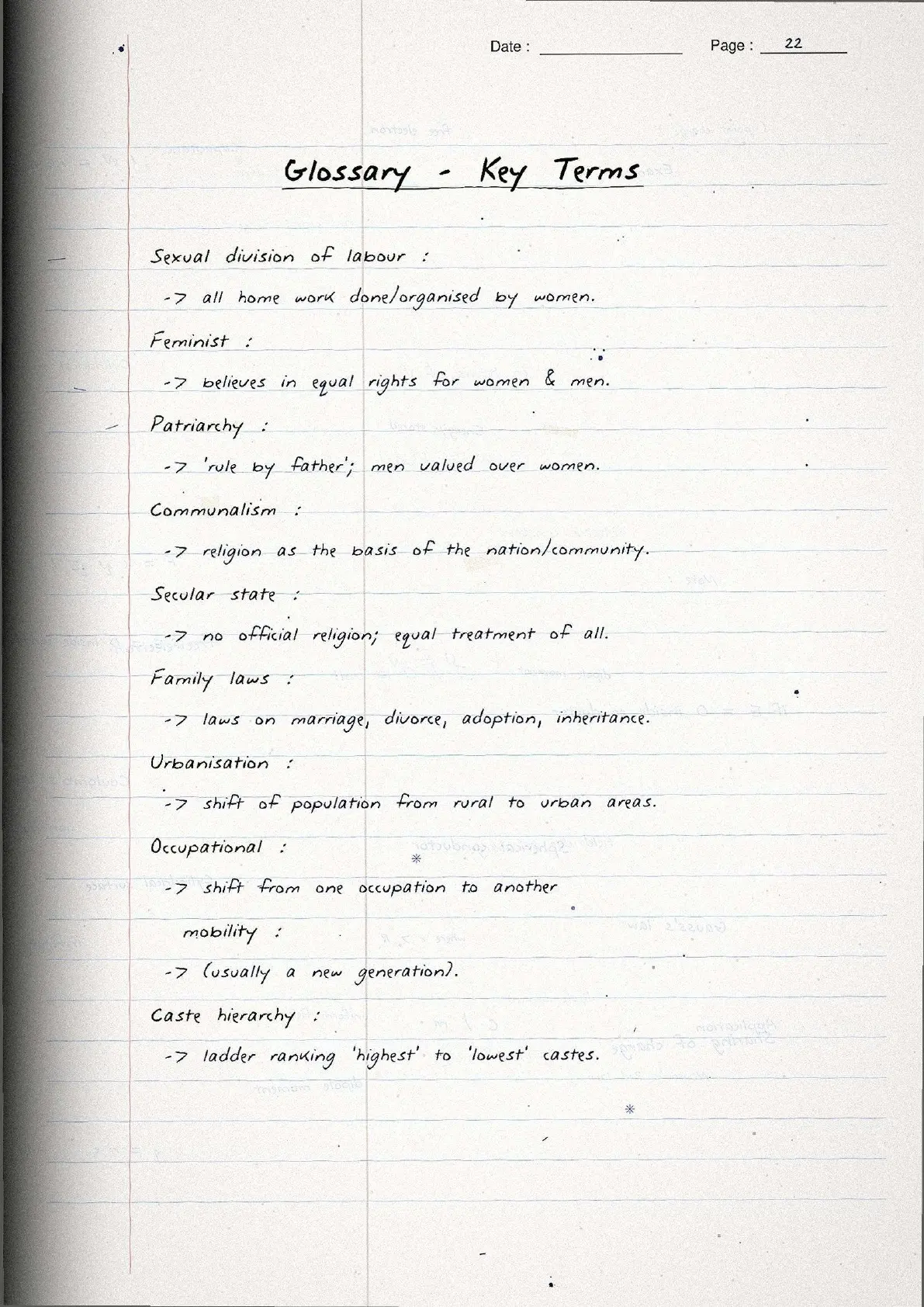
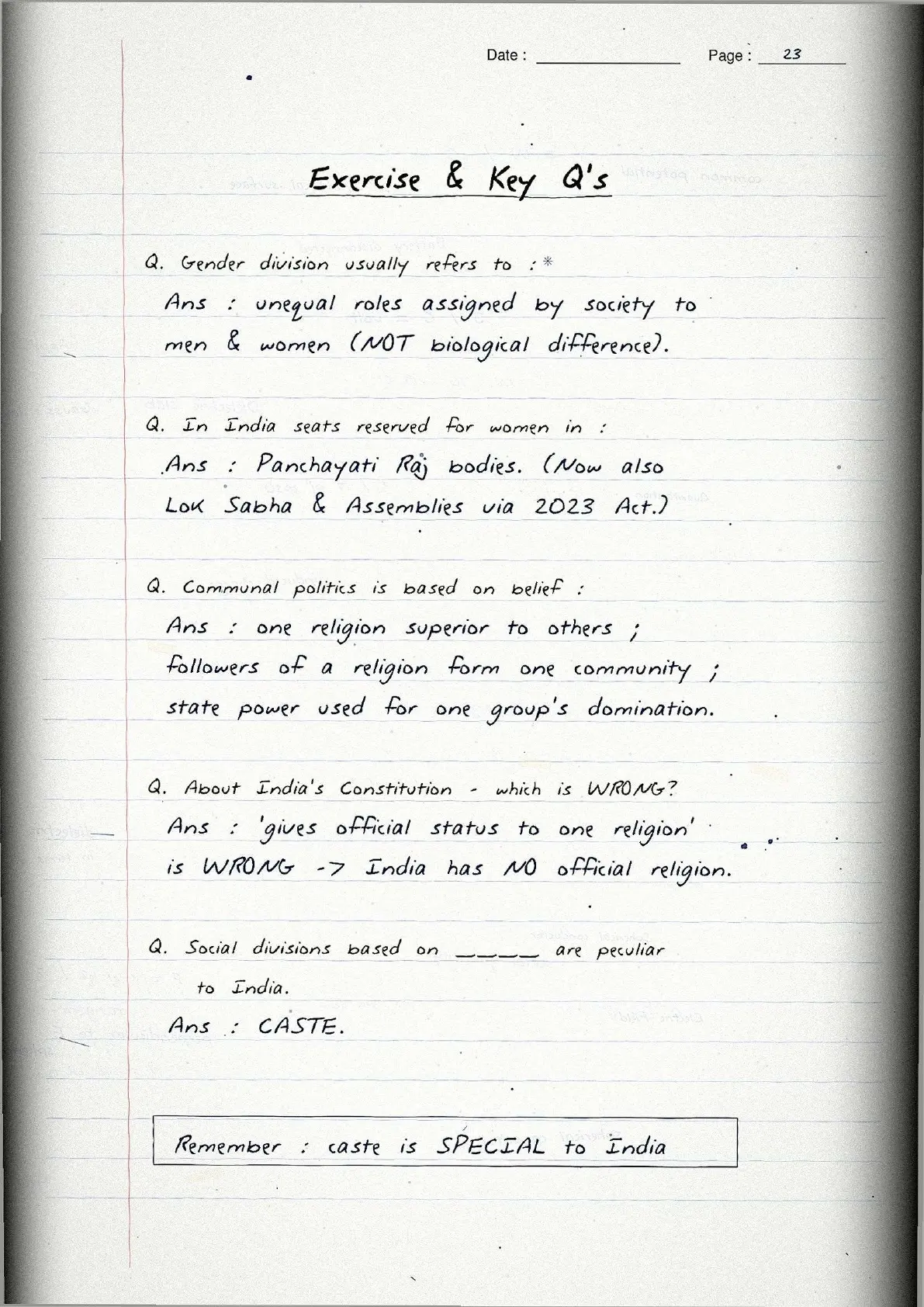
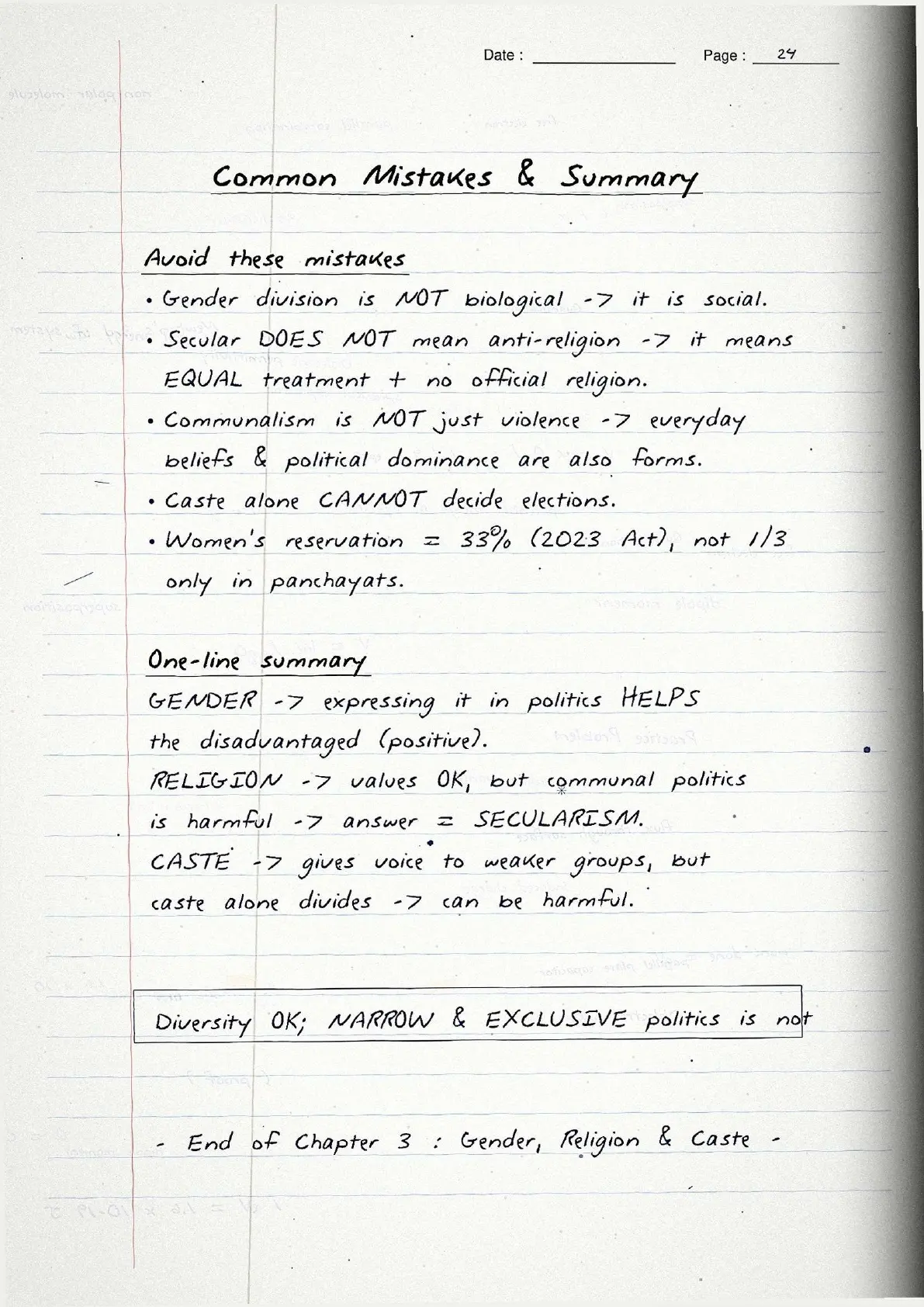
They turn the whole Gender, Religion and Caste chapter into clean, pen-on-paper notebook pages, with the three social divisions, the forms of communalism and the idea of casteism all boxed for fast recall before the board exam.
- Scanned-style pages with a boxed gender division section and a labelled communalism and caste politics flow.
- This Class 10 Civics chapter usually carries 5 to 6 marks in the board paper.
- Pairs with the NCERT Solutions, Notes and Book PDF for the same chapter, linked lower on this page.
These Gender, Religion and Caste handwritten notes are prepared from the official NCERT Democratic Politics II textbook and checked against the last five years of CBSE board papers.
Gender, Religion and Caste Class 10 Civics Explained in Simple Language
Source: Magnet Brains on YouTube
What These Gender, Religion and Caste Handwritten Notes Include
The class 10 civics handwritten notes chapter 3 Gender, Religion and Caste cover the chapter the way a topper's notebook would, with every key term boxed for quick recall. They keep the focus on what the board paper asks, so a student can flip through the whole chapter in minutes. The notebook is split into clear page groups.
- Gender pages: the gender division, the sexual division of labour, and the feminist movement.
- Religion pages: religion in politics, the meaning of communalism, and Indian secularism.
- Caste pages: caste inequality, casteism, and caste in electoral politics.
Because every term and form is boxed and underlined, the pages double as a flashcard set. This is why students reach for handwritten notes in the last week, when re-reading the textbook feels too slow.
The Gender and Religion Pages
The gender and religion pages are the heart of the notebook. They lay out the gender division first, then move to religion in politics and communalism, so the chapter flows the way the exam expects. Patriarchy and the sexual division of labour are kept side by side, since the contrast is a regular short answer.
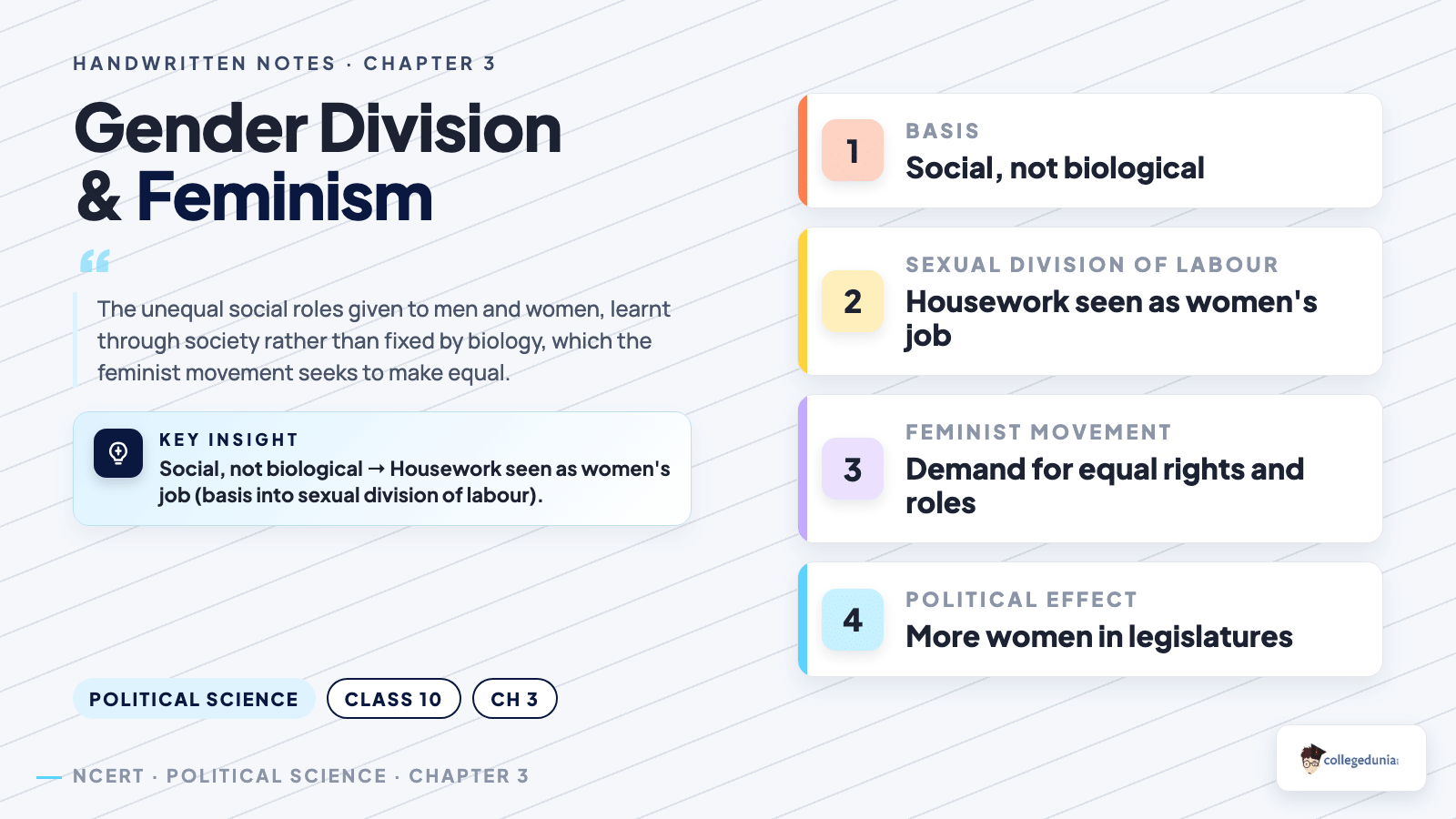
- Gender division: the unequal roles given to men and women, learnt through society, not nature.
- Sexual division of labour: housework is seen as women's work while men earn outside.
- Feminist movement: the demand for equal rights and a larger political role for women.
- Communalism: when one religion is seen as the basis of the nation and set against others, harming unity and diversity.
The page students mark most is the communalism versus secularism split, since it is the most repeated 3-mark answer in this chapter. India is a secular state because the Constitution gives no religion the status of a state religion and lets every citizen follow any faith freely.
The Caste and Politics Pages
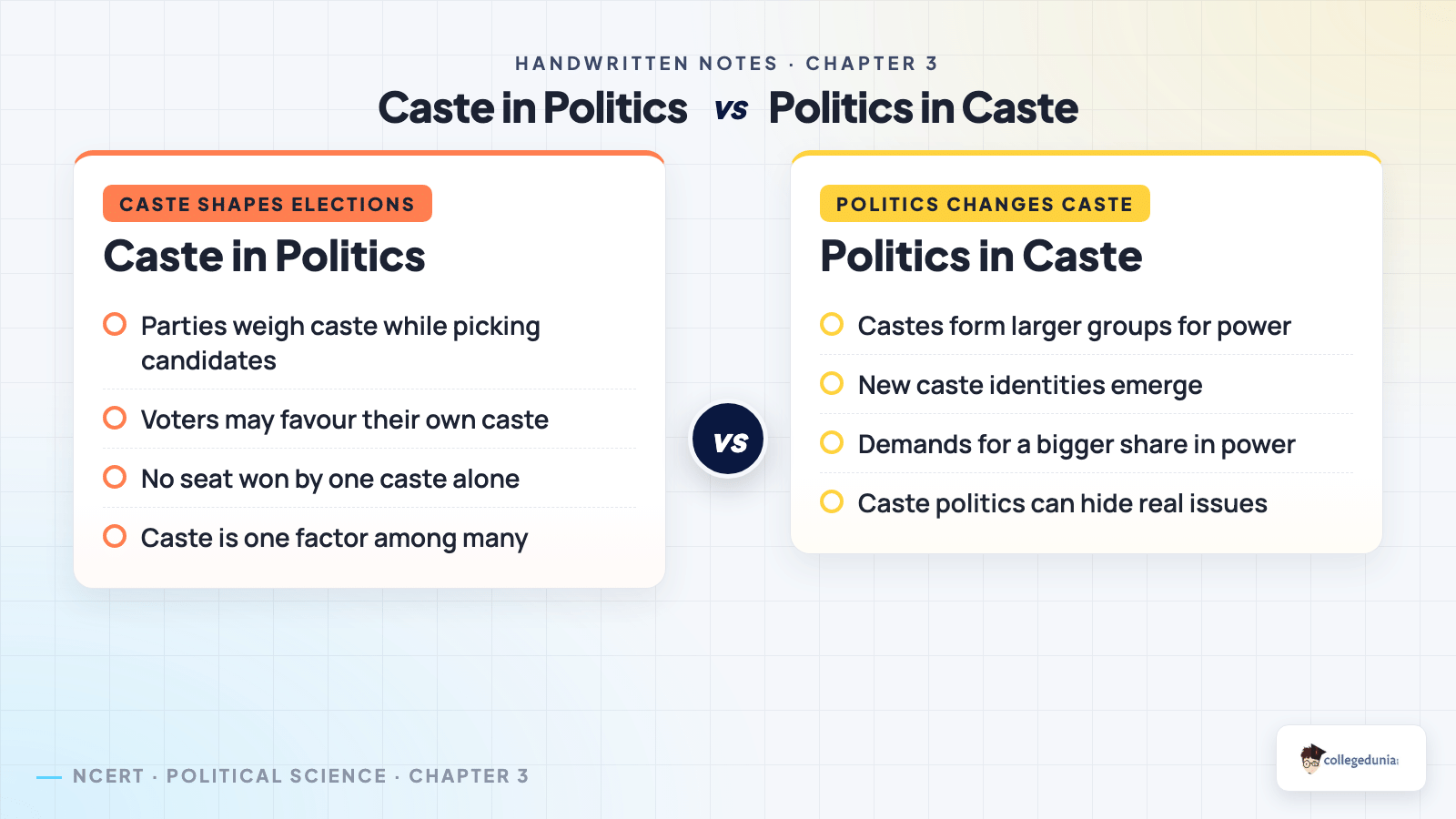
These pages box caste inequality and how caste shapes elections, so students can answer "how does caste affect politics" questions without hunting. The caste-in-politics table below is the page students photograph most before the exam.
| Idea | What it means in the chapter |
|---|---|
| Casteism | The belief that one's own caste is superior and that caste should decide a person's place. |
| Caste in politics | Parties pick candidates and make appeals keeping the caste make-up of a seat in mind. |
| Politics in caste | Politics also changes caste, as castes form groups and demand a larger share in power. |
The one line worth boxing in red is that no parliamentary seat in India is won by any single caste alone, so caste is one factor among many. The notes also flag that an over-focus on caste can hide real issues like poverty, development and corruption during an election.
How to Use These Gender, Religion and Caste Handwritten Notes
These notes work best as the final layer of revision, after a student has read the chapter once. A simple routine gets the most out of them in the last week before the exam.
- First pass: read every page once and say each boxed term and form aloud.
- Second pass: cover the right side of the caste-in-politics table and recall the meanings.
- Third pass: redraw the three social divisions of gender, religion and caste from memory.
- Night before: skim only the boxed terms and the red-line cautions.
Used this way, the notebook turns into a self-test rather than a re-read. The boxed layout means a student can spot a weak topic in seconds and go back to the full Notes or Solutions for it.
Common Mistakes These Notes Help You Avoid
The boxed, underlined layout is built to stop the slips that cost marks. The notes flag each one in the margin so students fix it before the exam.
- Treating gender division as natural, it is shaped by society, not biology.
- Mixing up communalism and secularism, the Constitution makes India secular.
- Saying caste decides every election, caste is only one factor among many.
- Confusing casteism (a belief in caste superiority) with the simple existence of caste groups.
- Forgetting that religion in politics is not always wrong, only communal politics is harmful.
Each caution sits next to the topic it guards, so a student sees it at the moment of revision. Fixing these five is the quickest jump from an average answer to a full-mark one.
Other Resources for Gender, Religion and Caste Class 10 Civics
These handwritten notes are the quick last-minute layer. To revise the full chapter, students should use them alongside the other resources for the same chapter, all linked in the table below.
| Resource | Best used for |
|---|---|
| Gender, Religion and Caste Class 10 NCERT Solutions | Step-by-step answers to all the back-exercise questions |
| Gender, Religion and Caste Class 10 Notes | Full chapter summary with gender, religion and caste in politics |
| Gender, Religion and Caste NCERT Book PDF | Reading the original NCERT chapter text, cartoons and boxes |
Tip: read the full Notes first, then use these handwritten pages for the final recall round. The two together cover both understanding and speed for the 2026-27 boards.
All Class 10 Civics Handwritten Notes by Chapter
The table links the Handwritten Notes for every chapter in Class 10 Civics (Democratic Politics II), so students can move across the course in one click. Gender, Religion and Caste is highlighted.
| Chapter | Handwritten Notes |
|---|---|
| Chapter 1 | Power-sharing |
| Chapter 2 | Federalism |
| Chapter 3 | Gender, Religion and Caste |
| Chapter 4 | Political Parties |
| Chapter 5 | Outcomes of Democracy |
Student Feedback
In a Collegedunia poll of 11,400 Class 10 Social Science students before the 2026 boards, 78% of students said scanned-style handwritten notes felt faster to revise from than the printed textbook for this chapter. Most students used the boxed gender division and communalism flow to recall the three social divisions in the exam.
Source: 2026-27 Class 10 Social Science student poll. Sample of 11,400 students from CBSE schools across 12 states.
Class 10 Civics Chapter 3 Gender, Religion and Caste Handwritten Notes Common Questions
Ques. Where can I download the class 10 civics handwritten notes chapter 3 Gender, Religion and Caste PDF?
Ans. You can download the Gender, Religion and Caste Class 10 Civics handwritten notes PDF free from this page. The scanned-style pages follow the 2026-27 NCERT syllabus and cover the gender division, communalism and caste in politics.
Ques. Are these handwritten notes good for last-minute revision of Gender, Religion and Caste?
Ans. Yes. The boxed gender division section, the labelled communalism flow and the red-line cautions make the pages quick to skim, which is why students prefer them in the final week before the board exam.
Ques. Do these notes explain how caste affects politics?
Ans. Yes. The notes carry a boxed table on caste in politics and politics in caste, and they flag that no seat is won by a single caste alone, so caste is one factor among many in an election.
Ques. Do the notes cover communalism and secularism?
Ans. Yes. The religion pages box the meaning of communalism and explain why India is a secular state, since the Constitution gives no religion the status of a state religion and lets every citizen follow any faith.
Ques. Are these handwritten notes enough on their own for Class 10 Civics Chapter 3?
Ans. They are strong for fast revision and recall. For full preparation, pair these Class 10 Civics handwritten notes with the NCERT Solutions for the back-exercise questions and the full Notes for the detailed explanations.



Comments