




The 2026-27 NCERT keeps Class 11 Accountancy Chapter 4 Recording of Transactions II in full for the CBSE course. These class 11 accountancy handwritten notes chapter 4 Recording of Transactions II follow the 2026-27 NCERT and cover why we need special journals, single and double column cash book, contra entries and bank overdraft. This page hosts the notes.
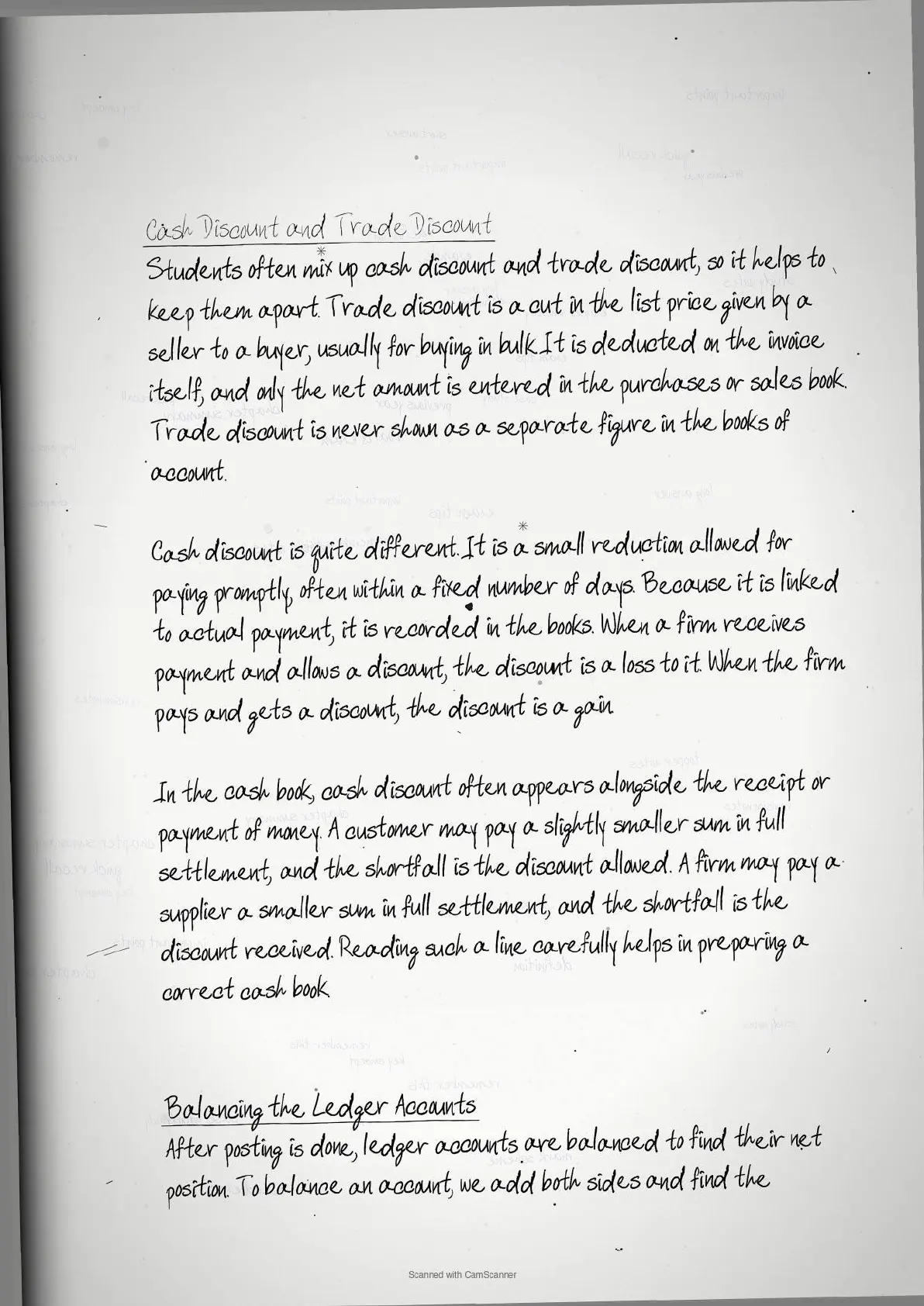
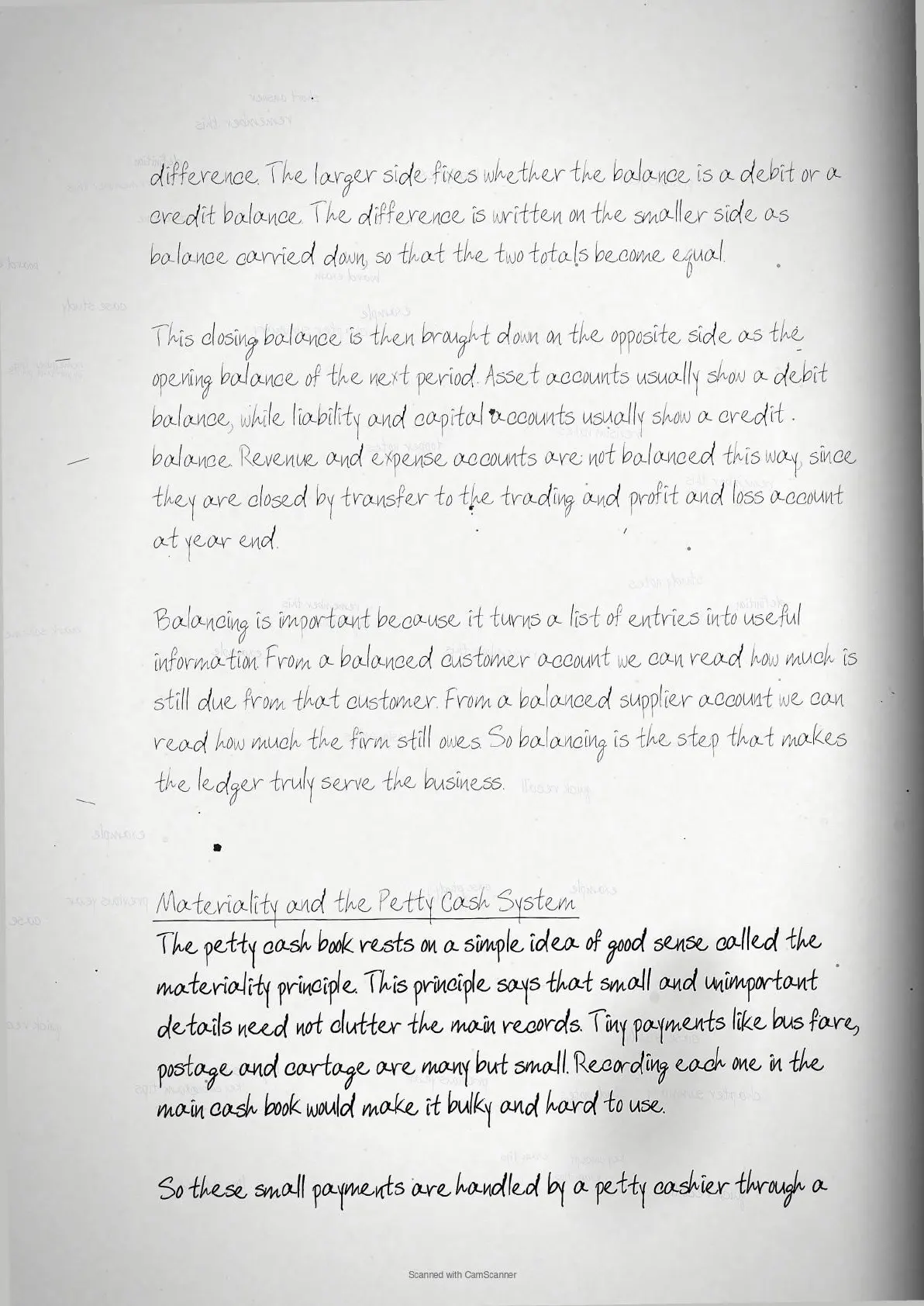
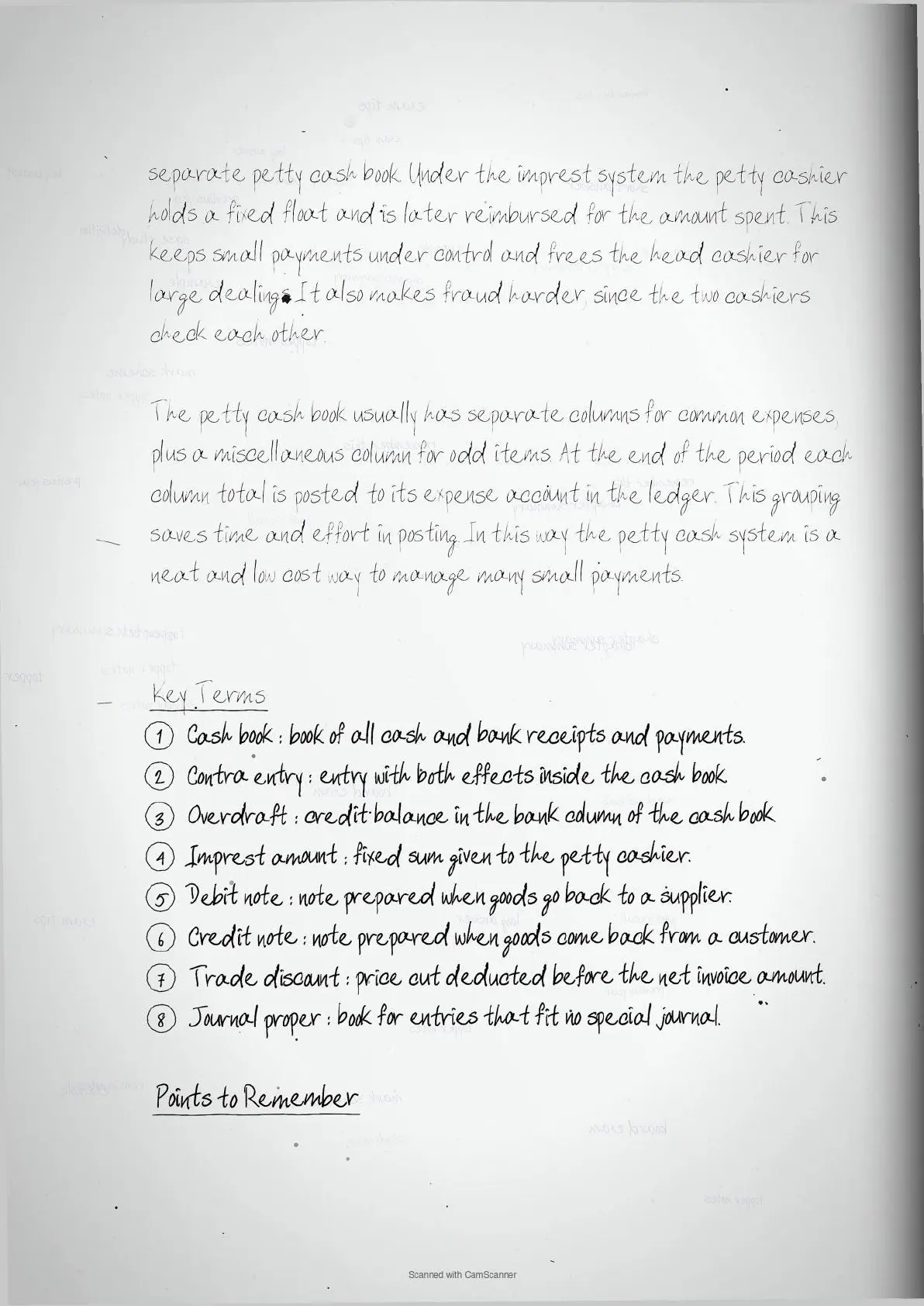
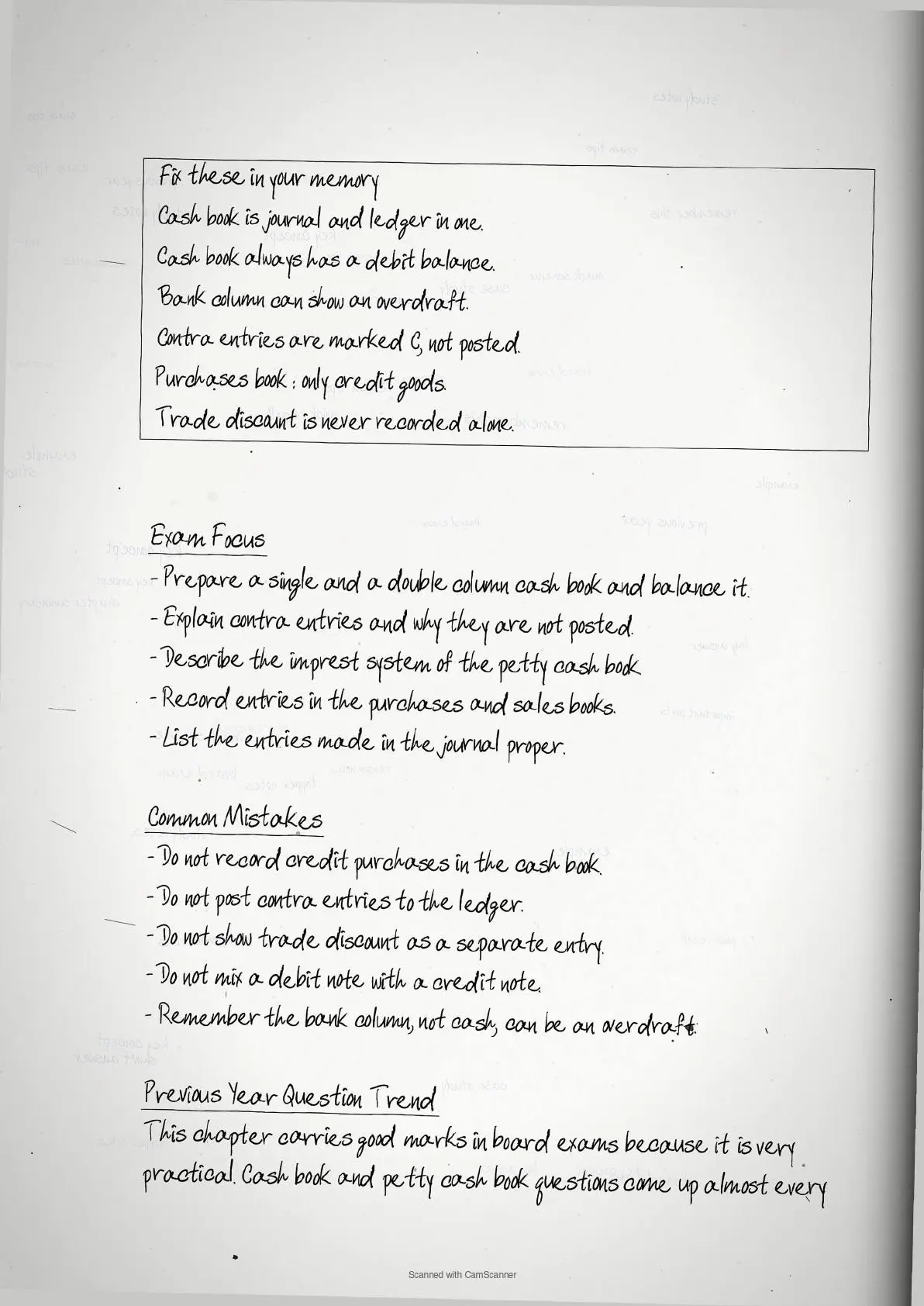
- CBSE Class 11 Weightage: a scoring chapter in the Accountancy paper, asked in short and long answers.
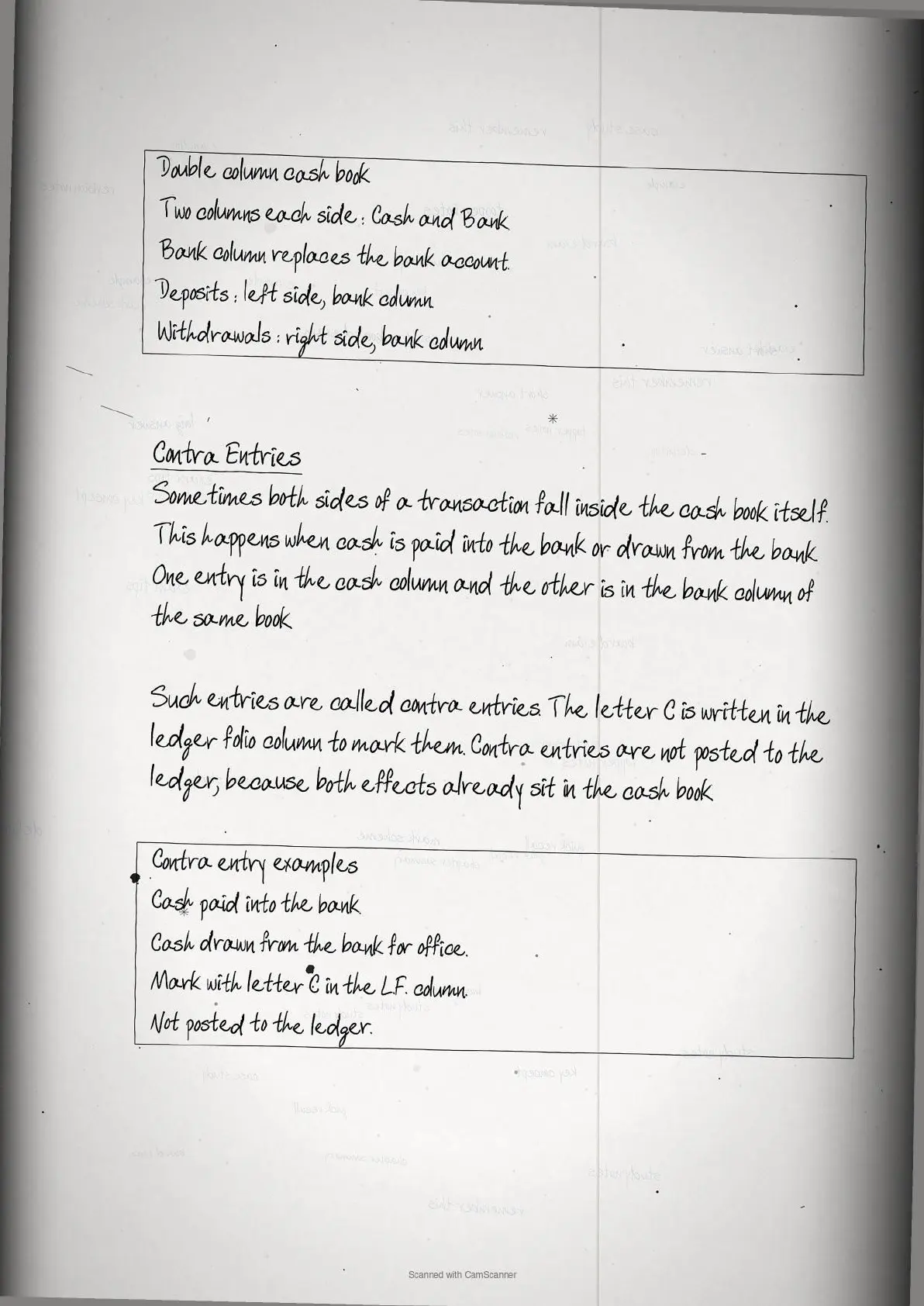
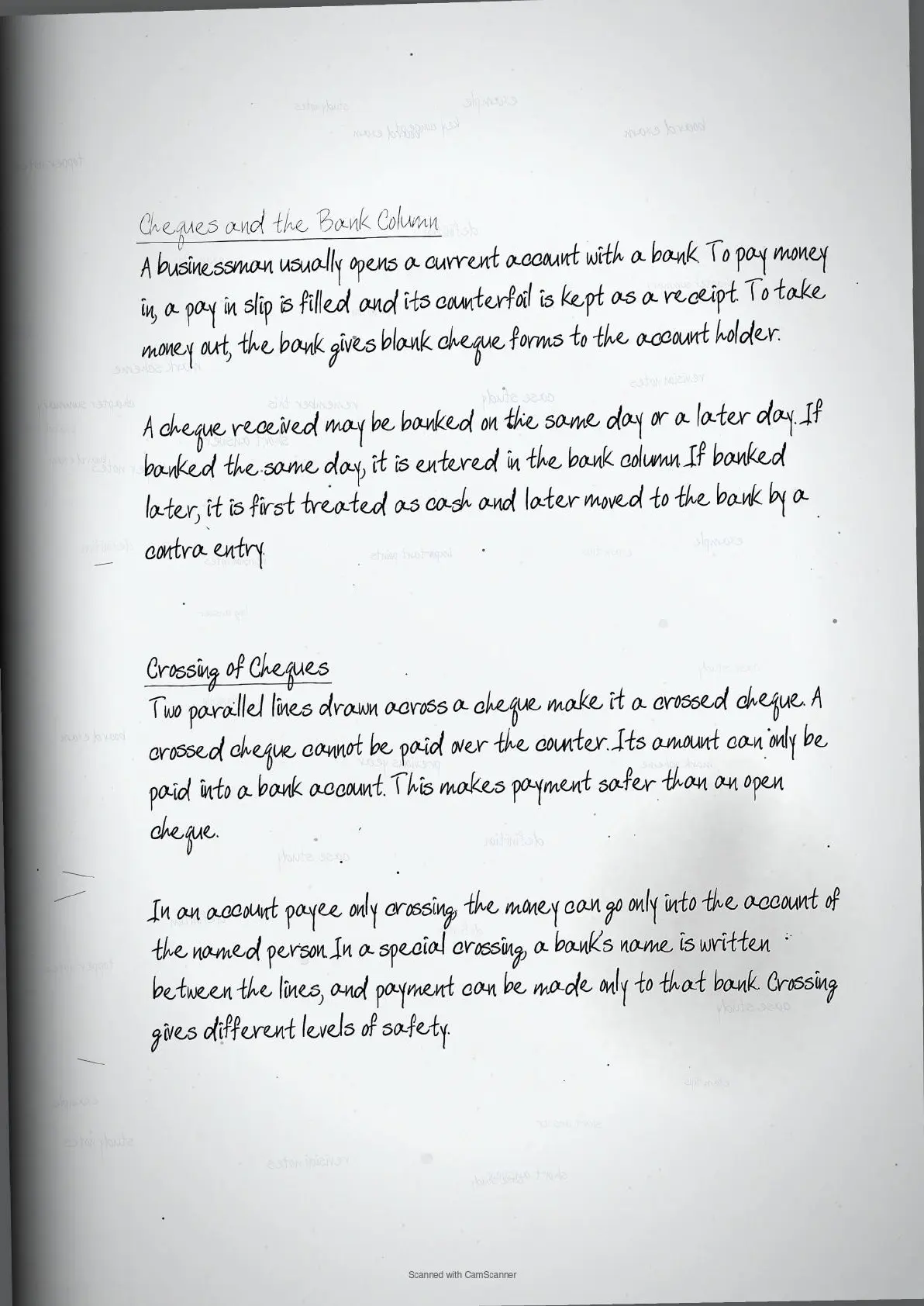
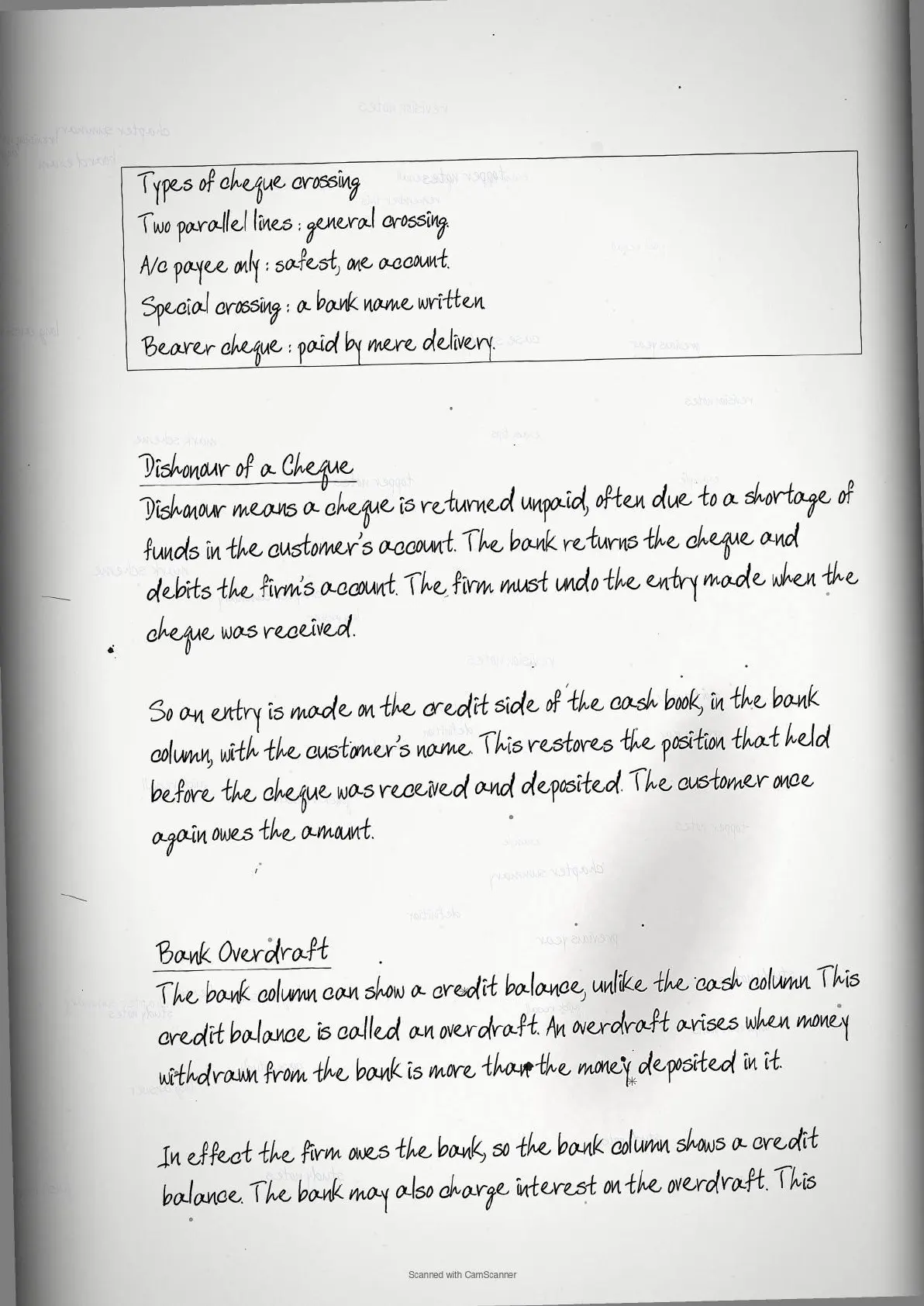
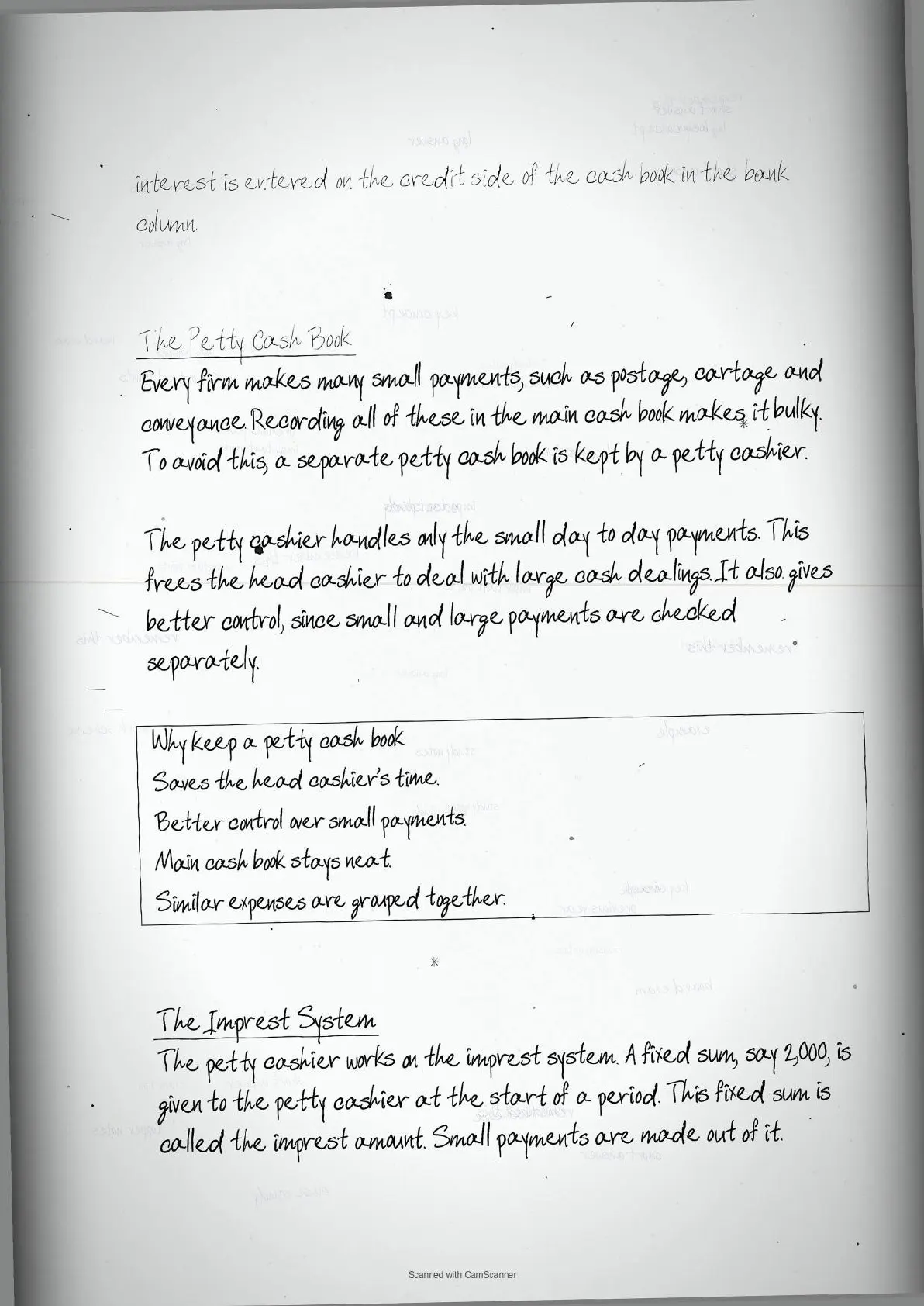
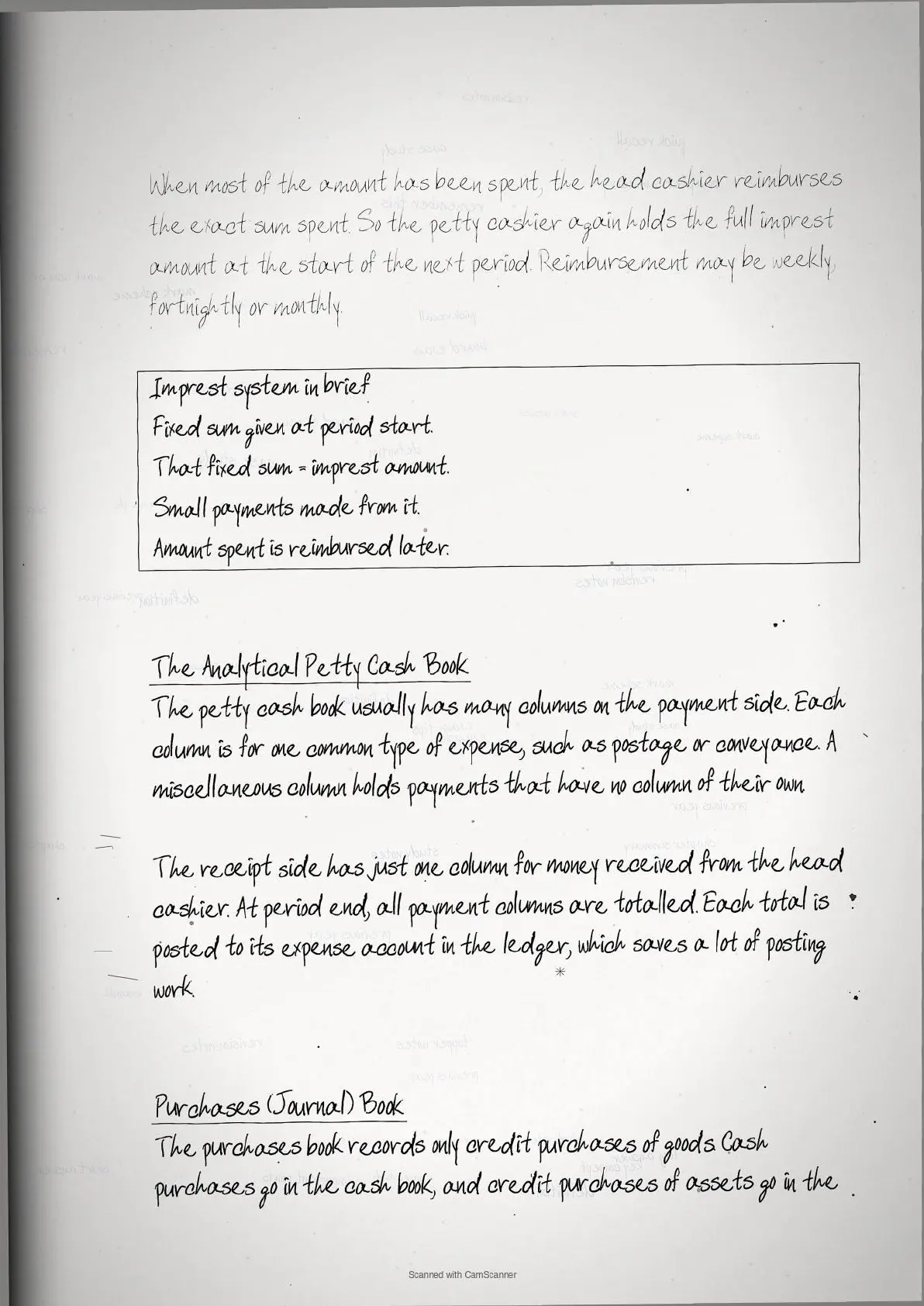
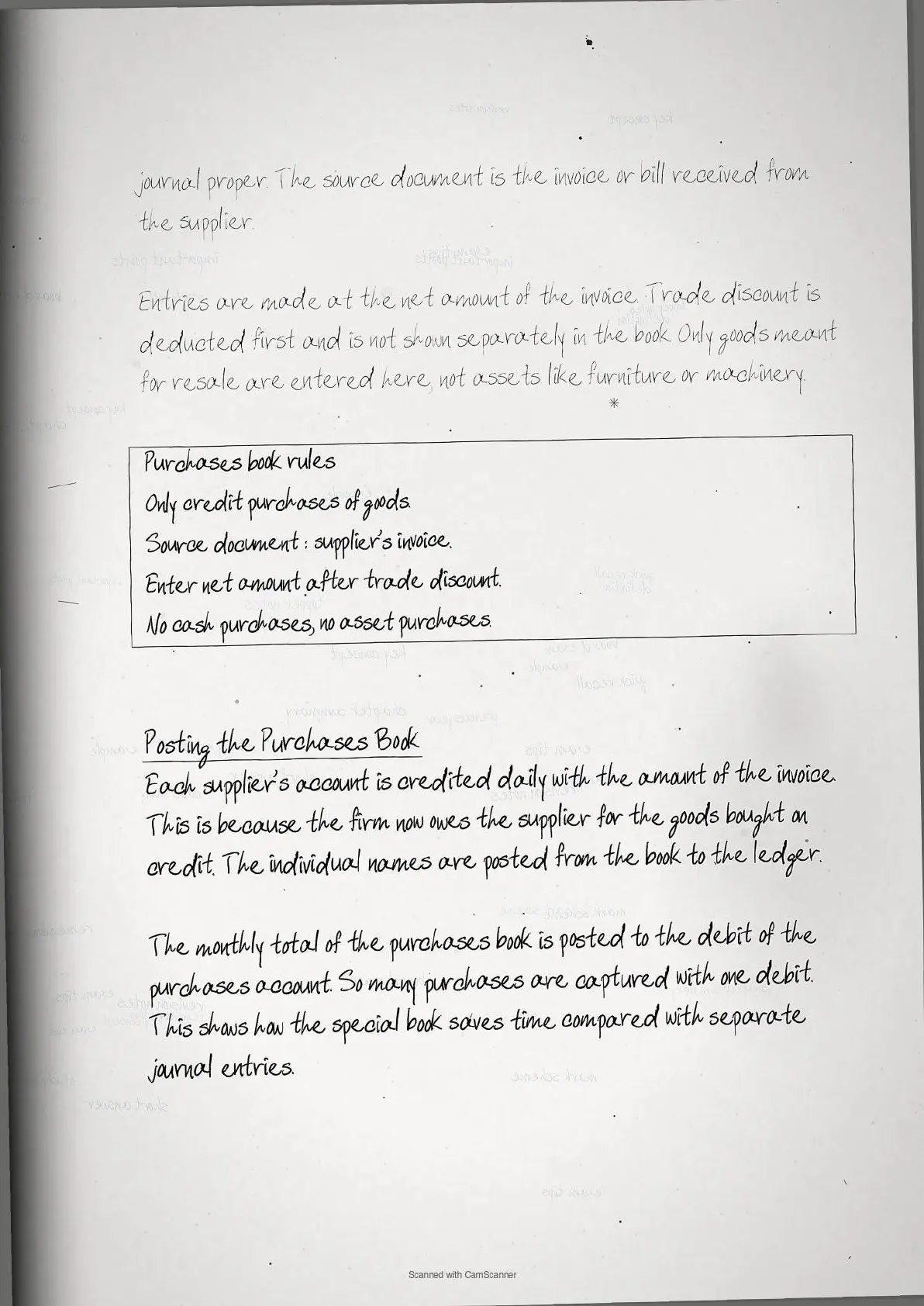
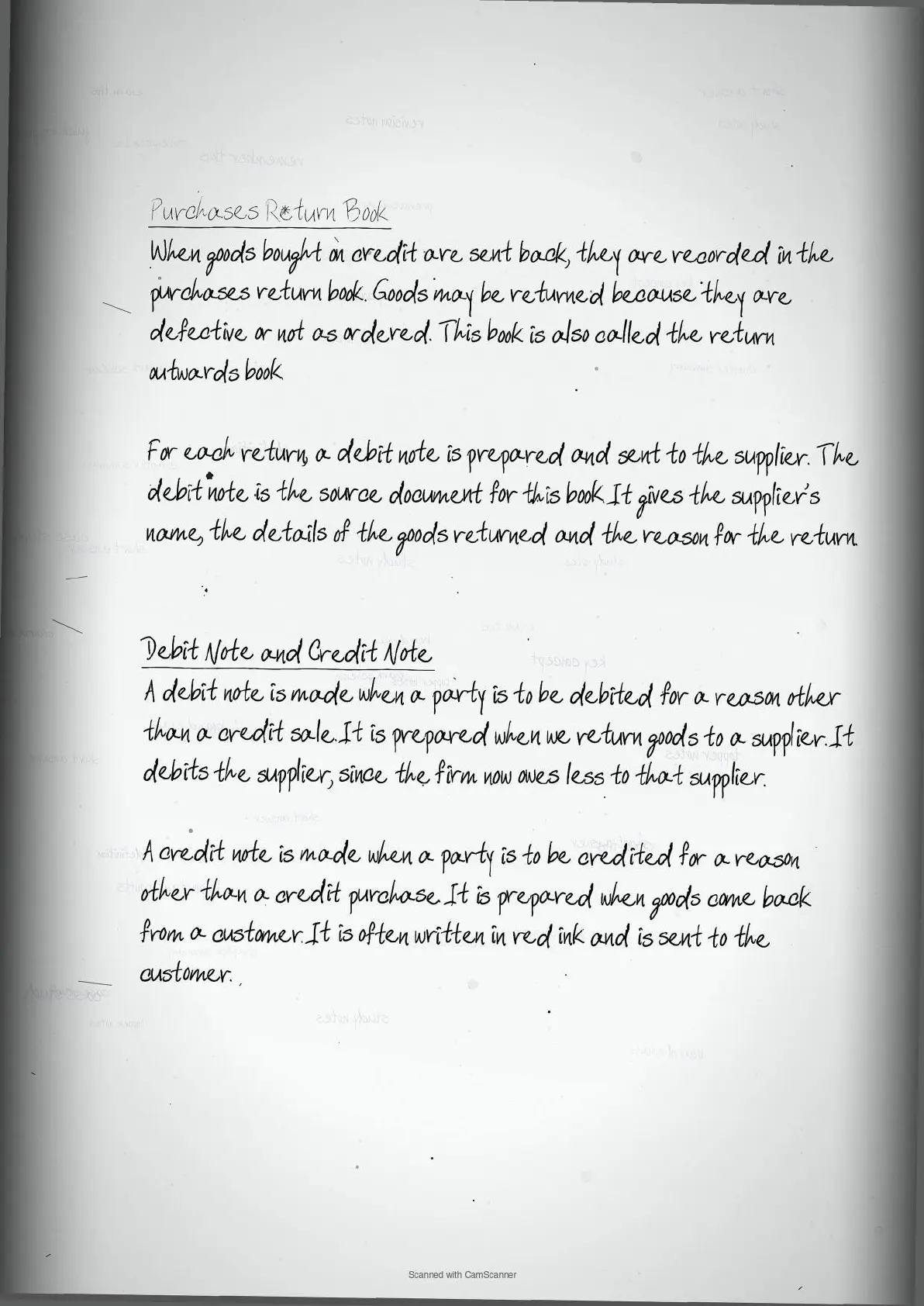
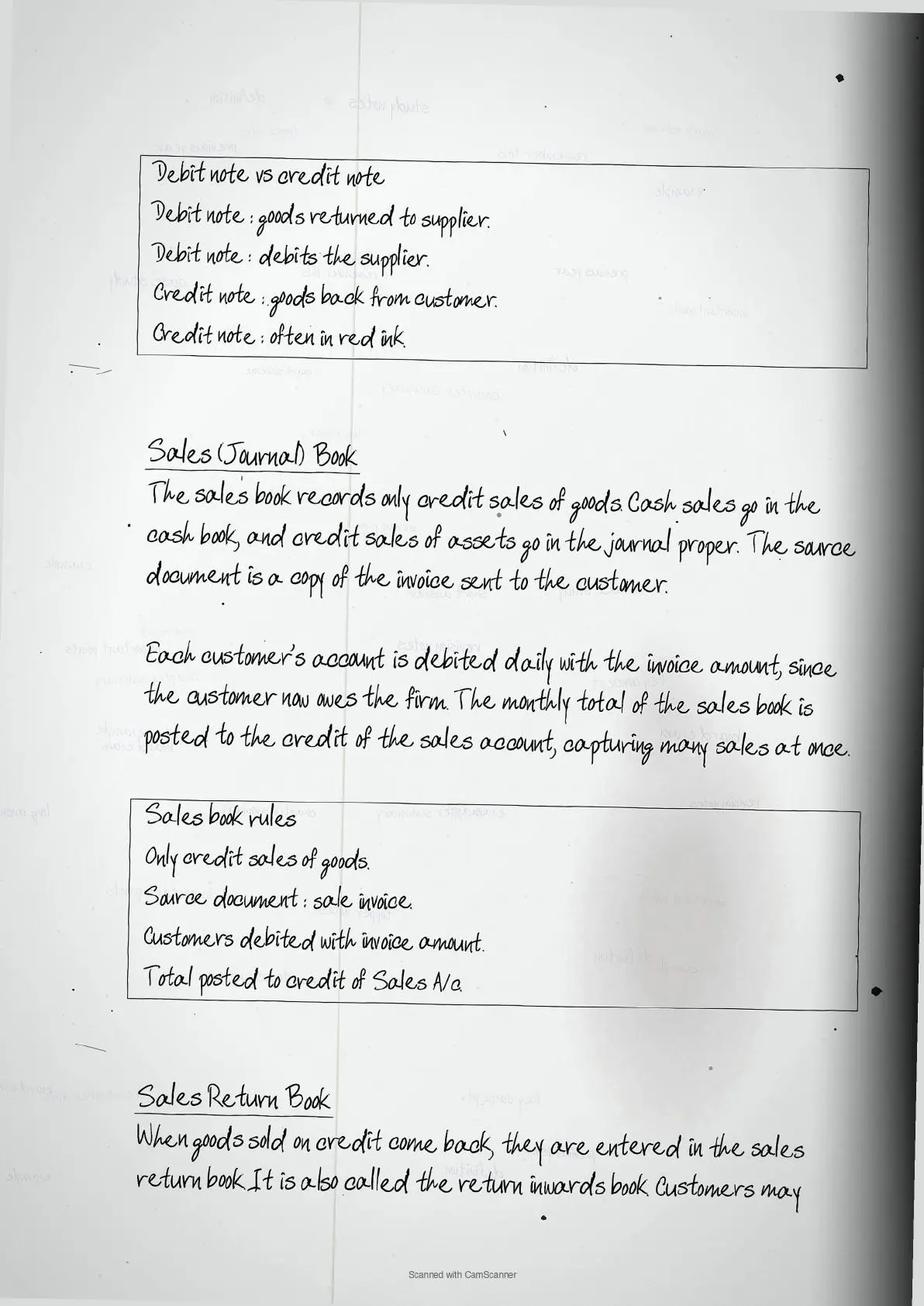
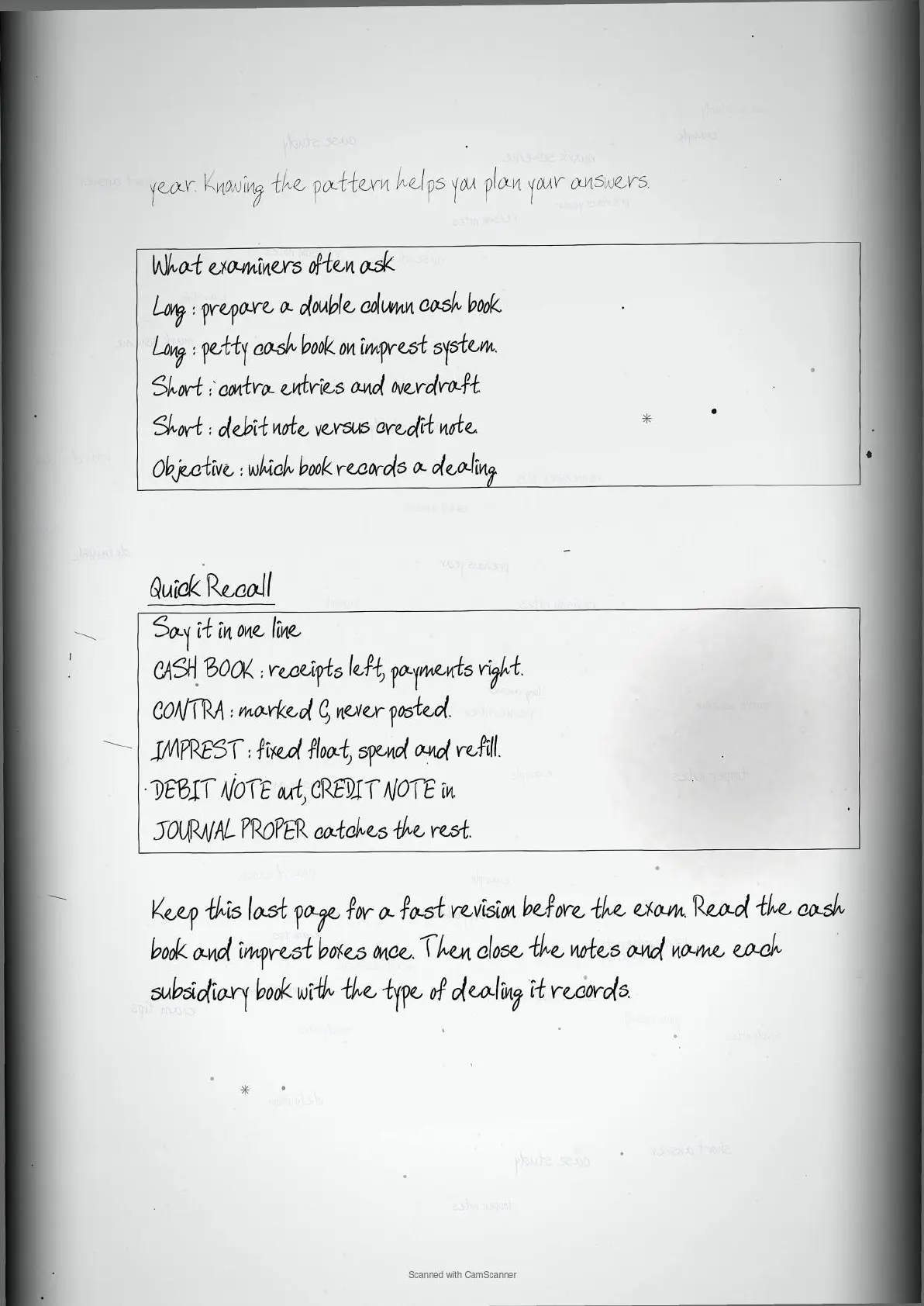
- What the notes cover: why we need special journals, single and double column cash book, contra entries and bank overdraft, petty cash book and imprest system.
- Best for: quick revision before Class 11 exams and a base for CUET later.
You can read the complete class 11 accountancy handwritten notes for Recording of Transactions II, with key terms, boxed definitions, and quick revision points, in the PDF below.
These handwritten notes are written by subject teachers, mapped to the 2026-27 NCERT, and checked against the last five years of CBSE Class 11 Accountancy papers.
Recording of Transactions II Topic-wise Weightage for CBSE Class 11 Accountancy
Some parts of this chapter are asked more often than others. The table below shows which sub-topics to revise first, based on recent CBSE Class 11 question trends.
| Sub-topic | Weightage | CBSE Frequency |
|---|---|---|
| Cash book (single and double column) | High | asked most years |
| Petty cash book and imprest system | High | asked most years |
| Purchases and sales books | Medium | asked often |
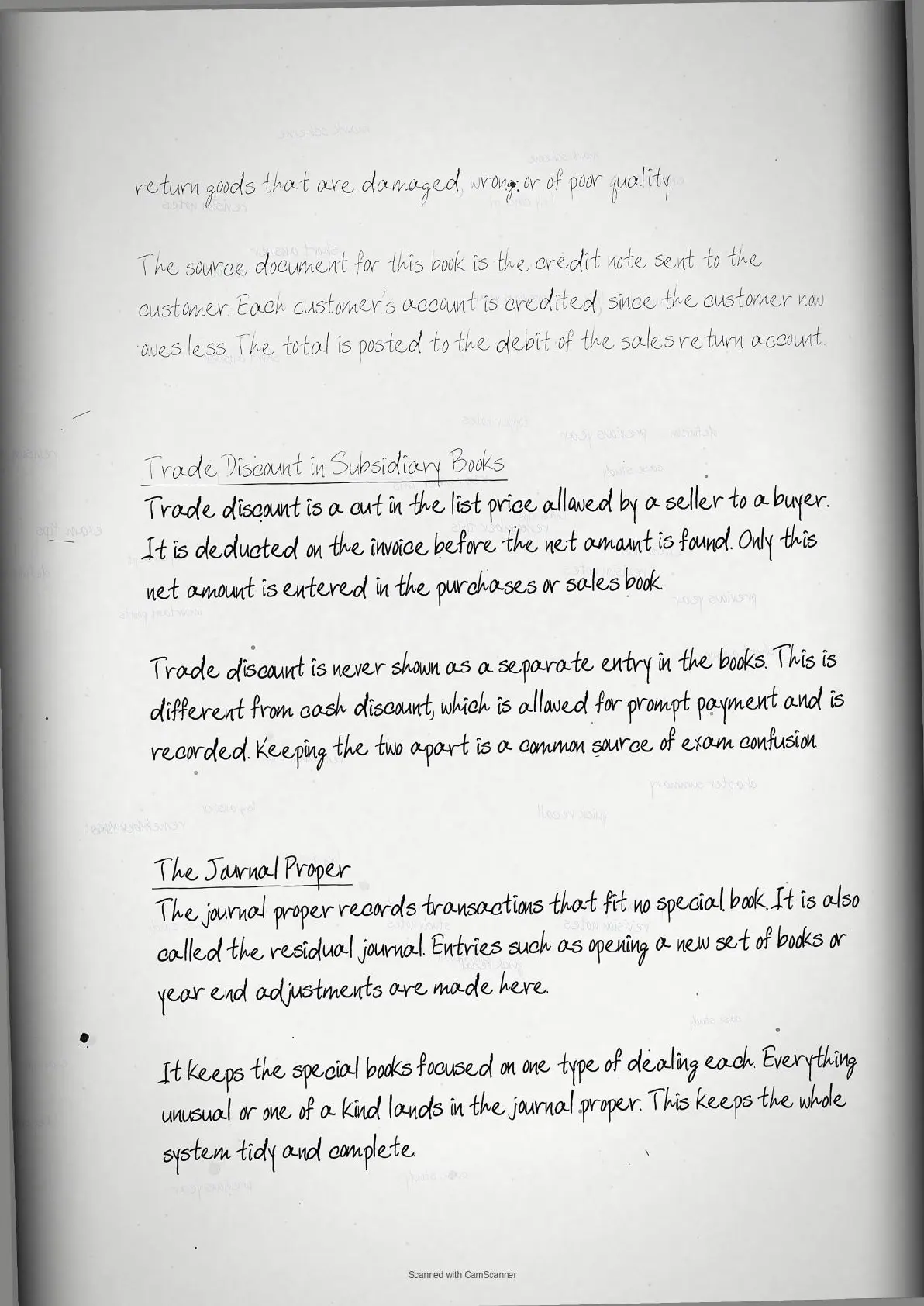
| Return books and notes | Medium | asked often |
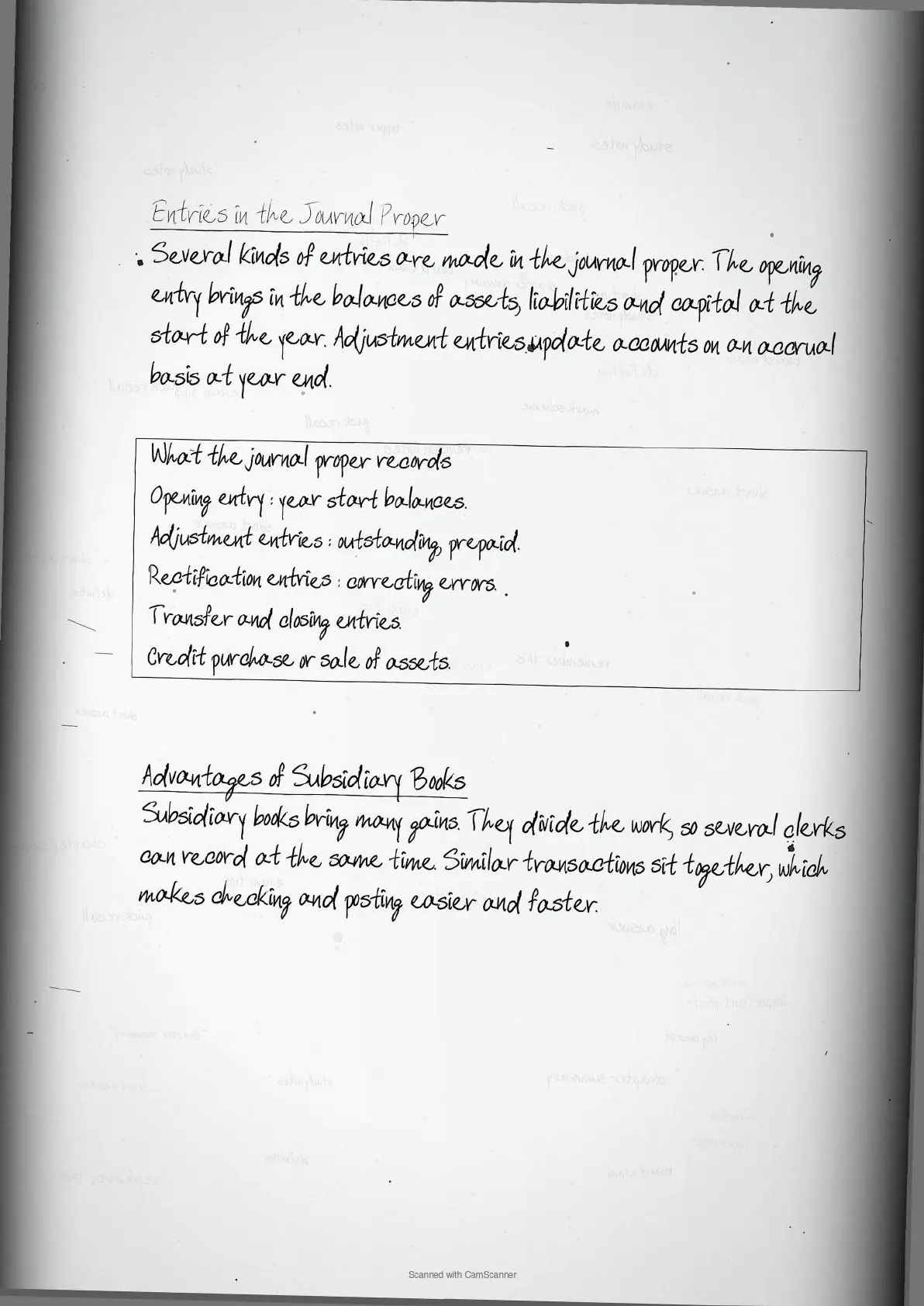
| Journal proper | Low | short or objective |
What the Recording of Transactions II Handwritten Notes Cover
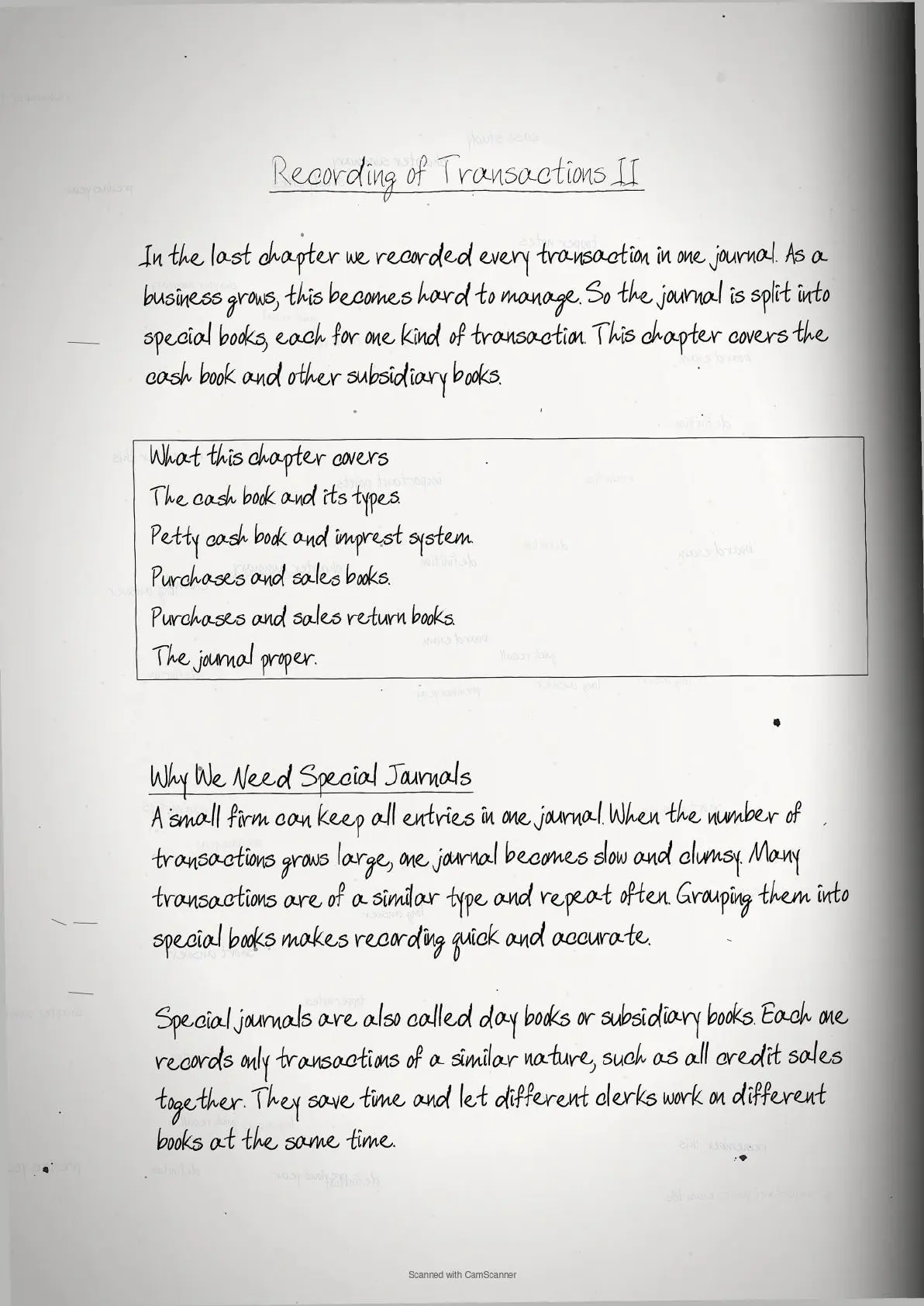
These notes explain how a growing business splits its journal into special books. You will learn the cash book, petty cash book, purchases and sales books, and their return books. You will also see what goes into the journal proper.
- Why we need special journals
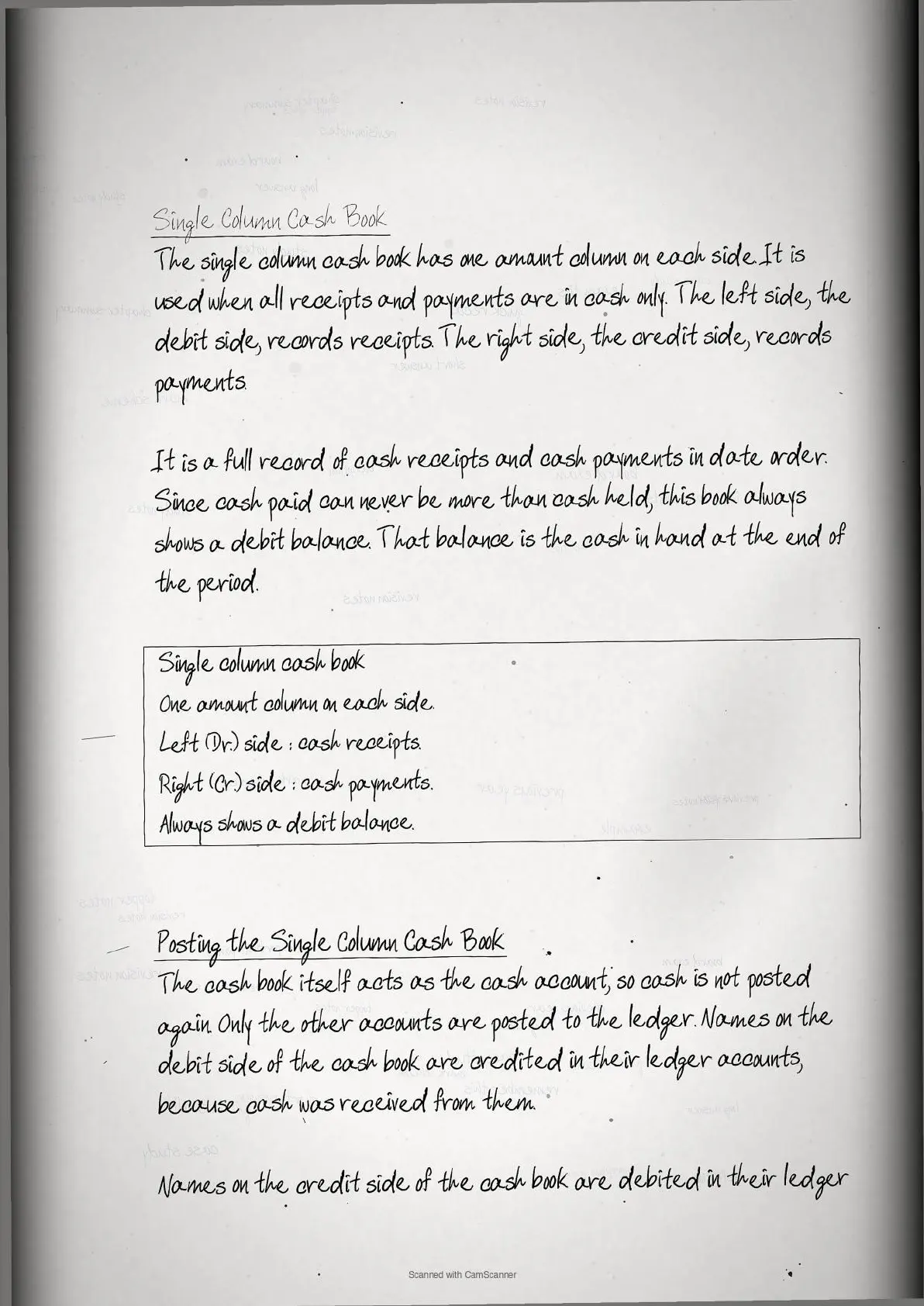
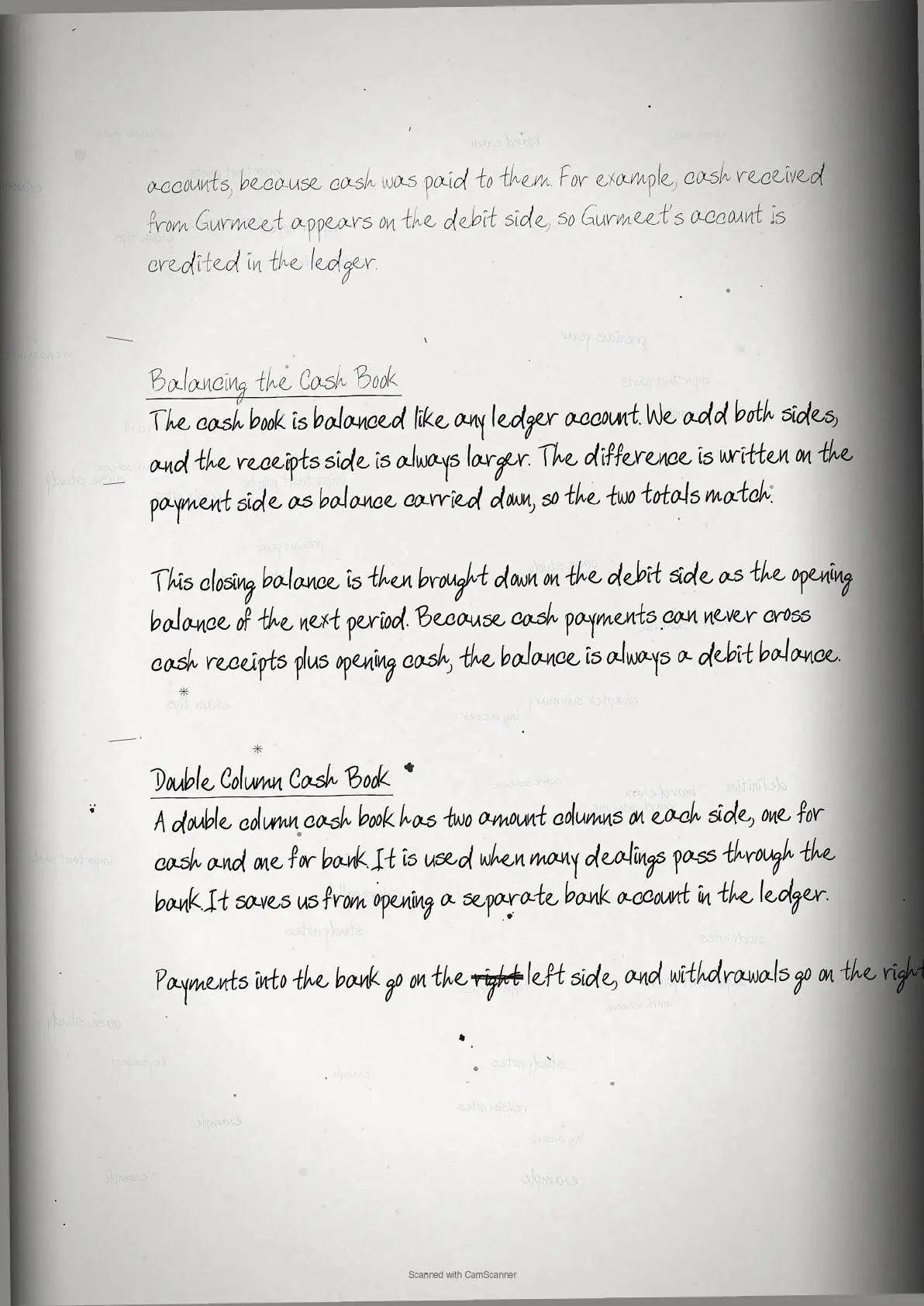
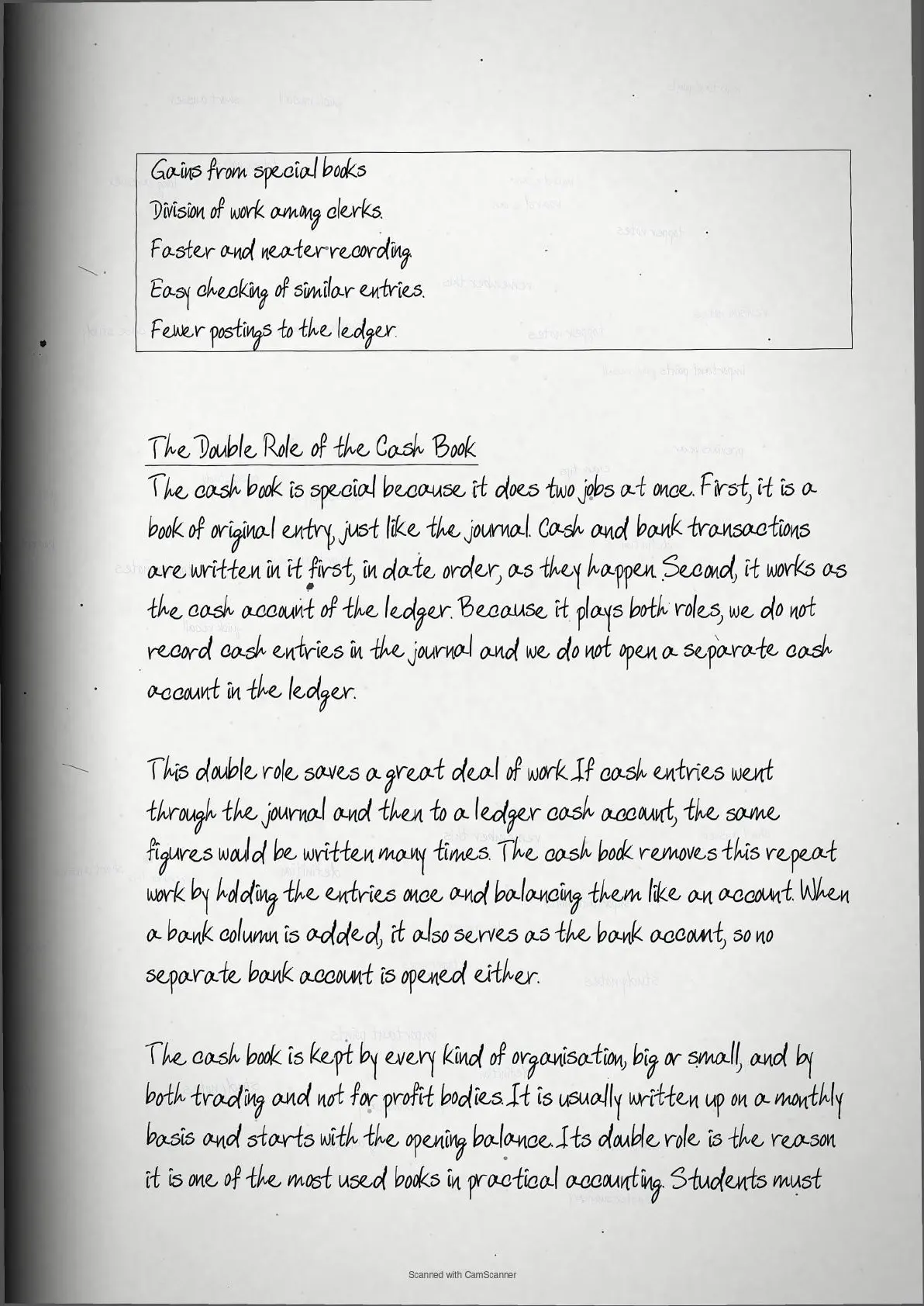
- Single and double column cash book
- Contra entries and bank overdraft
- Petty cash book and imprest system
- Purchases and sales books
- Purchases and sales return books
- Debit note, credit note and journal proper
Key Terms and Ideas in Recording of Transactions II
These are the terms and ideas the exam asks about most. Learn each one so you can define it and use it in your answers.
| Term / Idea | What it means |
|---|---|
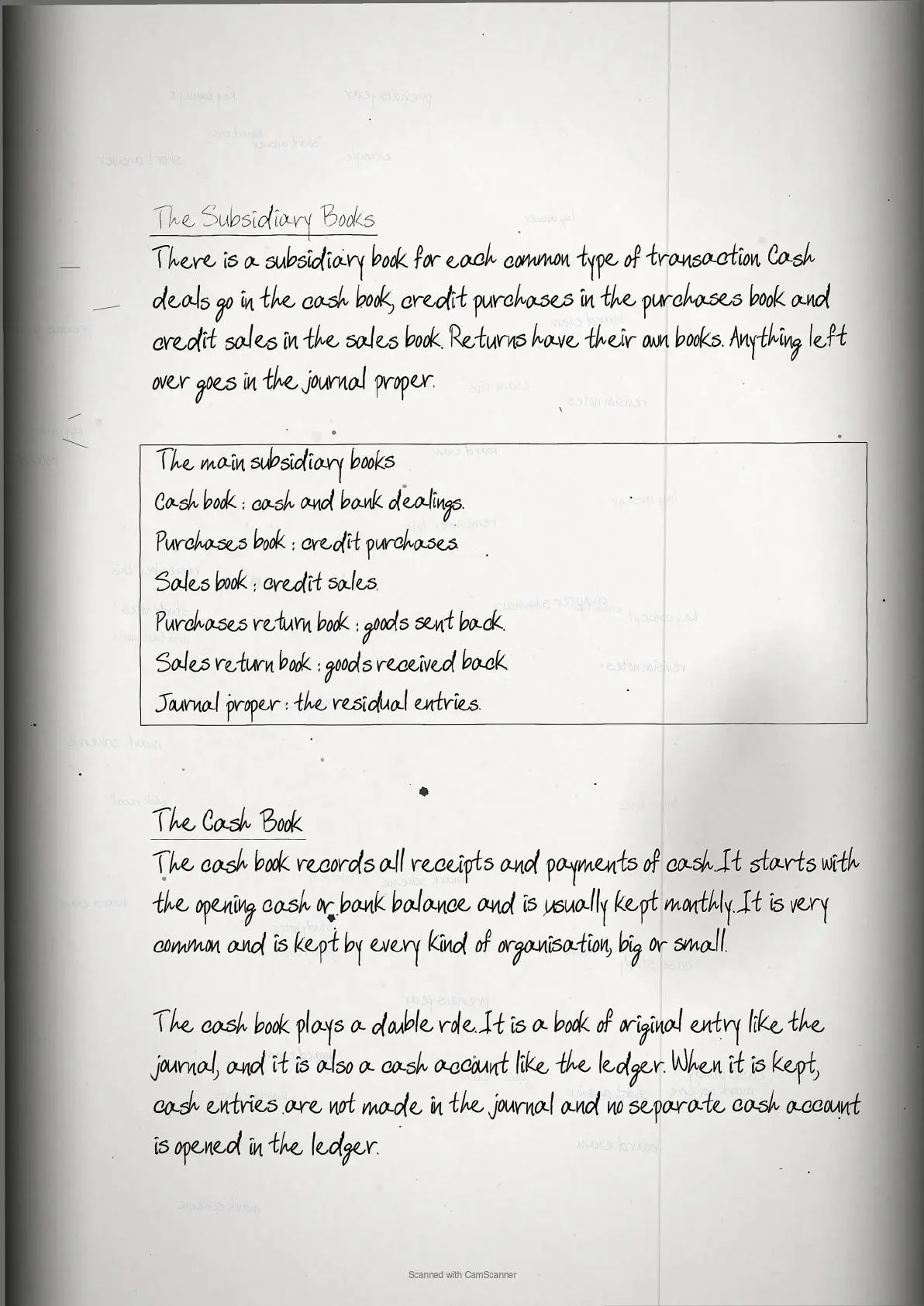
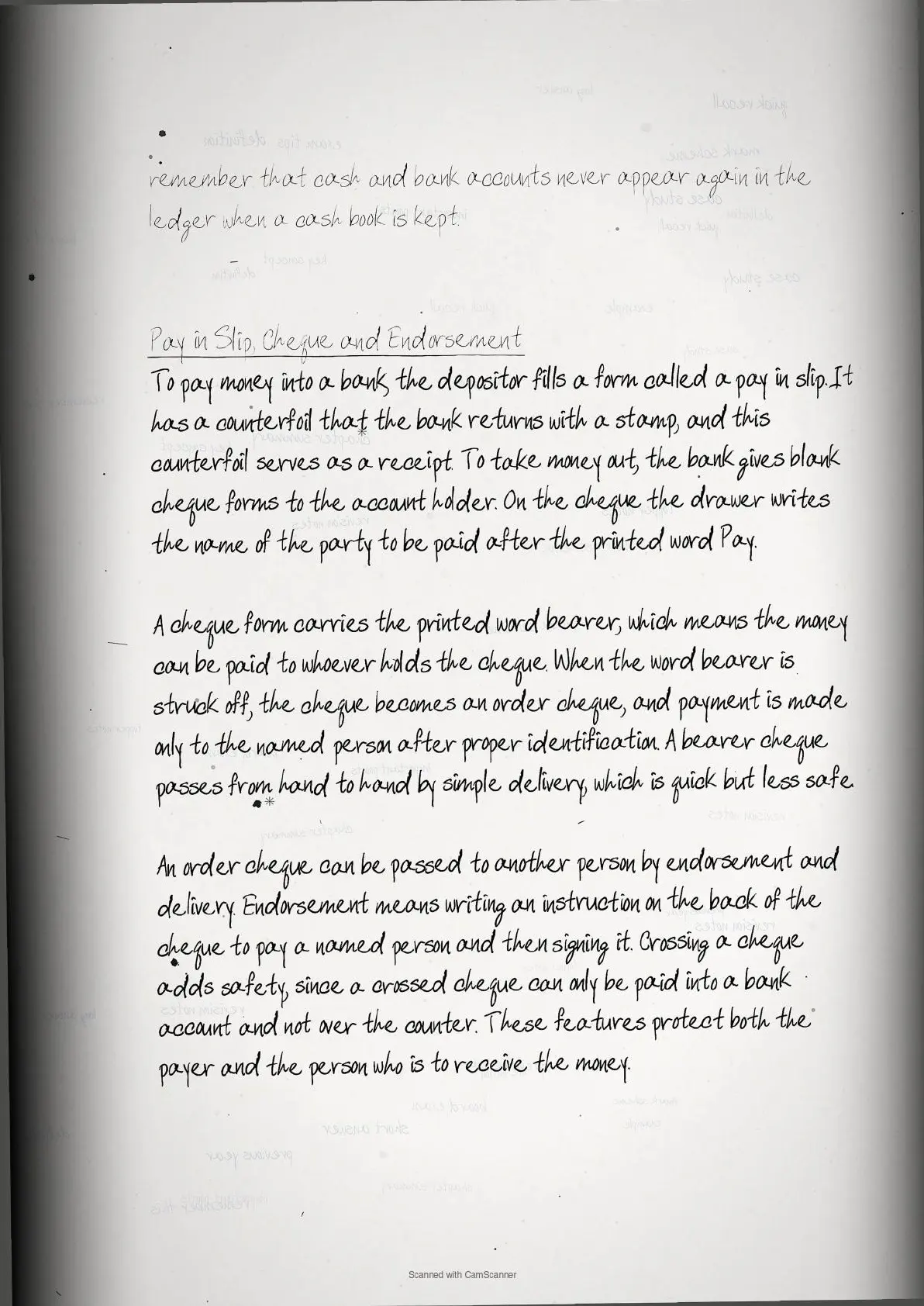
| Cash book | records all cash and bank dealings |
| Contra entry | both effects lie inside the cash book |
| Overdraft | credit balance in the bank column |
| Imprest amount | fixed float given to the petty cashier |
| Debit note | made when goods go back to a supplier |
| Credit note | made when goods come back from a customer |
| Trade discount | deducted before the net invoice amount |
| Journal proper | book for entries that fit no special book |
How Collegedunia's Handwritten Notes Help You Revise Recording of Transactions II
These notes are made for the night before the exam. They keep the facts short and easy to scan. Collegedunia maps every point to the 2026-27 NCERT.
- Clear handwriting: each topic is written in neat, easy-to-read handwriting.
- Boxed key terms: the main terms and definitions are boxed by hand for fast recall.
- Diagrams and tables: simple hand-drawn tables and charts make ideas clear.
- Colour-coded headings: new sub-topics stand out, so you find any section in seconds.
Recording of Transactions II Self-Assessment Quiz
Try these quick questions after you read the notes. Tap each question to check your answer. They cover the points CBSE asks most often.
A double column cash book records
(a) only cash (b) only credit (c) cash and bank (d) only bank
Answer: (c) cash and bank - it has cash and bank columns on each side
A contra entry is marked with the letter
(a) B (b) C (c) D (d) L
Answer: (b) C - contra entries are marked C and not posted
The fixed sum given to a petty cashier is the
(a) balance (b) float only (c) imprest amount (d) reserve
Answer: (c) imprest amount - the fixed float under the imprest system
Goods returned to a supplier are recorded using a
(a) credit note (b) debit note (c) invoice (d) receipt
Answer: (b) debit note - it debits the supplier for the return
Credit sales of goods are recorded in the
(a) cash book (b) sales book (c) journal proper (d) ledger
Answer: (b) sales book - the sales book records credit sales of goods
How to Use These Handwritten Notes for Class 11 Accountancy Revision
Use these class 11 accountancy handwritten notes in two passes. Read them slowly once for the full chapter. Then, near the exam, read only the boxes and key terms for a fast recall.
- Read the notes once with the NCERT chapter open beside you.
- Say each key term and idea in your own words.
- Practise one long-answer question from a past paper.
- On the last day, revise only the key terms and the boxes.
Class 11 Accountancy Handwritten Notes for All Chapters
The table below links the class 11 accountancy handwritten notes for every chapter. Use it to jump to any other chapter's notes.
| Chapter | Resource |
|---|---|
| Chapter 1 | Introduction to Accounting Handwritten Notes |
| Chapter 2 | Theory Base of Accounting Handwritten Notes |
| Chapter 3 | Recording of Transactions I Handwritten Notes |
| Chapter 4 | Recording of Transactions II Handwritten Notes |
| Chapter 5 | Bank Reconciliation Statement Handwritten Notes |
| Chapter 6 | Trial Balance and Rectification of Errors Handwritten Notes |
| Chapter 7 | Depreciation, Provisions and Reserves Handwritten Notes |
| Chapter 8 | Financial Statements I Handwritten Notes |
| Chapter 9 | Financial Statements II Handwritten Notes |
Recording of Transactions II Class 11 Accountancy Handwritten Notes FAQs
Ques. Where can I download Recording of Transactions II Class 11 Accountancy Handwritten Notes PDF?
Ans. You can download the Recording of Transactions II Class 11 Accountancy Handwritten Notes PDF directly from this page. Both the Normal and HD versions are free.
Ques. Are these handwritten notes aligned with the 2026-27 NCERT?
Ans. Yes. These notes follow the current 2026-27 syllabus for Class 11 Accountancy. Why does the cash book act as both a journal and a ledger?
Ques. How many pages is the Class 11 Accountancy Recording of Transactions II Handwritten Notes PDF?
Ans. The notes run about 20 pages. They cover the full chapter with key terms, hand-drawn boxes, and a short self-assessment quiz.
Ques. What is the main idea of the 11th standard Accountancy chapter Recording of Transactions II?
Ans. The cash book is a book of original entry, so cash transactions are first recorded in it like a journal. It is also balanced like a ledger account, so no separate cash account is opened in the ledger.
Ques. Are these Recording of Transactions II notes enough for the CBSE Class 11 exam?
Ans. Yes, for revision. The Collegedunia handwritten notes cover every key point and exam term. Read them with the NCERT chapter and practise past questions.



Comments