




Class 11 Accountancy Chapter 1 Introduction to Accounting is a high-frequency chapter in the CBSE Class 11 Accountancy exam. These class 11 accountancy handwritten notes chapter 1 Introduction to Accounting follow the 2026-27 NCERT and cover meaning of accounting and its four steps, economic events: internal and external, internal and external users of information. This page hosts the.
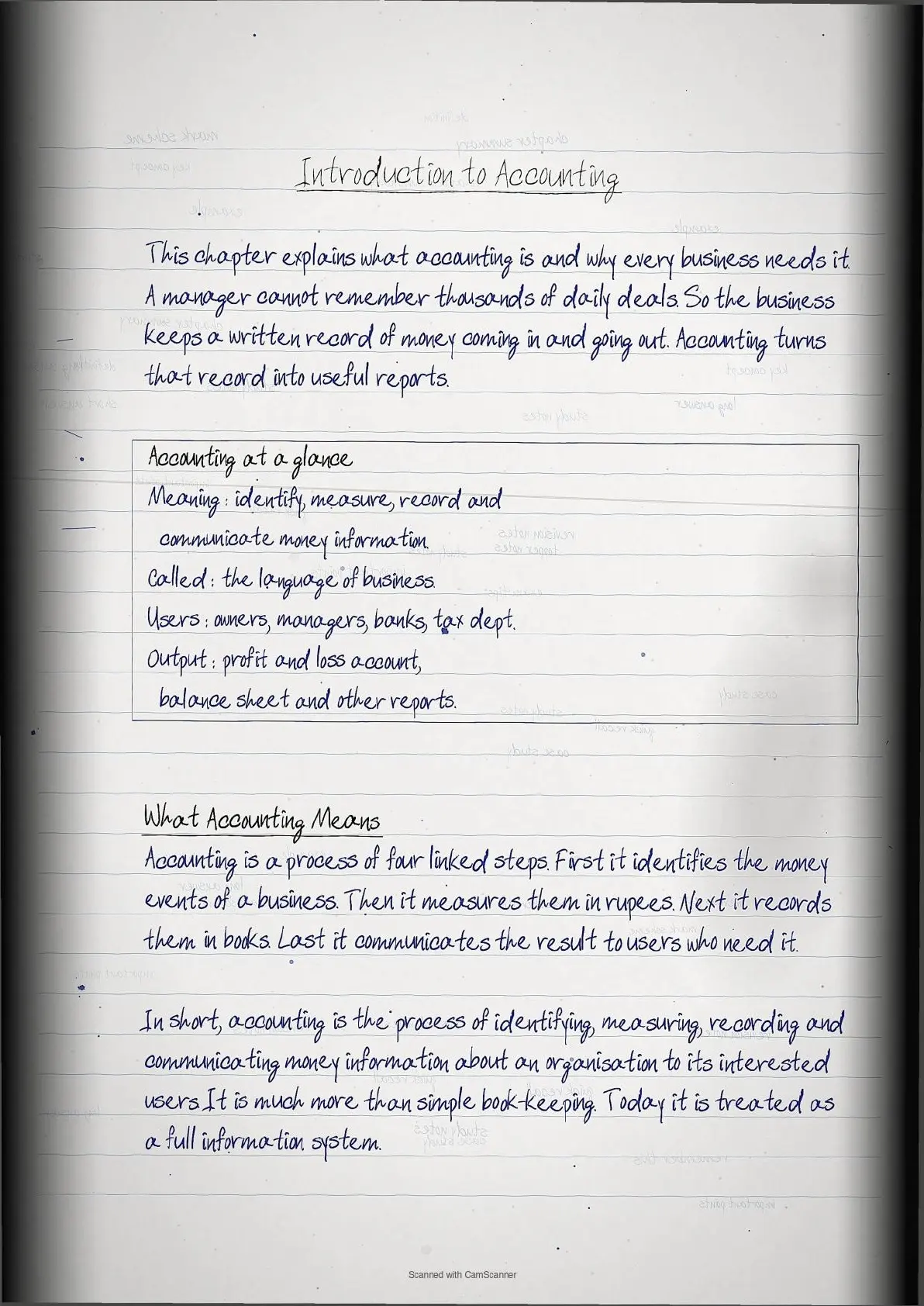
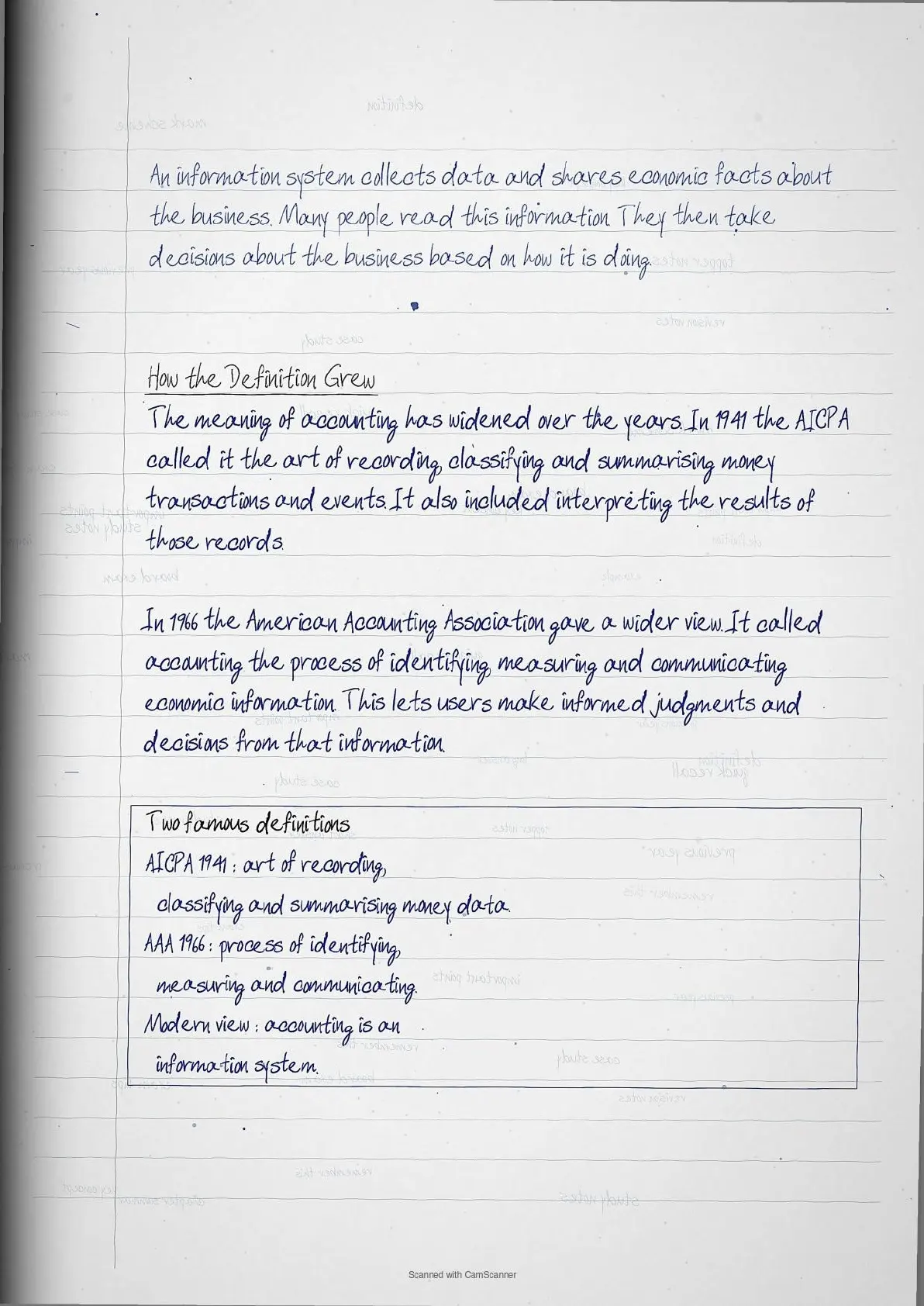
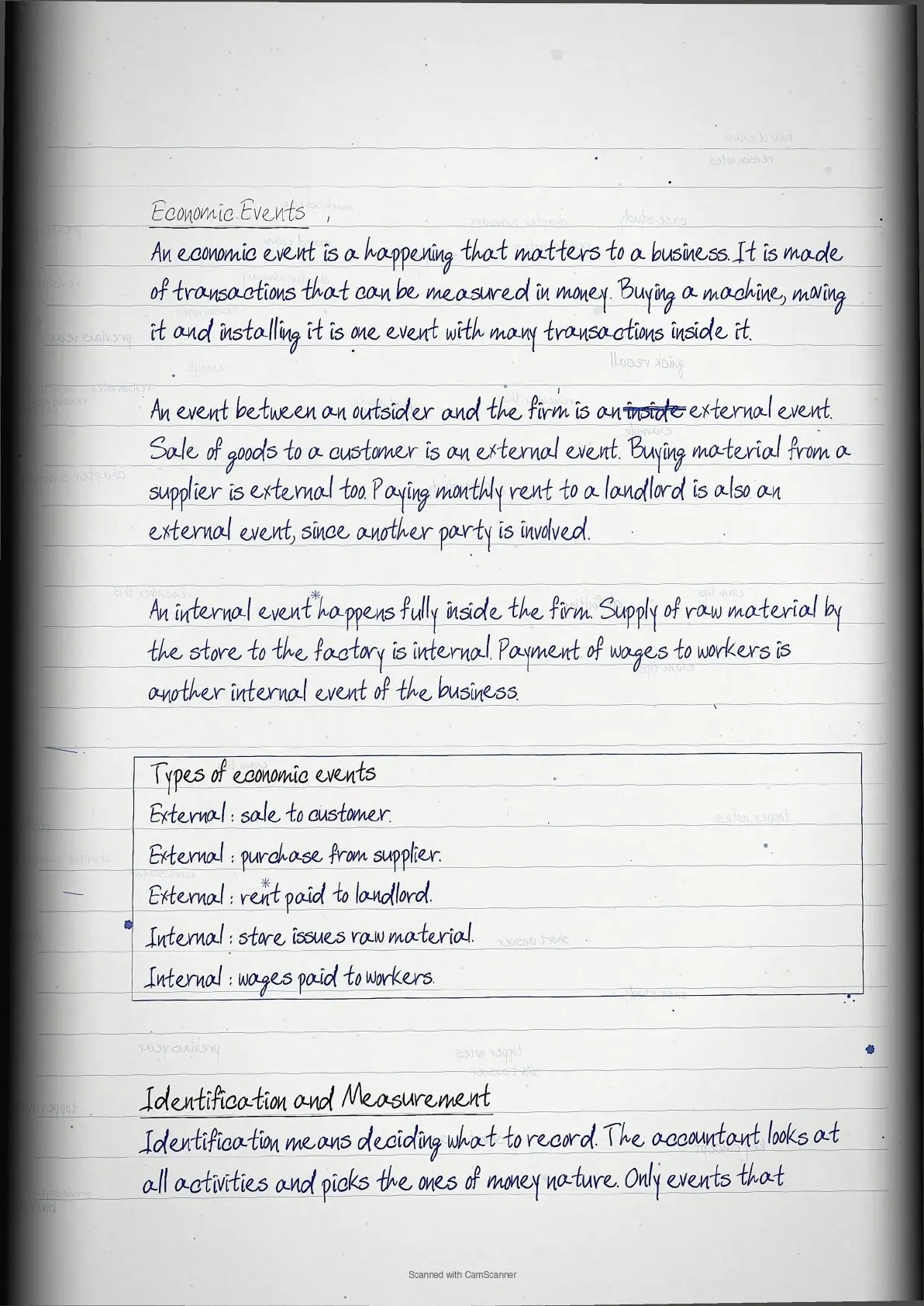
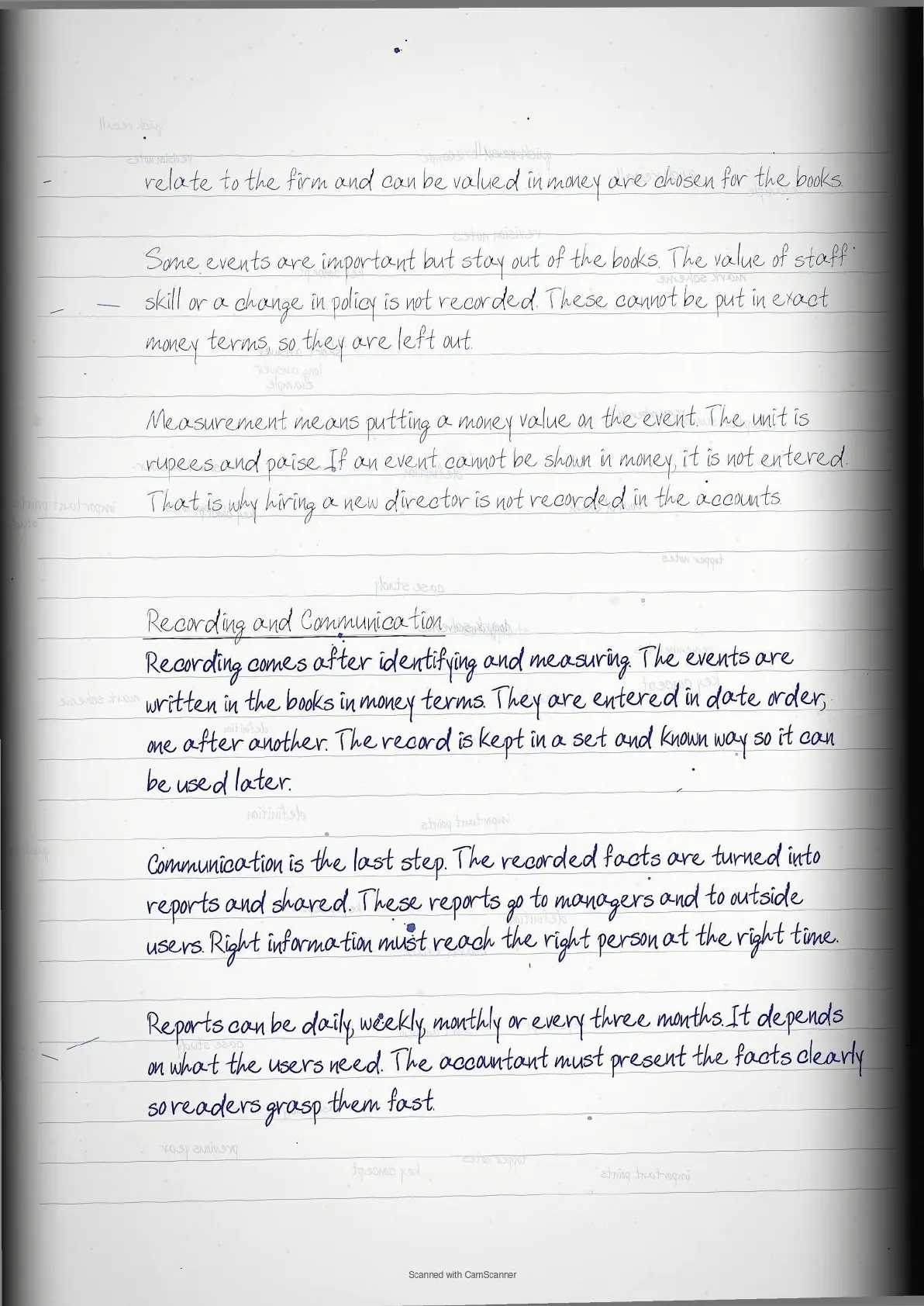
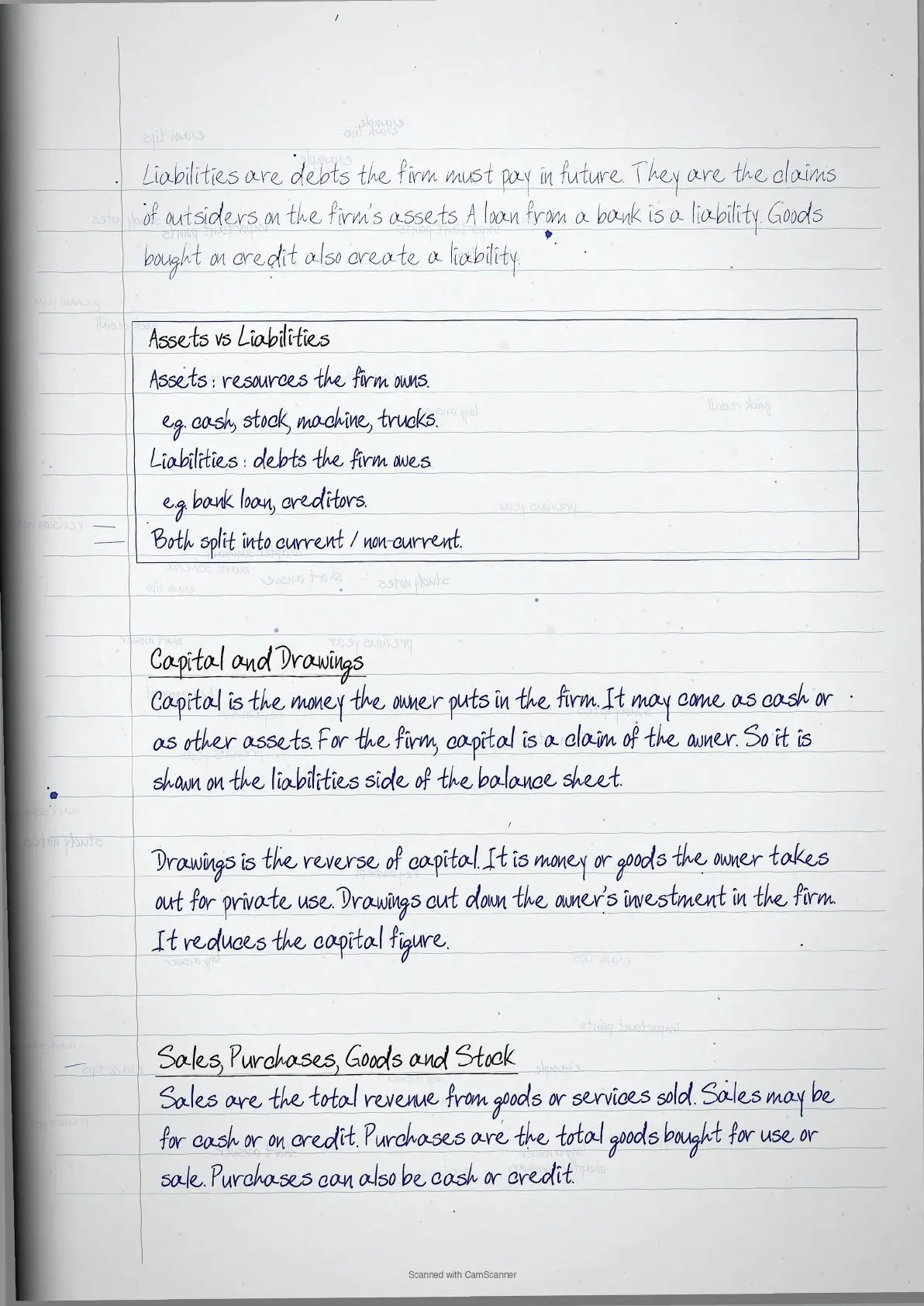
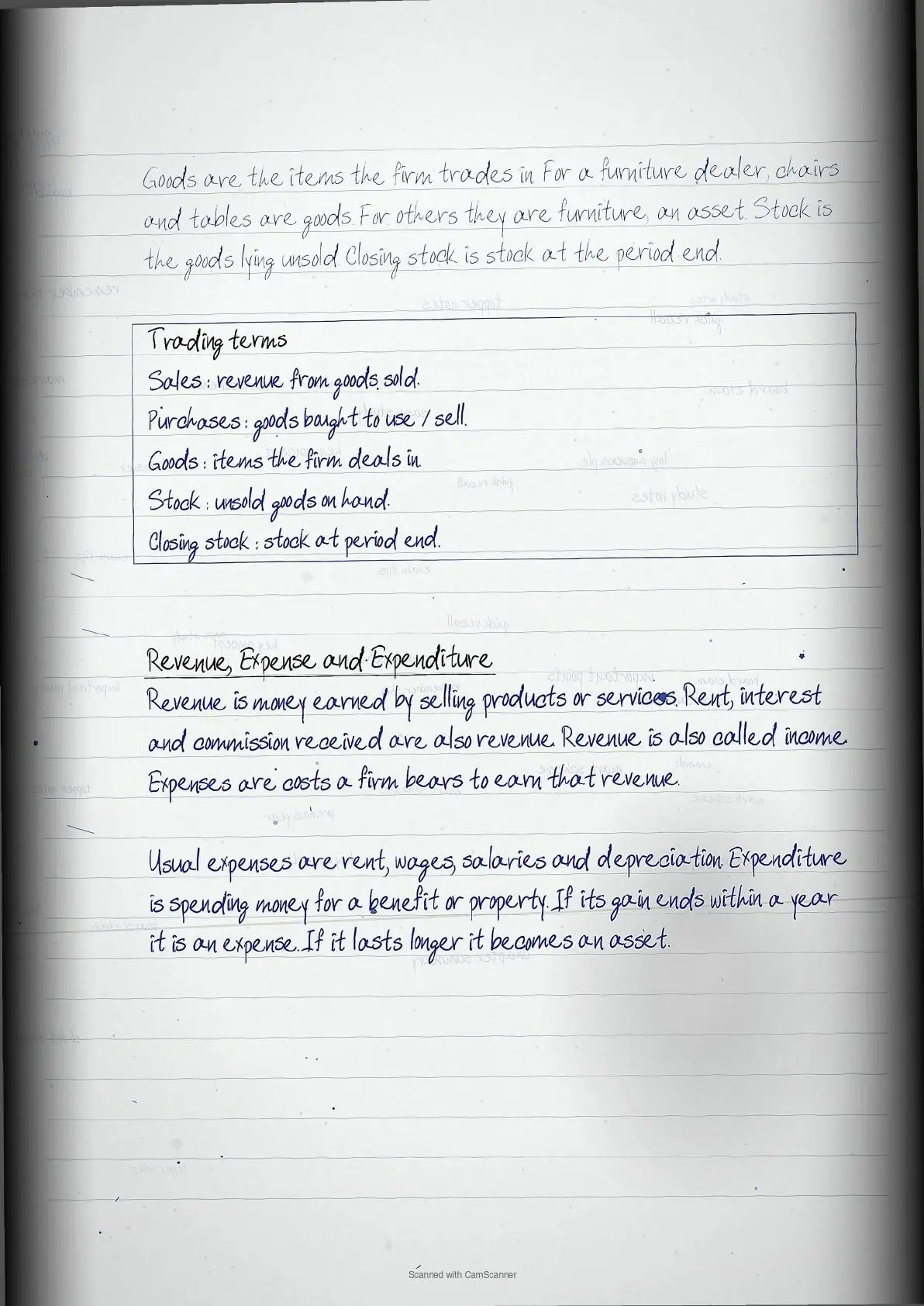
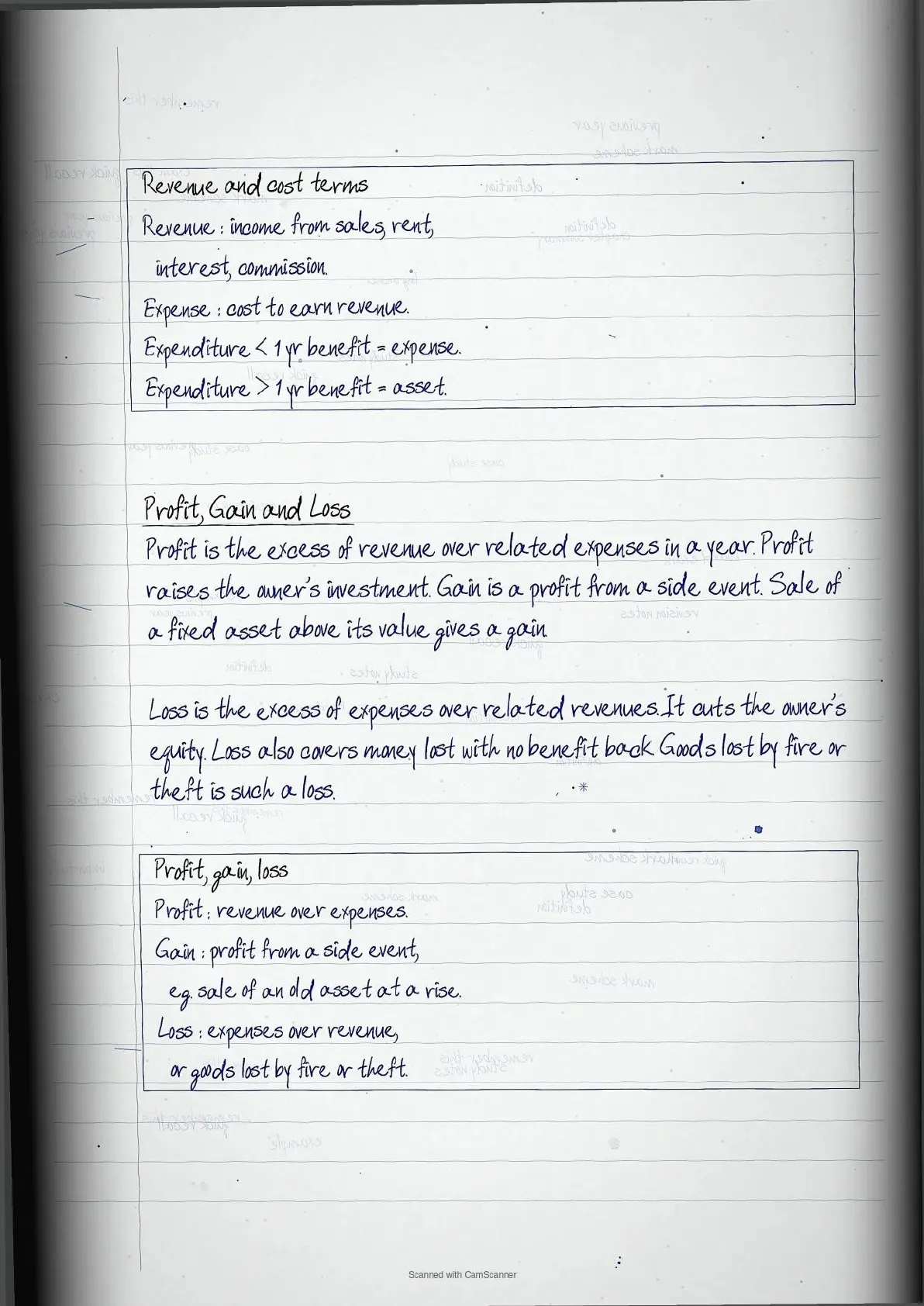
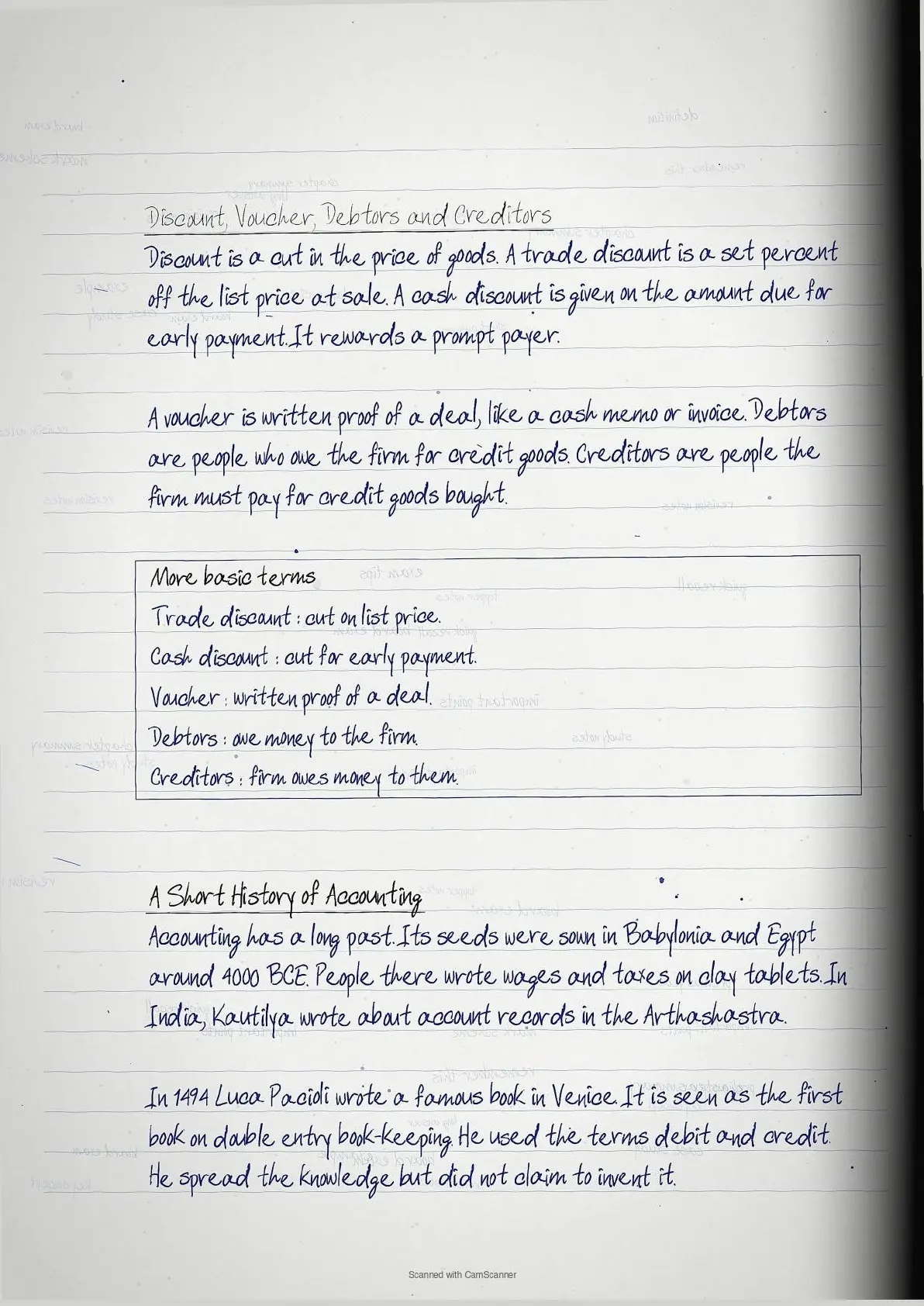
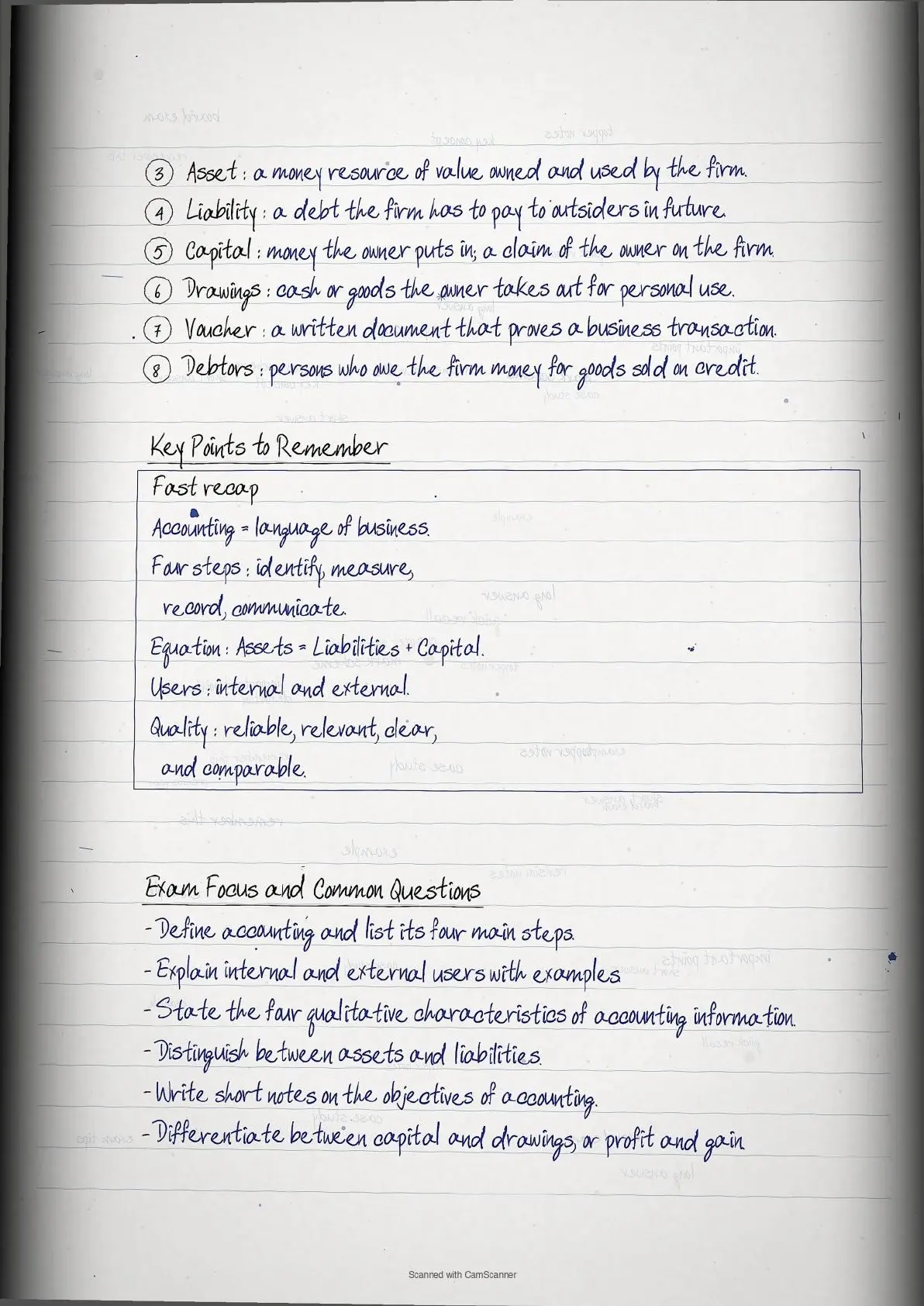
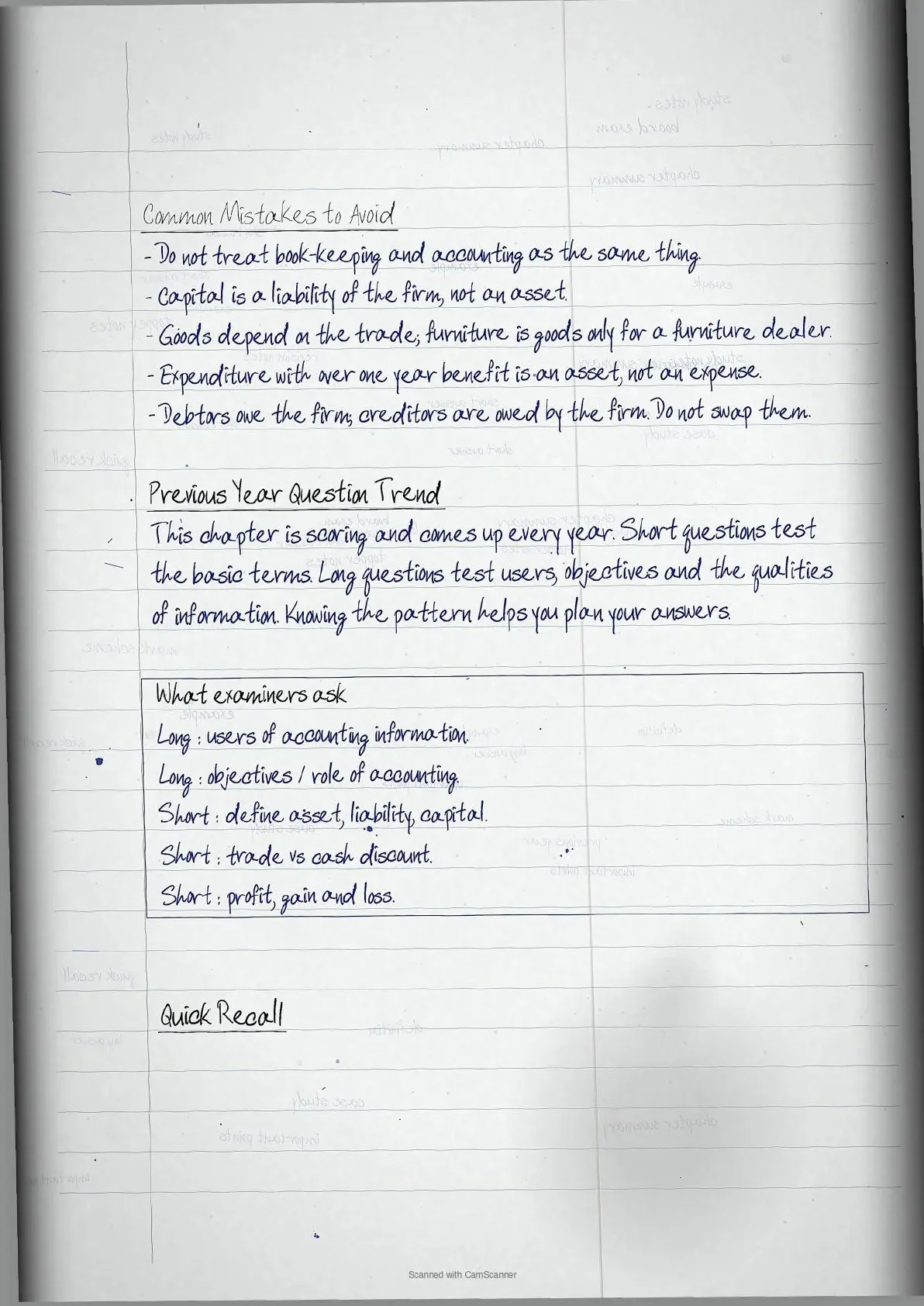
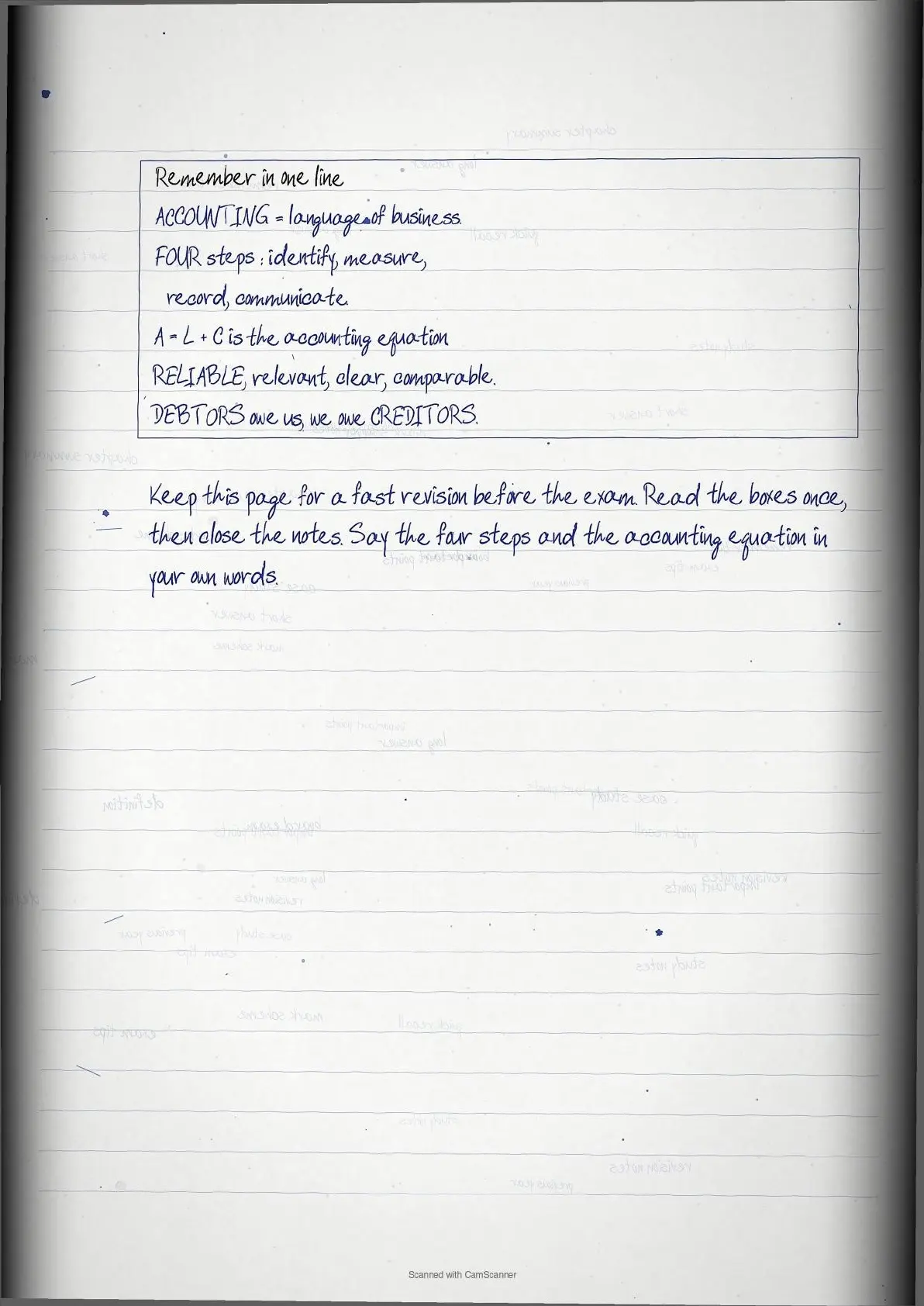
- CBSE Class 11 Weightage: a scoring chapter in the Accountancy paper, asked in short and long answers.
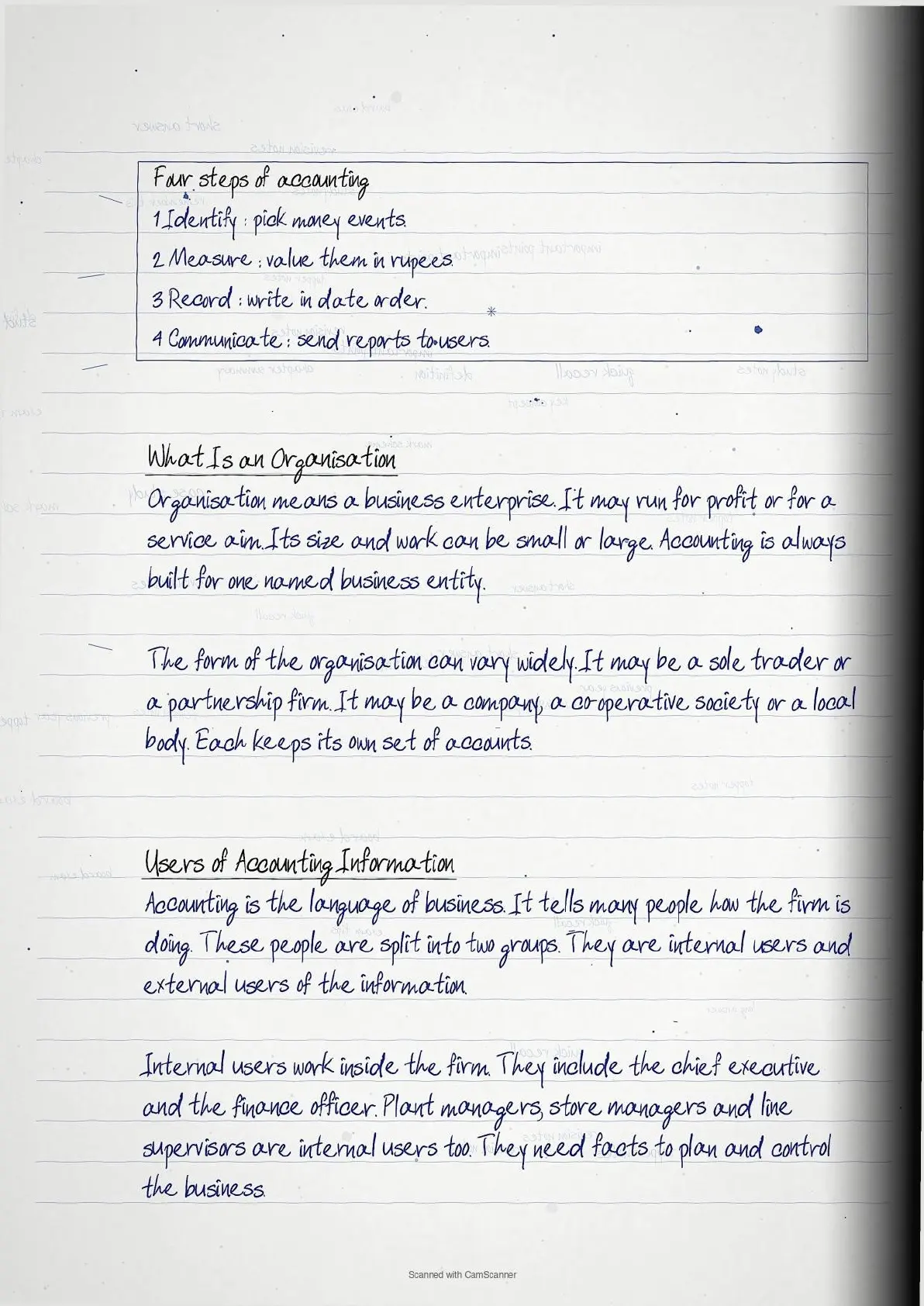
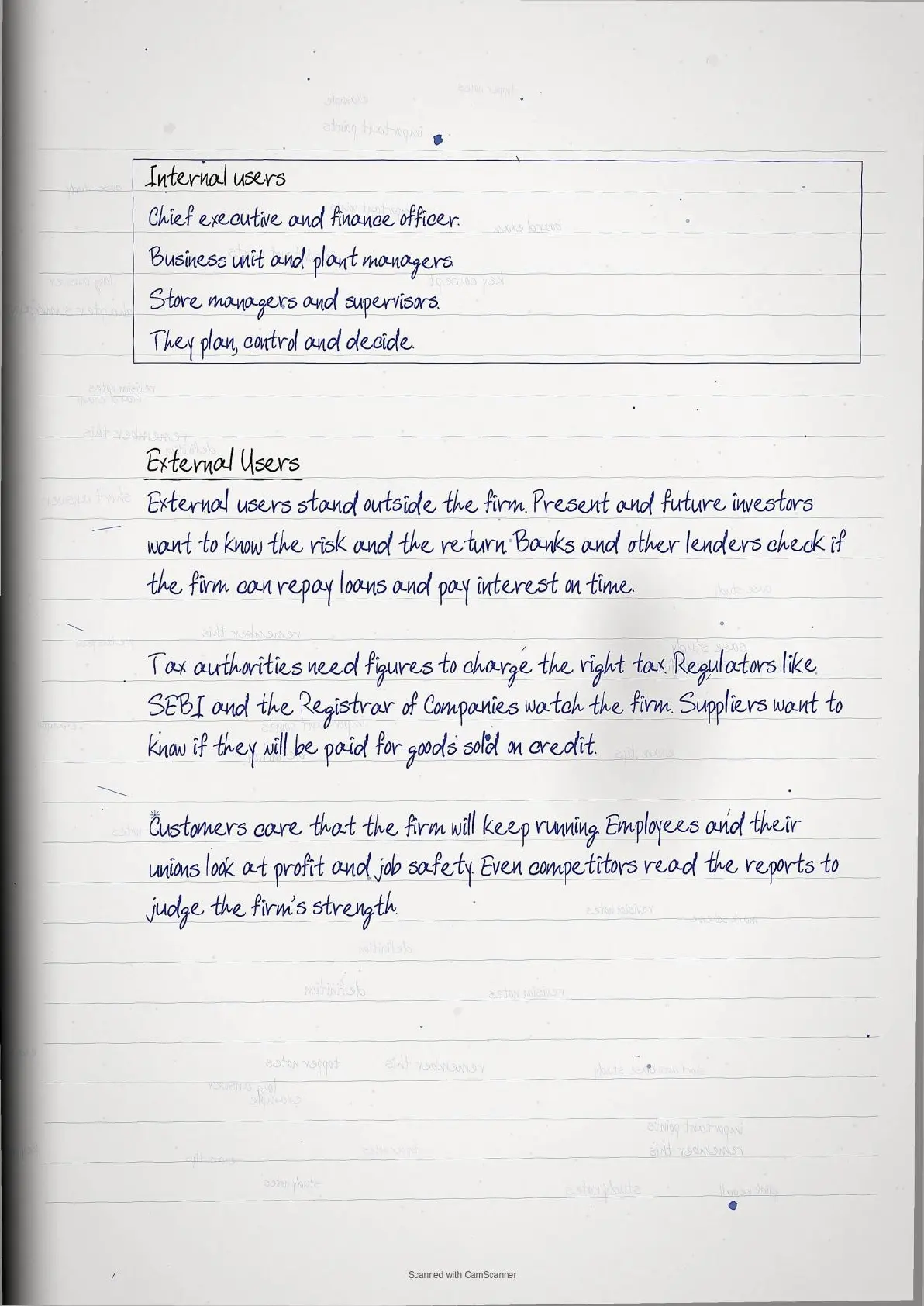
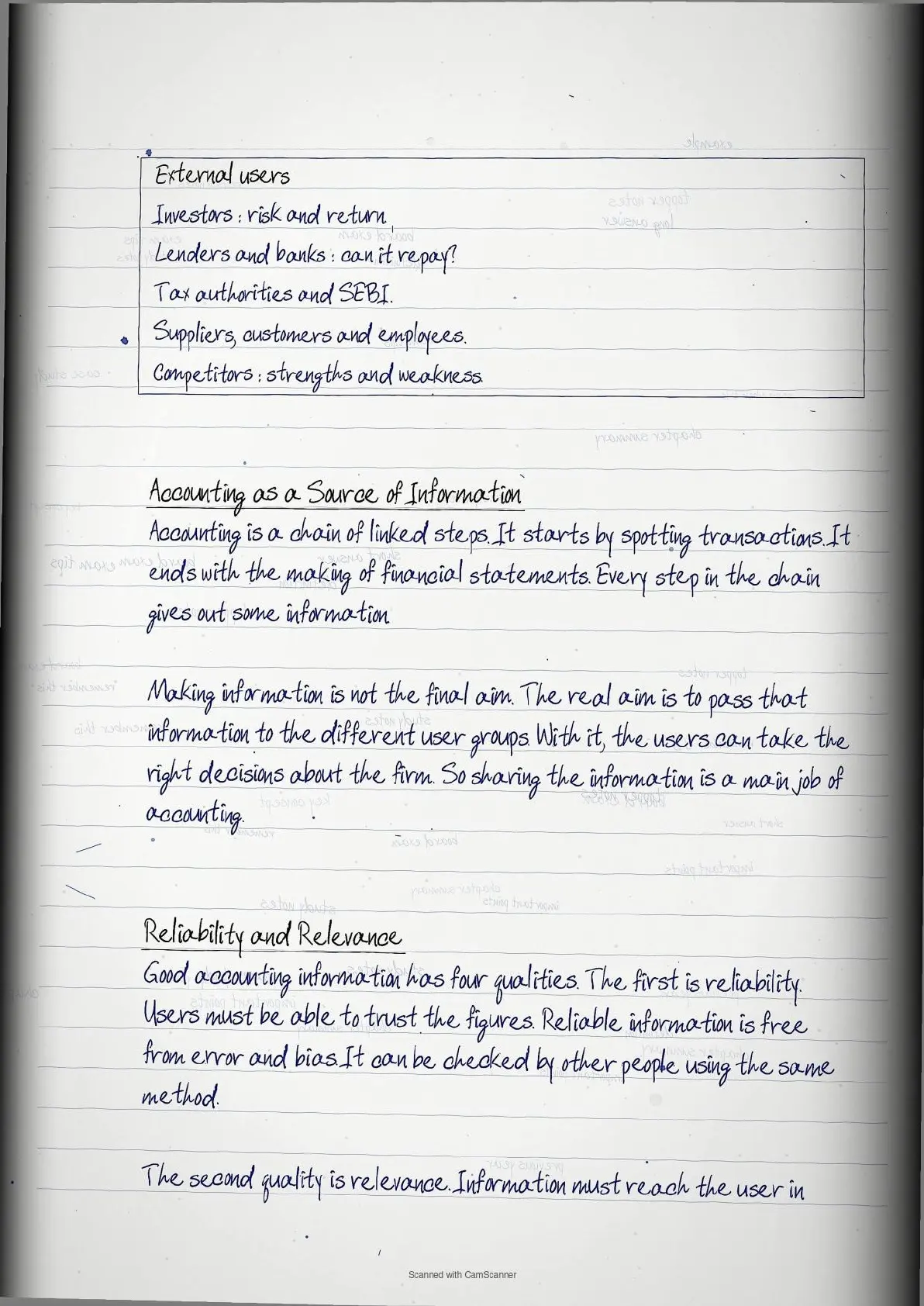
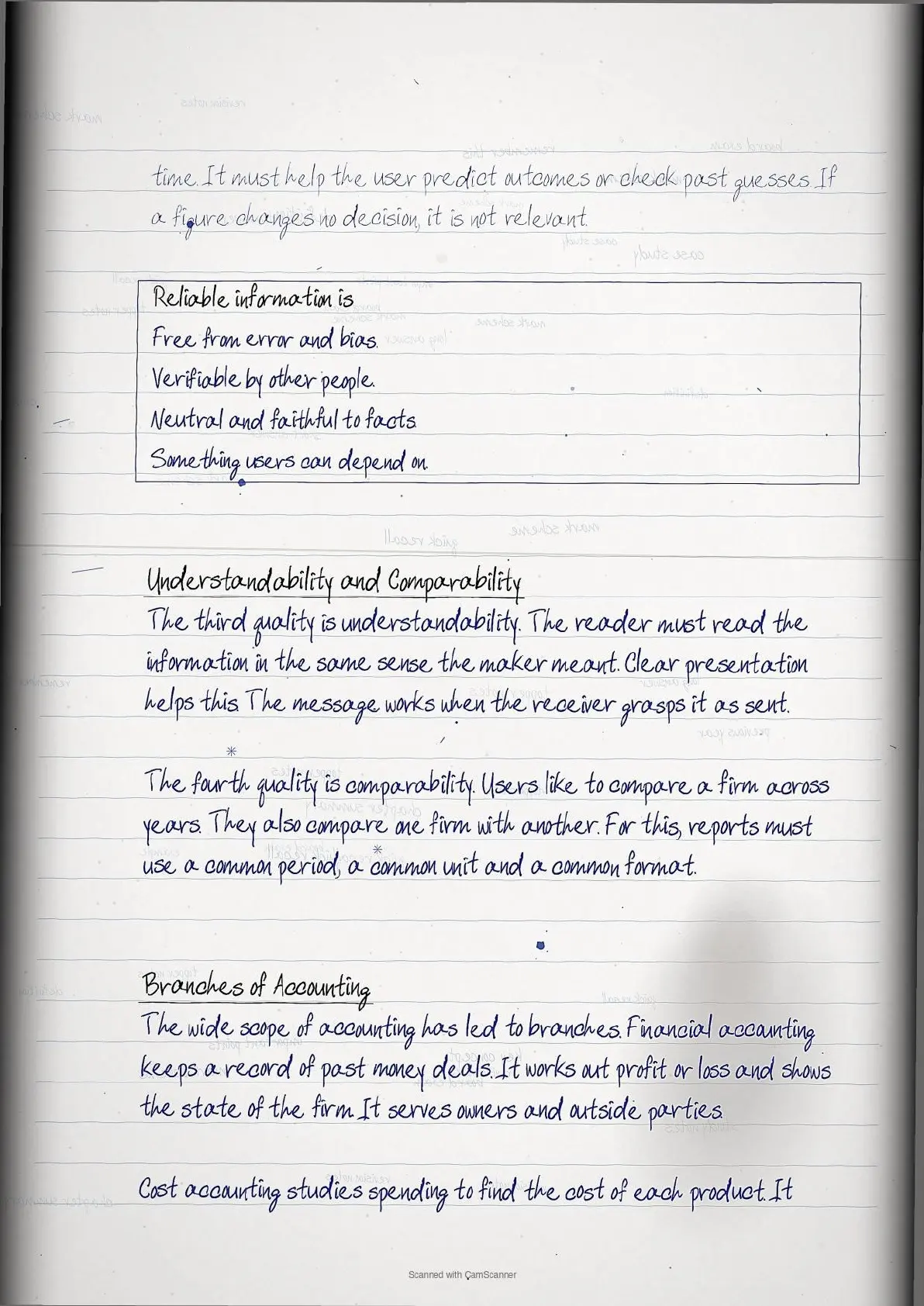
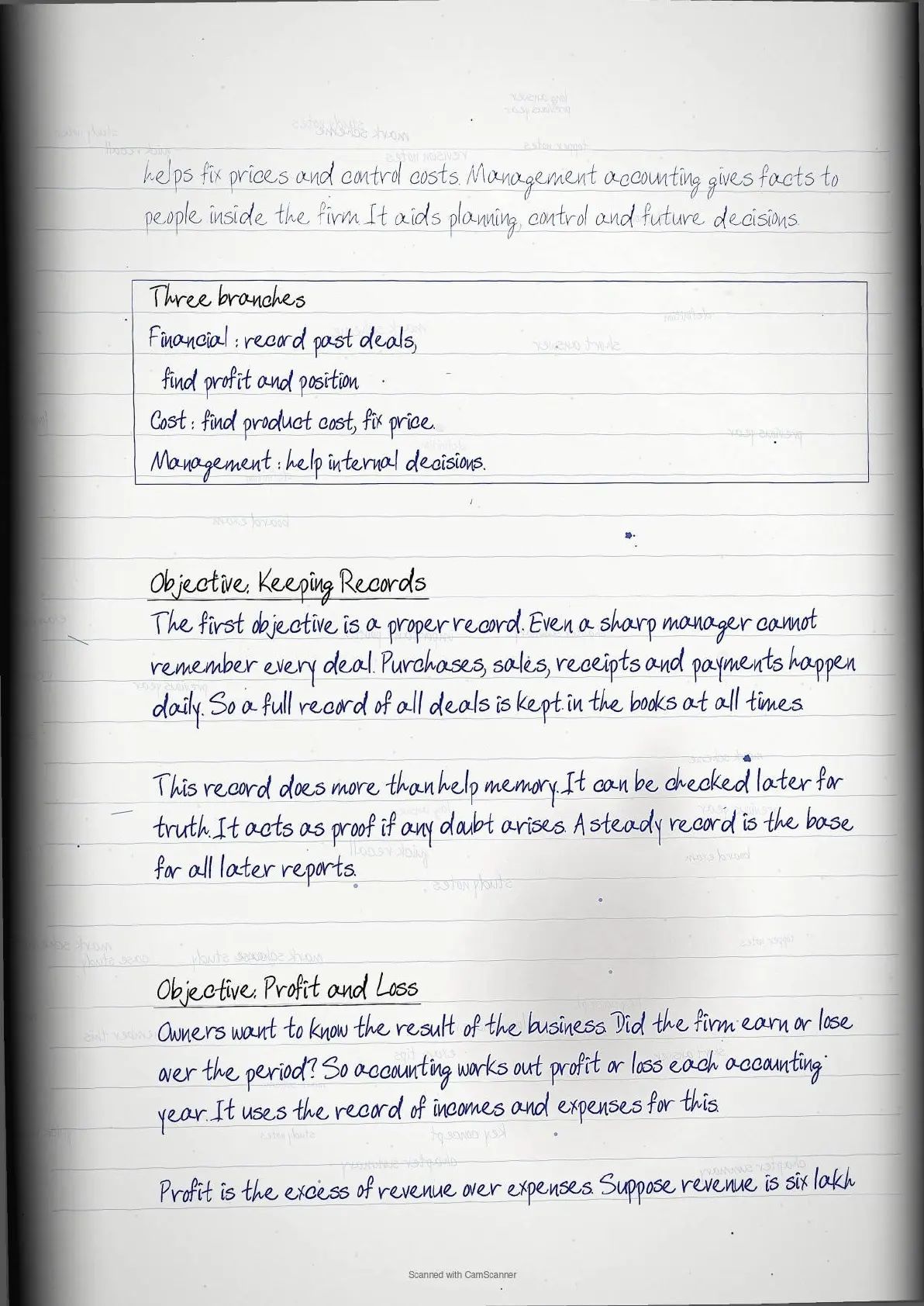
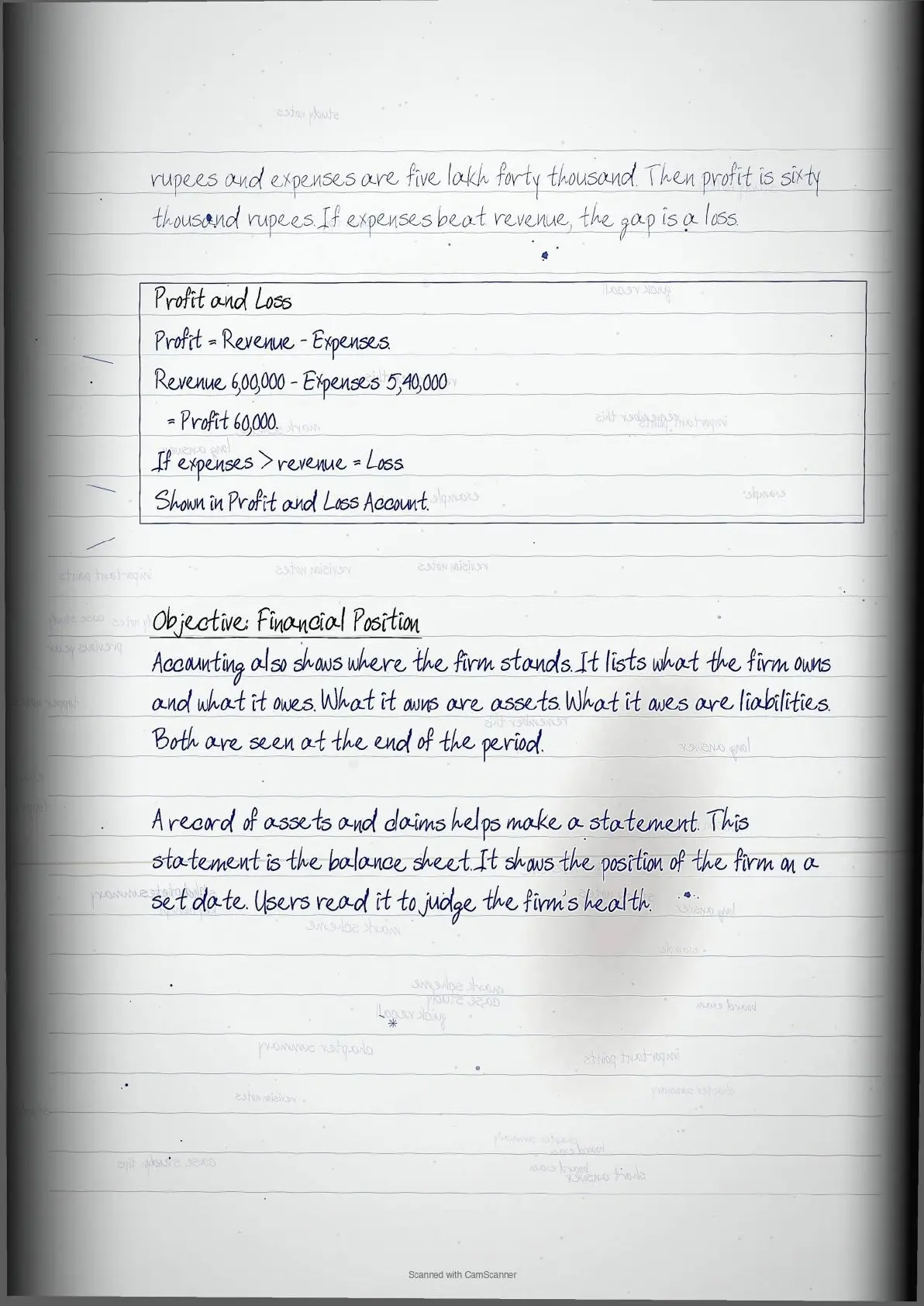
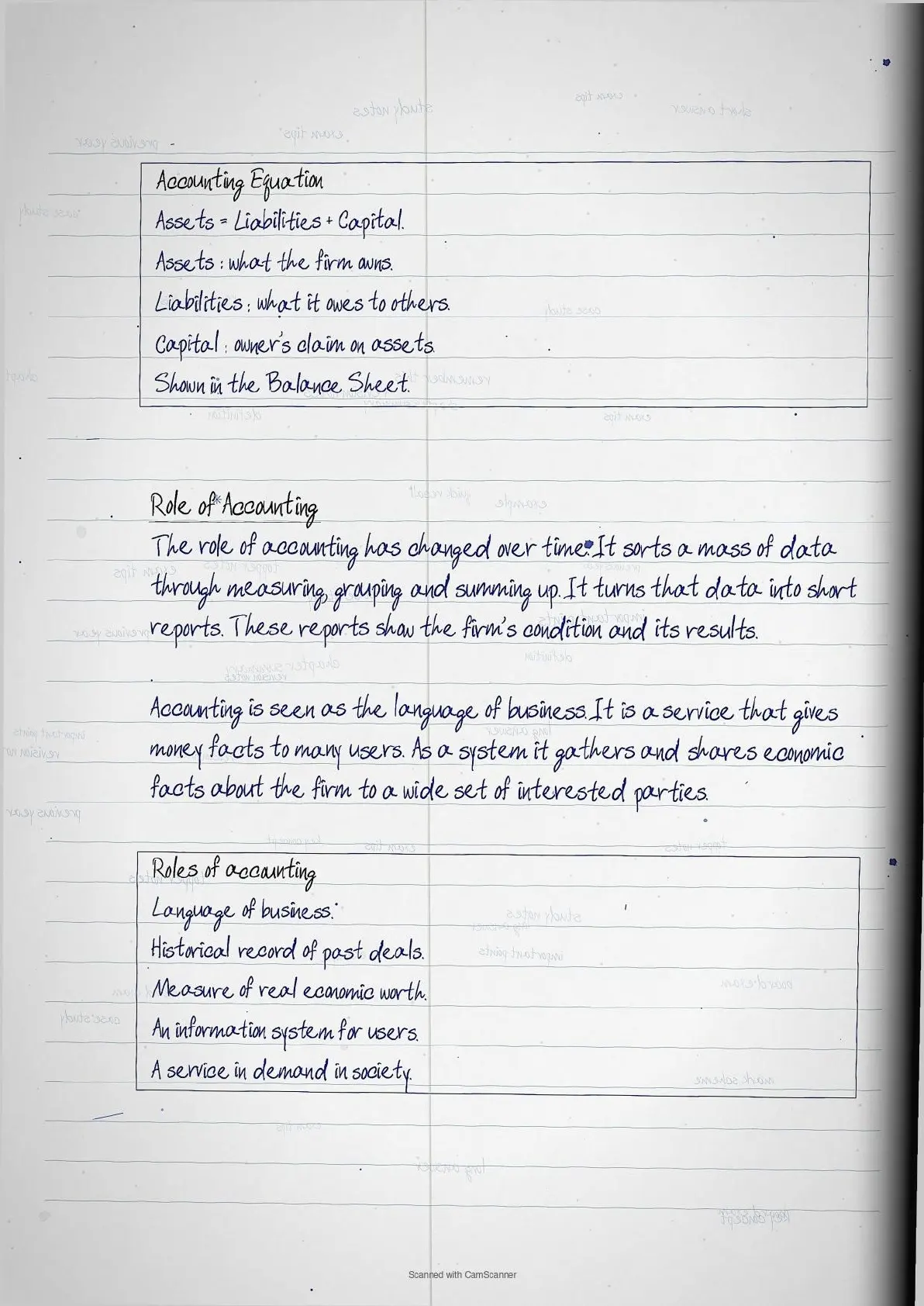
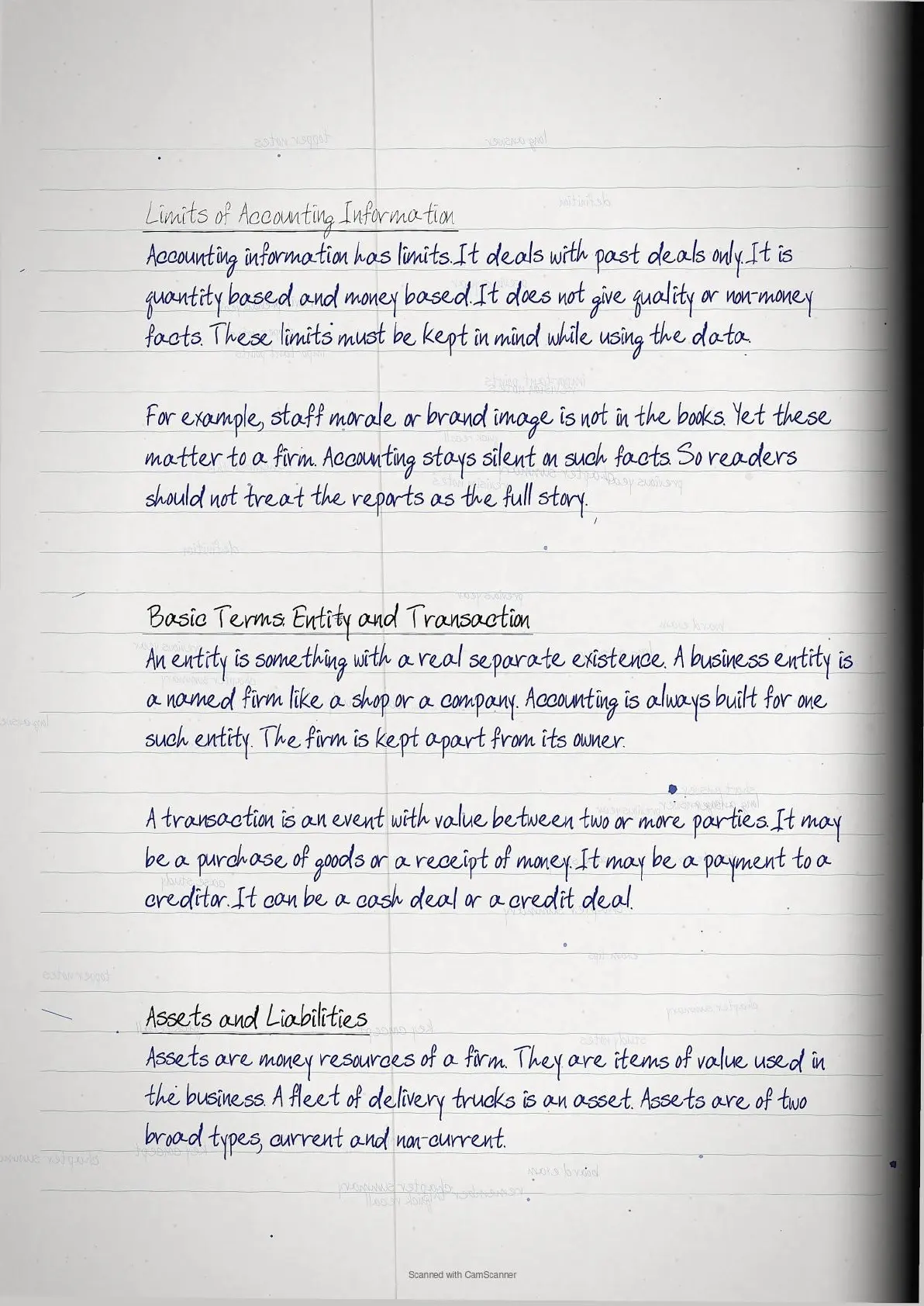
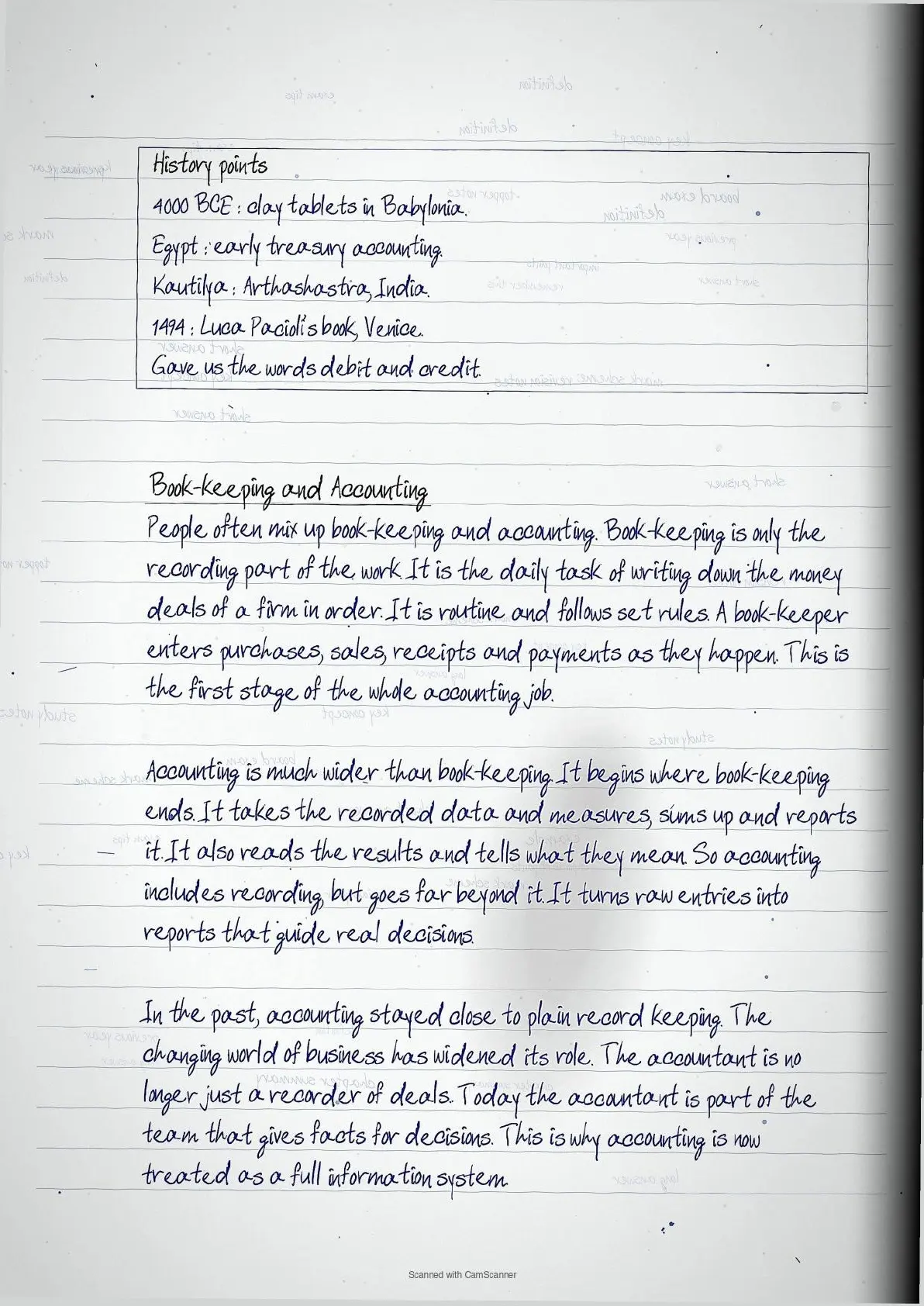
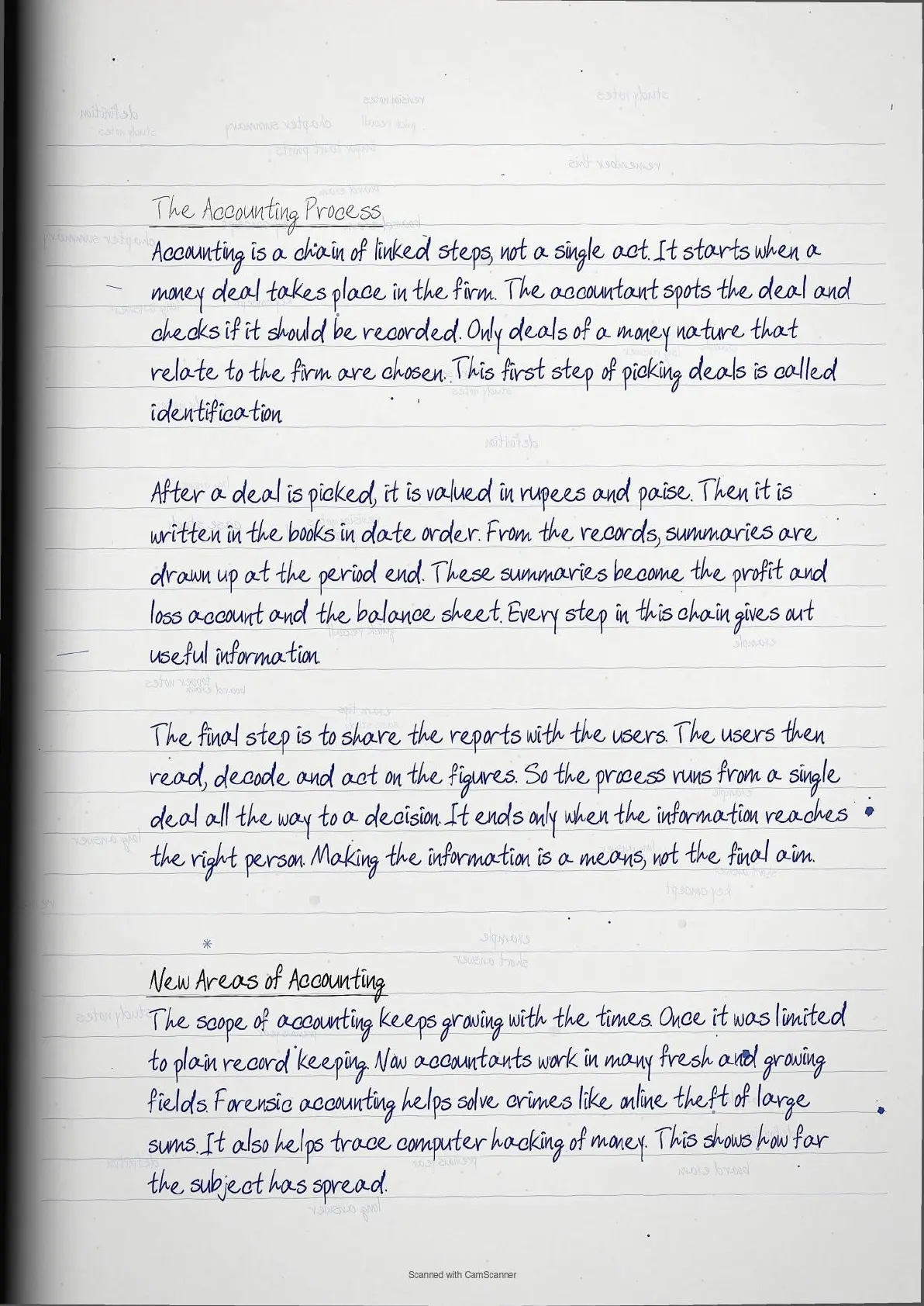
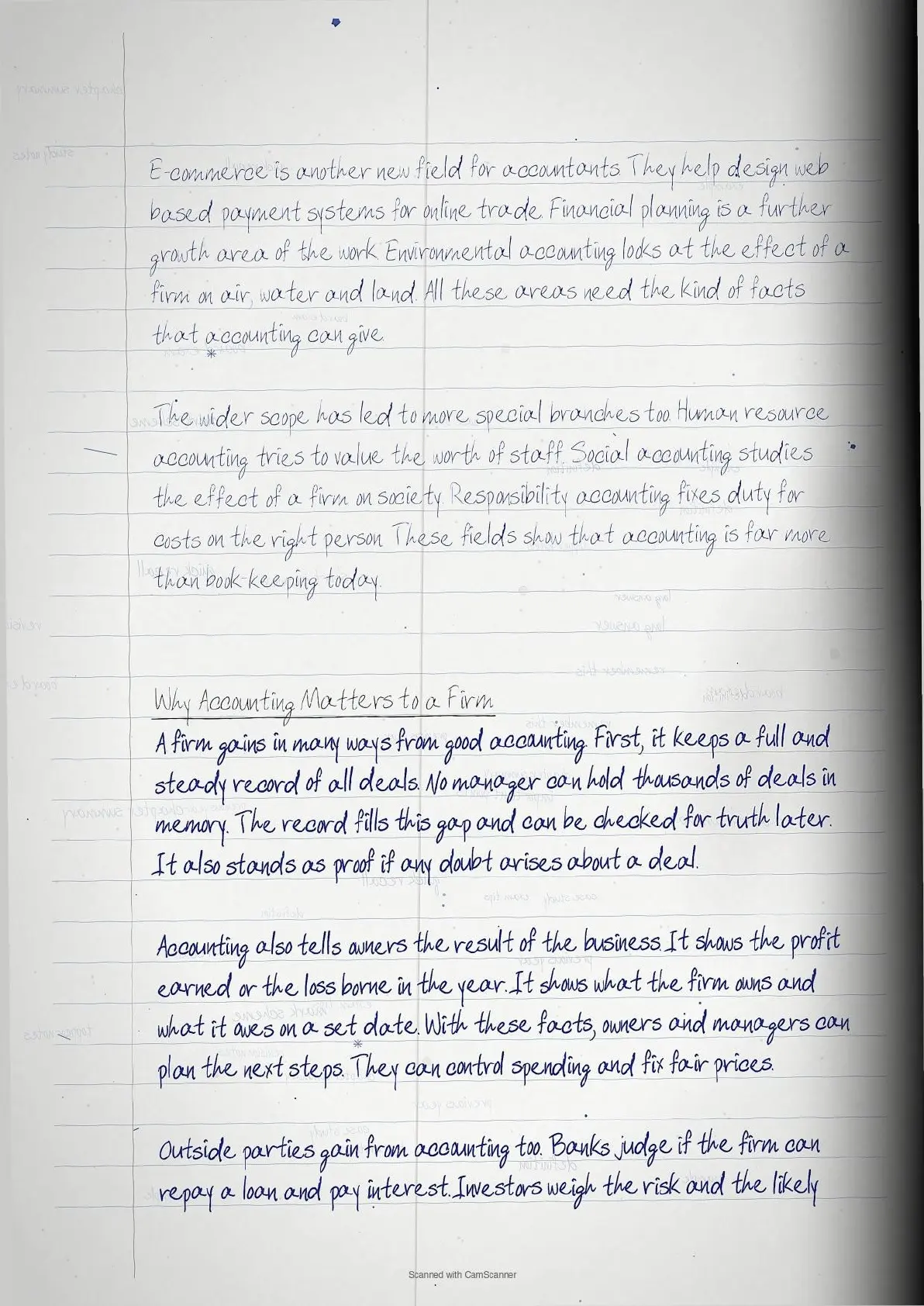
- What the notes cover: meaning of accounting and its four steps, economic events: internal and external, internal and external users of information, objectives and role of accounting.
- Best for: quick revision before Class 11 exams and a base for CUET later.
You can read the complete class 11 accountancy handwritten notes for Introduction to Accounting, with key terms, boxed definitions, and quick revision points, in the PDF below.
These handwritten notes are written by subject teachers, mapped to the 2026-27 NCERT, and checked against the last five years of CBSE Class 11 Accountancy papers.
What the Introduction to Accounting Handwritten Notes Cover
Accounting is the language of business. It records money deals and turns them into reports that owners, banks and tax offices can read. These notes cover its meaning, steps, users and basic terms.
- Meaning of accounting and its four steps
- Economic events: internal and external
- Internal and external users of information
- Objectives and role of accounting
- Qualitative characteristics of information
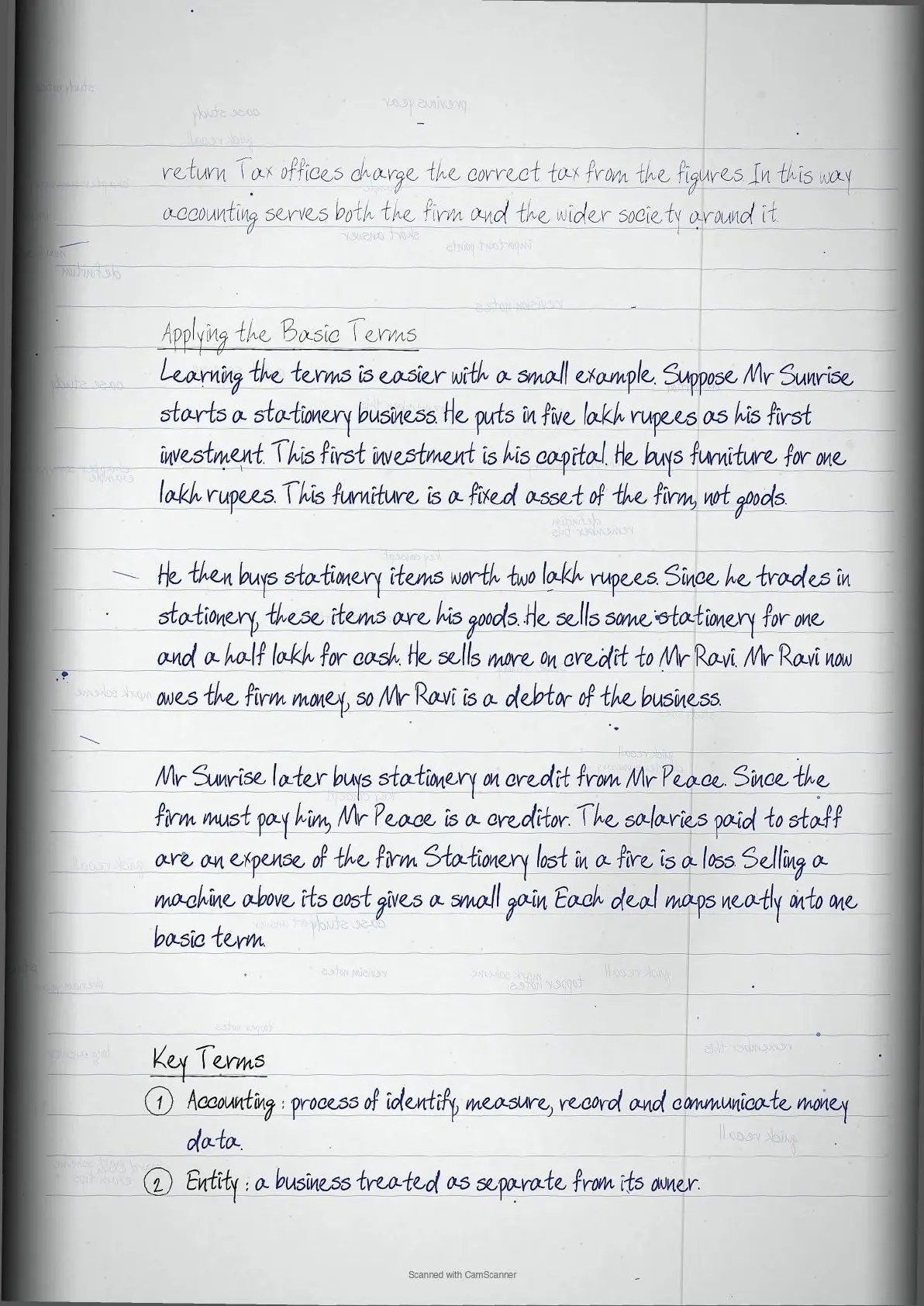
- Basic terms: assets, liabilities, capital
- Sales, purchases, profit, gain and loss
Introduction to Accounting Self-Assessment Quiz
Try these quick questions after you read the notes. Tap each question to check your answer. They cover the points CBSE asks most often.
Which is the last step of accounting as a process?
(a) recording (b) measuring (c) communication (d) identifying
Answer: (c) communication - reports are shared with users at the end
Amount invested by the owner in the firm is called
(a) drawings (b) capital (c) liability (d) asset
Answer: (b) capital - it is the owner's claim on the firm
Goods lost by fire is an example of
(a) gain (b) profit (c) loss (d) expense
Answer: (c) loss - value lost without any benefit in return
Persons who owe money to the firm for credit goods are
(a) creditors (b) debtors (c) owners (d) lenders
Answer: (b) debtors - they owe the firm on the closing date
Which quality lets users compare a firm across years?
(a) reliability (b) relevance (c) comparability (d) clarity
Answer: (c) comparability - needs common period, unit and format
Introduction to Accounting Topic-wise Weightage for CBSE Class 11 Accountancy
Some parts of this chapter are asked more often than others. The table below shows which sub-topics to revise first, based on recent CBSE Class 11 question trends.
| Sub-topic | Weightage | CBSE Frequency |
|---|---|---|
| Basic accounting terms | High | asked every year |
| Users of accounting information | High | frequent long question |
| Objectives and role of accounting | Medium | often asked |
| Qualitative characteristics | Medium | short question |
| Branches of accounting | Low | occasional |
Key Terms and Ideas in Introduction to Accounting
These are the terms and ideas the exam asks about most. Learn each one so you can define it and use it in your answers.
| Term / Idea | What it means |
|---|---|
| Accounting | identify, measure, record and communicate money data |
| Entity | a business treated as separate from its owner |
| Asset | a money resource of value owned by the firm |
| Liability | a debt the firm must pay to outsiders in future |
| Capital | money the owner puts in; a claim on the firm |
| Drawings | cash or goods the owner takes out for personal use |
| Debtors | persons who owe the firm for credit goods |
| Creditors | persons the firm must pay for credit goods bought |
How Collegedunia's Handwritten Notes Help You Revise Introduction to Accounting
These notes are made for the night before the exam. They keep the facts short and easy to scan. Collegedunia maps every point to the 2026-27 NCERT.
- Clear handwriting: each topic is written in neat, easy-to-read handwriting.
- Boxed key terms: the main terms and definitions are boxed by hand for fast recall.
- Diagrams and tables: simple hand-drawn tables and charts make ideas clear.
- Colour-coded headings: new sub-topics stand out, so you find any section in seconds.
How to Use These Handwritten Notes for Class 11 Accountancy Revision
Use these class 11 accountancy handwritten notes in two passes. Read them slowly once for the full chapter. Then, near the exam, read only the boxes and key terms for a fast recall.
- Read the notes once with the NCERT chapter open beside you.
- Say each key term and idea in your own words.
- Practise one long-answer question from a past paper.
- On the last day, revise only the key terms and the boxes.
Class 11 Accountancy Handwritten Notes for All Chapters
The table below links the class 11 accountancy handwritten notes for every chapter. Use it to jump to any other chapter's notes.
| Chapter | Resource |
|---|---|
| Chapter 1 | Introduction to Accounting Handwritten Notes |
| Chapter 2 | Theory Base of Accounting Handwritten Notes |
| Chapter 3 | Recording of Transactions I Handwritten Notes |
| Chapter 4 | Recording of Transactions II Handwritten Notes |
| Chapter 5 | Bank Reconciliation Statement Handwritten Notes |
| Chapter 6 | Trial Balance and Rectification of Errors Handwritten Notes |
| Chapter 7 | Depreciation, Provisions and Reserves Handwritten Notes |
| Chapter 8 | Financial Statements I Handwritten Notes |
| Chapter 9 | Financial Statements II Handwritten Notes |
Introduction to Accounting Class 11 Accountancy Handwritten Notes FAQs
Ques. Where can I download Introduction to Accounting Class 11 Accountancy Handwritten Notes PDF?
Ans. You can download the Introduction to Accounting Class 11 Accountancy Handwritten Notes PDF directly from this page. Both the Normal and HD versions are free.
Ques. Are these handwritten notes aligned with the 2026-27 NCERT?
Ans. Yes. These notes follow the current 2026-27 syllabus for Class 11 Accountancy. Difference between book-keeping and accounting.
Ques. How many pages is the Class 11 Accountancy Introduction to Accounting Handwritten Notes PDF?
Ans. The notes run about 20 pages. They cover the full chapter with key terms, hand-drawn boxes, and a short self-assessment quiz.
Ques. What is the main idea of the 11th standard Accountancy chapter Introduction to Accounting?
Ans. Book-keeping is only the recording part of the work. Accounting is wider and also measures, summarises, communicates and interprets the recorded information for users.
Ques. Are these Introduction to Accounting notes enough for the CBSE Class 11 exam?
Ans. Yes, for revision. The Collegedunia handwritten notes cover every key point and exam term. Read them with the NCERT chapter and practise past questions.



Comments