




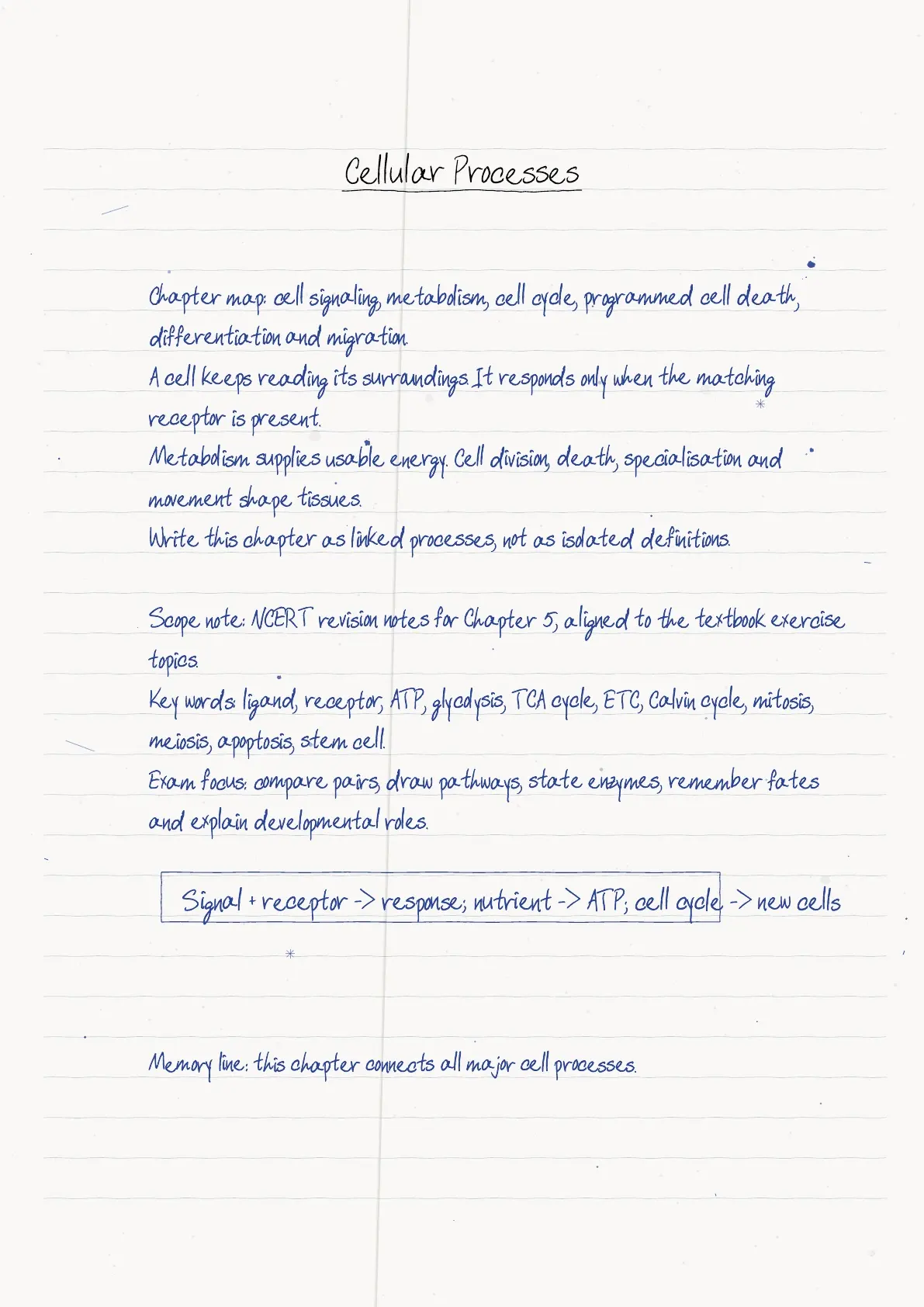
The handwritten notes on Class 11 Biotechnology Chapter 5 Cellular Processes have been carefully prepared for quick revision according to the 2026-27 NCERT textbook. The PDF covers cell signaling, metabolic pathways, cell cycle, apoptosis, differentiation and migration in clear revision pages.
- Covers all six NCERT chapter sections from signaling to cell migration.
- Includes pathway summaries, formula boxes, comparison points and quick practice answers.
- Useful for school revision, class tests and NCERT exercise preparation.

Student Feedback: In a Collegedunia revision poll, 74% of students said flowcharts and handwritten summary pages helped them revise cell pathways faster before tests.
|
Table of Contents |
Cellular Processes Handwritten Notes PDF Highlights
Class 11 Biotechnology Chapter 5 connects many ideas that students often revise separately. The handwritten PDF keeps those ideas on linked pages so the chapter feels like one map. It starts with receptors and ligands, moves into metabolism and ATP, then closes with cell division, cell death, differentiation and migration.
Important: this is a revision-first resource. It does not replace the NCERT textbook, but it helps students recall the chapter faster before a class test or board-style assessment.
| Revision area | What the PDF covers |
|---|---|
| Cell signaling | Ligand, receptor, paracrine, autocrine and endocrine signaling. |
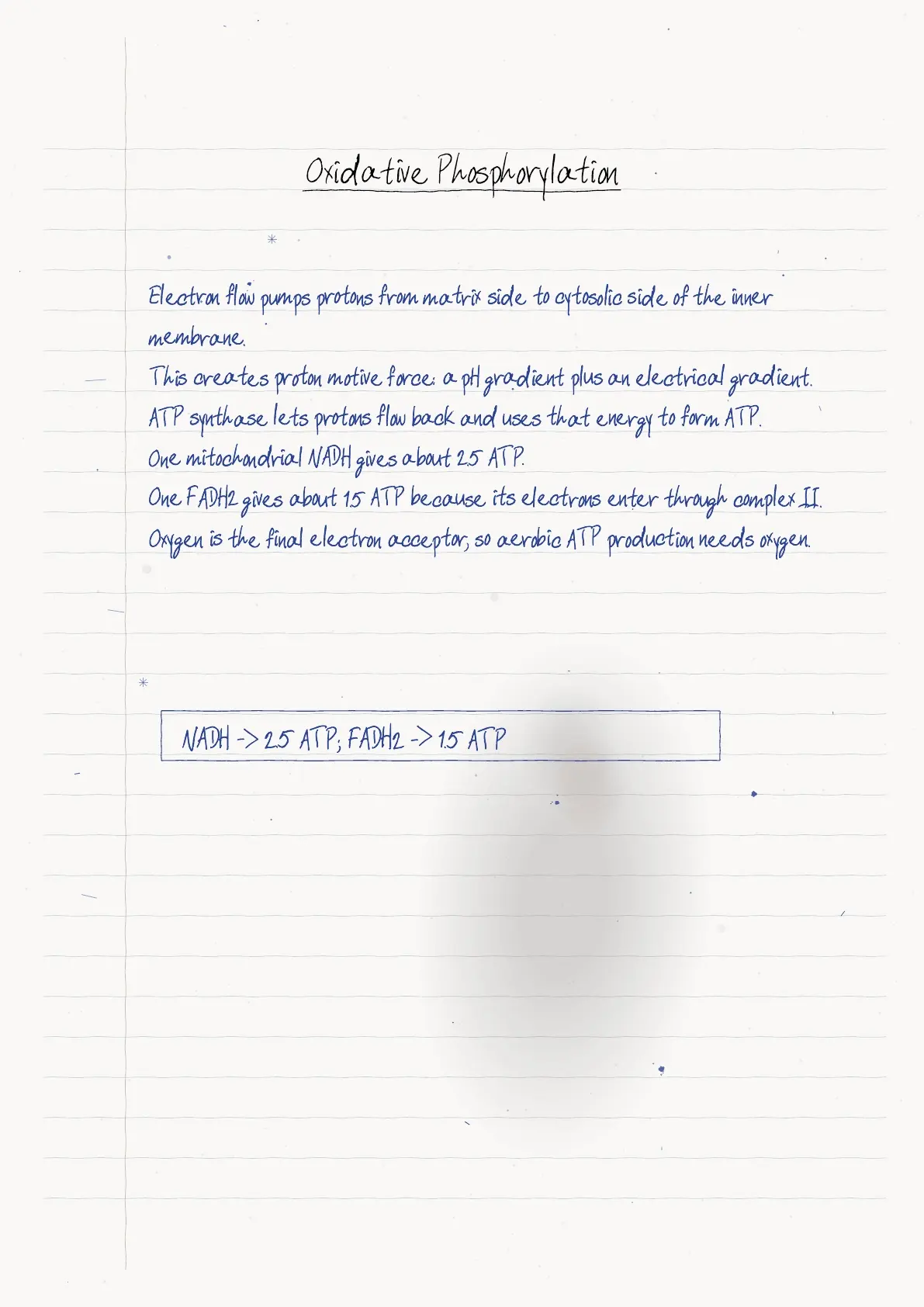
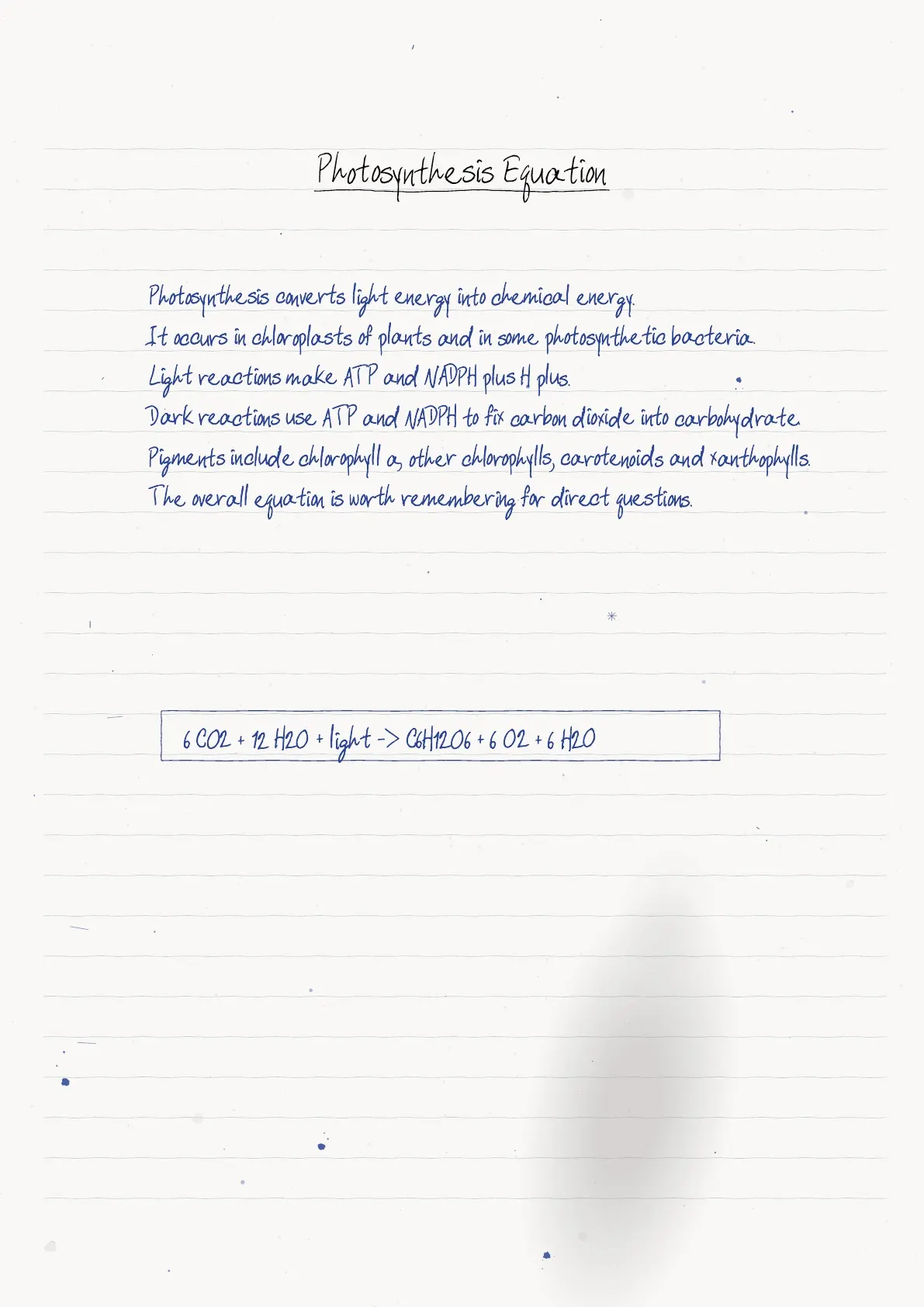
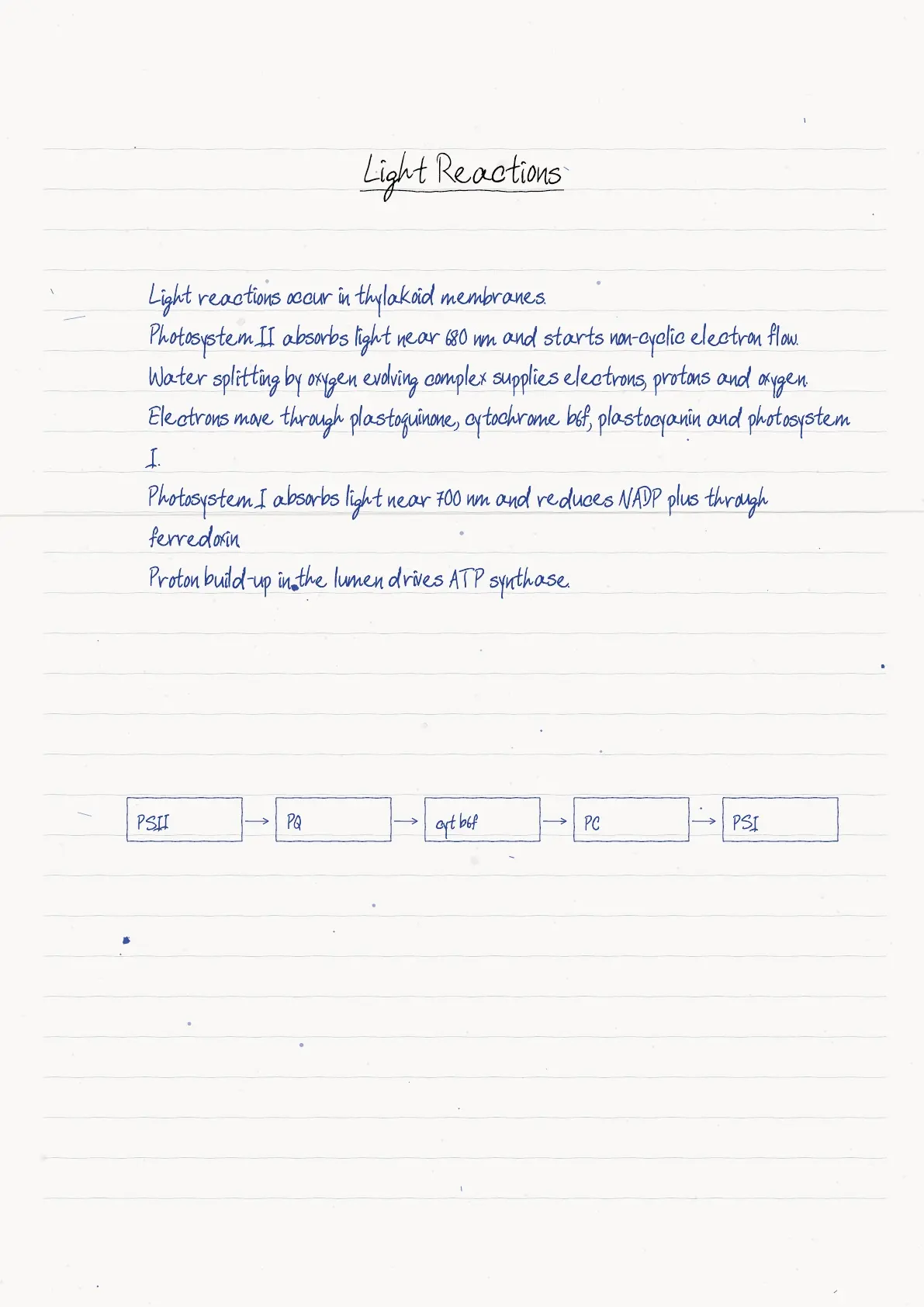
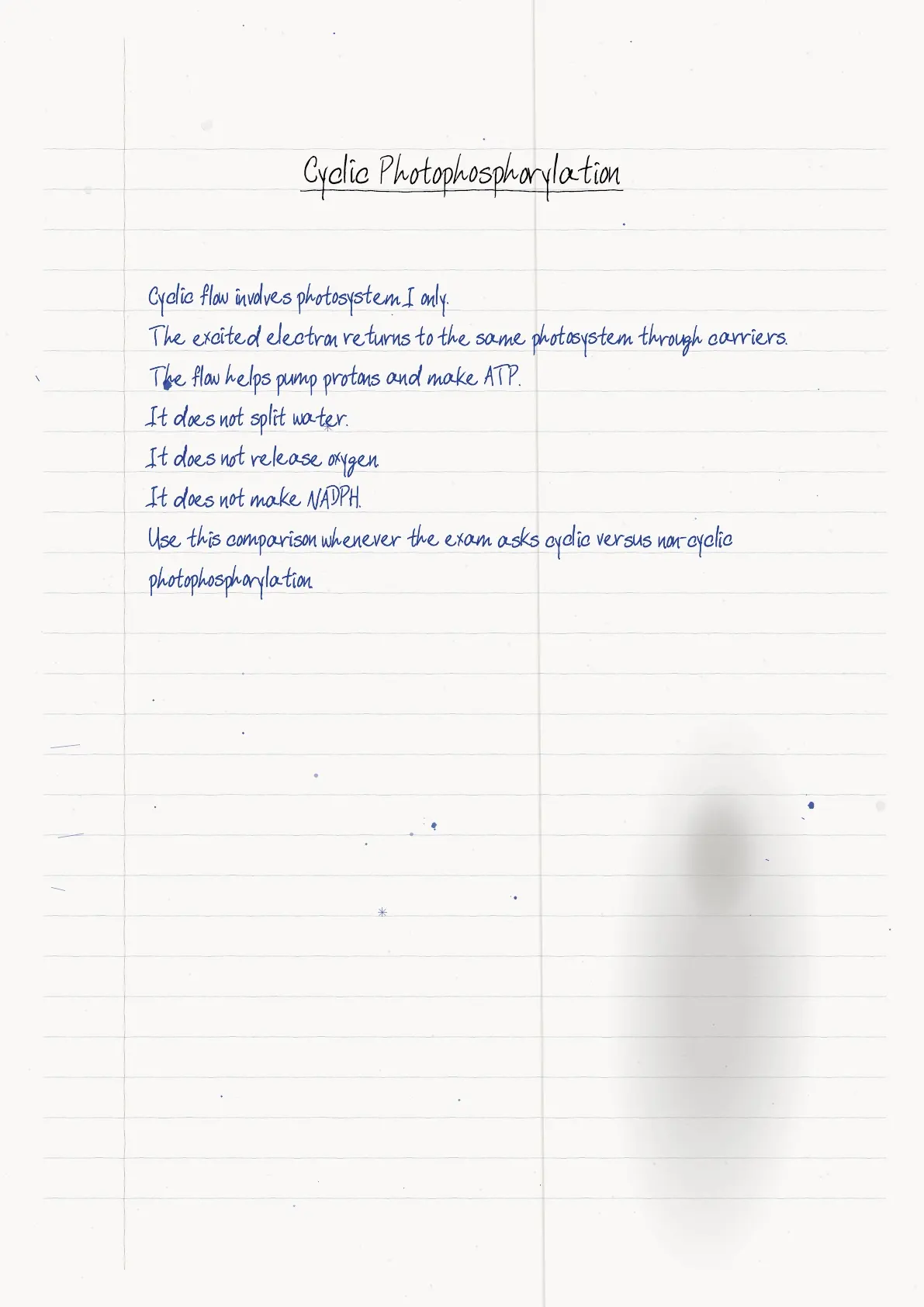
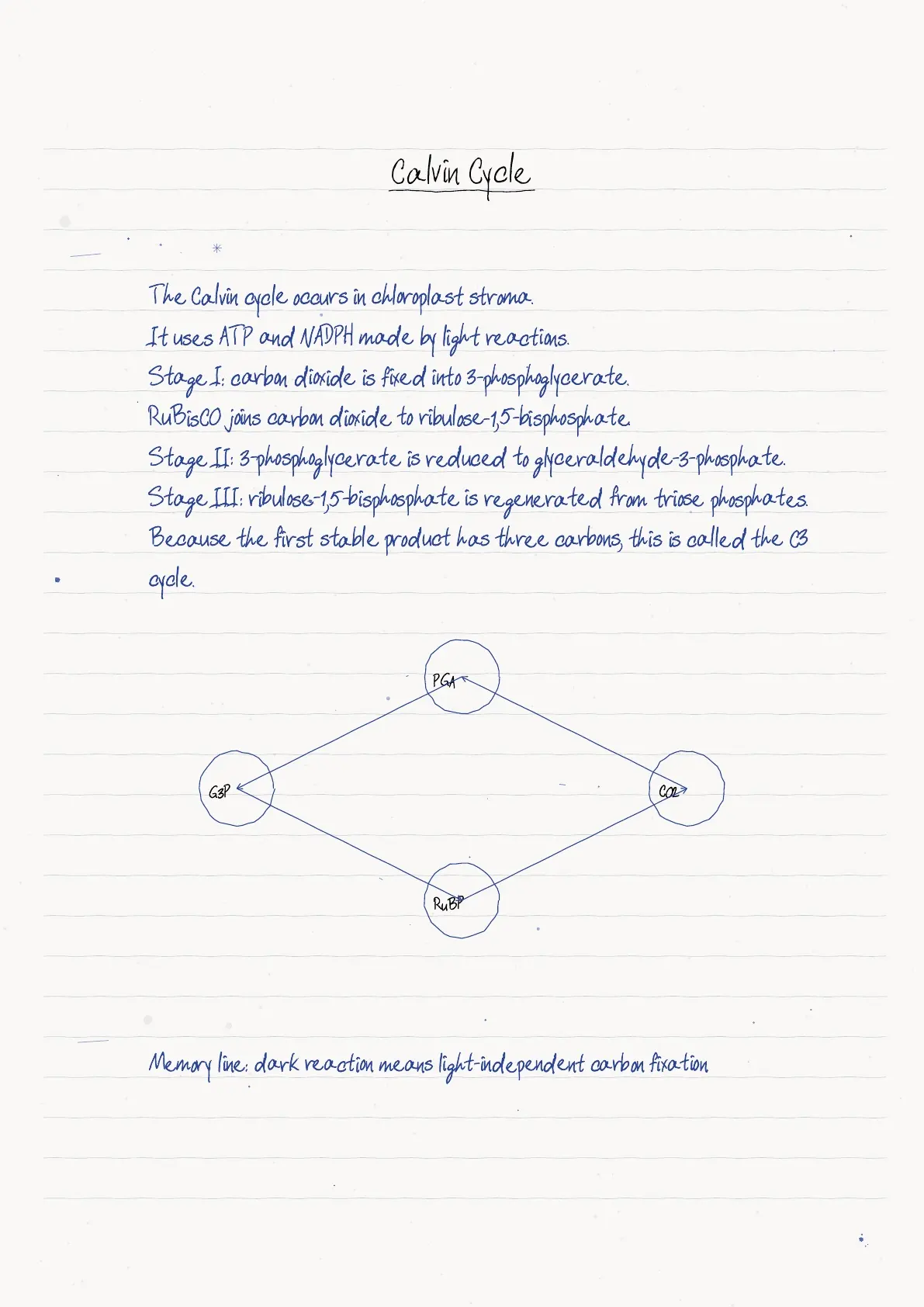
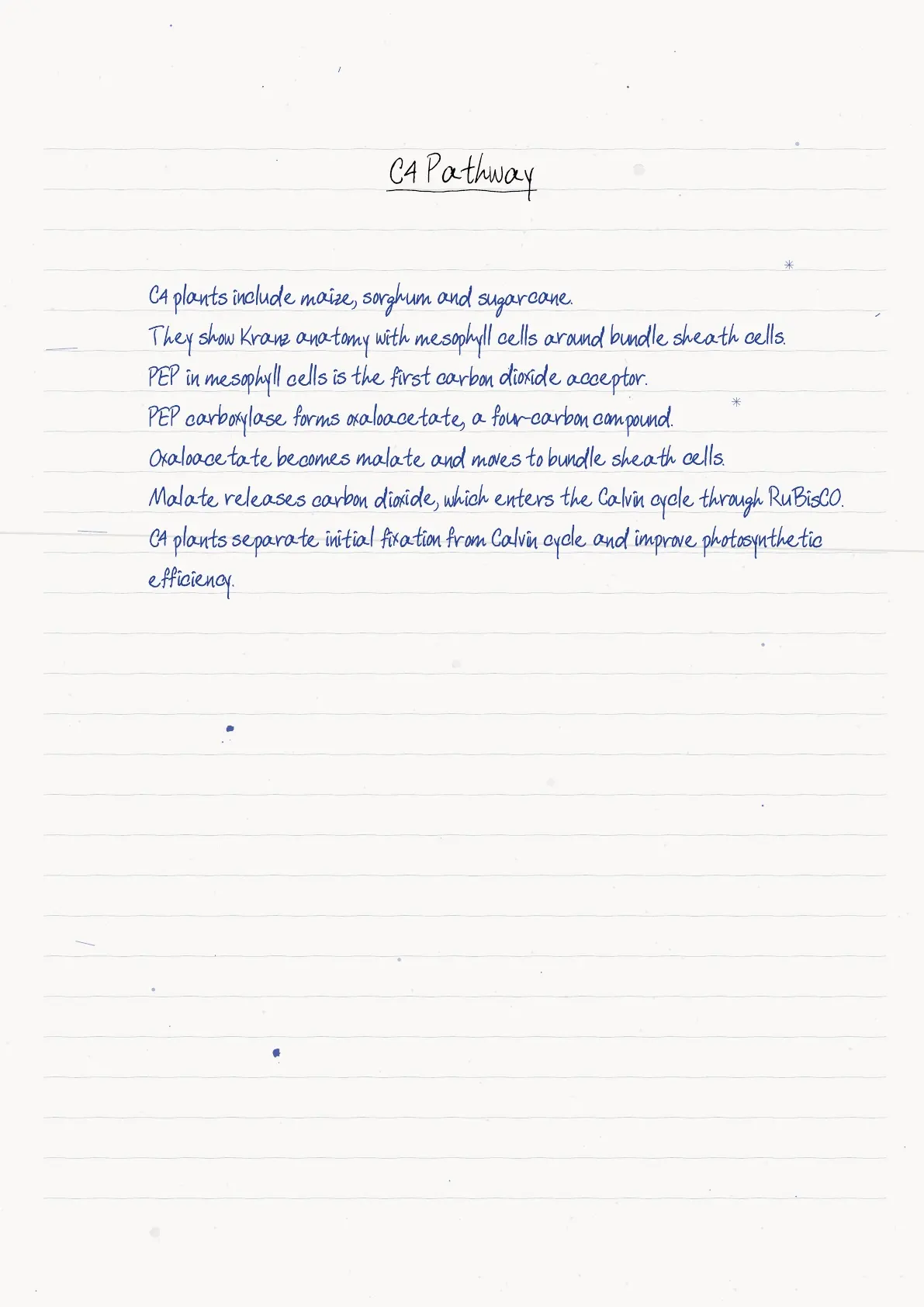
| Metabolism | Glycolysis, pyruvate fate, TCA cycle, ETC and photosynthesis. |
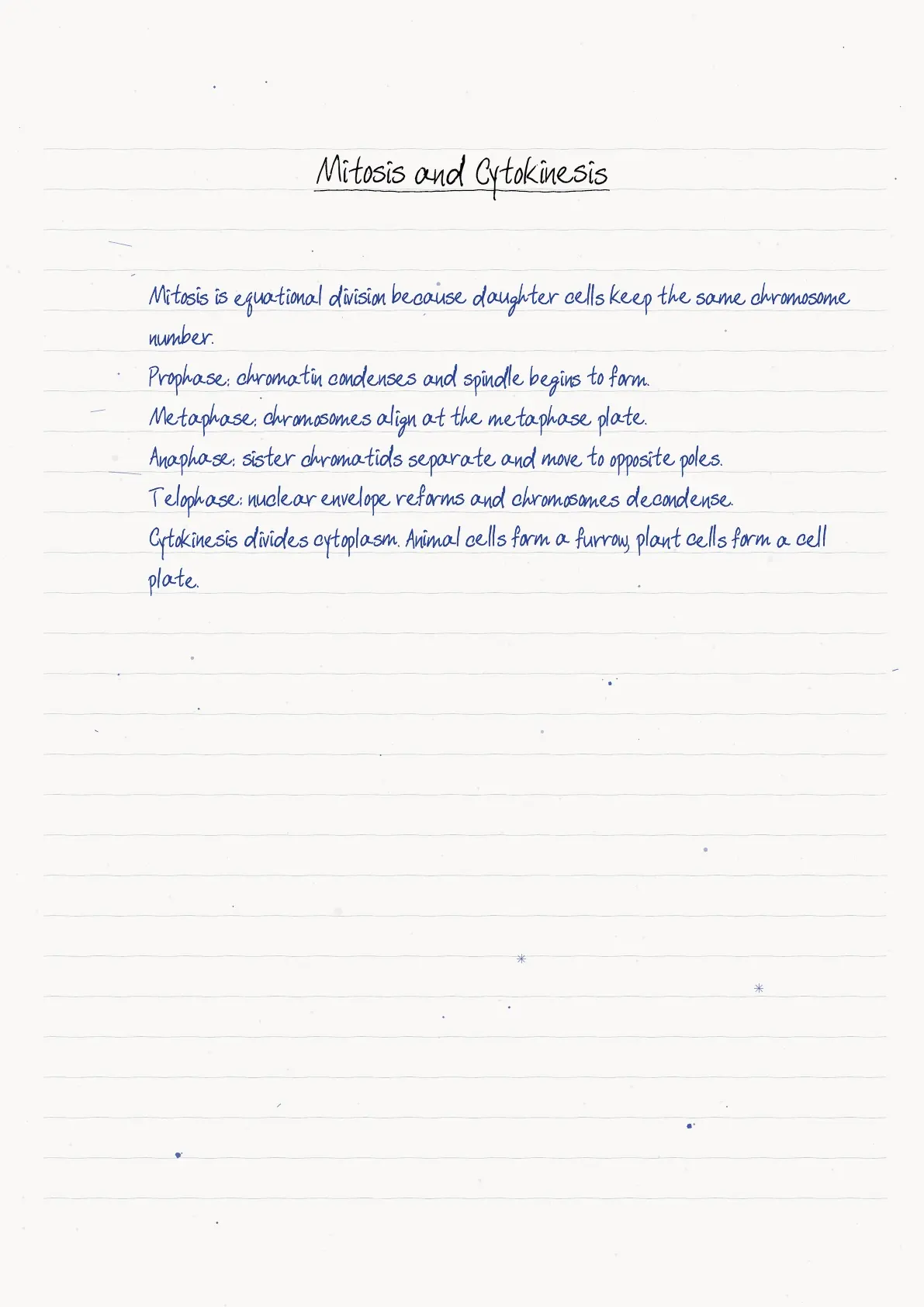
| Cell behaviour | Mitosis, meiosis, apoptosis, differentiation and migration. |
Cell Signaling and Metabolism Revision Map
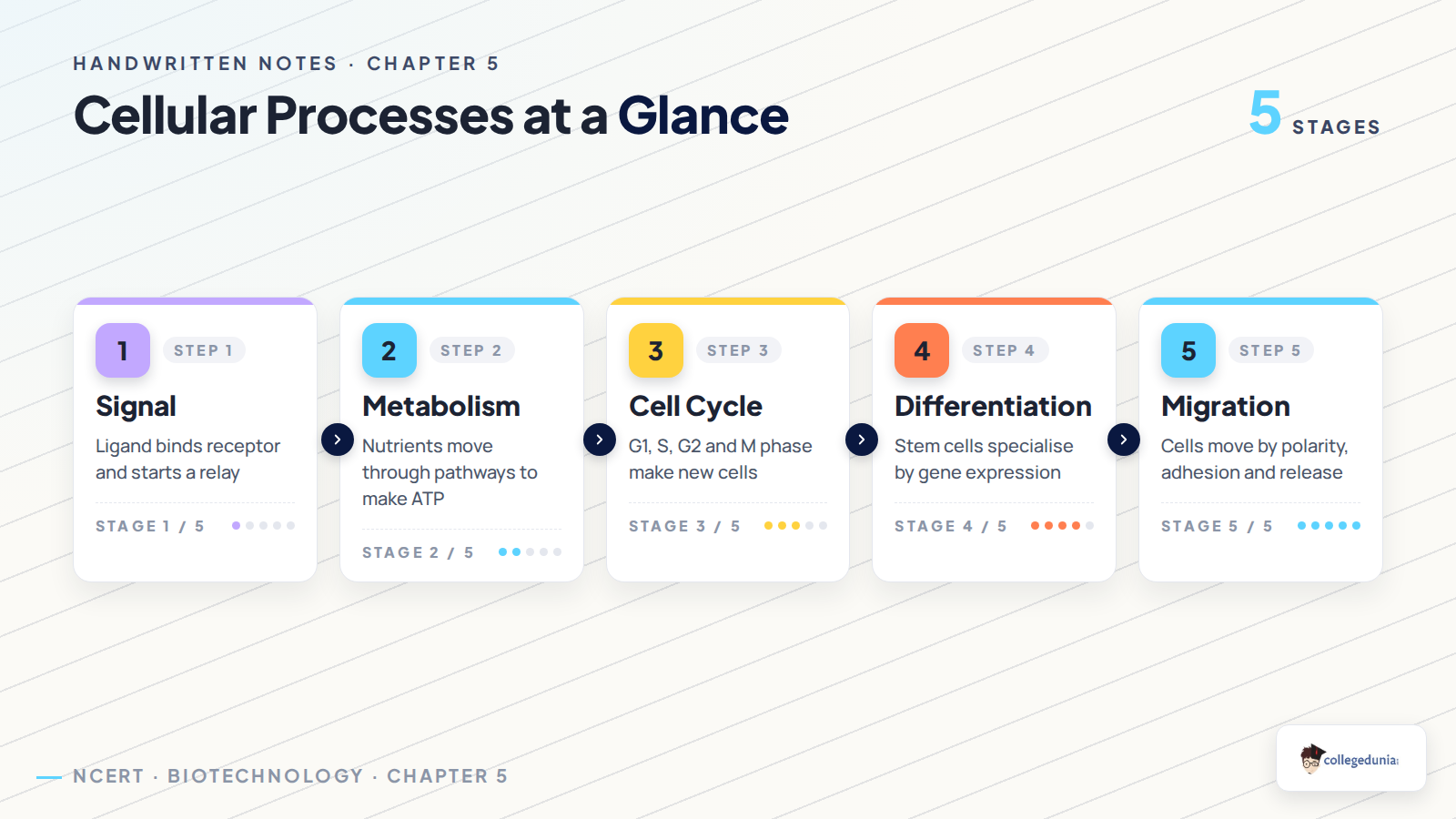
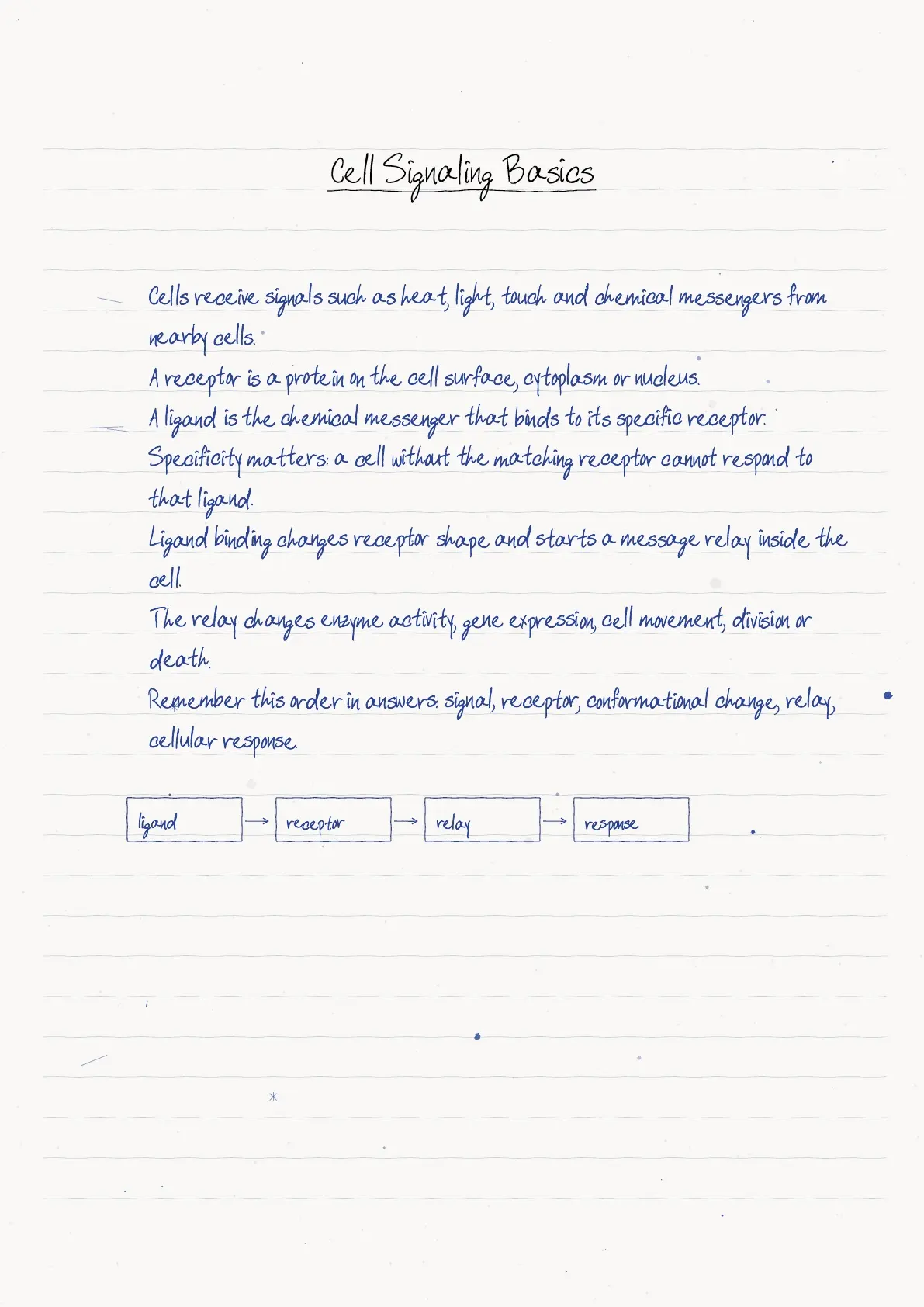
The first part of the chapter explains how a cell reads signals. A ligand binds to a specific receptor and starts a relay inside the cell. The notes compare local paracrine signals, self-acting autocrine signals and long-distance endocrine signals.
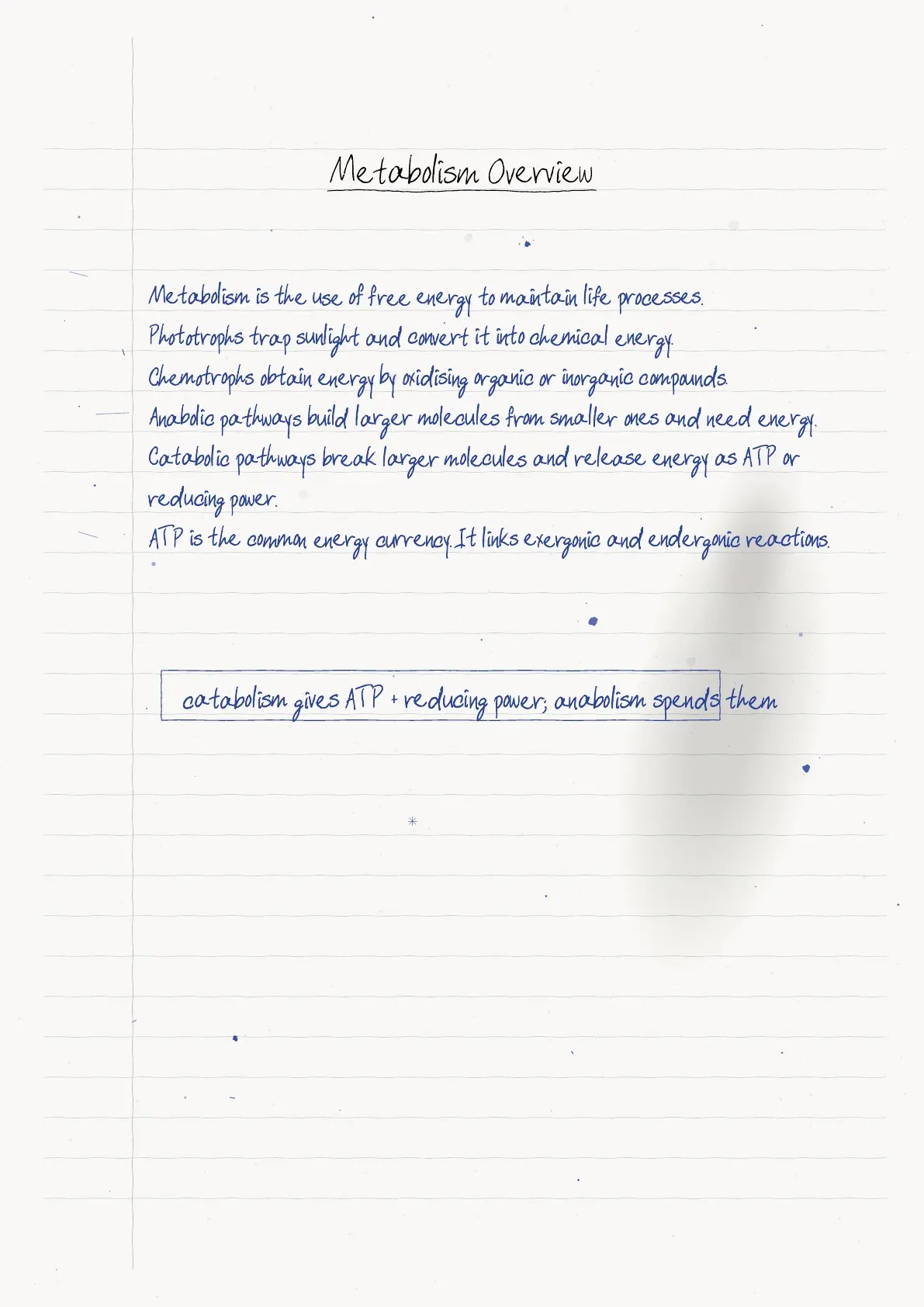
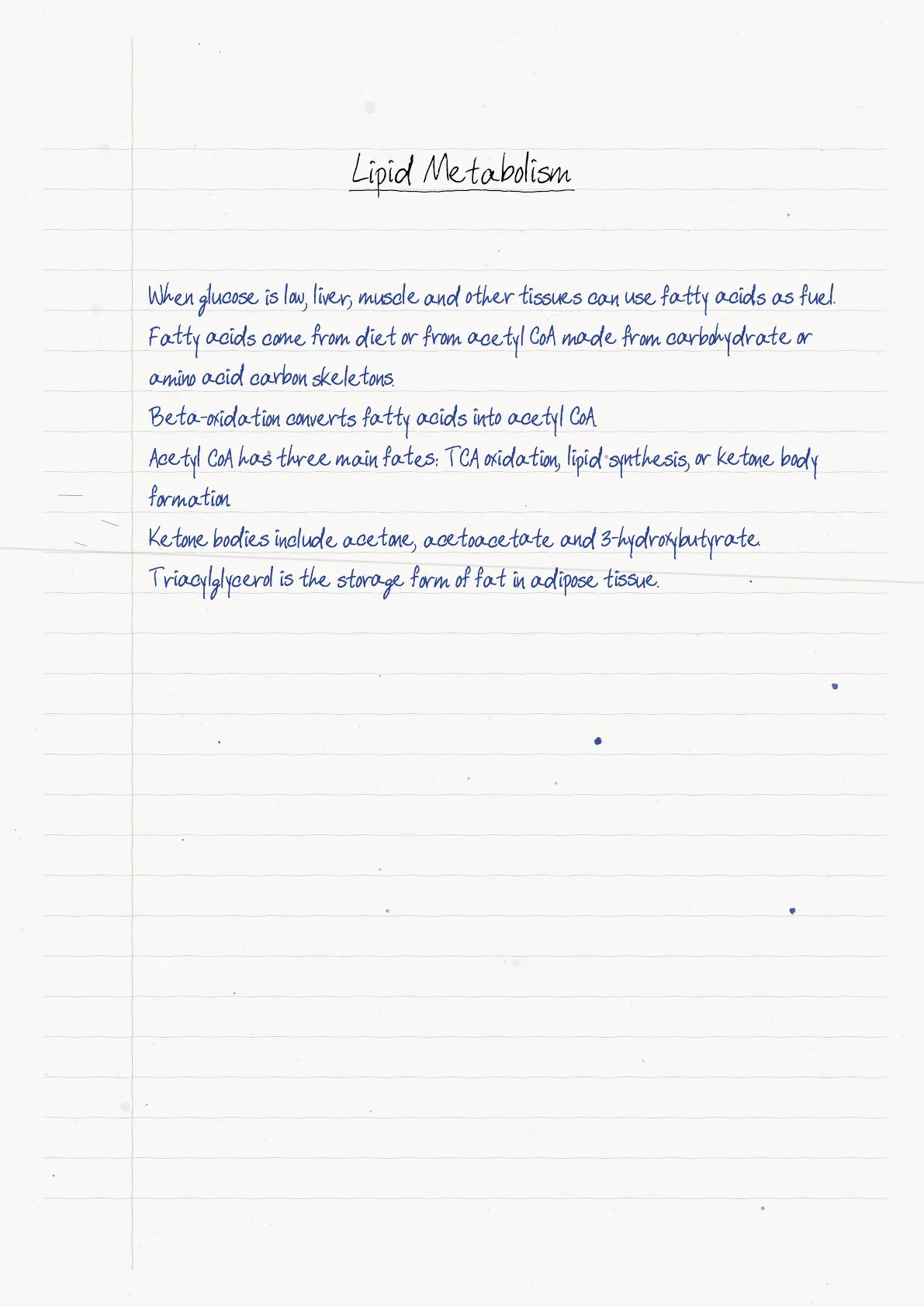
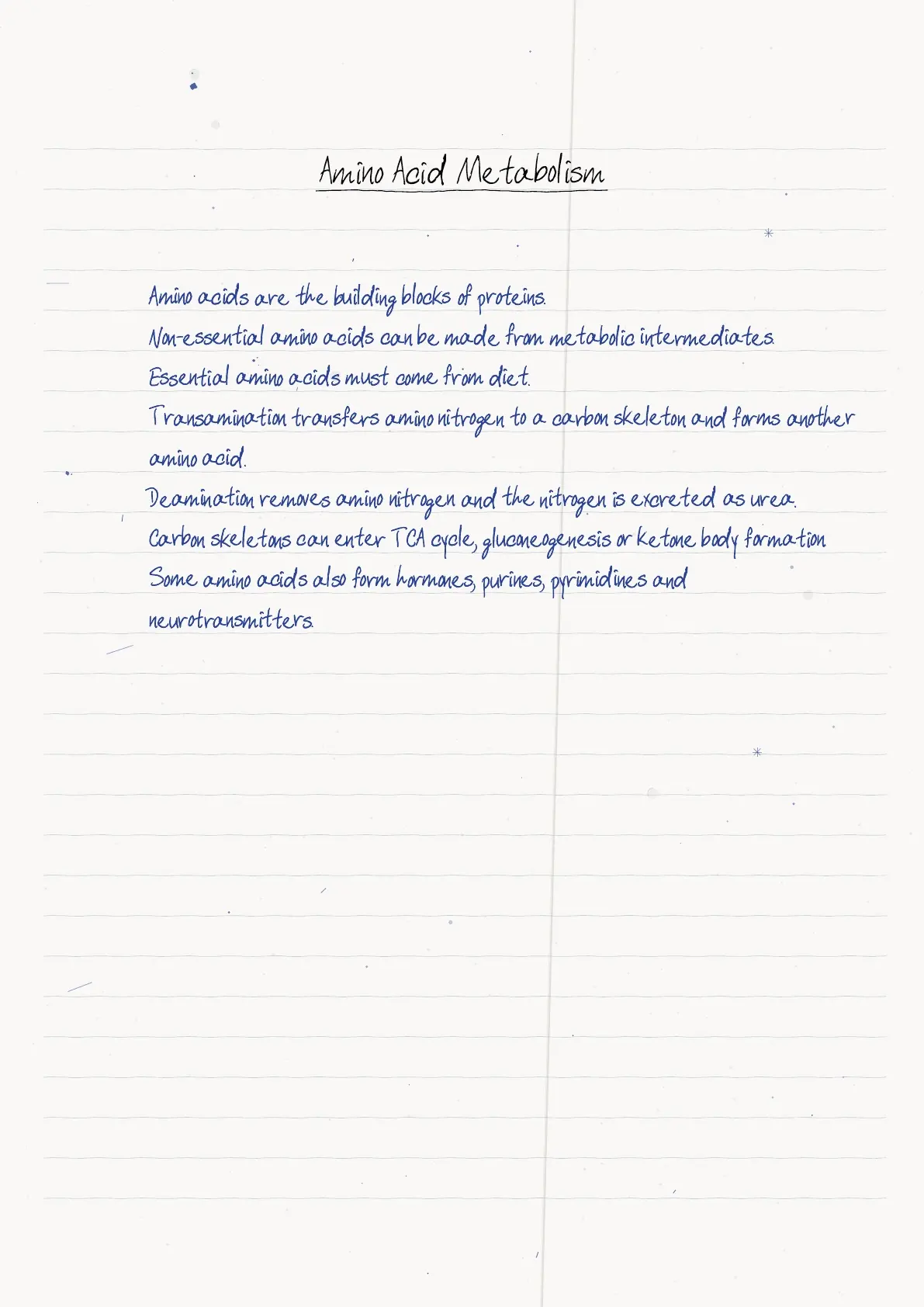
The metabolism pages cover how cells use free energy. Catabolic reactions break molecules and release useful energy. Anabolic reactions build larger molecules and use that energy. The PDF also gives short pathways for glucose, fatty acids and amino acids.
Cellular Processes Video Revision
Source: Khan Academy on YouTube
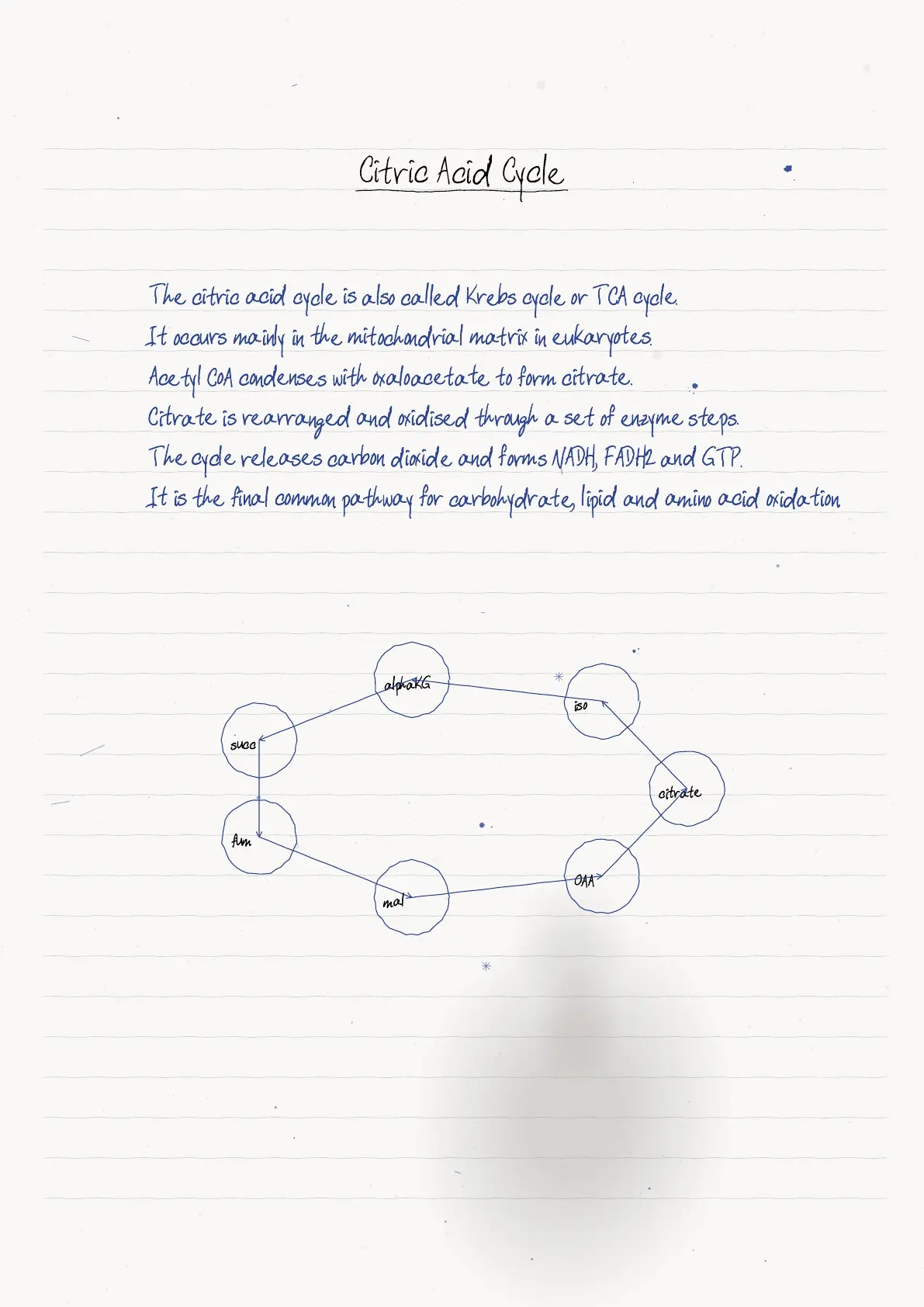
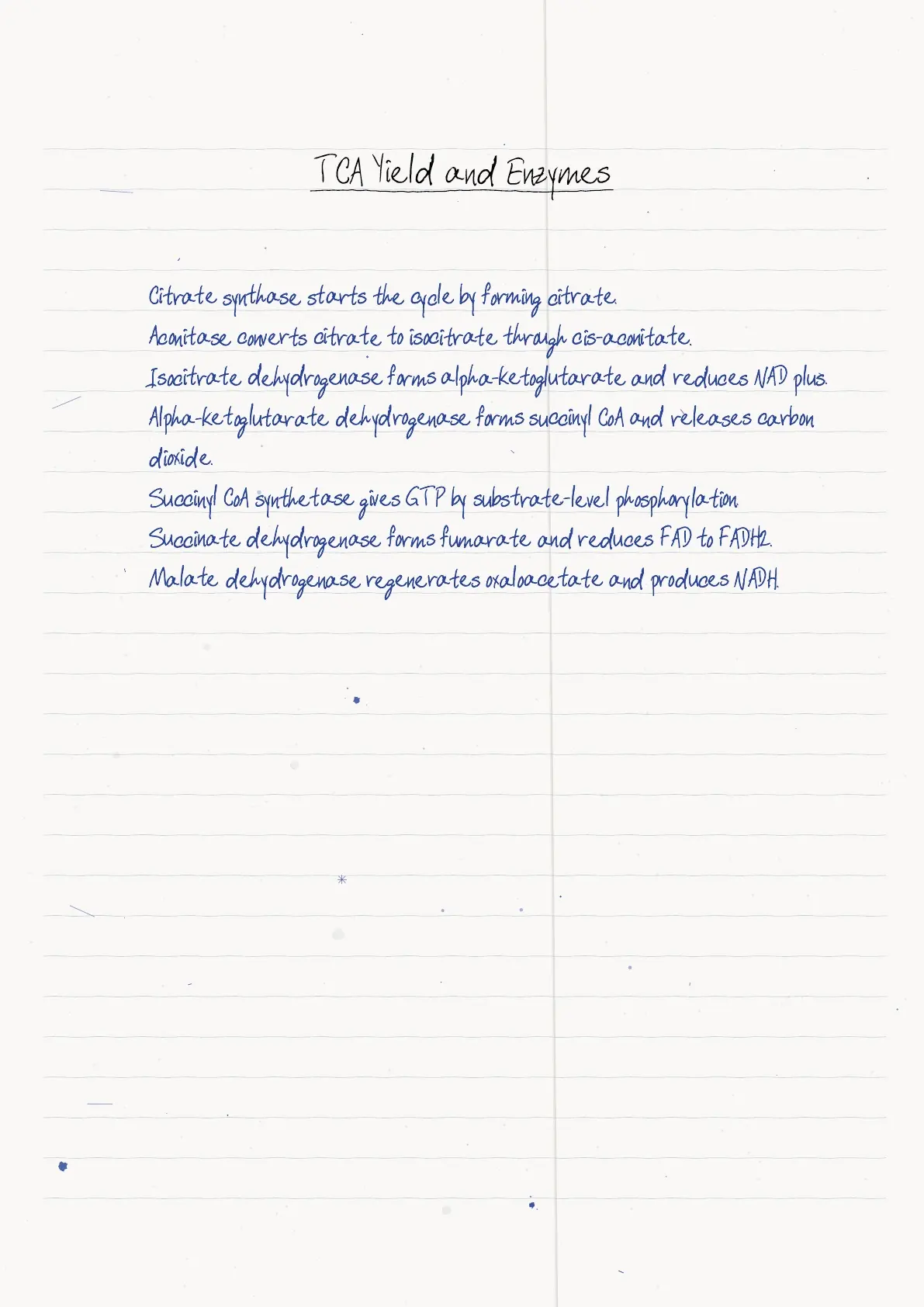
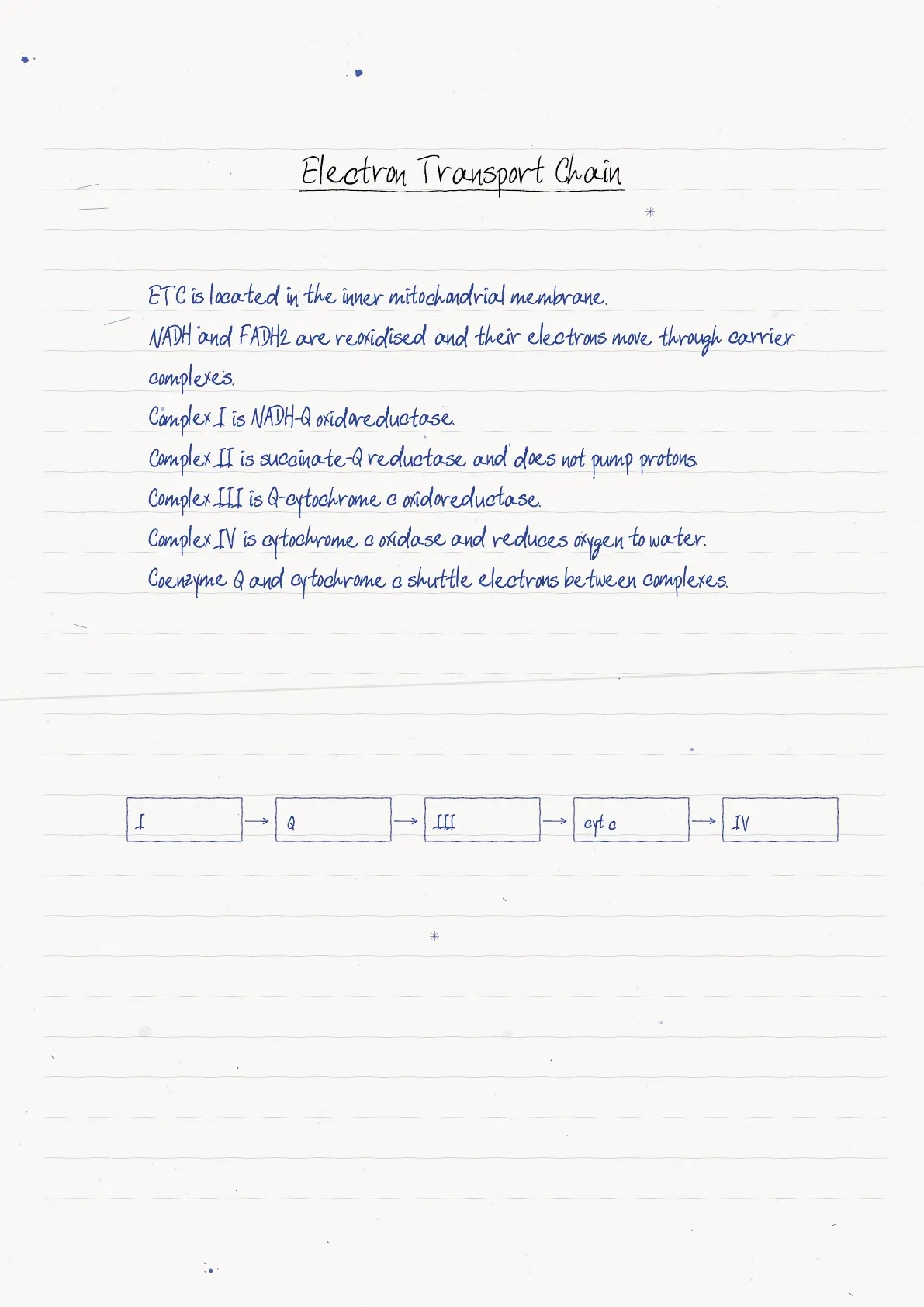
Glycolysis, TCA Cycle and ETC Notes
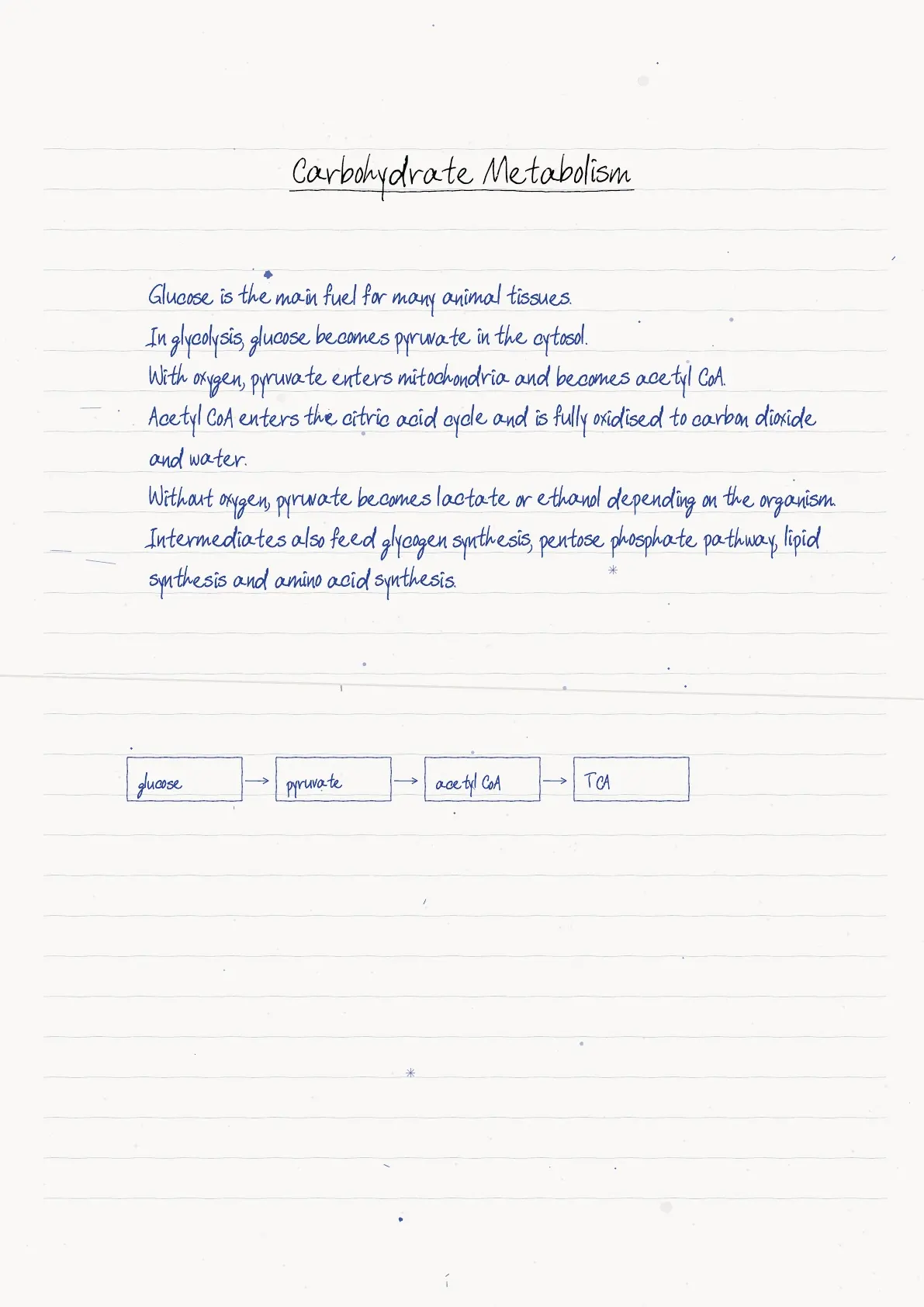
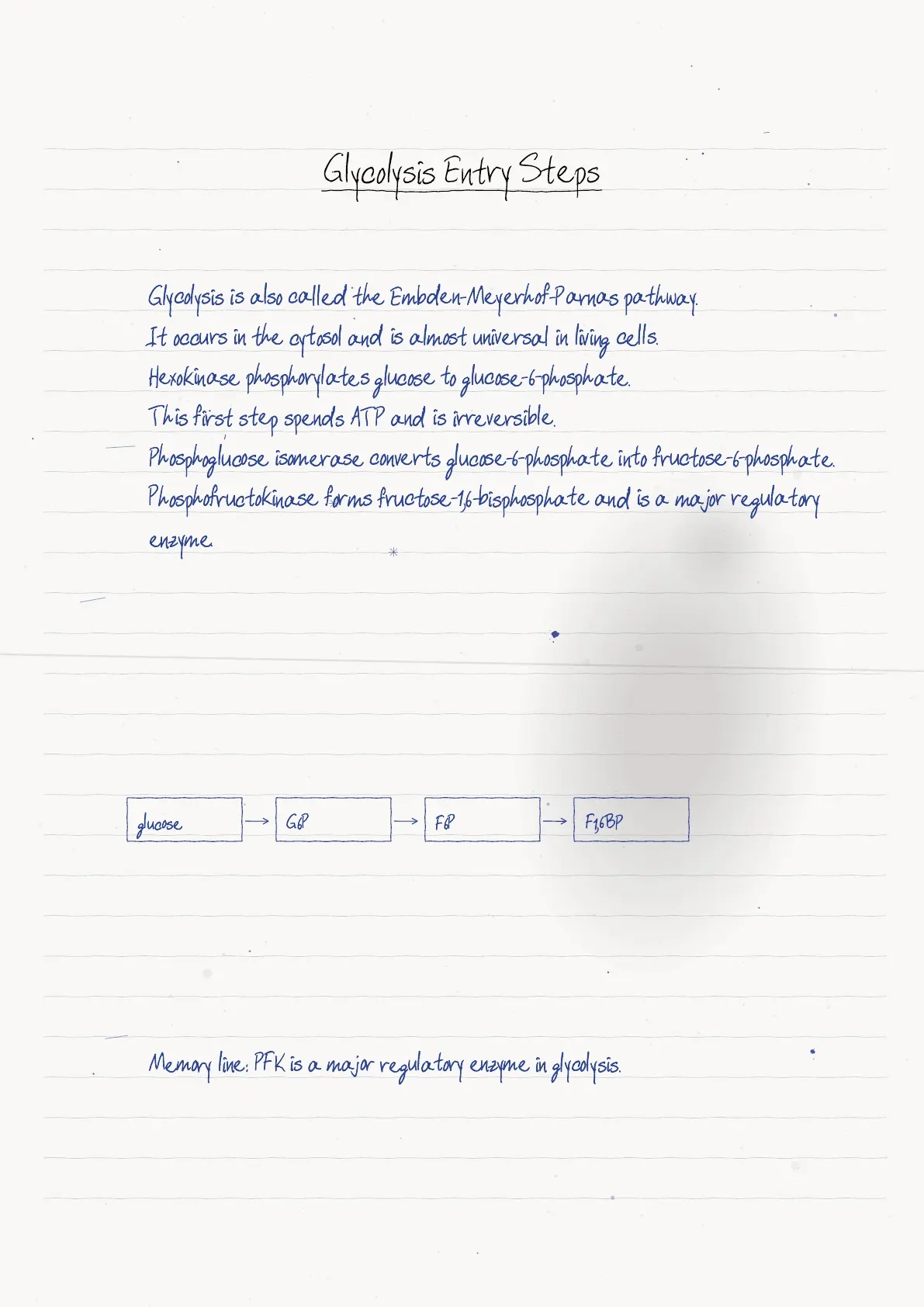
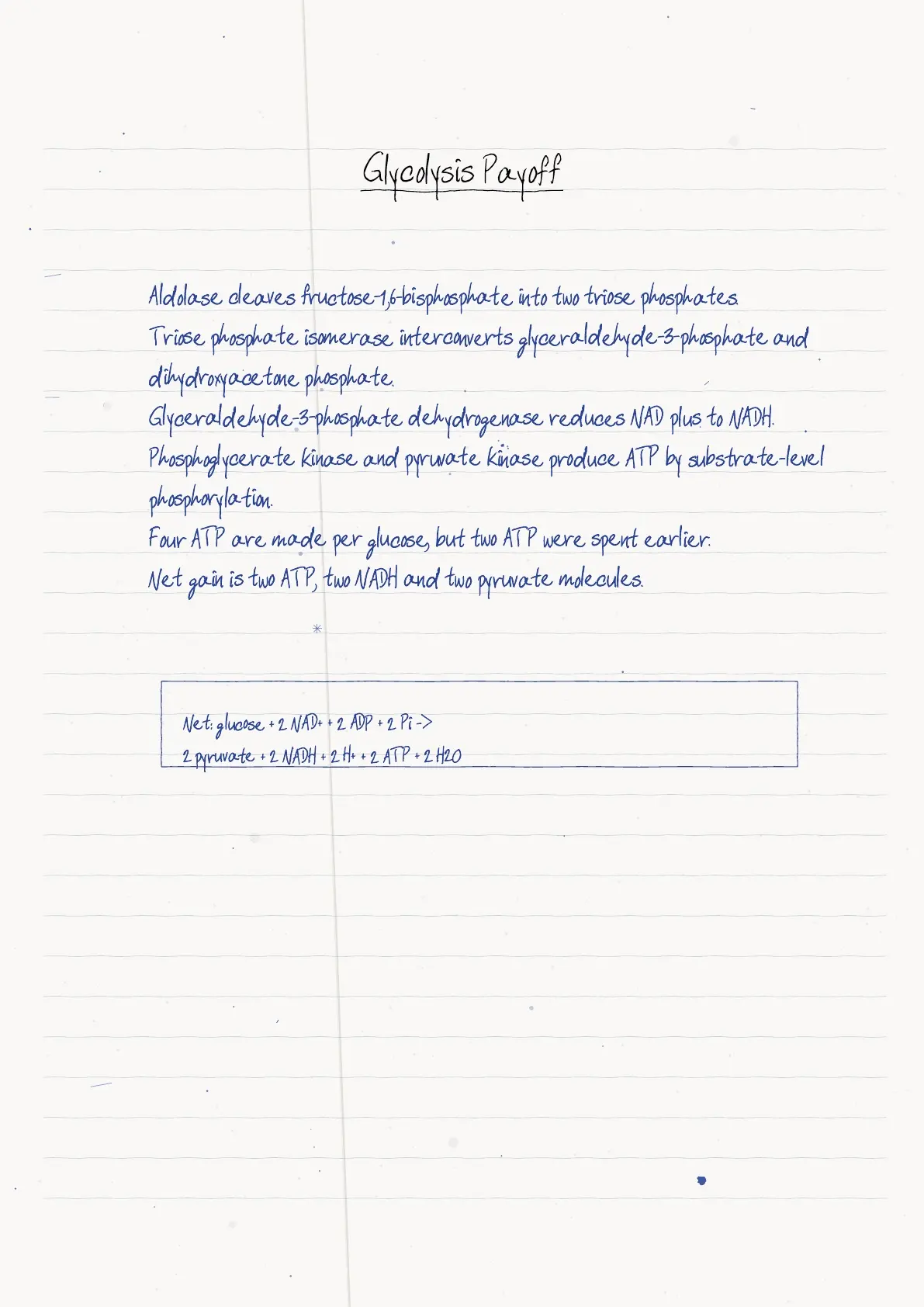
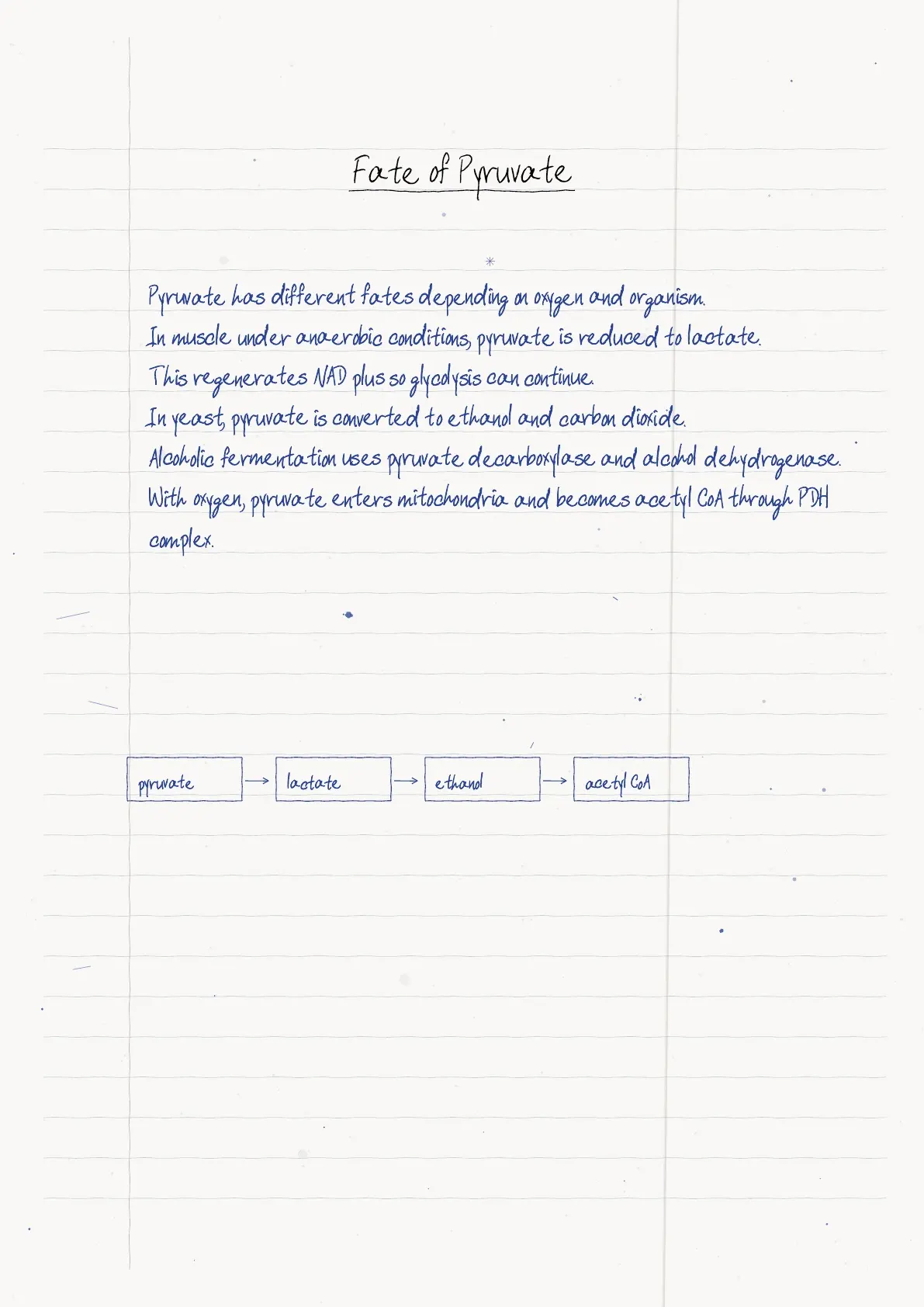
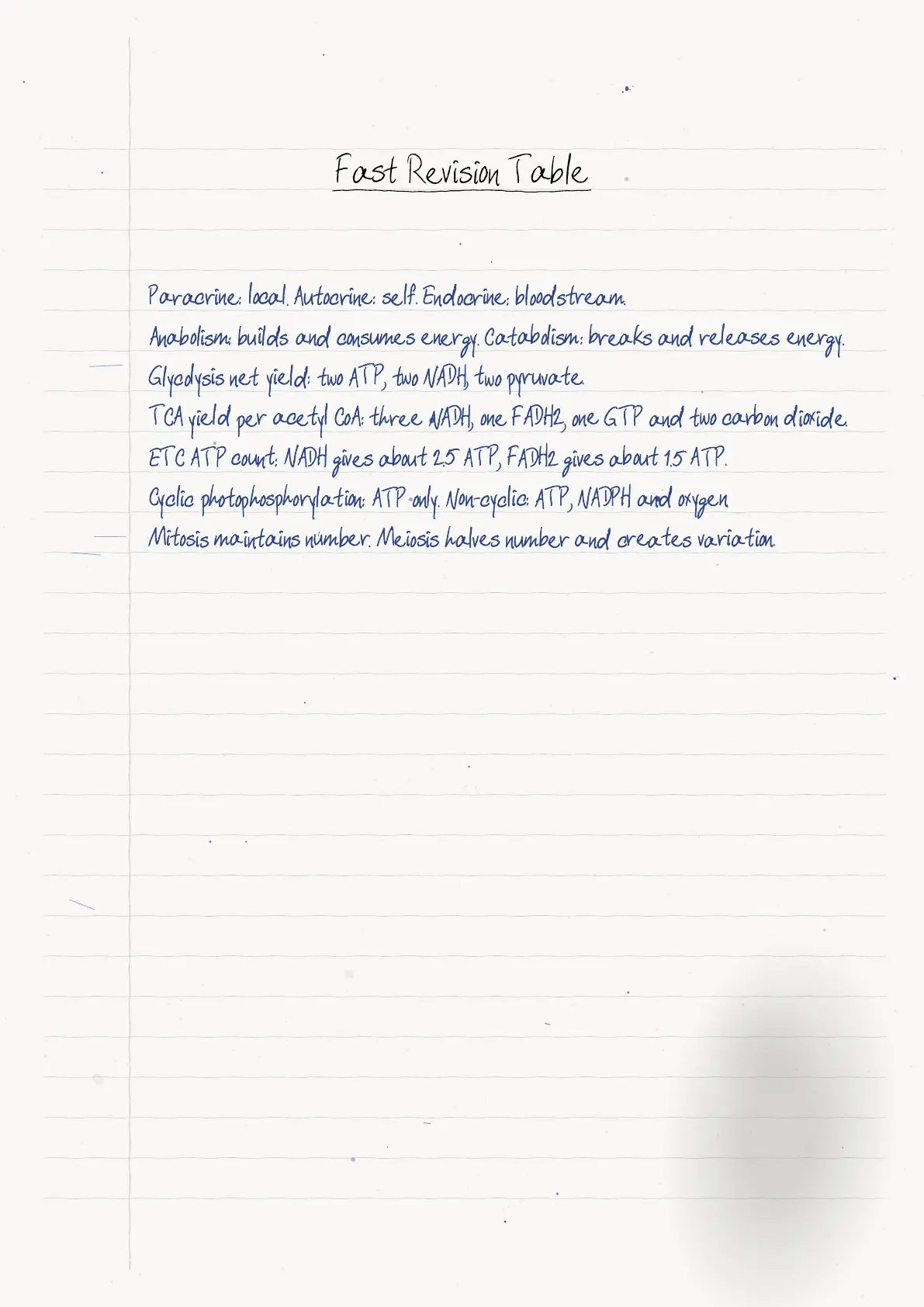
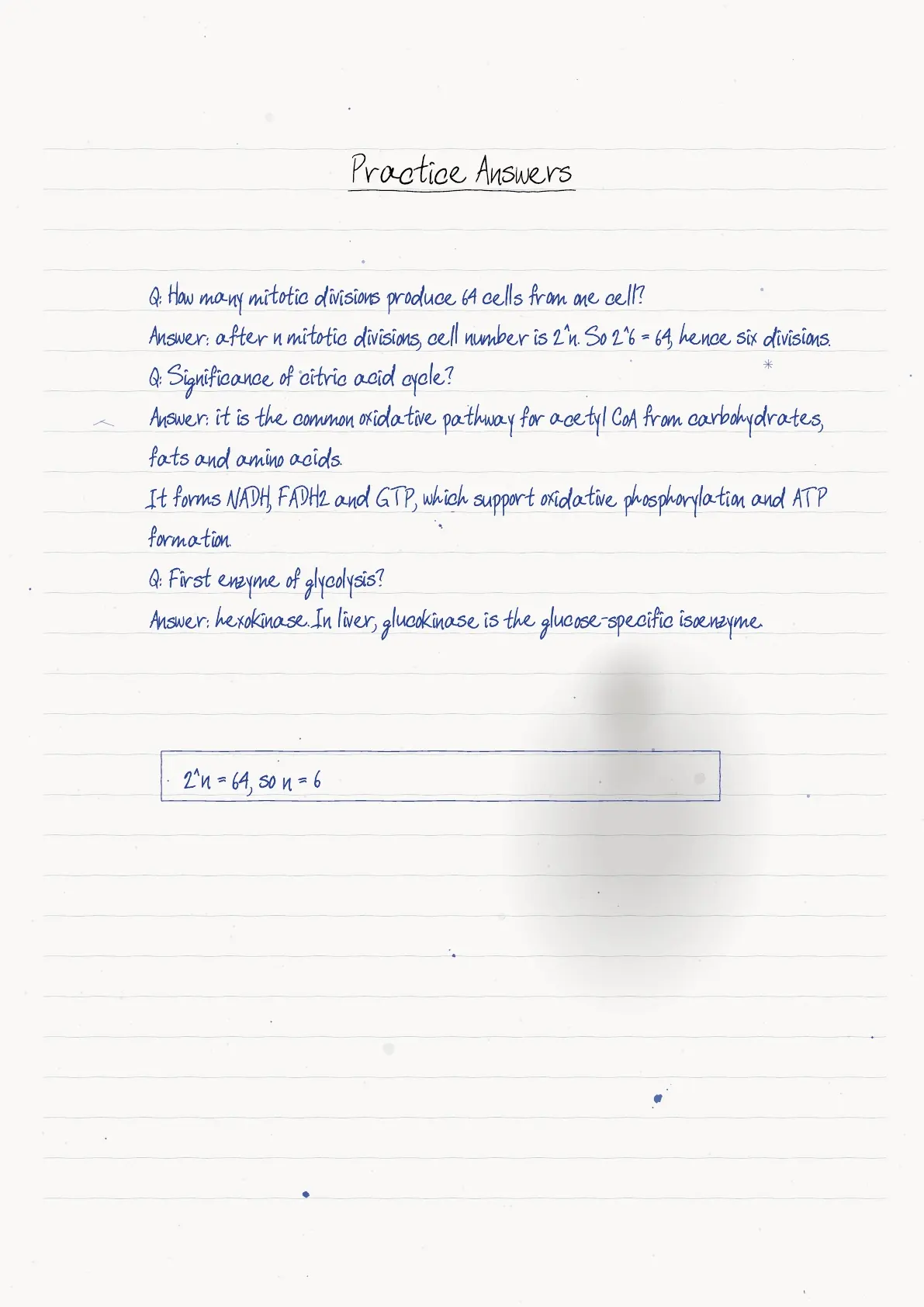
The chapter gives a long section on carbohydrate metabolism. The PDF breaks it into entry steps, payoff steps and pyruvate fates. Hexokinase, phosphofructokinase and pyruvate kinase are marked as the major irreversible control steps of glycolysis.
The repaired equation box uses the net glycolysis reaction with ADP, Pi, NADH, H+, ATP and H2O. This keeps the revision page faithful to the source chapter while still staying short enough for last-minute use.
Cell Cycle, Mitosis and Meiosis Comparison
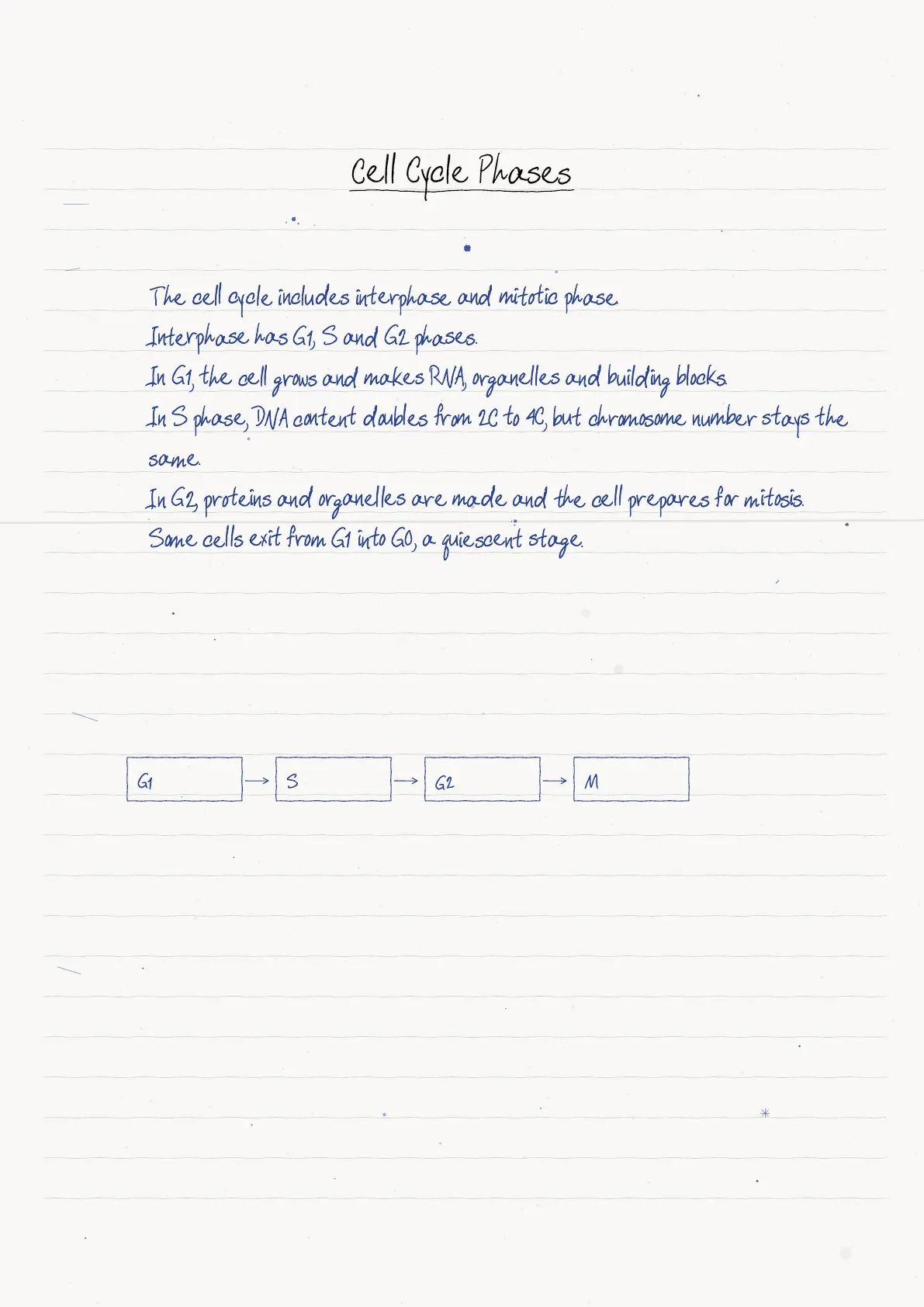
The cell cycle pages explain interphase and M phase in the same order as the textbook. G1 is for growth, S phase doubles DNA content, and G2 prepares the cell for mitosis. The notes also mention G0 for quiescent cells.
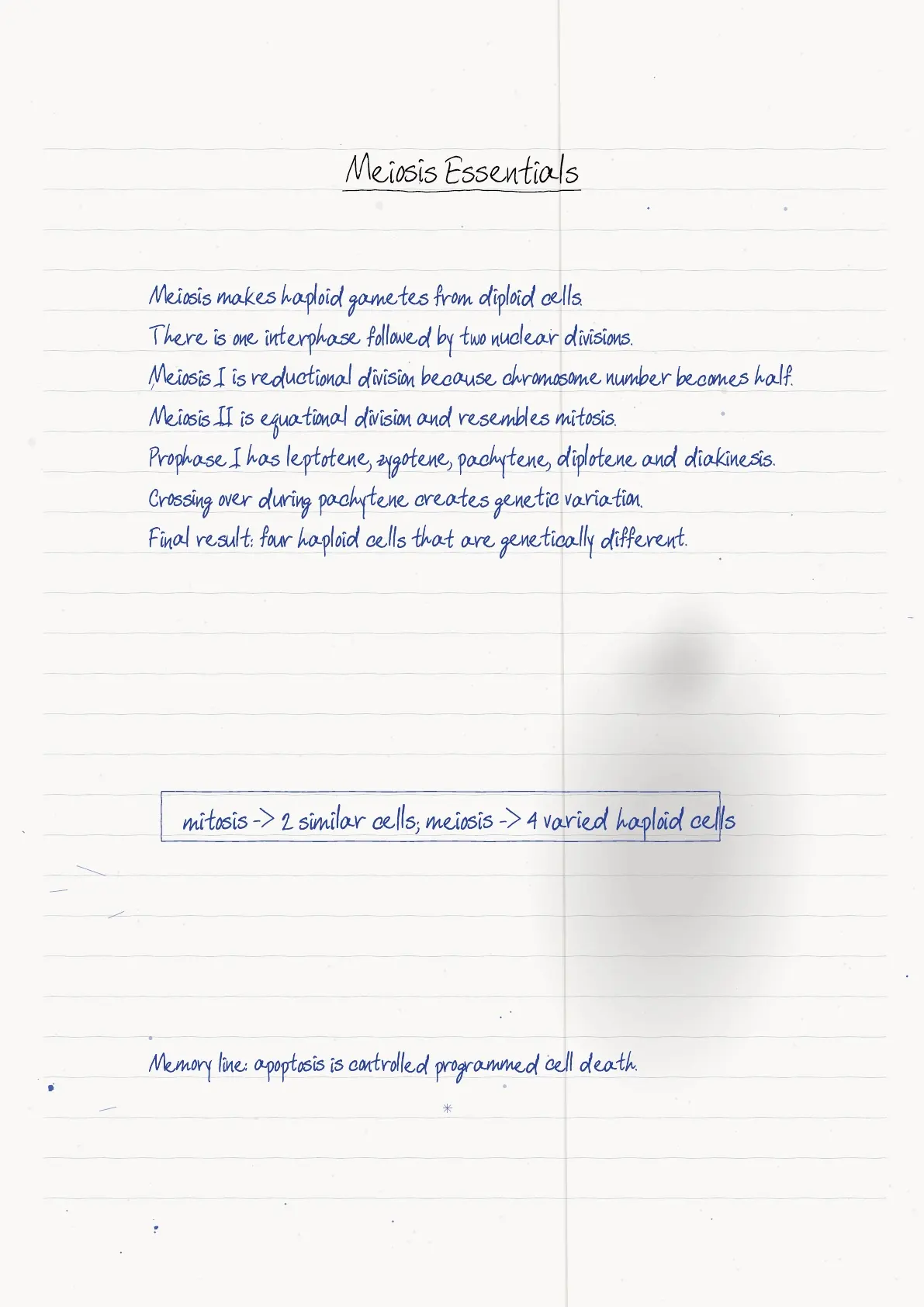
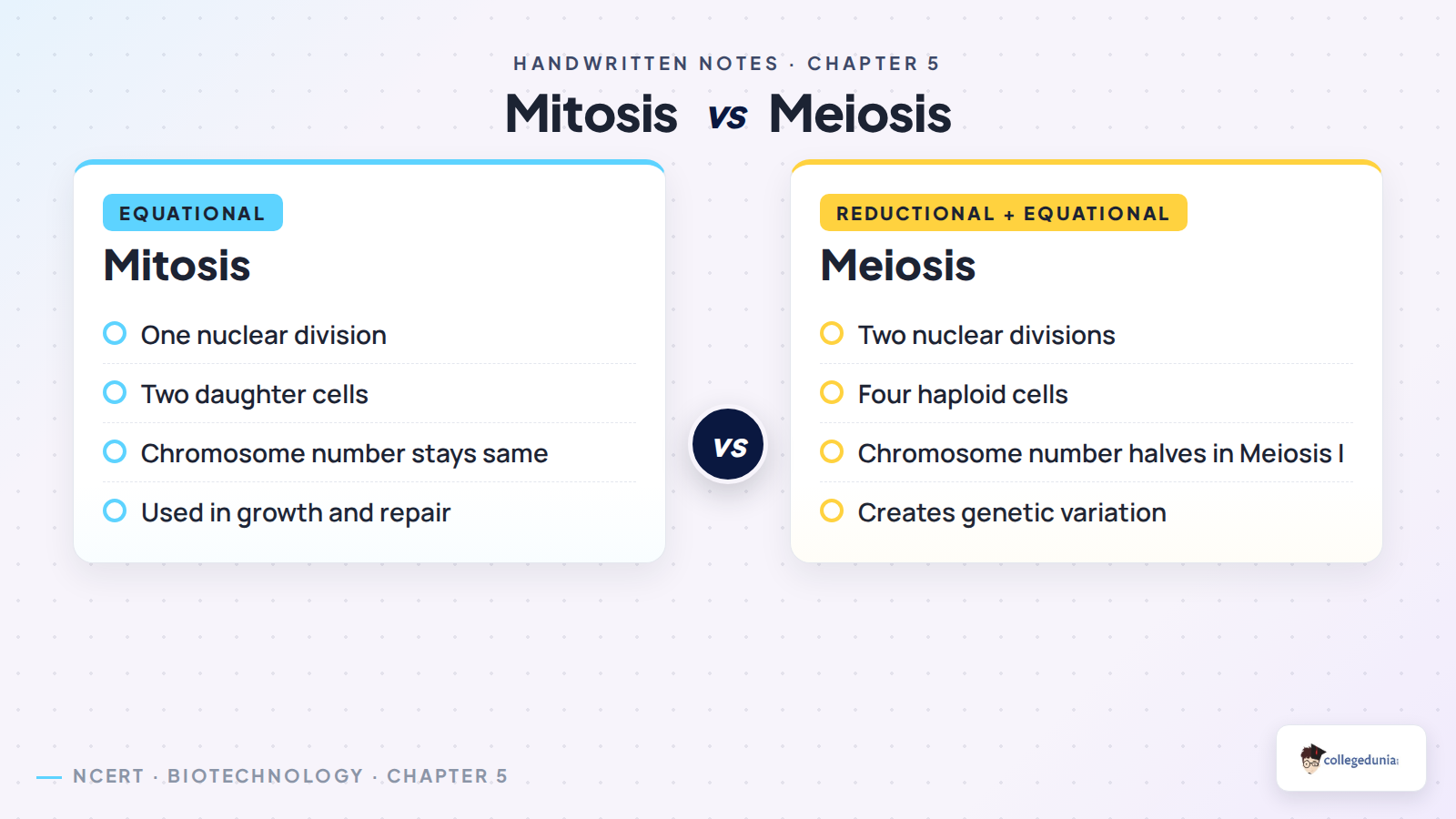
Mitosis keeps the chromosome number the same, while meiosis halves it and creates variation. This difference is a common NCERT exercise point, so the PDF keeps the comparison in a separate visual block.
Apoptosis, Differentiation and Cell Migration
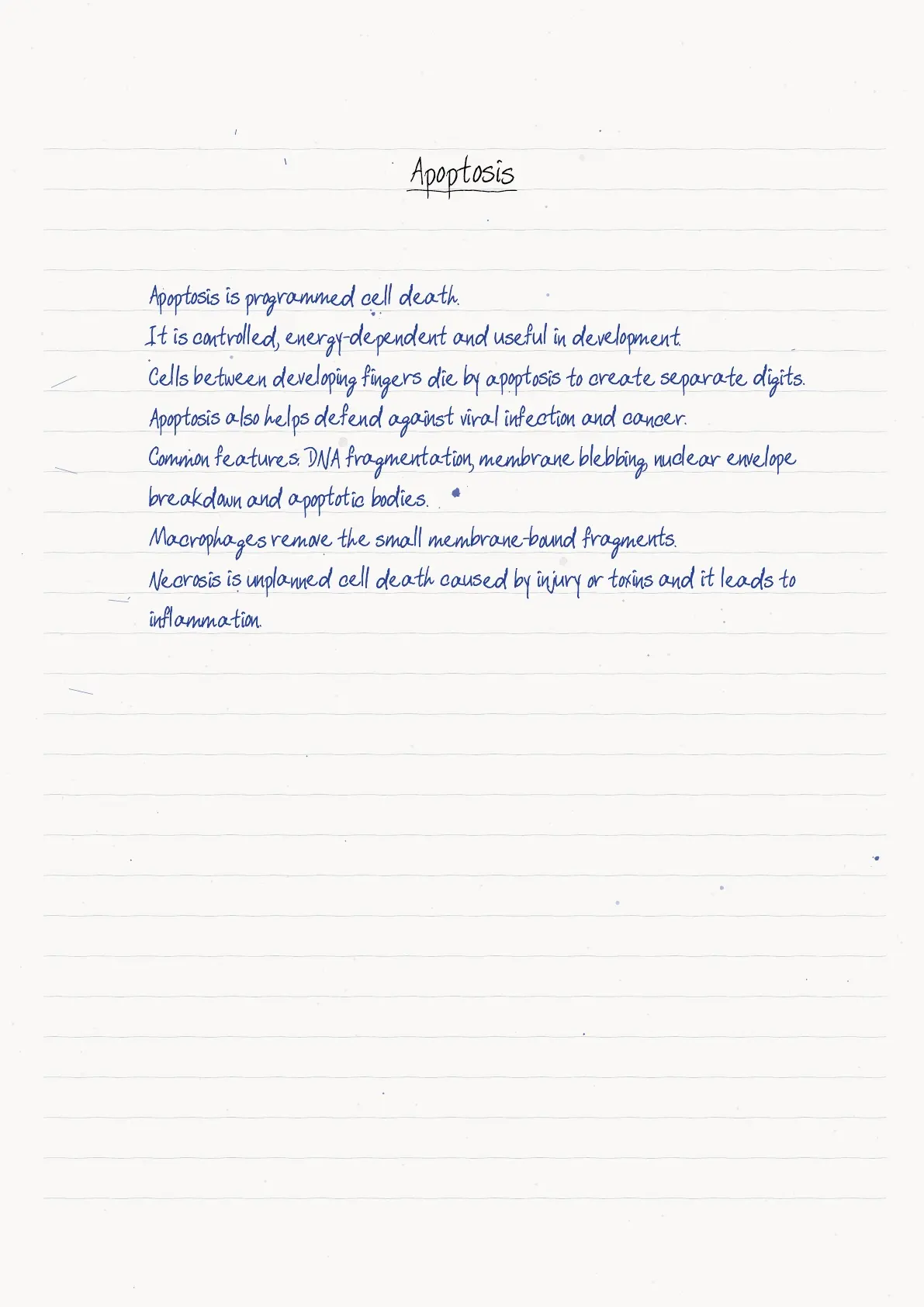
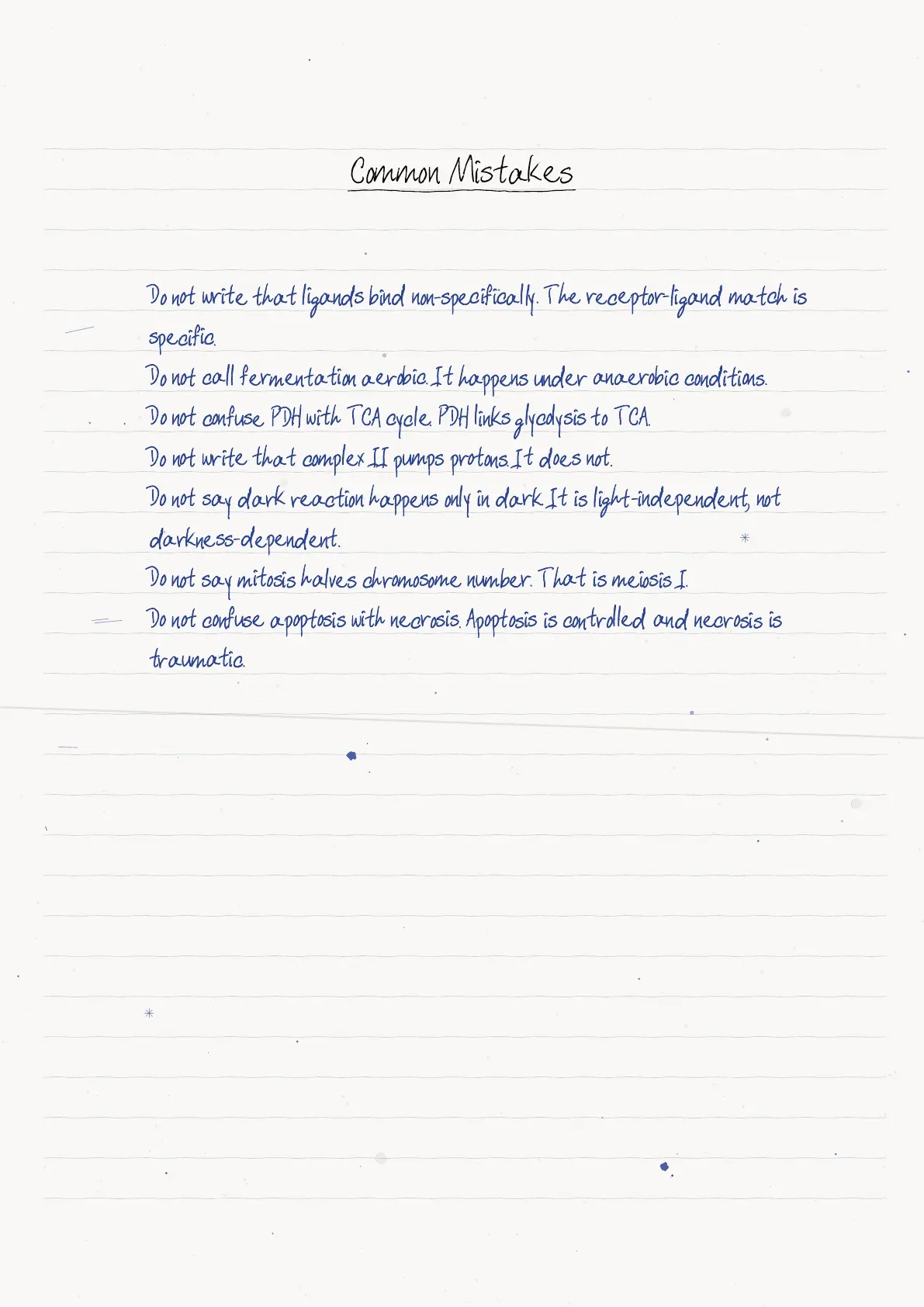
Apoptosis is shown as controlled programmed cell death. The notes list DNA fragmentation, membrane blebbing, nuclear envelope breakdown and apoptotic bodies. Necrosis is kept separate because it is traumatic, unplanned and linked with inflammation.
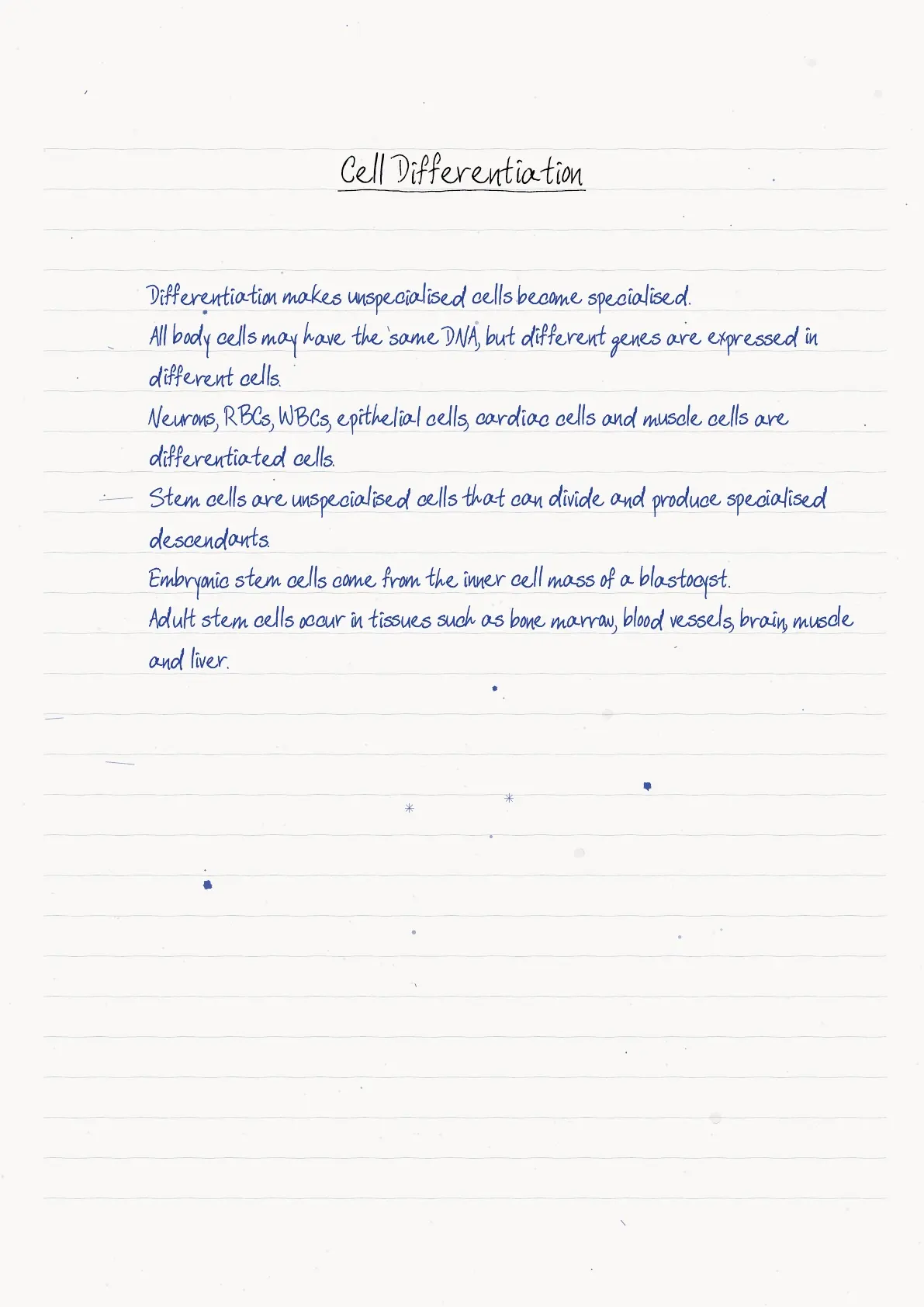
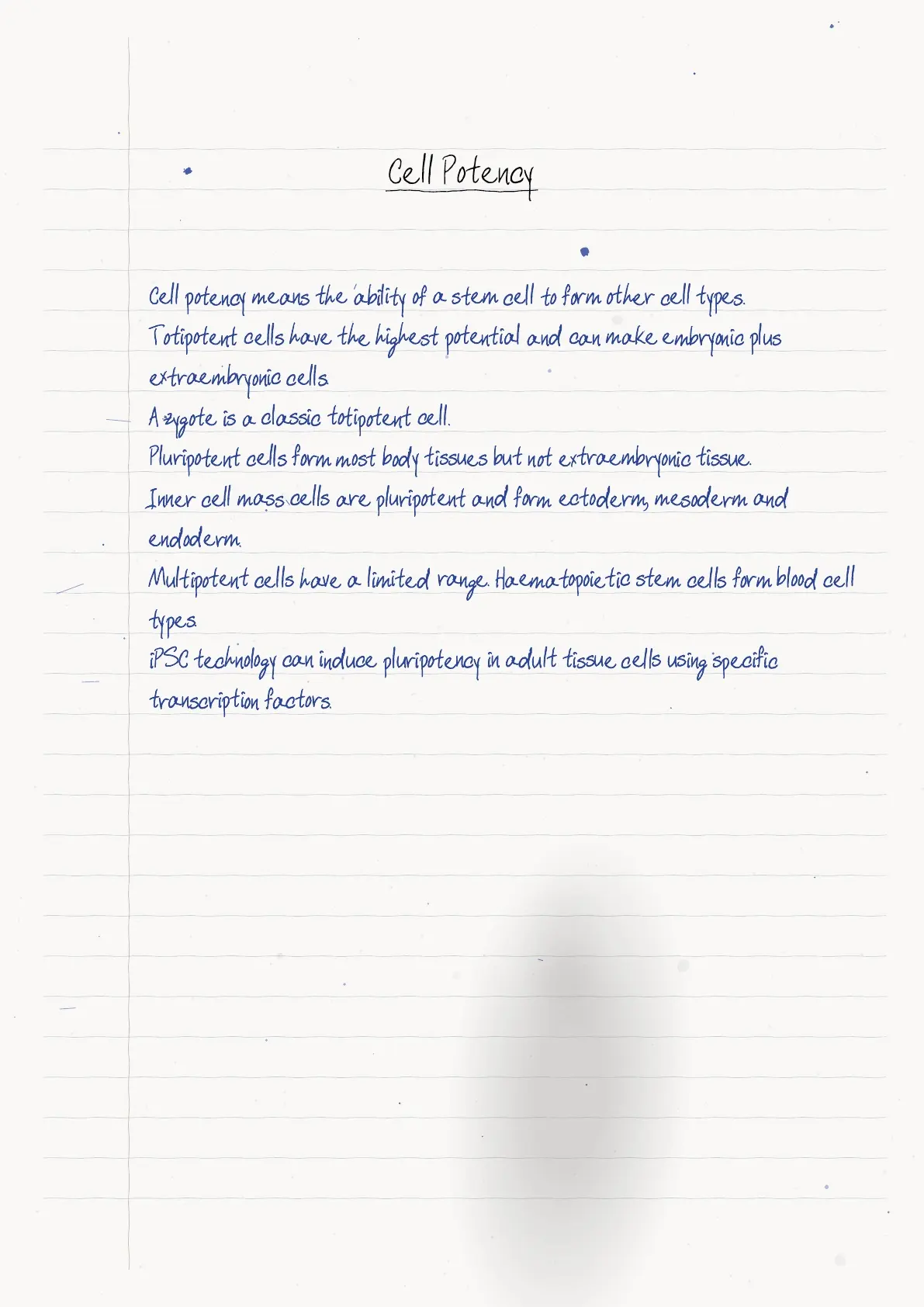
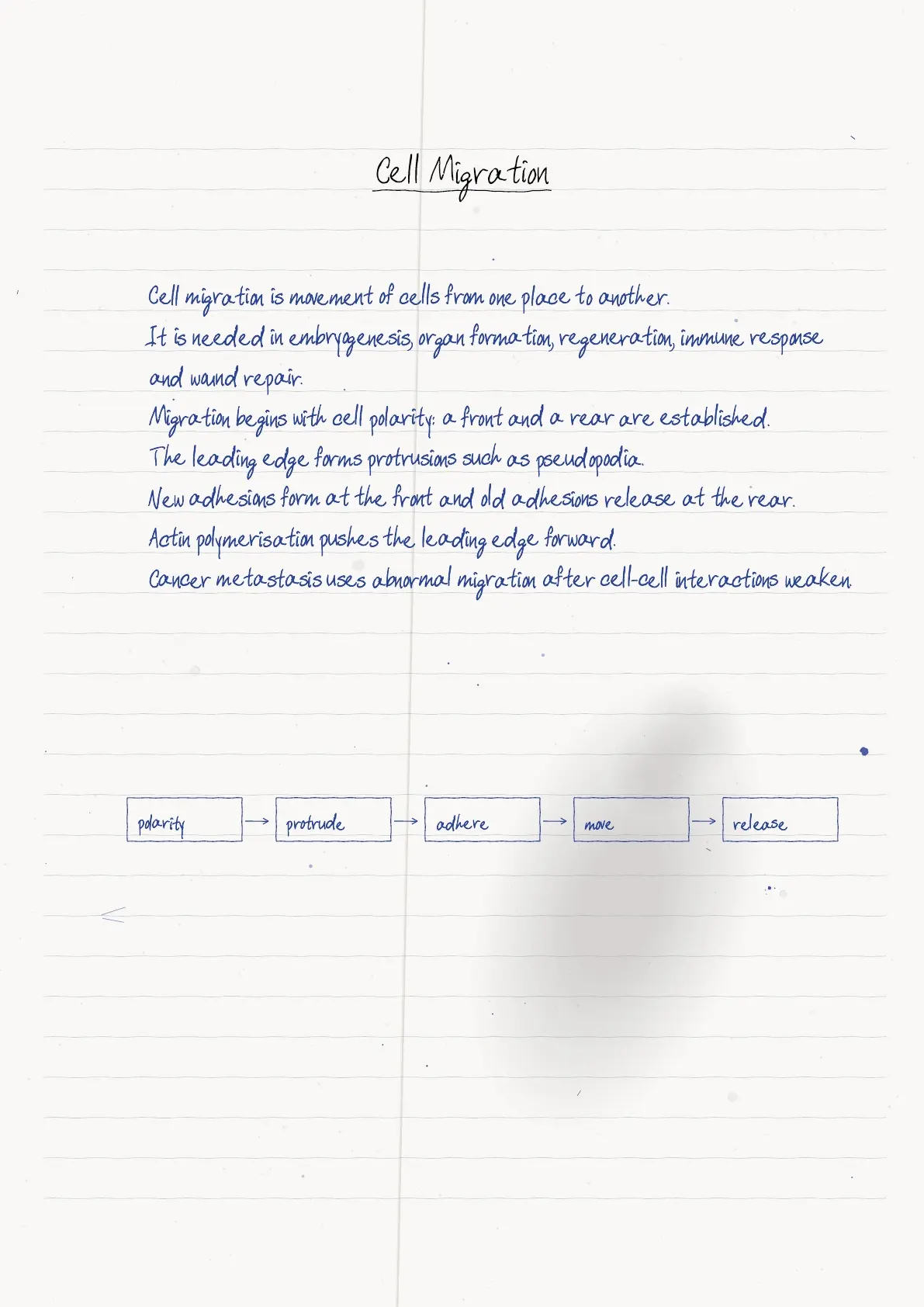
Cell differentiation is explained through gene expression and stem-cell potency. Totipotent, pluripotent and multipotent cells are compared in short lines. The final migration page covers polarity, protrusion, adhesion, translocation and rear release.
How to Use These Handwritten Notes
- Read the chapter map first, then revise one pathway at a time.
- Use the mitosis and meiosis comparison before answering table-based questions.
- Revise apoptosis versus necrosis and autocrine versus paracrine as paired answers.
- Return to the NCERT textbook for full diagrams and exercise wording.
Related Class 11 Biotechnology Chapter 5 Resources
| Resource | Link |
|---|---|
| NCERT Notes | Class 11 Biotechnology Chapter 5 Notes |
| NCERT Book PDF | Class 11 Biotechnology Chapter 5 Book PDF |
| NCERT Solutions | Class 11 Biotechnology Chapter 5 Solutions |
Class 11 Biotechnology Handwritten Notes for Other Chapters
| Chapter | Handwritten Notes |
|---|---|
| Chapter 1 | An Introduction to Biotechnology |
| Chapter 2 | Cellular Organelles |
| Chapter 3 | Biomolecules |
| Chapter 4 | Enzymes and Bioenergetics |
Cellular Processes Biotechnology Handwritten Notes FAQs
Ques. What is covered in Class 11 Biotechnology Chapter 5 Cellular Processes handwritten notes?
Ans. The notes cover cell signaling, metabolic pathways, glycolysis, TCA cycle, ETC, photosynthesis, cell cycle, apoptosis, differentiation and cell migration.
Ques. Are these handwritten notes based on the 2026-27 NCERT textbook?
Ans. Yes. The chapter order and core facts follow the 2026-27 NCERT Class 11 Biotechnology Chapter 5 source.
Ques. How should students revise this chapter from the PDF?
Ans. Start with signaling and metabolism, then revise mitosis versus meiosis, apoptosis versus necrosis, and the stem-cell potency table.



Comments