




The handwritten notes on Class 11 English Hornbill Chapter 12, Note-making, have been carefully prepared for quick one-shot revision, according to the latest 2026-27 CBSE syllabus. They cover NCERT's 5-step note-making method plus both worked examples in the chapter, so students can revise the full writing-skill unit in one sitting before an exam or a class test.
- Board Weightage: note-making is tested as a 10-mark writing-skill question, split across title, notes, abbreviations and summary.
- Question Types: an unseen passage of about 300-350 words, to be reduced into structured notes and a short summary.
- 2026-27 NCERT: Note-making stays unchanged in the rationalised Hornbill Writing Skills section.
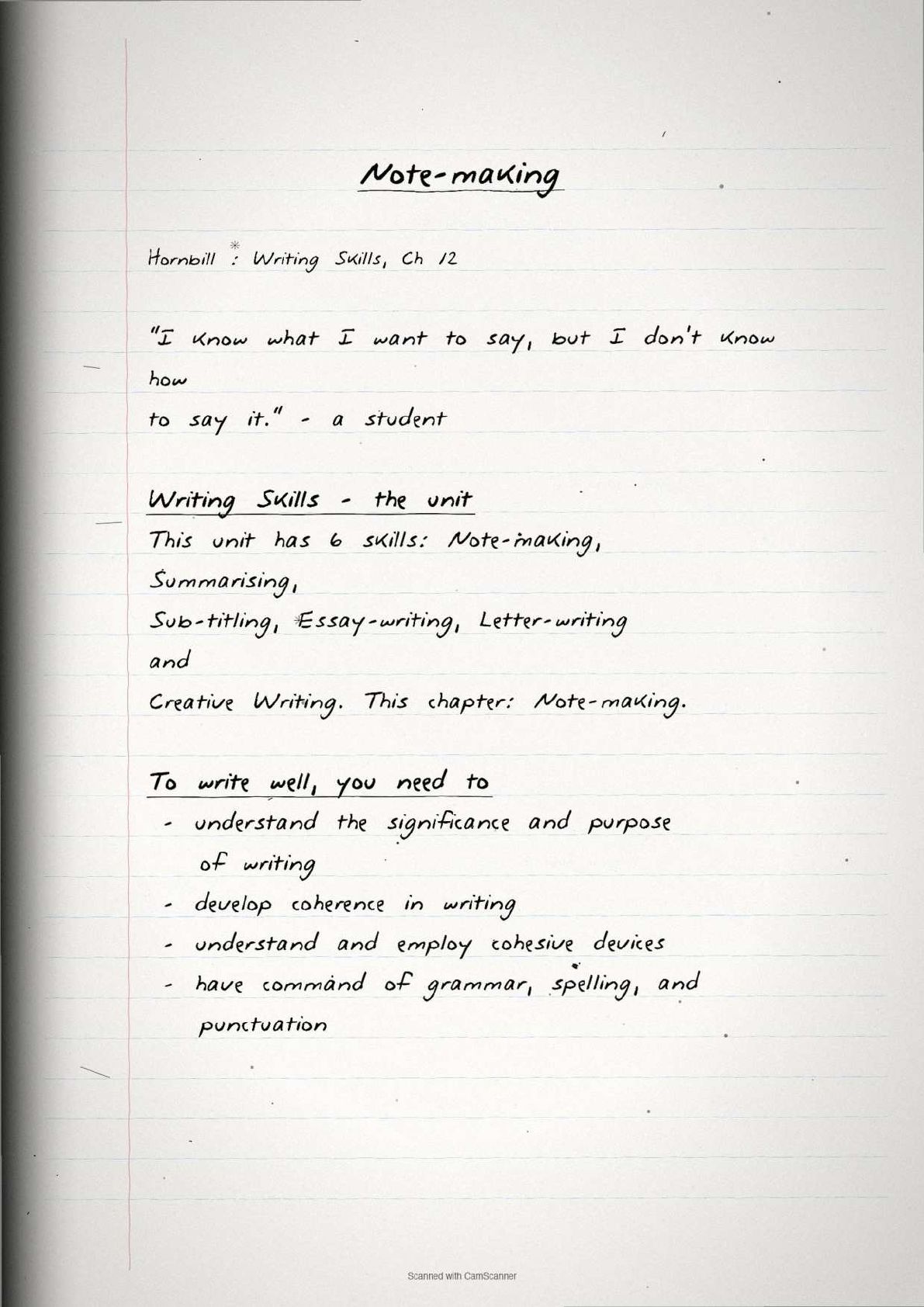
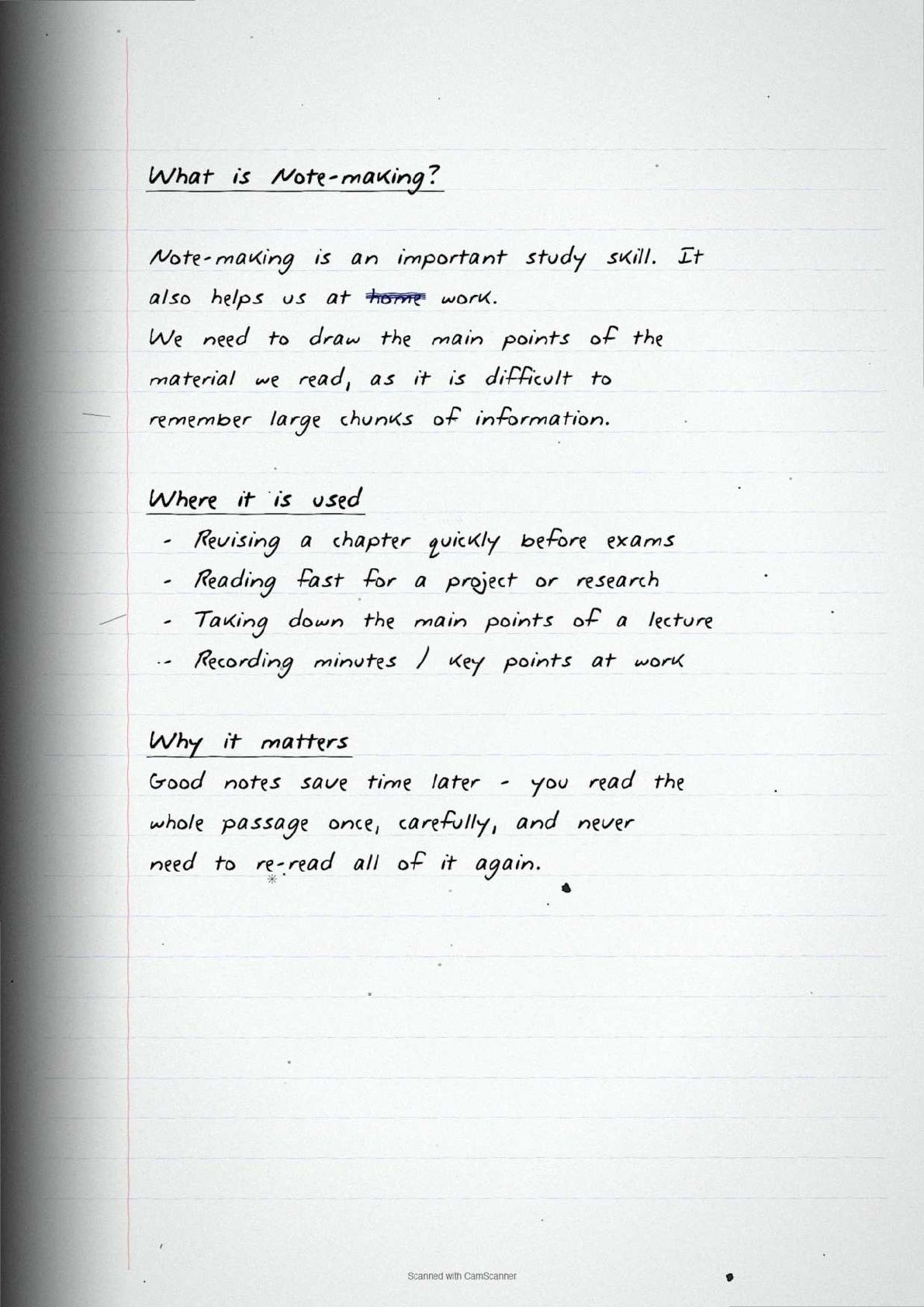
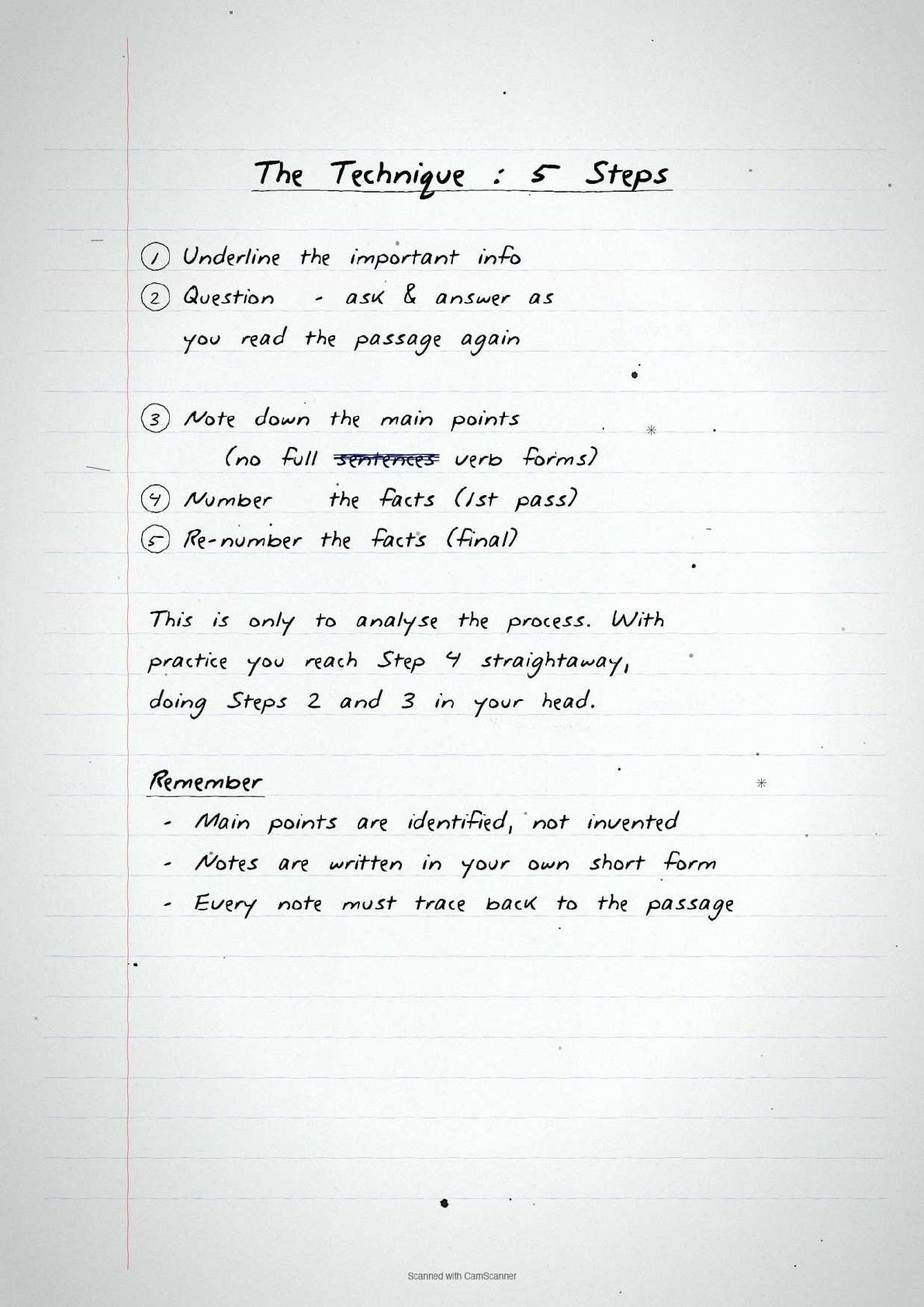
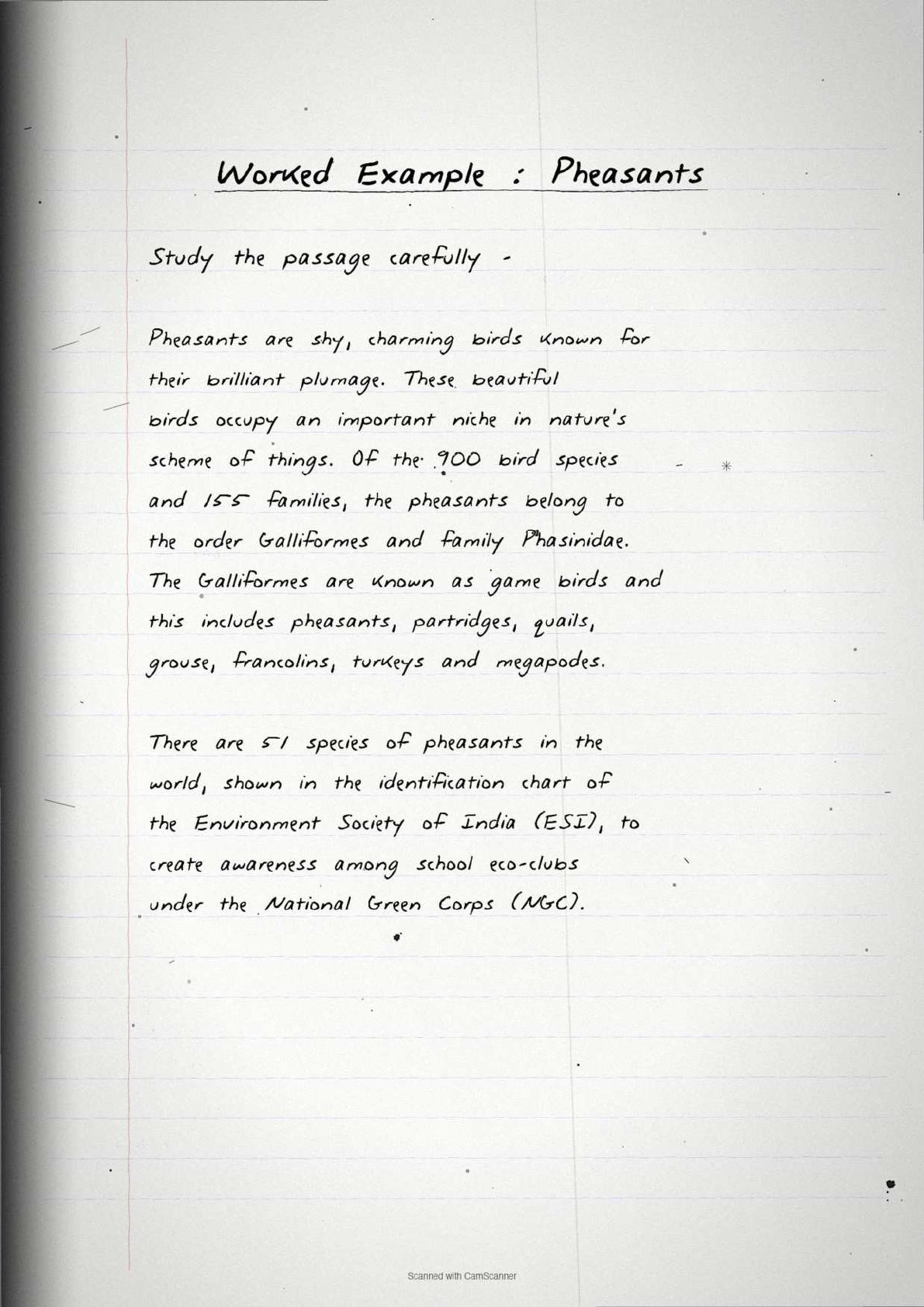
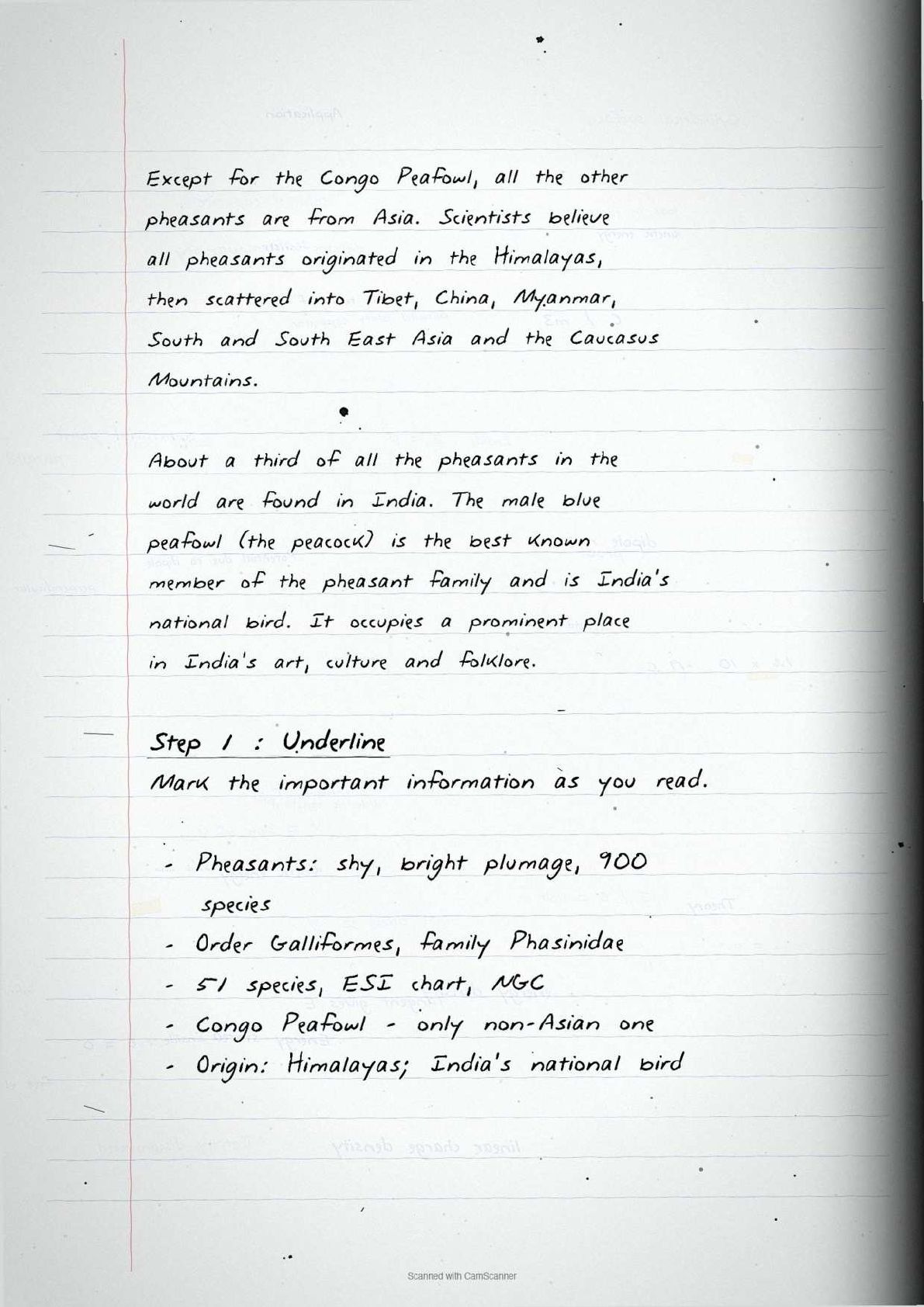
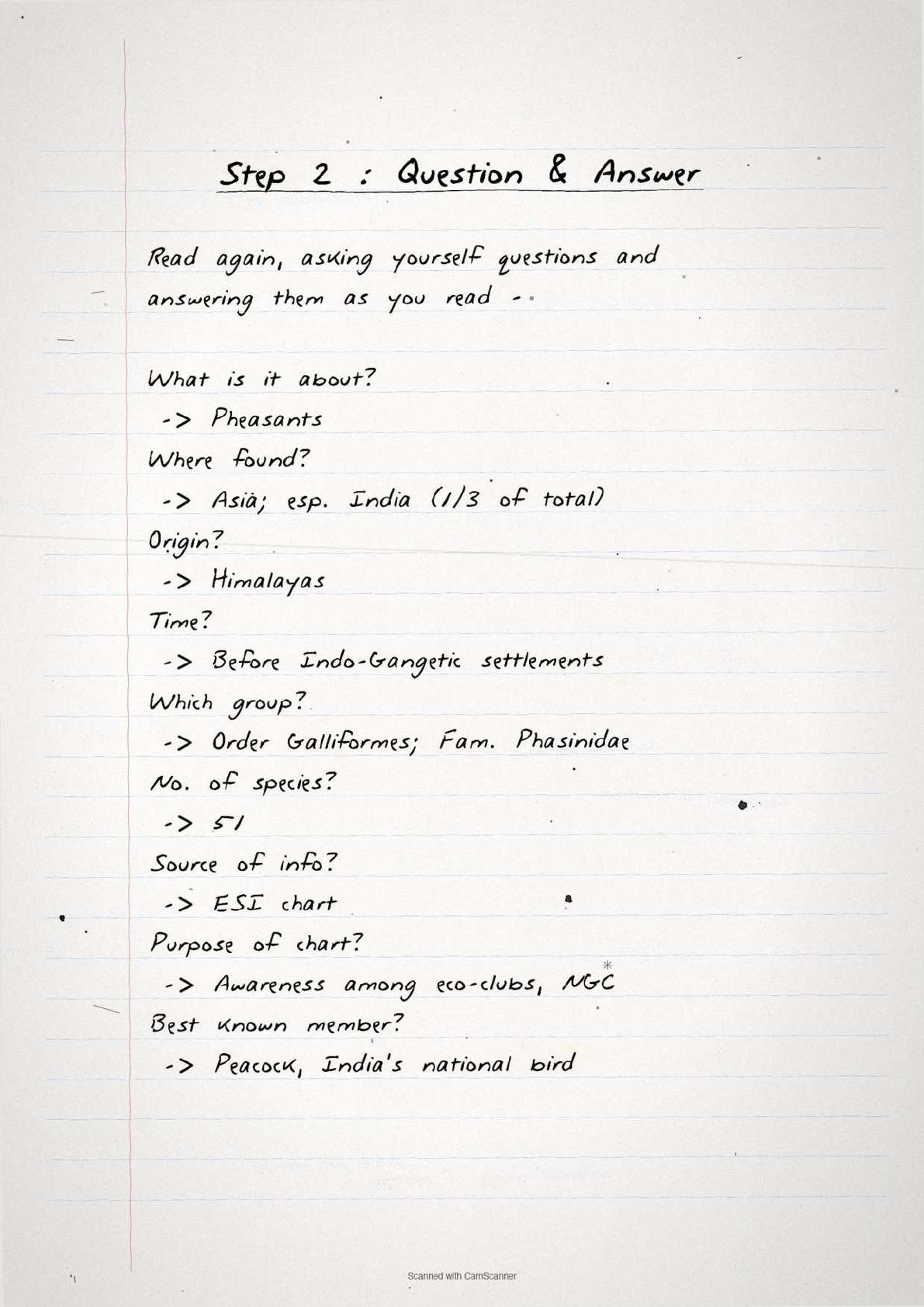
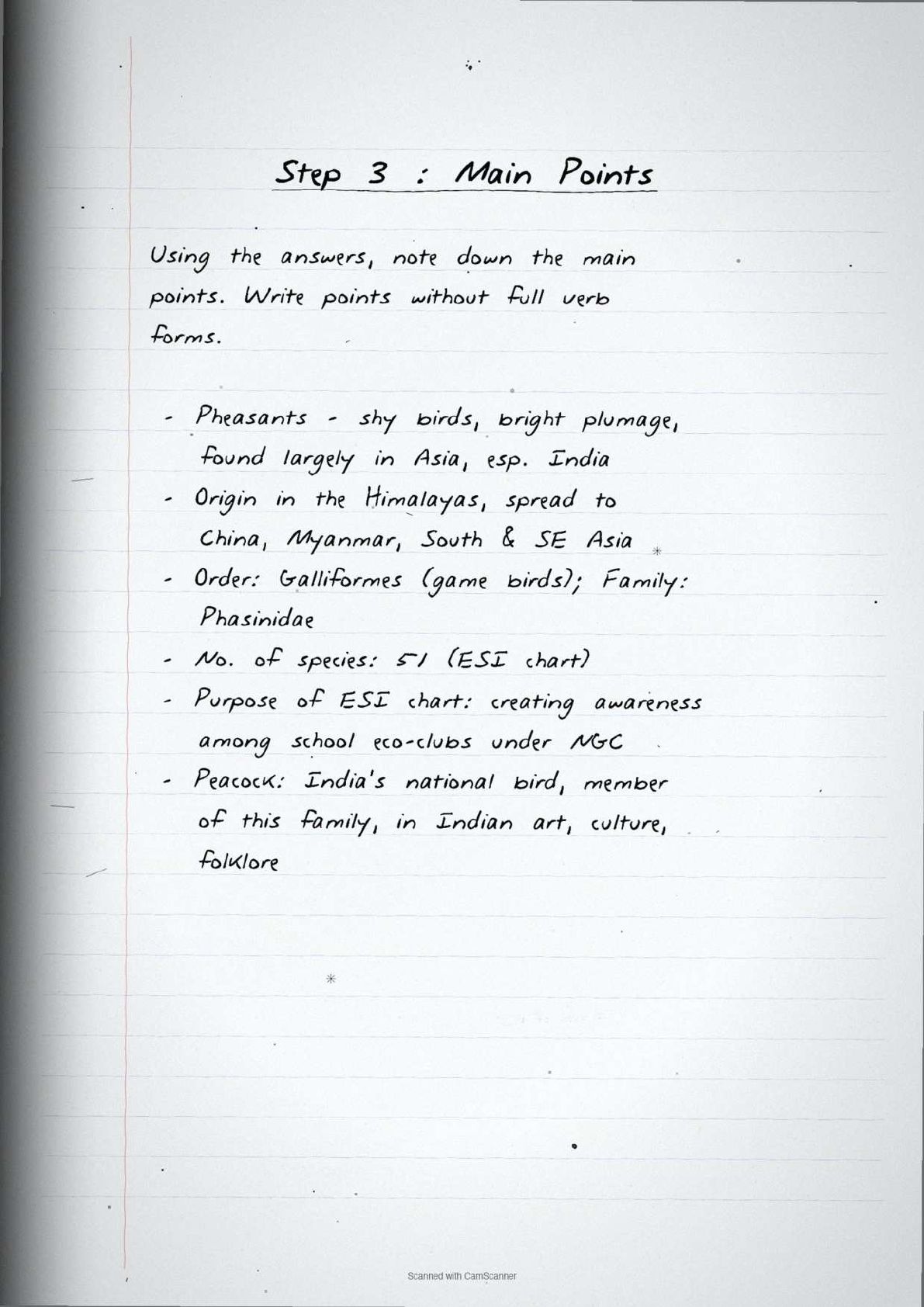
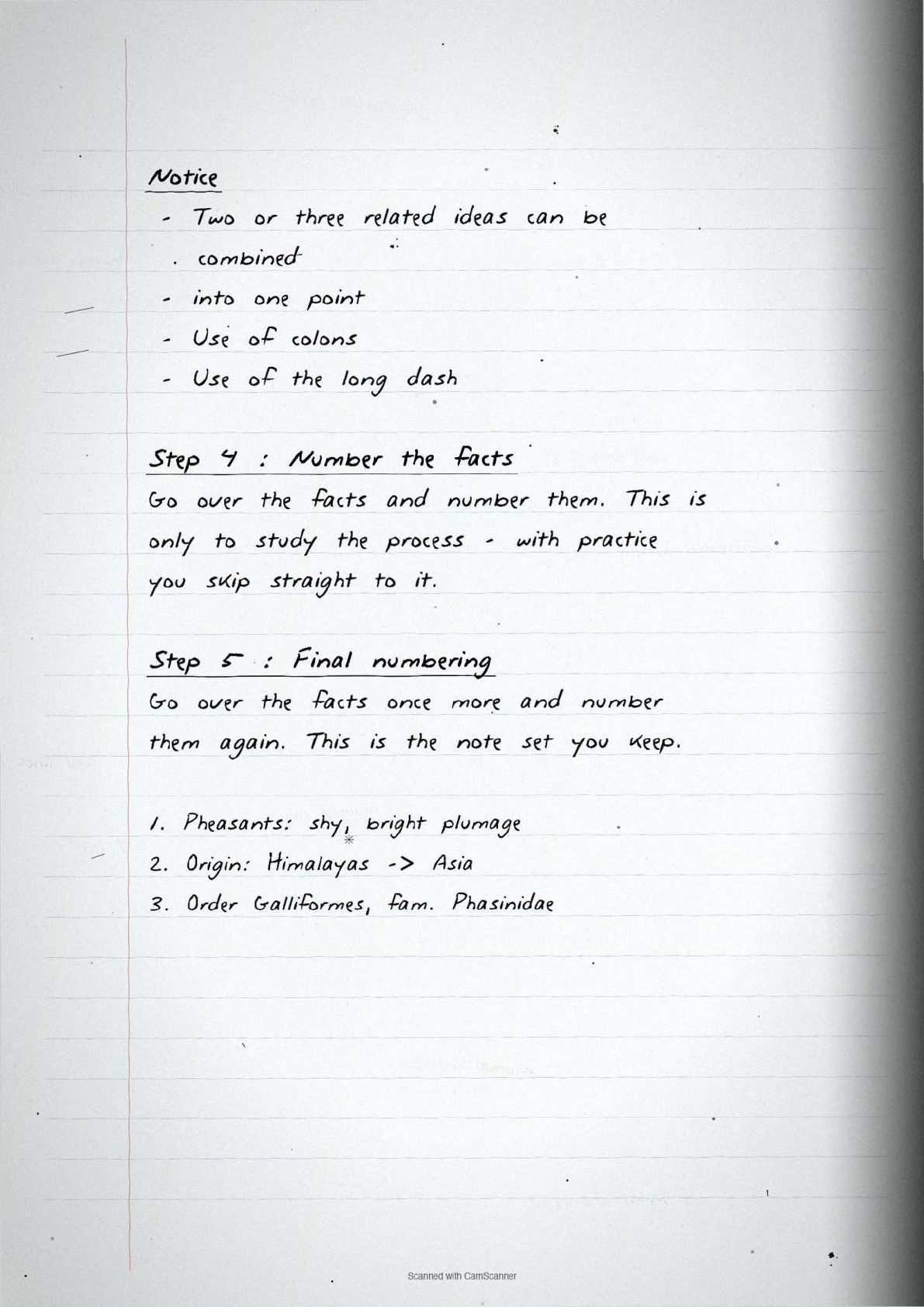
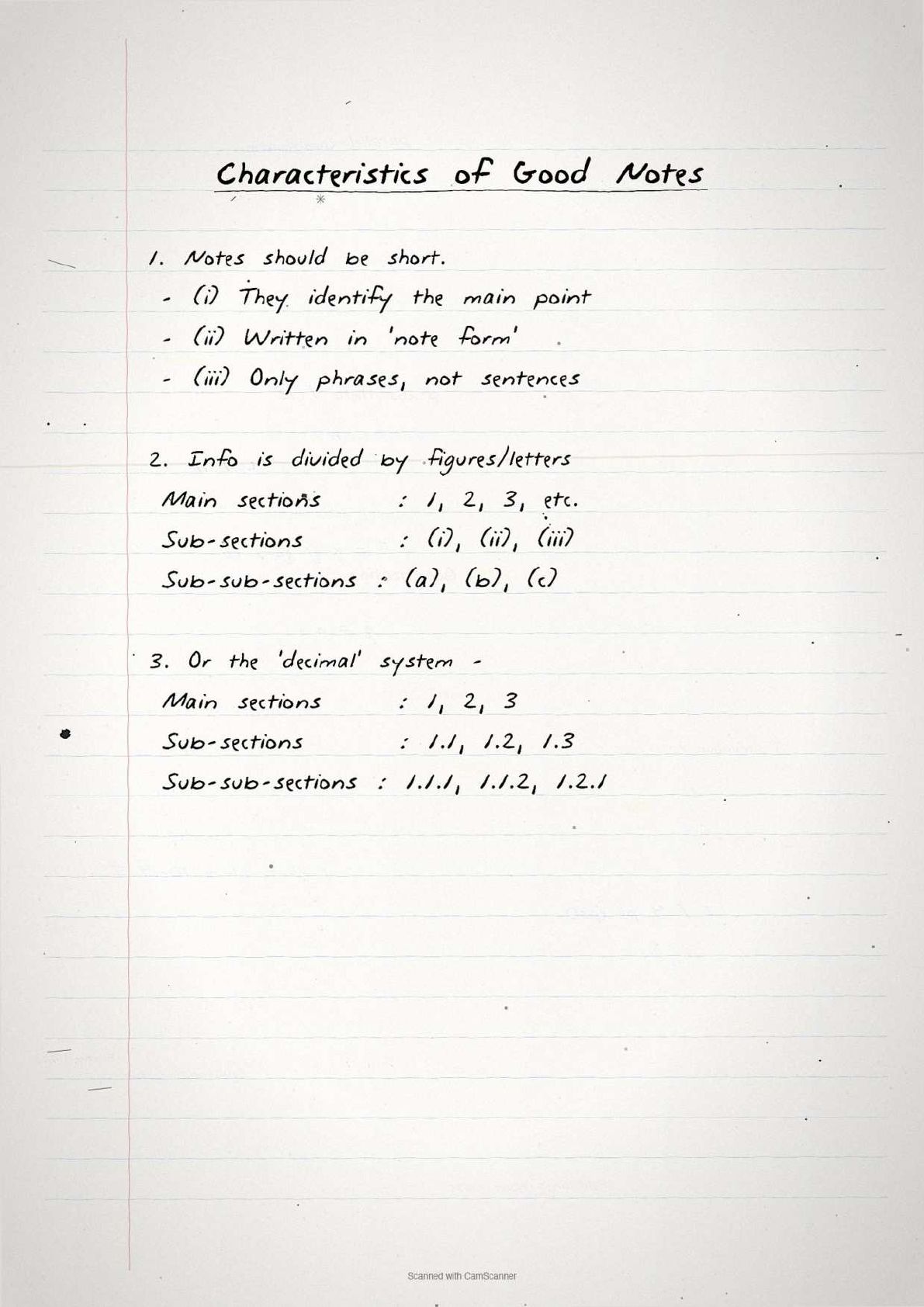
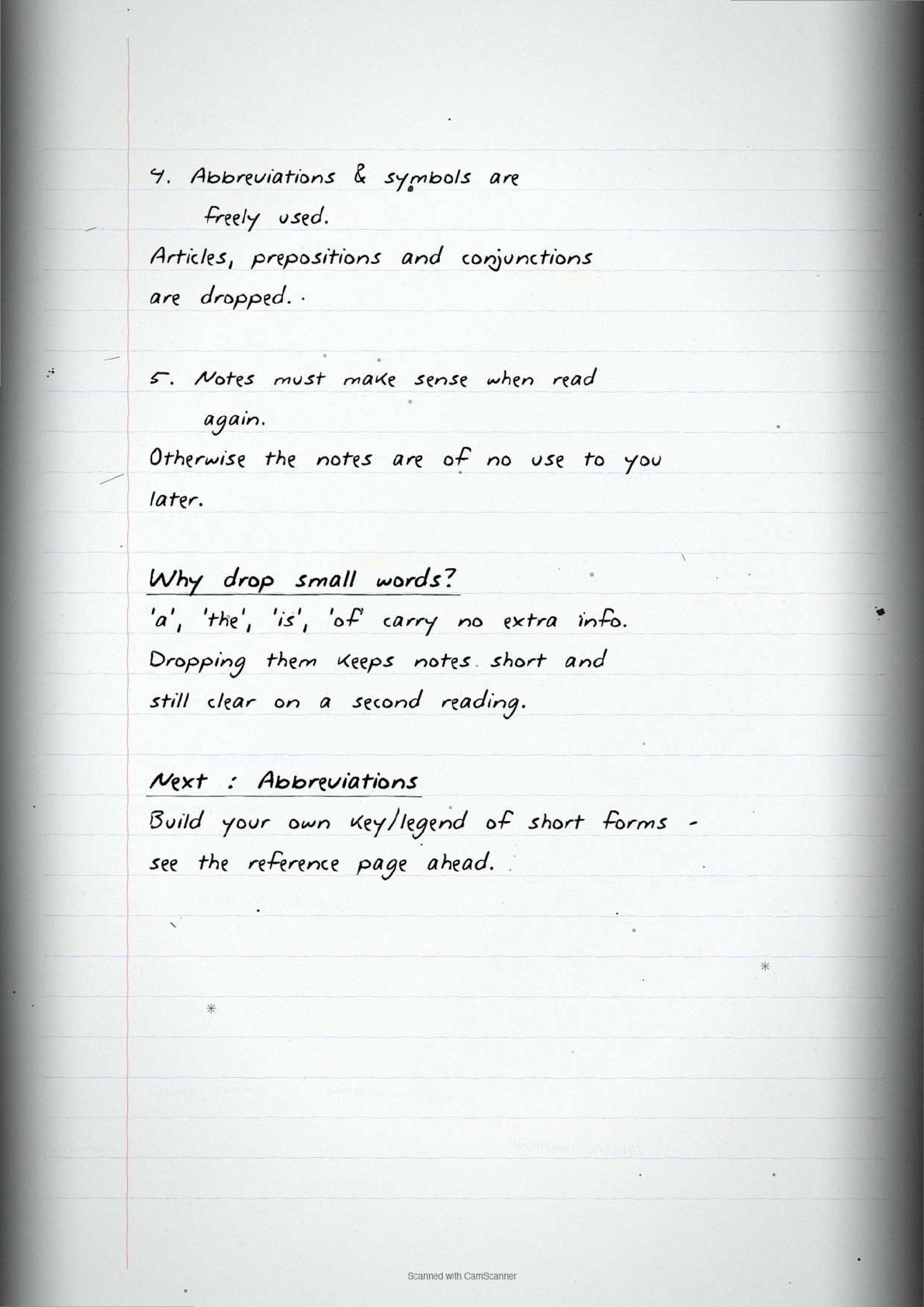
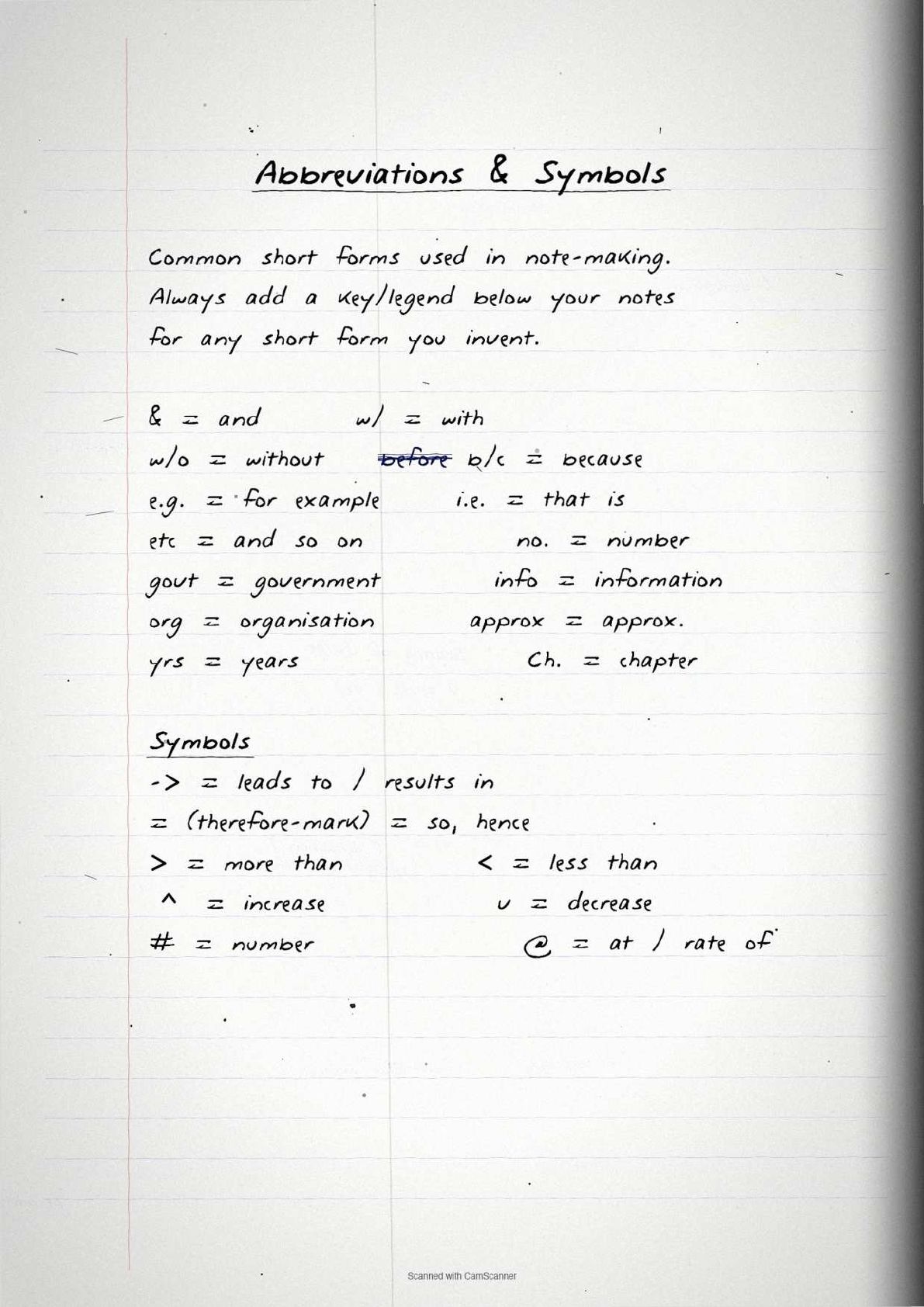
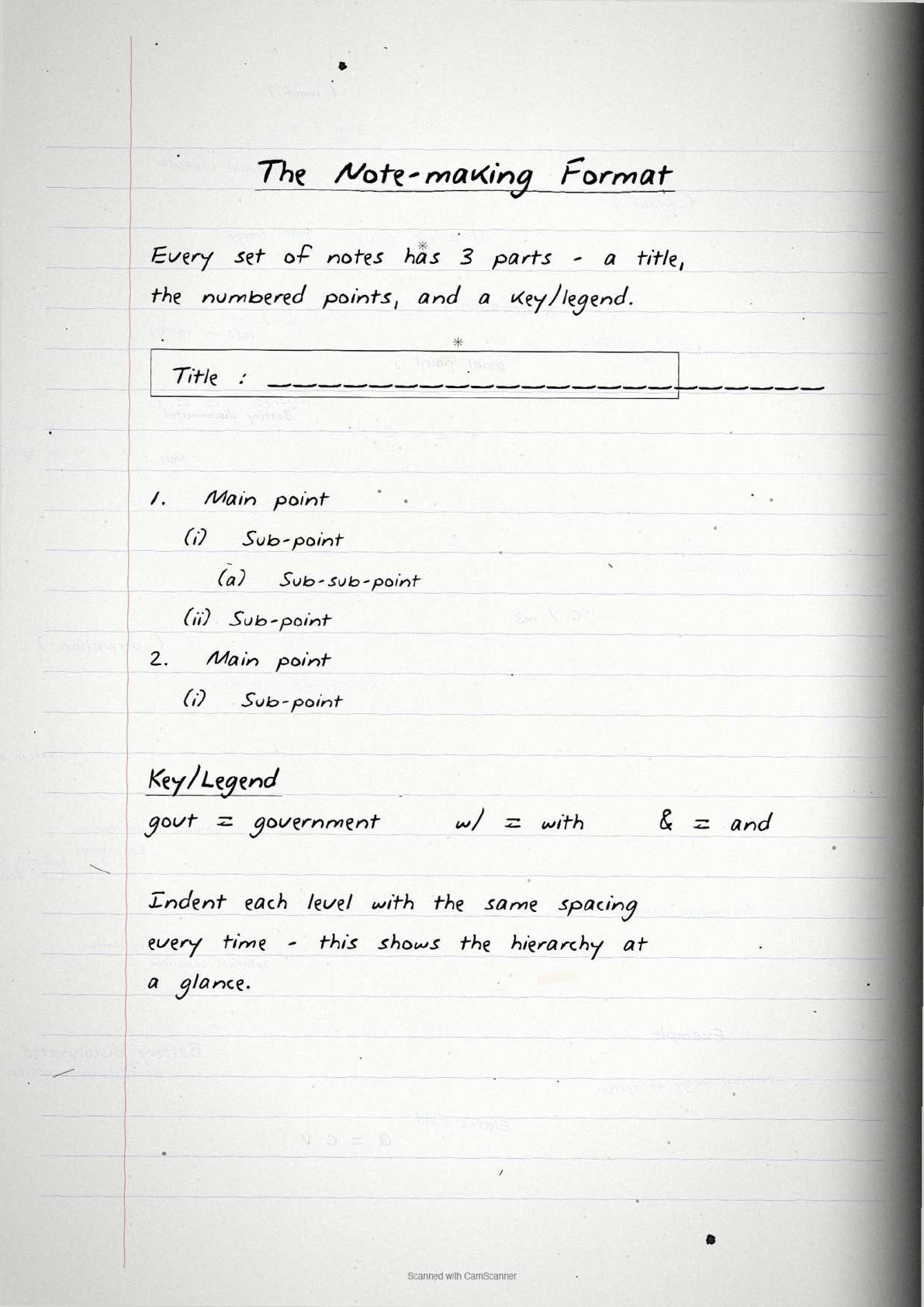
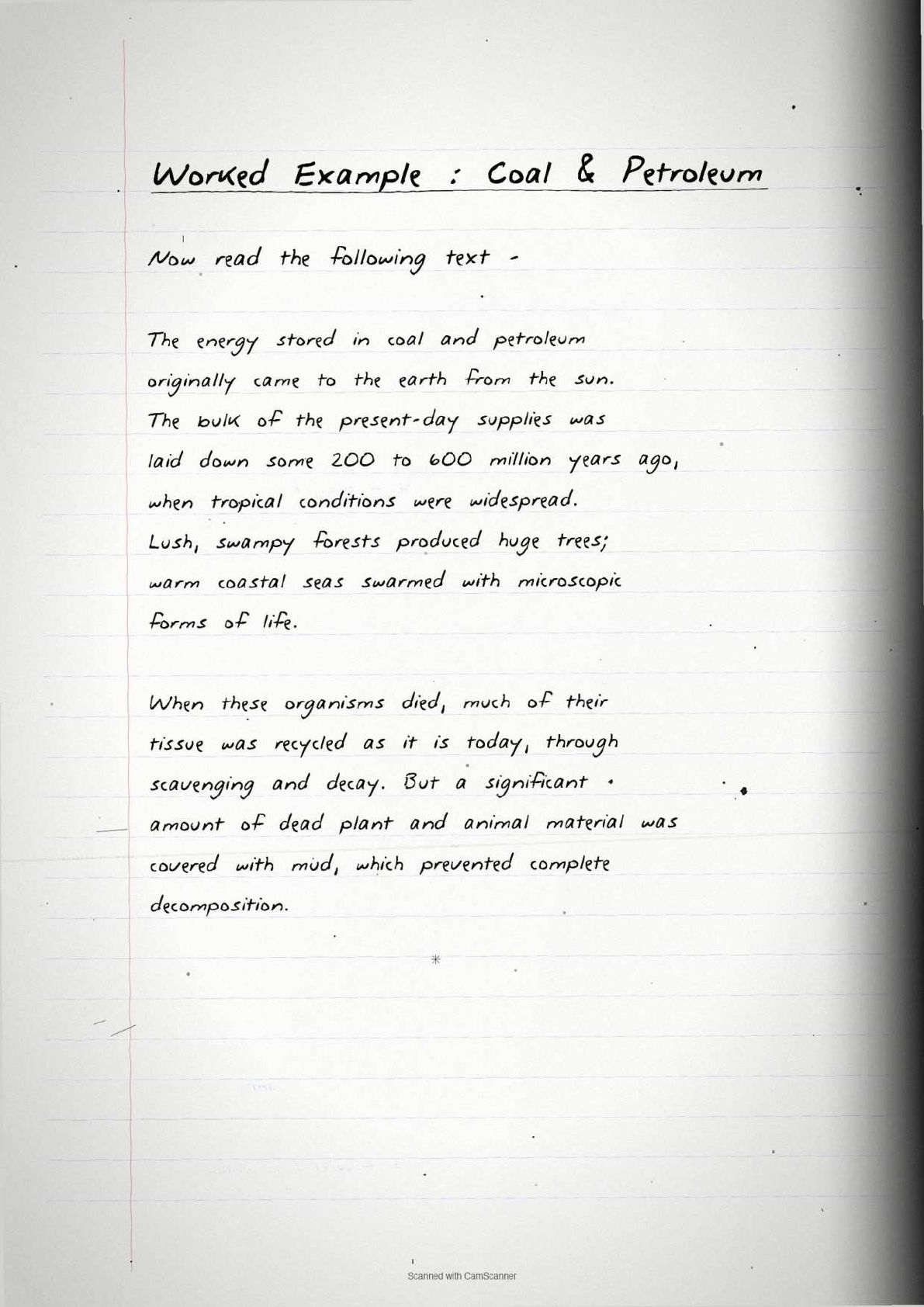
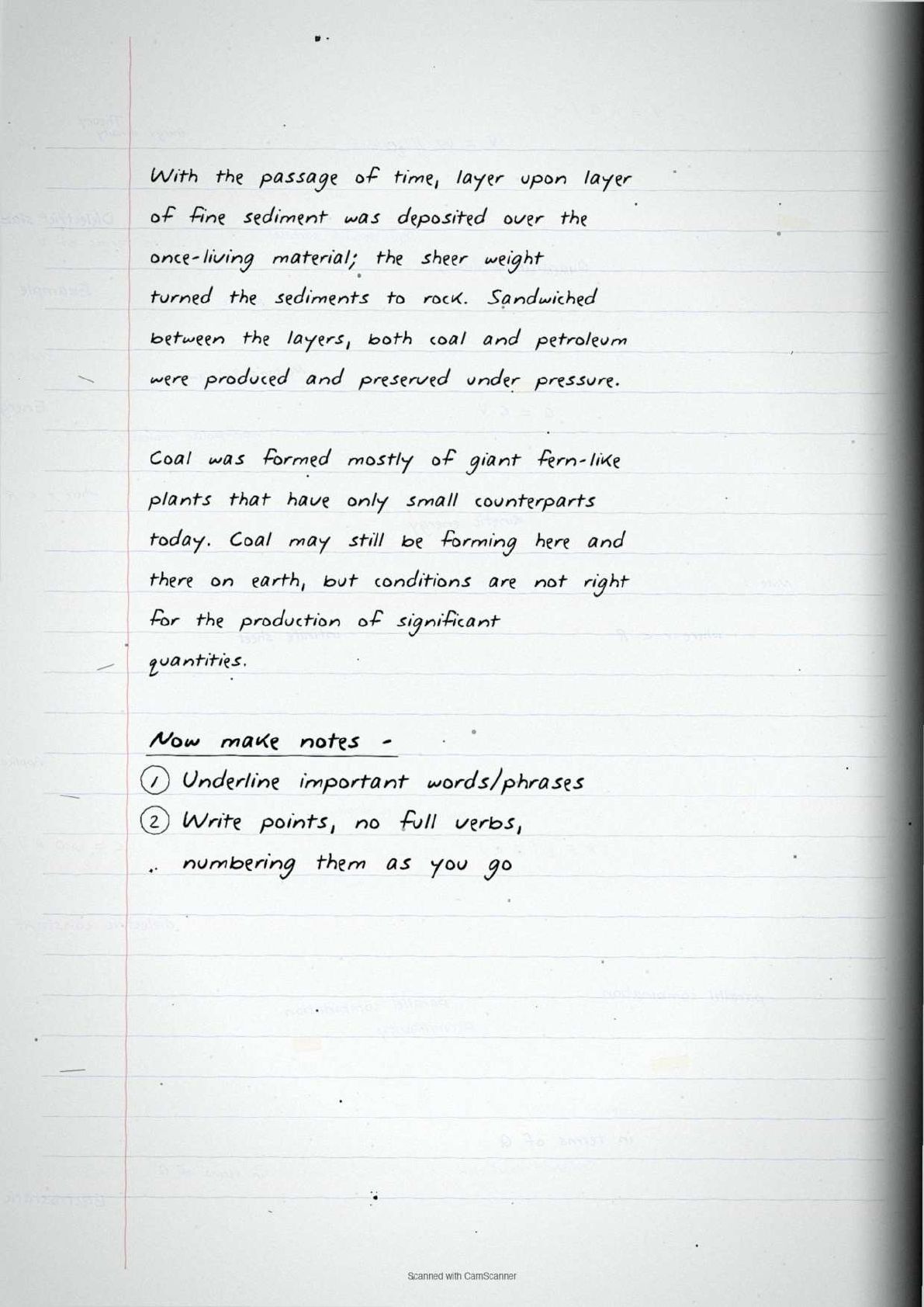
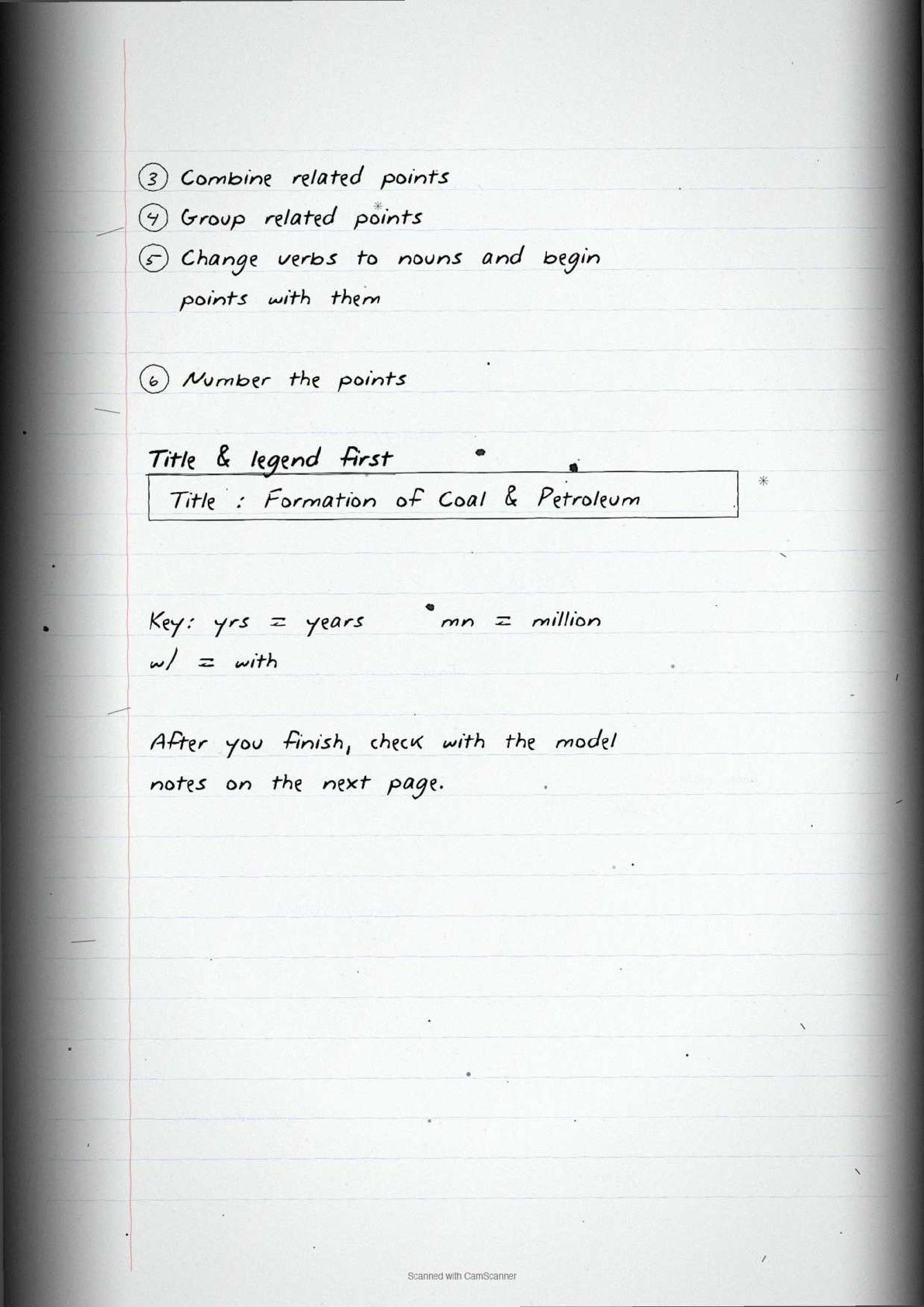
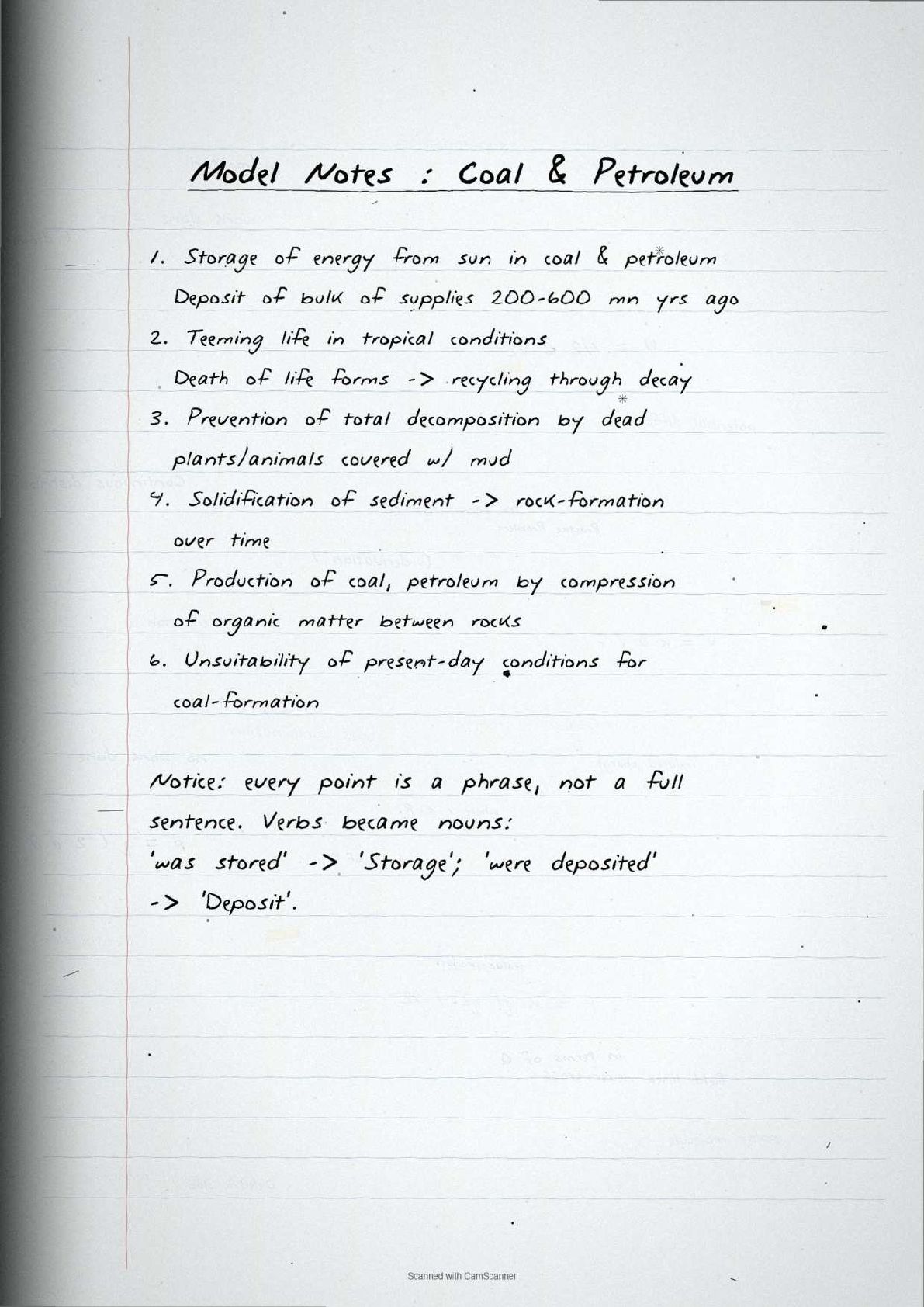
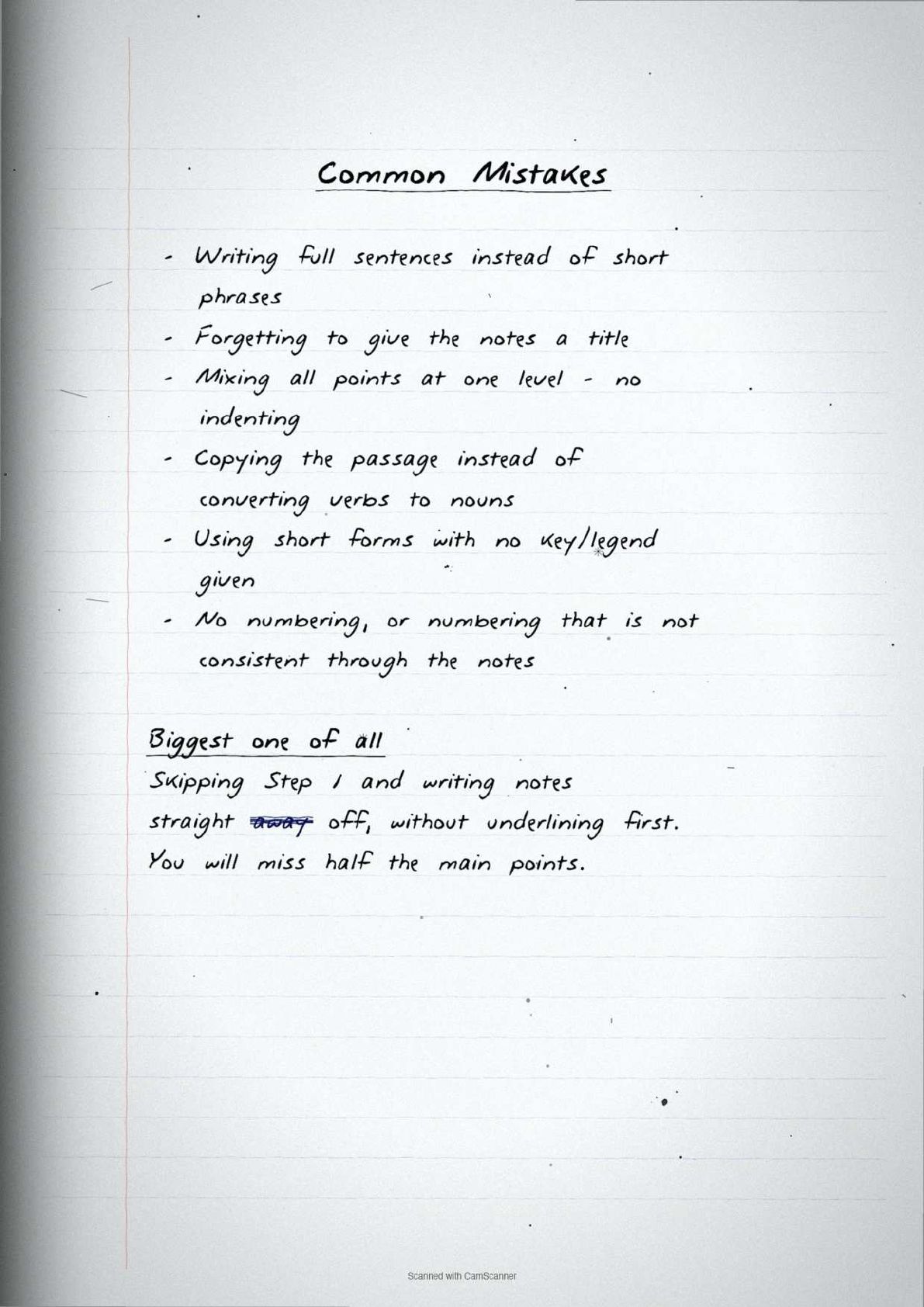
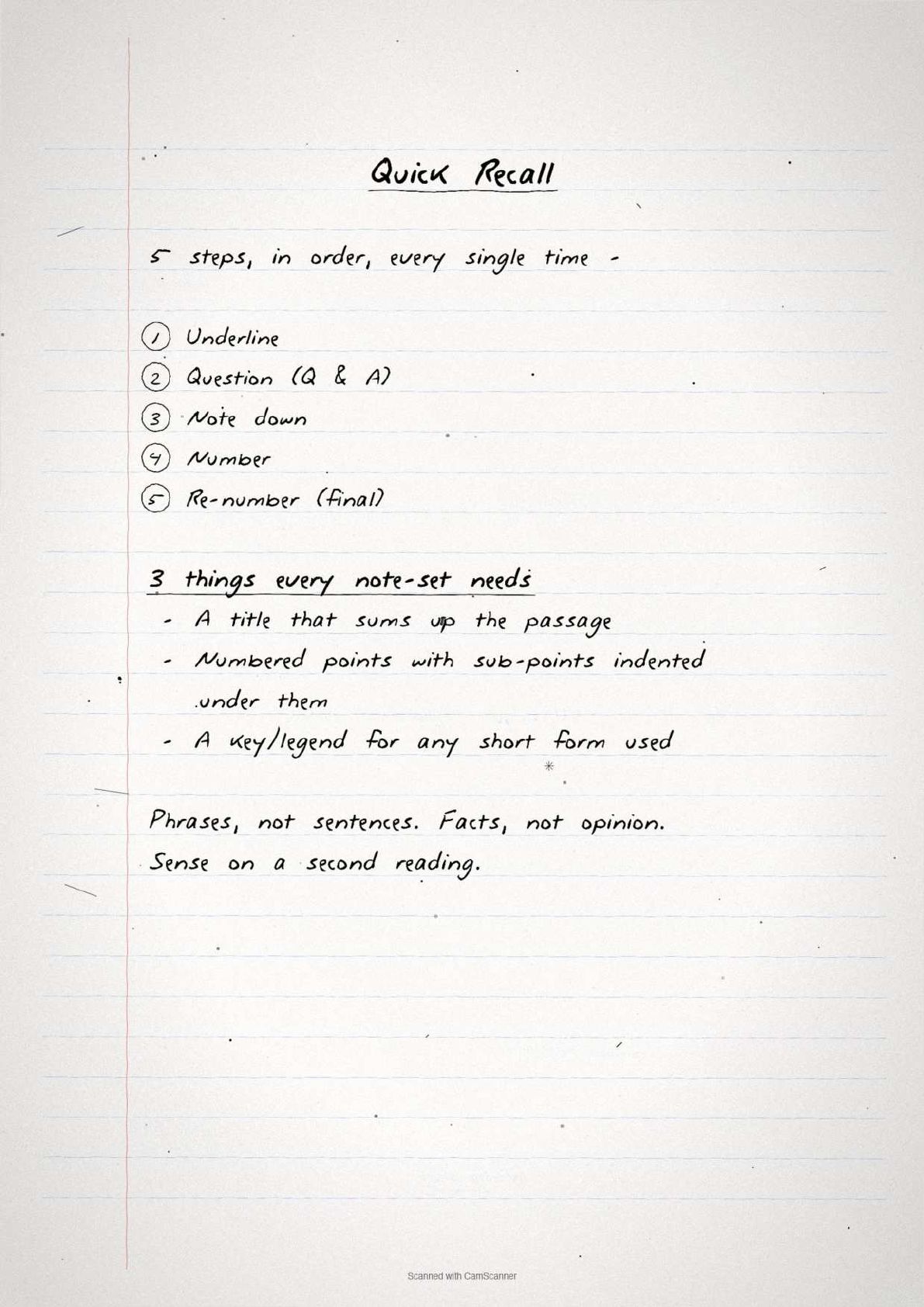
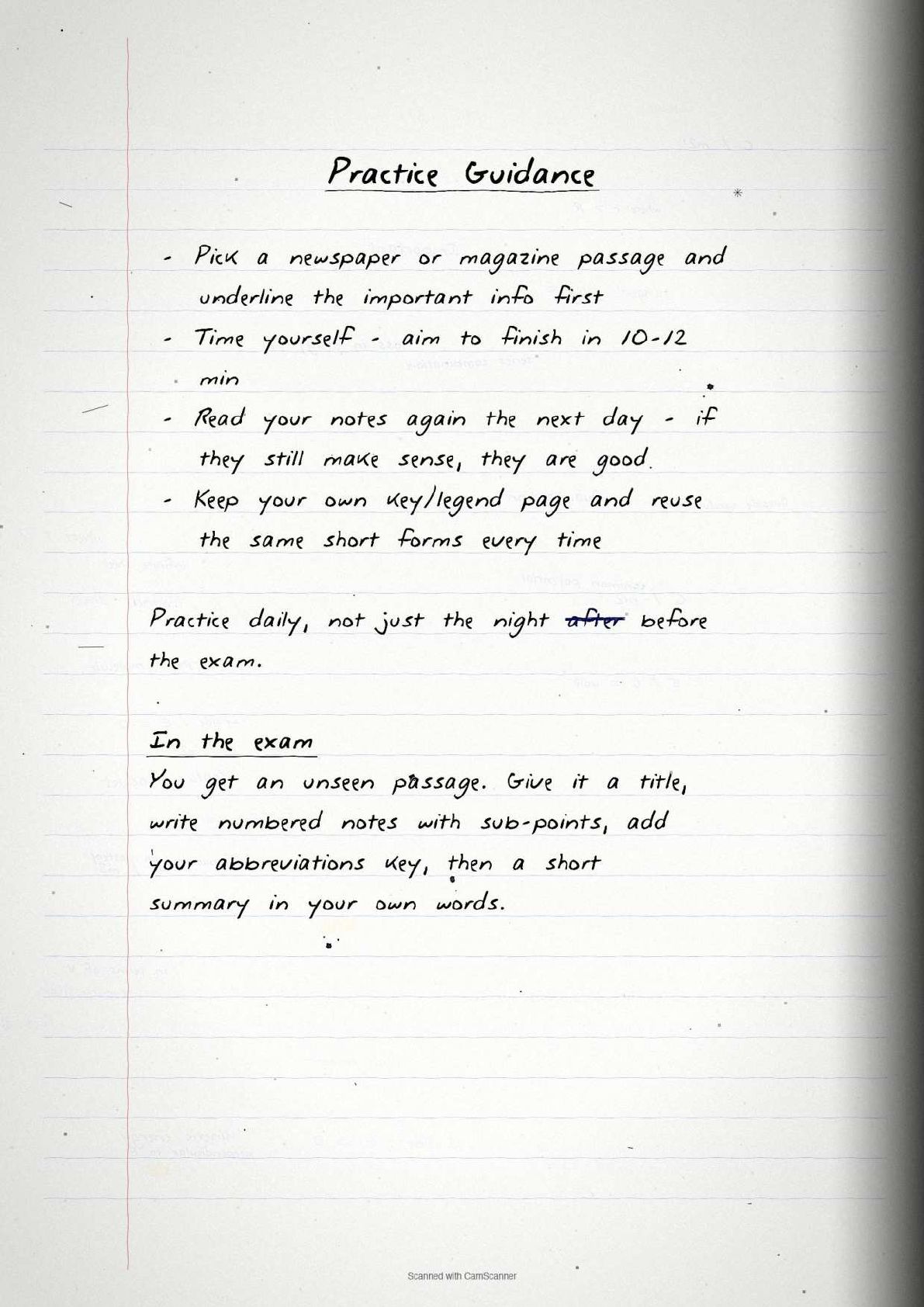
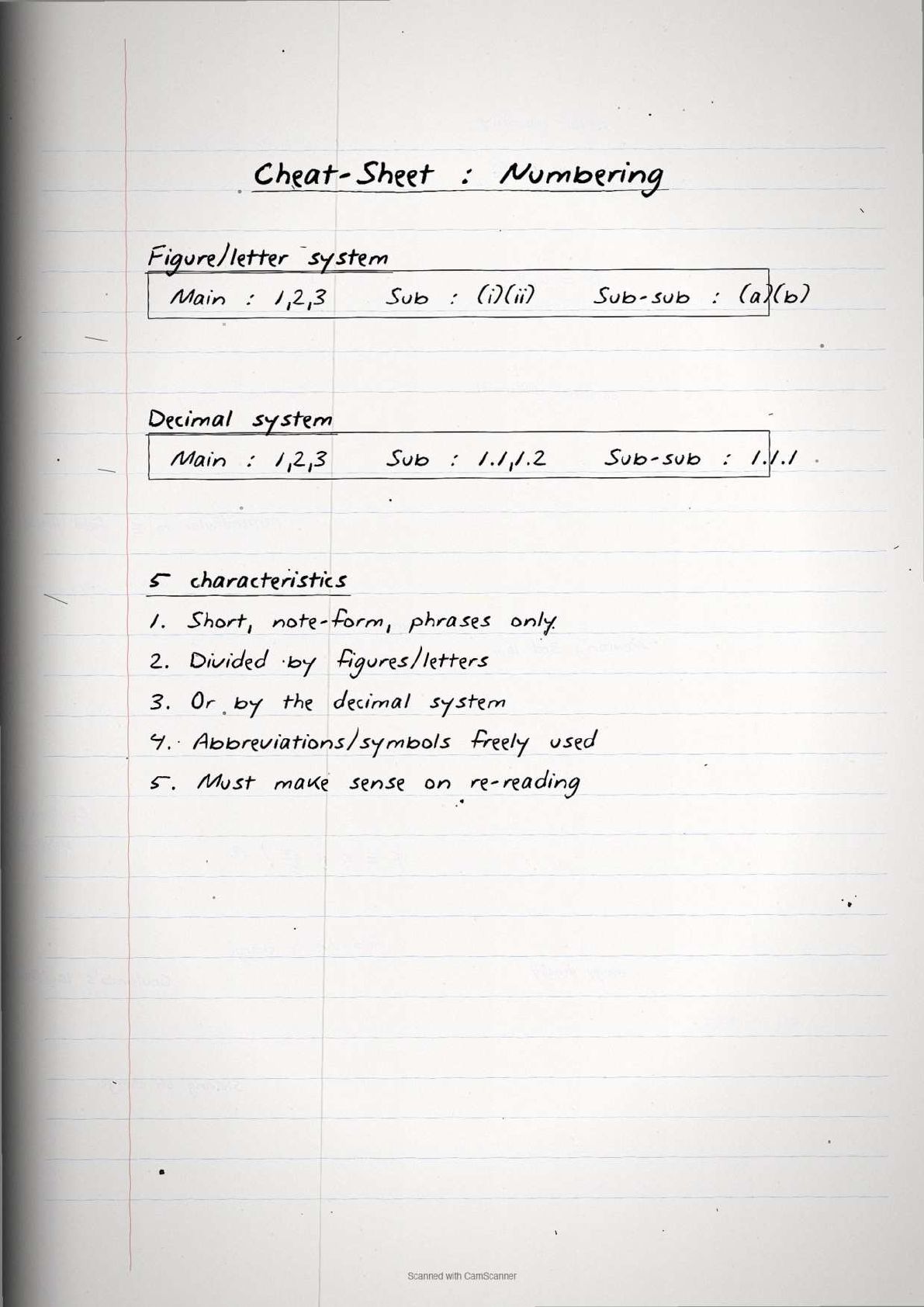
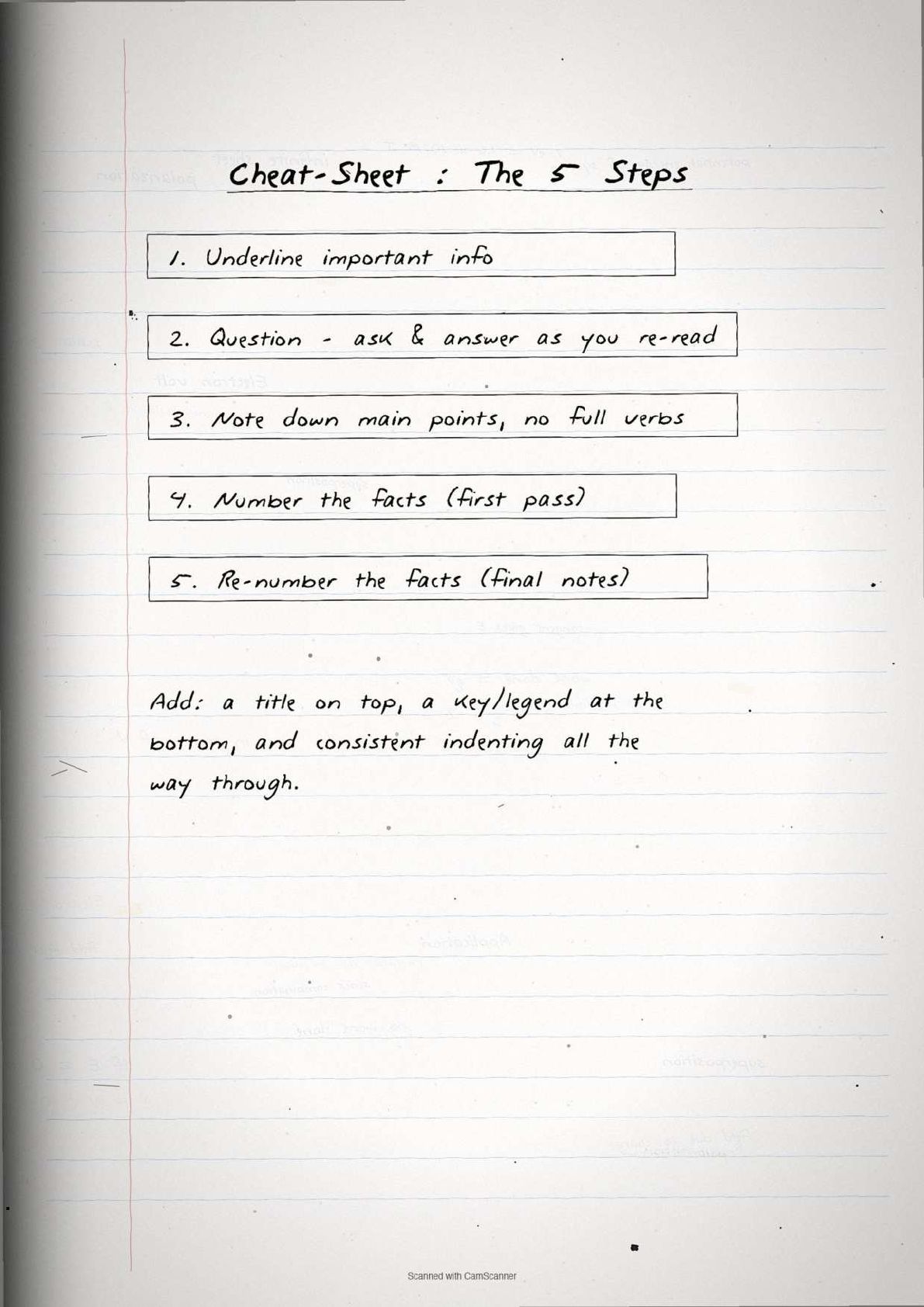
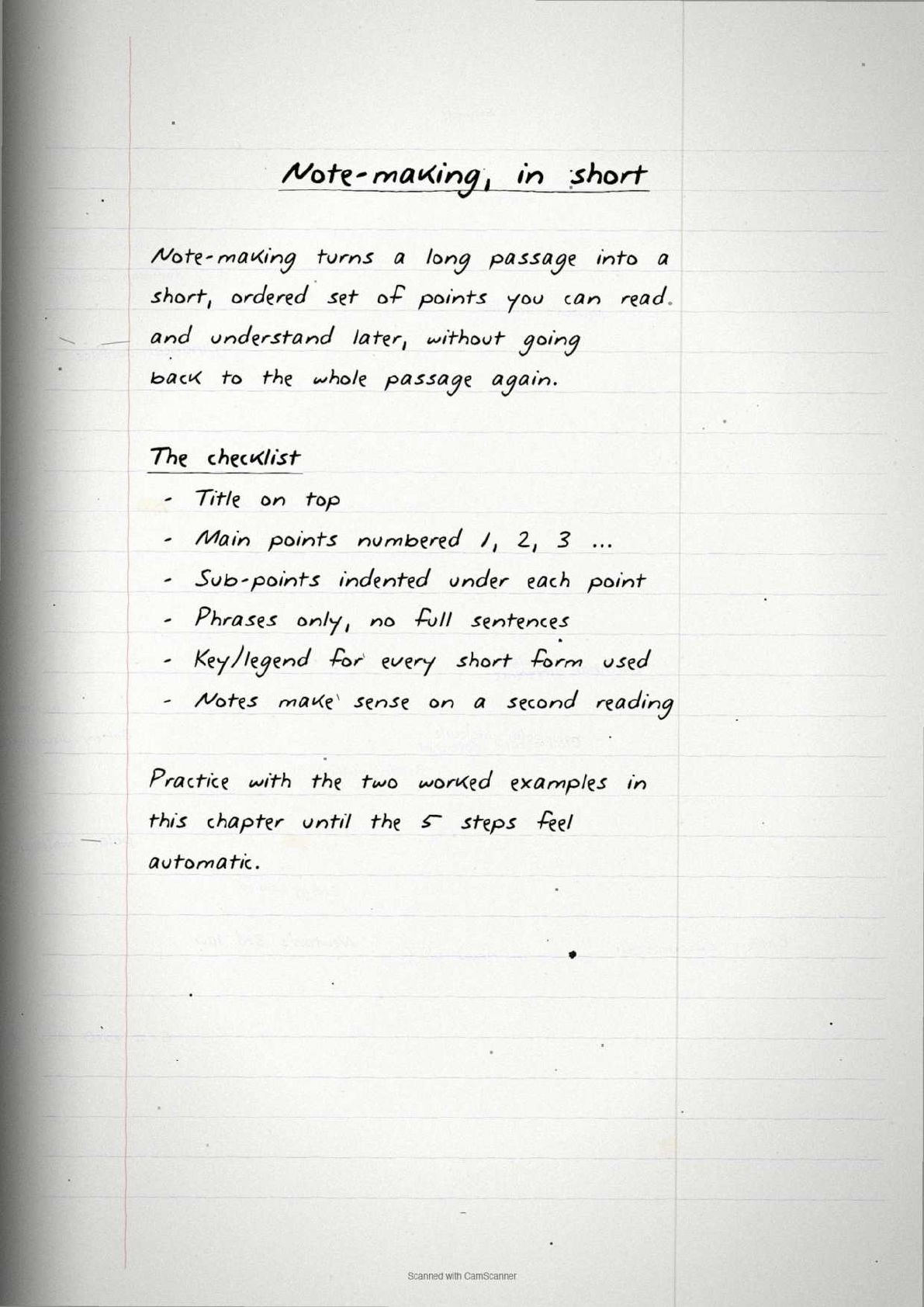
Every page in these Note-making notes is written by hand, checked against the 2026-27 Class 11 Hornbill print, and matched to the exact format CBSE board papers expect for title, notes, abbreviations and summary.
You will find NCERT's full 5-step method, both worked examples with their complete solved notes, and a ready abbreviations list inside this 22-page set, all according to the latest 2026-27 CBSE syllabus.
About Note-Making and Why It Matters for Class 11 English
Note-making is one of four Writing Skills units in Class 11 English Hornbill, alongside Summarising, Sub-titling and Essay-writing. Unlike the poetry and prose chapters, it is not tested by reading comprehension questions on a fixed text.
- The exam gives an unseen passage, usually 300-350 words long.
- Students must reduce it into a title, organised notes, a list of abbreviations, and a short summary.
- The skill matters beyond the exam too, for reading textbooks, research and meeting minutes.
Note-Making Explained in Simple Language
Source: The English Canvas on YouTube
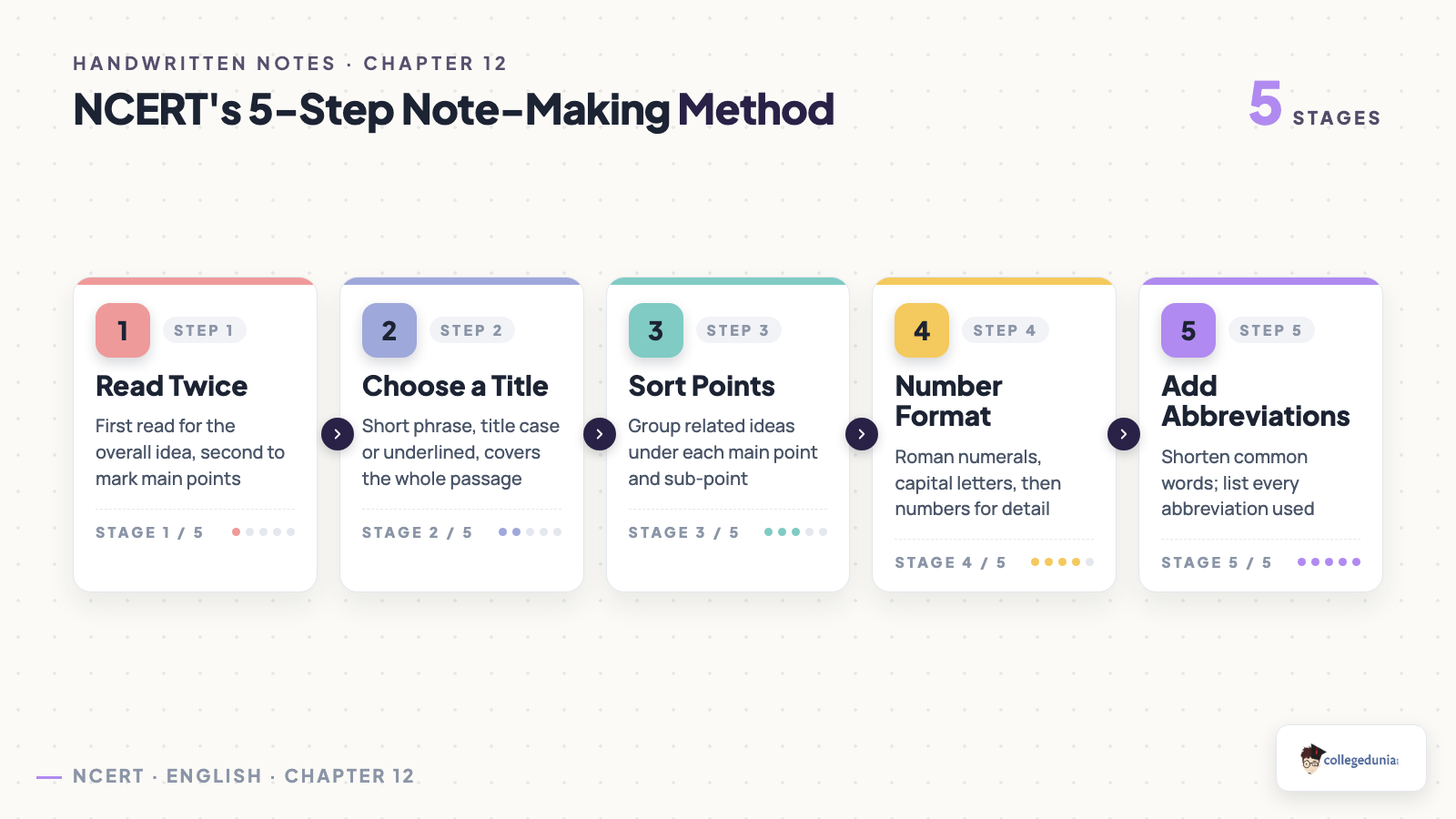
NCERT's 5-Step Note-Making Method Explained
The Hornbill chapter breaks note-making into five clear steps. Following all five steps in order is what earns full marks, not just writing shorter sentences.
- Read the passage twice. First read for the overall idea, second read to mark the main points.
- Choose a title. A short phrase, written in title case or underlined, that sums up the whole passage.
- Sort main points and sub-points. Group related ideas under each main point.
- Use a numbering format. Roman numerals for main points, capital letters for sub-points, numbers for detail below that.
- Add abbreviations. Shorten common words and list every abbreviation used at the end of the notes.
After the notes, NCERT also asks for a summary of about 60 to 80 words, written in the student's own words and carrying the same title as the notes.
Worked Example 1: Pheasants Passage Notes and Summary
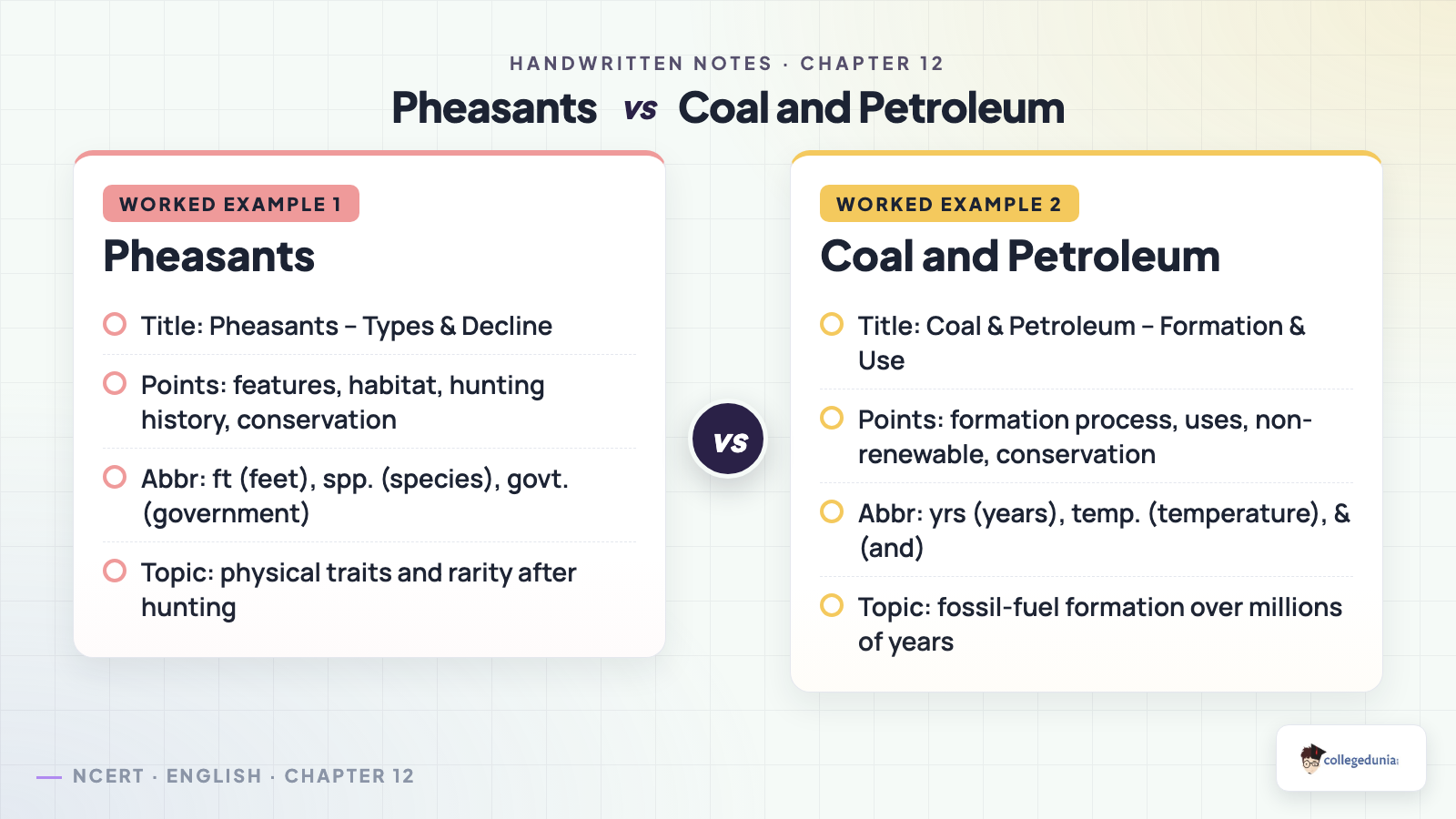
The first worked example in the chapter is the Pheasants passage. It describes the physical features, colouring and habitat of different pheasant varieties, and explains why some species became rare after years of hunting.
- Title used: a short phrase naming the bird and its main trait, for example "Pheasants: Types & Decline".
- Main points: physical features, natural habitat, hunting history, conservation status.
- Abbreviations used: common short forms like ft (feet), spp. (species) and govt. (government).
The handwritten notes copy out this passage's full note structure by hand, line by line, along with the model summary, so students can see exactly how a full-mark answer looks.
Worked Example 2: Coal and Petroleum Passage Notes and Summary
The second worked example is the Coal and Petroleum passage. It explains how coal and petroleum form from decayed plant and animal matter over millions of years, why they are called fossil fuels, and why they need to be conserved.
- Title used: a phrase naming the fuels and the core idea, for example "Coal & Petroleum: Formation & Use".
- Main points: formation process, main uses, why they are non-renewable, need for conservation.
- Abbreviations used: short forms like yrs (years), temp. (temperature) and & (and).
Comparing the two worked examples side by side is one of the fastest ways to learn the format, since both use the same five-step method on very different subjects.
Abbreviations and Symbols Used in Note-Making
CBSE expects at least four to five abbreviations in the notes, with every one listed again at the end under "Abbreviations Used". The table below lists the short forms both worked examples rely on.
| Symbol / Abbreviation | Full Form |
|---|---|
| & | and |
| govt. | government |
| ft | feet |
| spp. | species |
| yrs | years |
| temp. | temperature |
| ° | degree |
| % | percent |
Title and Sub-Heading Selection for Note-Making
A weak title costs marks even when the notes below it are correct. The title must be short, written in title case or underlined, and cover the whole passage, not just its first paragraph.
- Avoid copying the first sentence of the passage word for word as the title.
- Sub-headings should use the same key noun the passage repeats, so the notes stay easy to skim.
- Keep the title and every heading in the same case style throughout the notes.
Note-Making NCERT Textbook Questions Covered
The handwritten notes work through the exercise passages the way NCERT presents them, step by step.
| NCERT Task | What the Notes Cover |
|---|---|
| Make notes on the Pheasants passage | Full worked notes with title, numbered points and abbreviations |
| Write a summary of the Pheasants passage | Model 60-80 word summary in the student's own words |
| Make notes on the Coal and Petroleum passage | Full worked notes with title, numbered points and abbreviations |
| Write a summary of the Coal and Petroleum passage | Model 60-80 word summary in the student's own words |
Common Mistakes Students Make While Studying Note-Making
Watch out for these:
- Writing full sentences instead of short, note-style phrases.
- Forgetting to list the abbreviations again at the end of the notes.
- Copying sentences from the passage into the summary instead of paraphrasing.
Skipping the abbreviations list or writing the summary in full sentences copied from the passage costs marks every year.
Student Feedback: In a Collegedunia survey of 10,480 Class 11 students conducted before the 2026 boards, 64% said choosing the right title was the hardest part of Note-making to get right.
Source: 2026-27 Class 11 English student poll. Sample of 10,480 students from CBSE schools across 12 states.
How These Handwritten Notes Help You Revise Note-Making
The notes are built to be read once, right before the exam, without needing the full textbook open beside you.
- Full Worked Examples: both the Pheasants and Coal and Petroleum passages are copied out by hand with complete notes and summaries.
- Method Steps Marked: each of the five note-making steps is labelled where it applies.
- Abbreviations List: a ready reference list of common abbreviations to reuse in the exam.
- Title Practice: both worked titles are explained so students can build their own for unseen passages.
Cross-Resource Study Material for Note-Making
These handwritten notes work best alongside the other Class 11 English Hornbill Chapter 12 resources for the 2026-27 session.
| Resource | Status |
|---|---|
| Note-making Handwritten Notes | Live on this page |
| Note-making NCERT Solutions | Coming soon (coming soon) |
| Note-making Notes | Coming soon (coming soon) |
| Class 11 English NCERT Book PDF | Read the Book PDF |
NCERT Handwritten Notes for Class 11 English Hornbill: All Chapters
Use this table to find handwritten notes for the rest of the Hornbill chapters as Collegedunia adds them through the 2026-27 session.
| Chapter | Resource |
|---|---|
| Chapter 10 | Childhood Handwritten Notes (coming soon) |
| Chapter 11 | Father to Son Handwritten Notes (coming soon) |
| Chapter 12 | Note-making Handwritten Notes |
| Chapter 13 | Summarising Handwritten Notes (coming soon) |
| Chapter 14 | Sub-titling Handwritten Notes (coming soon) |
Note-making Class 11 English Handwritten Notes FAQs
Ques. Where can I download Note-making Class 11 English Handwritten Notes PDF?
Ans. You can download the Note-making Class 11 English Handwritten Notes PDF directly from this page. Both the Normal and HD versions are available, and both are free.
Ques. What are the 5 steps of note-making in Class 11 English?
Ans. The five steps are reading the passage twice, choosing a title, sorting main points and sub-points, using a numbering format, and adding abbreviations with a full list at the end.
Ques. Which two passages are used as worked examples in Chapter 12 Note-making?
Ans. The chapter uses the Pheasants passage and the Coal and Petroleum passage as its two fully worked note-making examples.
Ques. Is this Handwritten Notes PDF aligned with the 2026-27 NCERT?
Ans. Yes. This page reflects the current 2026-27 syllabus for Class 11 English Hornbill. Note-making is unchanged in the rationalised syllabus.
Ques. How many pages is the Class 11th English Hornbill Chapter 12 Handwritten Notes PDF?
Ans. The Handwritten Notes PDF runs 22 pages and covers the 5-step method, abbreviations, title selection, and both worked examples with their notes and summaries.
Ques. How long should the summary be in Class 11 English note-making?
Ans. The summary should be about 60 to 80 words, written in the student's own words, and it should carry the same title used in the notes.



Comments