



NCERT Handwritten Notes for Class 11 Entrepreneurship Chapter 5 Green Skills help students revise green economy sectors, sustainable development, policies, stakeholders, government role and private agency support for the 2026-27 syllabus.
- Resource: Class 11 Entrepreneurship Chapter 5 handwritten revision notes PDF.
- Chapter focus: green economy, NAPCC, Green India Mission, stakeholders and green projects.
- Revision use: quick definitions, role-based tables, project examples and answer frames.
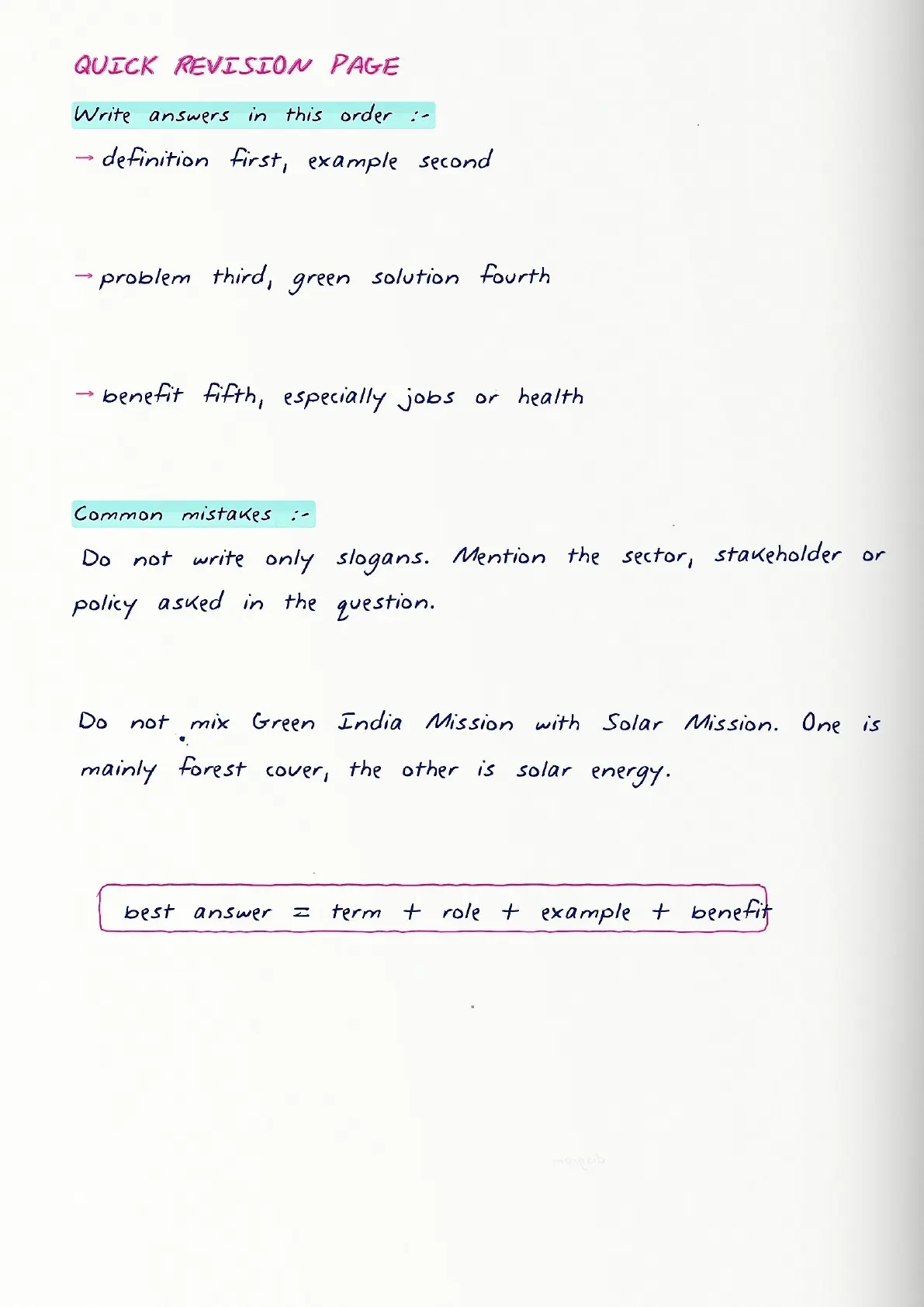
Student Feedback: Students usually score better in this unit when they write one example with every green-economy definition.
Green Skills Chapter 5 Overview
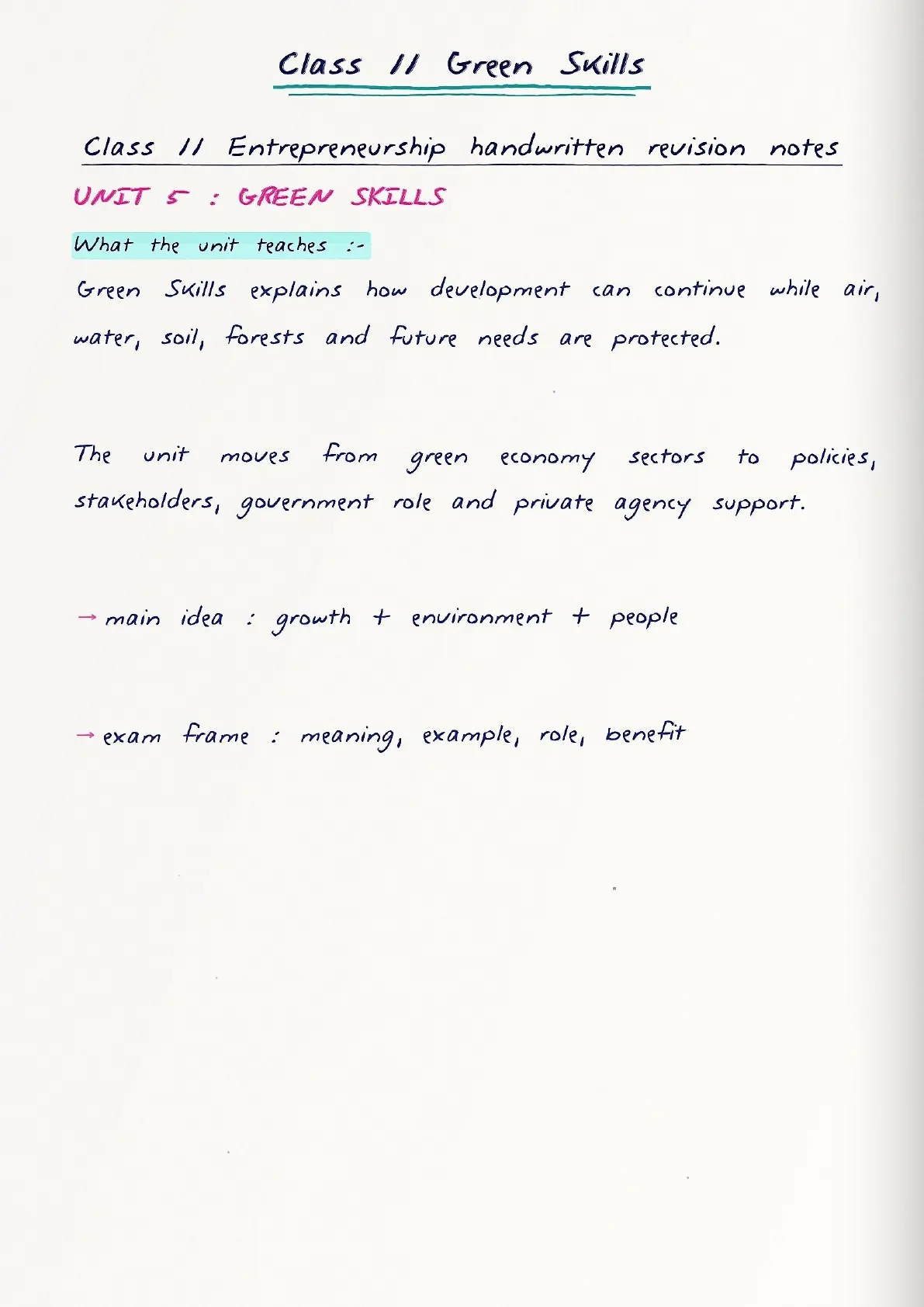
Class 11 Entrepreneurship Chapter 5 Green Skills explains how development can continue while protecting the environment. The handwritten notes organise the chapter into 22 short pages for fast revision.
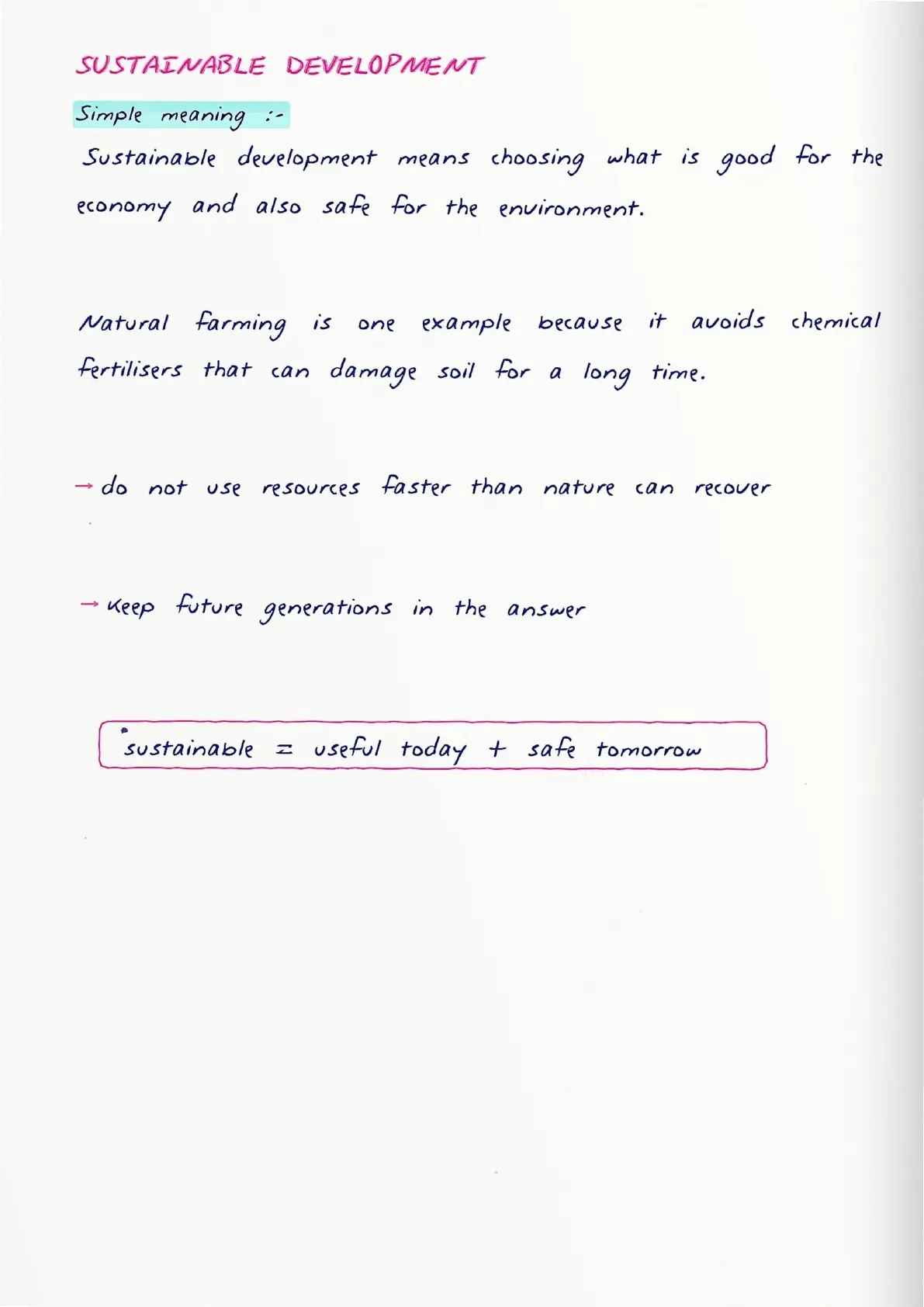
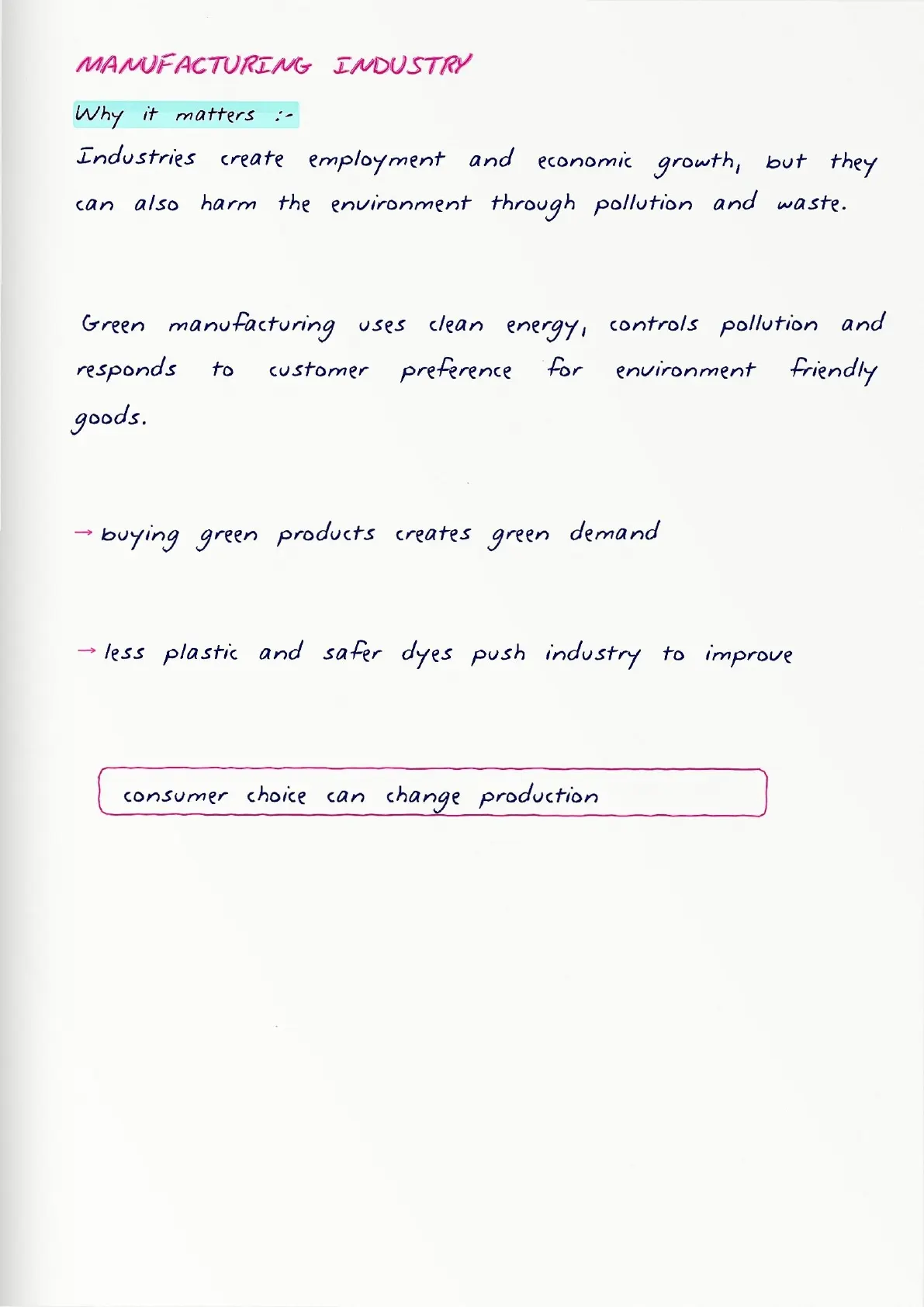
The unit covers green economy, sustainable development, environment terms, green sectors, public policies, stakeholders, government responsibilities, private agency roles and project examples.
Green Economy Sectors
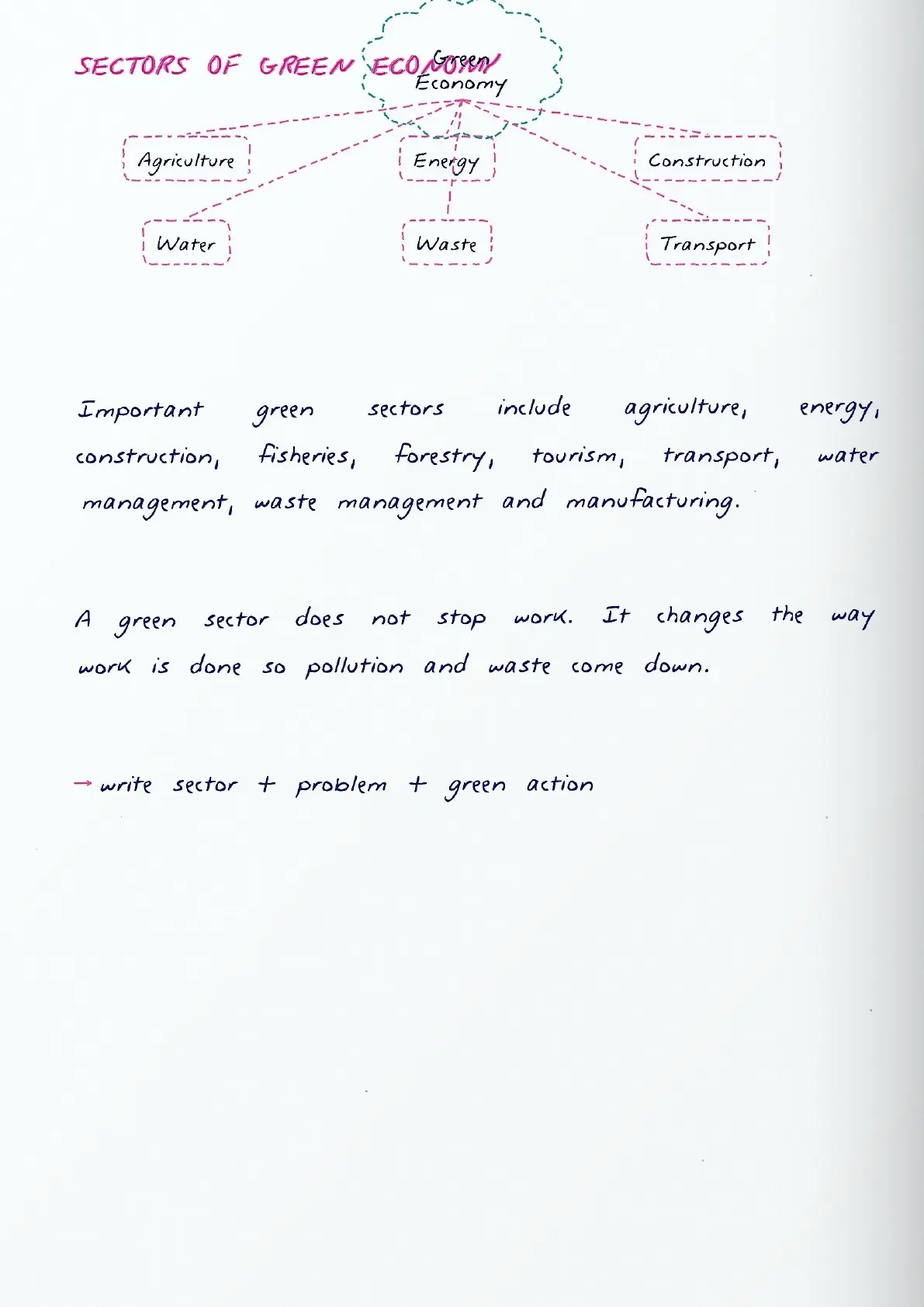
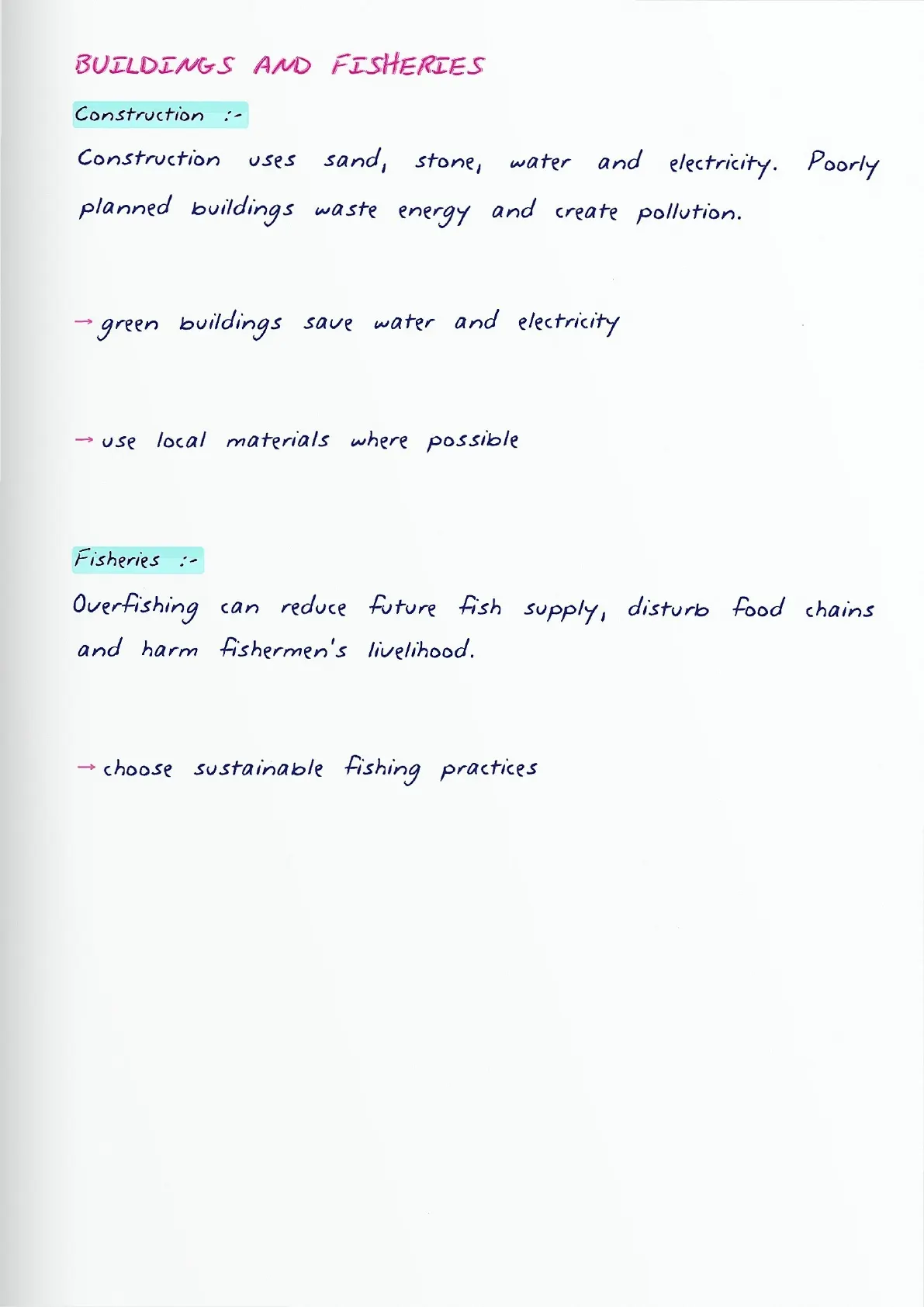
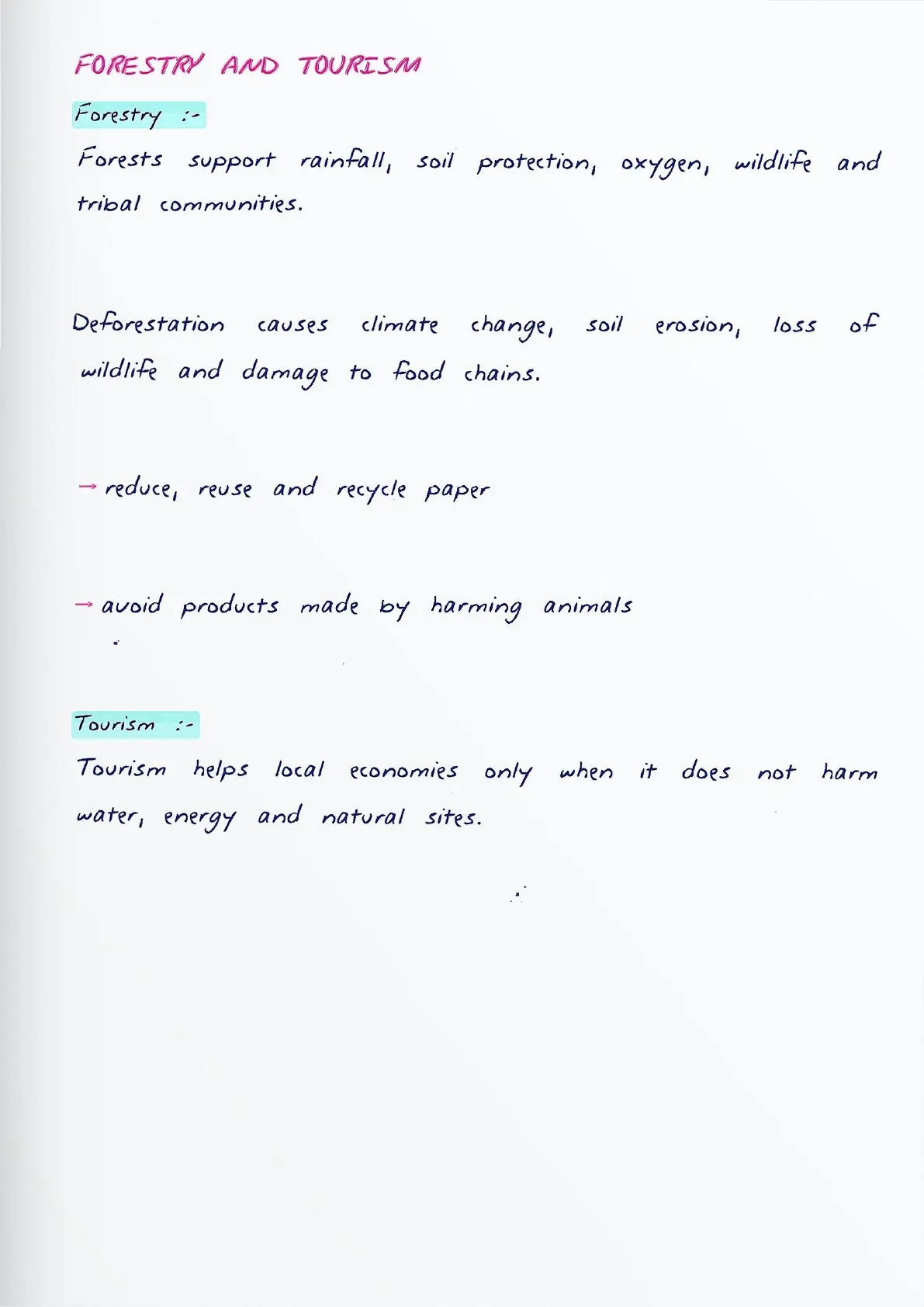
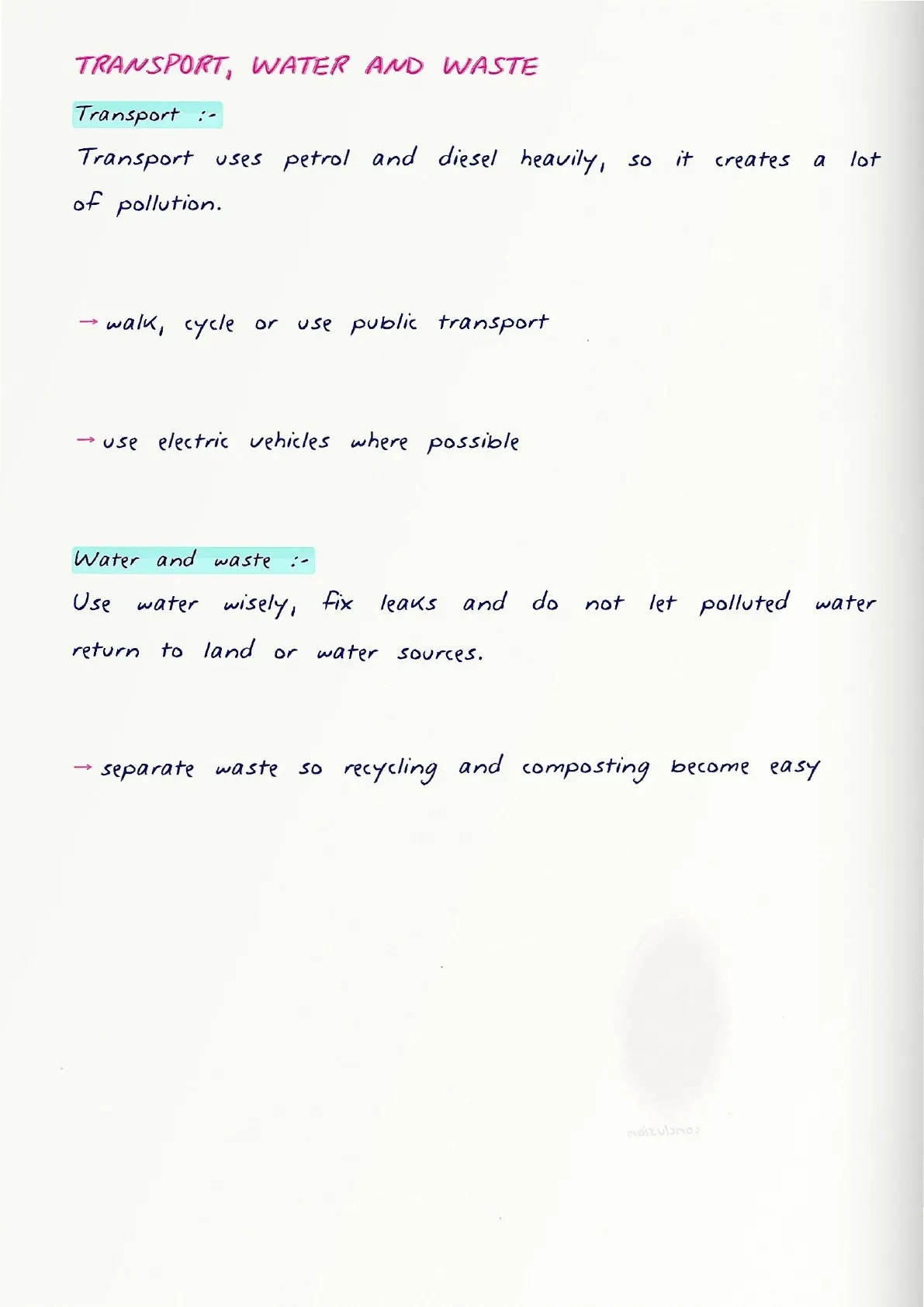
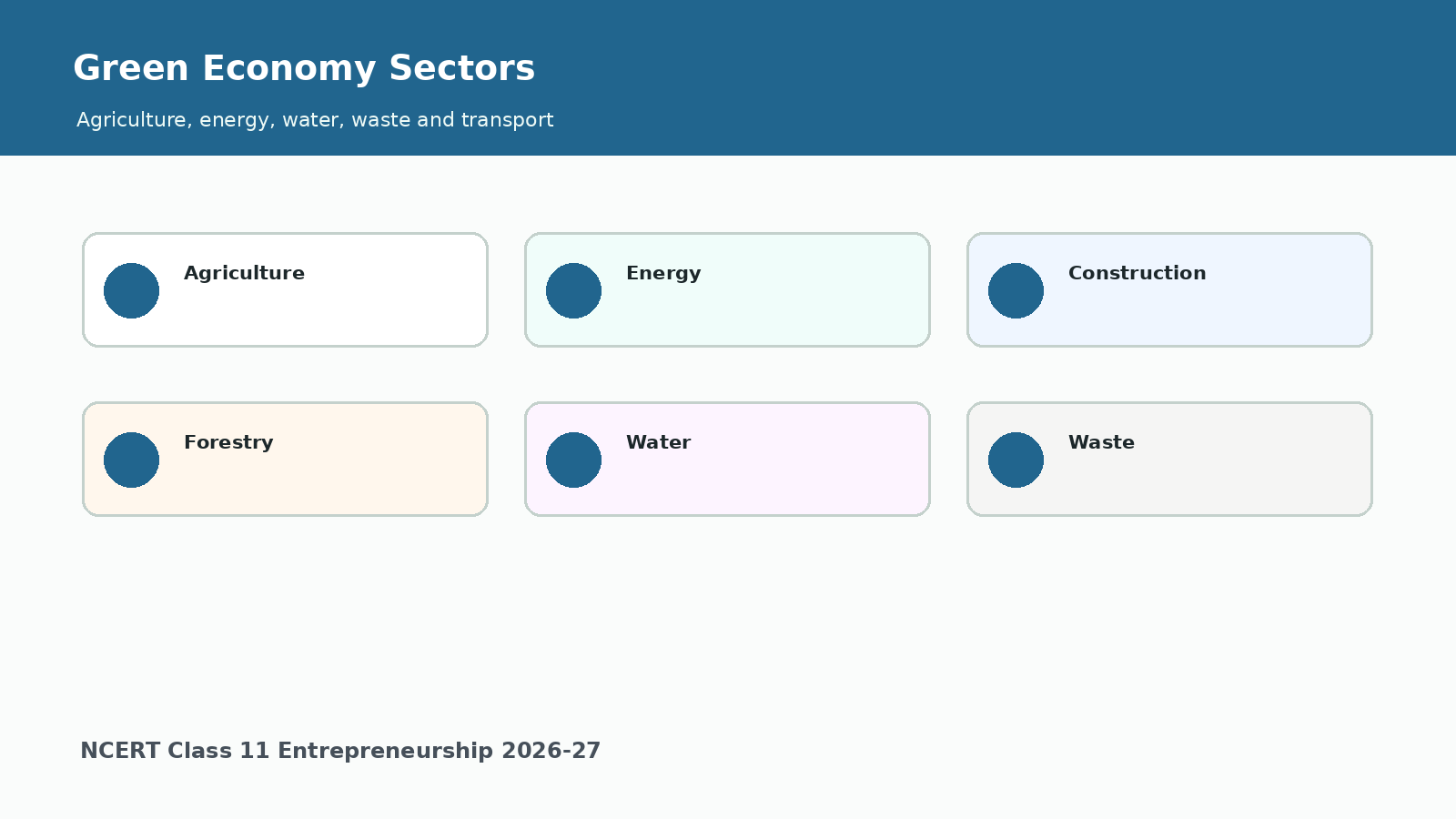
A green economy sector reduces waste, pollution and environmental damage while continuing useful economic activity. Students should revise each sector with one problem and one green action.
| Sector | Problem | Green action |
|---|---|---|
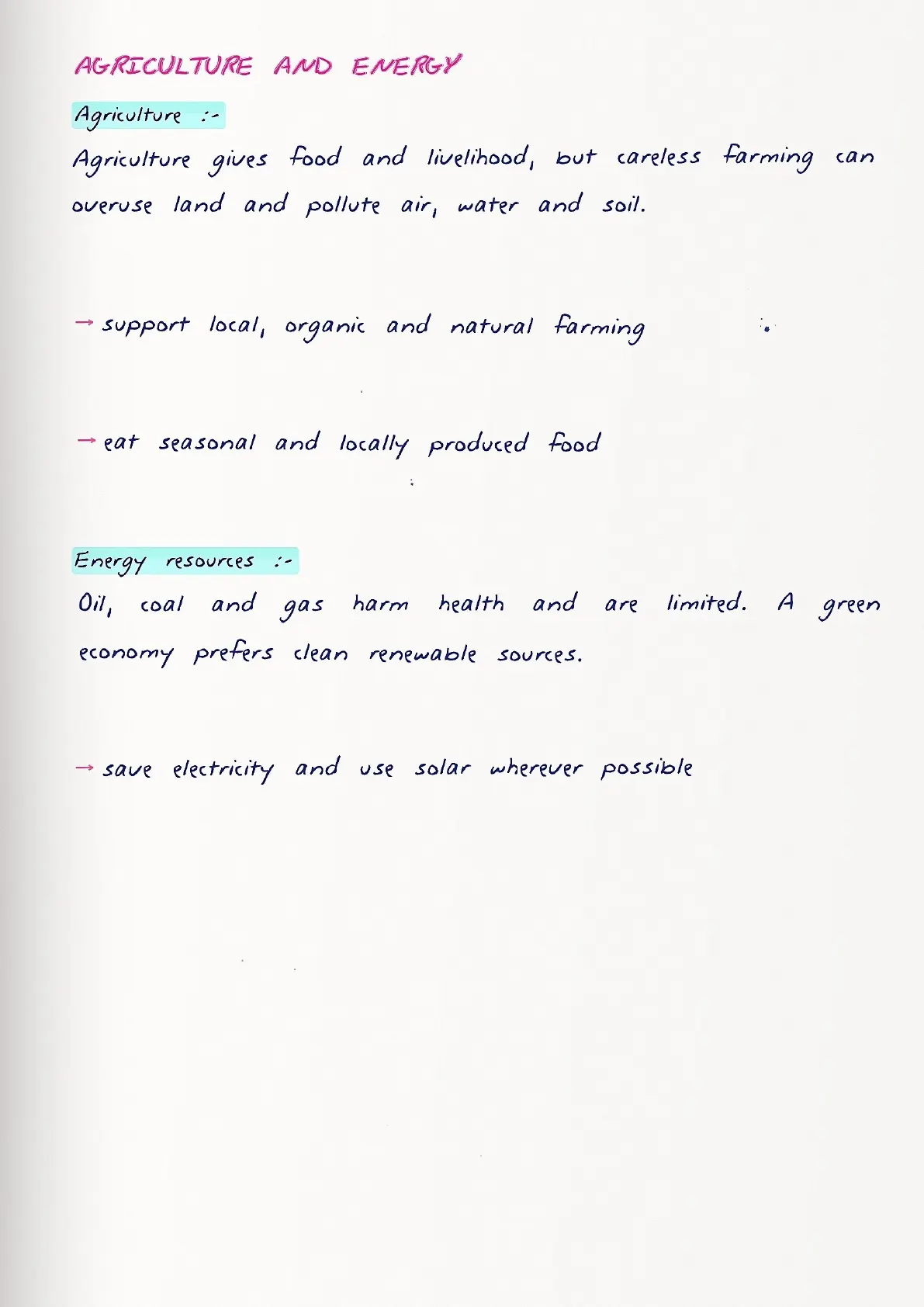
| Agriculture | Chemical fertilisers and overuse of land | Support organic and local farming. |
| Energy | Coal, oil and gas pollution | Use solar energy and save electricity. |
| Transport | Petrol and diesel pollution | Use public transport, cycling or electric vehicles. |
| Waste | Lost recycling and land pollution | Separate waste, recycle and compost. |
Green Skills Explanation Video
Source: FOC Classes - Akshita Yadav
Policies for a Green Economy
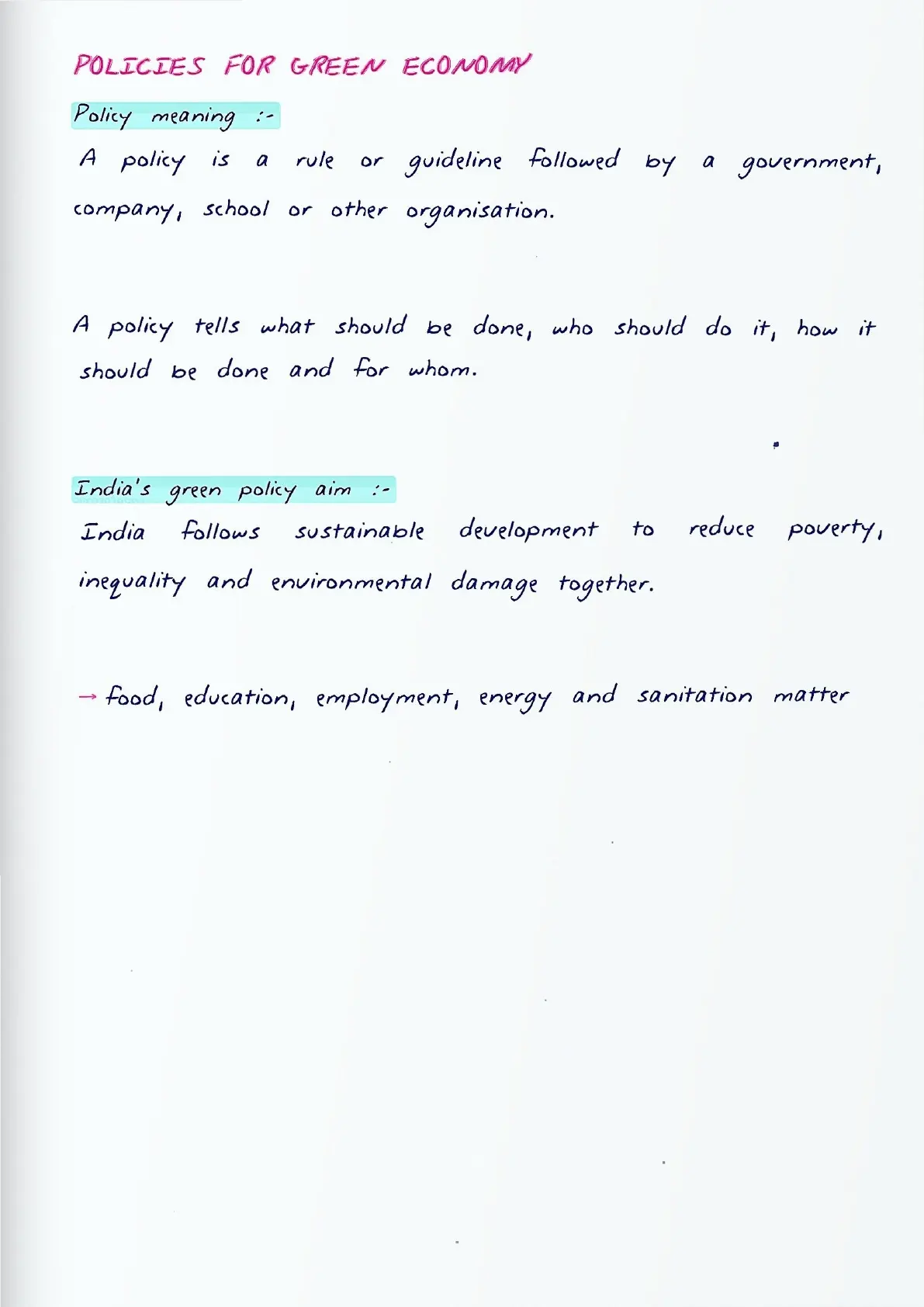
A policy is a rule or guideline that tells what should be done, who should do it, how it should be done and for whom. India uses sustainable development policies to balance economic, environmental and social needs.
| Policy or mission | Main idea | Revision cue |
|---|---|---|
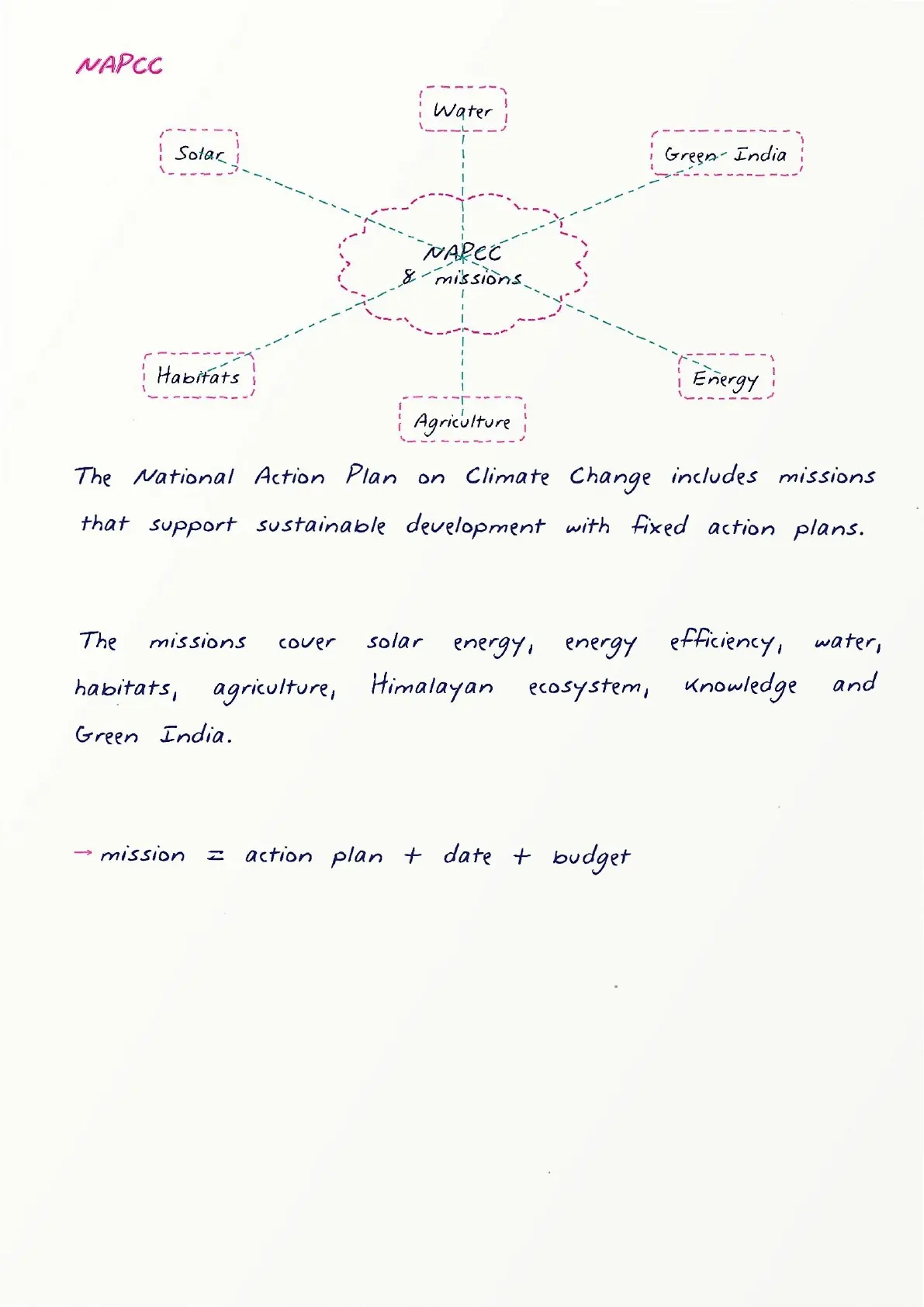
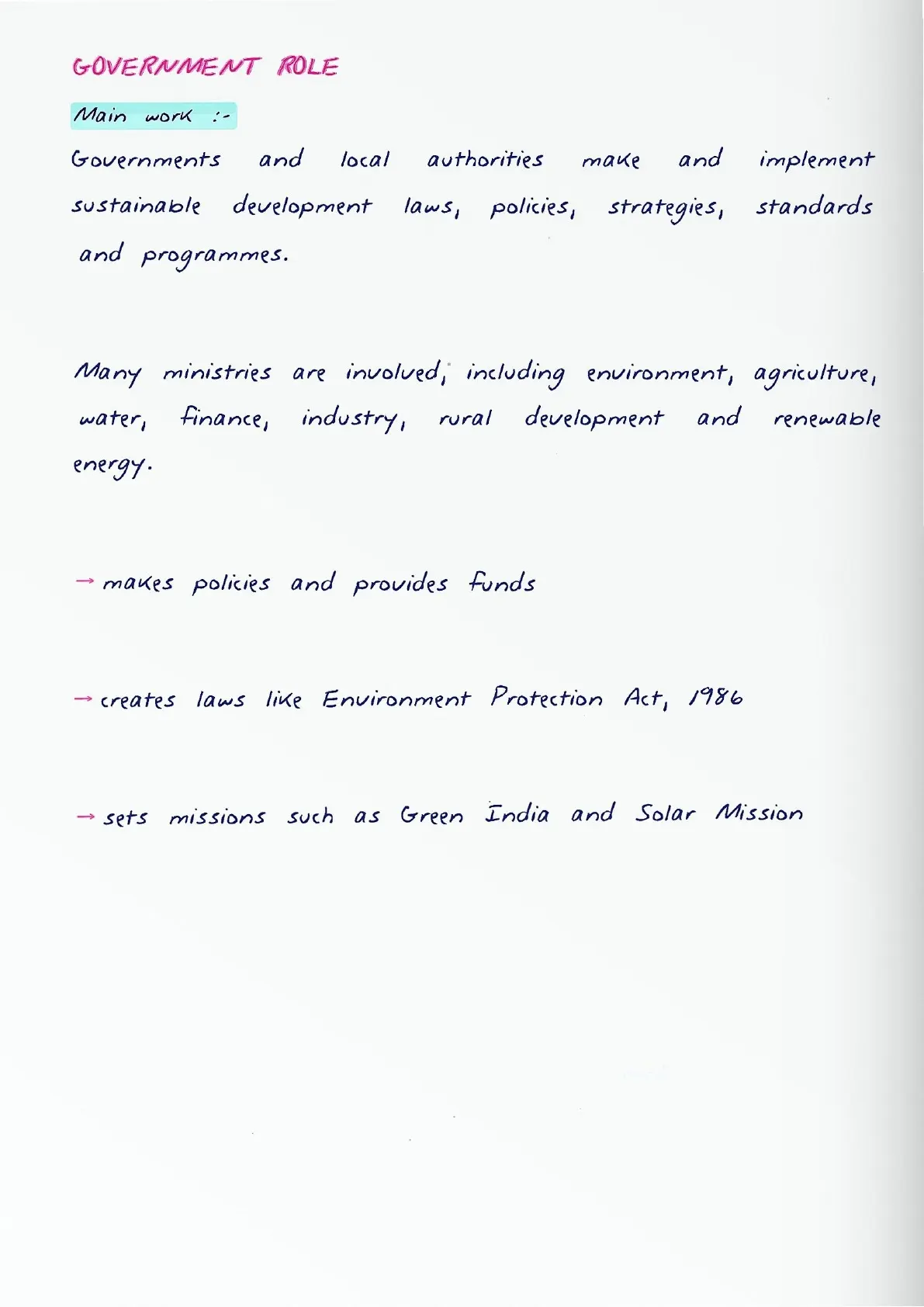
| NAPCC | National Action Plan on Climate Change with eight missions. | Mission means action plan with date and budget. |
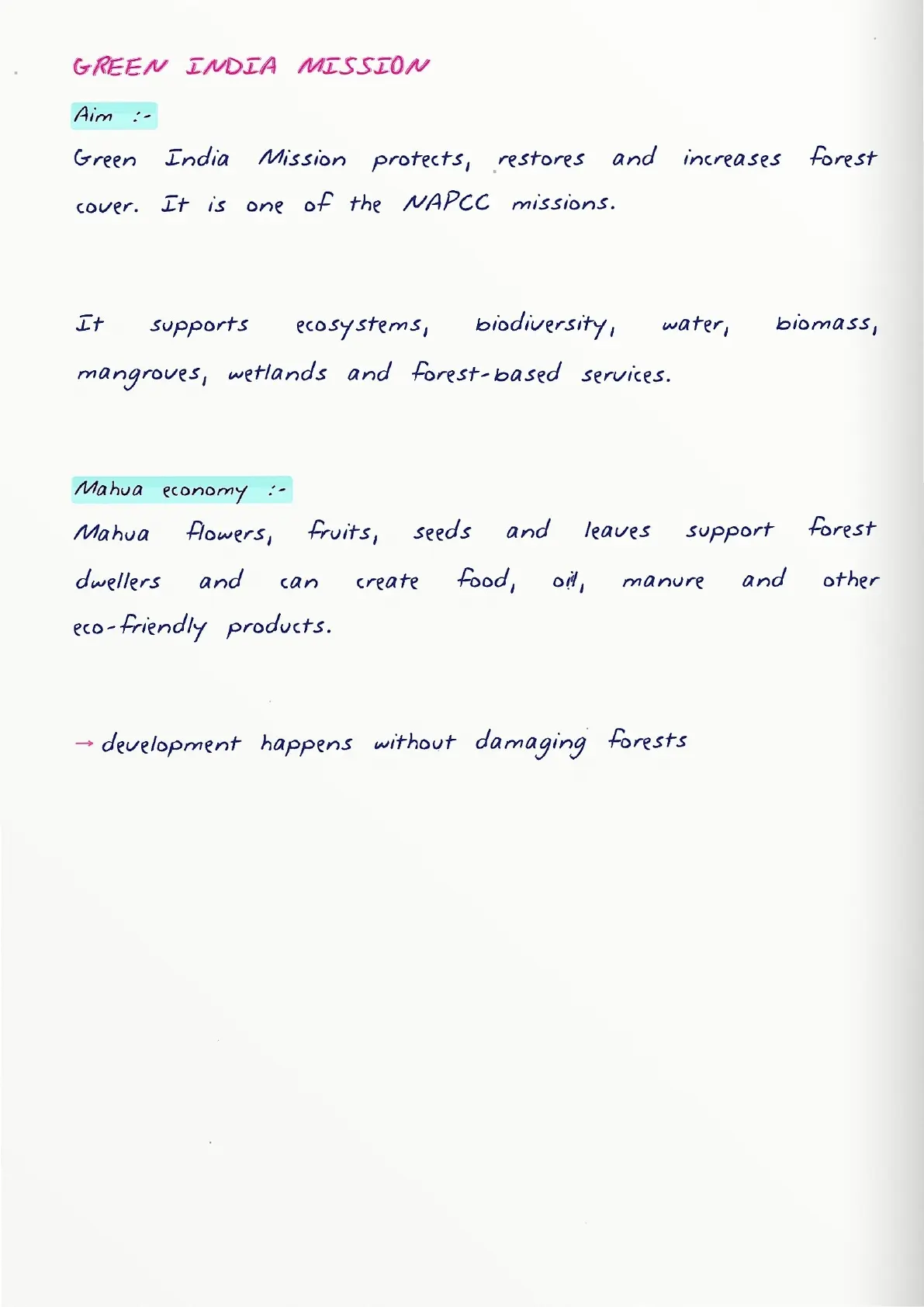
| Green India Mission | Protect, restore and increase forest cover. | Connect forests with biodiversity and livelihood. |
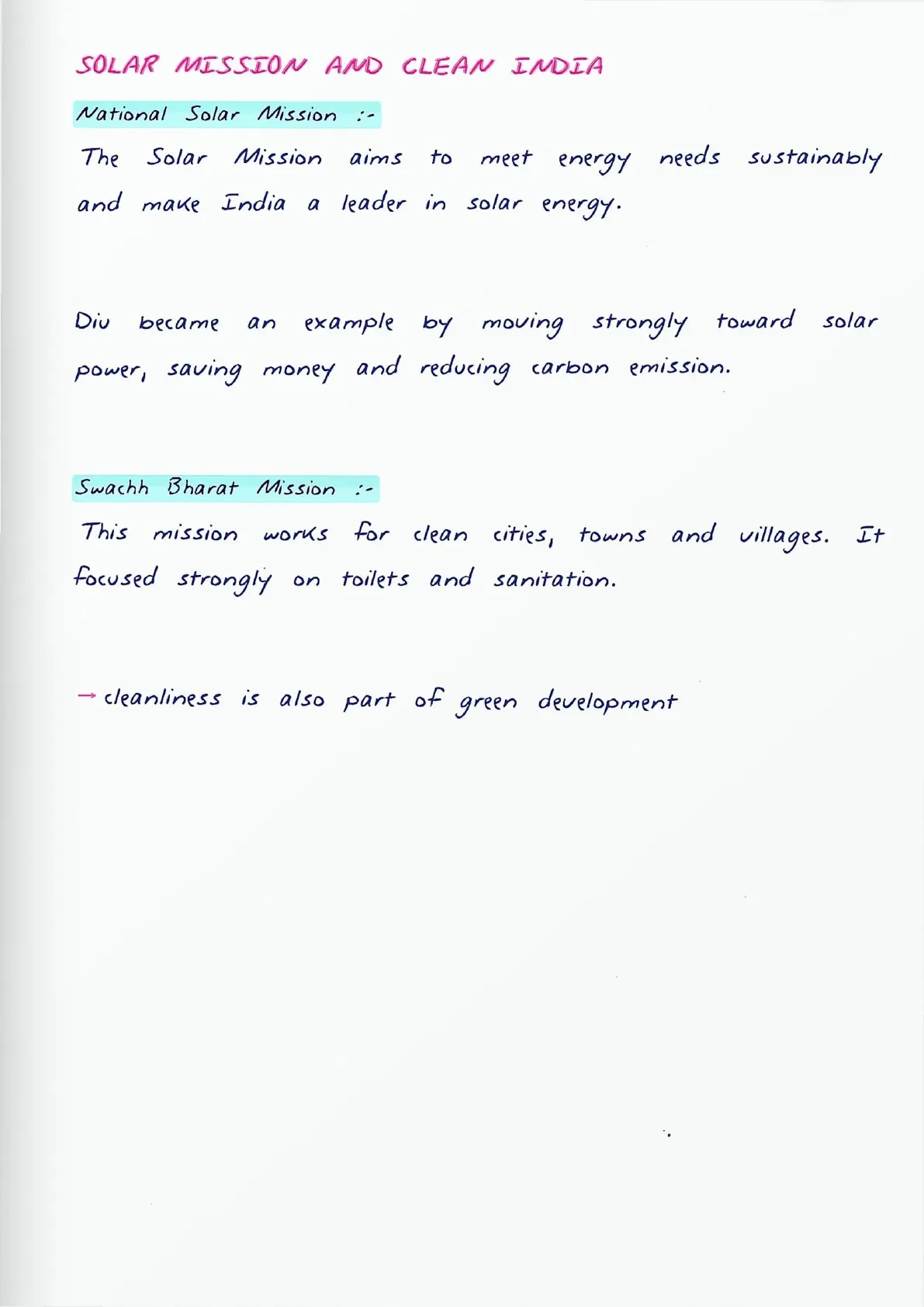
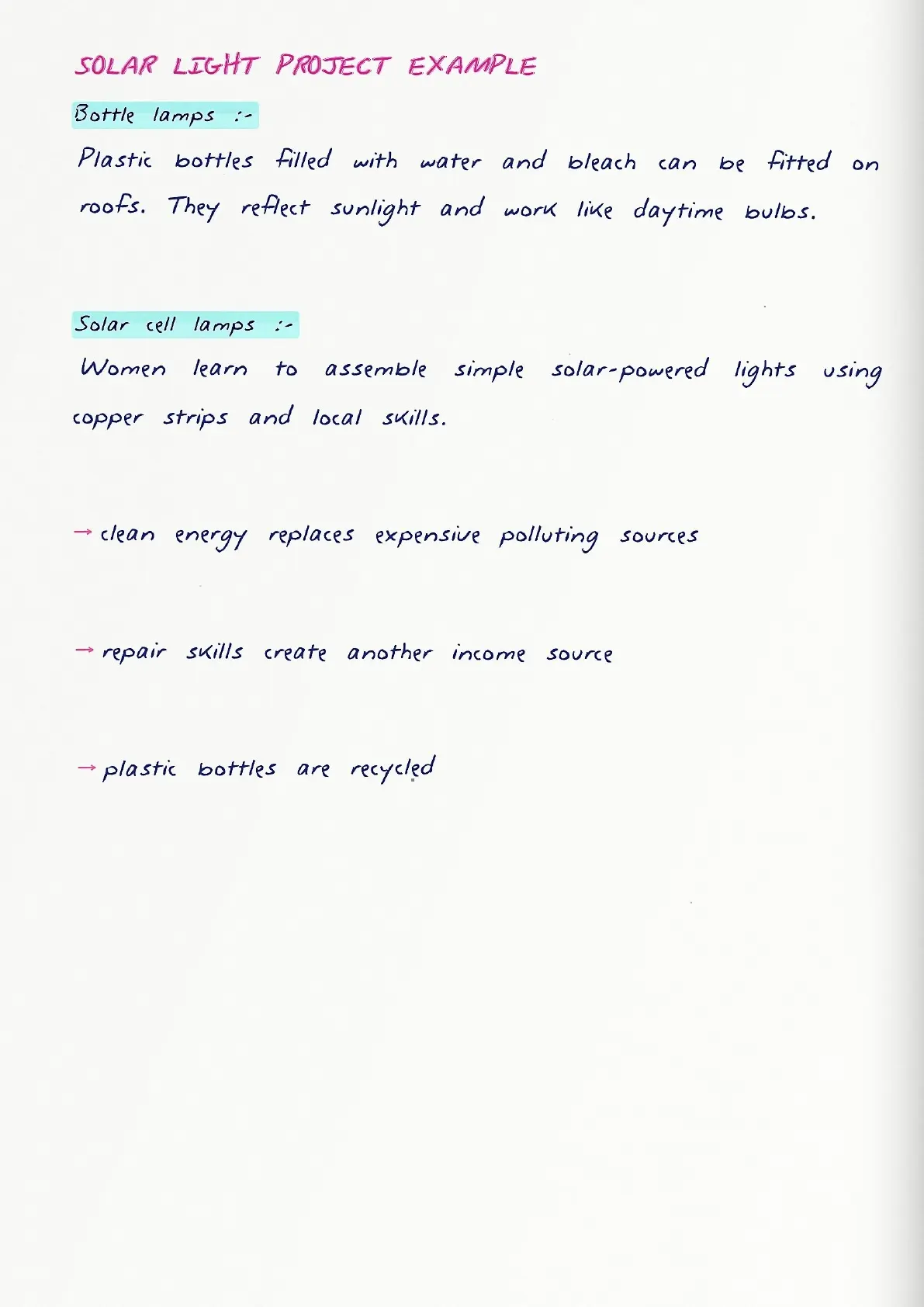
| National Solar Mission | Promote solar energy as a clean energy source. | Use Diu as an example. |
| Swachh Bharat Mission | Improve sanitation and cleanliness. | Clean surroundings support green development. |
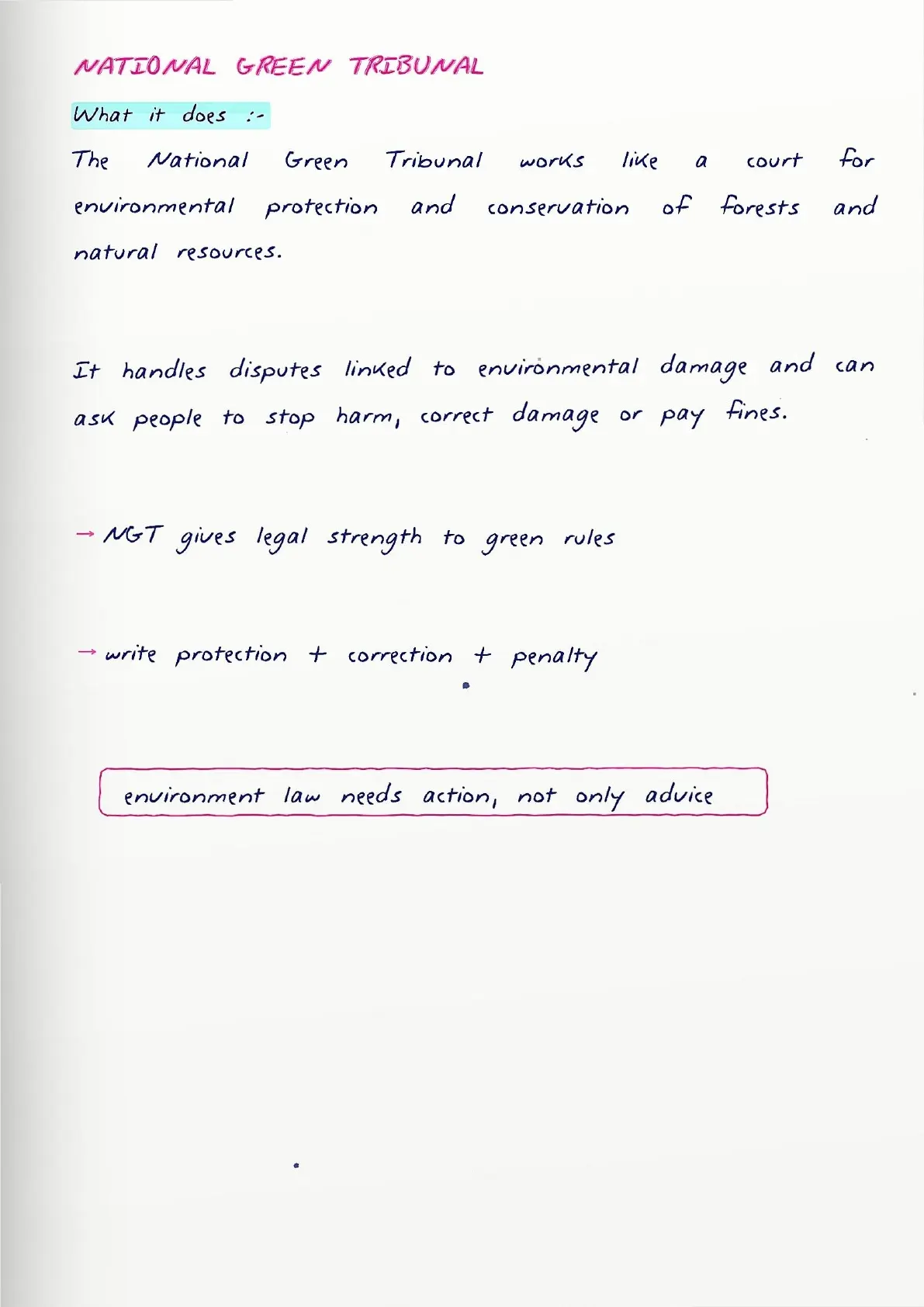
| National Green Tribunal | Court-like body for environmental disputes. | Protection, correction and penalty. |
Stakeholders in Green Economy
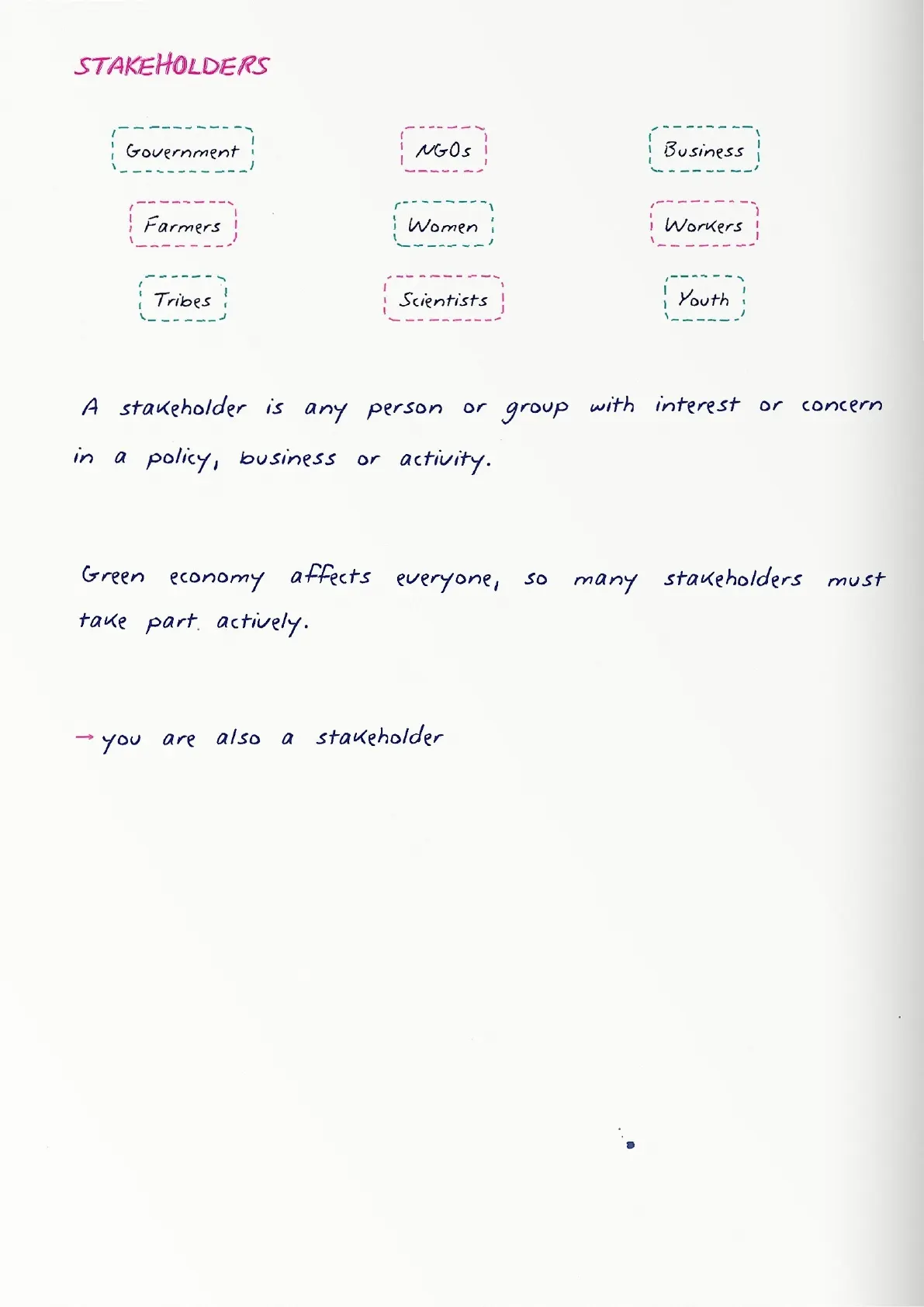
A stakeholder is a person or group with interest or concern in an activity, policy or business. Green economy needs many stakeholders because environment and development affect everyone.
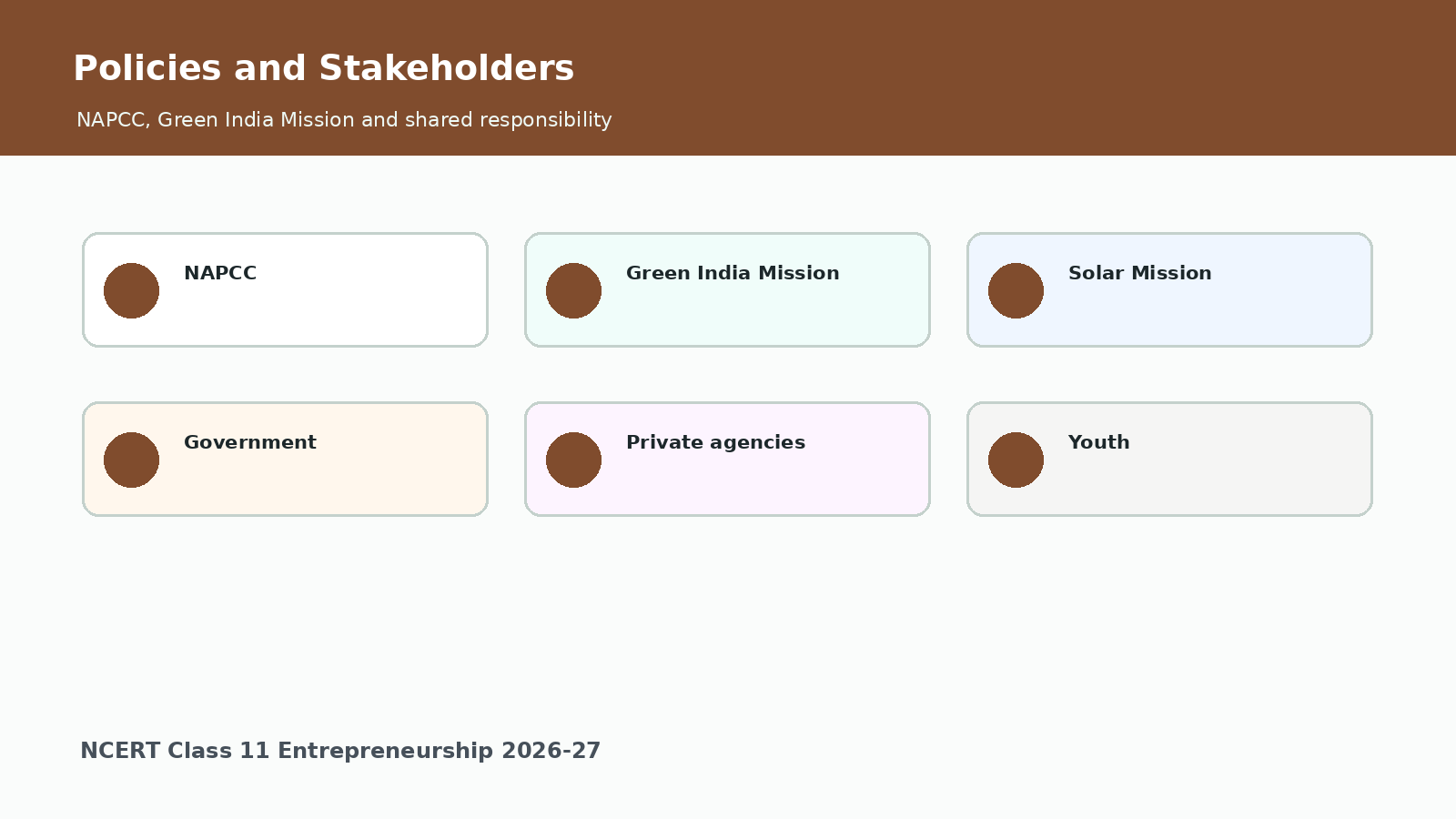
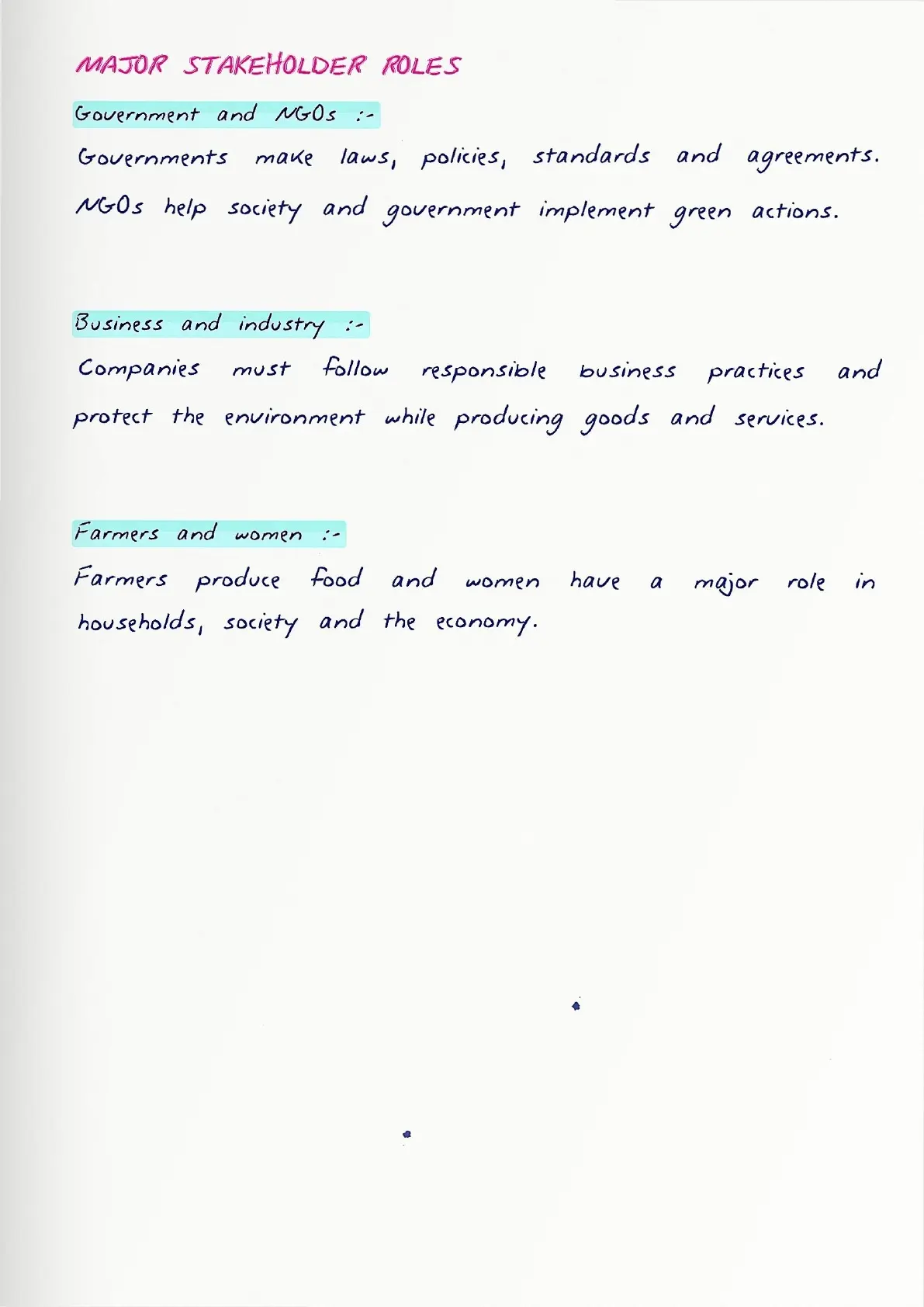
- Government: makes policies, laws, missions and standards.
- NGOs: help society and government implement green actions.
- Business and industry: follow responsible practices and reduce pollution.
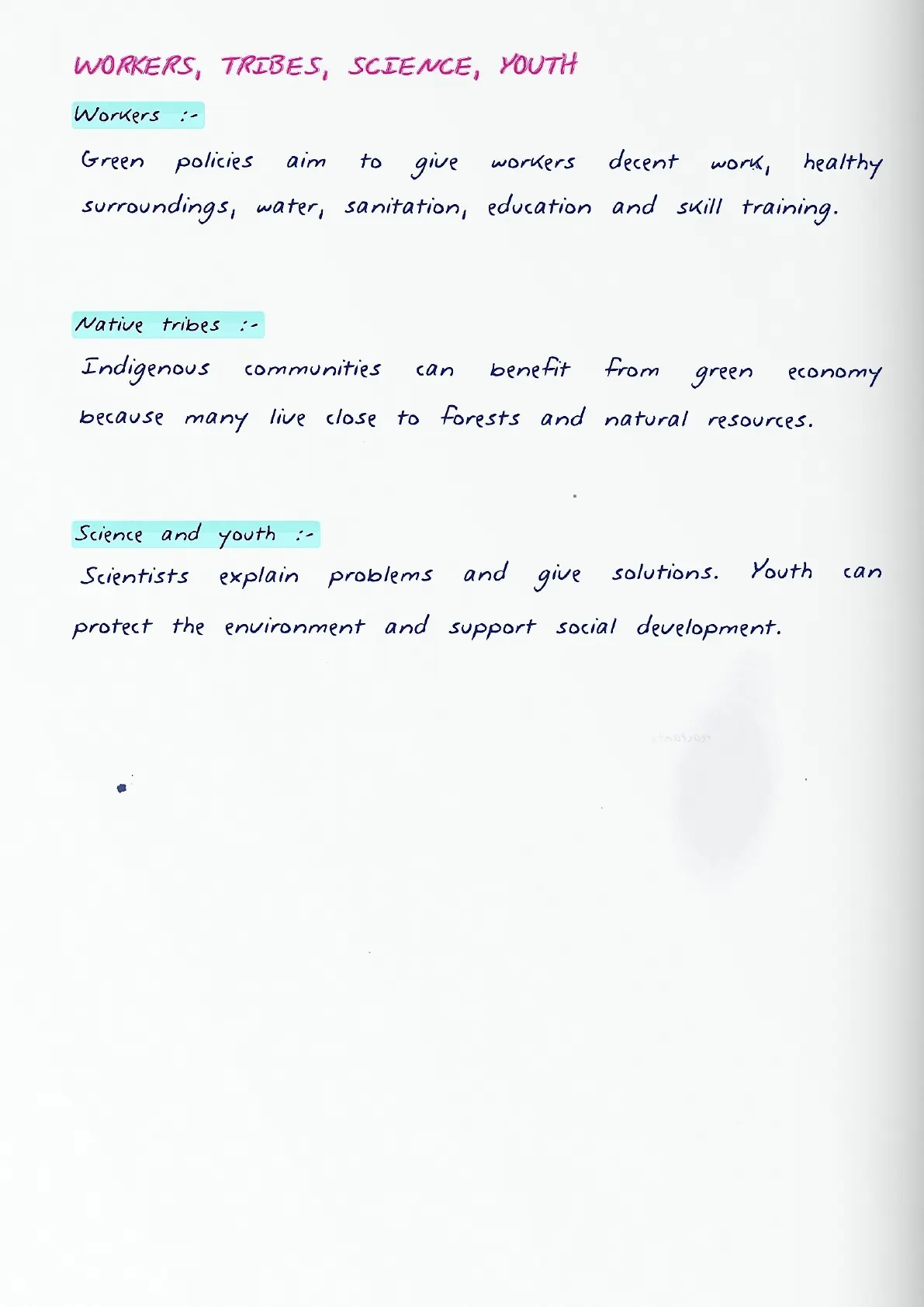
- Youth: protect the environment and support social development.
Government and Private Agencies
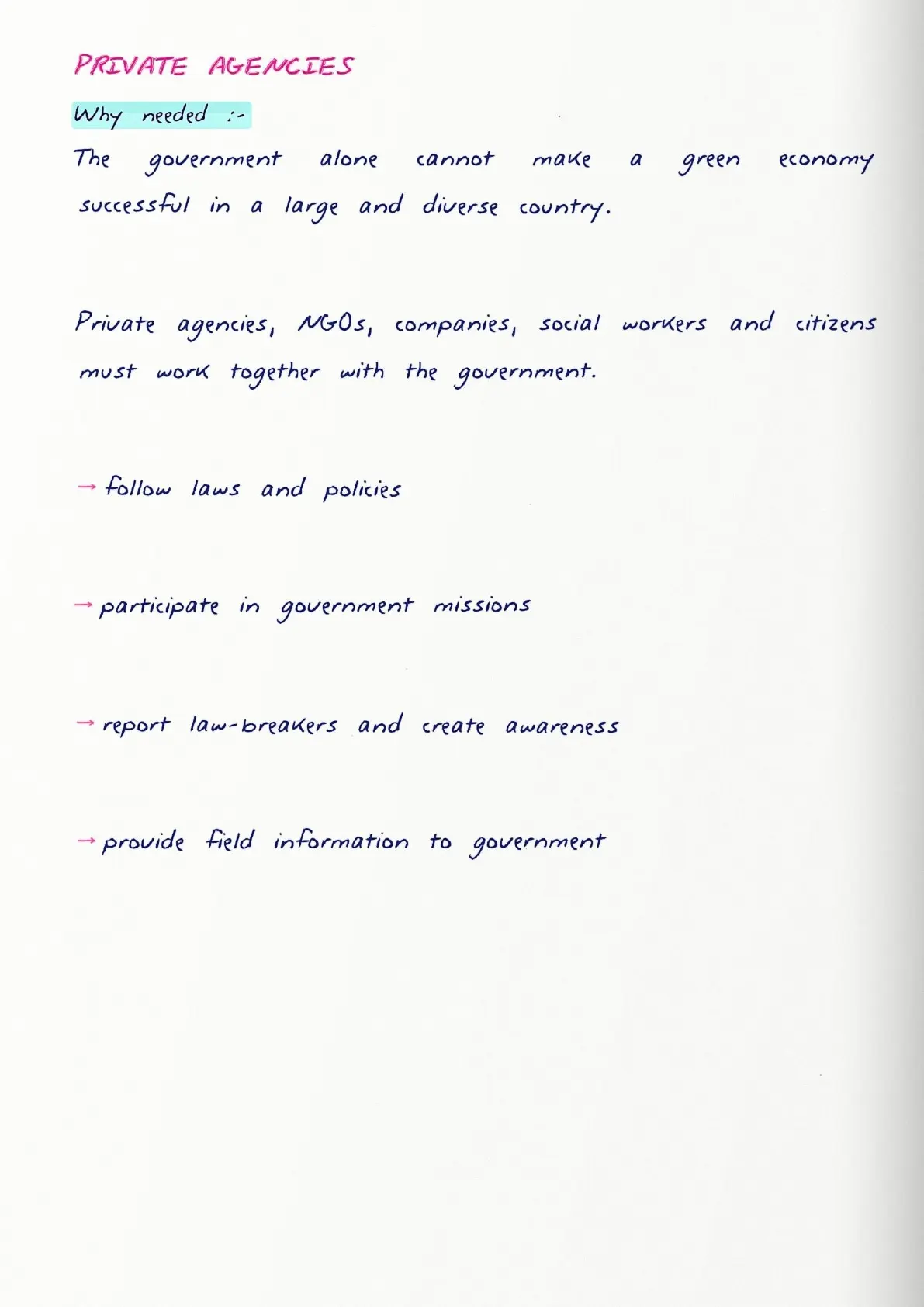
The government provides policies, funds, laws and missions. Private agencies, companies, NGOs, social workers and citizens help implement those ideas on the ground.
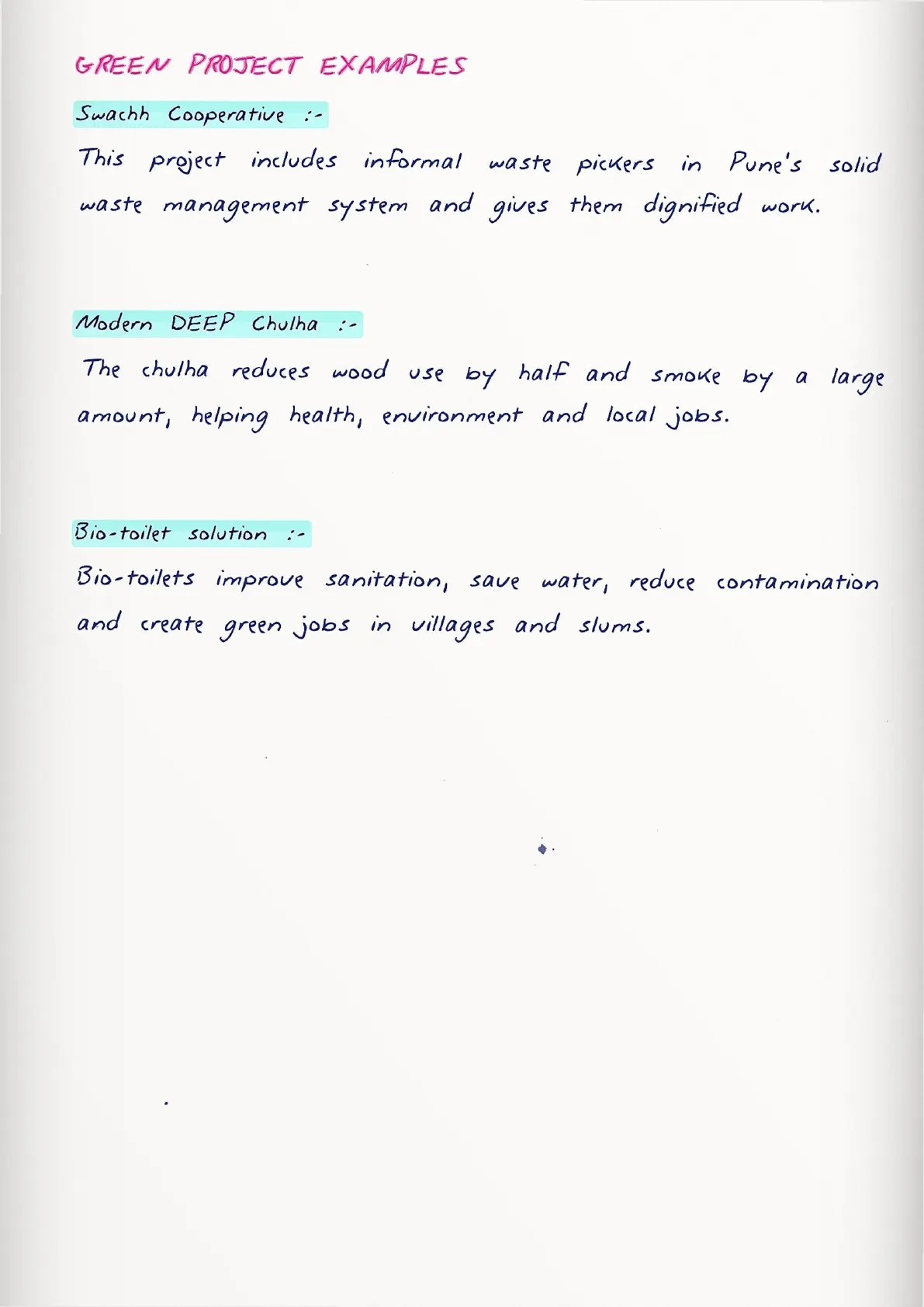
| Example | What it does | Green benefit |
|---|---|---|
| Swachh Cooperative | Includes waste pickers in Pune solid waste management. | Dignified work and better recycling. |
| Modern DEEP Chulha | Uses biomass and reduces wood use and smoke. | Less pollution and more local jobs. |
| Bio-toilet solution | Uses bio-digester tanks for sanitation. | Saves water and reduces contamination. |
Related Class 11 Entrepreneurship Resources
Use these related resources with the handwritten notes for complete Class 11 Entrepreneurship Chapter 5 preparation.
| Resource | Use it for | Link |
|---|---|---|
| NCERT Solutions | Exercise answers and check-your-progress help | Open solutions |
| NCERT Notes | Typed summary for the same unit | Open notes |
| NCERT Book PDF | Official source chapter reading | Open book PDF |
All Class 11 Entrepreneurship Handwritten Notes
The table below keeps the same resource type together so students can move chapter by chapter through the Class 11 Entrepreneurship handwritten notes.
| Chapter | Title | Handwritten notes link |
|---|---|---|
| Chapter 1 | Entrepreneurship: Concept and Functions | Open handwritten notes |
| Chapter 2 | An Entrepreneur | Open handwritten notes |
| Chapter 3 | Entrepreneurial Journey | Open handwritten notes |
| Chapter 4 | Entrepreneurship Skills | Open handwritten notes |
| Chapter 5 | Green Skills | Open handwritten notes |
Class 11 Entrepreneurship Chapter 5 Handwritten Notes FAQs
Ques. What do the Class 11 Entrepreneurship Chapter 5 handwritten notes cover?
Ans. The notes cover green economy, sustainable development, green sectors, policies, stakeholders, government role, private agencies and green project examples for 2026-27.
Ques. What is a green economy in Class 11 Green Skills?
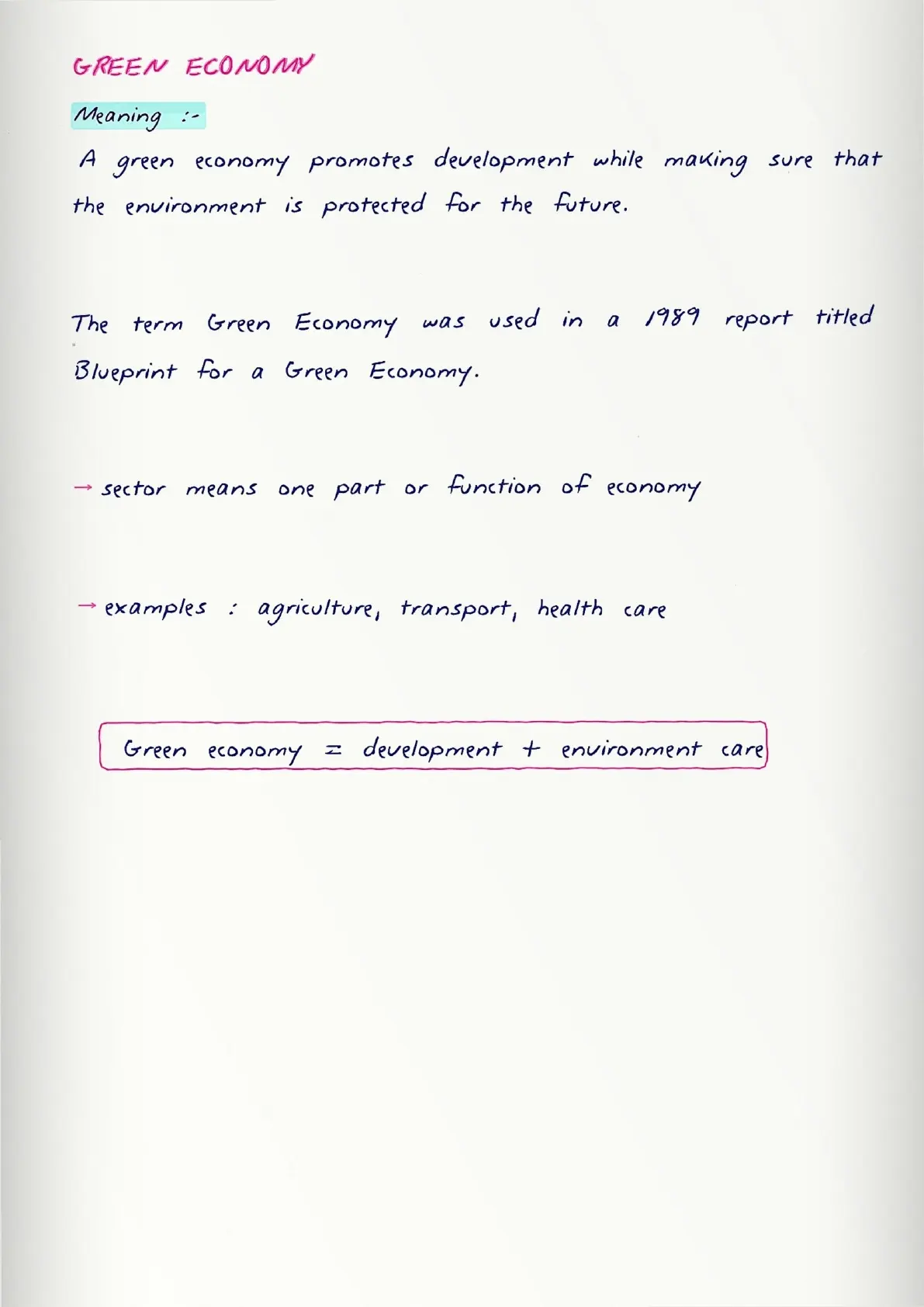
Ans. A green economy promotes development while protecting the environment. It reduces pollution, saves resources and supports sustainable development.
Ques. Which policies are important in Green Skills Chapter 5?
Ans. Important policies and missions include NAPCC, Green India Mission, National Solar Mission, Swachh Bharat Mission and National Green Tribunal.
Ques. Are these handwritten notes aligned with the 2026-27 NCERT book?
Ans. Yes. The handwritten notes are prepared for Class 11 Entrepreneurship Chapter 5 Green Skills in the 2026-27 NCERT syllabus.



Comments