




These Methods of Enquiry in Psychology handwritten notes turn the whole second chapter into clean, handwritten pages for fast last-minute revision. They follow the 2026-27 NCERT and Chapter 2 of Class 11 Psychology. Students get the goals of psychological enquiry, the four steps of scientific research, the types of psychological data, all six methods, quantitative and qualitative analysis, plus limitations and ethics, in a pen-on-paper format that is easy to skim before a test.
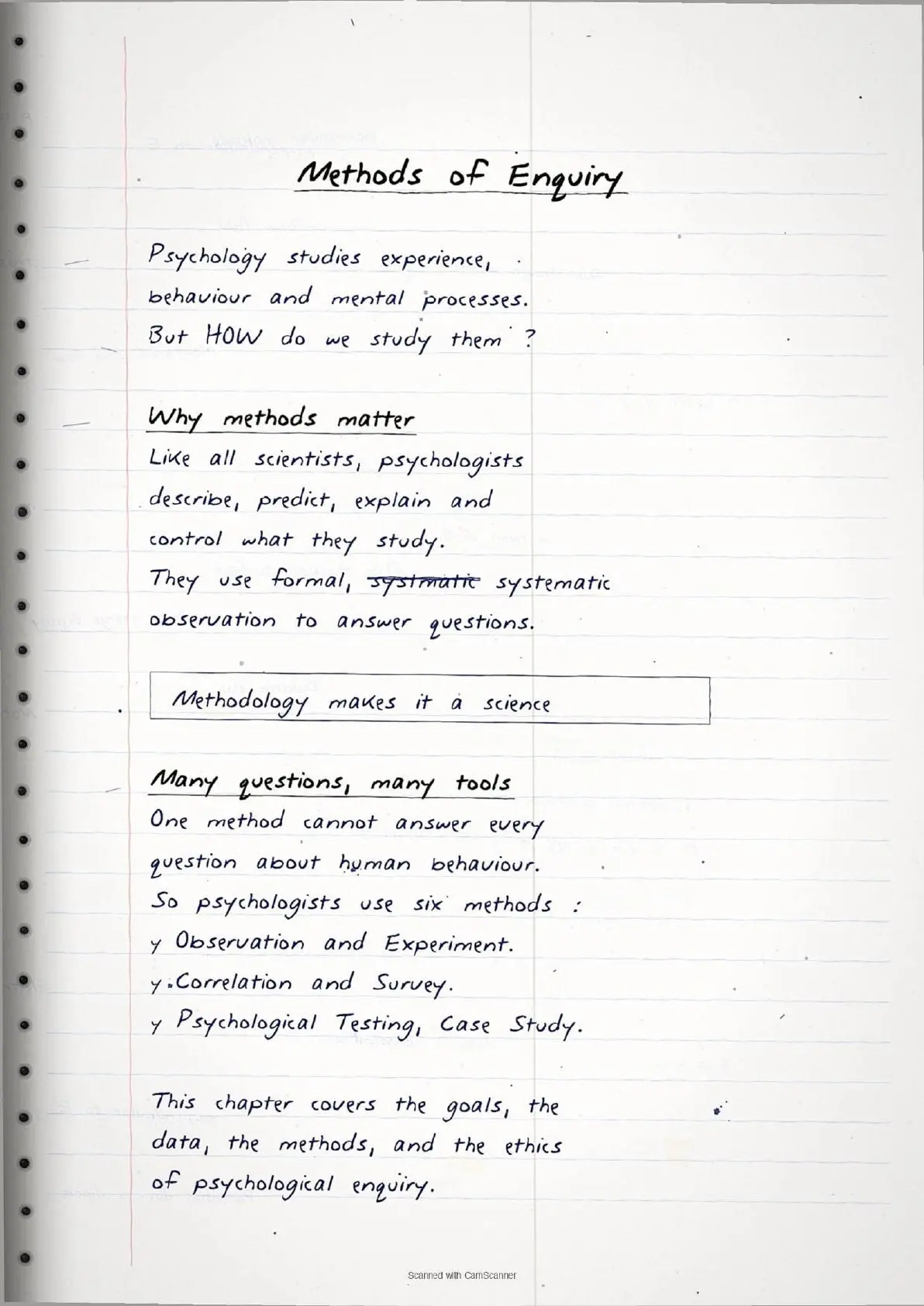
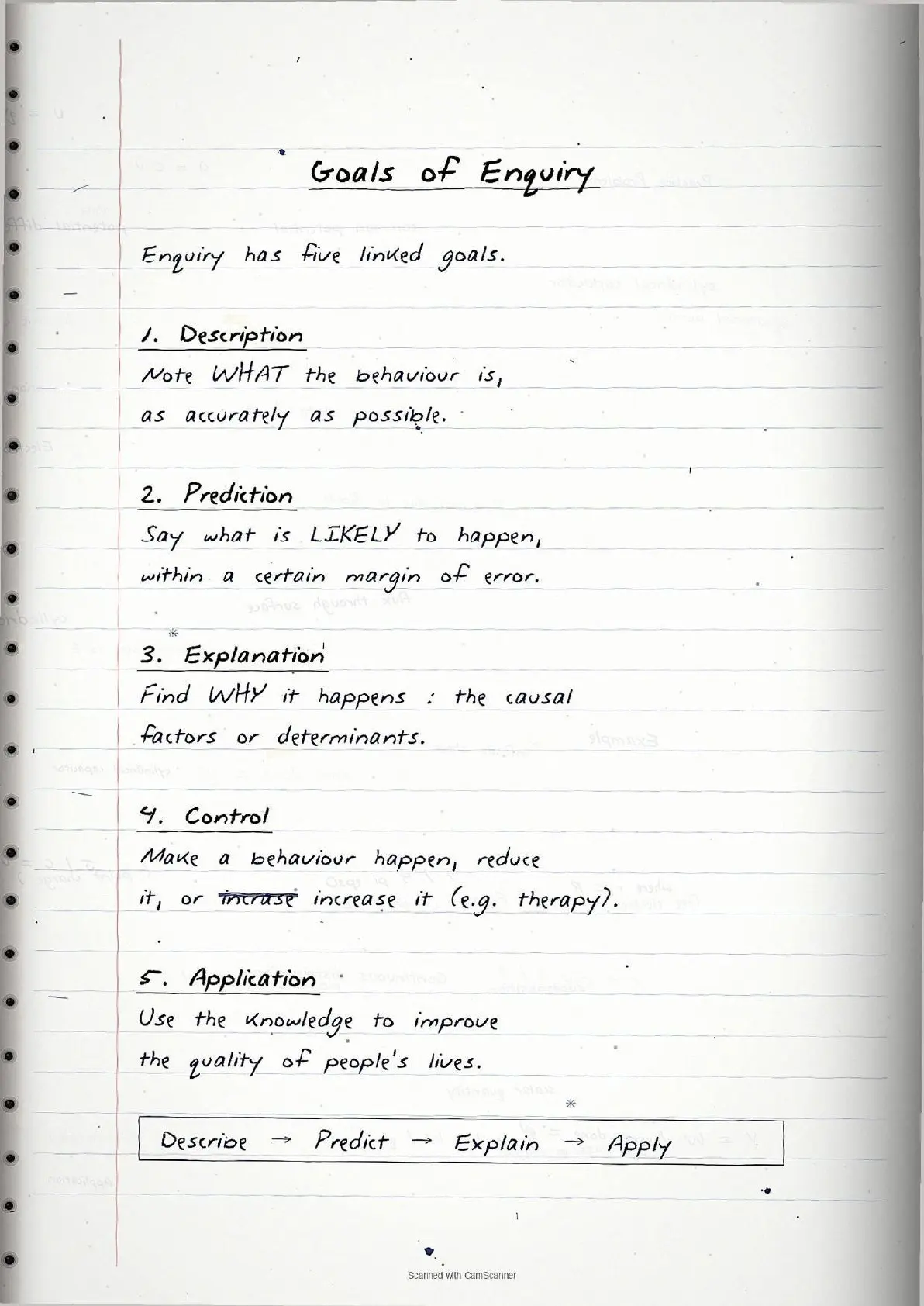
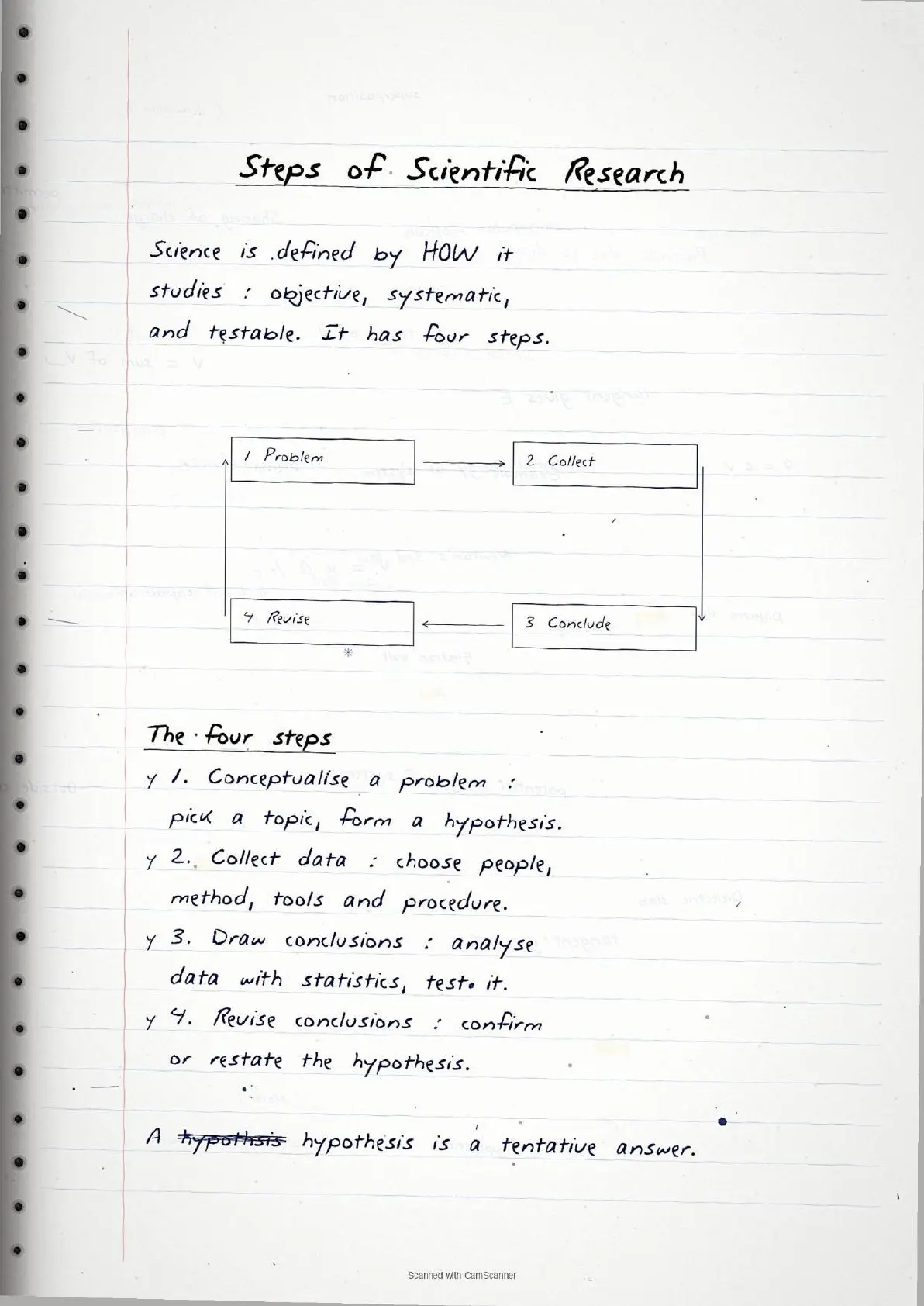
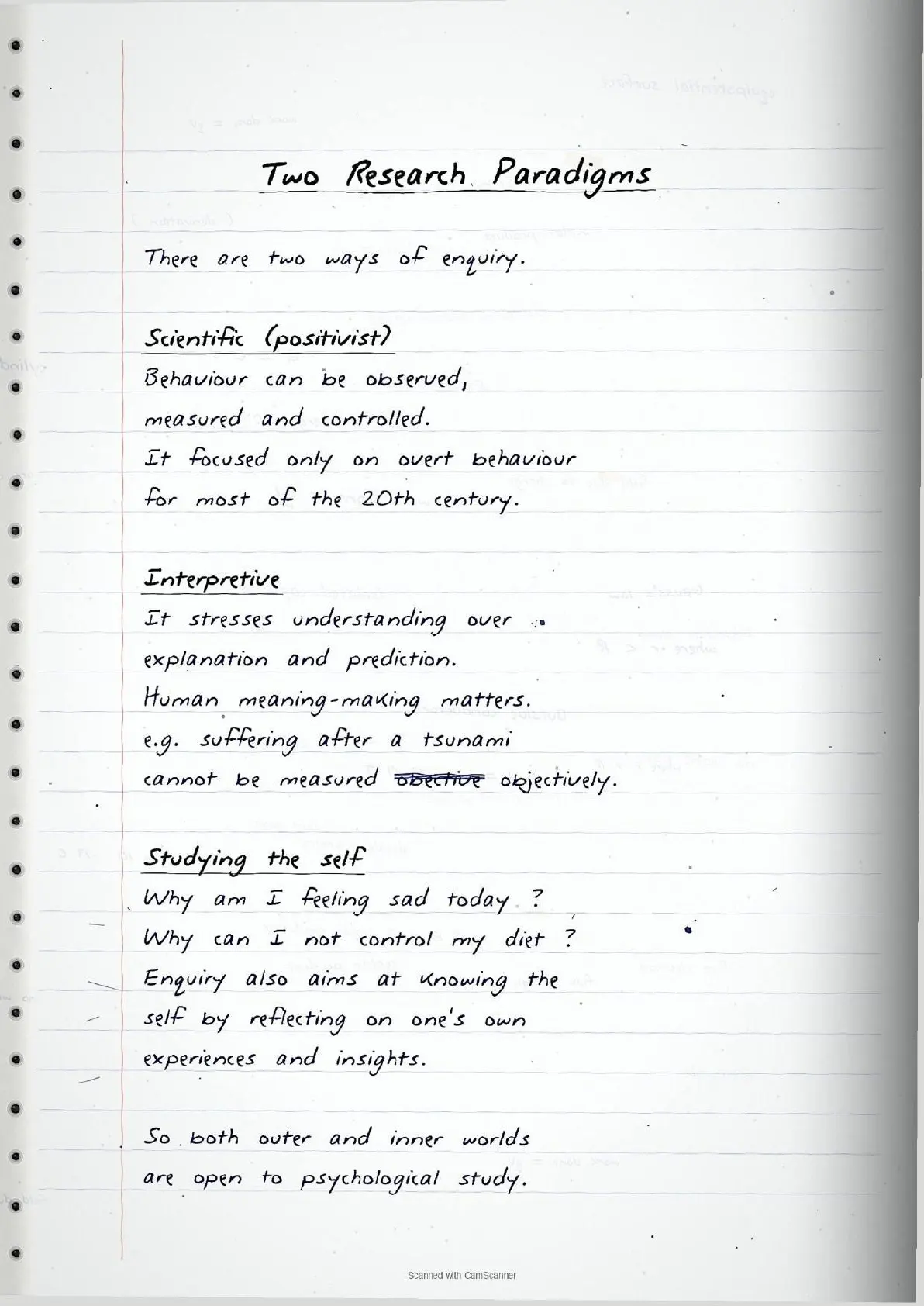
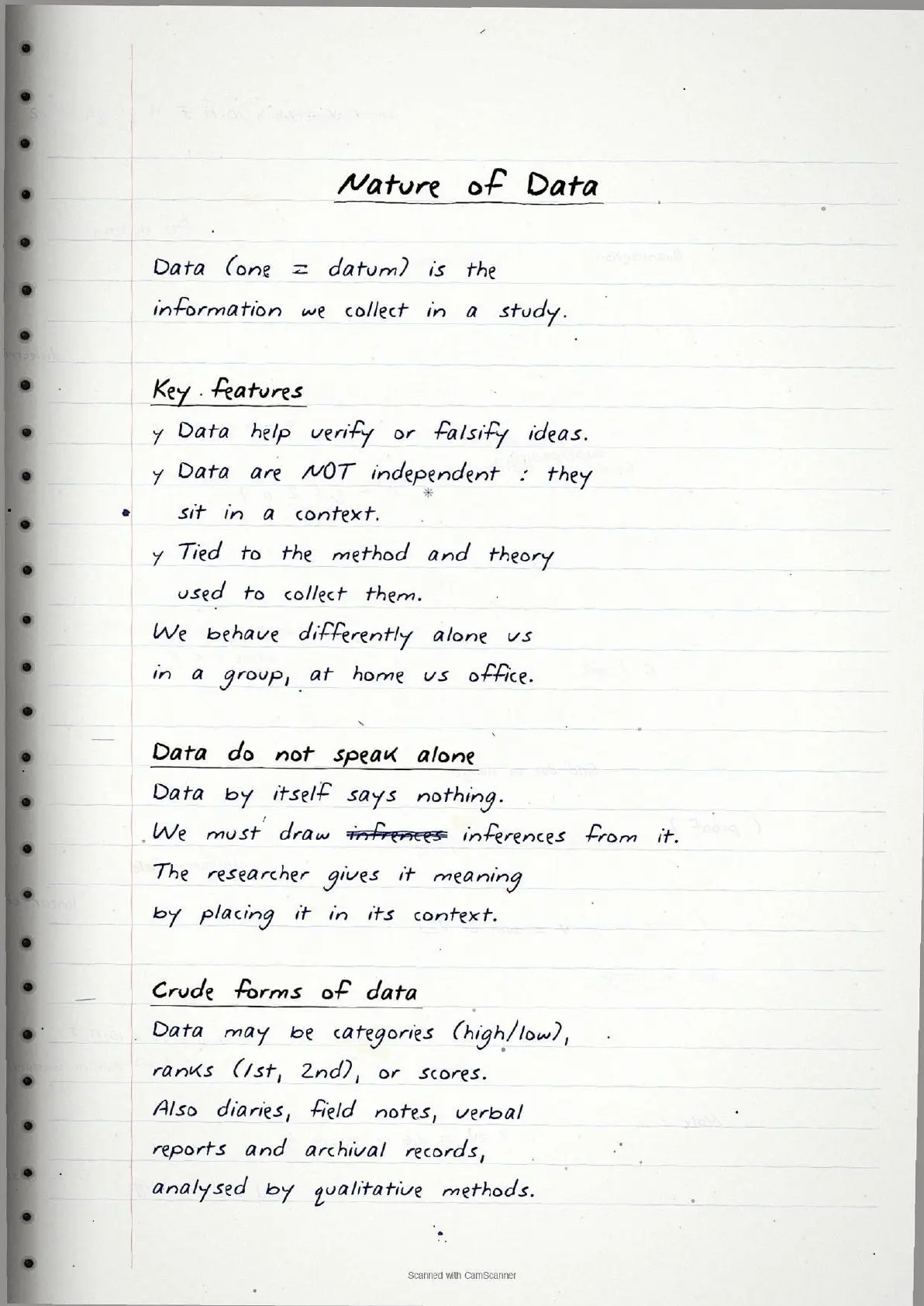
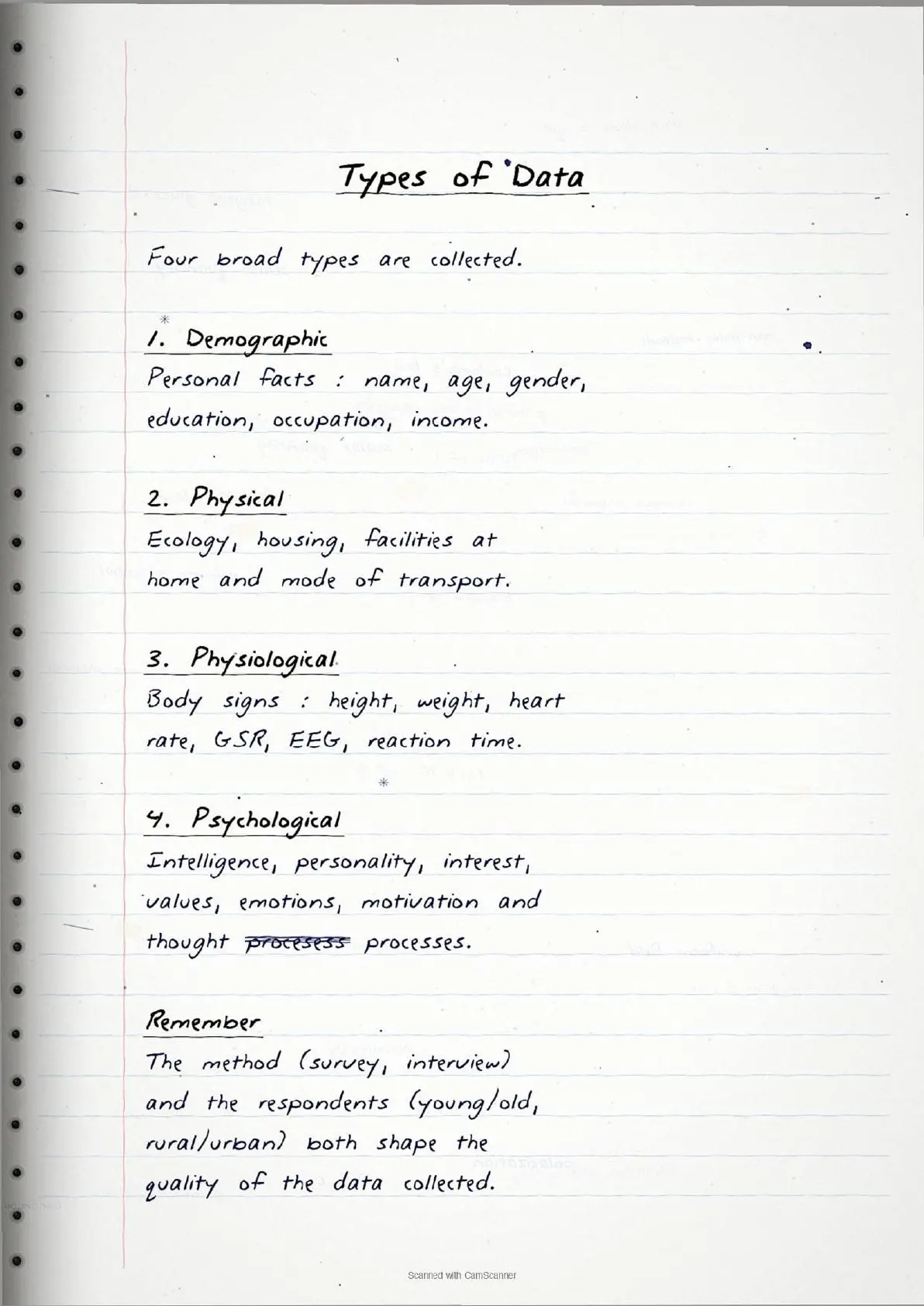
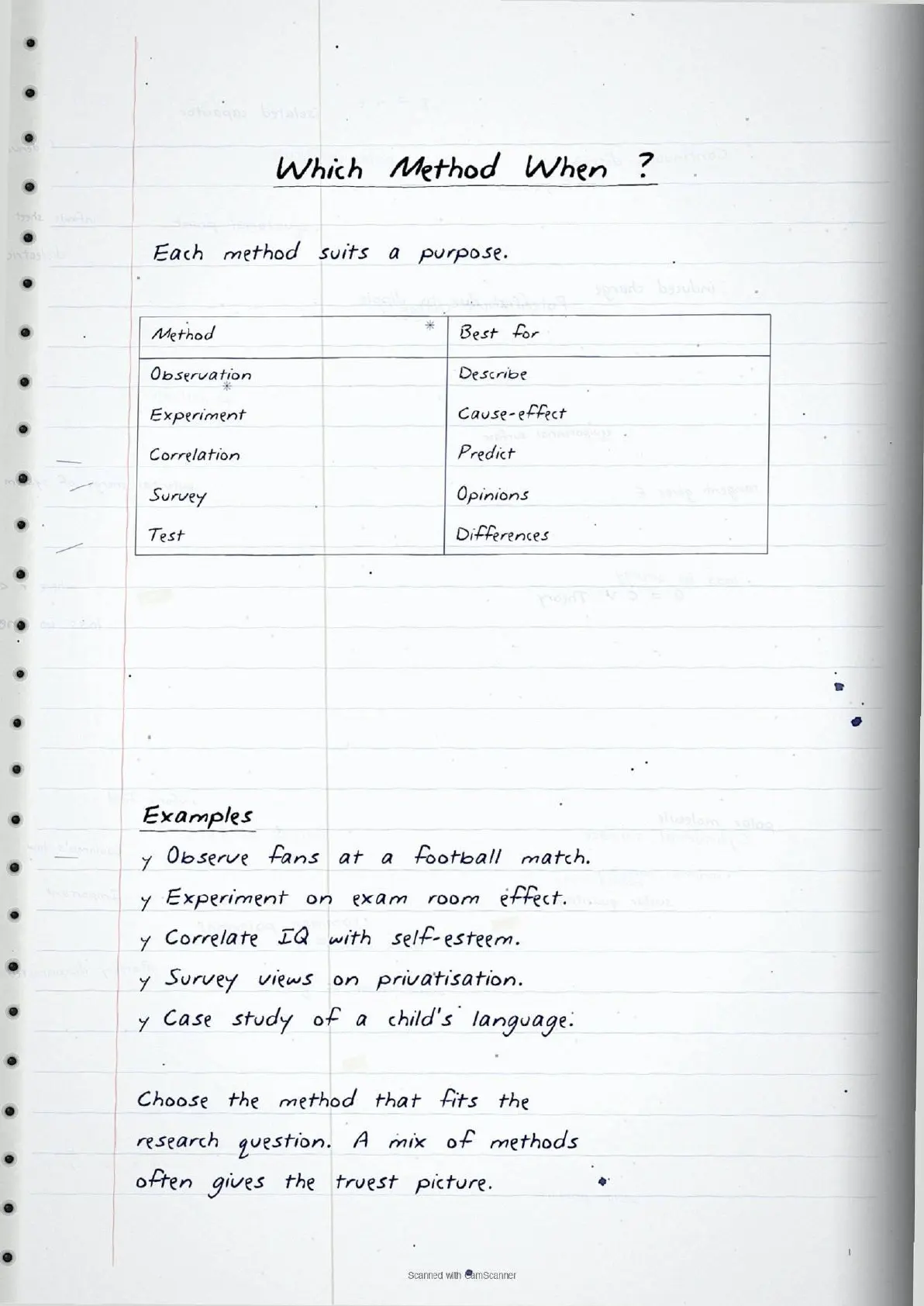
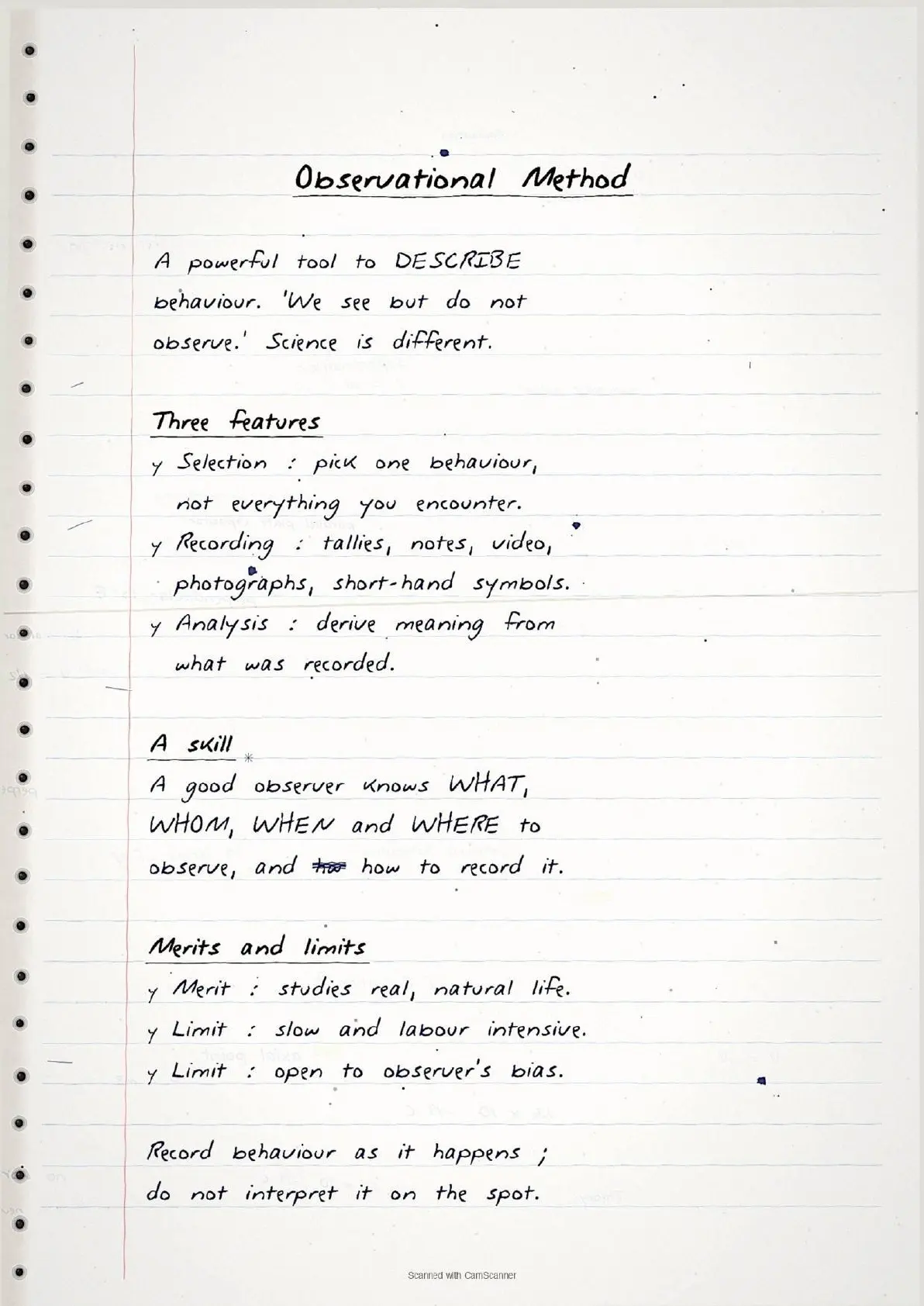
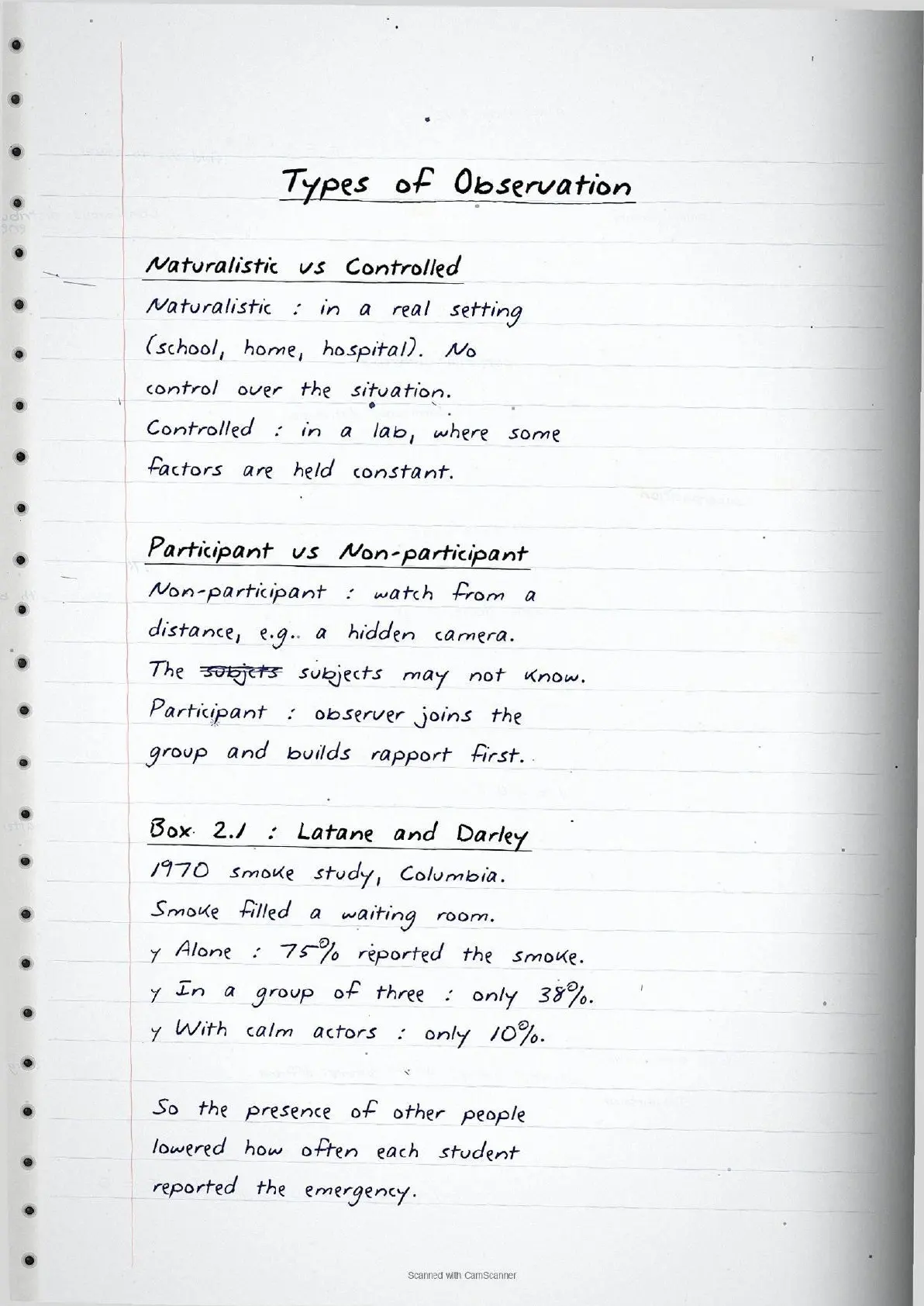
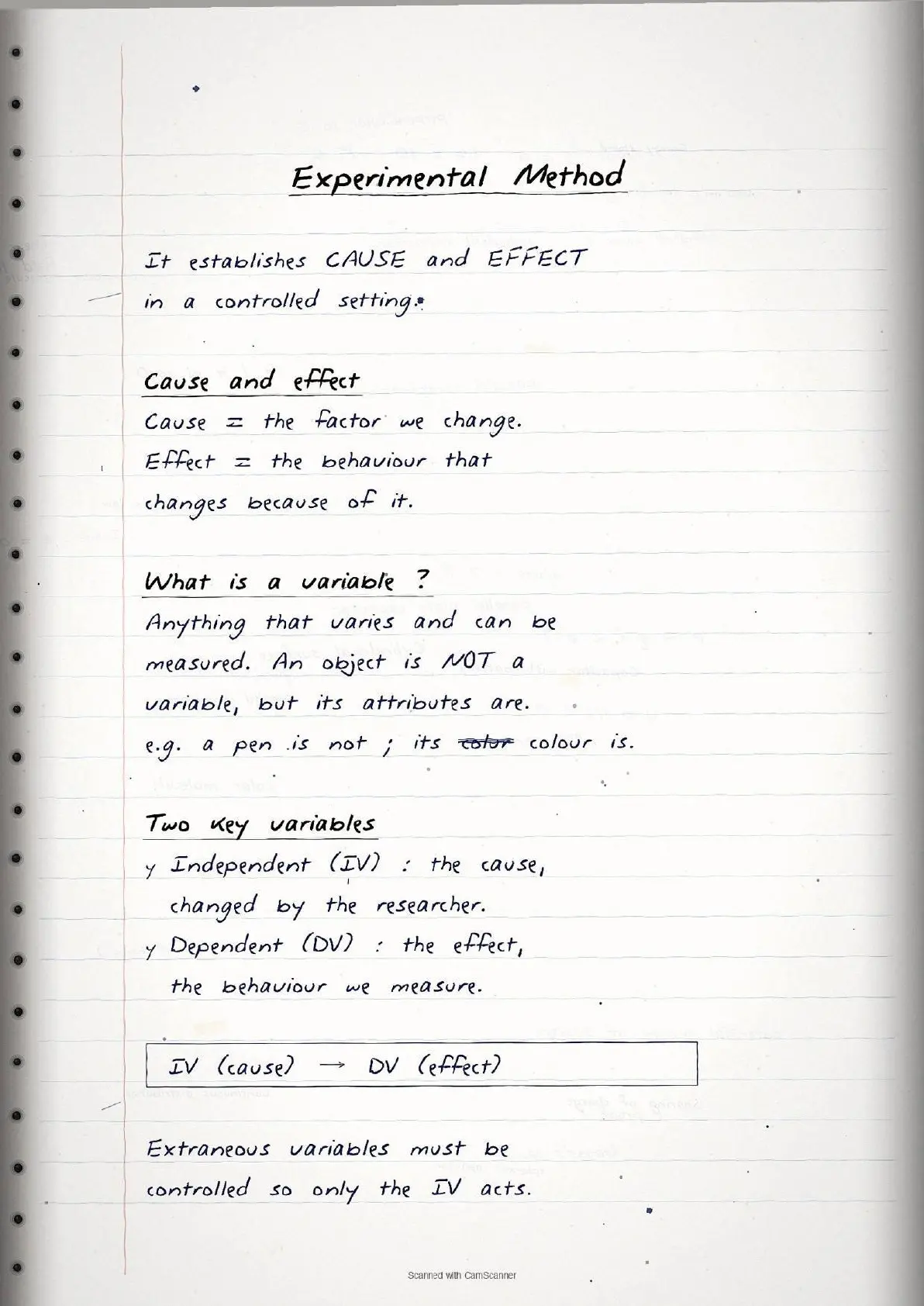
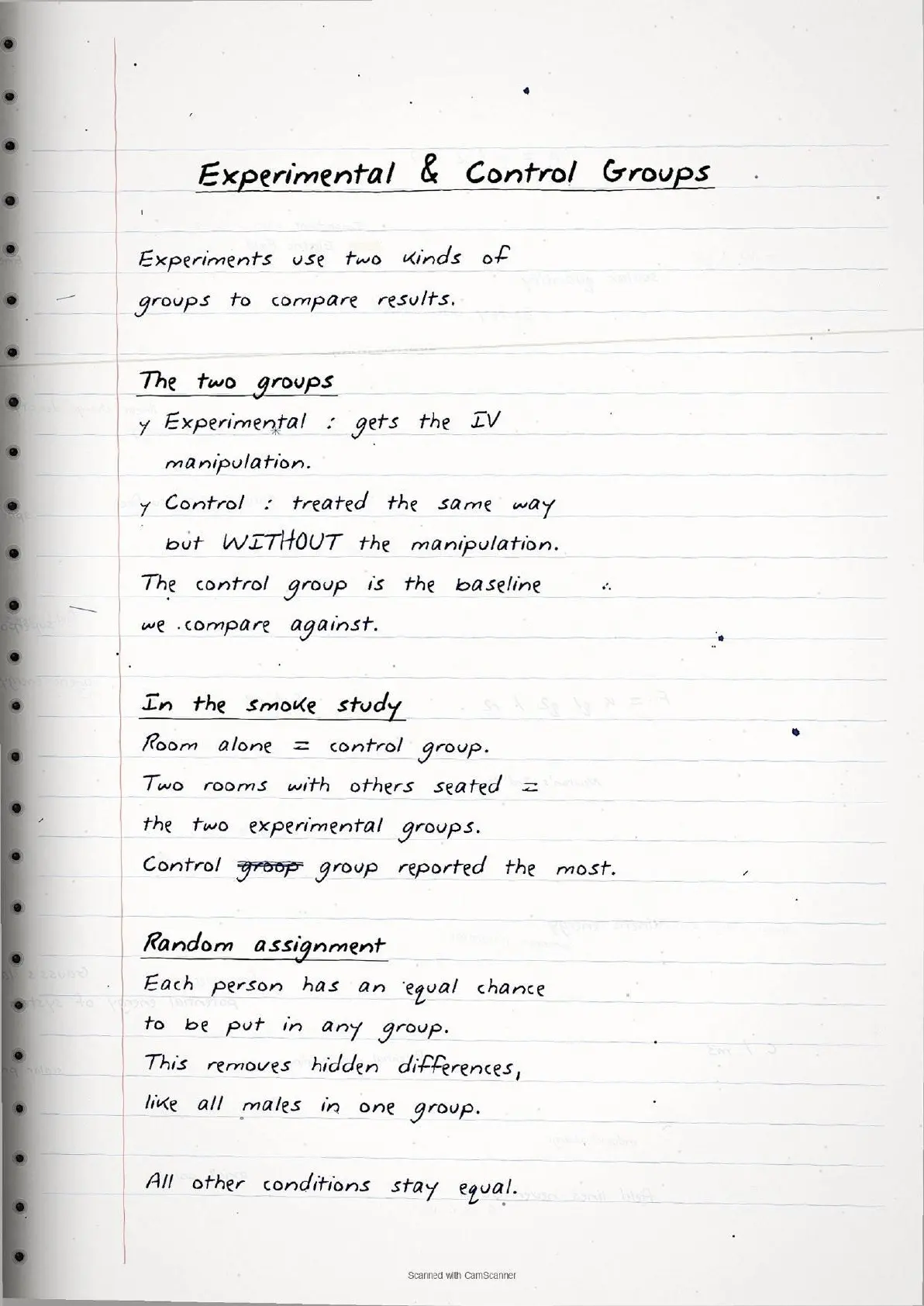
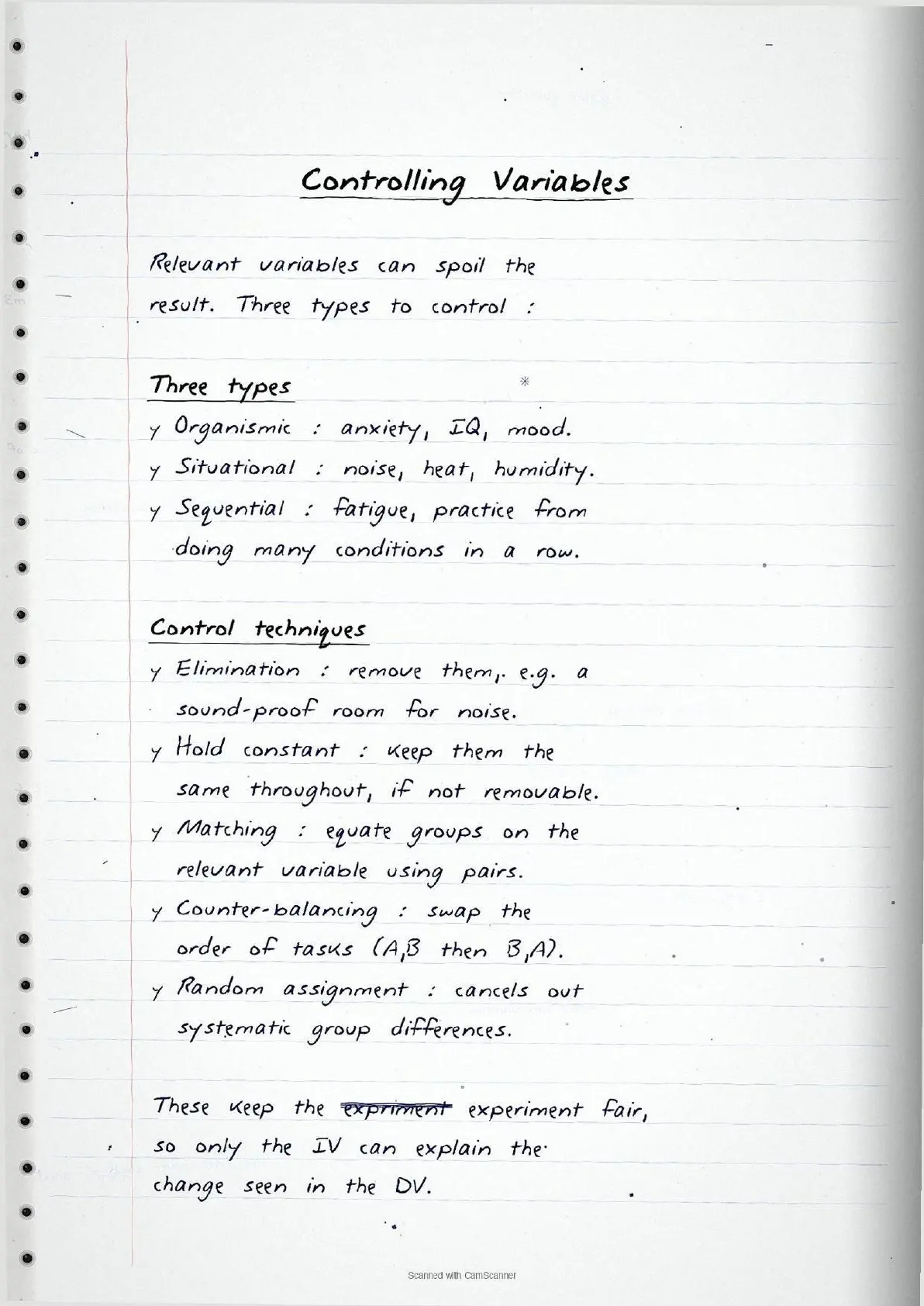
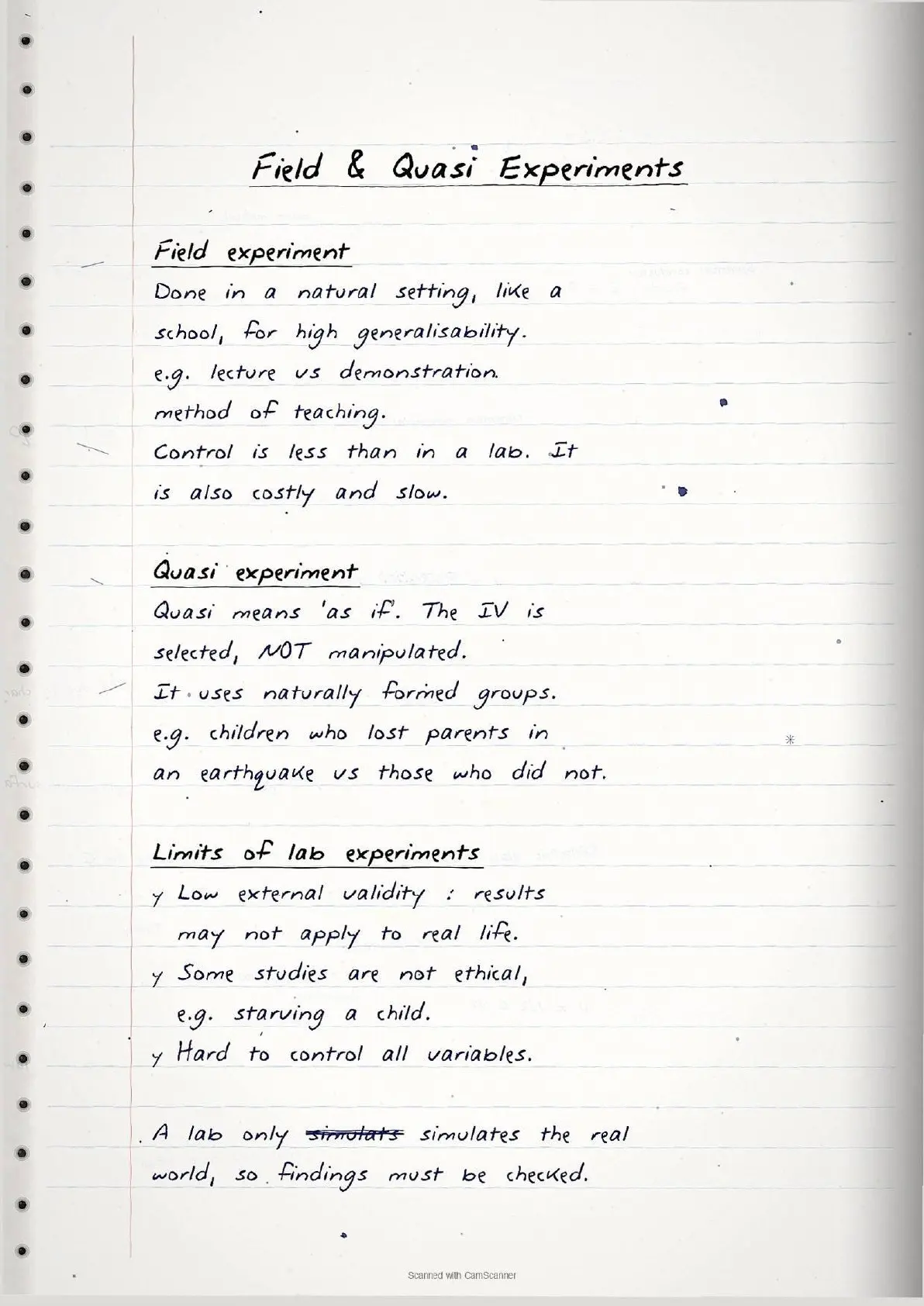
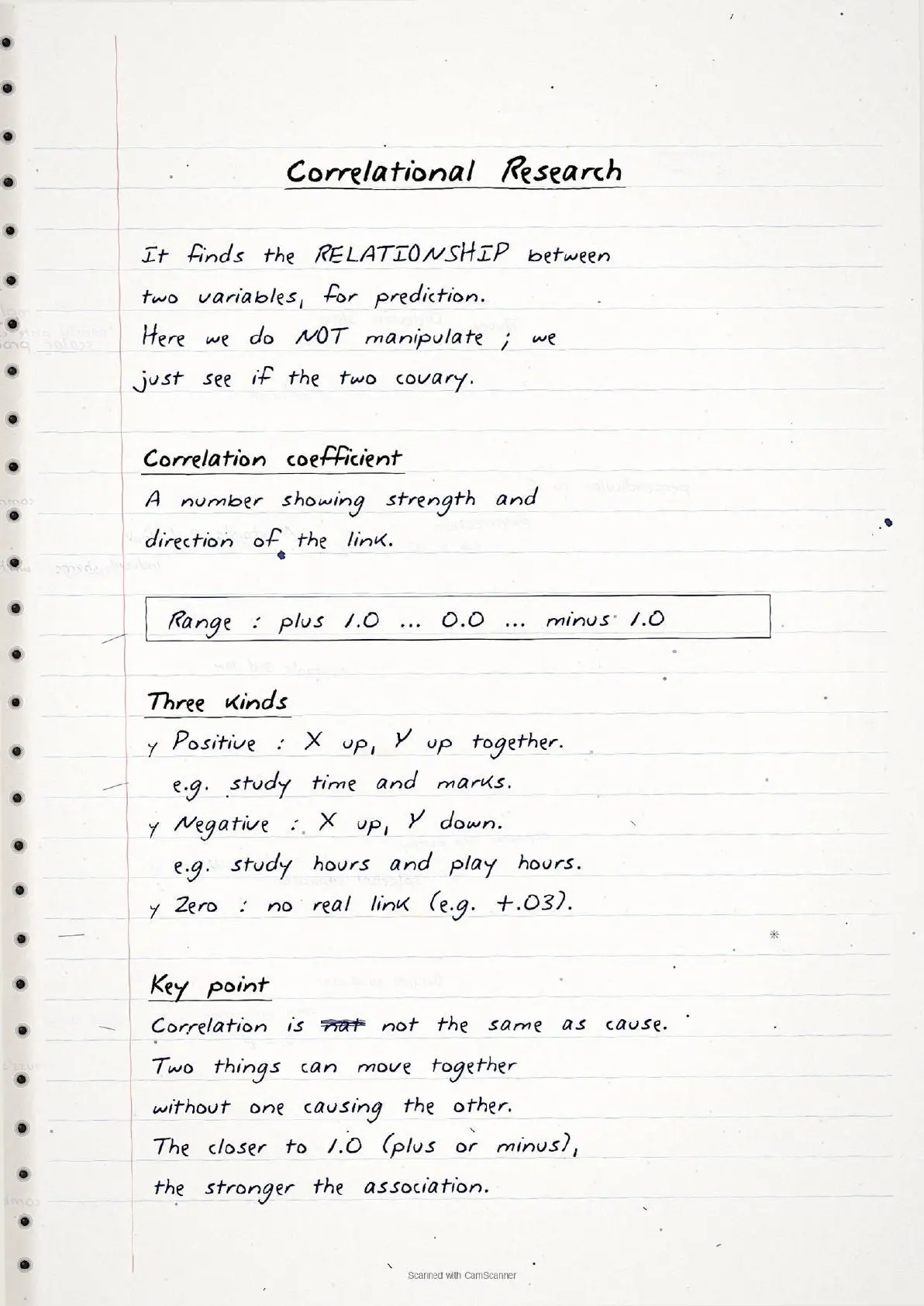
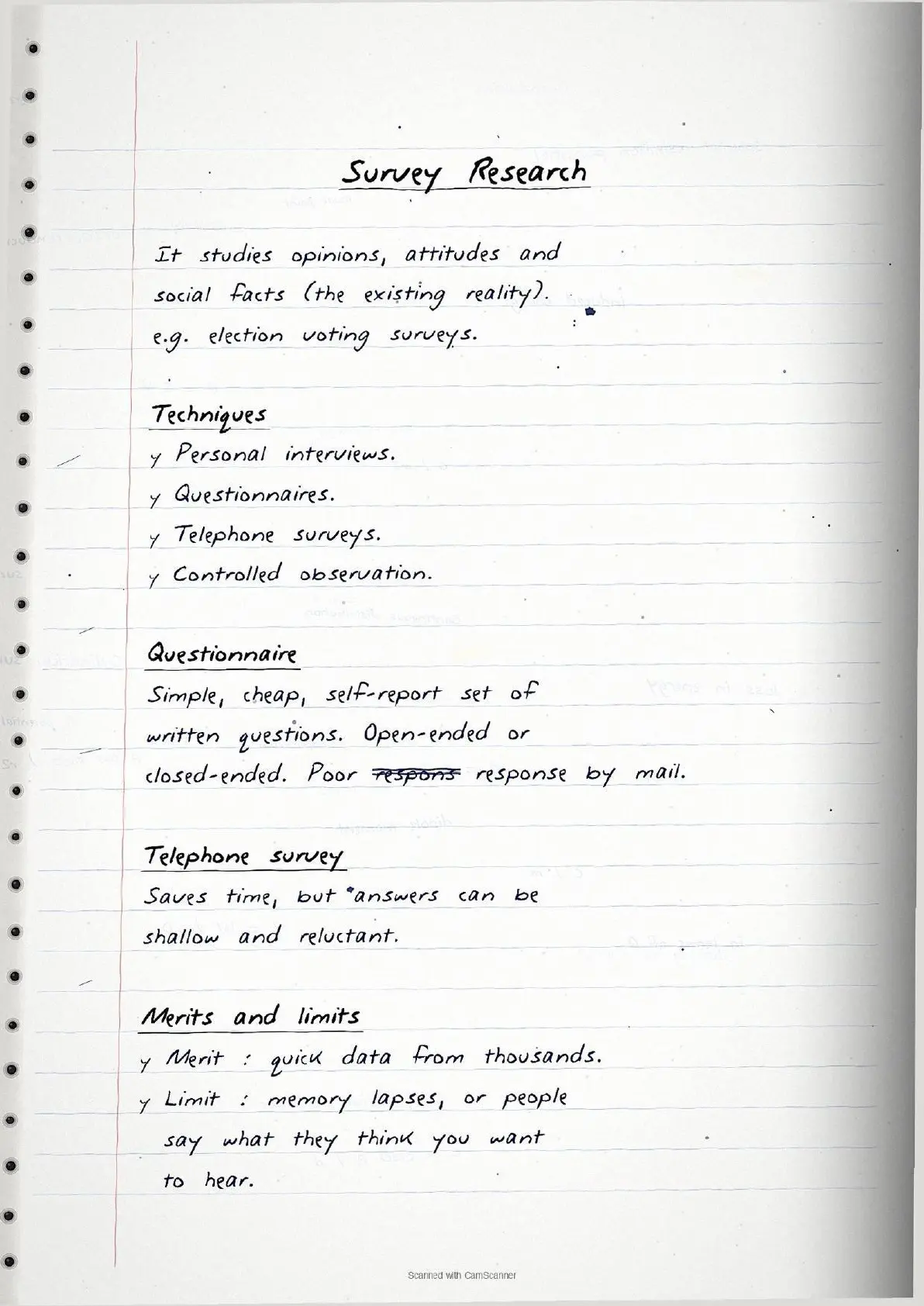
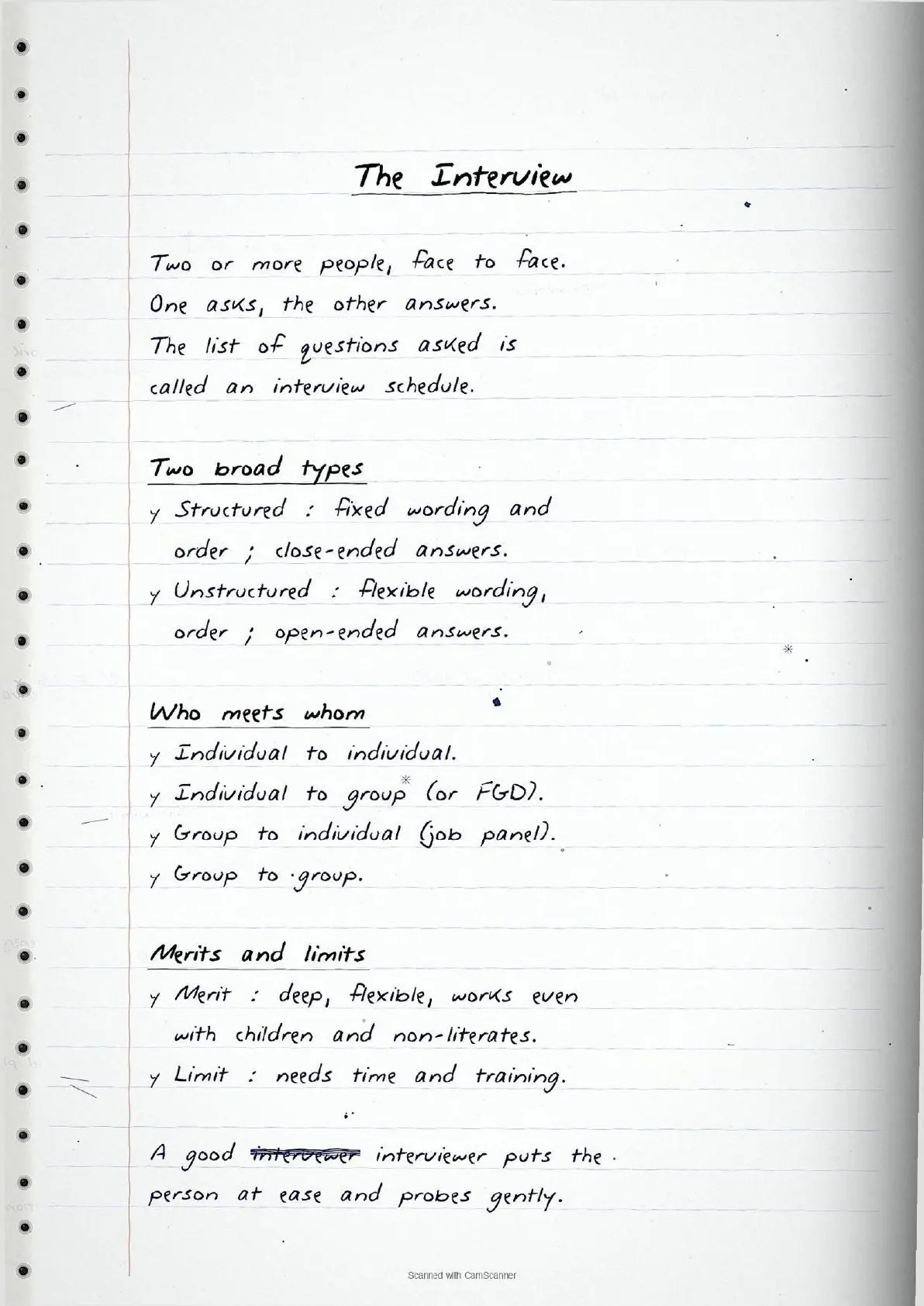
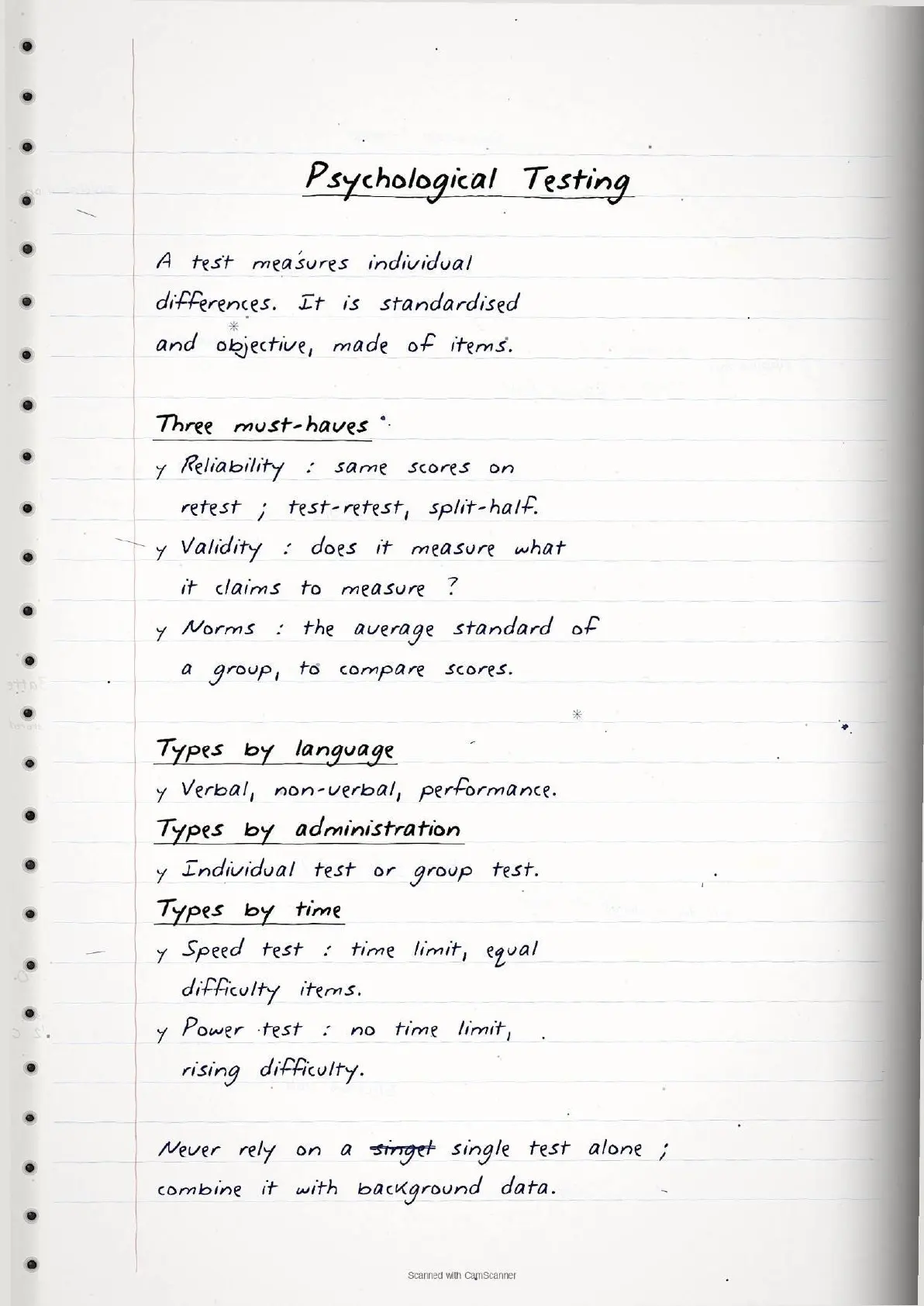
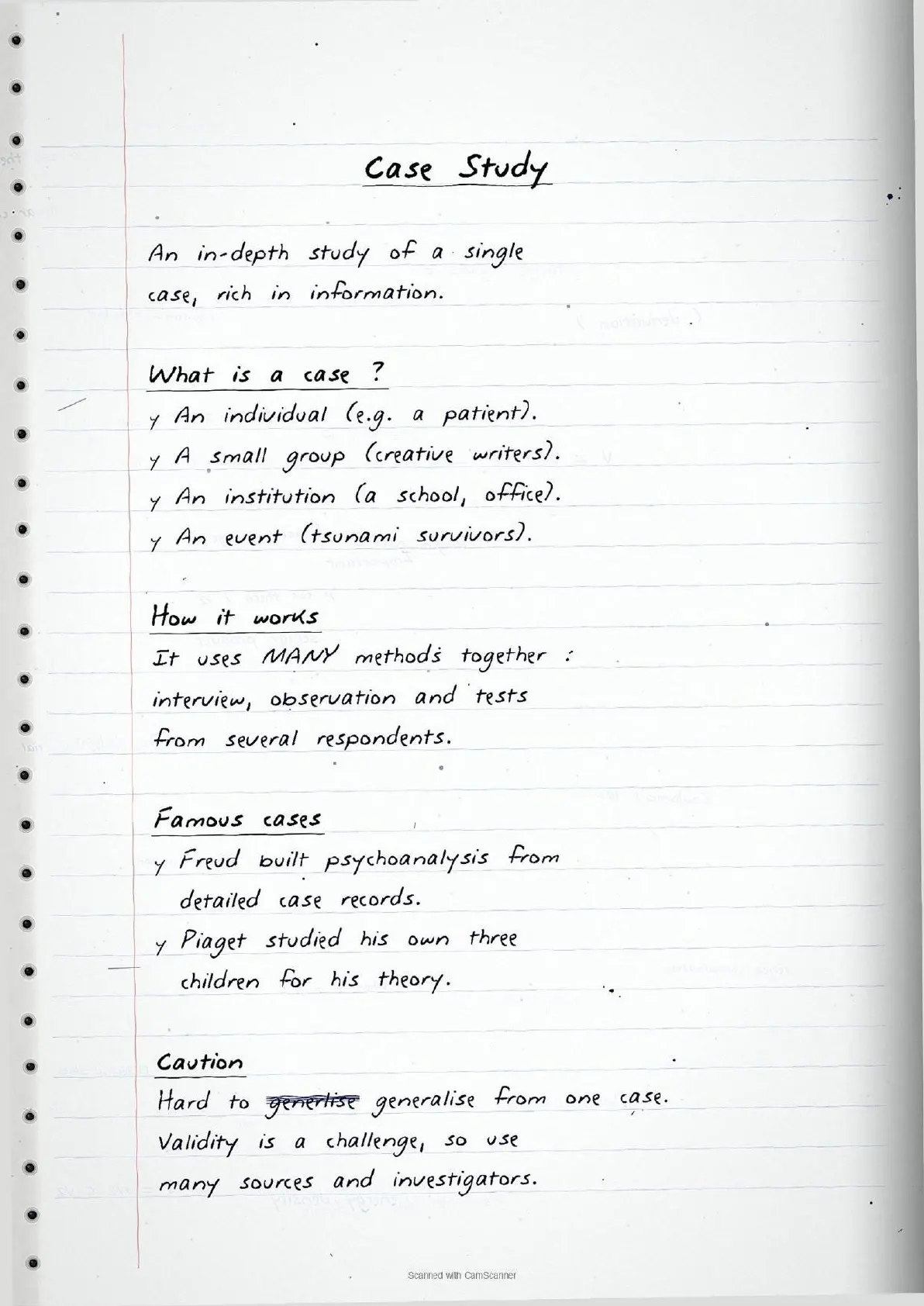
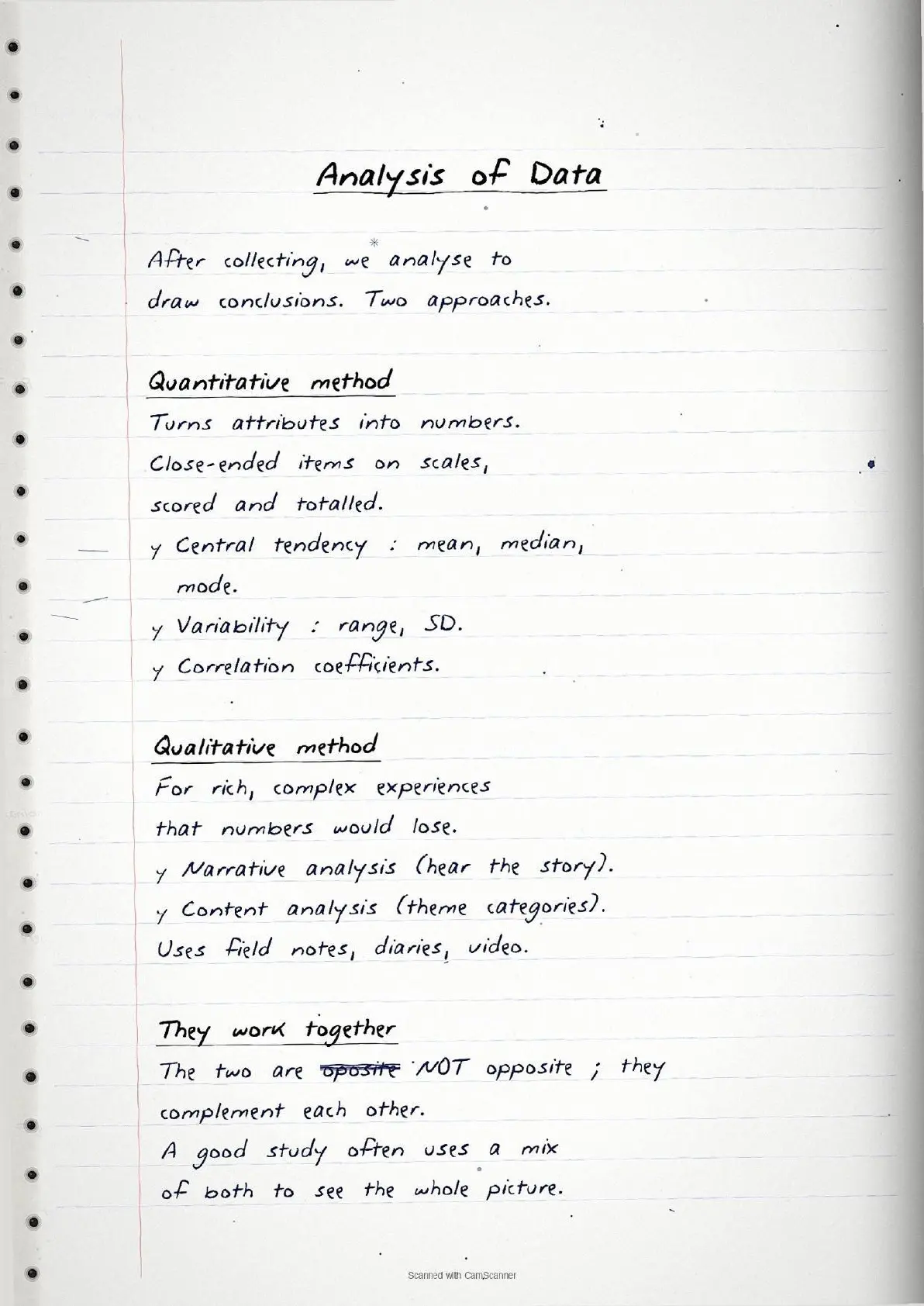
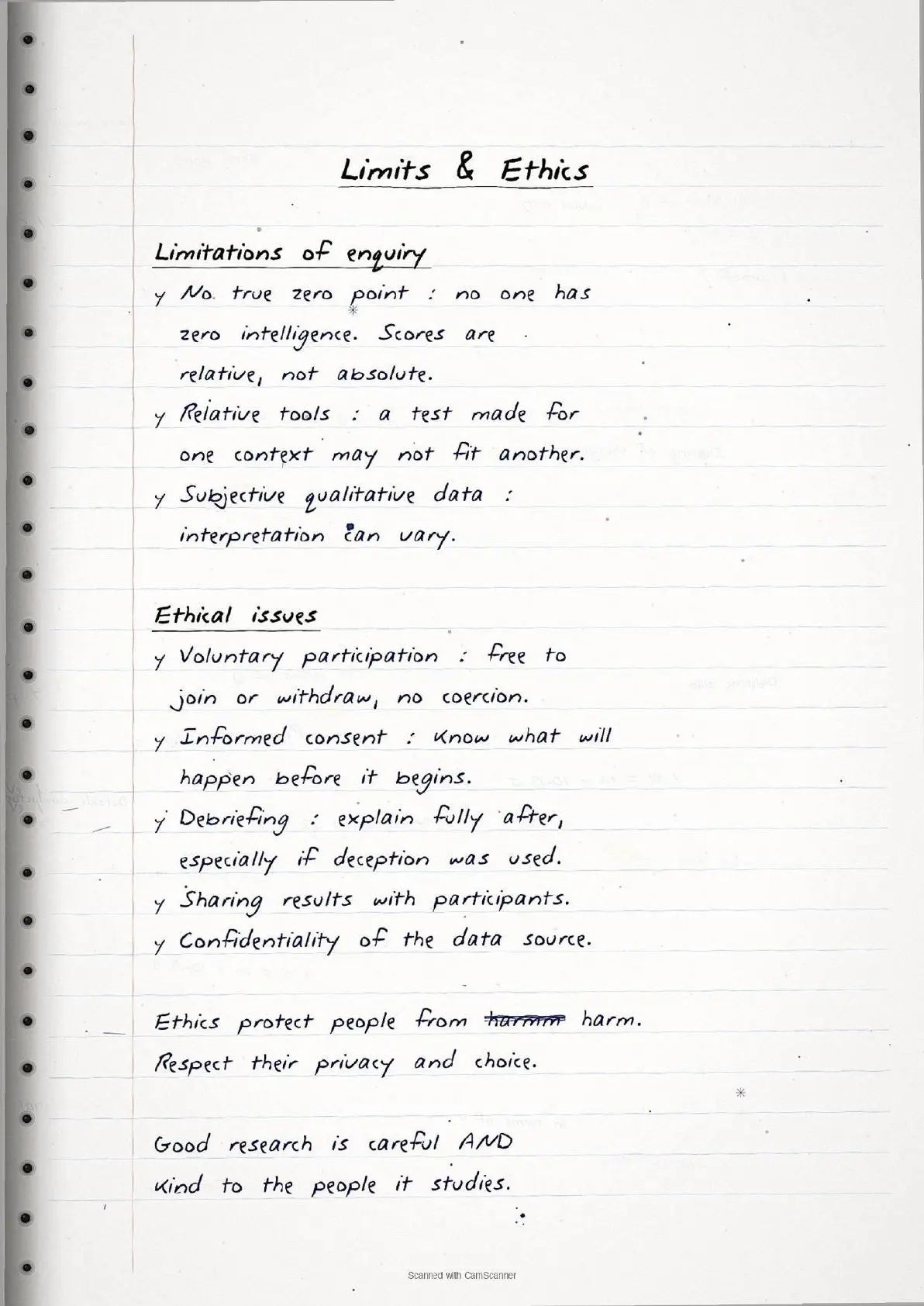
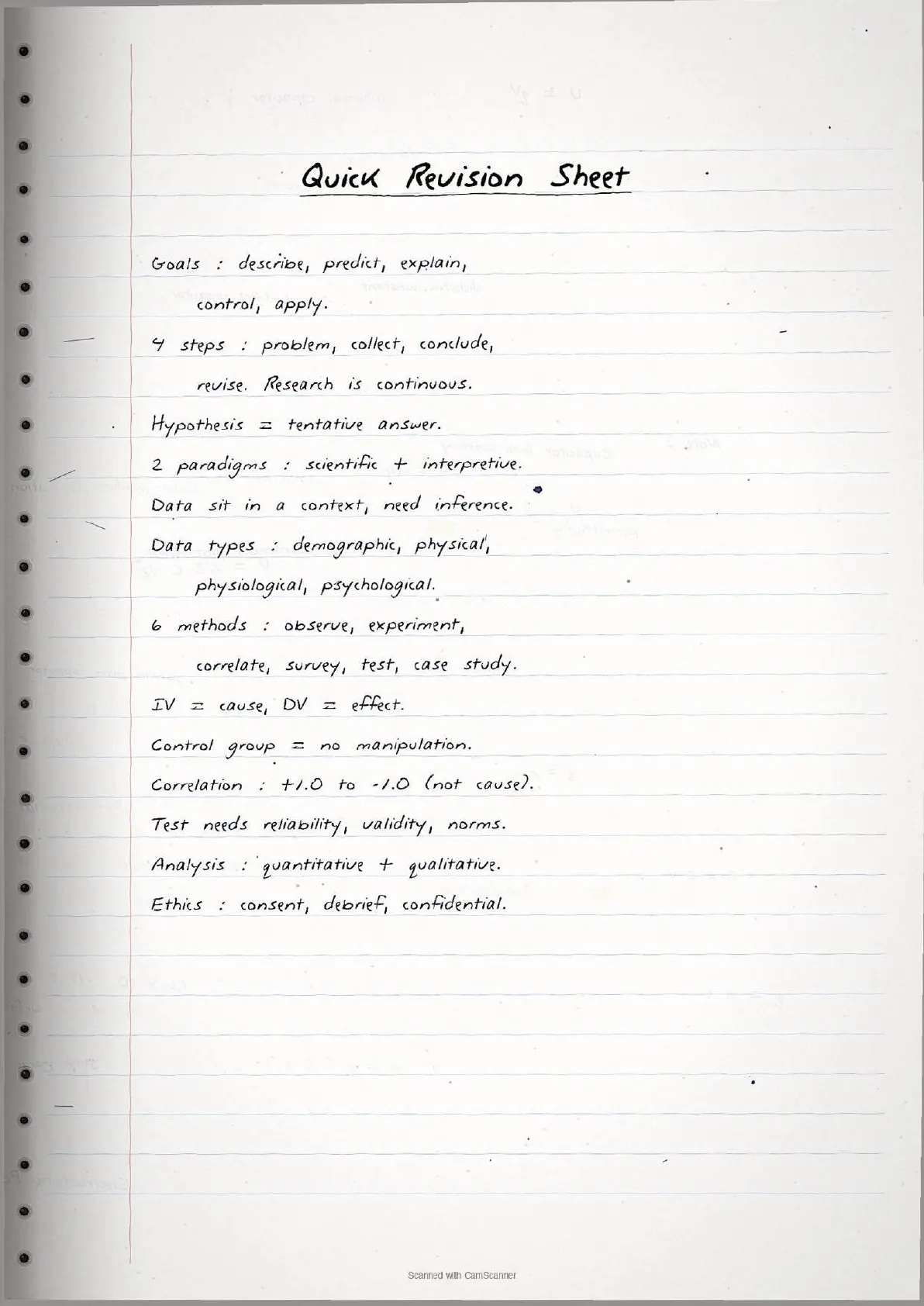
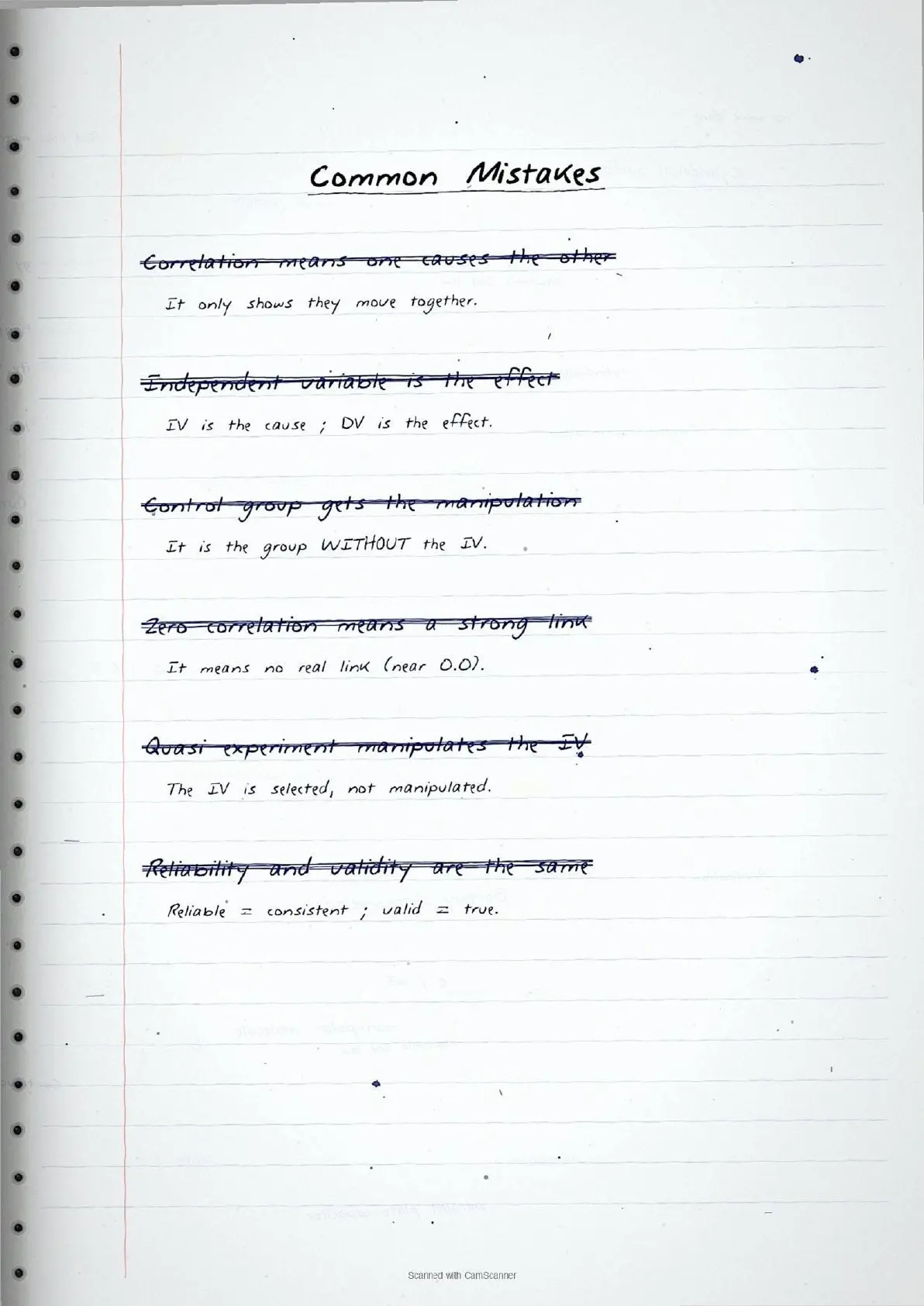
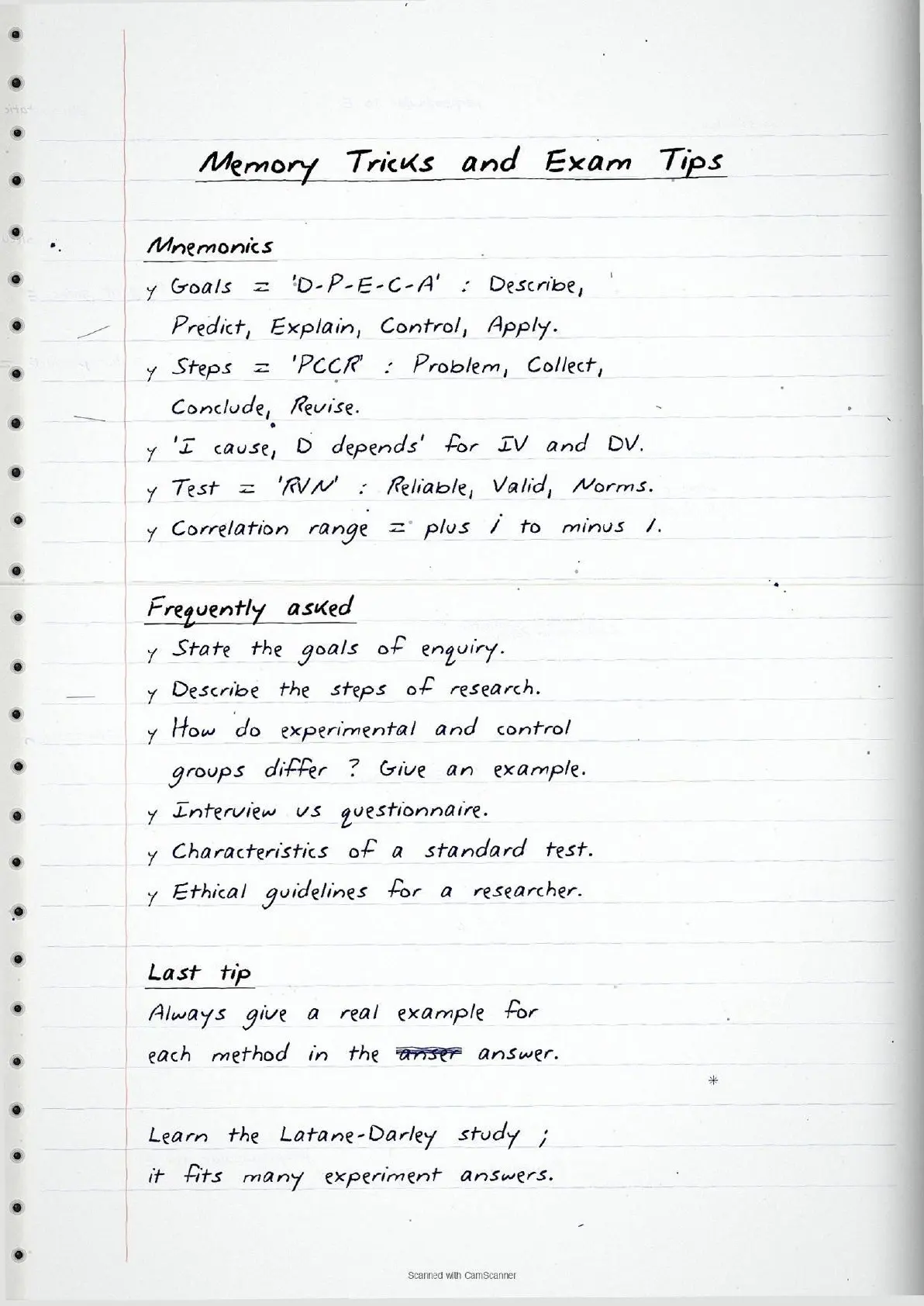
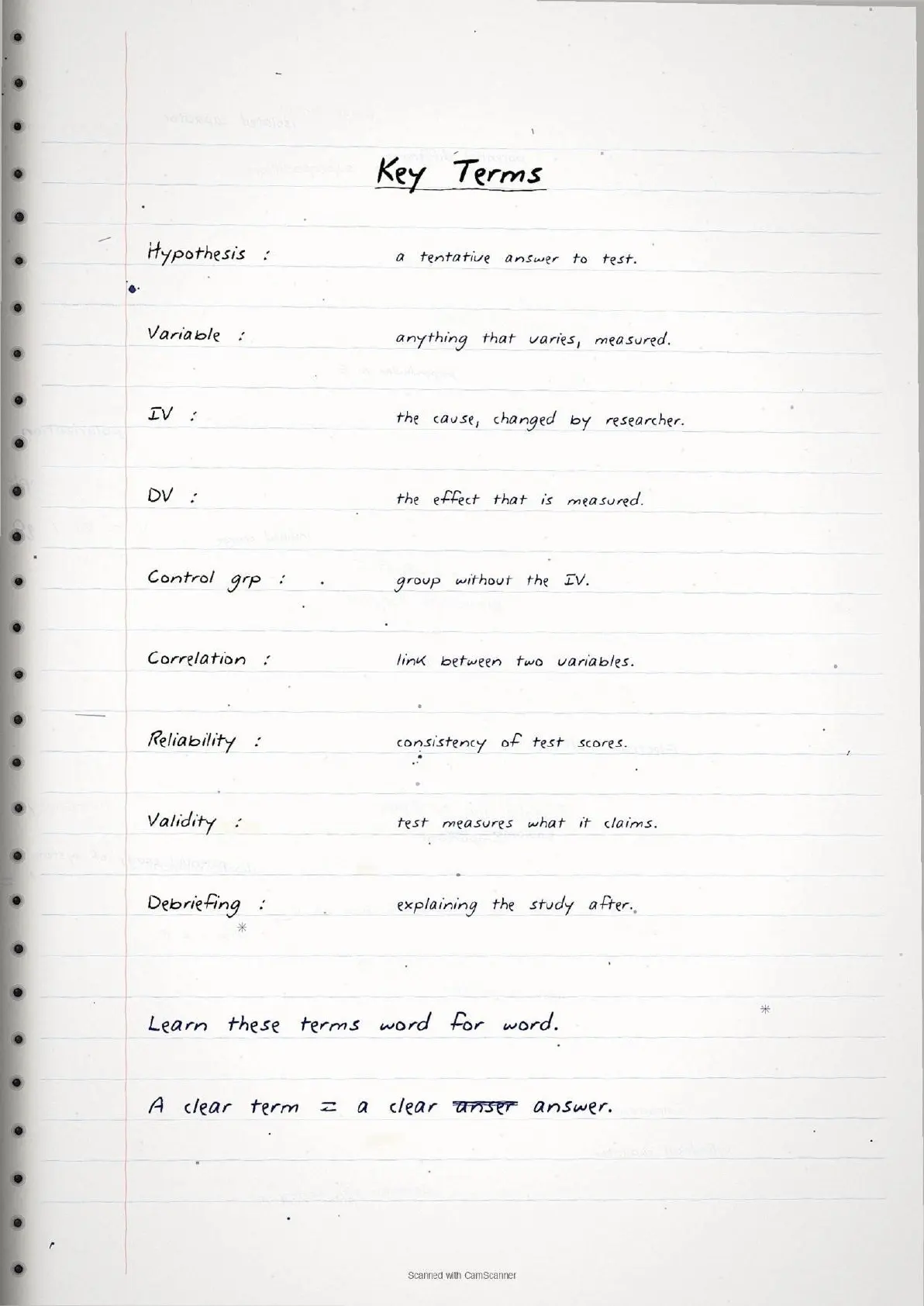
- Handwritten pages with boxed key terms and a labelled steps-of-research map.
- Chapter 2 usually carries 6 to 8 marks in the Class 11 Psychology paper.
- Pairs with the NCERT Solutions, Notes and Book PDF linked lower on this page.
These Methods of Enquiry in Psychology handwritten notes are prepared from the official NCERT Psychology textbook and checked against recent CBSE Class 11 question papers.
Student Feedback: In a Collegedunia poll of 6,180 Class 11 Psychology students, 72% of students said handwritten pages helped them recall the six methods of enquiry and the four research steps faster than printed text, because the boxed diagrams and arrows made each method stick.
Source: 2026-27 Class 11 Psychology student poll. Sample of 6,180 students from CBSE schools across 11 states.
What These Methods of Enquiry in Psychology Handwritten Notes Contain
Methods of Enquiry in Psychology is the second chapter of Class 11 Psychology. It explains how psychologists study behaviour and mental processes in an objective, systematic way. These handwritten notes condense the chapter into handwritten pages that read like a topper's own notebook.
The notes are organised under three threads, each on its own set of pages:
- The foundations: the goals of enquiry, the steps of scientific research, and the nature of psychological data.
- The methods: observation, experimental, correlational, survey, psychological testing and case study.
- After collection: quantitative and qualitative analysis, the limitations of measurement, and the ethical rules.
Because the pages are handwritten, the key terms sit in boxes and arrows rather than long paragraphs. A student can flip through the methods of enquiry in psychology class 11 pages in a few minutes and still pick up the six methods, the data types and the ethics list before walking into the exam.
Methods of Enquiry in the Handwritten Pages
The six methods fill the central pages, drawn as a clear map so each one stands apart. The chapter names four goals of enquiry (description, prediction, explanation and control) and one aim (application), then sets out the four steps of scientific research: conceptualising a problem, collecting data, drawing conclusions, and revising conclusions. The table below shows what the handwritten notes cover for each method.
| Method | What the page shows |
|---|---|
| Observation | Selection, recording, analysis; naturalistic vs controlled, and participant vs non-participant. |
| Experimental | Independent and dependent variables, experimental vs control groups, and the Latane and Darley study. |
| Correlational | Positive, negative and zero correlation, with the coefficient ranging from +1.0 to -1.0. |
| Survey | Interviews, questionnaires and telephone surveys; structured vs unstructured, open vs closed questions. |
| Psychological testing | Reliability, validity and norms; verbal, non-verbal and performance tests; speed vs power tests. |
| Case study | In-depth study of one case using multiple sources, as in Freud's and Piaget's work. |
The handwritten map makes the key point easy to see: the experimental method establishes cause and effect, while the correlational method only shows how two variables are associated. Seeing the methods side by side on one page is the fastest way to remember which one answers which kind of question. Keep this contrast in mind for the long-answer comparison question.
Data Types and Analysis in the Notes
The later pages cover the nature of psychological data and how it is analysed. These topics feed the short and long answers, so the handwritten notes keep them as boxed lists. The lists below show what each page covers.
- Types of data: demographic, physical, physiological and psychological information, all tied to their context.
- Quantitative analysis: close-ended and scaled responses turned into scores, then read with mean, median, mode and correlation.
- Qualitative analysis: narrative analysis and content analysis for descriptive data like field notes and interviews.
- Limitations: lack of a true zero point, the relative nature of psychological tools, and subjective interpretation.
The notes underline one judgement that scores well: quantitative and qualitative methods are complementary, not opposed, so a full picture needs both. The handwritten pages box this line so it stands out. Pair the data types and the two analysis methods with the ethics list, which covers voluntary participation, informed consent, debriefing, sharing results and confidentiality, and you have the whole back half of the chapter on a few pages.
How to Use These Handwritten Notes
Handwritten notes work best as a final-revision tool, not a first read. The steps below show how to get the most out of the Methods of Enquiry in Psychology handwritten notes in the last days before a test.
- Download: tap the download card above to save the handwritten pages to your device.
- First read: read the printed Notes once so the handwritten pages act as a refresher, not a first source.
- Recall drill: cover the page and try to write the six methods and the four research steps from memory.
- Night before: flip through the boxed pages for a quick last-minute recall of methods, data types and ethics.
Many students search for class 11 psychology chapter 2 notes on their phone the night before a test, so a saved set of handwritten pages means you can revise offline. Use the handwritten notes for speed, then check the solutions to confirm you have the answer points right.
Common Mistakes These Notes Help You Avoid
A few errors cost marks every year. The handwritten notes flag each one in the margin so you can fix it before the exam. These five are the most common.
- Mixing up correlation and causation. Correlation shows association, not cause and effect.
- Swapping the variables. The independent variable is manipulated; the dependent variable is the effect measured.
- Confusing the experimental and control groups. Only the experimental group gets the variable manipulation.
- Naming only some ethical rules. The exam wants voluntary participation, informed consent, debriefing, sharing results and confidentiality.
- Treating reliability and validity as the same. Reliability is consistency; validity is measuring what it claims.
Students who fix these five points usually move from average to high marks. The handwritten notes box the variable definitions and list every ethical rule in full, so the soft points are hard to miss when you revise.
How These Handwritten Notes Pair with the Solutions and Book PDF
These handwritten notes are a fast revision tool. To prepare fully, students should use them alongside the other resources for the same chapter, all linked in the table below. Read the printed Notes, test yourself with the solutions, then use these pages for a final recall.
| Resource | Best used for |
|---|---|
| Methods of Enquiry in Psychology NCERT Solutions | Step-by-step answers to all 12 review questions |
| Methods of Enquiry in Psychology Class 11 Notes | Quick chapter summary with all methods and key terms in one place |
| Methods of Enquiry in Psychology NCERT Book PDF | Reading the original NCERT chapter text and figures |
Tip: read the printed Notes first, then attempt the solutions, and keep these handwritten pages for the final night-before flip. Using them for recall, not for the first read, builds memory faster.
All Class 11 Psychology Handwritten Notes by Chapter
The table links the handwritten notes for every chapter in Class 11 Psychology, so students can move across the course in one click. Methods of Enquiry in Psychology is highlighted.
| Chapter | Handwritten Notes |
|---|---|
| Chapter 1 | What is Psychology? |
| Chapter 2 | Methods of Enquiry in Psychology |
| Chapter 3 | Human Development |
| Chapter 4 | Sensory, Attentional and Perceptual Processes |
| Chapter 5 | Learning |
| Chapter 6 | Human Memory |
| Chapter 7 | Thinking |
| Chapter 8 | Motivation and Emotion |
FAQs on Methods of Enquiry in Psychology Handwritten Notes
Methods of Enquiry in Psychology Class 11 Psychology Handwritten Notes Common Questions
Ques. Where can I download the Methods of Enquiry in Psychology handwritten notes PDF?
Ans. You can download the Methods of Enquiry in Psychology Class 11 Psychology handwritten notes PDF directly from this page. It is free, follows the 2026-27 NCERT, and presents the goals of enquiry, the six methods, data analysis and ethics as handwritten pages.
Ques. Are handwritten notes good for revising Class 11 Psychology Chapter 2?
Ans. Yes. Handwritten notes are best for fast, last-minute revision because the boxed key terms and arrows make the six methods and the research steps easy to skim. Use them after a first read of the printed Notes, not as your only source.
Ques. What topics do these handwritten notes cover?
Ans. They cover the goals of psychological enquiry, the steps of scientific research, the nature of psychological data, the observation, experimental, correlational, survey, psychological testing and case study methods, quantitative and qualitative analysis, limitations, and ethical issues.
Ques. What is the difference between experimental and correlational methods?
Ans. The experimental method manipulates an independent variable to establish a cause-effect relationship in a controlled setting. The correlational method does not manipulate anything; it only measures how strongly two variables are associated, giving a coefficient from +1.0 to -1.0. The handwritten pages box this contrast.
Ques. How should I use these notes with the other resources?
Ans. Read the printed Notes first, test yourself with the NCERT Solutions, then keep these handwritten pages for the final night-before flip. Using them for recall rather than the first read builds memory faster.



Comments