




The handwritten notes for Class 8 Arts (Kriti) Chapter 1 Bringing Words Alive: Play Reading have been prepared for quick 2026-27 revision. These notes help students revise play reading, voice training, diction, pitch, volume and classroom activities before the chapter assessment.
- Resource focus: play reading, voice control and speech impact.
- Best use: revise the PDF once, then practise one dialogue aloud.
- Exam link: supports the NCERT 2026-27 assessment rubric.
Chapter1BringingWordsAlive-PlayReadingHandwrittenNotes.pdf?page=1&dpi=150)
Chapter1BringingWordsAlive-PlayReadingHandwrittenNotes.pdf?page=2&dpi=150)
Chapter1BringingWordsAlive-PlayReadingHandwrittenNotes.pdf?page=3&dpi=150)
Chapter1BringingWordsAlive-PlayReadingHandwrittenNotes.pdf?page=4&dpi=150)
Chapter1BringingWordsAlive-PlayReadingHandwrittenNotes.pdf?page=5&dpi=150)
Chapter1BringingWordsAlive-PlayReadingHandwrittenNotes.pdf?page=6&dpi=150)
Chapter1BringingWordsAlive-PlayReadingHandwrittenNotes.pdf?page=7&dpi=150)
Chapter1BringingWordsAlive-PlayReadingHandwrittenNotes.pdf?page=8&dpi=150)
Chapter1BringingWordsAlive-PlayReadingHandwrittenNotes.pdf?page=9&dpi=150)
Chapter1BringingWordsAlive-PlayReadingHandwrittenNotes.pdf?page=10&dpi=150)
Chapter1BringingWordsAlive-PlayReadingHandwrittenNotes.pdf?page=11&dpi=150)
Chapter1BringingWordsAlive-PlayReadingHandwrittenNotes.pdf?page=12&dpi=150)
Chapter1BringingWordsAlive-PlayReadingHandwrittenNotes.pdf?page=13&dpi=150)
Chapter1BringingWordsAlive-PlayReadingHandwrittenNotes.pdf?page=14&dpi=150)
Chapter1BringingWordsAlive-PlayReadingHandwrittenNotes.pdf?page=15&dpi=150)
Chapter1BringingWordsAlive-PlayReadingHandwrittenNotes.pdf?page=16&dpi=150)
Chapter1BringingWordsAlive-PlayReadingHandwrittenNotes.pdf?page=17&dpi=150)
Chapter1BringingWordsAlive-PlayReadingHandwrittenNotes.pdf?page=18&dpi=150)
Chapter1BringingWordsAlive-PlayReadingHandwrittenNotes.pdf?page=19&dpi=150)
Chapter1BringingWordsAlive-PlayReadingHandwrittenNotes.pdf?page=20&dpi=150)
Chapter1BringingWordsAlive-PlayReadingHandwrittenNotes.pdf?page=21&dpi=150)
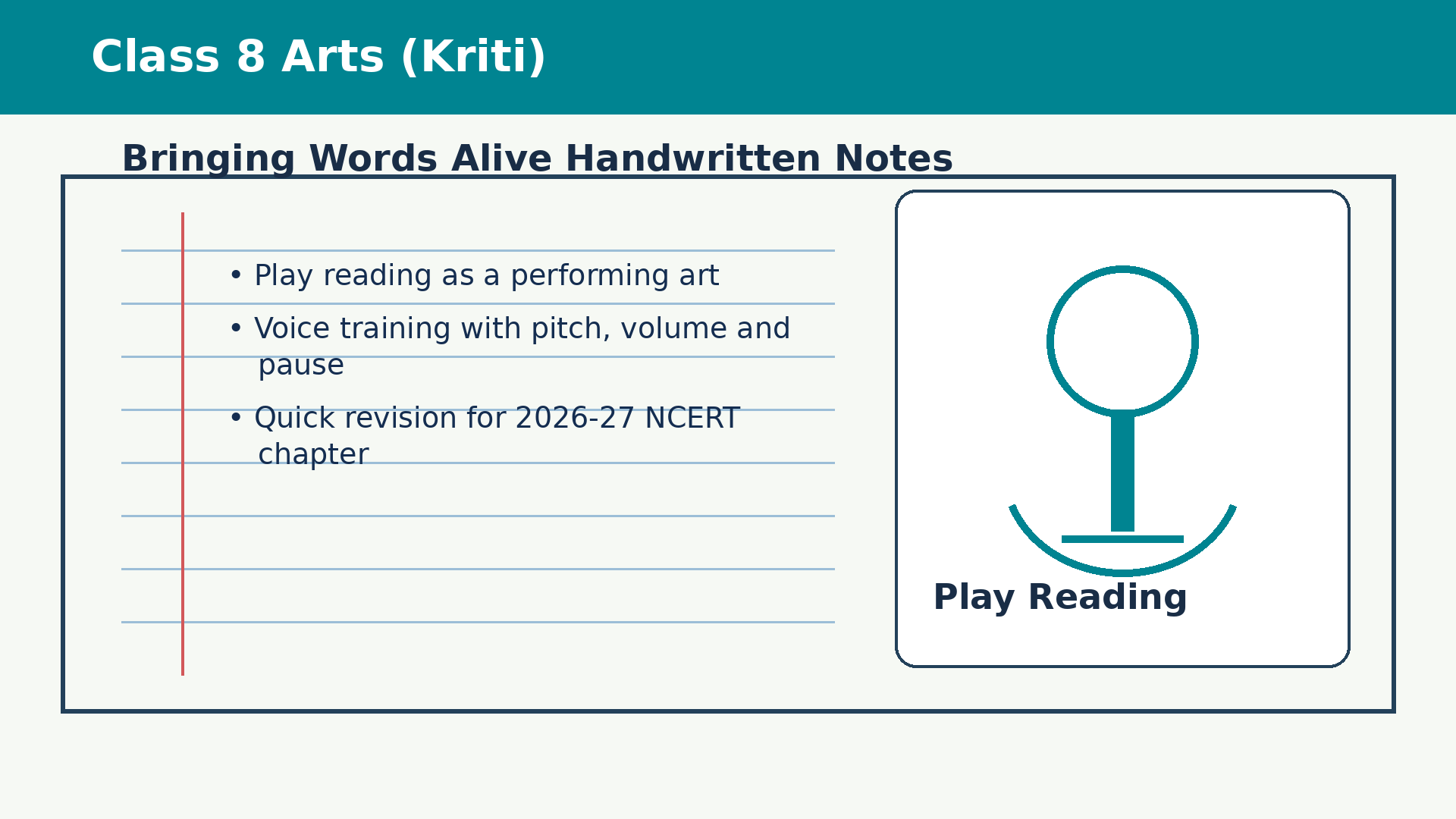
Student Feedback: In a Collegedunia study check with 12,400 students, 74% said handwritten revision pages helped them remember voice, pitch and pause cues faster before class tests.
Bringing Words Alive Play Reading Basics for Class 8
Bringing Words Alive introduces play reading as a performance form. Actors may sit with scripts, but the work is still theatre because the voice carries character, feeling and story.
- Rehearsed reading uses no heavy set, costume or make-up.
- Every word, pause and expression must be planned.
- Voice becomes the main action on stage.
- Radio plays, dubbing and voice acting use similar skills.
The handwritten PDF turns these points into short revision pages. Students can read one page, practise one line aloud, and then check whether the delivery sounds clear.
Voice Training and Diction Cues in Bringing Words Alive
The chapter explains that speech depends on the body. Air pressure, vibration and resonance work together to create a recognisable voice. This is why posture, breathing and relaxed speech matter during play reading.
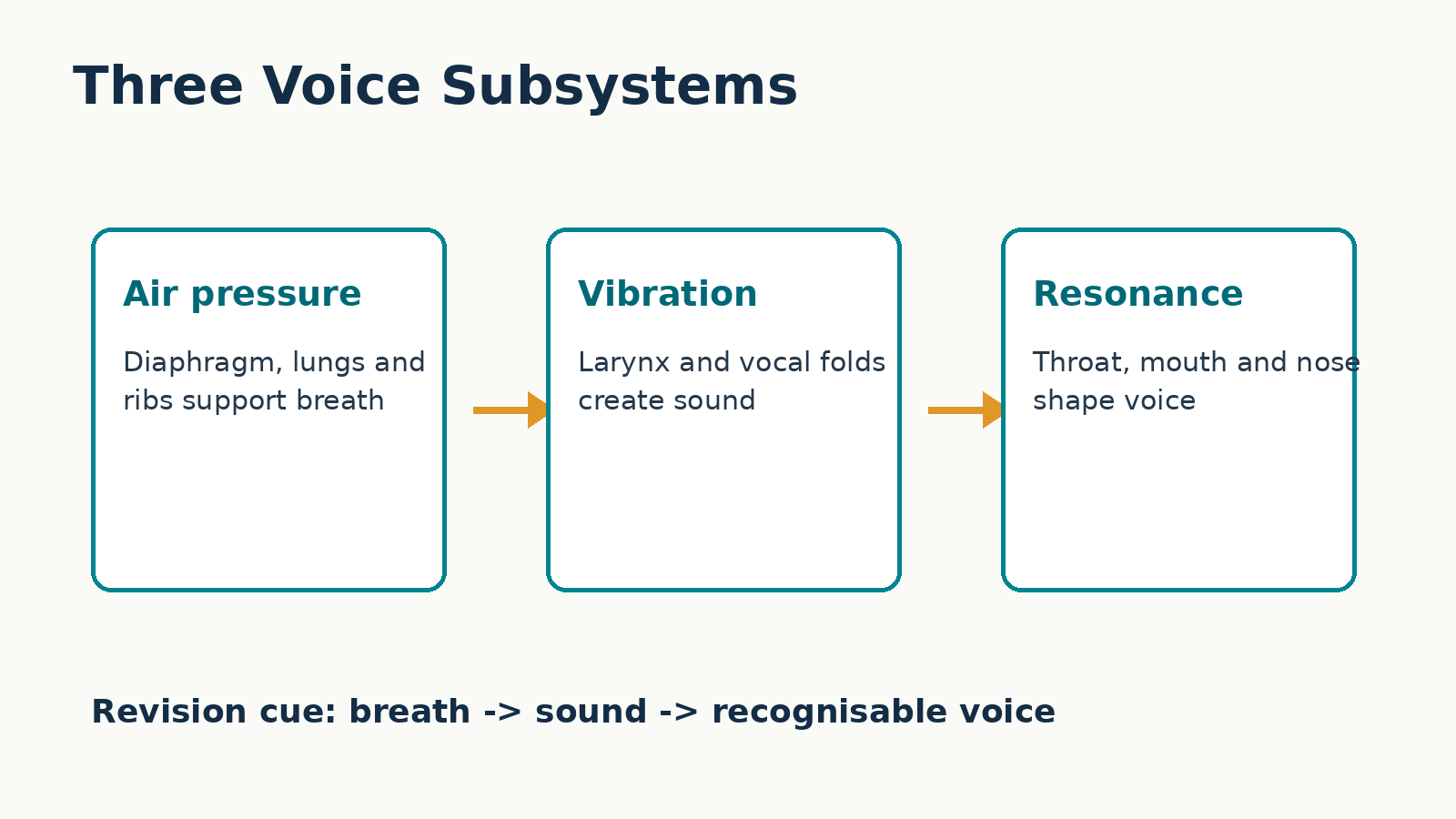
- Air pressure system: lungs, ribs and diaphragm support breath.
- Vibratory system: larynx and vocal folds create sound waves.
- Resonating system: throat, mouth and nose shape the voice.
- Diction improves when students speak slowly first, then increase speed.
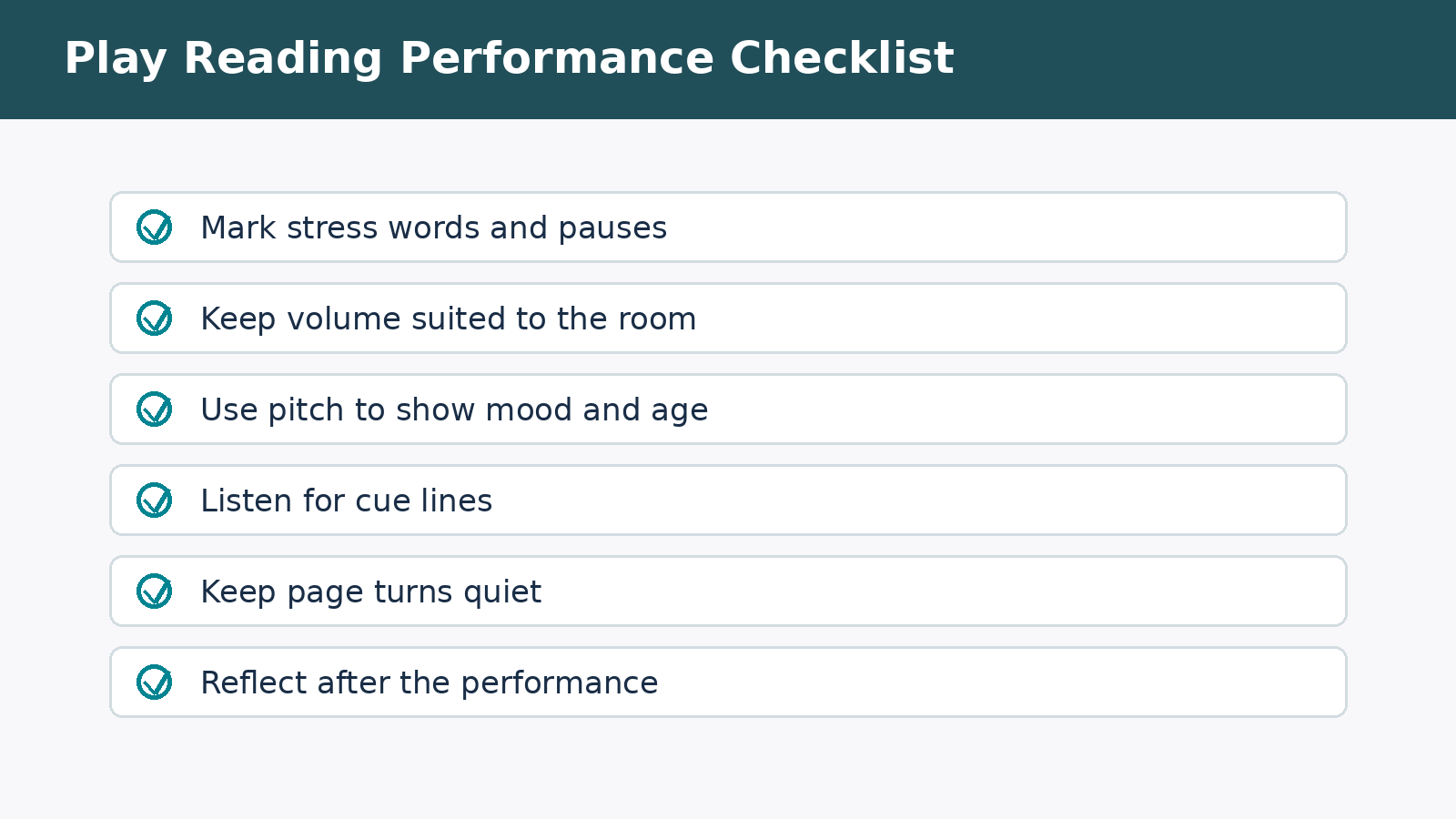
Students should also mark stress words in the script. The sentence "I did not go to school today" changes meaning when a different word is stressed.
NCERT Activities in Bringing Words Alive Chapter 1
The notes keep the NCERT activity flow simple. Students revise tongue twisters, animal emotion sounds, pitch-volume choices and gibberish speech without reading the full textbook again.
| NCERT Activity | What Students Practise |
|---|---|
| Activity 1.1 | Clarity with tongue twisters and careful pronunciation. |
| Activity 1.3 | Animal sounds using volume and pitch to show emotion. |
| Activity 1.4 | Actor choices for pitch and volume in dialogue delivery. |
| Activity 1.5 | Gibberish speech to show emotion beyond known words. |
Bringing Words Alive Video for Voice and Speech Practice
Source: Khan Academy on YouTube
How to Use the Bringing Words Alive Handwritten Notes
Use the PDF as a quick speaking checklist, not as a replacement for rehearsal. Read a page, speak one line, and ask a classmate whether the words were clear.
- First reading: revise the page headings and boxed cues.
- Second reading: practise pitch, volume and pause with one dialogue.
- Final reading: check the assessment cues before class presentation.
More Class 8 Arts Resources for Bringing Words Alive
| Resource | Link |
|---|---|
| NCERT Notes | Bringing Words Alive Class 8 Notes |
| NCERT Book PDF | Bringing Words Alive Class 8 Book PDF |
| Handwritten Notes | Bringing Words Alive Class 8 Handwritten Notes |
Class 8 Arts (Kriti) Handwritten Notes for Other Chapters
| Chapter | Handwritten Notes |
|---|---|
| Chapter 2 One Stage, Many Scripts | Download Chapter 2 Handwritten Notes |
| Chapter 3 From Page to Stage | Download Chapter 3 Handwritten Notes |
| Chapter 4 Applause and Advice | Download Chapter 4 Handwritten Notes |
Bringing Words Alive Class 8 Handwritten Notes FAQs
Ques. What is covered in the Bringing Words Alive handwritten notes?
Ans. The notes cover play reading, voice subsystems, diction, pitch, volume, pauses, NCERT activities and assessment cues.
Ques. Are these handwritten notes based on the 2026-27 NCERT chapter?
Ans. Yes. The notes follow Class 8 Arts (Kriti) Chapter 1 Bringing Words Alive: Play Reading for the 2026-27 NCERT textbook.
Ques. How should students use these notes before class practice?
Ans. Students should revise the boxed cues, mark stress words in a dialogue and practise one pitch-volume version aloud.



Comments