


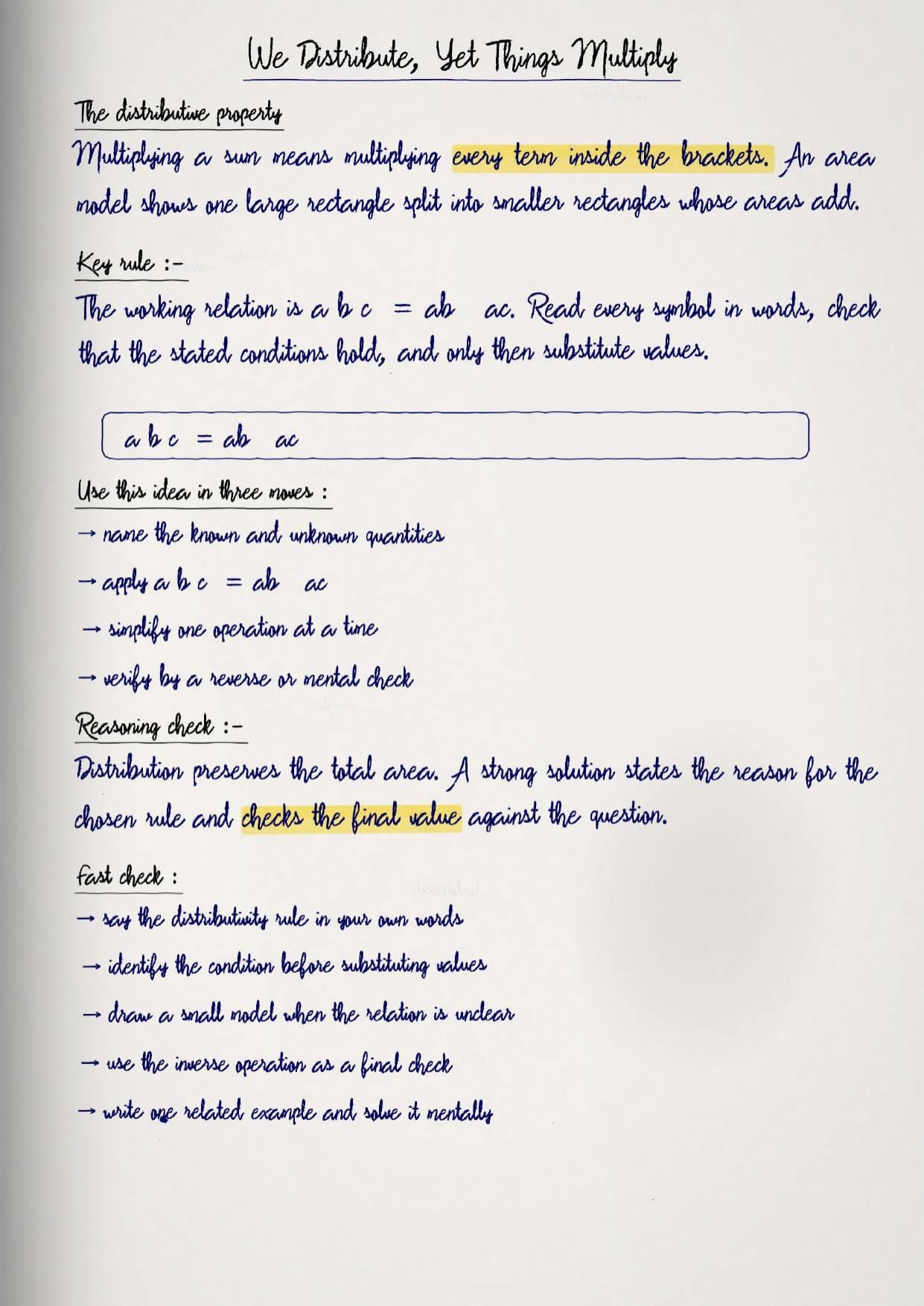
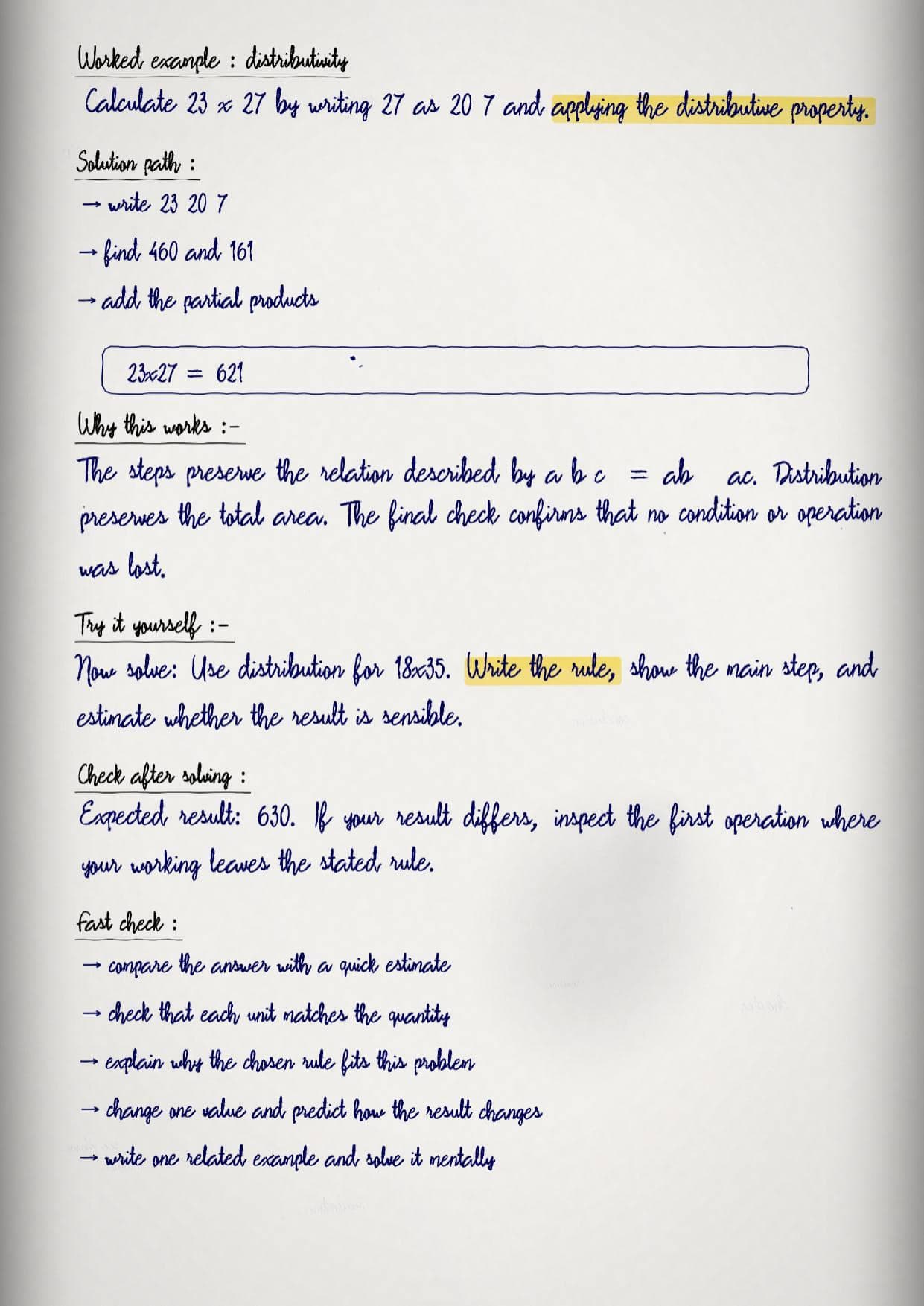
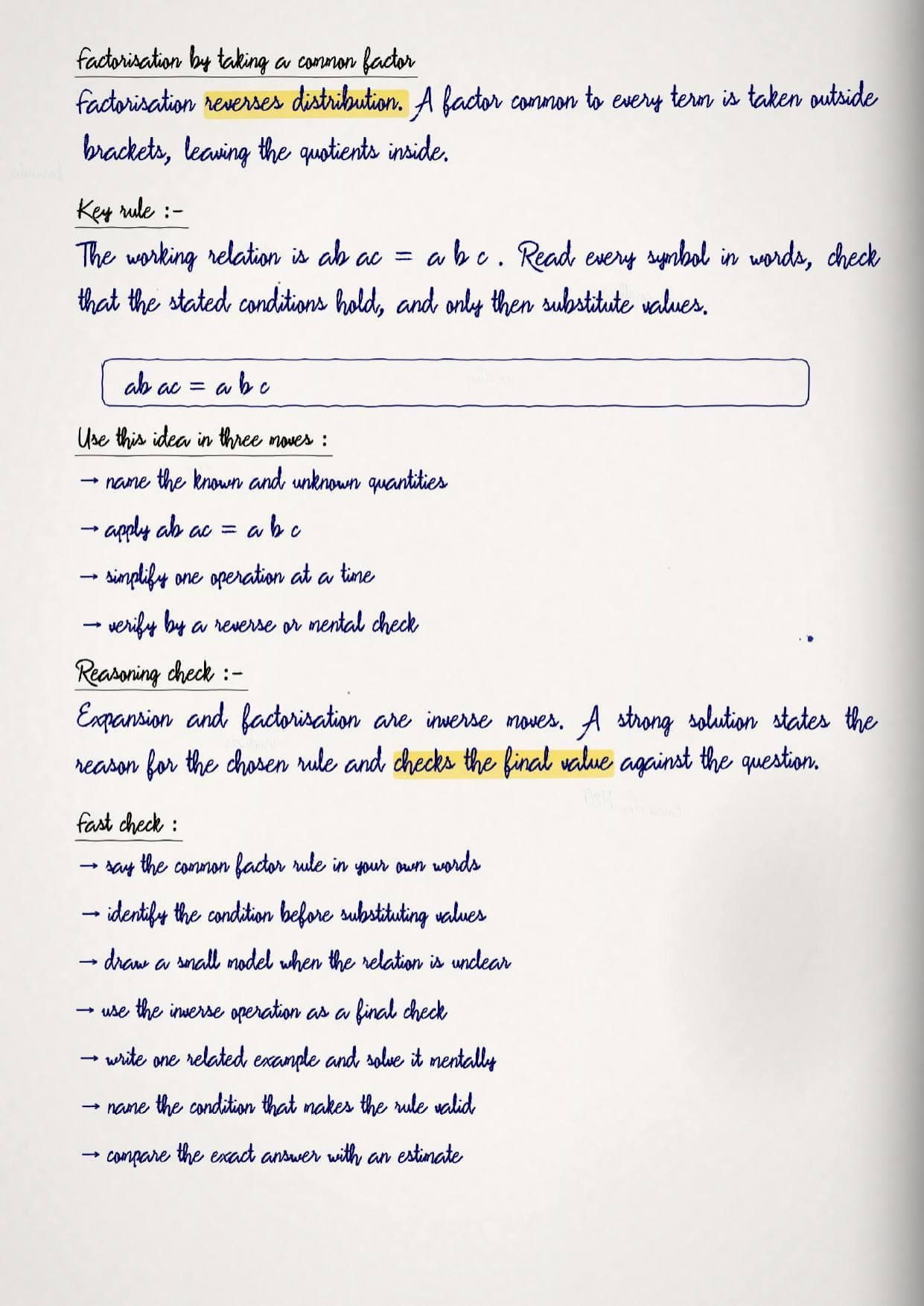
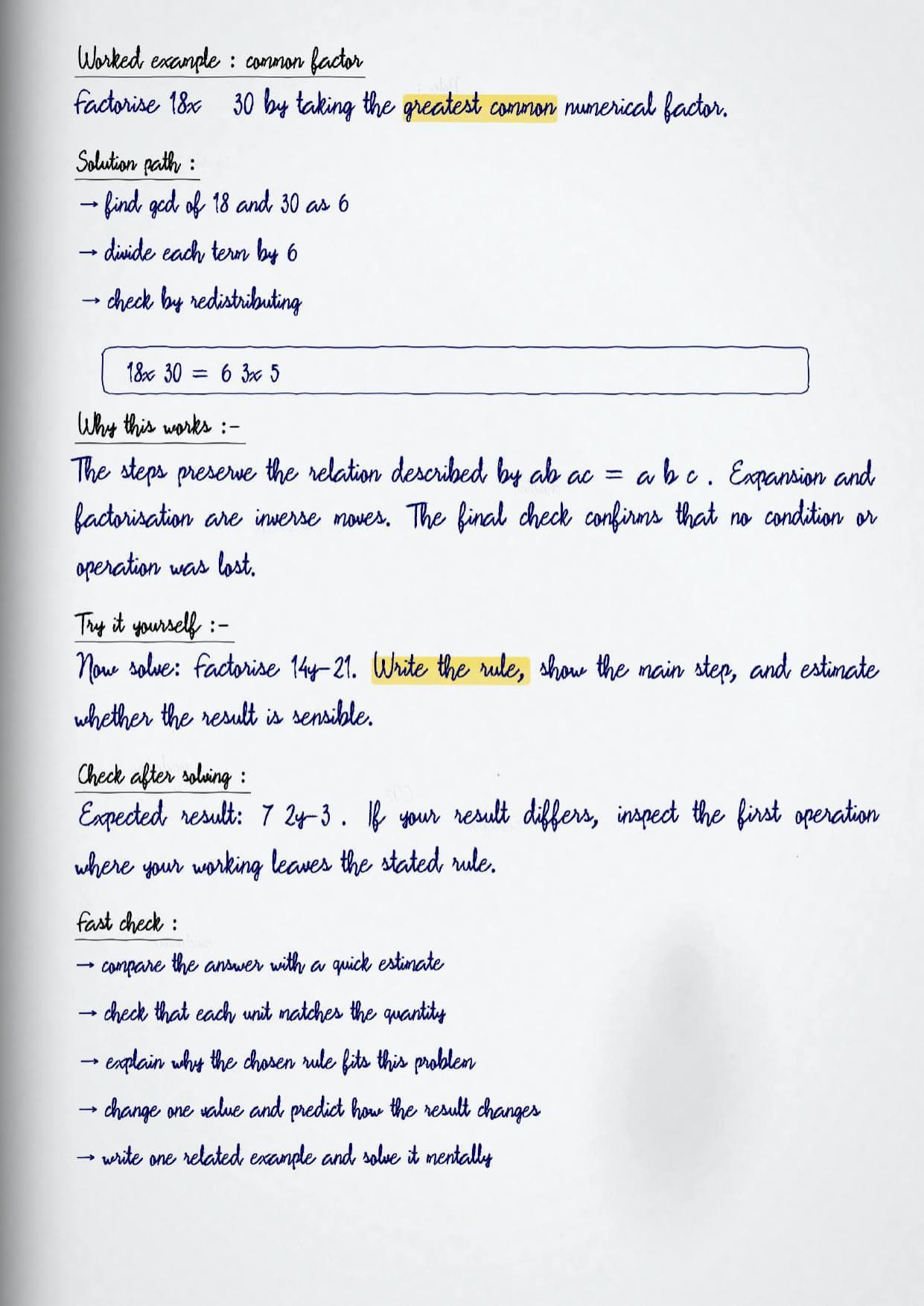
The distributive property lets you expand products of expressions, which gives the standard algebraic identities and quick ways to multiply and square numbers. Class 8 Mathematics Chapter 6 We Distribute, Yet Things Multiply builds this idea step by step. These class 8 maths handwritten notes chapter 6 We Distribute, Yet Things Multiply follow the 2026-27 NCERT and cover.
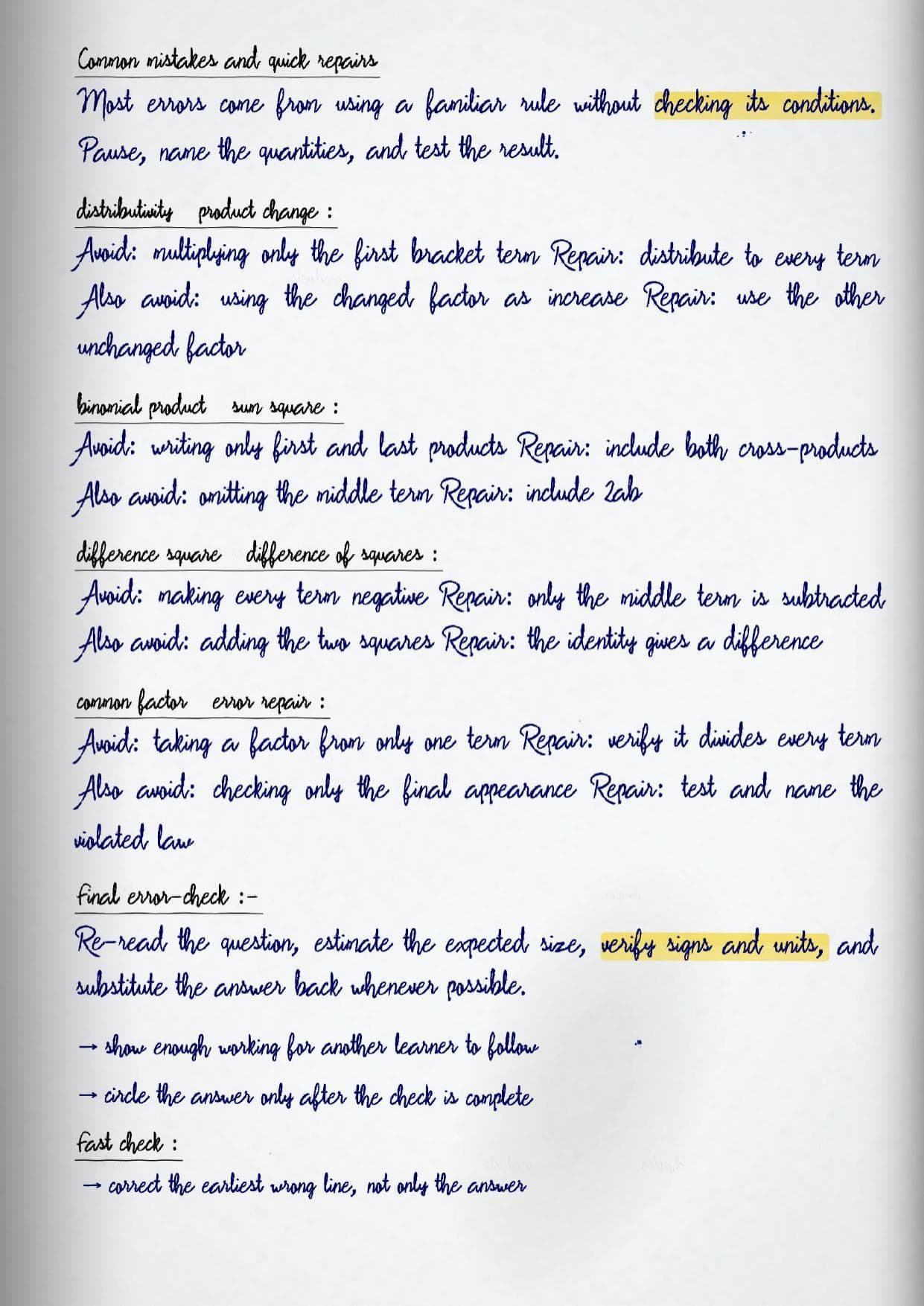
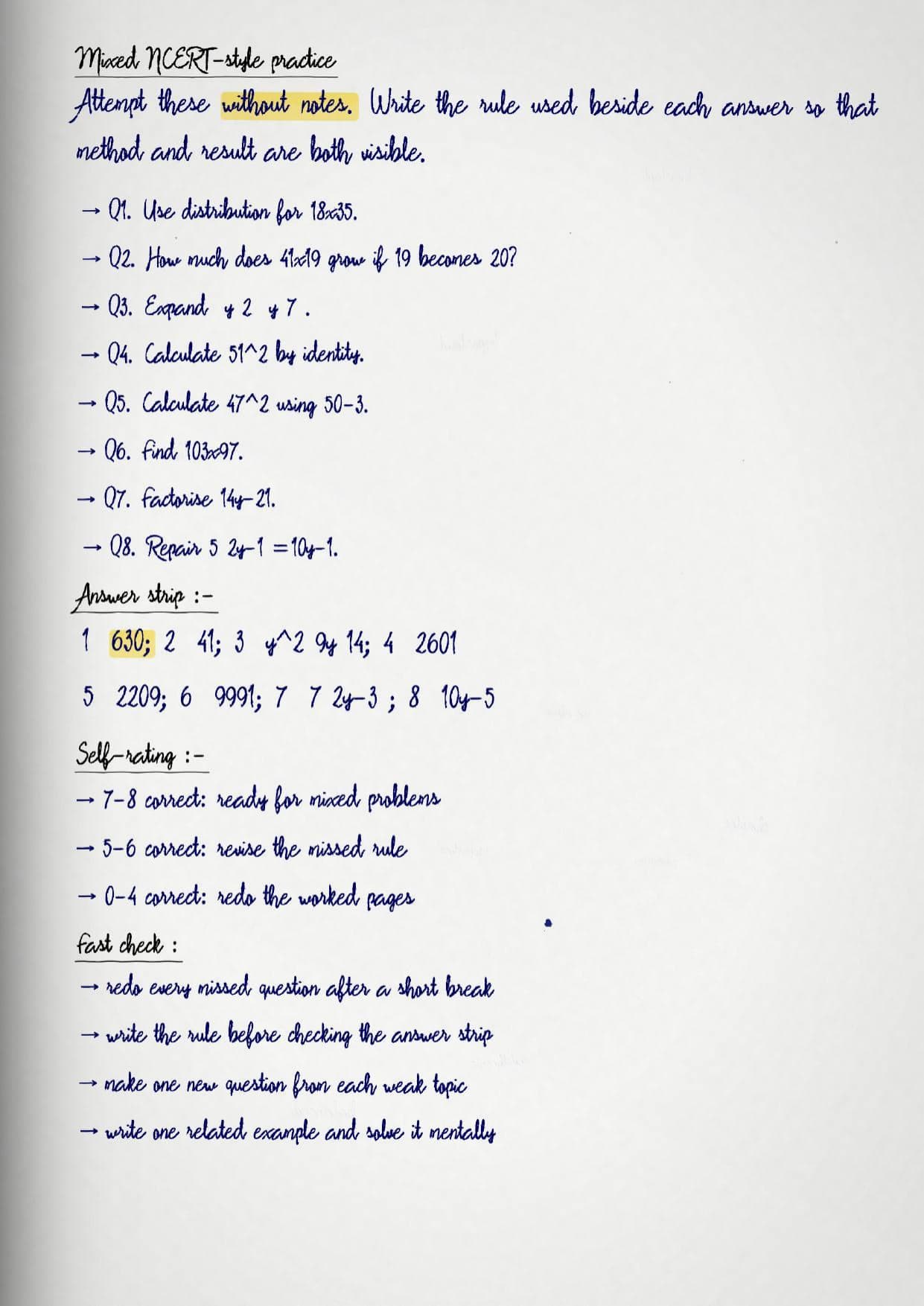
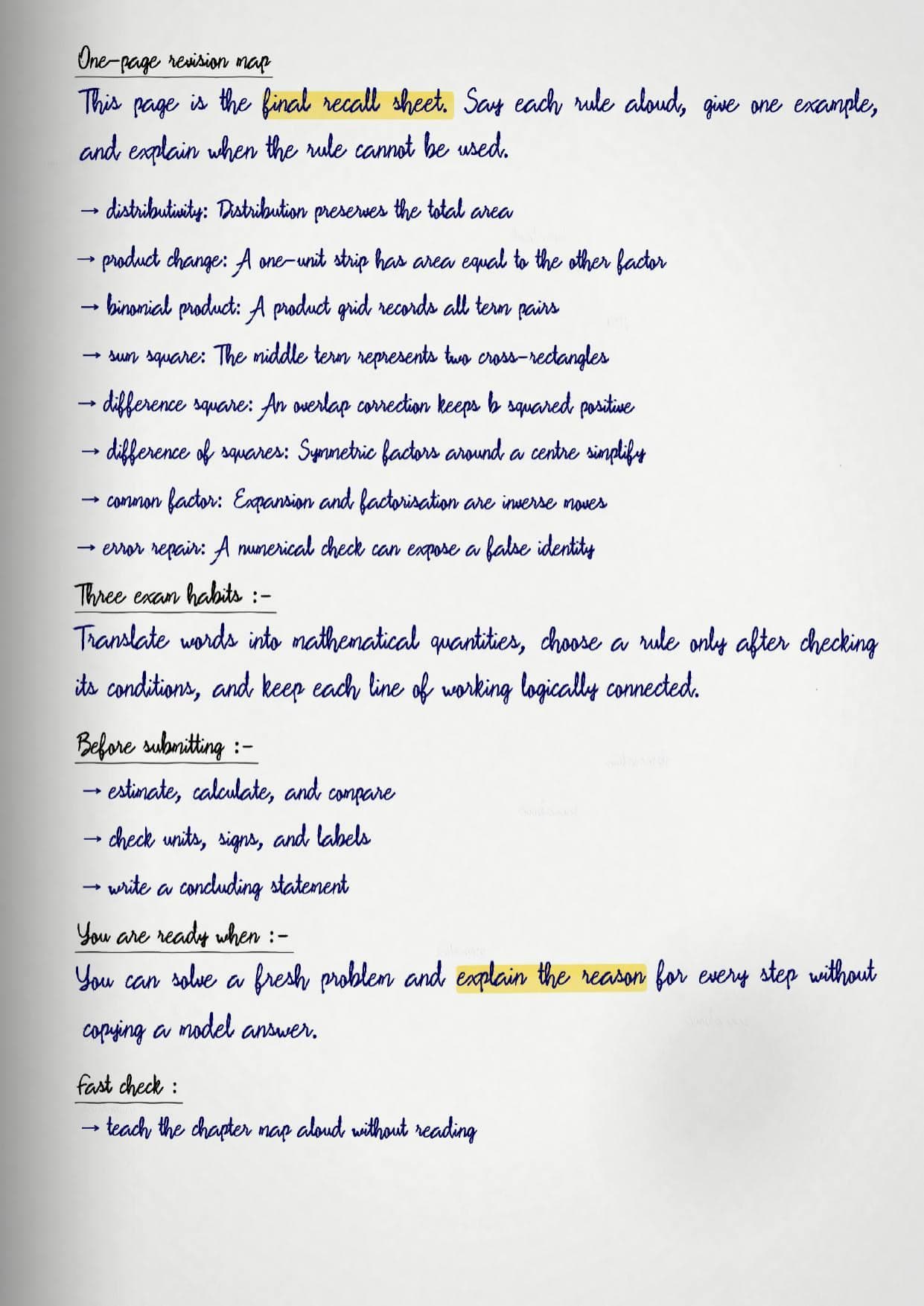
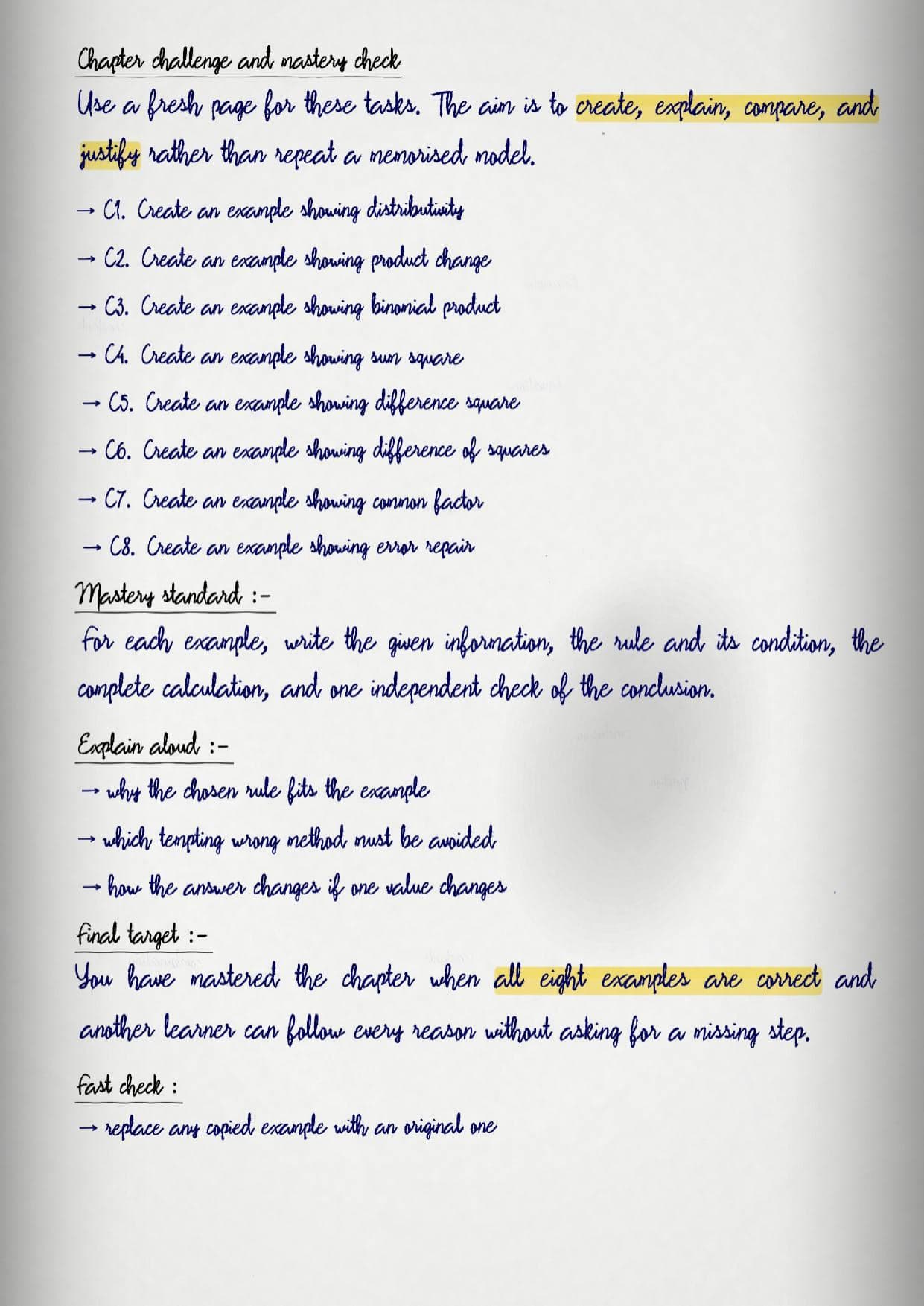
- CBSE Class 8 Weightage: a scoring chapter in the Mathematics paper, asked in short and long answers.
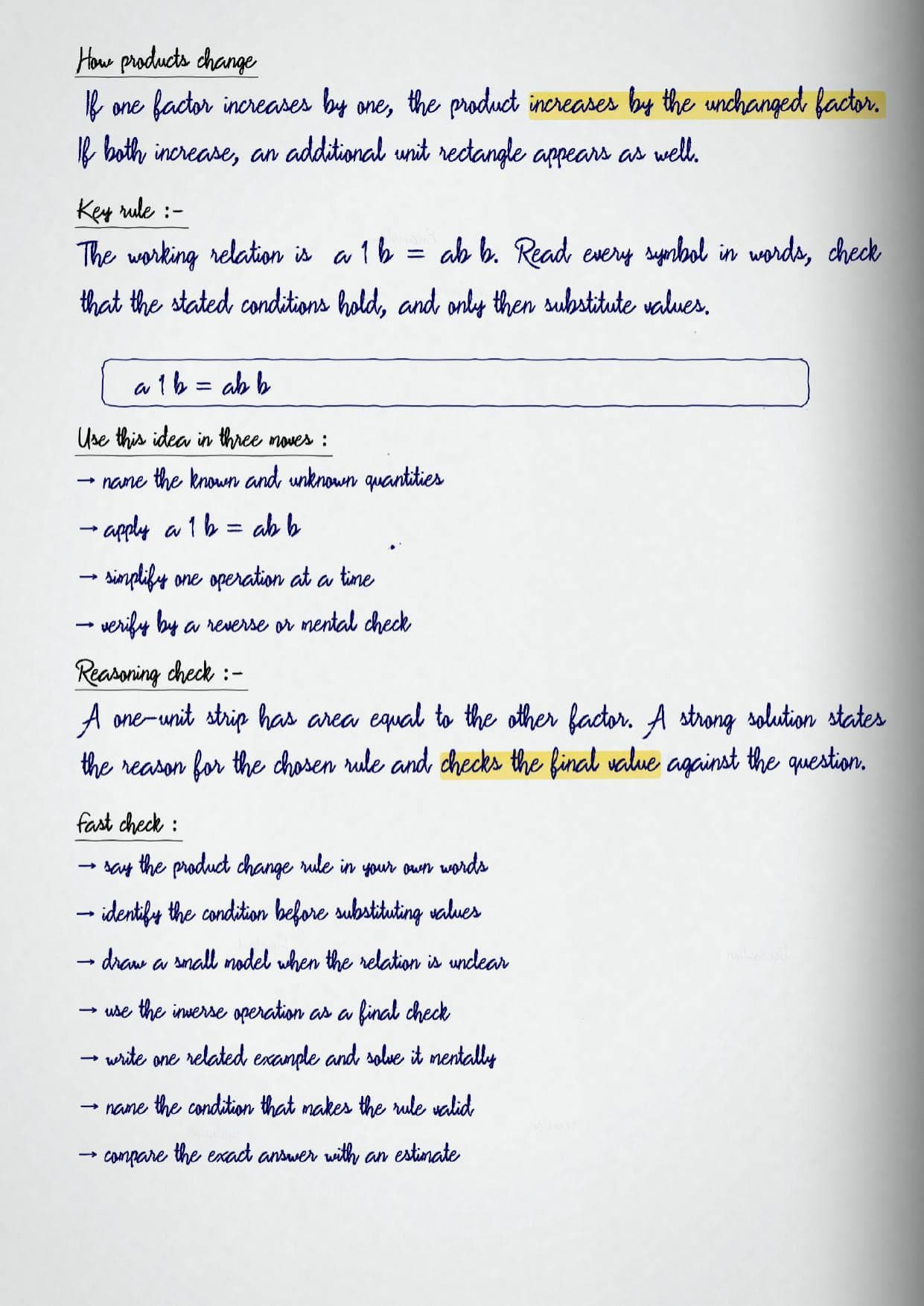
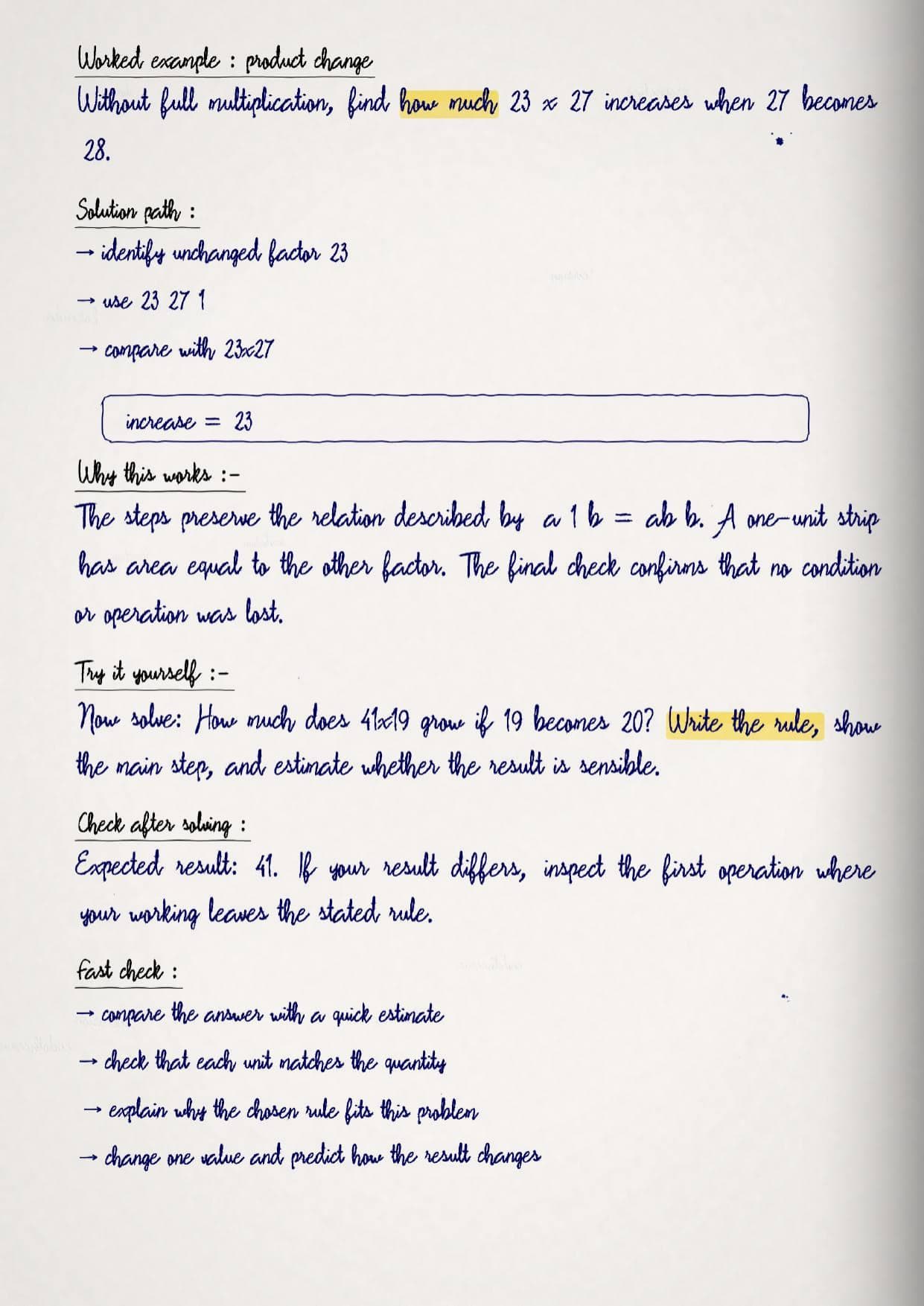
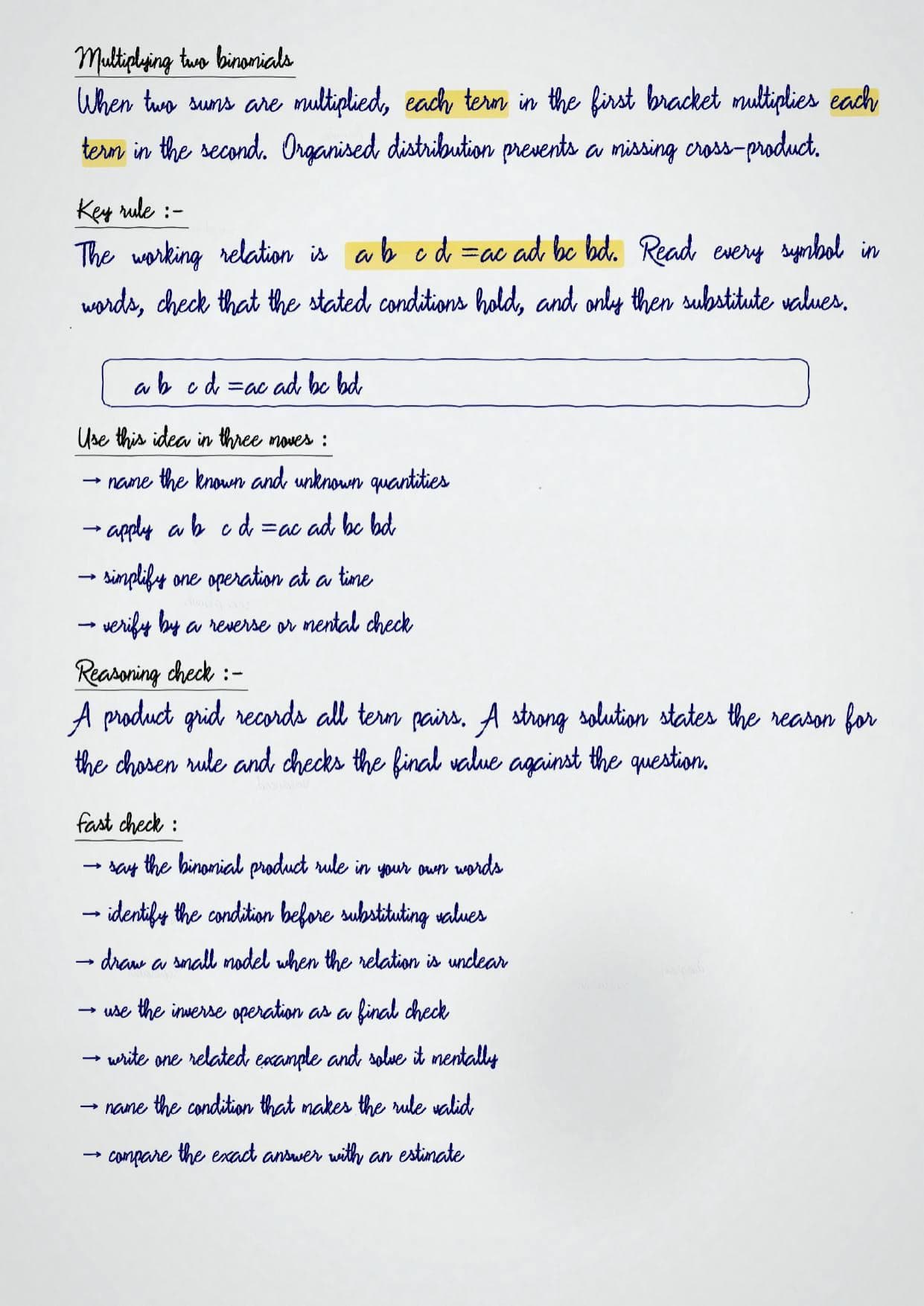
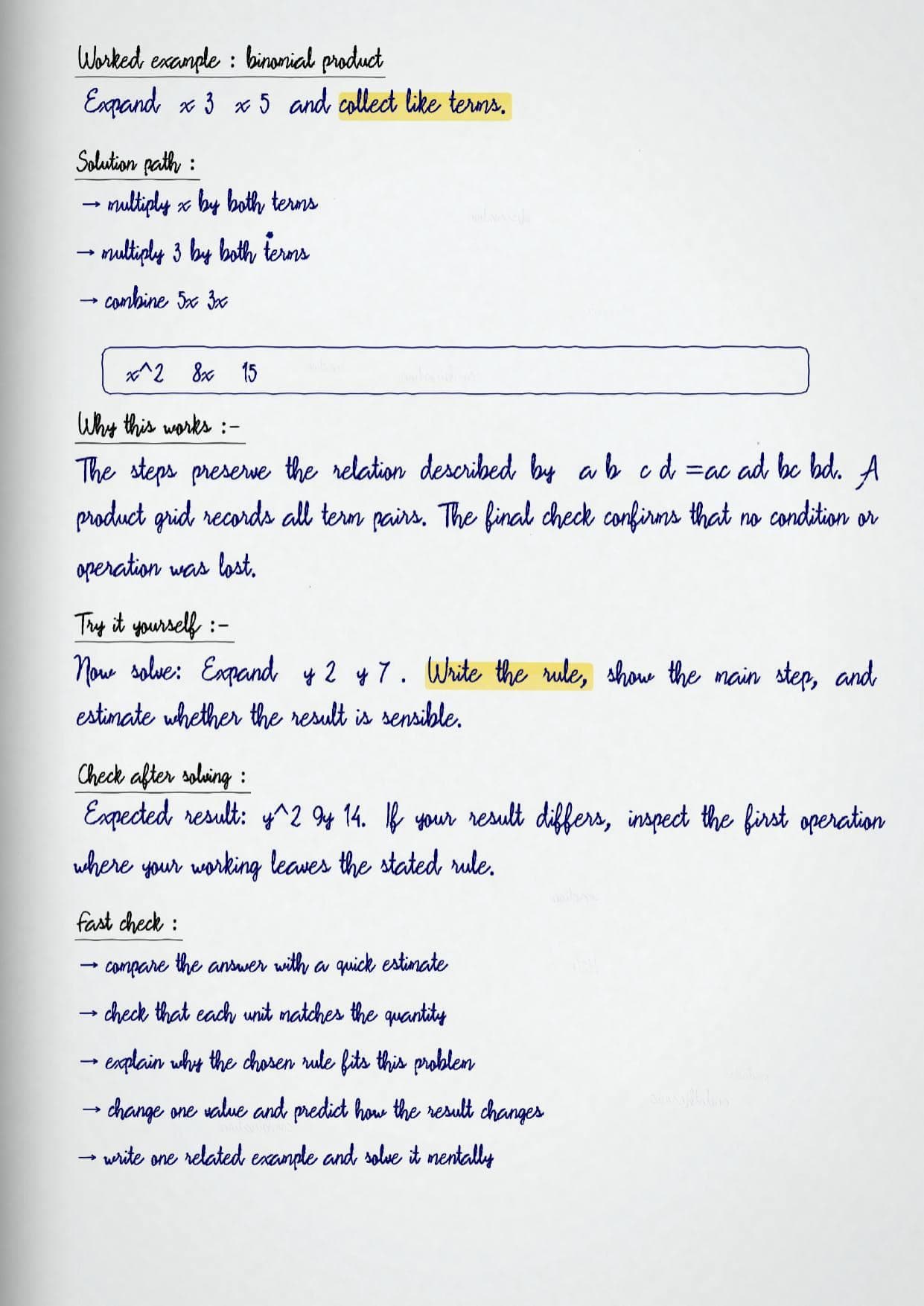
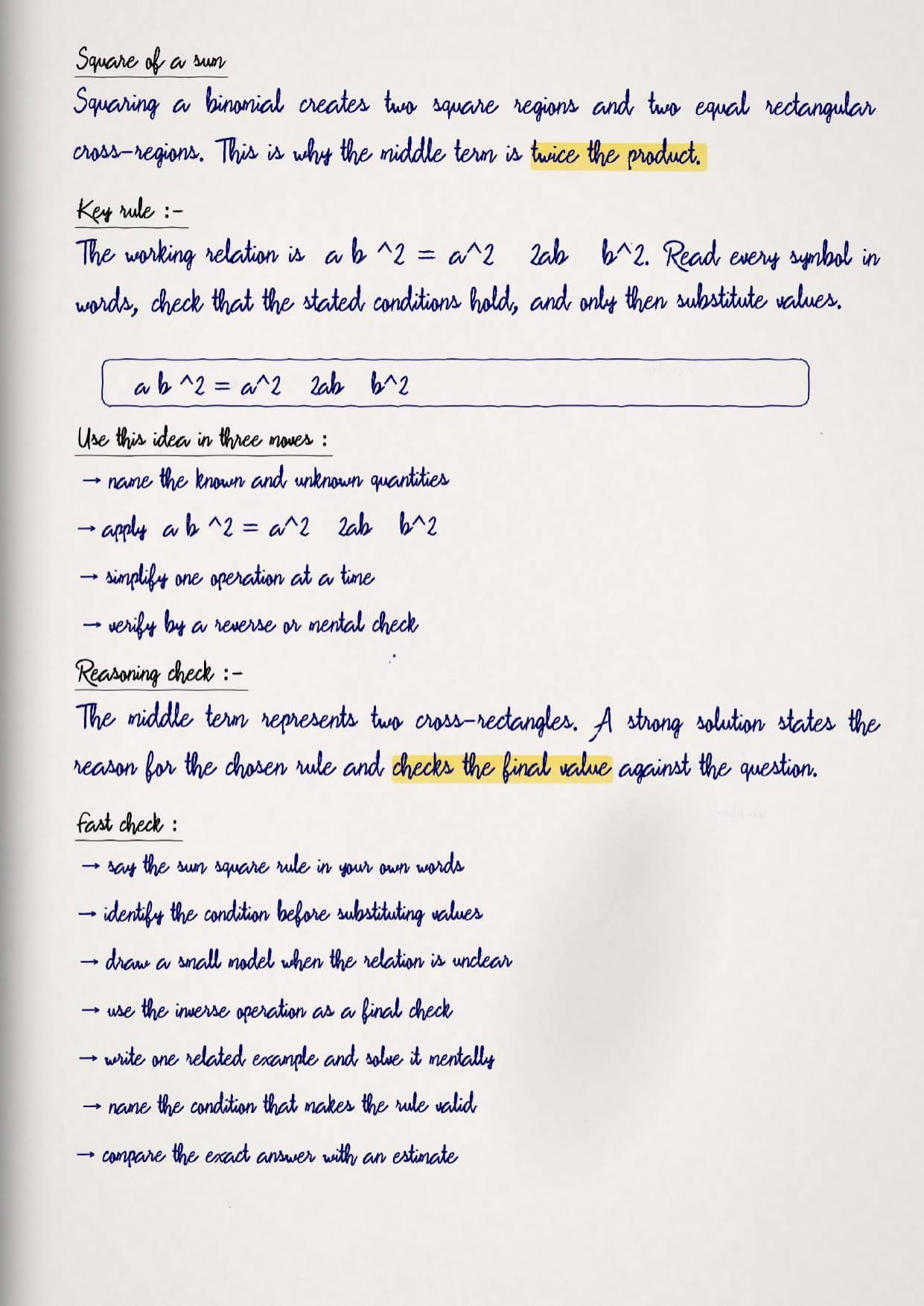
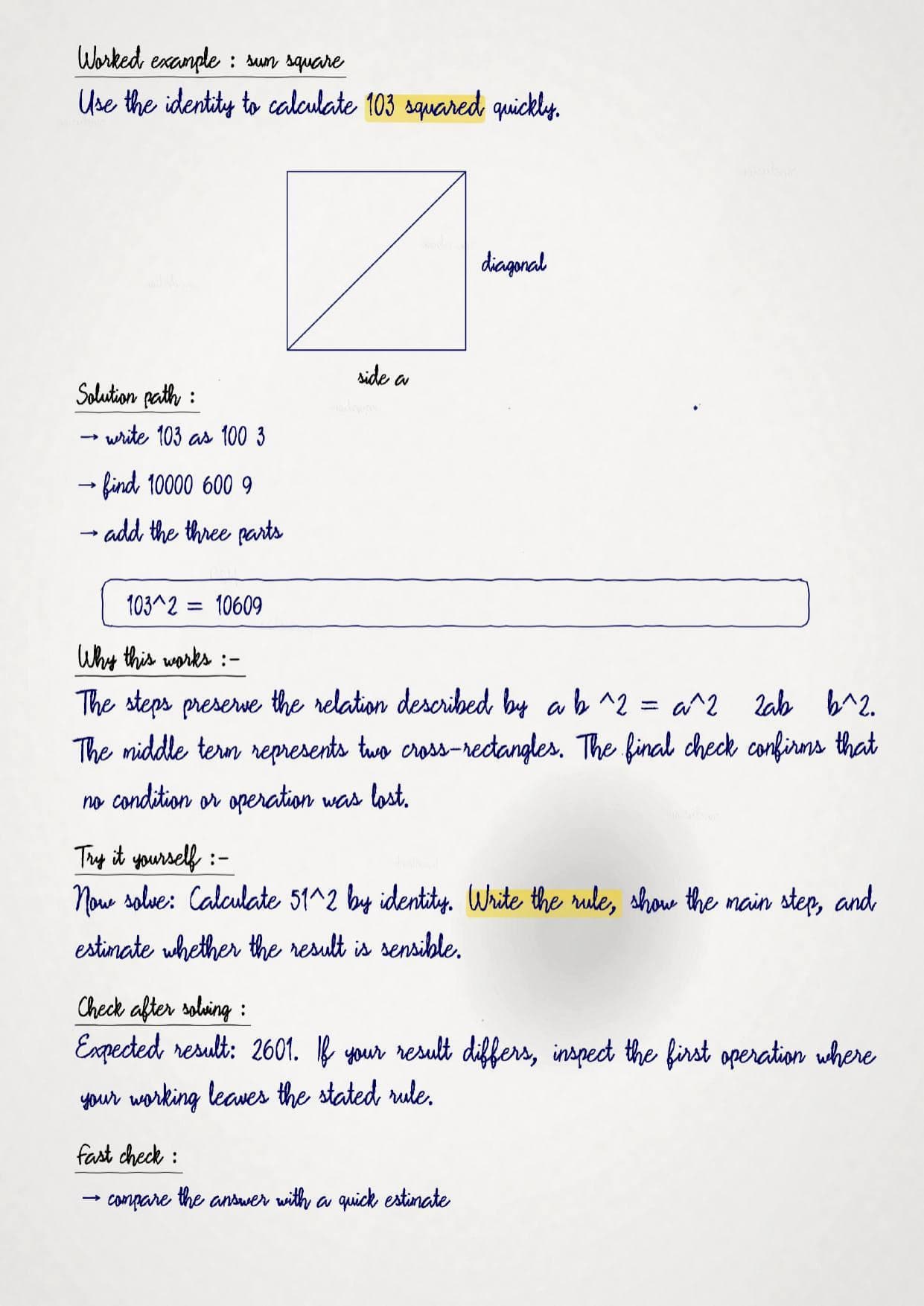
- What the notes cover: the distributive property over addition, how a product changes when numbers increase, the identity for the product of two sums, square of a sum of two numbers.
- Best for: quick revision before Class 8 exams and a strong base for Class 9.
You can read the complete class 8 maths handwritten notes for We Distribute, Yet Things Multiply, with key terms, boxed definitions, and quick revision points, in the PDF below.
These handwritten notes are written by subject teachers, mapped to the 2026-27 NCERT, and checked against the last five years of CBSE Class 8 Mathematics papers.
Key Terms and Ideas in We Distribute, Yet Things Multiply
These are the terms and ideas the exam asks about most. Learn each one so you can define it and use it in your answers.
| Term / Idea | What it means |
|---|---|
| Distributive property | a times the quantity b plus c equals a times b plus a times c |
| Identity | an equation that stays true for all values of the letters, like a times b plus 8 equals ab plus 8a |
| Product of two sums | the quantity a plus m times b plus n equals ab plus mb plus an plus mn |
| Square of a sum | a plus b, all squared, equals a squared plus 2ab plus b squared |
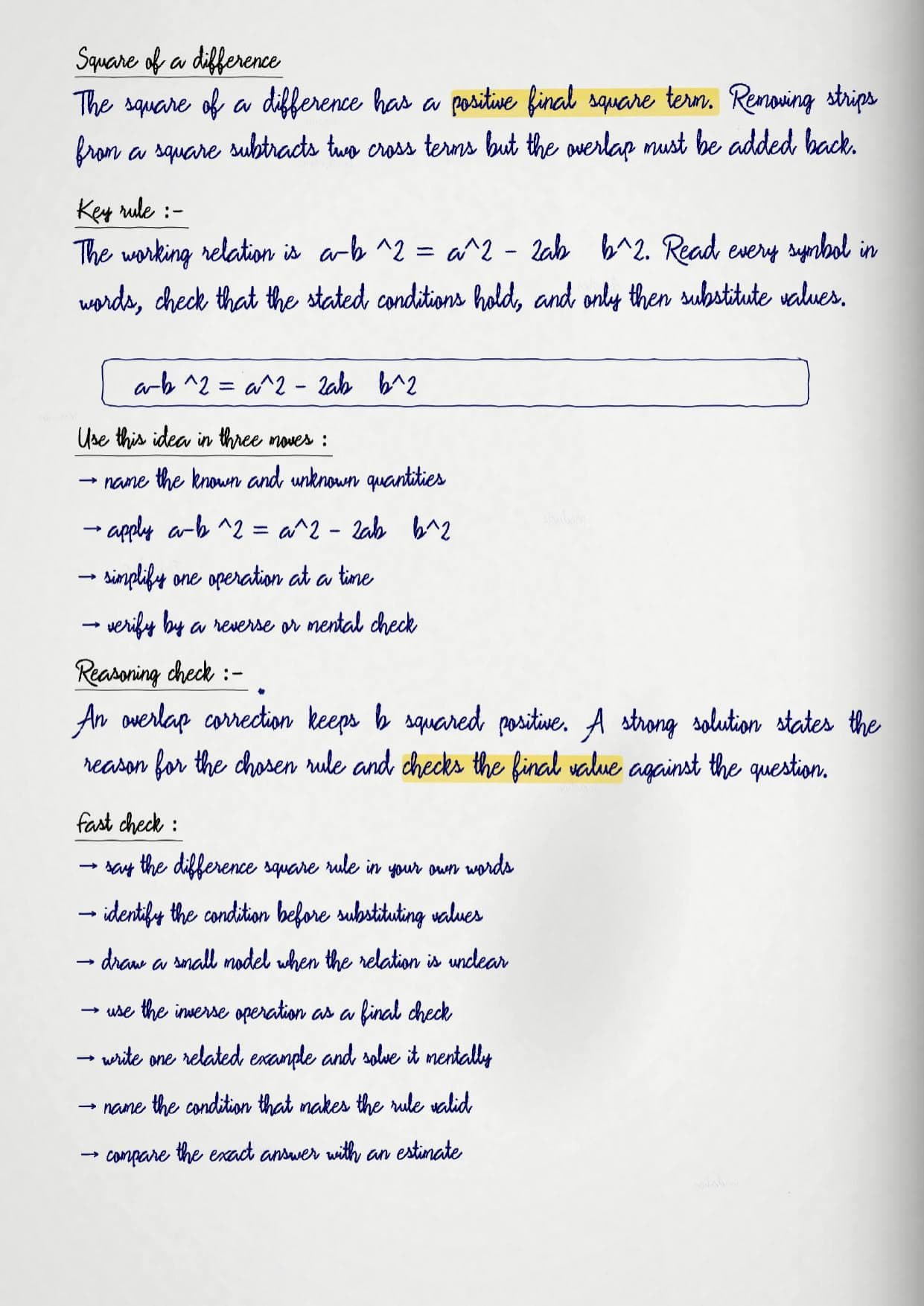
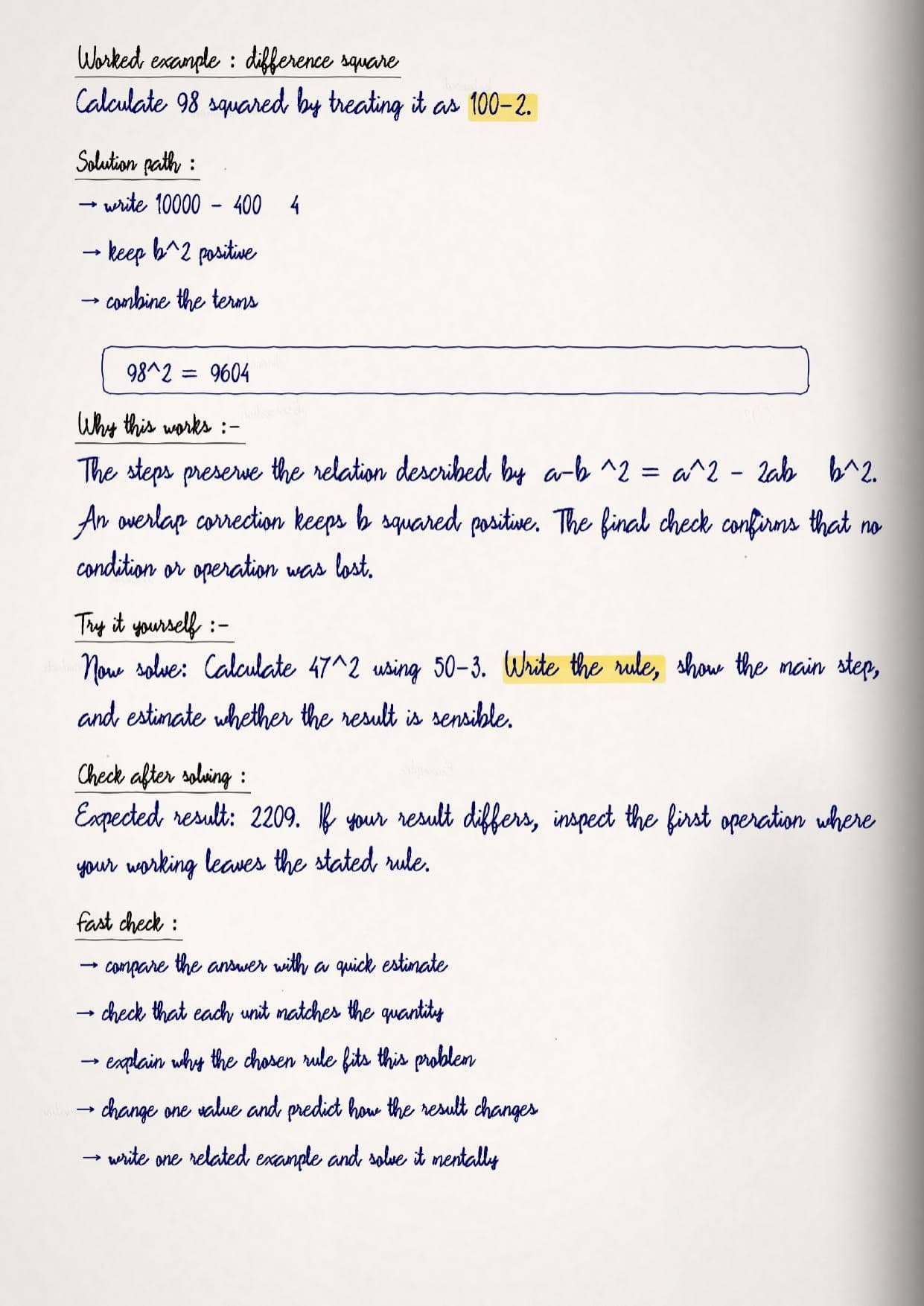
| Square of a difference | a minus b, all squared, equals a squared plus b squared minus 2ab |
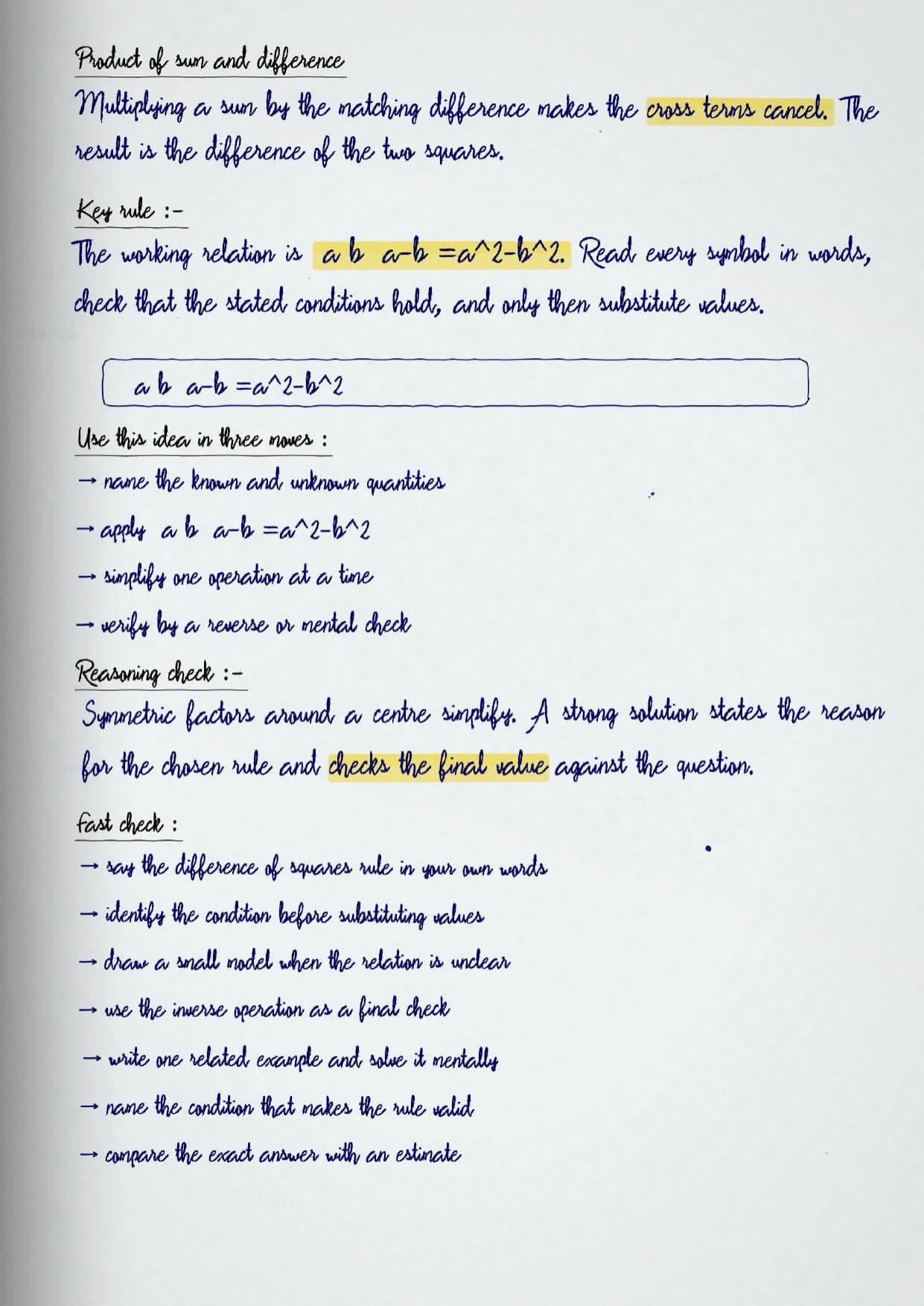
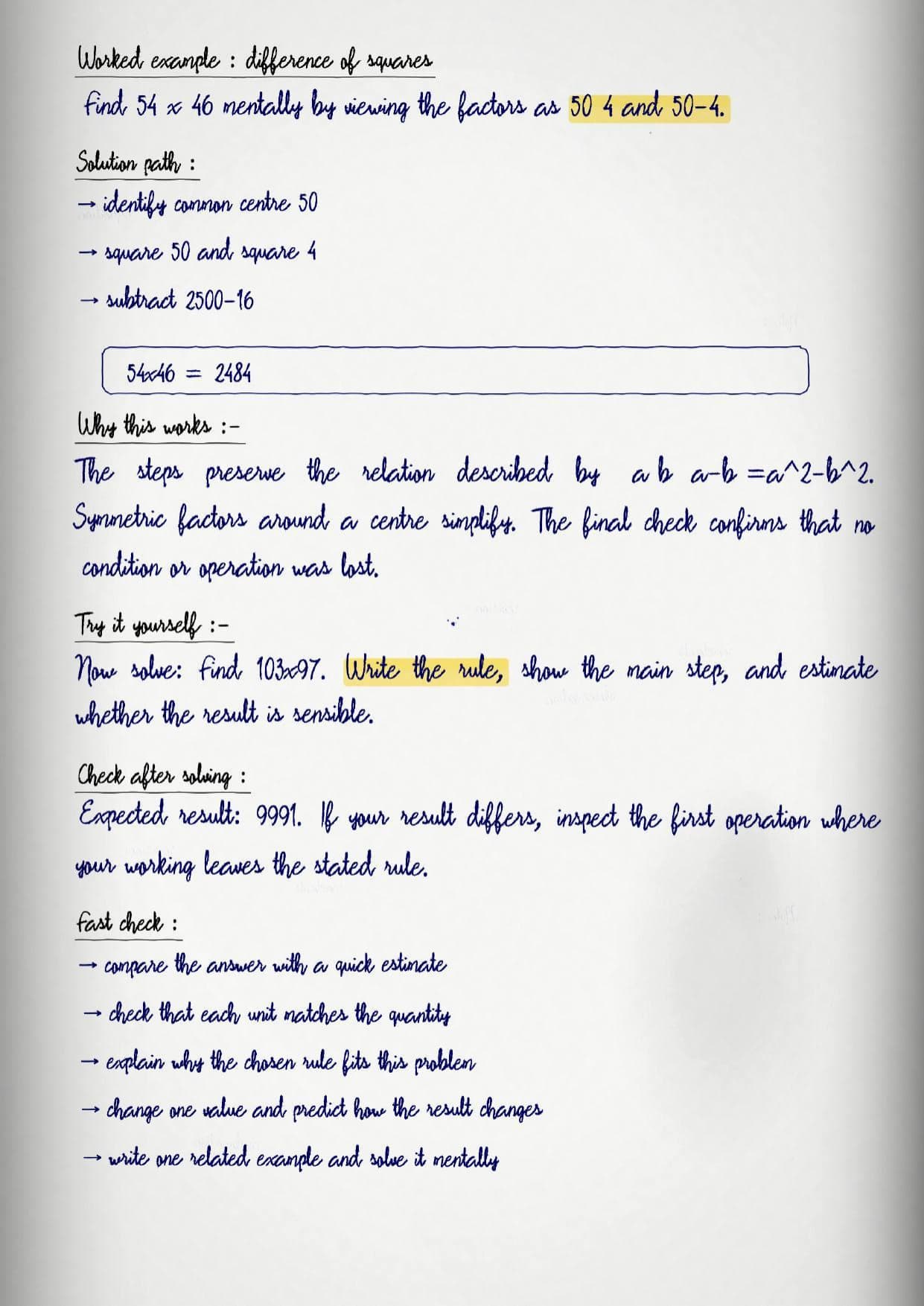
| Sum times difference | a plus b times a minus b equals a squared minus b squared |
| Like terms | terms with exactly the same letters, which can be added into one term |
| Fast multiply by 11 | multiply the number by 10 plus 1, then add |
| khanda-gunanam | the ancient Indian name for multiplication by parts using the distributive property |
What the We Distribute, Yet Things Multiply Handwritten Notes Cover
This chapter is about the distributive property and the algebraic identities that come from it. You learn to expand products of expressions, use identities to square and multiply numbers quickly, and spot and fix common algebra mistakes.
- The distributive property over addition
- How a product changes when numbers increase
- The identity for the product of two sums
- Square of a sum of two numbers
- Square of a difference of two numbers
- Product of a sum and a difference
- Like terms and simplifying expressions
- Fast multiplication using distributivity
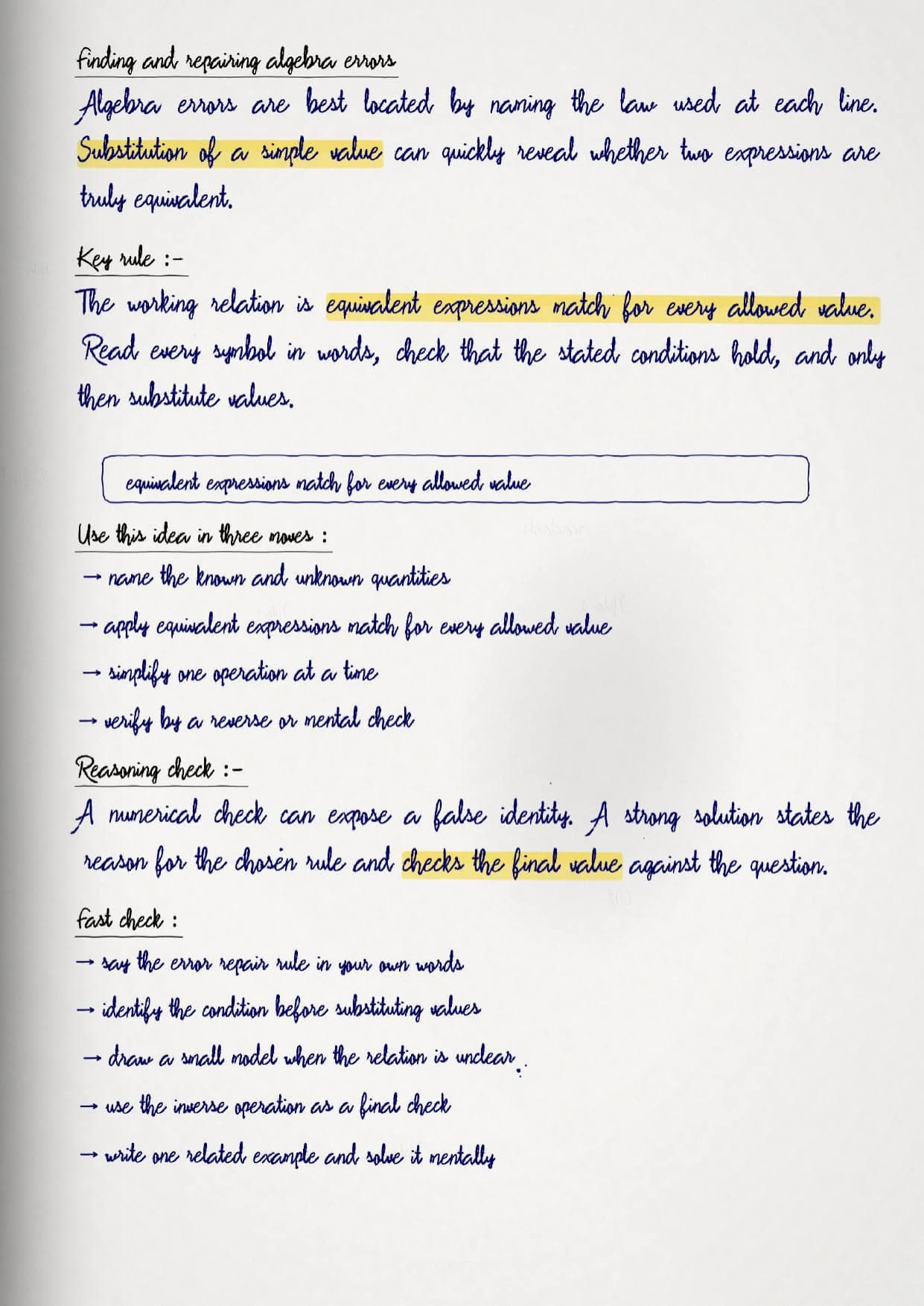
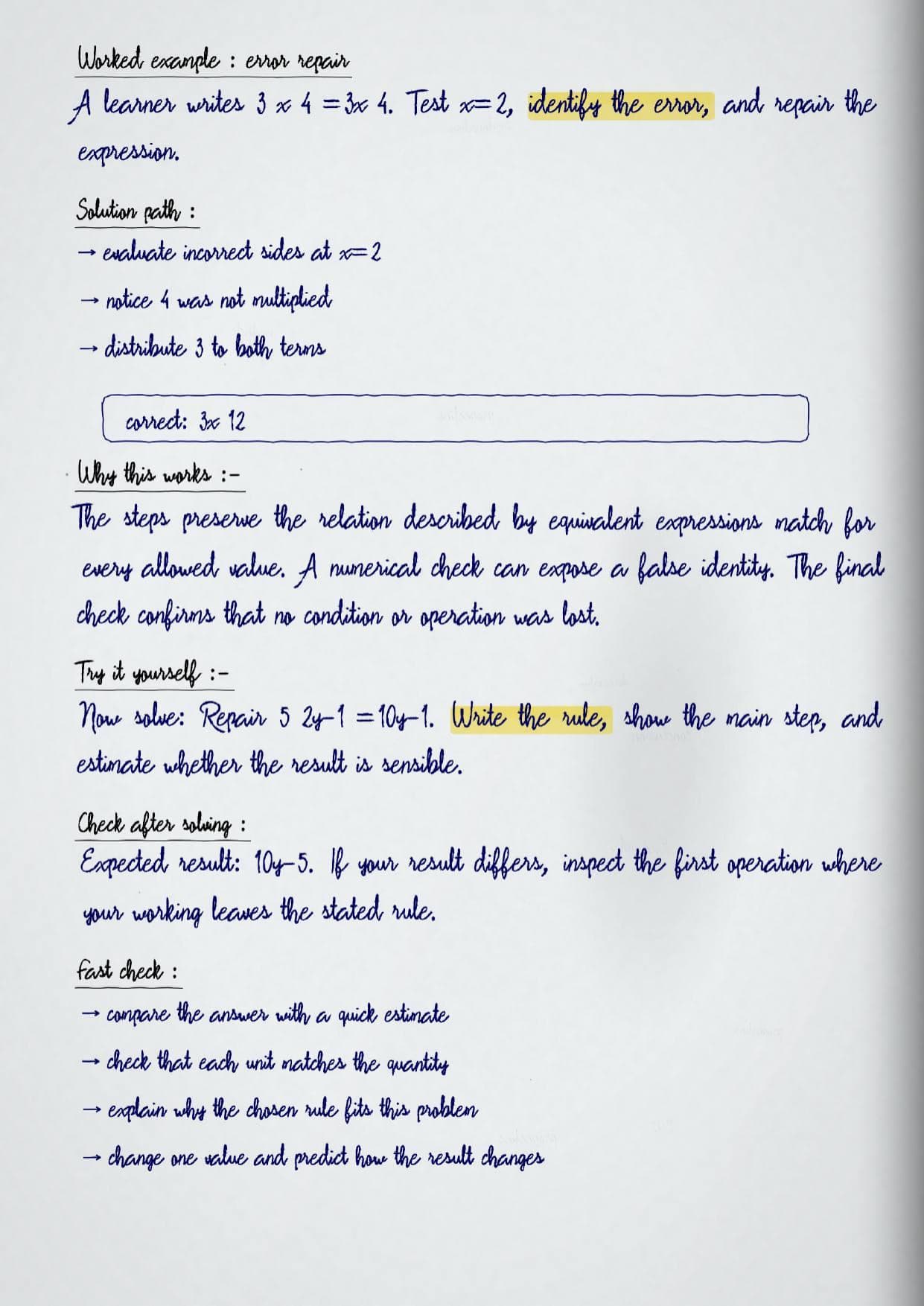
- Finding and correcting algebra mistakes
We Distribute, Yet Things Multiply Topic-wise Weightage for CBSE Class 8 Mathematics
Some parts of this chapter are asked more often than others. The table below shows which sub-topics to revise first, based on recent CBSE Class 8 question trends.
| Sub-topic | Weightage | CBSE Frequency |
|---|---|---|
| Expanding products using distributivity | High | asked often |
| Square of sum and difference identities | High | asked often |
| Product of a sum and a difference | High | asked often |
| Combining like terms | Medium | asked sometimes |
| Fast multiplication by 11, 101 and 99 | Medium | asked sometimes |
| Spotting mistakes in expansions | Low | asked rarely |
How Collegedunia's Handwritten Notes Help You Revise We Distribute, Yet Things Multiply
These notes are made for the night before the exam. They keep the facts short and easy to scan. Collegedunia maps every point to the 2026-27 NCERT.
- Clear handwriting: each topic is written in neat, easy-to-read handwriting.
- Boxed key terms: the main terms and definitions are boxed by hand for fast recall.
- Diagrams and tables: simple hand-drawn tables and charts make ideas clear.
- Colour-coded headings: new sub-topics stand out, so you find any section in seconds.
We Distribute, Yet Things Multiply Self-Assessment Quiz
Try these quick questions after you read the notes. Tap each question to check your answer. They cover the points CBSE asks most often.
Expand the quantity a plus b, all squared.
(a) a squared plus b squared (b) a squared plus 2ab plus b squared (c) a squared minus b squared (d) 2a plus 2b
Answer: (b) a squared plus 2ab plus b squared - it has a middle term
The product a plus b times a minus b equals
(a) a squared plus b squared (b) a squared minus b squared (c) 2ab (d) a minus b
Answer: (b) a squared minus b squared - the middle terms cancel
Using the distributive property, a times the quantity b plus c equals
(a) ab plus c (b) a plus bc (c) ab plus ac (d) abc
Answer: (c) ab plus ac - a multiplies each term inside
Which pair are like terms?
(a) 3a and 3b (b) 2ab and 5ab (c) a squared and a (d) x and y
Answer: (b) 2ab and 5ab - same letters, so they add to 7ab
A quick way to find 104 squared uses the identity for
(a) a plus b, all squared (b) a minus b, all squared (c) a plus b times a minus b (d) ab
Answer: (a) a plus b, all squared - take 104 as 100 plus 4
To multiply a number by 11 in one step you multiply by
(a) 11 directly (b) 10 plus 1 and add (c) 100 plus 1 (d) 2 times 5 plus 1
Answer: (b) 10 plus 1 and add - this uses the distributive property
How to Use These Handwritten Notes for Class 8 Mathematics Revision
Use these class 8 maths handwritten notes in two passes. Read them slowly once for the full chapter. Then, near the exam, read only the boxes and key terms for a fast recall.
- Read the notes once with the NCERT chapter open beside you.
- Say each key term and idea in your own words.
- Practise one long-answer question from a past paper.
- On the last day, revise only the key terms and the boxes.
Class 8 Mathematics Handwritten Notes for All Chapters
The table below links the class 8 maths handwritten notes for every chapter. Use it to jump to any other chapter's notes.
| Chapter | Resource |
|---|---|
| Chapter 1 | A Square and A Cube Handwritten Notes |
| Chapter 2 | Power Play Handwritten Notes |
| Chapter 3 | A Story of Numbers Handwritten Notes |
| Chapter 4 | Quadrilaterals Handwritten Notes |
| Chapter 5 | Number Play Handwritten Notes |
| Chapter 6 | We Distribute, Yet Things Multiply Handwritten Notes |
| Chapter 7 | Proportional Reasoning-1 Handwritten Notes |
We Distribute, Yet Things Multiply Class 8 Mathematics Handwritten Notes FAQs
Ques. Where can I download We Distribute, Yet Things Multiply Class 8 Mathematics Handwritten Notes PDF?
Ans. You can download the We Distribute, Yet Things Multiply Class 8 Mathematics Handwritten Notes PDF directly from this page. Both the Normal and HD versions are free.
Ques. Are these handwritten notes aligned with the 2026-27 NCERT?
Ans. Yes. These notes follow the current 2026-27 syllabus for Class 8 Mathematics. How the identities like square of a sum come from the distributive property.
Ques. How many pages is the Class 8 Mathematics We Distribute, Yet Things Multiply Handwritten Notes PDF?
Ans. The notes run about 20 pages. They cover the full chapter with key terms, hand-drawn boxes, and a short self-assessment quiz.
Ques. What is the main idea of the 8th standard Mathematics chapter We Distribute, Yet Things Multiply?
Ans. The chapter uses the distributive property to expand products and to build the standard algebraic identities. It then applies these identities to multiply and square numbers quickly and to check whether an expansion has been done correctly.
Ques. Are these We Distribute, Yet Things Multiply notes enough for the CBSE Class 8 exam?
Ans. Yes, for revision. The Collegedunia handwritten notes cover every key point and exam term. Read them with the NCERT chapter and practise past questions.



Comments