



The handwritten notes on Class 8 Vocational Education Chapter 1 Hydroponics: Growing Plants without Soil have been carefully prepared for quick 2026-27 revision. The PDF covers microgreens, wick method, DWC, NFT, compost tea, water pH and project records in simple notebook language.
- Best use: revise the Hydroponics project before writing the school activity file.
- PDF focus: setup steps, safety checks, maintenance points and observation tables.
- Revision style: topper's handwritten notes with diagrams, quick points and comparison pages.
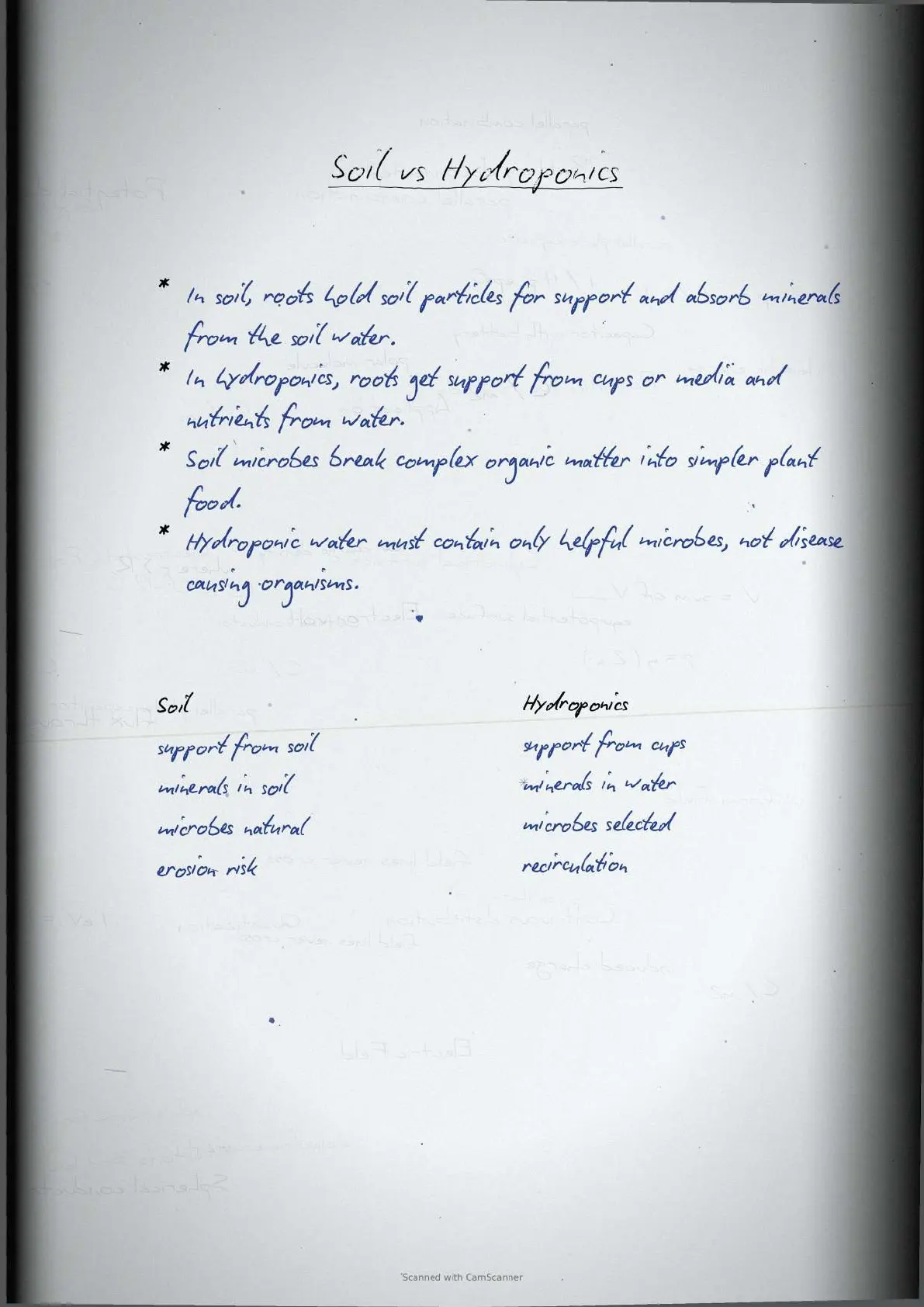
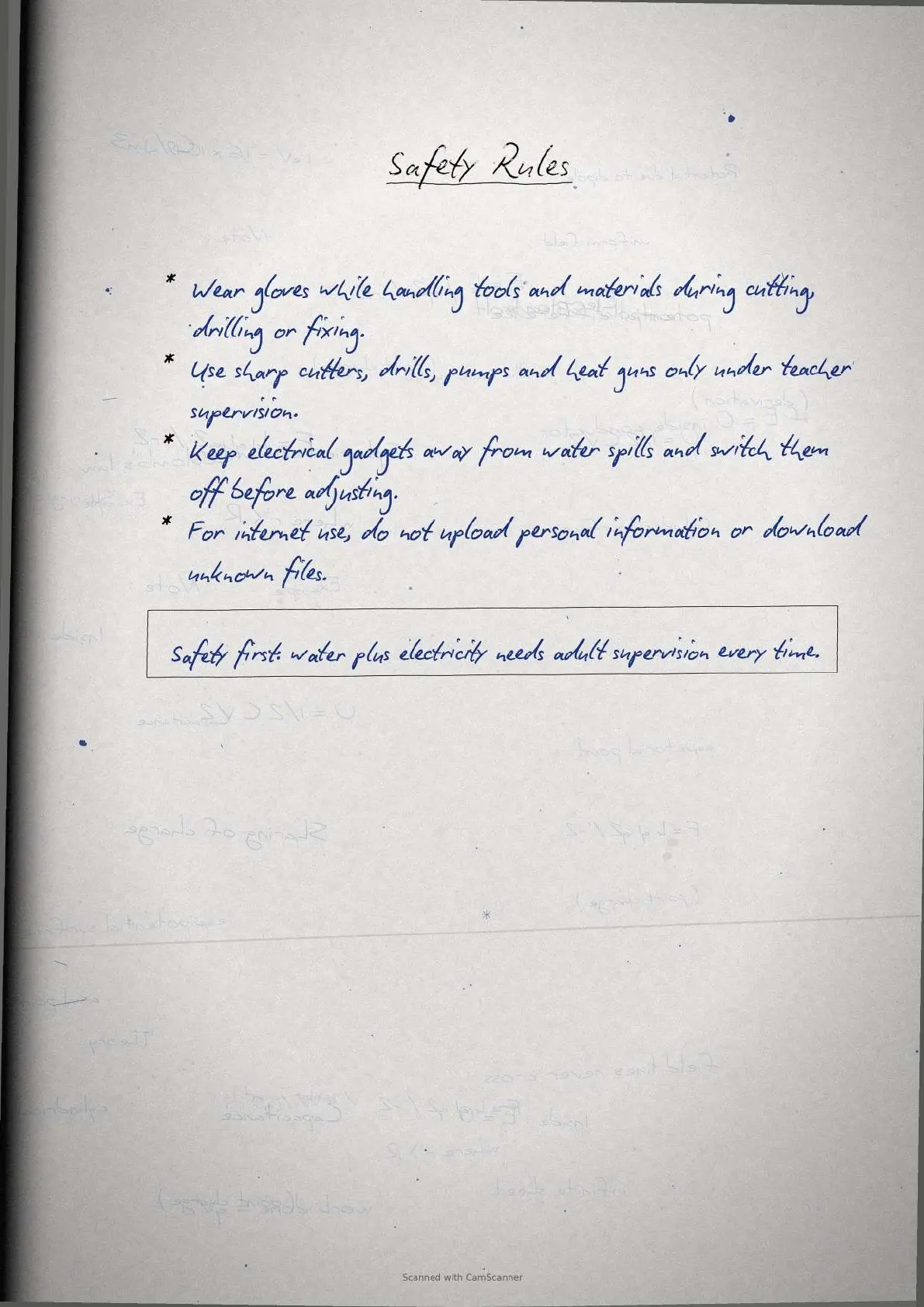
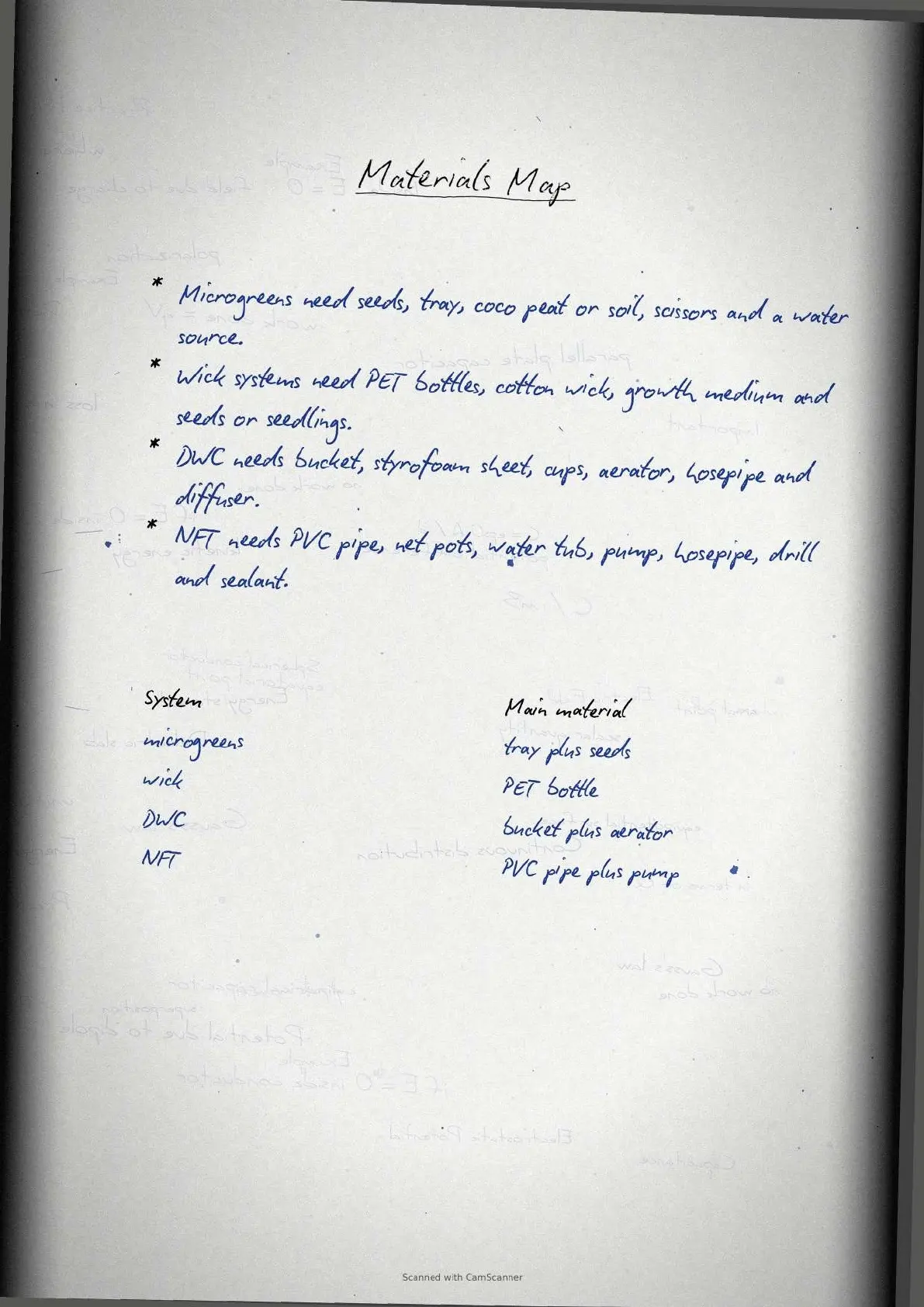
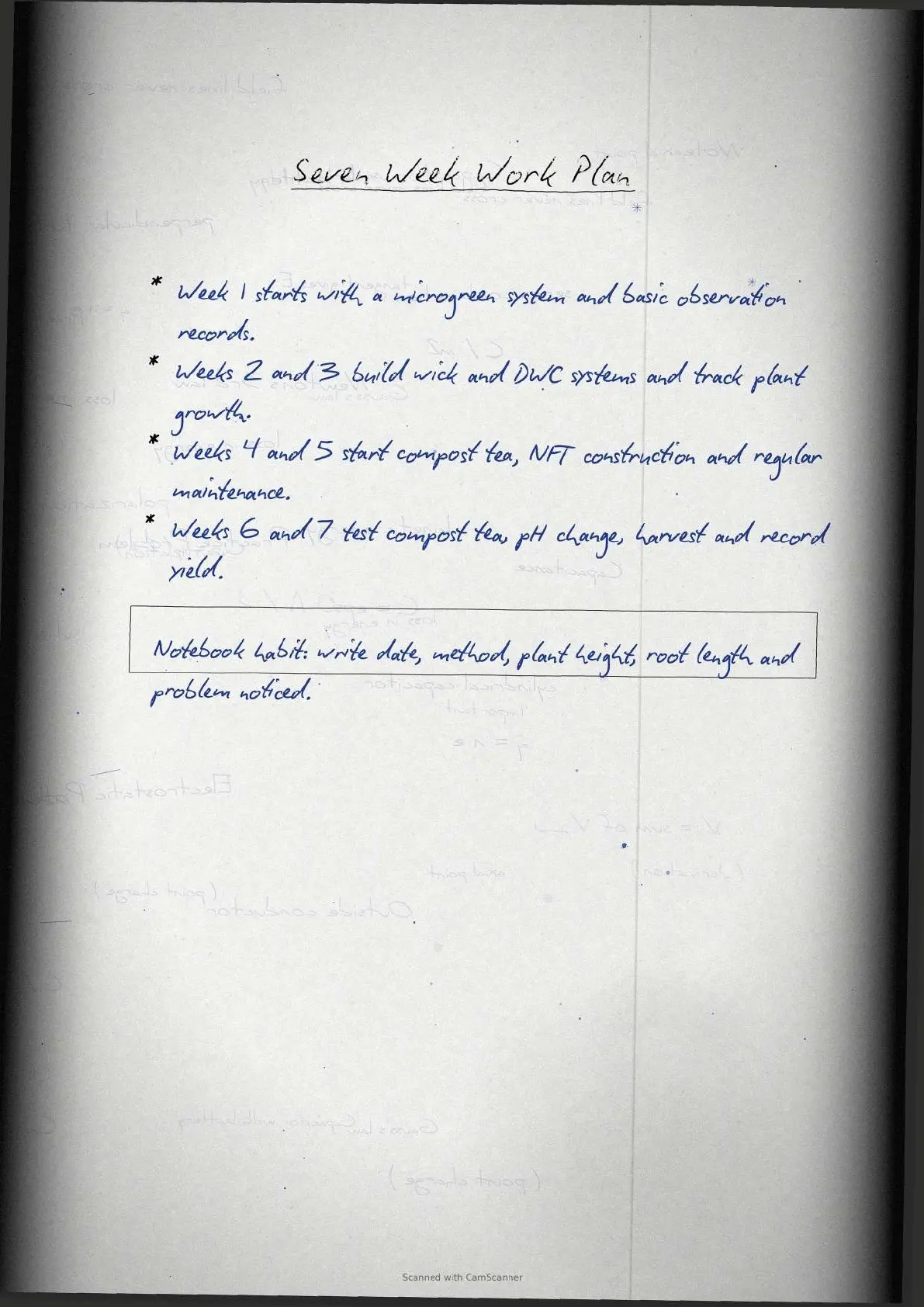
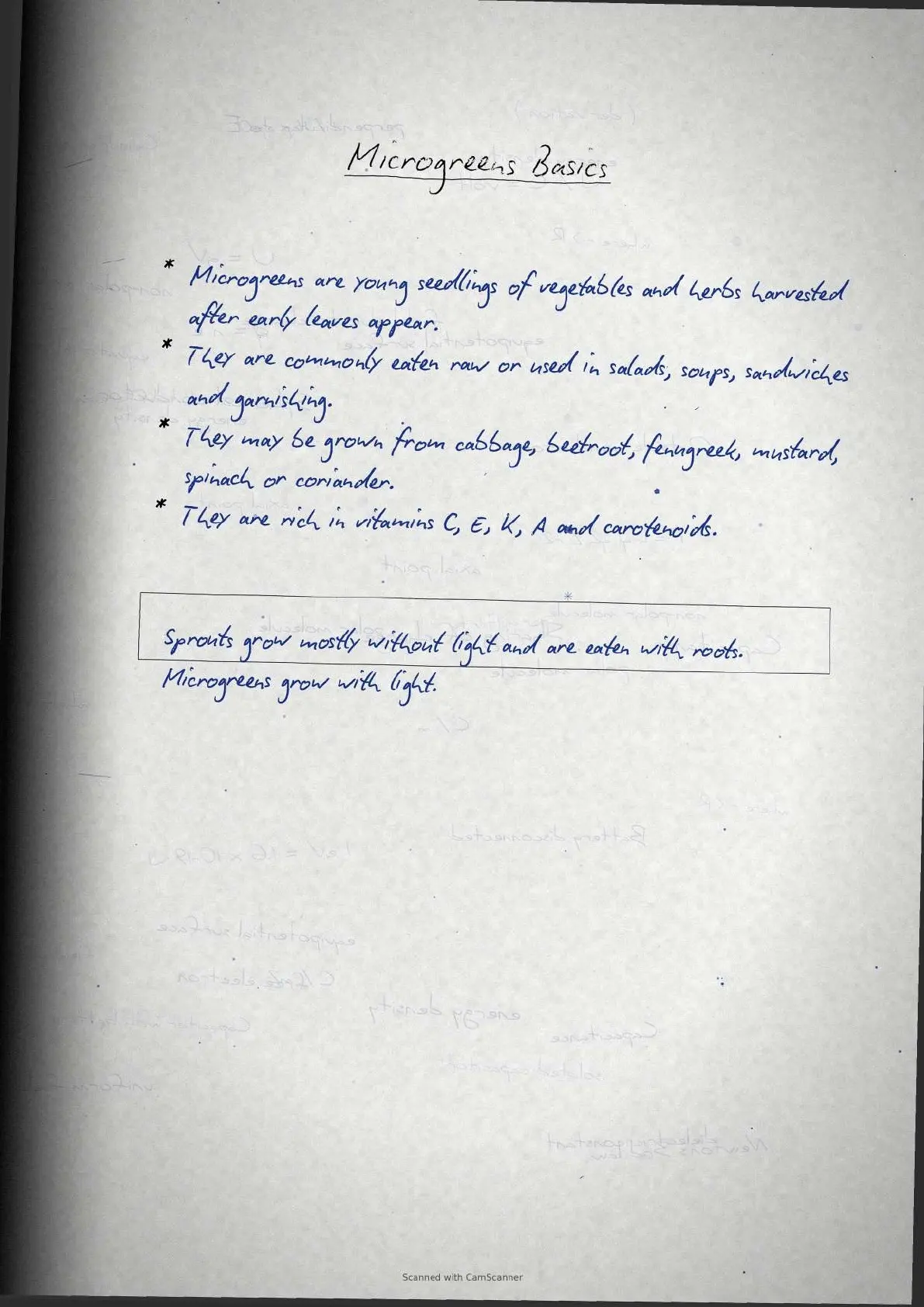
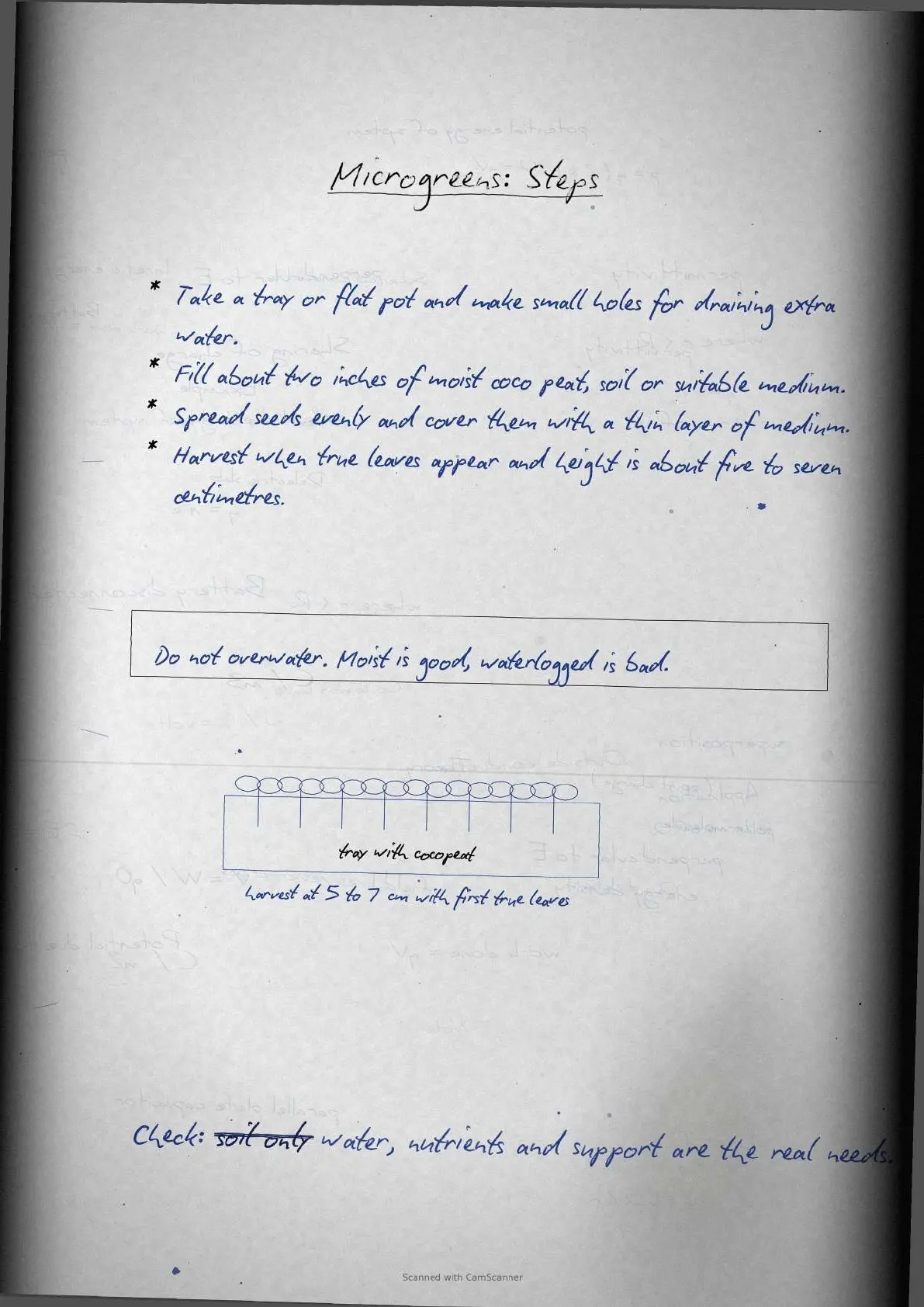
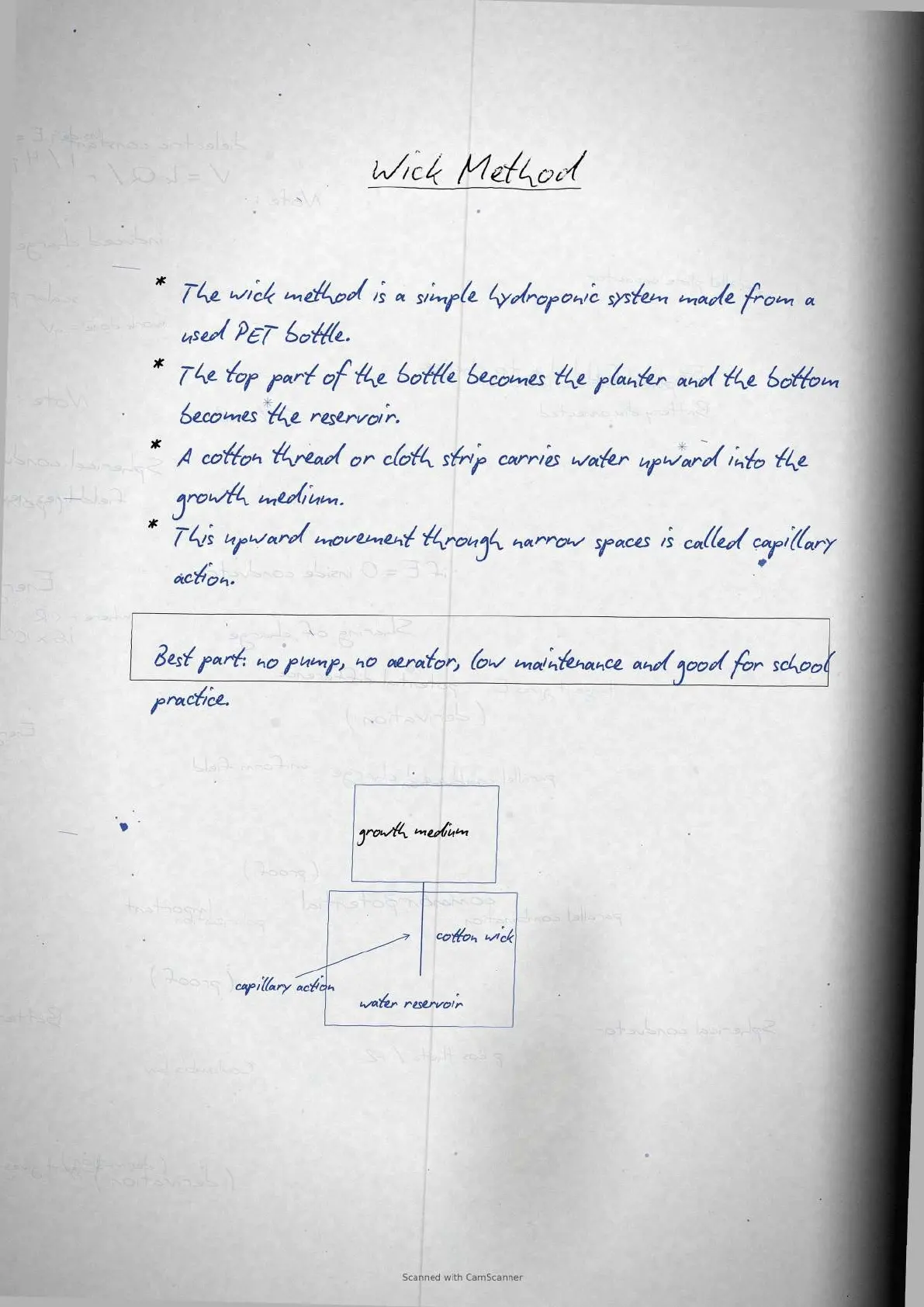
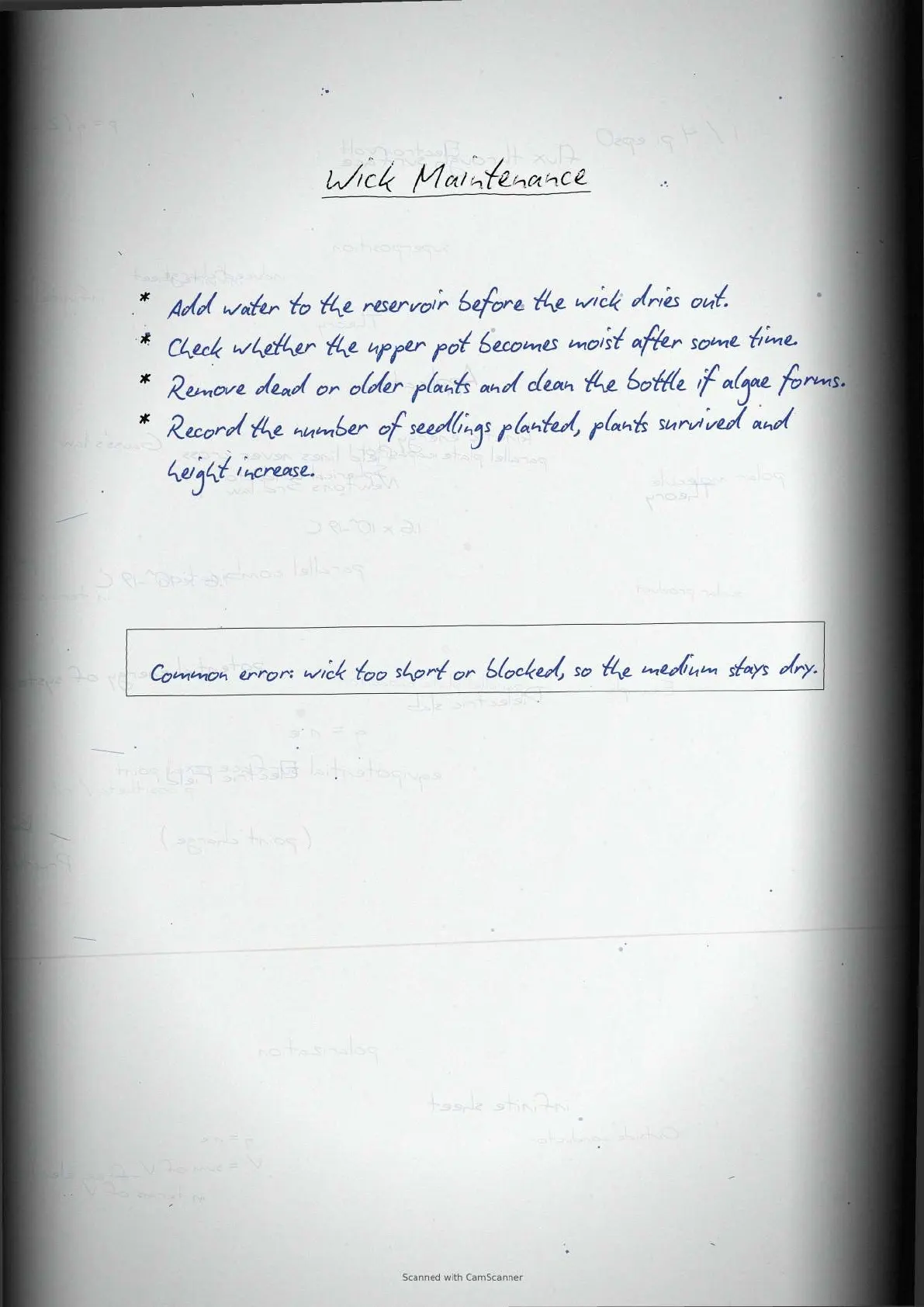
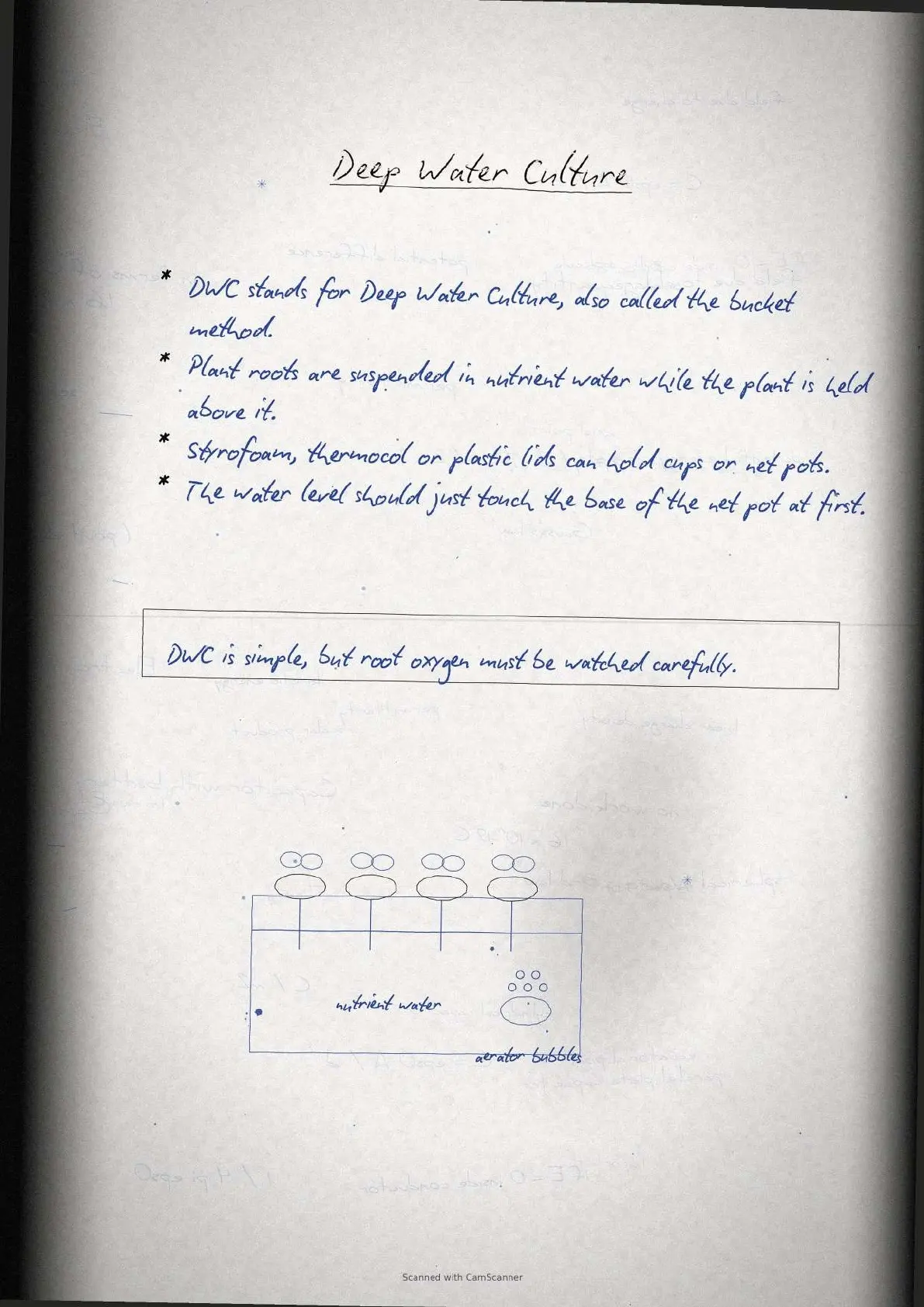
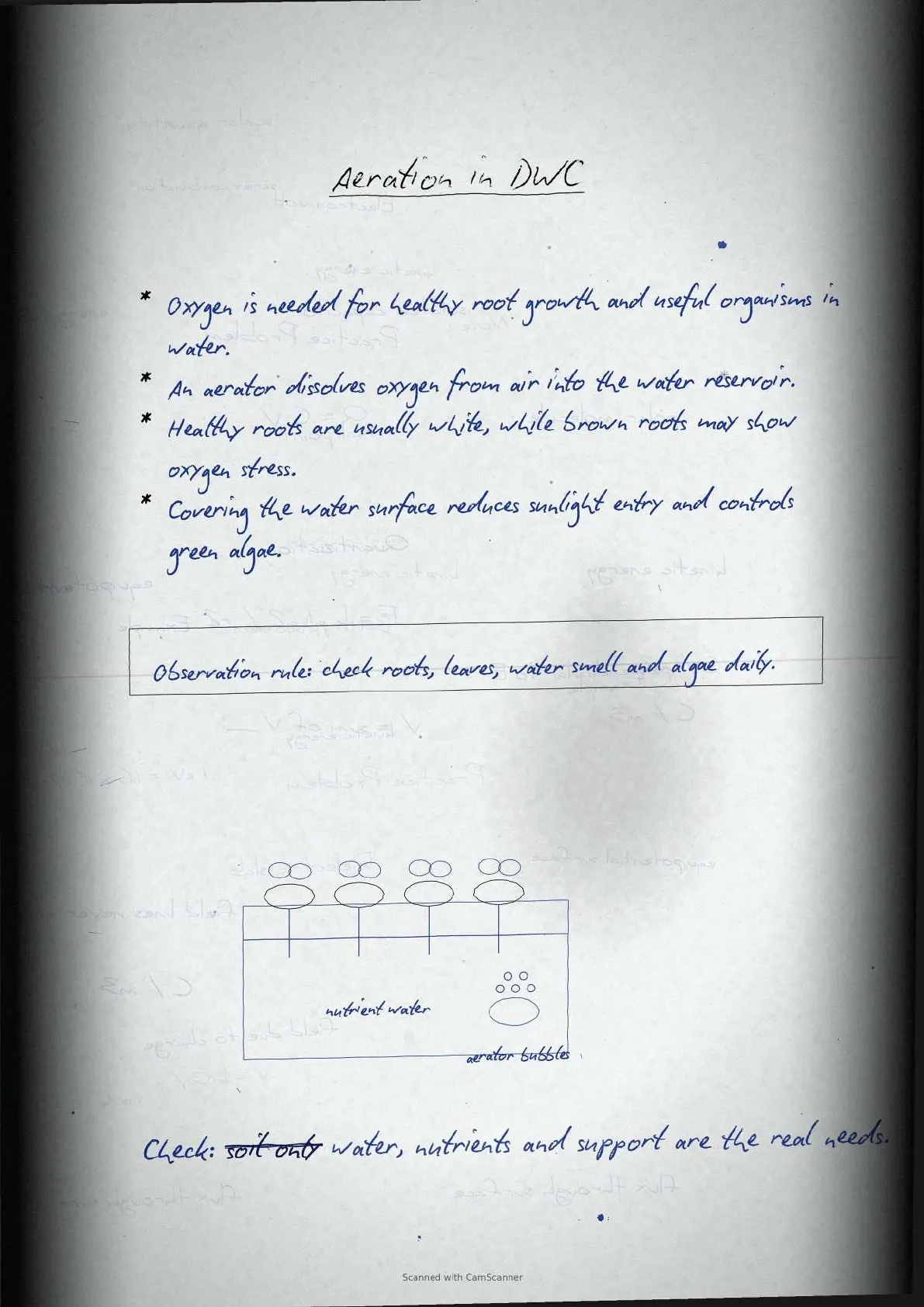
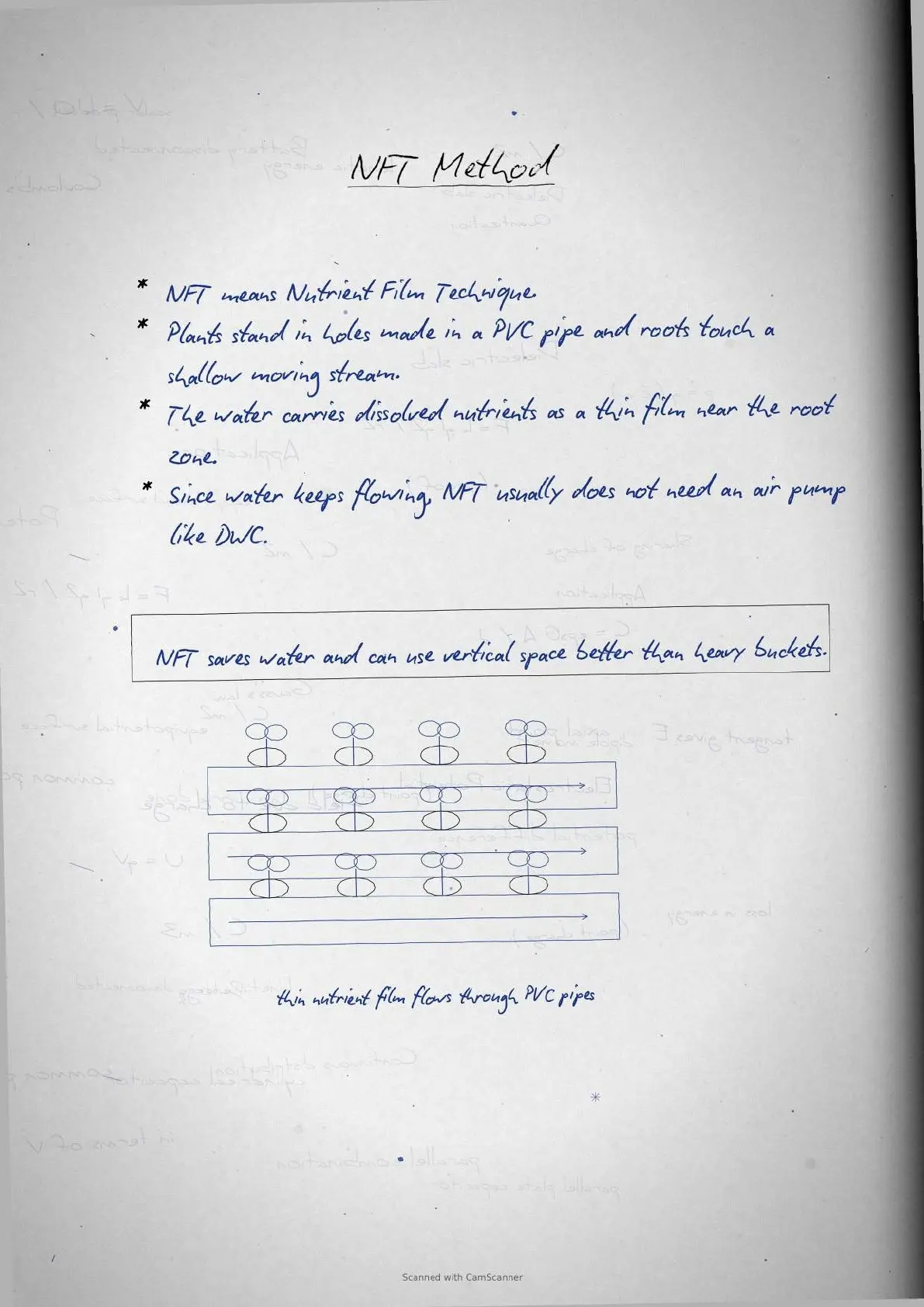
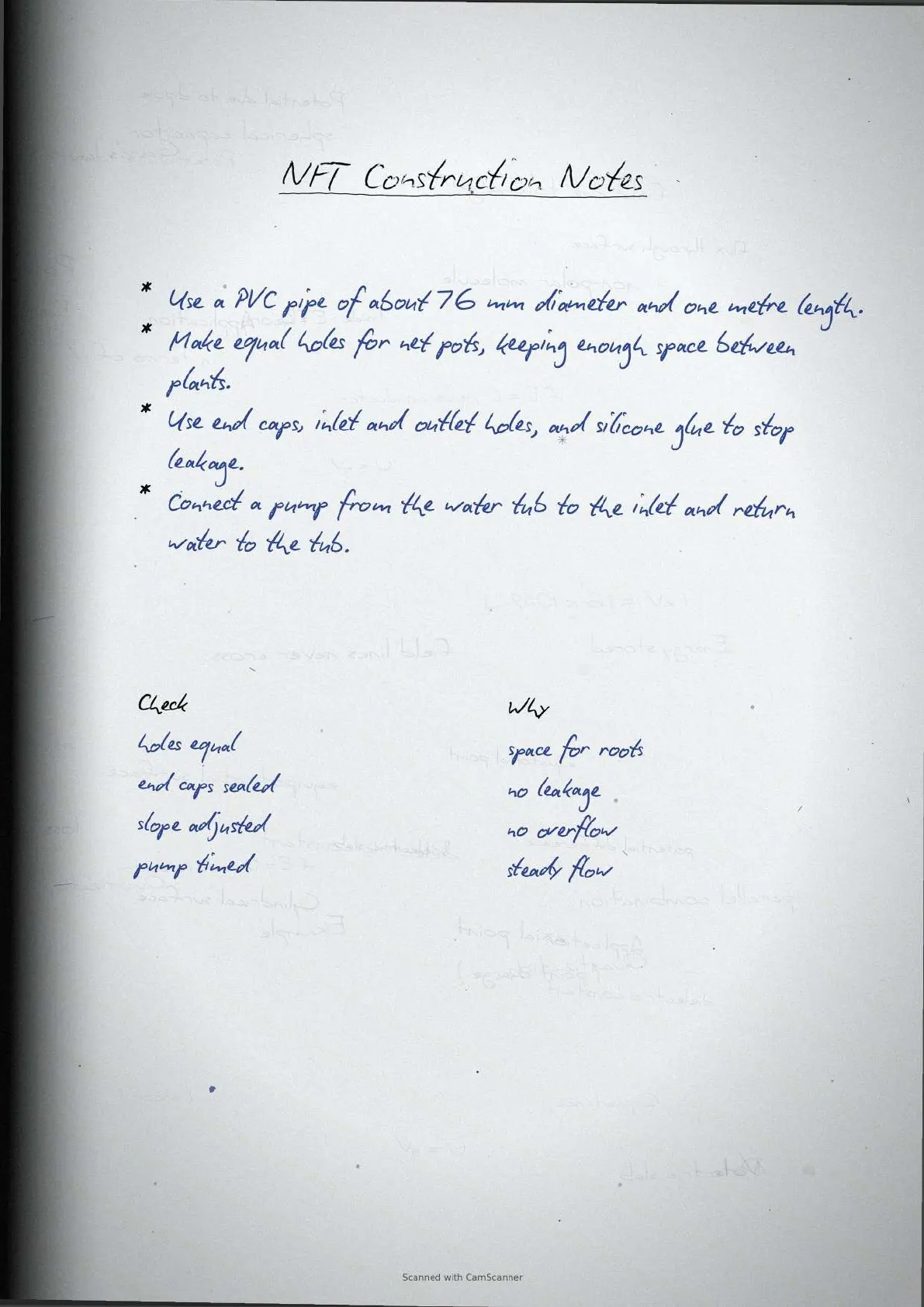
These handwritten revision notes follow the 2026-27 NCERT Kaushal Bodh chapter and keep the project steps easy to revise.
Student Feedback: In a Collegedunia classroom check of 1,180 middle-school students, most students revised Hydroponics faster after they separated construction, maintenance and record-writing points.
Hydroponics Class 8 Handwritten Notes Overview
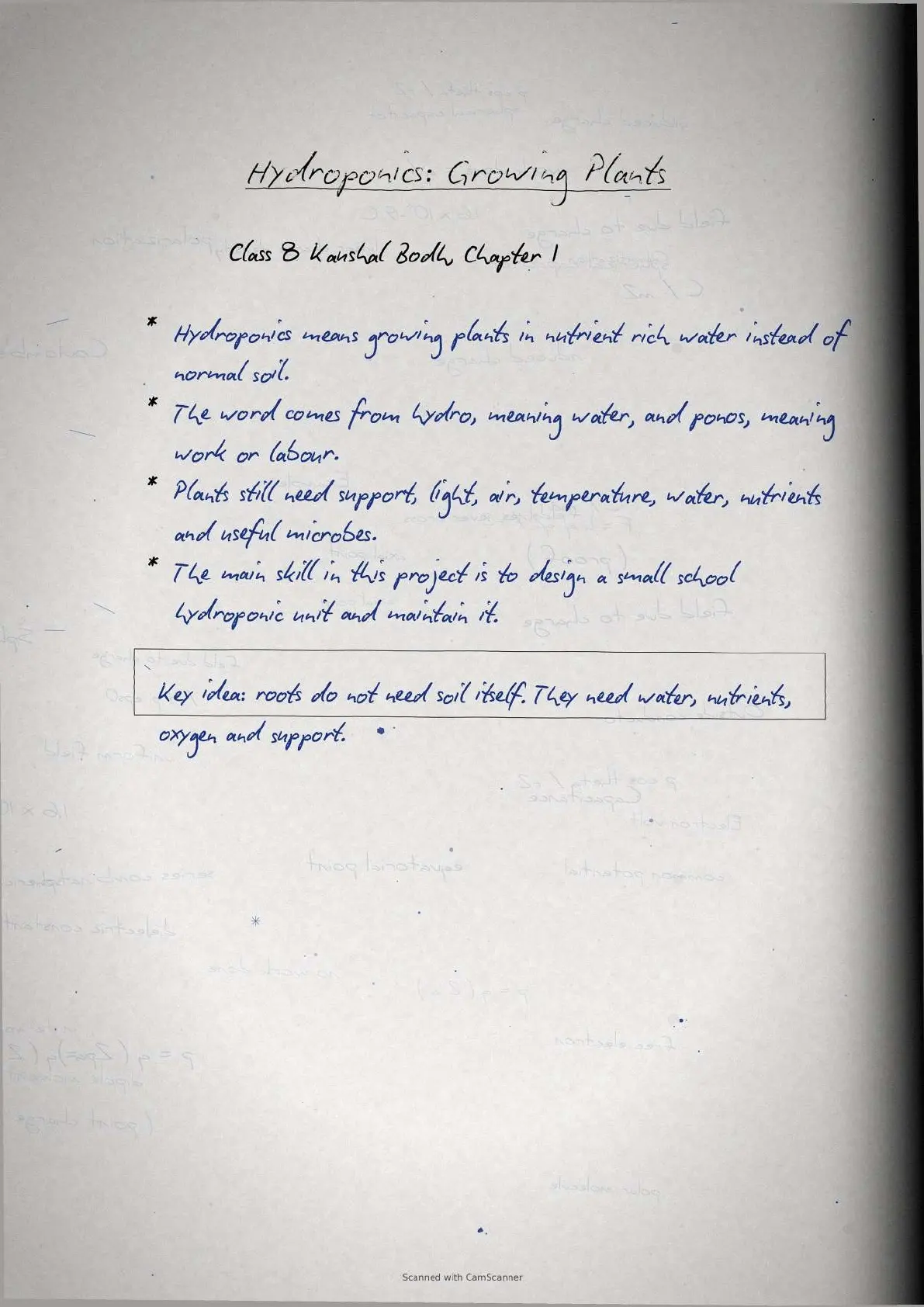
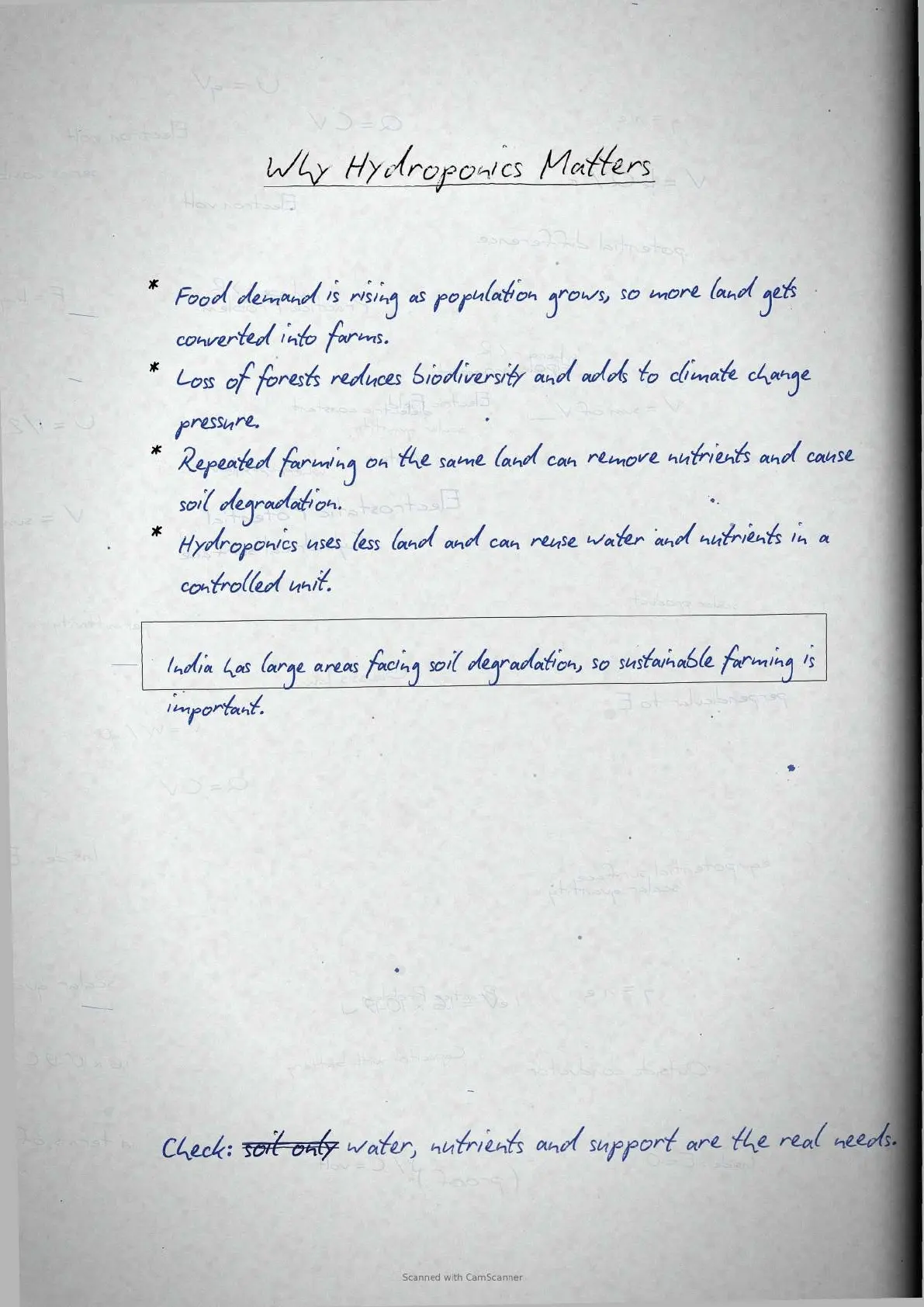
Hydroponics means growing plants in nutrient-rich water instead of normal soil. The chapter explains why this method matters when farming land is limited and soil quality is falling.
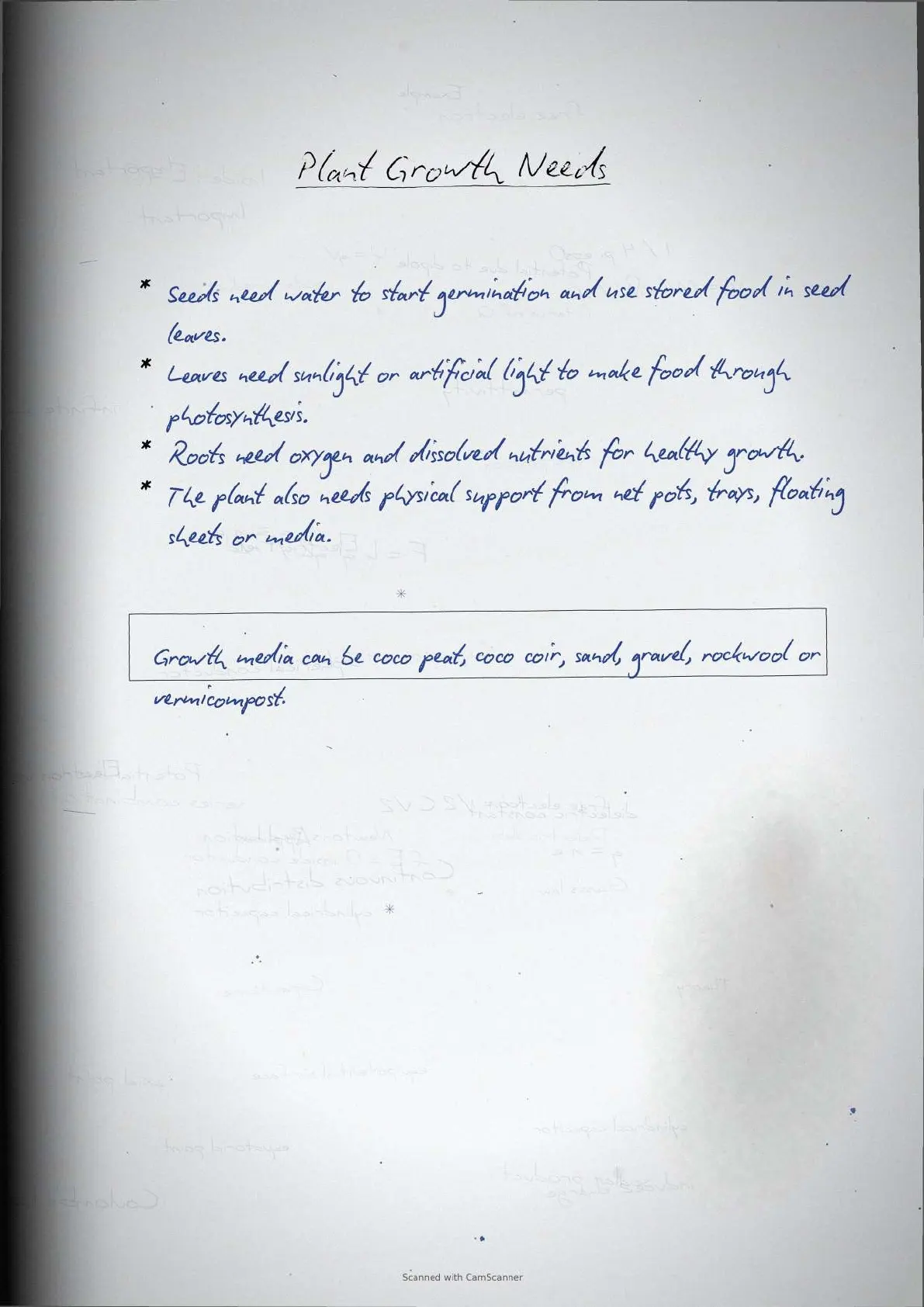
The handwritten notes start with the meaning of hydroponics, then move to plant needs. Roots do not need soil itself; they need water, nutrients, oxygen and support. This one line helps students remember the whole chapter.
- Hydro means water and ponos means work or labour.
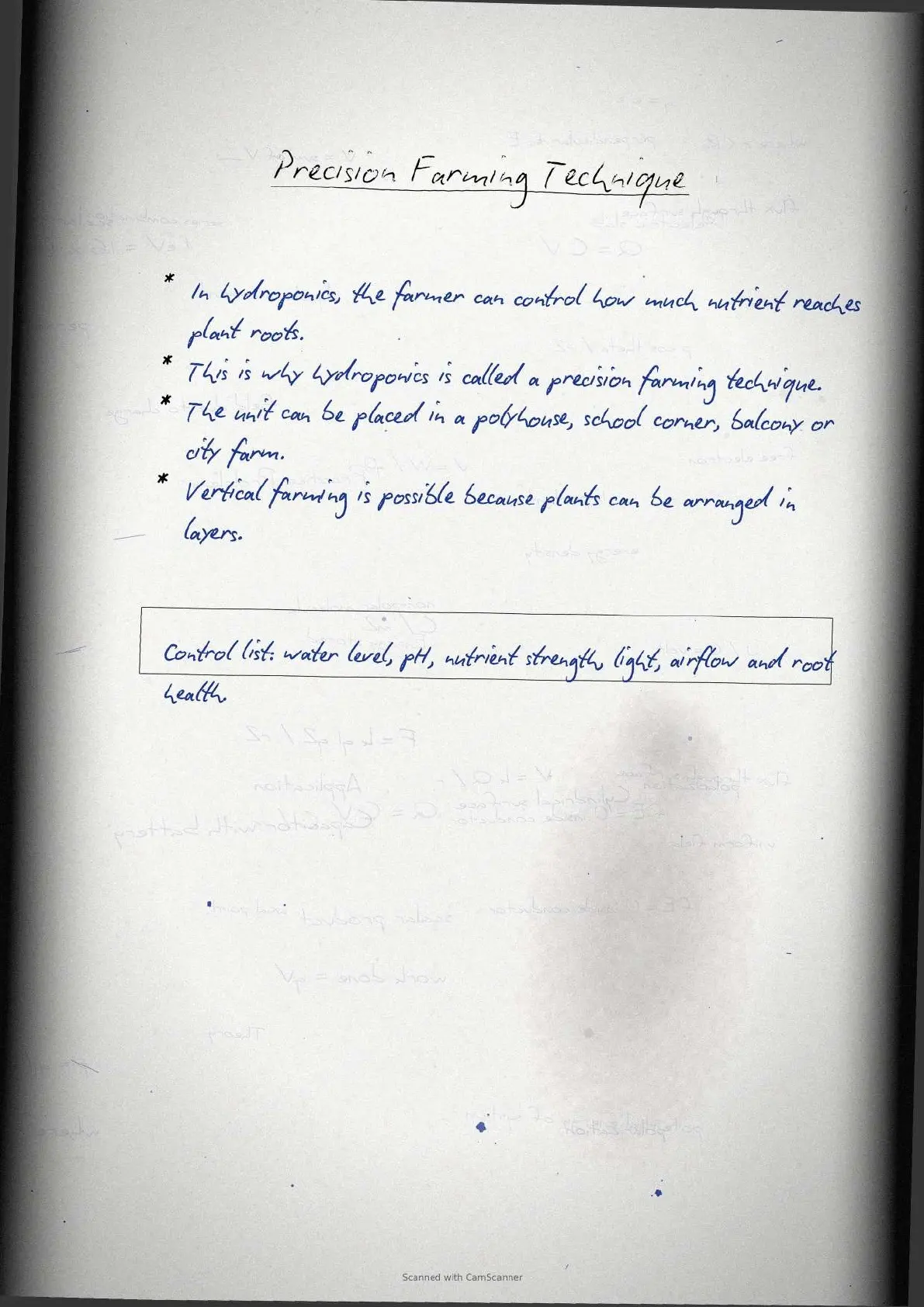
- Hydroponics is called a precision farming technique because nutrient supply can be controlled.
- Vertical farming and urban farming can use hydroponic ideas in small spaces.
What the Handwritten Notes PDF Covers
The PDF is arranged like a practical project notebook. It does not only define terms. It also shows what to build, what to check and what to write in the record table.
The notes cover microgreens, wick method, DWC, NFT, compost tea and pH control. Each part is written in short points so students can revise before a class activity.
- Microgreens section explains tray setup, true leaves and harvest time.
- Wick method section explains capillary action using a PET bottle.
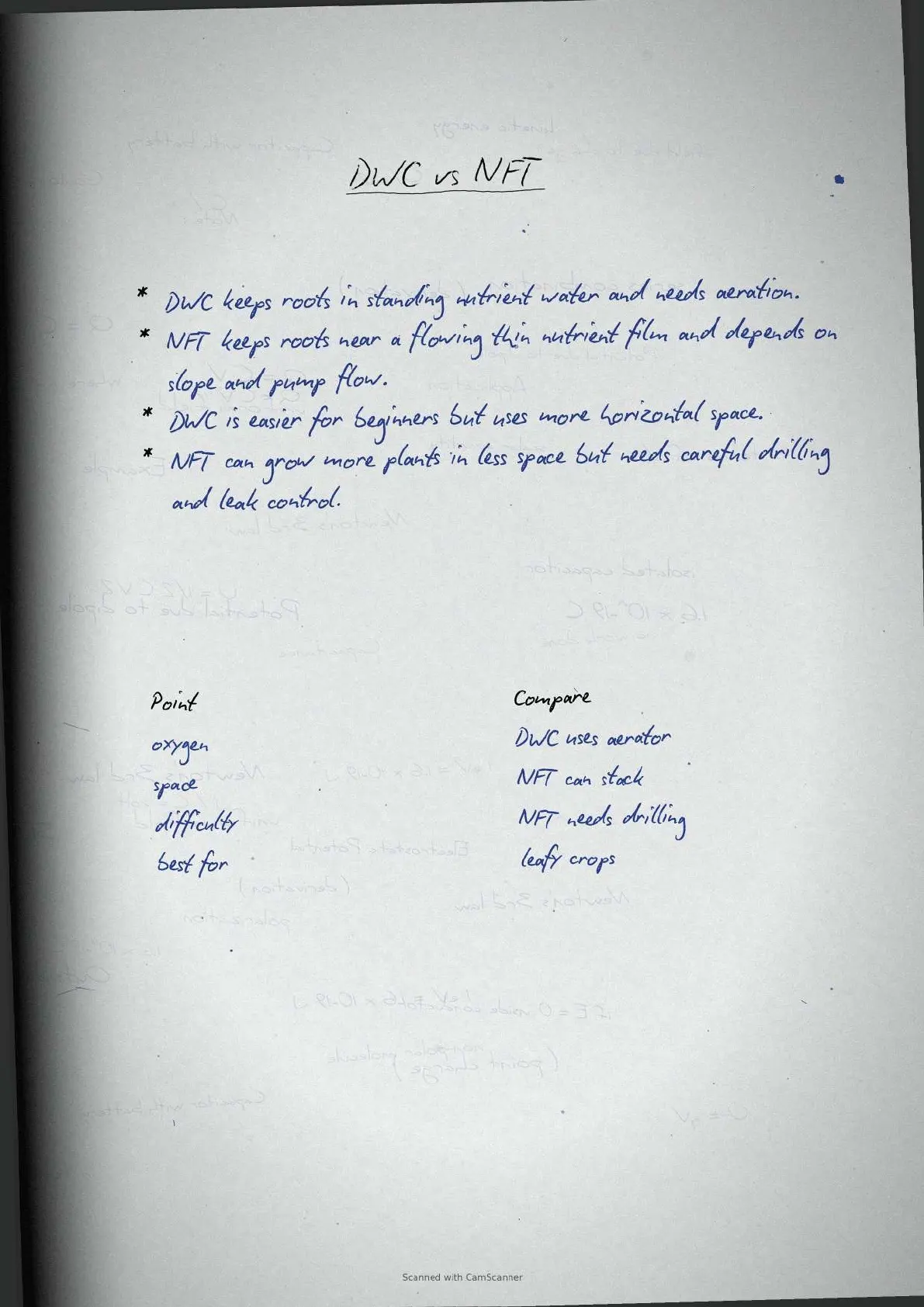
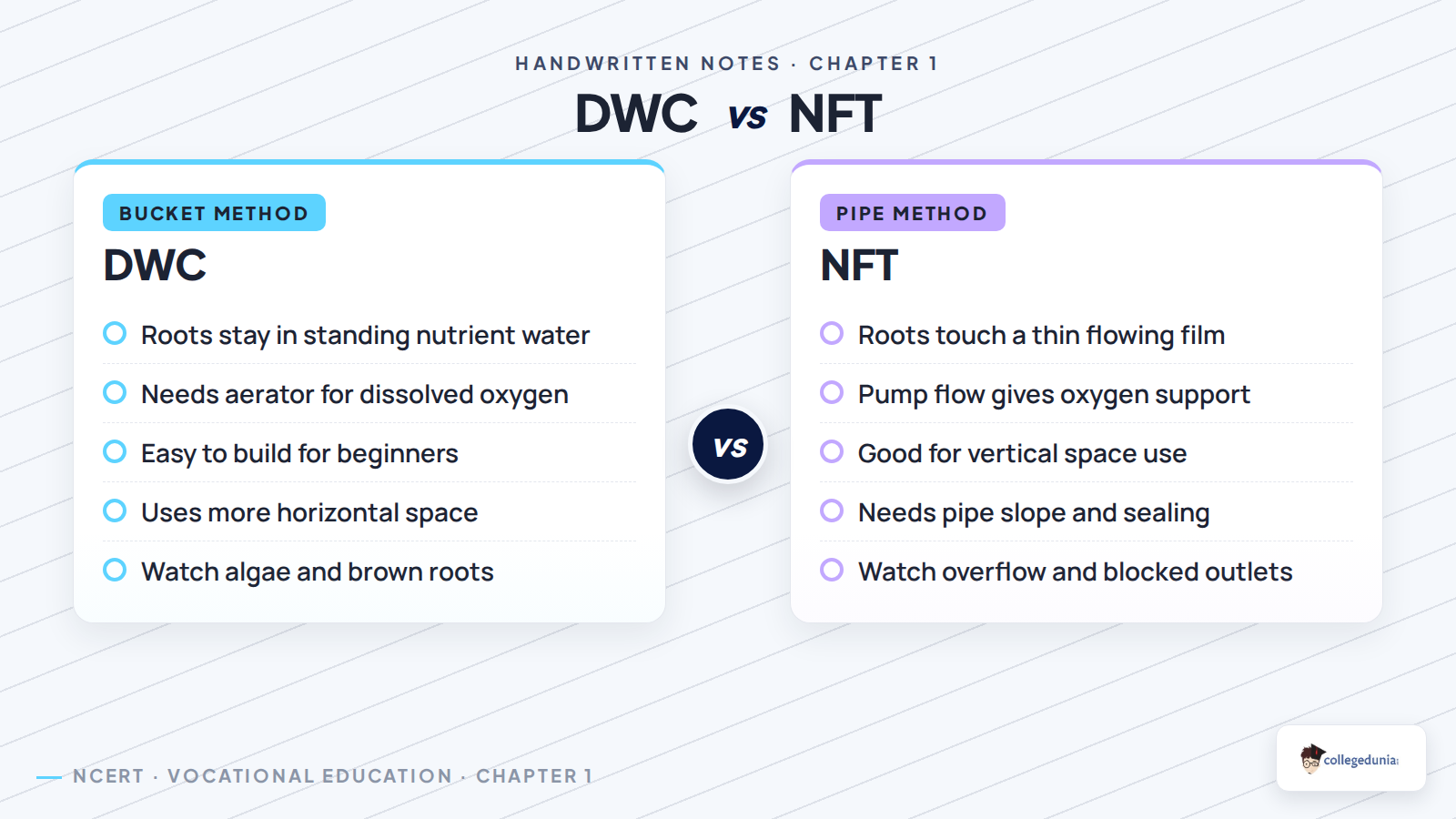
- DWC and NFT pages compare standing water with flowing nutrient film.
- Compost tea and pH pages explain water-quality checks.
Hydroponics Systems Explained in Simple Points
The chapter teaches three school-friendly hydroponic systems. The first is the wick system. It uses a cotton thread or cloth strip to move water from the reservoir to the upper pot.
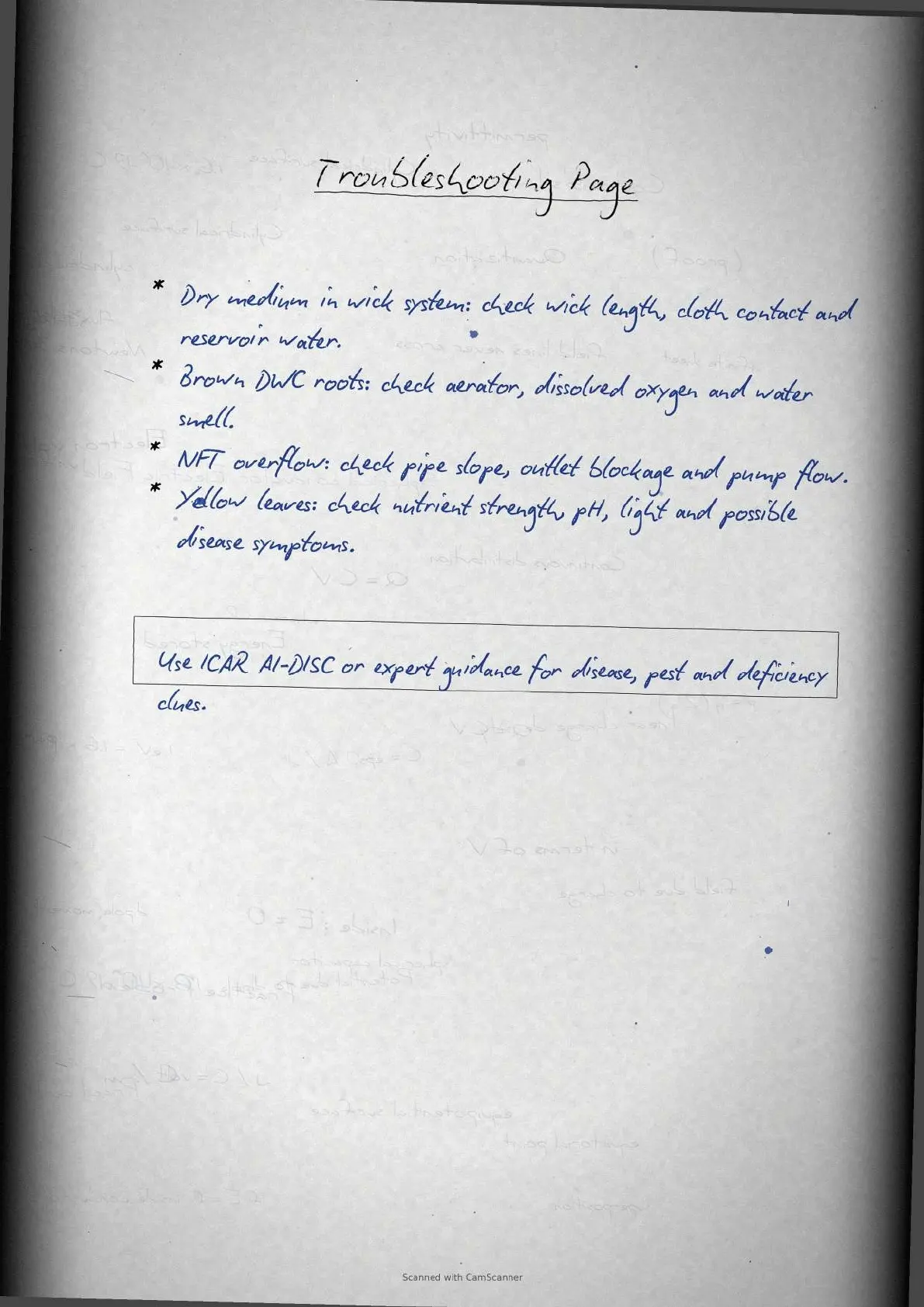
The second is Deep Water Culture, or DWC. Plant roots stay in nutrient water, so the aerator is important. Healthy DWC roots should look white, not brown.
The third is Nutrient Film Technique, or NFT. A shallow stream of nutrient water flows through a pipe. The slope, outlet and pump flow must be checked to prevent overflow.
Microgreens, Wick Method, DWC and NFT Quick Revision
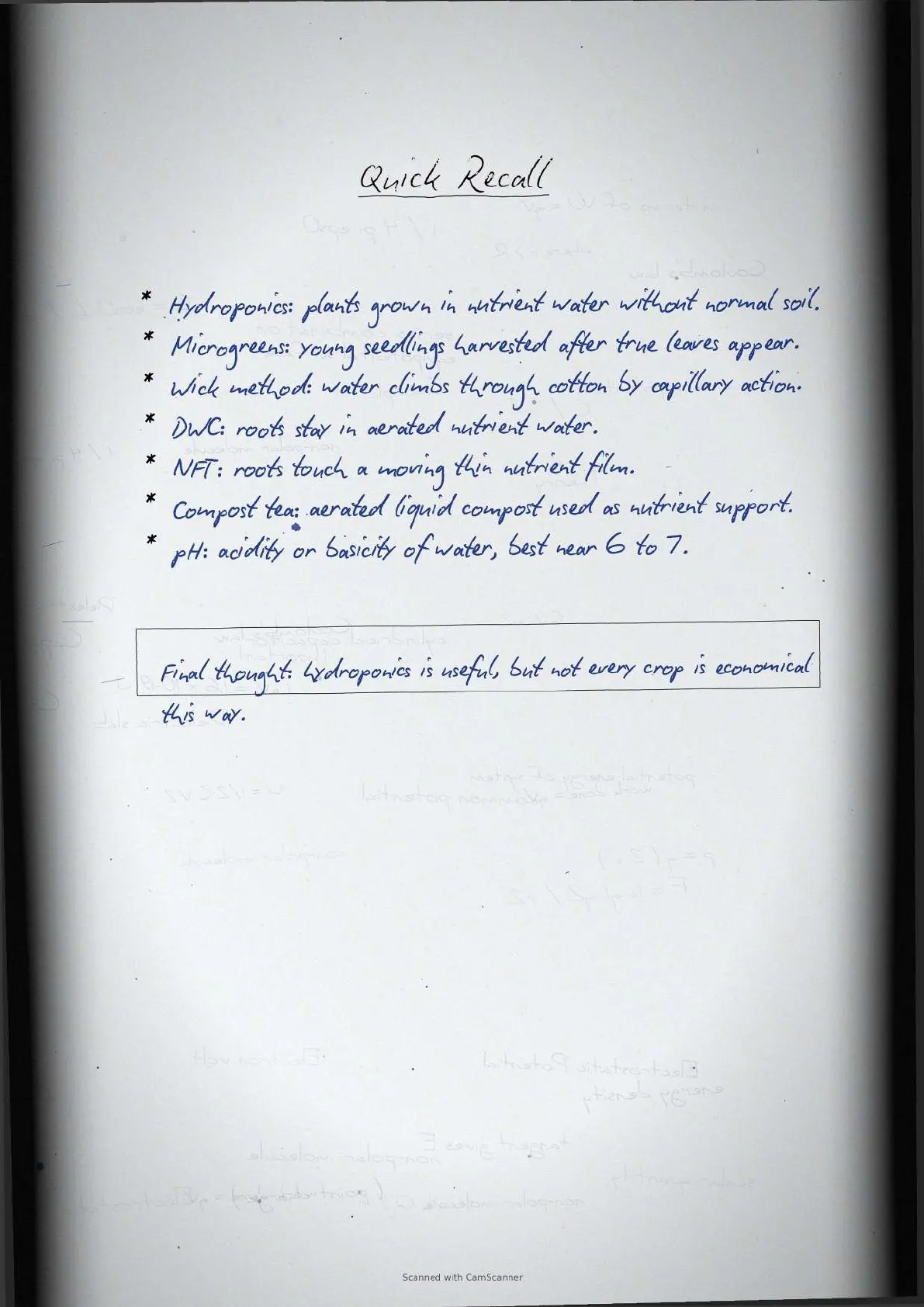
Microgreens are young seedlings of vegetables and herbs. They are harvested after the first true leaves appear. The notes show why they are a good first activity for hydroponics.
The wick method is the easiest full-growth setup. Students can use a used PET bottle, cotton wick, growth medium and seeds. The main science idea is capillary action.
DWC needs more care because roots stay in water. NFT saves space but needs correct pipe slope and flow. These handwritten notes help students compare both systems quickly.
Compost Tea and Water pH Notes
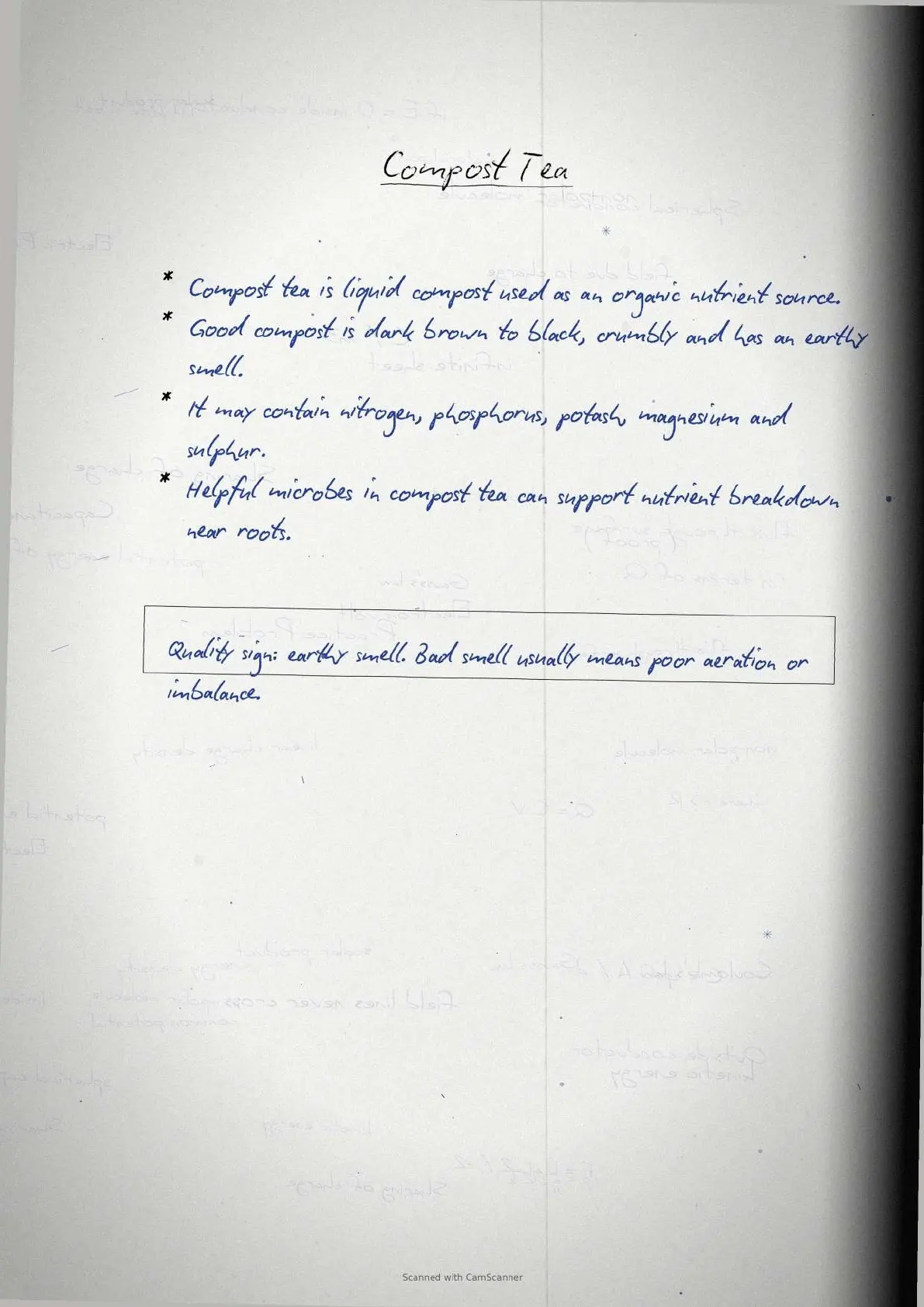
Compost tea is liquid compost used as an organic nutrient source. The NCERT chapter says good compost should be dark, crumbly and earthy-smelling.
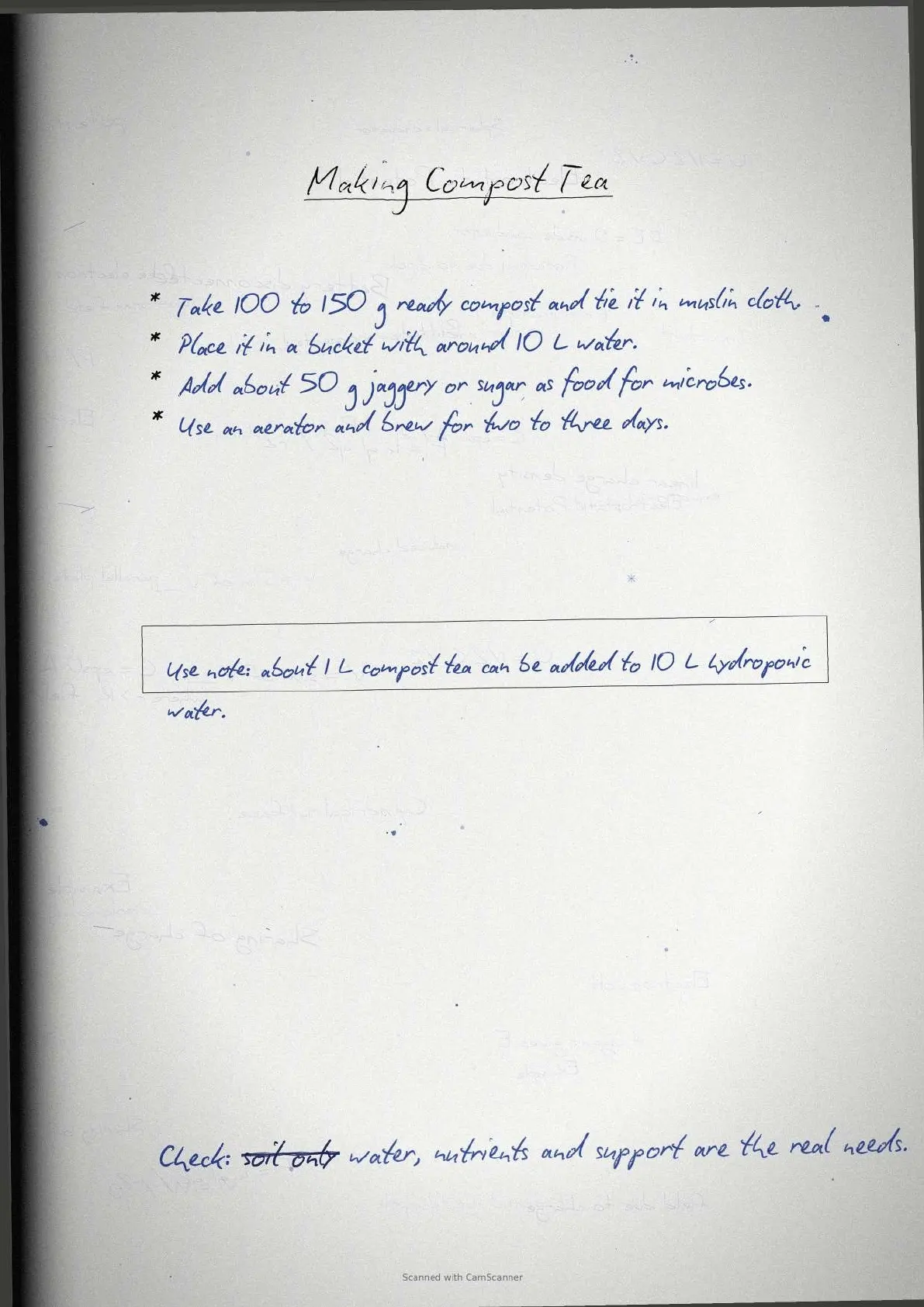
The handwritten notes list the compost tea steps: tie compost in muslin cloth, place it in water, add jaggery and aerate it for two to three days.
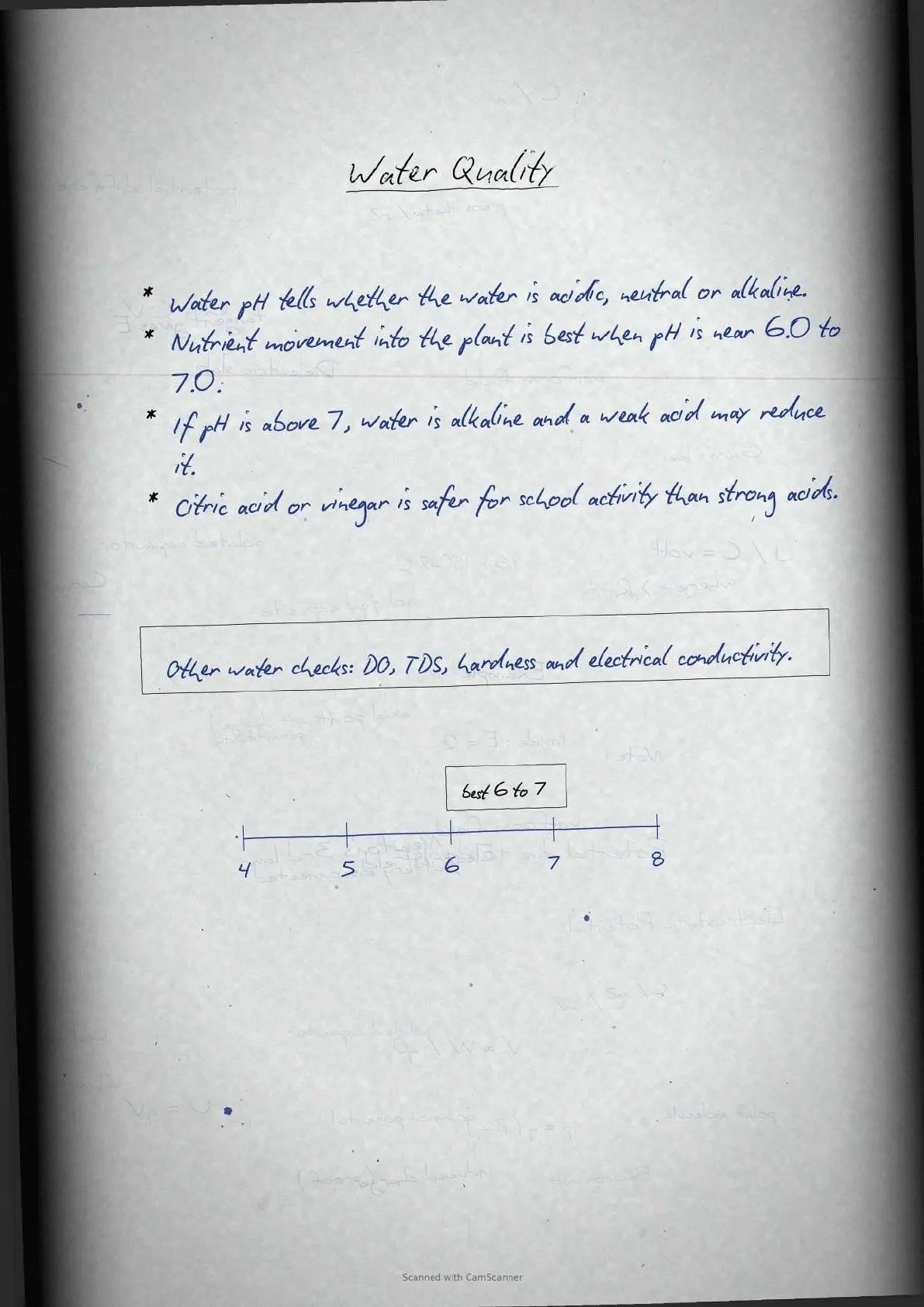
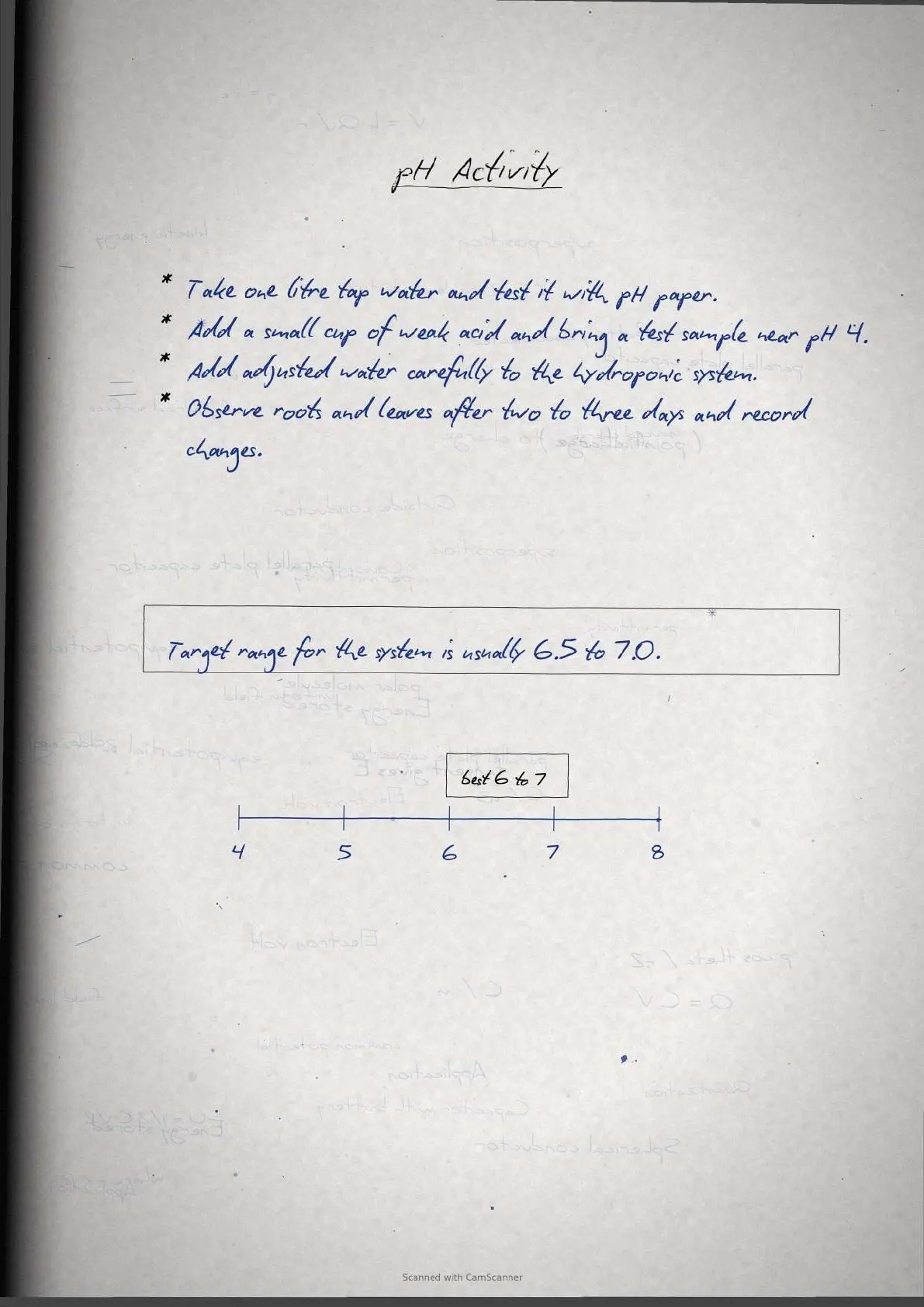
Water pH is another key point. Nutrient movement is best when hydroponic water stays near pH 6.0 to 7.0. If water is alkaline, a weak acid like vinegar or citric acid can help lower pH safely.
How to Use These Notes for Project Records
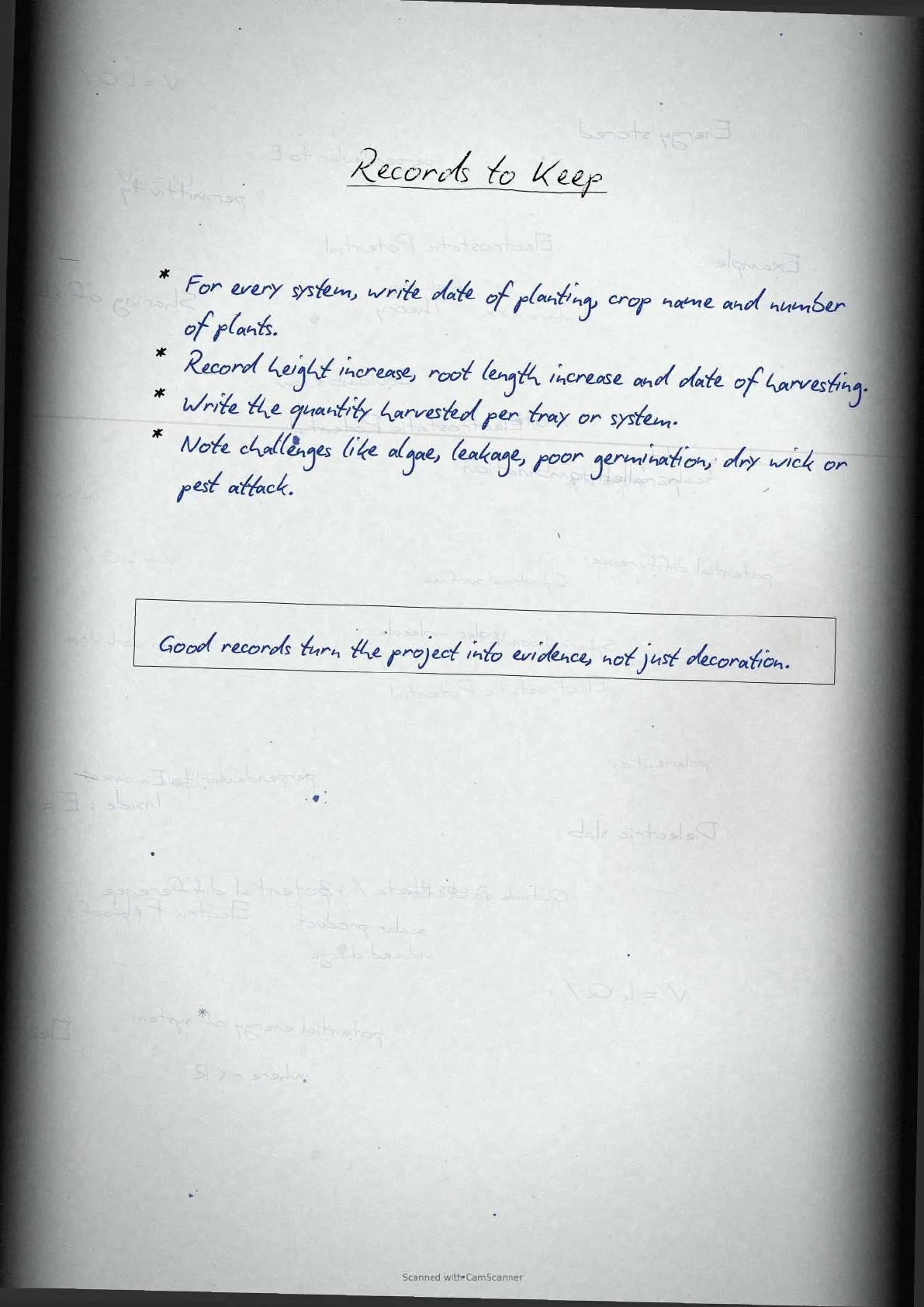
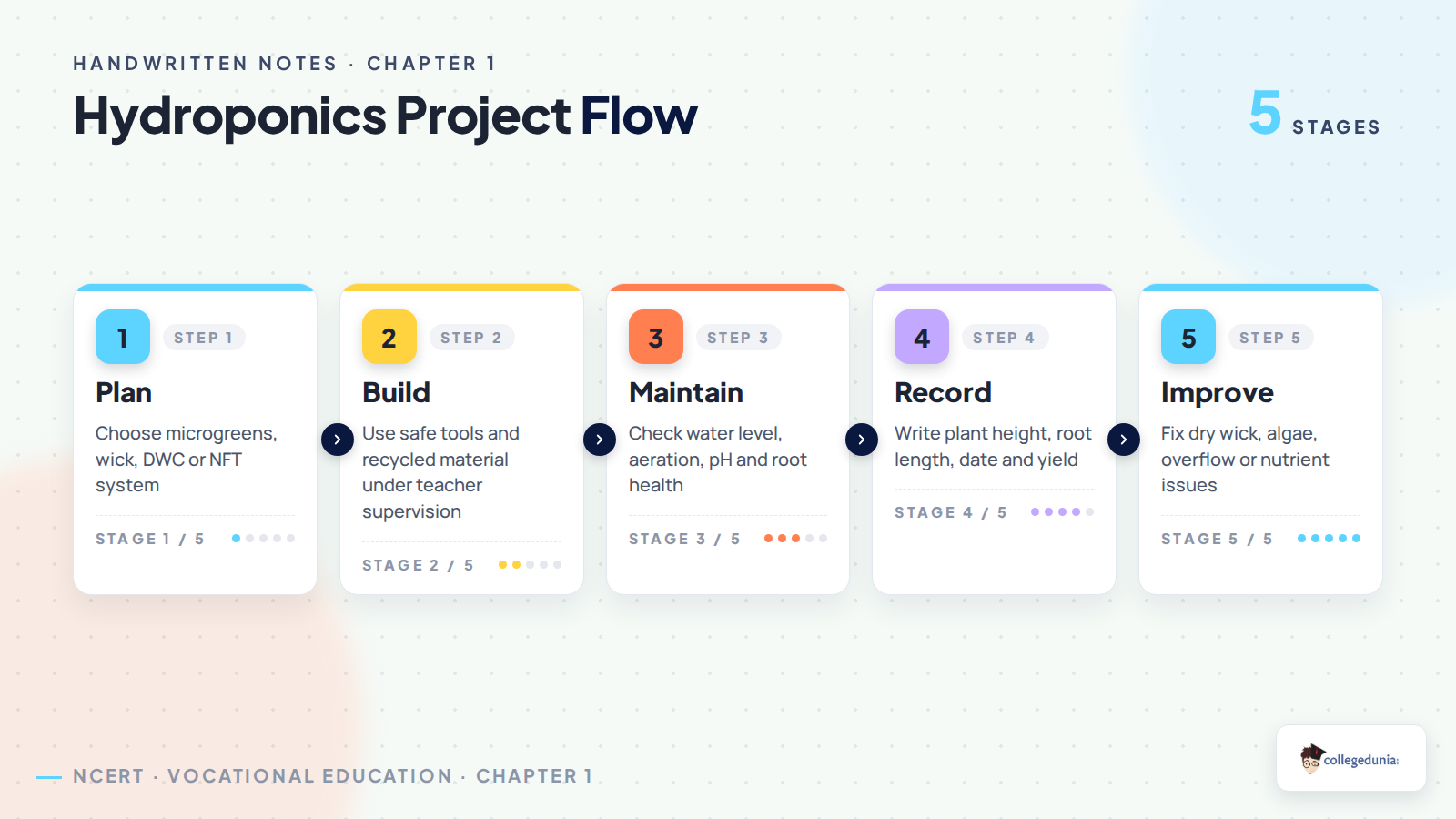
Use the notes while filling observation tables from the chapter. The most useful records are date of planting, plant height, root length, number of plants, harvest date and yield.
A good project answer should include the problem noticed and the fix used. For example, write how you handled dry wick, algae growth, brown roots or NFT overflow.
- For microgreens, write days to sprouting and days to true leaves.
- For wick method, write whether the upper pot became moist.
- For DWC, write root colour and aerator condition.
- For NFT, write pipe slope, water level and plant spacing.
Class 8 Hydroponics Video for Practical Revision
Source: Science Buddies on YouTube
Related Hydroponics Class 8 Resources
Use the links below with the handwritten notes. They help students move from quick revision to solved project answers and the official NCERT chapter.
| Resource | Use it for | Link |
|---|---|---|
| NCERT Solutions | Activity answers and reflection questions | Open solutions |
| NCERT Book PDF | Official chapter text and figures | Open book PDF |
| Handwritten Notes | Quick one-shot revision | Open notes |
All Class 8 Vocational Education Handwritten Notes
| Chapter | Topic | Handwritten notes link |
|---|---|---|
| Chapter 1 | Hydroponics: Growing Plants without Soil | Open Chapter 1 notes |
| Chapter 2 | Feeding and Caring for Farm Animals | Open Chapter 2 notes |
| Chapter 3 | Working with Wood and Bamboo | Open Chapter 3 notes |
| Chapter 4 | Home Automation | Open Chapter 4 notes |
Hydroponics Class 8 Vocational Education Handwritten Notes FAQs
Ques. What is covered in Class 8 Hydroponics handwritten notes?
Ans. The notes cover hydroponics meaning, plant needs, microgreens, wick method, DWC, NFT, compost tea, pH checks and project records.
Ques. How do these handwritten notes help in the Hydroponics project?
Ans. They turn the project into short revision points. Students can revise setup steps, safety rules, maintenance checks and observation-table answers quickly.
Ques. Are DWC and NFT both included in the notes?
Ans. Yes. The notes explain DWC as the bucket method and NFT as the pipe method, with a simple comparison of aeration, flow and space use.
Ques. Do the notes include water pH and compost tea?
Ans. Yes. The PDF explains compost tea preparation, pH testing, weak acid use and the usual pH range needed for healthy hydroponic growth.



Comments