




The handwritten notes on Class 8 Vocational Education Chapter 6 Creating Advertisements help students revise the 2026-27 Kaushal Bodh project quickly. The PDF covers commercial and social advertising, logos, taglines, visuals, jingles, emotional connect, call to action, ethical advertising and the final advertisement-making process.
- Best use: revise the advertisement project before making the final poster, flyer or video.
- PDF focus: advertisement types, key elements, small-business interview, target group, media choice and feedback.
- Revision style: topper's handwritten notes with short points, flow charts and diagrams drawn by hand.
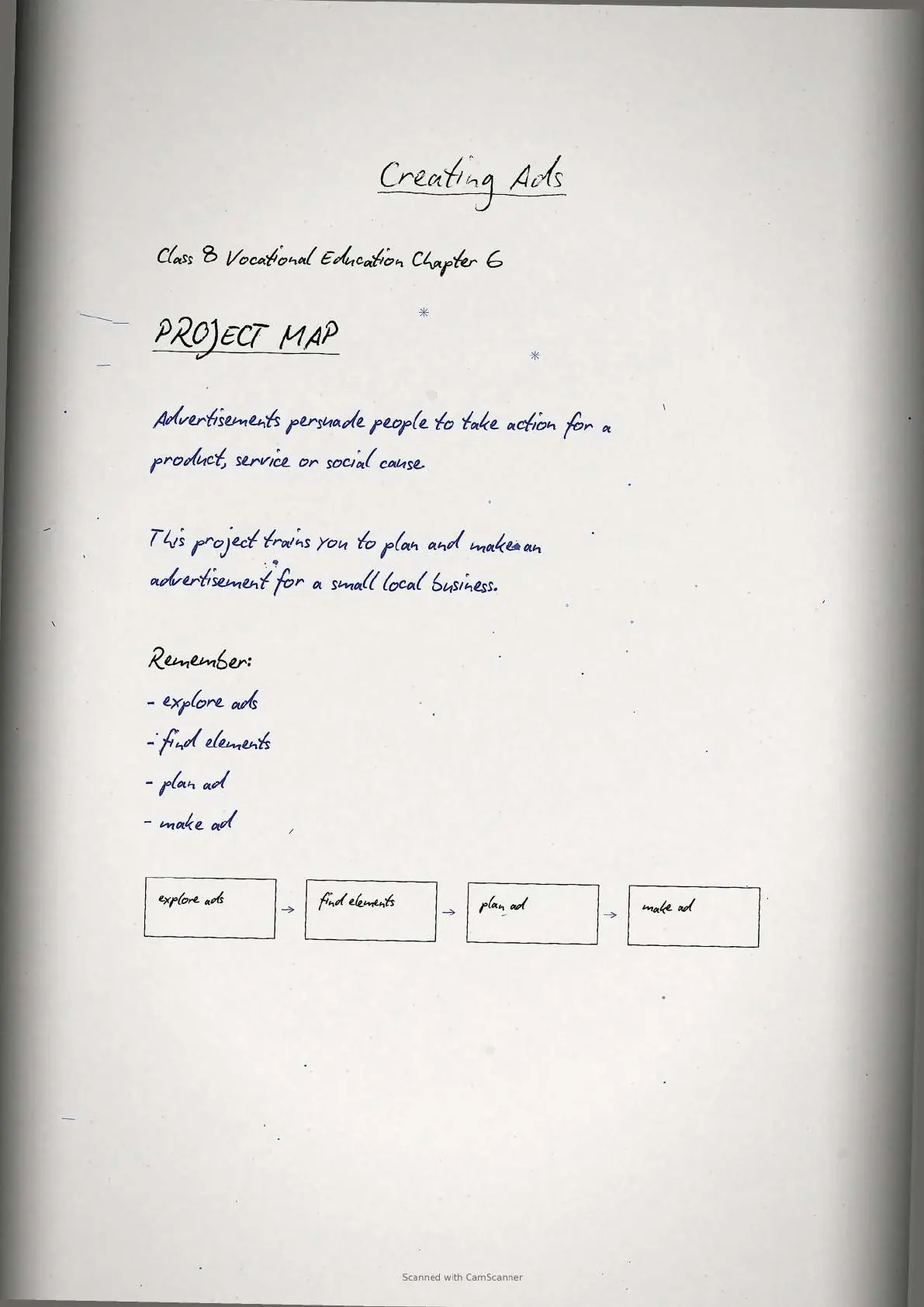
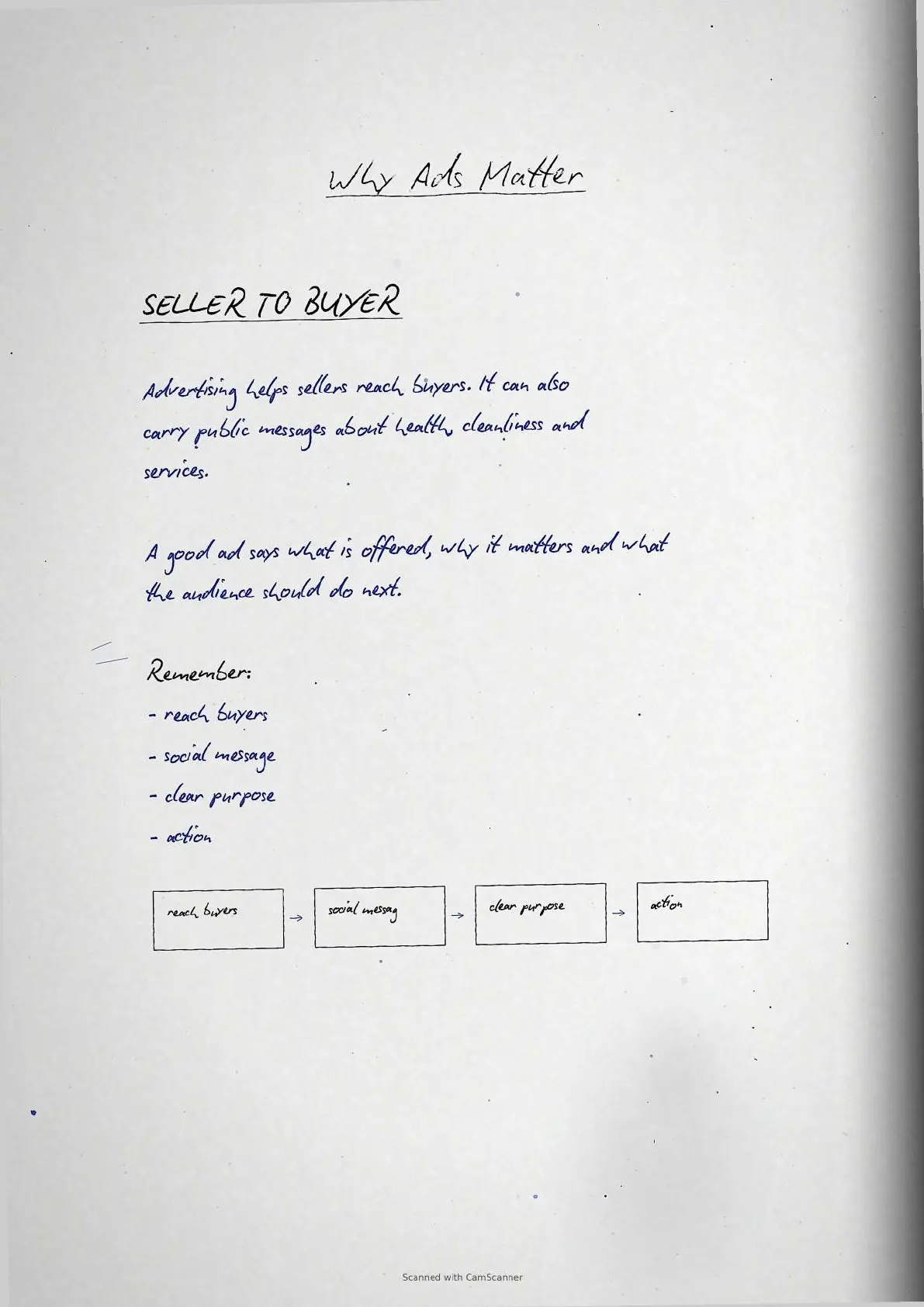
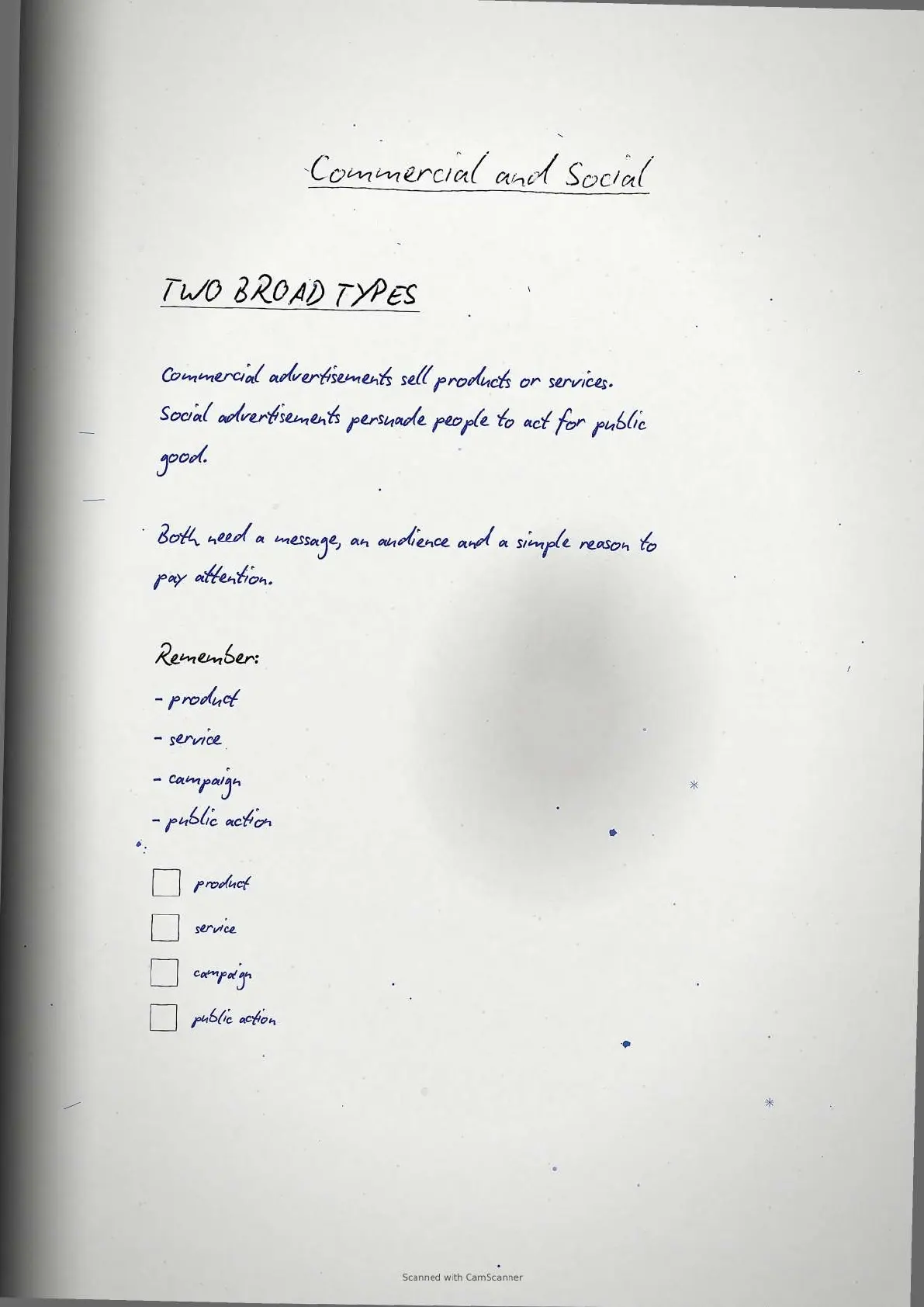
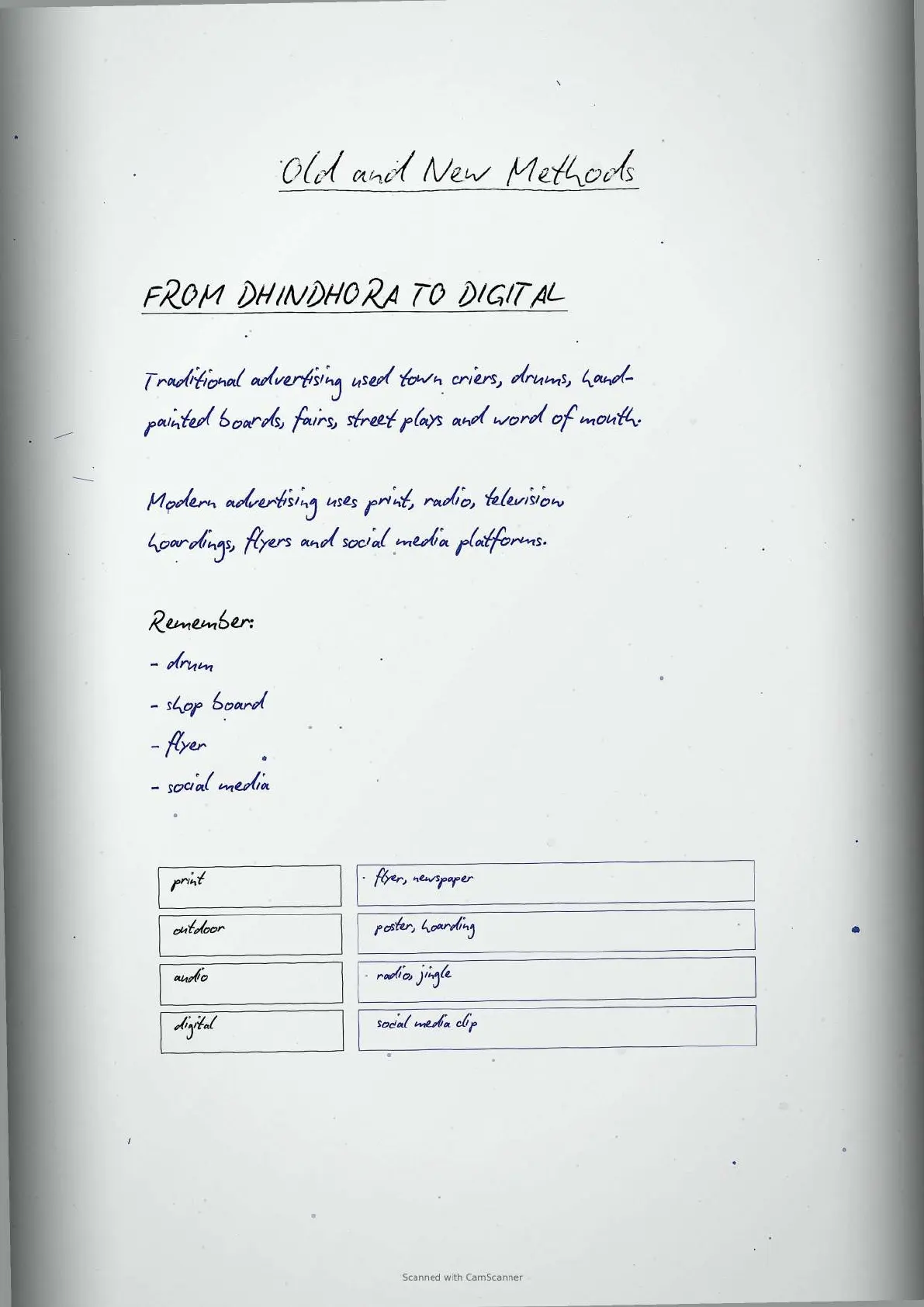
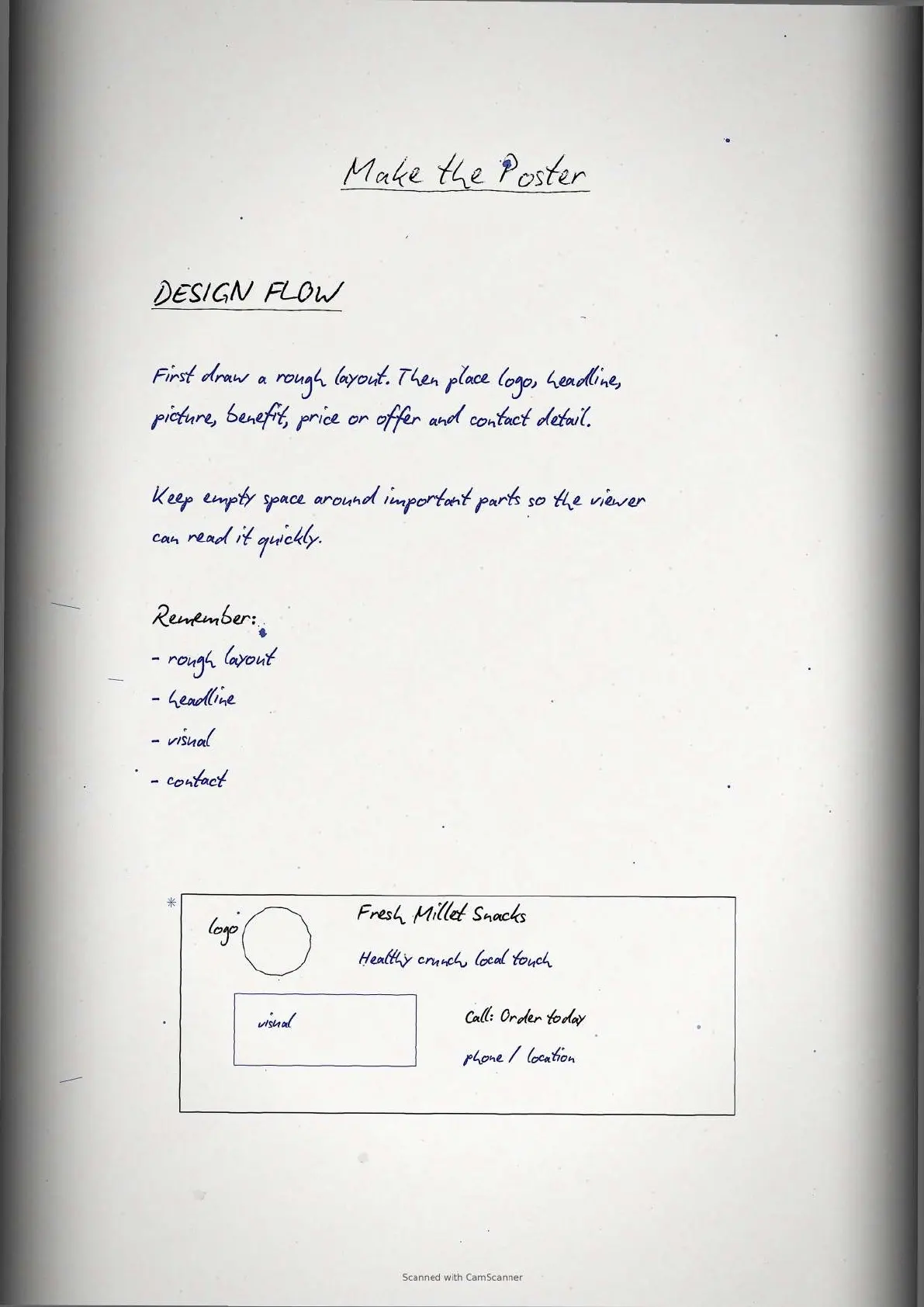
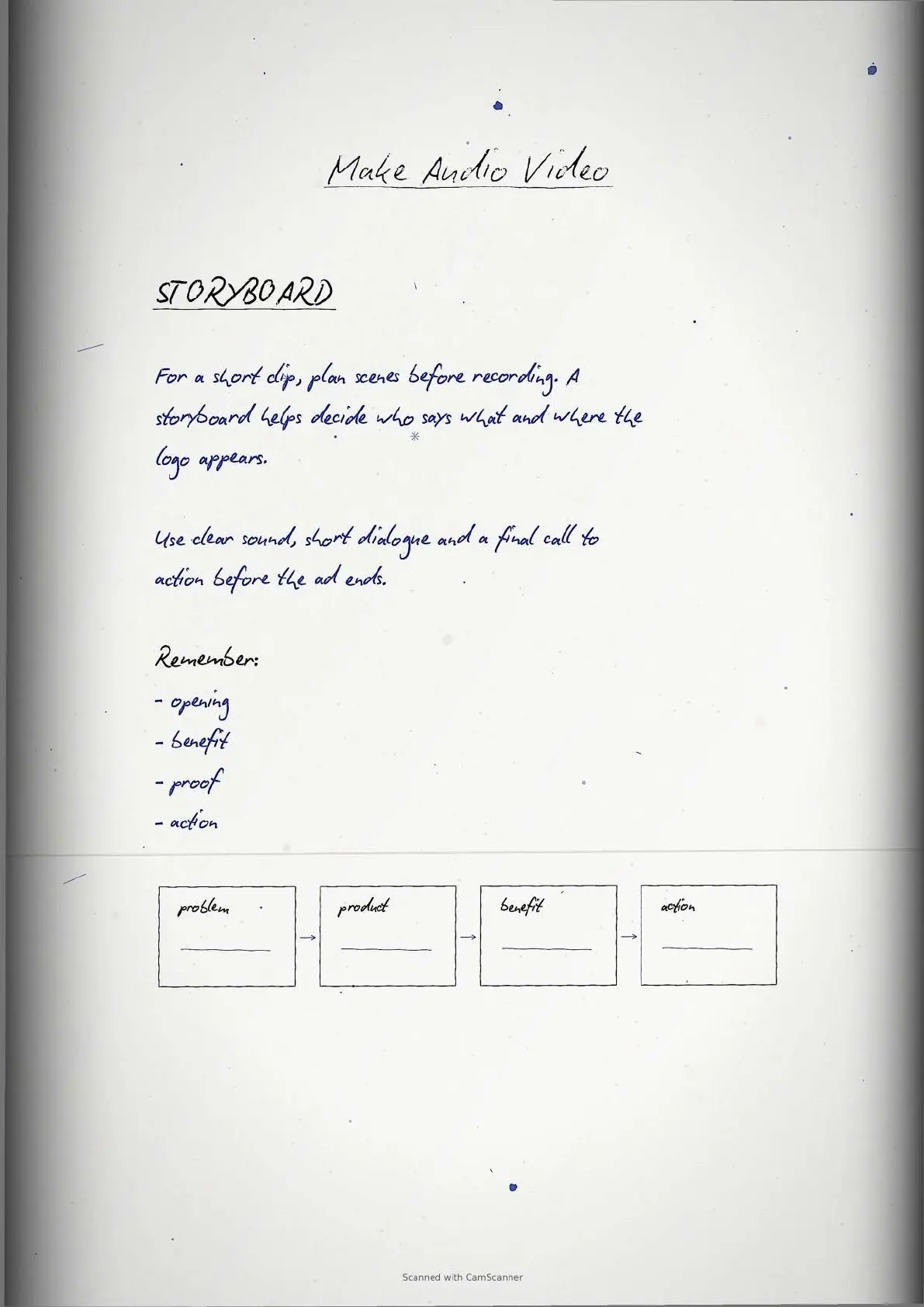
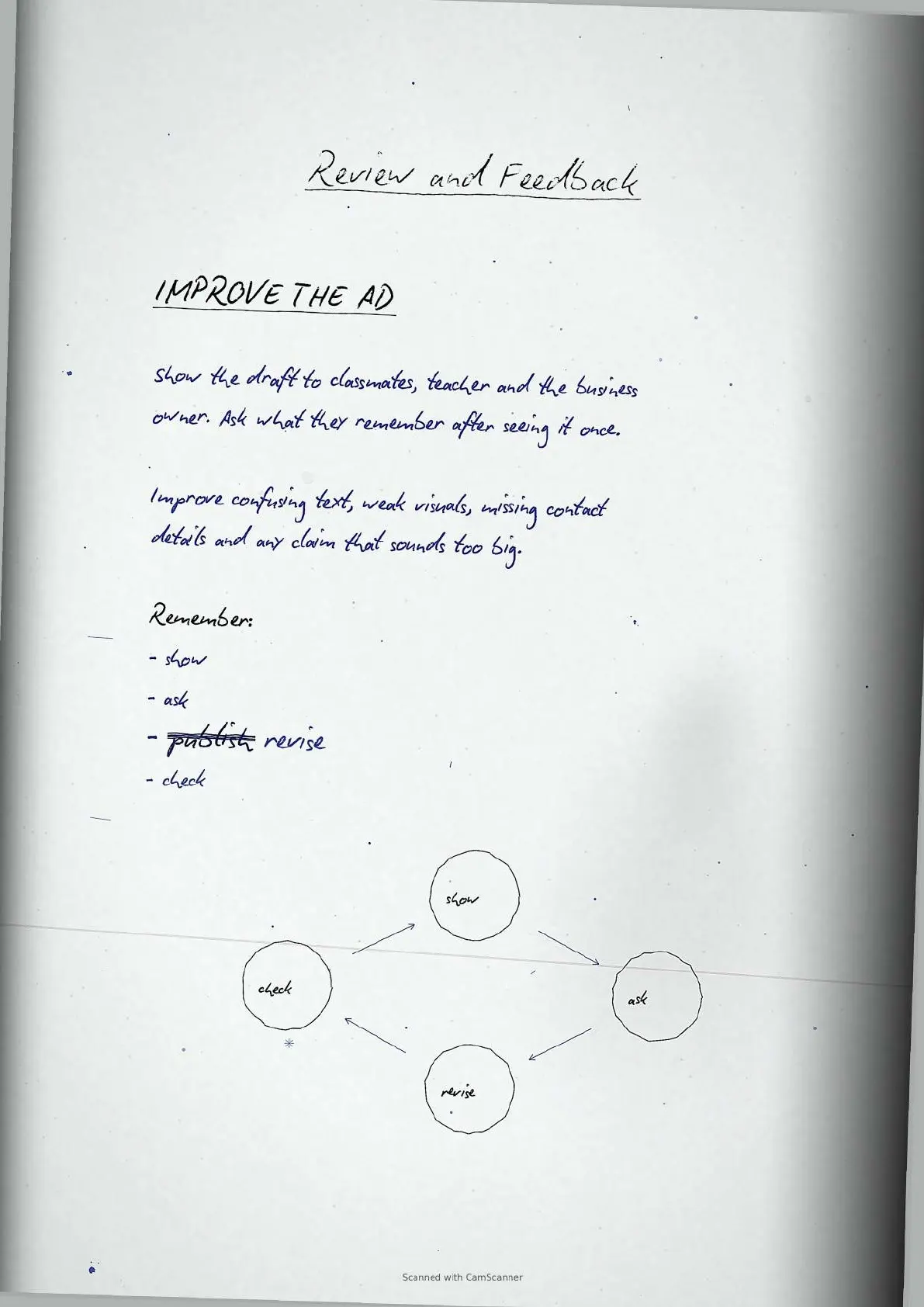
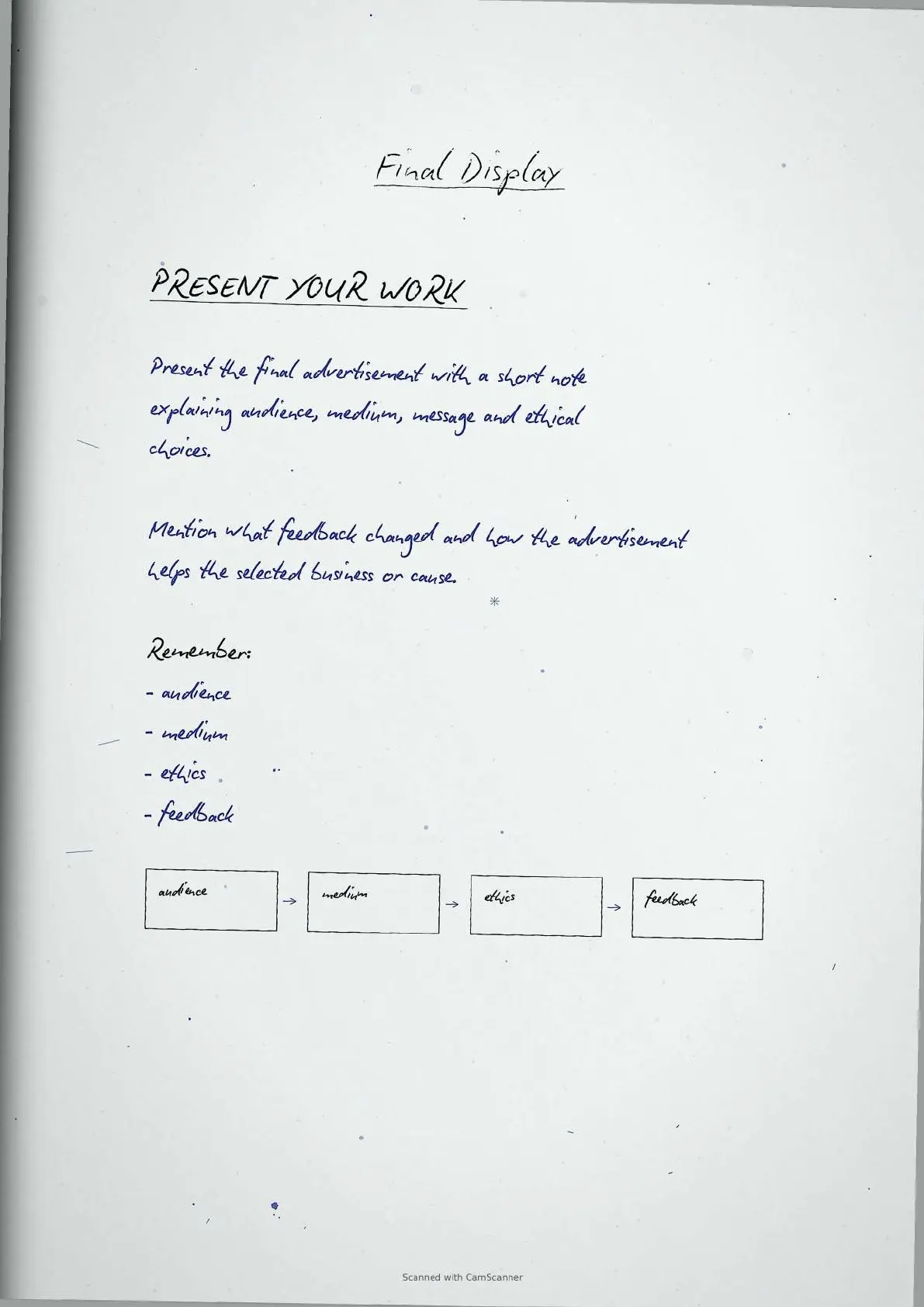
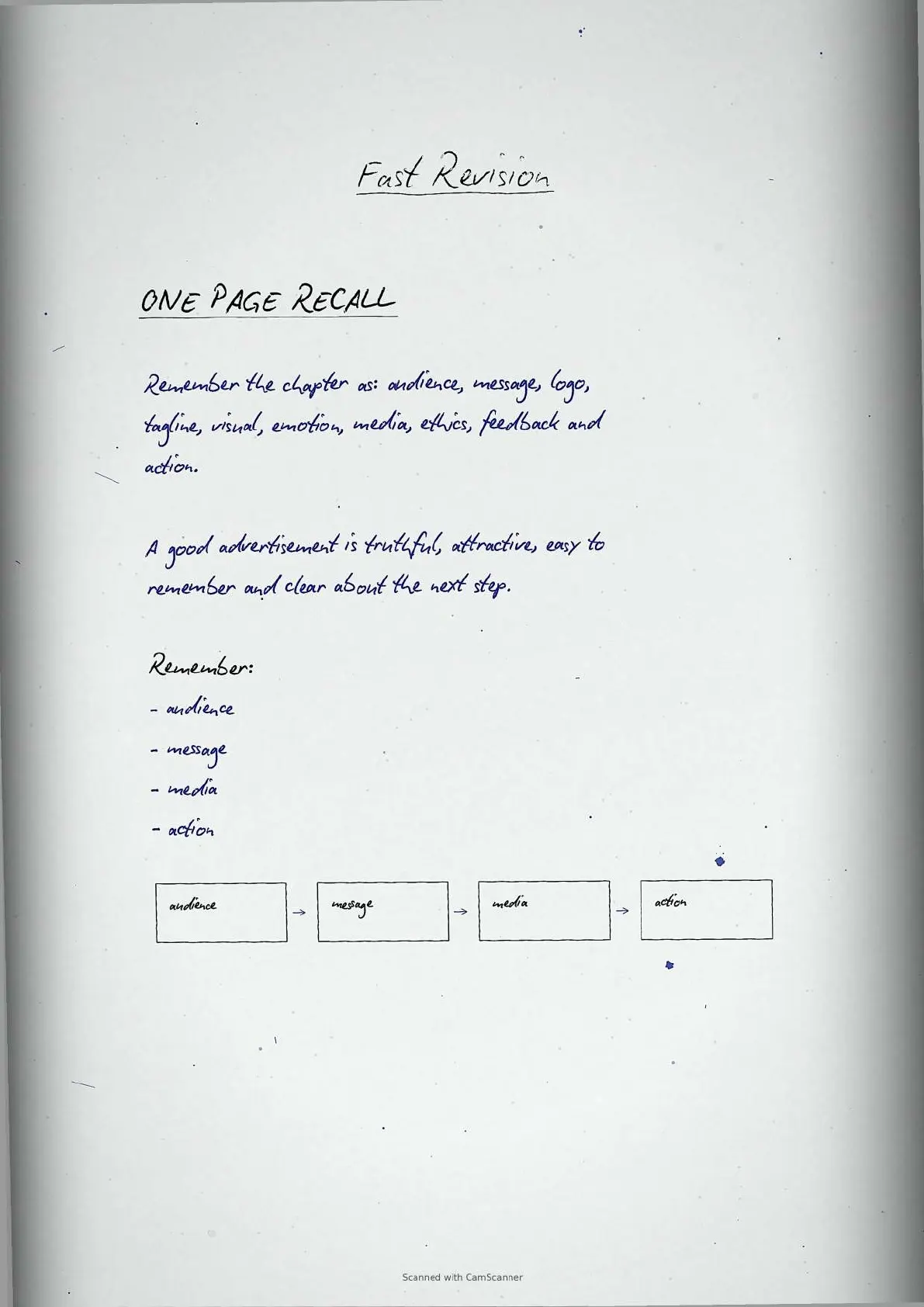
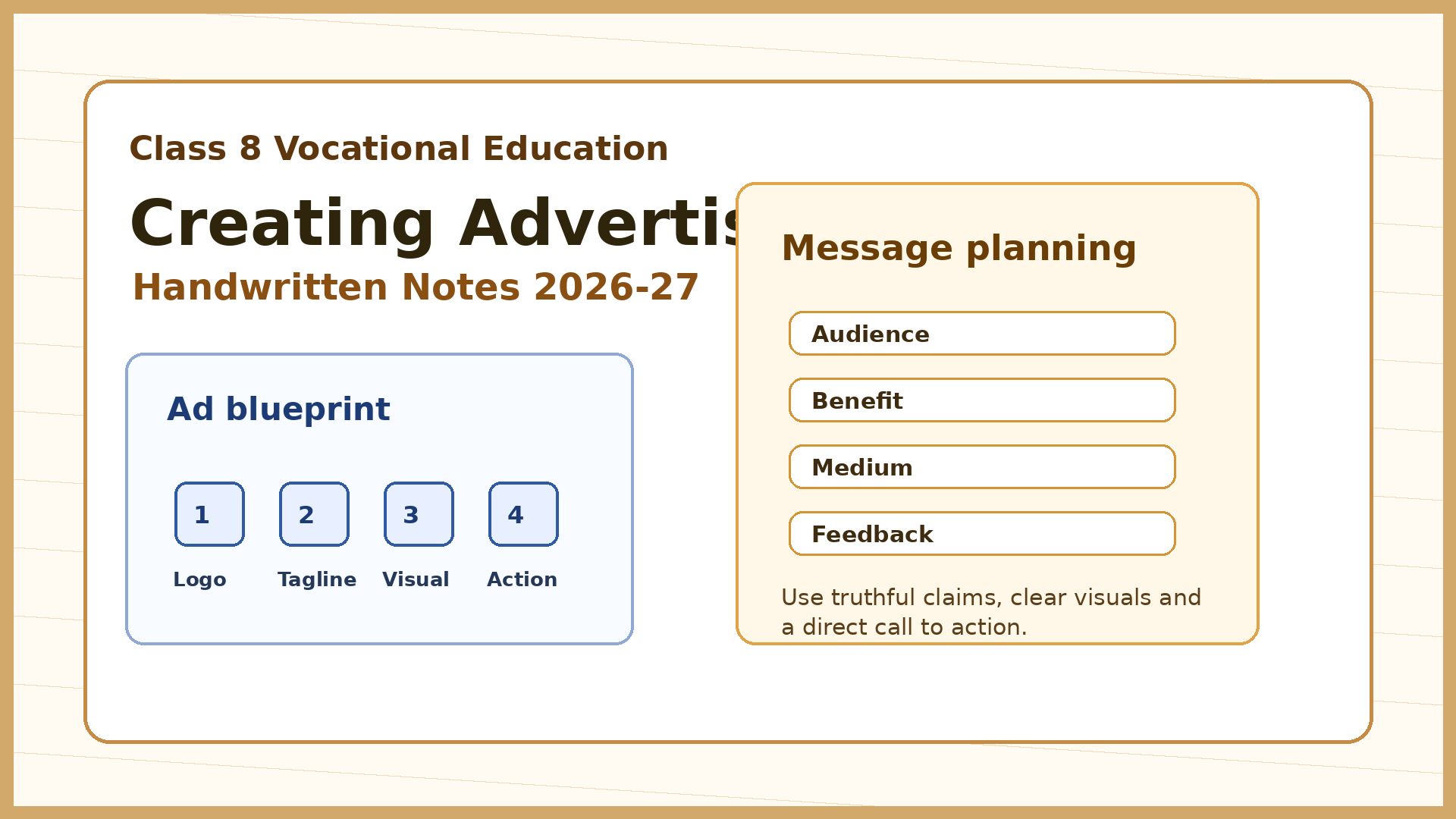
These handwritten revision notes follow the 2026-27 NCERT Kaushal Bodh chapter and keep advertisement planning easy to revise.
Student Feedback: In a Collegedunia classroom check of 1,080 middle-school students, learners found the project easier after separating the advertisement into viewer group, message, visual and action.
Creating Advertisements Handwritten Notes Overview
Creating Advertisements is Project 6 in Class 8 Kaushal Bodh. It teaches students how advertisements persuade people to buy a product, use a service or act for a social cause.
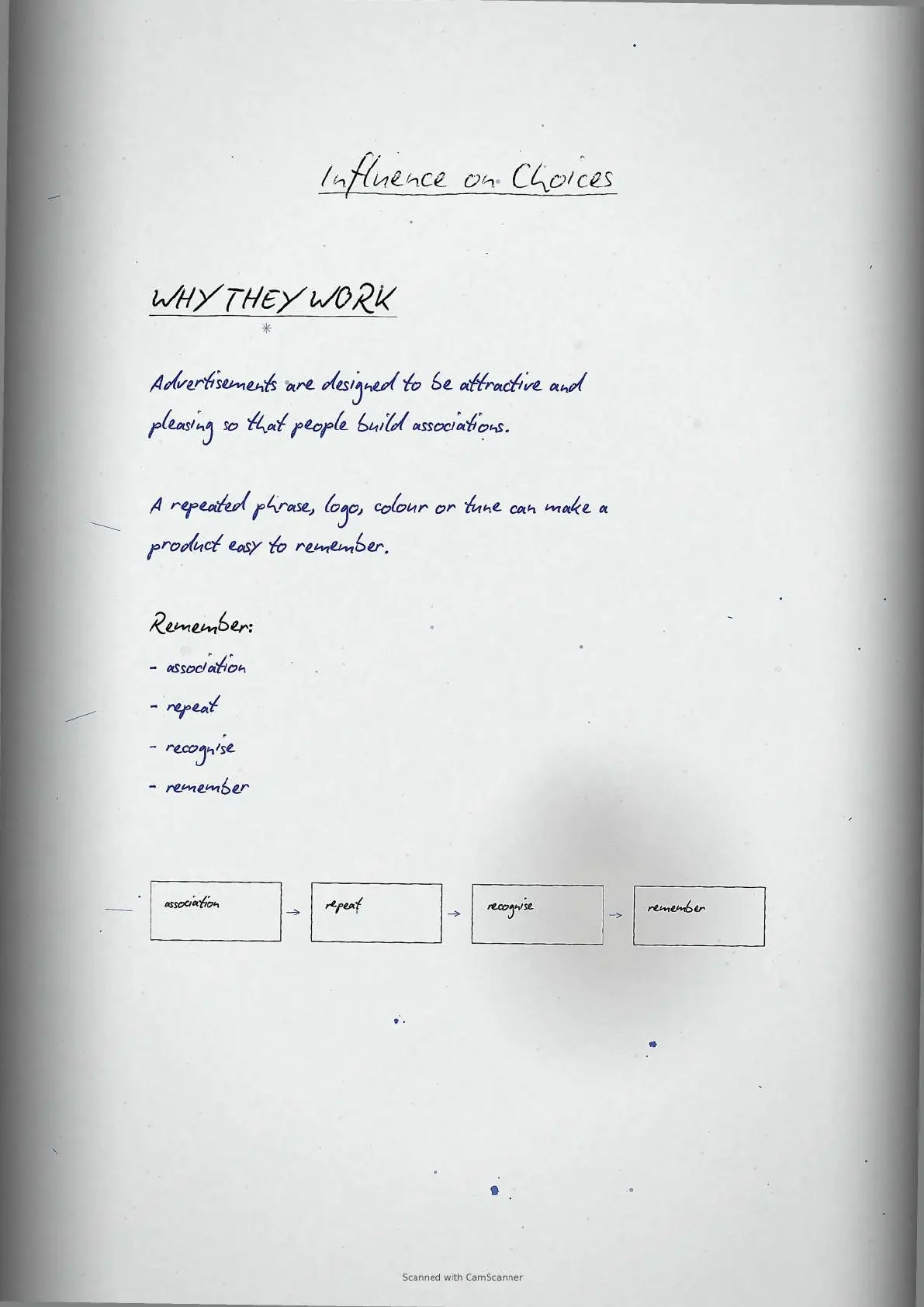
The handwritten PDF turns the long project chapter into short revision pages. It is useful before planning a poster, flyer, short audio message, social media clip or local-business campaign.
- Advertisements can be commercial or social depending on the message.
- Good advertisements use a clear viewer group, strong message and direct call to action.
- Logo, tagline, visual, music, emotion and media choice shape the final impact.
- Ethical advertising must be truthful, respectful and safe.
Advertisement Types and Purpose
The chapter explains that advertising is not limited to selling products. It can also communicate public messages such as cleanliness, vaccination, voting and road safety.
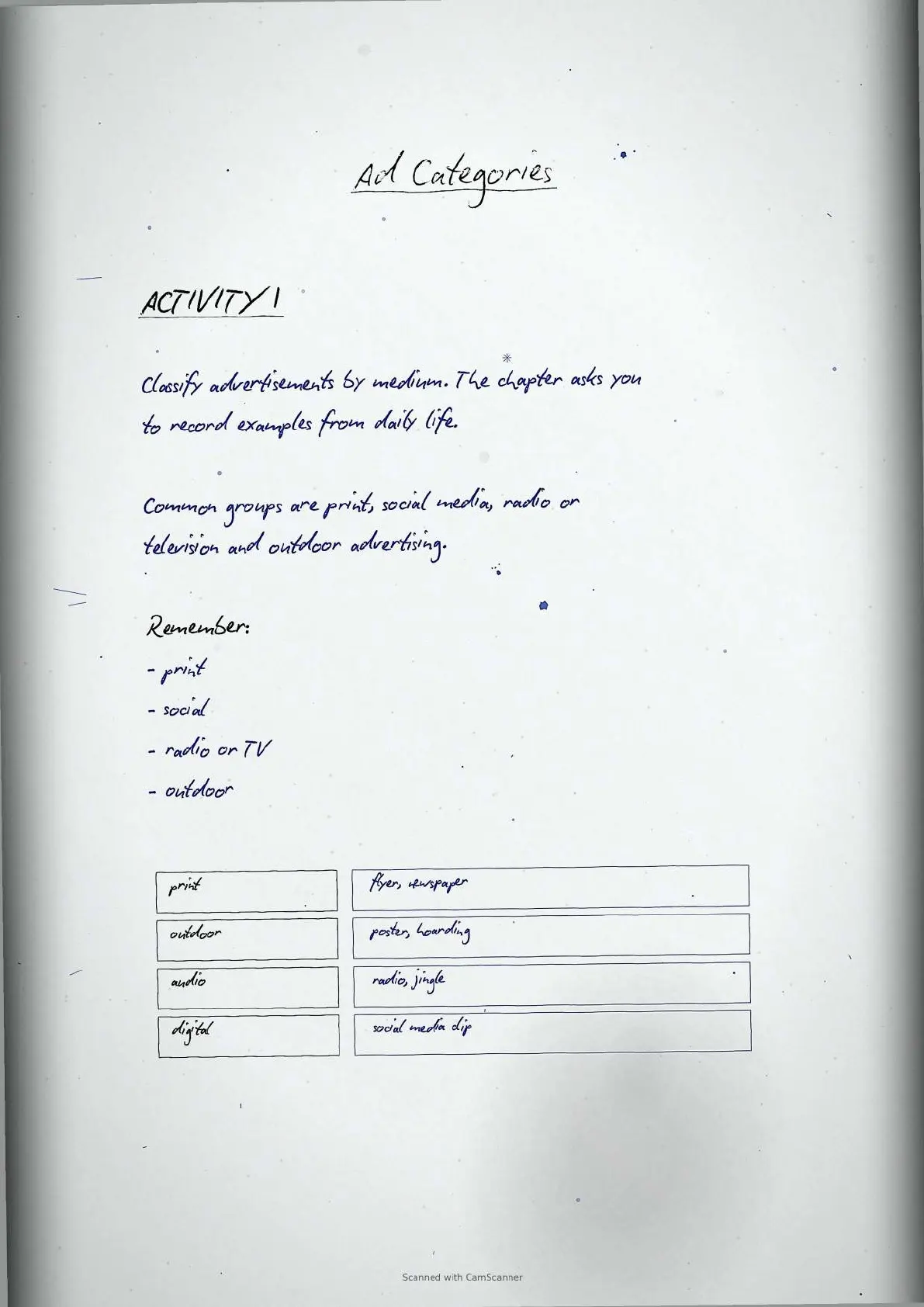
Students revise older and newer advertisement forms, including town criers, word-of-mouth promotion, hand-painted shop boards, fairs, newspapers, flyers, radio, television, hoardings and social media.
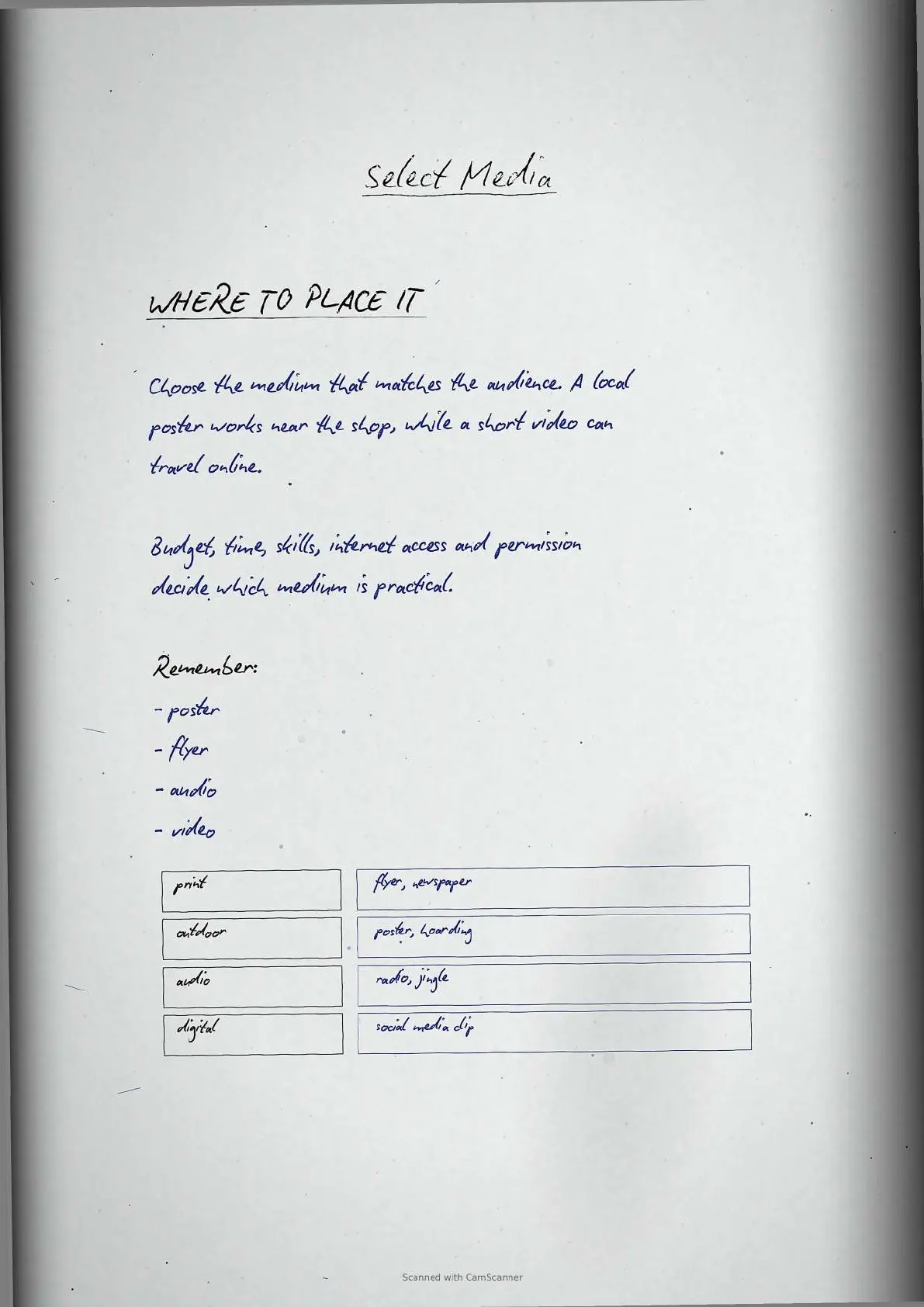
- Print: newspapers, flyers and magazines.
- Outdoor: posters, hoardings and displays on public transport.
- Audio or video: radio, television and short clips.
- Social media: posts, reels and campaign messages.
Logo, Tagline, Visuals and Call to Action
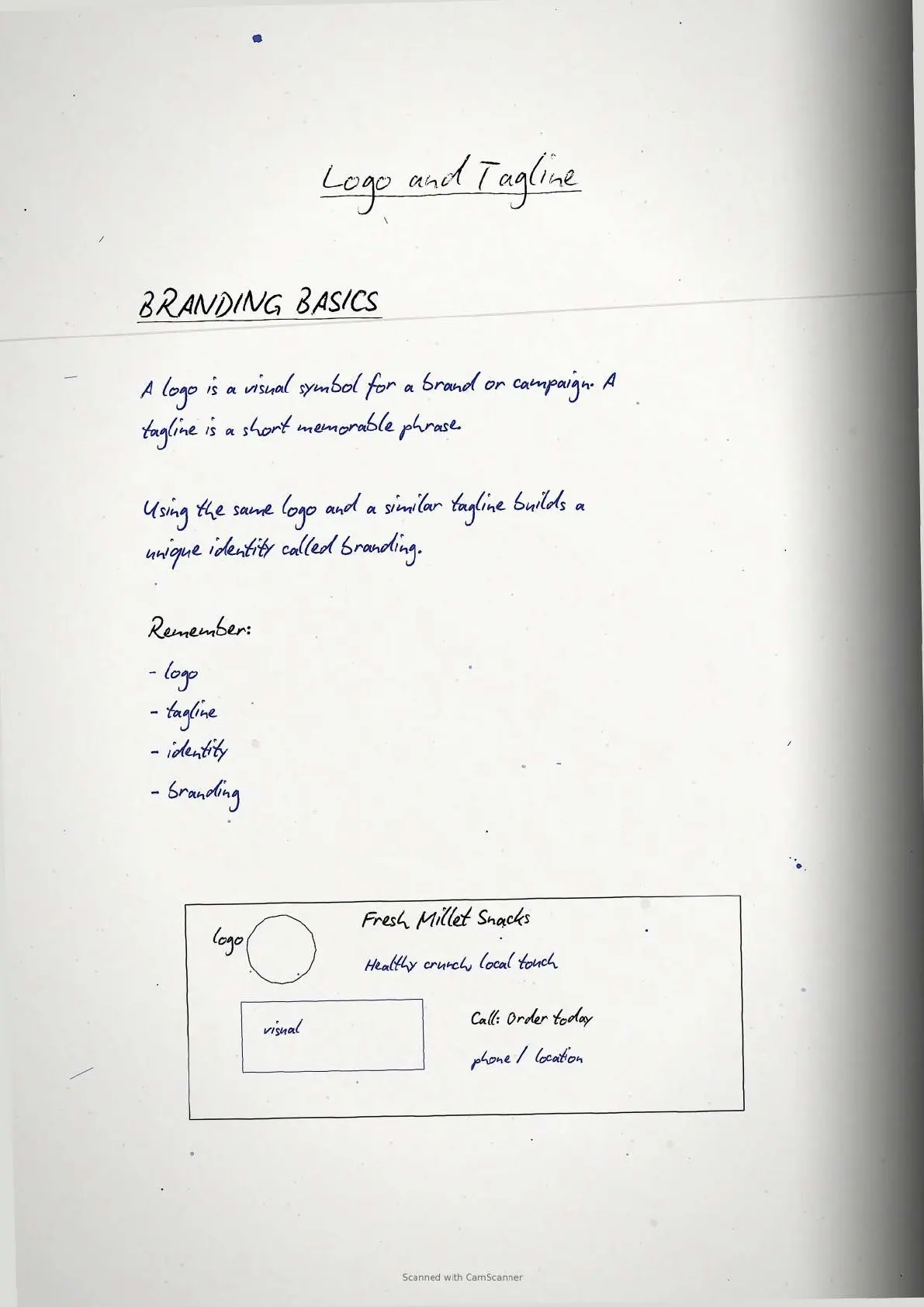
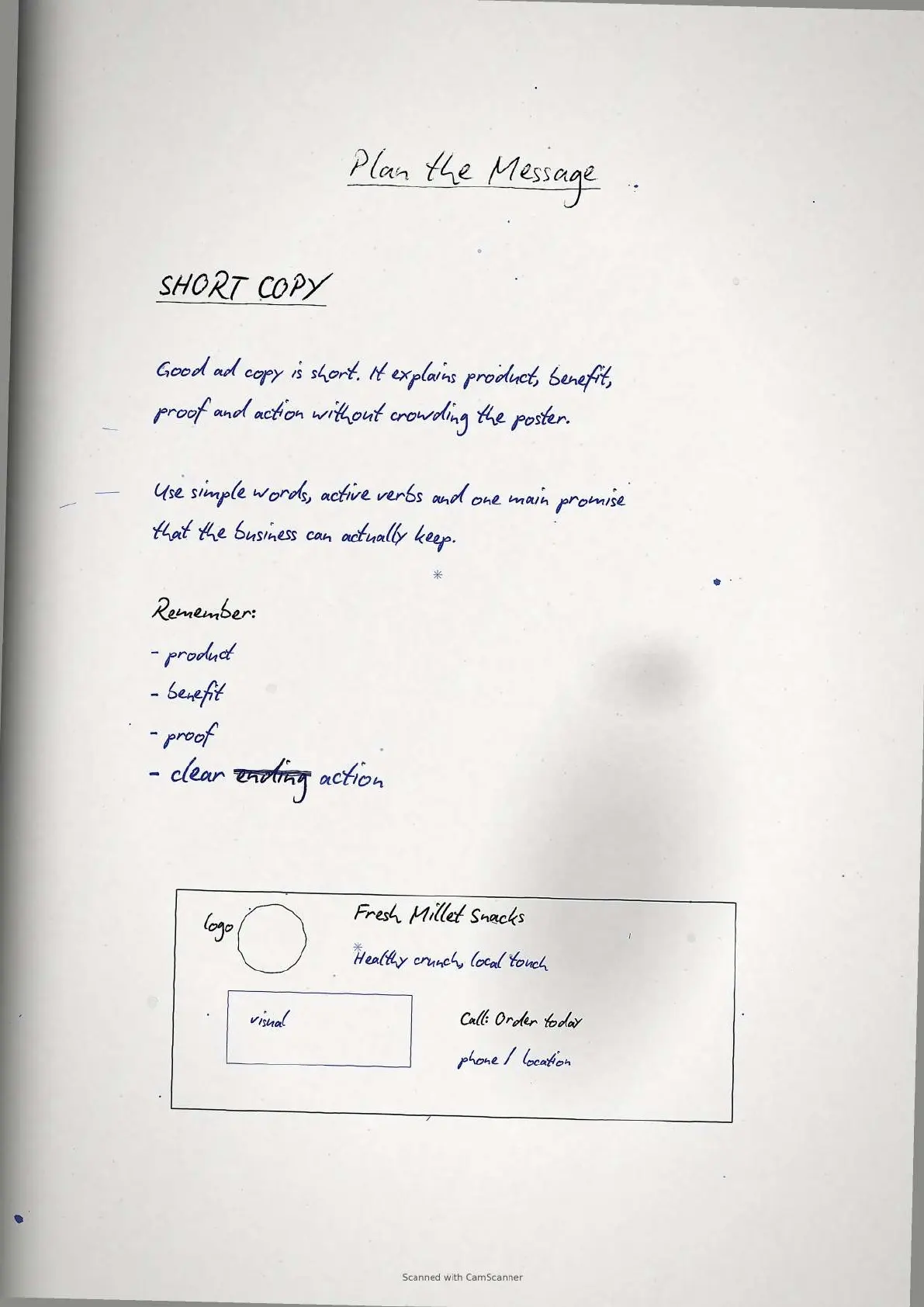
A logo is the visual identity of a brand or campaign. A tagline is a short phrase that people remember. Together, they help viewers recognise the message again.
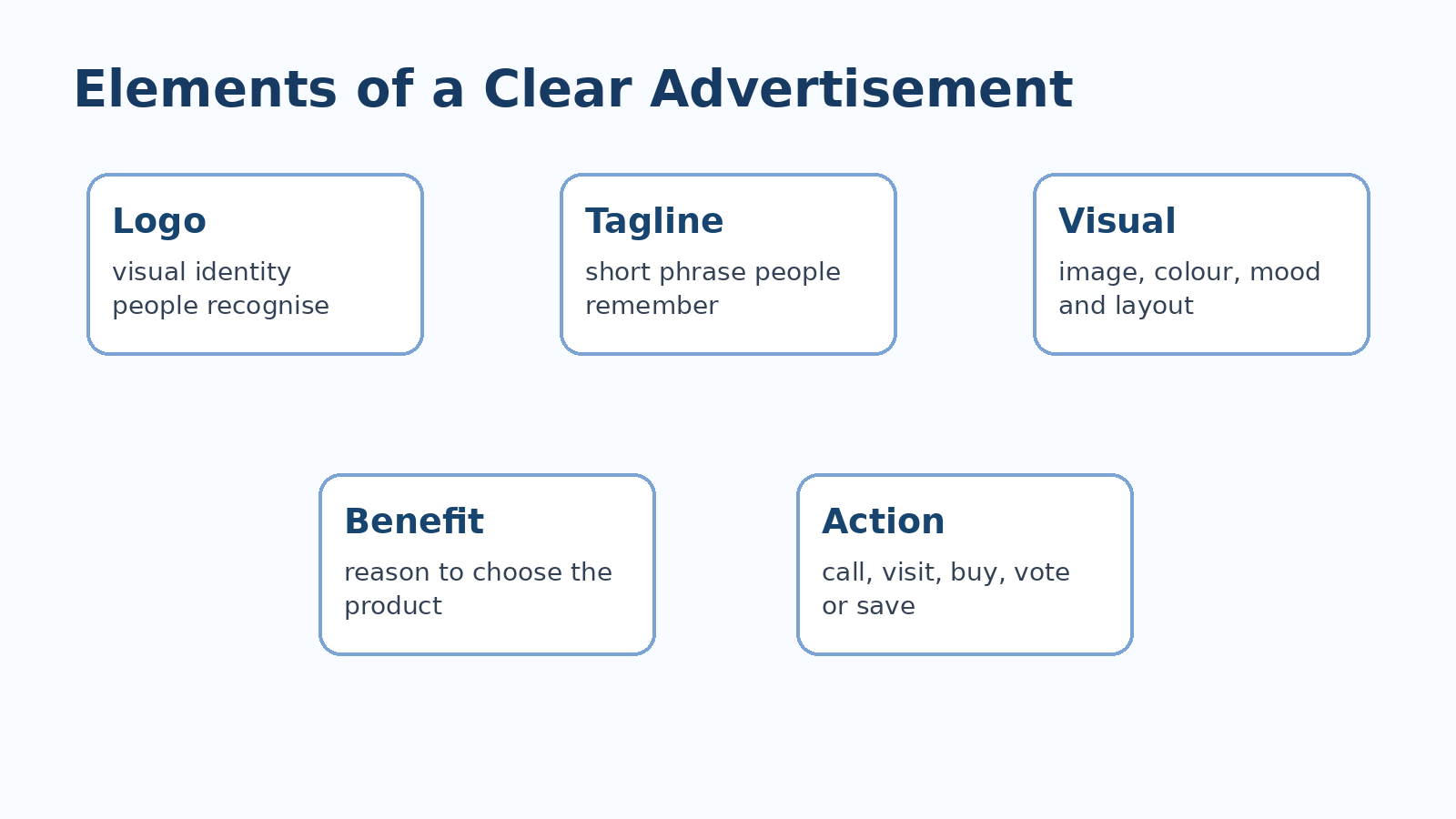
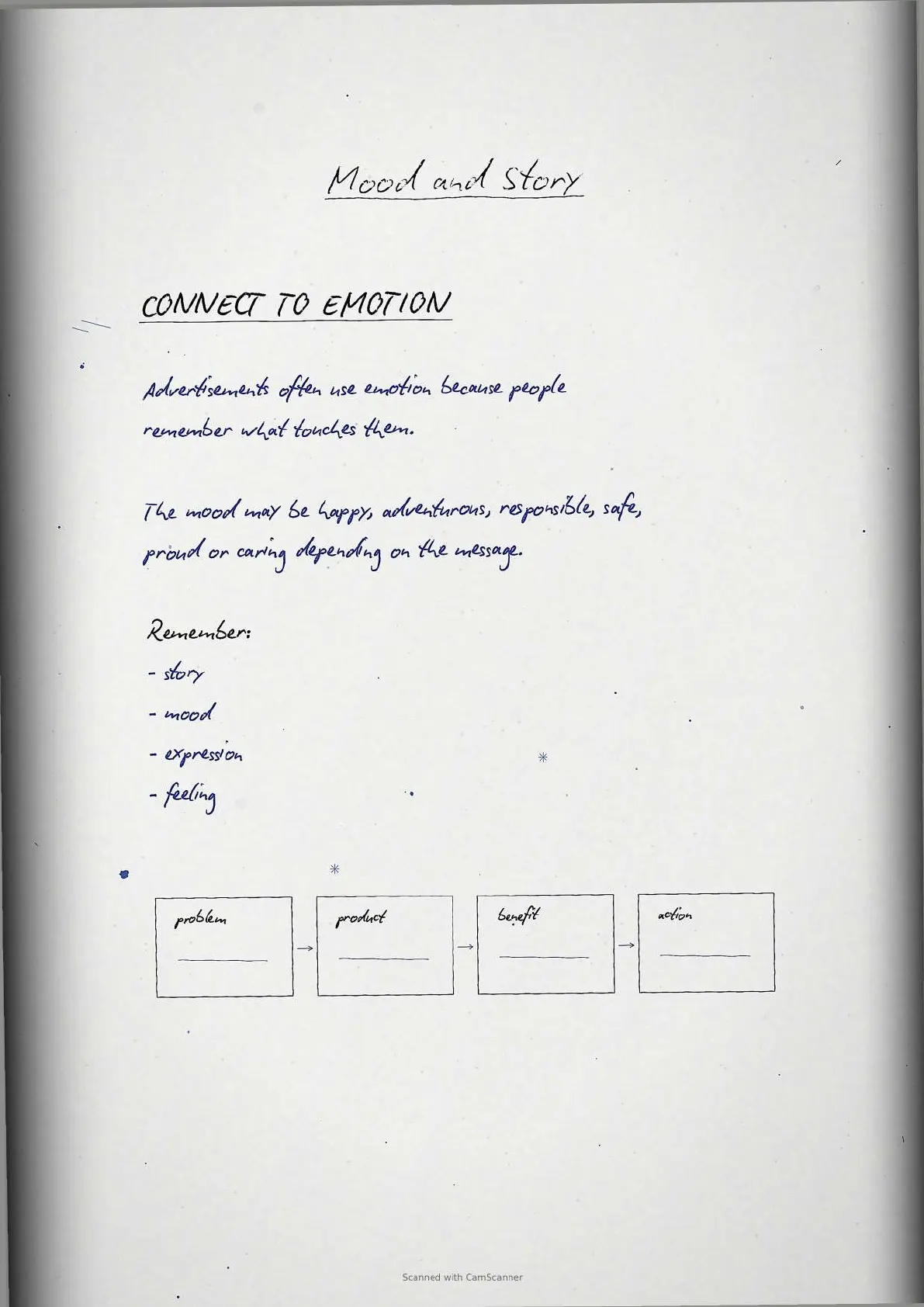
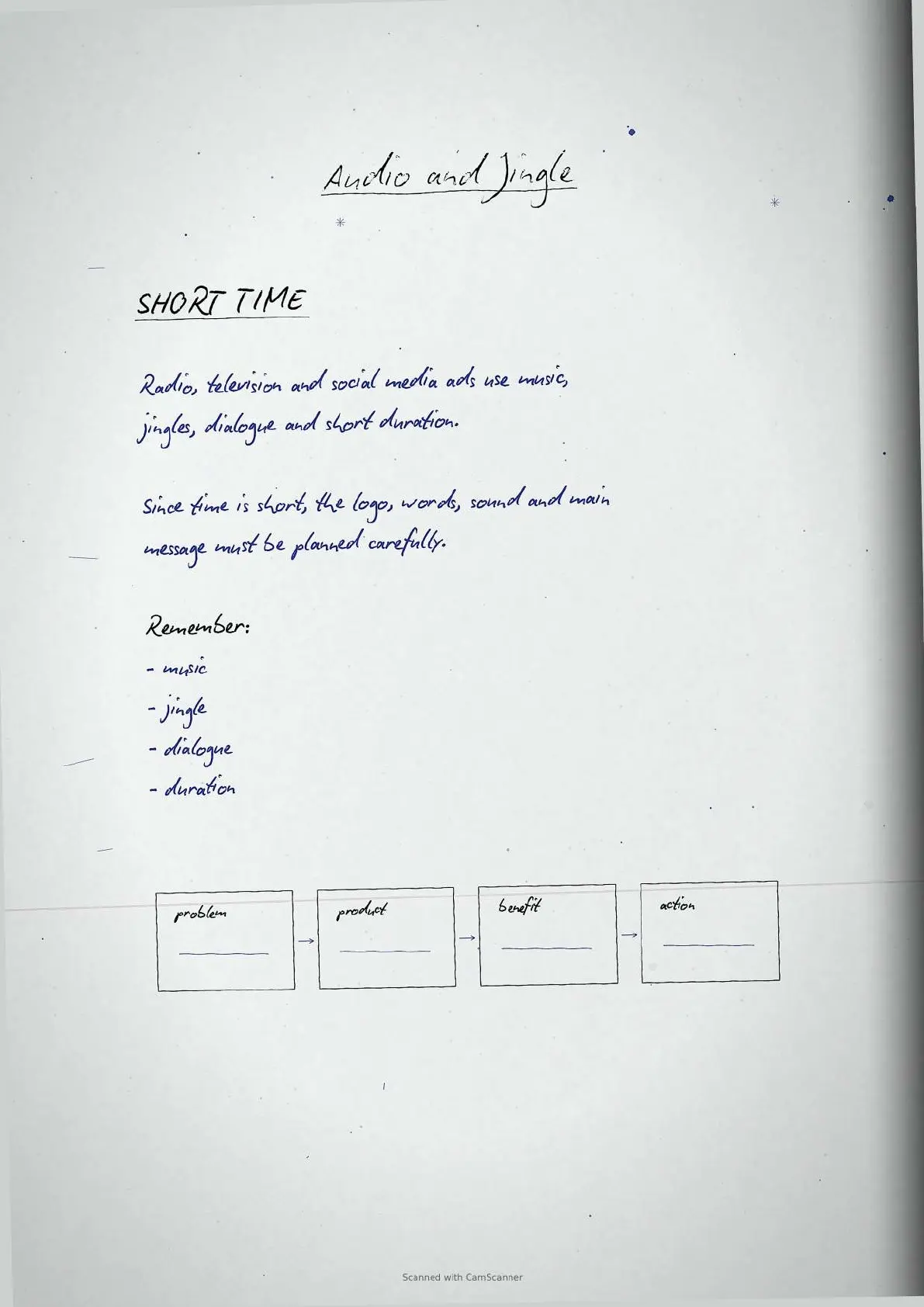
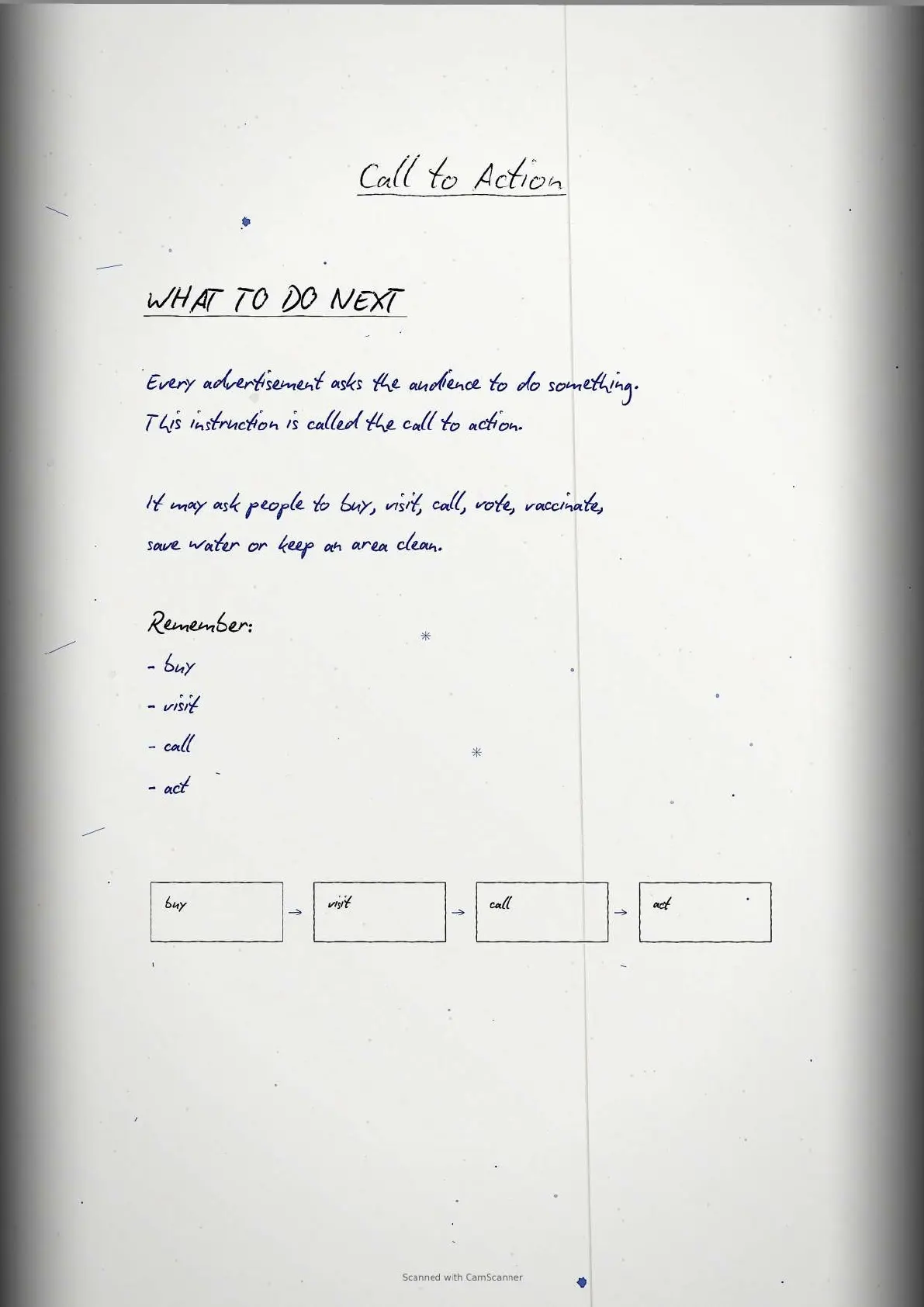
The chapter also asks students to study visuals, mood, music, jingles, duration, emotional connect and call to action. The call to action tells viewers what to do next.
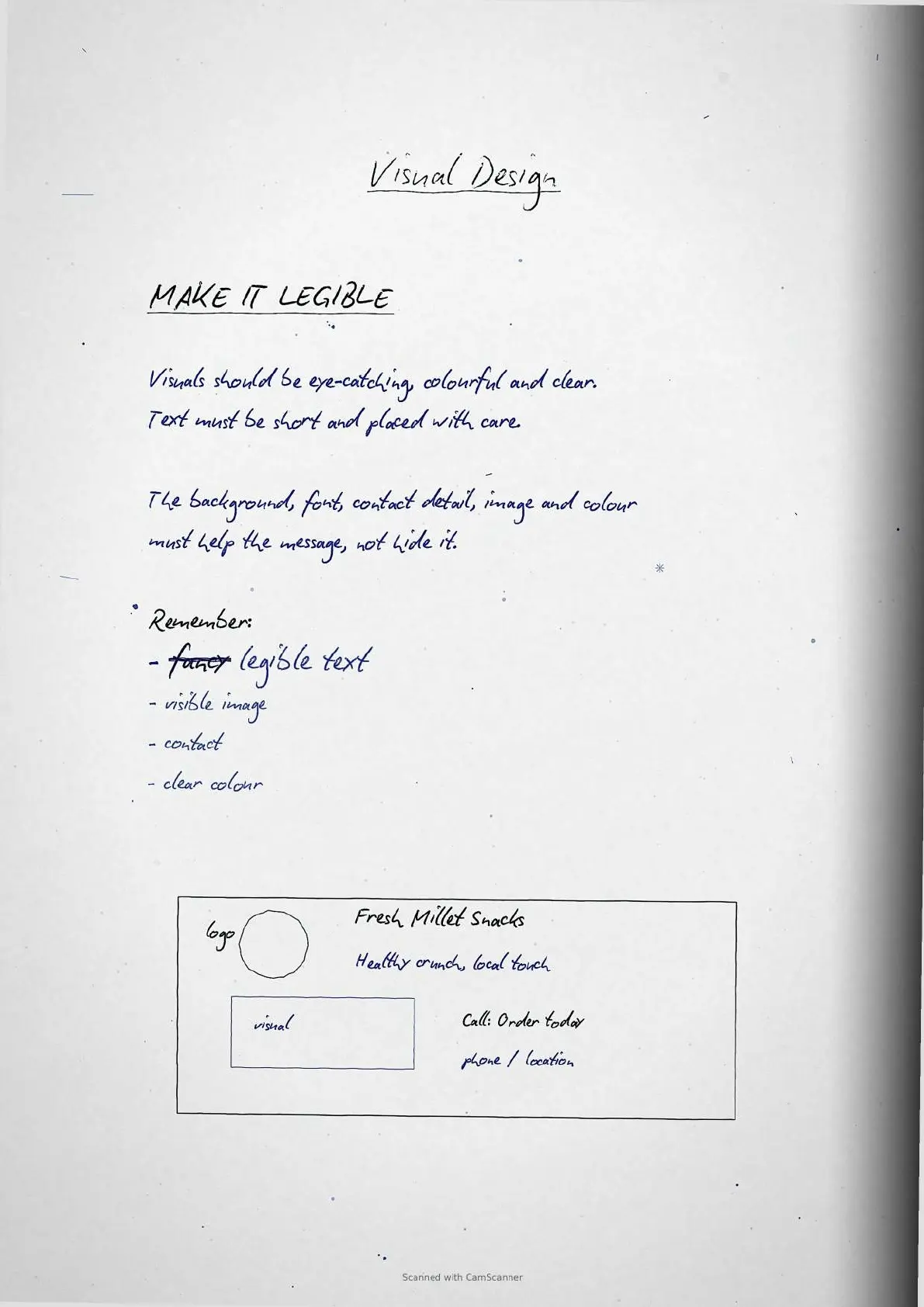
- Keep text short and legible.
- Use visuals that match the product, service or social cause.
- Write a tagline that is easy to recall.
- End with a clear instruction such as call, visit, buy, vote, save or join.
Public Message Video Example
Source: BYJU'S on YouTube
Planning an Advertisement for a Local Business
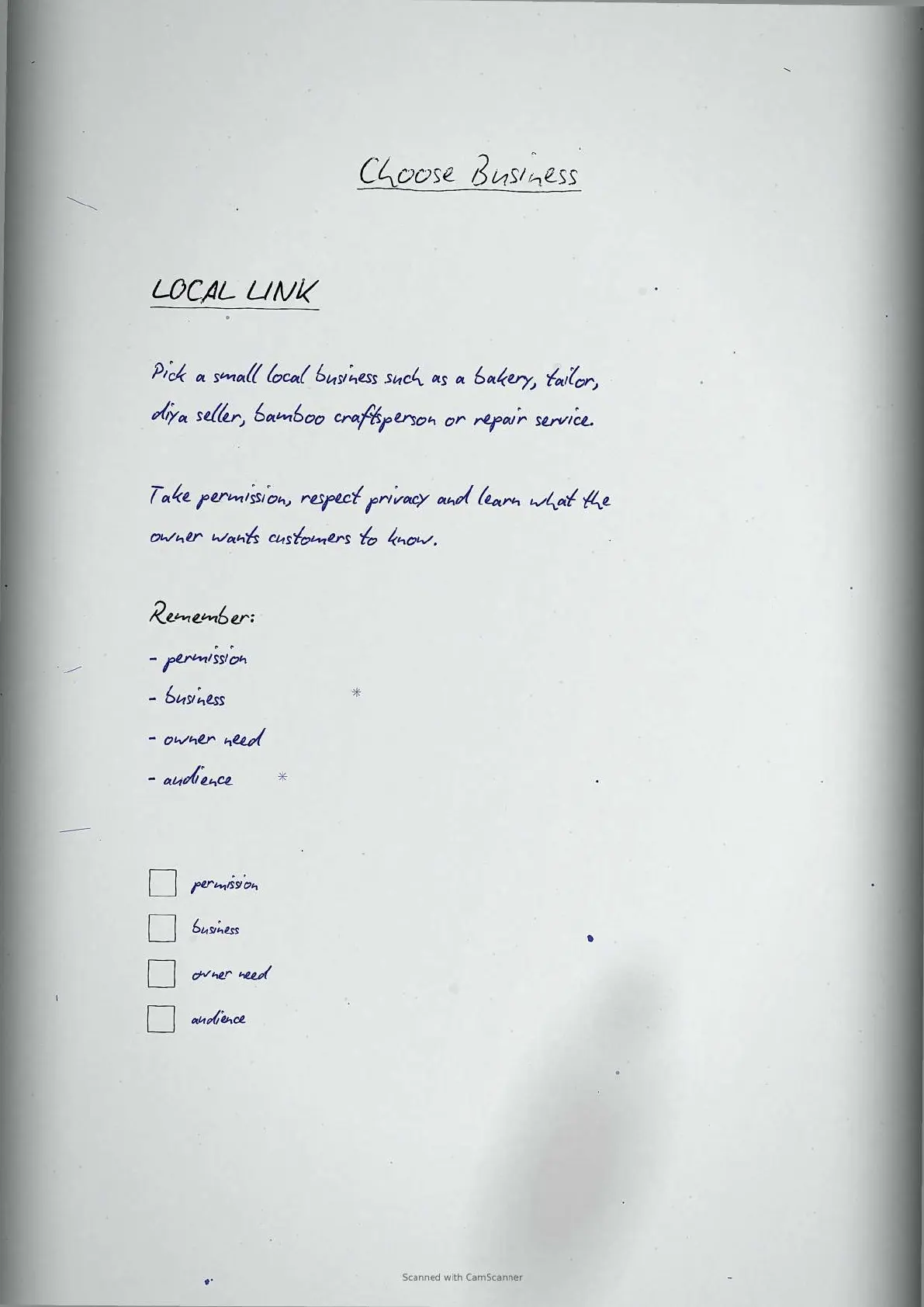
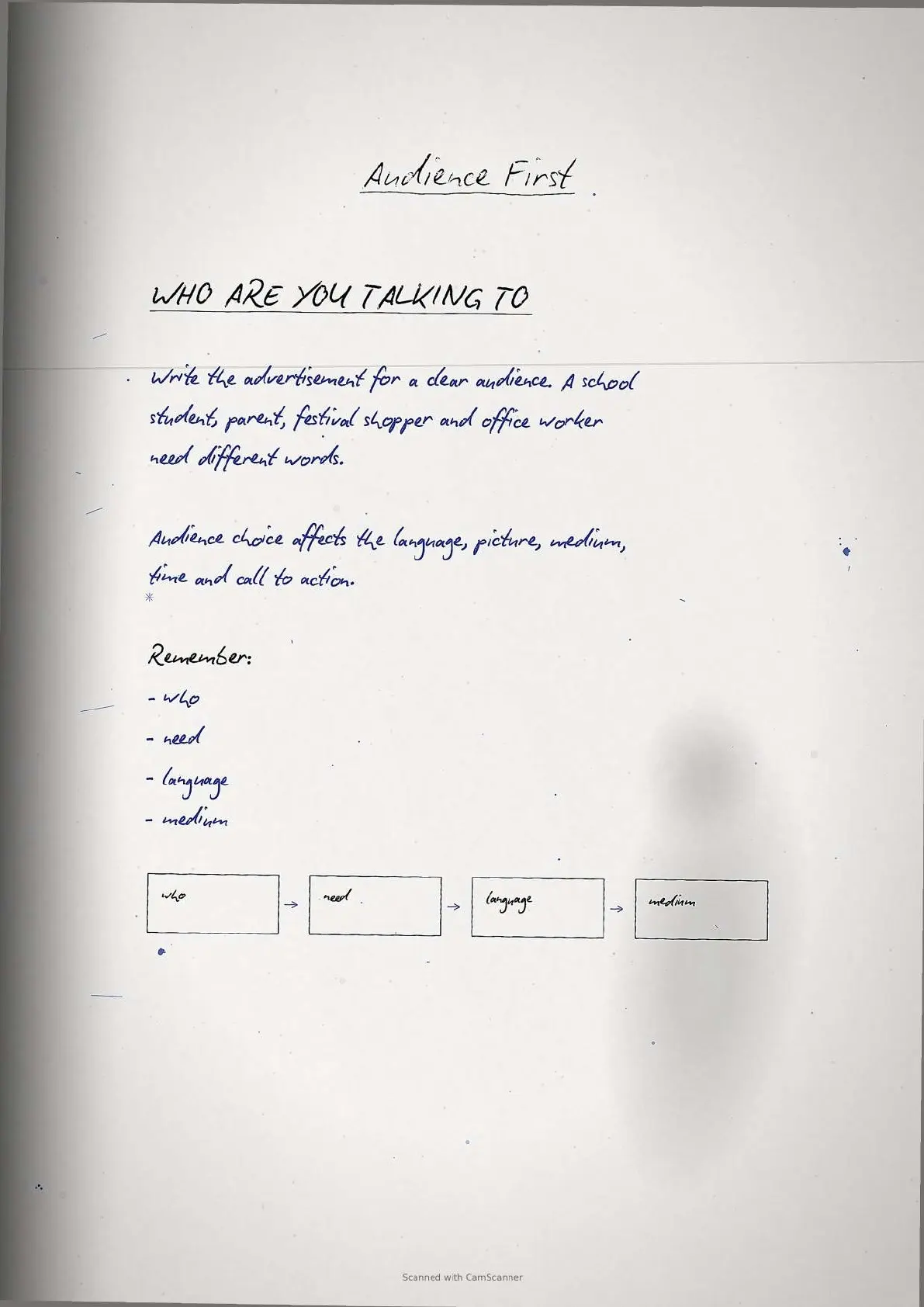
The project asks students to design an advertisement for a small local business. Students may choose a bakery, tailor, diya seller, bamboo craftsperson, repair service or similar local work.
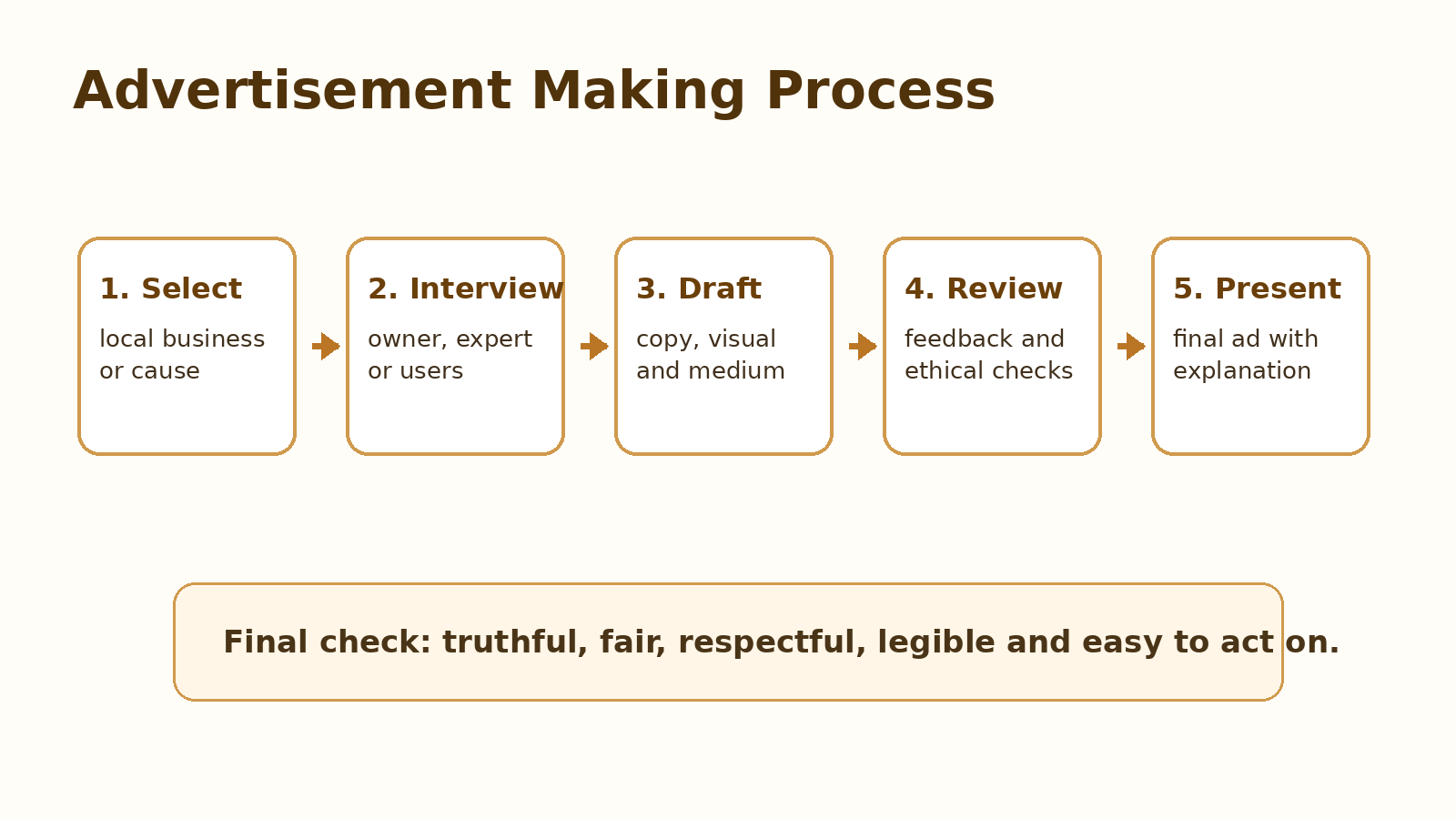
The notes show the planning order: choose the business, understand the target group, identify the selling point, choose the medium, draft the message, take feedback and present the final advertisement.
- Ask what the business wants customers to know.
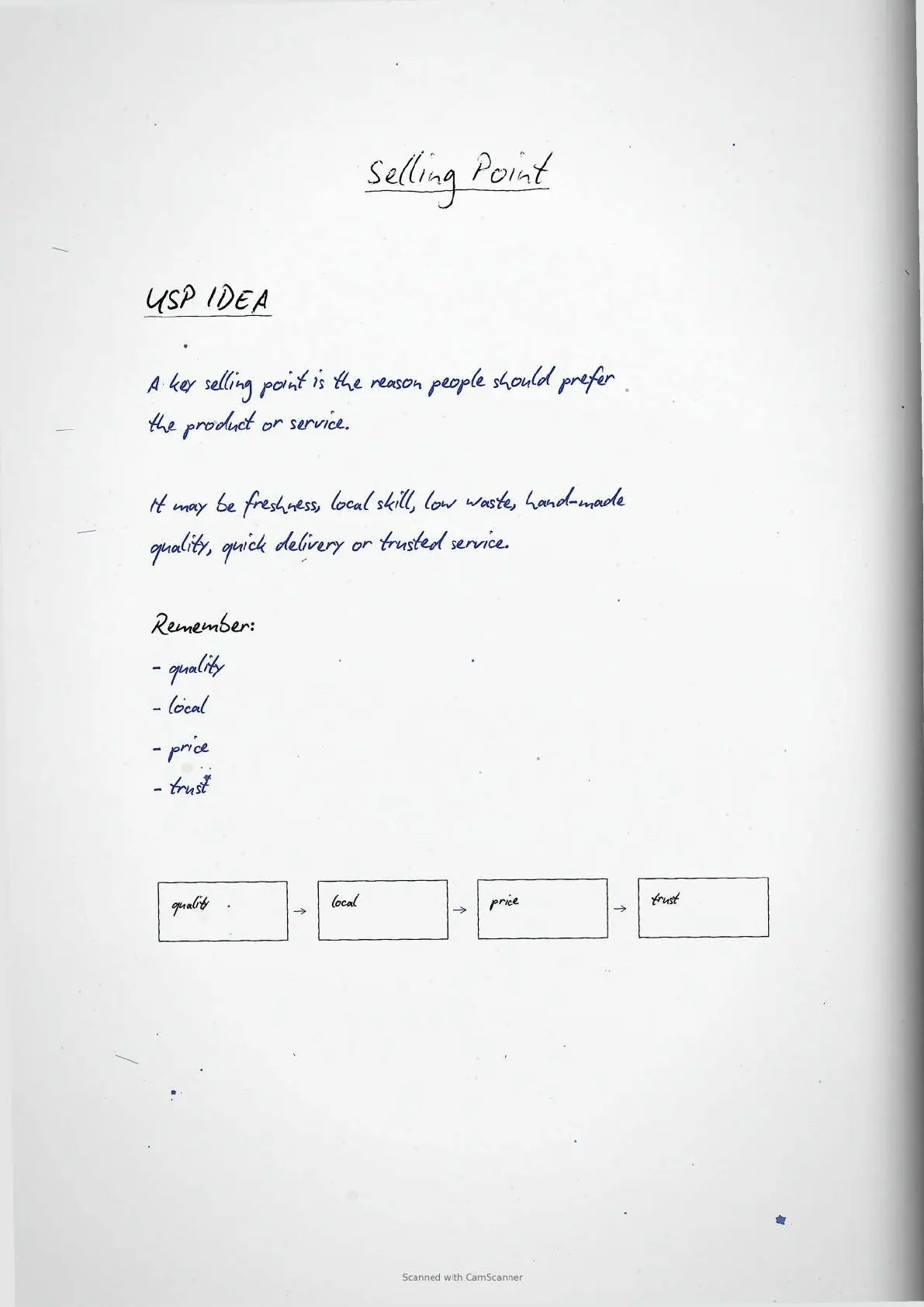
- Find the unique selling point, such as freshness, local skill, trusted service or price.
- Pick the right medium for the target group and budget.
- Test the draft with classmates and improve weak parts.
Ethical Advertising and Safety Checks
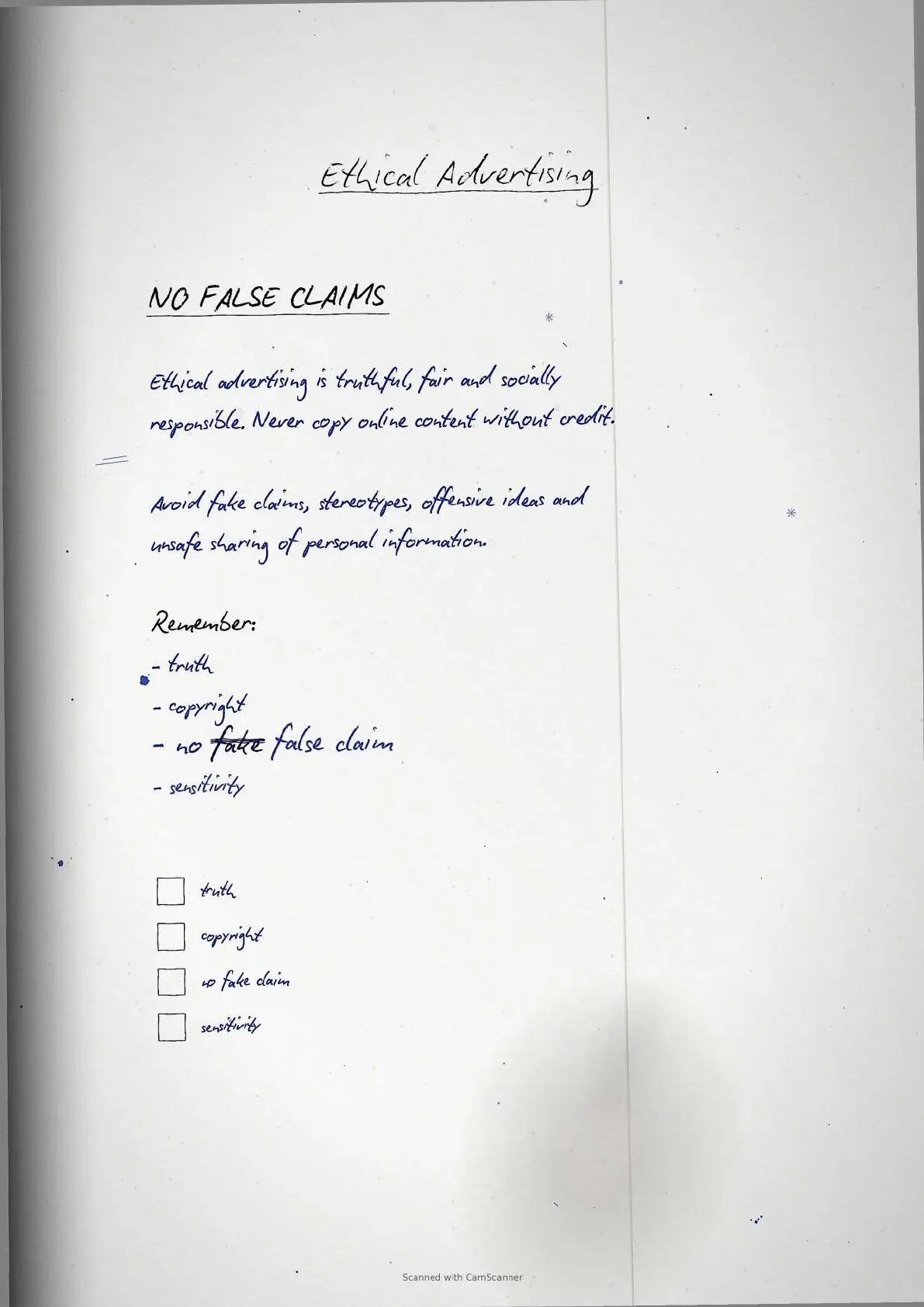
Ethical advertising is truthful, fair and socially responsible. Students should not copy images, music or text from the internet without permission or source mention.
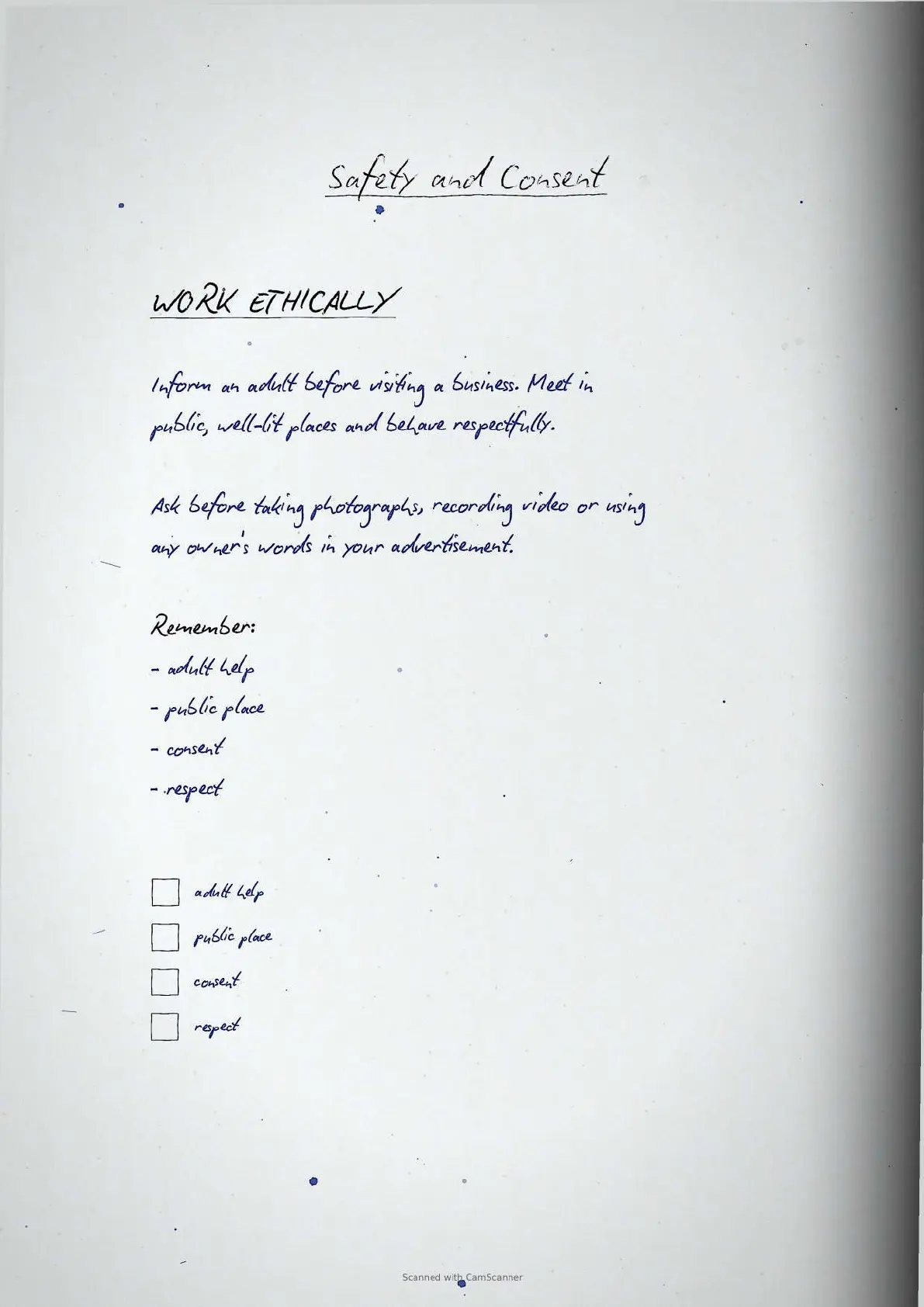
The chapter also reminds students to respect consent while interviewing or photographing business owners. Work in public places, inform an adult and avoid sharing personal information online.
- Do not make fake claims about a product or service.
- Avoid stereotypes, offensive content and unsafe online sharing.
- Use original content or give proper credit where required.
- Ask a teacher for help while using the internet.
How to Use These Notes for the Project
Use the handwritten notes while filling the NCERT activity tables. They help students remember what to observe in advertisements and what decisions to record before making the final ad.
A good project answer should include target group, medium, message, visual choice, ethical checks and feedback. This makes the advertisement easier to explain during presentation.
- For Activity 1, classify daily advertisements by medium.
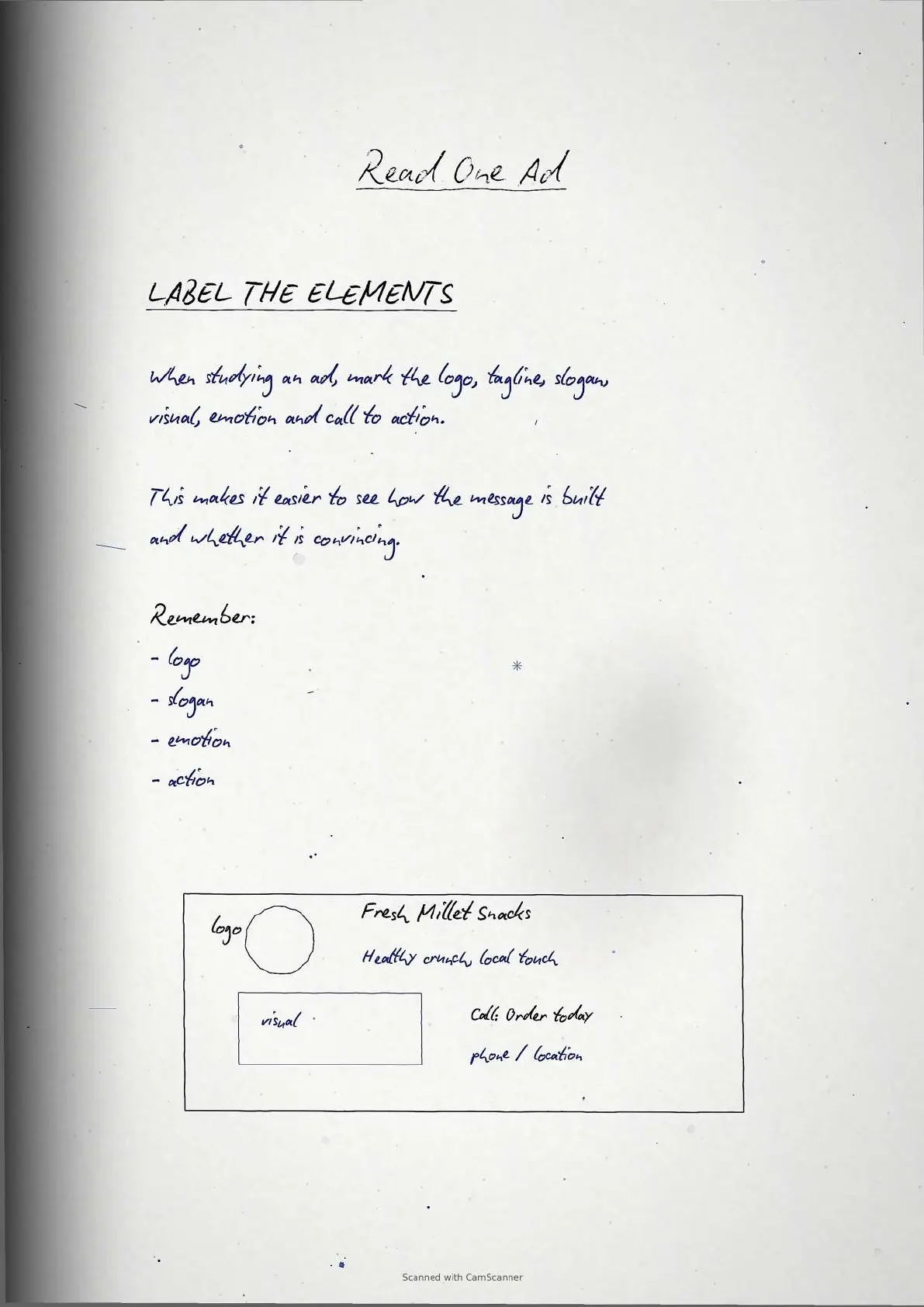
- For Activity 2, identify logo, tagline, visuals, emotion and call to action.
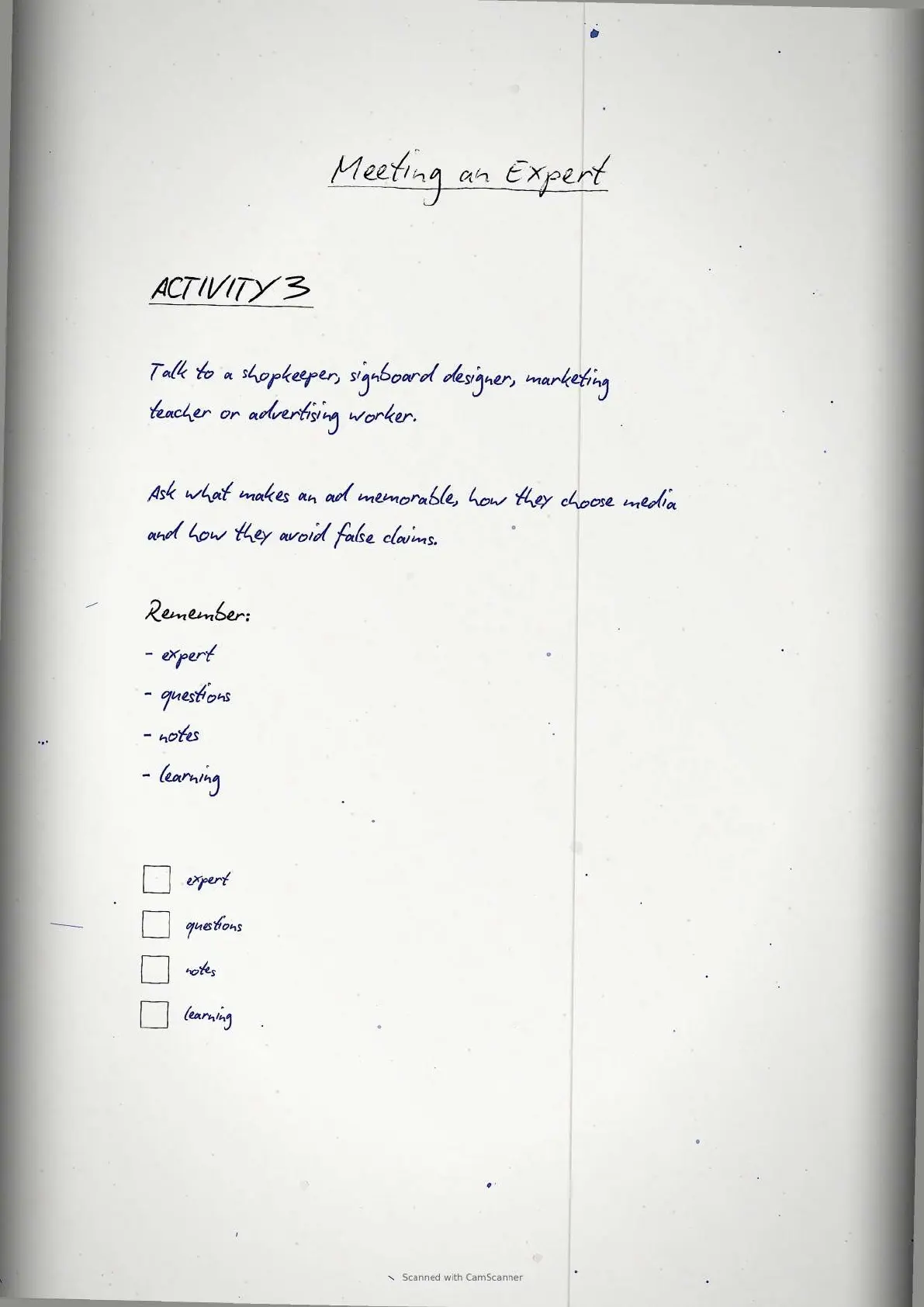
- For Activity 3, prepare questions for an advertising or marketing expert.
- For the final task, make the advertisement and explain each design decision.
Related Creating Advertisements Class 8 Resources
Use the links below with the handwritten notes. They help students move from quick revision to activity answers and the official NCERT chapter.
| Resource | Use it for | Link |
|---|---|---|
| NCERT Solutions | Activity answers and reflection questions | Open solutions |
| NCERT Book PDF | Official chapter text, figures and activity tables | Open book PDF |
| Previous Handwritten Notes | Revise the earlier project before advertisement planning | Open Water Audit notes |
All Class 8 Vocational Education Handwritten Notes
Students revising Kaushal Bodh can move through the handwritten notes chapter by chapter.
| Chapter | Topic | Handwritten notes link |
|---|---|---|
| Chapter 1 | Hydroponics: Growing Plants without Soil | Open Chapter 1 notes |
| Chapter 2 | Feeding and Caring for Farm Animals | Open Chapter 2 notes |
| Chapter 3 | Working with Wood and Bamboo | Open Chapter 3 notes |
| Chapter 4 | Home Automation | Open Chapter 4 notes |
| Chapter 5 | Water Audit for Water Management | Open Chapter 5 notes |
| Chapter 6 | Creating Advertisements | Current page |
Creating Advertisements Class 8 Handwritten Notes FAQs
Ques. What is covered in Creating Advertisements handwritten notes?
Ans. The notes cover advertisement types, logo, tagline, visuals, jingles, emotional connect, call to action, expert interview, ethical advertising and final ad planning.
Ques. How do these handwritten notes help in the Class 8 project?
Ans. They break the project into short revision pages so students can classify advertisements, plan a message and explain their final design decisions clearly.
Ques. What are the key elements of an advertisement?
Ans. Key elements include logo, tagline or slogan, visuals, music or jingle, emotional connect, target group and a clear call to action.
Ques. What should students avoid while making advertisements?
Ans. Students should avoid false claims, copied content without credit, stereotypes, offensive visuals and sharing personal information online.



Comments