




The ncert class 10 history book pdf chapter 5 Print Culture and the Modern World is the official source text for the fifth chapter of the India and the Contemporary World II textbook.

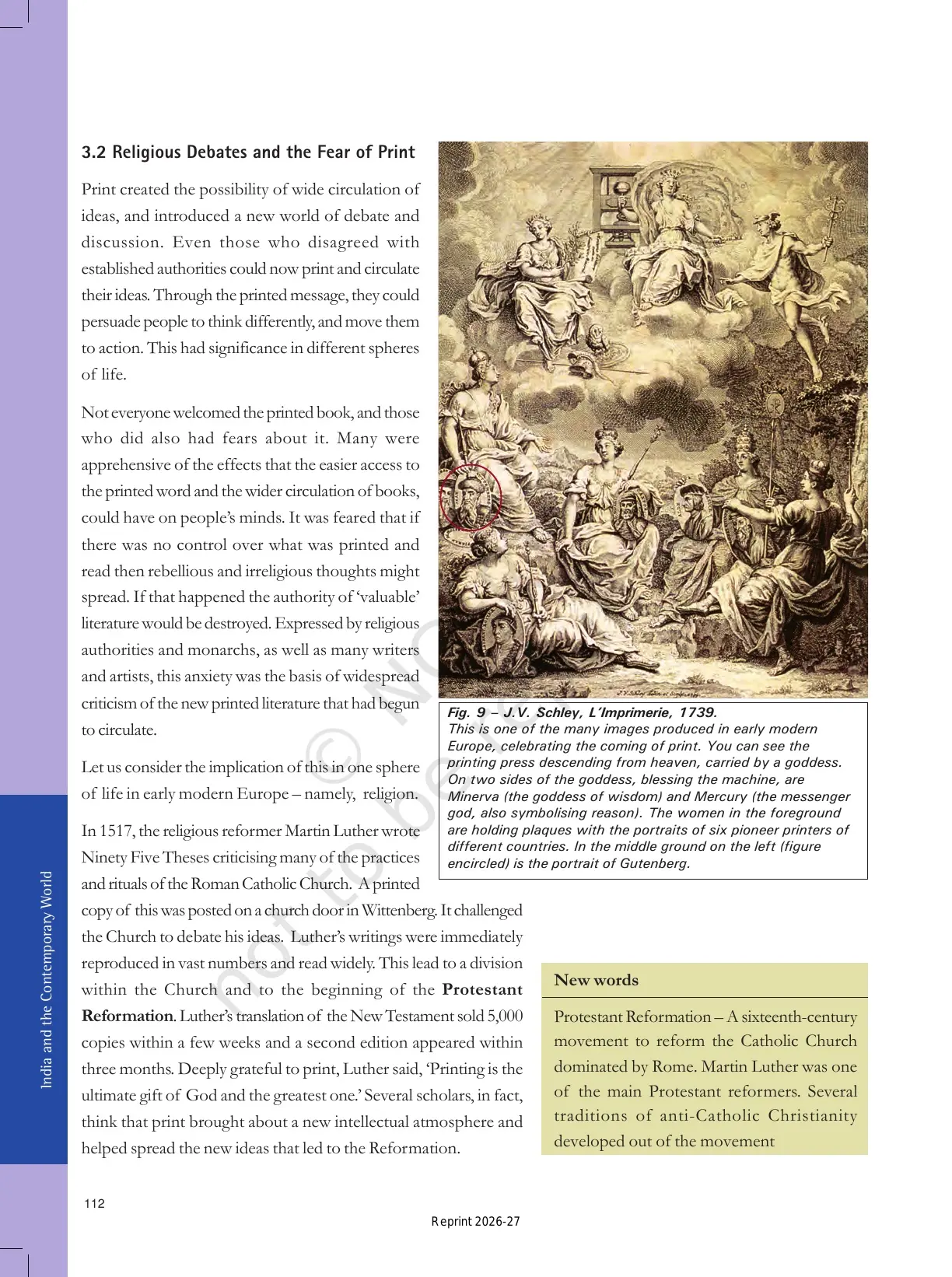
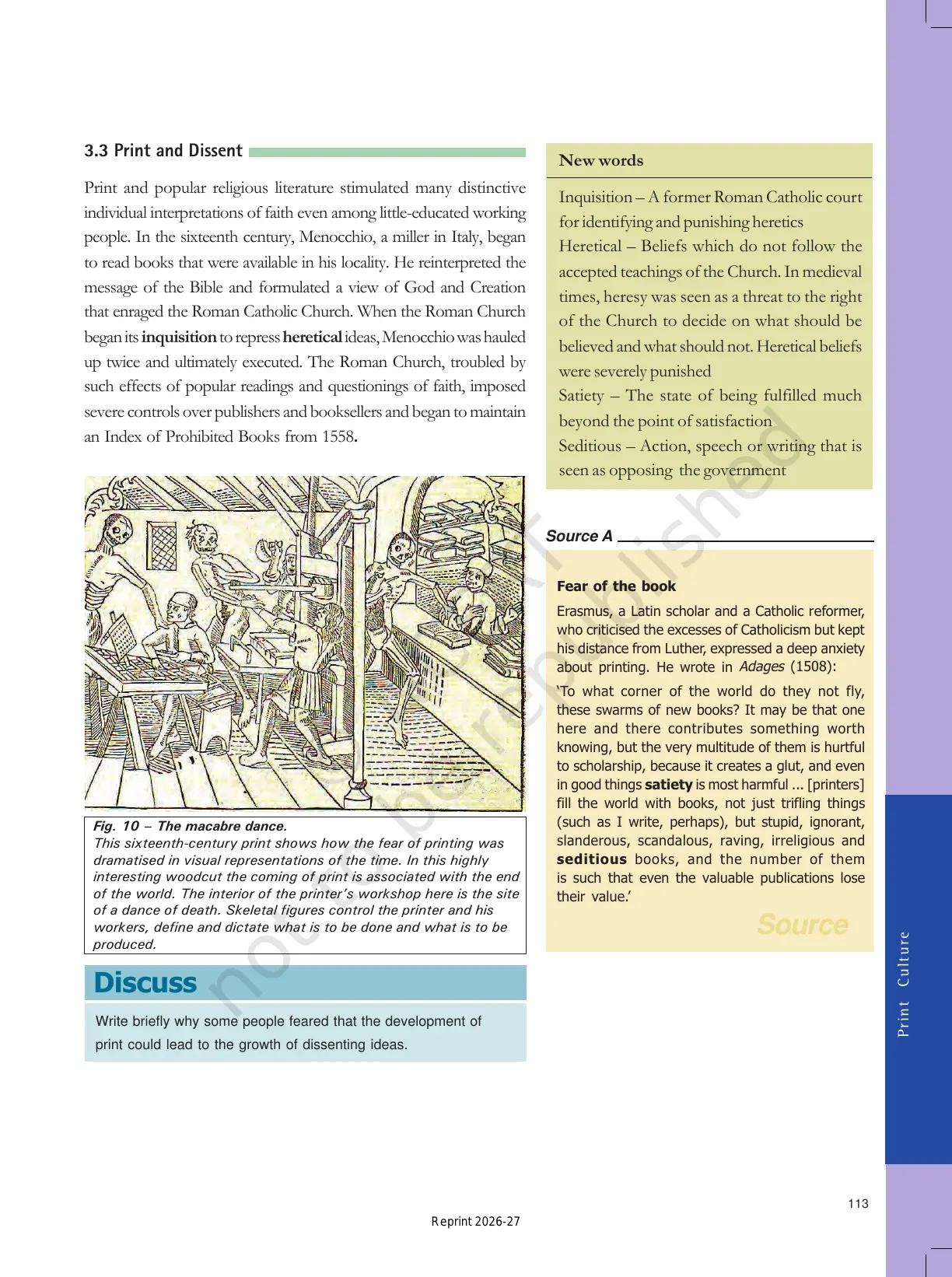
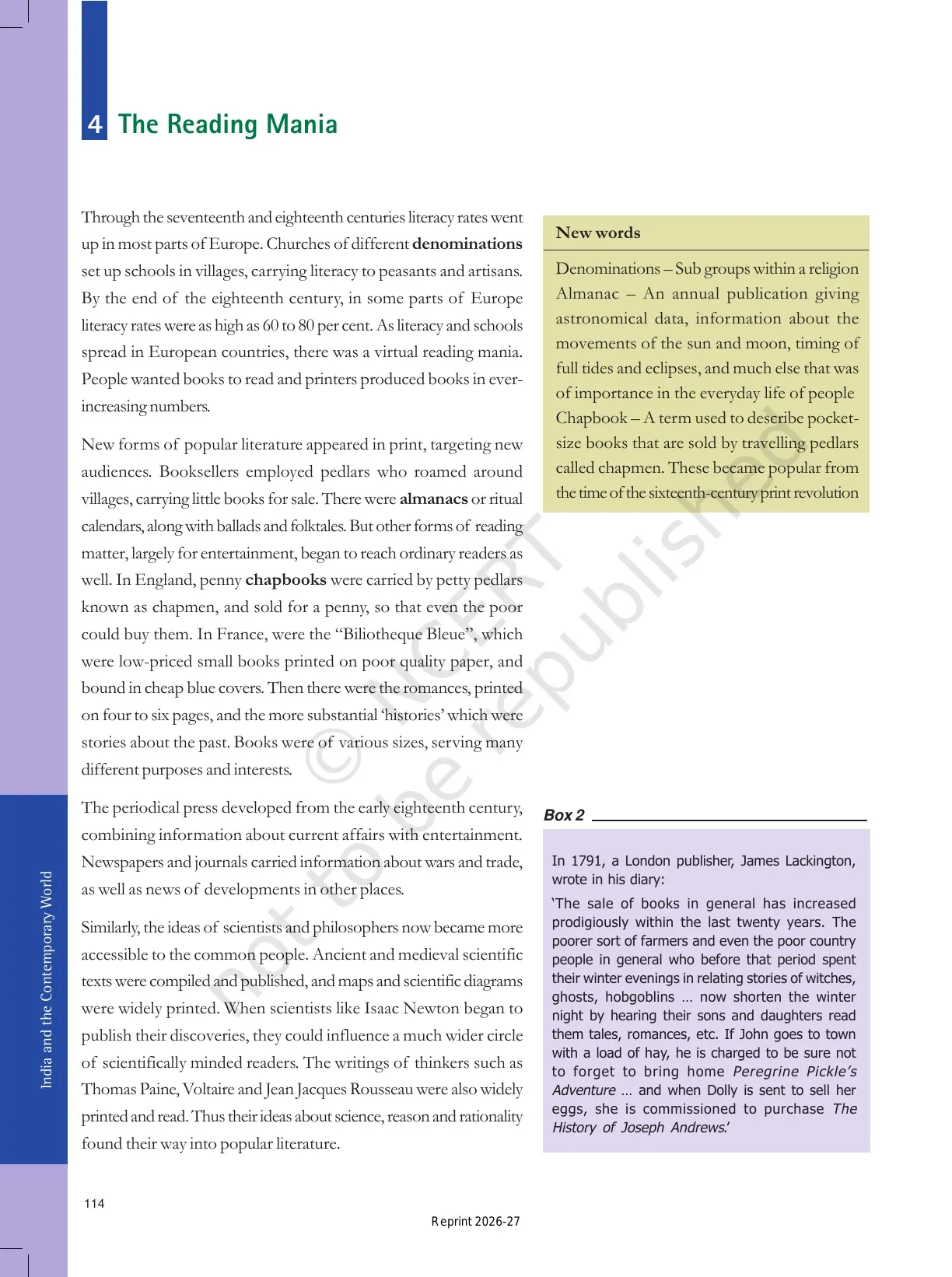
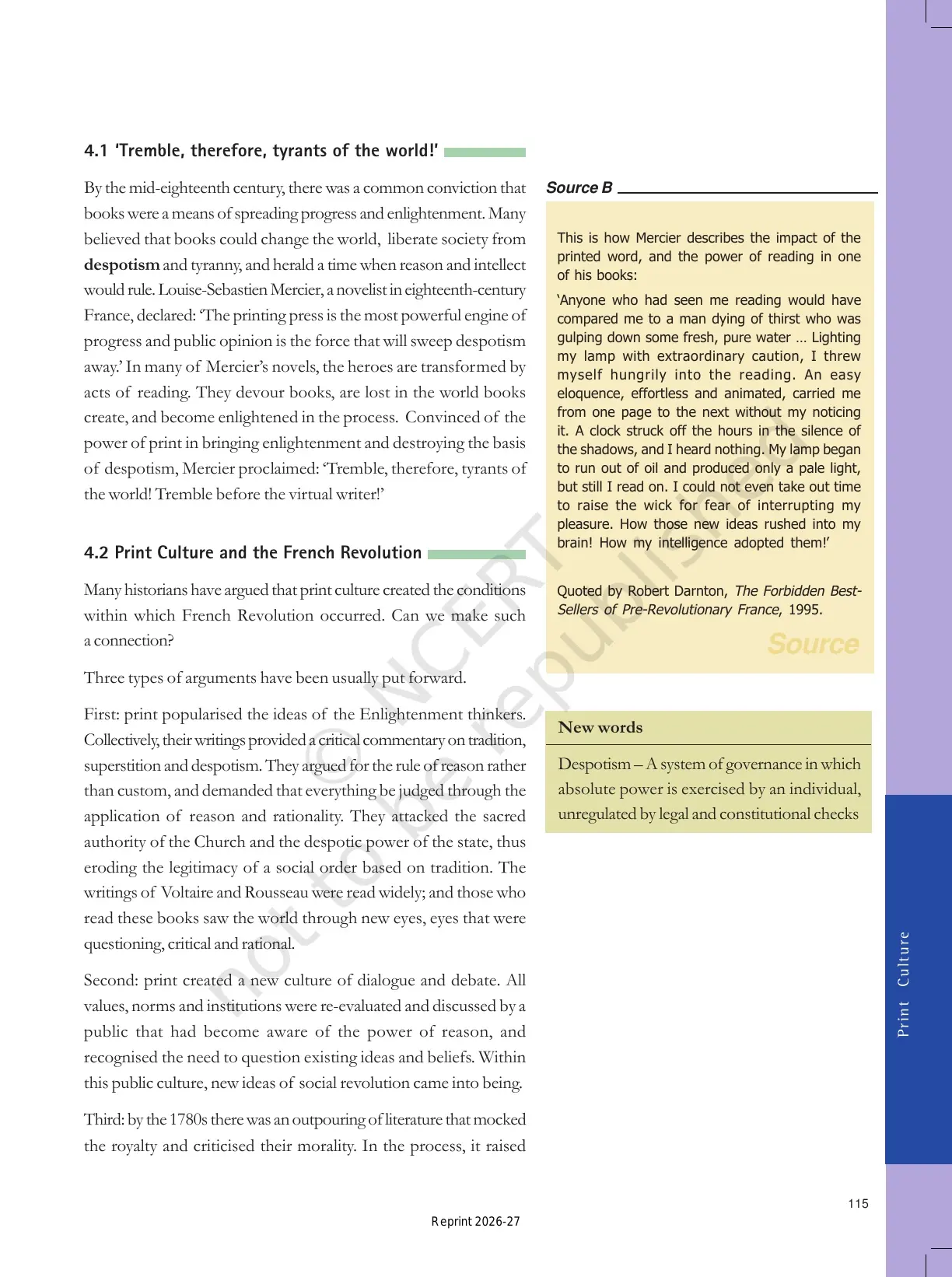
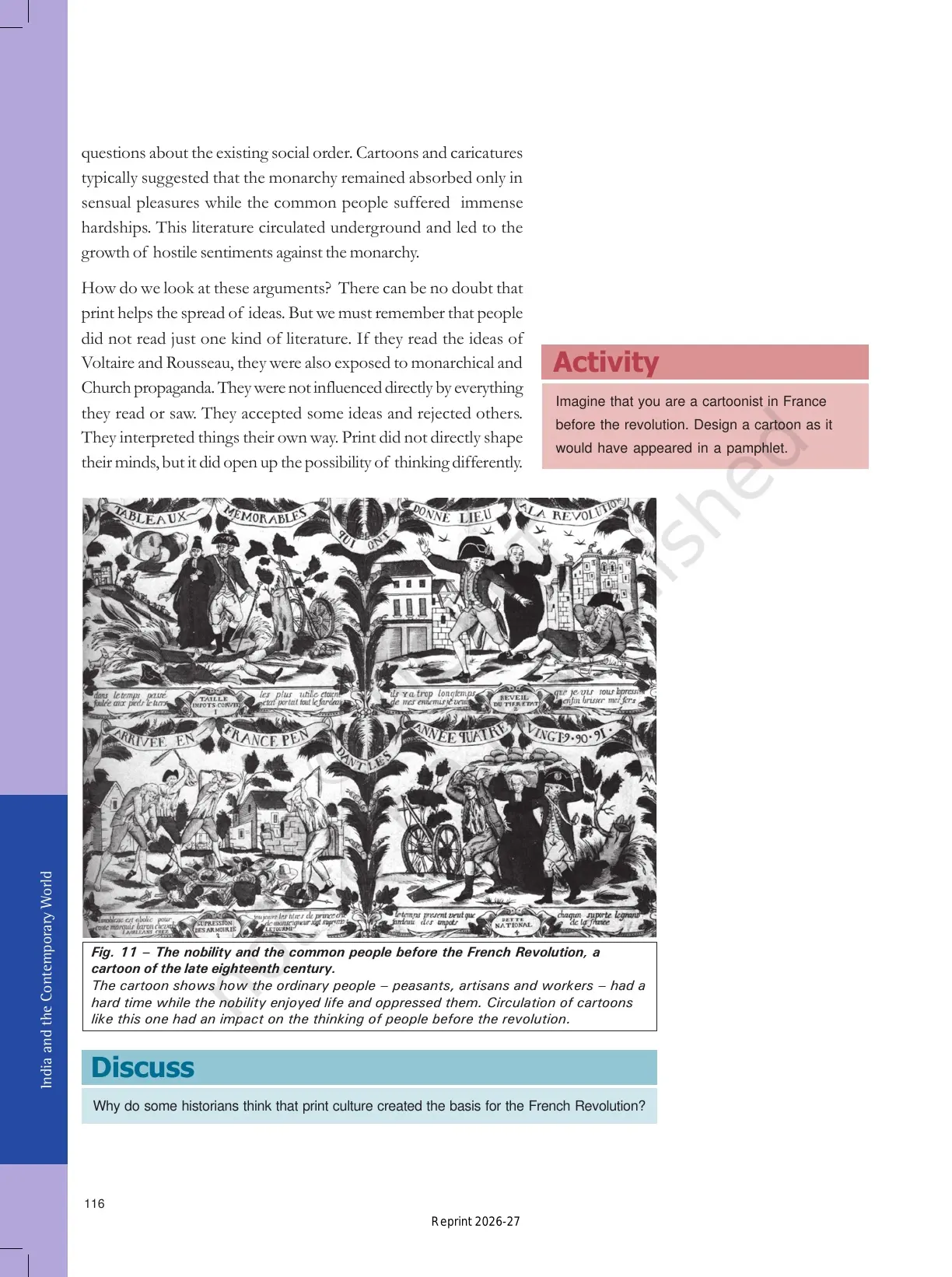
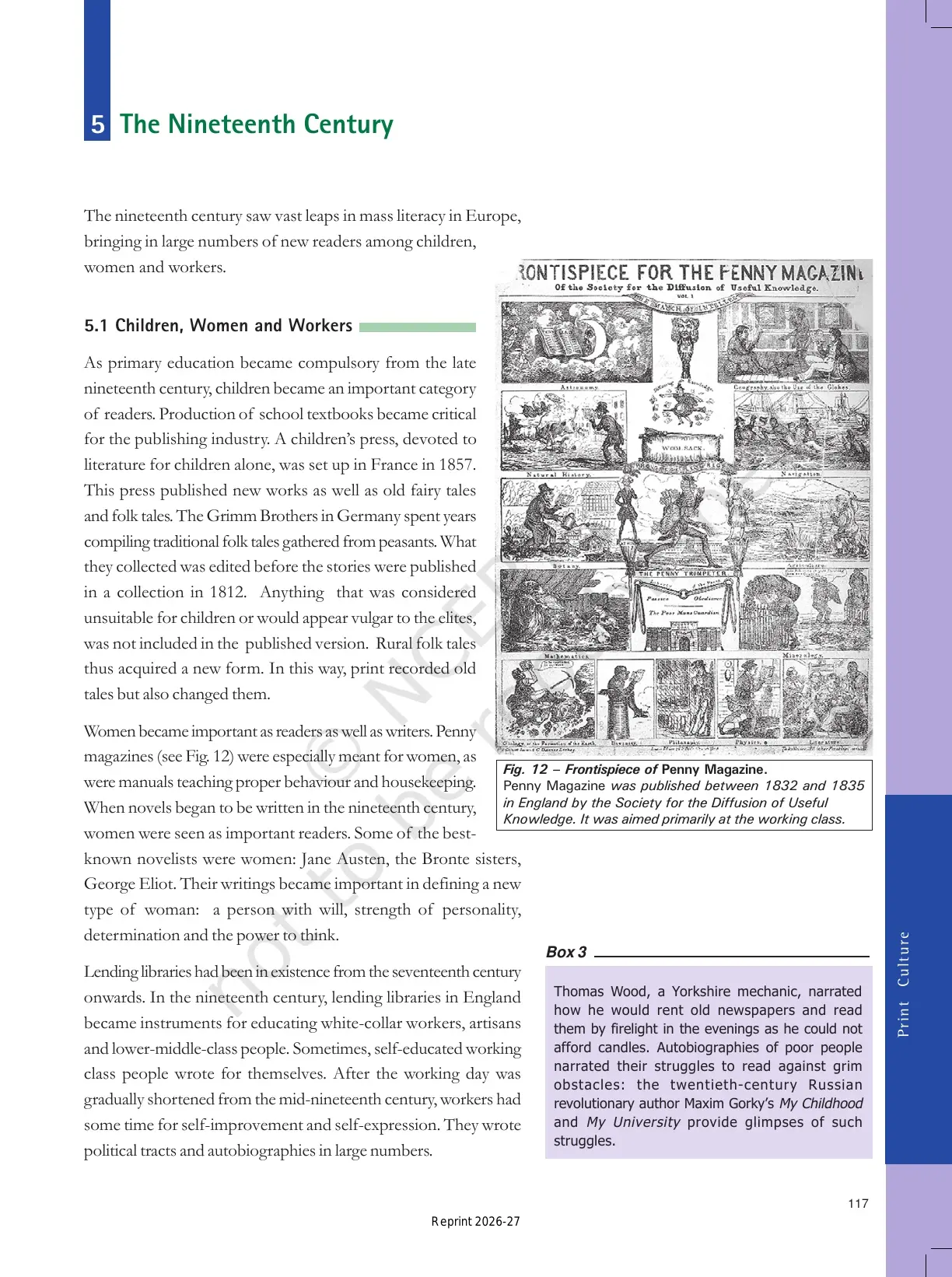
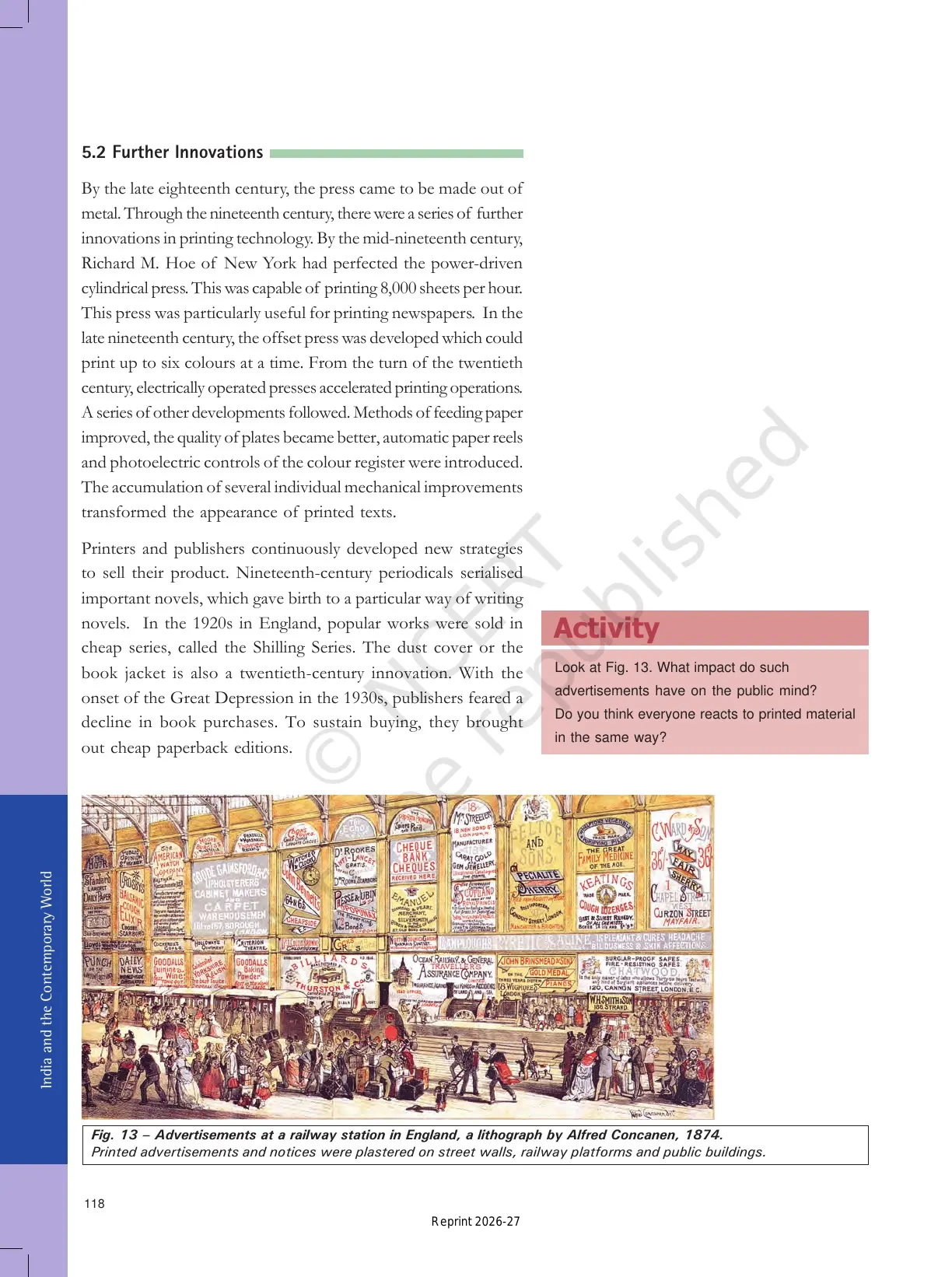
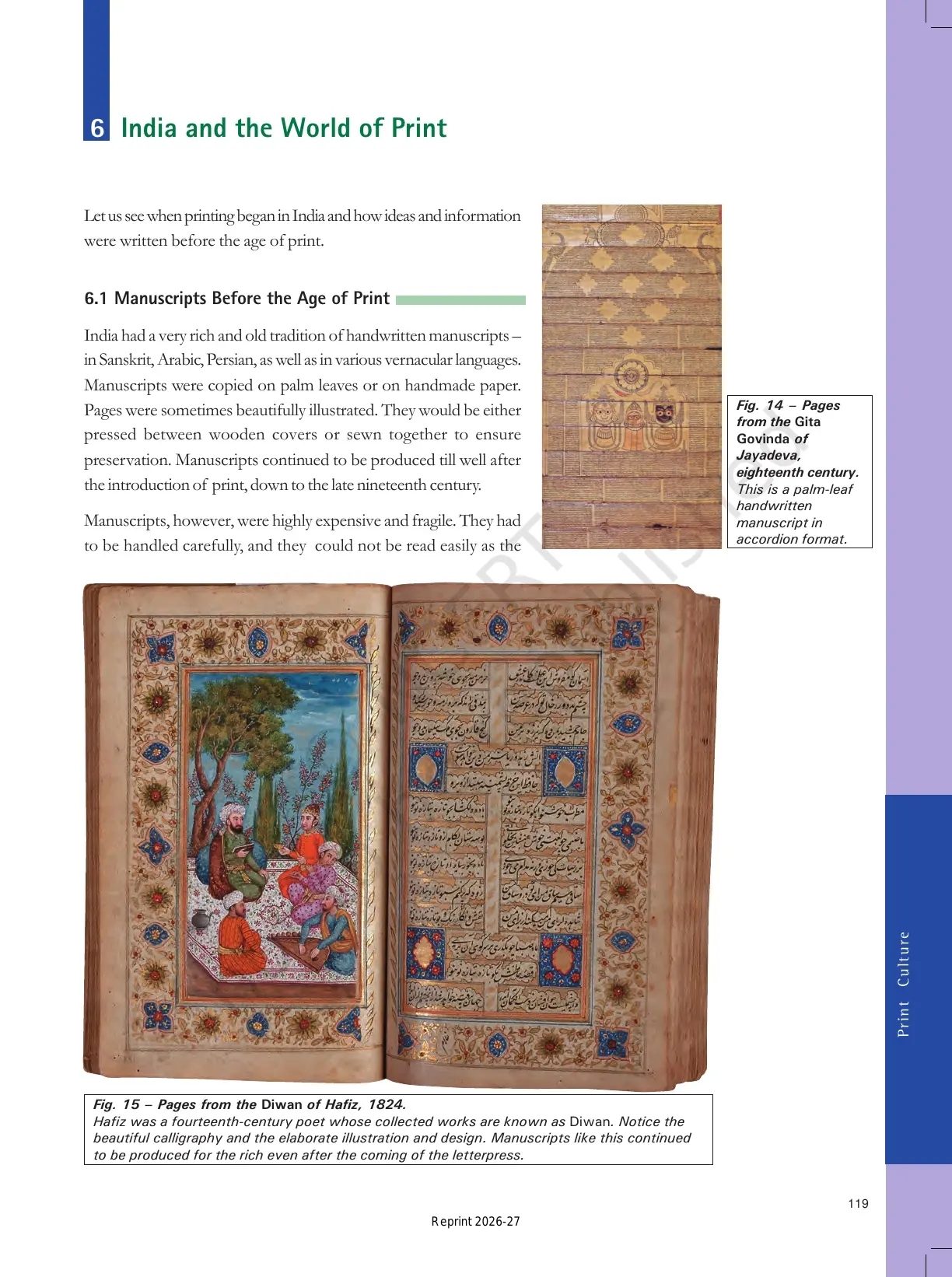
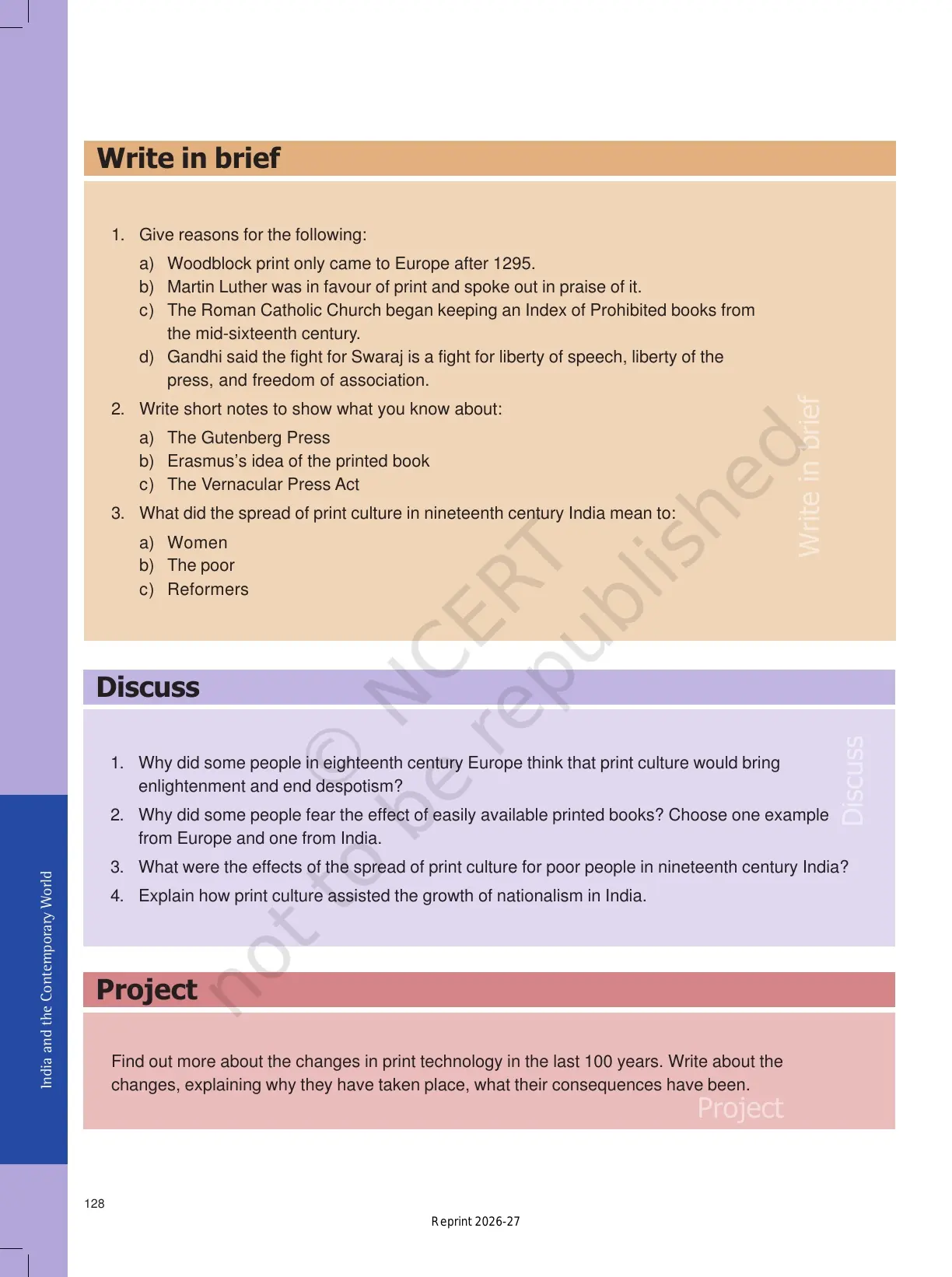
It traces how print was born in East Asia, spread to Europe through Gutenberg, and reached India, reshaping reading, religion, and politics. This chapter usually carries 5 to 6 marks in the Class 10 Social Science board paper, and every source extract and woodcut CBSE quotes comes straight from this PDF.
- Official NCERT Class 10 History textbook PDF for Chapter 5, aligned to the 2026-27 CBSE syllabus.
- 5 to 6 marks board-paper weightage; the only source CBSE references for the Gutenberg press and print culture in colonial India.
- Pair it with the matching NCERT Solutions and Handwritten Notes for full revision.
Every page is the official NCERT print, aligned to the 2026-27 CBSE syllabus.
What the NCERT Class 10 History Chapter 5 PDF Covers
The chapter moves from the first printed books in China, Japan, and Korea, to Gutenberg and the print revolution in Europe, then the reading mania of the eighteenth century, and finally print culture in colonial India. It explains how print fed the Protestant Reformation and the French Revolution, and how the colonial state tried to censor the press.
Print Culture and the Modern World Class 10 Video Lesson
Source: Social School by Unacademy on YouTube
Topics in the Chapter: Section-Wise Map of the NCERT PDF
The print revolution in Europe and print culture in colonial India together drive most of the board-paper marks.
| Section | NCERT sub-topic | Dominant exam concept |
|---|---|---|
| 1 | The First Printed Books | Hand printing in East Asia; the Diamond Sutra |
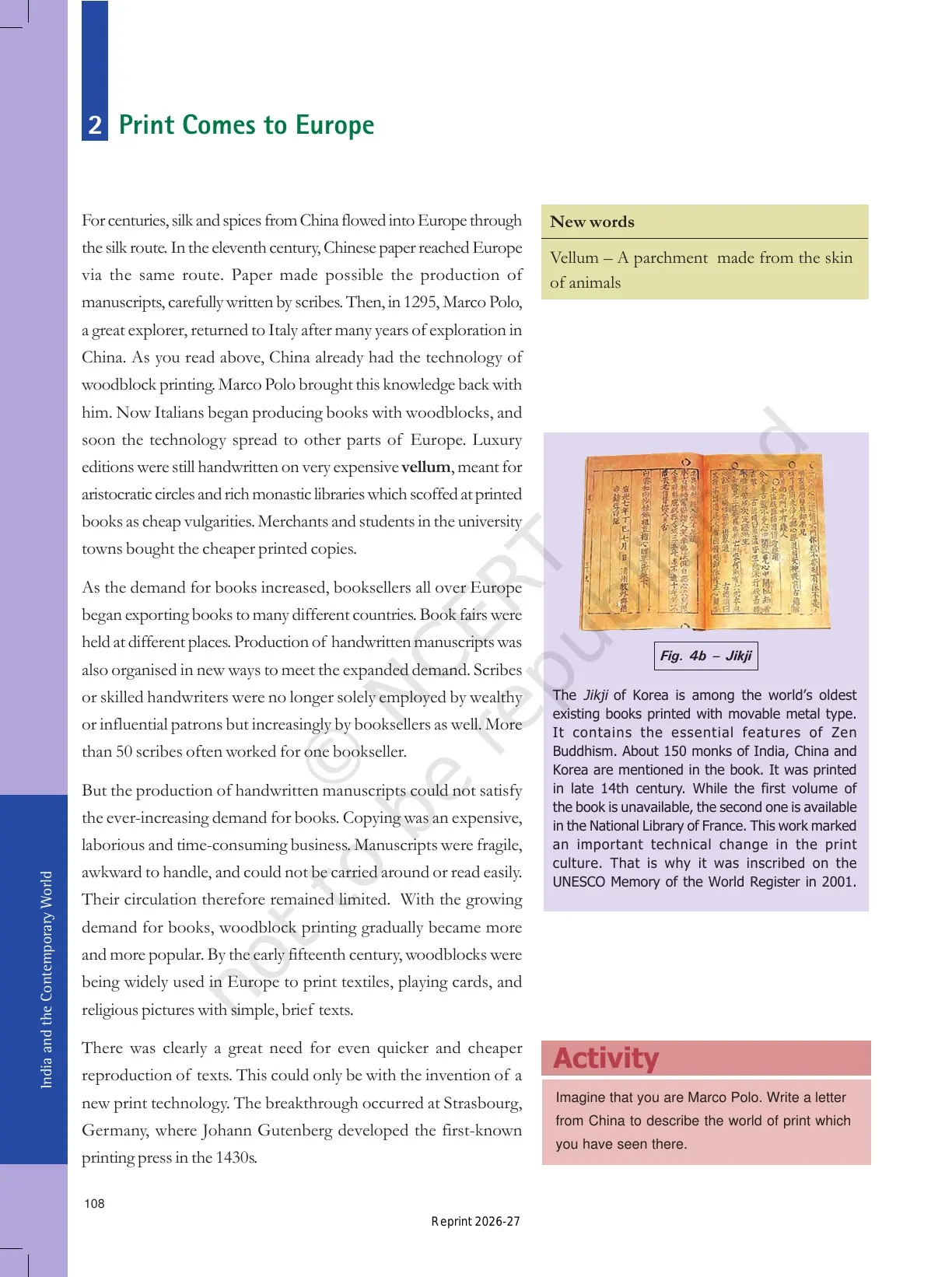
| 2 | Print Comes to Europe | Marco Polo, woodblock printing, vellum |
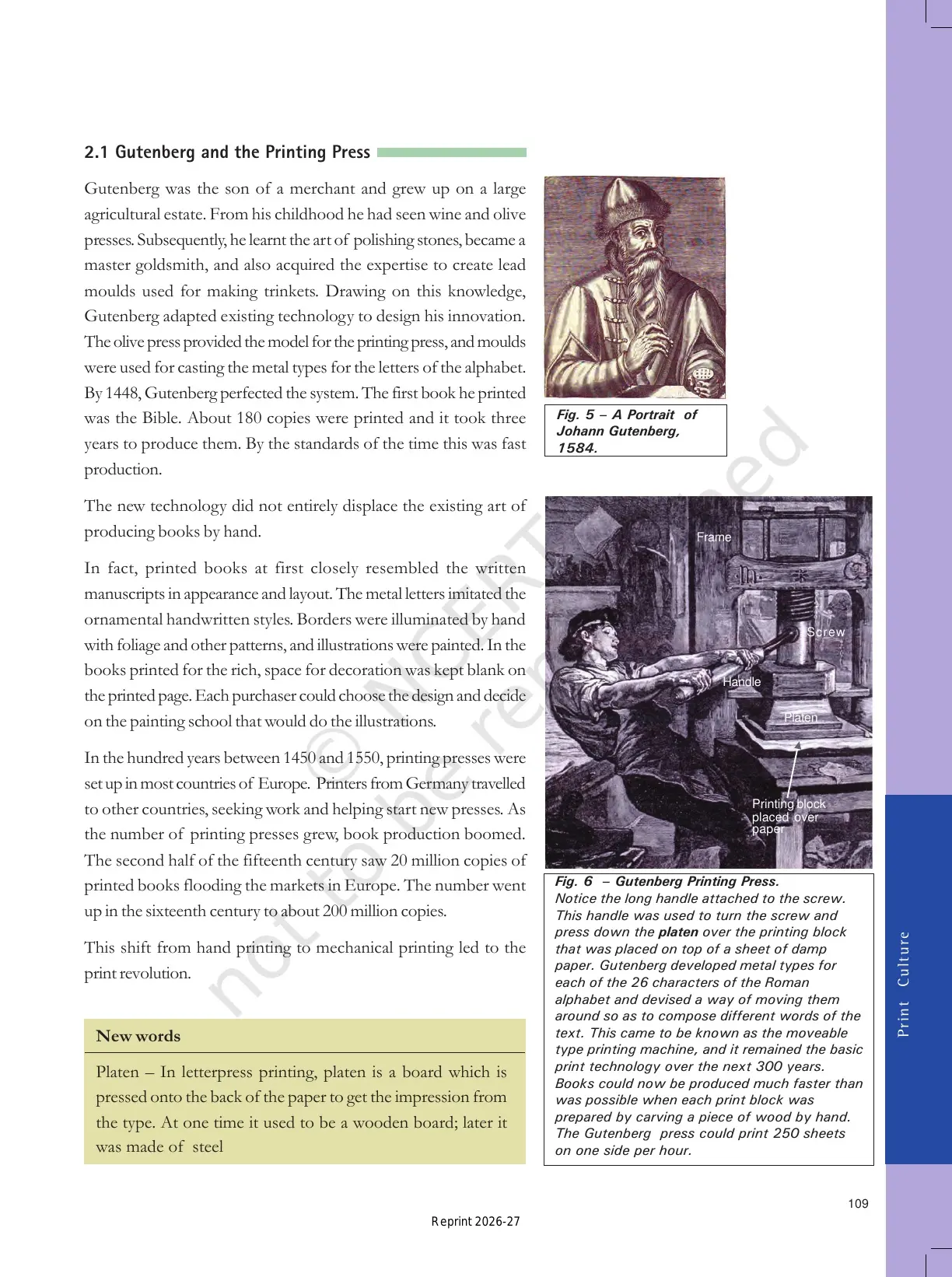
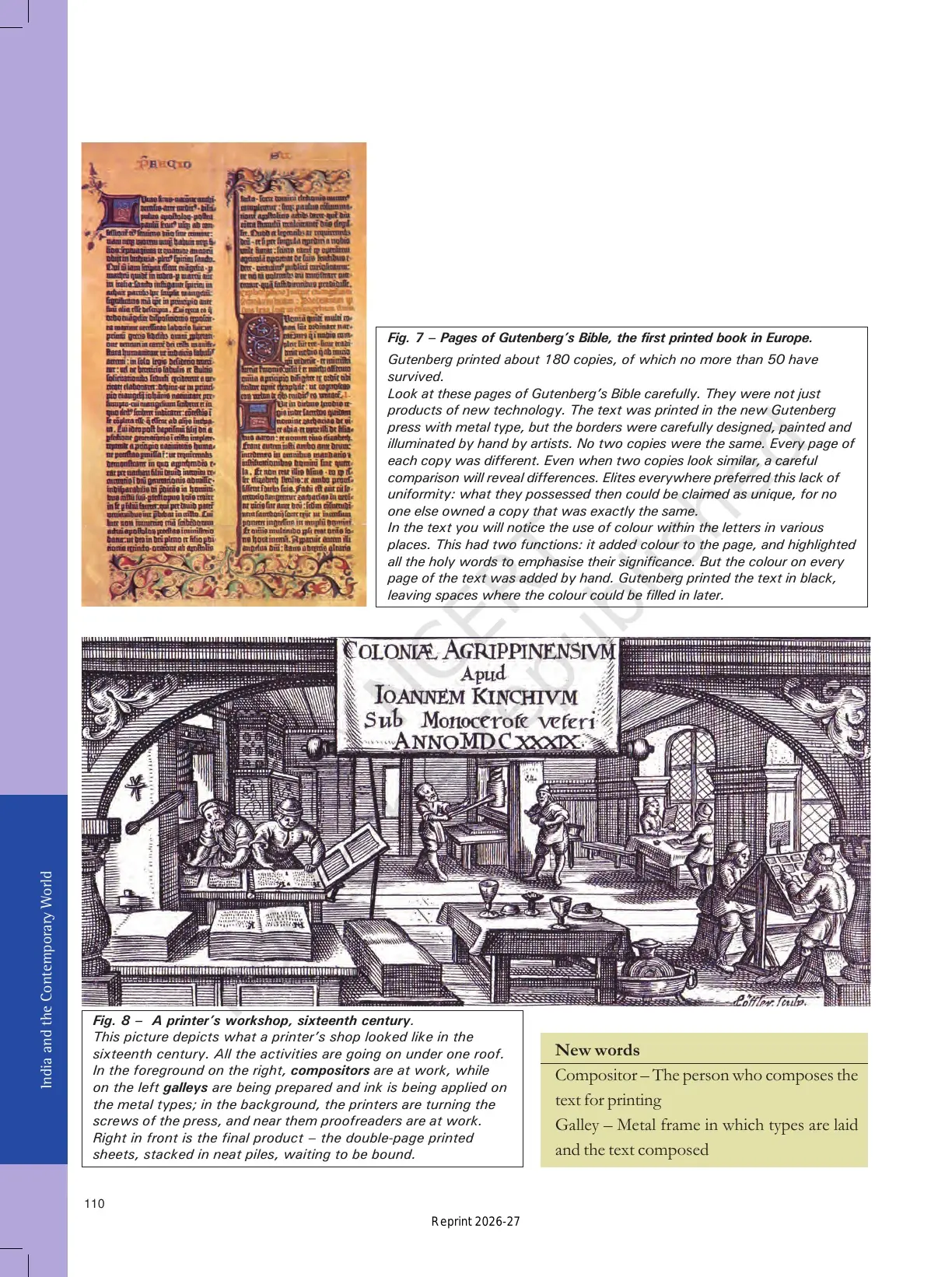
| 2.1 | Gutenberg and the Printing Press | Movable metal type, the Gutenberg Bible 1448 |
| 3 | The Print Revolution and Its Impact | New reading public, Martin Luther |
| 3.3 | Print and Dissent | Menocchio, the Index of Prohibited Books |
| 4 | The Reading Mania | Chapbooks, almanacs, the periodical press |
| 4.2 | Print and the French Revolution | Enlightenment ideas, debate, royal mockery |
| 5 | The Nineteenth Century | Children, women and workers in print |
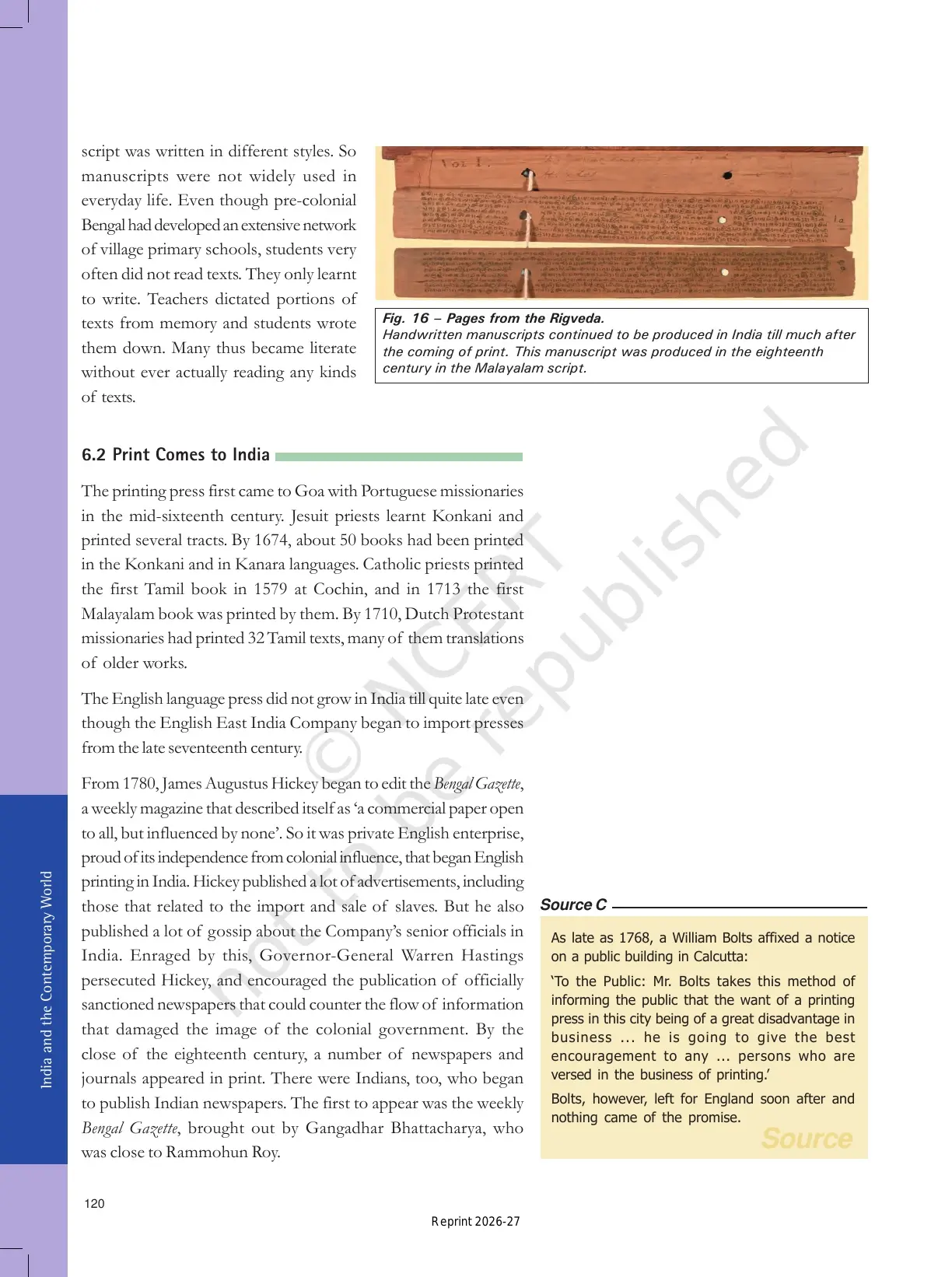
| 6 | India and the World of Print | Manuscripts, first presses, the Bengal Gazette |
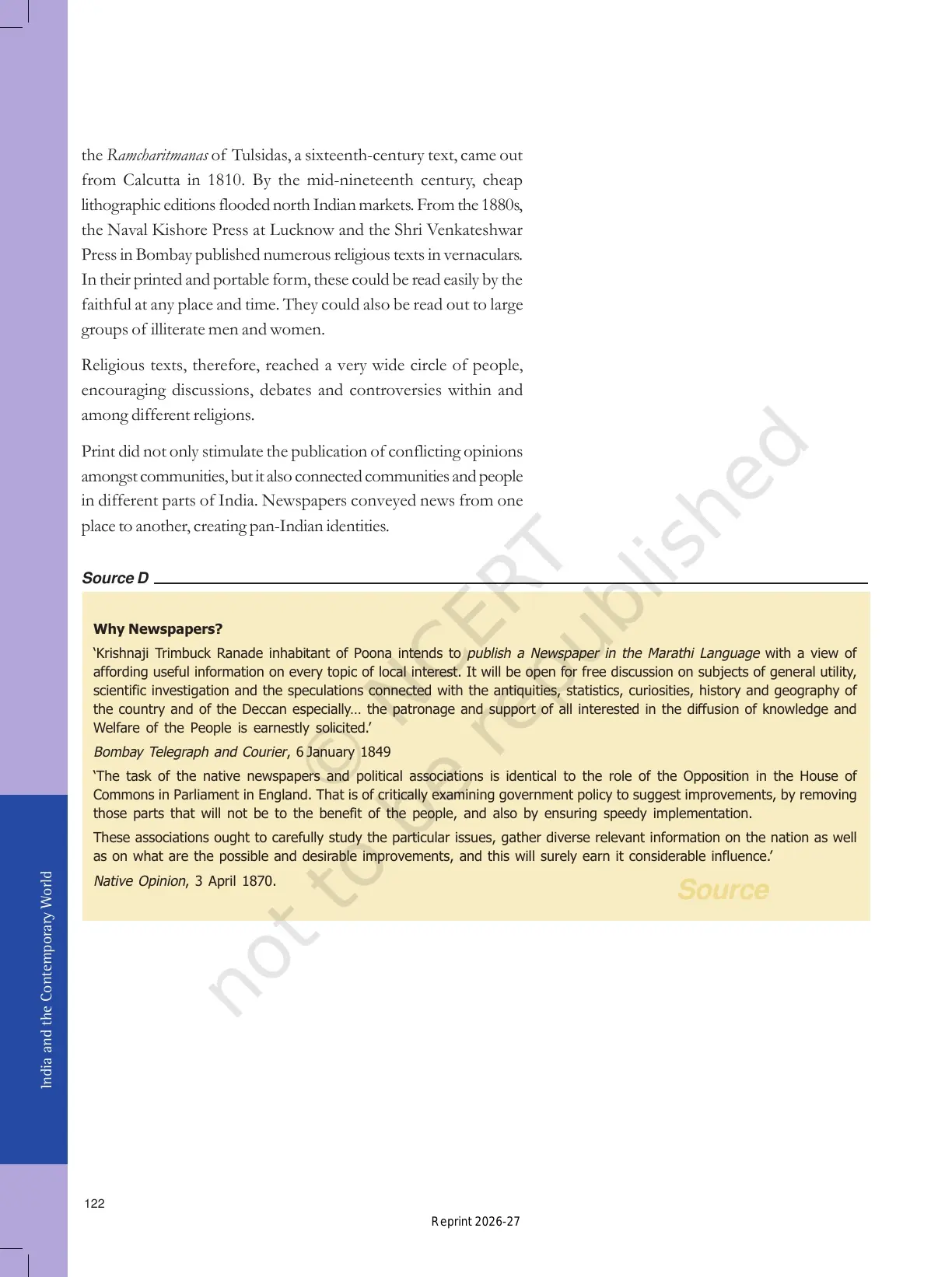
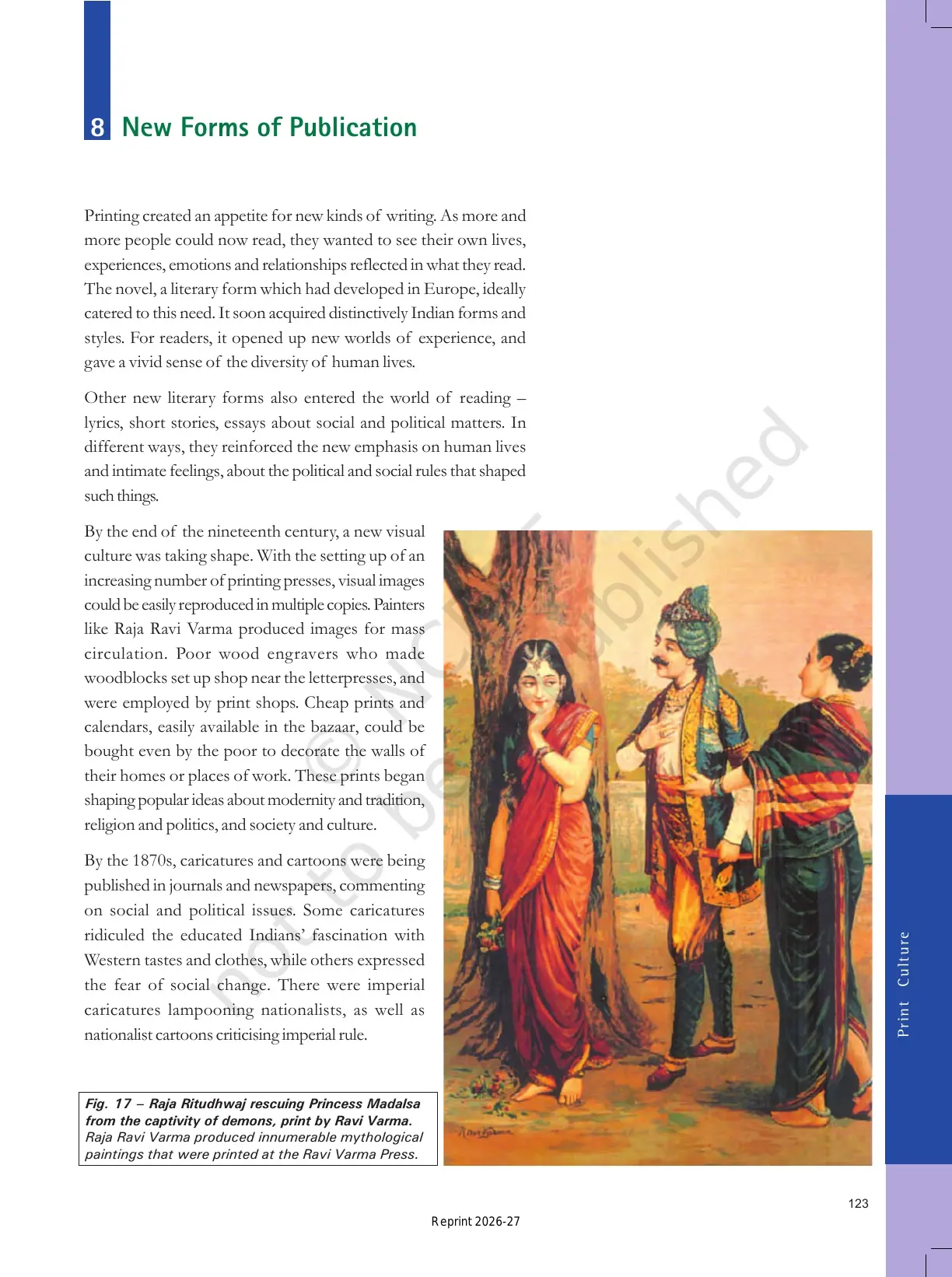
| 7 and 8 | Religious Reform and New Publications | Rammohun Roy, Raja Ravi Varma |
| 9 | Print and Censorship | Vernacular Press Act 1878, Tilak, Gandhi |
The names and dates in Sections 3, 6, and 9 carry most long-answer questions.
Key Topics From the Class 10 History Chapter 5 Textbook
Reproducing the exact NCERT wording and the correct year is the fastest route to full marks on dated questions.
The First Printed Books in East Asia
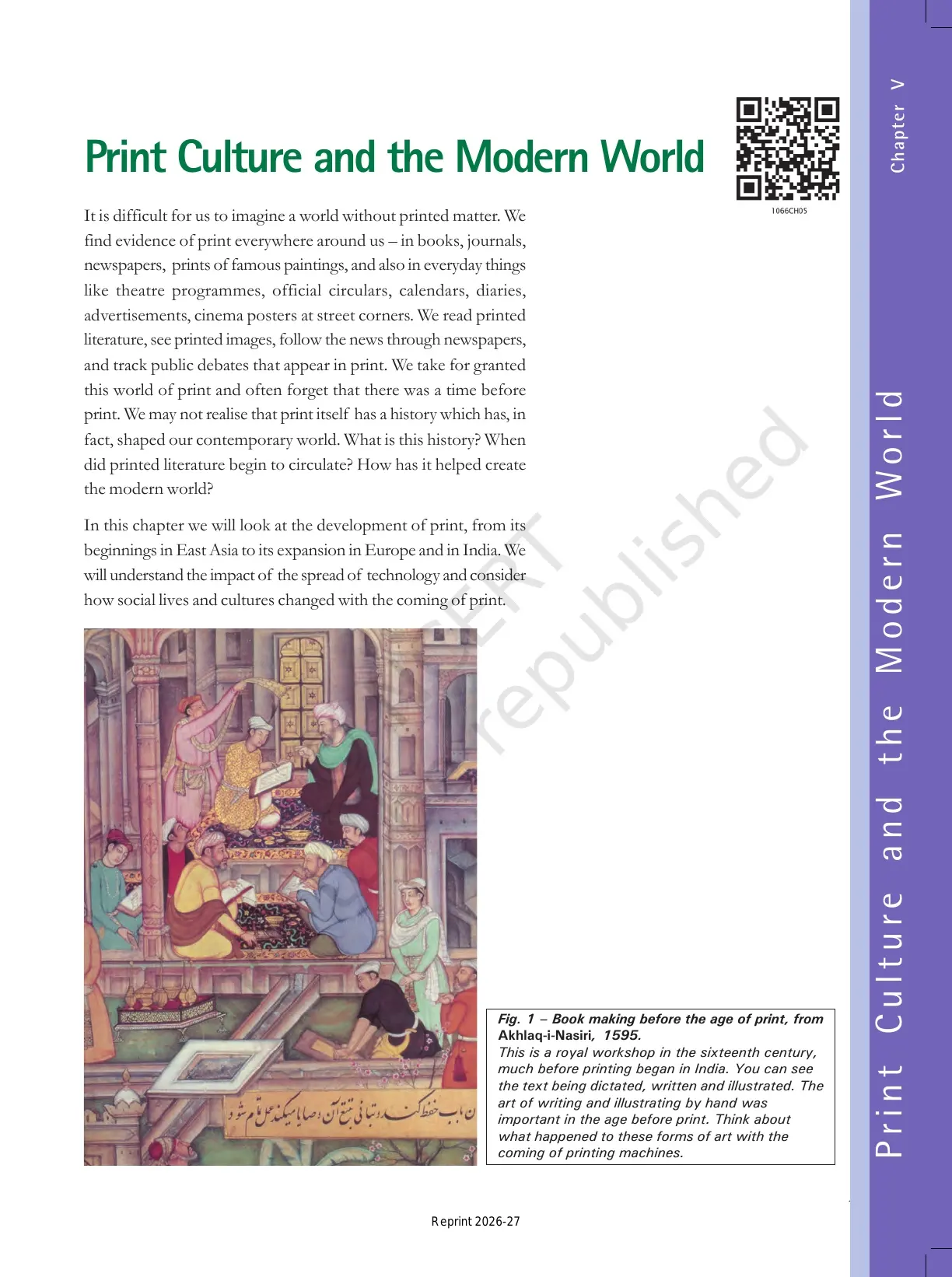
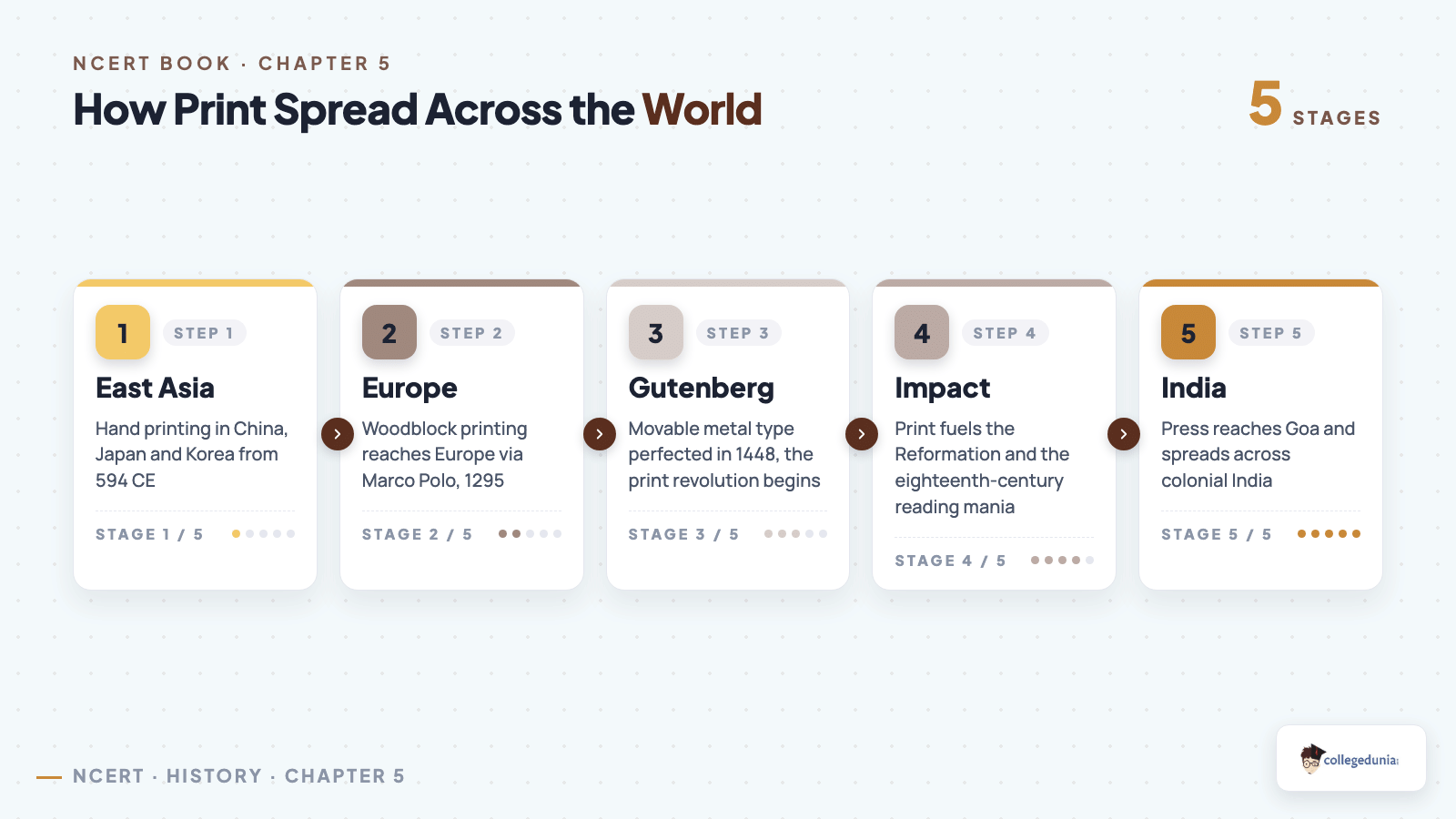
The first print was hand printing in China, Japan, and Korea from around 594 CE, made by rubbing paper against inked woodblocks. The Buddhist Diamond Sutra of 868 CE is the oldest surviving printed book, a one-mark fact CBSE asks often.
Gutenberg and the Print Revolution in Europe
Print reached Europe along the silk route. Johann Gutenberg developed the first known printing press in the 1430s, and by 1448 he had perfected movable metal type. The first book he printed was the Bible. This print revolution is a frequent five-mark question.
Print, Religion and the Reading Mania
Print created a new reading public. In 1517 Martin Luther wrote his Ninety Five Theses, and print spread the Protestant Reformation across Europe. The Roman Church feared dissent and kept an Index of Prohibited Books from 1558. By the eighteenth century rising literacy created a reading mania of chapbooks, almanacs, and periodicals.
Print Culture in Colonial India
The press first came to Goa with Portuguese missionaries, and from 1780 James Augustus Hickey began the Bengal Gazette. It then covers religious reform under Rammohun Roy, the images of Raja Ravi Varma, and print culture among women and the poor, before the Vernacular Press Act of 1878.
Key concepts the chapter introduces:
- Calligraphy and hand printing as the first print technology.
- Gutenberg press and movable metal type that began the print revolution.
- Reading mania driven by chapbooks, almanacs, and periodicals.
- Vernacular Press Act and the censorship of the Indian press.
Why Read the NCERT PDF Directly Instead of a Guide Book
Guide books shorten the chapter into bullet timelines, but they cannot replace the official textbook. CBSE sets every source-based question from the exact extracts, such as the Erasmus passage on the fear of the book and the Mercier passage on reading. The macabre dance and Indian Charivari woodcuts are reproduced in marking schemes too. The Vernacular Press Act of 1878 is regularly examined as a five-mark source-based question.
What the Guide Books Cannot Replace
- The Erasmus passage on the fear of the book, 1508.
- The Mercier passage on reading, Source B, for the French Revolution answer.
- The macabre dance woodcut, Fig. 10, the image of the fear of print.
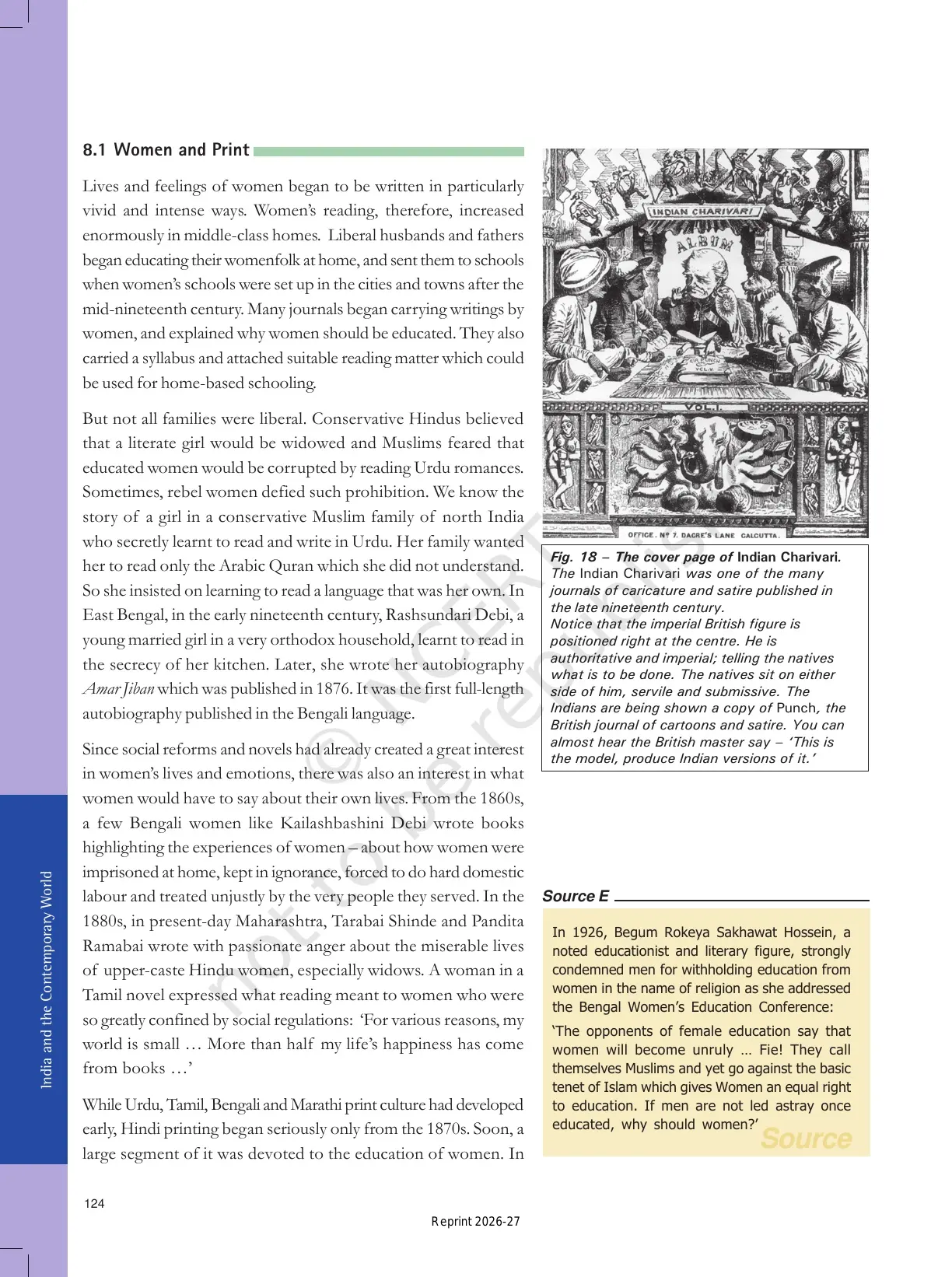
- The Indian Charivari satire, Fig. 18, for the women-and-print question.
- The Gandhi quote of 1922, Source F, the link to the freedom struggle.
Previous Year Question Trends From This NCERT Chapter
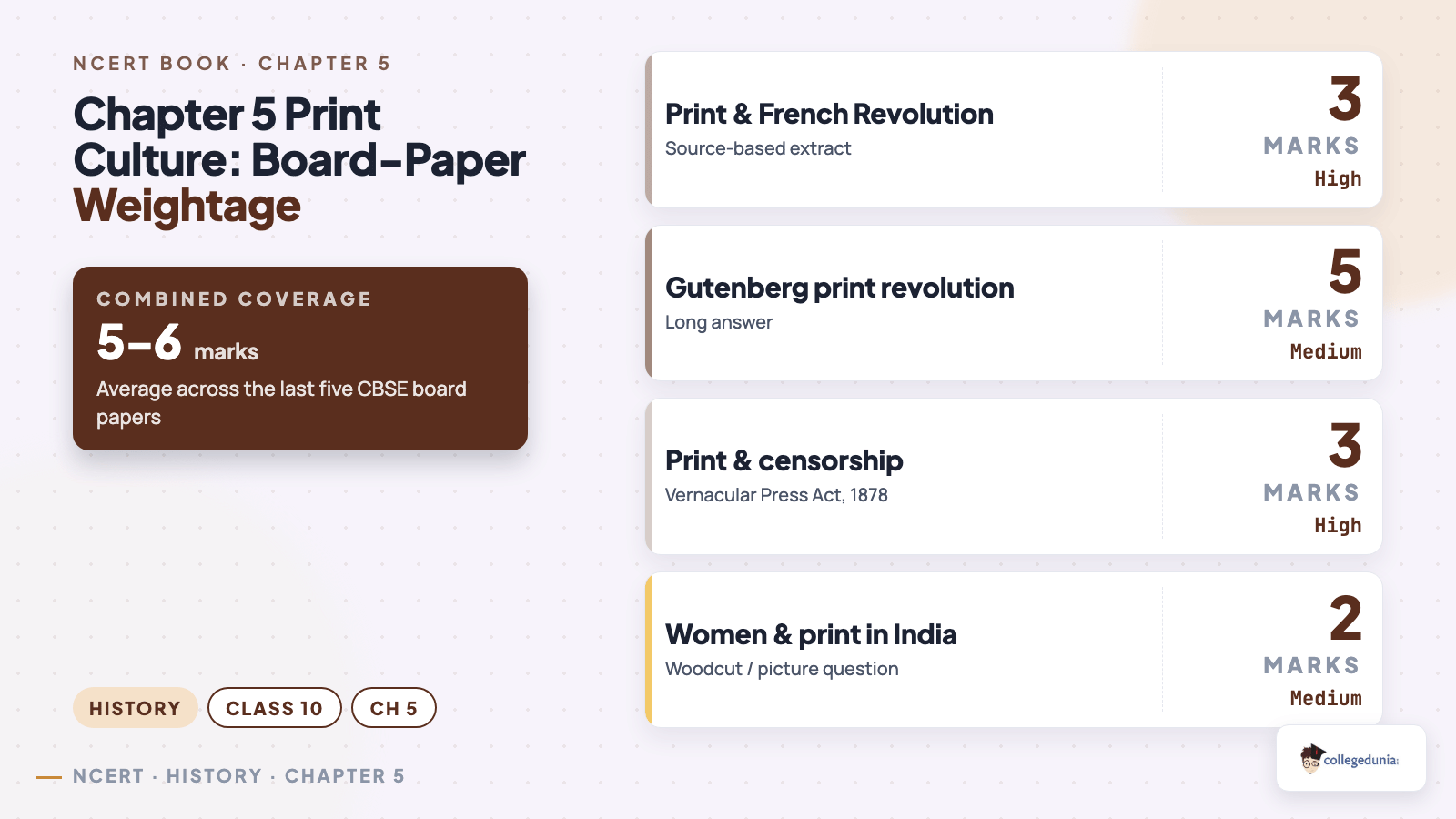
The chapter has averaged 5.4 marks across the last five board papers, with source-based and picture questions appearing almost every year.
| Year | Total marks | Question types | Most common topic |
|---|---|---|---|
| 2025 | 6 | 1 source-based + 1 short + 1 MCQ | Print culture and the French Revolution |
| 2024 | 5 | 1 long answer + 1 MCQ | The Gutenberg print revolution |
| 2023 | 6 | 2 MCQs + 1 short answer | The first printed books in East Asia |
| 2020 | 5 | 1 source-based + 1 short answer | Print and censorship in colonial India |
| 2019 | 5 | 1 long + 1 short answer | Women and print in colonial India |
How to Read This NCERT PDF Alongside Other Resources
Pair the NCERT PDF with notes and solutions, in this order.
- First read (cold): Read the nine numbered parts in order, marking every date and name.
- Second read (with notes): Open the Class 10 History Chapter 5 Notes beside the PDF.
- Question practice: Attempt every exercise, then check it against the NCERT Solutions for Class 10 History Chapter 5.
- Revision sprint: The day before the exam, scan the handwritten notes to recall the sequence fast.
What Students Should Avoid While Reading This NCERT PDF
The most expensive mistake is mixing up the European print revolution with the arrival of print in India, or forgetting which reformer used which newspaper.
- Do not confuse the regions. Print began in East Asia, was transformed by Gutenberg in Europe, then reached India.
- Do not skip the source extracts. The Erasmus, Mercier, and Gandhi passages are direct source-based questions.
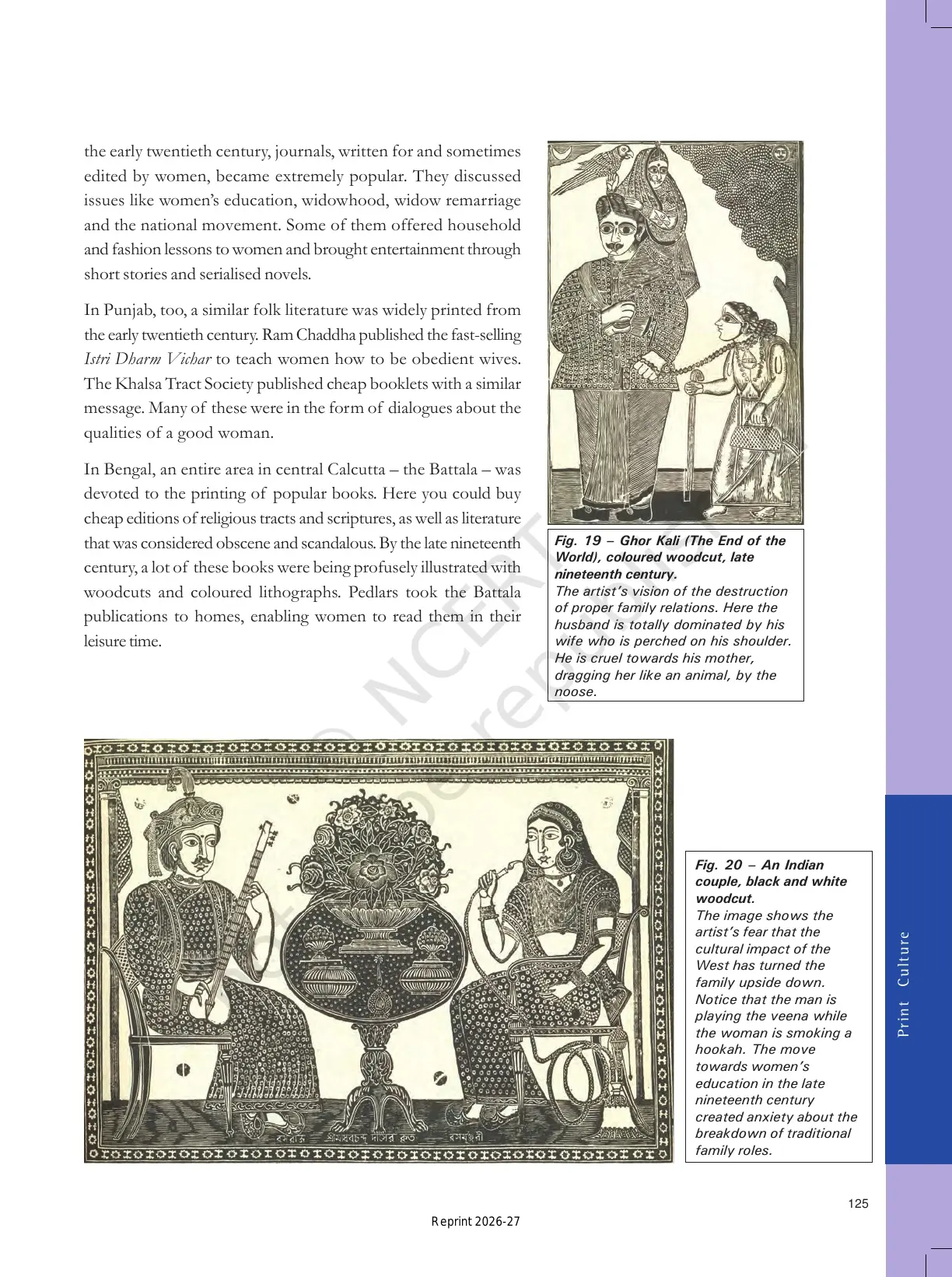
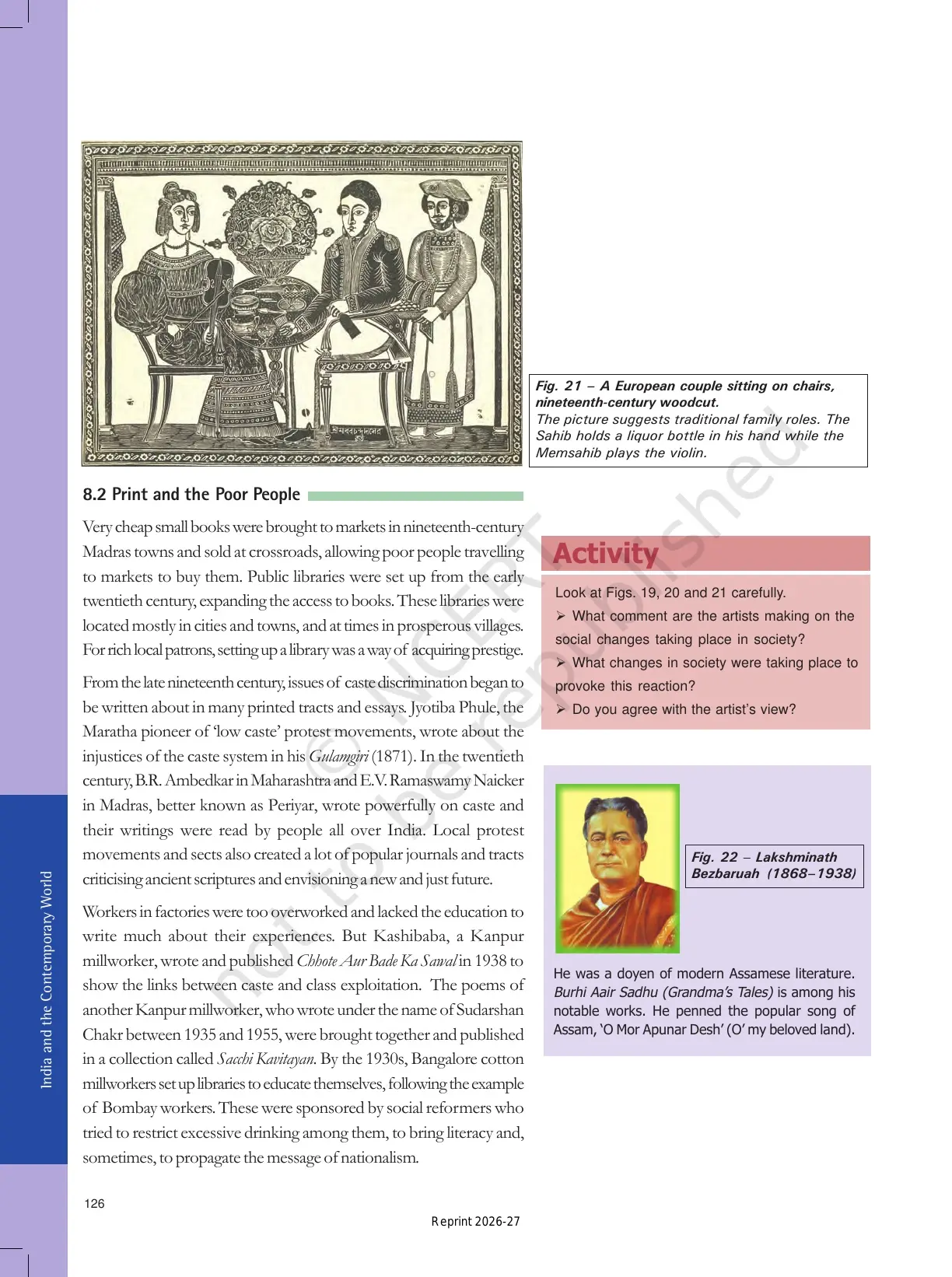
- Do not ignore the woodcuts. The macabre dance and the Indian Charivari appear almost every year.
- Do not learn names without their work. CBSE pairs Rammohun Roy with Sambad Kaumudi and Tilak with Kesari.
Quick Glossary From the Class 10 History Chapter 5
Define these terms in one line for MCQs.
- Calligraphy: The art of stylised writing.
- Vellum: A parchment made from animal skin for luxury editions.
- Platen: A board pressed onto paper to take the impression.
- Chapbook: A pocket-size book sold cheaply by chapmen.
- Vernacular Press Act: The 1878 law that let the government censor the Indian-language press.
Student Feedback
In a Collegedunia poll of 12,310 Class 10 students conducted before the 2026 boards, 78% said they read the official NCERT PDF before opening any guide book. Most students rated the Indian print culture section and the print and censorship debates as the hardest part to keep in order.
Source: 2026-27 Class 10 History student poll. Sample of 12,310 students from CBSE schools across 14 states.
Also Explore Other Resources for Class 10 History
Other Resources for This Chapter
Pair this with the other Class 10 History resources for this chapter, all linked below.
| Resource | Open |
|---|---|
| NCERT Solutions | Print Culture and the Modern World Class 10 NCERT Solutions |
| Notes | Print Culture and the Modern World Class 10 Notes |
| Formula Sheet | Print Culture and the Modern World Class 10 Formula Sheet |
| Handwritten Notes | Print Culture and the Modern World Class 10 Handwritten Notes |
| NCERT Book PDF | Print Culture and the Modern World Class 10 NCERT Book PDF |
All Chapters: Class 10 History NCERT Book PDF
| Chapter | NCERT Book PDF |
|---|---|
| Chapter 1 | The Rise of Nationalism in Europe NCERT Book PDF |
| Chapter 2 | Nationalism in India NCERT Book PDF |
| Chapter 3 | The Making of a Global World NCERT Book PDF |
| Chapter 4 | The Age of Industrialisation NCERT Book PDF |
| Chapter 5 | Print Culture and the Modern World NCERT Book PDF |
Frequently Asked Questions on Class 10 History Chapter 5 NCERT Book PDF
Ques. Where can students download the official NCERT Class 10 History Chapter 5 Print Culture and the Modern World PDF?
Ans. Students can download the official ncert class 10 history book pdf chapter 5 Print Culture and the Modern World directly from the download card at the top of this page. It is the single-chapter file from the India and the Contemporary World II textbook, aligned to the 2026-27 CBSE syllabus.
Ques. What is the main idea of the NCERT Class 10 History Chapter 5?
Ans. The main idea is that print has shaped the modern world. The chapter shows how print technology spread from East Asia to Europe and India, and how it changed reading, religion, politics, and the lives of women and the poor.
Ques. Who developed the first printing press in Europe?
Ans. Johann Gutenberg developed the first known printing press at Strasbourg in the 1430s, and by 1448 he had perfected movable metal type. The first book he printed was the Bible, of which about 180 copies were produced in three years.
Ques. What was the print revolution in this Class 10 History chapter?
Ans. The print revolution was the shift from hand printing to mechanical printing after Gutenberg. It cut the cost of books, created a new reading public, fed the Protestant Reformation, and opened up new ways of thinking that reshaped European society.
Ques. When and how did print come to India according to the NCERT chapter?
Ans. The printing press first came to Goa with Portuguese missionaries in the mid-sixteenth century. English printing began later, and from 1780 James Augustus Hickey edited the Bengal Gazette, the first weekly magazine printed in India.
Ques. What was the Vernacular Press Act of 1878?
Ans. The Vernacular Press Act of 1878 was modelled on the Irish Press Laws and gave the colonial government wide powers to censor reports and editorials in the Indian-language press. A newspaper judged seditious could be warned, and its machinery seized if it ignored the warning.



Comments