




Class 11 Applied Mathematics Chapter 6 Permutations and Combinations NCERT Book PDF gives students the official chapter text for factorials, counting rules, permutations, combinations and repeated-object cases. The PDF follows the 2026-27 NCERT chapter and is useful for class tests, board-style practice and quick formula checking.
- Official source: download the original NCERT chapter PDF with printed examples and exercises.
- Best for practice: use it before solving questions on nPr, nCr and counting restrictions.
- 2026-27 ready: the chapter supports the Class 11 Applied Mathematics Combinatorics unit.
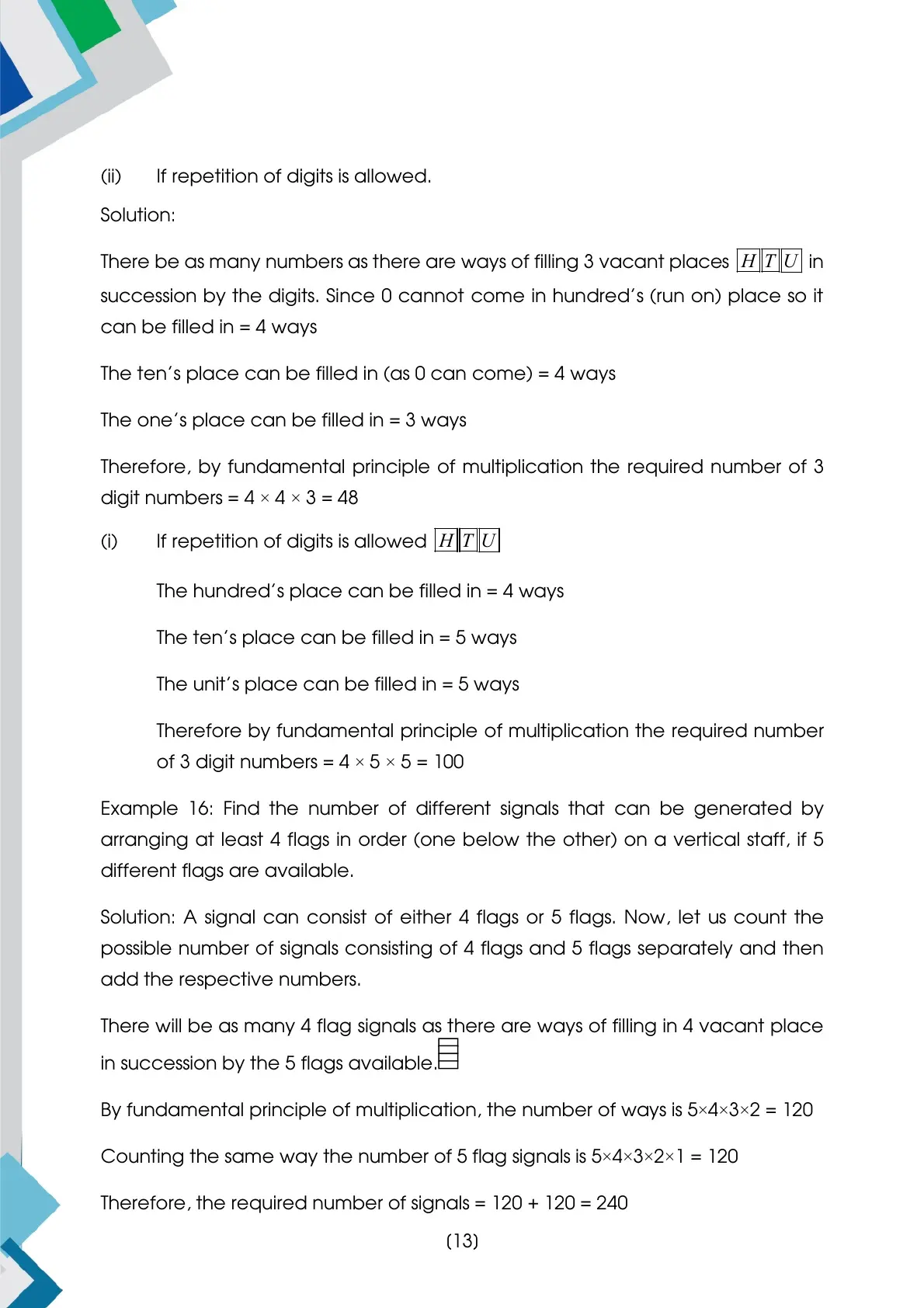
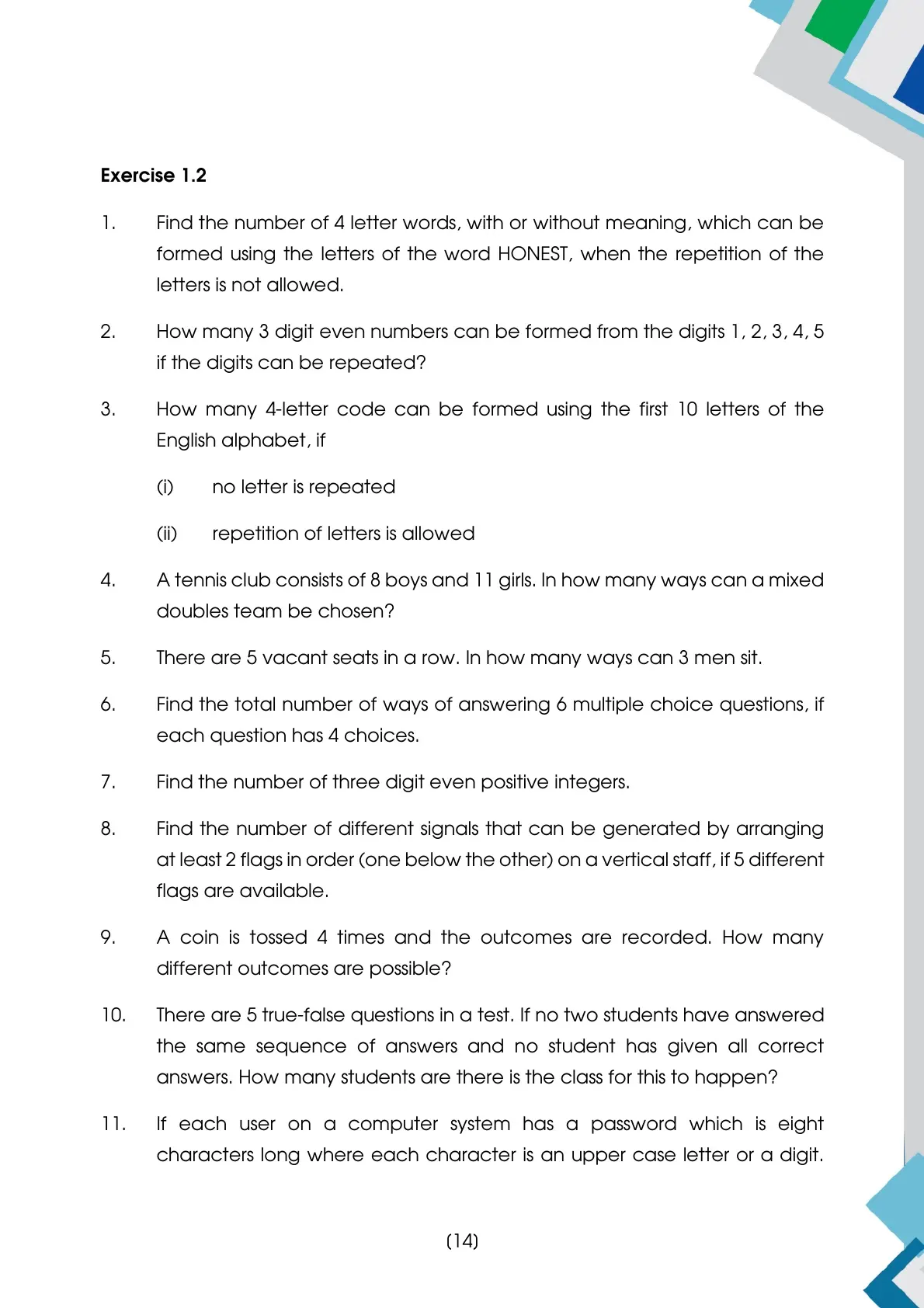
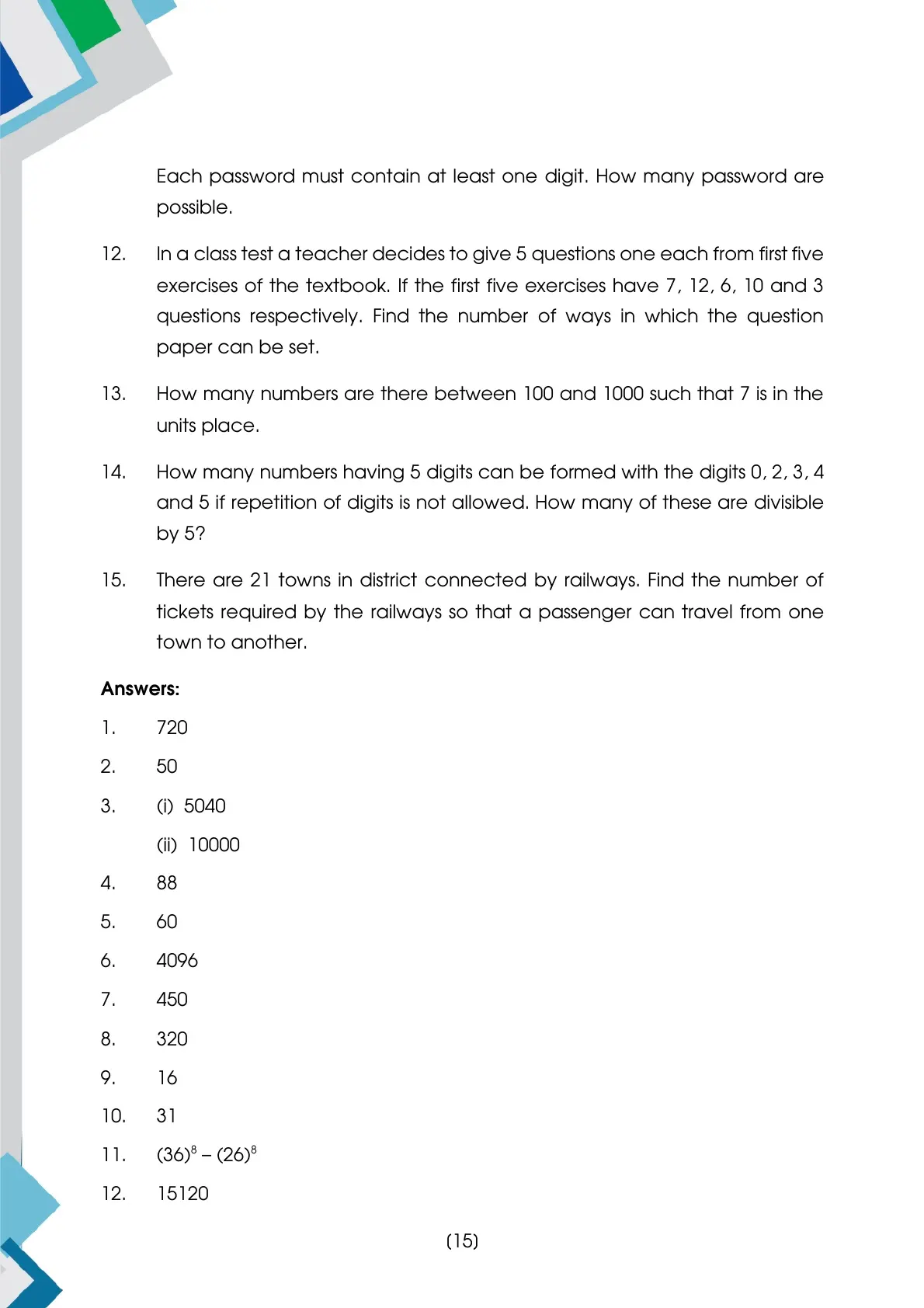
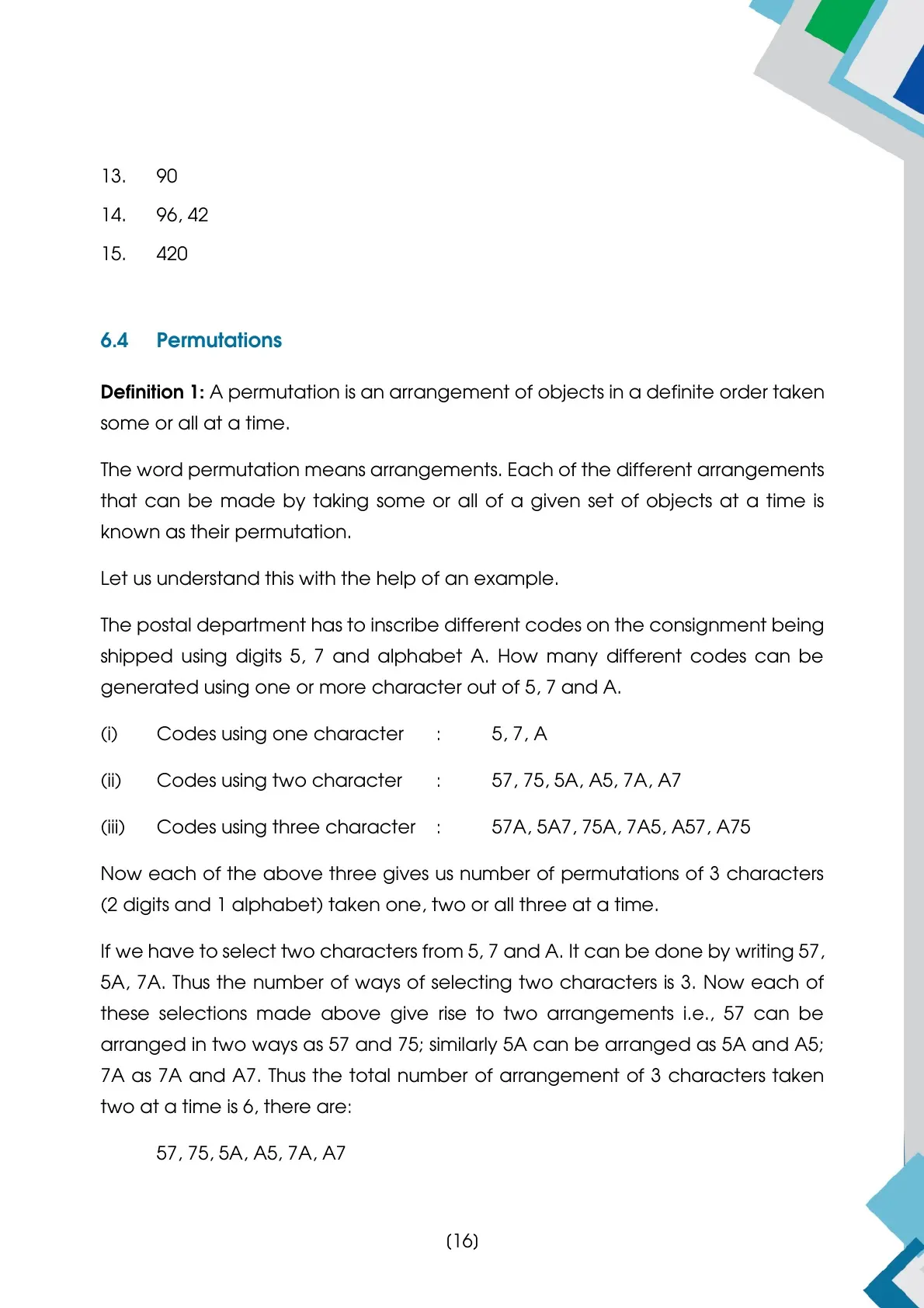
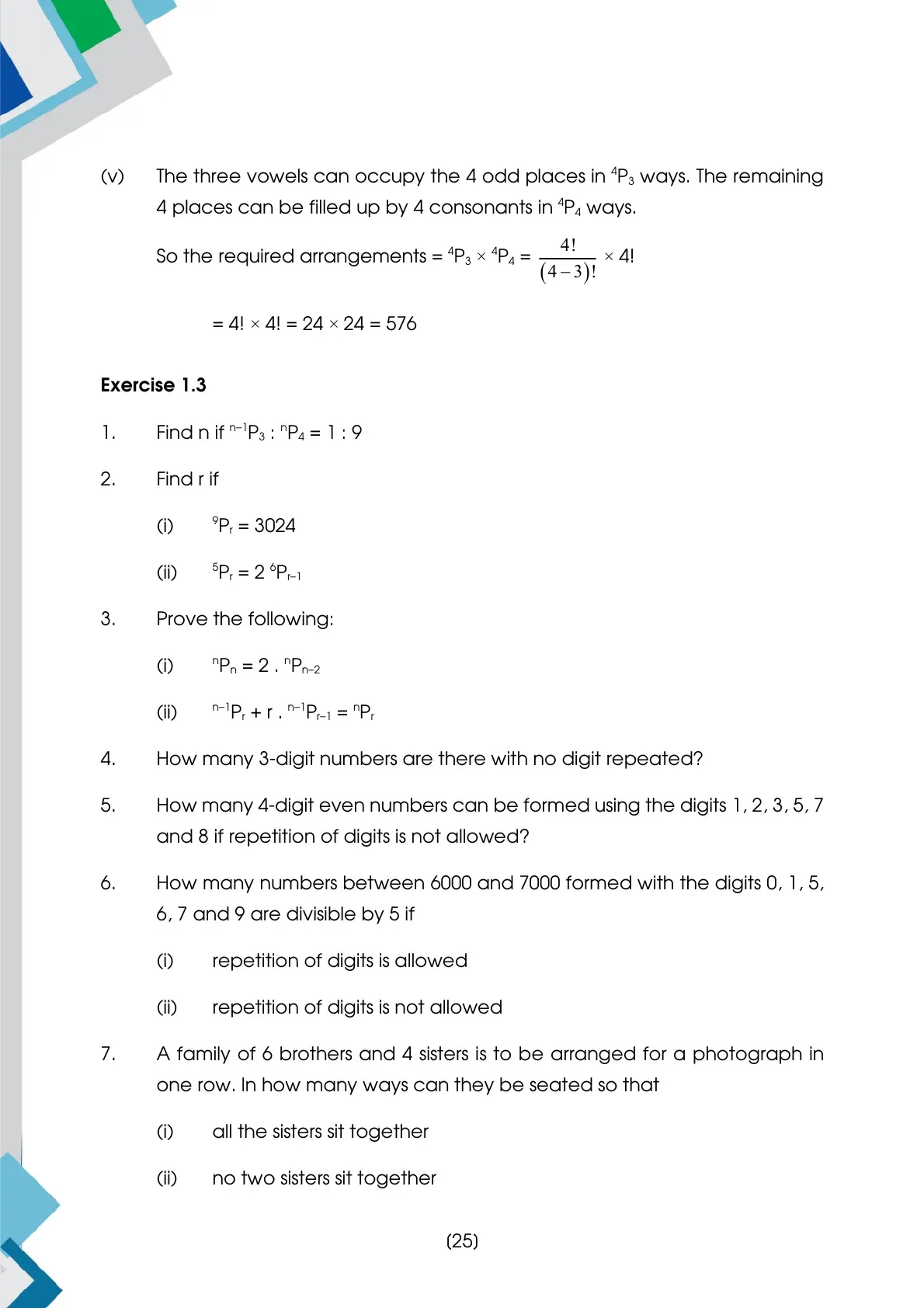
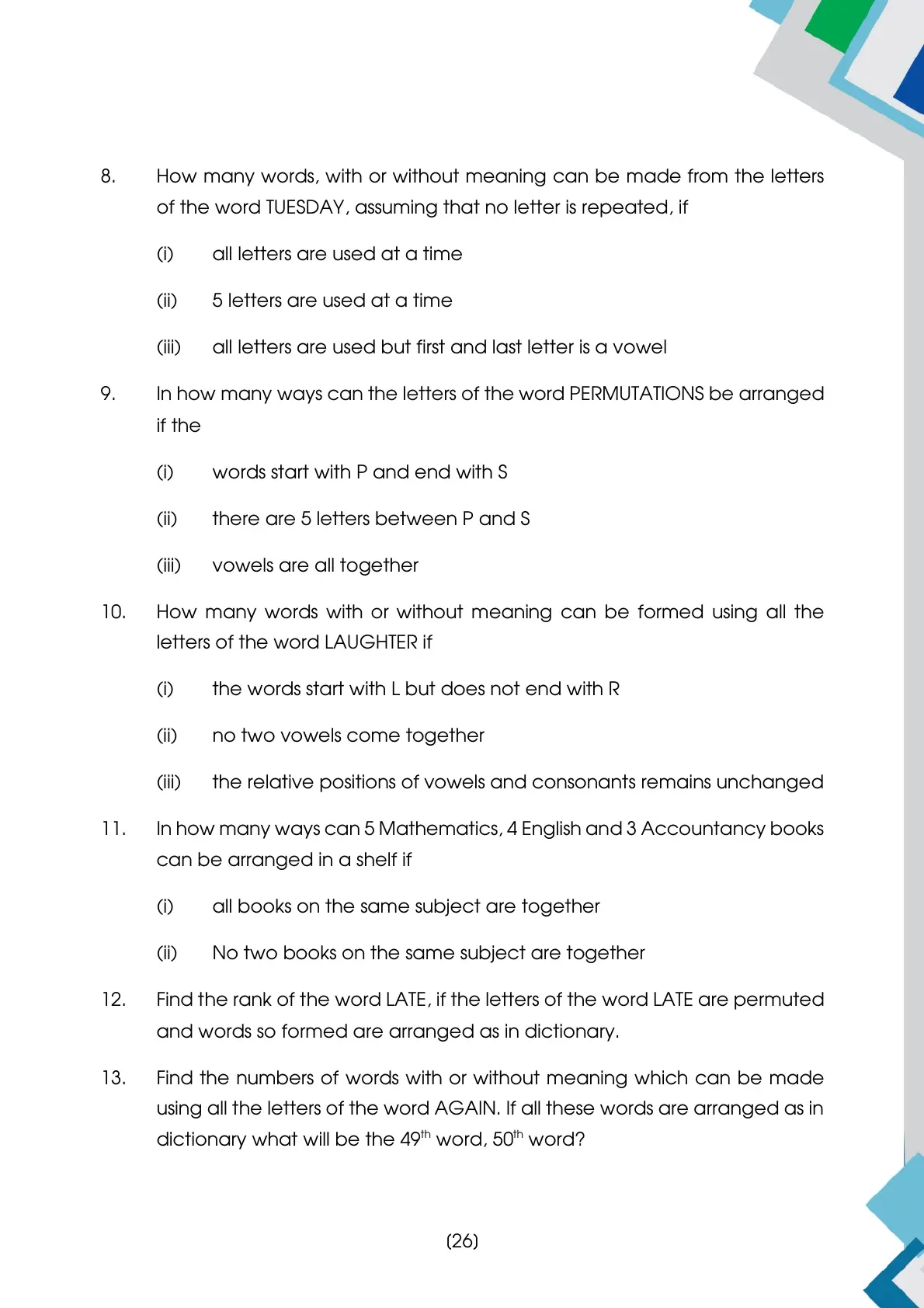
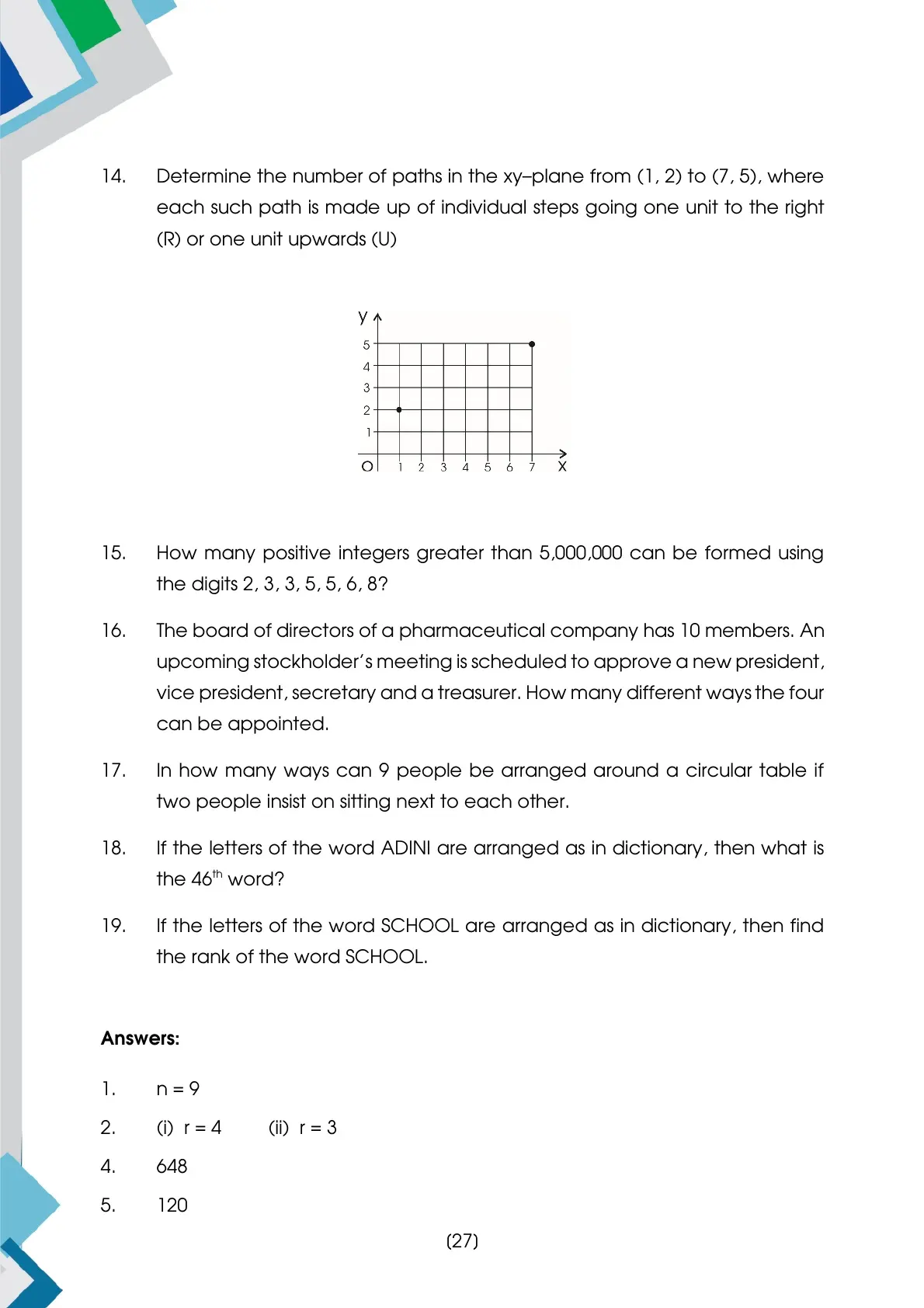
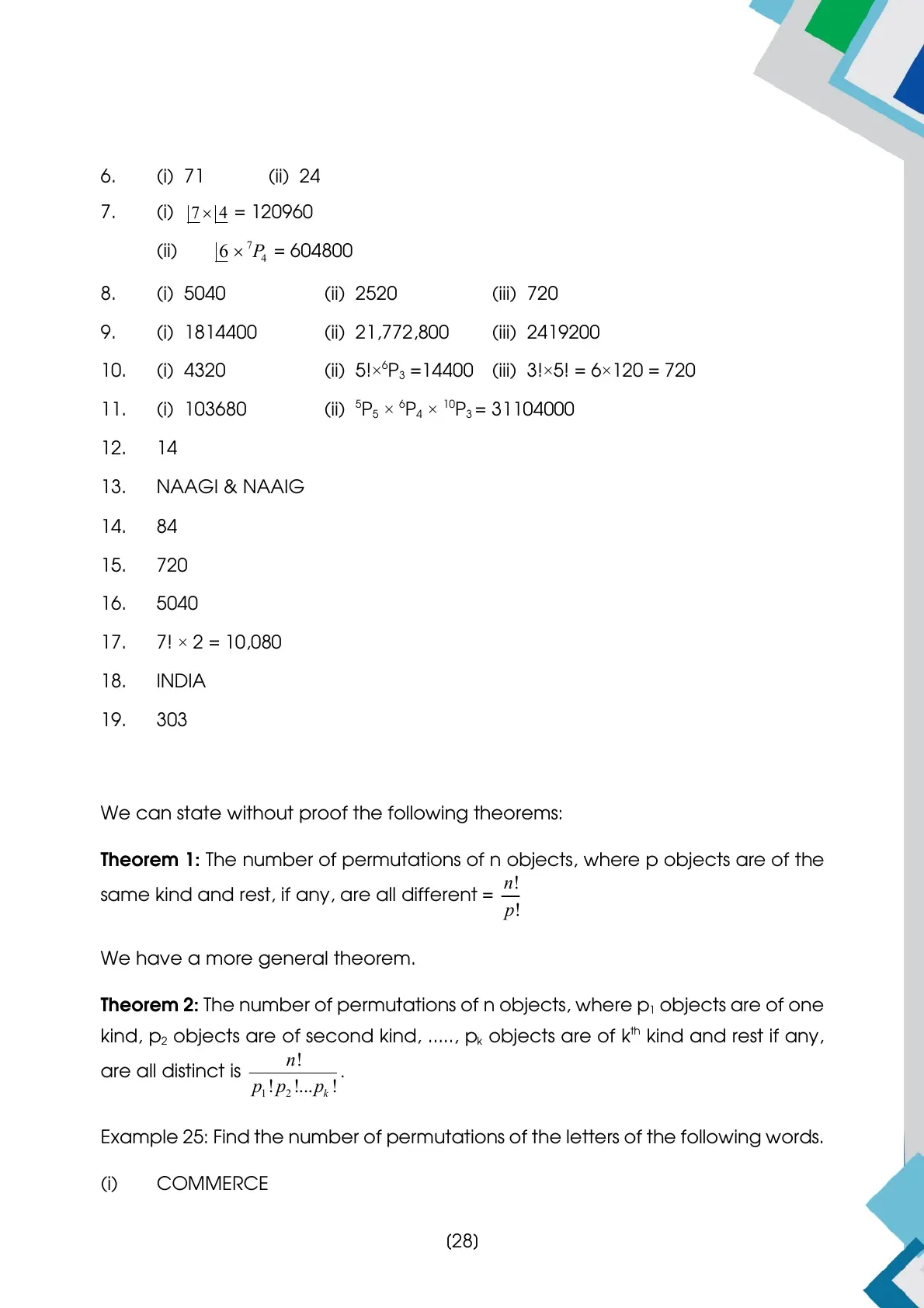
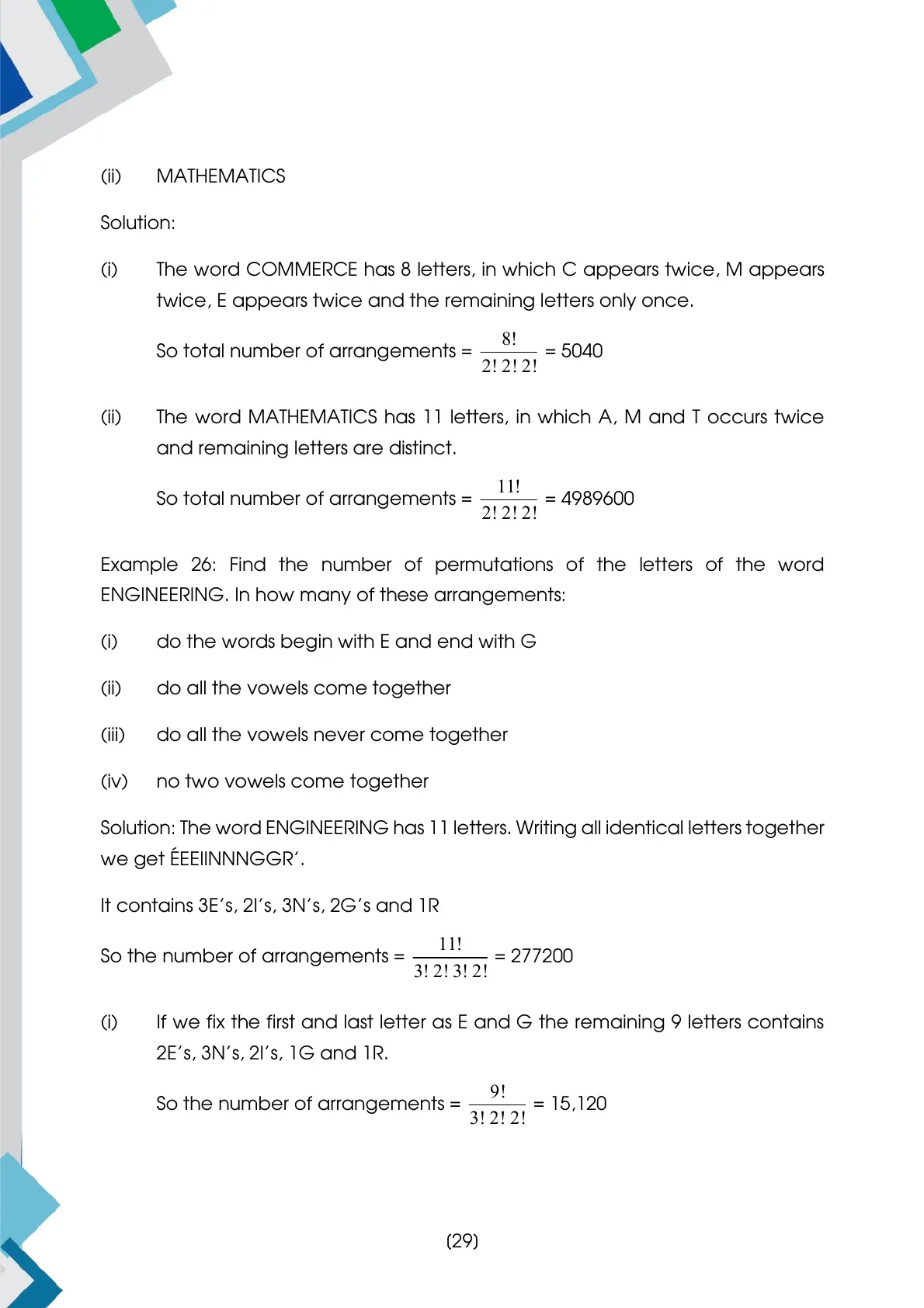
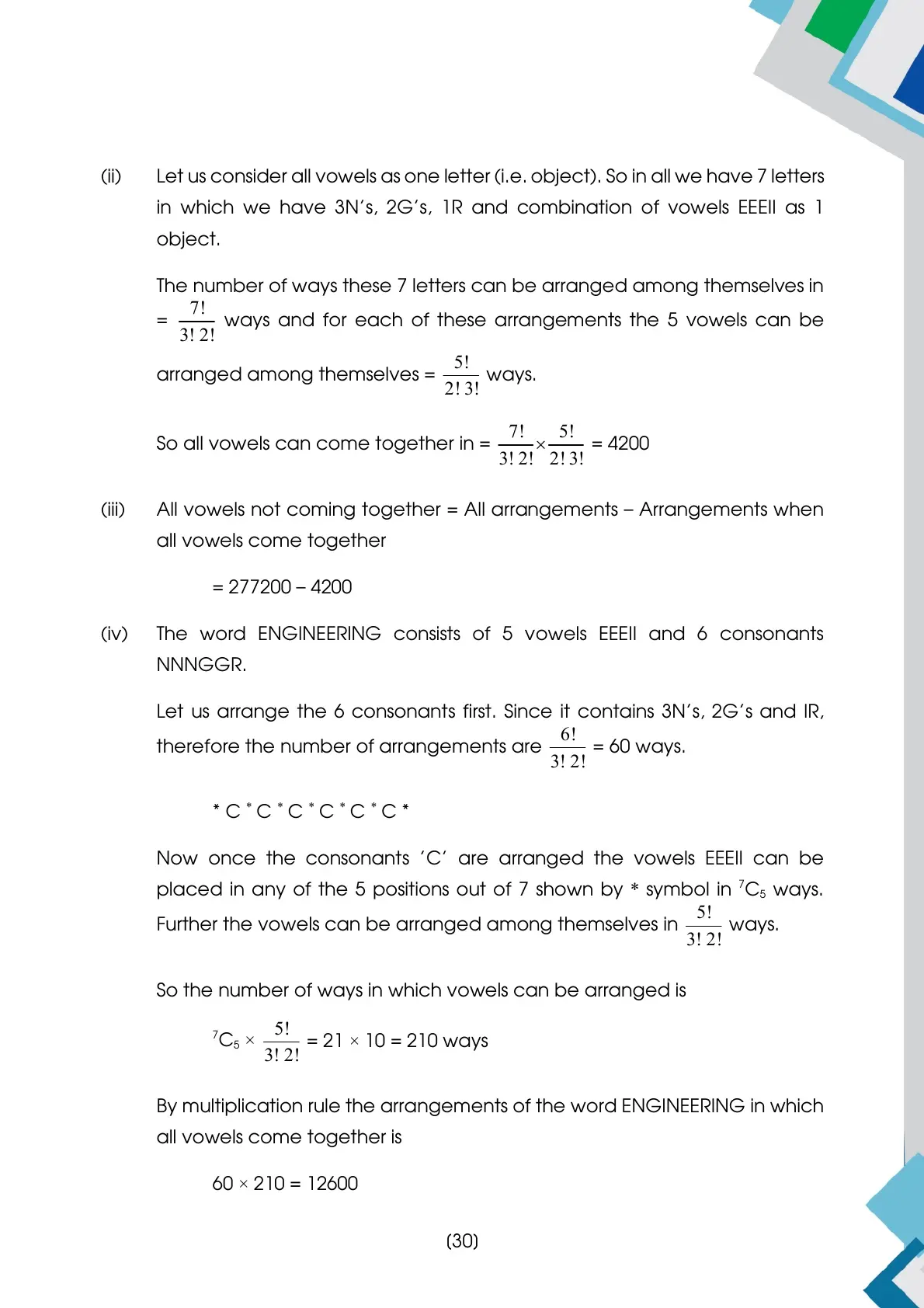
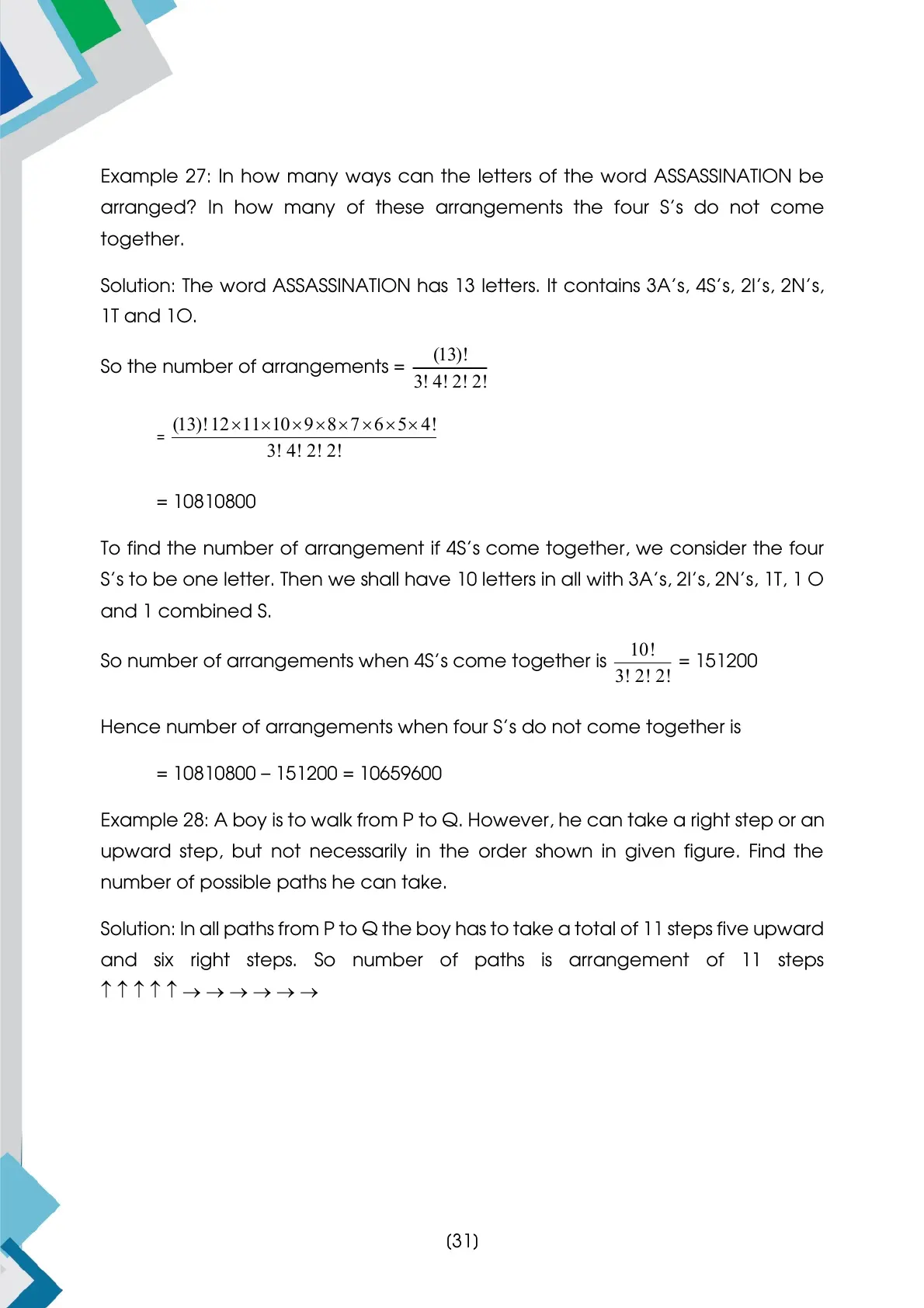
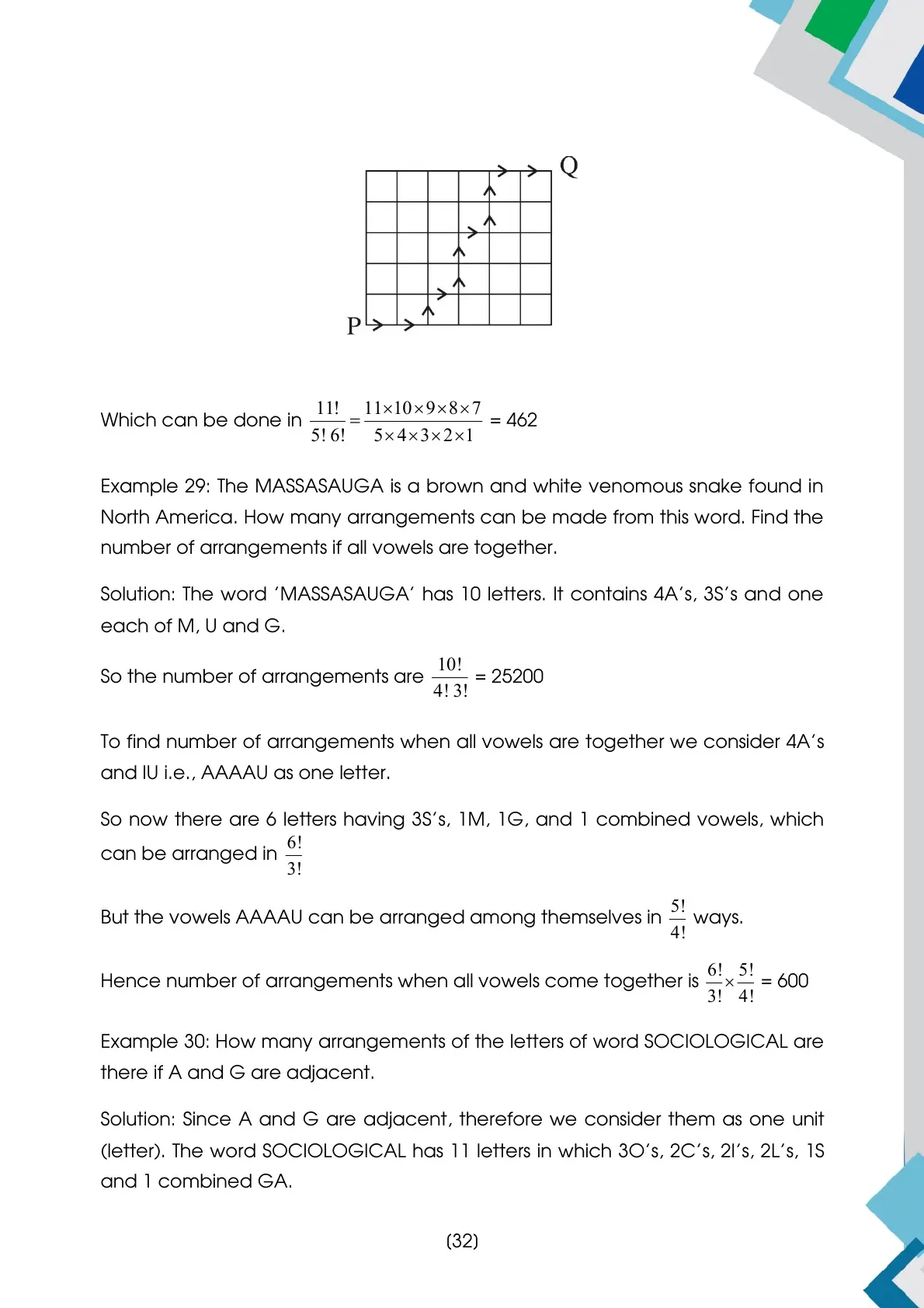
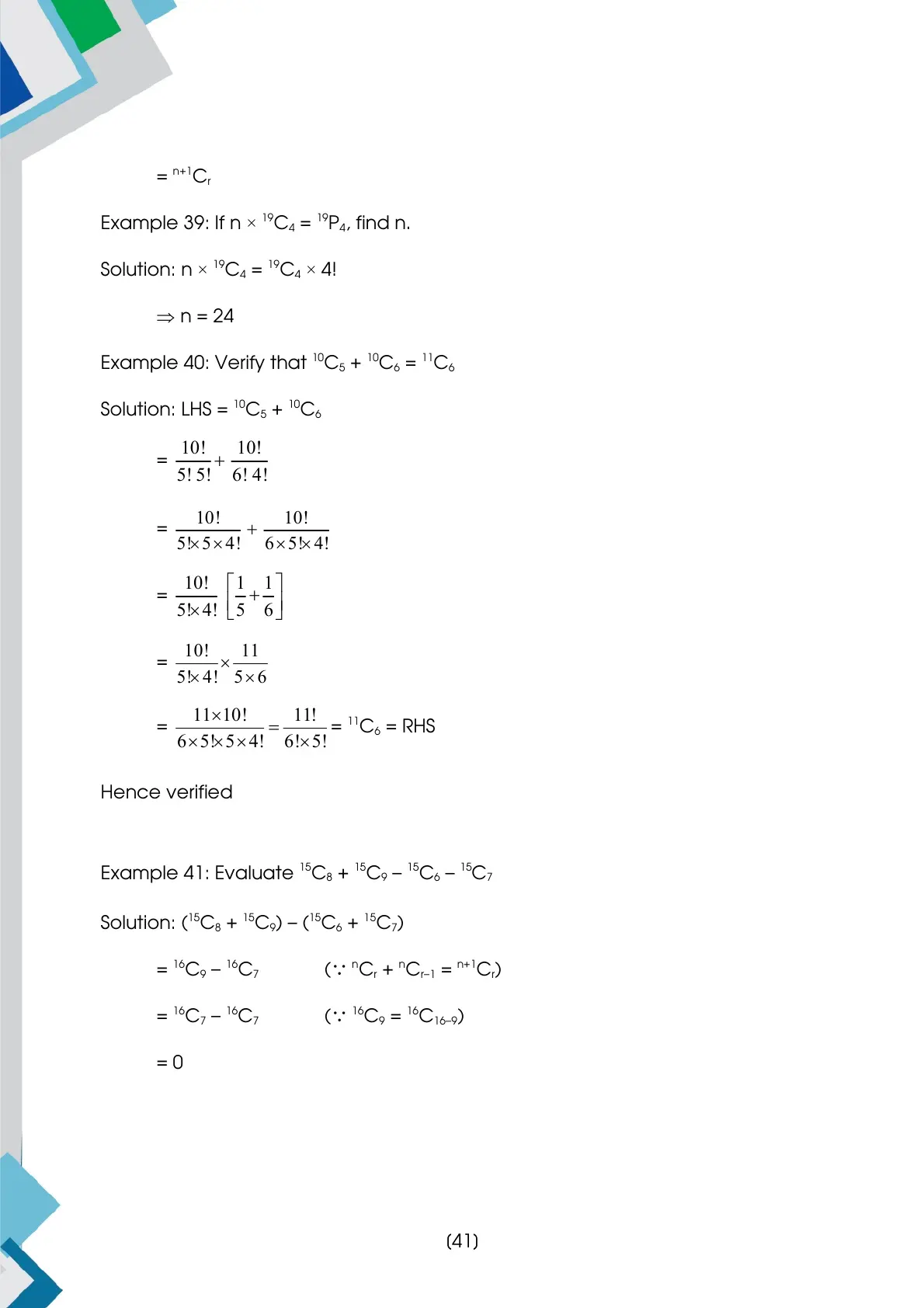
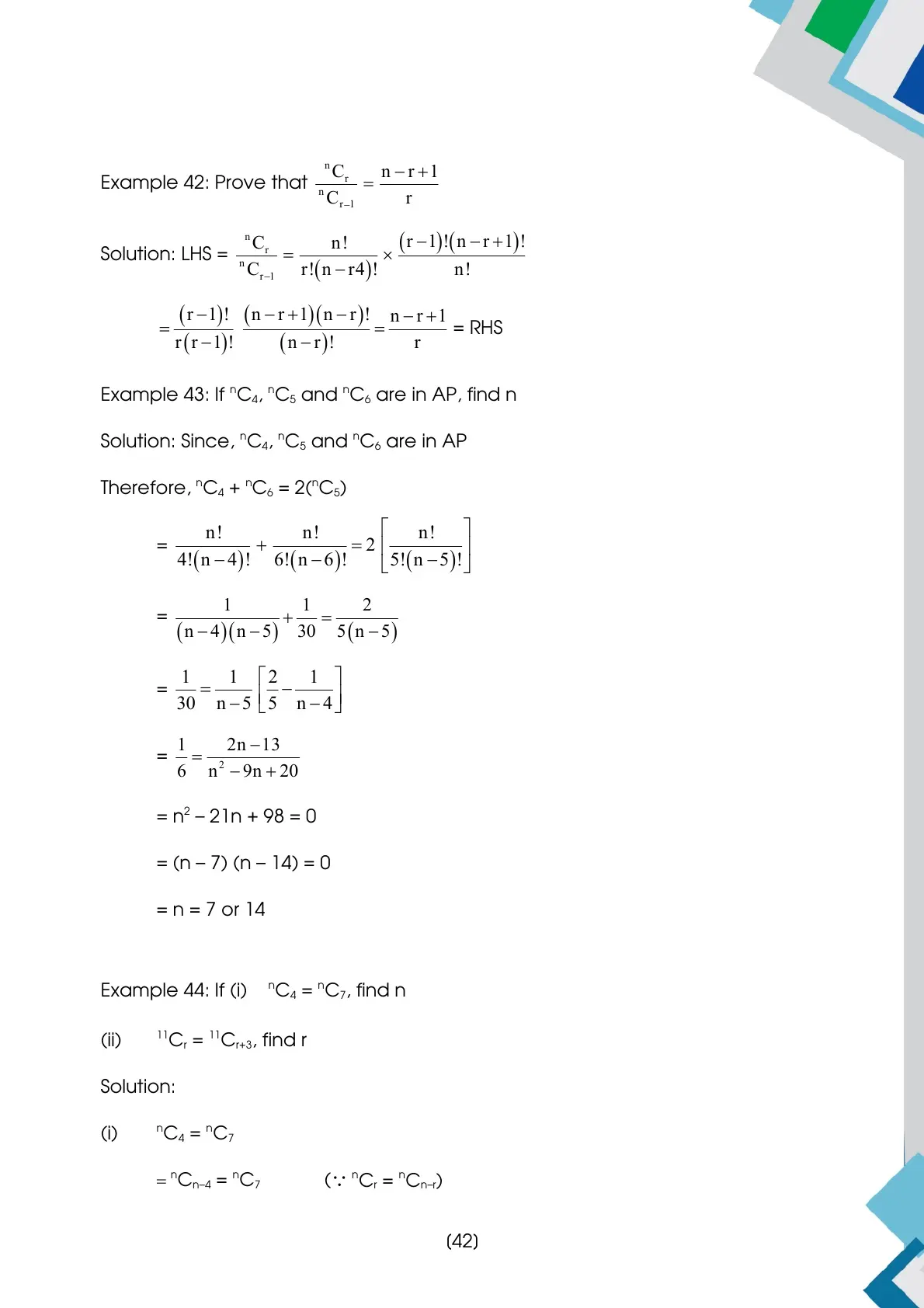
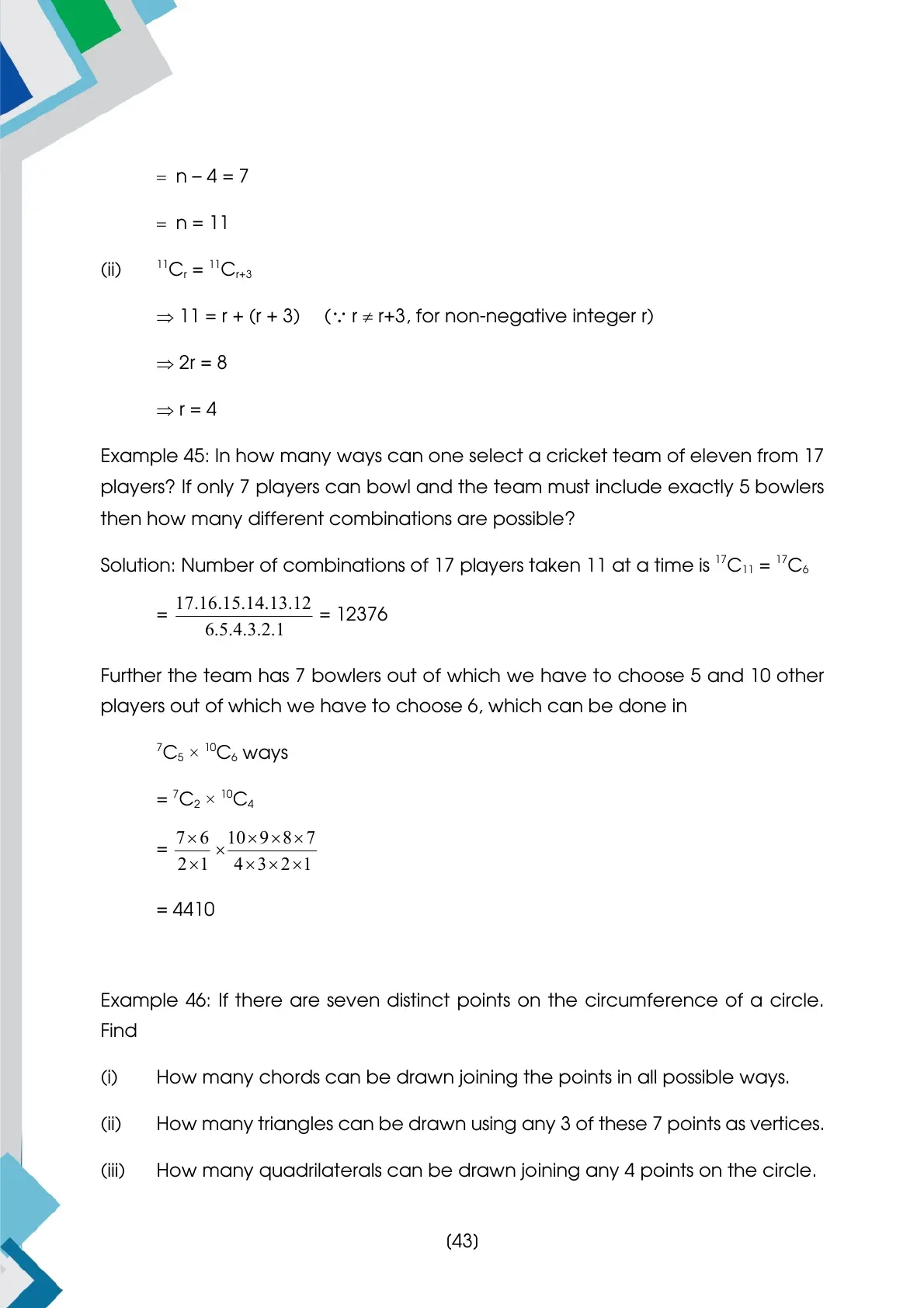
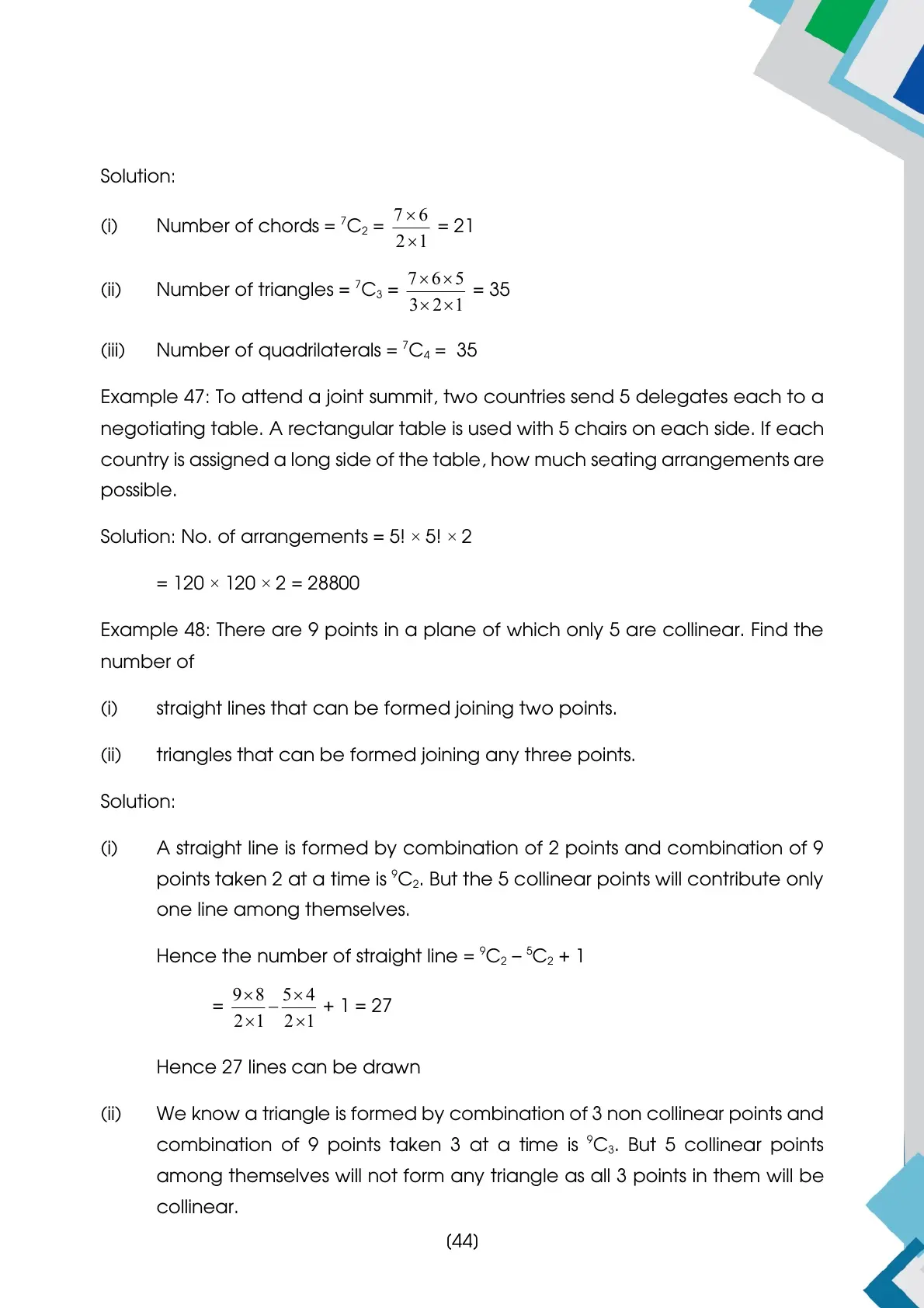
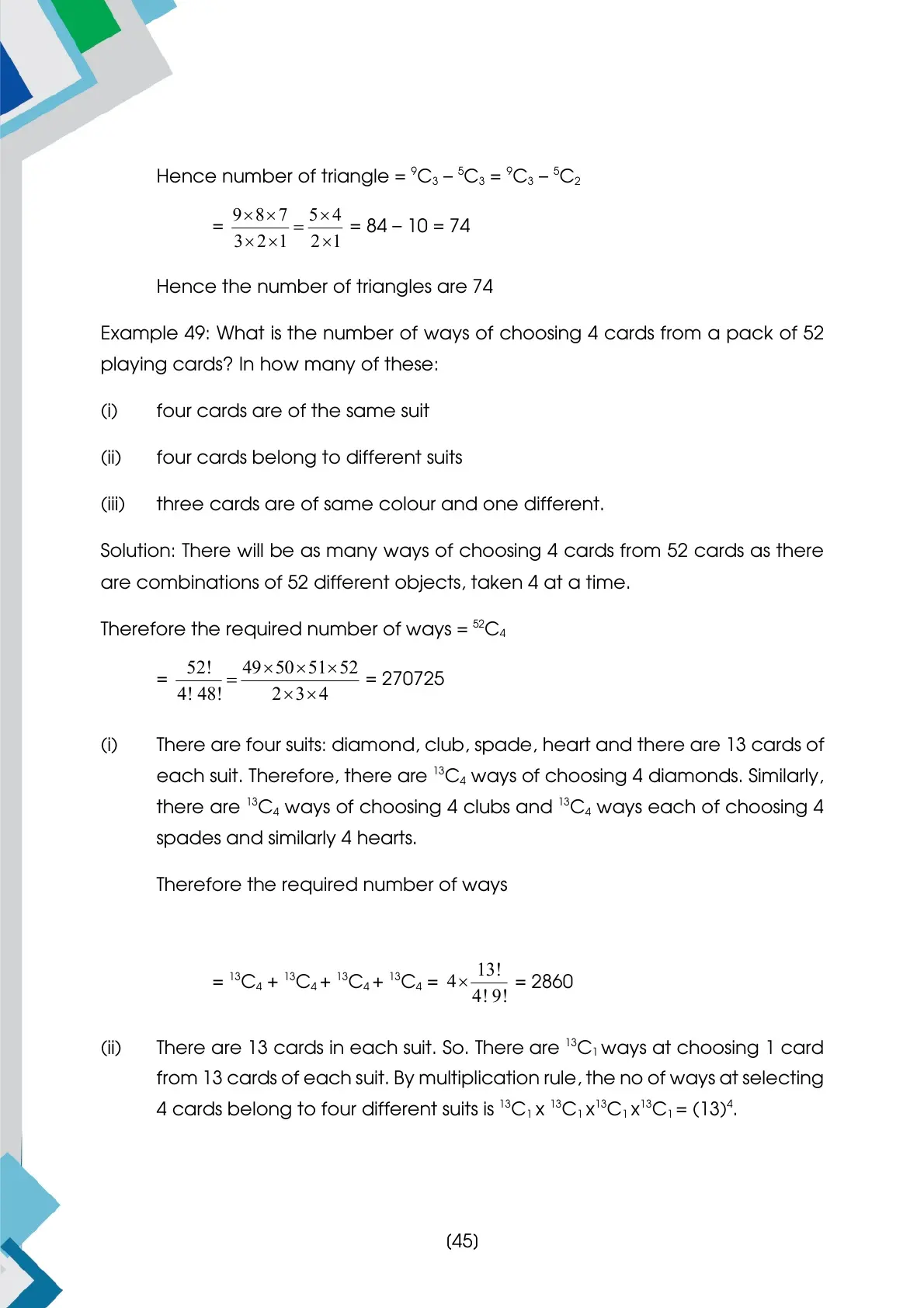
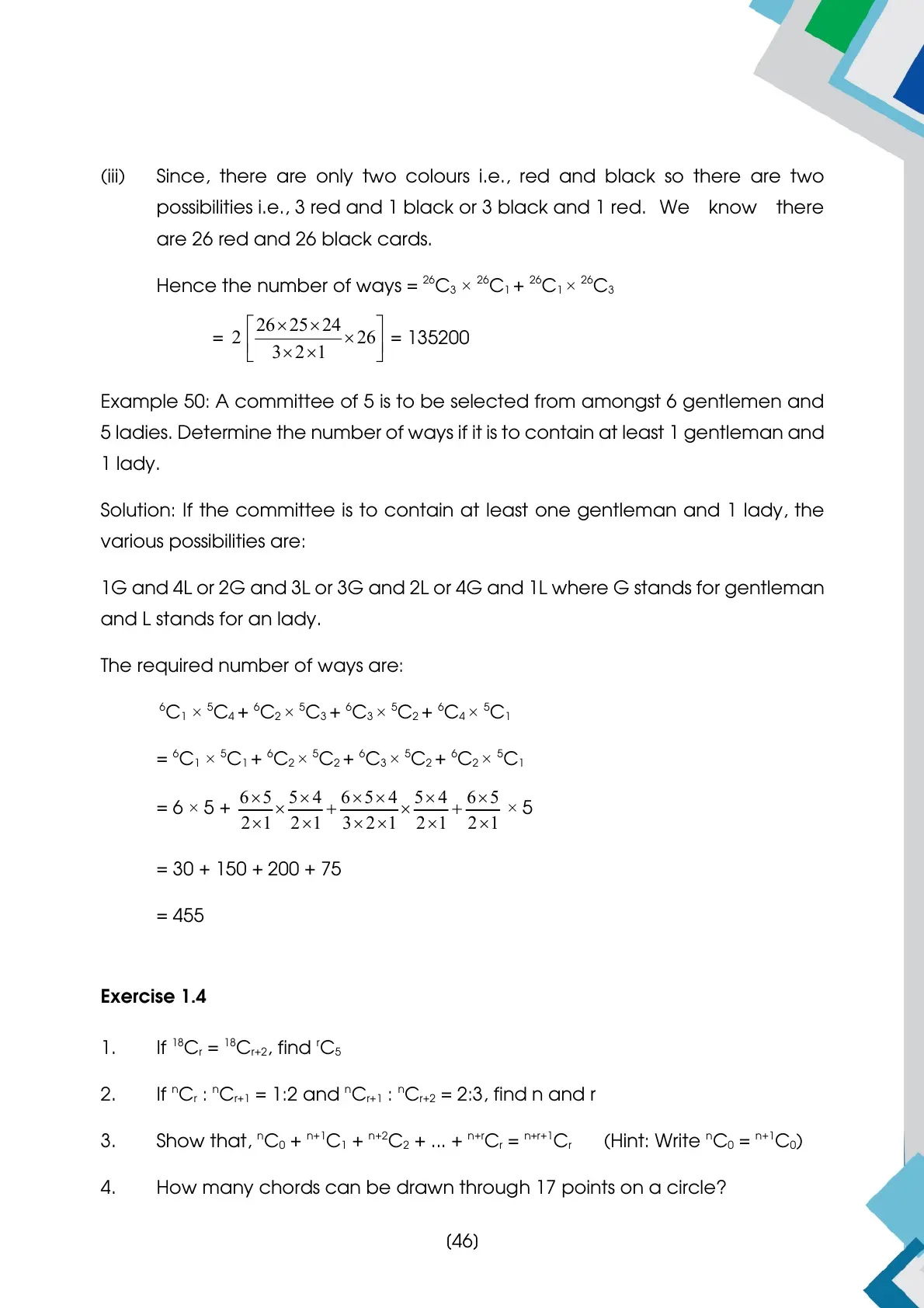
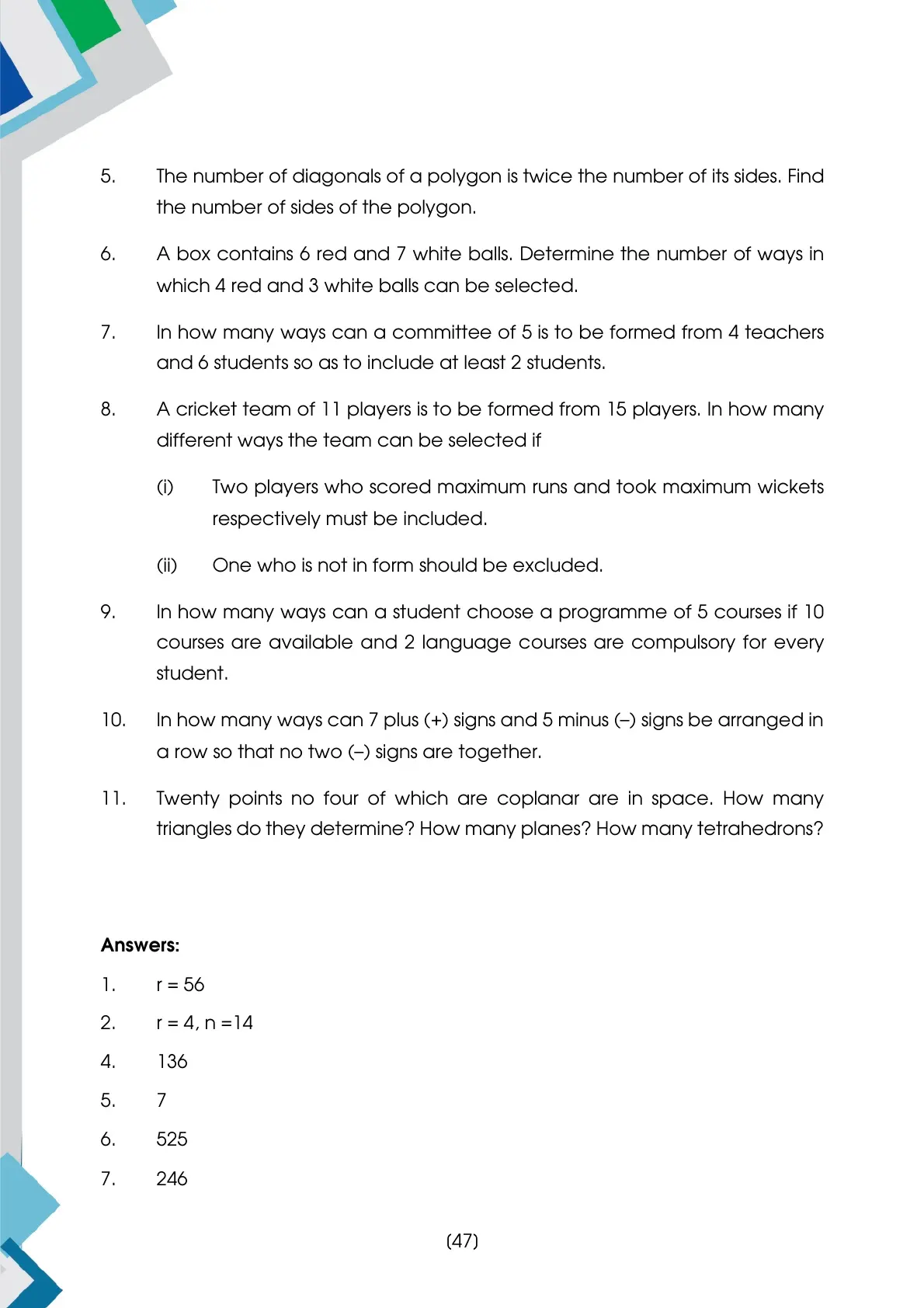
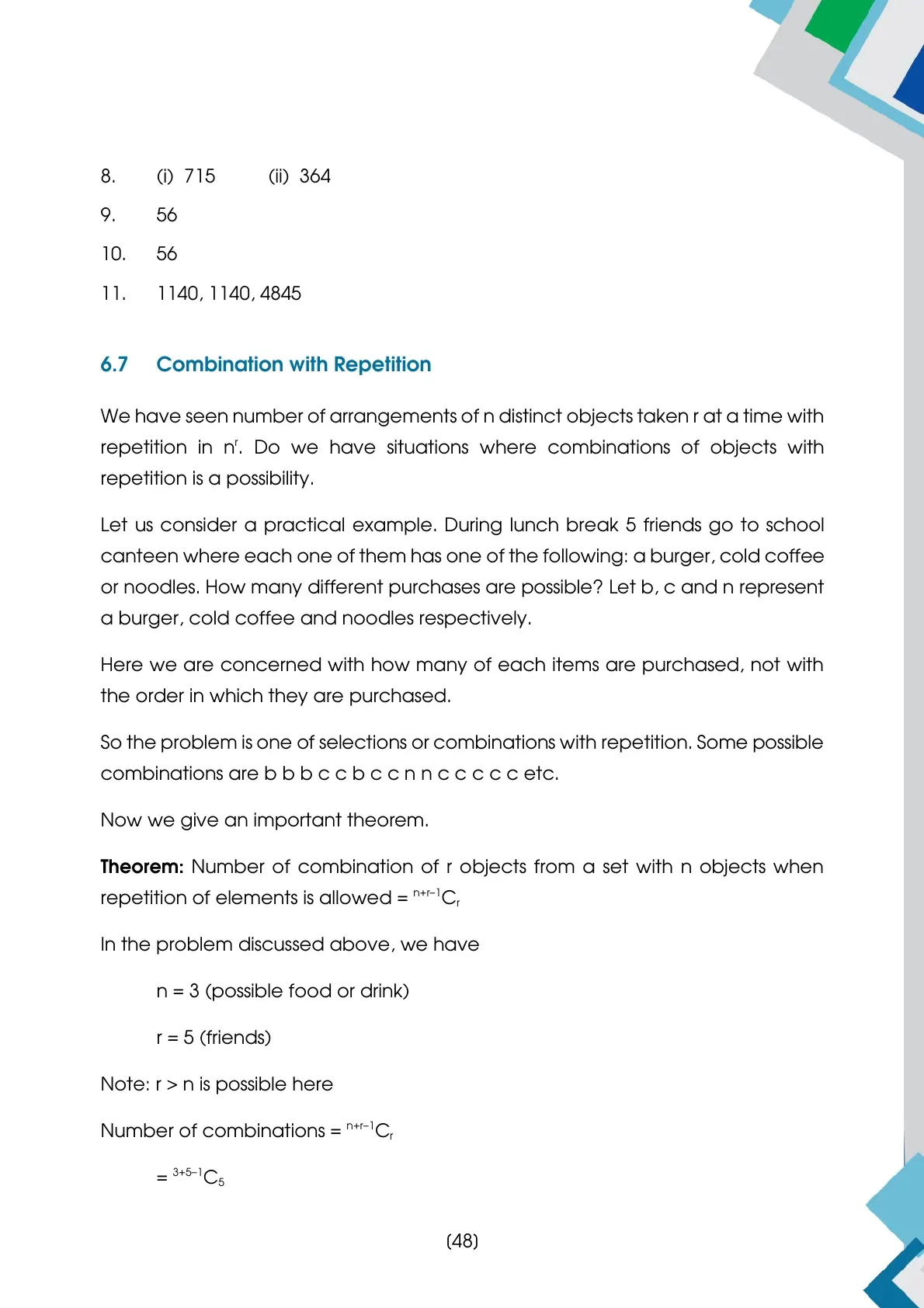
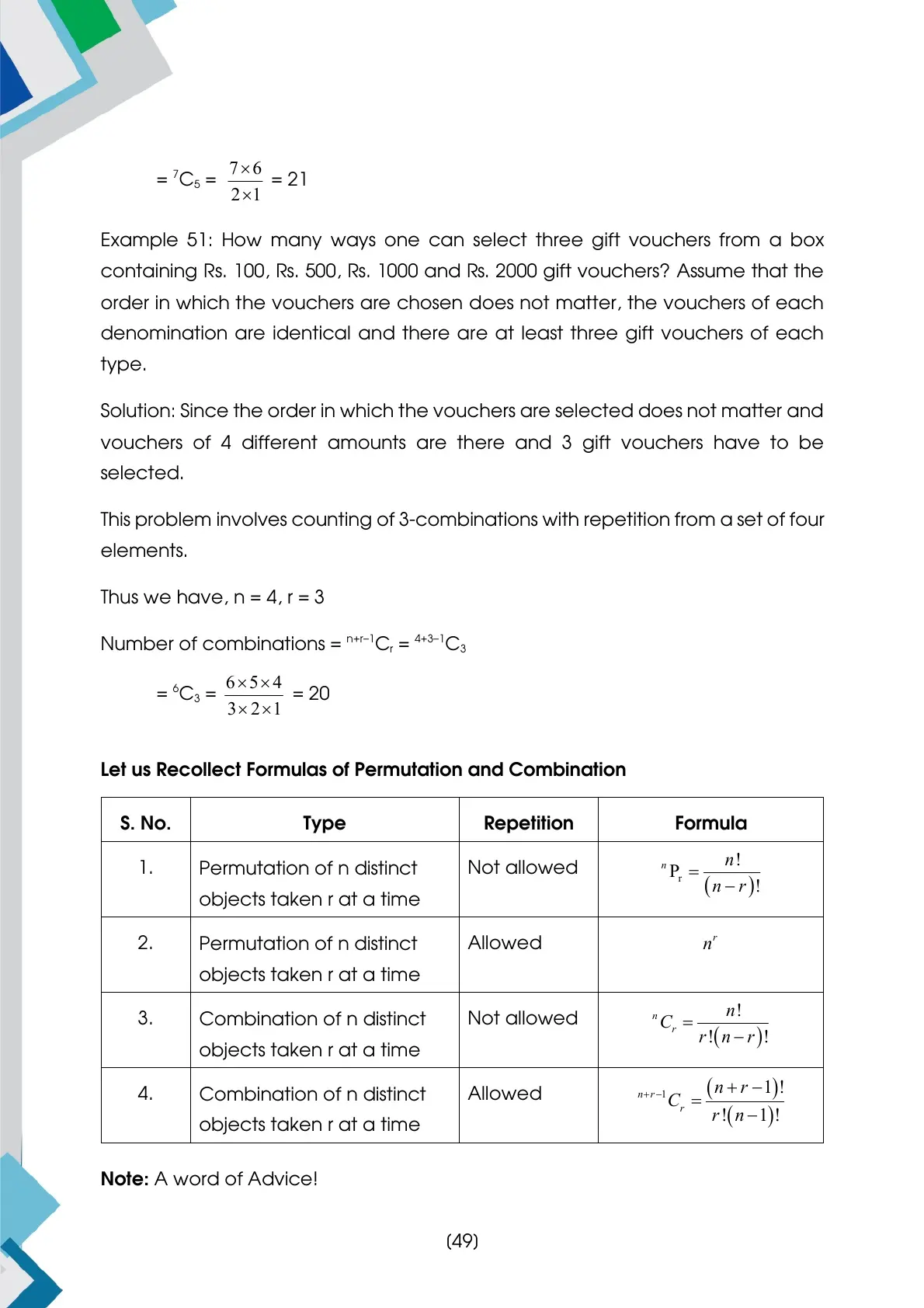
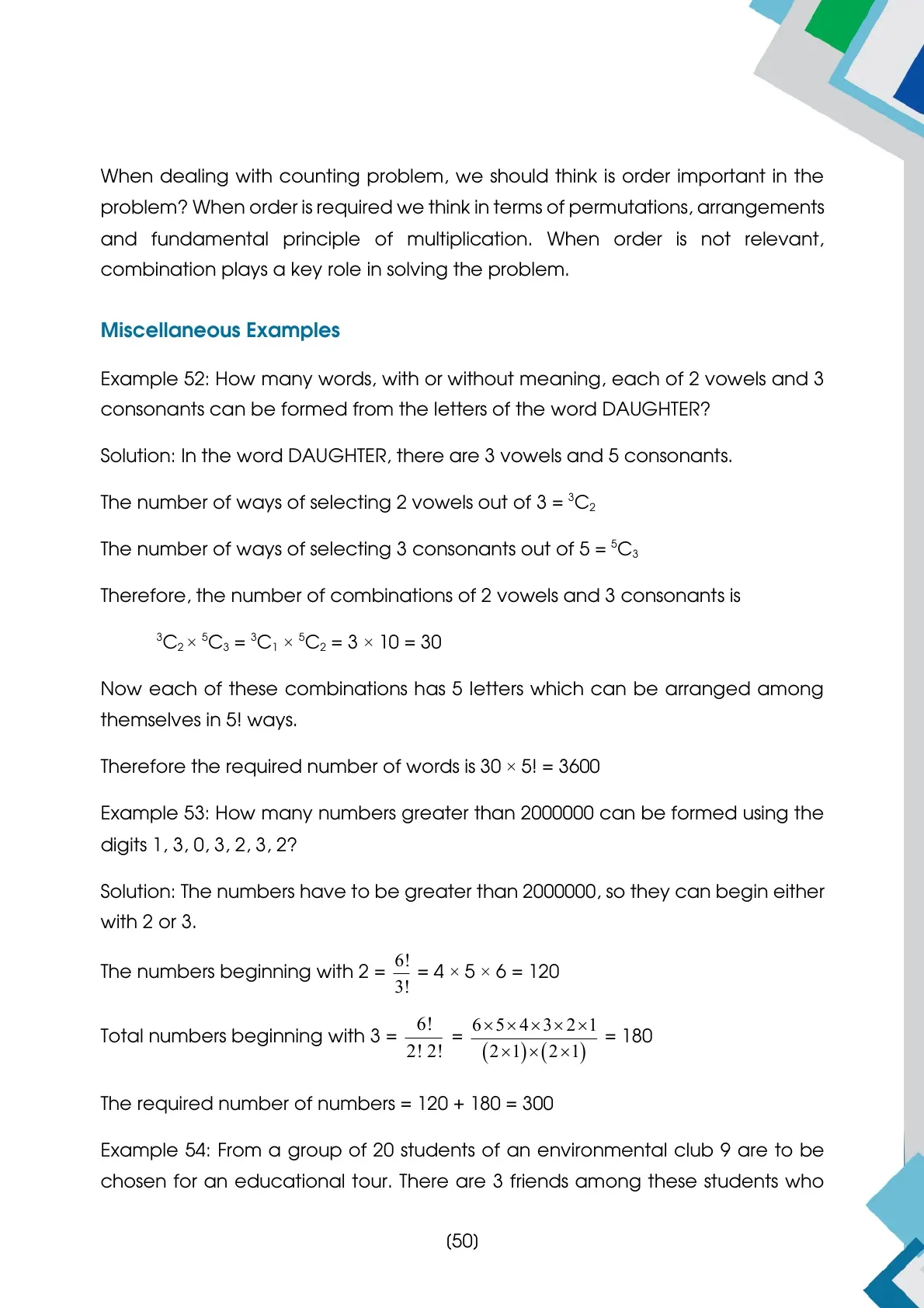
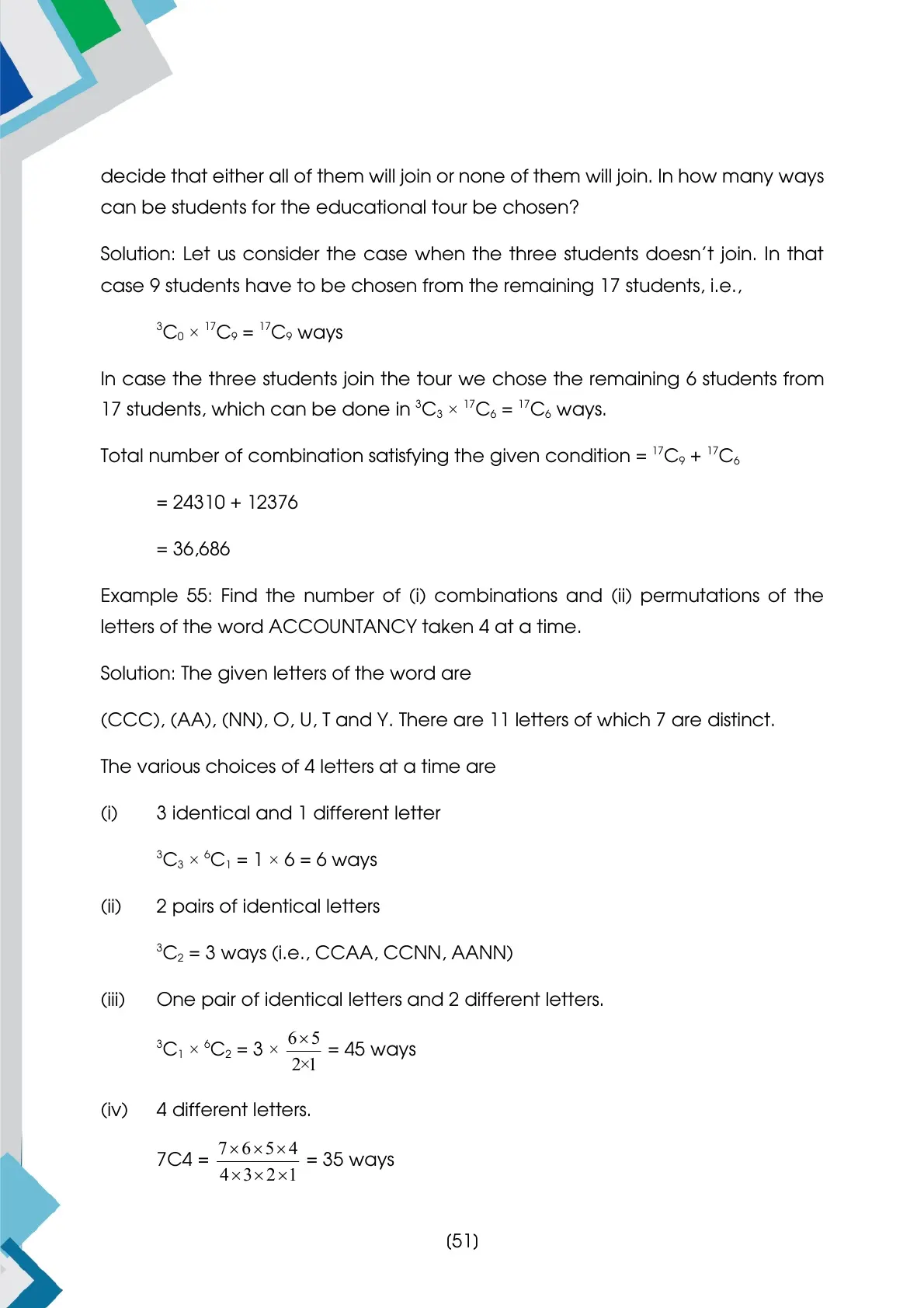
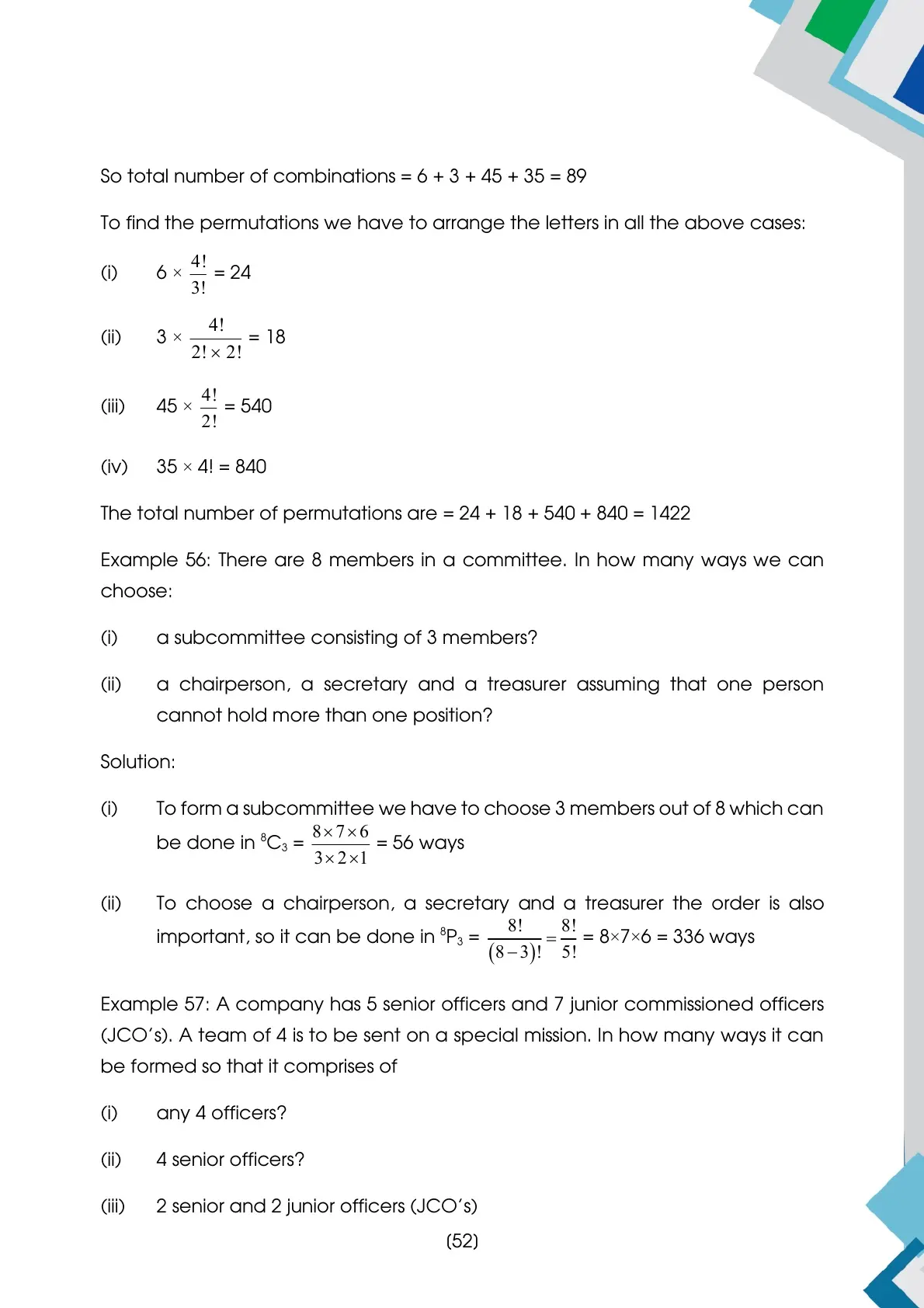
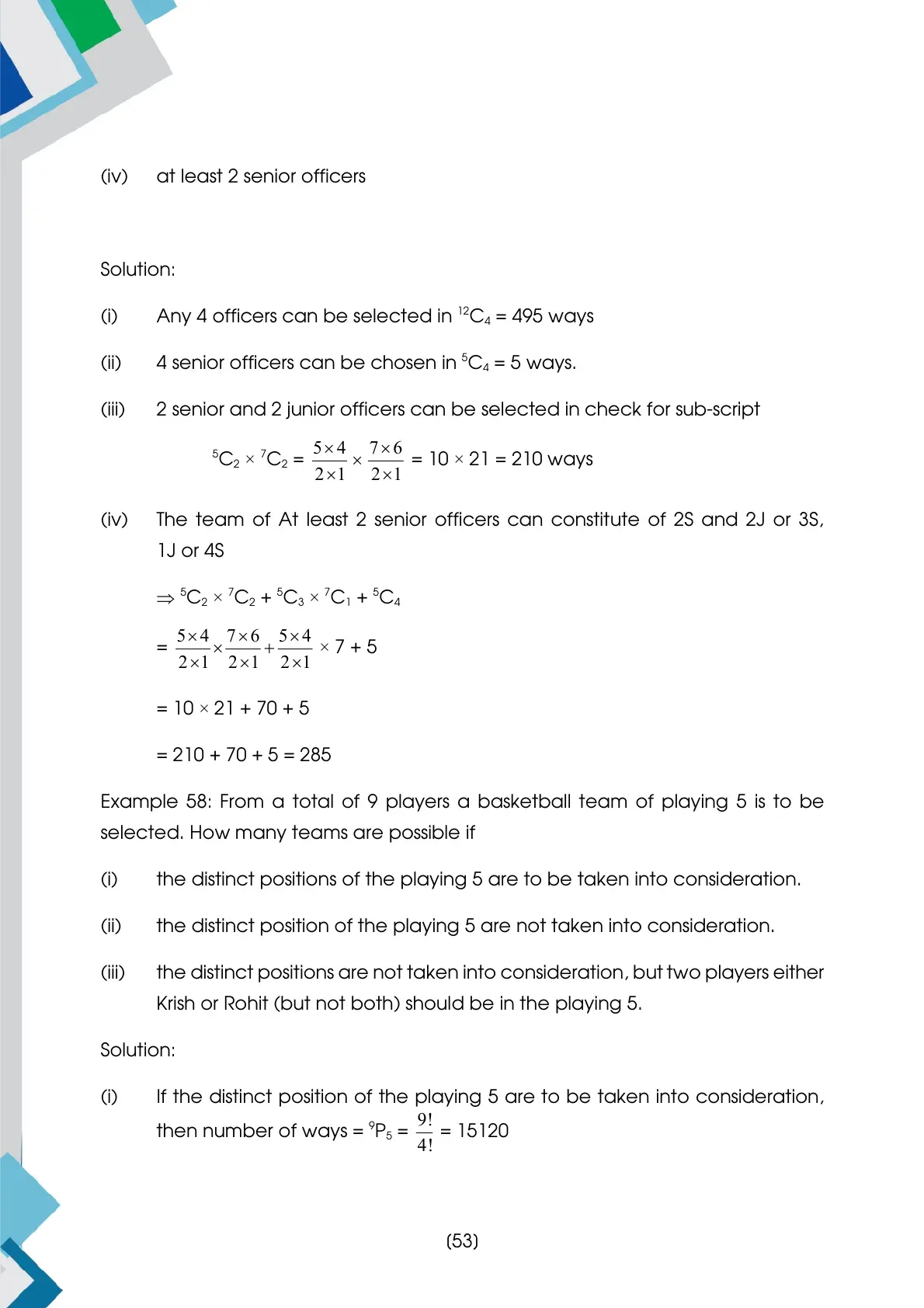
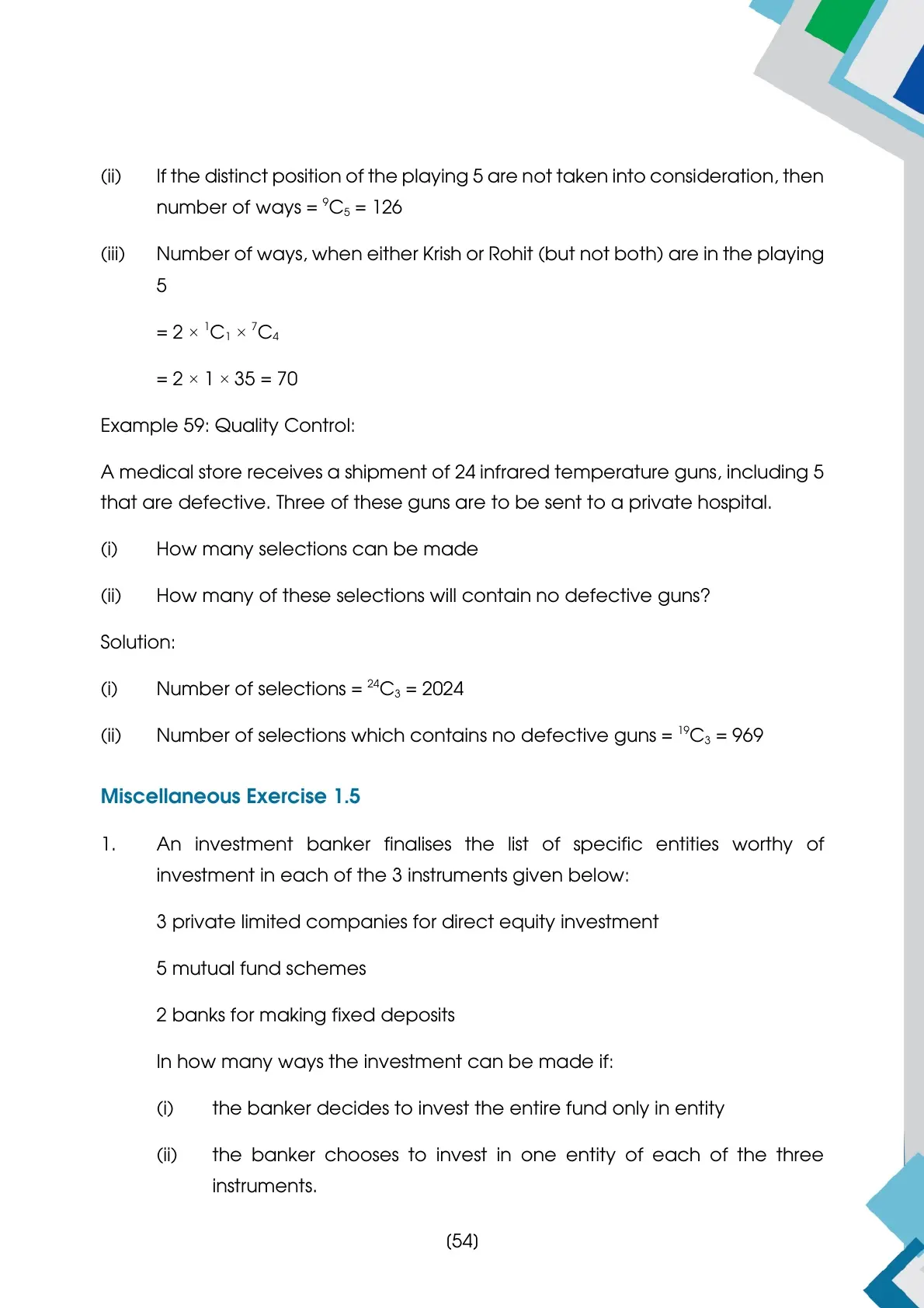
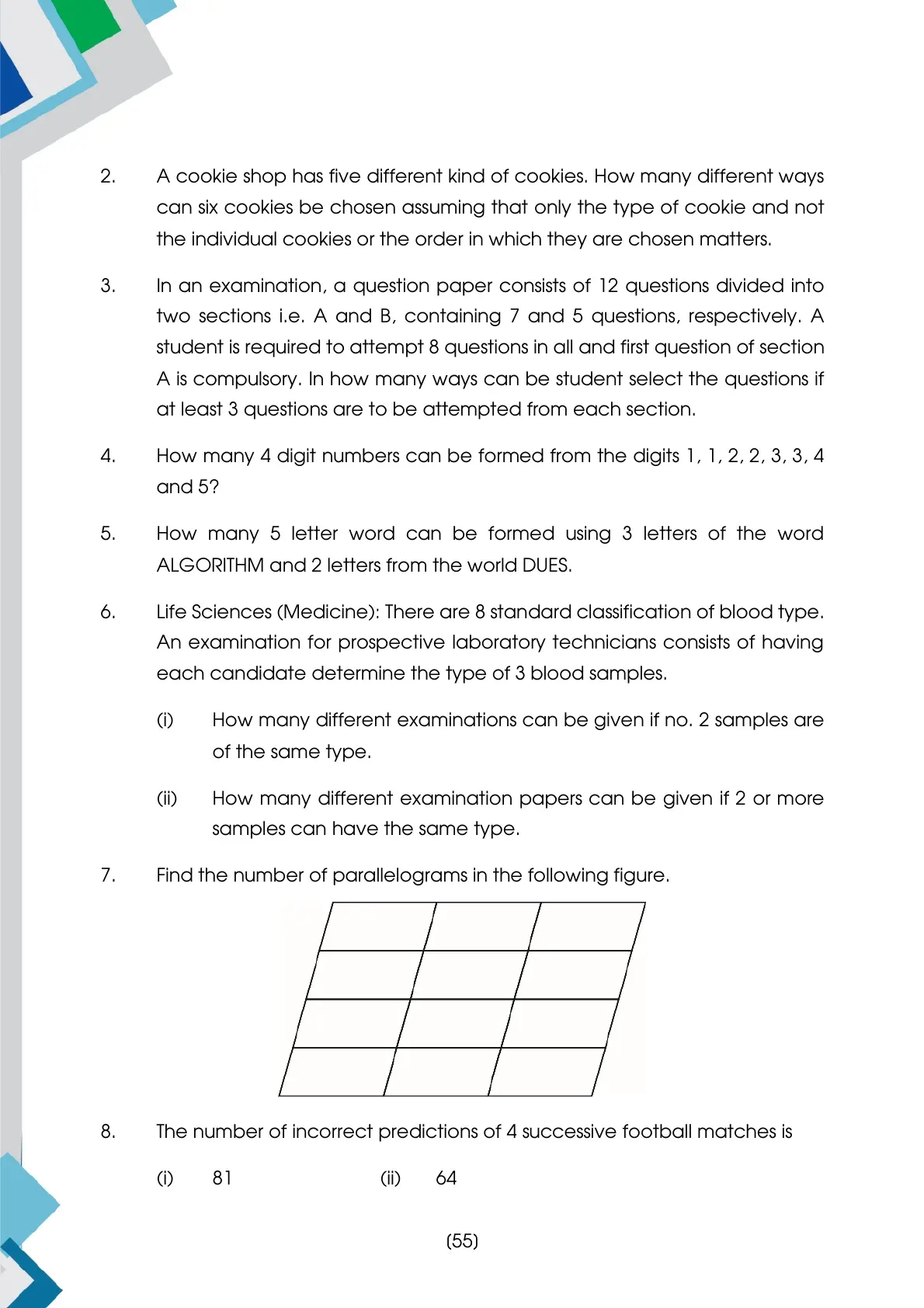
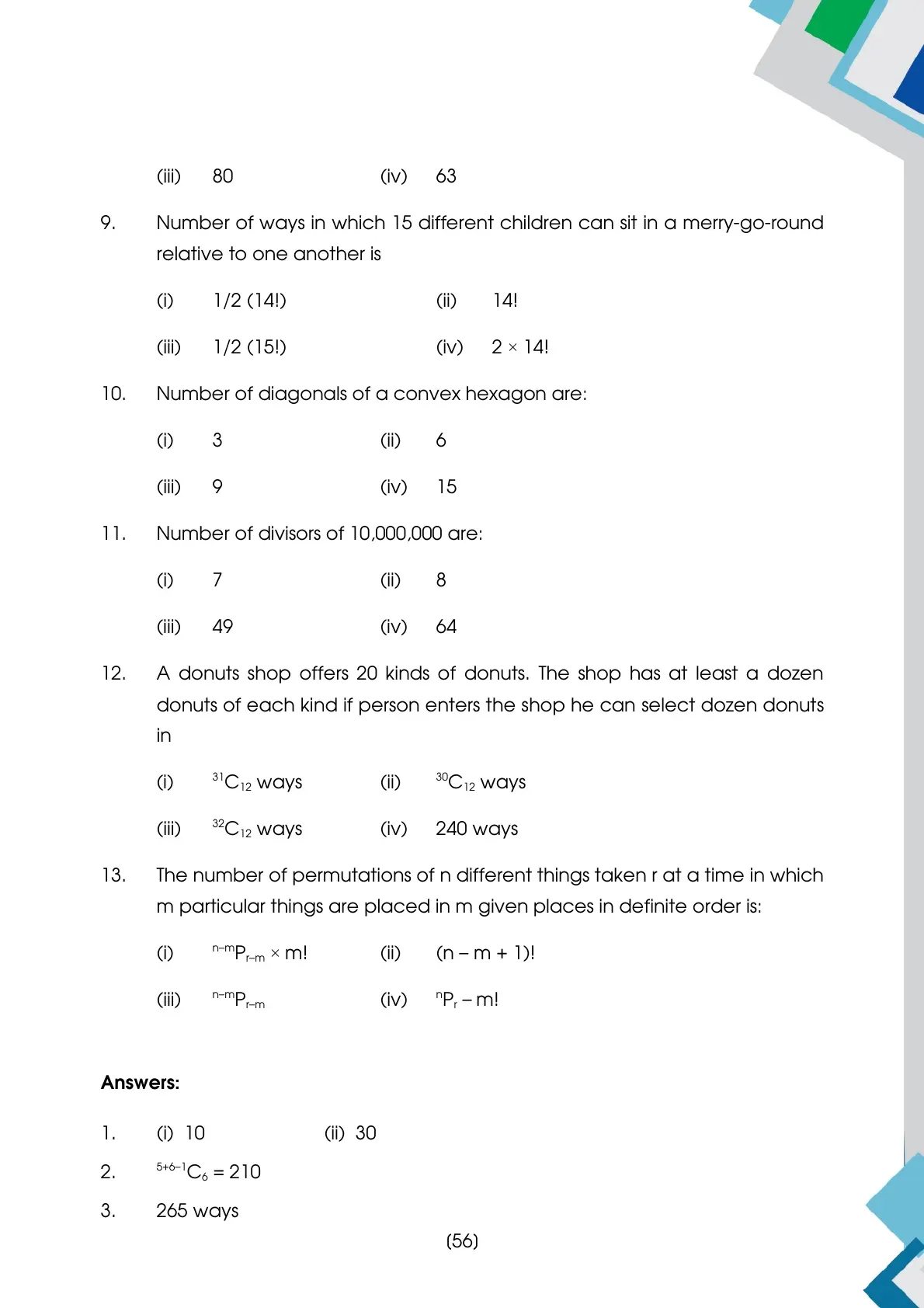
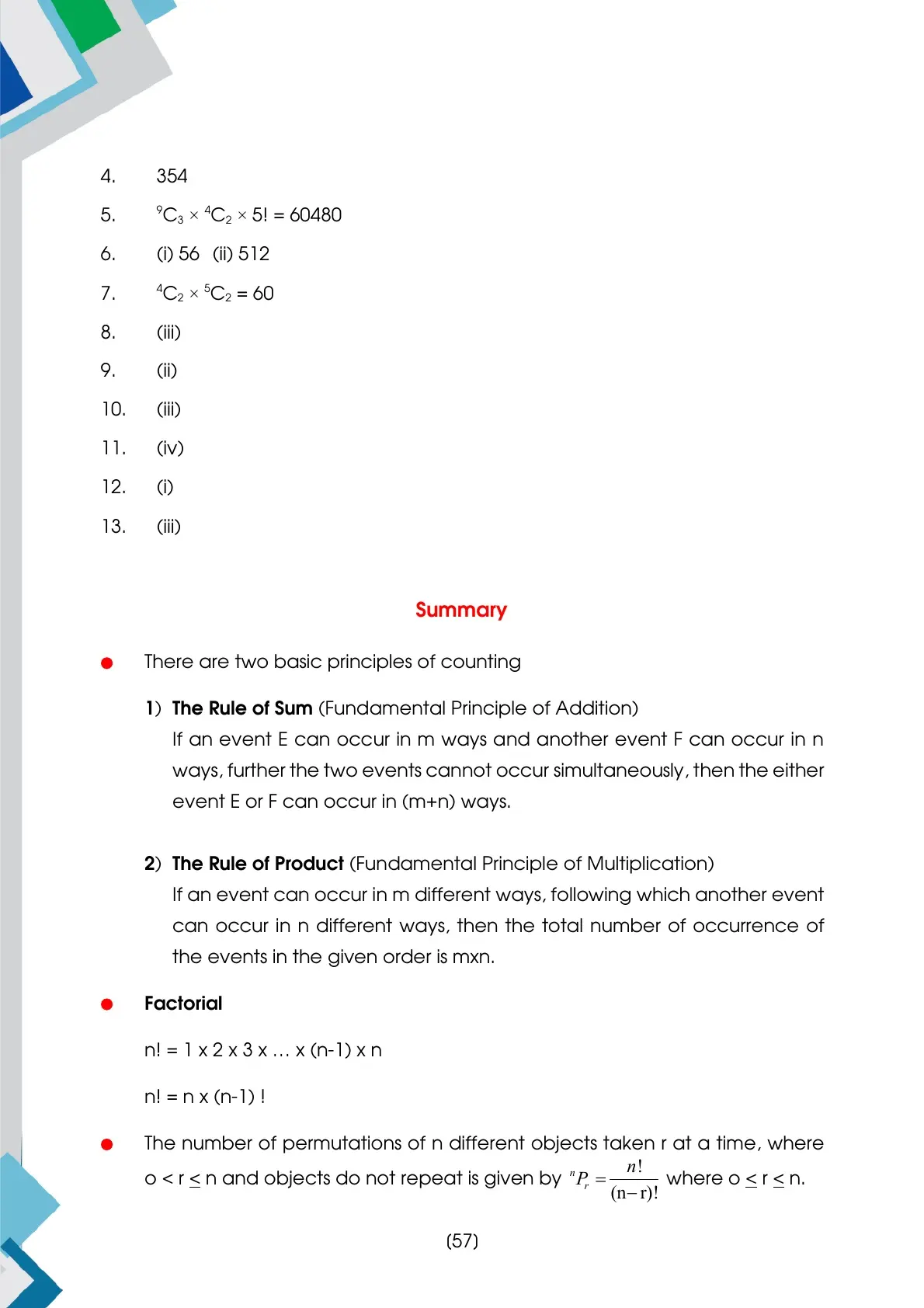
This chapter PDF is the reference text students should keep open while revising formula choices, solved examples and textbook exercise wording.
Student Feedback: In a Collegedunia poll of more than 10,000 students before the 2026 boards, students said Permutations and Combinations became easier when they first checked whether order matters. The most common mistake was applying nPr to a selection question.
Permutations and Combinations NCERT Book PDF for Class 11 Applied Mathematics
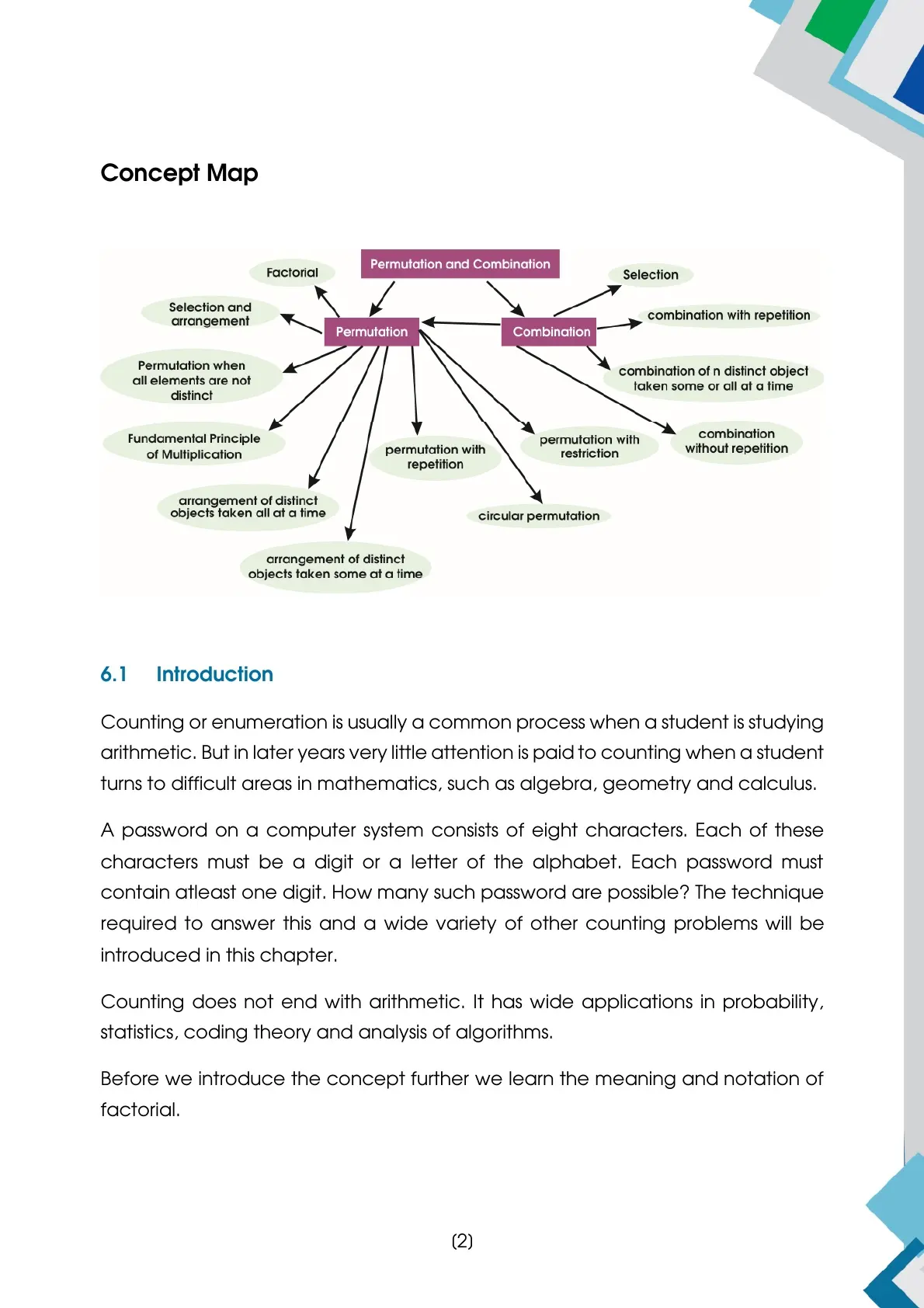
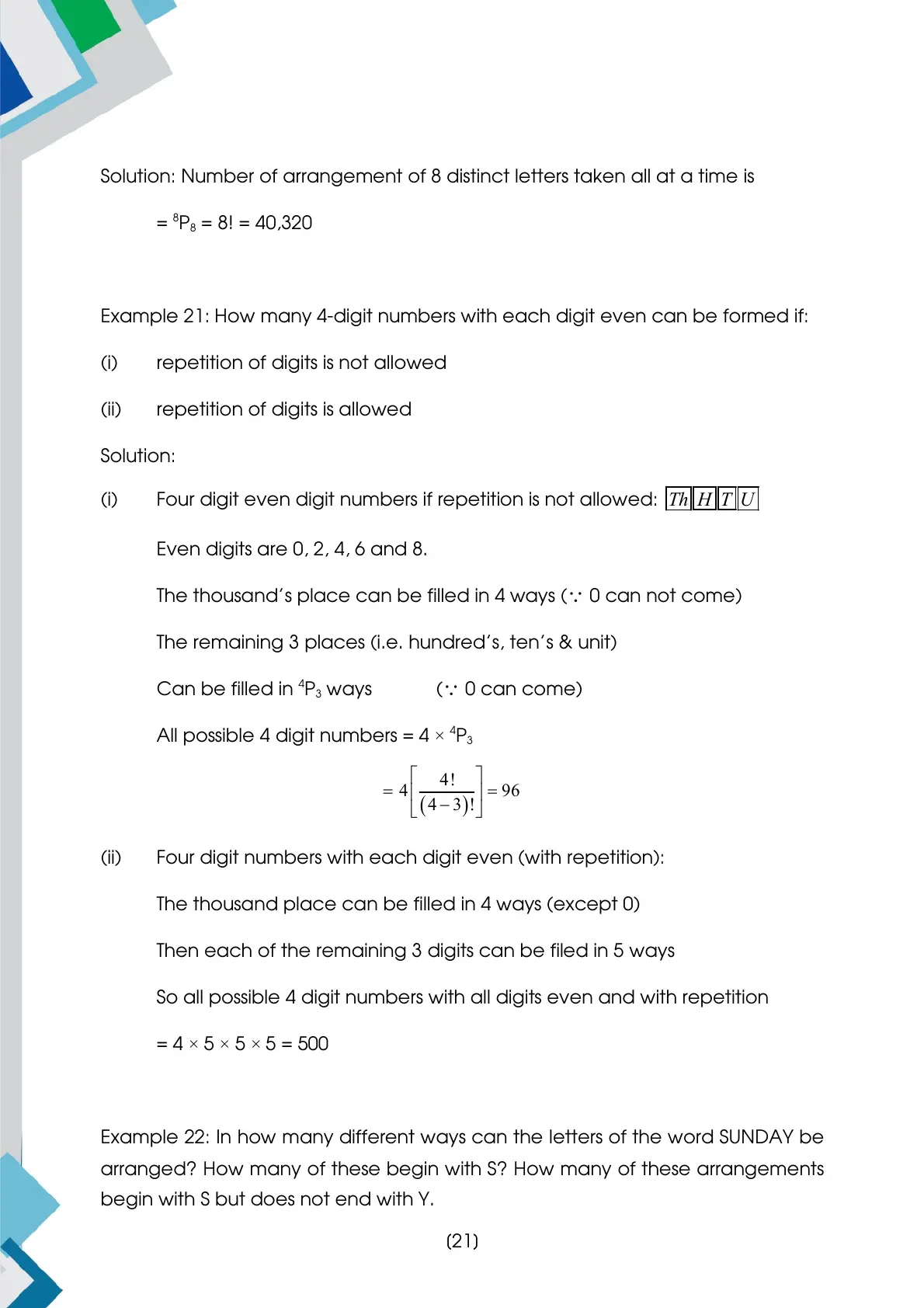
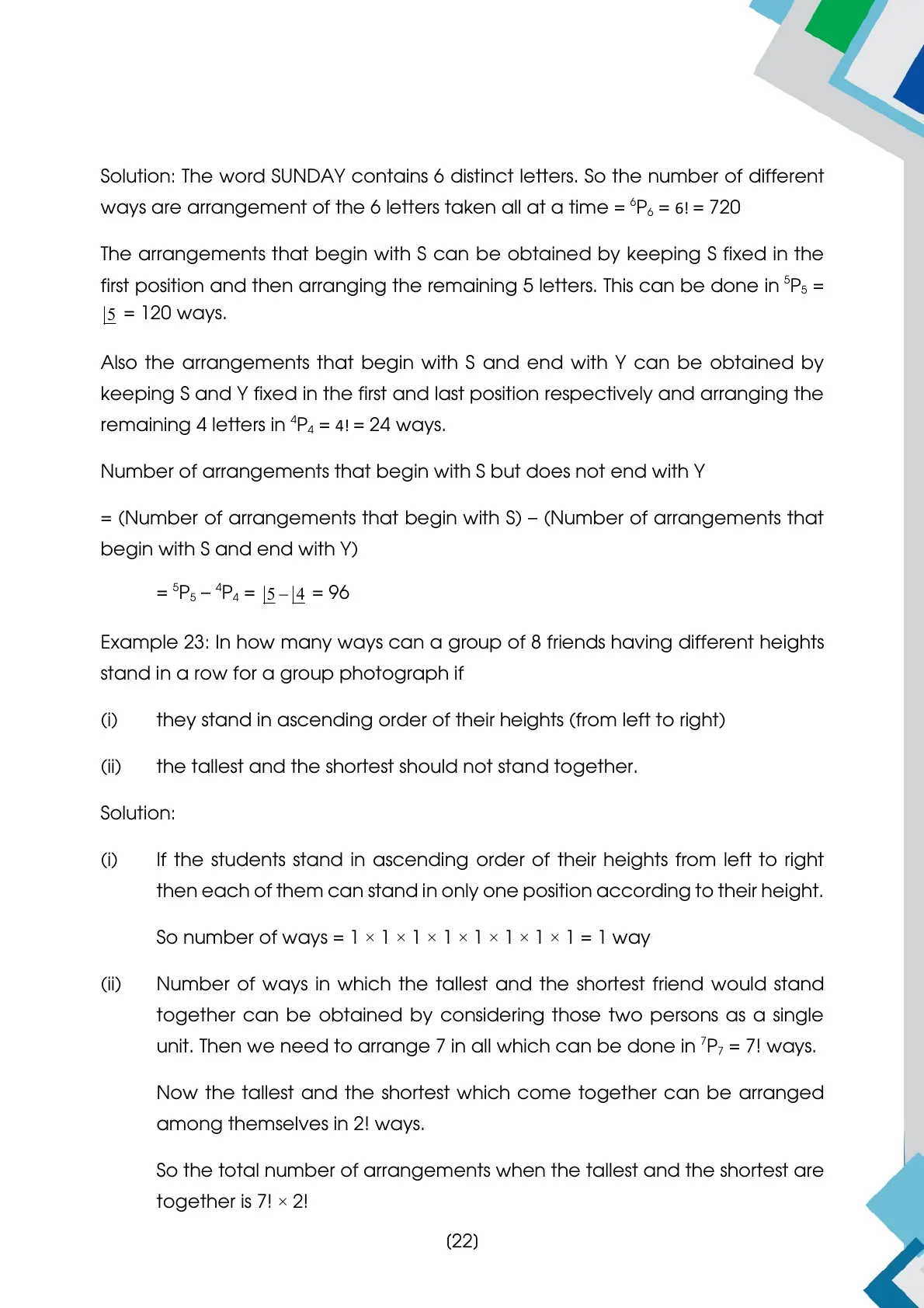
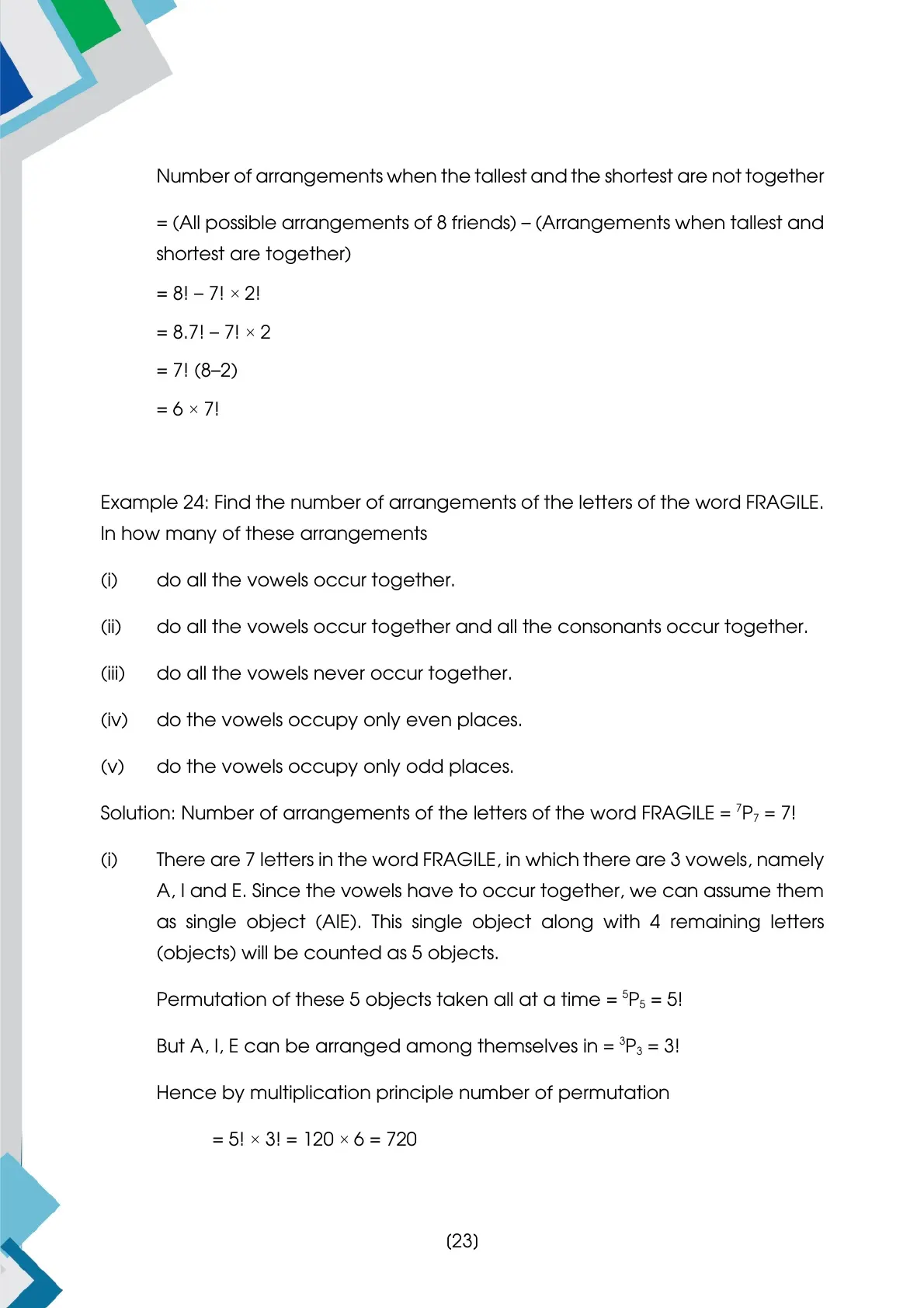
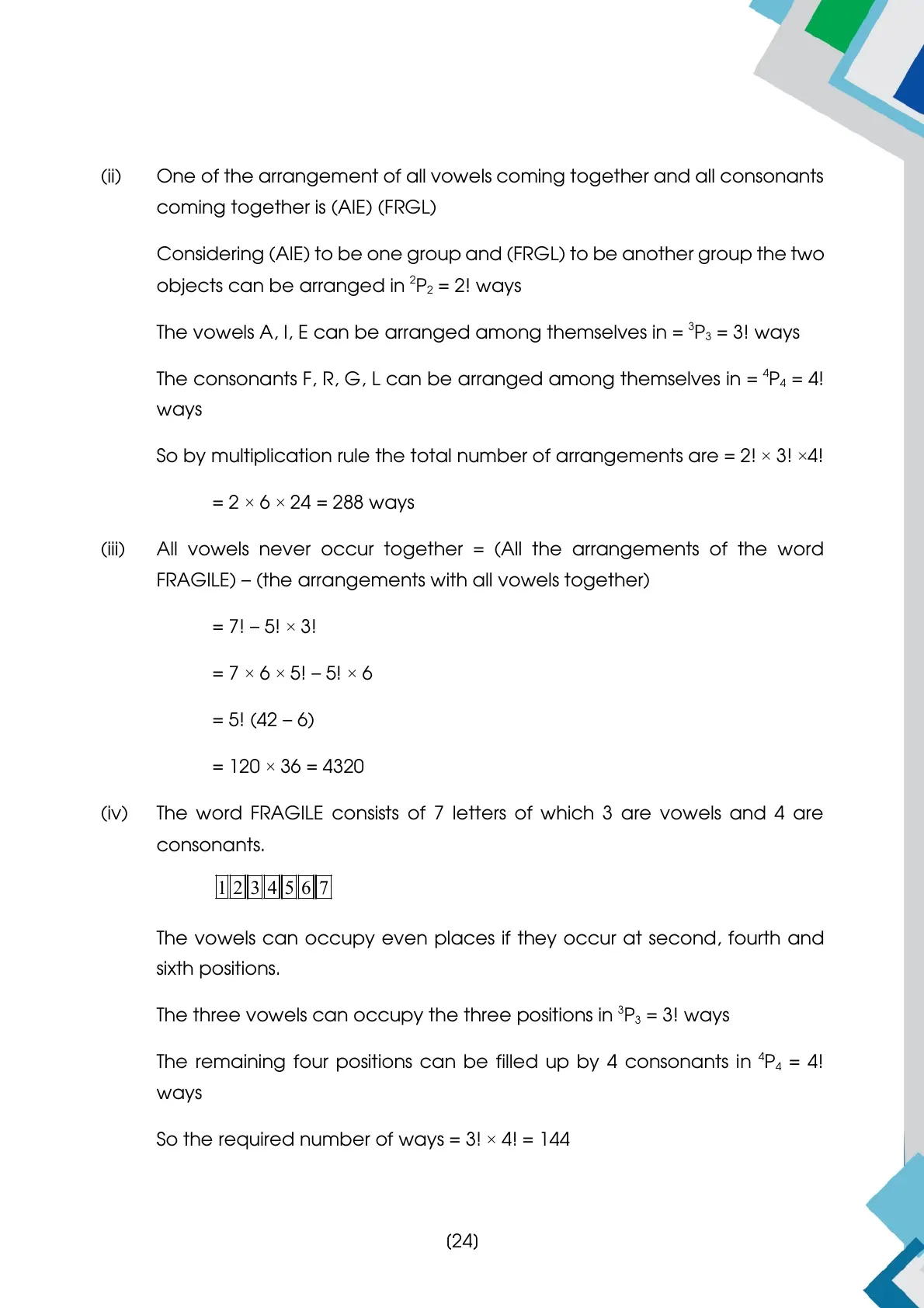
The NCERT Book PDF is the base text for this chapter. It explains how to count outcomes without listing every case one by one. The chapter starts from the fundamental counting principle and then moves to ordered arrangements, unordered selections, repeated objects and circular arrangements.
| Chapter part | What students read in the PDF | Why it matters |
|---|---|---|
| Counting principle | How choices multiply across stages | Forms the base of every later formula |
| Permutations | Arrangements where order changes the result | Used in ranks, codes and seating questions |
| Combinations | Selections where order is ignored | Used in teams, groups and committees |
| Special cases | Repeated letters, circular order and restrictions | Prevents overcounting in mixed problems |
Permutations and Combinations Quick Revision for Class 11
Source: Magnet Brains on YouTube
Counting Principle and Factorial Rules in the NCERT Chapter
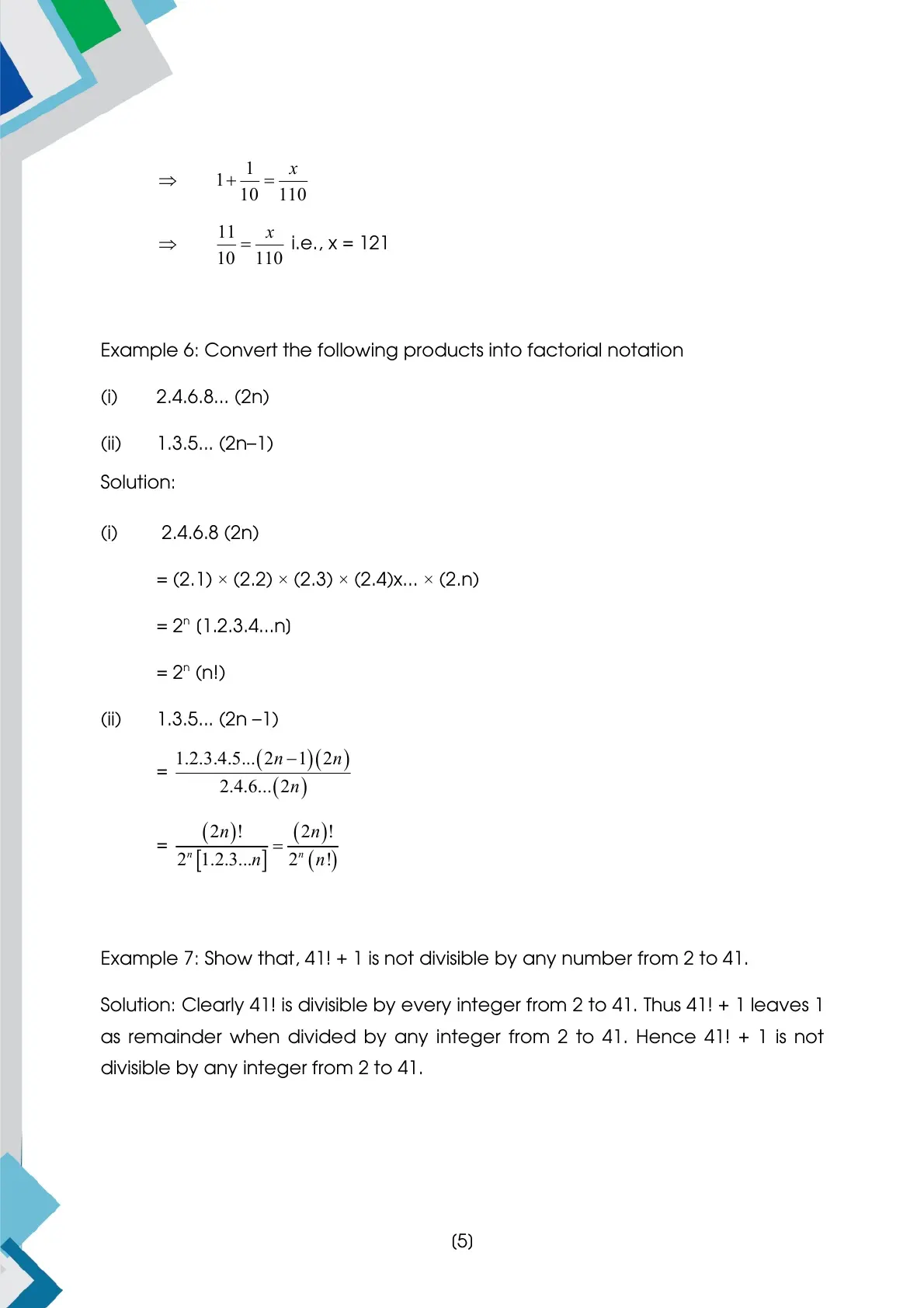
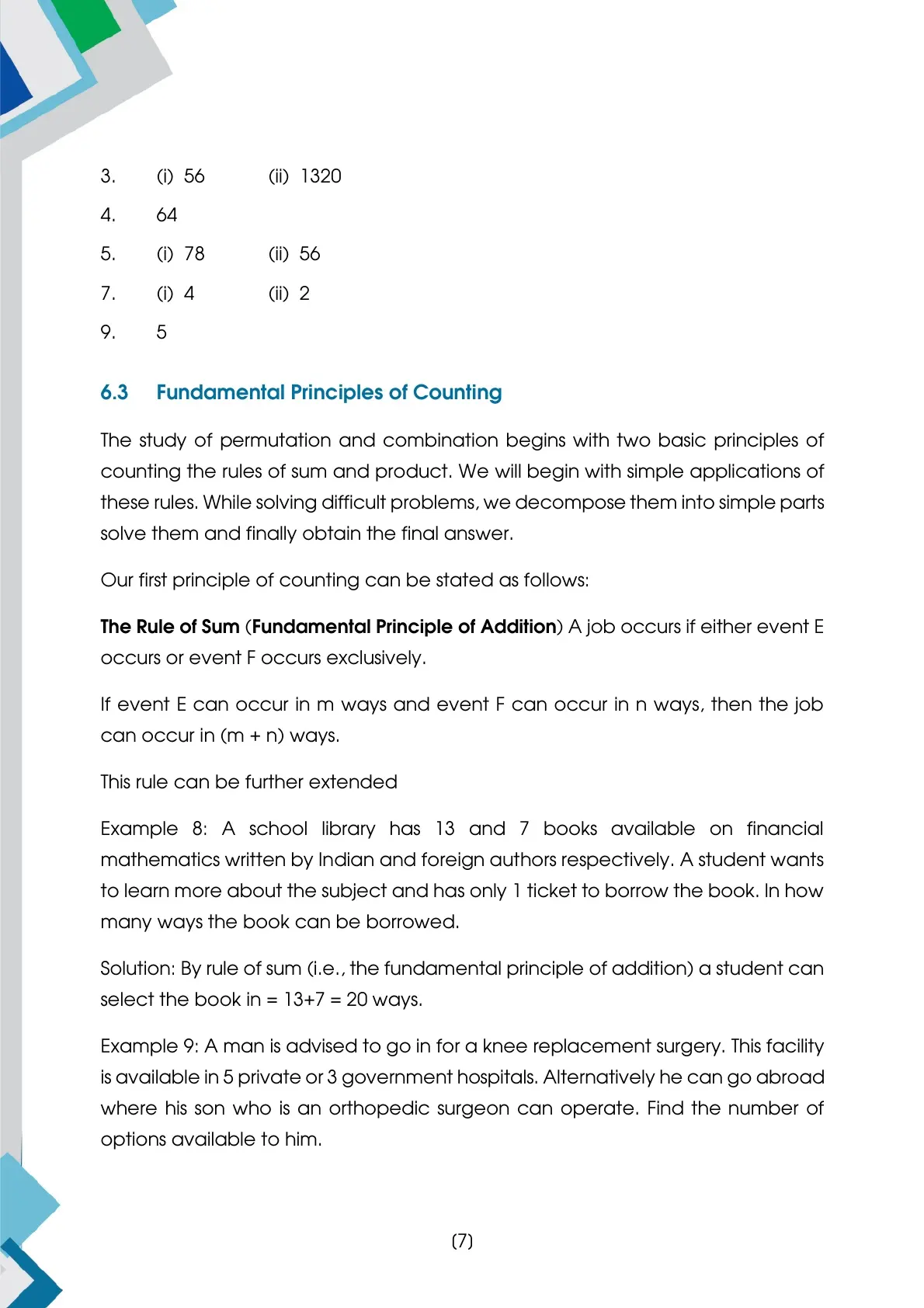
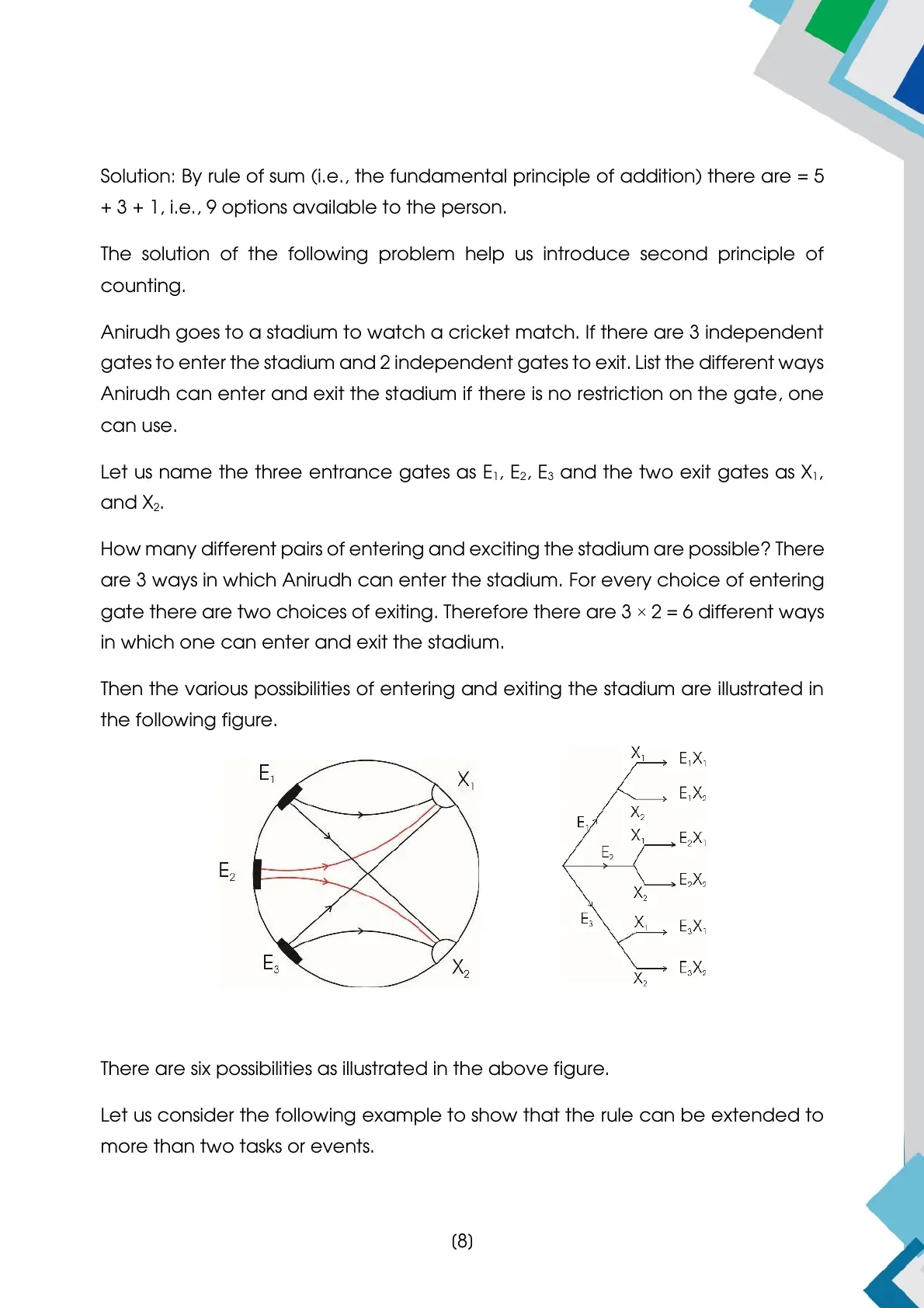
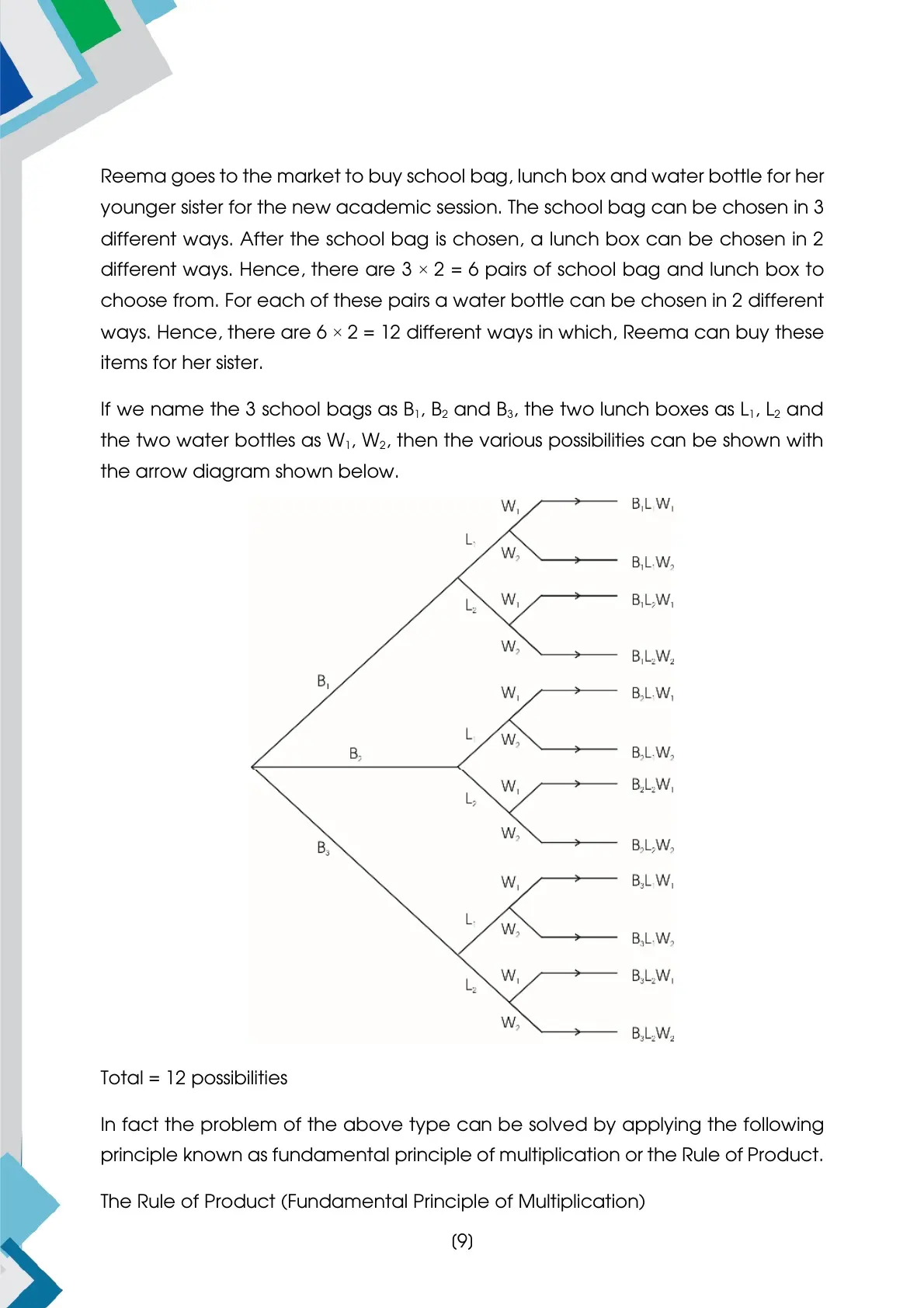
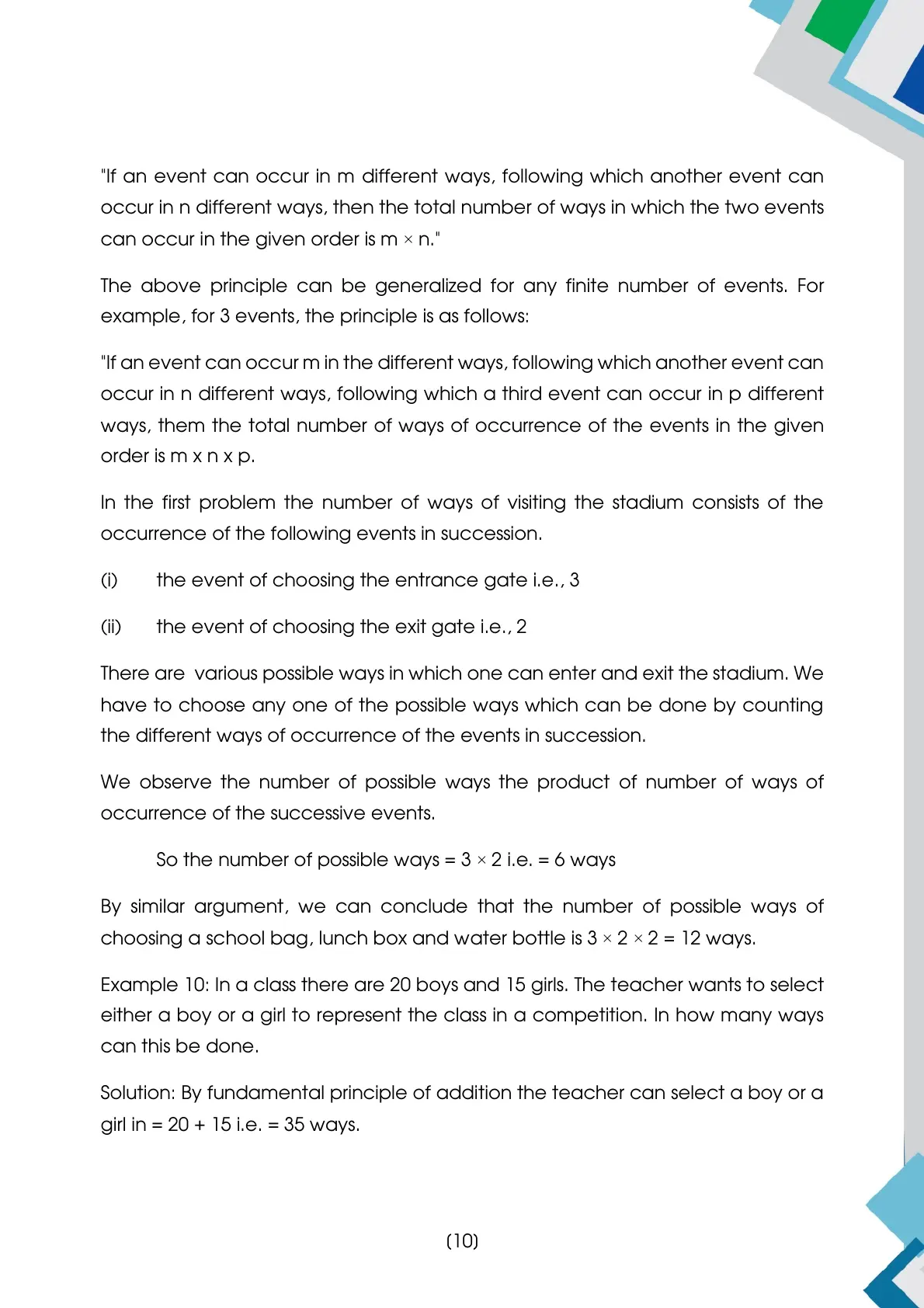
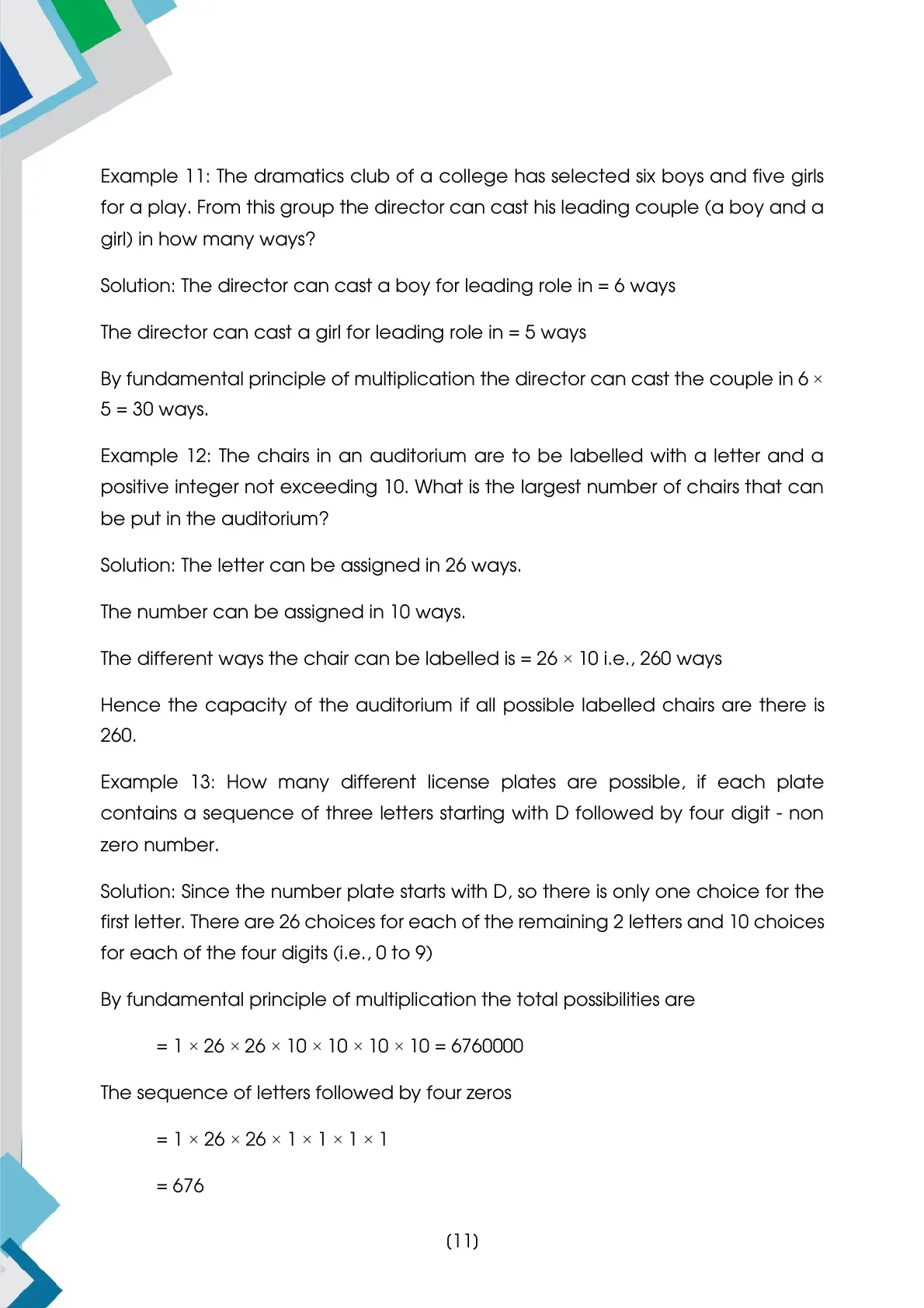
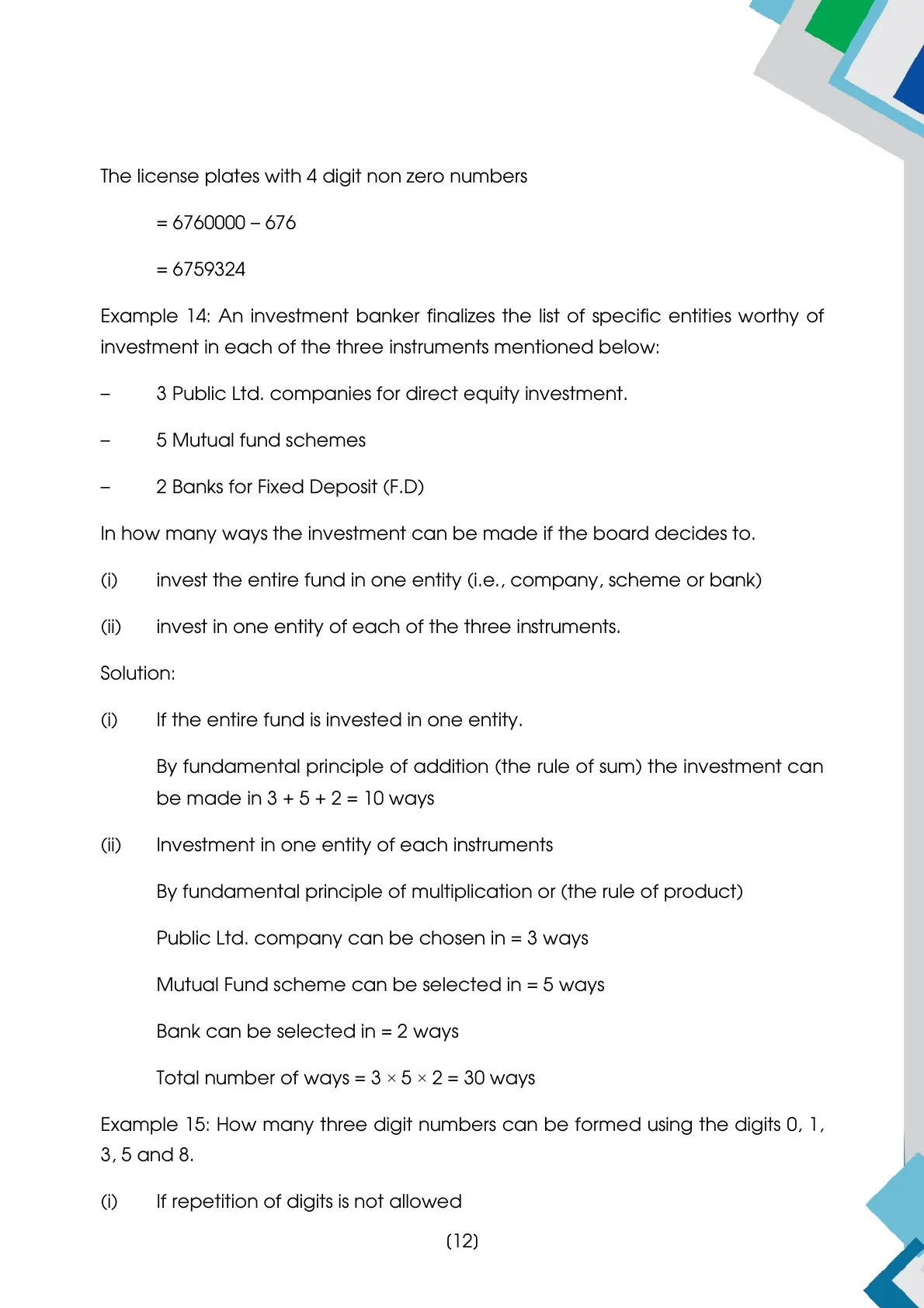
The chapter first trains students to count step by step. If one stage has m choices and the next stage has n choices, the total choices are m x n. This simple multiplication rule is used before every longer formula.
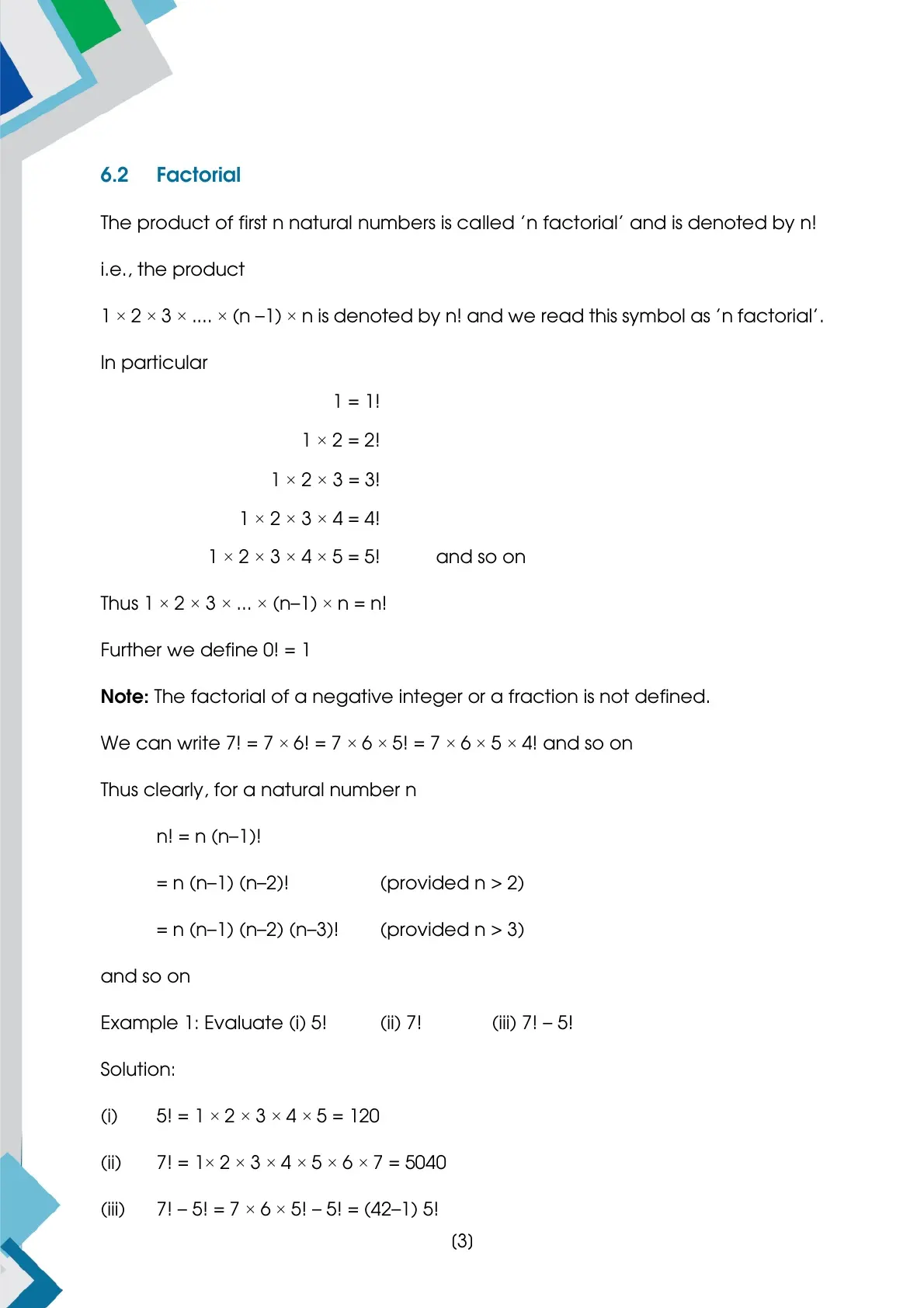
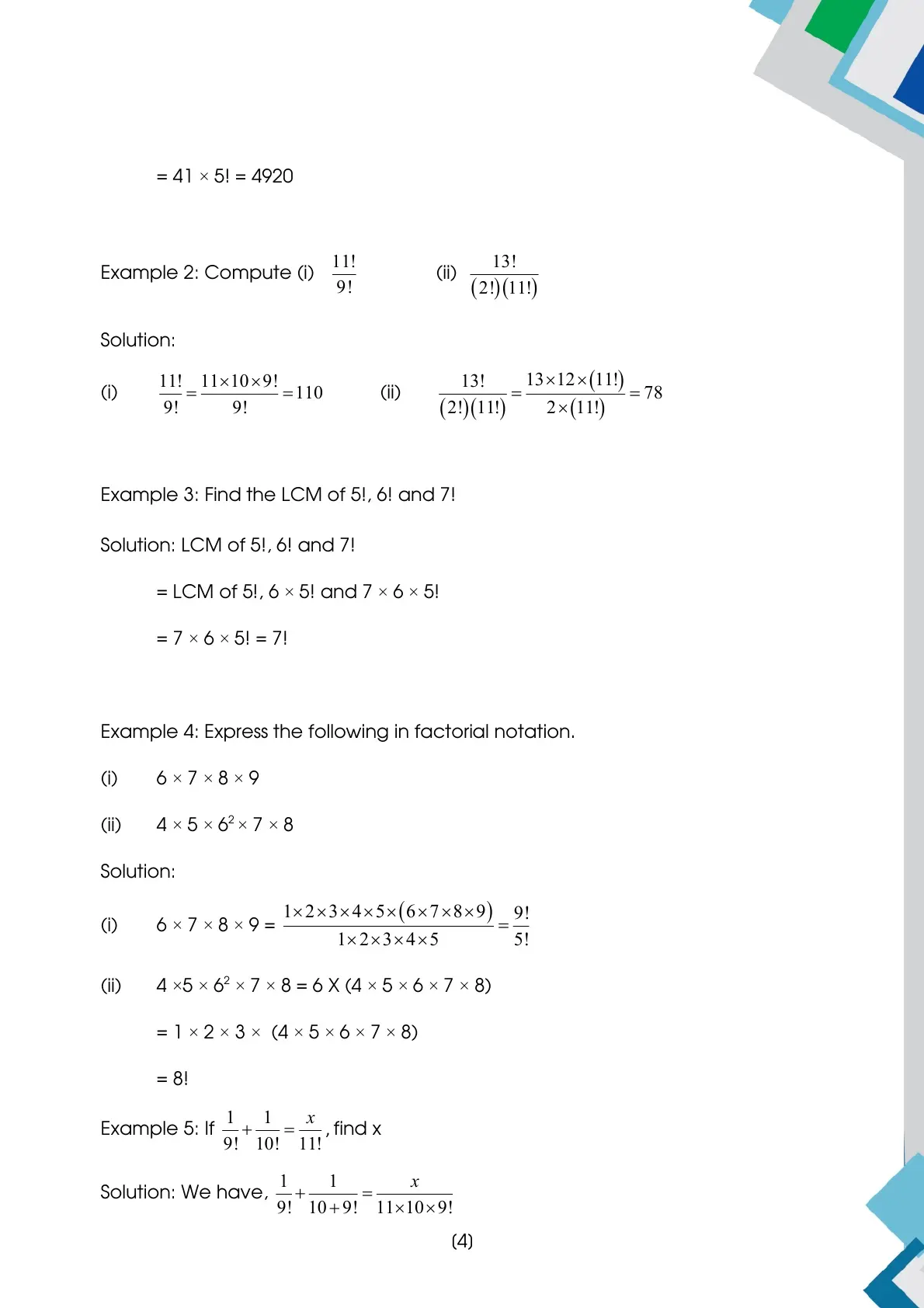
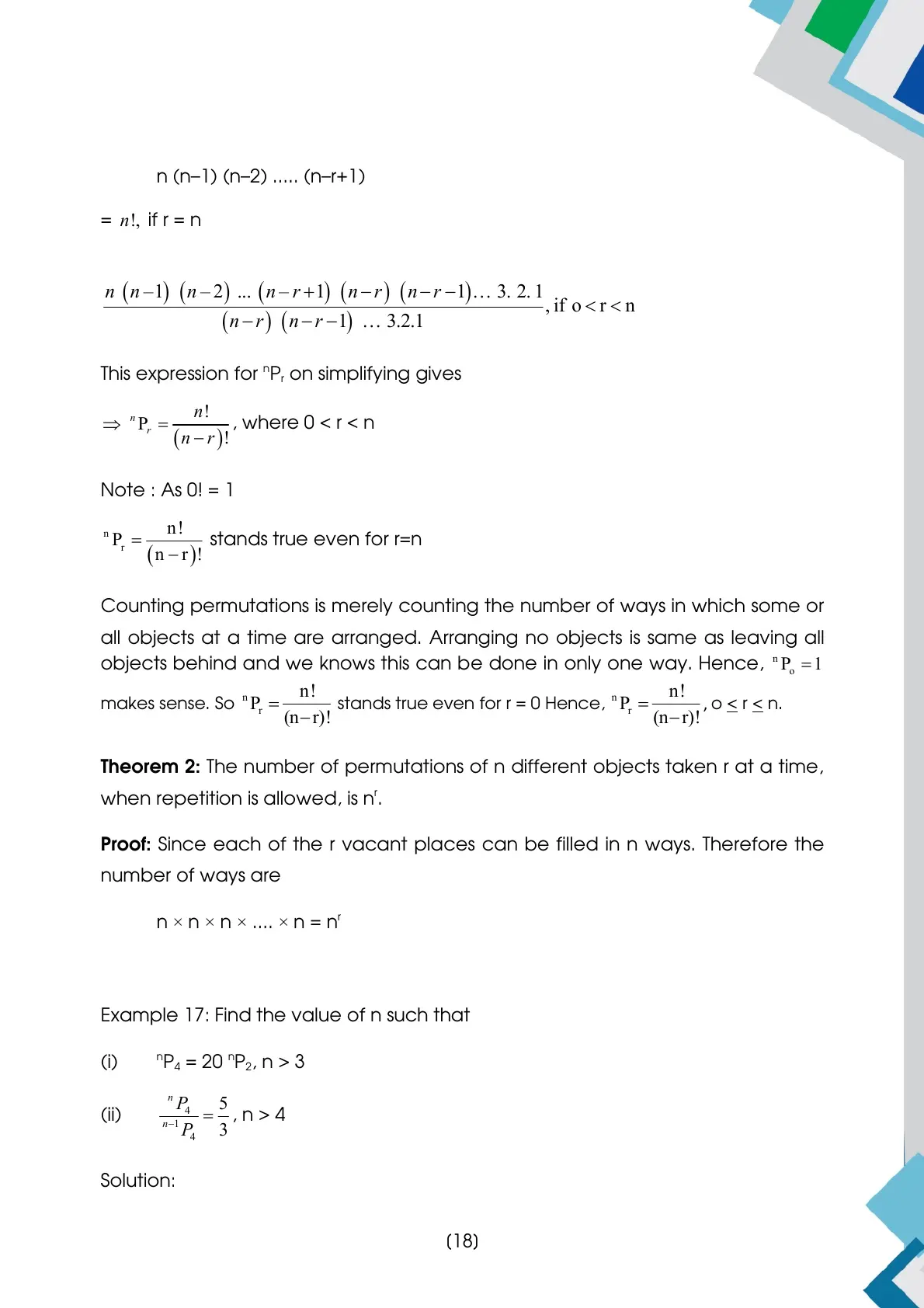
- Factorial meaning: n! means n x (n - 1) x (n - 2) x ... x 2 x 1.
- Zero factorial: 0! = 1, so boundary cases in formulas remain valid.
- Slot method: fill the most restricted position first, then count the remaining slots.
- Case method: split a question into clear cases when one formula cannot cover all conditions.
Use multiplication when all stages happen together. Use addition when the question asks for one option or another option.
Permutation Formula in the Permutations and Combinations Book PDF
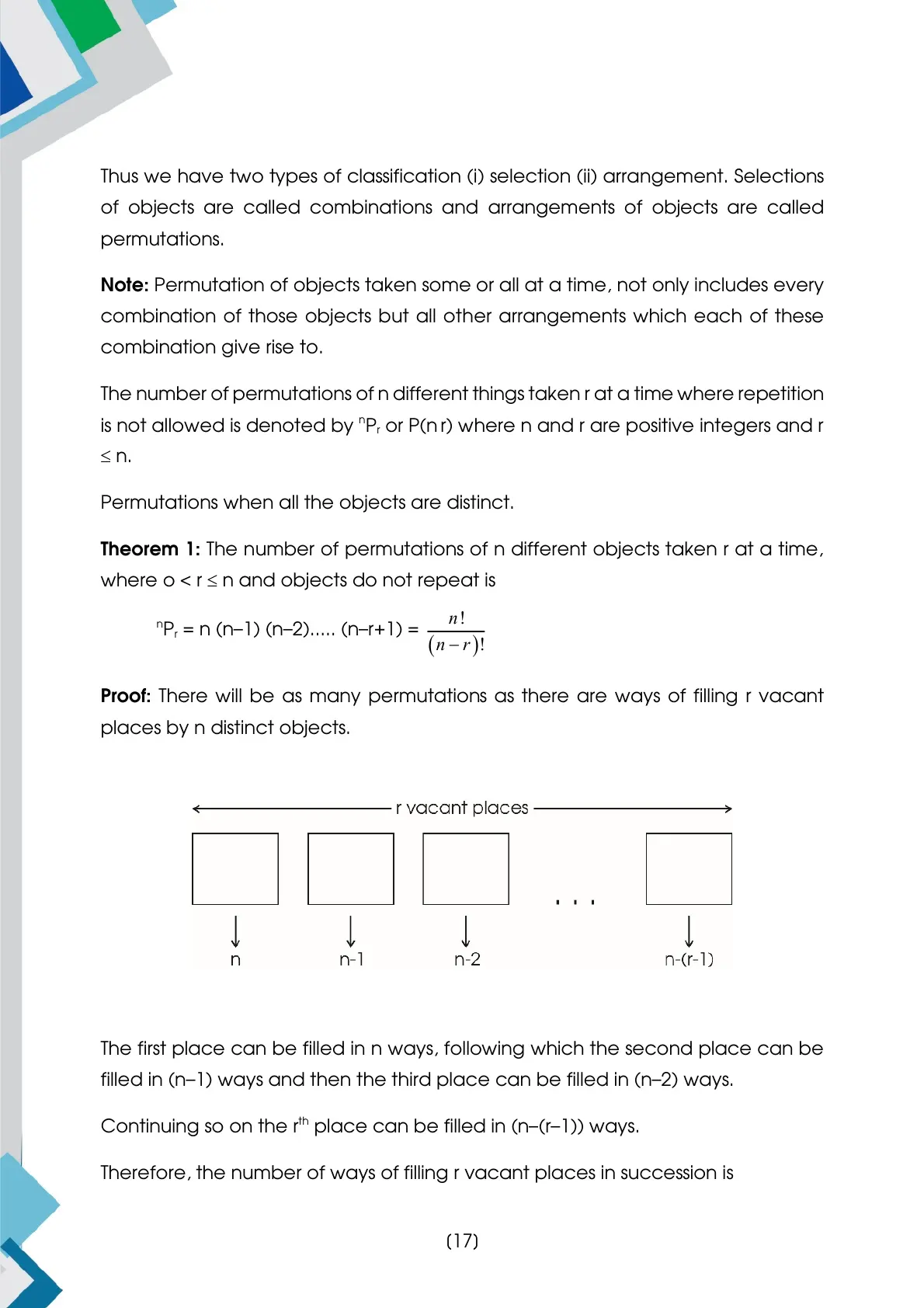
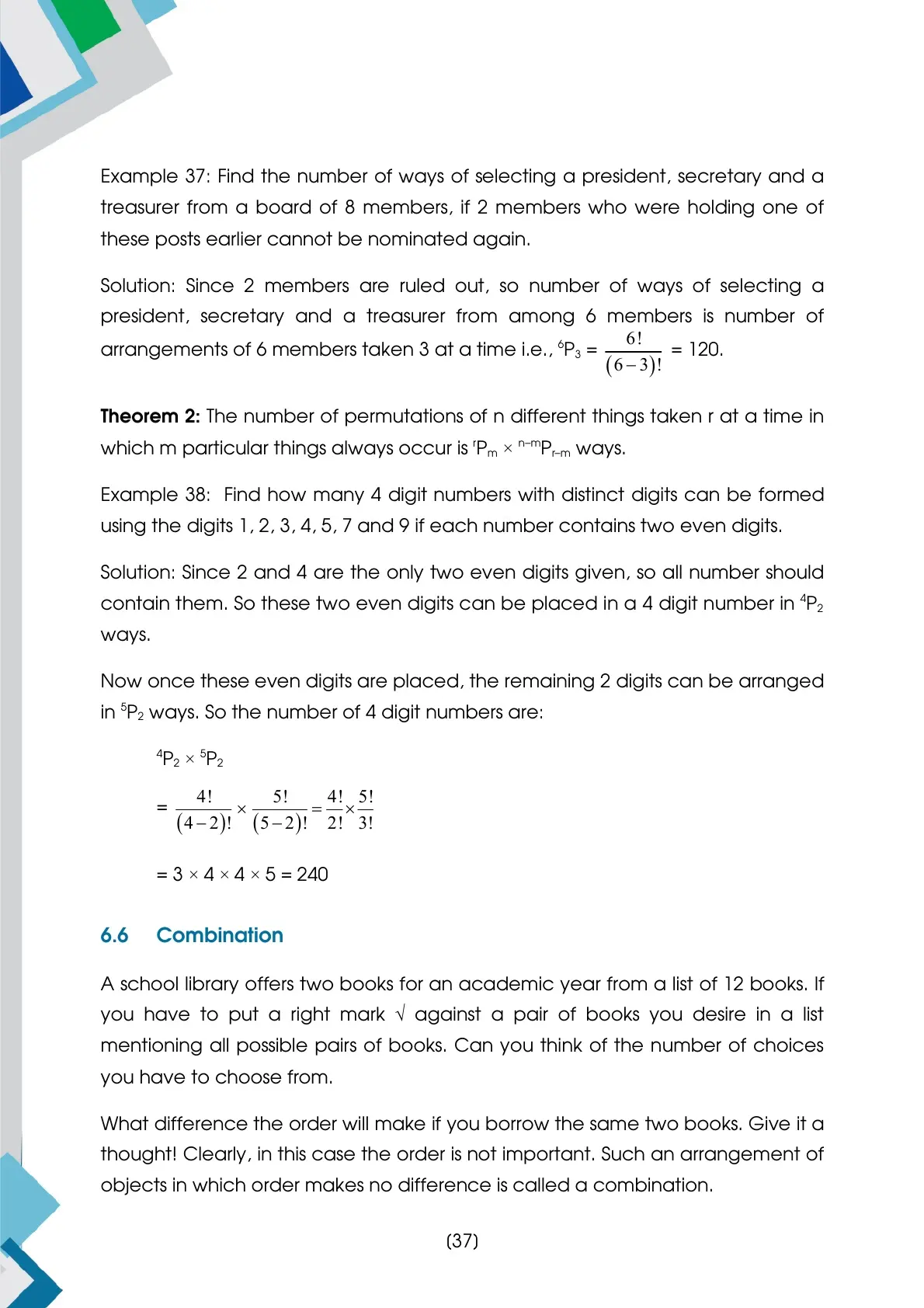
A permutation is an arrangement. Order matters, so the same chosen objects can create different results when their positions change. The NCERT Book PDF uses this idea for arranging letters, people, digits and objects.
| Formula | Use it when | Fast check |
|---|---|---|
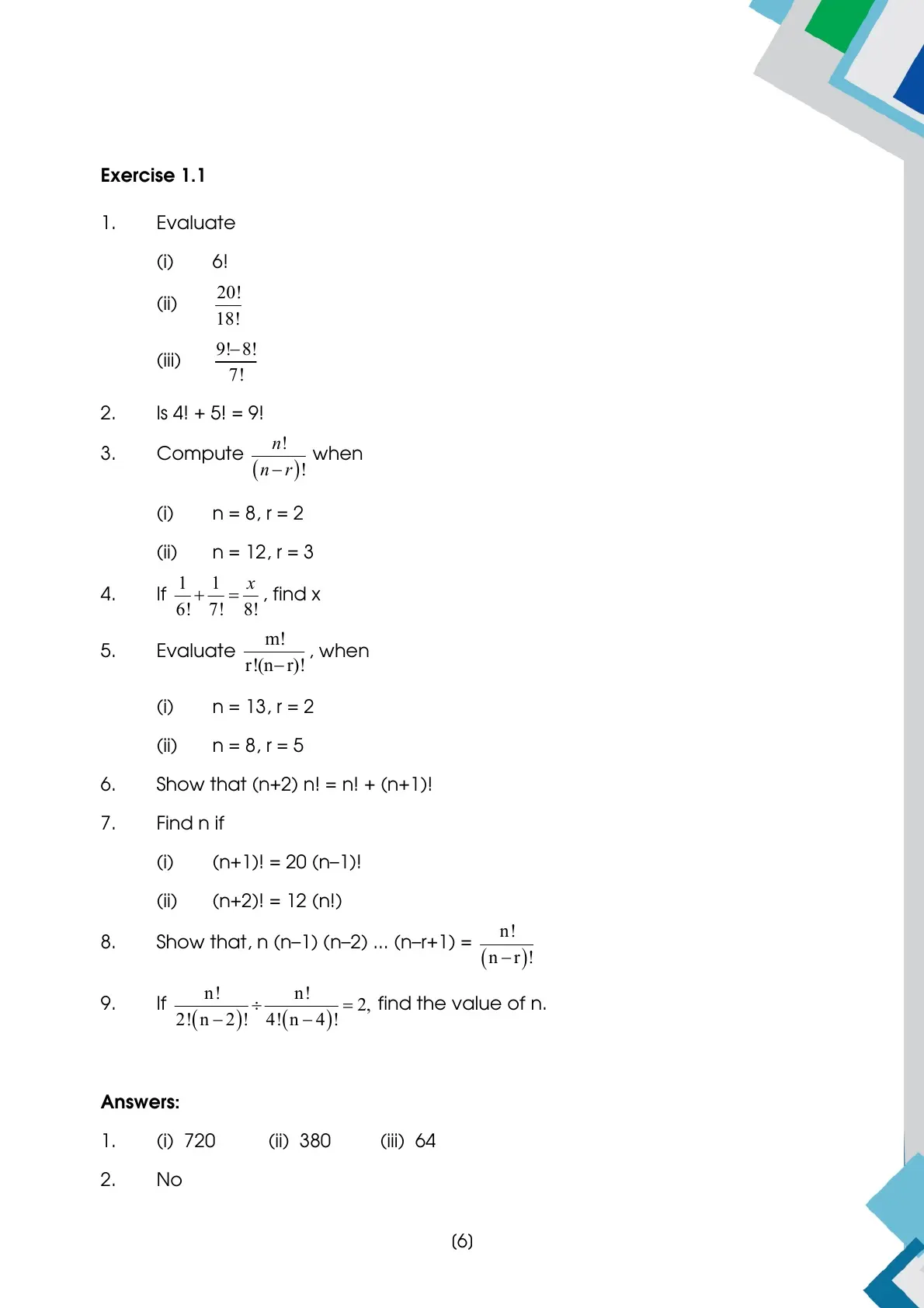
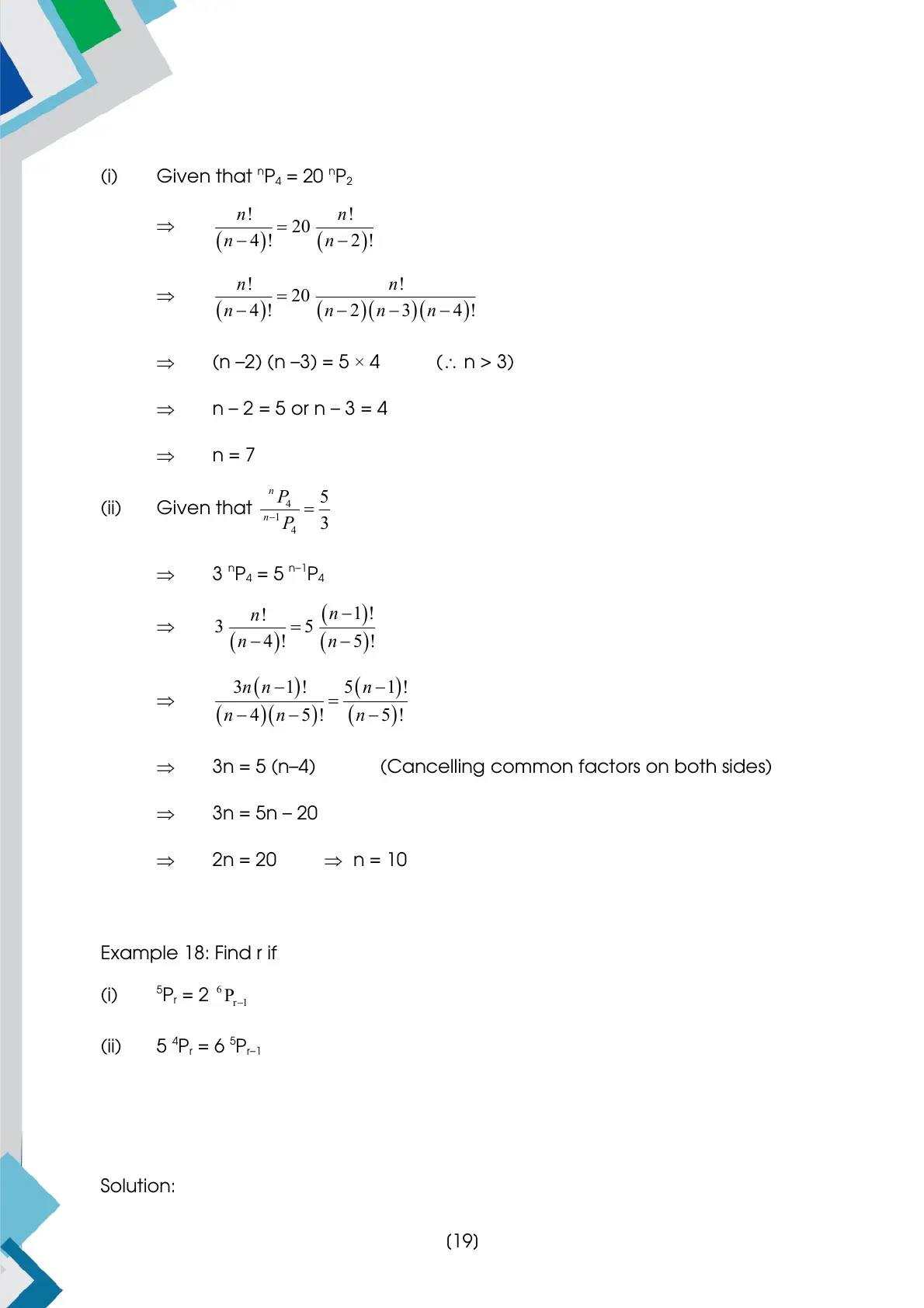
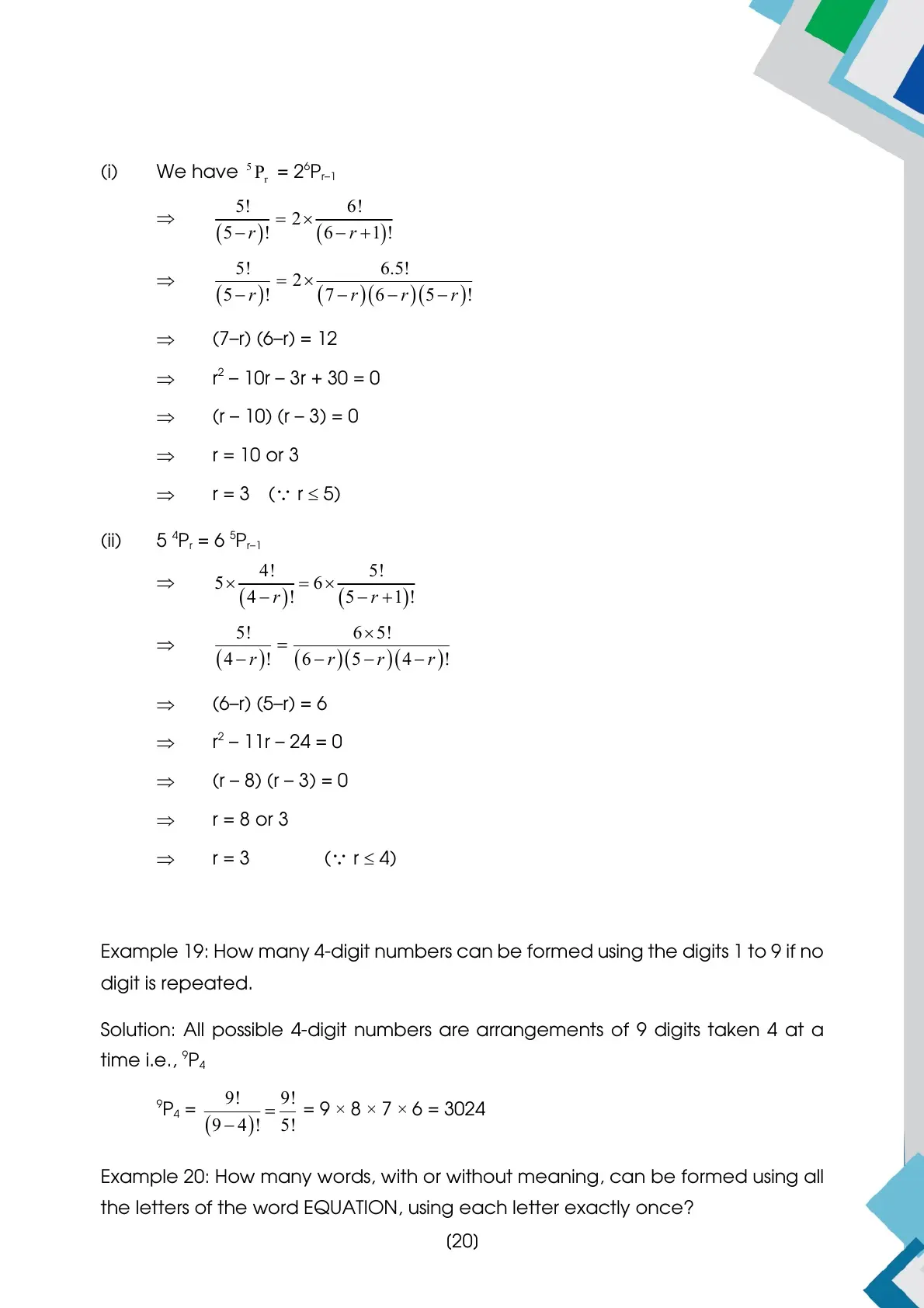
| nPr = n! / (n - r)! | r objects are arranged from n distinct objects | Order matters |
| n! | All n distinct objects are arranged | Every object is used once |
| n! / (p! q! r!) | Objects include repeated groups | Identical repeats must be divided out |
Students should read the condition before writing the formula. In seating, rank and code questions, the positions decide the counting model.
Combination Formula and Selection Questions in Class 11
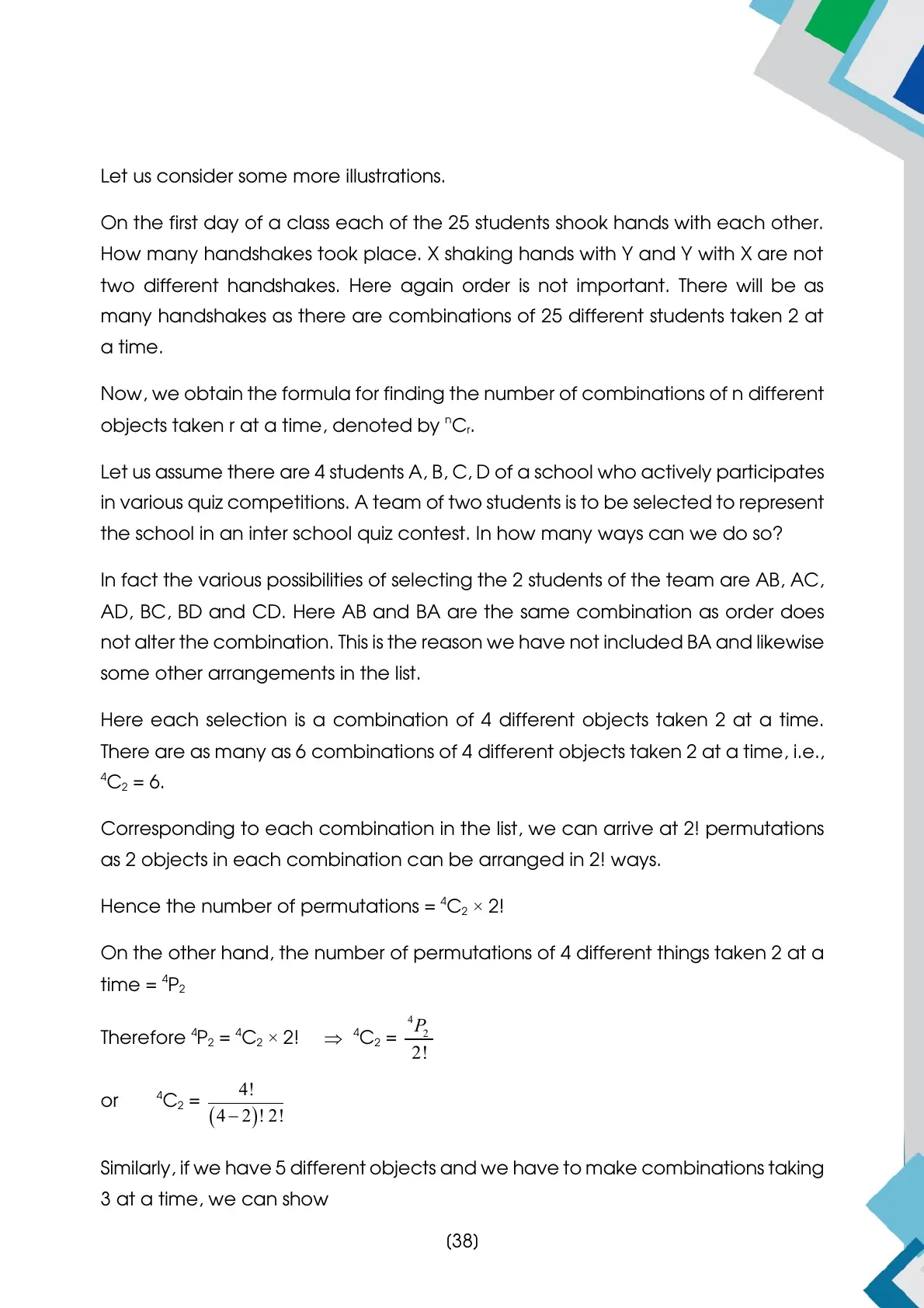
A combination is a selection. Order is ignored, so choosing A and B gives the same group as choosing B and A. The NCERT chapter uses combinations for committees, teams, groups and unordered choices.
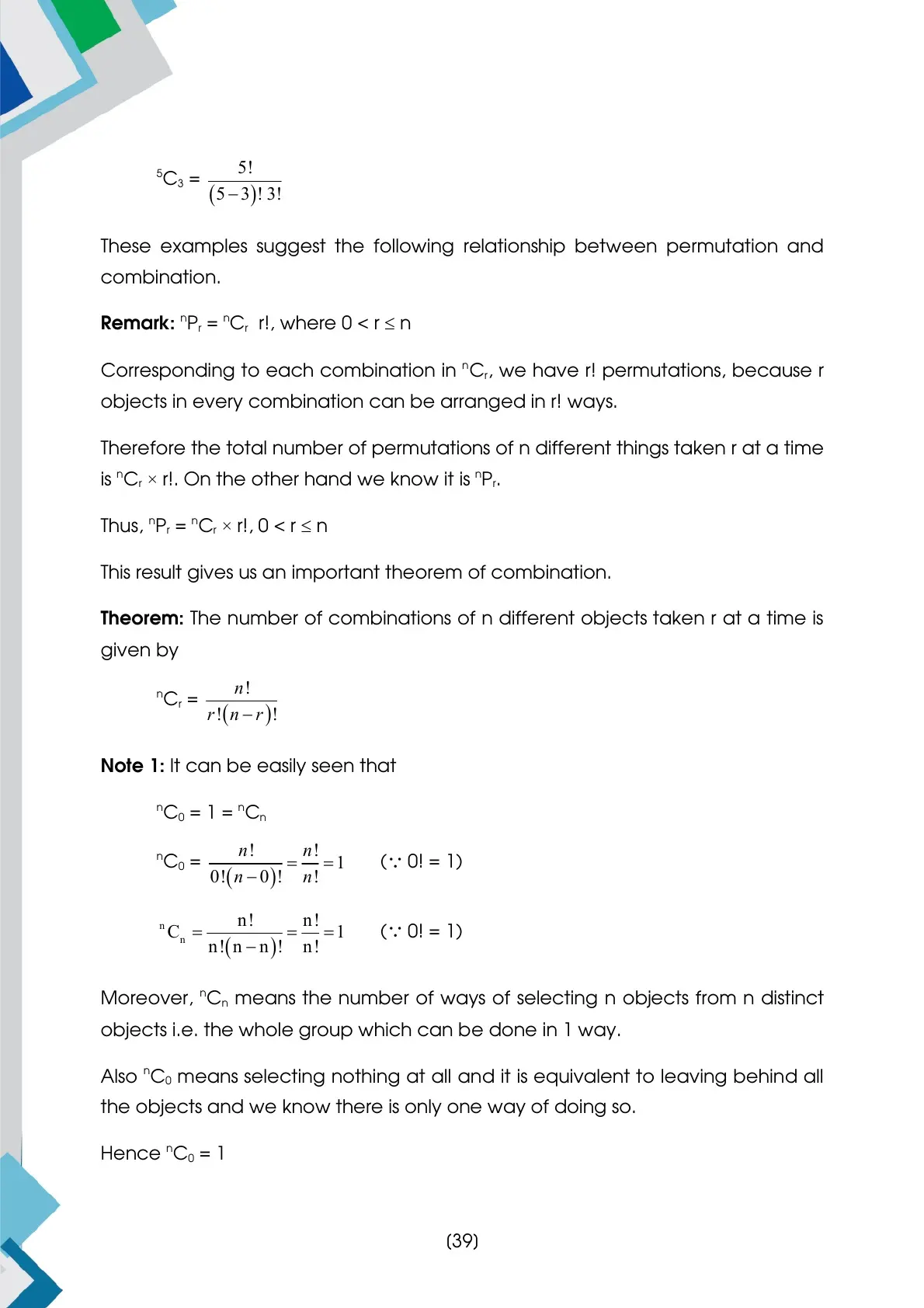
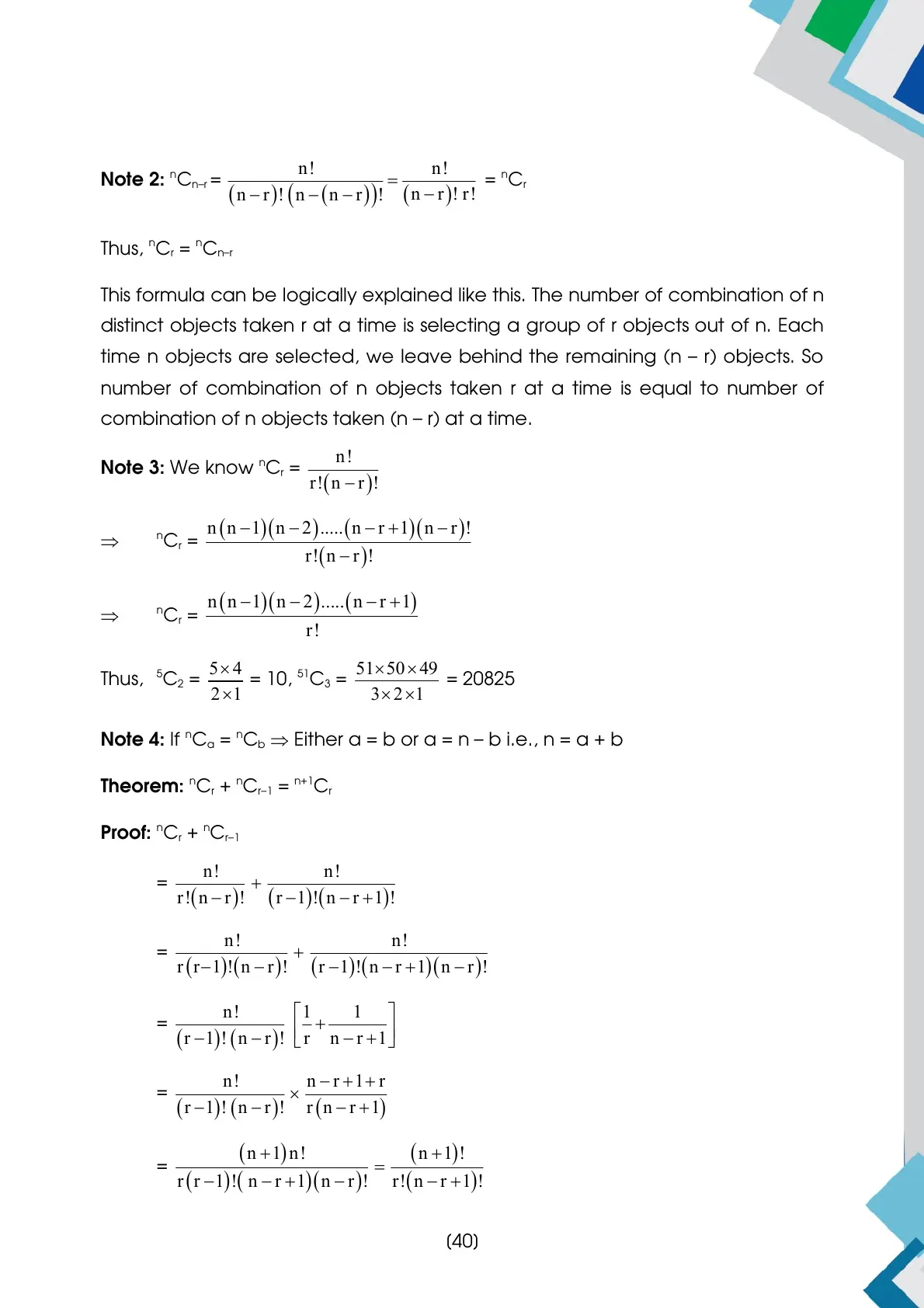
- Combination formula: nCr = n! / [r! (n - r)!].
- Symmetry rule: nCr = nC(n - r), so choosing r is the same as leaving n - r.
- At least one: count total cases and subtract the case where none is selected.
- Selection clue: words such as choose, select, group and team usually point to nCr.
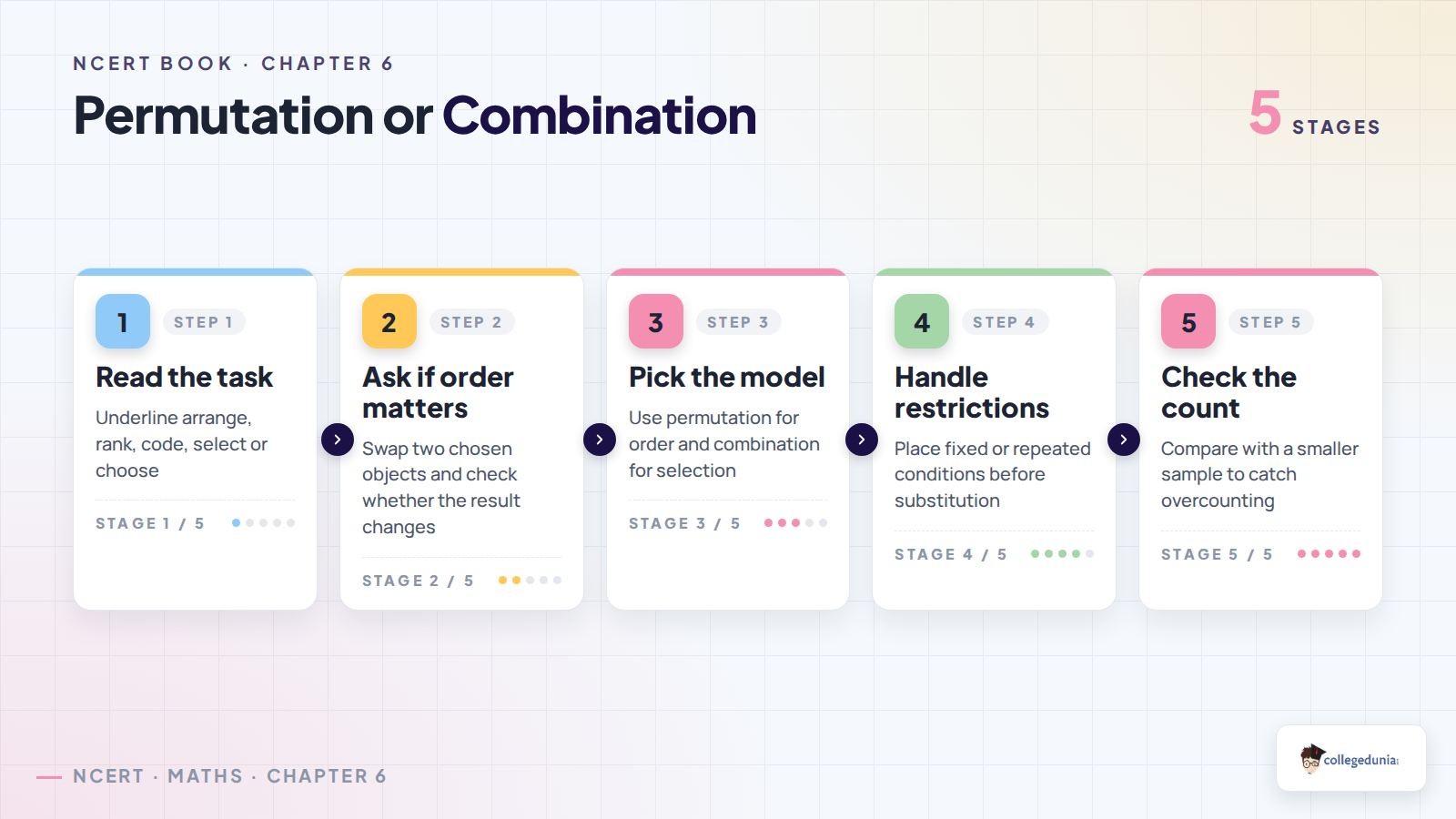
If swapping two chosen objects does not change the outcome, the question is usually a combination question.
Permutation vs Combination Decision Table for NCERT Examples
Most mistakes in this chapter come from picking the wrong model. The fastest test is to swap two selected objects and ask whether the result changes. If the result changes, use permutation. If it stays the same, use combination.
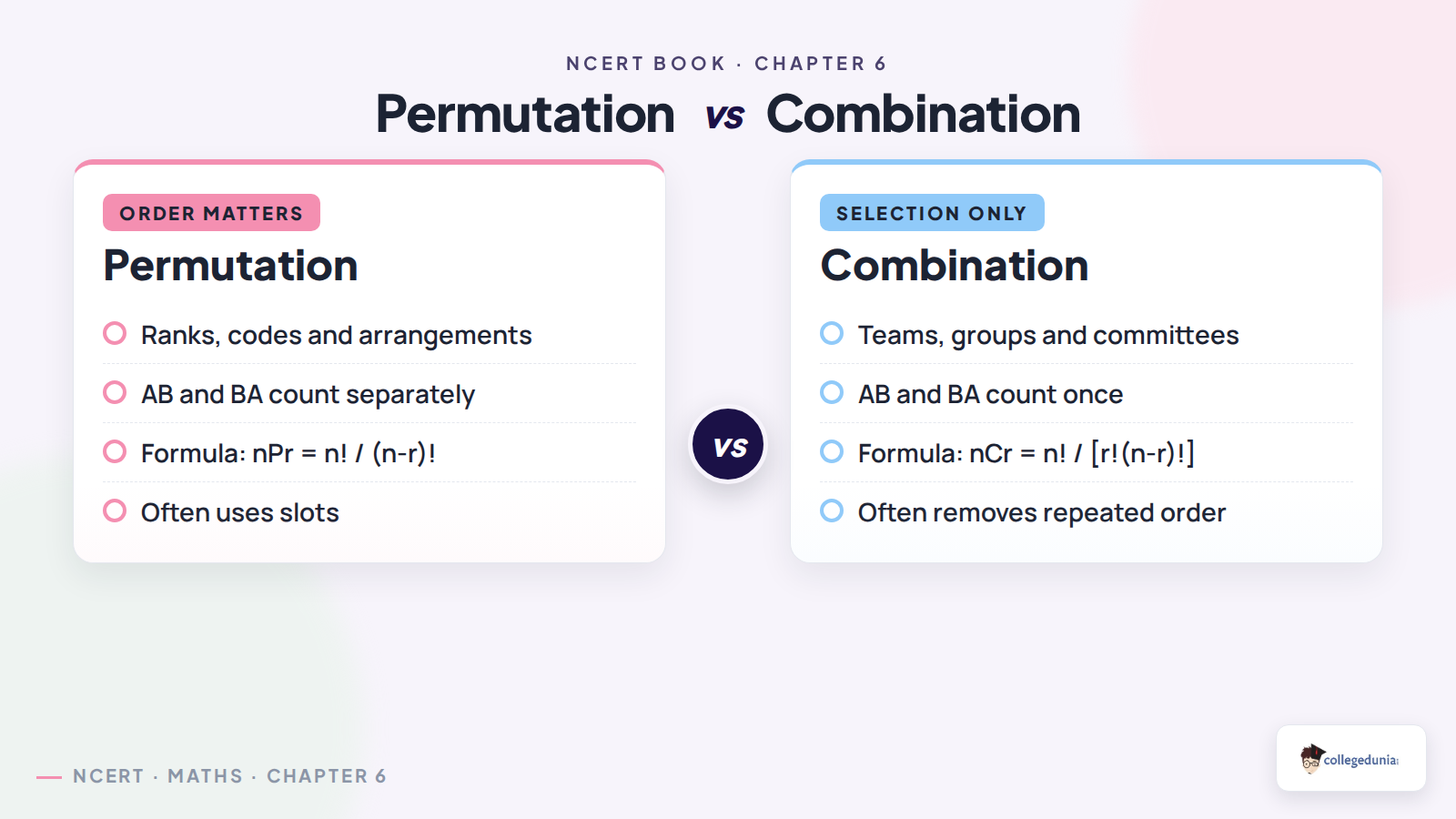
| Question type | Likely method | Reason |
|---|---|---|
| Arrange books on a shelf | Permutation | Different order gives a different shelf |
| Select three students for a team | Combination | The selected team is unchanged by listing order |
| Create a four-digit code | Permutation or product rule | Digit positions matter |
| Choose two cards from a hand | Combination | The picked pair is unordered |
Circular Permutations and Repeated Objects in the Book PDF
The NCERT chapter also covers cases where normal n! counting overcounts. Circular arrangements ignore rotations, and repeated-object arrangements ignore swaps between identical objects. These cases are important because the wrong count can look very close to the right answer.
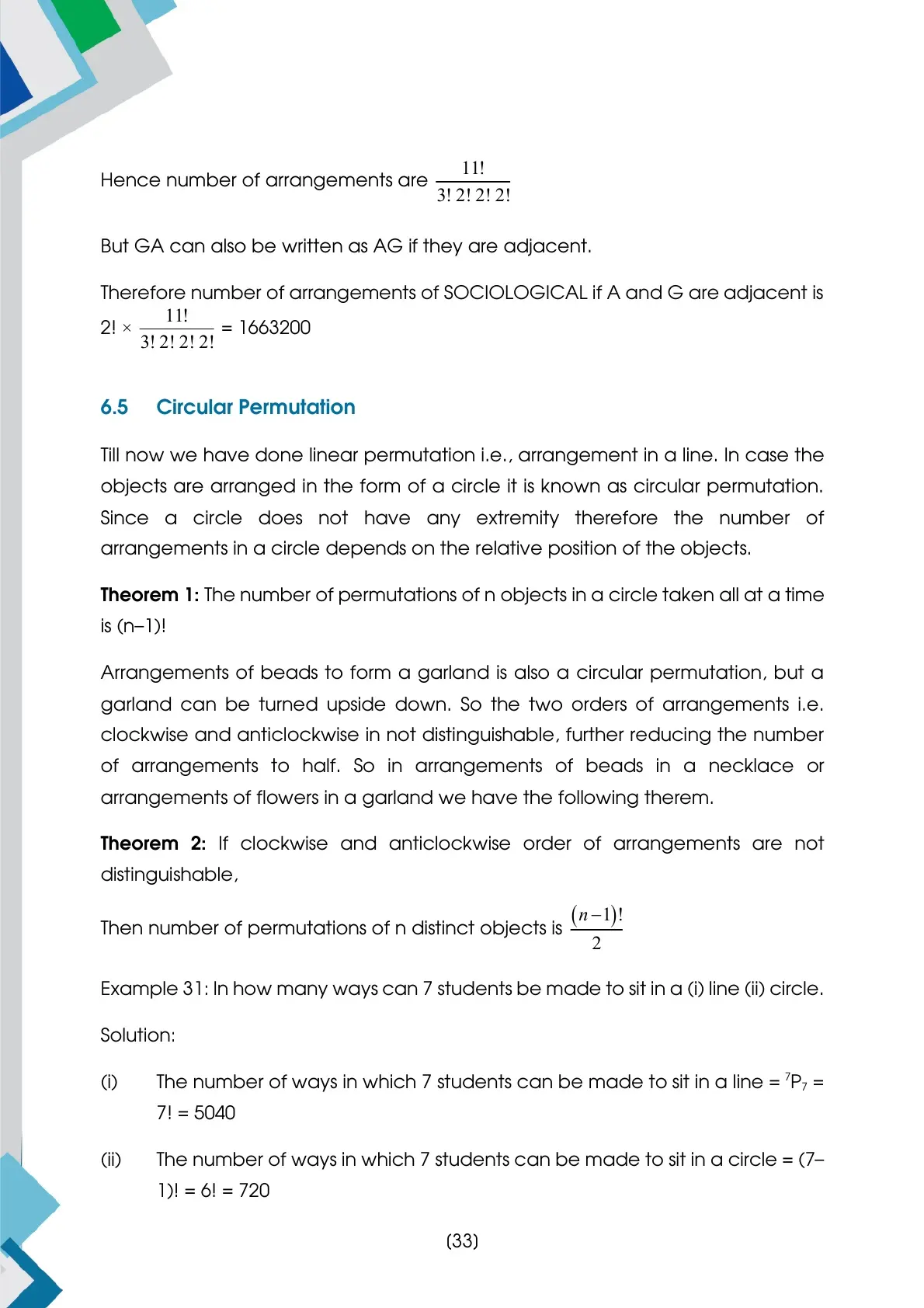
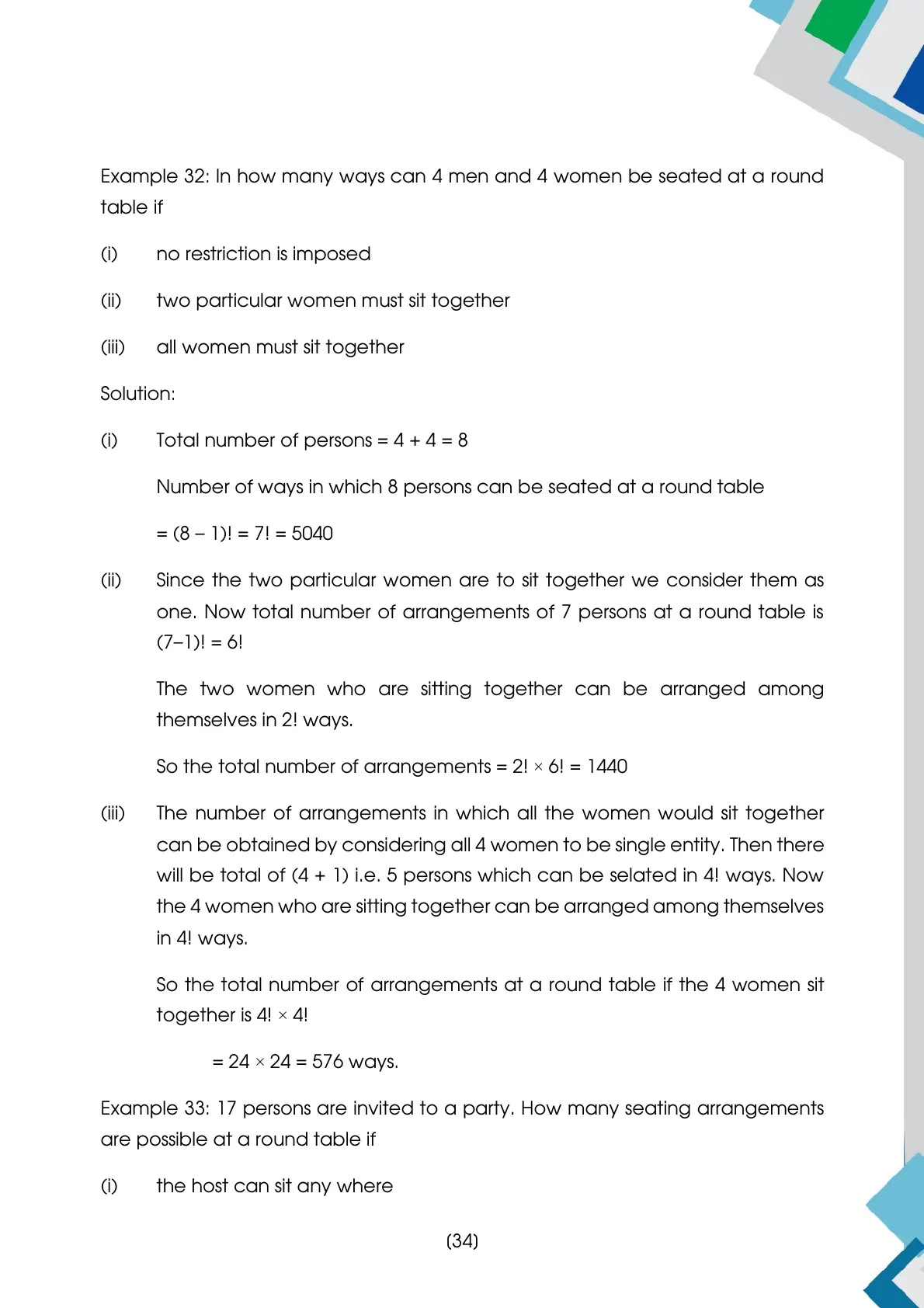
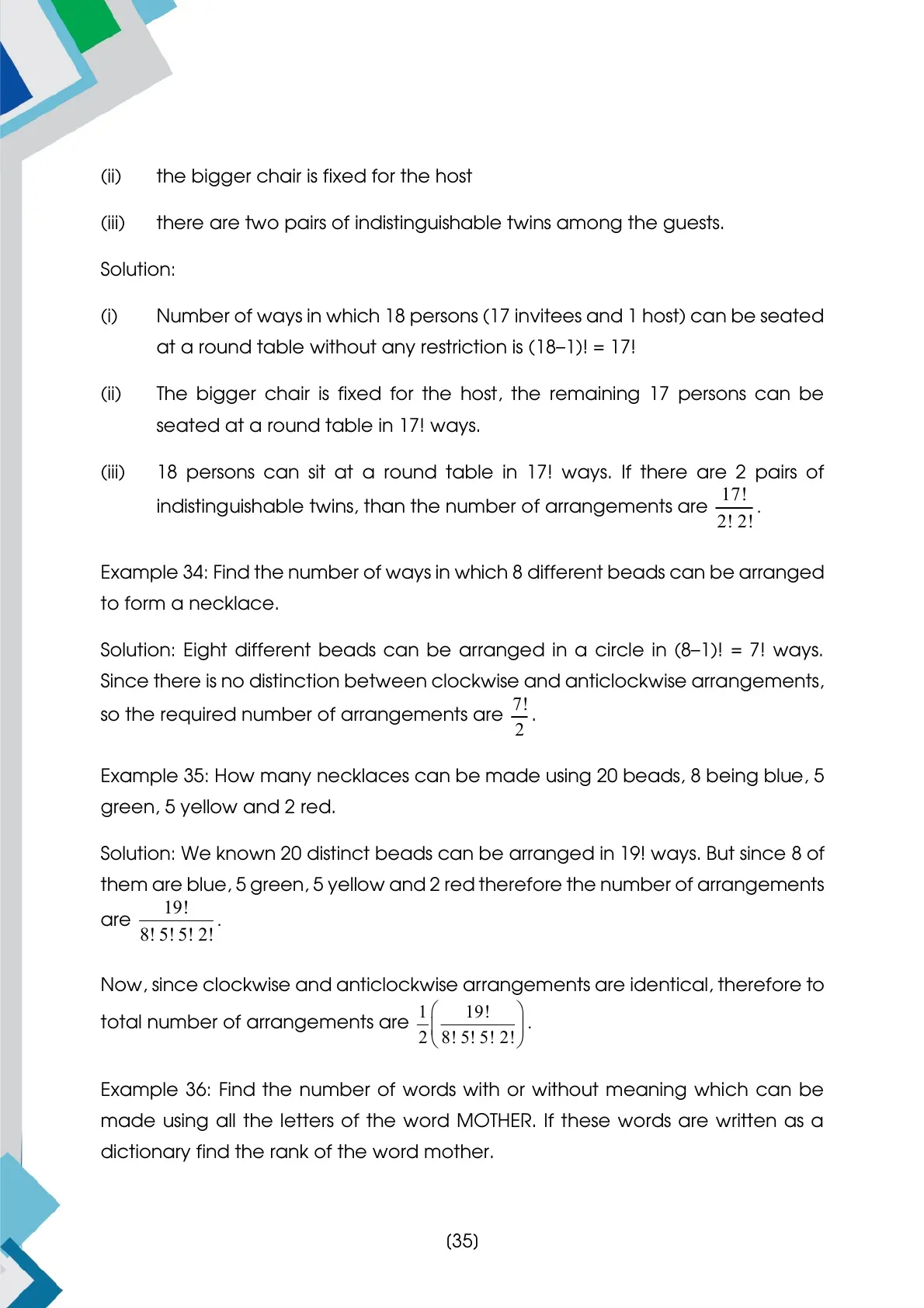
- Round table rule: n distinct people around a circle can be arranged in (n - 1)! ways.
- Repeated letters: divide by the factorial of each repeated letter count.
- Grouped condition: treat fixed-together objects as one block before arranging inside the block.
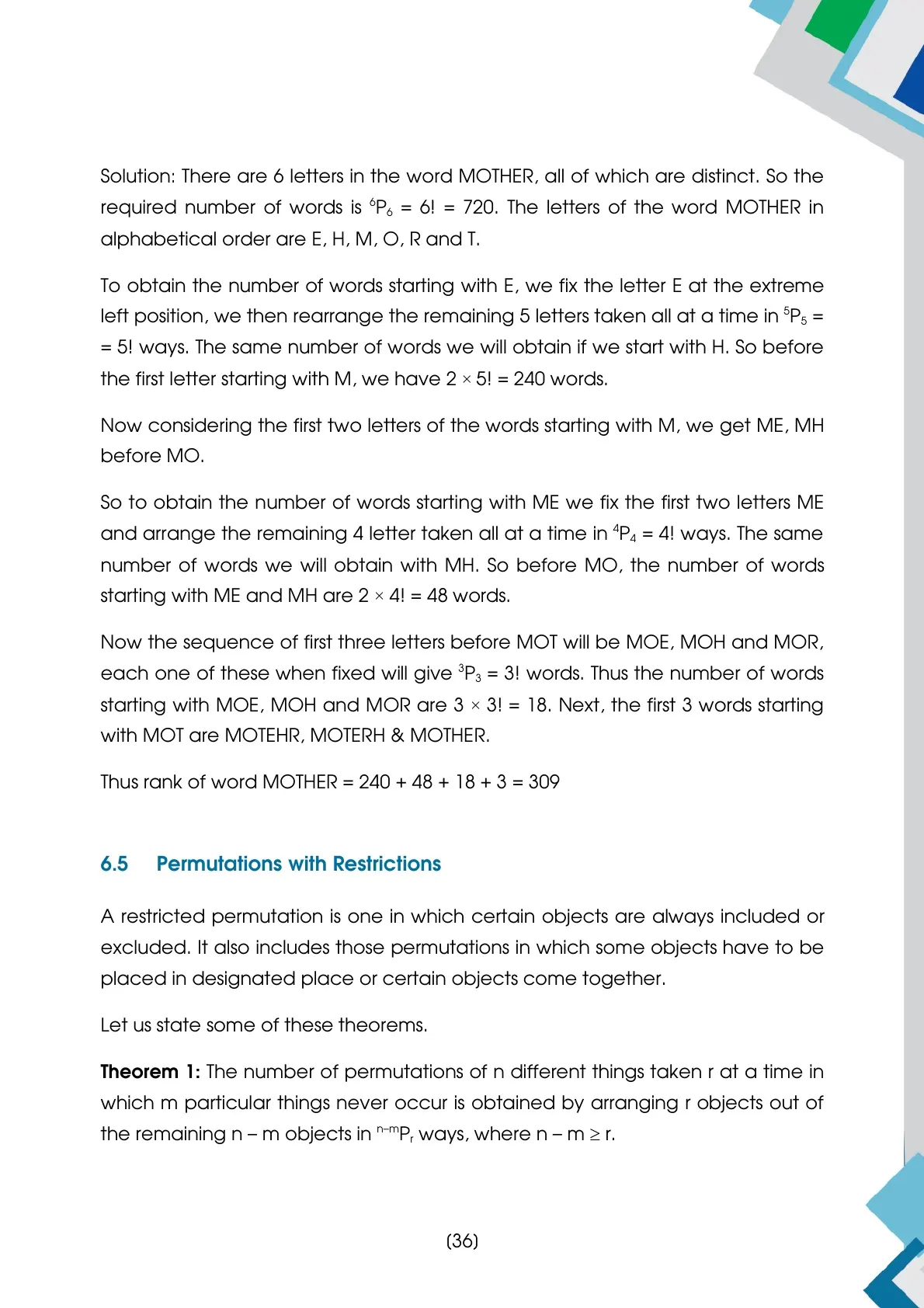
- Restriction check: list what cannot happen before building the allowed cases.
For words such as SUCCESS or MISSISSIPPI, first write the letter frequencies. This keeps the division step clear.
How to Use the Class 11 Applied Mathematics NCERT Book PDF
The PDF works best when students use it as the first reading layer. Read the theory and examples first, then move to notes and solutions for faster recall and worked steps.
| Study pass | What to do | Target |
|---|---|---|
| Pass 1 | Read the NCERT explanation and solved examples | Understand the model |
| Pass 2 | Mark every question as permutation, combination or product rule | Choose formulas correctly |
| Pass 3 | Solve exercise questions and compare with solutions | Improve speed and accuracy |
Related Class 11 Applied Mathematics Resources for Permutations and Combinations
Also Check: use the original book PDF with the matching notes, solutions and handwritten notes for the same chapter.
| Resource | Best used for | Link |
|---|---|---|
| NCERT Notes | Fast formula recall before class tests | Permutations and Combinations Class 11 Notes |
| NCERT Solutions | Step-by-step answers to textbook questions | Permutations and Combinations Class 11 NCERT Solutions |
| Handwritten Notes | Quick visual recall before practice | Permutations and Combinations Class 11 Handwritten Notes |
Class 11 Applied Mathematics NCERT Book PDFs for All Chapters
Related Links: download neighbouring NCERT Book PDFs in the same Applied Mathematics format.
| Chapter | Class 11 Applied Mathematics NCERT Book PDF |
|---|---|
| Chapter 2 | Numerical Applications Class 11 NCERT Book PDF |
| Chapter 3 | Set Class 11 NCERT Book PDF |
| Chapter 4 | Relations Class 11 NCERT Book PDF |
| Chapter 5 | Sequences and Series Class 11 NCERT Book PDF |
| Chapter 7 | Mathematical and Logical Reasoning Class 11 NCERT Book PDF |
| Chapter 8 | Calculus Class 11 NCERT Book PDF |
Permutations and Combinations Class 11 Applied Mathematics NCERT Book PDF FAQs
Ques. What does the Permutations and Combinations NCERT Book PDF contain?
Ans. It contains the official NCERT chapter text, examples and exercises on counting principle, permutations, combinations, circular arrangements and repeated objects.
Ques. Is this Class 11 Applied Mathematics Chapter 6 PDF useful for 2026-27 exams?
Ans. Yes. The PDF supports the 2026-27 Applied Mathematics Combinatorics unit and helps students practise formula selection from the official chapter.
Ques. What is the difference between permutation and combination?
Ans. A permutation is an ordered arrangement, so AB and BA are different. A combination is an unordered selection, so AB and BA count once.
Ques. How should students use this NCERT Book PDF?
Ans. Read the NCERT explanation first, mark each example as order-based or selection-based, then solve the exercise using notes and solutions for checking.



Comments