




The NCERT Class 11 Sociology Chapter 9 Introducing Western Sociologists PDF gives students the official 2026-27 chapter on Karl Marx, Emile Durkheim and Max Weber. Use it to revise how modern sociology studied capitalism, social facts, solidarity, authority and social action.
- Core focus: Marx, Durkheim and Weber as founders of modern sociological thinking.
- Best use: read the PDF with one concept and one example for each thinker.
- Exam value: long answers often compare class conflict, social facts and social action.
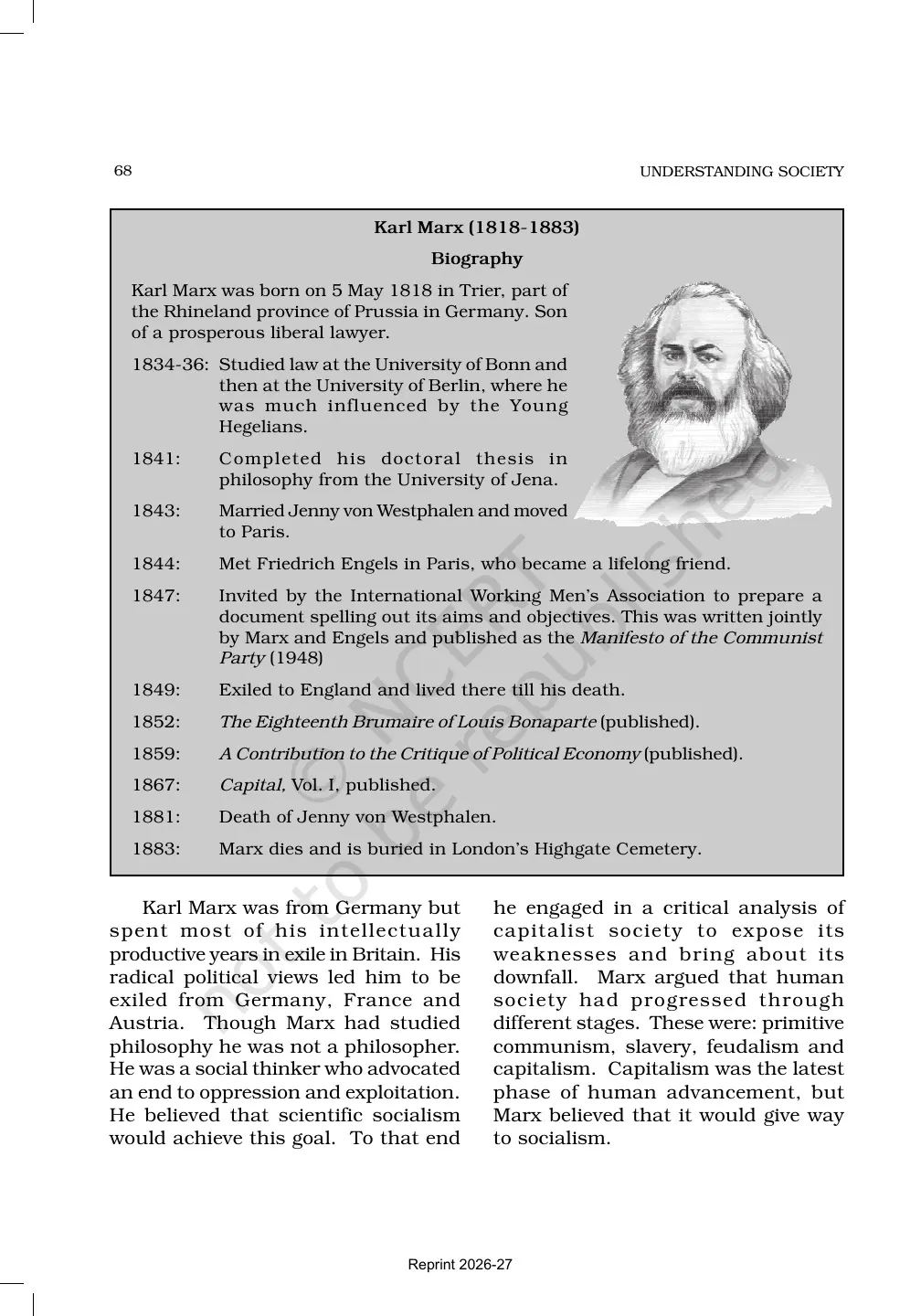
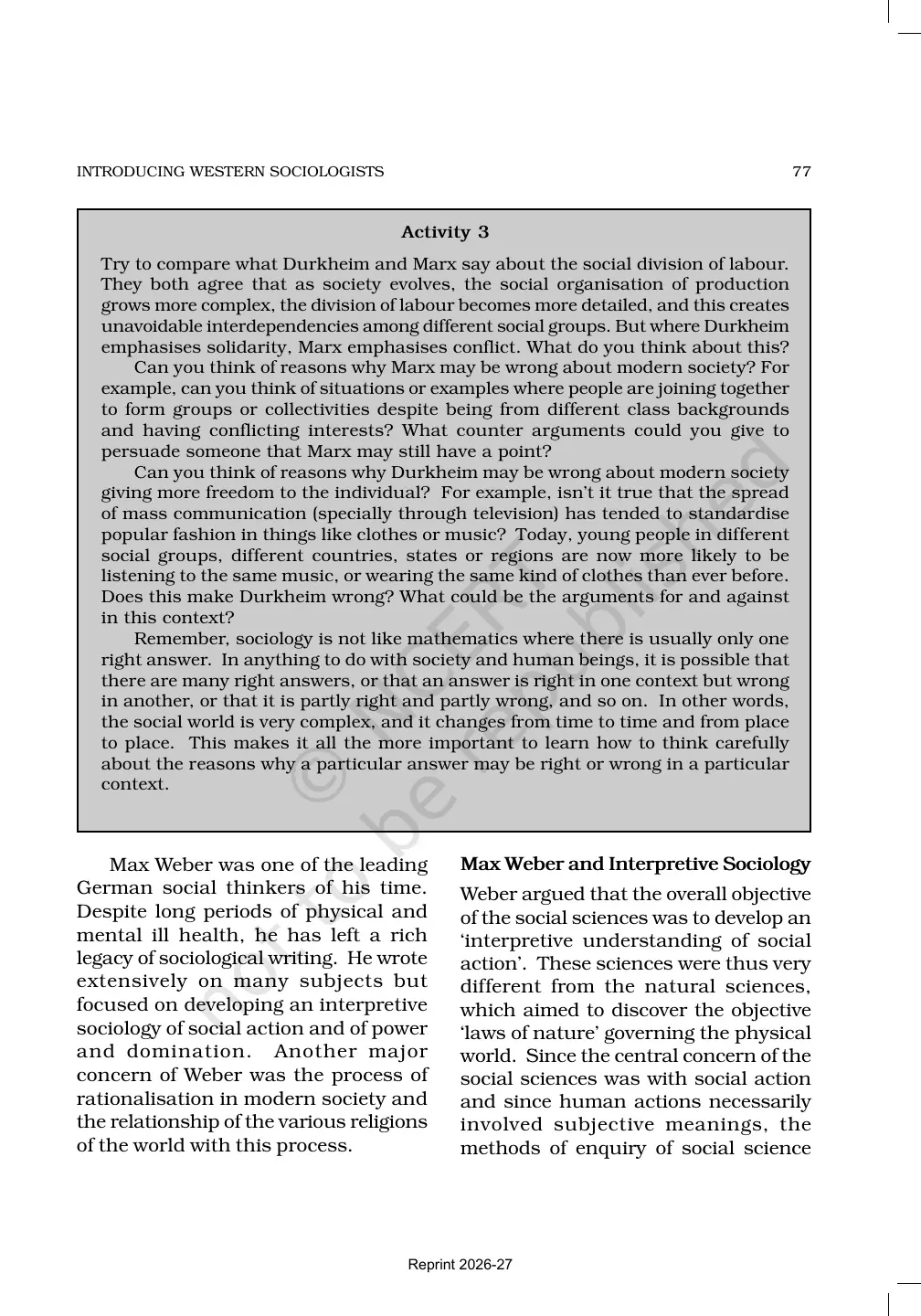
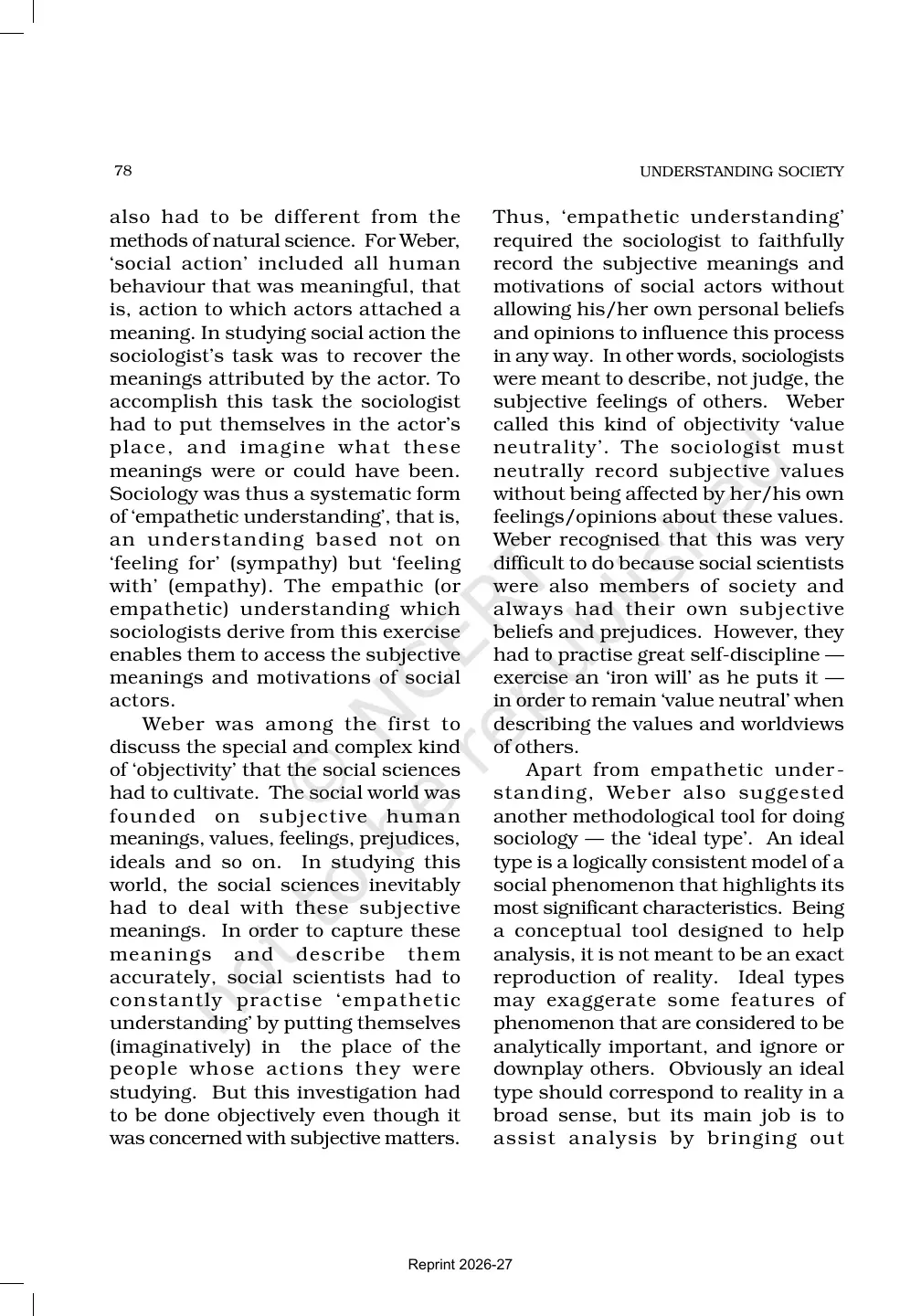
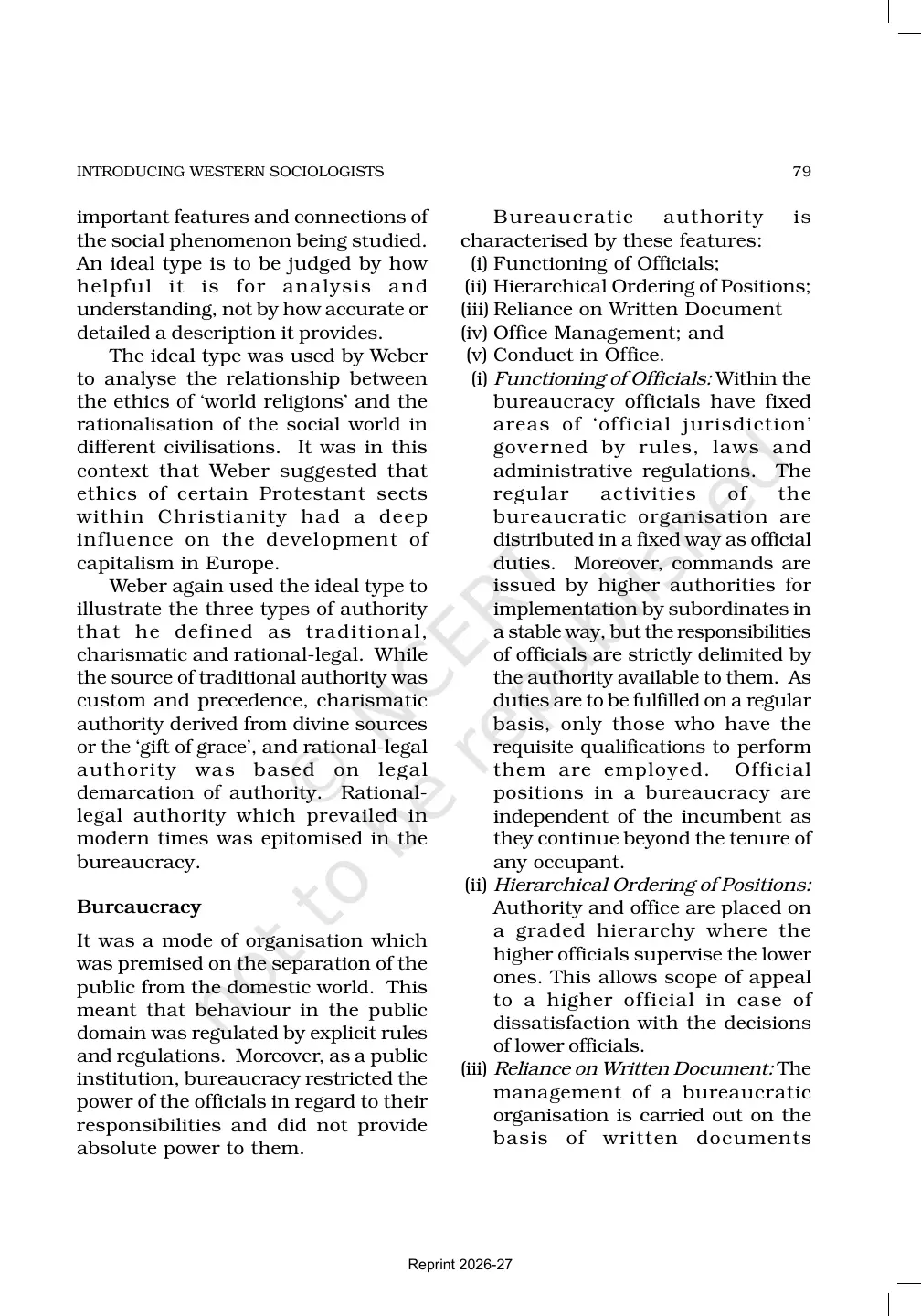
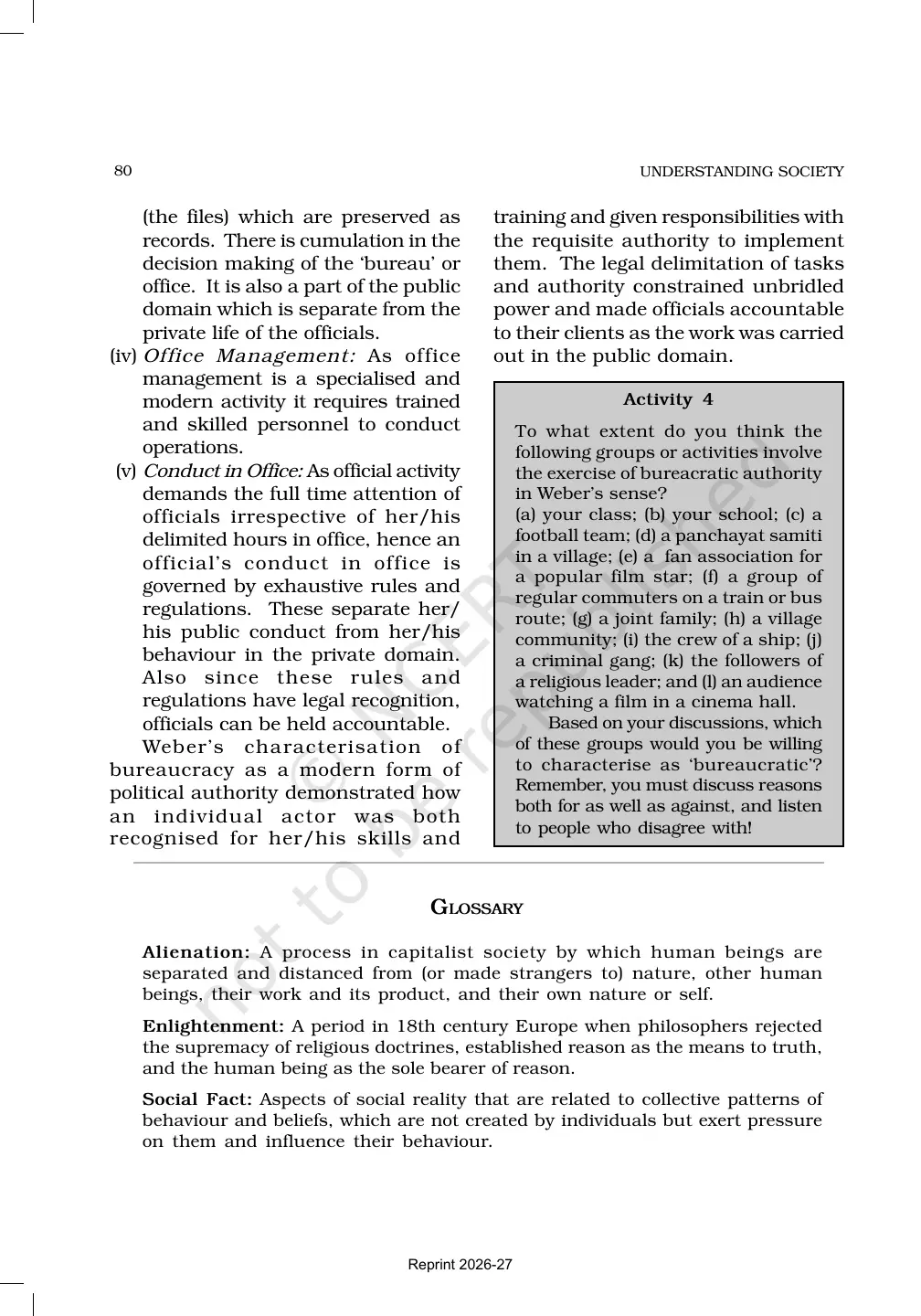
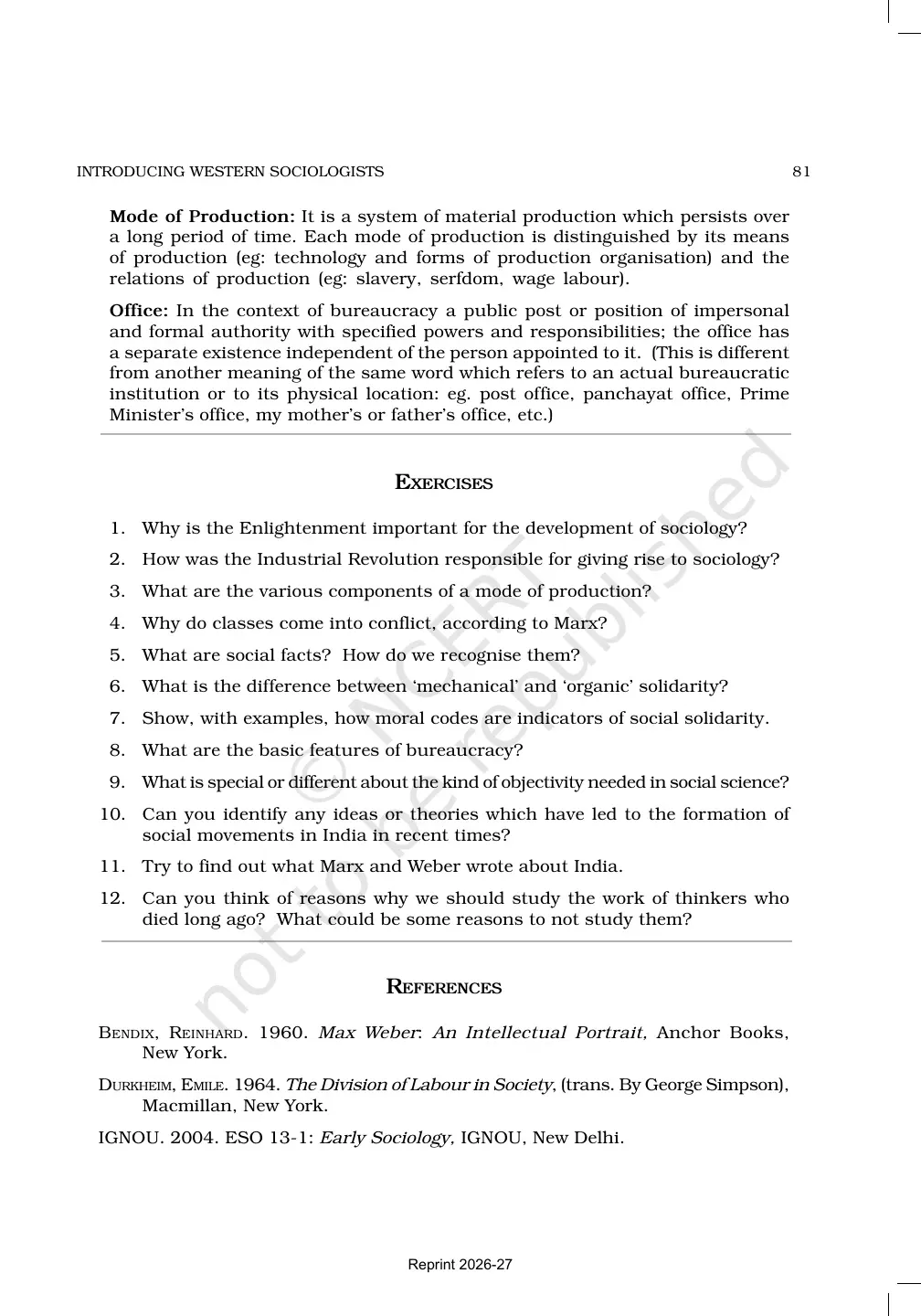
The official NCERT Class 11 Sociology Chapter 9 PDF helps students connect Western sociological theory with modern society, economy and authority.
Student Feedback: In a Collegedunia check of 10,260 Class 11 humanities students, most students said this chapter became easier after they made one comparison table for Marx, Durkheim and Weber.
|
Table of Contents |
What the Introducing Western Sociologists NCERT PDF Covers
NCERT introduces three major Western thinkers who shaped Sociology as a discipline. The chapter shows how each thinker studied modern society in a different way. Marx focused on class and production, Durkheim focused on social facts, and Weber focused on meaning and authority.
This chapter is important because it moves Sociology from general discussion to named theories. Students learn how economic change, religion, law, work and power can be studied through sociological concepts.
- Karl Marx: studied capitalism, class conflict and the mode of production.
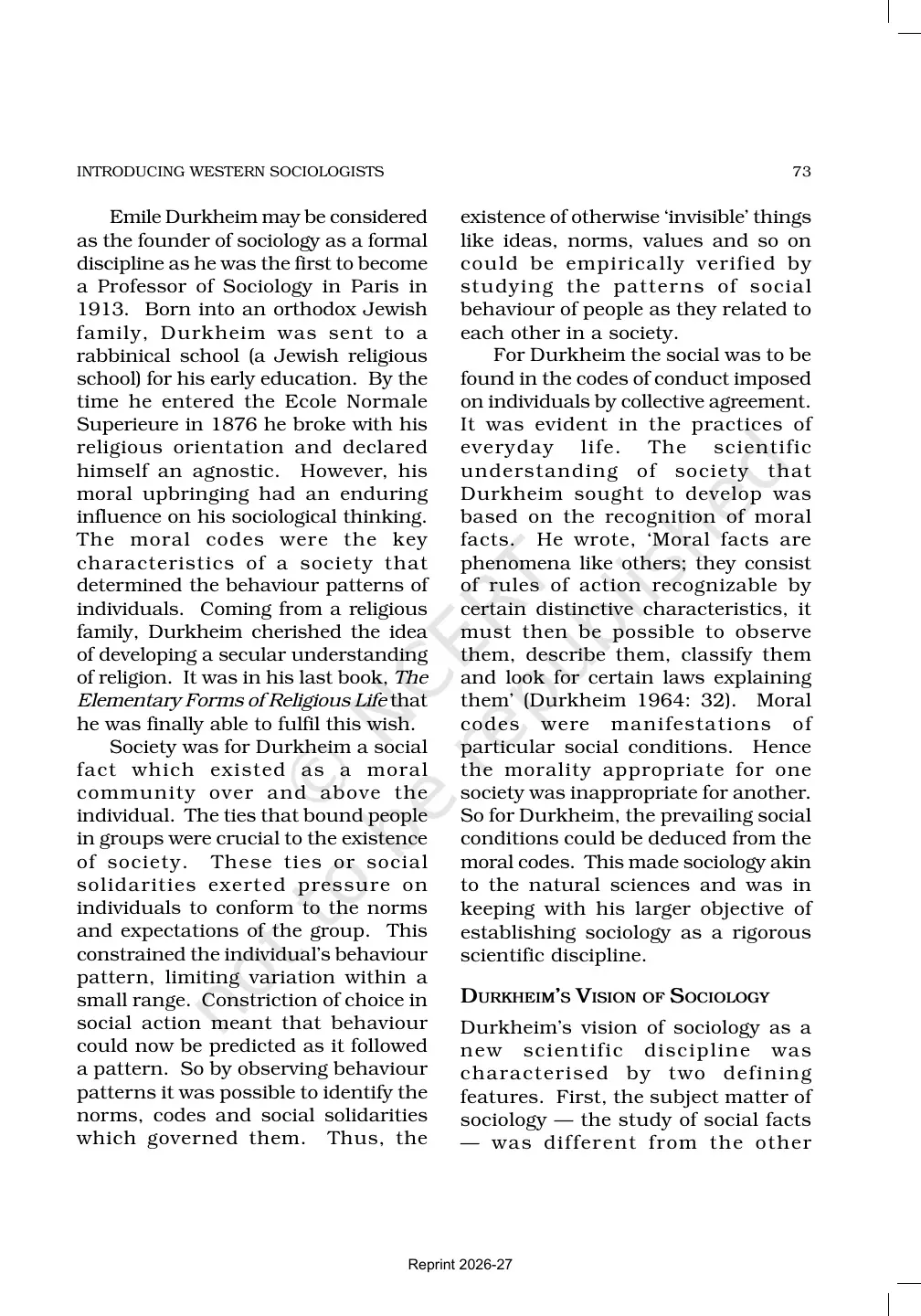
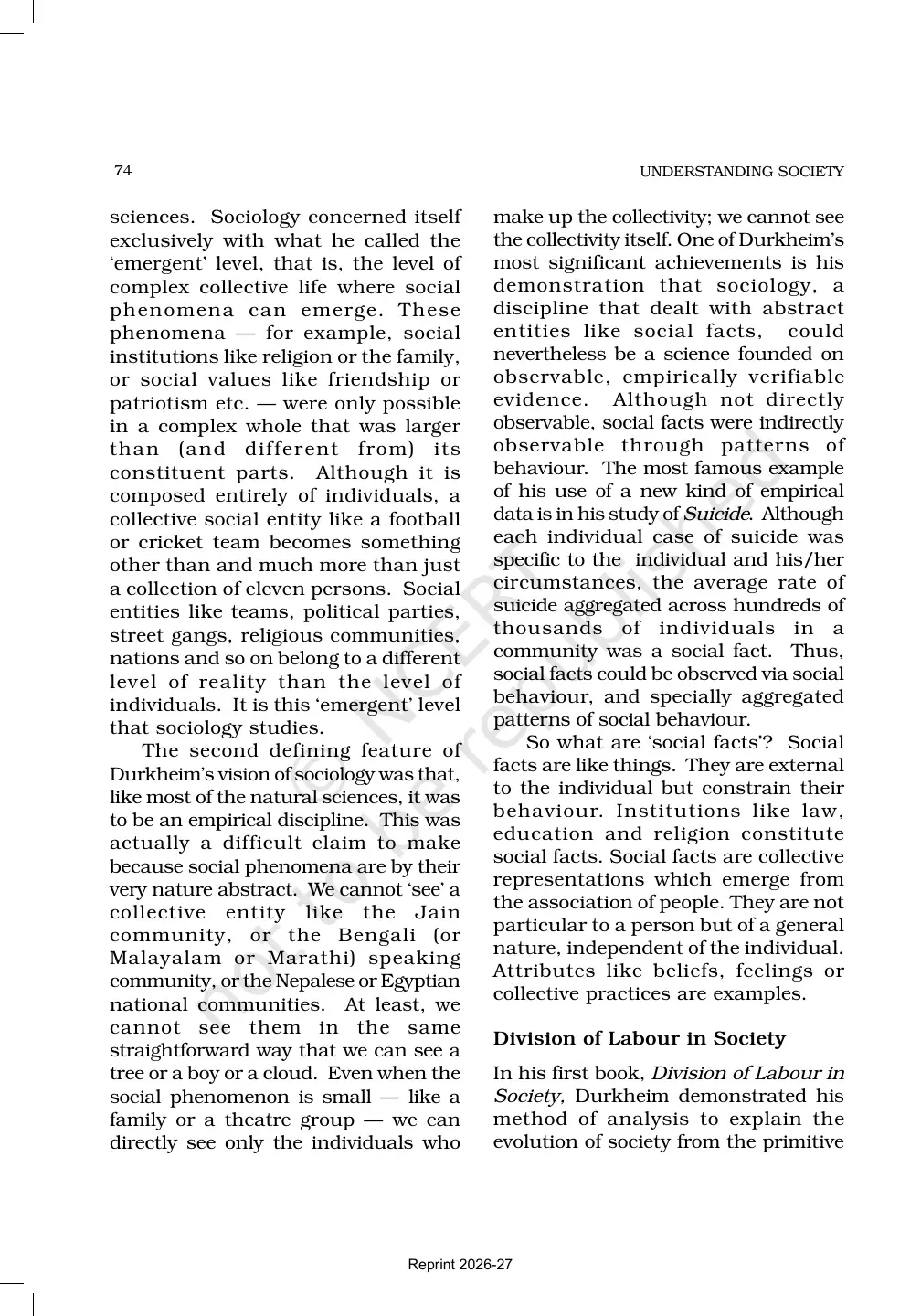
- Emile Durkheim: studied social facts, solidarity, religion and division of labour.
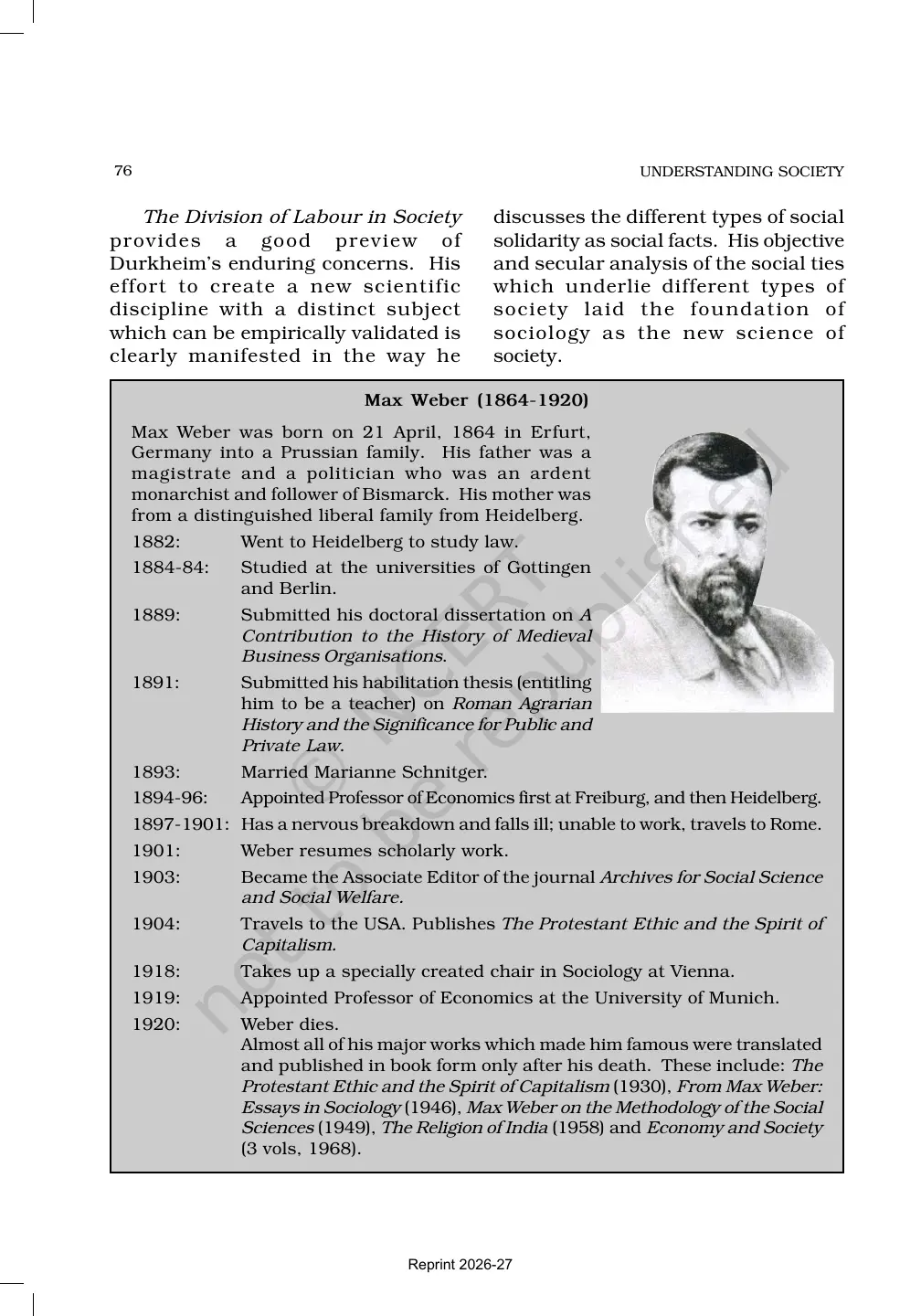
- Max Weber: studied social action, bureaucracy, authority and rationalisation.
Introducing Western Sociologists Video Recap
Source: Magnet Brains on YouTube
Marx Durkheim and Weber in One Timeline
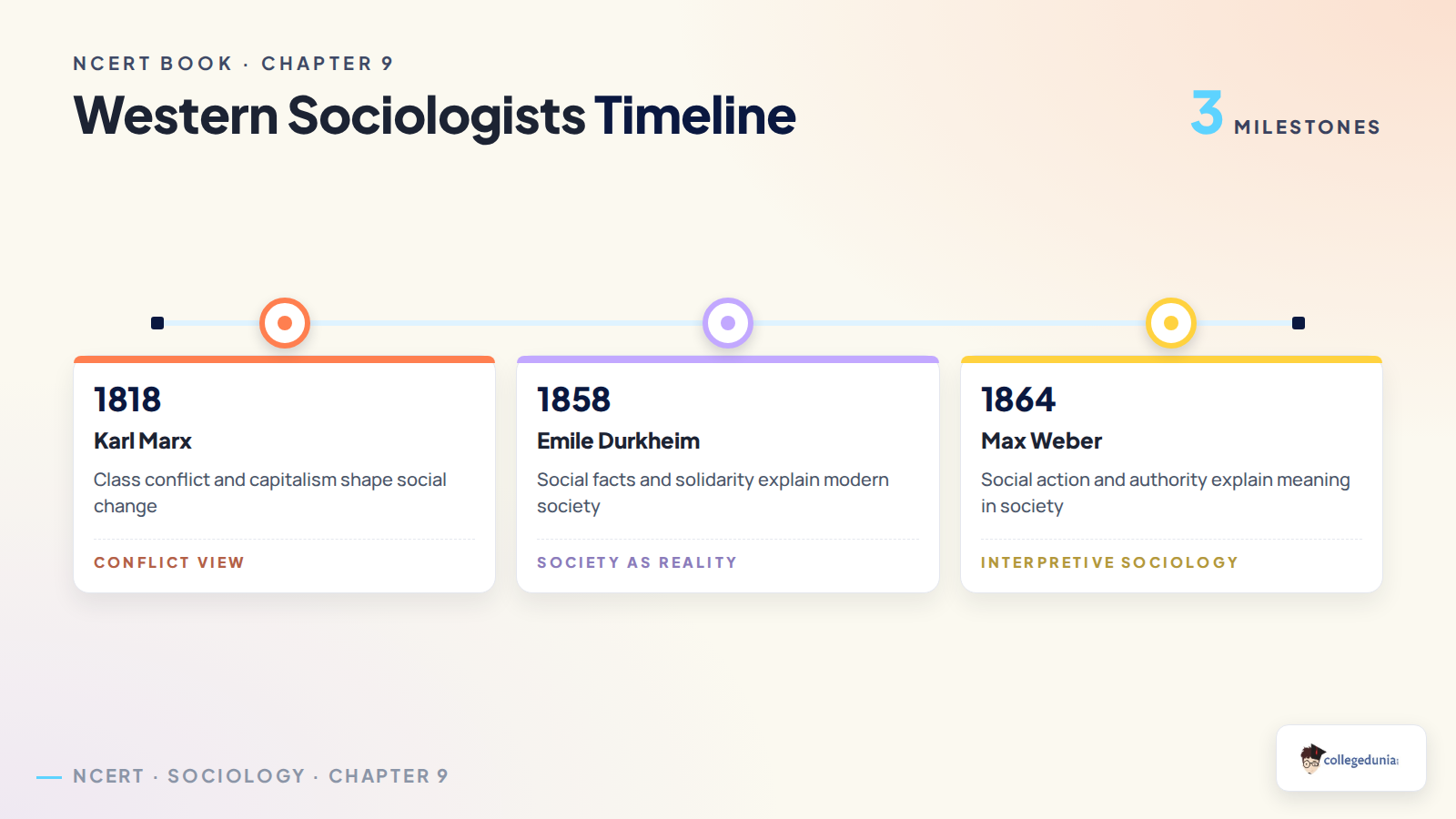
The timeline helps students place the three thinkers in historical order. Marx wrote during the growth of industrial capitalism. Durkheim worked when Sociology was becoming an academic subject. Weber studied how ideas, religion and authority shaped modern action.
A strong answer should not only name the thinker. It should connect the thinker with the concept NCERT uses. For example, Marx is linked with class, Durkheim with social facts and Weber with social action.
How Karl Marx Studies Capitalism and Class
Marx analysed society through production and class relations. In his view, the way goods are produced shapes social life. Capitalism divides society into groups with different relationships to property, work and profit.
For Marx, class conflict is not a personal quarrel. It is built into the structure of capitalism. This is why students should write about owners, workers, surplus and production when answering Marx-based questions.
- Mode of production: the way a society organises production.
- Class: a group located by its relation to property and labour.
- Conflict: struggle that emerges from unequal economic relations.
- Social change: change that grows from tension inside society.
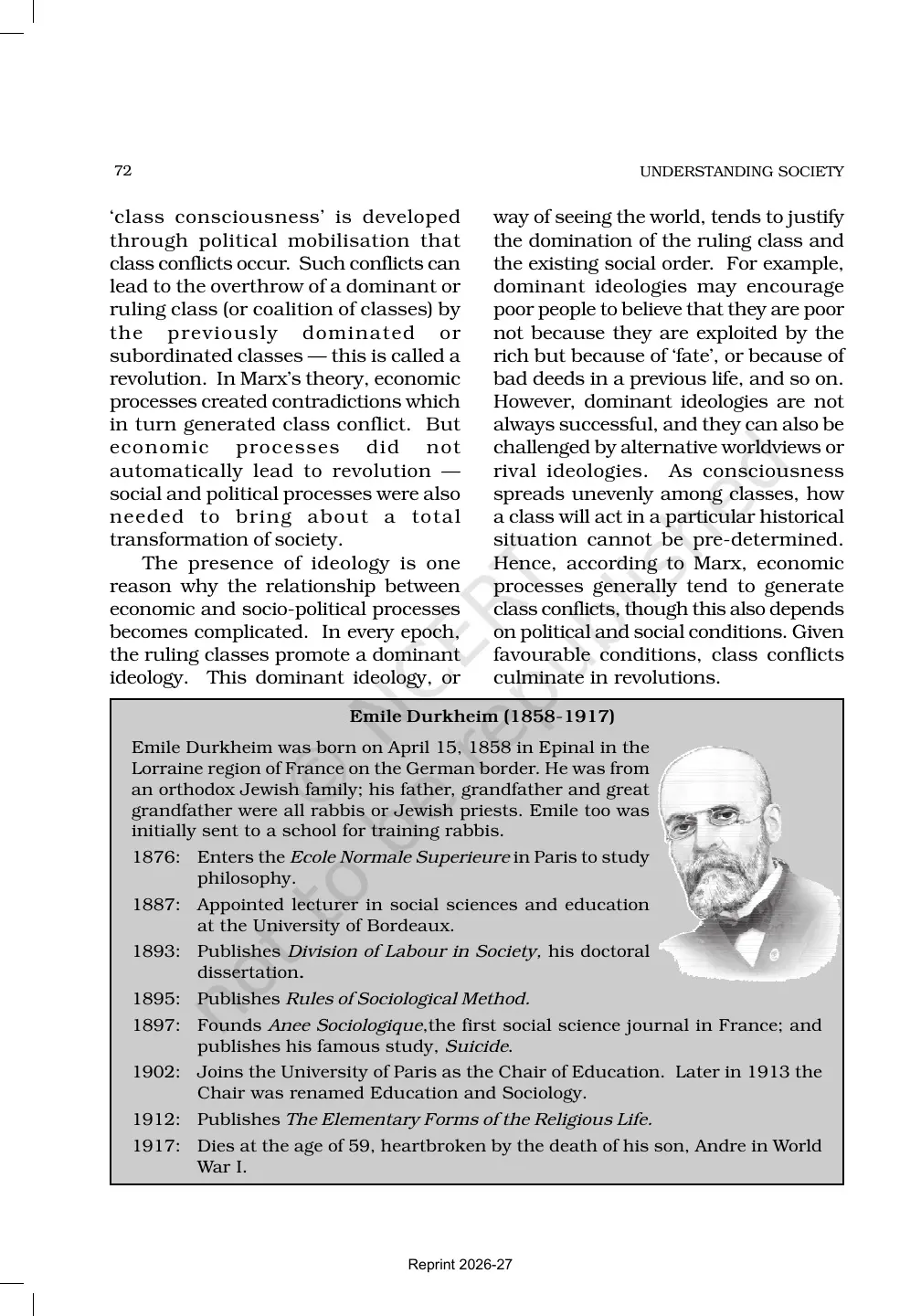
Durkheim Social Facts and Solidarity
Durkheim argued that society has a reality of its own. Social facts exist outside individuals and influence their behaviour. Law, religion, custom, family rules and moral expectations are examples students can use in answers.
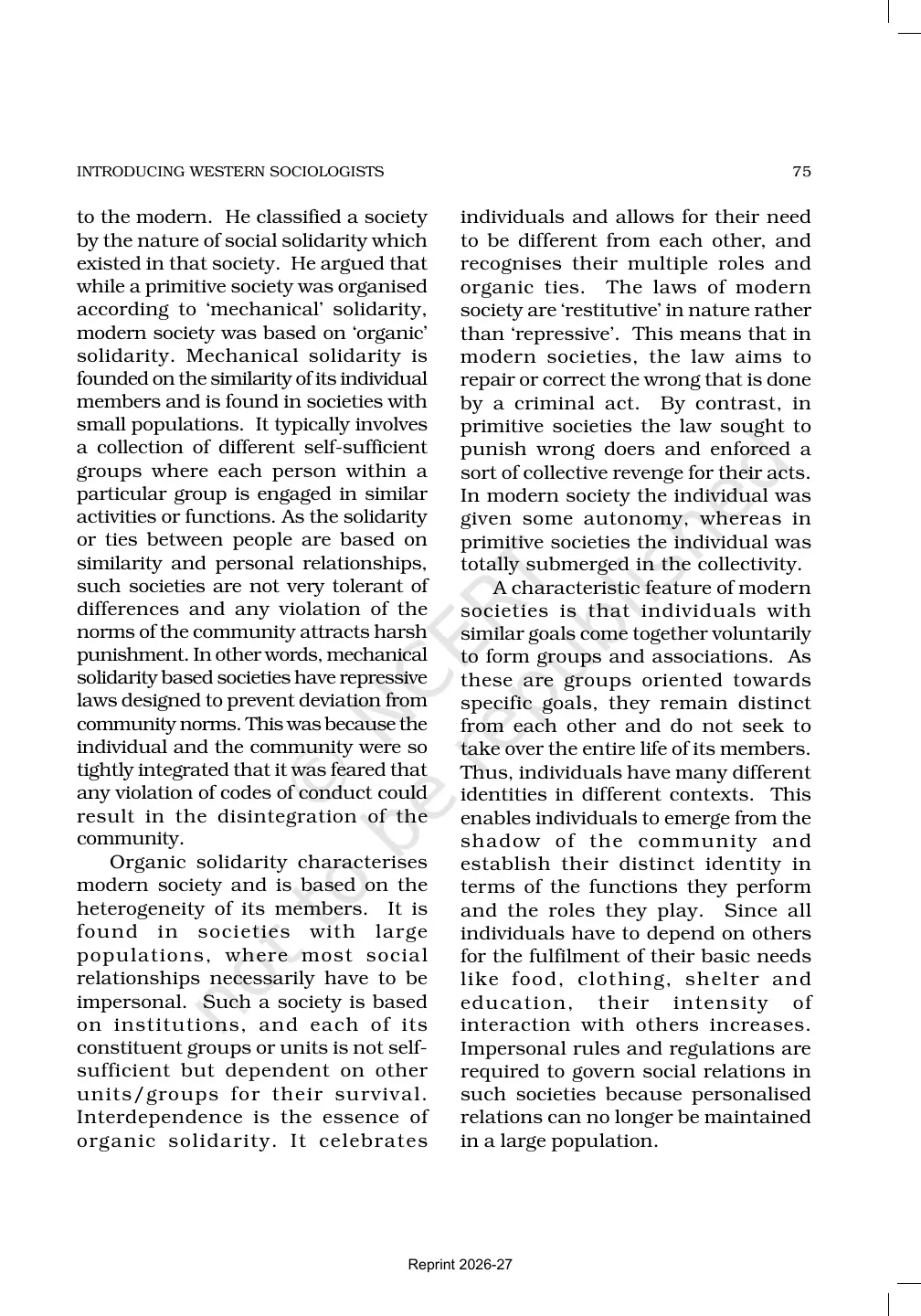
Durkheim also studied solidarity. Mechanical solidarity is linked with simpler societies where people are similar. Organic solidarity is linked with modern societies where people depend on one another through specialised roles.
| Durkheim concept | Meaning | Revision cue |
|---|---|---|
| Social fact | A social rule or pattern that exists beyond one person | Law, custom, religion, language |
| Mechanical solidarity | Unity based on similarity | Small, traditional communities |
| Organic solidarity | Unity based on interdependence | Modern division of labour |
Weber Social Action Authority and Bureaucracy
Weber studied how people attach meaning to action. He wanted Sociology to understand why people act in a particular way. This makes Weber useful for questions on religion, authority, bureaucracy and rationalisation.
Weber's idea of authority is especially useful for exam answers. Traditional authority rests on custom, charismatic authority rests on personal appeal and legal-rational authority rests on rules and offices.
- Social action: action to which a person gives meaning.
- Authority: legitimate power accepted by people.
- Bureaucracy: rule-based organisation with hierarchy and files.
- Rationalisation: growing importance of calculation, rules and efficiency.
Marx Durkheim Weber Comparison for Revision
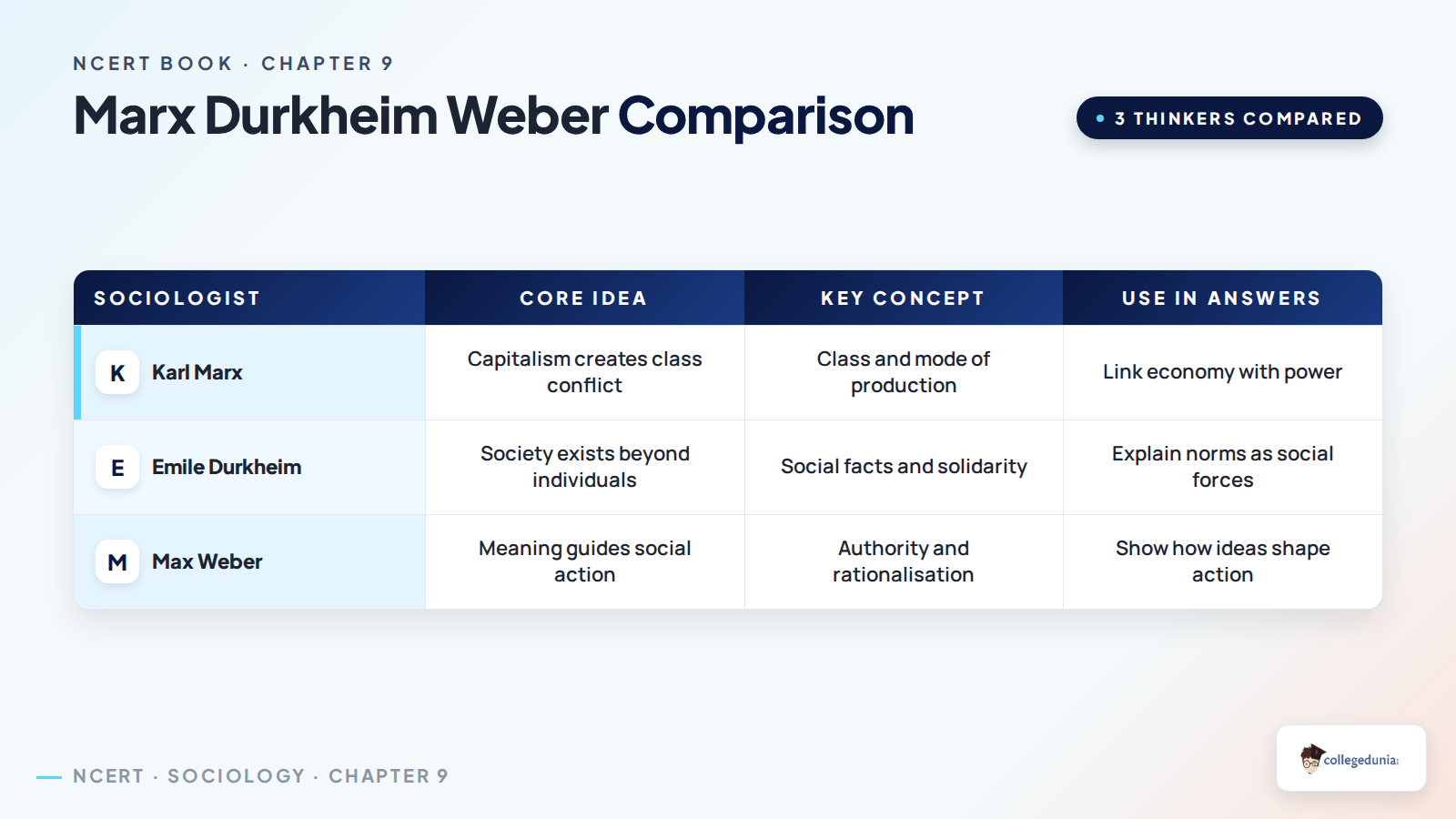
Students often lose marks by writing the same point for all three thinkers. The safer method is to write one keyword for each thinker before expanding the answer.
Use Marx for class and capitalism, Durkheim for social facts and solidarity, and Weber for meaning and authority. This simple split keeps long answers organised.
| Thinker | Main focus | Useful answer phrase |
|---|---|---|
| Karl Marx | Capitalism, class and conflict | Economic structure shapes social relations. |
| Emile Durkheim | Social facts and solidarity | Society influences individual behaviour. |
| Max Weber | Social action and authority | Meaning and legitimacy shape action. |
How to Use the Chapter 9 Book PDF for Revision
Use the official PDF in three rounds. First, mark every definition and thinker name. Second, make a three-column comparison chart. Third, practise one paragraph each on Marx, Durkheim and Weber.
- For short answers: write one clear definition and one example.
- For long answers: start with the thinker, explain the concept and add a modern example.
- For comparison questions: keep the three thinkers in separate columns.
- For quick recap: revise class conflict, social facts and social action together.
Introducing Western Sociologists Related Resources
| Resource | Best use |
|---|---|
| Introducing Western Sociologists NCERT Solutions | Use for textbook exercise answers on Marx, Durkheim and Weber. |
| Introducing Western Sociologists Notes | Use for shorter concept explanations once the notes page is live. |
| Introducing Western Sociologists Handwritten Notes | Use for one-shot revision once the handwritten notes page is live. |
All Class 11 Sociology NCERT Book Chapters
| Chapter | NCERT Book PDF |
|---|---|
| 1 | Sociology and Society |
| 2 | Terms, Concepts and Their Use in Sociology |
| 3 | Understanding Social Institutions |
| 4 | Culture and Socialisation |
| 5 | Doing Sociology: Research Methods |
| 6 | Social Structure, Stratification and Social Processes in Society |
| 7 | Social Change and Social Order in Rural and Urban Society |
| 8 | Environment and Society |
| 9 | Introducing Western Sociologists |
| 10 | Indian Sociologists |
Introducing Western Sociologists Class 11 NCERT Book FAQs
Ques. What is included in the Class 11 Sociology Chapter 9 NCERT PDF?
Ans. It includes the official chapter on Karl Marx, Emile Durkheim and Max Weber for the 2026-27 syllabus.
Ques. Which Western sociologists are covered in this chapter?
Ans. The chapter covers Karl Marx, Emile Durkheim and Max Weber as three major founders of modern Sociology.
Ques. What should students remember about Karl Marx?
Ans. Students should remember Marx through capitalism, class conflict, production and economic structure.
Ques. What is Durkheim known for in this chapter?
Ans. Durkheim is known for social facts, solidarity, religion and the idea that society has a reality beyond individuals.
Ques. What is Weber's main contribution for Class 11 revision?
Ans. Weber helps students understand social action, meaning, authority, bureaucracy and rationalisation.



Comments