



The NCERT Class 12 Entrepreneurship Chapter 3 Enterprise Marketing Book PDF gives the official 2026-27 source chapter for SMART goals, marketing mix, branding, promotion, negotiation and customer relations. Read this PDF before notes or solutions so every answer stays close to NCERT language.
- PDF size: 45 official NCERT pages for chapter reading and offline revision.
- Core focus: 4Ps, sales strategy, branding, ATL BTL TTL promotion and negotiation.
- Best use: read the case studies first, then mark every definition and strategy table.
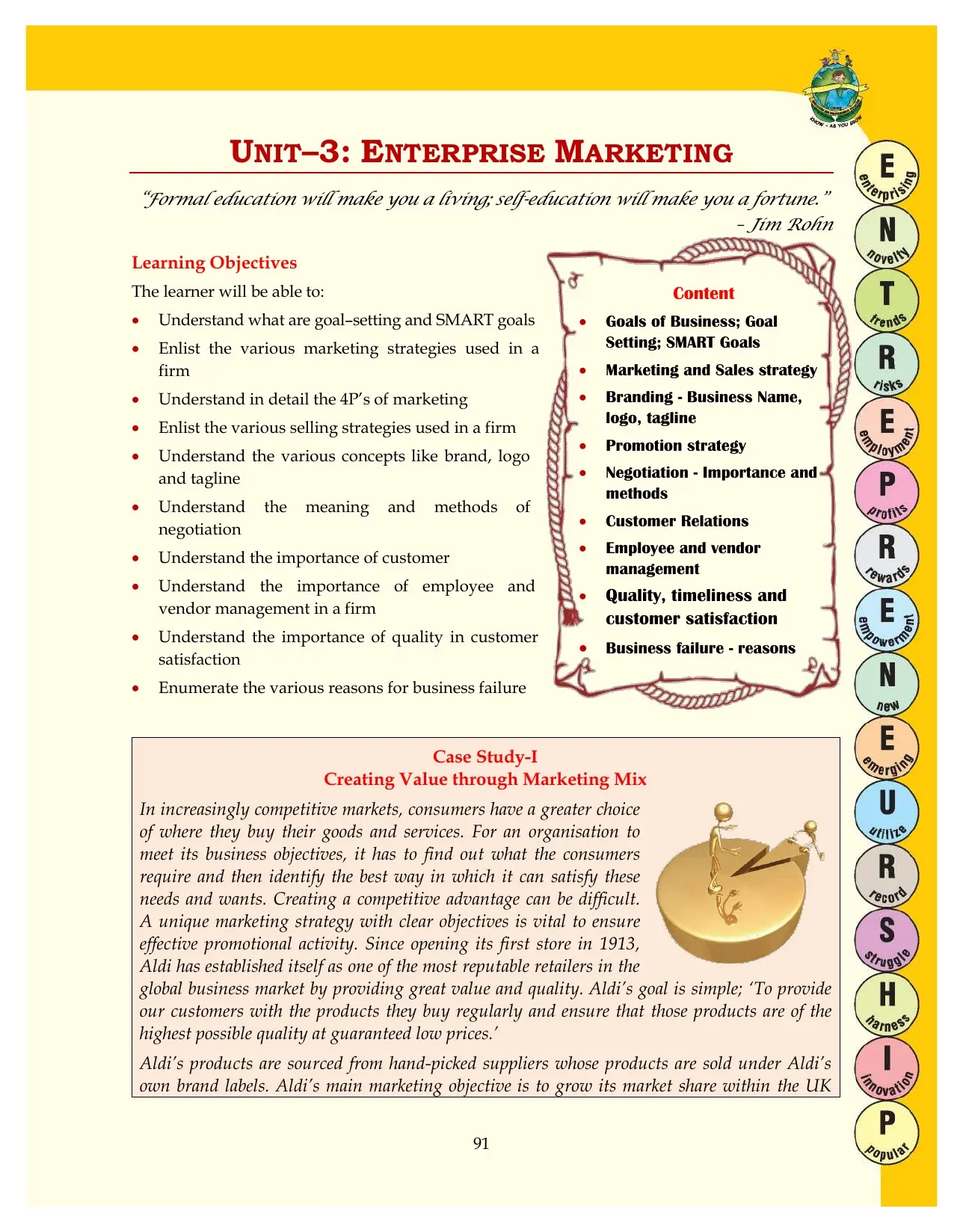
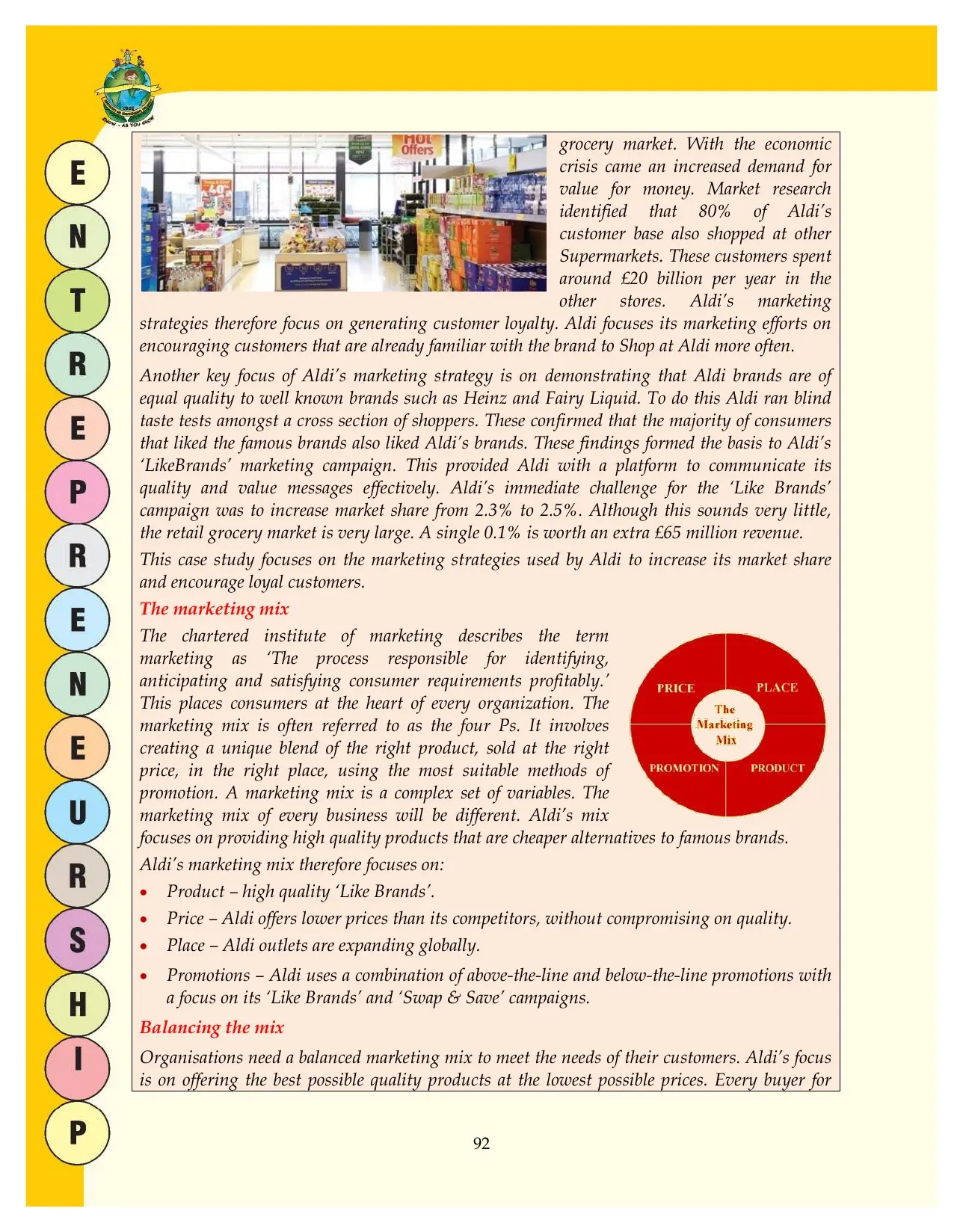
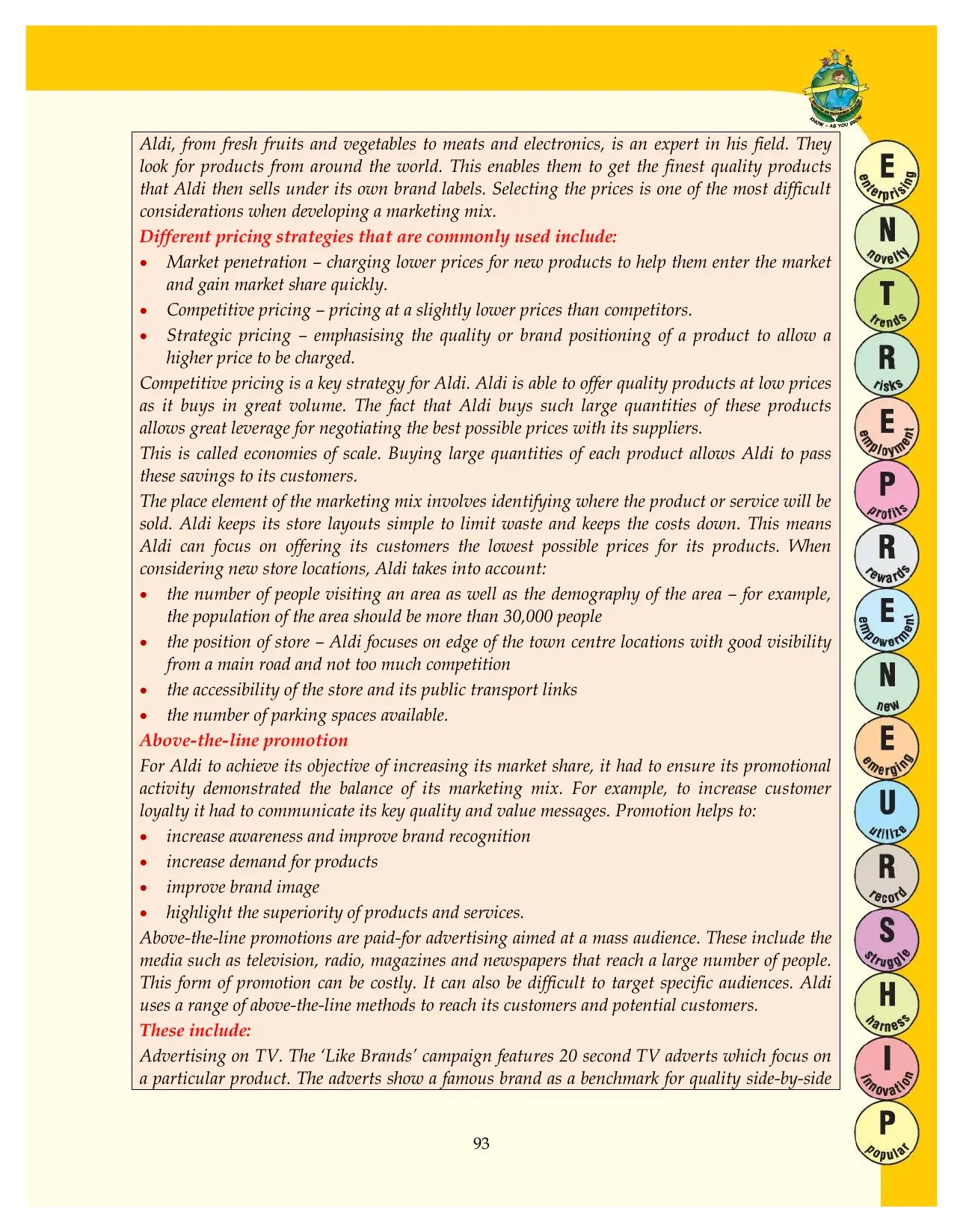
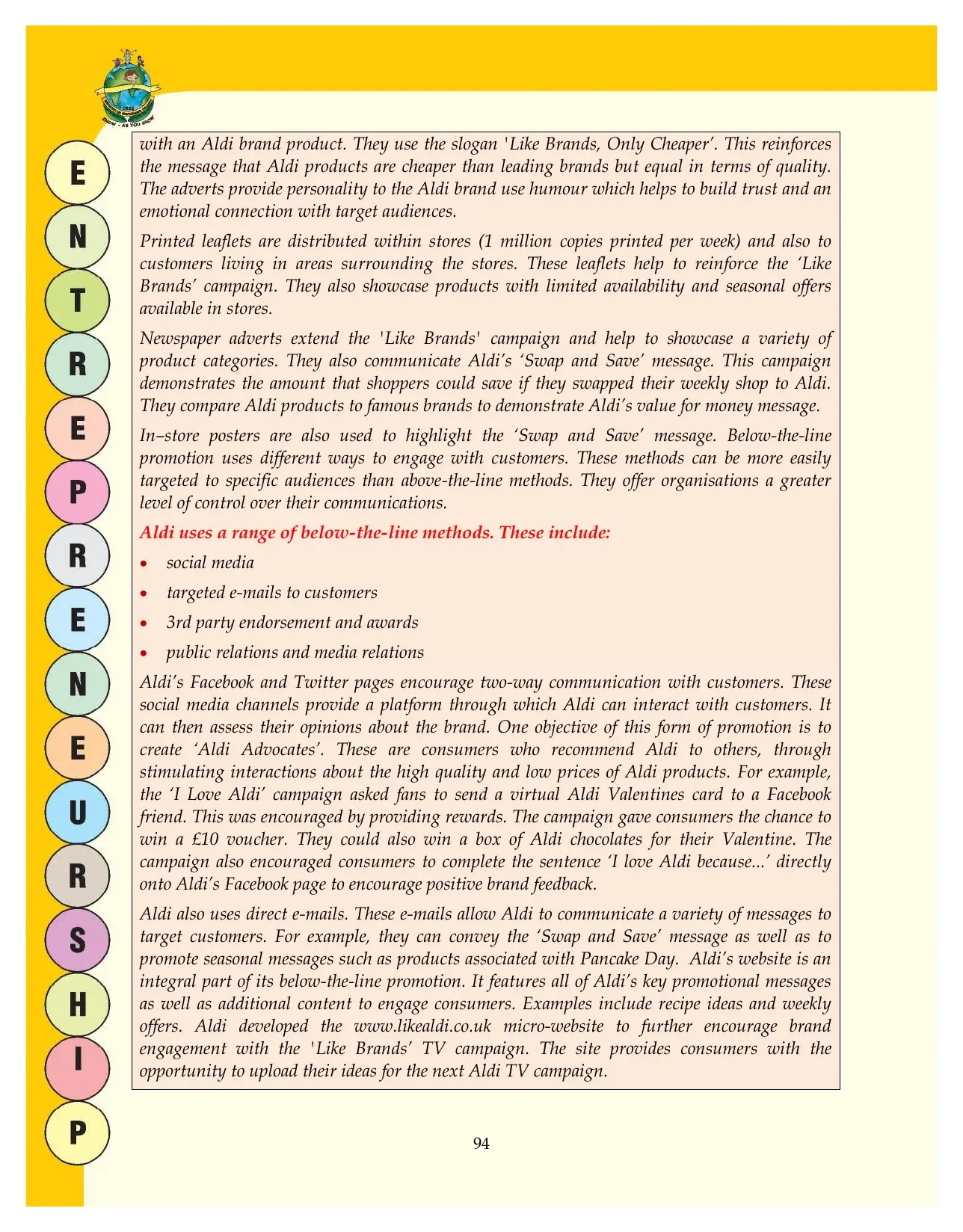
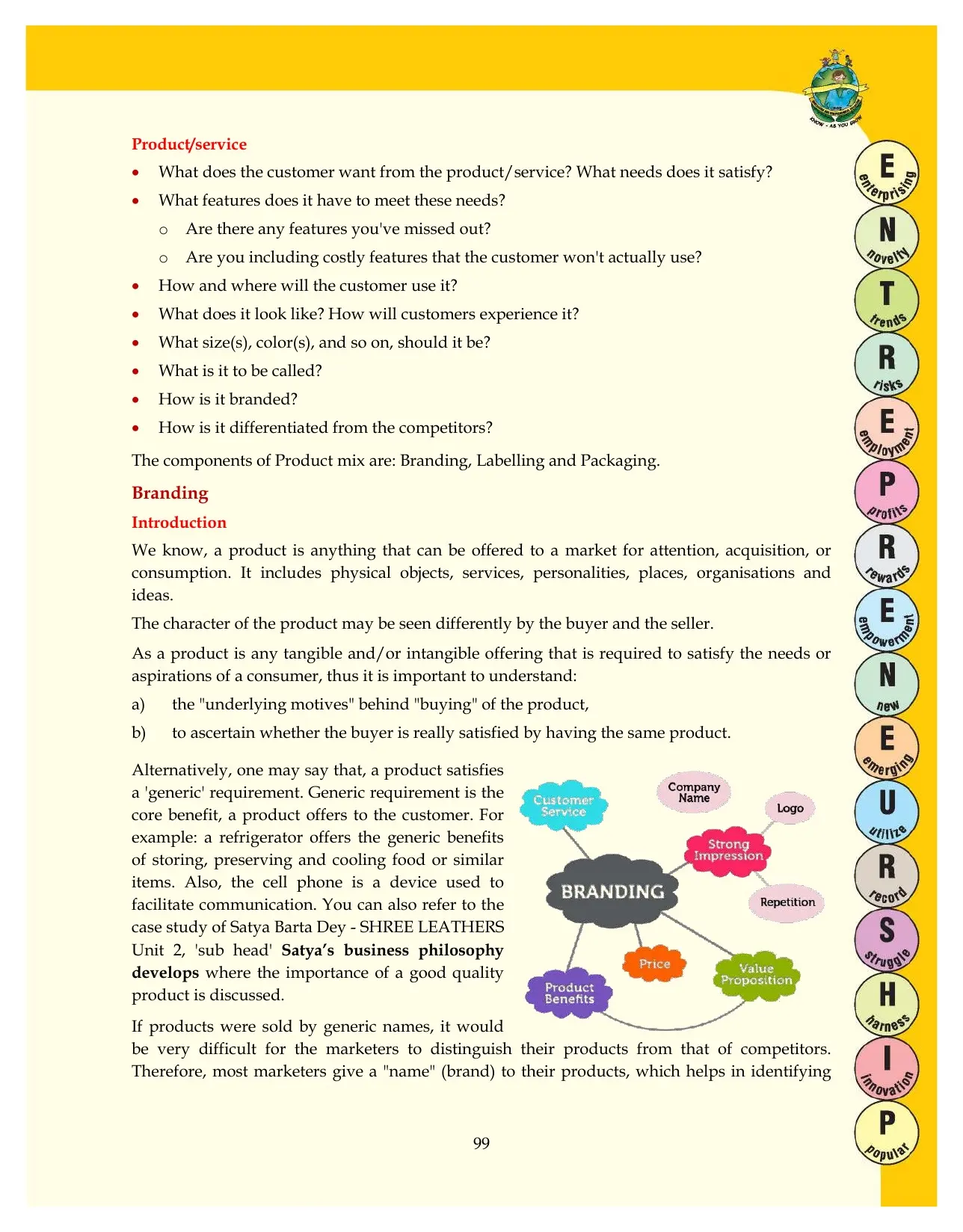
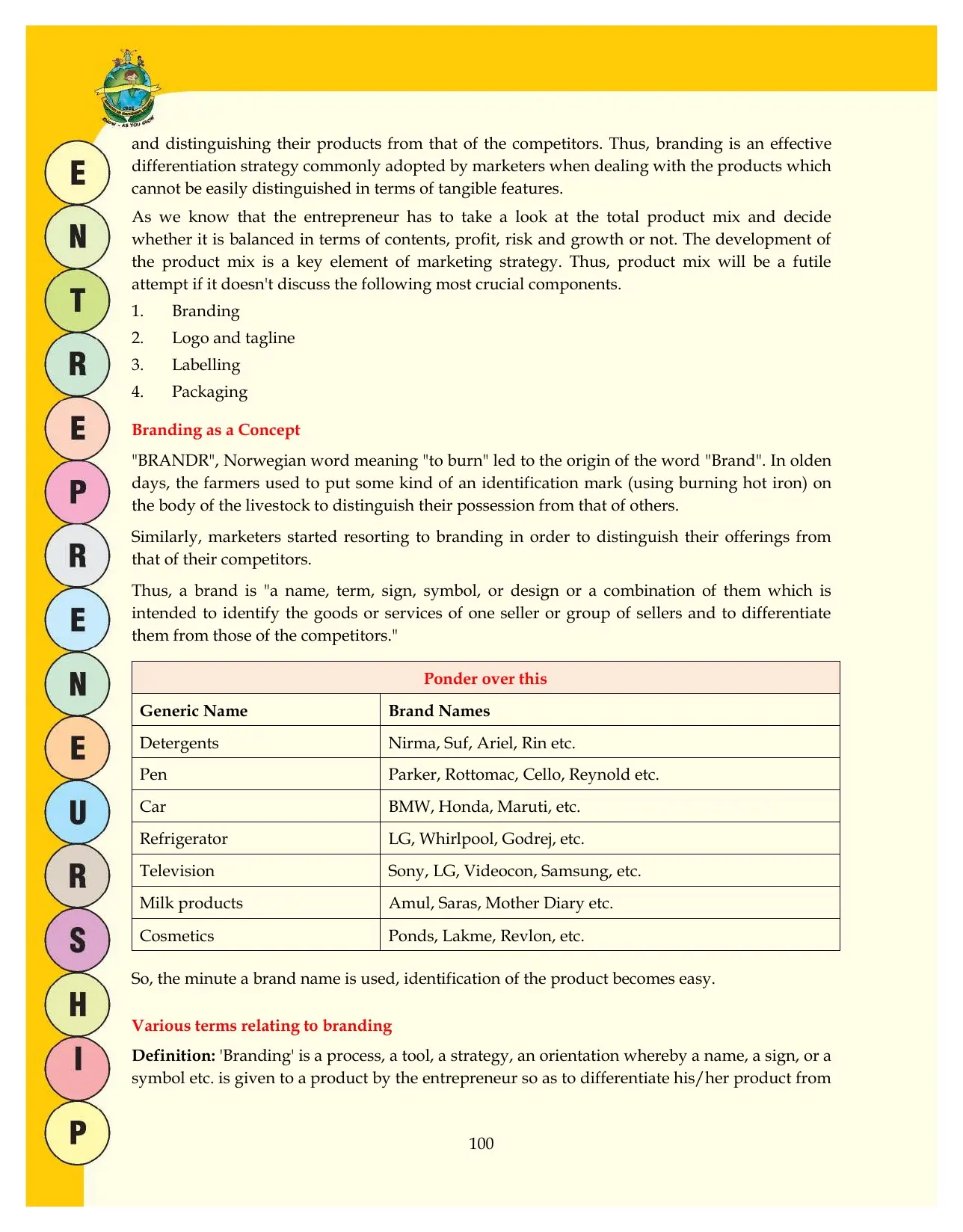
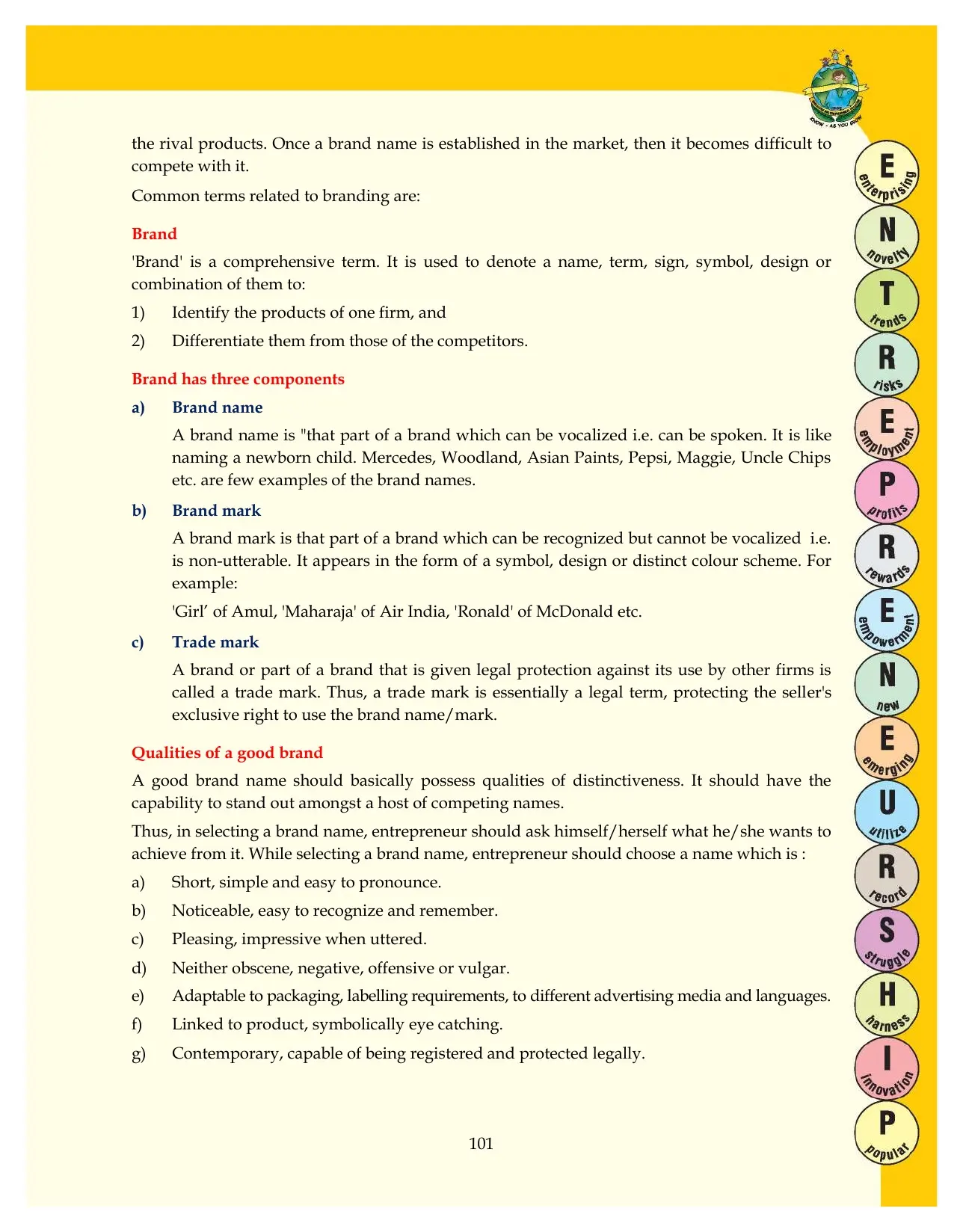
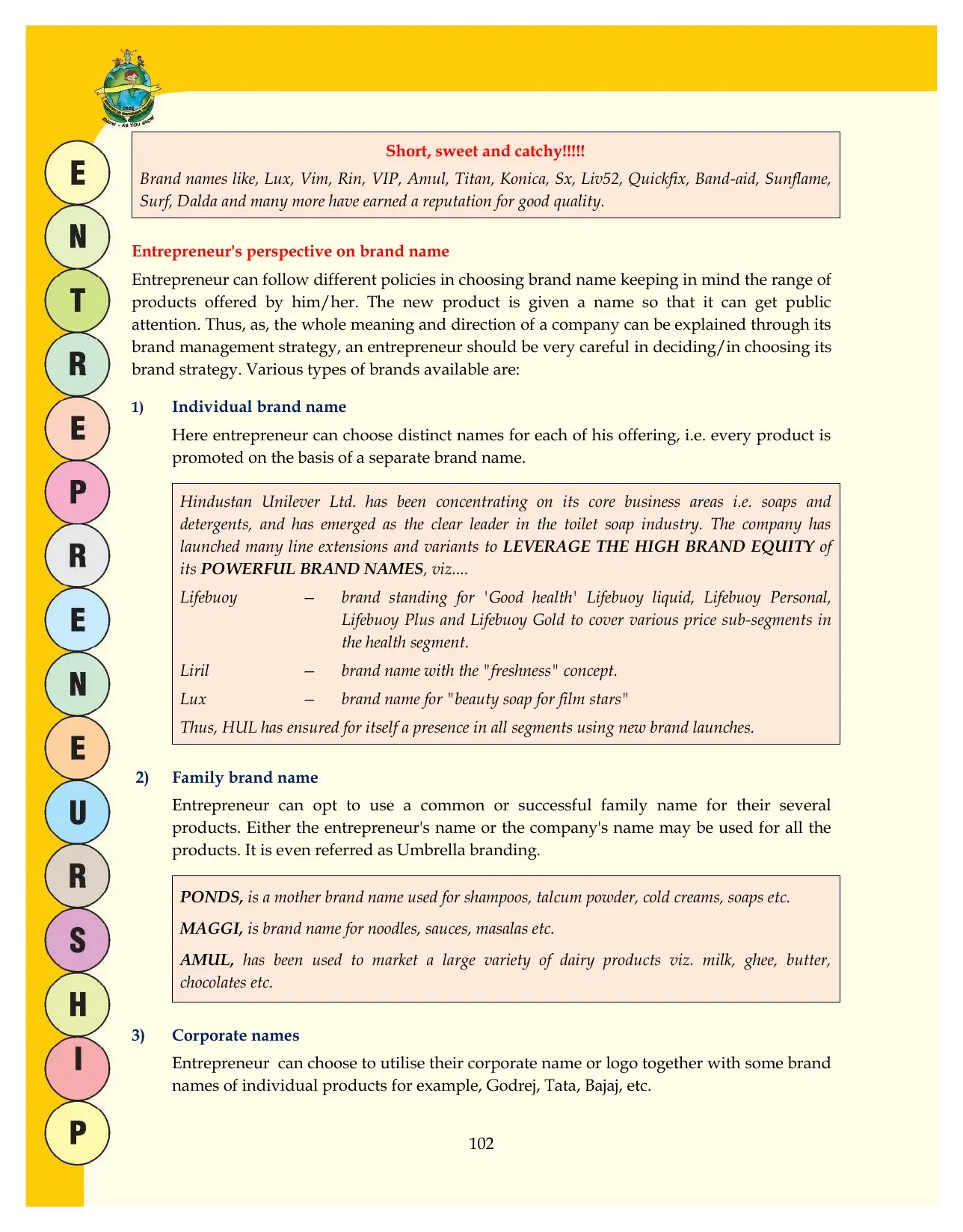
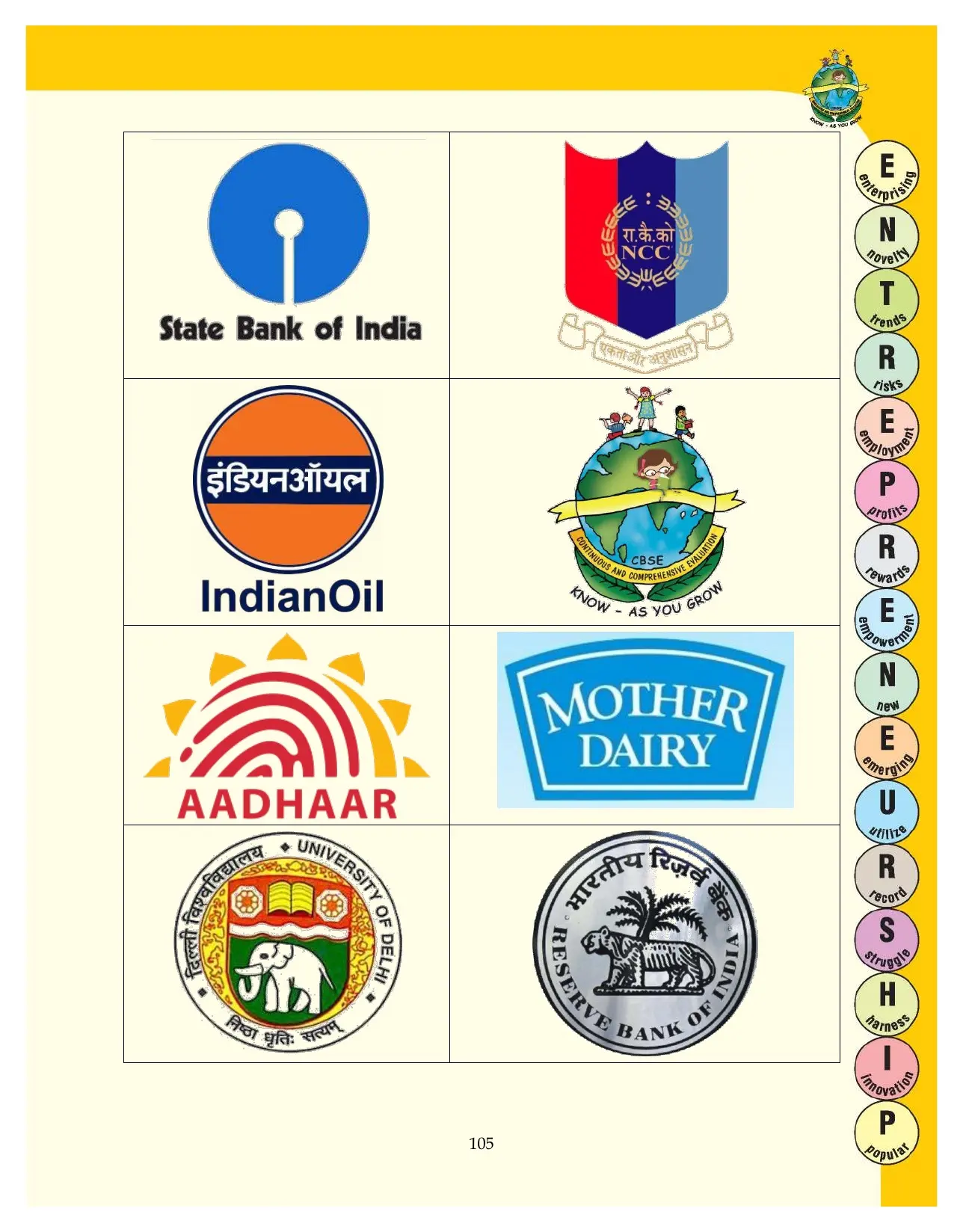
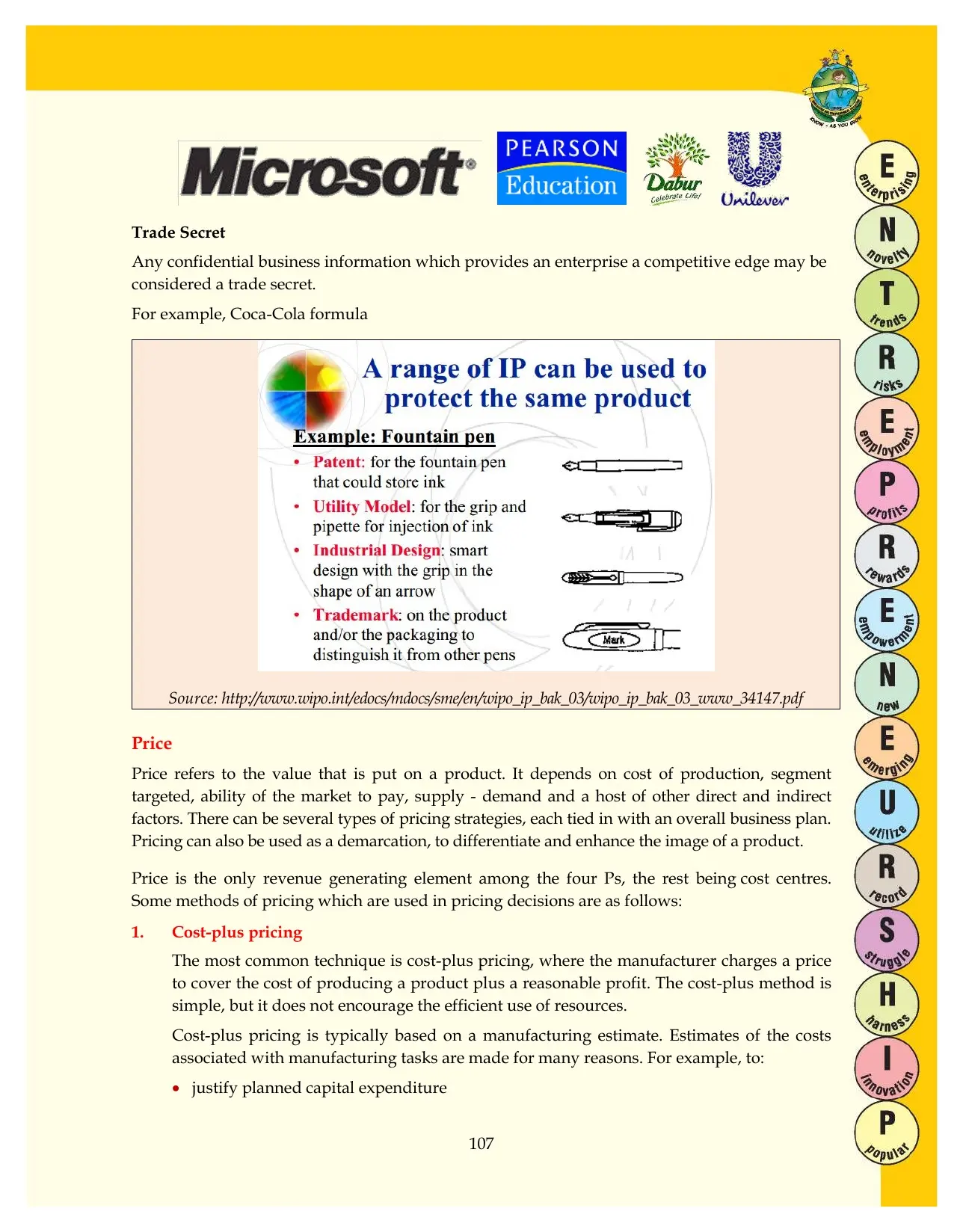
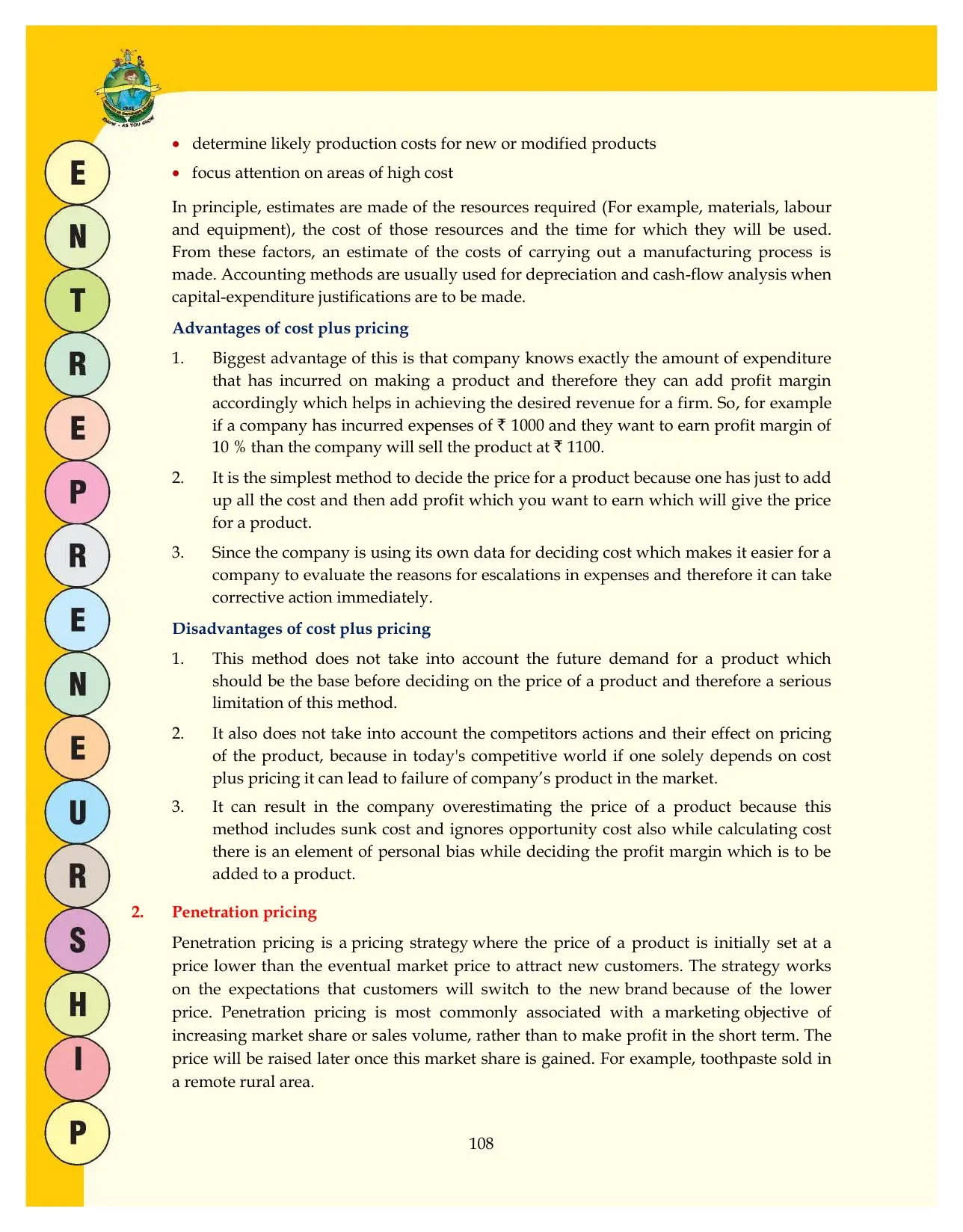
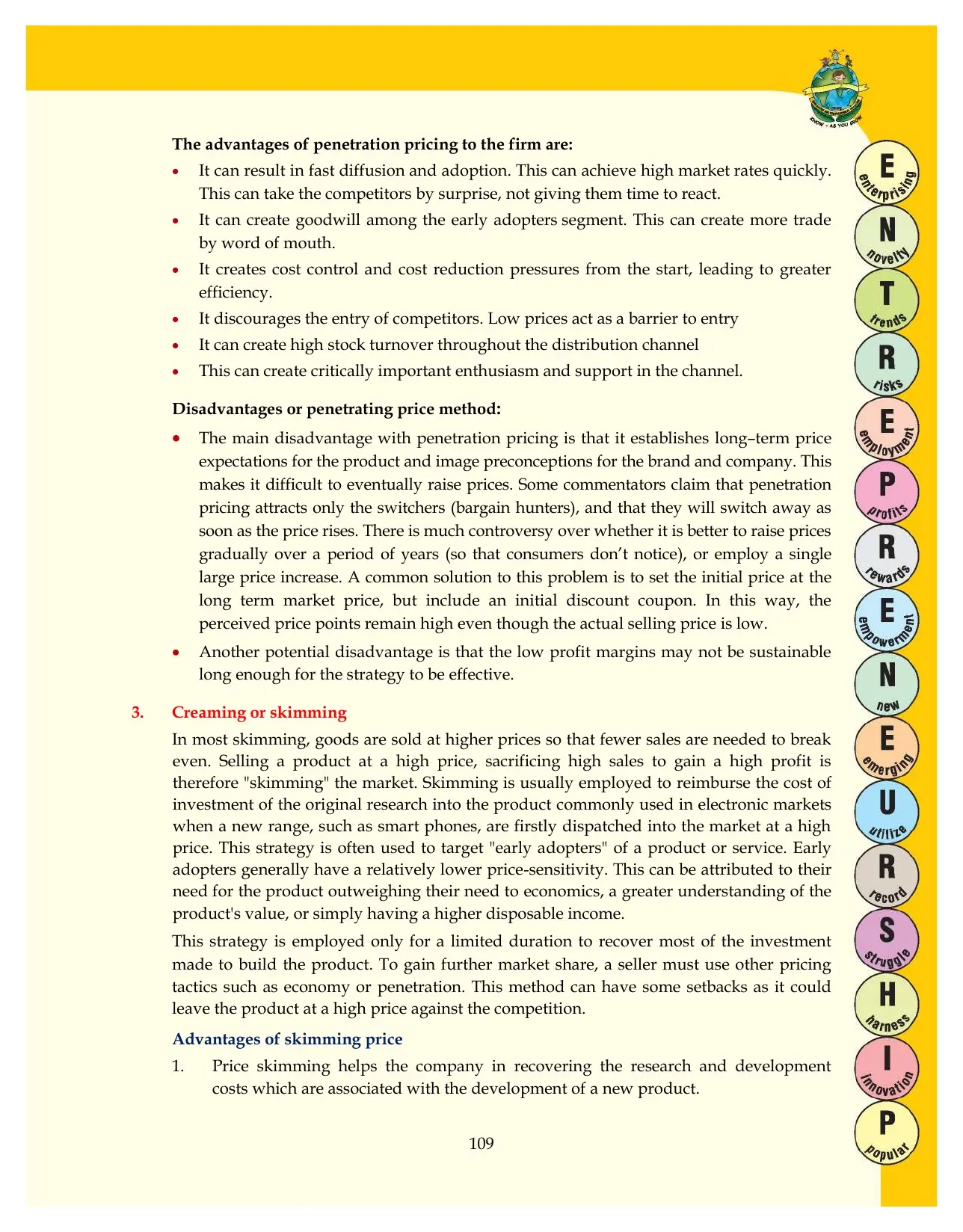
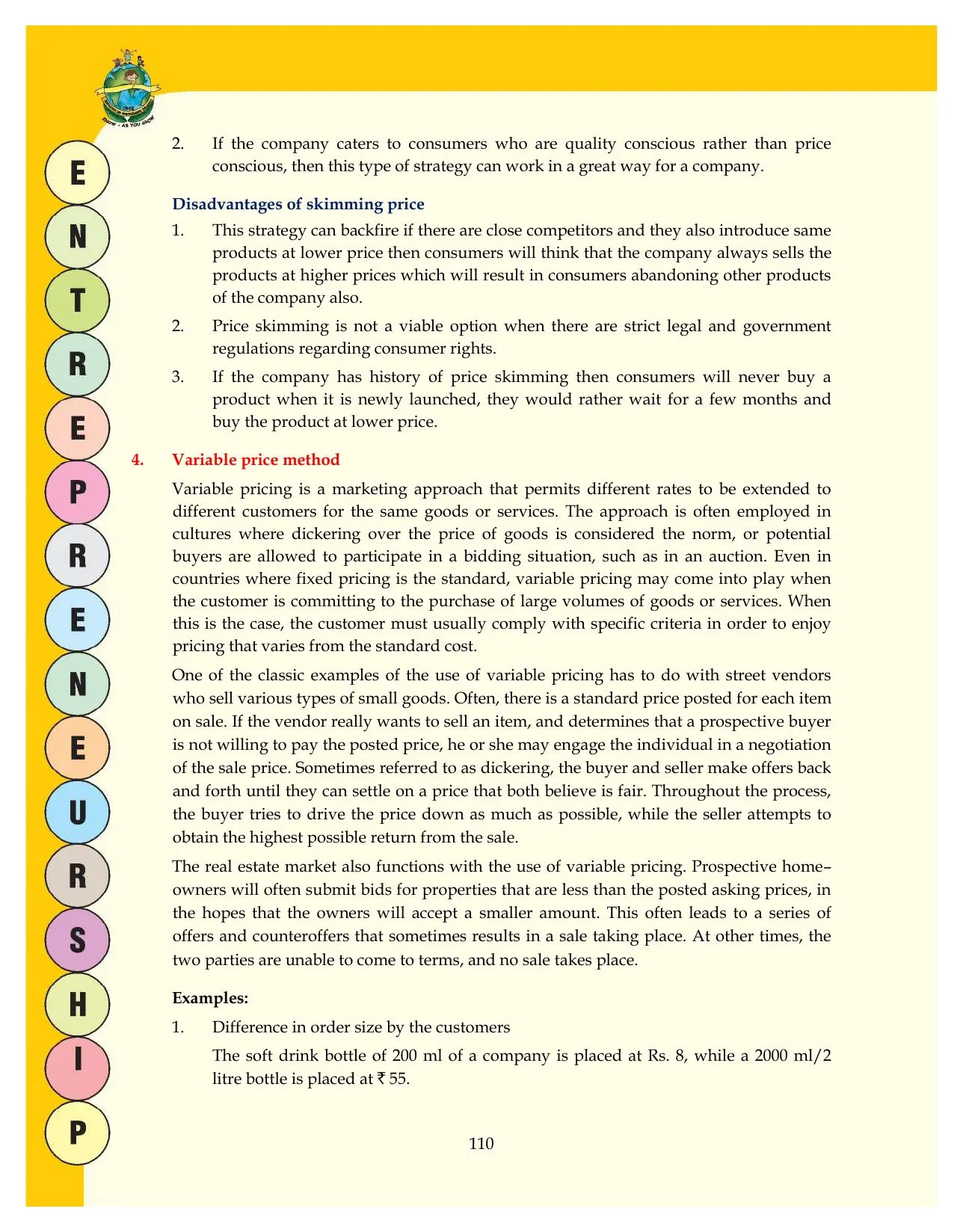
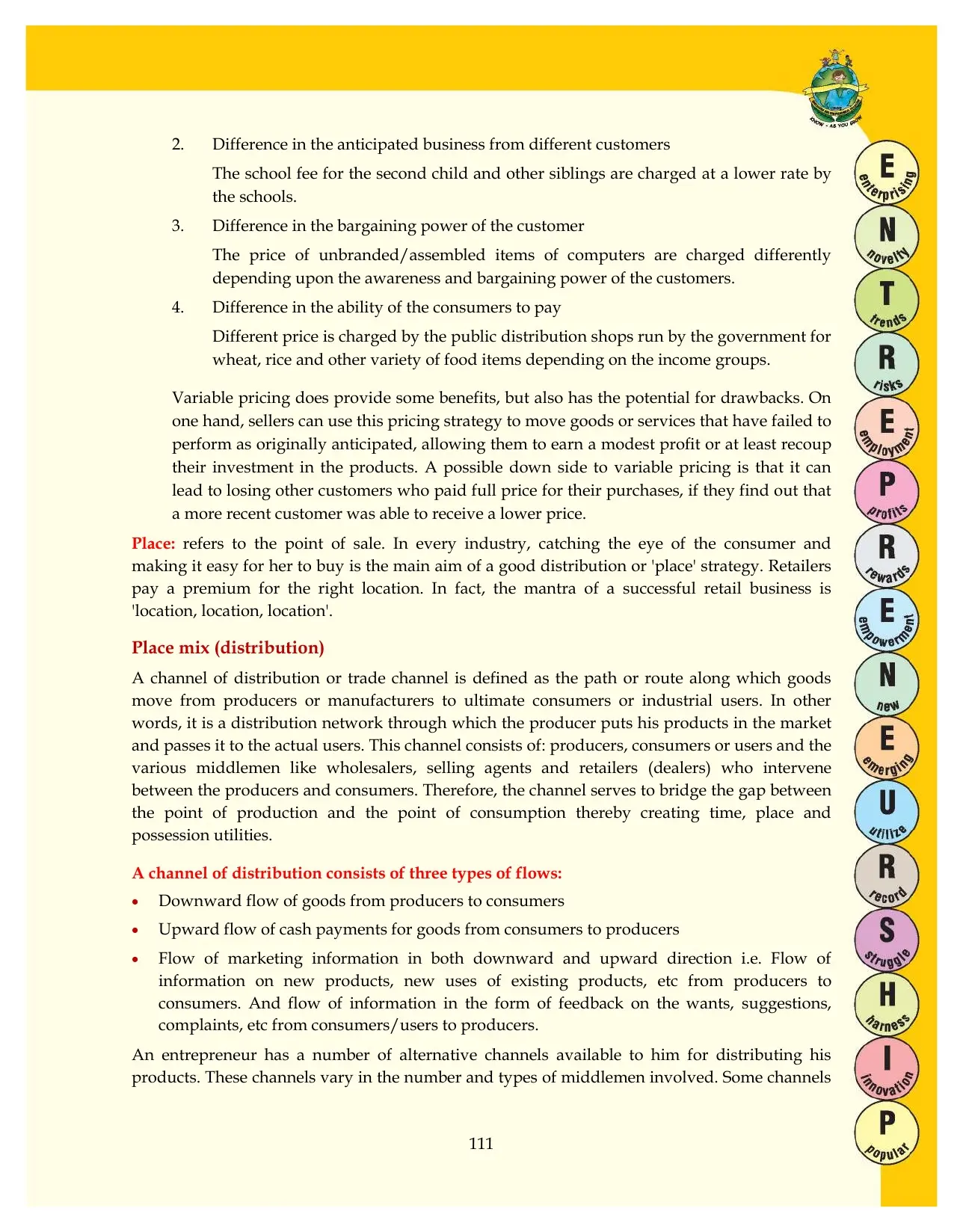
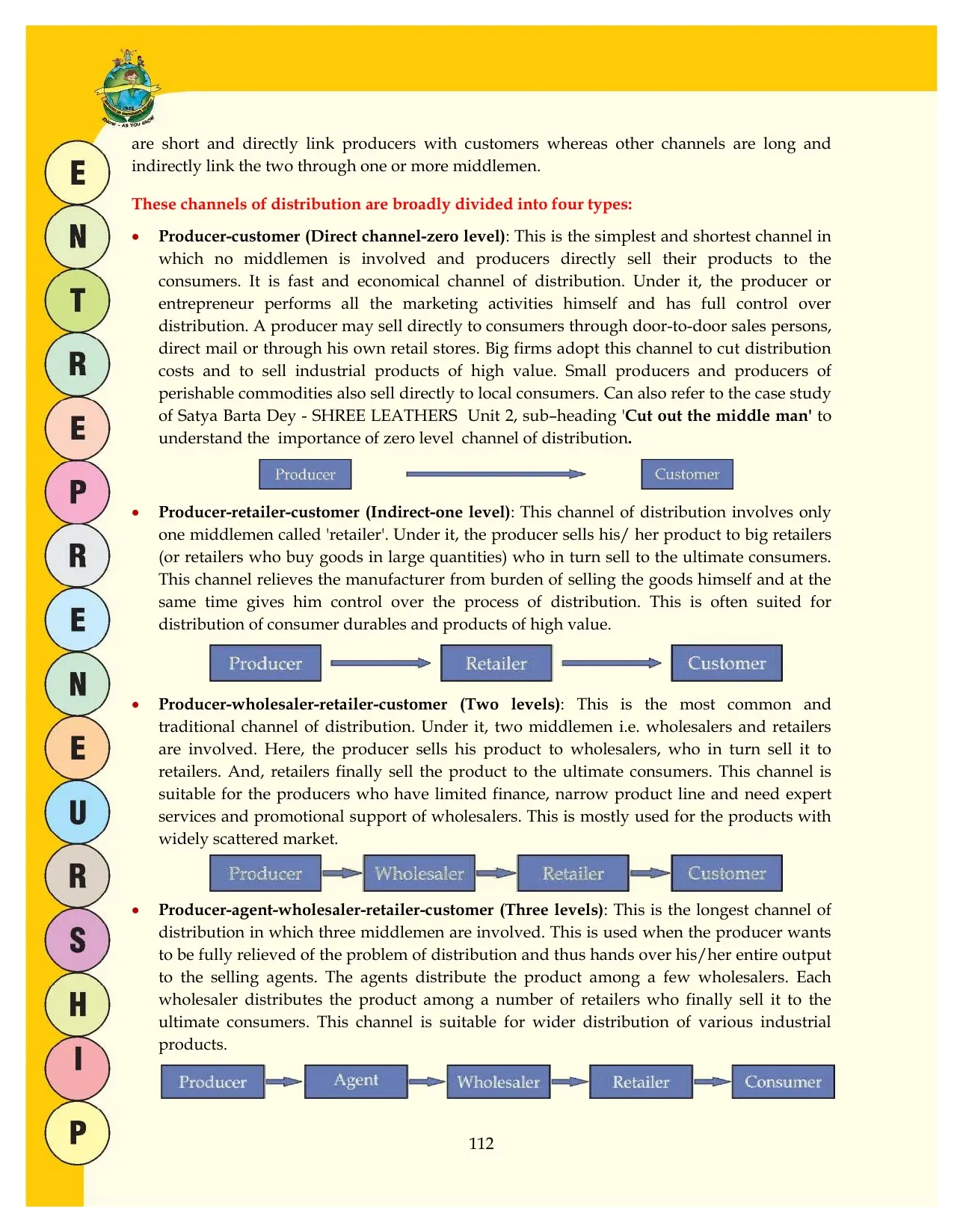
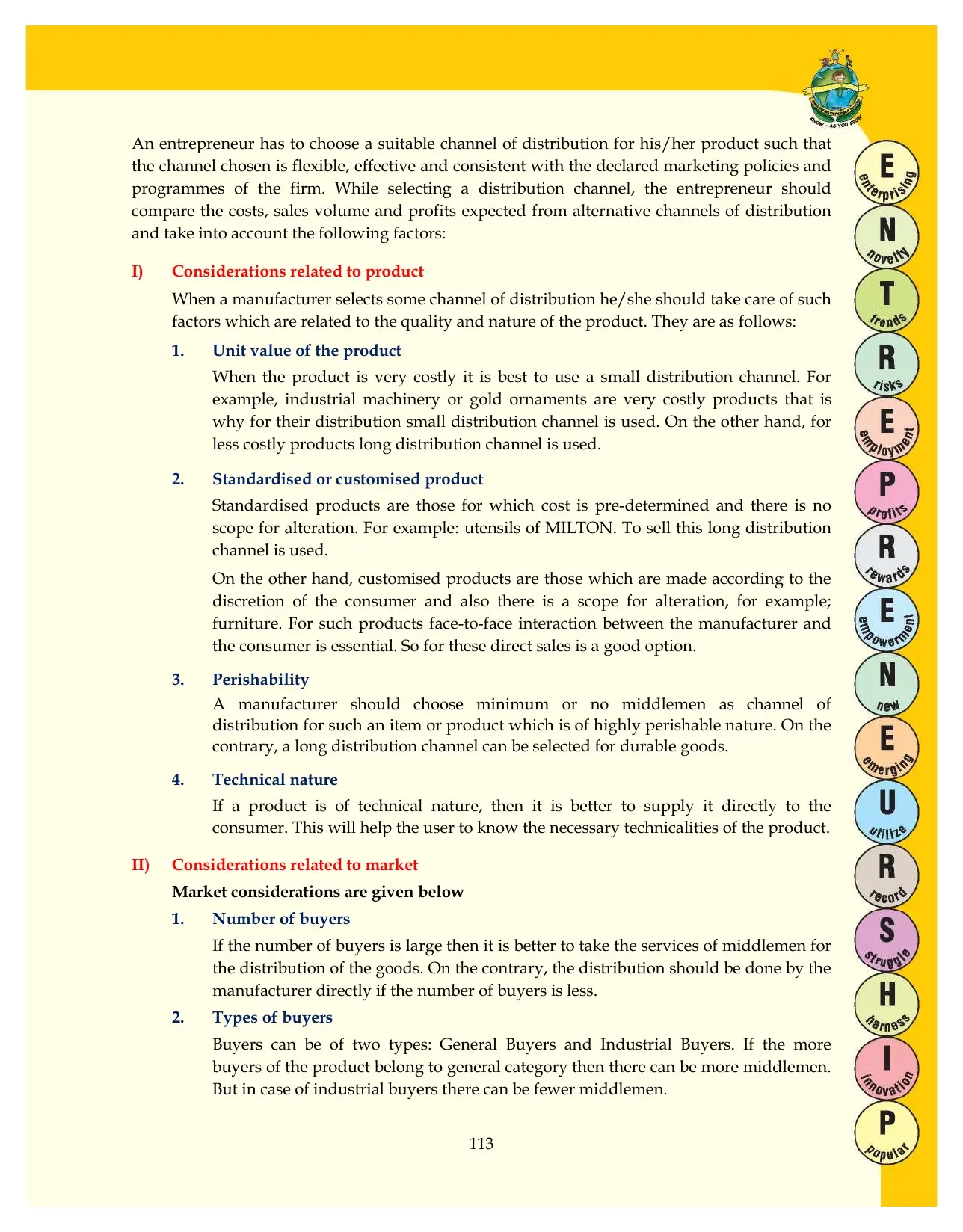
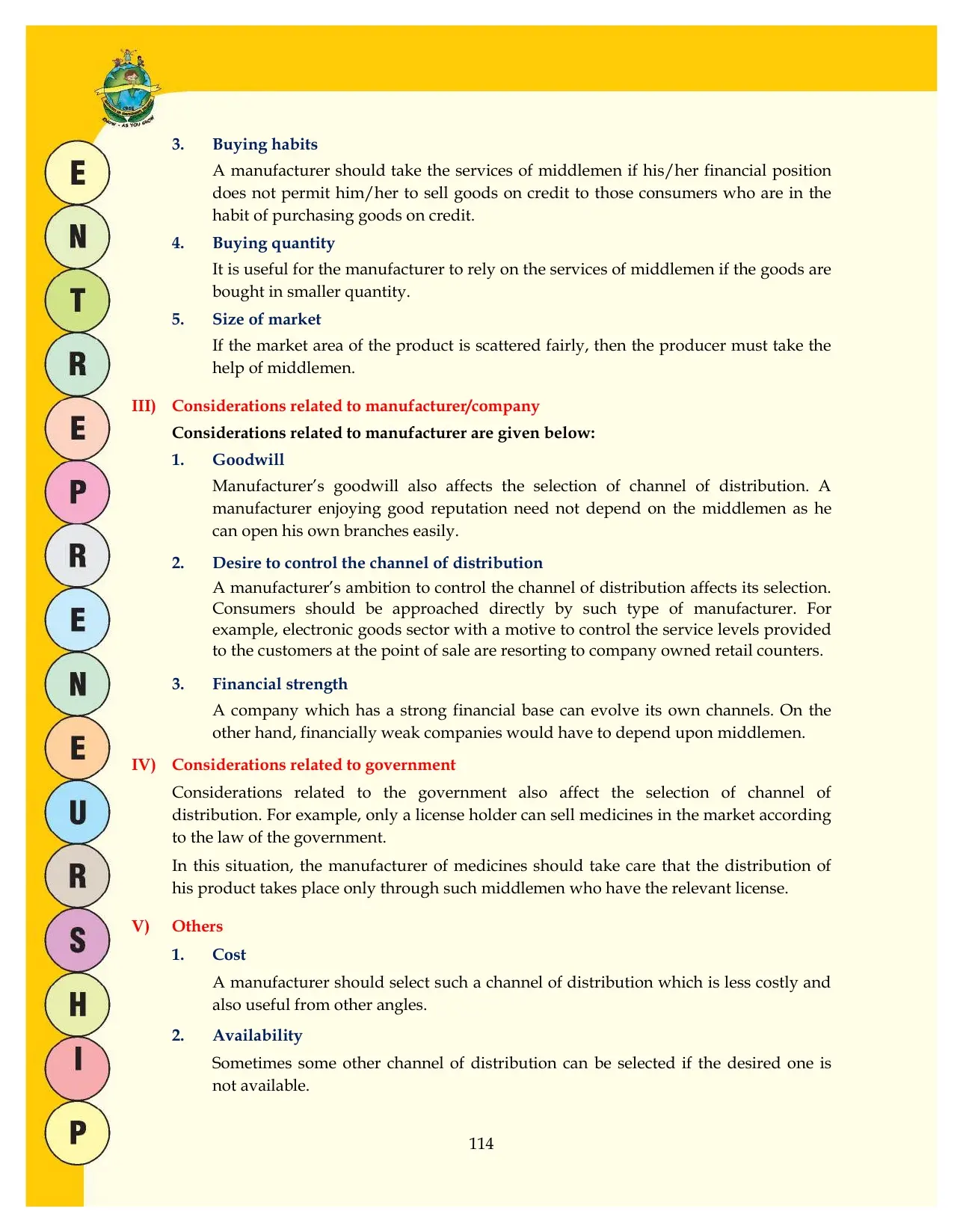
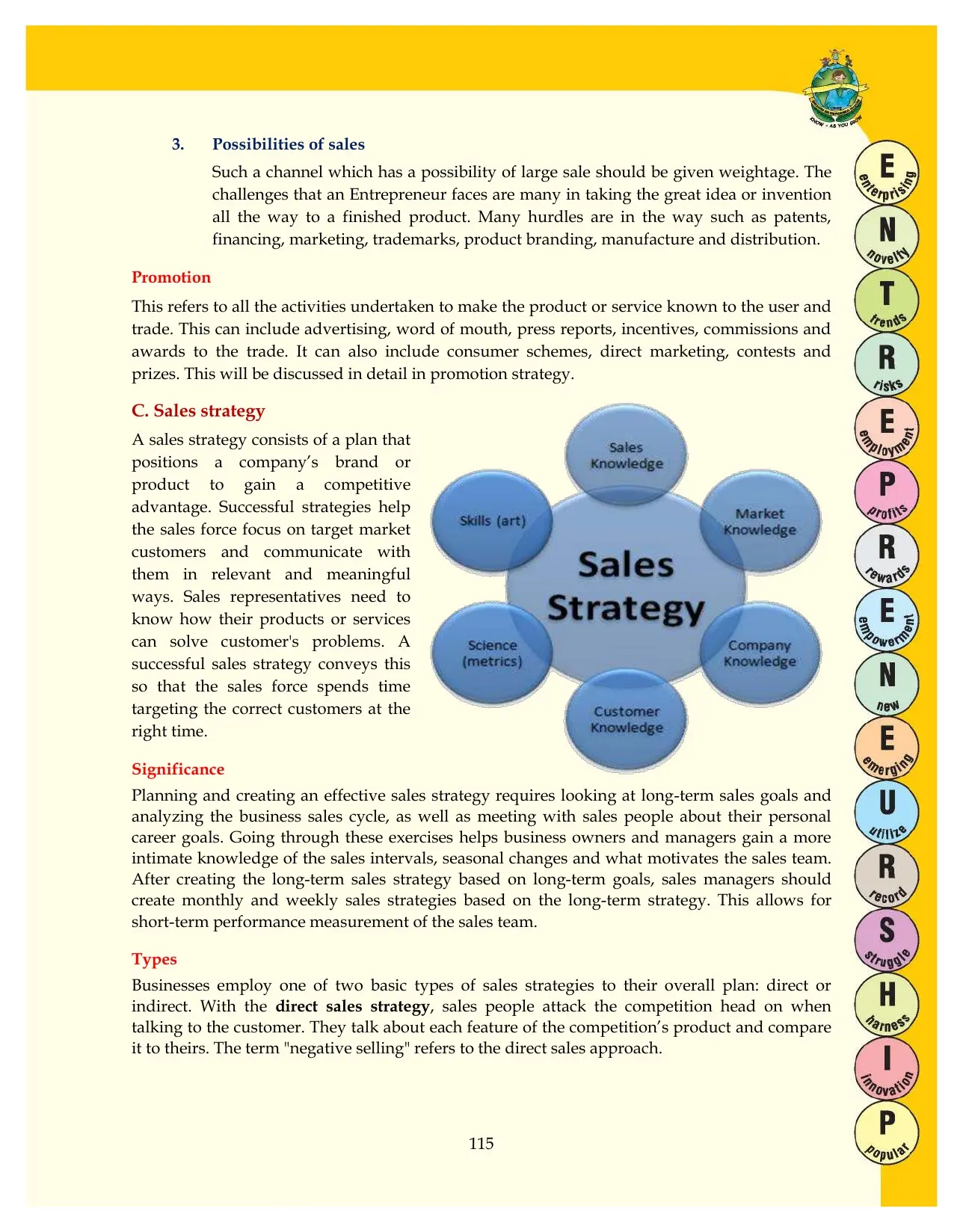
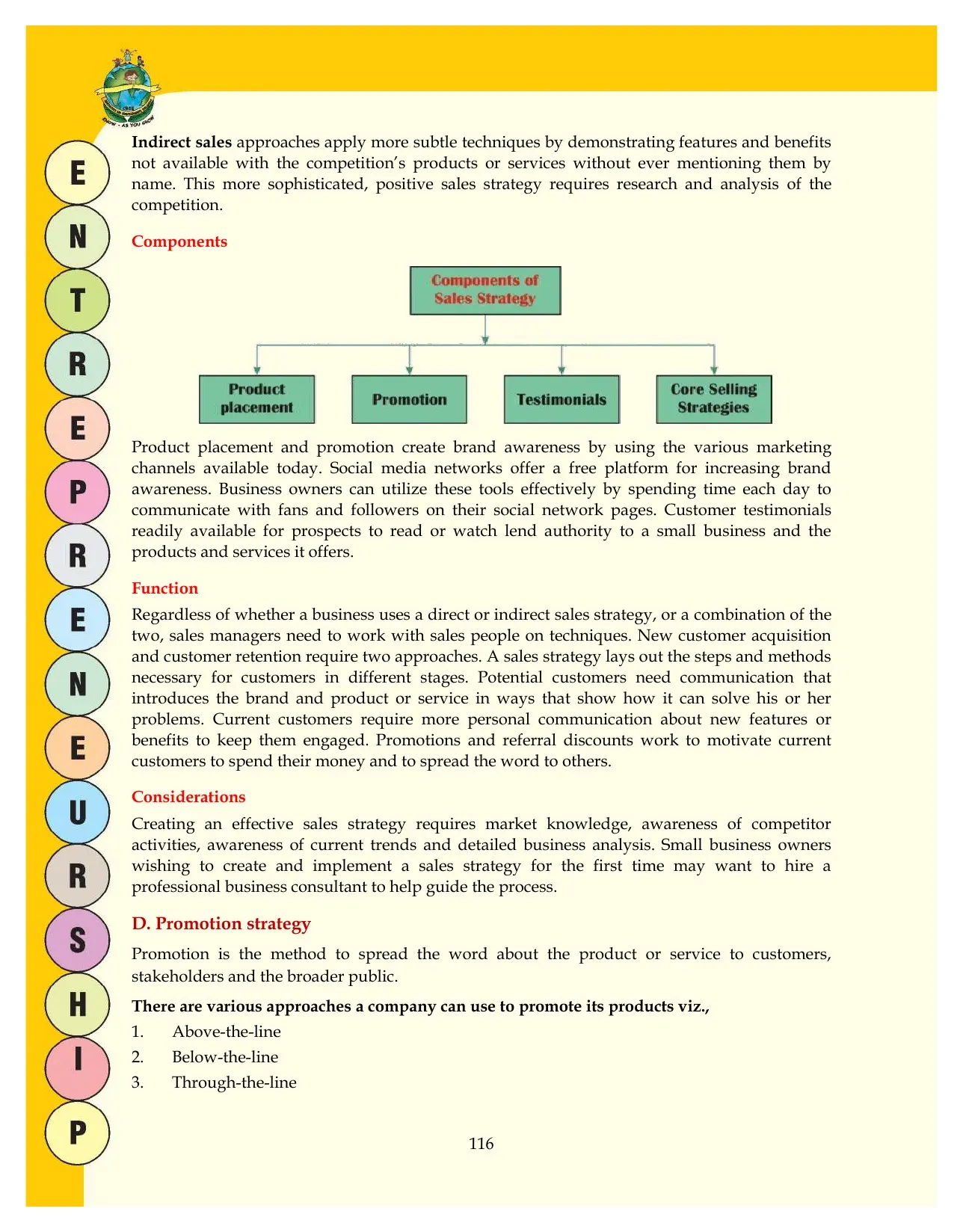
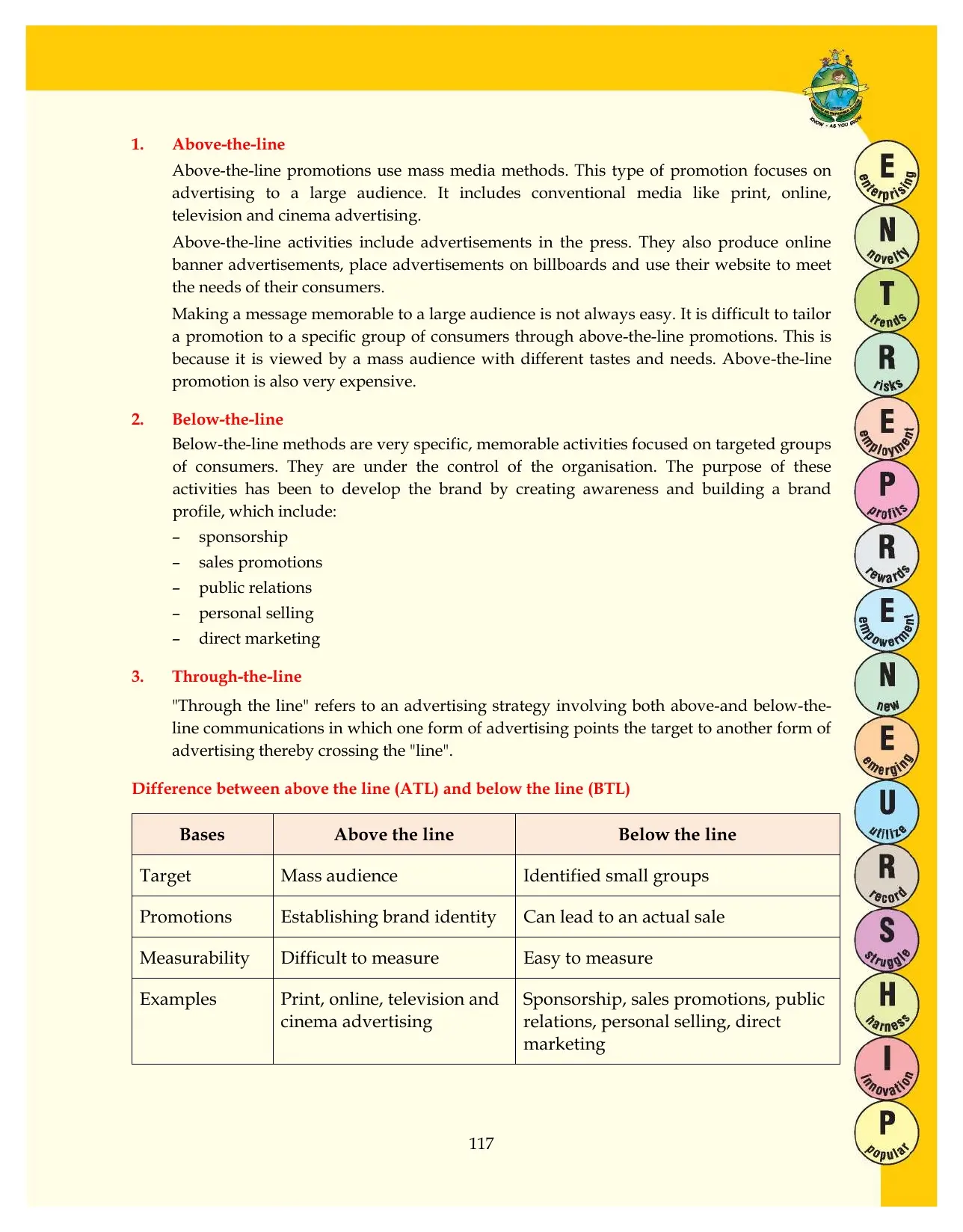
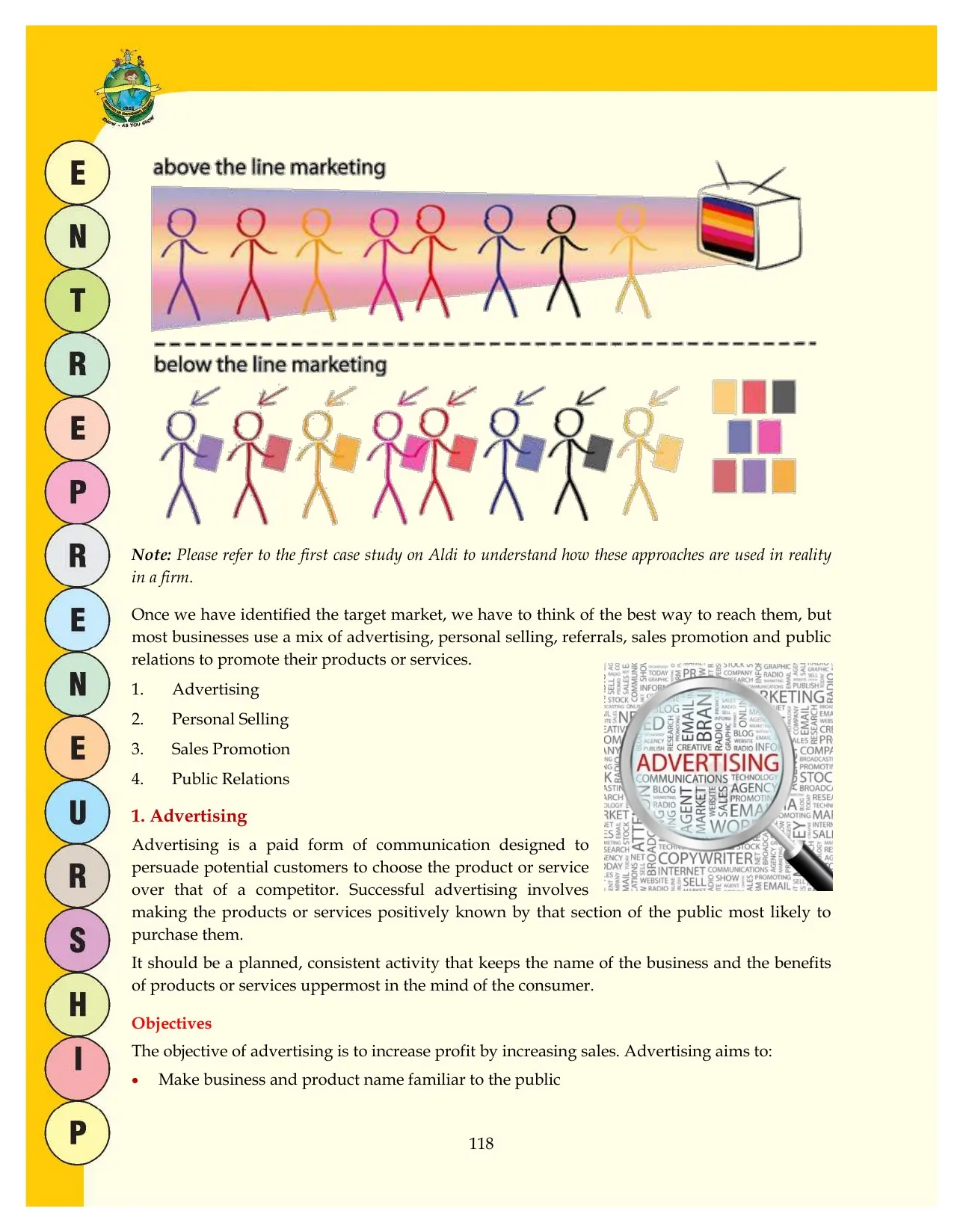
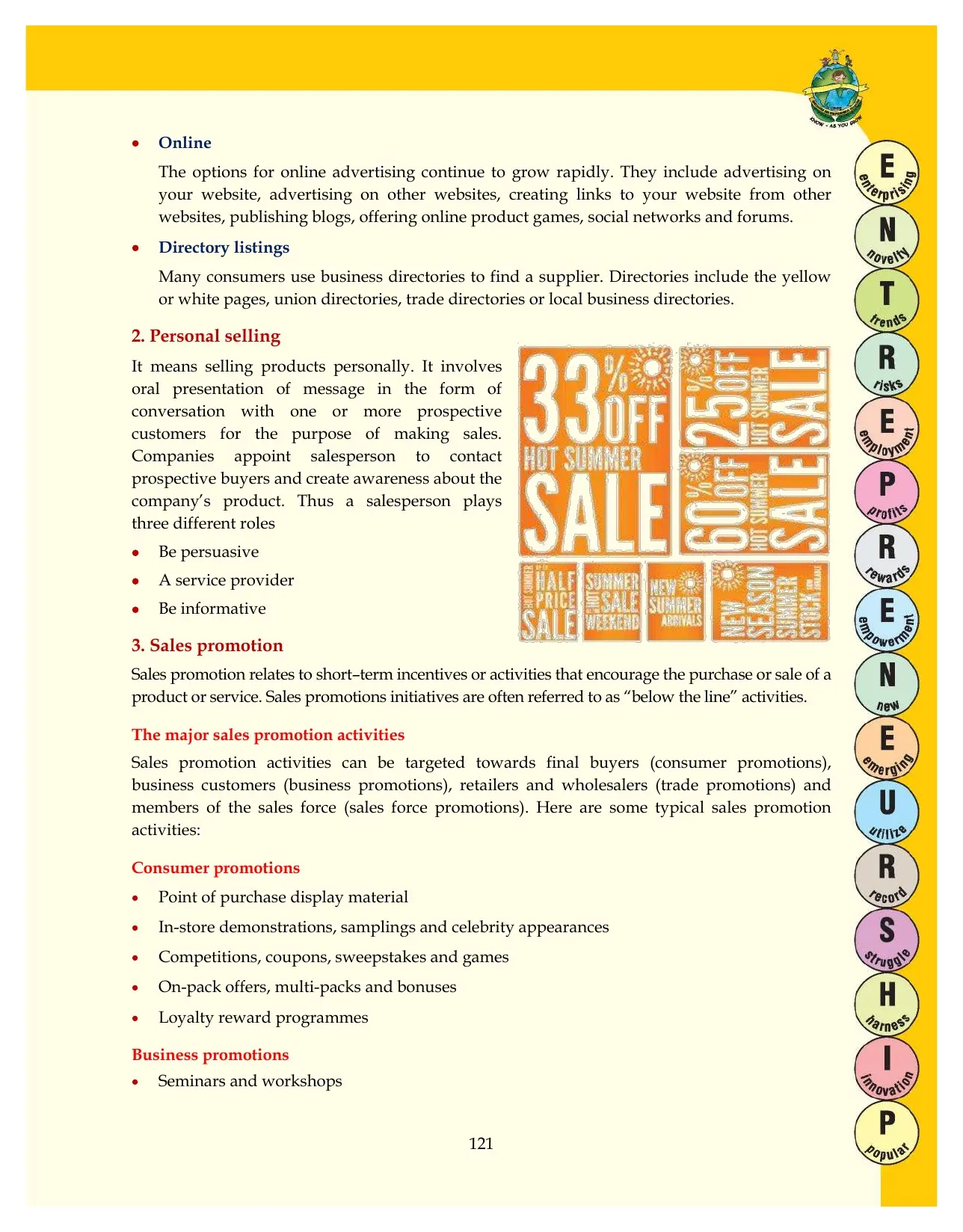
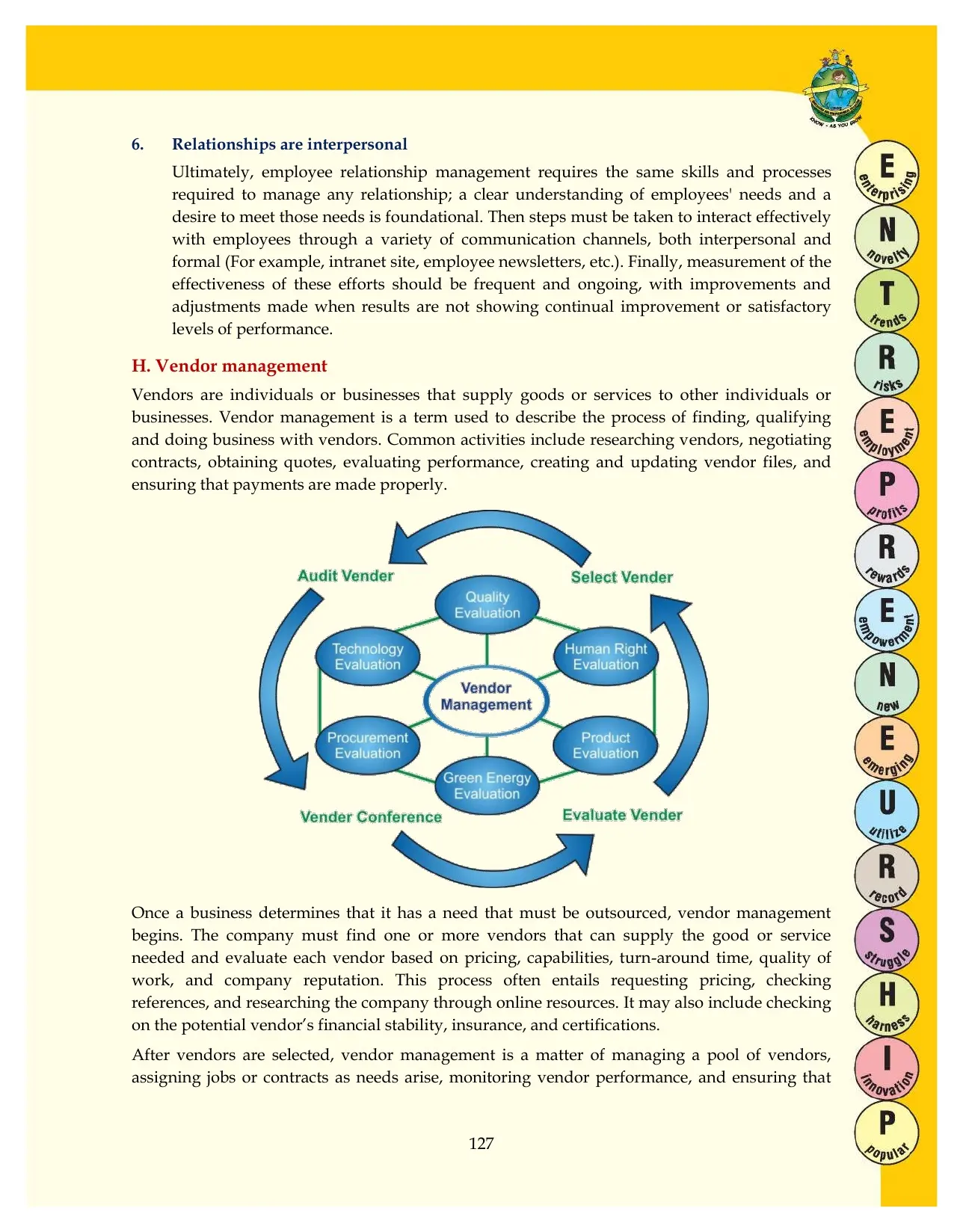
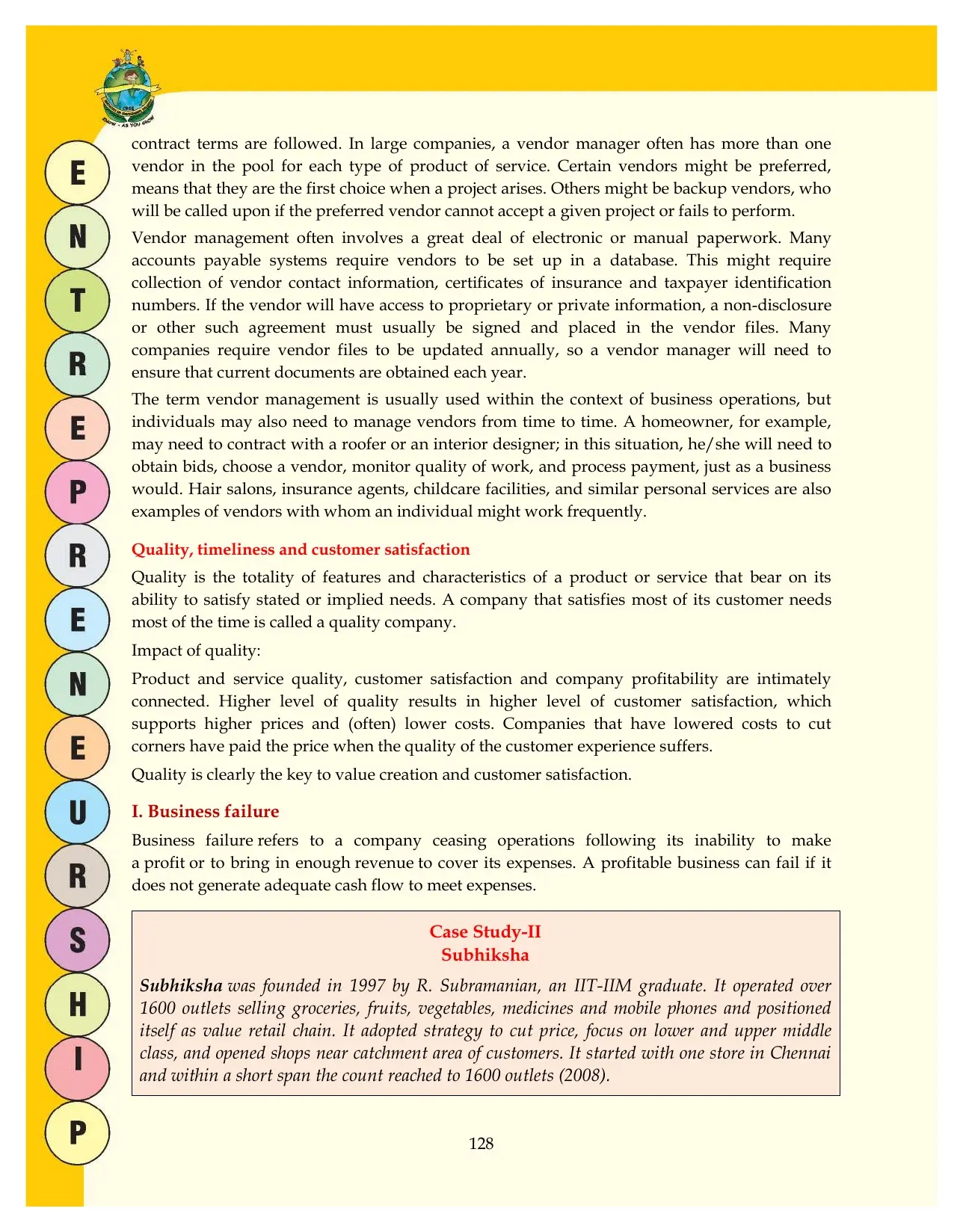
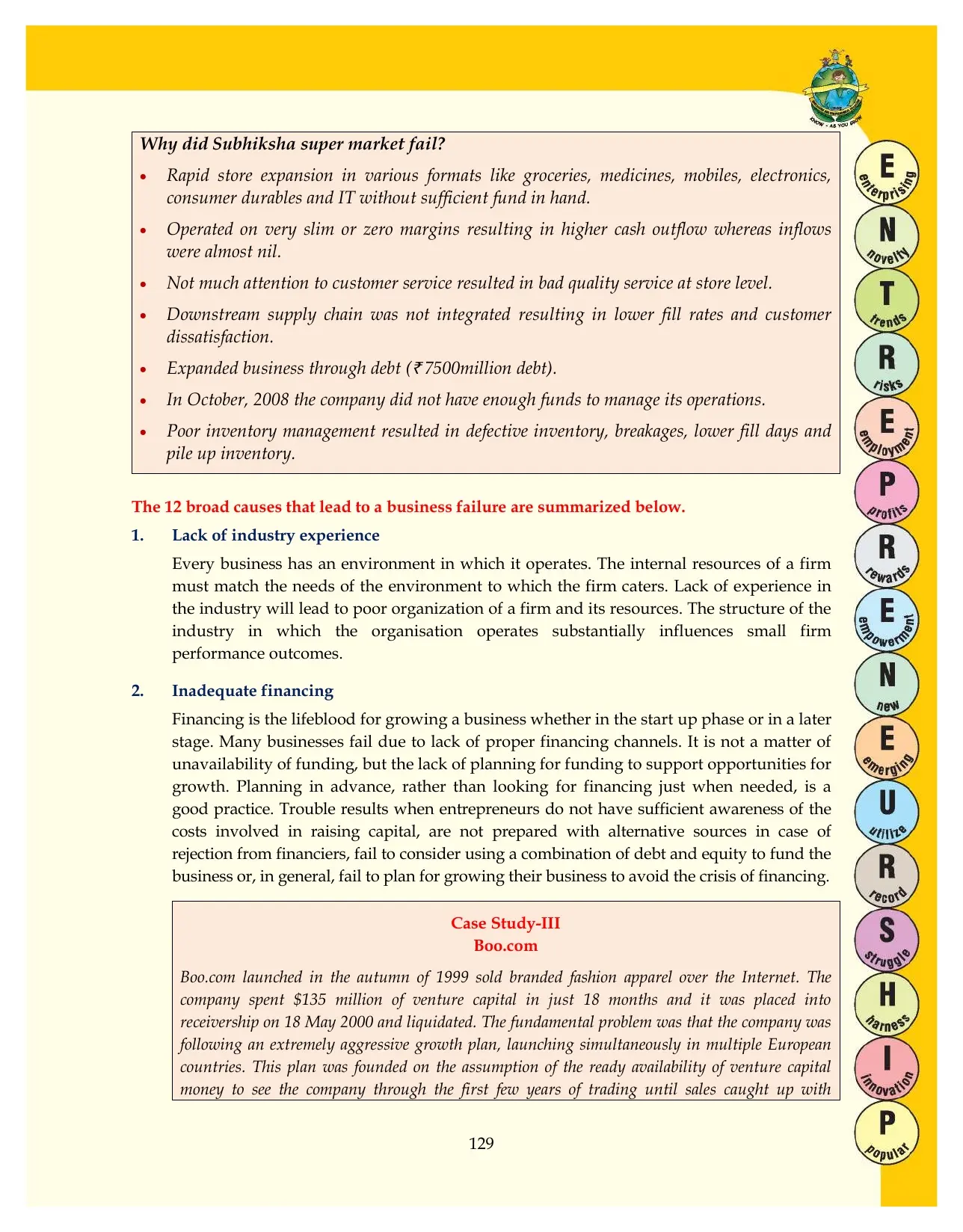
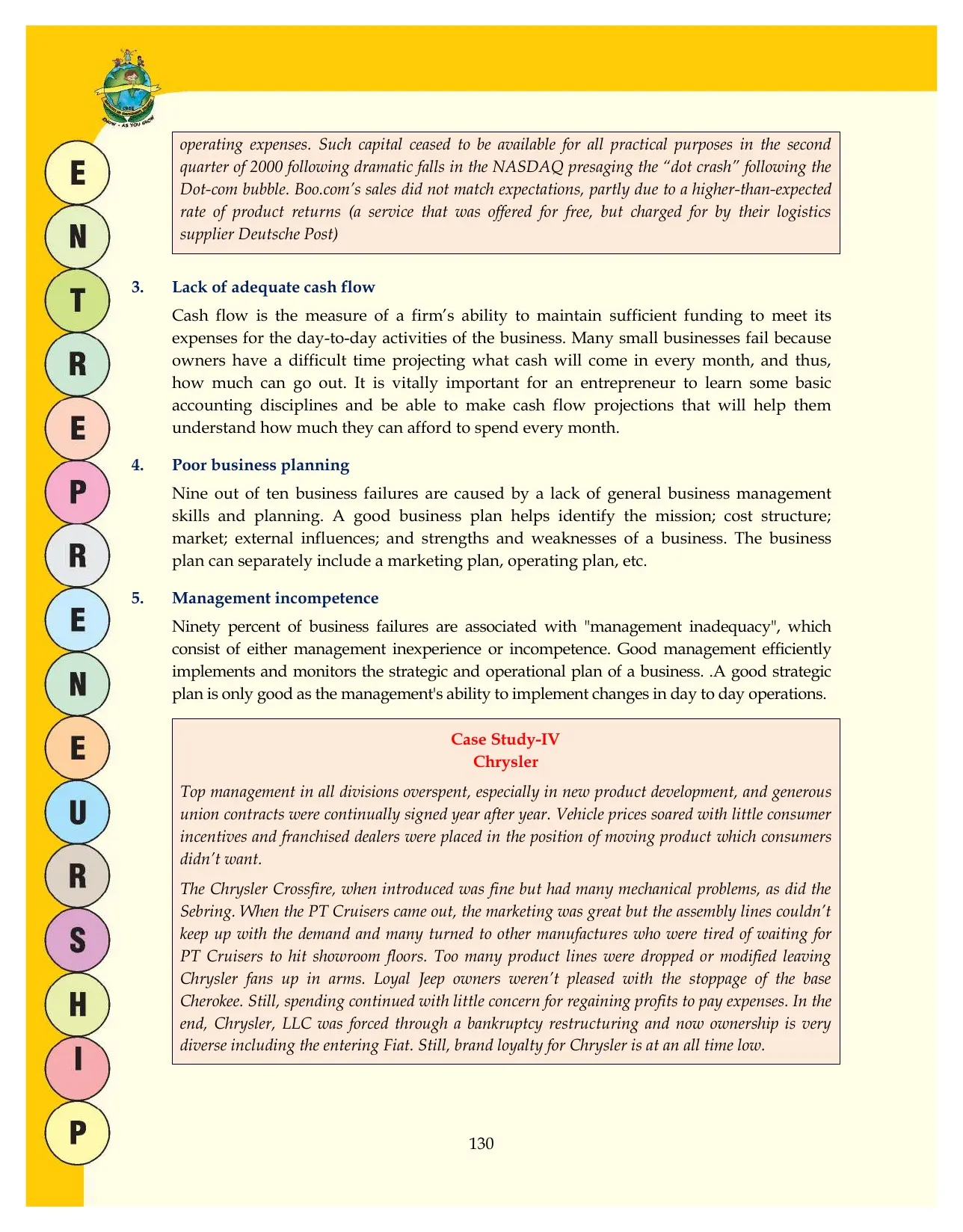
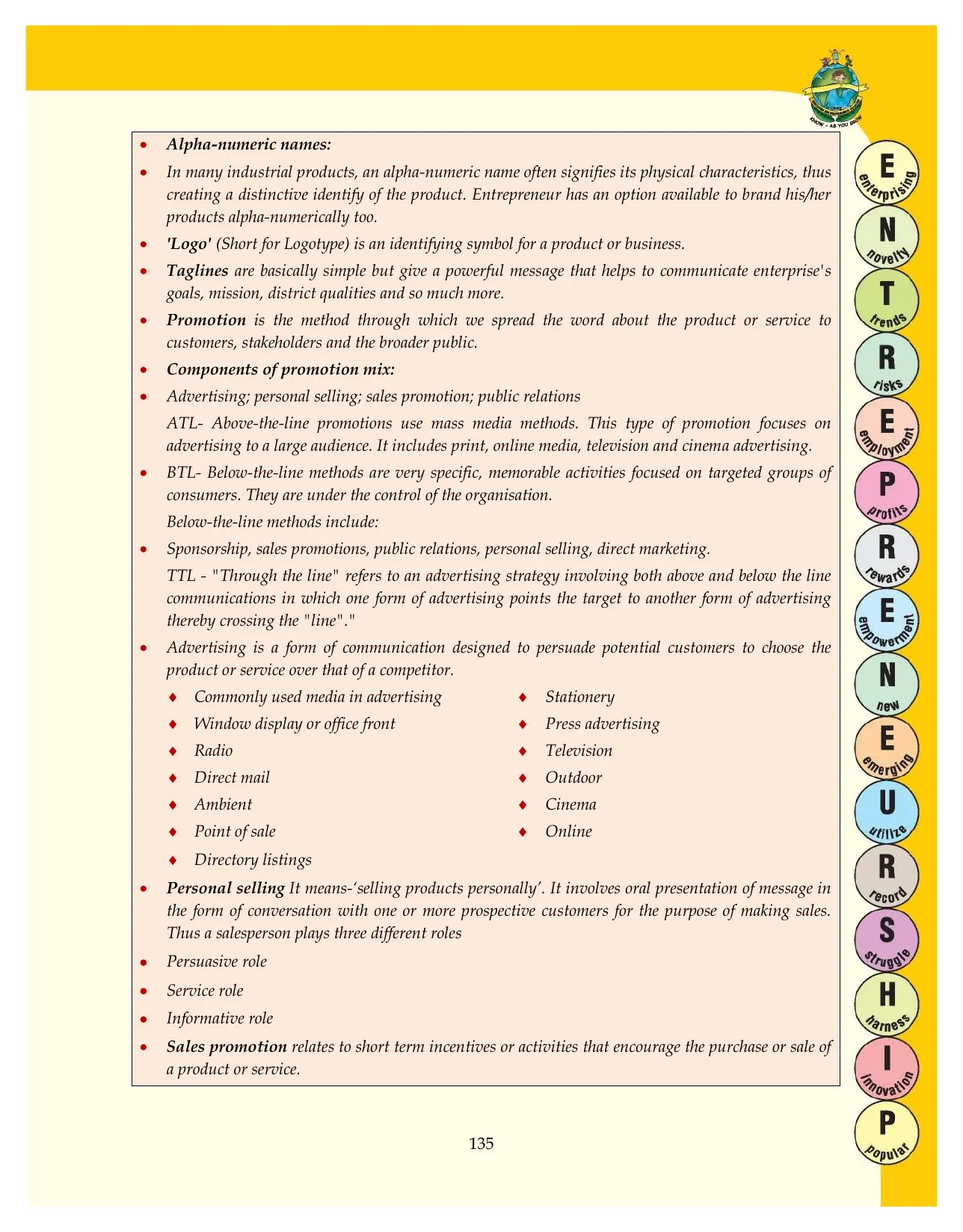
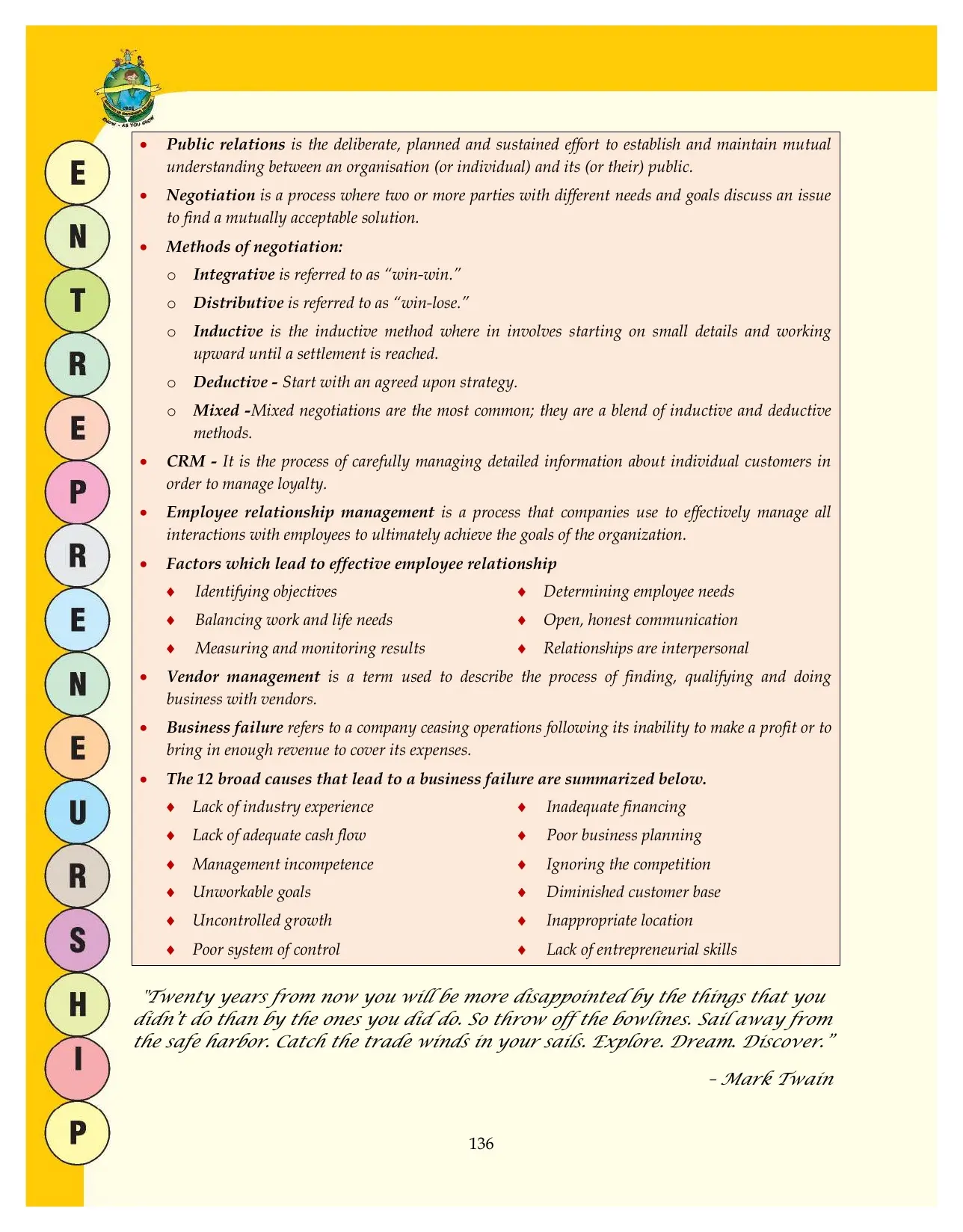
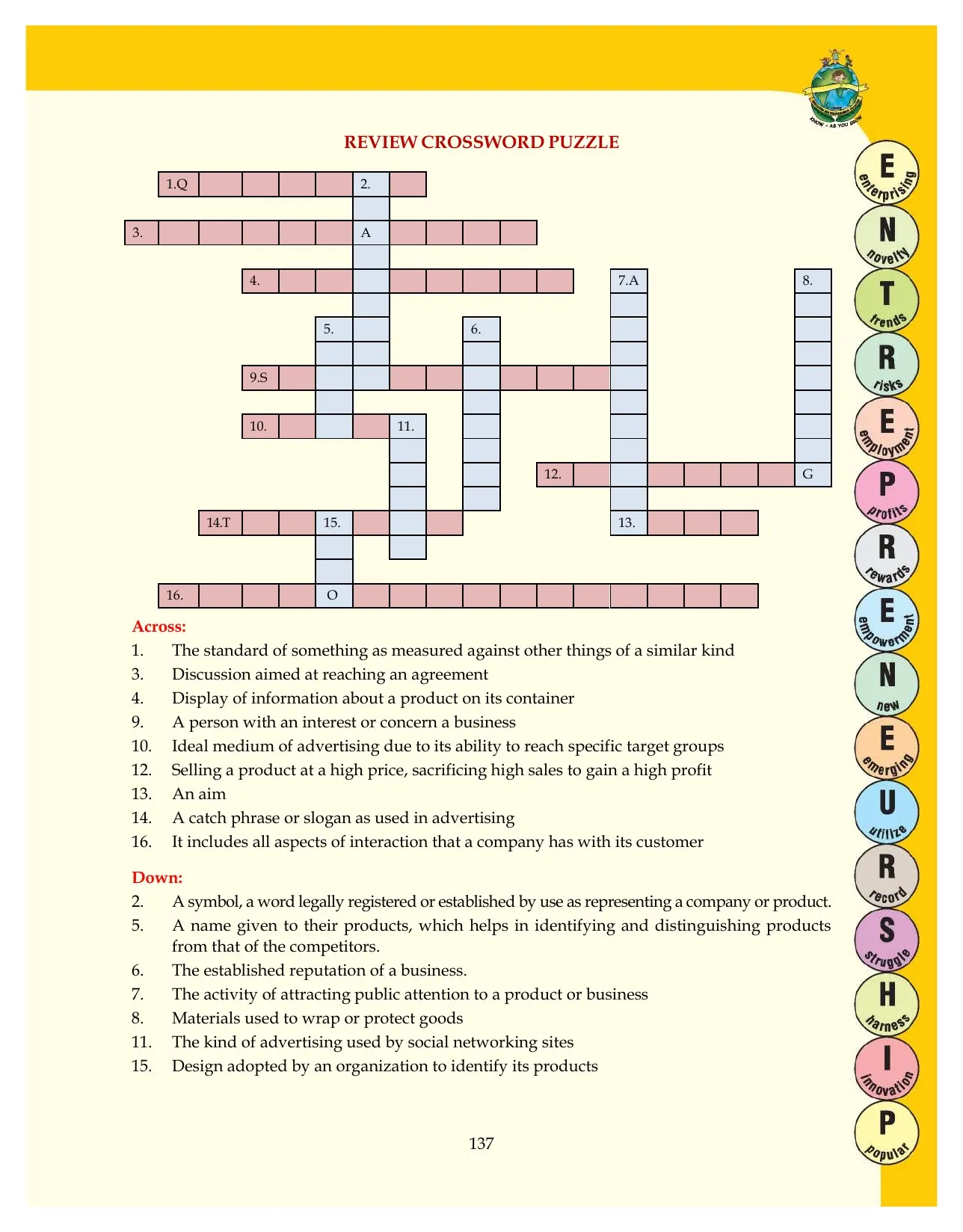
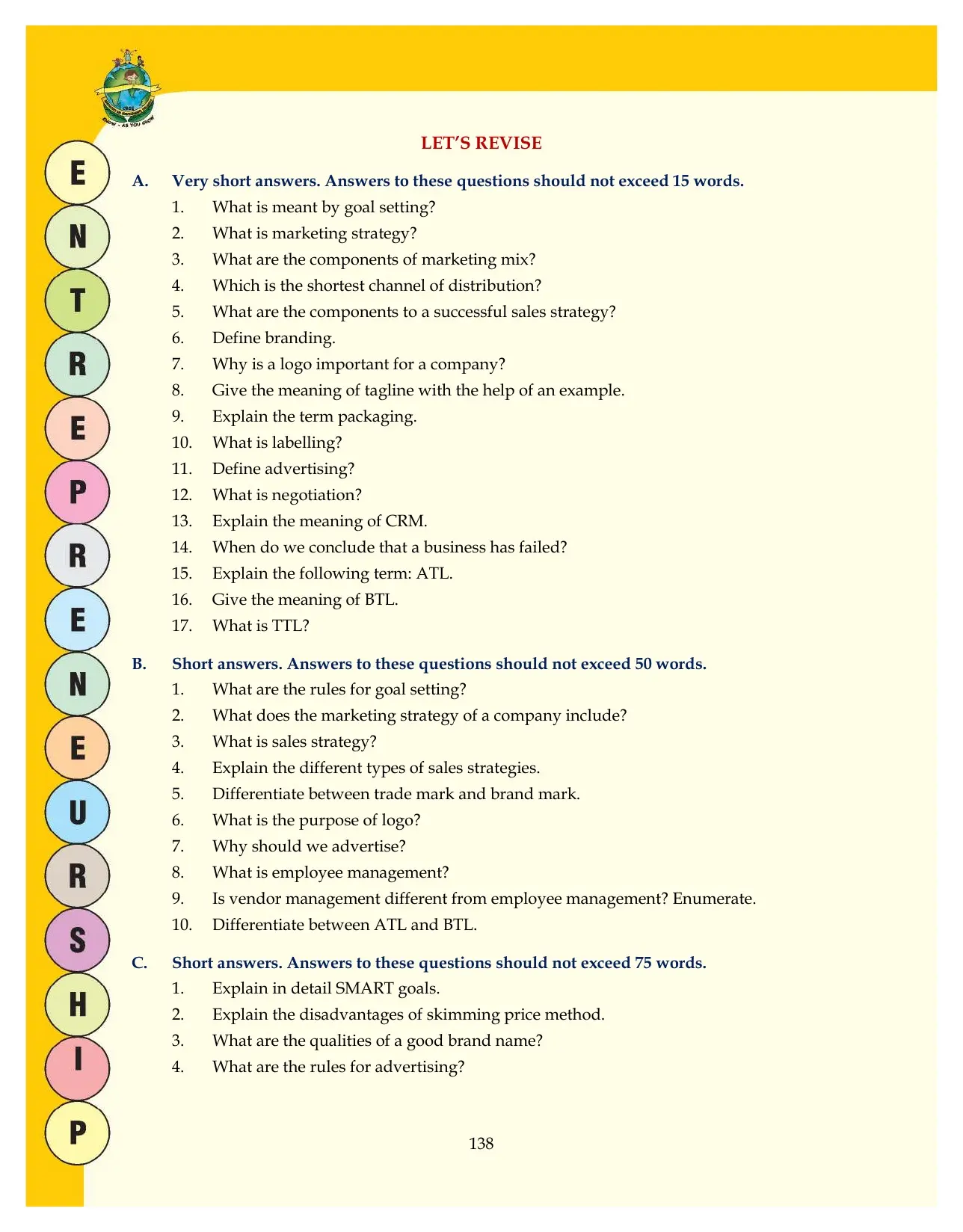
Use the official Enterprise Marketing chapter before revision notes because CBSE case-study answers often reward the exact NCERT terms for price, promotion, brand name, tagline and customer relations.
Enterprise Marketing Chapter 3 NCERT Book PDF Highlights
Enterprise Marketing is a practical chapter because it connects business goals with actual selling decisions. The NCERT PDF starts with goal setting and then moves into the marketing mix, branding, promotion, negotiation and relationship management.
| NCERT Area | What Students Should Mark | Board Use |
|---|---|---|
| SMART goals | Specific, measurable, achievable, relevant and time-bound targets | Short-answer definitions |
| Marketing mix | Product, price, place and promotion decisions | Case-study explanation |
| Branding | Business name, logo and tagline | Application-based questions |
| Promotion | ATL, BTL and TTL with examples | Difference and example questions |
| Relations | Customer, employee and vendor management | Long-answer framing |
Enterprise Marketing Video Revision for Class 12
Source: COMGYAN on YouTube
Enterprise Marketing Strategy Flow for Class 12 Students
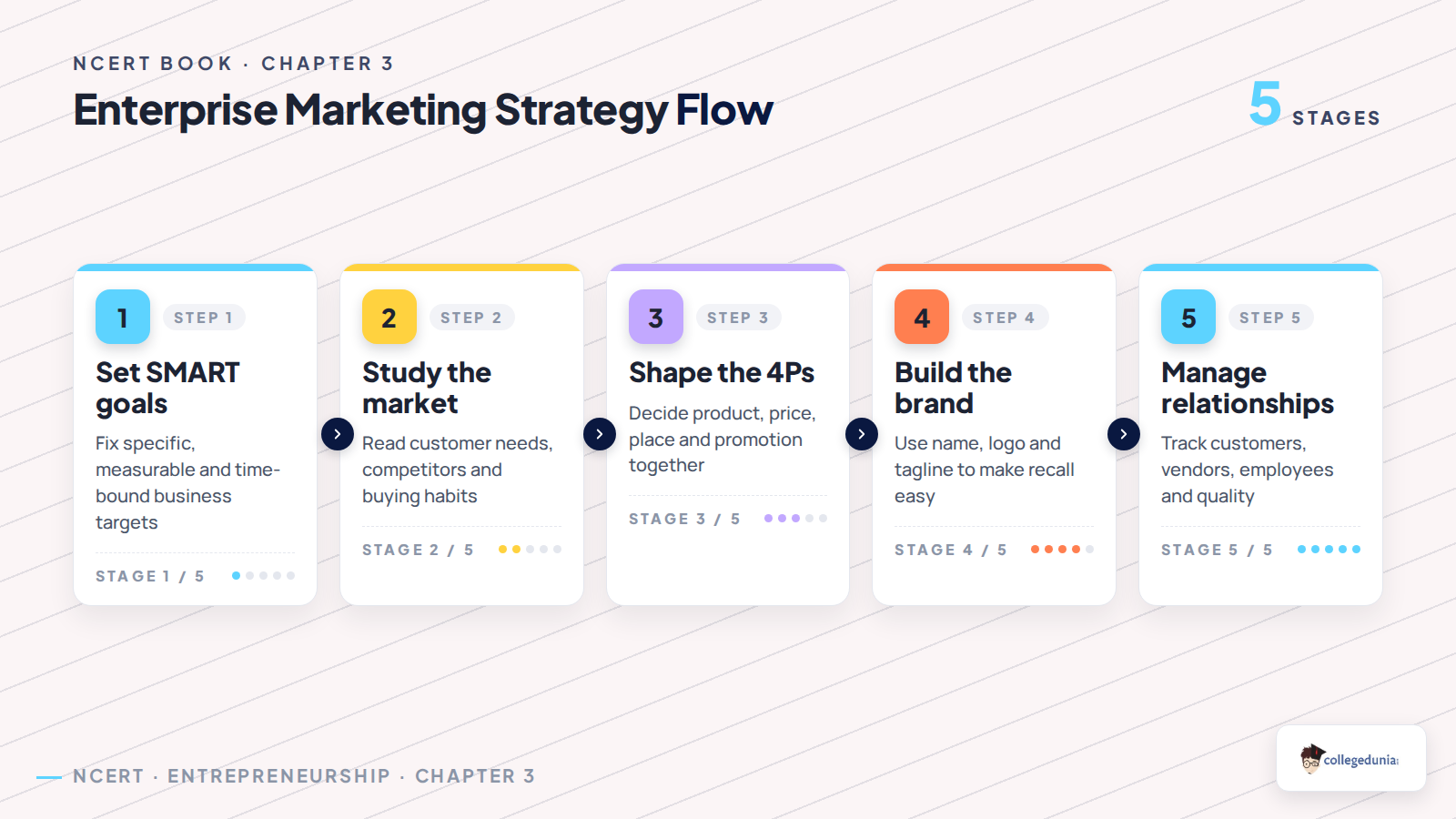
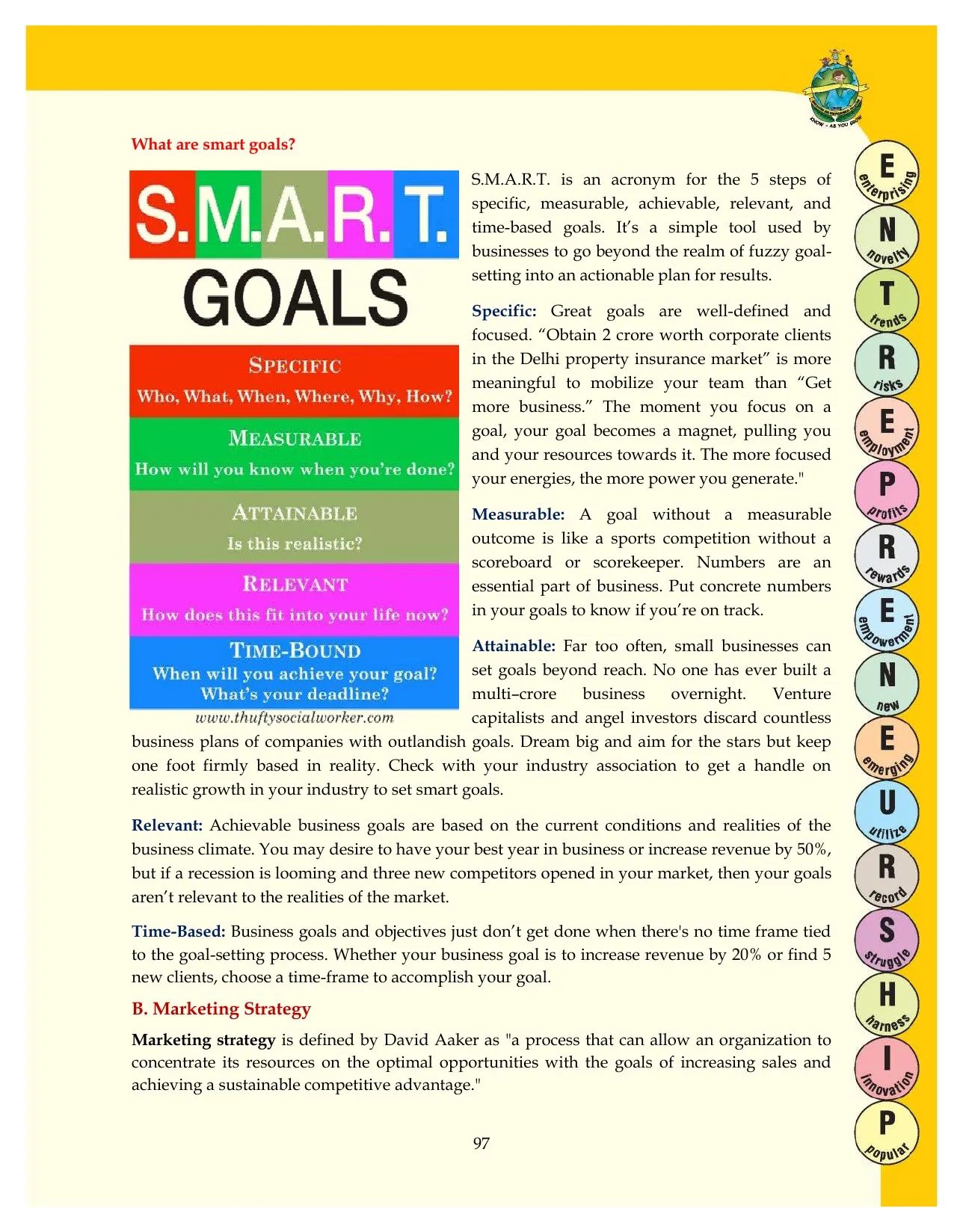
The chapter is easiest when students read it as a sequence, not as separate definitions. A business first sets goals, studies the market, shapes the 4Ps, builds a brand and then manages customer, employee and vendor relationships.
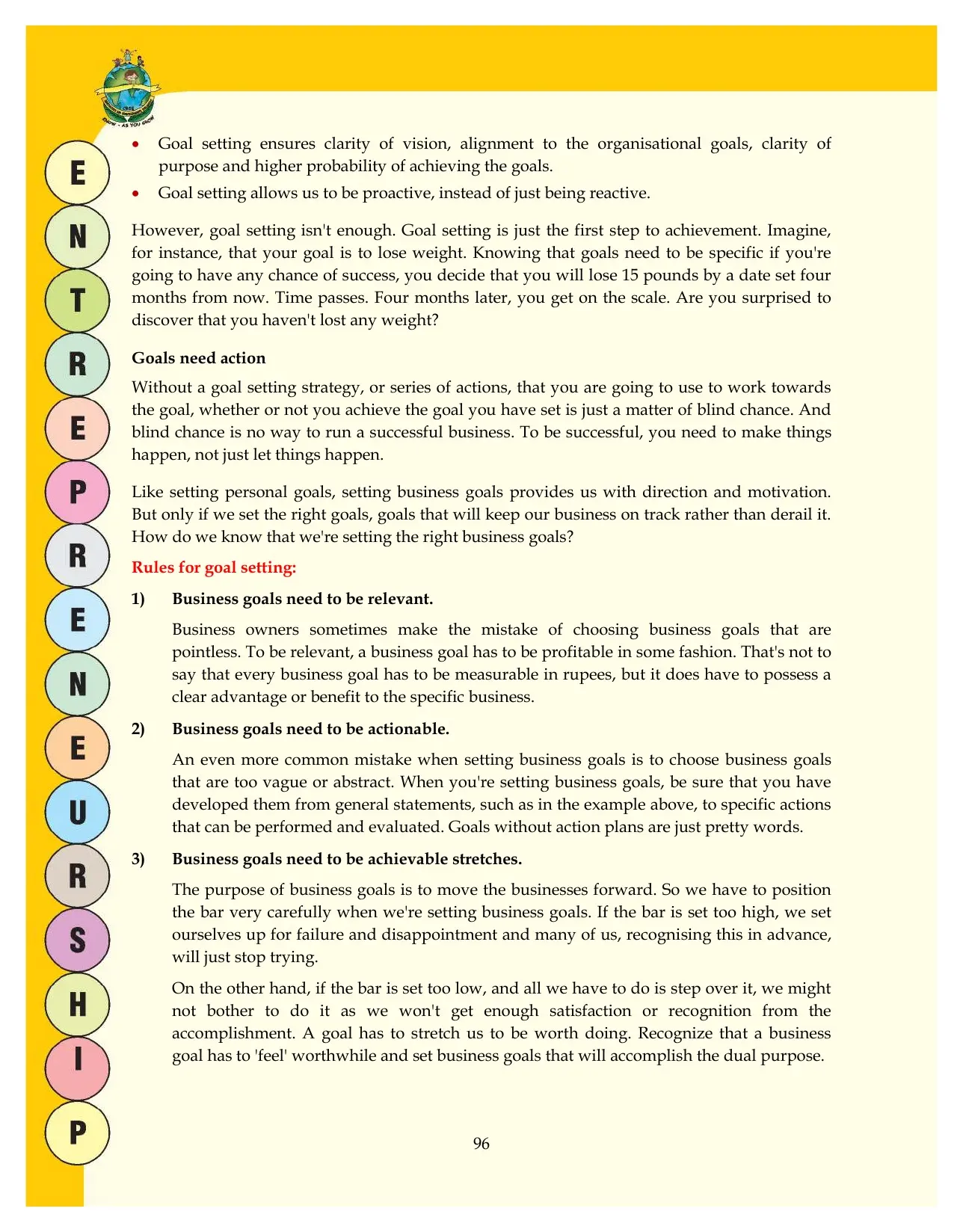
- Goal setting gives the entrepreneur a measurable direction.
- Market study checks what buyers want and what competitors offer.
- The 4Ps turn the idea into a sellable offer.
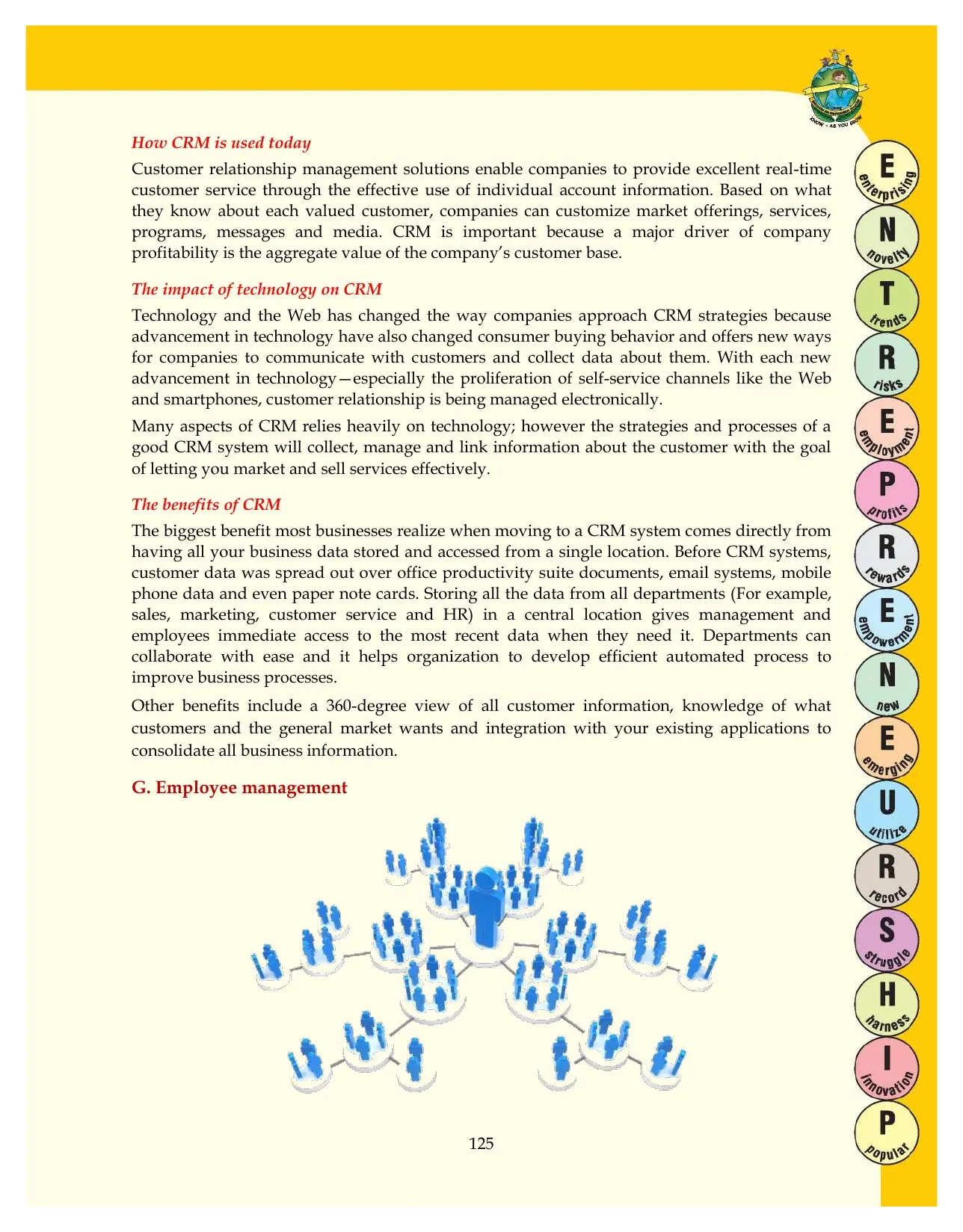
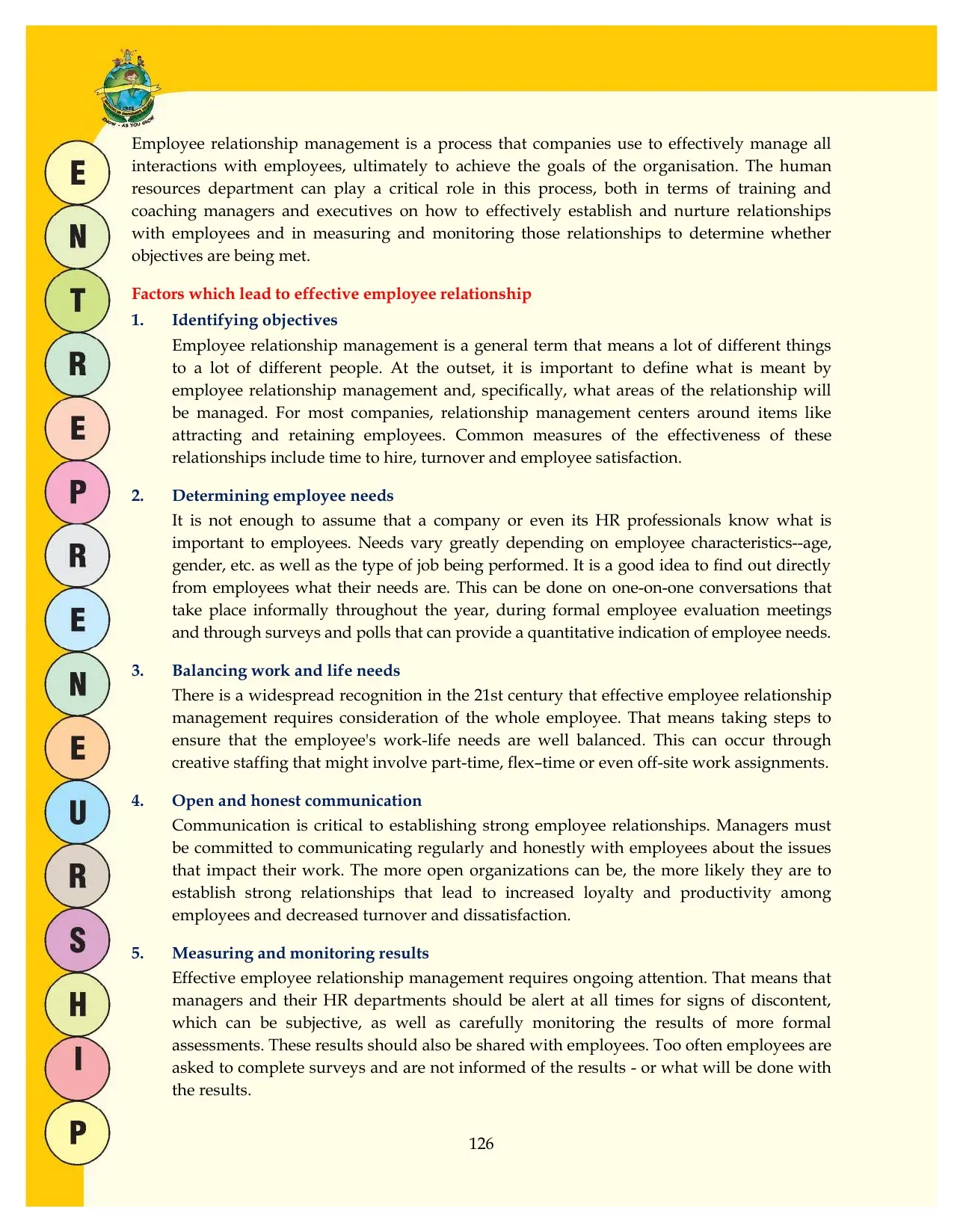
- Relationship management keeps repeat customers and reliable vendors.
Marketing Mix and Promotion Strategy in Enterprise Marketing
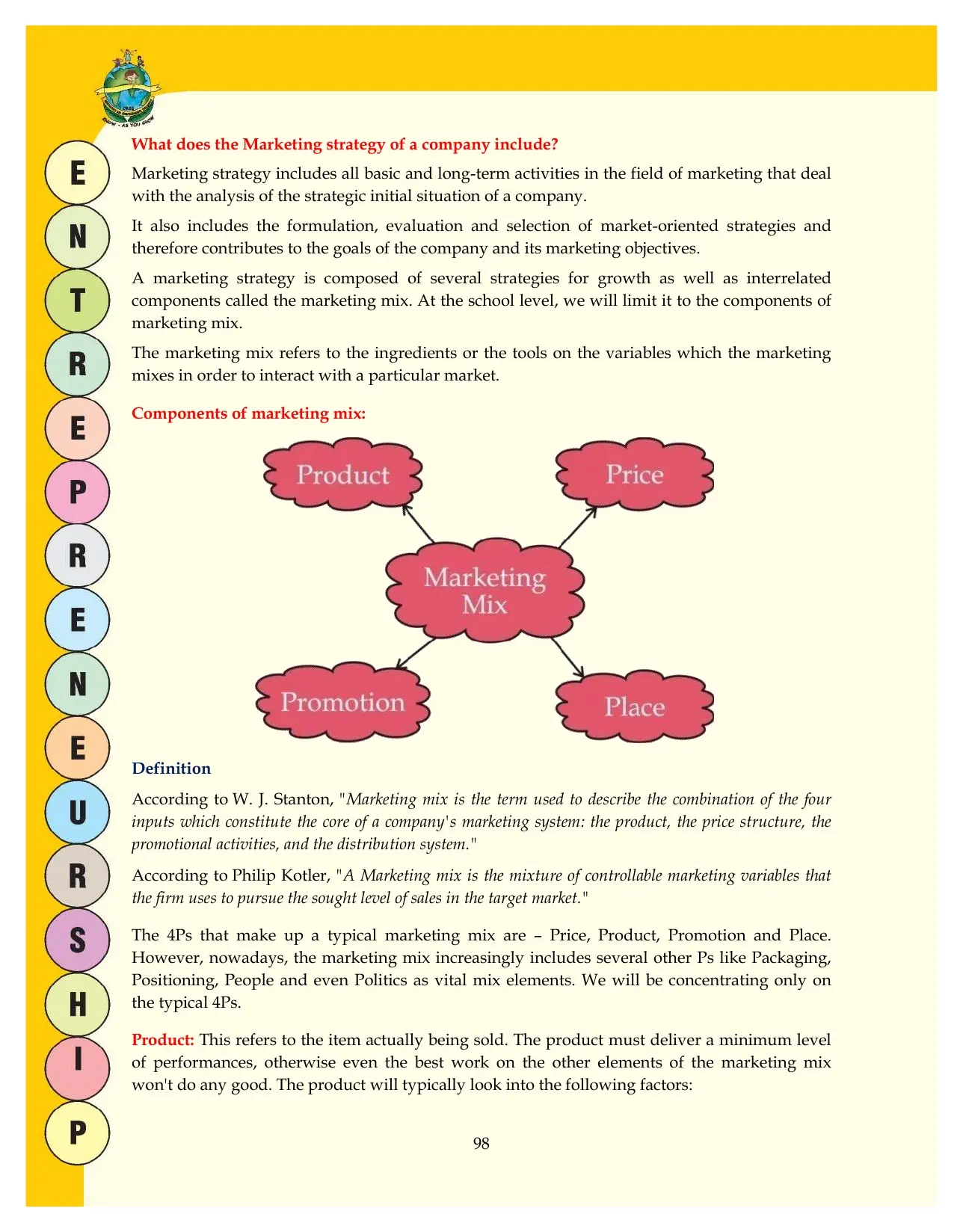
The NCERT chapter gives strong weight to the marketing mix because students must apply it to business cases. Product decisions cover design, quality and packaging. Price decisions cover penetration, competitive and strategic pricing. Place decisions cover where customers can buy the product. Promotion decisions cover how the business communicates value.
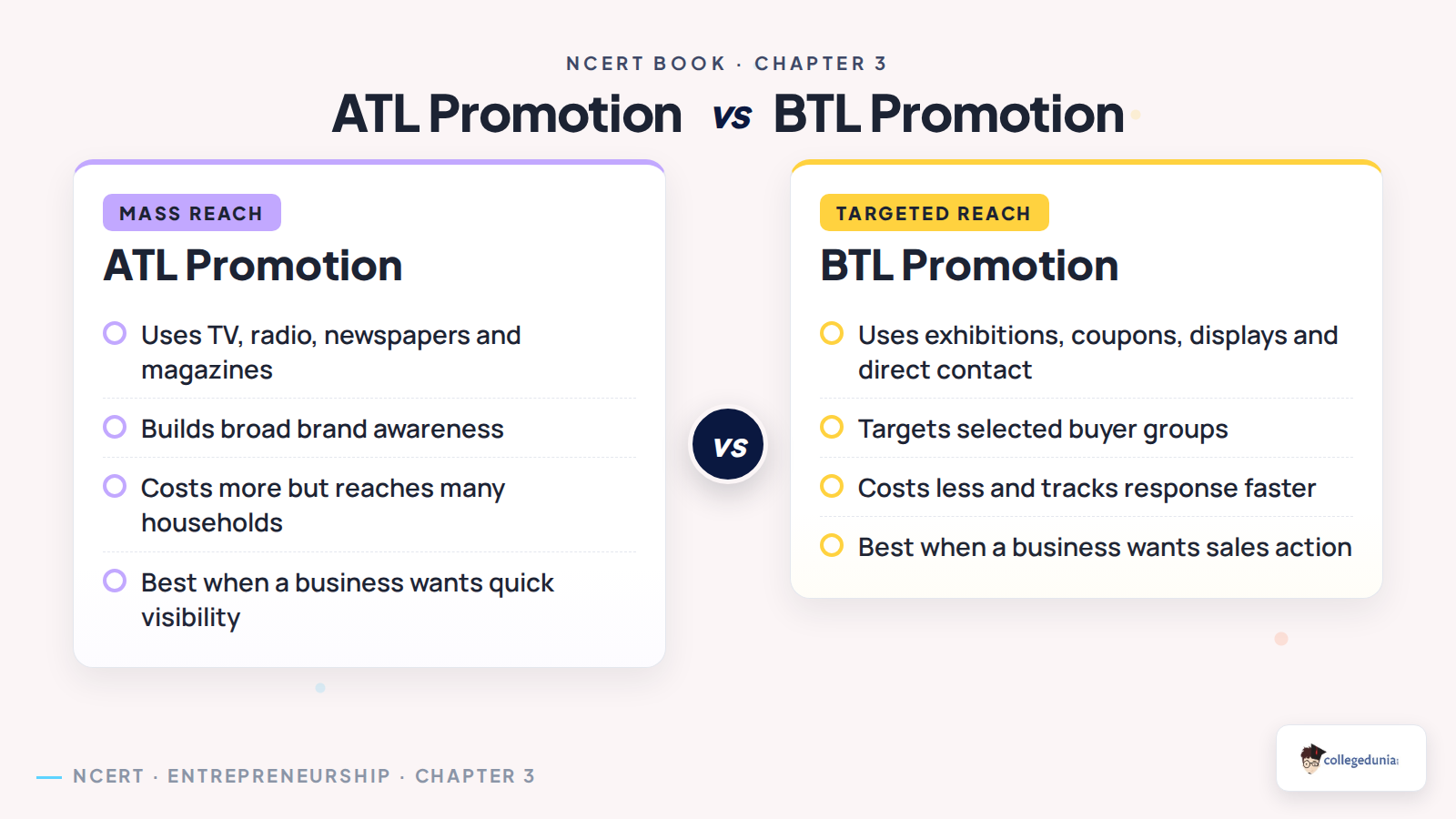
- ATL promotion reaches many students and households through TV, radio, newspapers and magazines.
- BTL promotion targets selected buyers through displays, exhibitions, coupons and direct contact.
- TTL promotion mixes broad media reach with targeted response activities.
Branding, Negotiation and Customer Relations in the NCERT PDF
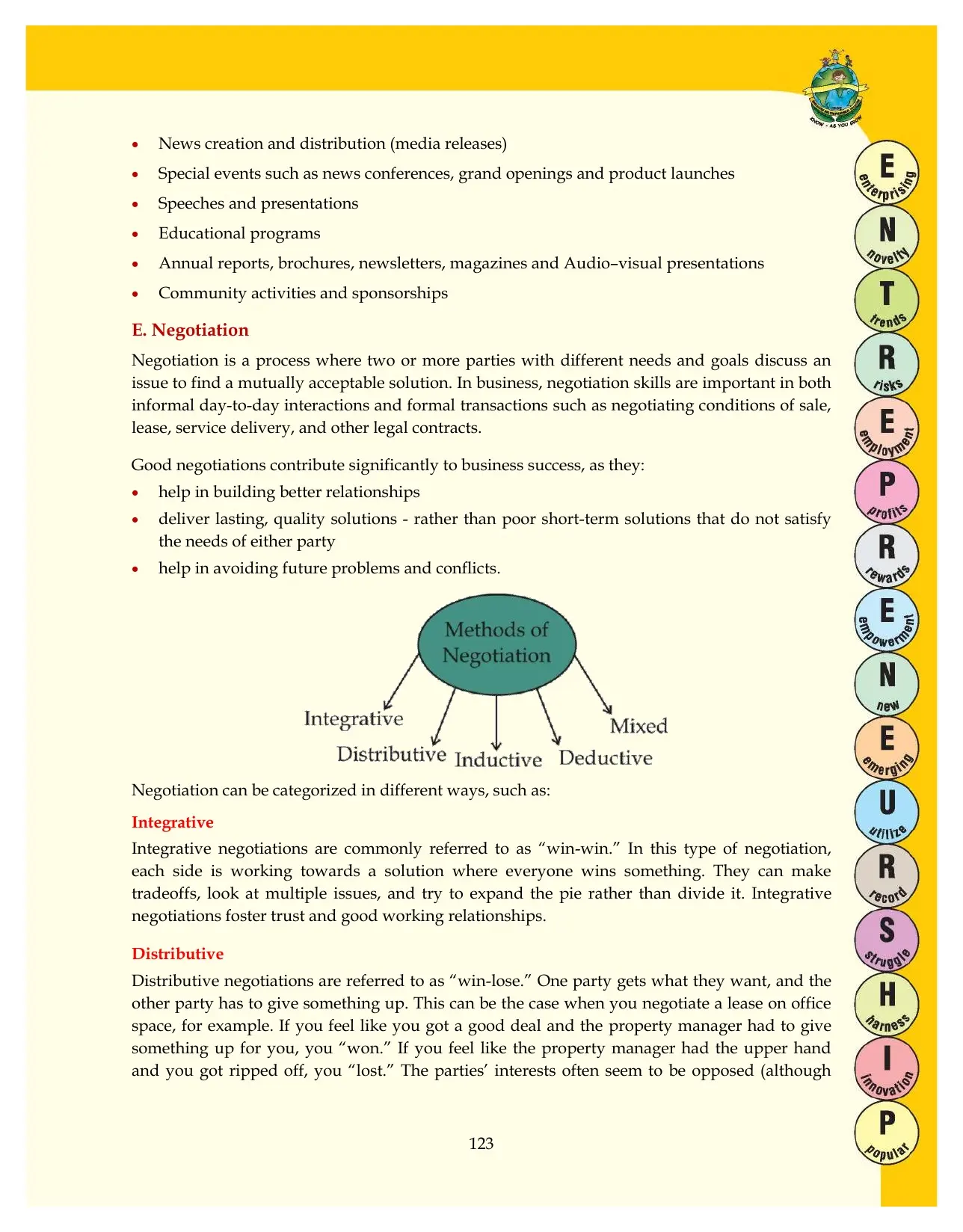
Enterprise Marketing also teaches the softer side of selling. A clear business name, logo and tagline help customers remember the enterprise. Negotiation helps an entrepreneur settle price, terms, delivery and service points without damaging the relationship.
| Topic | NCERT Revision Cue | How to Use It |
|---|---|---|
| Brand name | Easy to pronounce, short and memorable | Use in branding examples |
| Logo | Visual symbol of the enterprise | Link with customer recall |
| Tagline | Short phrase that carries the promise | Use in application questions |
| Negotiation | Preparation, discussion and settlement | Use in vendor or buyer cases |
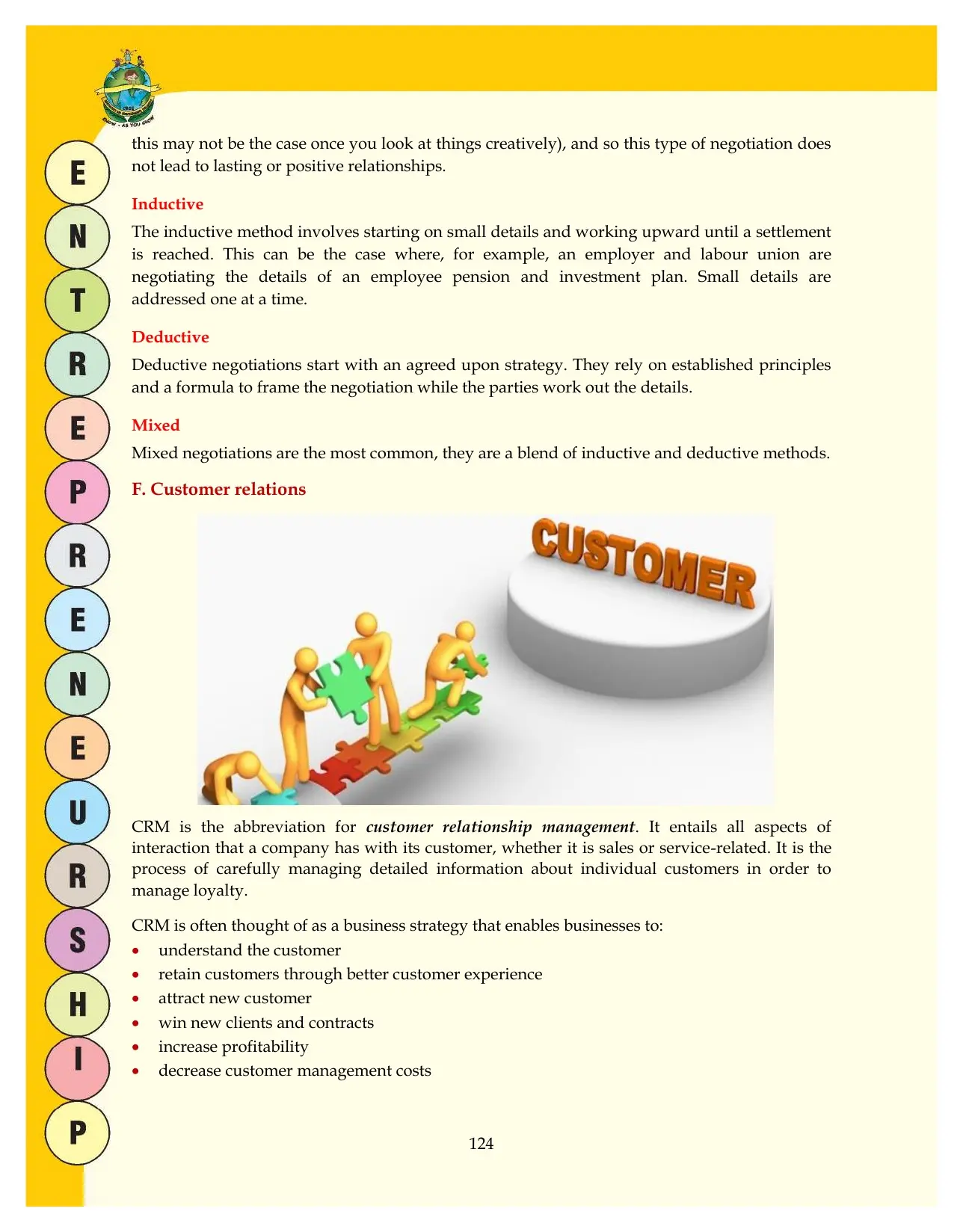
| Customer relations | Quality, timeliness and satisfaction | Use in failure-prevention answers |
How to Use the Enterprise Marketing NCERT Book PDF
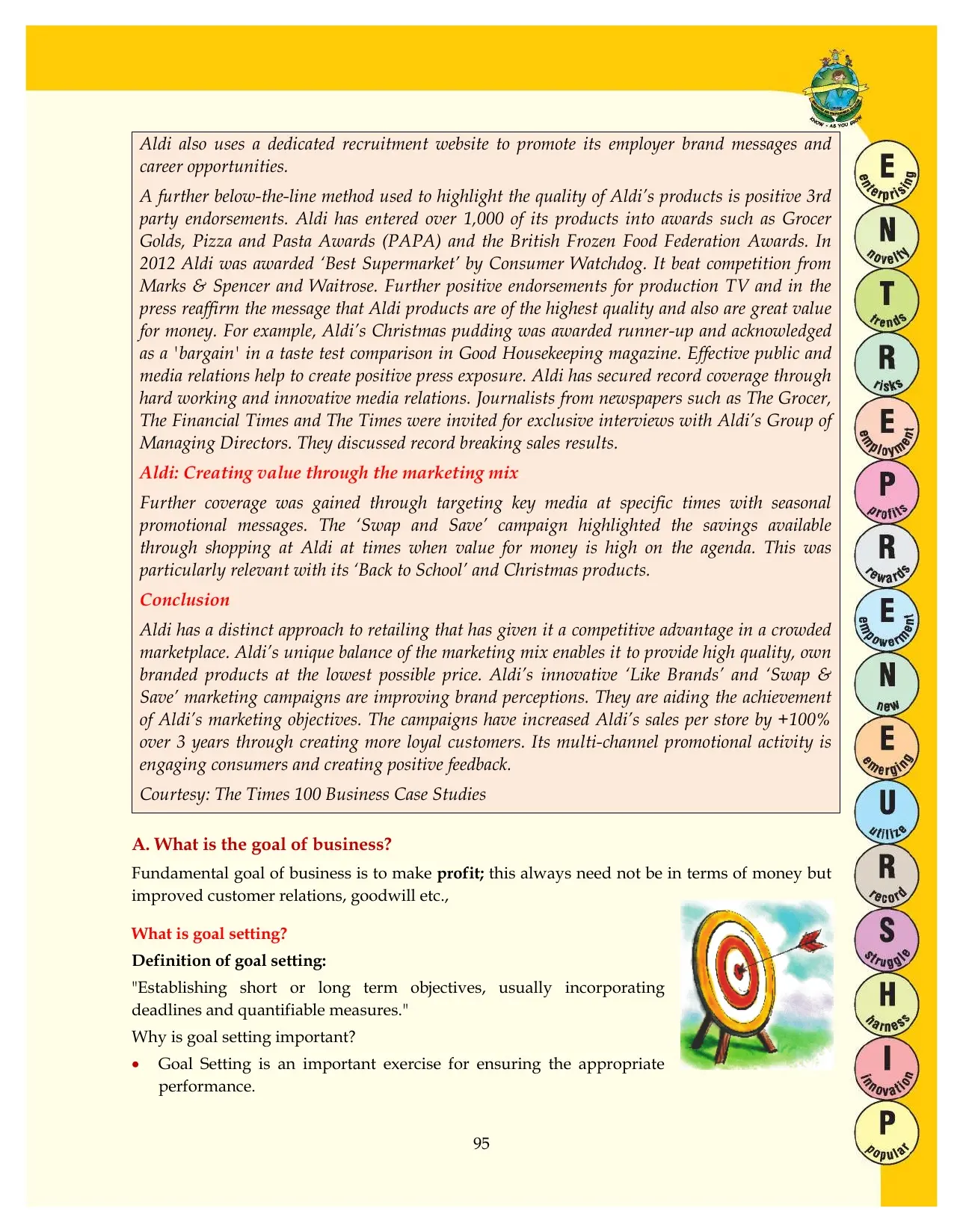
Start with the Aldi case study and underline how the marketing mix creates value. Then read each concept box with one example in mind. This method makes the chapter easier because every definition connects to a business decision.
- Make a one-page 4Ps chart with one example for each P.
- Write one brand name, logo idea and tagline for a sample business.
- Revise ATL, BTL and TTL in a three-column table.
- Keep a separate list of business failure reasons for long answers.
Student Feedback: In a Collegedunia poll of 10,840 Class 12 Commerce students conducted before the 2026 boards, 76% of students said reading the original NCERT chapter helped them answer marketing mix case studies more clearly.
Source: 2026-27 Class 12 Entrepreneurship student poll across CBSE schools.
Enterprise Marketing Class 12 Related Resources
| Resource | Use it for |
|---|---|
| Enterprise Marketing Class 12 NCERT Solutions | Exercise answers and expert explanations |
| Enterprise Marketing Class 12 Notes | Fast revision of all definitions and strategies |
| Enterprise Marketing NCERT Book PDF | Official chapter reading and source text |
All Class 12 Entrepreneurship NCERT Book PDFs
| Chapter | NCERT Book PDF |
|---|---|
| Chapter 1 | Entrepreneurial Opportunity Class 12 NCERT Book PDF |
| Chapter 2 | Entrepreneurial Planning Class 12 NCERT Book PDF |
| Chapter 3 | Enterprise Marketing Class 12 NCERT Book PDF |
| Chapter 4 | Enterprise Growth Strategies Class 12 NCERT Book PDF |
| Chapter 5 | Business Arithmetic Class 12 NCERT Book PDF |
| Chapter 6 | Resource Mobilisation Class 12 NCERT Book PDF |
Enterprise Marketing Class 12 NCERT Book PDF FAQs
Ques. What does Class 12 Entrepreneurship Chapter 3 Enterprise Marketing cover?
Ans. It covers SMART goals, marketing mix, sales strategy, branding, promotion, negotiation, customer relations, vendor management and business failure reasons.
Ques. Is the Enterprise Marketing NCERT Book PDF useful for CBSE boards?
Ans. Yes. The official PDF helps students write answers with NCERT terms, examples and case-study points expected in the Class 12 Entrepreneurship board paper.
Ques. Which promotion topics should students revise from this chapter?
Ans. Students should revise ATL, BTL and TTL promotion, advertising, sales promotion, personal selling and public relations with one business example for each.
Ques. How should students study the Enterprise Marketing chapter PDF?
Ans. Read the case studies first, mark the 4Ps and promotion tables, then prepare short examples for branding, negotiation and customer relations.



Comments