



The NCERT Class 12 Home Science Chapter 3 Childhood and Adolescence Book PDF helps students read the official 2026-27 source chapter connected with growth, nutrition needs, public health concerns and adolescent wellbeing. Use the PDF first, then revise the chapter with short notes so every answer stays close to NCERT wording.
- Download the 15-page official NCERT chapter PDF for offline study.
- Revise child health, adolescent nutrition, public health action and support systems together.
- Use the source text before writing answers on childhood and adolescence concerns.
Student Feedback: In a Collegedunia study poll of 8,780 Class 12 Home Science students, 72% said this chapter became easier after they linked childhood development, adolescent change and nutrition problems through one revision map.
This NCERT Book PDF follows the 2026-27 reprint and should be used as the source text before attempting notes or solutions.
Childhood and Adolescence Chapter 3 NCERT Book PDF Highlights
The scheduled title is Childhood and Adolescence. The official NCERT source for this chapter block also brings in public nutrition and health, because child growth and adolescent wellbeing are strongly linked with food security, micronutrients, health services and family care.
| PDF area | NCERT focus | Best use |
|---|---|---|
| Growth context | Childhood needs, adolescent health and vulnerable groups | Build the opening frame for answers |
| Nutrition problems | Undernutrition, overnutrition and hidden hunger | Revise causes and effects together |
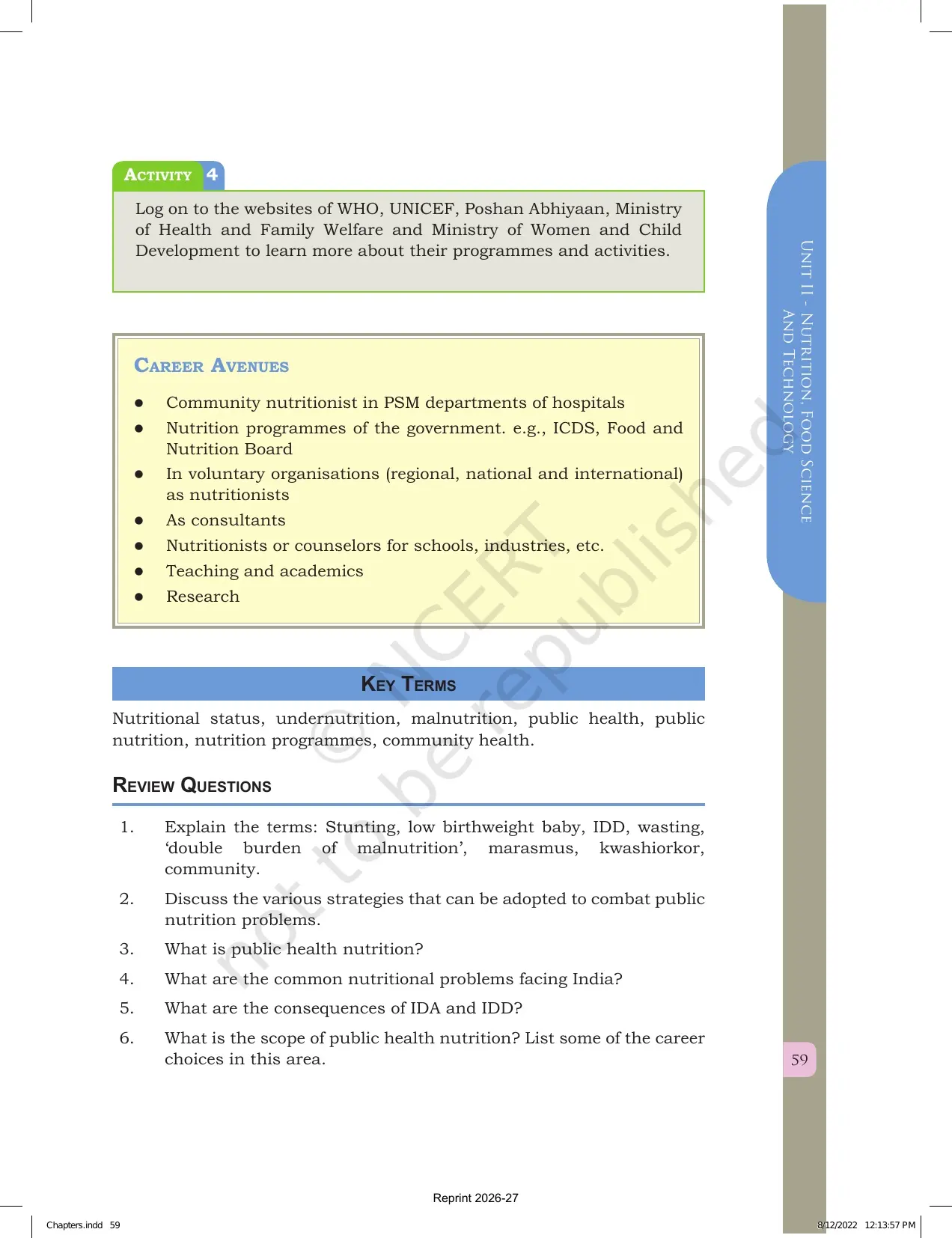
| Public health action | Programmes, services and community-level support | Prepare application-based points |
| Career link | Role of public health nutrition professionals | Connect the chapter with Home Science careers |
Read the chapter as a life-stage and public-health unit. Childhood and adolescence questions become clearer when nutrition, care and support are revised together.
Child Development Revision Path
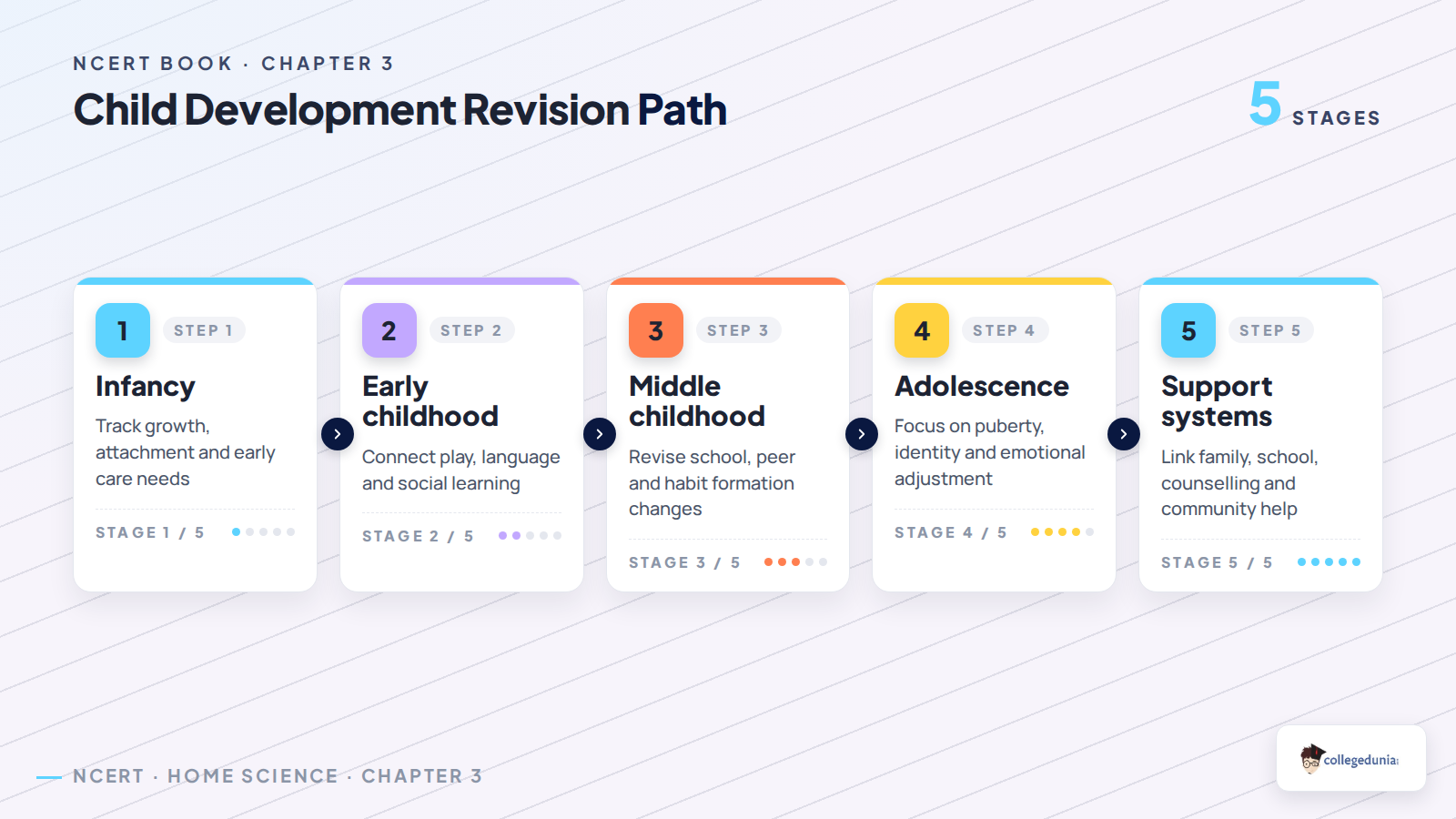
Home Science treats development as a continuous process. Infancy, early childhood, middle childhood and adolescence each bring different care needs. Students should revise the physical, social, emotional and nutritional side of each stage instead of memorising isolated definitions.
- Infancy: growth, attachment, feeding, immunisation and safe care are central.
- Childhood: play, language, school readiness, peer interaction and habit formation become important.
- Adolescence: puberty, identity, self-image, peer influence and emotional adjustment need sensitive guidance.
A strong board answer should connect life stage, need and support measure in the same paragraph.
Childhood vs Adolescence in Home Science
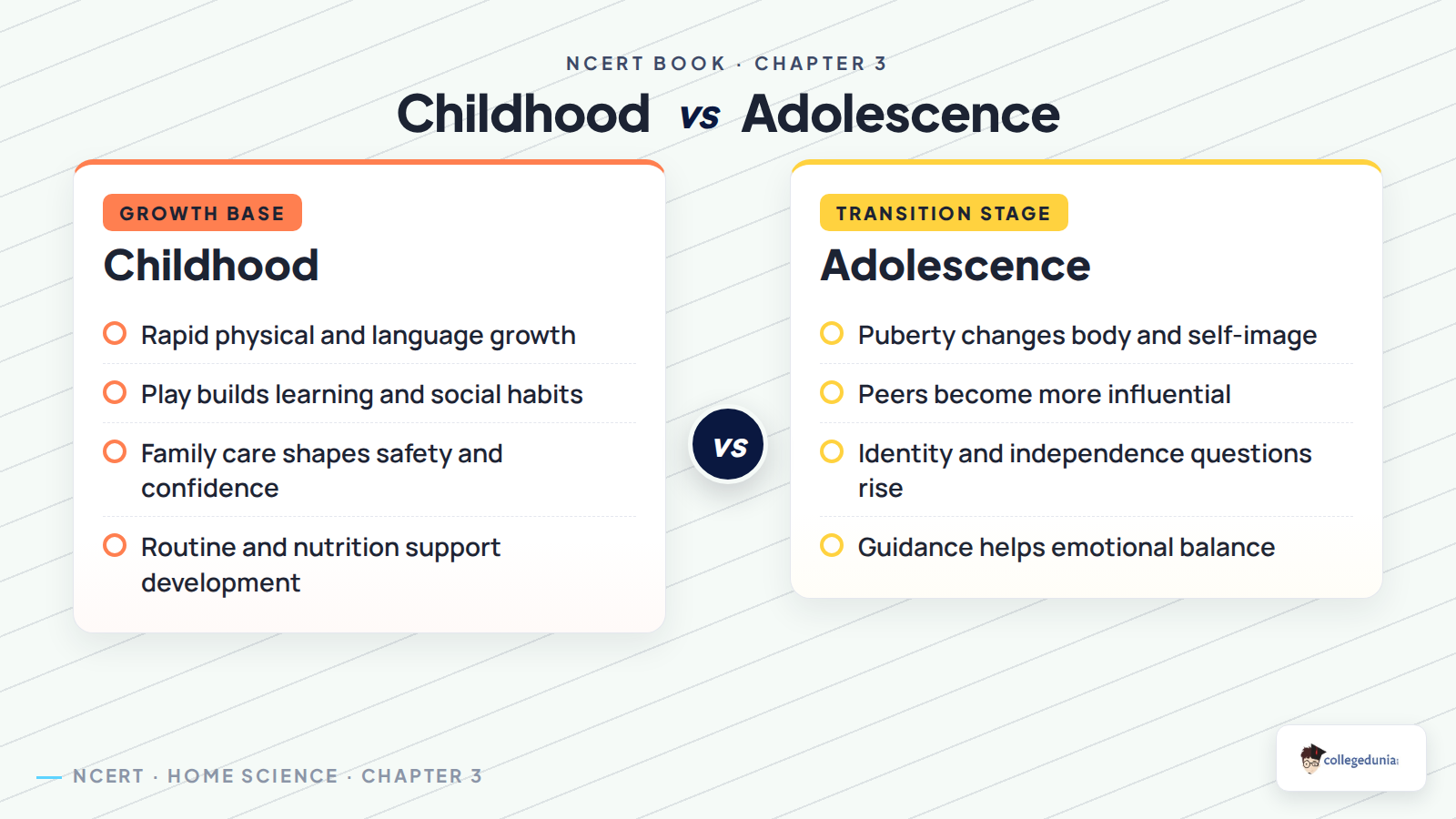
Childhood is a foundation stage, while adolescence is a transition stage. During childhood, the focus is on growth, health habits, learning readiness and emotional security. During adolescence, the body changes rapidly and the student begins to form a stronger sense of identity.
| Point | Childhood | Adolescence |
|---|---|---|
| Growth | Steady physical and language development | Rapid pubertal and body-image changes |
| Learning | Play, routine and school habits shape behaviour | Abstract thinking and independence increase |
| Social life | Family and school guide daily life strongly | Peers and self-identity become more important |
| Health support | Nutrition, immunisation and hygiene matter | Diet, counselling and emotional support matter |
Exam cue: Do not write adolescence only as a biological stage. Add emotional, social and nutritional dimensions.
Public Nutrition and Health Chapter Link
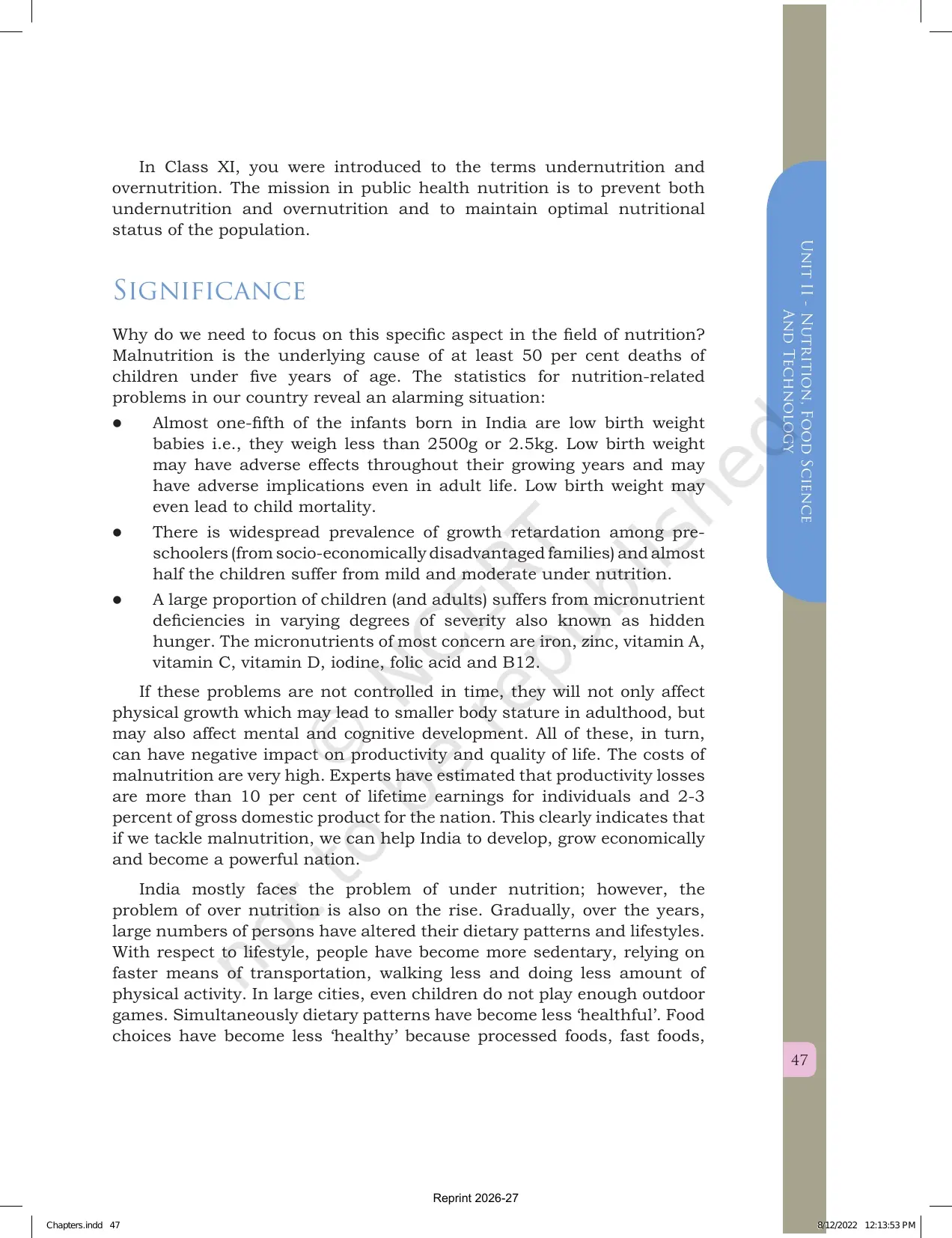
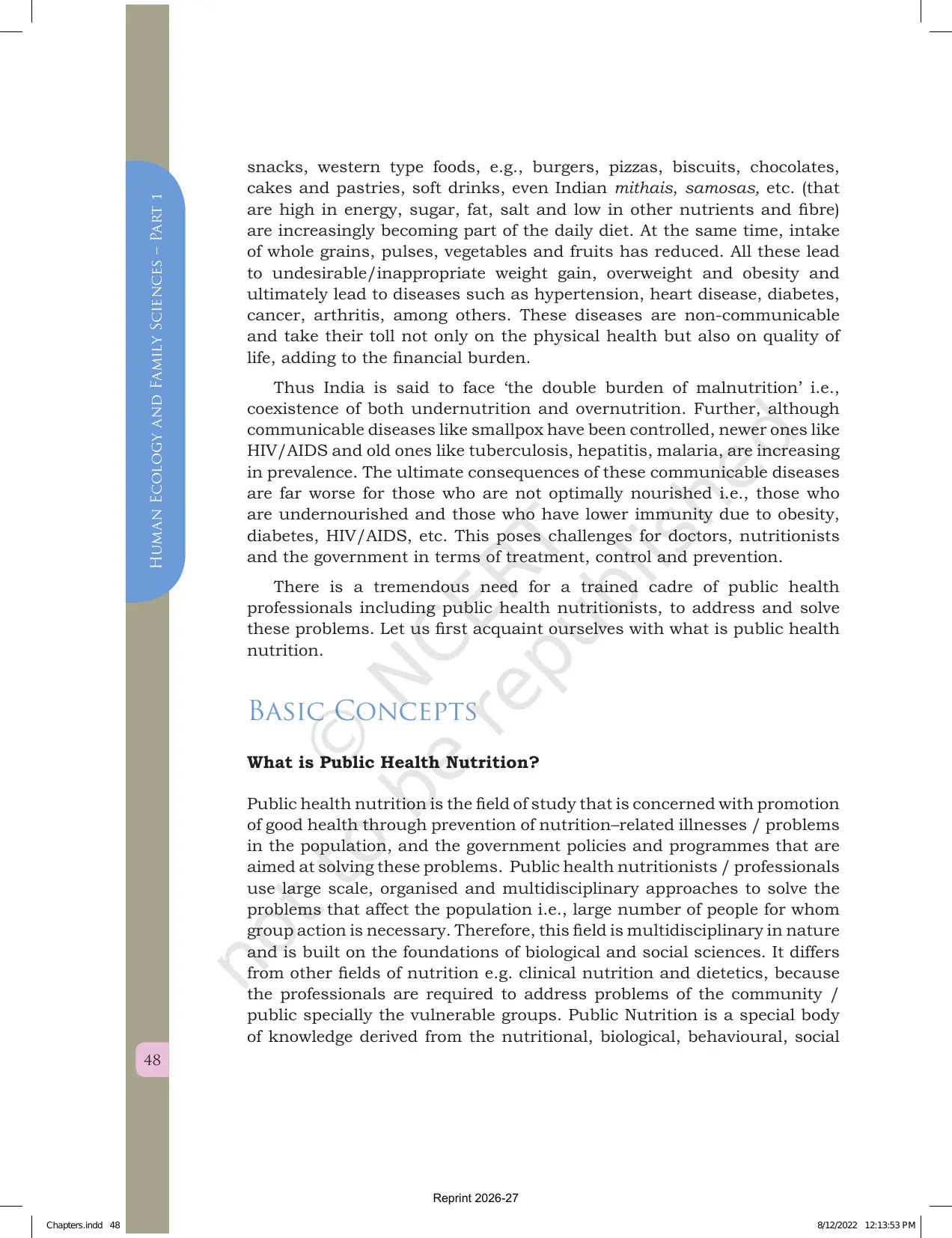
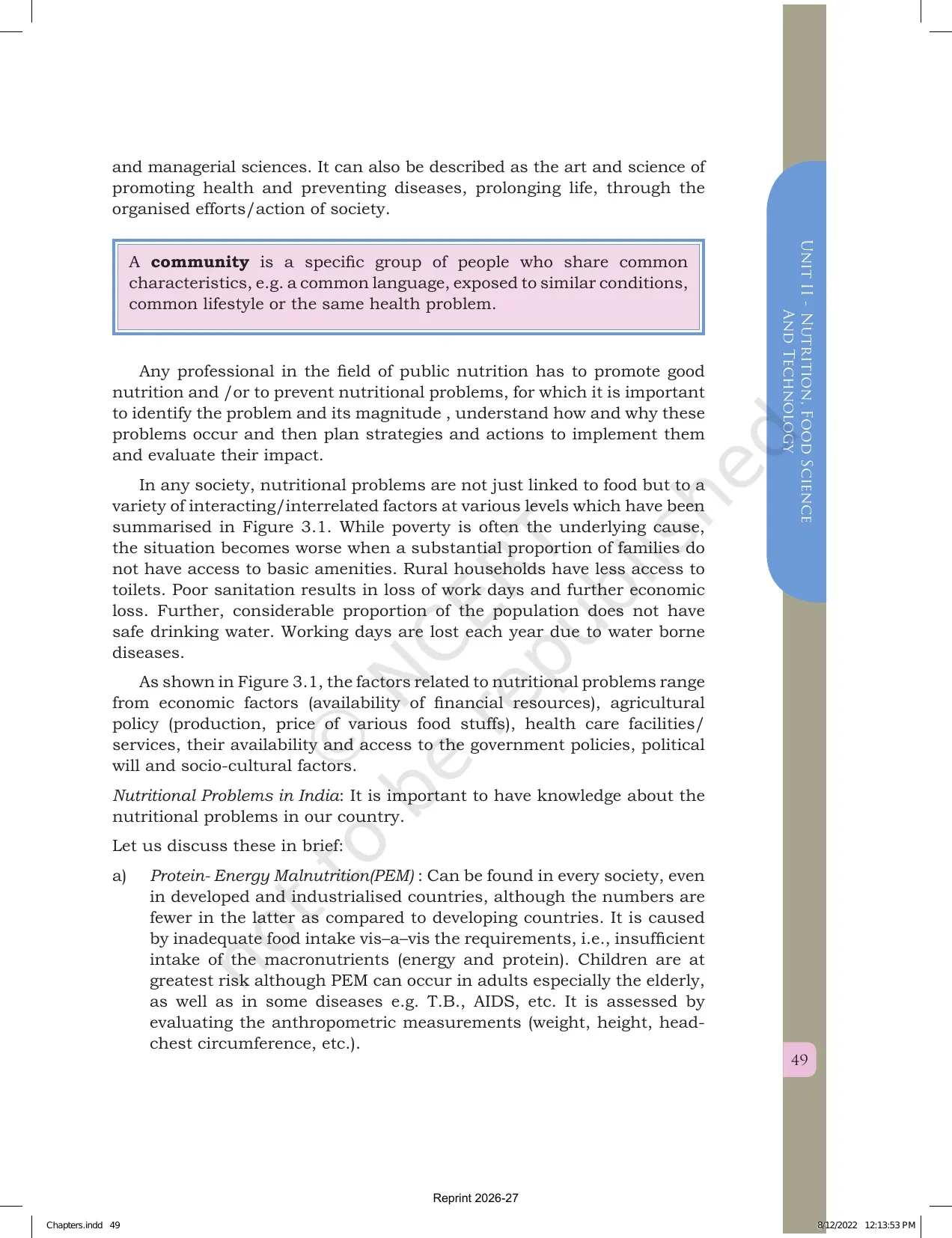
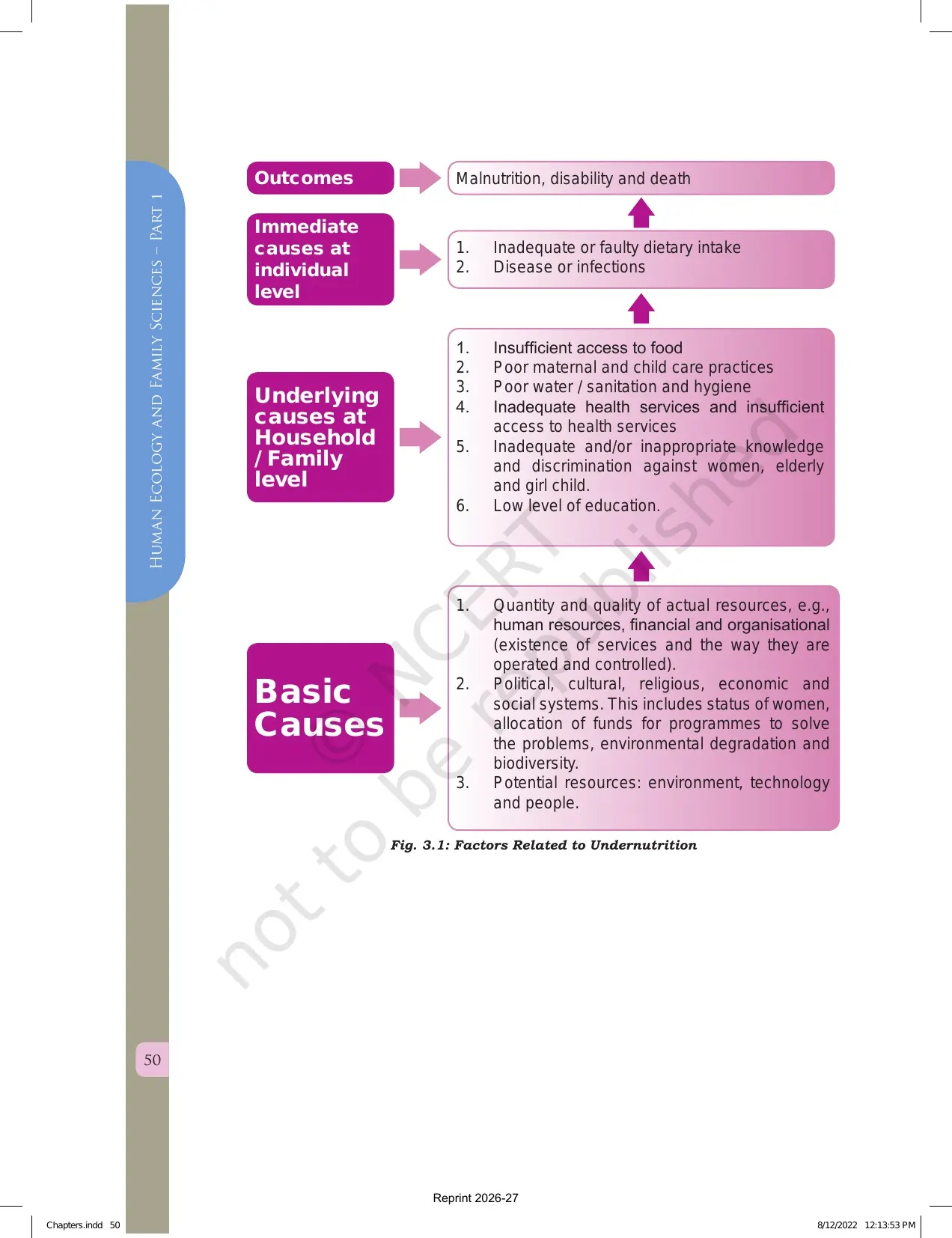
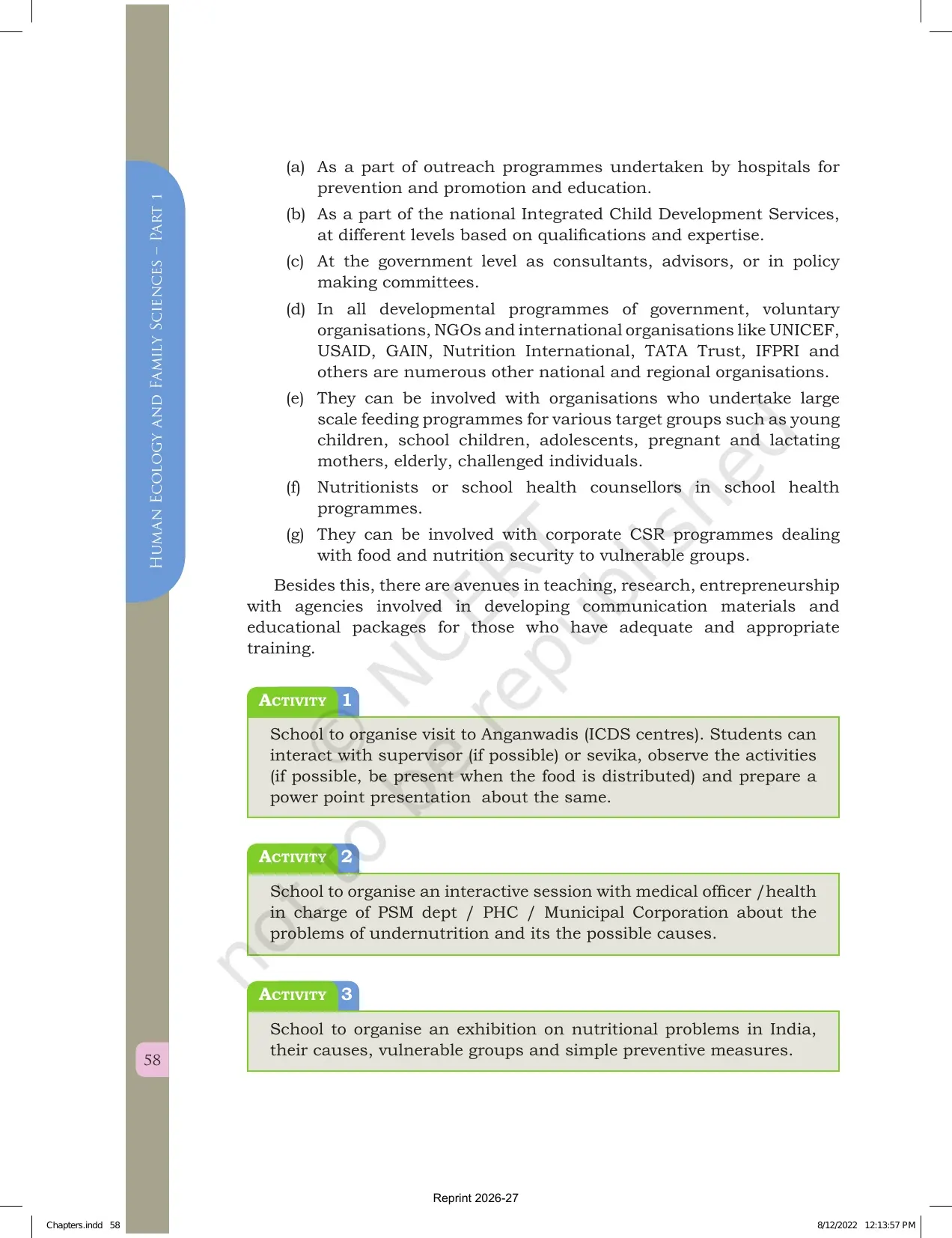
The NCERT chapter connects individual development with public health. Children and adolescent girls are repeatedly treated as vulnerable groups because nutrition problems affect growth, immunity, school performance and future health. This is why public nutrition programmes, health education and family-level care are part of the same revision frame.
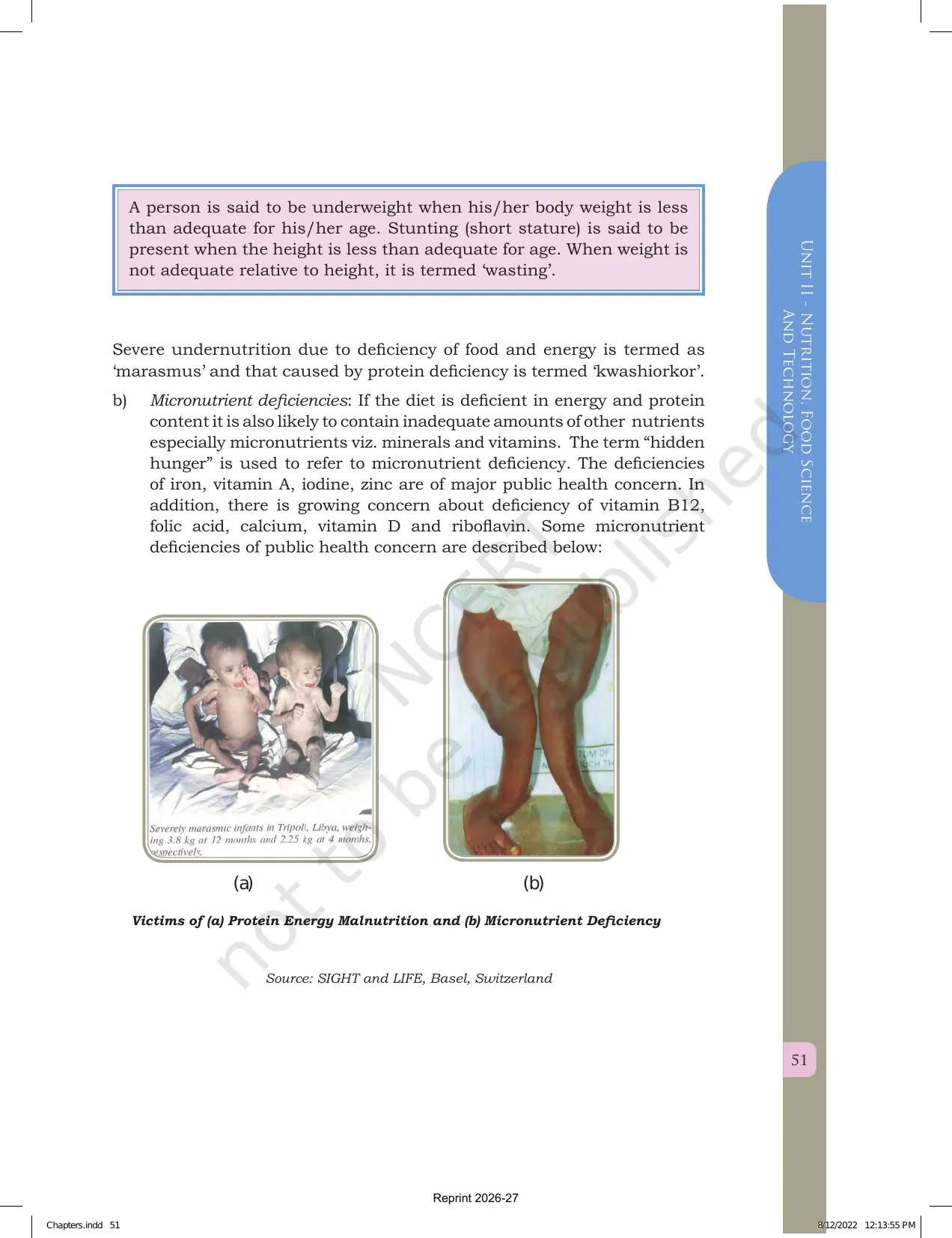
- Protein energy malnutrition can affect body growth and cognitive development.
- Iron deficiency anaemia is important for adolescent girls and school-age children.
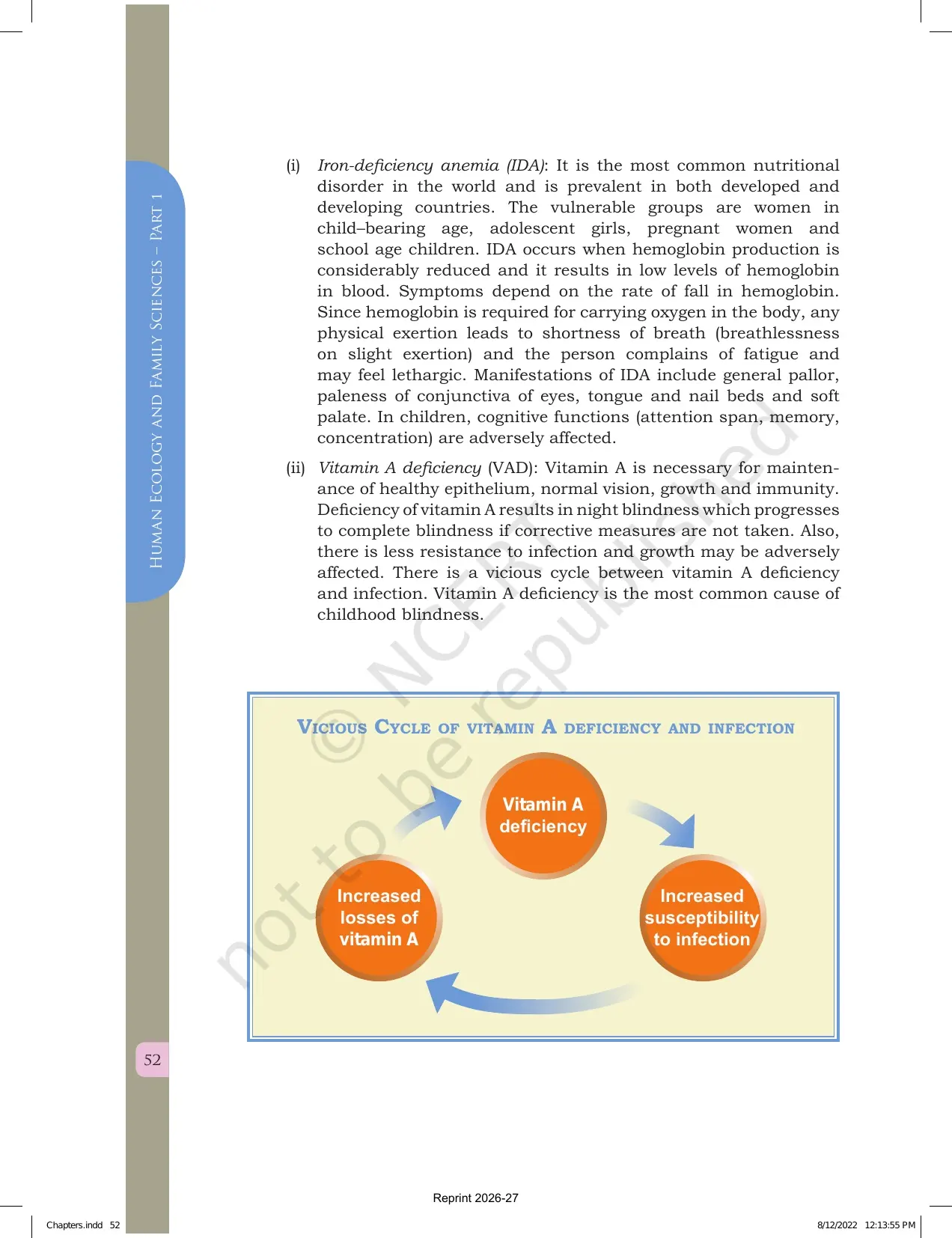
- Vitamin A, iodine, zinc and other micronutrients are linked with hidden hunger.
- Sanitation, safe water, food access and health services affect nutrition outcomes.
Link every public health problem with one cause, one vulnerable group and one support measure.
Public Nutrition and Health Video Explanation
Source: The Twin Bros Humanities on YouTube
How to Use This Home Science Chapter 3 Book PDF
Use this PDF in three rounds. First, read the learning objectives and underline the vulnerable groups. Second, mark every nutritional problem with its cause and effect. Third, revise childhood and adolescence as stages that need nutrition, care, guidance and public support.
- Make a two-column note for childhood needs and adolescent needs.
- Write one line each on undernutrition, overnutrition and hidden hunger.
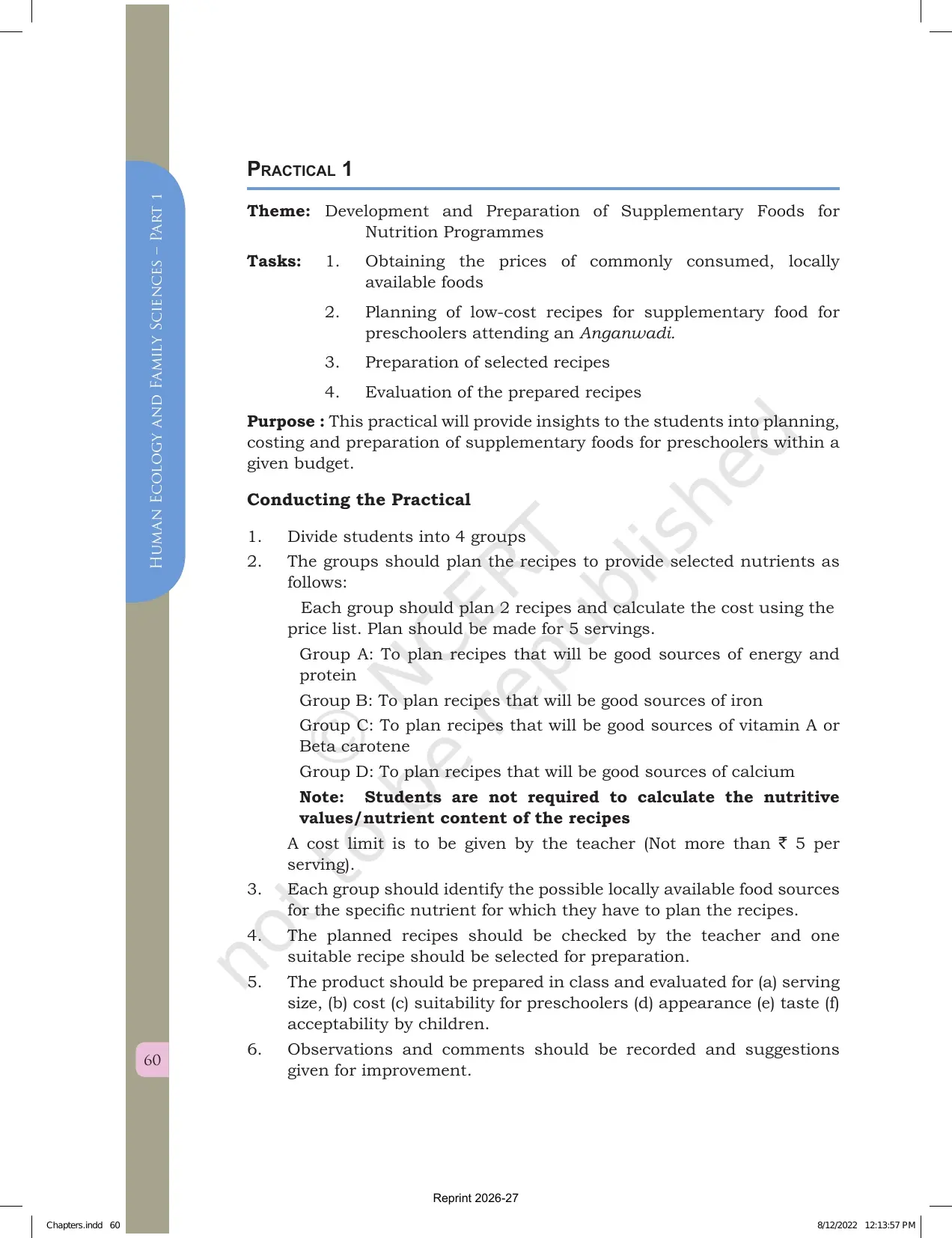
- Prepare a short answer on why public health action matters for children.
Study habit: Keep the official PDF open while reading notes so terms such as public nutrition, vulnerable groups and health services stay close to NCERT wording.
All NCERT Book PDFs for Class 12 Home Science Chapters
The table below keeps the same resource type together, so students can move chapter by chapter through the Class 12 Home Science NCERT book PDFs.
| Chapter | NCERT chapter title | Book PDF |
|---|---|---|
| Chapter 1 | HE1: Work, Livelihood and Career | Open book PDF |
| Chapter 2 | HE1: Nutrition, Health and Wellbeing | Open book PDF |
| Chapter 3 | HE1: Childhood and Adolescence | Current book PDF |
| Chapter 4 | HE1: Adulthood and Ageing | Open book PDF |
| Chapter 5 | HE1: Resource Management | Open book PDF |
| Chapter 6 | HE1: Communication and Extension | Open book PDF |
| Chapter 7 | HE1: Clothing and Textiles | Open book PDF |
| Chapter 8 | HE1: Career Options after Home Science | Open book PDF |
| Chapter 9 | HE1: Family Studies | Open book PDF |
| Chapter 10 | HE1: Foundations of Indian Home Science | Open book PDF |
| Chapter 11 | HE2: Nutrition, Food Science and Technology | Open book PDF |
| Chapter 12 | HE2: Public Nutrition and Health | Open book PDF |
Childhood and Adolescence Class 12 Home Science NCERT Book FAQs
Ques. What is included in the Class 12 Home Science Chapter 3 NCERT Book PDF?
Ans. The PDF gives the official NCERT source reading for the Chapter 3 block, including child and adolescent wellbeing, nutrition problems, vulnerable groups and public health support.
Ques. How many pages are there in Childhood and Adolescence NCERT PDF?
Ans. The official chapter PDF used for this entry has 15 pages in the 2026-27 reprint.
Ques. Why should childhood and adolescence be studied with nutrition?
Ans. Childhood and adolescence are growth stages, so food access, micronutrients, sanitation, health services and family care directly affect development and wellbeing.
Ques. What should students revise first from this chapter?
Ans. Students should revise life-stage needs, vulnerable groups, undernutrition, overnutrition, hidden hunger and the role of public health nutrition programmes.



Comments