




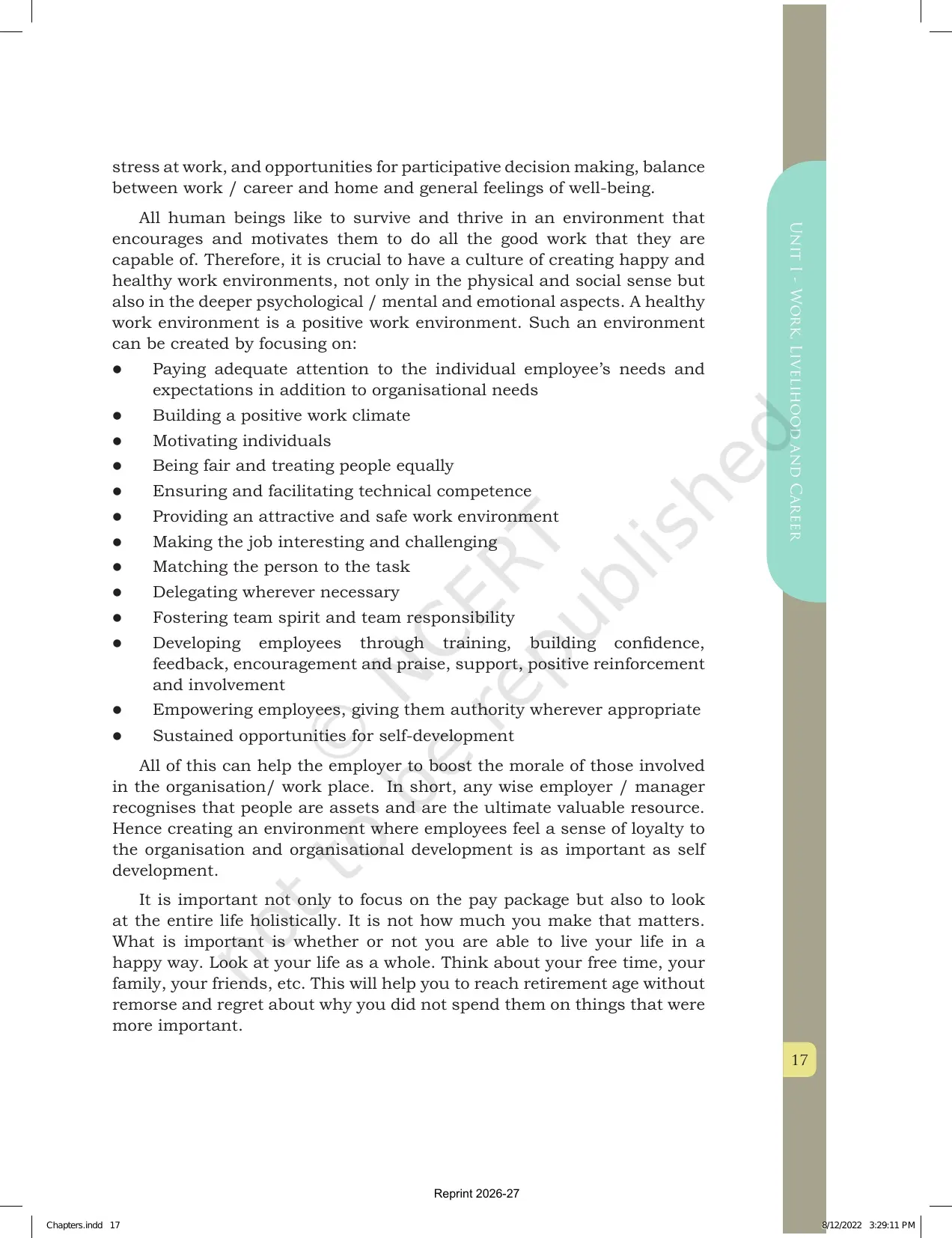
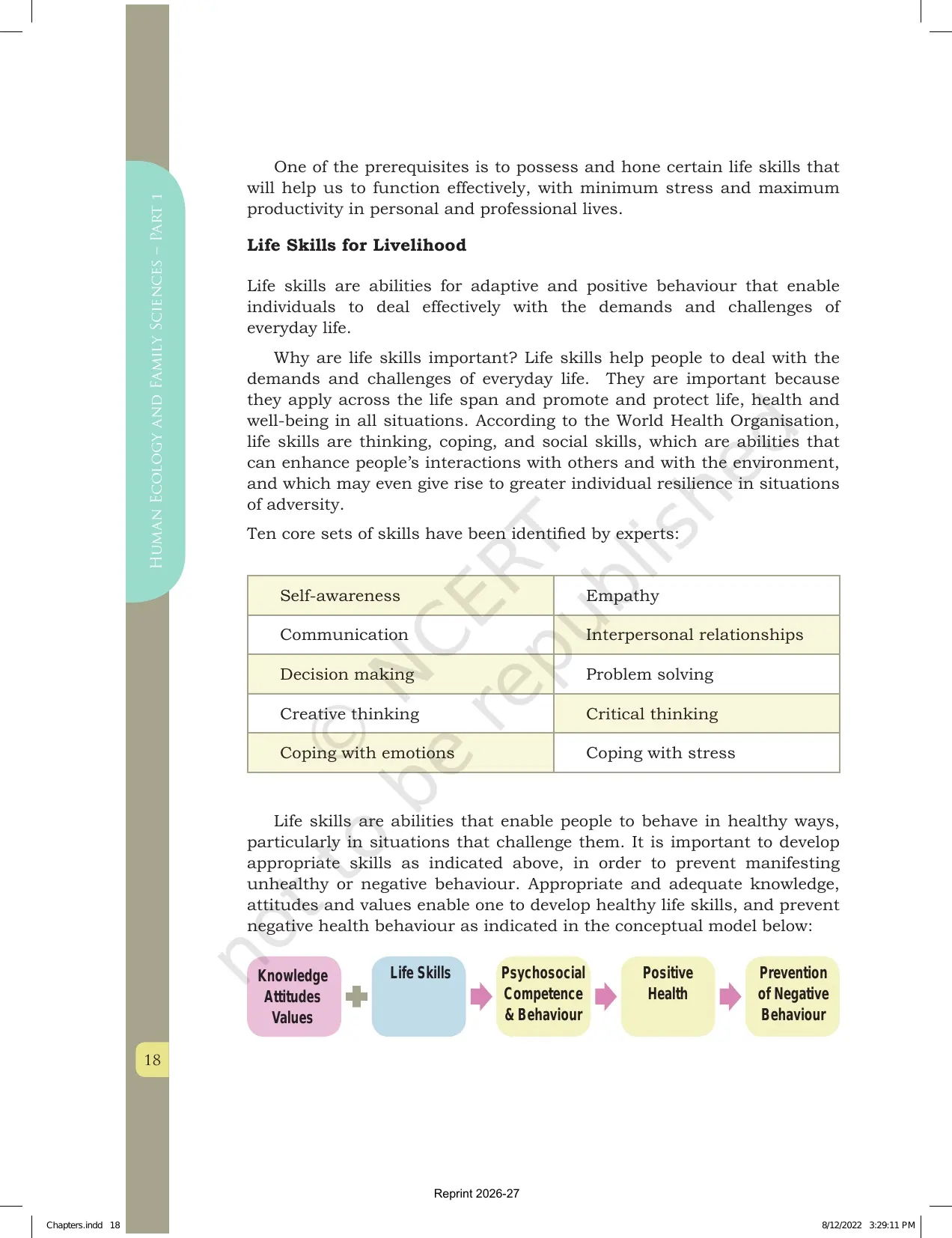
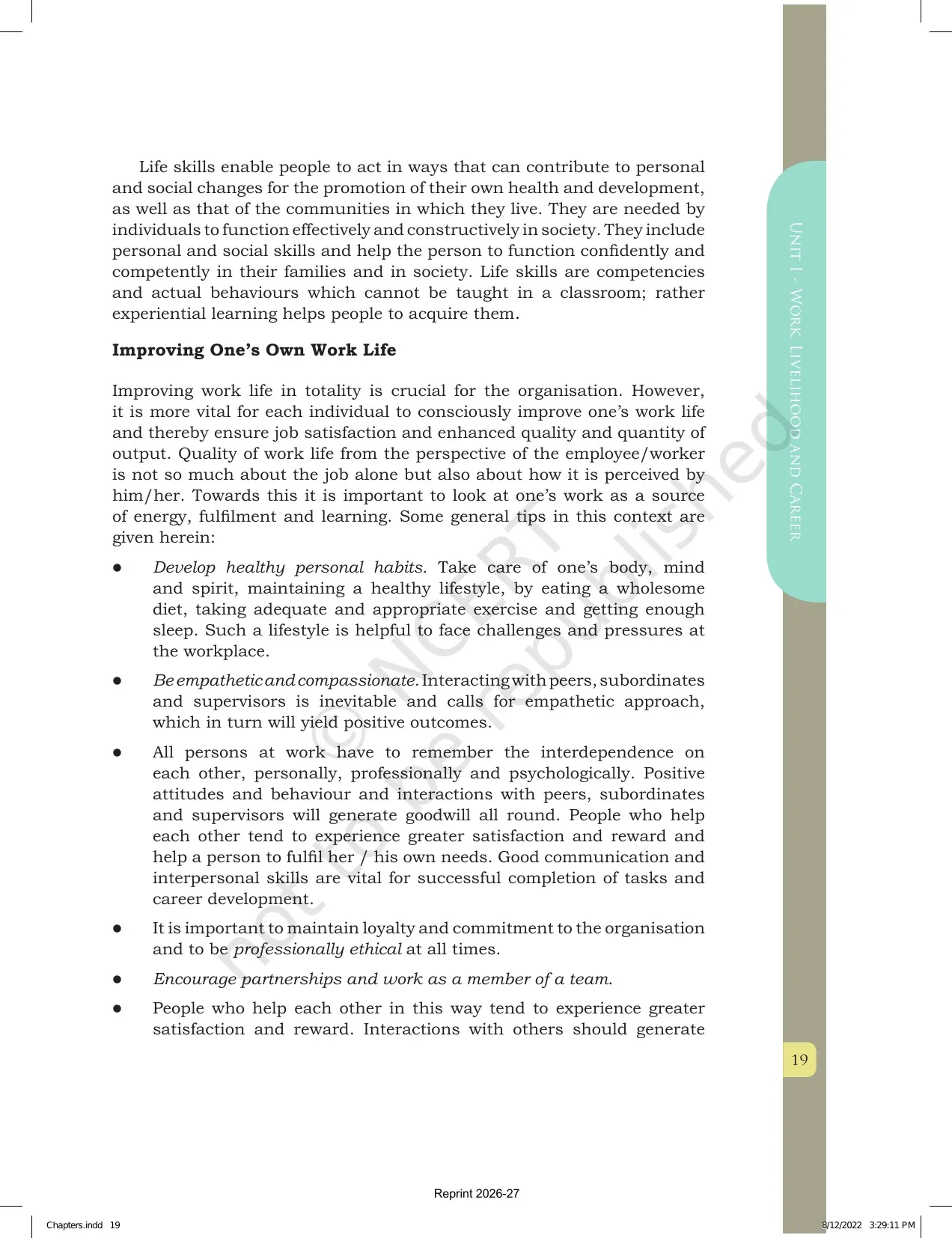
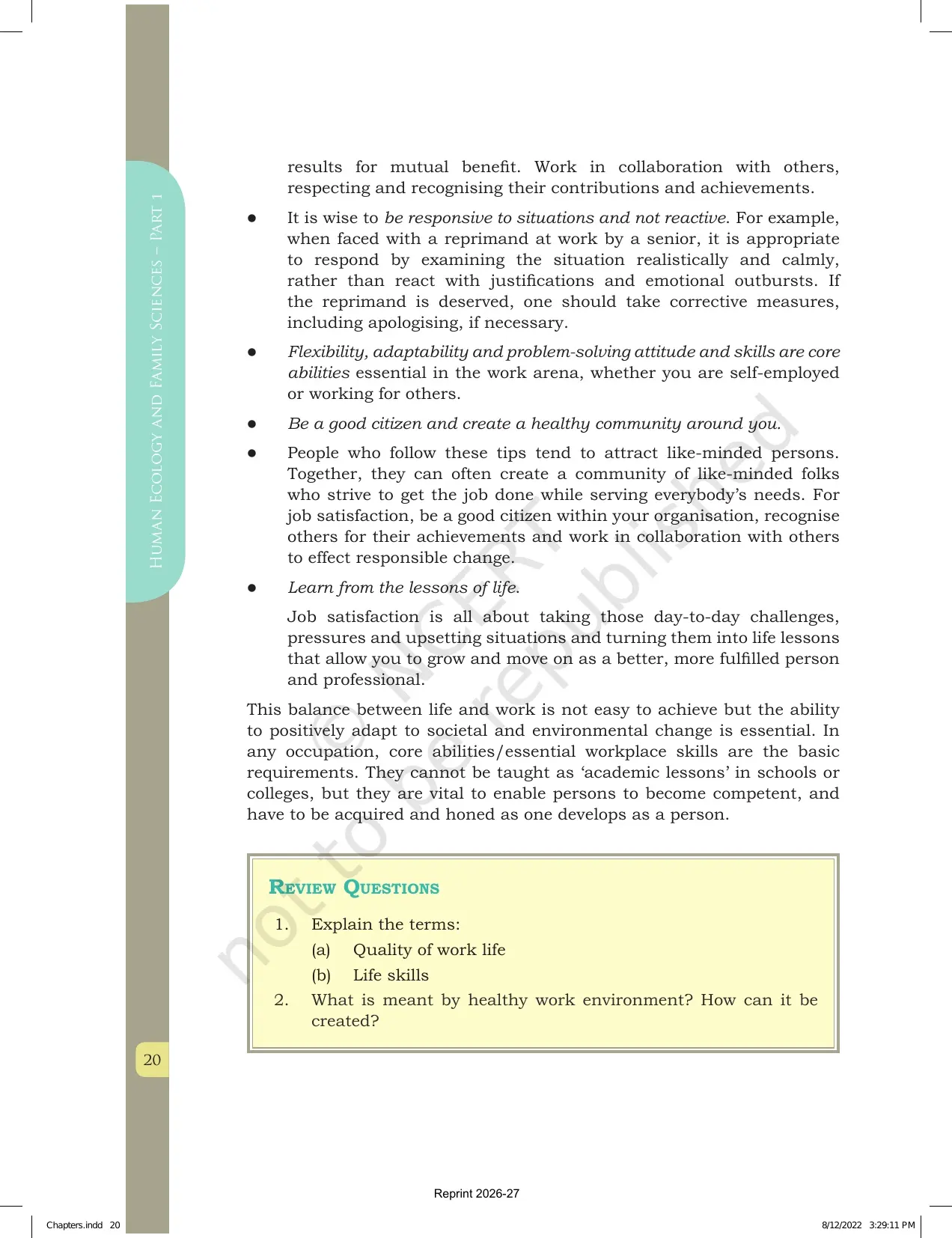
The NCERT Class 12 Home Science Chapter 1 Work, Livelihood and Career Book PDF gives the official 2026-27 reading for Unit I of Human Ecology and Family Sciences Part 1. The chapter explains meaningful work, livelihood, career choice, entrepreneurship, social responsibility and healthy work environments in simple NCERT language.
- Download the 28-page official NCERT chapter PDF for offline reading.
- Use it for definitions of work, livelihood, career and quality of life.
- Revise career-choice questions with the NCERT learning objectives beside you.
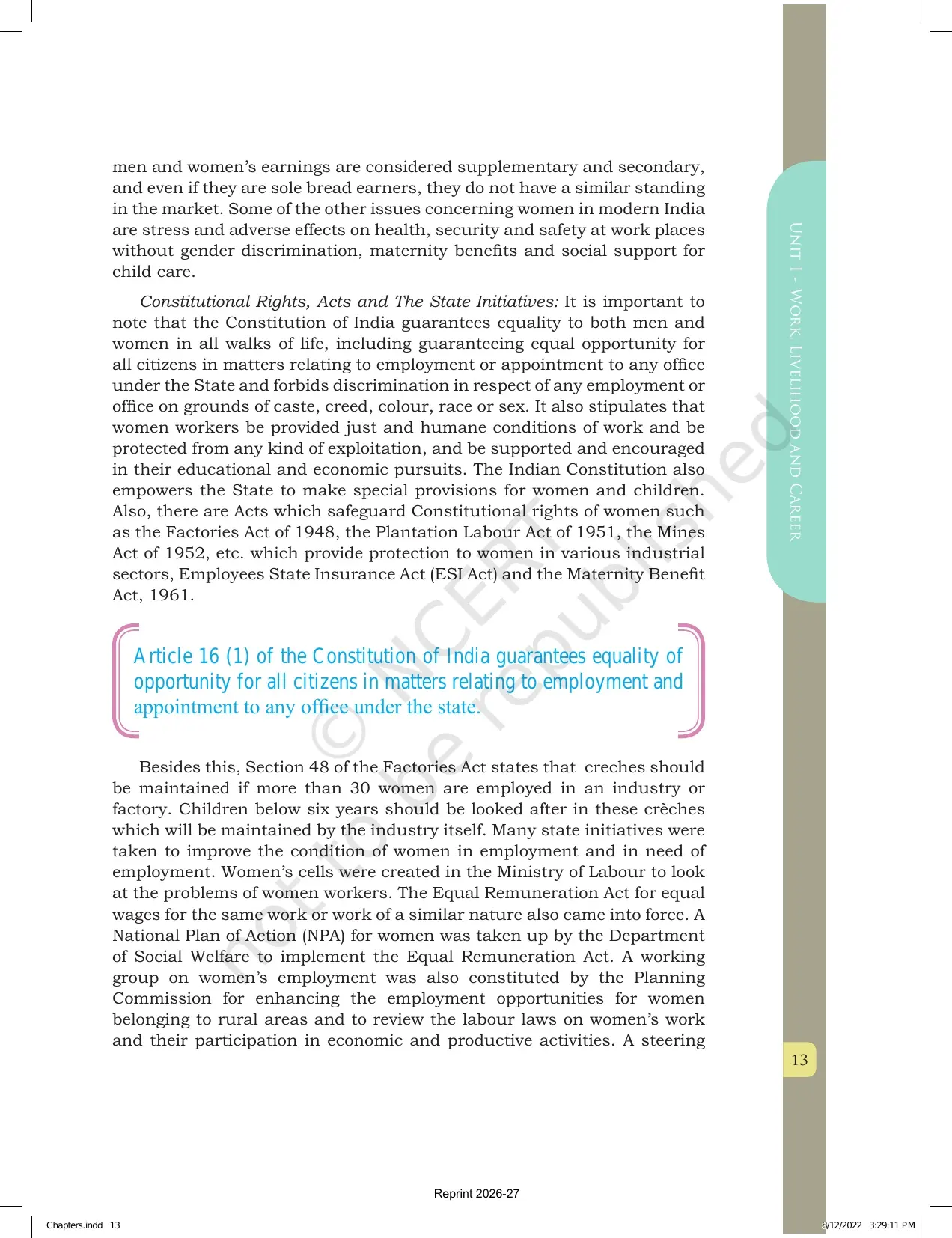
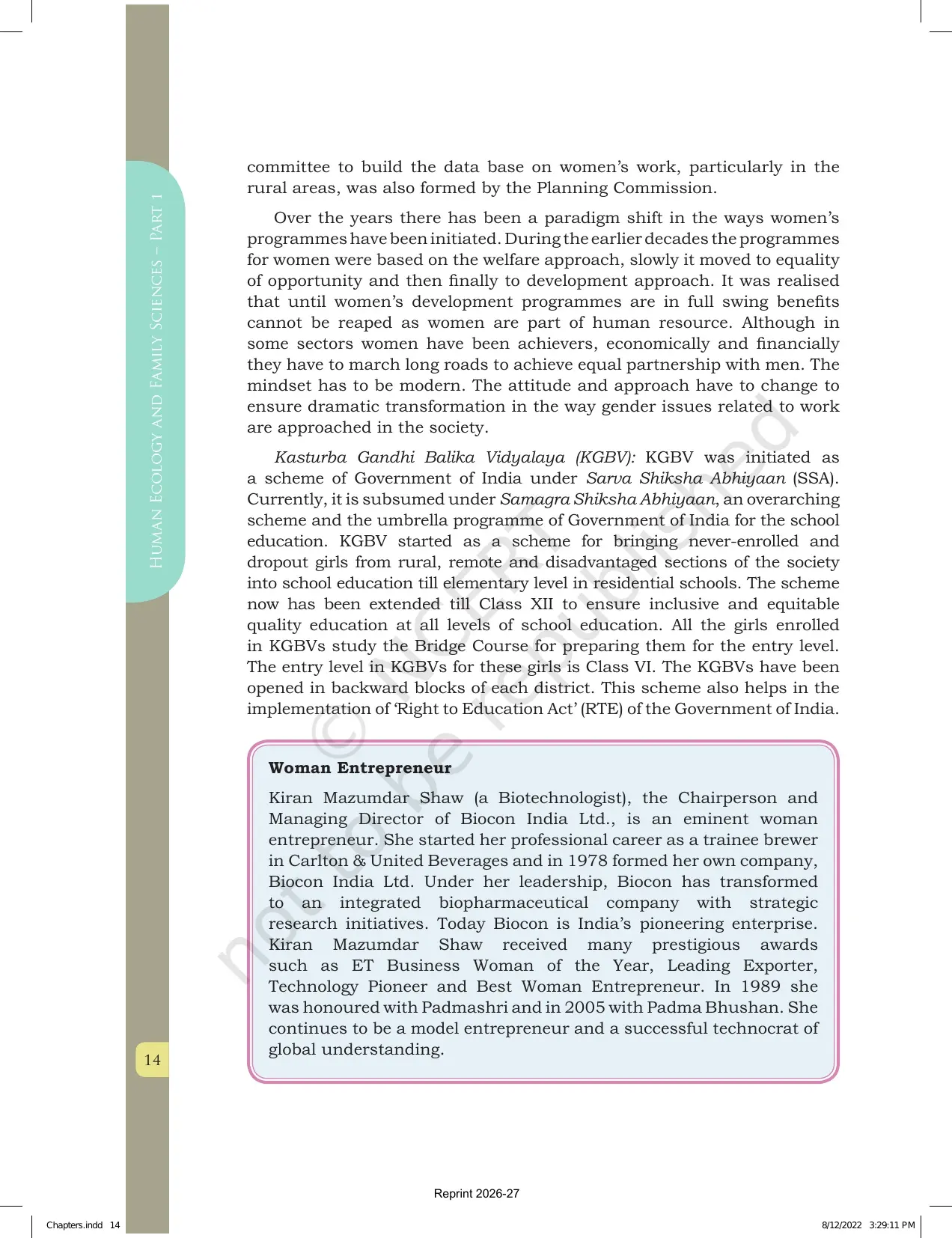
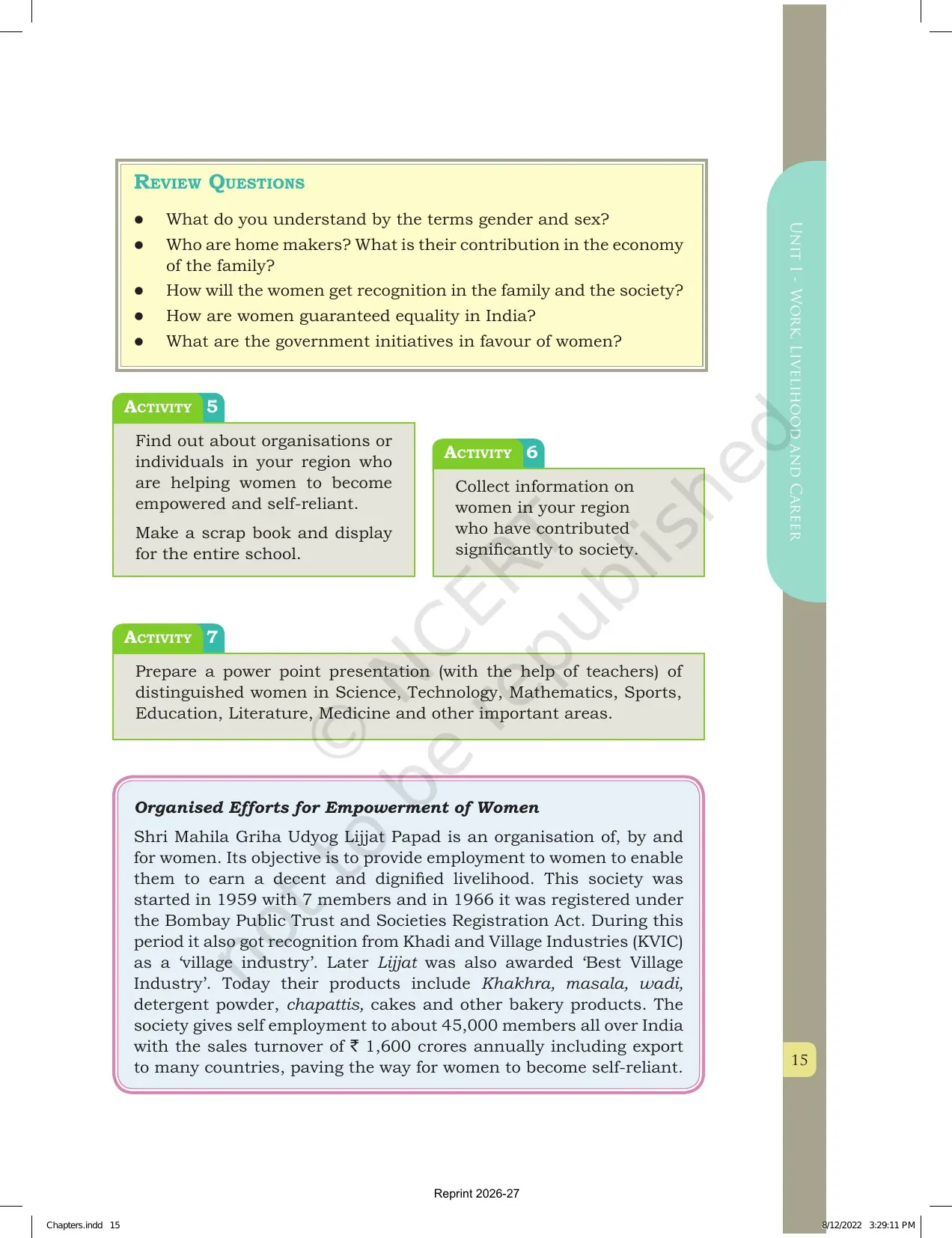
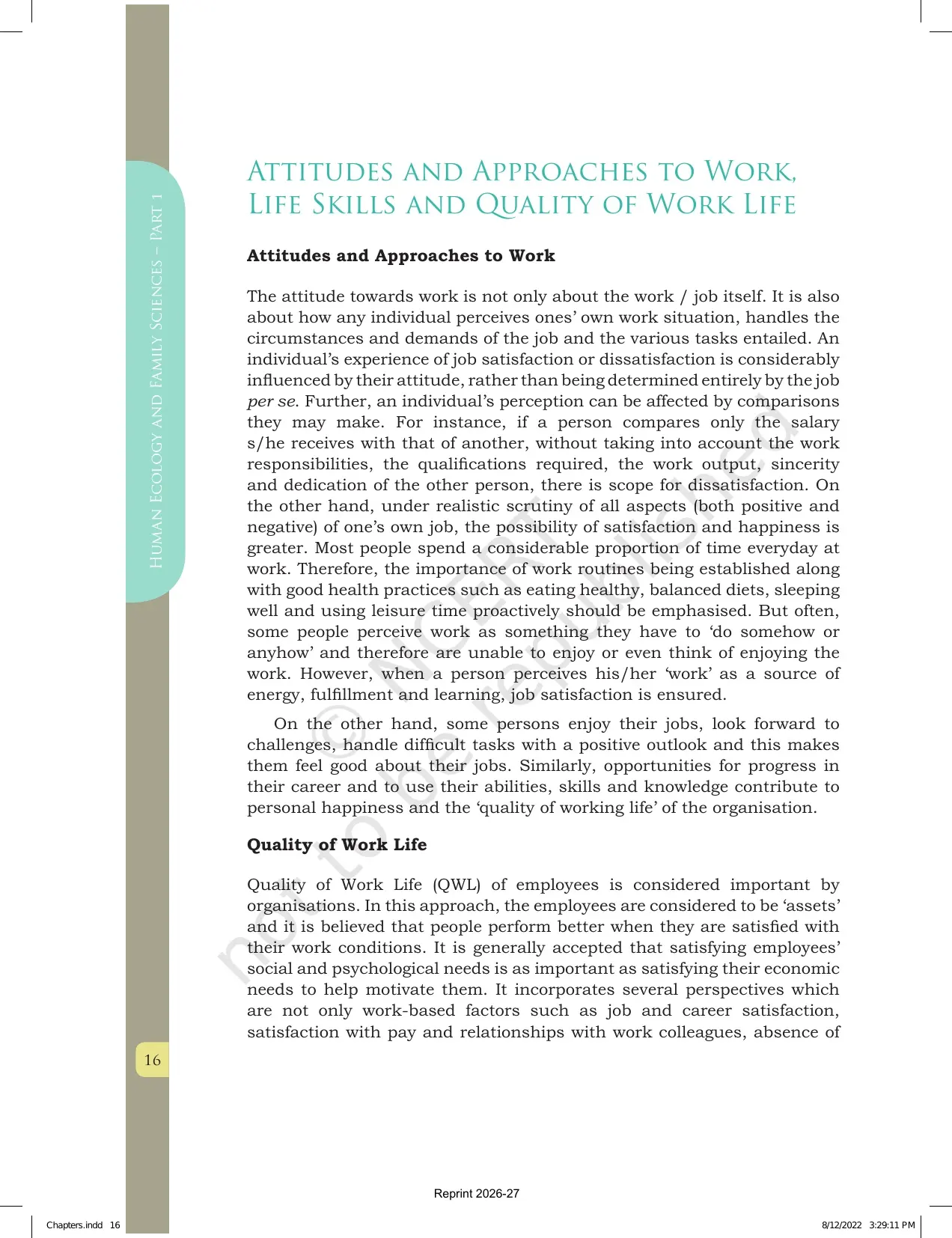
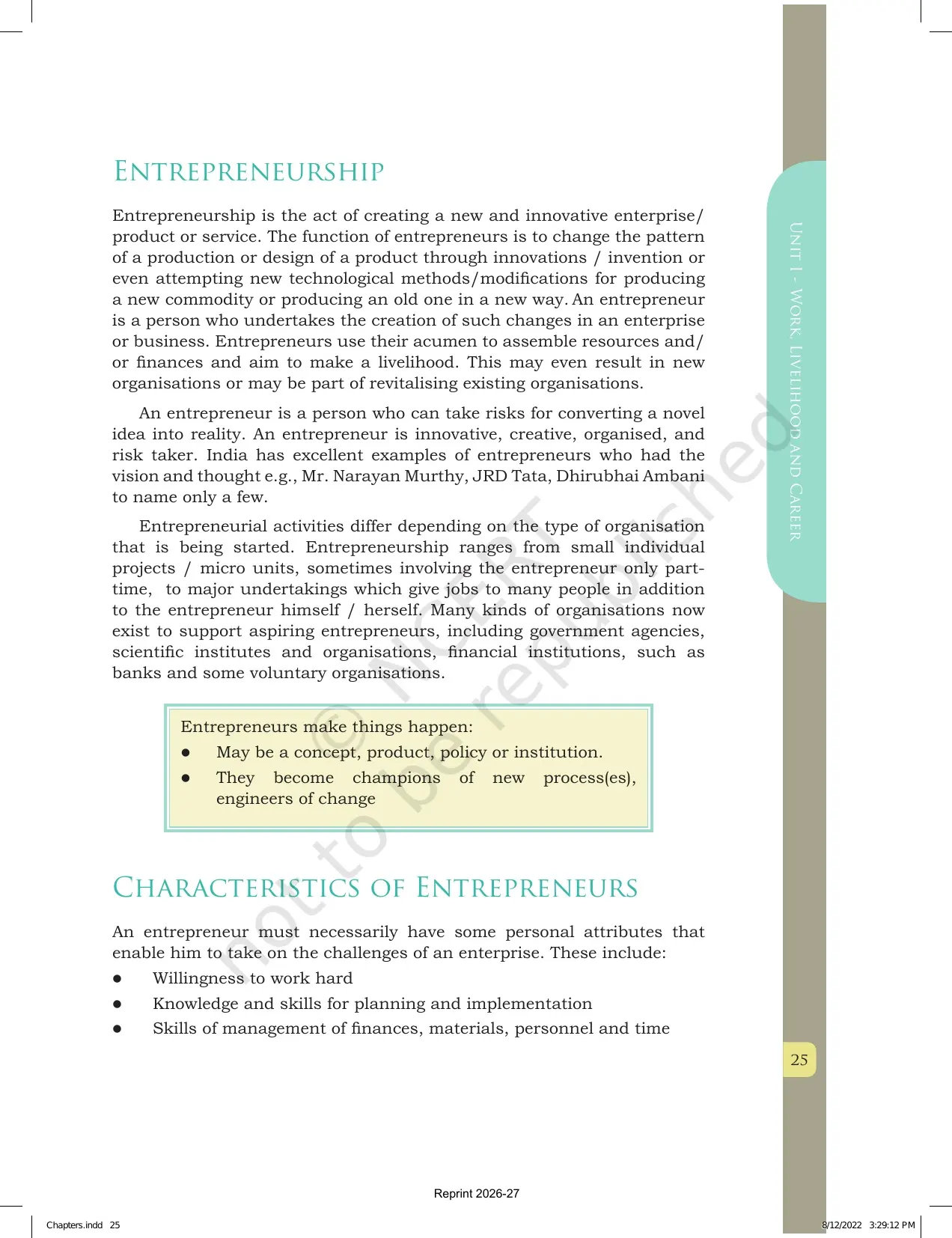
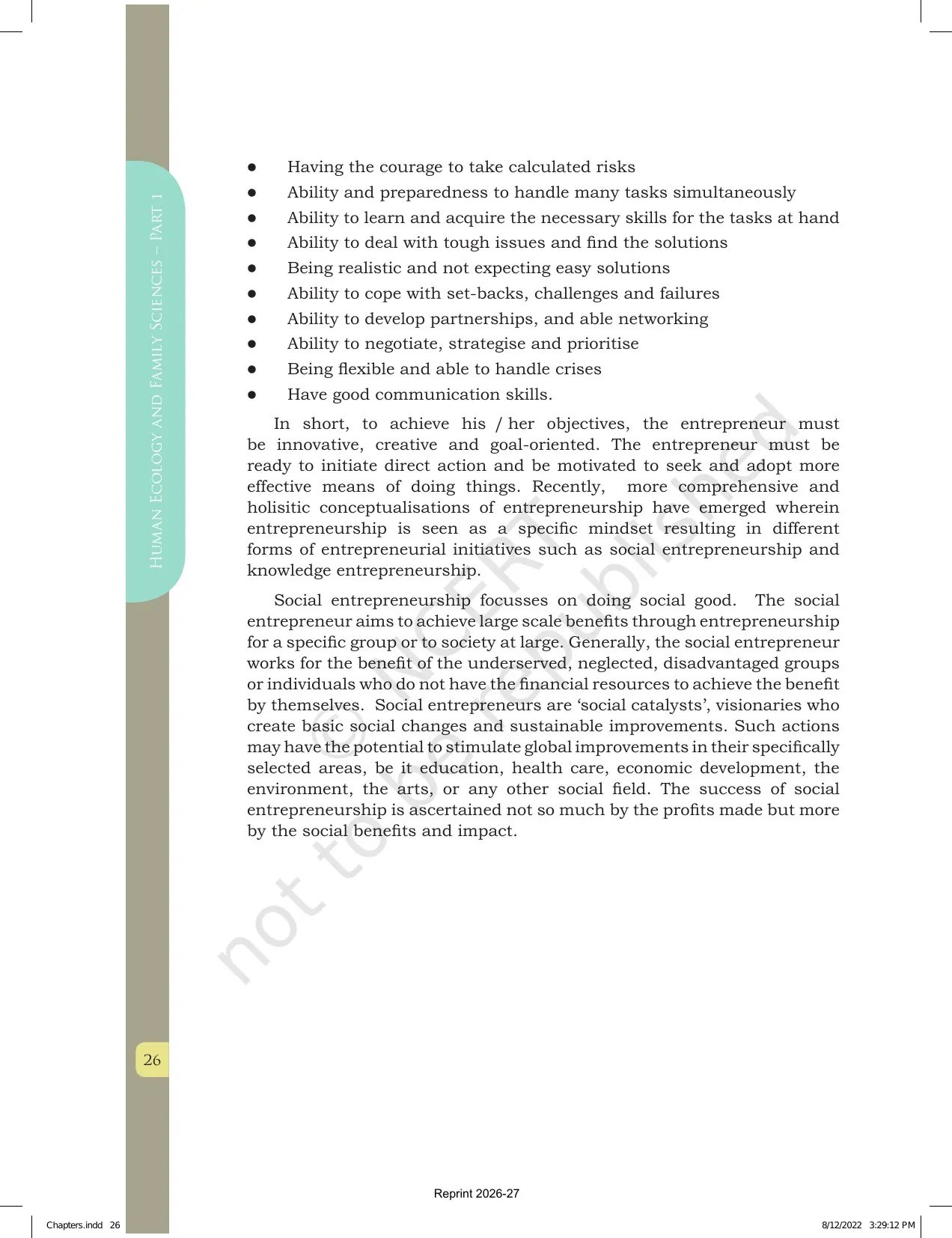
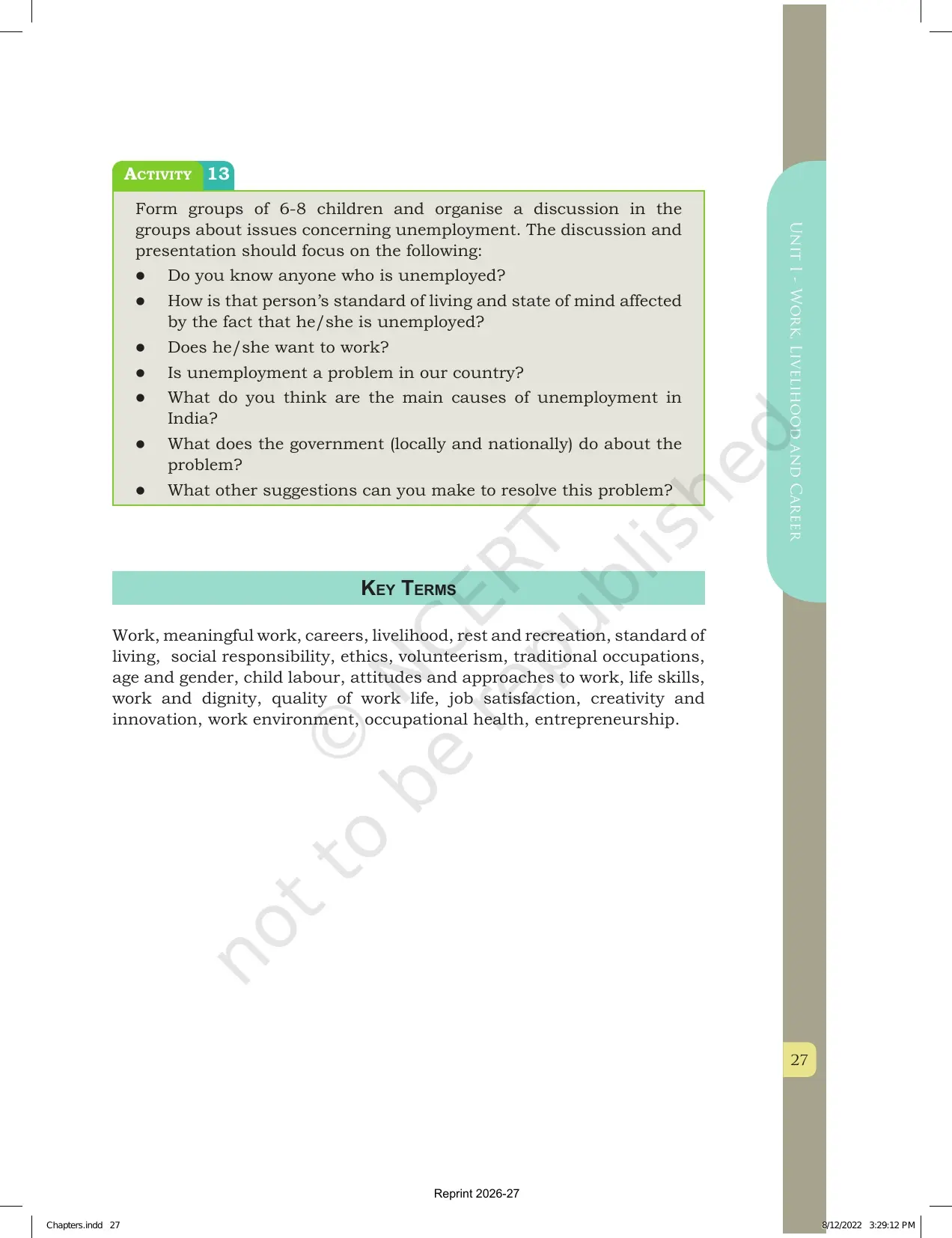
Student Feedback: In a Collegedunia study poll of 8,960 Class 12 Home Science students, 71% said this chapter became easier after they separated work, livelihood and career into three clear meanings.
This NCERT Book PDF follows the 2026-27 reprint and should be used as the source text before attempting notes or solutions.
Work Livelihood and Career Chapter 1 NCERT Book PDF Highlights
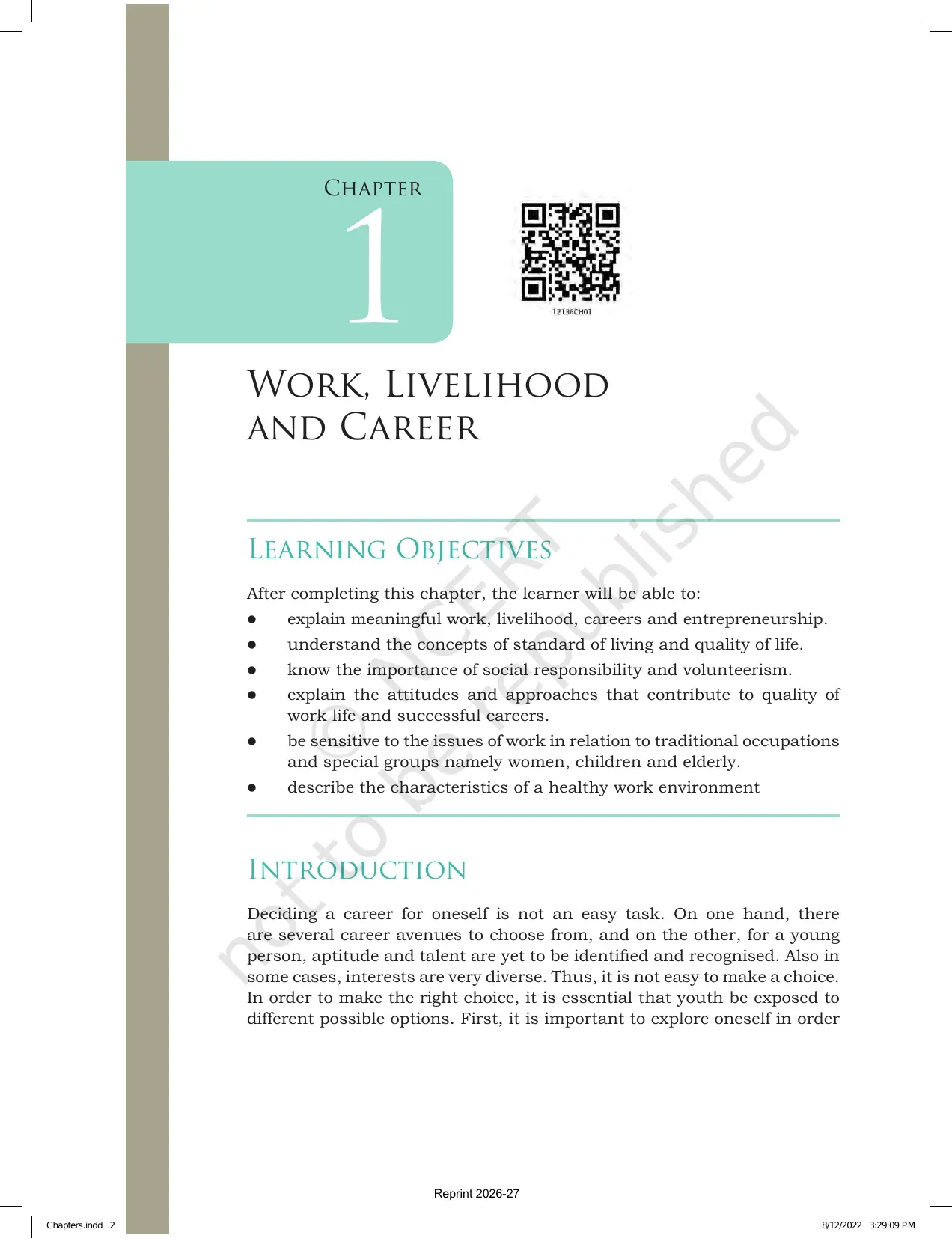
The first chapter begins with career choice. NCERT points out that young students often have many options, mixed interests and talents that are still developing. The chapter asks students to first explore their own aptitude, preferences, needs and aspirations.
| Chapter area | NCERT focus | Why it matters |
|---|---|---|
| Meaningful work | Work that is useful, responsible and enjoyable | Builds identity, dignity and self-worth |
| Livelihood | Means of supporting oneself and meeting needs | Connects occupation with quality of life |
| Career | A lifelong path of learning, roles and transitions | Goes beyond a single job or salary |
| Healthy workplace | Positive environment, safety and respect | Improves quality of work life |
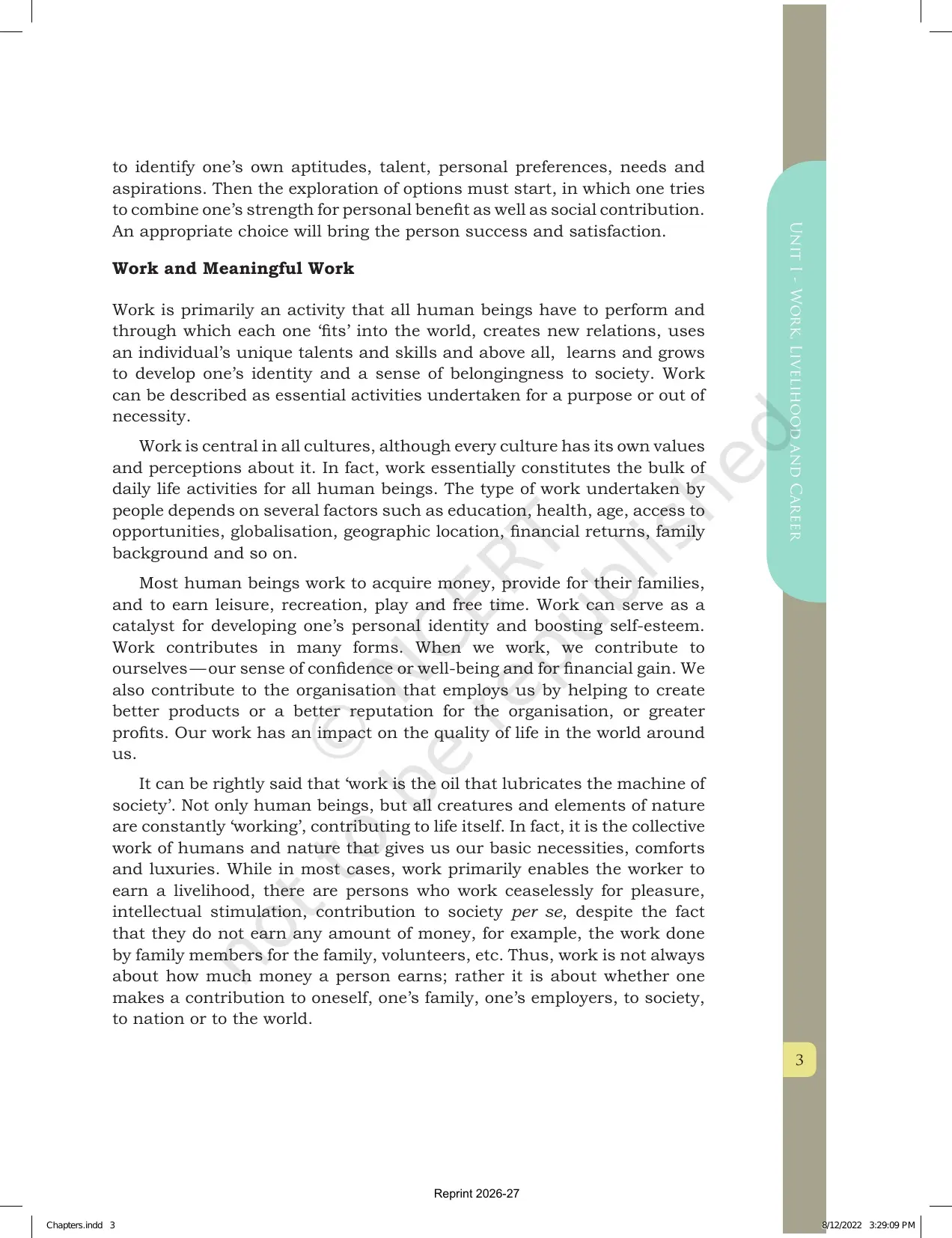
NCERT treats work as more than earning money. It can serve the family, community, employer, society and the worker's own growth.
Meaningful Work in Class 12 Home Science Chapter 1
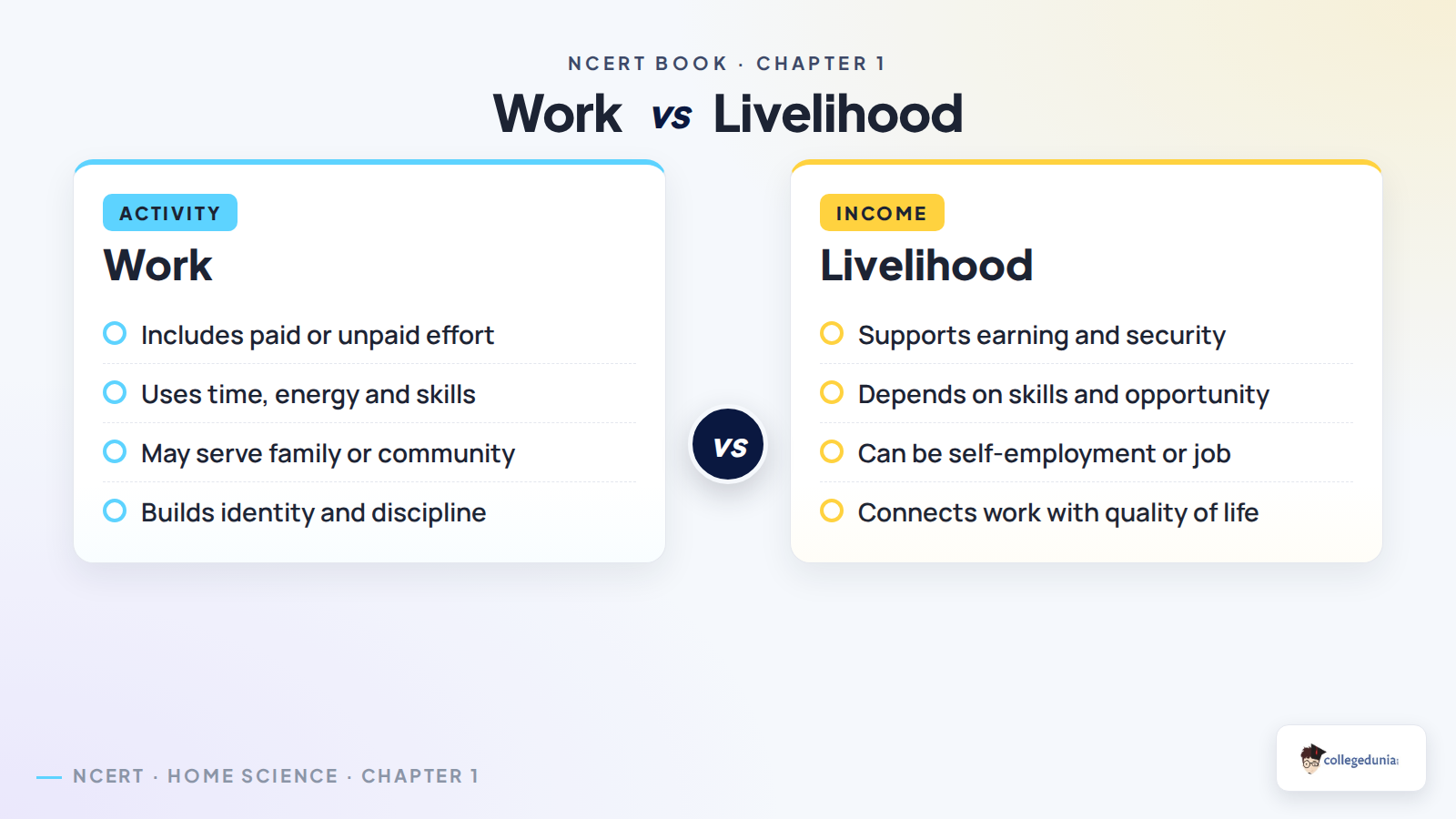
NCERT explains work as an activity done for a purpose or out of need. It may be paid, unpaid, formal, informal, voluntary or family-based. What makes work meaningful is the combination of usefulness, responsibility, enjoyment and the chance to use skill and judgement.
- Personal value: work builds confidence, belongingness and self-esteem.
- Social value: work contributes to family, organisation, society and nation.
- Growth value: work can become a path for creativity and self-development.
Exam cue: A short answer should not define work only as a job. Add dignity, usefulness and contribution.
Career Planning Pathway from the NCERT Chapter
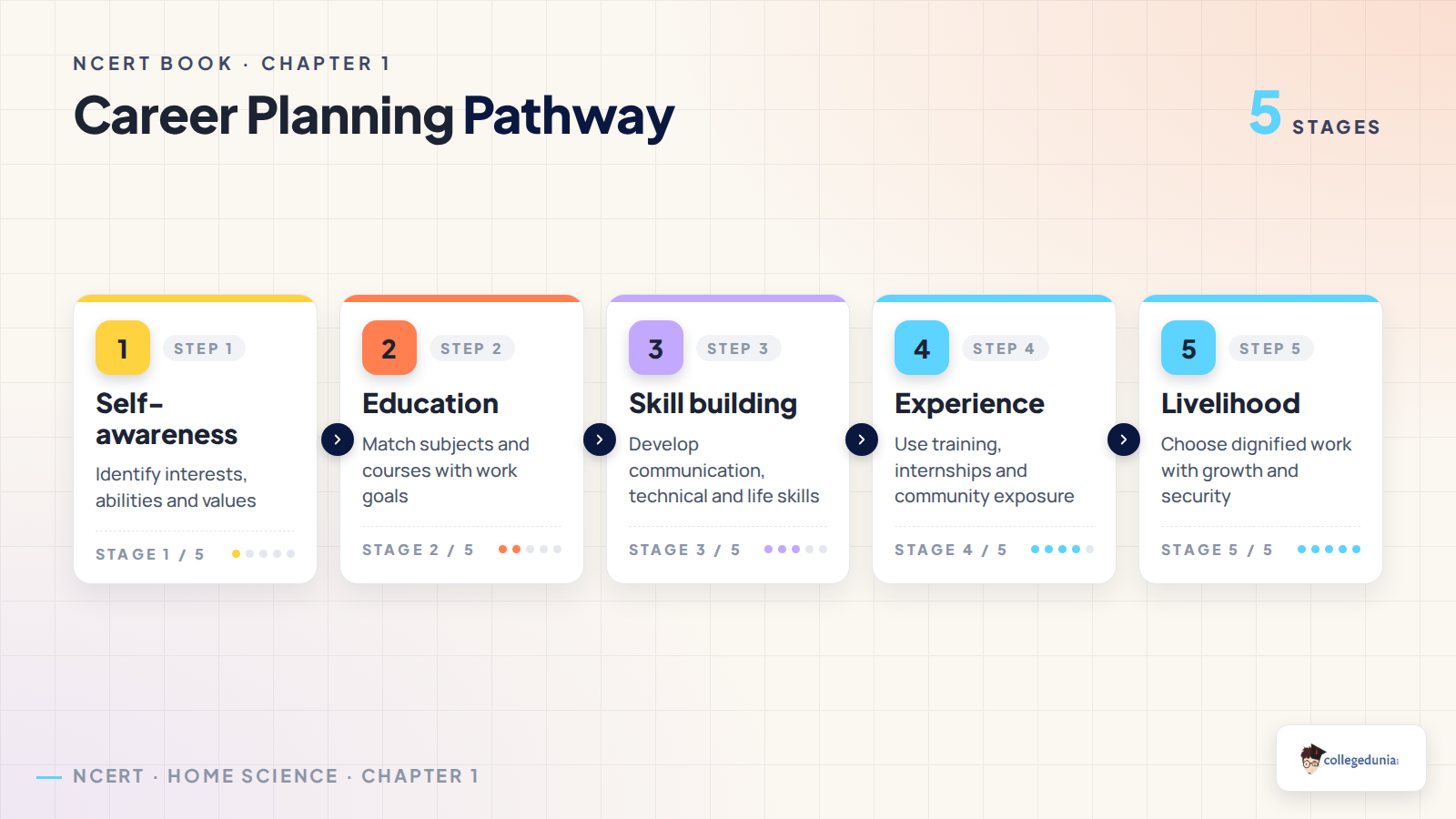
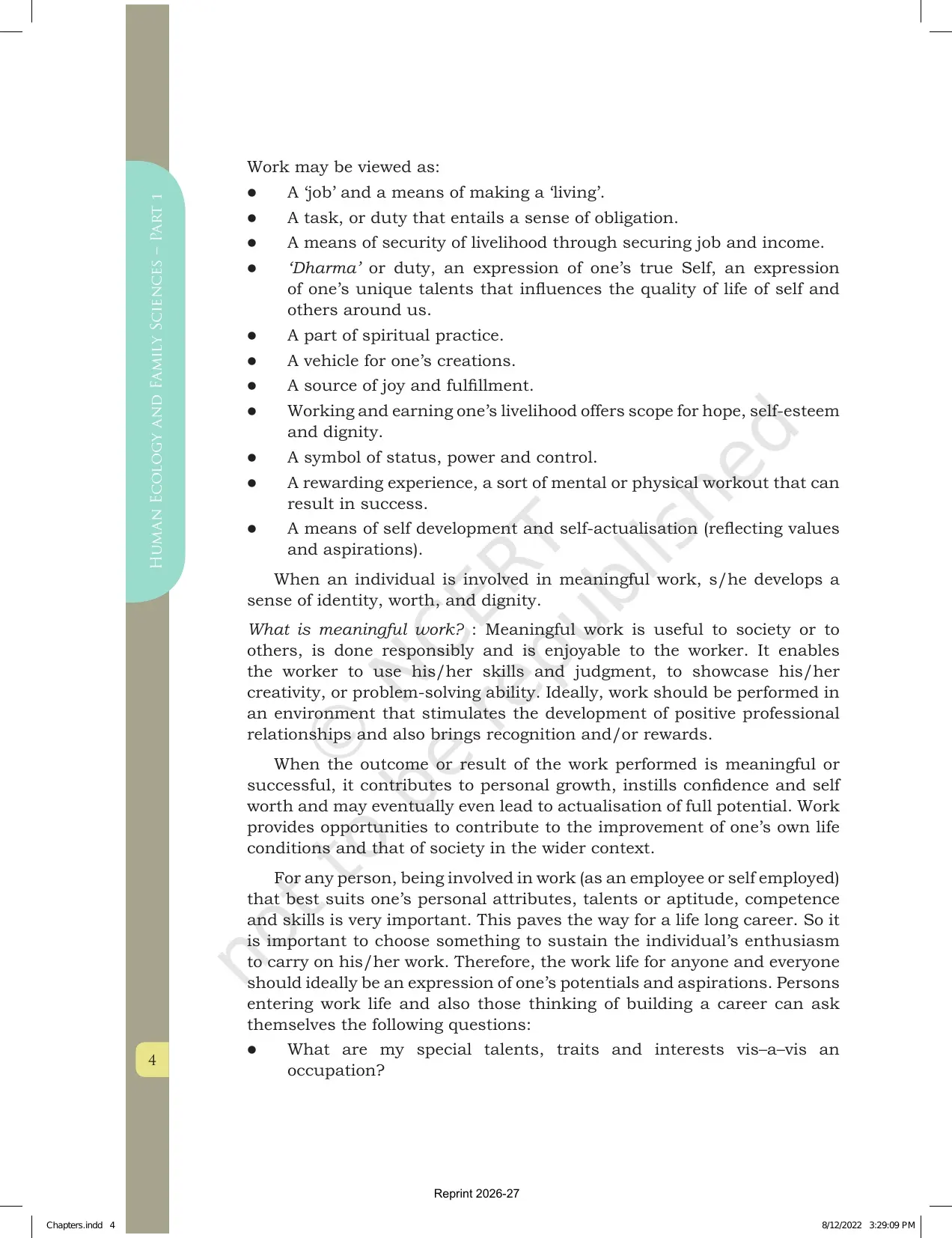
The chapter says career choice should start with self-exploration. Students should ask whether an occupation matches their talents, interests, values and the kind of workplace they want. A career is dynamic because it unfolds across life through learning, paid work, unpaid roles and transitions.
| Question to ask | NCERT reason |
|---|---|
| What are my talents and interests? | The career should fit personal attributes and aptitude. |
| Is the work stimulating? | Challenge helps a person stay involved and grow. |
| Will I feel useful? | Meaningful work brings satisfaction and social contribution. |
| Is the workplace suitable? | Work environment affects quality of work life. |
The safest way to revise this section is to pair every career term with one practical example.
Work Livelihood and Career Video Explanation
Source: Kids learning step by step on YouTube
Quality of Life Social Responsibility and Volunteerism
The later part of the chapter links work with a larger social view. A good livelihood should help a person meet needs, but it should also support dignity, balanced living and responsible action. NCERT also brings in volunteerism because unpaid social work can still be meaningful work.
- Standard of living looks at material comfort and access to goods and services.
- Quality of life also includes health, safety, relationships, satisfaction and dignity.
- Social responsibility asks workers and organisations to think about others too.
- Volunteerism shows that contribution is not always measured through income.
For board answers, use this simple link: livelihood supports needs, career supports growth, and social responsibility supports society.
Traditional Occupations Women Children and Elderly at Work
NCERT asks students to be sensitive to work issues related to traditional occupations and special groups. This part is important because Home Science studies people, families and communities, not only formal jobs.
Watch Out: Do not write one general line for all groups.
- Women may face unequal opportunity, unpaid work pressure and workplace safety concerns.
- Children need protection from work that harms education, health or dignity.
- Elderly people may need respect, flexible roles and safe working conditions.
- Traditional occupations need dignity, fair income and adaptation to new markets.
Answer-writing cue: Mention both the problem and the humane solution. That keeps the answer aligned with the chapter's tone.
How to Use This Home Science Chapter 1 Book PDF
Use the official PDF in three rounds. First, read the learning objectives and mark the terms. Second, prepare short notes for each term pair: work and job, livelihood and career, standard of living and quality of life. Third, revise examples of meaningful work and healthy workplaces.
- Make one flashcard each for meaningful work, livelihood, career and entrepreneurship.
- Write two examples for social responsibility and volunteerism.
- Revise the questions NCERT suggests for choosing an occupation.
Study habit: Keep the PDF open while reading notes so definitions stay close to the textbook wording.
All NCERT Book PDFs for Class 12 Home Science Chapters
The table below keeps the same resource type together, so students can move chapter by chapter through the Class 12 Home Science NCERT book PDFs.
| Chapter | NCERT chapter title | Book PDF |
|---|---|---|
| Chapter 1 | HE1: Work, Livelihood and Career | Current book PDF |
| Chapter 2 | HE1: Nutrition, Health and Wellbeing | Open book PDF |
| Chapter 3 | HE1: Childhood and Adolescence | Open book PDF |
| Chapter 4 | HE1: Adulthood and Ageing | Open book PDF |
| Chapter 5 | HE1: Resource Management | Open book PDF |
| Chapter 6 | HE1: Communication and Extension | Open book PDF |
| Chapter 7 | HE1: Clothing and Textiles | Open book PDF |
| Chapter 8 | HE1: Career Options after Home Science | Open book PDF |
| Chapter 11 | HE2: Nutrition, Food Science and Technology | Open book PDF |
Work Livelihood and Career Class 12 Home Science NCERT Book FAQs
Ques. What is included in the Class 12 Home Science Chapter 1 NCERT Book PDF?
Ans. The PDF includes the official NCERT chapter on work, meaningful work, livelihood, career planning, social responsibility, volunteerism and healthy work environments.
Ques. How many pages are there in Work, Livelihood and Career NCERT PDF?
Ans. The official chapter PDF has 28 pages in the 2026-27 reprint, including the unit opener and Chapter 1 text.
Ques. What is meaningful work according to this Home Science chapter?
Ans. Meaningful work is useful to society or others, done responsibly, enjoyable to the worker and able to use skill, judgement or creativity.
Ques. Is career the same as a job in Chapter 1 Home Science?
Ans. No. NCERT treats a job as work done mainly for earning, while a career is a lifelong path of growth, learning and work roles.



Comments